The Beolab 90 has spent the better part of a decade as Bang & Olufsen’s technological flagship, a speaker so absurdly capable that it can beam-form sound to different parts of a room simultaneously. For the company’s centenary, the design team decided the speaker’s technical mastery deserved equally ambitious surface treatments.
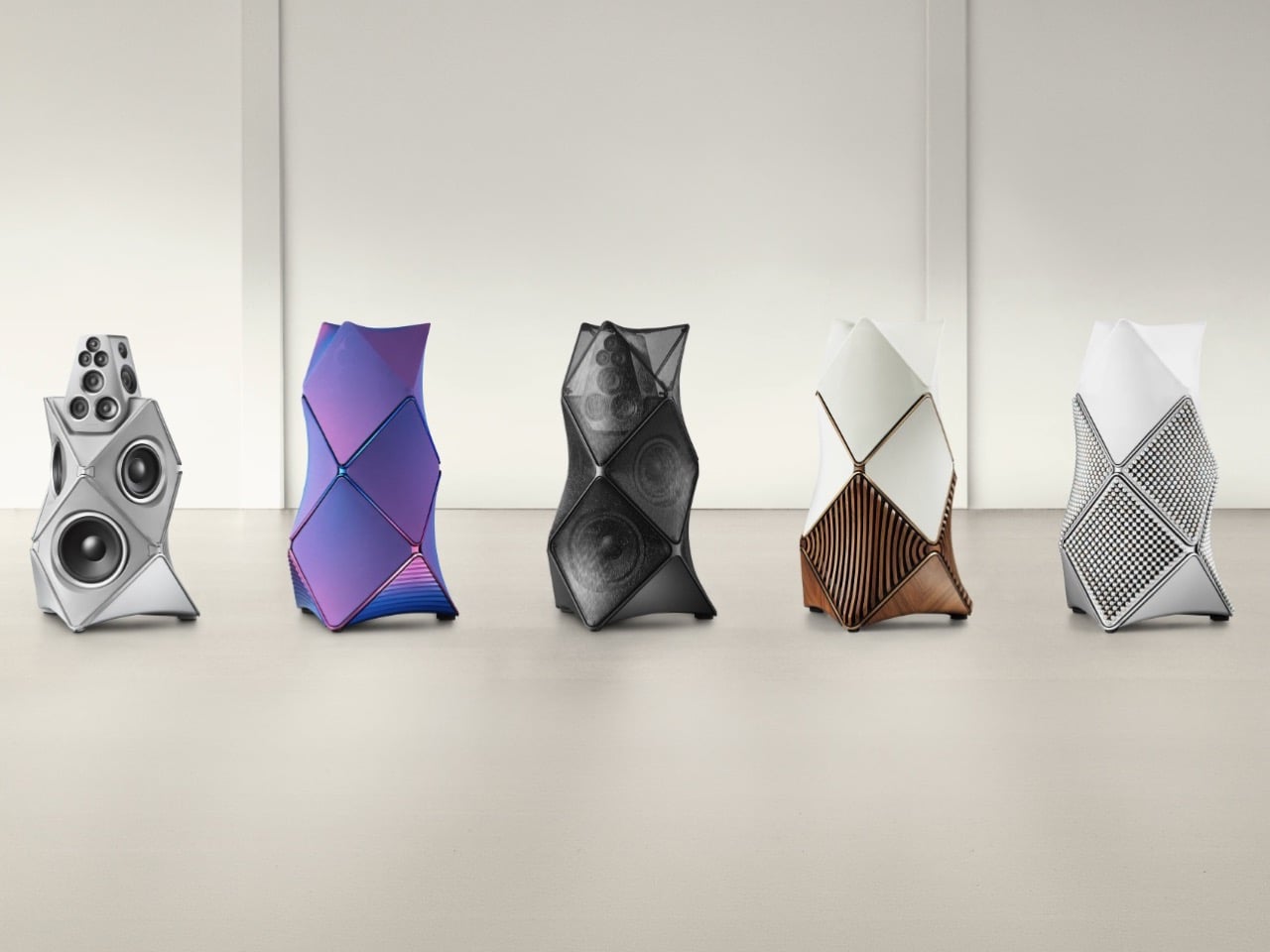
The result is a five-edition Atelier series where each version explores a different corner of B&O’s manufacturing expertise. The Monarch and Zenith Editions, revealed today as the series finale, take wood and metal to places you wouldn’t normally associate with speaker cabinets. Angled rosewood lamellas flow across the Monarch’s aluminum body in a continuous sculptural gesture, while the Zenith Edition gets covered in nearly 1,800 individual aluminum spheres hand-assembled across six curved panels. Ten pairs of each, certificates of authenticity, miniature sculptures in matching finishes. The works.
Designer: Bang & Olufsen
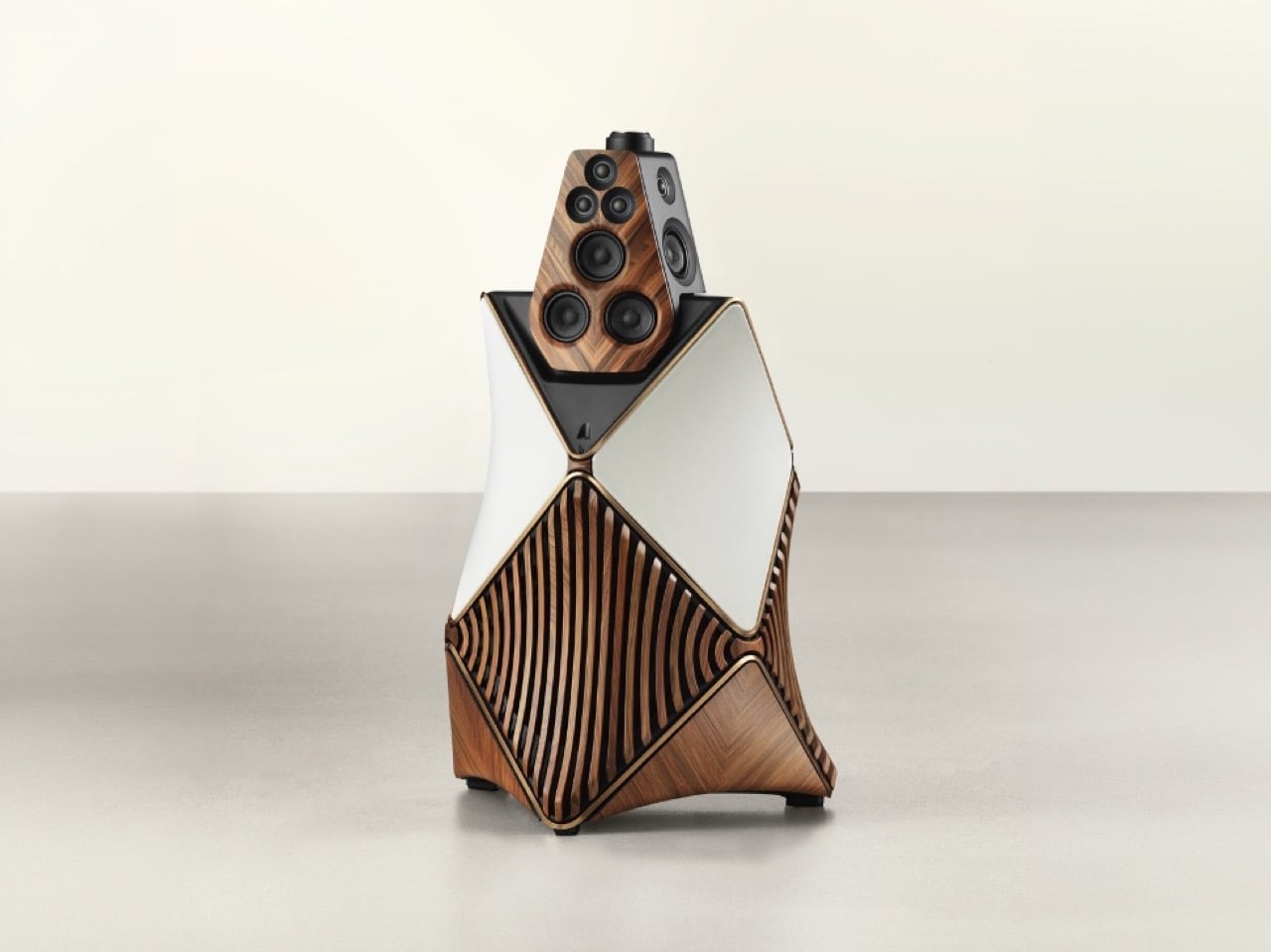
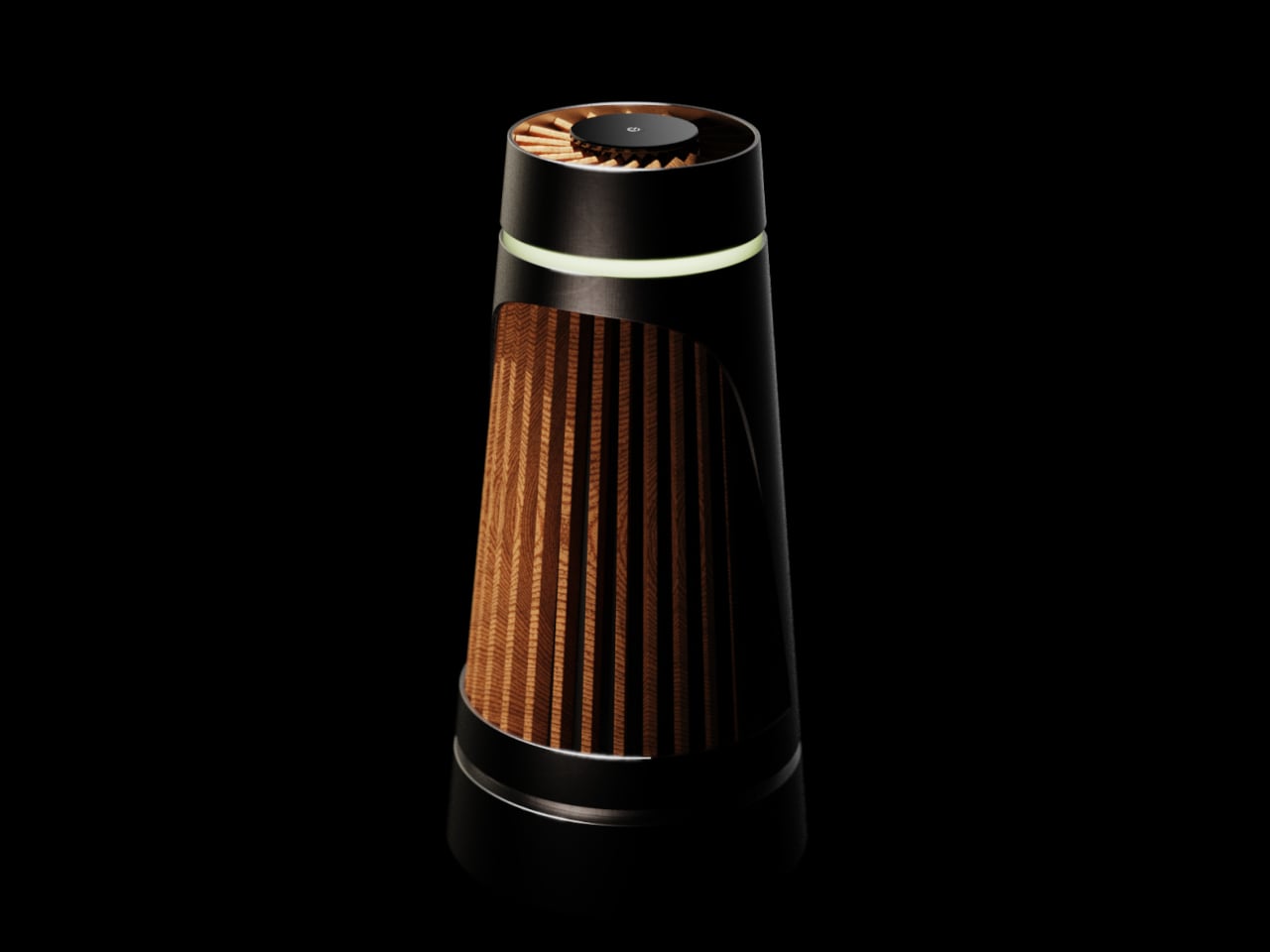
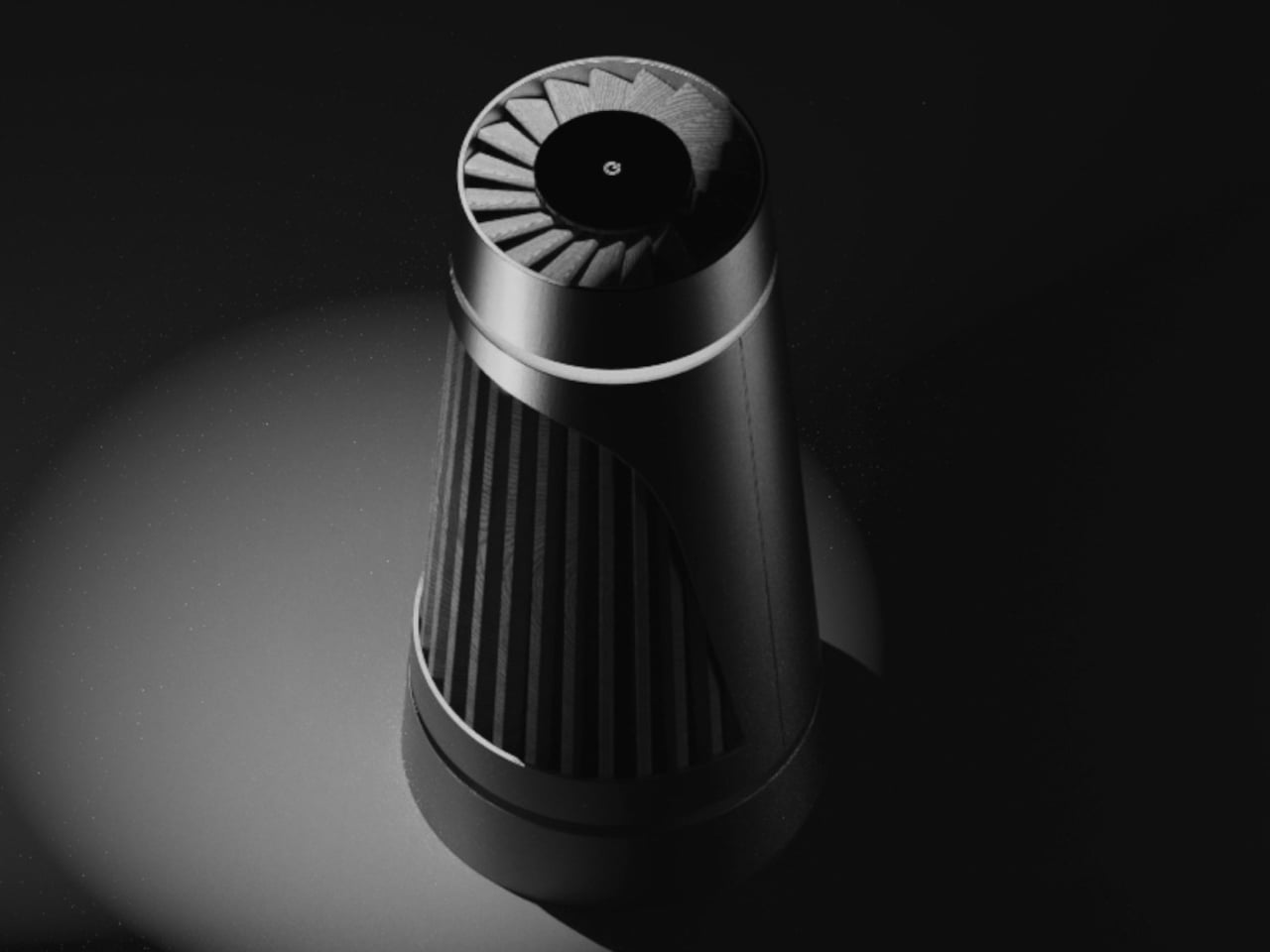
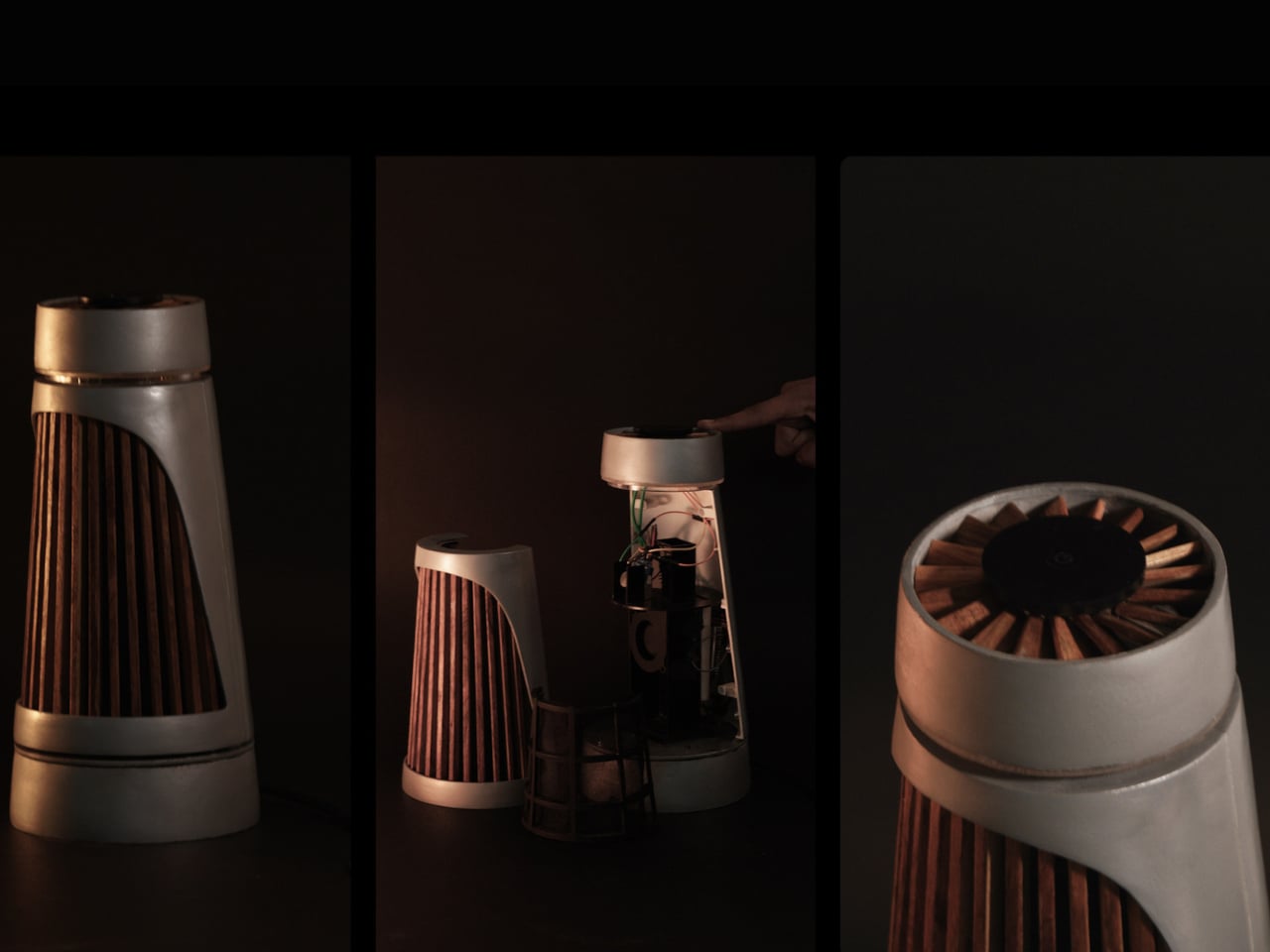
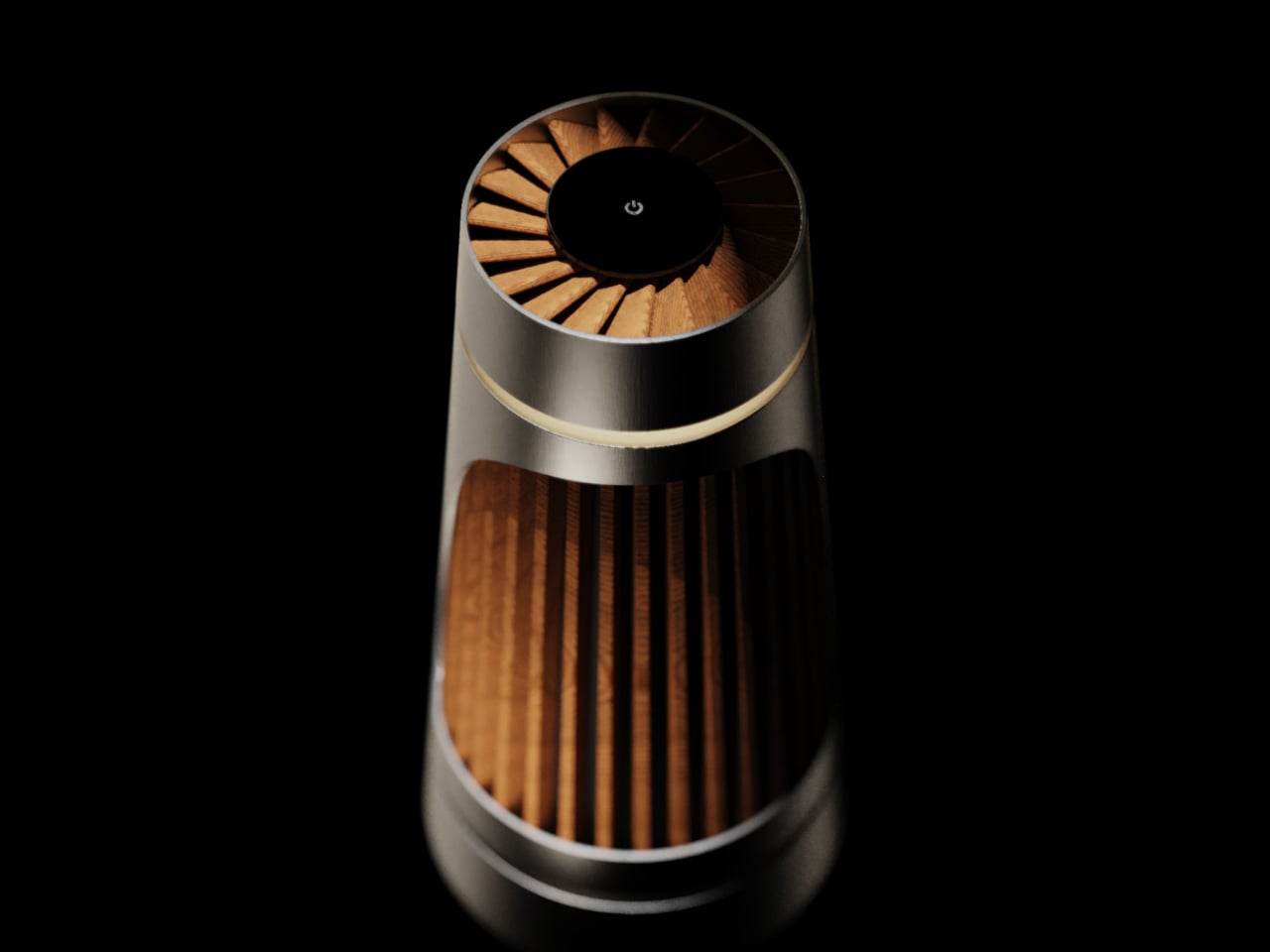
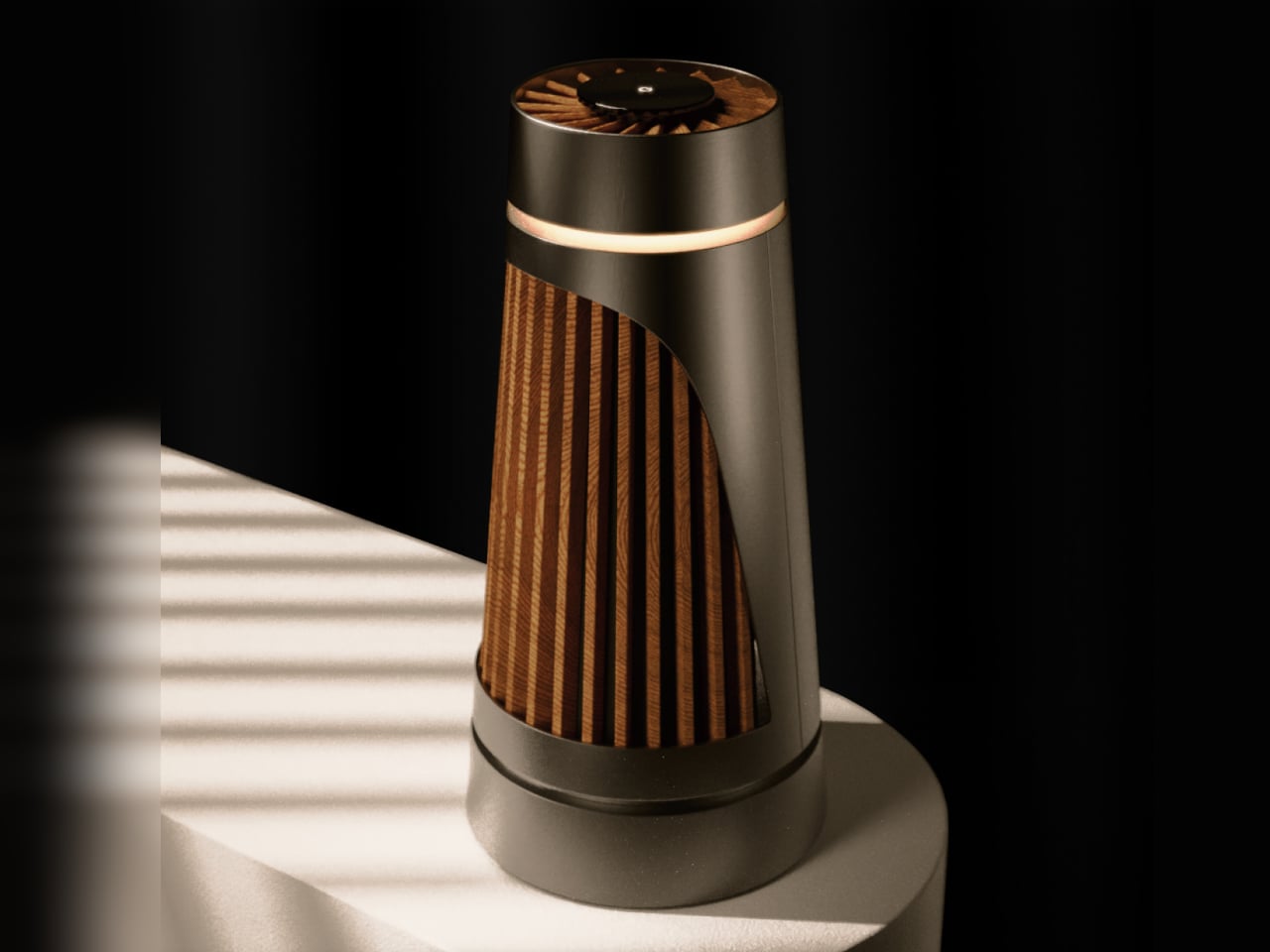
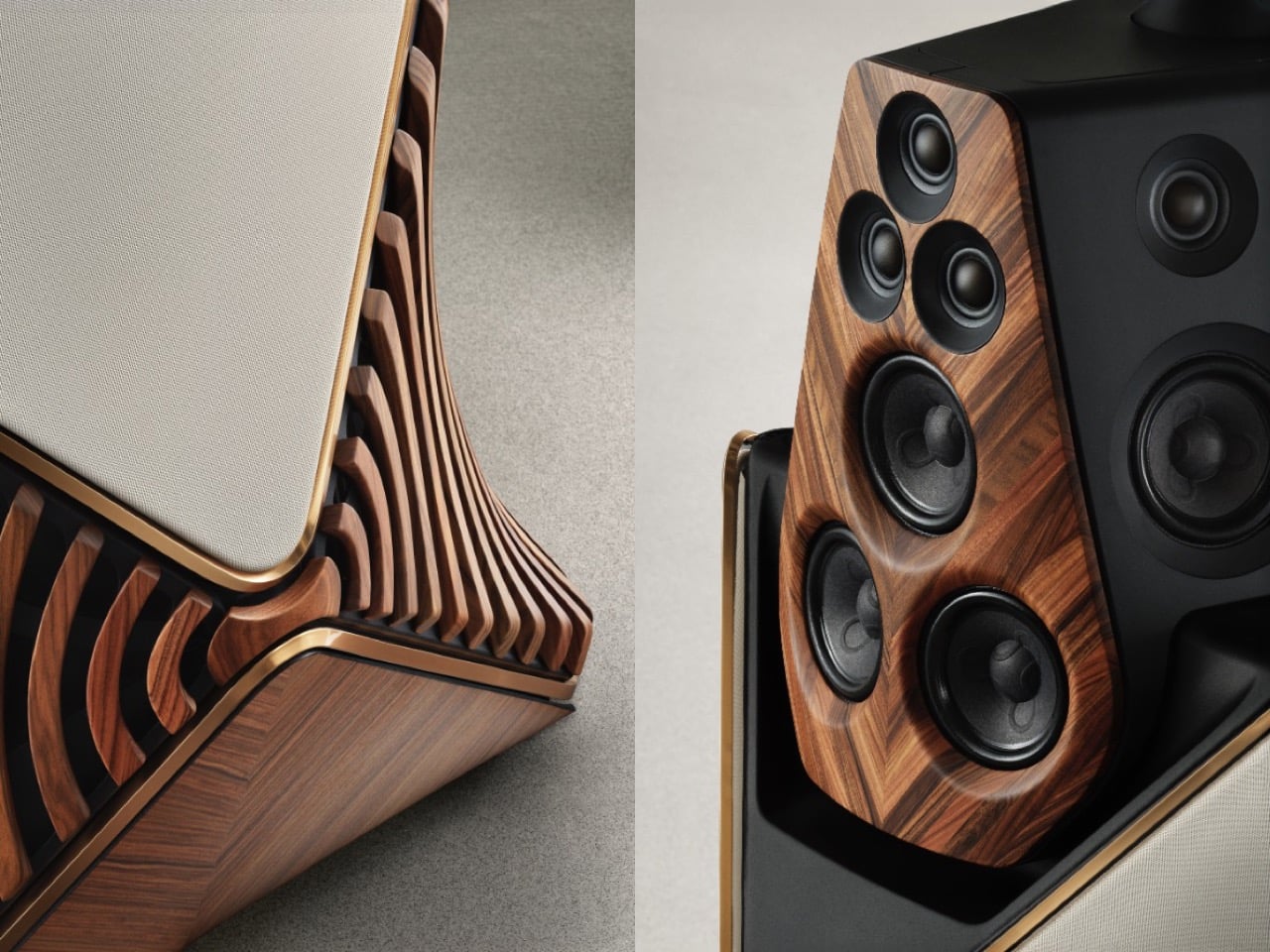
The Monarch Edition reads like someone at B&O looked at classic Danish furniture, specifically the kind with slatted wood panels that wrap around curved frames, and decided a 150-pound loudspeaker needed the same treatment. Angled rosewood lamellas follow the contours of the aluminum cabinet in a 360-degree rhythm that echoes fabric speaker covers while introducing actual tactile depth. Six wooden knots connect the lamellas at strategic points, with the front knot featuring a light-through-wood stripe that breaks up what could have been a monotonous pattern. A solid rosewood top ring frames the speaker head while lower base panels continue the lamella motif, creating visual continuity from top to bottom. The ochre-colored aluminum crowns contrast with the warm rosewood in a way that feels deliberate rather than accidental, and semi-transparent fabric sections offer glimpses of the acoustic drivers hiding behind the wood. We covered the Titan Edition back in November, the one where B&O stripped the housing entirely and sandblasted the exposed aluminum with crushed volcanic rock. The Monarch takes the opposite approach, adding layers instead of removing them.
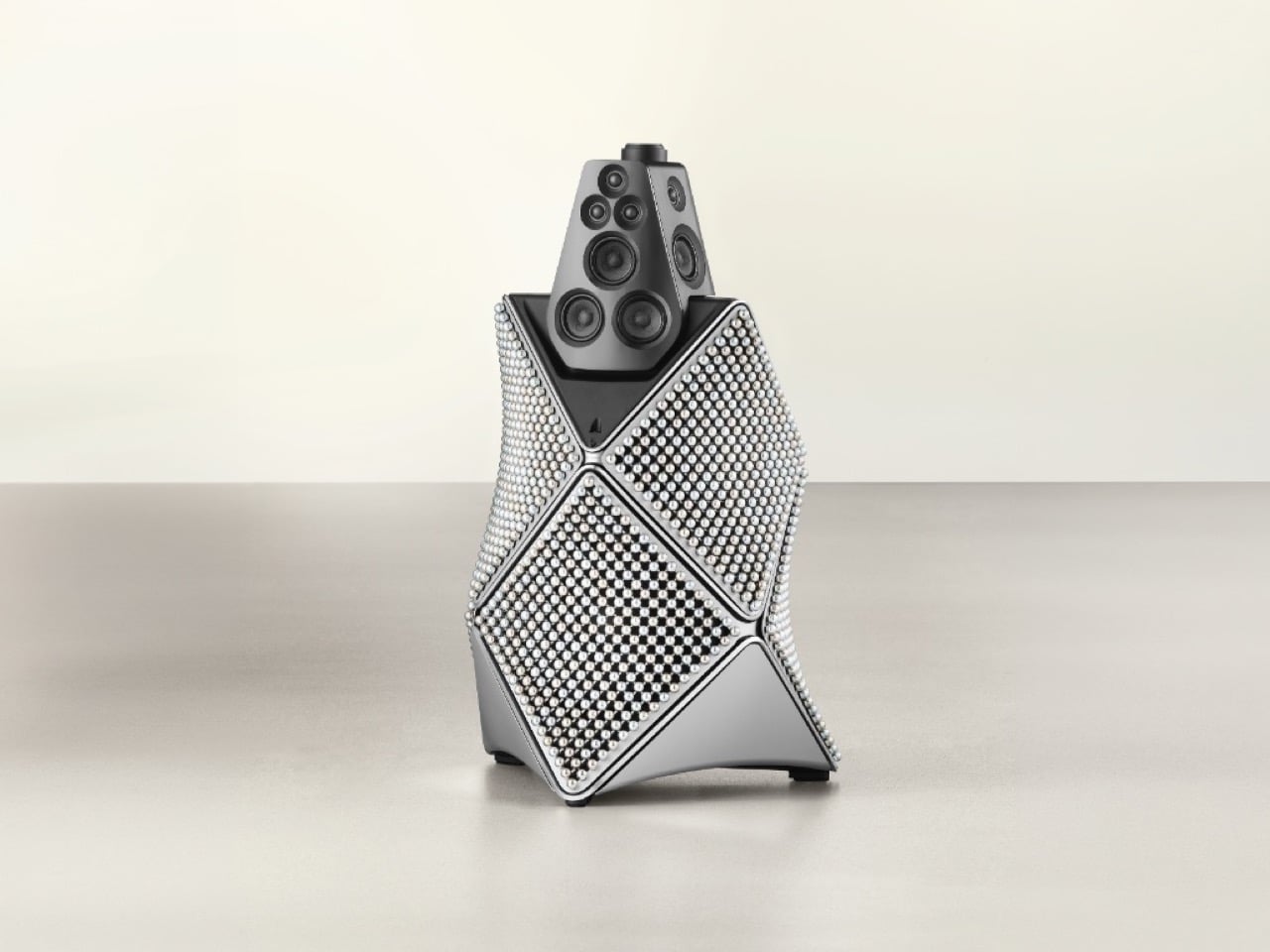
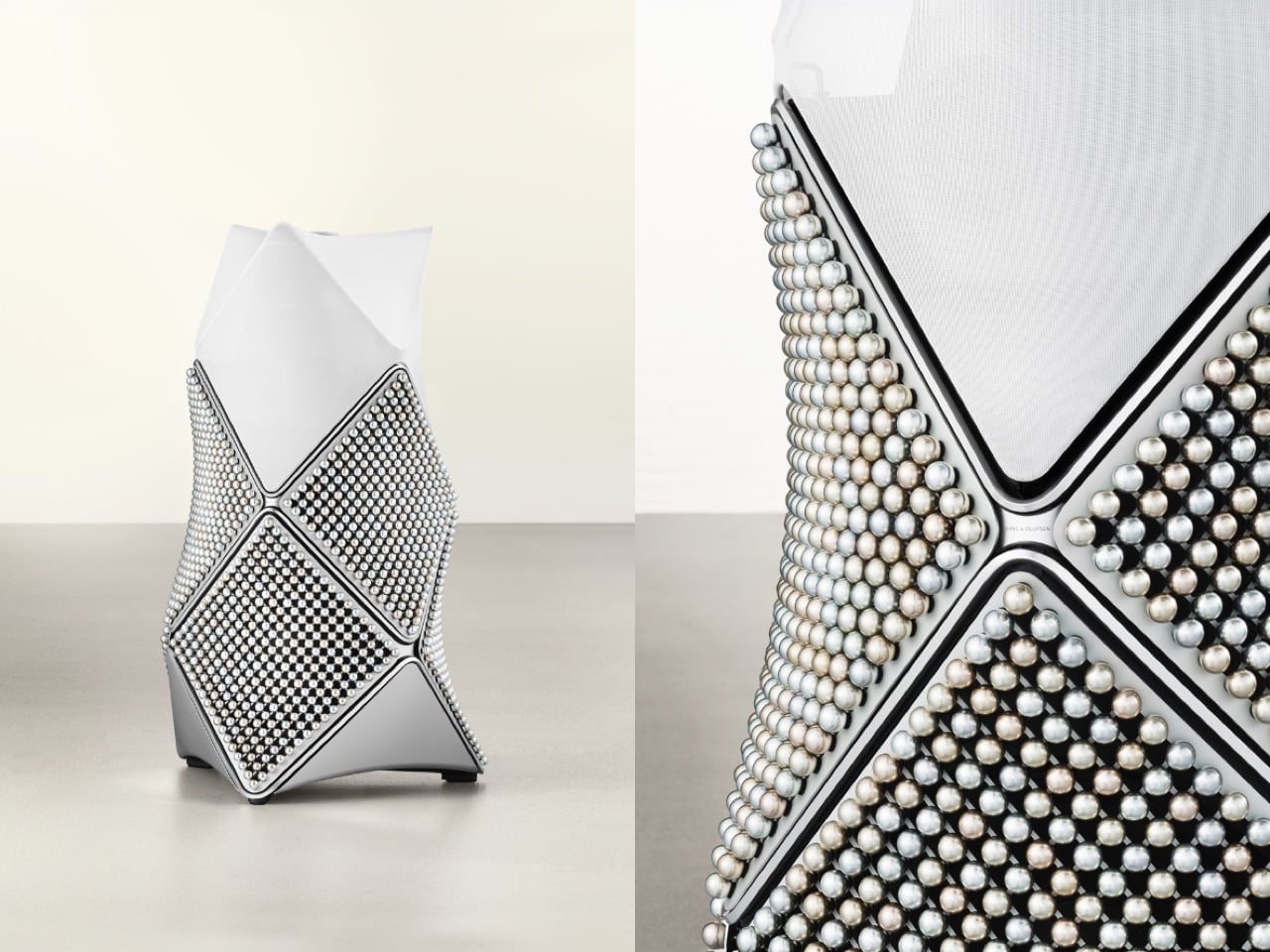
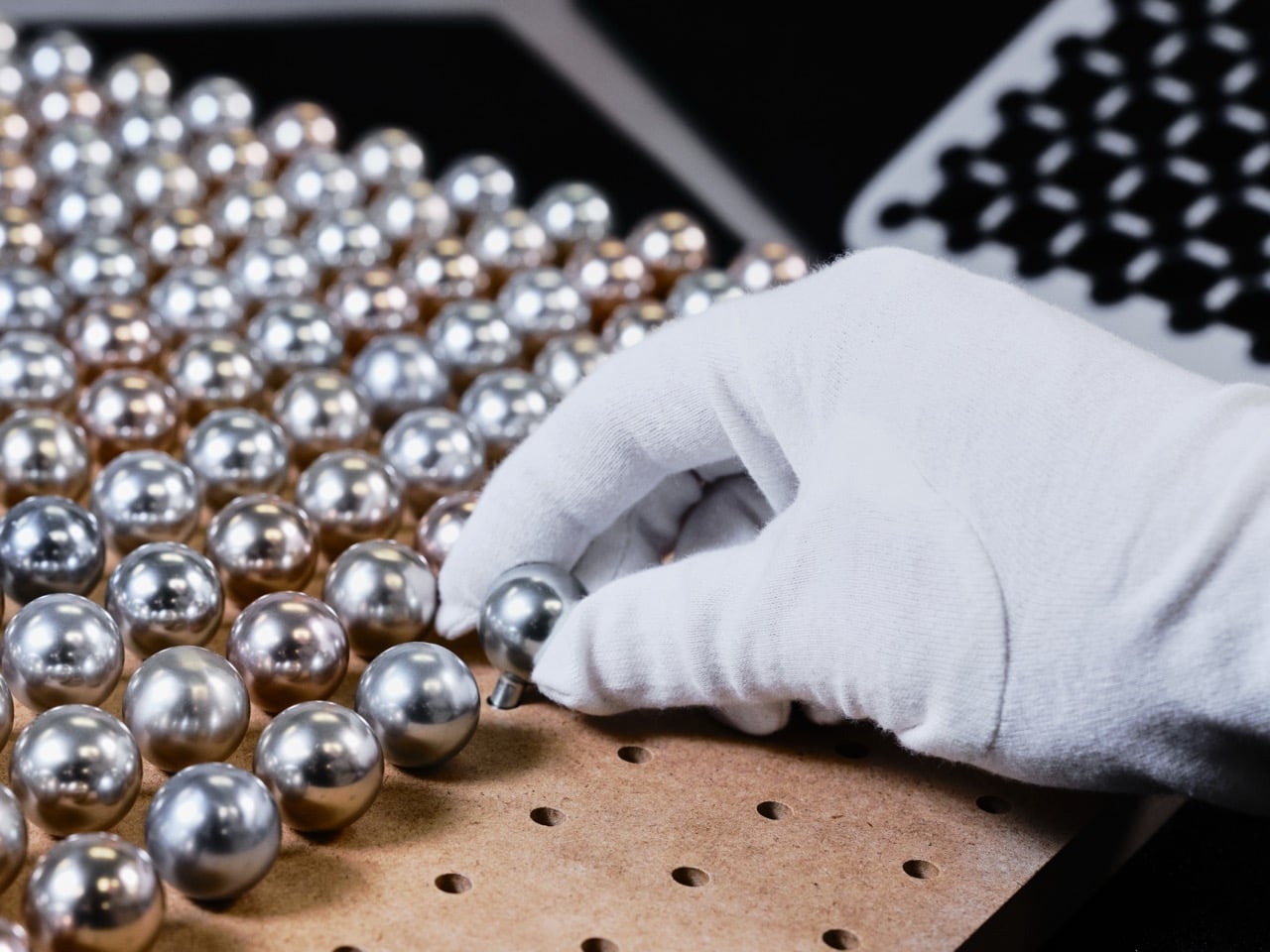
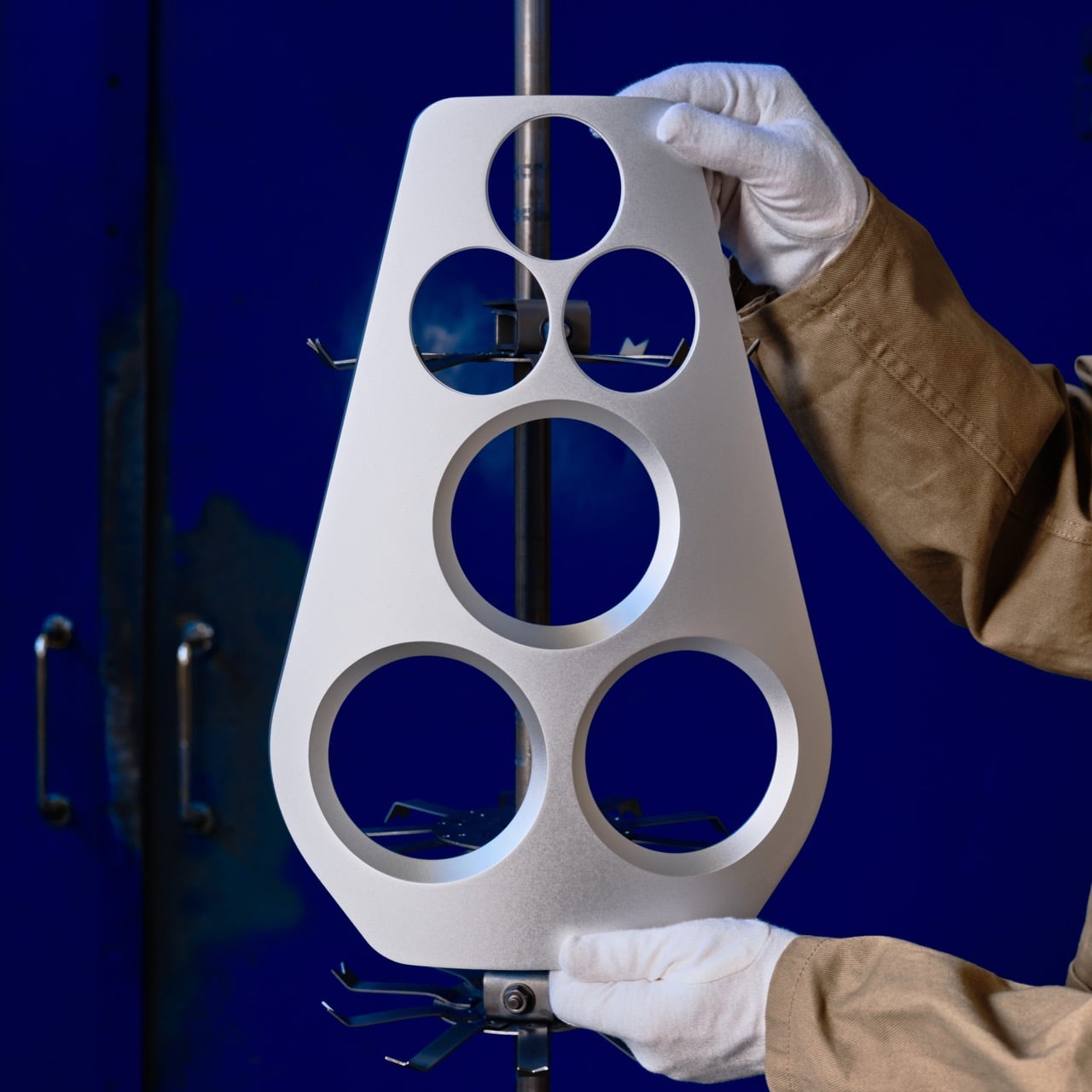
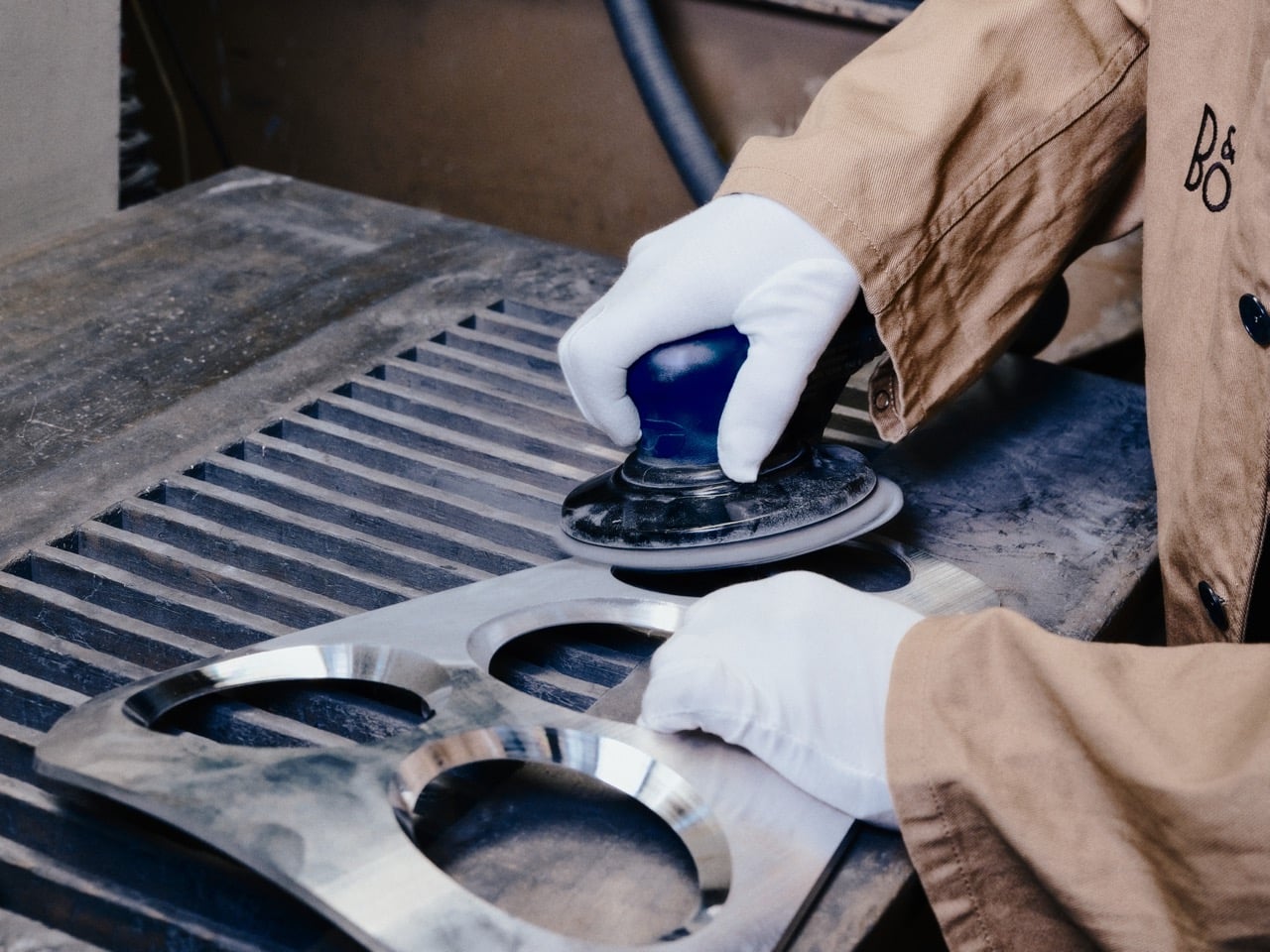
The Zenith Edition abandons wood entirely and commits to a single absurd idea: what if we covered this thing in pearls? Not actual pearls, obviously, but 1,734 anodized aluminum spheres arranged across six panels in seven bespoke pearl-inspired colors. Each panel holds 289 spheres, and the whole assembly is curved to follow the cabinet’s architectural form. The machined aluminum facemask gets pearl-blasted and anodized in dark grey to resemble an oyster shell, because apparently we’re taking the pearl metaphor all the way. A circular mother-of-pearl inlay sits on top, matching the diameter of the aluminum spheres and serving as a luminous focal point that ties the composition together. The effect is weirdly organic for something made entirely from metal, with the layered surfaces and interplay of polished and matte finishes catching light differently throughout the day. I keep thinking about the Mirage Edition we covered in December, the one with hand-applied gradient anodization that shifted from blue to magenta depending on viewing angle. The Zenith pulls a similar trick but through physical texture rather than color gradients.
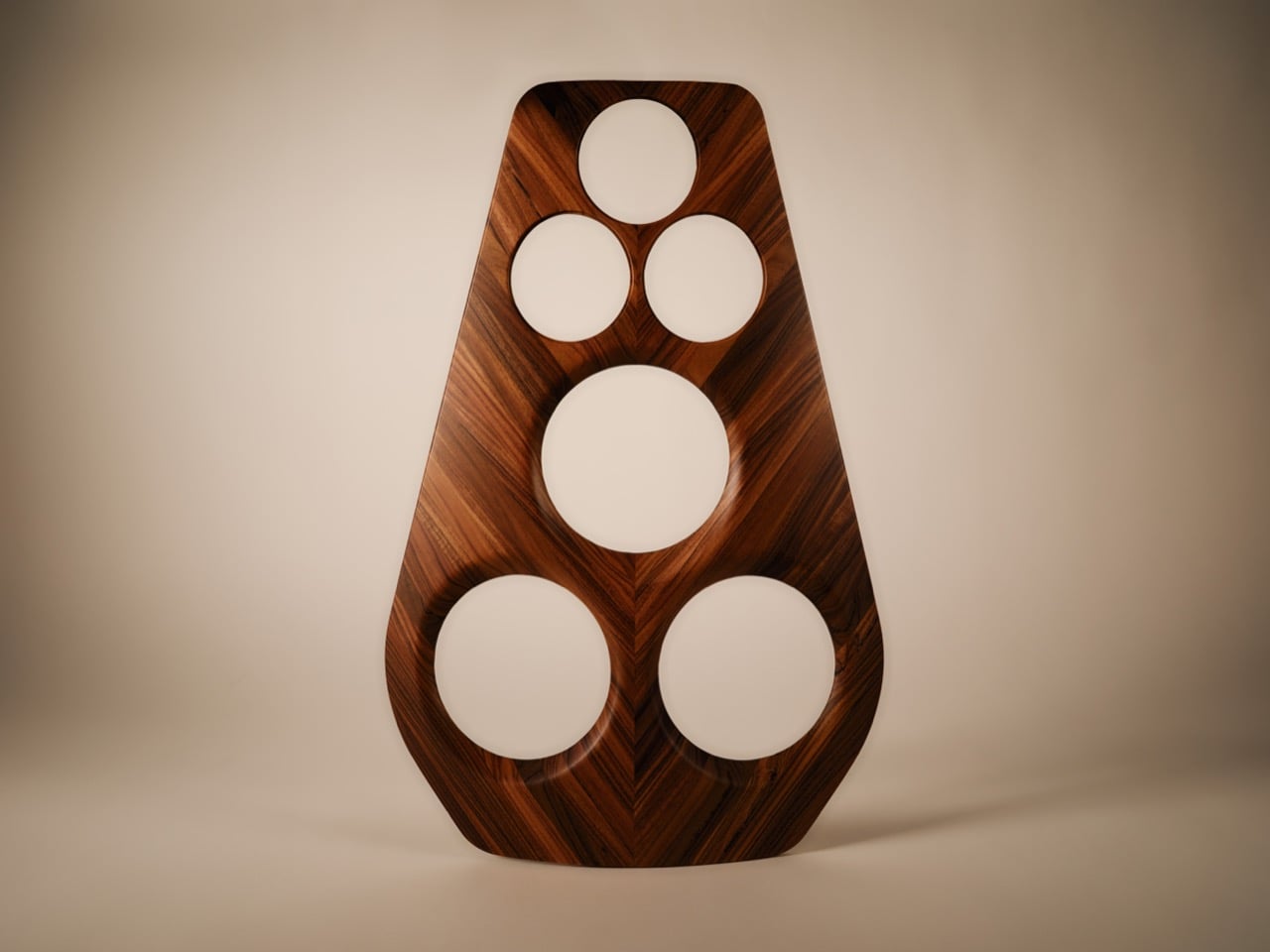
Both editions preserve the Beolab 90’s core acoustic performance, which remains borderline ridiculous even by 2026 standards. Eighteen bespoke drivers, advanced beam-forming technology that can steer sound to specific parts of a room, enough digital signal processing to make most studio monitors jealous. The original Beolab 90 launched at $185,000 for a pair, and these limited editions will almost certainly exceed that figure, though B&O hasn’t published pricing yet. When you order a set, you get a miniature aluminum Beolab 90 sculpture in the corresponding edition finish, presented in a custom aluminum delivery box, which feels like the kind of detail that matters when you’re spending what a luxury sedan costs on speakers.
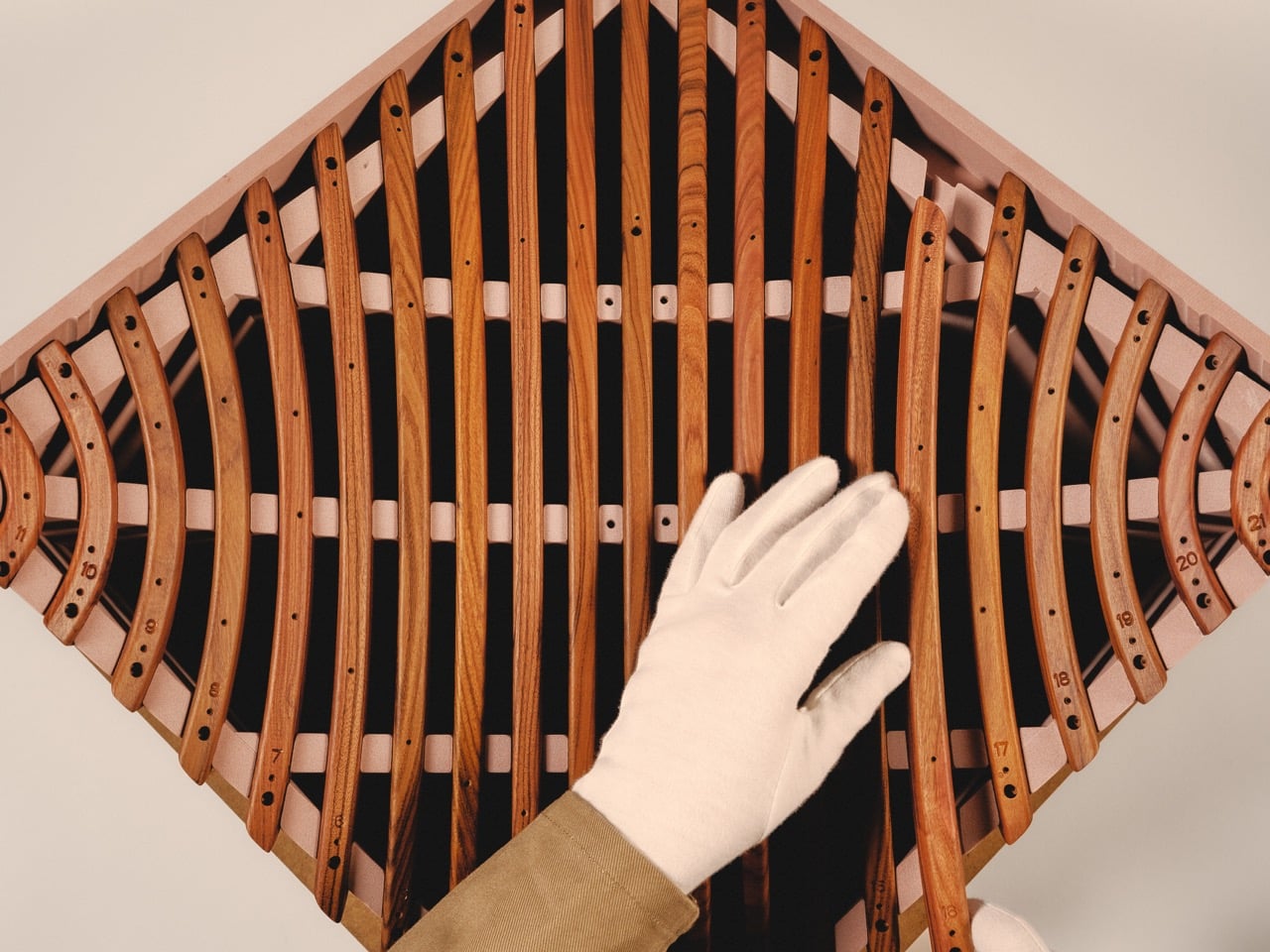
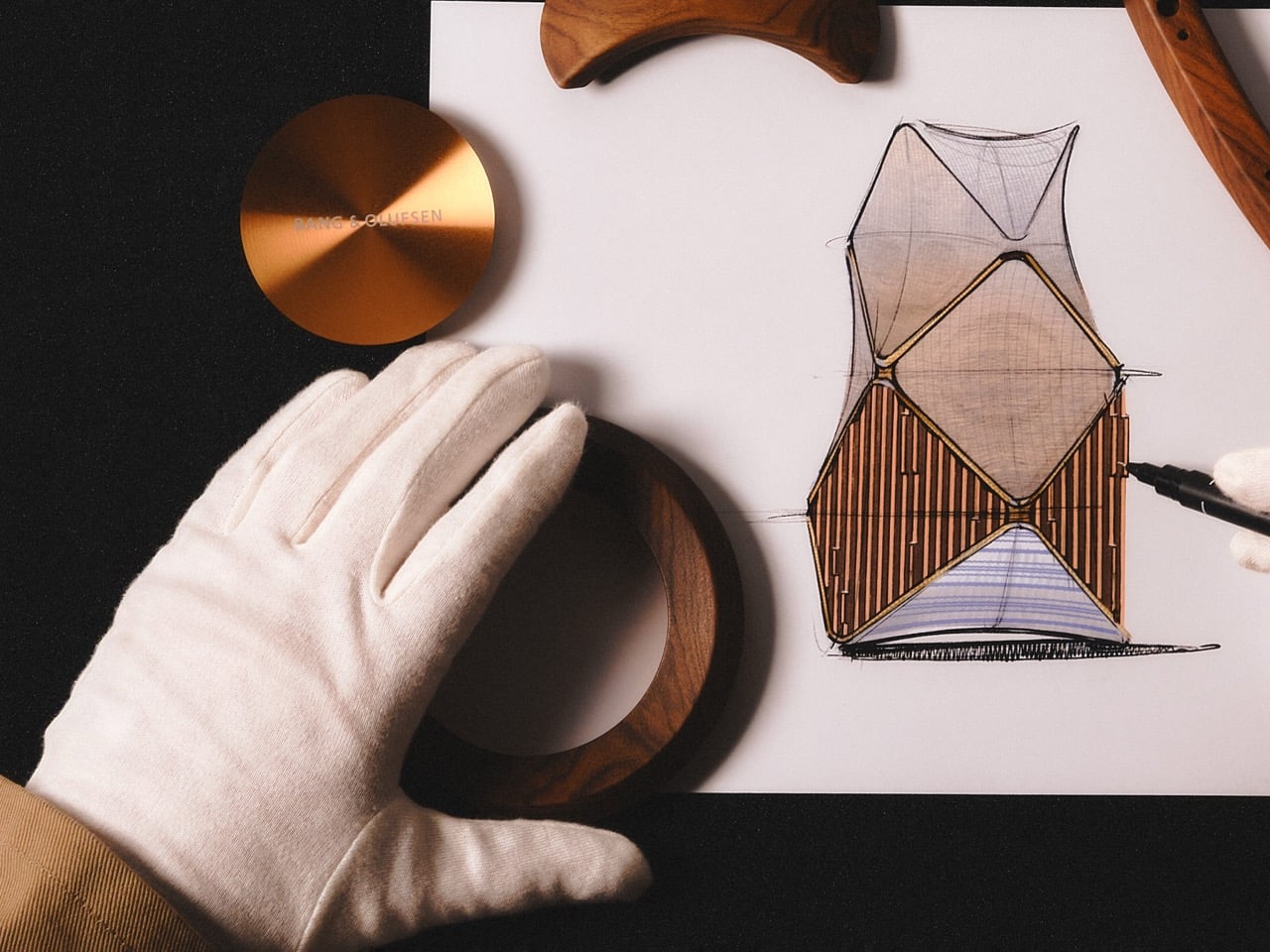
The five-edition Atelier series, Shadow and Mirage and Titan and now Monarch and Zenith, reads as Bang & Olufsen methodically working through its material catalog. Each variant explores a different manufacturing technique pushed to its technical limit, whether that’s volcanic sandblasting or gradient anodization or curved wood lamination or hand-assembled metal spheres. The speakers debut at B&O’s San Francisco Culture Store, the brand’s largest showroom globally, before touring to other locations. Limited to ten pairs per edition means most people will never see these in person, let alone own them, but that seems to be the point. A century of operation earns you the right to build things simply because you can.

The post Bang & Olufsen Clads Its Flagship Speaker in 1,800 Aluminum Pearls and Rosewood Slats For 100th Anniversary first appeared on Yanko Design.