Bang & Olufsen’s $150K Speakers Shift Color As You Walk By

There’s something almost surreal about watching Bang & Olufsen celebrate its 100th birthday. While most brands would throw a retrospective exhibition or release a commemorative coffee table book, the Danish audio company has decided to do something far more ambitious. They’re taking their most advanced loudspeaker and reimagining it as high art.

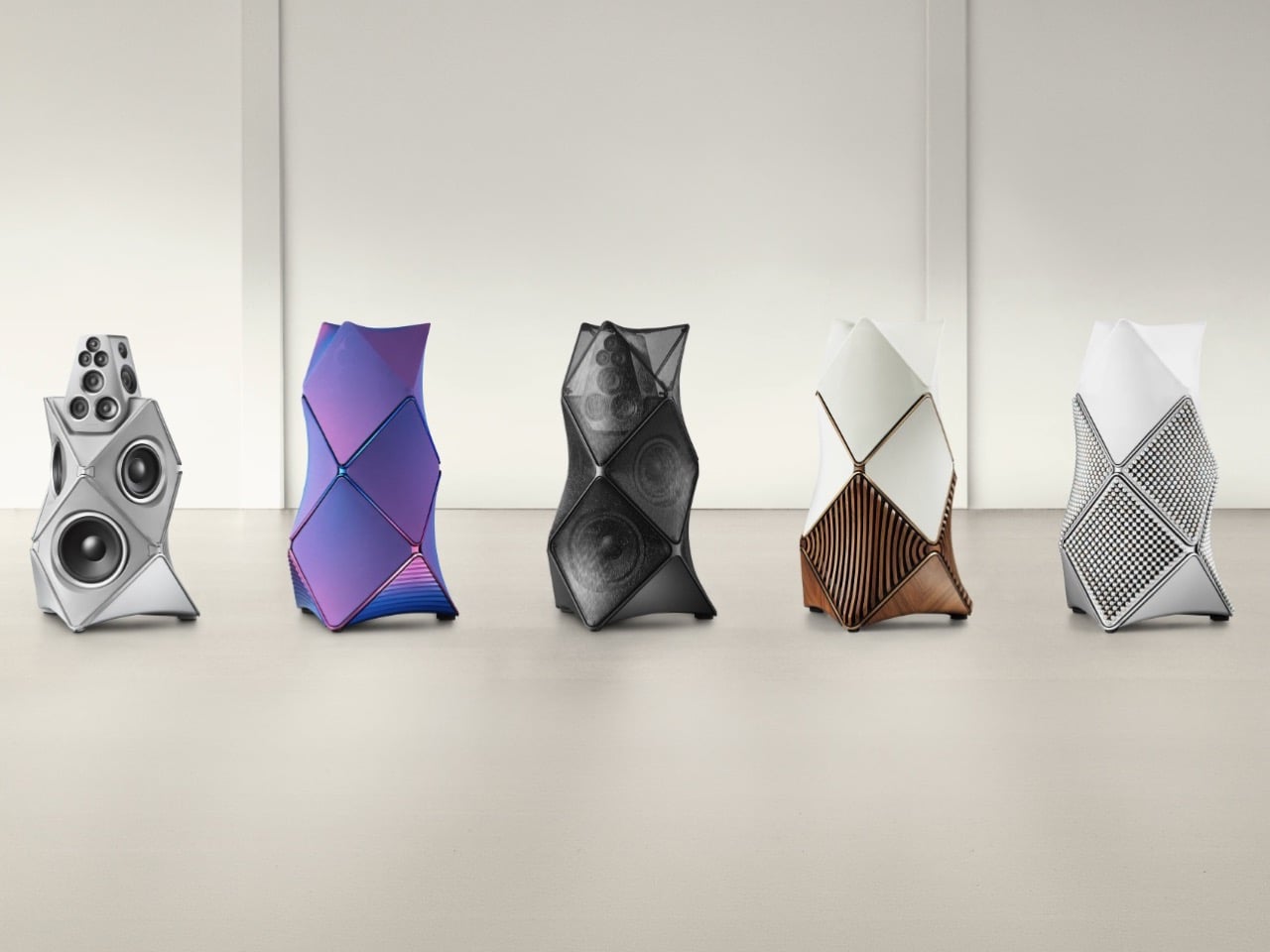
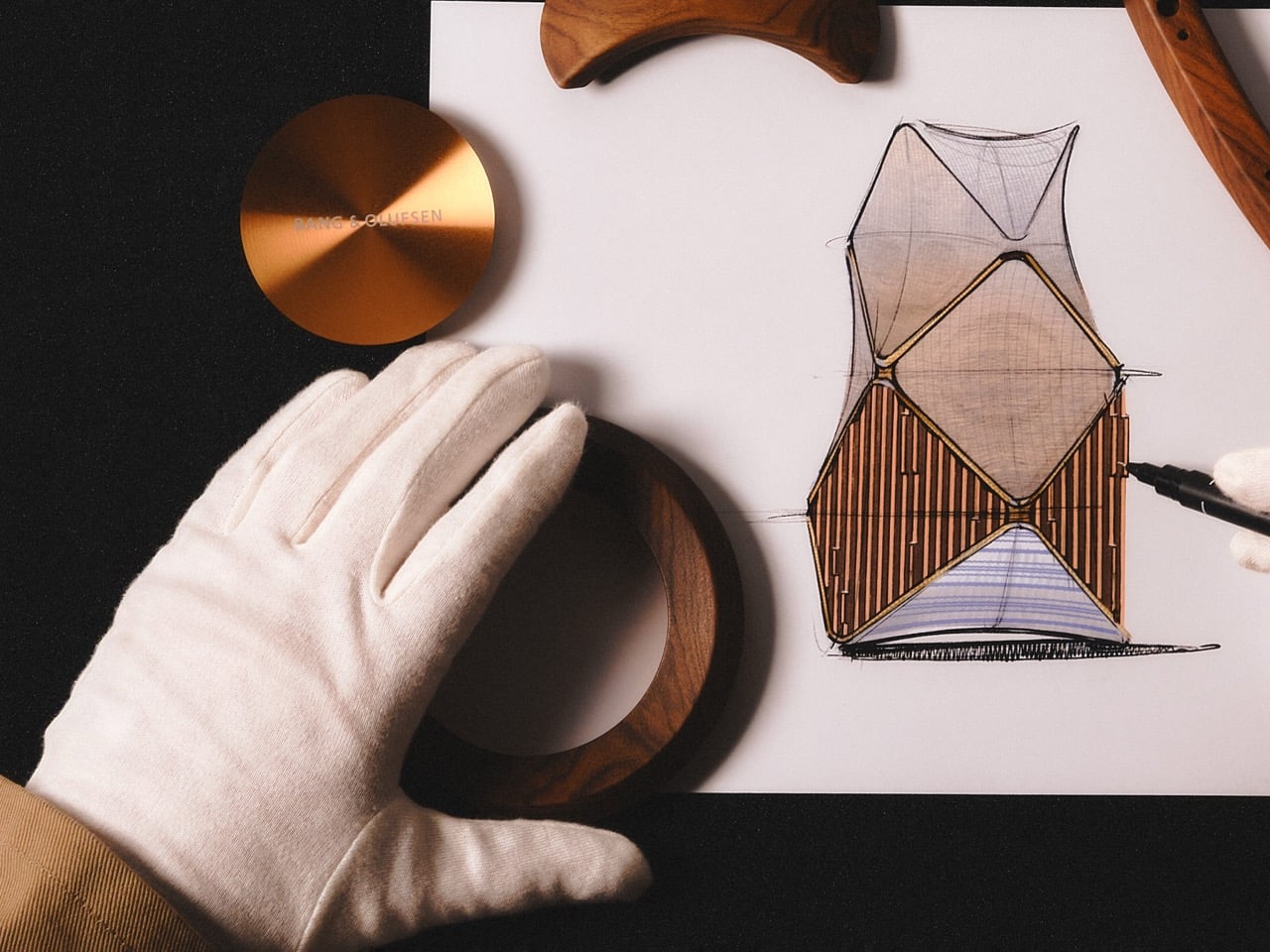
Enter the Beolab 90 Phantom and Mirage Editions, two wildly different expressions of the same technological marvel. These aren’t just new color options thrown onto an existing product. They’re part of a five-edition Atelier series, each limited to just ten pairs worldwide, where Bang & Olufsen’s designers and craftspeople have pushed materials and finishes to places they’ve never been before.

Designer: Bang & Olufsen

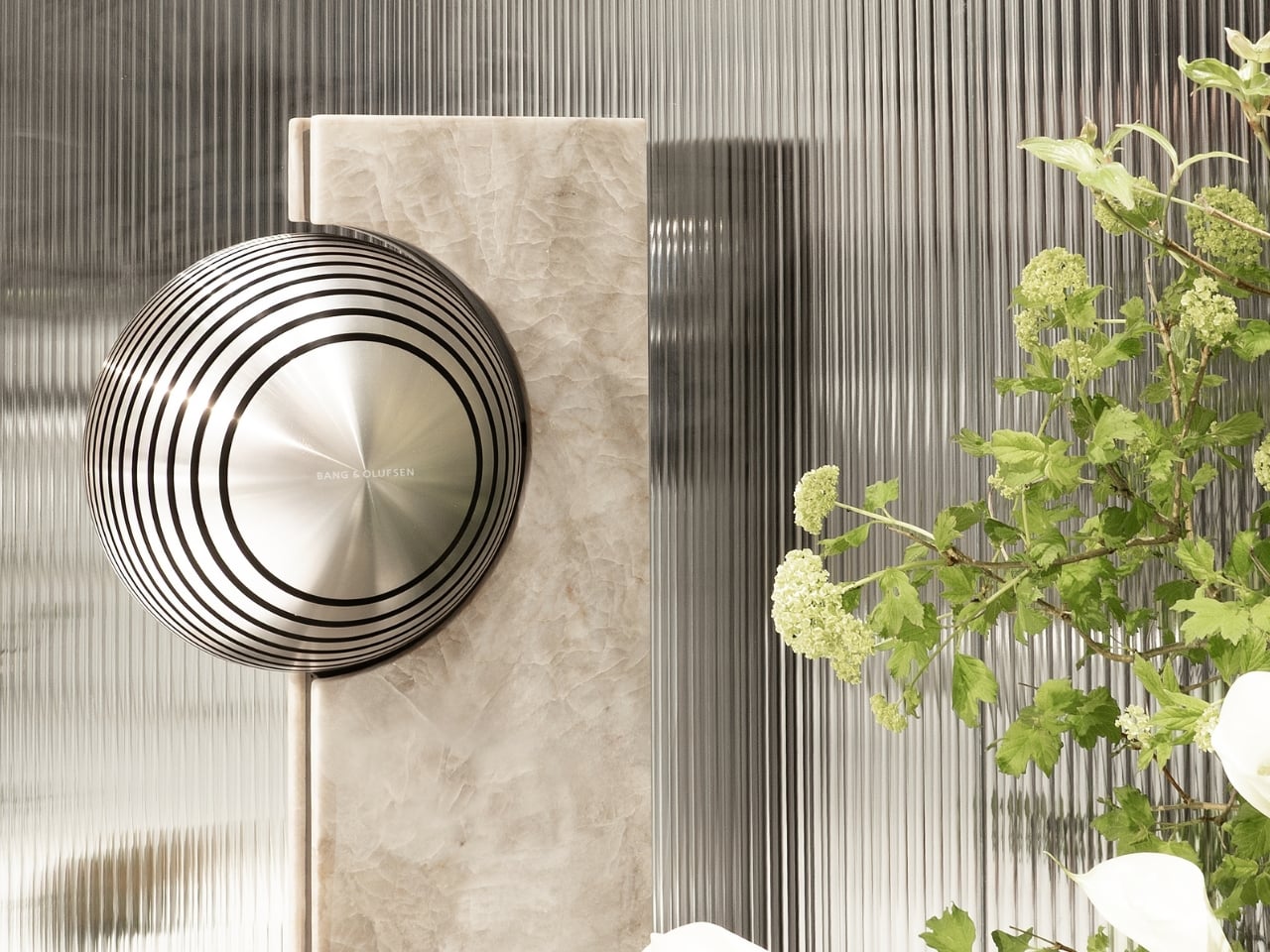
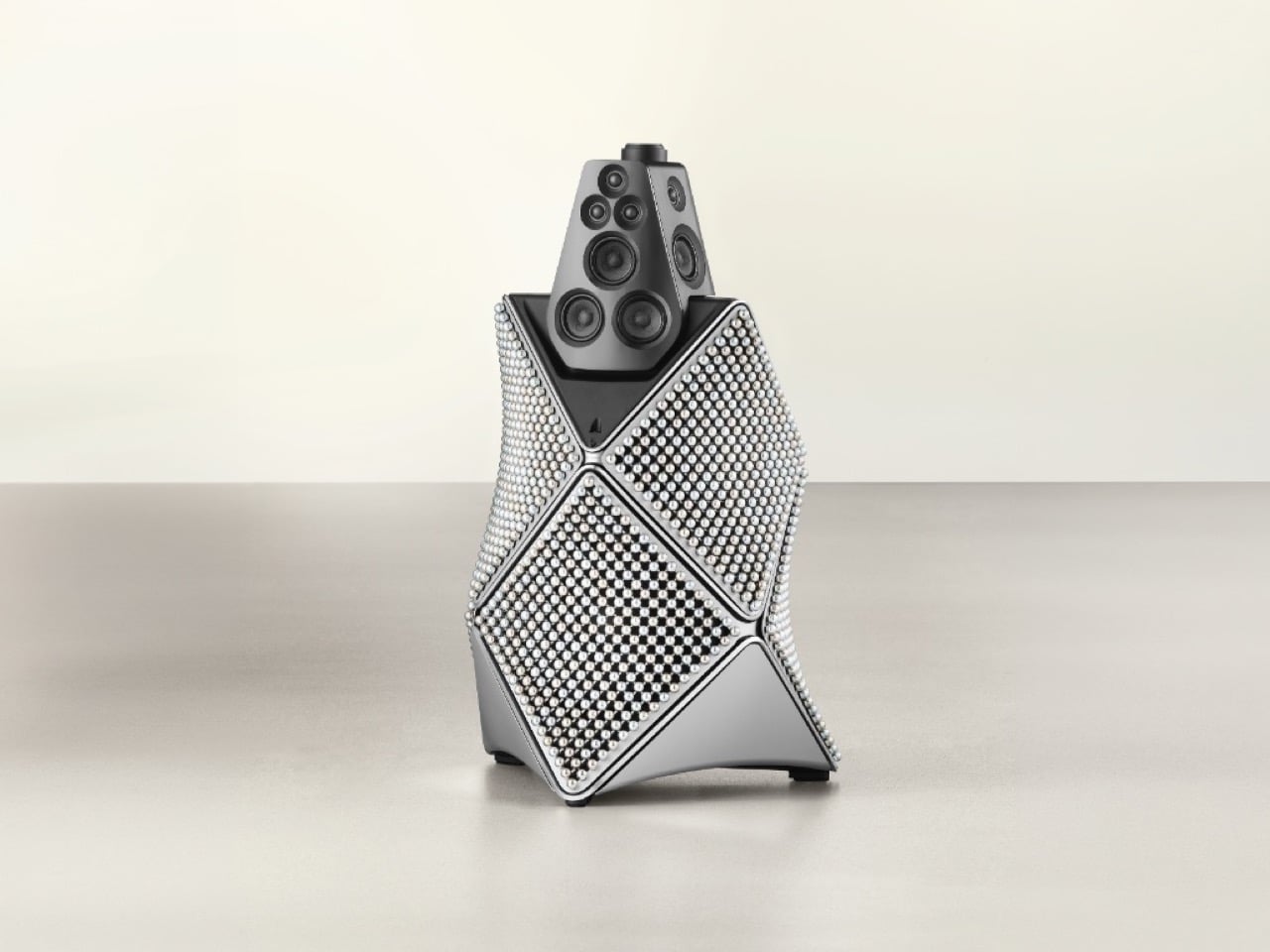
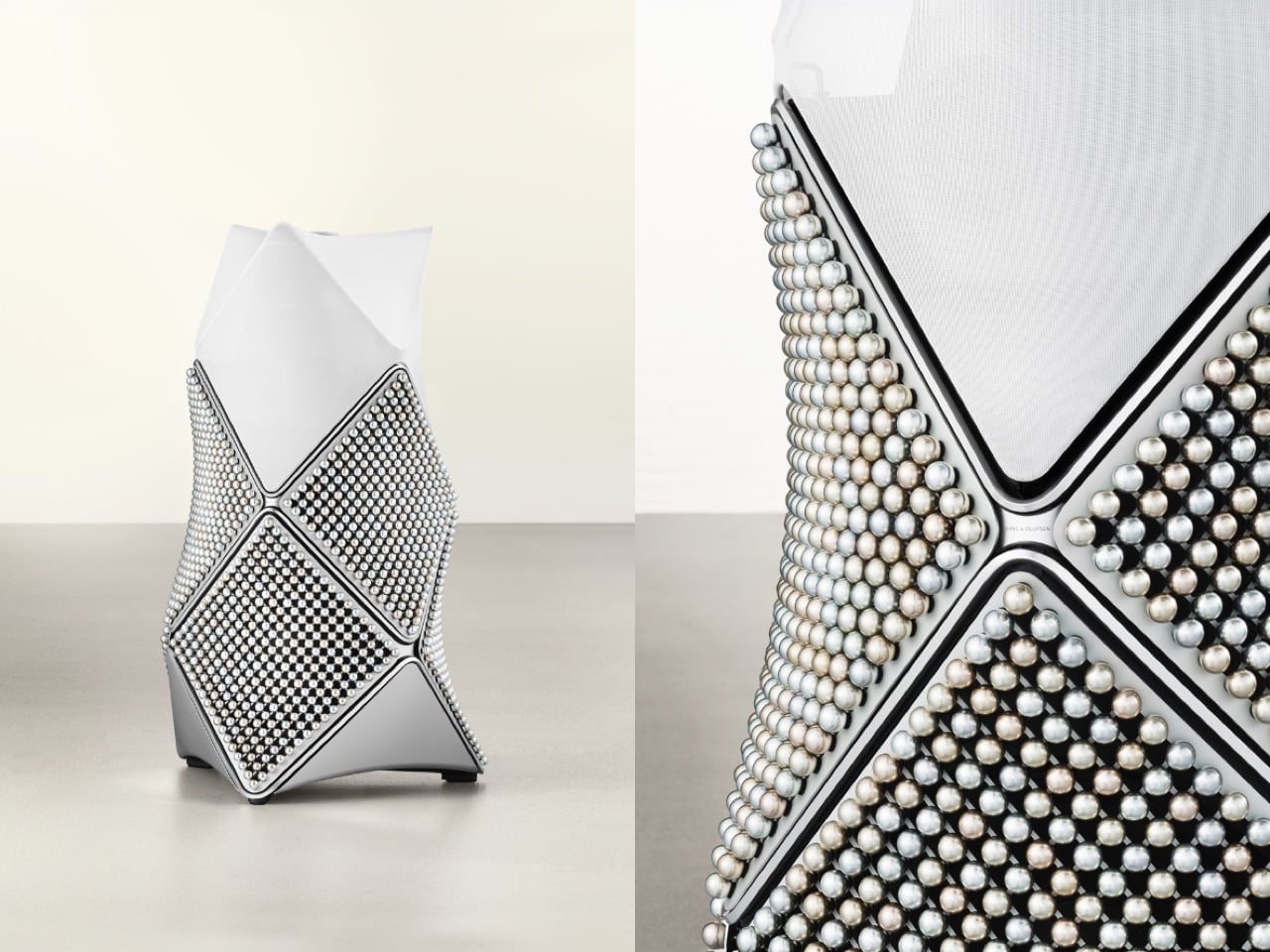
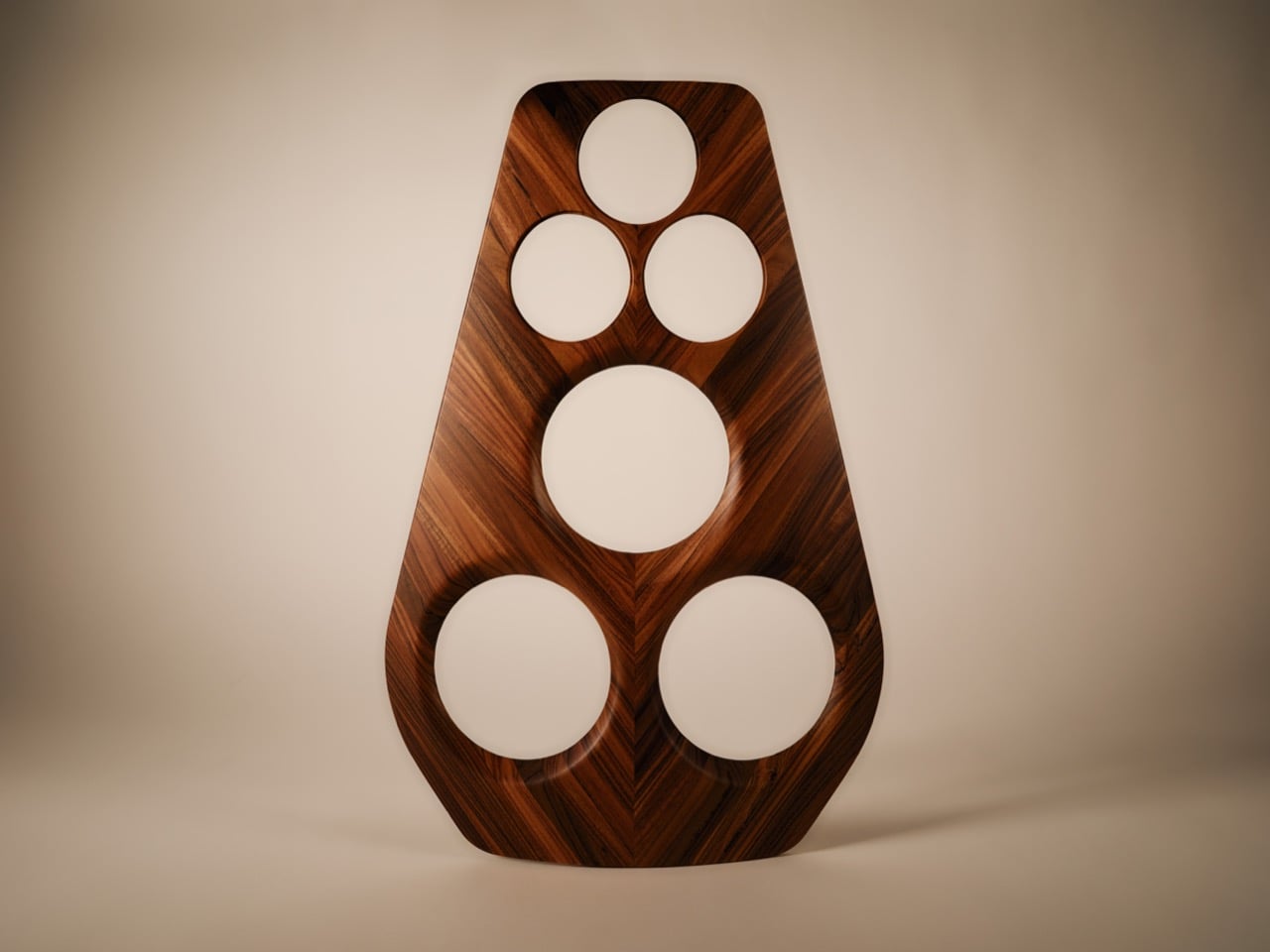
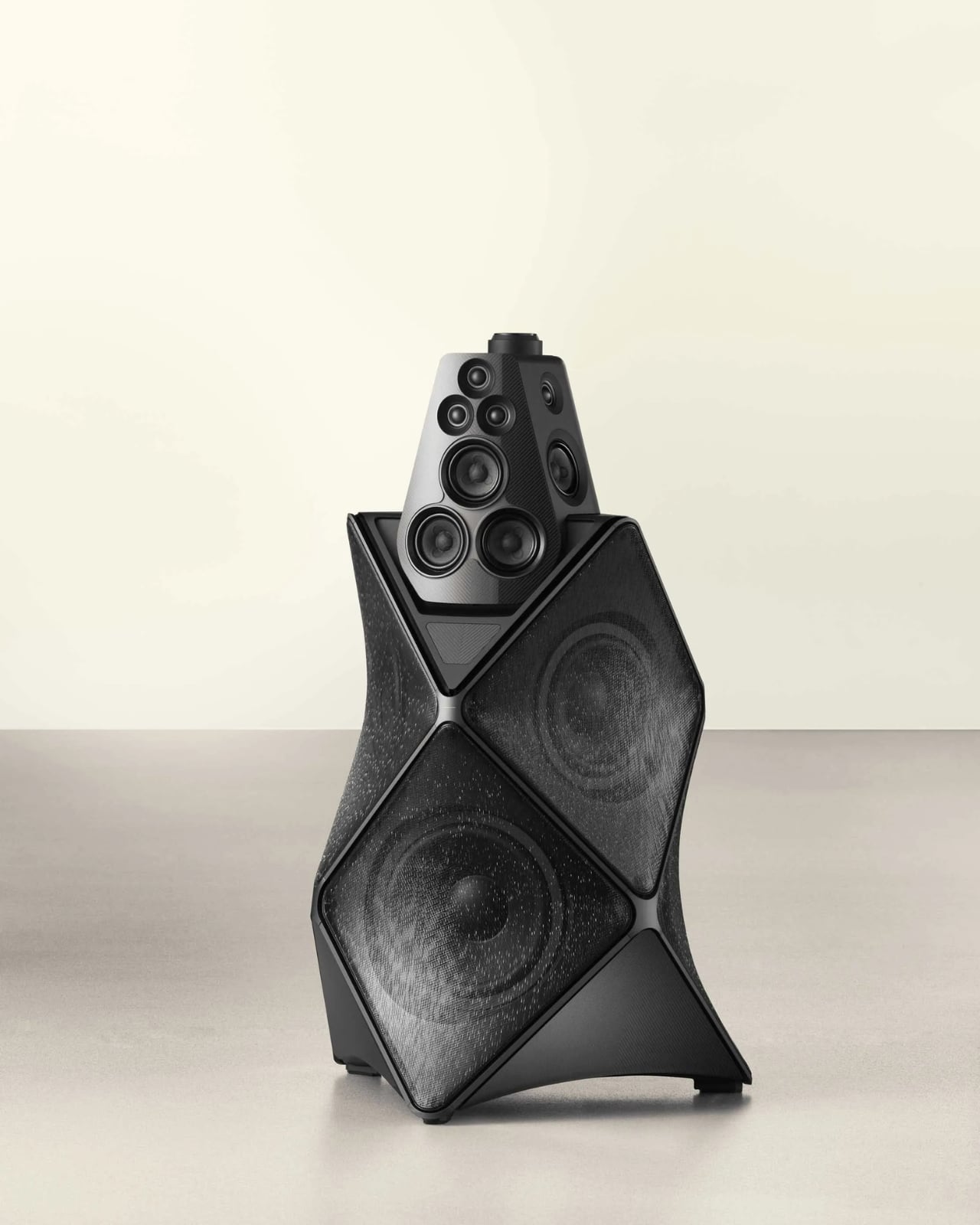
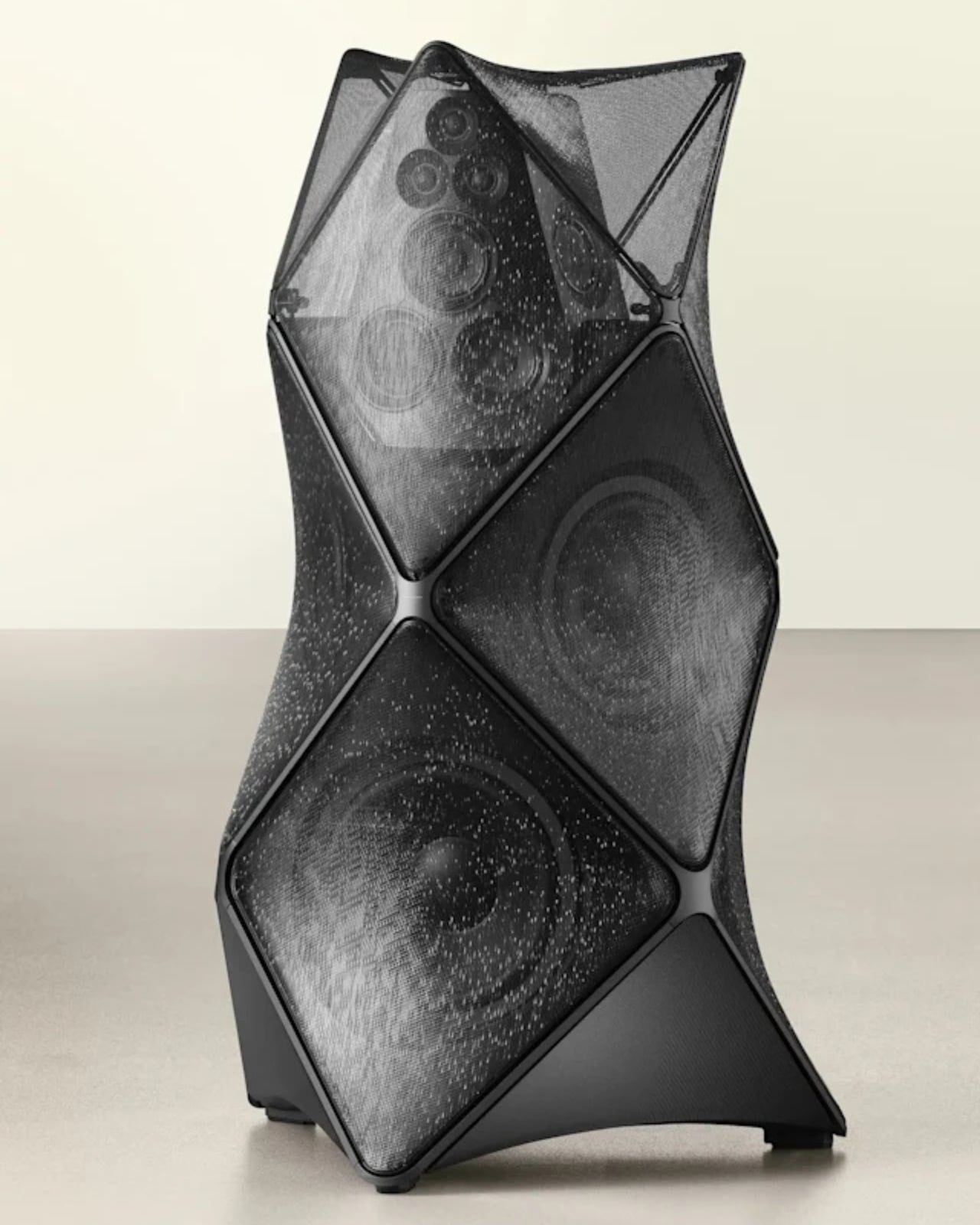
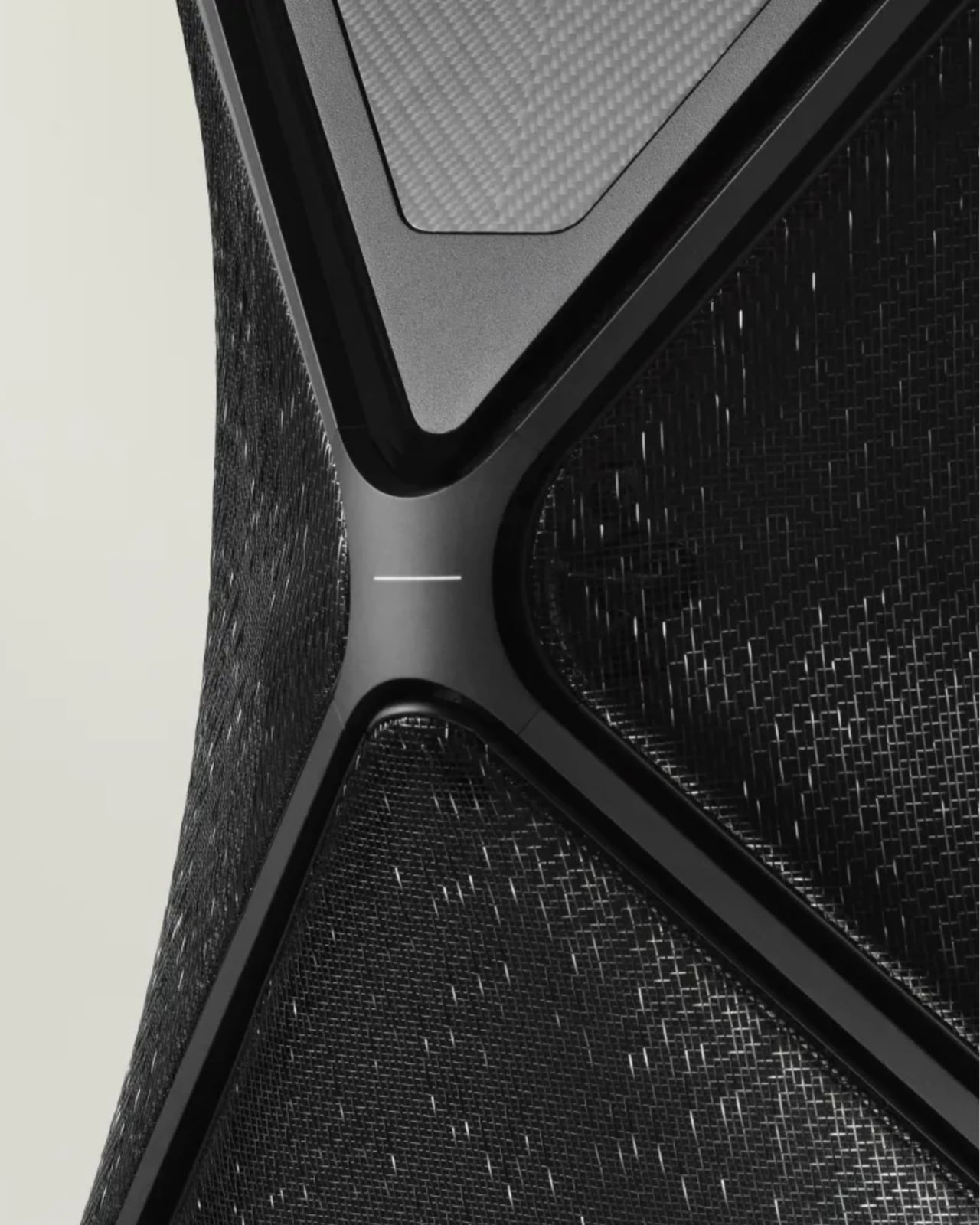
Let’s start with the Phantom Edition, which feels like something out of a science fiction film. The classic fabric covers that typically wrap the Beolab 90 have been stripped away and replaced with custom-designed black metal mesh. It’s a bold move. The coated stainless steel creates this hologram-like effect, letting you peek through at the powerful drivers underneath. There’s something mesmerizing about seeing the technology usually hidden behind elegant fabric, now revealed like the inner workings of a watch through a sapphire caseback.

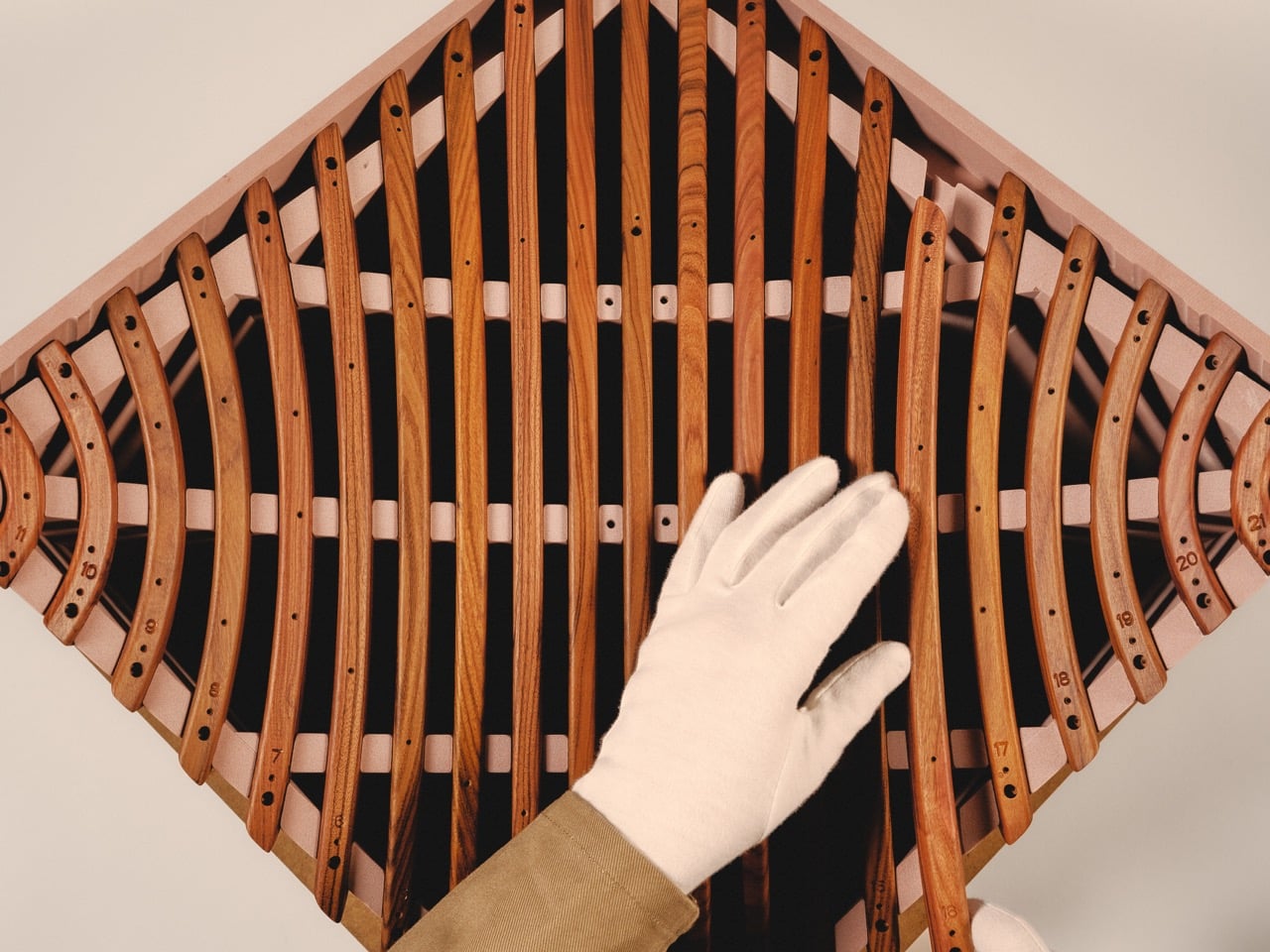
The aluminum skeleton features pearl-blasted surfaces and unified structural beams, with precision-machined trim details that speak to the hundreds of hours invested in each pair. It’s technical, it’s architectural, and honestly, it looks like it could double as a prop in a high-budget space station scene. But that’s precisely the point. The Phantom Edition isn’t trying to blend into your living room. It’s demanding attention.

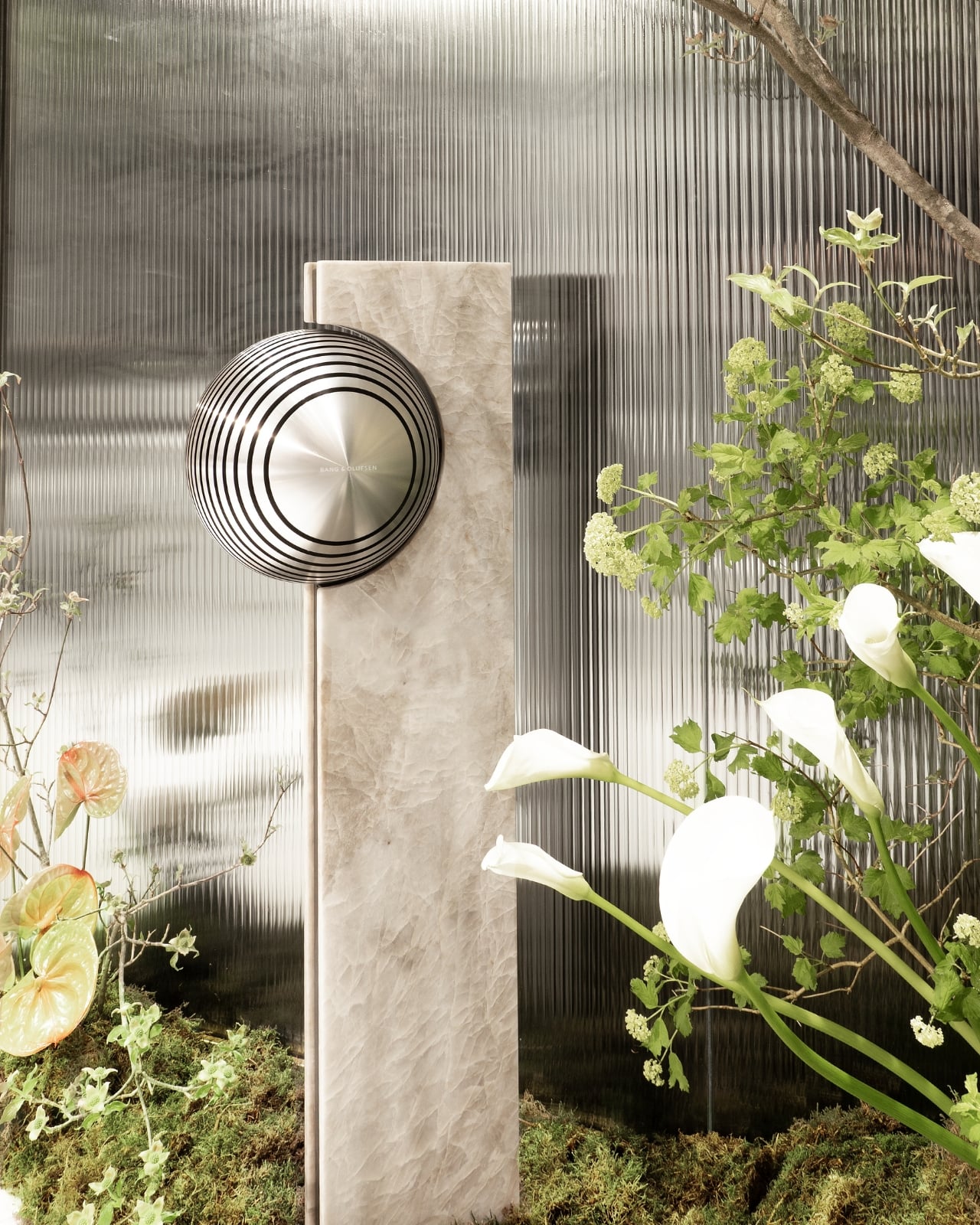
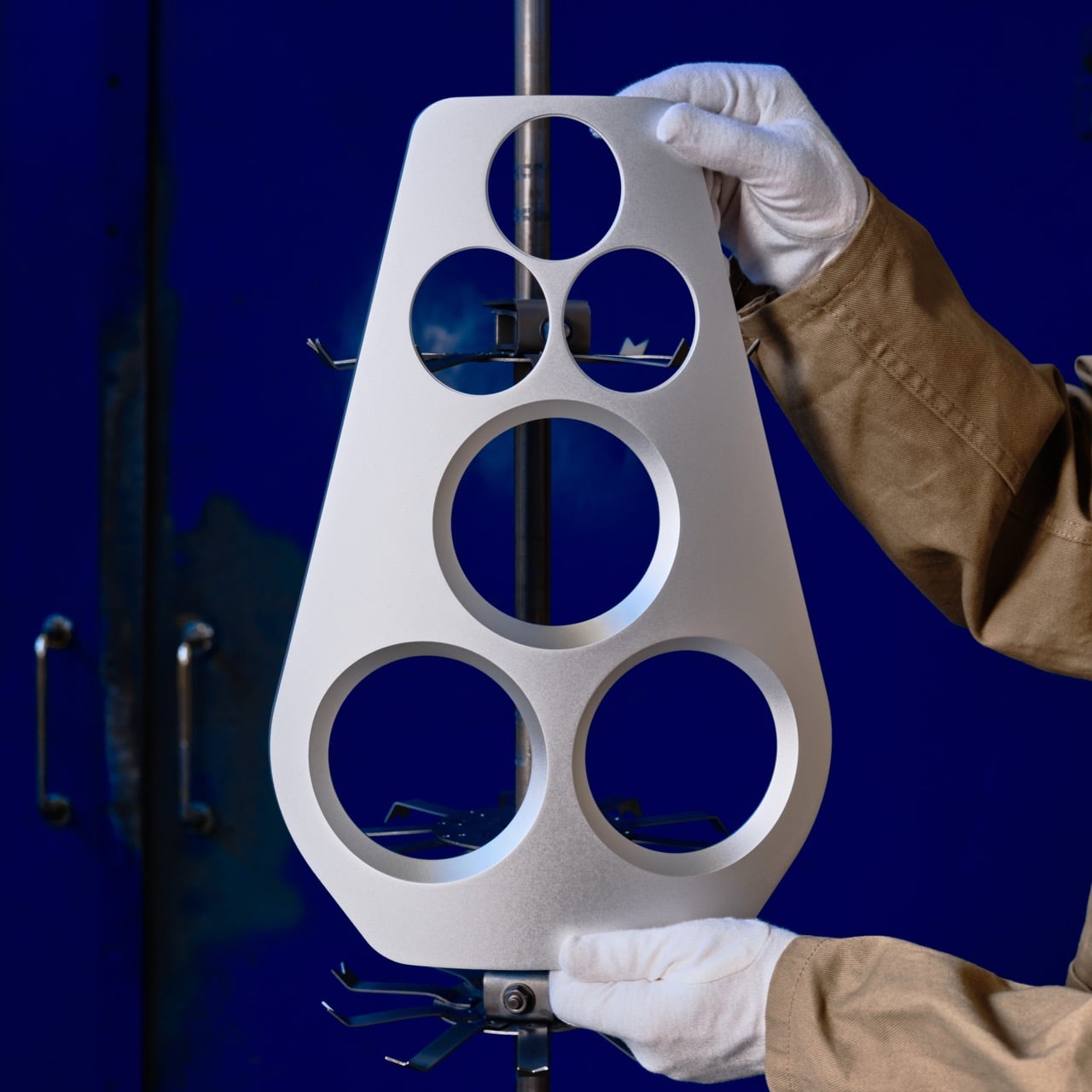
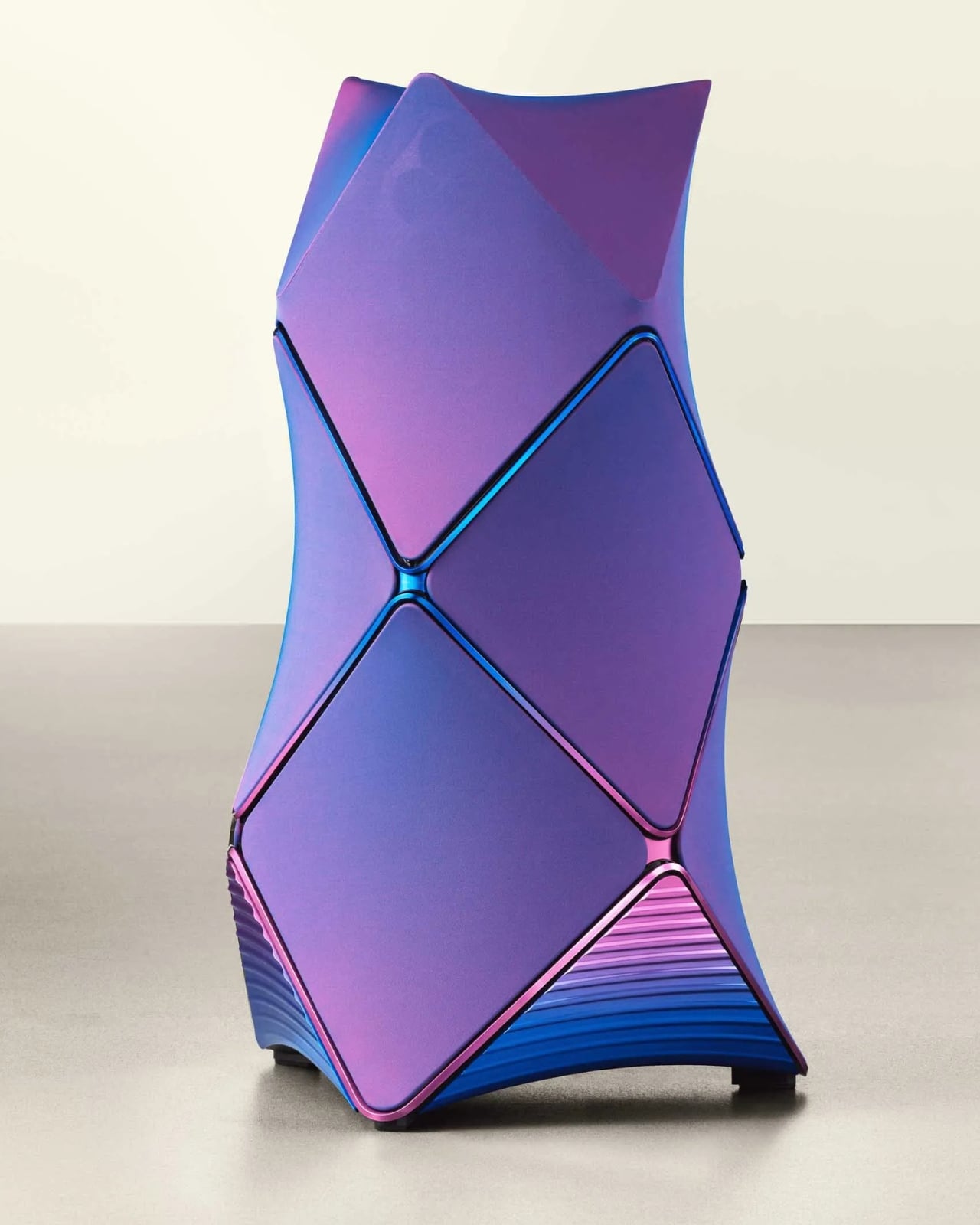
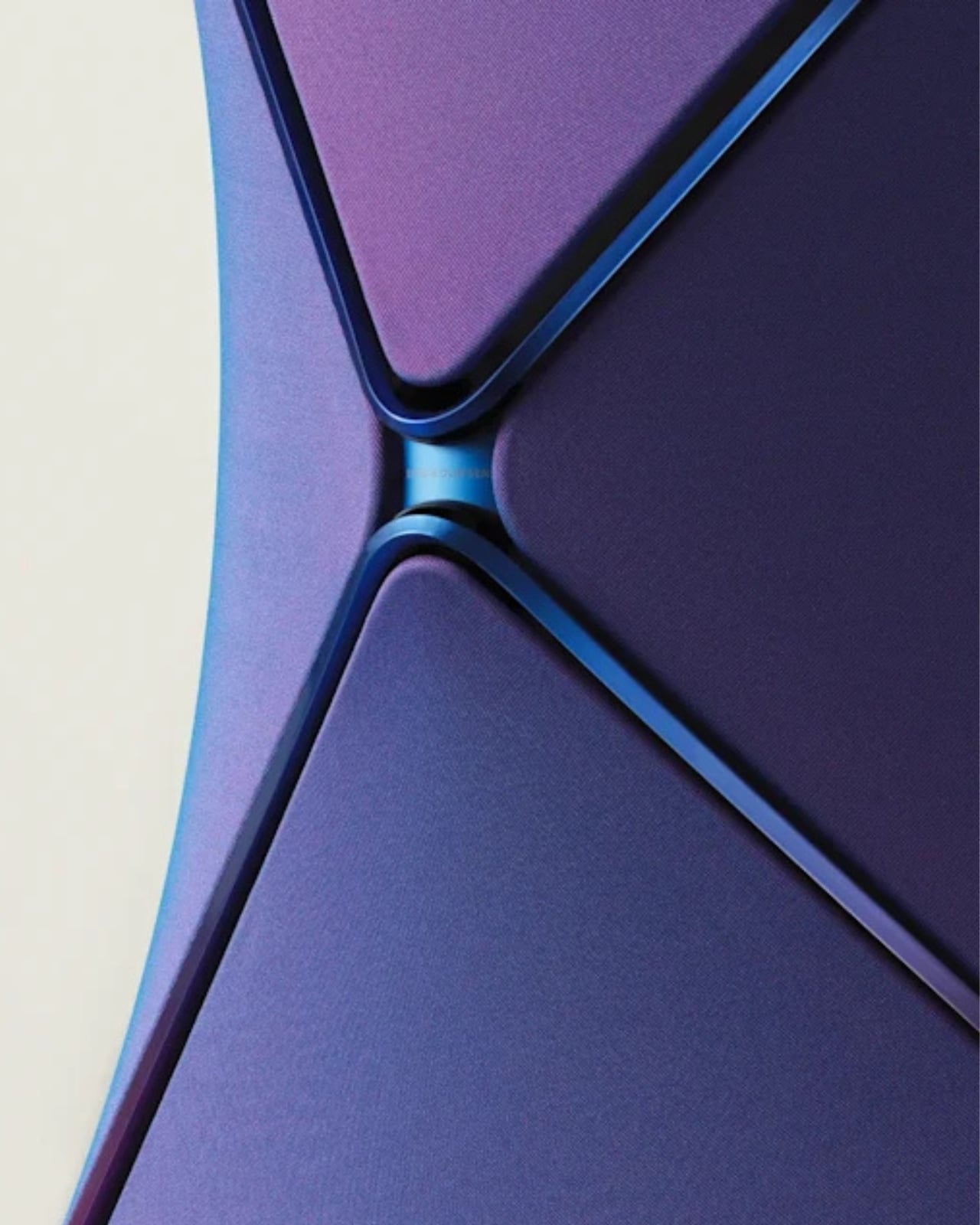
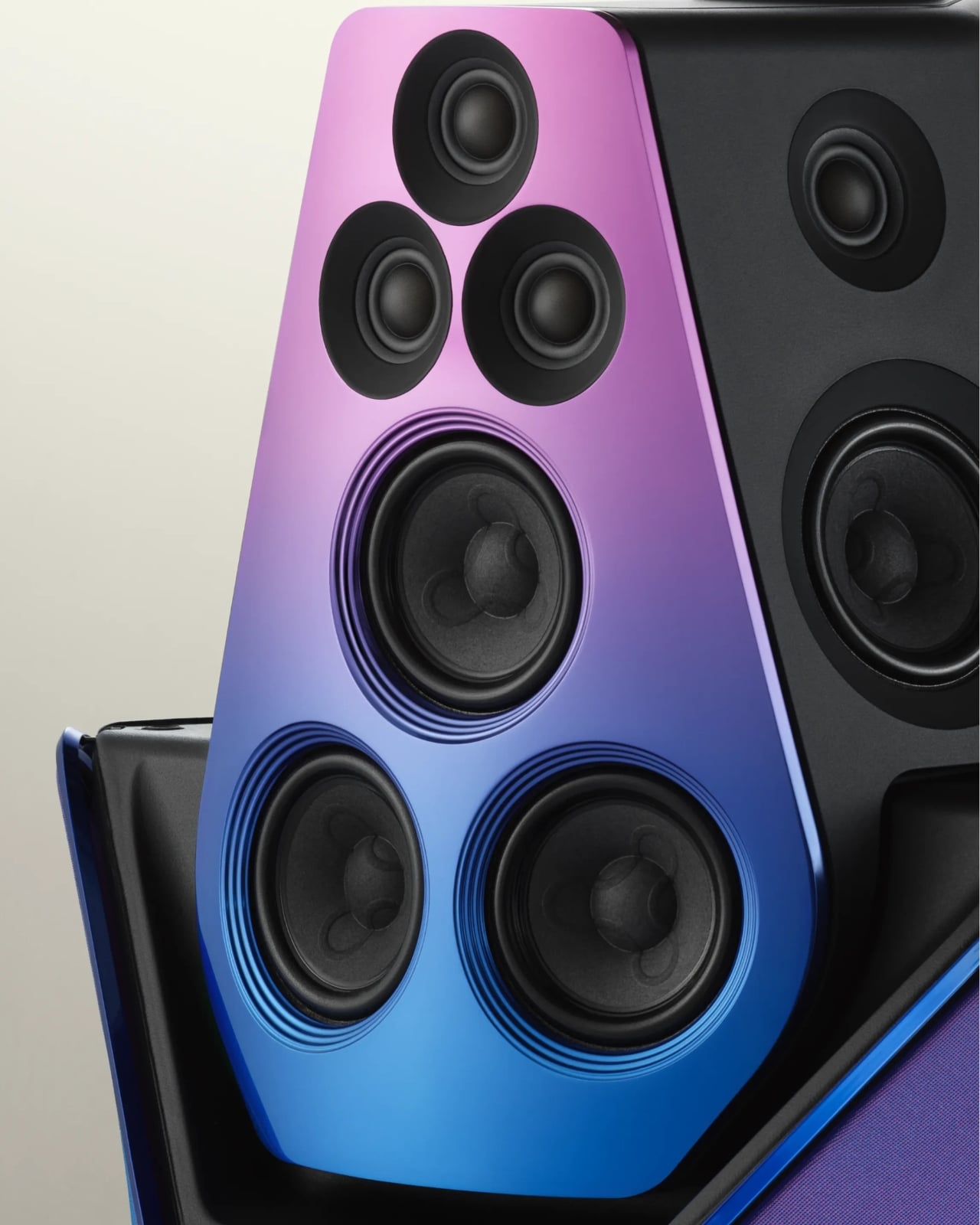
Then there’s the Mirage Edition, which takes an entirely different approach. Imagine a speaker that appears to shift and transform as you move around it. The surface flows from vivid blue to rich magenta through a bespoke gradient anodization applied entirely by hand at Bang & Olufsen’s Factory 5. It’s the kind of finish that makes you want to circle the speaker just to watch the colors dance and morph.

This isn’t airbrushing or a printed vinyl wrap. The gradient effect is achieved through meticulous anodization of the aluminum components, a process that requires incredible precision and skill. The result positions the Mirage Edition as what Bang & Olufsen calls “a visualisation of sound itself”. It’s poetic, sure, but also surprisingly accurate. Sound is movement, frequency, vibration. Why shouldn’t a speaker designed to reproduce it perfectly also capture that sense of constant transformation?

Both editions maintain the same acoustic platform as the original Beolab 90, which launched back in 2015 and remains the brand’s most advanced loudspeaker. We’re talking about 18 drivers and beam-forming technology that can literally shape sound to suit your room’s acoustics. These Anniversary Editions keep all of that sonic prowess intact. The innovation here is purely about design and craft refinement.

That’s what makes these releases so fascinating. Bang & Olufsen isn’t trying to improve the performance or add new features. They’re exploring what happens when you treat a speaker as a canvas for material experimentation and artistic expression. It’s a luxury approach, certainly, but it also raises interesting questions about how we value design objects in our homes.

These speakers join the previously released Titan Edition, another ultra-limited variant featuring raw cast aluminum. Together, they represent a century of design philosophy distilled into physical form. Whether you lean toward the architectural drama of the Phantom, the fluid artistry of the Mirage, or the industrial purity of the Titan probably says something about your design sensibilities.

At a time when so much consumer tech prioritizes invisibility (think hidden speakers, frameless TVs, voice assistants tucked into fabric cylinders), Bang & Olufsen is moving in the opposite direction. These Atelier Editions celebrate presence, craftsmanship, and the idea that exceptional objects deserve to be seen, not just heard.

The post Bang & Olufsen’s $150K Speakers Shift Color As You Walk By first appeared on Yanko Design.
Bang & Olufsen celebrates 100 years with the Beolab 90 Titan Edition floorstanding speakers

I haven’t seen a speaker with an awkward shape like this. But then, I haven’t seen a lot of things, and that especially includes what’s under the hood of Beolab 90 floorstanding speakers from Bang & Olufsen. For its 100th anniversary, the Danish giant has taken its flagship speaker, stripped it down to its skeleton, and made it to look as striking as it could be with volcanic rocks and aluminum construction. And now I know what with the looks!

Centenary celebrations bring out the best in the iconic brands that have stood the test of time and the change in generations. Arguably, watchmakers are the best at revisiting their iconic timepieces and launching them with charisma and finesse to celebrate their 100th year; furniture makers follow closely. Now, Bang & Olufsen is treading the route with this stunning speaker – if you like what you see i.e., by reimaging its star from a decade ago.

Designer: Bang & Olufsen

The revisited stunner is called the Beolab 90 Titan Edition, and it highlights a raw, textured finish achieved with 65kg aluminum sandblasted using particles from crushed volcanic rock. It is decorated with commemorative laser-engraved details on each speaker fastener and drivers, and forms part of a series of interesting products the brand has designed to commemorate its 100th anniversary.

Bang & Olufsen, earlier this year, launched another sensation: Atelier Limited Edition Art Deco collection comprising Beolab 28 speakers and the Beovision Theatre soundbar. And recently, we were privy to the three special edition pieces. These, if you are unaware, were the gorgeous pair of Beoplay H100 headphones, Beosound A5 portable wireless speaker that charmed with its vintage radio vibes, and the showstopper, the Beosound A9, which flaunted Kvadrat’s Centennial Cadence fabric alongside a natural aluminum ring and brushed legs.

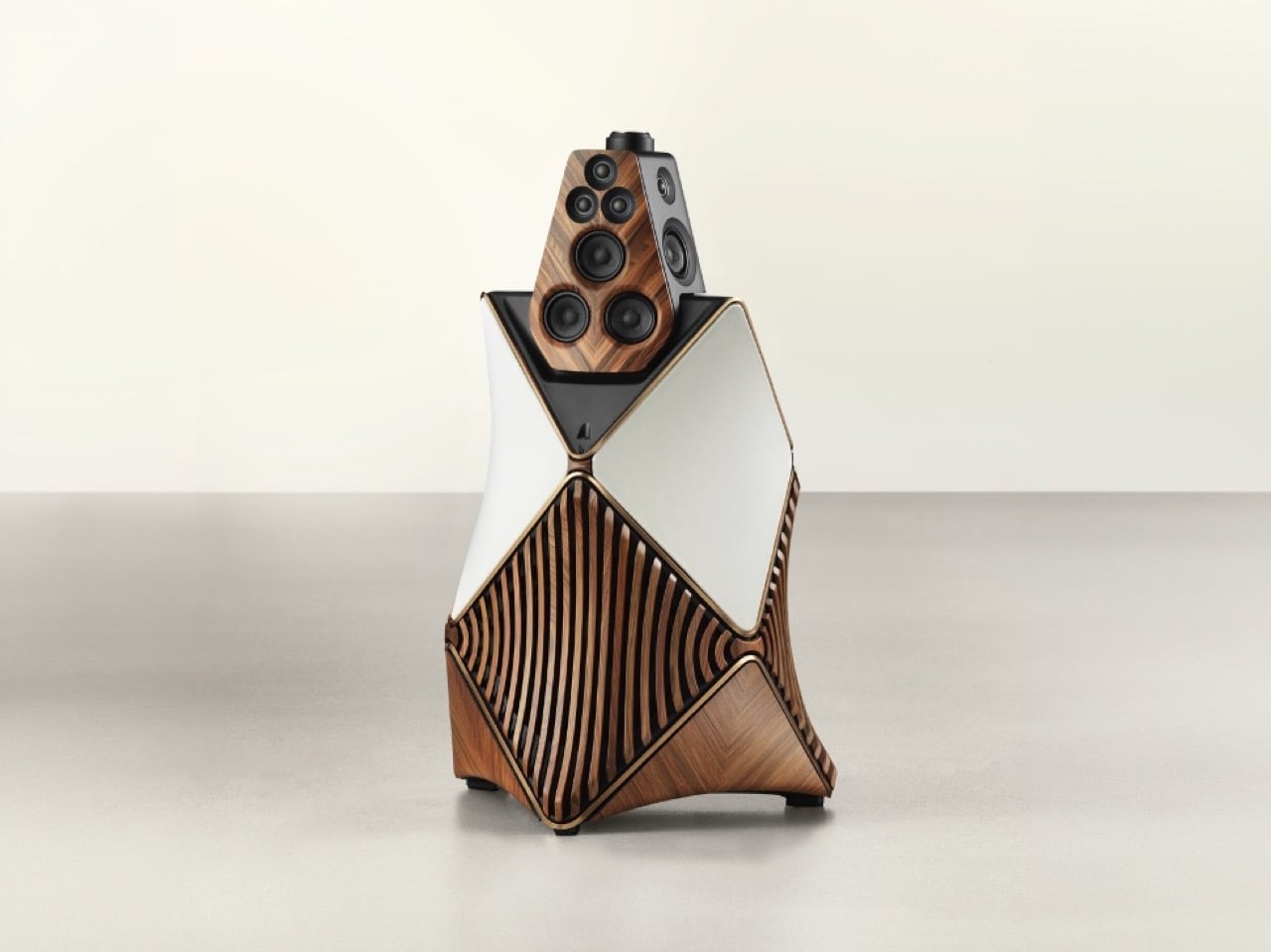
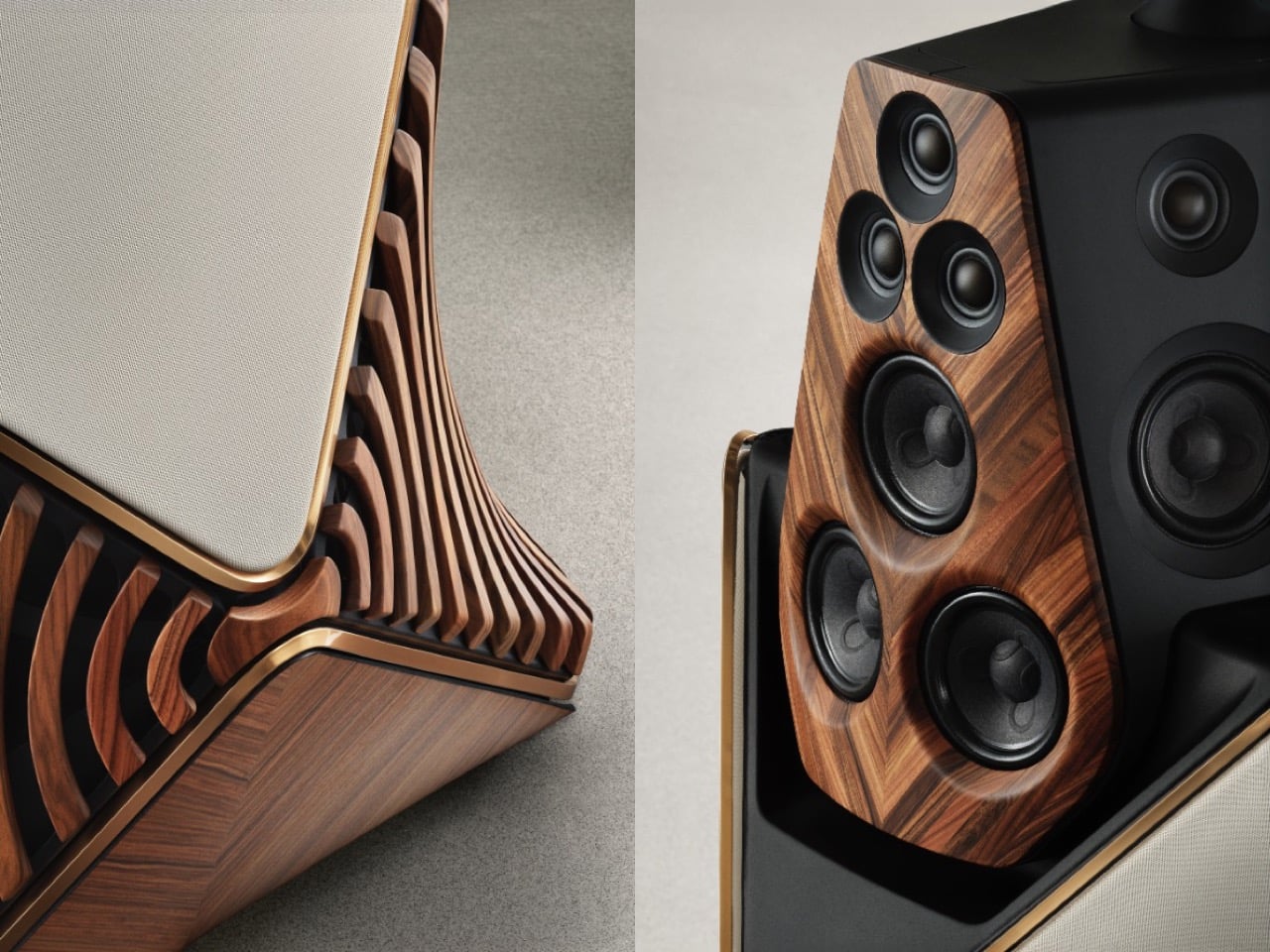
The new Titan Edition floorstanding speakers are fundamentally the most interesting entrant in the brand’s Centennial Collection. By the sight of it, the speakers are a replica of the original Beolab 90. It looks stunning, but really, it’s almost the same speaker with the outer housings removed to showcase the impressive array of drive units, which were earlier in the hiding beneath it.

The angular design and solid aluminum construction make the speakers seem unearthly, but a calm, closer look reveals the magnanimity of their 360-degree design, where no less than 18 premium drivers are firing in different directions to create the most thrilling surround sound in the room. The speakers also feature seven 30mm tweeters, as many 8.6cm midrange drivers, a trio of 21cm side and rear woofers, and the solitary 26cm front woofer.

The Beolab 90 Titan Edition floorstanding speakers are available, but we are short on the pricing information. The Titan Edition will be built to order, so its anyone’s guess that it will be way more expensive than the OG Beolab 90, that’s $185,000 for a set. B&O says four more editions of the Beolab 90 will be released in the coming months, also as part of the centenary celebrations.


The post Bang & Olufsen celebrates 100 years with the Beolab 90 Titan Edition floorstanding speakers first appeared on Yanko Design.
B&O Just Launched a $5,000+ Soundbar That Costs More Than Your First Car

Bang & Olufsen’s Beosound Premiere lands like a spaceship in a room full of toasters. That’s not an exaggeration; it’s just what happens when a company known for treating speakers like sculpture decides to rethink the soundbar. This thing doesn’t just sit under your TV. It commands the room, a slab of pearl-blasted aluminum that looks like it was milled from a single ingot of the future. And yes, it costs £3,900, which is about as much as most people pay for rent, but let’s be real, if you’re the kind of person who buys a soundbar as a statement, you’re not exactly shopping for Black Friday deals.

The Premiere’s design is what happens when industrial designers are given free rein and a budget that doesn’t flinch. The up-firing tweeter sits center stage like a jewel, surrounded by 1,925 precision-machined perforations, a nod to Bang & Olufsen’s 1925 founding year, because of course it is. The aluminum chassis isn’t just for show; it houses ten custom drivers, including four racetrack woofers and a tweeter that looks like it belongs in a museum. The side-firing and up-firing drivers are part of the visual language, a reminder that this isn’t a black plastic slab pretending to be invisible. Then there’s the lighting: 90 LEDs that pulse and shift with your adjustments, because why should your soundbar be any less extra than the rest of your smart home?

Designer: Bang & Olufsen

You’d think all this design flair would come at the cost of actual performance, but the specs tell a different story. Ten amplifiers push 70 watts to the woofers and 50 watts to the rest, delivering a frequency range of 32 Hz to 23 kHz. The Dolby Atmos 7.1.4 decoding is paired with Bang & Olufsen’s proprietary True Image algorithm, which supposedly creates a soundstage wider than the unit itself. The company calls it Wide Stage Technology, and while I haven’t heard it yet, the idea of a soundbar that can convincingly fake a surround setup without extra speakers is intriguing. The max output of 102 dB at 1 meter means this thing can get loud, but the real test will be how it handles the subtleties: dialogue clarity, spatial separation, that kind of thing.

The connectivity suite is what you’d expect from a flagship product in 2025, but with a few Bang & Olufsen twists. HDMI eARC with 8K passthrough is table stakes at this point, but the inclusion of an Ethernet switch with three 1Gbit ports is a nice touch for anyone tired of juggling network cables. Bluetooth 5.4 and AirPlay 2 are here, obviously, but the real party trick is Beolink Surround, which lets you wire up additional B&O speakers for a true multi-channel setup. The fact that you can still use analog audio via USB-C (with an adapter) feels like a nod to the audiophiles who refuse to let go of their turntables. And yes, there’s a voice assistant option, but it requires an external Google device, because Bang & Olufsen would rather you use their app than bark commands at a microphone.

Now, the elephant in the room. £3,900 is a lot for a soundbar, but let’s put it in context. The Premiere isn’t competing with Sony or Sonos; it’s competing with high-end AV receivers and speaker setups that cost twice as much. The Haute Edition, limited to 25 pieces and priced at £11,000, is another story entirely. That’s not a soundbar; that’s a flex. Each one is hand-milled with a pattern that takes 17 hours to carve, because why not? It comes with a numbered certificate and a wooden box for the remote, because at that price, you’re not just buying audio equipment; you’re buying a piece of design history. Or at least, that’s the pitch.

The real question is whether the Premiere can justify its existence beyond being a conversation piece. Bang & Olufsen has a reputation for building products that sound as good as they look, but the soundbar market is crowded with solid performers at a fraction of the cost. The Premiere’s trick will be convincing people that its spatial audio and design justify the premium. For now, it’s hard to deny that this is one of the most interesting pieces of audio gear to come out in years. Whether it’s worth the price of a used car is another matter entirely. But if you’re the kind of person who sees a soundbar as an extension of your aesthetic, the Premiere might just be the centerpiece you’ve been waiting for.

The post B&O Just Launched a $5,000+ Soundbar That Costs More Than Your First Car first appeared on Yanko Design.
I Sat In The $6000 Robotic Massage Chair at IFA 2024: A Luxurious Hands-On with the Bodyfriend Quantum

The beauty of my job lies in not just discovering the new and innovative, it’s also in discovering the bizarrely futuristic… and the Bodyfriend Quantum robotic massage chair firmly fits the latter. Spotted at IFA 2024, the chair feels less like your average massage lounger and more like a Gundam suit with a touch of luxury. Nestled in its sleek, premium leather, with built-in Bang & Olufsen speakers, the Quantum manages to blur the line between high-tech gadgetry and a luxury spa. I didn’t think a chair could make me feel this pampered, but after spending some time in it, I’m convinced—this isn’t just a massage chair; it’s a full-fledged bodygasm.

Sinking into the Quantum was like stepping into a different world, where every detail is designed to make you feel like royalty. But what really sets it apart isn’t just the leather or the fancy tech specs—it’s the attention to detail in how it delivers its massages, all while serenading you with crystal-clear audio from none other than Bang & Olufsen. Let’s just say, it’s not your average chair.

Revolutionary Design Meets Functional Innovation

At the core of the Bodyfriend Quantum is its Robo Walking Technology—a first in the industry—that gives each leg its own independent movement. And trust me, it’s not a gimmick. Sitting in the chair, you immediately notice how much more natural and personalized the massage feels, especially around the lower body. My desk-hunched spine and worn-out calves felt like they were getting precisely the kind of treatment they needed. It’s as if the chair knew what my body was asking for before I did.

This independent leg movement is more than just for show—it makes a real difference in how effectively the chair targets specific muscles. Whether you’re using it for muscle recovery or just as a fancy way to unwind after a long day, the Quantum feels like it’s been engineered with a deeper understanding of how to work the human body. After just a few minutes in it, my lower back and legs were thanking me.

Immersive Sound Through Bang & Olufsen Partnership

The partnership with Bang & Olufsen might raise a few eyebrows. Do you really need top-tier audio in a massage chair? After my experience, the answer is a pretty confident yes. The moment I leaned back and let the chair do its thing, the speakers came to life, filling the space around me with rich, immersive sound. Whether you’re into lo-fi beats, classical symphonies, or nature sounds, the high-quality audio adds a layer of relaxation that most massage chairs simply don’t offer.

It doesn’t feel like a bolted-on extra. The audio blends seamlessly with the massage itself, so whether you’re zoning out to music or catching up on your favorite podcast, the chair’s sonic experience pulls you deeper into that calm state. Benny Kang of Bodyfriend mentioned that the speakers can be used to play binaural beats too, stimulating the mind along with your body.

Precision Massage and Intuitive Control

Bodyfriend has packed a lot of tech into this chair, but it’s the execution that stands out. The XD-PRO thermal module and Finger Moving Massage Module work together to give an eerily human-like touch. It doesn’t just knead your muscles in broad strokes; instead, the chair moves in subtle, calculated increments—80 movements in 1.25mm steps to be exact. For someone who carries a lot of tension in their shoulders and lower back, it’s like having a physical therapist who knows exactly where to focus.

Then there are the finer touches—literally. With 81 air pockets wrapping your body and heat therapy zones that bring the warmth up to a balmy 50°C, the Quantum creates an environment that’s both soothing and deeply therapeutic. The heat applied to the back, calves, and soles not only relaxes muscles but also feels fantastic on sore feet, thanks to its three-step foot roller system. It’s an experience that goes beyond simple pampering.

A Touch of Luxury (and Functionality)

The 10-inch Full HD tablet mounted on the chair is intuitive and easy to navigate. There’s no fumbling with a million buttons—you can switch modes, adjust settings, or dive into the chair’s “High-End Healthcare Massage Mode” with just a tap. If you’re someone who likes control over your relaxation routine, this tablet makes it easy to fine-tune everything from intensity to heat levels without pulling you out of the experience.

It’s also worth noting that the Quantum is clearly built for longevity. The leather is buttery-soft yet durable, and the entire build feels solid and well-constructed—something you’d expect for the price tag this chair is likely to carry. But for anyone serious about integrating relaxation or recovery into their daily routine, it’s hard to imagine anything better.

A Luxurious Experience for the Wellness-Focused

The Bodyfriend Quantum is positioned for those who are serious about wellness and ready to invest in high-end healthcare technology. Its meticulous design, advanced massage features, and thoughtful additions like Bang & Olufsen speakers make it a standout product in the luxury massage chair market. While it caters to those with specific muscle stimulation needs—such as the elderly or individuals recovering from injury—it also serves as an indulgent piece of tech for anyone looking to upgrade their relaxation routine.

After my session with the Quantum, I can safely say it delivers on its promise of providing a unique massage experience. I hate to be the cliche, but I’m the millennial with lower back pain (I lugged a laptop bag around through IFA 2024), so even a 5-minute cycle with the Quantum felt like absolute bliss. Sure, it may come with a premium price, but for those looking to pamper themselves or take better care of their health, the Bodyfriend Quantum is like Chandler and Joey’s Barca-lounger on absolute steroids. You’ll probably spend hours in the chair without realizing it.

Now, if only it came with a built-in coffee machine.

The post I Sat In The $6000 Robotic Massage Chair at IFA 2024: A Luxurious Hands-On with the Bodyfriend Quantum first appeared on Yanko Design.
Bang & Olufsen’s wireless hub turns even their 30-year-old speakers into smart Bluetooth devices

When companies mention the term “backward compatibility”, it seldom means revamping their products from 30 years ago… but Bang & Olufsen’s managed to pull off the unthinkable. You see, people who own B&O sound-systems do so because they’re passionate about audio quality – and if there’s one thing all audiophiles will agree to, it’s that analog sound systems from the years gone by are still the gold-standard in sound quality. The only problem is that they aren’t designed to be wireless. Not that any audiophile would dream about listening to Spotify on their state-of-the-art sound system, but there’s admittedly a certain convenience to being able to play any song directly from your phone on wireless speakers. Announced just this month, Bang & Olufsen’s latest device lets you do just that. The Beoconnect Core, priced at £999 ($1150 USD), is an intermediary wireless hub that turns all of B&O’s older speakers wireless, connecting the rich, auditory legacy of Bang & Olufsen with the convenience of today’s streaming culture.

Designer: Bang & Olufsen

Not to be confused with the BeoSound Core from 5 years ago, the Beoconnect Core is B&O’s latest accessory designed to be infinitely backward compatible with the company’s entire speaker catalog. The Beoconnect Core transforms legacy speakers, some dating back more than 30 years, into modern wireless systems capable of streaming music from any app, connecting to turntables, or even enhancing TV audio for a cinematic experience. This device is a celebration of the brand’s heritage, ensuring that the beloved sound systems can continue to create memorable moments in the digital age.

“Our aim is to build product icons that can last a lifetime, and Beoconnect Core is an important addition to our product offering, that enables us to deliver on this longevity promise. Beoconnect Core connects our past with our future and comes with our replaceable Mozart streaming module that can easily be upgraded to the newest technology”, says Michael Henriksson, Vice President of Product Marketing at Bang & Olufsen. “This means that the products that our customers love can be used for years to come and continue to provide memorable moments”.

The Beoconnect Core’s understated design complements any room’s aesthetic. Its gently curved, pearl-blasted aluminum chassis is as stylish as it is functional, efficiently dissipating heat. The non-conductive cover ensures clear and uninterrupted antenna reception. For a truly integrated experience, the Core can be seamlessly docked into a BeoSound Shape tile using a custom-designed bracket. The Core’s design prioritizes easy upgradeability too. Its functionality is future-proofed by the replaceable Mozart streaming module, ensuring your system stays compatible with the latest streaming technologies. This commitment to longevity extends to the Cradle-to-Cradle design principles used in the Core’s construction, minimizing environmental impact and maximizing serviceability.

As far as compatibility goes, the Beoconnect Core offers a variety of options to integrate your B&O speakers seamlessly into your existing setup. Powerlink and USB connections ensure optimal performance with Beolab 50 and Beolab 90 speakers, while a line-in port allows for the connection of turntables and other audio sources. But the Core’s capabilities extend beyond pure audio. It features an HDMI eARC connection, enabling you to connect your B&O speakers to any TV and experience the immersive power of Bang & Olufsen sound with your favorite movies and shows. So if you’ve got yourself some B&O speakers from more than a decade ago (when wireless connectivity wasn’t really much of a priority for high-end audio companies), the $1150 Core is a worthwhile investment in future-proofing your sound system to be compatible with latest streaming apps while still retaining its ability to default back to the glorious analog playback whenever you want.

The post Bang & Olufsen’s wireless hub turns even their 30-year-old speakers into smart Bluetooth devices first appeared on Yanko Design.
Concept CD player for Bang & Olufsen brings quality design and idea

In case you’ve been living under a rock, you probably know that CDs have made a comeback the past years, thanks in part to the Japanese and Korean music industry. A lot of fans have been buying CDs (sometimes multiple copies) of their favorite artists and Gen Z in particular has a particular fondness for something they actually weren’t alive yet when it was popular. The older generations buy it for the nostalgia. Both are benefitting from the audio quality of uncompressed music. However, the quality of CD players are not on par with what we were used to back in the day.

Designer: Anthony Chupp

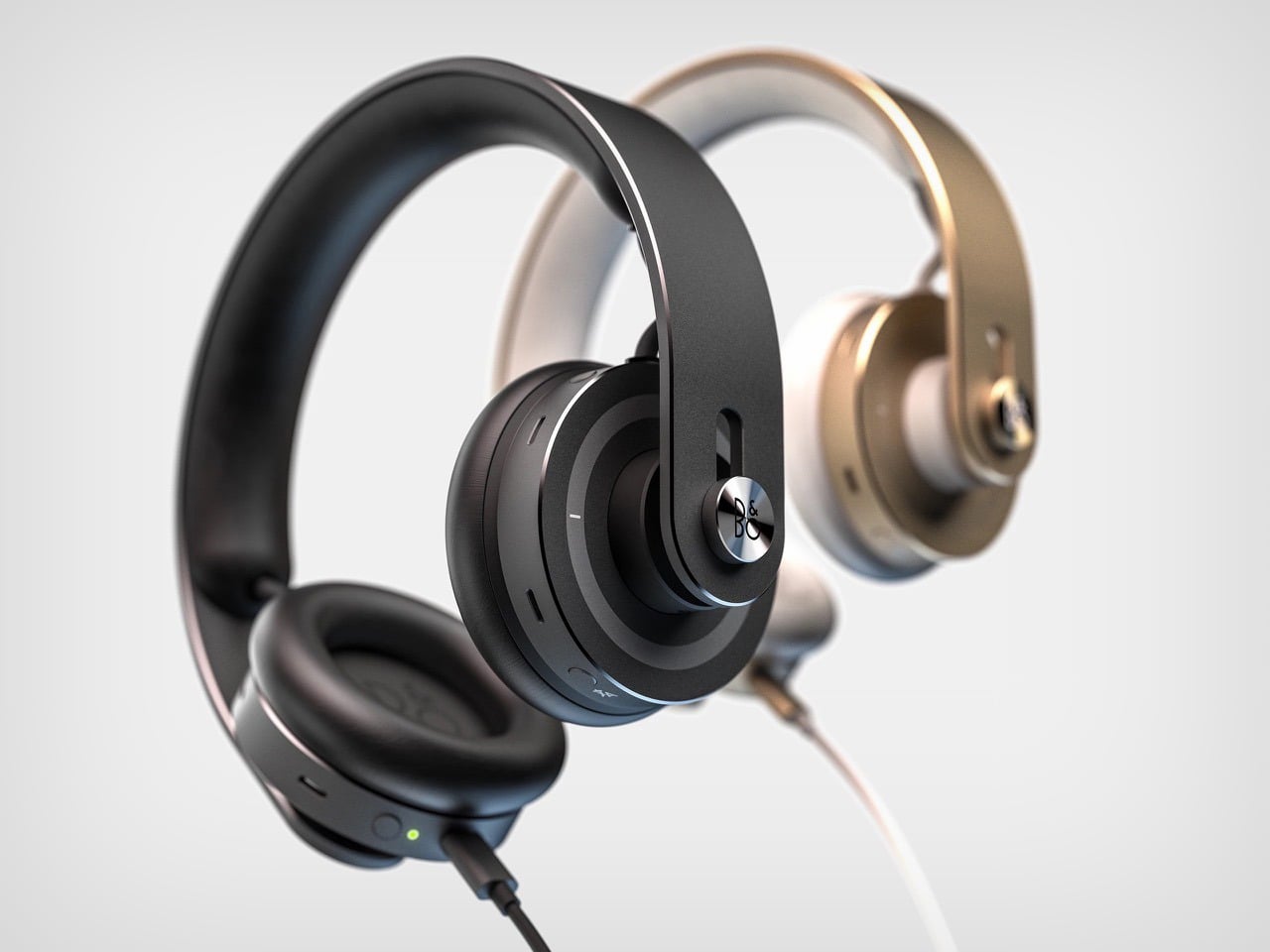
Most of the big name audio brands have not been producing CD players but what if someone like Bang & Olufsen comes up with one? A designer came up with a concept for the Beosound Compact after studying the design and quality principles of the brand. What he came up with is a sleek and minimalist portable CD player that seems worthy of the brand that he created this concept for. It also brings back nostalgia feels for those who brought their Sony Walkman CD player around, although this is much more classy and shiny.

To reduce the need for an LED display, the player uses turntable styles for its volume controls and actual touchable buttons for its play controls. It is also textured to highlight the touchpoints that you need to access various controls. But the player can also be connected to the Bang & Olufsen app on your smart device in case you’re away from the CD player. There is Bluetooth connection as well to your headphones or wireless earbuds of choice as well as analog and optical output.

As someone who owns several CDs but still don’t have a CD player, I wouldn’t mind having something like this if Bang & Olufsen eventually decides to produce one. Having a quality CD player is just as important as having quality music from these CDs. Hopefully brands will catch on to this “trend” as it may be here to stay, for at least a few more years.

The post Concept CD player for Bang & Olufsen brings quality design and idea first appeared on Yanko Design.