This $175 Bike Stand Finally Solved Our Garage Storage Mess

If you own a bike, you’ve probably played the garage Tetris game at least once. You know the drill: your bike leans against a wall, falls over at 2 AM with a crash, or blocks the path to literally everything else you need. It’s the kind of everyday design problem that makes you wonder why nobody’s come up with something better.

Well, someone finally has. British industrial designer George Laight created the Flip, a freestanding bike stand that’s so cleverly designed, it makes you question why we’ve been settling for wall hooks and pulley systems all this time.

Designer: George Laight for BikeStow
The origin story is pretty relatable. Laight was studying Product Design Engineering at Loughborough University when he hit a wall, literally and figuratively. He had a bike and a tiny student flat with a strict no-holes-in-the-walls policy. Vertical storage made the most sense for his cramped space, but he couldn’t use traditional wall-mounted solutions without losing his security deposit. So he did what any frustrated design student would do: he invented his own solution.
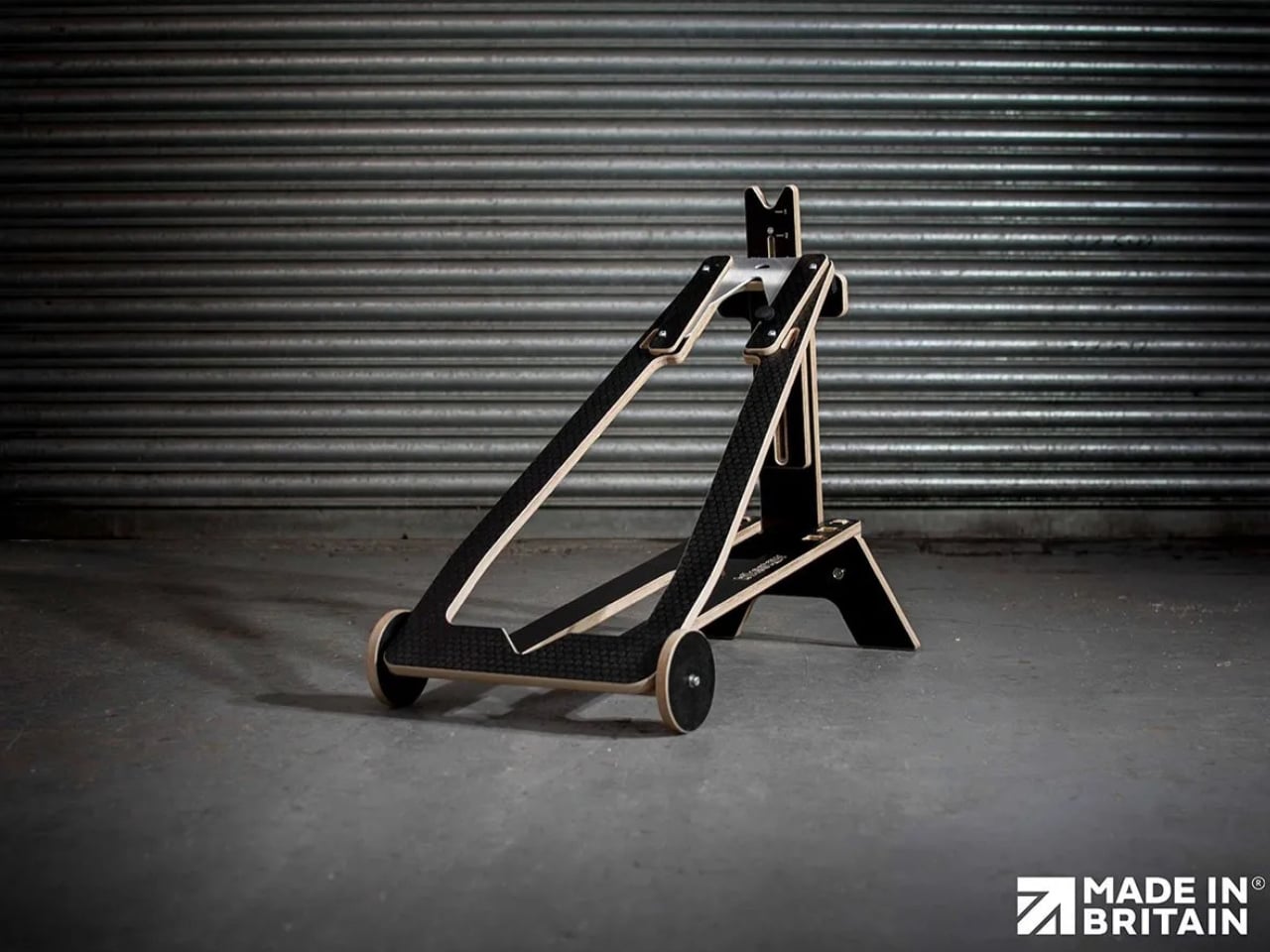
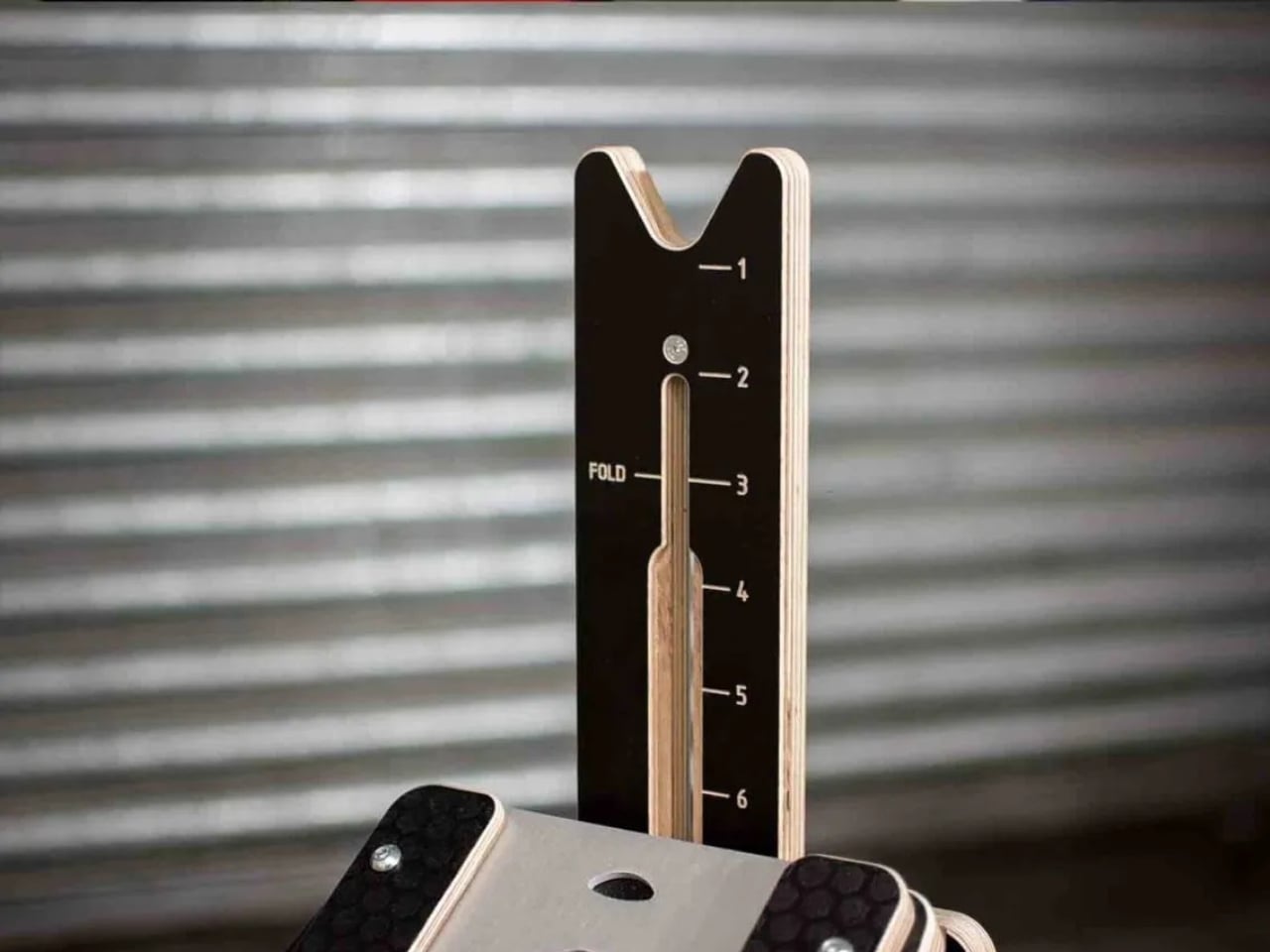
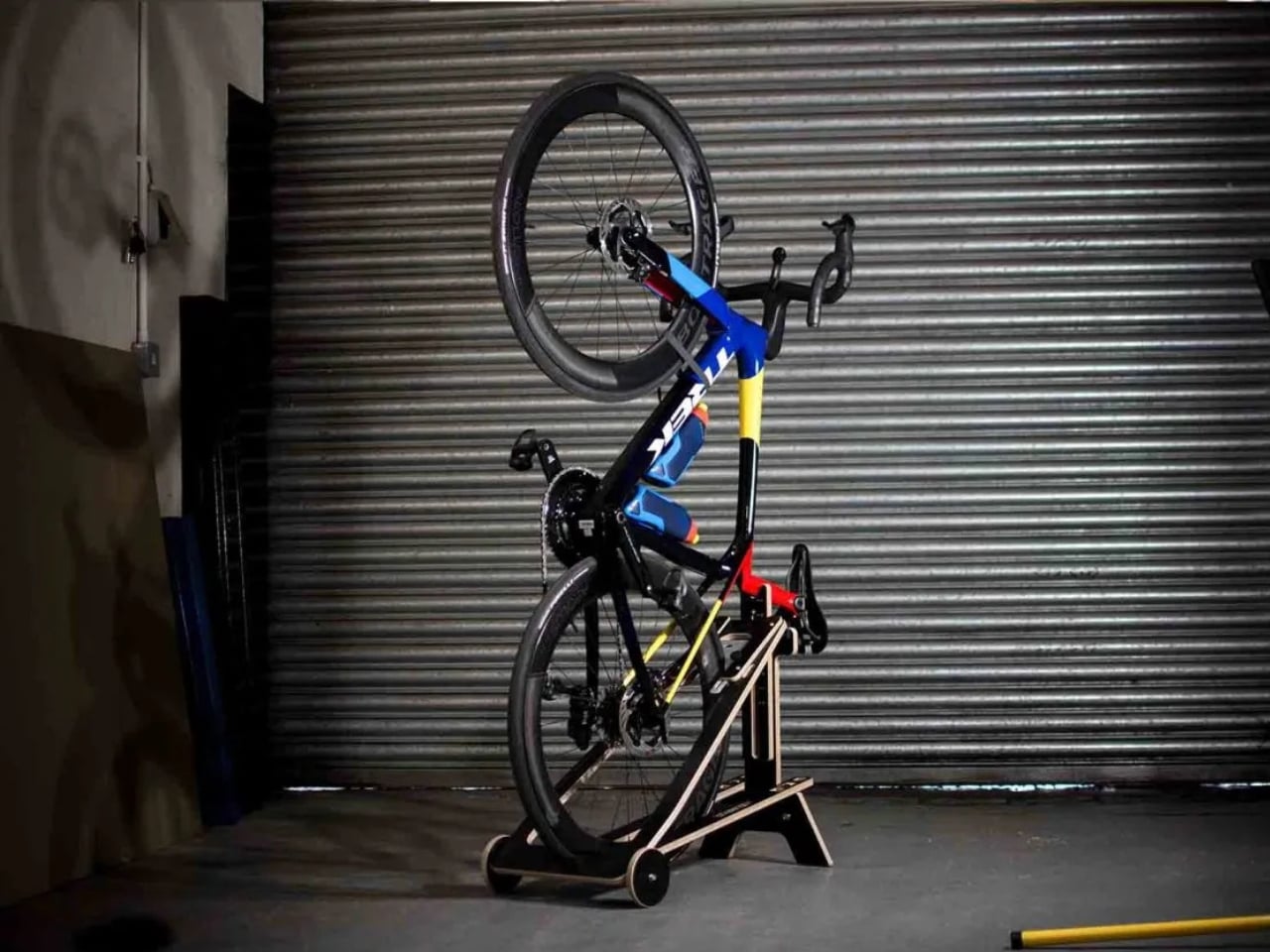
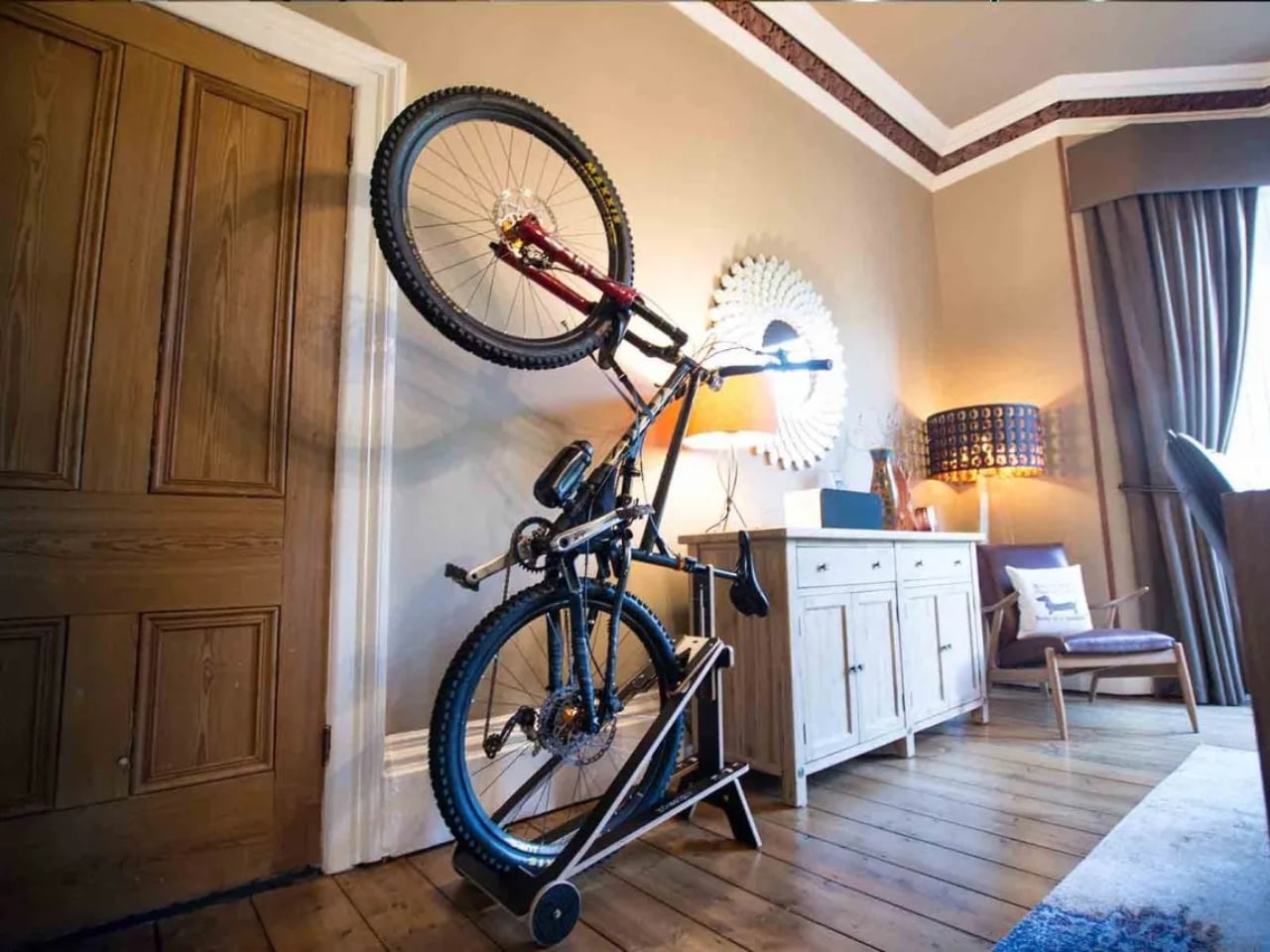
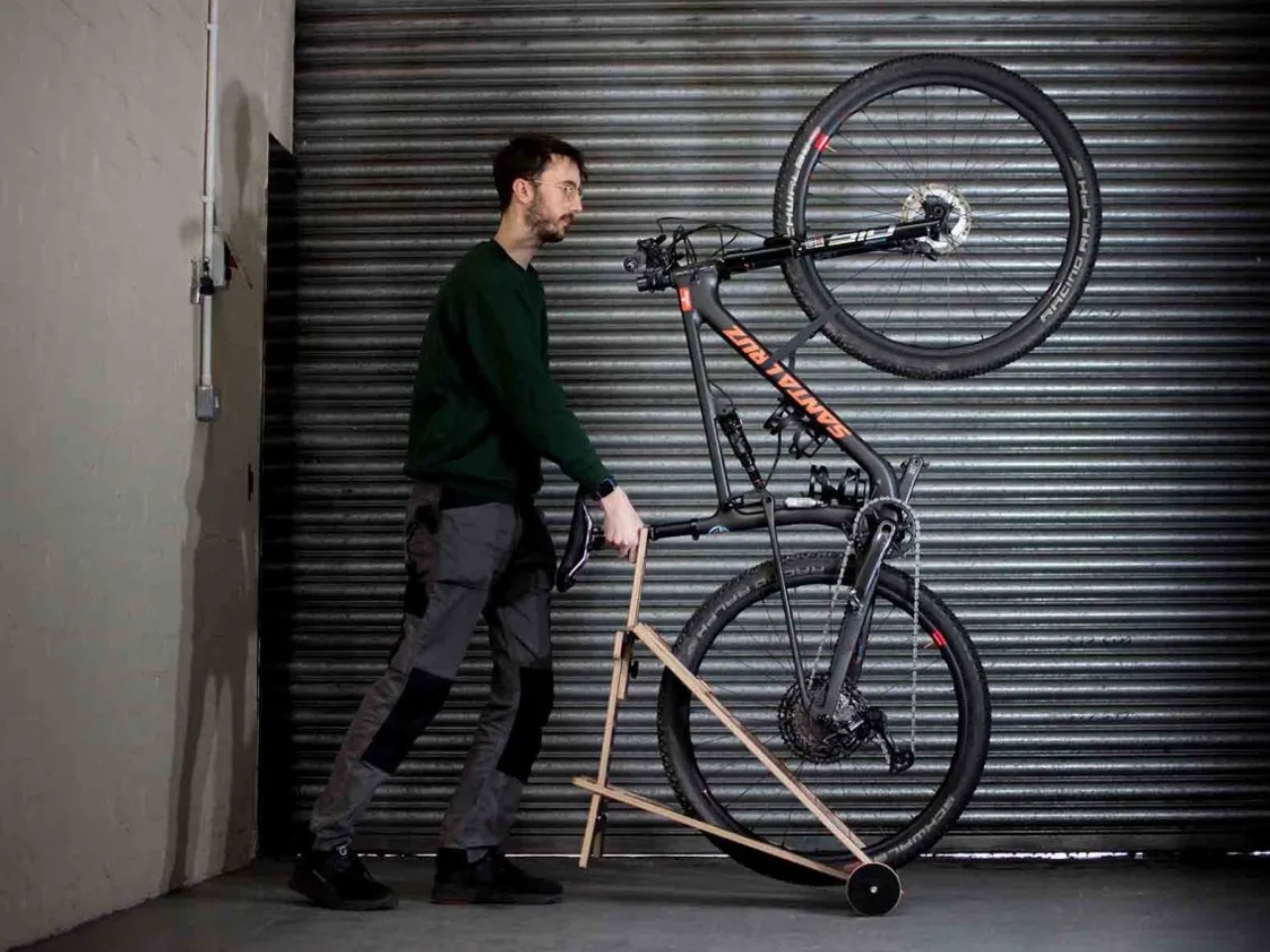
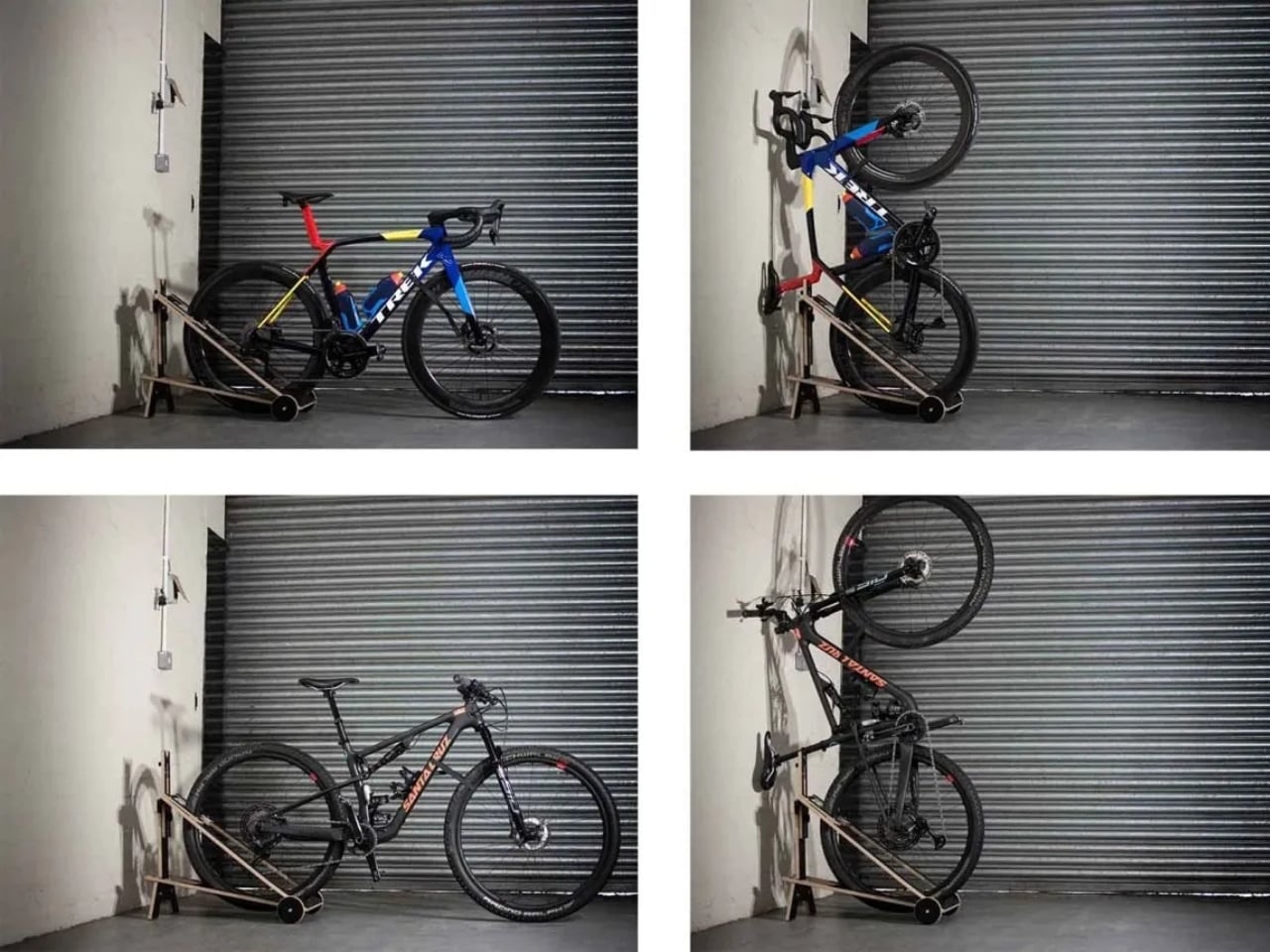
The Flip is essentially a portable bike stand with wheels that lets you store your bike vertically or horizontally, depending on what works for your space. The genius is in its flexibility. Unlike fixed storage solutions that require you to commit a specific area of your garage or apartment to bike storage forever, the Flip rolls around wherever you need it. Cleaning out the garage? Wheel it aside. Reorganizing your storage shed? Move it in seconds. It’s bike storage that adapts to your life instead of demanding you work around it.
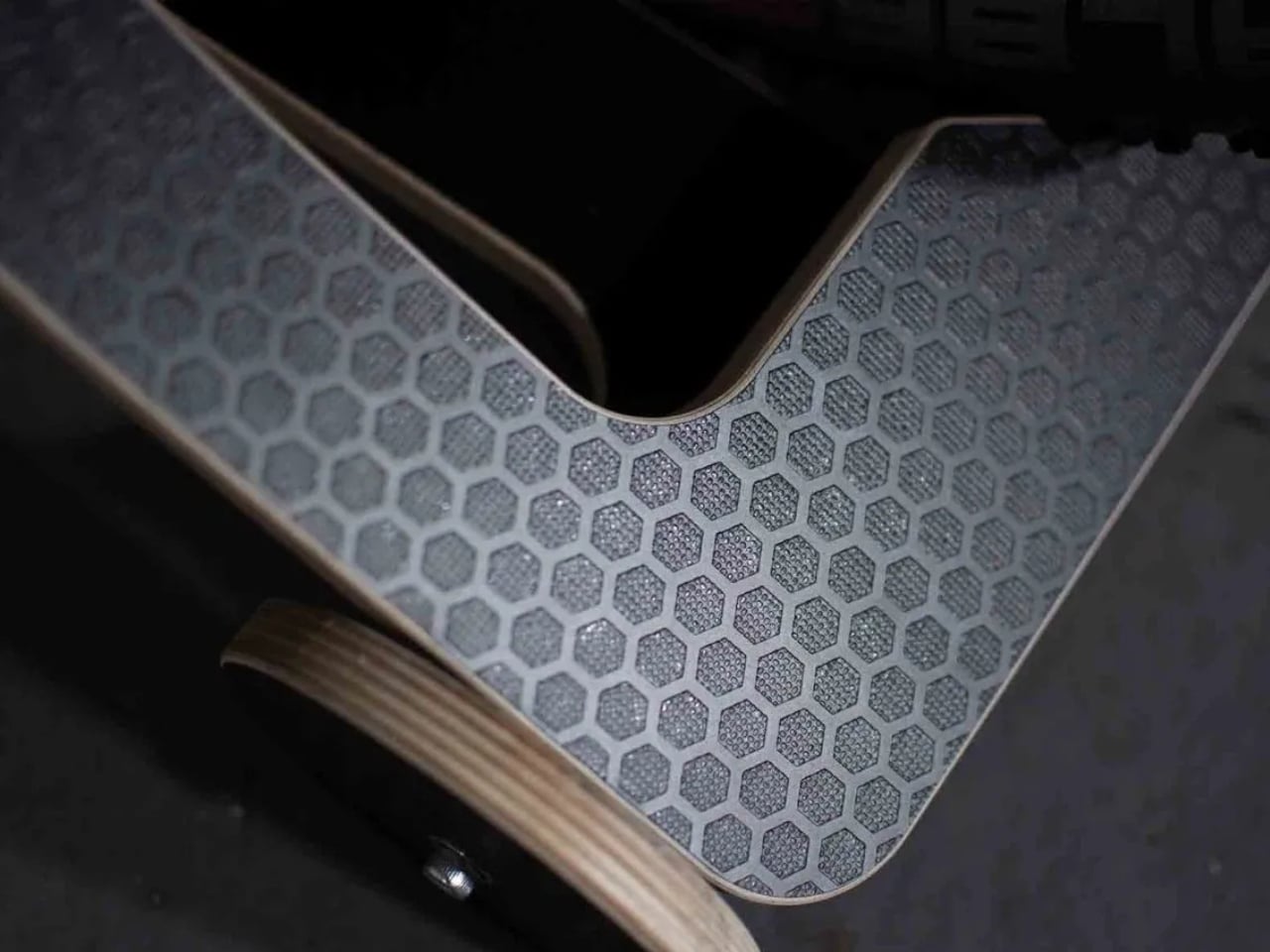
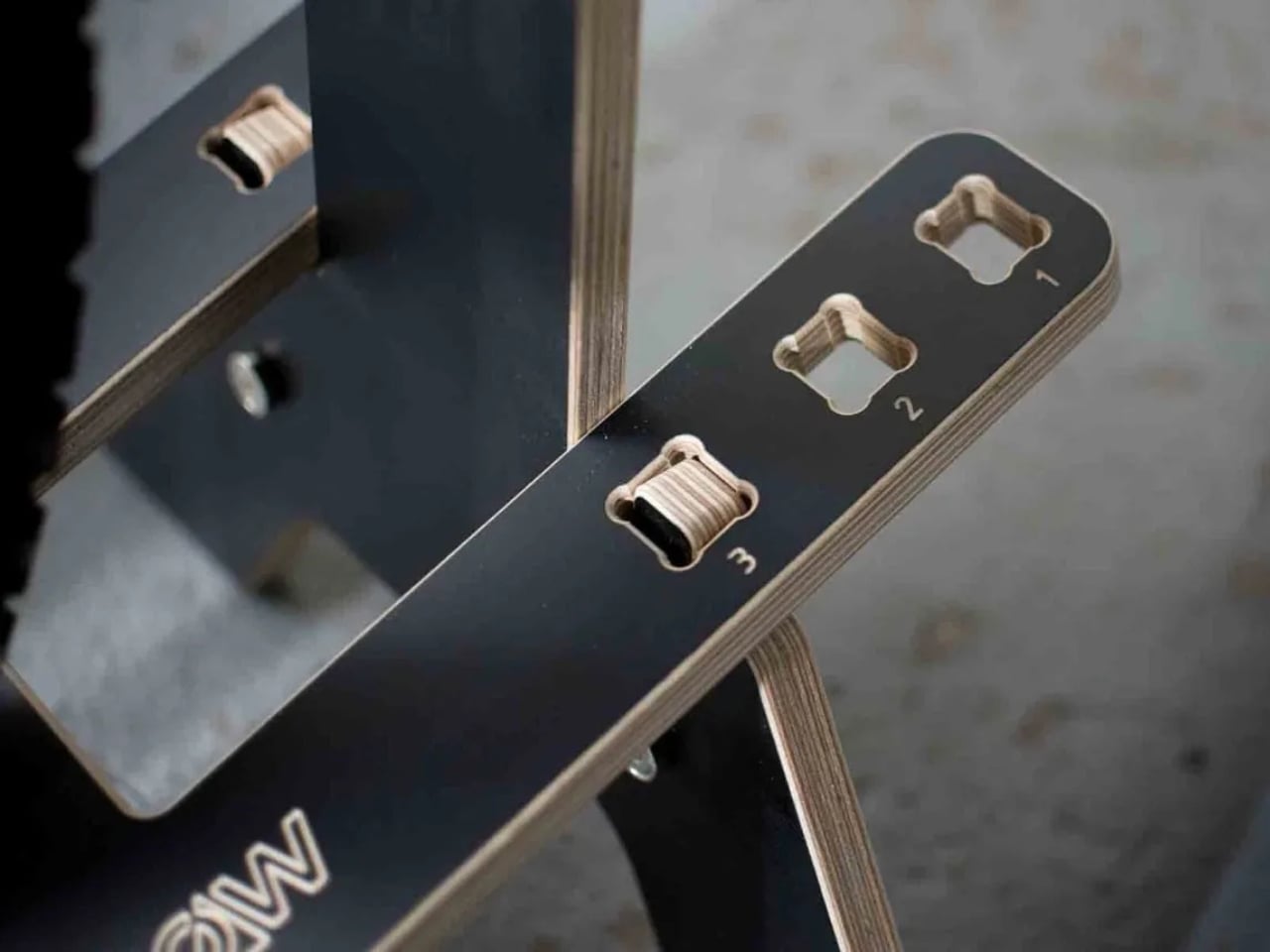
Here’s how it works: you roll your bike into the stand while it’s in the horizontal position, then rotate it upright if you want vertical storage. There’s a slider mechanism that locks the bike in place, keeping it stable in either orientation. The wheels on the base make maneuvering surprisingly easy, even in tight spaces. And when you’re not using it at all, the entire stand folds flat for storage.
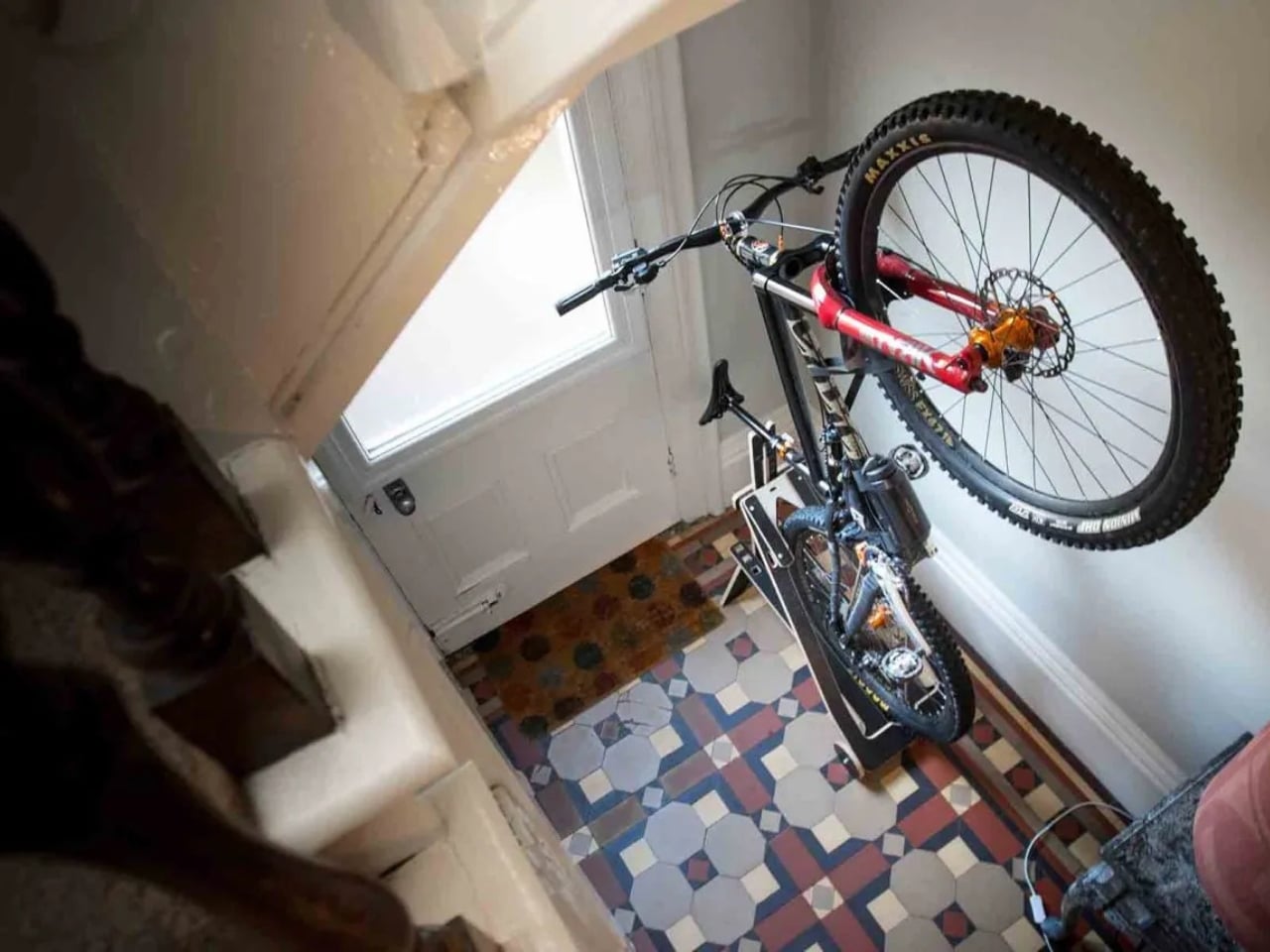
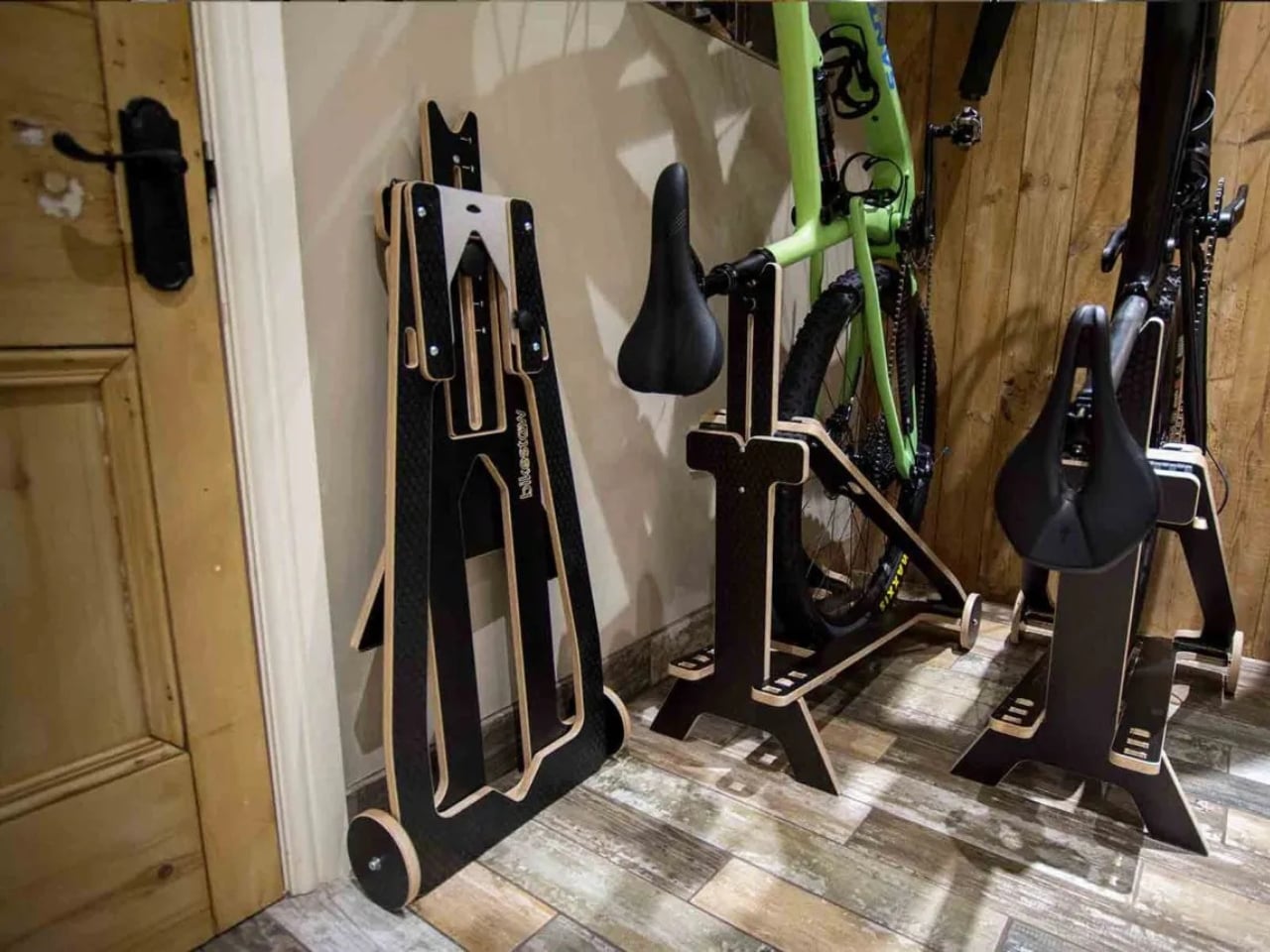
That last feature is particularly brilliant for anyone dealing with limited space. Heading out on a bike trip and your bike won’t be home for a week? Fold the stand flat and tuck it away. Living in a city apartment where every square foot counts? Same deal. The Flip essentially disappears when you don’t need it, which is more than you can say for permanent wall hooks or ceiling-mounted systems.
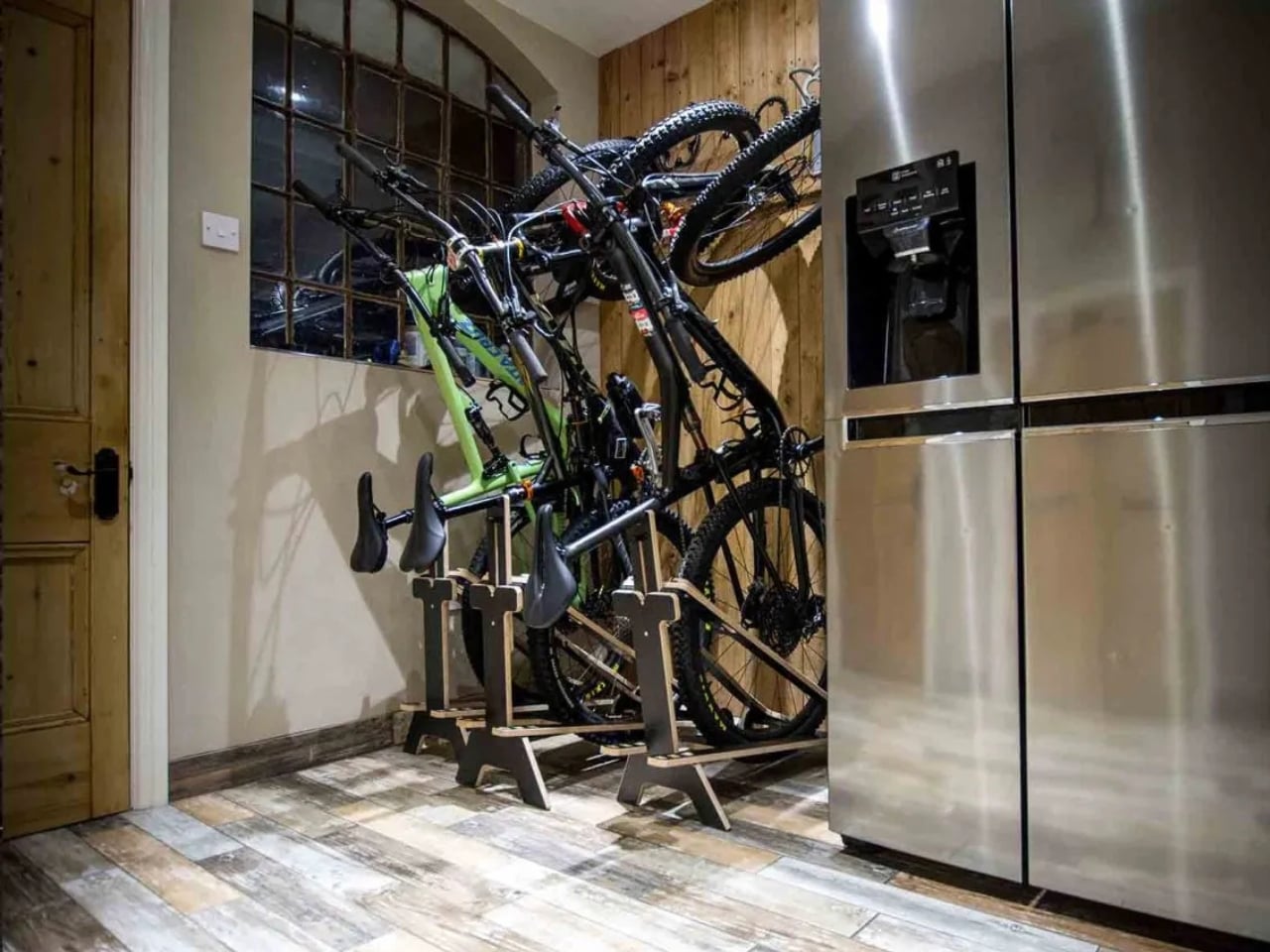
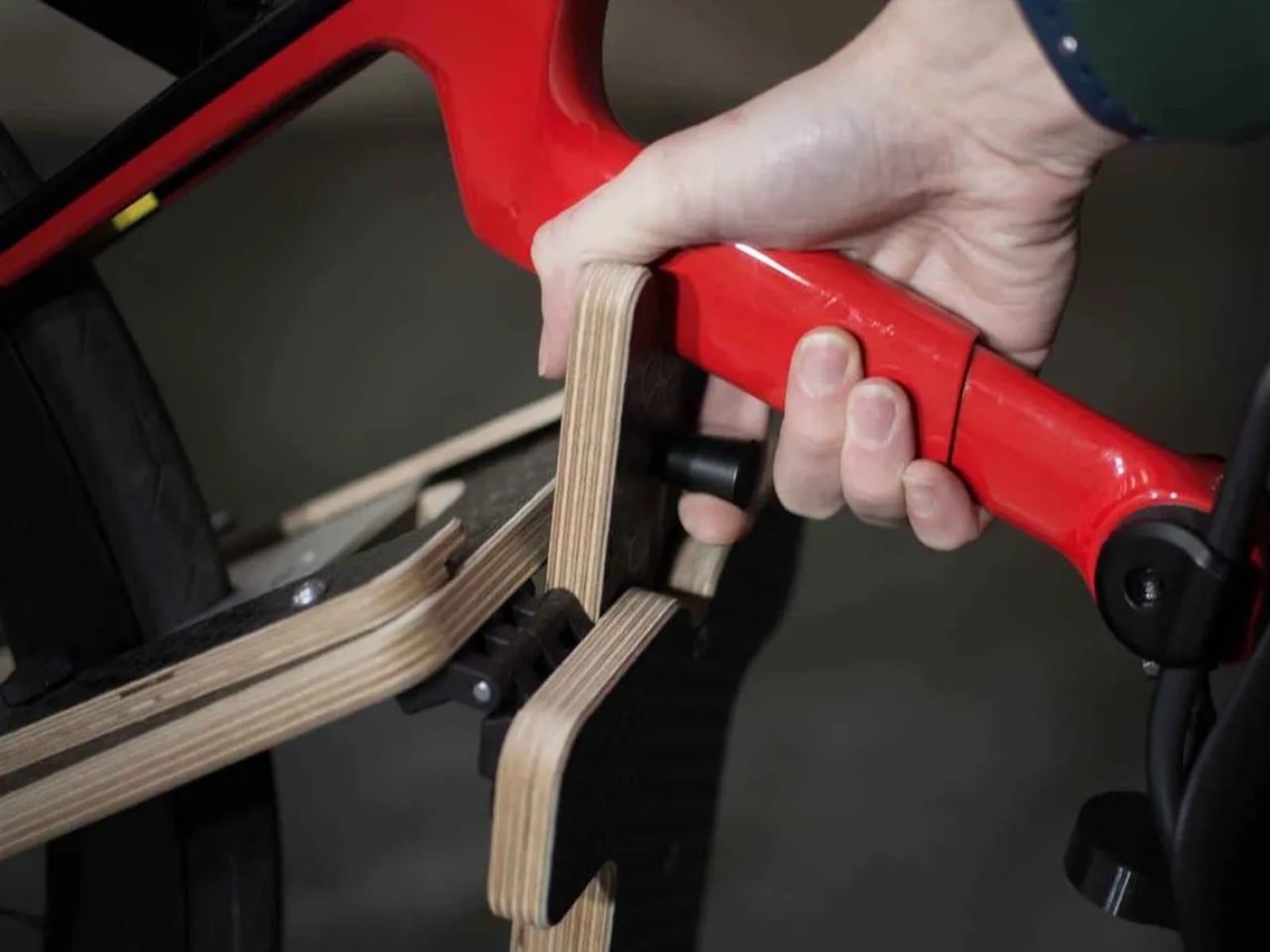
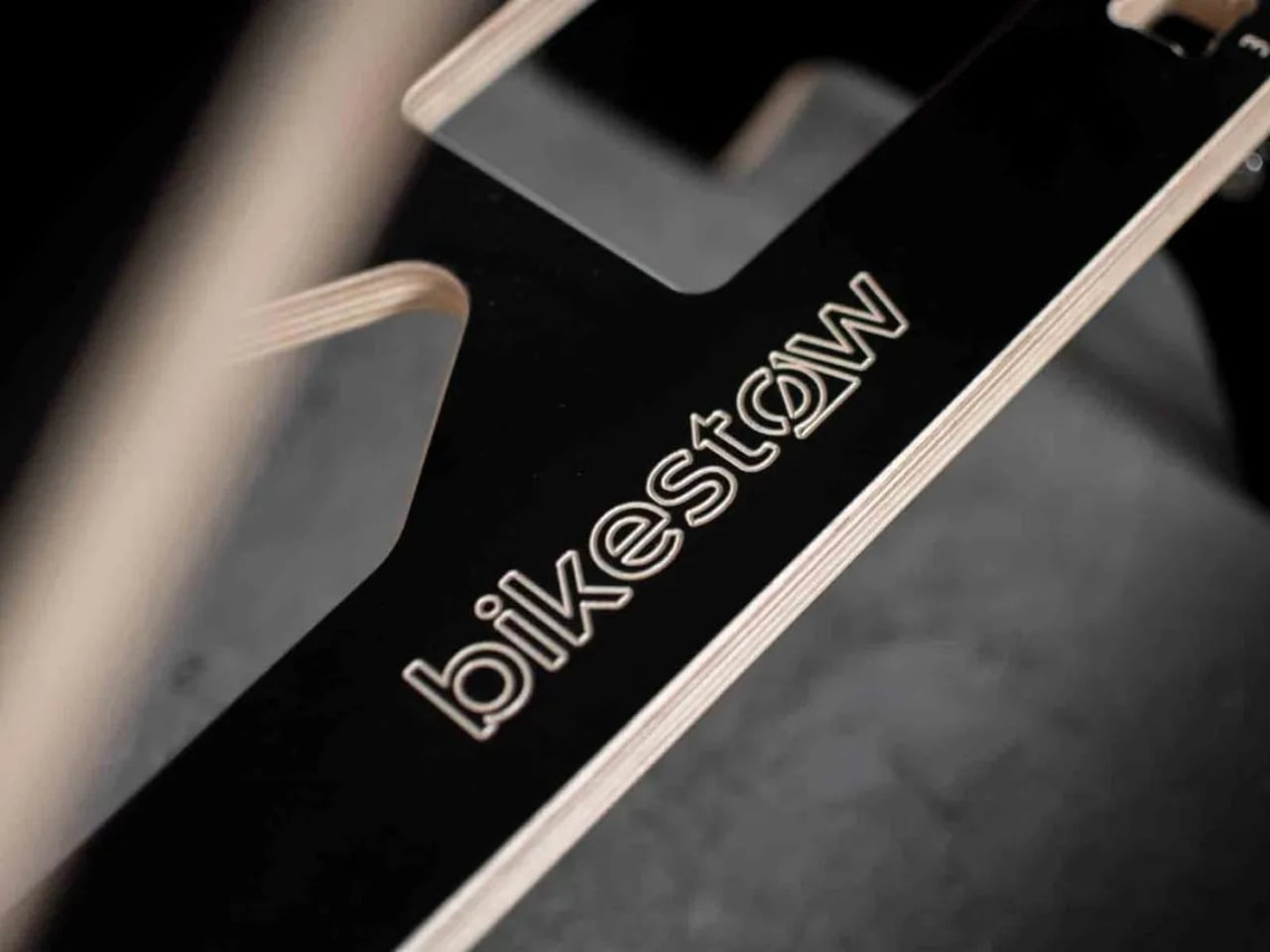
The stand is made from plywood, giving it a clean, modern aesthetic that doesn’t look out of place in contemporary homes. Customer reviews consistently mention that it’s attractive enough to display openly, whether you’re storing your bike in a hallway, office, or living space. One reviewer specifically noted that they’re “more than happy to have it on display in the office, with or without a bike in it.”
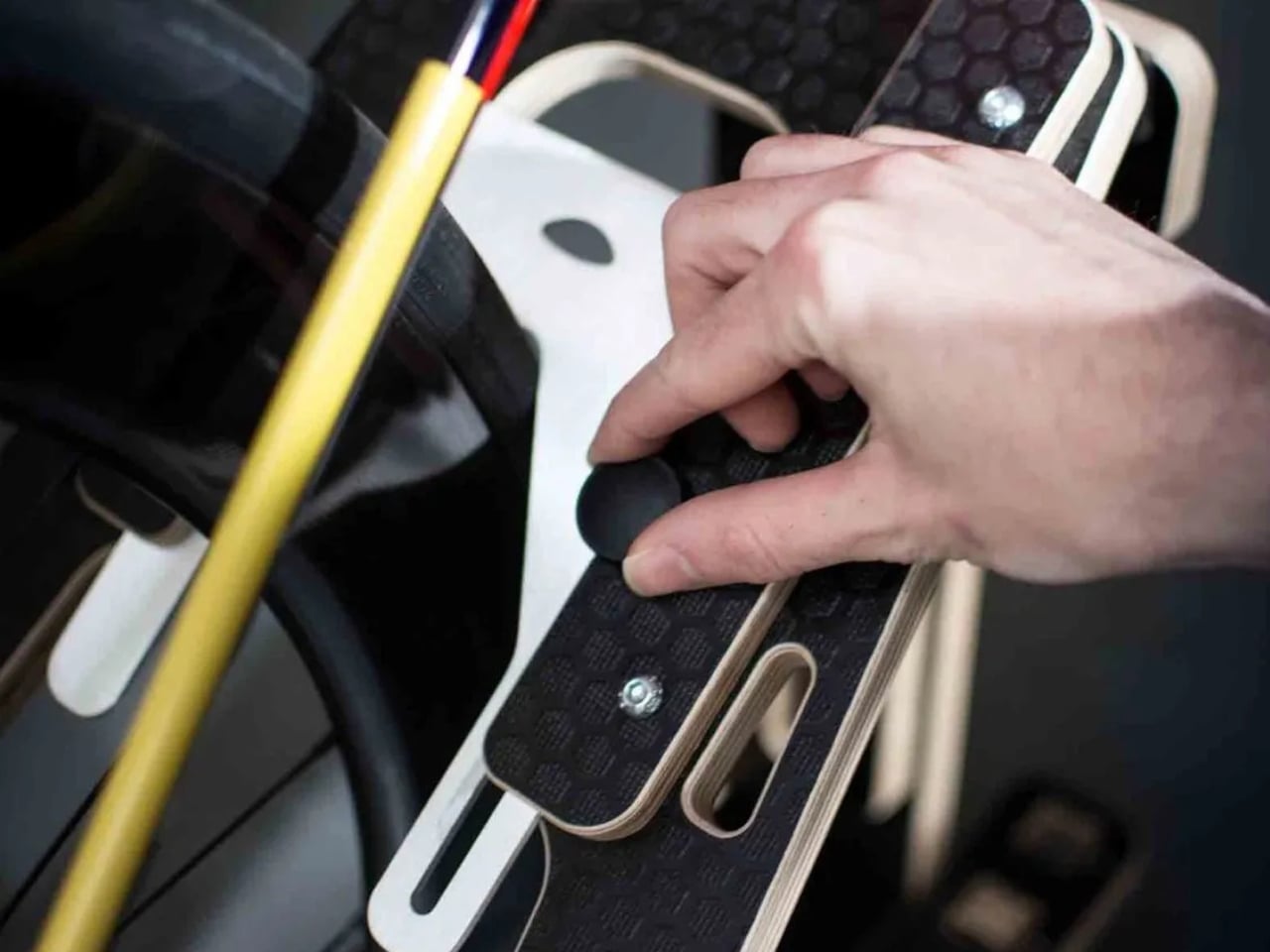
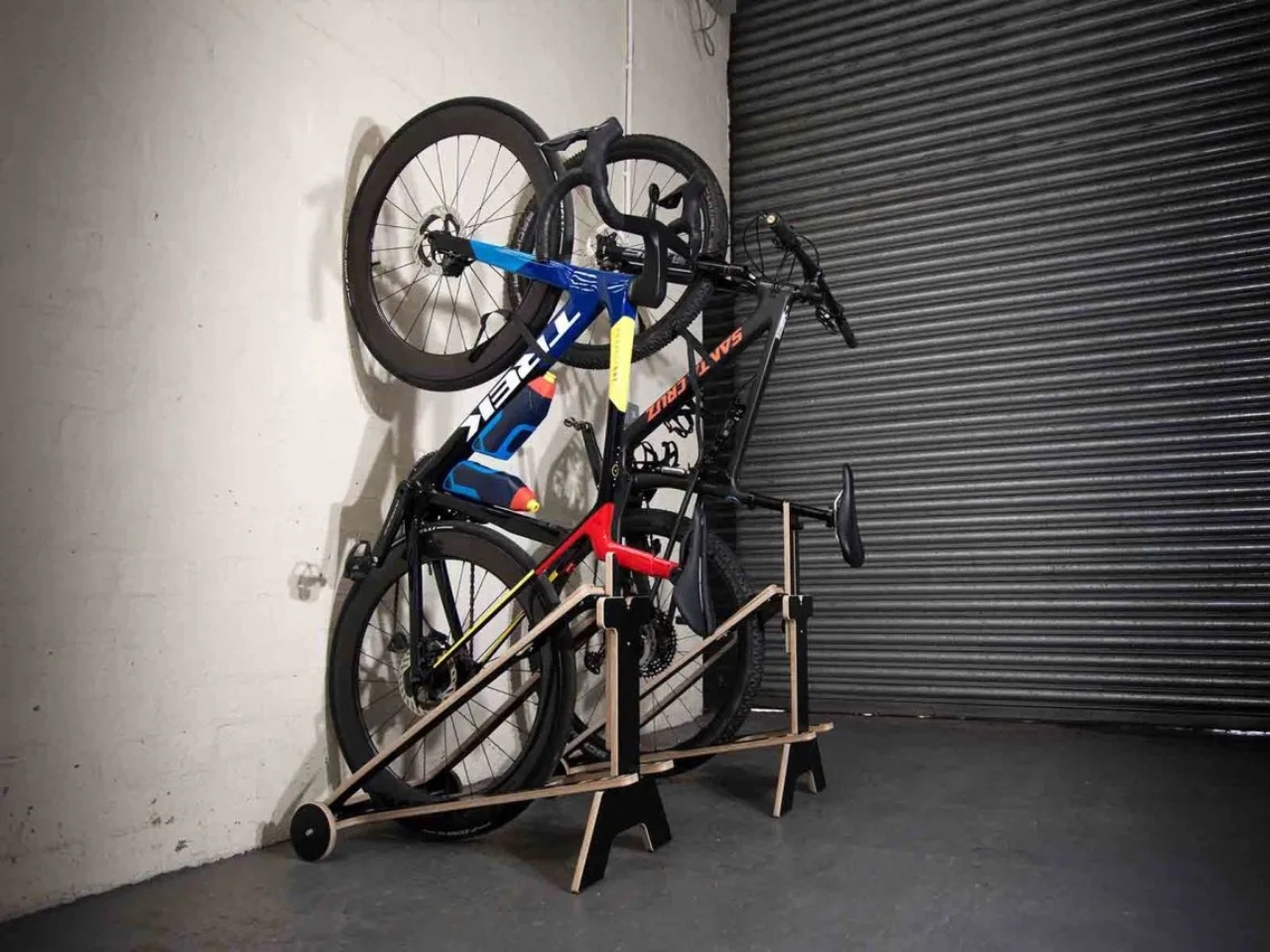
The Flip works with pretty much any bike you throw at it: road bikes, mountain bikes, electric bikes, even fat bikes with tires up to five inches wide. Multiple stands can be nested close together if you’ve got a household with several bikes, creating an organized parking area that doesn’t devolve into the usual tangled-handlebars chaos.
At around $175, it’s not the cheapest bike storage option out there, but it’s also significantly more versatile than a basic wall hook. BikeStow backs it with a two-year warranty and includes a custom Restrap securing strap to keep your bike stable. Customer ratings sit at a perfect five stars, with reviewers praising both its functionality and build quality.
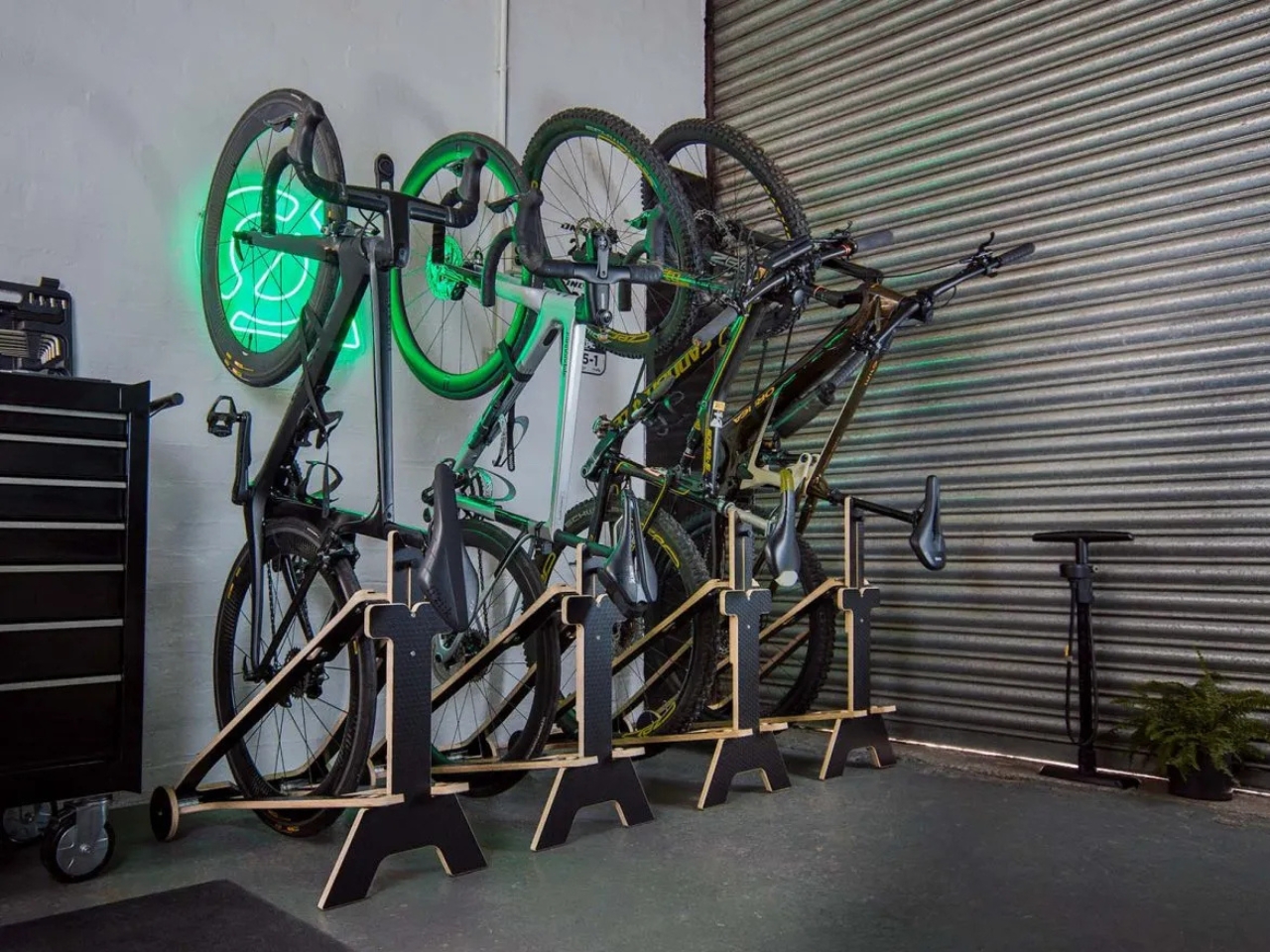
Most bike storage solutions fall into two categories: cheap and flimsy, or expensive and permanent. The Flip occupies an interesting middle ground. It’s well-made and thoughtfully designed, but it doesn’t require you to drill holes in your walls or dedicate a chunk of your home to bike storage forever. It’s the kind of practical, human-centered design that solves a real problem without creating new ones.
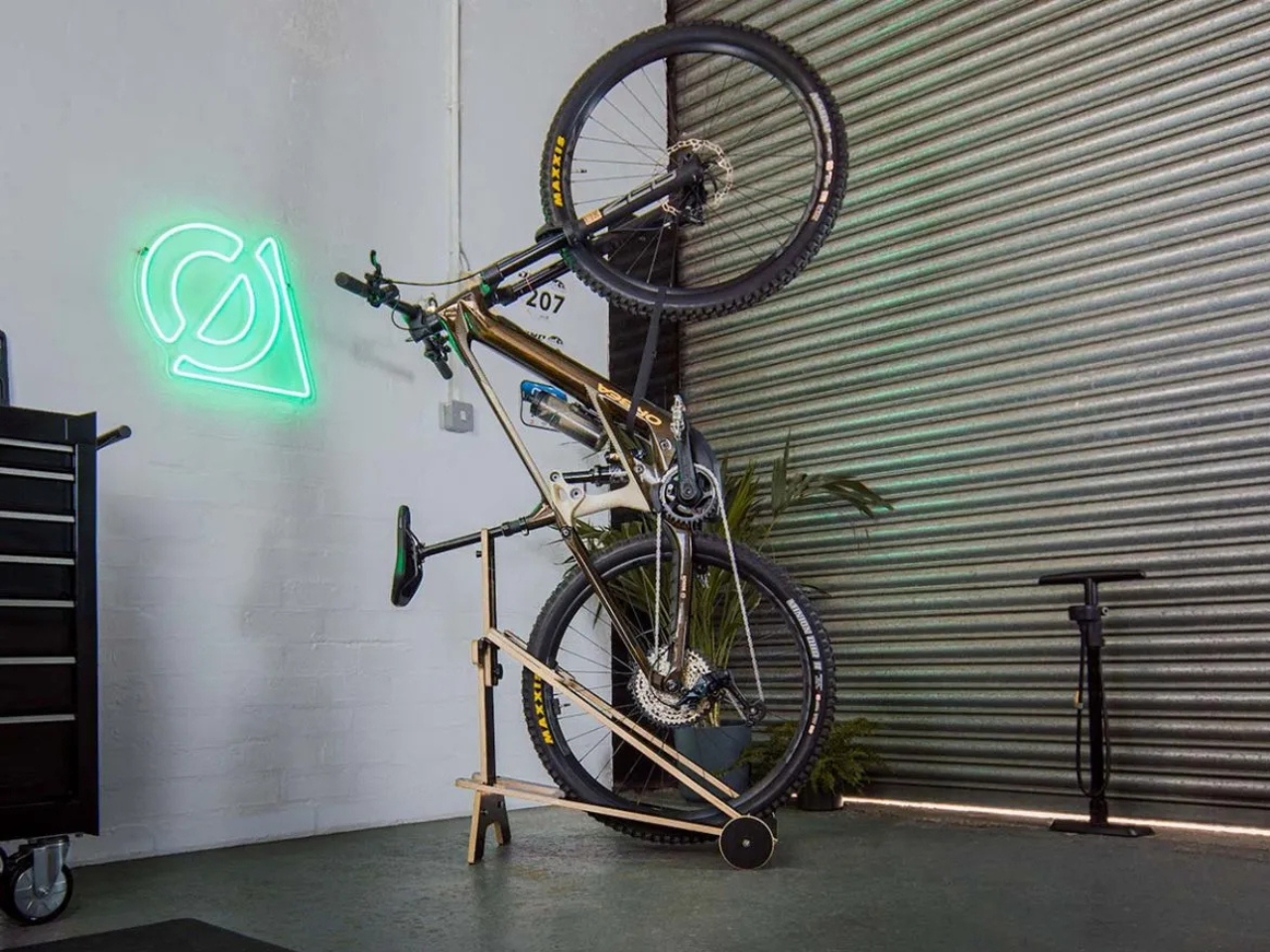
For anyone tired of tripping over their bike or playing storage Tetris every time they need garage space, the Flip offers a refreshingly simple solution. Sometimes the best designs aren’t revolutionary, they just make everyday life a little bit easier.
The post This $175 Bike Stand Finally Solved Our Garage Storage Mess first appeared on Yanko Design.
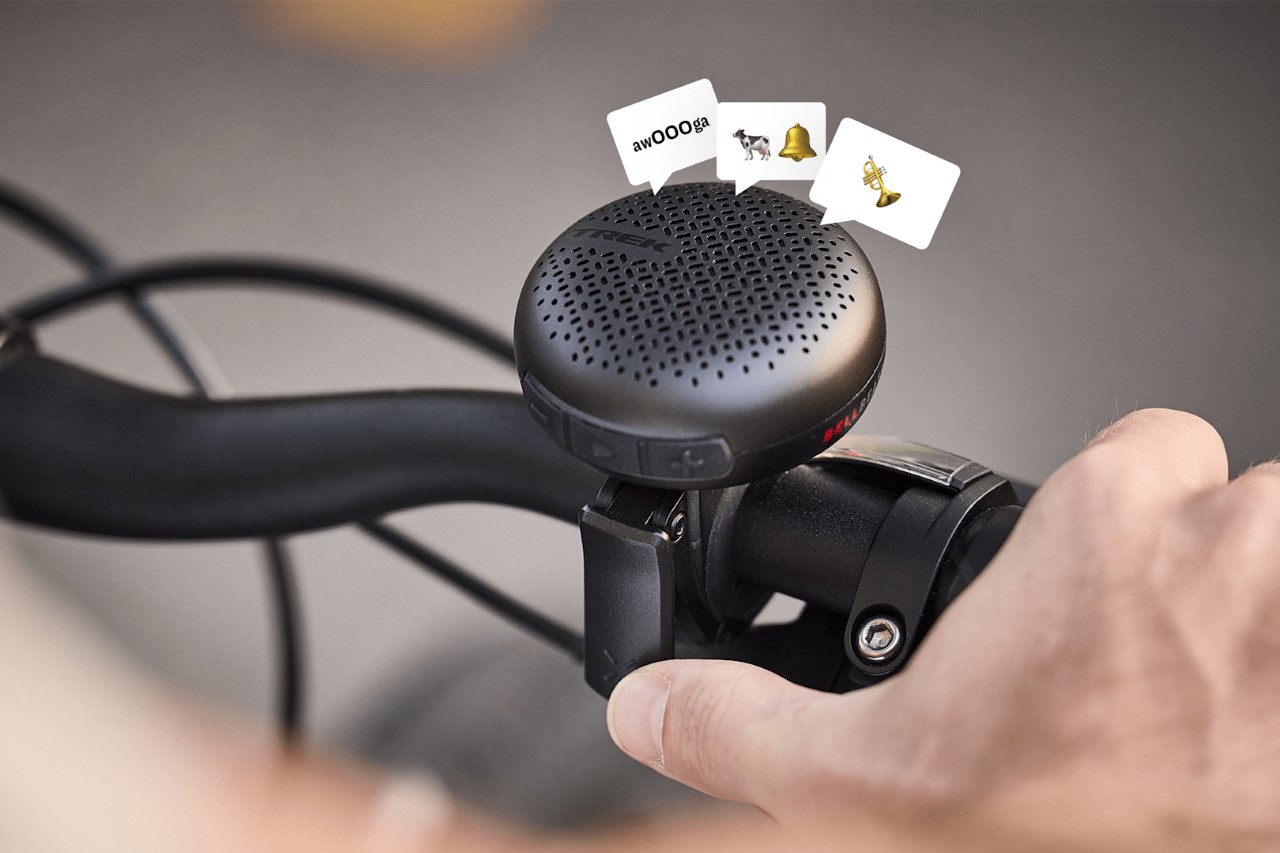
Trek’s $99 Electronic Bicycle Bell is essentially a Bluetooth Speaker you attach to your handlebars

It works as a bicycle bell, allows you to customize your bell sound/volume based on location or urgency, helps narrate GPS directions, and even doubles as a wireless speaker for music and podcasts when you’re not pedaling around.

Our cars and motorbikes have had electronic horns for decades at this point, so the fact that bicycles still resort to a metal ringer feels a little archaic, doesn’t it? That’s precisely the point folks at Trek Bikes are making – that bicycle bells haven’t adapted to modern times and scenarios. Sure, sometimes a melodious metal ‘trrring’ works well, but it may get drowned out in the bustling traffic of a city. Go on a mountain trail and that same metal ‘tring’ may sound too harsh and jarring. The solution, an electronic bicycle bell that lets you choose your sound based on your surroundings and situations… and when you’re not riding around, the bell doubles as an everyday Bluetooth speaker, for listening to tunes or episodes of your favorite podcast.

Designer: Trek Bikes

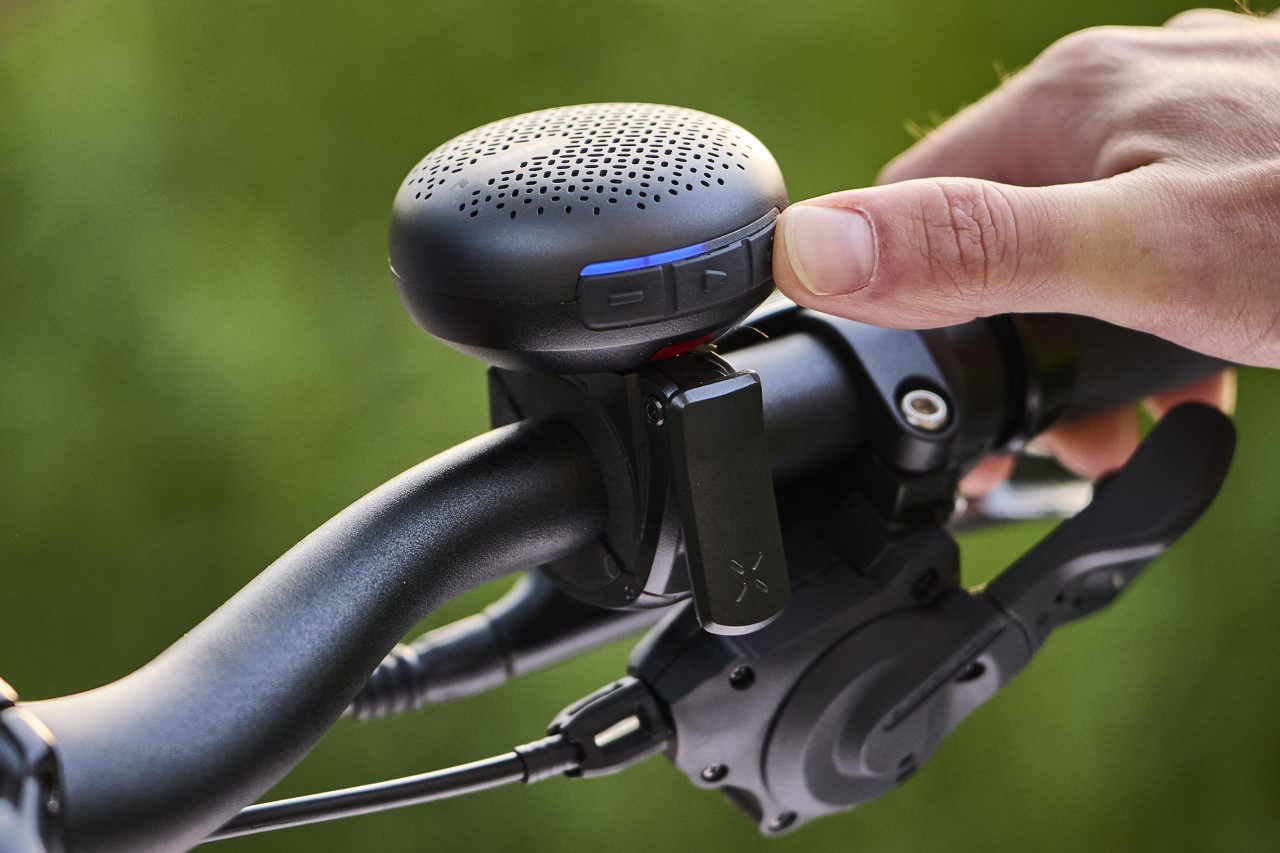
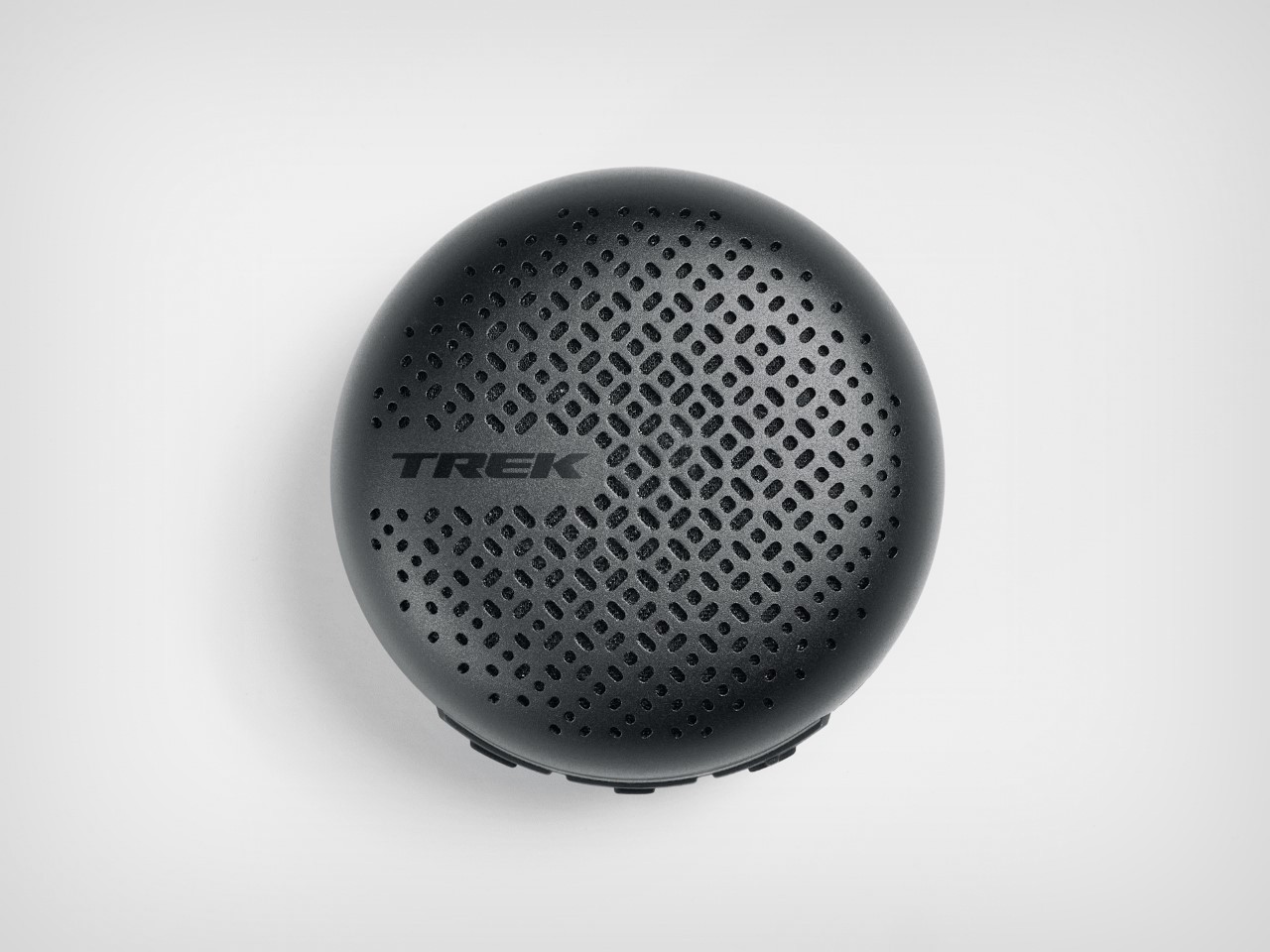
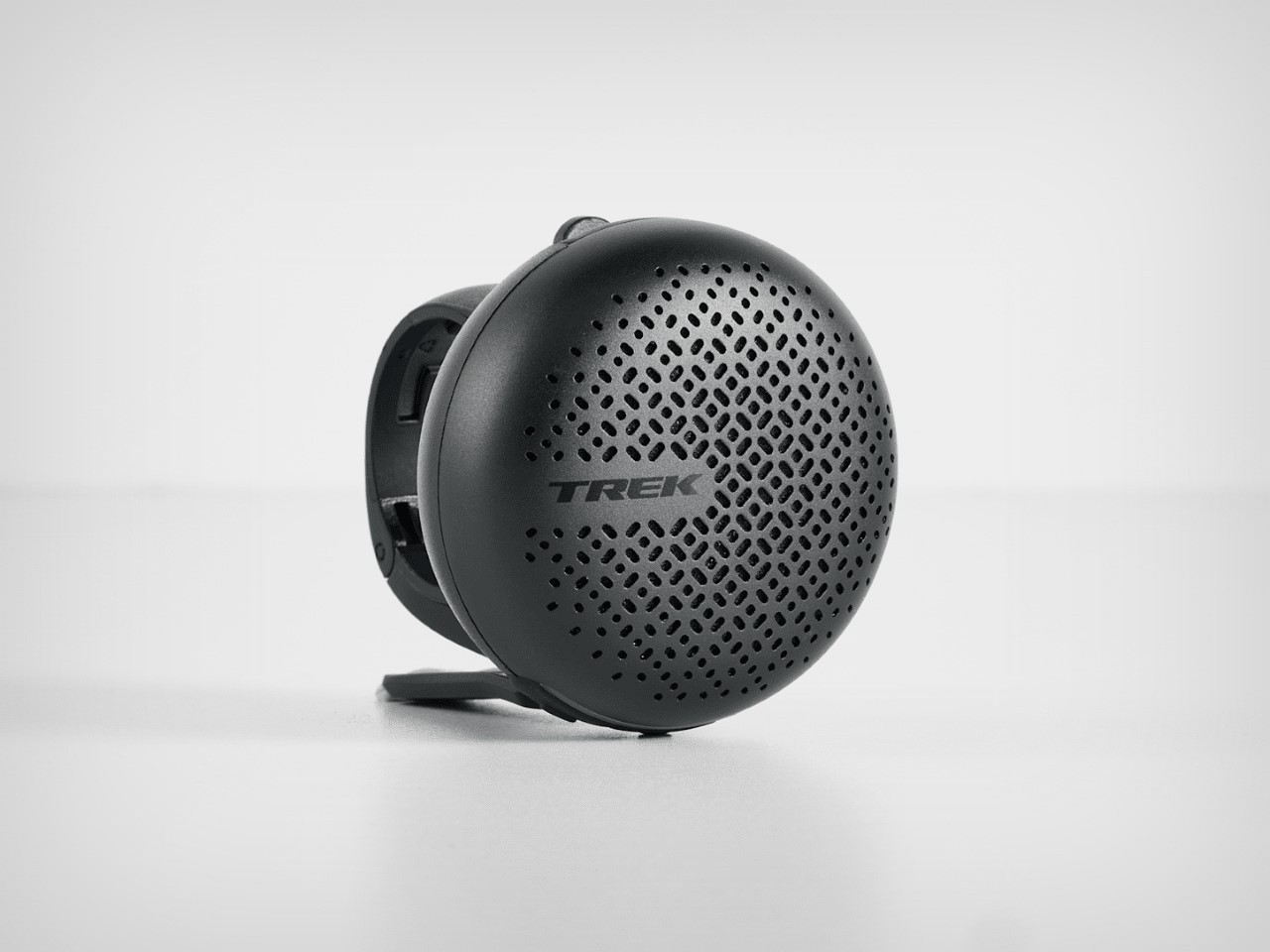
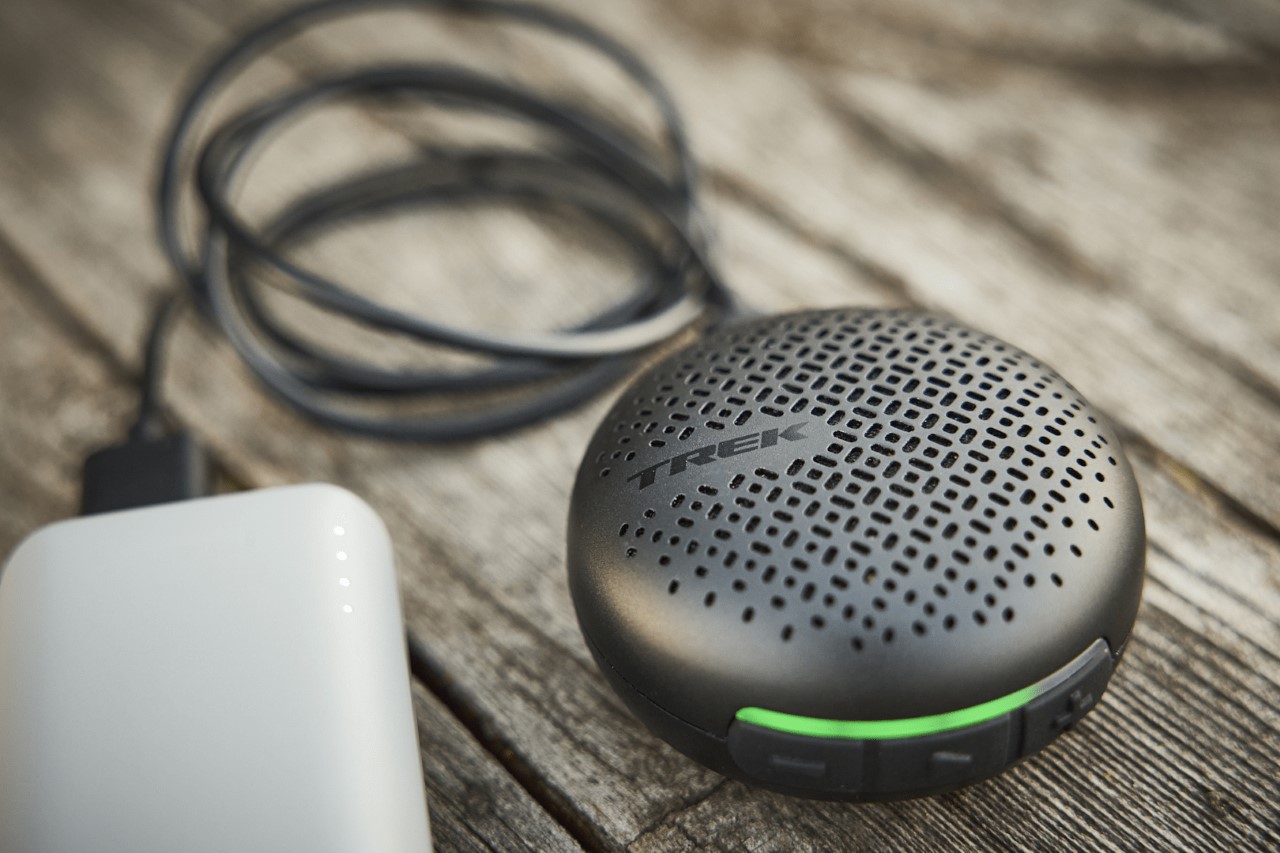
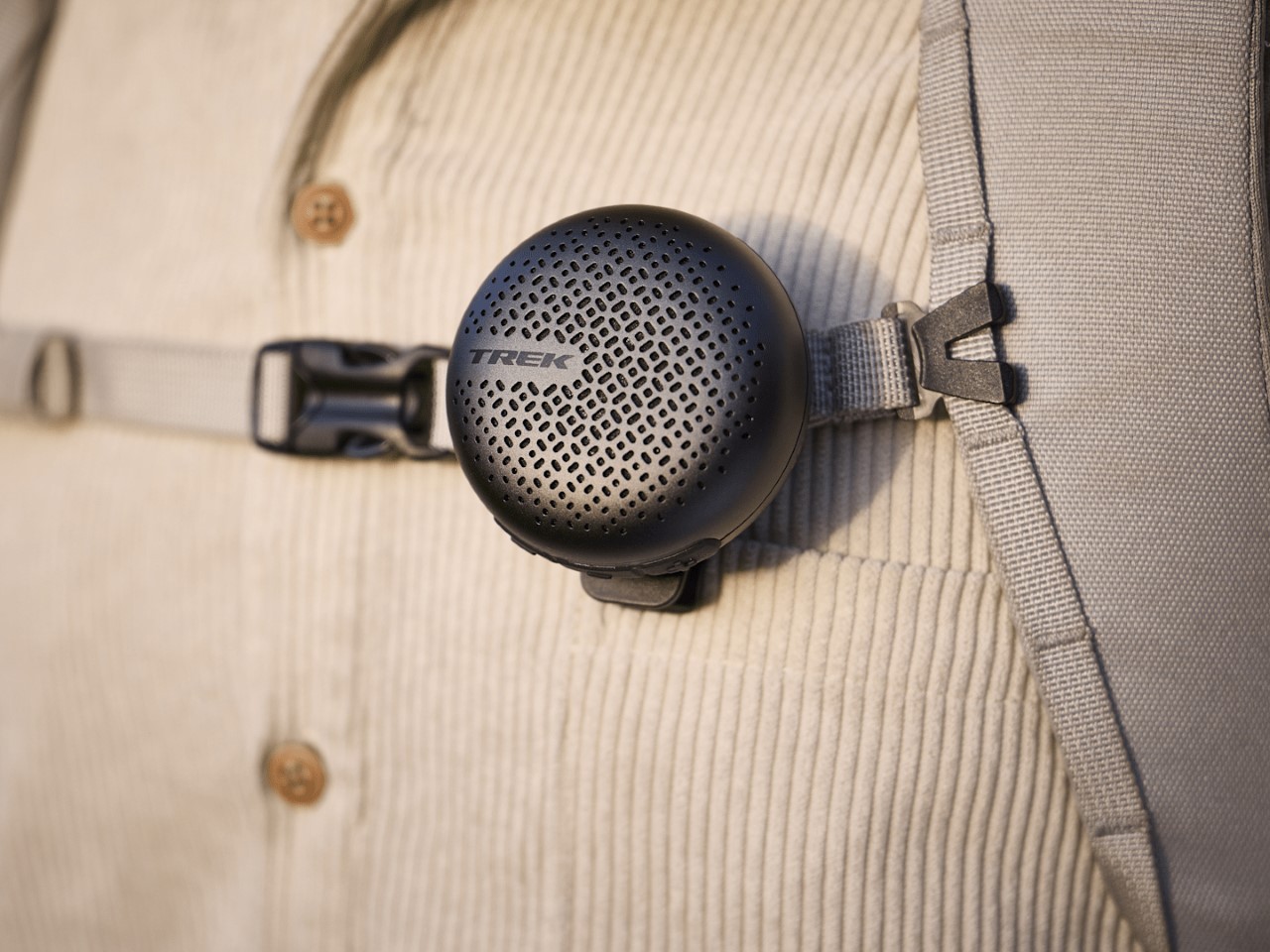
The $99 BellBeats isn’t just a Bluetooth speaker attached to your handlebars. It has audio drivers optimized by Harman and comes with an audio bank of bell/alert noises professionally sound-designed to encompass a wider frequency range so they’re much more audible, even in noisy environments. The tiny device is exactly the size and shape of a bicycle bell, and attaches to your handlebars exactly where a bell would sit. A thumb button lets you trigger the bell sounds, and depending on where you’re driving or how urgent the need is, you can choose between the quintessential trill of a metal bell or even a train horn. The BellBeats comes with a set of 8 bell sounds ranging from ambient to blaring, and you can set two sounds as your default, triggered either by short or long-pressing the thumb button.

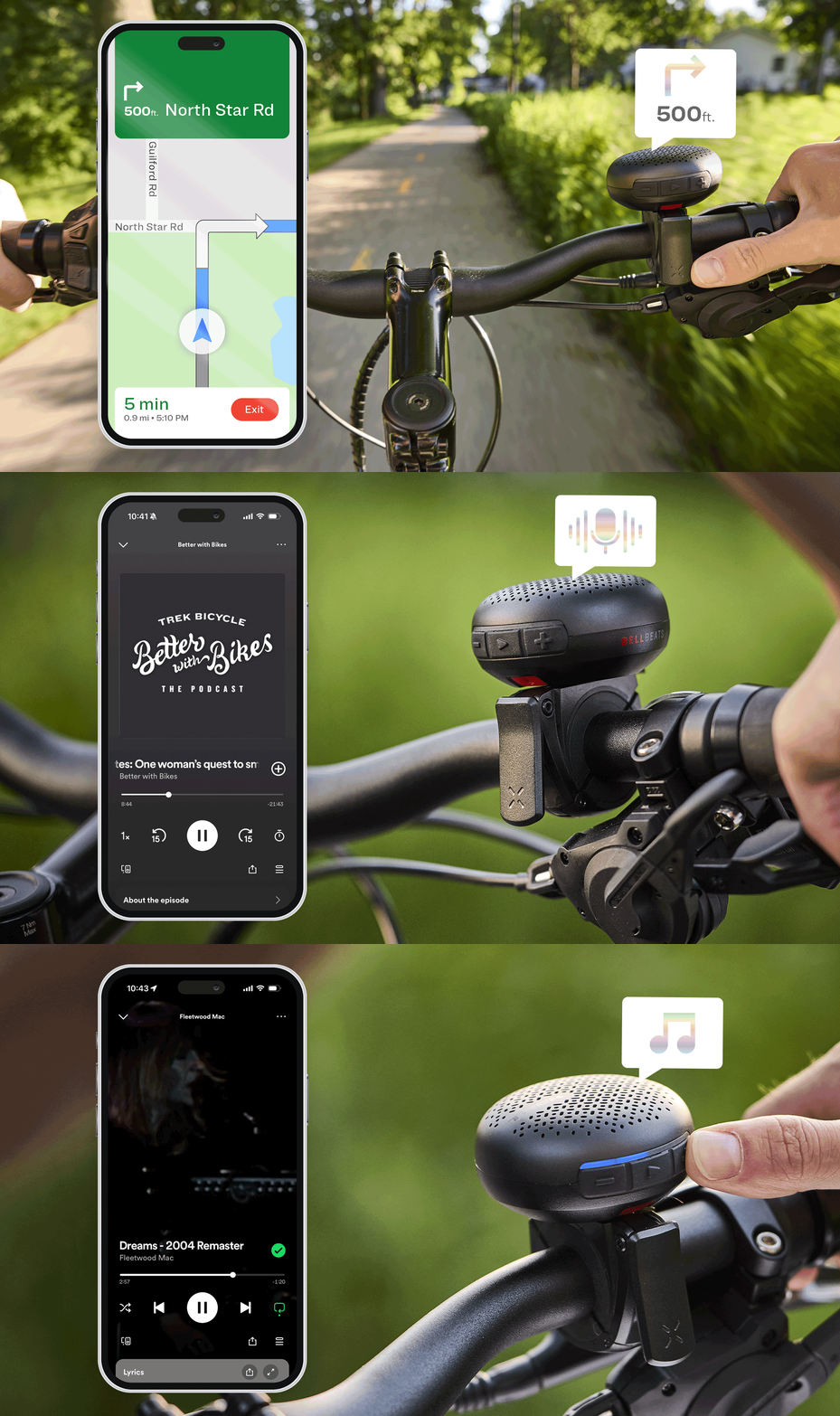
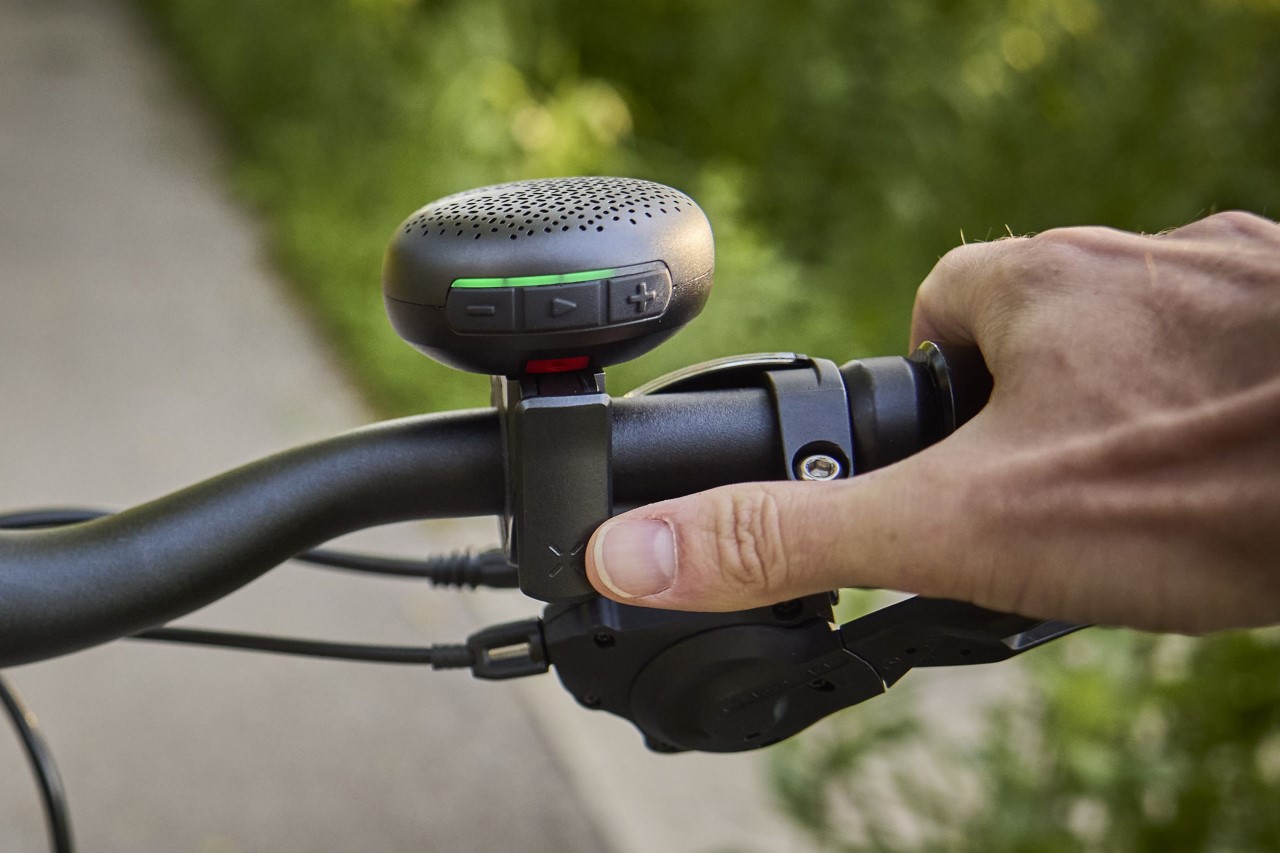
Aside from the obvious bell function, the BellBeats has a few other tricks up its sleeve. For trail bikers, the BellBeats can be programmed to play ambient audio loops that alert hikers and pedestrians (or even animals) of your presence without being too jarring. The bell can also be synced with your phone to narrate directions while navigating using a map app on your phone. Although I don’t endorse it, you can even listen to music, podcasts, and audiobooks while riding. Easy-access buttons on the speaker (not the thumb-button) let you play/pause tracks or increase/decrease the volume of your device.

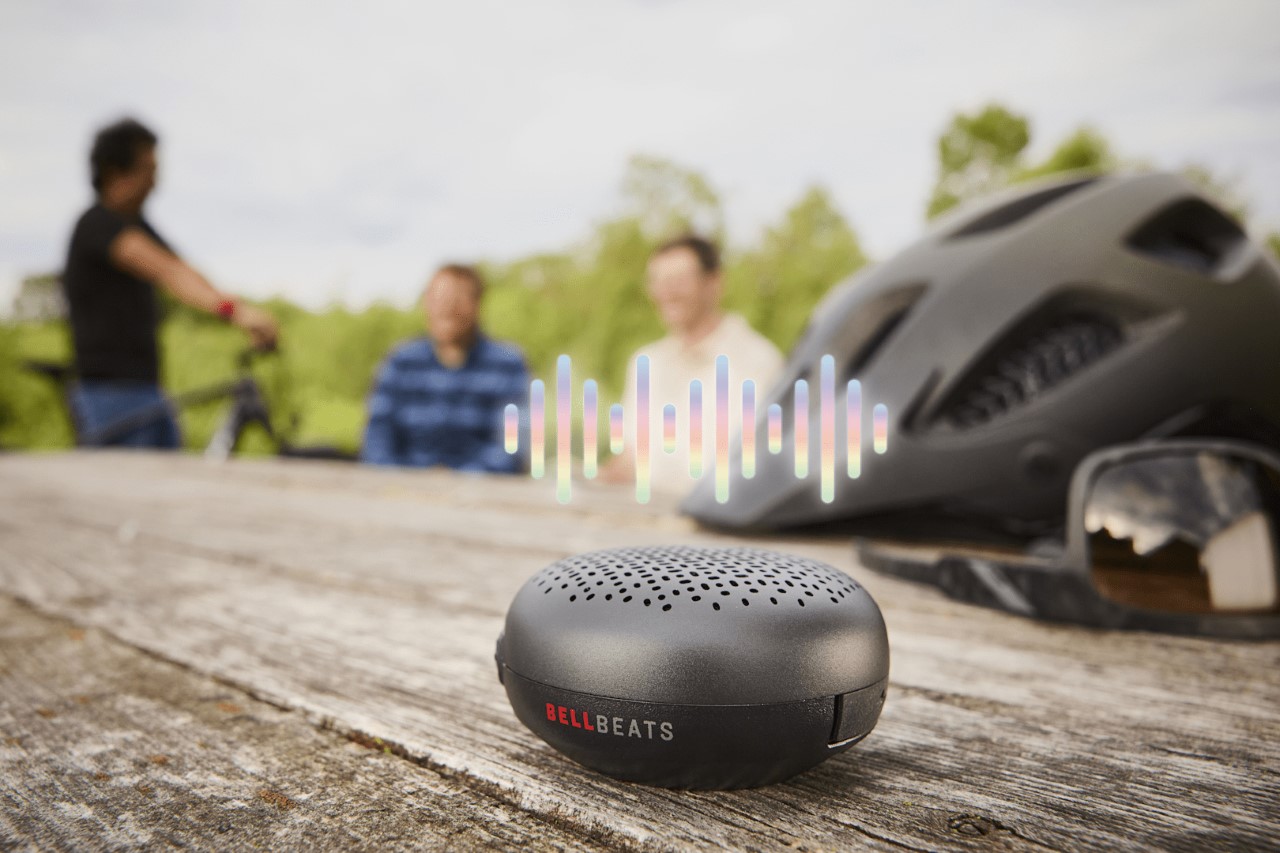
When you’re off your bicycle, the speaker unit of the BellBeats can detach off its handlebar mount, turning into a puck-shaped Bluetooth speaker. Its punchy audio drivers deliver loud, crisp sound… although don’t expect it to have a good bass response. It’s loud for its size, but the low-end may disappoint when compared to larger wireless speakers with their own dedicated sub-woofers.

With all those upgrades, however, comes a caveat. Traditional metal bells don’t need to have their batteries recharged periodically… the BellBeats, however, does. It has a 6-hour battery life, which might be a deal-breaker for some. Essentially, that means it won’t last you more than a day if you’re an avid cyclist, and you’ll need to keep a power bank handy to juice your bicycle bell. The prospect of a bike bell dying on you mid-ride is even more worrying, as it can clearly lead to accidents. To remedy that, an LED battery bar above the volume controls keeps you updated on the BellBeats’ battery life, so you’re always aware of exactly how much juice you’ve got on hand. Still, it’s a trade-off worth considering if you’re ready to spring $99 for the device. Being able to customize your bike bell to sound like an old-timey honker or a train horn does have its own appeal!

The post Trek’s $99 Electronic Bicycle Bell is essentially a Bluetooth Speaker you attach to your handlebars first appeared on Yanko Design.
Leave your helmet on your bike securely with this prototype contraption

During the pandemic, one of the things that became a “trend” and has actually continued to this day is that more people are biking their way to and from their place of work. We’re seeing a lot of products catering to this market segment and there’s still a lot of room to grow as we look towards more sustainable ways of commuting. Safety is also a major concern for those riding bicycles and motorcycles so we see people carrying helmets around but it’s not always the most convenient thing.

Designer: Eliès Hamzaoui

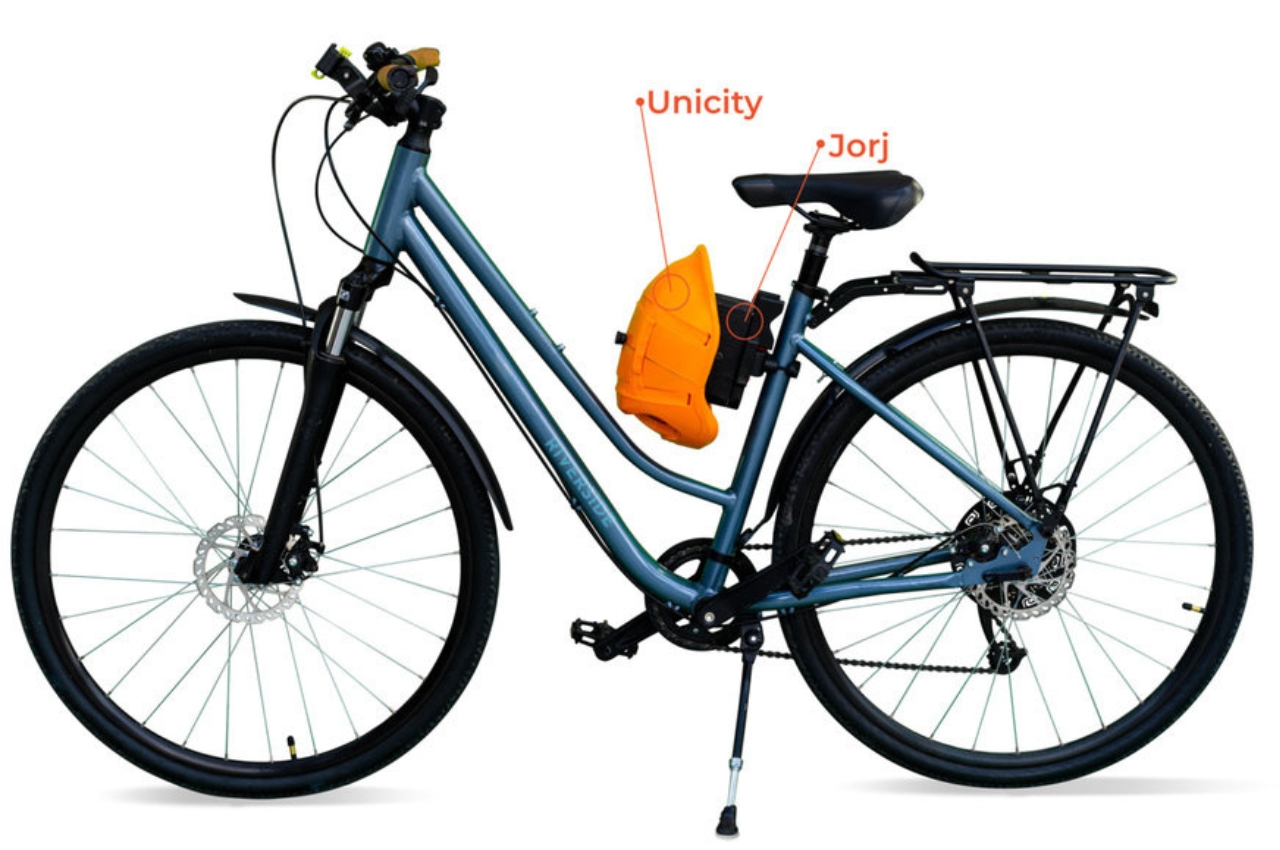
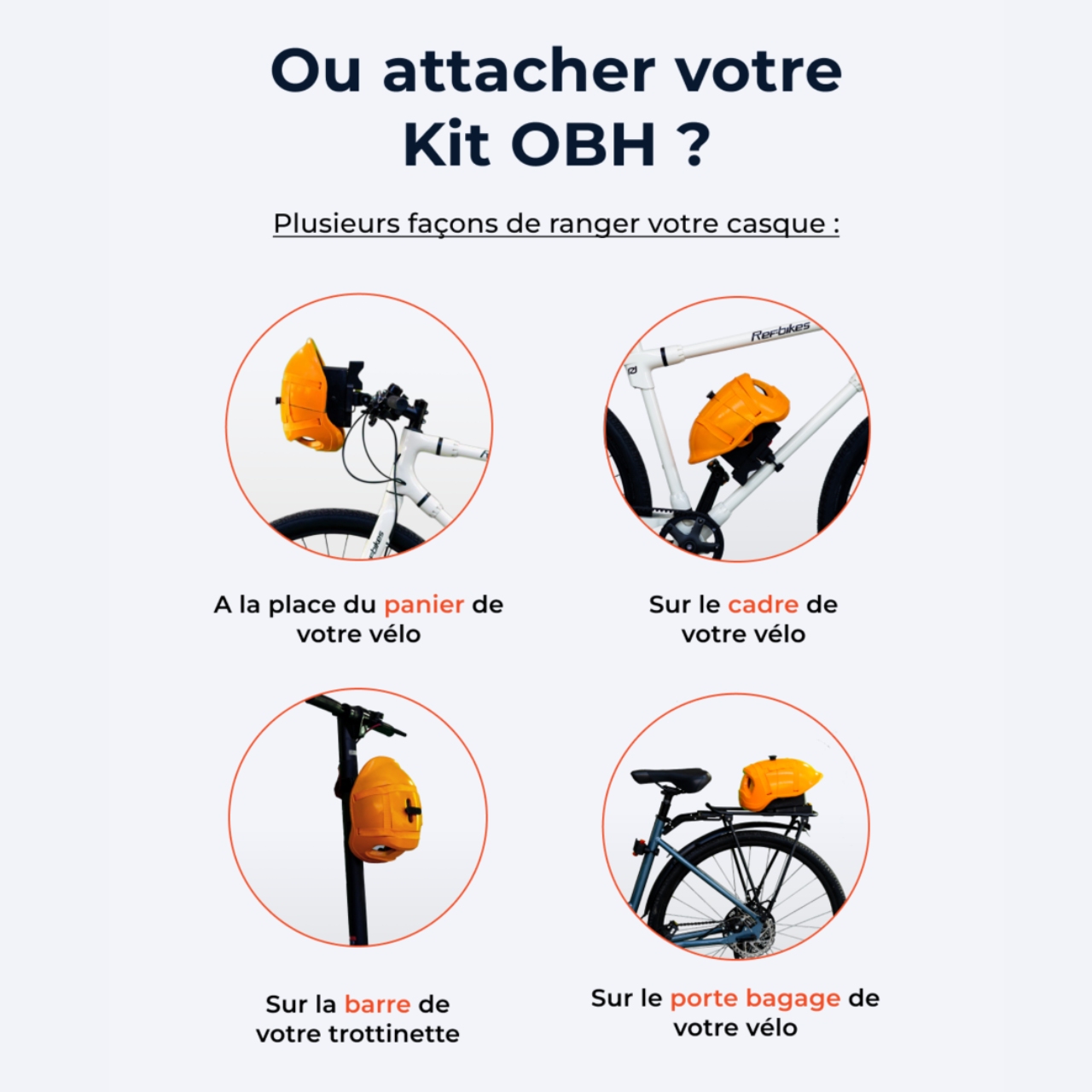
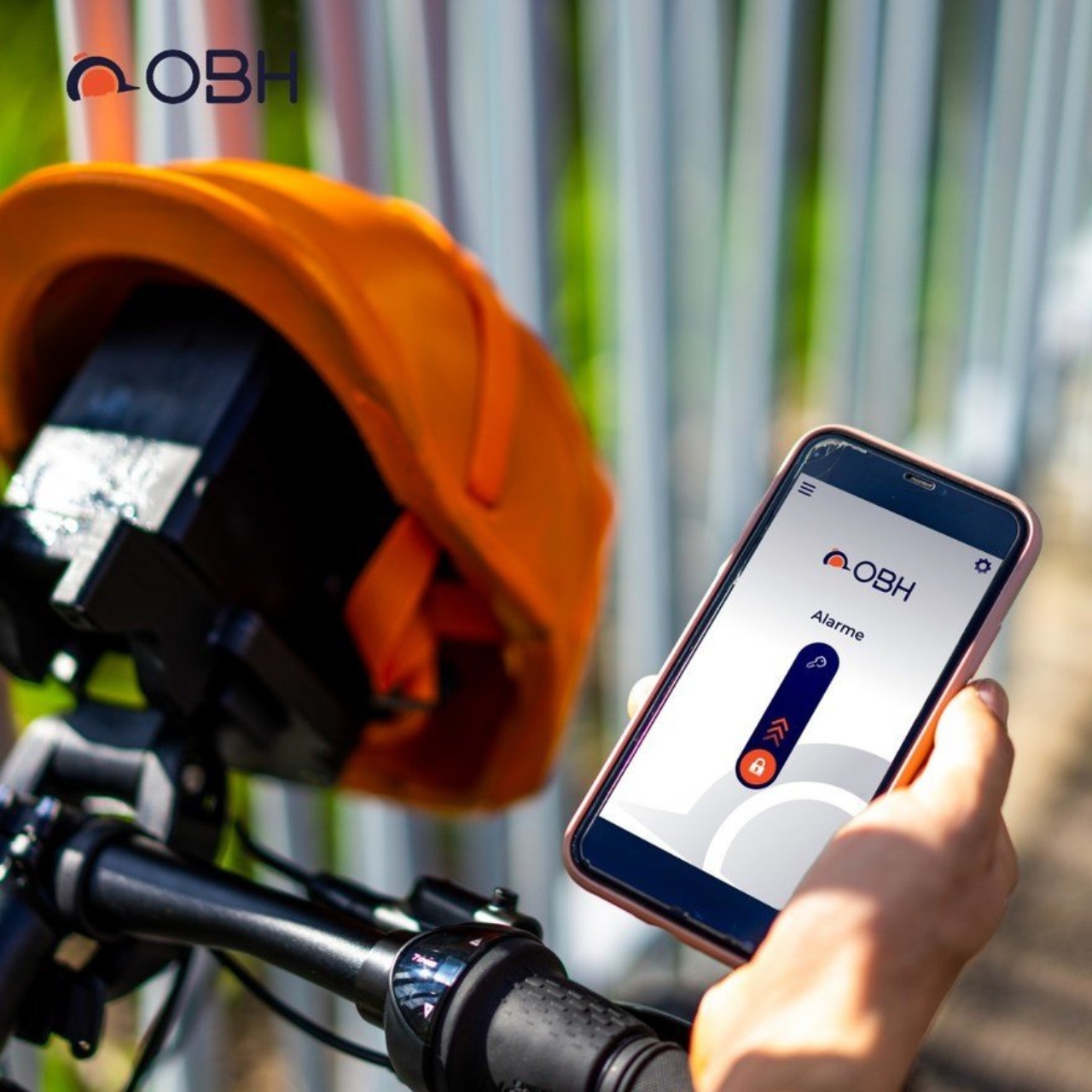
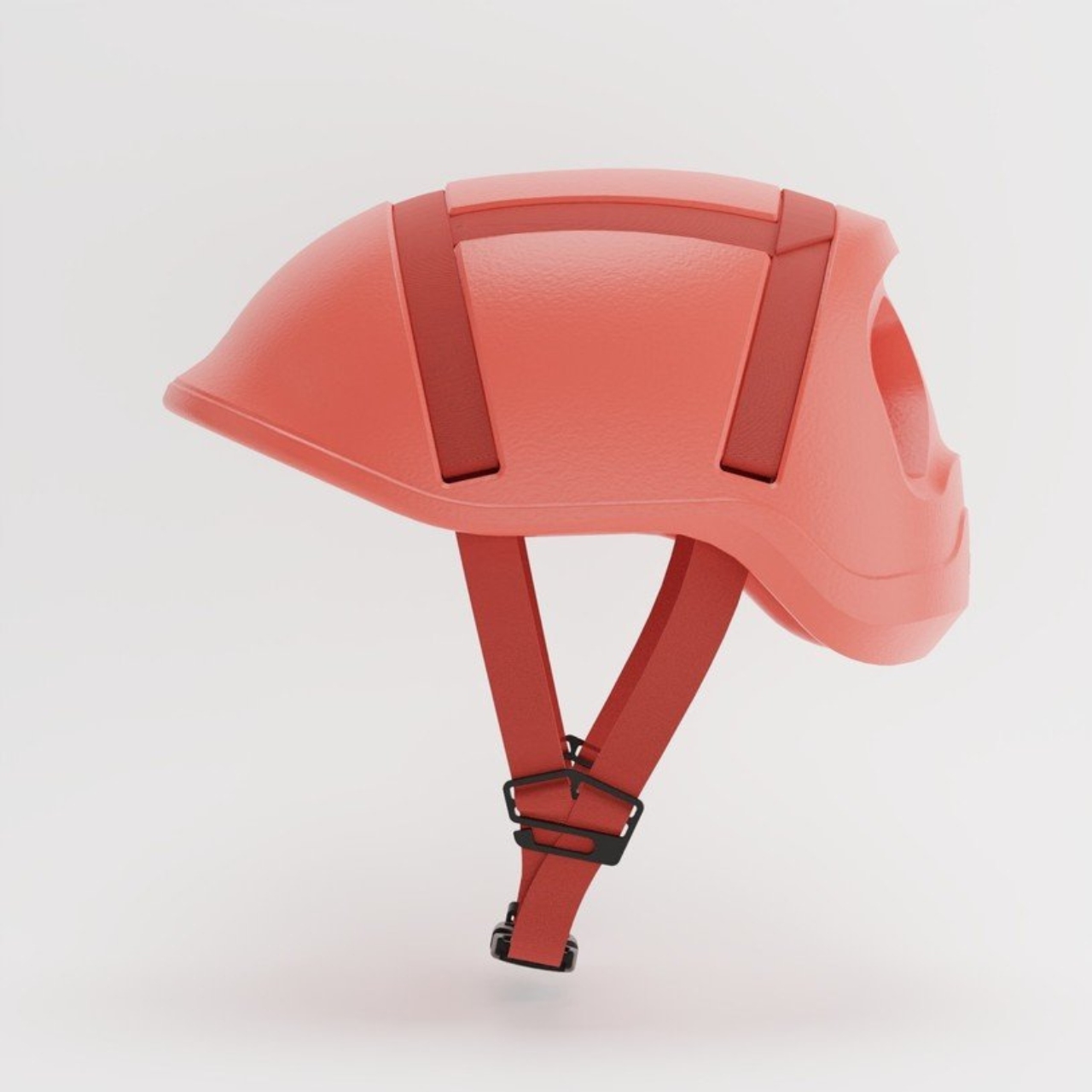
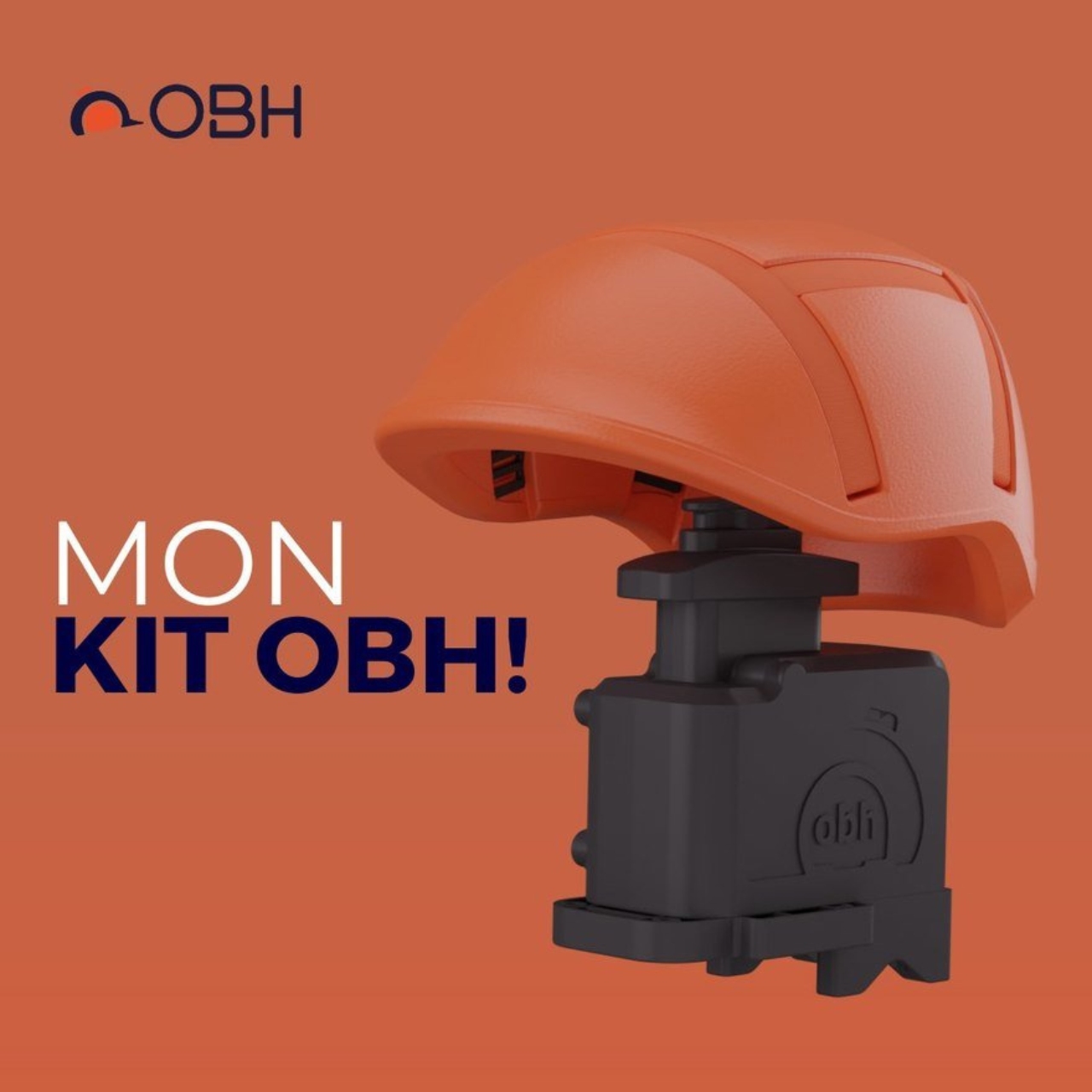
To solve the problem of carrying around a bulky helmet, an engineer created a prototype for something called an OBH or an On Board Helmet system. The idea is to leave the helmet with your bike so you don’t have to carry it around but also without fear of it getting stolen. It is made up of the helmet itself called the Unicity and a Jorj unit which is bolted to your bike frame. The unit also has a built-in anti-theft alarm, hence the secure part.

The locking and unlocking of the helmet is actually made through an app. You don’t have a physical key so the unit needs to have Bluetooth and battery power, adding to the bulk. It is technically more secure but also a bit inconvenient for times when your smartphone may not be working. The alarm itself is activated only with prolonged movements and not the mere jostle of the bike so you don’t have to worry about accidental alarms.

While it may be more convenient to leave the helmet on your bike, it can also add to the bulk of it since this contraption seems a bit heavy because of the features mentioned. There’s always room for improvement though so hopefully we can get a better prototype for this eventually. The initial target market for this are the bikeshare companies but it can eventually appeal to the general bike-using public, provided the design is improved.

The post Leave your helmet on your bike securely with this prototype contraption first appeared on Yanko Design.
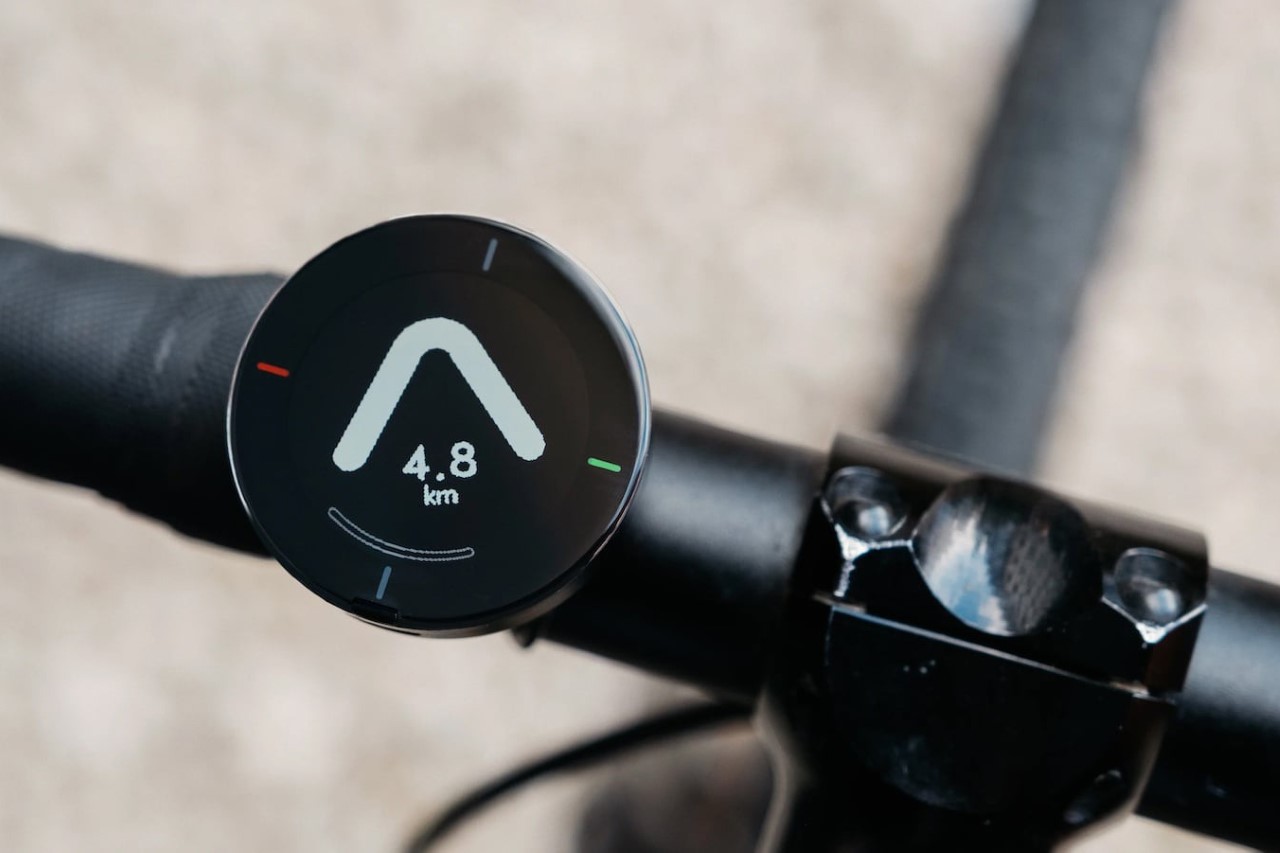
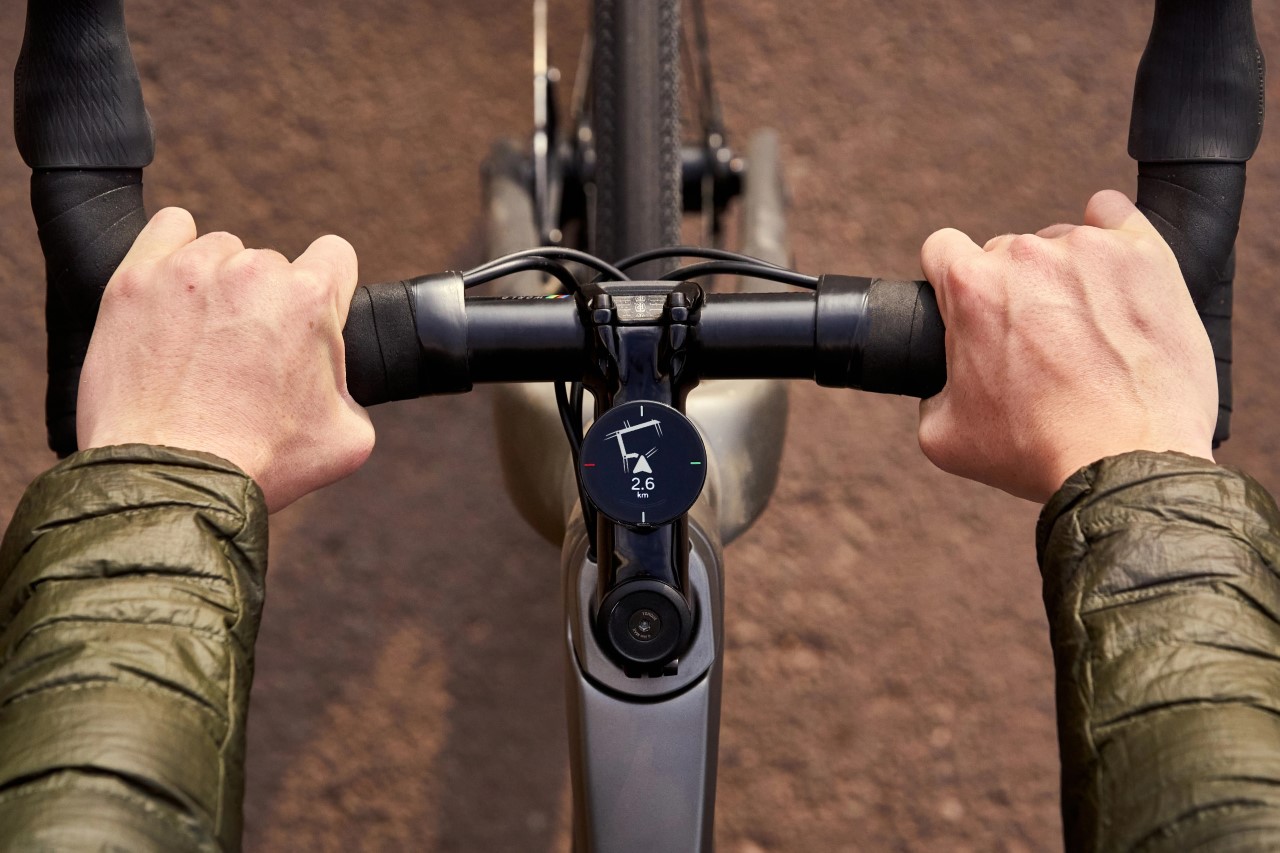
The Beeline Velo 2 is a gorgeously minimal bicycle GPS with a carbon-negative design and Strava support

It’s difficult to believe that it’s been 7 years since the Beeline first launched back in 2017! A perfect accessory for any biker or two-wheeler rider, the Beeline instantly stood out as an incredibly simple, iconic accessory that helped you get from point A to B. Working in tandem with the navigation app on your phone, the Beeline was a simple, sophisticated, and sleek-looking accessory that basically pointed you in the direction that you needed to go. No fancy maps, no bloatware, no extra data. Just an arrow you could follow till you reached your destination. The Beeline’s simple design made it easy to keep your eyes on the road too, by offsetting the need to stare at your phone for directions and potentially get sidetracked by apps, notifications, and other distractions.

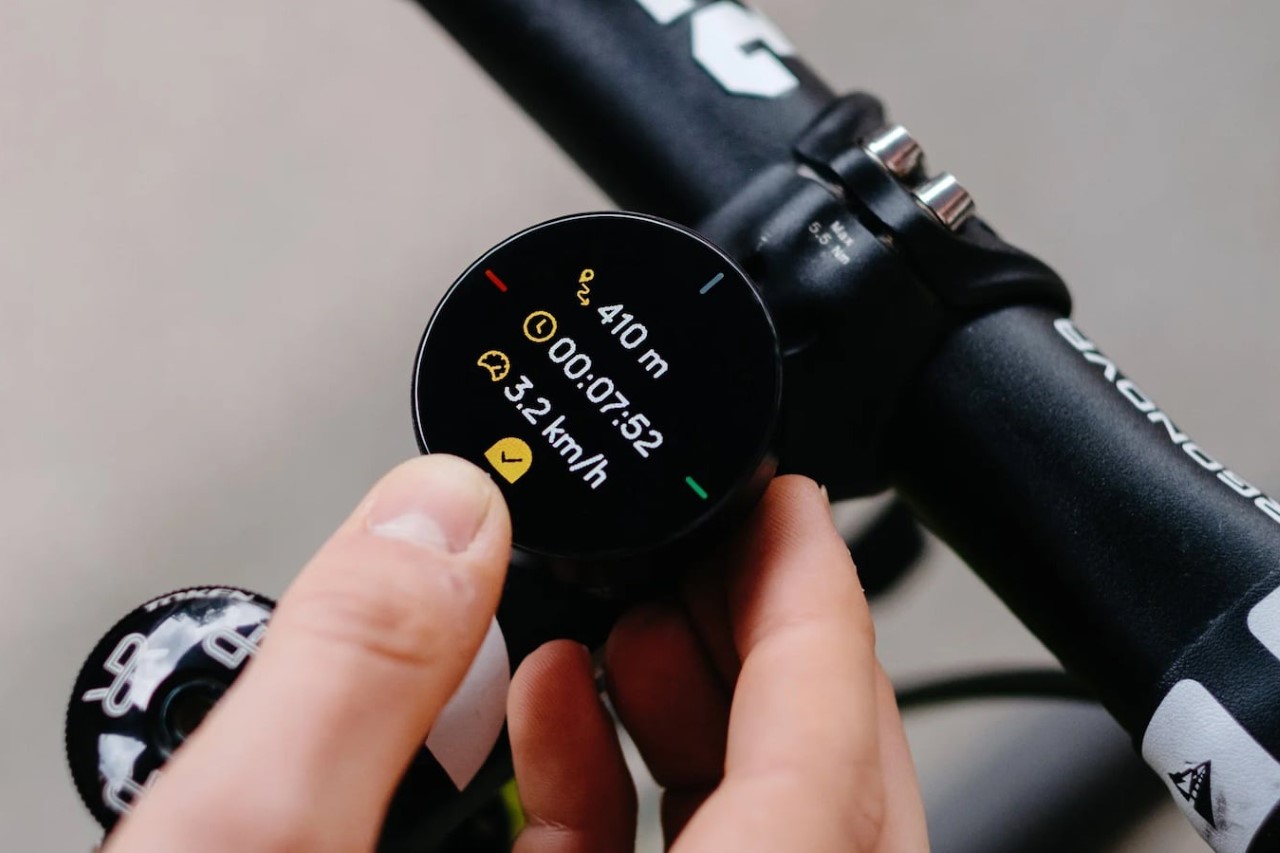
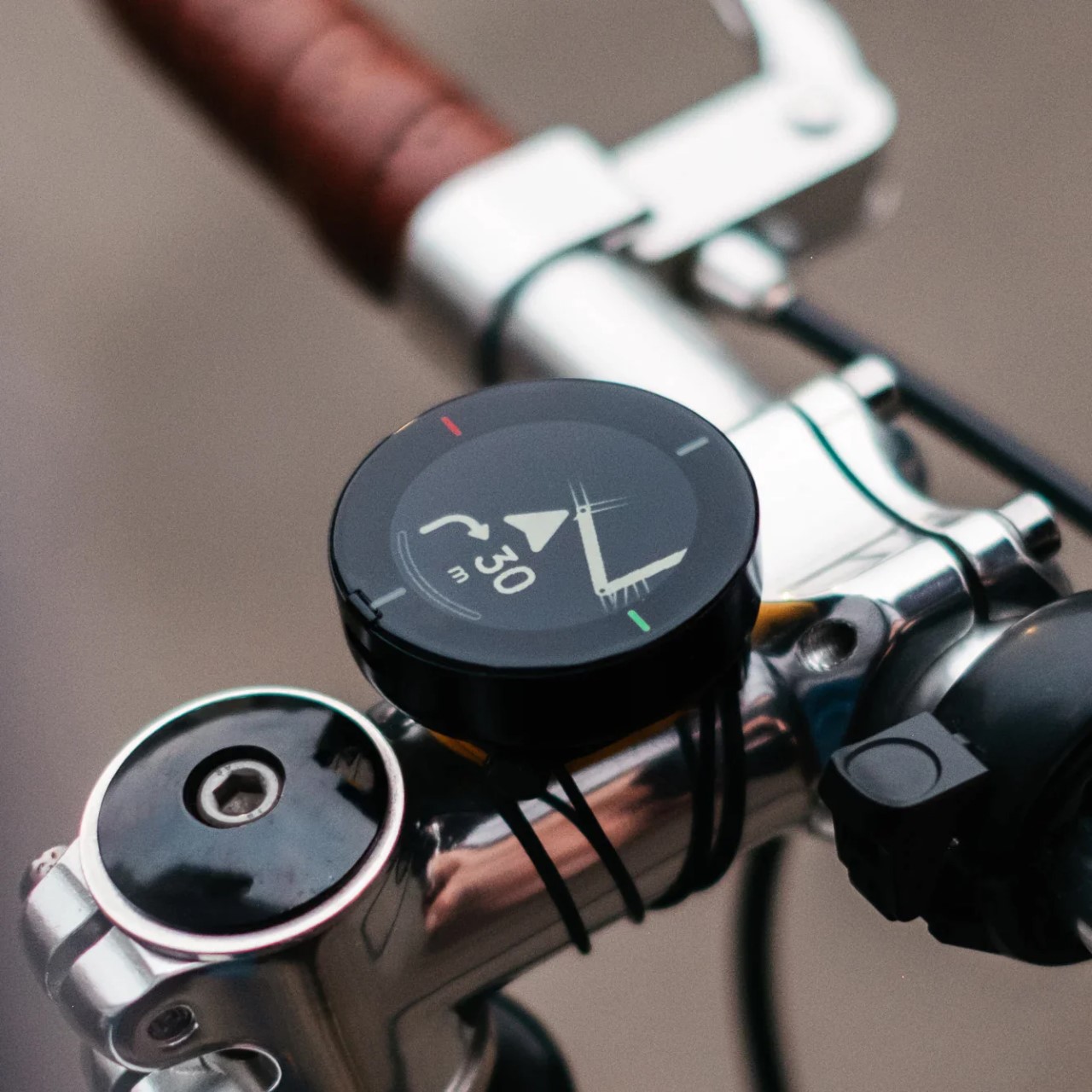
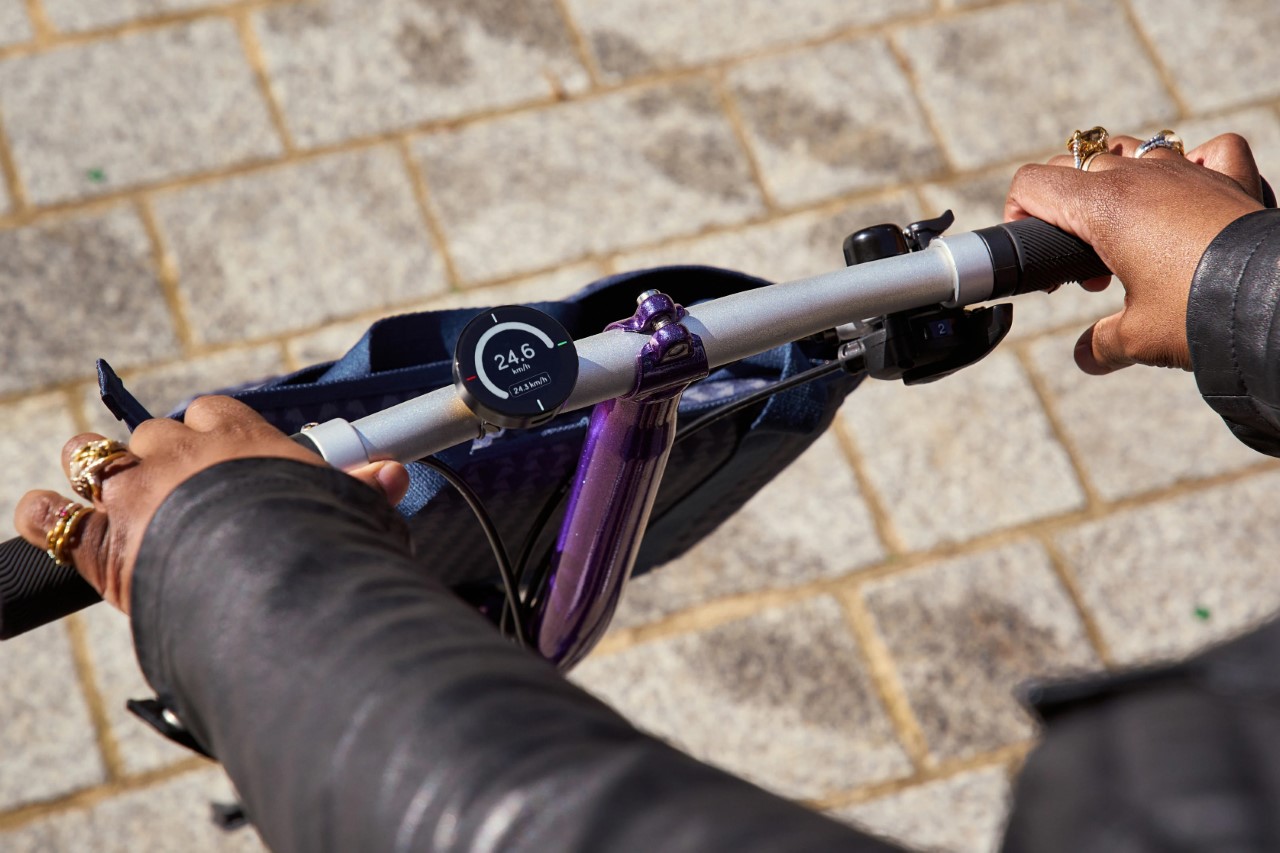
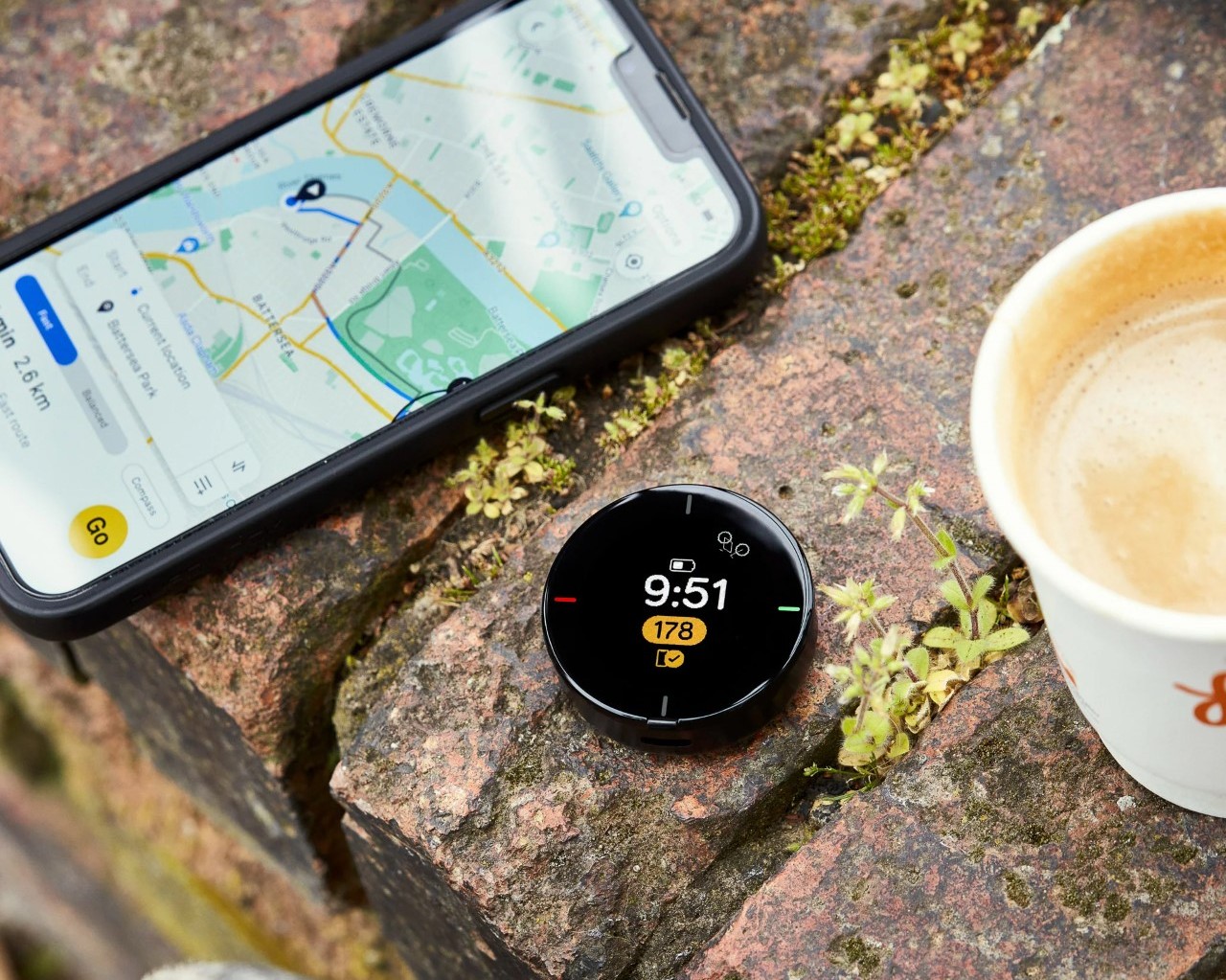
Seven years and multiple products later, Beeline just announced the Velo 2, a compact navigator for bike rides. Upgraded with an IPS LCD screen (as opposed to the original’s e-paper display), the Velo 2 retains the Beeline’s intuitive approach to wayfinding, while also giving riders access to basic metrics like distance covered, ride time, speed, ETA, and a compass, alongside the ability to plan routes, share them on apps like Strava, and even rate them in retrospect. Everything sits inside the Velo 2’s compact puck-shaped design that easily snaps on and off your bicycle, making every single step of your journey intuitive and comfortable.

Designer: Beeline

Click Here to Buy Now

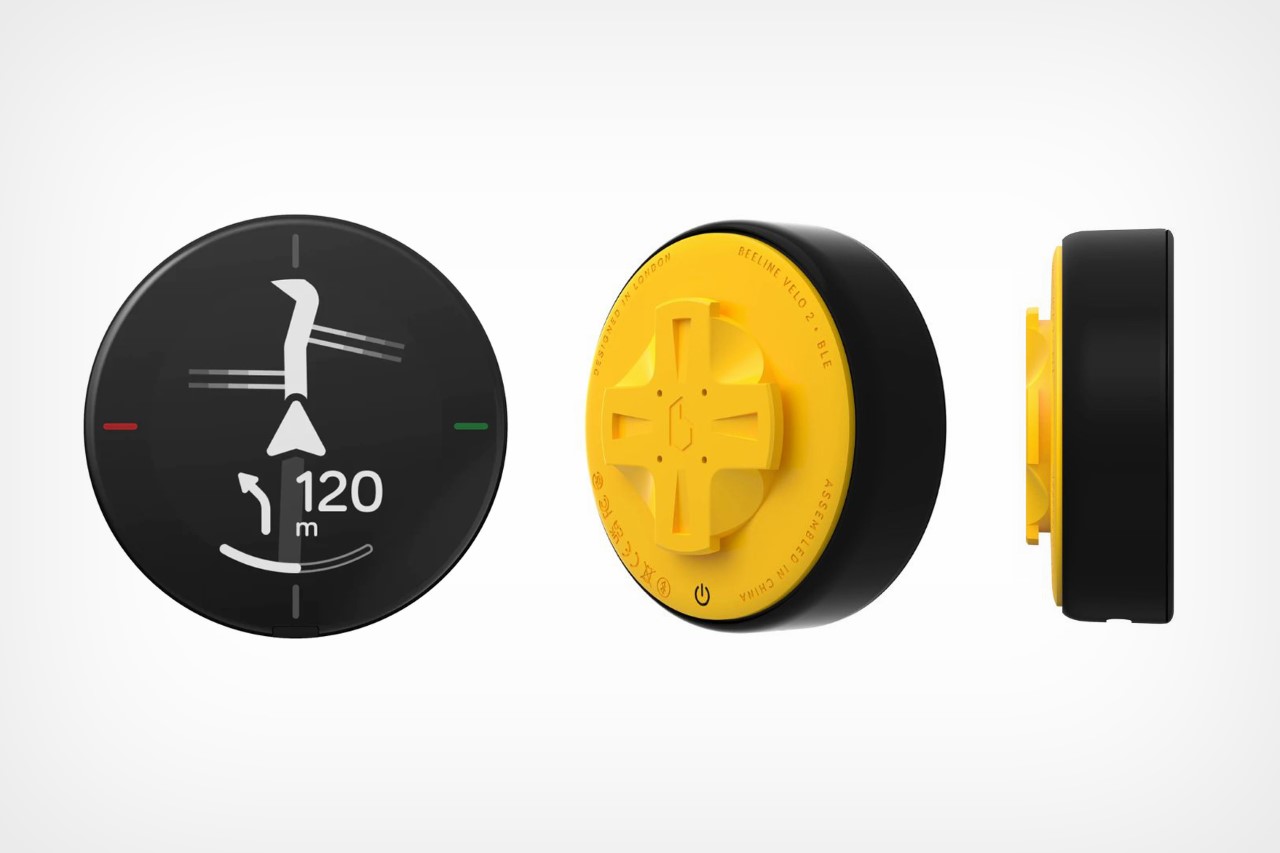
The Velo 2 retains the beloved features of its predecessor, popularized on Kickstarter while introducing an updated user interface and additional navigation options. It’s housed in a compact, smartwatch-like round design with a 1.28-inch circular LCD IPS display, distinguishing itself visually from traditional GPS computers. The unique RockerTop interface replaces conventional buttons or touch screens, offering a distinct tactile feedback which is a notable advantage over touchscreen designs.

Unboxing reveals an eco-friendly package containing the GPS unit, a handlebar mount with two sets of O-rings, an instruction manual, and a USB-C charging cable. The Velo 2, Beeline mentions, is designed to be both carbon and plastic-negative, lining up well with the eco-friendly mode of travel that is bicycling. The device, aside from being healthy for the environment, is also designed to be entirely repairable via Beeline’s refurbishment scheme. The mounting system, though proprietary, is effective and secure, using o-rings to attach to various handlebar diameters.

The user interface emphasizes ease of use. It’s simple and intuitive, devoid of the multi-level menus and customization found in other GPS units. This simplicity extends to its functionality: the Velo 2 focuses on GPS navigation and basic ride data, foregoing connections to secondary sensors or display customizations. The main display shows an odometer, the time, battery status, and a playful bicycle graphic that moves with the computer’s orientation.

A key upgrade in the Velo 2 is its innovative approach to navigation. It leverages user feedback to refine routing, allowing cyclists to rate roads during their ride. This crowdsourced data helps Beeline incrementally improve cycling routes, avoiding poorly rated roads. The Velo 2 offers two navigation modes: a basic compass-style display pointing towards the destination and a more detailed turn-by-turn option. It also pairs directly with Strava, letting you upload rides easily, or even share them with friends and families via GPX.

While the Beeline Velo 2 might not cater to data-driven cyclists seeking extensive metrics and sensor integration, its minimalist design, intuitive interface, and innovative routing approach make it a compelling choice for those seeking a straightforward, enjoyable cycling experience.

Click Here to Buy Now

The post The Beeline Velo 2 is a gorgeously minimal bicycle GPS with a carbon-negative design and Strava support first appeared on Yanko Design.