This AR Ski Helmet Finally Lets Rescuers Control Tech By Eye

Imagine being a ski patrol responder racing toward an injured skier on a freezing mountain. Your hands are gripping poles, your attention is split between the terrain and the emergency ahead, and your radio crackles with critical information. Now imagine if you could access maps, communicate with your team, and log vital data without ever touching a device. That’s exactly what the Argus AR Helmet promises to deliver.

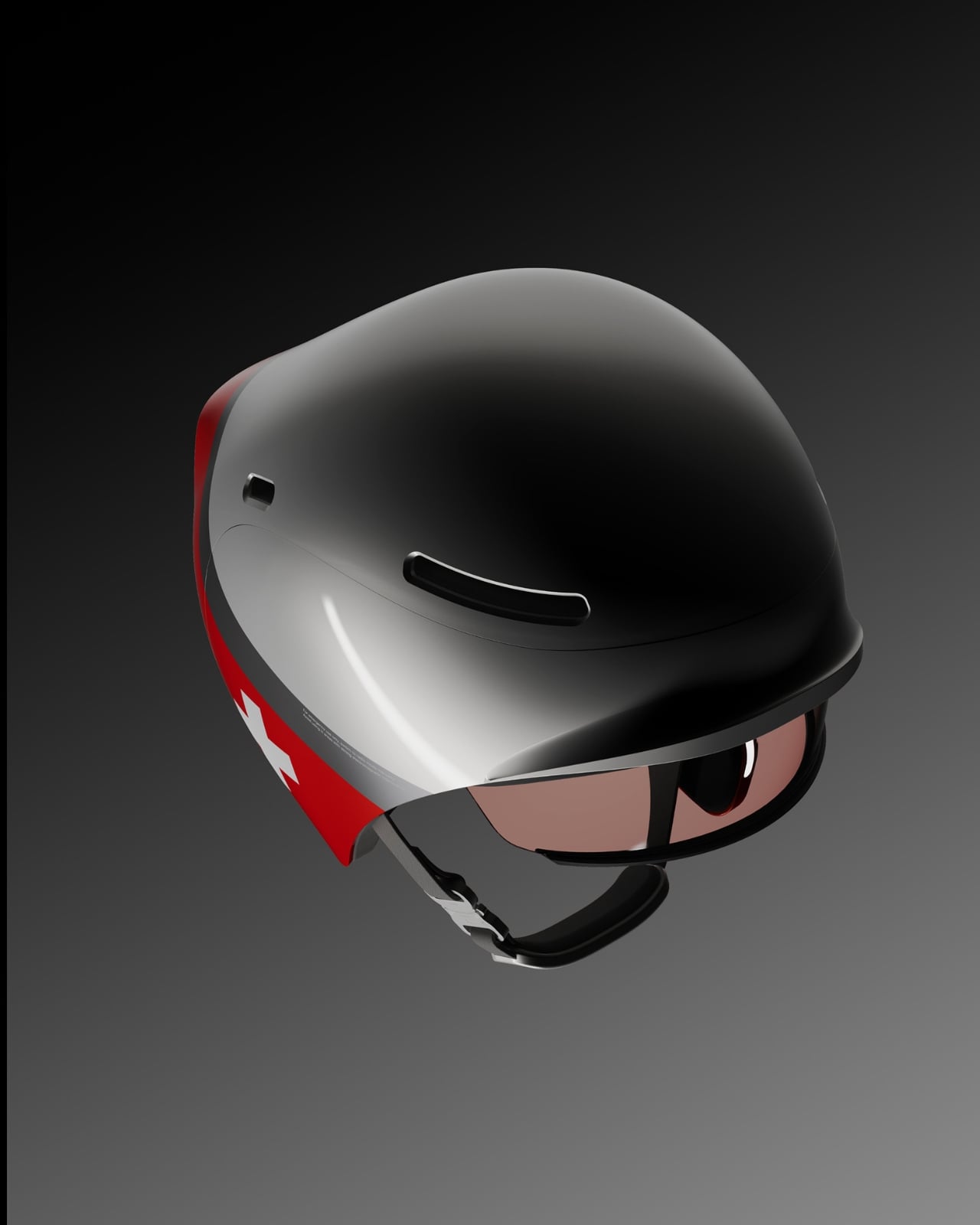
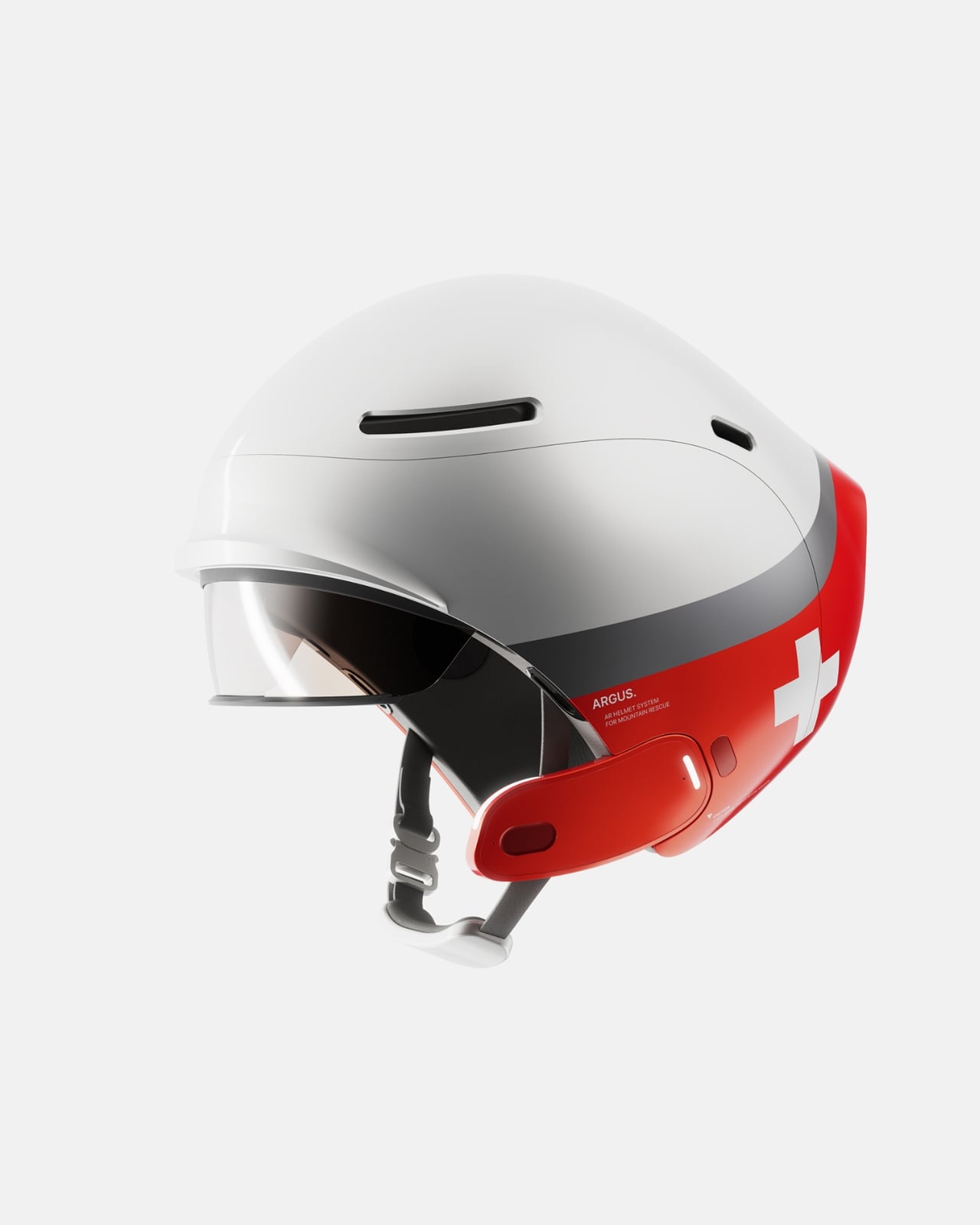
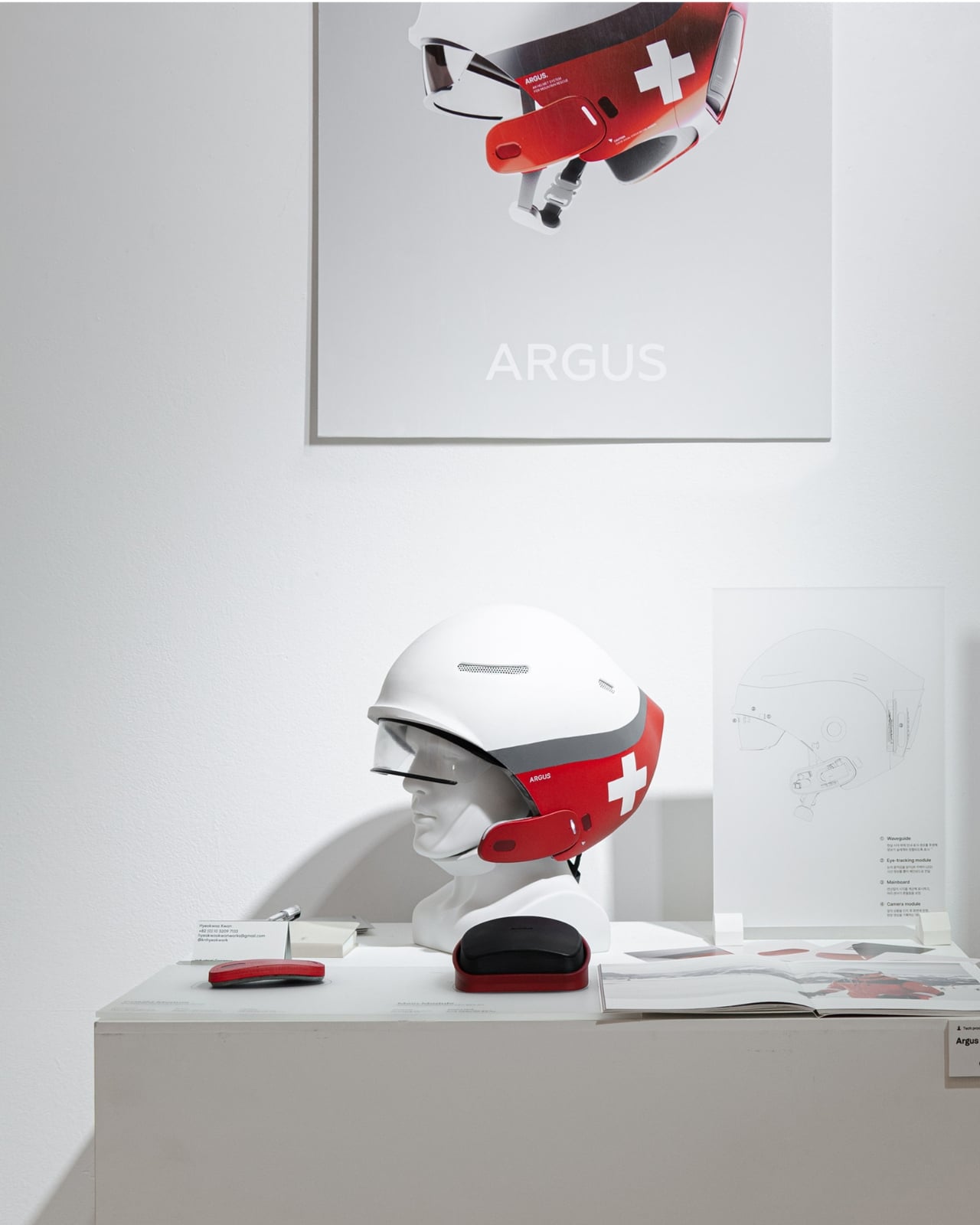
Designed by Hyeokwoo Kwon and Junho Park, Argus is a concept that reimagines what rescue technology can look like when you strip away everything unnecessary and focus on the moment that matters most. This isn’t just another gadget trying to cram features into a helmet. It’s a thoughtful response to a real problem: how do first responders stay connected and informed when their hands are literally full and seconds count?

Designers: Hyeokwoo Kwon and Junho Park

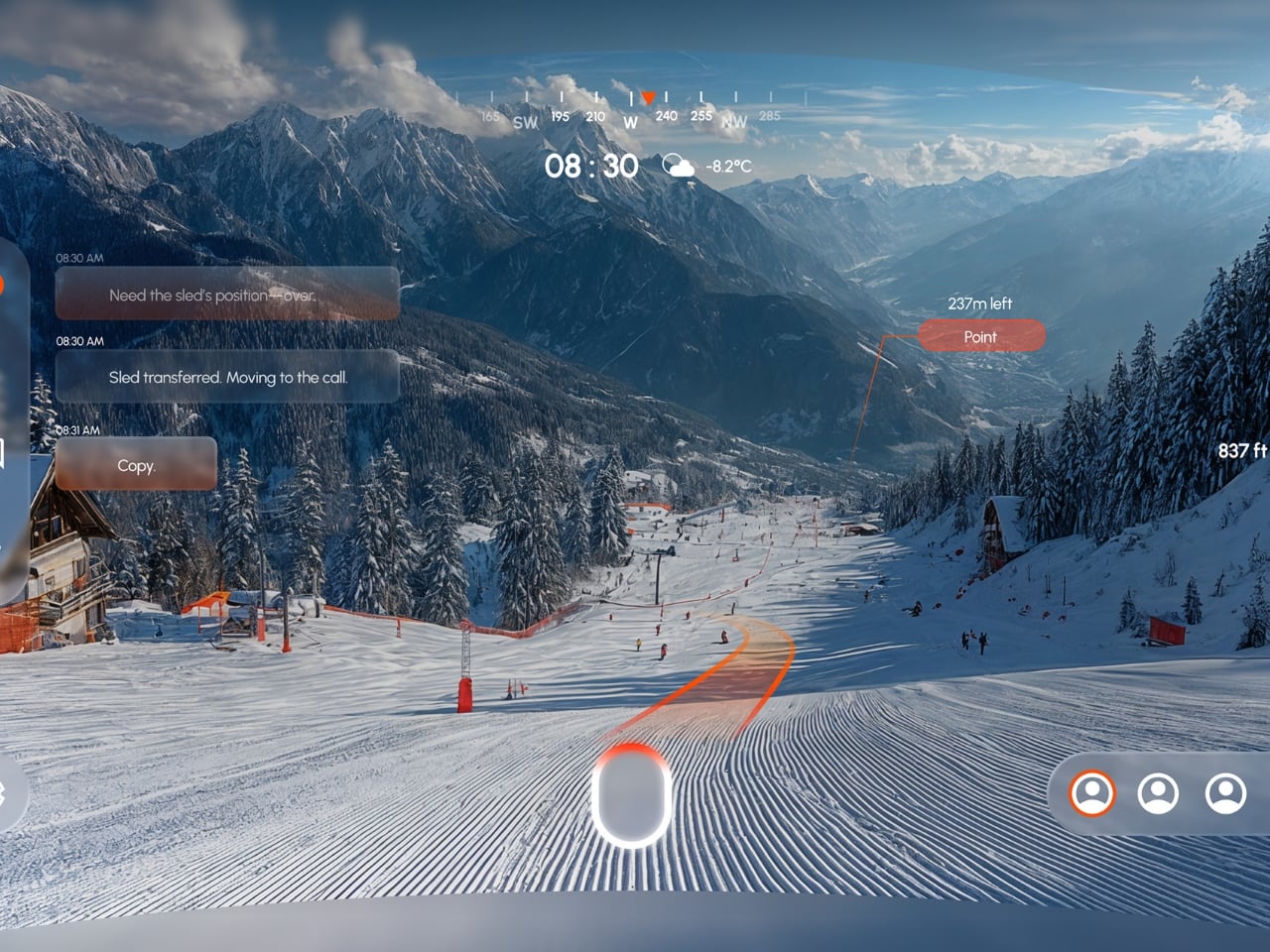
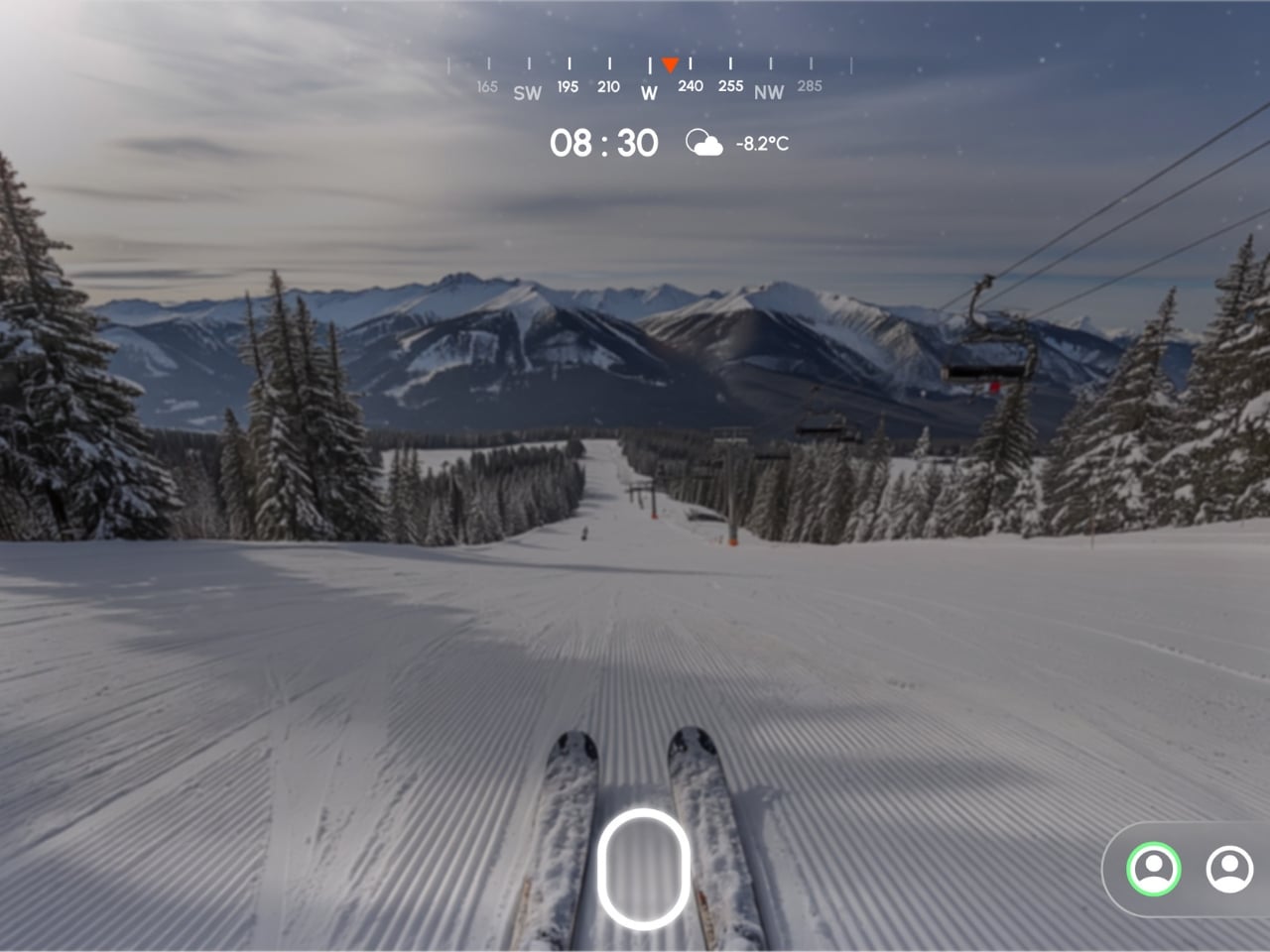
The helmet’s standout feature is its eye-tracking interface. Instead of fumbling with buttons or voice commands that get lost in howling wind, users control the AR display simply by looking at what they need. Want to view a map overlay of the ski area? Glance at the navigation icon. Need to send a message to base? Your eyes do the work. The system is built around the idea that in high-stress, time-critical situations, the fewer steps between thought and action, the better.

What makes this particularly clever is how it handles communication in one of the noisiest work environments imaginable. Mountains are loud. Wind, equipment, helicopters, and panicked voices create a constant wall of sound that makes radio communication frustrating at best and dangerous at worst. Argus addresses this with real-time conversation-to-text conversion. Spoken words are automatically transcribed and displayed on the visor, ensuring that critical information doesn’t get lost or misunderstood. In an emergency where “stop the area” versus “stop near the area” could mean completely different courses of action, that clarity is potentially lifesaving.

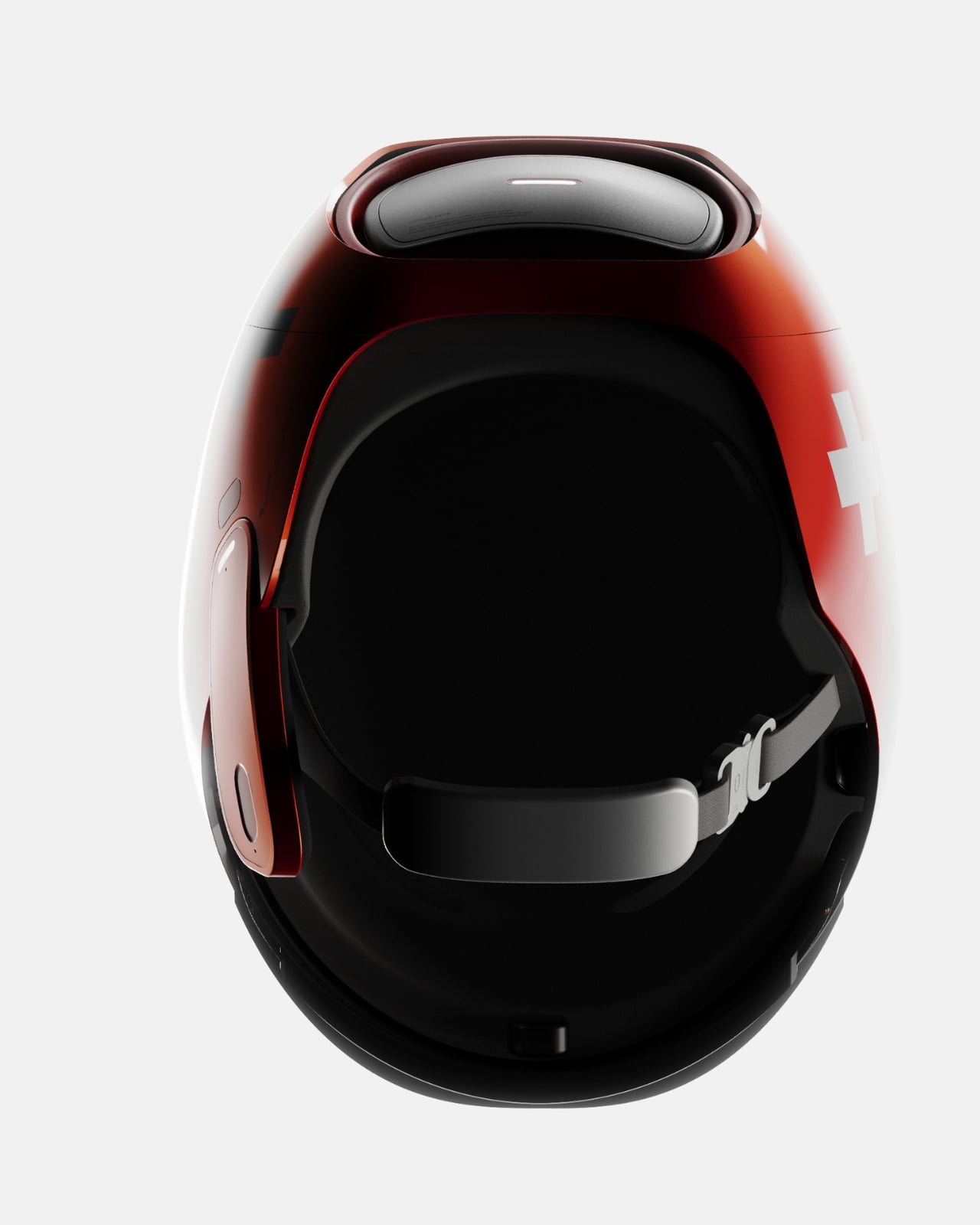
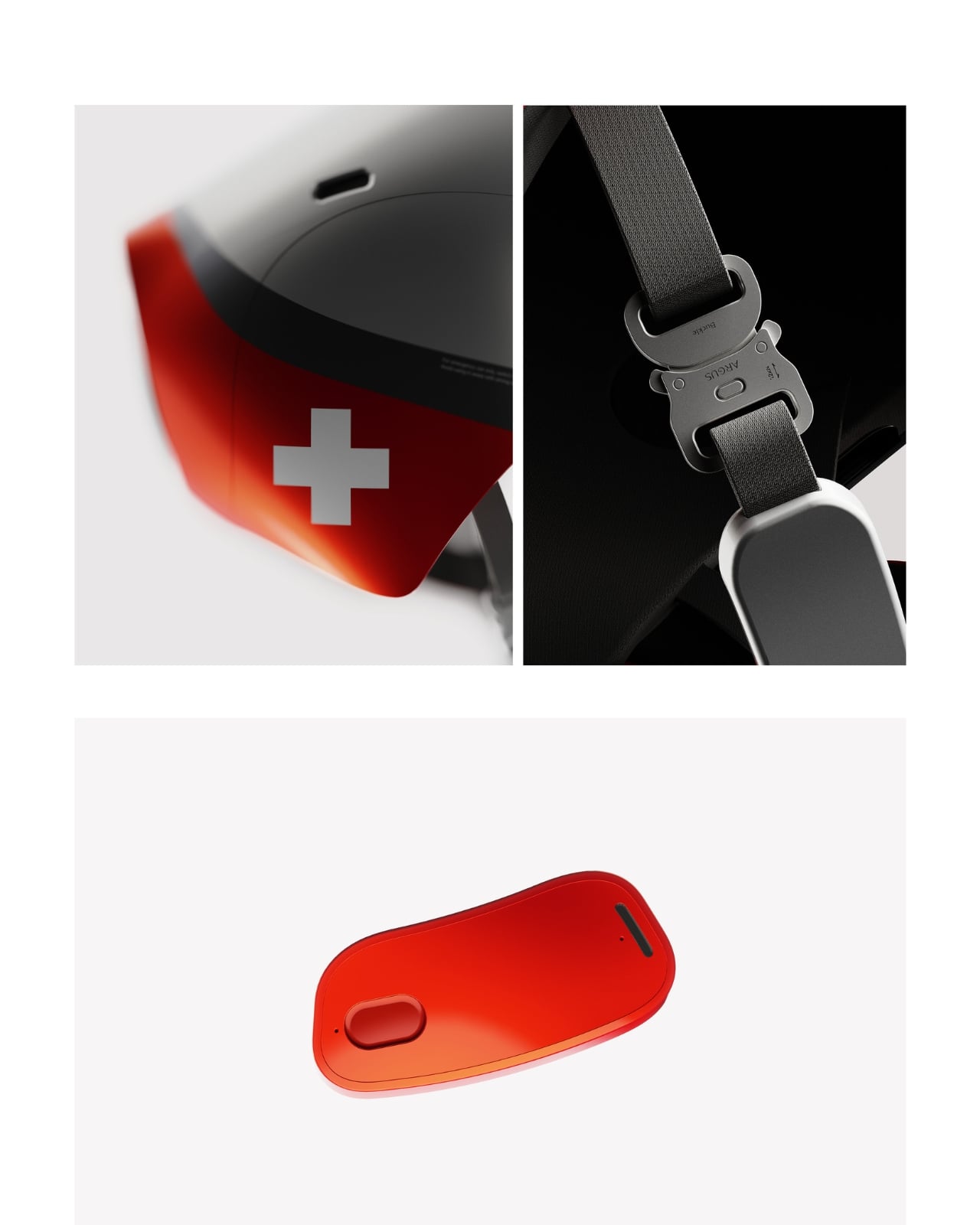
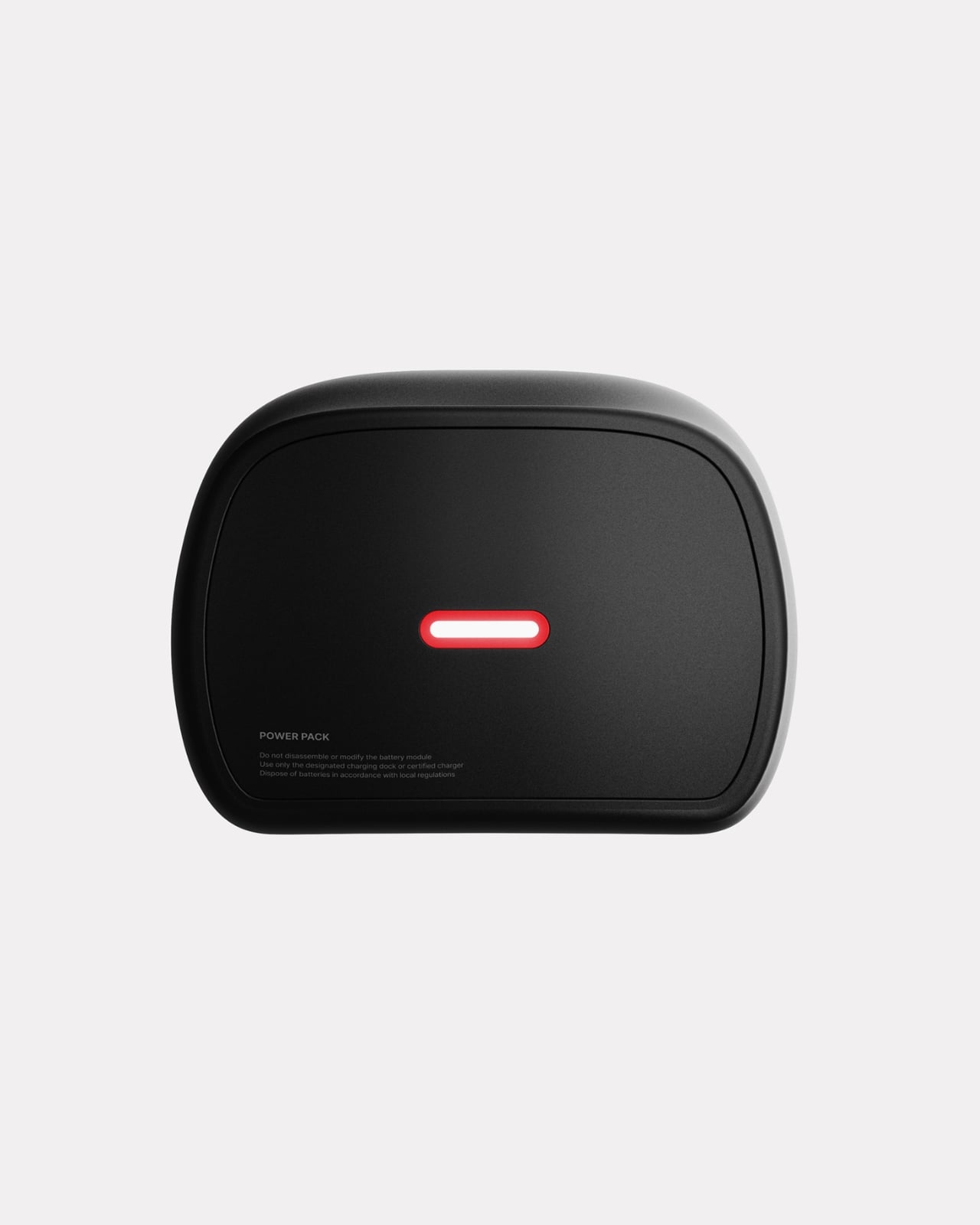
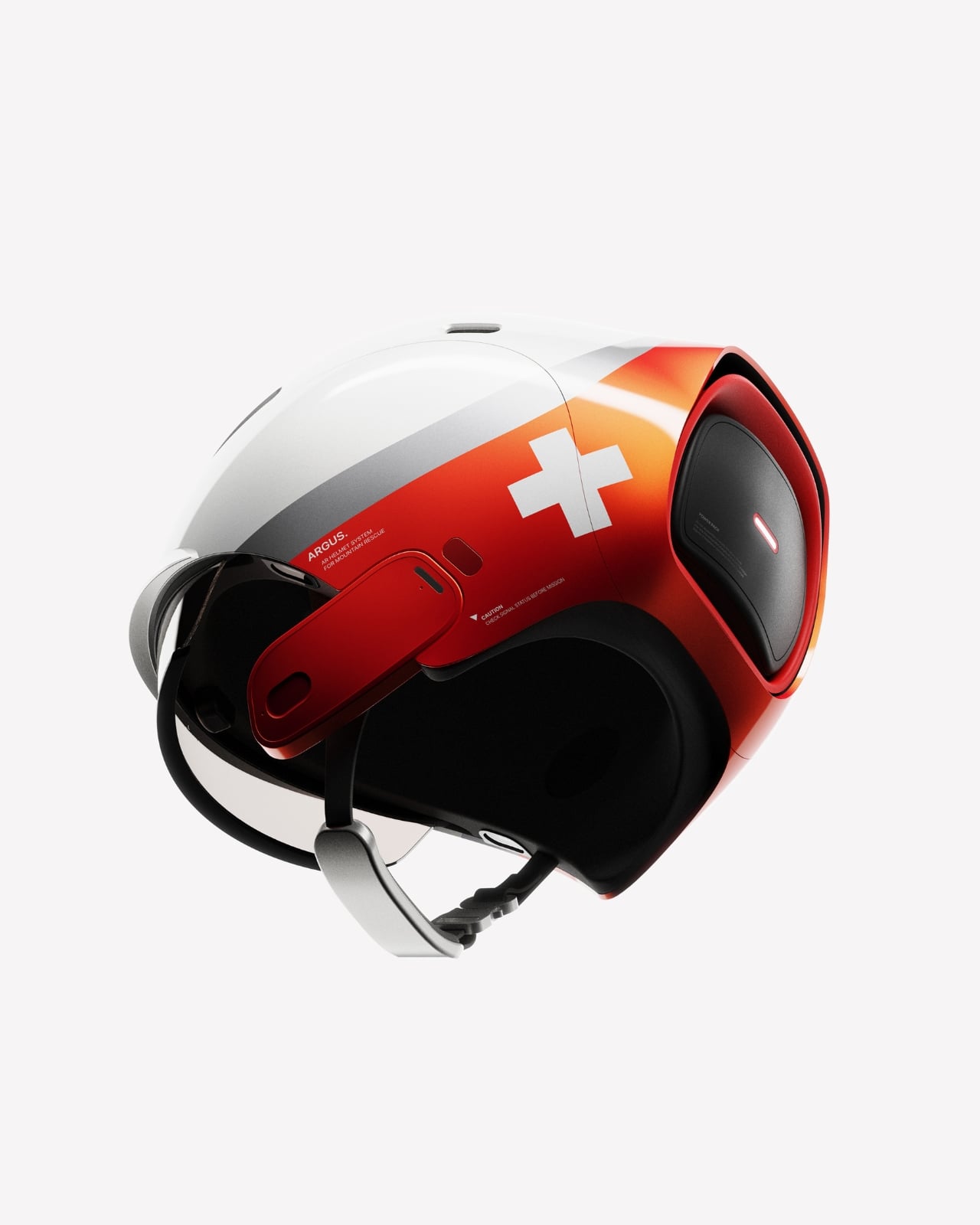
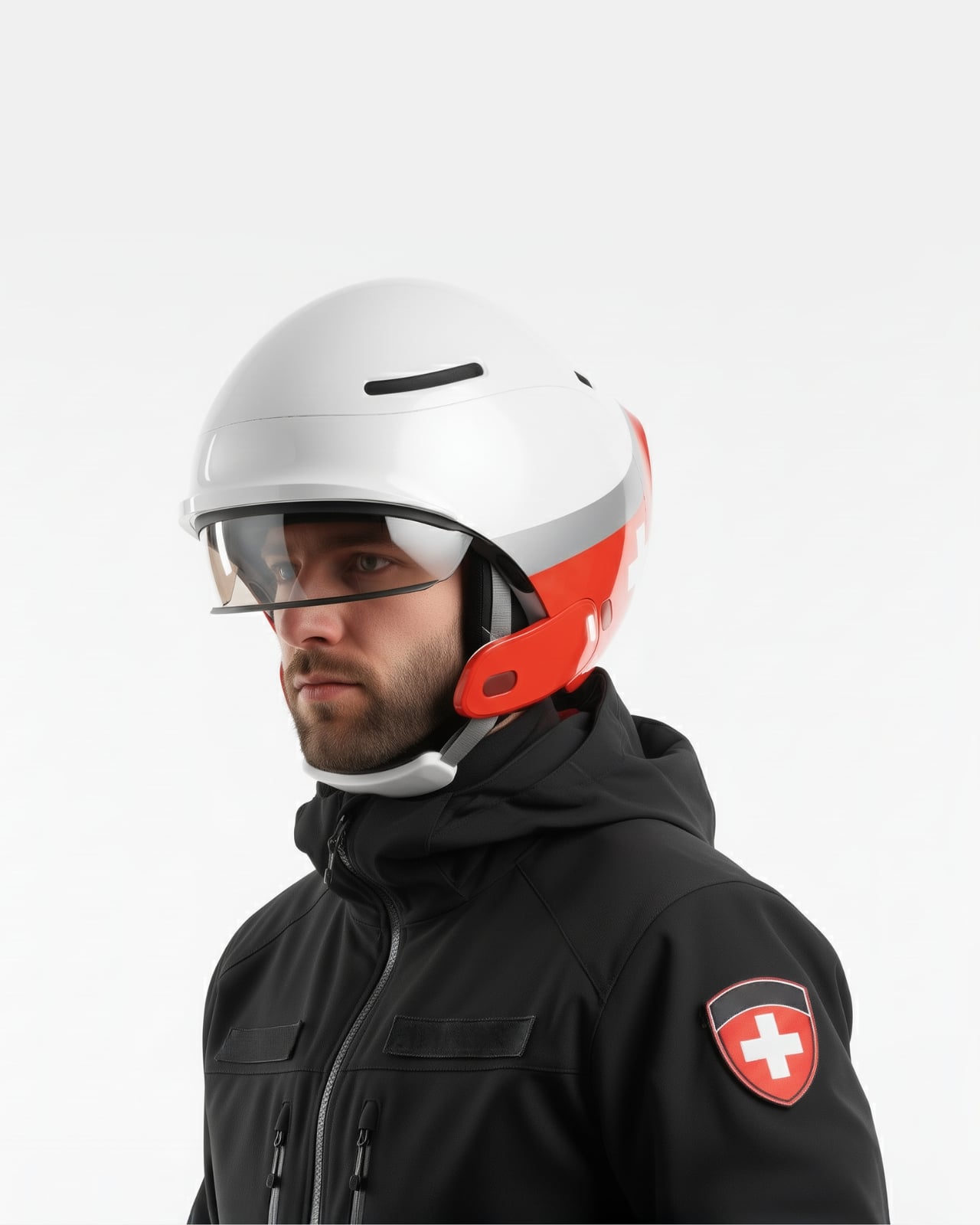
The design itself strikes a balance between futuristic and functional. The white shell with bold red accents and Swiss cross branding gives it a clean, authoritative look that fits naturally into the visual language of emergency services. The transparent visor integrates the AR display without creating the bulky, intrusive appearance that often plagues wearable tech. There’s a modularity to the system too, with a detachable power pack that ensures the helmet remains comfortable for long shifts while providing enough battery life to last through demanding rescue operations.

From a practical standpoint, Argus is designed to support ski patrol operations across experience levels. A rookie responder gets the same information overlay and guidance as a veteran, creating a more consistent standard of care. Route optimization, hazard warnings, victim location data, and communication logs all live within the user’s field of vision, accessible without breaking focus from the task at hand.

But beyond the specific use case of ski patrol, Argus represents something larger about where wearable technology is headed. We’re moving past the era of tech that demands our attention and toward interfaces that disappear into the background until we need them. Eye-tracking isn’t new, but applying it to life-or-death situations where gloves, weather, and adrenaline make traditional controls impractical shows how design thinking can solve problems that raw computing power can’t.

There’s also something refreshing about seeing concept design tackle unglamorous but essential work. We’re used to seeing AR prototypes aimed at gaming, shopping, or entertainment. Those have their place, but projects like Argus remind us that the most meaningful applications of emerging technology often happen in fields where people are doing difficult, dangerous work that most of us never see.

Will we see Argus helmets on mountains anytime soon? As a concept, it still needs to navigate the long road from design portfolio to production reality, including challenges around durability, battery life in extreme cold, and integration with existing rescue protocols. But as a vision of what’s possible when designers deeply understand the context they’re designing for, it’s compelling. It shows that the future of wearable tech might not be about adding more features, but about making the right information available at exactly the right moment, controlled by something as simple and intuitive as where you look.

The post This AR Ski Helmet Finally Lets Rescuers Control Tech By Eye first appeared on Yanko Design.
LEGO Ideas Gets Its First Proper 1:1 Scale NFL Football Collection and it’s Honestly Iconic

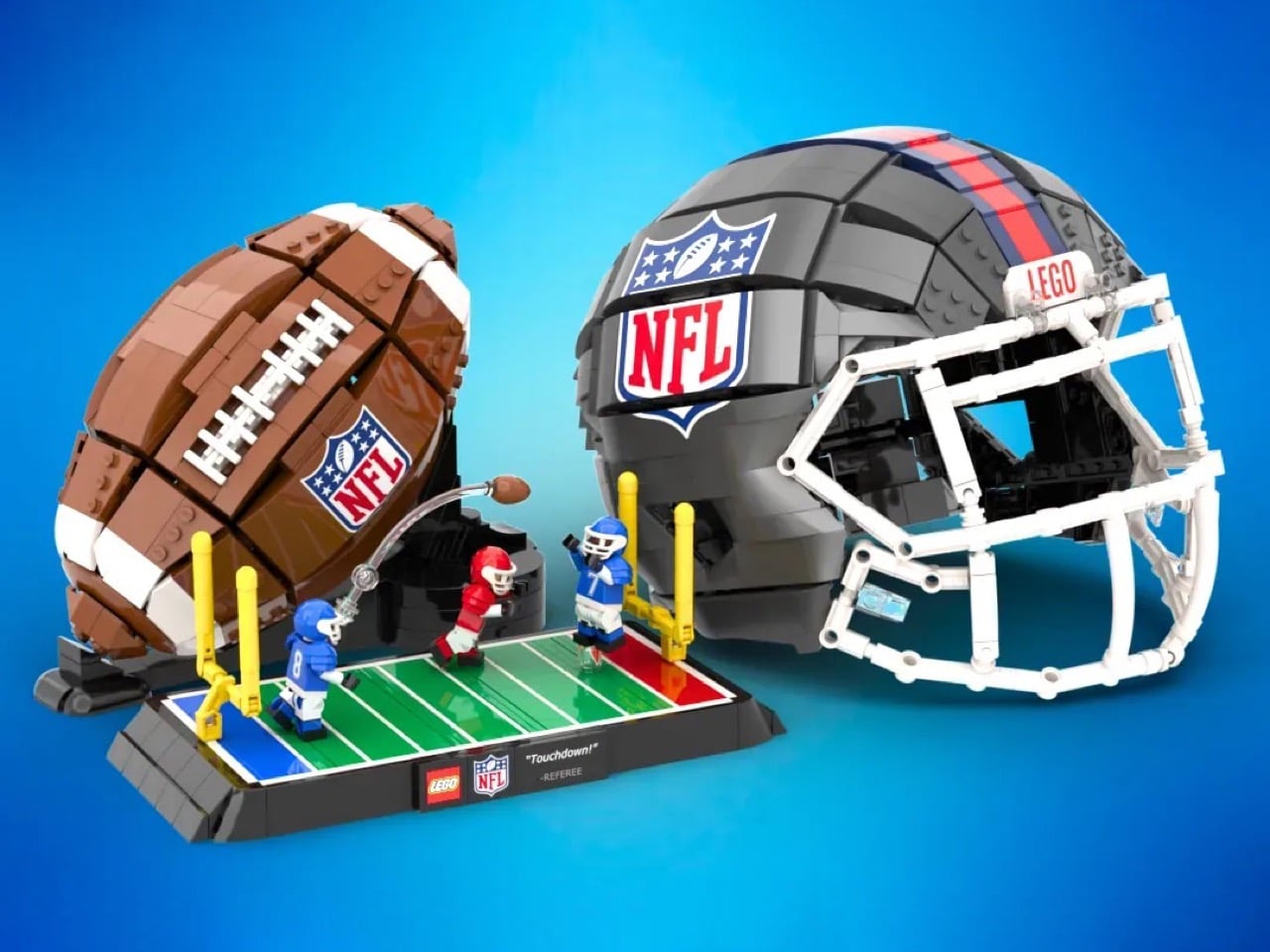
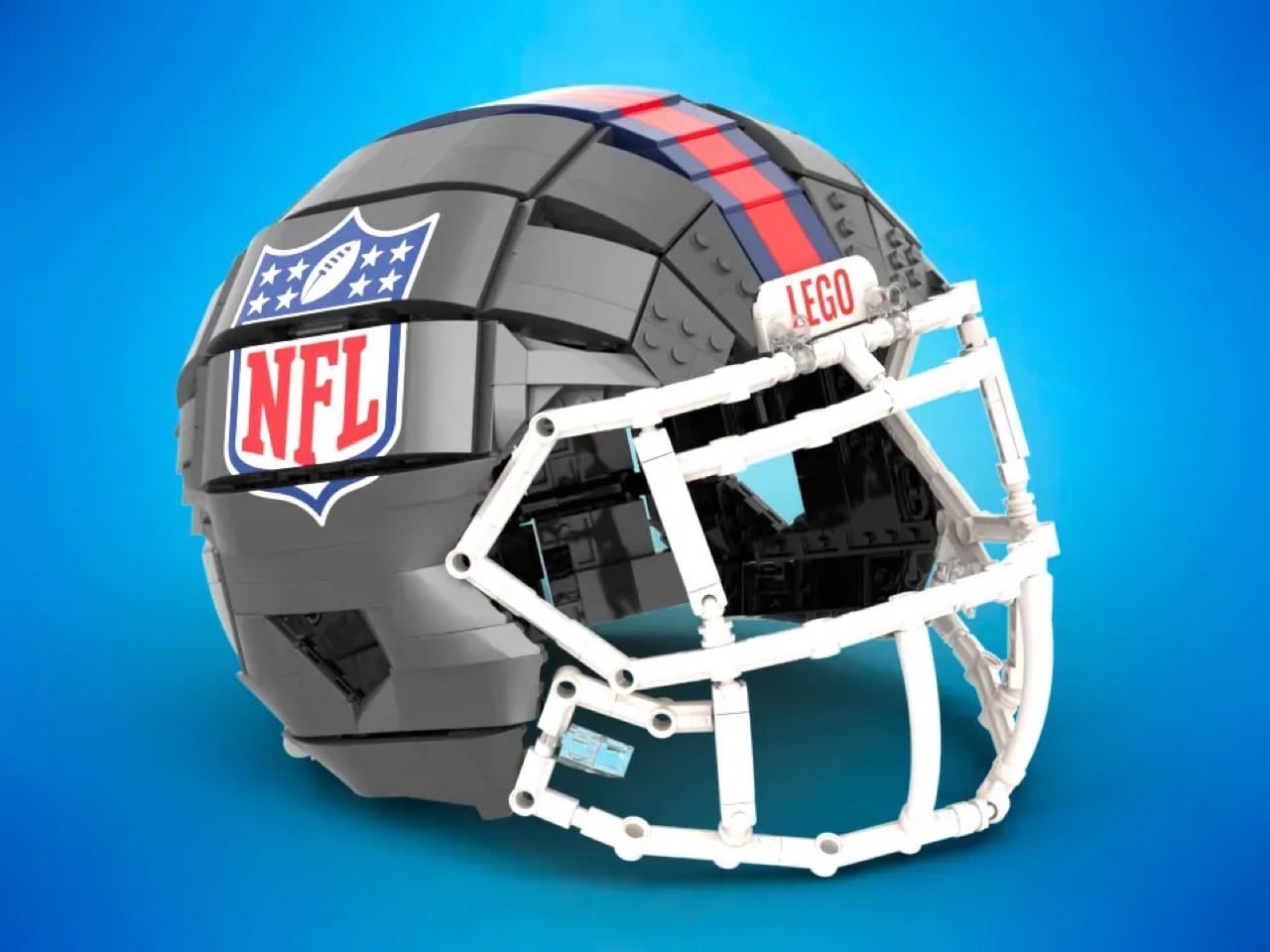
LEGO has given us plenty of football sets over the years. Mini stadiums, playable pitch builds, even those collectible team helmets. But here’s what they haven’t done: a proper 1:1 scale collection that captures the real size and weight of the sport’s most iconic objects. CreativeDynamicBrick is trying to fill that gap with the NFL Collection, a project that tackles one of the trickiest challenges in brick building: making round things out of square pieces at actual size.The set comes in three parts.

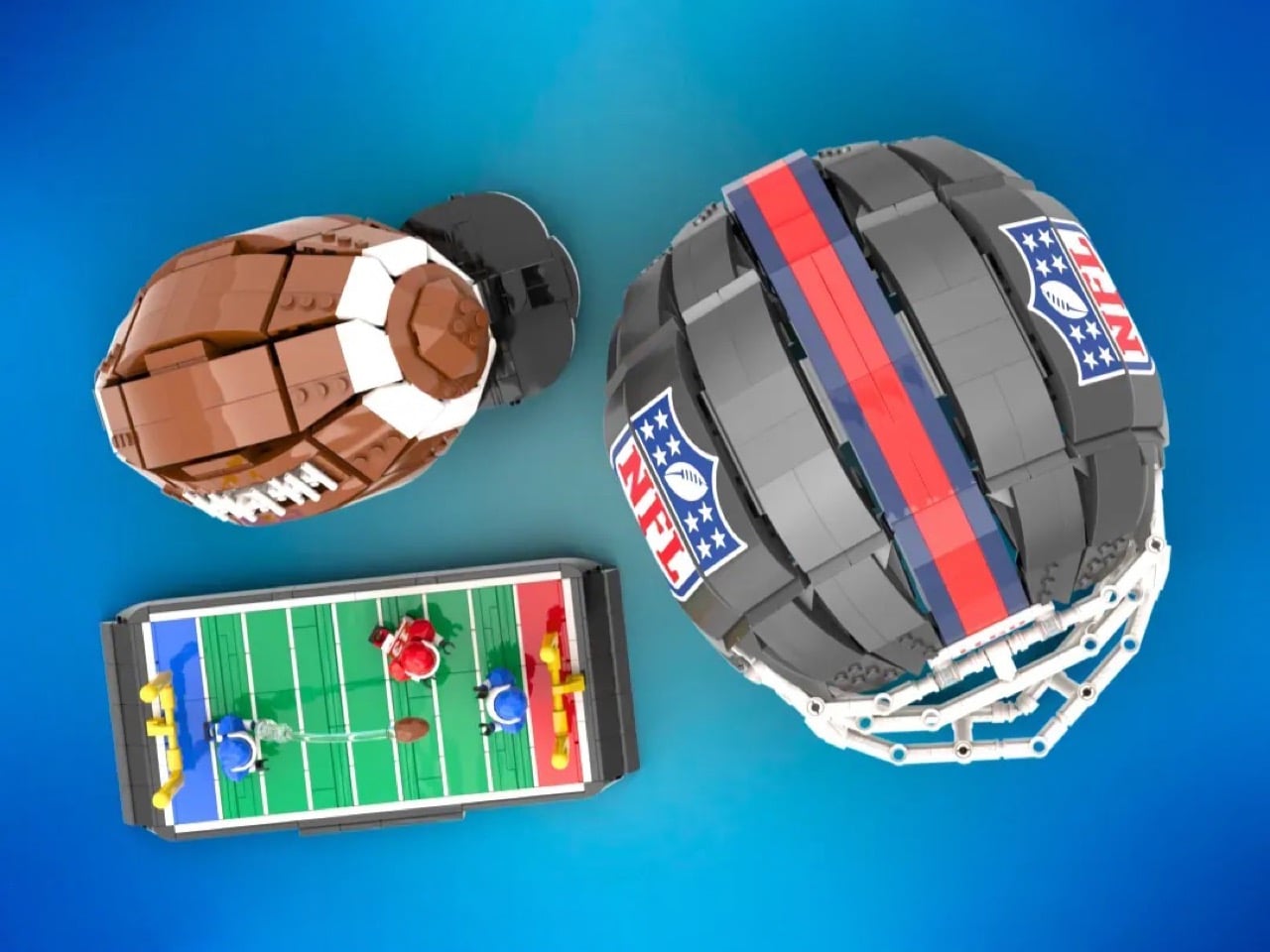
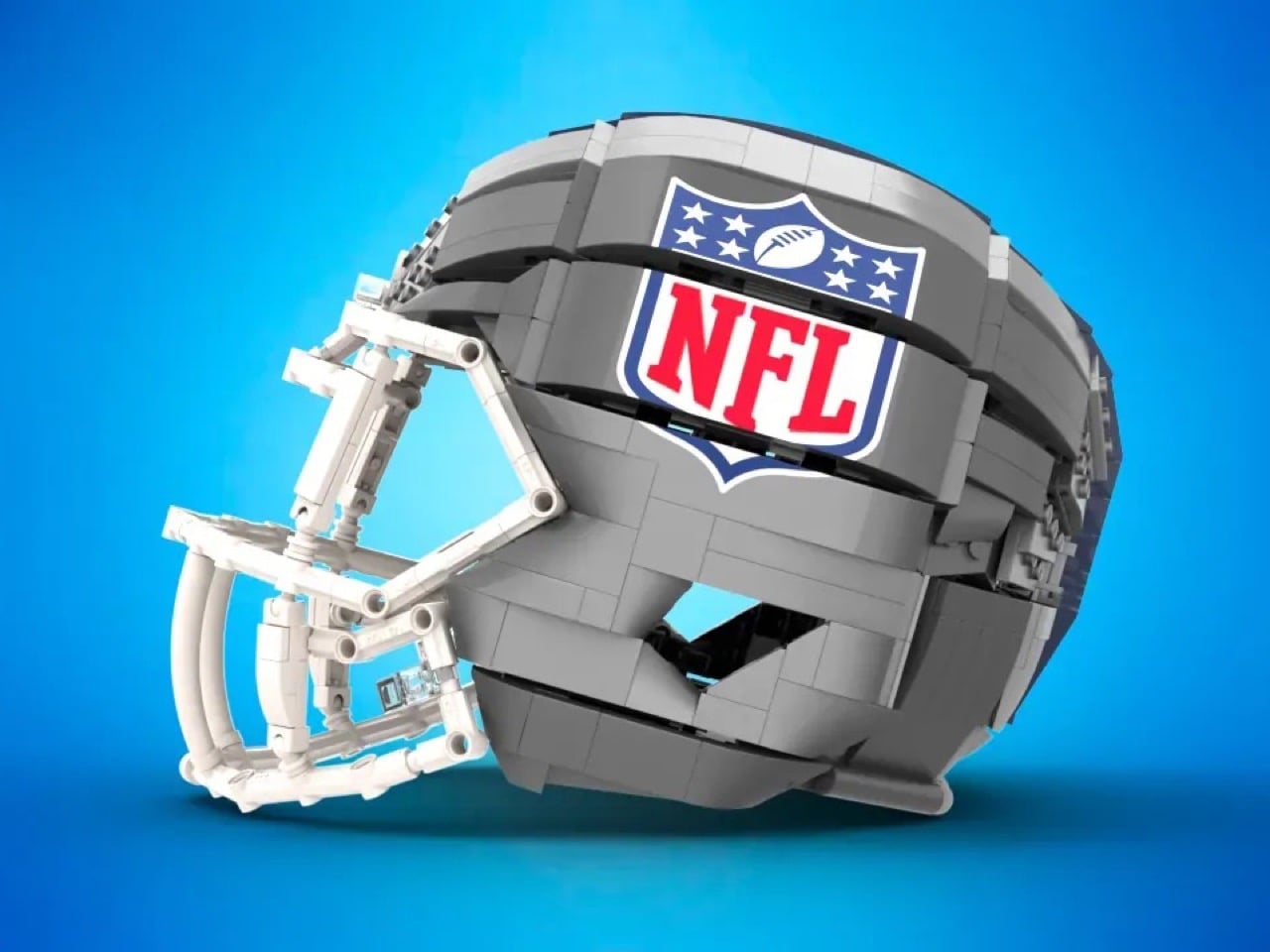
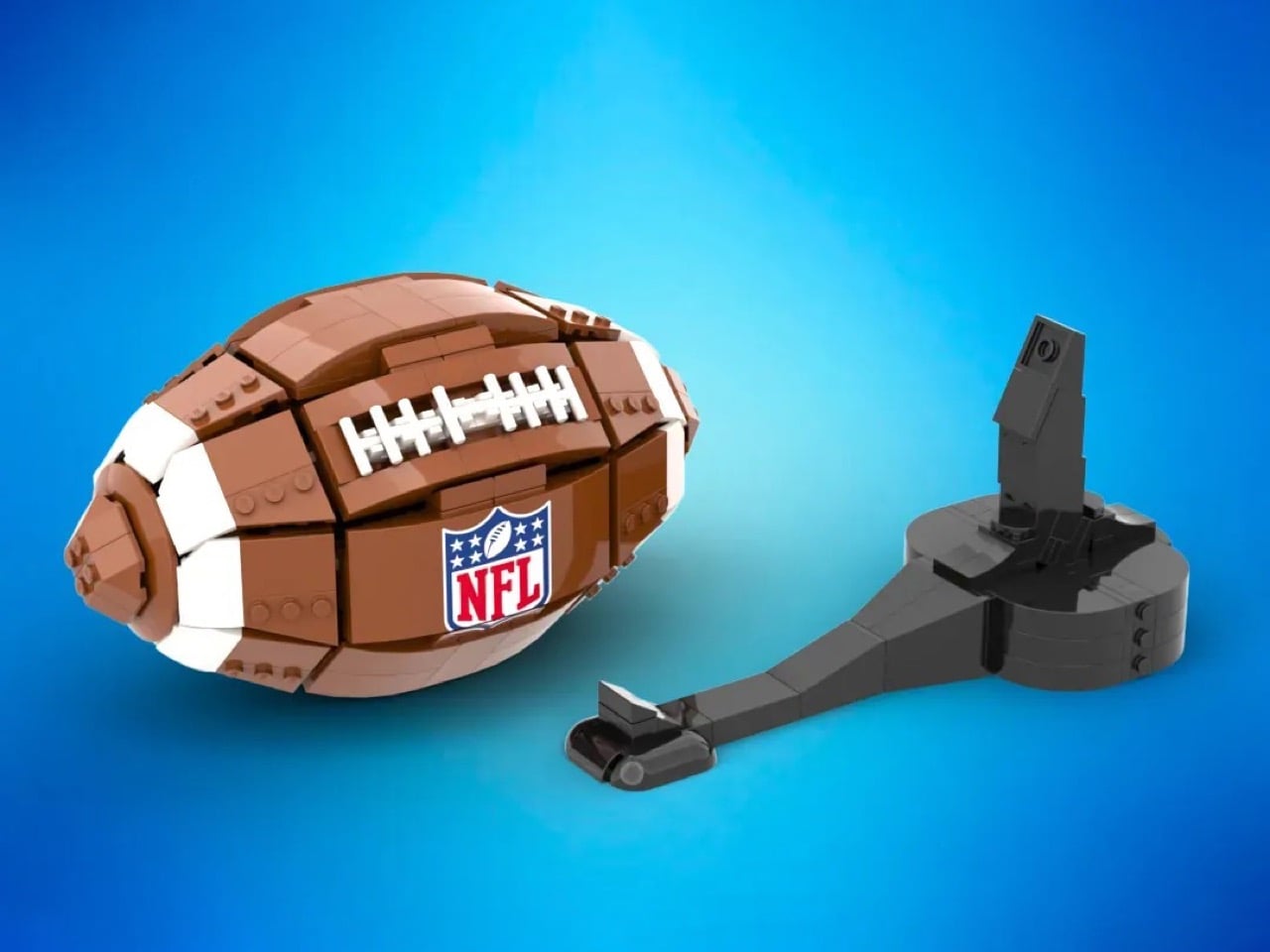
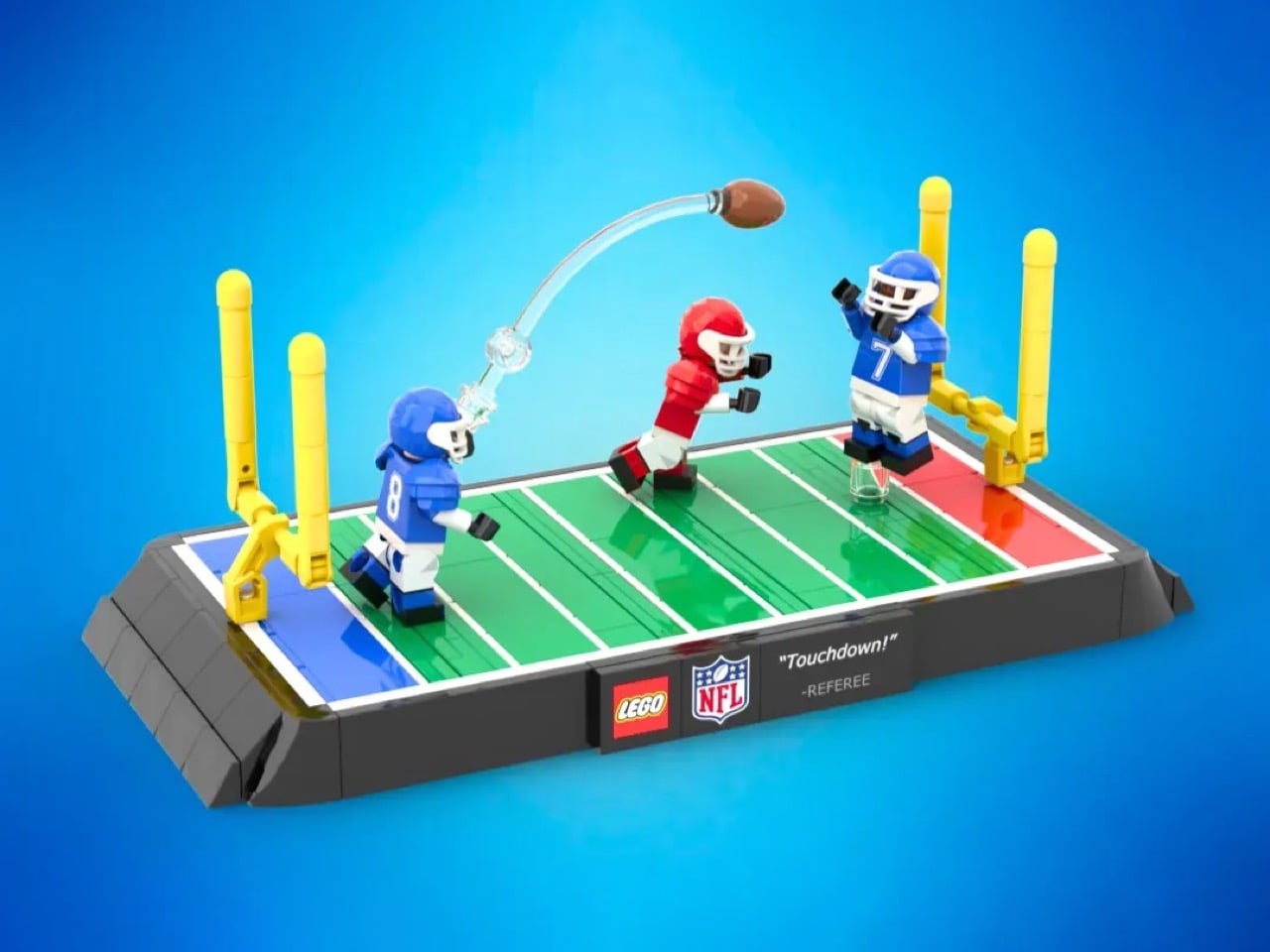
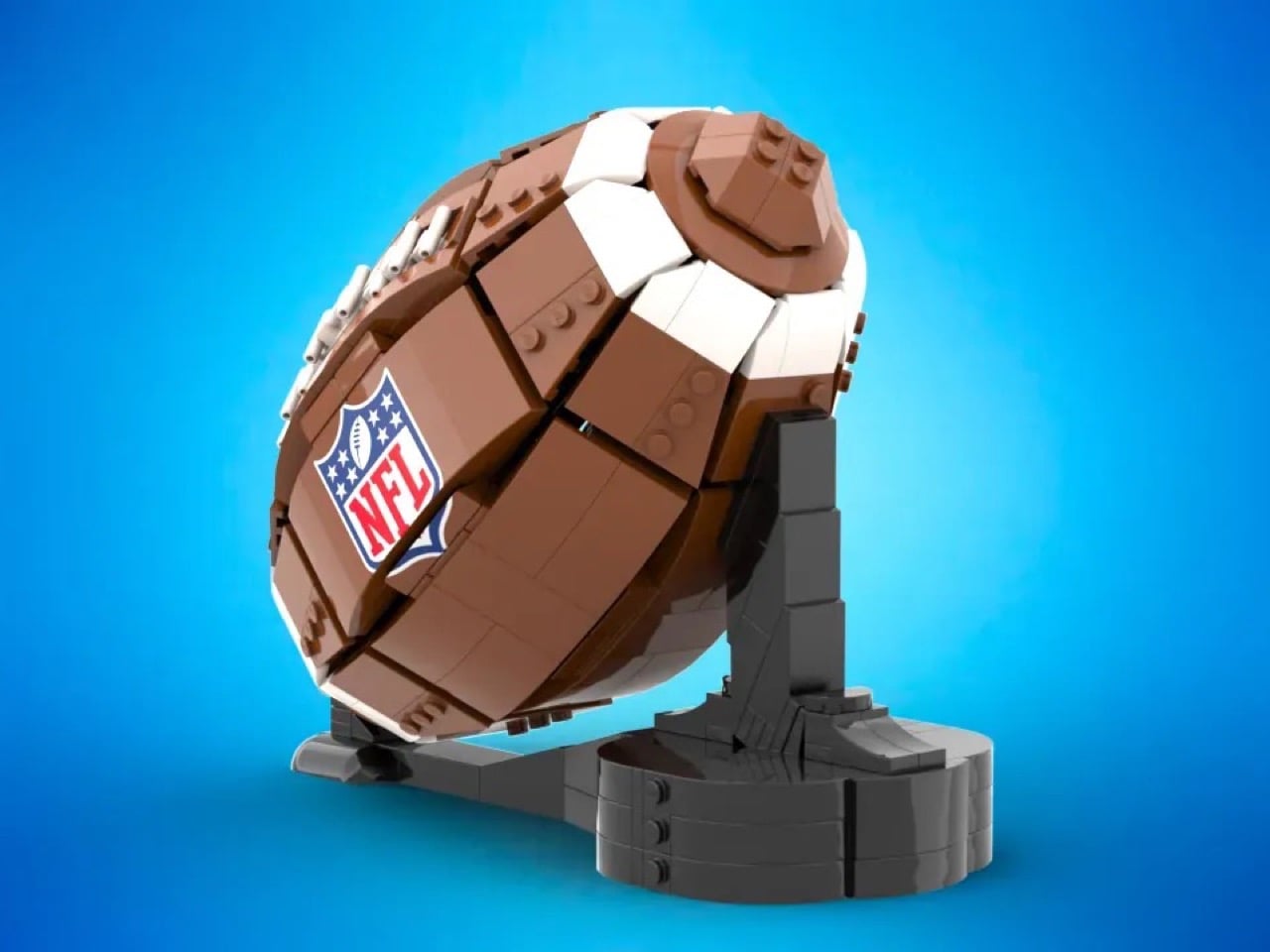
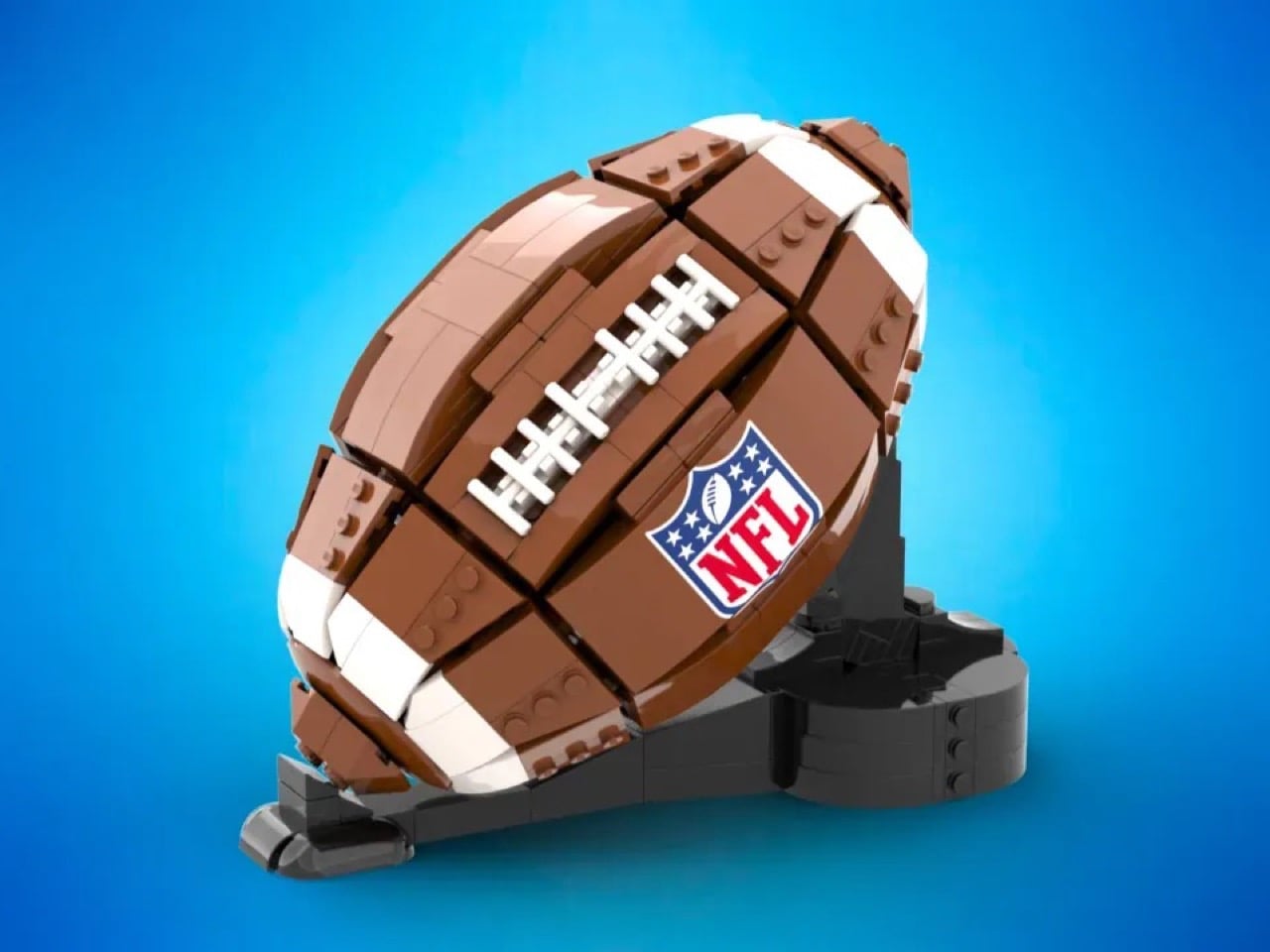
There’s a 969-piece helmet that sits at real helmet scale, with a facemask that actually looks protective, not decorative. There’s a 680-piece football mounted on a stand, built to match the dimensions you’d grip on game day, with lacing made from white T-bars because sometimes the simplest solutions are the best ones. And there’s a 271-piece field diorama where minifigures number 7, 8, and 13 battle it out under yellow goal posts. It’s the kind of display piece that works on an office shelf or a game room wall, and it’s generic enough that nobody has to know you’re secretly a Dolphins fan.

Designer: CreativeDynamicBrick

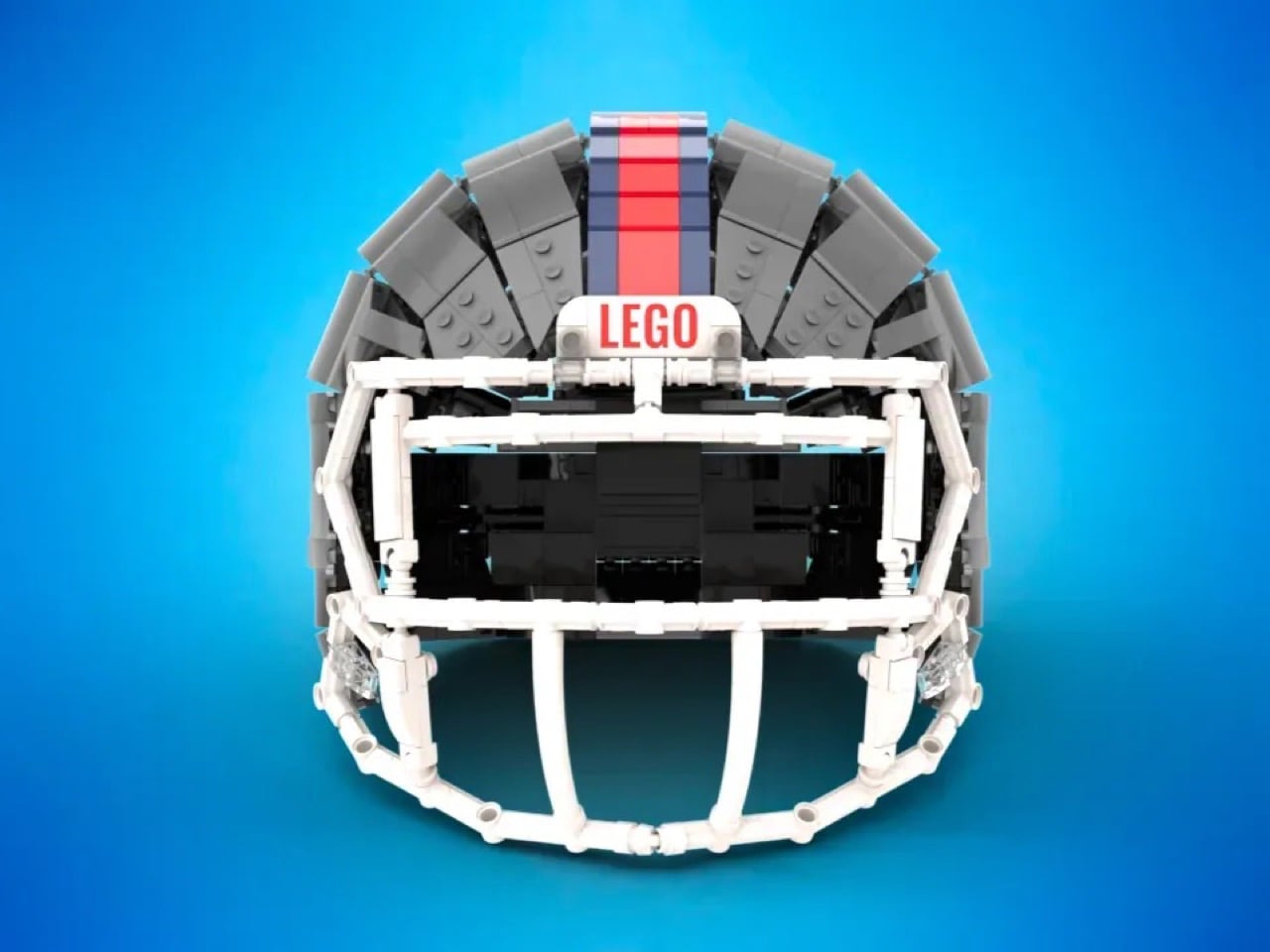
I honestly can’t stop staring at how the helmet dome curves. Angled Technic linkers form the internal structure, which is the only way you’re getting that shape without making it look like a stepped pyramid. Most builders would slap printed tiles on a vaguely round surface and call it a day. This creator actually solved for the geometry, using those connector pieces to build a framework that lets the exterior panels follow a true curve.

The facemask attaches with proper depth and spacing, which matters when you’re trying to make something look like actual protective equipment. You can see the interior construction through the face opening, all that black scaffolding holding the dome together, and even though fairly technical (and not meant to be worn), you could honestly try slipping this onto your head and its 1:1 sizing means it will actually fit you. Don’t expect it to ward off any concussions… one simple knock and this thing will become a pile of bricks on the floor.

A prolate spheroid is legitimately difficult to build out of rectangular bricks. The football proves it with 680 pieces dedicated to getting that taper right at both ends. Too round and it looks like a rugby ball, too pointy and it’s a lemon. The brown color blocking follows the panel lines of a real football, which is why your brain reads it correctly even though you’re looking at stacked plastic. Those white T-bar pieces forming the laces solve a problem most people wouldn’t even think about until they tried building one themselves. The display stand has an adjustable arm that lets you position the ball at different angles, so you can make it look like it’s mid-spiral if you want your desk to have opinions.

The smart play was avoiding team logos entirely (on the helmet as well as the football, and even that tiny diorama playset). No Cowboys star, no Packers ‘G’, no licensing headaches. Generic football works for professional fans, college enthusiasts, and people who just throw spirals in the backyard. The helmet uses red and blue striping that could belong to anyone or no one. The minifigures wear numbers 7, 8, and 13 in blue and red jerseys that suggest teams without declaring allegiance. Drop this on your shelf and nobody needs to know which franchise you actually care about, which is probably the only way a football set survives the LEGO Ideas gauntlet without getting buried in legal paperwork.

White brackets wedged between green bricks create the yard lines on the field diorama. No printed pieces, no stickers, just brackets doing bracket things in a way that happens to look like field markings. One blue player throws, another runs a route, and the red player looks like he’s about to deliver a highlight reel hit. The curved transparent piece showing the ball in flight adds motion to what would otherwise be three static figures standing on fake grass. It’s 271 pieces total for this section, which sounds small until you remember it includes three fully detailed minifigures with custom prints and enough structure to keep everything stable.

The overall piece count hits exactly 1,920 as a nod to the year the NFL was founded. You either appreciate that kind of numerical easter egg or you think it’s trying too hard, but it does show this builder was thinking about narrative alongside construction. CreativeDynamicBrick spent over 30 hours on this, their first LEGO Ideas submission, which is pretty brave for a first-timer. Most people start with something manageable. Maybe a small building or a vehicle. This person went straight for advanced geometry and custom minifigure design.

Right now it’s sitting at 1,620 supporters with 597 days left to hit the next milestone of 5,000 votes. Whether LEGO actually picks it up for production depends on a dozen factors we’ll never see, but the technical execution holds up. The geometry works, the scale feels right, and the building techniques show someone who understands how to translate real-world curves into brick form. That’s harder than it sounds, and it’s why most football builds end up looking like someone’s first attempt at organic shaping. You can cast your vote for this MOC (My Own Creation) on the LEGO Ideas website here!

The post LEGO Ideas Gets Its First Proper 1:1 Scale NFL Football Collection and it’s Honestly Iconic first appeared on Yanko Design.
Shoei GT-Air 3 Smart helmet comes with integrated AR display for safer, smarter riding

Shoei has long been known for blending craftsmanship with subtle yet meaningful innovation, often pushing helmet design forward without relying on gimmicks. That legacy has included advancements in aerodynamics, visor clarity, and long-distance comfort – traits that touring riders have come to trust. EyeLights, on the other hand, has built a reputation for compact augmented-reality systems designed to keep information within a rider’s natural field of view.

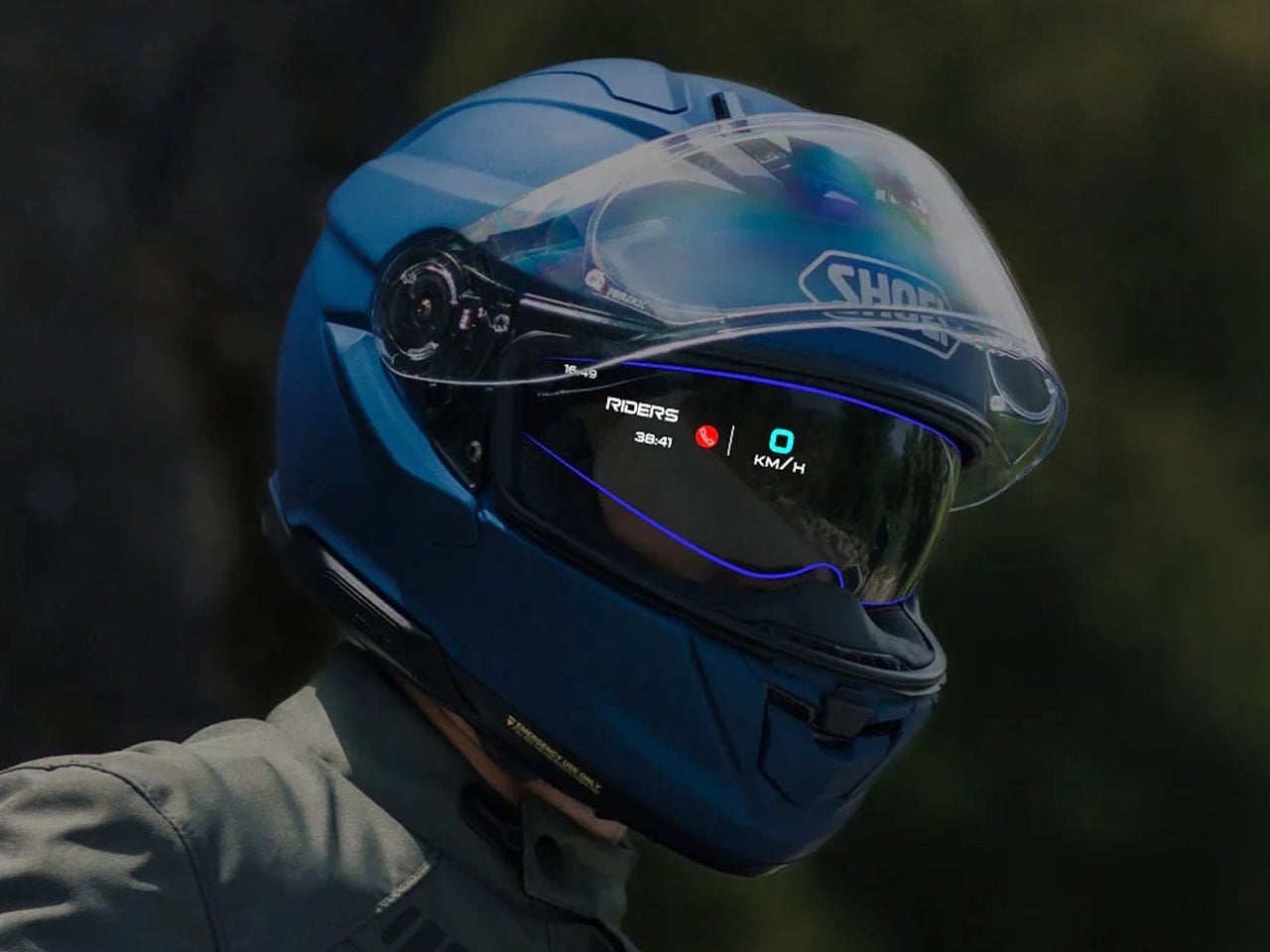
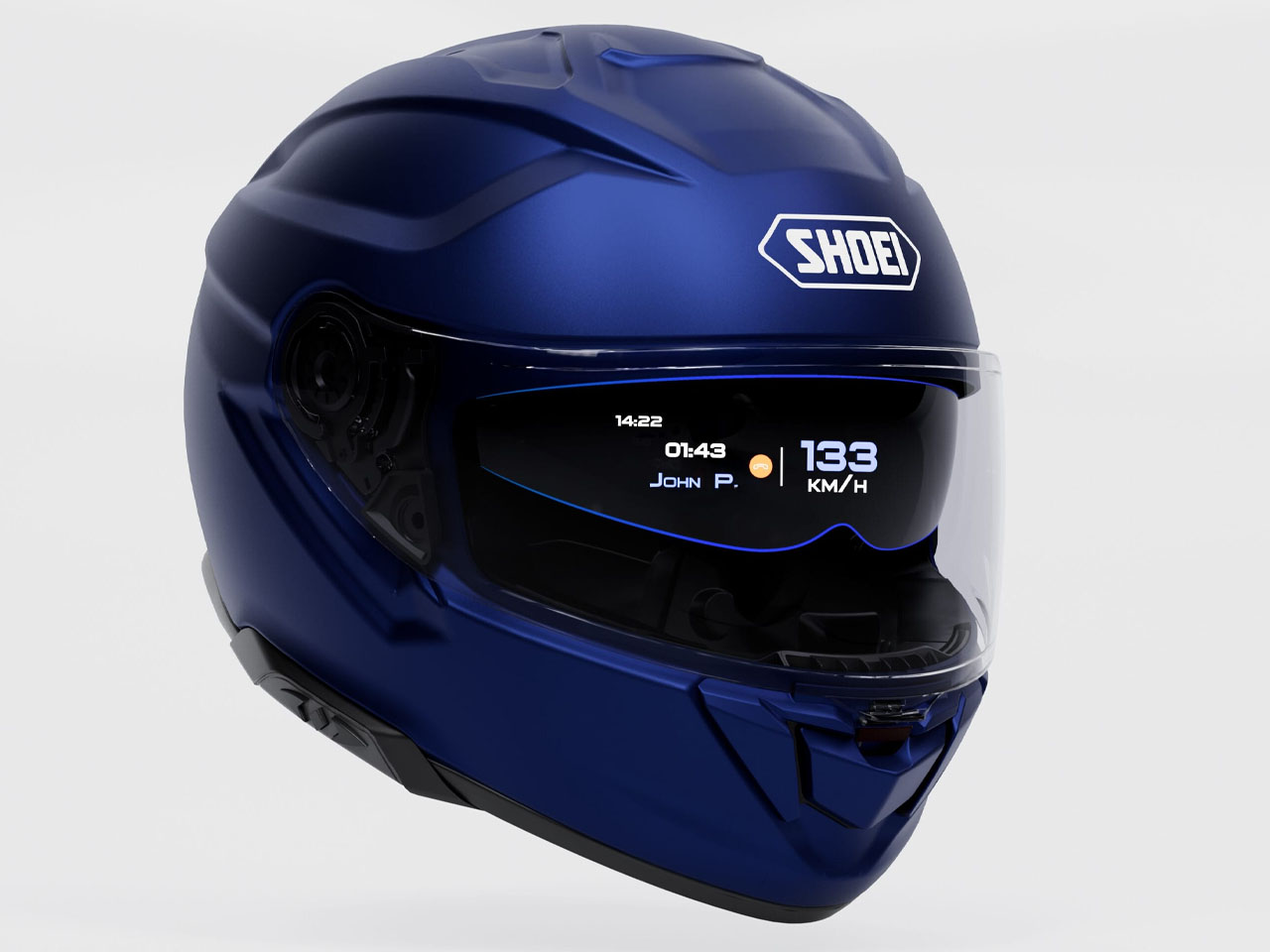
Their paths converging was almost inevitable, and the result is a smart accessory for riders that shifts helmet technology into an entirely new category. The Shoei GT-Air 3 Smart takes the familiar touring shell and transforms it into the first full-face helmet with a fully integrated AR heads-up display, created to deliver essential riding data without ever diverting attention from the road.

Designer: Shoei and EyeLights

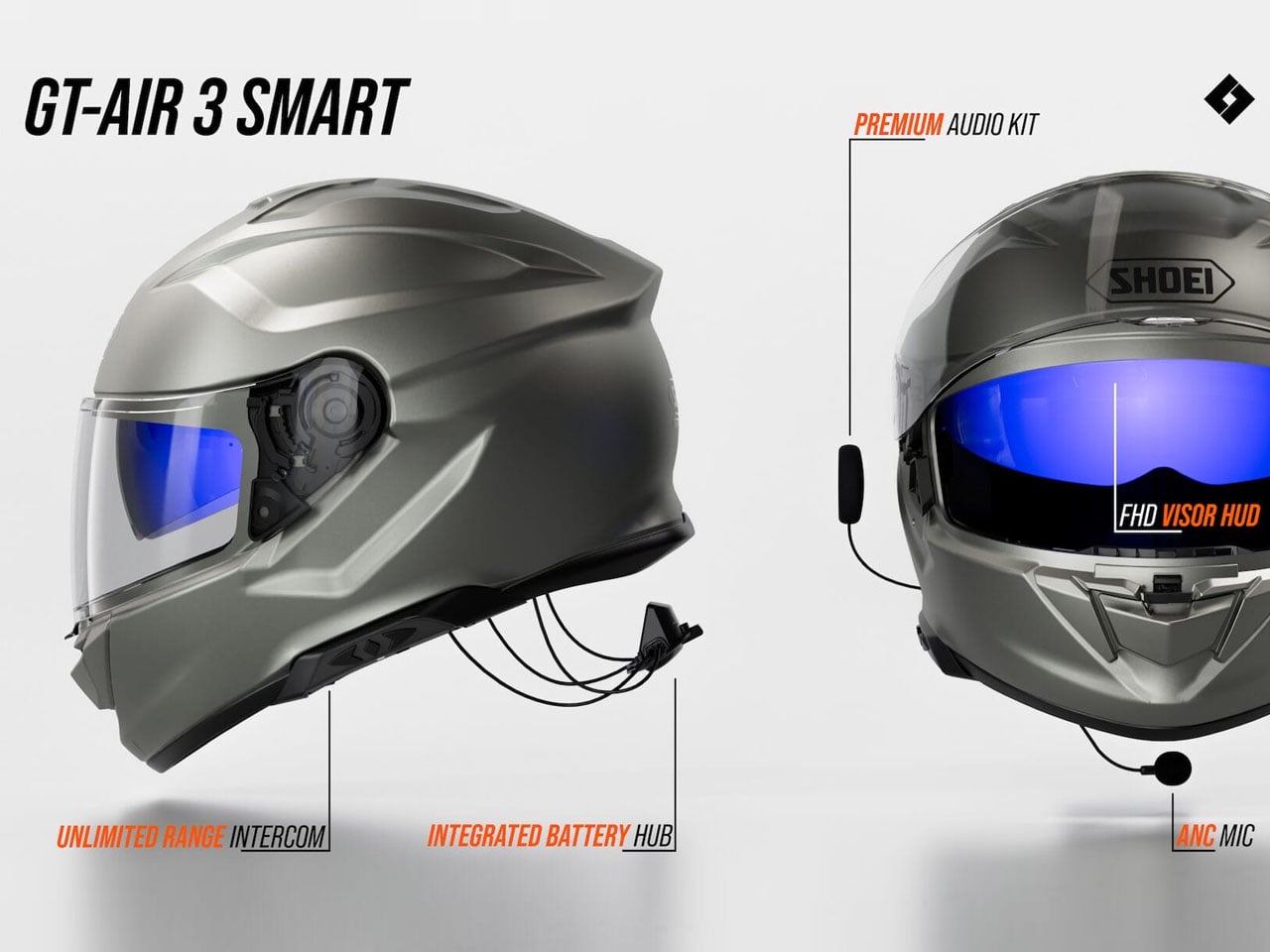
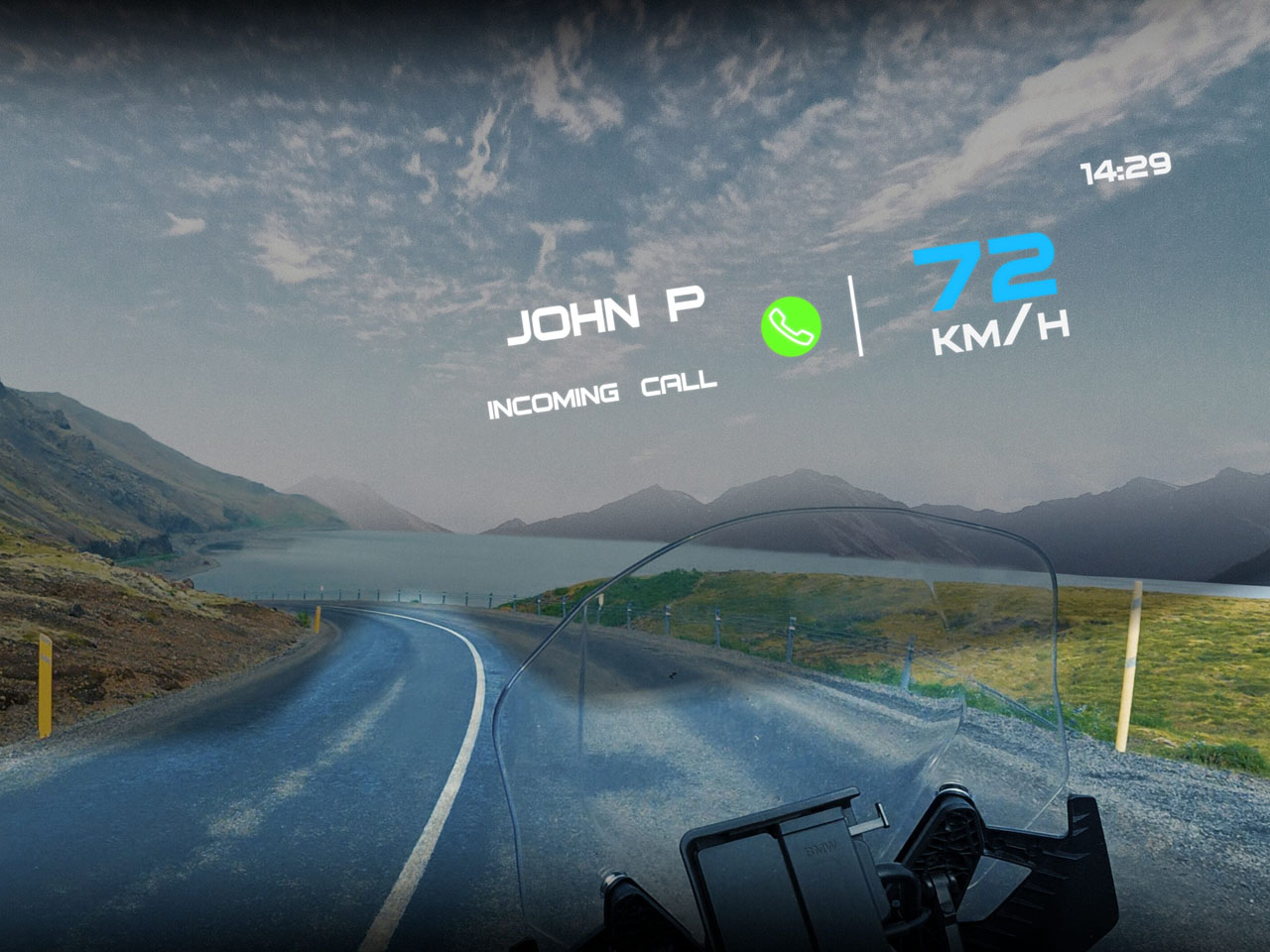
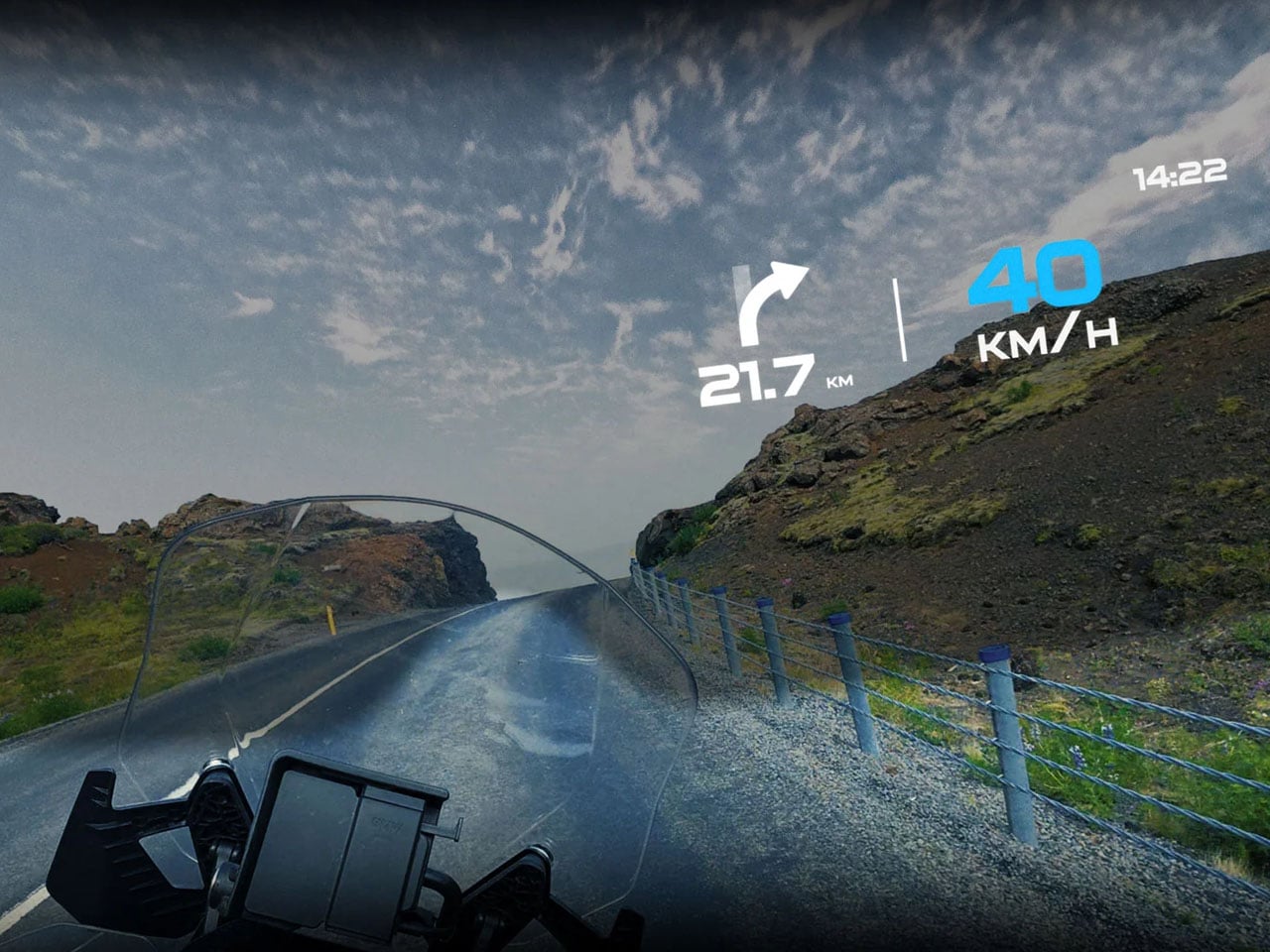
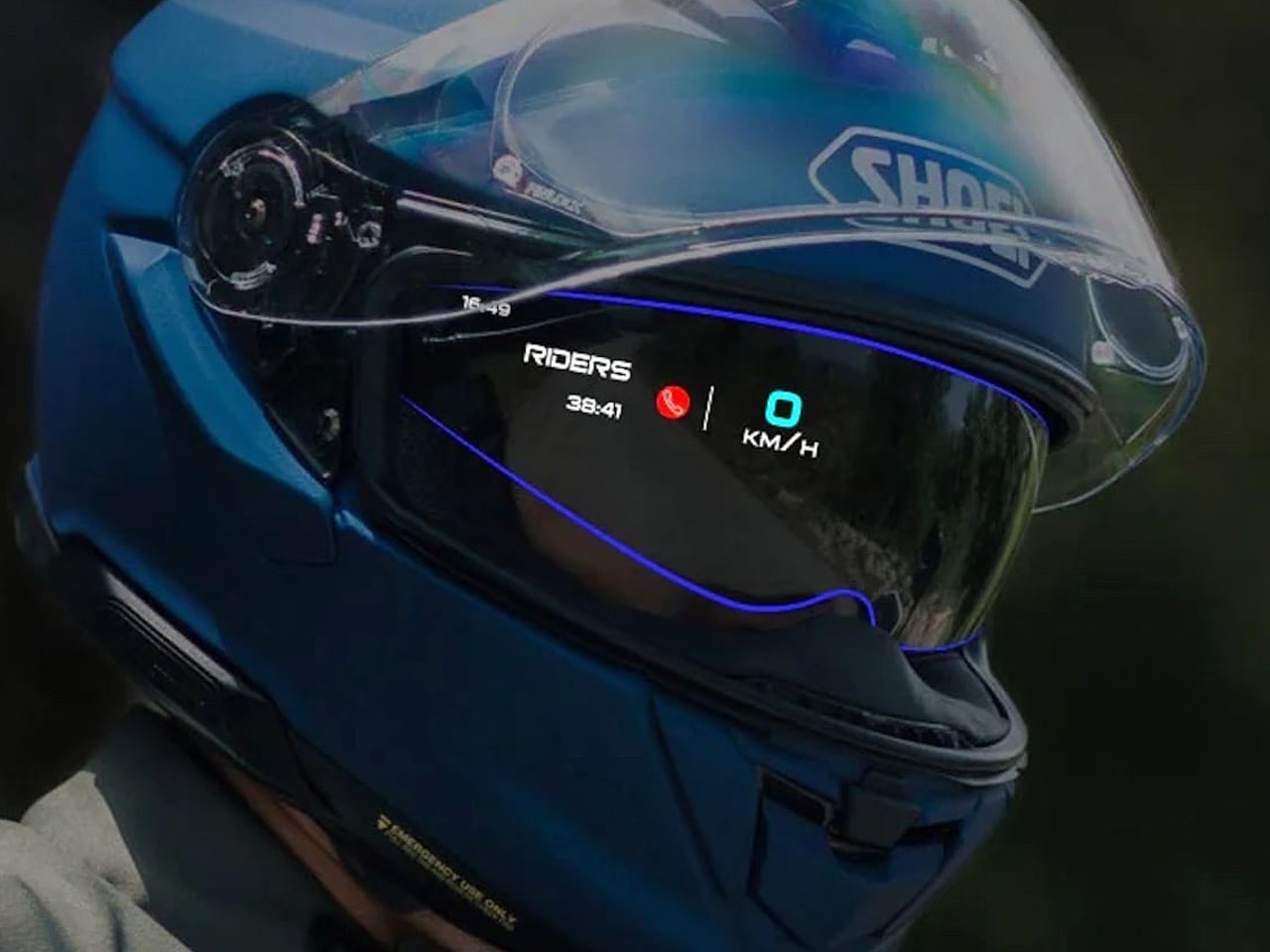
Developed jointly by Shoei and EyeLights, the GT-Air 3 Smart embeds a nano-OLED microdisplay directly into the visor structure. The projection appears about three meters ahead of the rider’s line of sight, presenting speed, navigation cues, call notifications, radar alerts, and even a compact map overlay. The Full HD display uses a 3,000-nit output so the information stays visible in strong daylight, and EyeLights claims the system can reduce reaction time by more than 32 percent compared to glancing down at external screens. Beneath the new visual technology, the helmet maintains Shoei’s established safety foundation. Its shell is constructed from the brand’s Advanced Integrated Matrix composite, which is an engineered blend of fiberglass and organic fibers used across the GT-Air 3 lineup. Apparently, it carries both DOT and ECE 22.06 certifications. Ventilation comes from a wide lower intake and upper intake with internal channels cut into the EPS liner, along with exhaust ports that release heat and moisture. A quick-release CNS-1C face shield with Pinlock support and an integrated QSV-2 sun visor maintains clarity across changing weather and lighting.

Communication features are built in through EyeLights’ Bluetooth system, supporting unlimited users and effectively unlimited range through cellular connectivity, with an offline mesh fallback when service drops. The audio kit includes speakers positioned within dedicated ear pockets and a microphone with active noise cancellation for clear conversations at speed. Voice control works with both Siri and Google Assistant to reduce rider input and keep focus ahead. The HUD, intercom, and audio system are powered by an internal battery designed to last more than ten hours under mixed use.

Charging is handled through a compact USB-C port positioned discreetly along the lower edge. The smart helmet retains the comfort and protection expected from the GT-Air line while introducing a fluid way to see essential data without shifting attention downward. For long-distance riders and daily commuters alike, the integration feels like a natural evolution rather than an add-on, offering a clearer, safer way to stay informed while riding. Shoei offers the helmet in White, Matte Black, Matte Metallic Blue, Matte Metallic Gray, and Realm TC10, with sizes ranging from S to XXL. Pricing starts at US$1,199, with a limited EICMA edition for those who like to ride differently.

The post Shoei GT-Air 3 Smart helmet comes with integrated AR display for safer, smarter riding first appeared on Yanko Design.

Attach this wiper to your motorcycle viper to have a safer ride in the rain

I live in a city that has a steadily growing motorcycle population. We also get a lot of rainy seasons and storms visit our country on a regular basis. The combination of rain and driving a motorcycle is a pretty dangerous one. While there are water repellent sprays available but it won’t work when you’re driving at slower and regular speeds.

Designer: Boscard group

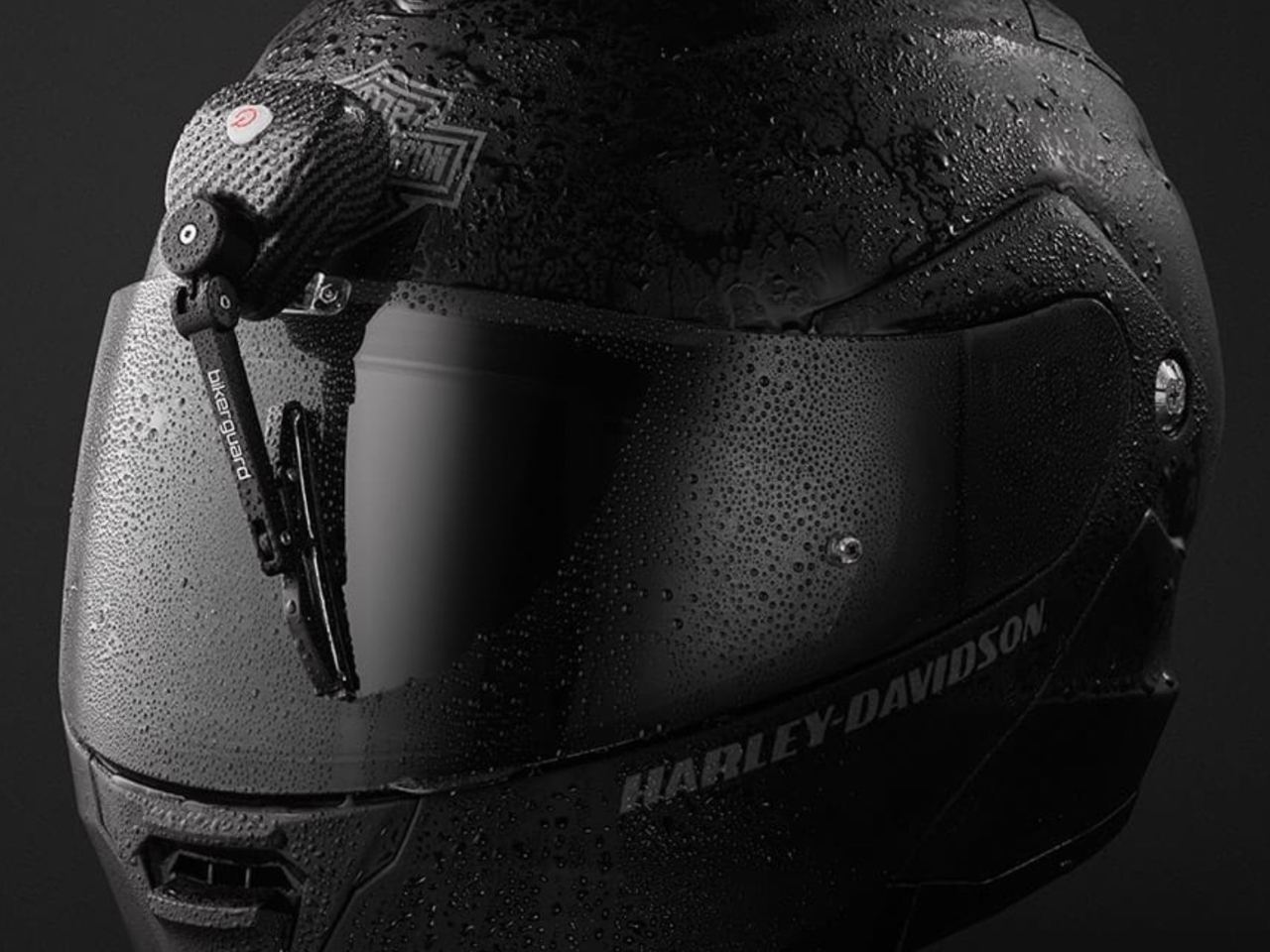
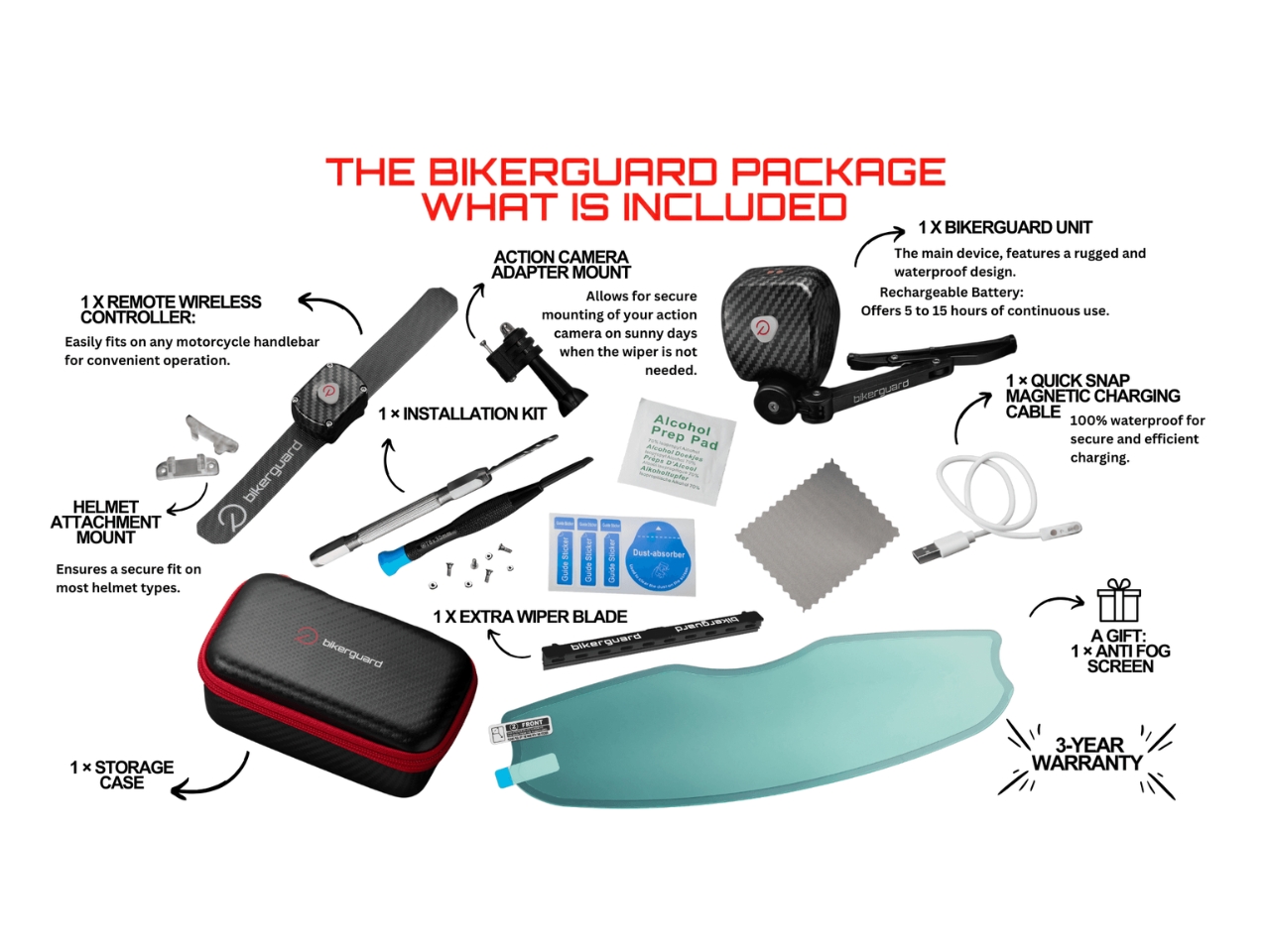
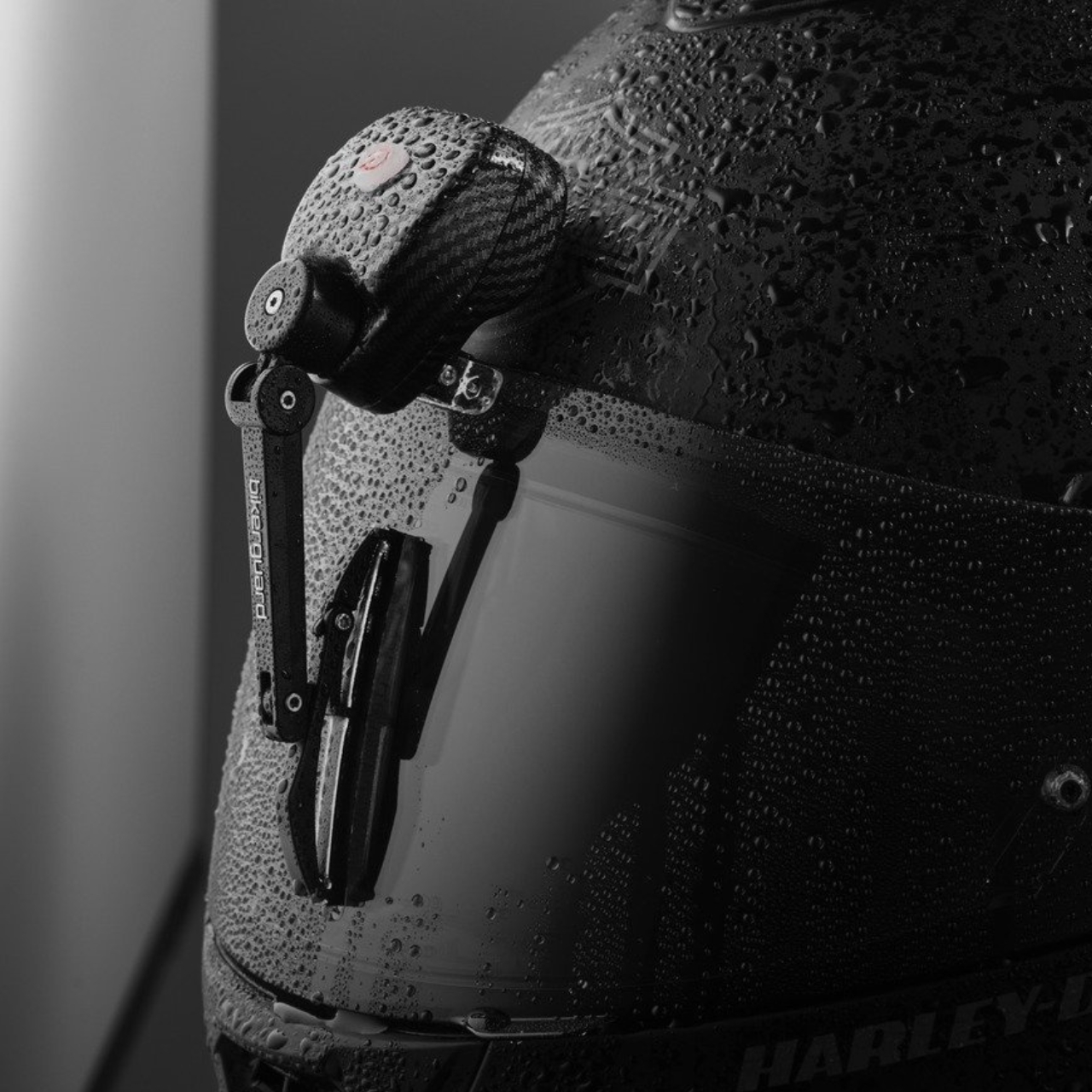
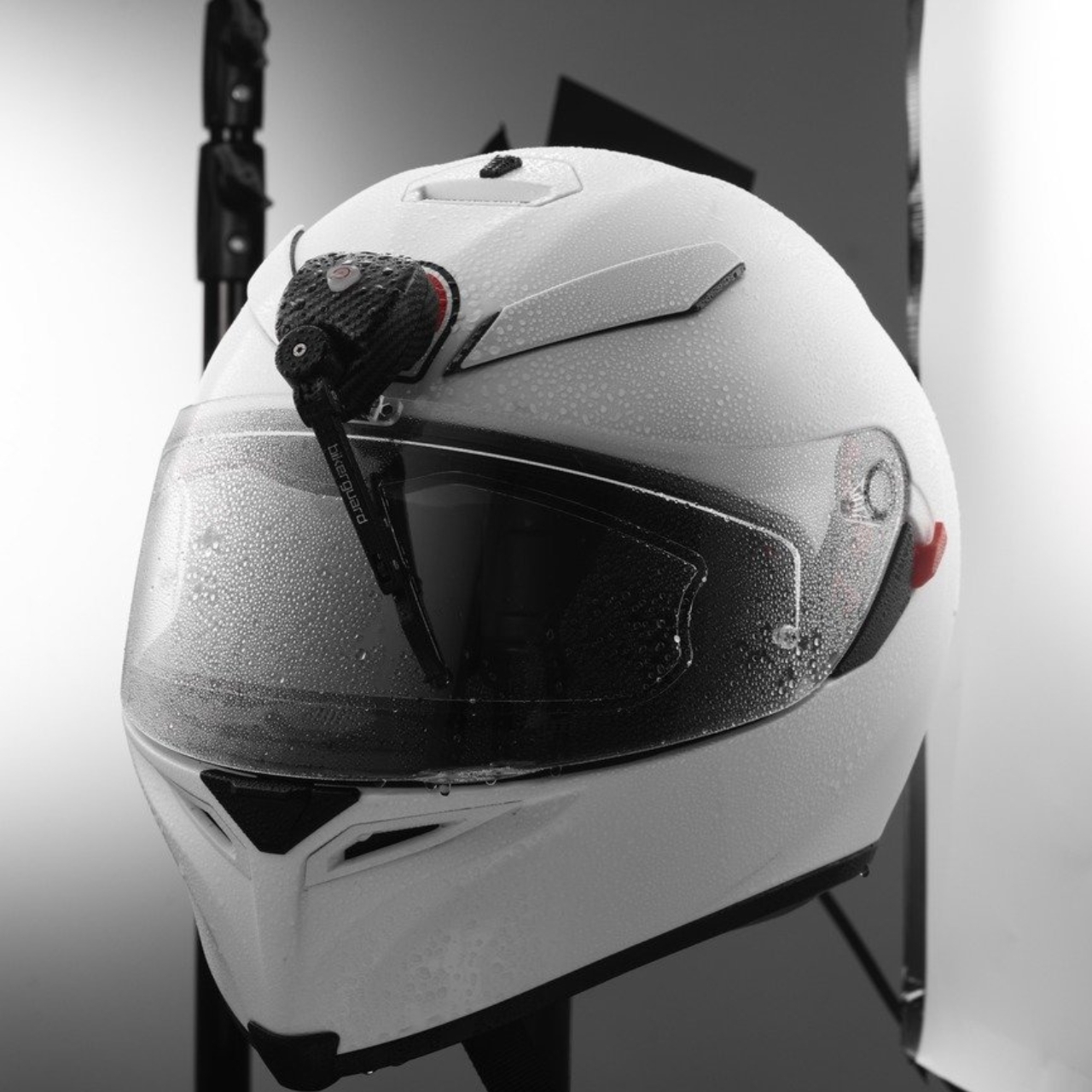
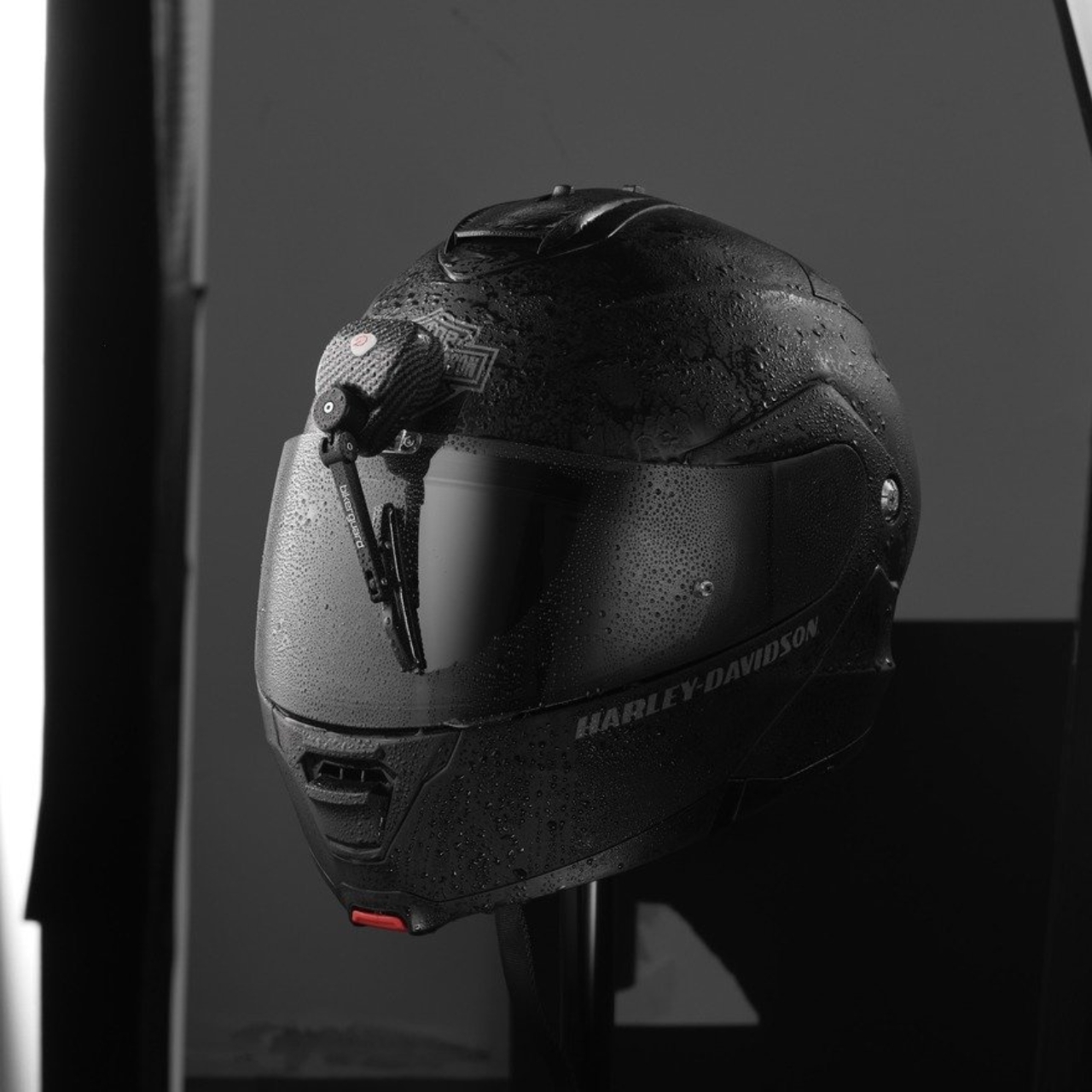
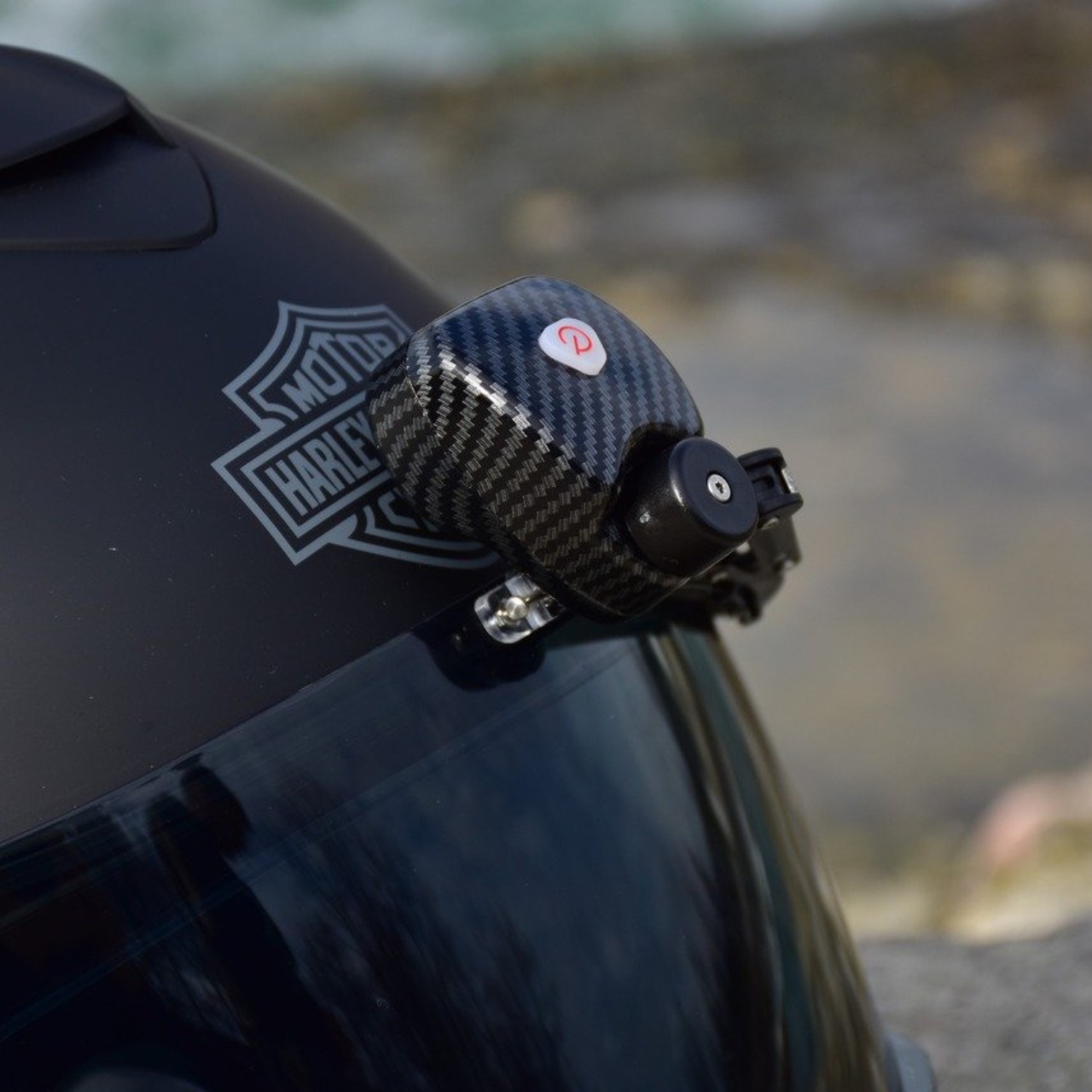
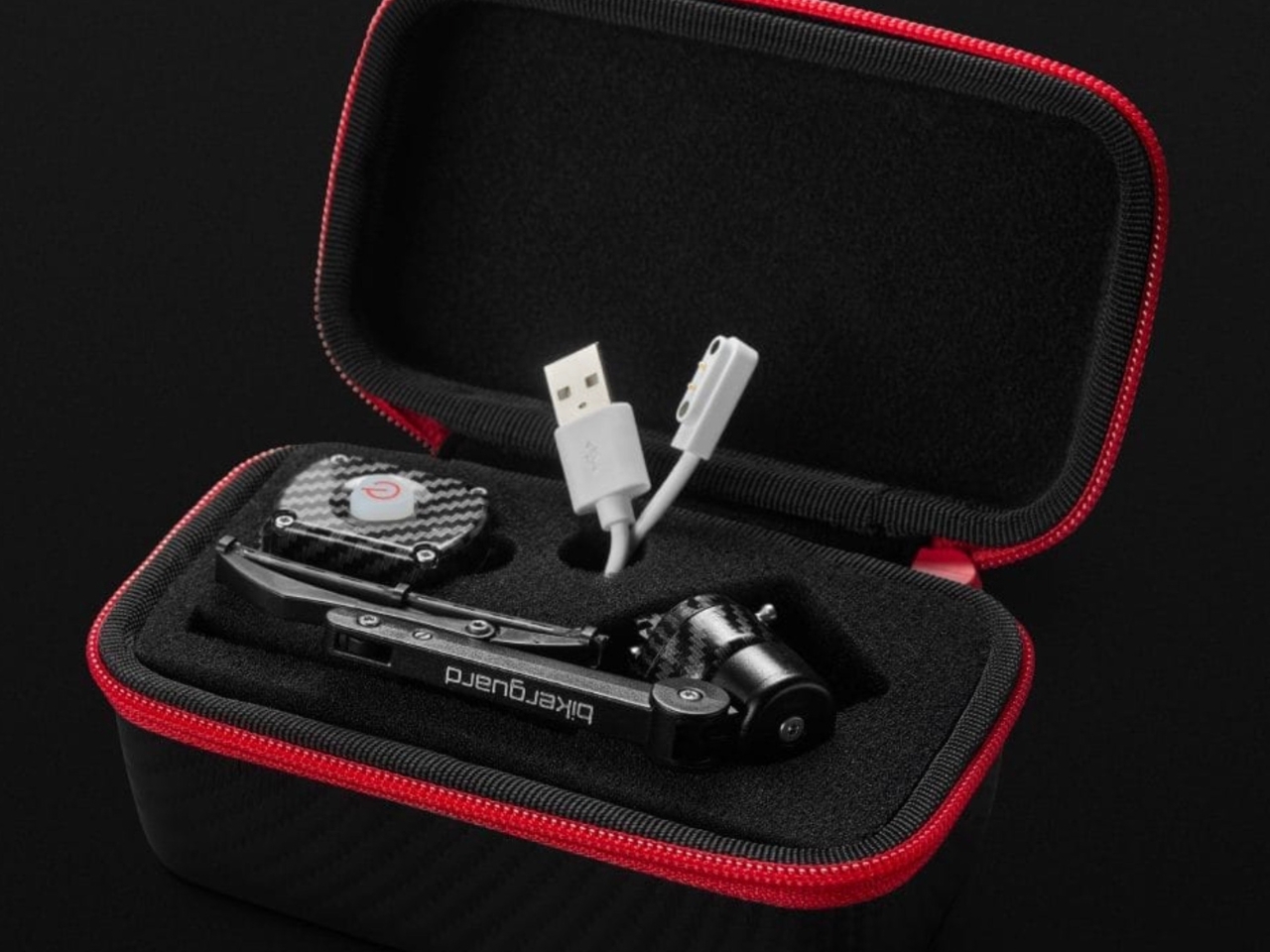
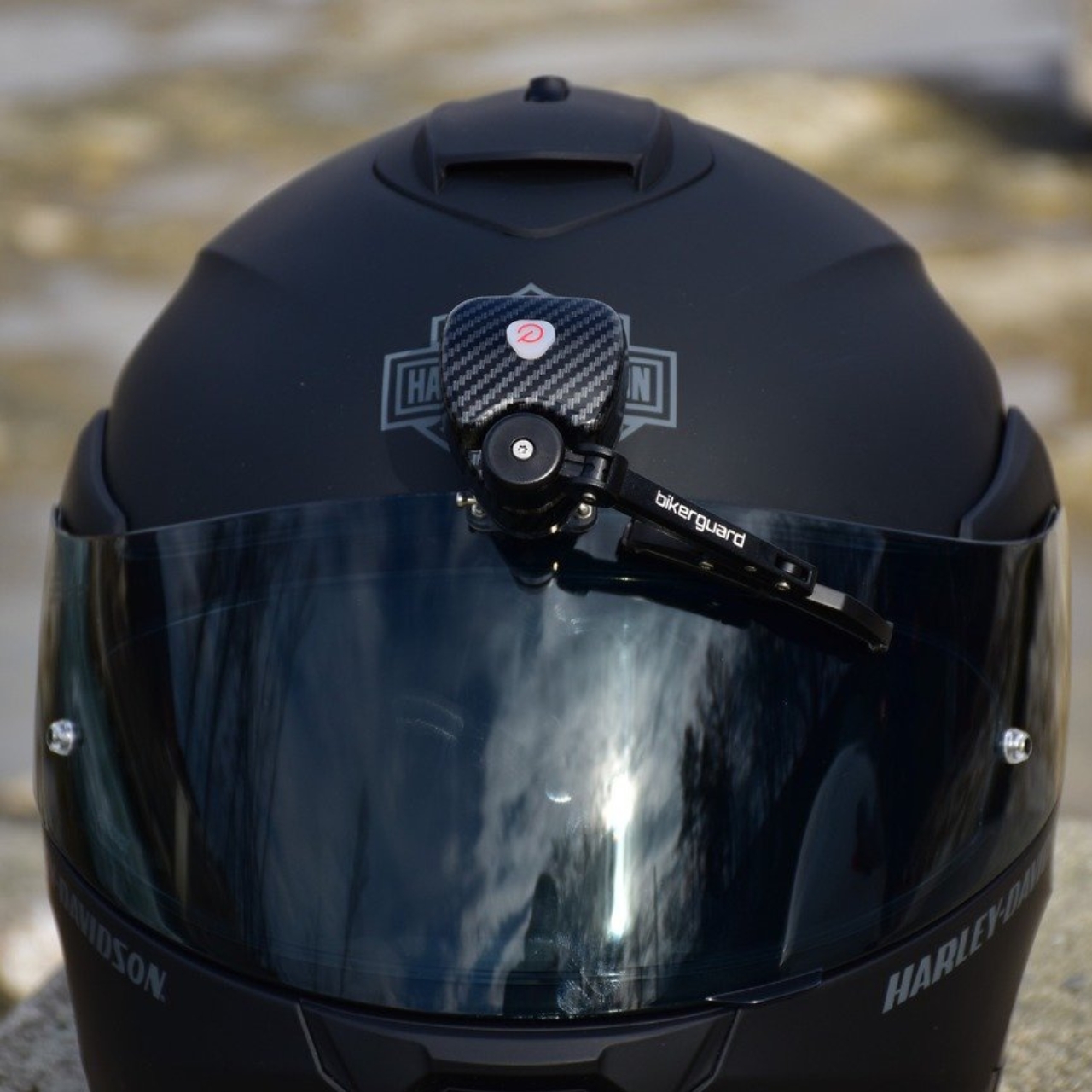
Bikerguard was invented by two Slovenian engineers and is something you can attack to motorcycle helmet visors to make sure you still have visibility even if it’s raining hard. It’s basically a detachable and remote-controlled wiper blade that will wipe off the rain water that can obstruct the view of the riders. It has a brushless motor that will reduce the need for manual wiping of your visor.

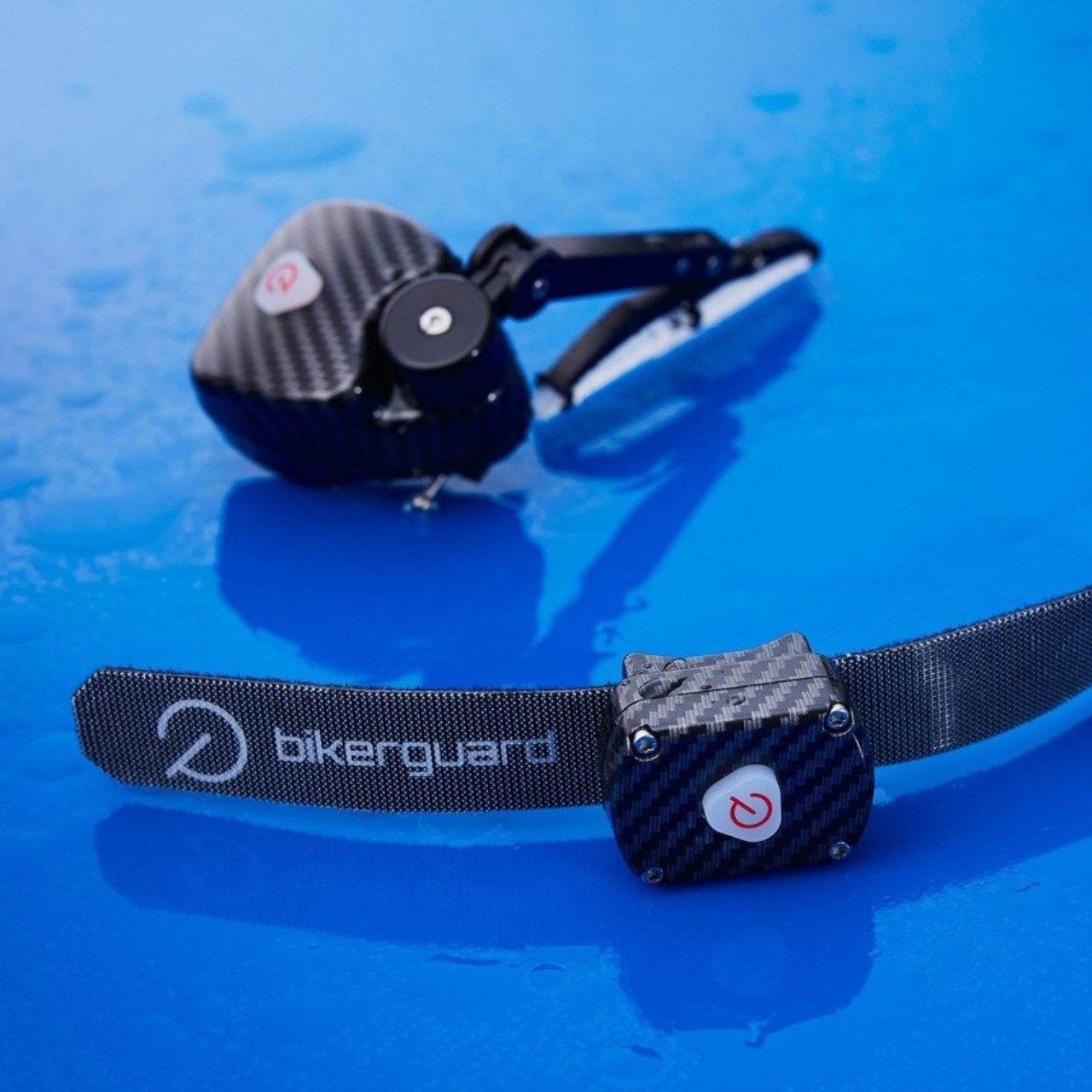
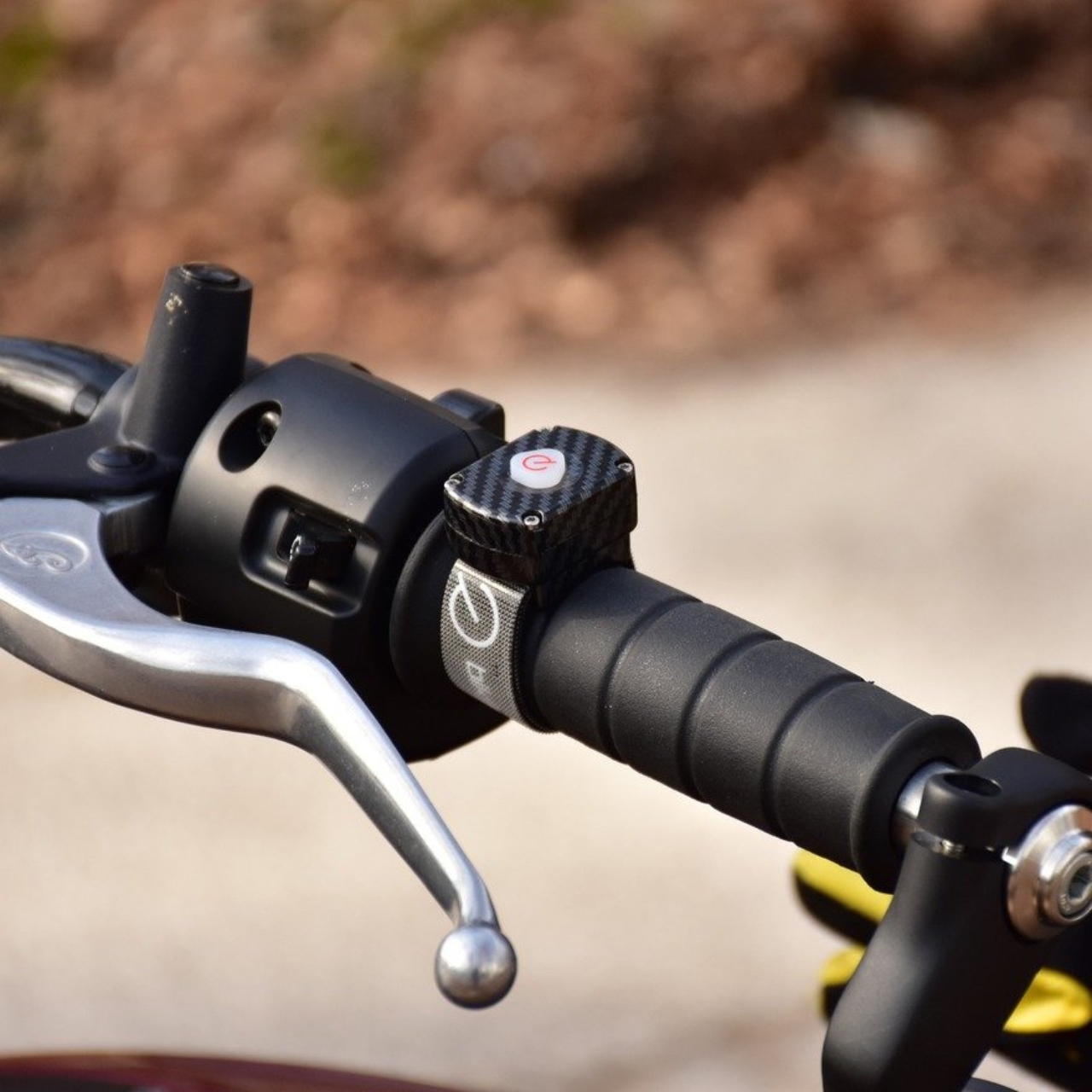
The bikerguard unit has a rugged and IPX-6 waterproof design and when fully charged, you get 5 to 15 hours of continuous use. You screw the mounting base through the top of your visor on first use but after that you can just attach and re-attach the wiper when you need it. The remote wireless controller can be attached to any motorcycle handlebar so you can easily turn the wiper on and off.

While of course you can just use the normal sprays and coatings that is readily available for most motorcycle riders, using “good old physics” or wipers are still the best way to go about riding in the rain. It costs around $330 and is available on the Bikerguard website.

The post Attach this wiper to your motorcycle viper to have a safer ride in the rain first appeared on Yanko Design.
Helmet helps mitigate hair loss for cancer patients undergoing chemotherapy

One of the most common side effects on patients undergoing chemotherapy is the loss of hair. It may seem like not a big deal anymore these days because people are more “accepting” of baldness, but there is still of course an effect on self-esteem and self-image of the patient. They say that hair loss is one of the most traumatic parts for them when it comes to their cancer treatment. A new product that will help them prevent this chemotherapy side effect will soon be available for commercial purchase.

Designer: Luminate

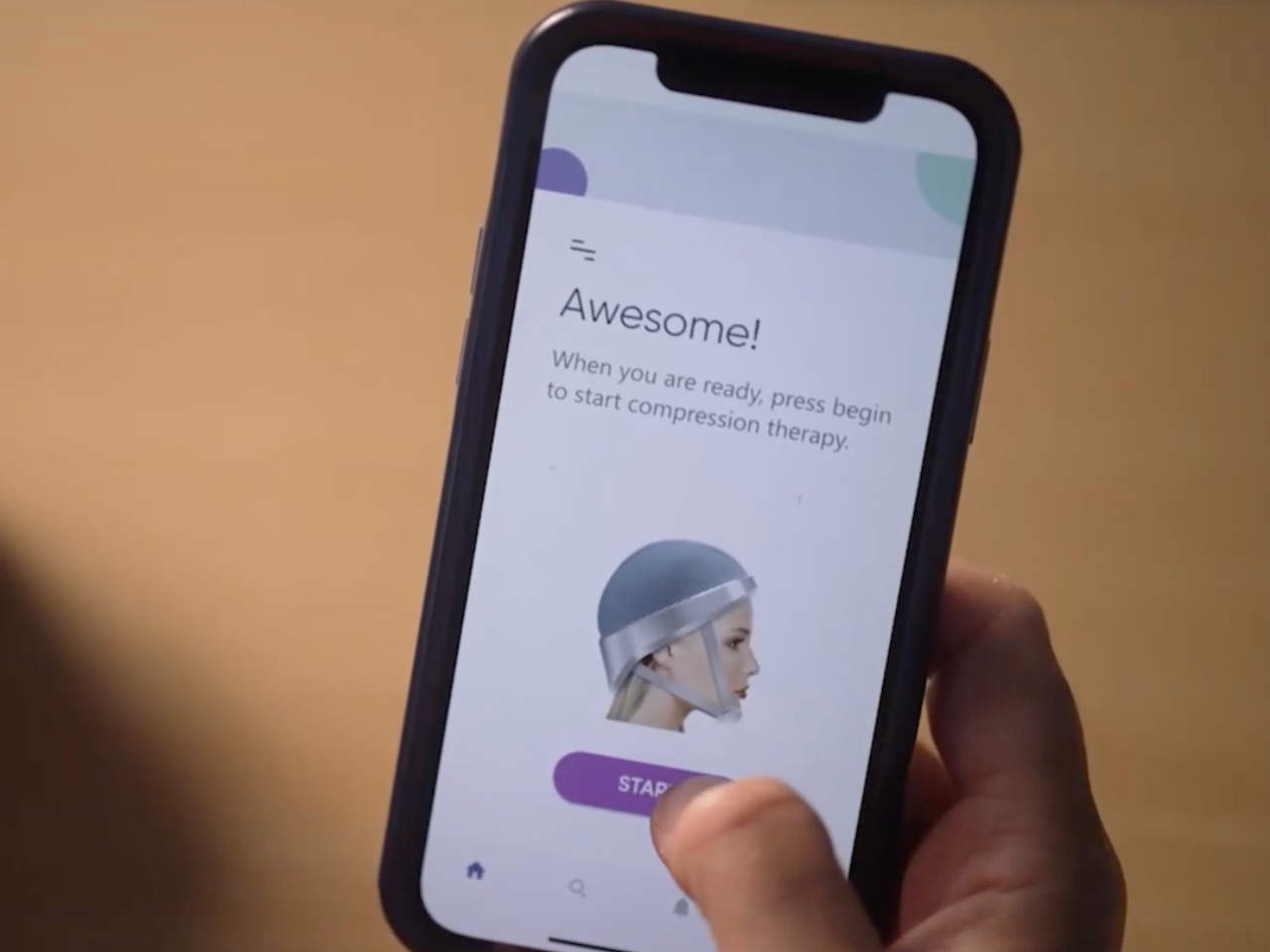
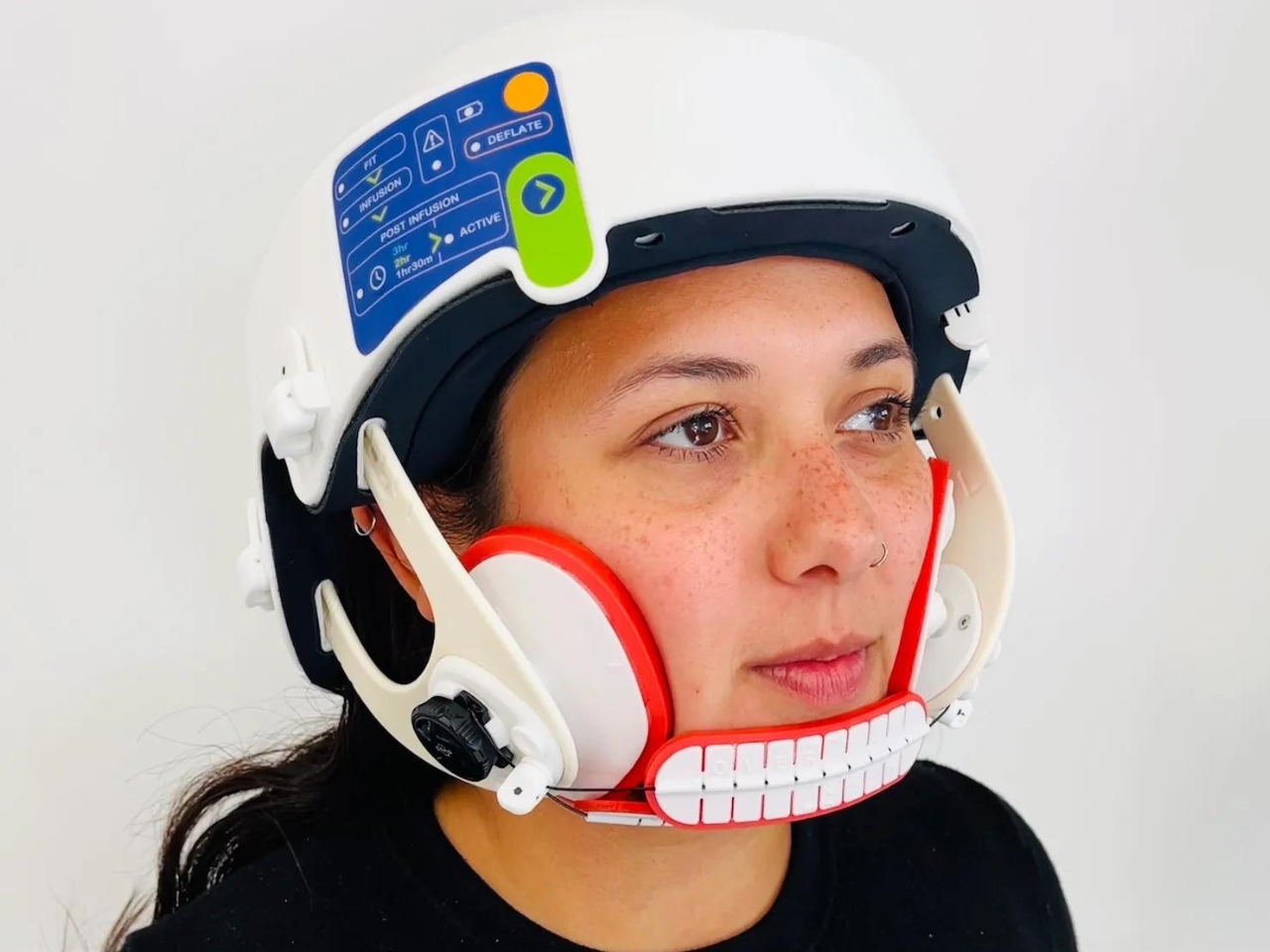
Lily is a helmet created by cancer treatment tech startup Luminate. The basic idea for the device is that when worn during chemotherapy sessions, the helmet applies pressure across the scalp that stops the chemicals from getting into the patient’s hair follicles. The helmet is also made from soft materials so it’s still comfortable when worn and will not add to the common discomfort patients experience when having their chemotherapy session. Just think of the helmet as a compression garment for the head.

The wearable device looks like your typical helmet but with additional paddings on the cheek and under the chin. The way it’s built and designed is to bock off the capillaries to prevent the toxic chemo cocktail from affecting the patient’s hair. In their initial trials, 75% of the participants retained their hair while undergoing chemotherapy while wearing the Lily helmet. There will be another trial this November involving 85 patients across the U.S.

Luminate is also developing a glove and boot set called Lilac that will help prevent neuropathy, another side effect of chemotherapy. The company’s goal is to make cancer treatments more comfortable for patients by creating products that will address the side effects.

The post Helmet helps mitigate hair loss for cancer patients undergoing chemotherapy first appeared on Yanko Design.
Inflatable helmet lets you carry it around conveniently when not in use

If you ride a bicycle or a motorcycle regularly, one of the most necessary but cumbersome things is to carry your protective helmet with you at all times. Of course you need one for safety and legal purposes but they’re usually bulky, heavy, and a pain to bring around. We’ve seen several start-ups attempt to come up with an inflatable version and this is one of the latest ones to be announced.

Designer: Ventete

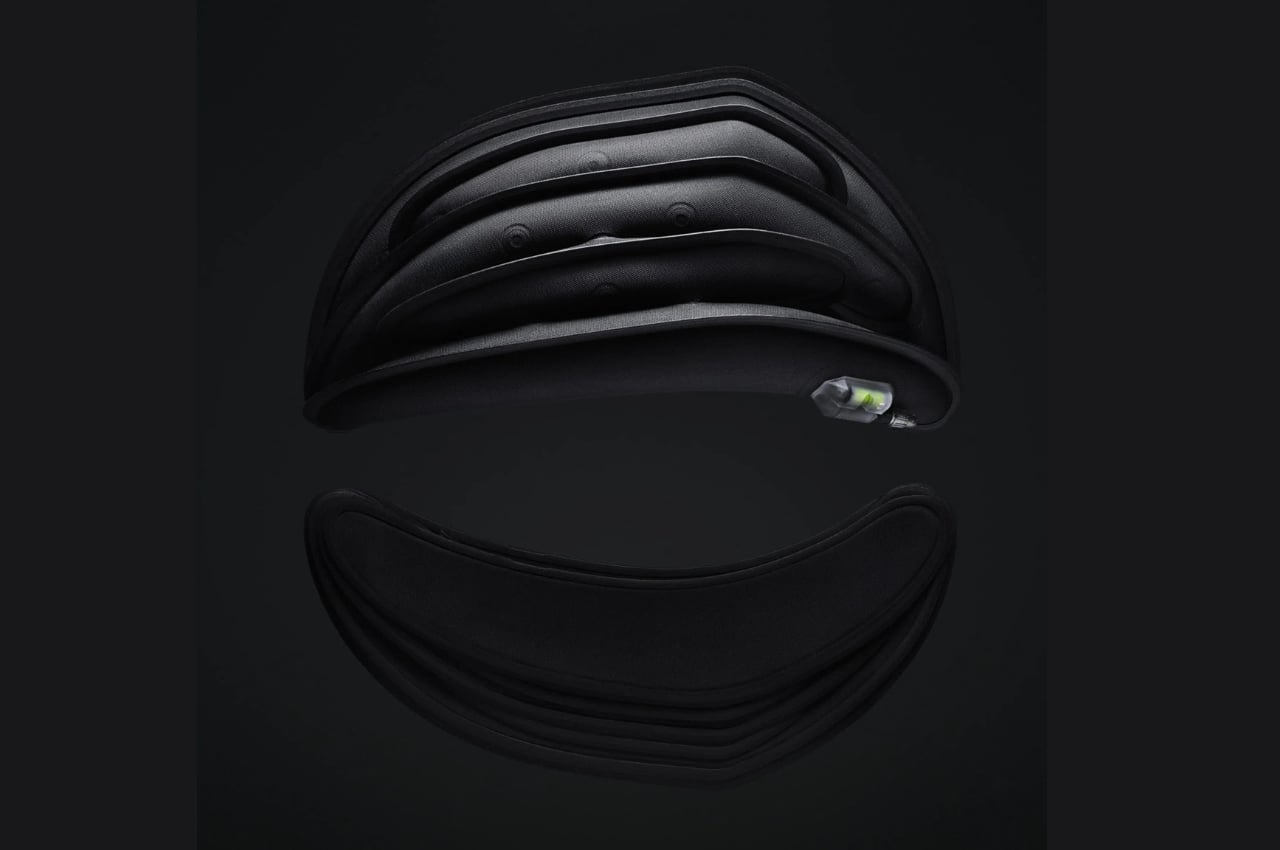
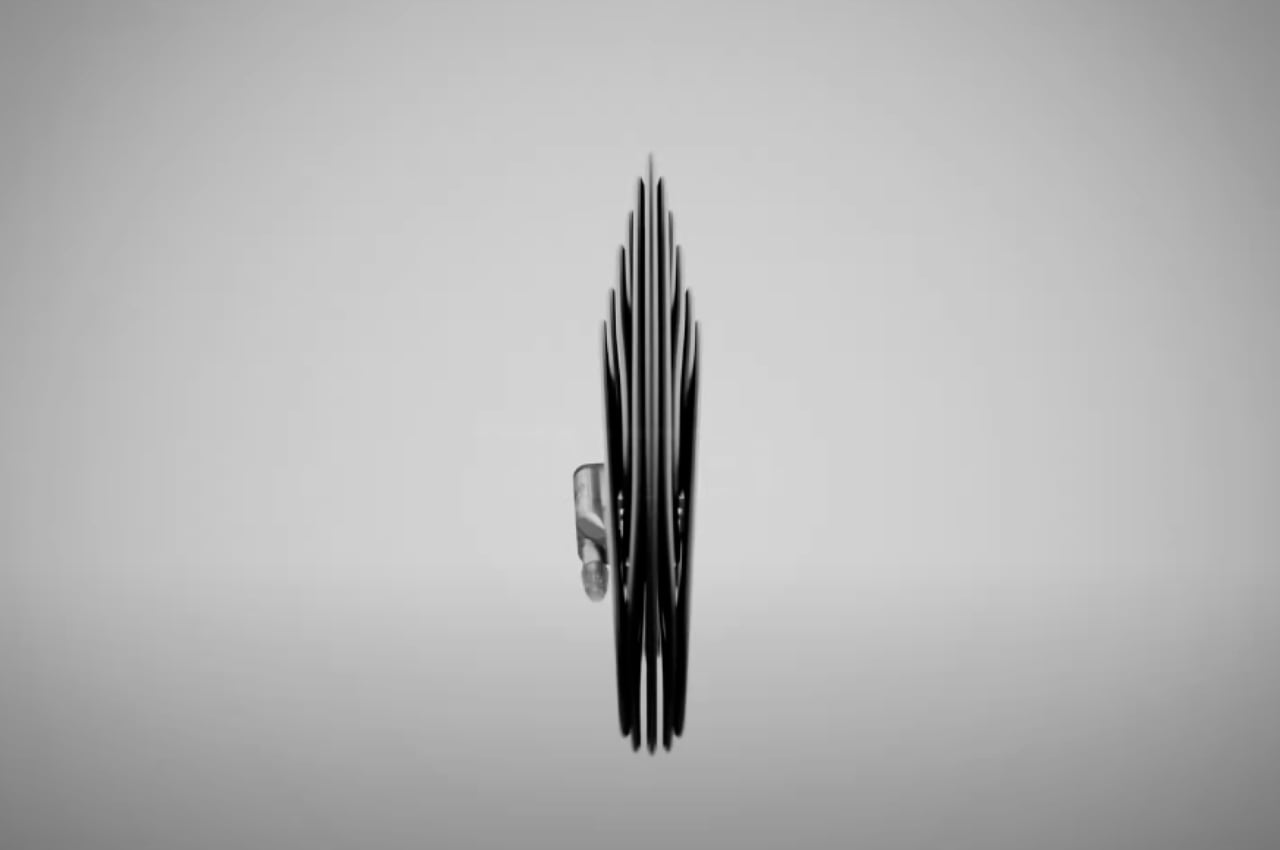
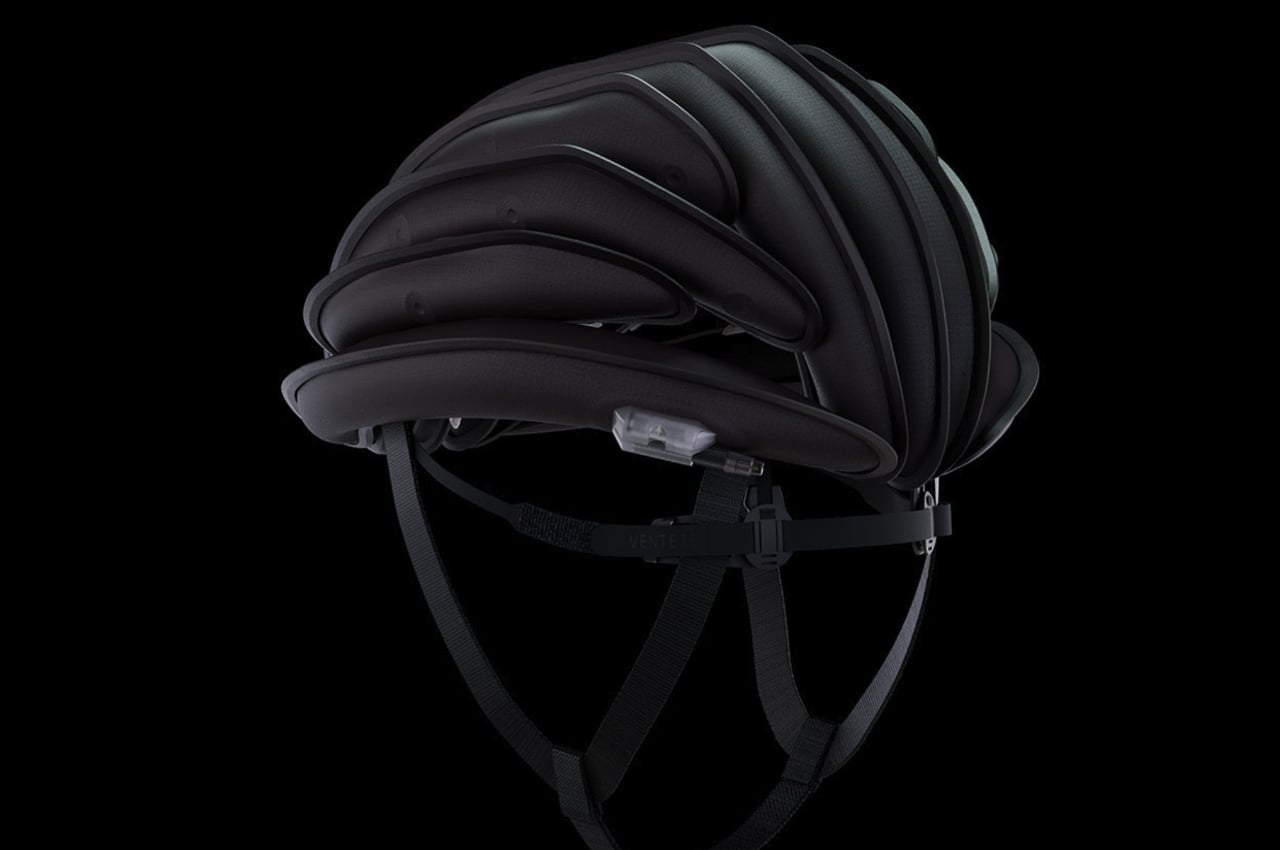
The Ventete aH-1 bicycle helmet is designed to be flattened and portable when not in use but with just a few pumps of air, it is inflated into an actual protective helmet. It comes with an electric pocket pump so you don’t need to worry about running out of air to blow it up, so to speak. When it’s time to pack it up, you can deflate it and fold it like an accordion then put it in your bag.

The ribbed design of the helmet gives it a texture that lets you fold it like an accordion but flattened to fit into your bag or to carry it lightly around. When deflated, it actually looks like a boomerang but they say that the thickness is that of a laptop. When inflated, it looks like a cosplayer’s crown with its ribbed design that sometimes looks like spikes. So you also have that unique and interesting looking factor.

They have not yet announced the specifications and pricing of the Ventete aH-1 bicycle helmet but they are already promoting it heavily so details may come out soon. It would be interesting to see how it can compare to other startups that have their own inflatable helmets starting out in the market as well.

The post Inflatable helmet lets you carry it around conveniently when not in use first appeared on Yanko Design.
Leave your helmet on your bike securely with this prototype contraption

During the pandemic, one of the things that became a “trend” and has actually continued to this day is that more people are biking their way to and from their place of work. We’re seeing a lot of products catering to this market segment and there’s still a lot of room to grow as we look towards more sustainable ways of commuting. Safety is also a major concern for those riding bicycles and motorcycles so we see people carrying helmets around but it’s not always the most convenient thing.

Designer: Eliès Hamzaoui

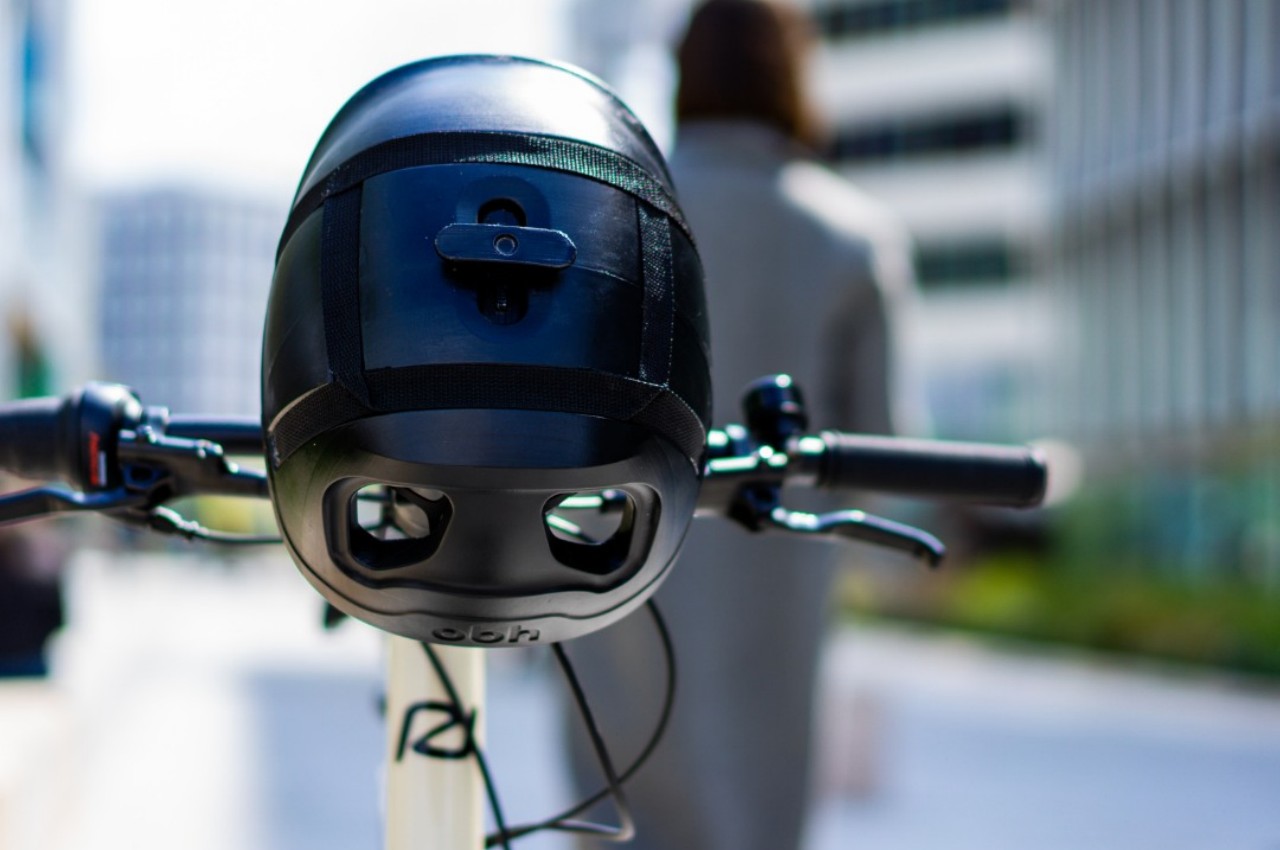
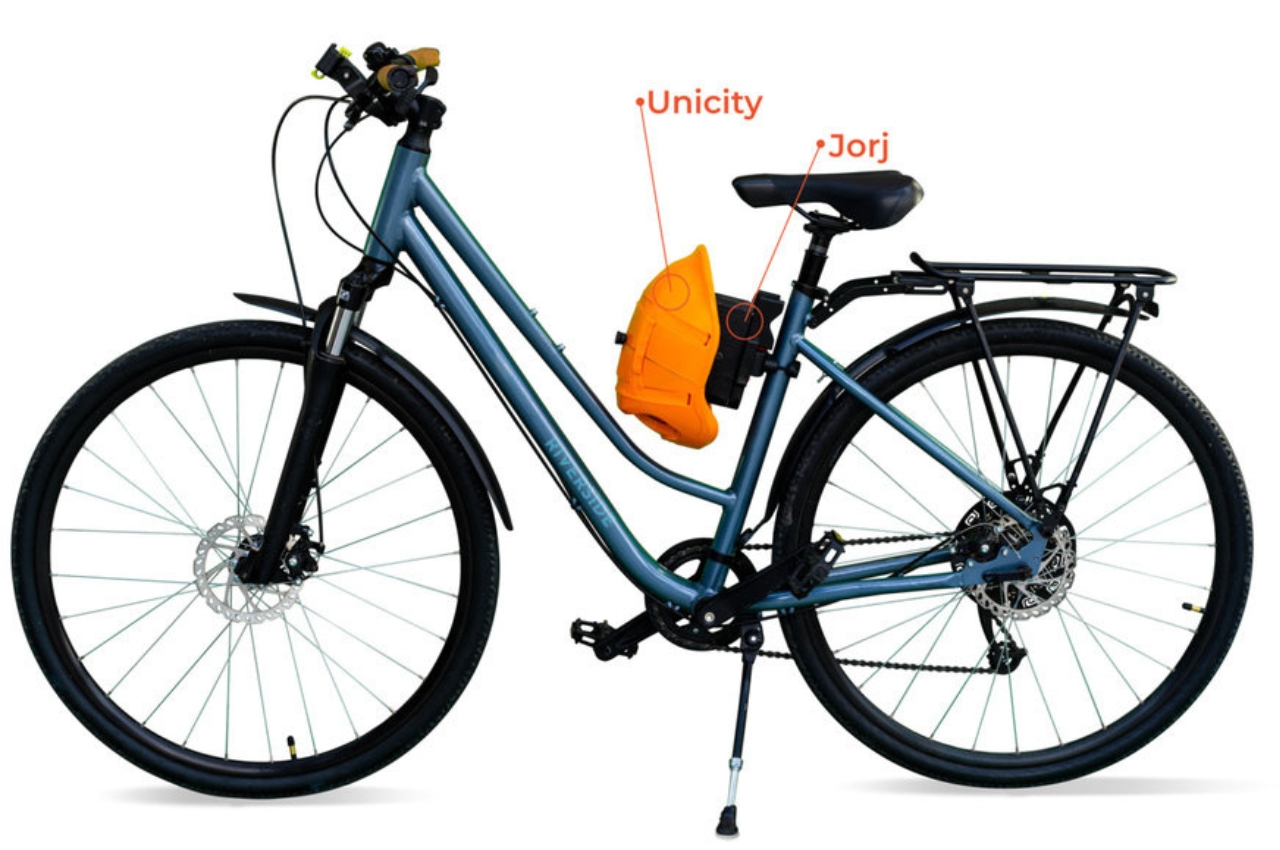
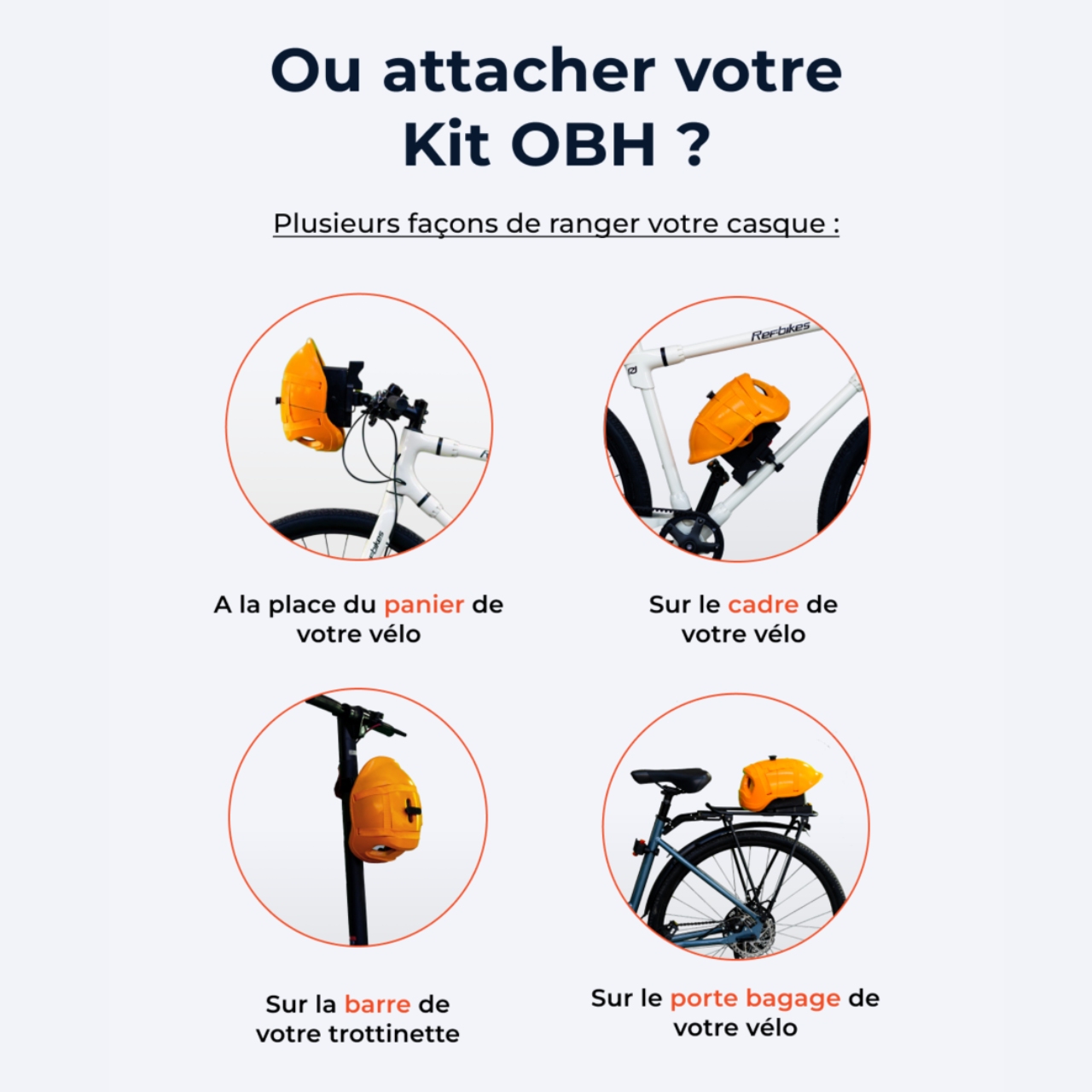
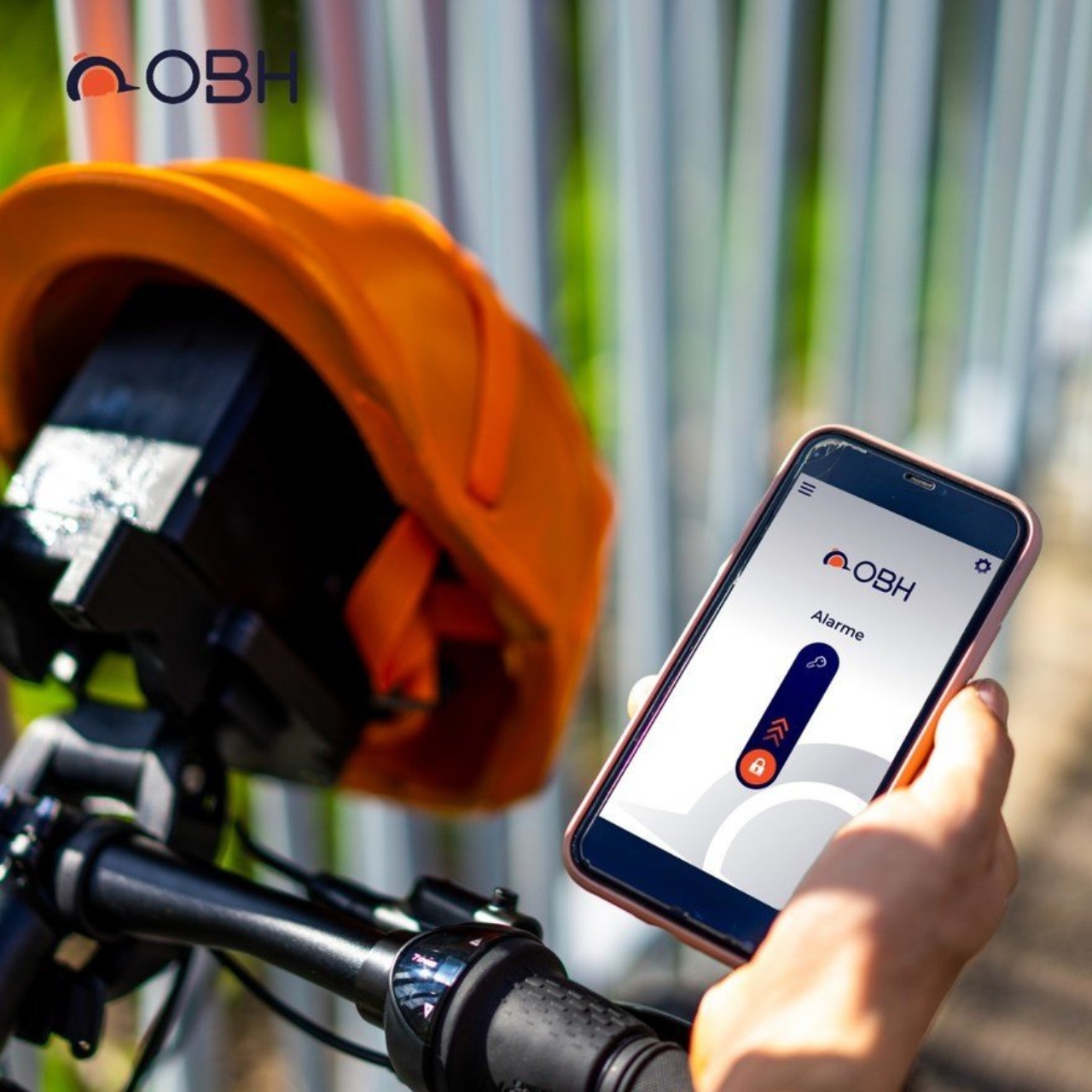
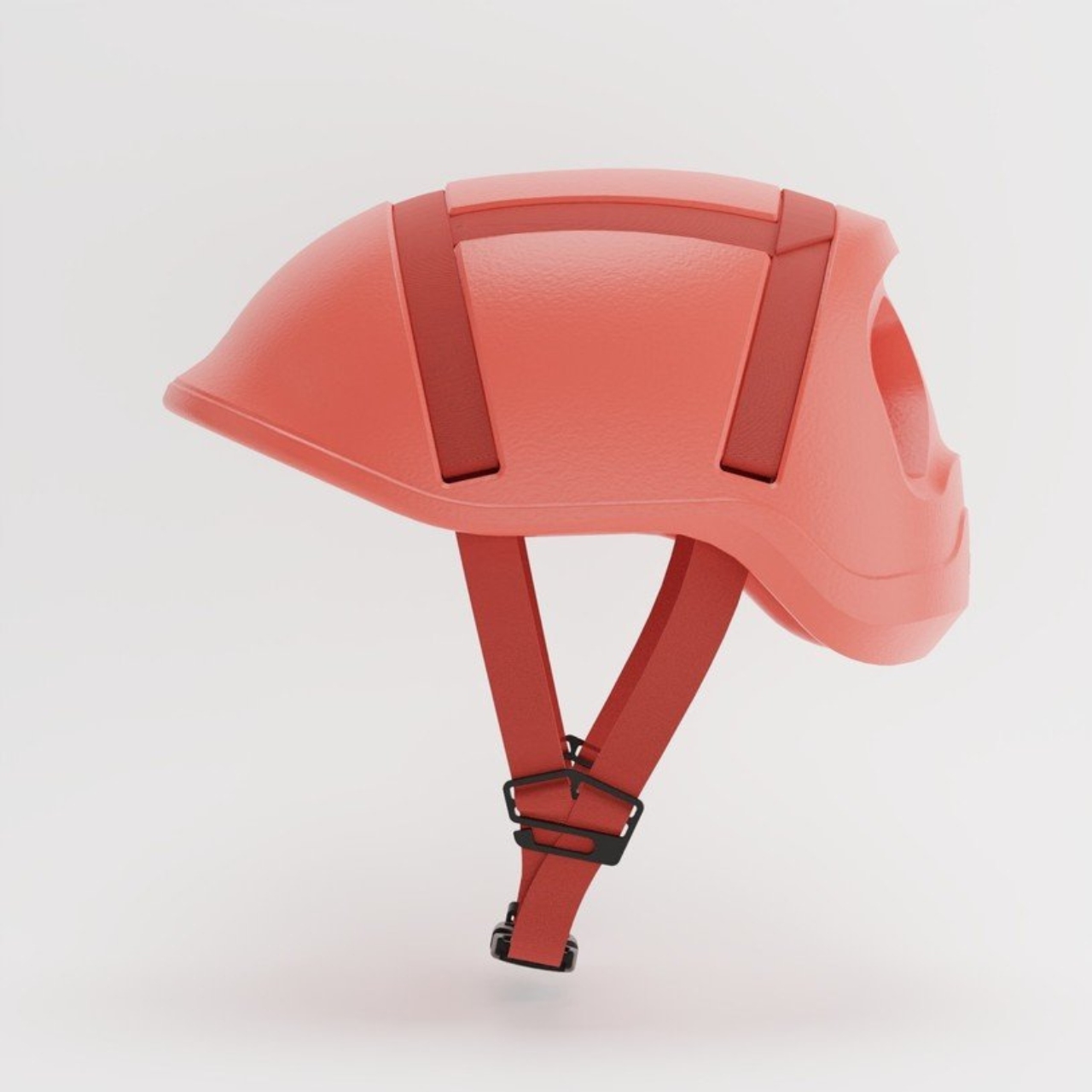
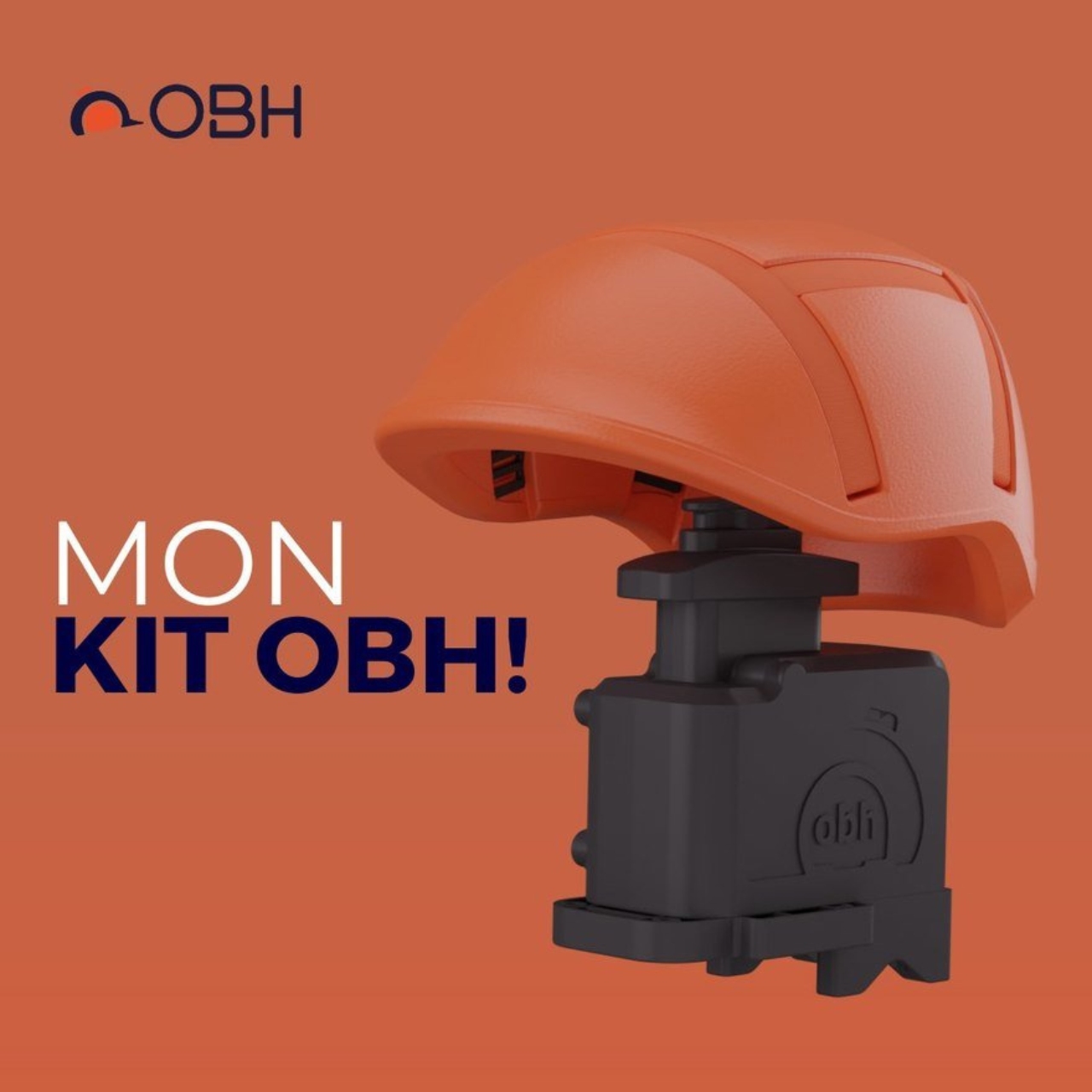
To solve the problem of carrying around a bulky helmet, an engineer created a prototype for something called an OBH or an On Board Helmet system. The idea is to leave the helmet with your bike so you don’t have to carry it around but also without fear of it getting stolen. It is made up of the helmet itself called the Unicity and a Jorj unit which is bolted to your bike frame. The unit also has a built-in anti-theft alarm, hence the secure part.
The locking and unlocking of the helmet is actually made through an app. You don’t have a physical key so the unit needs to have Bluetooth and battery power, adding to the bulk. It is technically more secure but also a bit inconvenient for times when your smartphone may not be working. The alarm itself is activated only with prolonged movements and not the mere jostle of the bike so you don’t have to worry about accidental alarms.

While it may be more convenient to leave the helmet on your bike, it can also add to the bulk of it since this contraption seems a bit heavy because of the features mentioned. There’s always room for improvement though so hopefully we can get a better prototype for this eventually. The initial target market for this are the bikeshare companies but it can eventually appeal to the general bike-using public, provided the design is improved.

The post Leave your helmet on your bike securely with this prototype contraption first appeared on Yanko Design.