Linkind Smart Light Stick Review: Most Bulbs Glow, This One Dazzles

PROS:


  • Genuinely bright at 850 lumens, not just decorative

  • Installs into any standard E26 fixture in seconds

  • UV-resistant build holds up outdoors year-round

  • Automatic upright sensor removes installation guesswork

  • Functions as a full-time everyday bulb even with the flame effects off

CONS:


  • Dual-color flame mode could offer a few more combinations

  • Group control caps at 16 bulbs per synced setup

RATINGS:

AESTHETICS
ERGONOMICS
PERFORMANCE
SUSTAINABILITY / REPAIRABILITY
VALUE FOR MONEY

EDITOR'S QUOTE:

The Linkind Smart Light Stick doesn't just light a room; it gives the room something to watch.

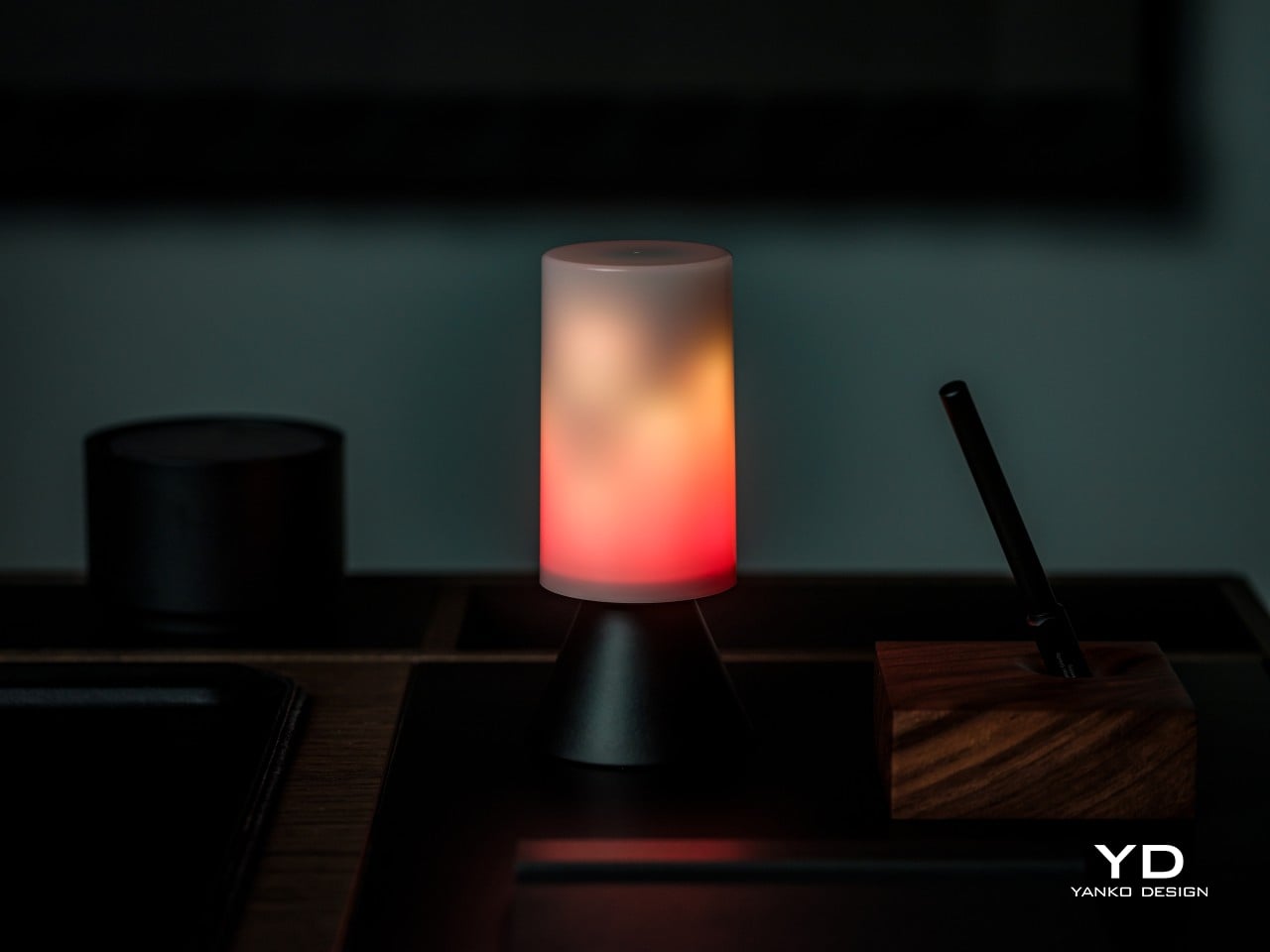
Most bulbs disappear once you screw them in. The Linkind Smart Light Stick refuses to. Instead of hiding inside a shade, it turns into the centerpiece, flickering through warm oranges and reds like a small fire caught inside glass. It still handles the job any bulb needs to do, pushing out up to 850 lumens from a standard E26 socket, so the drama doesn’t come at the cost of actual light.

Linkind built its name on the idea that lighting should shape how a room feels, not just how bright it gets. The Smart Light Stick is where that philosophy gets its most theatrical outing yet, pairing animated color zones with Matter connectivity and app control through AiDot. It’s less a novelty bulb and more a small piece of moving light art that happens to also light your porch.

Designer: Linkind

Click Here to Buy Now: $32.99 $39.99 (18% off). Hurry, deal ends soon! Website Here.

Aesthetics
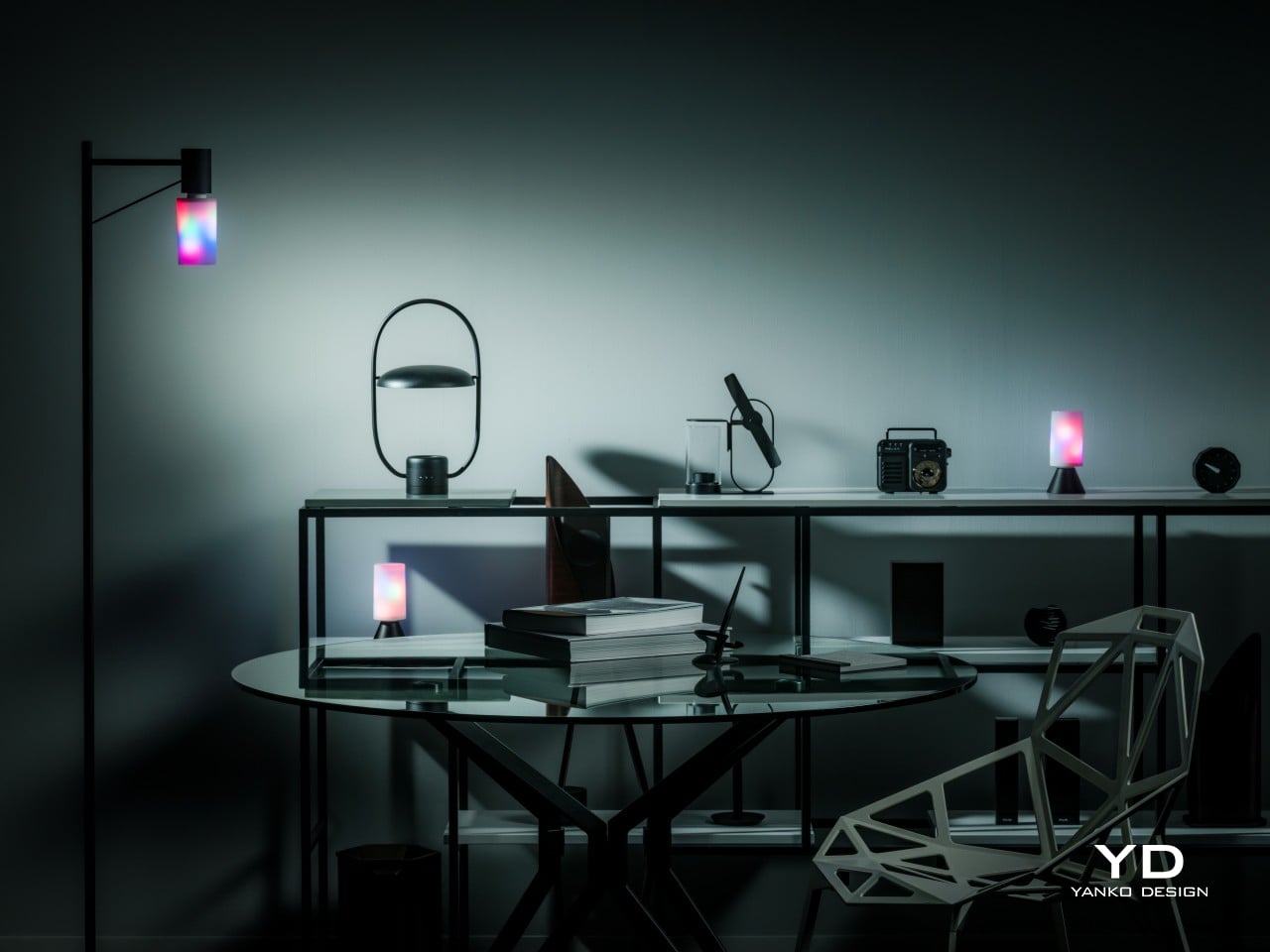
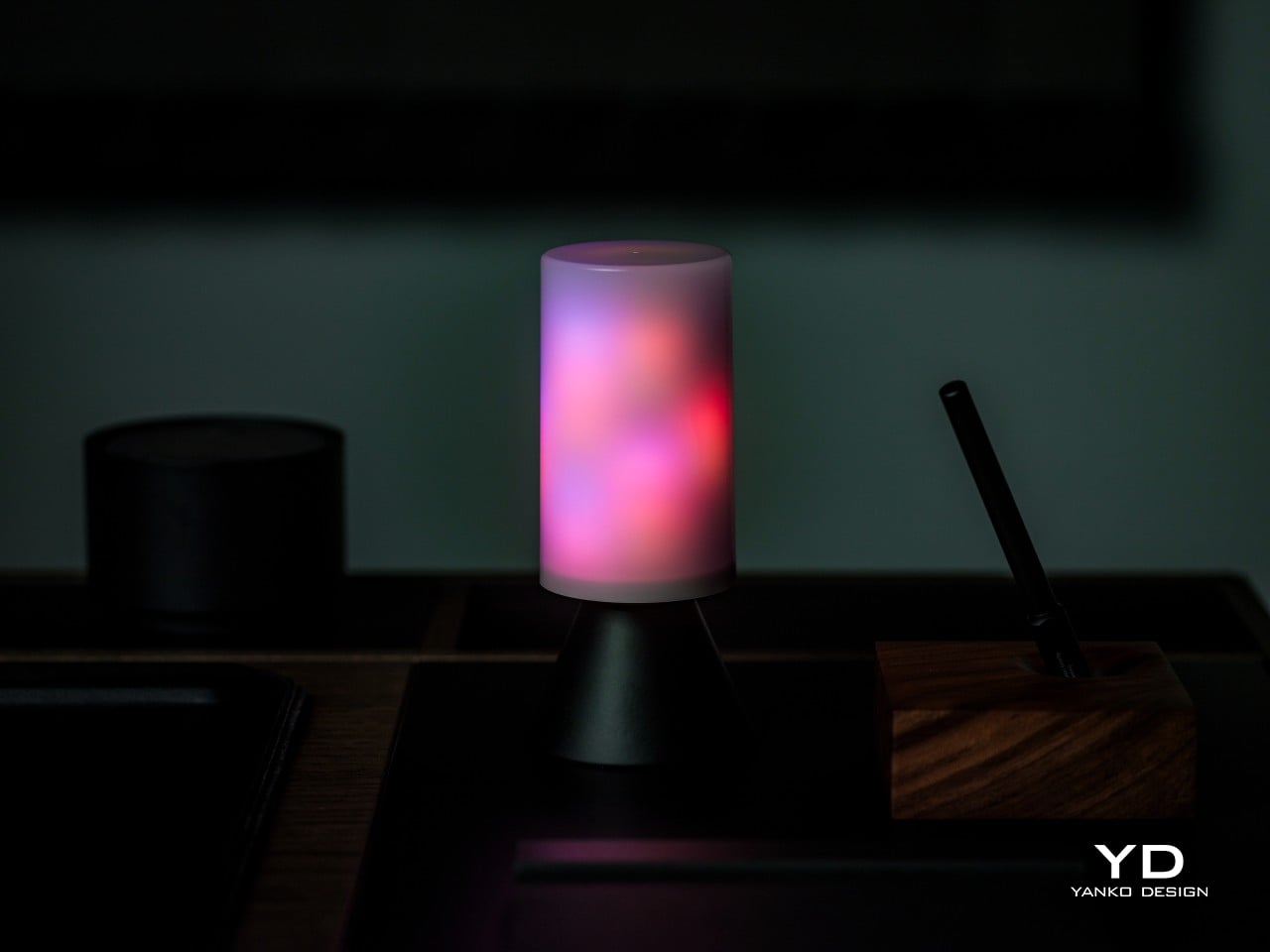
Flip the switch, and the flame mode takes over, cycling through 50 individually controlled zones that make the light climb and taper the way flickering light naturally moves. Three intensity settings, large, medium, and small, let you dial in how big that flicker looks inside whatever fixture it’s living in. It’s an animated, layered kind of glow, more theatrical suggestion of fire than anything trying to be mistaken for one.
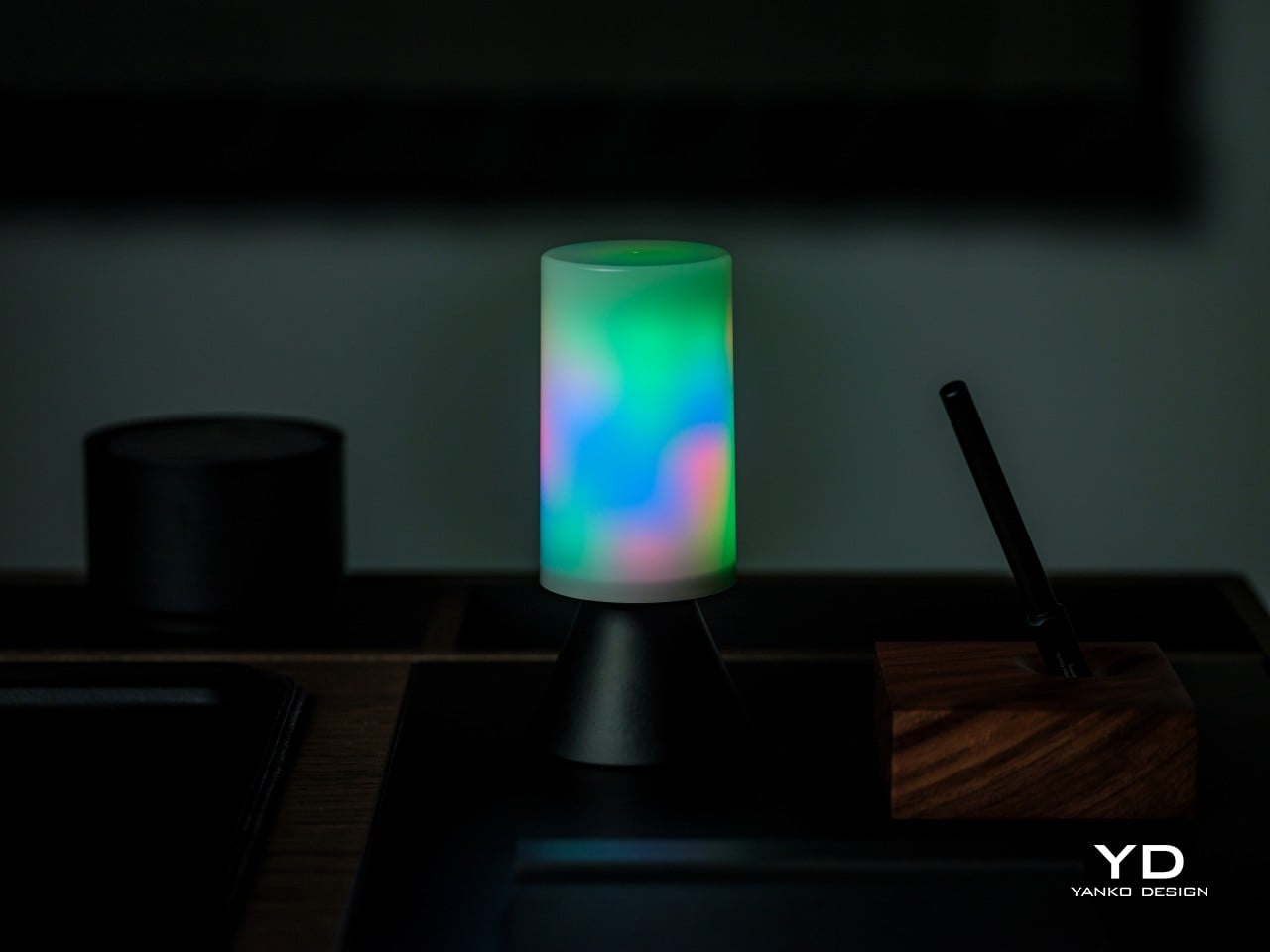
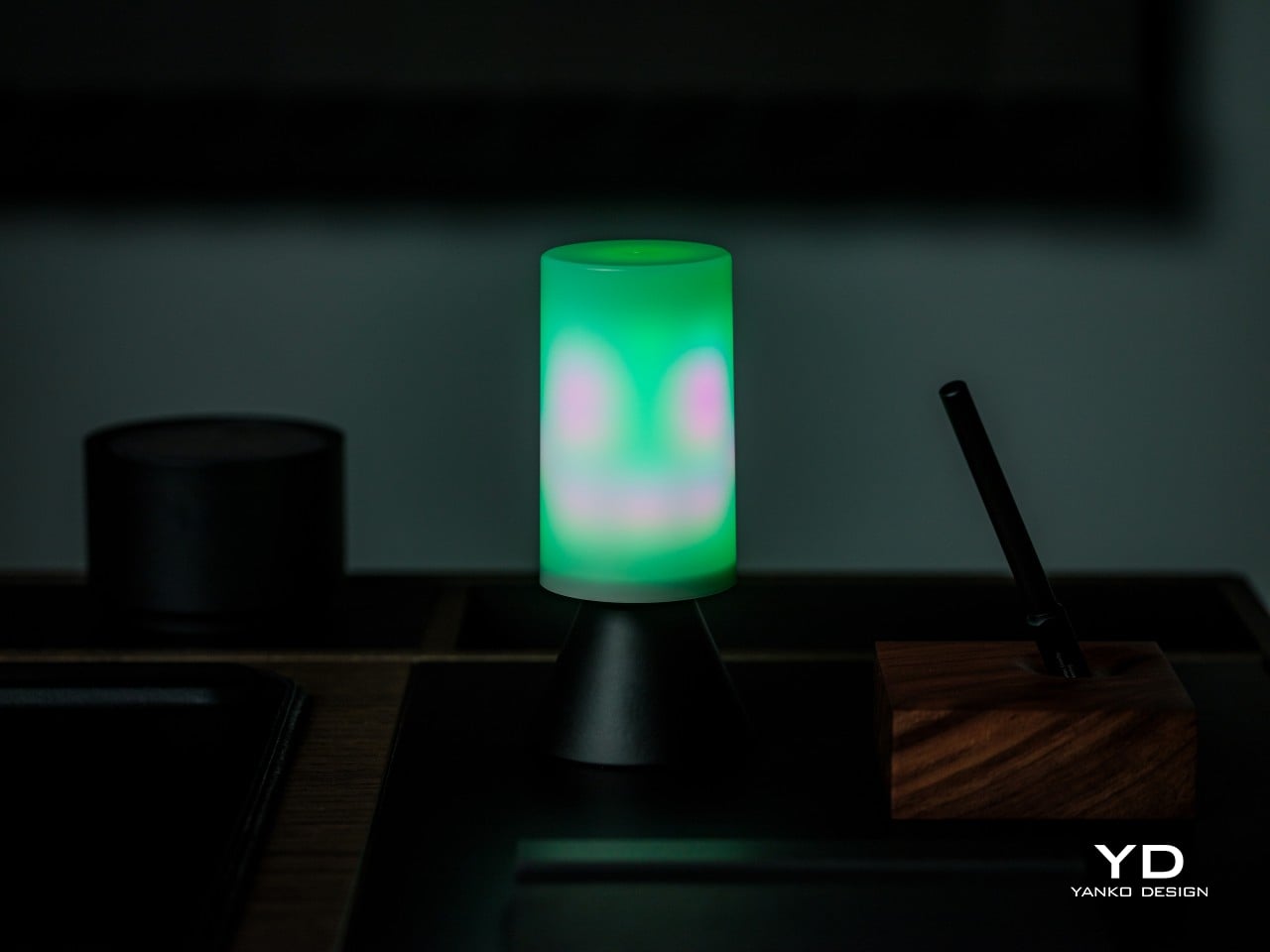
There’s also a dual-color option that layers two hues together for extra depth, plus a full palette of 16 million colors and more than 120 preset scenes for whenever you want something other than fire. Switch over to white light, and the range runs from an ember-warm 1000K up to a crisp 6500K, so the same bulb that plays campfire at night can light a workspace by day.
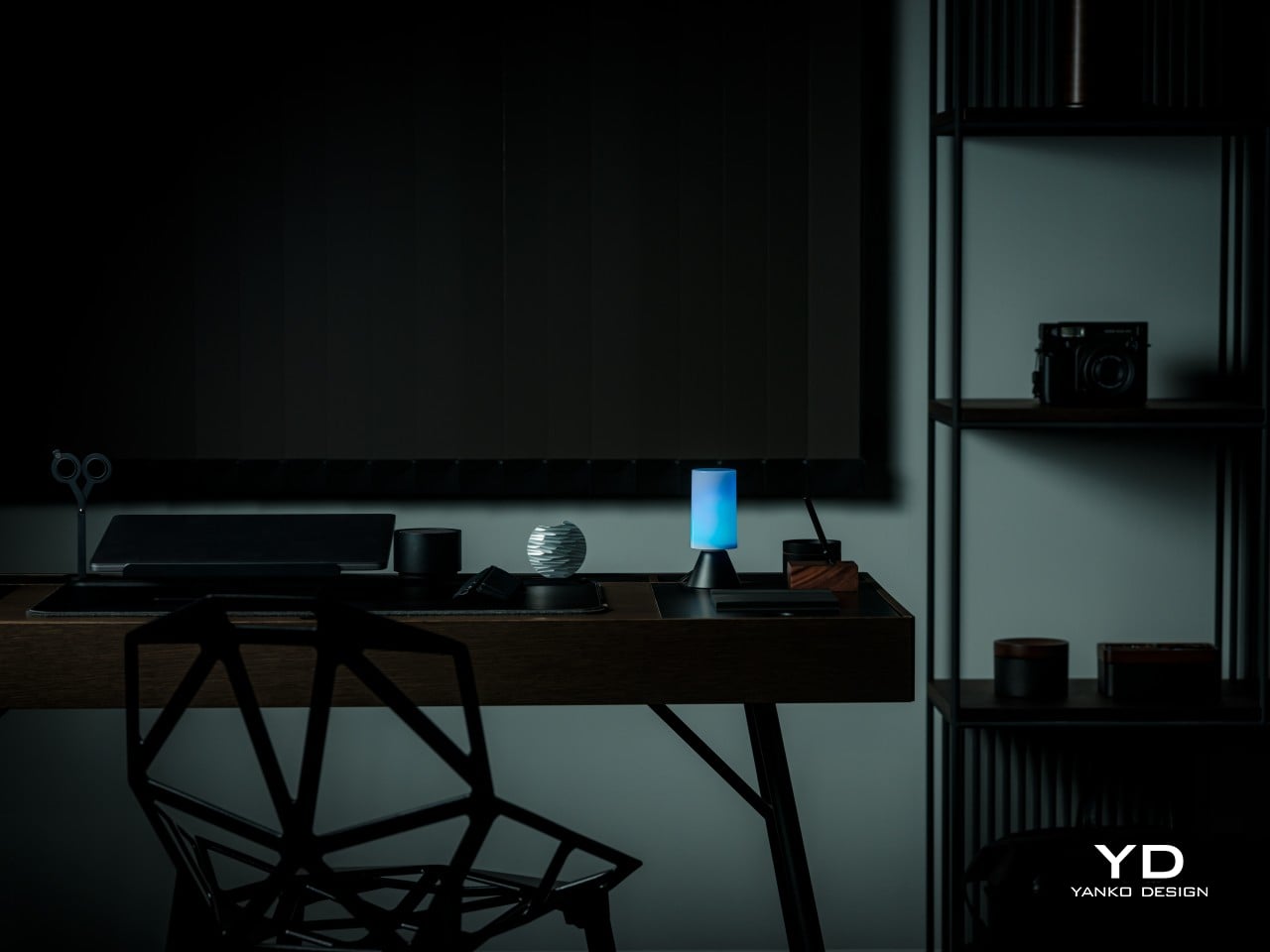
Off, the bulb itself stays quiet about all this. Its T19 shape is slim and cylindrical, finished in a neutral polycarbonate and aluminum body that slips into an open sconce, a lantern, or a clear-glass pendant without fighting the fixture’s own design. That restraint matters because the effect depends on the bulb being seen, and a busy-looking bulb would only compete with the light show it’s about to put on.

Ergonomics
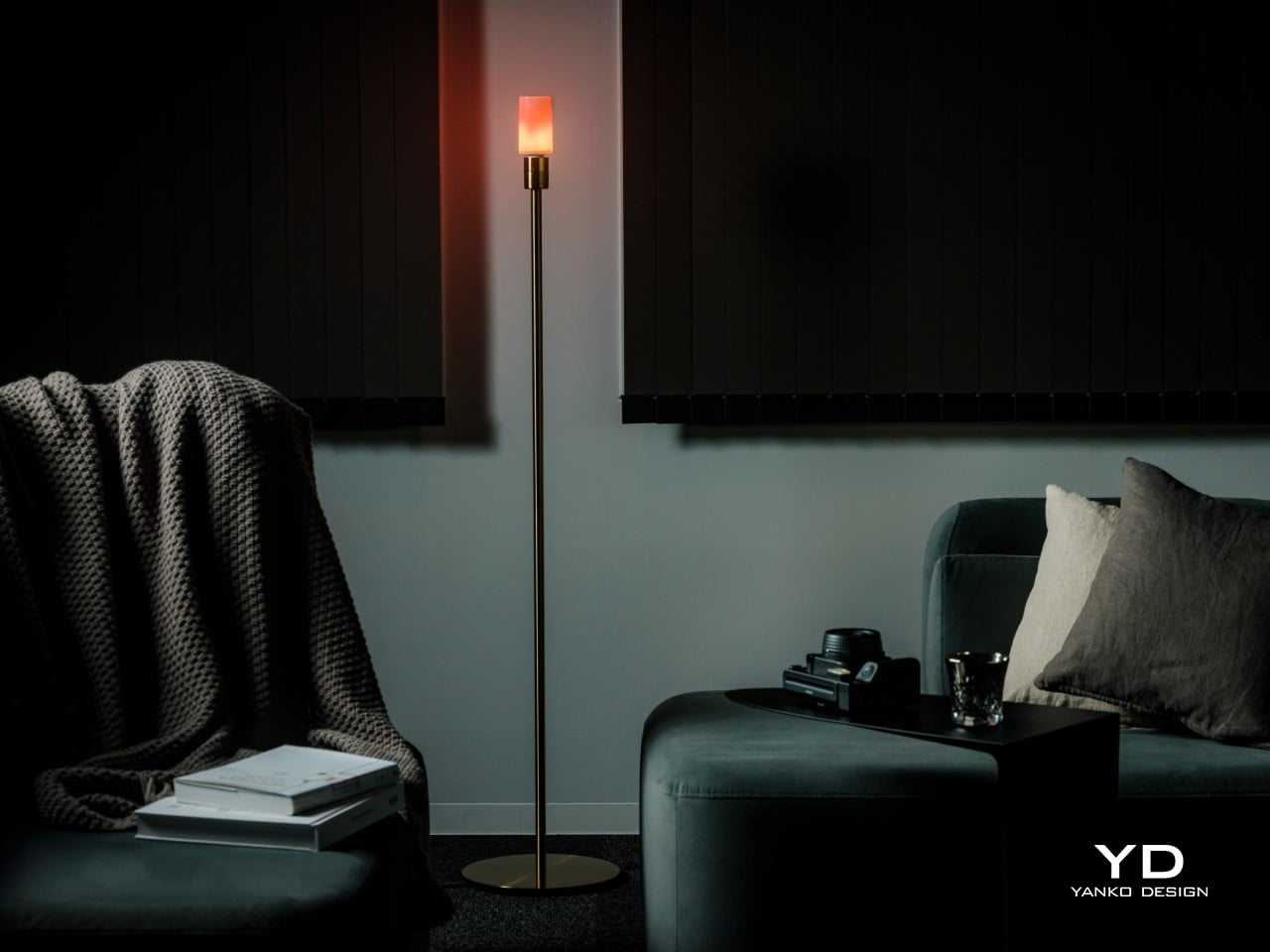
Getting one of these into a fixture takes about as long as changing a regular bulb, because that’s essentially what’s happening. The standard E26 base and compact T19 footprint mean it threads into ceiling fixtures, floor lamps, table lamps, overhead fixtures, and most decorative fixtures without extra hardware, adapters, or an electrician on speed dial. Twist it in, and the fixture is instantly running a completely different kind of light.
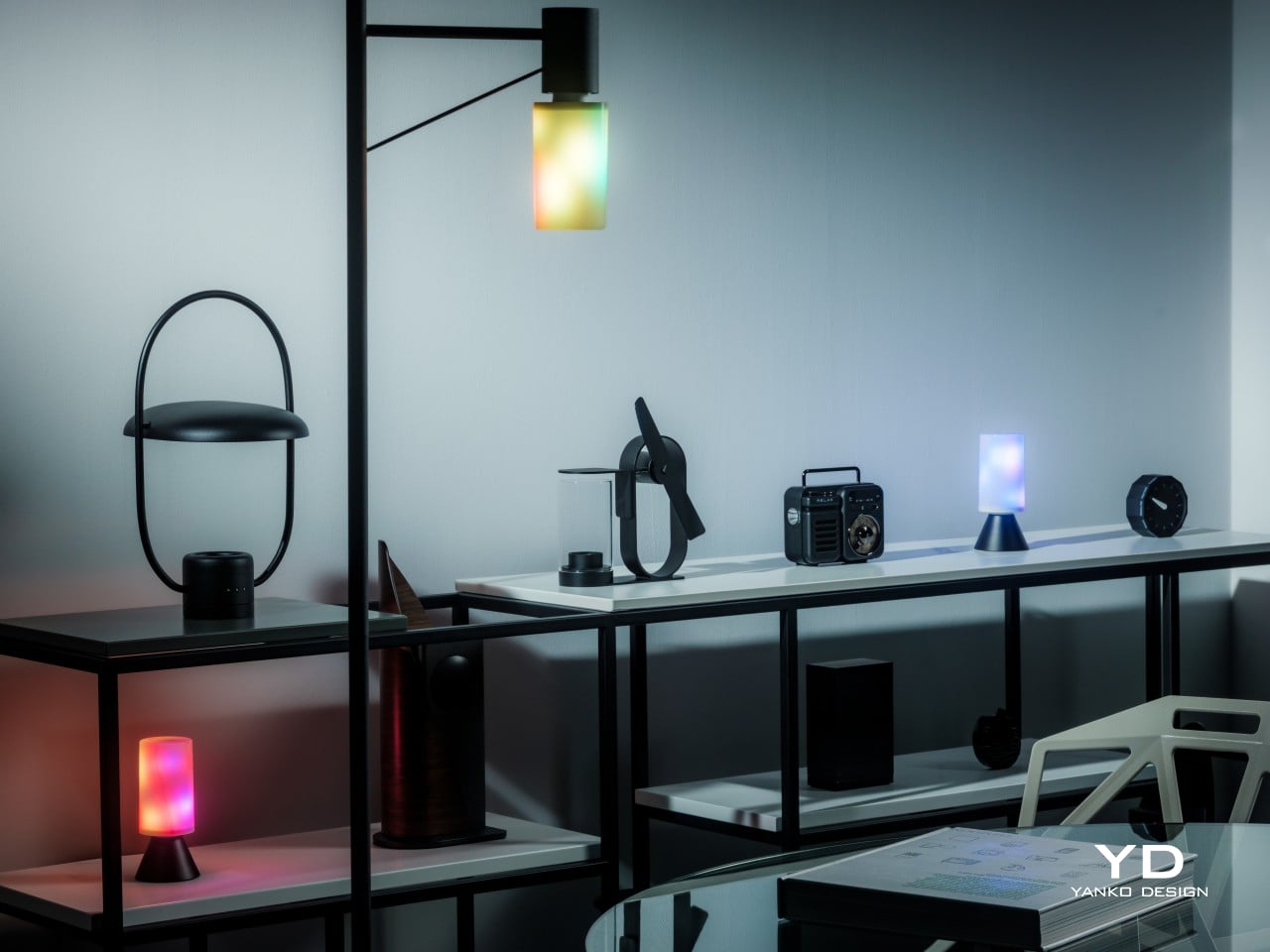
One detail solves a problem most flame bulbs never bother with: orientation. Because the flicker effect only reads correctly right side up, the bulb includes an automatic upright sensor that keeps the animation oriented no matter how the socket sits, whether that’s straight up in a table lamp or upside-down in a pendant lamp. It’s a small piece of engineering that removes the guesswork from installation entirely.

Performance
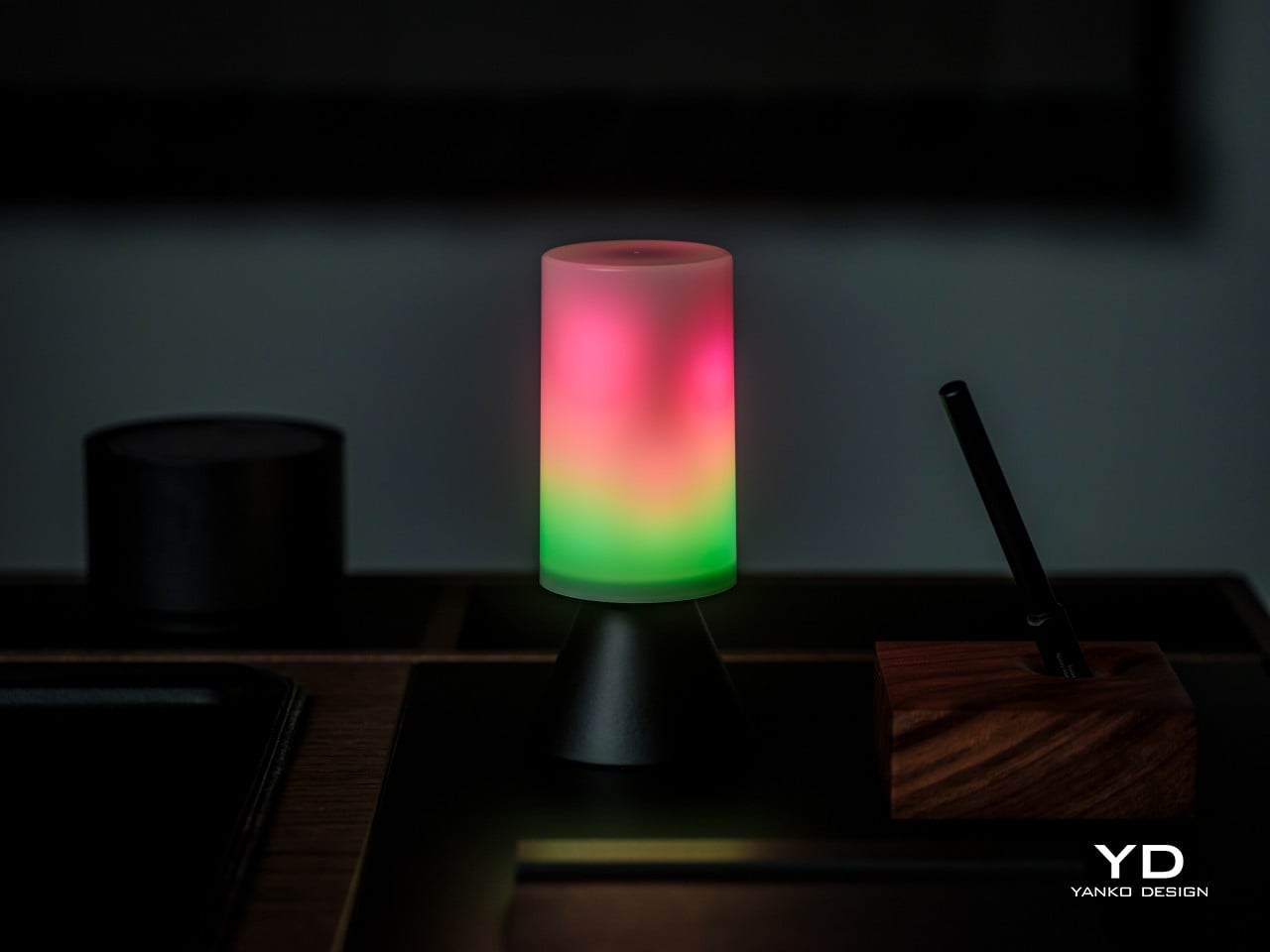
Strip away the theatrics, and this is still a genuinely bright bulb. At a maximum of 850 lumens, it puts out noticeably more usable light than typical flame-effect bulbs, which tend to trade brightness for atmosphere. Drawing only 8W to get there, it’s efficient enough to leave running in a main lamp for actual daily use, not just switched on for a few atmospheric minutes each evening.

The reason the flame animation looks fluid instead of choppy comes down to hardware most people never think about. Inside the bulb sit 160 individual LEDs arranged across 50 controllable zones, giving the light enough resolution to move in smooth gradients rather than snapping between colors. That density is really the engine behind every effect the bulb runs, flame or otherwise.
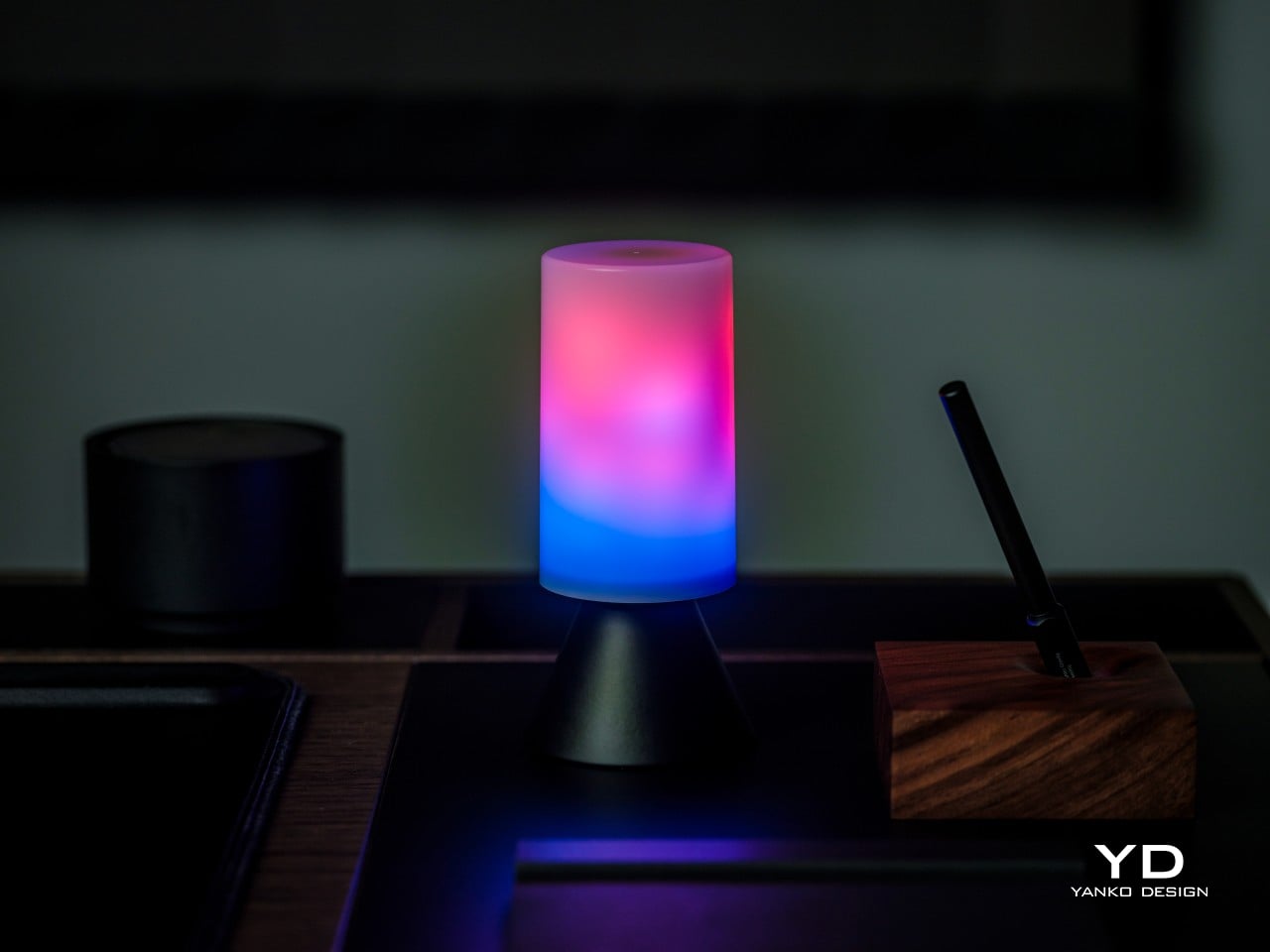
White light gets equal attention. The temperature range spans 1000K to 6500K, covering everything from a warm, almost candlelit glow to a cooler tone suited for reading or focused work. A Color Rendering Index of 80 keeps colors looking natural rather than washed out, and a built-in night light mode handles the moments when all a room needs is a soft, low-key glow.
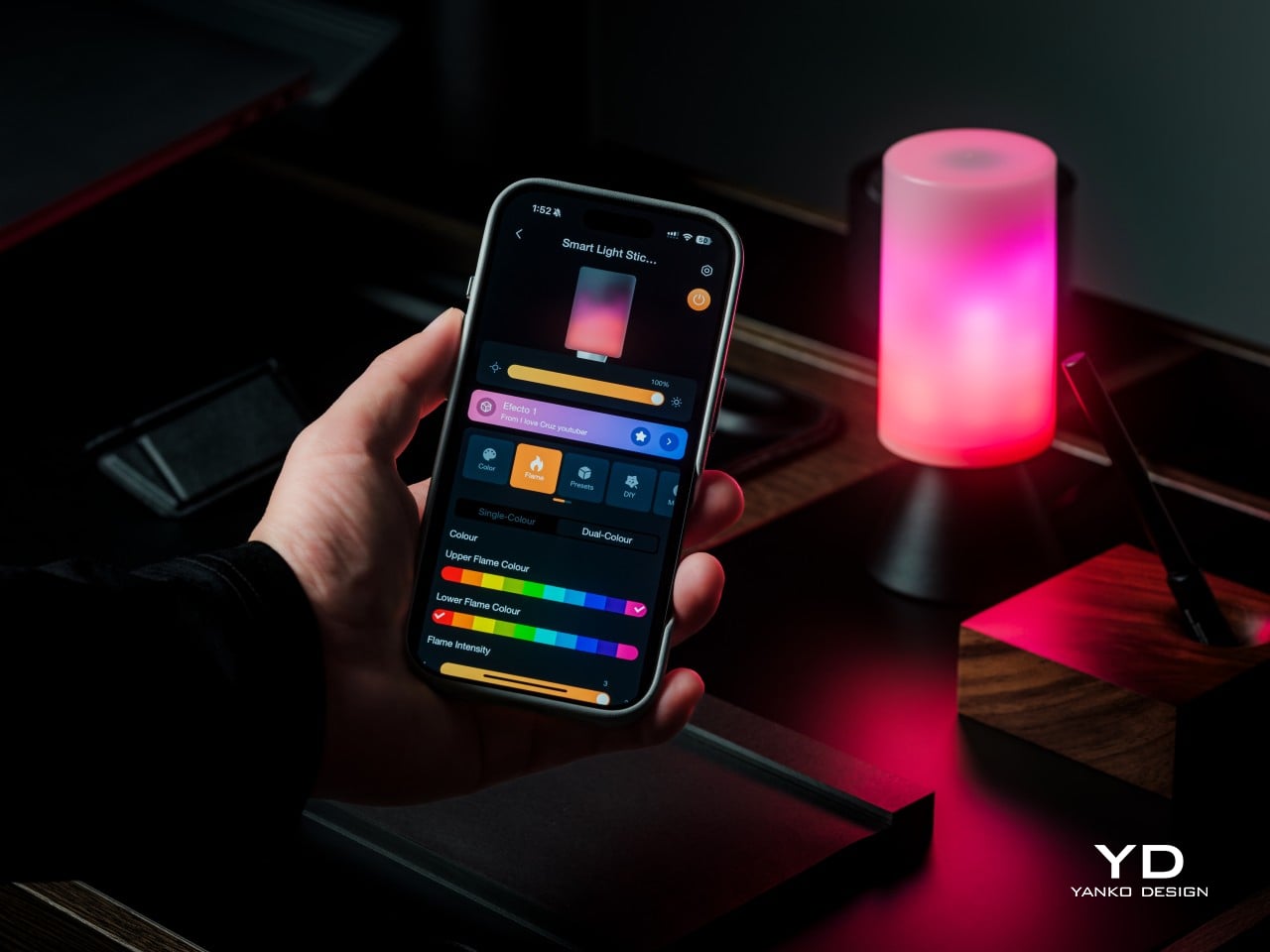
Controlling all of it happens through the AiDot app, which pairs over Wi-Fi and Bluetooth and connects to Matter-based ecosystems including Apple Home, Alexa, Google Home, and SmartThings. Group control lets up to 16 bulbs sync together, scheduling handles timing automatically, and Music Sync ties the light show to whatever’s playing, perfect for setting the mood at parties.

Sustainability

Build quality shows up in the materials Linkind picked for the housing. Polycarbonate handles knocks and everyday wear better than the brittle plastics found in cheaper decorative bulbs, while the aluminum components help pull heat away from the LED array. That heat management matters more than it sounds, since LEDs that run cooler tend to hold onto their brightness and color accuracy much longer.
That durability carries outdoors too. The bulb is UV-resistant, meaning a porch lantern or garden fixture can keep it installed through full seasons of sun exposure without the diffuser yellowing or growing brittle the way lower-grade plastics eventually do. It’s built to become a permanent fixture upgrade rather than something that gets swapped out once the weather turns or a holiday ends.

There’s also the quieter advantage of running on LED technology in the first place. Older flame-effect novelty bulbs typically rely on incandescent or halogen sources that run hot and burn out fast. Pulling a maximum of just 8W keeps this bulb running cool by comparison, which extends the working life of both the LEDs and the polycarbonate shell surrounding them.

Value
Buying a decorative flame bulb and a functional smart bulb separately usually means two purchases for two different fixtures. At $39.99, this one collapses both into a single socket, and the 850-lumen output is strong enough to actually light a room rather than just accent it. That consolidation alone makes a solid case for the price before any of the effects or app features even factor in.

Most flame-style lighting gets bought for October and boxed up by November. This one earns its socket year-round instead. Halloween and fall evenings get the flame modes, the holidays get the wider color range, everyday nights get the warm white glow, and summer entertaining gets a bulb that’s just as comfortable strung up outside as it is glowing on a nightstand.
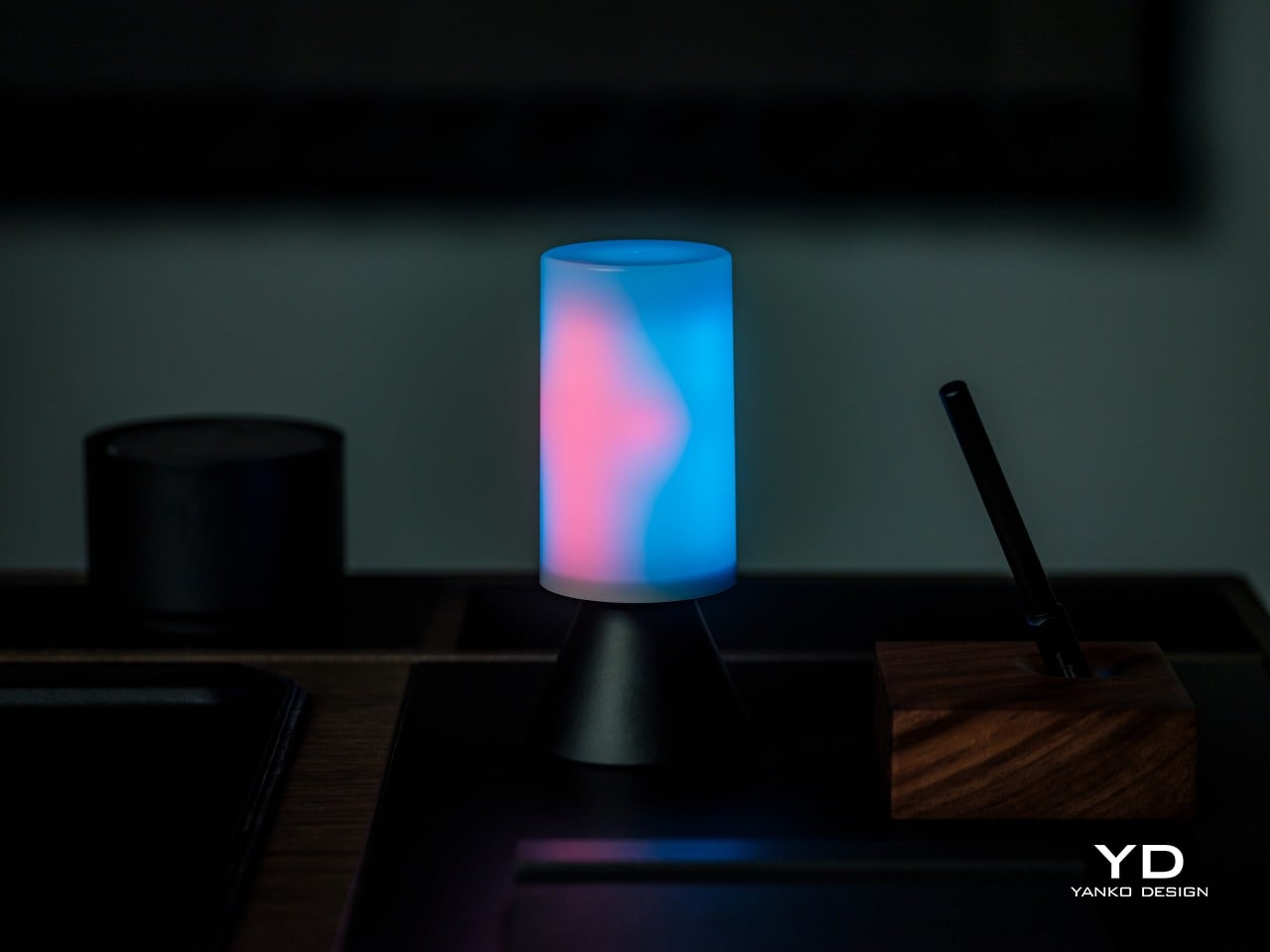
Add more than one and the value compounds further, since group control links up to 16 bulbs into a single synchronized display across a porch, hallway, or living room. That’s a level of coordinated lighting usually reserved for pricier installation-grade systems, delivered here through a bulb that screws into a socket you already own, with nothing extra to install or wire.
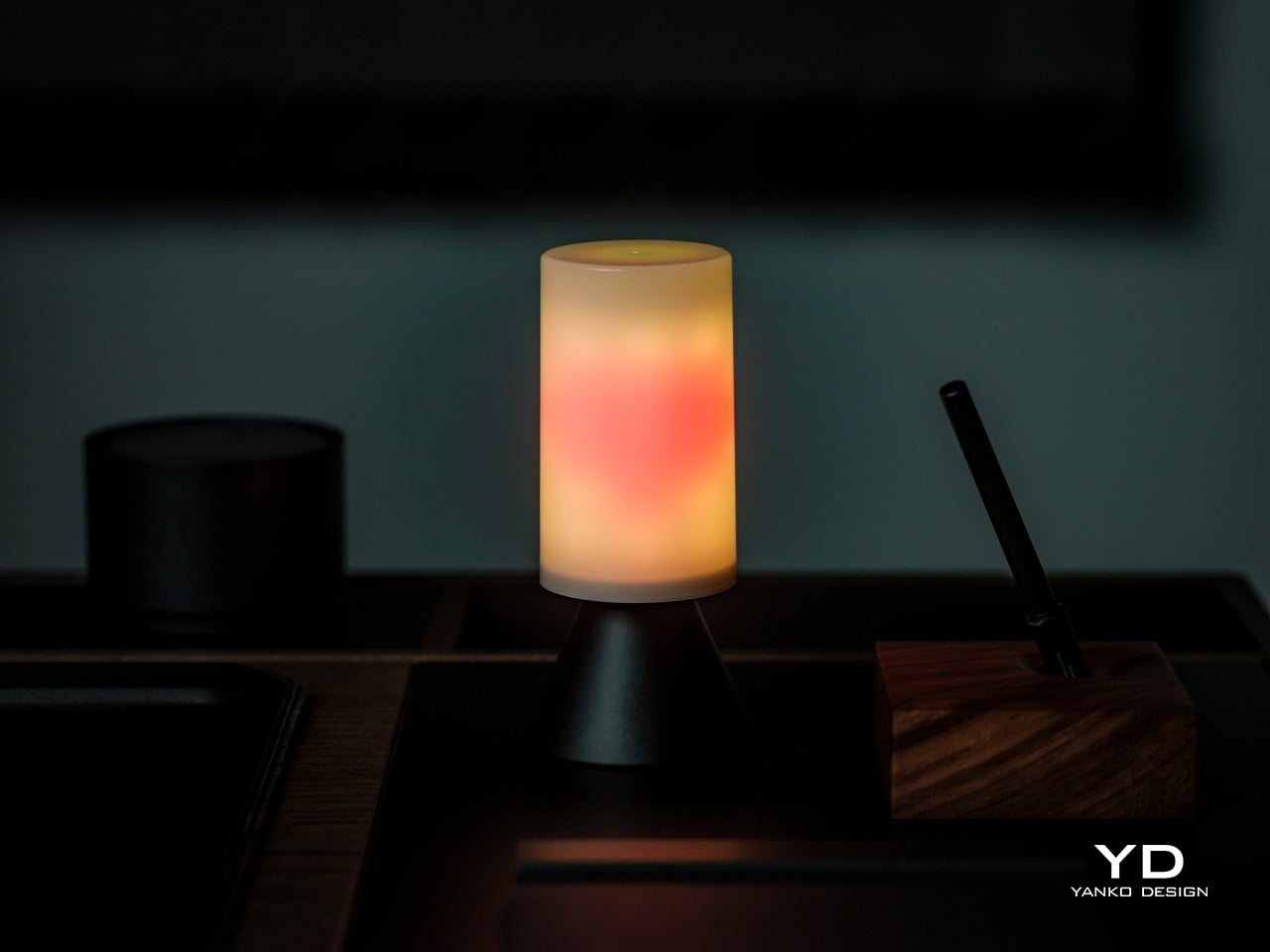
Factor in the smart home compatibility, the effects library, and the option to run the bulb as either an accent or a primary light source, and the overall package holds up well against similarly priced bulbs that typically ask you to pick one function or the other. Few competitors bundle brightness, animation, and full ecosystem support into a single screw-in bulb this convincingly.

Verdict
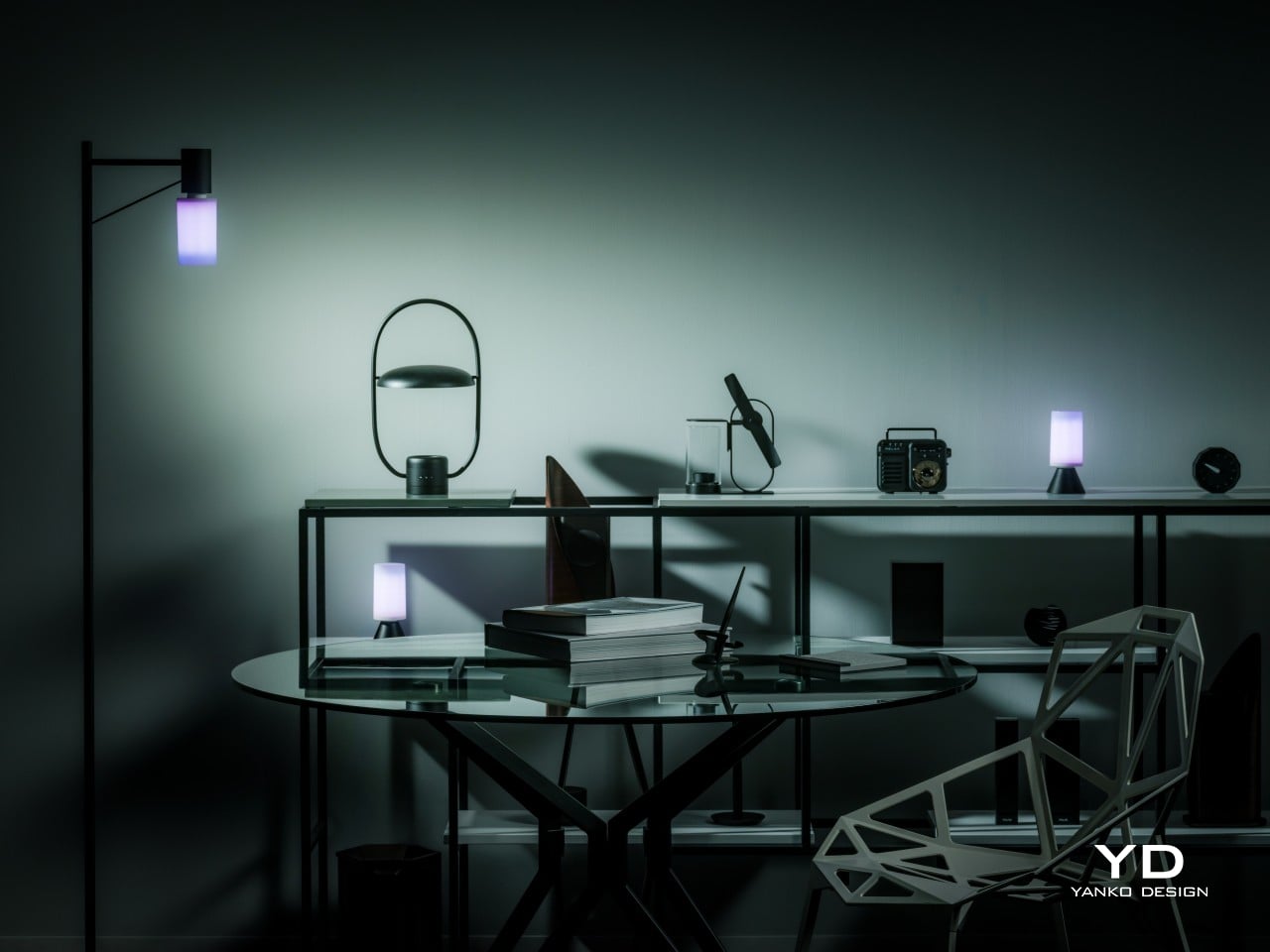
What makes the Linkind Smart Light Stick worth the attention is how little it asks you to compromise. It’s bright enough for everyday use, animated enough to change the mood of a room in seconds, tough enough to live outside, and simple enough to install in the time it takes to unscrew an old bulb. Those four things rarely show up together in one piece of lighting.

It earns its place most in fixtures where the bulb gets to be seen: open lanterns, glass pendants, and porch posts where that flicker becomes part of the room’s personality rather than something hidden behind a shade. Anyone hoping to give an old fixture new character without buying a new fixture entirely will find this bulb makes a genuinely persuasive case for itself.

Click Here to Buy Now: $32.99 $39.99 (18% off). Hurry, deal ends soon! Website Here.

The post Linkind Smart Light Stick Review: Most Bulbs Glow, This One Dazzles first appeared on Yanko Design.
The Italian Lamp That Uses Toy Race Cars as Light Bulbs

Most lighting gets chosen the same way people pick curtains: functional, inoffensive, and quickly forgotten. You walk through a showroom, you point at something that won’t clash with the sofa, and that’s more or less the end of the design conversation. That’s not a criticism of how people live; it’s just an observation of how light, despite being the single most transformative element in any space, rarely gets to have fun.

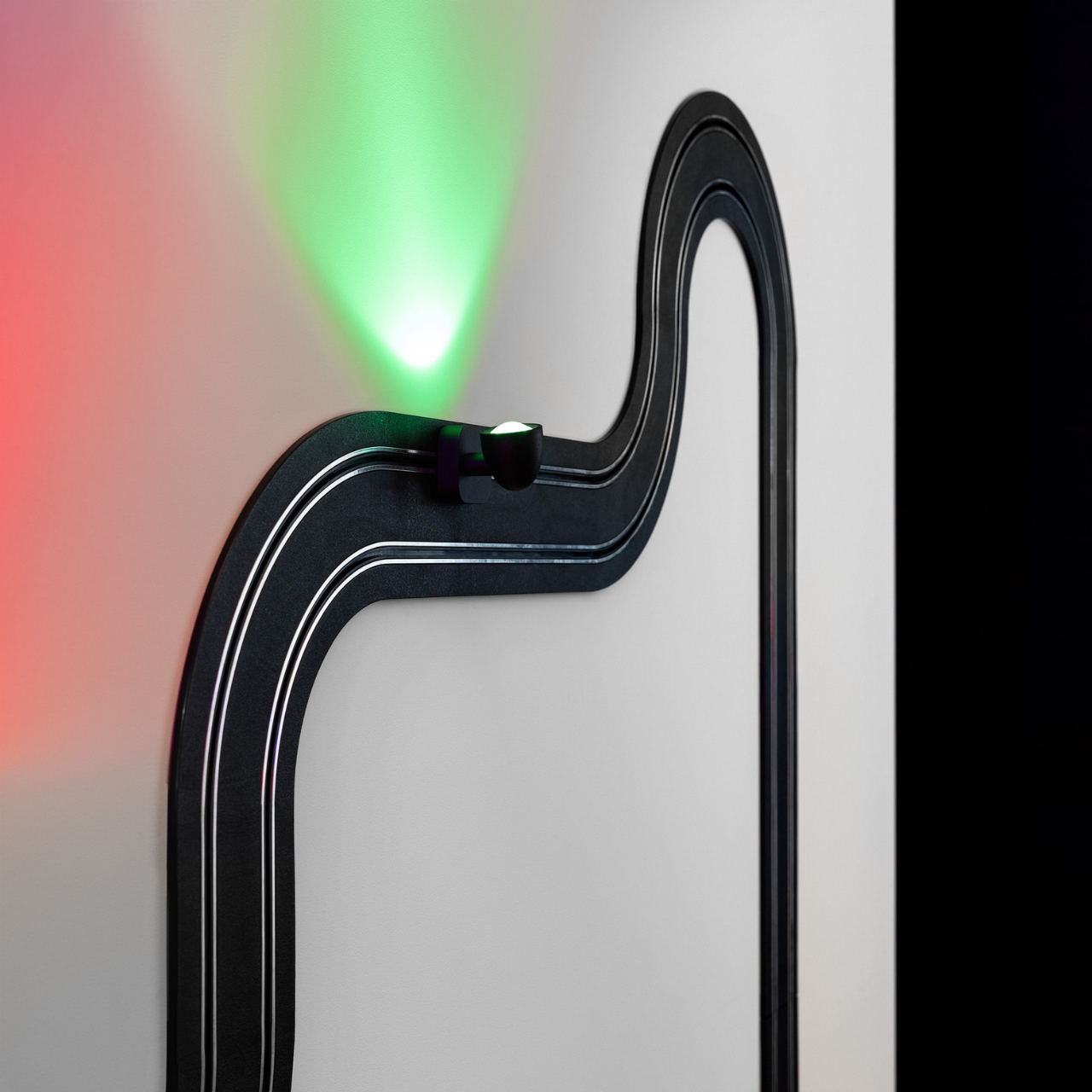
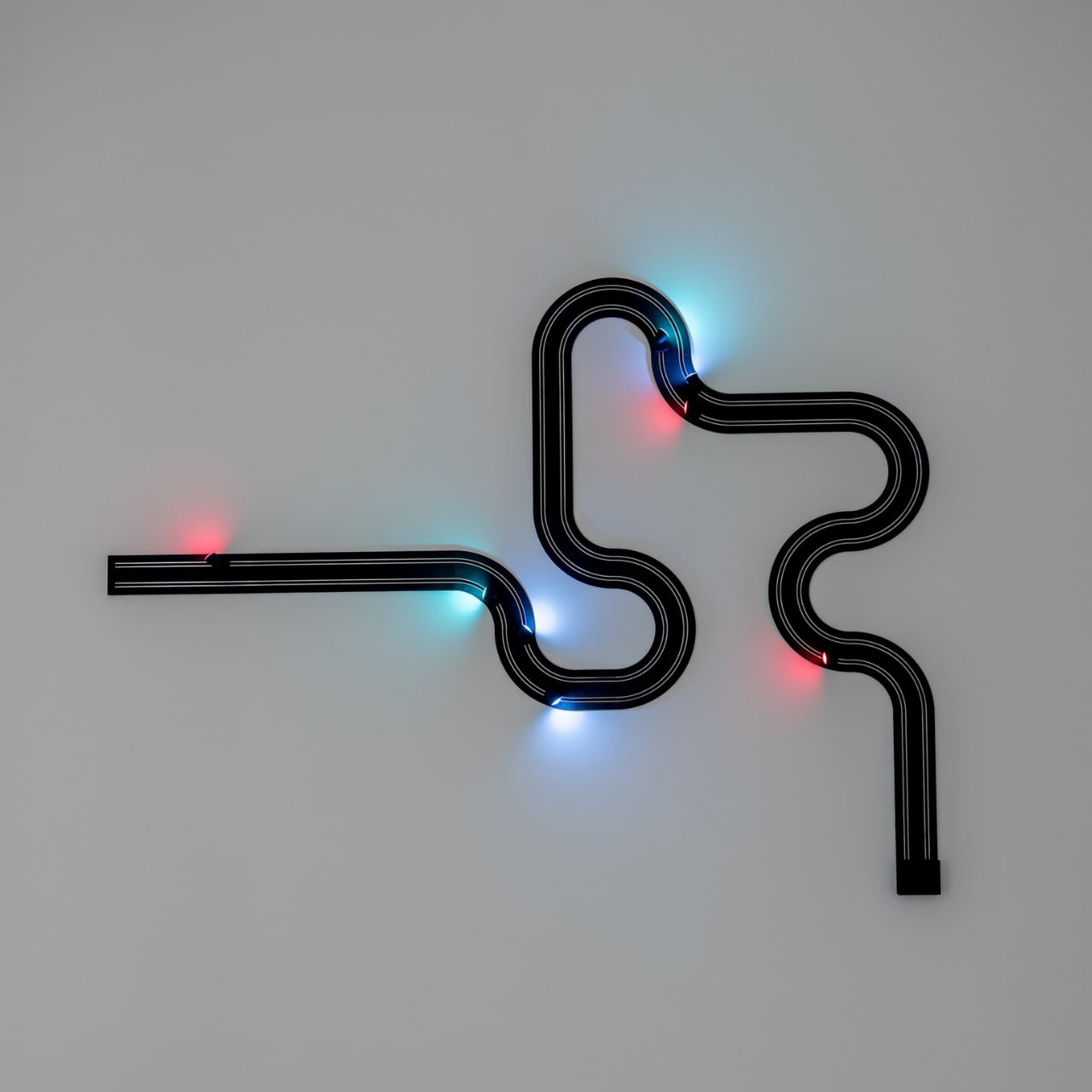
Davide Groppi’s Race of Lights is the exception to all of that. The Italian lighting brand, based in Piacenza and known for making some of the most quietly radical lamps in contemporary design, released Race of Lights in 2025. On paper, it is a modular wall lamp. In reality, it is a slot-car racing track that someone decided should also be your light source, and the whole thing somehow works beautifully.

Designer: Davide Groppi

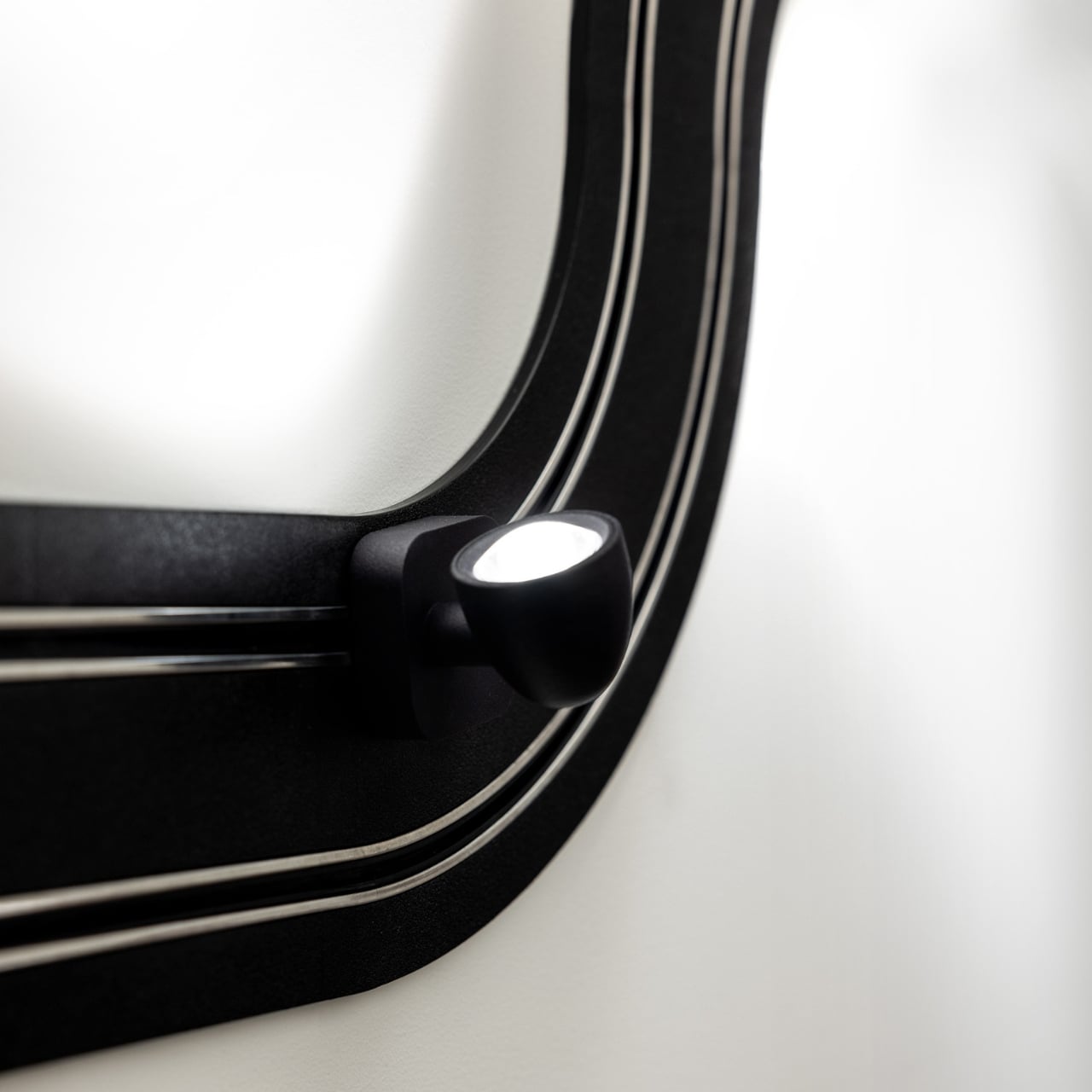
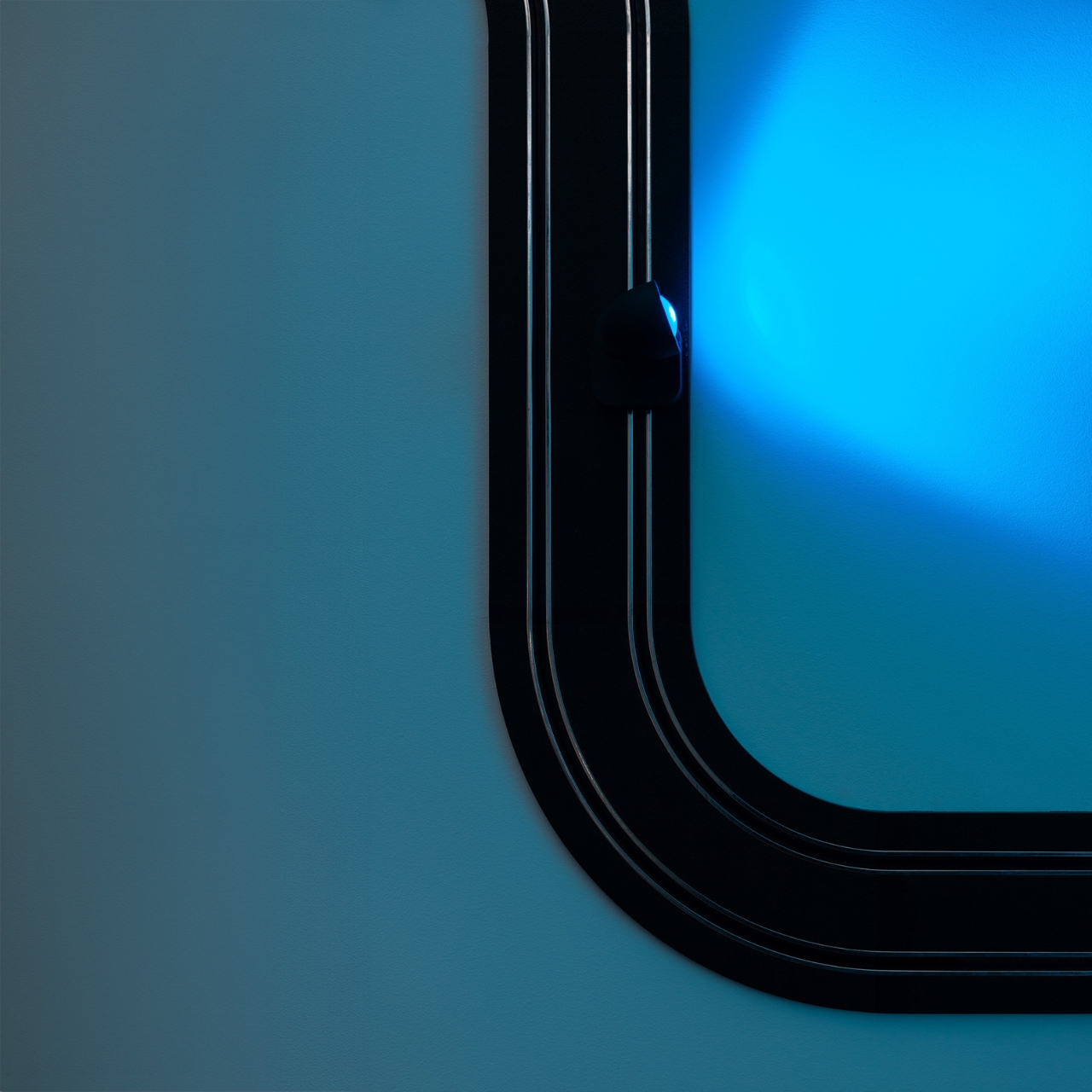
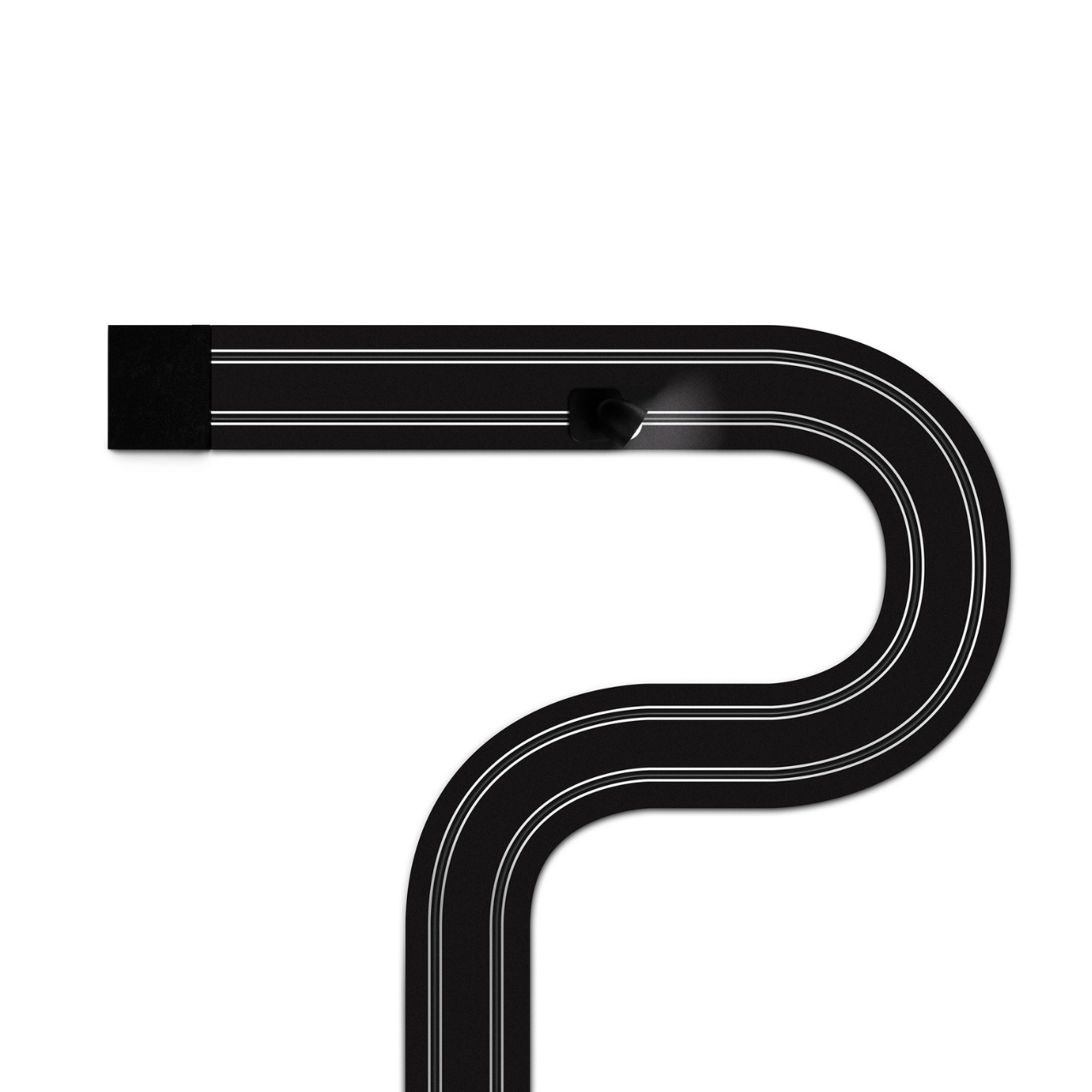
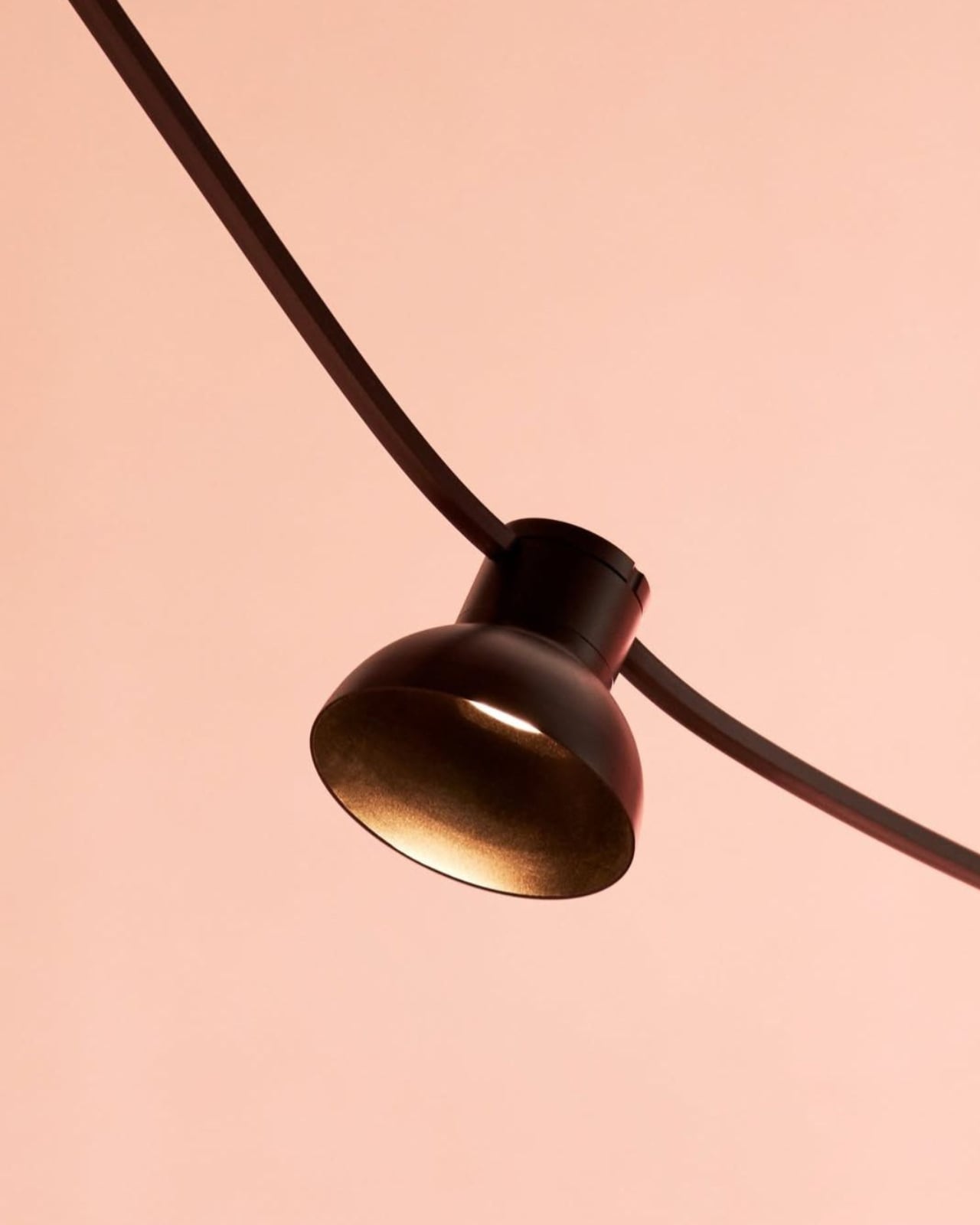
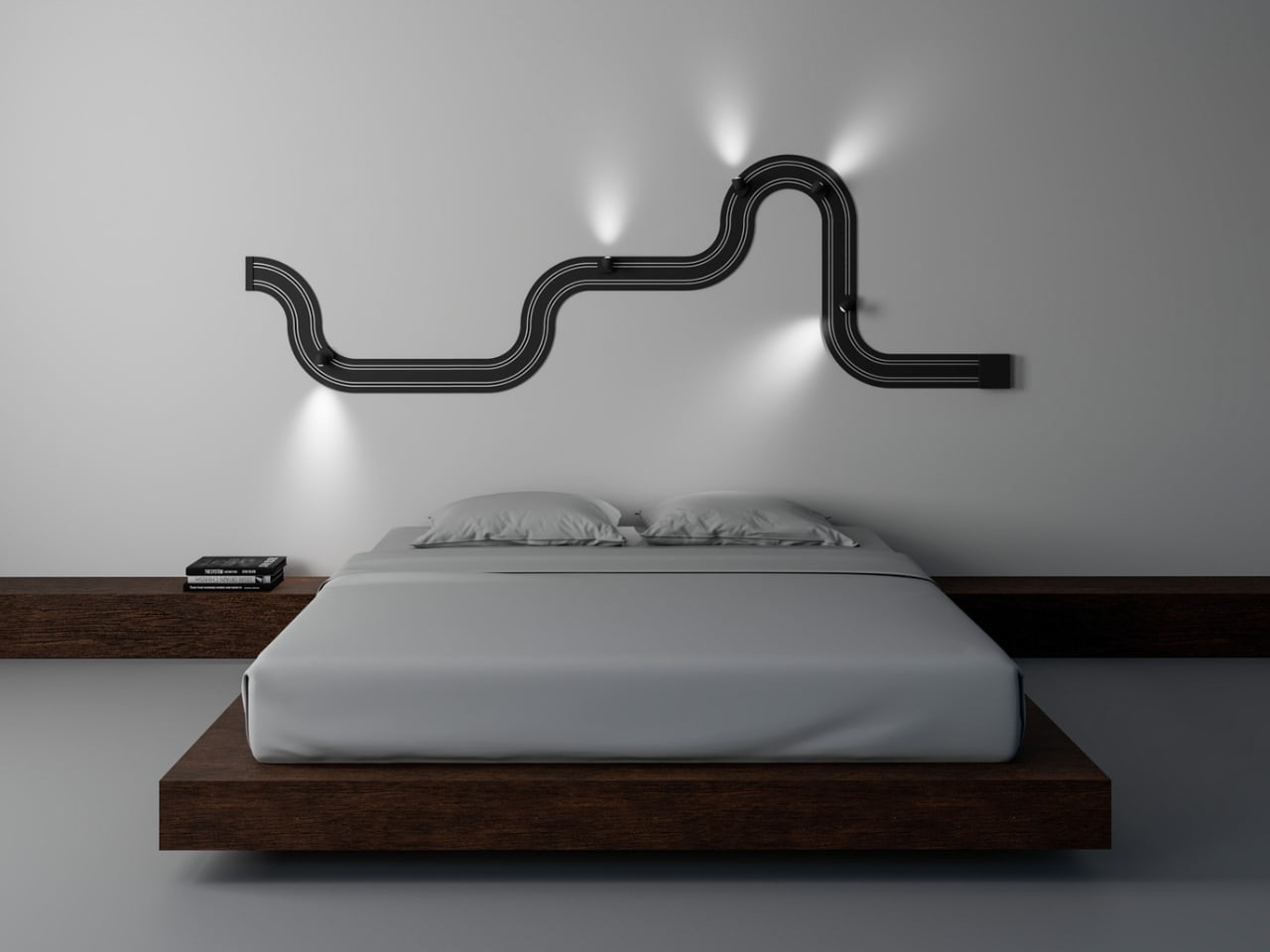
The concept is exactly what it sounds like. An electrified track, made from textured matte black polyethylene, gets mounted on the wall in whatever configuration you want. The track carries current, and the light sources are tiny car-shaped spotlights that snap into place magnetically and can be moved, repositioned, or rearranged any time the mood strikes. The basic kit includes two short straight modules, four longer sections, six curves, and four colored light-cars in green, white, blue, and red. The whole system can run up to five metres across your wall and power up to eight spotlights, each with an adjustable head so you can direct the beam exactly where you want it. This is, objectively, absurd. It is also one of the most genuinely exciting things to come out of the lighting world in years.

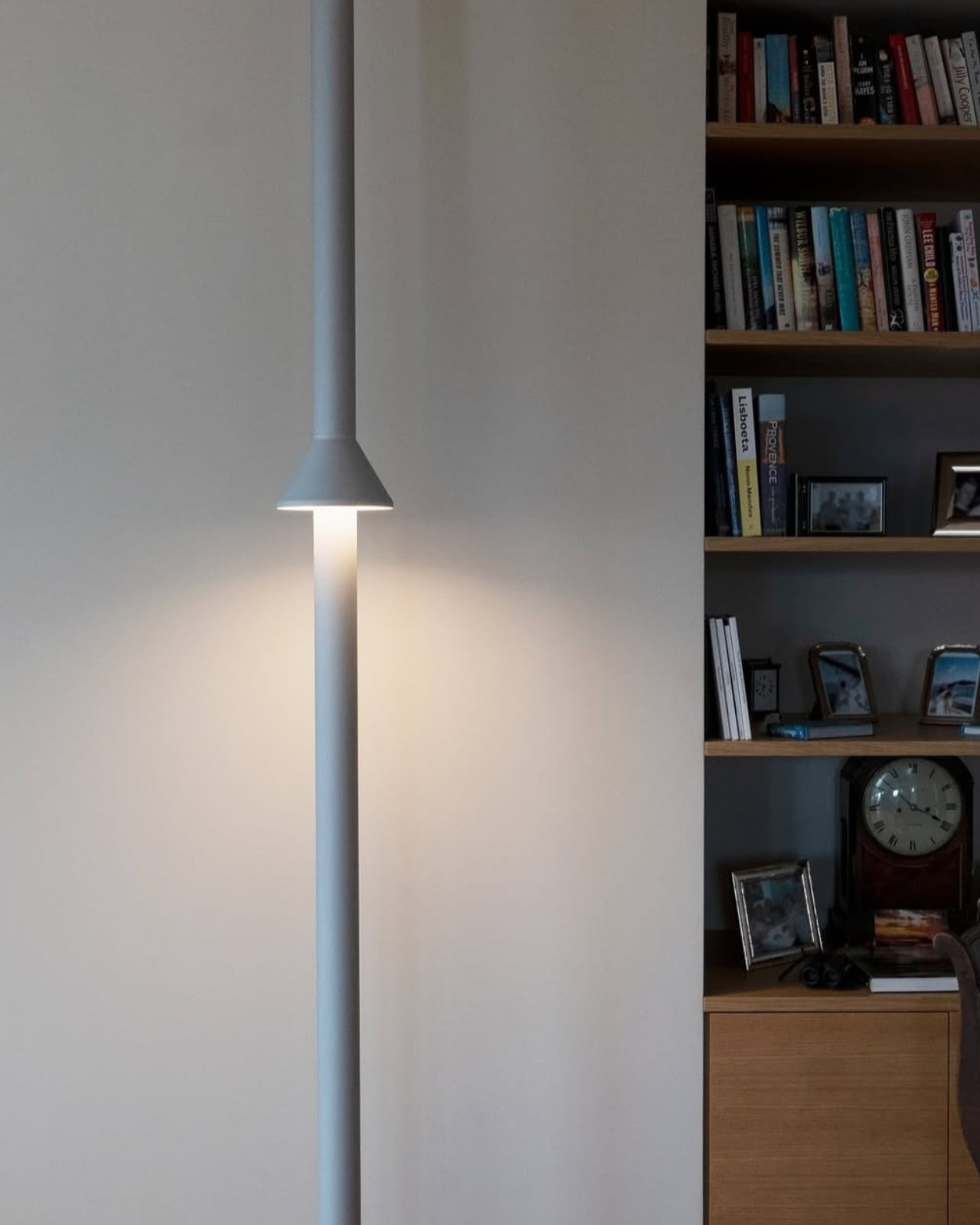
What makes Race of Lights so interesting to think about is how it sits within Davide Groppi’s broader body of work. This is a designer who built his reputation on doing less. His lamp Nulla, which won the Compasso d’Oro in 2014, measures just 18 millimetres in diameter and is practically invisible in a ceiling. The name literally translates to “nothing.” The philosophy has always been that the lamp should disappear so the light can remain. Race of Lights does not disappear. It sits on your wall, looped and curved, with little colored cars parked along the track. It makes a statement in the exact opposite direction of everything Groppi has been doing, and yet it makes complete sense.

Because the brand has never really been about minimalism for minimalism’s sake. The design language has always carried a sense of emotion. Groppi has spoken about light as a tool for seduction and curiosity, about design emerging from the heart as much as the mind. Race of Lights just takes that emotional dimension and makes it literal. The inspiration was childhood, specifically the memory of electric slot-car racing sets, the kind where small cars zip around a winding track spread across the living room floor. The track moves to the wall; the cars stay put and illuminate. Play becomes design, and the object retains the spirit of the original thing it was borrowing from.

The result is a piece that functions as a legitimate lighting solution and as a conversation starter and as something closer to a sculptural installation. You can compose it in a new shape whenever you want. That kind of flexibility tends to age well in a space, because you never quite exhaust the possibilities.

Cynics will say it is a gimmick. I understand the instinct, but I think that reading misses the point. Good design has always borrowed from play. The best chairs make sitting feel effortless. The best lamps make light feel intentional. Race of Lights makes light feel like something you chose with genuine enthusiasm rather than resigned practicality.

Lighting does not have to be a decision you make and then stop thinking about. Davide Groppi has spent decades proving that point in quietly different ways. Race of Lights is just the first time the argument came painted in red, white, blue, and green, with tiny cars attached.

The post The Italian Lamp That Uses Toy Race Cars as Light Bulbs first appeared on Yanko Design.
The Italian Lamp That Uses Toy Race Cars as Light Bulbs

Most lighting gets chosen the same way people pick curtains: functional, inoffensive, and quickly forgotten. You walk through a showroom, you point at something that won’t clash with the sofa, and that’s more or less the end of the design conversation. That’s not a criticism of how people live; it’s just an observation of how light, despite being the single most transformative element in any space, rarely gets to have fun.

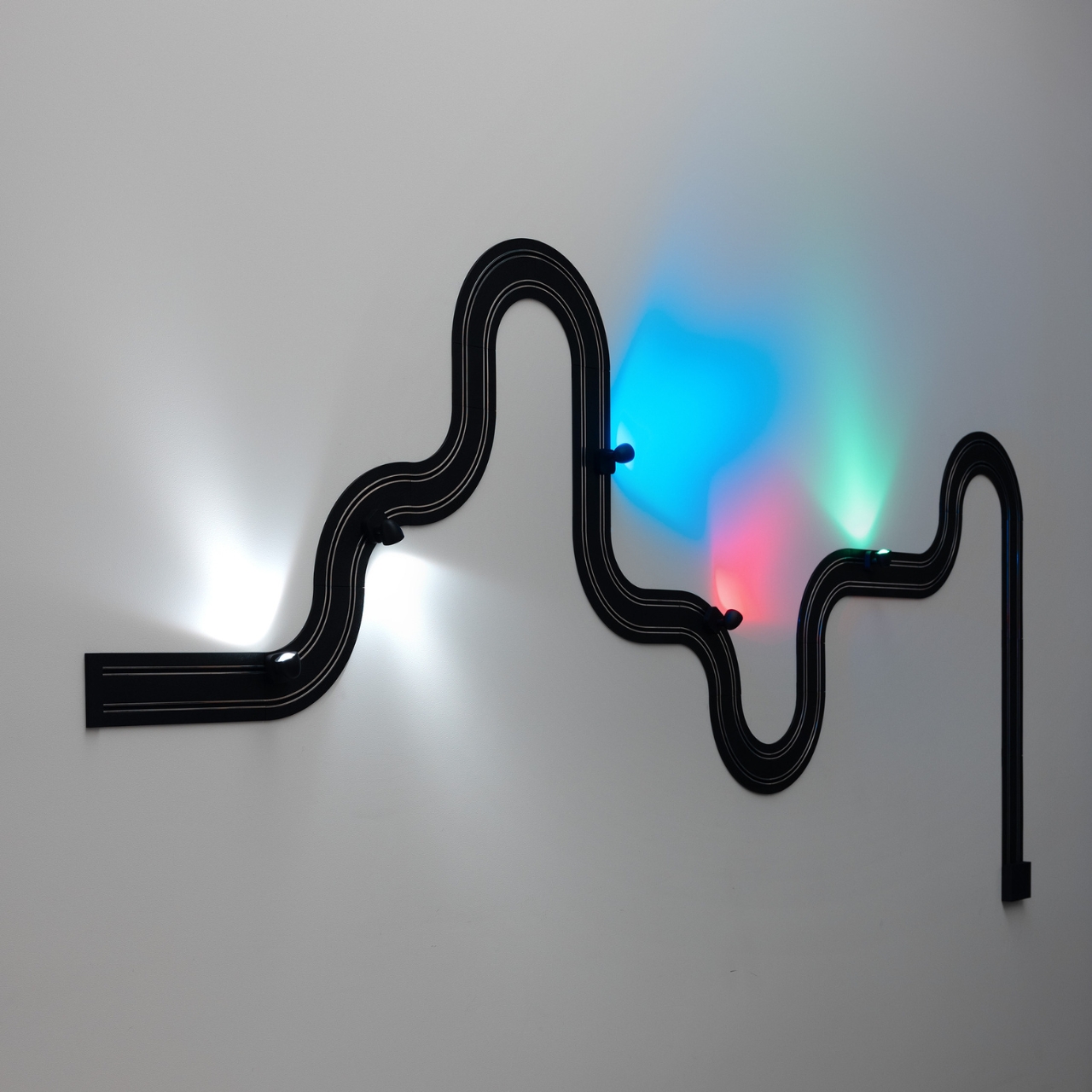
Davide Groppi’s Race of Lights is the exception to all of that. The Italian lighting brand, based in Piacenza and known for making some of the most quietly radical lamps in contemporary design, released Race of Lights in 2025. On paper, it is a modular wall lamp. In reality, it is a slot-car racing track that someone decided should also be your light source, and the whole thing somehow works beautifully.

Designer: Davide Groppi

The concept is exactly what it sounds like. An electrified track, made from textured matte black polyethylene, gets mounted on the wall in whatever configuration you want. The track carries current, and the light sources are tiny car-shaped spotlights that snap into place magnetically and can be moved, repositioned, or rearranged any time the mood strikes. The basic kit includes two short straight modules, four longer sections, six curves, and four colored light-cars in green, white, blue, and red. The whole system can run up to five metres across your wall and power up to eight spotlights, each with an adjustable head so you can direct the beam exactly where you want it. This is, objectively, absurd. It is also one of the most genuinely exciting things to come out of the lighting world in years.

What makes Race of Lights so interesting to think about is how it sits within Davide Groppi’s broader body of work. This is a designer who built his reputation on doing less. His lamp Nulla, which won the Compasso d’Oro in 2014, measures just 18 millimetres in diameter and is practically invisible in a ceiling. The name literally translates to “nothing.” The philosophy has always been that the lamp should disappear so the light can remain. Race of Lights does not disappear. It sits on your wall, looped and curved, with little colored cars parked along the track. It makes a statement in the exact opposite direction of everything Groppi has been doing, and yet it makes complete sense.

Because the brand has never really been about minimalism for minimalism’s sake. The design language has always carried a sense of emotion. Groppi has spoken about light as a tool for seduction and curiosity, about design emerging from the heart as much as the mind. Race of Lights just takes that emotional dimension and makes it literal. The inspiration was childhood, specifically the memory of electric slot-car racing sets, the kind where small cars zip around a winding track spread across the living room floor. The track moves to the wall; the cars stay put and illuminate. Play becomes design, and the object retains the spirit of the original thing it was borrowing from.

The result is a piece that functions as a legitimate lighting solution and as a conversation starter and as something closer to a sculptural installation. You can compose it in a new shape whenever you want. That kind of flexibility tends to age well in a space, because you never quite exhaust the possibilities.

Cynics will say it is a gimmick. I understand the instinct, but I think that reading misses the point. Good design has always borrowed from play. The best chairs make sitting feel effortless. The best lamps make light feel intentional. Race of Lights makes light feel like something you chose with genuine enthusiasm rather than resigned practicality.

Lighting does not have to be a decision you make and then stop thinking about. Davide Groppi has spent decades proving that point in quietly different ways. Race of Lights is just the first time the argument came painted in red, white, blue, and green, with tiny cars attached.

The post The Italian Lamp That Uses Toy Race Cars as Light Bulbs first appeared on Yanko Design.
The 100-Year-Old Light Bulb Design Just Got Its First Real Fix

We have been screwing the same shape of light bulb into our lamps for over a century. Think about that for a second. The smartphone in your pocket has been redesigned thousands of times since it launched. Your running shoes have gone through countless iterations. But the humble light bulb? More or less, the same. Which is exactly why iiode’s Re27 feels so refreshing, and so overdue.

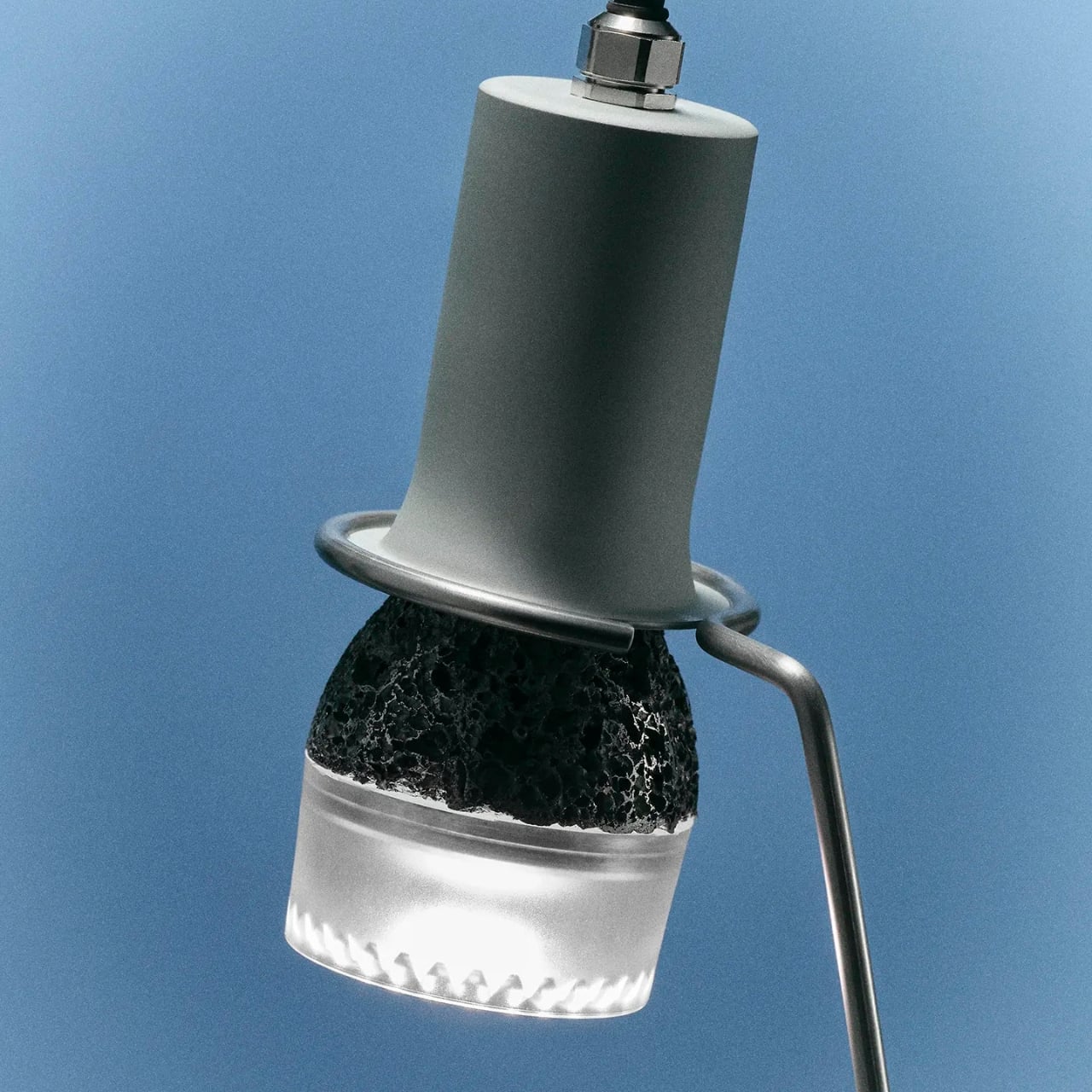
iiode is a Swiss studio that specializes in sustainable electronics, and the Re27 is their first product. It’s a retrofit E27 LED bulb, meaning it fits into the same socket your current bulb uses right now. But the similarities to your average LED stop there pretty quickly.

Designer: iiode

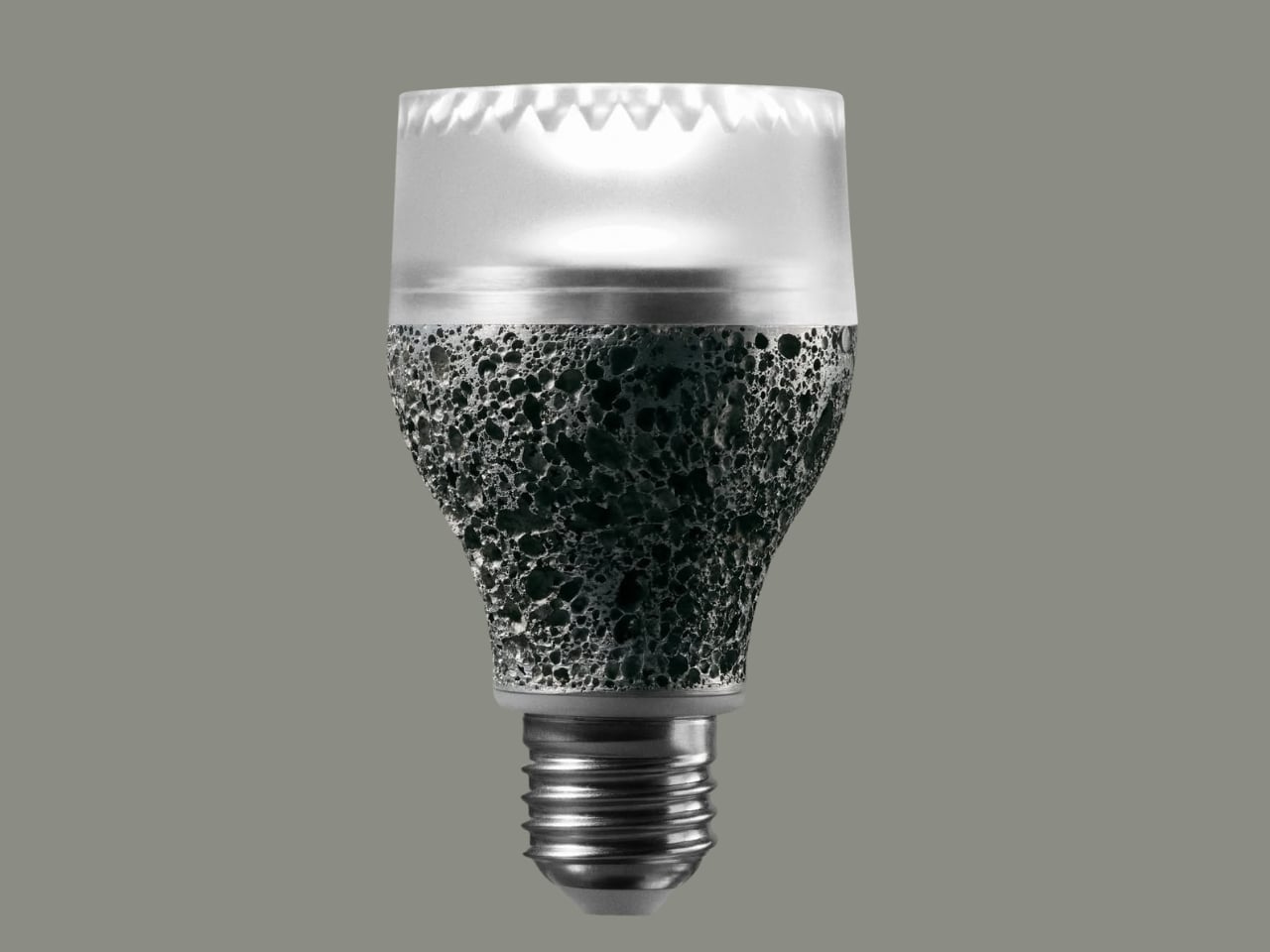
The Re27 is built around an idea that the lighting industry has, for the most part, chosen to ignore: that a light bulb should be something you repair, not just replace. The bulb is modular, with clip-in components that can be swapped out when one part fails. You don’t have to toss the whole thing. You don’t have to buy a new one if one section gives out. The design actually encourages you to keep it going, which is a genuinely rare thing in consumer electronics of any kind.

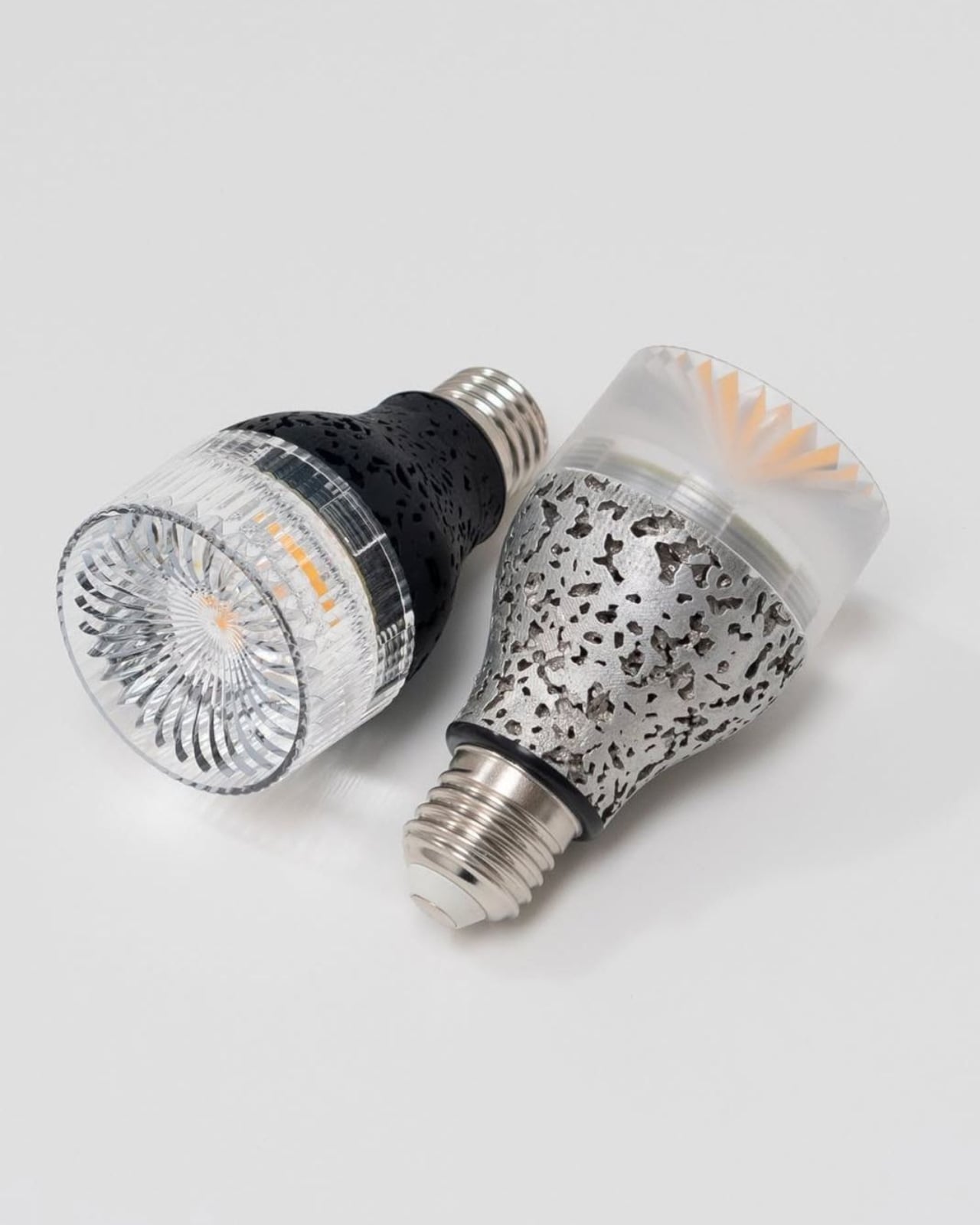
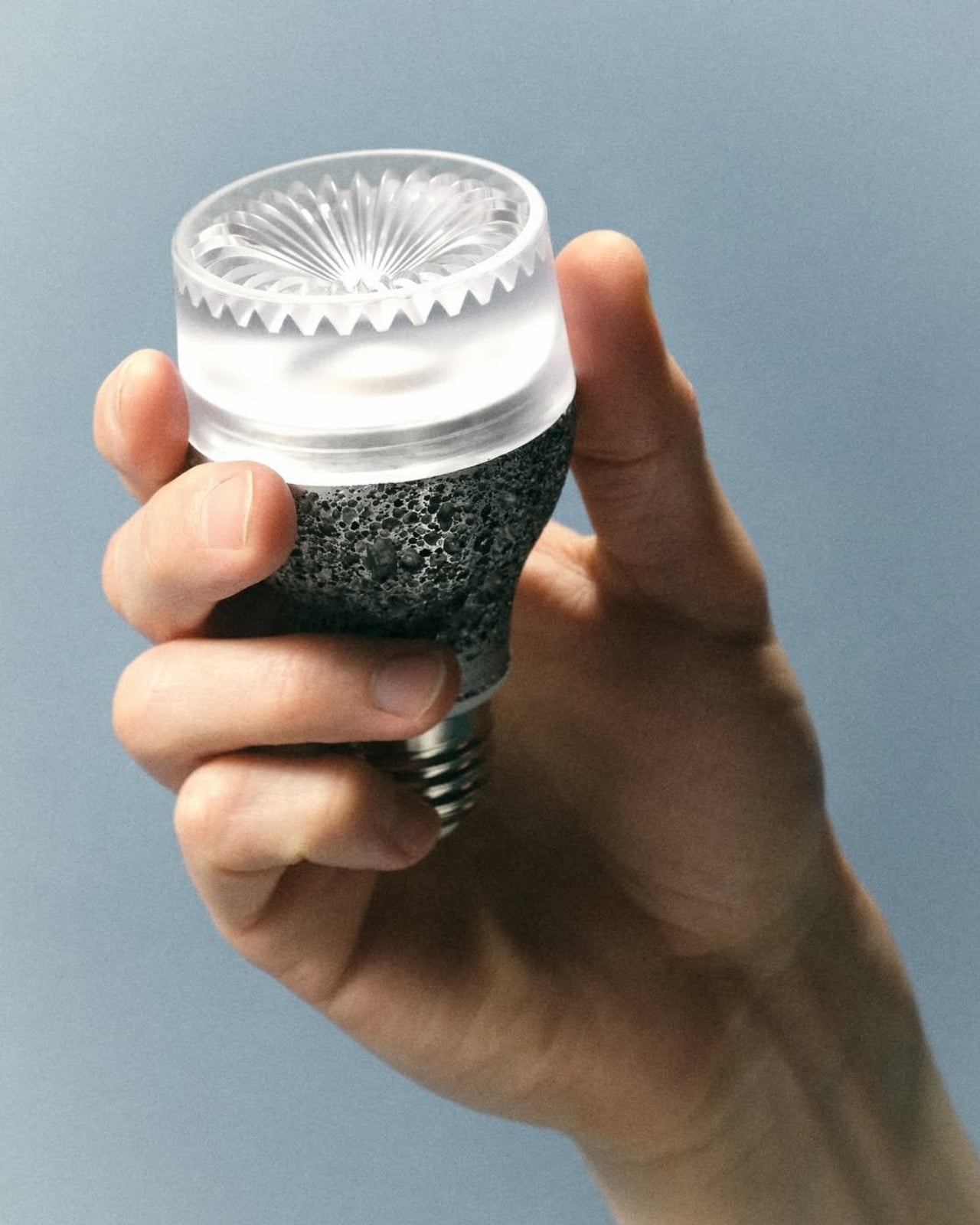
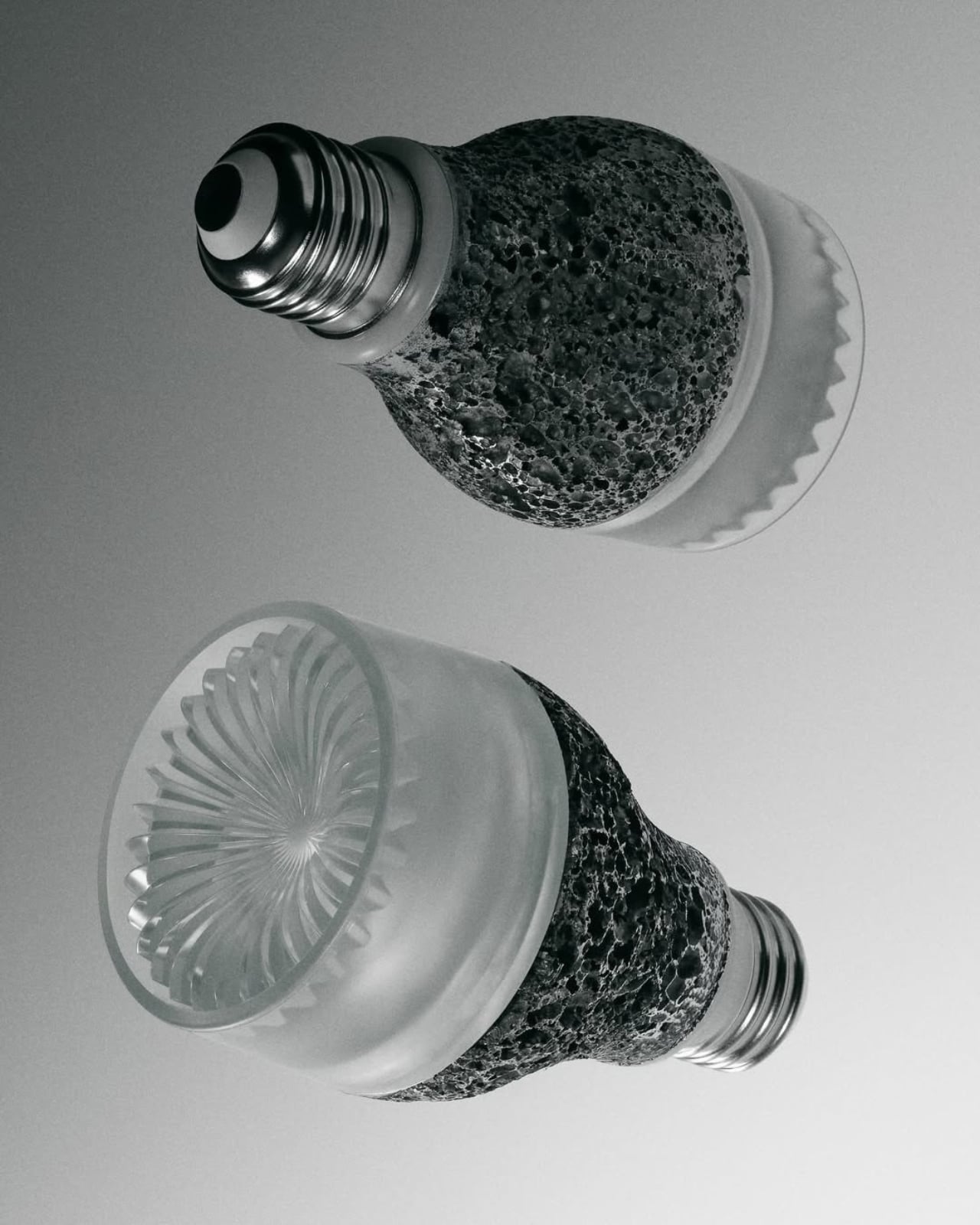
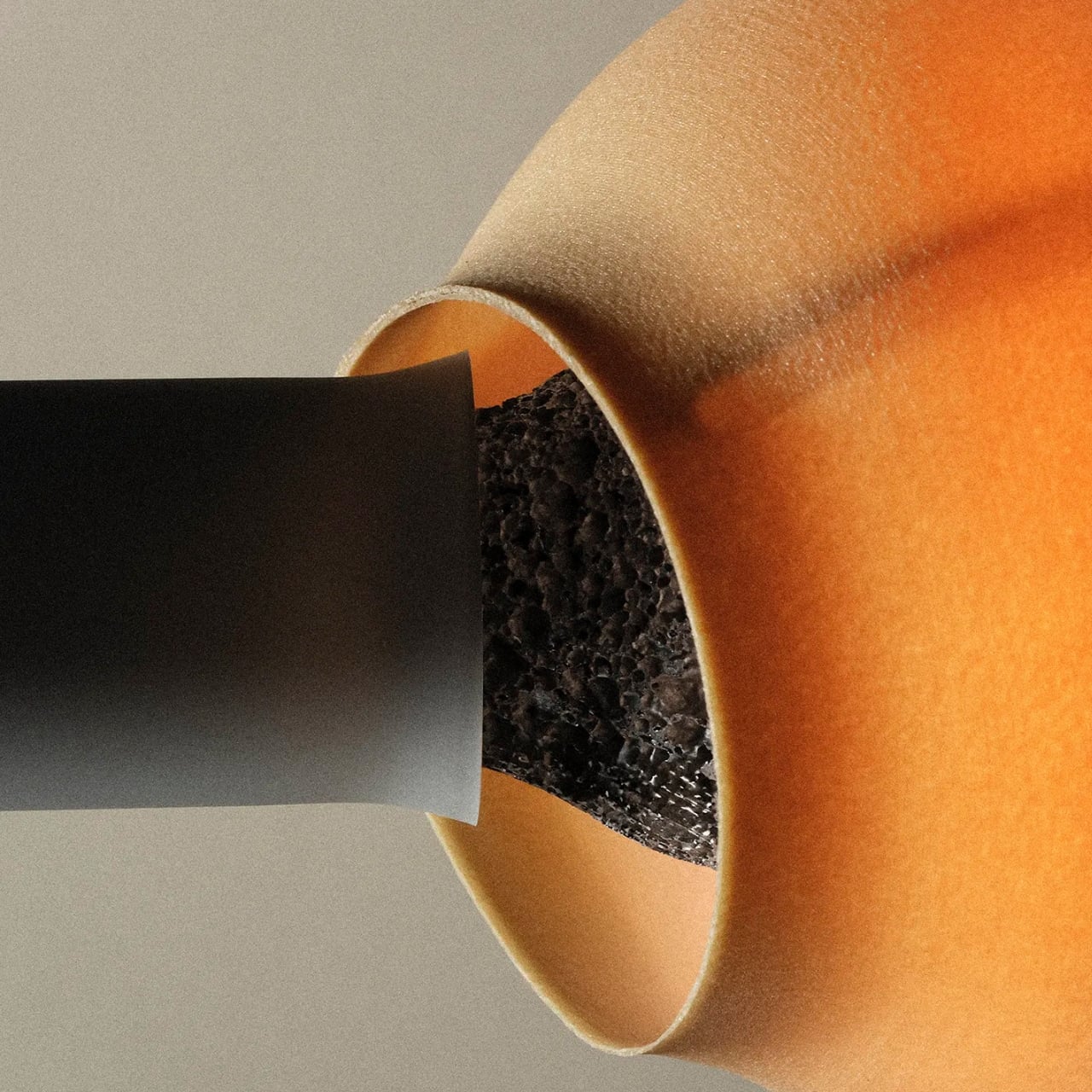
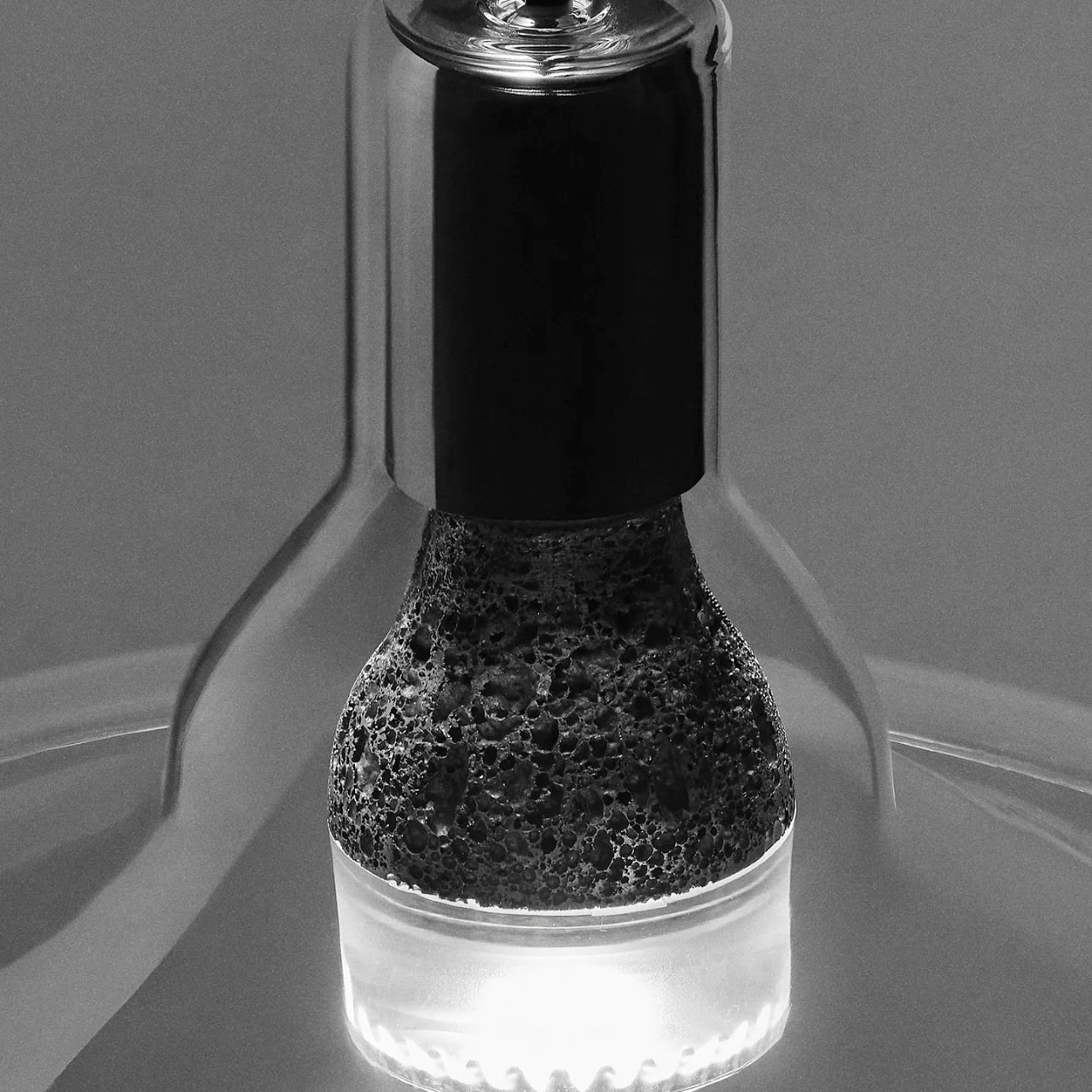
The body is die-cast aluminum, and not the smooth, polished kind you might expect. The porosity of the casting creates a natural texture that helps dissipate heat while also giving the bulb a physical presence that’s hard to describe without actually seeing it. Domus called it a texture that “overturns expectations regarding the materiality and aesthetic presence of this everyday object,” and I think that’s a fair read. It’s a bulb you actually want to look at, which sounds like a strange thing to say about something that usually lives inside a shade.

Almost all of the materials are recycled, and the whole thing is assembled in Switzerland using mostly EU-made parts. For anyone who has started paying attention to where their products actually come from, that matters. The Re27 doesn’t just gesture at sustainability the way so many products do now, folding it into their marketing as an afterthought. It builds it into the structure of the object itself.

The light quality is where iiode earns serious points. The Re27 delivers a high CRI output, which means colours under its light look the way they’re supposed to, the way they’d look in natural daylight. It’s flicker-free, which is one of those things you don’t notice until you’ve been sitting under bad lighting for three hours and your eyes are tired for no apparent reason. The colour temperature and intensity are tunable, and the smart control is integrated directly into the bulb, so you don’t need a separate hub or app ecosystem to make it work.

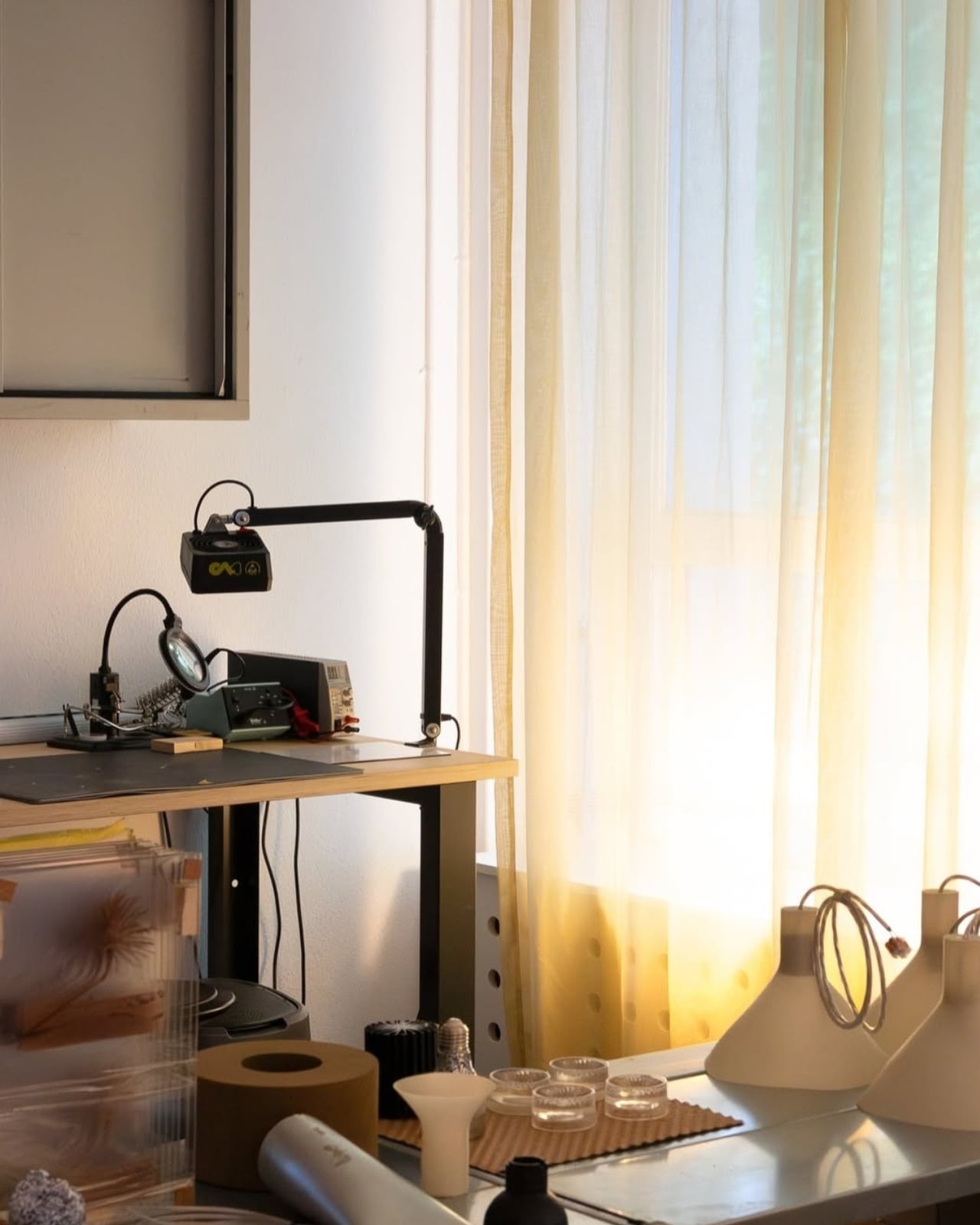
To celebrate the launch, iiode invited eight design studios to create lampshades specifically for the Re27. It’s the kind of move that tells you a lot about how a brand sees its own product. They’re not treating it as a commodity. They’re treating it as an object worth designing around, worth collaborating over, worth dressing up. That creative confidence comes through in every aspect of what they’ve built.

The Re27 is currently available for pre-order, and iiode is presenting it during Milan Design Week 2026 as part of the House of Switzerland Milano showcase. Seeing it make its way into that conversation, alongside furniture, installations, and collectible pieces, makes complete sense. The Re27 belongs there not because it’s trying to be art, but because it’s genuinely well-considered design applied to something we use every single day.

Lighting is one of those things most of us don’t think about until it’s wrong. The Re27 is a bulb made by people who clearly think about it all the time, and the result is something that makes you want to pay attention too. Sometimes the most interesting design isn’t the flashiest object in the room. Sometimes it’s just the light that makes the room worth being in.

The post The 100-Year-Old Light Bulb Design Just Got Its First Real Fix first appeared on Yanko Design.