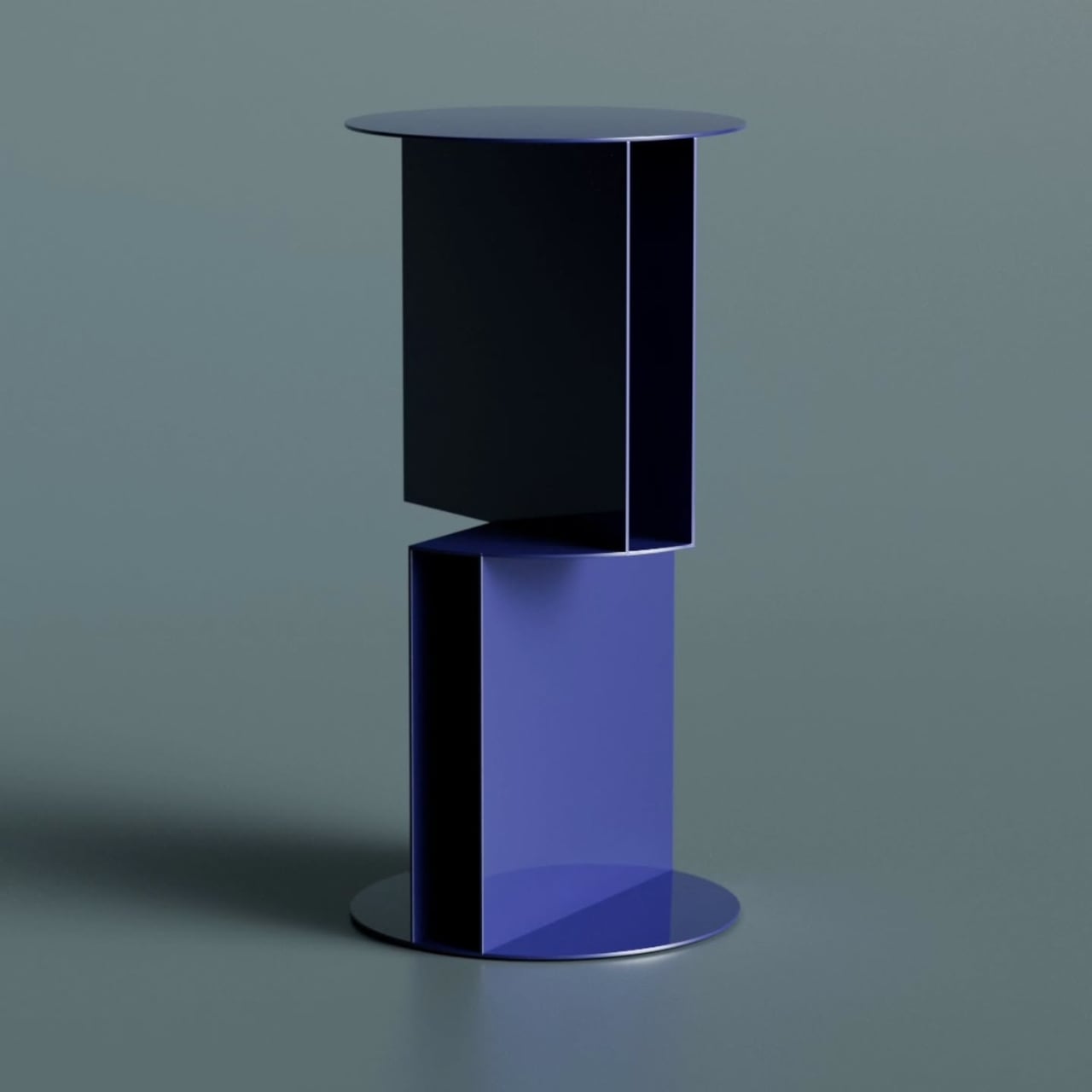
Say the name out loud. NjommNjomm. Go ahead. It sounds exactly like what you think it sounds like. Nom nom. Like something chewing. Like something very happily eating. And once you see what this coffee table concept actually does, you’ll understand that the name is entirely intentional and absolutely perfect.
Stuttgart-based designer Deniz Aktay, who goes by dezinobjects online, studied architecture and urban planning at the University of Stuttgart before turning his focus to furniture and object design. He has built a quiet but devoted following with pieces that feel more like riddles than furniture. His previous work includes tables named “Bookpet” and “Nessie,” and an award-winning piece called “Overlap.” The man clearly has a sense of humor, and with NjommNjomm, he’s leaning all the way into it.
Designer: Deniz Aktay (dezinobjects)
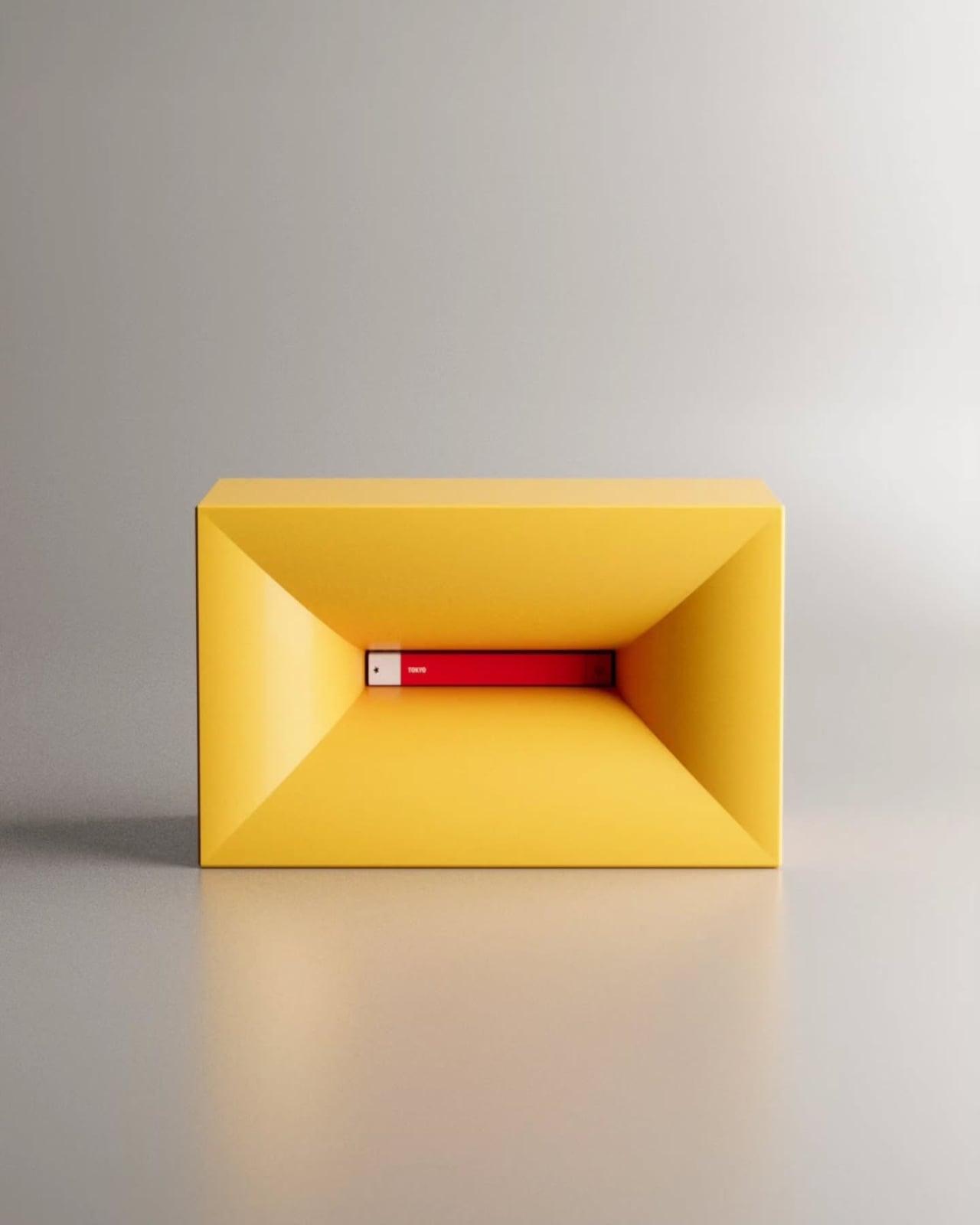
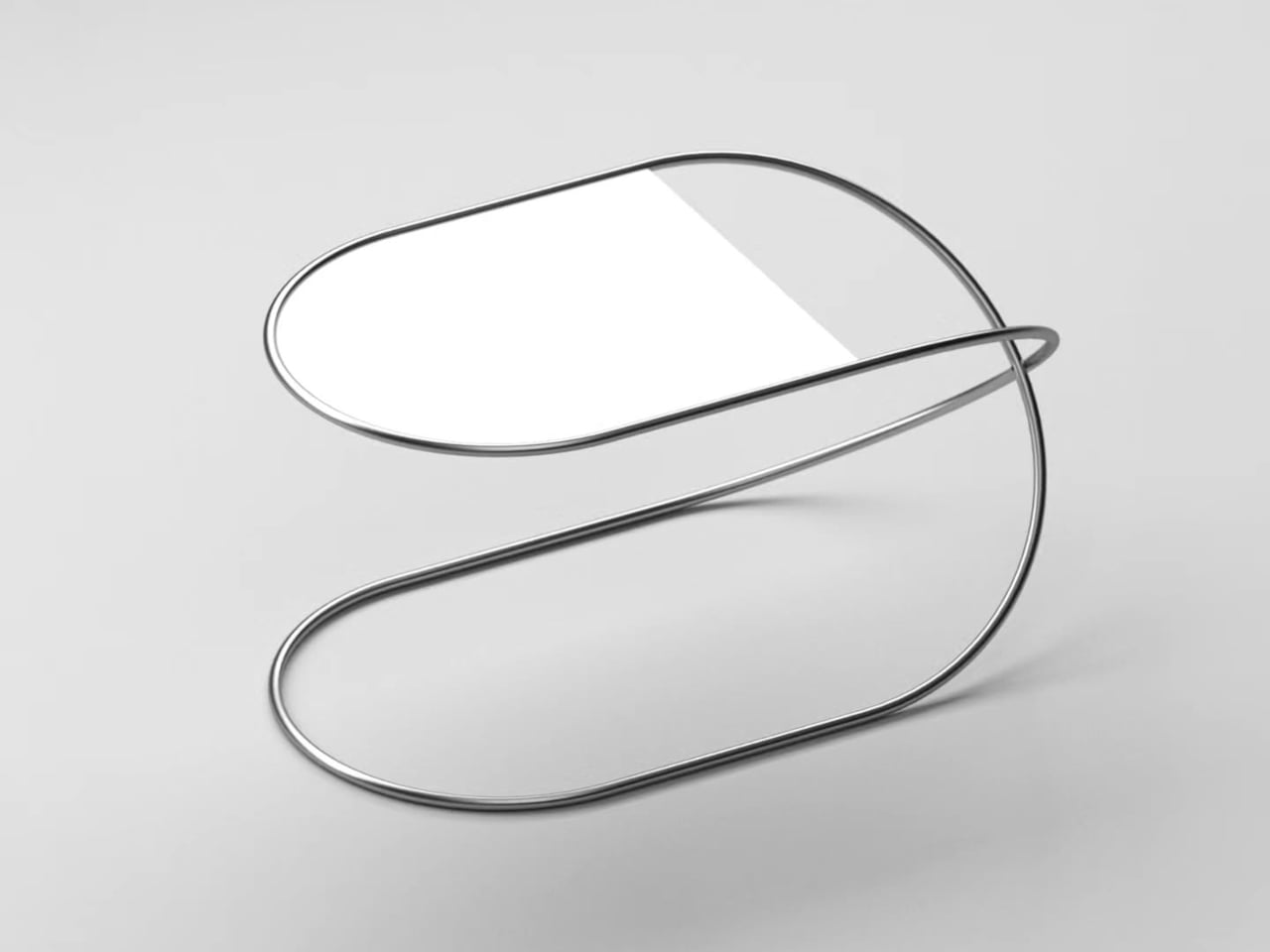
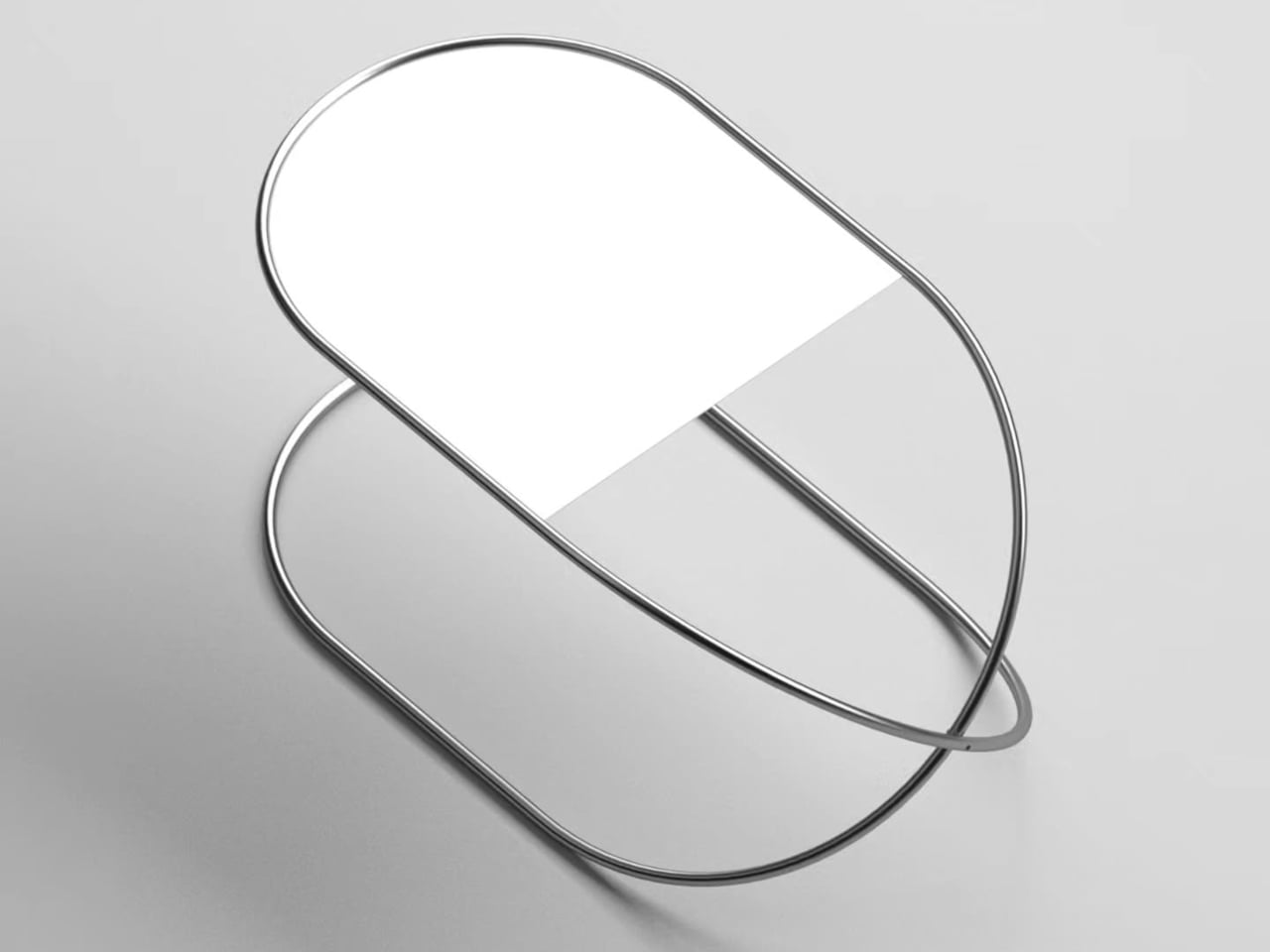
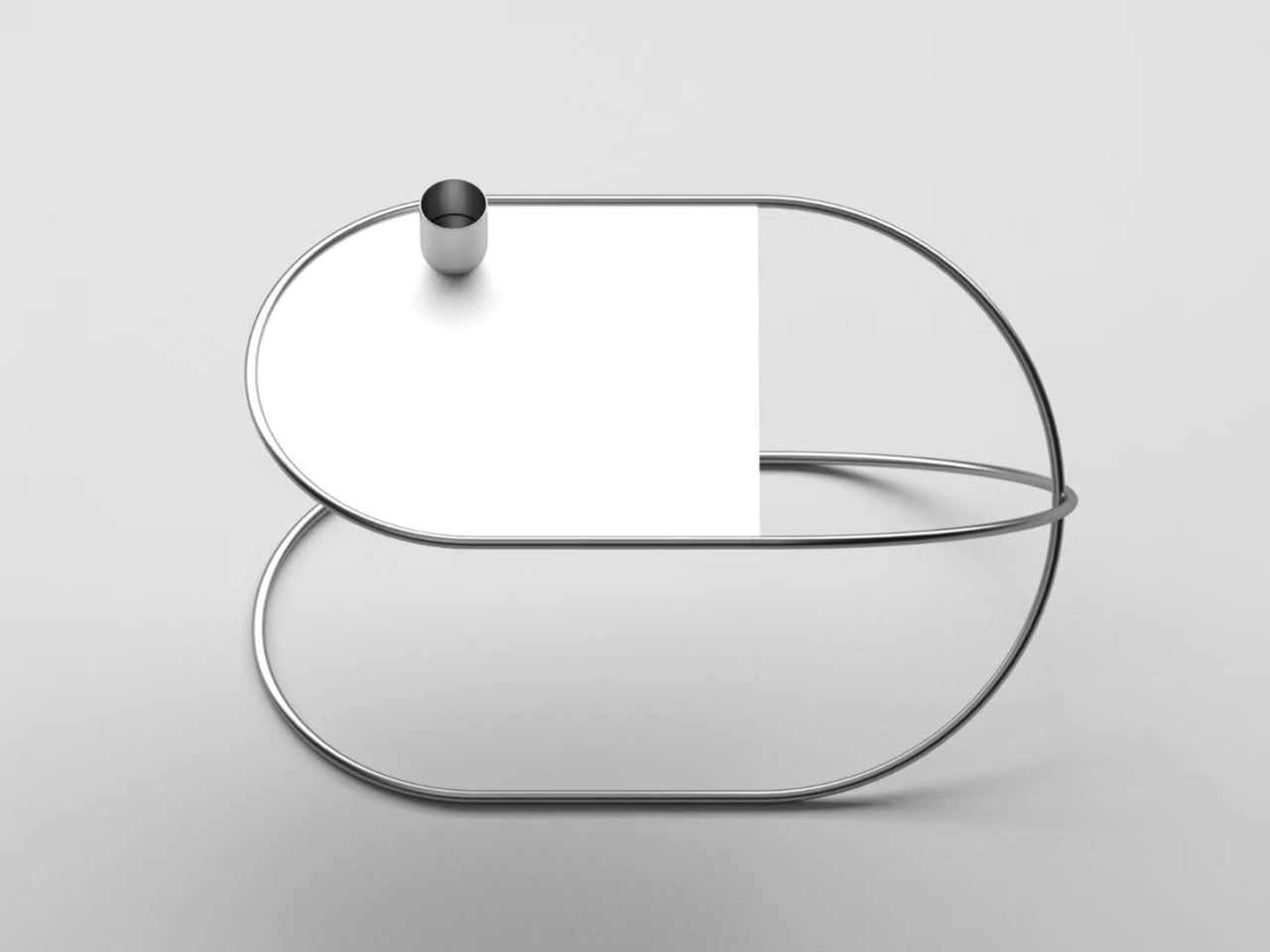
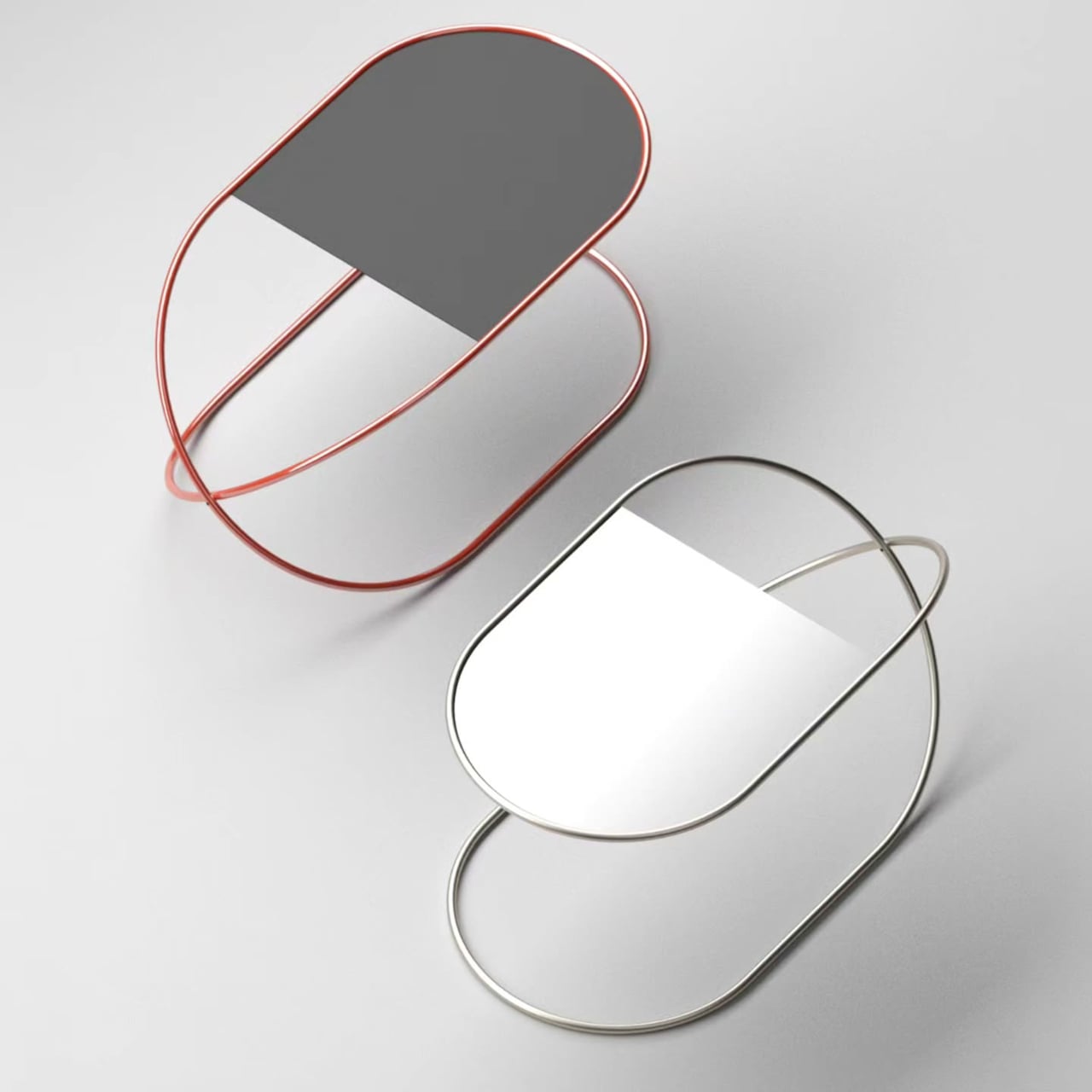
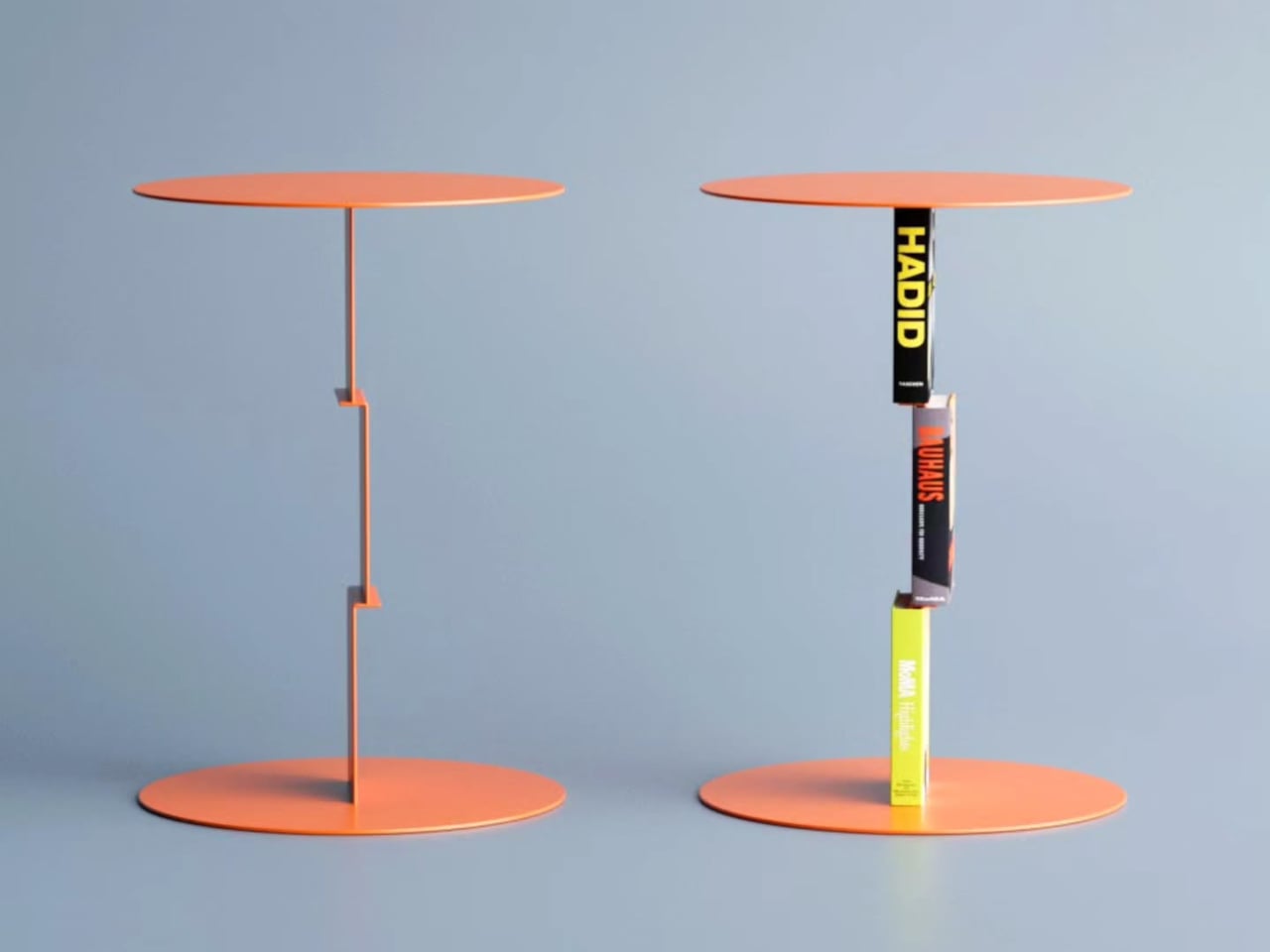
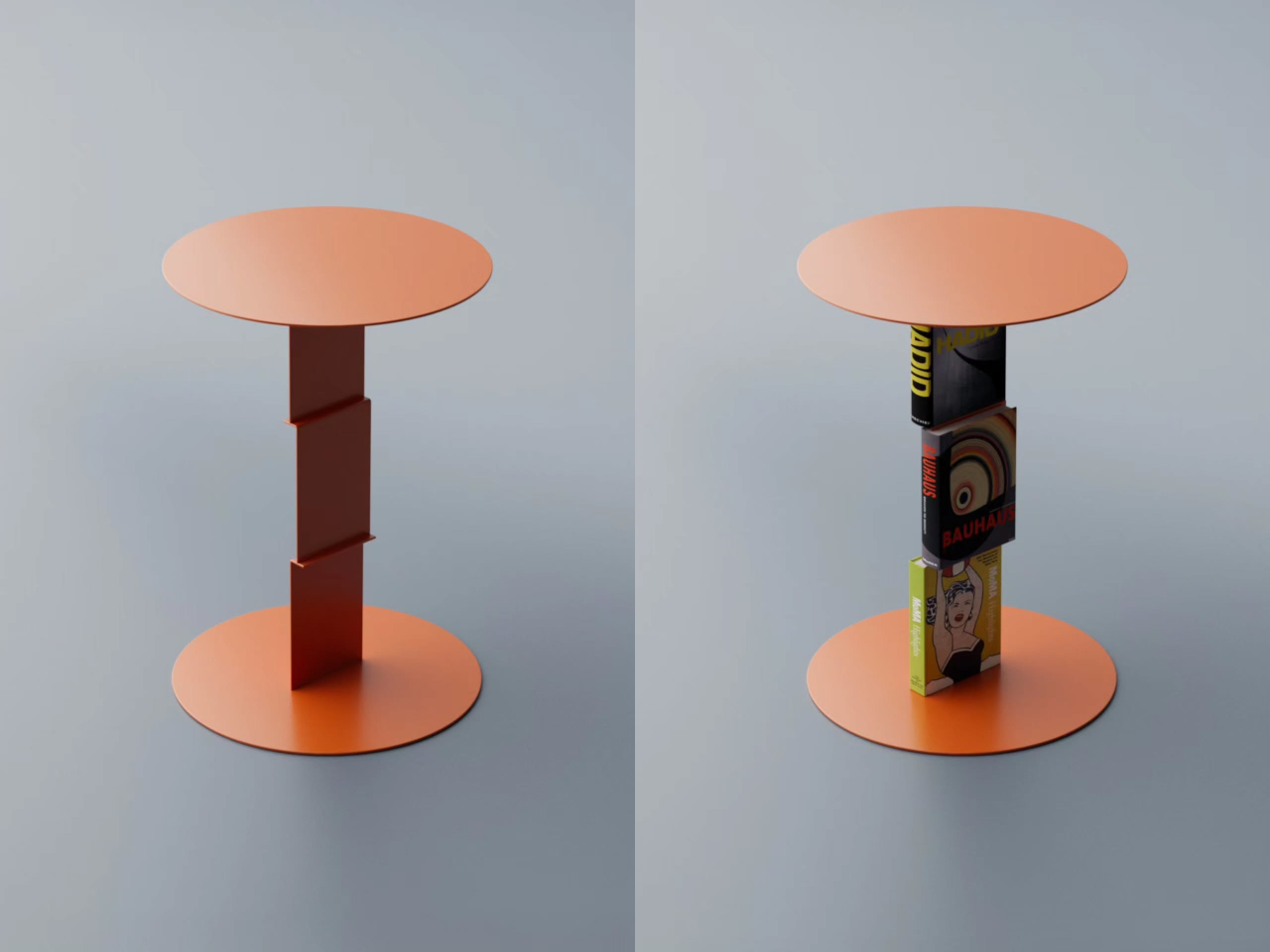
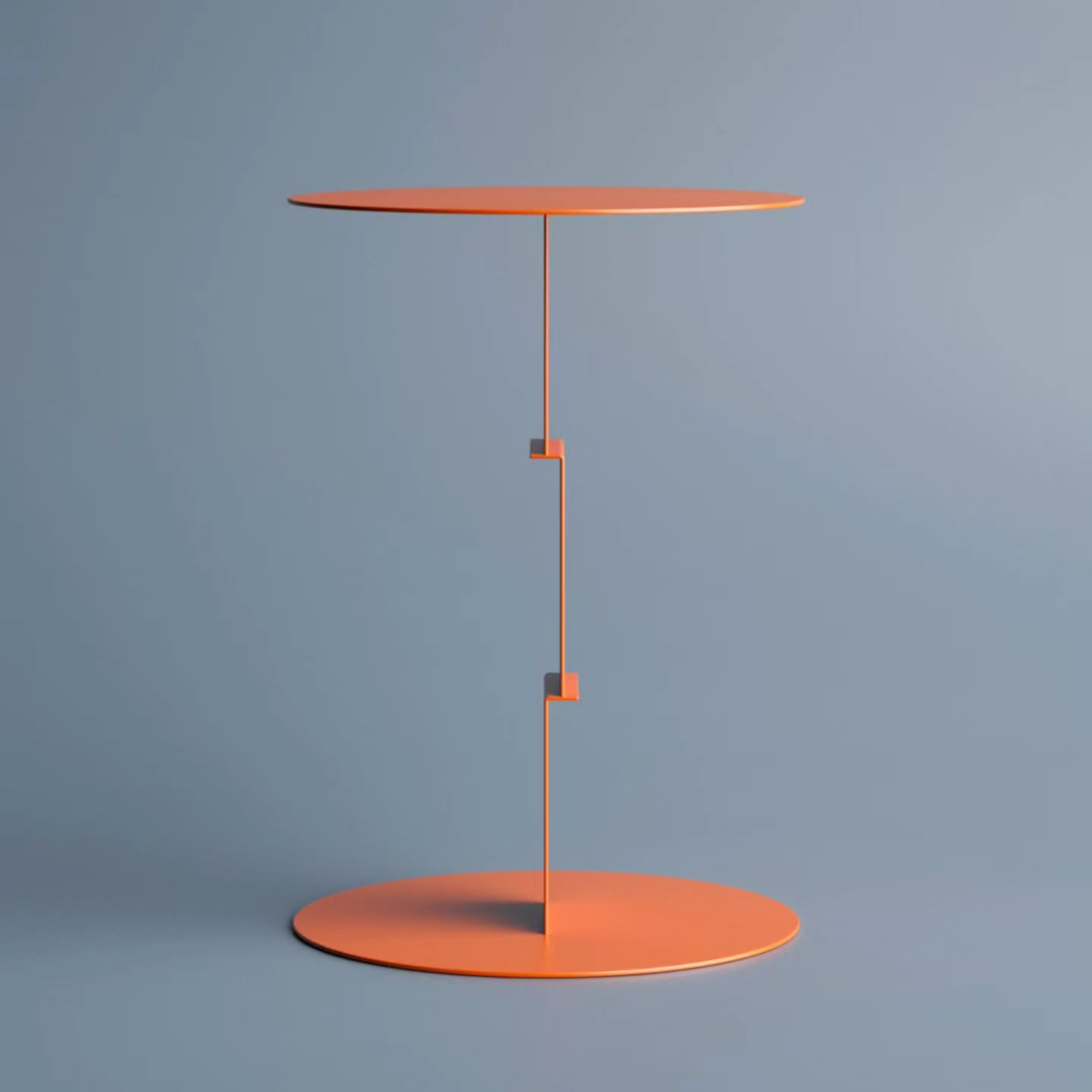
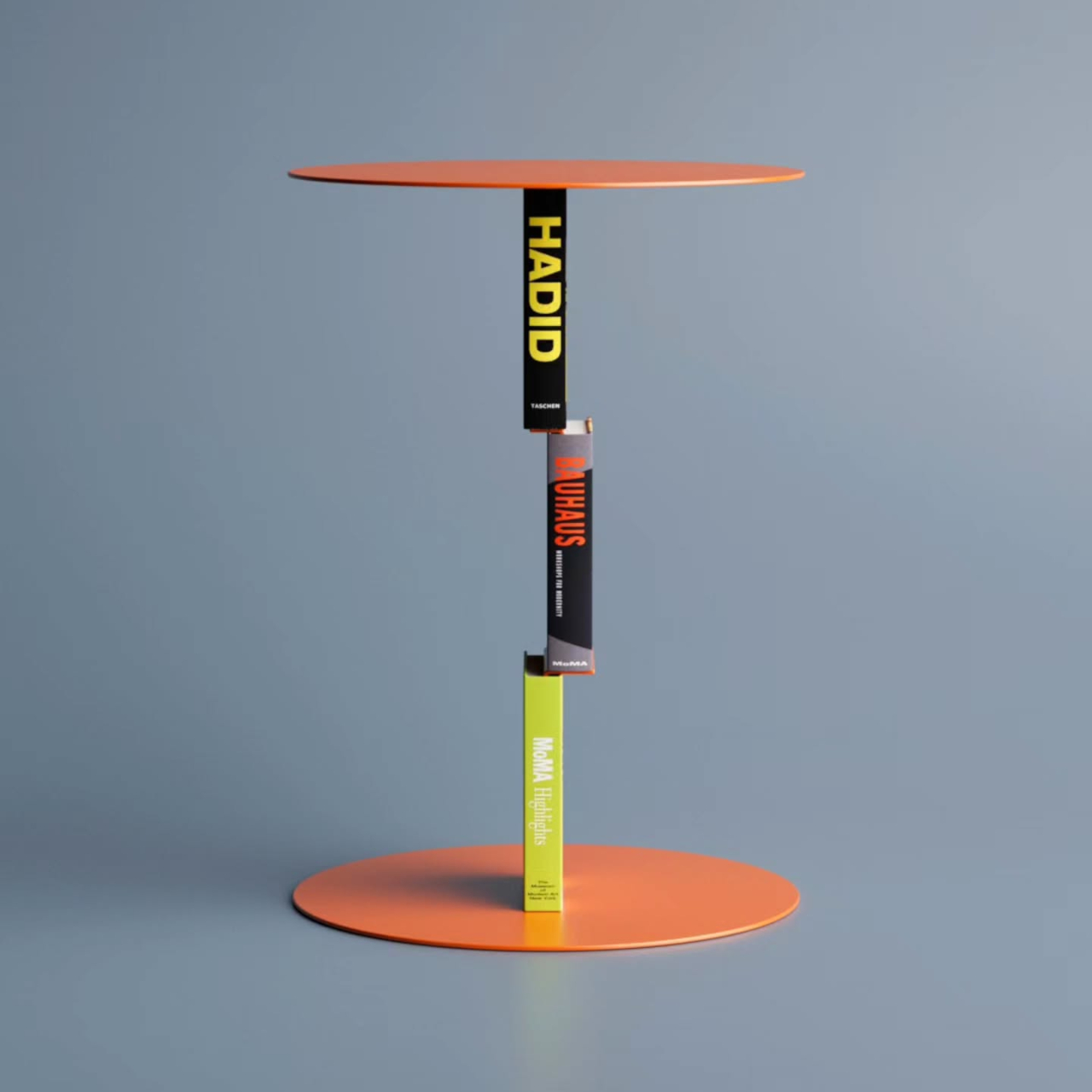
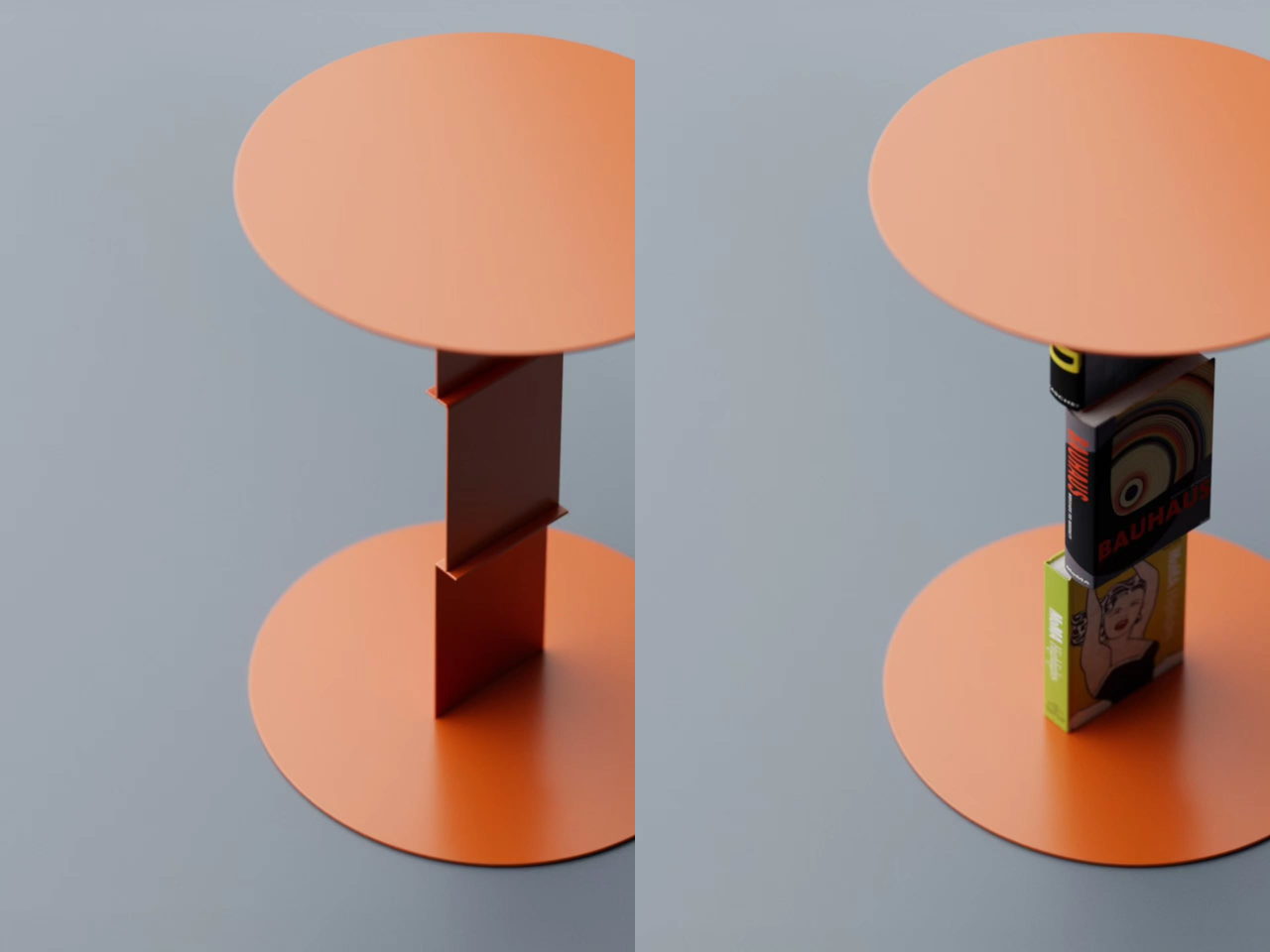
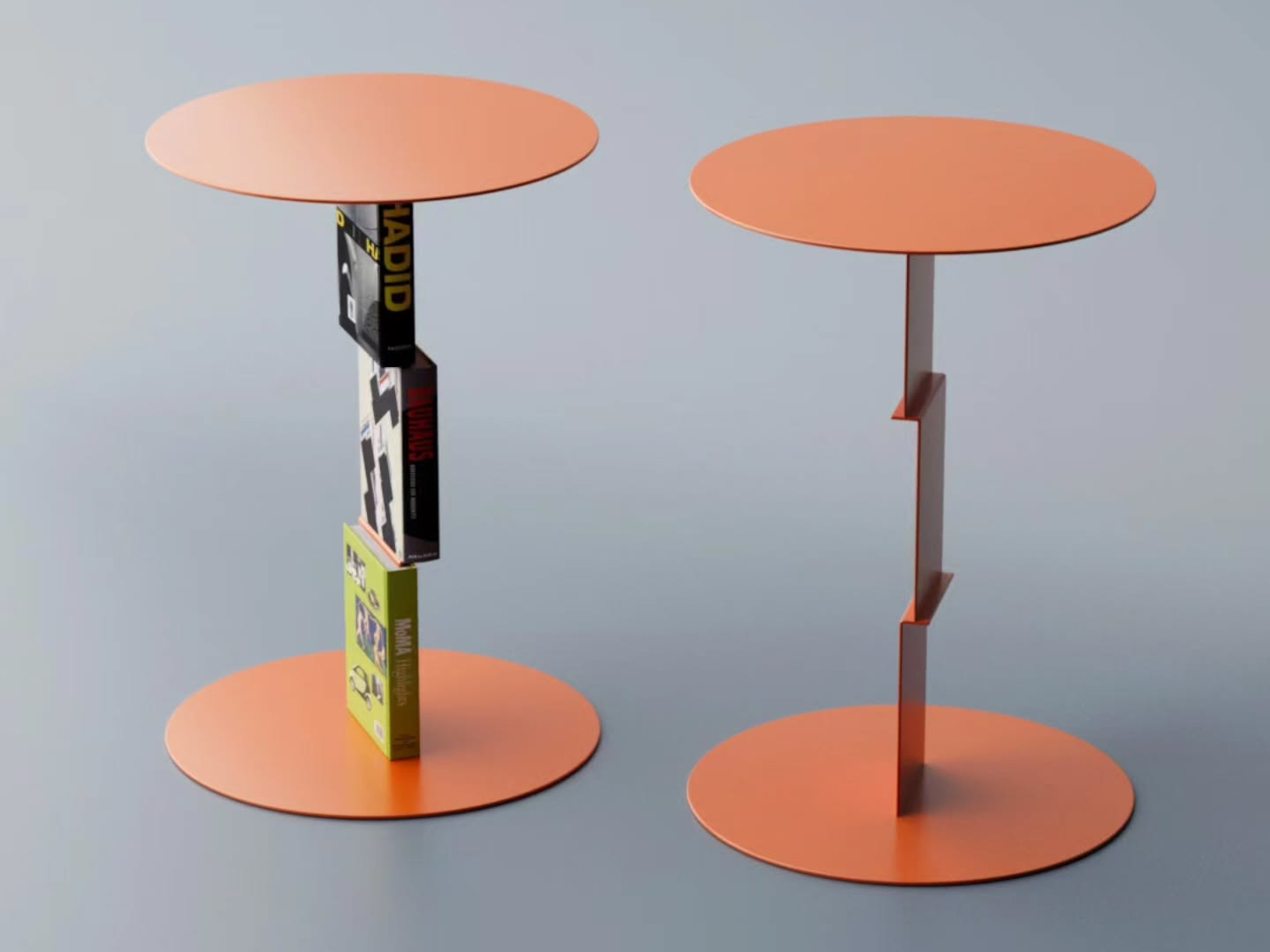
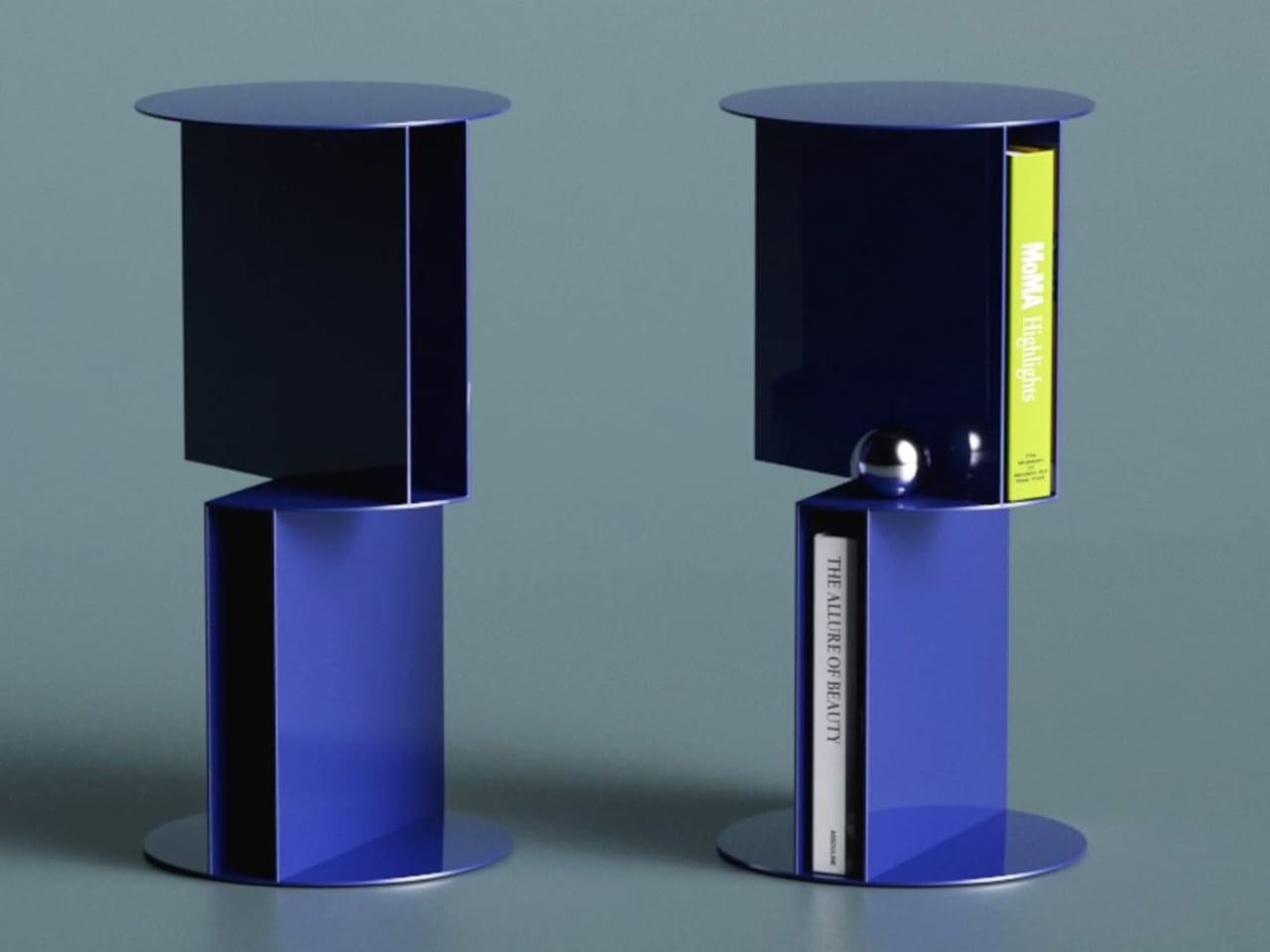
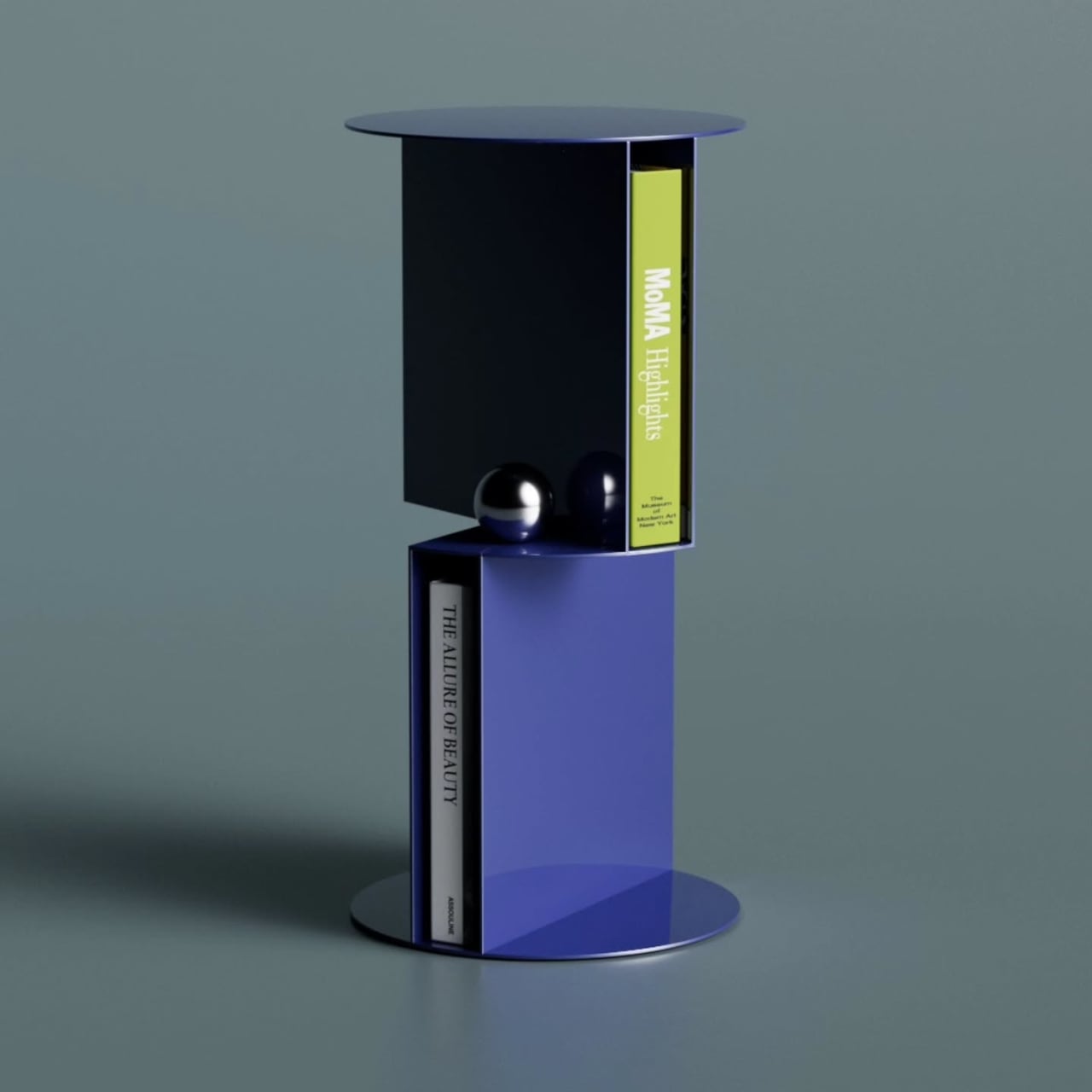
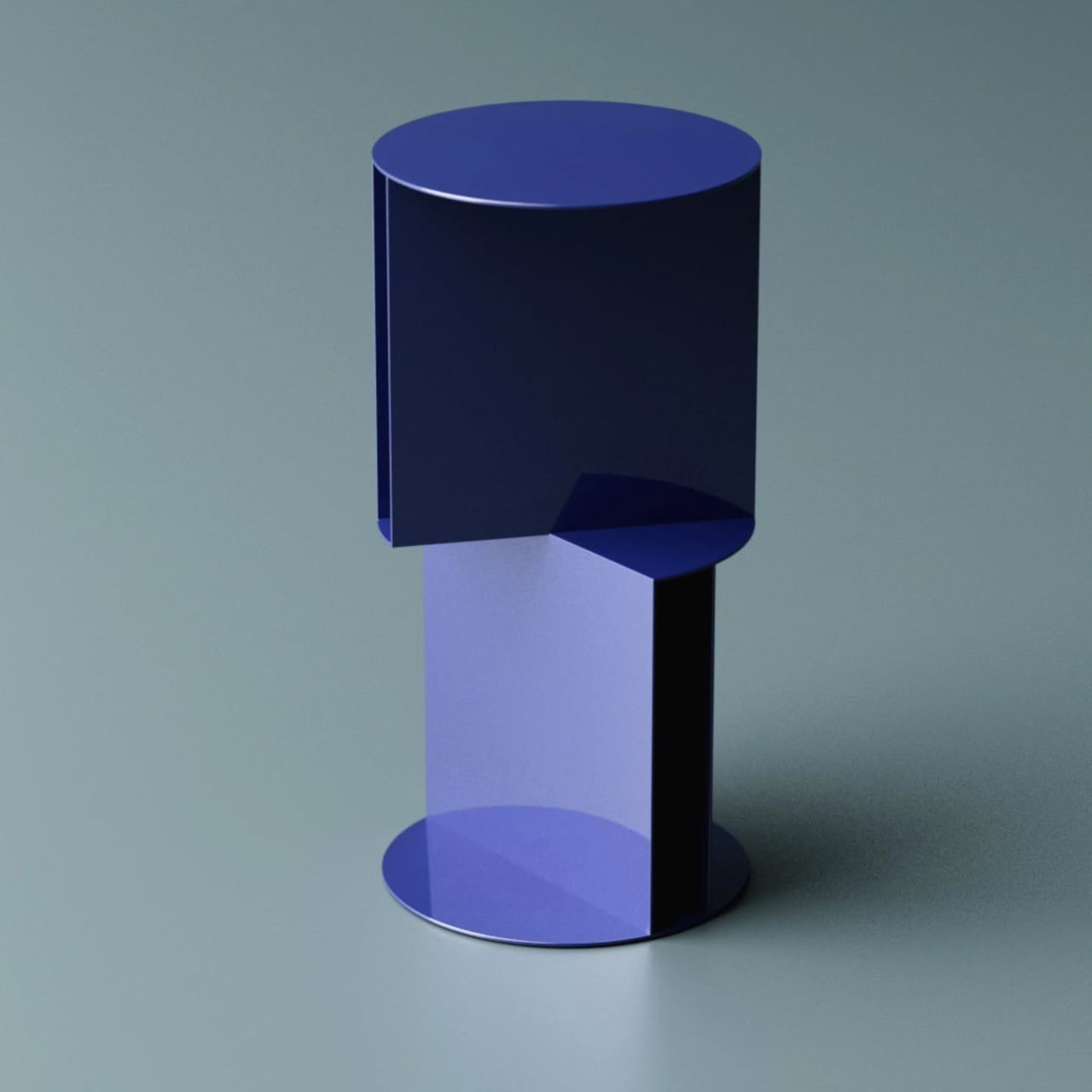
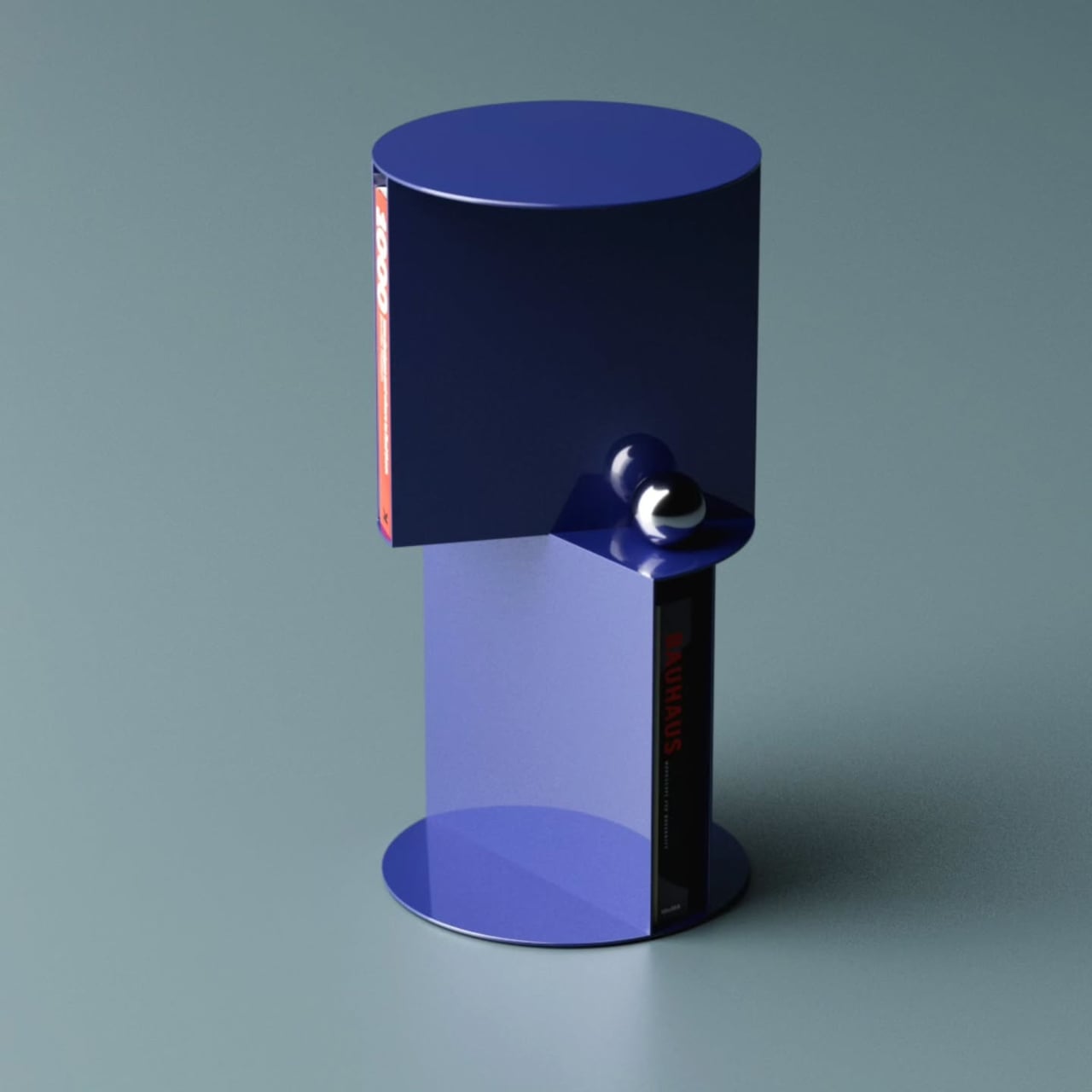
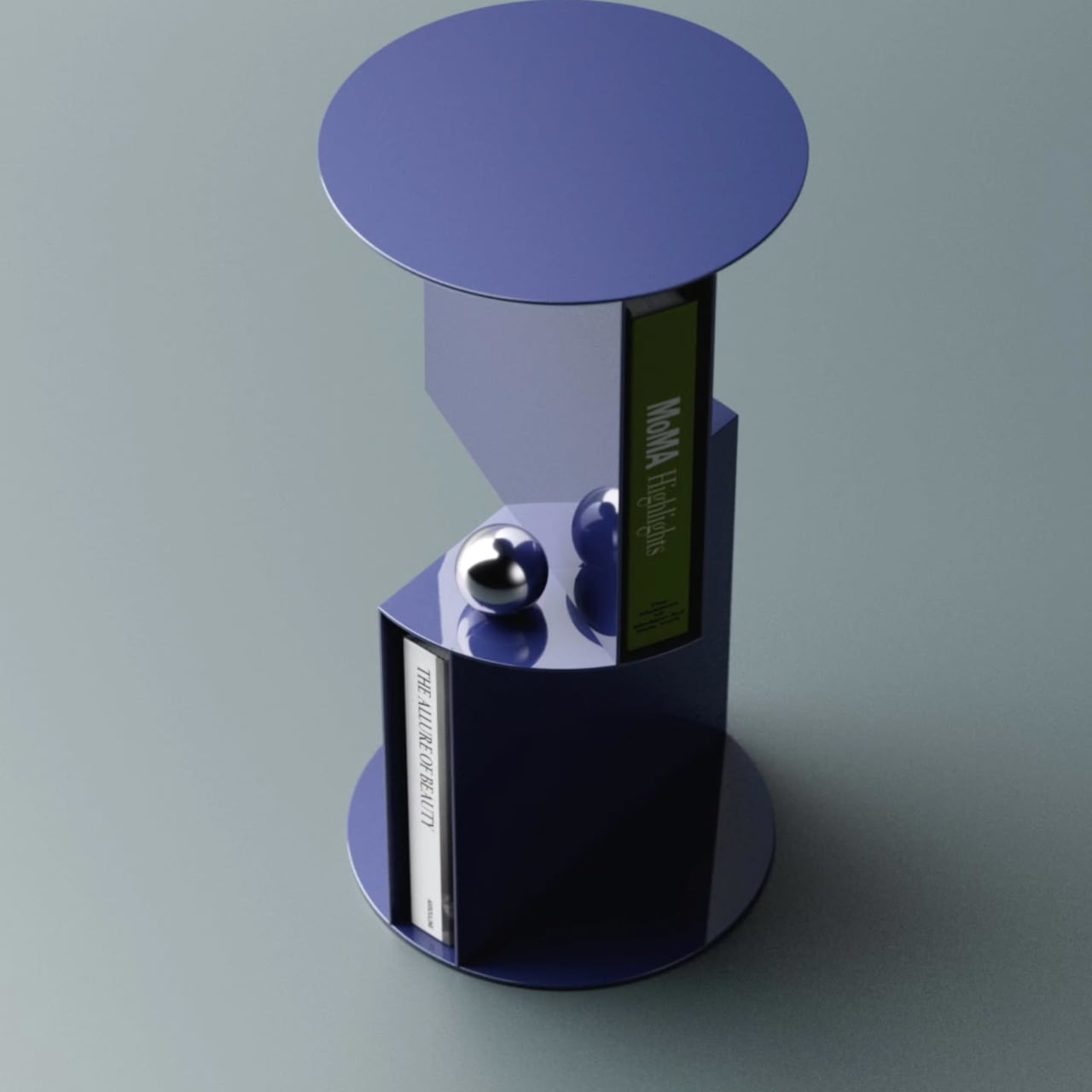
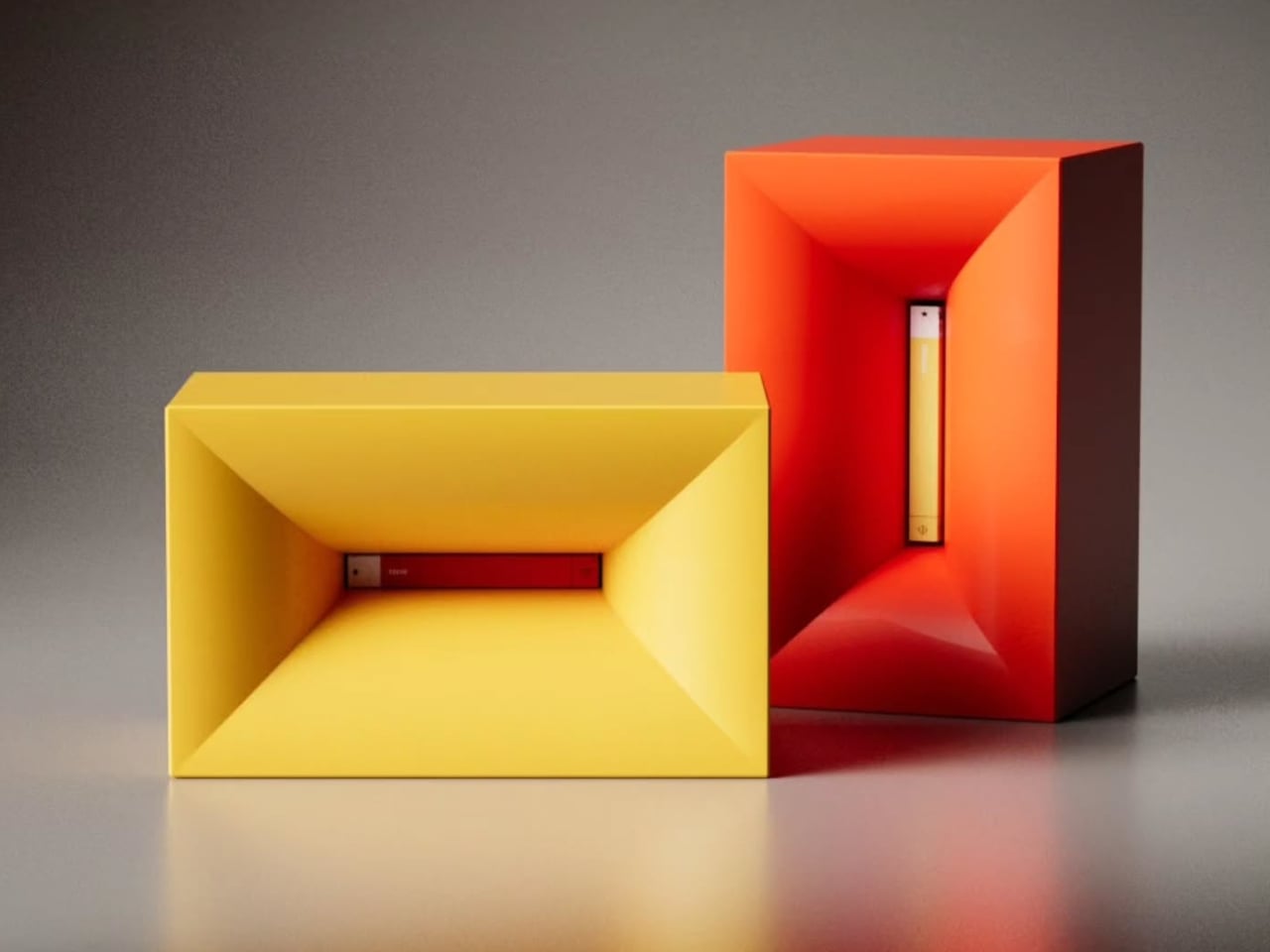
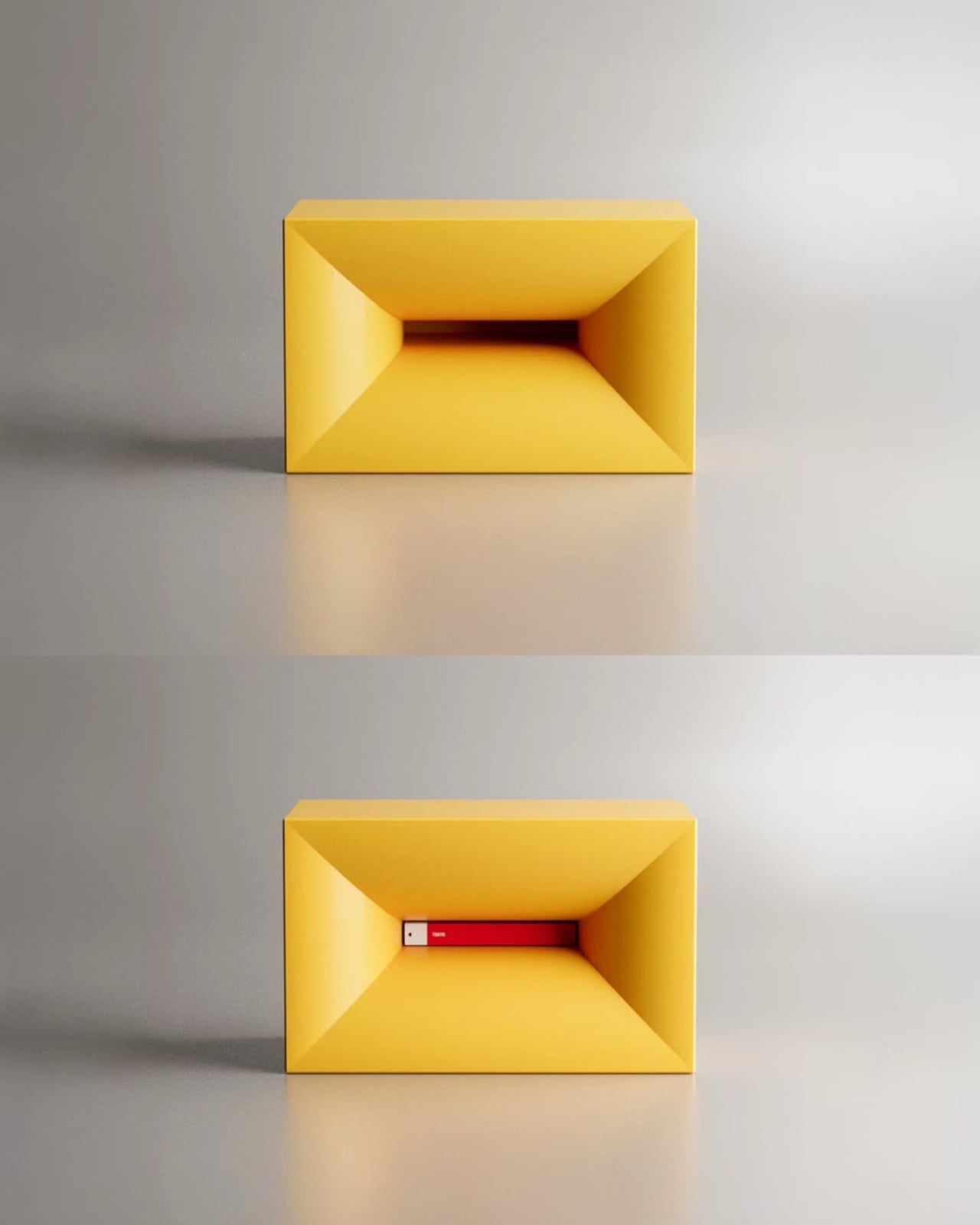
The concept is deceptively simple. NjommNjomm is a cuboid coffee table made from sustainable plastics. It has a clean, minimal silhouette, and nothing about it screams “look at me” from across the room. But tucked inside is a bevelled storage compartment, and when you slide a book of just the right size into it, something kind of surreal happens. The book appears to disappear into the table. The table appears to have swallowed it. Nom nom, indeed.
It’s the kind of visual trick that makes you do a double-take, and then immediately want to show everyone who walks into your living room. That impulse is actually one of the more underrated qualities a piece of furniture can have. Most objects just sit there. NjommNjomm performs.
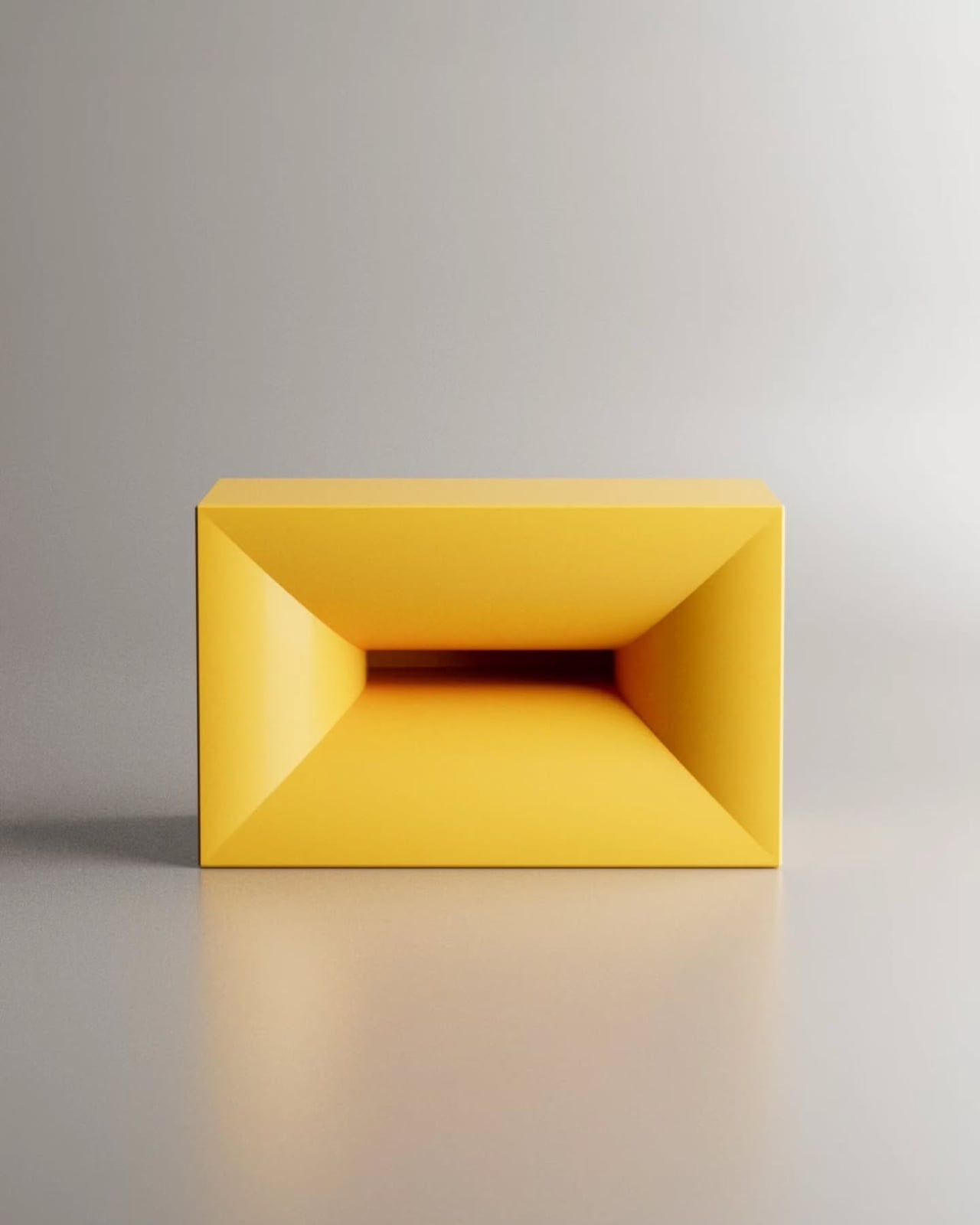
The optical illusion comes from the bevelled cut of the internal compartment, which creates a striking contrast against the clean outer form. The book doesn’t just sit inside the table. It looks consumed, tucked away by the table itself. There’s a small theatrical quality to it that elevates it well beyond a storage solution and into something closer to a stage prop, except it lives in your living room and holds your coffee.
I’ll admit, my very practical brain did pause for a moment to wonder about the mechanics of it all. How exactly do you get the book in? Do you slide it through the opening? Is there a specific angle? And when you want to actually read it, does retrieving it break the illusion entirely? I genuinely don’t know, and I find myself hoping the answer is something elegantly simple, because the last thing this design needs is a frustrating extraction process every time you want to pick up where you left off.
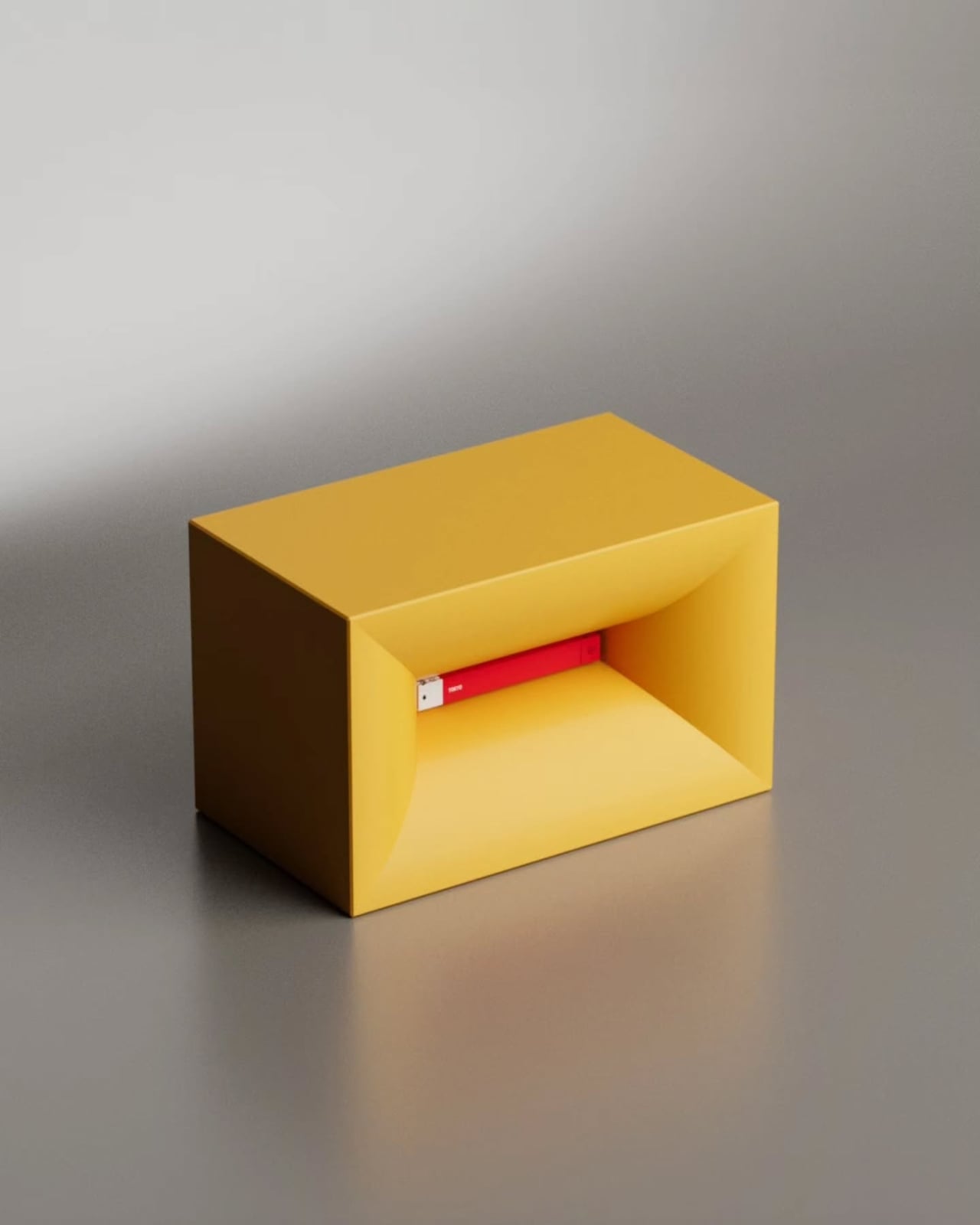
Beyond the trick, the design is genuinely practical in other ways. The cuboid shape means it can be positioned horizontally as a traditional coffee table or flipped vertically to change its function entirely, making it more adaptable than most single-use furniture. For smaller spaces especially, that kind of flexibility matters. Being made from sustainable plastics also puts it in line with where furniture design is heading broadly, with more and more designers prioritizing materials that don’t cost the planet what they cost the consumer.
Aktay’s body of work says a lot about what he values as a designer. His pieces consistently sit at the intersection of wit and function, which is a harder balance to achieve than it looks. It’s easy to make something clever. It’s harder to make something clever that also works as real furniture in a real home. NjommNjomm feels like it manages both.
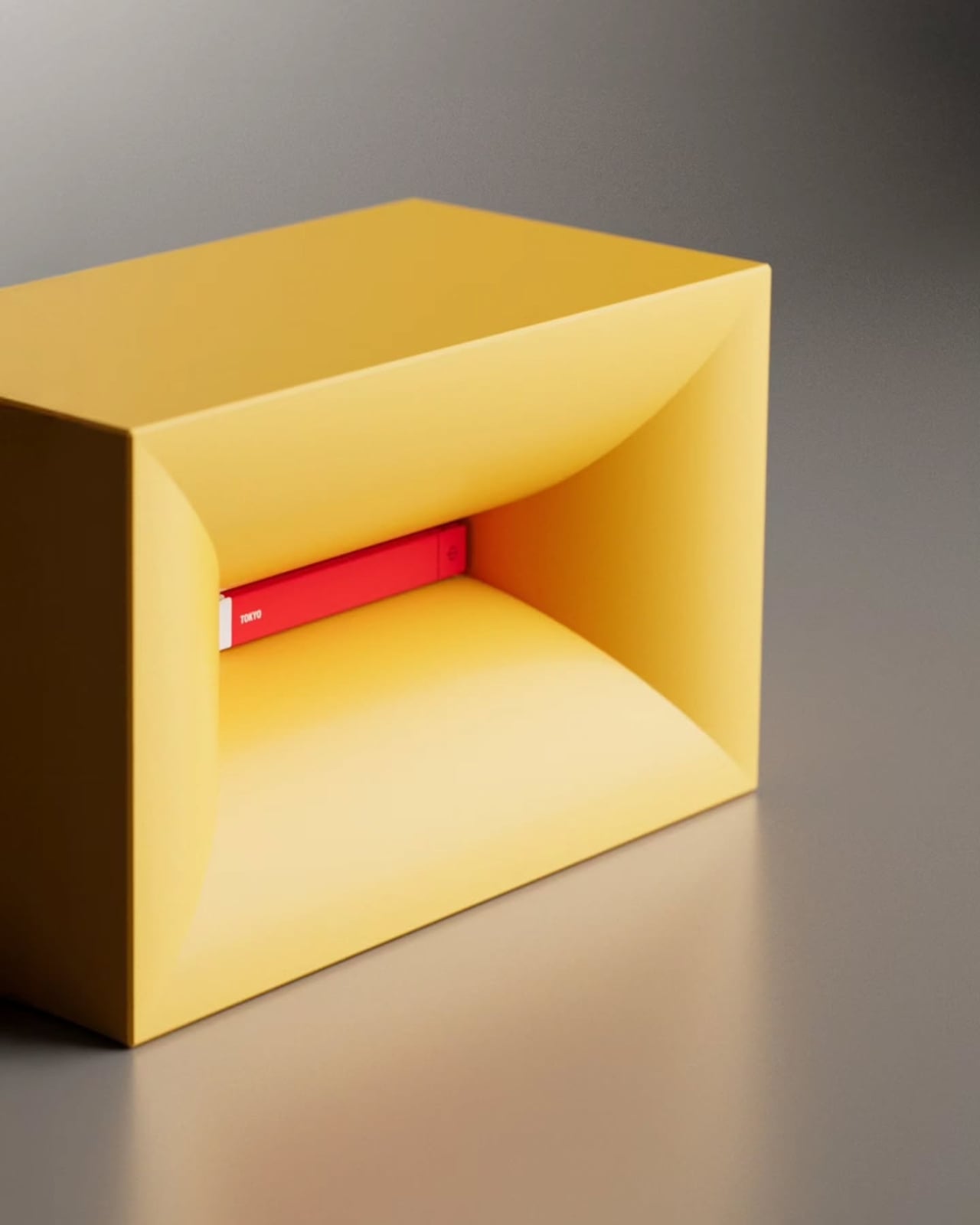
What makes the concept particularly compelling right now is the timing. The conversation around coffee tables in 2026 has largely been about sculptural forms and pieces that feel more like objects of art than pieces of furniture. NjommNjomm fits into that moment without trying too hard to belong to it. It’s minimal, almost to the point of invisibility, and then it does its little trick, and you realize it was never trying to be quiet at all.
For those of us who stack books on every available surface, there’s something poetic about a table that embraces the book as part of its identity rather than treating it as clutter. NjommNjomm doesn’t just hide the book. It celebrates it by making it look like the table chose to eat it.
It’s currently a concept, and Aktay shares his work on Instagram where designs like this tend to get picked up quickly by communities who recognize a good idea when they see one. Whether it eventually moves into production or stays in concept territory, it’s already done what great design is supposed to do. It made me stop scrolling. It made me think. And it made me want one.
The post NjommNjomm Is Exactly What It Sounds Like (It Eats Books) first appeared on Yanko Design.