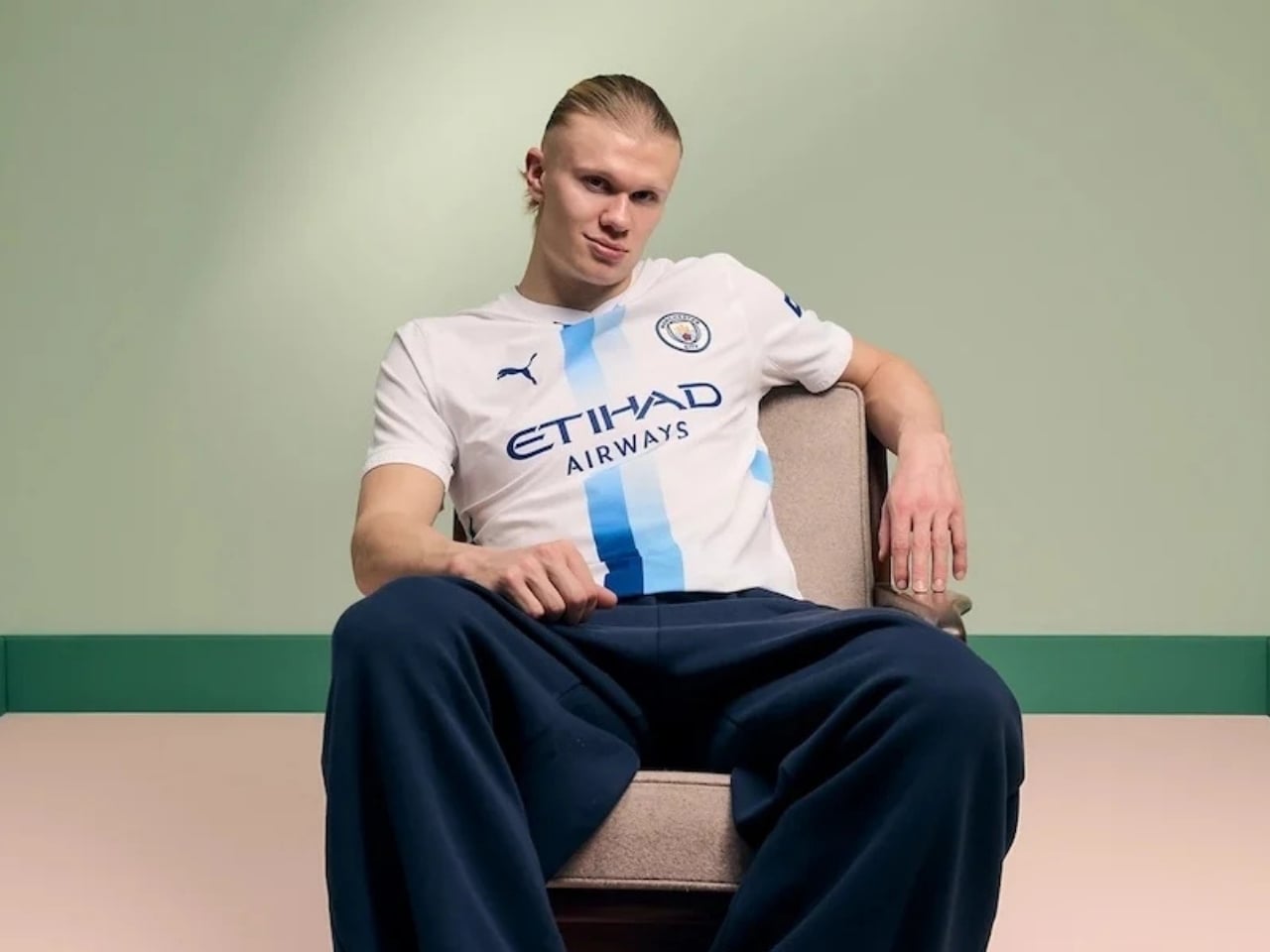
No matter how you feel about generative artificial intelligence, you can’t deny the fact that it has democratized creativity. Whether you have design experience or an art background, or neither, you now have tools you can use to bring your creative juices to life. Popular English club Manchester City and PUMA developed a platform to help fans express their fandom through original kit designs, and now they’ve actually let one lucky fan’s concept become the club’s official third kit.
Manchester City’s 2026/27 Third Kit is the first AI-generated fan design to be worn by a professional football club on the pitch and sold commercially. It was created using the PUMA AI Creator, a tool that turns written prompts into full kit designs in just a few seconds. Lifelong Manchester City fan and photographer Elliott Lacey’s creation was chosen from more than 180,000 designs submitted on the platform.
Designer: Elliott Lacey and PUMA
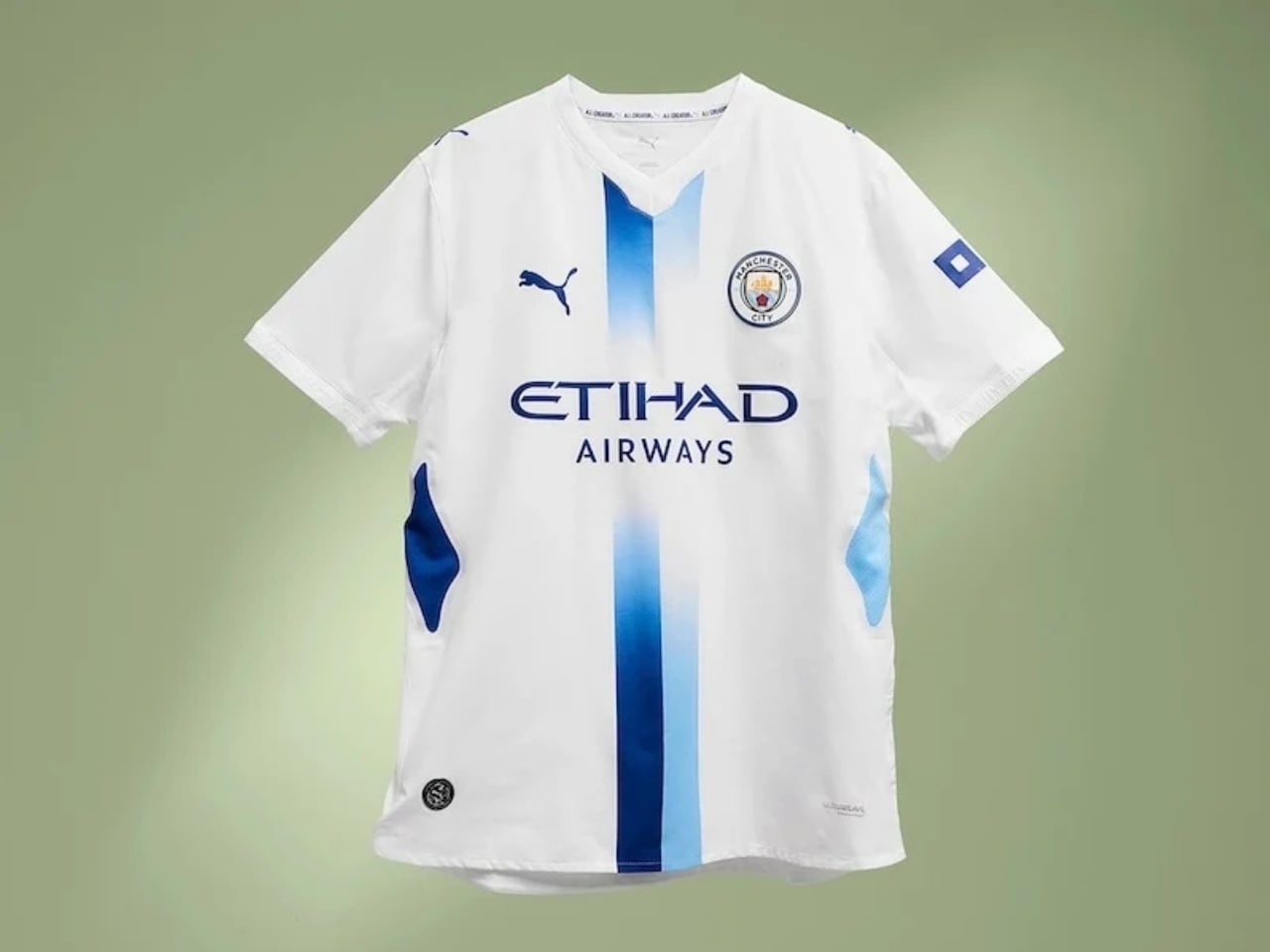
For those not familiar with football (soccer, to American audiences), a club’s third kit is just as important as its home and away kits, and it sometimes even outsells the two, provided it’s well designed, of course. Lacey used the platform to design his submission during his lunch break, and PUMA brought it to life with the brand’s signature quality. The project reflects a broader push by the sportswear brand to blend technology, football culture, and fan community in a way that hasn’t really been attempted before at this level of professional sports.
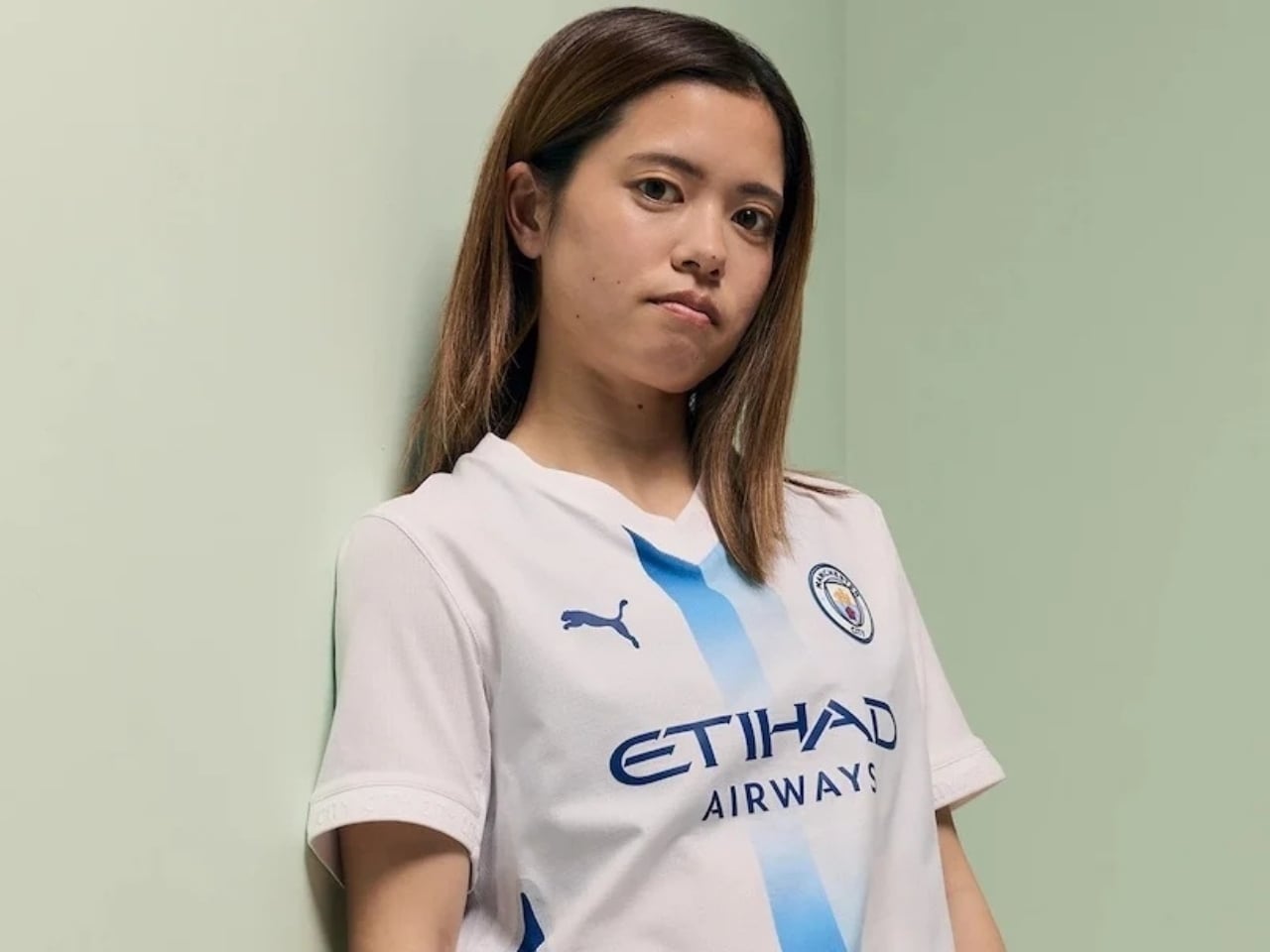
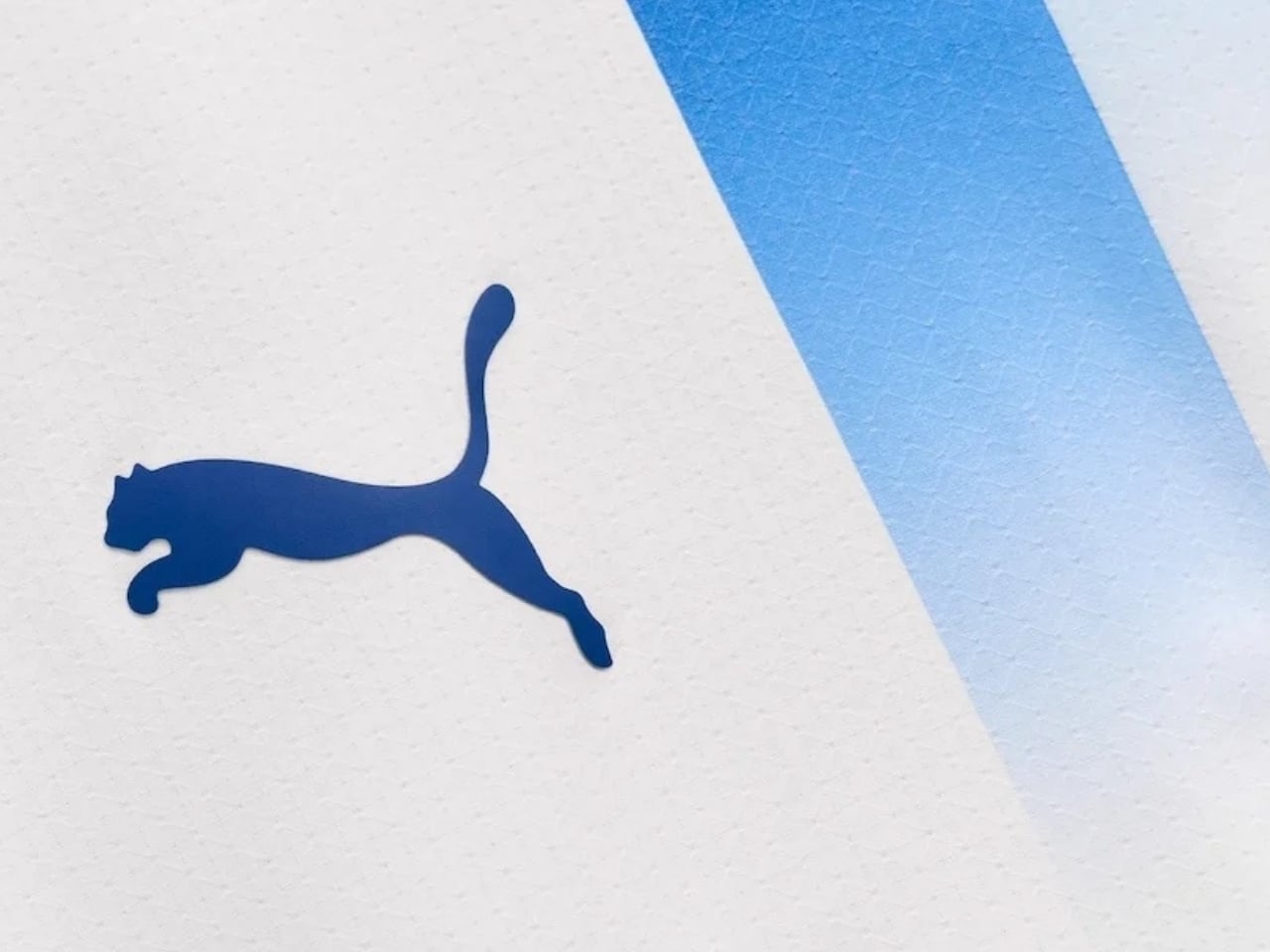
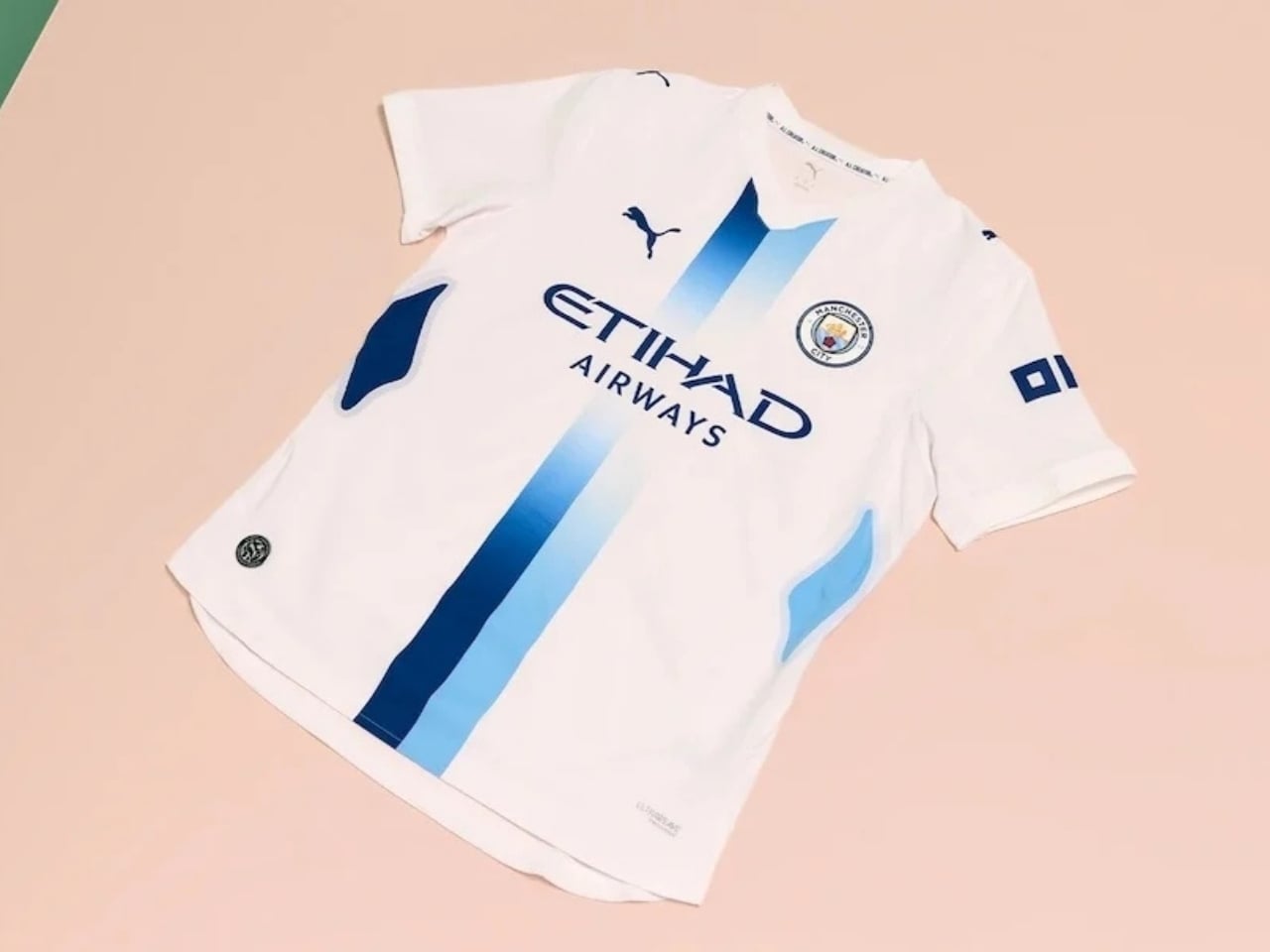
The design itself features a white base split by a central two-tone sash in sky blue and dark navy, finished with a gradient technique that shifts the pattern’s dimension depending on the light and viewing angle. Manchester City fans are used to seeing the club sporting an almost pure sky-blue kit, so this white base with blue accents, while still very much true to the club’s identity, feels like a refreshing twist.
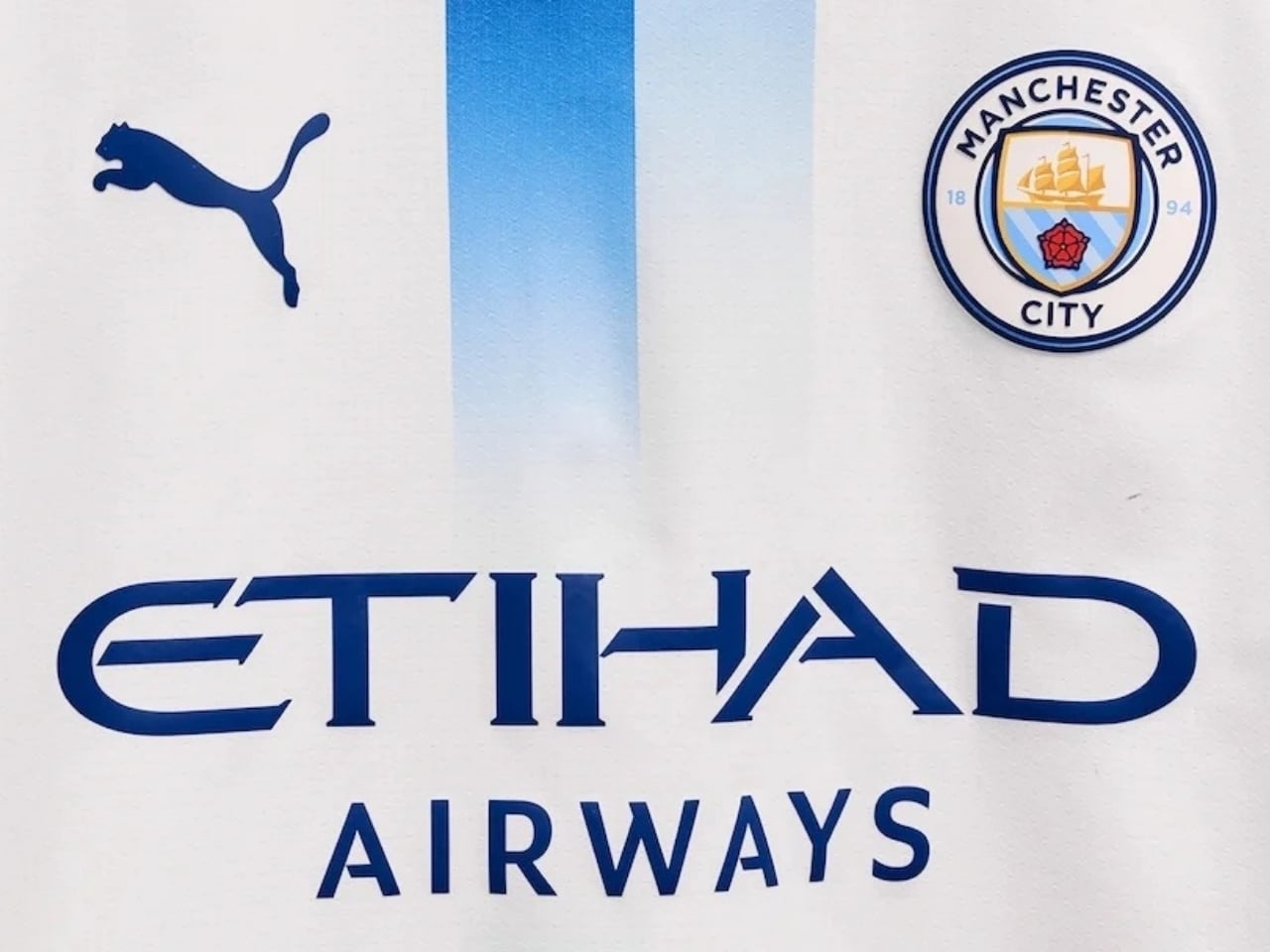
What makes this launch even more compelling is the scale of fan involvement behind it. Over 180,000 designs were submitted through the PUMA AI Creator, generating 1.7 million platform ratings from supporters worldwide before the field was narrowed down to a final ten for a public vote. That kind of grassroots participation shows this wasn’t just a marketing gimmick, it was a genuine, global collaboration between a club and the people who love it most.
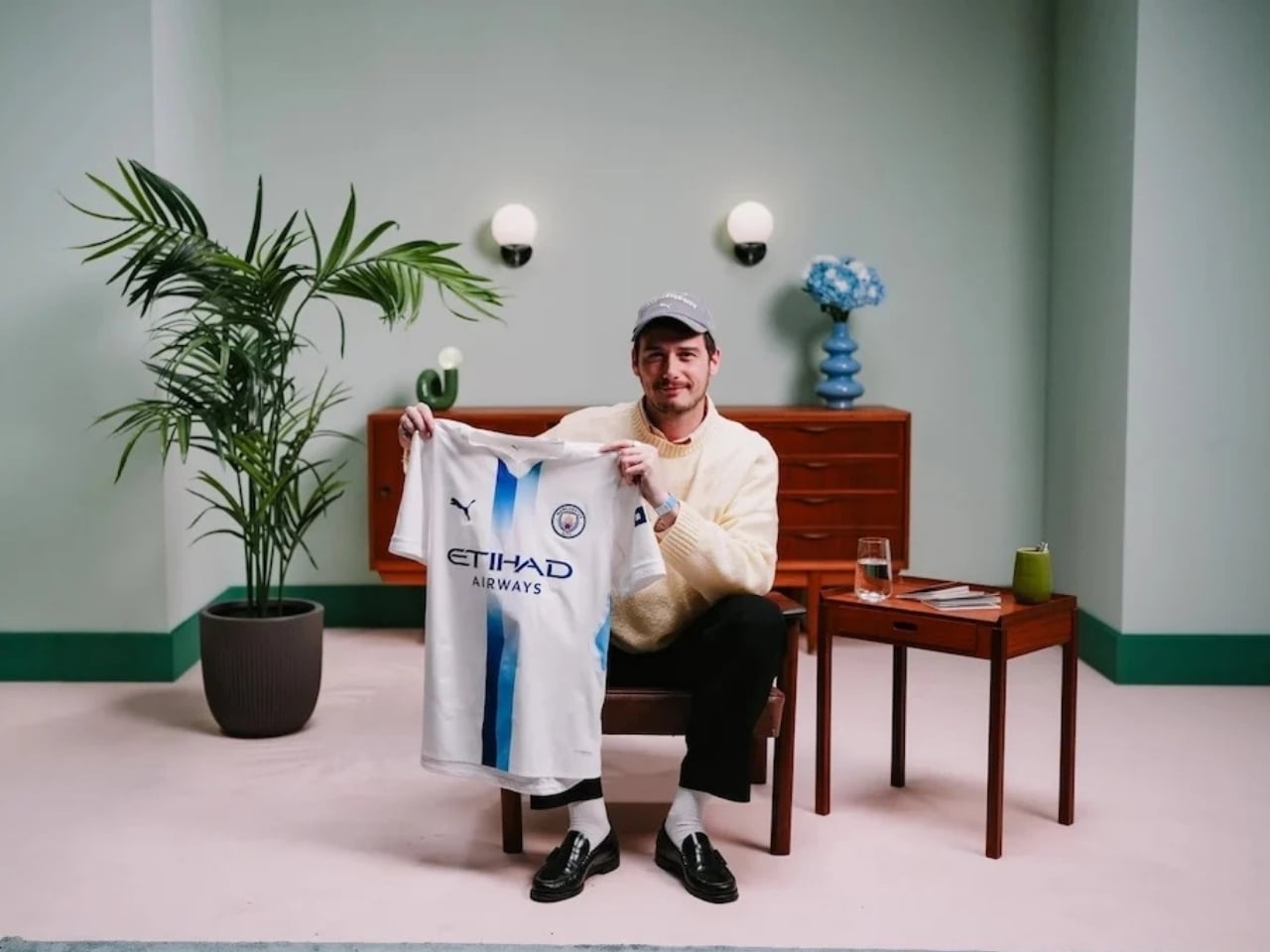
Manchester City’s marketing leadership framed the project as an extension of the deep bond between the club and its global fanbase, describing the initiative as a way of turning ordinary supporters into designers for a day, with AI as the bridge that made it possible. On the PUMA side, leadership described the collaboration as sitting squarely at the intersection of technology, football, and community, a rare combination that doesn’t come together often in professional sports branding.
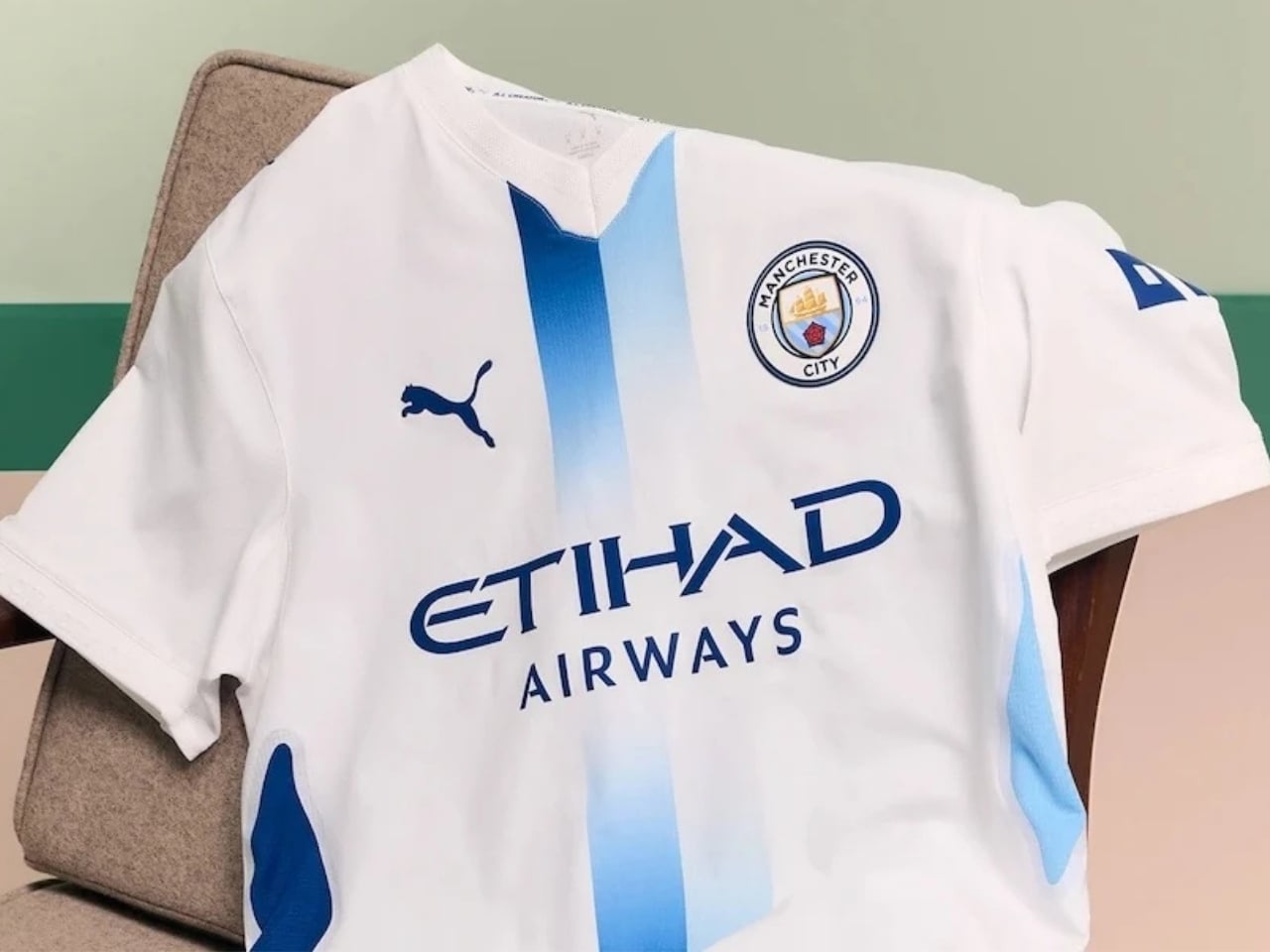
For Lacey himself, the experience was described as surreal and deeply personal. Having grown up as a City supporter, he never expected that a design he put together on a lunch break would end up gracing the shirts of the players he idolized. It’s the kind of story that turns an everyday supporter into part of club history, and it’s exactly the sort of narrative that makes this kit special beyond its good looks.
For collectors, this kit represents something more than fresh apparel for the upcoming season. It’s a cultural milestone, the first tangible proof that AI-assisted design can move from novelty experiment to something worn by elite athletes and cherished by fans around the world. Owning one means owning a piece of a genuine “first” in sports history, not just another seasonal jersey.
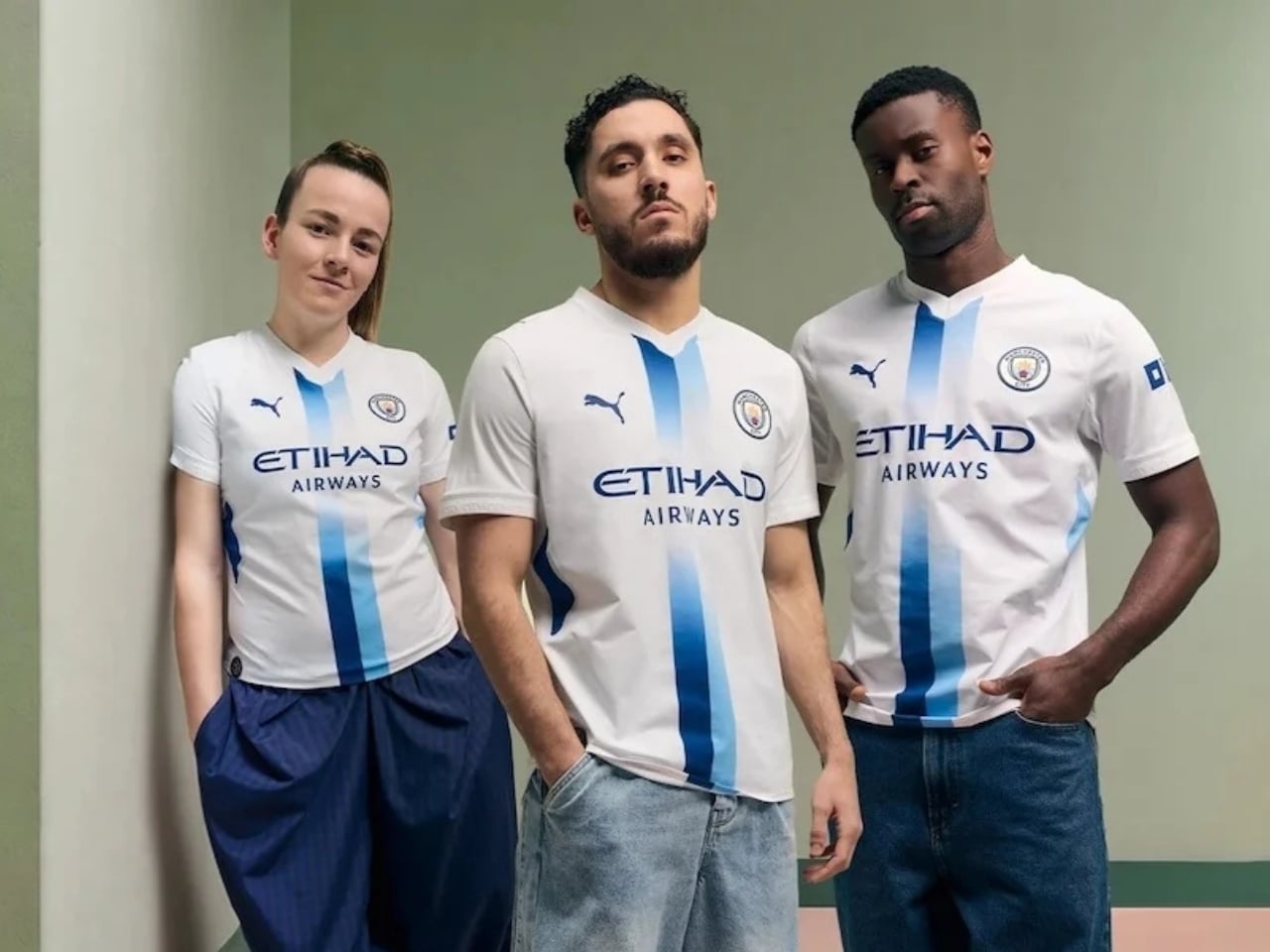
Whether you’re a die-hard Cityzen, a design enthusiast curious about where AI creativity is headed, or simply someone who appreciates a good underdog story, this kit checks every box. It’s proof that passion, paired with the right tools, can turn an ordinary lunch break into a legacy moment. And as more clubs watch how enthusiastically fans embraced this process, don’t be surprised if Elliott Lacey’s story becomes the blueprint for how sports brands invite their communities into the creative process for years to come.
The post A Fan Actually Designed Man City’s Third Kit With Puma’s AI Platform first appeared on Yanko Design.
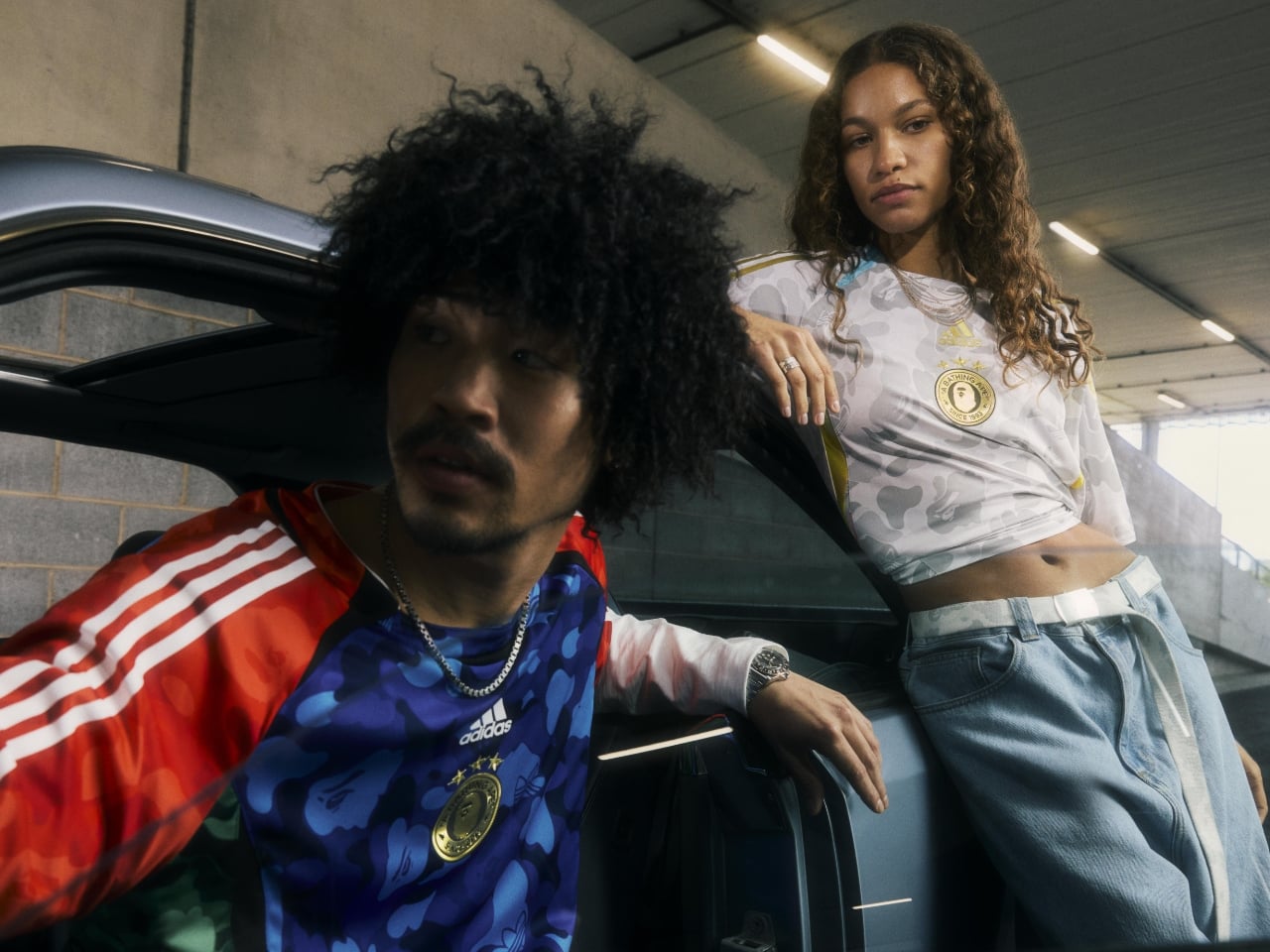
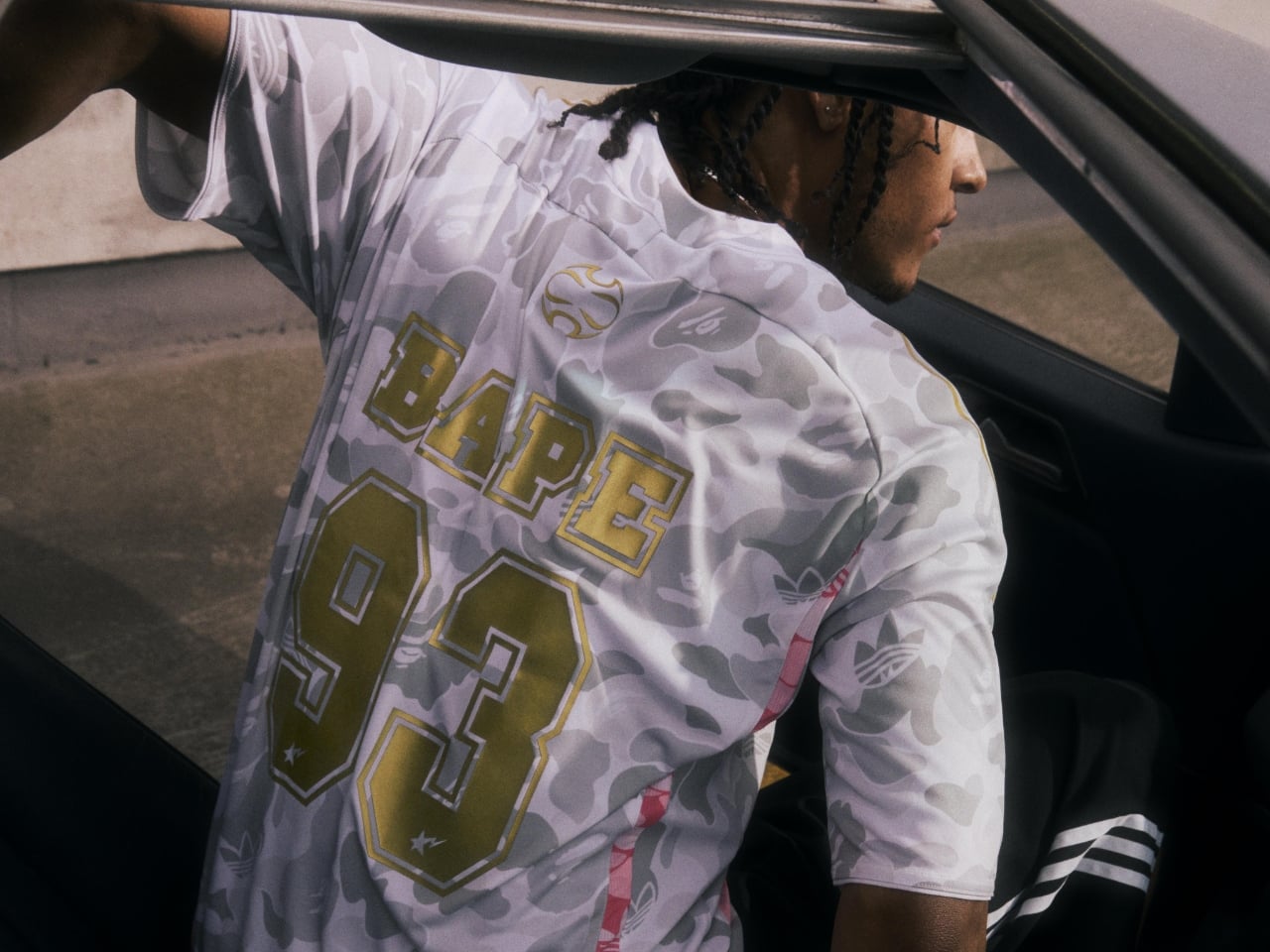
 branding on the chest, the number 93 referencing the year the Japanese brand was founded, and a release-specific code “2W0G2M6” inscribed on the lower back. Those kinds of details matter. They’re the difference between a collab that’s worn and one that’s kept.