The90Gem smart necklace tracks UV exposure in real-time for sensible skincare

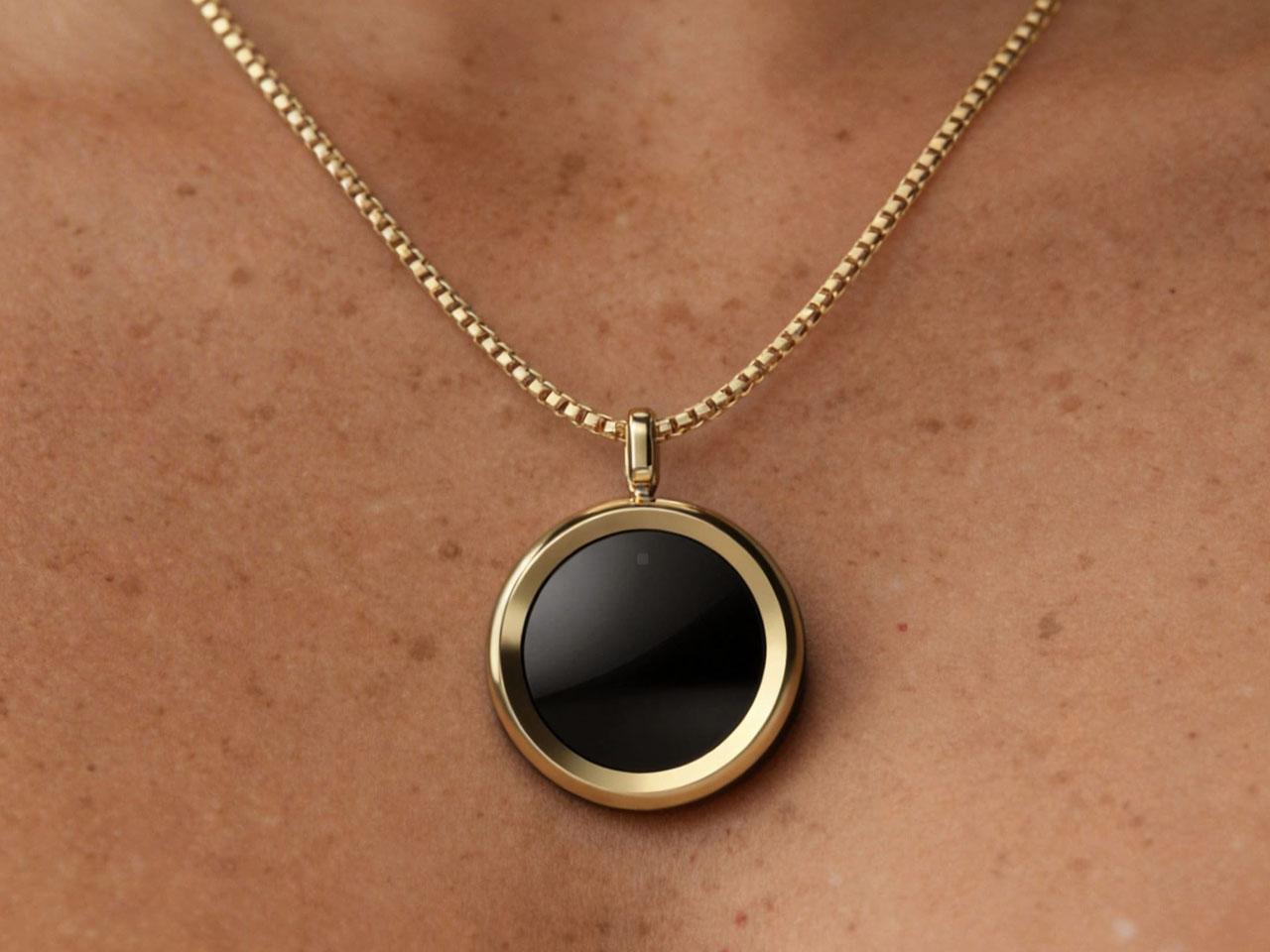
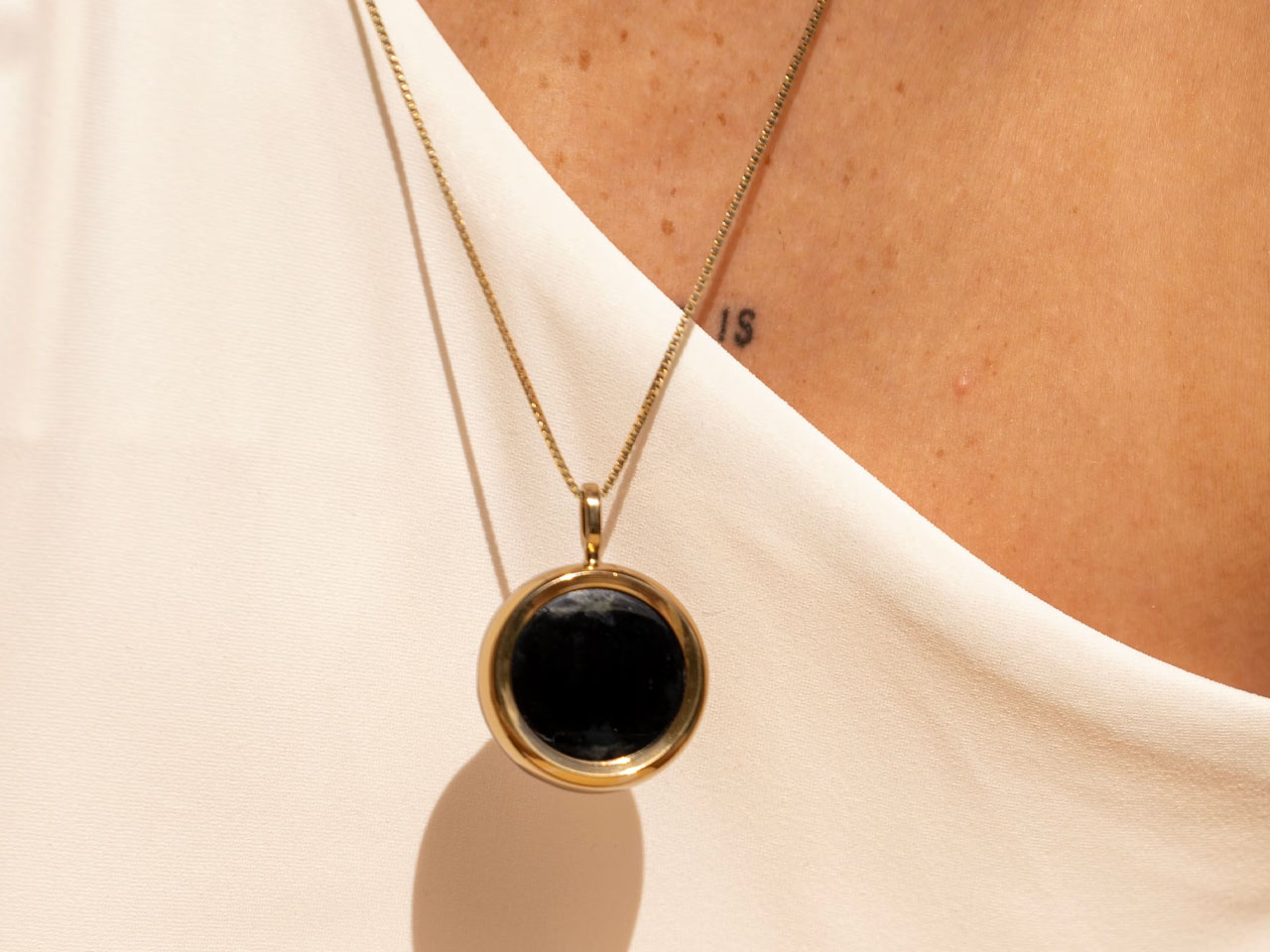
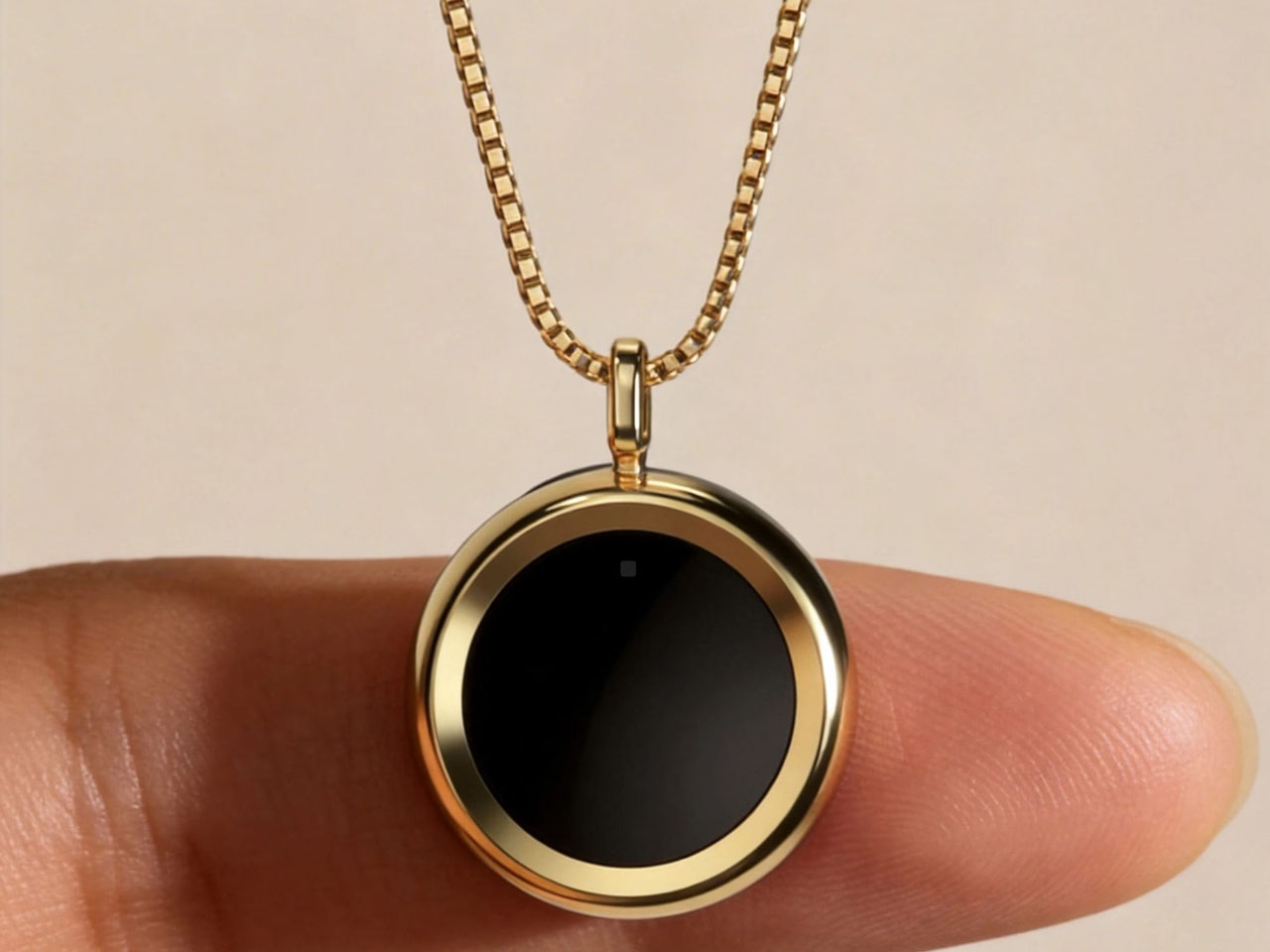
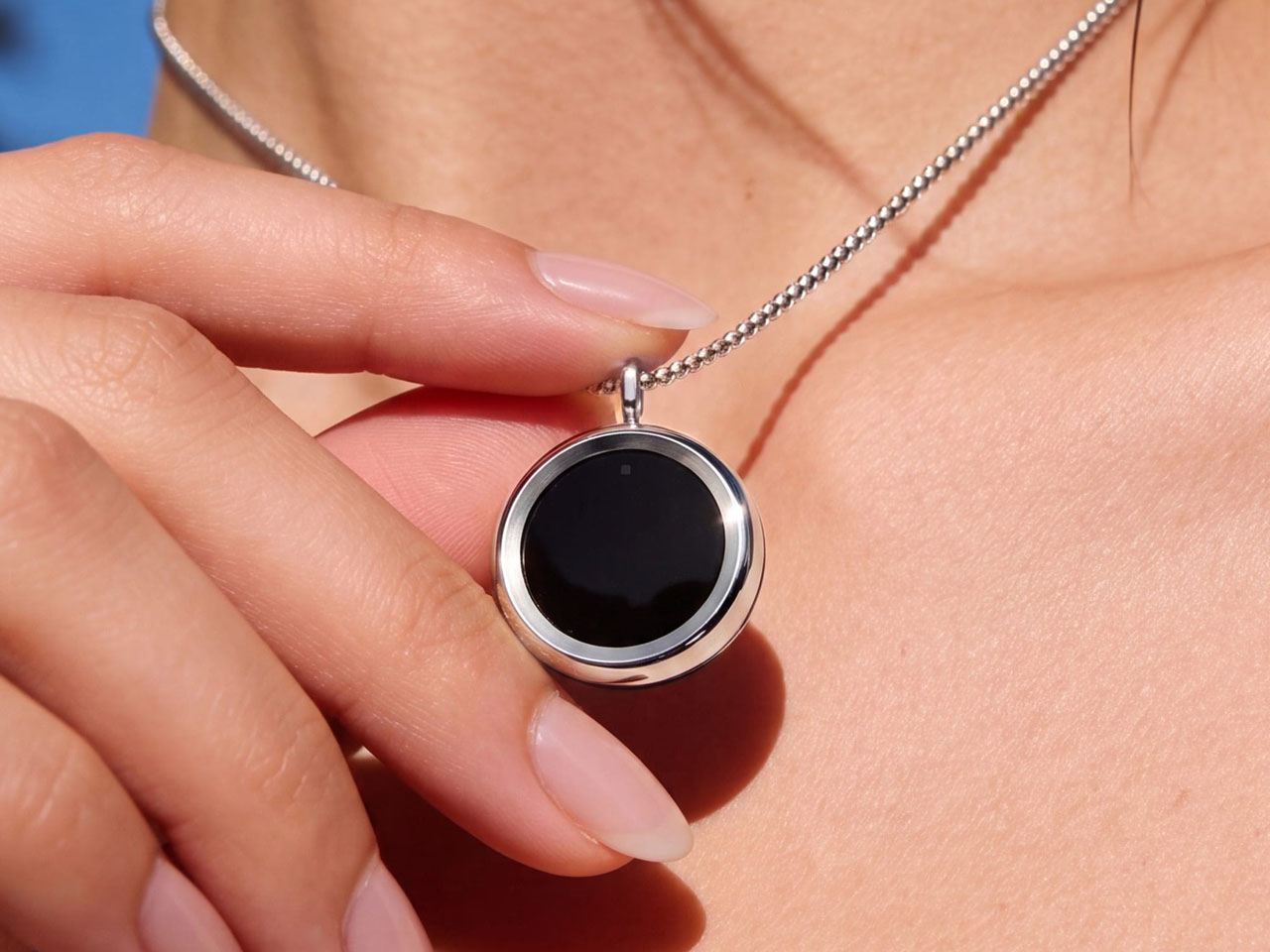
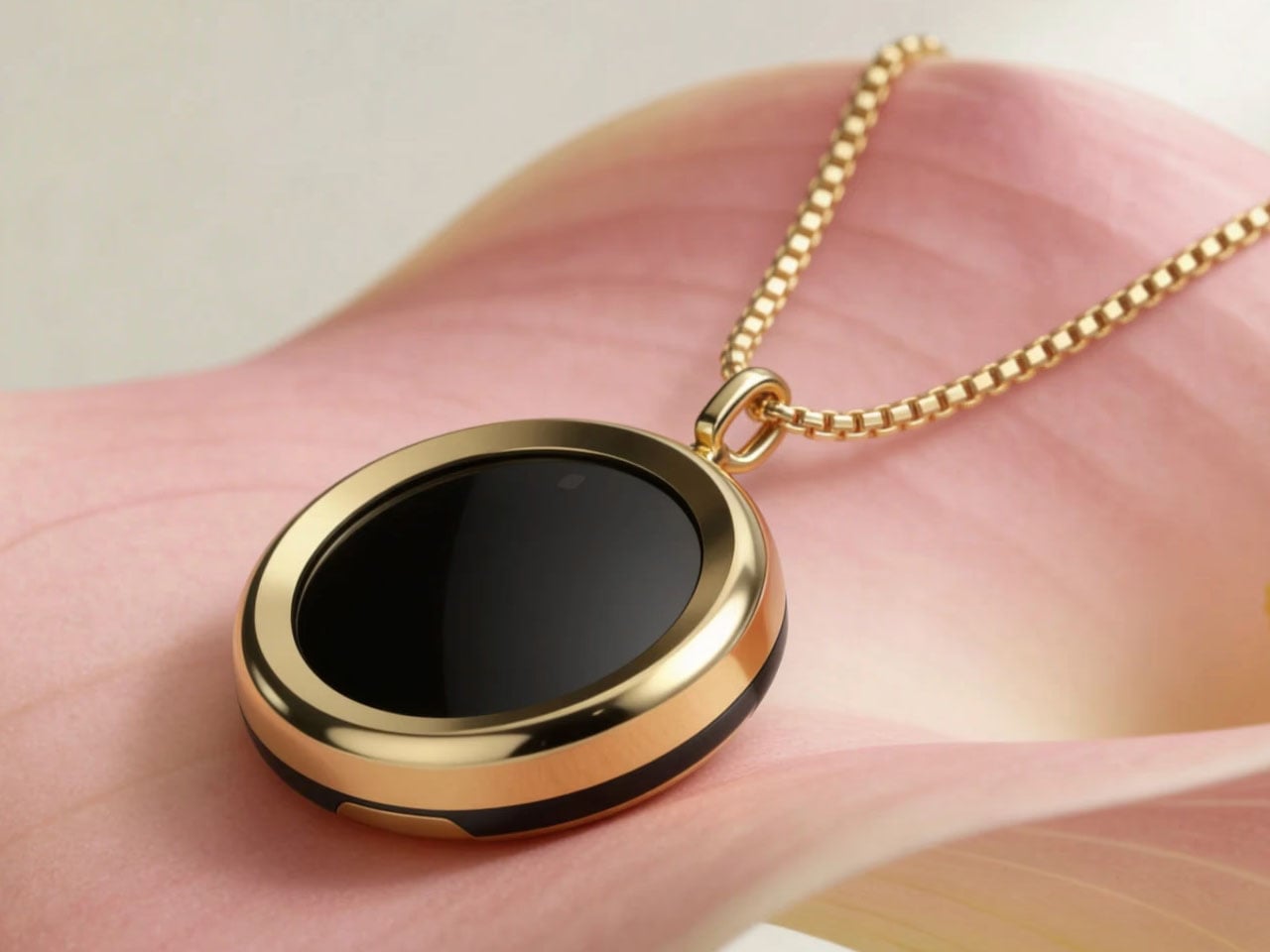
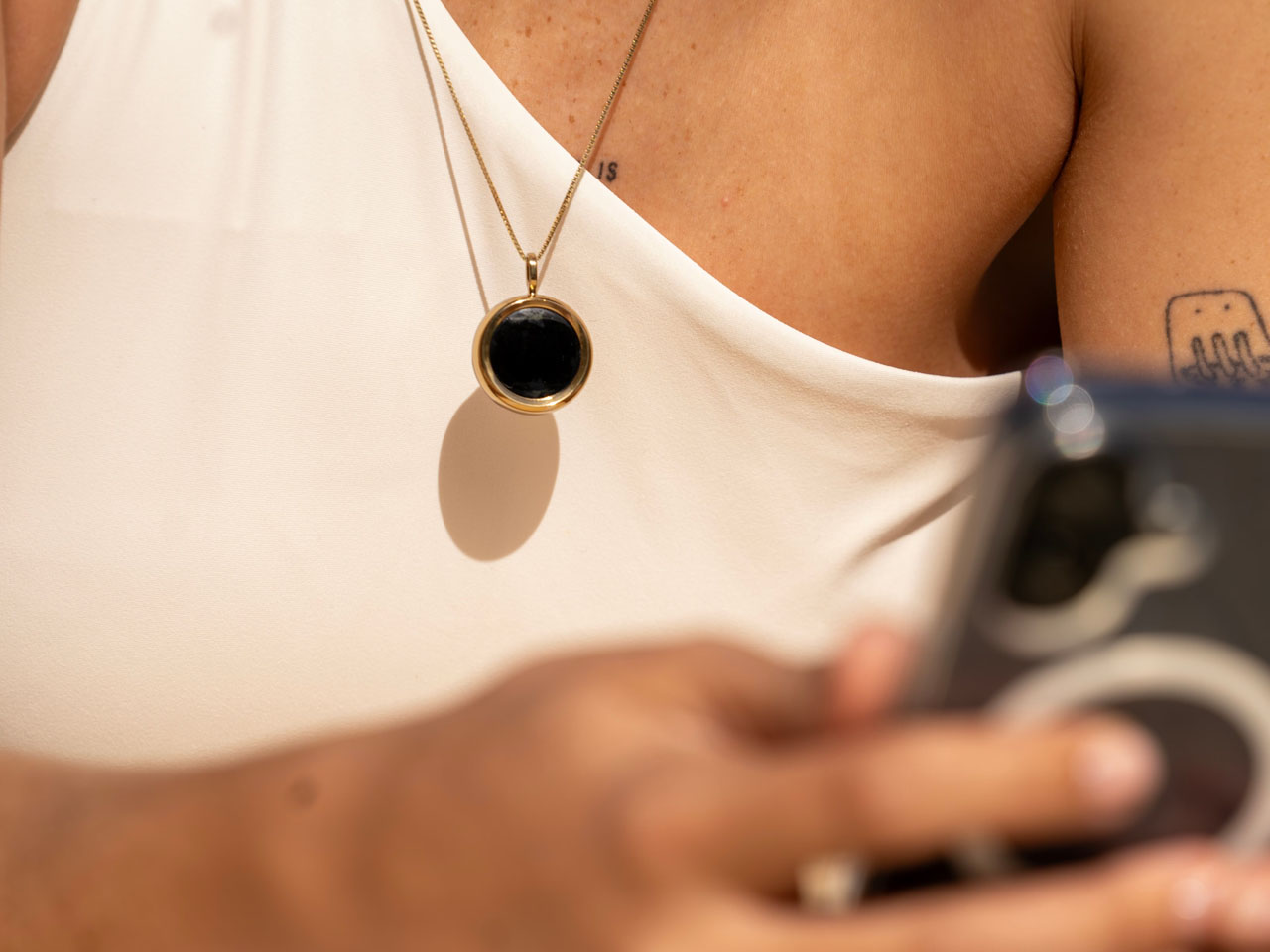
Wearables are targeting most of our burning health concerns, but sun exposure damage is still in the guessing game. Stacy Salvi, who has previously led the acquisition of Fitbit by Google, and is a health expert when it comes to tech wearables, wants skincare to be more considerate when it comes to active sun exposure. Under her new venture, The90, Stacy has launched the Gem wearable that looks like a stylish round necklace for women.

On the inside, the wearable has a built-in UV sensor to track the skin’s UV exposure in real time. The gadget makes complete sense, as most of the time we are left guessing about the real exposure to damaging Sun rays, and are dependent on integrated weather apps’ UV index, which only show generic localised data. Gem goes beyond that and actively tracks the real-time exposure, whether you are lounging in the mid-day Sun or spending afternoons sitting near an office window. It basically takes out the guesswork and focuses on the real-time solution.

Designer: The90

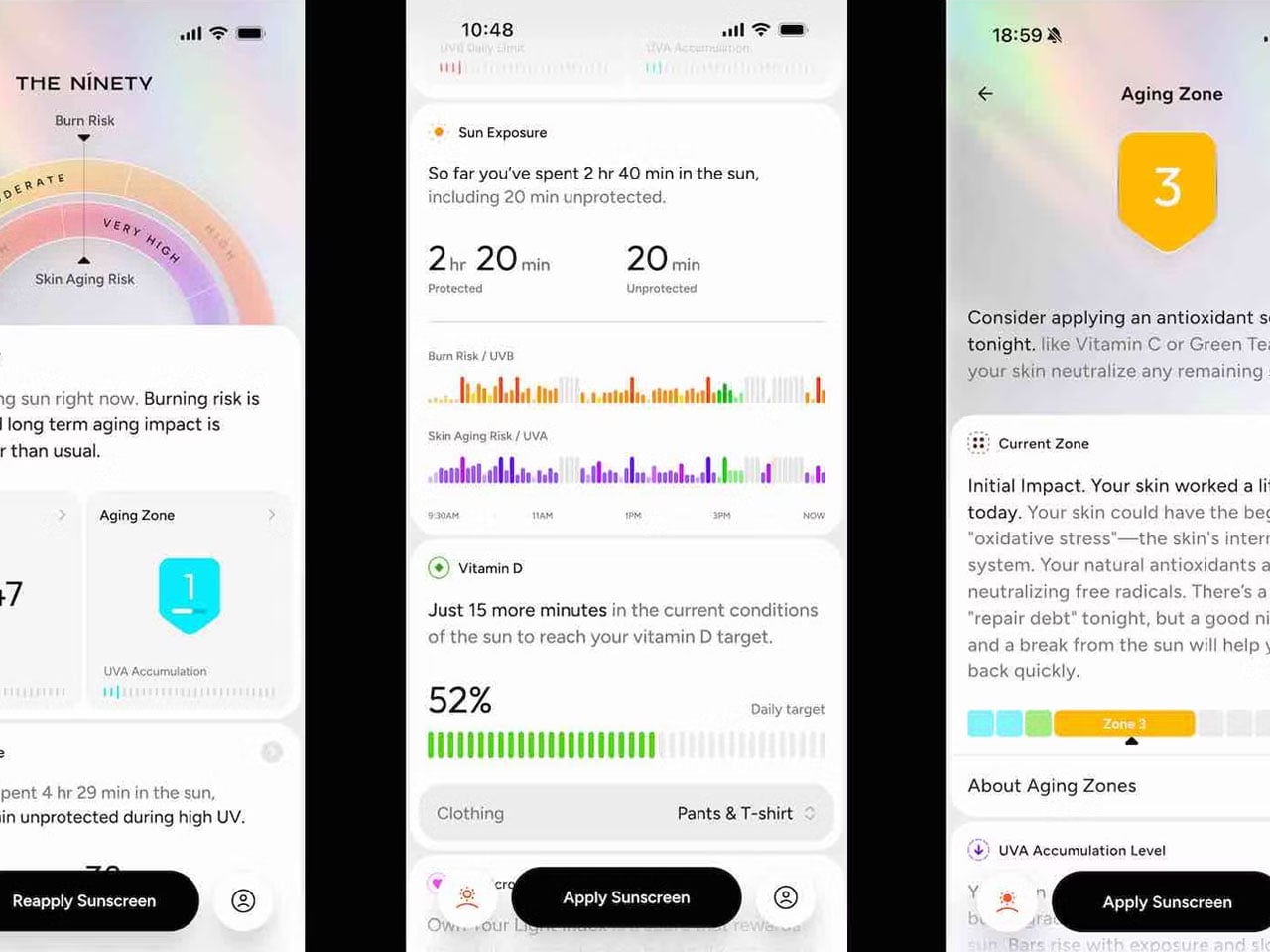
The90Gem keeps a tab of the UVA and UVB data received from the sensors in real time, and over time builds a personal skincare profile that is actually beneficial. “The90 transforms sunscreen from a one-time morning ritual into an adaptive, responsive system built around your actual UV load,” Salvi said. Micromanaging the skin type, sunscreen used, and any sun-protective clothing that you’re wearing is another feature of the accompanying app. For now, the wearable is specifically targeted towards women who tend to be more informed about the risks of UV exposure. The brand, however, eventually wants to expand the product line to men and children as well.
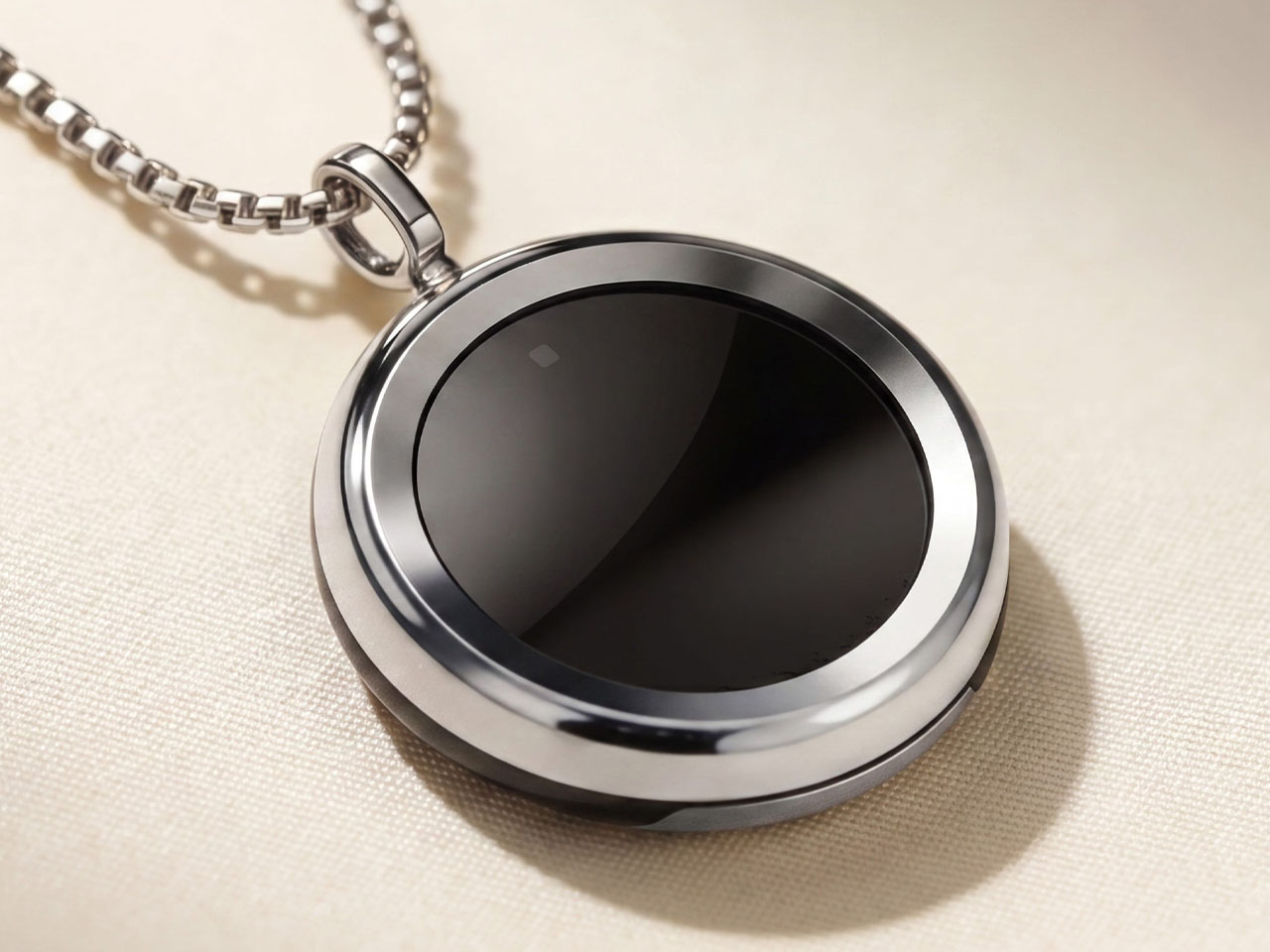
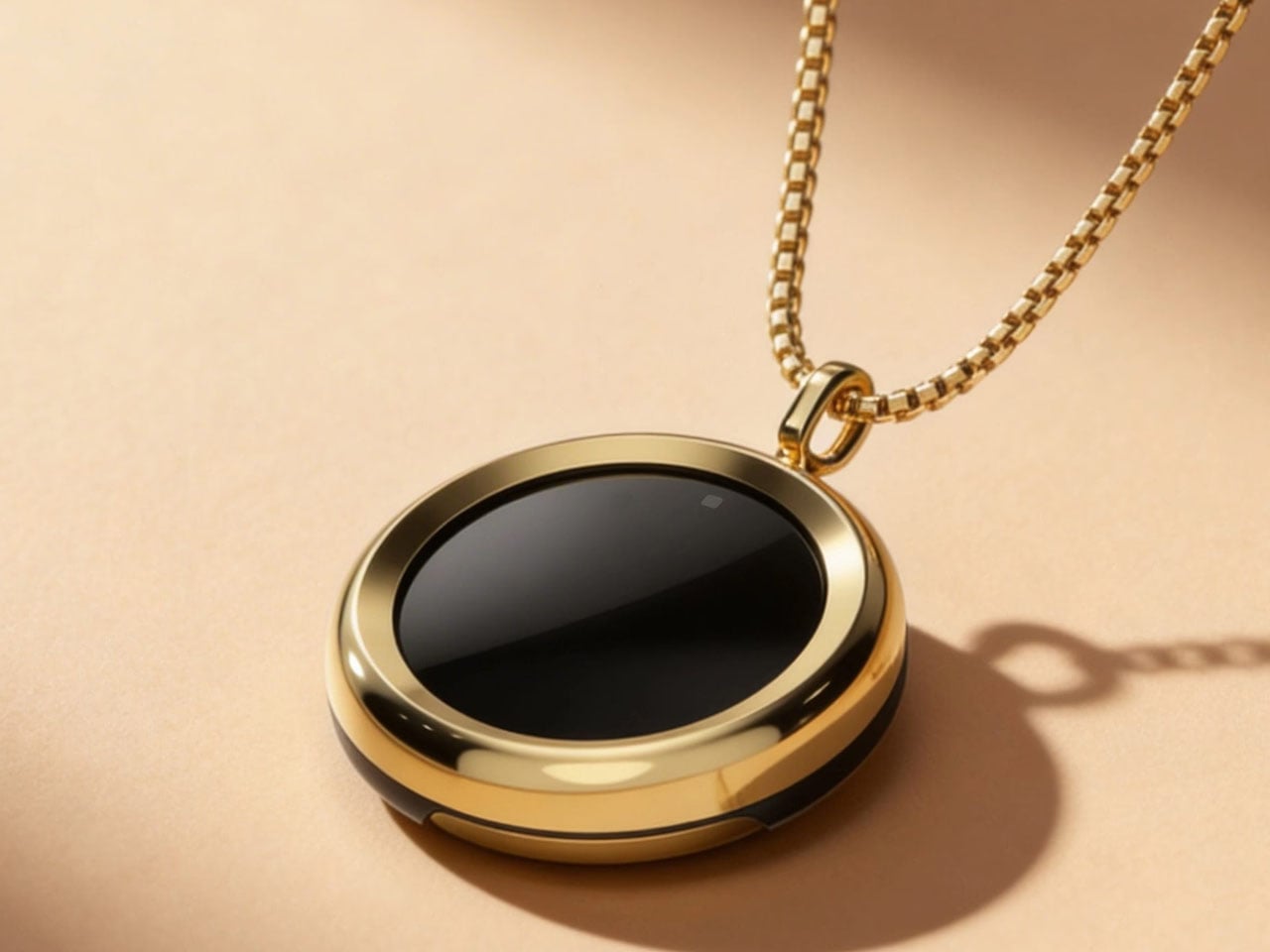
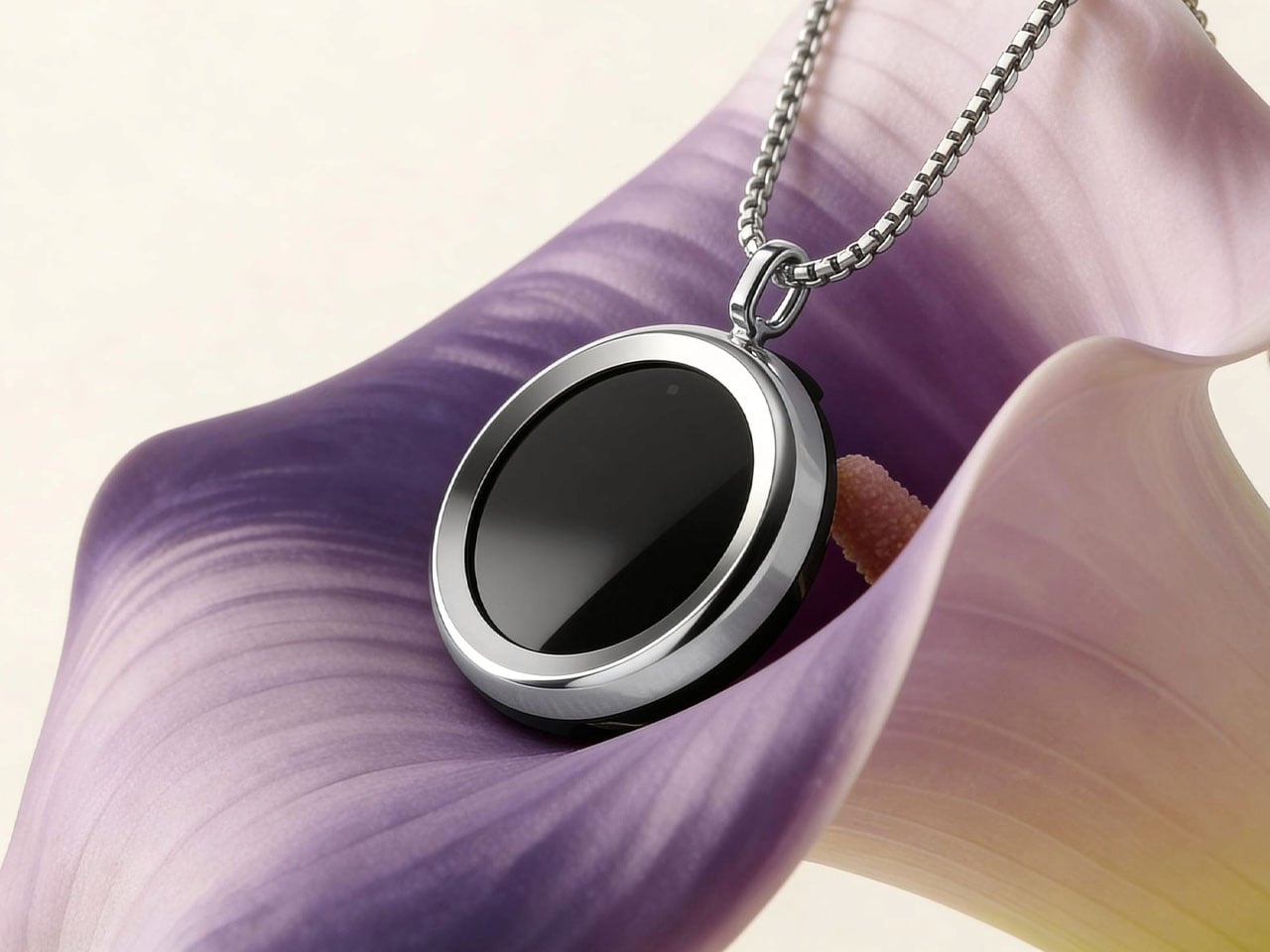
Detecting UVA and UVB exposure is one part of the wearable. The most important bit is the timely beaming of notifications for sunscreen application, or a reminder of the sun protection habits that should eventually be ingrained in your muscle memory. The app also provides data on Vitamin D targets for a mindful suncare routine. The Gem is essentially a titanium case with the sensor inside, wholly encapsulated in a pendant. The battery on the gadget should last for around a week on a single charge, but that remains to be seen in real-world usage.

This piece of smart jewellery is available in silver or gold finish to complete the aesthetic look. Priced at $299, The90 Gem wearable is just borderline affordable for a specific benefit, but the members of The Skinny Confidential community can get it for an exclusive price of $199 in the early access offer. The company also has plans to incorporate the smart wearable as other items as well, which should further expand the options to gauge your sun exposure in style.

The post The90Gem smart necklace tracks UV exposure in real-time for sensible skincare first appeared on Yanko Design.
Piaget Just Moved the Watch From Your Wrist to Your Neck

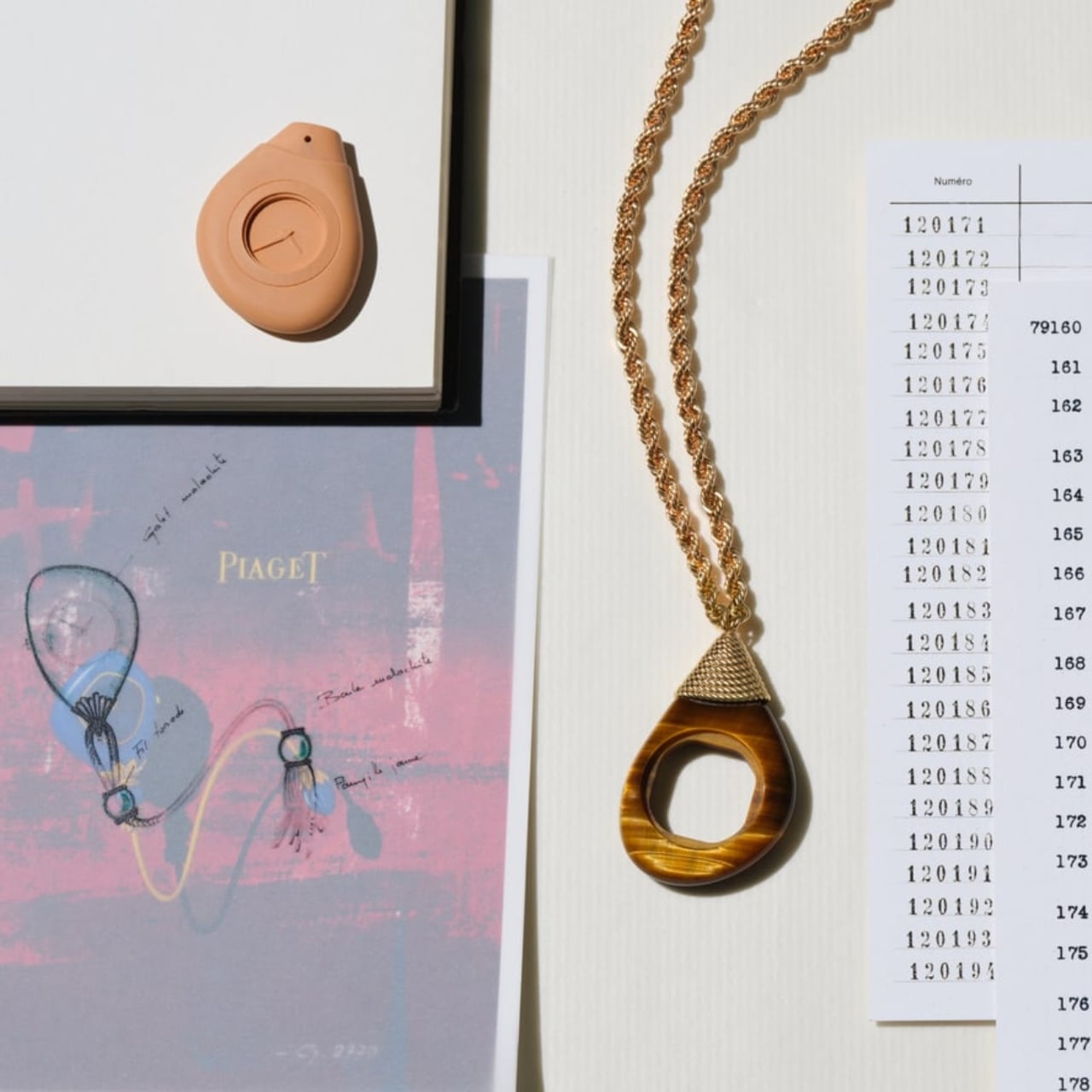
The watch industry has a well-earned reputation for doing the same thing over and over again, just with slightly thinner cases and flashier complications each year. So when a brand genuinely surprises you, it feels worth talking about. Piaget’s Swinging Pebbles, unveiled at Watches and Wonders 2026, did exactly that for me.

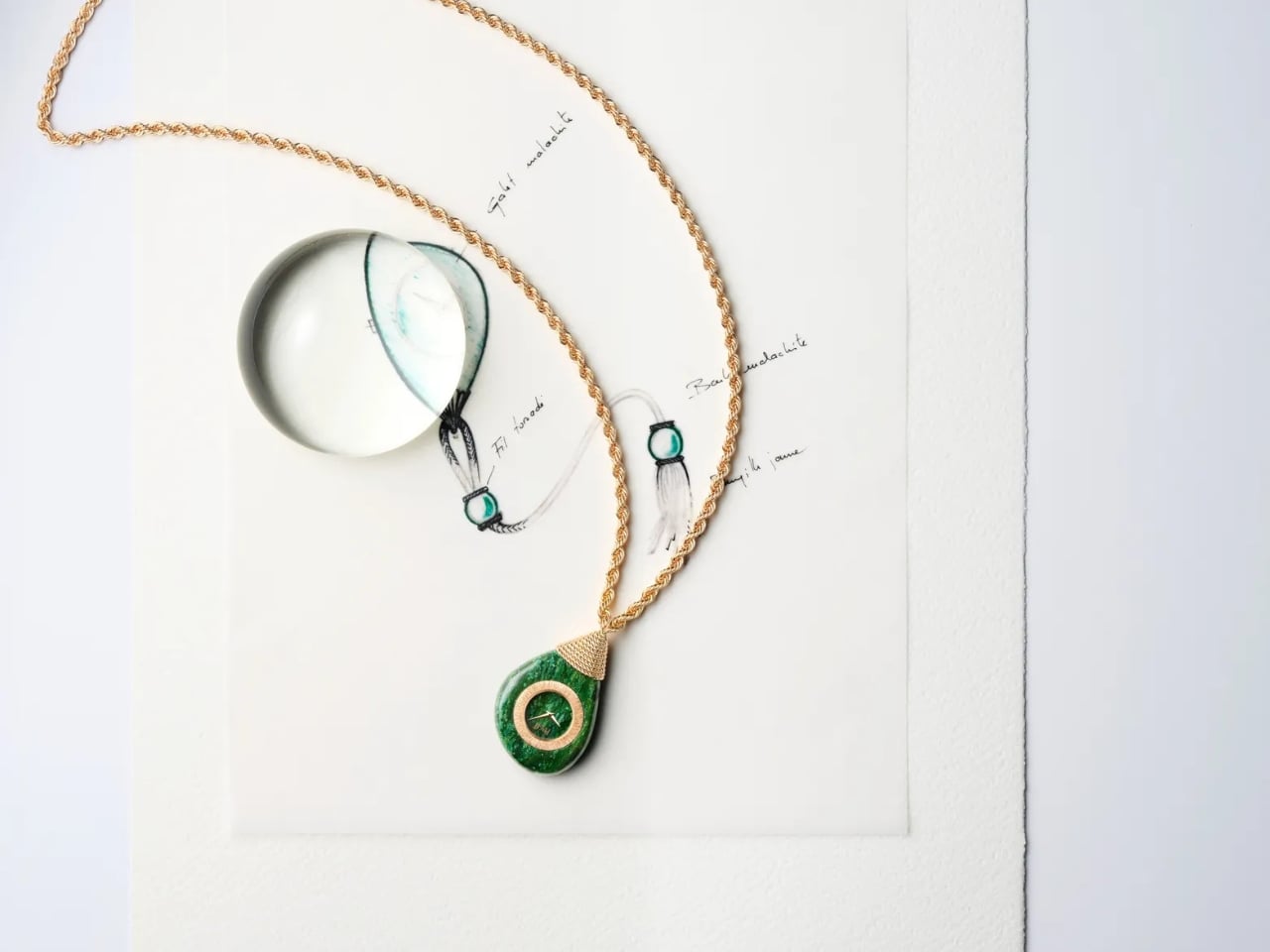
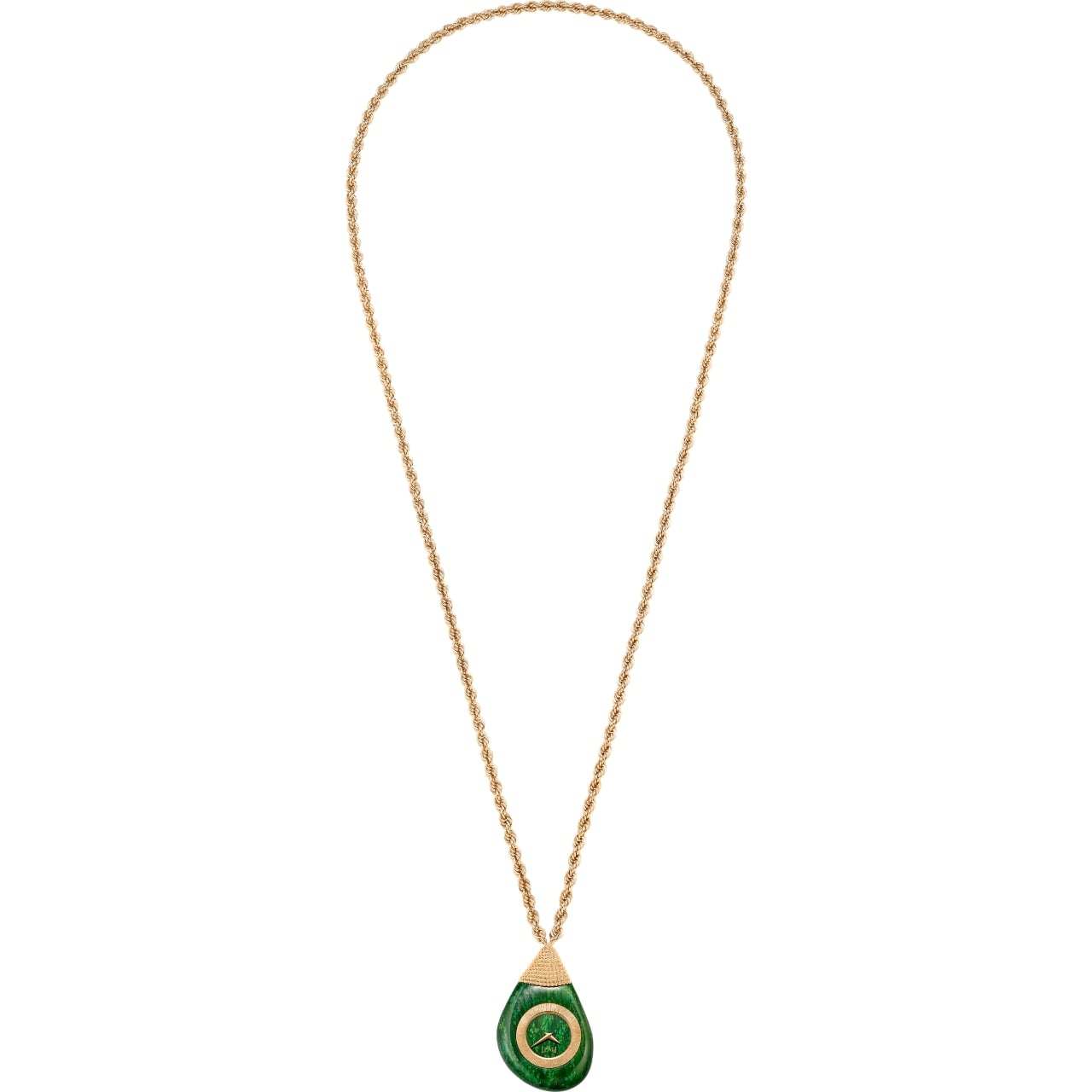
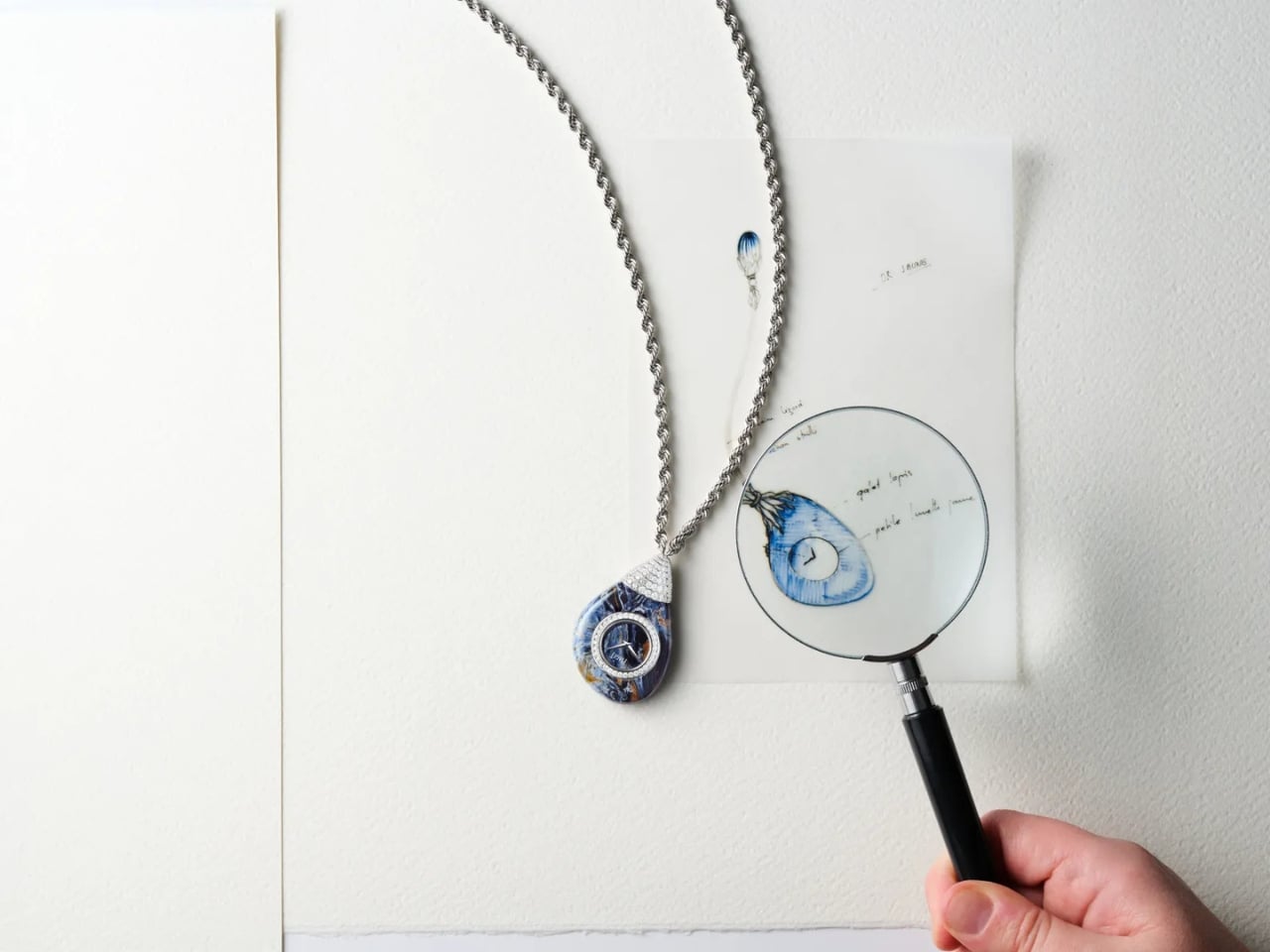
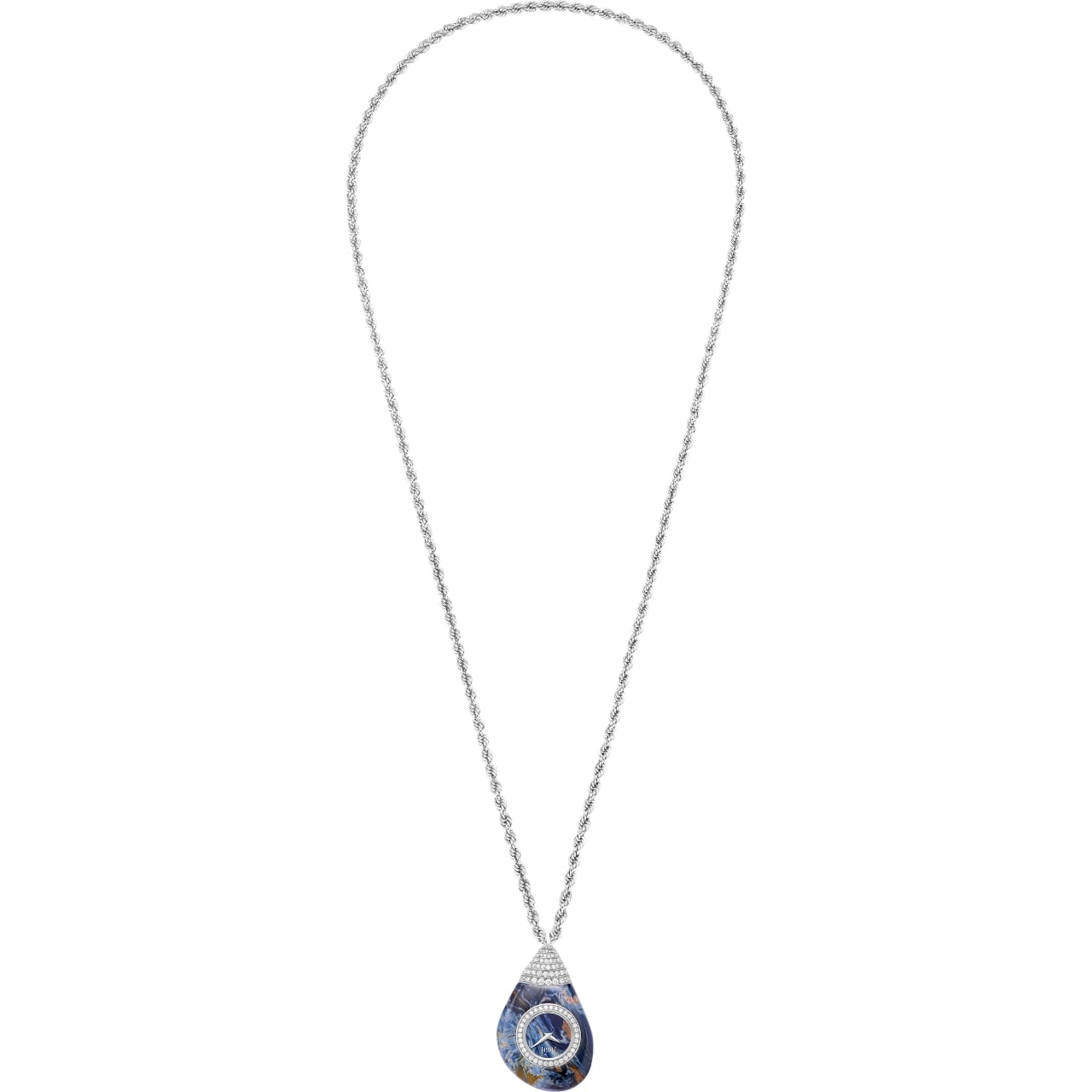
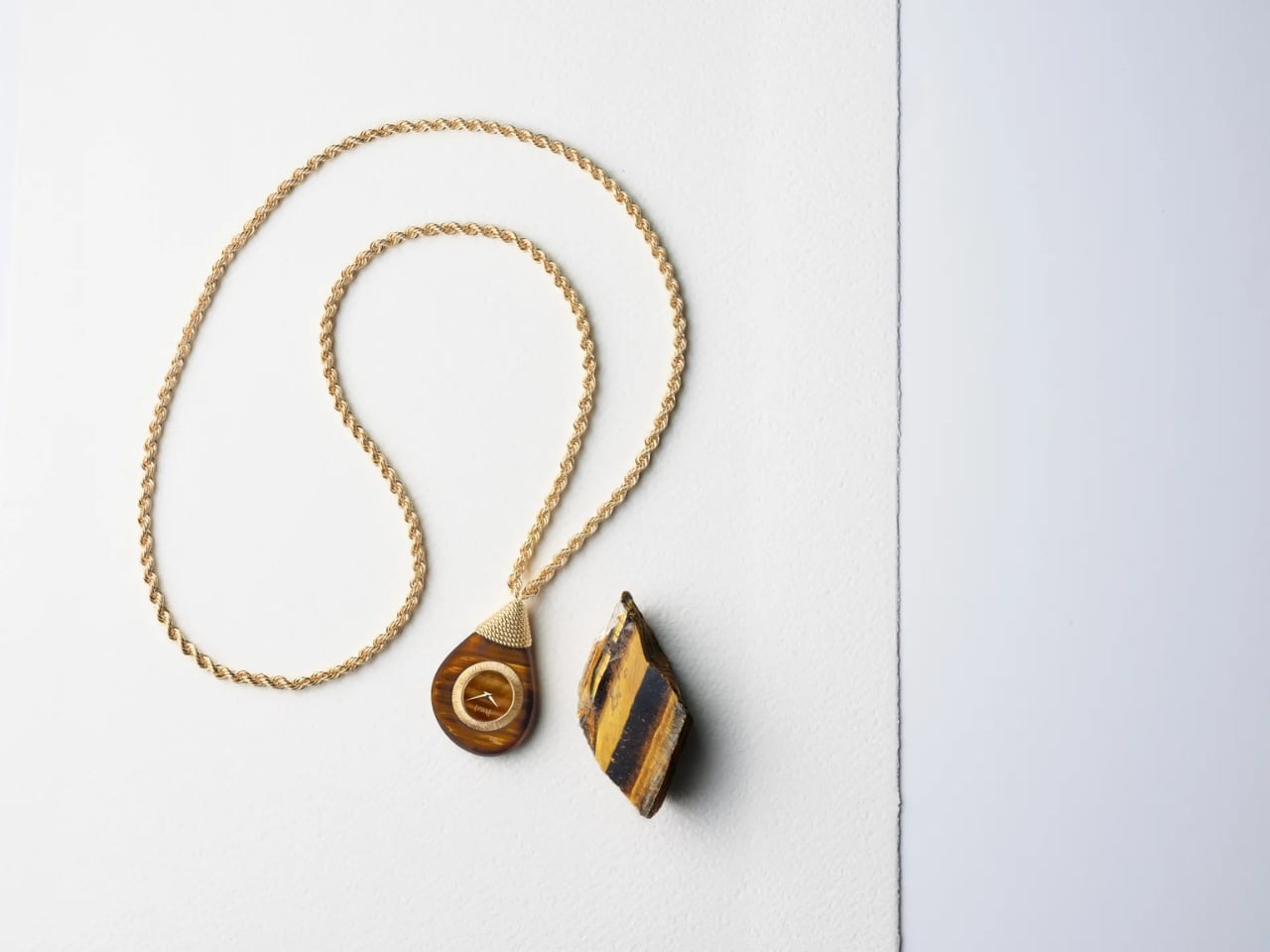
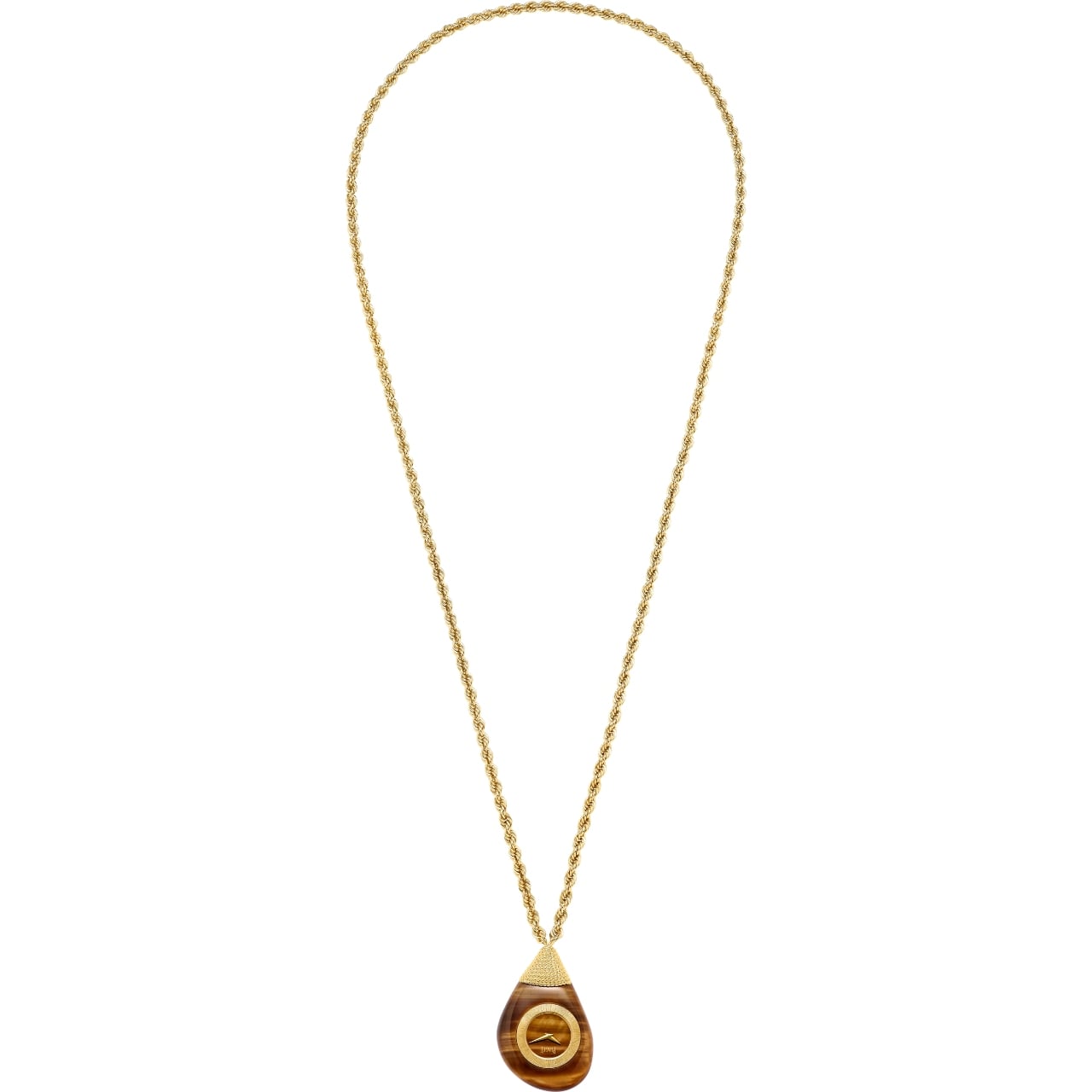
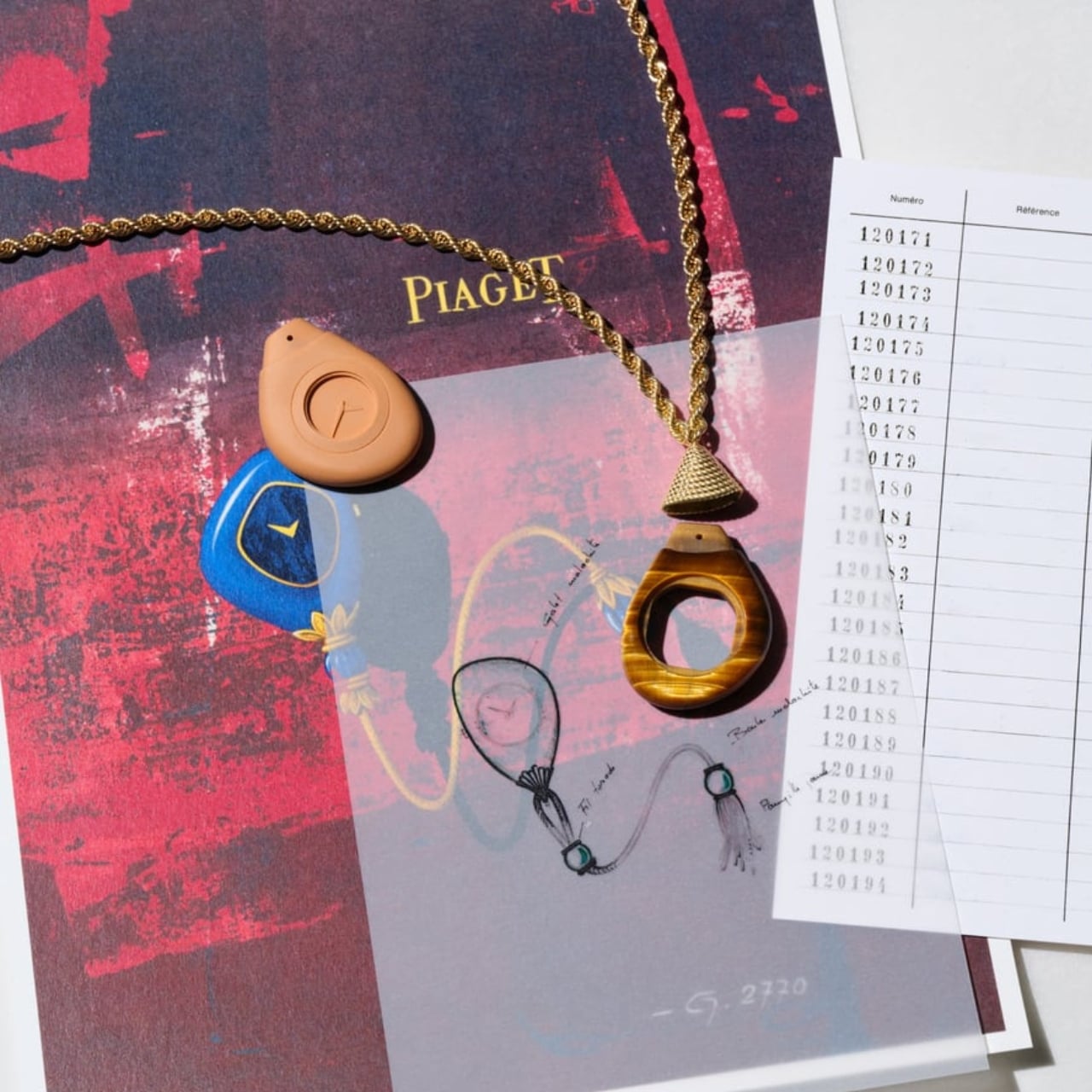
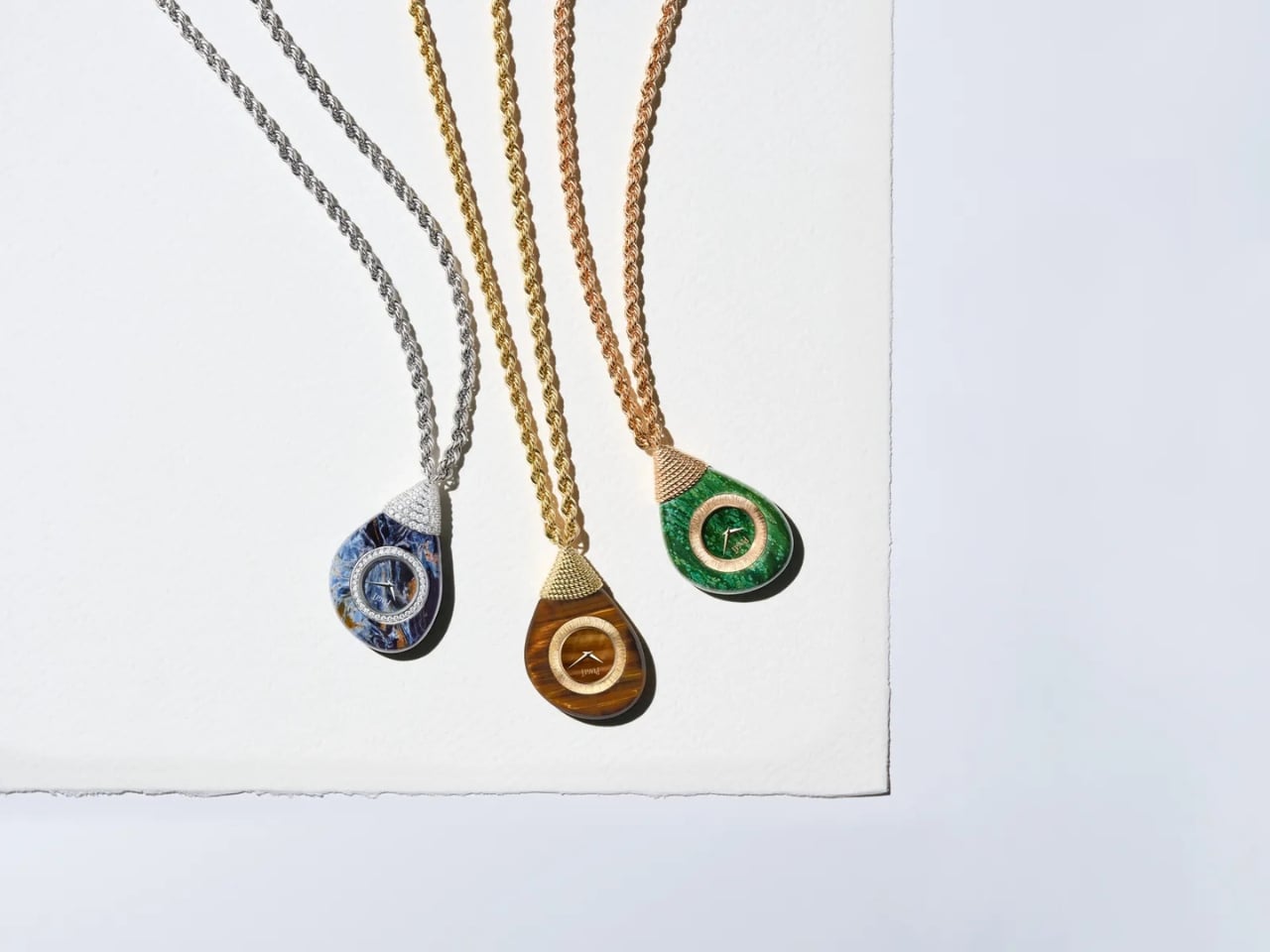
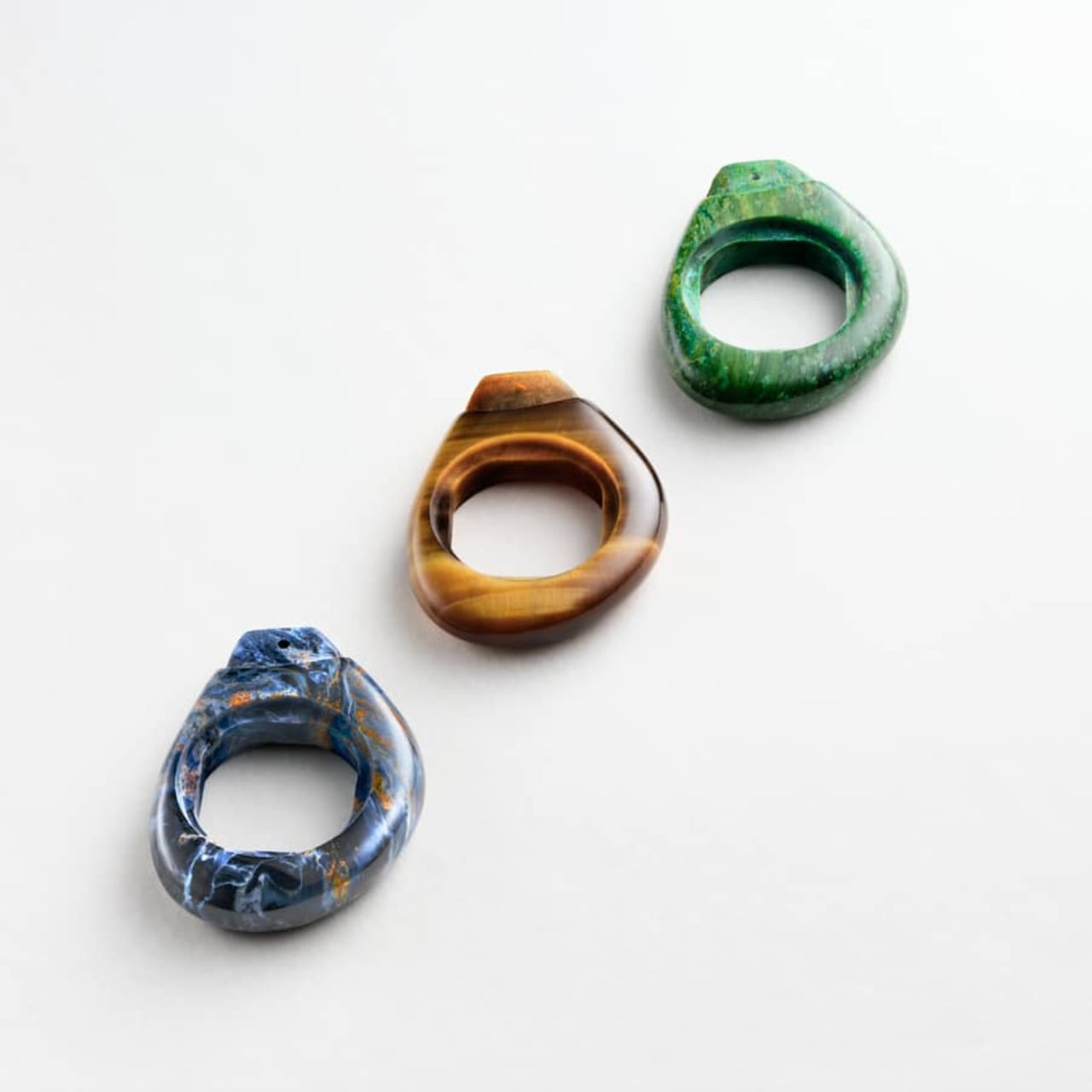
These are not watches you wear on your wrist. They’re pendant watches, sculpted entirely from a single slice of semiprecious stone and hung from sinuous twisted gold chains. The stone isn’t just decorative trim or a dial insert. The case itself is stone. The whole object is stone, hollowed out just enough to house a manufacture movement, then sealed back into a smooth, organic pebble shape. You clasp it, but you don’t strap it. It lives at your collarbone, not your pulse point.

Designer: Piaget

That shift alone deserves attention. The industry has spent decades debating millimeters of case diameter and whether 40mm is too big or too small for a modern watch. Piaget essentially said: what if none of that matters and the watch just hangs from your neck like a very beautiful rock? It’s a deeply different kind of confidence.

The collection comes in three stone varieties: golden tiger’s eye, grass-green verdite, and pietersite, each with its own mood and temperature. Tiger’s eye has that warm, chatoyant shimmer that catches light differently depending on your angle. Verdite is earthy and lush, the color of an old botanical illustration. Pietersite is the most dramatic of the three, with its stormy, swirling blues and golds that look like a weather system captured in mineral form. Choosing between them feels less like selecting a product variant and more like choosing a personal talisman.

The design draws from two specific moments in Piaget’s archive. The first is the Swinging Sautoirs of the 1970s, a collection born in an era when watches were fused into coins, envelopes, and dice, and wearing one was a full sensory experience. The second is a lesser-known reference: Piaget’s asymmetrical kimono pocket watches from 1974, crafted in malachite and designed to rest in the palm like a smooth river stone. The Swinging Pebbles are clearly carrying those ideas forward, but they don’t feel like a costume. The connection to the archive is felt rather than announced.

Yves Piaget once said, “A watch is first and foremost a piece of jewellery.” The Swinging Pebbles are probably the most literal interpretation of that philosophy the maison has ever produced. The movement is almost beside the point, which is a strange thing to say about a Swiss luxury watch. But the pieces use a quartz caliber (the 355P), and I actually think that’s the right call here. Piaget didn’t let a mechanical complication turn these into something bulky or precious in the wrong way. They stayed committed to the object’s identity as jewelry, and the quartz movement quietly agrees to stay out of the way.

My personal take: this is the kind of design that makes you rethink what a watch category even is. Pendant watches exist at a rare intersection of horology, sculpture, and wearable art, and most brands either treat that intersection as a novelty or ignore it entirely. Piaget has always been the exception. They’ve been dressing dials in lapis lazuli, turquoise, and tiger’s eye since 1963, and this new collection feels like a natural exhale from six decades of accumulated stone fluency.

Whether or not you’d actually wear one is a separate conversation, and probably a deeply personal one tied to your relationship with jewelry, self-expression, and how much you enjoy being the most interesting person in the room. But as an object, as a design statement, as a piece of thinking about what a watch can be, the Swinging Pebbles are quietly radical. They’re not trying to modernize a classic. They’re trying to remind you that some classics were already ahead of their time.

The post Piaget Just Moved the Watch From Your Wrist to Your Neck first appeared on Yanko Design.