The90Gem smart necklace tracks UV exposure in real-time for sensible skincare

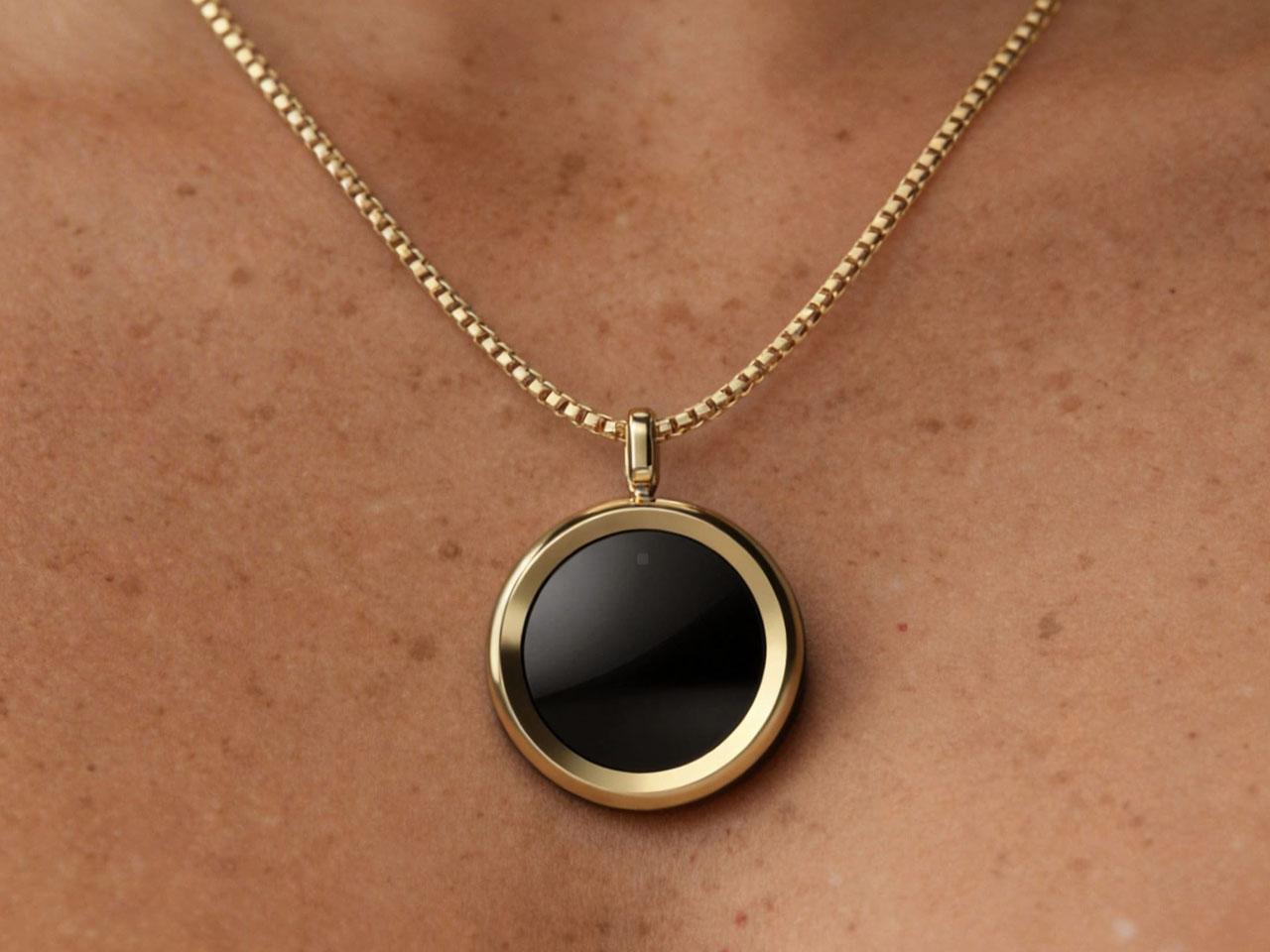
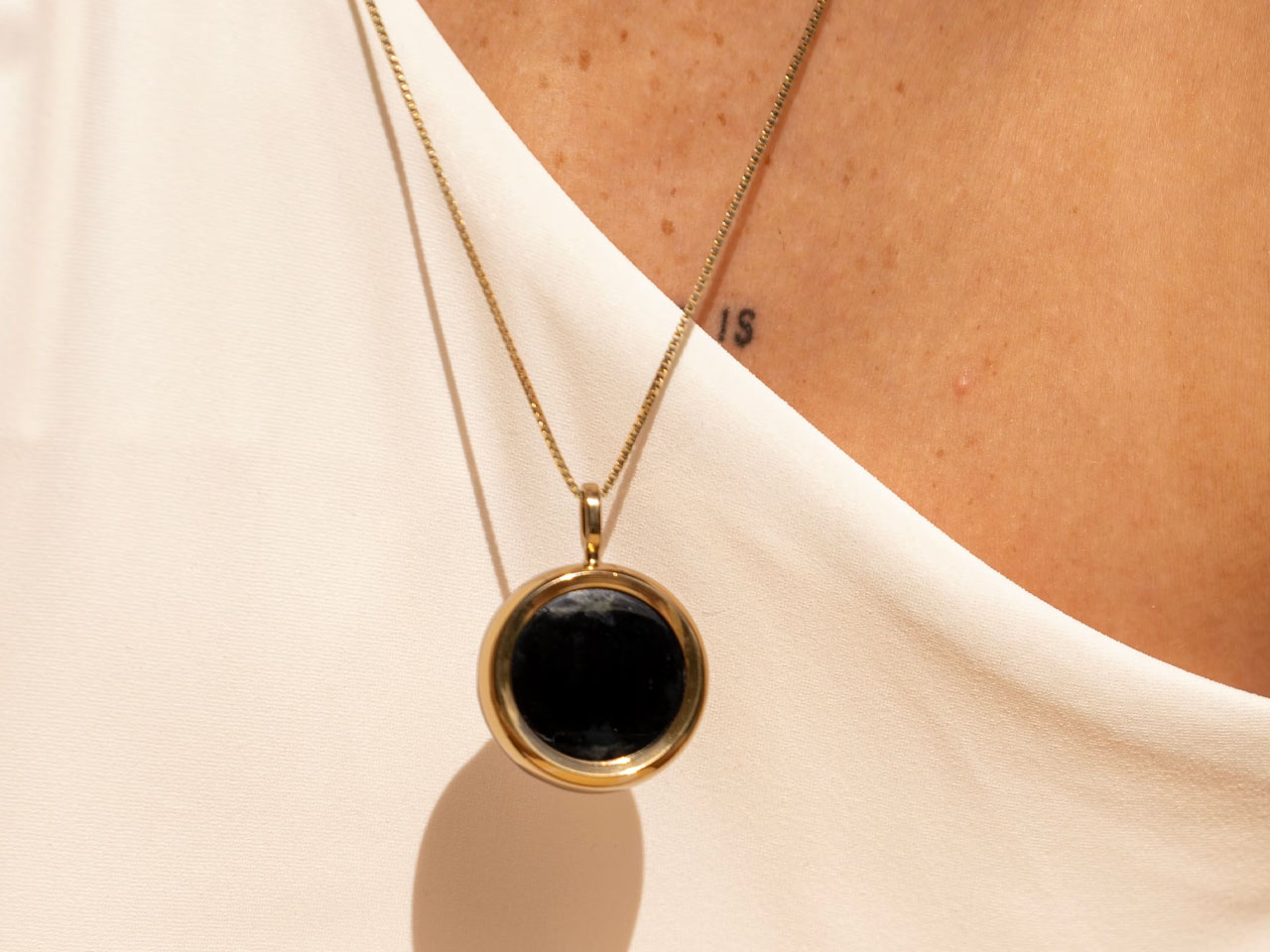
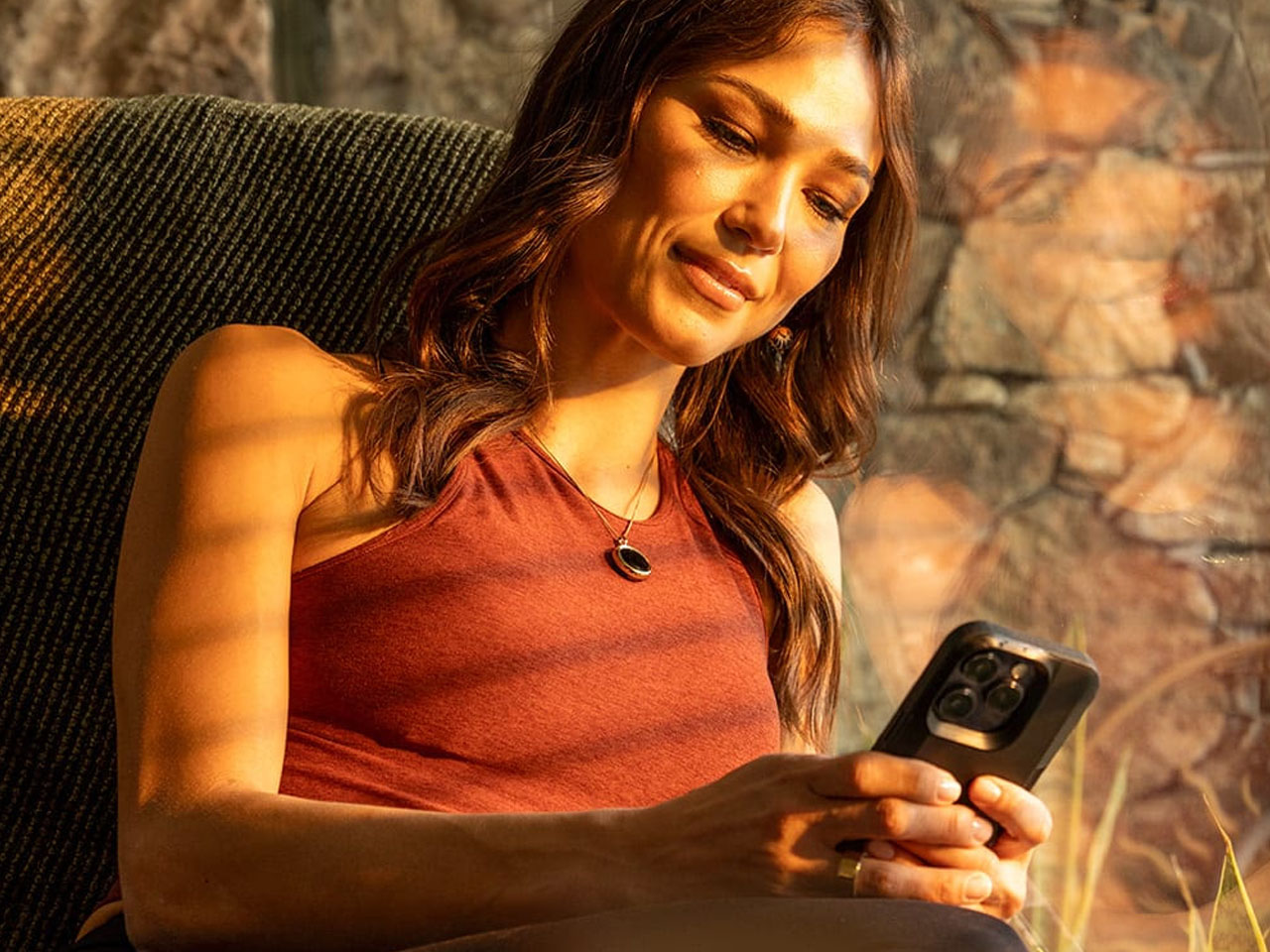
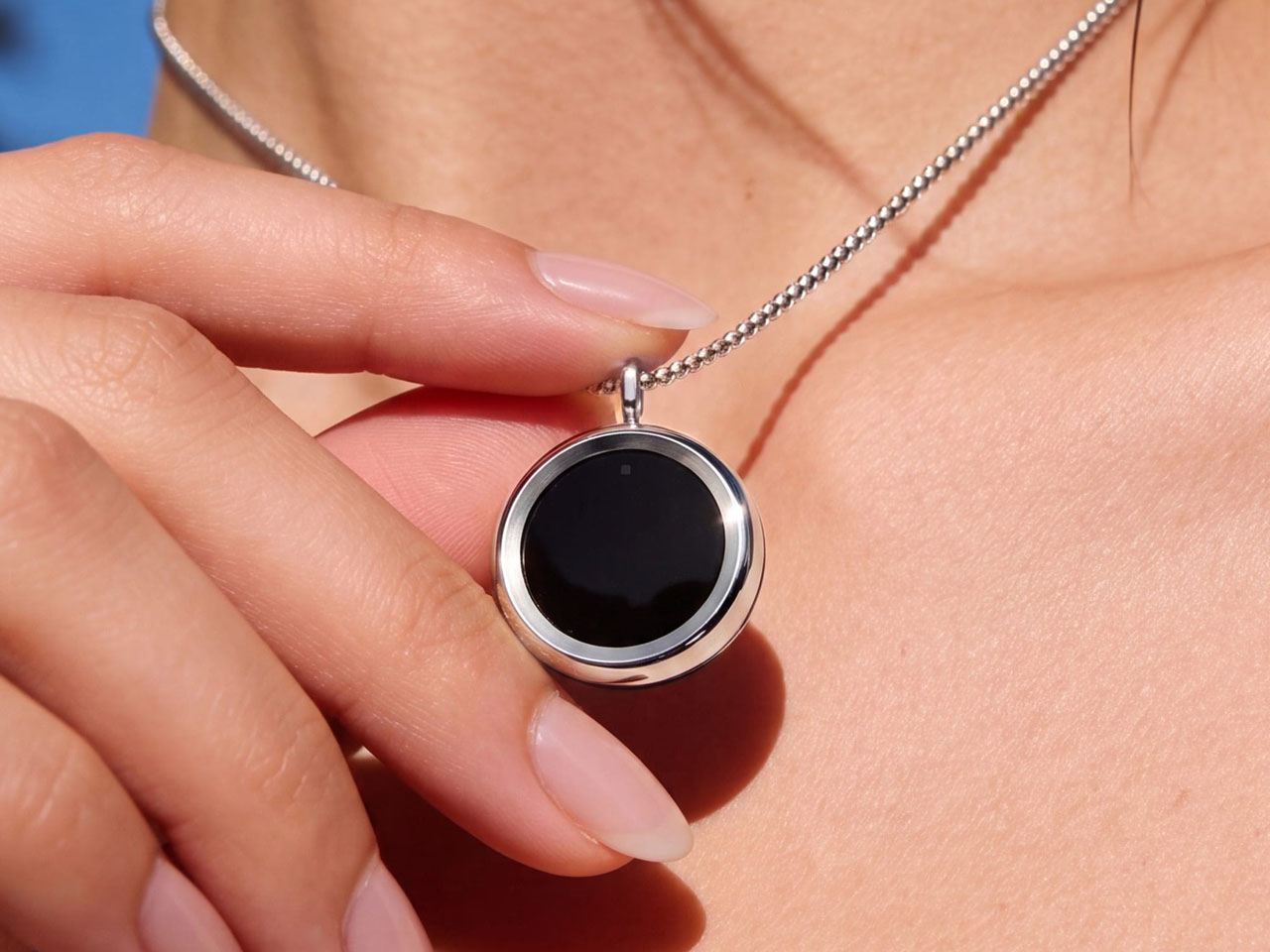
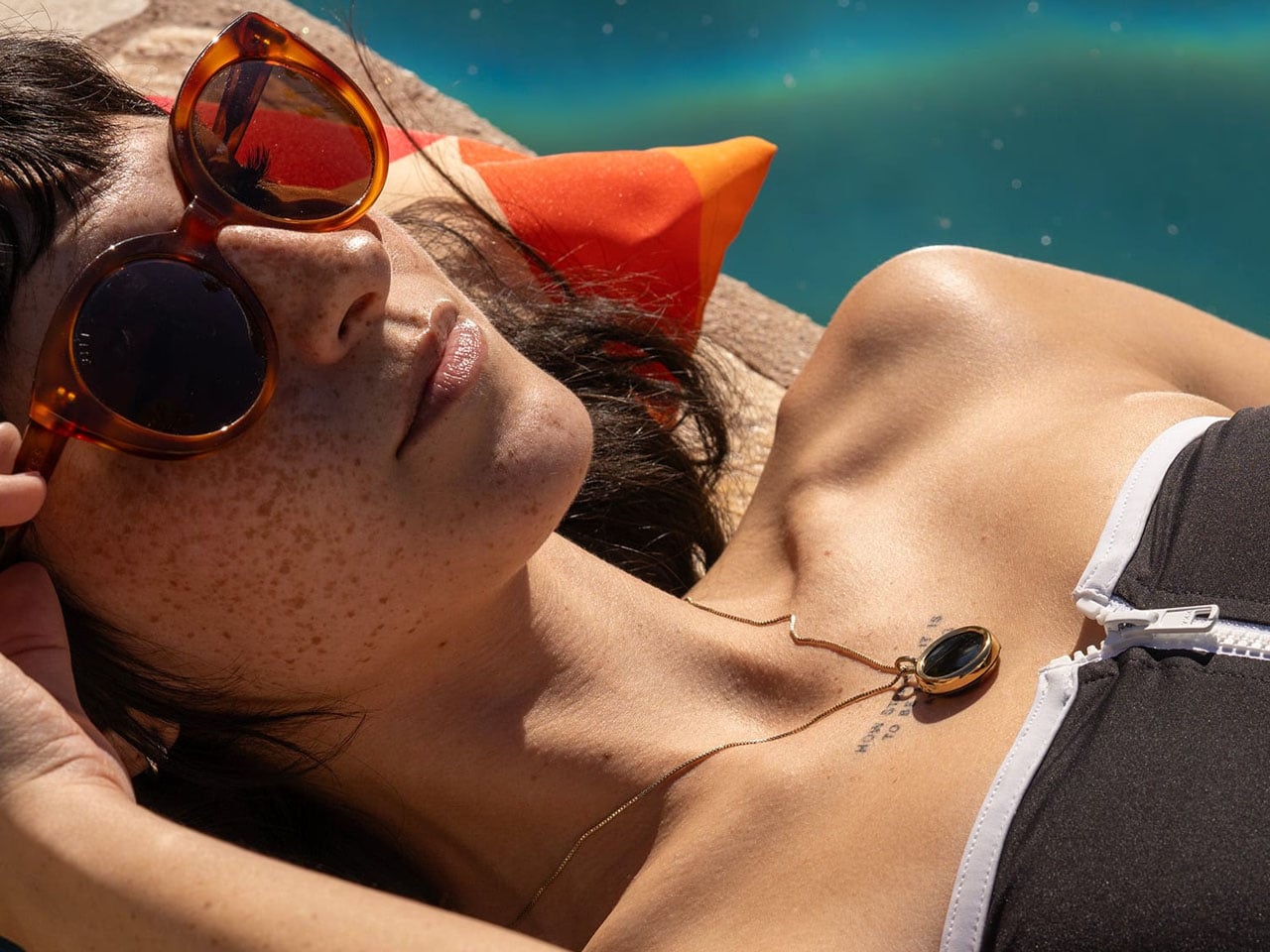
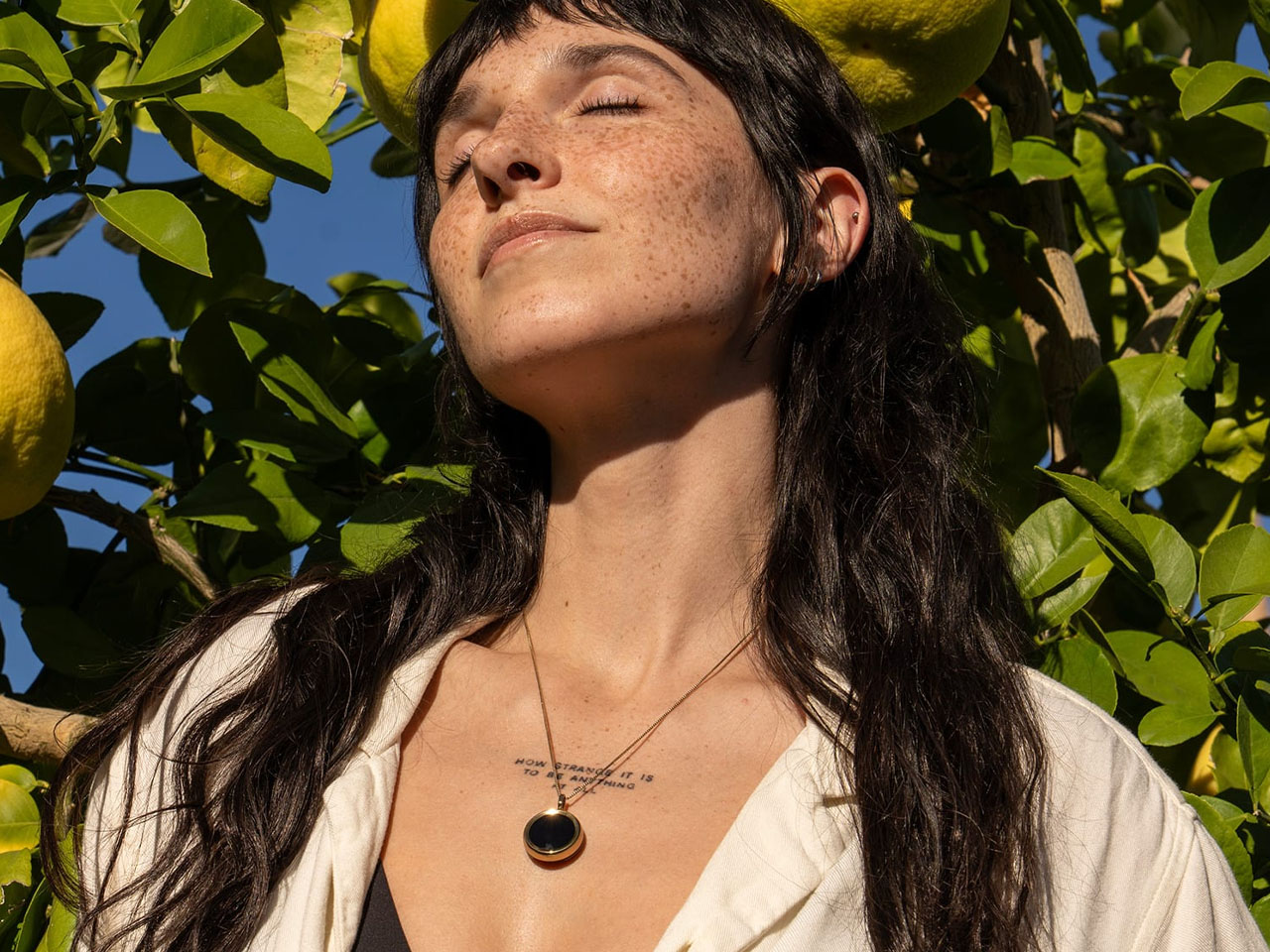
Wearables are targeting most of our burning health concerns, but sun exposure damage is still in the guessing game. Stacy Salvi, who has previously led the acquisition of Fitbit by Google, and is a health expert when it comes to tech wearables, wants skincare to be more considerate when it comes to active sun exposure. Under her new venture, The90, Stacy has launched the Gem wearable that looks like a stylish round necklace for women.

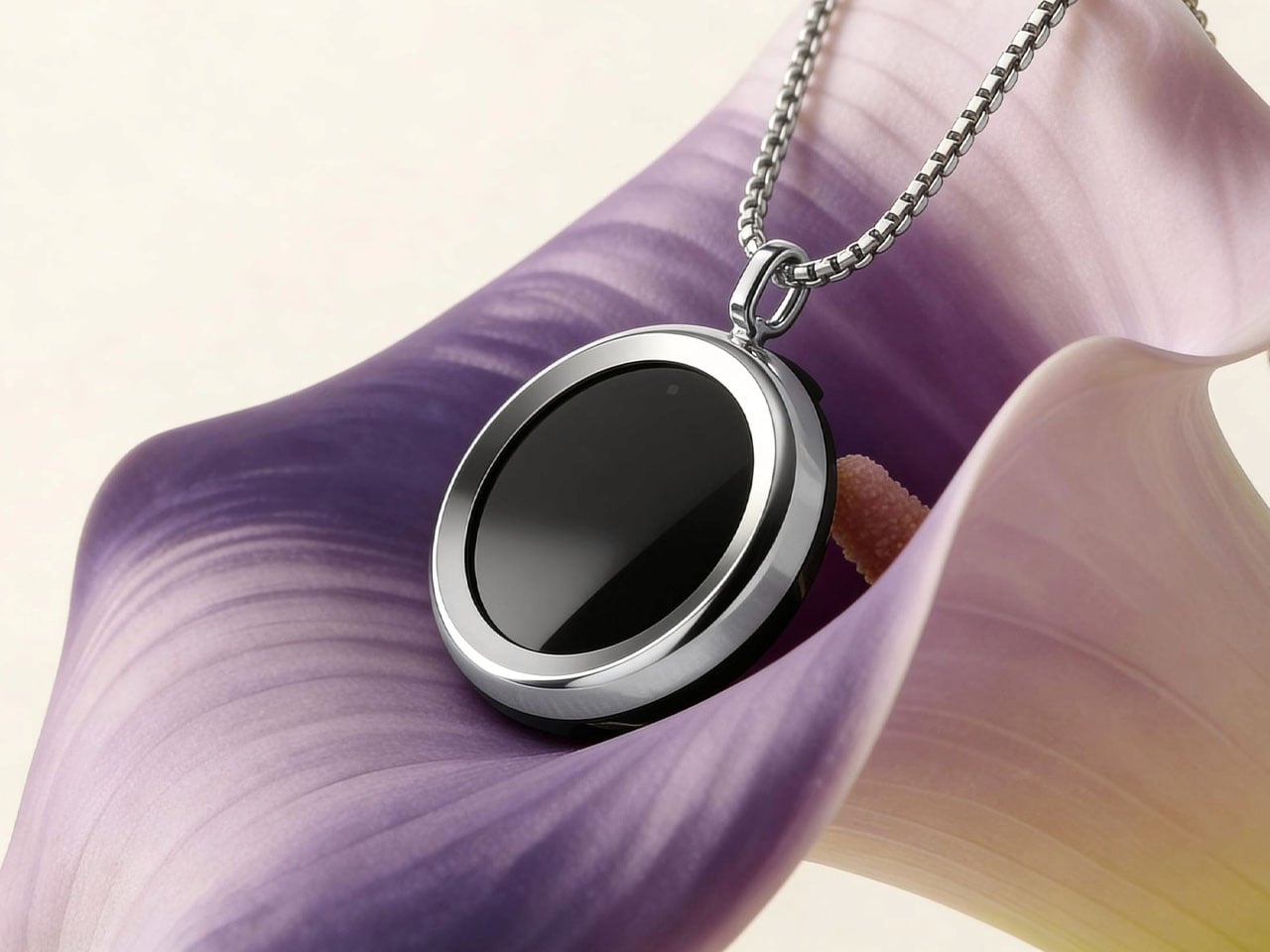
On the inside, the wearable has a built-in UV sensor to track the skin’s UV exposure in real time. The gadget makes complete sense, as most of the time we are left guessing about the real exposure to damaging Sun rays, and are dependent on integrated weather apps’ UV index, which only show generic localised data. Gem goes beyond that and actively tracks the real-time exposure, whether you are lounging in the mid-day Sun or spending afternoons sitting near an office window. It basically takes out the guesswork and focuses on the real-time solution.

Designer: The90

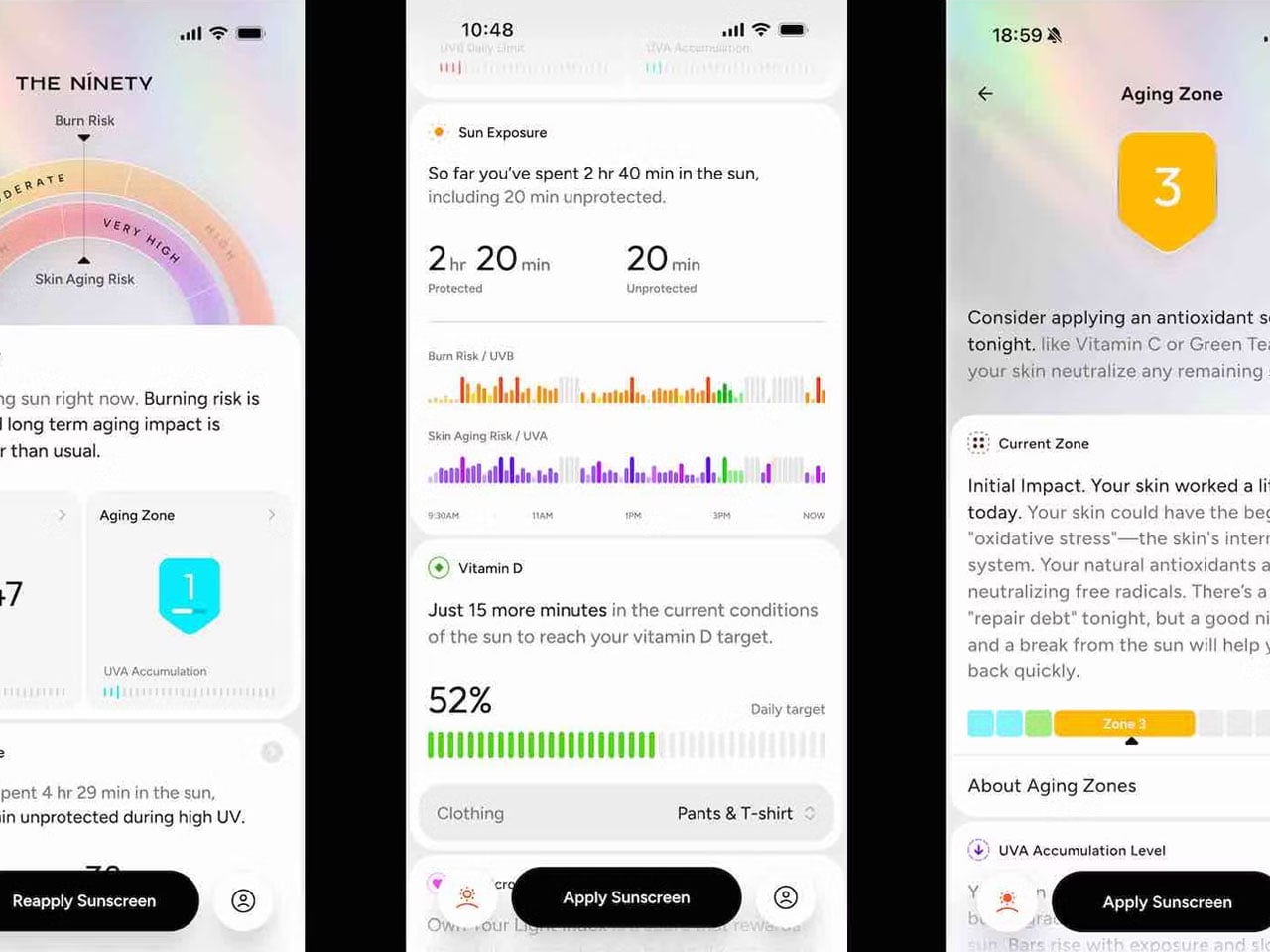
The90Gem keeps a tab of the UVA and UVB data received from the sensors in real time, and over time builds a personal skincare profile that is actually beneficial. “The90 transforms sunscreen from a one-time morning ritual into an adaptive, responsive system built around your actual UV load,” Salvi said. Micromanaging the skin type, sunscreen used, and any sun-protective clothing that you’re wearing is another feature of the accompanying app. For now, the wearable is specifically targeted towards women who tend to be more informed about the risks of UV exposure. The brand, however, eventually wants to expand the product line to men and children as well.
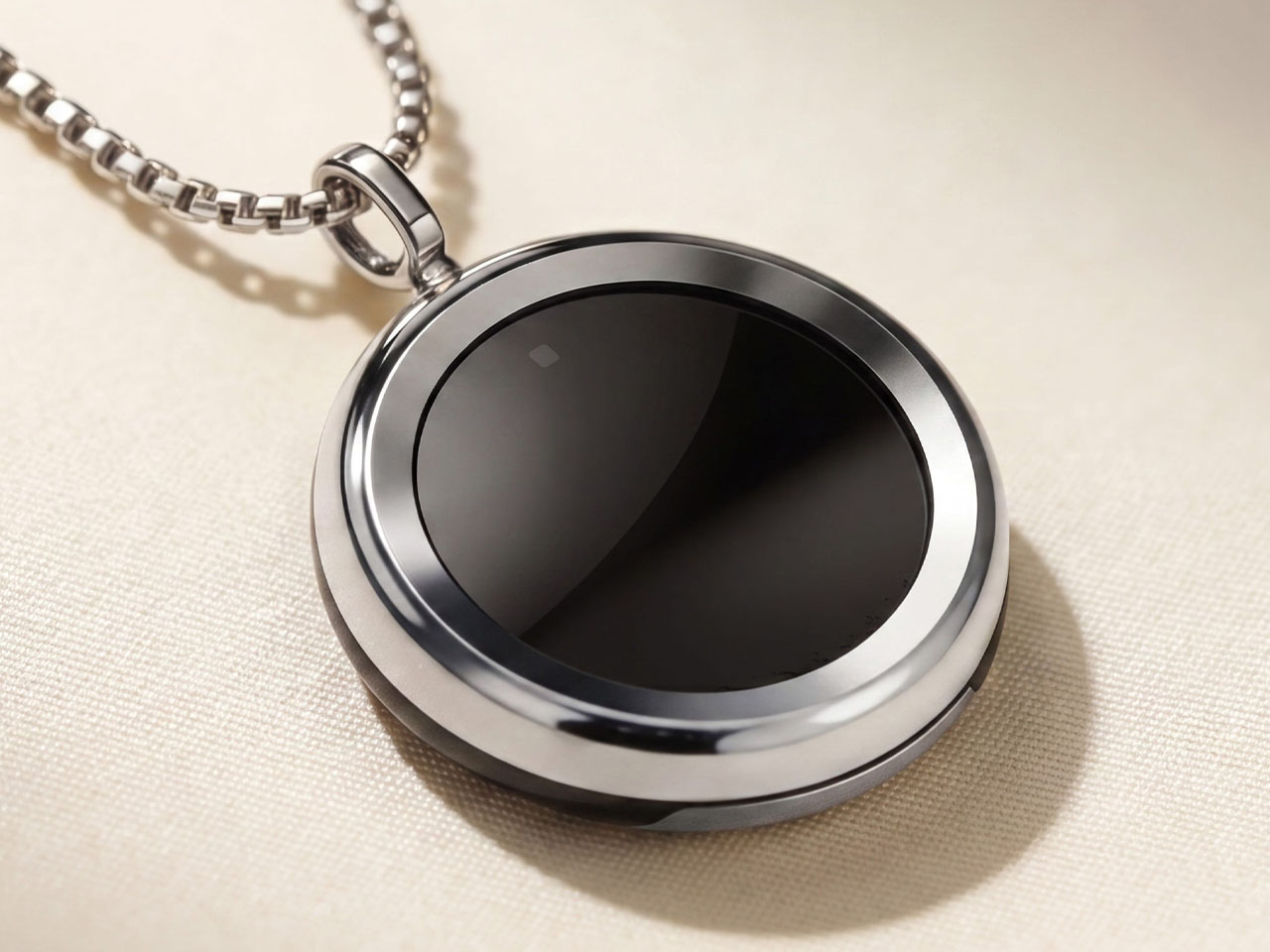
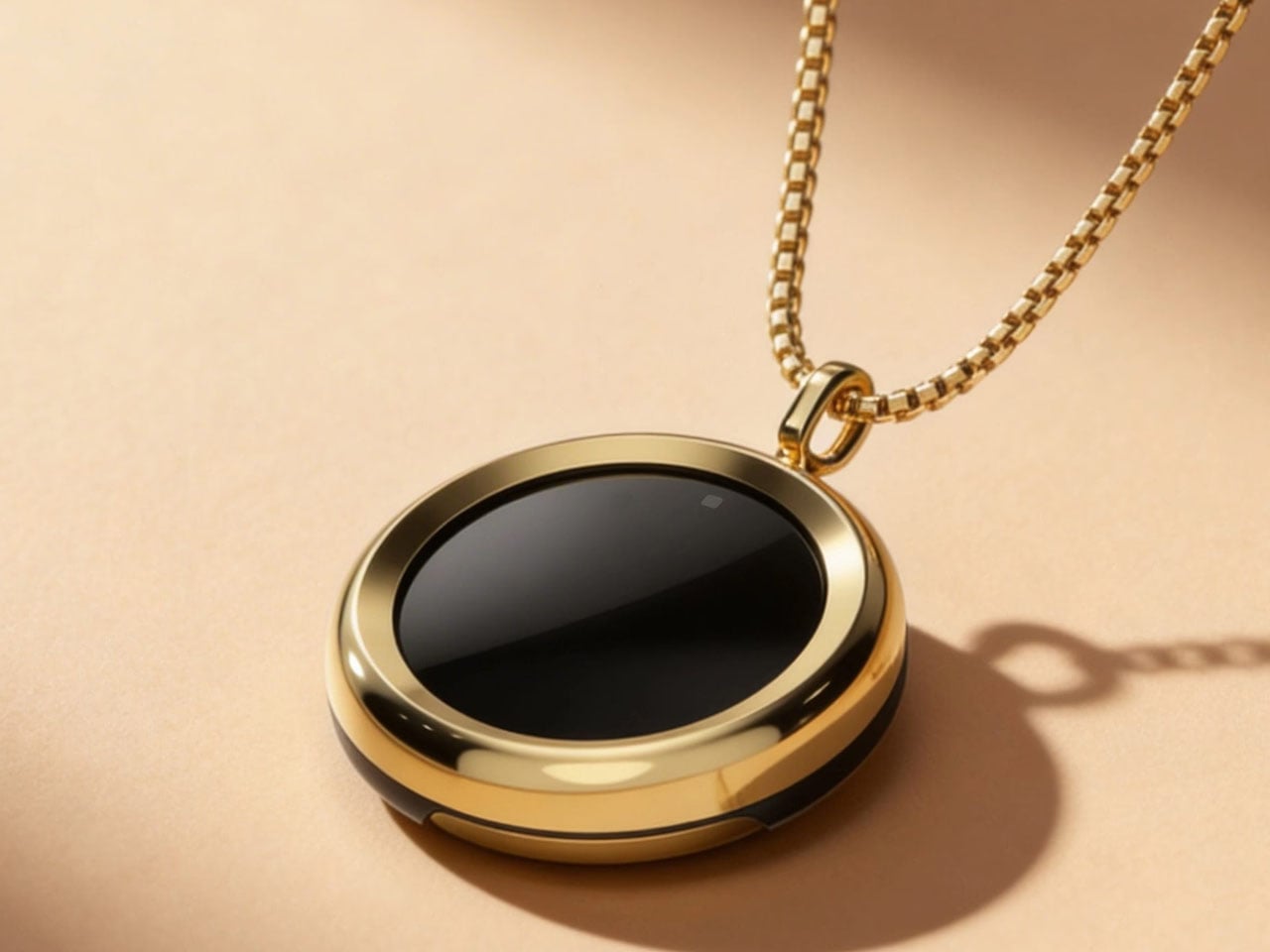
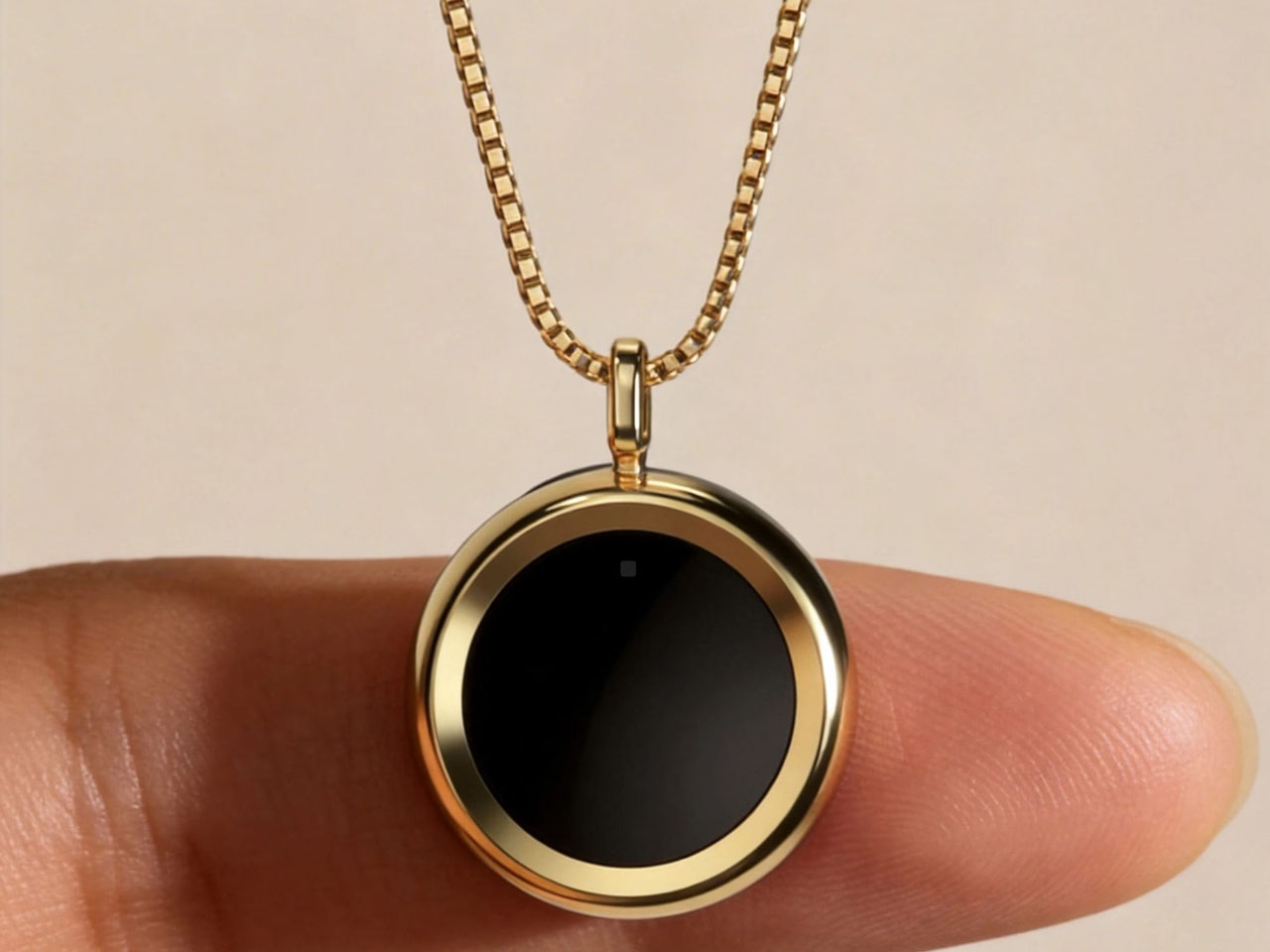
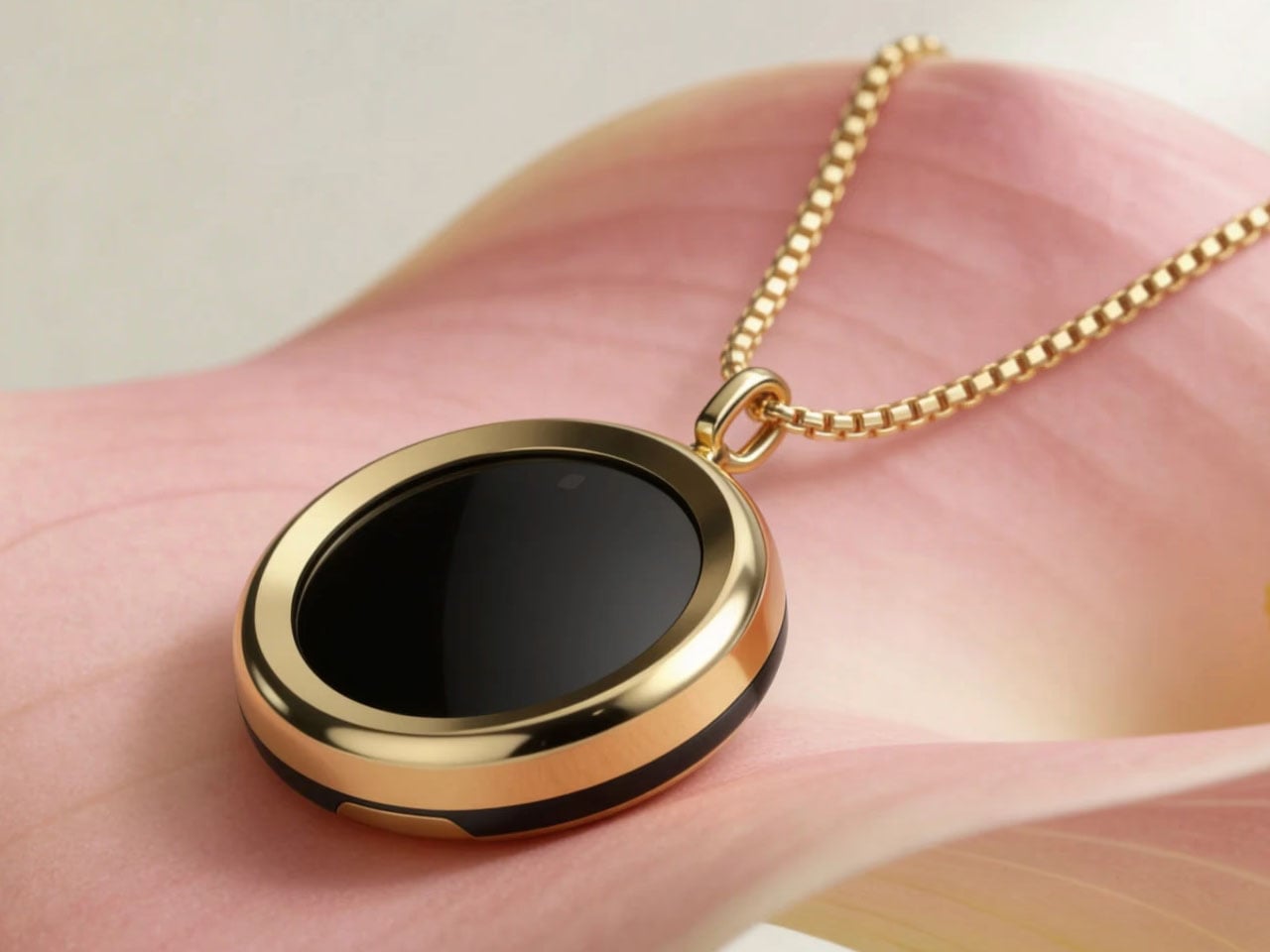
Detecting UVA and UVB exposure is one part of the wearable. The most important bit is the timely beaming of notifications for sunscreen application, or a reminder of the sun protection habits that should eventually be ingrained in your muscle memory. The app also provides data on Vitamin D targets for a mindful suncare routine. The Gem is essentially a titanium case with the sensor inside, wholly encapsulated in a pendant. The battery on the gadget should last for around a week on a single charge, but that remains to be seen in real-world usage.

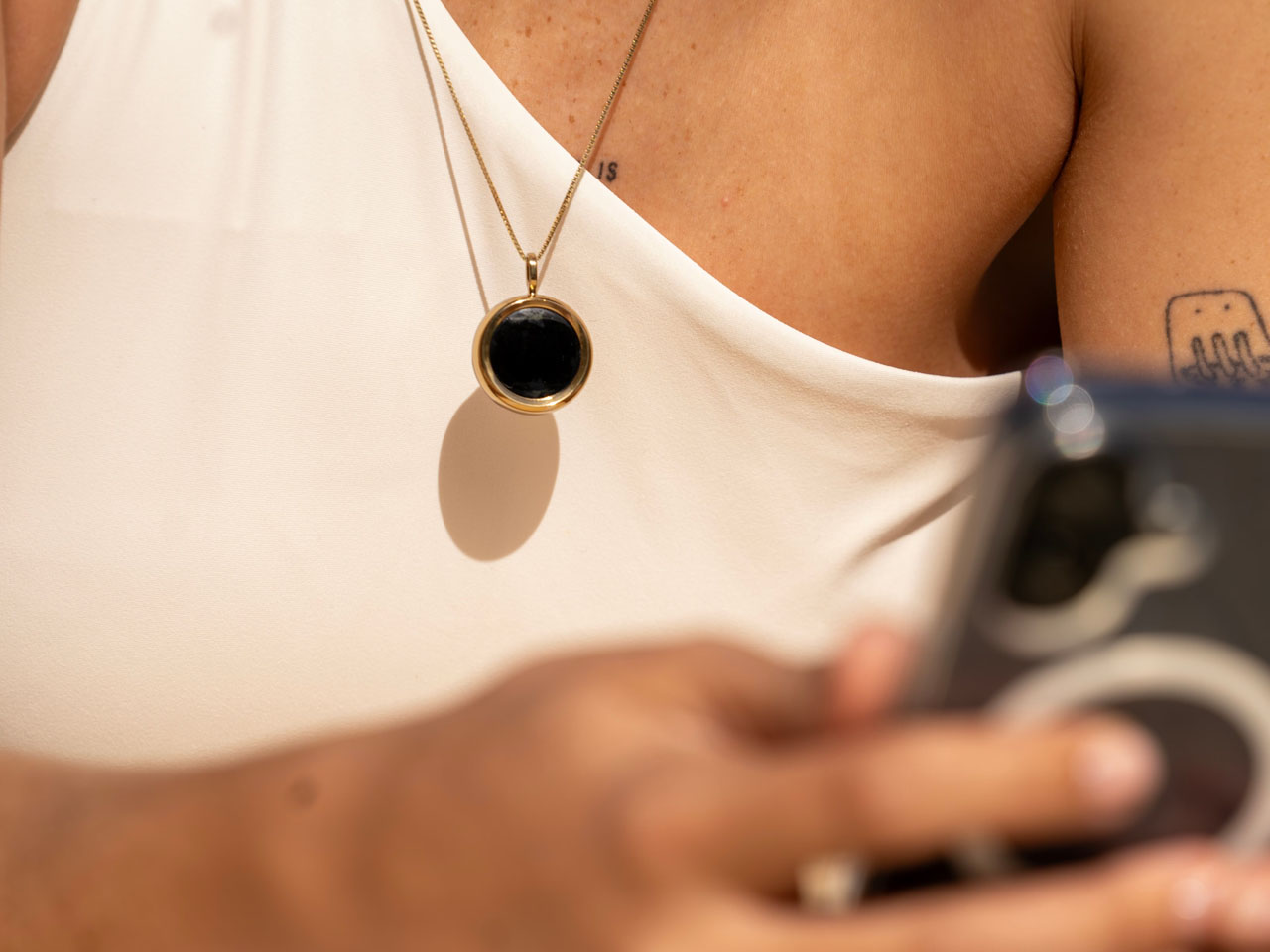
This piece of smart jewellery is available in silver or gold finish to complete the aesthetic look. Priced at $299, The90 Gem wearable is just borderline affordable for a specific benefit, but the members of The Skinny Confidential community can get it for an exclusive price of $199 in the early access offer. The company also has plans to incorporate the smart wearable as other items as well, which should further expand the options to gauge your sun exposure in style.
The post The90Gem smart necklace tracks UV exposure in real-time for sensible skincare first appeared on Yanko Design.
Motorola’s AI Pendant Turns Conference Talks Into LinkedIn Posts

There’s a particular kind of friction that comes with using AI during moments that actually matter. You’re in a meeting or a keynote, and consulting your phone means breaking focus, fumbling with a screen, and silently signaling to everyone around you that you’d rather be somewhere else. Motorola’s 312 Labs team identified this as a design problem worth solving, and Project Maxwell is what came out of it.

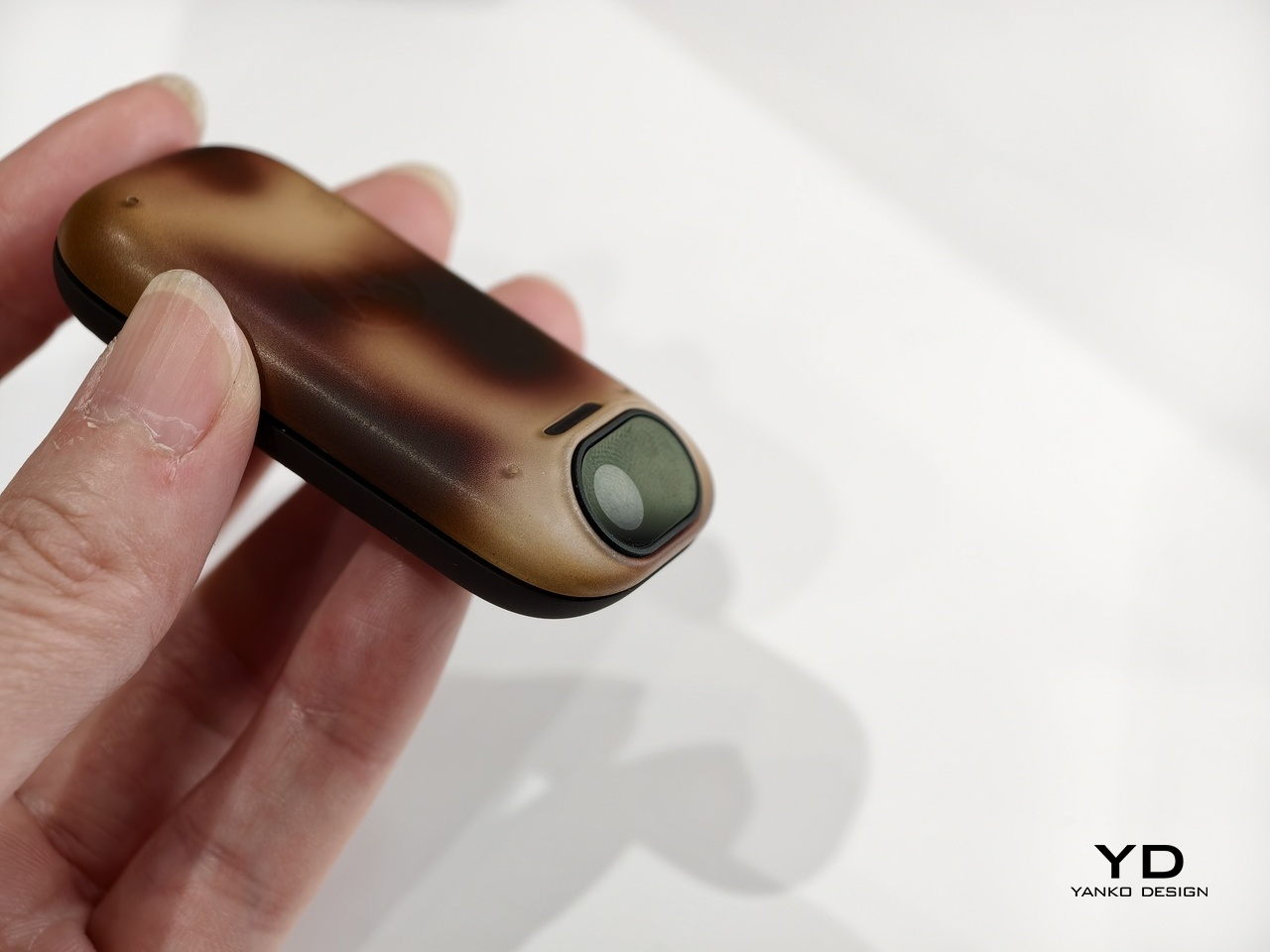
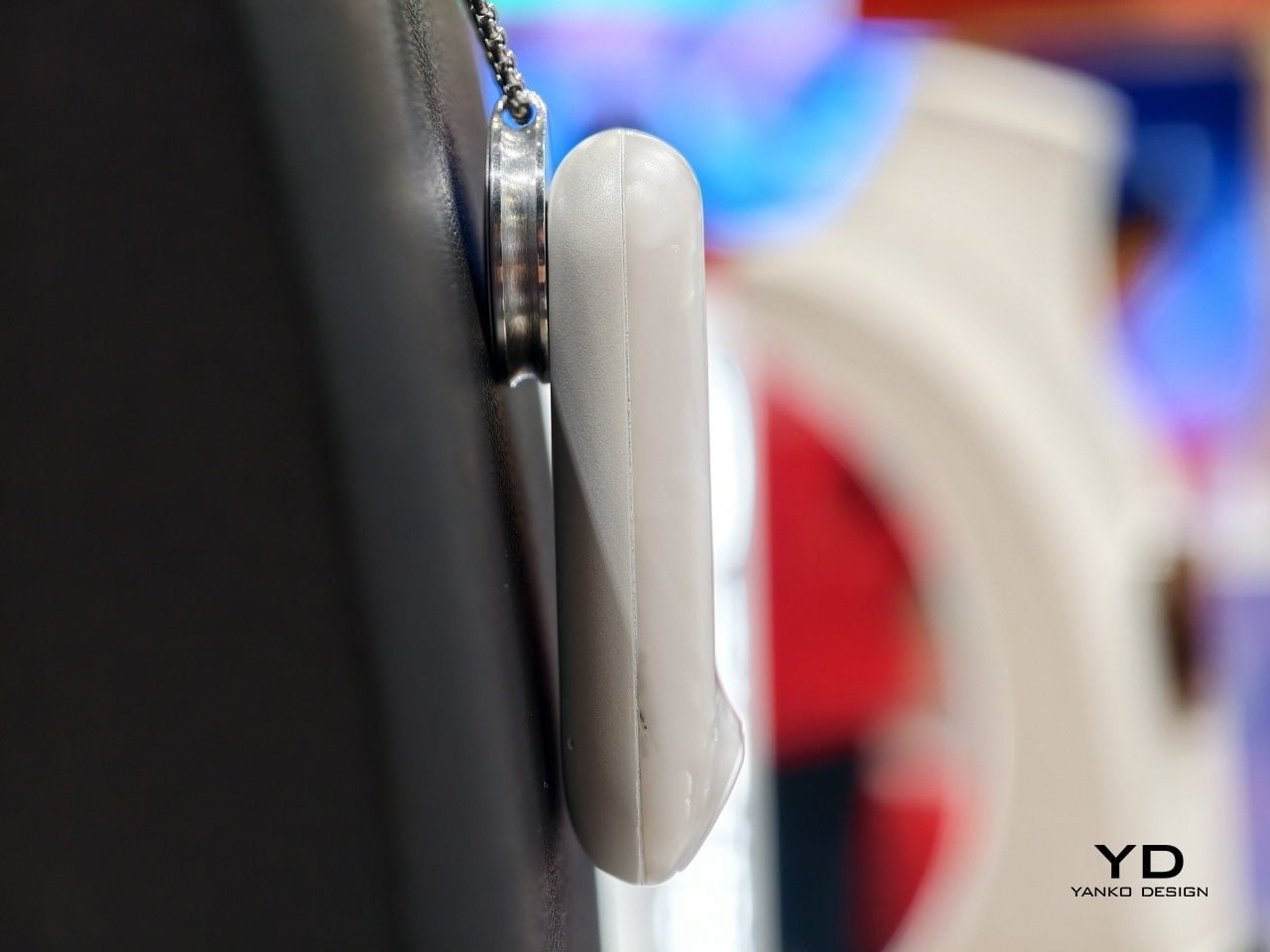
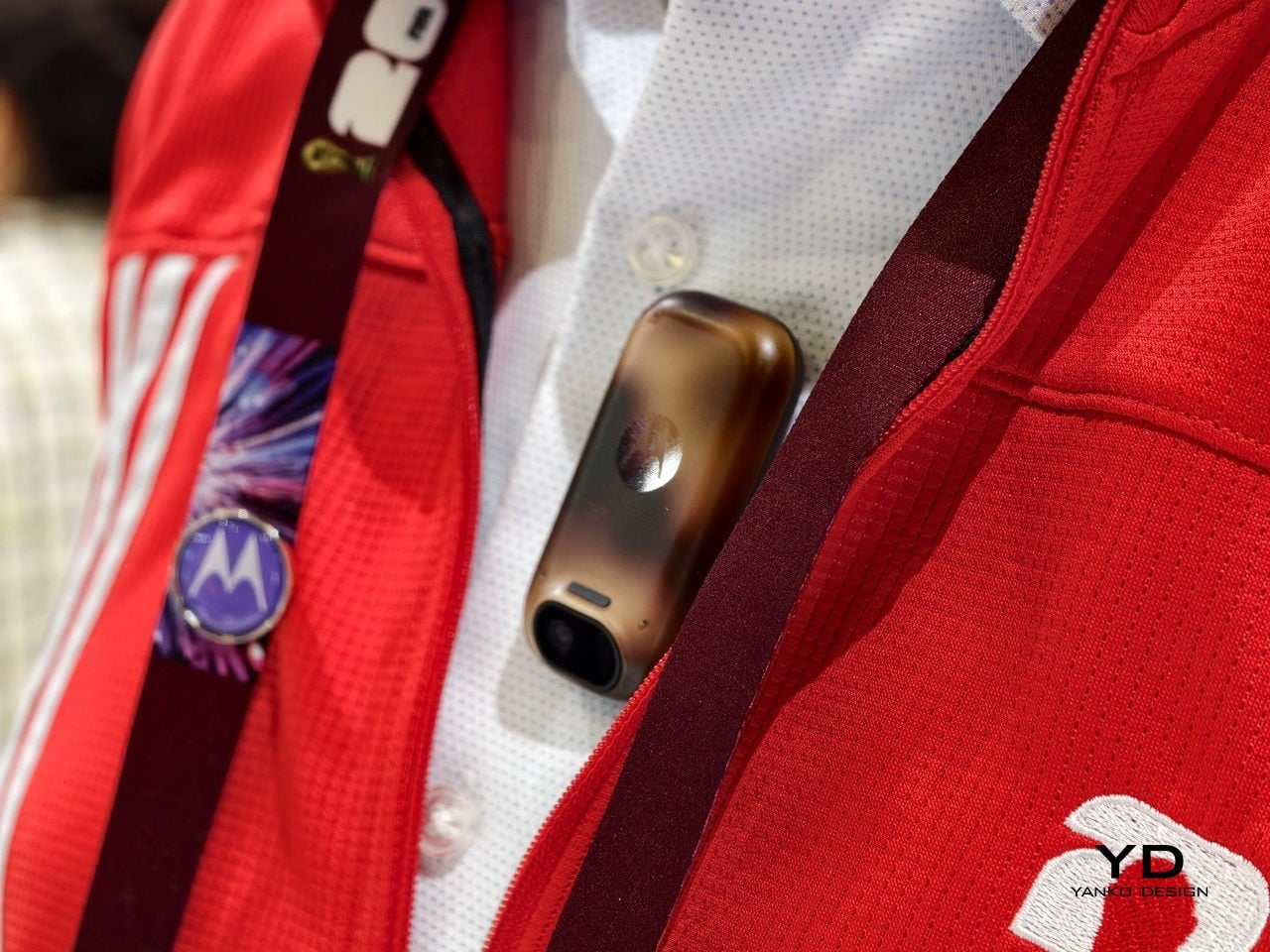
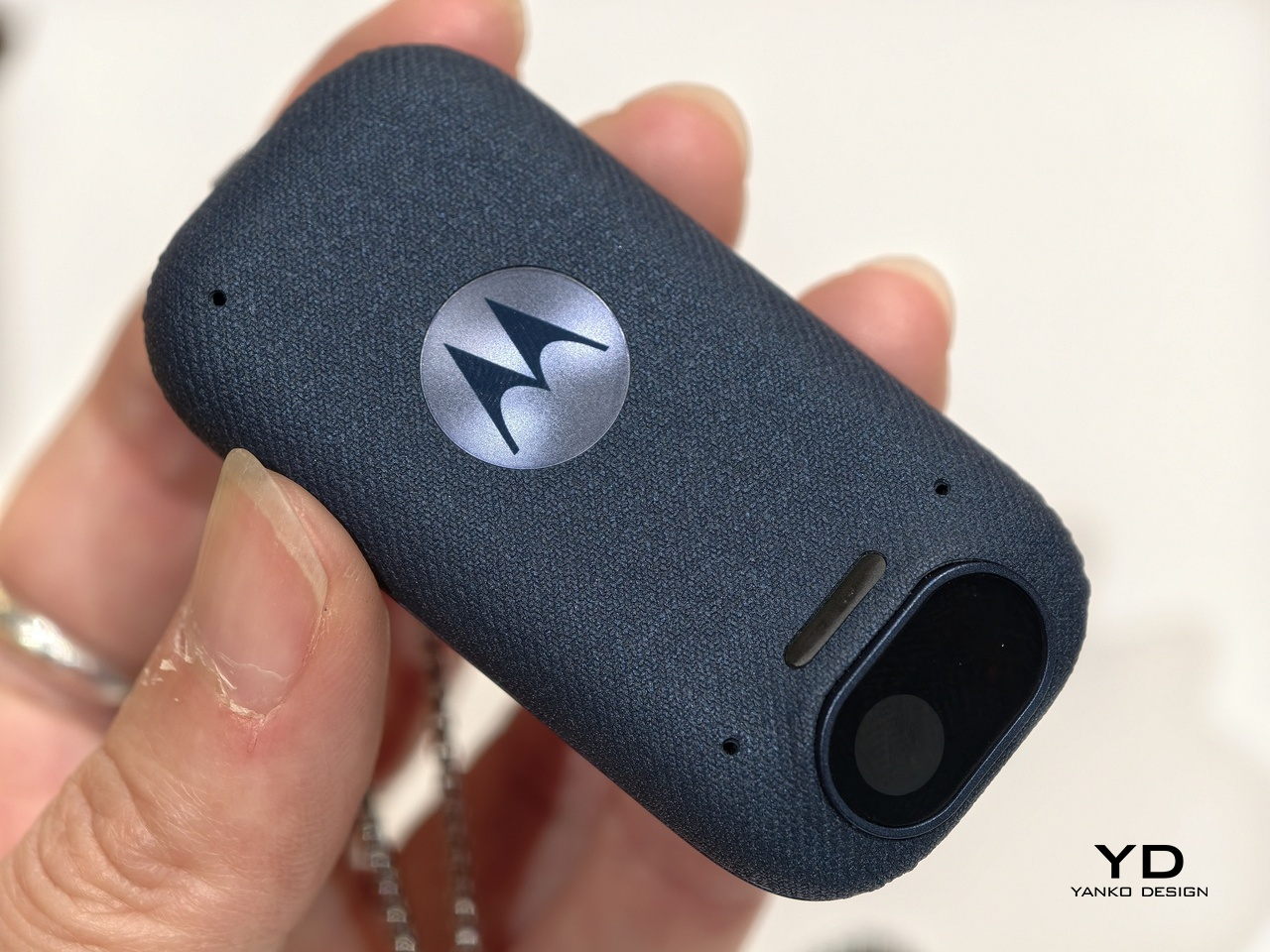
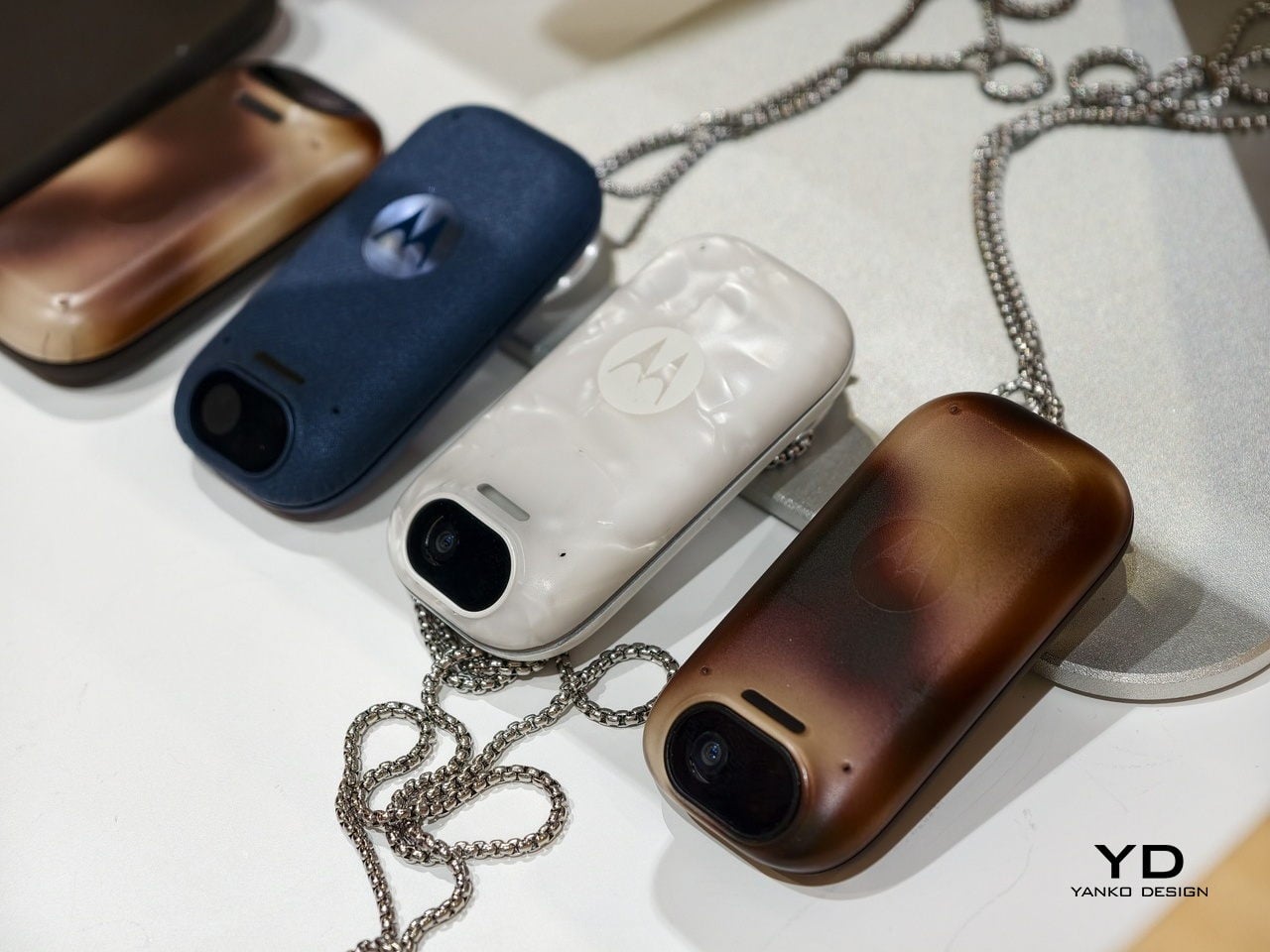
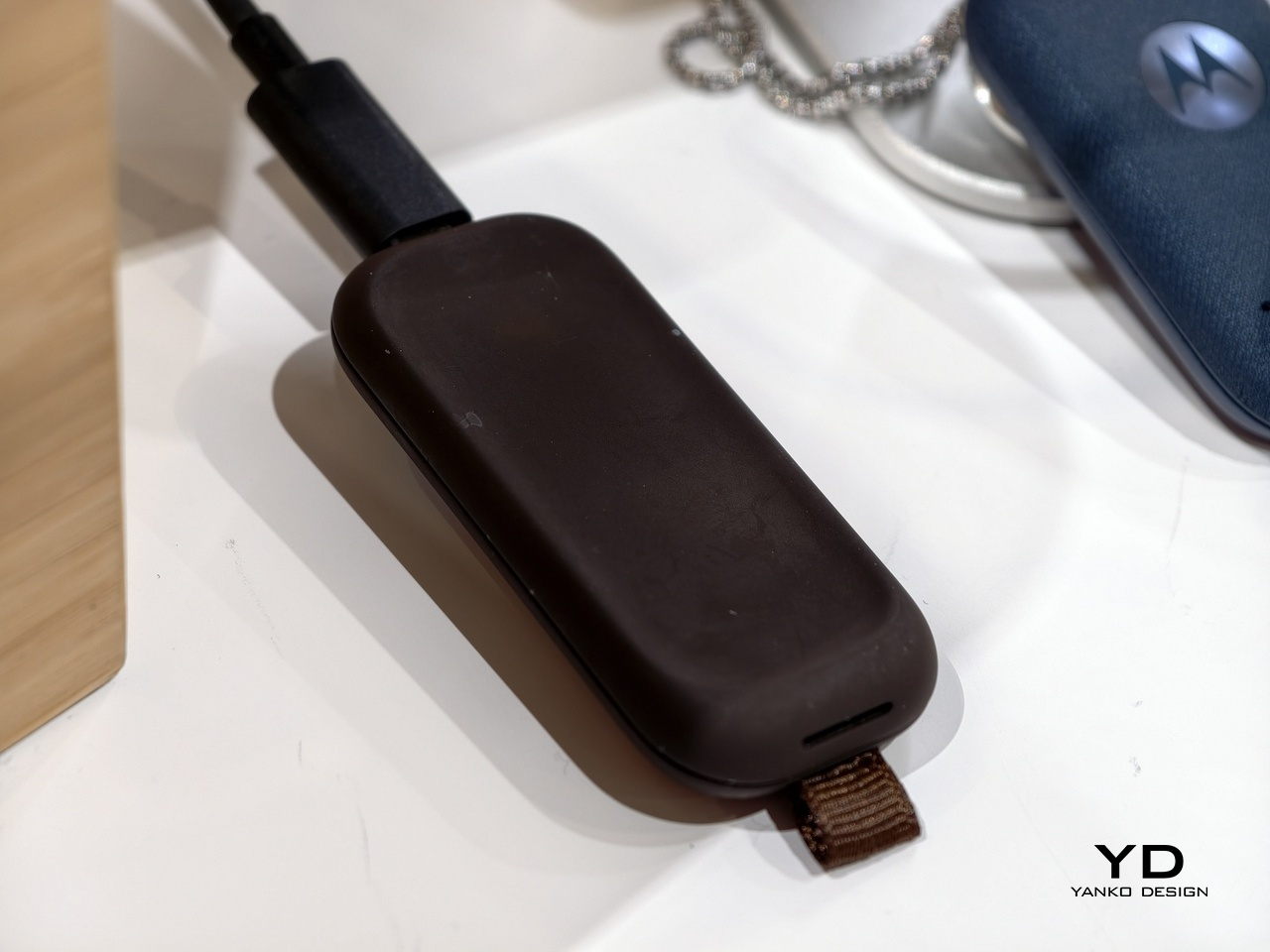
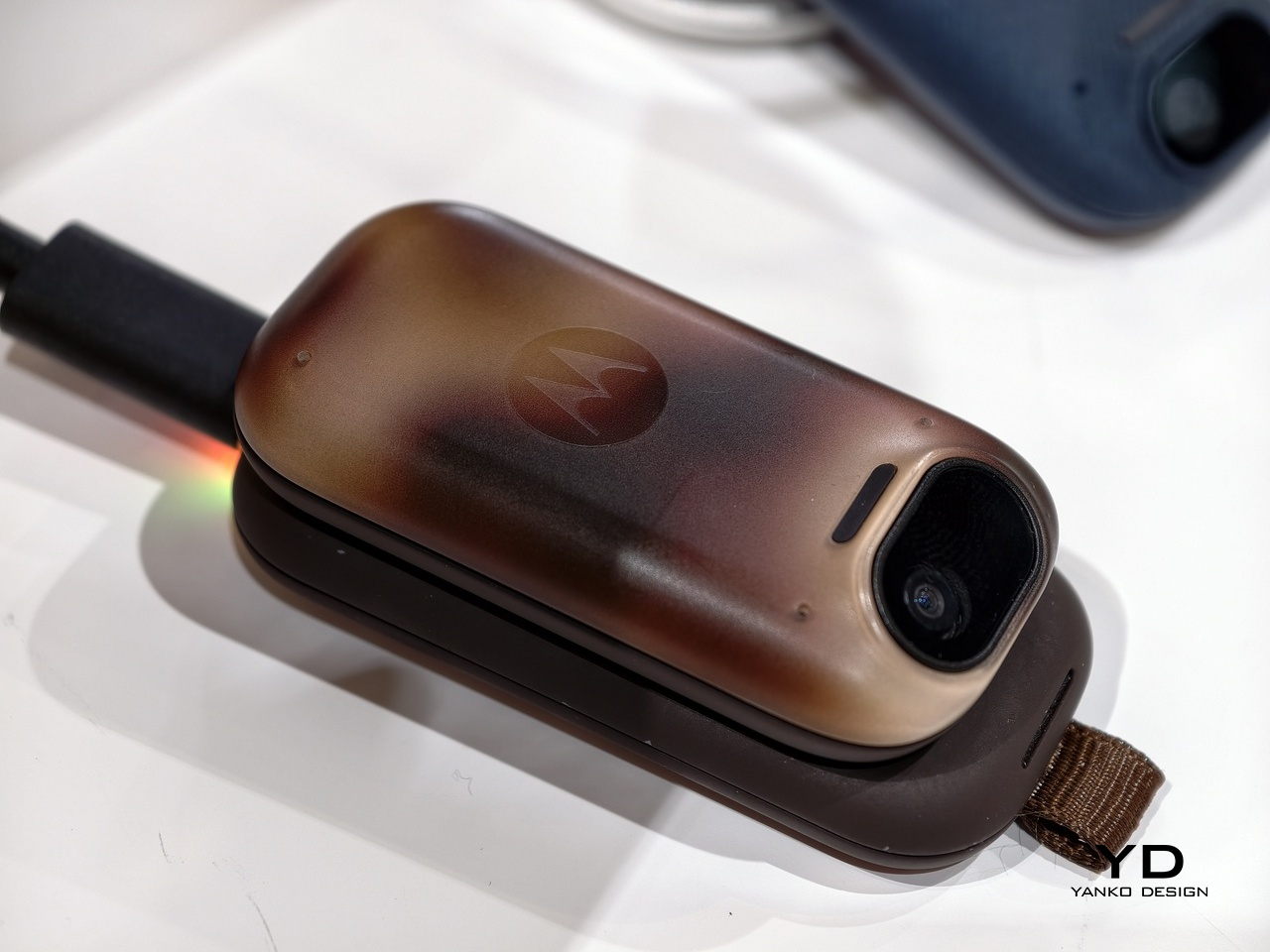
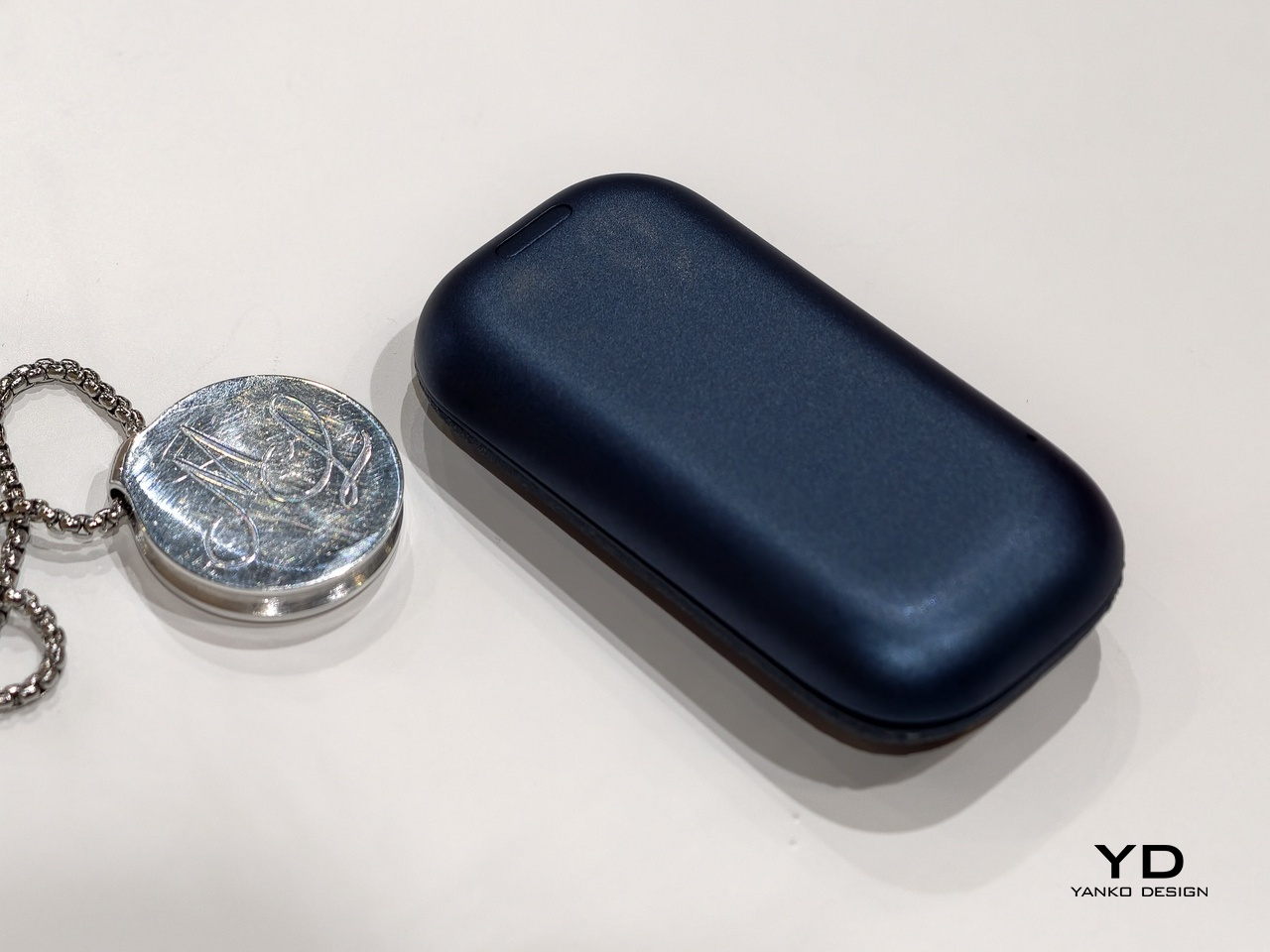
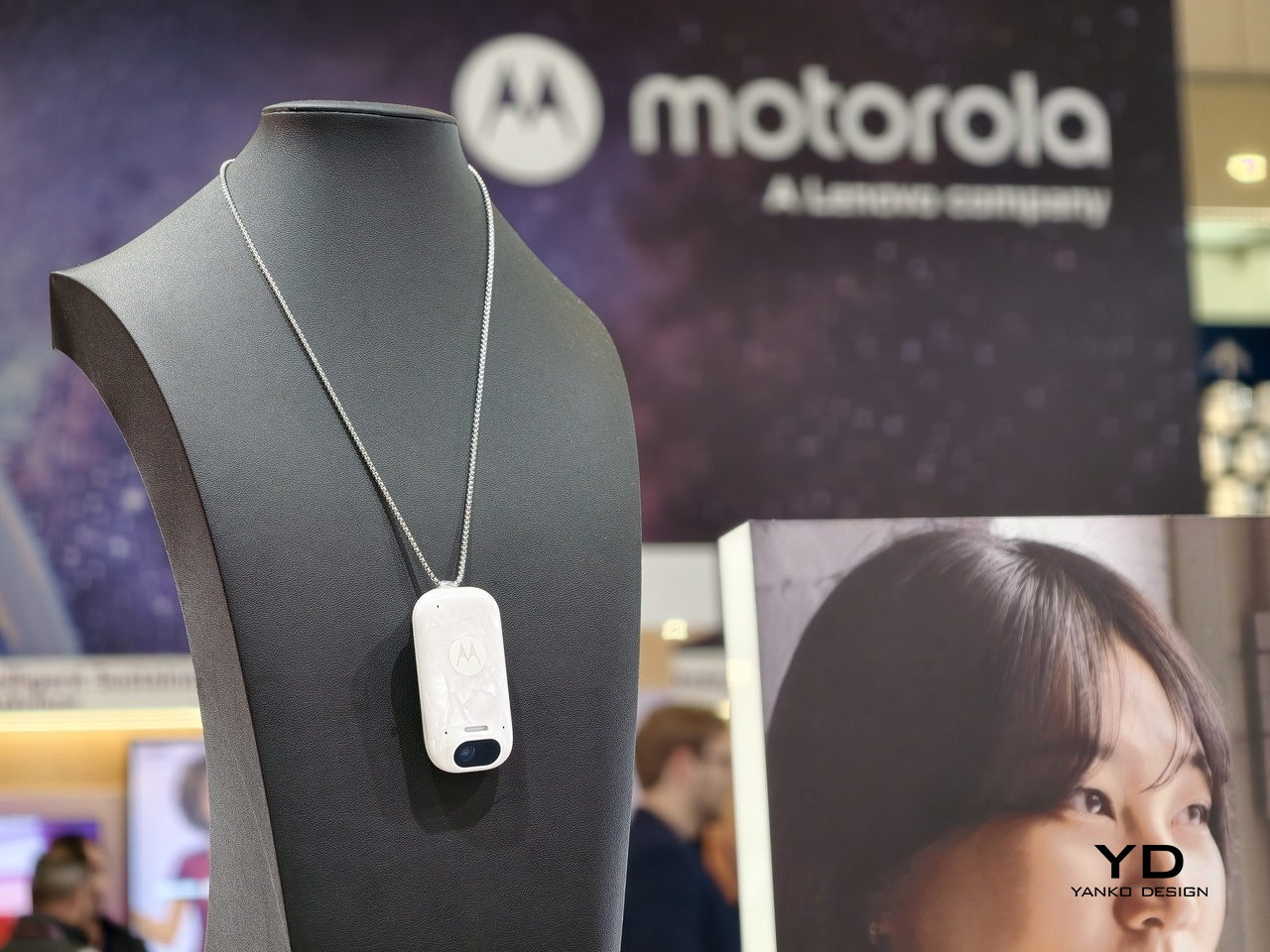
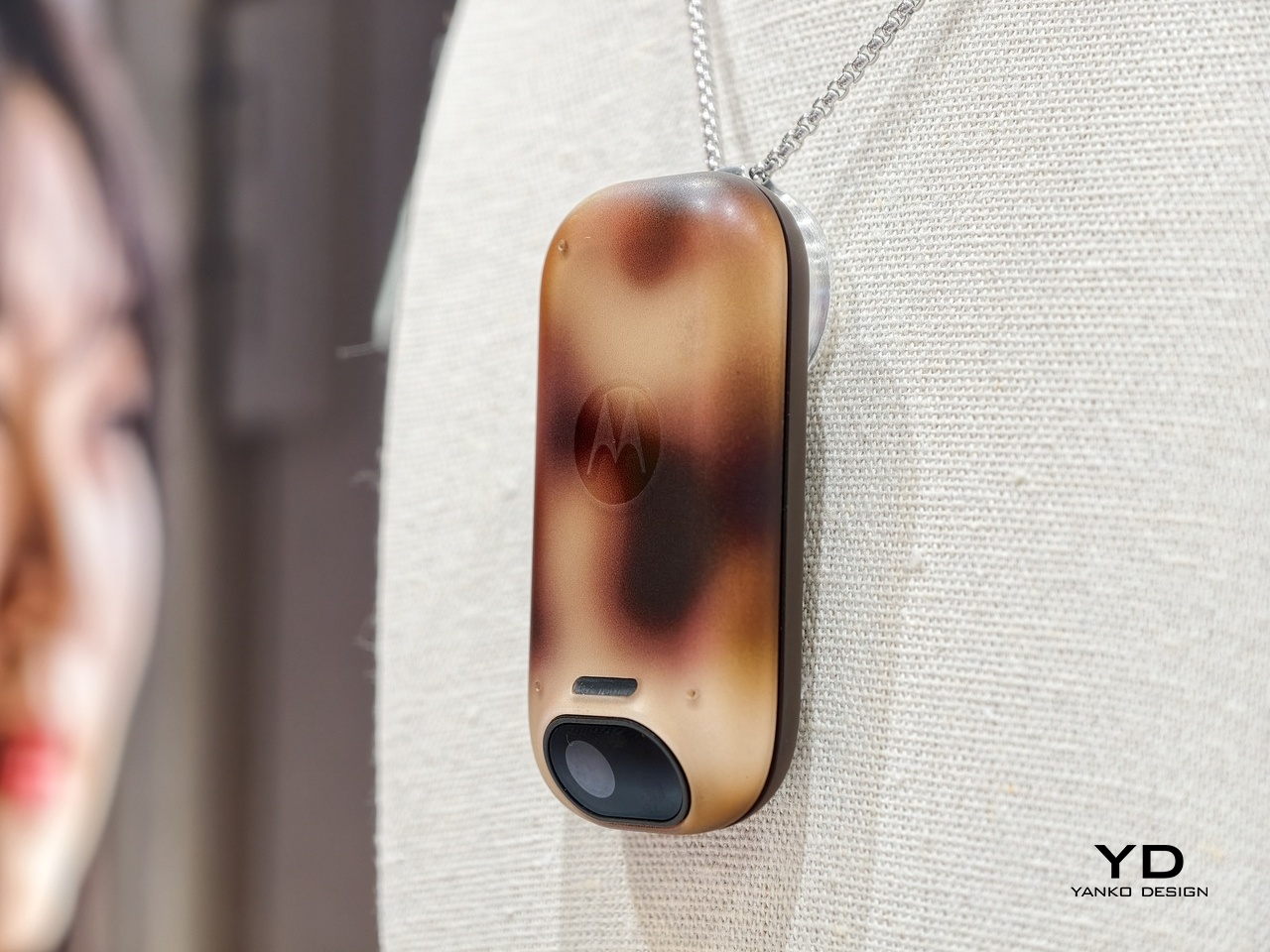
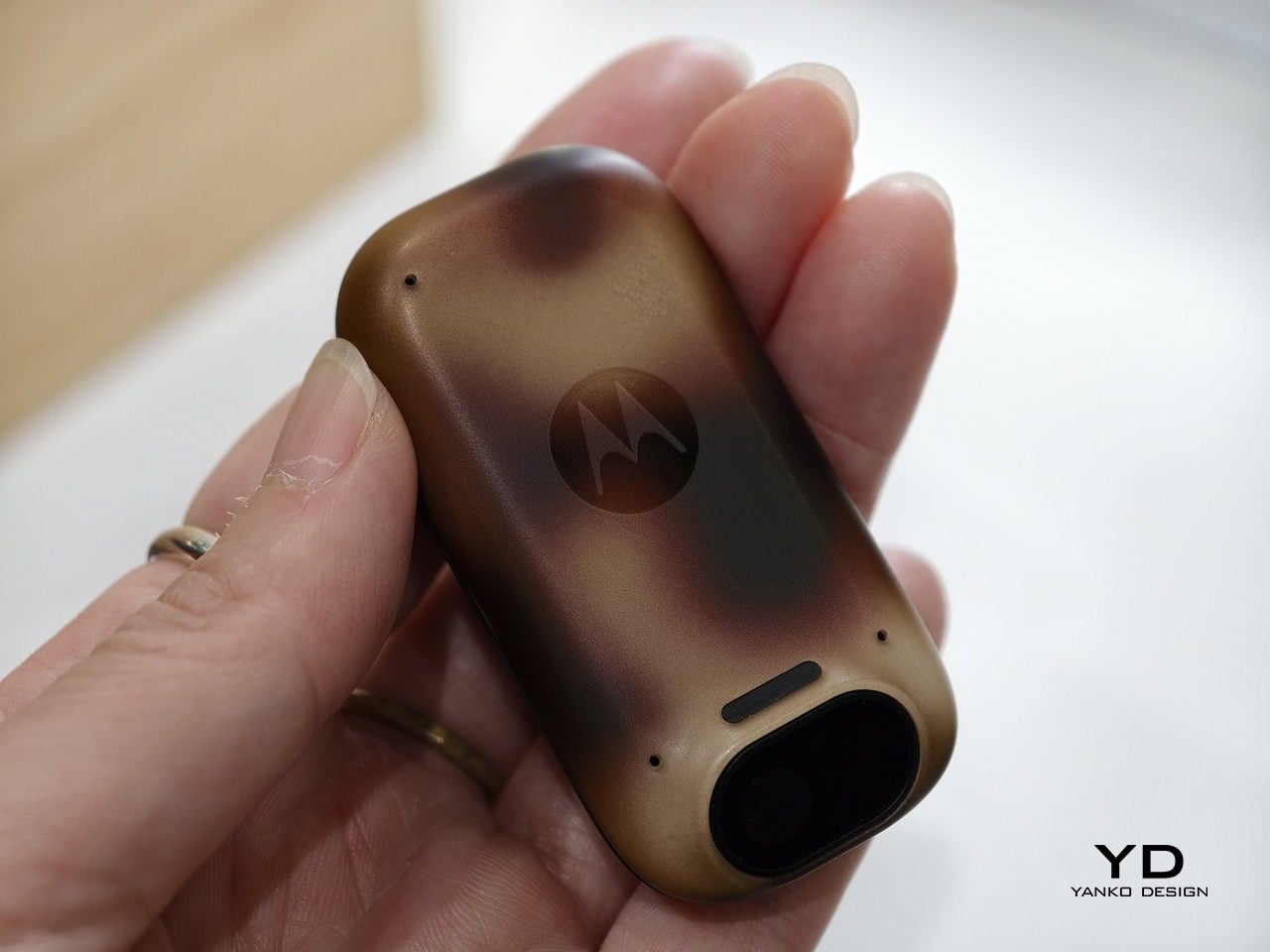
The device is a pendant, small enough to disappear against a shirt, worn on a metal chain with a rounded rectangular body that wouldn’t look out of place as functional jewelry. At one end sits a wide-angle camera lens in a dark housing, flanked by a slim LED indicator. It comes in a range of distinct finishes: a tortoiseshell amber with deep brown gradients, a matte navy with woven textile-like texture, a sculptural marbled white, and a deep chocolate brown.

Designer: Motorola

When prompted, Project Maxwell continuously captures what you see and hear, then processes that through what Motorola calls Multimodal Perception Fusion, combining input from its camera, microphones, and sensors to deliver real-time, contextual recommendations. The second technical layer, Natural Language Interaction and Intention Capture, is built on Large Action Models that don’t just respond to queries but execute tasks. The difference between describing an action and performing it is exactly the point.

Motorola illustrates the concept with a conference scenario: you prompt Maxwell before a keynote, let it absorb the room, and walk out with a ready-to-edit LinkedIn post, without opening a single app. The idea is that AI works best when it fits into what you’re already doing rather than demanding you stop to interact with it. That’s not a new pitch for wearable tech, but it’s rarely been this well-considered from a form standpoint.

Real questions remain, and Motorola is the first to say so. Project Maxwell is a proof of concept without pricing, a release date, or confirmed hardware specifications. The concerns around continuous environmental capture, consent, and data handling tend to get louder the closer a device like this gets to an actual shelf. How those boundaries get communicated in any future product will matter as much as the hardware.

What 312 Labs has made clear is that Maxwell’s learnings feed directly into Motorola’s Qira AI ecosystem. Even if this exact pendant never ships, the interaction model it’s testing, hands-free, context-aware, and action-capable, is the direction Motorola is heading. The more interesting question isn’t whether a wearable AI pendant is useful. It’s whether people will actually want to wear one.

The post Motorola’s AI Pendant Turns Conference Talks Into LinkedIn Posts first appeared on Yanko Design.