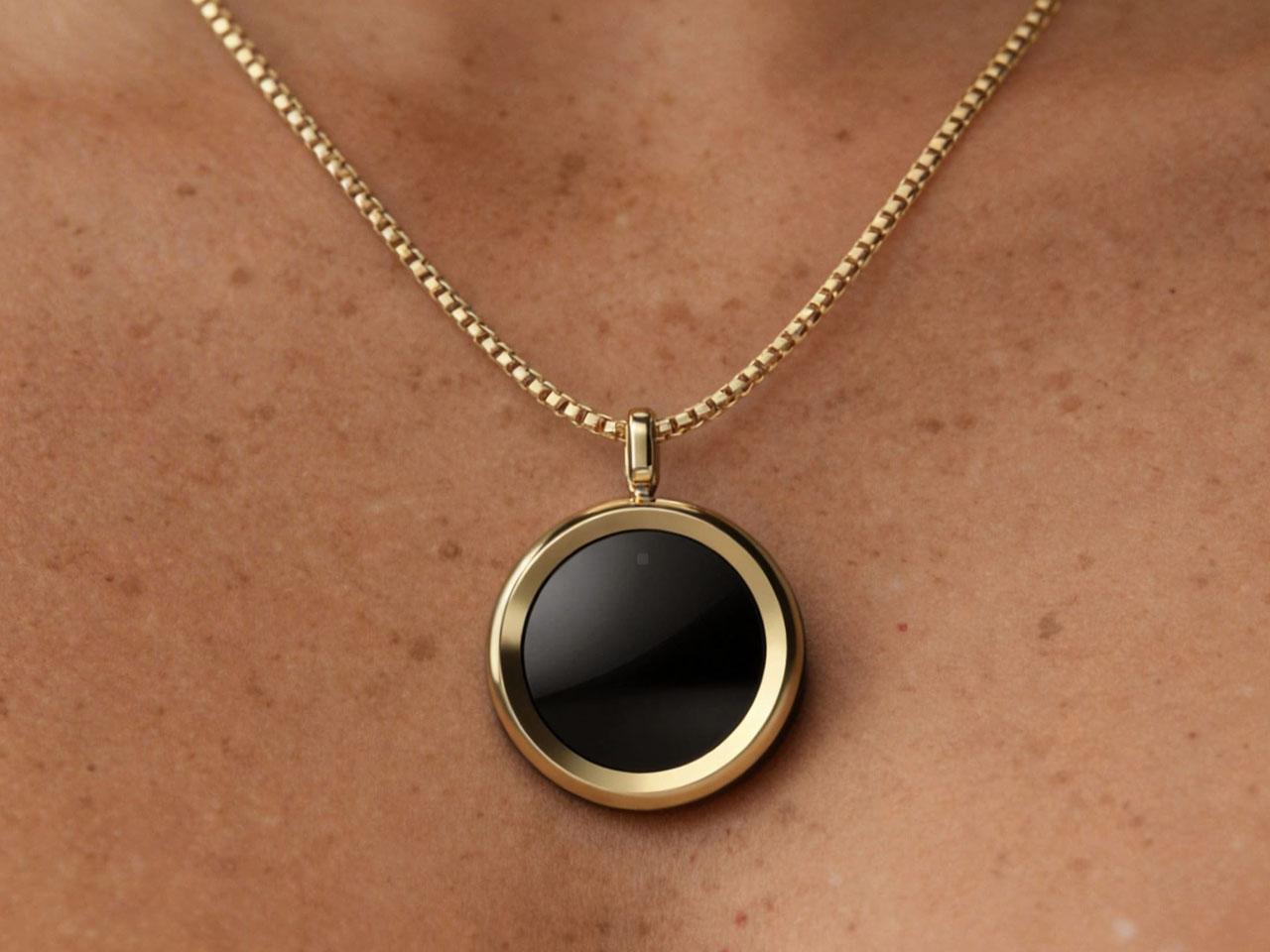
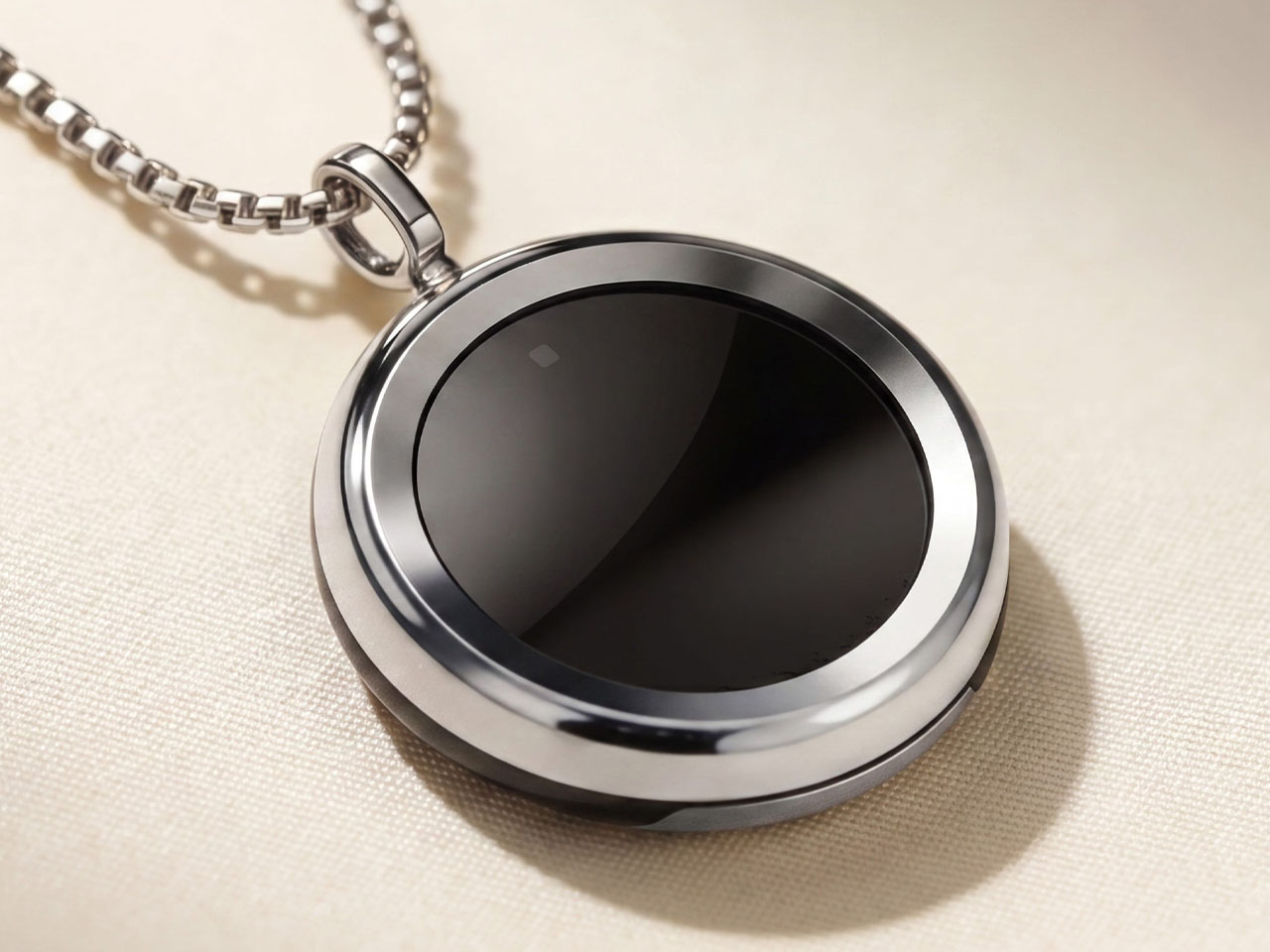
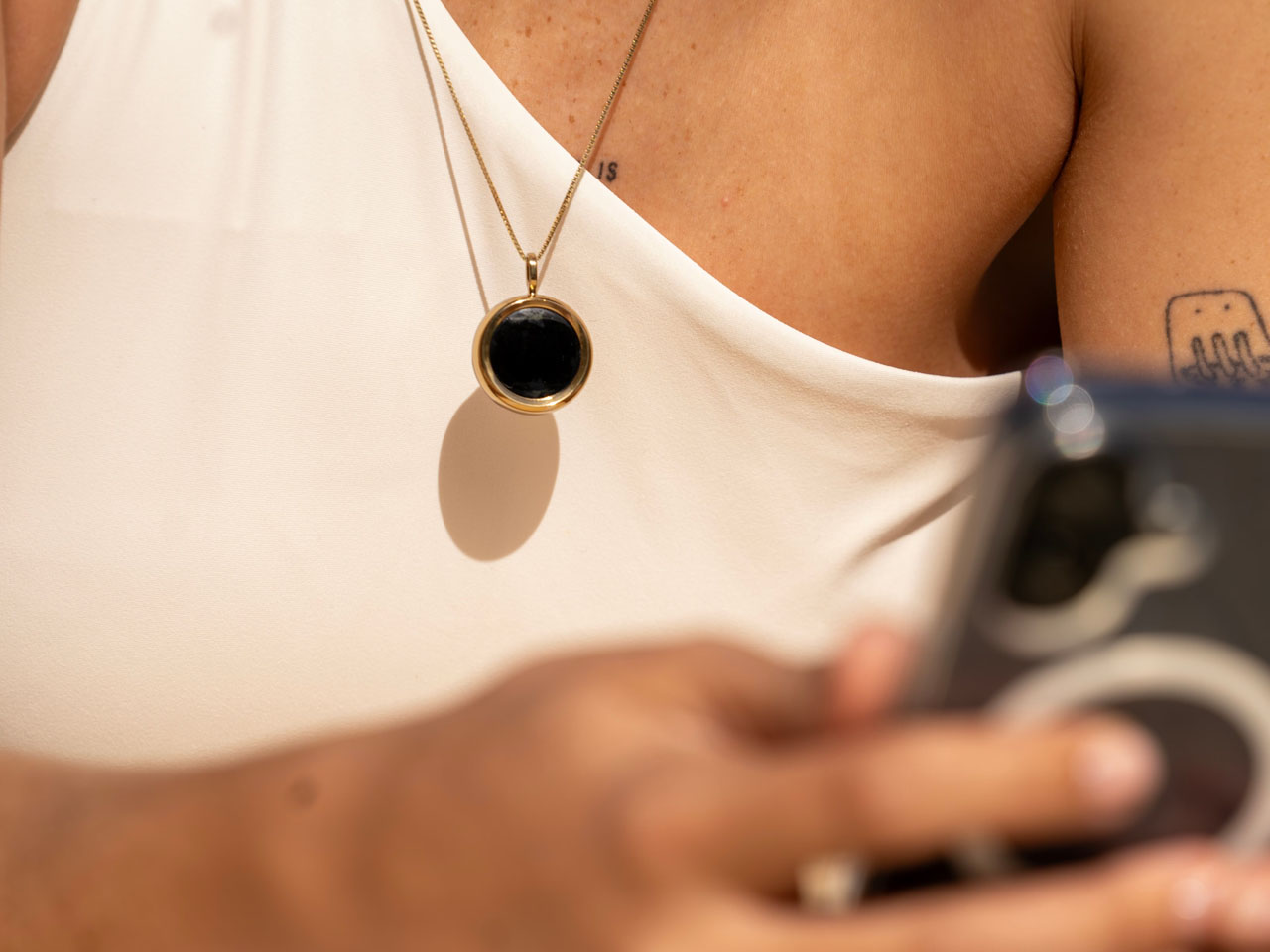
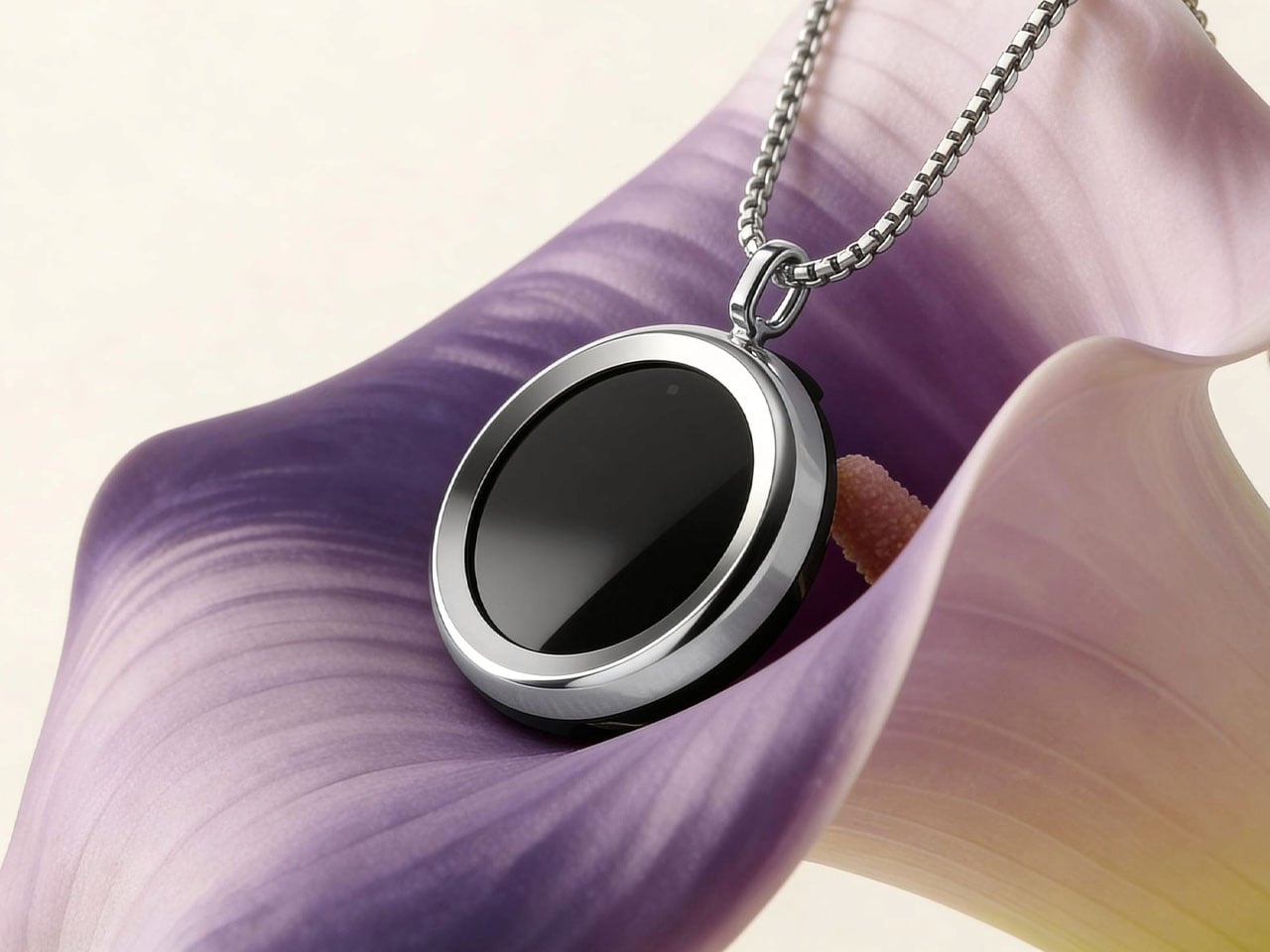
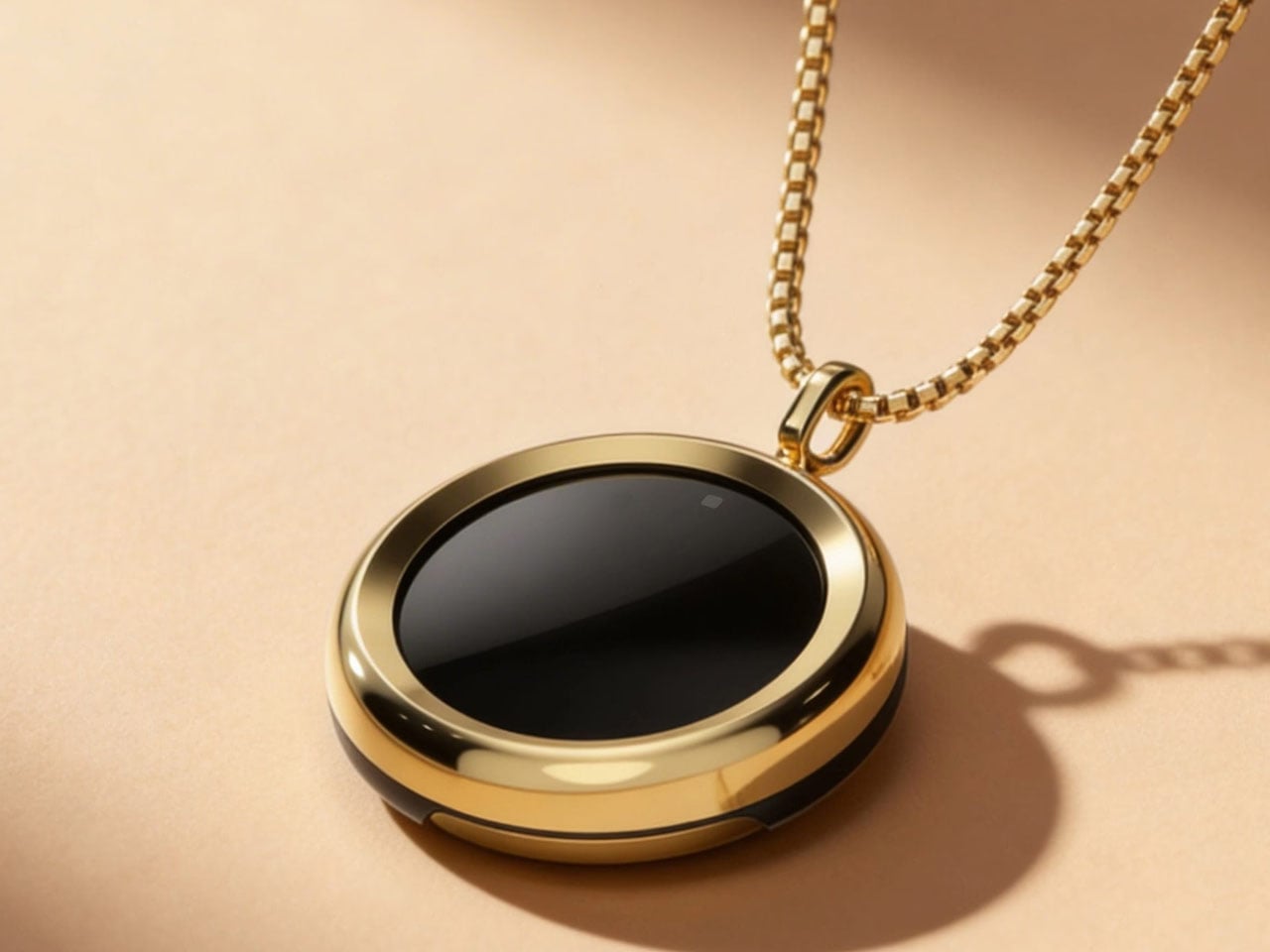
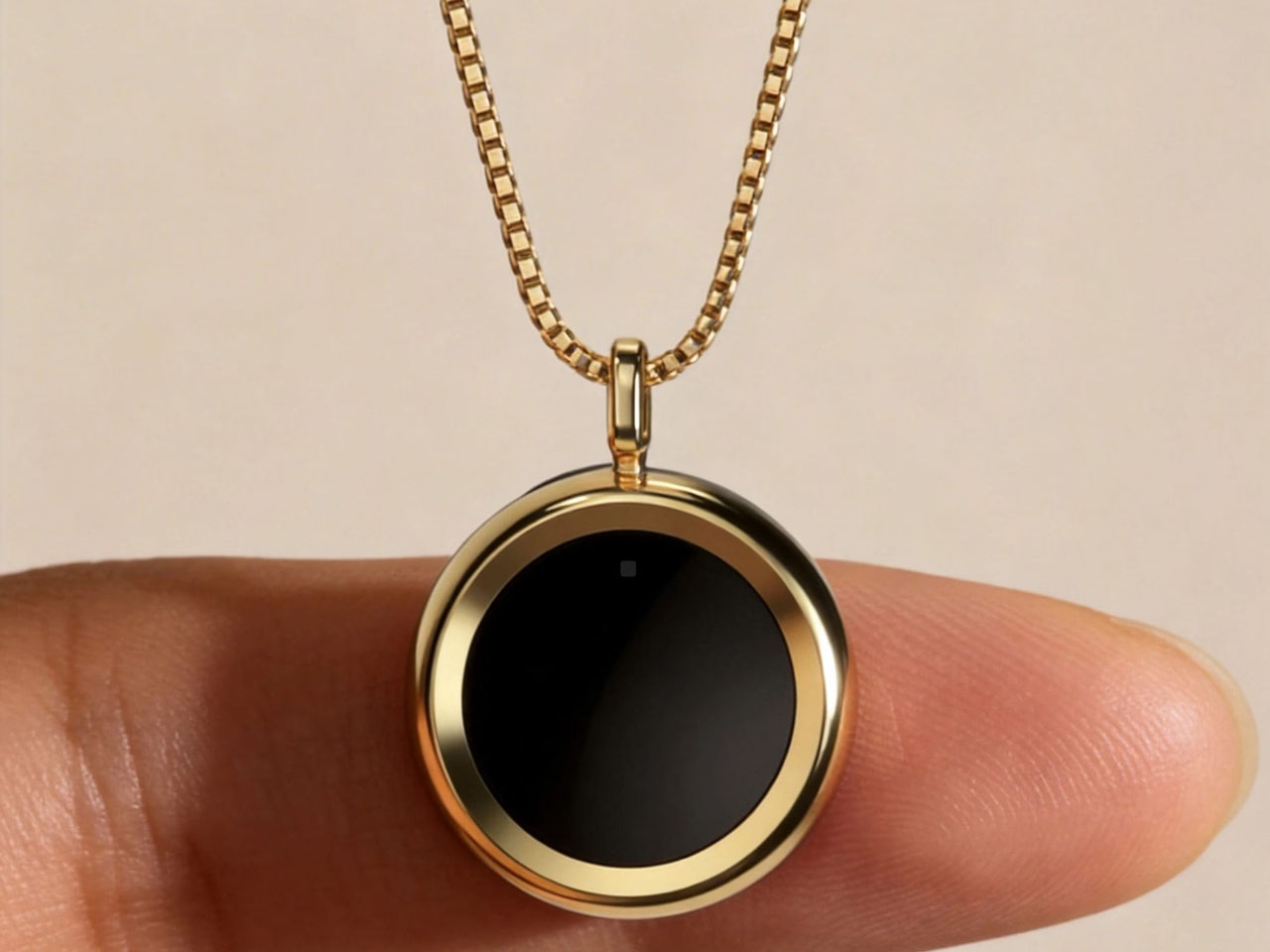
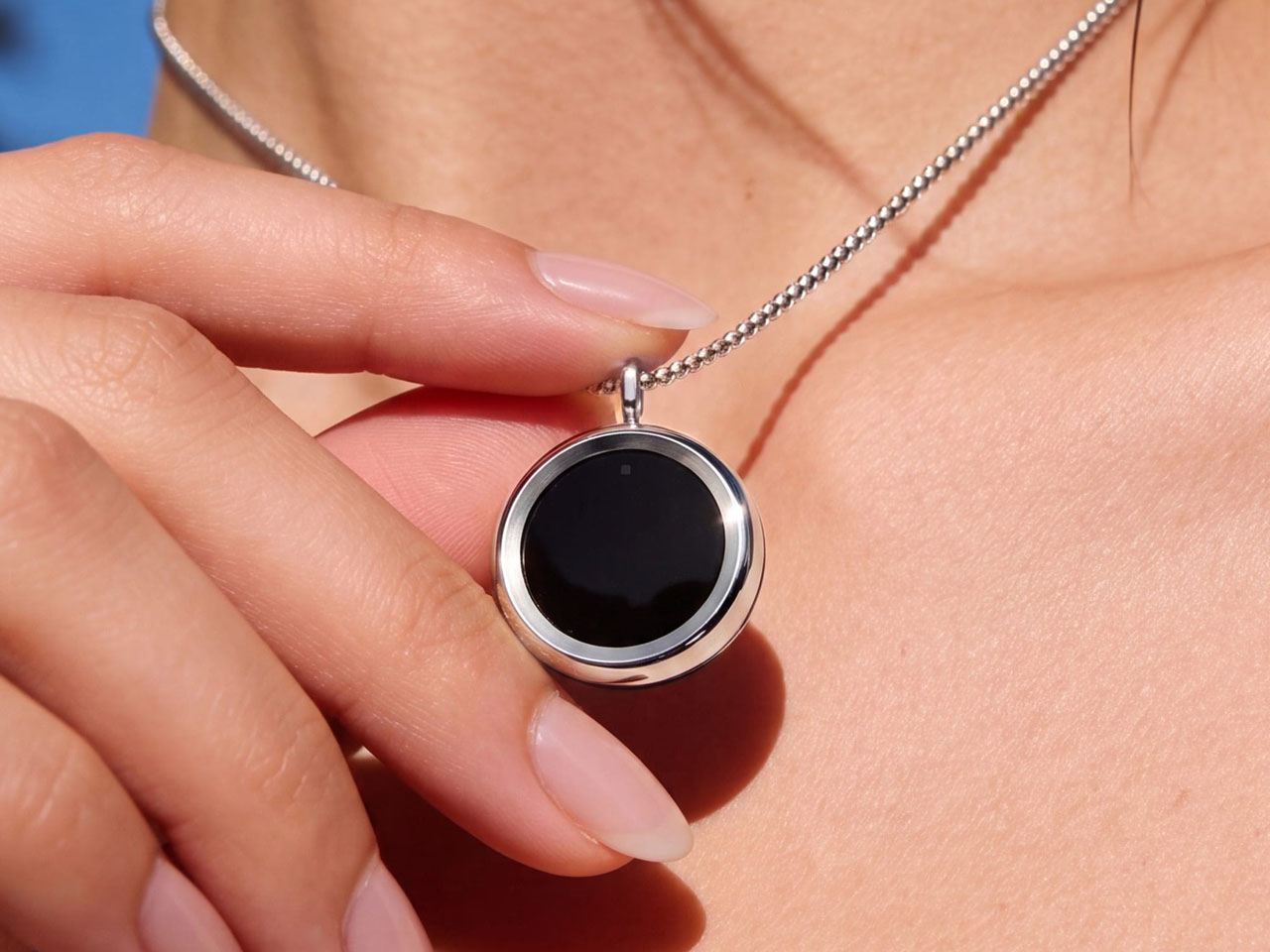
Wearables are targeting most of our burning health concerns, but sun exposure damage is still in the guessing game. Stacy Salvi, who has previously led the acquisition of Fitbit by Google, and is a health expert when it comes to tech wearables, wants skincare to be more considerate when it comes to active sun exposure. Under her new venture, The90, Stacy has launched the Gem wearable that looks like a stylish round necklace for women.
On the inside, the wearable has a built-in UV sensor to track the skin’s UV exposure in real time. The gadget makes complete sense, as most of the time we are left guessing about the real exposure to damaging Sun rays, and are dependent on integrated weather apps’ UV index, which only show generic localised data. Gem goes beyond that and actively tracks the real-time exposure, whether you are lounging in the mid-day Sun or spending afternoons sitting near an office window. It basically takes out the guesswork and focuses on the real-time solution.
The90Gem keeps a tab of the UVA and UVB data received from the sensors in real time, and over time builds a personal skincare profile that is actually beneficial. “The90 transforms sunscreen from a one-time morning ritual into an adaptive, responsive system built around your actual UV load,” Salvi said. Micromanaging the skin type, sunscreen used, and any sun-protective clothing that you’re wearing is another feature of the accompanying app. For now, the wearable is specifically targeted towards women who tend to be more informed about the risks of UV exposure. The brand, however, eventually wants to expand the product line to men and children as well.
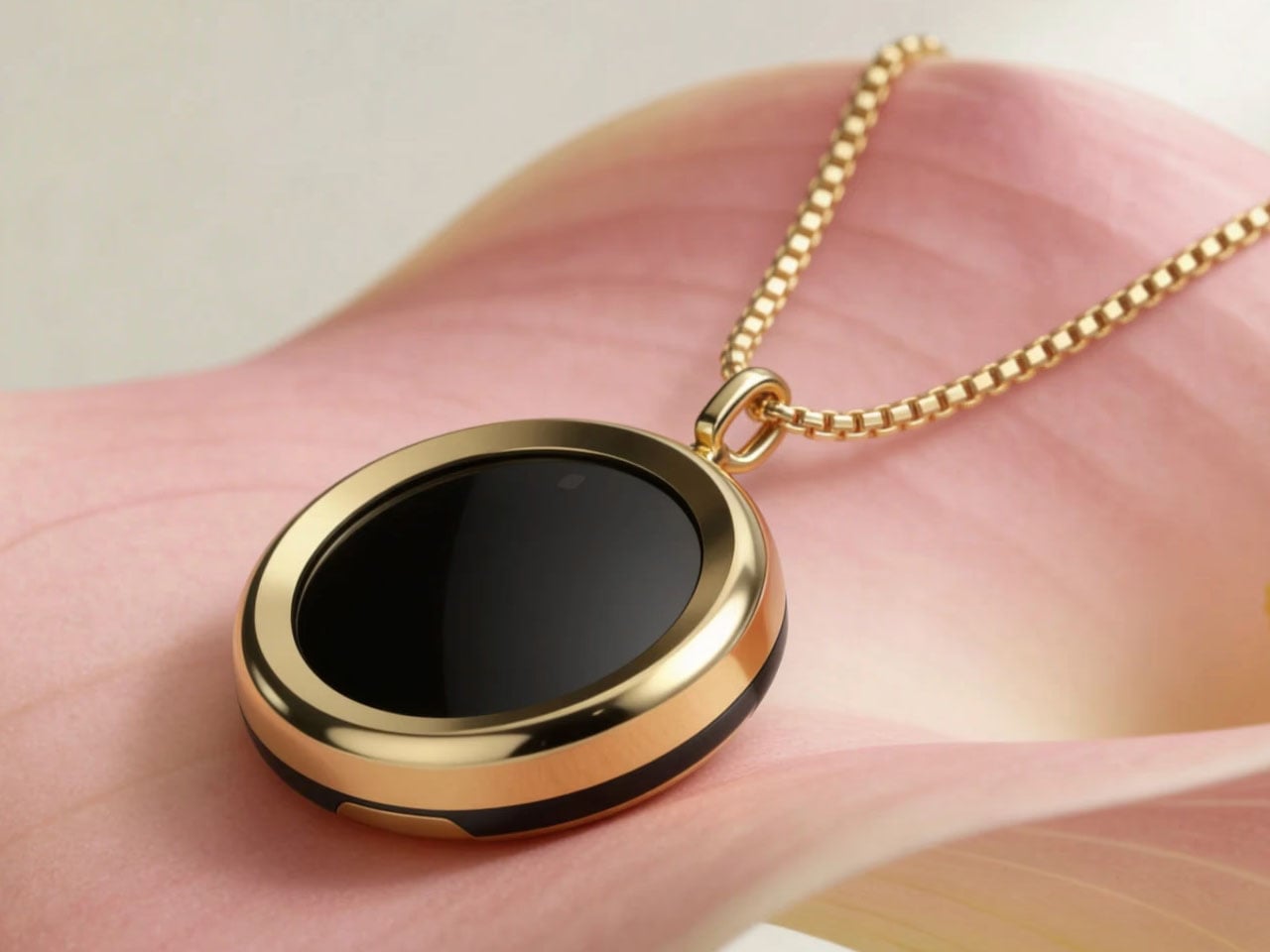
Detecting UVA and UVB exposure is one part of the wearable. The most important bit is the timely beaming of notifications for sunscreen application, or a reminder of the sun protection habits that should eventually be ingrained in your muscle memory. The app also provides data on Vitamin D targets for a mindful suncare routine. The Gem is essentially a titanium case with the sensor inside, wholly encapsulated in a pendant. The battery on the gadget should last for around a week on a single charge, but that remains to be seen in real-world usage.
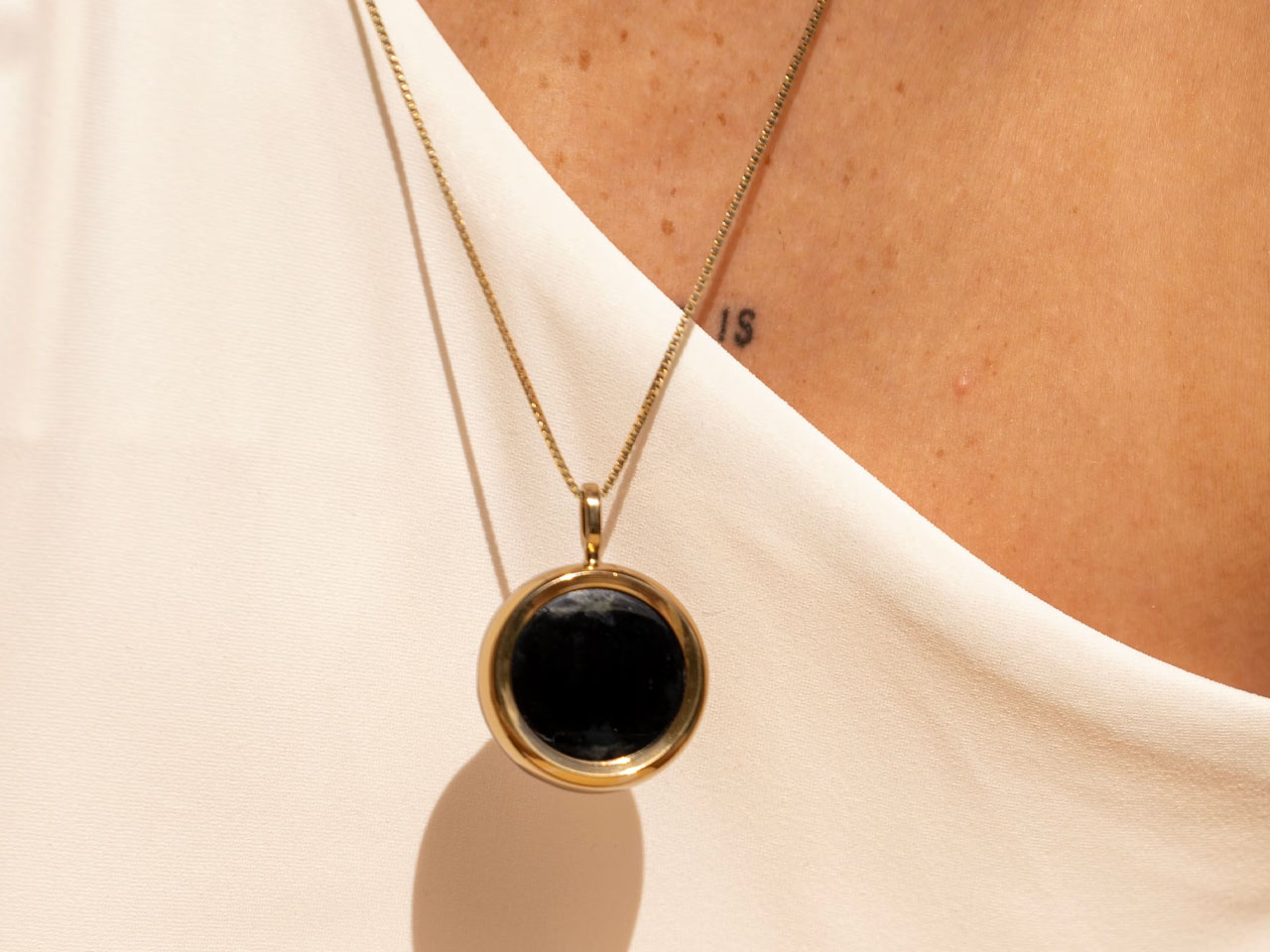
This piece of smart jewellery is available in silver or gold finish to complete the aesthetic look. Priced at $299, The90 Gem wearable is just borderline affordable for a specific benefit, but the members of The Skinny Confidential community can get it for an exclusive price of $199 in the early access offer. The company also has plans to incorporate the smart wearable as other items as well, which should further expand the options to gauge your sun exposure in style.
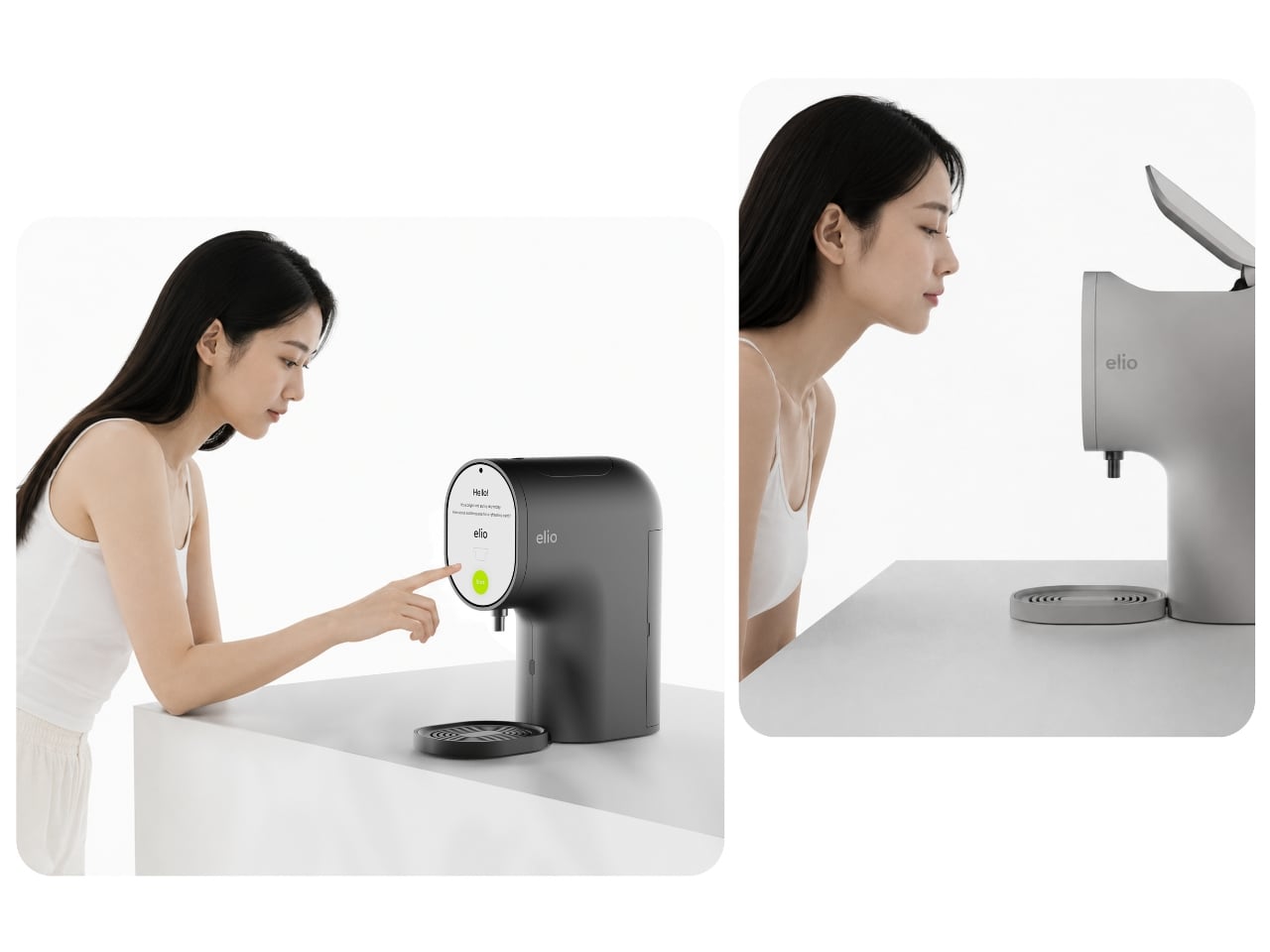
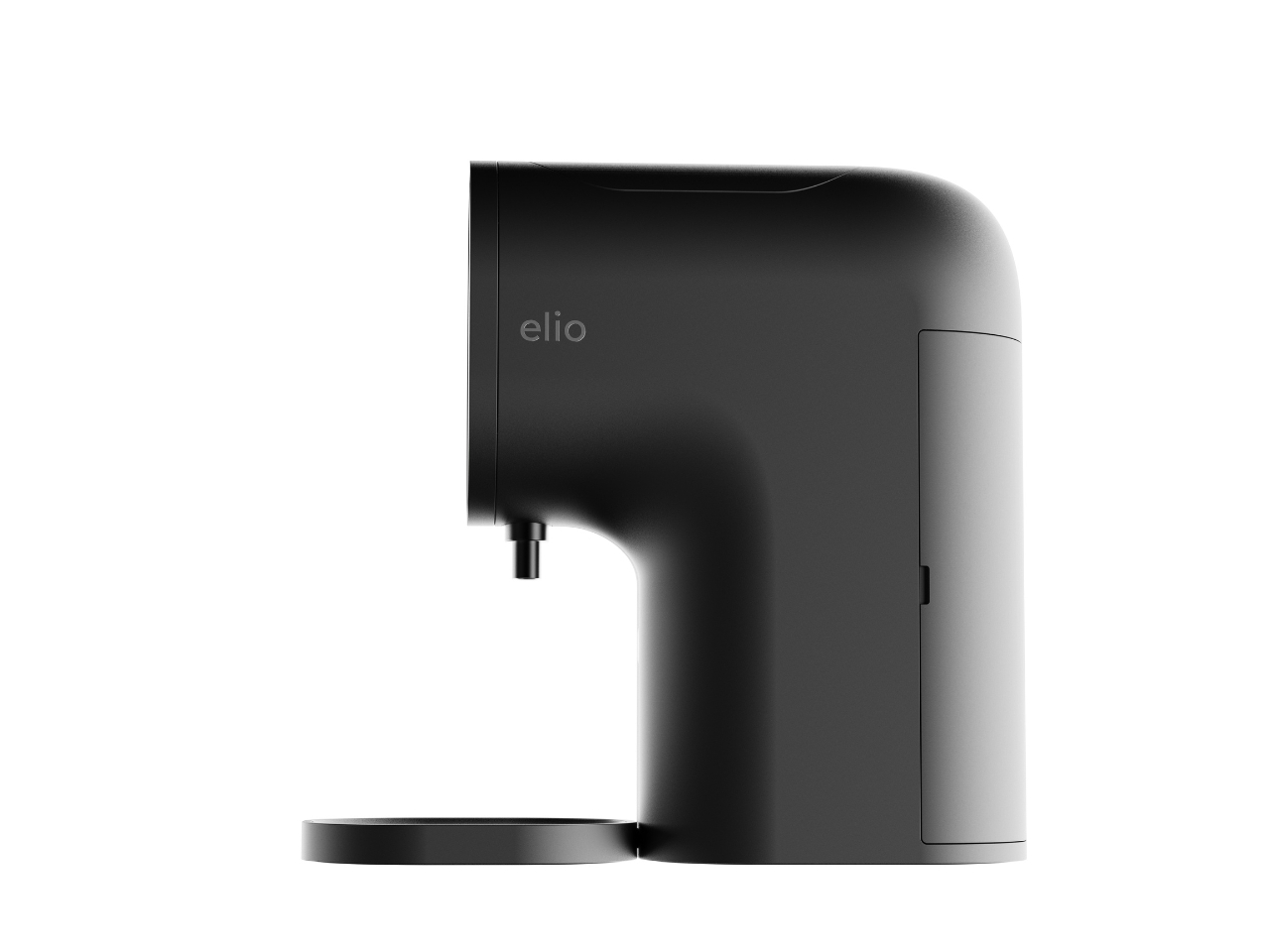
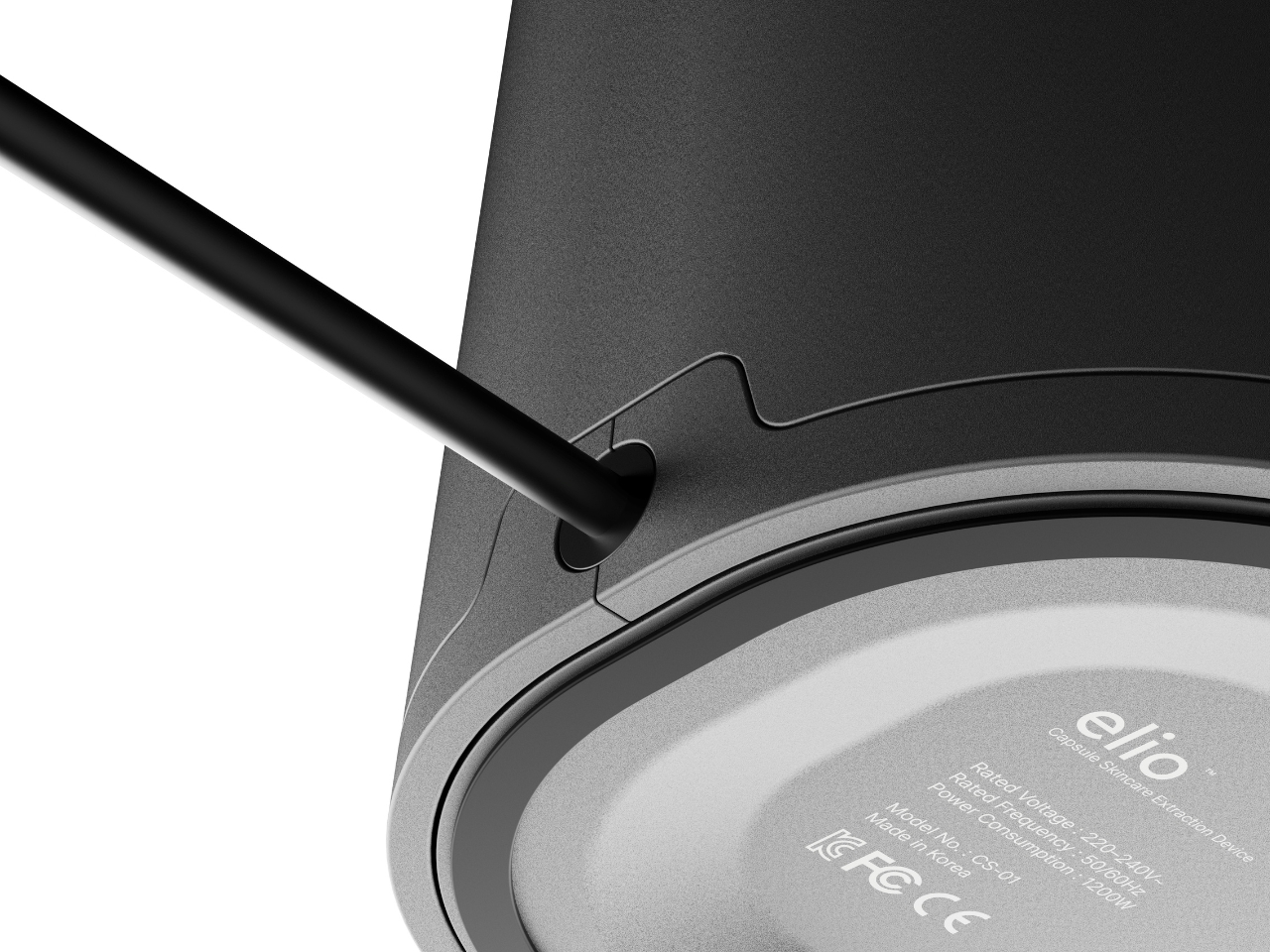
The beauty industry has been promising us “personalized skincare” for years. What usually comes out the other end is a quiz, a starter kit, and a monthly subscription box full of products you may or may not actually need. So when I came across Elio, a concept skincare device by Korean industrial designer Taehyeong Kim, I sat up a little straighter. Not because it makes bold promises, but because it looks exactly like something that already belongs on your counter, and that’s entirely the point.
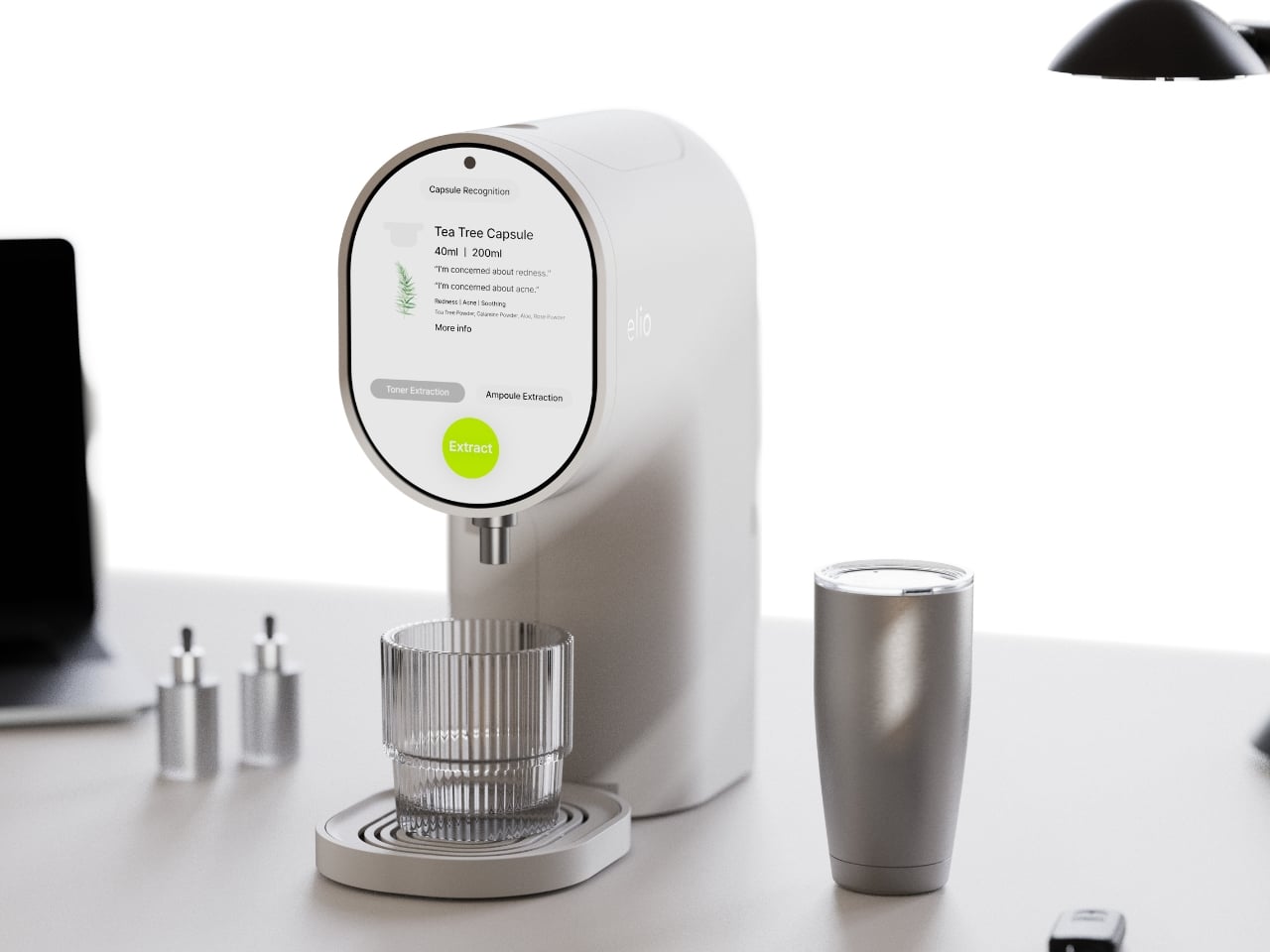
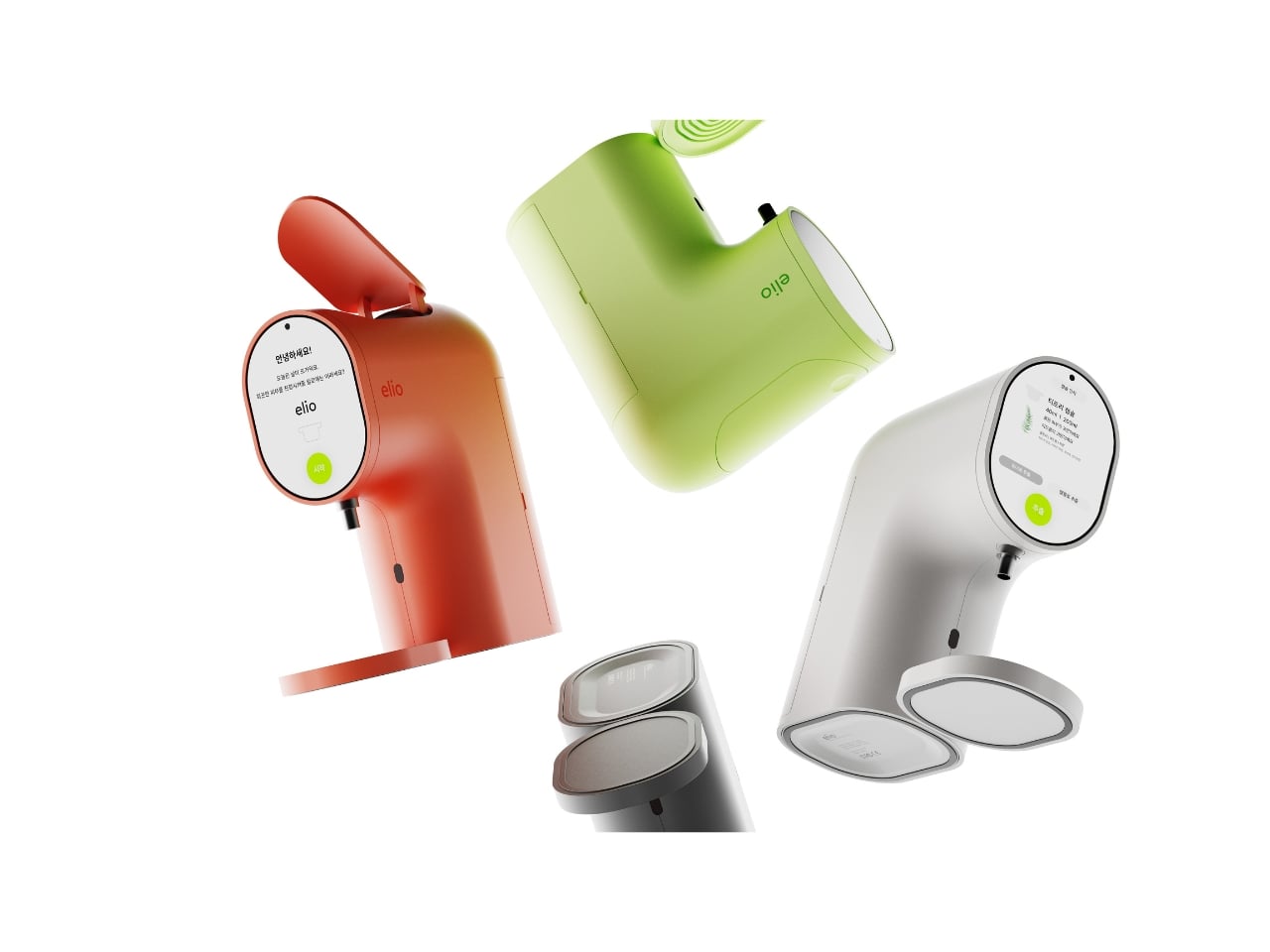
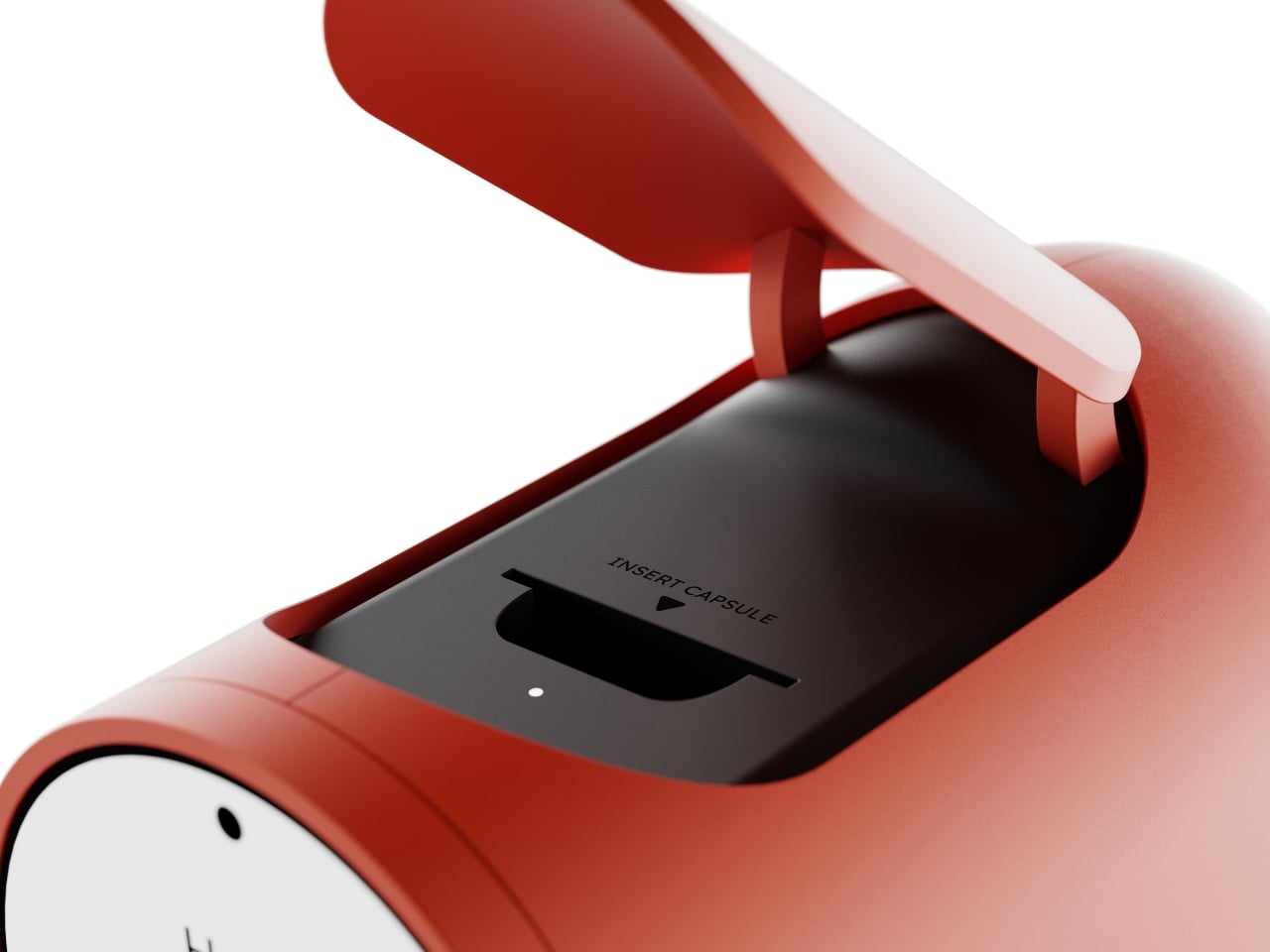
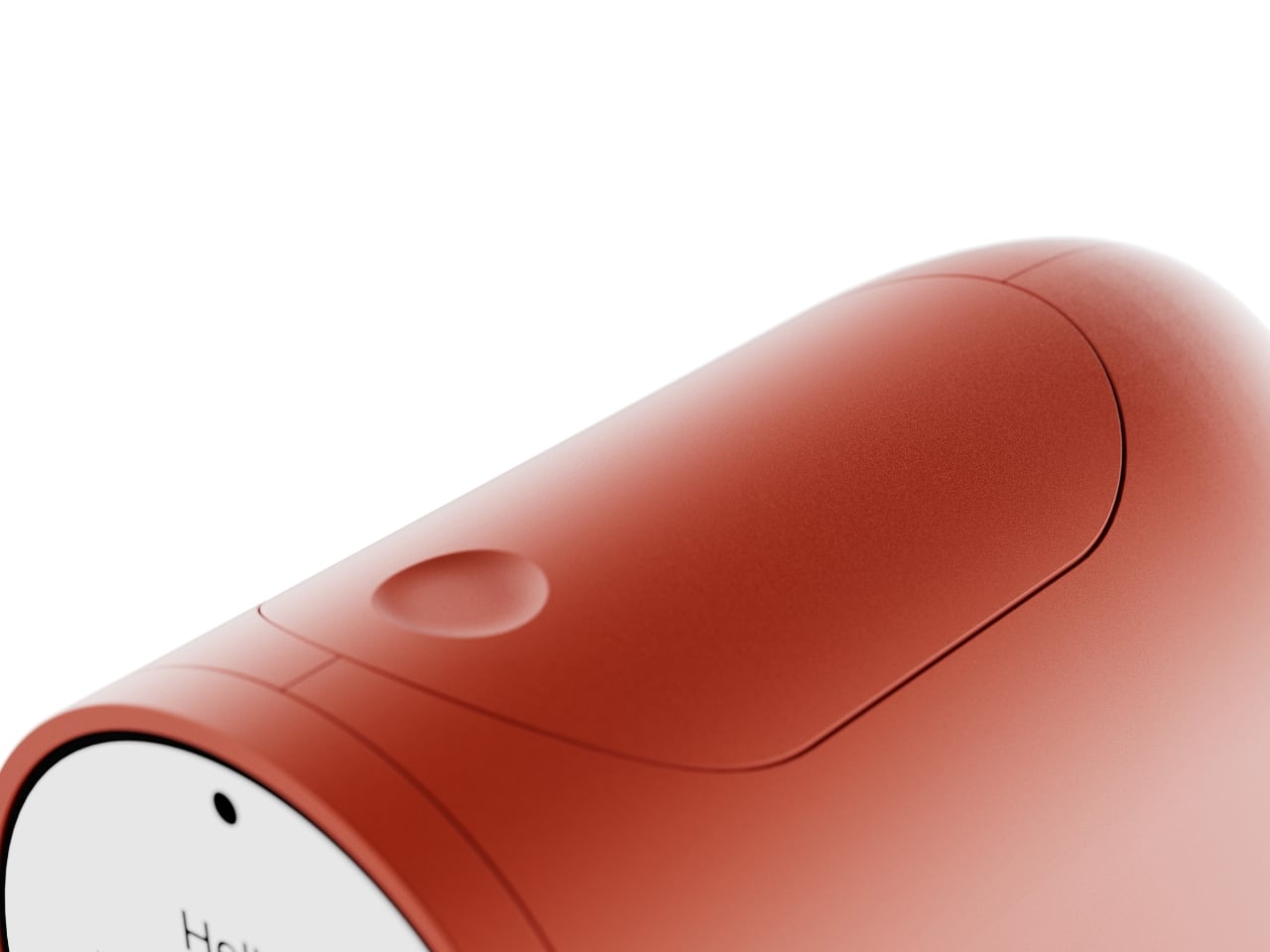
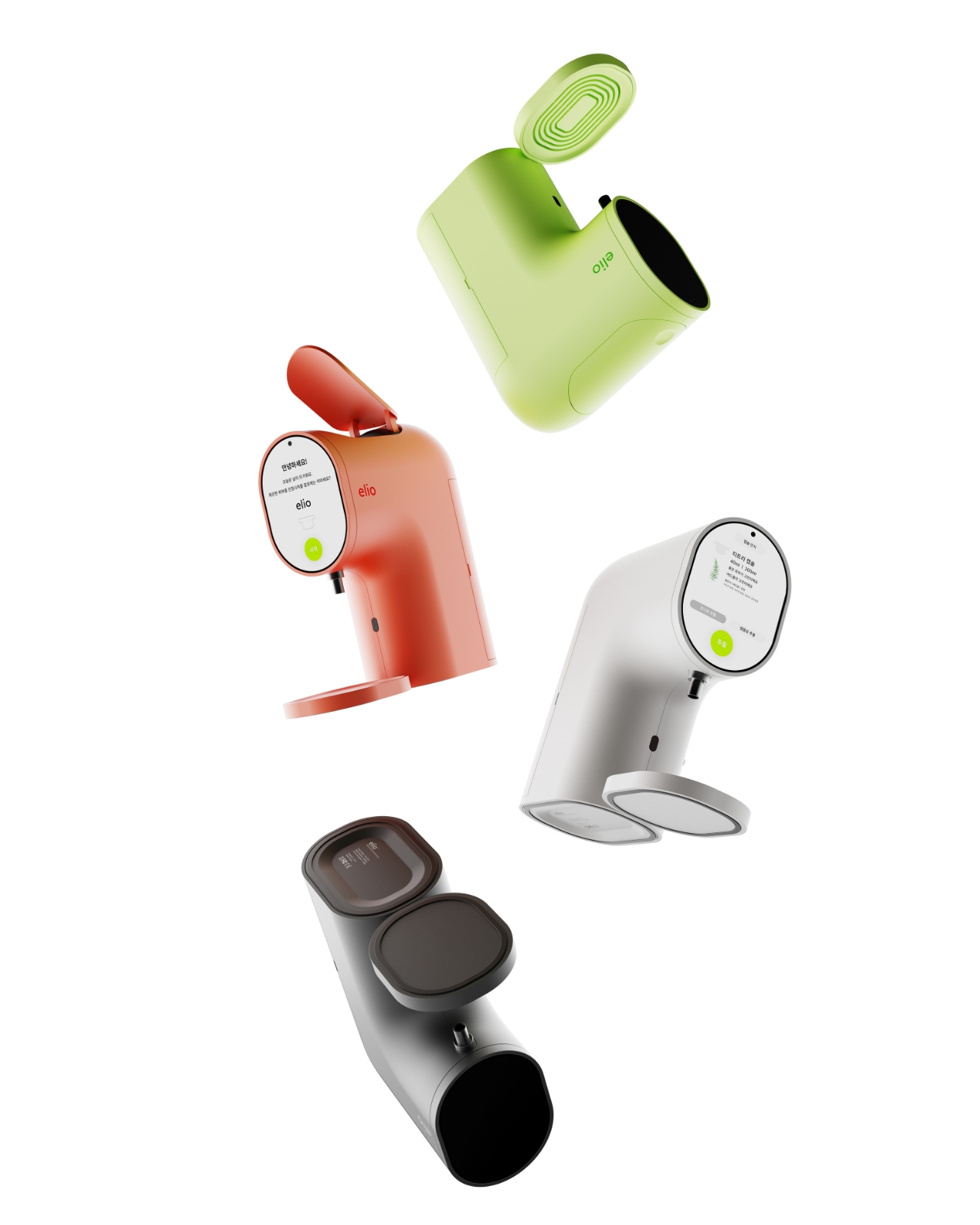
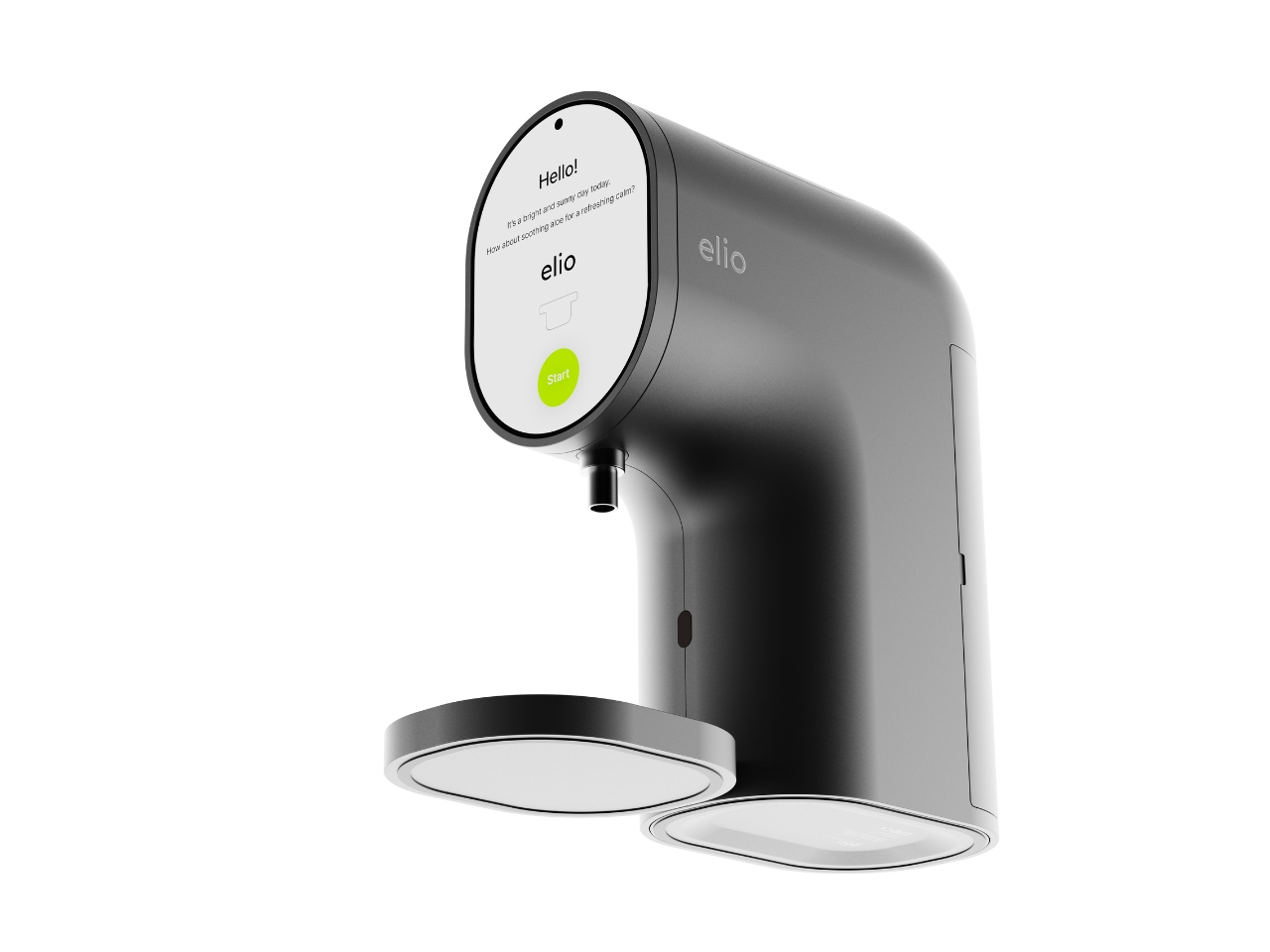
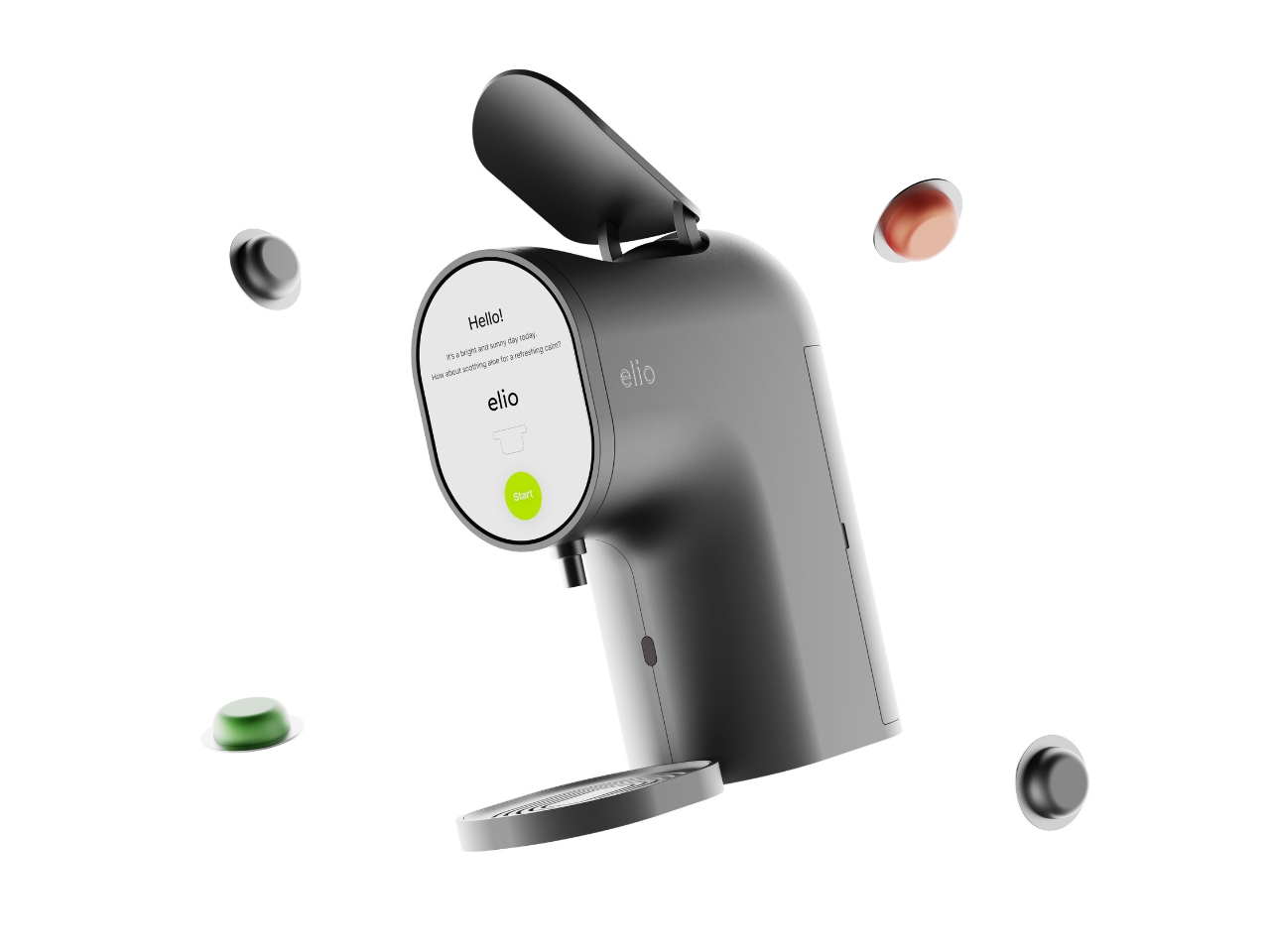
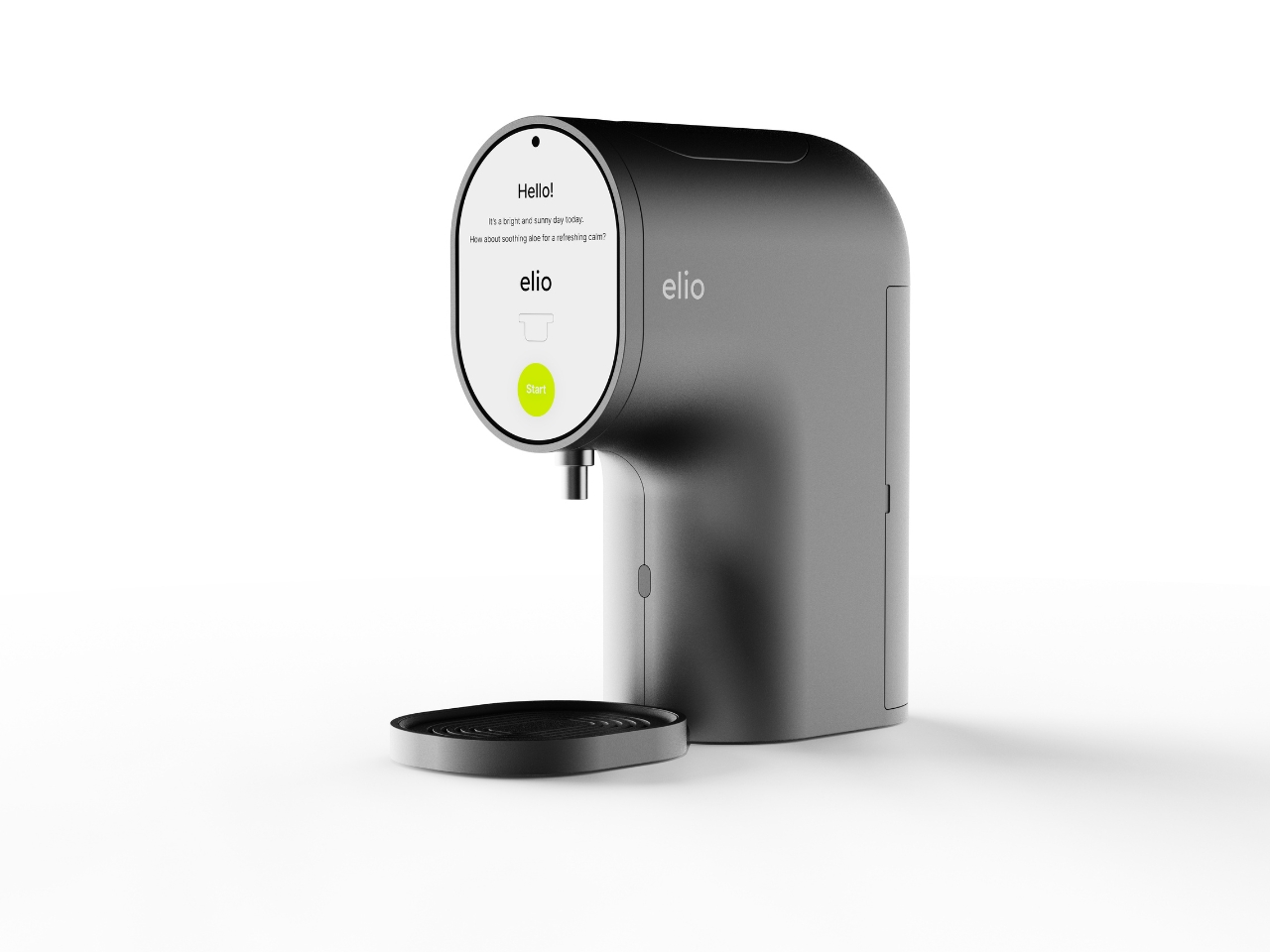
Elio looks like a coffee machine. Specifically, it looks like the kind of sleek pod coffee machine you’d find in a well-designed apartment kitchen. The body is compact and rounded, with a smooth curved neck that sweeps forward and a circular display face mounted front and center. A small nozzle sits just below the screen, and a flat tray rests at the base. Flip open the top lid and you’ll find a slot that literally reads “INSERT CAPSULE.” If you told someone this was a new Nespresso colorway, they’d believe you without question. That’s not a criticism at all. It’s one of the smartest design decisions in the whole concept.
The familiarity is doing real work here. One of the biggest friction points in getting people to actually use a skincare device consistently is that most of them look clinical, complicated, or just strange sitting on a bathroom shelf. Elio sidesteps all of that by borrowing the visual language of something people already love and trust. The rounded silhouette, the satisfying top-load mechanism, the single glowing green button on the display. It reads as approachable before you even know what it does.
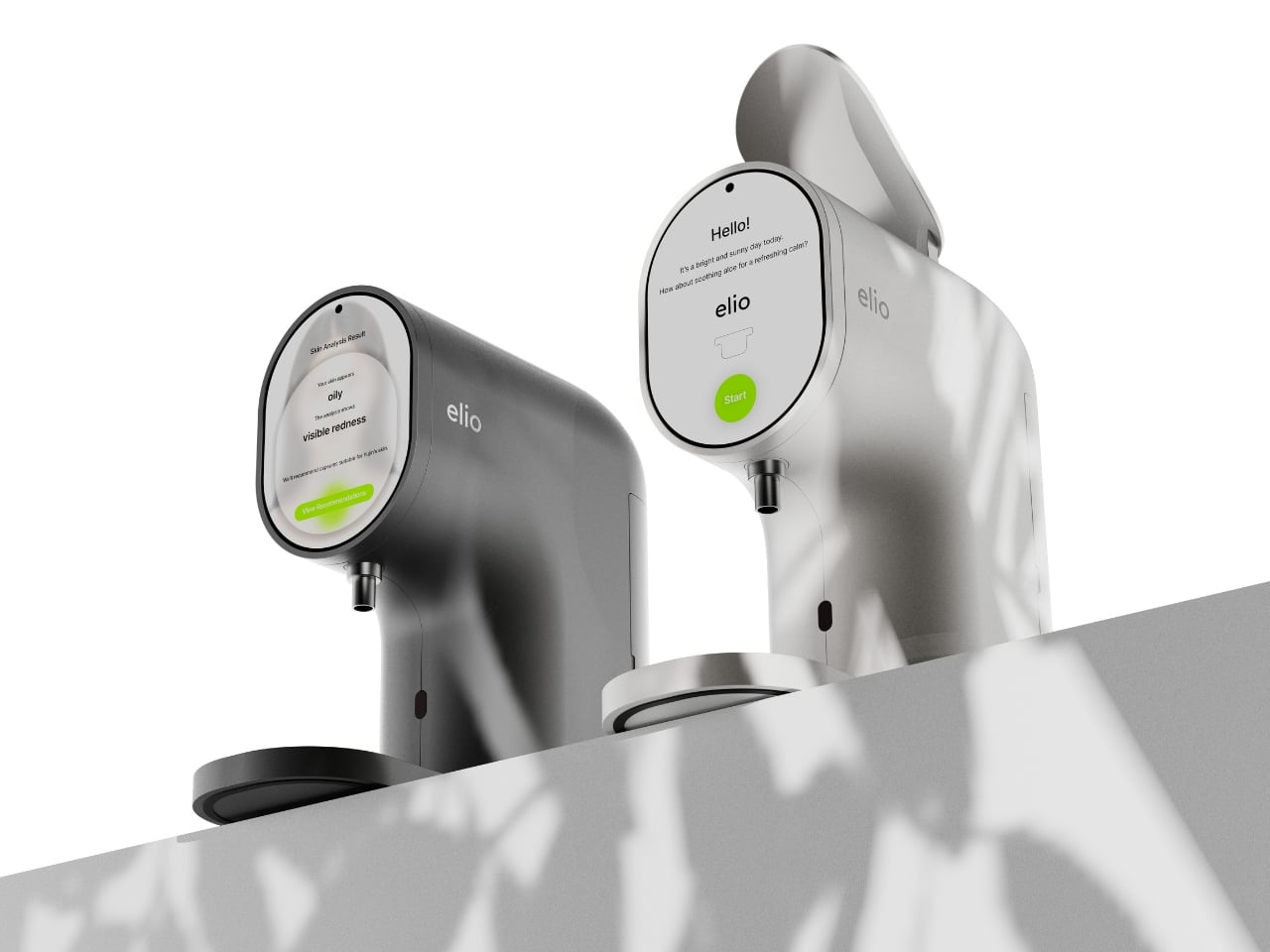
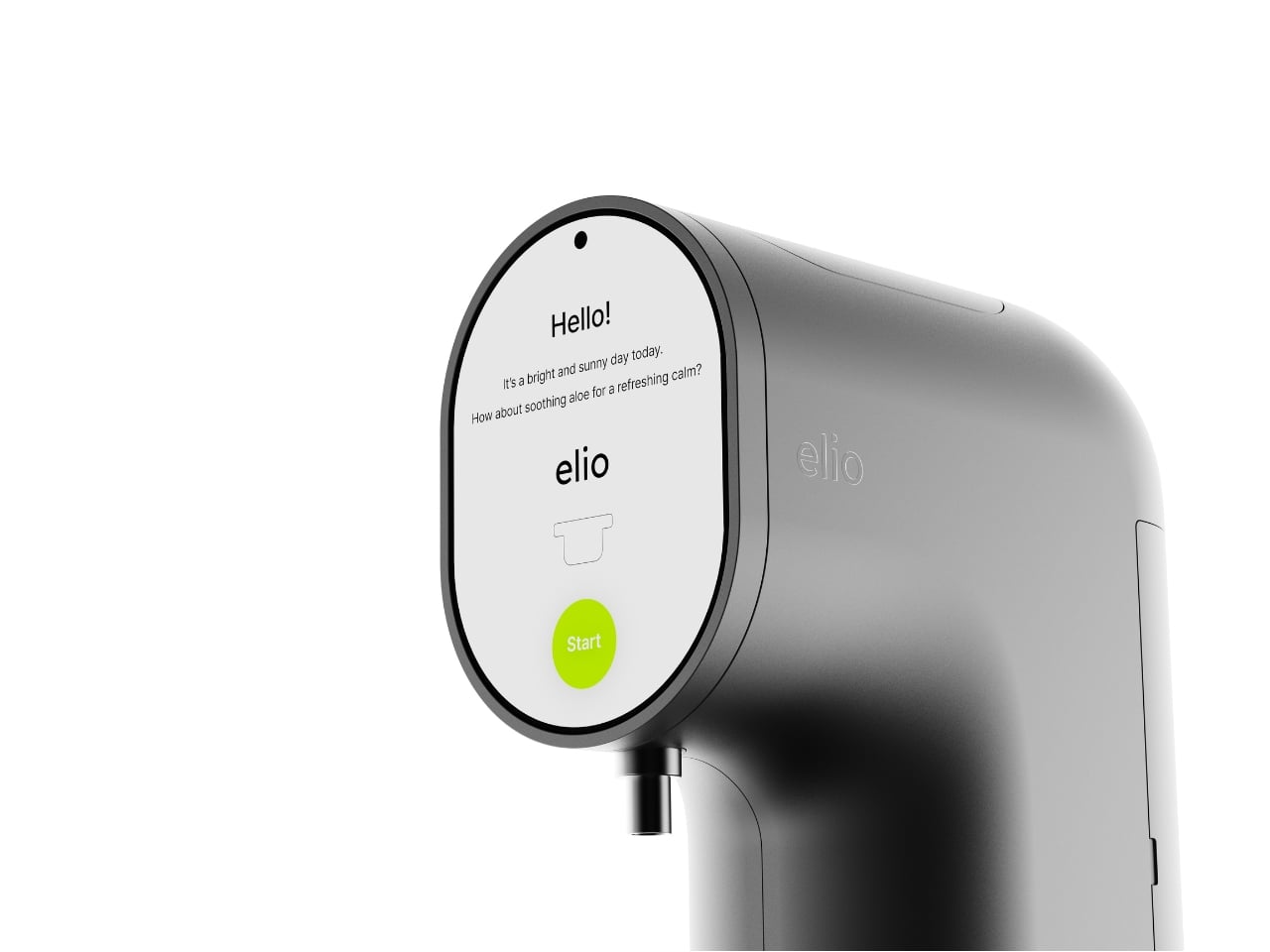
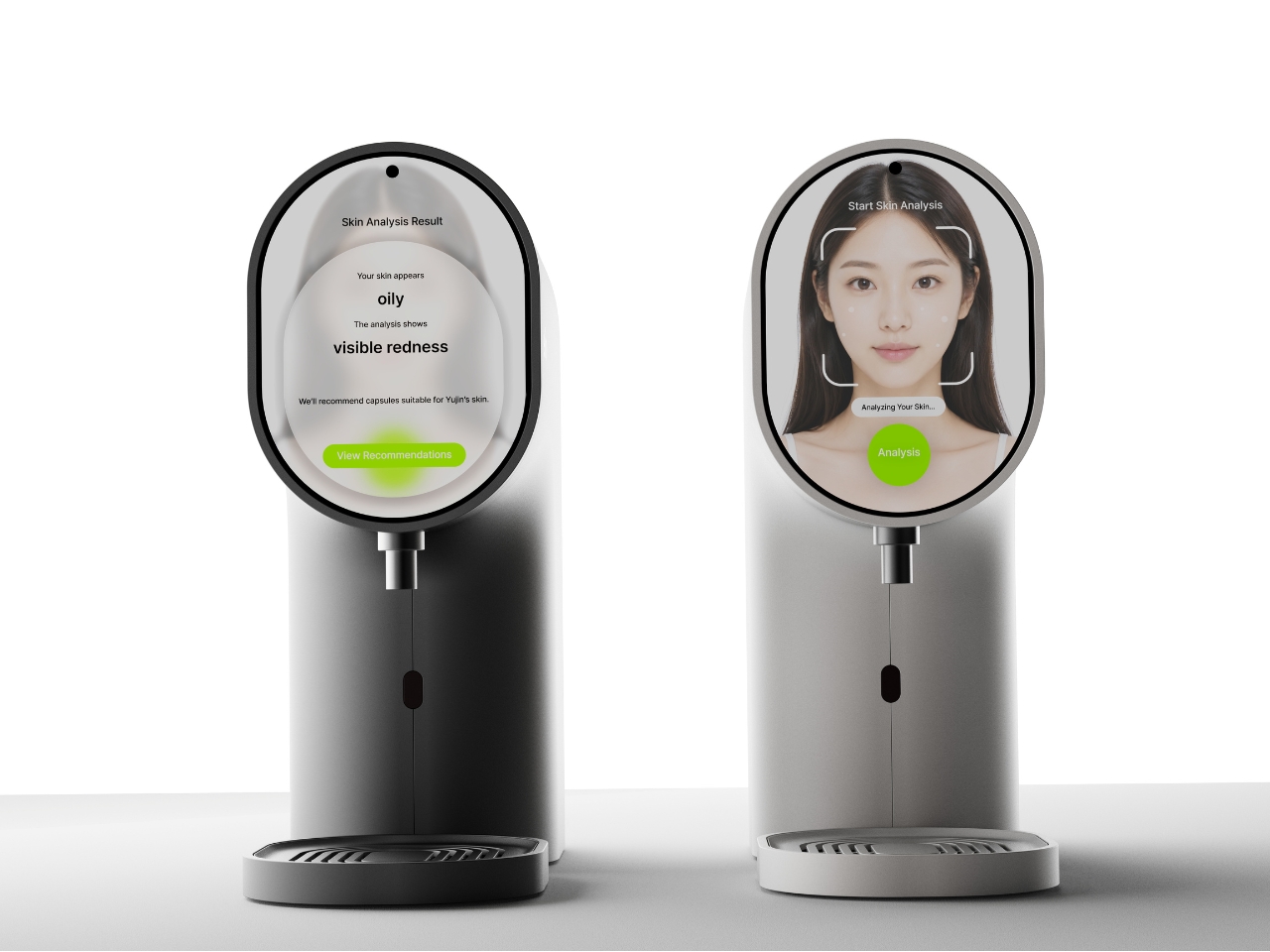
What it does is genuinely clever. Elio is an AI-powered skincare system that scans your skin in real time, reads your condition, and then dispenses a custom-formulated serum through a capsule-based delivery system. The circular display shows your skin analysis results directly, flagging things like oiliness or redness, then recommends the right capsule formula for that specific day. You load the capsule into the top slot, press the green button, and the device does the rest. The capsules themselves are small, pill-shaped, and almost jewel-like in the renders, orbiting the machine like they have somewhere important to be.
The color range is also worth talking about. Most skincare devices default to clinical white or muted grey and call it a day. Elio comes in a deep charcoal, a warm terracotta, a bold lime green, and a soft white. They all work, but the terracotta and lime green versions in particular feel like a deliberate statement. They want to be seen. They want to sit on your counter the way a designer object sits in a living room, as something you chose because you liked how it looked, not just what it did.
The detail I keep returning to is the skin scanning interaction. In the lifestyle renders, the user leans in close to the circular display, which doubles as the analysis interface. It’s an intimate, quiet moment, more ritual than routine, and it reframes what getting ready in the morning can feel like. Not a chore, not a checklist, but a small daily check-in with yourself. Whether or not that reads as overly poetic, the design actively encourages that interaction, and that’s intentional.
Kim is still a student designer based in Daegu, South Korea, and Elio has already picked up a Red Dot Design Award in 2025 alongside Gold and Silver wins at the Spark Design Awards. That’s a significant return for any portfolio piece. It also says something about where Korean industrial design is right now, producing work that doesn’t just look good in renders but thinks clearly about behavior, habit, and the emotional relationship between a person and the objects they live with.
Elio is a concept, not a product you can buy today. But it’s the kind of concept that makes you look at your current skincare shelf and feel a little impatient for the future.
The beauty industry has spent decades perfecting what goes inside the bottle. Formulas have become more sophisticated, actives more potent, ingredient lists more transparent. Yet the objects that deliver those formulas have stayed mostly the same. Glass jars, plastic tubes, pump bottles, they’re passive containers designed to hold product, not enhance it. Meanwhile, beauty gadgets promised professional results at home but ended up in drawers, forgotten.
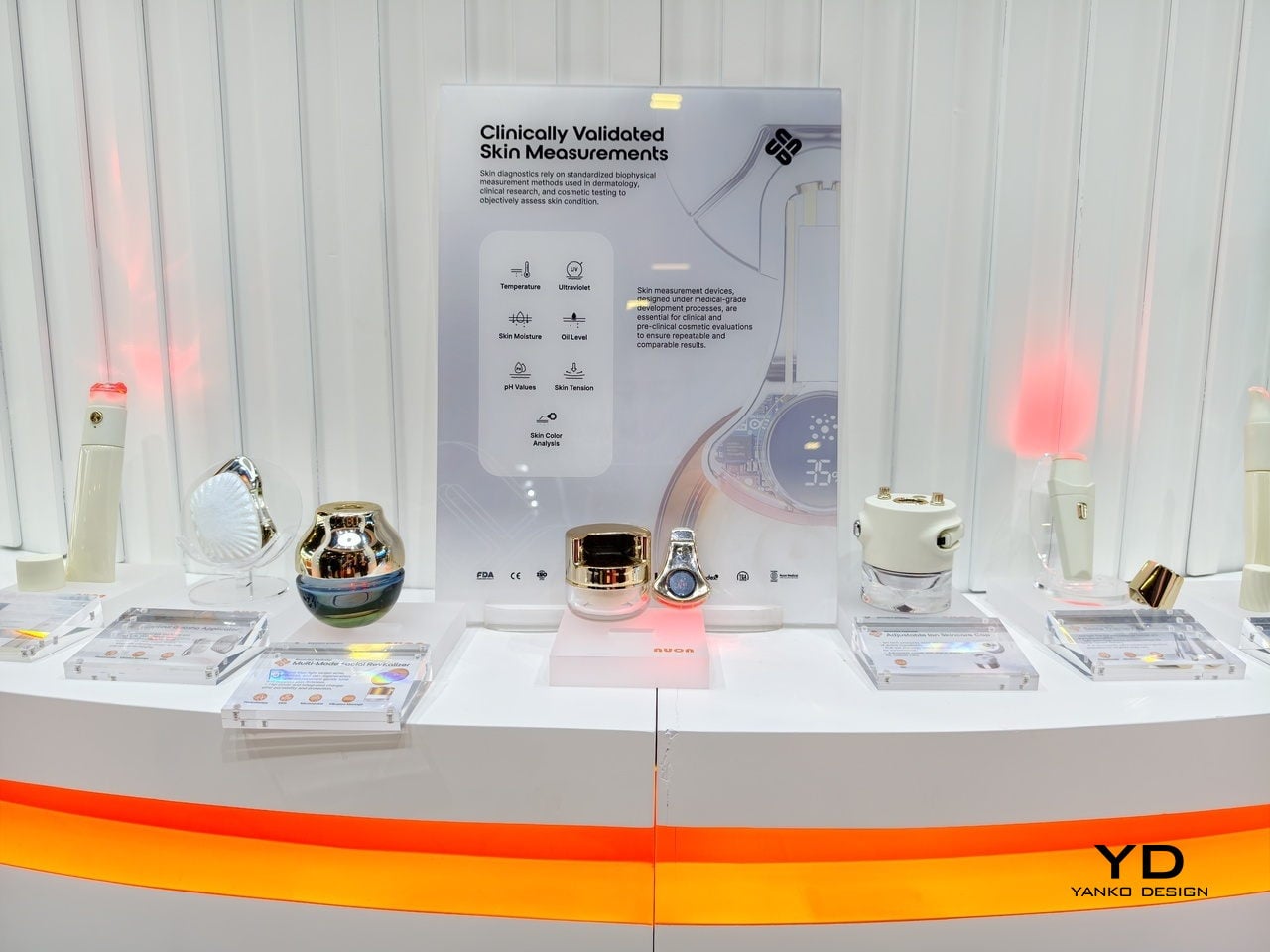
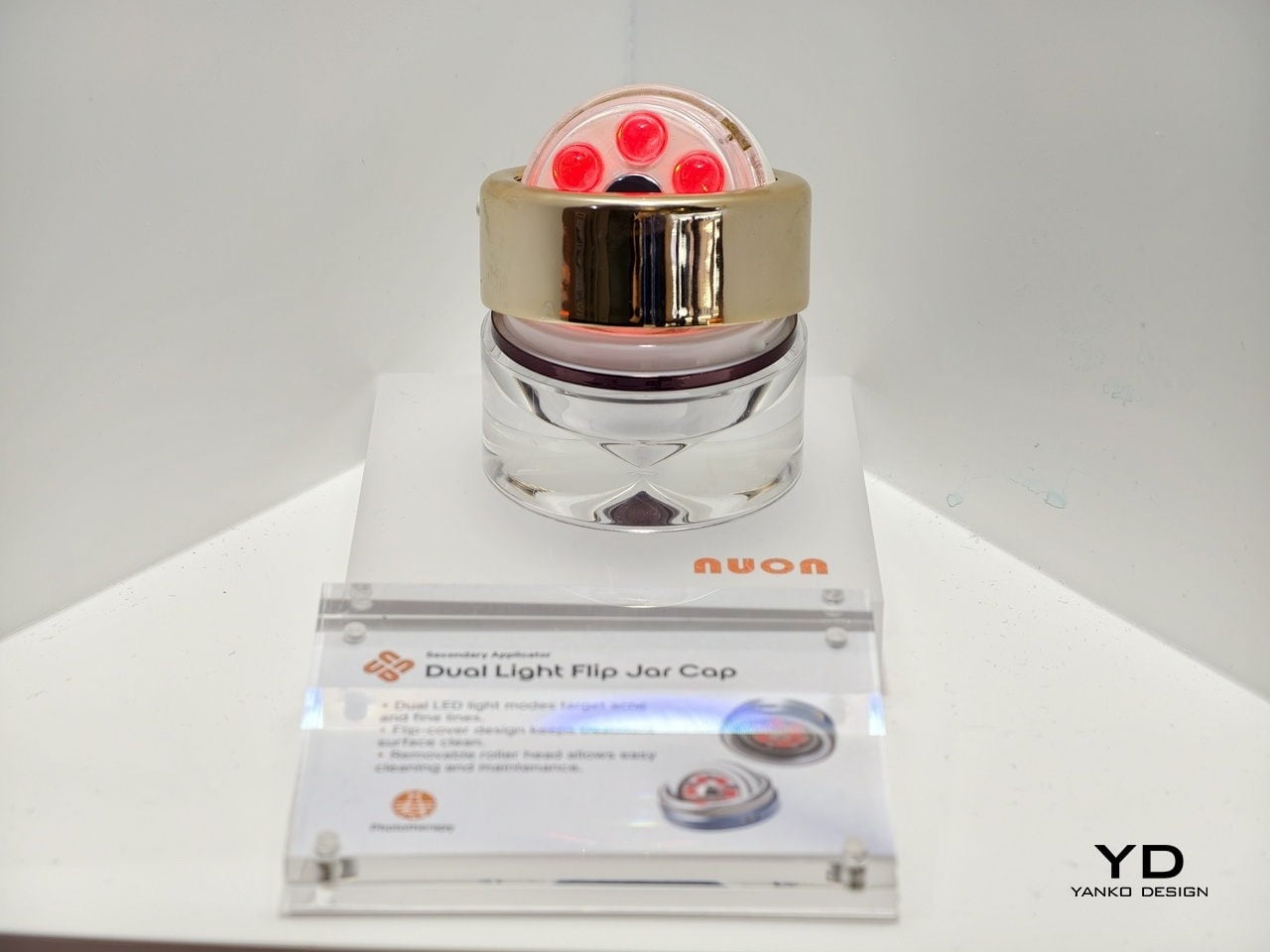
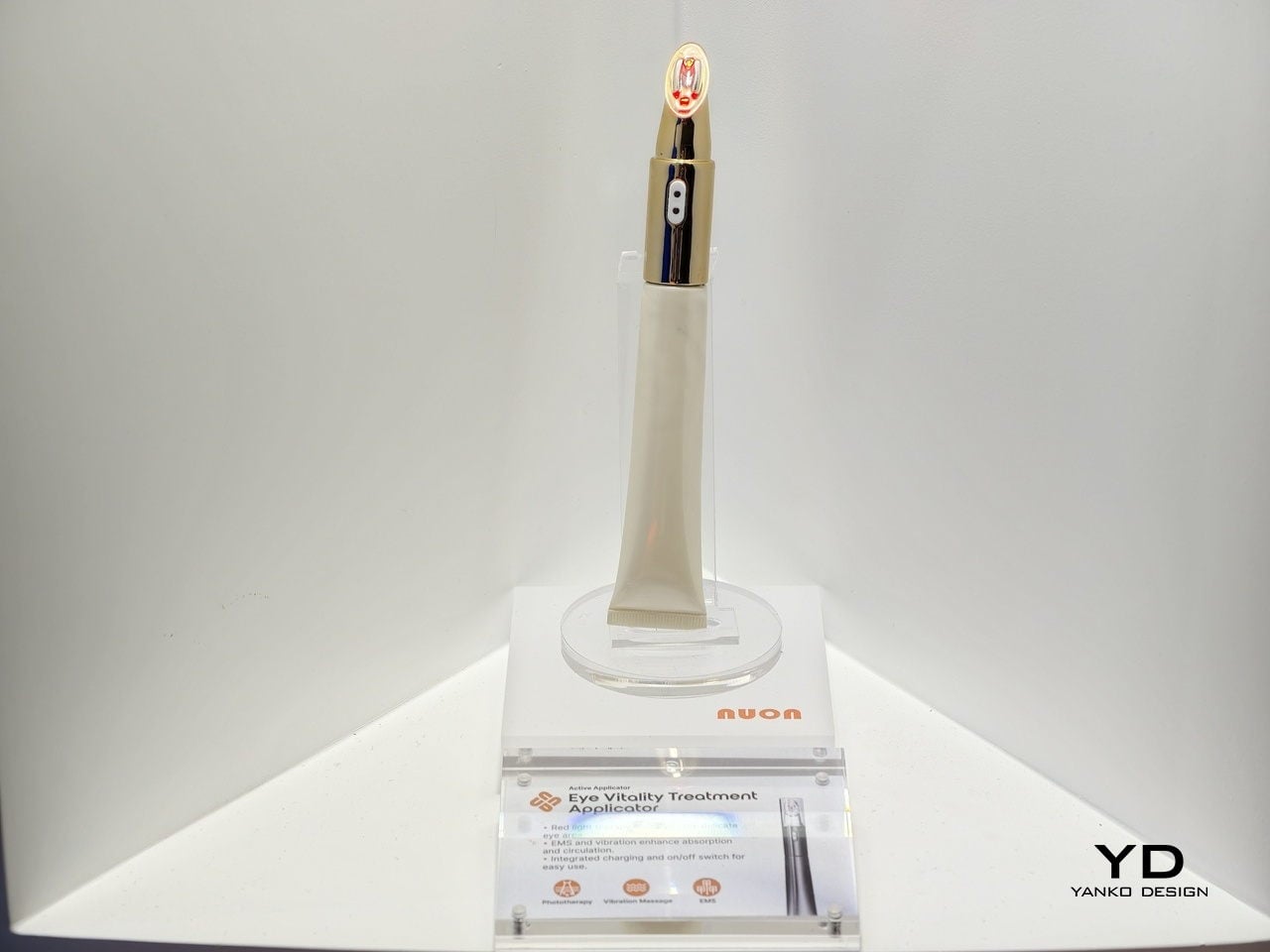
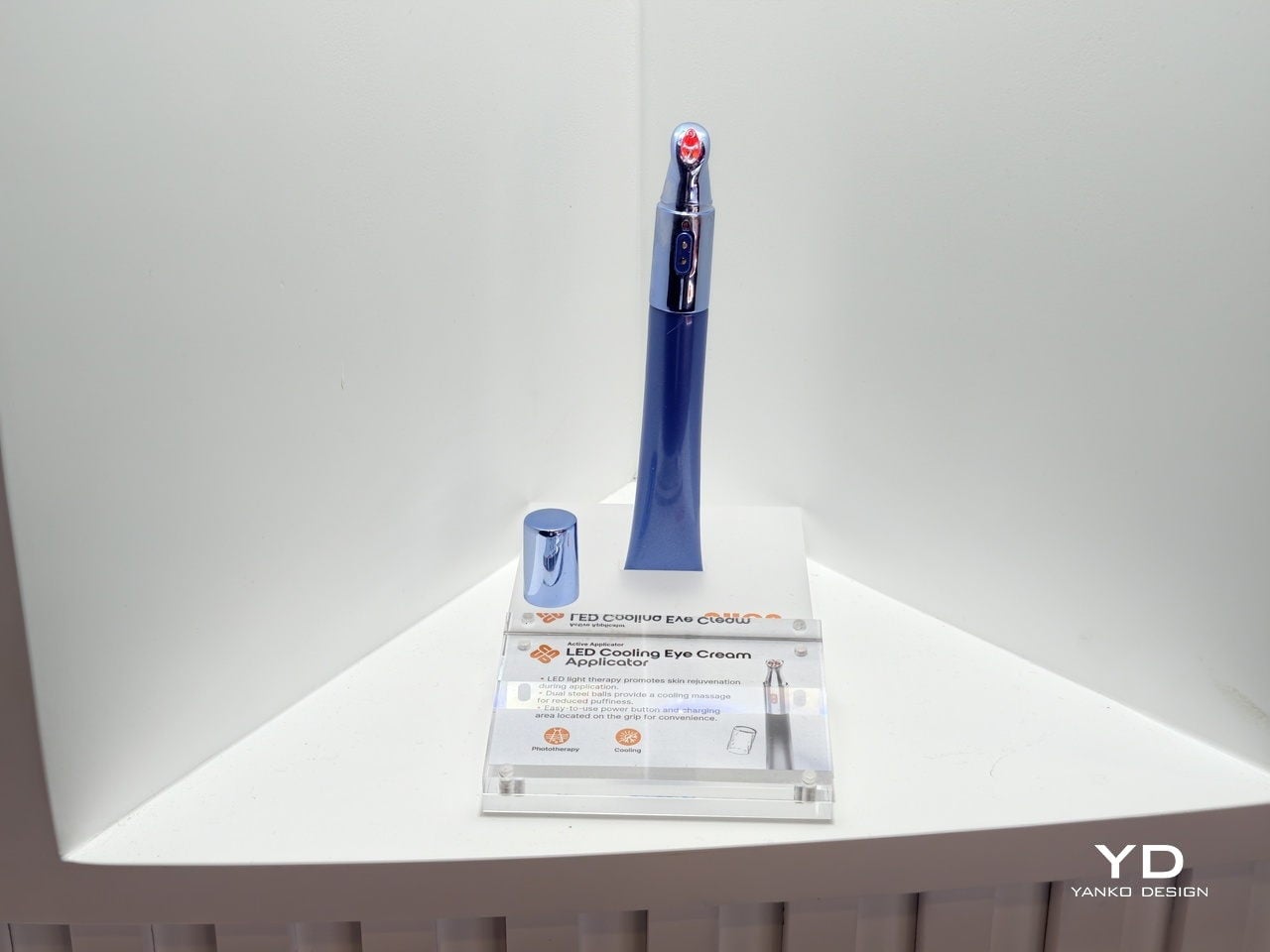
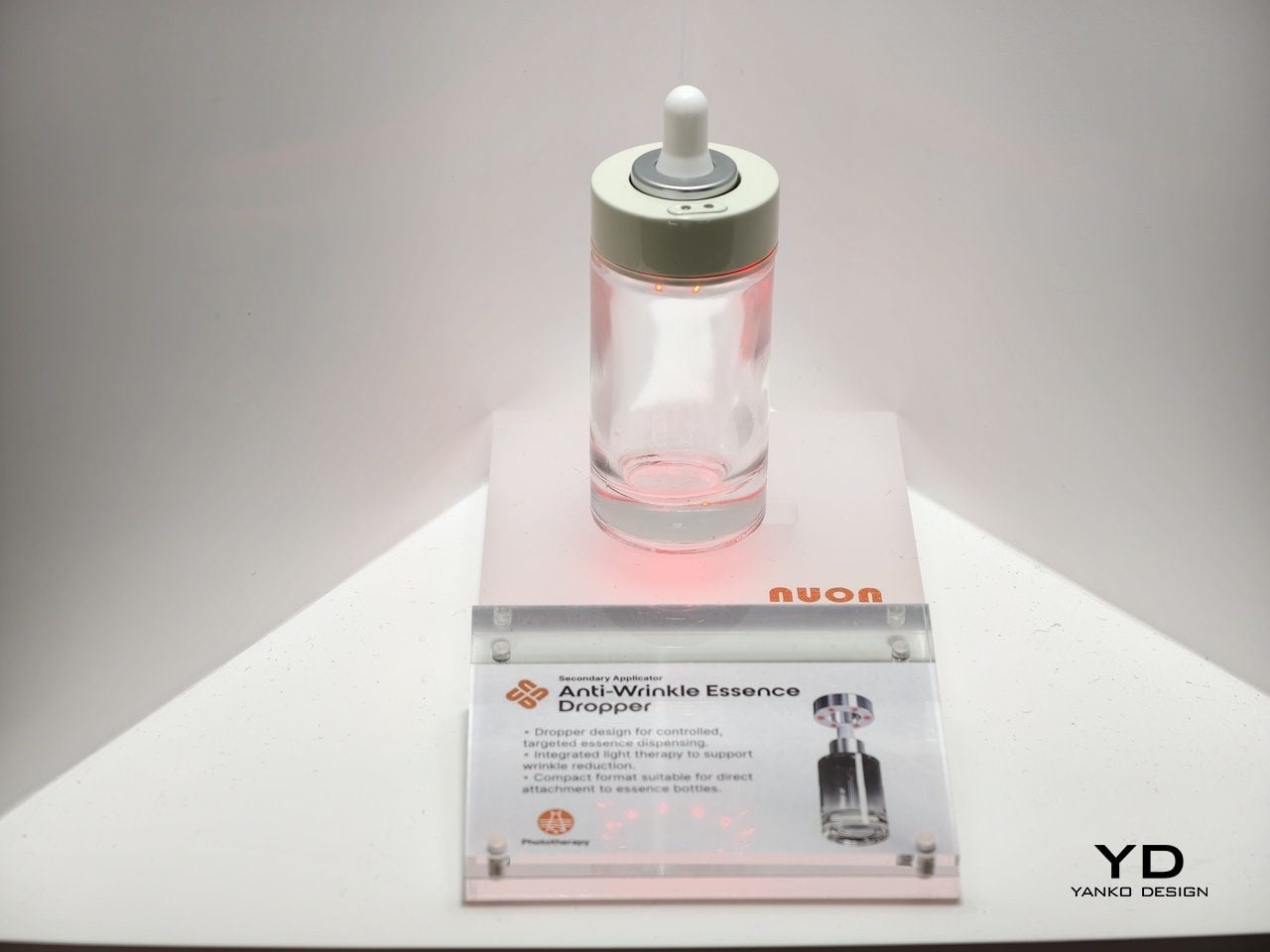
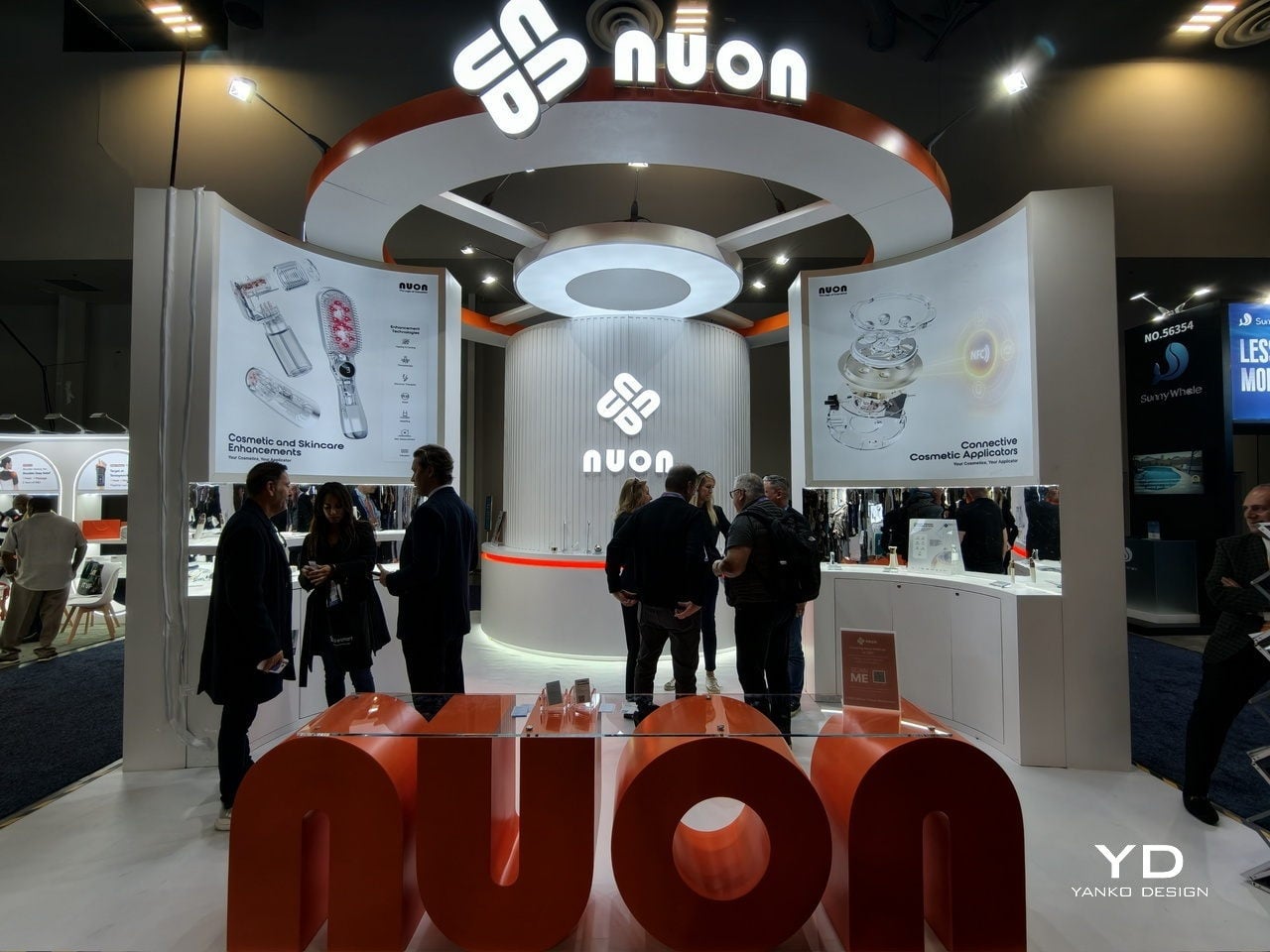
The real opportunity isn’t another breakthrough ingredient or another device. It’s that split second where formula actually meets skin. That’s the insight behind Nuon Medical, a company founded by Alain Dijkstra with roots in medical devices rather than traditional cosmetics. While everyone else obsessed over formulas, Nuon started looking at the packaging itself. We interview Senior Consultant Benny Calderone to get deeper insights into the company’s origins and perspectives.
Designer: Nuon Medical
From Chemical to Physical Innovation
According to Nuon Medical, “For decades, the beauty industry focused on ‘Chemical Innovation’—the juice inside the bottle. Nuon is pioneering the era of ‘Physical Innovation.’ In short: we are solving the ‘Last Inch’ of skincare.” It’s a shift that treats packaging as a performance-critical interface, one that determines whether those actives reach their biological targets or just sit on your skin doing nothing.
Nuon’s journey started with standalone light therapy devices used for hair growth and wrinkle reduction. After nearly two decades making those tools, founder Alain Dijkstra noticed they had a retention problem. They added steps to already crowded routines and mostly ended up unused. For clinical tech to work at scale, it had to disappear into something people already do every day.
By embedding tech into packaging, Nuon eliminated the compliance gap. “We realized that for clinical tech to scale, it must be invisible. By turning the packaging itself into the ‘treatment engine,’ we eliminate the compliance gap.” You’re not being asked to do something new. You’re just upgrading what you already do. From a business angle, this transforms a throwaway bottle into something worth keeping.
Frictionless Intelligence at the Point of Contact
Nuon doesn’t start with sketches or aesthetics. They start with human-factor engineering, figuring out how an applicator should guide contact, path, and speed to deliver the formula correctly every time. The result is what they call frictionless intelligence. “We design for ‘frictionless intelligence.’ If a user has to read a manual, the design has failed,” the company states.
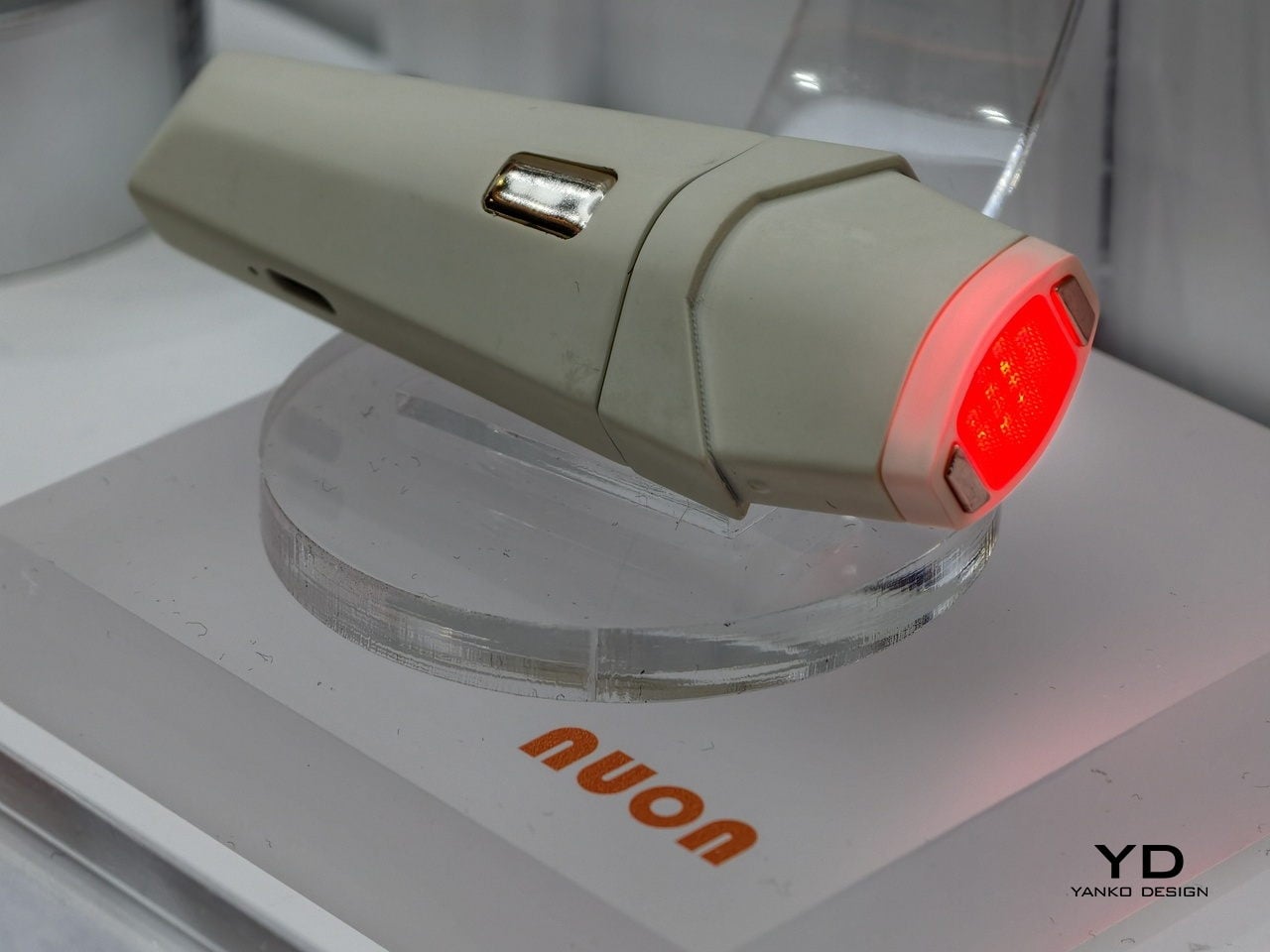
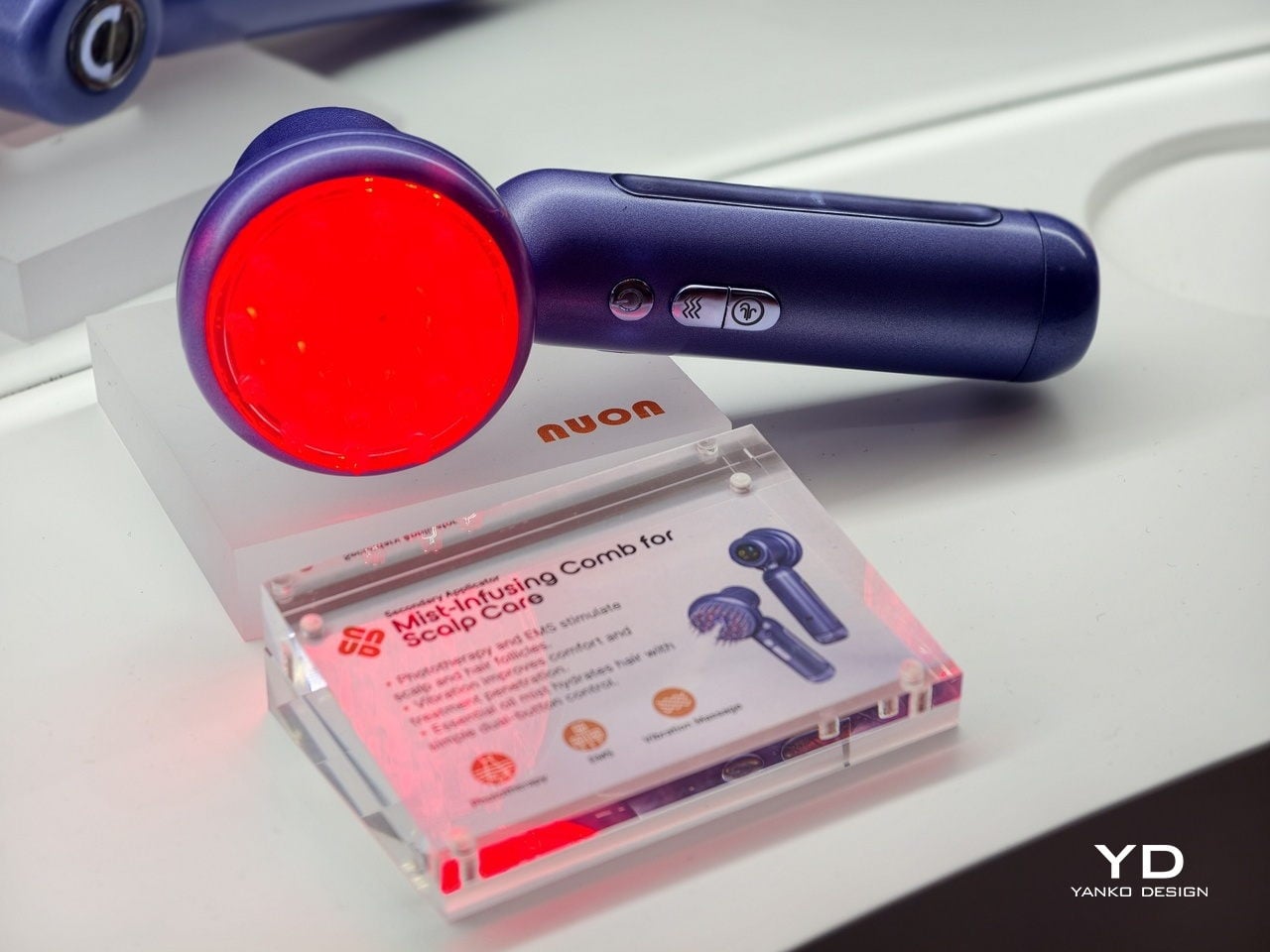
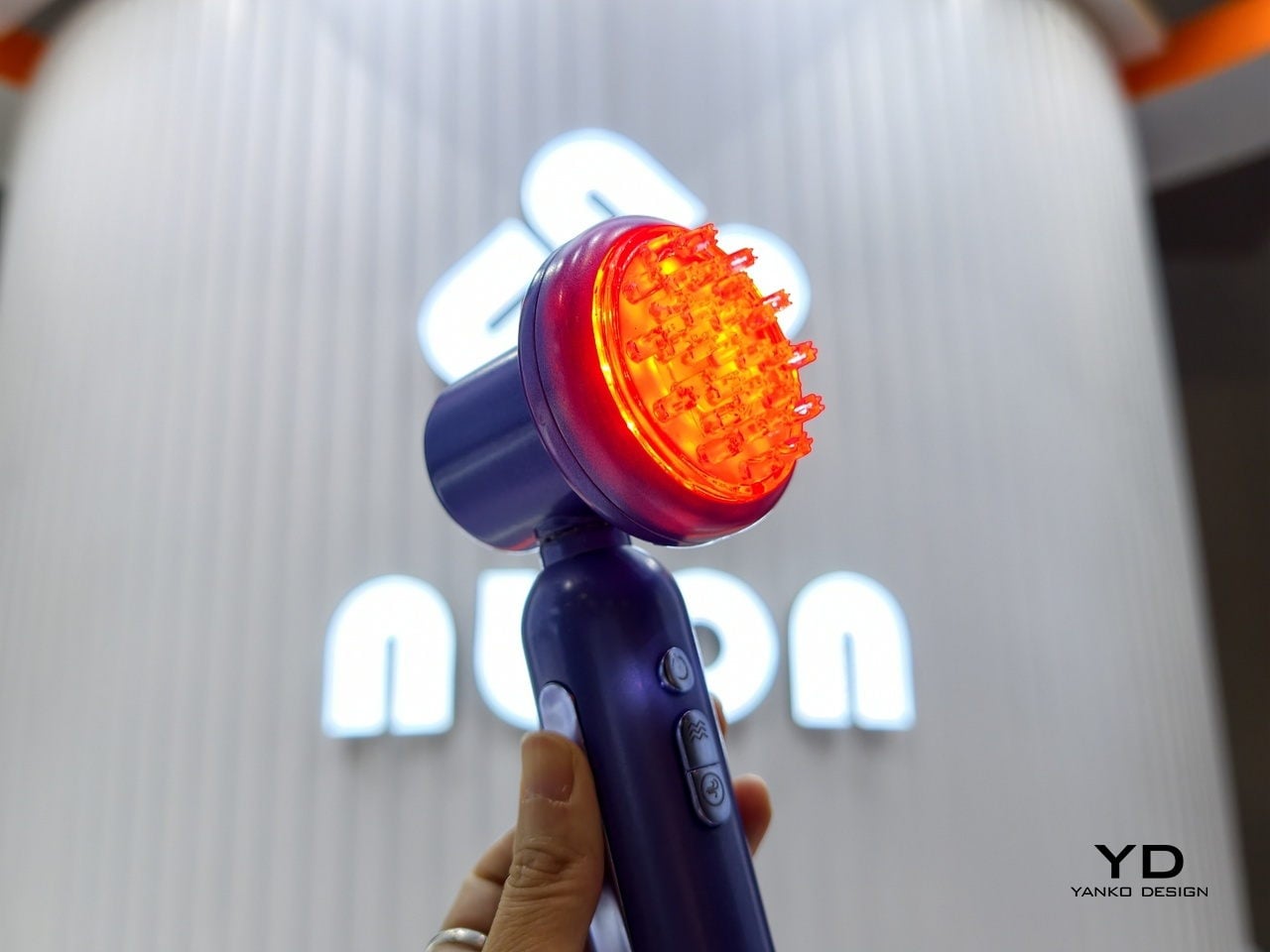
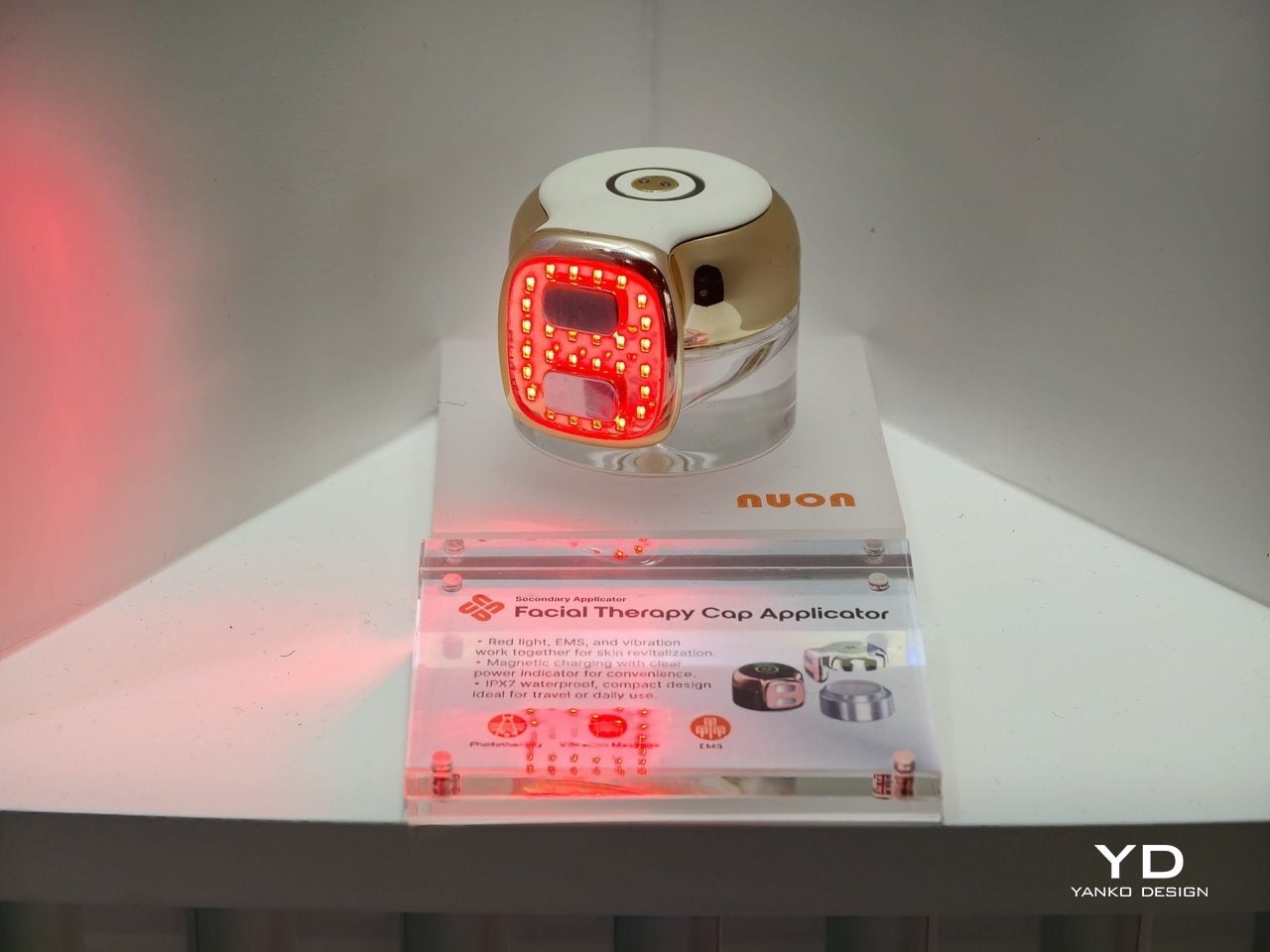
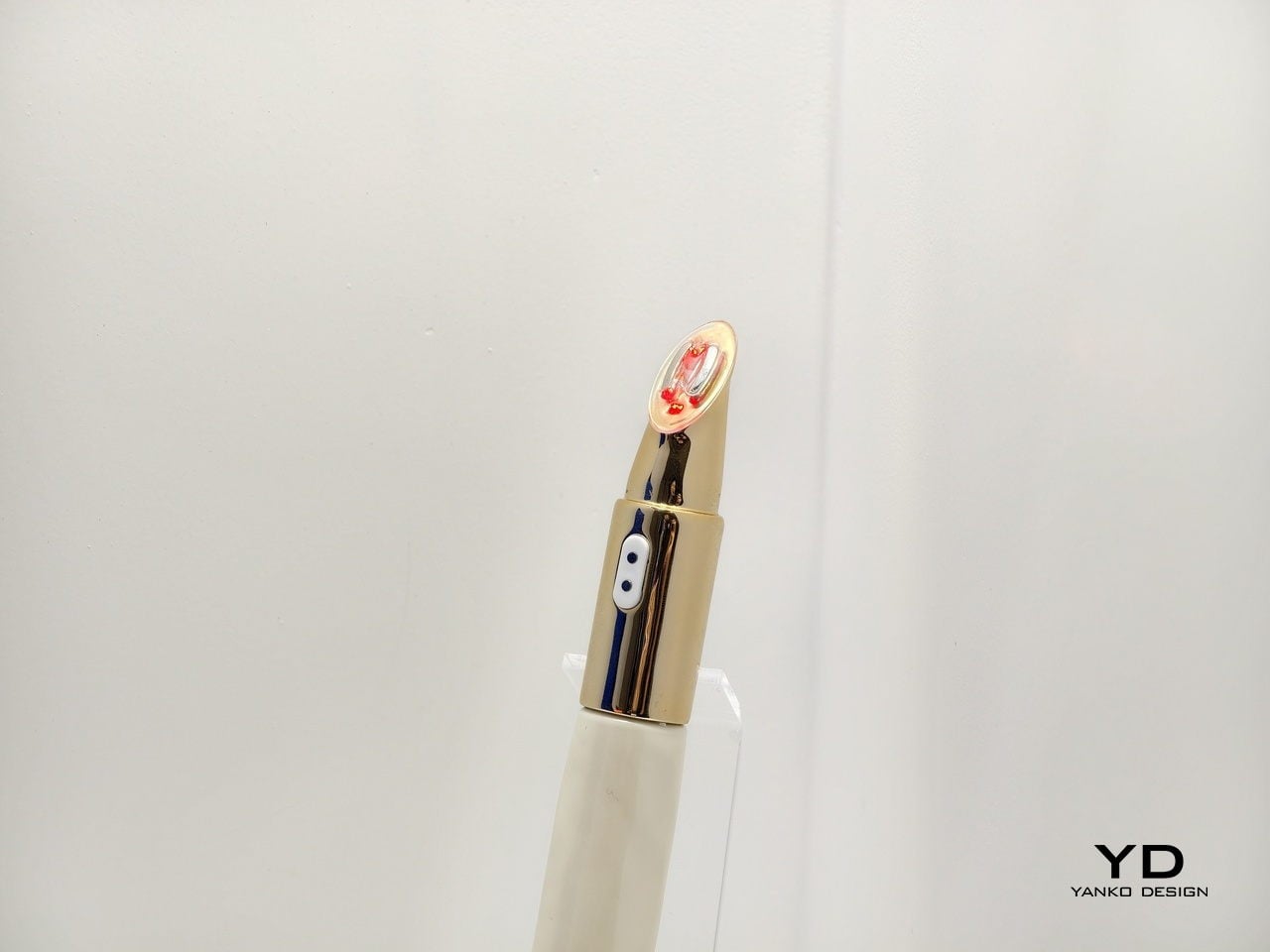
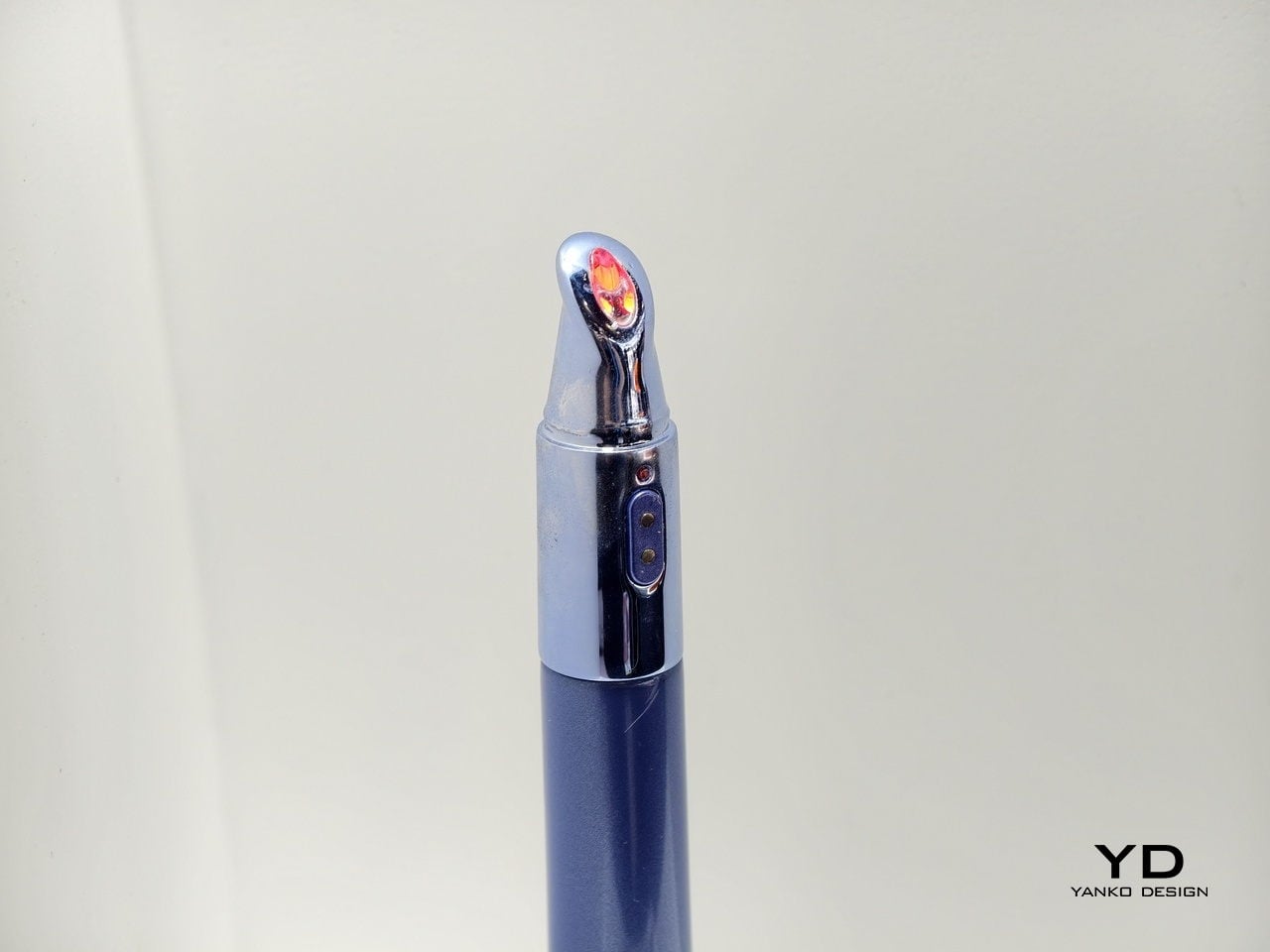
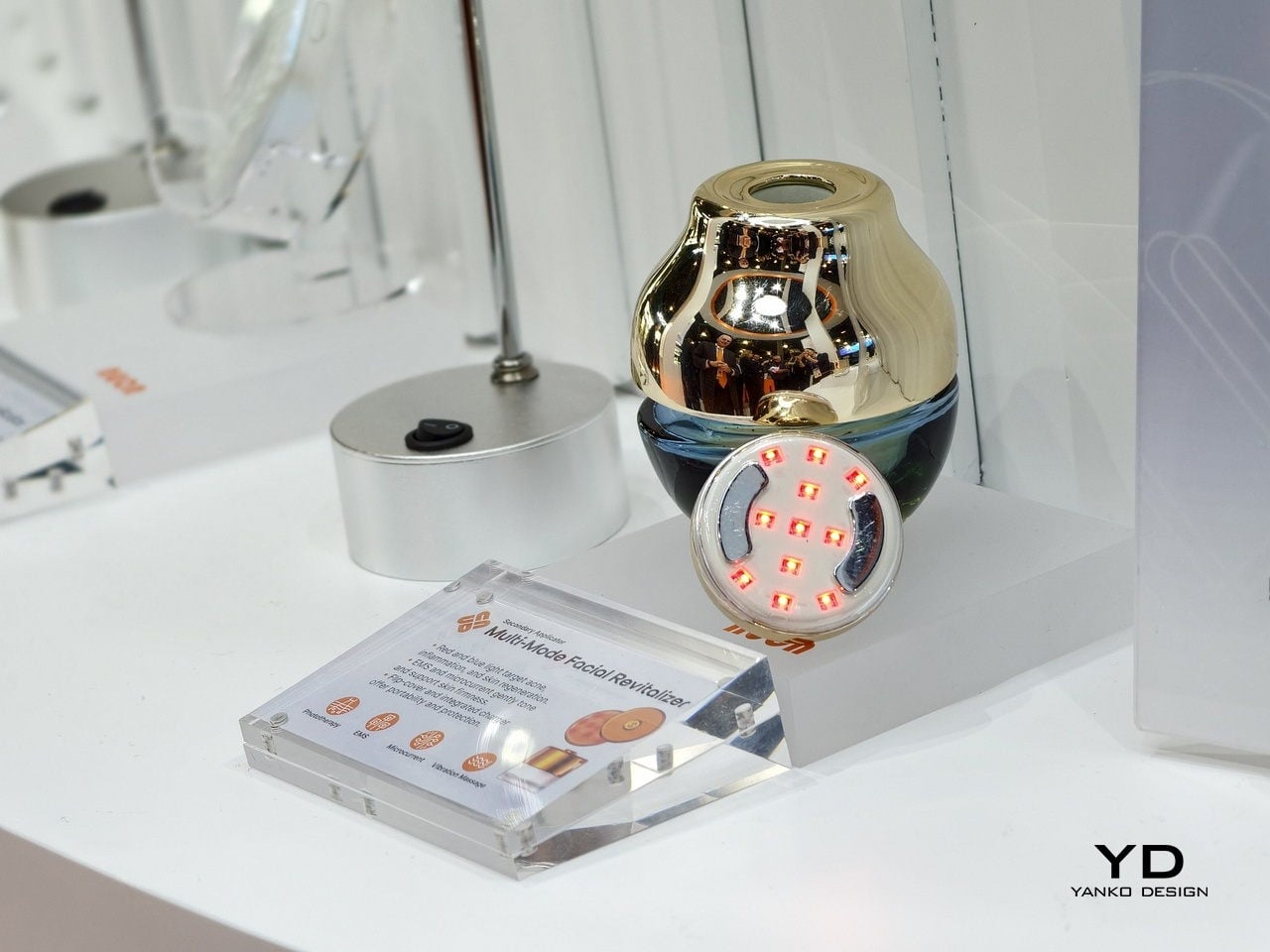
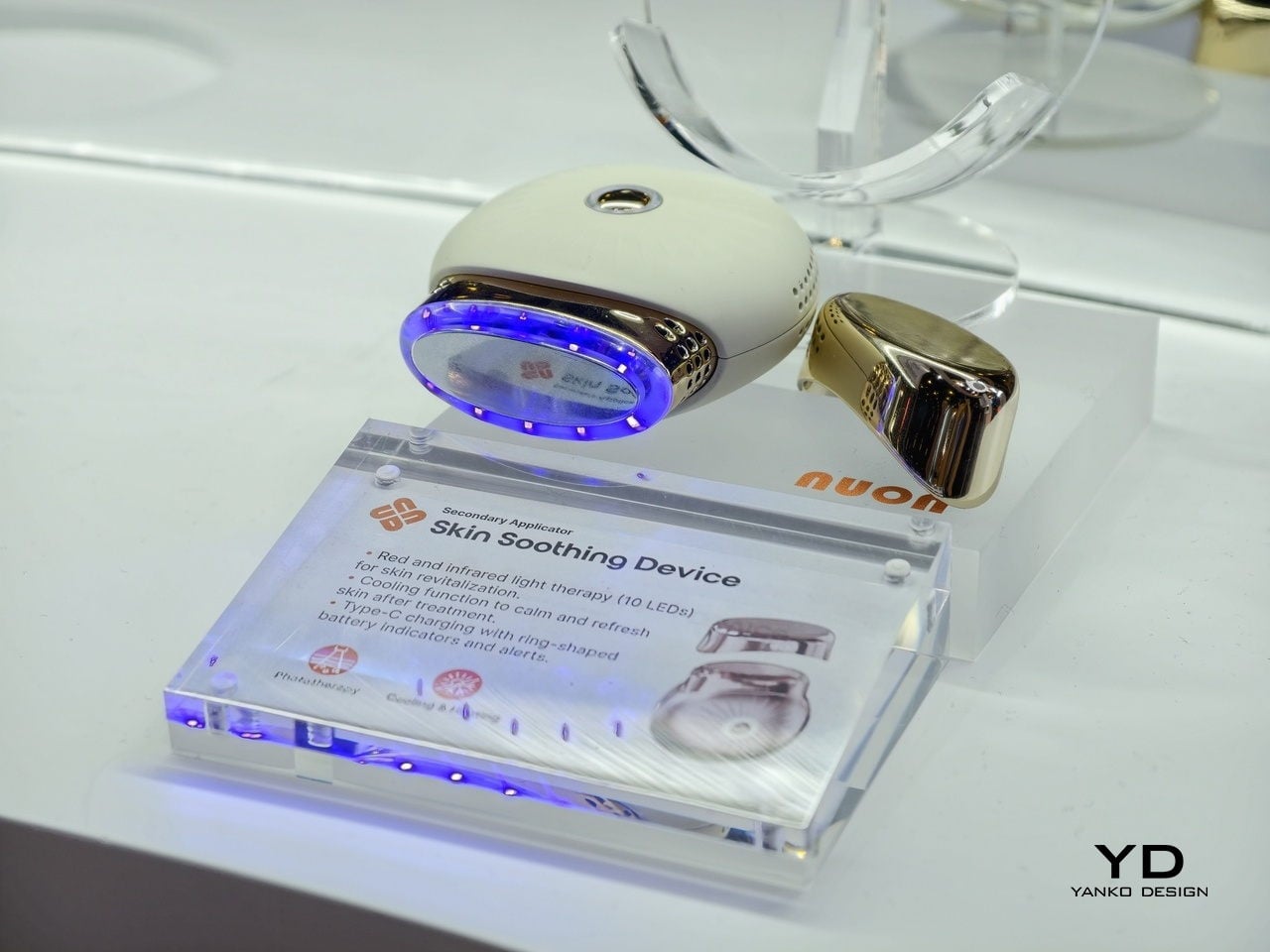
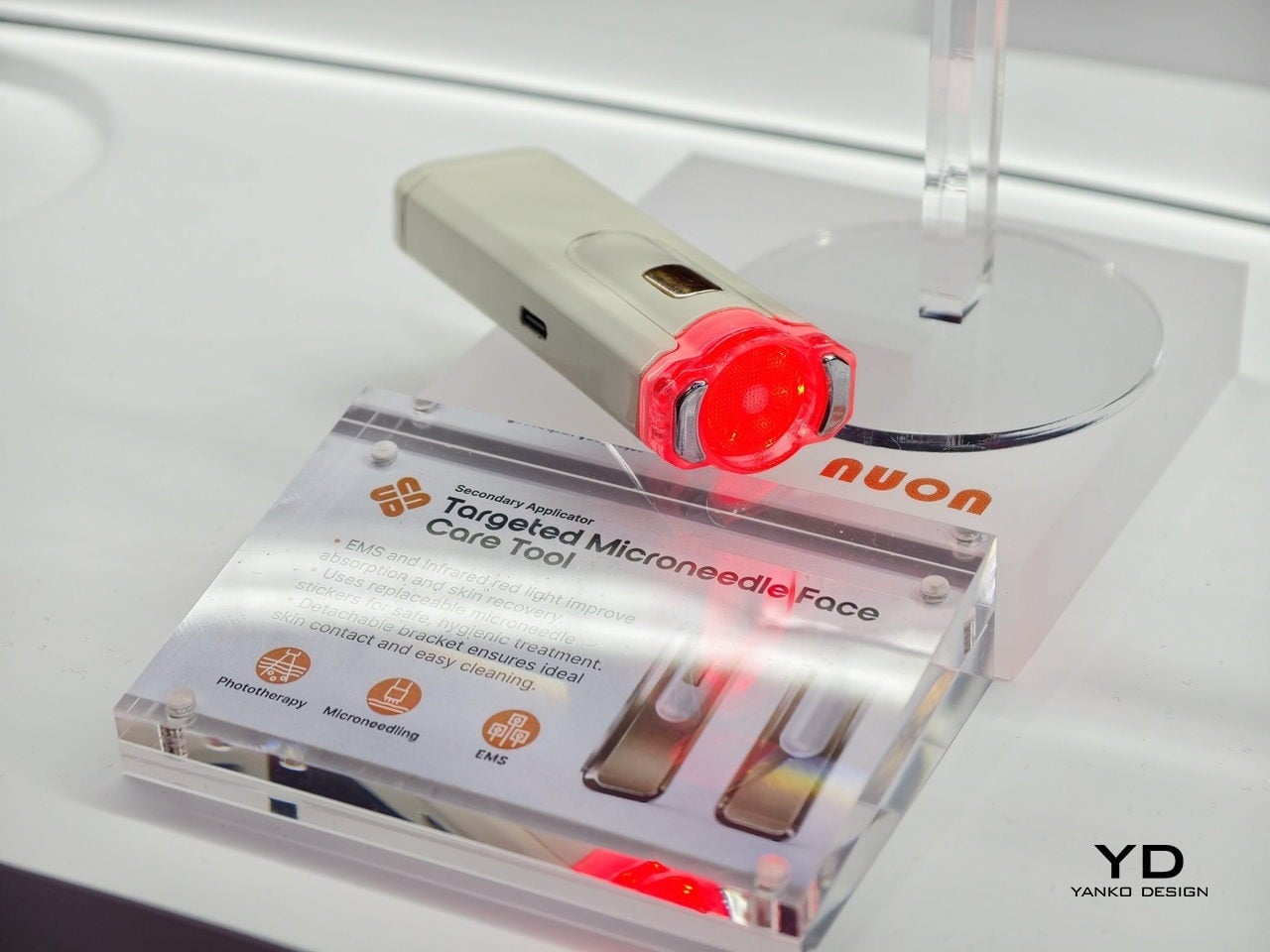
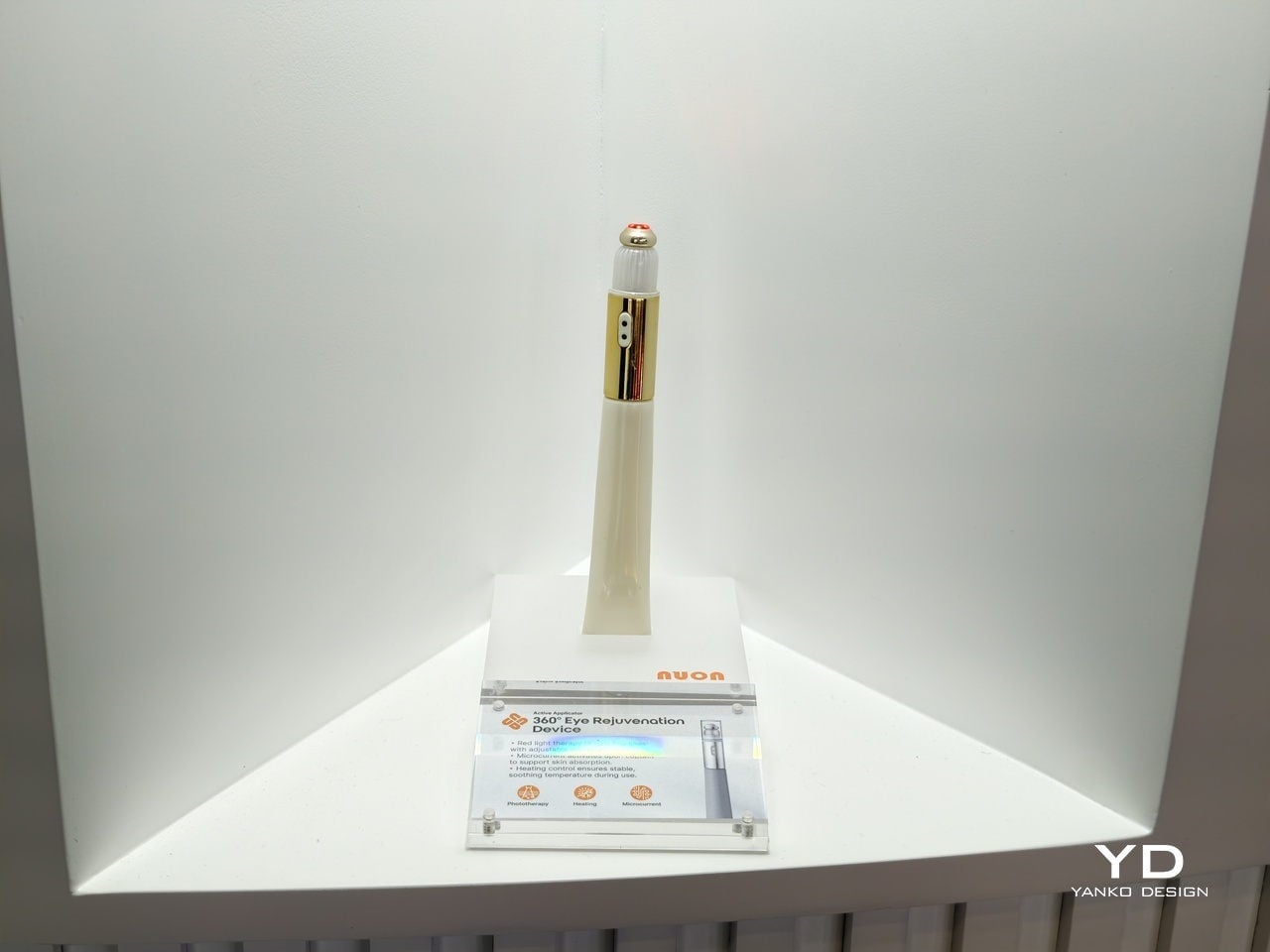
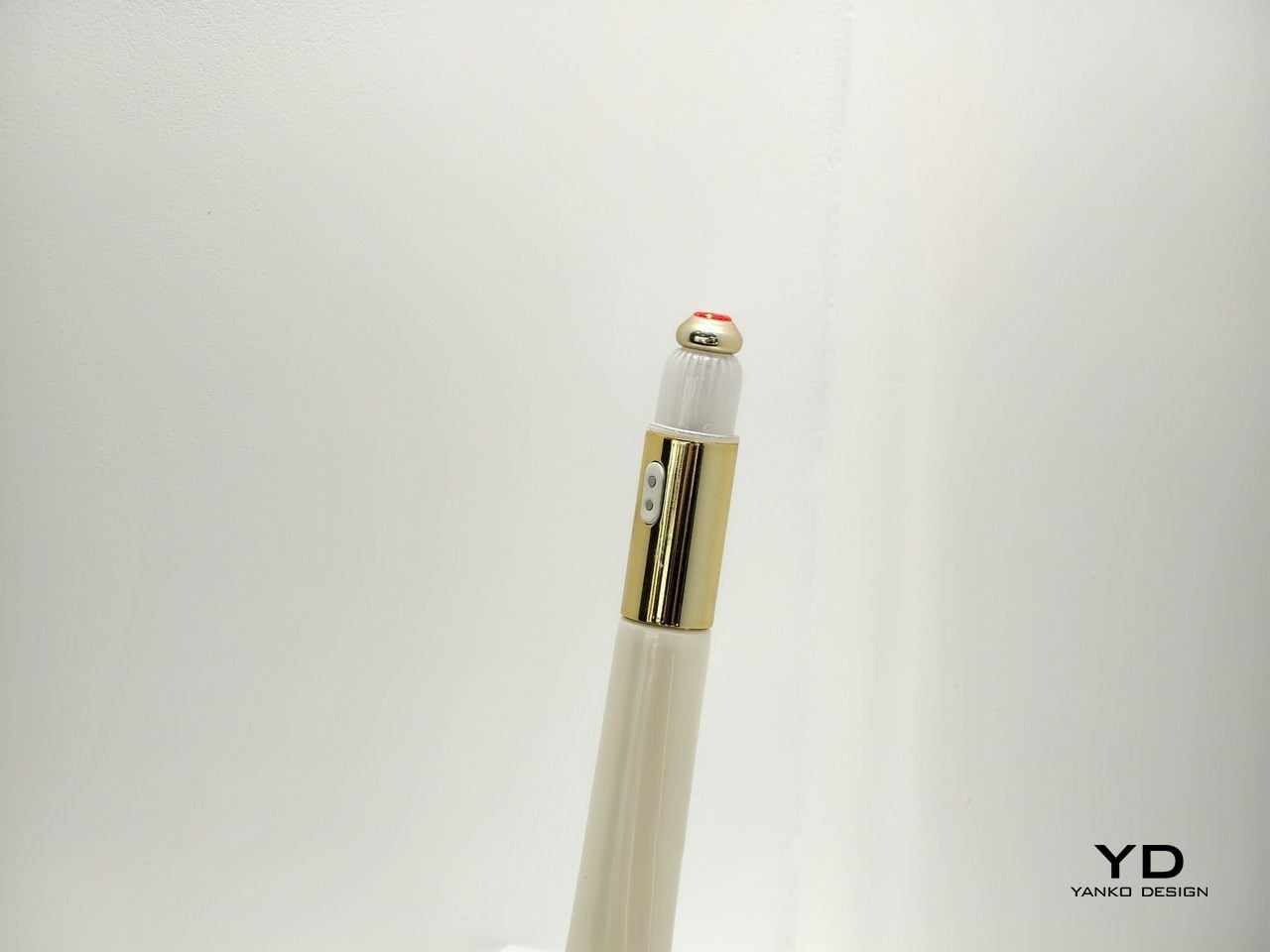
Intelligence gets built into the haptics, the ergonomics, the physical interaction logic itself. The tool quietly guides your motion without you realizing it. The applicator steers where you press, how fast you move, the path you follow, all without instructions. Light therapy, microcurrent, thermal elements, vibration, they’re woven into the interaction, supporting the formula instead of distracting from it.
There’s a tricky balance here. Clinical devices can feel intimidating. Beauty objects need to feel inviting, something you want to pick up every morning. Nuon often prioritizes consistency over intensity. “A tool used daily with proper motion and interaction is far more effective than a high-intensity device left in a drawer,” they note. A lower setting used correctly beats a powerful tool that stays in the drawer.
The Hidden Operating System of Beauty
Nuon isn’t a consumer brand. They’re a B2B partner working behind the scenes with global beauty companies. Their modular tech stack works like an operating system, offering a validated foundation that brands dress up with their own materials. Luxury labels use glass and heavy metals. Mass brands use lighter plastics. The intelligence underneath stays the same.
“Nuon is the ‘Innovation Engine’ behind the world’s leading brands. Our philosophy lives in the UX Framework, not the visual skin,” Calderone explains. Brands can apply their aesthetic identity without messing with the validated technology underneath. “We provide the ‘Intelligence’; they provide the ‘Identity,'” he adds. It’s systems thinking applied to beauty packaging.
Data, Sustainability, and the Death of the Dumb Bottle
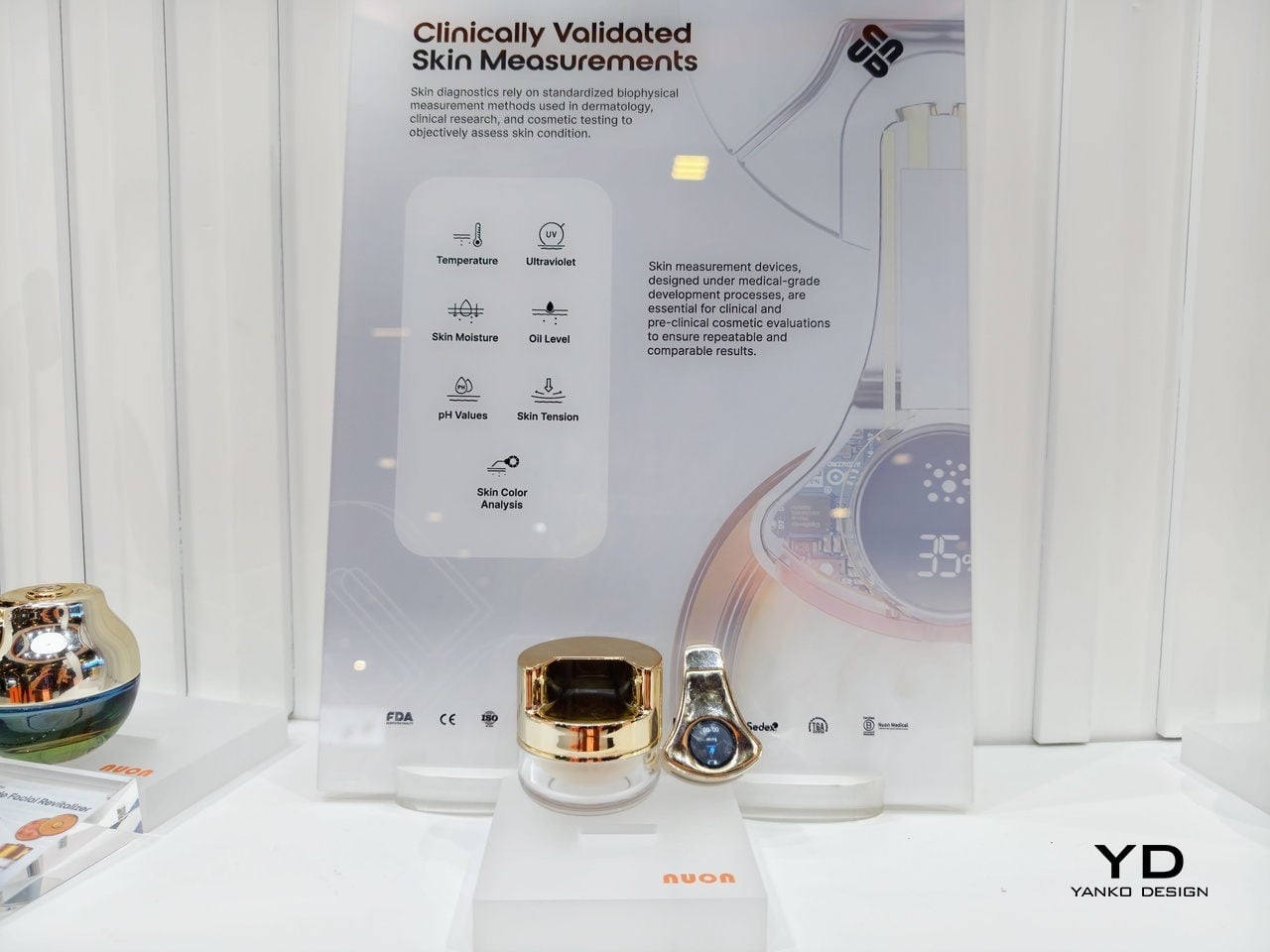
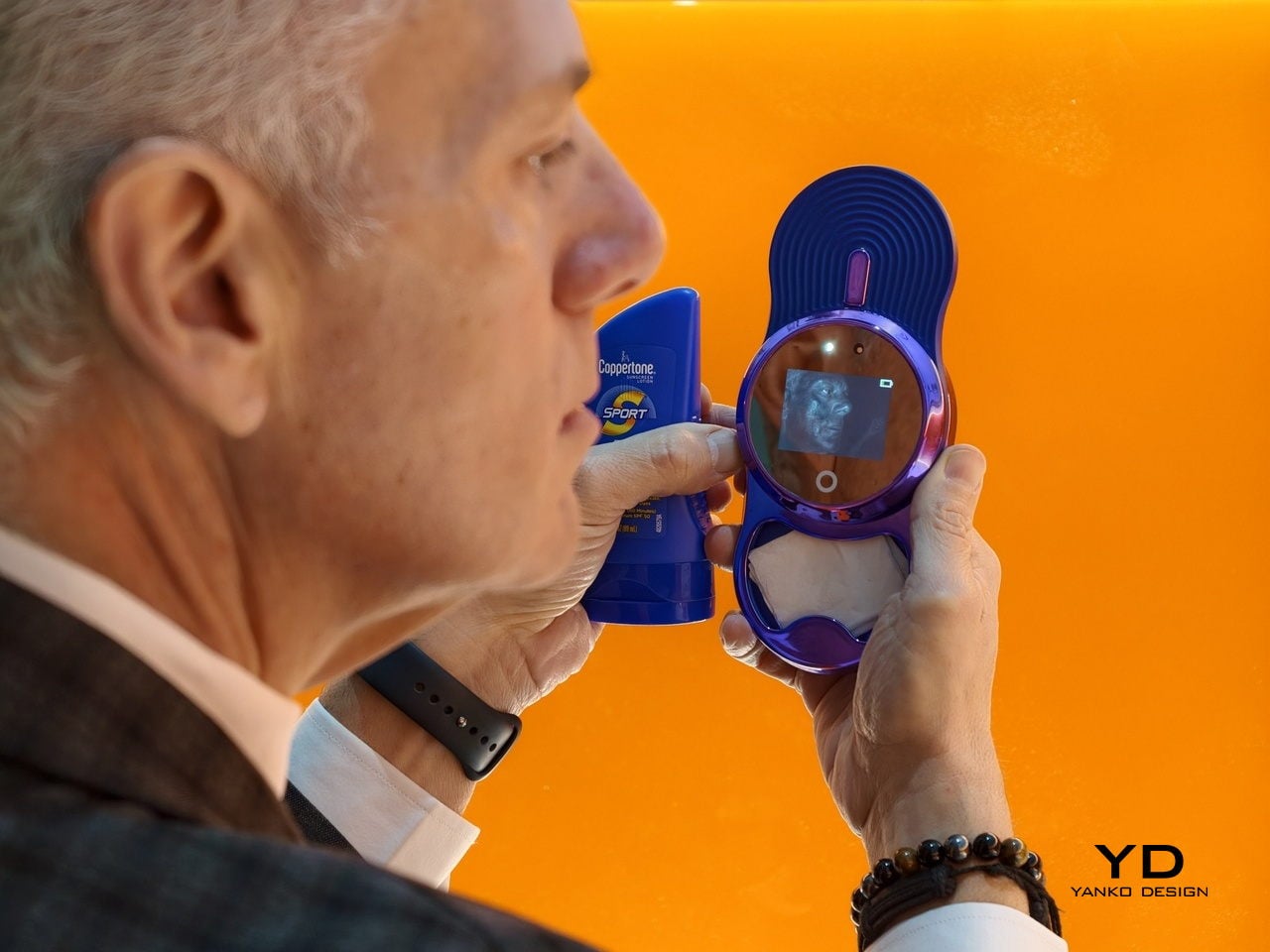
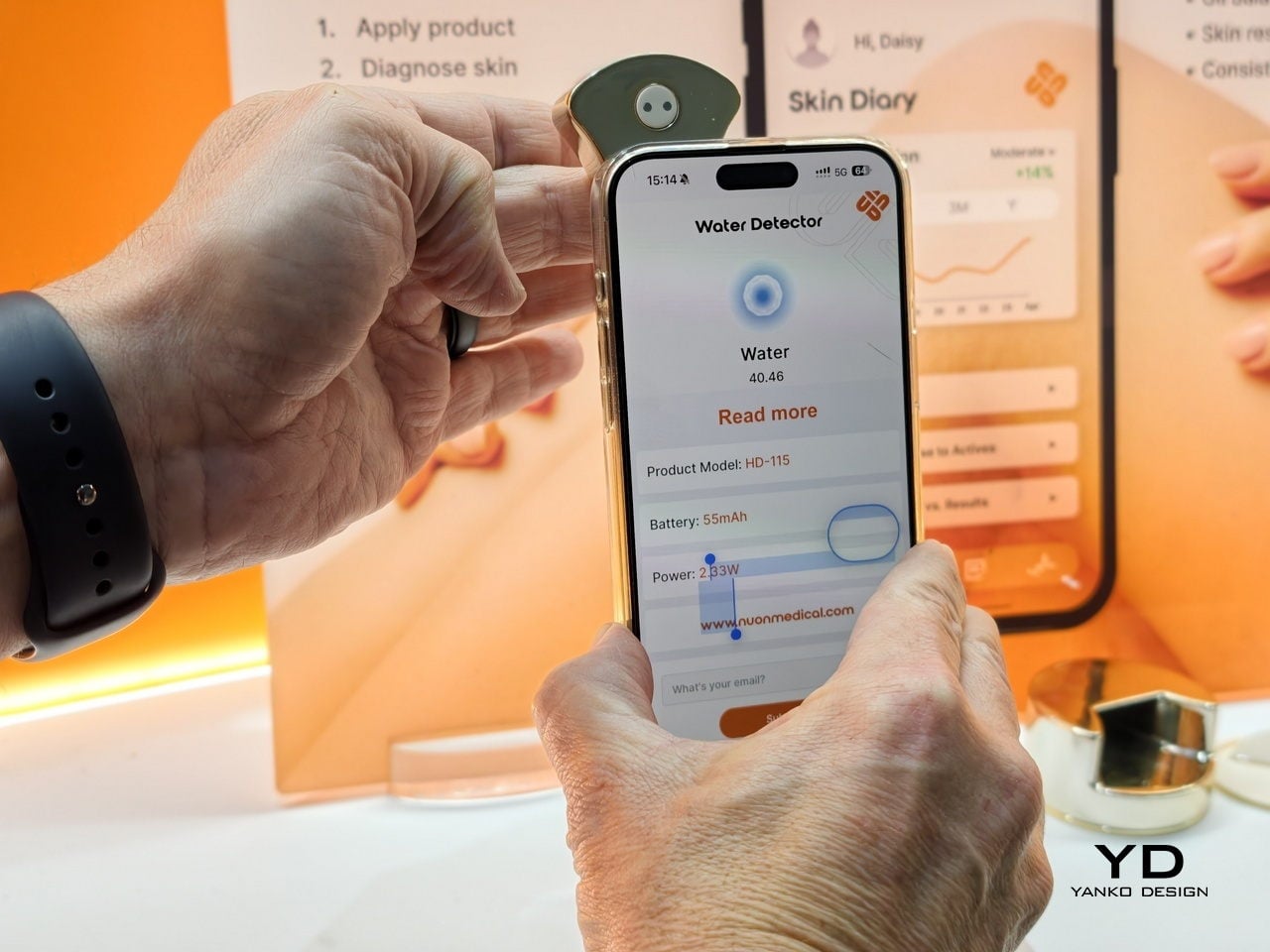
Once packaging gets smarter, it starts collecting data. Nuon’s applicators can measure skin hydration, texture, UV exposure, and more. But the company is deliberate about how that information gets used. “Data should be a concierge, not a surveillance tool,” according to their philosophy. Diagnostics should inform care, not flood you with vanity metrics. Nuon provides privacy-by-design infrastructure where consumers stay in control.
Then there’s sustainability, where Nuon takes a blunt stance. “Sustainability only scales if it improves the user experience. ‘Green theater’ is asking consumers to settle for less; True sustainability is ‘Assetization,'” the company states. They design the high-tech applicator as something durable that you want to keep. The formula becomes a refill that plugs into that base, separating Durable Intelligence from the Circular Consumable.
It’s not sustainability through guilt. It’s sustainable because the design makes refills the logical choice. You’ve invested in the smart hardware, so of course you’re going to buy the refill. Nuon’s vision is bold. “We are witnessing the death of the ‘dumb bottle.’ In a decade, a passive plastic cap will feel as obsolete as a rotary phone.”
Packaging will become responsive tools that sense conditions and guide your hand in one motion. “Scalp and hair care is the next great ‘blue ocean.’ It’s a category where wellness meets clinical results, and users can immediately feel the benefits of microcirculation and stimulation,” Nuon notes. The broader idea is that everyday objects on bathroom shelves are about to become quietly intelligent without looking like sci-fi props.
Companies like Nuon are writing that next chapter from behind the scenes, proving that clinically meaningful technology doesn’t need to sacrifice what makes beauty objects appealing. It’s a shift from containers to interfaces, from passive to active. If Nuon’s right, we’ll look back at today’s plain bottles the way we look at rotary phones, functional once but hopelessly outdated now.
Dual functionality in a single, well-designed form
Top-fill design prevents back strain
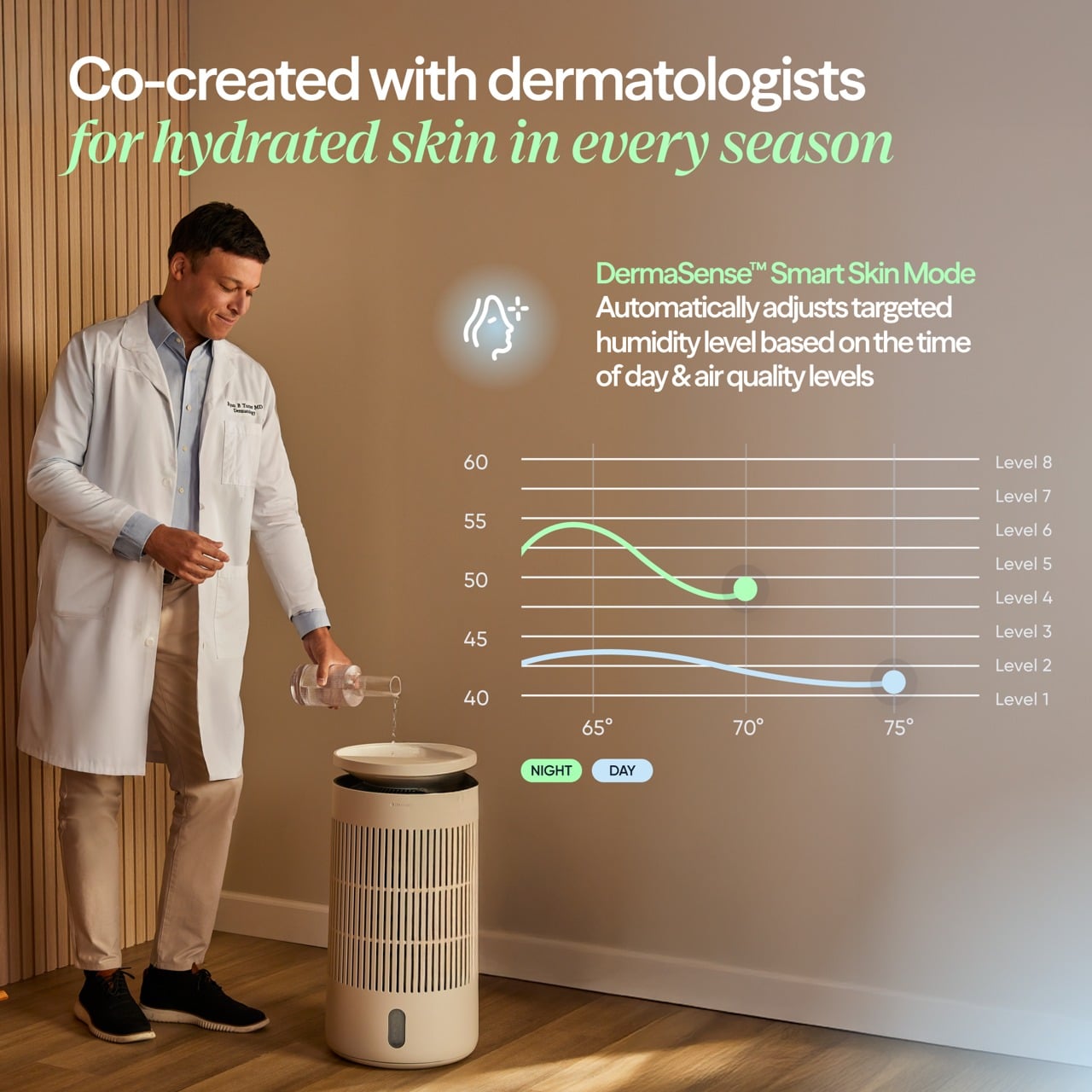
DermaSense skin mode with intelligent humidity control
Long-life, machine-washable components
Comprehensive hygiene features
CONS:
Large and heavy body feels imposing in small spaces
Only available in one neutral color
Premium price tag
RATINGS:
AESTHETICS
ERGONOMICS
PERFORMANCE
SUSTAINABILITY / REPAIRABILITY
VALUE FOR MONEY
EDITOR'S QUOTE:
The Blueair 2-in-1 Pro Purify + Humidify makes air quality feel like part of your skincare routine, blending serious performance with bedroom-worthy design.
Air purifiers and humidifiers usually look like they belong in a hospital supply closet rather than a bedroom. Most are boxy white appliances with visible mist plumes, blinking lights, and a general vibe that says “I am here to solve a problem” rather than “I belong in this space.” Meanwhile, people who care about sleep quality and skin health are starting to realize that the air itself might be part of the routine.
The Blueair 2‑in‑1 Pro Purify + Humidify feels like Blueair finally designed for people who want both functions but refuse to sacrifice aesthetics or simplicity. It is a tall, sculptural tower that combines serious air purification with gentle, invisible humidification and a skin-focused mode that adjusts humidity based on time of day and room temperature, positioned as step zero in a nighttime skincare routine. Let’s dive in to see if it delivers on its promises.
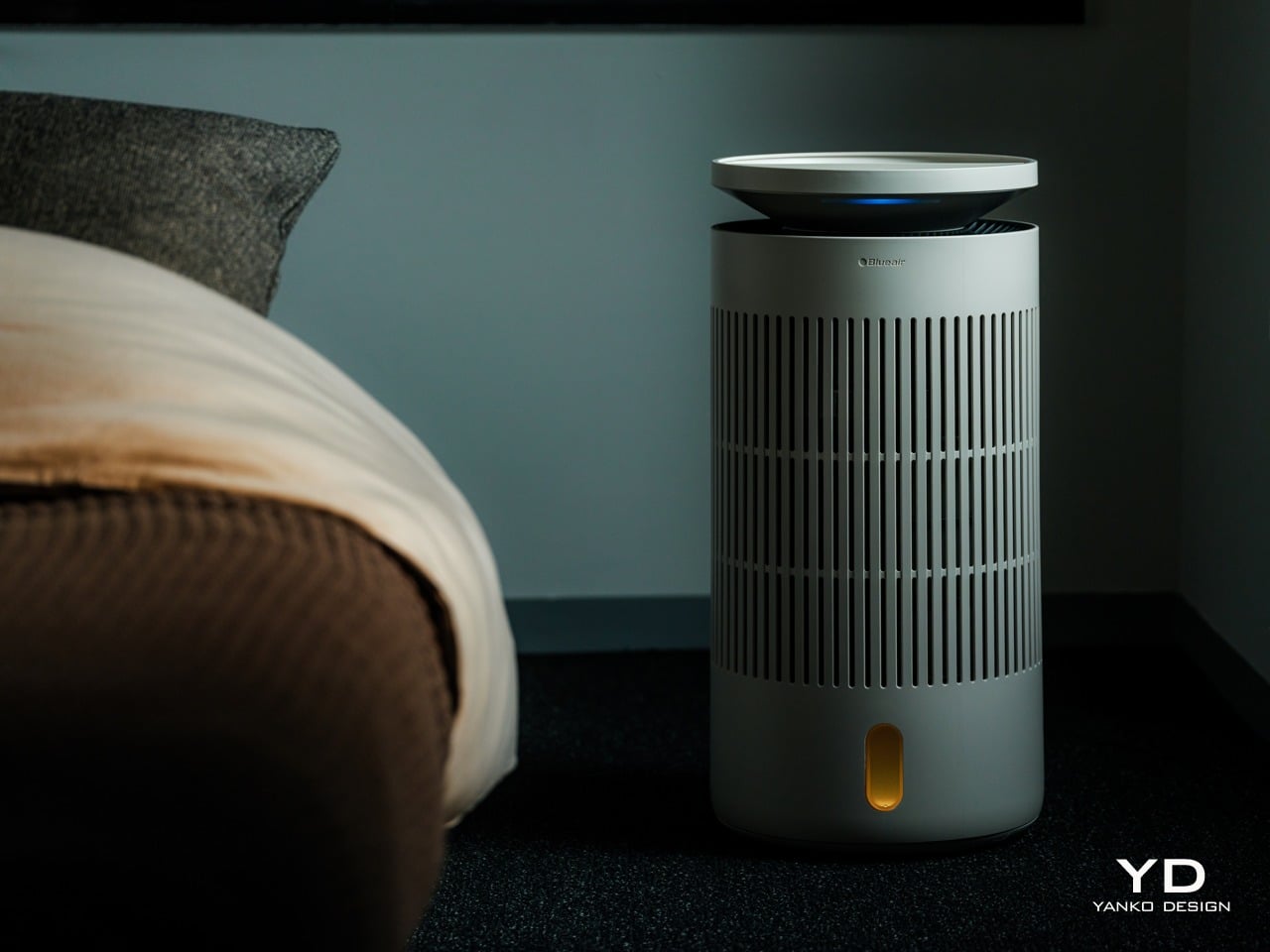
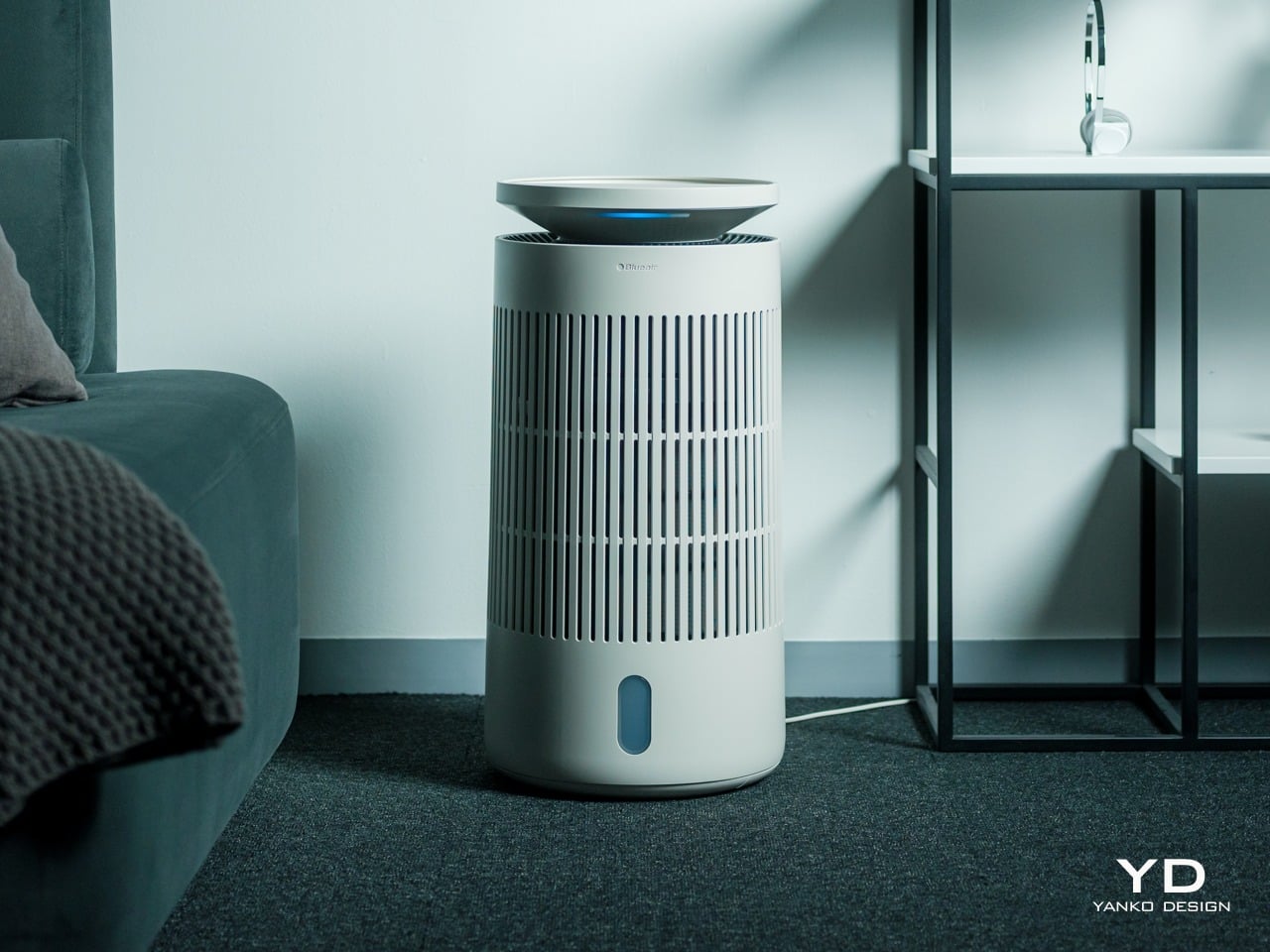
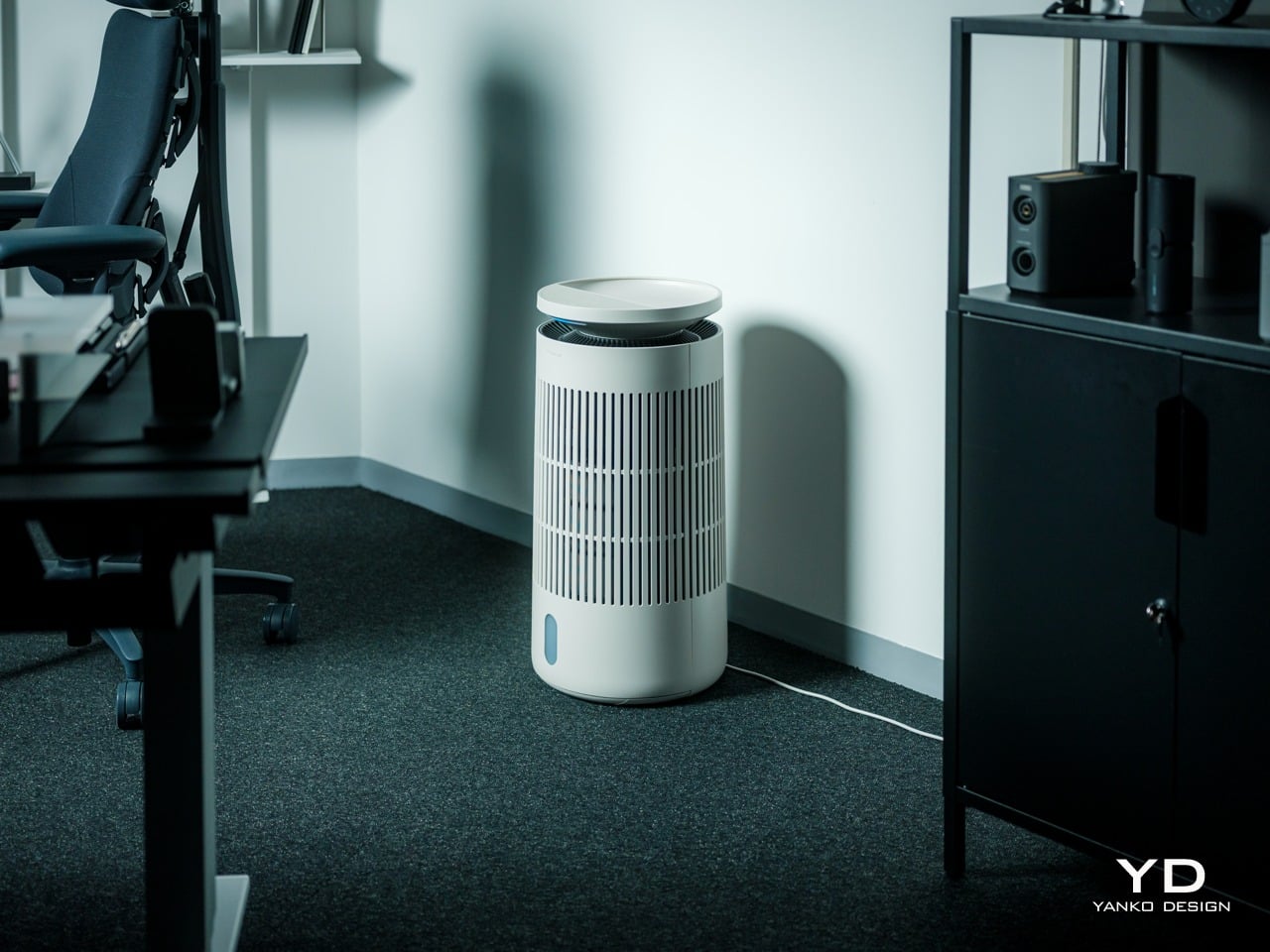
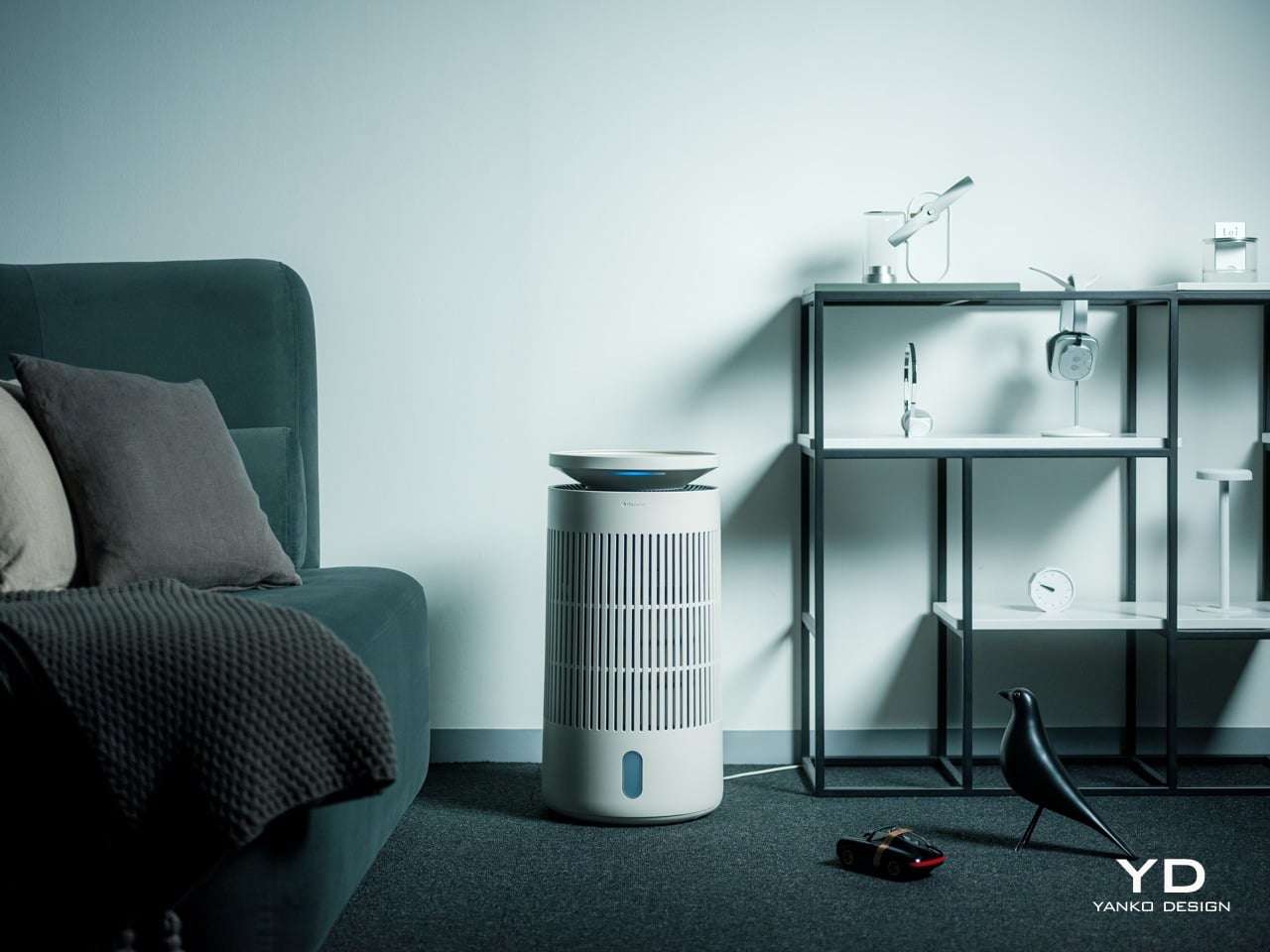
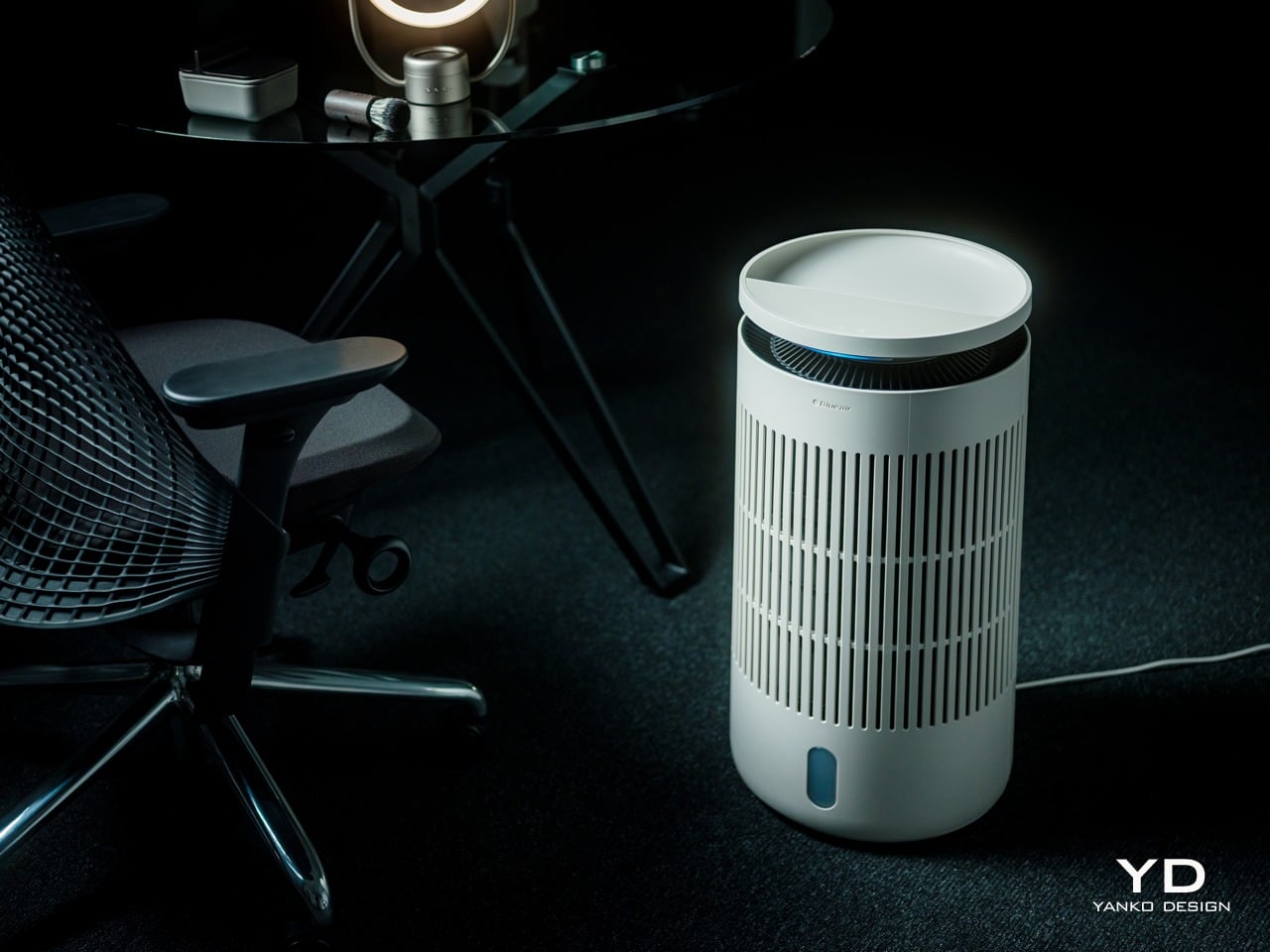
The first thing you notice about the Blueair 2‑in‑1 Pro is that it does not look like an appliance trying to hide. It is a cylindrical tower wrapped in evenly spaced vertical slats, finished in a soft off white that reads somewhere between warm beige and coastal linen, depending on the light. The proportions feel Scandinavian, tall enough to have presence but narrow without crowding the floor.
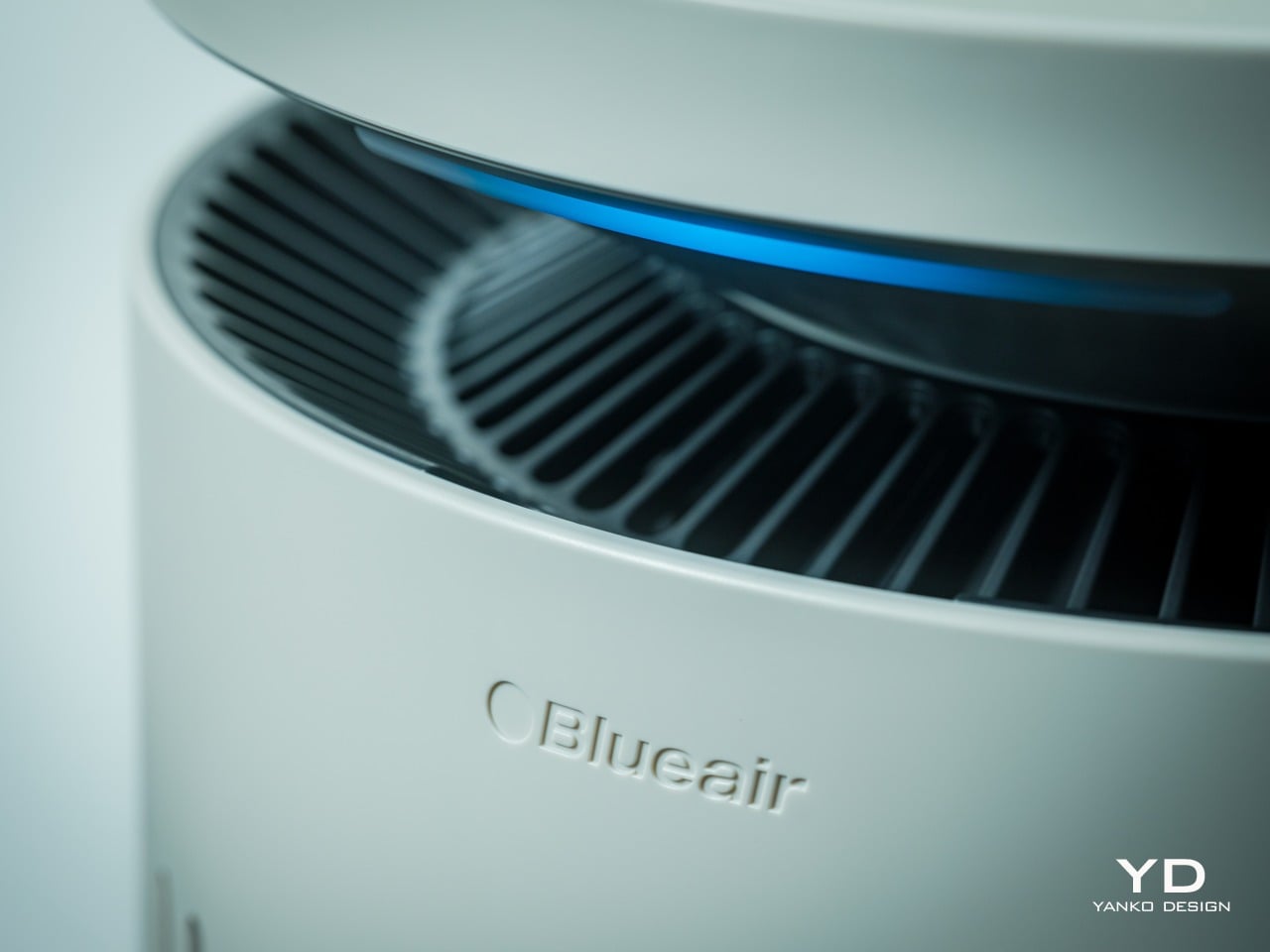
The top disc floats slightly above the body with a subtle gap, and when the device is running, a thin line of blue light glows in that gap, more like a bedside lamp than a status LED. The slats wrap 360 degrees around the body, which gives it a kind of architectural rhythm that works whether you see it from the front or the side.
Near the base, there is a small vertical window that shows the water level and projects mood lighting when enabled in the Blueair app, but it is narrow enough that it does not break the visual flow. The top disc itself is smooth and plate-like, with a matte finish that does not collect fingerprints. The material is still primarily plastic, but it is clearly chosen to feel refined rather than cheap. The matte finish softens reflections and resists the glossy sheen that makes a lot of gadgets look disposable.
The tower looks comfortable in different contexts. In a bedroom next to wood furniture and neutral textiles, it reads as another piece of the interior rather than a piece of tech parked temporarily. In a small office with dark carpet, floating shelves, and a desk chair, it sits in the corner without clashing with the more technical surroundings, which makes it easy to imagine moving between spaces. The sense you get is that someone thought about how this object would age in a room where it runs every night.
Ergonomics
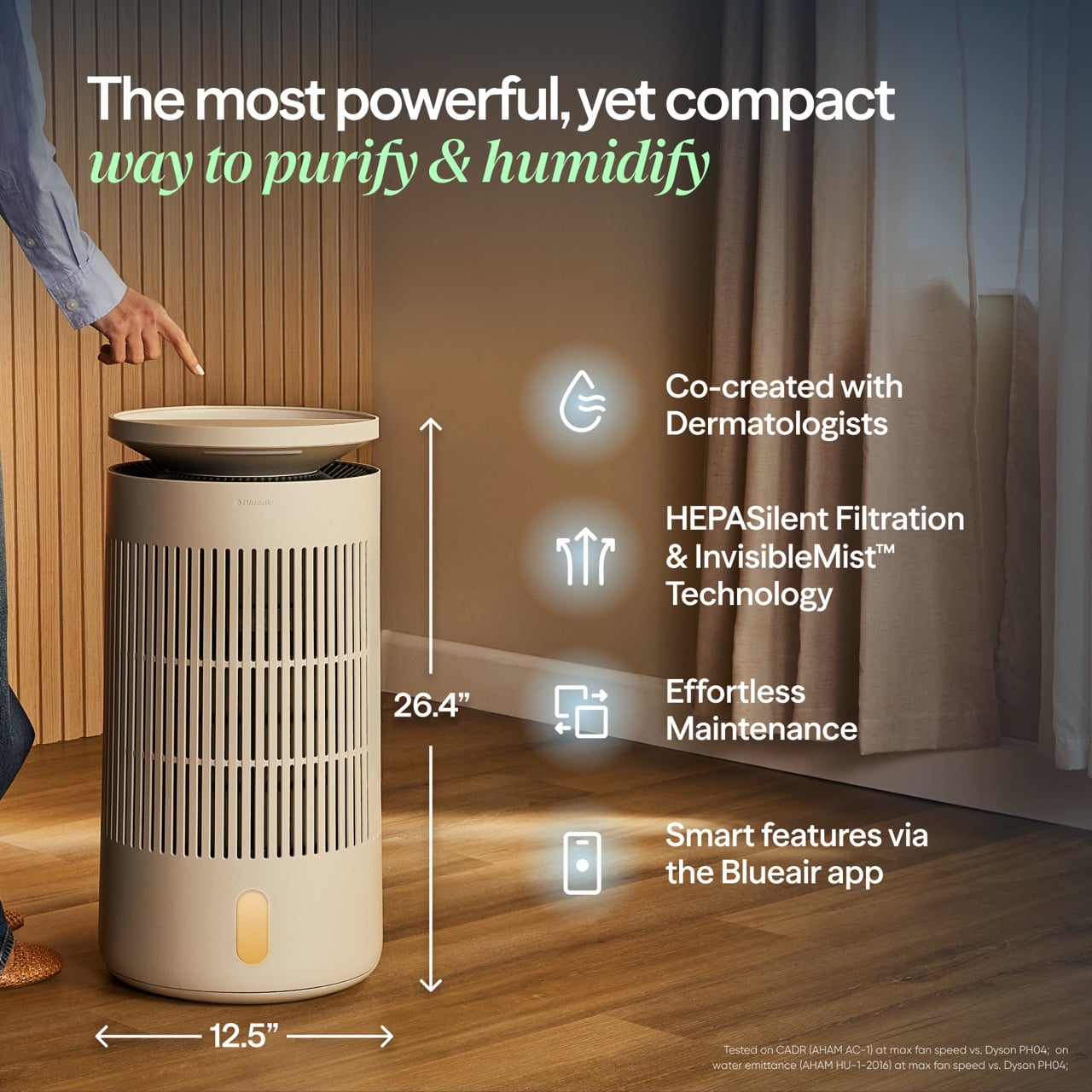
The Blueair 2‑in‑1 Pro is tall enough that you do not need to crouch to reach the controls, which sounds minor until you realize how many bedside devices force you to bend or kneel just to tap a button. The footprint is compact, roughly a foot in diameter, and the weight gives it enough stability that you can brush past it without worrying it will tip.
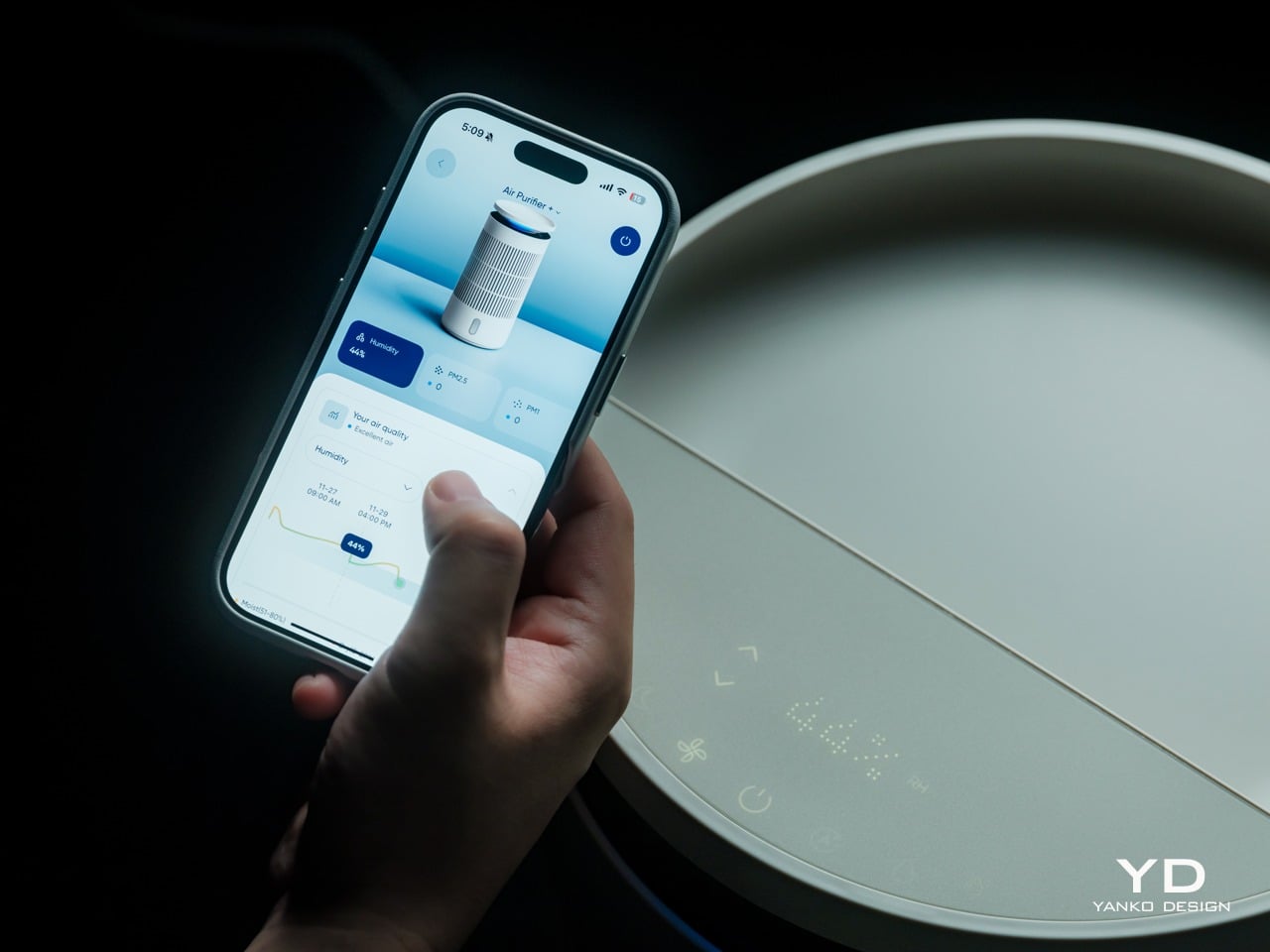
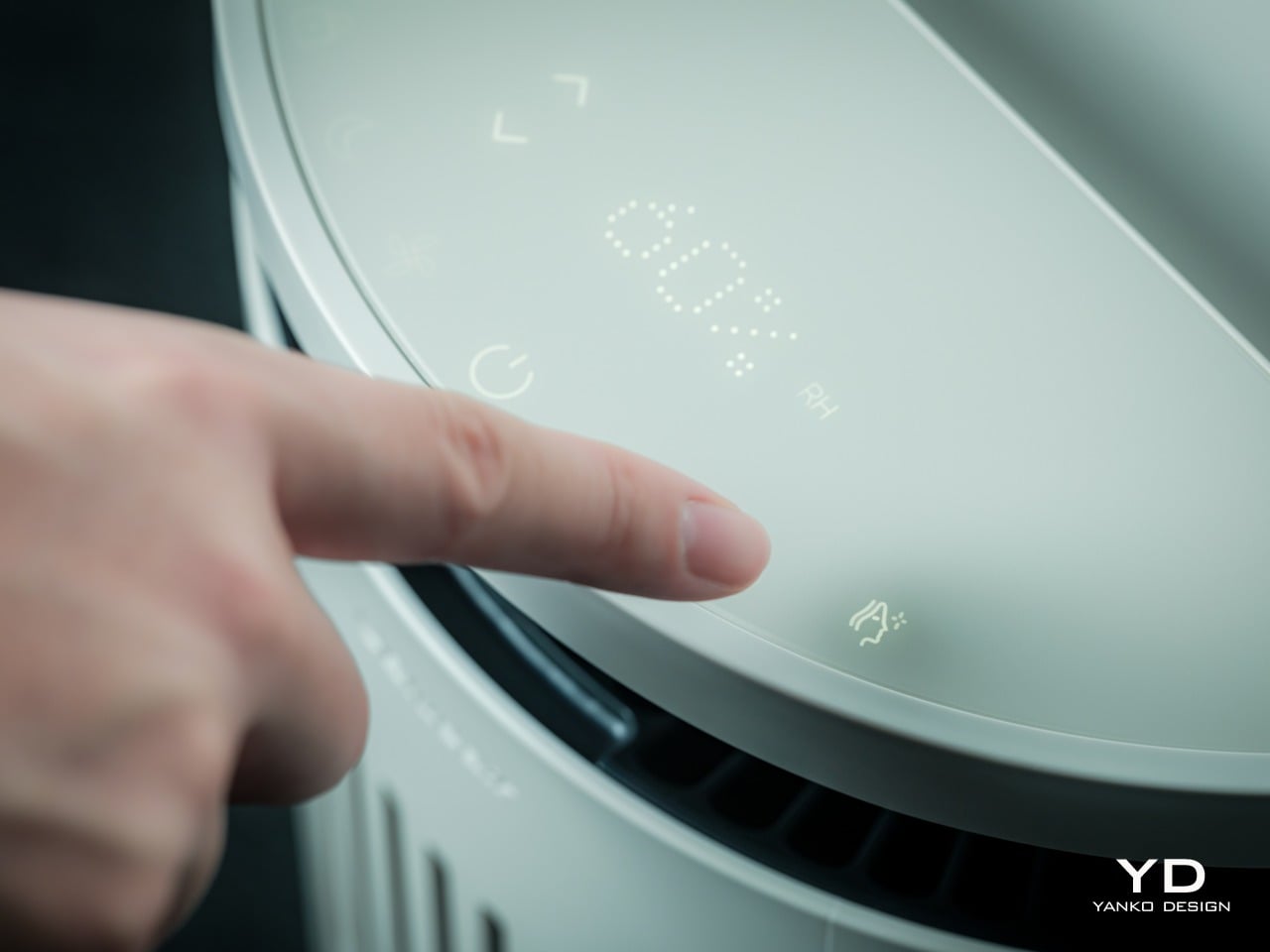
The top surface is where most of the interaction happens. A semi-circular ring houses clearly marked icons for power, fan speed, night mode, humidification toggle, and skin mode, along with indicators for air quality, humidity percentage, and water level. The layout is simple enough that you can understand it at a glance, so switching into auto mode or activating skin mode is a one-tap affair.
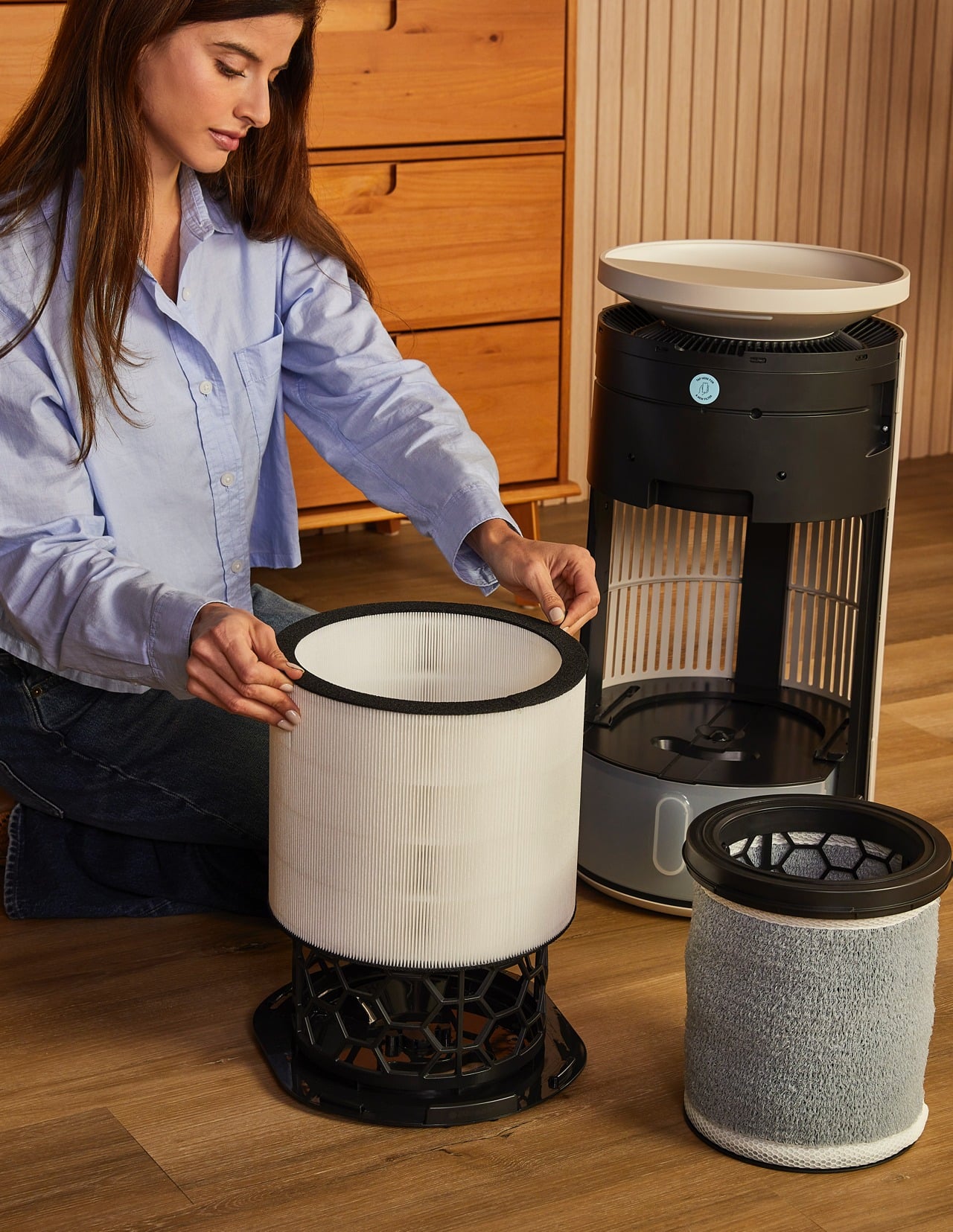
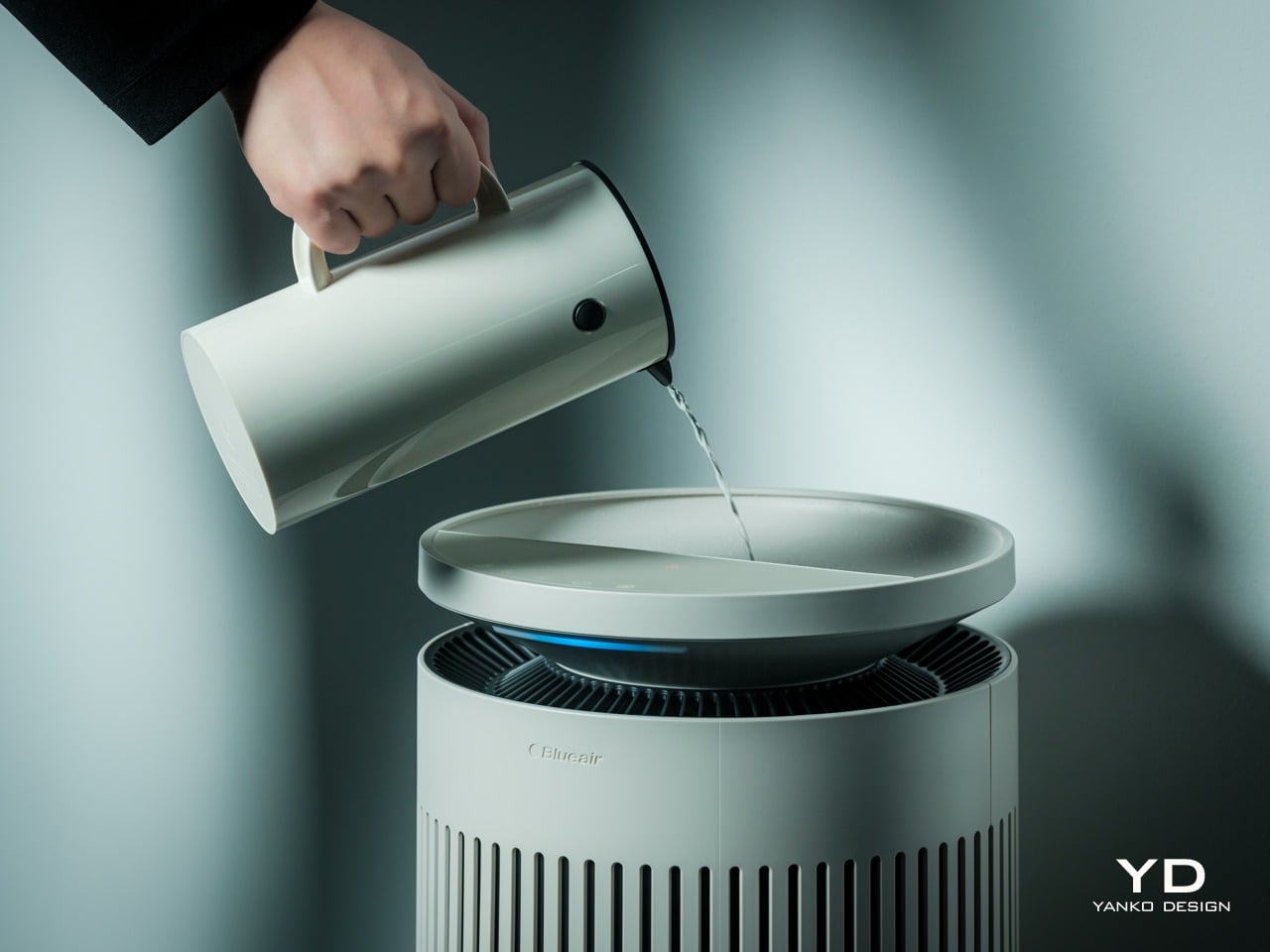
One of the most thoughtful ergonomic details is the top fill design. Most humidifiers require you to lift a heavy tank, carry it to a sink, fill it, then carefully carry it back and slot it into place, which gets old quickly and can be awkward if you have back or shoulder issues. The Blueair 2‑in‑1 Pro lets you simply lift the top disc slightly and pour water directly into the opening from a jug or carafe. The smart water sensor and real-time display remove worries by reminding you when the water level is low and alerting you when the tank is almost full.
It feels as easy as watering a houseplant, and for people who want to avoid bending and lifting, this small design choice makes day-to-day upkeep significantly less annoying. There is still the option to remove the tank entirely and fill it at a sink when you want to add a larger volume at once, but most of the time, the top fill is faster and easier.
Performance
Blueair boasts the 2-in-1 Pro Purify + Humidy as the most powerful of its kind, delivering balanced and superior performance in such a compact package. Compared to a leading competitor, its tests have proved it to offer 3x better purification and 2x cleaner humidification. Although we don’t have labs to verify these numbers, our own day-to-day use proved it to work as advertised.
The Blueair 2‑in‑1 Pro is both a capable air purifier and a serious humidifier, which is a harder balance than it sounds. The purification side uses Blueair’s HEPASilent technology, which combines mechanical filtration with an electrostatic charge to capture fine airborne particles like dust, pollen, smoke, and volatile organic compounds. The intake and outlet are 360 degrees around the body, so it pulls air from all sides and pushes it back out clean.
The humidification uses evaporative technology that Blueair calls 360° InvisibleMist. Instead of producing visible fog or mist, it adds moisture to the air in a controlled, gradual way that avoids white dust on furniture and damp spots on nearby surfaces. This matters especially in bedrooms and offices with electronics, books, or wood finishes, where you want comfortable air without worrying about residue or condensation.
The skin and beauty sleep focus is where the device starts to feel like something designed for wellness routines rather than just air quality. The dedicated skin mode keeps humidity in a range dermatologists typically recommend for skin comfort, roughly between 40-60%, and adjusts that target based on room temperature and time of day. At night, when your skin tends to lose more moisture, the device gently raises humidity levels.
In practice, this feels like setting skin mode before bed, going through your normal cleanse and treatment routine, and then falling asleep in a room that feels neither dry nor heavy. You do not wake up with that tight, parched feeling that dry winter air or overheated apartments tend to cause, and your skin does not feel irritated or raw the way it sometimes does when indoor air is harsh.
The Blueair app adds another layer of control and insight without being required for basic use. From your phone, you can set target humidity levels, create schedules for when the device runs, adjust display brightness, and choose between three mood lighting settings that turn the top ring into a warm, normal, or bright glow. You can also see air quality and humidity trends over time.
That said, most of the time you can leave it in auto or skin mode and let it manage itself quietly in the background. The app is there when you want precision or automation, but the device does not force you into it for everyday operation, which feels like the right balance for a bedroom appliance.
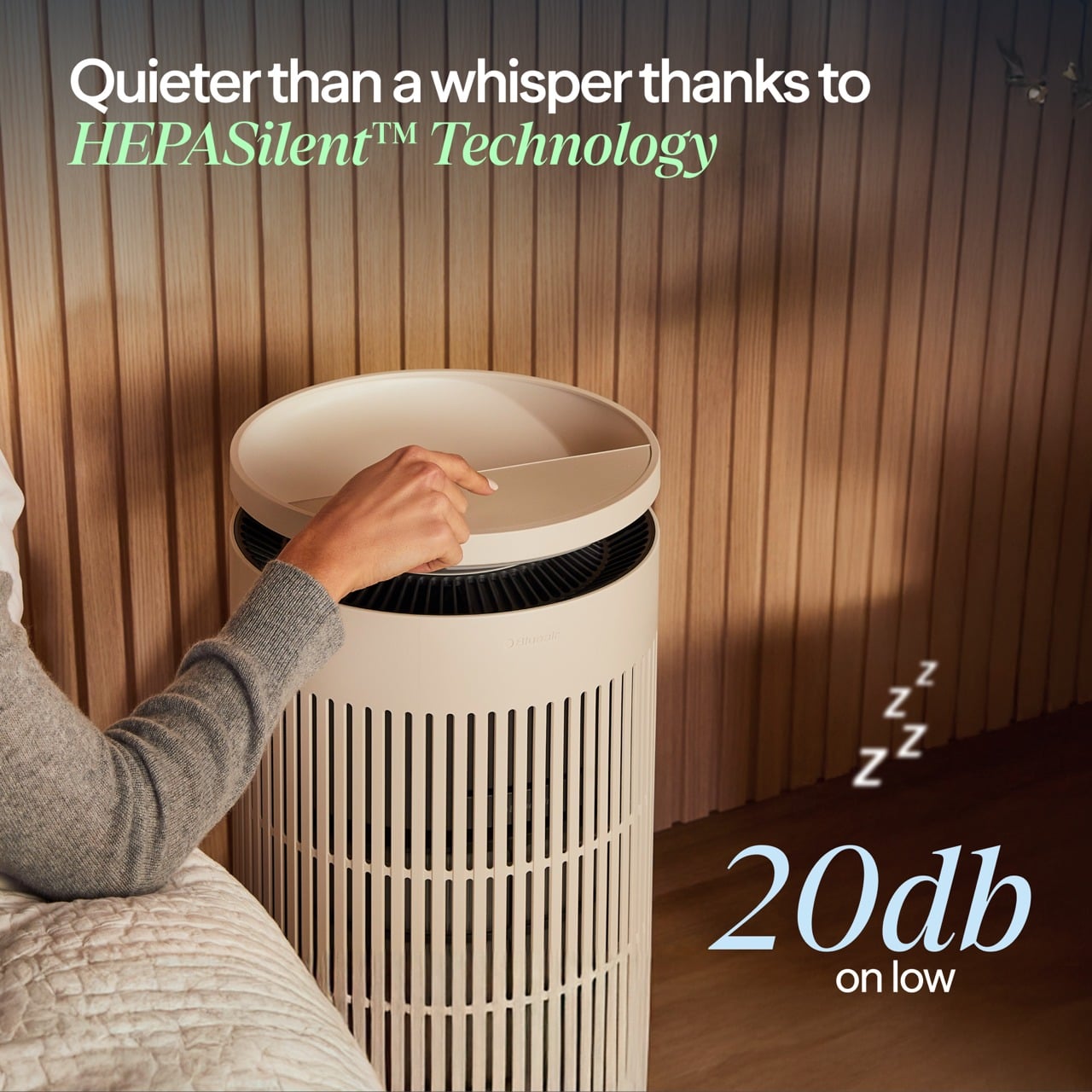
Noise is surprisingly gentle at lower speeds. In night mode, the sound profile is closer to a soft fan than a mechanical hum, which many people find soothing as a kind of background white noise. Higher speeds are audibly stronger when the device detects poor air quality and ramps up to clear it faster, but the ability to drop back into quiet operation keeps it compatible with light sleepers.
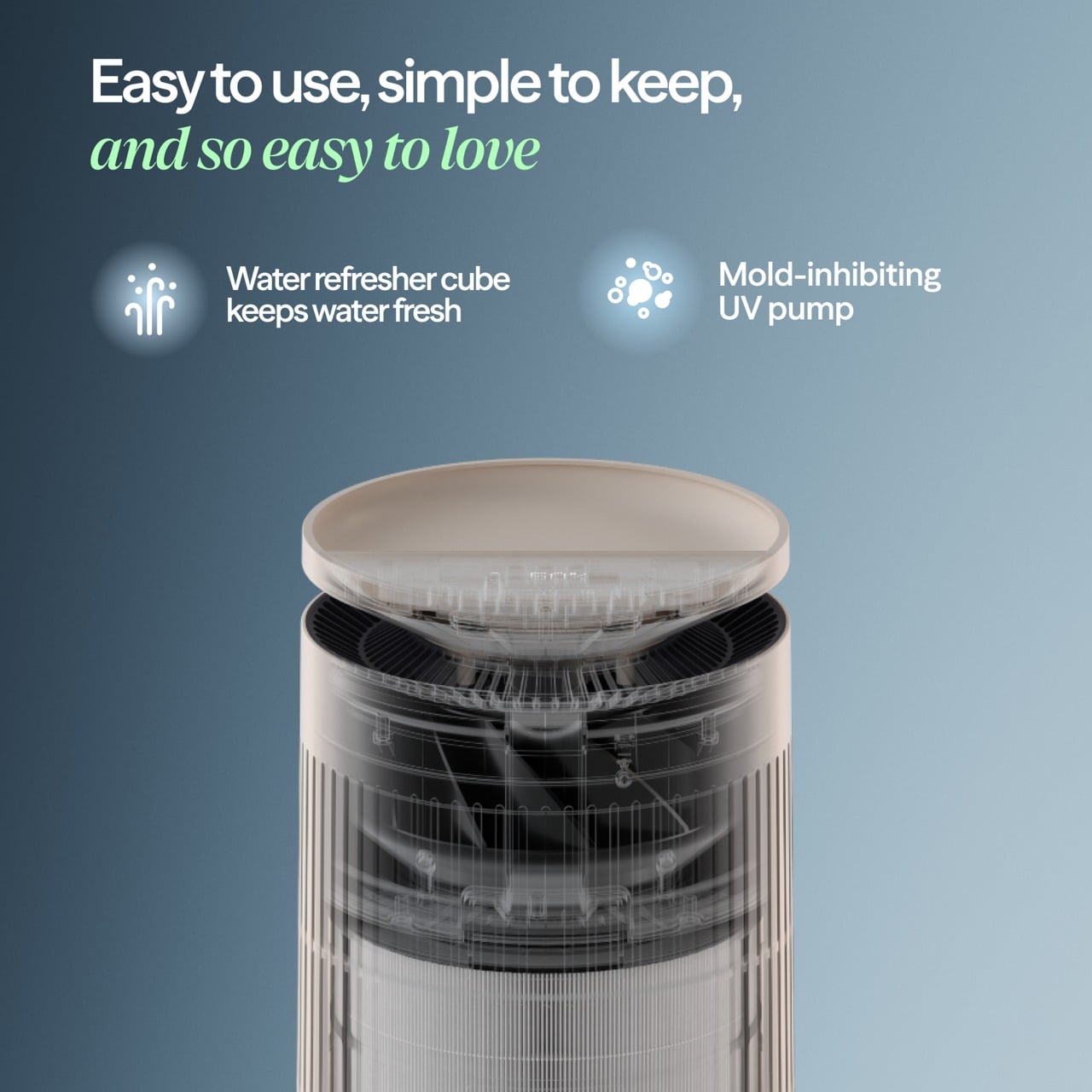
The device also includes several behind-the-scenes hygiene features that keep the humidifier side fresh over time. A built-in UV pump recirculates water to help inhibit bacterial growth, a wick dry mode runs automatically when the tank is empty, or the device goes to standby to prevent musty smells, and a water refresher module made of activated carbon helps absorb minerals and reduce discoloration.
Sustainability
Blueair is a Certified B Corp, which signals that the company has passed third-party audits for social and environmental impact. This does not magically make the device carbon neutral or eliminate its footprint, but it does suggest that longevity, energy use, and materials were part of the design conversation rather than afterthoughts. For a device designed to run every night, that kind of corporate positioning matters.
The 2‑in‑1 Pro is built around long-life, user-replaceable components. Both the air filter and the humidifier wick are rated for up to twelve months of use, which reduces the frequency of replacements and the amount of waste compared to devices that require new cartridges every few weeks. The wick is machine washable, which extends its life even further and keeps it feeling fresh without needing to buy a new one prematurely.
The hygiene features also support sustainability indirectly. A humidifier that stays clean and pleasant to use is less likely to be abandoned in a closet after one winter, which means fewer devices being replaced prematurely. The UV pump, wick dry mode, and water refresher all work together to keep the system feeling fresh, which encourages long-term ownership.
The housing is still primarily plastic, and this is an electrically powered device, so it has an environmental cost. But combining two machines into one does reduce the total number of housings, motors, and power supplies needed compared to buying a purifier and a humidifier separately. For someone who needs both functions, the 2‑in‑1 approach is a more efficient use of materials and space.
Value
The Blueair 2‑in‑1 Pro Purify + Humidify sits firmly in the premium category with its price tag, which is a real investment for a bedroom appliance. That figure makes more sense when you consider that it replaces a standalone purifier, a standalone humidifier, and in some ways a separate wellness gadget, while also adding design intelligence and app control that many basic units lack.
Space is part of the value equation. In bedrooms and small home offices, floor space and visual calm are both precious. Having one well-designed column instead of multiple mismatched boxes reduces clutter, simplifies cable management, and makes the room feel more intentional. For design-minded homeowners, that reduction in visual noise is a real form of value, not aesthetic preference alone.
The skincare and beauty sleep focus adds another dimension to the value story. For people already spending money on serums, moisturizers, and treatments, optimizing the air they sleep in is a logical extension of that investment. The fact that the device can quietly maintain a skin-friendly humidity range while filtering out airborne irritants makes it feel like a wellness tool that supports the rest of your routine.
Verdict
The Blueair 2‑in‑1 Pro Purify + Humidify is a carefully considered column that manages to be a capable purifier, a gentle humidifier, and a sleep-friendly presence without ever looking or feeling like a clinical appliance. It blends into bedrooms and small offices with the kind of visual ease that makes you forget it is technology, and the ergonomic details like top fill refilling and intuitive controls make it easy to live with day to day.
The 2‑in‑1 Pro makes the most sense for people who care about both design and wellness, who want their bedroom or office to feel like a calm, supportive environment, and who appreciate when technology quietly improves their routines without demanding constant attention. For that audience, this feels less like a splurge and more like a thoughtful upgrade to the air they live in every day.
Skin loses the hydration war quietly in today’s modern world. Office air conditioning runs all day, planes recycle cabin air for hours, and cars blast heat or cold depending on the season. Most hydration routines still happen at a bathroom mirror with a cotton pad and a bottle, even though the real damage shows up at desks, in conference rooms, and halfway through a flight when your face feels tight and tired.
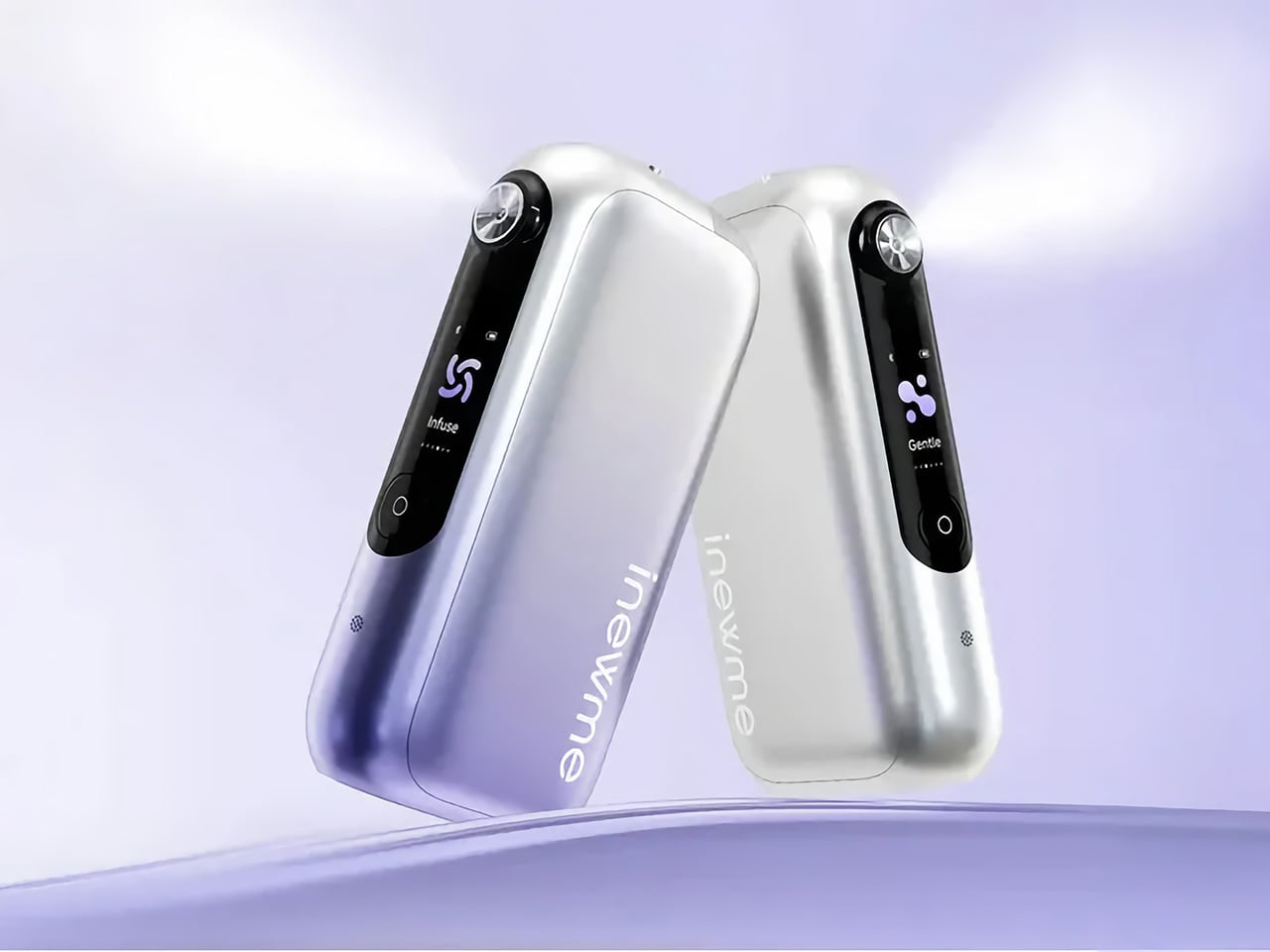
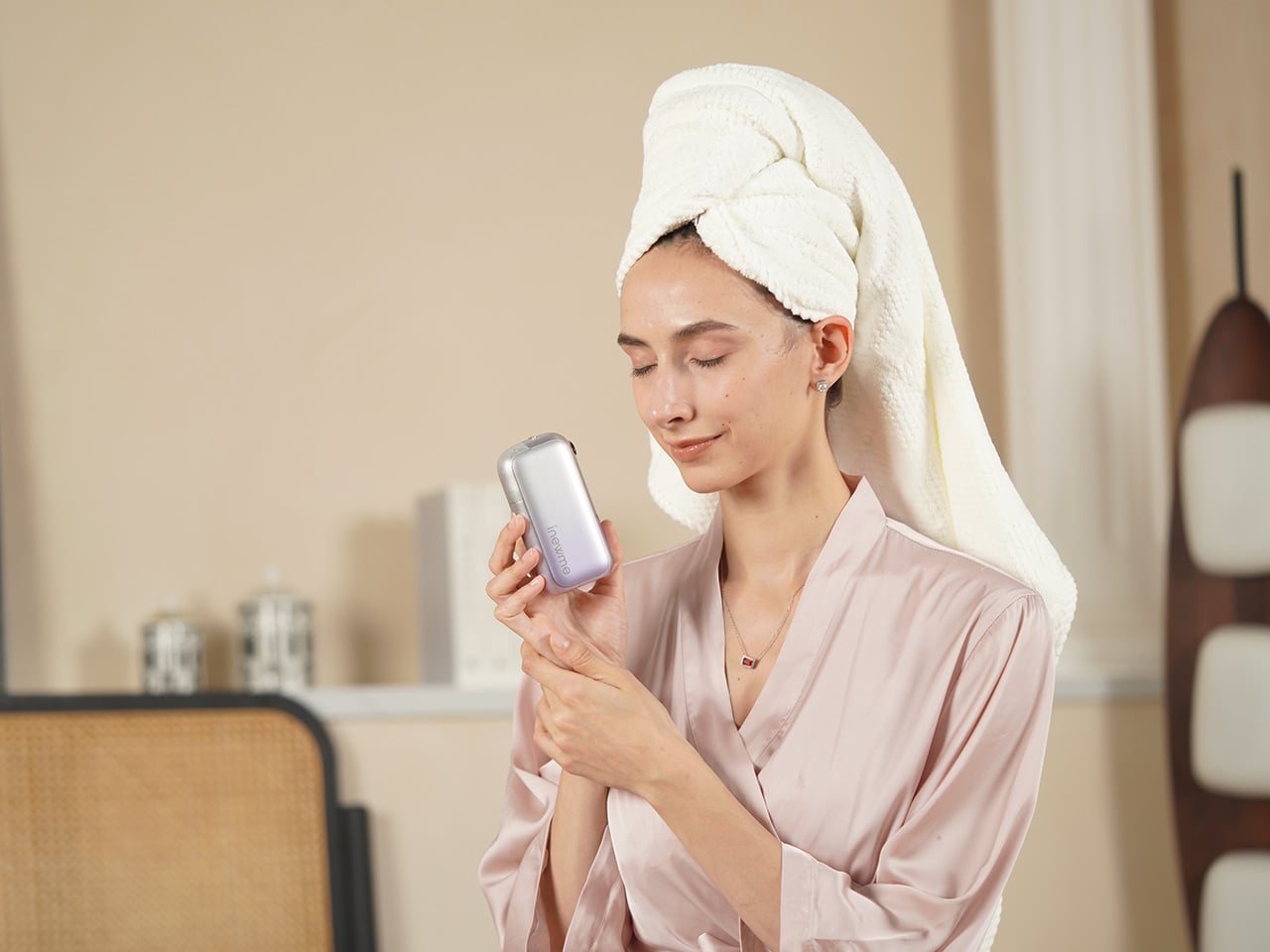
NanoHydra Pro tries to close that gap by shrinking a fairly advanced hydrator into something pocket-sized. It looks like a small metallic gadget with a gradient finish, the kind of thing that sits on a desk next to a phone or slips into a bag without announcing itself. A dual pump nano mist system atomizes toner or serum into a 10 micron droplet cloud, fine enough to sit on skin rather than drip off.
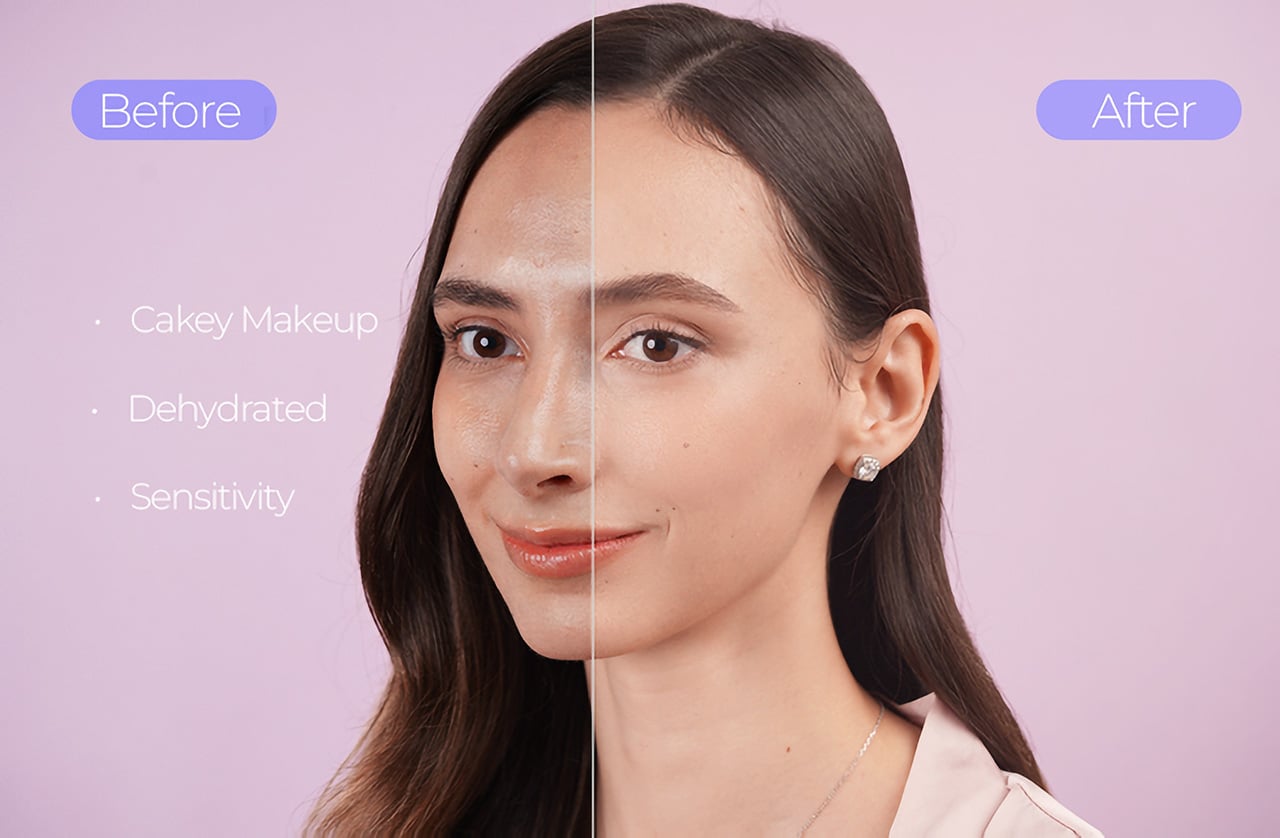
The 10 micron mist feels different from a regular spray bottle. Most misters shoot larger droplets that either evaporate too fast or run down your cheeks, leaving streaks on your makeup or pooling near your jawline. NanoHydra Pro atomizes liquid into something closer to a soft fog, light enough to absorb quickly without leaving skin wet or sticky, and you can use the same toner you already have.
What makes it feel smarter is the ToF distance sensor built into the front. It reads how close the device is to your face and quietly adjusts mist output in real time. Hold it near, and the spray softens to avoid oversaturating small areas. Pull it back, and coverage expands for broader strokes. Step outside the detection range, and it shuts off automatically, saving product and avoiding accidental desk misting.
The design seems built for people who keep skincare at their desk rather than just in the bathroom. Five modes let you shift between everyday hydration, a gentler setting for sensitive days, a lifting mode when skin feels slack, an infuse mode for deeper serum sessions, and a manual option for one quick burst. Each mode adjusts mist intensity and duration to match the moment.
The battery lasts around a week with regular use, so it sits there ready without becoming another thing to plug in every night. You press a button, pick a mode on the small LCD screen, mist your face, and go back to work. It fits into the kind of routine where hydration happens between calls or emails rather than as a separate event you have to carve out time for at home.
Travel is where the leak-proof capsule starts to matter. The chamber locks toner or serum inside with enough seals that you can toss it into a bag, check it in luggage, or carry it through airport security without spills soaking into clothes or electronics. The compact body fits easily into a jacket pocket or backpack side slot. On a long flight or dry commute, pulling it out and misting your face takes less effort than digging through a toiletry kit.
A companion app adds a layer for people who like tracking routines. It lets you adjust mist intensity, log each session, and review hydration trends over time, turning a simple spritz into something more intentional. The app also offers guidance based on your skin type and habits, though the device still works perfectly well as a one-button hydrator if you would rather skip the data layer entirely.
NanoHydra Pro hints at a version of skincare tools that pay attention to context instead of just pushing liquid through a nozzle. It reads distance, tunes droplet size, and fits into spaces where traditional routines fall apart, like desks, cars, and airplane seats. As hydration stops being something that only happens at a mirror, a small object that adapts quietly in your hand starts to feel like the more useful kind of upgrade.








 technology, which combines mechanical filtration with an electrostatic charge to capture fine airborne particles like dust, pollen, smoke, and volatile organic compounds. The intake and outlet are 360 degrees around the body, so it pulls air from all sides and pushes it back out clean.