The camping tent hasn’t had a genuine rethink in decades. You still buy poles, you still wrestle with fiberglass or aluminum sleeves in the dark, and you still forget to pack the footprint. It’s a ritual we’ve accepted as part of the experience, which is either charming or maddening depending on the day. Puffer, a small outdoor brand out of Utah, is betting on maddening.
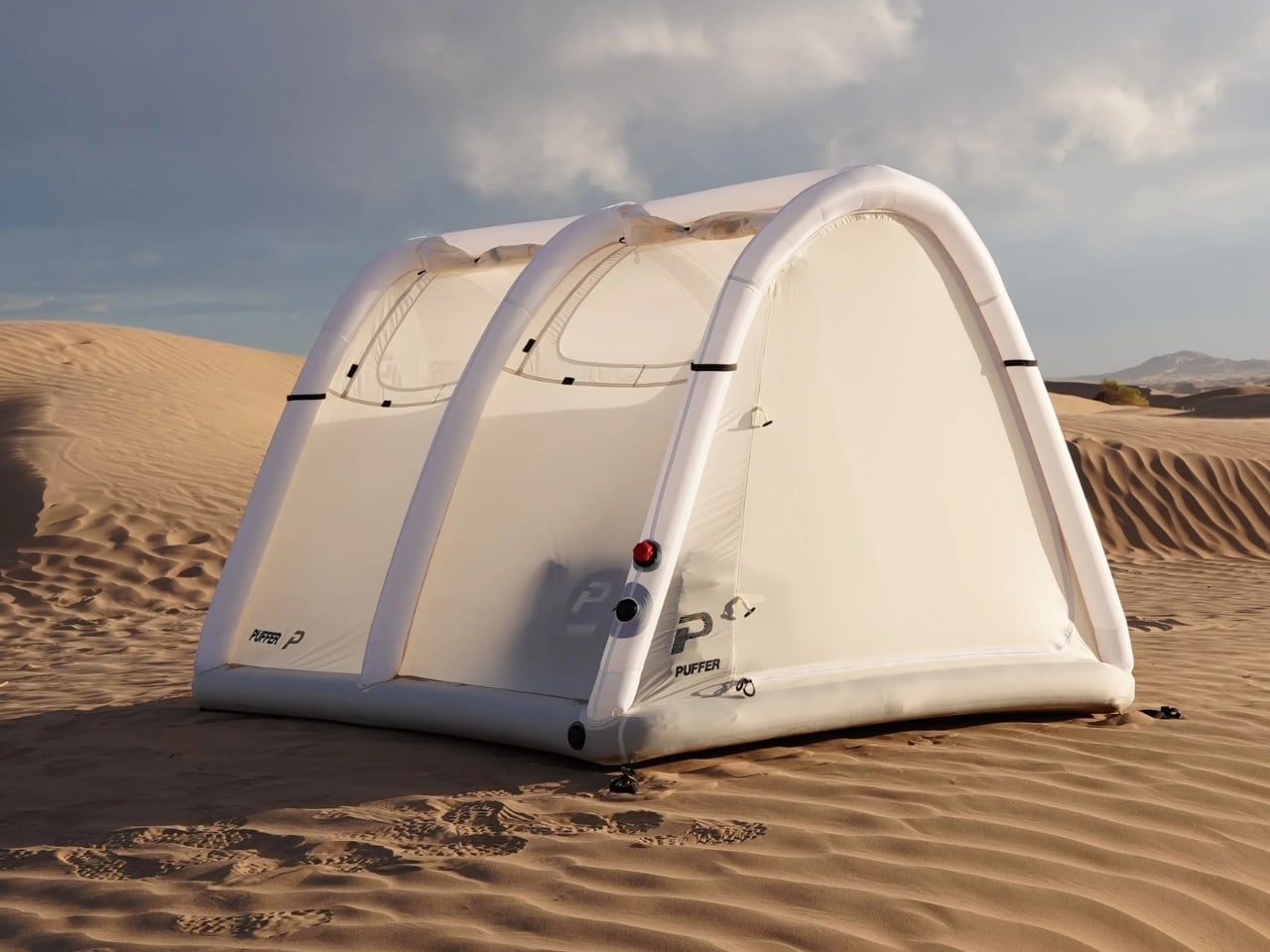
The Puffer tent is an inflatable A-frame that forgoes metal poles entirely in favor of pressurized air chambers, and it works exactly the way you’d hope it would. The setup is three steps: drop it, unroll it, inflate it. An included electric pump handles the airframe and the integrated air base, stops automatically when it hits the right pressure, and the whole thing is done in about two minutes. That’s not a marketing promise. That’s just physics.
Designer: Puffer
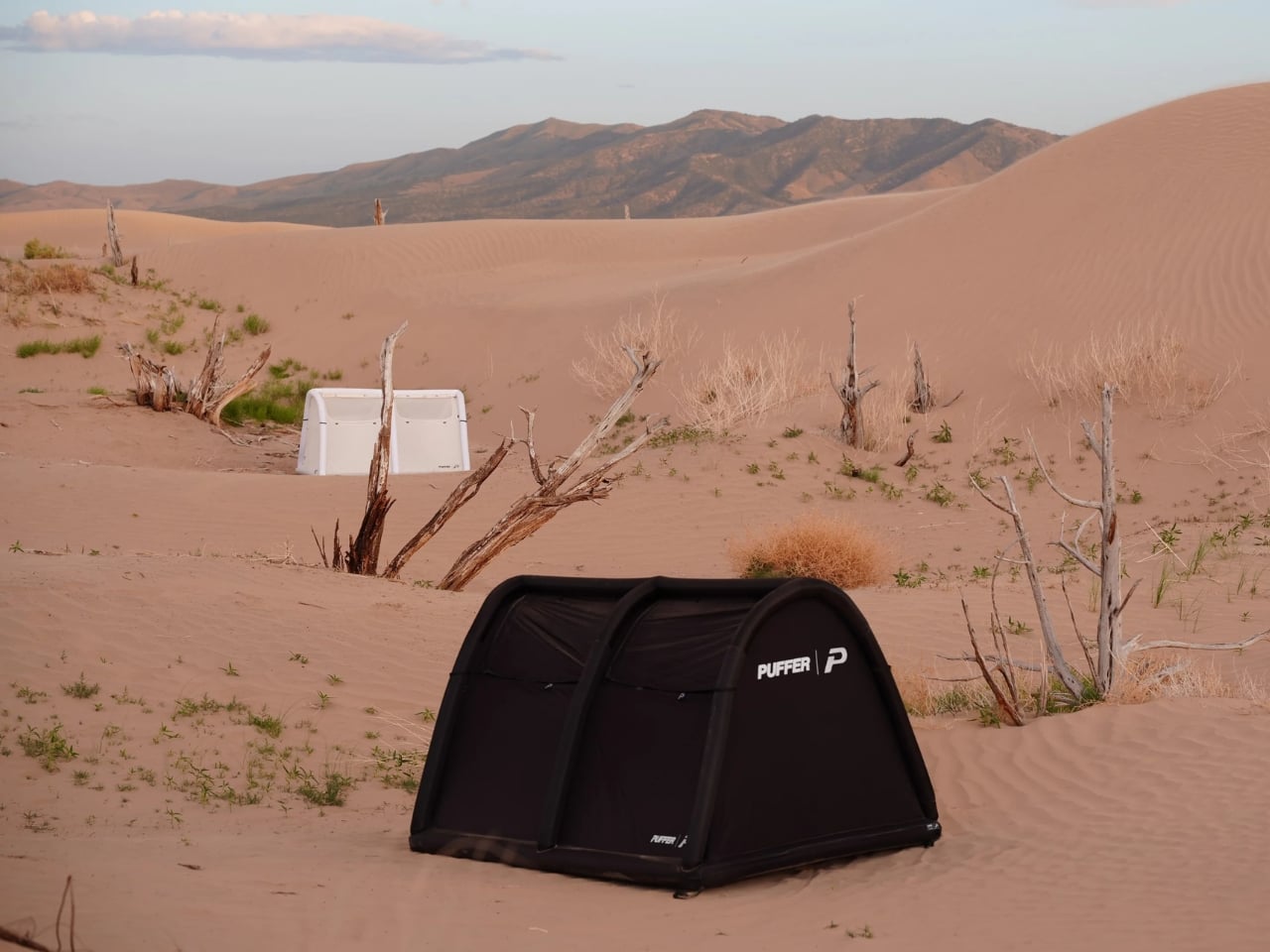
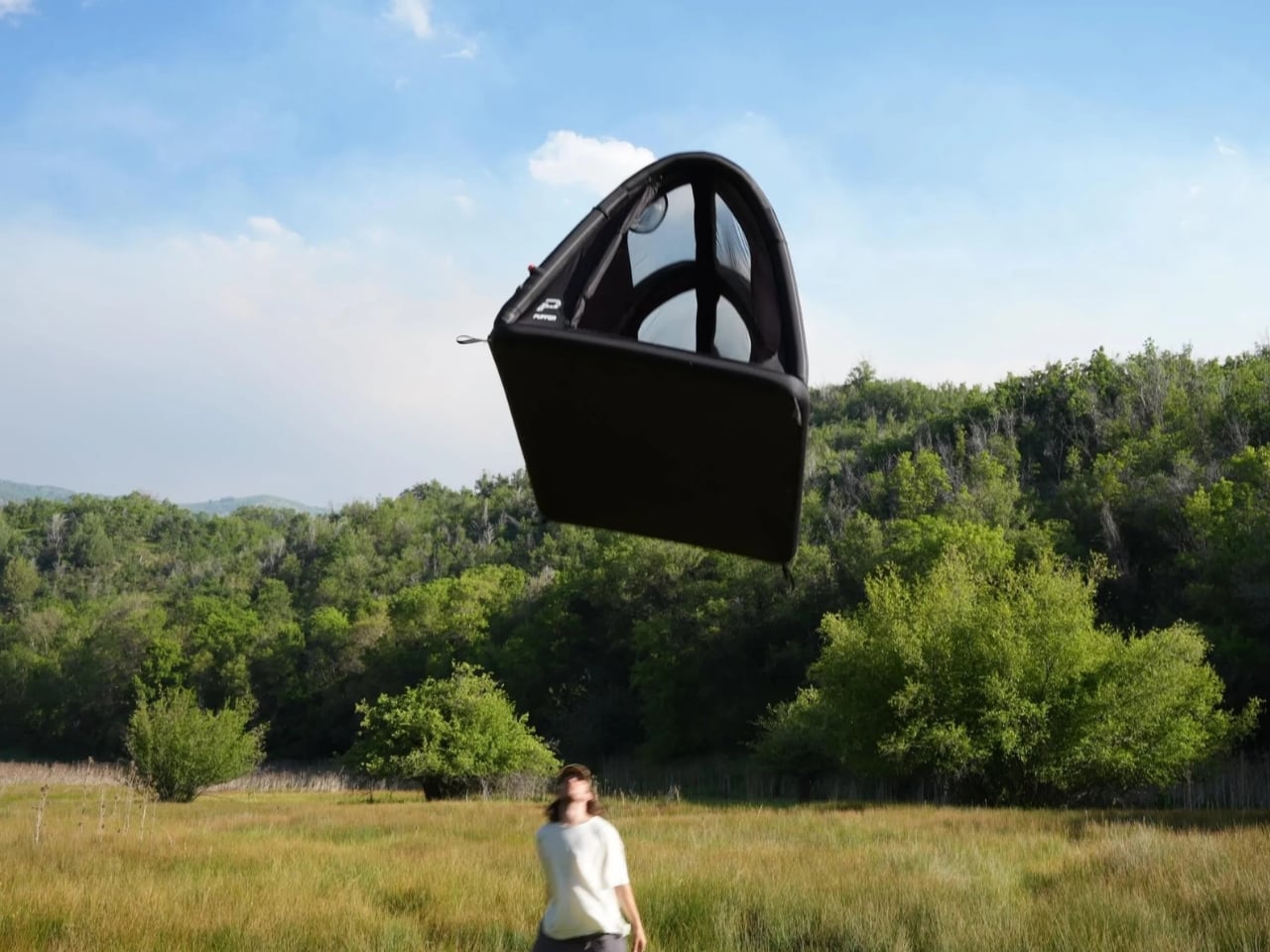
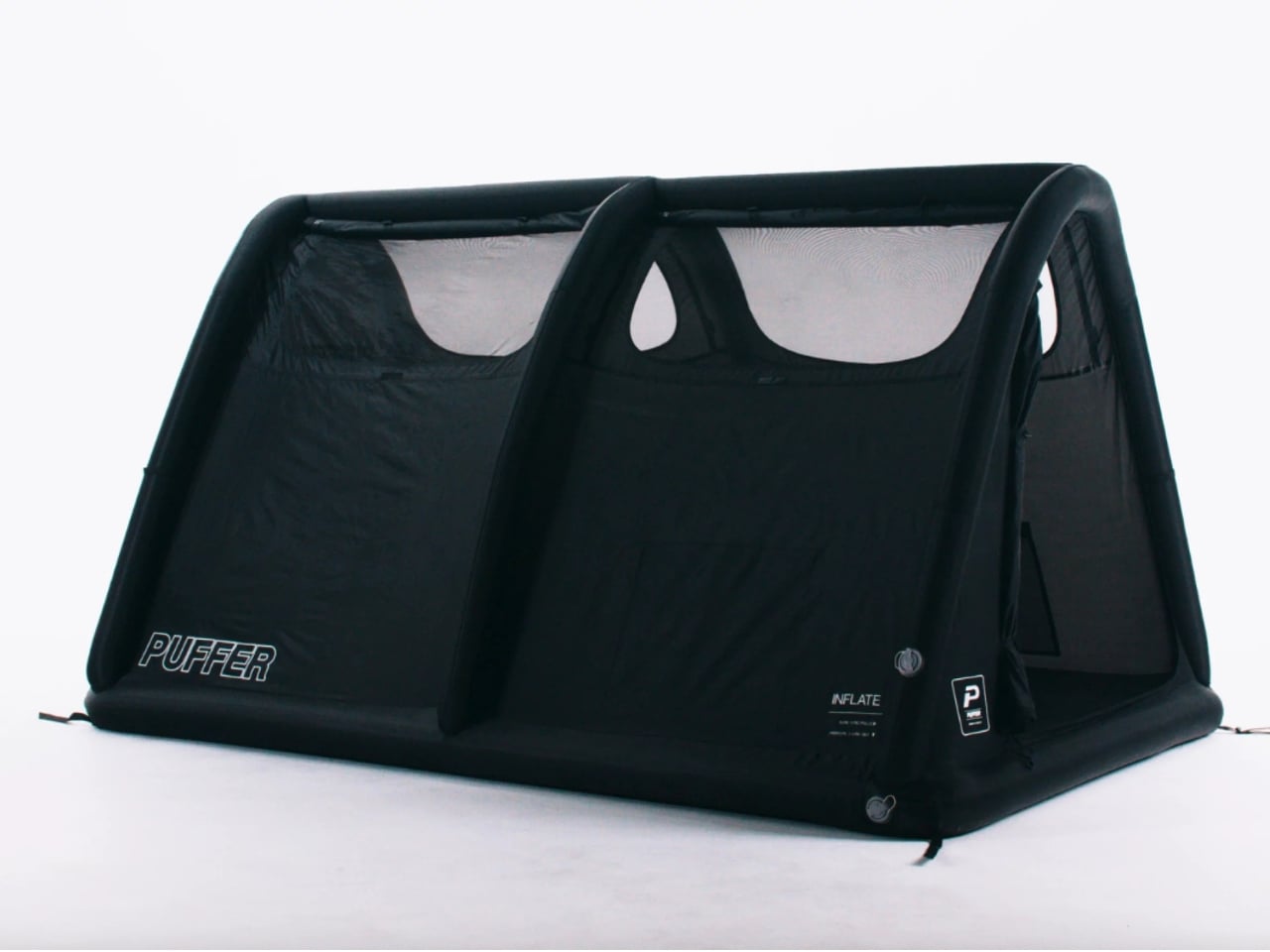
The design sits somewhere between a classic A-frame and a tunnel tent, with curved air arches that give it a silhouette unlike anything you’d typically find at a campsite. Visually, it reads more like something you’d see at a boutique glamping retreat than a standard campground. It’s sleek, matte black, and low to the ground in a way that feels considered. The brand’s roots are in skateboarding, snowboarding, and motocross, and that sensibility comes through. It doesn’t look like traditional camping gear. It looks like something someone actually cared about designing.
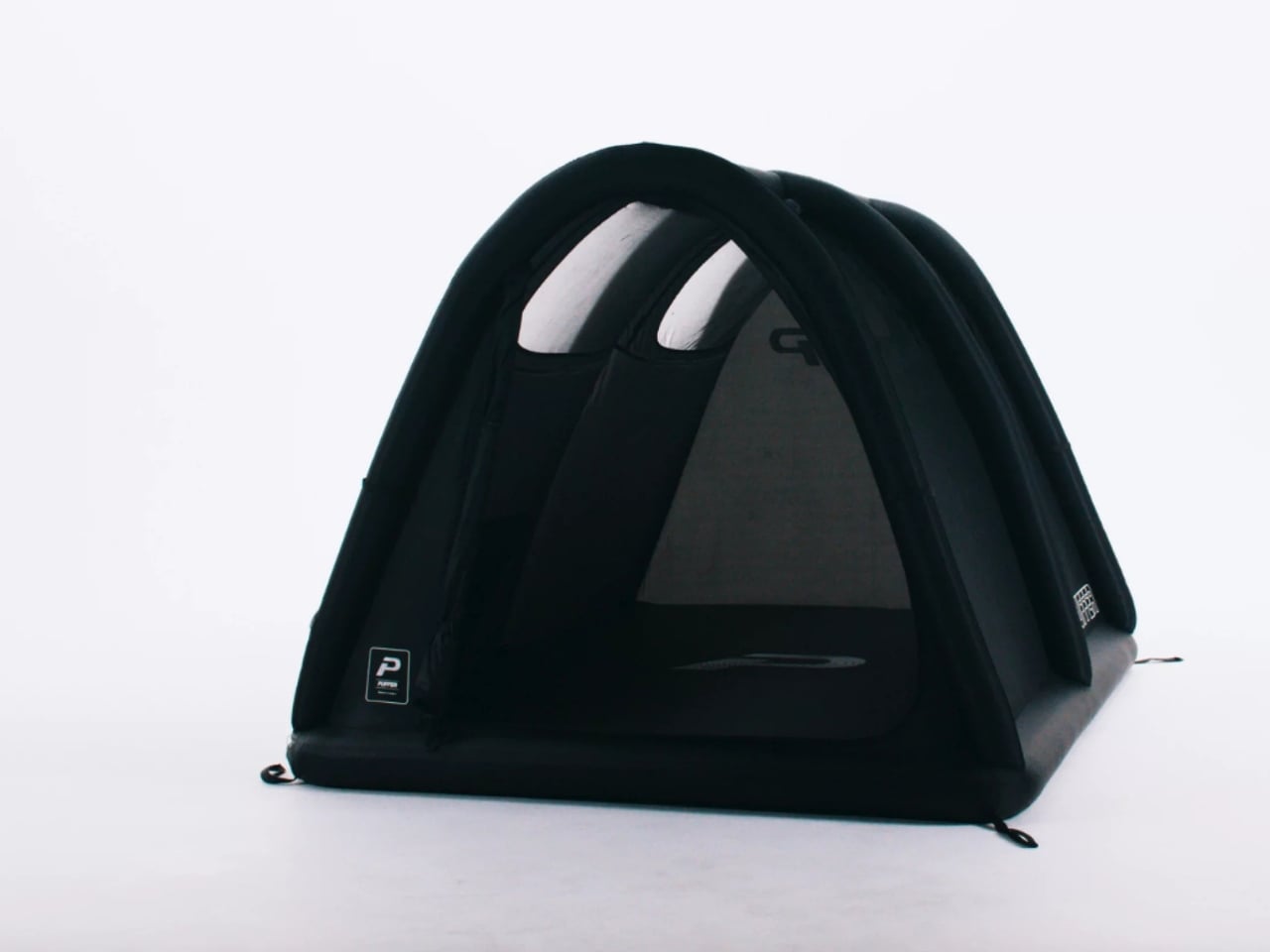
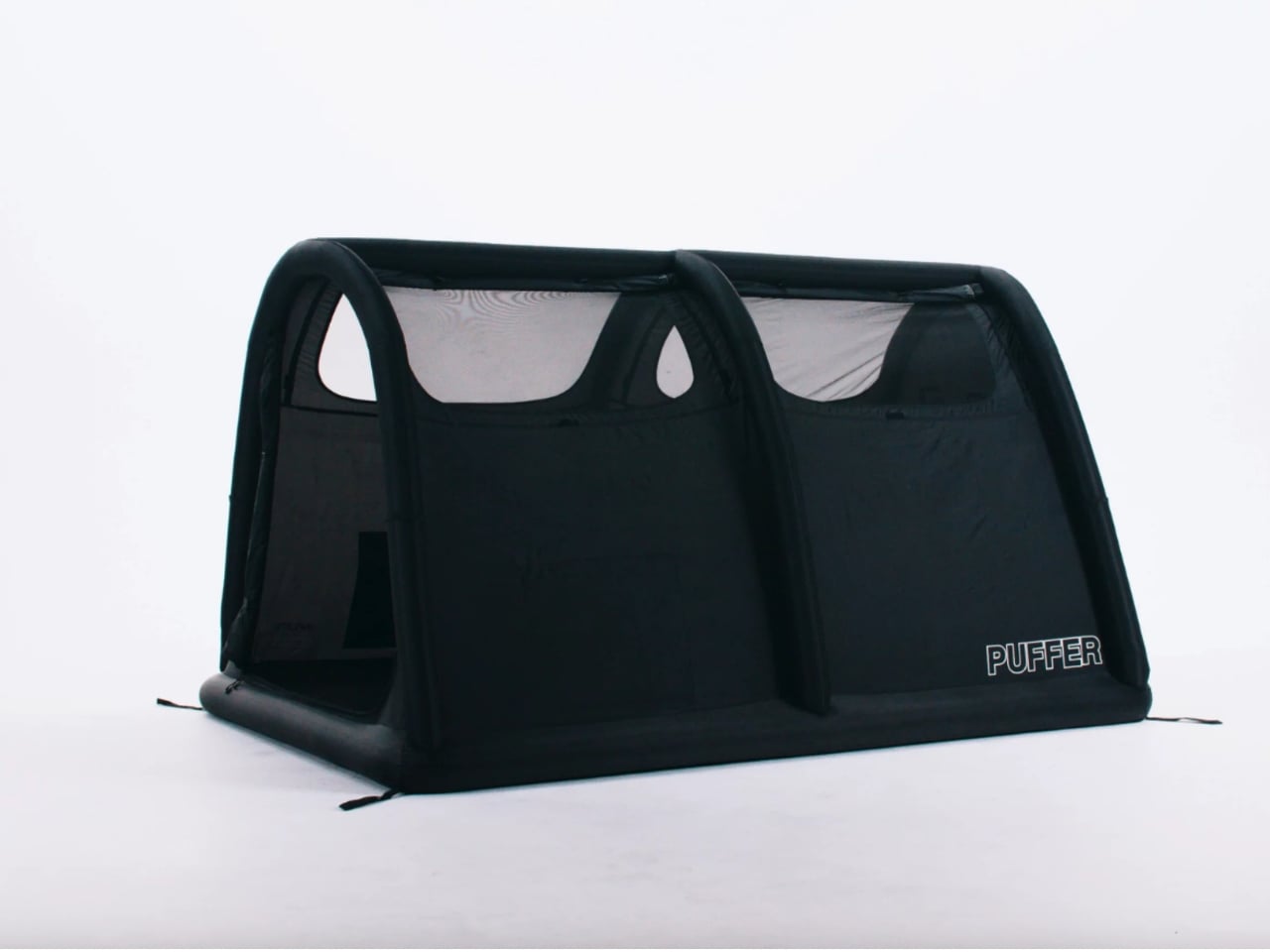
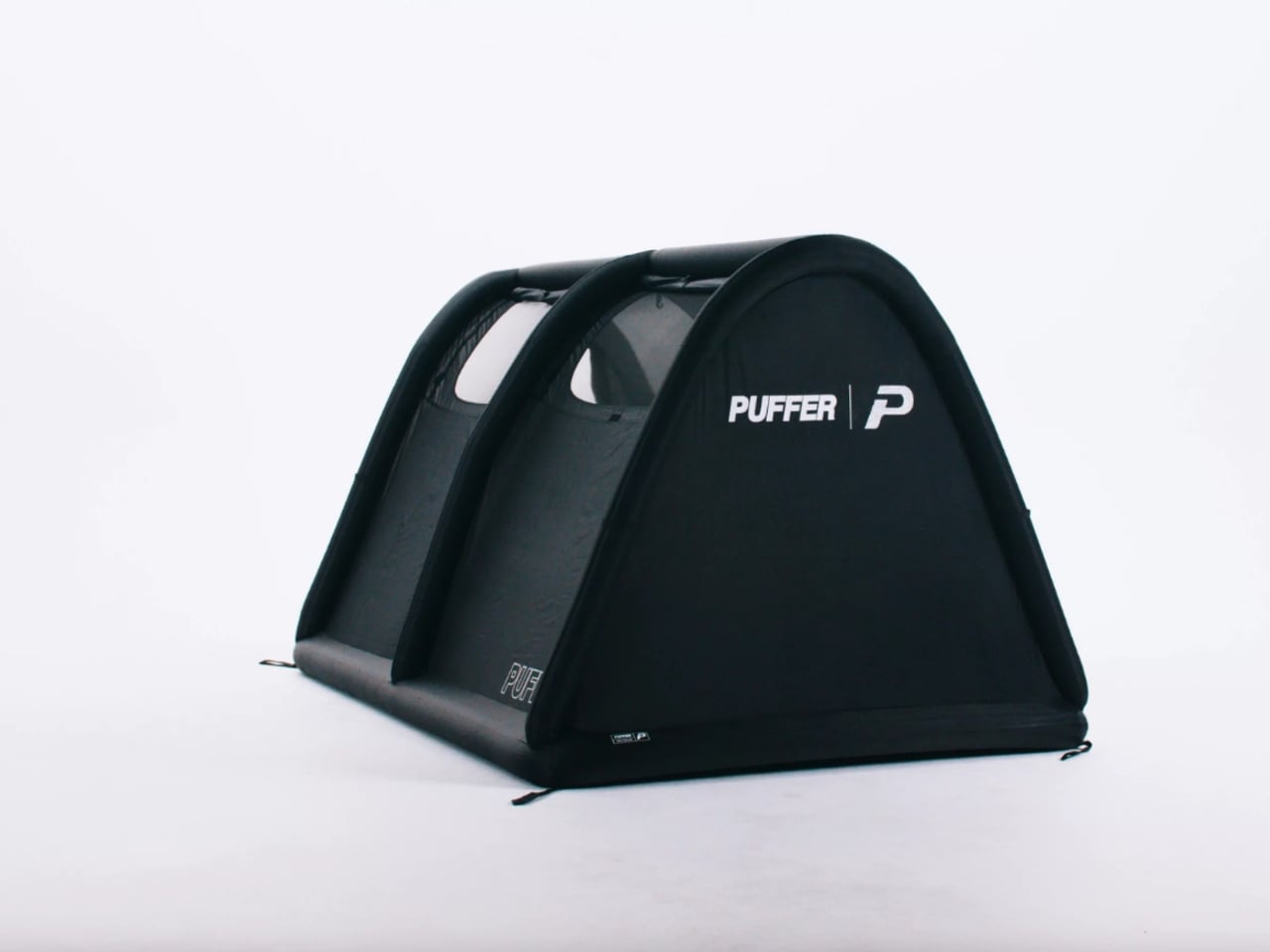
Interior dimensions are 84.6 inches long and 42 inches wide, with a peak height of 42 inches. It comfortably sleeps two, and the floor is the tent’s most interesting element: a fully integrated air mattress built directly into the base. You’re not rolling out a pad separately or inflating a separate sleeping surface. It’s all one system, and you can even adjust the firmness based on preference, from soft to firm to hard. The idea that you’d arrive at a campsite with a single bag containing both your shelter and your bed is a small thing in theory and a very large thing in practice.
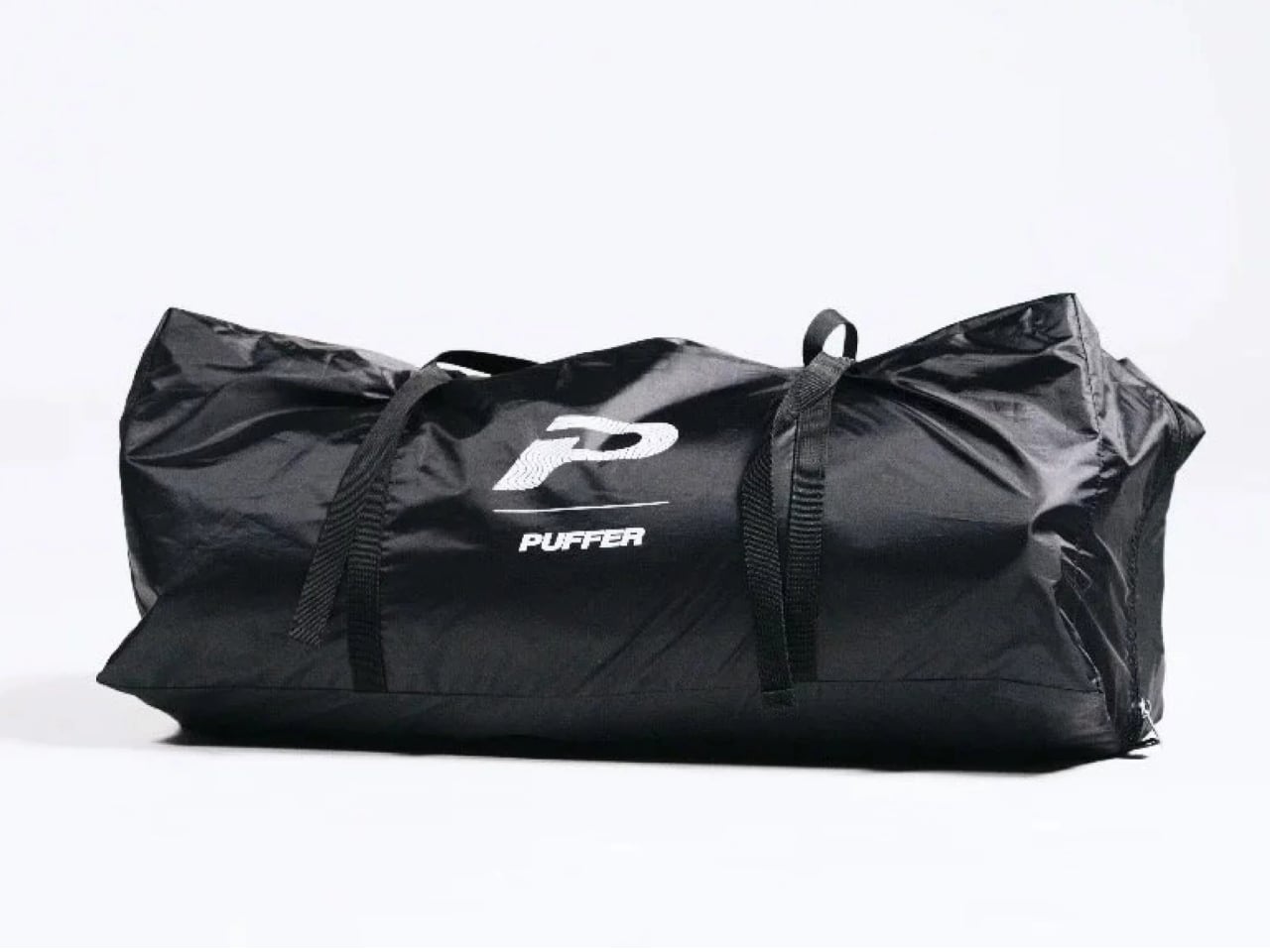
Total packed size is 10 x 25 x 10 inches, which is genuinely compact for what you’re getting. The weight, at 18.2 pounds for the tent alone (around 22 pounds with the full kit), is not featherlight. This isn’t a backpacking tent and Puffer doesn’t pretend it is. The target is car camping, overlanding, and festival use, and for those contexts, the trade-off is entirely reasonable. You’re saving setup time and sleeping better; a few extra pounds in the back of a vehicle is not a real sacrifice.
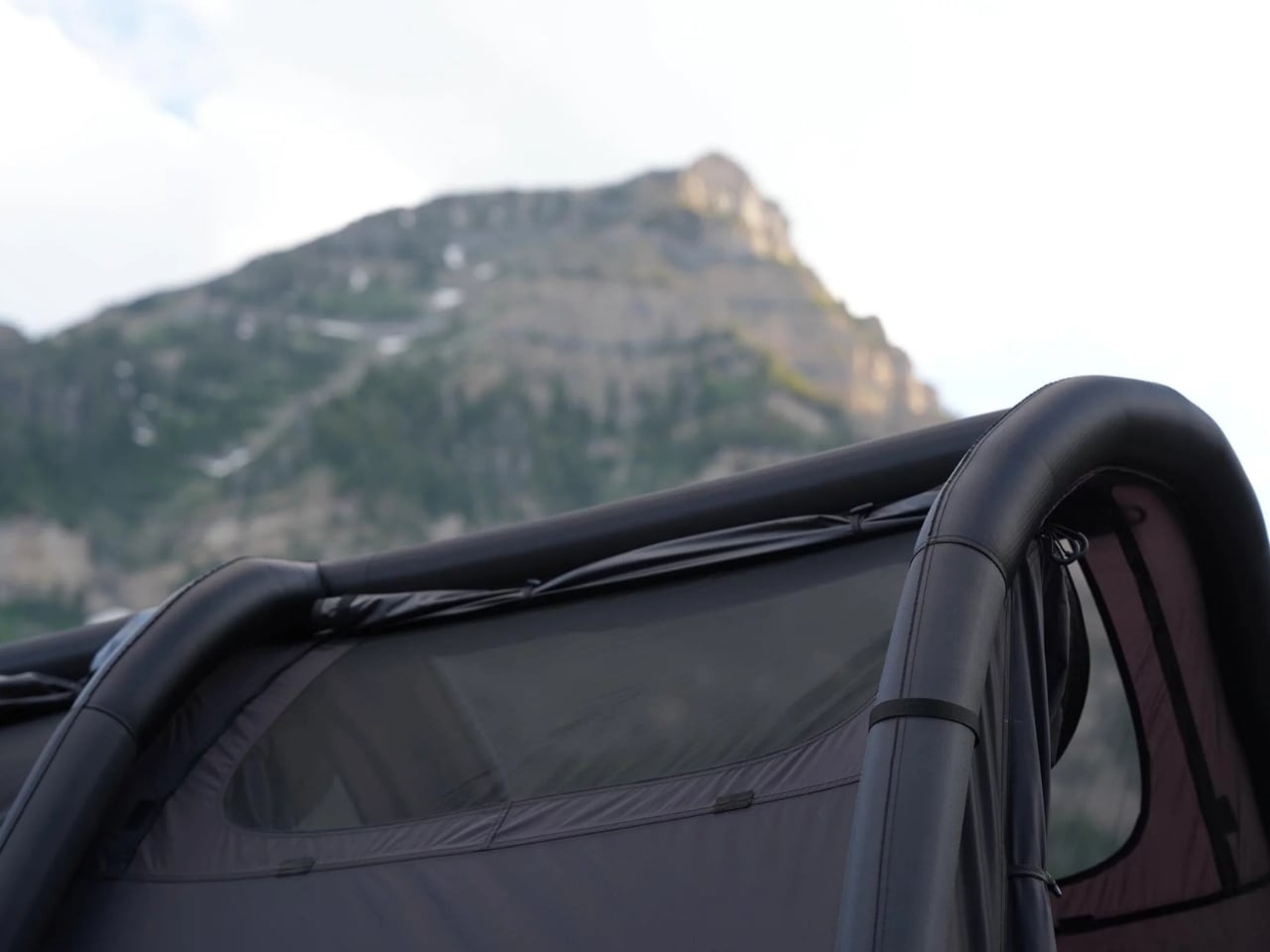
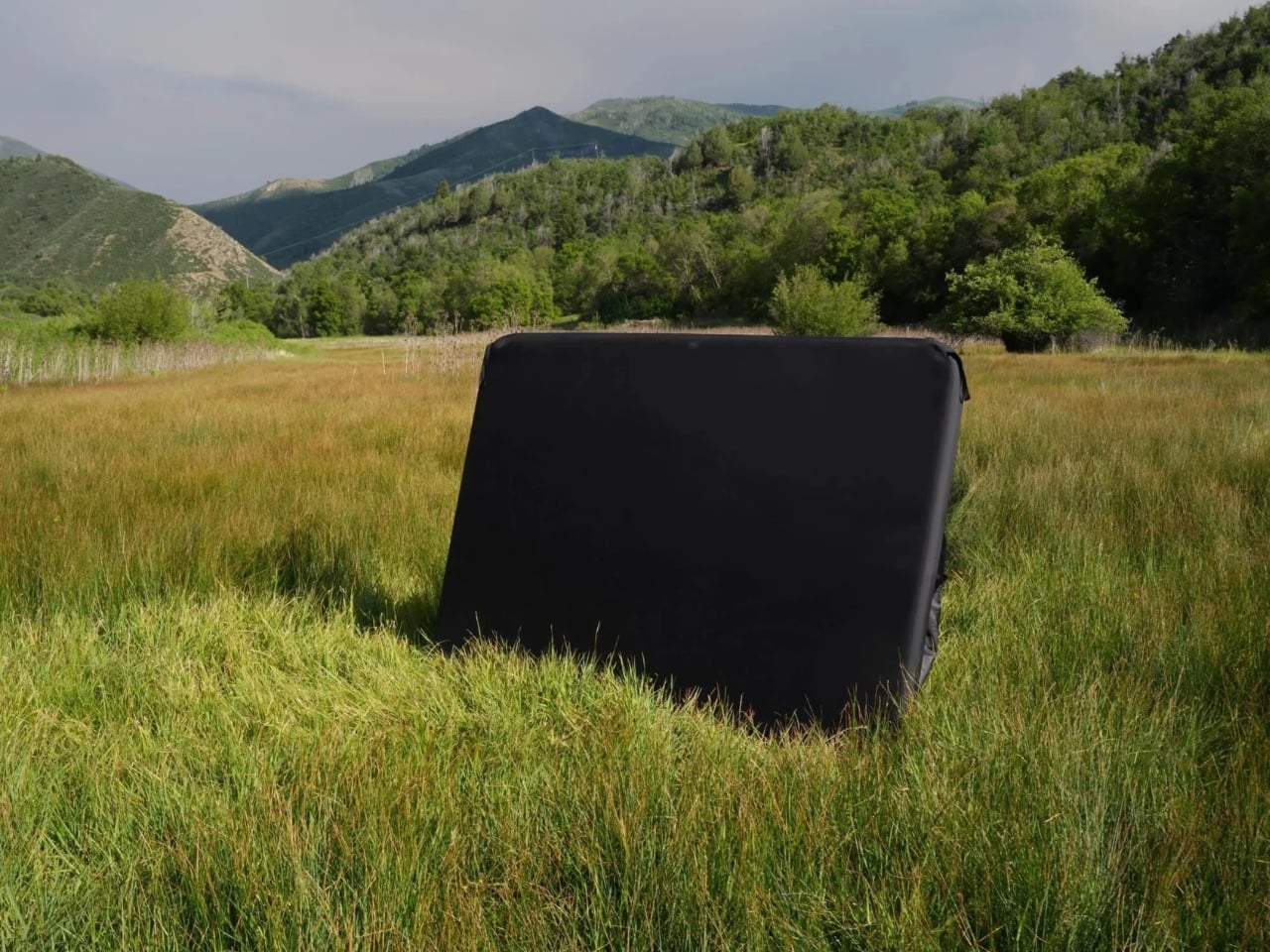
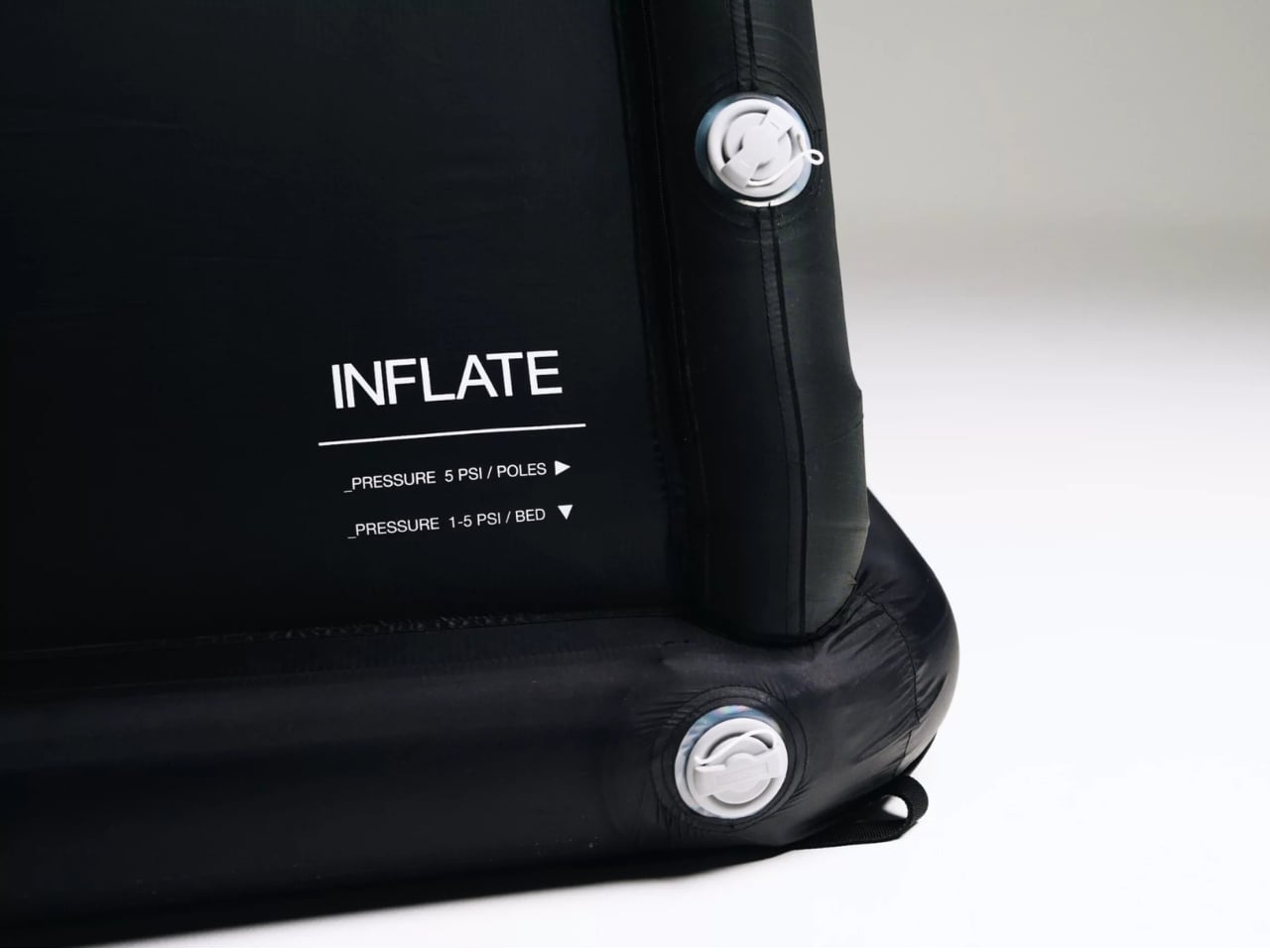
Founder Sam Peery spent five years prototyping the design, with his wife Bree helping sew and heat-seal the early versions through what the brand describes as a lot of sleepless nights and physical burns from the sealer. That kind of origin story matters, not because it makes the product work better, but because it explains why the details feel intentional. The valve placement, the pressure labels printed right where you need them, the way the pump connects and disconnects cleanly. These aren’t the details of a brand that licensed a factory spec and slapped a logo on it.
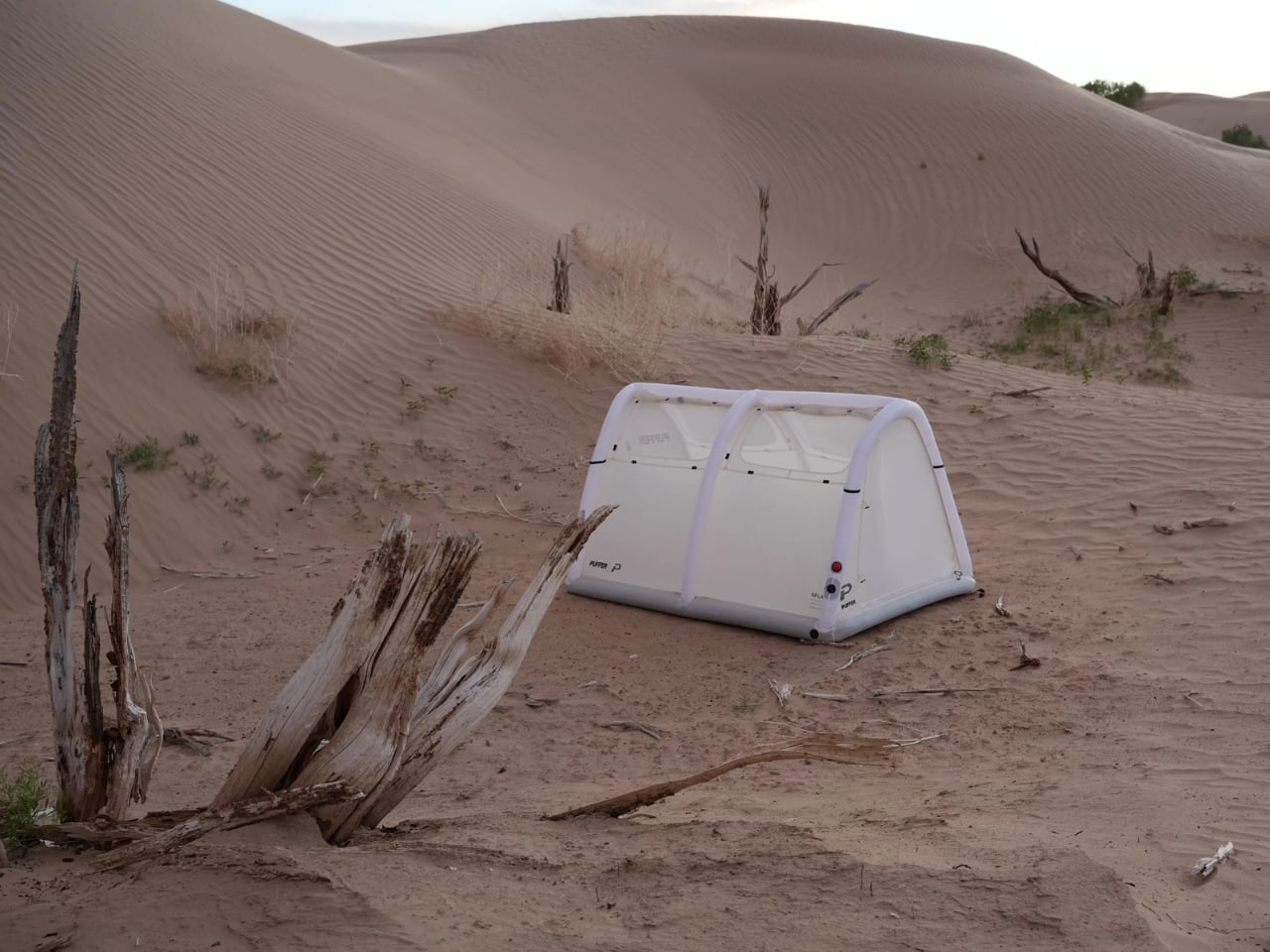
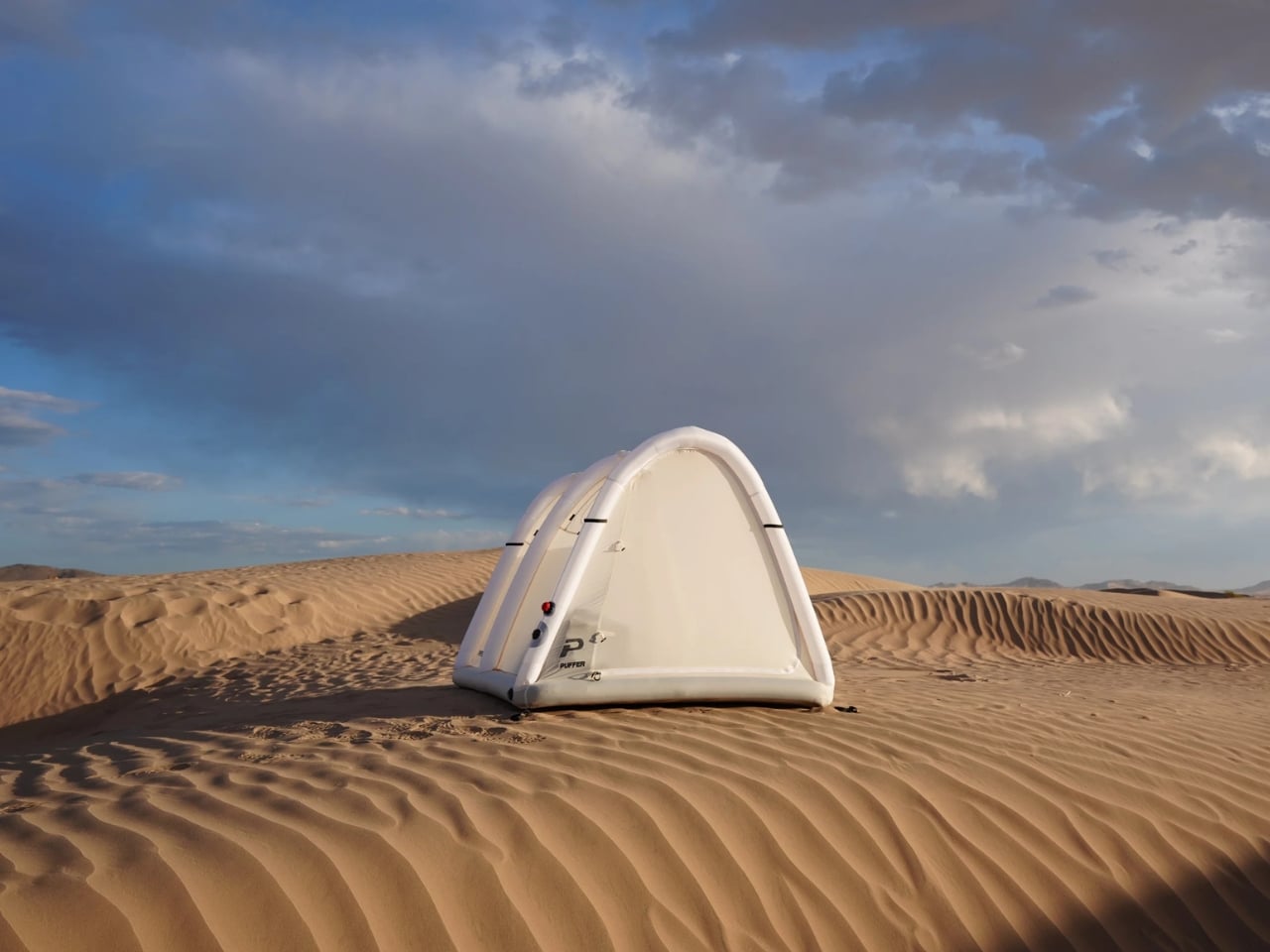
The price is $649.99, with the electric pump included. Is that expensive? Compared to a $40 tent from a big box store, yes. Compared to a quality backpacking tent from a premium brand, it’s actually competitive, and you’re getting a mattress included. The more useful comparison might be against a rooftop tent setup, which can run thousands of dollars and requires a vehicle with a rack. The Puffer works on the ground, anywhere, without any of that infrastructure.
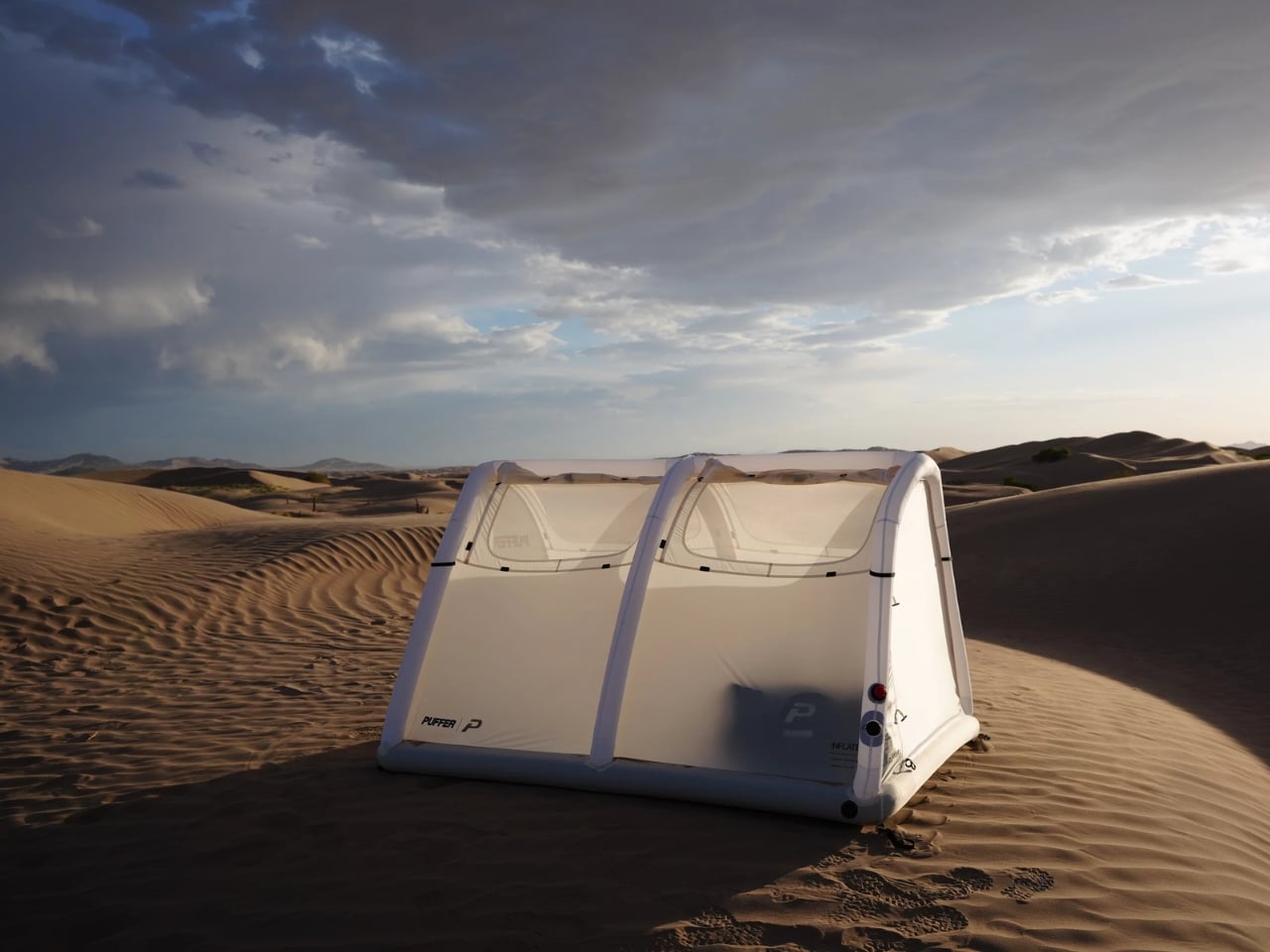
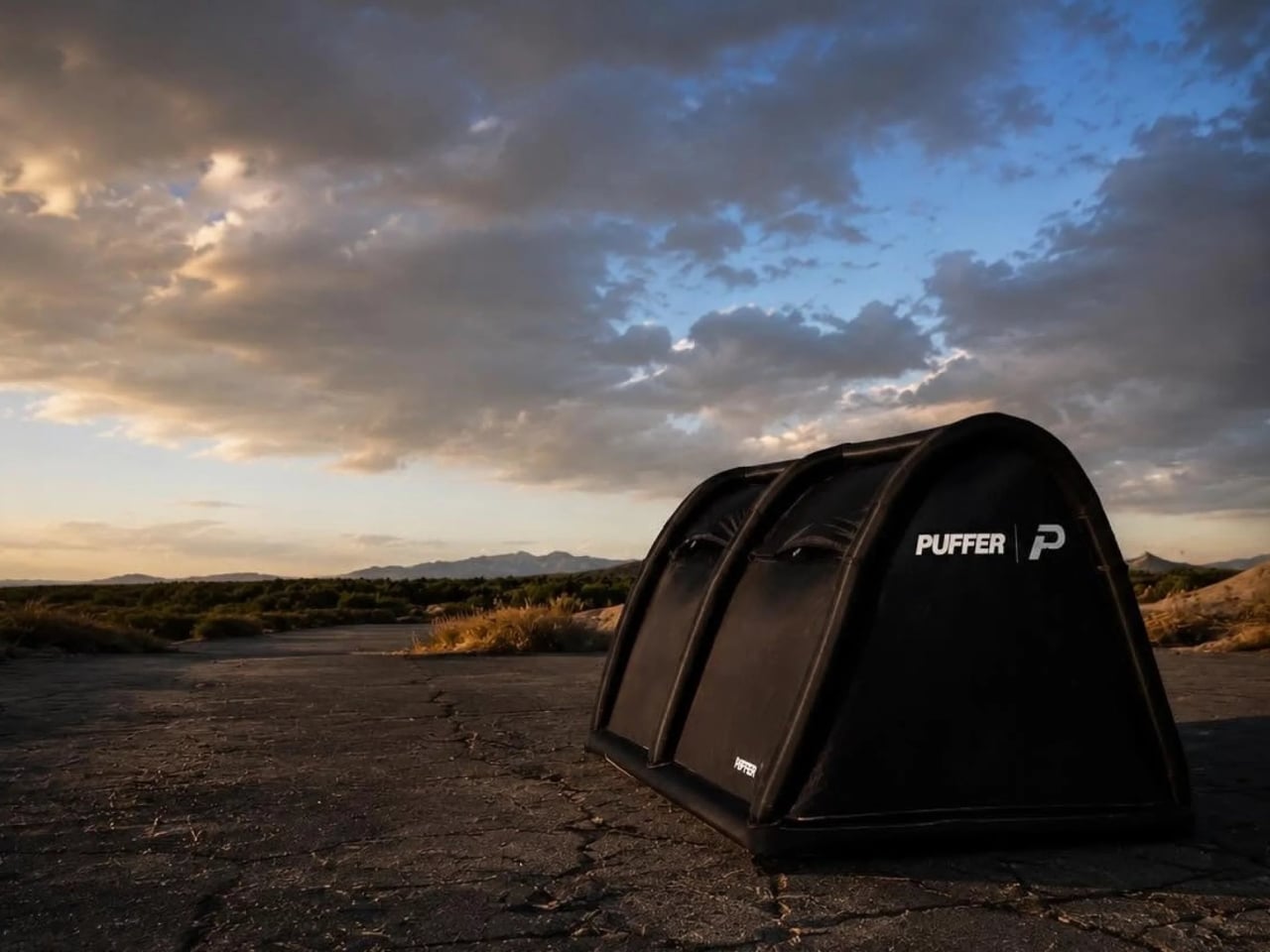
The outdoor gear market is crowded, and tent innovation has been slow. Inflatable tents have existed in the premium glamping space for years, but they’ve largely been expensive, bulky, and targeted at a very specific buyer. Puffer’s approach is different: take a genuinely clever engineering idea, strip it down to the essentials, and make it accessible. Whether or not it replaces every tent you own, it makes a strong case that it could.
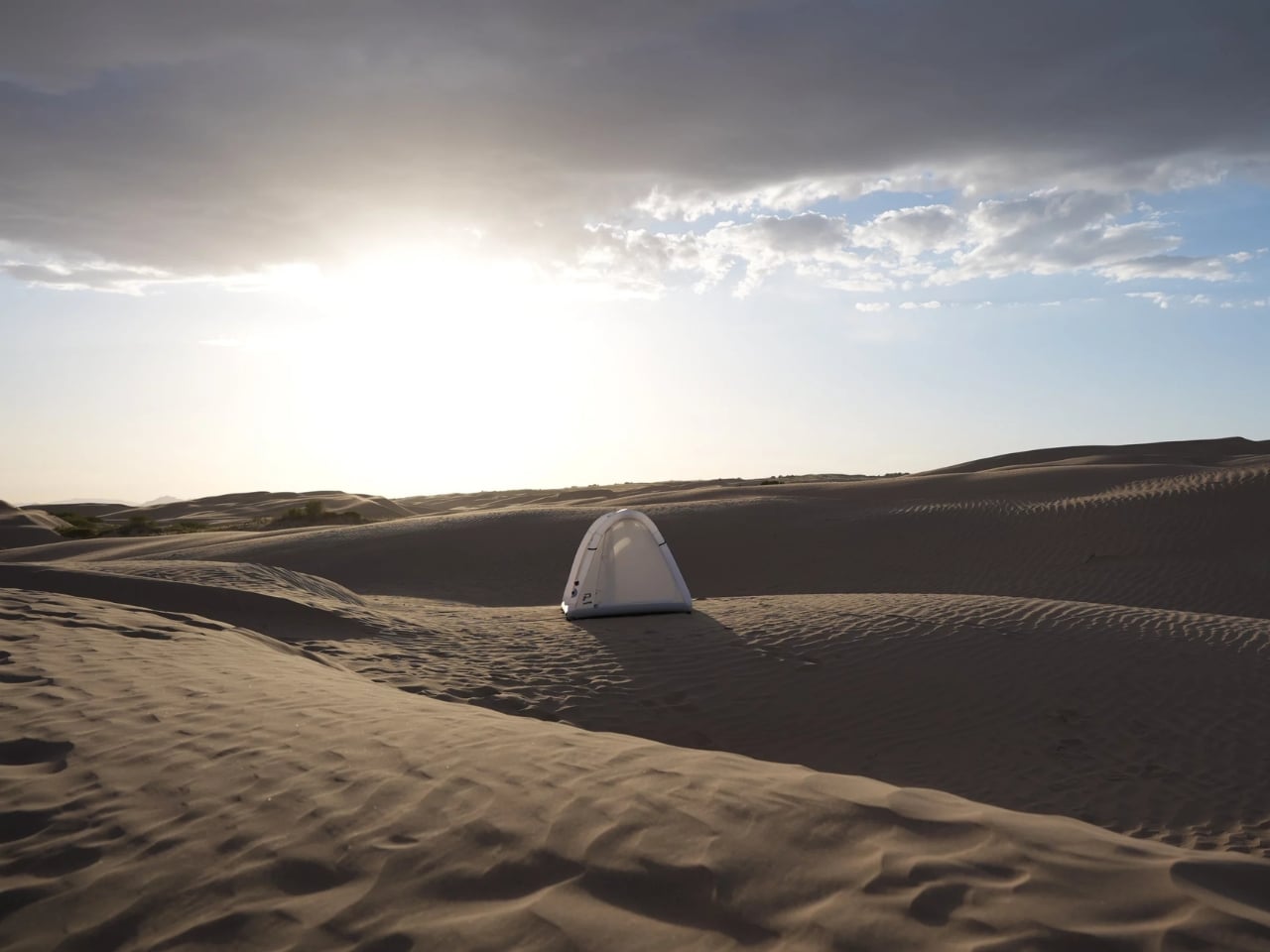
The post The Tent That Packs Down to One Bag, Bed Included first appeared on Yanko Design.