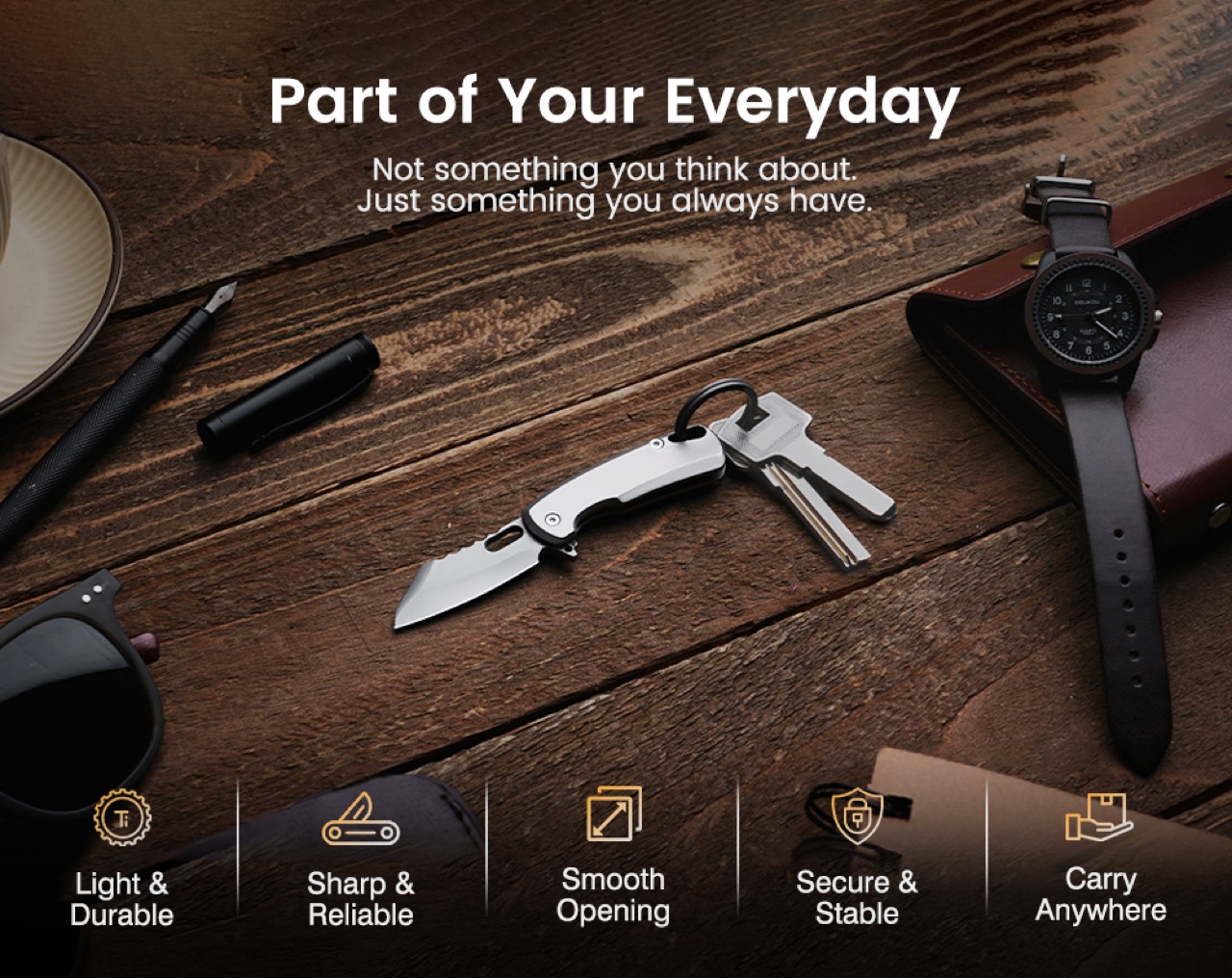
This $23 Titanium Carabiner Hides a Secret EDC Knife Inside It And Weighs Next To Nothing

I don’t sing enough praise of titanium as a material. It’s the strongest metal known to humankind, but at the same time, it’s also anti-corrosive, rust-resistant, and biocompatible (the body doesn’t reject it when used internally for implants/supports in surgery). It’s found in abundance on the moon, it self-heals (forms an oxidized layer if scratched), and is the only element that burns in nitrogen (every other element burns in oxygen). Titanium, aside from being such a weirdly wonderful element, is also a preferred alloy in EDC… and while most makers use titanium for a handle and call it a day, the folks at KeyUnity machined it in a way to give Titanium properties of a carabiner.

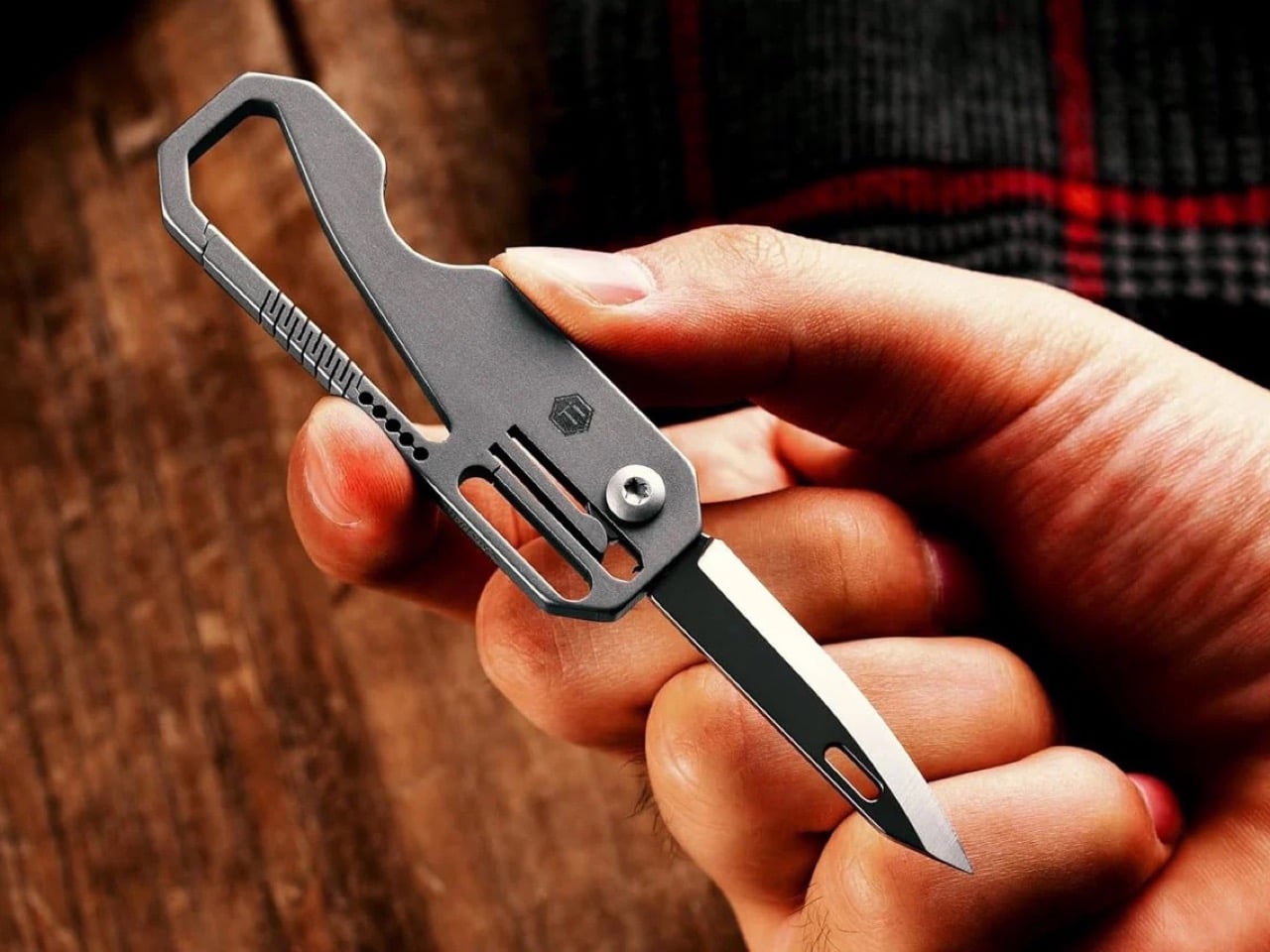
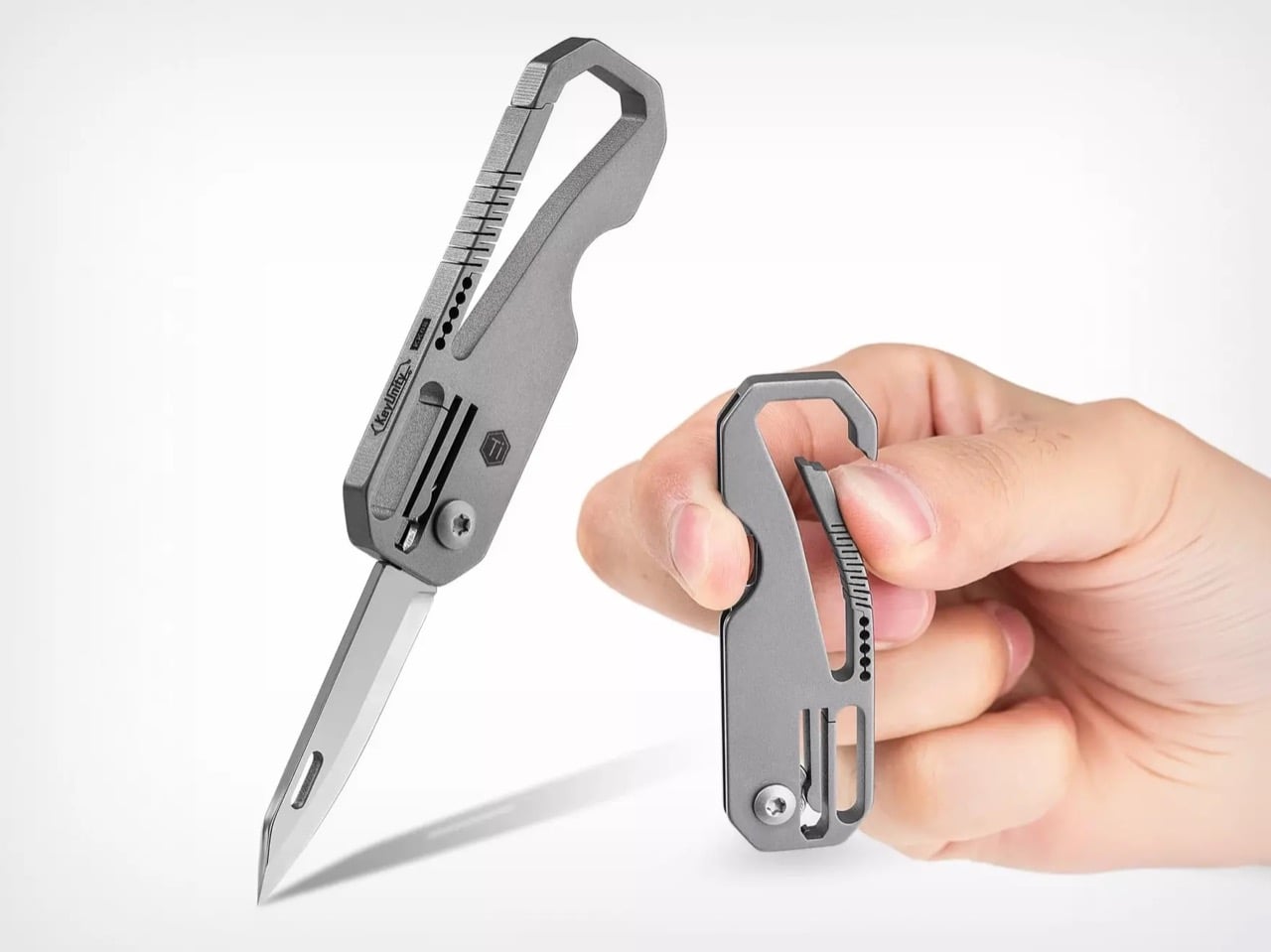
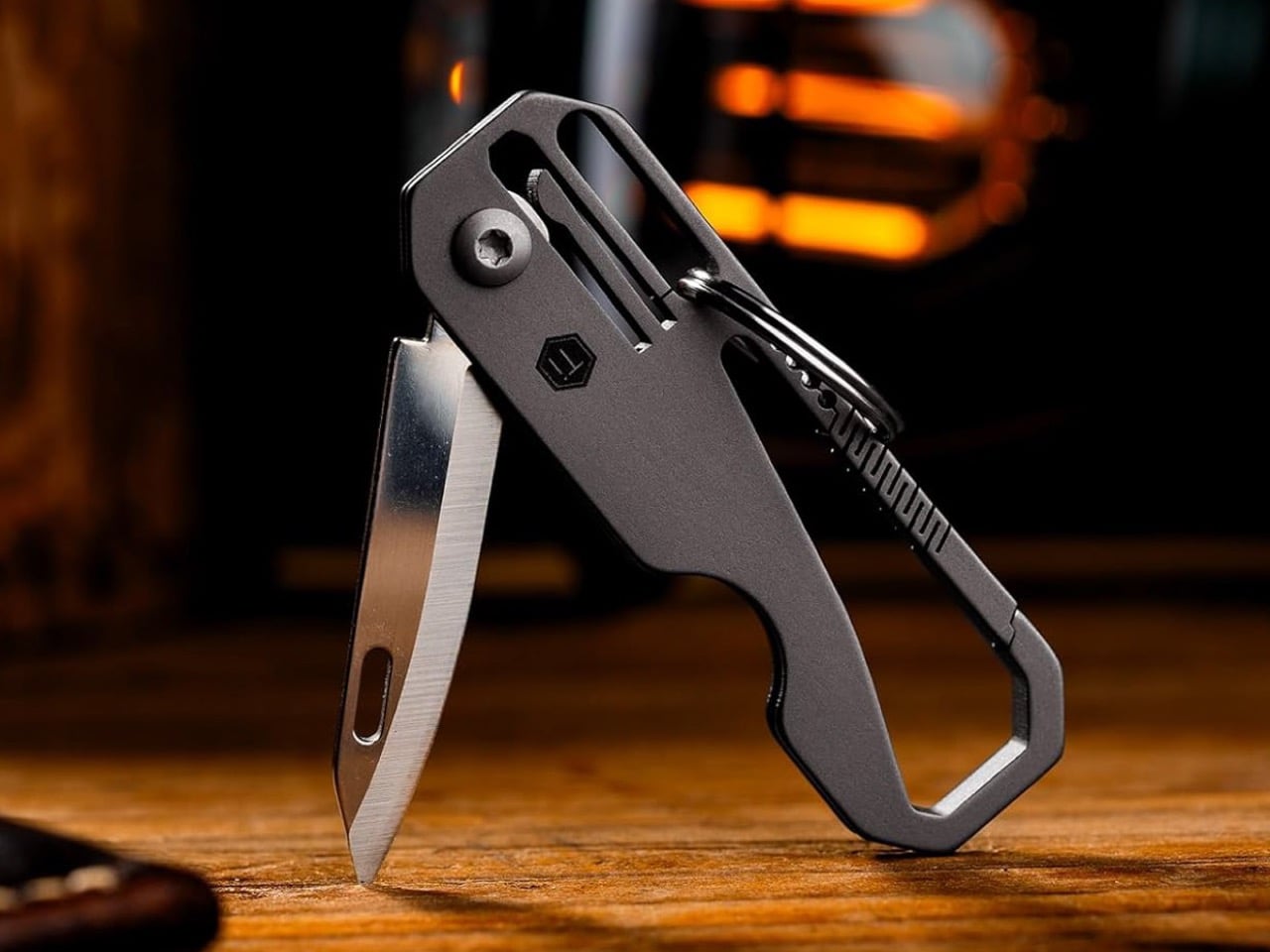
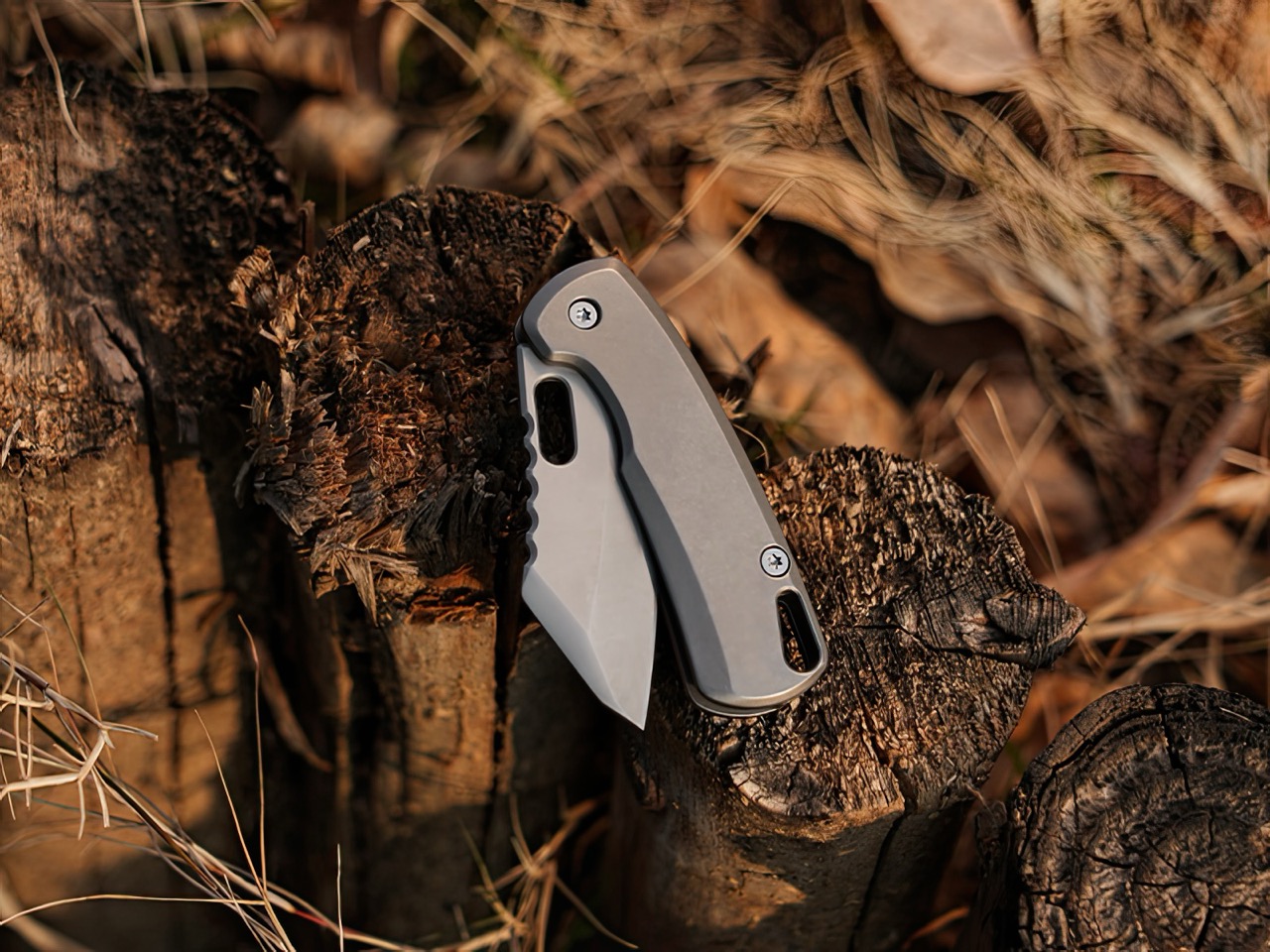
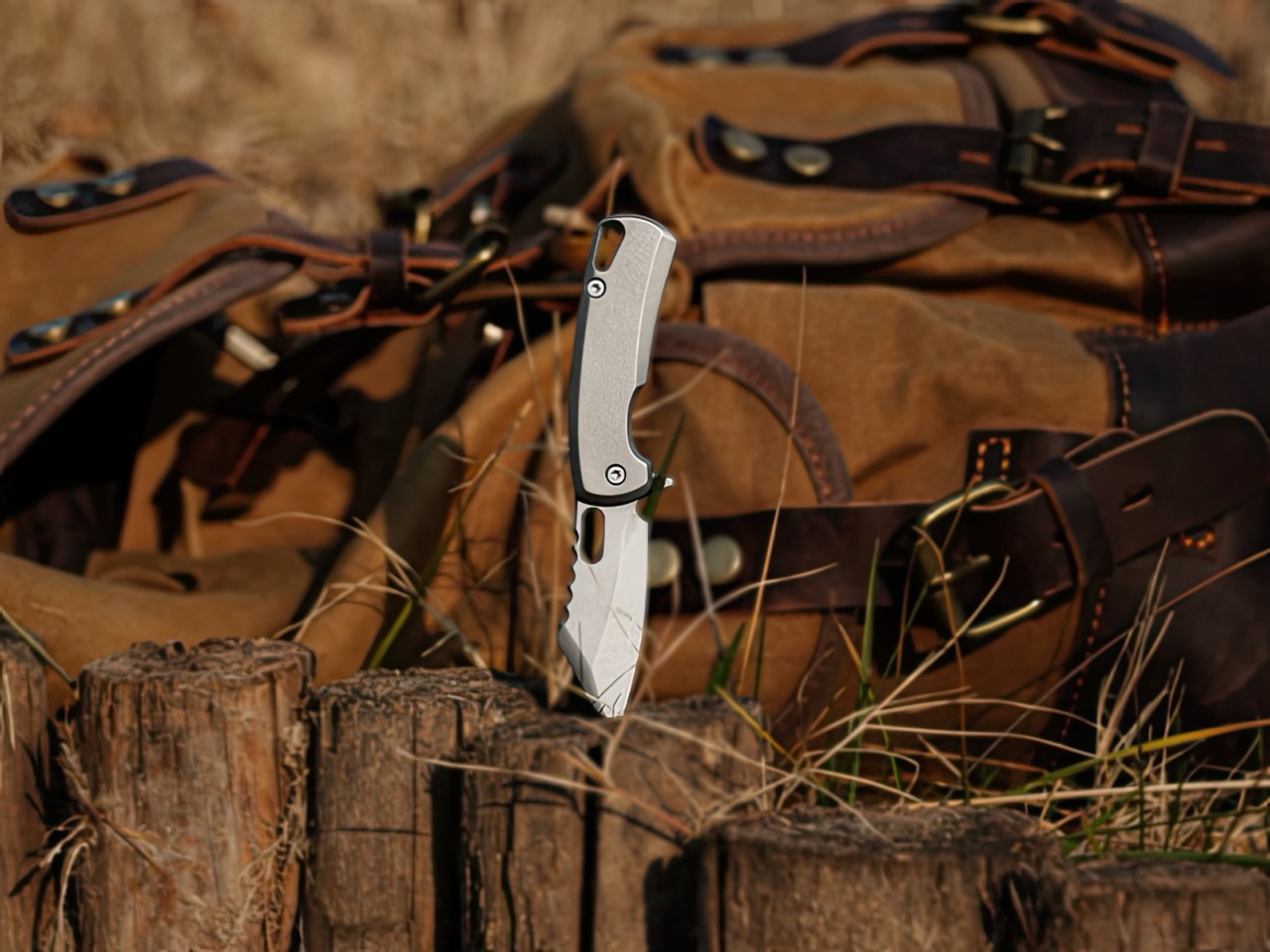
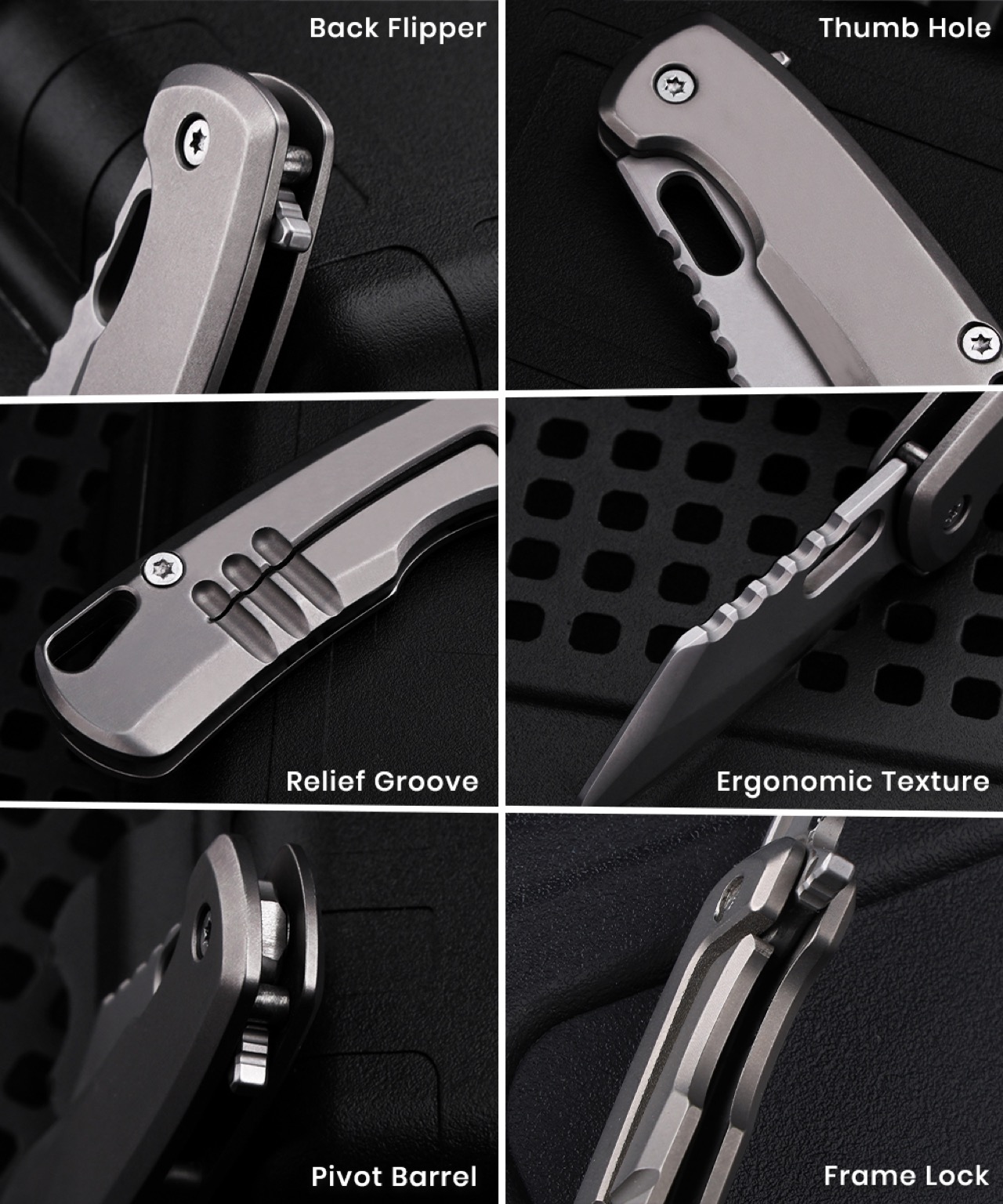
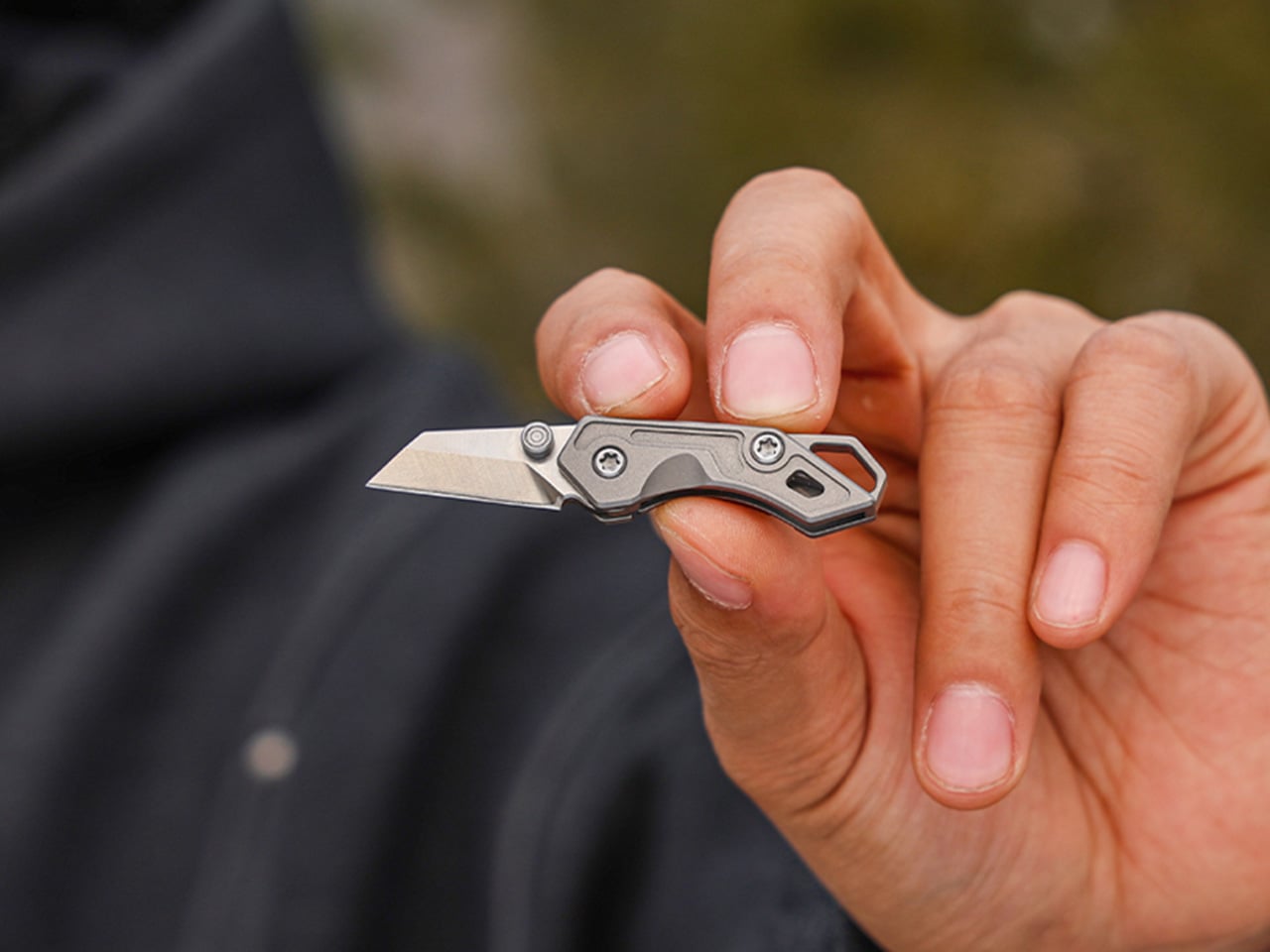
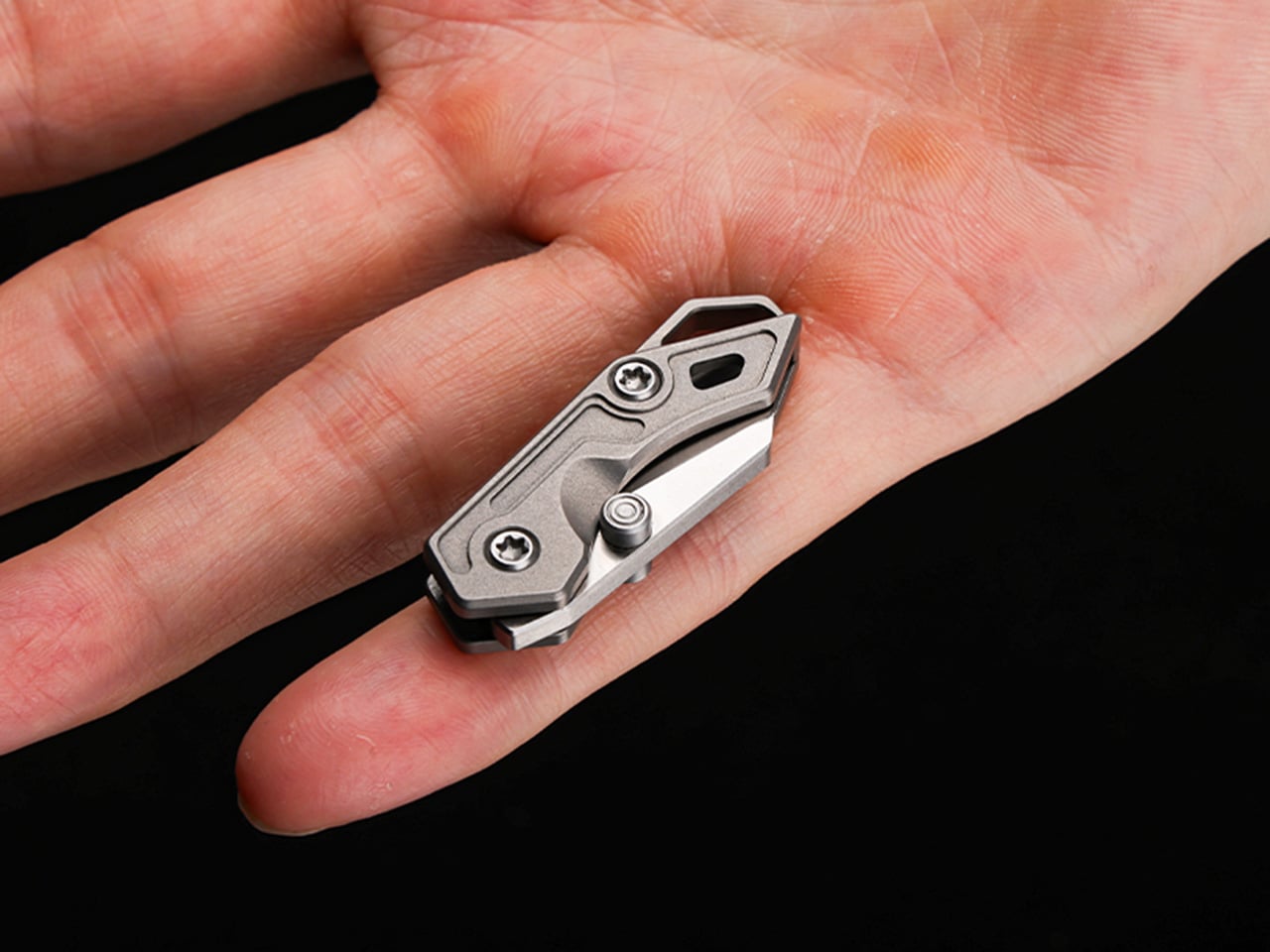
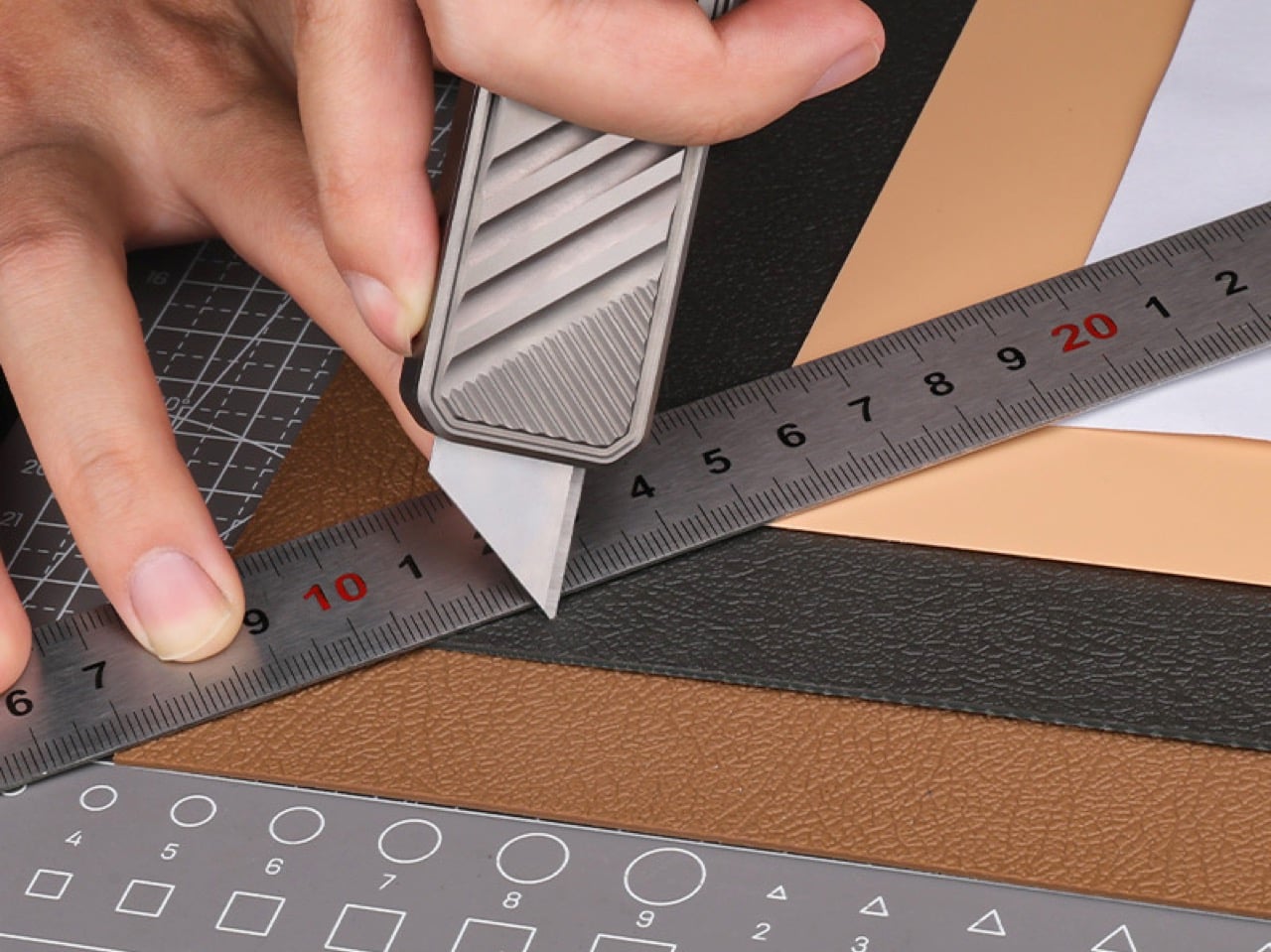
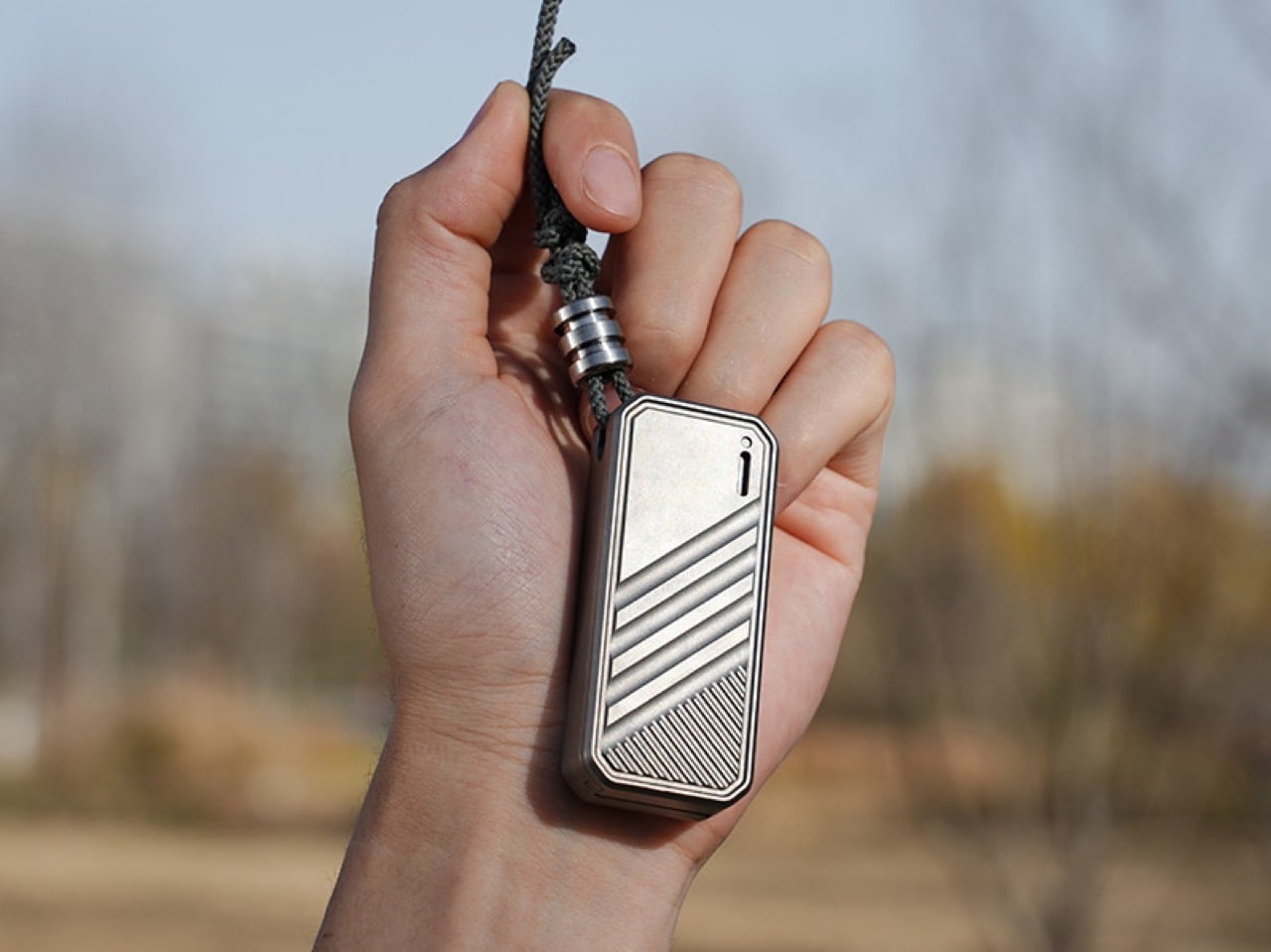
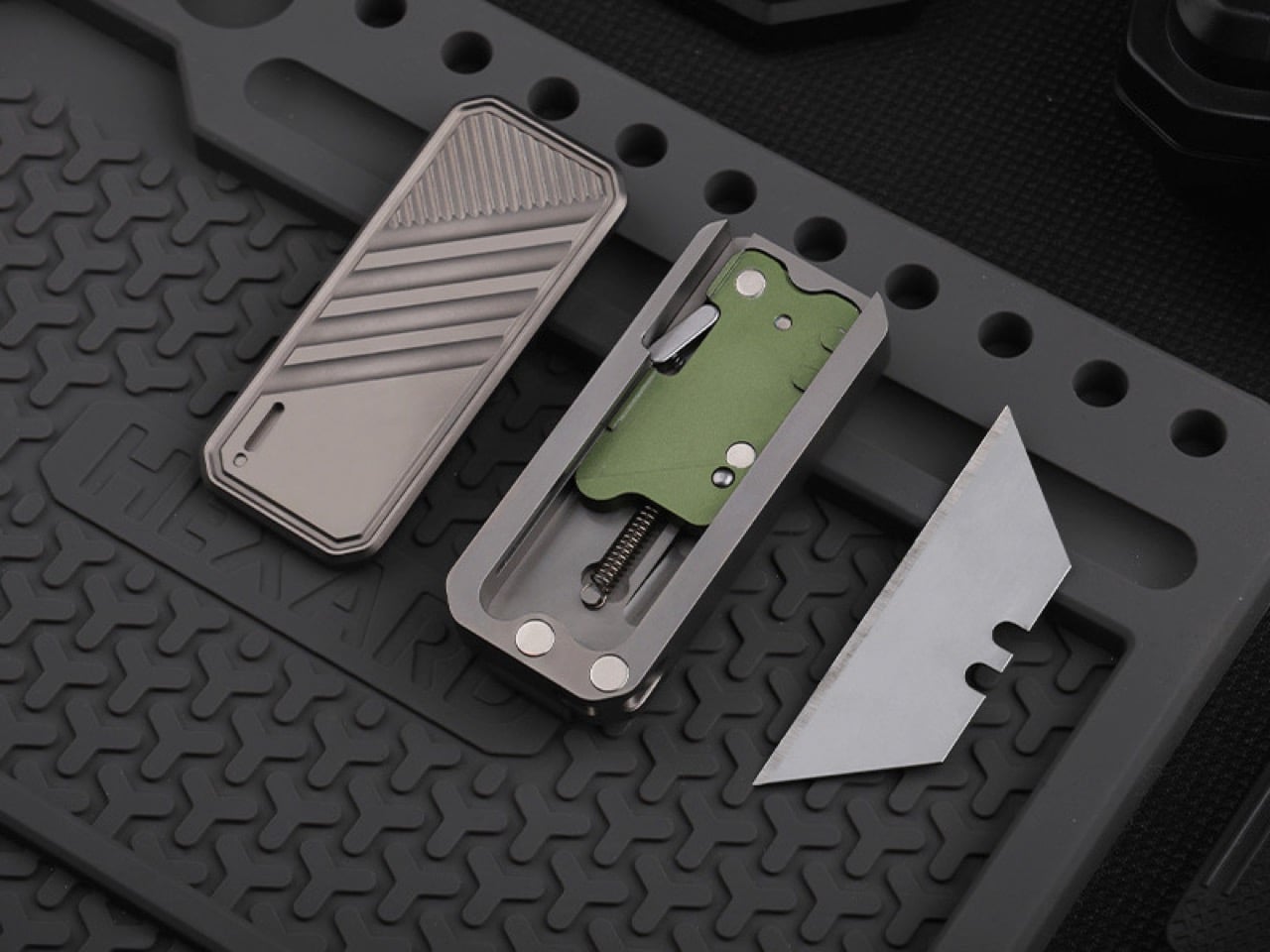
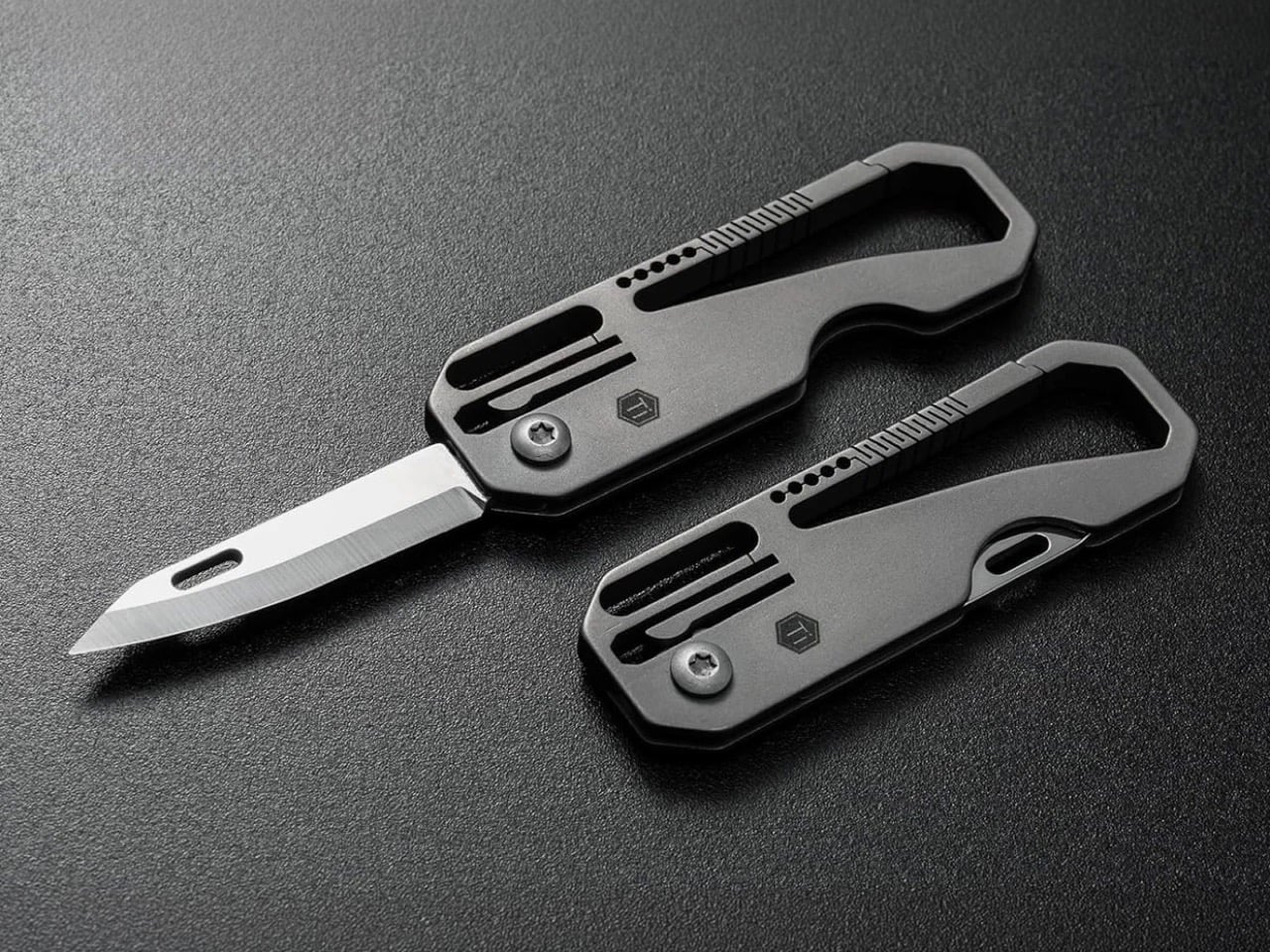
The KK08 carabiner from KeyUnity uses a single-piece titanium handle, which houses a 7Cr17Mov steel blade inside it. The handle is carabiner-shaped for a reason – it has this brilliantly machined detail that allows the carabiner arm to spring and bend without using a spring. Relying entirely on Titanium’s own properties, the zigzag machined pattern lets the carabiner work immaculately, providing spring as well as being durable enough to never break. The rest of the handle? Well, it’s cleverly designed to house the knife when not in use, sheathing the blade within its slim but incredibly cool design.

Designer: KeyUnity

Click Here to Buy Now

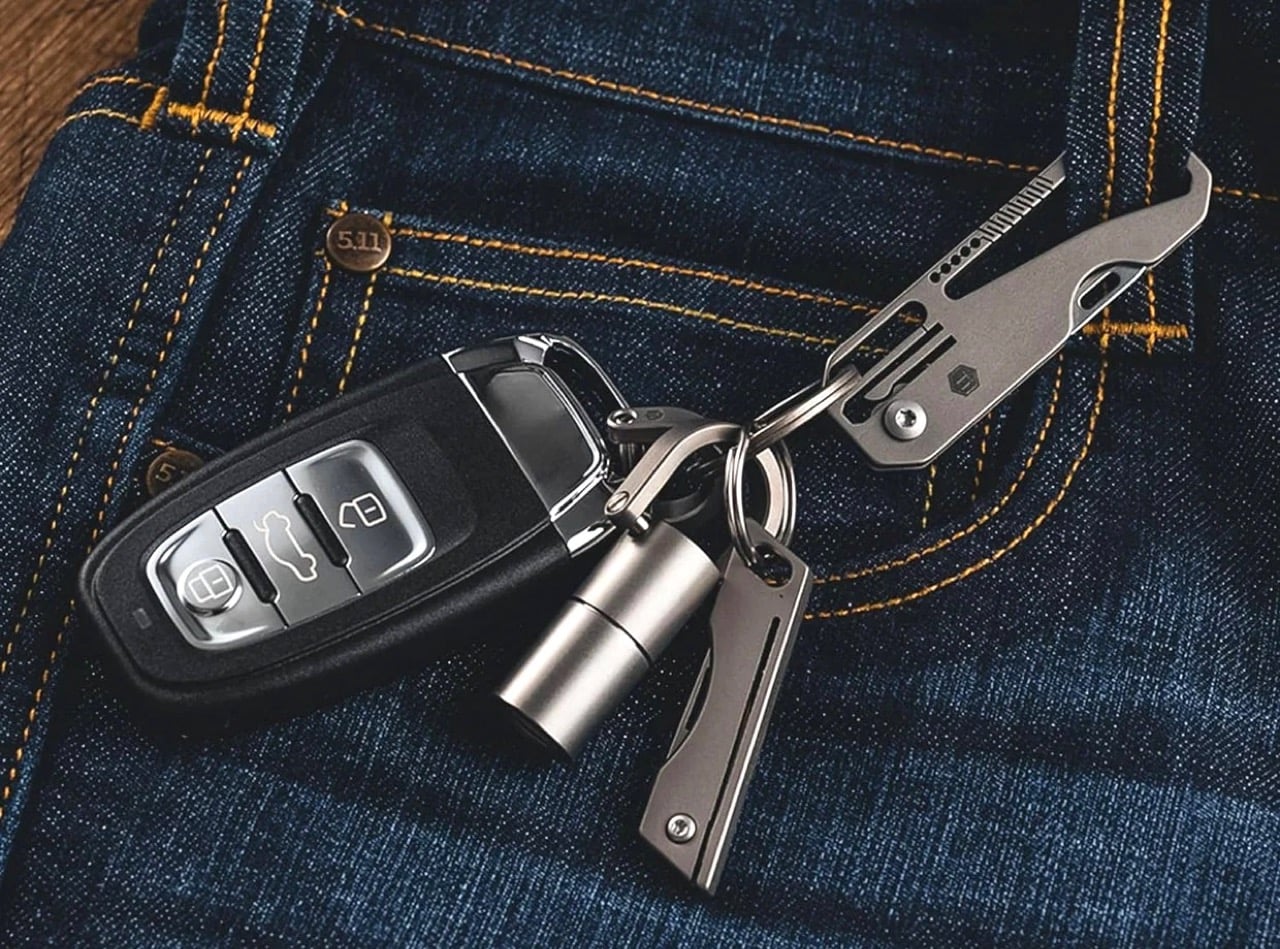
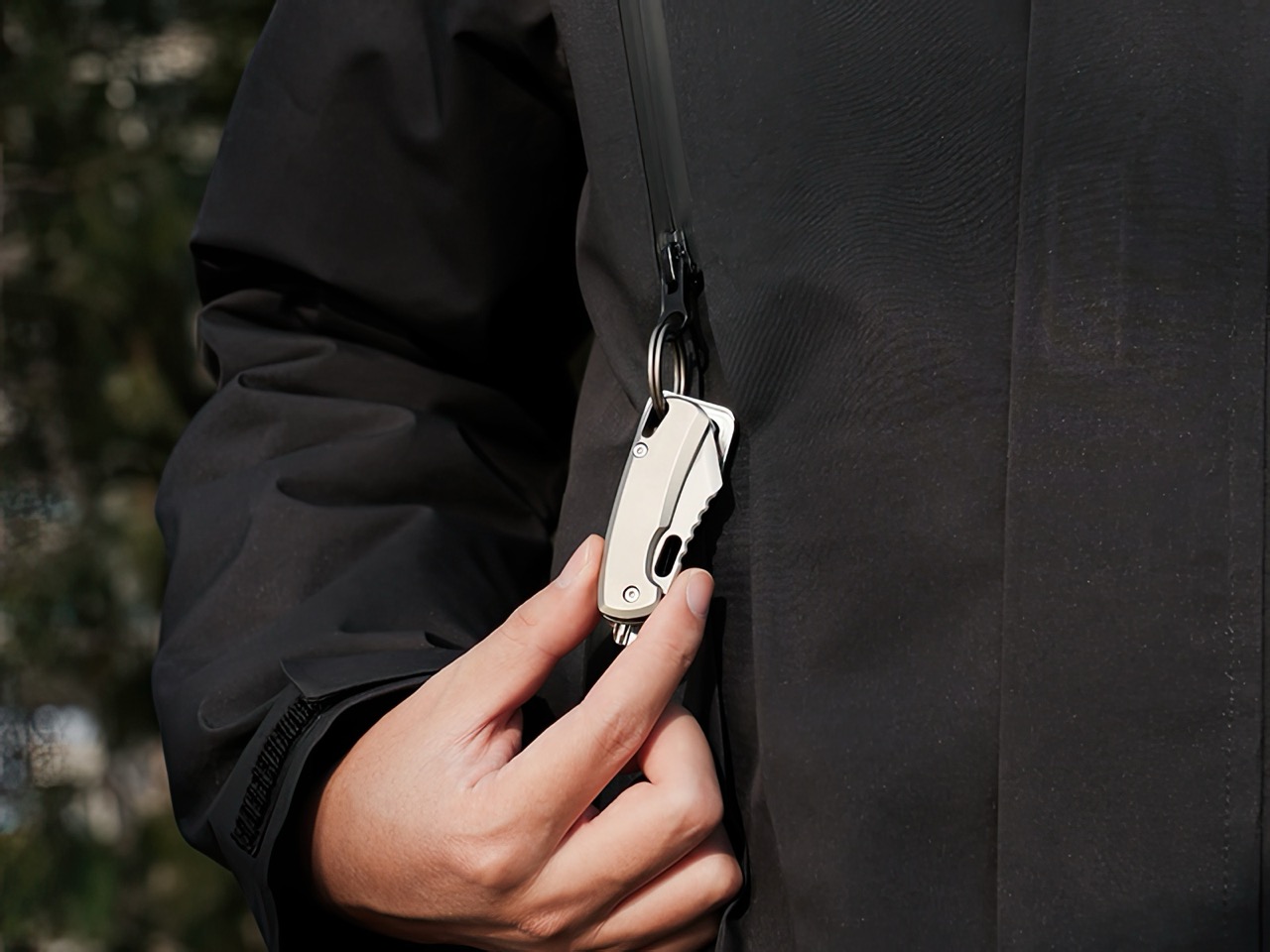
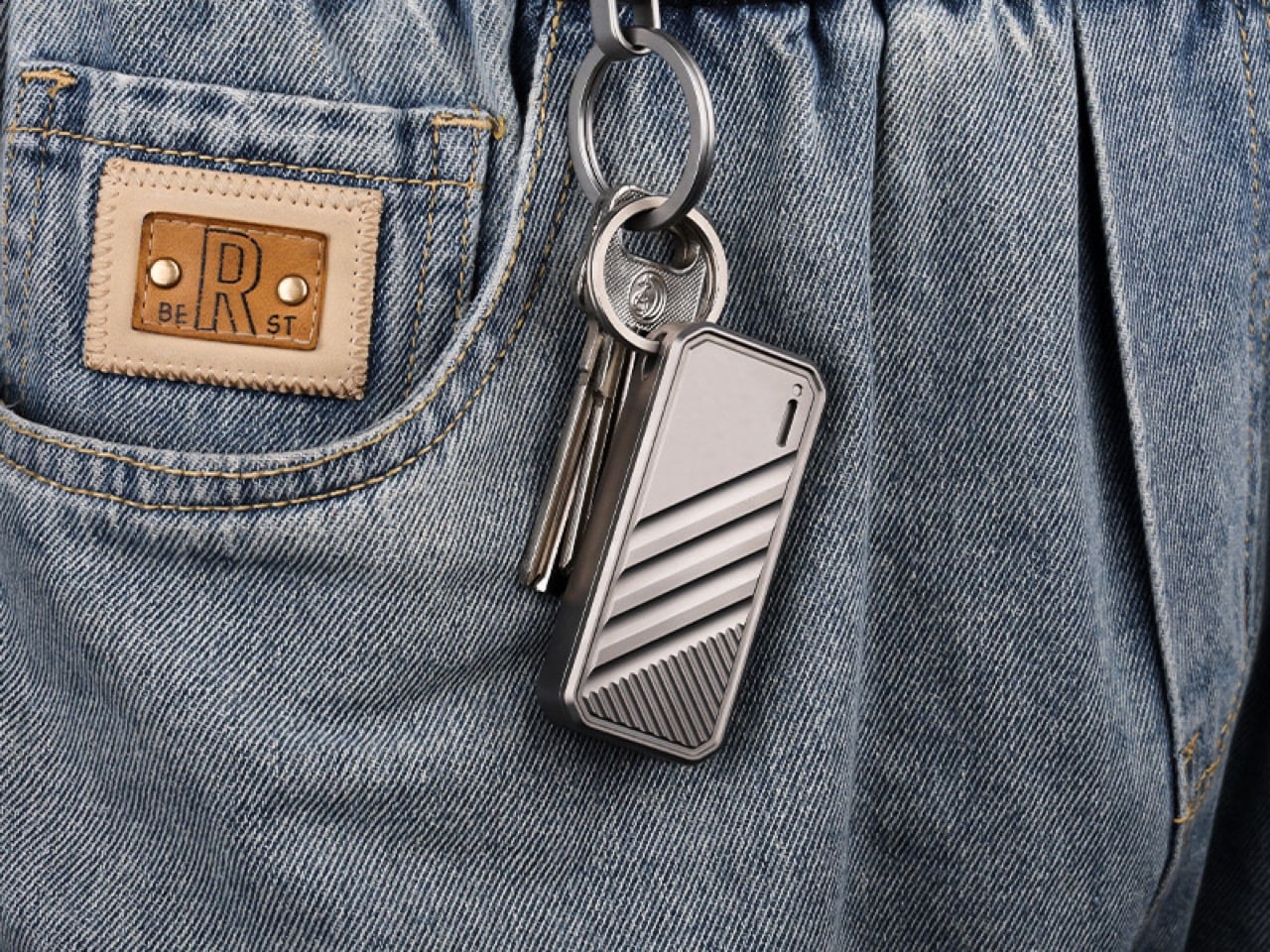
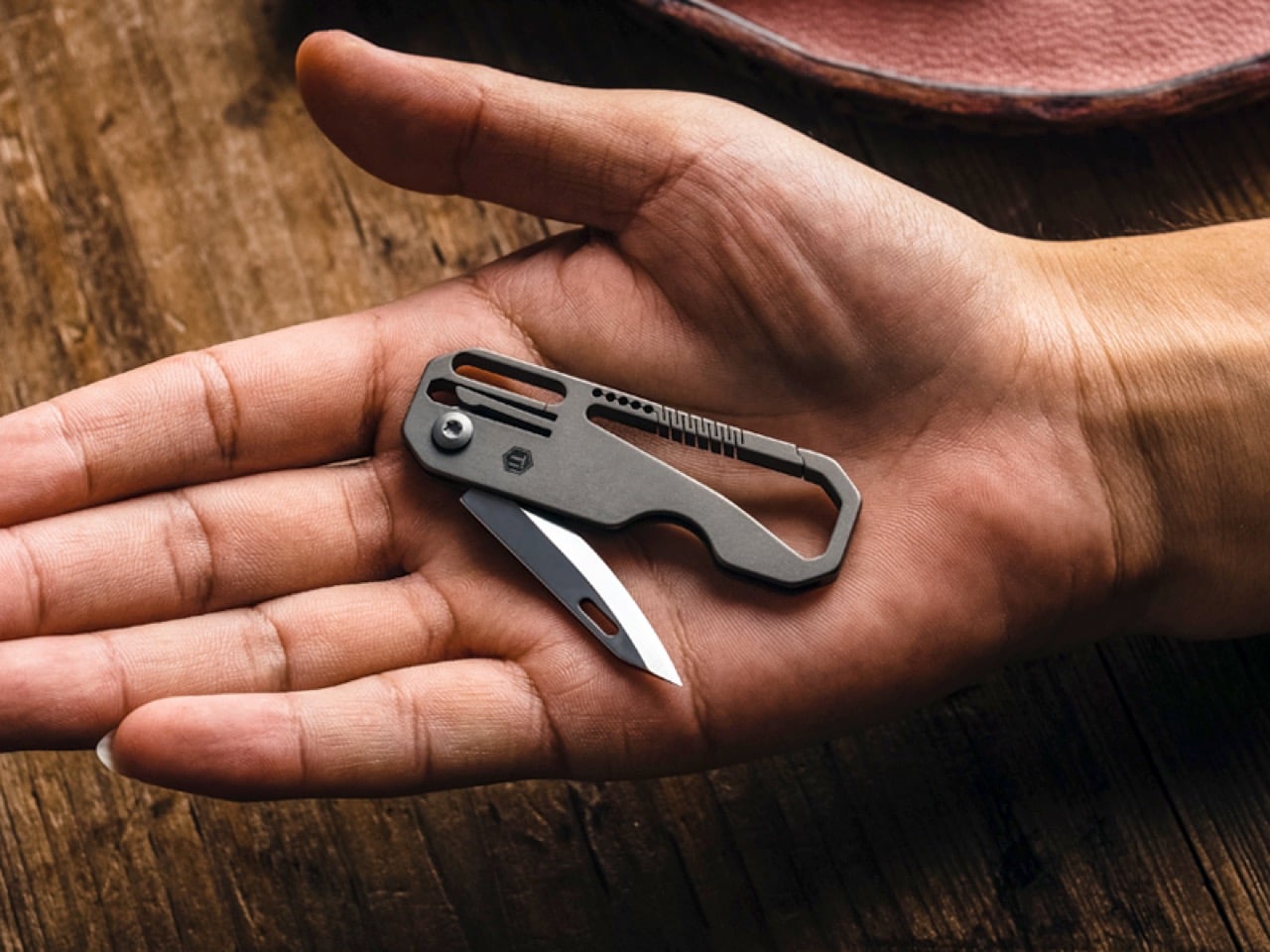
At 2.56″ when closed, this is your average-sized carabiner. It’s compact, weighs a paltry 16 grams, and can punch well above its weight. Titanium’s incredible strength-to-weight ratio means this carabiner can lift keys but even be used to do things like secure your water bottle to your backpack or even your backpack to a railing/fence. The cleverly machined detail on the carabiner arm allows the titanium to flex just like the spring-loaded arm on a regular carabiner. Meanwhile, the KK08 also hides a nifty blade inside it, for when you need a pocket knife.

The hidden blade folds out, revealing a 1.6″ cutting edge which might be on the smaller side, but it certainly gets the job done. The 7Cr17Mov steel build is brilliant on a budget, with high chromium for shine, and vanadium for strength and resilience. The drop-point profile makes it a great knife for all sorts of activities, from benign stuff like opening envelopes and packages, to more rugged activities like sharpening pencils, cutting branches, slicing through fruit/vegetables, or even self defense if push comes to shove.

Given its small size (and its fairly budget $23 price tag), the KK08 integrates everything into a minimal footprint, using a simple pivot for the knife to fold in and out. A frame lock is built into the titanium handle, allowing the blade to click into place while open, holding its position even while you’re working with tough materials like wood. KeyUnity mentions that the KK08 is the perfect hiking companion, although we see it as a brilliant EDC tool that you can carry anywhere – just not an airport or places where knives are considered taboo!

The KK08 comes in two colors – the plain titanium, as well as an anodized space grey finish. It honestly doesn’t need any color or pattern – the simple design language works wonderfully for this form factor, allowing it to also integrate seamlessly into your other EDC (especially your keychain). Both variants cost $23, and KeyUnity provides a 15 day exchange window upon damage or defect, along with a 1-year free maintenance period if your carabiner experiences regular wear and tear. There’s a lifetime warranty available too, although KeyUnity offers it at an added cost. Knowing their track record as well as how robust and durable titanium is, you’ll probably never need it.

Click Here to Buy Now

The post This $23 Titanium Carabiner Hides a Secret EDC Knife Inside It And Weighs Next To Nothing first appeared on Yanko Design.

This $39 Titanium Knife Weighs Less Than An AirPods Case And Is Built To Last Forever (Literally)

A phone does a bunch of things – it clicks photos, it sends/receives emails, it tells you the weather, it also plays music. There’s a case to be made that a phone is worth owning for how multifaceted it is. Similarly, there’s also a case to be made for owning a vinyl player. A vinyl player doesn’t give you weather updates, doesn’t let you access ChatGPT, all it does is plays music, and does it well to the point of being a ritual. These two spectrums exist in almost every industry, but more so in the EDC world. You’ve got multitools thumping their chest for how multi and how tool they are. And you’ve got specialized EDC that’s made to do one job but do it with pleasure. The TiArc falls into the latter camp.

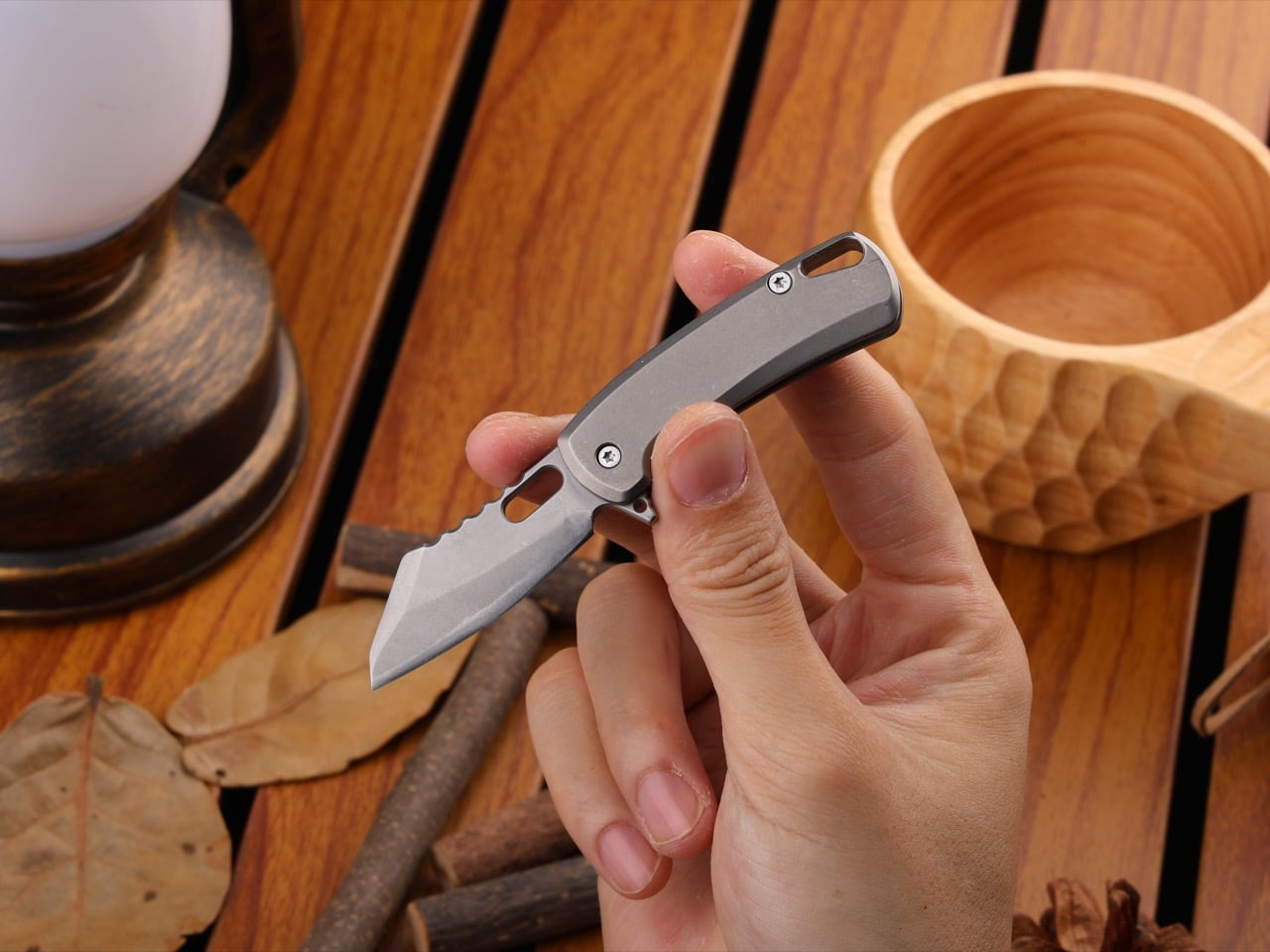
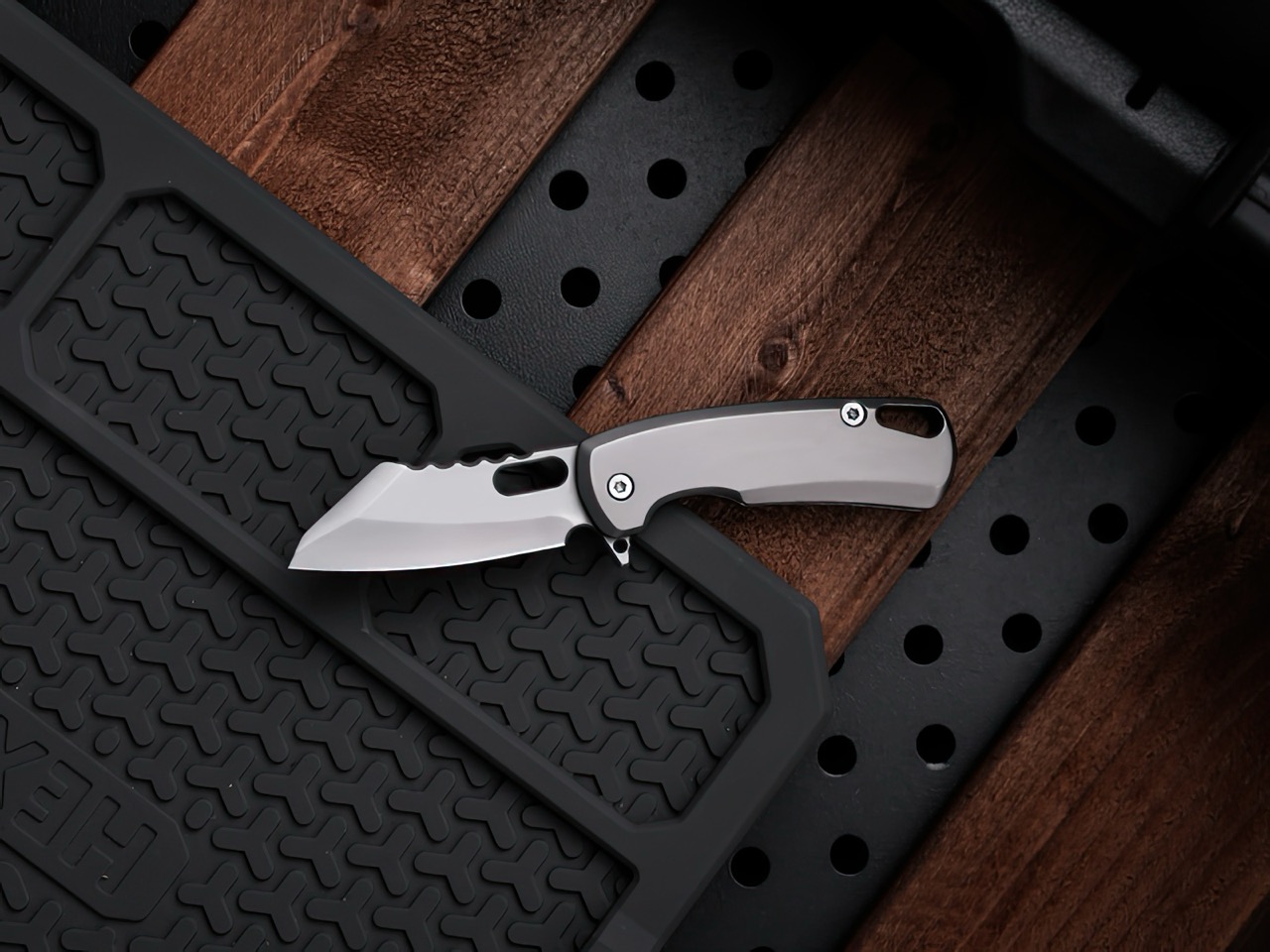
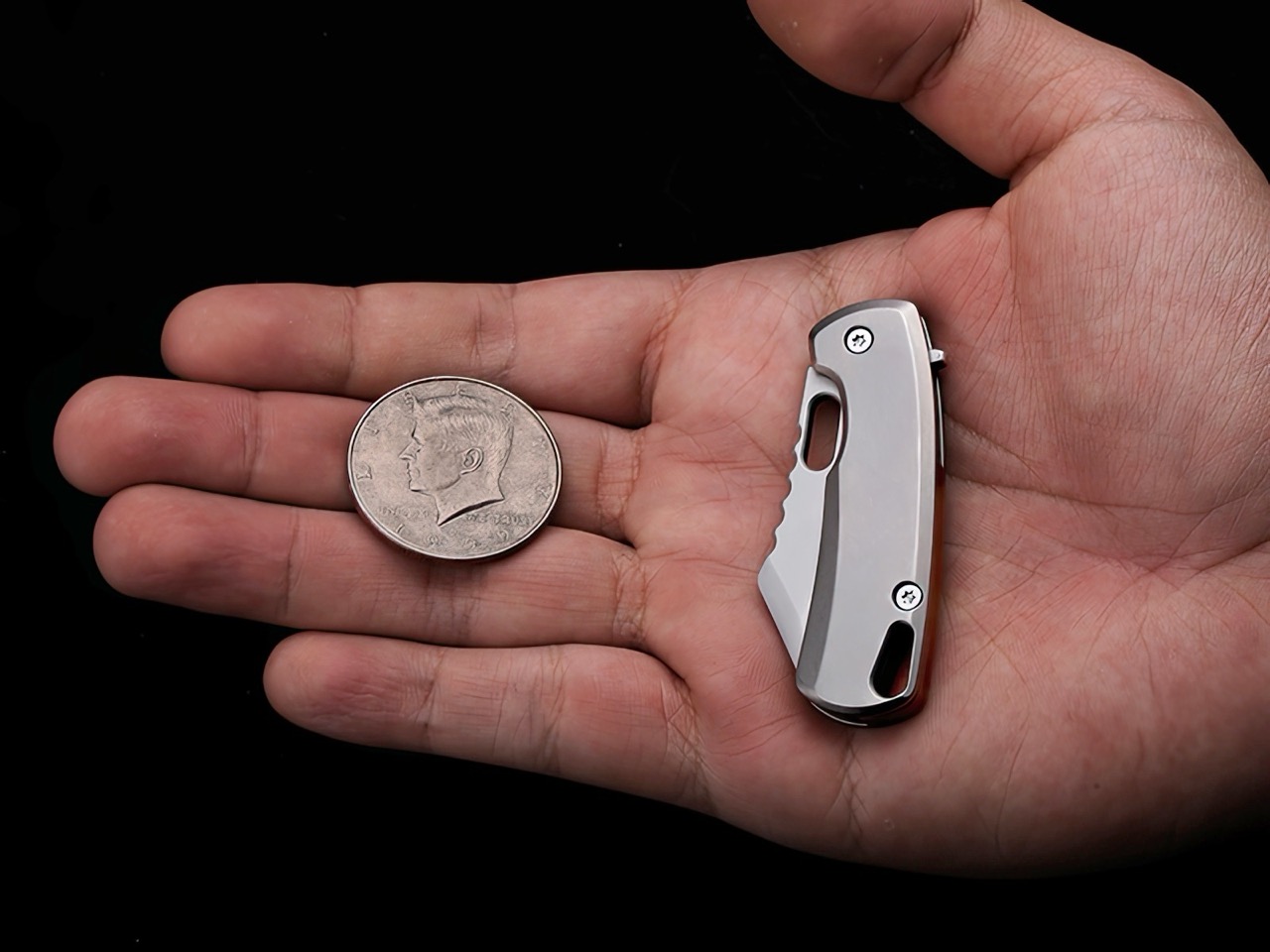
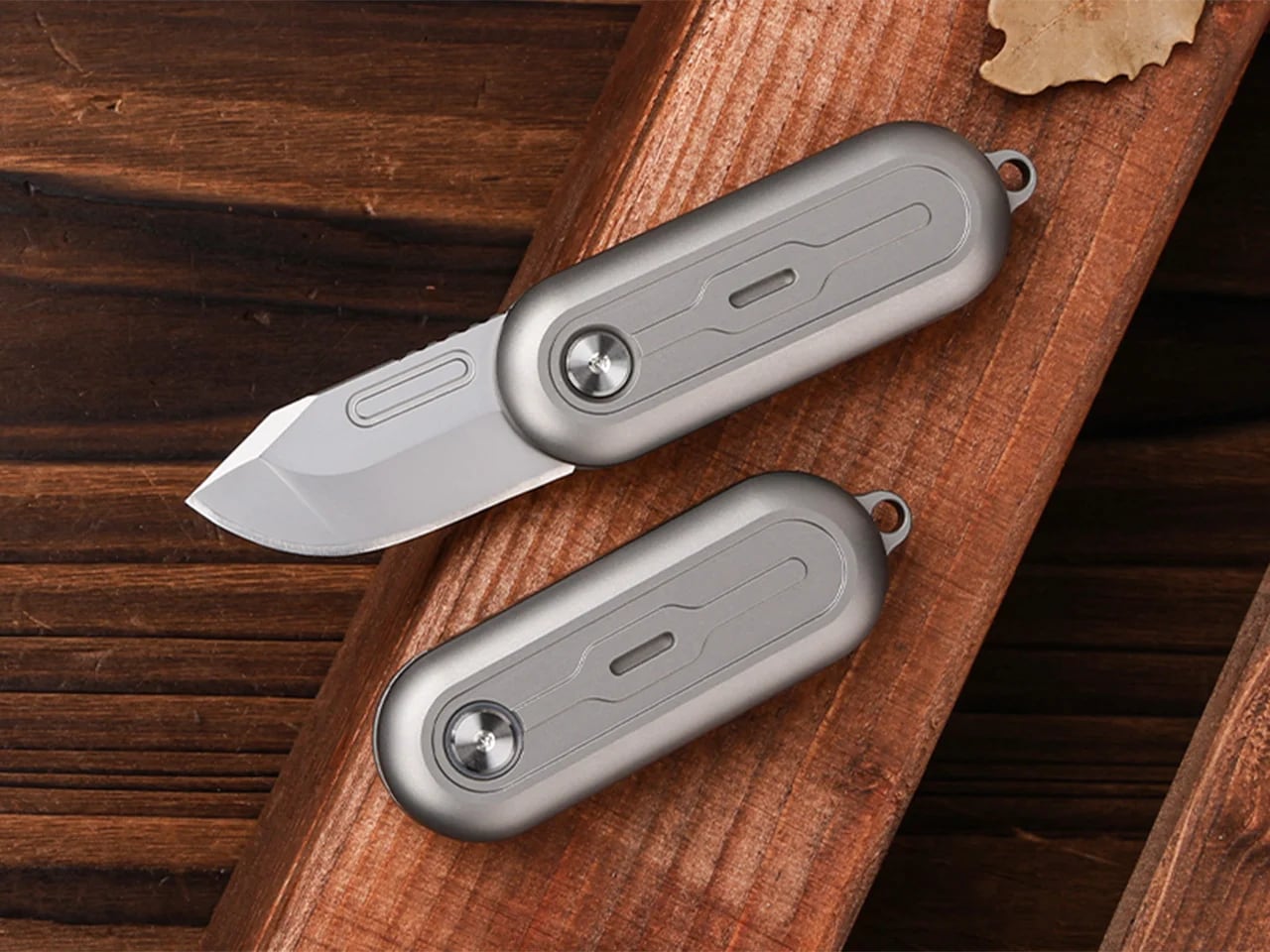
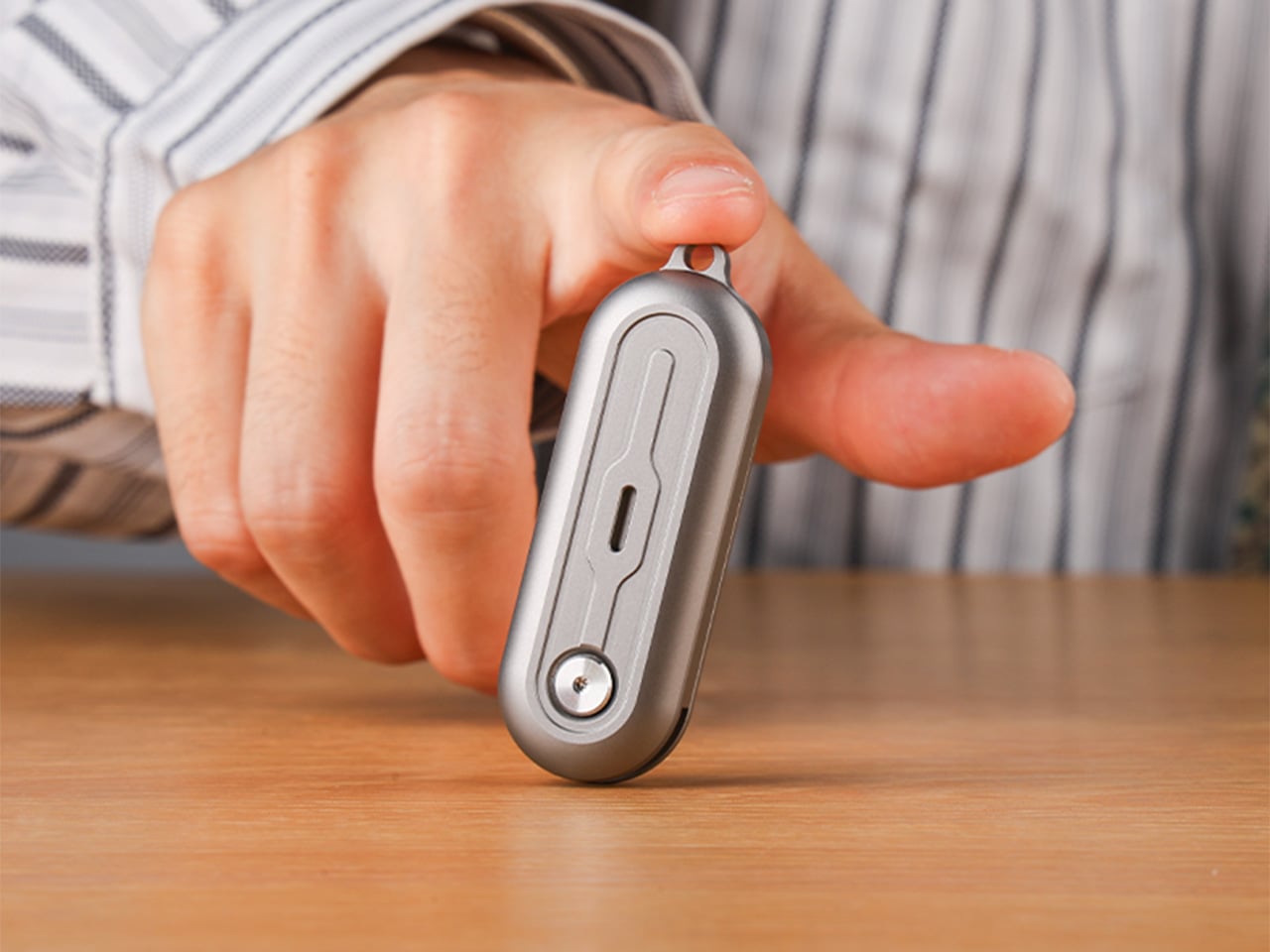
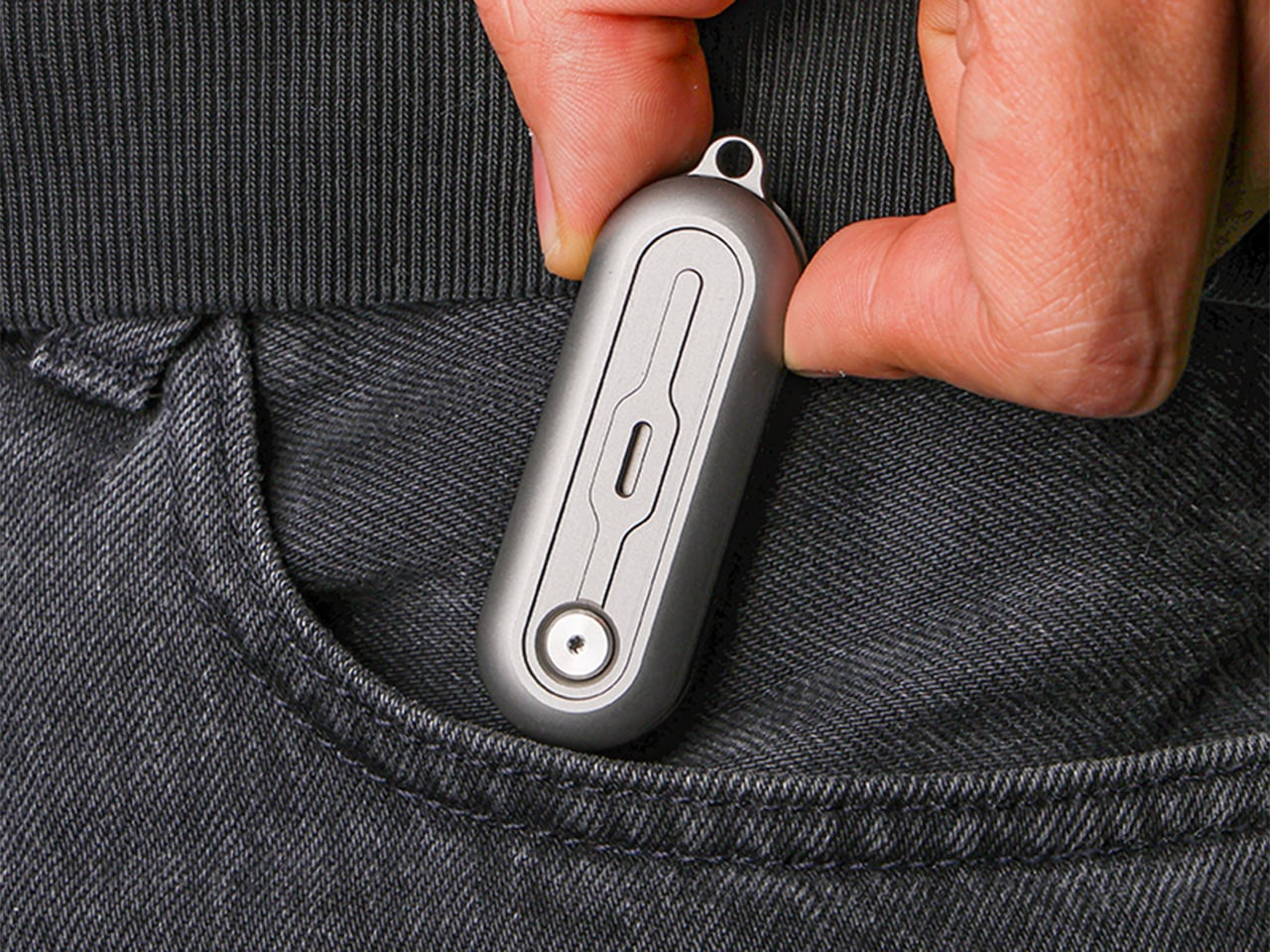
No bottle-opener, no pry-bar, no complications. The TiArc is built like a tank, and it’s built to be three things – reliable, robust, and for the most part, repairable. The thing’s tiny enough to fit on a keychain, in your palm, or your pocket. It measures 4.16″ when open, and 2.34″ when closed, weighing in at 30 grams or just above an ounce (that’s as much as an AirPods case). As unassuming those specs sound, the TiArc packs a Grade 5 titanium body and a D2 steel shell, making it the EDC equivalent of a ninja, invisible most of the time, but lethal when wielded.

Designer: XEdge

Click Here to Buy Now: $39 $50 (22% off) Hurry! Only 4 Days Left!

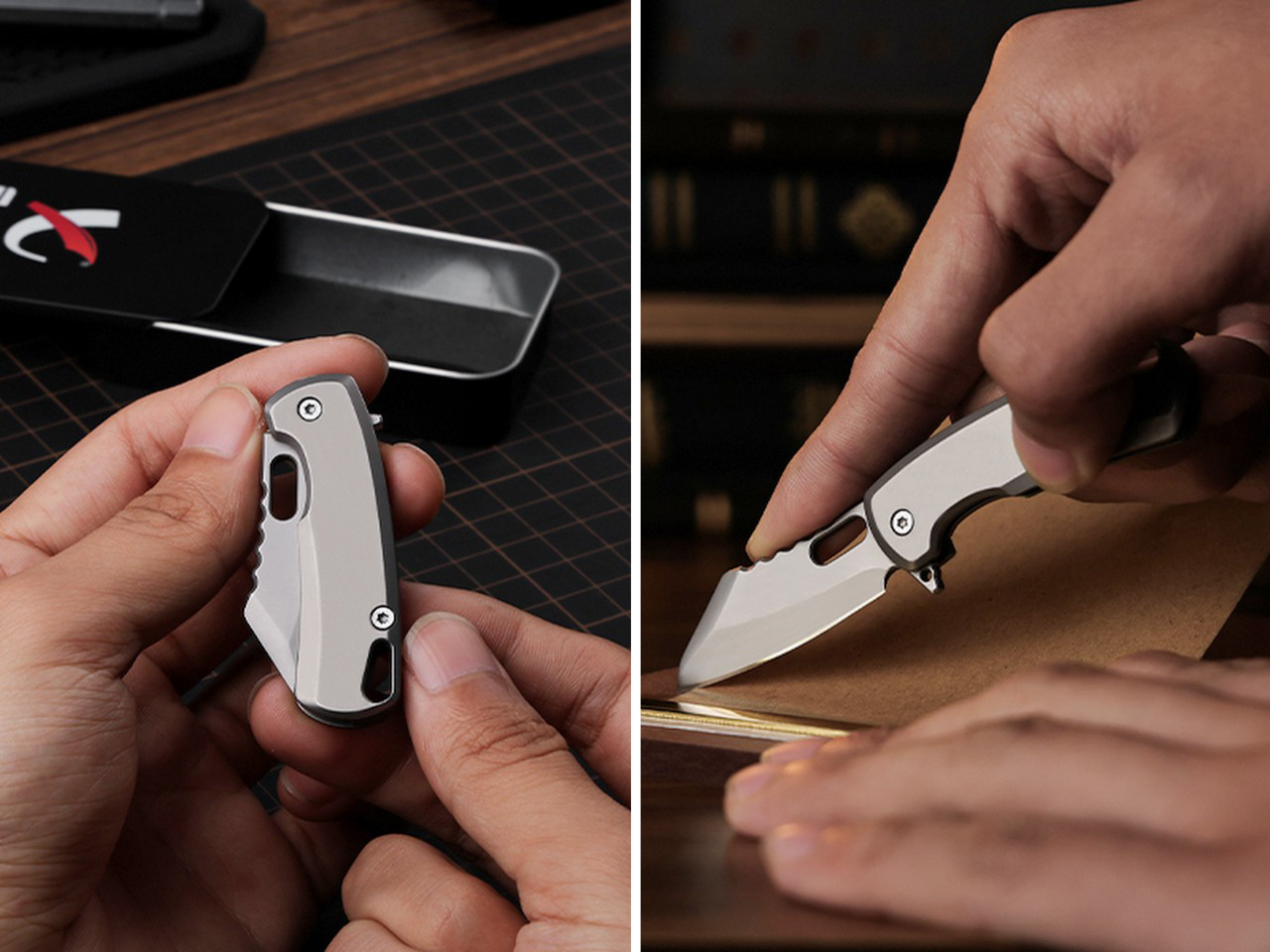
The tiny knife category is more vast than I originally imagined. While anyone will agree that bigger is (for the most part) better, sometimes you don’t need a 4-inch fixed blade. Sometimes even a cutter under 2 inches actually gets the job done, whether it’s opening boxes, slicing through paracord, whittling wood, starting fires, or even working on craft projects. The TiArc’s 1.82 blade gets the job done, whatever the task may be. The D2 steel has a HRC rating of 60, which means it won’t dull easy, even with rough usage.

That sheepsfoot blade profile is a classic in the EDC world. Also known as the ‘wharncliffe’ design, it features a curved belly blade that you can slice with running motions or even rock the way a chef rocks their knife while finely cutting something. The blade’s tip is pointy enough for piercing actions, making it fairly versatile no matter the task. You could be opening rations in the outdoors, defending yourself from danger, or doing something as benign as cutting open a lime to make yourself a margarita. The TiArc’s compact design means it’s on your person all the time, and the reliable build lends itself to almost every activity that would require a cutting edge.

TiArc’s makers iterate that the knife’s made with simplicity – but that doesn’t mean ‘basic’. It’s fairly capable the same way a Kalashnikov from the 40s still happens to be the gold standard for rifles, even after nearly 8 decades. The tiny knife packs an all-metal design that can be disassembled in a jiffy using two screws integrated into the body. A cutout in the blade lets you open meticulously, or just use the flipper on the back to flip open with panache. Once open, it holds its positions with stern resolve, and you can literally chuck the blade tip-first into hardwood and the knife won’t buckle. A frame-lock holds the blade in place, and to close your TiArc, simply coax the frame lock open to have the blade glide right back smoothly into its sheathe.

The Grade-5 titanium body is cool to the touch, practically destruction-proof, hypoallergenic, and comes with a stone-wash finish that genuinely feels great when you hold it, providing just enough friction while in use. Titanium has become a bit of a mainstay in the EDC world, but it’s always a mark of a premium tool given that you won’t find cheap knives made from titanium. You’re paying for the craftsmanship, the material, and the fact that this thing is built forever. I’ve long said that if you’ve got yourself a titanium EDC, chances are it doesn’t even need to come with a warranty because it’ll last long enough to pass down to your great grandkids. The TiArc, to that end, comes with a lifetime warranty.

At just 1.06 ounces, the TiArc is really made for everyday carry. Clip it to a carabiner, string it on your keyring, secure it on your outdoor backpack, or even stash it on your pocket. It goes where you go, doesn’t announce itself, but steals the show once you need to use it. No extra features adding any complexity, not even as much as a pocket clip – the thing is designed with the same minimalist mentality of a MacBook Air, which famously cut down on ports to keep things focused and still managed to become one of the most popular laptops out there. I’m writing this article on one as we speak.

The TiArc starts at $39 USD, discounted from its original $50 price tag. For that, you get the TiArc itself, a titanium split keyring to match, free global delivery, and a lifetime warranty. For an extra $14.6 USD, you can grab either one of the following – a custom engraving on the blade, a PVD black coating to give your knife a stealthy look, or a special quick-release keyring with a single-piece carabiner machined from titanium. The TiArc begins shipping as early as September 2026.

Click Here to Buy Now: $39 $50 (22% off) Hurry! Only 4 Days Left!

The post This $39 Titanium Knife Weighs Less Than An AirPods Case And Is Built To Last Forever (Literally) first appeared on Yanko Design.

TiNova II Is the 59g Titanium EDC Knife That’s Hard to Put Down

Most compact EDC knives aren’t really built to be enjoyed, just used. Angular profiles, tactical textures, and aggressive pocket clips do their job well enough, but none of them encourages you to keep the knife in your hand any longer than necessary. For most compact blades, being pulled out for a quick task and then tucked back into a pocket is already the full extent of the experience.

TiNova II takes a noticeably different approach to the category. Rather than pushing toward more aggressive geometry or more serious hardware, it pulls back and focuses on how pleasant a small folding knife can feel to hold and carry through an ordinary day. It doesn’t try to compete with larger, tougher blades; it just wants to be the thing you’re always happy to reach for.

Designer: Ideaspark Design Team

Click Here to Buy Now: $49 $70 (30% off). Hurry, only 30/420 left! Less than 72 hours to go. Raised over $99,000.

The most obvious departure from the typical compact knife is TiNova II’s body shape. Instead of flat sides and defined edges, the handle uses an oval form that follows the natural curve of a loosely curled hand. There’s no fixed orientation to worry about, no hard corner pressing into your palm. It just rolls between your fingers almost effortlessly, which makes a bigger difference than it sounds.

A precision roller bearing sits at the heart of TiNova II’s flip-and-turn action, and the difference is immediately noticeable. Each movement feels smooth and weighted, free of the stiffness that can make smaller folding knives feel surprisingly cheap. Magnets add a crisp sense of feedback at the end of the motion, giving the whole action a rhythm that makes you want to keep repeating it.

That quality turns TiNova II into something you pick up even when there’s nothing to cut. It ends up on a desk during a long call or meeting, spinning between tasks without much thought. But when you do need a blade, the D2 steel edge comes rated at HRC 58 to 60 and handles boxes, tape, rope, and most things a typical day throws at it without complaint.

Compact is a word that gets thrown around loosely in EDC circles, but TiNova II earns it more honestly than most. The closed handle measures 64.4mm long and weighs just 59.3g, which means it genuinely disappears into a fifth pocket or attaches to a keyring without adding noticeable bulk. It’s the kind of size that lets you forget it’s there until your hand instinctively reaches for it.

The handle is Grade 5 titanium, the same aerospace-grade alloy favored in applications where weight savings and durability both count. It’s corrosion-resistant, light, and refreshingly honest in the way it wears. Scratches and scuffs accumulate naturally over time, giving each knife a slightly different character from the next. It’s the kind of material that becomes more personal with use rather than trying to hide the evidence of it.

Two finish options let you choose how the knife presents itself. The sandblasted version is raw and unpretentious, showing the honest titanium surface and every mark it collects. The black-coated version keeps things quieter, which also lets the dual tritium slots do more of the visual work in darker settings. Those small glowing tubes make TiNova II easy to locate in low light and add a quiet touch of personality.

TiNova II also includes a built-in keyhole for attaching to keys or a bag, and that small detail says a lot about its personality. This isn’t trying to be a dramatic statement piece or an oversized folder pretending to be practical, especially with a lifetime warranty promise. It feels more like a compact companion that happens to carry a real blade, one designed to stay close at hand and feel good doing it.

Click Here to Buy Now: $49 $70 (30% off). Hurry, only 30/420 left! Less than 72 hours to go. Raised over $99,000.

The post TiNova II Is the 59g Titanium EDC Knife That’s Hard to Put Down first appeared on Yanko Design.

Tanto Blade Explained: Why the Angled Tip Dominates 2026 EDC Knives

CIVIVI Brazen Flipper

Somewhere around the year 900 CE, a Japanese swordsmith solved a very specific problem. Samurai warriors needed a short backup blade that could function in tight spaces where a katana was useless, something compact enough to wear through a sash and fast enough to deploy at grappling range. The result was the tanto, a single-edged blade between 15 and 30 centimeters, built for thrusting and close-quarters control. For the next several hundred years, it stayed in feudal Japan, evolving through different schools and forging traditions, accumulating ceremonial weight alongside its practical function.

Then, in the 1980s, a knifemaker named Bob Lum pulled the design west. He adapted the Japanese silhouette into an American form with a squared, reinforced tip, and the knife world has been arguing about, borrowing from, and building on that adaptation ever since. Cold Steel industrialized the shape, the tactical market absorbed it, and somewhere along the way it picked up a reputation for being a niche purchase for a specific kind of buyer. In 2026, that reputation is dissolving. The tanto is having one of its more interesting years in a very long time, showing up in premium titanium folders, budget G10 flippers, and American-made OTF automatics all at once.
Vosteed Thunderbeast

How a Samurai Dagger Became an EDC Staple

The tantō dates to the Heian period (794-1185 CE), when Japanese swordsmiths began forging short blades for warriors who needed something beyond their primary sword. The blade sat between 5.9 and 11.8 inches, making it the smallest weapon in the samurai arsenal. Women carried them in the obi for self-defense. Samurai wore them as companion blades because the katana, for all its reach and cutting power, couldn’t maneuver inside buildings or in close grappling exchanges. The original Japanese tanto carried a slight curve, a steak-knife profile designed more for utility than the armor-piercing mythology that would later attach to its American descendant.
CRKT M16-04KS

Bob Lum, a third-generation Chinese American knifemaker from Astoria, Oregon, brought the tanto west in the late 1970s. Lum had been making knives full-time since 1976, and he combined the tanto name with what Japanese smiths called a hamaguri tip, a reinforced angular point, to create something new. The geometry was his, but Lynn Thompson at Cold Steel saw the commercial potential. Thompson, who founded Cold Steel in Ventura, California in 1980, mass-produced Lum’s design with a flattened grind that made the tip easier to manufacture, then built heavy marketing around tactical applications and armor penetration that the traditional Japanese blade never claimed. The American tanto was born, and the shape began its long association with black G10, aggressive serrations, and catalog copy written for a very specific buyer.
Vosteed Parallel

Three Geometries, One Name

The confusion around tanto blades starts with terminology. Three distinct blade profiles share the same label, and they perform differently enough that the distinction matters. The traditional Japanese tantō keeps a slight curve along the edge, closer in profile to a utility blade than the angular wedge most people picture when they hear the word. The blade was used for everything from cutting rope to seppuku, and the shape reflects that versatility. The tip carries strength, but the curve allows draw cuts. It’s a knife built for function across multiple contexts, not just penetration.

The American tanto, the shape Cold Steel and Bob Lum popularized, moves the angular transition to the cutting edge. Two straight edges meet at a defined angle, creating a wide secondary bevel that reinforces the tip with significantly more steel than a traditional drop point carries. This is the geometry that excels at piercing hard materials: cardboard, drywall, dense packaging, anything where lateral stress would snap a finer point. The trade-off is direct. The flat grind and lack of belly mean slicing performance suffers. You can push-cut with an American tanto, but draw cuts feel awkward, and food prep becomes a chore. It’s a specialist blade that does one thing exceptionally well.
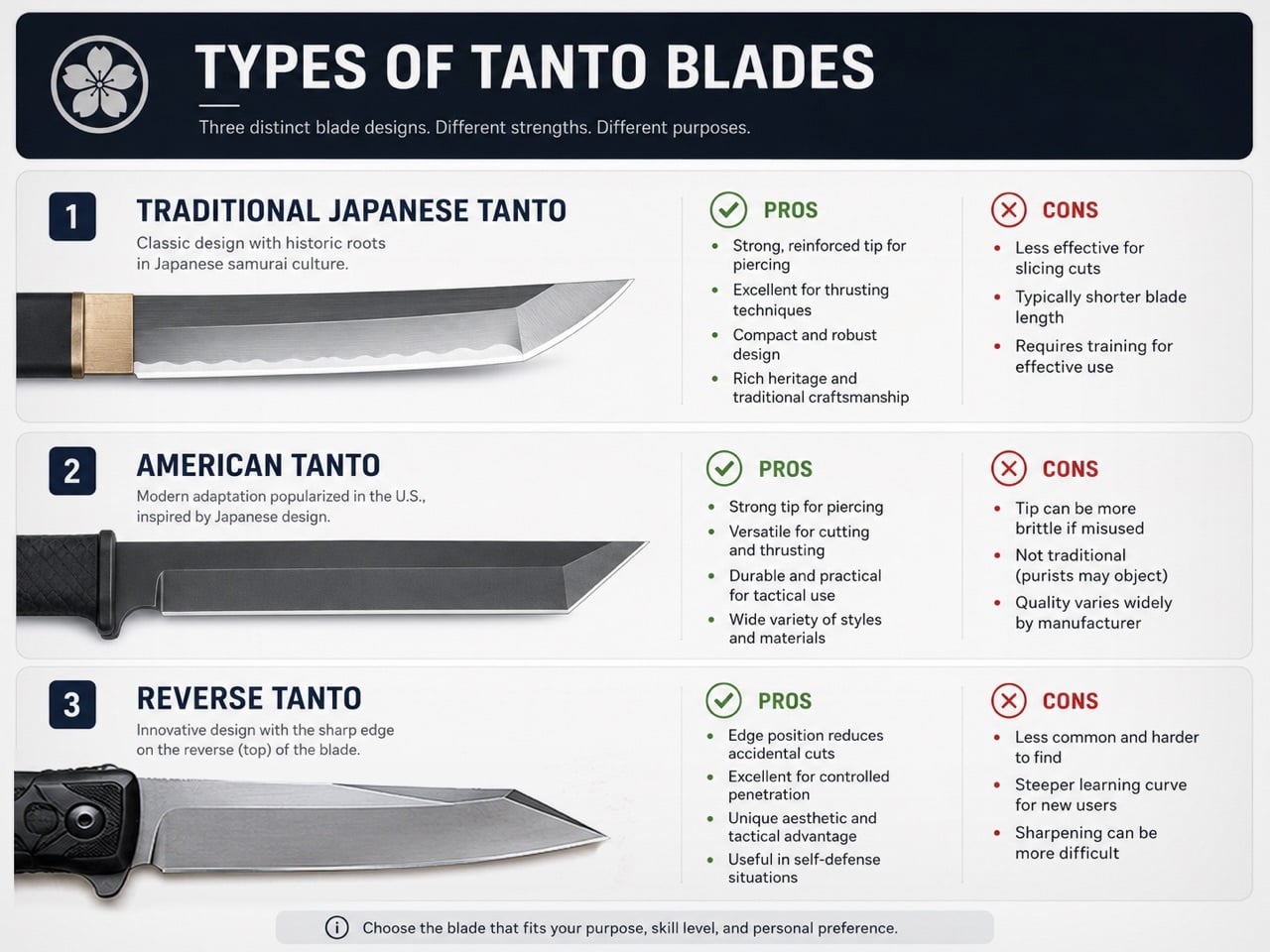
The reverse tanto flips the geometry. The angular transition sits on the spine rather than the cutting edge, which means you get a continuous straight edge running from heel to tip while the spine drops at an angle to meet it. The result looks similar to a wharncliffe but with a slightly different tip geometry and often a steeper point angle. You retain the reinforced tip, the visual drama of the angular break, and the clean industrial aesthetic, but you gain back the full-length cutting edge that makes the blade practical for daily tasks. The reverse tanto is the form that’s currently driving most of the premium EDC releases in 2026, because it solves the American tanto’s biggest limitation without sacrificing the shape’s core appeal.
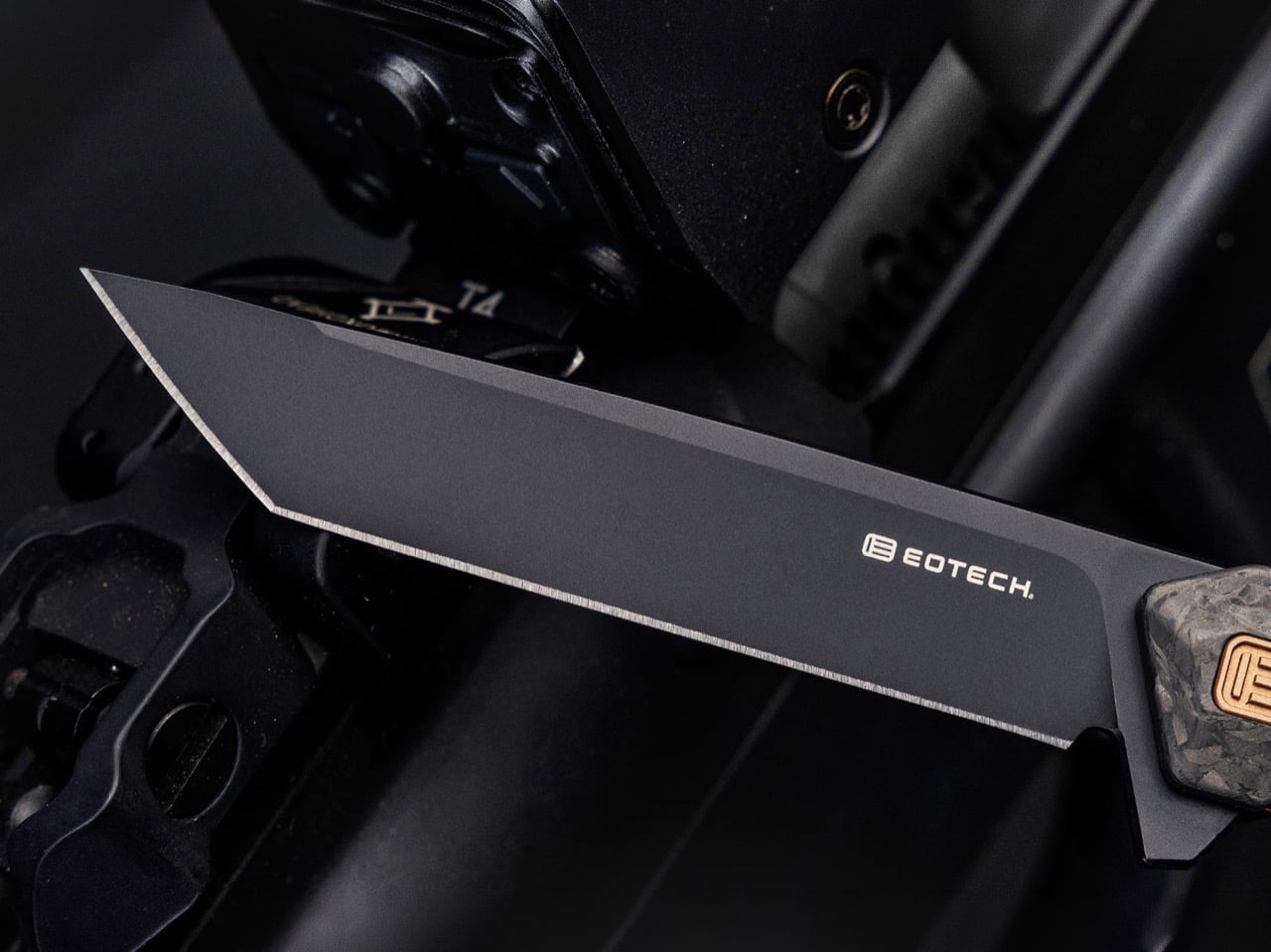
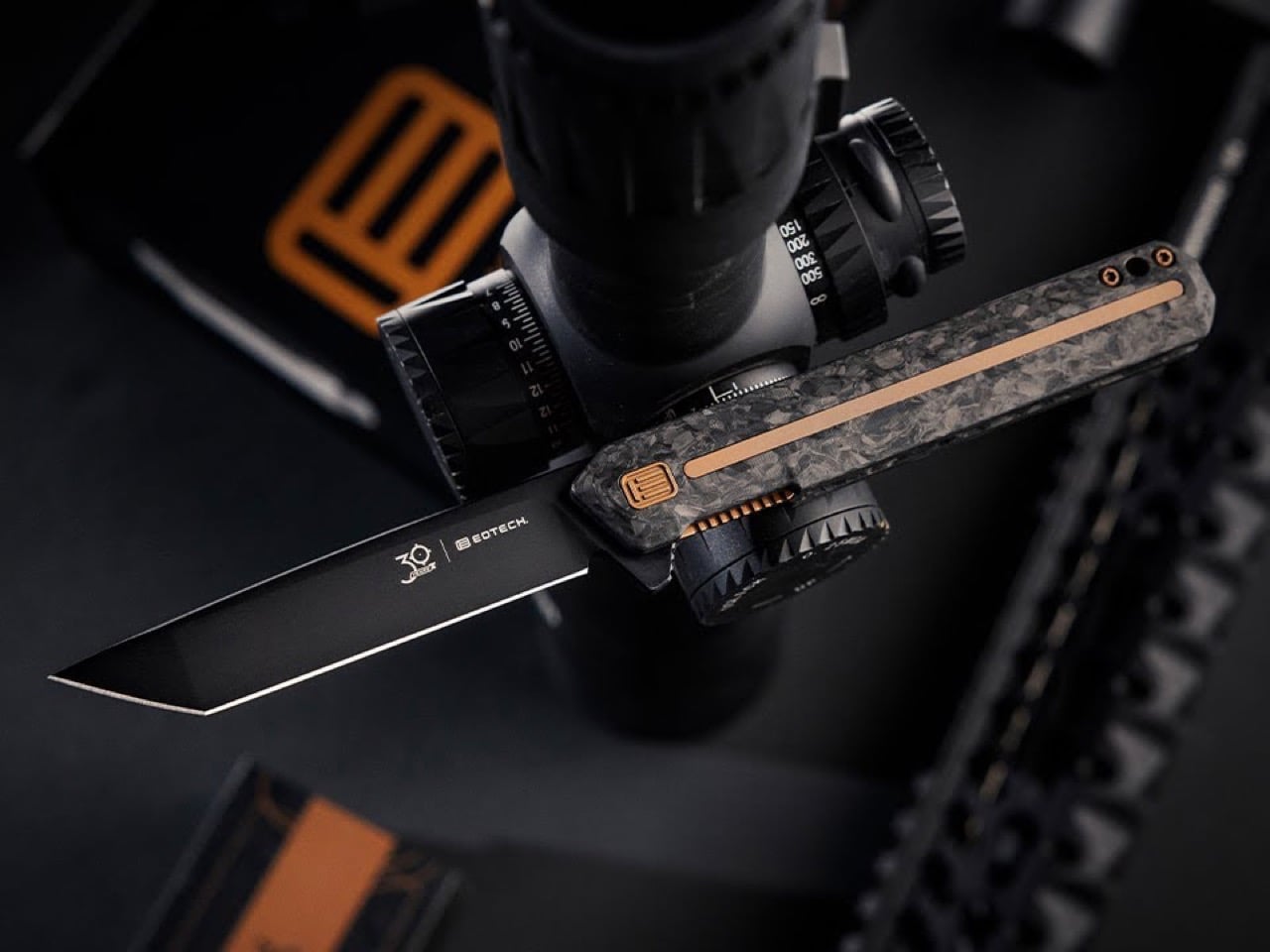
Close-up of a matte gray EOTech knife blade mounted on a rail system, edge facing left.

Tekto F2 X EOTECH

Folders That Prove the Point

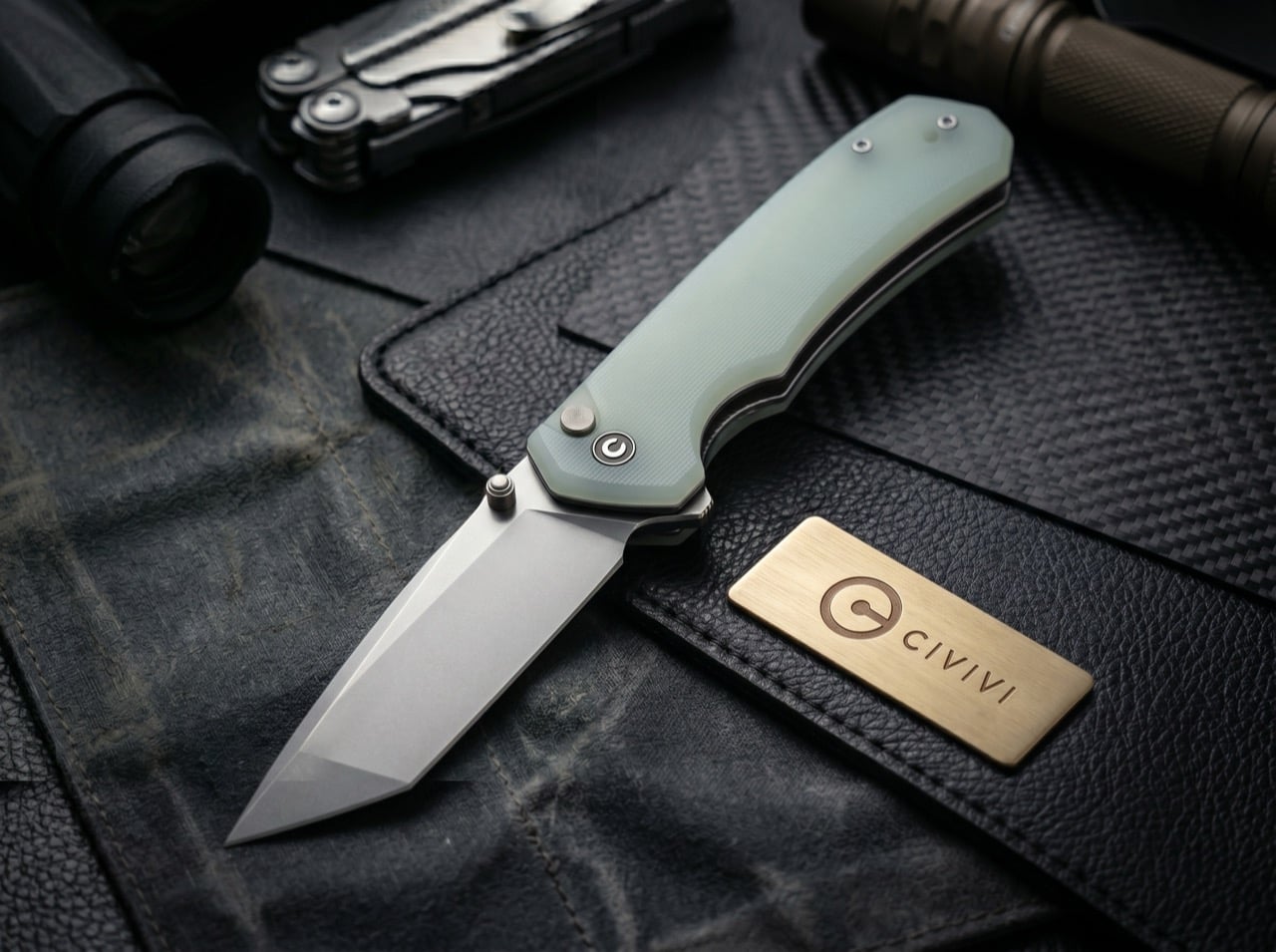
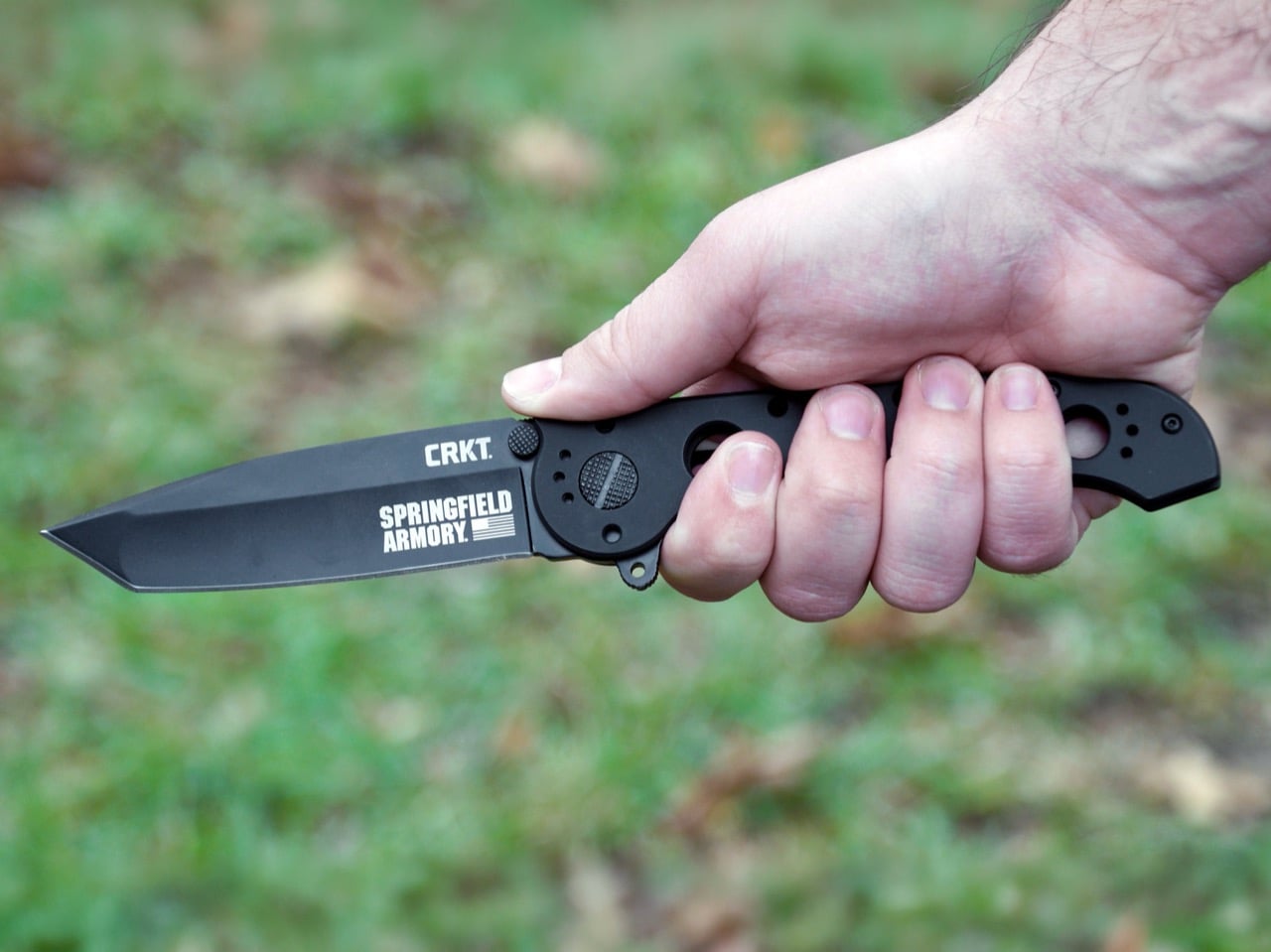
The CIVIVI Brazen pairs a 3.5-inch D2 tanto blade with textured micarta handles and a button lock, delivering the angular geometry at an accessible price point that makes the shape approachable for buyers who haven’t carried a tanto before. CRKT’s M16-04KS, part of the Kit Carson collaboration series that’s been running for decades, keeps the tactical lineage visible with its black-oxide finish and glass-reinforced nylon handles, but the framelock and flipper deployment modernize what could have been a relic. These are the knives that hold the line between the shape’s history and its current iteration.

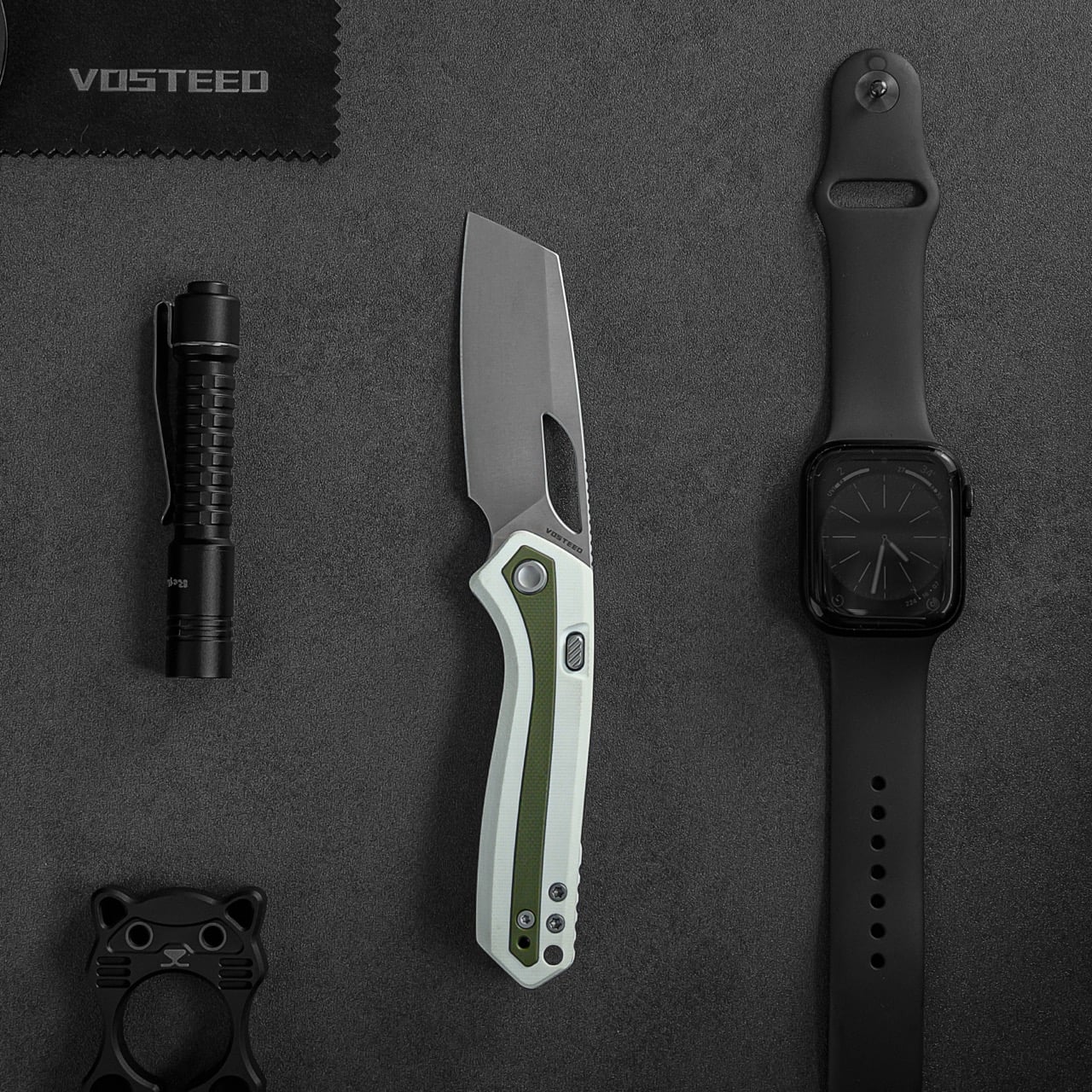
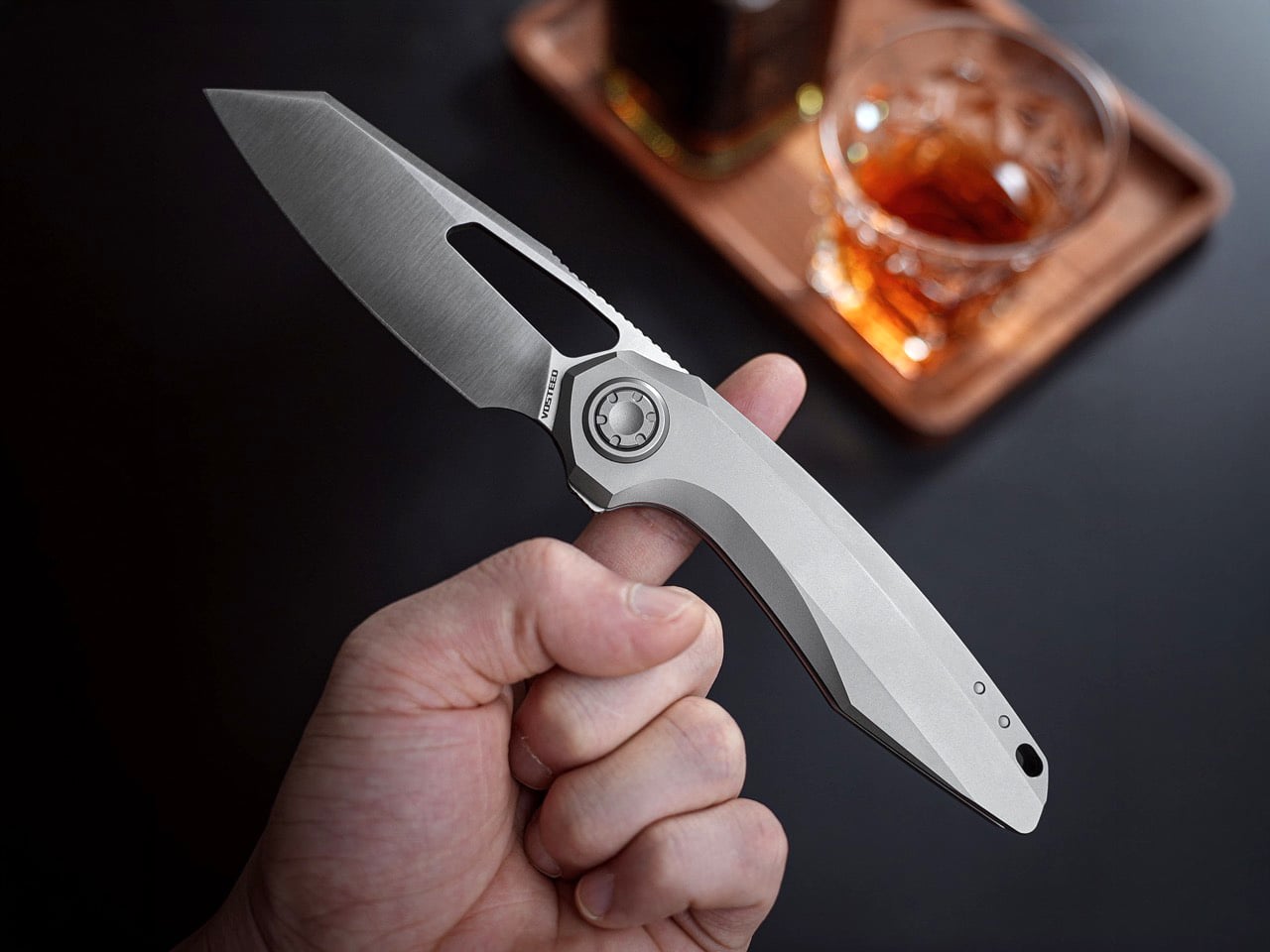
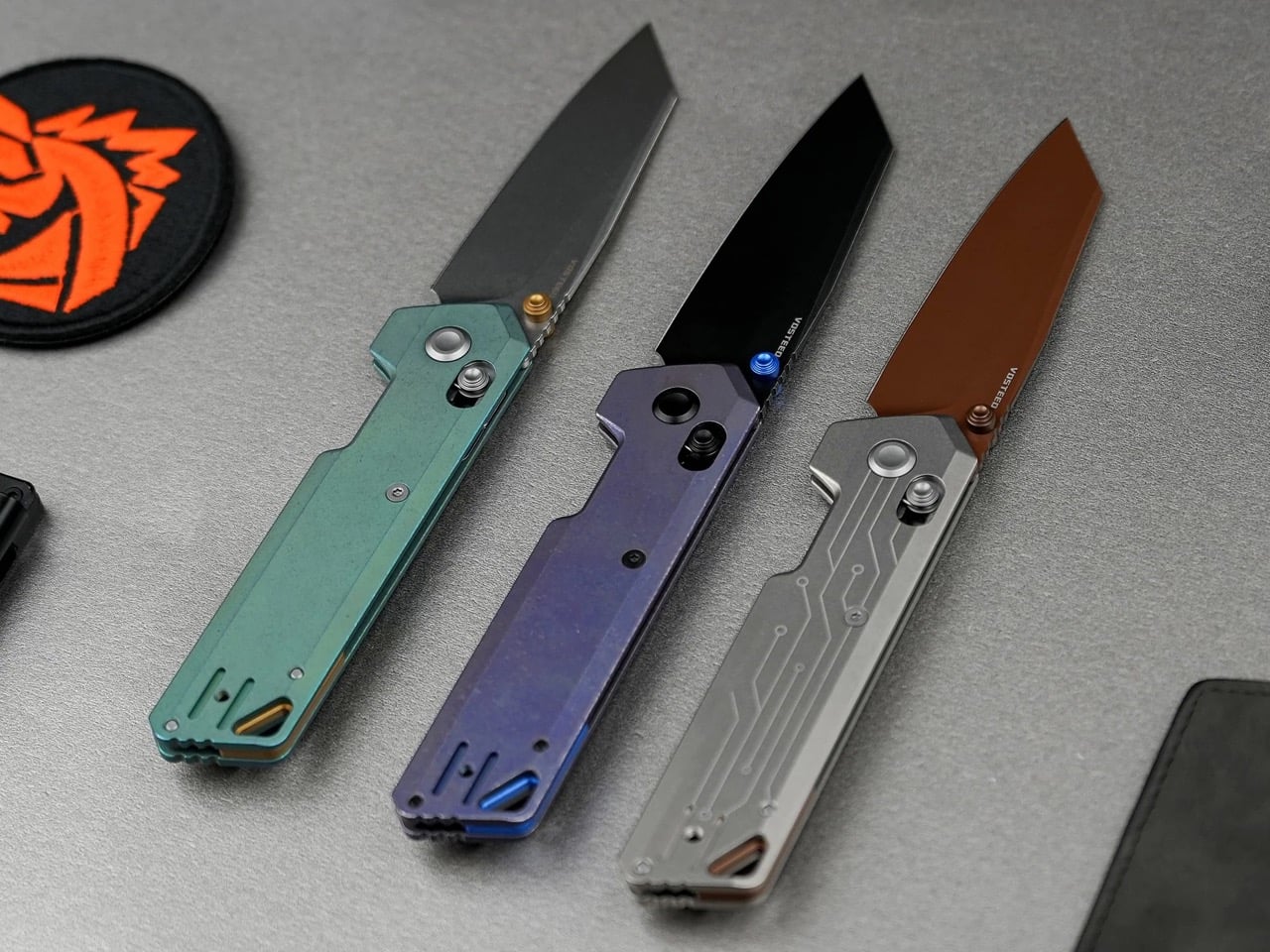
Vosteed’s Thunderbeast and Parallel represent the premium end of the current tanto moment. The Thunderbeast launched in December 2025 with a 3.49-inch M390 reverse tanto blade, full titanium construction, and Vosteed’s Vanchor pivot lock, a button-actuated release that requires no secondary motion to disengage. The knife weighs 4.74 ounces across an 8.26-inch overall length, and it offers three deployment methods: front flipper, rear flipper, and thumb hole. Buyers at KnifeCenter gave it five stars within weeks of release, noting it sits alongside the Psyop as one of the best knives in the $250 range. The Parallel, Vosteed’s ultra-slim EDC folder, brings the reverse tanto geometry into a pocketable profile that disappears on carry but still delivers the piercing capability and straight-edge control the shape is known for.
Tekto A5 Spry (Tanto Edition)

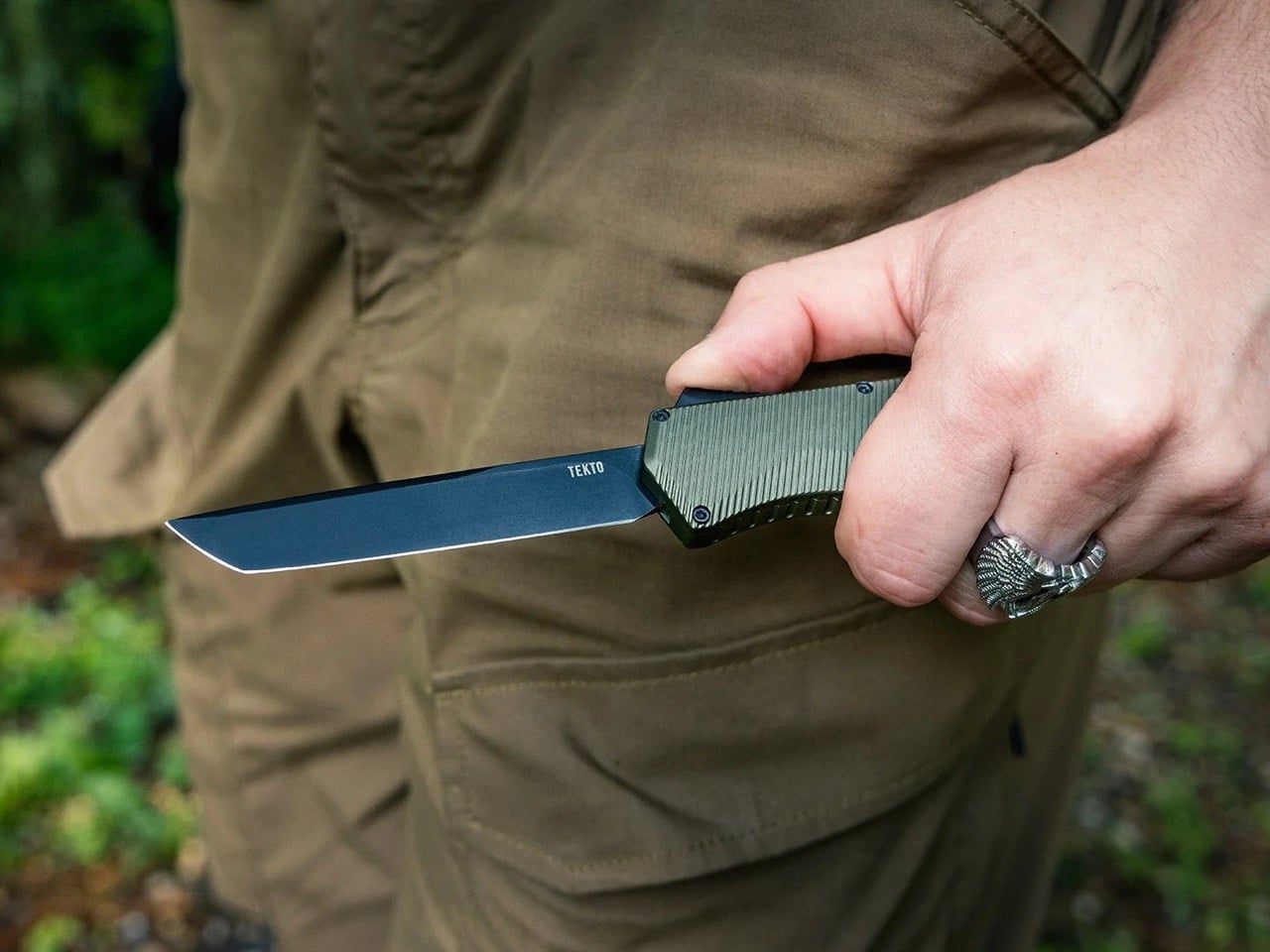
Tekto’s A5 Spry, an OTF automatic with a tanto blade, shows how the geometry translates to different deployment mechanisms. OTF knives live or die on blade profile, because the blade has to shoot cleanly out the front of the handle without catching or binding, and the tanto’s flat grind works in that context. The A5 Spry runs a double-action mechanism, so the same slider deploys and retracts the blade, and the tanto tip delivers the aggressive appearance OTF buyers tend to favor without requiring the kind of belly that would complicate the mechanism.
Tekto F2 X EOTECH

Why 2026 Became the Tanto’s Year

CRKT launched three tanto variants in January 2026, more than the company had released in the previous two years combined. The Orochi, a Princeton Wong design with a 3.5-inch Japanese tanto blade, won “Best Machine-Assisted Custom Knife” at Blade Show Texas before CRKT adapted it into production with both a 14C28N/G10 version and a premium damascus/titanium frame lock model. The Counterpart, designed by Ken Onion, includes a D2 tanto option alongside three drop-point configurations. The Twist Tighe Compact, CRKT’s first OTF knife, ships with a 2.73-inch MagnaCut tanto blade in a titanium-nitride finish, made entirely in the United States and priced at $300.

WE Knife’s Anglex, which launched in February 2026, pairs a 3.89-inch stonewashed M390 reverse tanto blade with a full 6AL4V titanium handle and a ceramic ball bearing pivot. The knife weighs 4.65 ounces, costs $357, and landed on The Gadgeteer’s list of the top 10 EDC knives stealing the spotlight in 2026 within weeks of release. Bear Edge, working out of their Jacksonville, Alabama factory, launched the Model 71139 at SHOT Show with a modified tanto blade in black-coated 440 steel and tan G10 handles. Kizer’s Feist 2 ZX brought an M390 reverse tanto into a frame lock flipper. Bestech’s Tonic combined a 2.89-inch M390 reverse tanto with bolstered titanium handles and marbled carbon fiber inlays at $306.
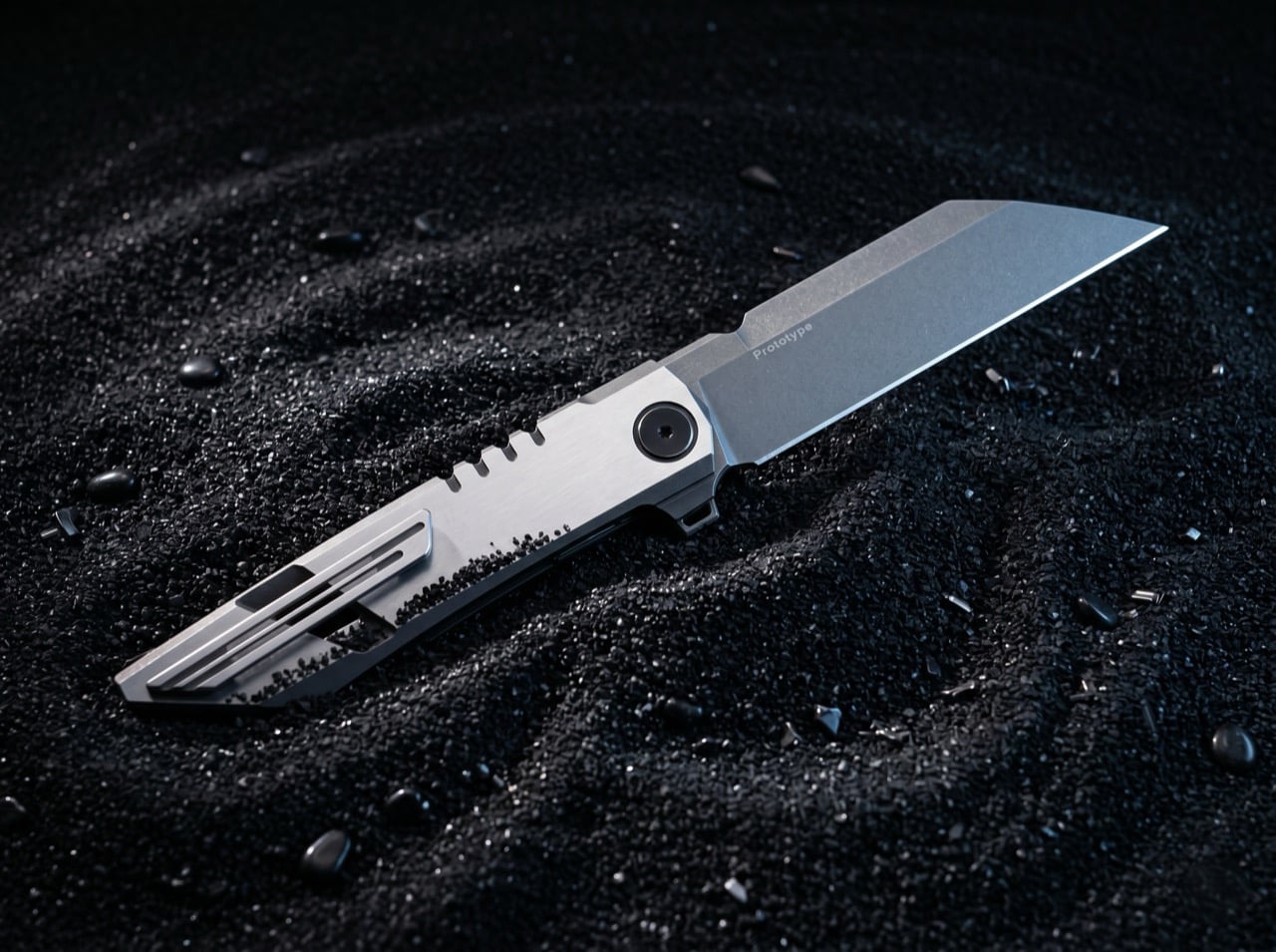
WeKnife Anglex

The pattern holds across manufacturers, price points, and target audiences. KnifeCenter ran two separate new-knife roundup videos with tanto-focused titles in this period, one in June 2025 (“Reverse Tanto rules the day today”) and another in August 2025 (“Tanto Time”), suggesting the geometry was dense enough in new releases to anchor full-episode coverage. RECOIL Magazine published a “Best Tanto Knives for EDC” buyer’s guide in September 2025. The shape has spent decades associated with a specific aesthetic and a narrow buyer base, but titanium frames and M390 steel have done the rebranding work the geometry always deserved. In 2026, the tanto finally looks like what it always was: a practical blade shape with over a thousand years of refinement behind it.

The post Tanto Blade Explained: Why the Angled Tip Dominates 2026 EDC Knives first appeared on Yanko Design.
Tanto Blade Explained: Why the Angled Tip Dominates 2026 EDC Knives

CIVIVI Brazen Flipper

Somewhere around the year 900 CE, a Japanese swordsmith solved a very specific problem. Samurai warriors needed a short backup blade that could function in tight spaces where a katana was useless, something compact enough to wear through a sash and fast enough to deploy at grappling range. The result was the tanto, a single-edged blade between 15 and 30 centimeters, built for thrusting and close-quarters control. For the next several hundred years, it stayed in feudal Japan, evolving through different schools and forging traditions, accumulating ceremonial weight alongside its practical function.

Then, in the 1980s, a knifemaker named Bob Lum pulled the design west. He adapted the Japanese silhouette into an American form with a squared, reinforced tip, and the knife world has been arguing about, borrowing from, and building on that adaptation ever since. Cold Steel industrialized the shape, the tactical market absorbed it, and somewhere along the way it picked up a reputation for being a niche purchase for a specific kind of buyer. In 2026, that reputation is dissolving. The tanto is having one of its more interesting years in a very long time, showing up in premium titanium folders, budget G10 flippers, and American-made OTF automatics all at once.

Vosteed Thunderbeast

How a Samurai Dagger Became an EDC Staple

The tantō dates to the Heian period (794-1185 CE), when Japanese swordsmiths began forging short blades for warriors who needed something beyond their primary sword. The blade sat between 5.9 and 11.8 inches, making it the smallest weapon in the samurai arsenal. Women carried them in the obi for self-defense. Samurai wore them as companion blades because the katana, for all its reach and cutting power, couldn’t maneuver inside buildings or in close grappling exchanges. The original Japanese tanto carried a slight curve, a steak-knife profile designed more for utility than the armor-piercing mythology that would later attach to its American descendant.

CRKT M16-04KS

Bob Lum, a third-generation Chinese American knifemaker from Astoria, Oregon, brought the tanto west in the late 1970s. Lum had been making knives full-time since 1976, and he combined the tanto name with what Japanese smiths called a hamaguri tip, a reinforced angular point, to create something new. The geometry was his, but Lynn Thompson at Cold Steel saw the commercial potential. Thompson, who founded Cold Steel in Ventura, California in 1980, mass-produced Lum’s design with a flattened grind that made the tip easier to manufacture, then built heavy marketing around tactical applications and armor penetration that the traditional Japanese blade never claimed. The American tanto was born, and the shape began its long association with black G10, aggressive serrations, and catalog copy written for a very specific buyer.

Vosteed Parallel

Three Geometries, One Name

The confusion around tanto blades starts with terminology. Three distinct blade profiles share the same label, and they perform differently enough that the distinction matters. The traditional Japanese tantō keeps a slight curve along the edge, closer in profile to a utility blade than the angular wedge most people picture when they hear the word. The blade was used for everything from cutting rope to seppuku, and the shape reflects that versatility. The tip carries strength, but the curve allows draw cuts. It’s a knife built for function across multiple contexts, not just penetration.

The American tanto, the shape Cold Steel and Bob Lum popularized, moves the angular transition to the cutting edge. Two straight edges meet at a defined angle, creating a wide secondary bevel that reinforces the tip with significantly more steel than a traditional drop point carries. This is the geometry that excels at piercing hard materials: cardboard, drywall, dense packaging, anything where lateral stress would snap a finer point. The trade-off is direct. The flat grind and lack of belly mean slicing performance suffers. You can push-cut with an American tanto, but draw cuts feel awkward, and food prep becomes a chore. It’s a specialist blade that does one thing exceptionally well.

The reverse tanto flips the geometry. The angular transition sits on the spine rather than the cutting edge, which means you get a continuous straight edge running from heel to tip while the spine drops at an angle to meet it. The result looks similar to a wharncliffe but with a slightly different tip geometry and often a steeper point angle. You retain the reinforced tip, the visual drama of the angular break, and the clean industrial aesthetic, but you gain back the full-length cutting edge that makes the blade practical for daily tasks. The reverse tanto is the form that’s currently driving most of the premium EDC releases in 2026, because it solves the American tanto’s biggest limitation without sacrificing the shape’s core appeal.

Close-up of a matte gray EOTech knife blade mounted on a rail system, edge facing left.

Tekto F2 X EOTECH

Folders That Prove the Point

The CIVIVI Brazen pairs a 3.5-inch D2 tanto blade with textured micarta handles and a button lock, delivering the angular geometry at an accessible price point that makes the shape approachable for buyers who haven’t carried a tanto before. CRKT’s M16-04KS, part of the Kit Carson collaboration series that’s been running for decades, keeps the tactical lineage visible with its black-oxide finish and glass-reinforced nylon handles, but the framelock and flipper deployment modernize what could have been a relic. These are the knives that hold the line between the shape’s history and its current iteration.

Vosteed’s Thunderbeast and Parallel represent the premium end of the current tanto moment. The Thunderbeast launched in December 2025 with a 3.49-inch M390 reverse tanto blade, full titanium construction, and Vosteed’s Vanchor pivot lock, a button-actuated release that requires no secondary motion to disengage. The knife weighs 4.74 ounces across an 8.26-inch overall length, and it offers three deployment methods: front flipper, rear flipper, and thumb hole. Buyers at KnifeCenter gave it five stars within weeks of release, noting it sits alongside the Psyop as one of the best knives in the $250 range. The Parallel, Vosteed’s ultra-slim EDC folder, brings the reverse tanto geometry into a pocketable profile that disappears on carry but still delivers the piercing capability and straight-edge control the shape is known for.

Tekto A5 Spry (Tanto Edition)

Tekto’s A5 Spry, an OTF automatic with a tanto blade, shows how the geometry translates to different deployment mechanisms. OTF knives live or die on blade profile, because the blade has to shoot cleanly out the front of the handle without catching or binding, and the tanto’s flat grind works in that context. The A5 Spry runs a double-action mechanism, so the same slider deploys and retracts the blade, and the tanto tip delivers the aggressive appearance OTF buyers tend to favor without requiring the kind of belly that would complicate the mechanism.

Tekto F2 X EOTECH

Why 2026 Became the Tanto’s Year

CRKT launched three tanto variants in January 2026, more than the company had released in the previous two years combined. The Orochi, a Princeton Wong design with a 3.5-inch Japanese tanto blade, won “Best Machine-Assisted Custom Knife” at Blade Show Texas before CRKT adapted it into production with both a 14C28N/G10 version and a premium damascus/titanium frame lock model. The Counterpart, designed by Ken Onion, includes a D2 tanto option alongside three drop-point configurations. The Twist Tighe Compact, CRKT’s first OTF knife, ships with a 2.73-inch MagnaCut tanto blade in a titanium-nitride finish, made entirely in the United States and priced at $300.

WE Knife’s Anglex, which launched in February 2026, pairs a 3.89-inch stonewashed M390 reverse tanto blade with a full 6AL4V titanium handle and a ceramic ball bearing pivot. The knife weighs 4.65 ounces, costs $357, and landed on The Gadgeteer’s list of the top 10 EDC knives stealing the spotlight in 2026 within weeks of release. Bear Edge, working out of their Jacksonville, Alabama factory, launched the Model 71139 at SHOT Show with a modified tanto blade in black-coated 440 steel and tan G10 handles. Kizer’s Feist 2 ZX brought an M390 reverse tanto into a frame lock flipper. Bestech’s Tonic combined a 2.89-inch M390 reverse tanto with bolstered titanium handles and marbled carbon fiber inlays at $306.

WeKnife Anglex

The pattern holds across manufacturers, price points, and target audiences. KnifeCenter ran two separate new-knife roundup videos with tanto-focused titles in this period, one in June 2025 (“Reverse Tanto rules the day today”) and another in August 2025 (“Tanto Time”), suggesting the geometry was dense enough in new releases to anchor full-episode coverage. RECOIL Magazine published a “Best Tanto Knives for EDC” buyer’s guide in September 2025. The shape has spent decades associated with a specific aesthetic and a narrow buyer base, but titanium frames and M390 steel have done the rebranding work the geometry always deserved. In 2026, the tanto finally looks like what it always was: a practical blade shape with over a thousand years of refinement behind it.

The post Tanto Blade Explained: Why the Angled Tip Dominates 2026 EDC Knives first appeared on Yanko Design.

Grade 5 Titanium, D2 Steel, Smaller Than An AirPod: The Natanto Folding Knife Has Nothing Left to Prove

Tanto blades were originally developed for armor penetration, ground with a reinforced tip geometry that could punch through hardened surfaces where a conventional drop point would snap or deflect. That heritage tends to disappear when the profile gets shrunk to keychain scale, mostly because the execution rarely holds up at that size. The geometry promises precision and the material delivers something fragile. TiMav’s Natanto takes the tanto format at its word, pairing the profile with a D2 tool steel blade that carries a 2.7mm spine, the same thickness found on full-size production folders, and a 15-degree V-grind on each side that keeps cutting resistance genuinely low.

The whole knife closes to 39.7mm and weighs 10.8g, which makes the spec list that follows feel like it was lifted from a larger product. The Grade 5 titanium frame is CNC-milled from a solid billet, no welds, no seams, no structural compromise. Dual brass washers carry the pivot with smooth, even resistance rather than the spring-loaded snap of ball bearings. A frame lock clicks into place at full extension and stays there until deliberately released. The 4.5mm keychain aperture threads onto standard rings, bag pulls, and headphone cases without forcing, and two finish options, sandblasted titanium and PVD black, round out a package that ships worldwide with no additional charge.

Designer: TiMav EDC Design Team

Click Here to Buy Now: $32 $55 (42% off). Hurry, only a few left!

D2 tool steel is a fitting choice for a knife this small because edge retention matters more when the blade gives you very little room to waste motion. Natanto’s modified tanto shape concentrates that usefulness into the tip, giving it the kind of precise entry that helps with tape seams, plastic blister packs, zip ties, and other annoying materials that usually punish tiny blades first. The 15-degree V-grind on each side keeps the knife slicing cleanly instead of wedging its way through a cut, and the 2.7mm spine adds the kind of stiffness that makes the blade feel planted rather than flimsy. For a micro folder, that thickness changes the experience immediately. You press down and the blade holds its line.

Closed, the knife is only 39.7mm long, or 1.56 inches, and when opened it stretches to 63.3mm, about 2.49 inches. It weighs 10.8 grams, roughly 0.38 ounces, which puts it firmly in the category of tools you can forget you are carrying until the exact moment you need them. That is really the whole appeal of the Natanto. It is sized for the kind of cutting jobs that appear constantly and disappear just as fast, opening deliveries, trimming loose threads, cutting tags, slicing tape, nicking into sealed bags, or cutting zip ties without fumbling for scissors. TiMav clearly designed it for people who want a real blade on hand without committing to a full-size folder in their pocket.

That sense of seriousness carries into the frame too. The handle is made from Grade 5 titanium and CNC-milled from solid stock rather than assembled from multiple cheap parts. At the same strength, titanium comes in far lighter than steel, which is exactly why it makes sense on a keychain knife where every gram counts. The frame has milled finger channels that create actual indexing points for your grip, a small detail that matters more here than it would on a larger knife. With a tiny form factor, control is everything. A slippery handle turns every cut into guesswork, while a shaped frame lets your fingers settle into place quickly and keeps the knife from shifting mid-cut. The handle measures 13.7mm wide and 7mm thick, enough to feel stable in hand without becoming a bulky object hanging off your keys.

Opening the blade looks refreshingly free of gimmicks. Natanto uses dual thumb studs placed for a natural pinch motion, so you are not digging at a nail nick or trying to pry the blade loose with a fingertip. The action rides on dual brass washers, which gives the movement a measured, deliberate feel rather than a loose, snappy flick. That suits a knife this size much better. Once open, the frame lock engages with a distinct click and holds the blade securely in place. TiMav also claims the blade floats within the titanium frame when closed, avoiding internal contact and wear over time, which should help preserve the action instead of letting it get sloppy with repeated use.

The Natanto closes to 39.7mm, making it shorter than a standard house key, and weighs 10.8 grams, lighter than half an AA battery. That size makes it smaller than the average house-key, earning a place on your keychain. The 4.5mm keychain aperture accommodates most keyrings, carabiner clips, and bag pulls without forcing or scraping. This is a knife for people who want a blade available without the commitment of pocket carry. It sits on your keys, in your EDC pouch, or clipped to a belt loop, and it handles the micro-tasks that tend to accumulate throughout a day. Opening mail. Cutting tags off new purchases. Stripping wire insulation. Breaking down a shipping box. Tasks that take seconds with the right tool and minutes without one. Just remember to take it off your keys when traveling by flights, since the knife isn’t airline-compliant.

Two finish options are available: sandblasted titanium, which carries a raw, matte surface, and PVD black, which adds a stealth coating over the titanium frame. Both finishes share the same construction, materials, and engineering. The Natanto is currently available for $32 USD, with free worldwide shipping included.

Click Here to Buy Now: $32 $55 (42% off). Hurry, only a few left!

The post Grade 5 Titanium, D2 Steel, Smaller Than An AirPod: The Natanto Folding Knife Has Nothing Left to Prove first appeared on Yanko Design.
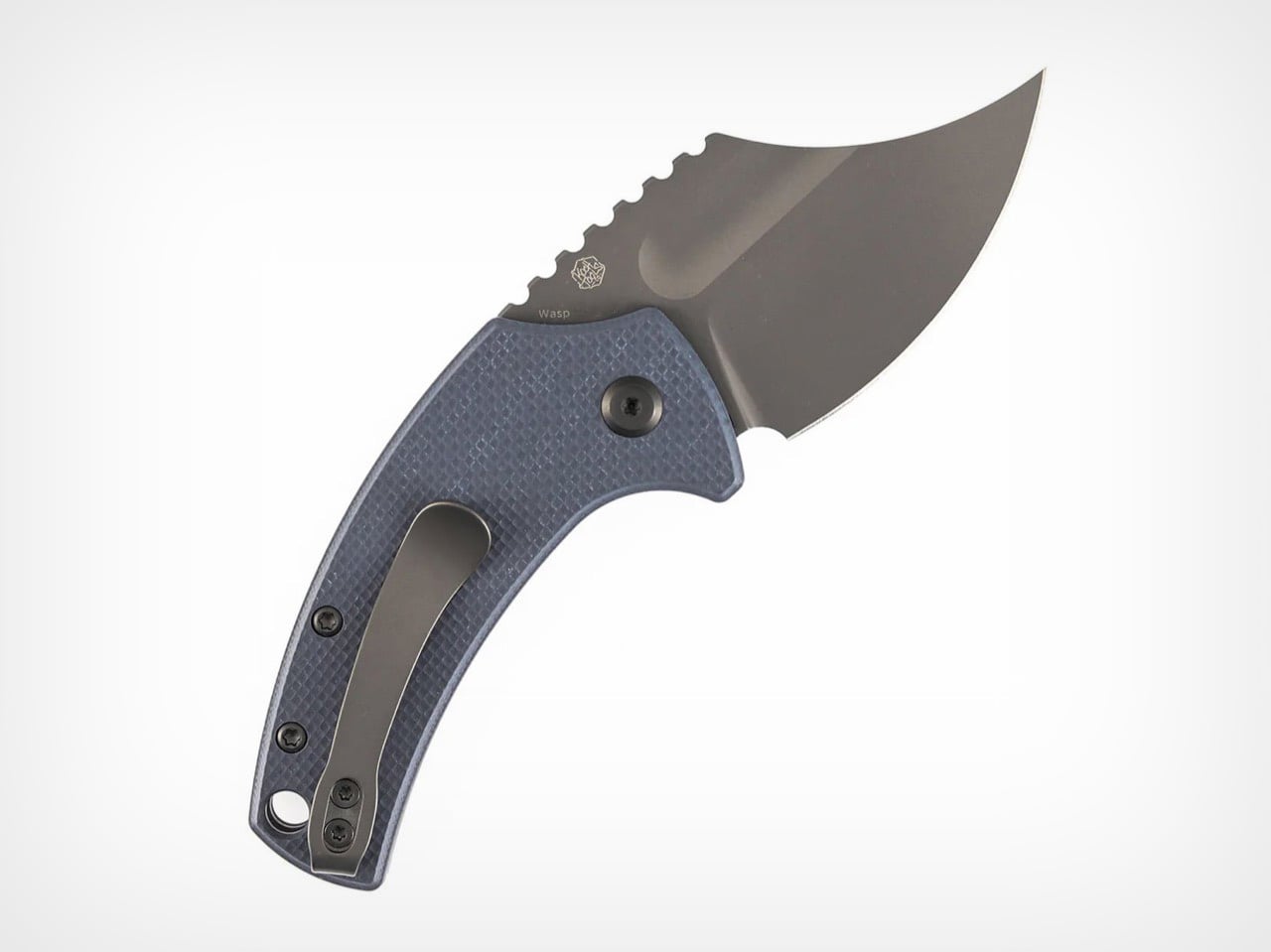
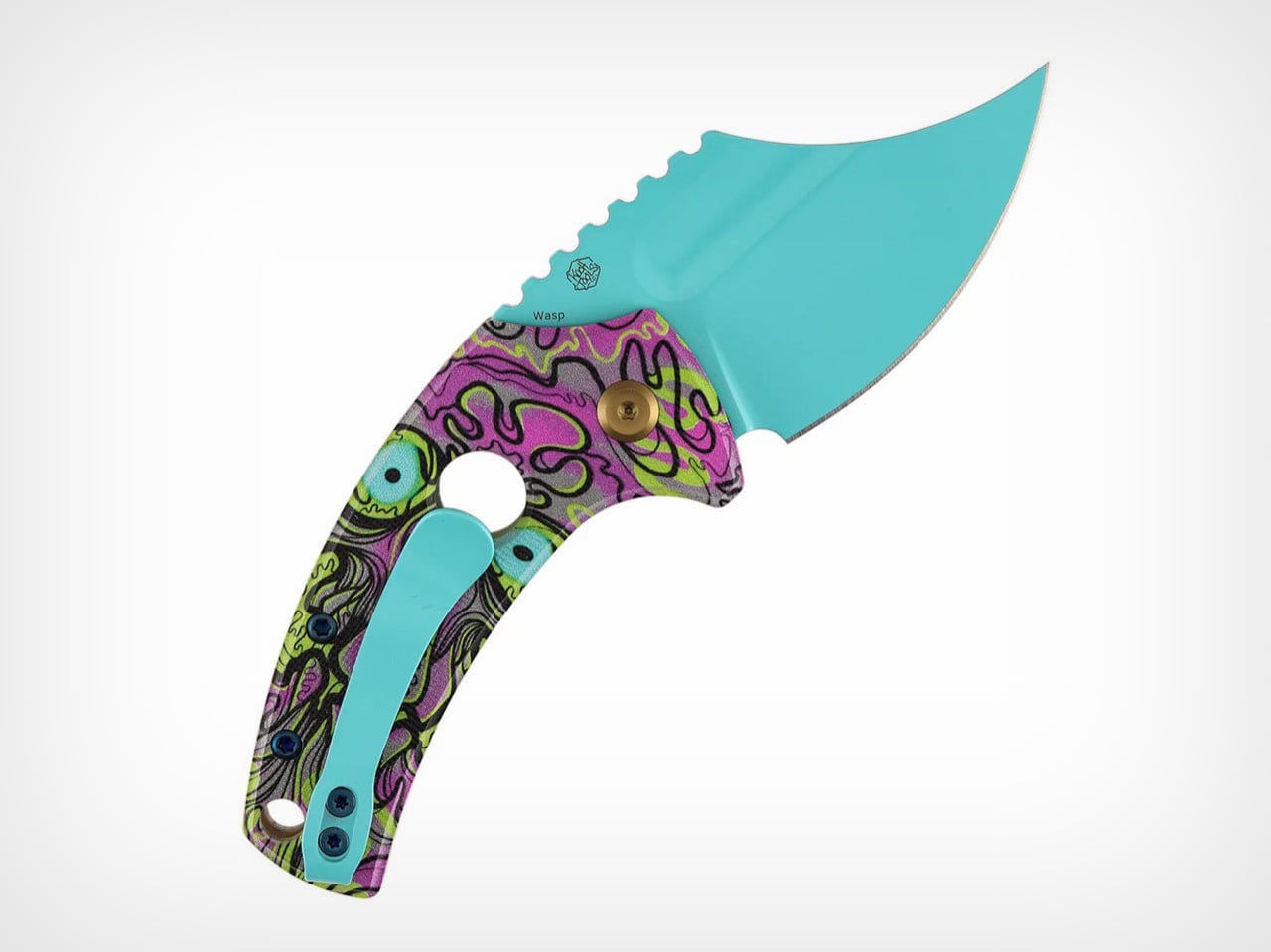
Small, Aggressive, and Under $80: Meet The Kansept Wasp Button Lock Knife

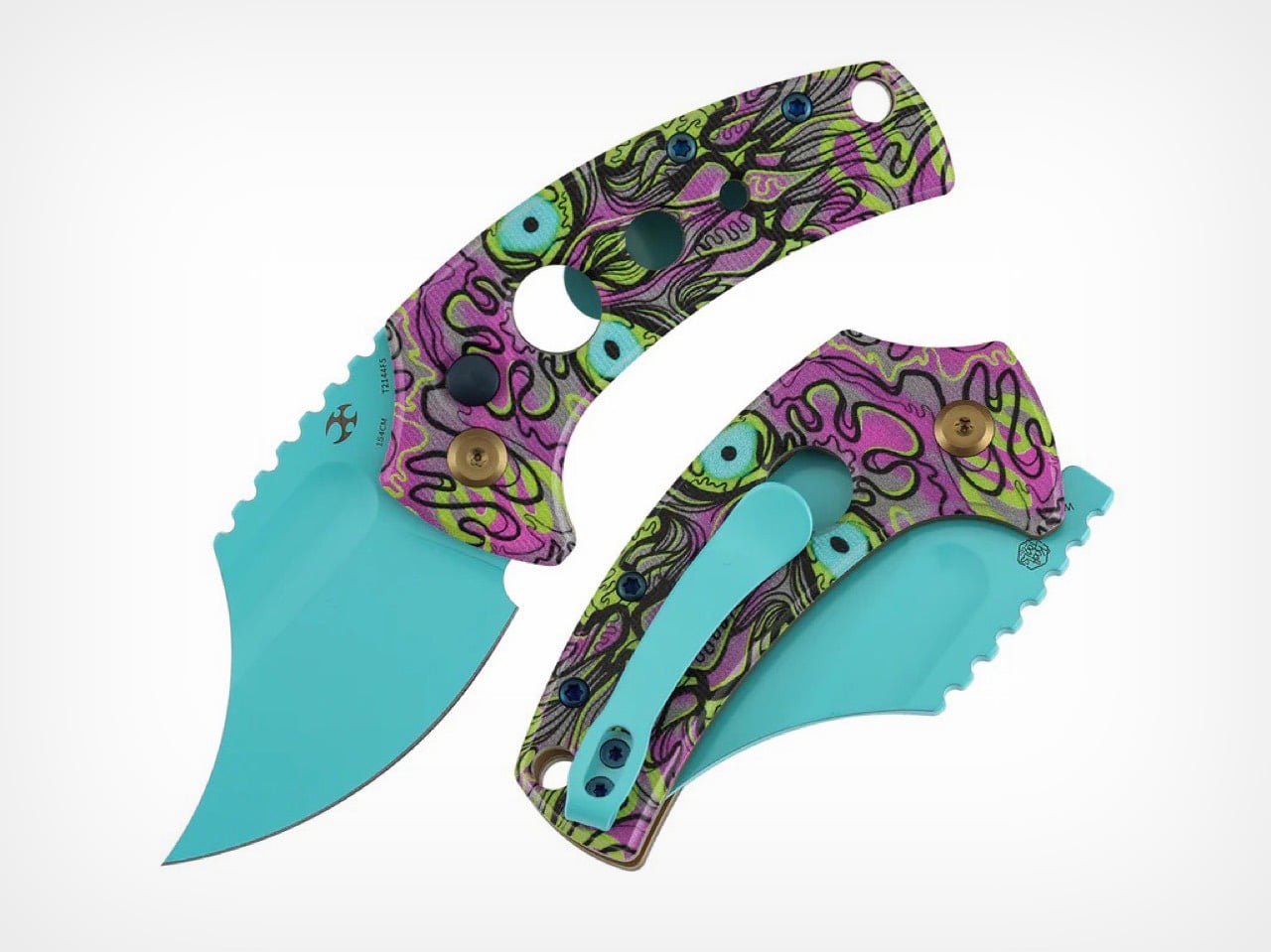
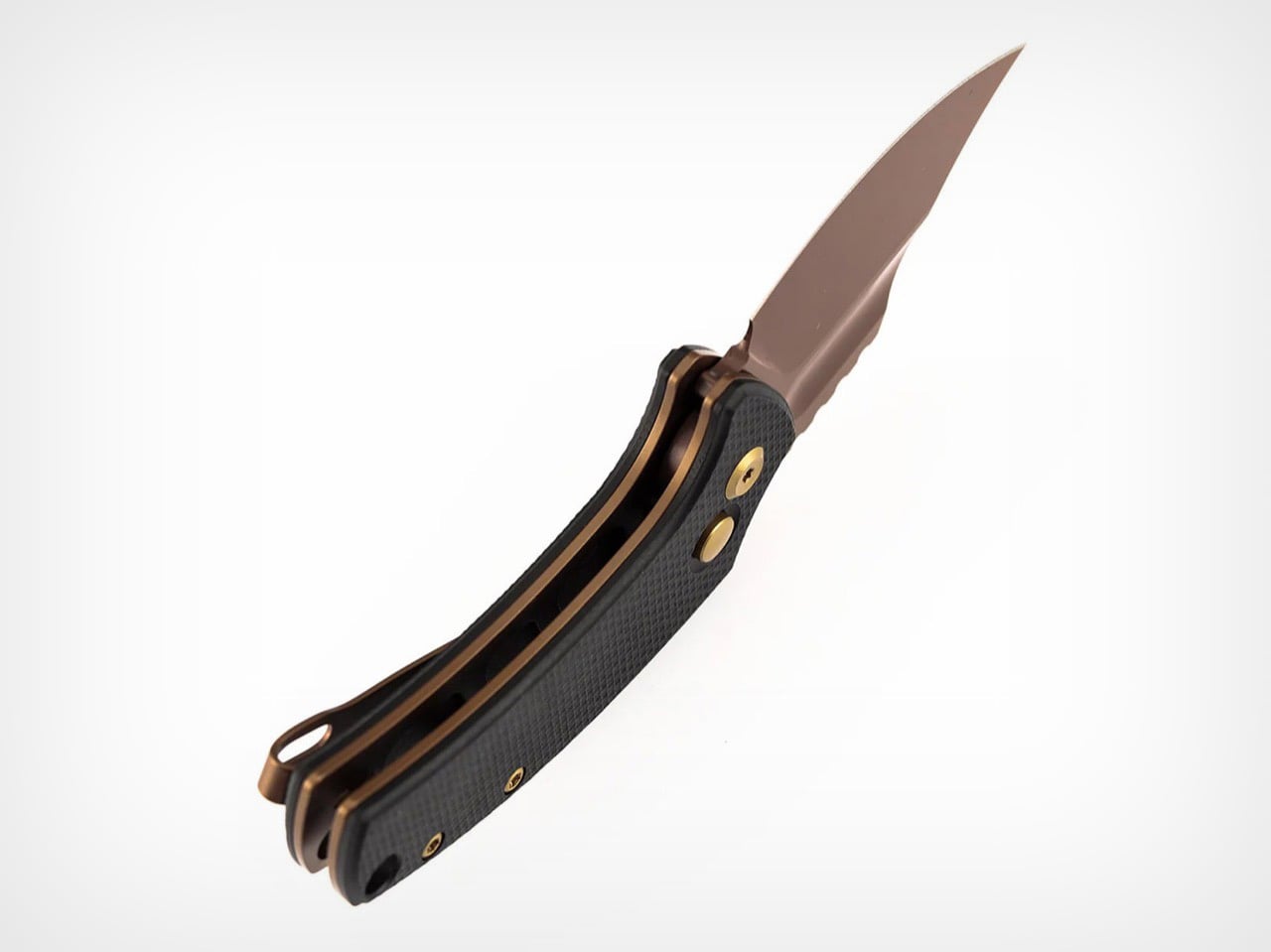
A wasp’s design is a lesson in efficiency. It combines a potent stinger with a small, agile frame to create a threat that commands respect far beyond its physical size. Koch Tools Design captured this spirit perfectly with the Kansept Wasp, a folder where compact dimensions and aggressive geometry work in concert. The knife’s upswept Harpoon Wharncliffe tip acts as a visual stinger, while the sub-3-inch length ensures it remains a nimble and unobtrusive carry. This folder embodies a philosophy of calculated capability, proving that a small tool can still project a serious and purposeful presence.

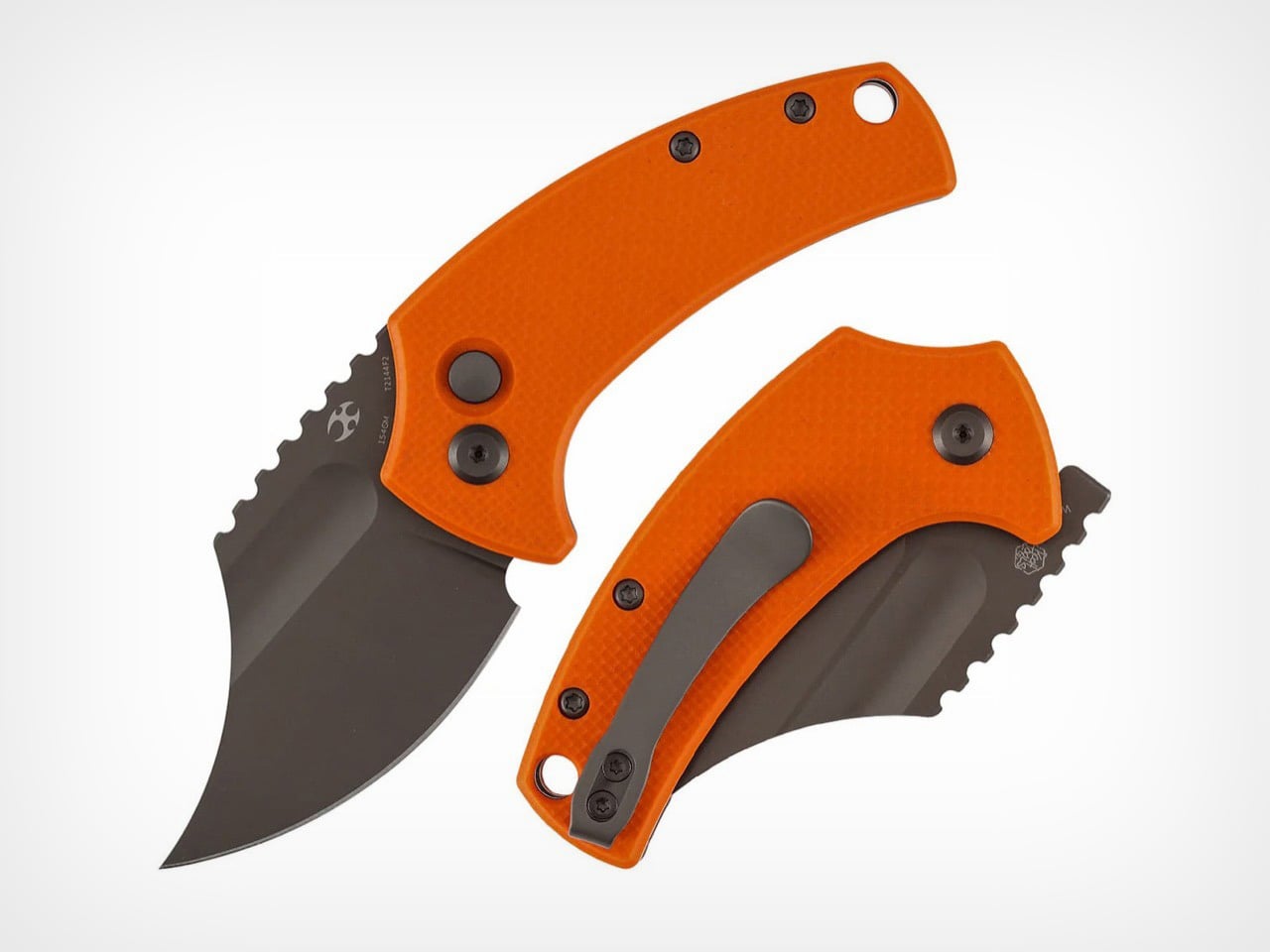
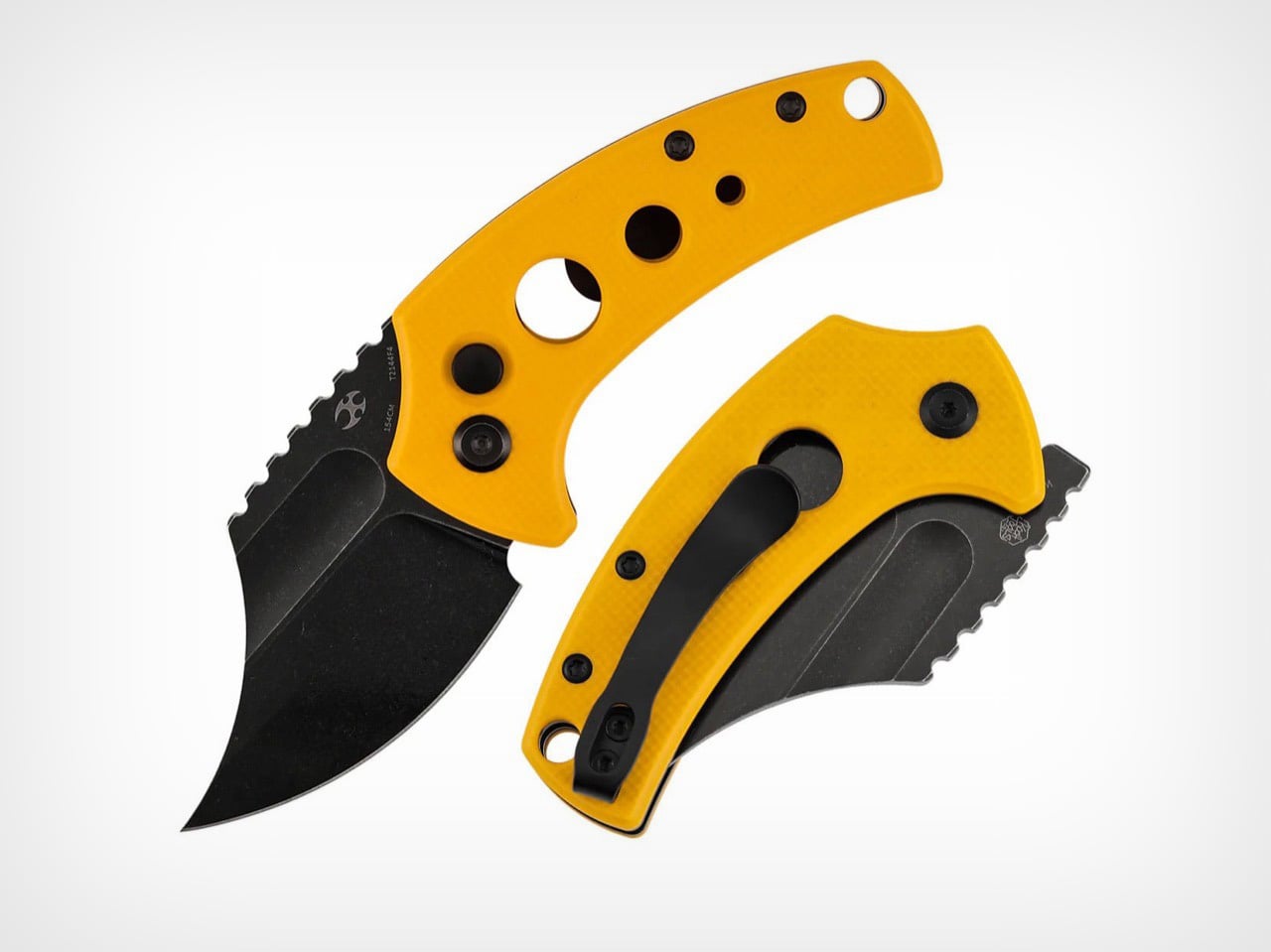
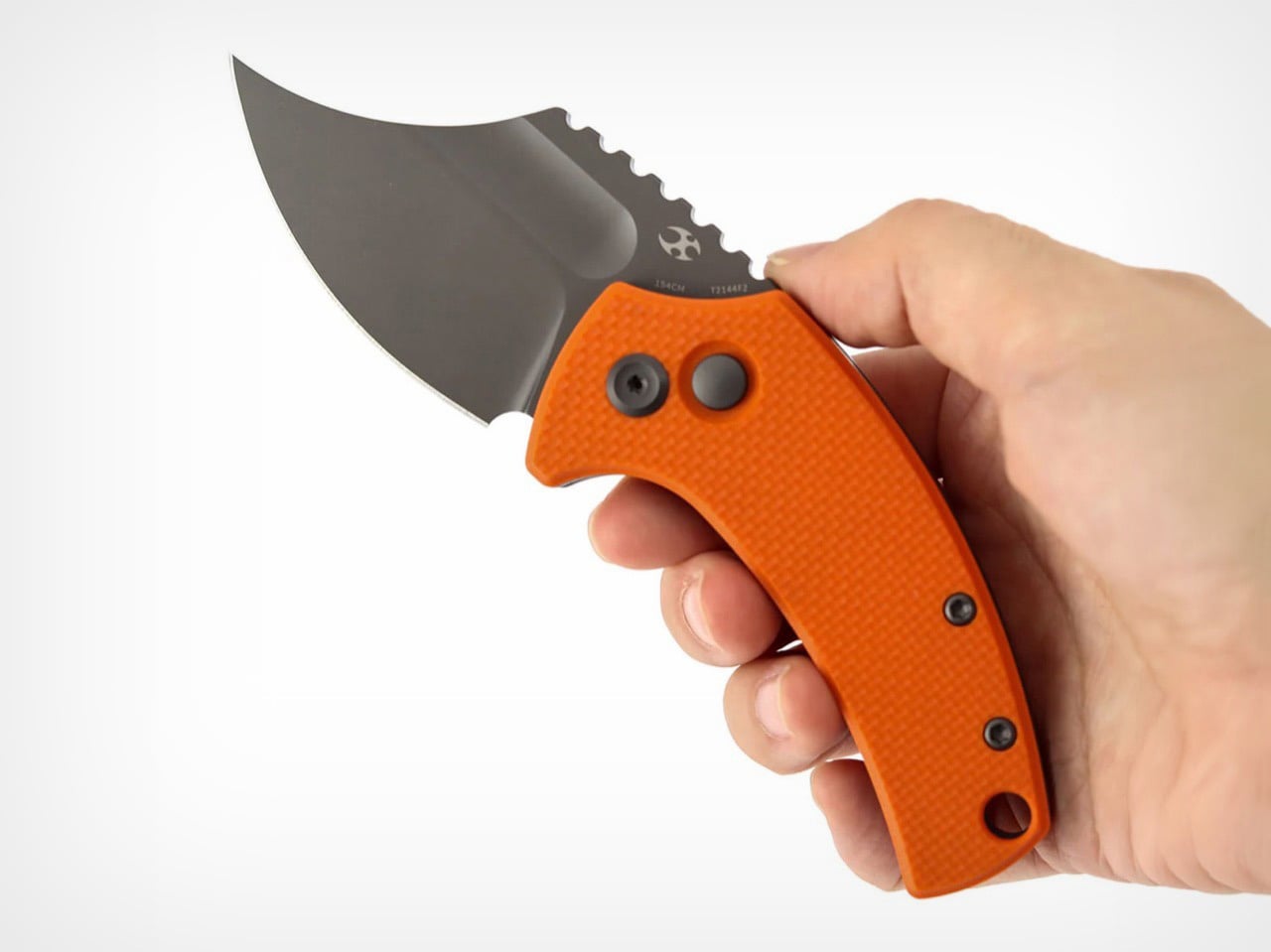
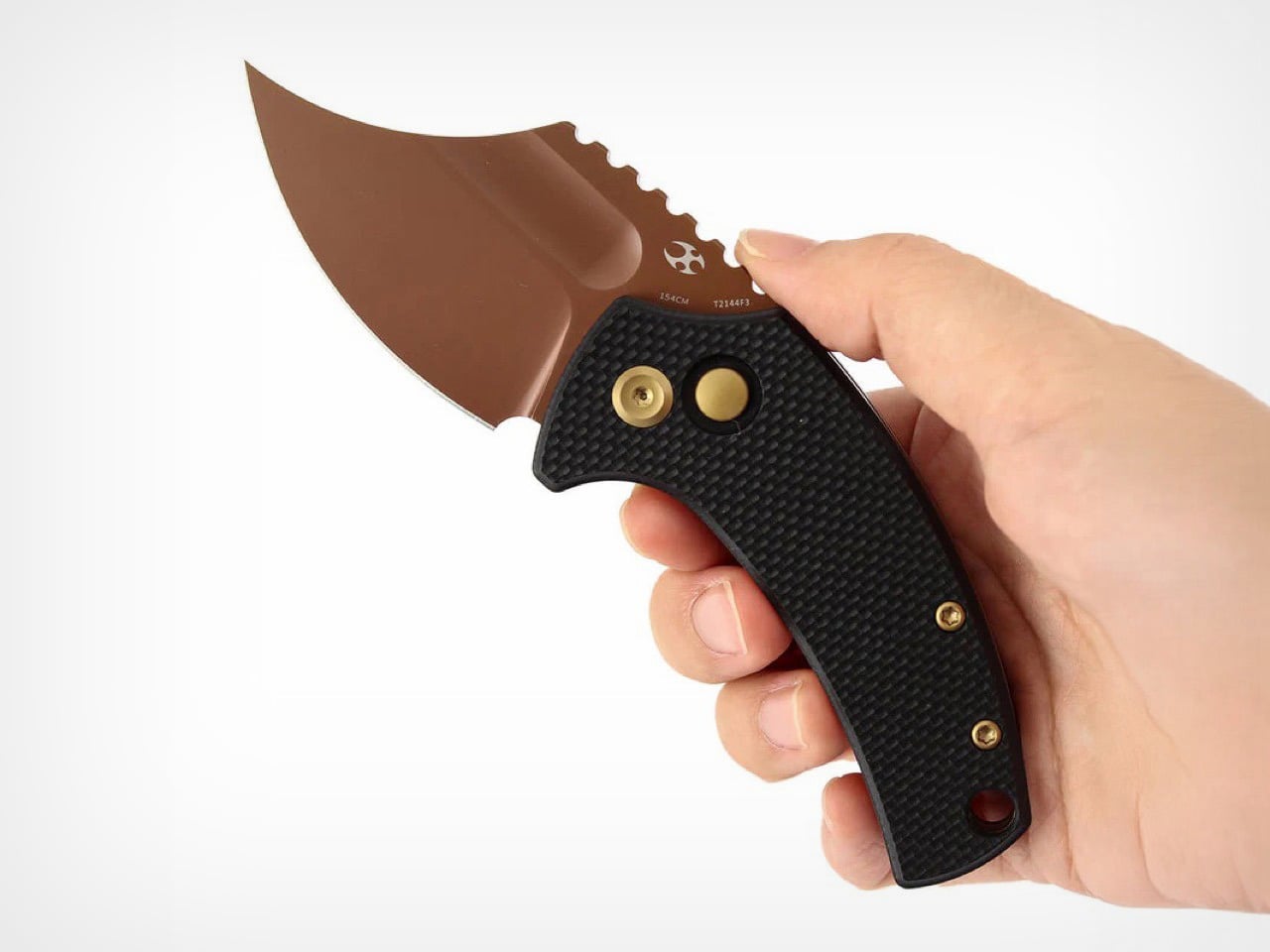
At its core, the Wasp is a button lock folder built from a 2.36-inch 154CM blade and textured G10 handle scales. The Koch Tools collaboration provides the confident stance and deliberate lines, which Kansept executes with a durable gray TiCn blade coating on several models. This finish offers both corrosion resistance and a sharp visual contrast against the vibrant handle options. The button lock itself sits neatly flush with the spine, allowing for a clean profile when closed and delivering a satisfying snap upon deployment. Priced at $75.89, the Wasp targets the intersection where enthusiast-level design becomes accessible to a much broader audience.

Designer: Koch Tools Design

The Harpoon Wharncliffe blade profile delivers exceptional tip control for detail work and piercing tasks. The upswept curve terminates in a fine point that excels at controlled cuts, while the flat cutting edge provides clean slicing performance across its full 2.36-inch length. Aggressive jimping runs along the spine, offering secure thumb purchase during precision work or when applying forward pressure. A tactical swedge grinds down the spine near the tip, reducing drag and sharpening the visual aggression of the blade. The 154CM steel handles daily cutting tasks with reliable edge retention, and the gray TiCn coating hardens the surface against wear while adding a matte finish that reads as tactical rather than decorative.

Button locks remain a standout feature at this price point. Most folders under $80 default to liner locks or frame locks, mechanisms that work fine but lack the tactile satisfaction and mechanical interest of a button system. The Wasp’s button sits recessed into the handle spine, protected from accidental activation while remaining easy to locate by feel. Deployment feels crisp and deliberate, with the blade snapping into lockup with authority. The mechanism adds a layer of fidget-worthiness that liner locks simply can’t match, which matters when a knife spends most of its time sitting in a pocket waiting to be used.

Handle construction splits across multiple G10 variants, each delivering a different personality. The light gray and orange versions feature solid scales with diagonal texturing that provides grip without being abrasive. Yellow and jade colorways introduce skeletonized cutouts that reduce weight and create visual drama through negative space. The handle shape tapers toward the base, aiding retention during use and preventing the knife from feeling blocky despite its compact proportions. Closed length measures just over 3 inches, placing the Wasp comfortably in the keychain-compatible category while still offering enough real estate for a full three-finger grip when deployed.

The Wasp competes directly with knives like the Civivi Elementum and CJRB Feldspar, both of which hover around the same price and size. The button lock and Koch Tools pedigree give it an edge in that comparison, offering mechanical and design credibility that budget folders often lack. For collectors chasing variety, the multiple colorways mean there’s likely a version that fits personal taste without compromising on function.

The post Small, Aggressive, and Under $80: Meet The Kansept Wasp Button Lock Knife first appeared on Yanko Design.
Vosteed’s “Pocket Crocodile” EDC Knife Packs a Seriously Sharp 3-Inch Sheepsfoot Blade

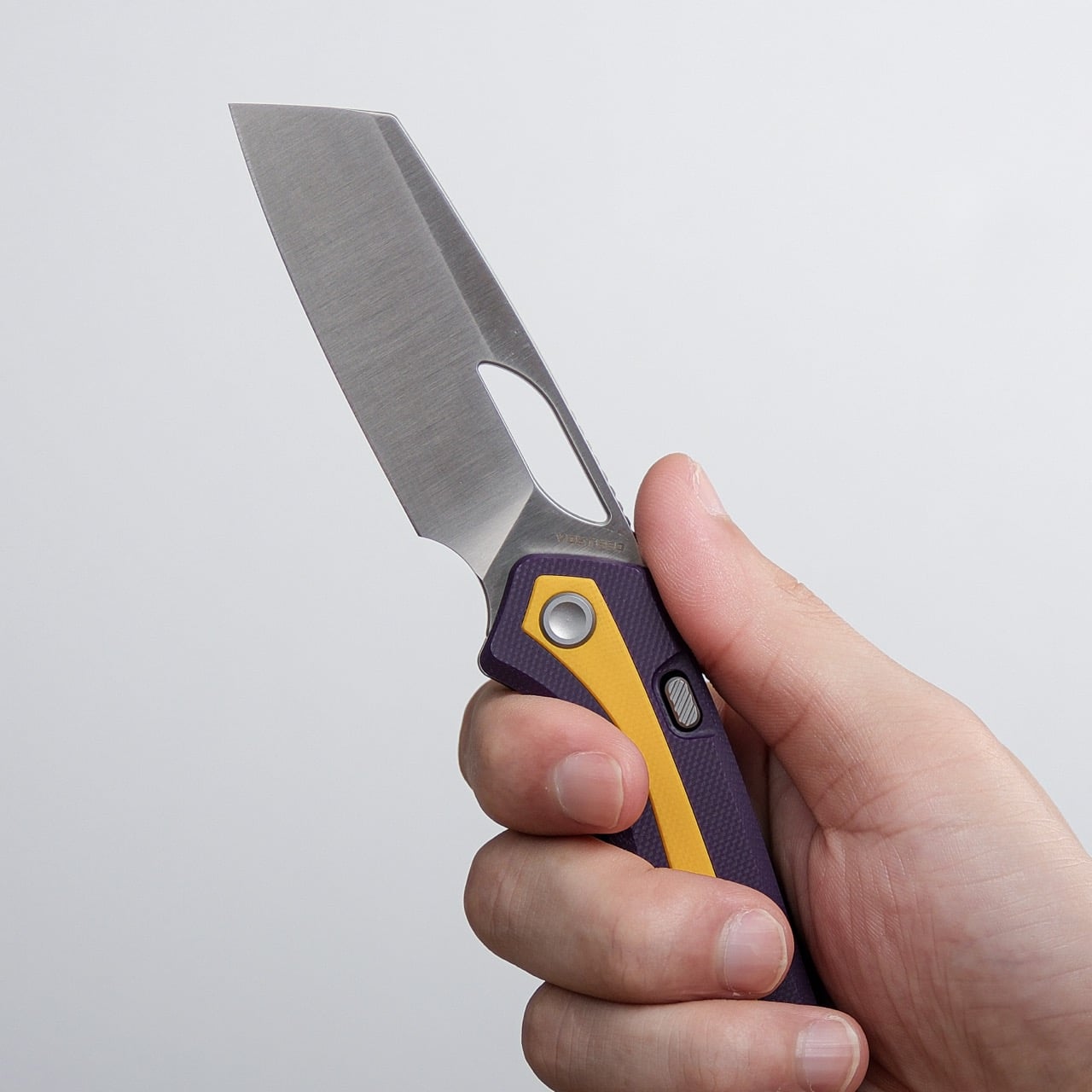
Carrying a three-inch blade shouldn’t feel like a compromise, yet most compact EDC knives sacrifice either ergonomics or capability to hit that sweet spot. Vosteed’s Kroc takes a different path. The design starts with a sheepsfoot blade that maximizes cutting edge while maintaining a sub-three-inch profile, then wraps it in a handle that somehow feels full-sized despite the knife’s 7-inch overall length. The result reads less like a miniaturized version of something bigger and more like a knife that was always meant to be exactly this size.

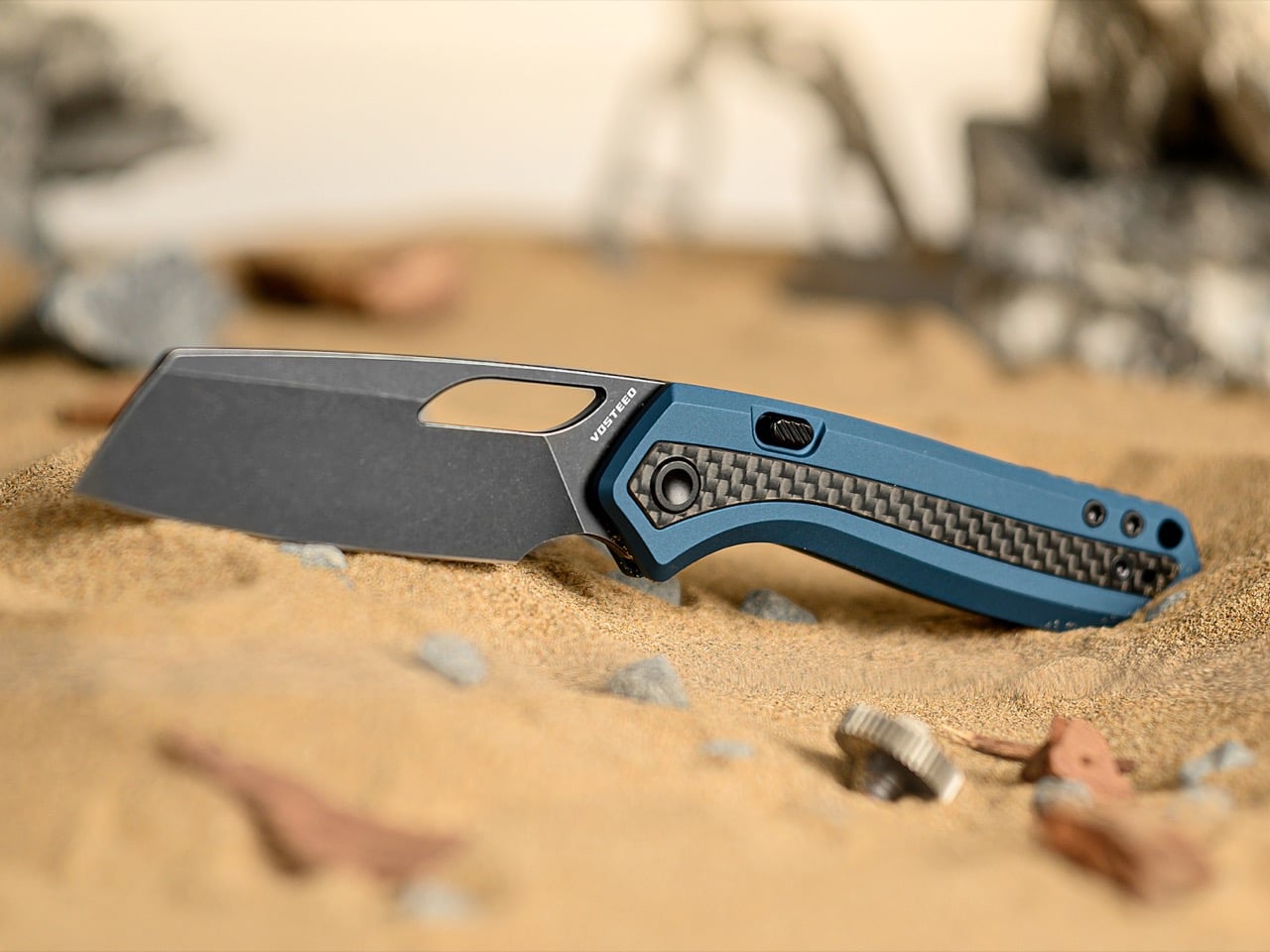
What makes the Kroc particularly interesting is how Vosteed translated this concept across nine different configurations without losing the plot. Whether you’re looking at the $69 G10 versions or the $129 aluminum models with premium S35VN steel, the silhouette remains consistent. The eye-shaped thumbhole, dual finger choils, and ceramic bearing deployment stay intact across every colorway. It’s a rare example of a knife collection that offers genuine material and budget flexibility while maintaining complete design coherence. Your pocket crocodile can be subdued ocean micarta or loud purple-and-yellow G10, but it’s unmistakably the same species.

Designer: Vosteed

Click Here to Buy Now: $116.10 $129 (10% off) Hurry! Use code “yankokroc” during checkout

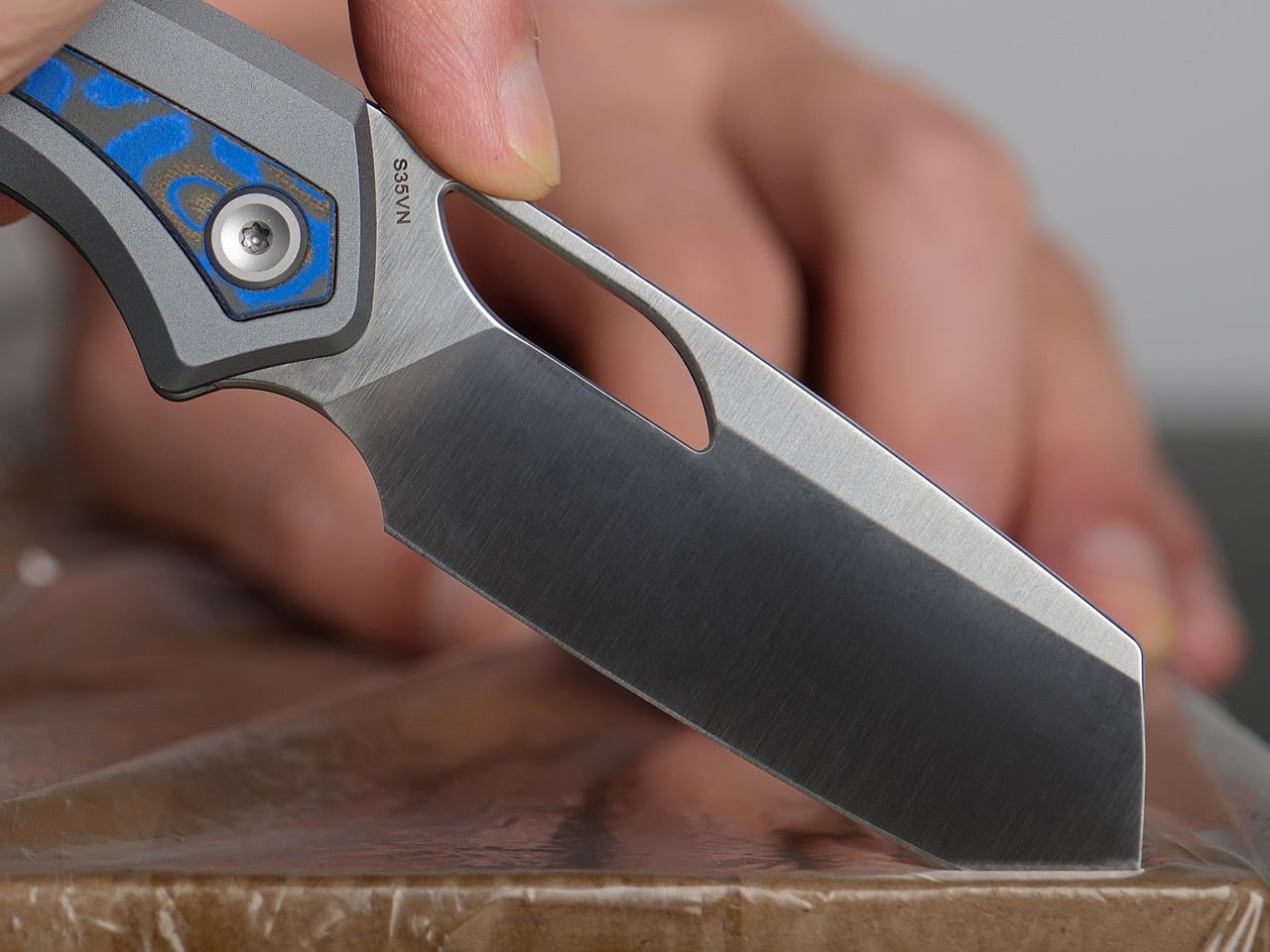
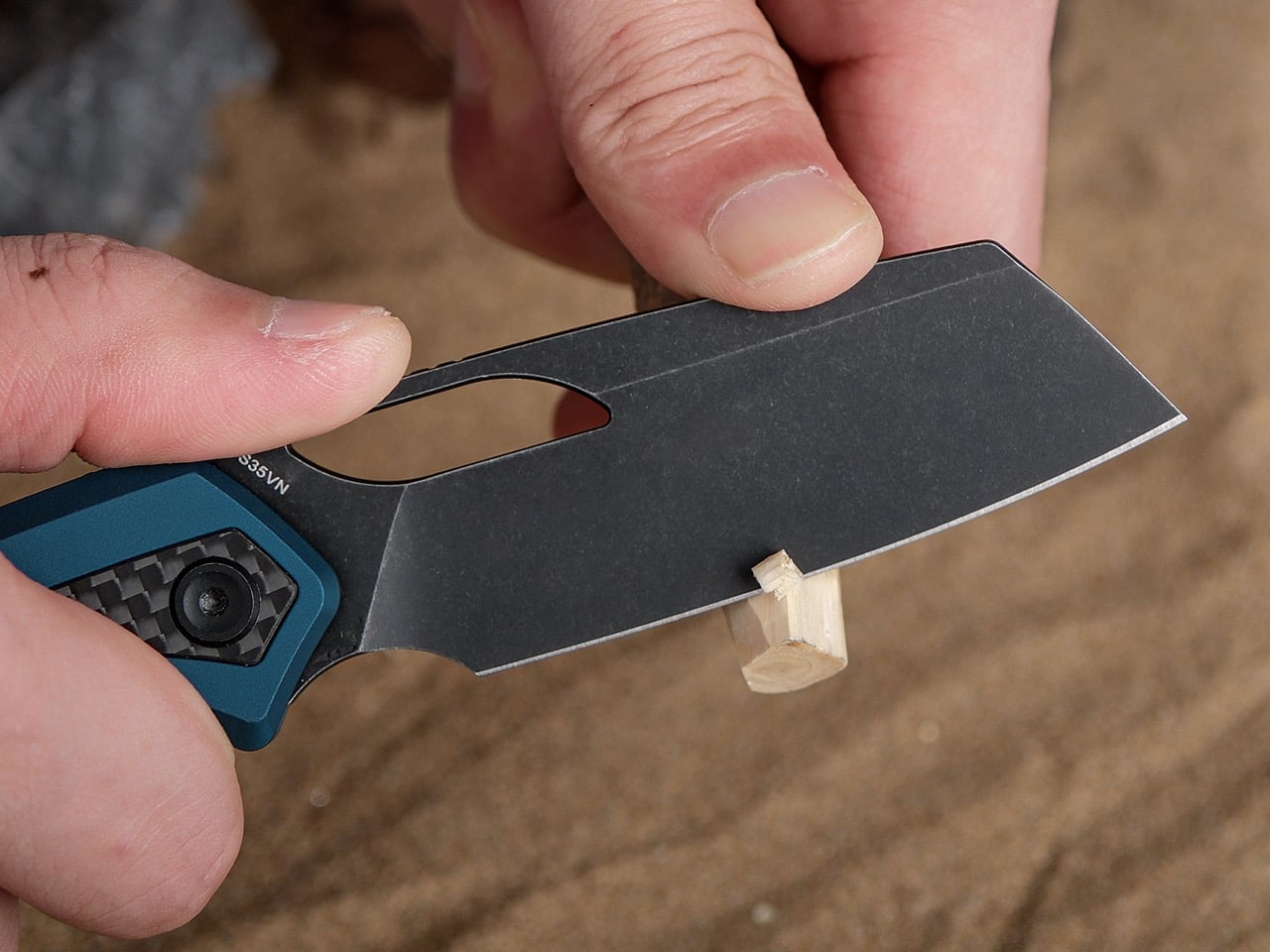
The sheepsfoot blade design with that 2.99-inch cutting edge with the flat spine gives you a blade profile that excels at controlled cuts while eliminating the stabby tip that makes carrying folders feel legally questionable in certain jurisdictions. The 1.18-inch blade width means you’re getting actual spine height here, which translates to structural rigidity when you’re bearing down on tougher materials. Vosteed ground it flat rather than going with a hollow grind, so the edge geometry stays aggressive without feeling fragile. This blade shape works beautifully for food prep, box breaking, rope cutting, anything where you need precision over penetration. The gentle belly curve keeps slicing tasks smooth instead of forcing you into that annoying push-cut motion that flatter edges demand.

Deployment happens two ways, and both actually work instead of one being an afterthought. The eye-shaped thumbhole sits right where your thumb naturally lands, sized generously enough that deployment feels effortless whether you’re opening it traditionally or doing that satisfying middle-finger flick. The front flipper gives you a second option that’s equally smooth thanks to ceramic ball bearings doing the heavy lifting. The top liner lock mechanism is where Vosteed continues to separate itself from the usual liner lock crowd. You get a recessed, textured button that keeps your fingers completely away from the blade path when closing, combining the security of a traditional liner lock with the safety and ease of a button release. It’s genuinely one of the better locking systems in this price range, maybe any price range.

Handle ergonomics make or break compact knives, and the Kroc gets this right in ways that should be obvious but somehow aren’t. The grip flows from the pivot down to a slightly widened tail section, creating natural indexing points for your hand without aggressive jimping or finger grooves that only work one way. Those dual oversized finger choils let you choke up on the blade when you need control or settle back for regular grip positions. The recessed, skeletonized liners keep the overall weight at 3.38 ounces while the jimped aluminum backspacer adds texture where you actually need it. At 4.02 inches closed, it disappears in a pocket but fills your hand when deployed. That’s the entire game with knives this size.

The nine-knife collection splits into two distinct tiers that share everything except materials. The G10 models (A1805 through A1809) run full G10 scales in various colorways, 14C28N blades, and hit that $69 price point. The aluminum versions (A1801 through A1804) feature aluminum handles with inlay options including ocean micarta, topo G10, and carbon fiber, S35VN steel, and retail for $129. Color options range from understated (satin gray with ocean micarta) to attention-seeking (purple and yellow G10), but the core design language stays locked in across every variant. You’re choosing aesthetic preference and steel quality, not compromising on anything fundamental.

At $69 for the G10 versions and $129 for the aluminum models, Vosteed positioned the Kroc exactly where it creates maximum disruption. The budget tier delivers ceramic bearings, 14C28N steel, and that top liner lock for less than you’d pay for significantly less knife from bigger brands. The premium tier competes directly with knives costing $150 to $200 while undercutting them by $20 to $70. That pricing strategy only works if the knife actually delivers, and based on how Vosteed’s been executing lately, they’ve earned the benefit of the doubt. The Kroc looks like a knife that understands its assignment and then overdelivers on the details that matter.

Click Here to Buy Now: $116.10 $129 (10% off) Hurry! Use code “yankokroc” during checkout

The post Vosteed’s “Pocket Crocodile” EDC Knife Packs a Seriously Sharp 3-Inch Sheepsfoot Blade first appeared on Yanko Design.
The Most Addictive EDC Tool of 2026: A $45 Magnetic Fidget Knife You Can’t Put Down

Most utility knives work perfectly fine. They cut boxes, strip packages, slice tape, then disappear into drawers or pockets until the next mundane task arrives. They’re functional, reliable, forgettable. The problem isn’t that they fail at their job. The problem is they offer nothing beyond the cut itself, no texture or personality, no reason to reach for them when they’re not strictly necessary. They exist in a utilitarian void where efficiency trumps experience.

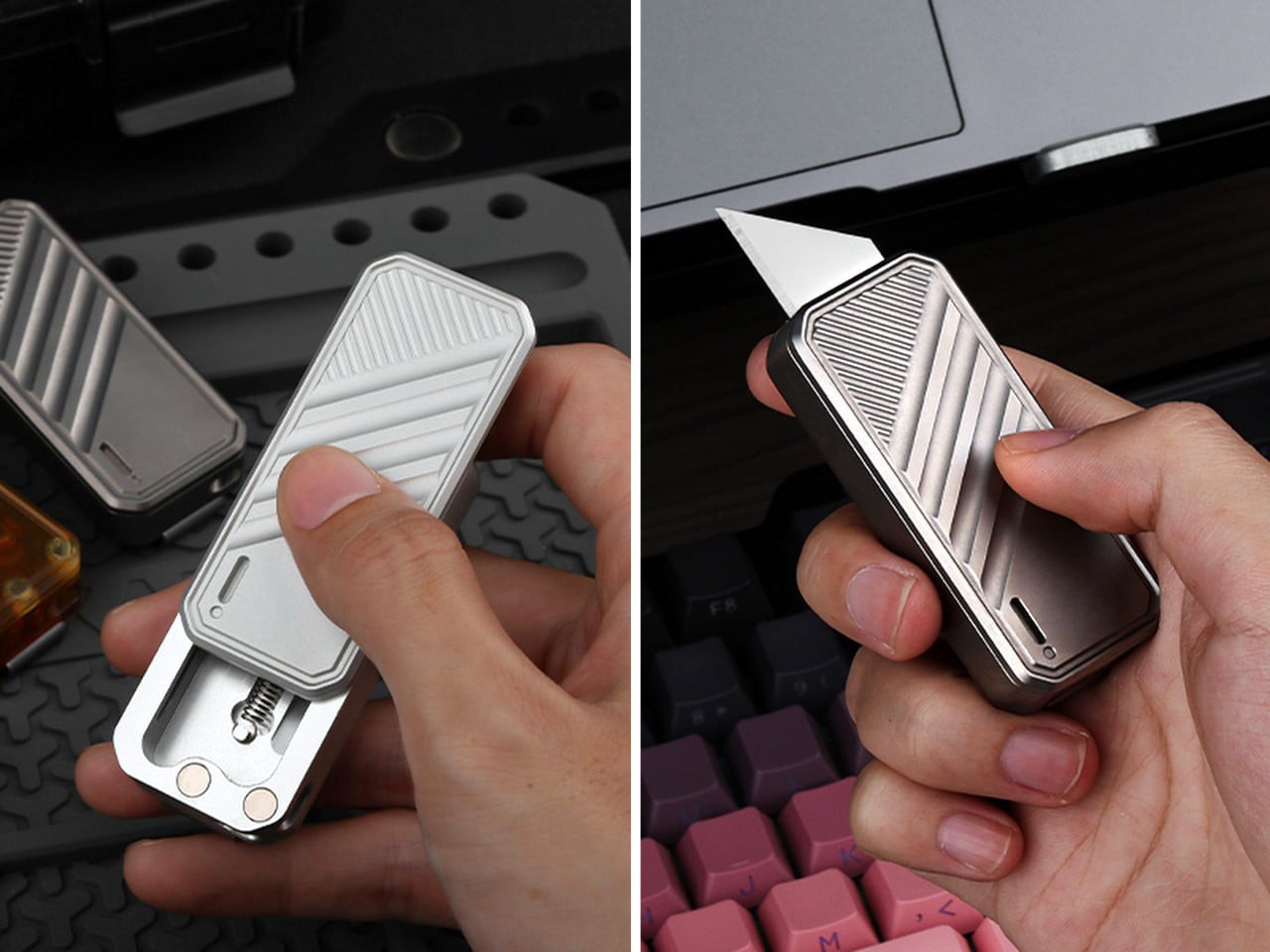
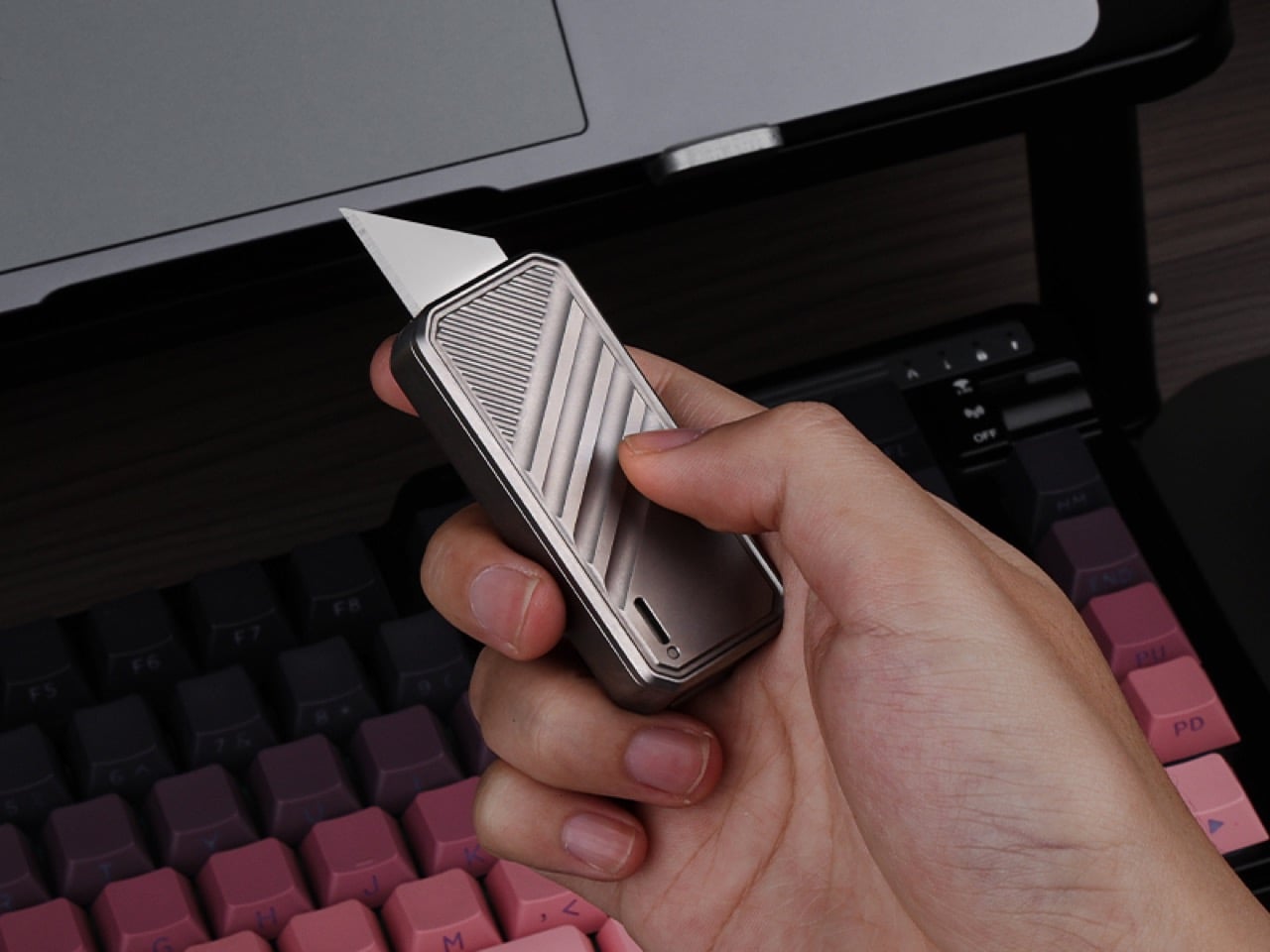
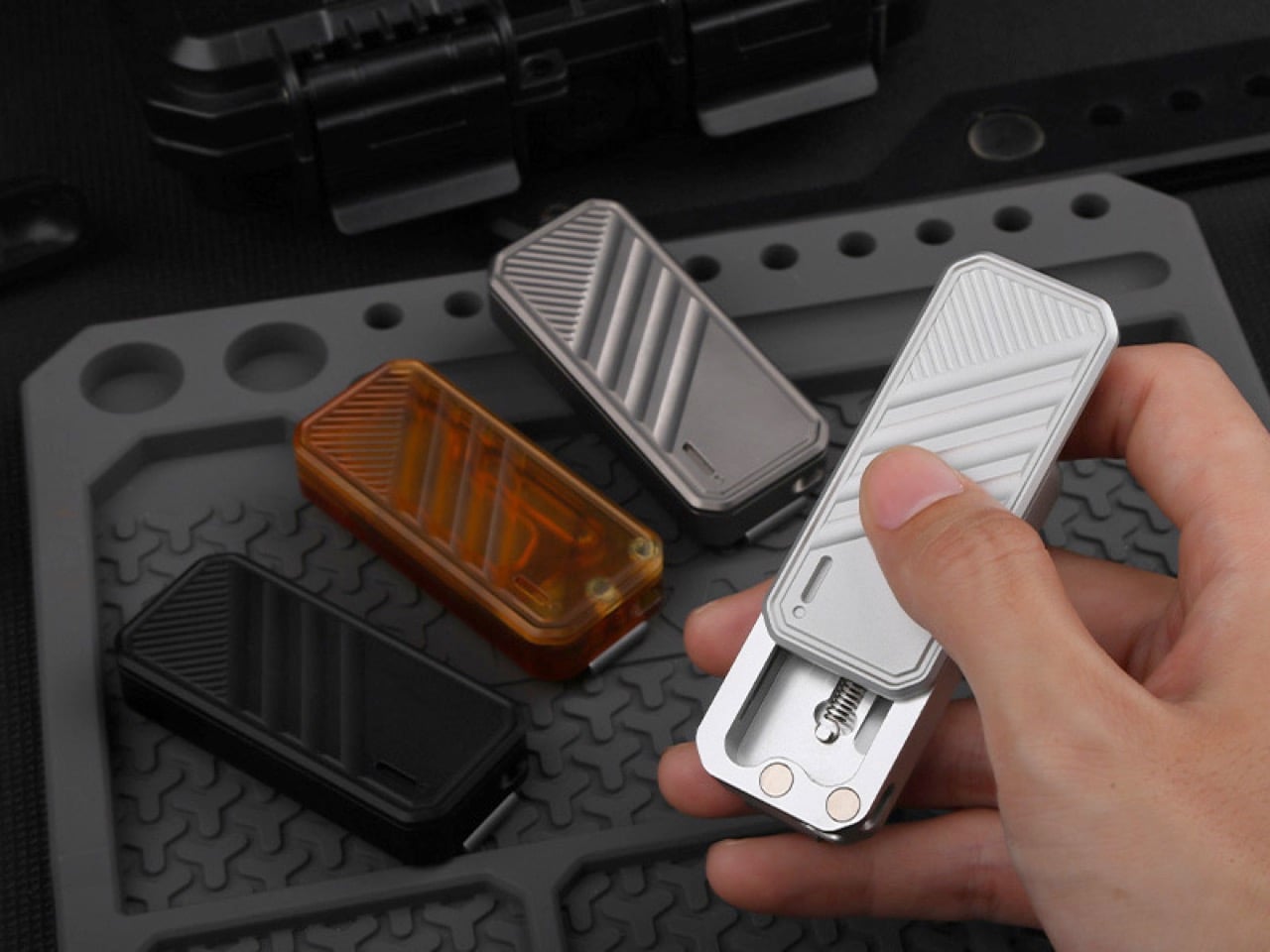
DeckShiv by ActMax takes a different approach entirely. This magnetic fidget slider utility knife was designed to stay in your hand long after the cutting is done. The sliding mechanism deploys and retracts a standard utility blade, but the real story lives in the magnetically guided movement itself. Every slide forward feels intentional, controlled, deliberate. Every return journey happens smoothly, pulled back by magnetic force into a soft, satisfying click. It’s a utility knife that doubles as a fidget device, built for people who appreciate tactile feedback in their everyday tools.

Designer: ActMax

Click Here to Buy Now: $45 $55 (18% off) Hurry! Only 32 of 120 left.

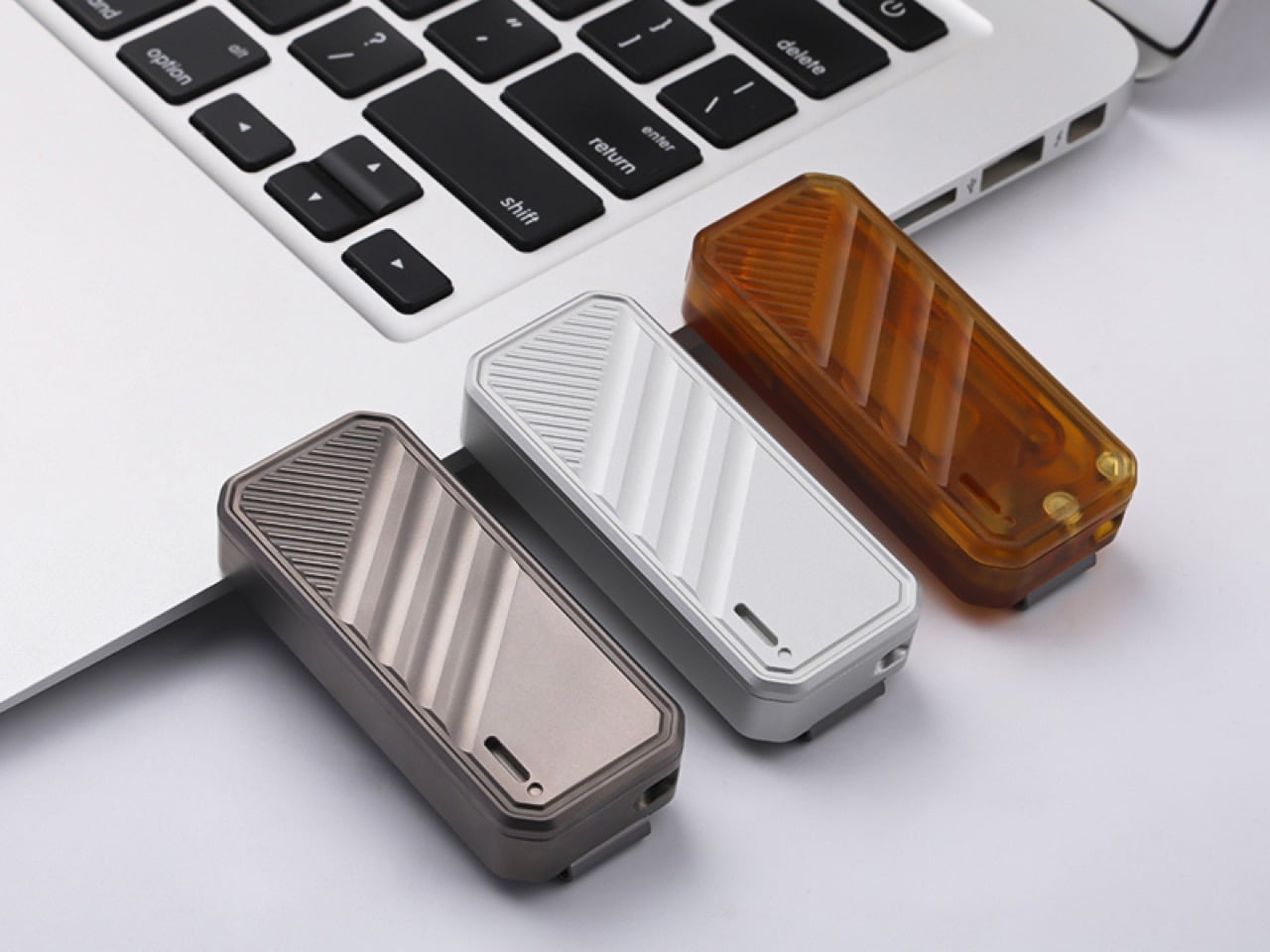
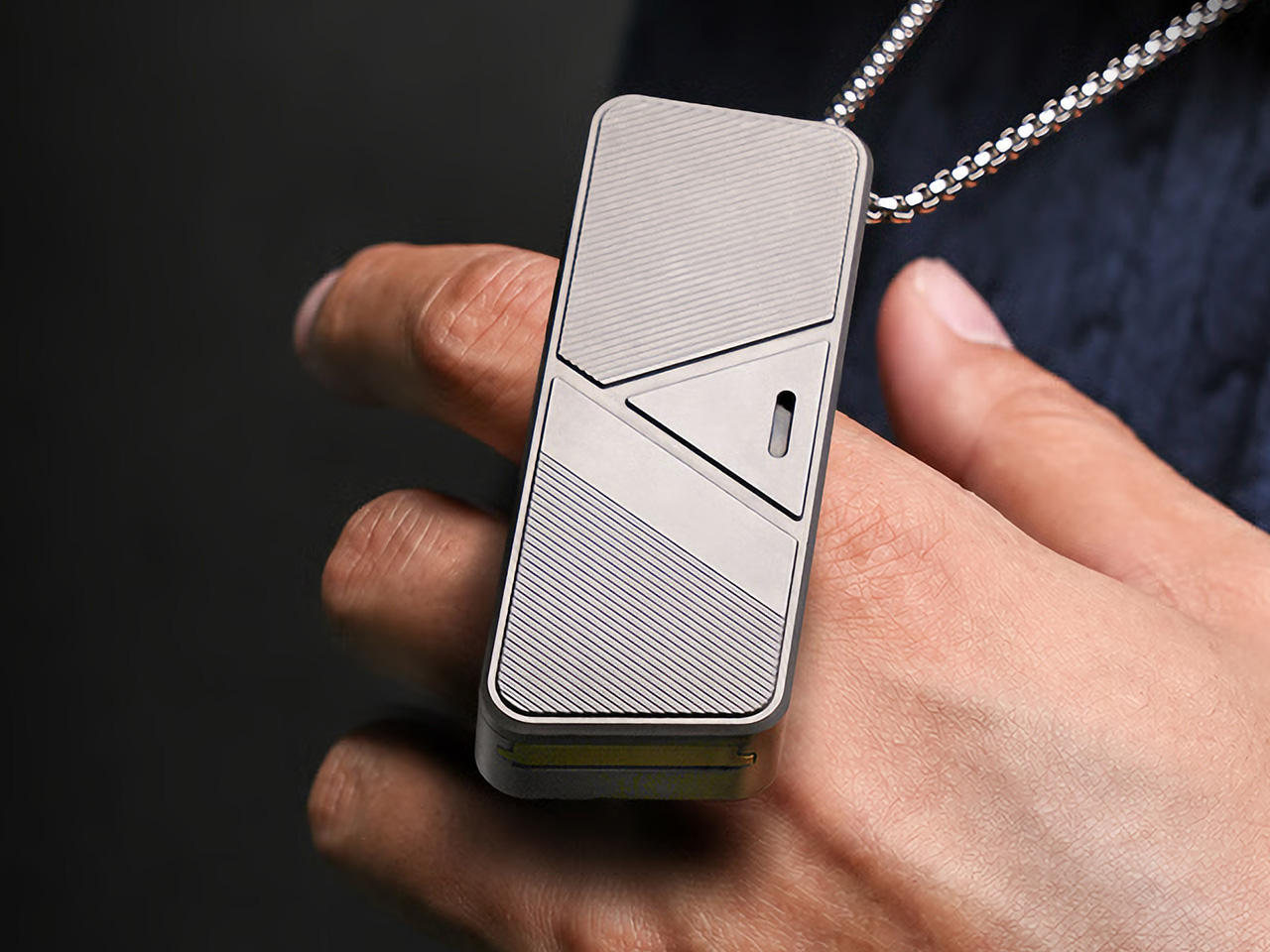
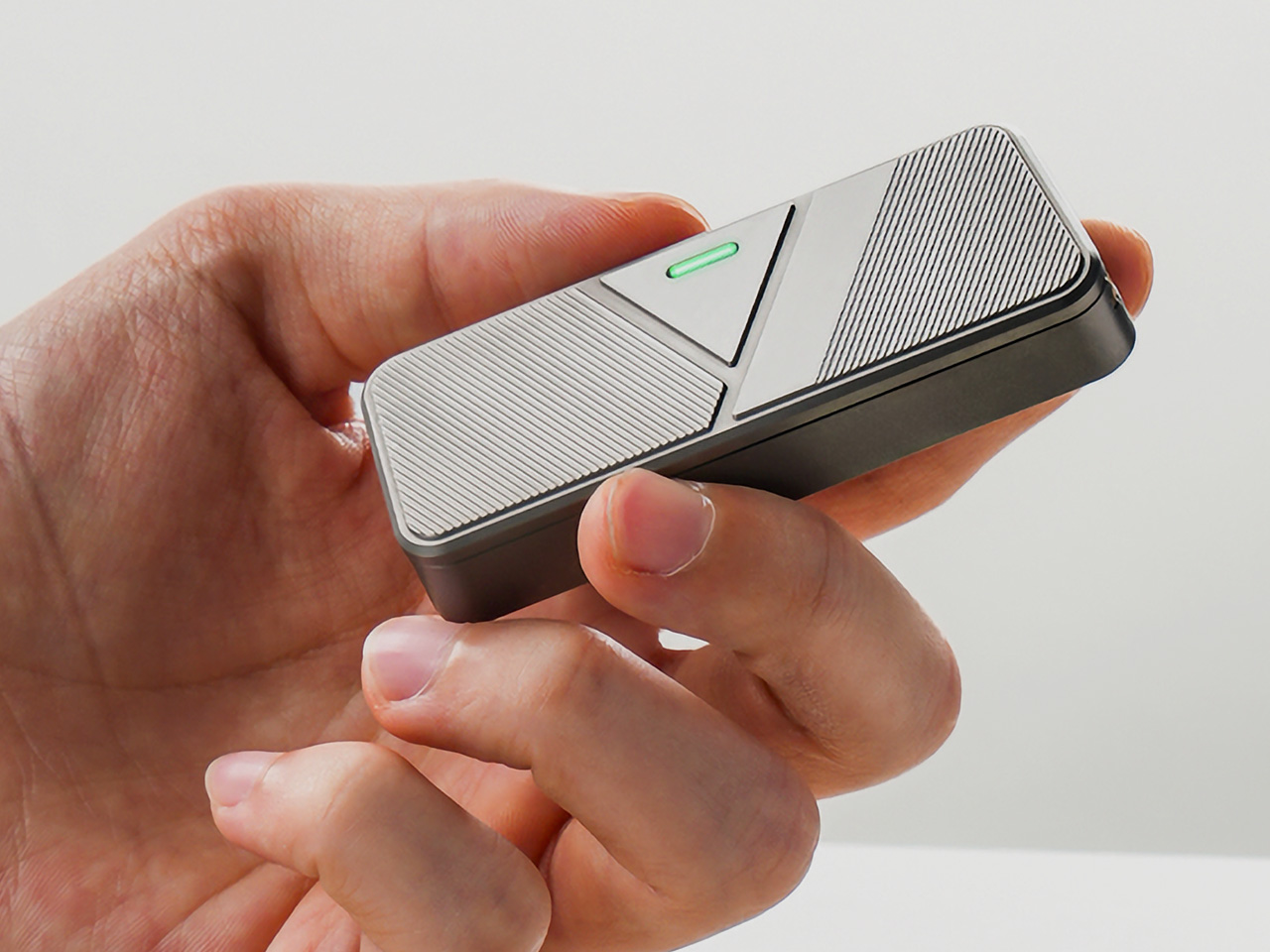
The slider doesn’t just glide loosely; magnets guide the path with a controlled drag that lets you precisely meter out blade exposure. When you let go, that same system pulls the blade back home without any of the jarring snaps common in cheaper auto-retractors. The whole package is just 67mm long by 29mm wide, a palm-sized 12mm thick, so it feels more like a Zippo than a piece of hardware. The body is covered in CNC-machined diagonal lines that give your thumb a natural track to follow, a smart touch that makes the action feel even more intuitive.

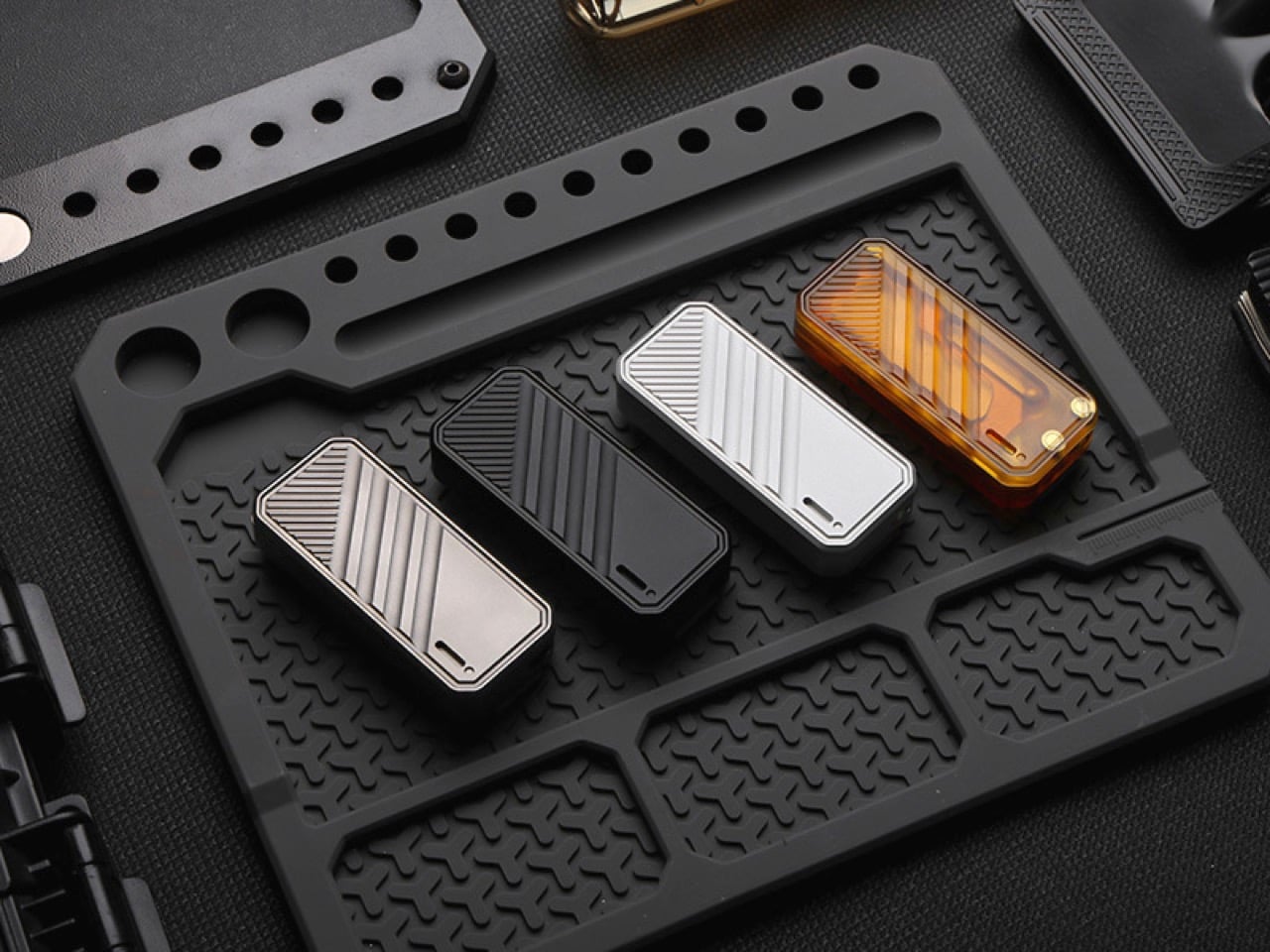
Of course, that whole tactile experience changes depending on what you’re holding. The titanium alloy version has a satisfying heft that adds a certain gravitas to the sliding motion; its momentum feels deliberate and smooth. Dropping down to the aluminum alloy model shaves off significant weight for a much lighter carry, making the action feel a bit quicker and snappier. Then there’s the PEI option, a high-performance polyetherimide that feels warm to the touch and has a unique, semi-transparent amber look. The choice isn’t just cosmetic, it fundamentally alters the knife’s presence and the feedback you get from the mechanism.

For all the fidget-friendly engineering, it still needs to cut things. ActMax wisely stuck with standard SK5 utility blades, the trapezoidal workhorses you can find anywhere. The blade itself is seated magnetically, which is a clever bit of design that completely eliminates the annoying rattle you get with a lot of replaceable-blade knives. It feels solid, locked in place until you decide to remove it. Because the blade only extends as far as you push, there’s little chance of accidental full deployment, a crucial safety feature for a tool designed to be handled constantly.

And you’ll be swapping blades often if you’re actually using it on cardboard. The process here is dead simple, taking about two seconds with no tools. The same magnetic system that holds the blade secure also makes it easy to pop out and replace. This is one of those small quality-of-life details that becomes a huge deal with long-term use. There’s nothing worse than having to hunt down a tool just to maintain your tool, and ActMax completely sidestepped that headache.

The body itself is clearly built for the long haul, especially the titanium version, which is famously resistant to corrosion and abuse. This feeds directly into a more sustainable ownership model; instead of tossing an entire knife when the edge dulls, you’re only swapping out a small, recyclable sliver of steel. The real genius, though, is its travel-readiness. Pop the blade out, and the DeckShiv body becomes a completely harmless metal slider. The TSA won’t look twice at it, meaning you can carry the handle in your pocket and just buy a new blade for a couple of bucks when you land. That’s a level of everyday practicality most fixed-blade EDCs simply can’t offer.

The final decision really comes down to aesthetics and carry style. You can get the titanium and aluminum versions in either a raw metal or a stealthy black finish, while the PEI comes in its natural amber hue. There’s a small slot for a 1.5mm by 6mm tritium vial if you want a constant low-light glow, plus a removable pocket clip and a keychain loop. The Kickstarter pricing is aggressive, starting at $45 for aluminum and topping out at $75 for titanium, with free worldwide shipping starting June 2026.

Click Here to Buy Now: $45 $55 (18% off) Hurry! Only 32 of 120 left.

The post The Most Addictive EDC Tool of 2026: A $45 Magnetic Fidget Knife You Can’t Put Down first appeared on Yanko Design.
This $129 Titanium EDC Knife Has The Most Addictive Tiger-Claw Opening Mechanism

When the CRKT Provoke first appeared, its morphing mechanism felt like a revelation. The design, which borrowed its kinematics from the way a jungle cat’s claws extend from its paws, was a jolt of fresh energy for an EDC world growing tired of endless flippers and predictable OTF switchblades. TiGo’s SyncraBlade now takes that same philosophy of complex, purposeful motion and applies it to the humble utility knife, creating something that feels just as revolutionary. The parallel linkage system that deploys the blade isn’t just visual theater, though it certainly delivers on that front. It is a direct solution to the finger-in-the-way problem that every traditional folder presents.

Watching the SyncraBlade extend is like observing a miniature precision machine at work. Two articulated arms move in perfect synchronization, carrying the blade forward along dual rails while maintaining its orientation. The entire assembly is milled from titanium, with every pivot point and linkage visible through strategic cutouts in the handle. This transparency isn’t accidental; TiGo designed a tool that wears its mechanical complexity proudly, appealing to anyone who appreciates clever engineering as much as practical function. The fact that it uses standard replaceable razor blades only reinforces its credentials as a tool meant for serious, everyday use.

Designer: TiGo

Click Here to Buy Now: $129 $201 (36% off) Hurry! Only 70 of 100 left.

The mechanism itself is a classic four-bar parallel linkage, a system engineers have used for centuries in industrial machinery (although maker TiGo likes to call it their ‘SyncraSlide’ mechanism). The blade carrier slides forward on a set of internal rails, but its motion is driven by those two external articulating arms. This setup ensures the blade extends in a perfectly linear path, keeping the cutting edge safely away from your hand throughout the entire deployment. Single-handed operation is effortless, and because the blade never folds, there’s zero risk of it accidentally closing on your fingers. Basically, clever engineering that solves a safety issue while looking gorgeous and feeling absolutely addictive. Looking at it will remind you of how a cat’s claws deploy from within their paws. At this scale, the SyncraBlade is roughly the same size (and probably even caliber) as a tiger’s claws – which sounds about as badass as the knife is designed to be.

That entire intricate assembly is machined from Grade 5 titanium, which explains the sharp, angular lines and confident feel. This isn’t your standard stamped-metal utility cutter. The choice of Ti-6Al-4V gives it an incredible strength-to-weight ratio, so while it feels substantial, it won’t weigh down your pocket. Closed, it measures a compact 115mm long and weighs in at 118 grams, putting it right in the sweet spot for everyday carry. The bead-blasted finish gives it a subtle, non-reflective quality that highlights the milled textures on the handle and linkage arms. Every surface feels deliberate, designed for both aesthetic appeal and functional grip.

The titanium handle encases a cleverly integrated standard user-replaceable utility blade that’s both sharp and interchangeable, making it a perfect choice for brutal functionalists who hate the idea of ‘blade maintenance’. This completely sidesteps the hassle of sharpening and lets you maintain a factory-sharp edge with a simple swap. A fresh blade is always sharper and more precise than a hand-sharpened one, which is exactly what you want for delicate tasks like opening packages or trimming materials. The blade change mechanism appears straightforward, secured by a single screw, so you can pop in a new one in seconds without any specialized tools. It’s a practical decision that grounds the futuristic design in real-world usability.

The way the blade ejects is visually addictive, sure. But it’s also safer than your average flipper. A flipper blade often uses a torsion spring, which causes the blade to arc out and stop in its open position. If there’s no spring-loaded action, the blade almost always requires two hands to open and close – or at best, one hand with a bit of a struggle. If you’ve ever pulled out a sofa-bed, you know that a well-made parallel linkage can be activated with just a single hand. The SyncraBlade encourages that level of ease, allowing you to both deploy as well as shut the blade with a single thumb-motion. This is also safer because the blade’s edge never really comes in the path of your hands. A folding blade’s curved path means you need to move your fingers out of the way while opening and closing the blade – the SyncraBlade’s parallel linkage eliminates that need entirely. Grip the knife exactly how you used to, the blade never comes in contact with your skin – making it reliable to deploy in the dark, or even in any situation without having to look down at your knife.

The functionality doesn’t stop with the blade. Tucked into the tail end of the handle is an integrated pry bar and a wire-gate carabiner clip. These aren’t afterthoughts; they’re seamlessly incorporated into the titanium body. The pry bar is robust enough for light-duty tasks that would destroy a knife tip, like scraping or opening paint cans. The carabiner provides a secure attachment point for a keychain or belt loop, making it easy to keep accessible. There’s even a hidden bottle opener integrated into the frame, making this tiny beast perfect for the outdoors, whether you’re camping, hunting, or dare I say, on a tactical mission.

All these features are packed into a frame that is surprisingly ergonomic. When closed, it’s a dense, fidget-friendly rectangle of titanium. Once the blade is deployed, the articulated linkage arms naturally form a finger guard, creating a secure and comfortable grip. The milled texturing on the handle provides excellent traction, ensuring the tool won’t slip even when you’re applying significant force. The entire design feels balanced and intuitive in the hand, a testament to how much thought went into the relationship between the mechanism and the user experience.

And the knife is designed for everyday use with quite literally zero compromise. The titanium build makes it devilishly durable. It’s corrosion-proof by default, doesn’t rust or oxidize, can be dropped from a hundred feet or be run over by a car without any sign of wear and tear. It’s water-resistant, and if you’re a part of a small section of people who are sensitive to certain materials, titanium is hypoallergenic by nature. The blade is the only replaceable part, which means you can simply ditch it for a sharper one if the old one dulls or breaks. And if you’re traveling, just pack the blade separately and you’ve got a TSA-friendly EDC that can attach to your backpack, belt loop, or sit in your pocket.

The SyncraBlade doesn’t entertain any fluff – it comes in a single natural color (none of that anodized or PVD coated nonsense), and the most you can do to personalize your knife is have it custom-engraved. I’d have appreciated a tritium slot on the sides, but that’s me being pedantic – especially considering the knife costs a mere $129 (discounted from its $201 price tag), and ships free globally starting May this year.

Click Here to Buy Now: $129 $201 (36% off) Hurry! Only 70 of 100 left.

The post This $129 Titanium EDC Knife Has The Most Addictive Tiger-Claw Opening Mechanism first appeared on Yanko Design.