This Steel Side Table Has 6 Functions and Zero Extra Parts

Living with limited floor space has always required some level of compromise, and furniture is usually where that compromise shows most. Side tables, in particular, tend to occupy a fixed spot and stay there, doing exactly one thing for the life of the room. The modern home demands more from every square meter, and most furniture simply isn’t designed to meet that demand in any meaningful way.

The Modular No. 2 takes a different approach. It’s a minimalist piece made from two halves of powder-coated steel that, depending on how they’re arranged, can serve entirely different functions without any added hardware, tools, or separate components. The flexibility isn’t a feature tacked on as an afterthought; it’s built directly into the form and the way the two halves relate to each other.

Designer: Michael Hilgers
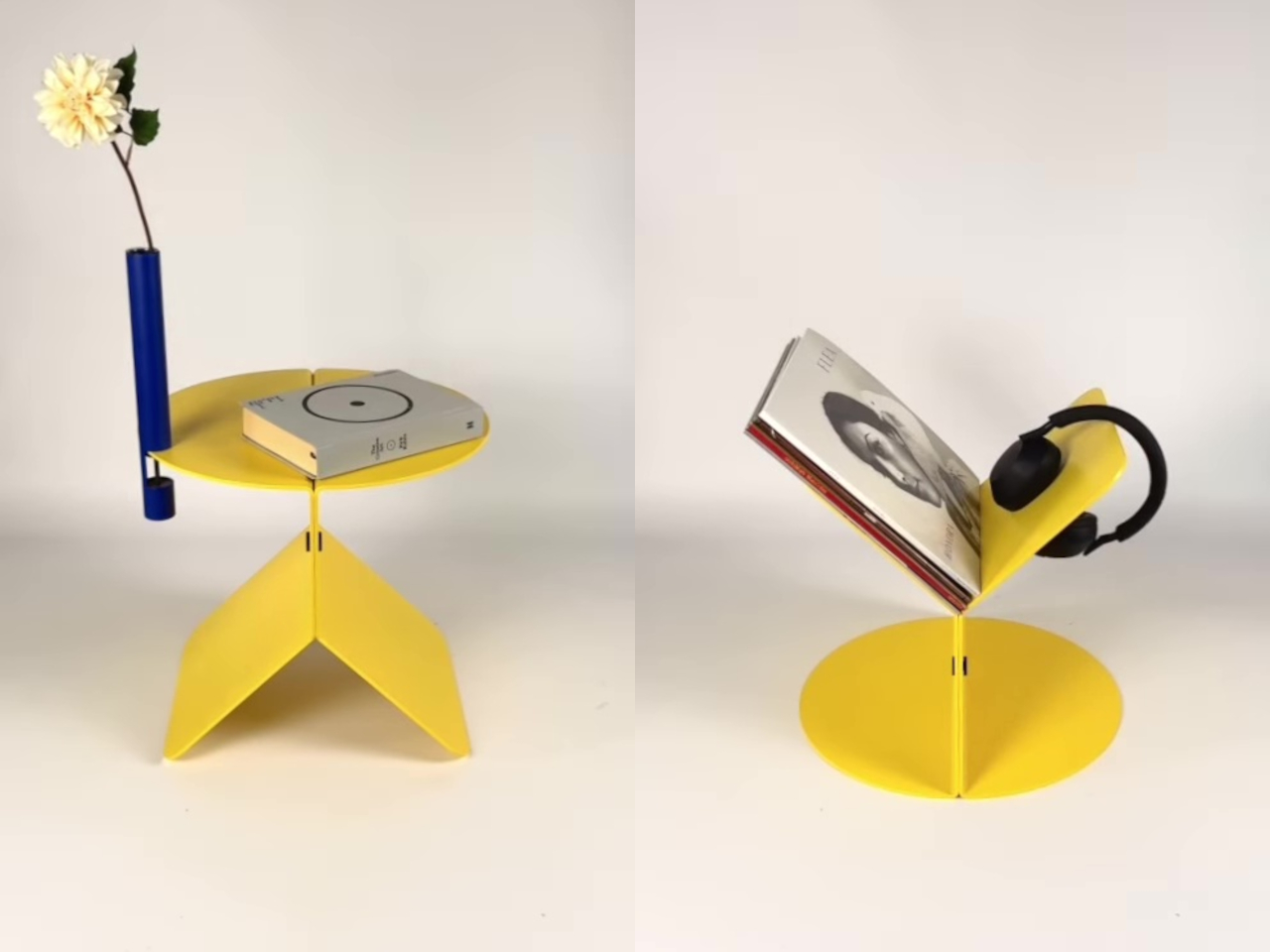
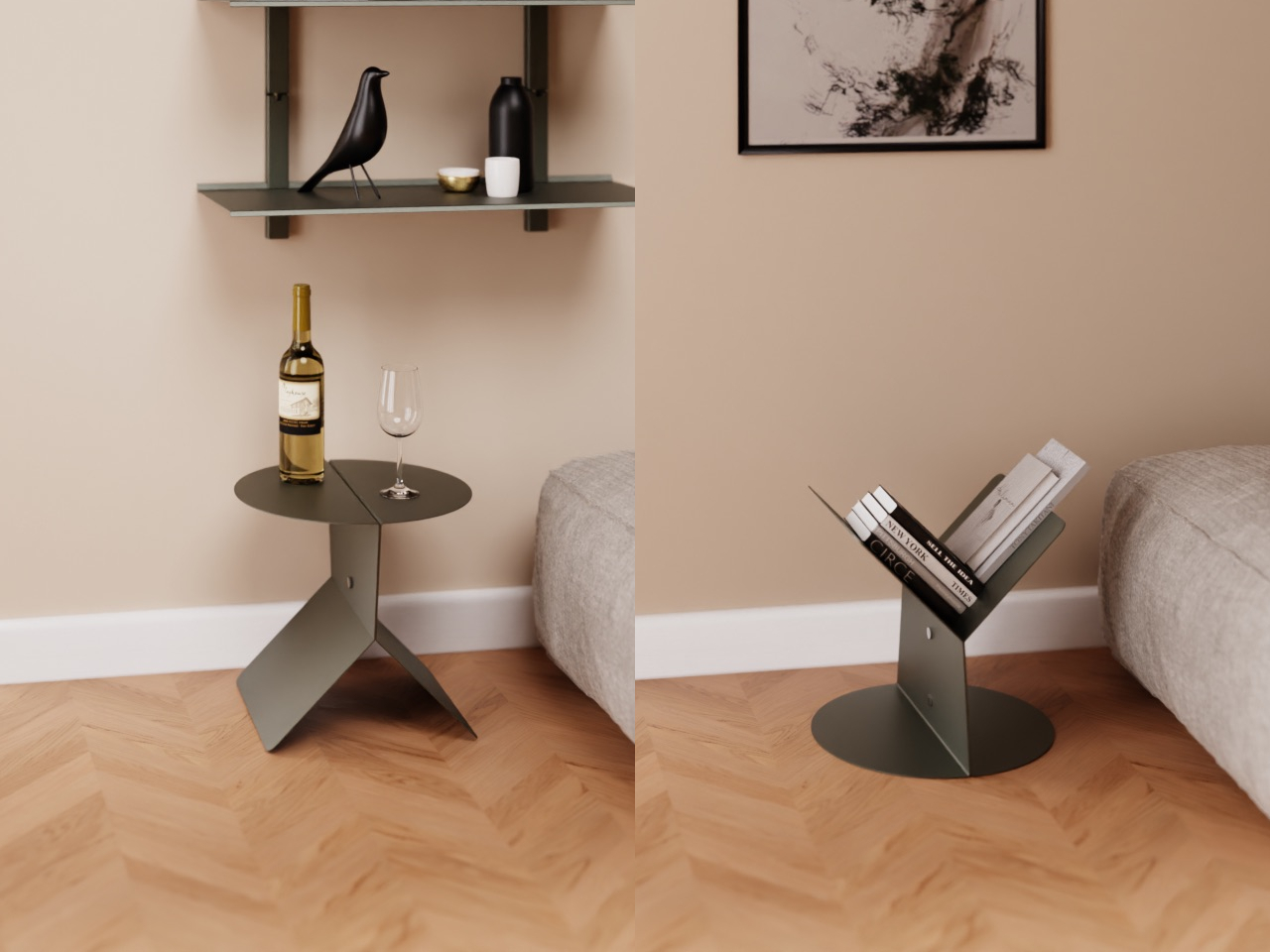
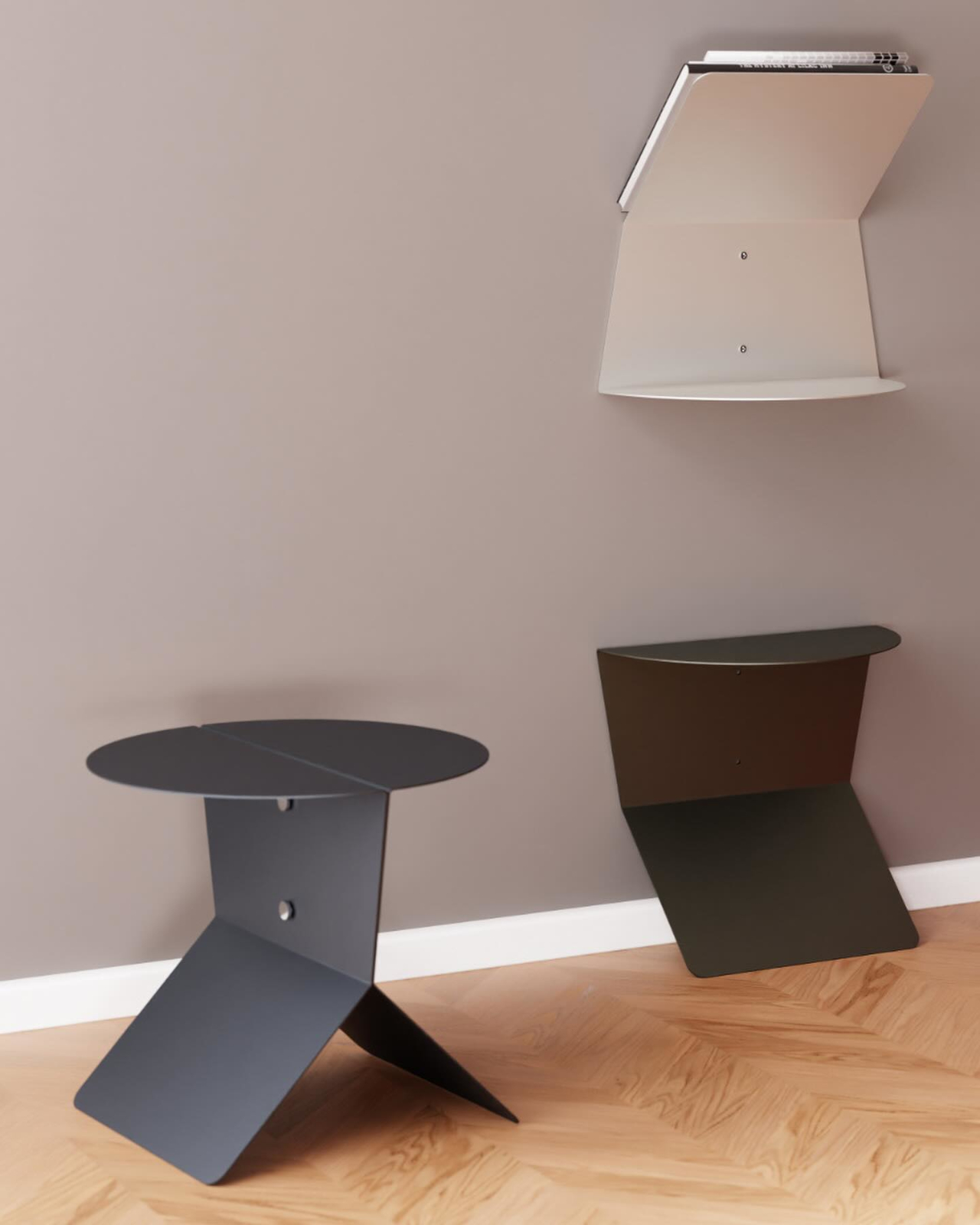
In its most familiar configuration, the two halves are joined to form a low side table, steady and practical for a drink, a bedside lamp, a small plant, or the usual stack of books collecting dust and good intentions. The clean steel surface and minimal silhouette means it doesn’t announce itself too loudly in a room, which is often the most you can ask of a side table.
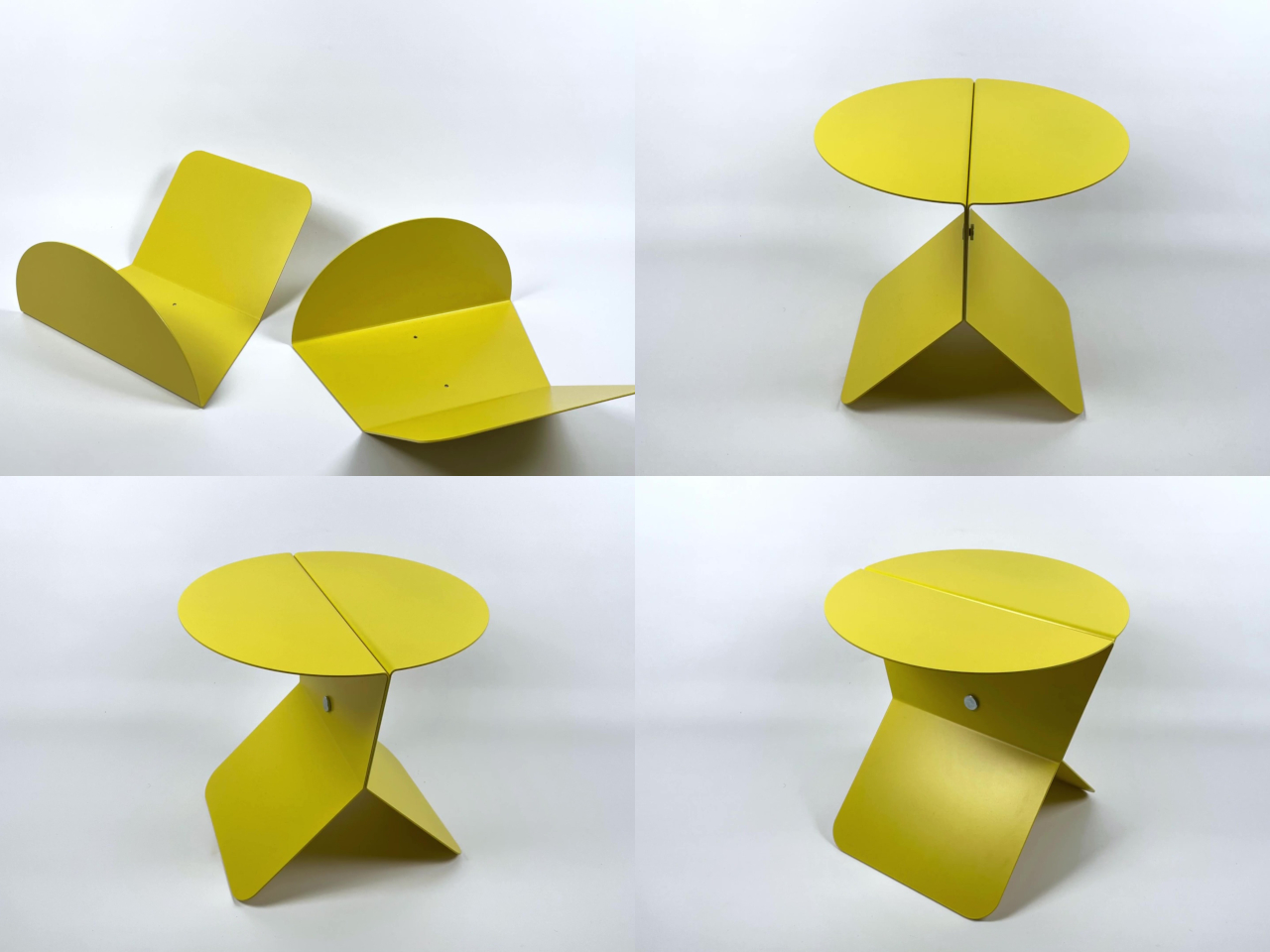
Flip it over, and the same piece becomes a magazine rack or bookstand. The geometry that creates the flat table surface in one orientation naturally forms a slotted structure in the other, holding books, periodicals, or papers upright without any additional parts. It’s one of those moments in furniture design where the function feels almost accidental, even though it’s clearly the result of considered thinking about form.
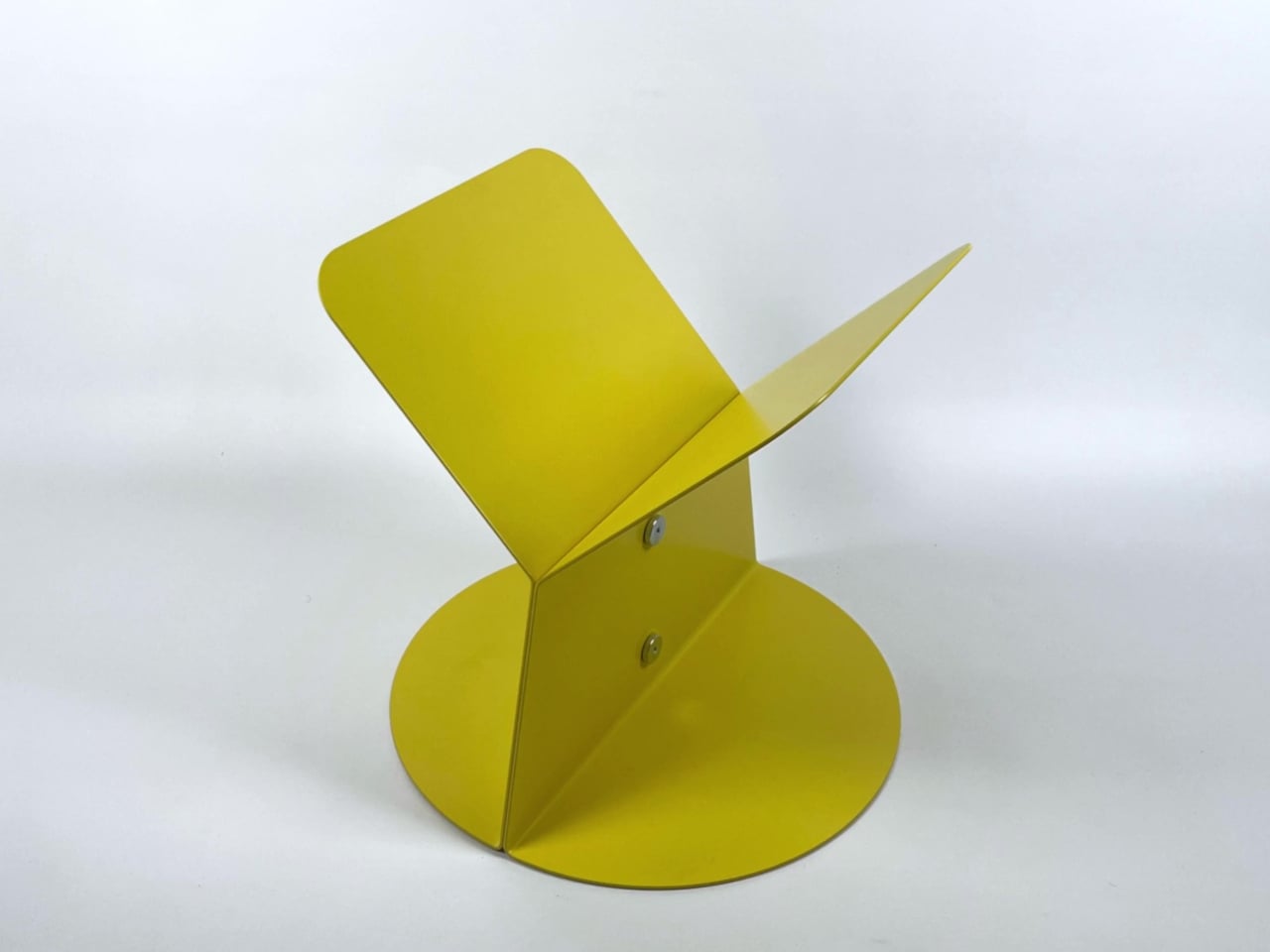
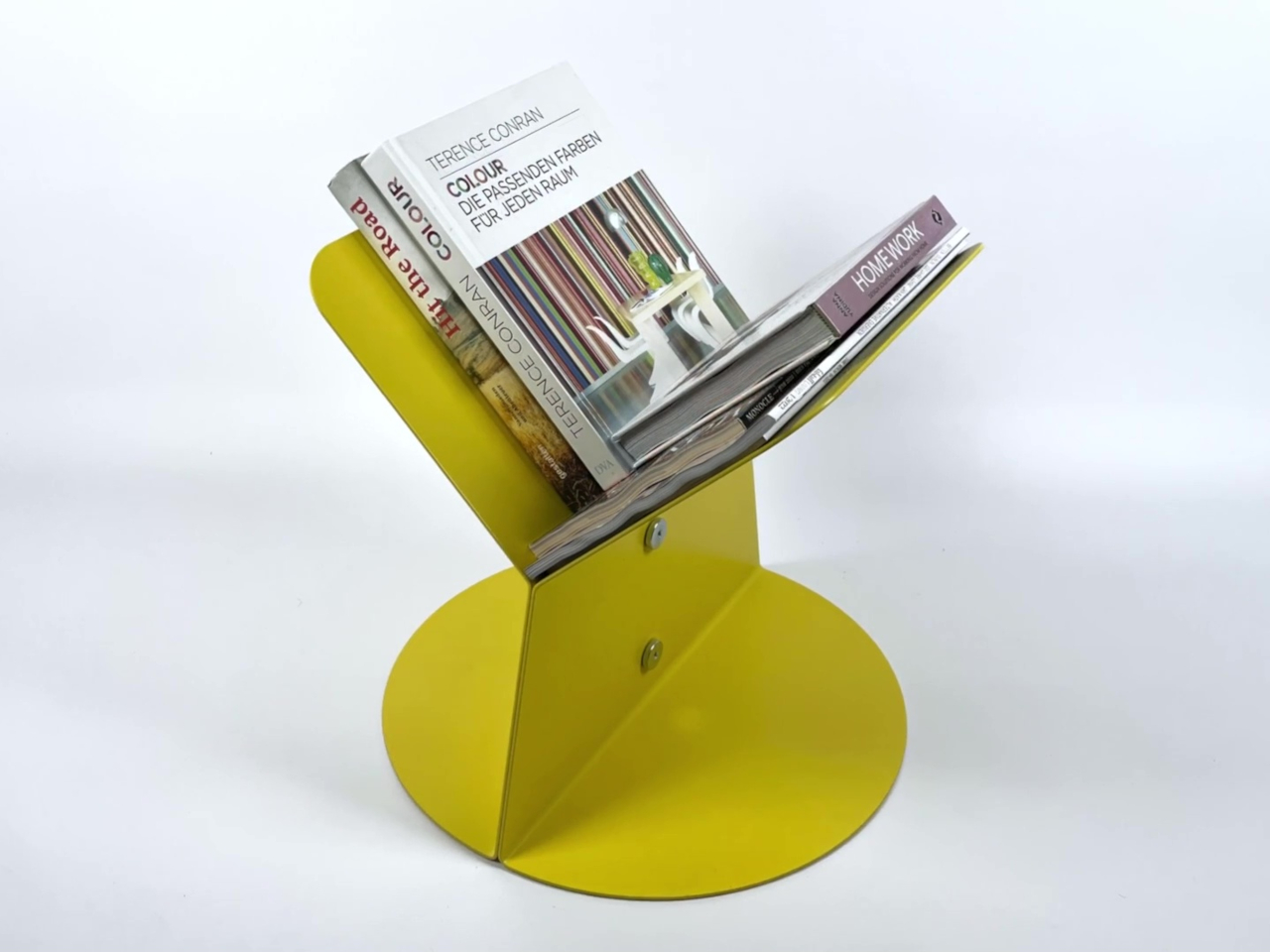
The third configuration is arguably the most useful one in a bedroom short on floor space. The same holes used to join the two halves together also serve as wall-mounting points, so each half can be fixed independently to a wall as a floating nightstand. Placed on either side of a bed, the pair creates a neat bedside setup that takes up no floor space at all.
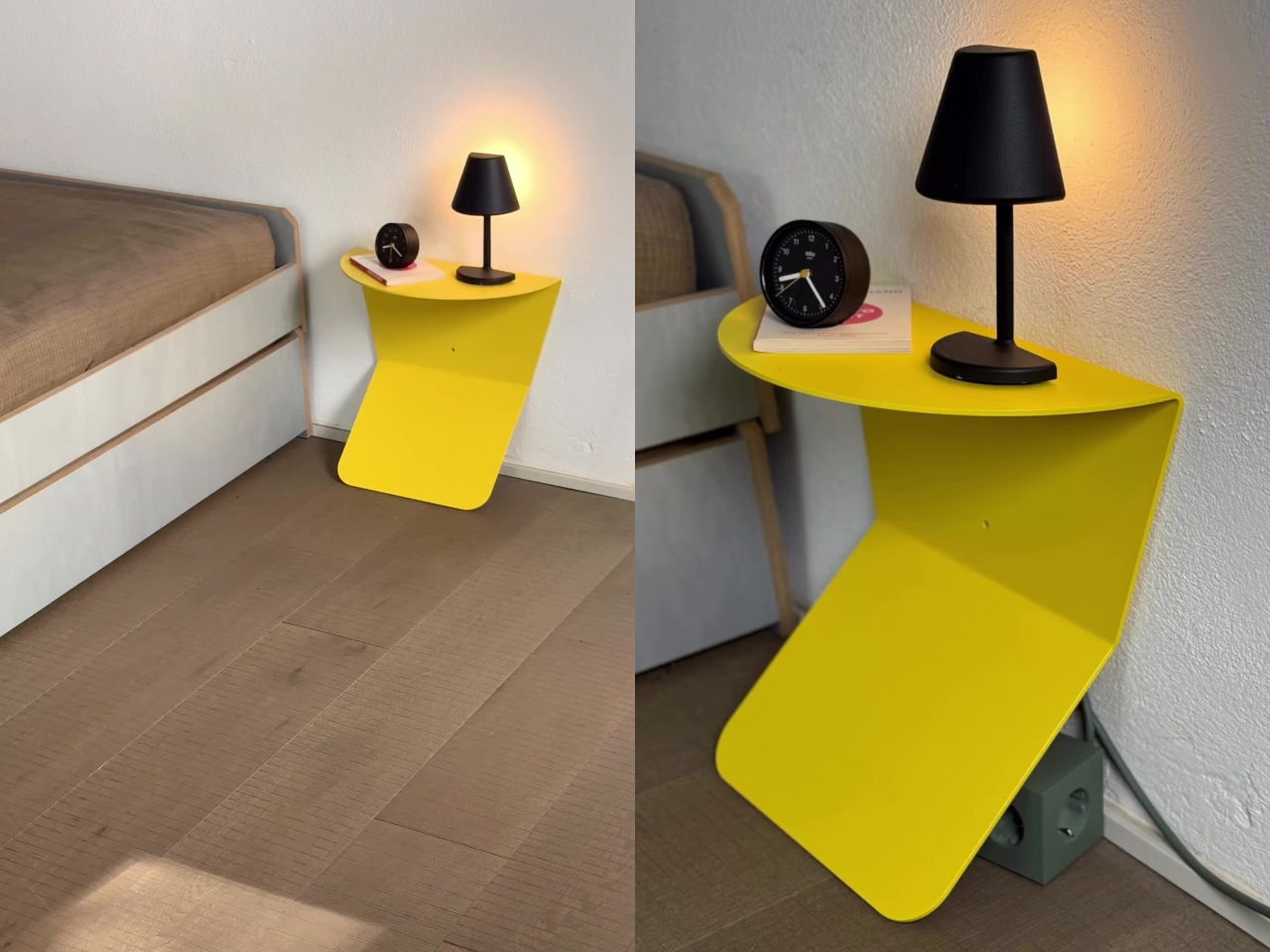
That list of functions doesn’t end there. The piece also works as a wall console near an entryway for keys and small items, as a desk extension for an extra surface when working, or as a decorative shelf in a hallway. Every configuration uses the same two steel components, so there’s nothing to store, lose, or replace when you decide it’s time to rearrange.
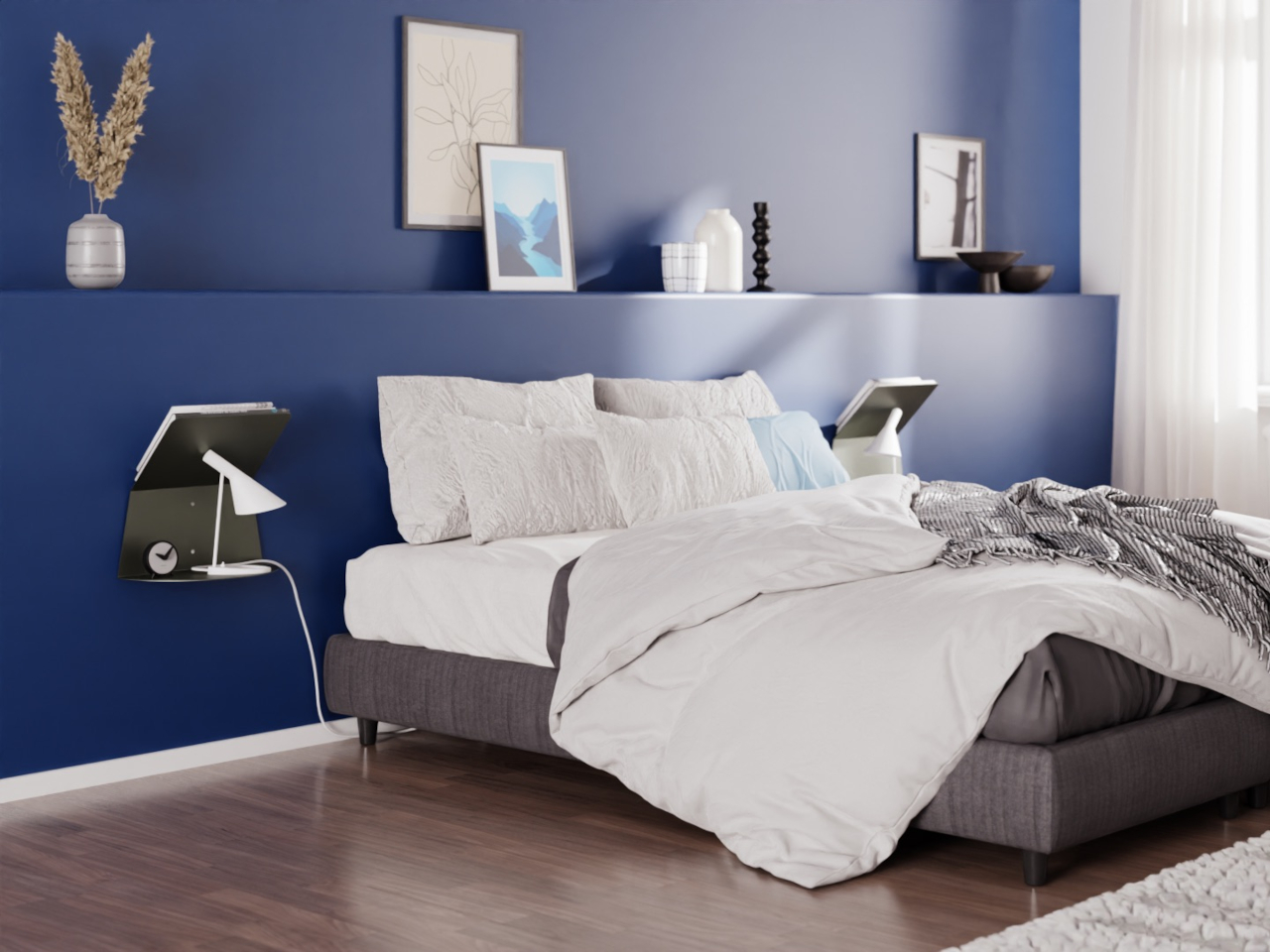
The construction is straightforward in the best possible sense, with both halves made from steel with a high-quality powder coating. The design is minimalist and purist without being cold or uninviting, and the clean form sits comfortably alongside wood, fabric, and natural materials without competing with them. It’s the kind of piece that quietly earns its place in a room and then earns it again every time you realize it can be something different.
The post This Steel Side Table Has 6 Functions and Zero Extra Parts first appeared on Yanko Design.
This Concept Organizes the First 30 Seconds of Coming Home in the Rain

Home entryway products have a coverage problem. A shoe rack deals with footwear, but not the umbrella. An umbrella stand handles the wet item but does nothing for the dripping floor around it. A small tray catches keys but not the daily chaos that accompanies them. The pieces exist, but they don’t form a coherent system, and the result tends to be a doorway that feels permanently unsettled.

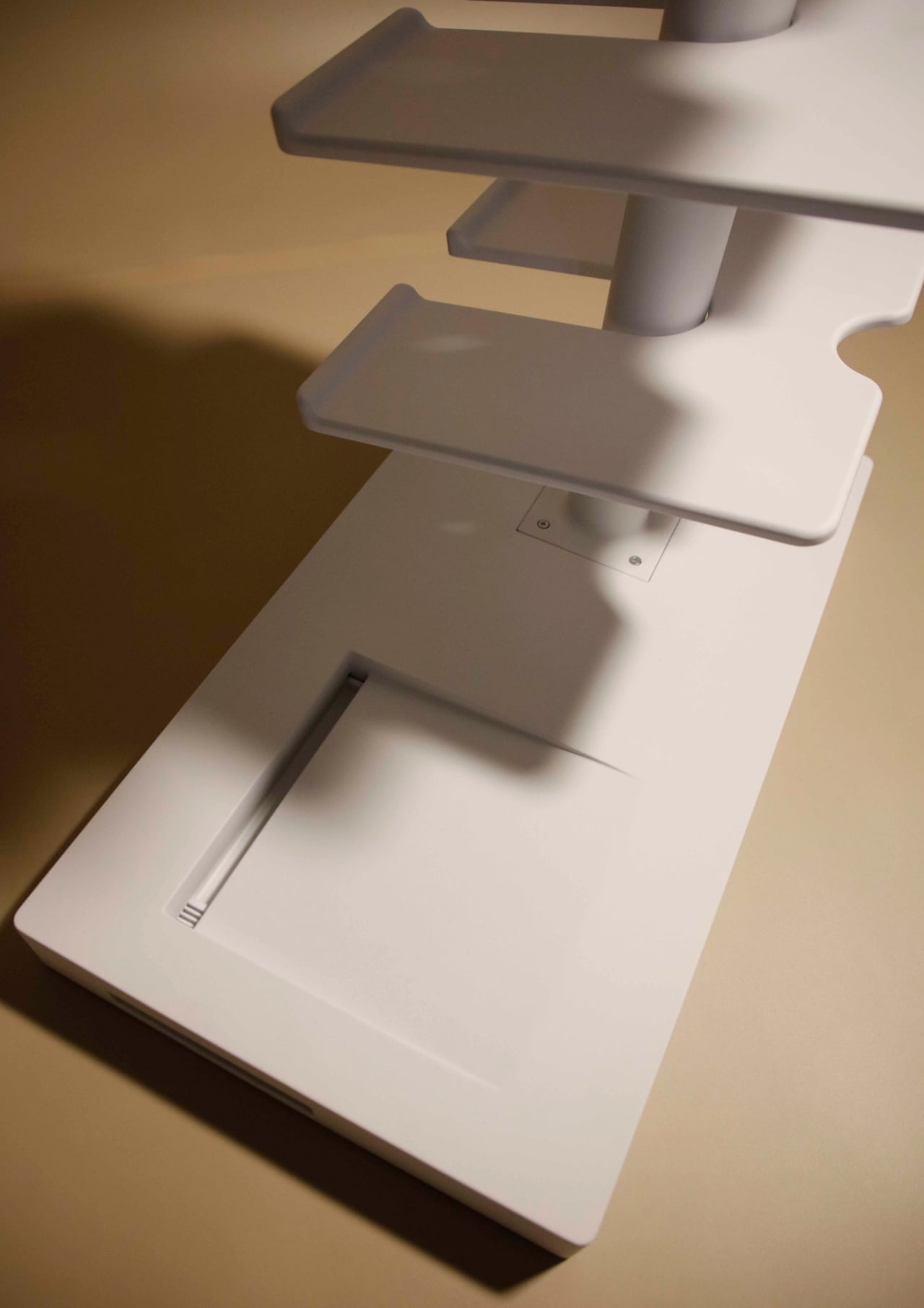
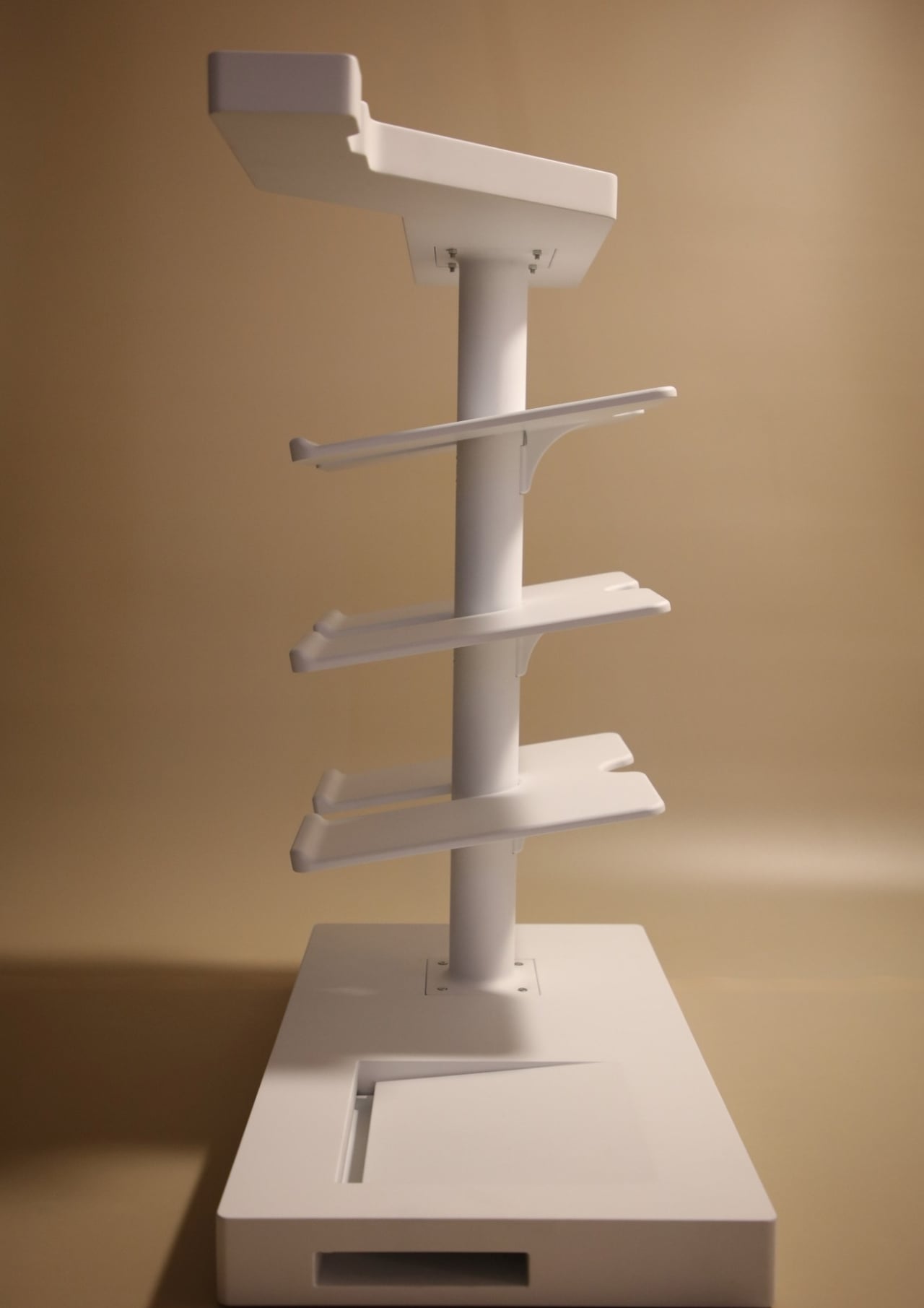
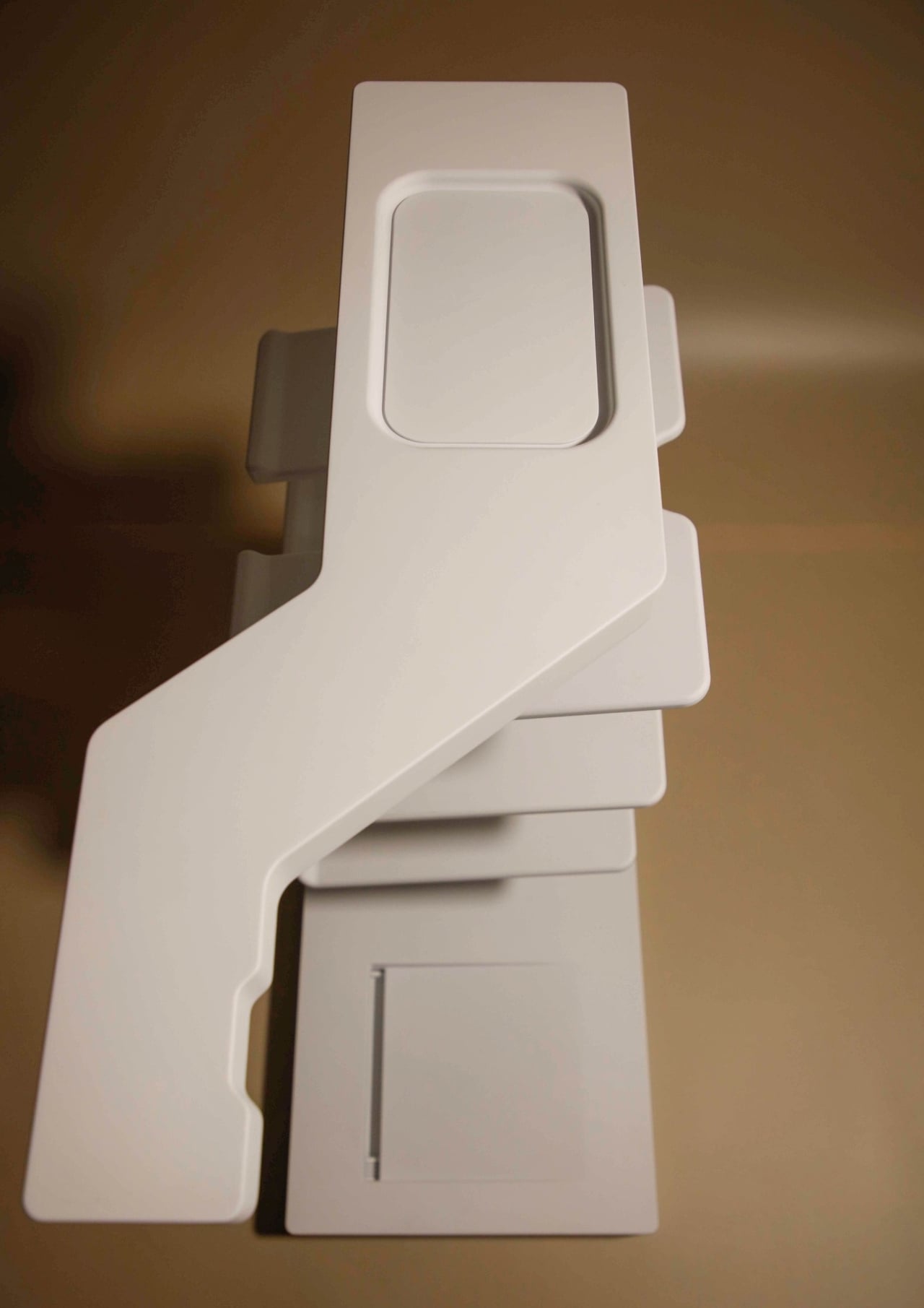
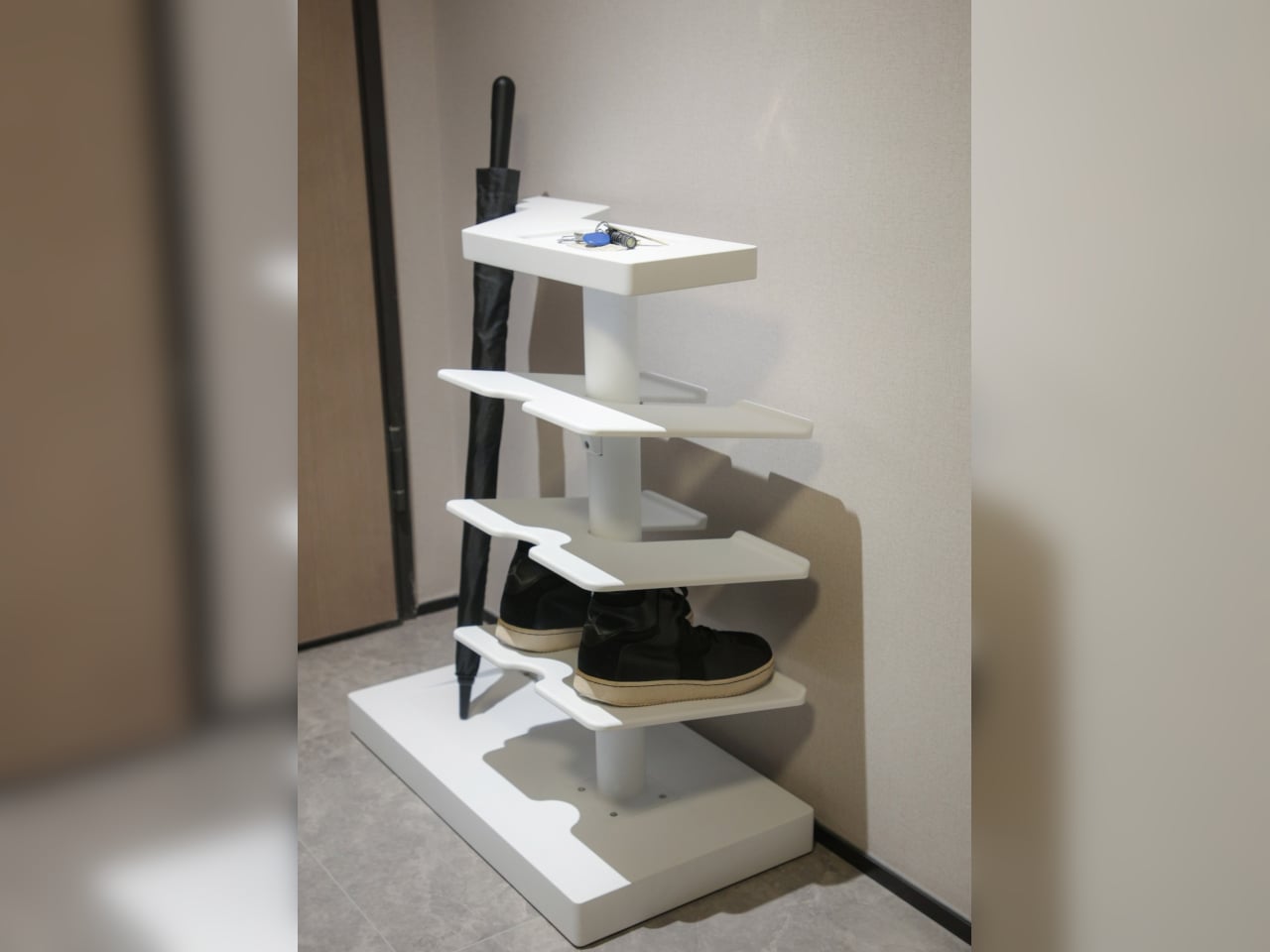
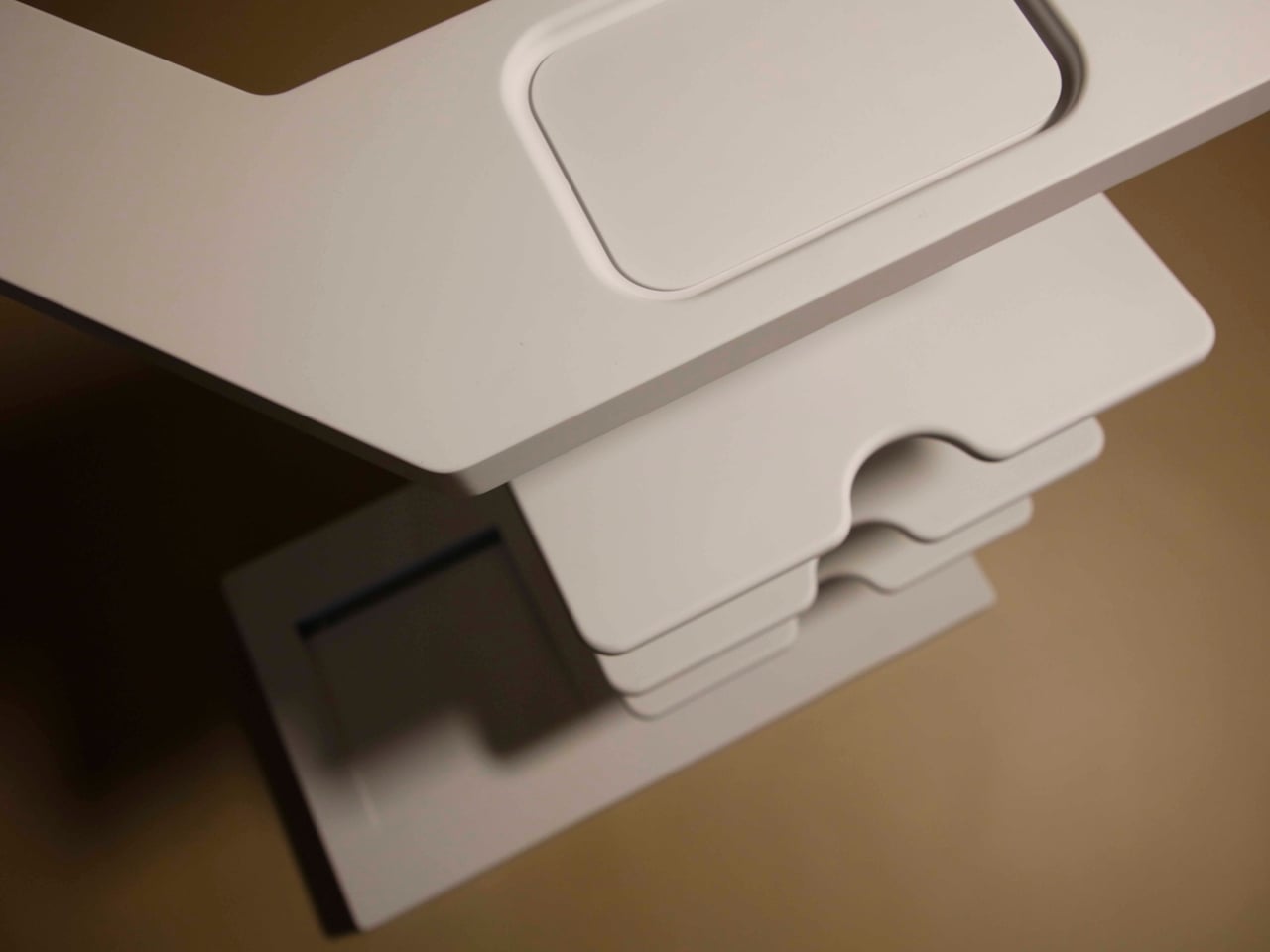
ENTRY is a concept that answers that scatter with one vertical object. It integrates umbrella guidance, water collection, elevated footwear storage, and a top catch-all surface into a single threshold form, described by its designer as something that organizes the first 30 seconds of coming home. Rather than treating the entrance as a storage corner, it reframes that space as a managed wet-dry transition between outside conditions and domestic calm.

Designer: Zhenhua Chen

The design gives the wet umbrella a precise position rather than a vague area to lean against. A vertical spine with controlled side geometry holds the umbrella in a defined relationship to the base, reducing the casual lean that scatters water across walls and floors. It’s structural thinking that locates the wet object deliberately, so that whatever drips off it goes where the design expects it to go.

Below the umbrella position, a concealed, removable tray collects water at the base. Rather than allowing drips to pool on the floor or soak into a mat, the design makes water collection part of the object’s own structure. The tray pulls out when it needs emptying, keeping the maintenance cycle as minimal as the design premise itself. Water arrives with the umbrella, gets directed downward, gets caught, and gets removed.

Footwear gets lifted off the floor onto dedicated raised platforms rather than accumulating at the base of the door in the usual loose arrangement. The difference between floor-level disorder and a designated surface is partly visual but also functional: the floor around the entrance stays clear, and the entryway retains the quality of a space someone has thought about rather than one that simply absorbed what was dropped into it.

The top surface is a flat catch-all tray for keys, cards, and anything else that comes in at the end of the day. Placing that surface on the same object as the umbrella and shoes means the coming-home ritual resolves at a single point. You don’t split between the entryway table, the kitchen counter, and the shoe mat; everything lands together, and the entrance stays coherent rather than scattered.

The design doesn’t try to decorate the problem. It reframes the entryway as a piece of domestic infrastructure, a small managed object whose job is to absorb the friction of arriving rather than add to it. ENTRY currently exists as a concept prototype that confirms scale, spatial arrangement, and visual language. Drainage performance and load testing are identified as the next steps before the design moves further forward.

The post This Concept Organizes the First 30 Seconds of Coming Home in the Rain first appeared on Yanko Design.