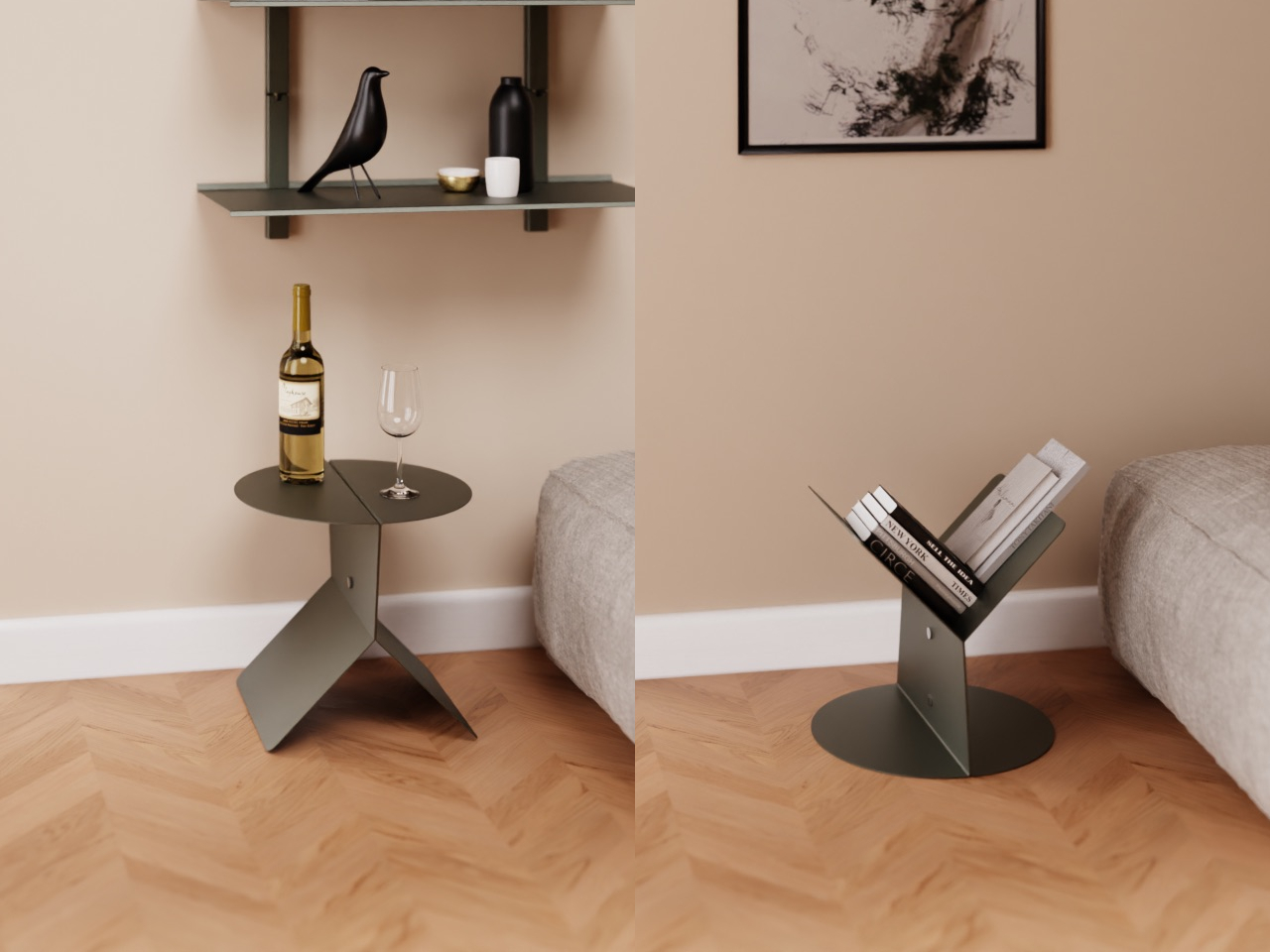
This Steel Side Table Has 6 Functions and Zero Extra Parts

Living with limited floor space has always required some level of compromise, and furniture is usually where that compromise shows most. Side tables, in particular, tend to occupy a fixed spot and stay there, doing exactly one thing for the life of the room. The modern home demands more from every square meter, and most furniture simply isn’t designed to meet that demand in any meaningful way.

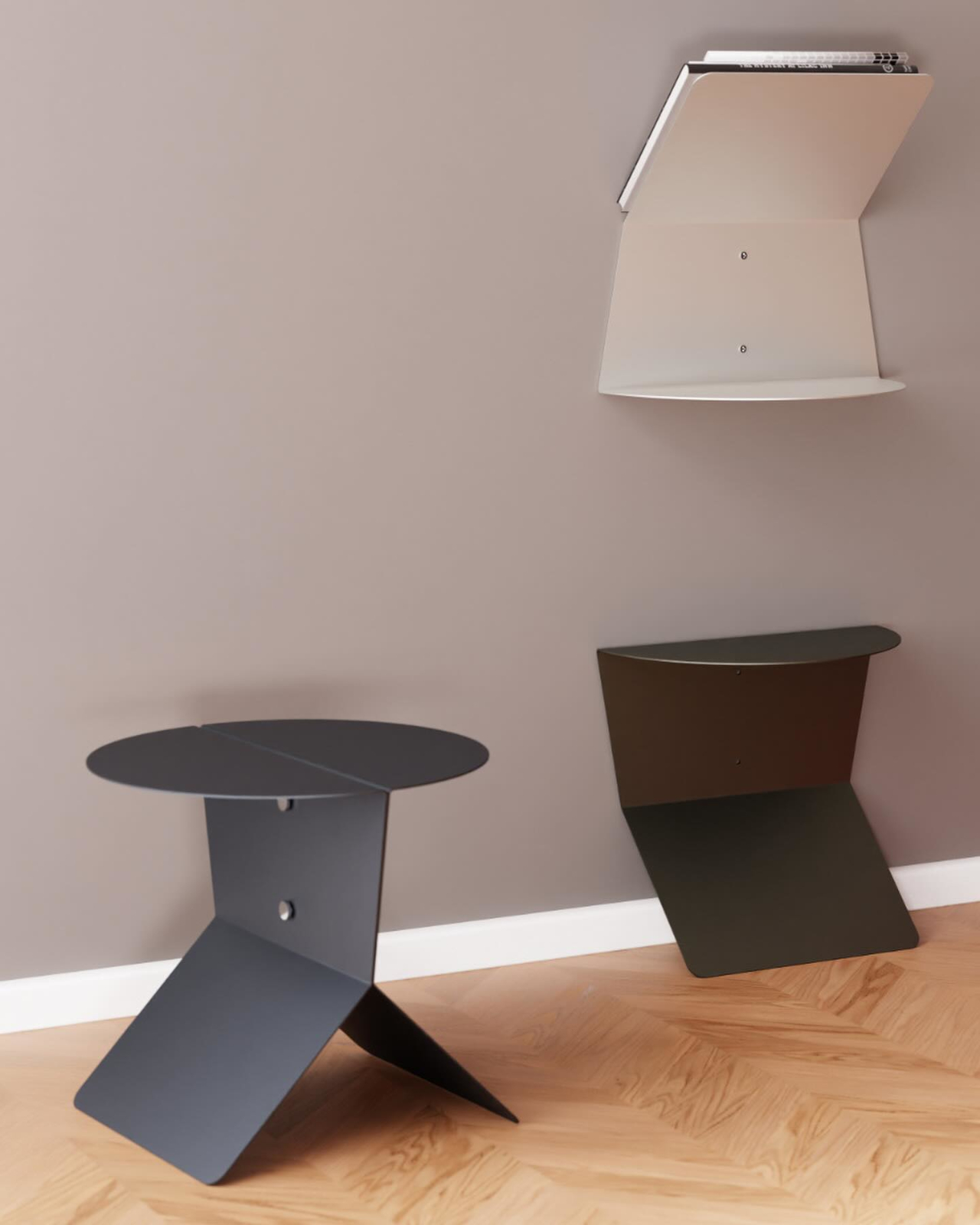
The Modular No. 2 takes a different approach. It’s a minimalist piece made from two halves of powder-coated steel that, depending on how they’re arranged, can serve entirely different functions without any added hardware, tools, or separate components. The flexibility isn’t a feature tacked on as an afterthought; it’s built directly into the form and the way the two halves relate to each other.

Designer: Michael Hilgers
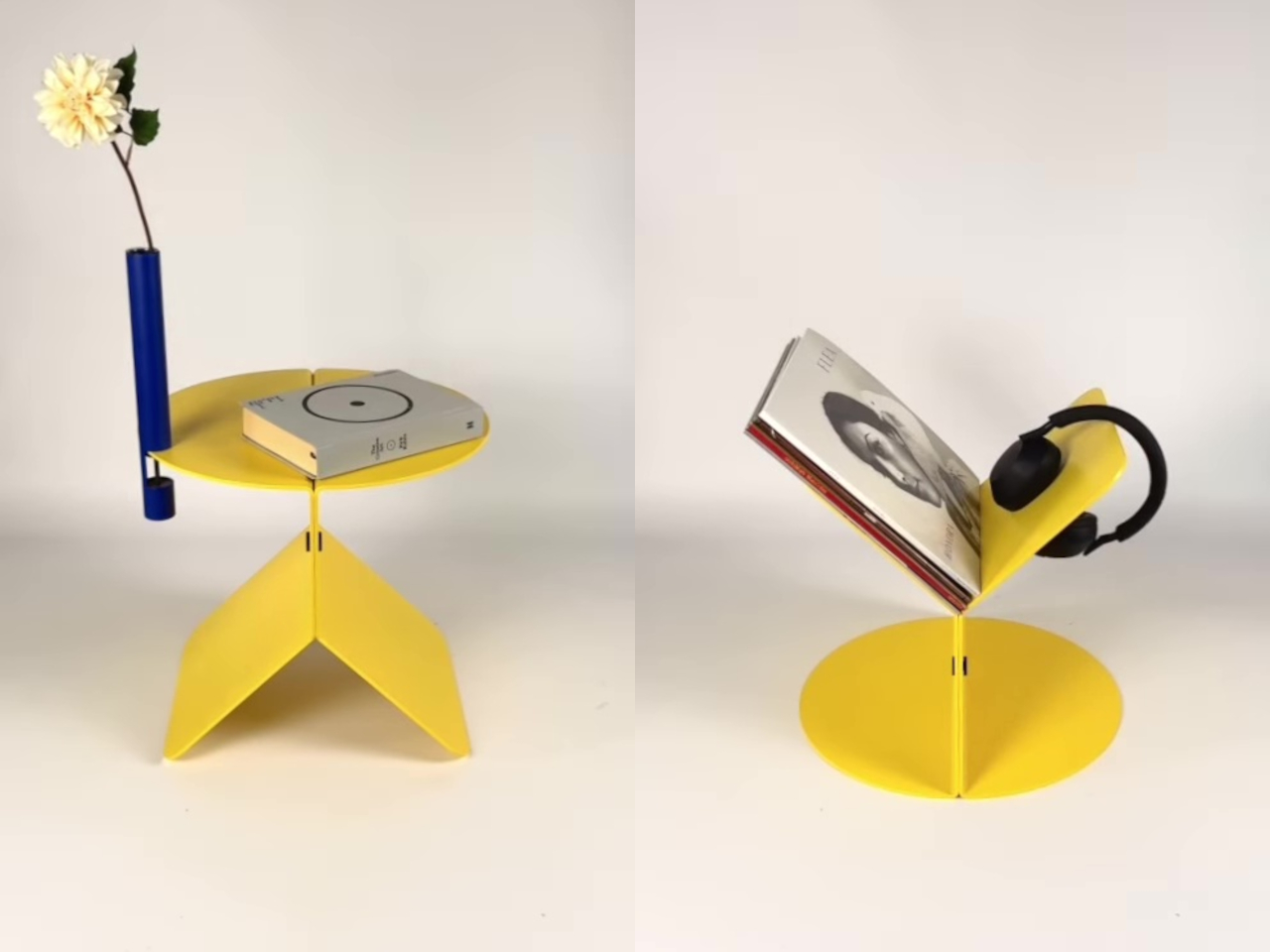
In its most familiar configuration, the two halves are joined to form a low side table, steady and practical for a drink, a bedside lamp, a small plant, or the usual stack of books collecting dust and good intentions. The clean steel surface and minimal silhouette means it doesn’t announce itself too loudly in a room, which is often the most you can ask of a side table.
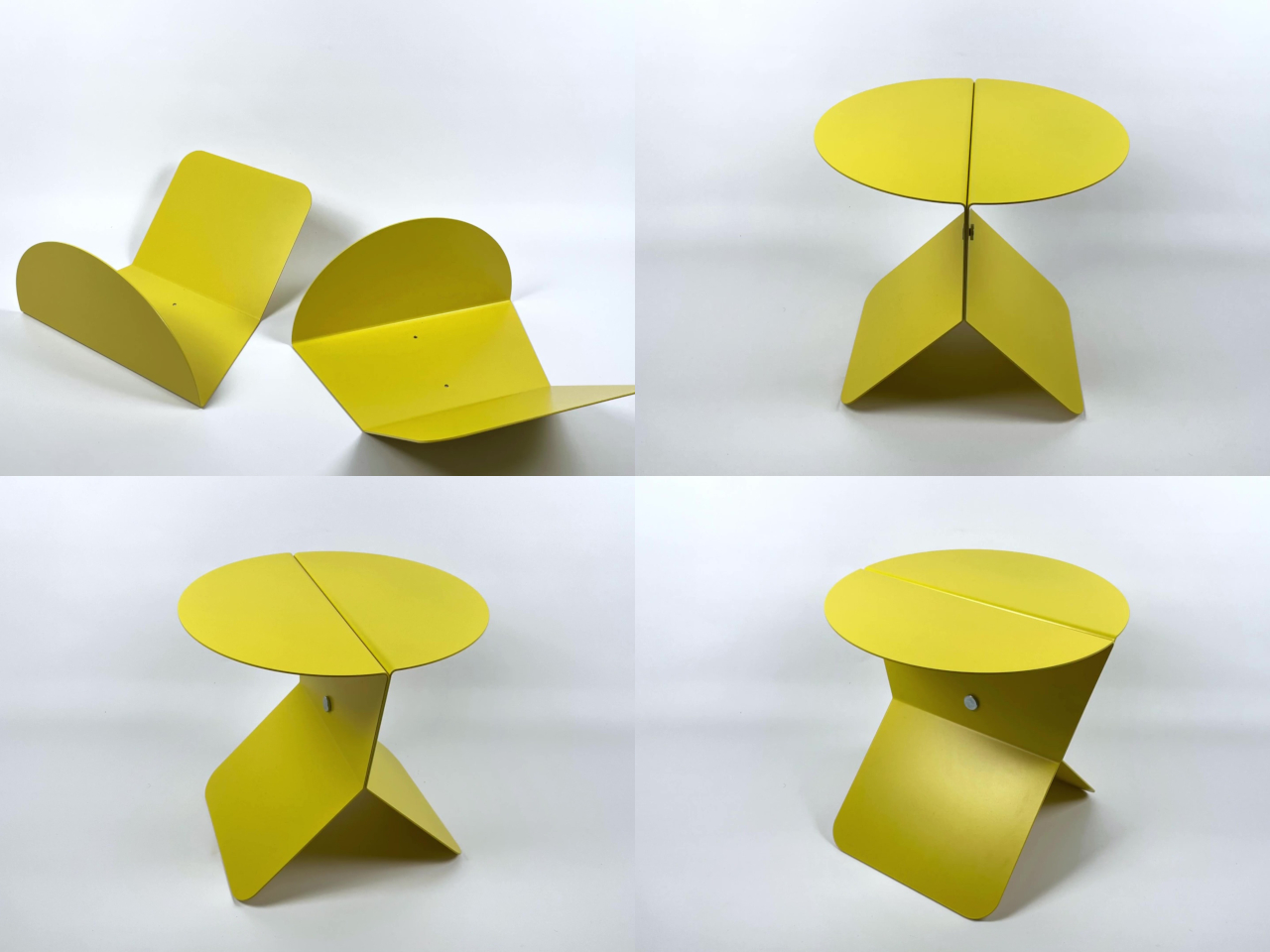
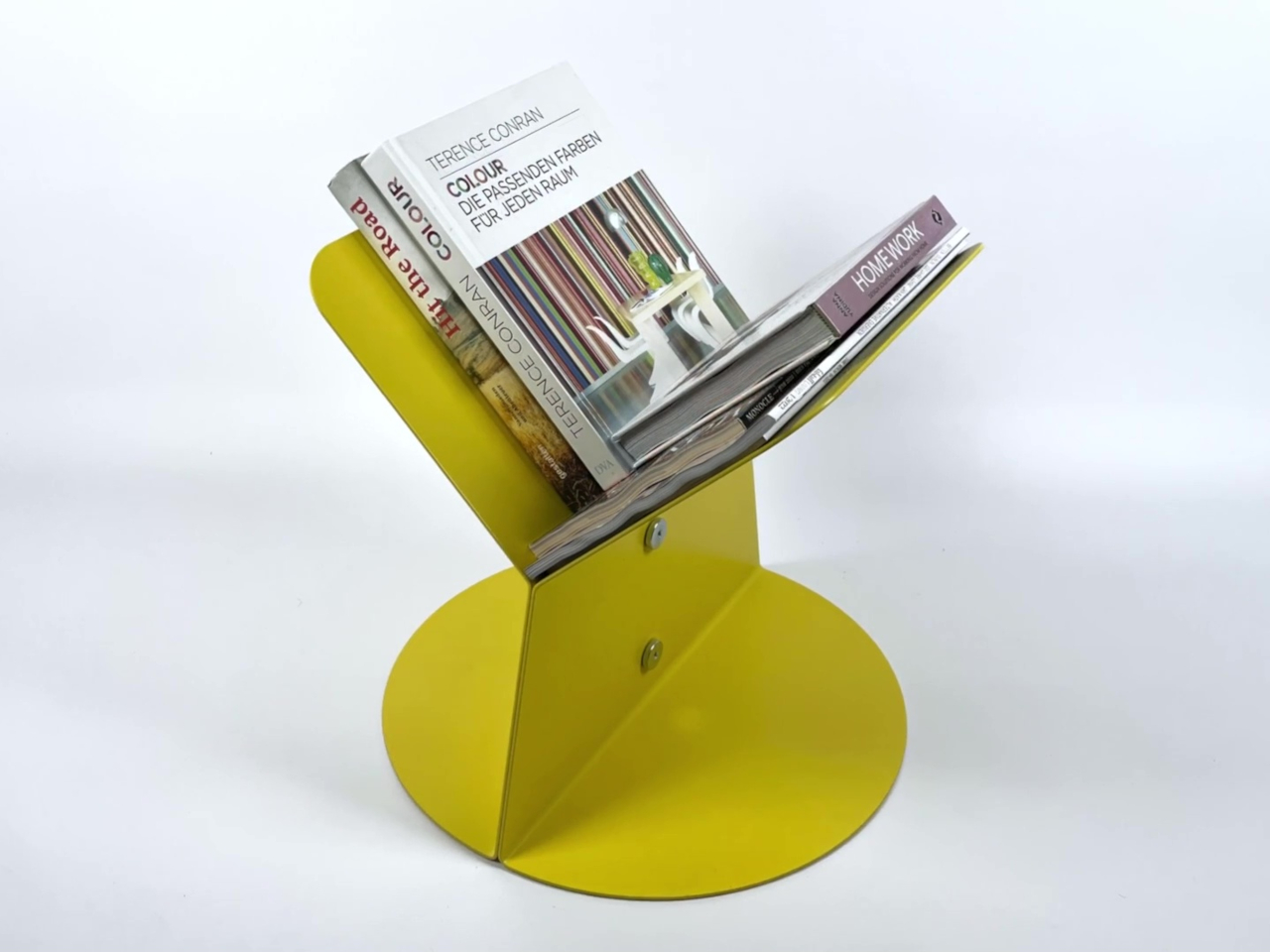
Flip it over, and the same piece becomes a magazine rack or bookstand. The geometry that creates the flat table surface in one orientation naturally forms a slotted structure in the other, holding books, periodicals, or papers upright without any additional parts. It’s one of those moments in furniture design where the function feels almost accidental, even though it’s clearly the result of considered thinking about form.
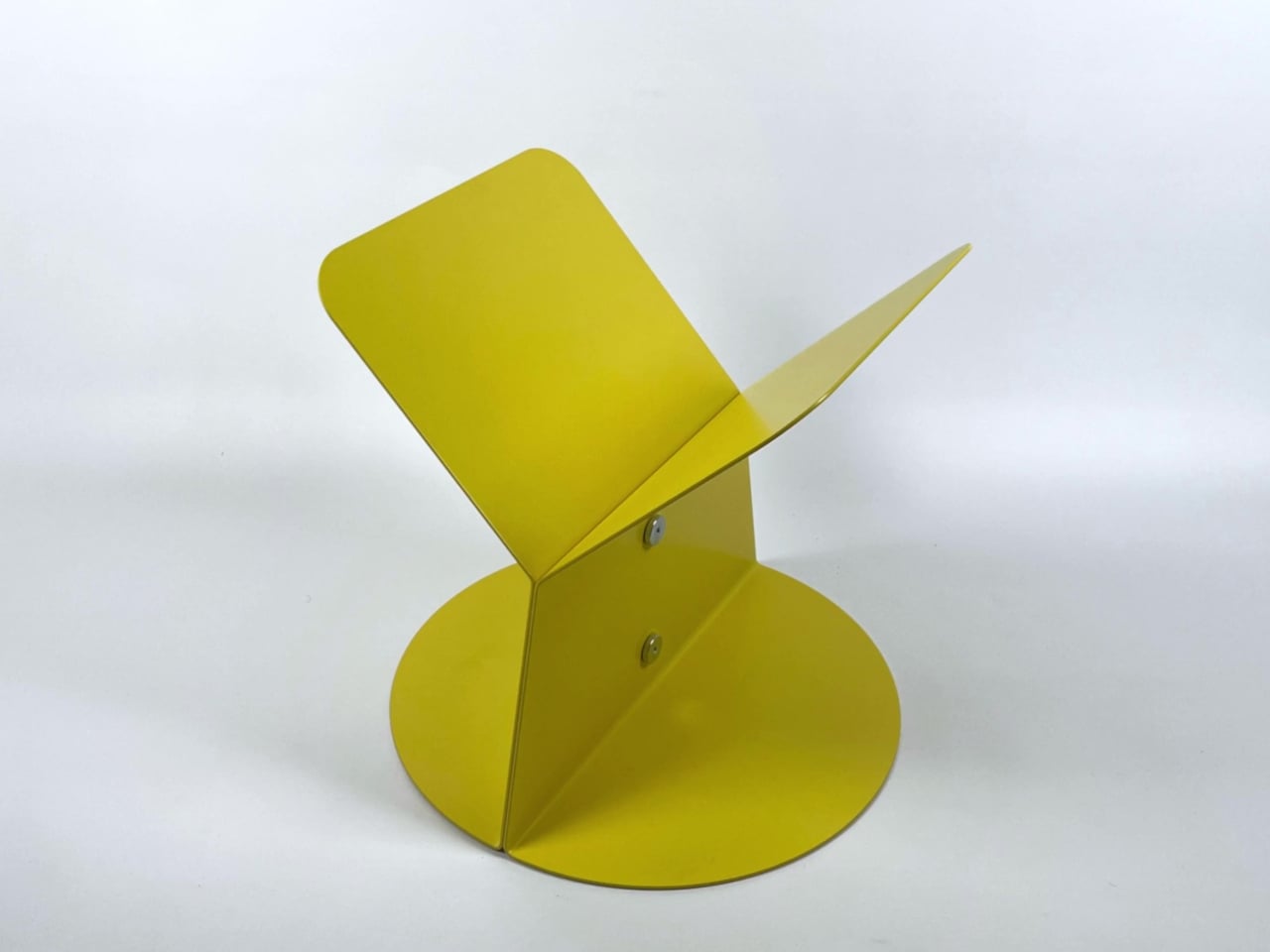
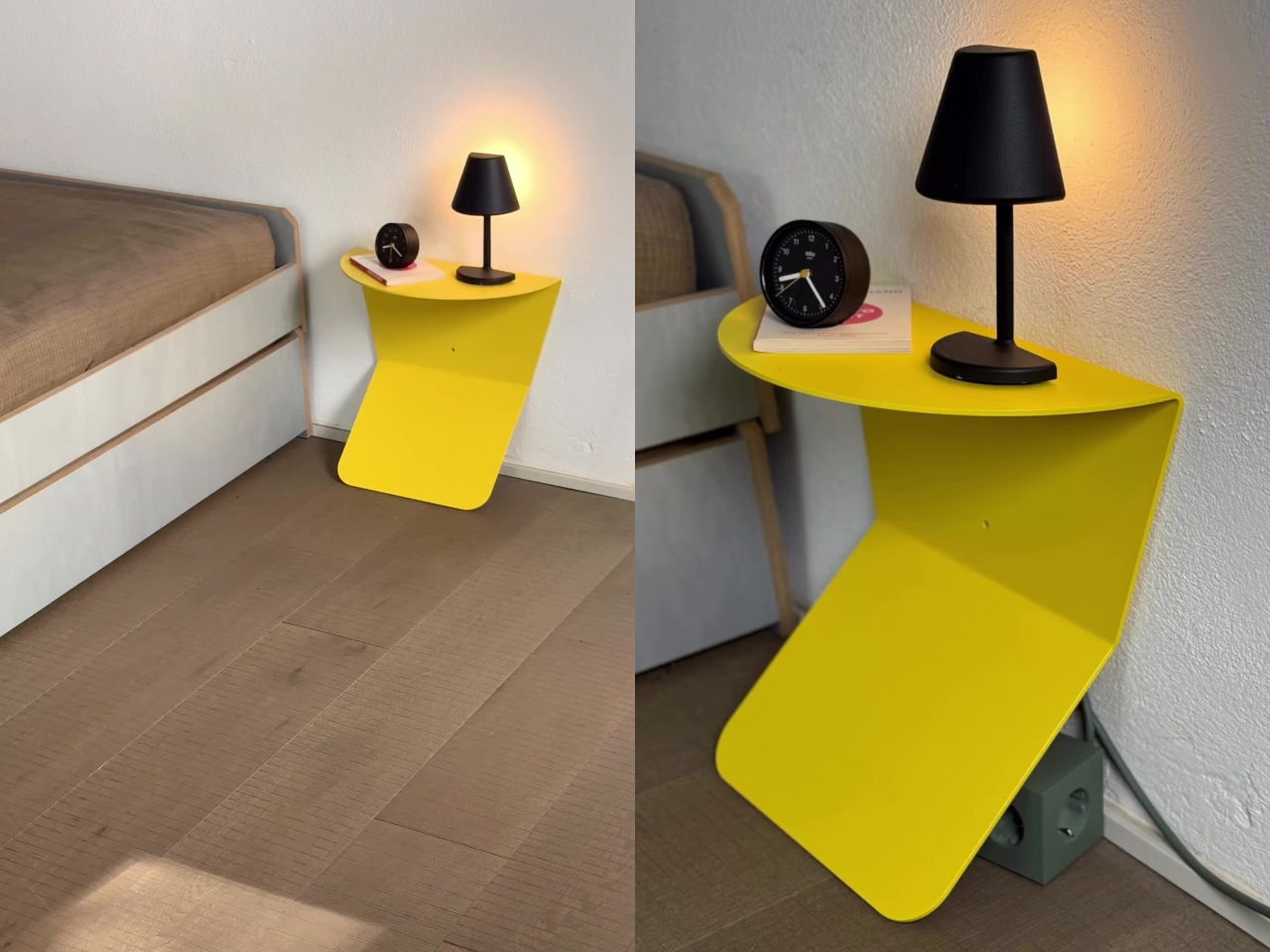
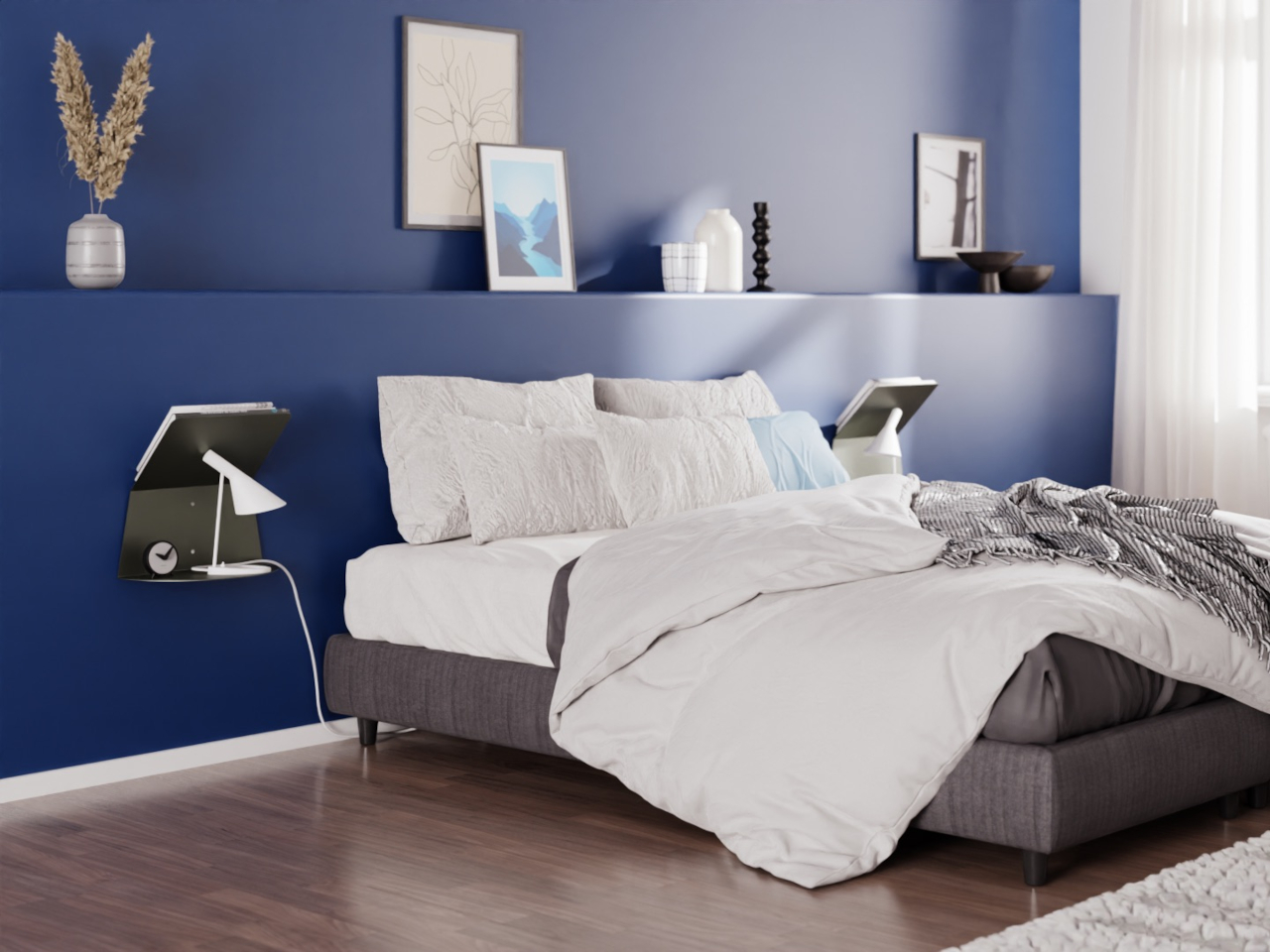
The third configuration is arguably the most useful one in a bedroom short on floor space. The same holes used to join the two halves together also serve as wall-mounting points, so each half can be fixed independently to a wall as a floating nightstand. Placed on either side of a bed, the pair creates a neat bedside setup that takes up no floor space at all.
That list of functions doesn’t end there. The piece also works as a wall console near an entryway for keys and small items, as a desk extension for an extra surface when working, or as a decorative shelf in a hallway. Every configuration uses the same two steel components, so there’s nothing to store, lose, or replace when you decide it’s time to rearrange.
The construction is straightforward in the best possible sense, with both halves made from steel with a high-quality powder coating. The design is minimalist and purist without being cold or uninviting, and the clean form sits comfortably alongside wood, fabric, and natural materials without competing with them. It’s the kind of piece that quietly earns its place in a room and then earns it again every time you realize it can be something different.
The post This Steel Side Table Has 6 Functions and Zero Extra Parts first appeared on Yanko Design.
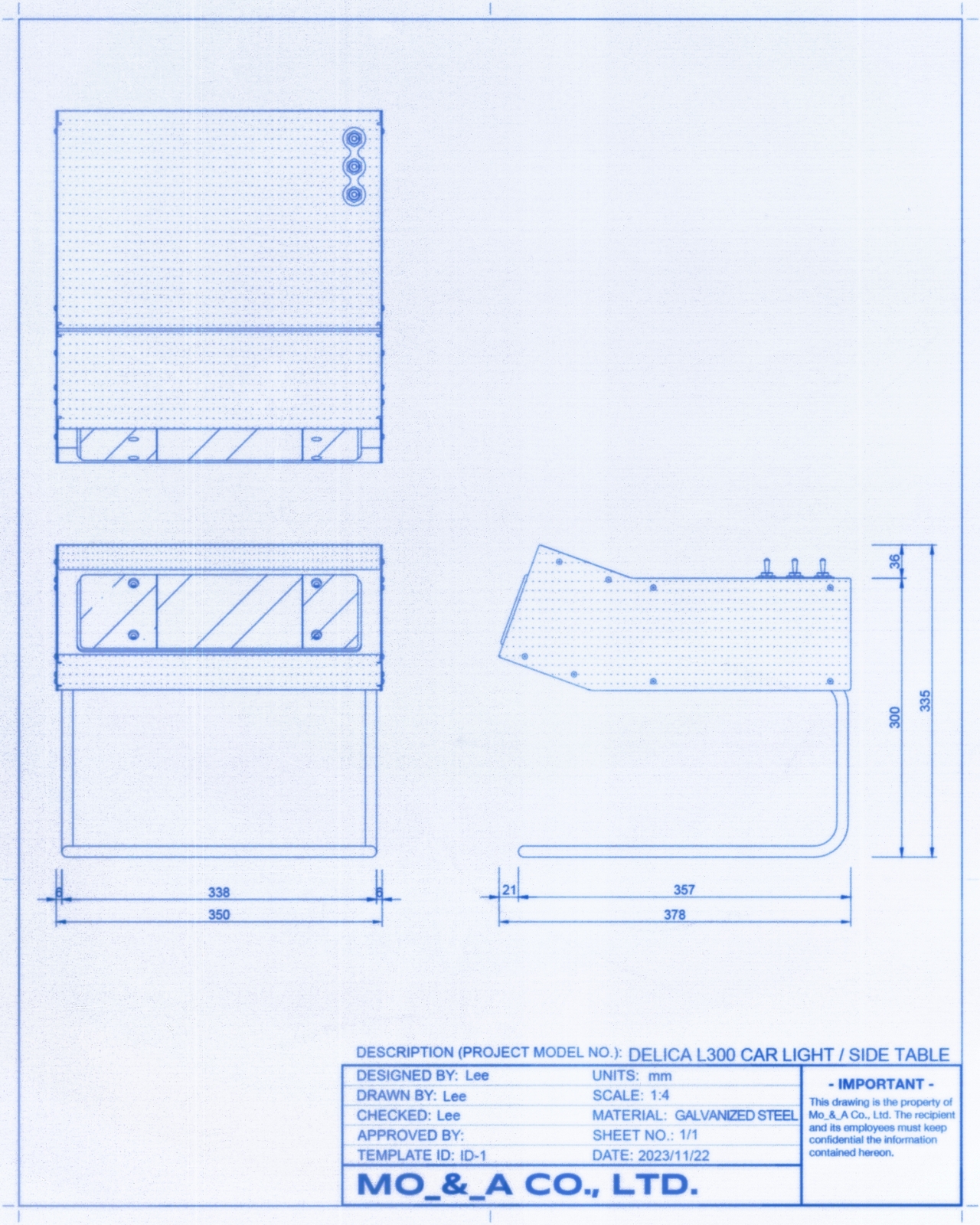
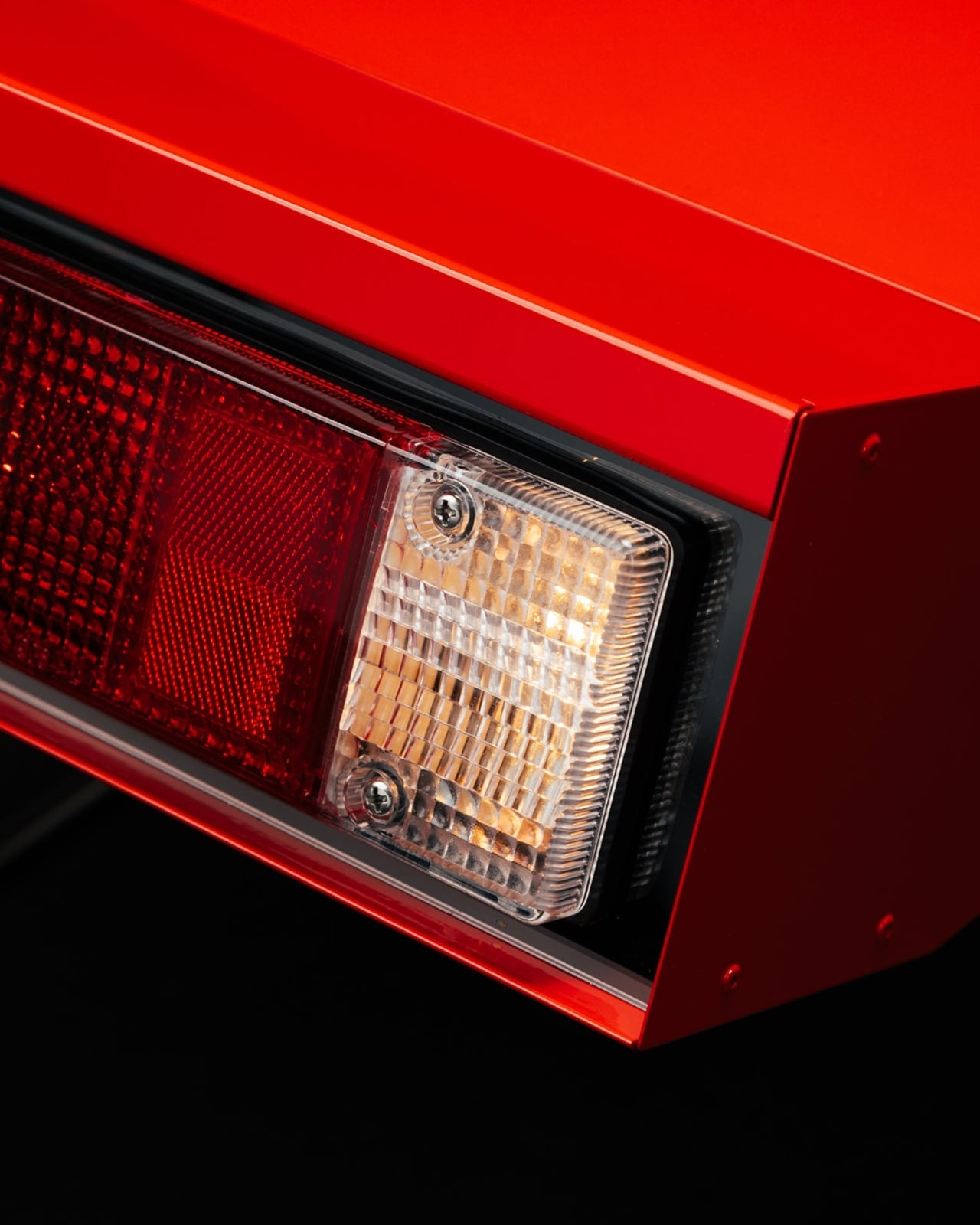
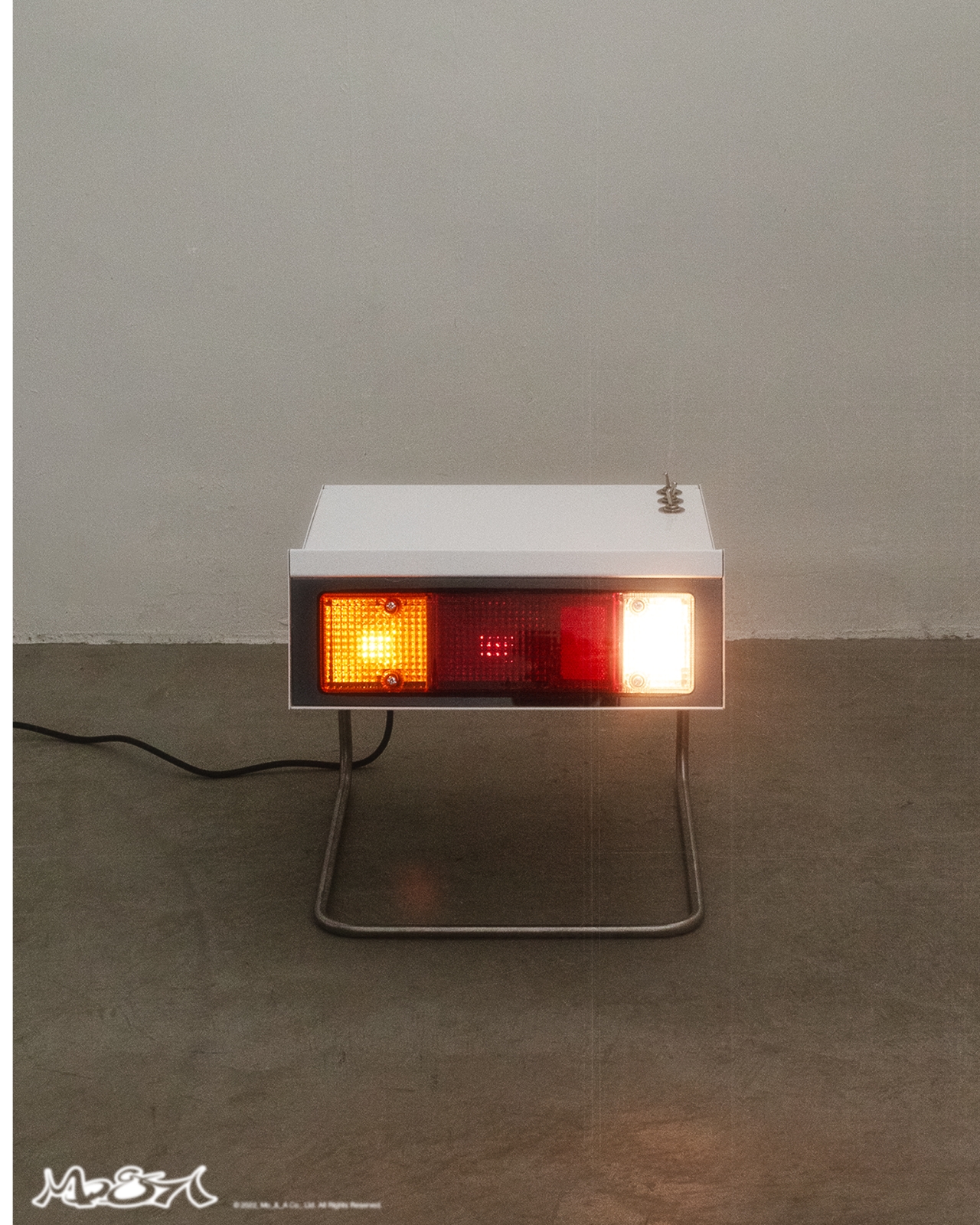
Mo & A Turned a Mitsubishi Taillight Into a Night Stand

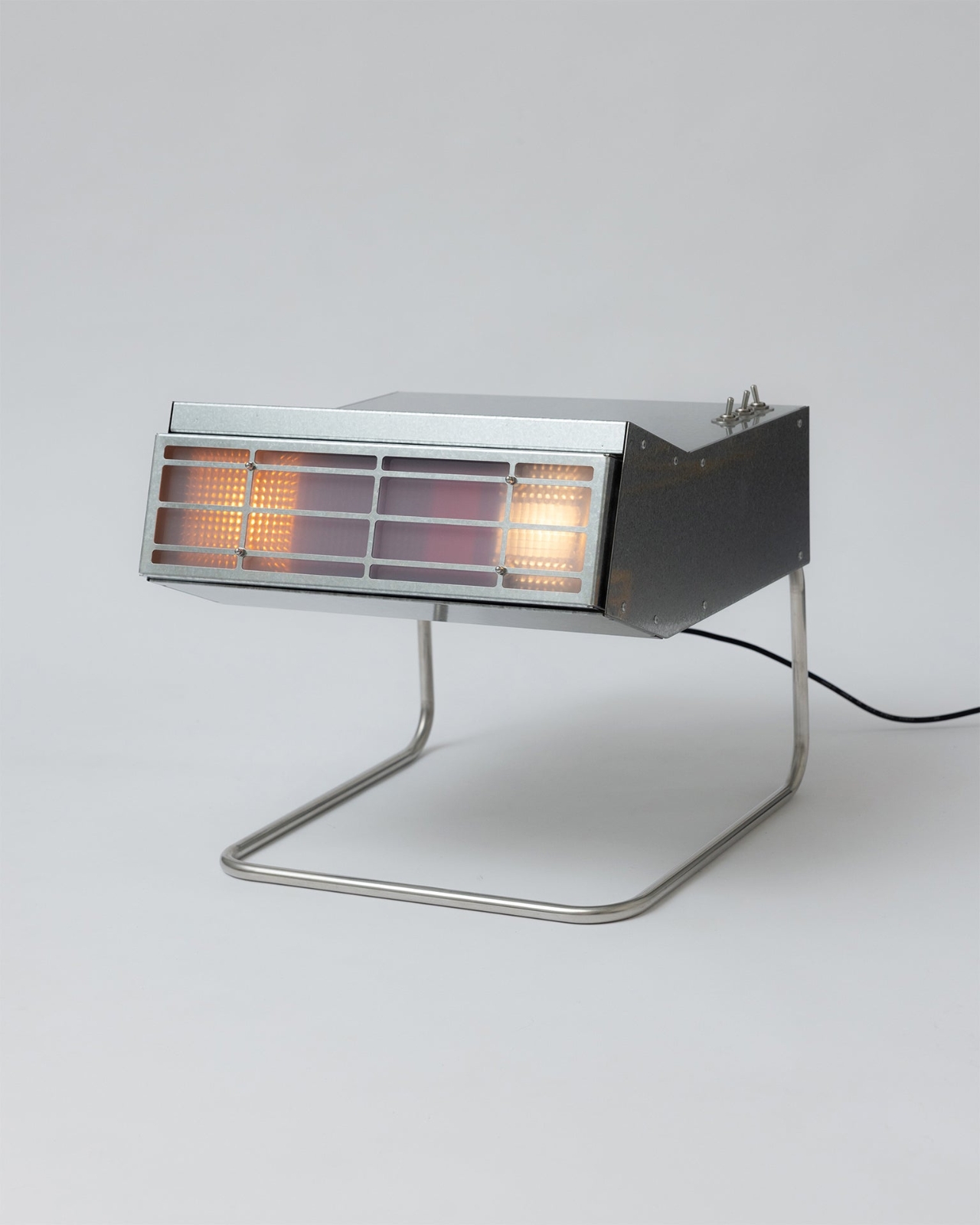
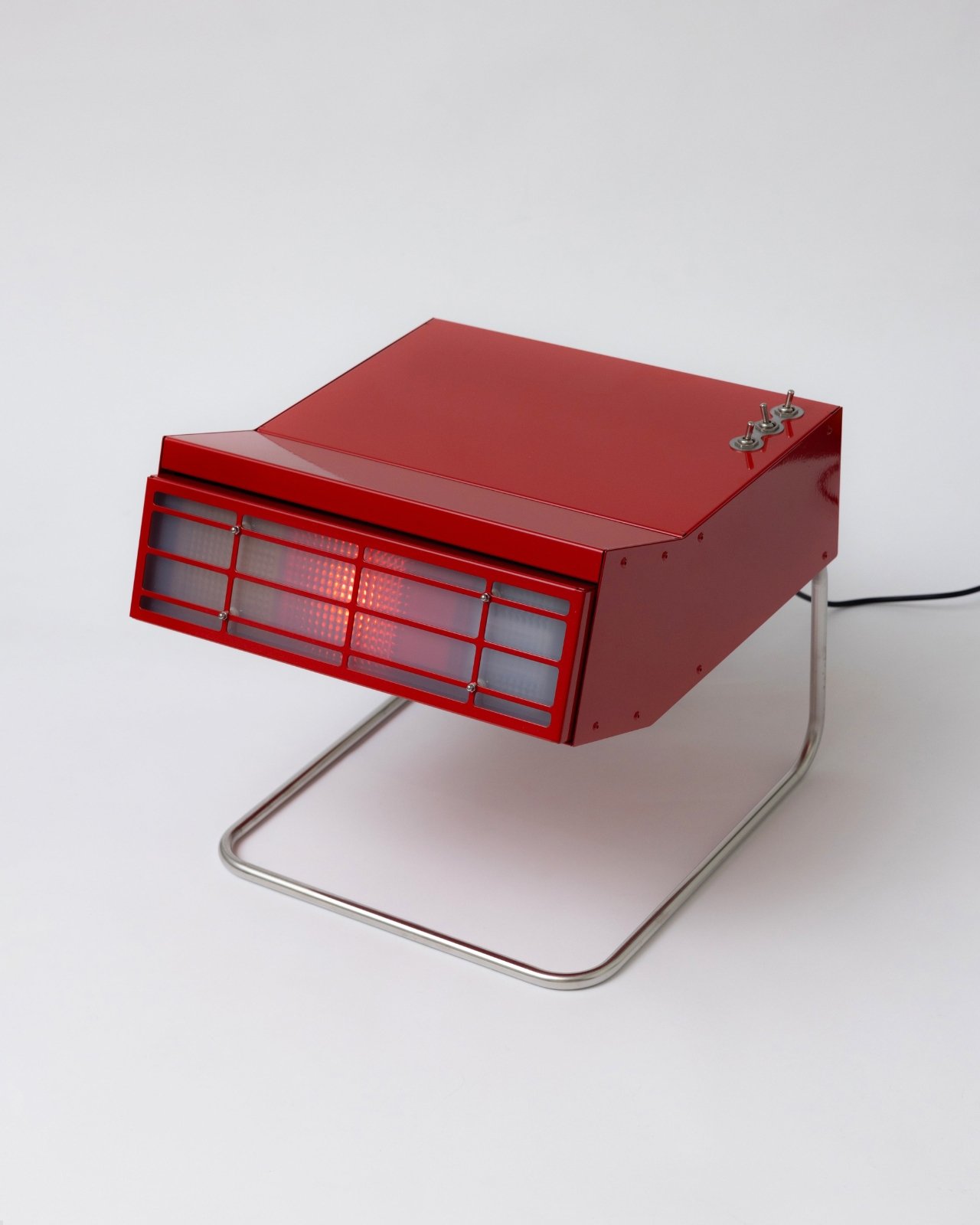
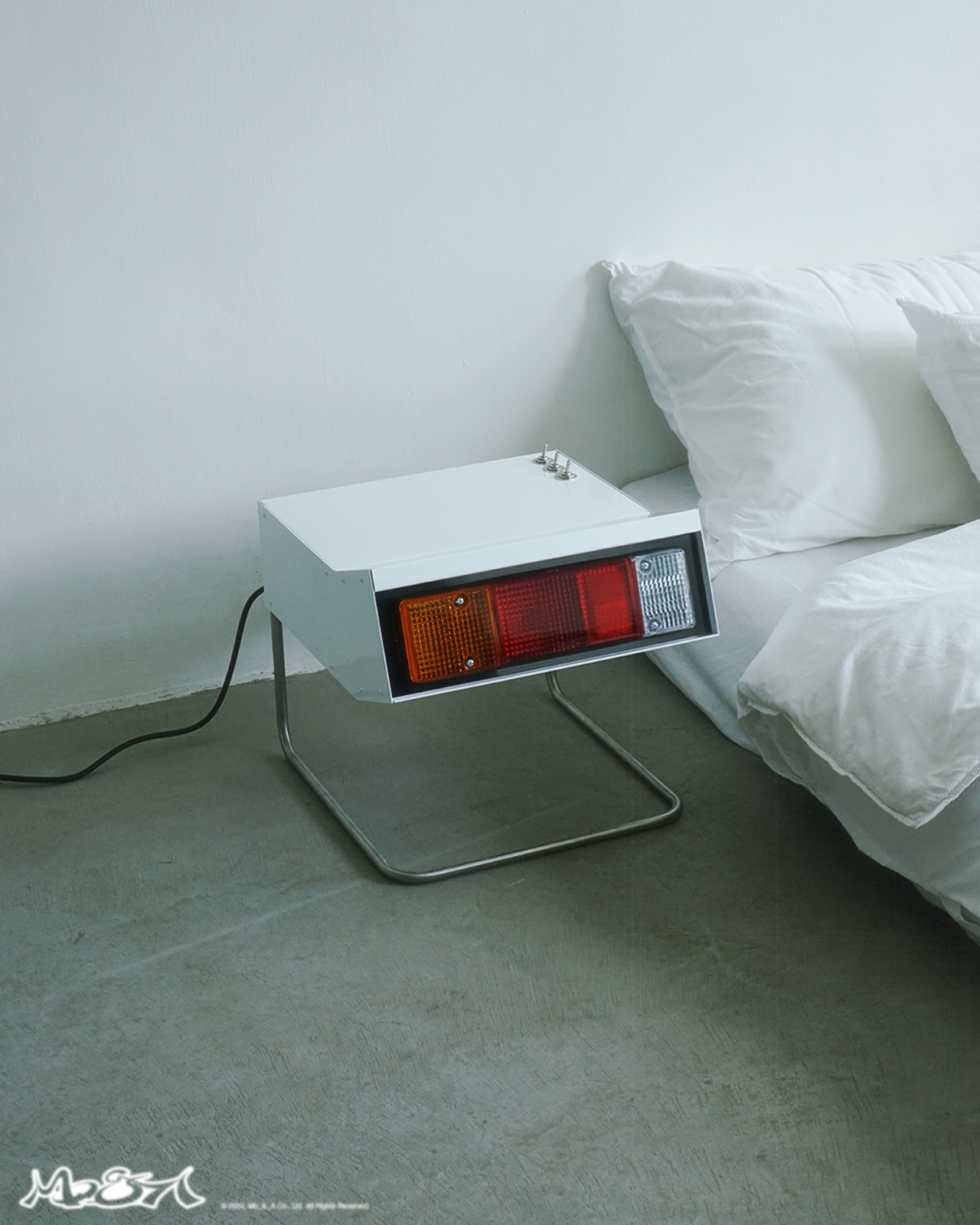
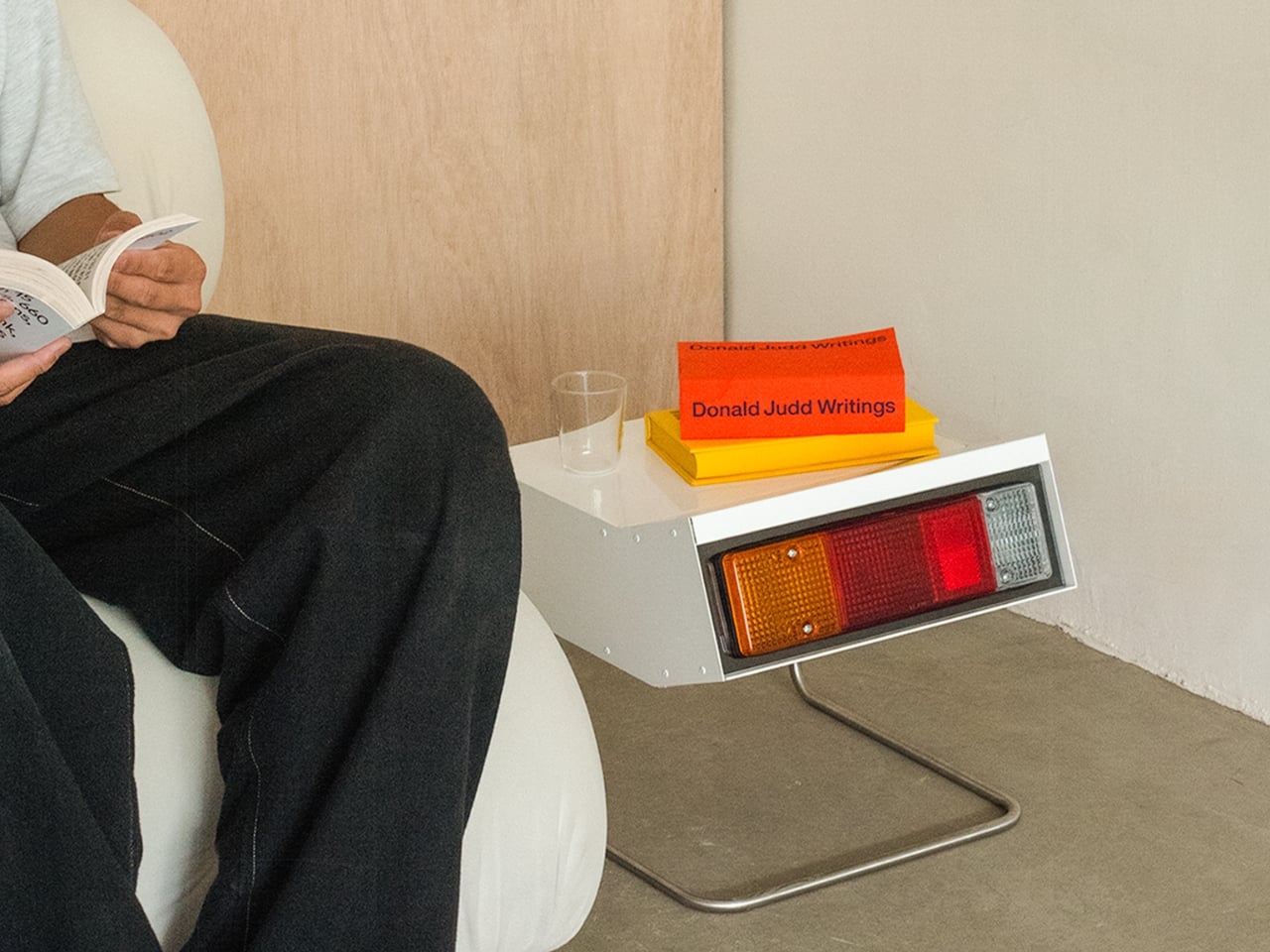
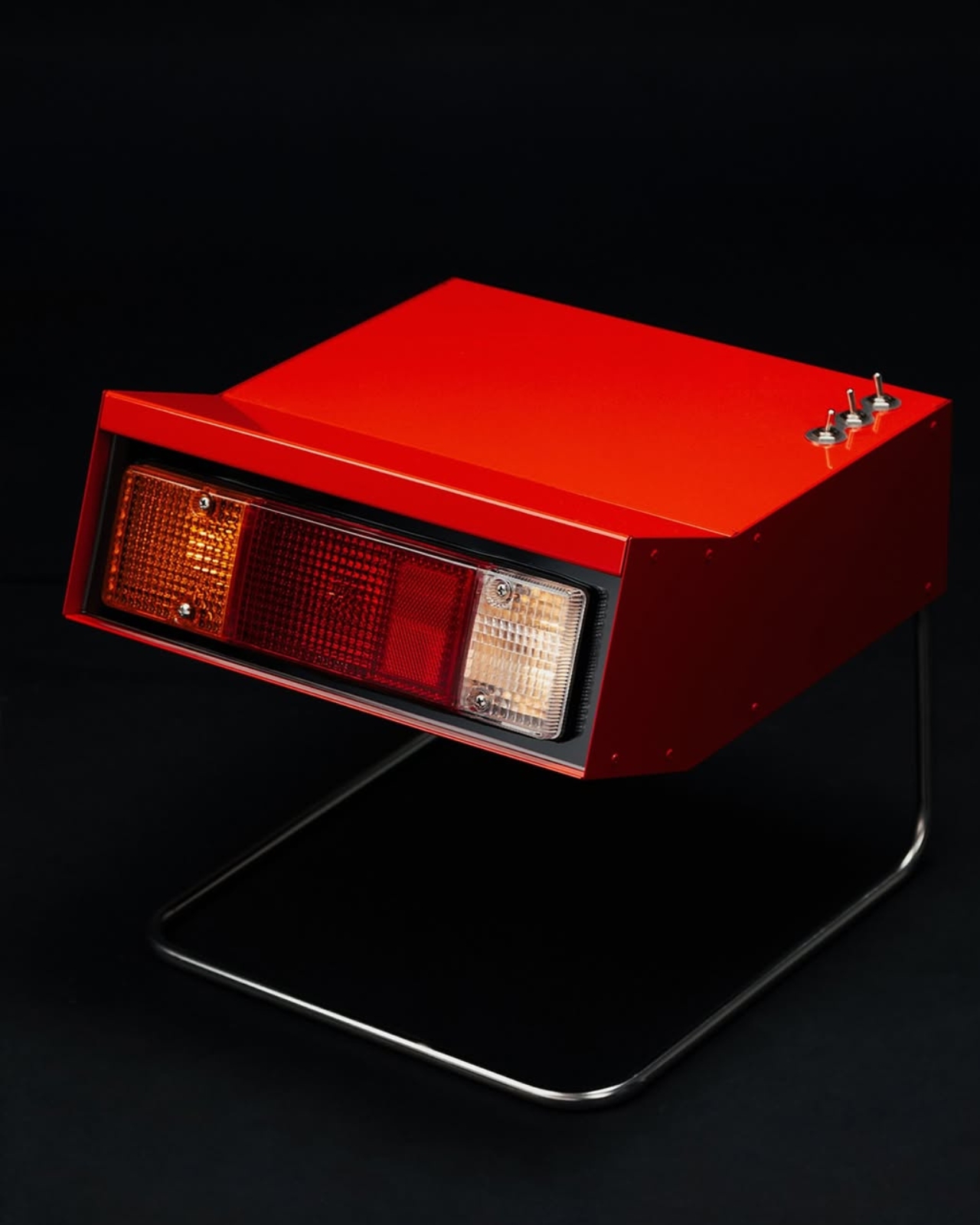
Most furniture draws its inspiration from architecture, nature, or the clean geometric vocabulary of modernist design. Occasionally, a designer looks at the back of a van and decides that’s the most interesting starting point in the room. That’s exactly what happened at Mo & A, the Taipei and London-based studio, when they lifted the rectangular taillights off a Mitsubishi Delica and rebuilt them into a fully functioning night stand. The result is one of the more unexpected pieces of furniture you’ll come across this year.

The Mitsubishi Delica, for anyone who didn’t grow up around automotive culture, is a Japanese minivan with a cult following that extends far beyond car enthusiasts. It’s boxy, capable, and has the kind of clean, angular aesthetic that ages well. In Taiwan, where Mo & A is rooted, it’s been a fixture on the road for decades, which probably explains why the studio saw storytelling potential in those taillights rather than just, well, taillights.

Designer: Mo & A

Mo & A’s entire design philosophy orbits around that idea: reinterpreting existing hardware and translating it into everyday objects. The studio describes its work as blurring the line between outdoor materials and the domestic environment. It sounds like a design-school brief when you read it as a mission statement, but the Delica night stand is proof that the concept holds up past the theoretical. The studio has applied the same thinking to other pieces, including a taxi lamp and a bamboo floor lamp, but this one might be the most complete expression of it yet.

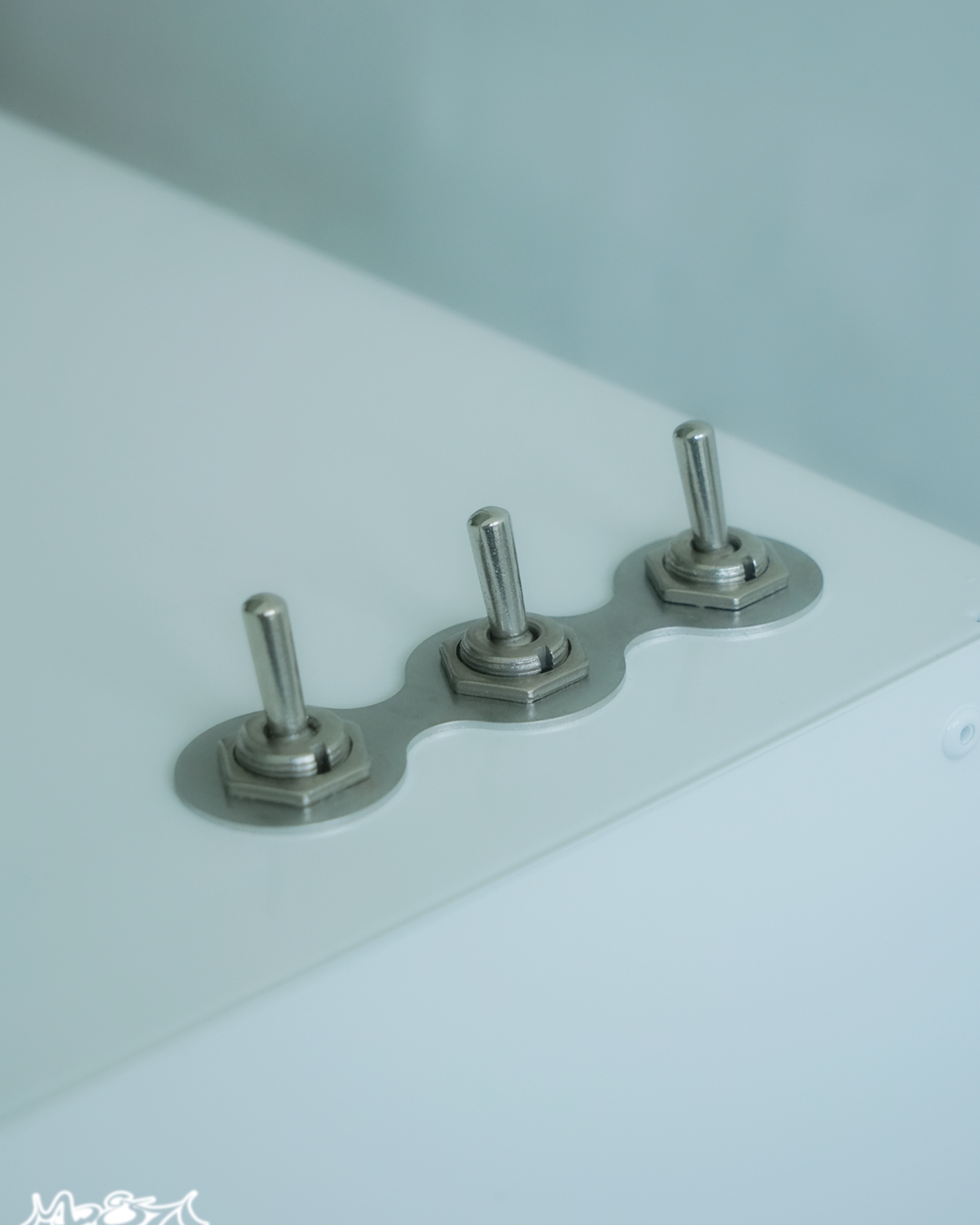
The piece itself is built around the Delica’s signature rectangular taillight housing, mounted on an angular metal stand. The construction leans into its automotive origins, featuring riveted joints and steel toggle switches that look and feel industrial in the best possible way. The lights come in four modes across amber, red, and white, and a light diffuser is available if you want to soften the glow depending on the mood you’re going for. At $267 and up, it sits in that considered-purchase territory: intentional without being extravagant.

The piece opens up a broader conversation worth having about what furniture is allowed to reference. Design has always borrowed from other disciplines, but there’s typically a sanitizing step in between, where the source material is abstracted just enough to feel polished and domestic. Mo & A skipped that step almost entirely. The taillight looks like a taillight. The toggle switches look like they belong on a piece of industrial equipment. That’s not a flaw in the design; it’s the whole point of it.

The Delica night stand also earns its nostalgia, which is harder to pull off than it sounds. So much of what passes for nostalgic design right now is surface-level: a retro color palette, a vintage-adjacent font, a vague reference to something mid-century. Mo & A’s approach is more direct than that. The physical object carries actual material history. The form has a reason for existing the way it does, and that translation from road to room feels deliberate rather than decorative. There’s a kind of honesty to it that a lot of trend-chasing furniture simply doesn’t have.

From a purely practical standpoint, it functions as a light source in four variations, which is more flexibility than most conventional bedside lamps offer. The amber setting alone would probably justify the purchase for anyone who has ever tried to wind down at night next to a lamp that comes in one setting, and that setting is aggressively bright.

Pieces like this are a useful reminder that the most interesting design problems aren’t always about inventing new forms. Sometimes the better question is what happens when you take something familiar out of its original context and relocate it somewhere it was never supposed to go. Mo & A asked that question about a Japanese van’s taillight, put it next to a bed, and the answer turned out to be more compelling than most purpose-built furniture ever manages to be.

The post Mo & A Turned a Mitsubishi Taillight Into a Night Stand first appeared on Yanko Design.
Morpheus Nightstand Hides a Kinetic Secret in Sculpted Wood and Brass

Most nightstands are content to be quiet companions, holding books, lamps, and the occasional midnight snack without fanfare or personality throughout their lifetime. But what if your bedside table could surprise you every time you interact with it, moving with a whisper and revealing a hidden compartment at the brush of your phone against its side? What if furniture could feel alive and responsive to your touch?

The Morpheus Nightstand goes beyond just being a place to stash your essentials and charge your devices overnight. It’s a kinetic sculpture, a feat of precision brass engineering, and a piece of furniture that turns daily routines into moments of wonder and discovery. On the surface, it looks like a refined, classical nightstand, but beneath the calm exterior lies something far more intriguing and delightful for those who appreciate mechanical marvels.

Designer: Alex Dufetel

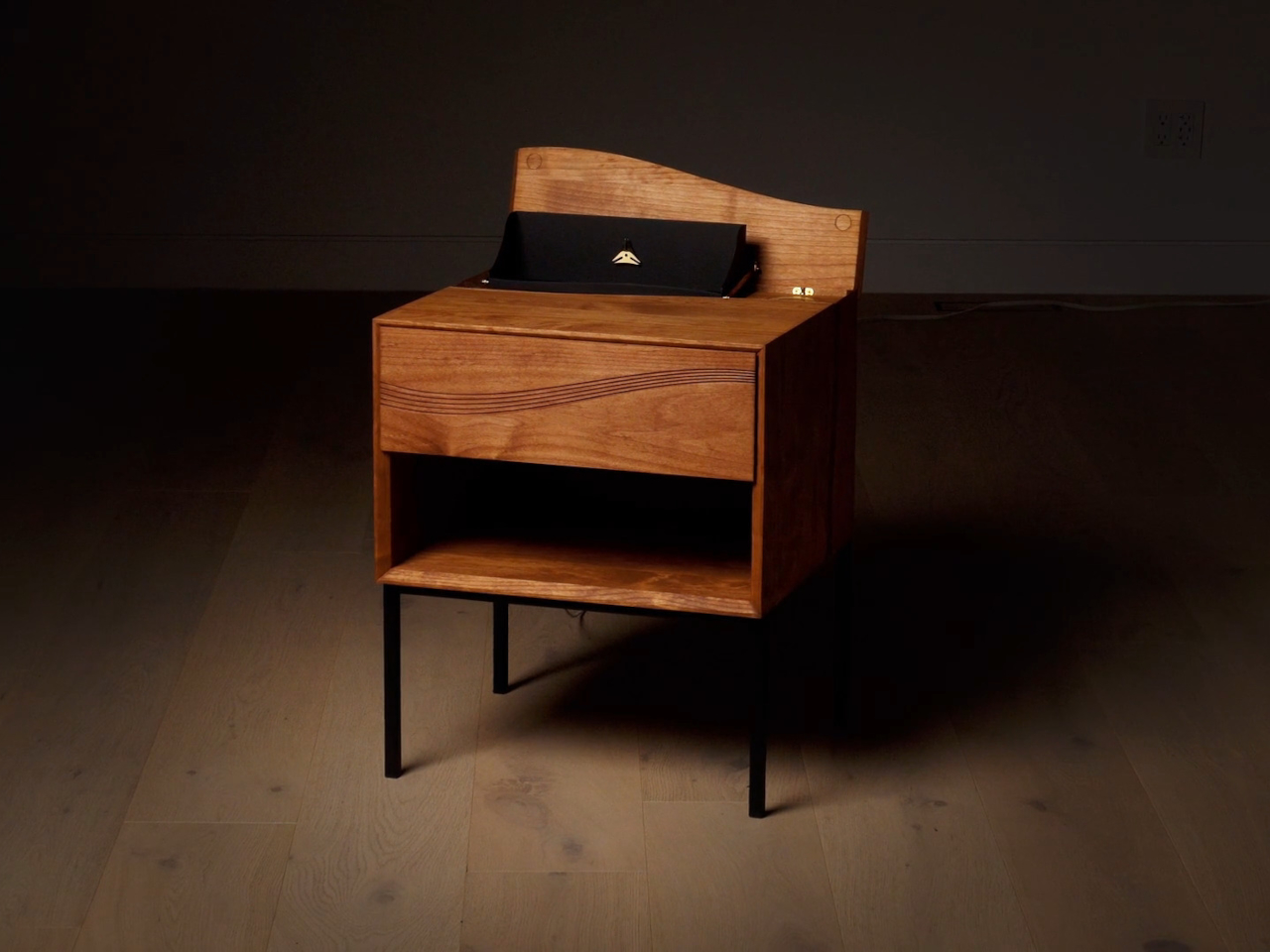
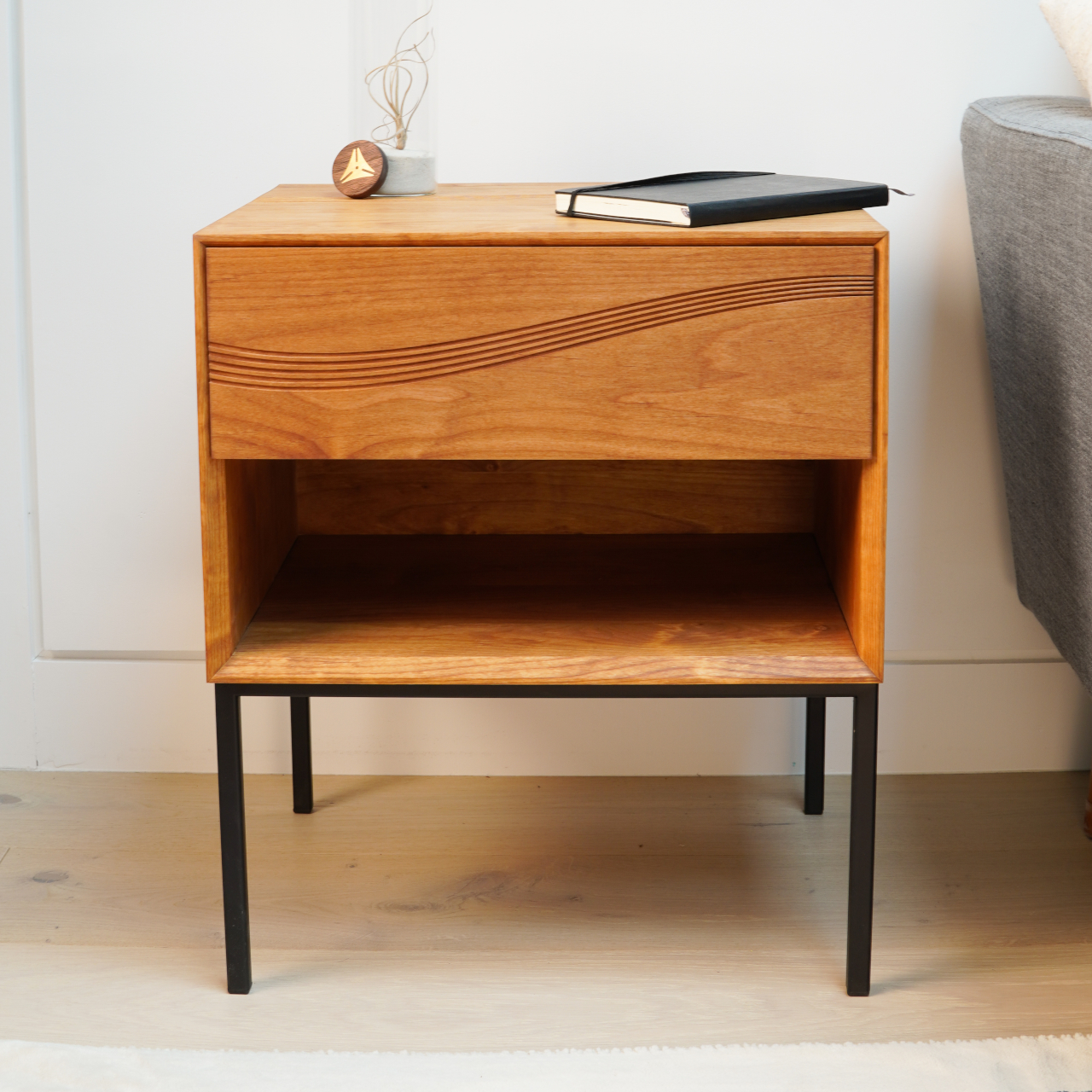
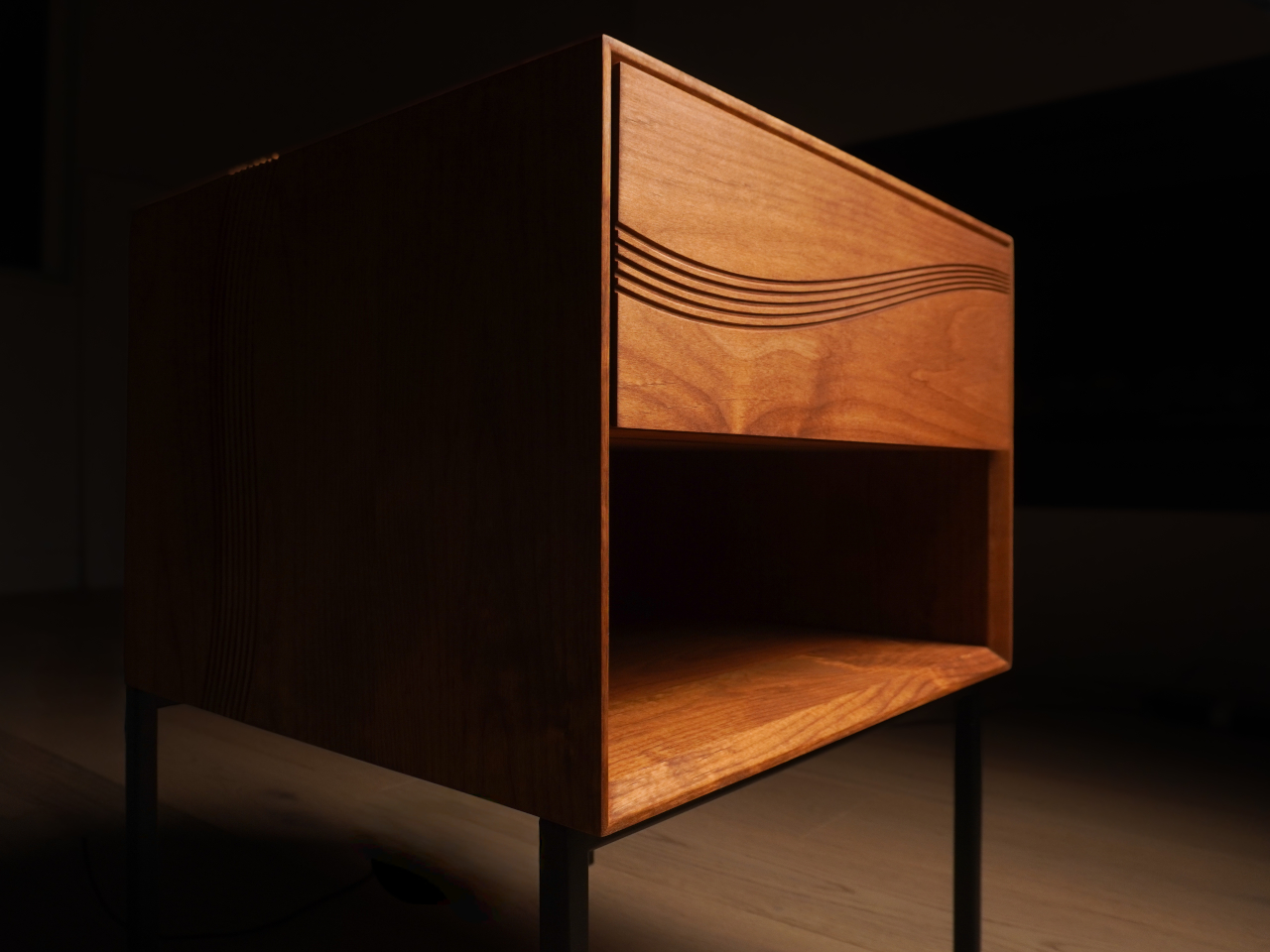
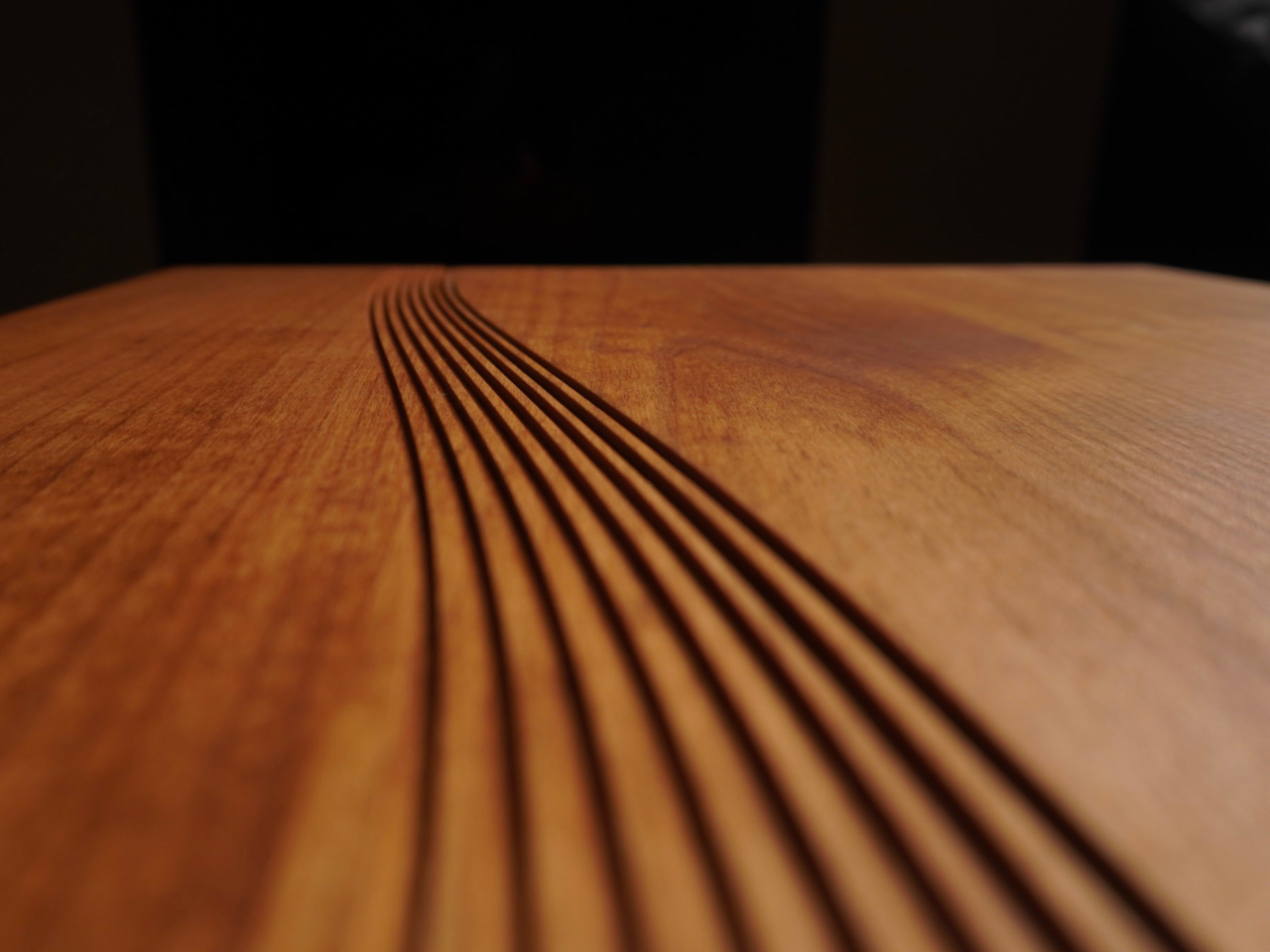
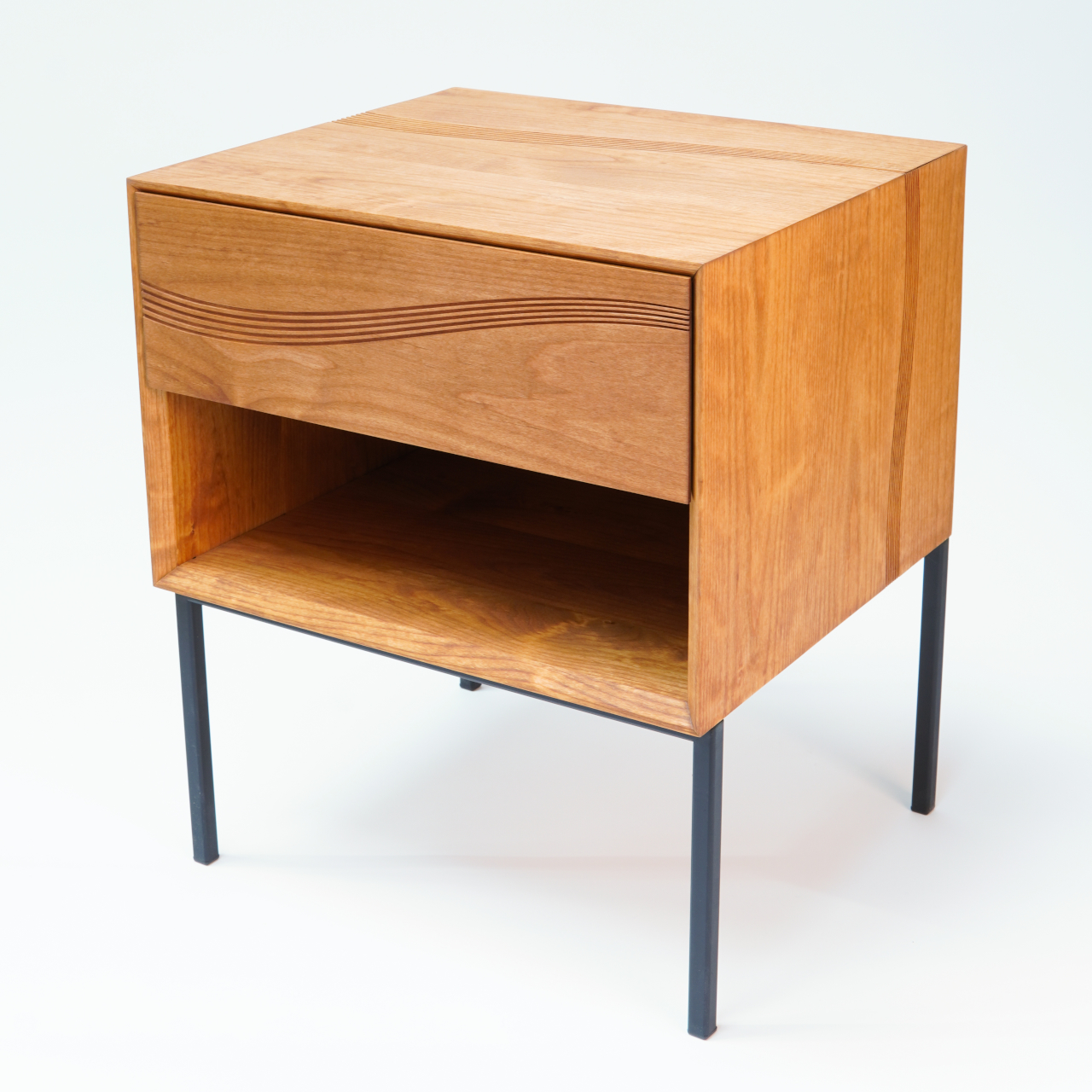
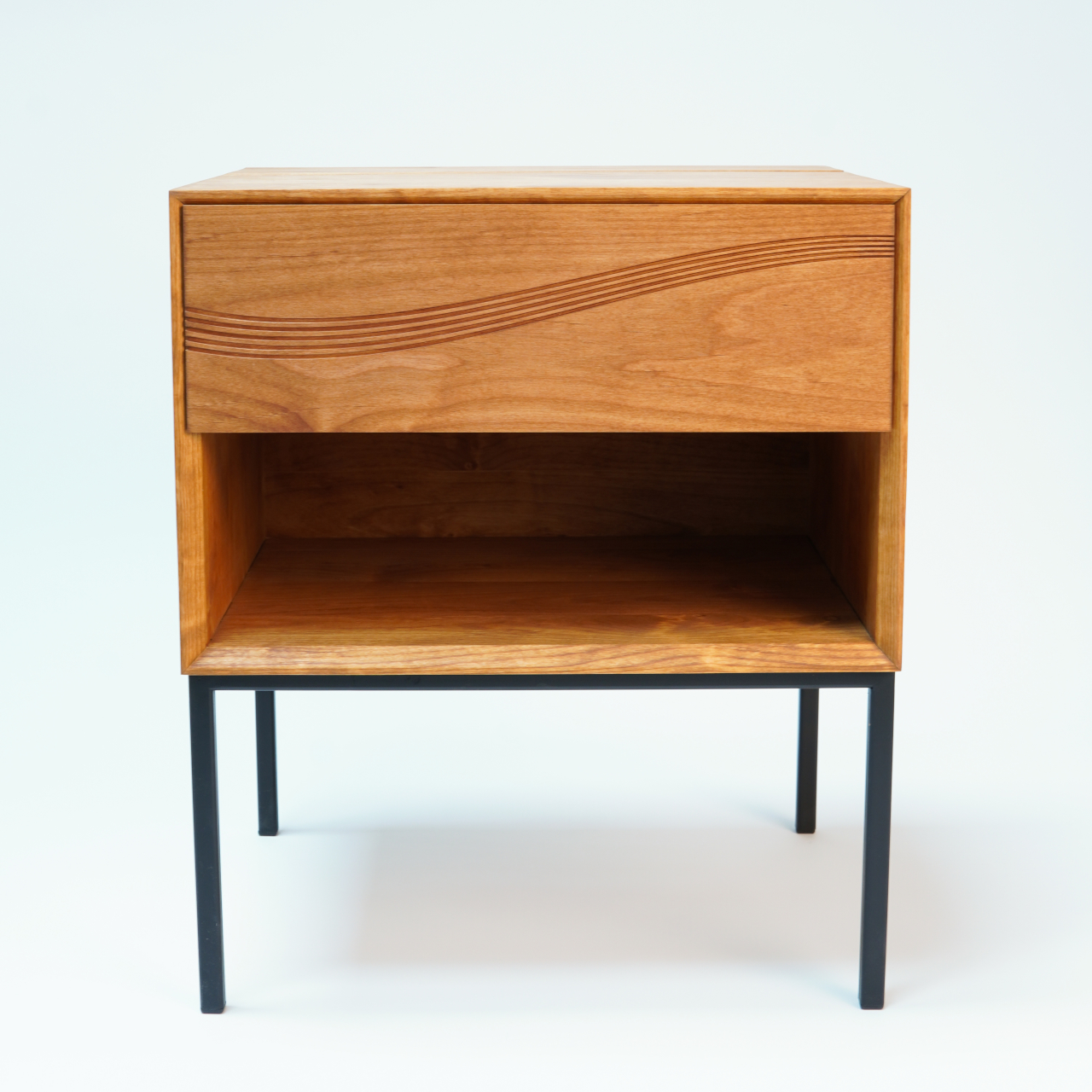
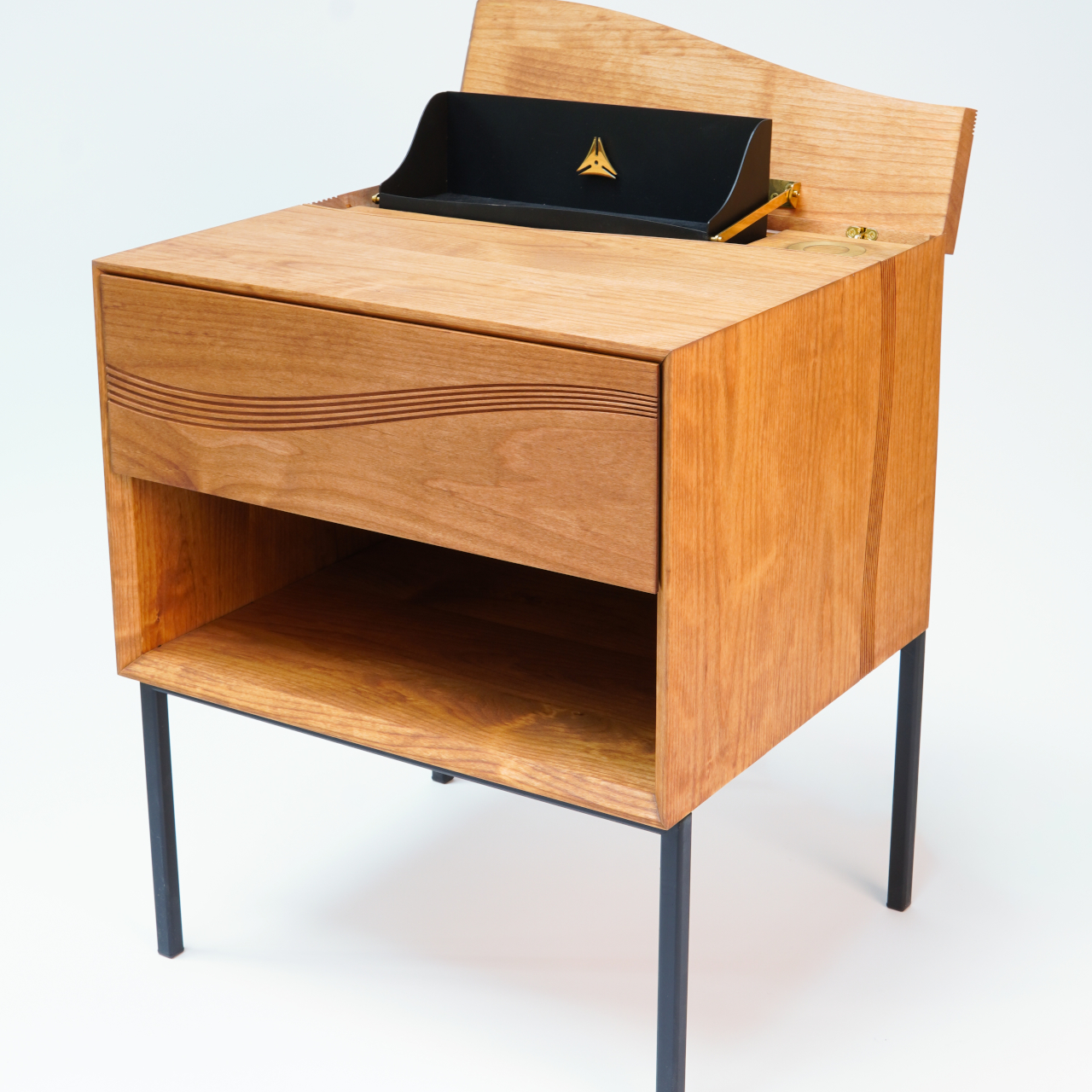
Morpheus appears calm and composed at first glance, with fluted wood surfaces, crisp geometry, and a refined silhouette that fits into any luxury interior seamlessly without demanding attention. The wave motif carved across the drawer front is both decorative and functional, disguising seams so perfectly that they seem to vanish into the surface completely. The craftsmanship is immediately apparent to anyone who appreciates fine furniture and attention to detail.

The nightstand is handcrafted from warm hardwood, with slender dark legs and brass accents that hint at the mechanical complexity hidden inside, waiting to be discovered through interaction. Every detail is finished to heirloom standards, blending classic cabinetmaking traditions with contemporary minimalism and modern sensibilities. The piece feels substantial without being heavy, refined without being cold, and modern without abandoning timeless design principles that make furniture last for generations.

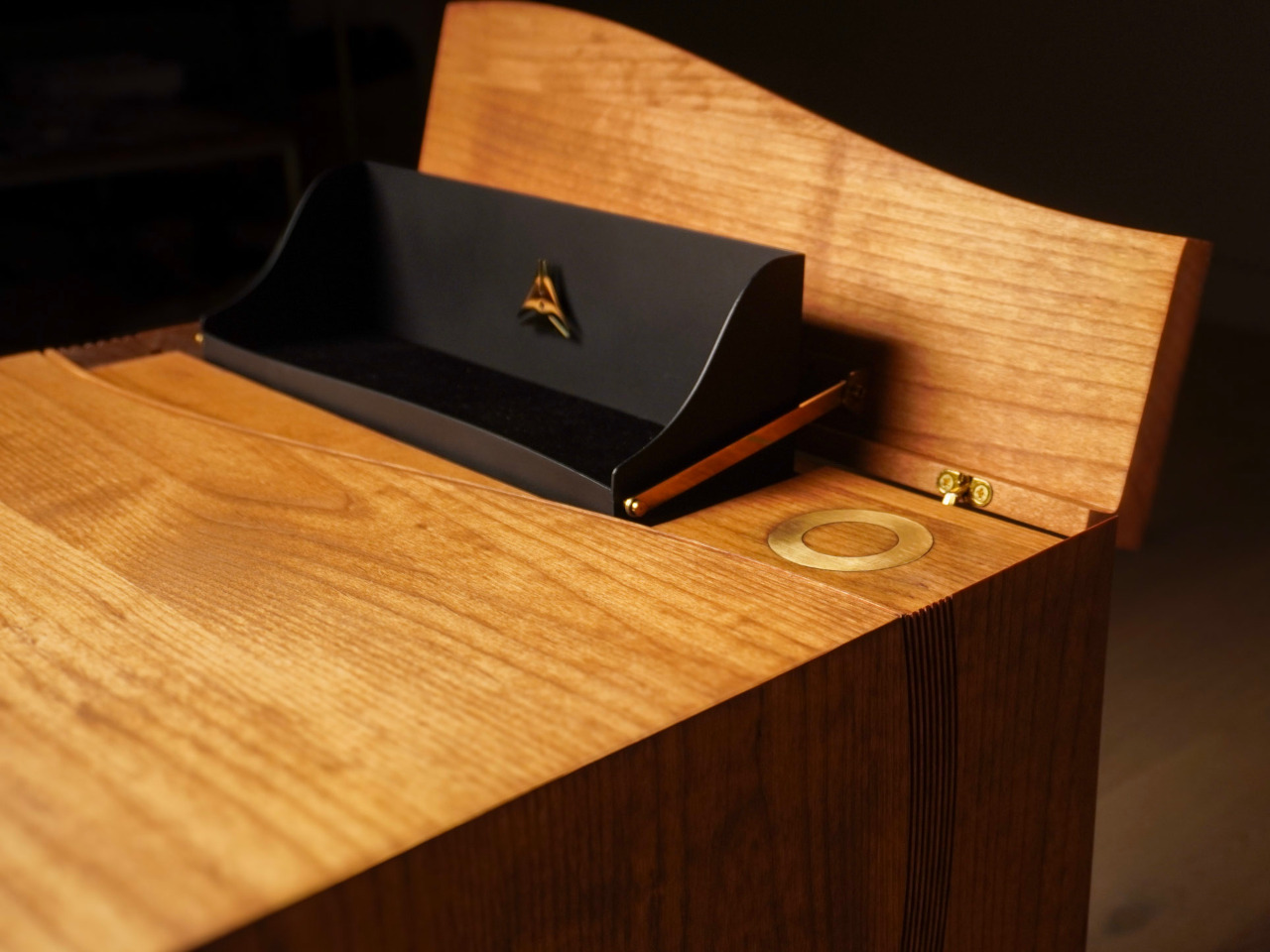
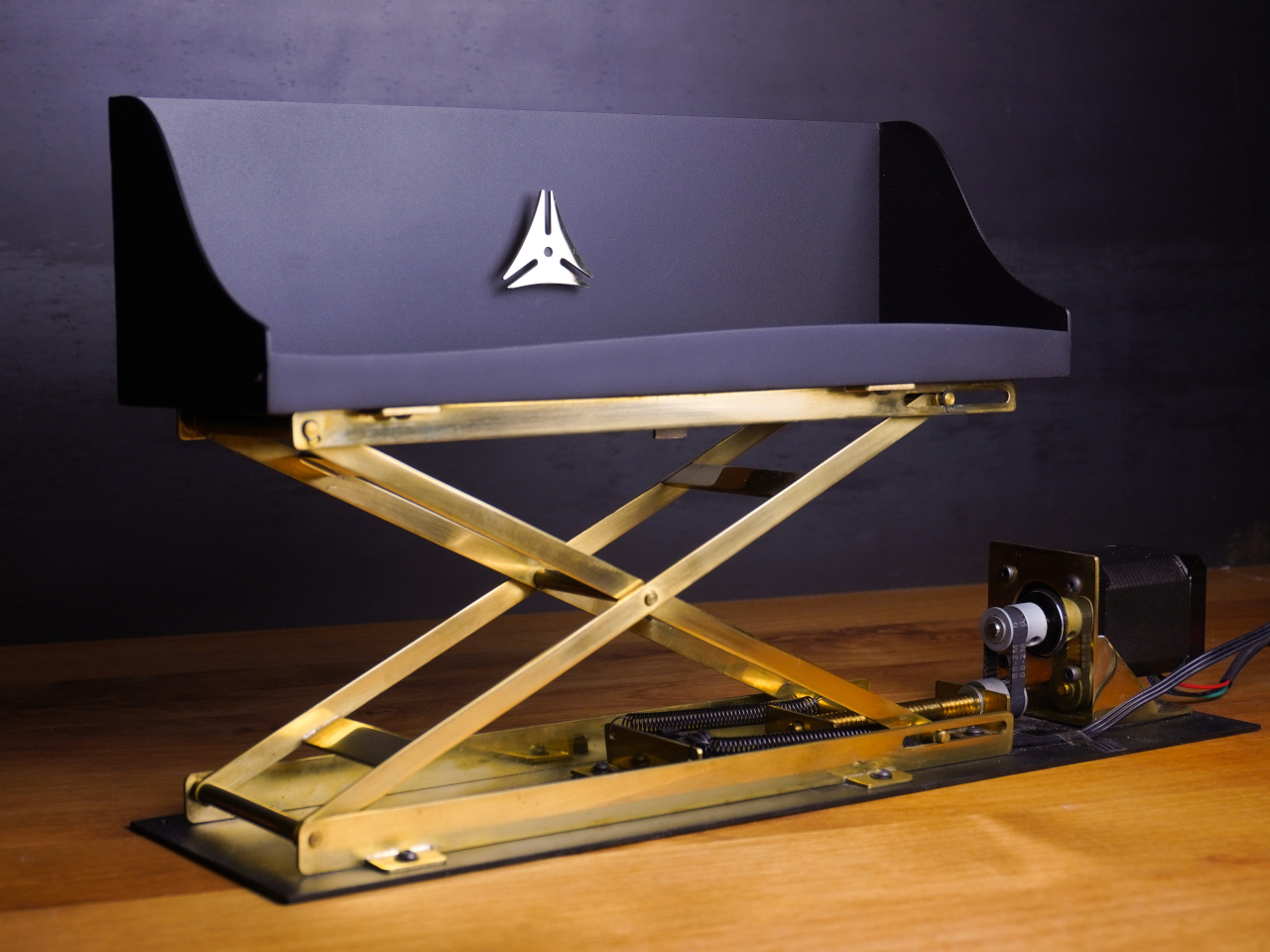
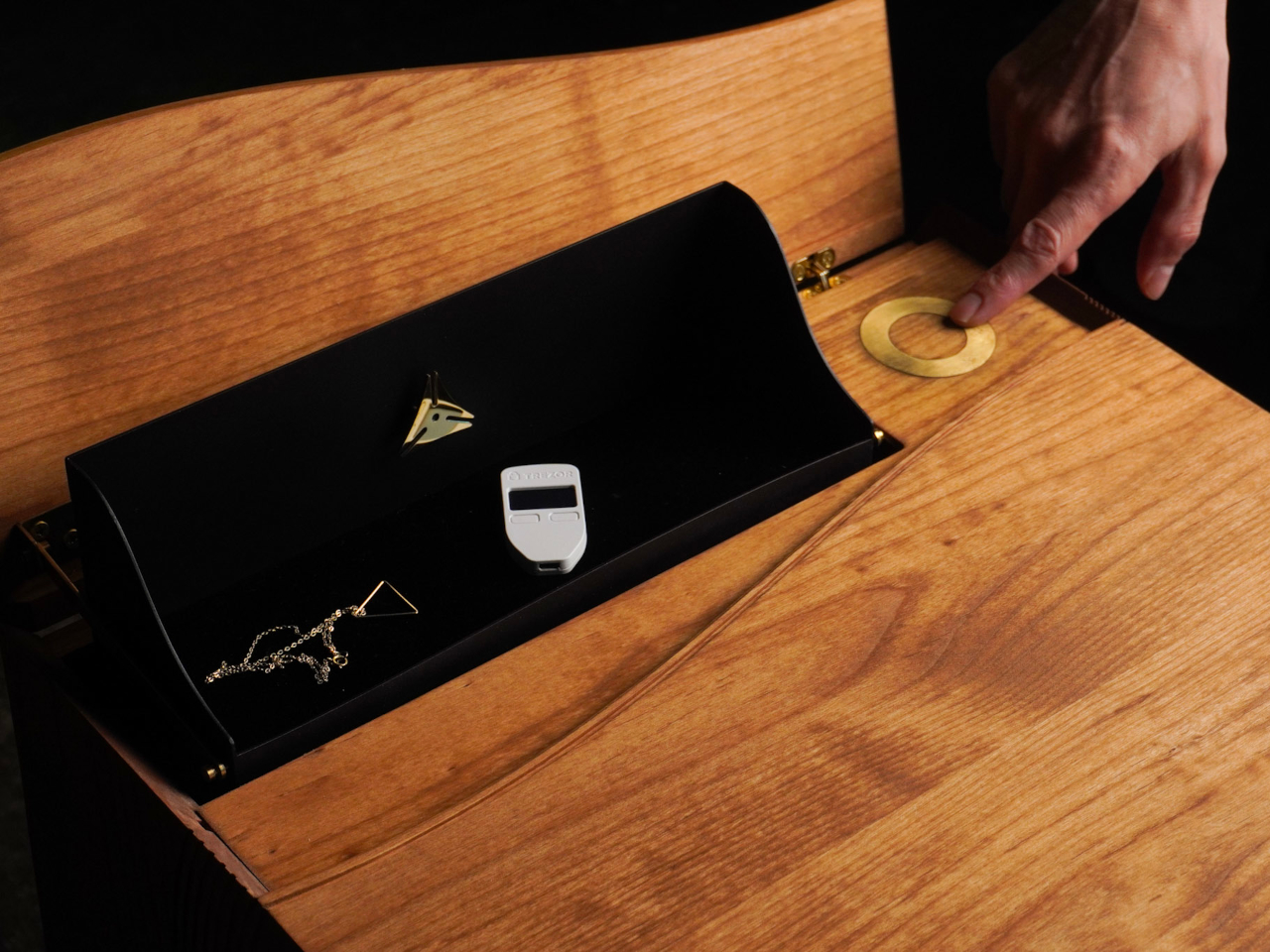
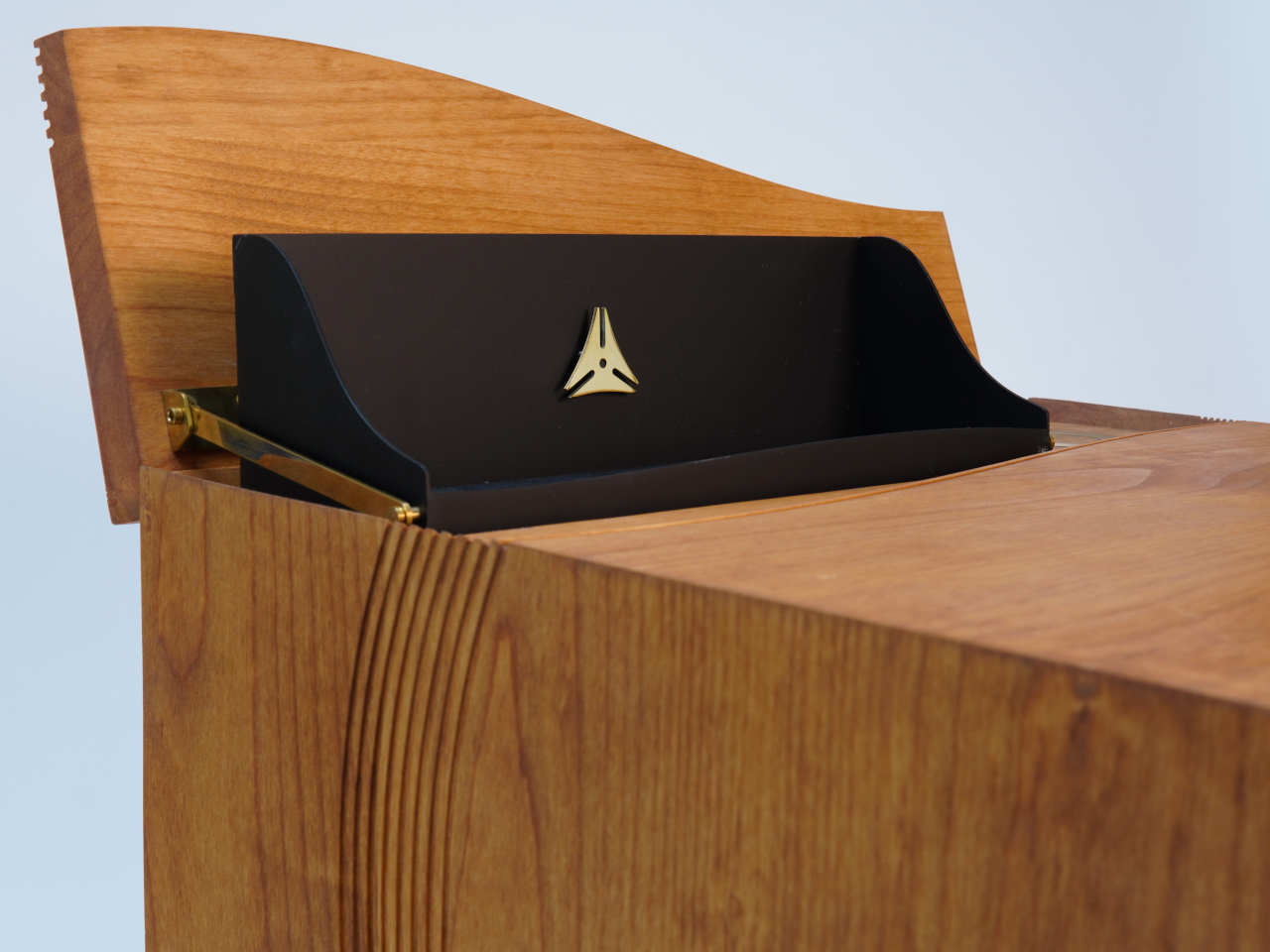
The real magic happens when you interact with Morpheus through its hidden NFC sensor embedded invisibly within the wood. Unlocking the secret compartment requires only a phone swipe on the nightstand’s side, activating integrated technology that feels almost magical. A custom brass scissor lift rises in complete silence, revealing a hidden space for valuables, keepsakes, or whatever you want to tuck away from view during the day when you’re not home.

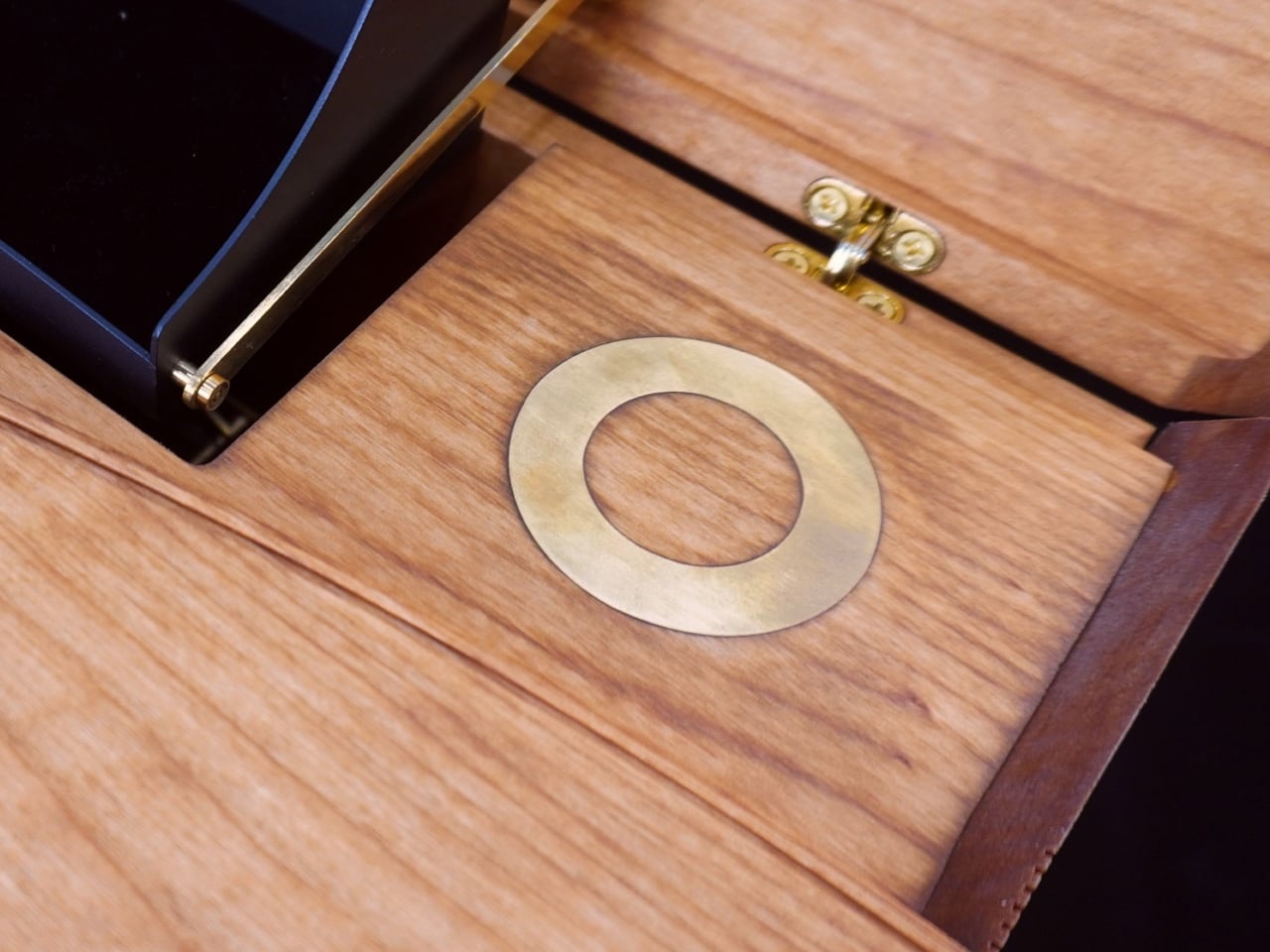
The mechanism folds into just two centimeters of space when closed, a timepiece-like marvel of precision brass engineering and craftsmanship. The compartment closes with a gentle touch on a brass inlay set into the wood surface, turning storage into a tactile, almost poetic ritual. Watching the mechanism unfold and retract is satisfying in a way that regular drawers simply cannot match, adding genuine delight to everyday function and making bedtime routines special.

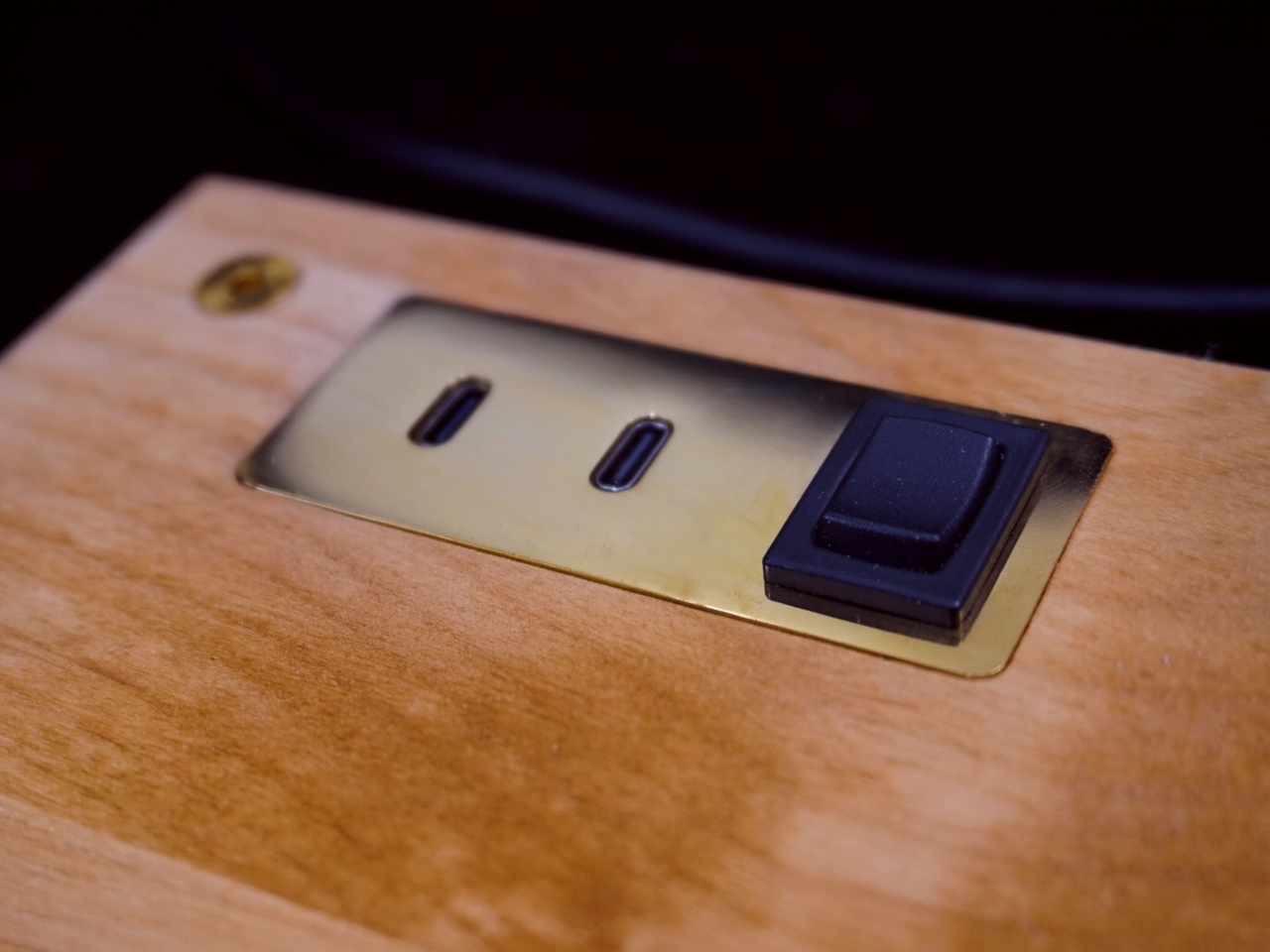
The nightstand isn’t just about secrets and hidden mechanisms that amaze guests. Integrated USB-C charging ports and a physical switch add modern convenience for phones and devices, while the open shelf and spacious drawer provide practical storage for books, reading glasses, or tech accessories. Morpheus is designed to be lived with daily, not just admired from afar like museum pieces locked behind glass cases.

Morpheus continues a centuries-old tradition of mechanical furniture with hidden compartments, but updates it with precision brass engineering and smart electronics for modern living and contemporary lifestyles. For those who believe furniture should do more than sit quietly in the corner without personality or interaction, this nightstand offers a compelling reminder that great design can surprise, delight, and move you both literally and emotionally every single day.

The post Morpheus Nightstand Hides a Kinetic Secret in Sculpted Wood and Brass first appeared on Yanko Design.