A saddle is one of the most intimate pieces of equipment in equestrian sport. It sits at the exact point where two athletes meet, translating weight, movement, balance, and intention between horse and rider. Yet for something so central to that relationship, saddle fitting has remained surprisingly dependent on traditional measuring methods, adjustment, and compromise. Catalyst asks what happens when that process becomes precise enough to design around the individual horse from the beginning.
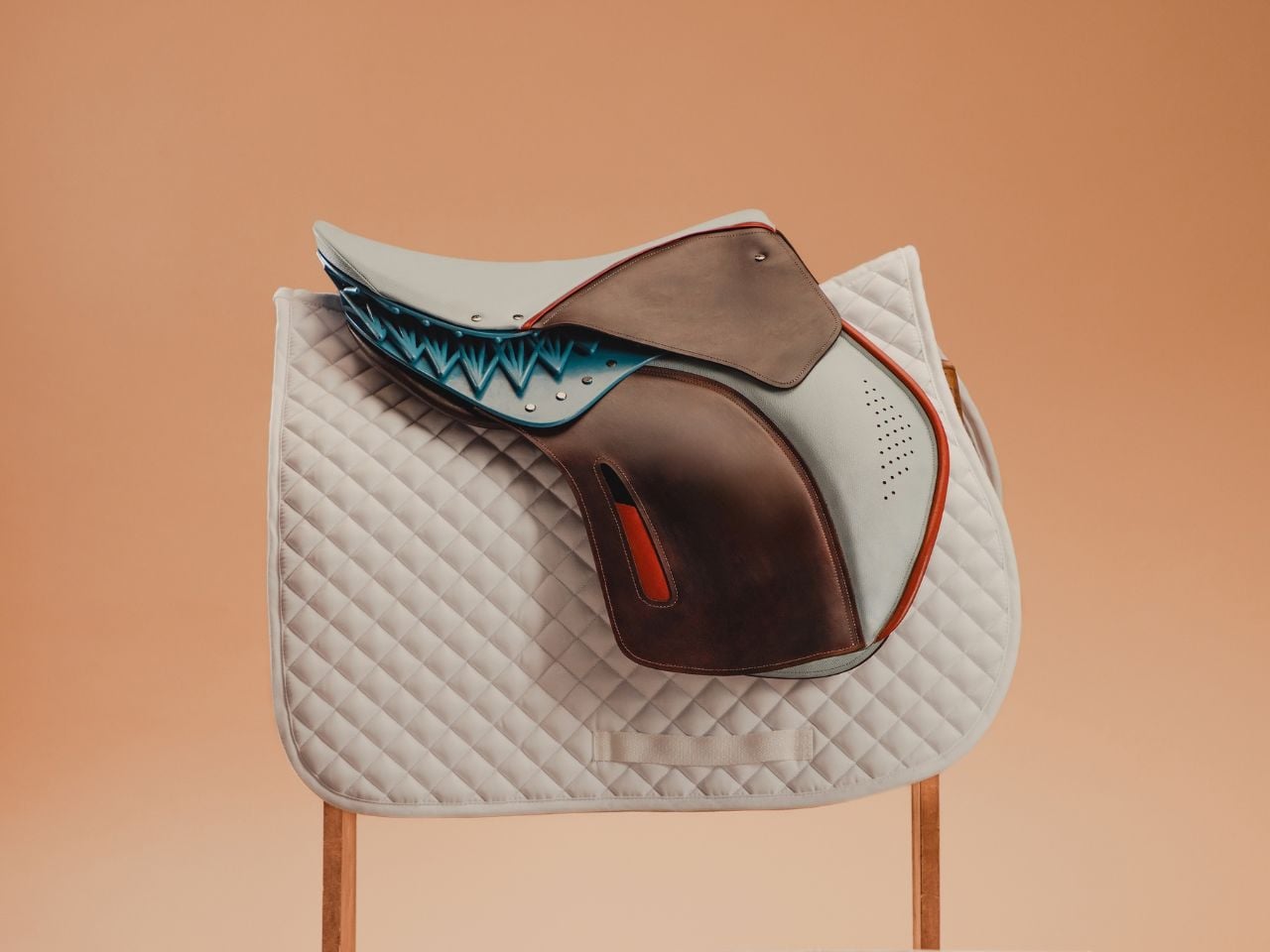
Designed by Hallie Eskey, Catalyst is a custom-fit, 3D-printed jumping saddle developed specifically for the demands of show jumping. The sport subjects both horse and rider to repeated impact as they accelerate, take off, land, and immediately reorganize their balance for the next obstacle. In that environment, the saddle has to do far more than simply provide a seat. Poor fit can create pressure, discomfort, and injury for the horse while interfering with the subtle communication between horse and rider. Catalyst approaches the saddle as performance equipment shaped by anatomy rather than a standardized object that the body must adapt to.
Designer: Hallie Eskey
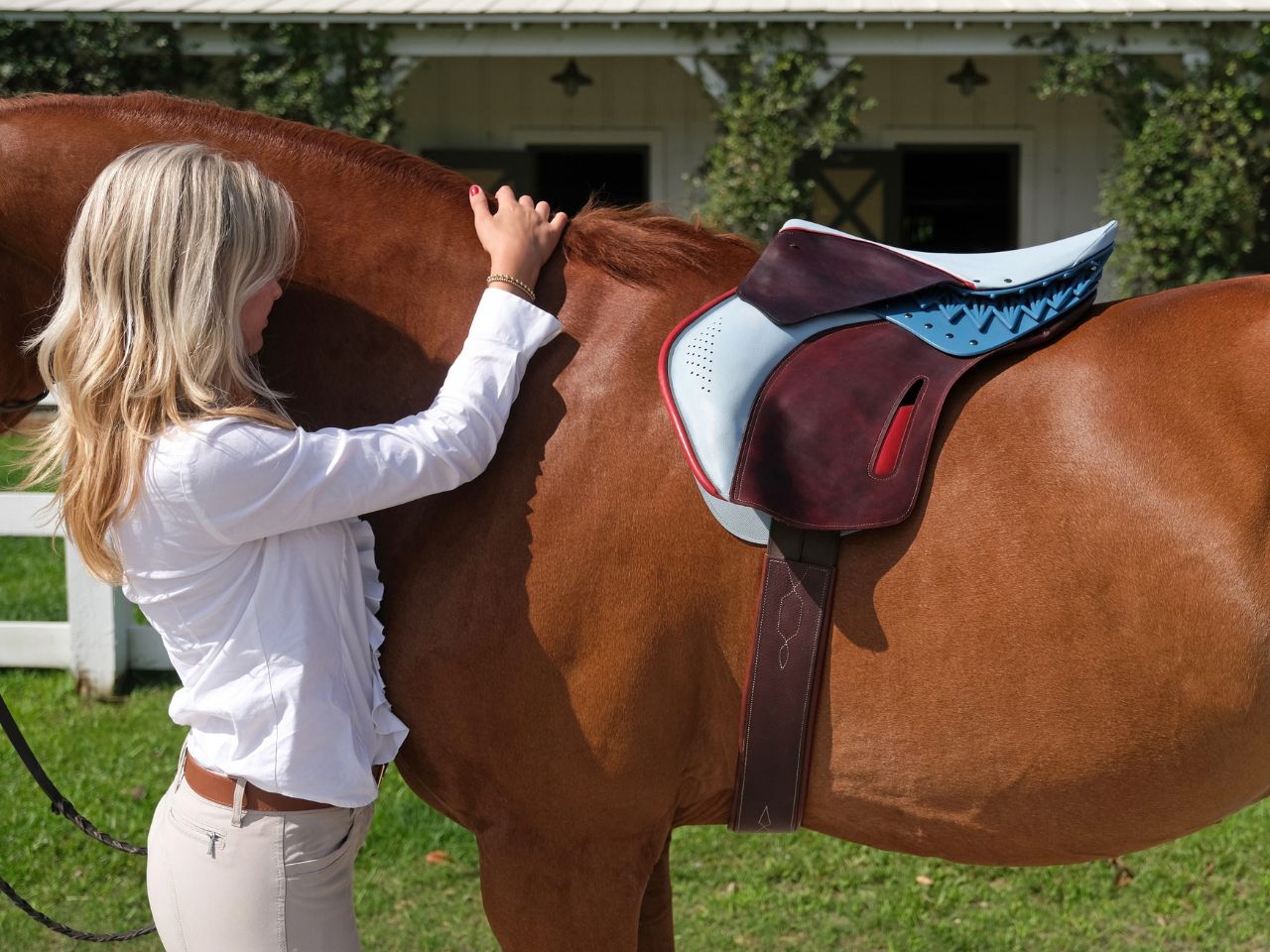
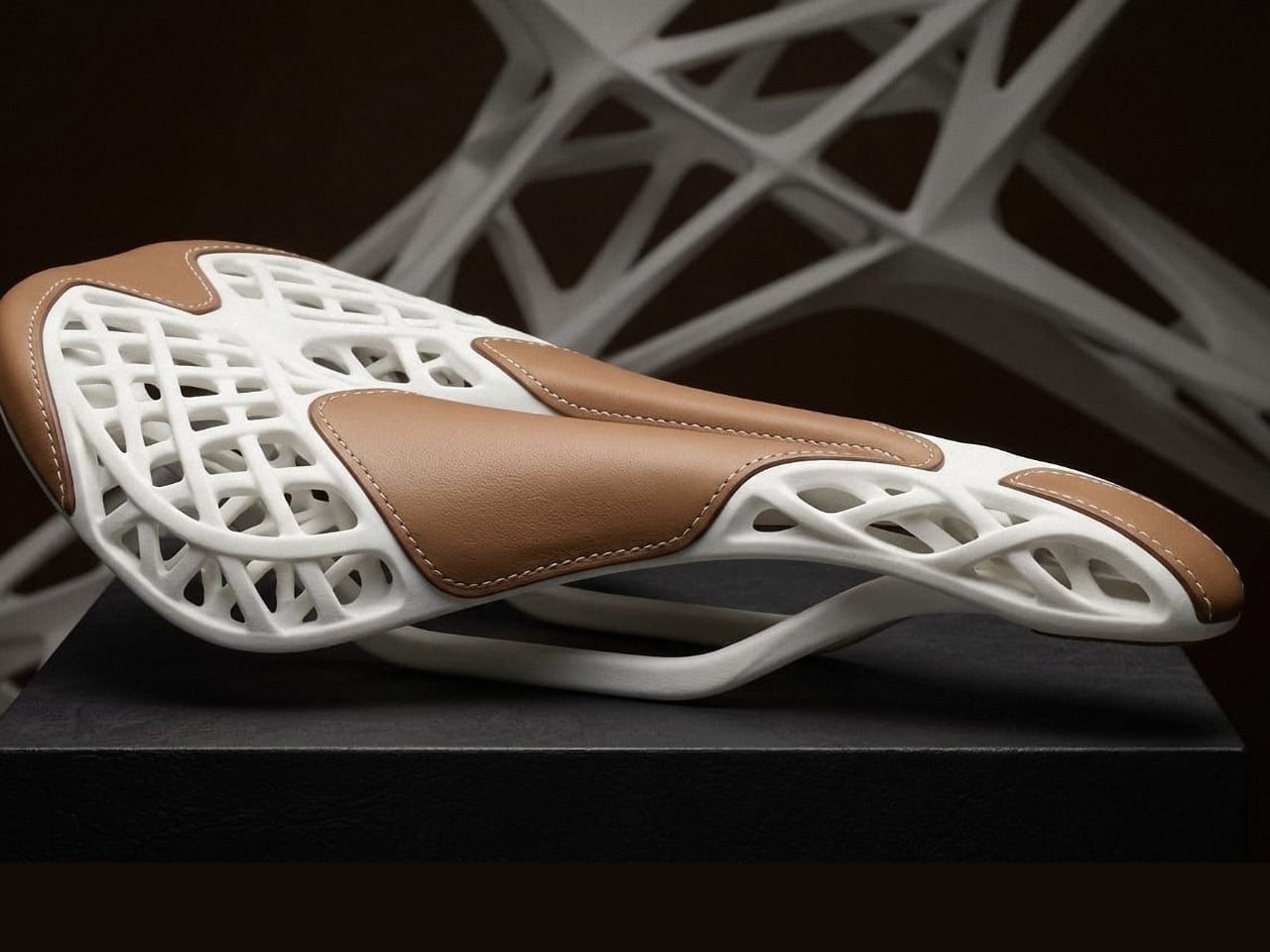
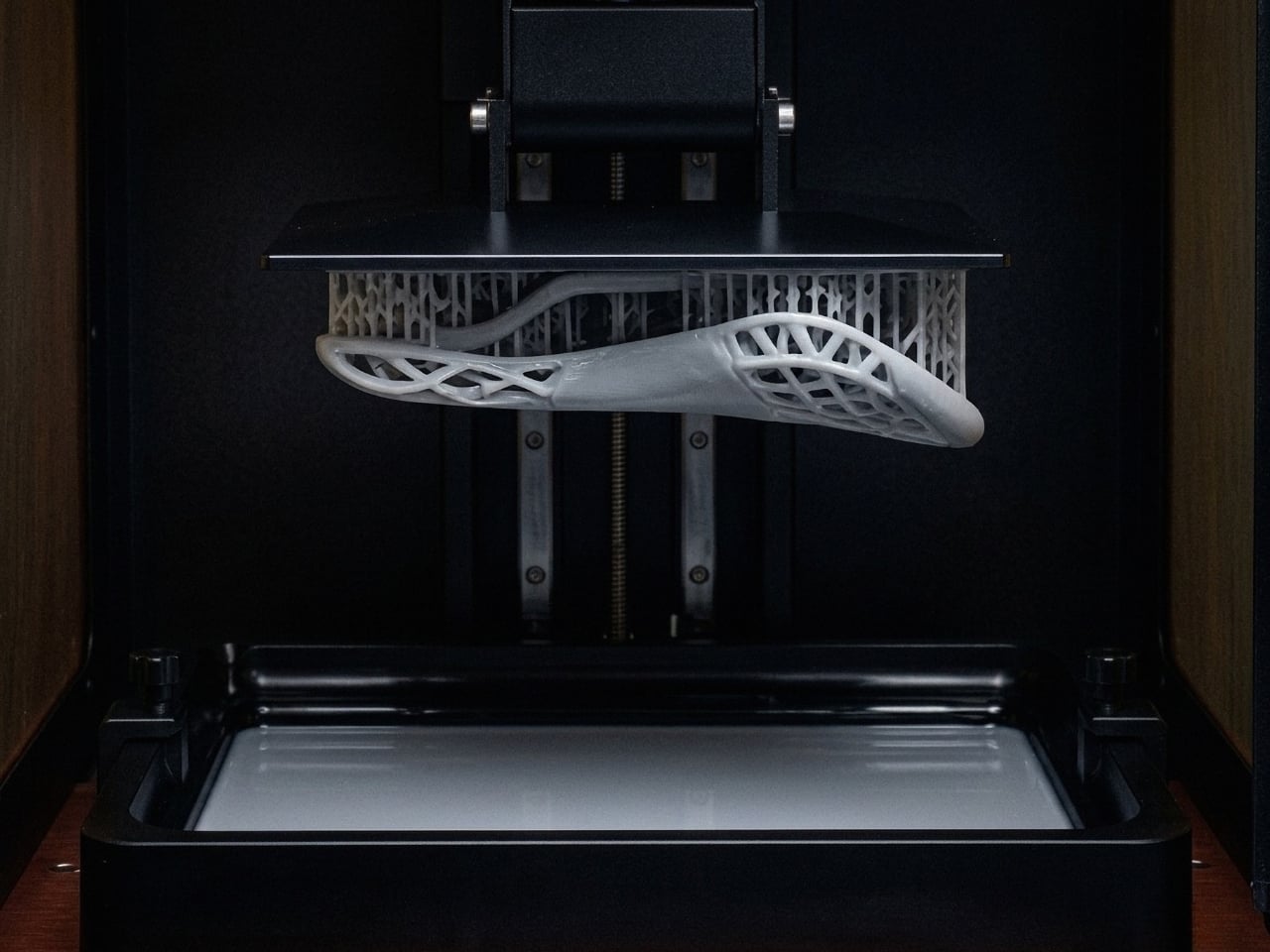
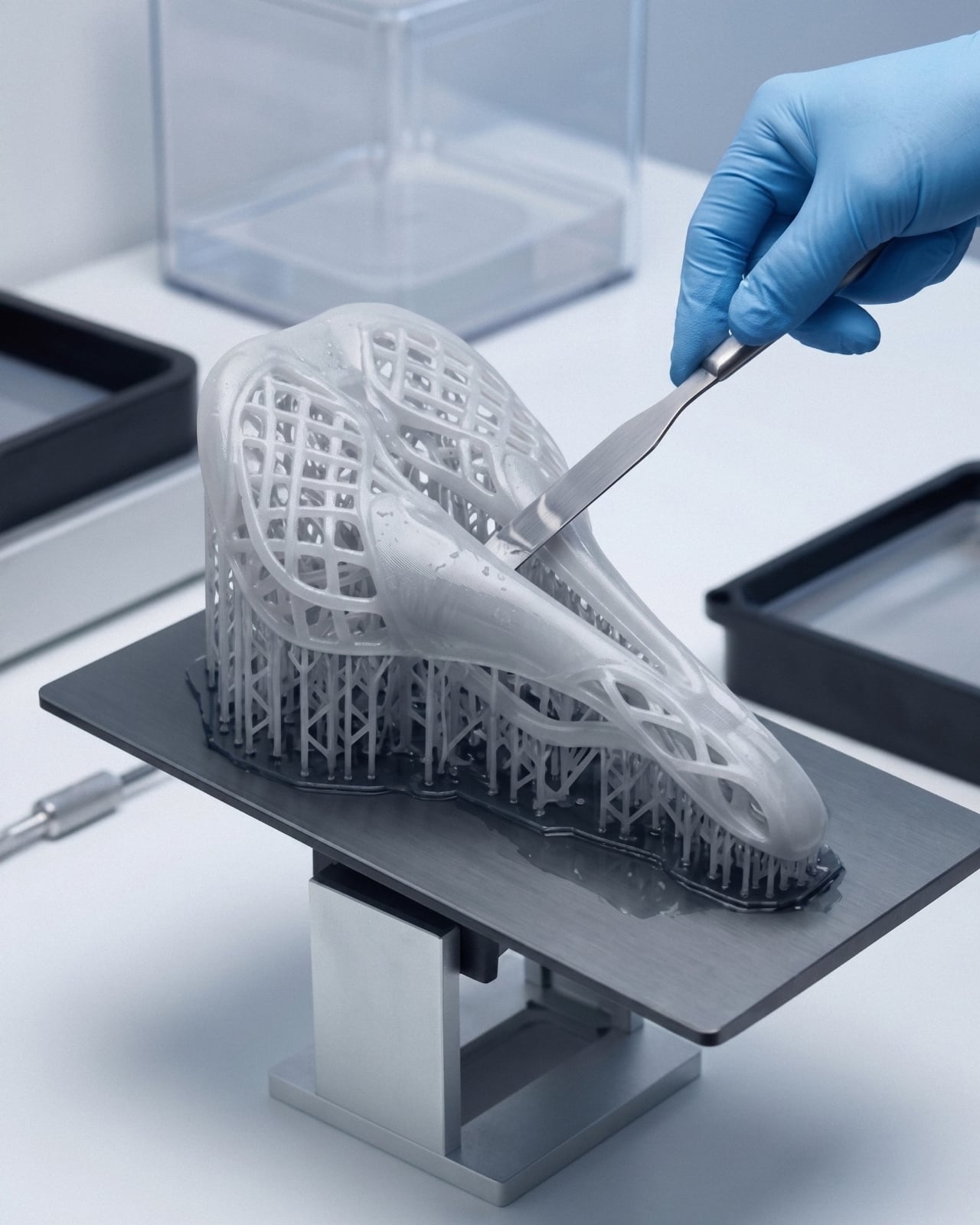
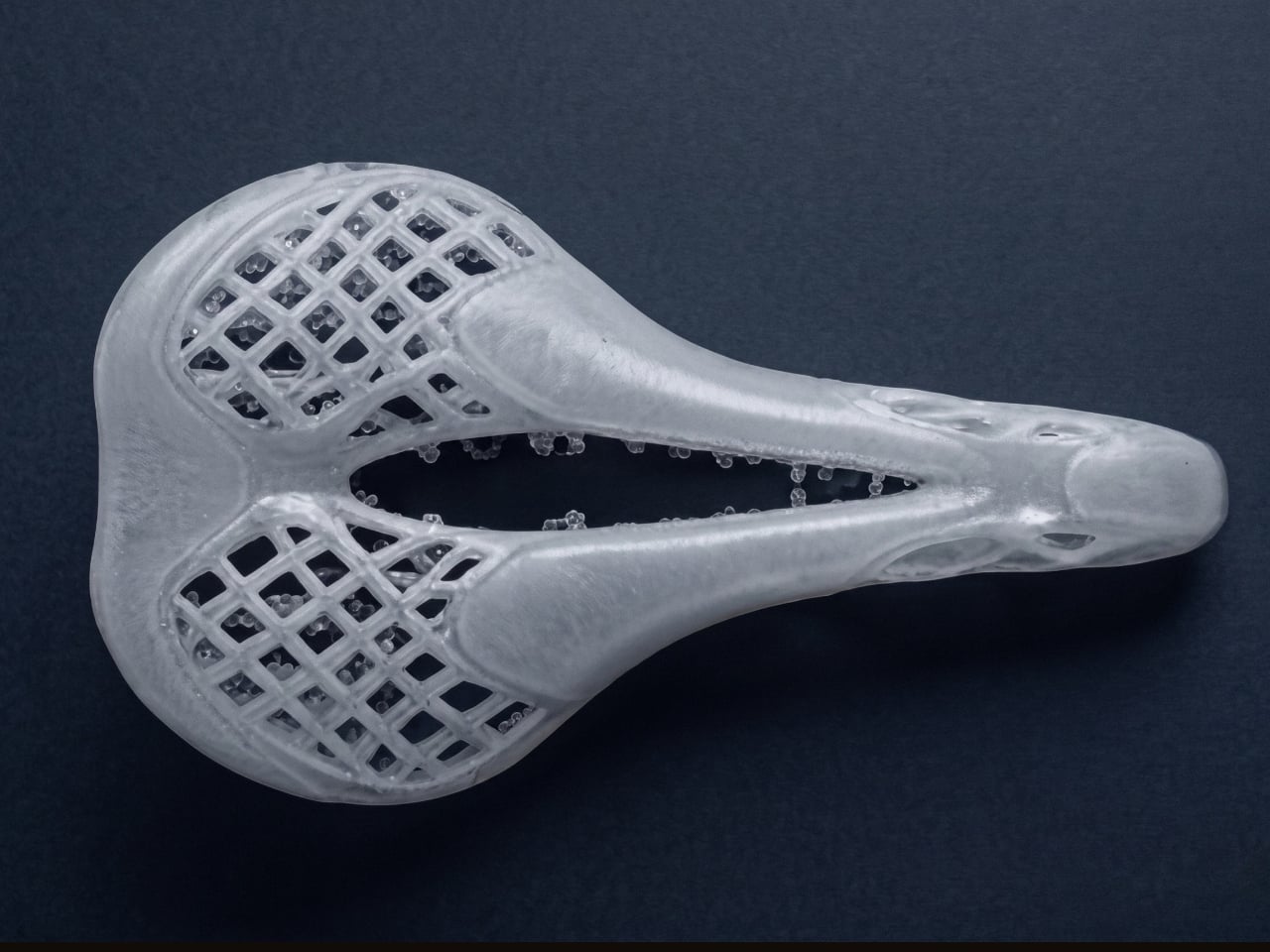
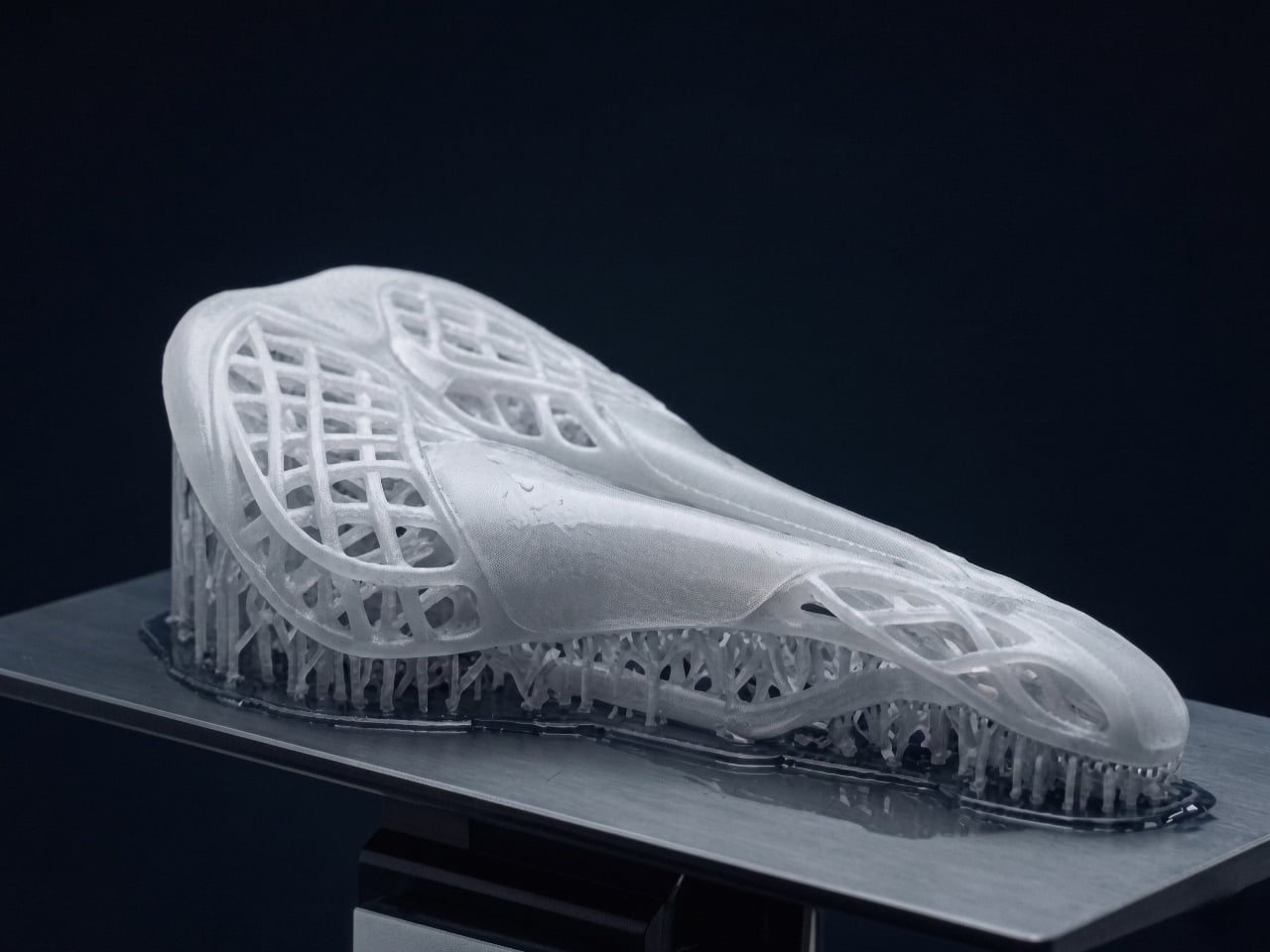
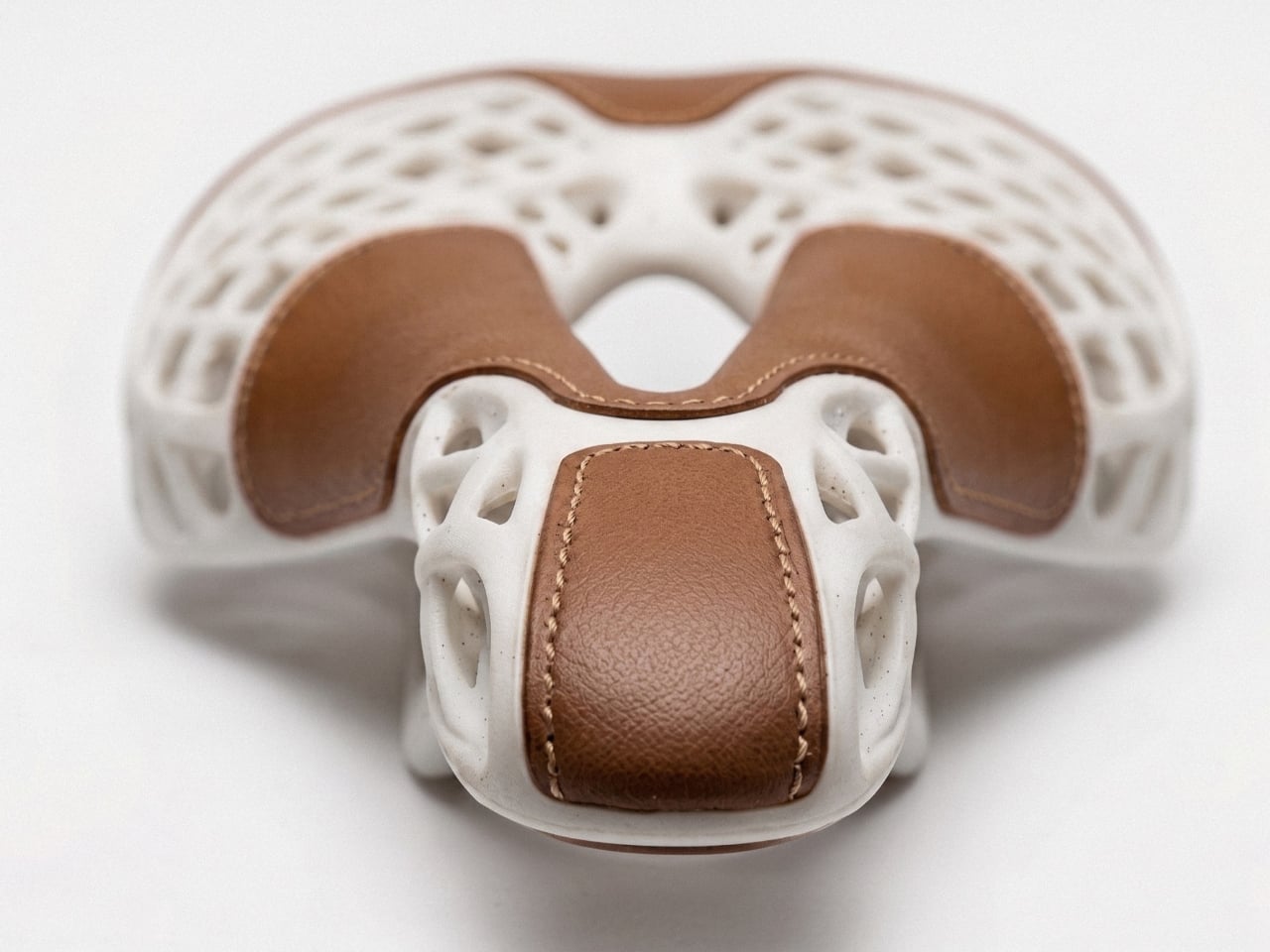
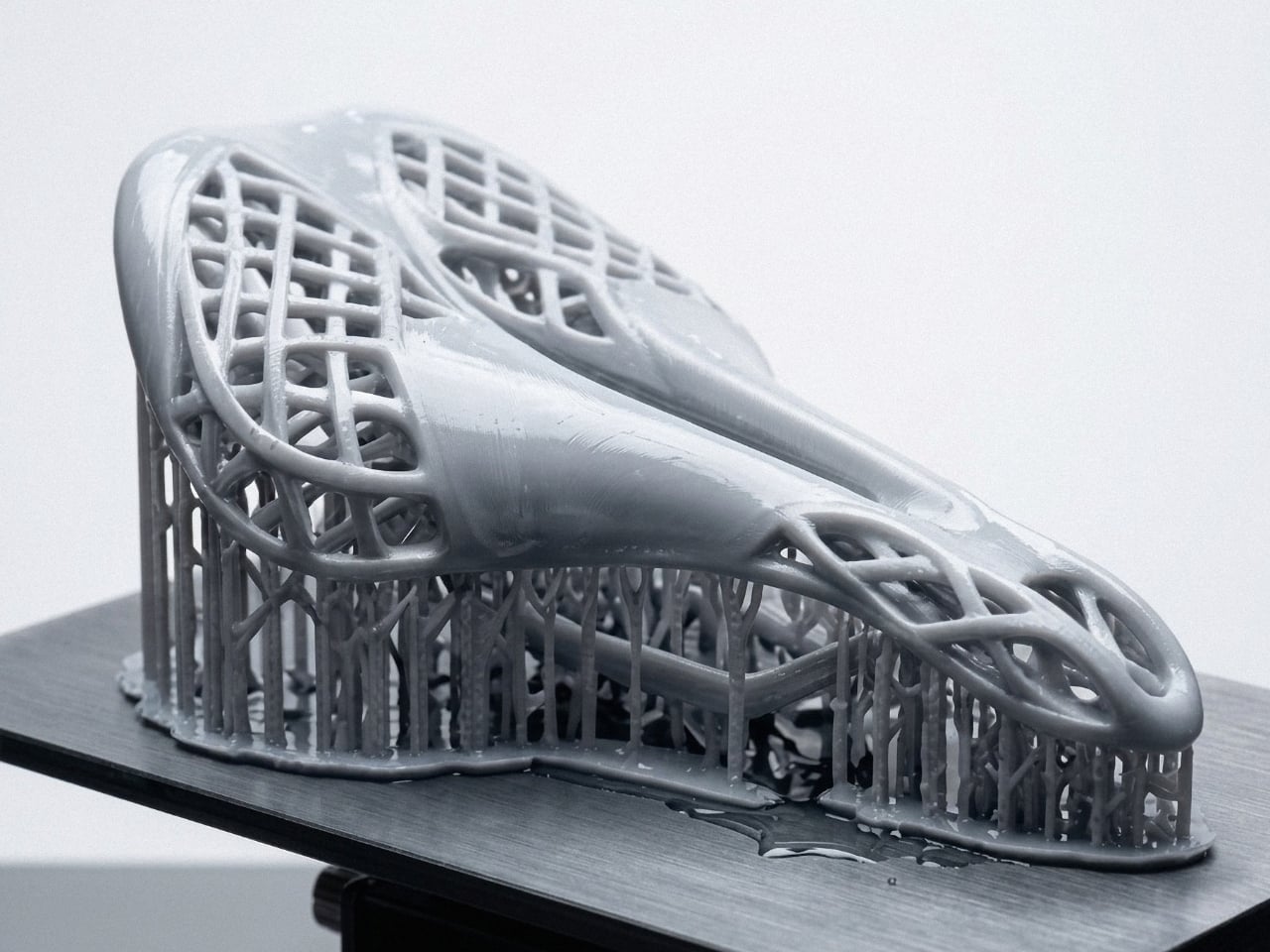
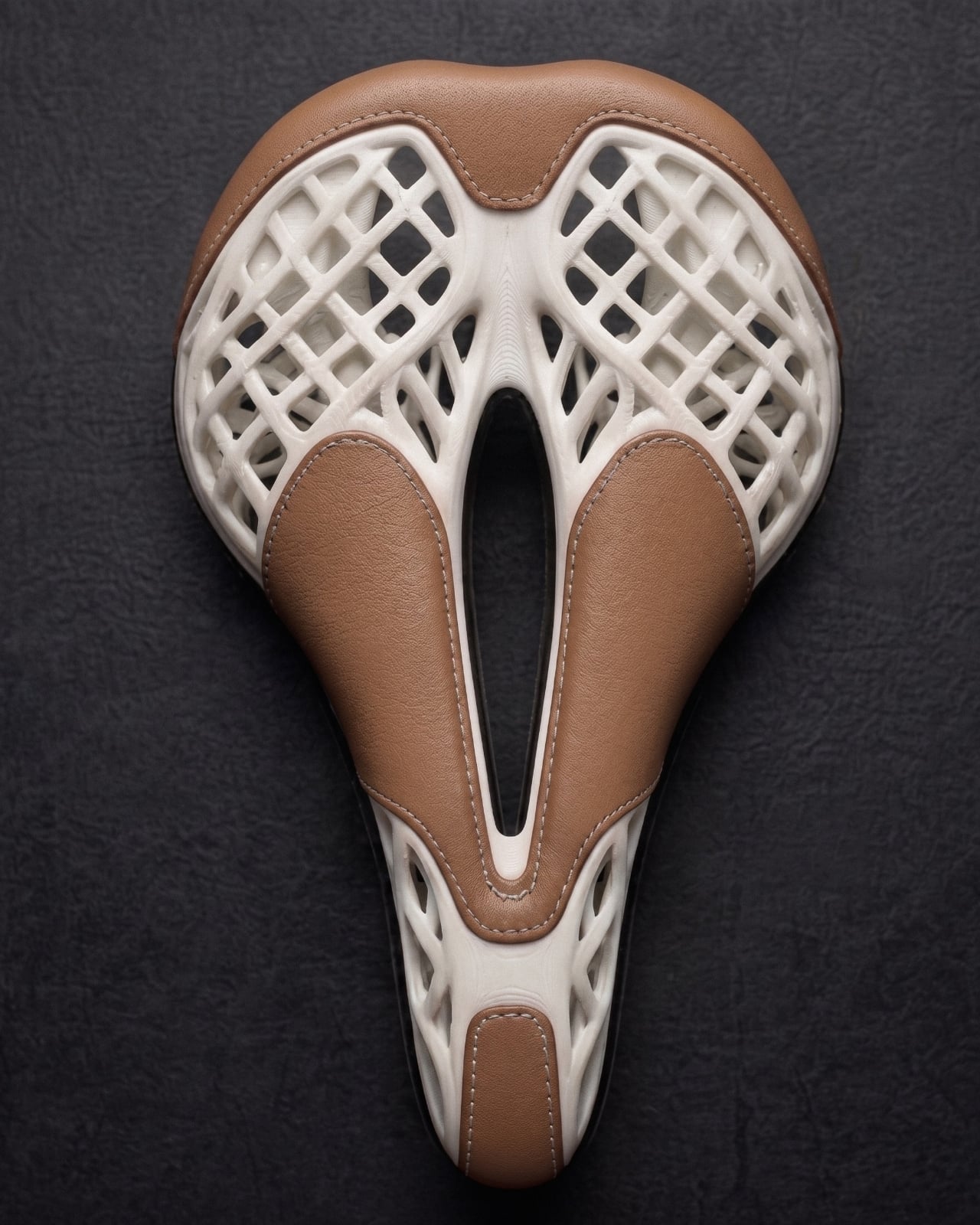
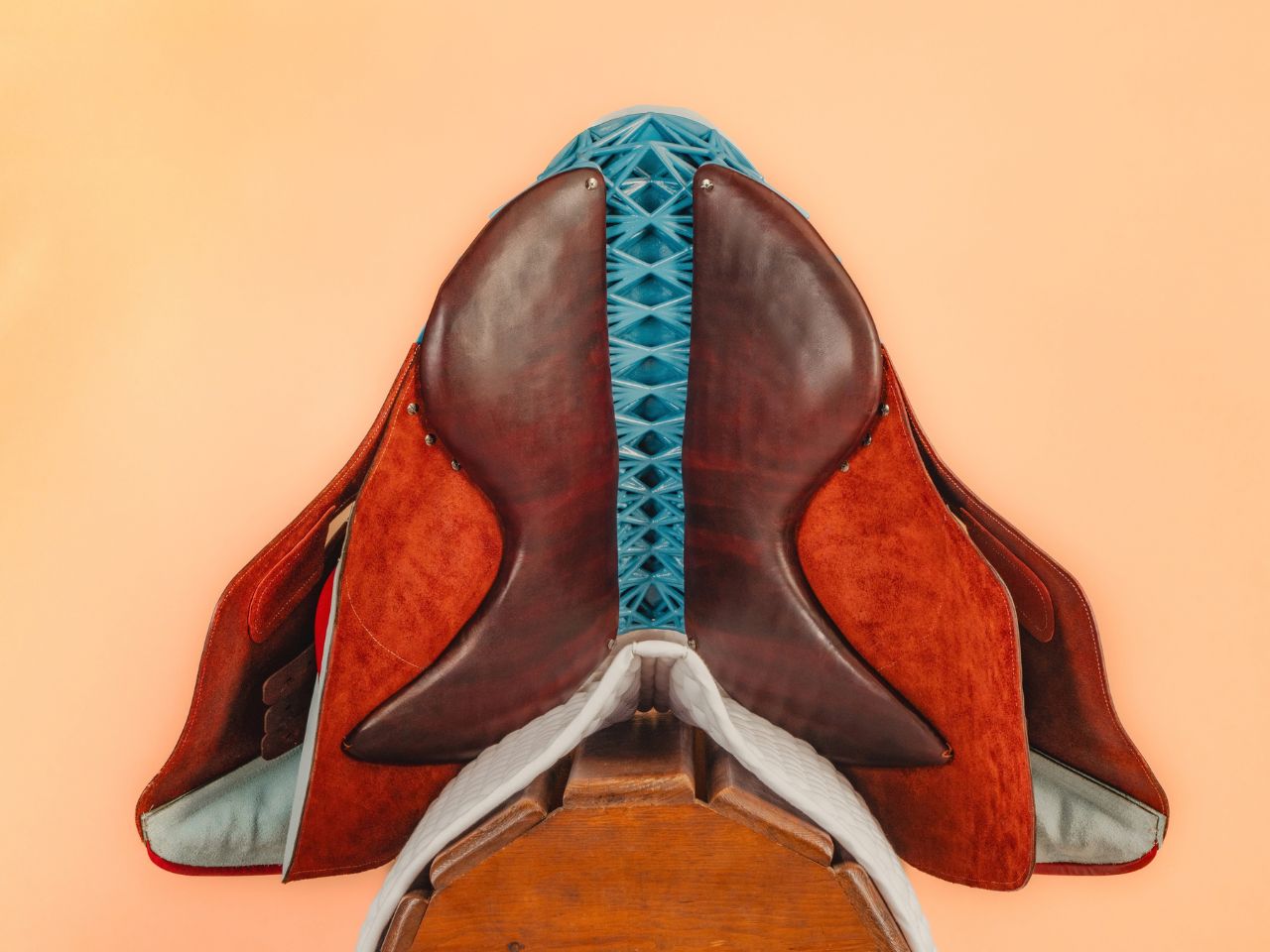
The process begins with LiDAR 3D scanning. Instead of relying solely on manual measurements of the horse’s back, the horse is digitally captured and brought into CAD software. That information becomes the basis for a parametric lattice structure modeled specifically around the horse’s curves. The result is a level of customization that would be difficult to achieve through conventional hand measuring alone.
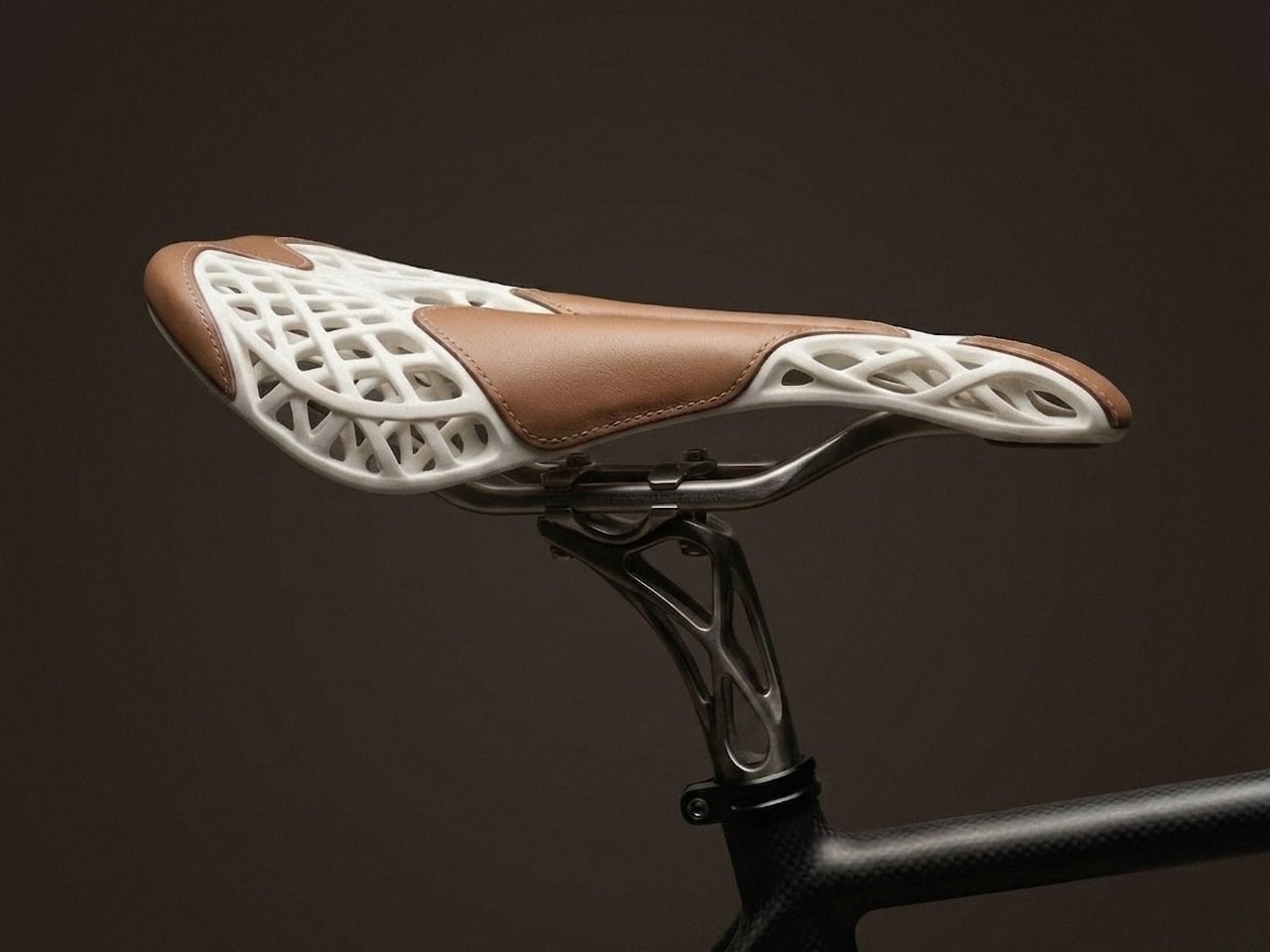
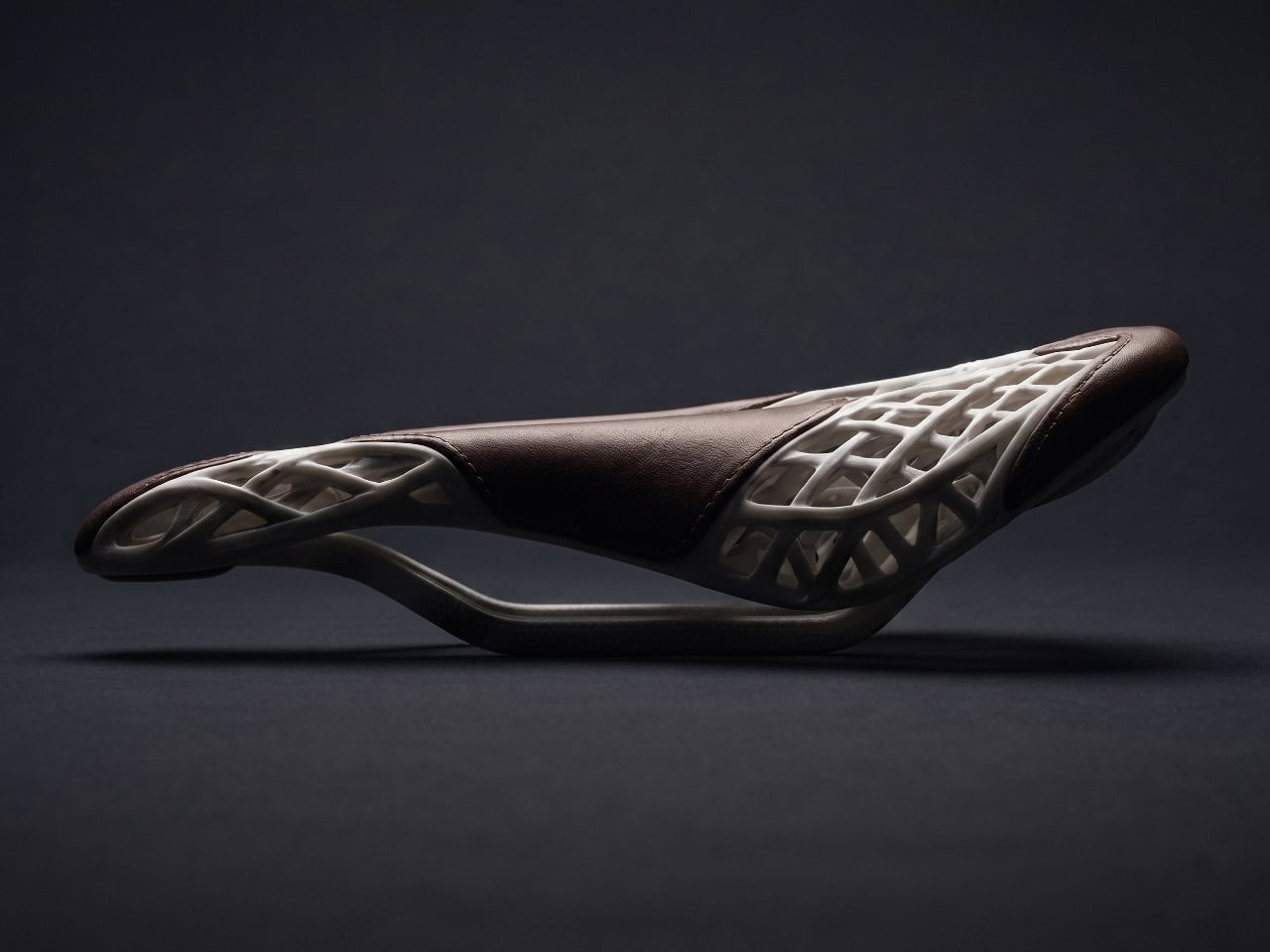
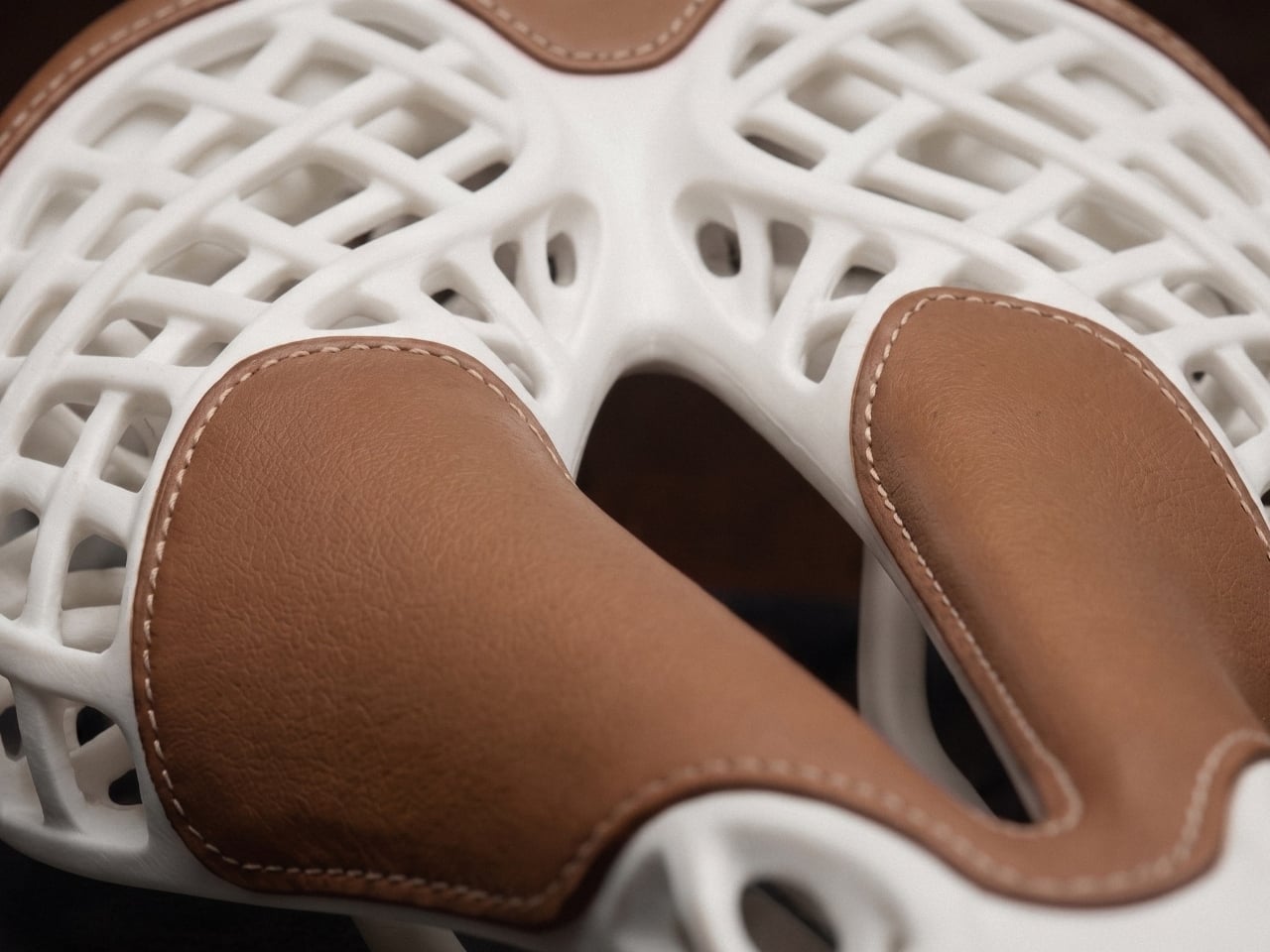
That lattice is also Catalyst’s most recognizable visual feature. Rather than hiding its internal structure beneath layers of material, the saddle leaves its carbon fiber geometry exposed. It gives the object an almost architectural quality. The pattern is not there simply to make Catalyst look futuristic. Carbon fiber allows the structure to remain lightweight while providing shock absorption, addressing two qualities that become especially important when horse and rider are repeatedly experiencing the force of landing.
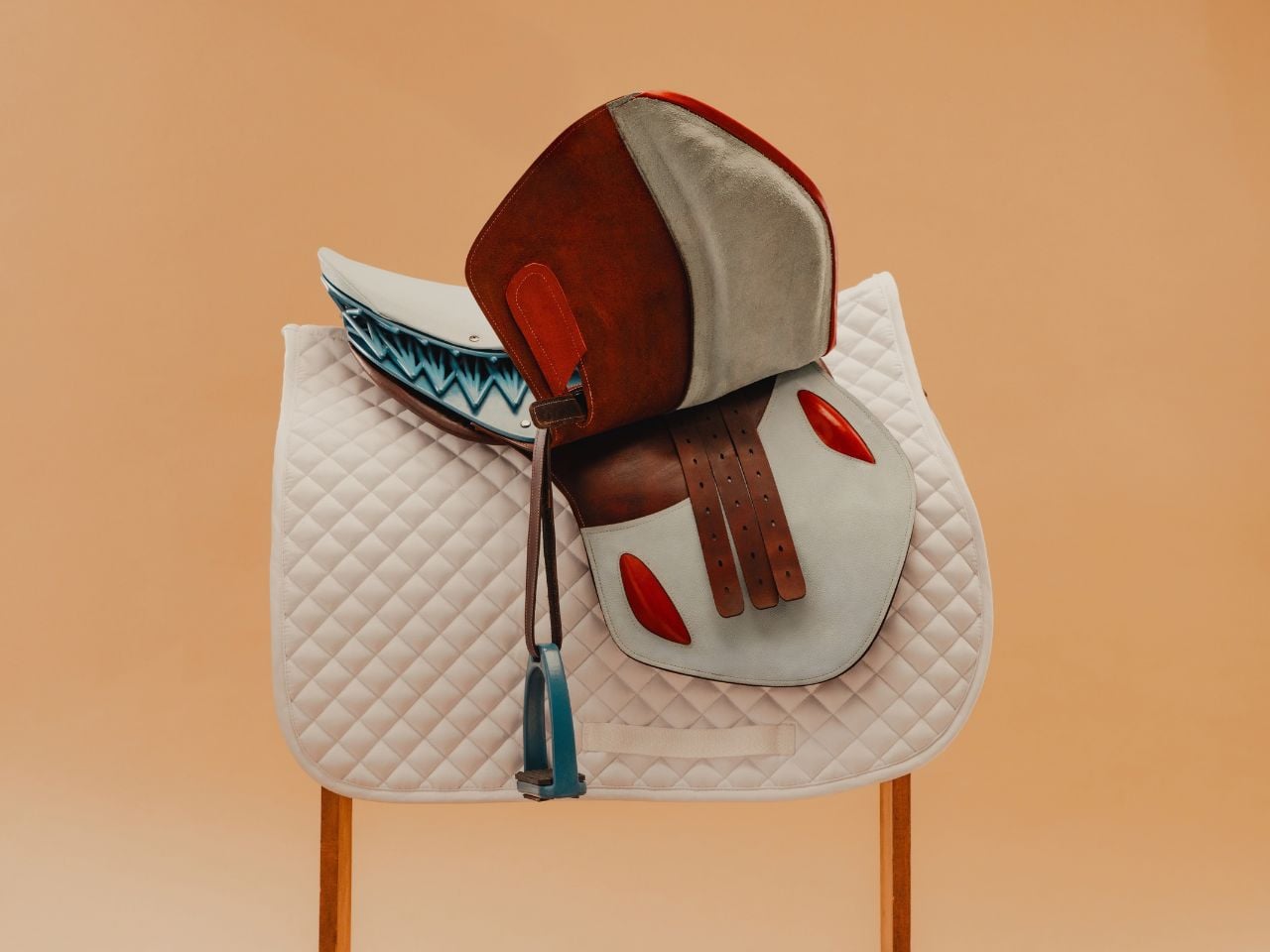
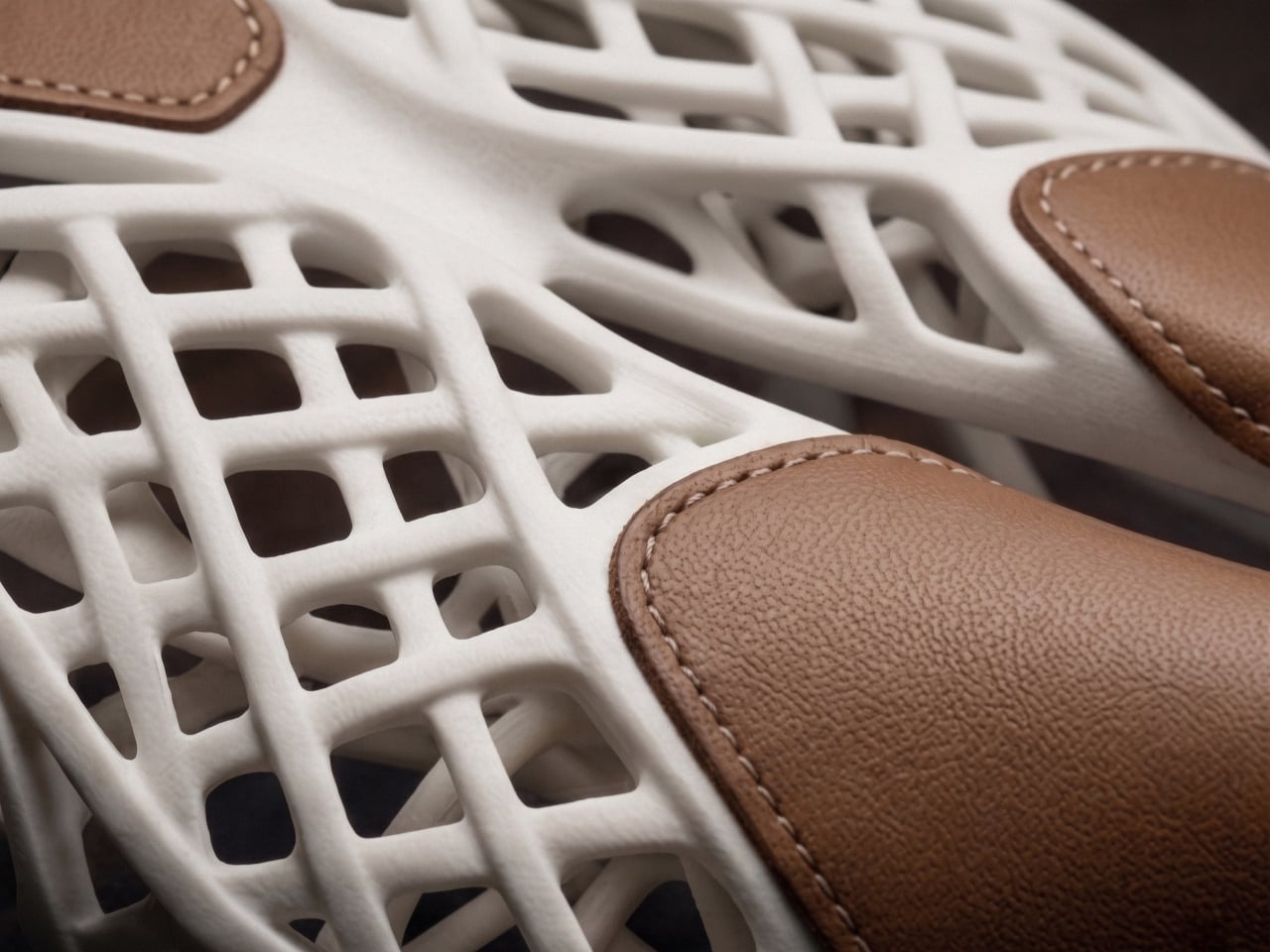
There is something compelling about seeing a product associated with centuries of tradition adopt a visual language that feels closer to computational design, performance footwear, or aerospace engineering. Yet Catalyst does not attempt to erase the craft associated with saddle making. Leather remains part of the object, and traditional leather craft was incorporated into the development of the project. The result sits somewhere between artisan practice and digital fabrication, allowing each to solve the problems it handles best.
The same thinking extends into the way Catalyst is assembled. The saddle is designed around a reduced number of components, with rivets used in place of synthetic adhesives. This makes the construction easier to disassemble, repair, and replace in parts rather than treating the saddle as a permanently bonded object. It is a quieter approach to sustainability than simply changing materials. Instead, longevity is designed into the architecture of the product itself.
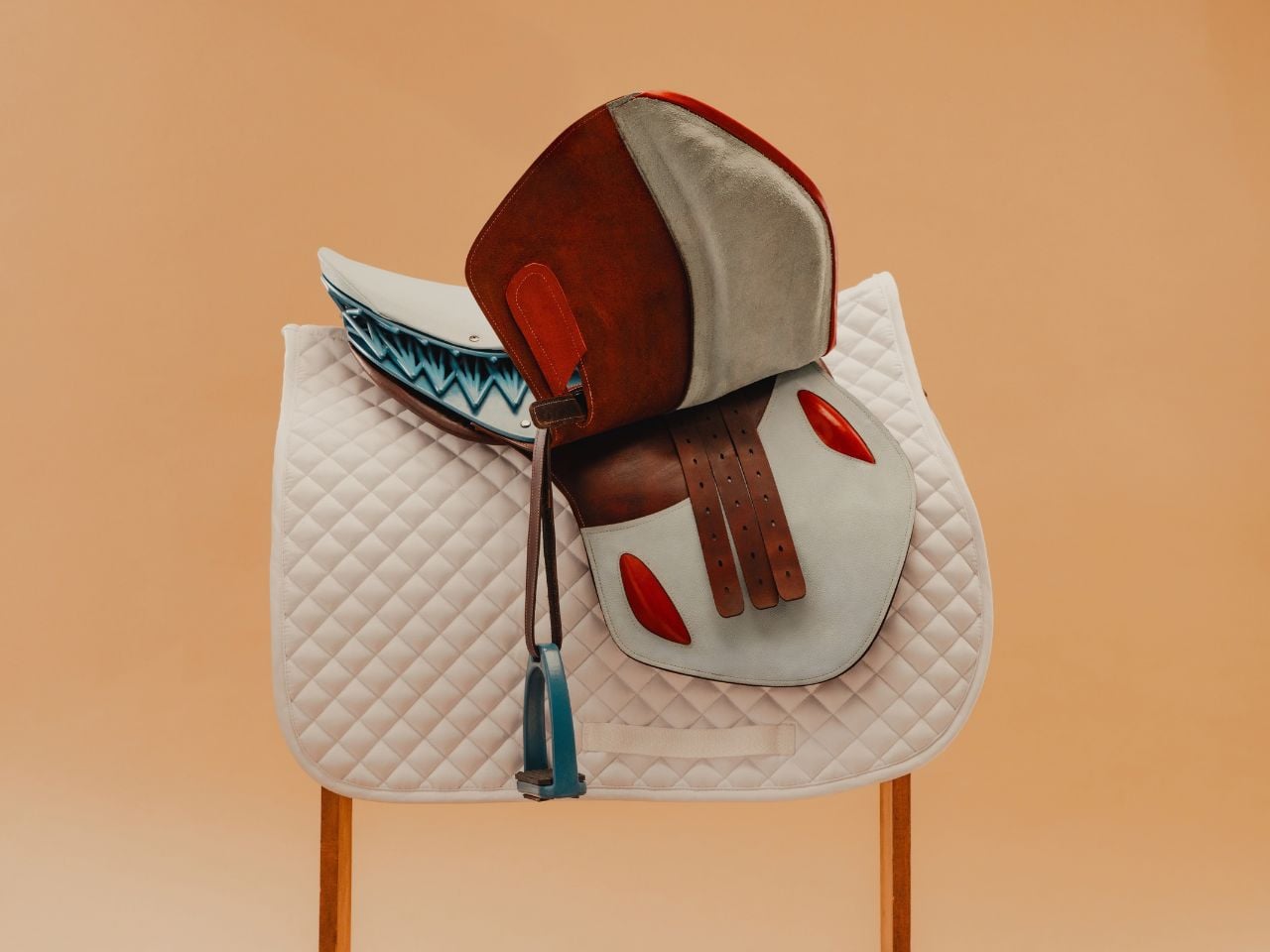
That consideration is particularly relevant for highly specialized sporting equipment. Performance products tend to sit in an uncomfortable space between durability and technological progression. They need to withstand demanding use, yet improvements in materials and manufacturing continually push them forward. Designing components that can be separated and replaced gives Catalyst a way to accommodate both realities.
The final saddle grew out of a 20-week development process that included research with equestrian professionals, saddle teardowns, detailed sketching, two full-scale prototypes, iterative CAD modeling, and parametric development in Grasshopper. Those stages matter because Catalyst could easily have become an exercise in applying an impressive manufacturing technology to a familiar object. Instead, the technology follows the actual constraints of the sport and the anatomy of the animal.
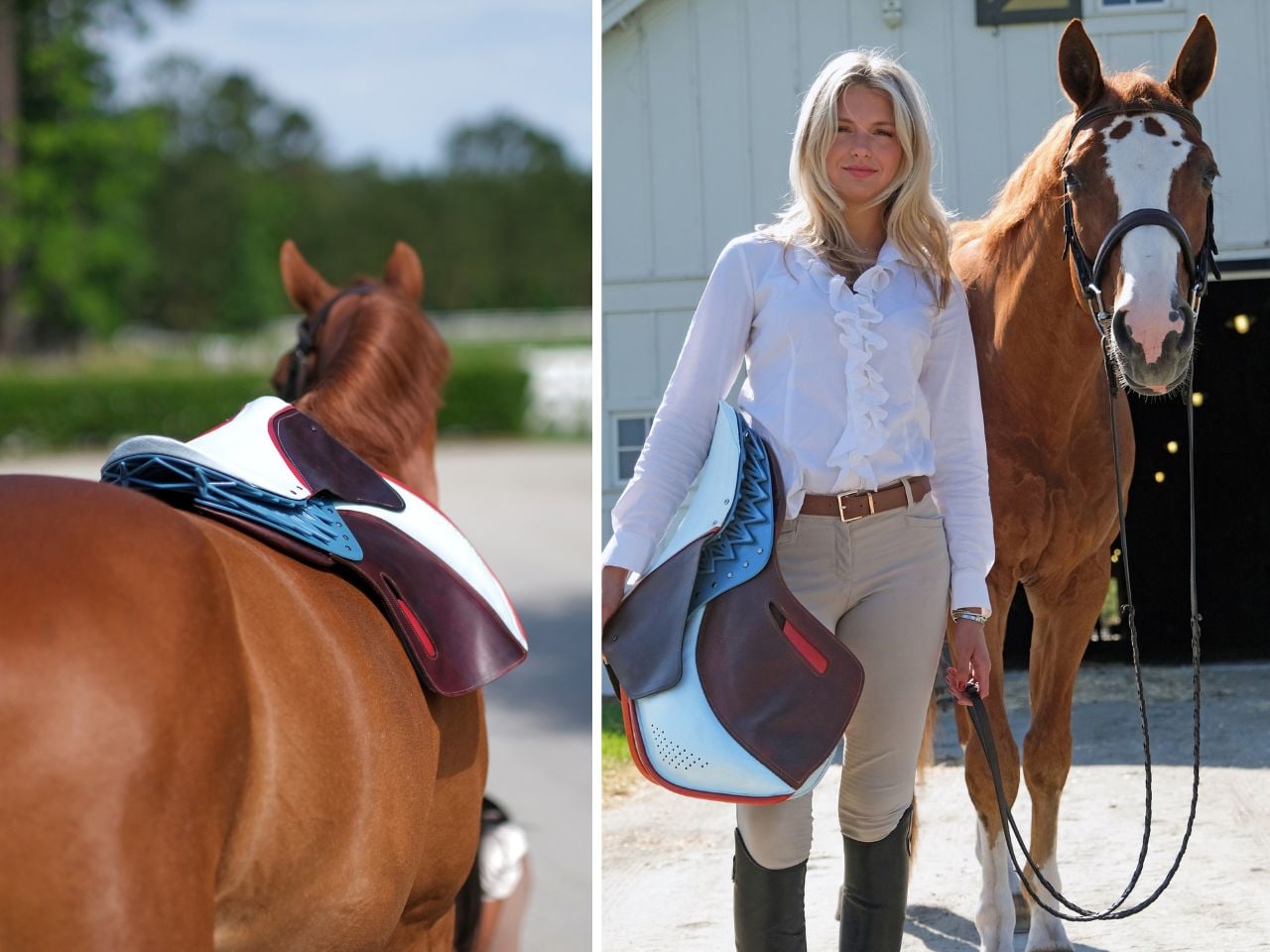
Perhaps the most interesting thing about Catalyst is that its innovation begins with fit rather than form. The striking lattice and contemporary silhouette are consequences of rethinking how a saddle can be made, adjusted, repaired, and individualized. 3D scanning allows the horse to become the starting geometry. 3D printing allows that geometry to become physical. Carbon fiber responds to weight and impact. Riveted construction considers what happens when the product eventually needs attention.
Catalyst suggests a different future for equestrian equipment, one where customization does not depend entirely on adjustment after manufacturing. Instead, the individual horse can inform the object before it is made. For a sport built around communication between two bodies, designing the equipment around those bodies feels less like a technological spectacle and more like a logical next step.
The post This 3D-Printed Saddle Is Designed Around the Horse, Not Adjusted to It first appeared on Yanko Design.