This dual mode bike turns into a snowmobile for practical all-terrain mobility

The concept world is strange and amusing at the same time. Some motorcycle concepts are outright genius designs that catch the eyeballs of established manufacturers who love the fresh approach of creative designers, while others lie in the pure bizarre domain that cannot see the light of day for their impractical design.

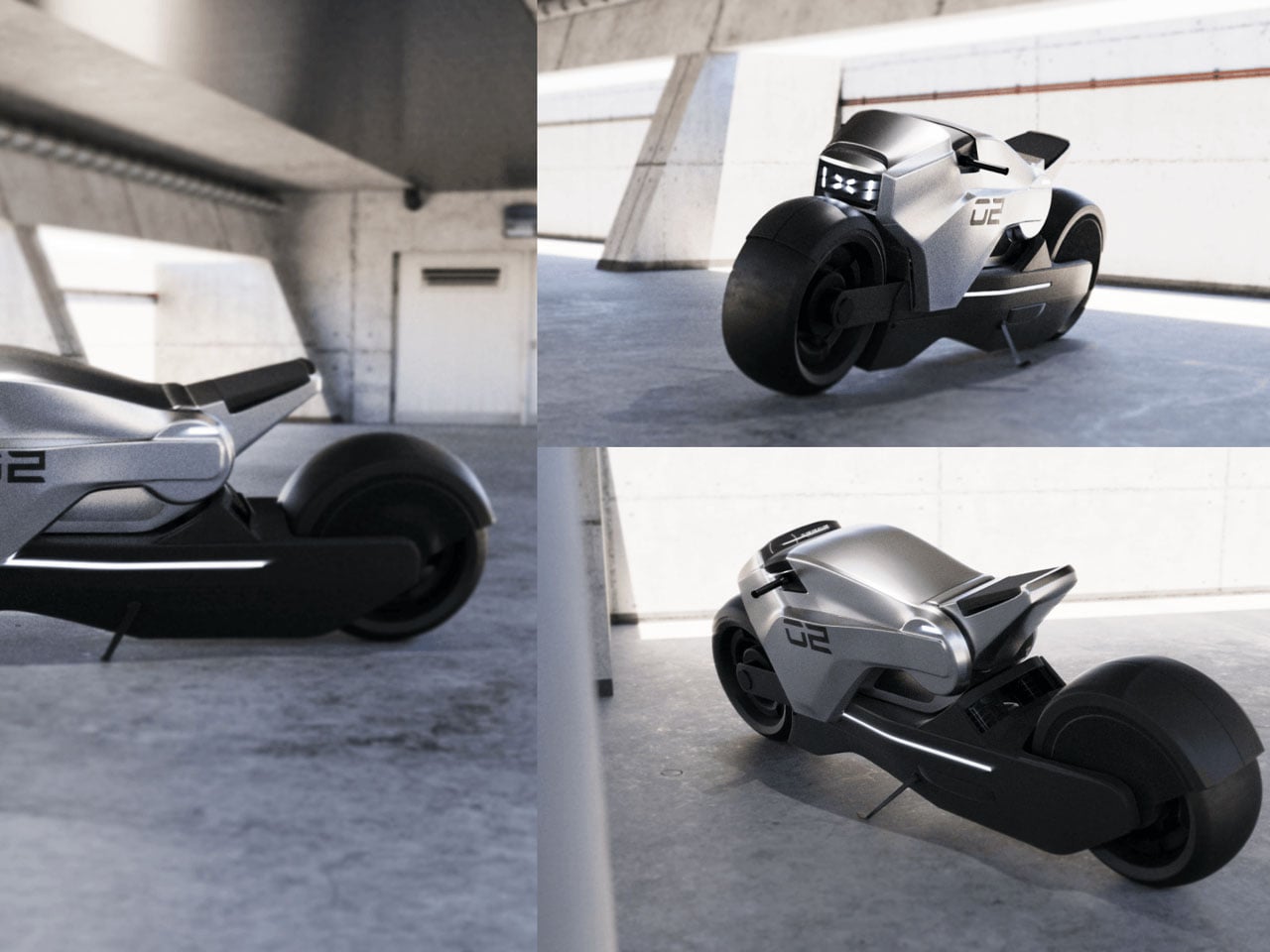
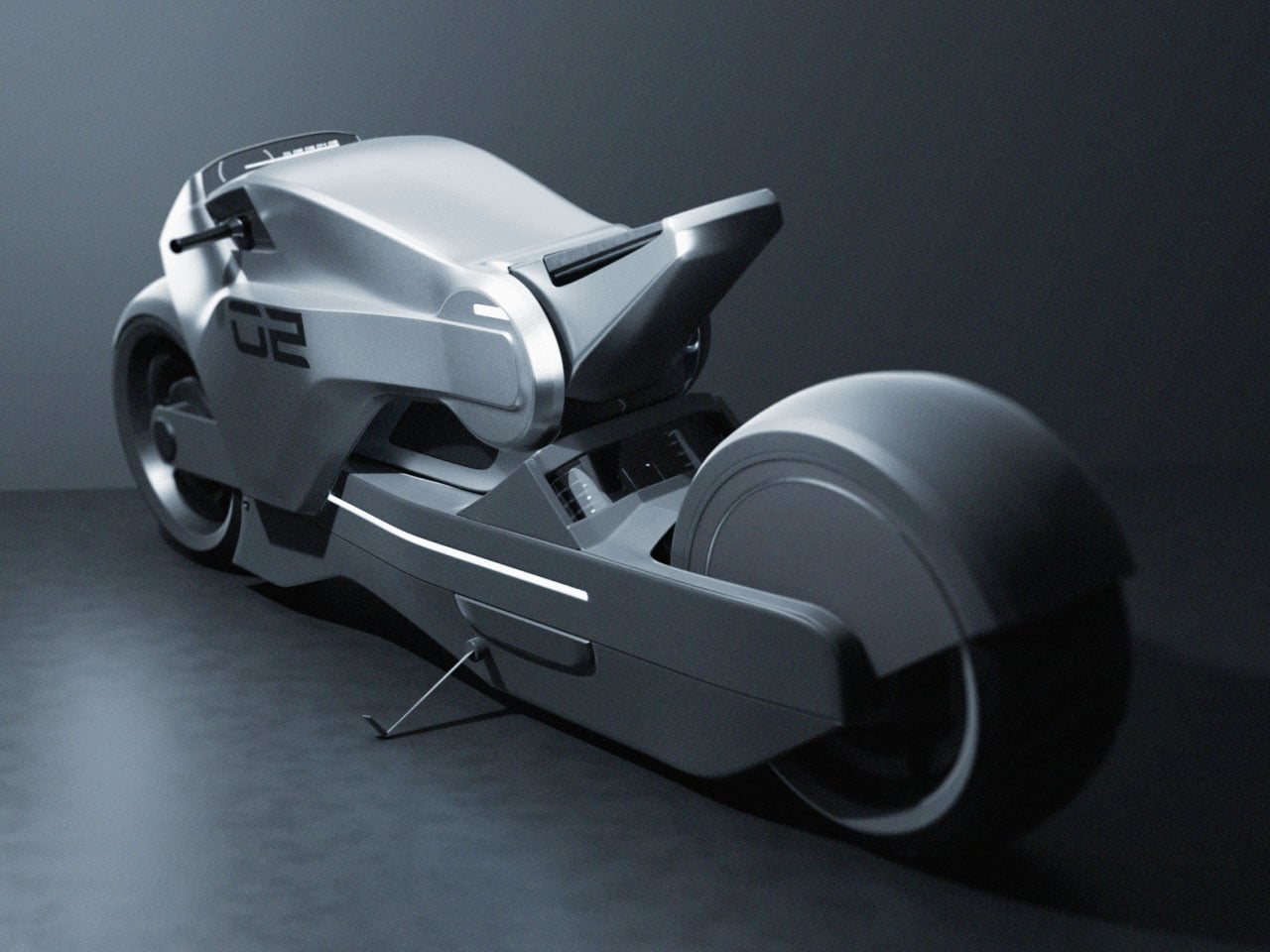
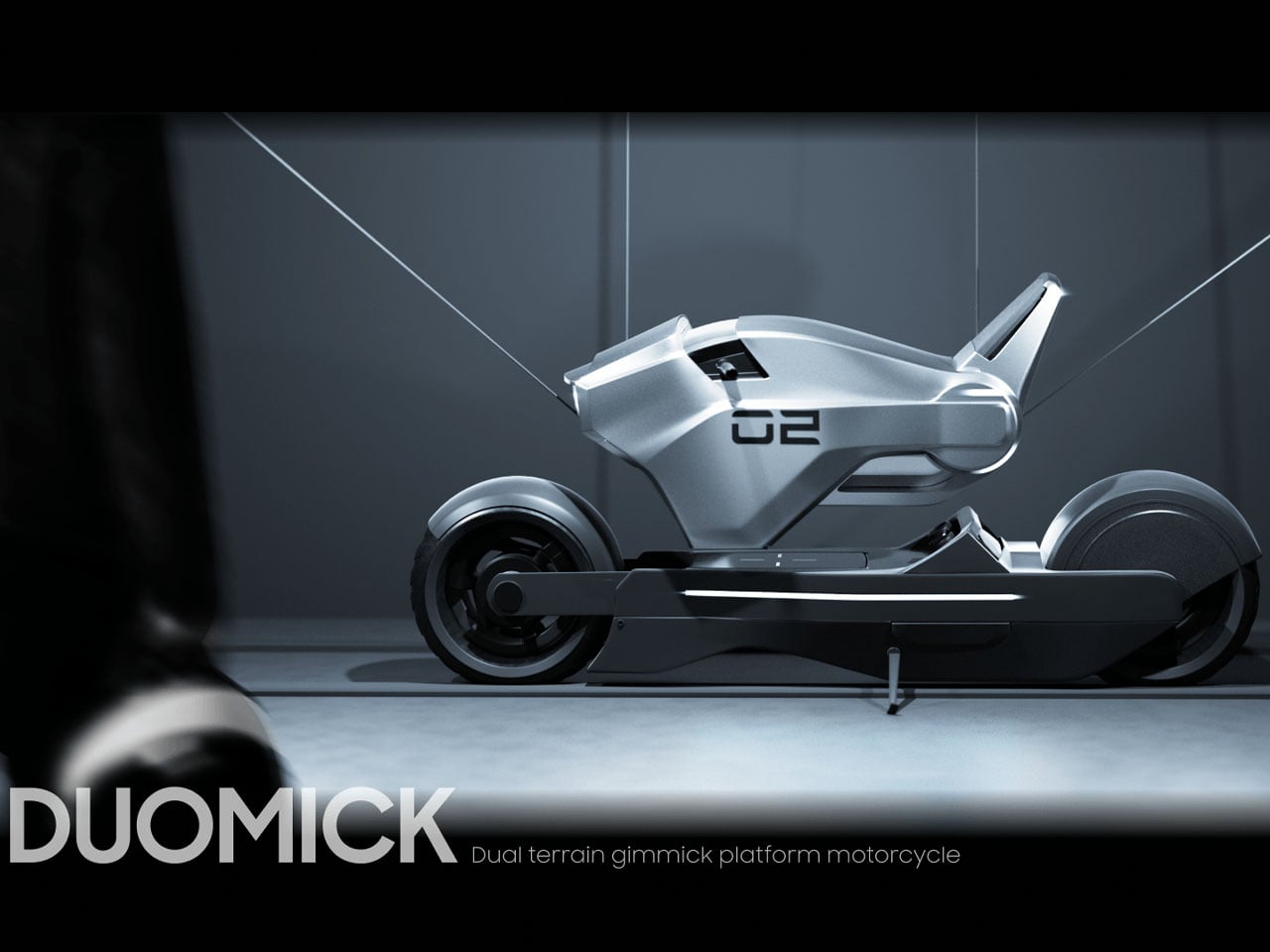
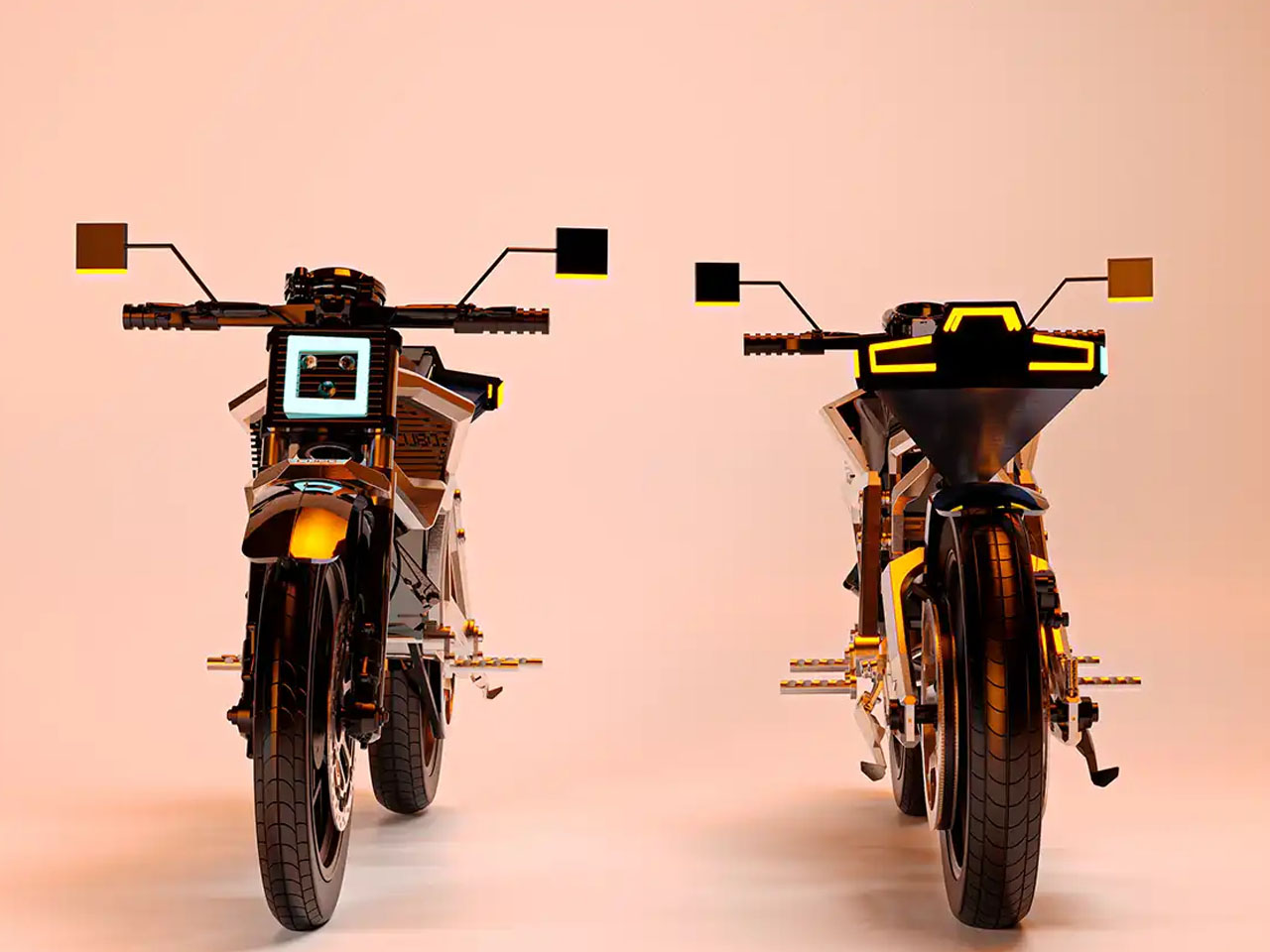
We tend to lean more towards the former category of concept bikes, so that a vision of future automotive trends could be gauged. The DUOMICK dual platform motorcycle is the latest one that impressed us. Based on a modular design inspiration, the bike is good both on solid land and on snowy terrain.

Designer: HakHyeon Lee

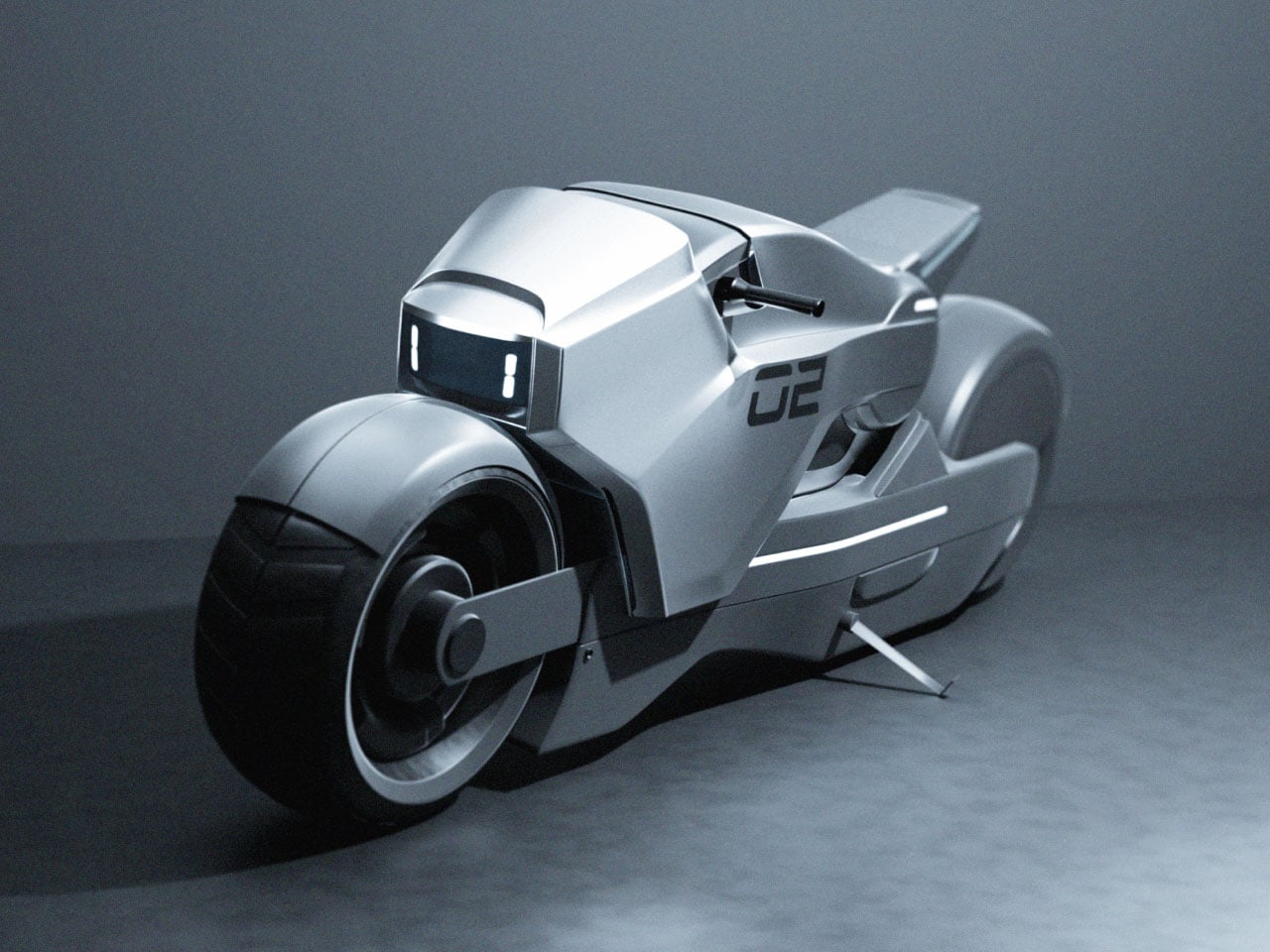
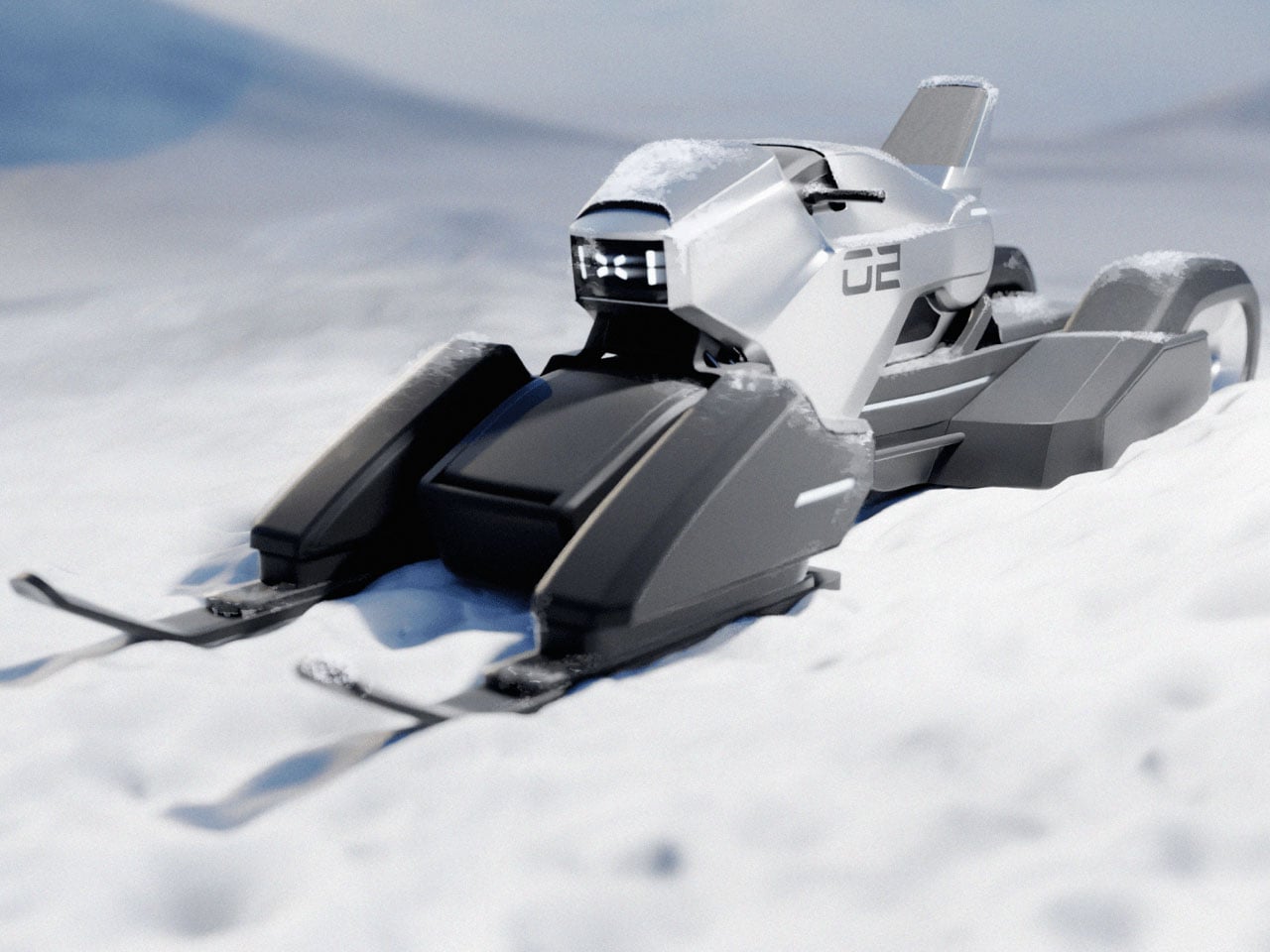
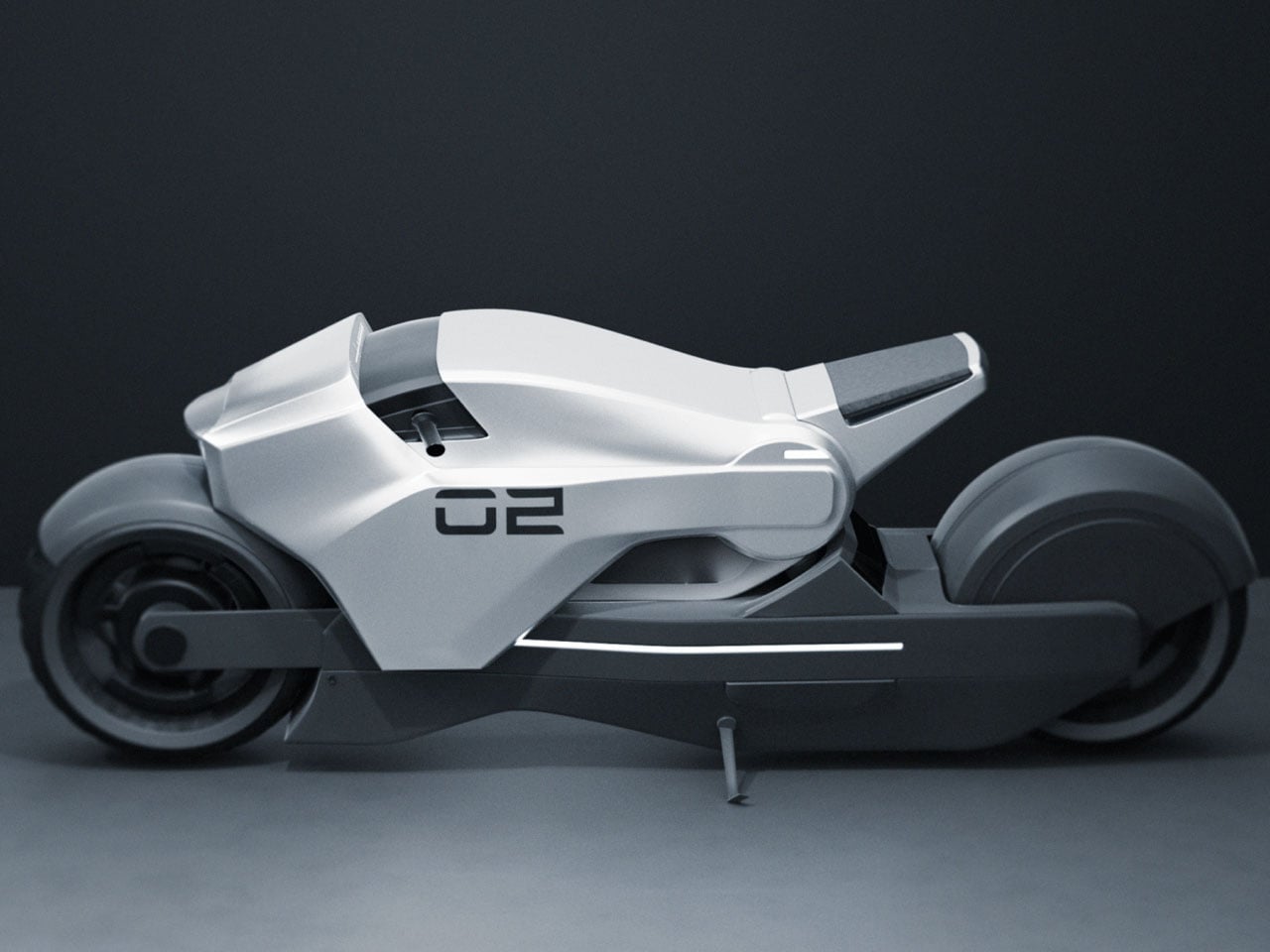
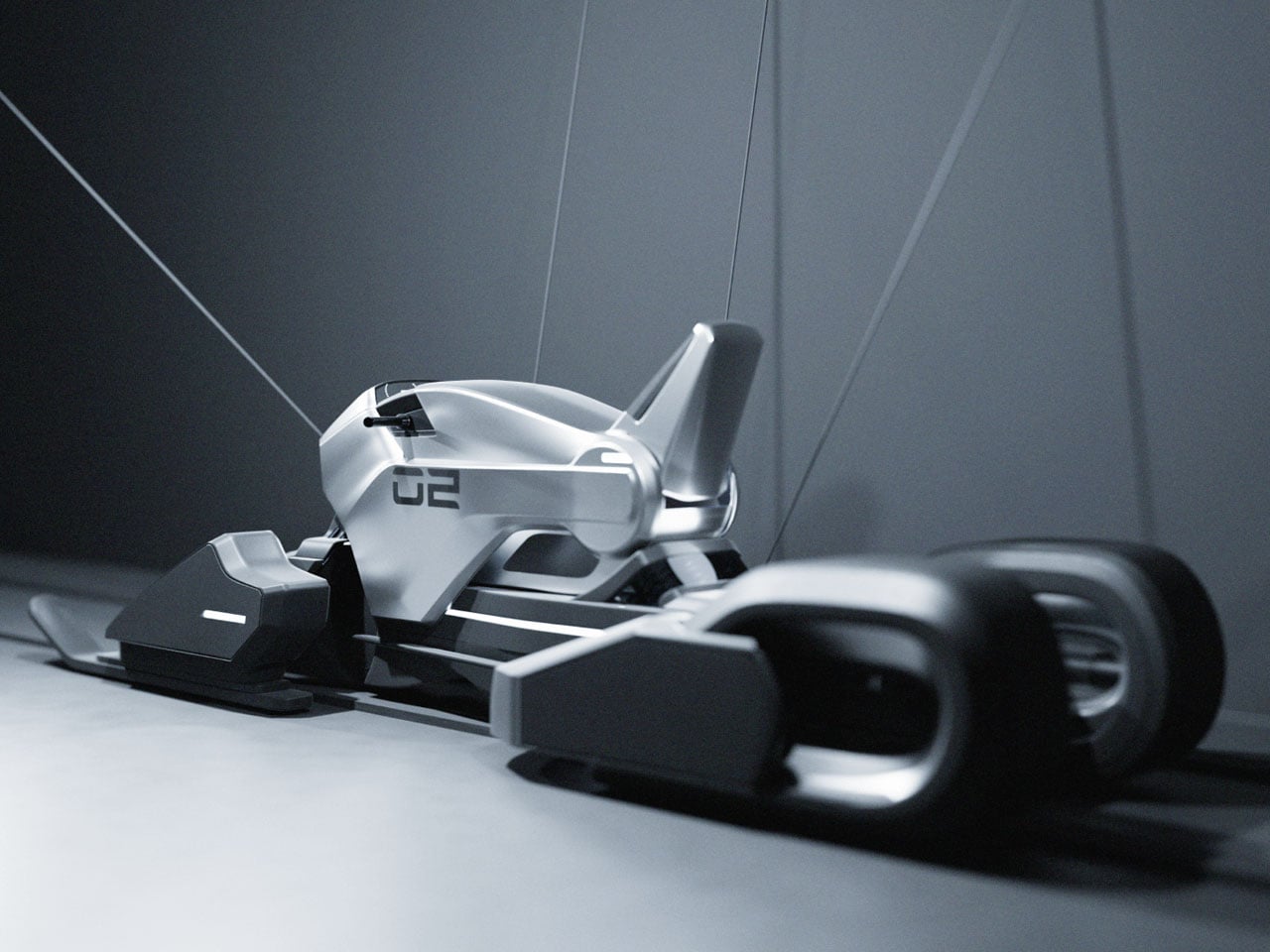
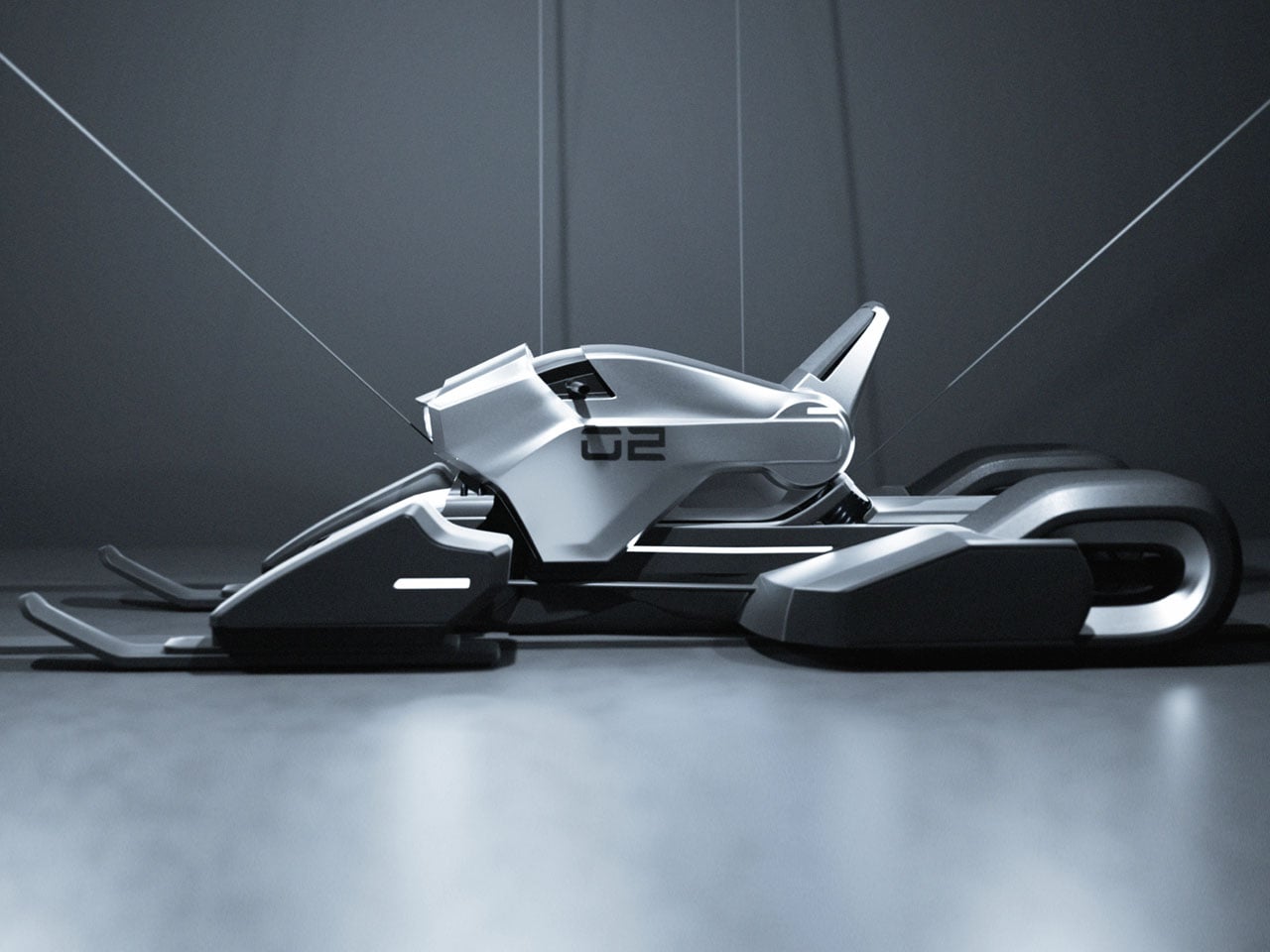
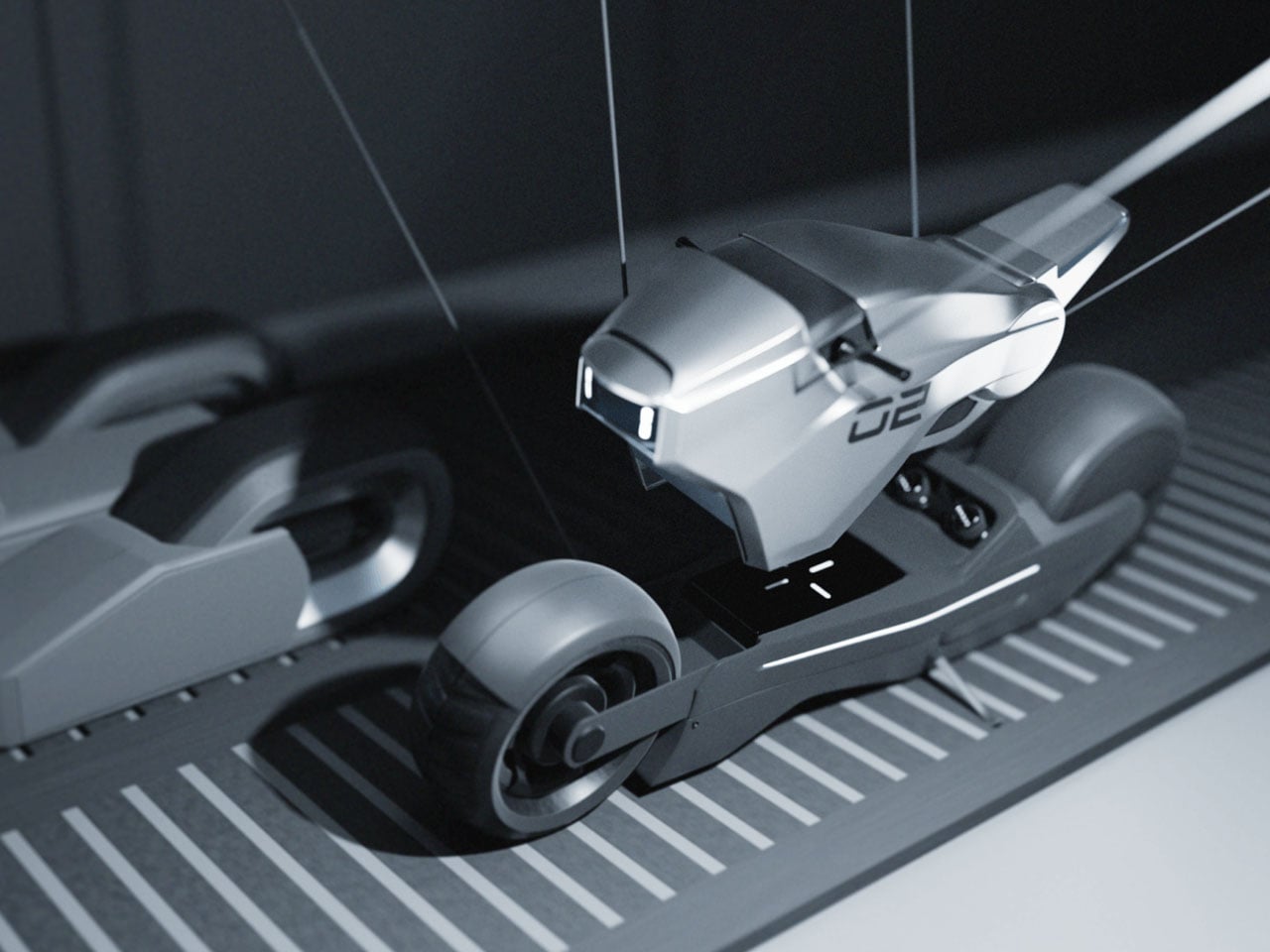
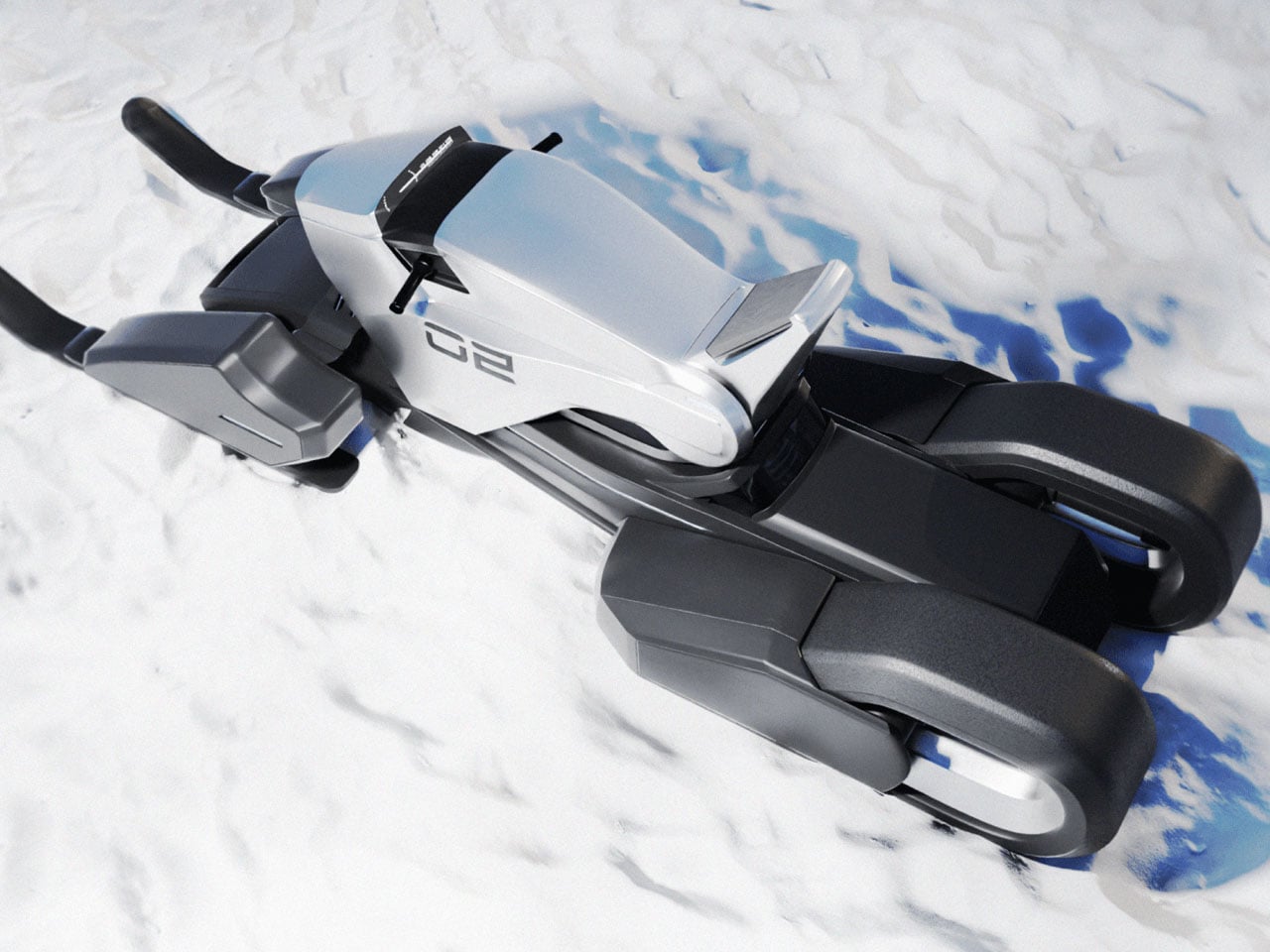
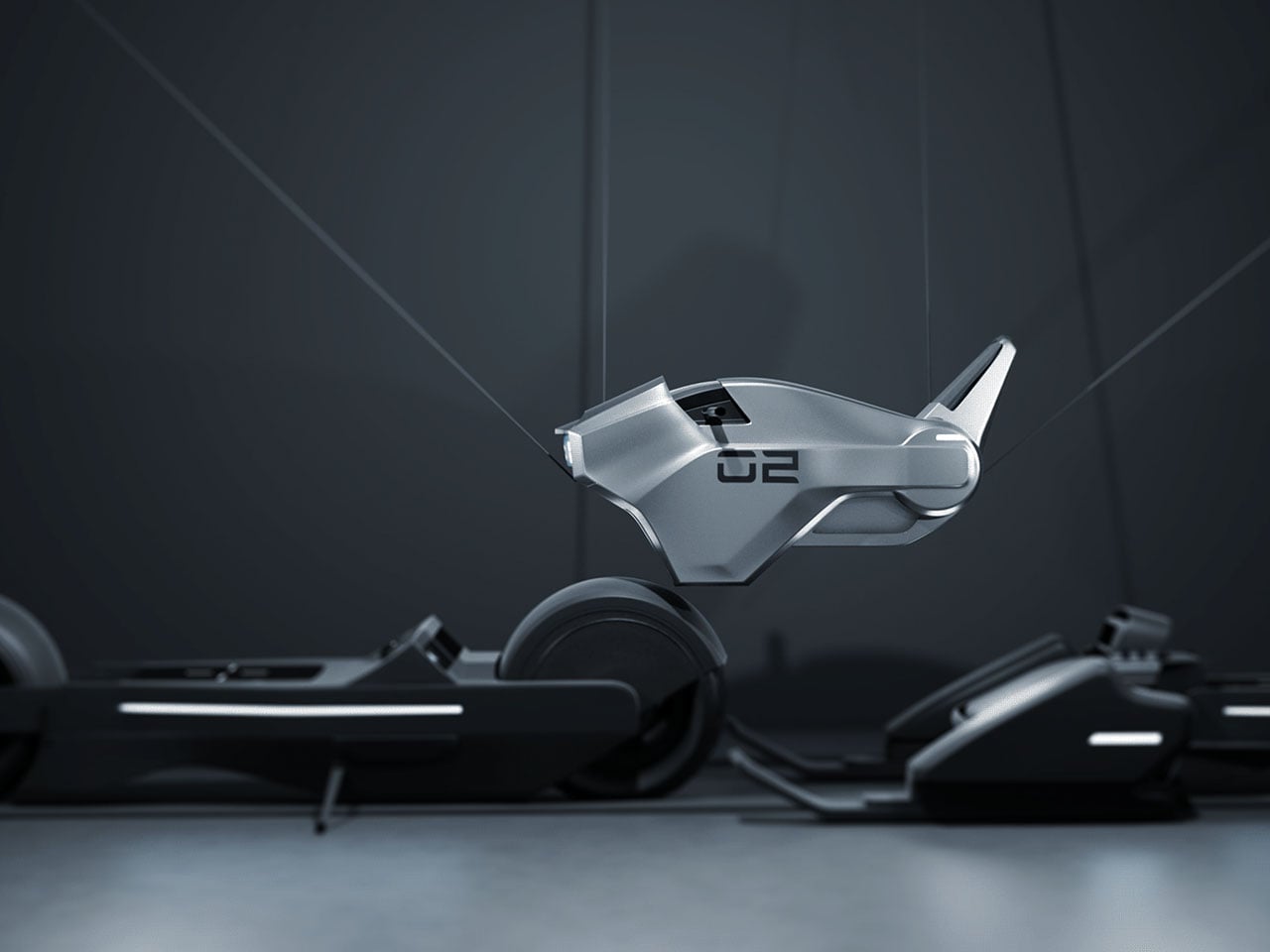
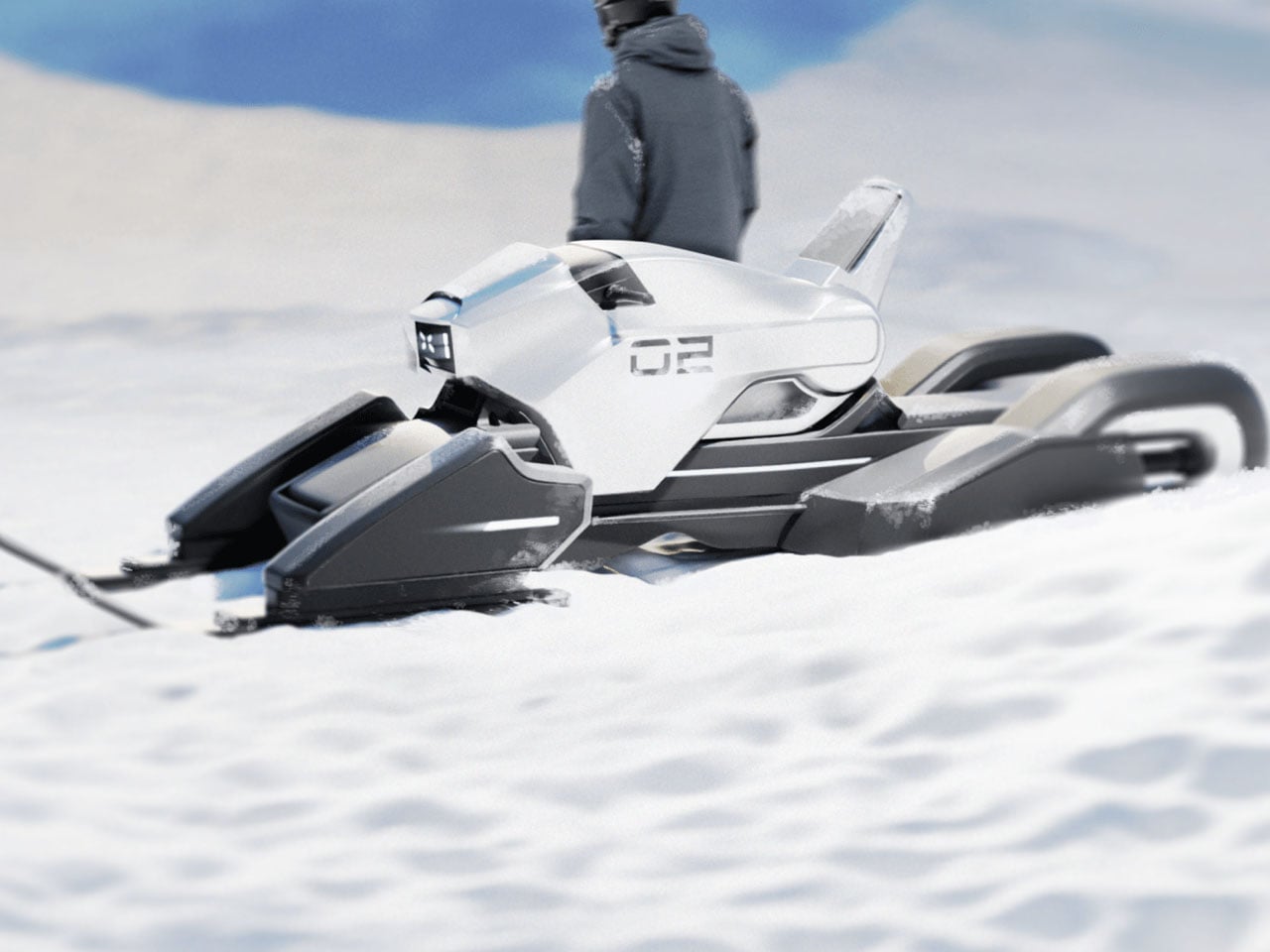
In the bike mode, the café racer-inspired two-wheeler gets a set of wheels for city rides, while the snowmobile mode has the snow track, skid, and skis. The transition is made by lifting the body frame and resting it on the respective drivetrains that presumably sit parked in the garage. Made out of unibody material, the main frame is universal and valid enough for both modes. The wishbone suspension system is of superior materials to withstand the tortures of rough terrain and the strains put on the bike while riding at high speeds.

The saddle of the DUOMICK bike can be rotated depending on the seating position, based on the mode selected. In the bike mode, the sitting position is more low-slung, while the snowmobile mode has a more upright sitting position. Road presence of this concept is more towards a muscular appeal with chunky tires and a futuristic headlight gracing the silver-gray body. When it turns into a snowmobile, the aggressive stance is morphed into a classy form that’s fit for a Bond movie plot.

The idea of this concept is interesting, and in a real-world situation, making the shift from bike mode to snowmobile mode should require precision placement and care of the chassis. It’s just like fitting a steering wheel on the modern supercar (Aston Martin Valkyrie or Lamborghini Egoista), Motorsports racer, or Formula-1 beast.

The post This dual mode bike turns into a snowmobile for practical all-terrain mobility first appeared on Yanko Design.

A fashion-inspired pod bike that brings streetwear attitude to urban mobility

We as a curious species are always intrigued by the prospects of the future, and predicting what the timeline holds for us is always exciting. That’s where we all get lost in the world of concepts that are far ahead of time, giving us a glimpse of what our imagination could manifest into. Clean energy vehicles have remained the perfect canvas to paint one’s imagination into forms that subtly portray the vision for coming generations based on their perceptions, habits, and style.

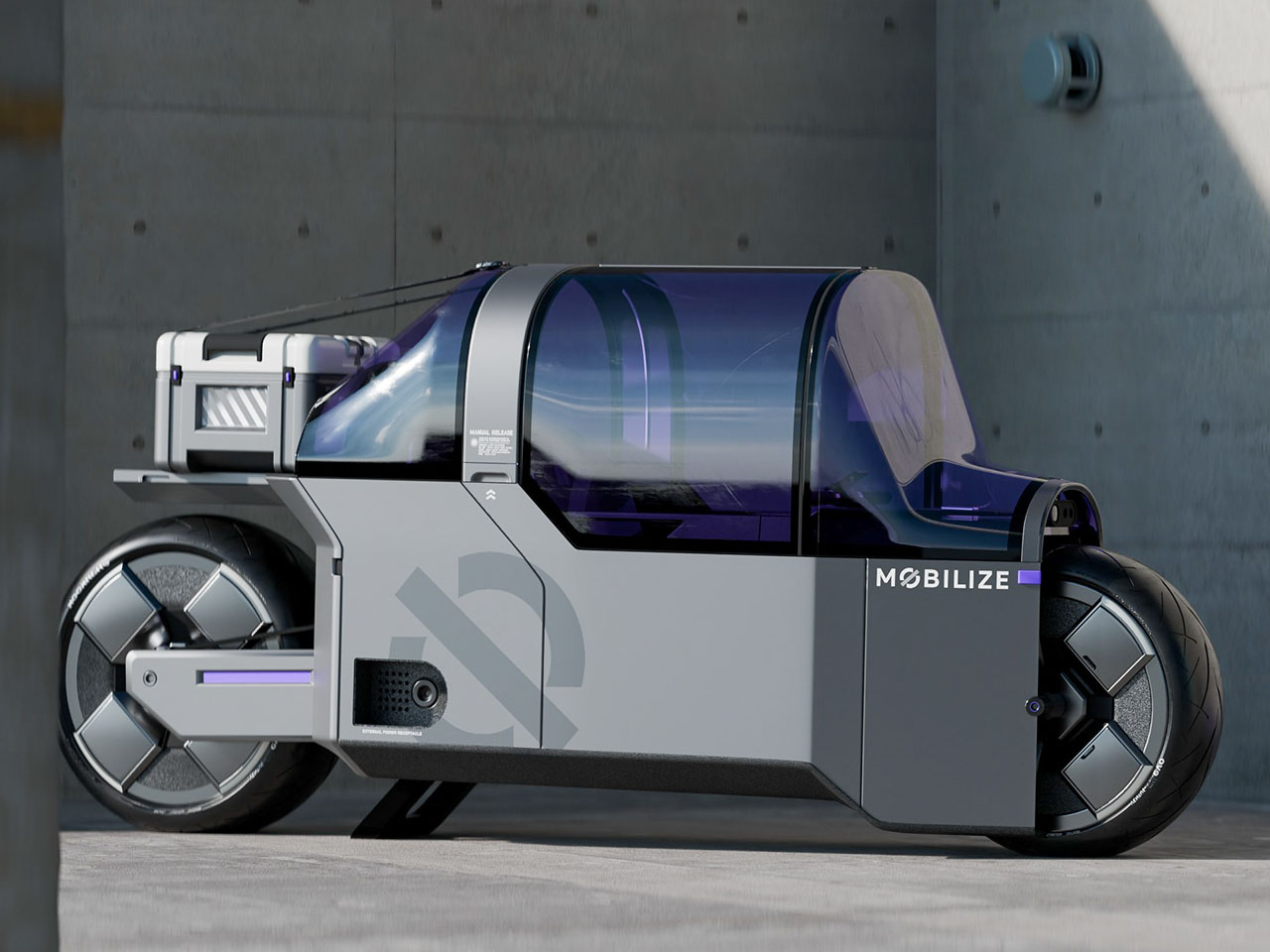
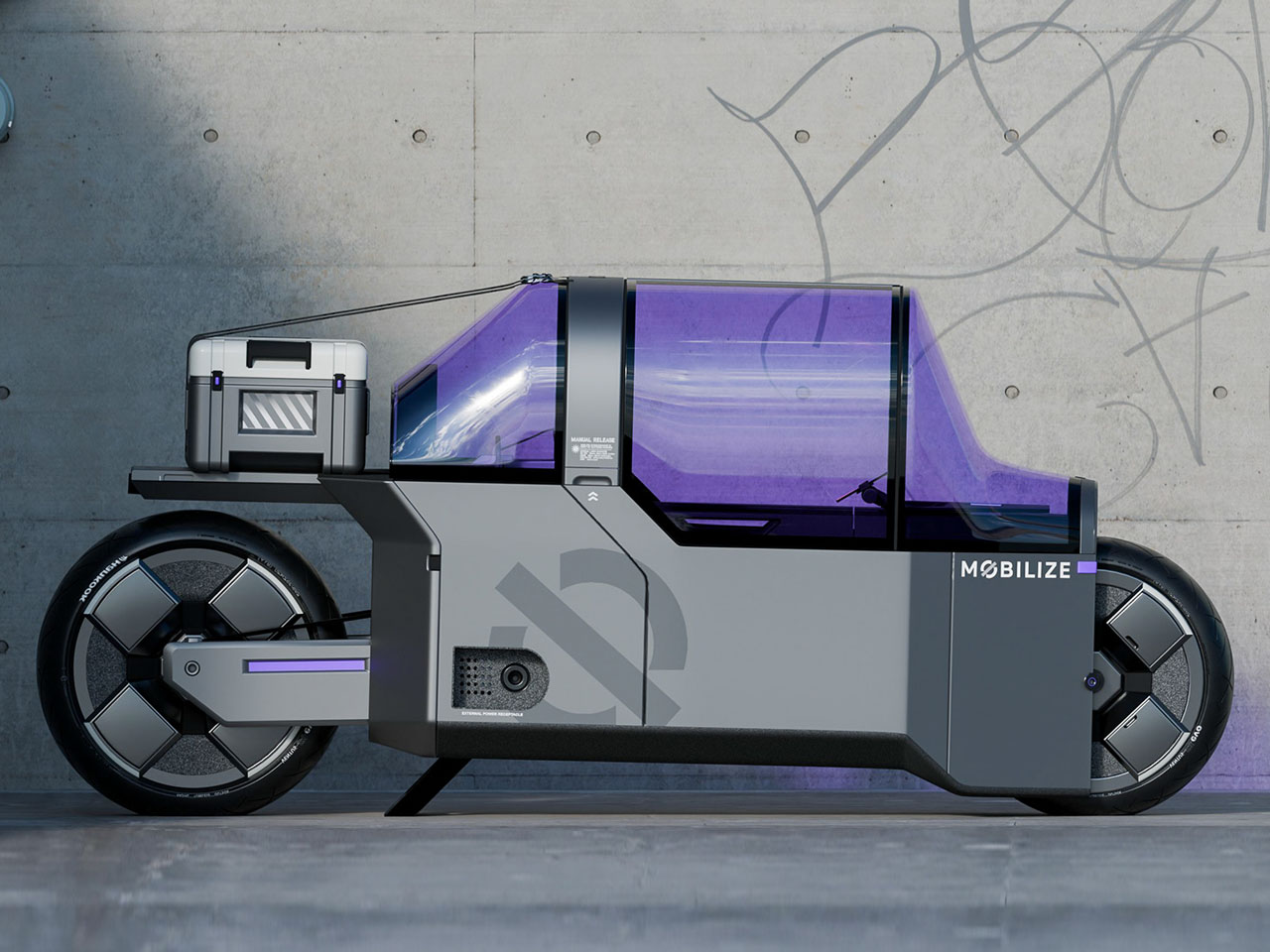
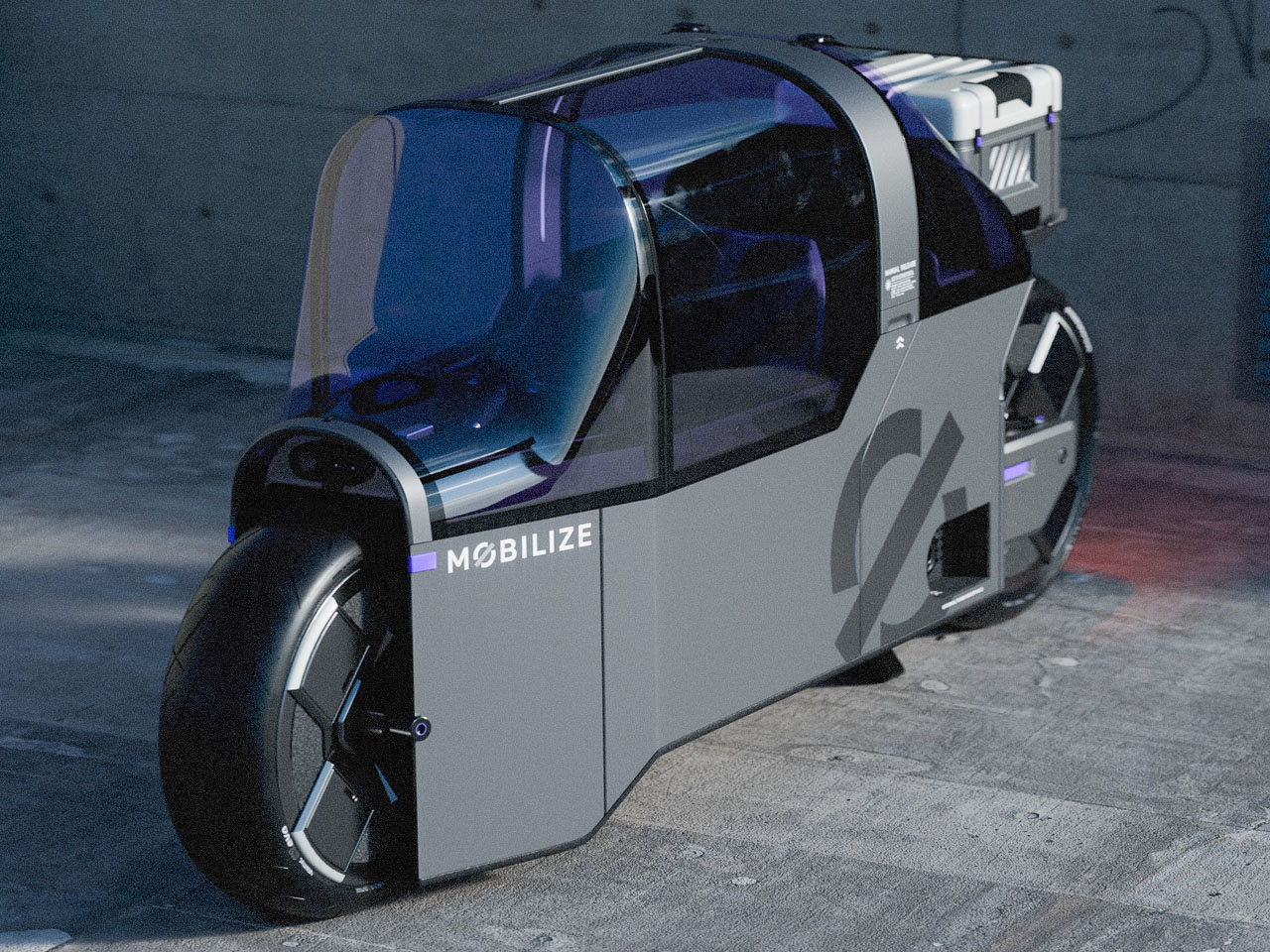
The design sphere is heavily influenced by pop culture cues, and so is the creation of vehicles. Electric bike concepts have piqued our interest for their out-of-the-box forms and the skins they are draped in. This electric bike of the future carries a similar hip vibe that’s tailored for Gen Alpha. The form of the two-wheeler is dominated by the ultra-secure sitting position and the private pod that eludes the freedom associated with conventional bikes of the current times.

Designer: Jade Rivalland

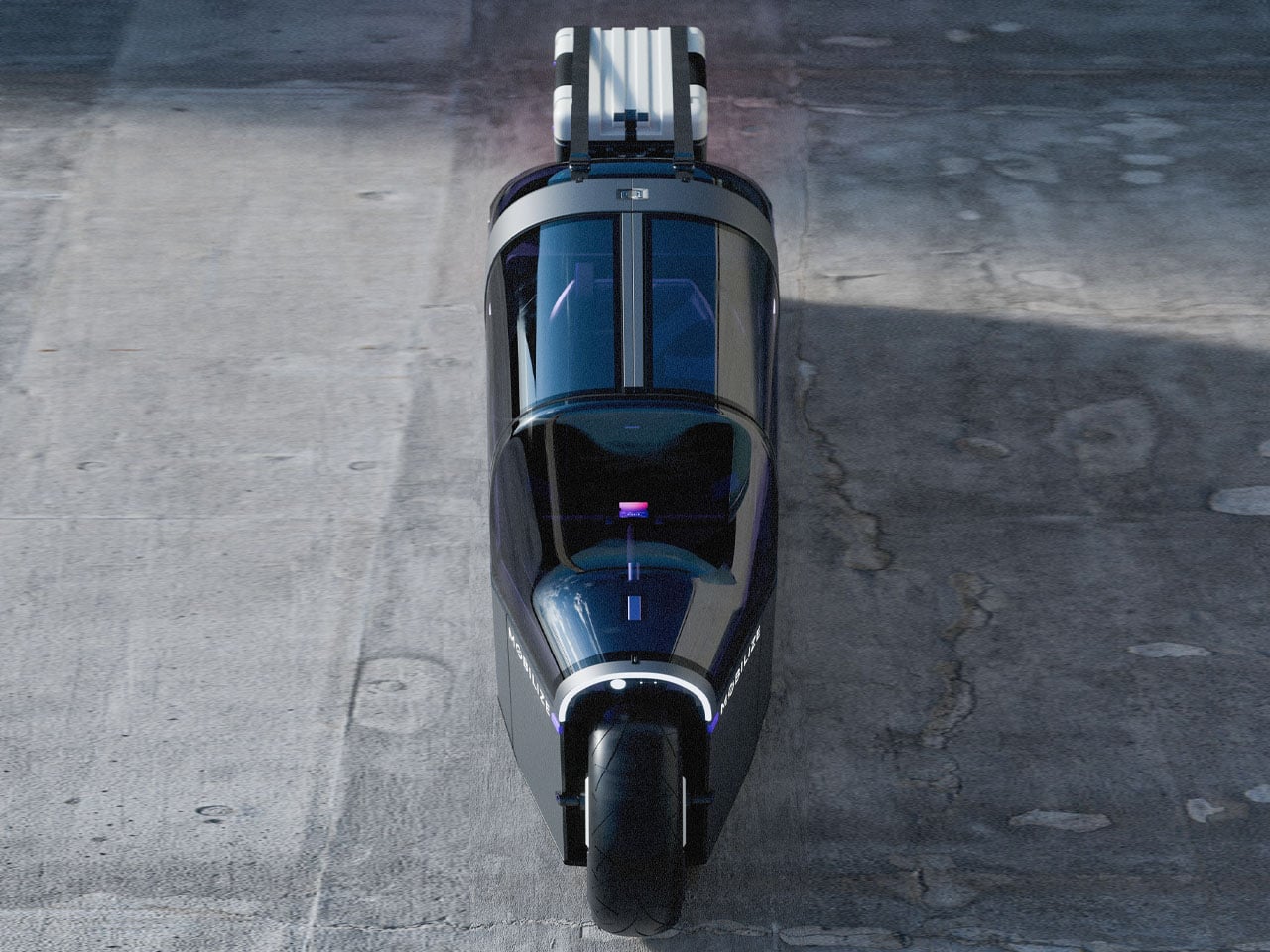
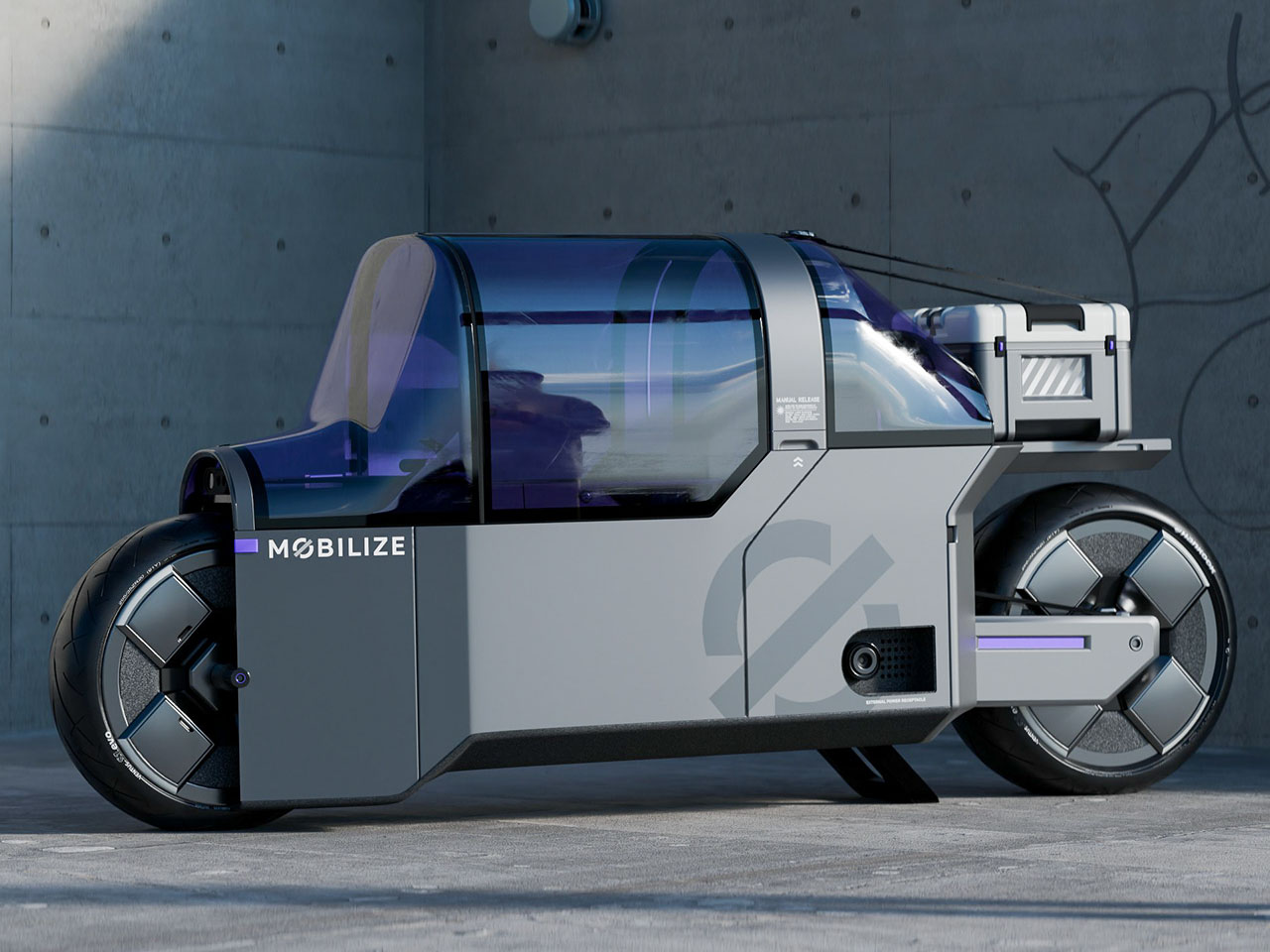
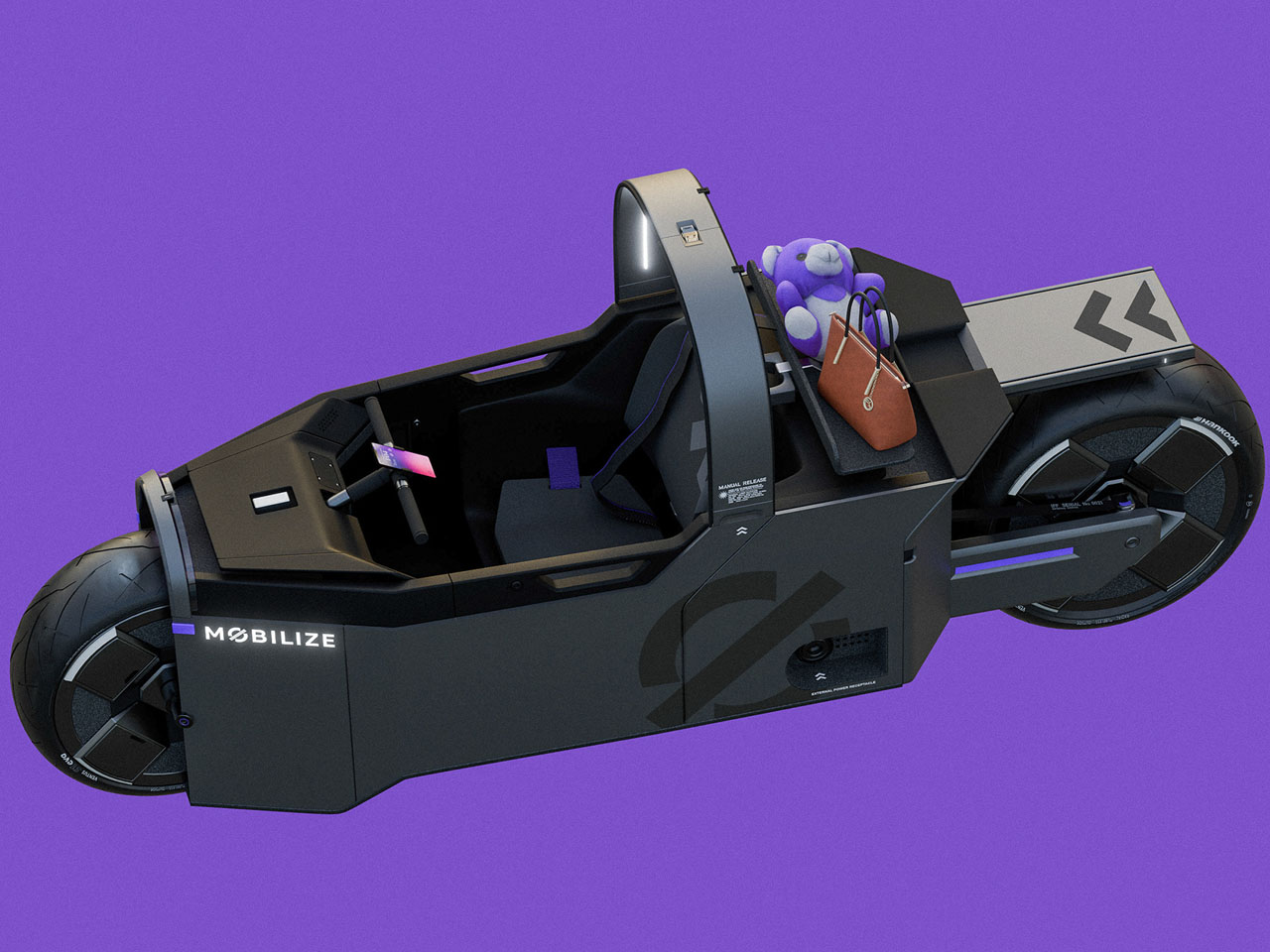
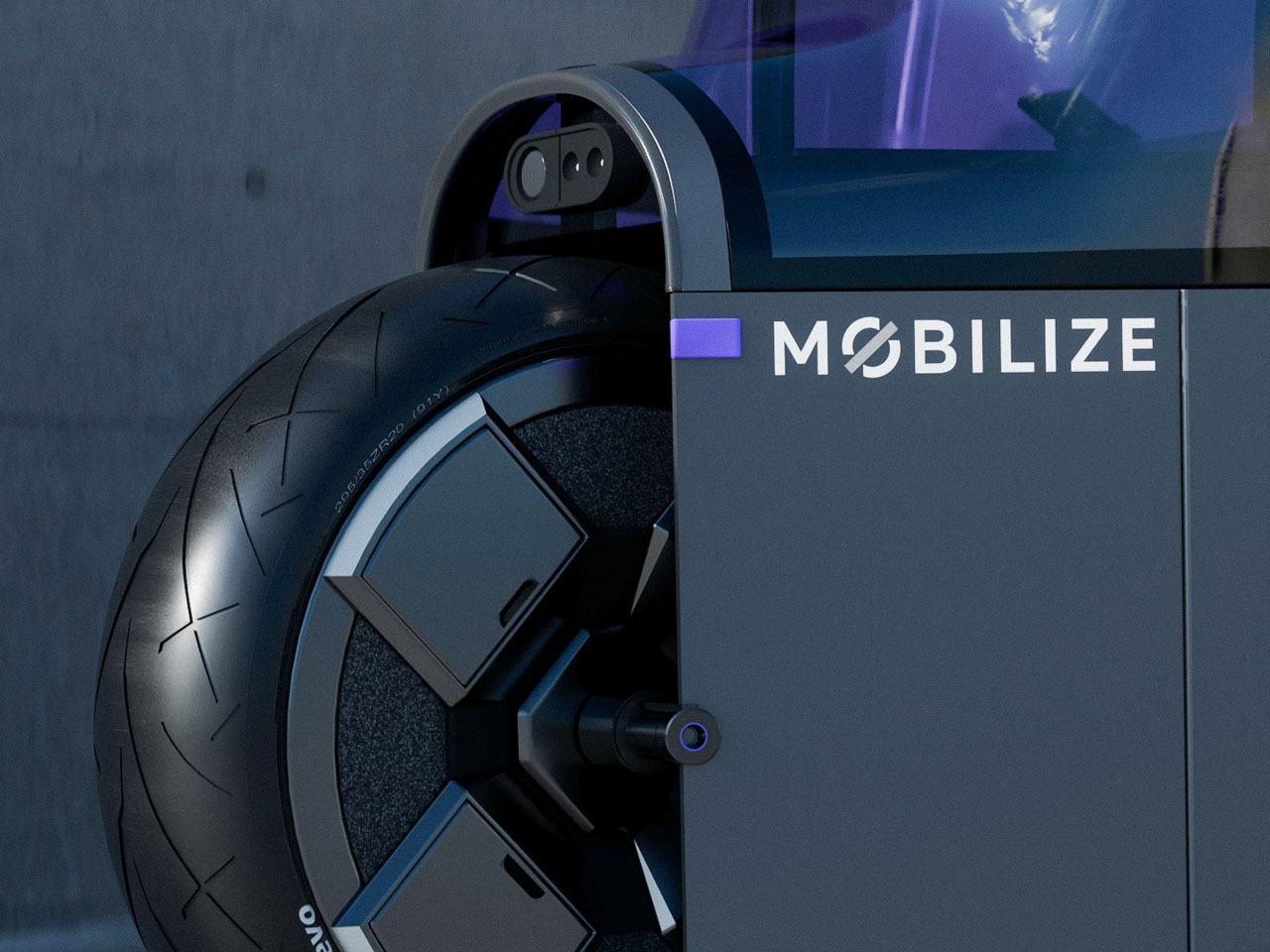
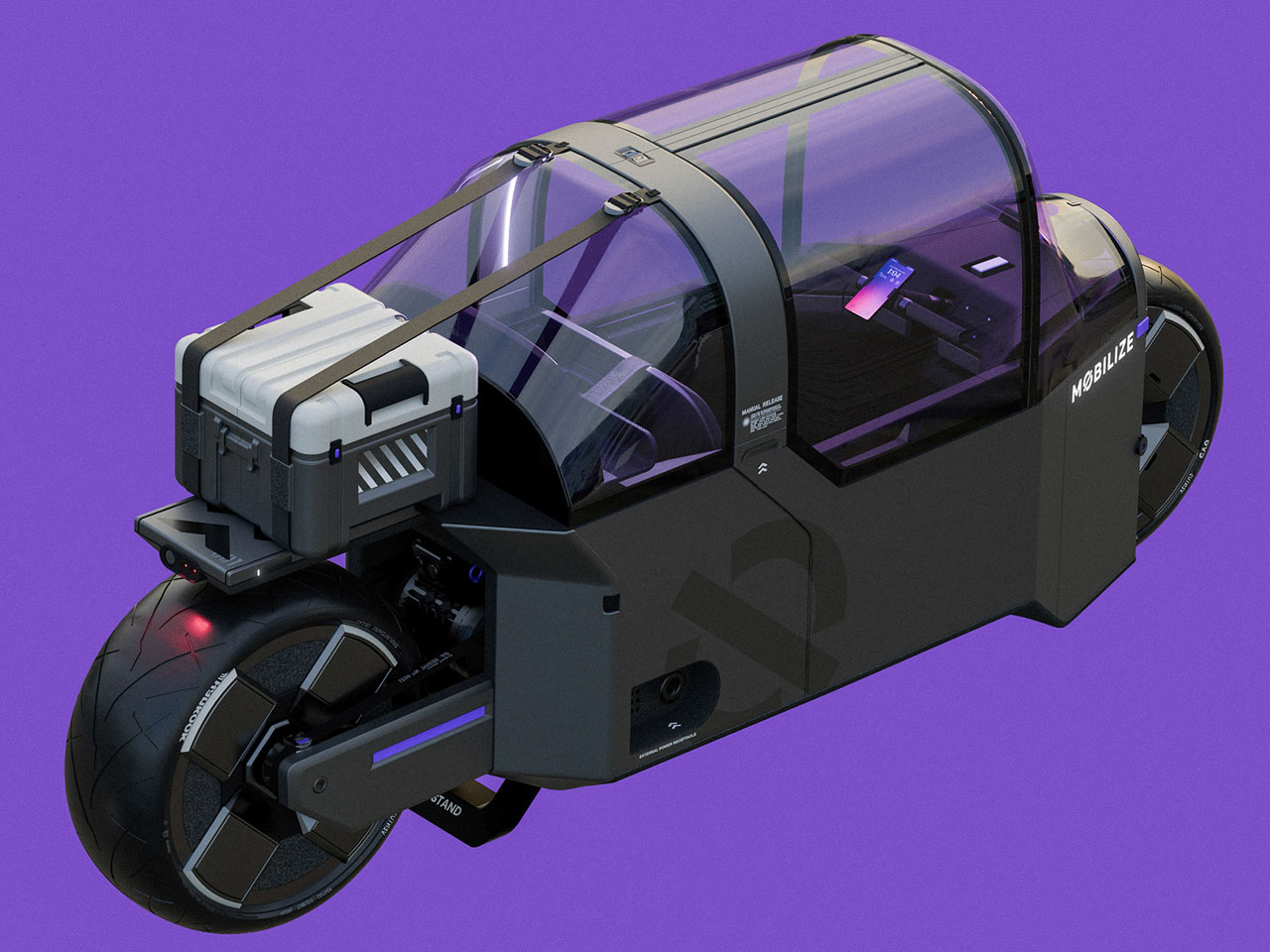
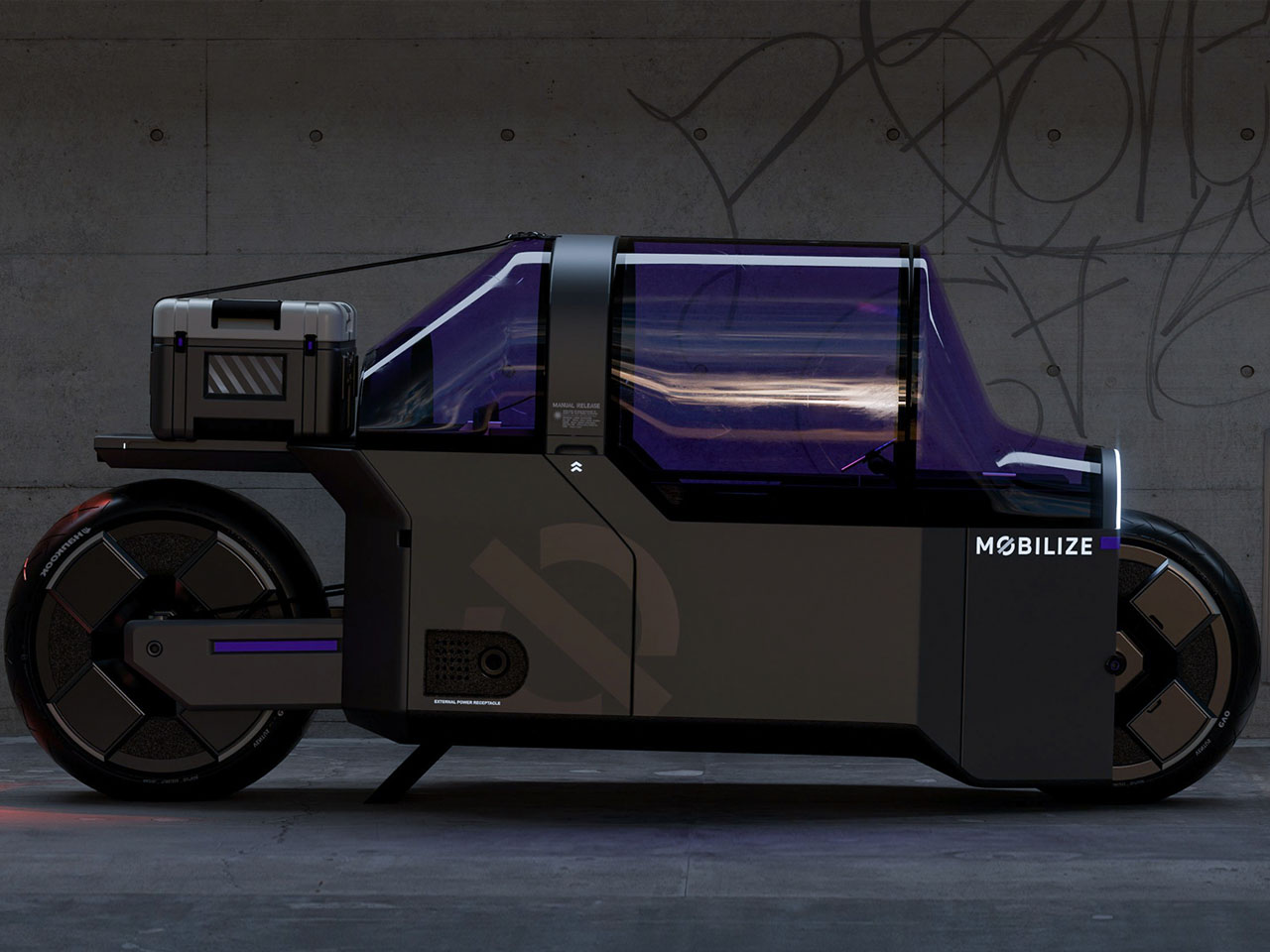
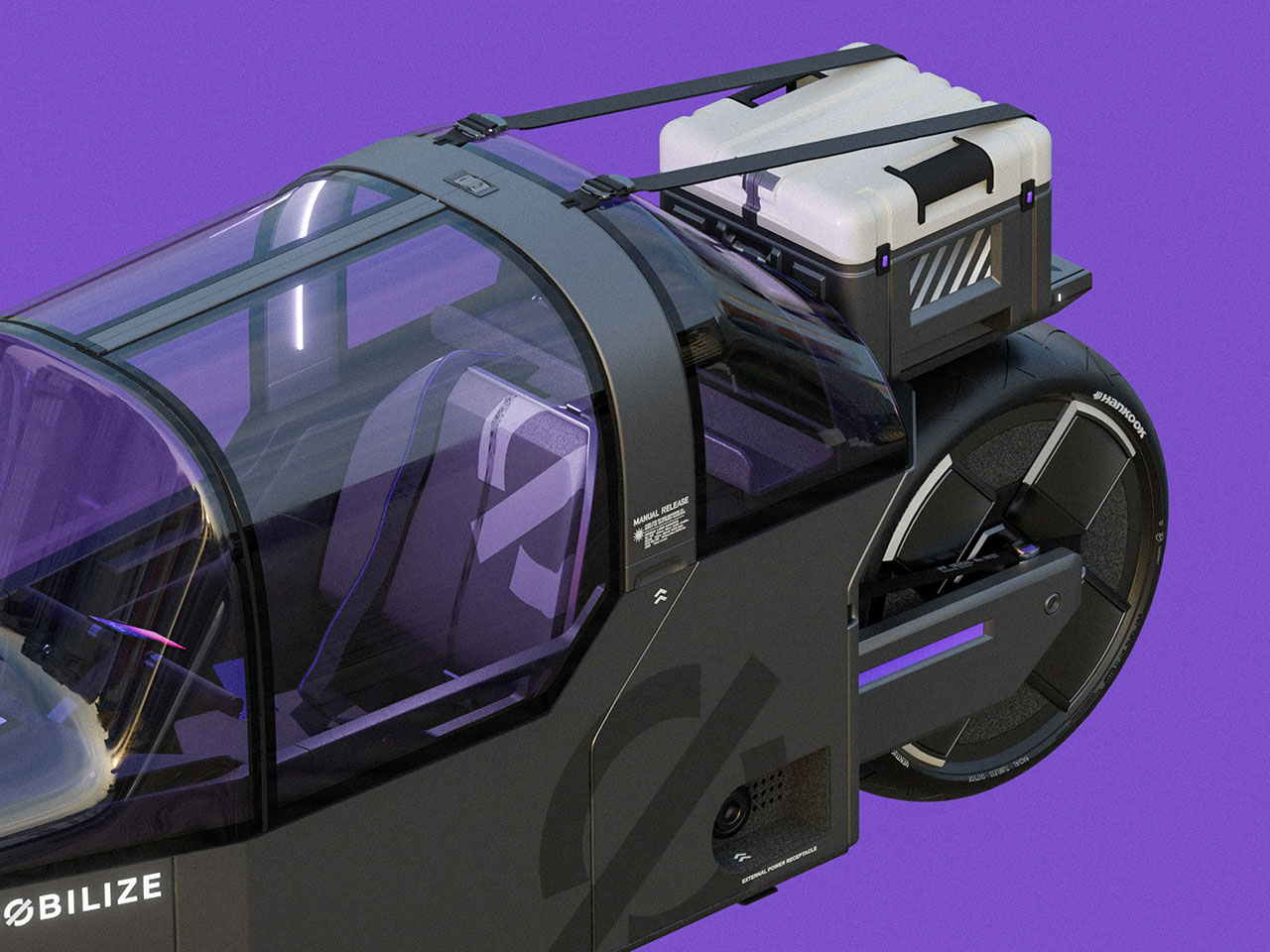
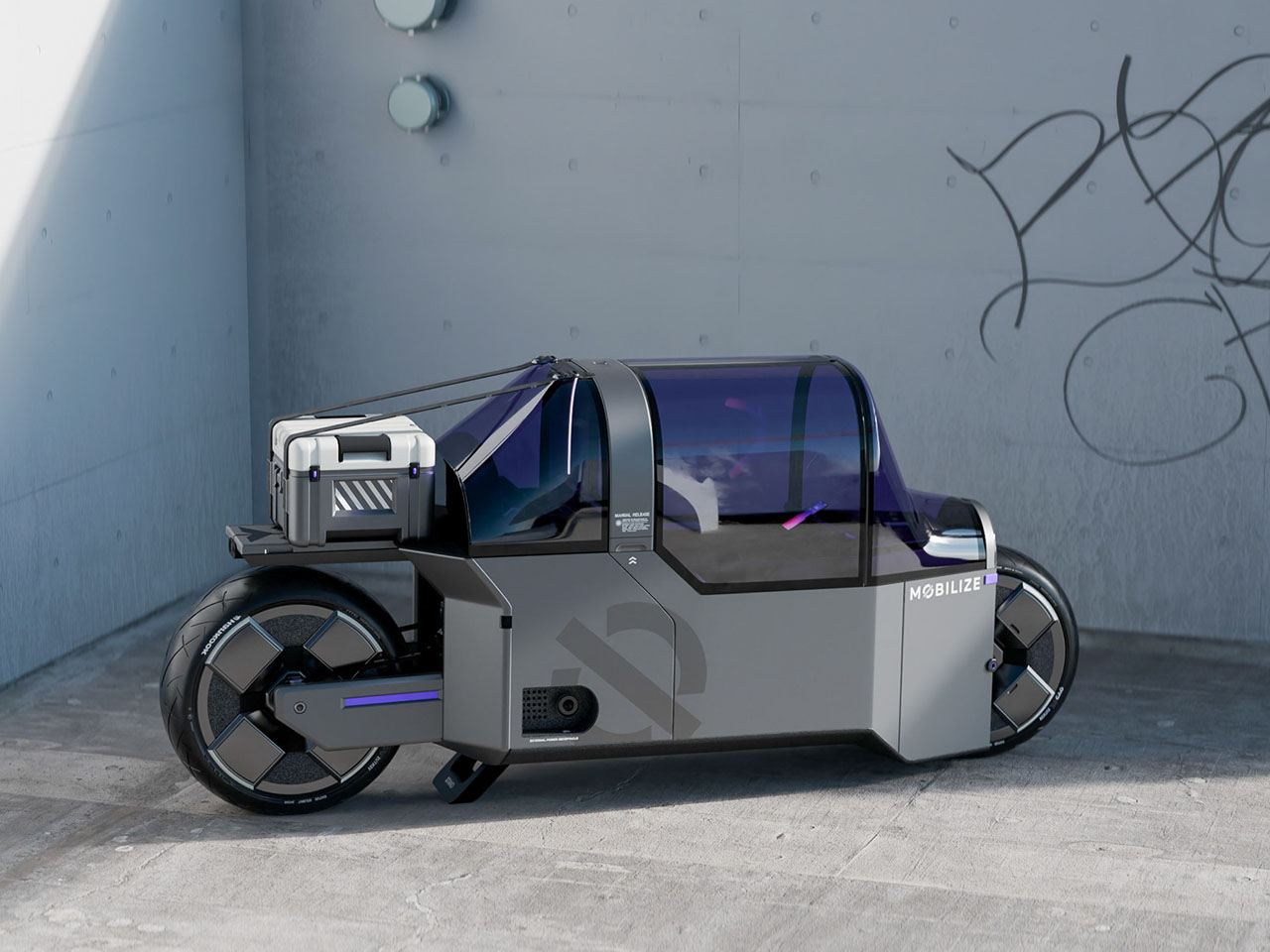
Dubbed NANO Mobilize, the urban vehicle is heavily inspired by the dynamic world of fashion and streetwear. The idea is a two-wheeler designed by the young generation and obviously targeted for the young and restless. On the outside, the bike carries the industrial design element that’s definitive of the uber cool character without compromising on the functionality. The driver’s sitting area is securely encapsulated in a panoramic, rounded glass section. Contrary to the café racer persona in the structure, the sitting position is akin to a four-wheeler, emphasizing the comfort-laden character.

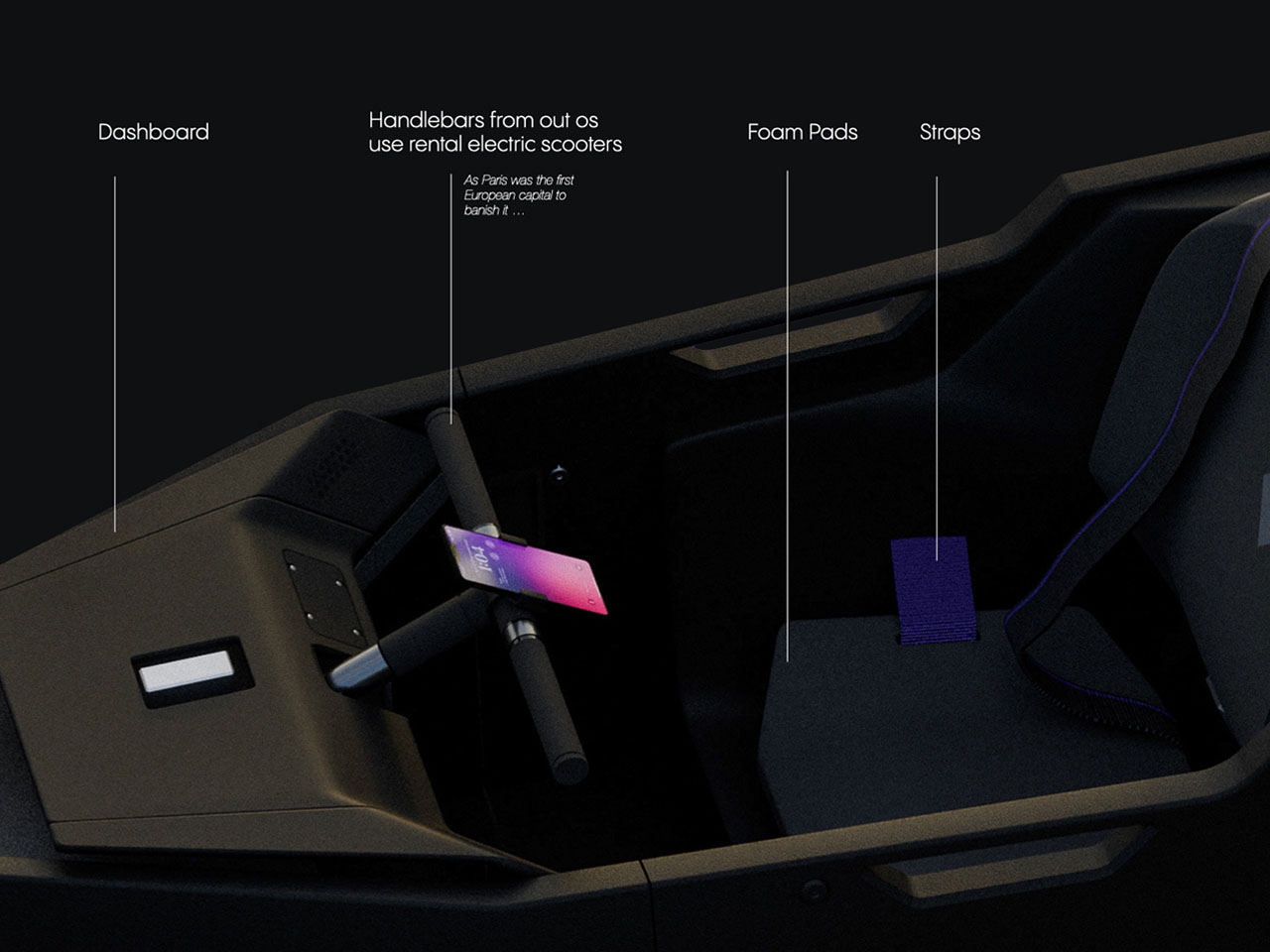
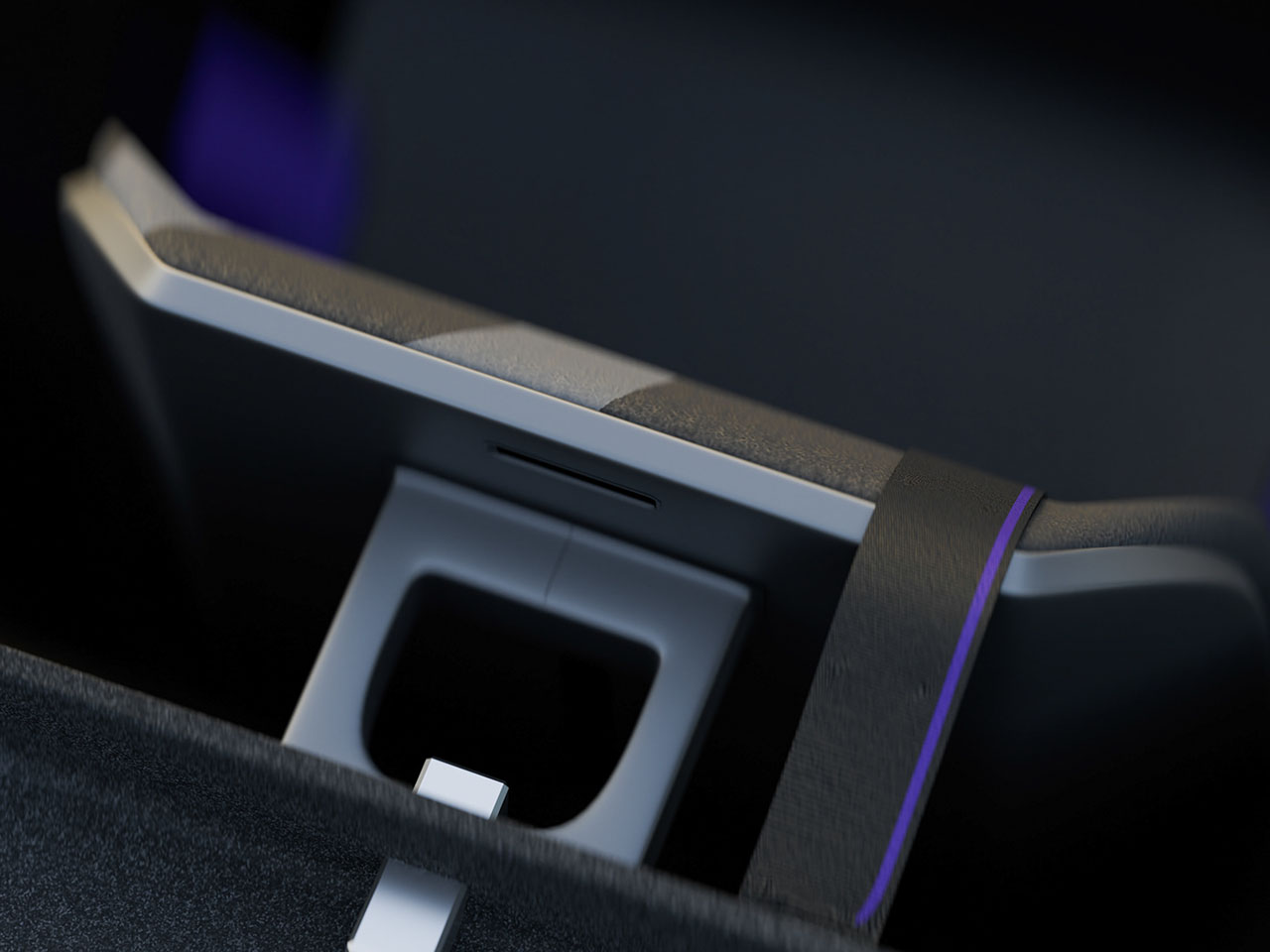
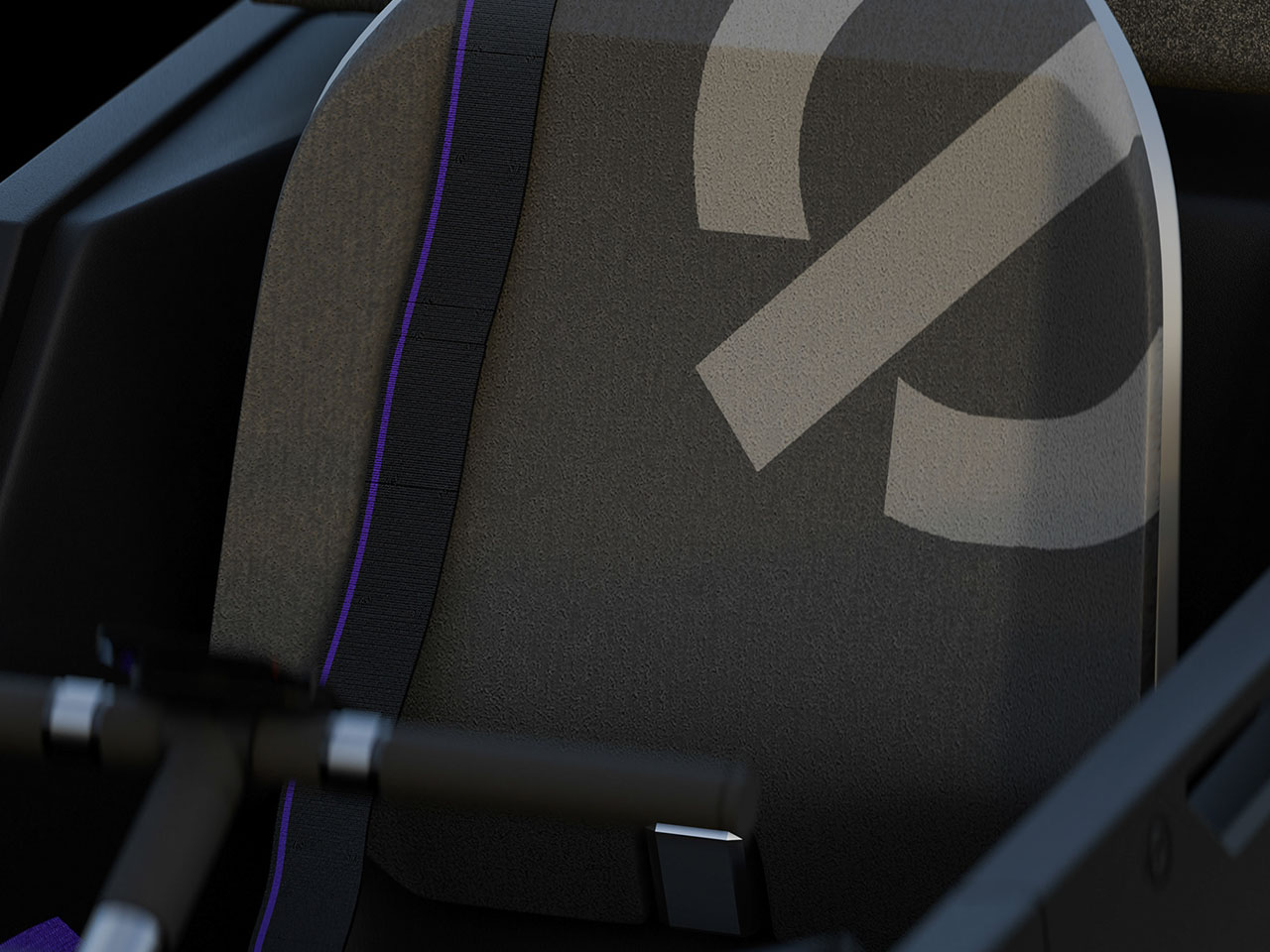
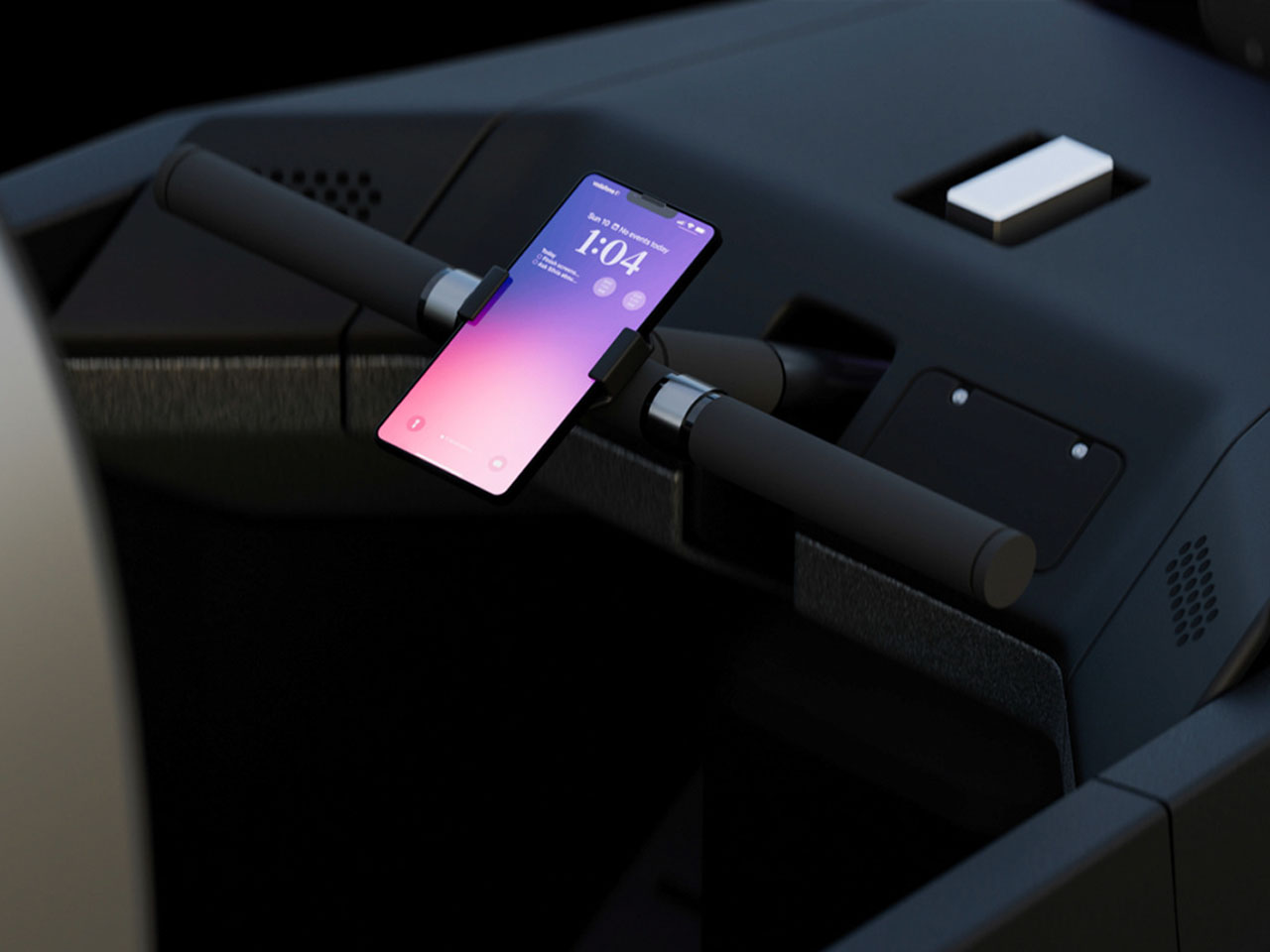
While not made for the claustrophobic section of the community, this translucent boundary is for a private interior that comes in handy in the self-drive mode. The rider can relax and check on the social media feed with a dock for the phone integrated into the steering section. Well, you can call it more of a handlebar that reminds us of the rental electric scooters. For your absolute favorite items, there is space behind the seating area. There is ample room to stretch your legs and relax on long journeys.

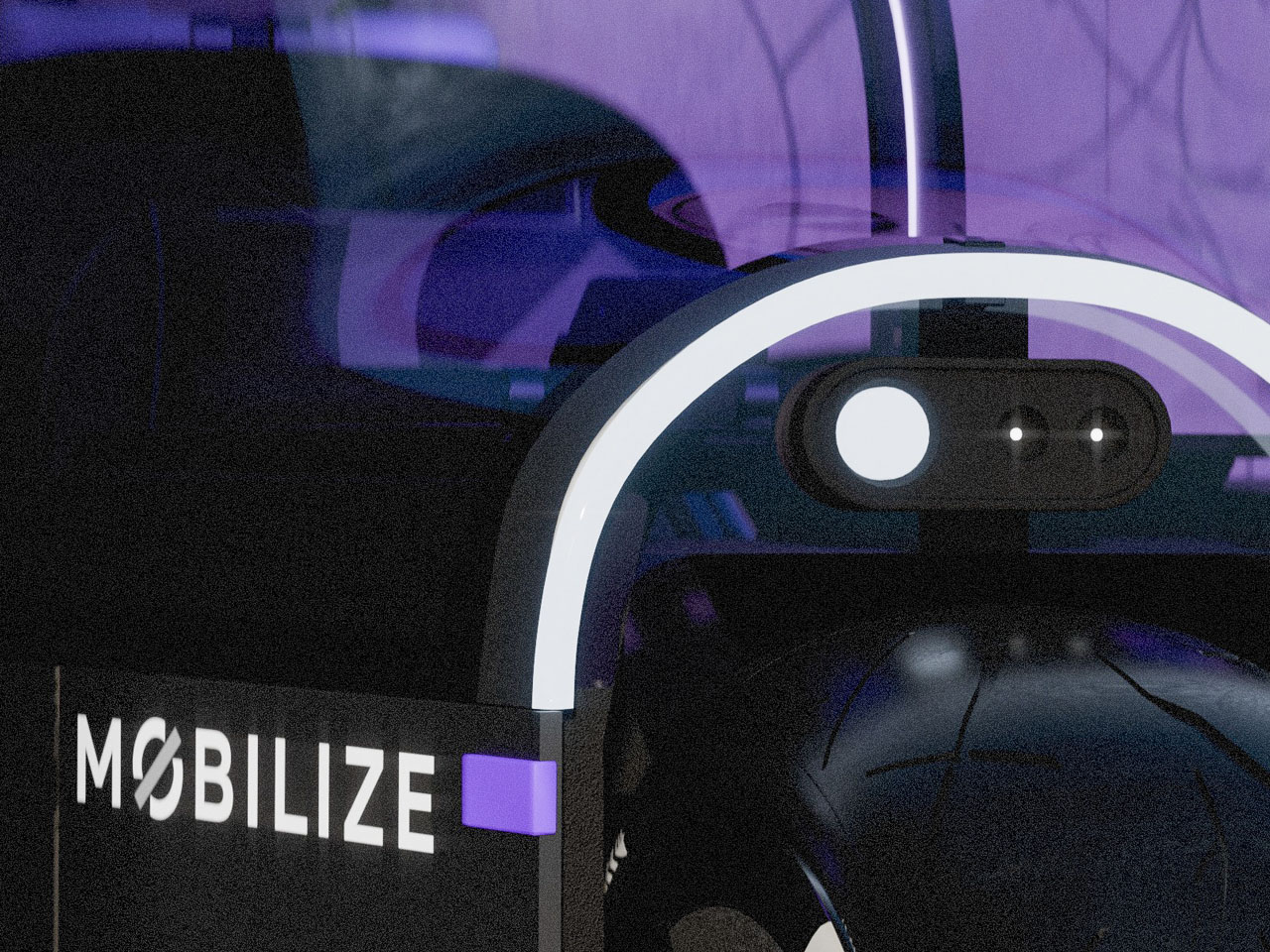
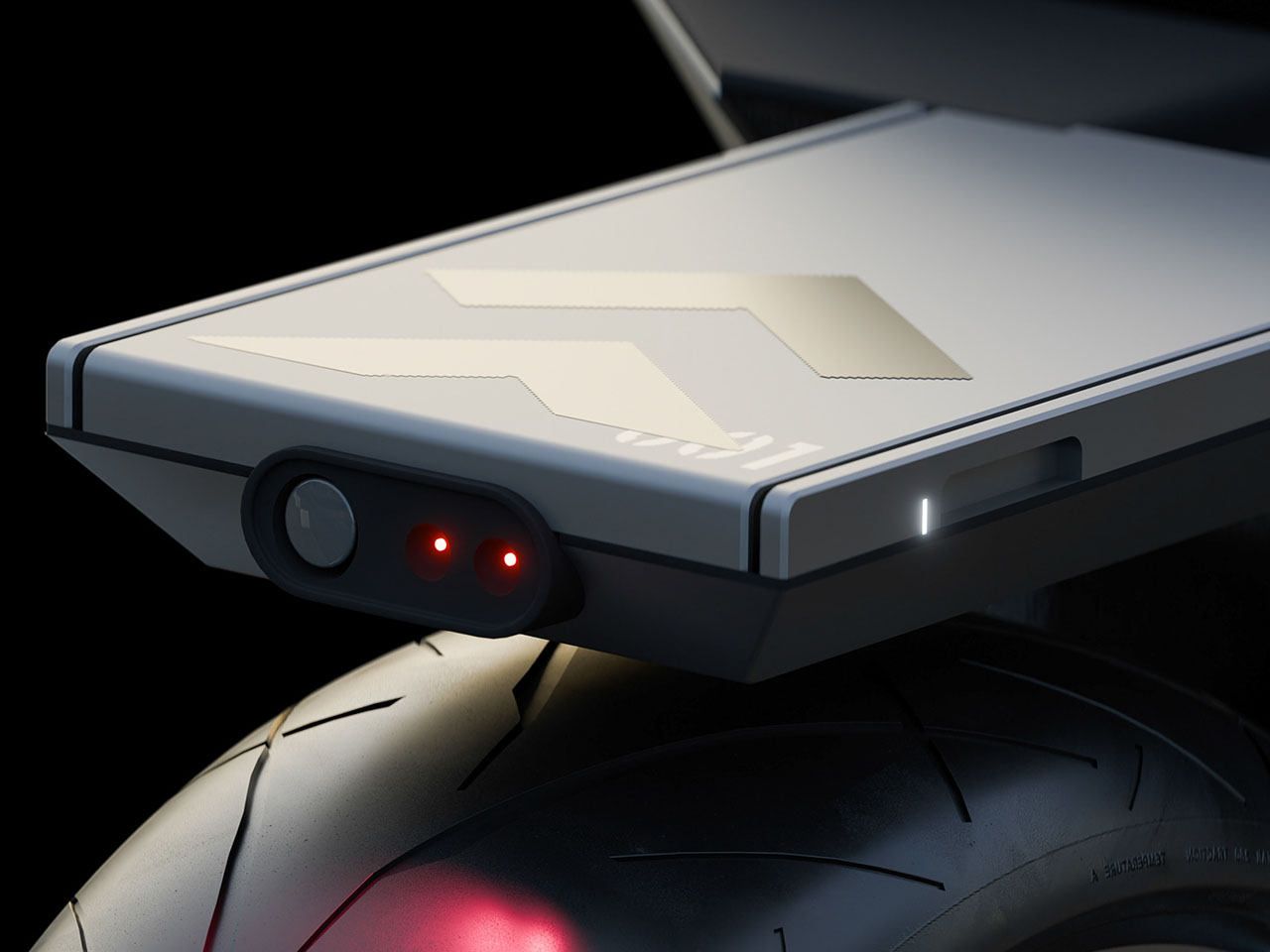
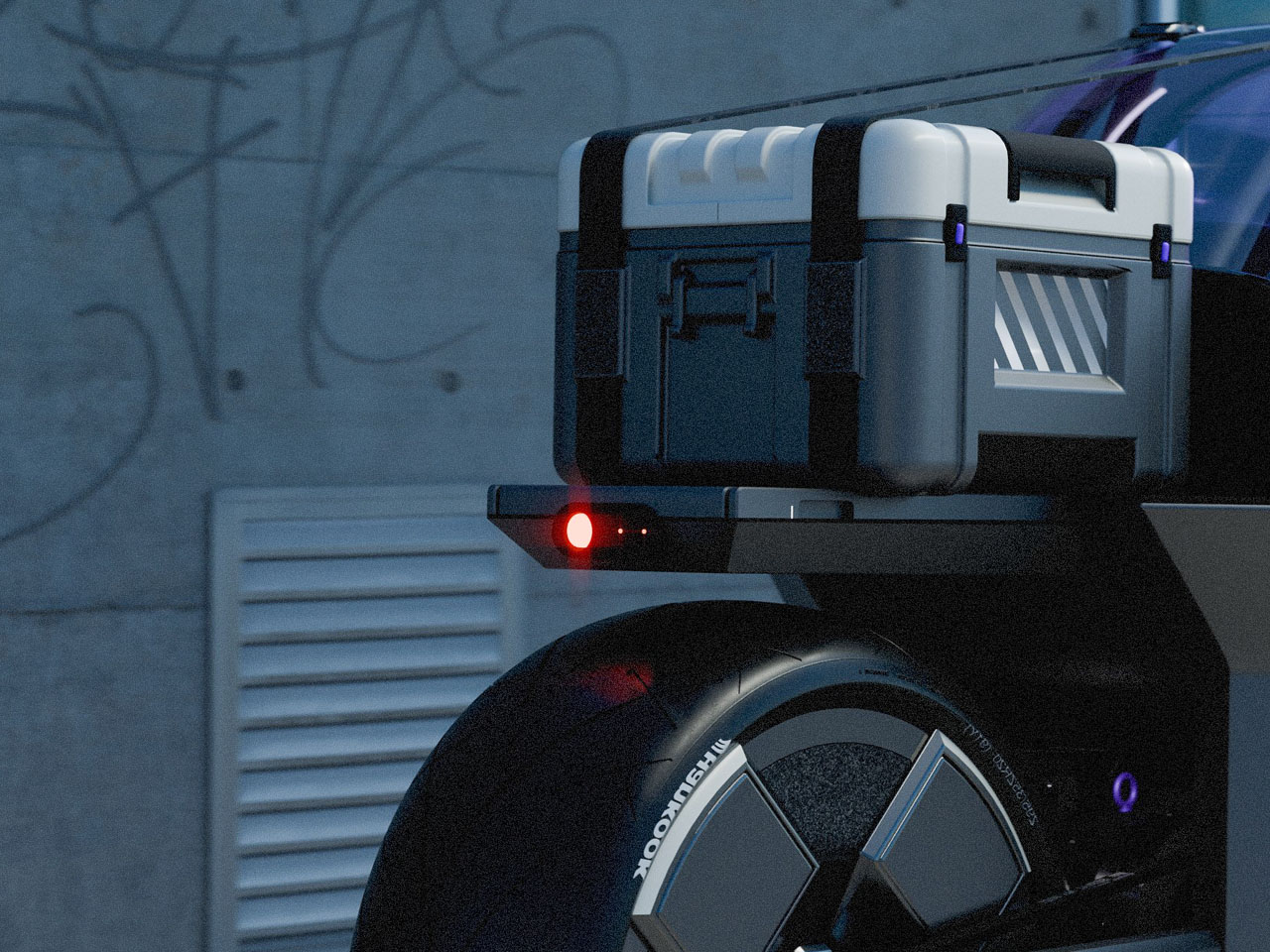
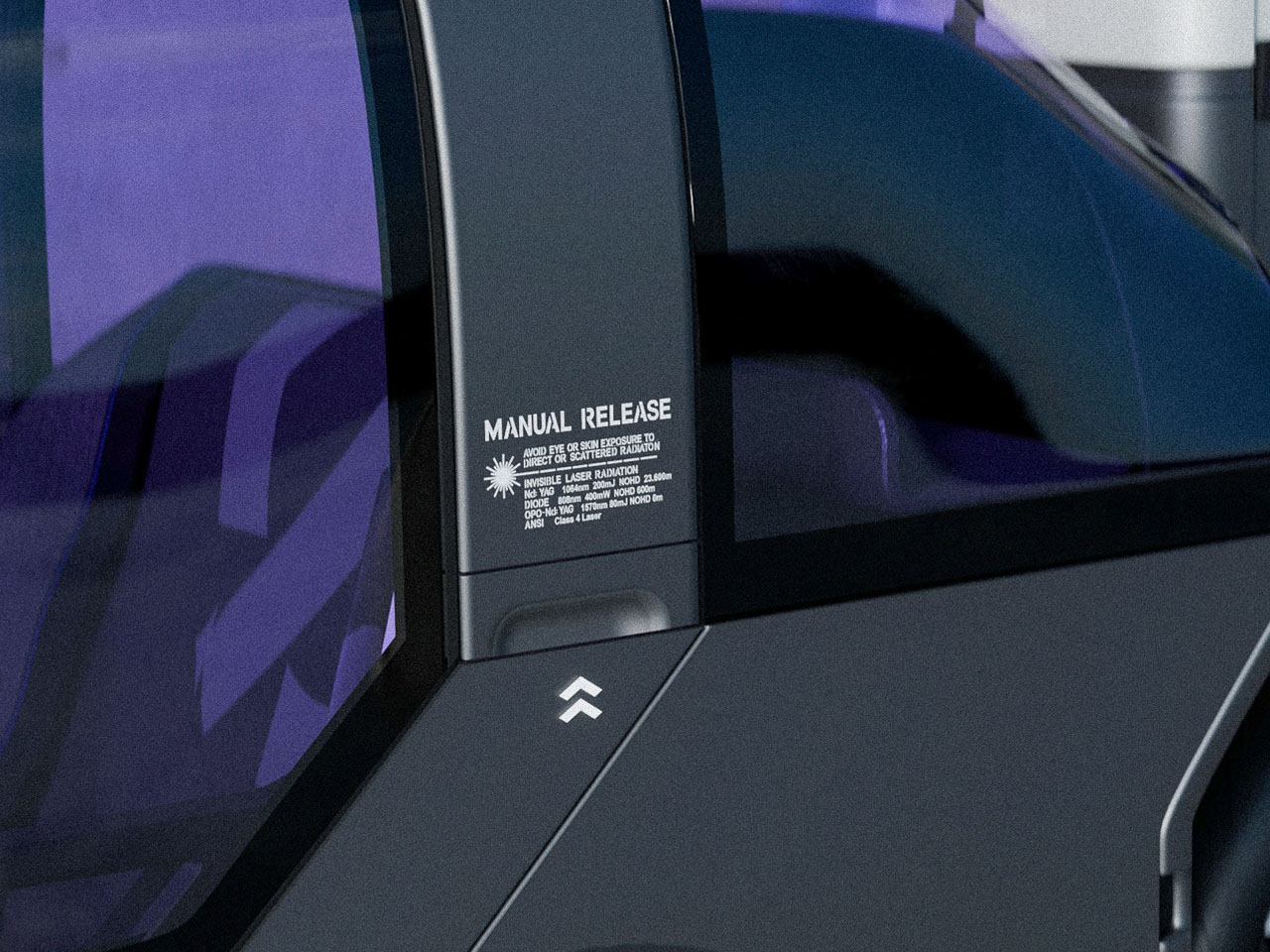
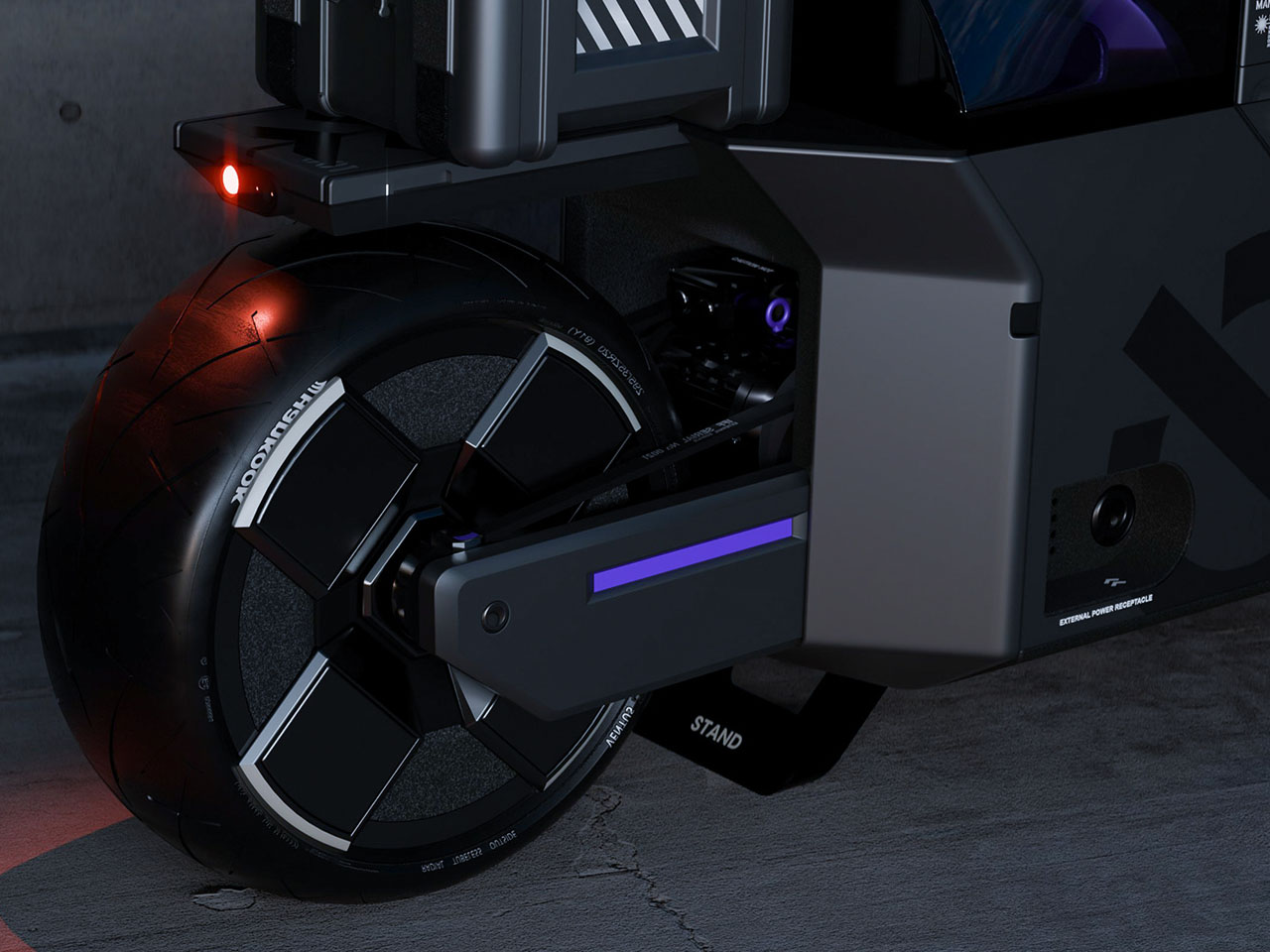
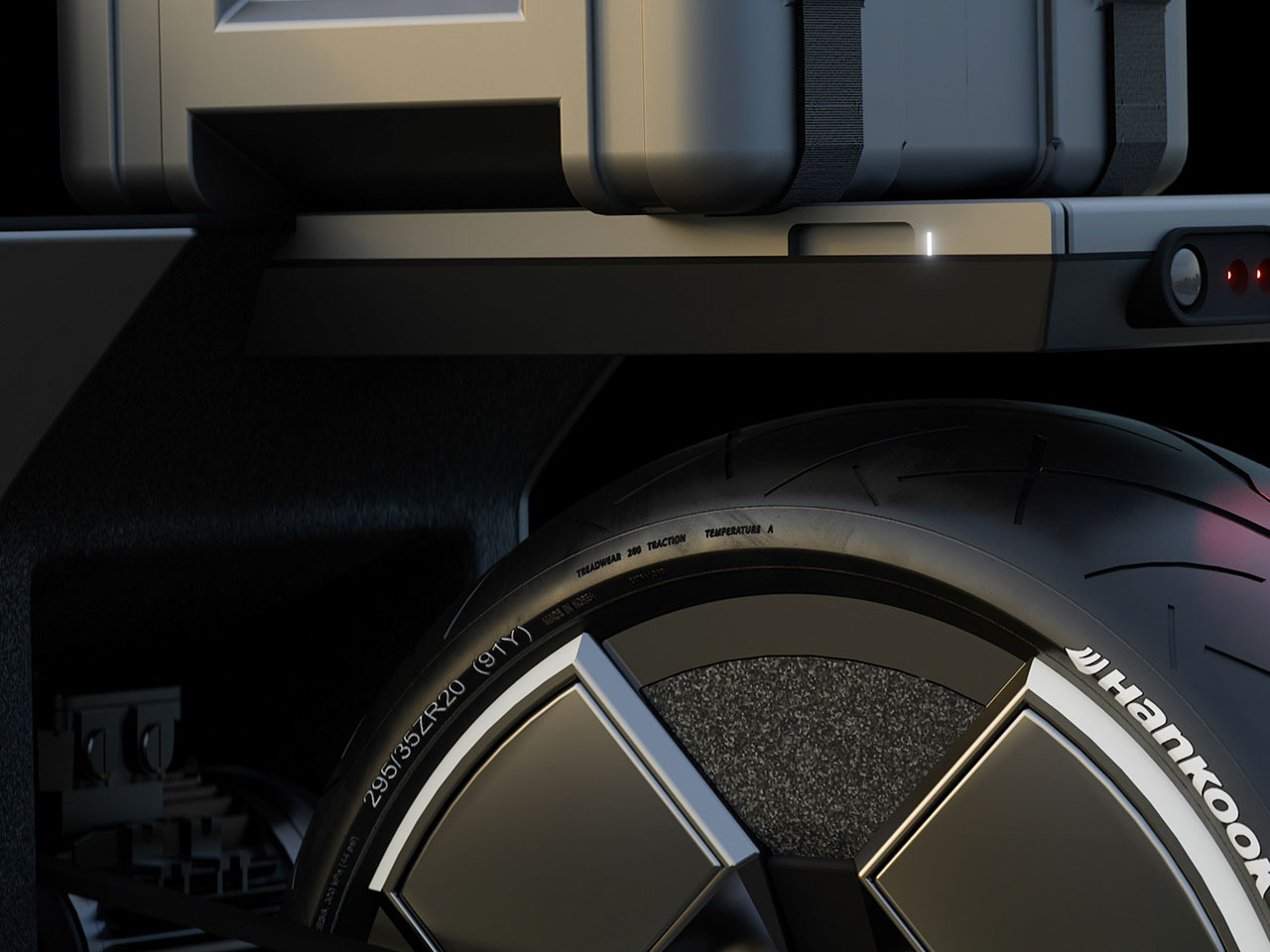
The electric battery is stored in the rear bottom section, above which is the carrier for hauling essentials, except for items you can’t risk keeping outside. Entry to the inside is initiated by pressing the Manual Release button, which opens up the interior section. The bike is secured by a lightweight metal frame that runs along the length of the rims. The headlights take a peculiar arched form with an array of single big LEDs and two smaller ones denoting the high and low beams on the bike. The taillights are more muted down with just the roundish red LEDs to warn motorists behind.


The post A fashion-inspired pod bike that brings streetwear attitude to urban mobility first appeared on Yanko Design.

This solar powered motorcycle never needs charging for true energy independence

For years, electric mobility has been shaped by predictable patterns: bigger batteries, denser charging networks, and efficiency improvements that feel more evolutionary than revolutionary. Yet the dependency remains the same: riders still need plugs, stations, and the infrastructure that powers their daily movement. In the middle of this familiar landscape arrives a concept that doesn’t try to optimize the system but instead questions why the system needs to exist at all. The SOLARIS Self-Charging Solar Motorcycle by MASK Architects challenges the core assumptions of electric mobility with a vehicle that produces its own energy and redefines the relationship between rider, machine, and environment.

Developed by Öznur Pınar Cer and Danilo Petta, the SOLARIS approaches mobility as something closer to a self-sustaining organism than a machine waiting to be recharged. It operates entirely on power it generates itself, eliminating reliance on fuel stations, external charging points, or electrical grids. This shift reframes freedom for riders, offering movement that isn’t conditioned by access to infrastructure or energy markets. It introduces a future where independence is built into the vehicle, pushing the concept of autonomy far beyond driving modes or connected features.

Designer: MASK Architects

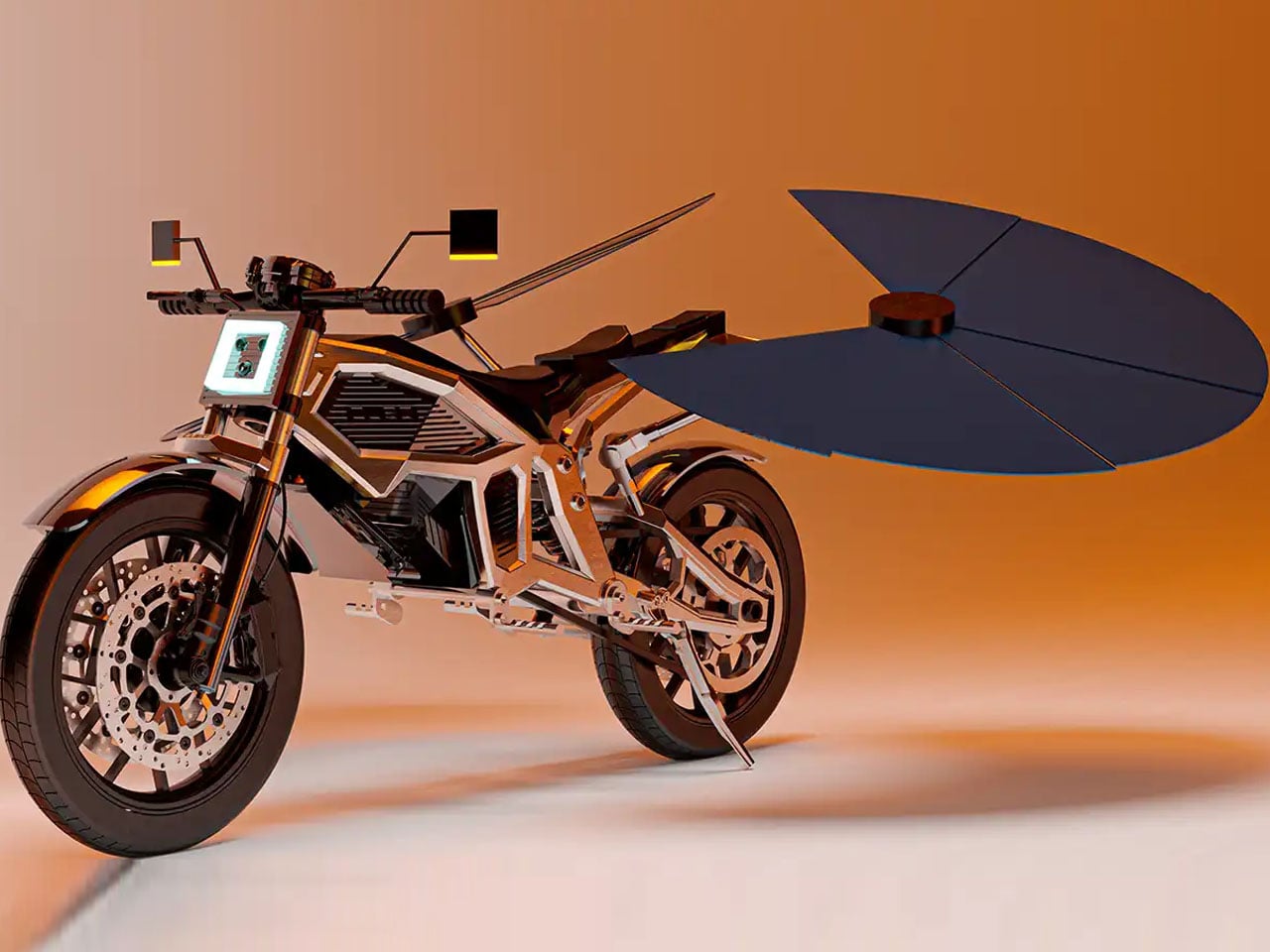
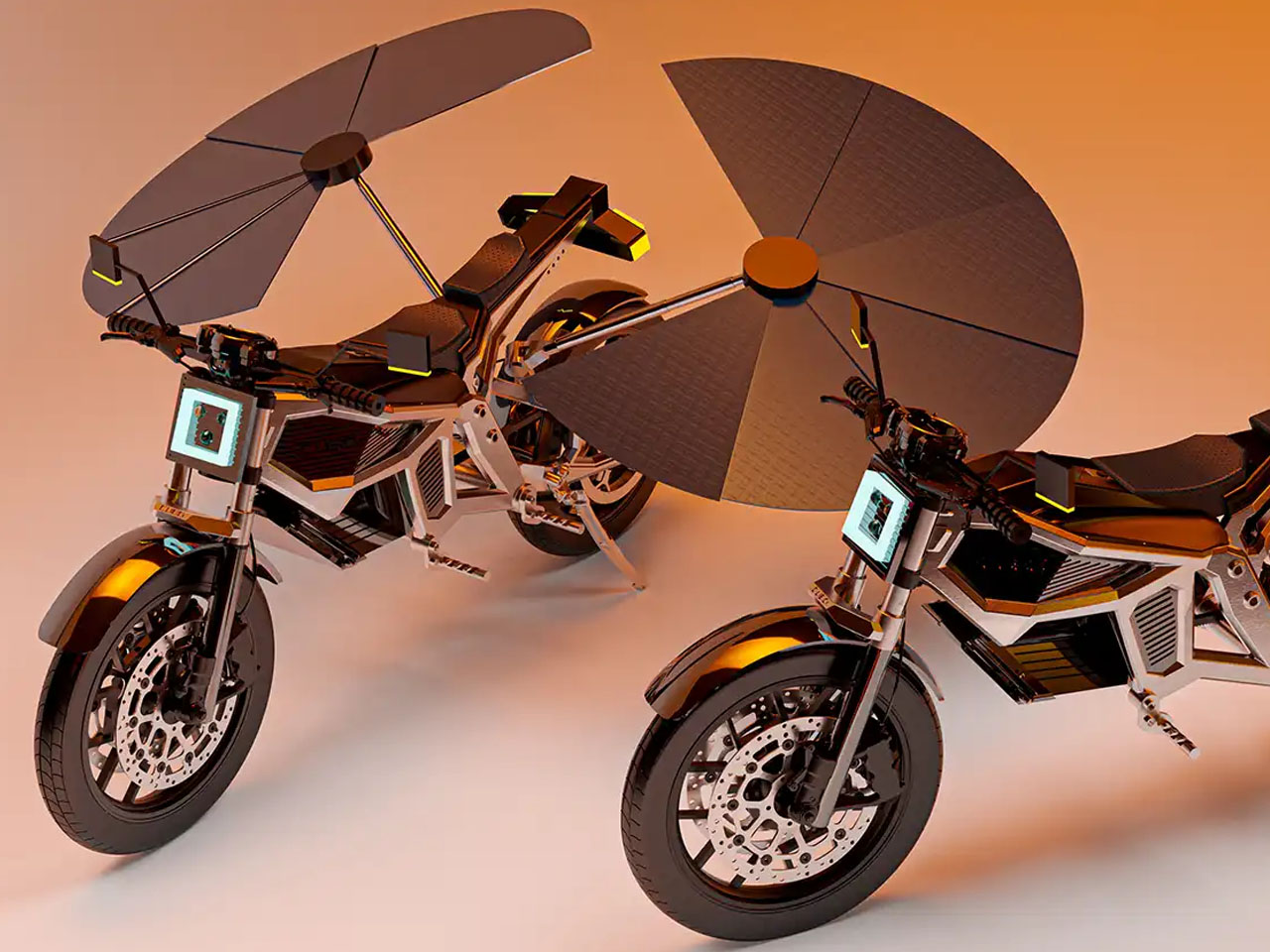
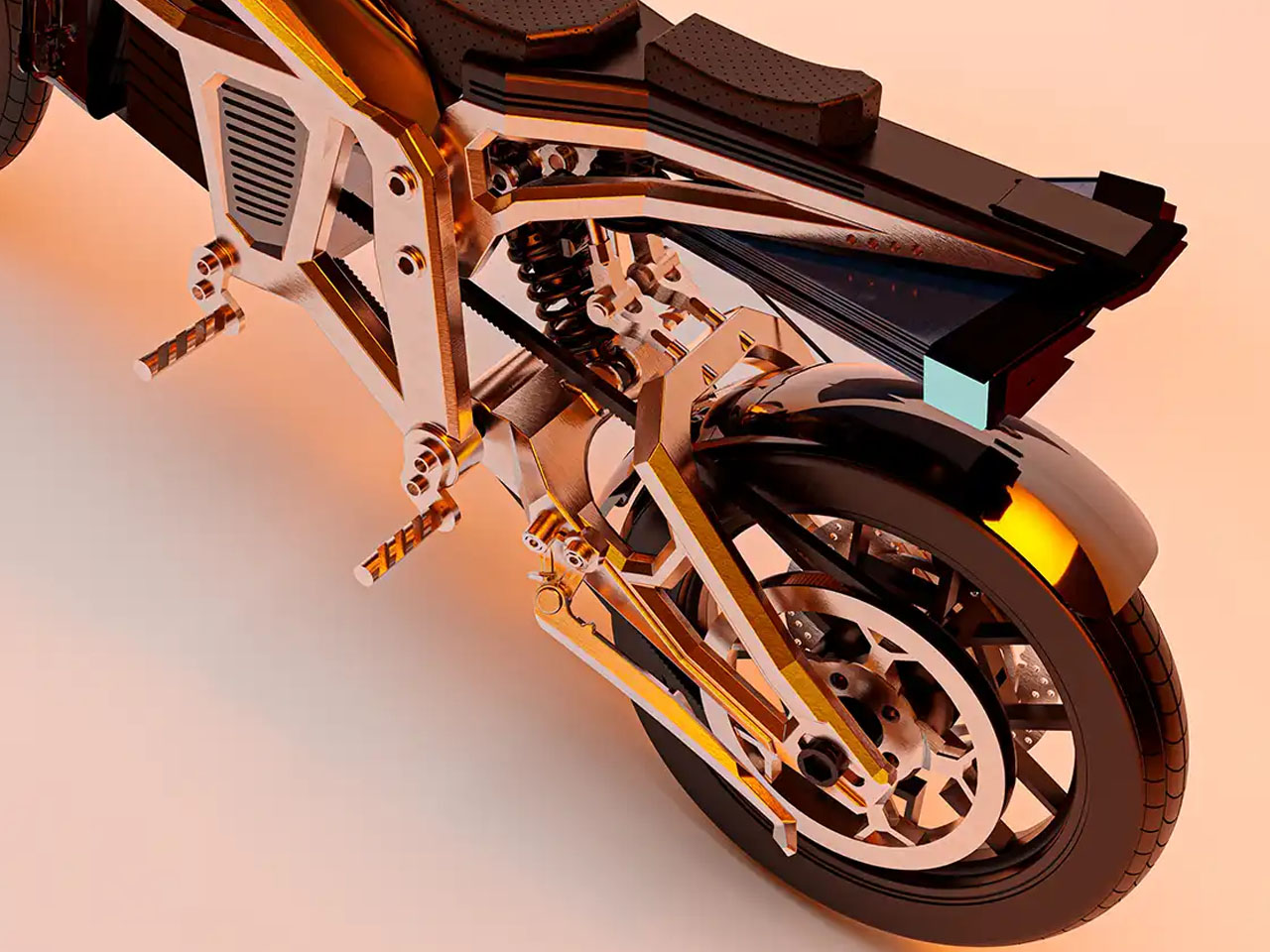
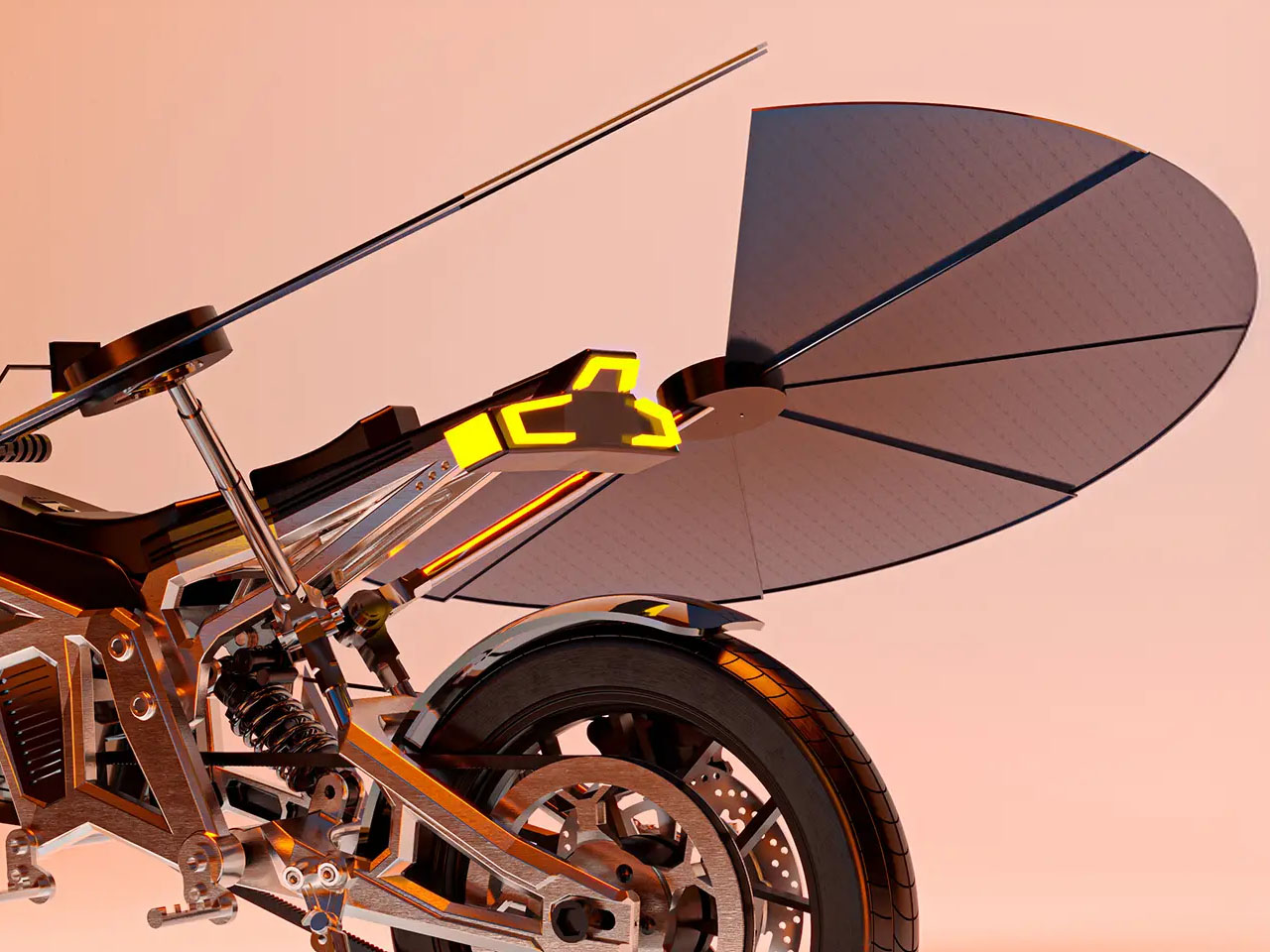
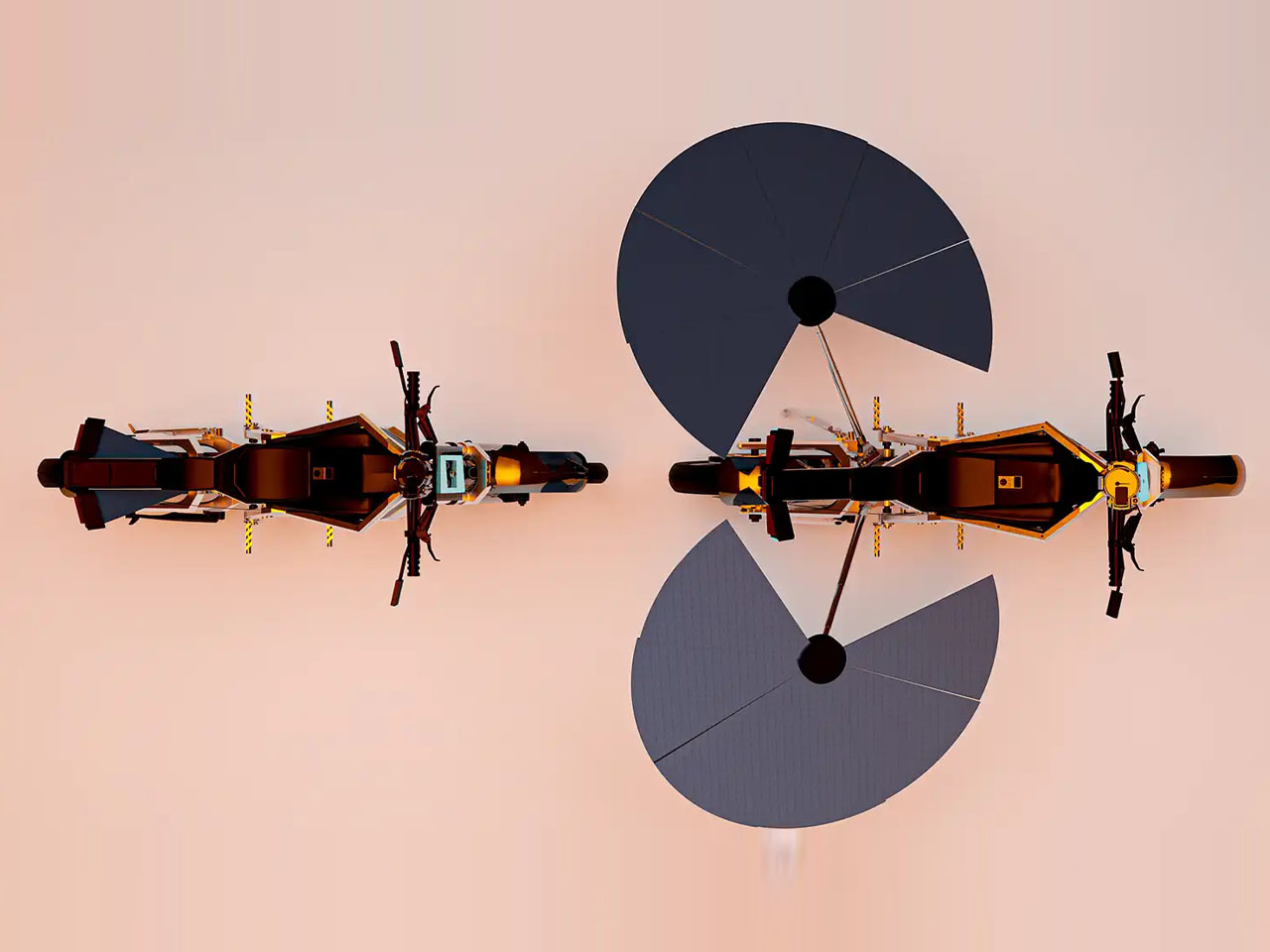
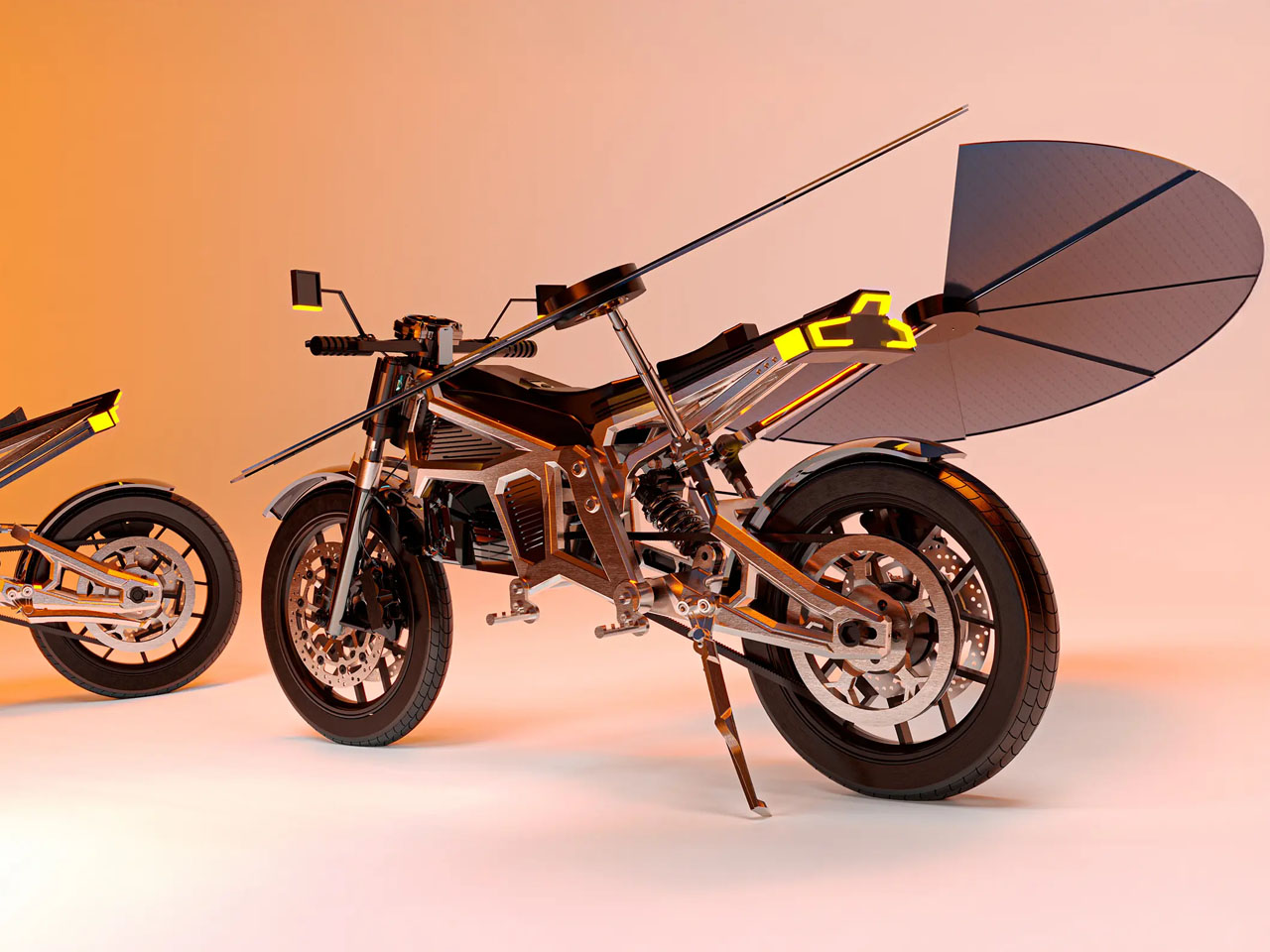
The technology that enables this transformation begins with next-generation photovoltaic cells integrated into the motorcycle’s structure. These high-efficiency solar elements convert light into energy throughout the day, ensuring the system remains active under varying conditions. A defining feature of the SOLARIS is its deployable charging mechanism, which expands into a protective wing when the motorcycle is parked. This design increases the solar capture area by up to 150 percent, allowing the battery to be replenished whether the vehicle is in motion or stationary. The result is a power source that continuously supports itself, removing the downtime associated with conventional charging and allowing the vehicle to remain ready for use without external input.

Visual identity plays an equally important role in its appeal. The deployable wing draws inspiration from the structure of a dragonfly’s wing, merging natural efficiency with a mechanical aesthetic. This biomimetic approach gives the motorcycle a distinctive presence while reinforcing its connection to the environment it relies on for power. The blend of organic influence and engineered precision creates a form that communicates both purpose and innovation, capturing the attention of users who value sustainability and future-focused design.

The potential impact of a self-charging motorcycle extends beyond individual riders. Without dependence on fuel or electricity networks, the concept becomes a practical solution for remote regions, developing communities, and delicate natural environments where infrastructure is limited or intentionally preserved. For logistics operators, tour providers, and municipal programs, the removal of energy costs and reduced mechanical complexity offers clear economic advantages and faster returns compared to traditional electric models.

The post This solar powered motorcycle never needs charging for true energy independence first appeared on Yanko Design.
Scaled-up version of LEGO Technic 8810 café racer set by Matt Denton is a rideable electric monkey bike

The LEGO Technic 8810 Café Racer traces its roots back to the early 90s when it was first released. The 80-piece set was a childhood buddy for kids of all ages and even adults into LEGO brick building on leisurely weekends. Also known as the Technic Alpha Racer, the model gains an average 3% yearly rise in value.

Going by its collectible worth, the LEGO café racer is a valid inspiration for animatronics creator Matt Denton who has developed a rideable LEGO Technic 8810 café racer made from 3D printed parts to preserve the attachable and detachable essence of the LEGO brick influence. Each of the individual parts is created from PolyLite and polycarbonate materials to emulate the snappable plastic blocks.

Designer: Matt Denton

Matt is known for his creations culminating from exposure to the engineering and design domain. The Star Wars BB-8 is one of them. Now the 33-year-old crafter has brought the LEGO café racer into a functional electric bike which is a monkey bike in its DNA. The two-wheeler can take the weight of an adult and like all monkey bikes is a handful when it comes to steering in tight spaces at low speeds. The specialist in Animatronics Control Systems had a different kind of challenge at hand in building this ride. So, he decided to use an e-bike kit that had a motor controller, screen, disc brakes, tires, and brake levers. Putting together the custom-built parts that resemble a LEGO brick and the kit’s components required more than a snap of two individual parts since the thing produced vibrations from the movement and engine noise.

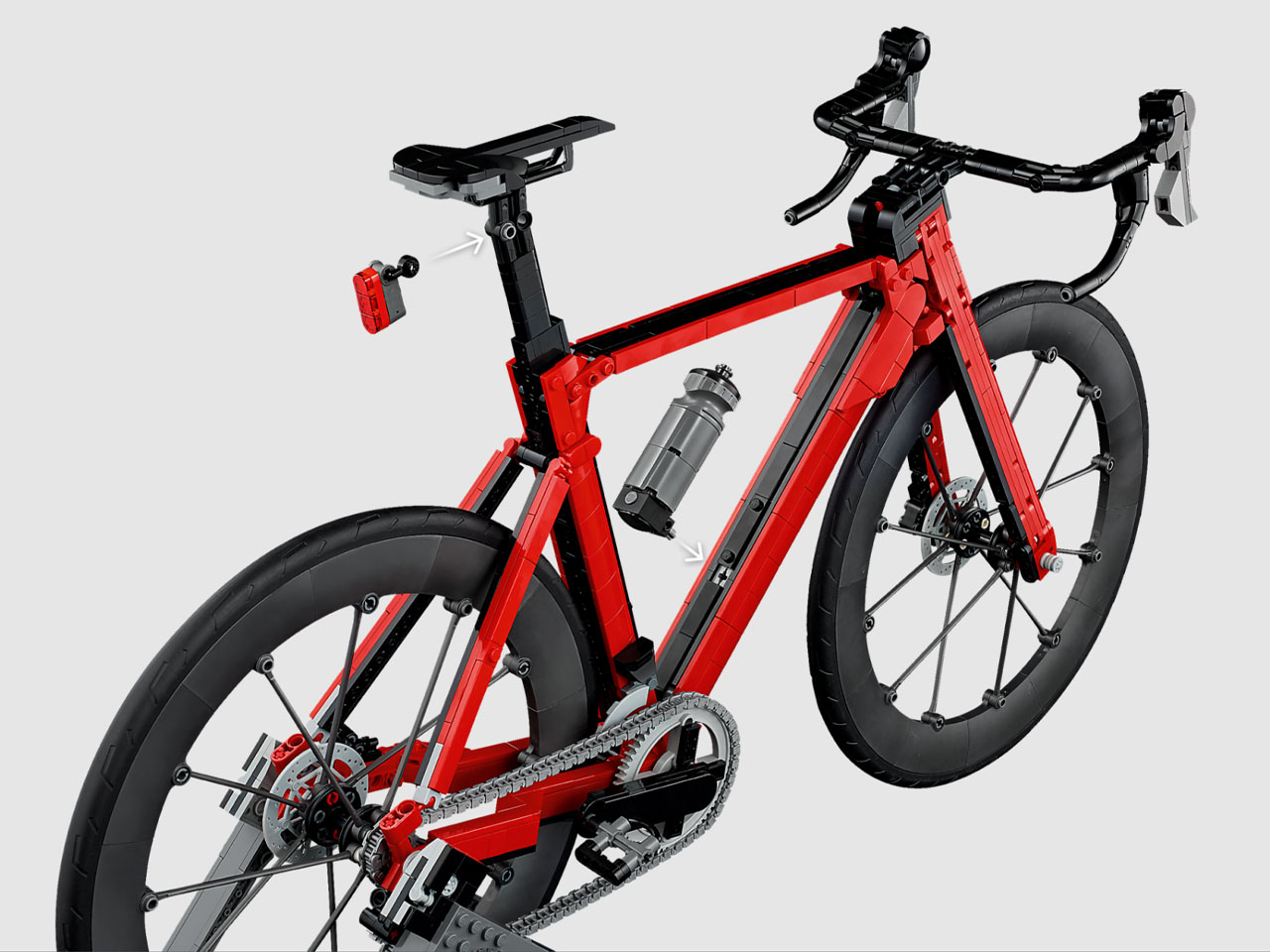
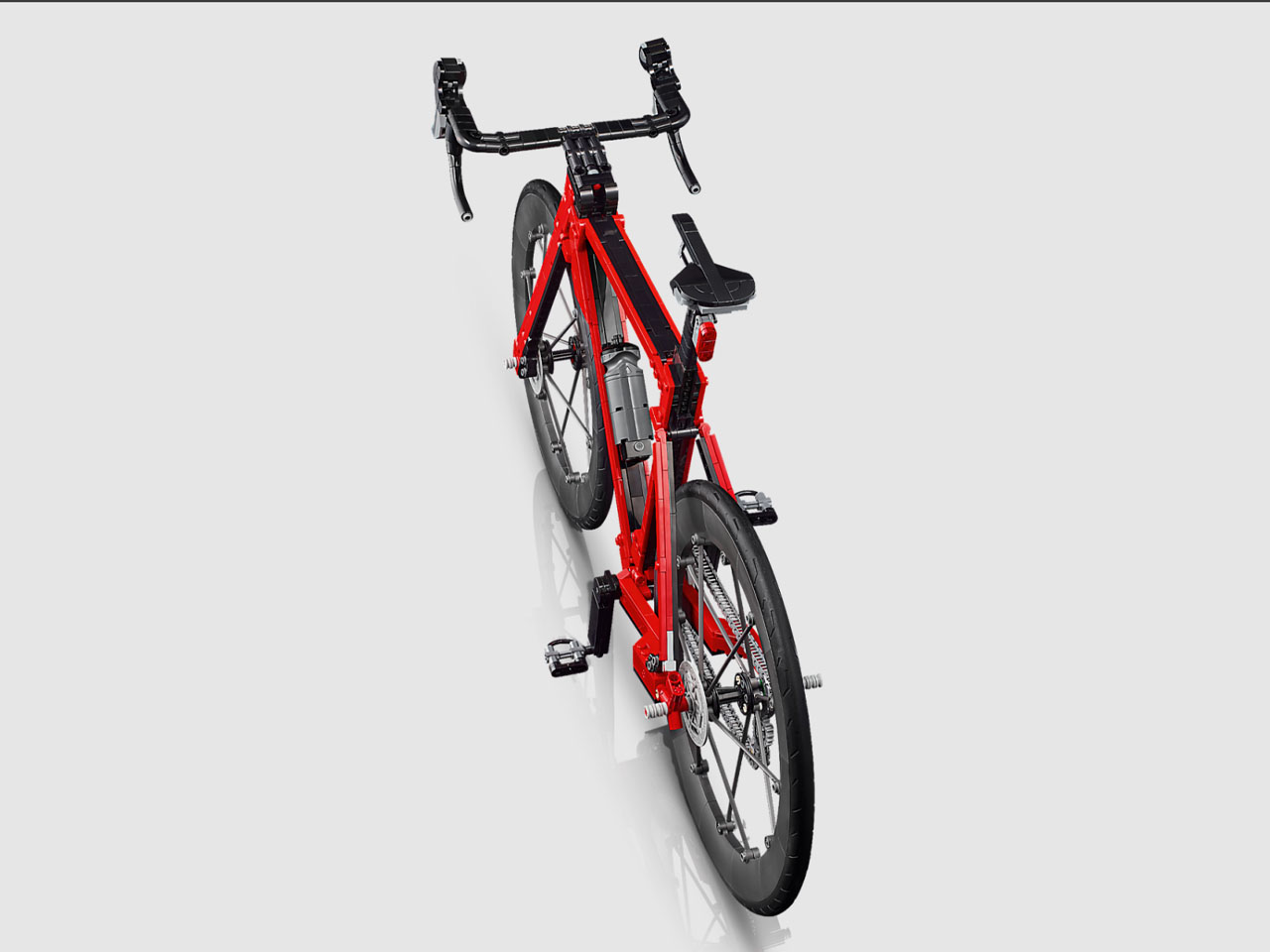
To maintain visual aesthetics, Matt only used parts from the kit that were needed without breaking the LEGO-themed look. The 3D-printed handlebar and the position of the front wheel is determined to then move on to the headlights section. Then only he went on to finalize the frame and thereafter the foot pegs, suspension, axle and wiring were done. The final components on this LEGO monkey bike were the forks, seat, battery, water bottle and a bottle holder frame.

The only thing he then tests is the rideability and the ability to reverse. After making the final adjustments to the power, steering and brake balance, the LEGO Technic café racer is ready for the streets.

The post Scaled-up version of LEGO Technic 8810 café racer set by Matt Denton is a rideable electric monkey bike first appeared on Yanko Design.
Handmade EVE Odyssey motorcycle aces its predecessor with stellar performance and sniper bullet-like profile

Bandit9 Motors’ EVE Odyssey motorcycle stunned us last year with a bullet-shaped spacecraft-grade aluminum body straight out of the Star Wars universe. The Vietnam-based company incepted by Daryl Villanueva is in a league of its own with futuristic builds that have an element of industrial influence.

The latest from their workshop is the improved version of the EVE Odyssey. Daryl and his team have facelifted the bullet-shaped bike into one that is more like a 9mm sniper rifle bullet. To top it all, the new version is bigger, lighter, faster and more durable than its predecessor. The EVE Odyssey is a huge team effort, and I could not be more proud of the people who made it possible. My only wish is that they’re equally proud of the work they’ve done. In my opinion, this is the best piece we’ve ever done, and I think it’s just the beginning,’ Daryl says.

Designer: Bandit Motors

Now the fuel tank of the peculiar motorbike is fused to the high-strength 7075 aluminum frame with a flowing single-sided swingarm originating from the body. For a minimalistic form, the exhaust system is hidden in the body frame. The new EVE Odyssey model gets a hand-brushed steel emblem crafted out of a single billet. Better stability in the new version comes with the monoshock upgrade. That makes this mean machine more agile while taking corners. The front fork which is a part of the suspension system is something out of a modern art sculpture. Not only is it eye candy but also functional since bumps and rough roads are much more comfortable to navigate now.

EVE Odyssey 2.0 version is powered by a 125cc engine mated to a four-speed manual transmission, hurling it to a top speed of 68 mph. Bandit promises a range of 156 mpg which is impressive but driving conditions will play a part in tweaking this value. Just like the predecessor, the new model has a lot of custom parts that make up the final build. It’s got aluminum grips, levers and switches, steel clip-on handlebar, wide rear-view mirrors and LED headlights. For ease of use, the conventional gas cap is replaced with a magnetic one.

This time around the design team has ditched the traditional dials with digital speedometer for showing all the vital riding information. The control switches get a swanky upgrade as they seem more like a bracelet. Truly handmade, the motorcycle takes 3 months to craft from scratch to the brilliant final form. EVE Odyssey is now available to order with shipping worldwide.

The post Handmade EVE Odyssey motorcycle aces its predecessor with stellar performance and sniper bullet-like profile first appeared on Yanko Design.
This Wheel-less Bicycle replaces the Rubber Tire with multiple Sandals and the results are… surprising

Sergii Gordieiev is well known for his unique creations, showcasing his DIYs on the YouTube channel ‘The Q’ for people who love things out of the box. The wheel-less bicycle and square-wheeled ride are the prime examples. His love for customizing an ordinary bicycle is not going to fade away soon, as the slipper bicycle proves it all right.

As weird as it sounds, wait until you see the full video transcript. Sergii manages to slap the tarmac with this unusual ride one slipper at a time and that trippy sound is so irritatingly addictive. Everything apart, the level of detail and the amount of creative intent that the DIYer brings to each of his DIYs is worth appreciating. What next is he going to do with a bicycle is anybody’s guess, but for now, enjoy this one.

Designer: Sergii Gordieiev

On first look, it seems the slippers will wear out from all the spanking on the road but there are 14 metal cutouts to take all the weight and contact force when the bicycle is paddled forward. These metal cutouts become the base for an outrageous-looking set of wheels for an adult bike. Both the wheel frames are designed from scratch with meticulous cutting and molding of the metal. Thereafter the wheels are attached to the bicycle frame.

The final step involves sliding on the rubber slippers onto each of these metal struts. Sergii fits each of the wheels with 12 yellow slippers and two black slippers to create a contrasting look when the wheels turn. The best thing about his creations is that no matter how much non-functional the bikes look, they glide on the road beyond anyone’s expectations. This one is no different as he takes a casual ride in the park to onlookers’ amazement.


The post This Wheel-less Bicycle replaces the Rubber Tire with multiple Sandals and the results are… surprising first appeared on Yanko Design.
Industrial era inspired café racer and e-scooter show the meaning of less is more

Electric motorcycles and scooters are the way to go in an effort to control emissions. The market is ever expanding with versatile options for end users and the Belin Design Office’s duo of two-wheelers show us what an out-of-the-box design can result in. That’s without any compromise in functionality or aesthetics. Meet the Ekka M-1 Performance and CS-1 City Scooter having a modular design, wrapped in a unibody aluminum frame that is bended to achieve the boxy form of these two-wheelers.

The base frame is kept totally exposed without any plastic body panels to maintain the industrial look. There’s another benefit to this as the company doesn’t have to go through the manufacturing process of hot-forming for panels, hence, reducing the carbon footprint in the production. Shredding the extra weight means the electric two-wheelers have extended range as compared to other e-bikes.

Designer: Belin Design Office

The raw appeal of the two-wheelers is quite new to electric vehicles, still, the futuristic DNA is preserved to appeal to Gen-Z. The two electric rides have in-wheel motors, meaning there’s no need for a transmission, chains, clutch or belt. This means fewer parts to worry about maintenance, reduces the overall weight of the bikes, and makes them appear more refined. CS-1 City Scooter benefits the most from this as there’s increased space to carry belongings, or add modules for specific small cargo needs. The battery is placed under the rider’s feet, so there’s even more available space on the front.

Ekka M-1 Performance motorcycle is a beefier version of the two, prioritizing a café racer aesthetic. This bike is derived from Jean-Marie Floch’s Ludic’ valorization, with the fun element in the appearance and front-leaning rider position reiterating the fact. The aggressive positioning and the big chunky tires complement the raw persona of this racer. Thankfully the saddle on this café racer looks comfortable for long stints of driving, unlike other café racers that compromise on seating space as a more powerful drivetrain and engine take up the space.

The post Industrial era inspired café racer and e-scooter show the meaning of less is more first appeared on Yanko Design.
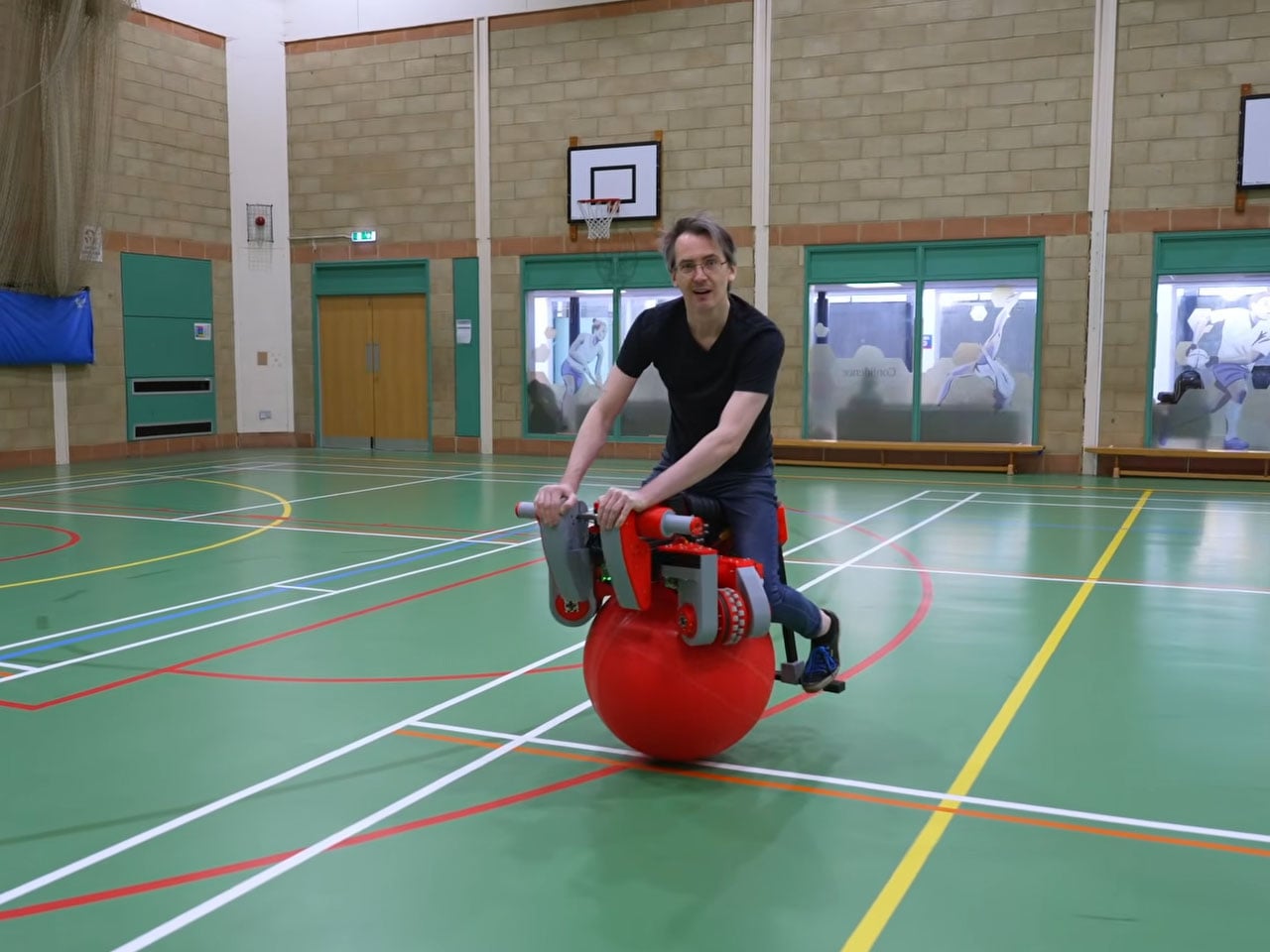
James Bruton’s Screw Bike moves smoothly in any direction, even rotates on its axis

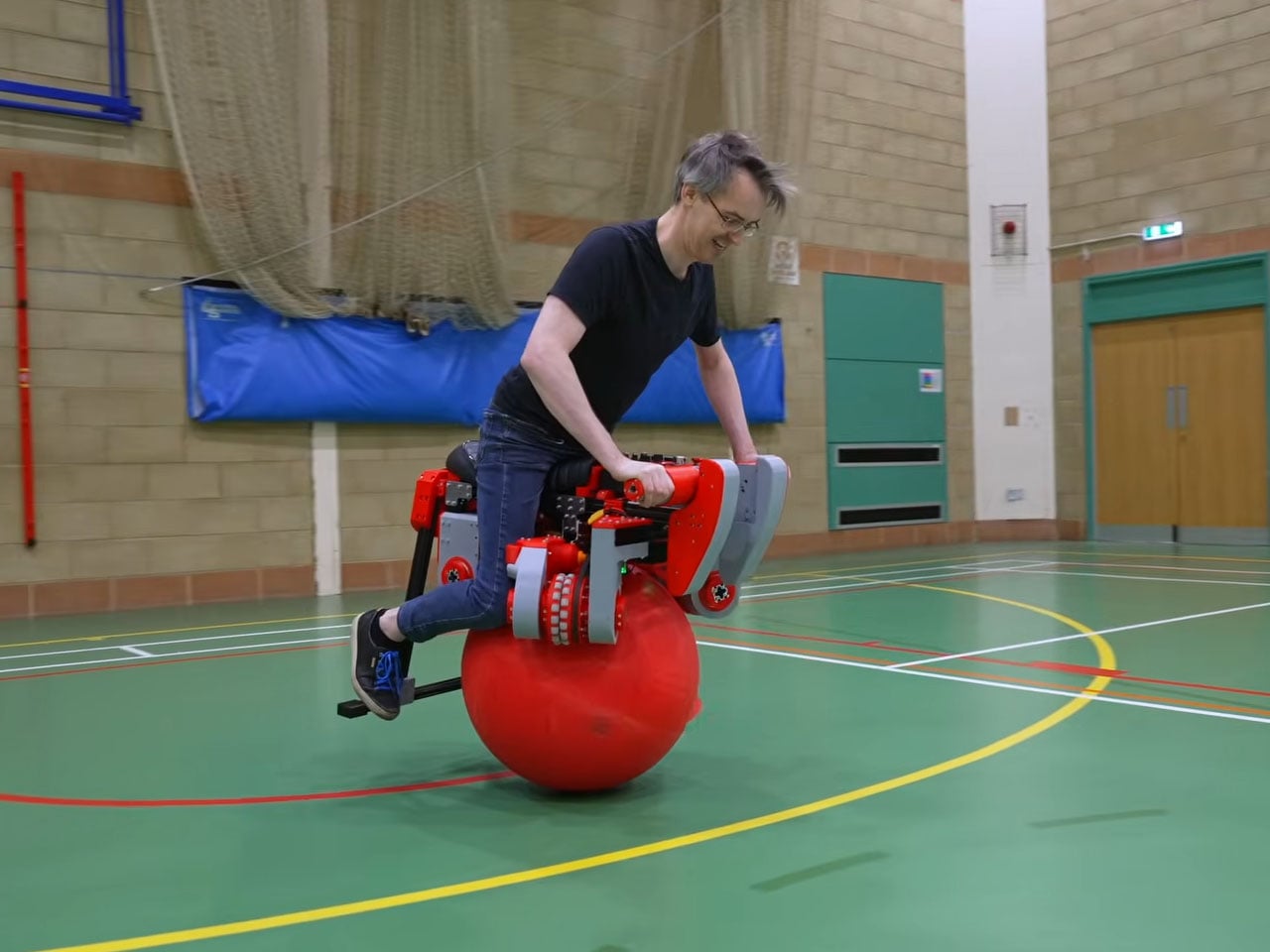
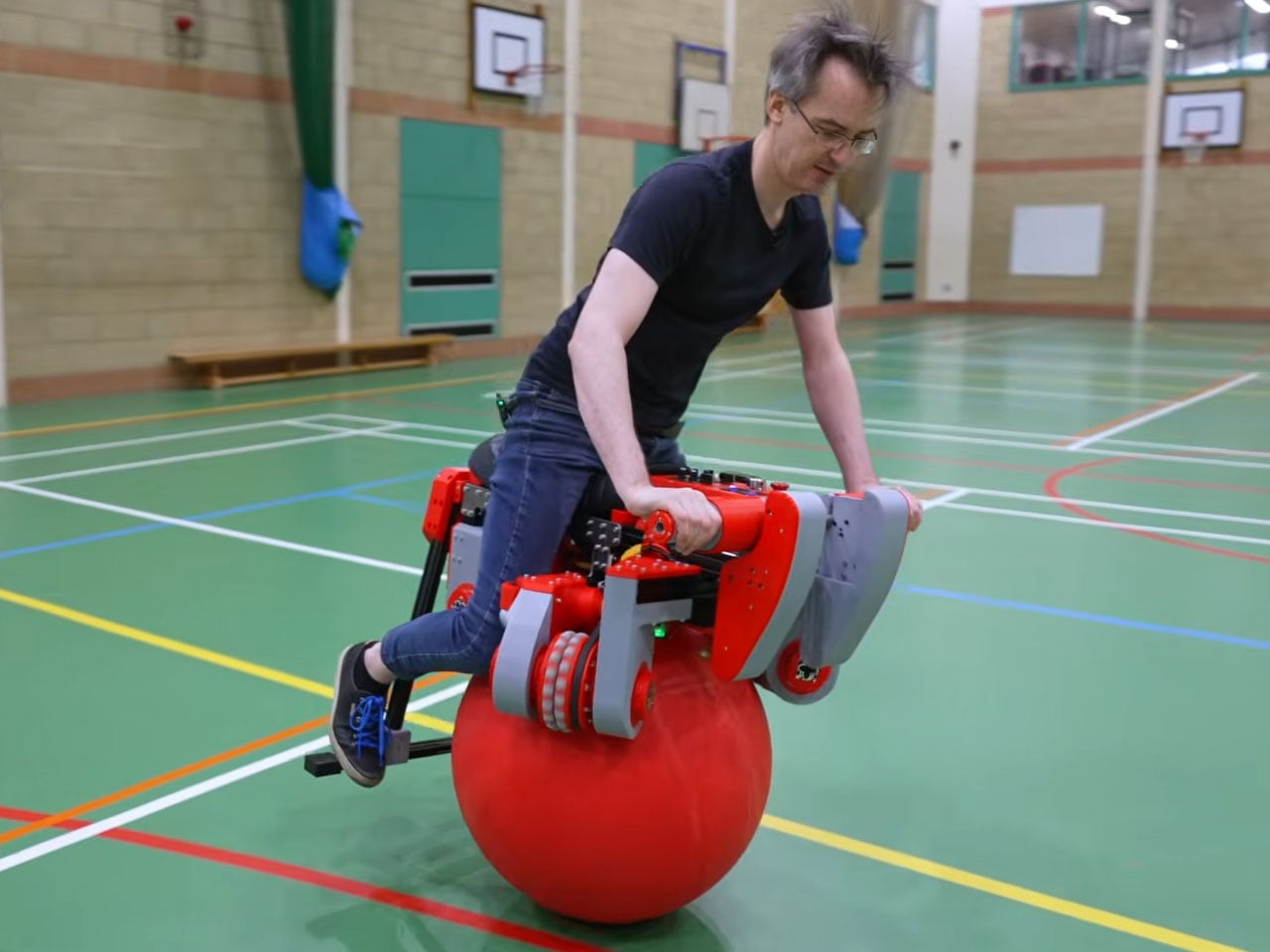
James Bruton and his out-of-the-world creations never cease to amaze us. His Star Wars Speeder Bike is a good example of his inventive thinking. The DIYer knows his craft and his latest creation has got us mystified, yet again!

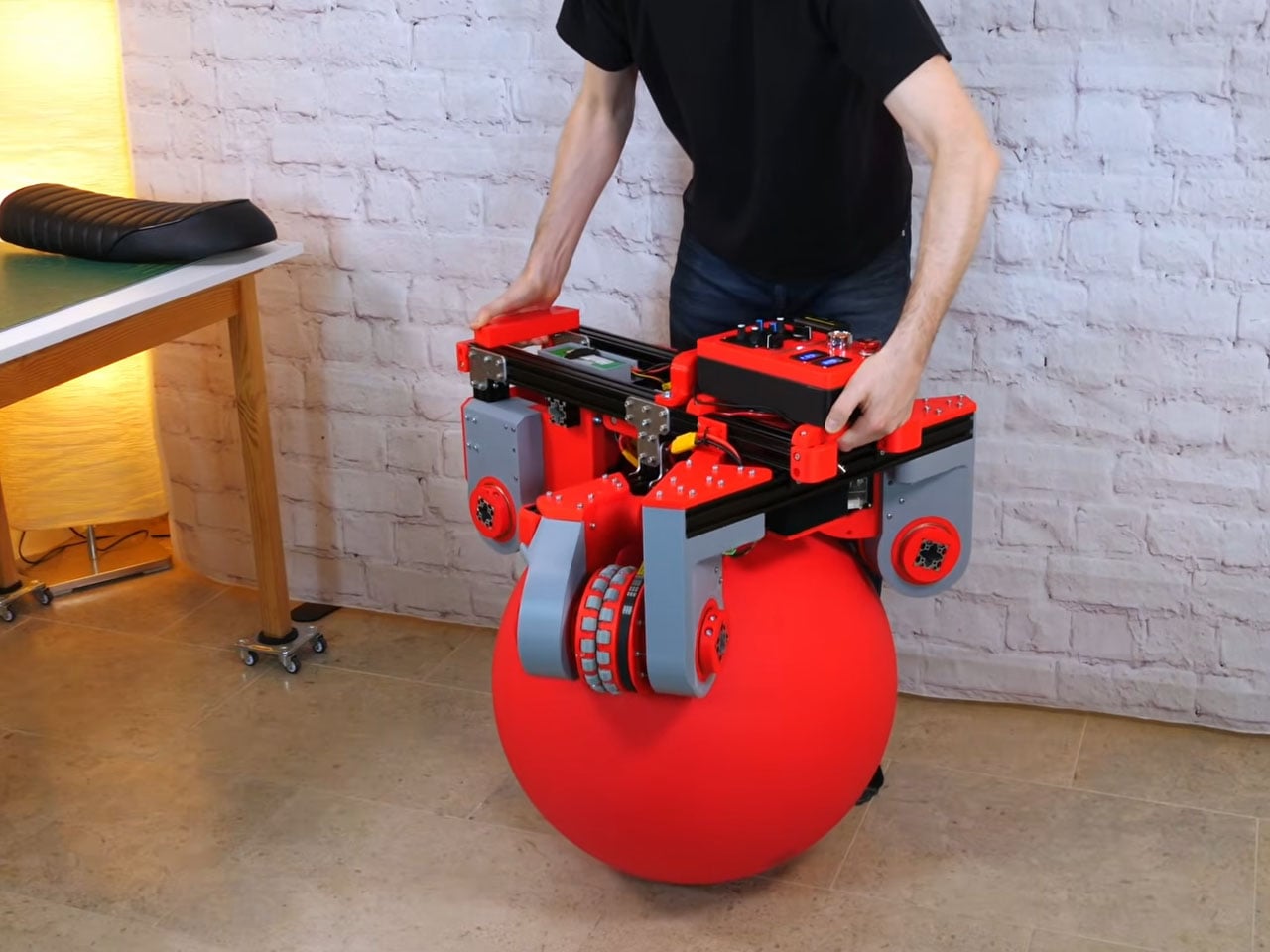
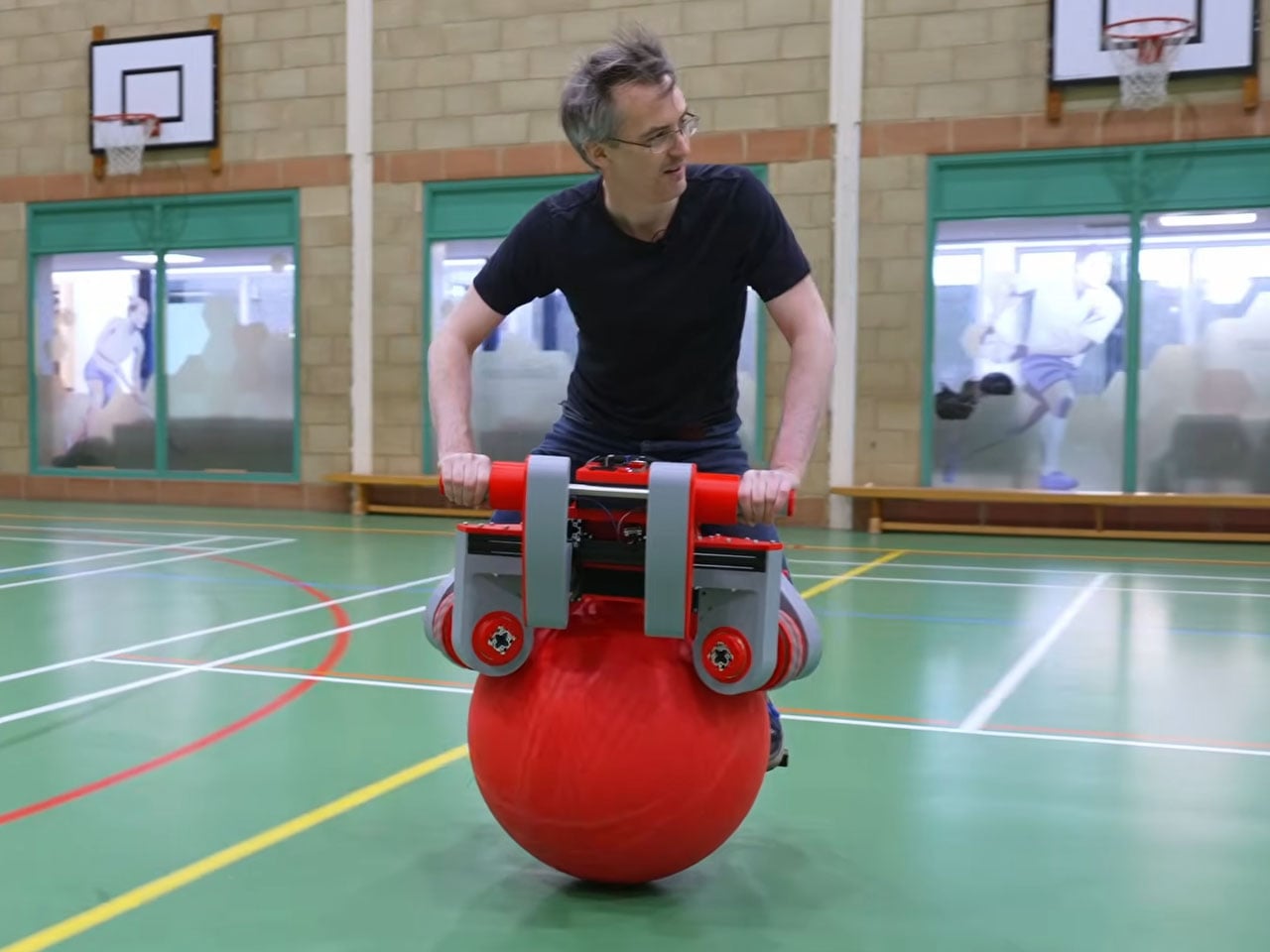
This omnidirectional bike gives the rider great freedom to move in multiple directions, allowing them to move sideways, diagonally, or even rotate on the spot. Now, who would say no to such a cool way to commute in the city?

Designer: James Bruton

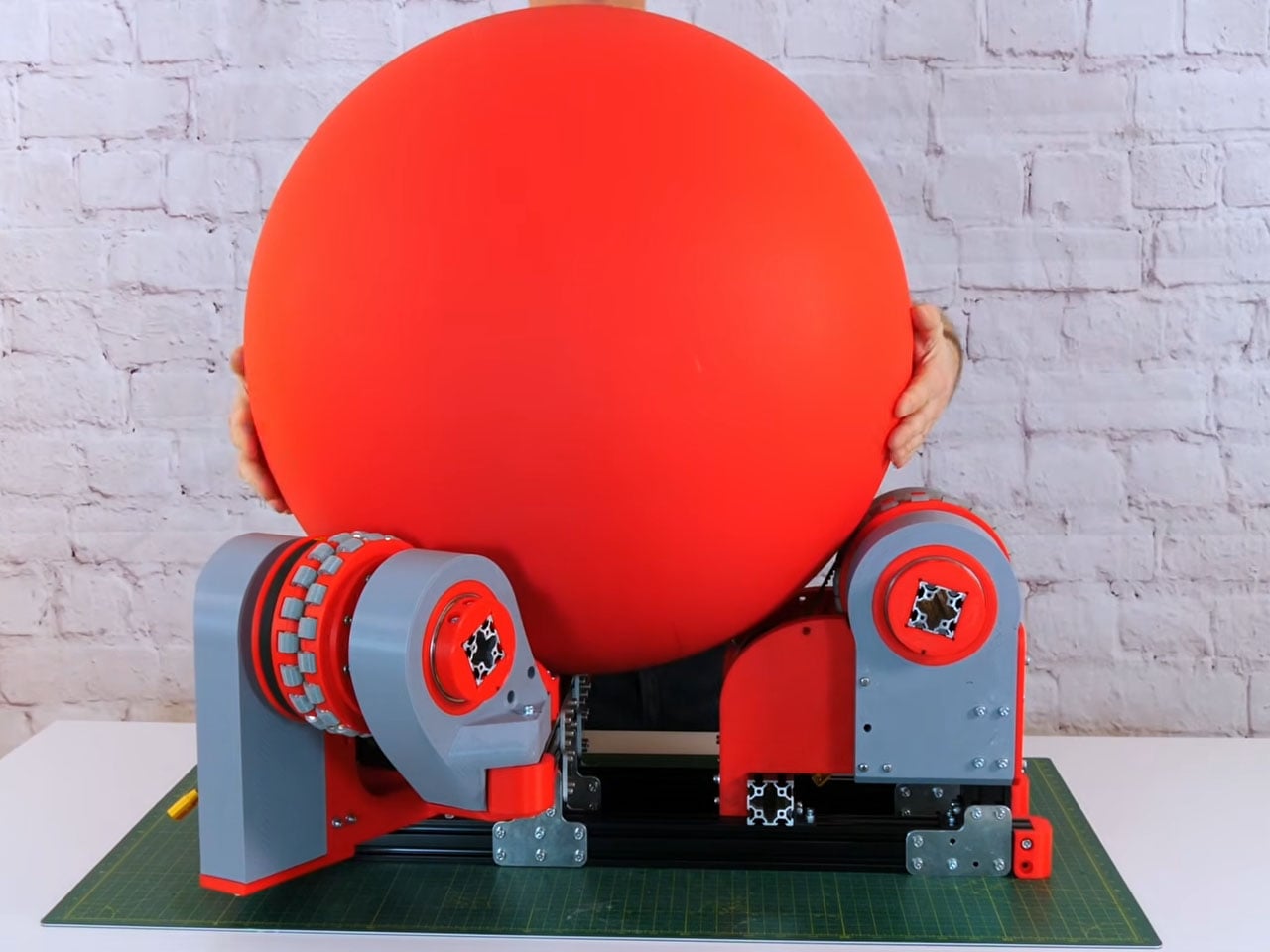
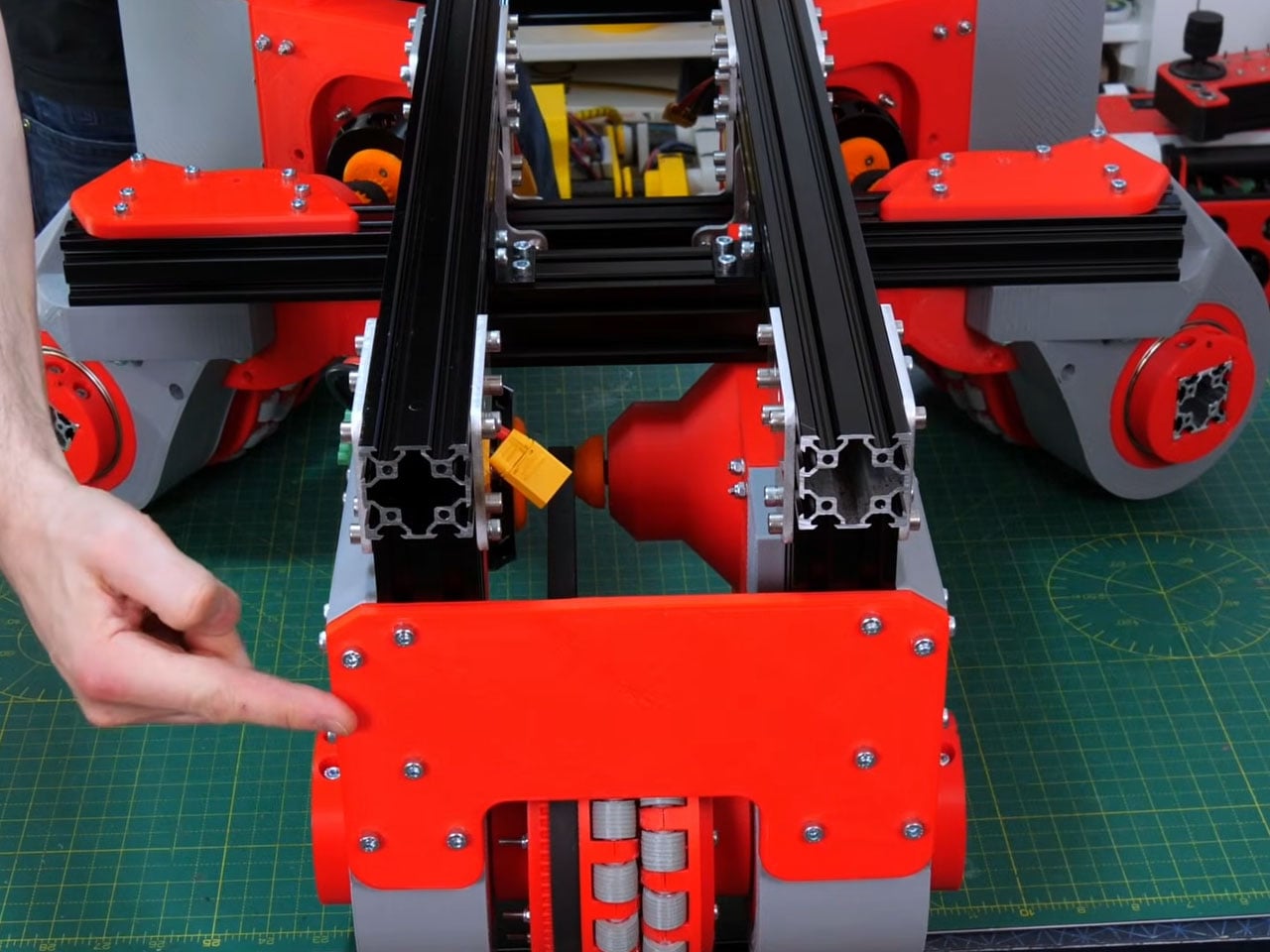
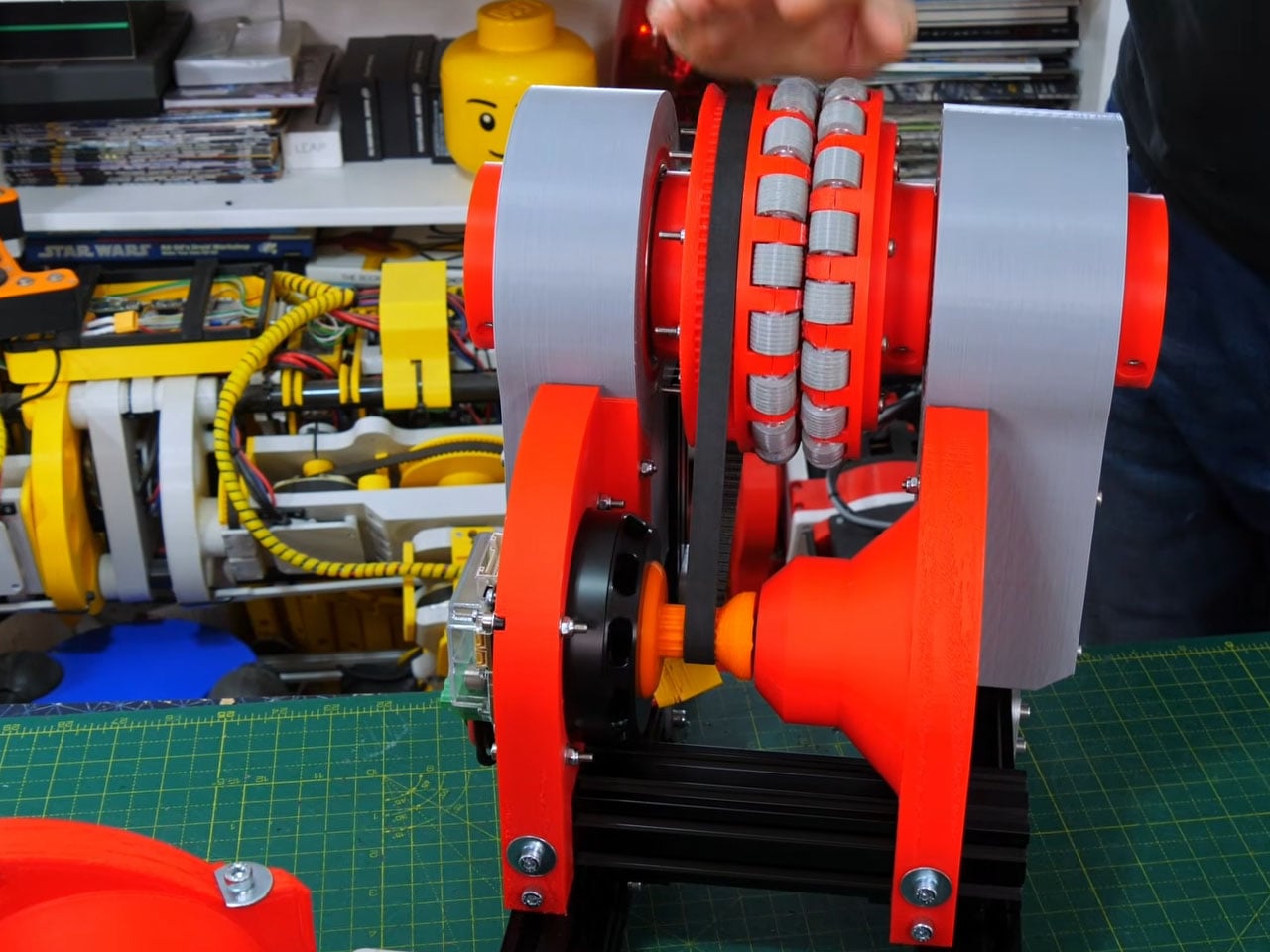
Dubbed the Screw Bike, this two-wheeled commuter justifies the namesake. I can’t resist but see the reminisces of the retro Motocompo here, but that could be a pure coincidence. James has a thing for omnidirectional wheels and this could be his best one so far. Each of those peculiar wheels on the bike is 360 mm in diameter and comes with a packing of smaller wheels positioned with engineering craft for multidirectional movement. Originally called Mecanum Wheels, these unique tireless wheels are used widely in the scope of robotics and often in competitive robotics due to their ability to introduce fully omnidirectional movement onto a drivetrain. These rollers typically each have an axis of rotation at 45° to the wheel plane and at 45° to the axle line.

While your high-end bicycle will beat this thing in a straight spring, on the tracks of Monaco this thing will have the moves. For this bike’s custom design, the inventor employs 3D printing technology and uses materials like plywood. Implementing such a complex wheel design could only have been possible with 3D printing. There are 48 small wheels and 96 wedges that make possible this complex iteration. The movement of this bike is so smooth, that it calls for due credit to James.

The steering input from the handlebar is perfectly synched with the direction in which the inventor wants to move. He demonstrates the movement of Screw Bike inside a room and out in the open too. This very well justifies that the smooth moves are no fluke.

The post James Bruton’s Screw Bike moves smoothly in any direction, even rotates on its axis first appeared on Yanko Design.
This Motocompo inspired café racer is born to perform stunning stoppies

Concept bike designs are one of the most interesting projects we come across on Behance. They can be amazingly detailed, utterly impractical, or just plain bizarre at times. We try acquaint all you motorheads with eye-popping rides that seem to have dropped right out of the Cyberpunk universe and the MK1 motorcycle is one of them.

This motorbike is a cool blend of a café racer, Moto GP bike and a drag racer. While it looks to be inspired by the Motocompo in some ways, the bike’s long wheelbase and low riding position give off typical café racer persona. At first glance, it seemed to me like a Motocompo on steroids.

Designer: Salvatore Ville

Just like with all Motocompo versions and their knock-offs, the riding position is a bit awkward and the saddle is not going to be comfortable even for short city rides. The bike is powered by an electric drivetrain that’s concealed behind the body frame. Leaning more towards the front section, the ride is oriented for speedy straight-line stints. Pressure on the front tires is kept a bit lower on the front wheels as compared to the rear ones. This ensures maximum grip on the front, making it ideal for a drag race of a few hundred meters.

The front gets a contoured headlight which is a change from the original Motocompo bike. This makes the ride more oriented towards a café racer character if the rider wants to take it for a spin in the city. Driving modes on the bike can be changed via a turnable knob on the rear of the body, just where the knees of the rider would be in the riding position. Performing stoppies on the MK1 will be much easier due to the forward leaning position while going for a wheelie would require some muscle and special skill on the tarmac.

The post This Motocompo inspired café racer is born to perform stunning stoppies first appeared on Yanko Design.
Firefly’s custom-built foldable titanium-frame bicycle fits perfectly into this Rimowa travel Case

Ming watches exist for a clock enthusiast like me. No wonder then, I knew a thing or two about the lead founder and designer Ming Thein. I was aware that he is an avid photographer and a horologist, but honestly, I didn’t know he is also big enough a cycling buff to get Firefly to customize him an everyday bike that could fold to fit into his Rimowa luggage for easy travel.
Firefly Bicycles needs no introductions. It is known for customizing bikes to order whether you need a racer, a durable one for off-roading, or something “totally different,” in the case of Ming, a truly foldable commuter with all the bells and whistles.

Designer: Firefly

Tailored to Ming Thein, is the pictured Firefly MiniVelo travel bike. It is by virtue a titanium bicycle designed to fit perfectly inside a Rimowa travel case. The custom-made bike has been specially designed to disassemble and assemble like a puzzle to fit into a briefcase and back to ride without a flinch.

The MiniVelo thrives on its lightweight and durable chassis that can be unfastened into two halves, with other parts following suit, disassembling to fit into a piece of compact luggage. The main highlight here, which makes the entire assembly and disassembly routine interesting, is the hydraulic line couplers built into the bike frame.

The innovation of this bike design extends to the 3D printed forks, SMC Govan tri-spoke wheels, and seat post made of carbon fiber, which together contribute to the lightweight of the MiniVelo travel bike. Furthering the idea of unique travel customized to user style, Firefly allows the titanium frame to be a canvas for anodizing.

The MiniVelo, as mentioned, is made to order for a horologist with a love for travel and cycling. Firefly is not likely to, at least at the time of writing, replicate the idea for mass production. But if you are fascinated by the idea of a titanium mini bicycle, you can fit in Rimowa luggage, head over to Firefly Bicycles, and request a customized option right away.
The post Firefly’s custom-built foldable titanium-frame bicycle fits perfectly into this Rimowa travel Case first appeared on Yanko Design.