The 7 Best Japanese Stationery Designs That Make Going Back to School Actually Feel Worth It

There’s something about the start of a new semester that makes you want to be more organized than you actually are. The folders, the planners, the fresh notebooks- most of it is forgotten by October. The stationery that survives a school year isn’t the cheapest or the most colorful. It’s the piece you reach for every morning without thinking, the one that fits your hand and your routine like it was built for both.

This list leans Japanese, not because it’s a trend, but because Japanese stationery culture takes the design of everyday objects more seriously than anywhere else. Every piece here comes from Japan or was designed in conversation with that same philosophy: that a notebook is not just paper, that a pen is not just ink, and that the objects you carry to class every day deserve more thought than they usually get.

1. Inseparable Notebook Pen

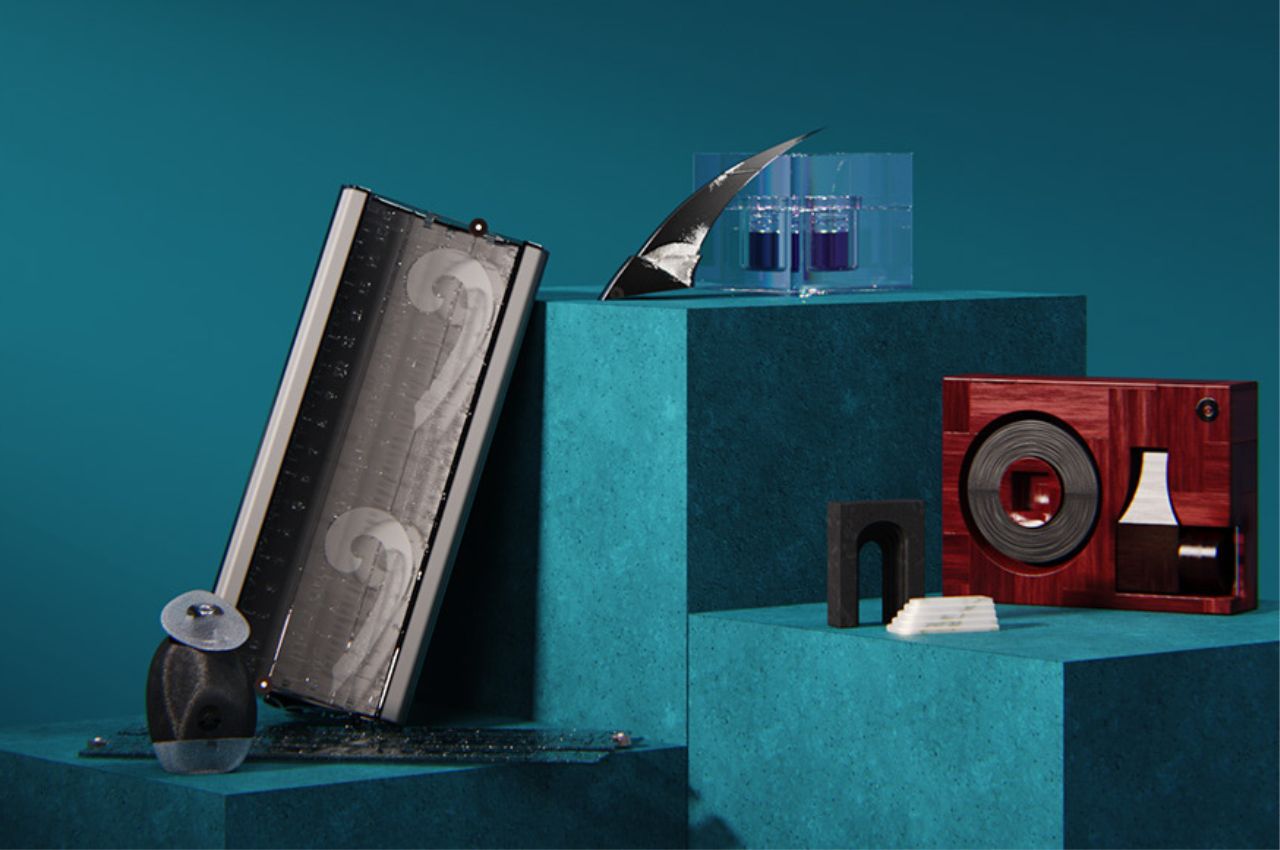
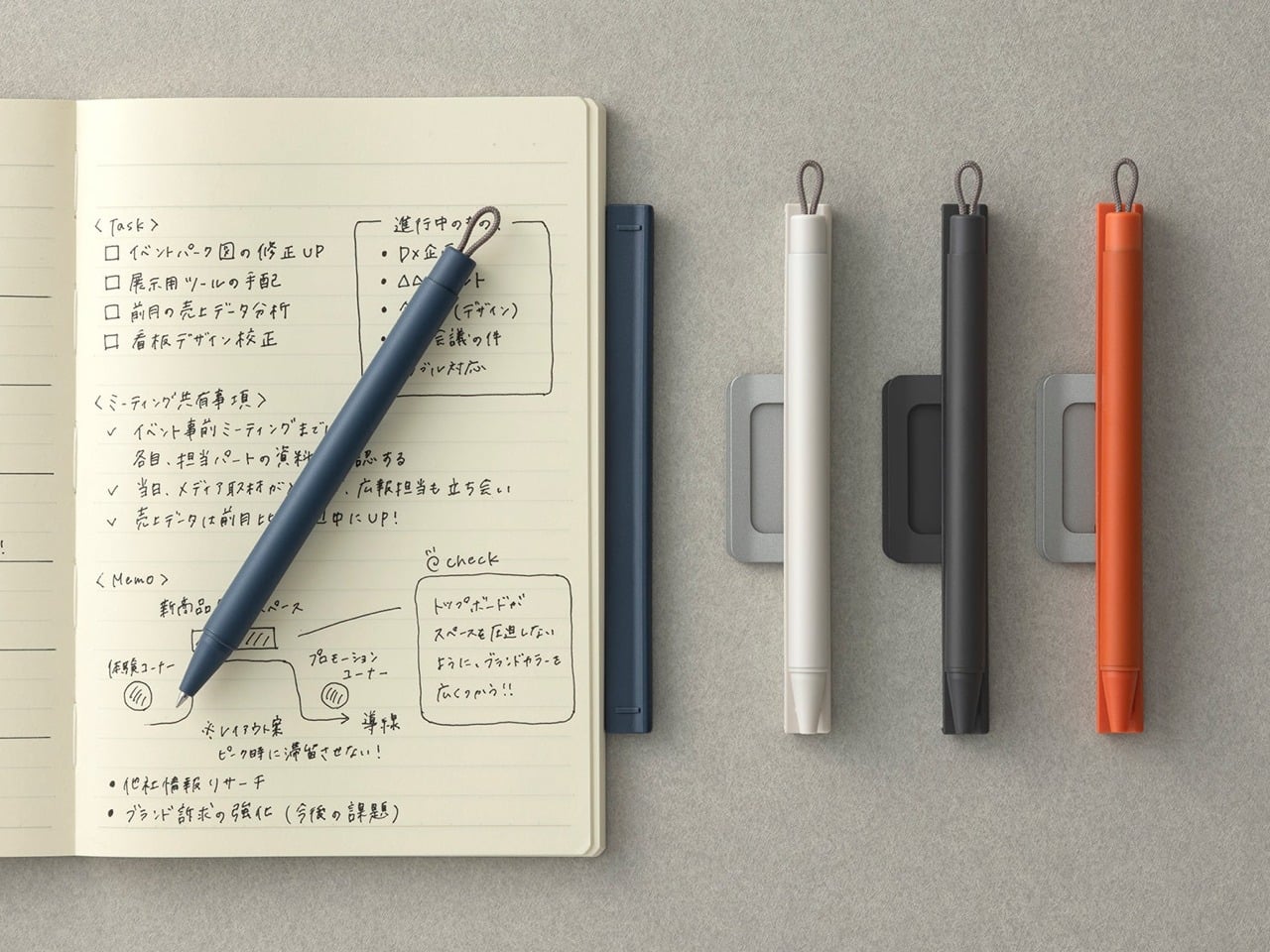
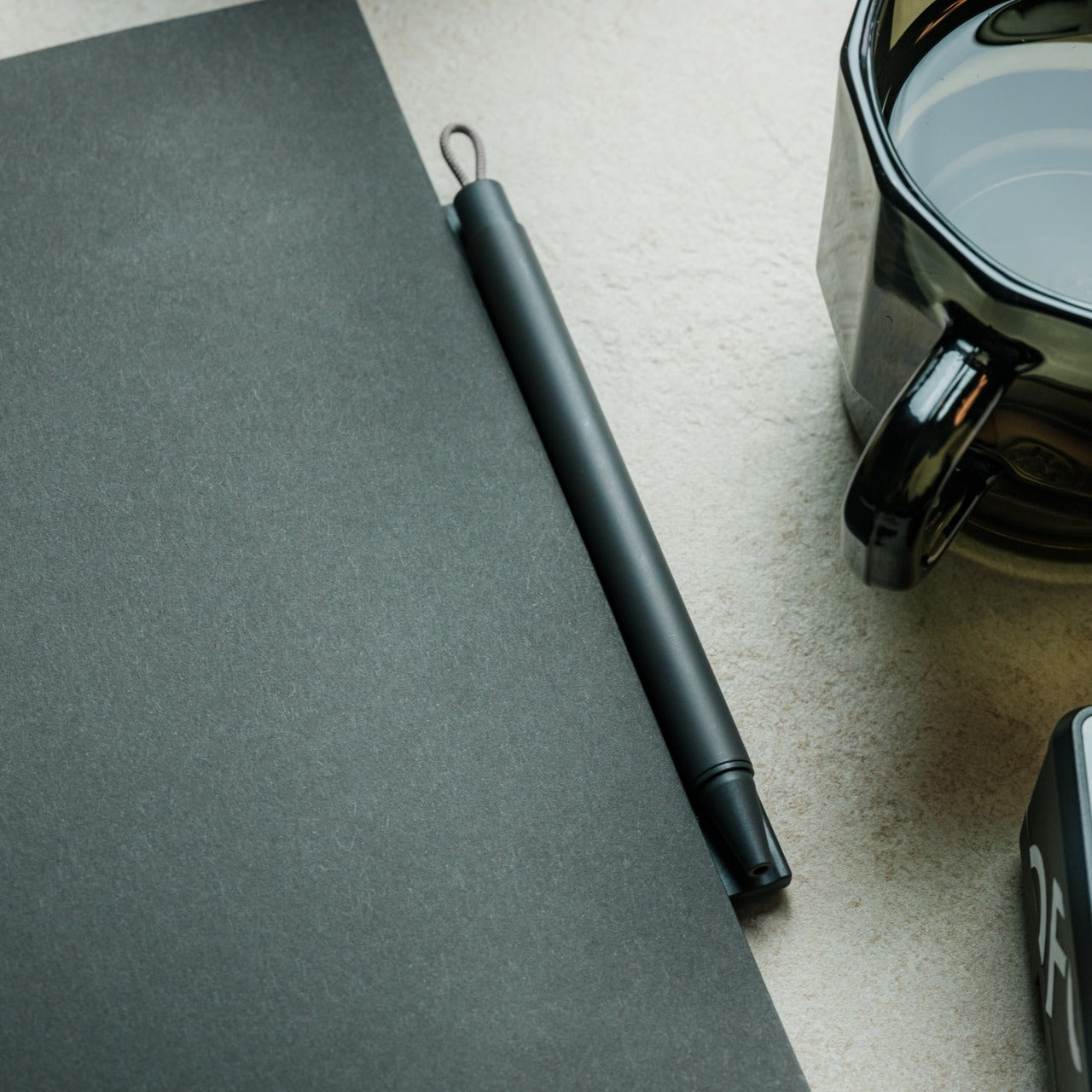
The most common desk frustration is not the work itself. It’s the pen that isn’t where it should be. The Inseparable Notebook and Pen solves this with the kind of restraint that good design always defaults to. The pen lives with the notebook, held in place by a mechanism that doesn’t feel like an afterthought. It’s a single object now, not two things that keep losing each other. Pick it up, and both are already in hand.

What makes this relevant for back to school isn’t novelty. It’s the reduction of one small daily friction, the kind that compounds quietly across an entire semester until you realize you’ve wasted ten minutes a week chasing a pen that should have been right there. The notebook is designed with the same intention: clean pages, a form factor that sits flat on a desk without fighting you, and a cover that holds its shape through a bag that sees daily use.

Click Here to Buy Now: $19.95

What we like

  • The pen-and-notebook pairing solves a real problem without adding hardware or bulk
  • Genuinely useful as a bag or desk companion that earns its place through the whole year

What we dislike

  • Commits you to one pen choice, which won’t suit writers with strong preferences about their writing instrument
  • Better suited as a secondary notebook than a primary daily journal

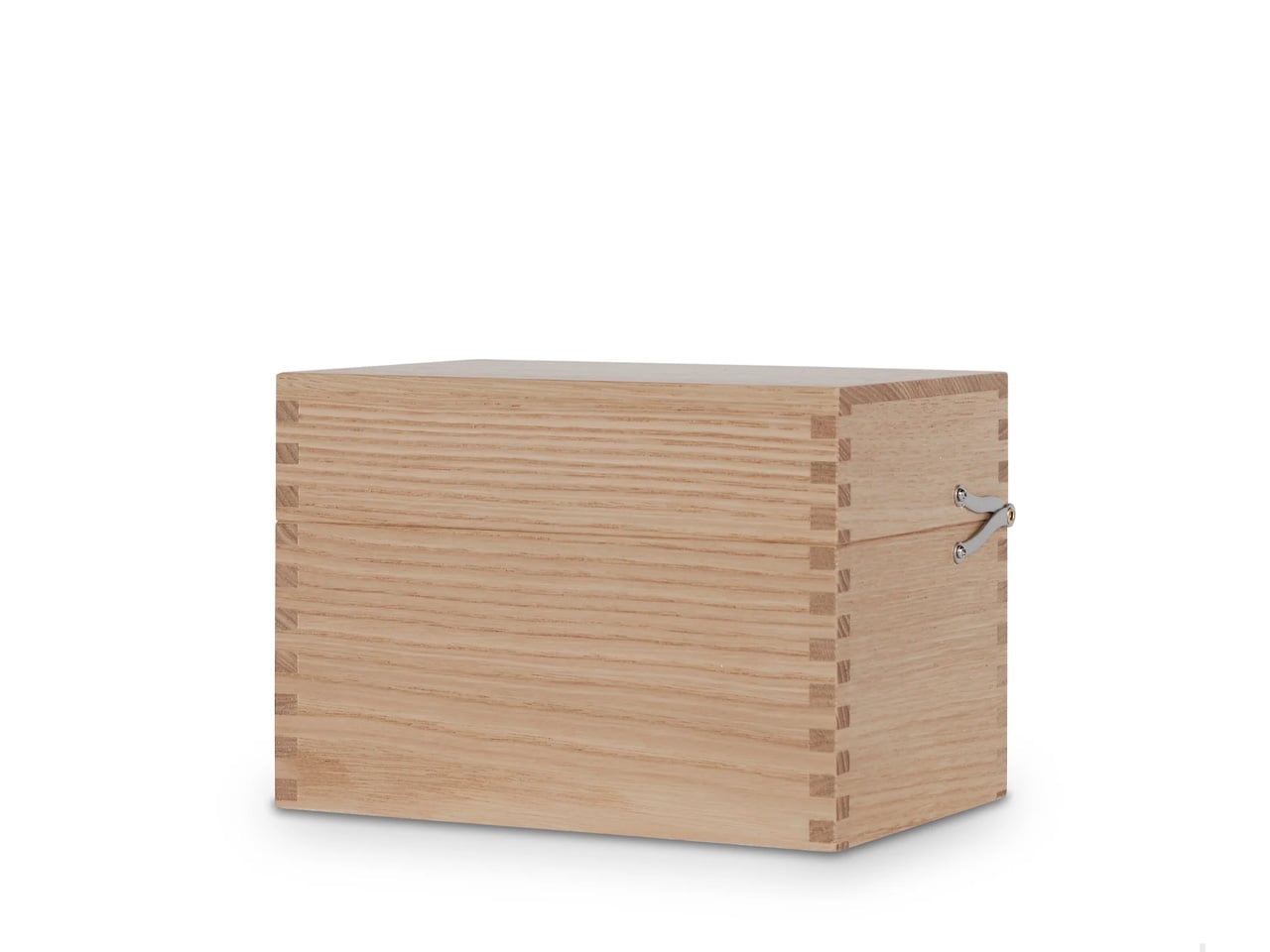
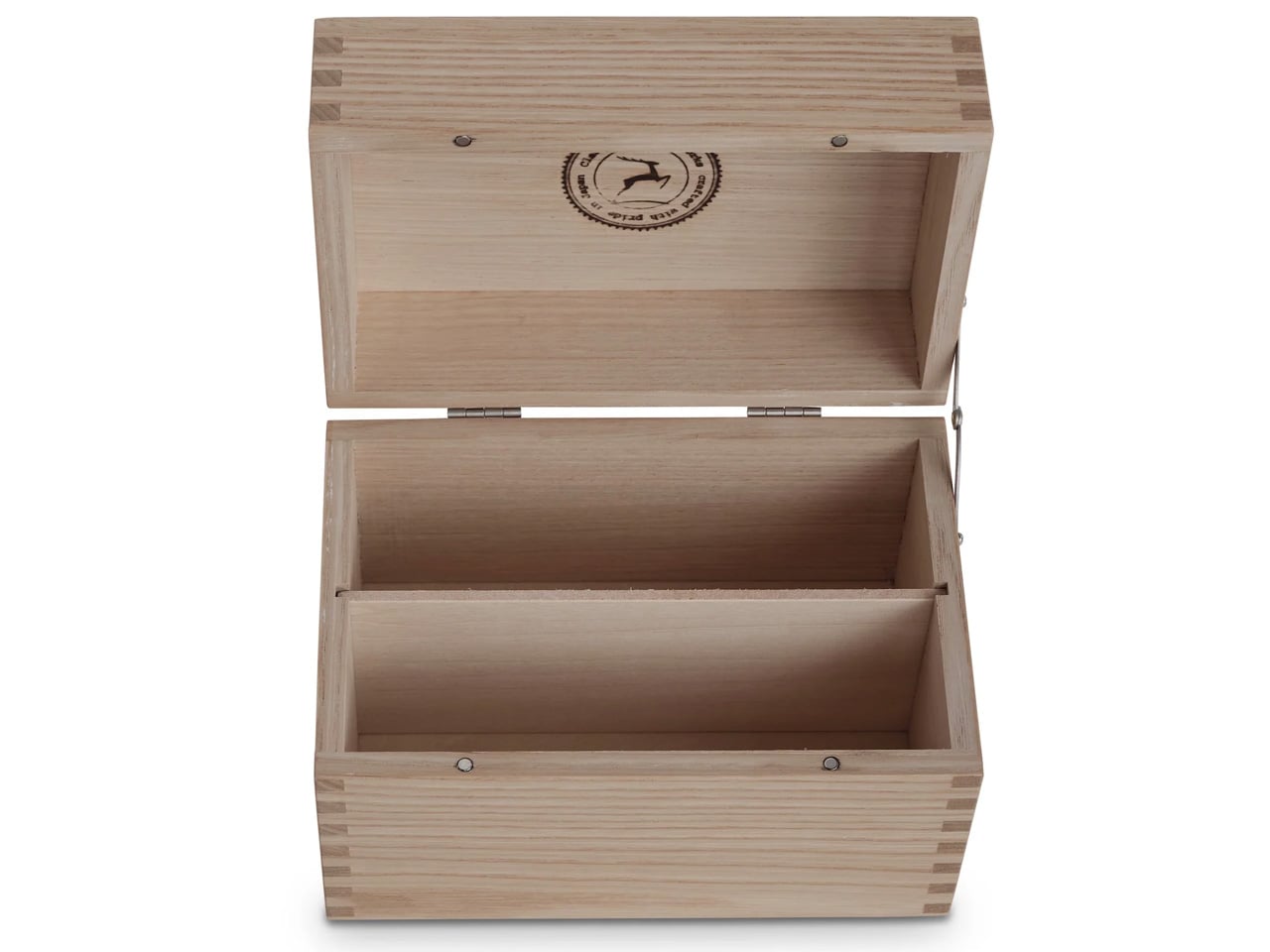
2. Classiky Chestnut Postcard Case

Classiky is a Japanese paper goods brand that works best when it’s working small. The Chestnut Postcard Case is exactly the kind of object the brand does well: a holder designed for postcards, loose notes, and small cards, with a quiet authority the category doesn’t usually earn. The chestnut colorway isn’t brown in the way most things are brown. It’s the specific warmth of something that ages into itself, a piece you’ll handle daily and find better for it six months from now.

For back to school, the use case is broader than it sounds. Business cards from professors, research source cards, index cards you’ve actually written something useful on, transit cards, anything that matters enough to keep but gets lost in a wallet. The postcard case keeps these things accessible and flat, in a form that sits comfortably in a bag’s outer pocket. It’s a solution to a problem most people don’t realize they have until they stop losing things.

What we like

  • The chestnut colorway ages gracefully and won’t feel wrong on a desk six months into the year
  • Compact and structured enough to keep cards flat and accessible without adding bulk to a bag

What we dislike

  • Specialized enough that it only earns its place if you actually carry cards regularly
  • Sized for postcards, so it won’t accommodate folded A5 paper or larger loose sheets

3. Clearslide Box Opener

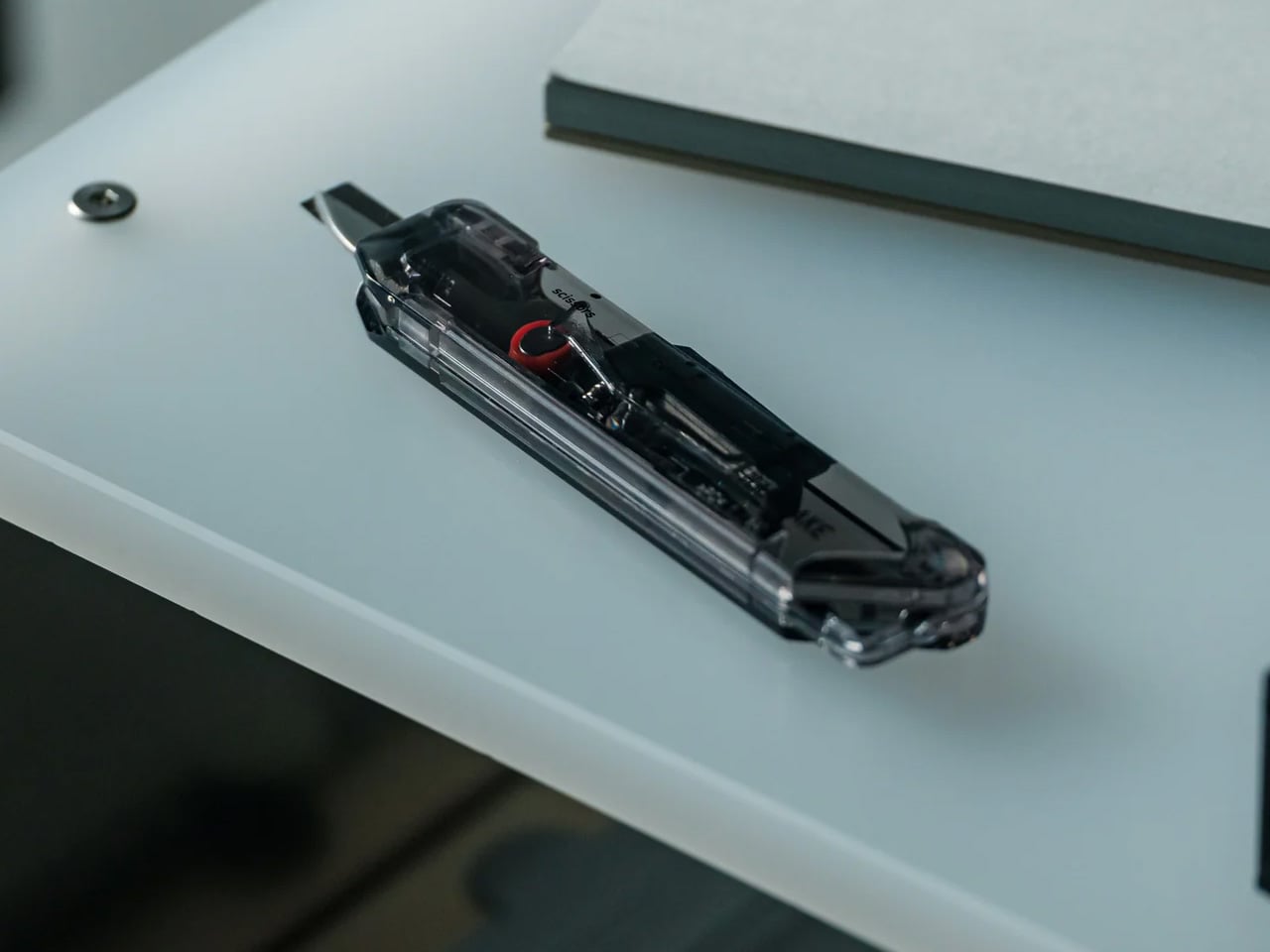
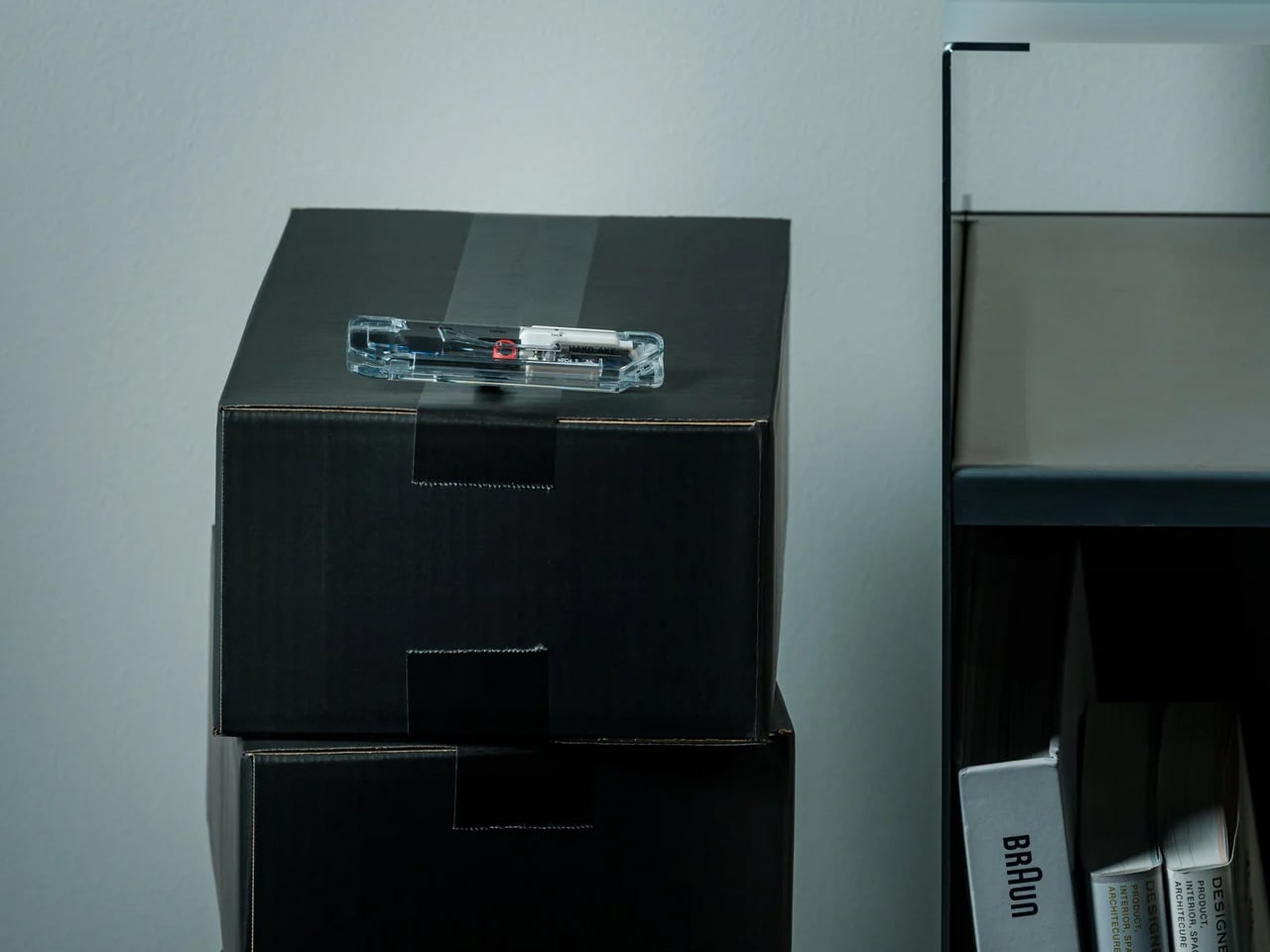
The box opener is one of those objects that lives in a junk drawer until someone designs it properly. The Clearslide is that version: a compact, refined take on something that’s usually made from whatever’s cheapest and shoved somewhere to live out its days next to a rubber band and a dead battery. The form factor is clean, the mechanism works without drama, and it sits on a desk without looking like a mistake.

Back to school means packages. Textbooks from online retailers, desk organization orders, care packages from home- opening them all becomes a daily task by October. The Clearslide turns that into a cleaner experience. It’s the kind of thing that earns its desk space not by doing something unusual, but by doing one thing better than anything else in the room. The sliding mechanism keeps the cutting edge protected when the tool is not in use, which is most of the time.

Click Here to Buy Now: $30.00

What we like

  • Desk-worthy design that doesn’t need to hide when company comes over
  • Compact enough to travel as easily as it sits on a shelf

What we dislike

  • Single-purpose, so it only feels essential if you receive regular deliveries or open mail at your desk
  • Not built for heavy-duty use; this is a precision desk tool, not a box cutter for the warehouse

4. Kokuyo Harinacs Stapleless Stapler Compact Alpha

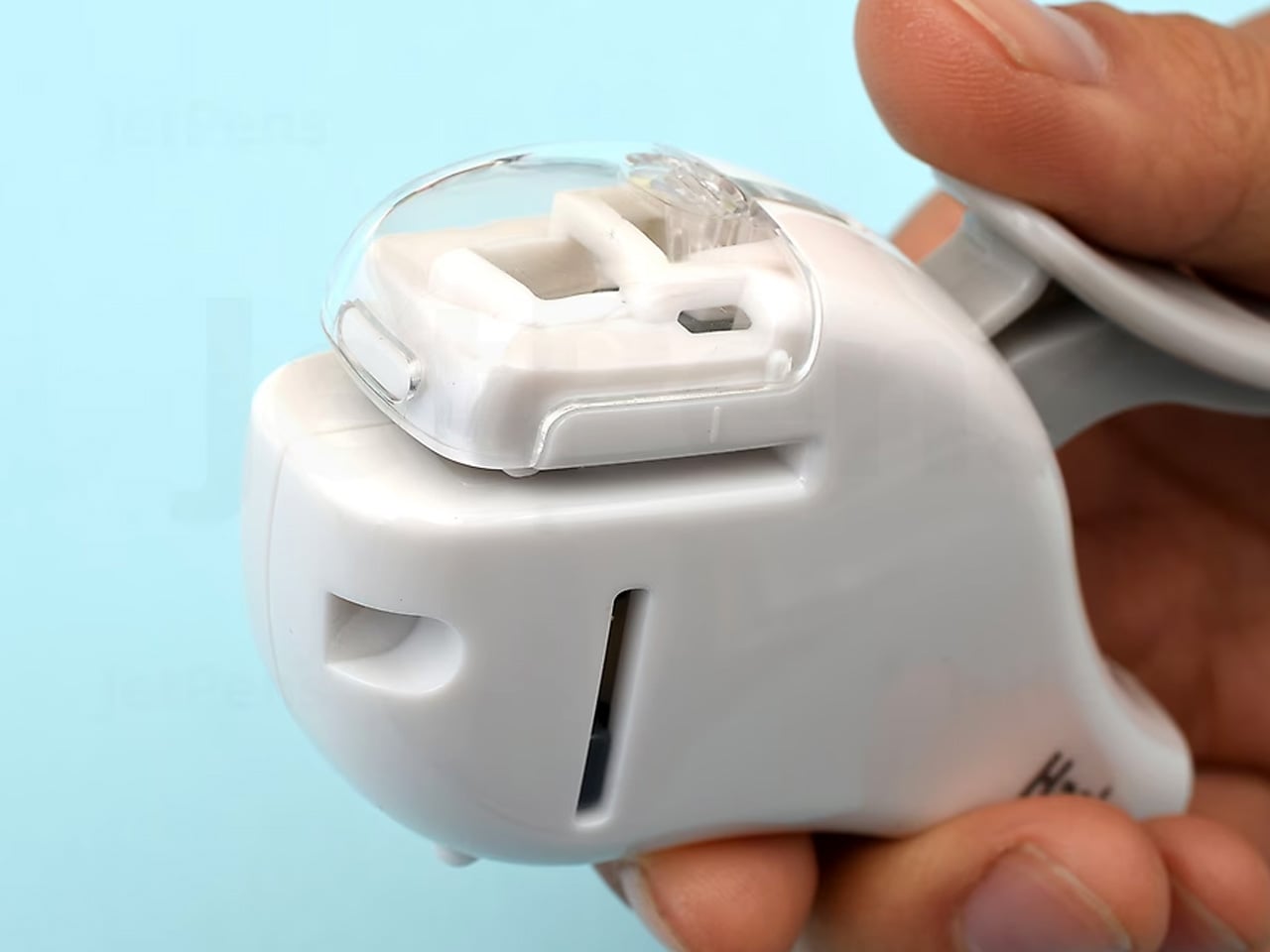
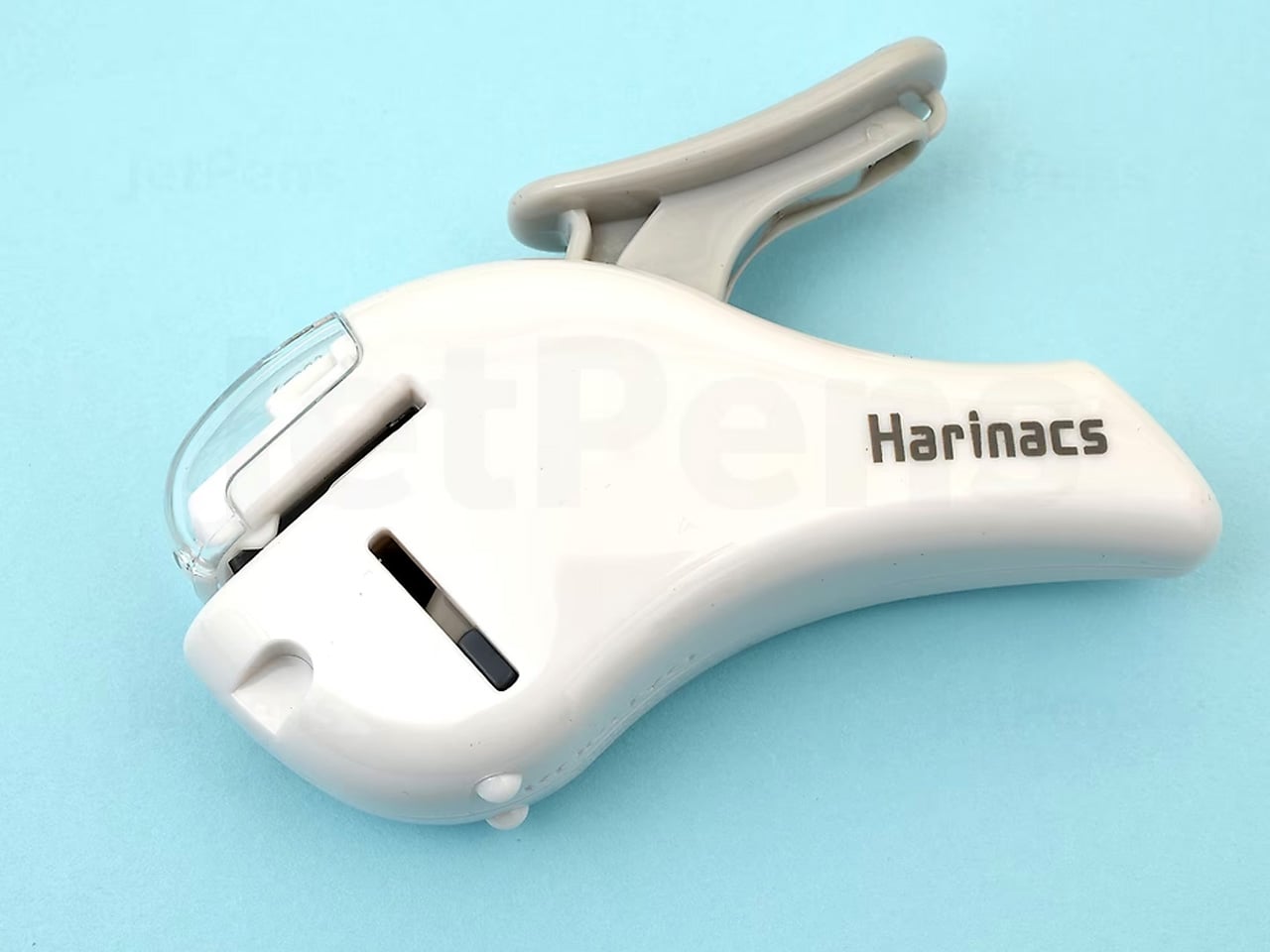
Kokuyo is one of Japan’s largest office supplies companies, and the Harinacs is the product that best captures what happens when engineering turns its attention to something everyone else stopped thinking about. Instead of a metal staple, the Compact Alpha cuts a small tab from the paper itself, folds it back through a slit, and binds up to five sheets cleanly. The result is permanent, metal-free, and fully recyclable without any extra steps.

For a student environment, this is more useful than it sounds. Lecture notes, assignment printouts, research papers that need to stay together- the Harinacs handles all of it without a supply chain. You never run out of staples because there are no staples. The white compact body is quiet on a desk, light enough to carry in a pencil case, and precise enough that the binding holds through a semester’s worth of daily bag use. Under ten dollars.

What we like

  • The staple-free mechanism is genuinely clever and holds as well as a metal staple for everyday tasks
  • Fully recyclable binding means no extra sorting: the bound packet goes into paper recycling as is

What we dislike

  • Five-sheet limit is the real constraint; for thicker documents it simply won’t work
  • The tab binding is functional but not as formally neat as a metal staple when presentation matters

5. Hobonichi Techo Original A6

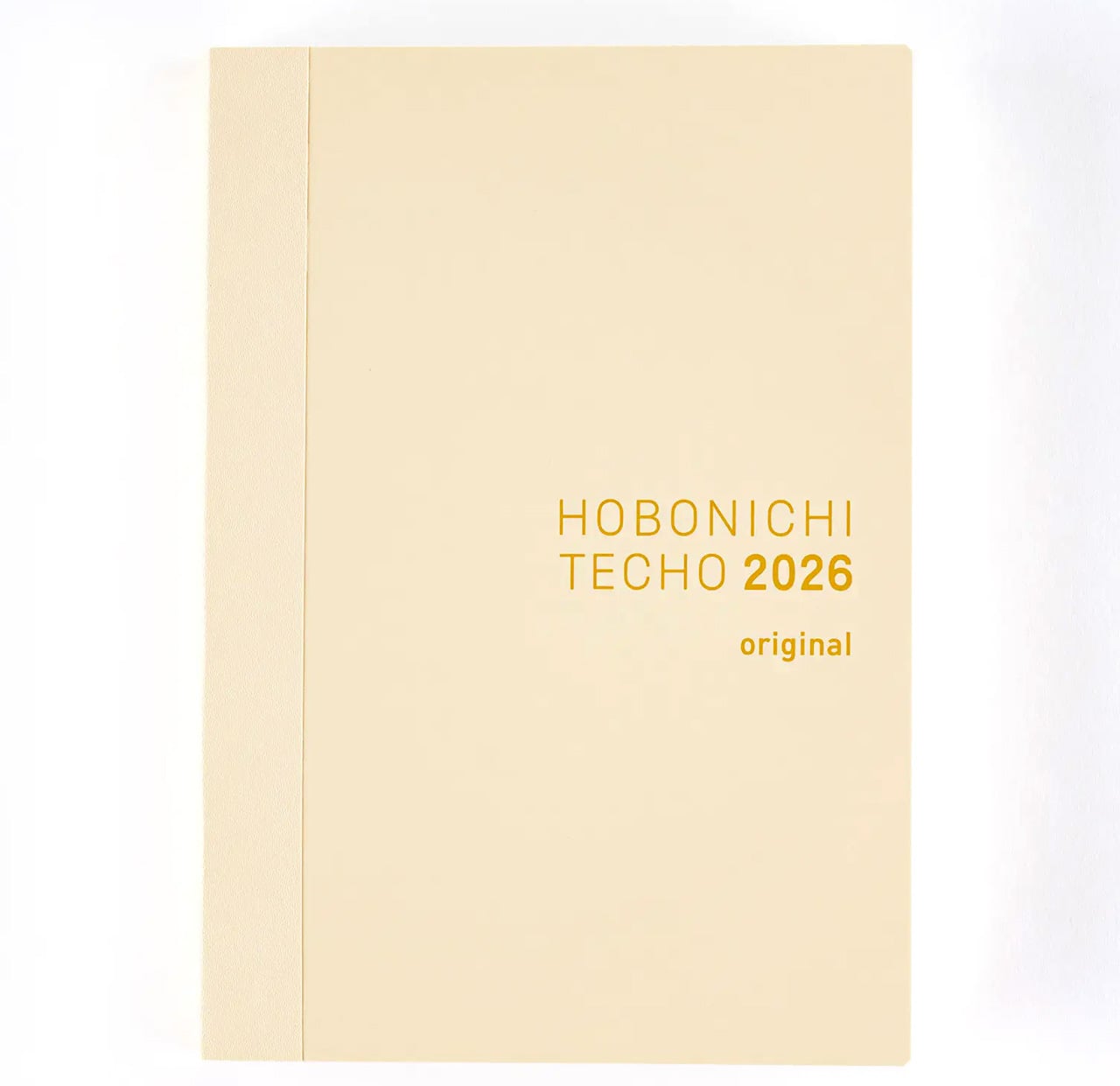
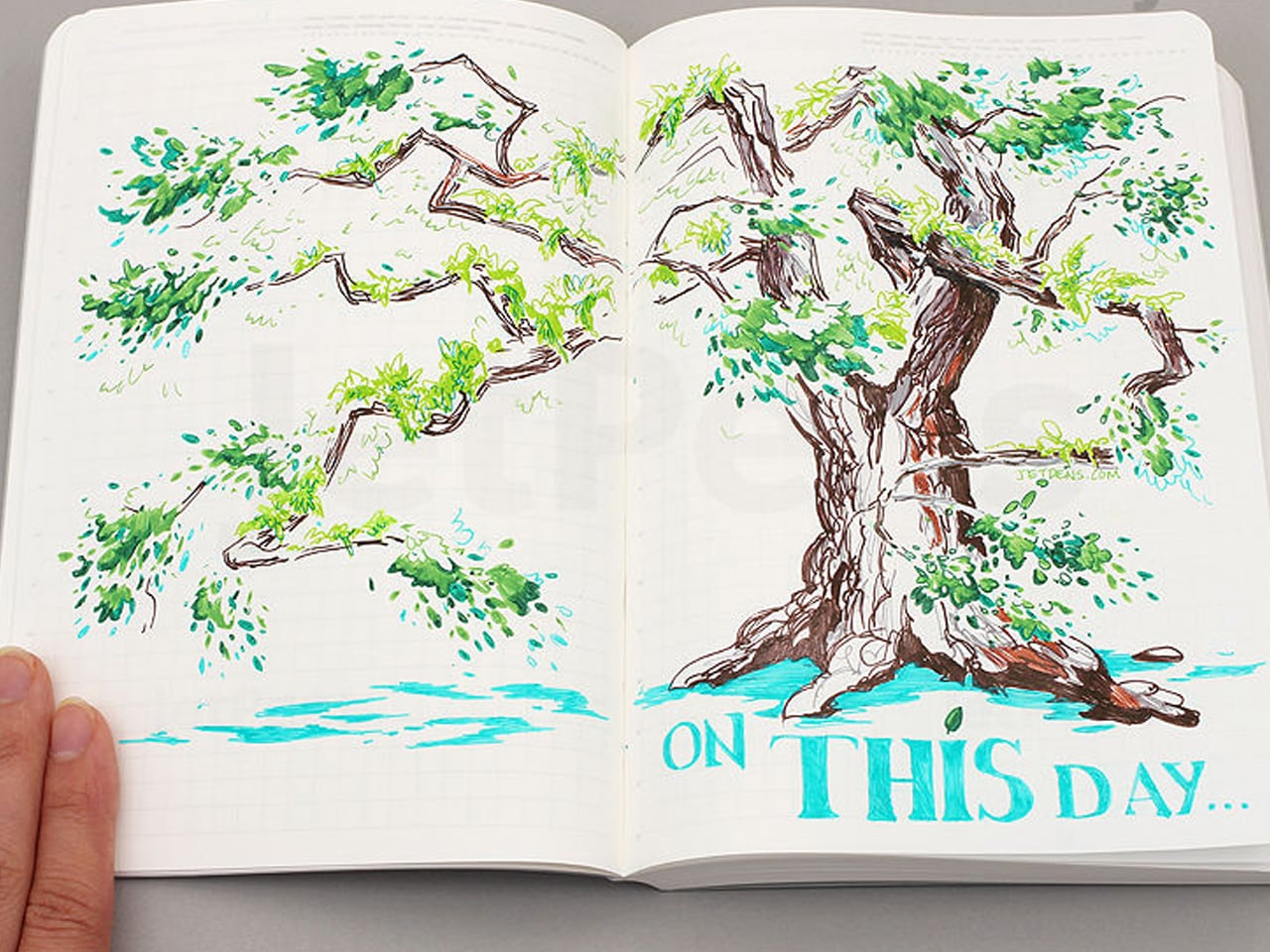
The Hobonichi Techo has been running in Japan since 2002, and the Original A6 English edition looks almost identical to the one made in the first year. That’s either a sign of a design that was never quite finished or one that was finished immediately. The Tomoe River paper is the main event: impossibly thin, fountain pen friendly, and resistant to bleed-through in a way that heavier papers often aren’t. One page per day, a 4mm graph grid, no motivational quotes.

The A6 size, roughly 4 by 6 inches, is the decision that makes this work for a student. It’s small enough to carry everywhere but generous enough to actually write in. The book opens completely flat, which sounds minor until you’re writing on a desk that’s too small and need both hands free. The English edition is printed in full on Hobonichi’s own Tomoe River stock, sourced and manufactured in Japan, and sold direct from the brand’s English store.

What we like

  • Tomoe River paper handles fountain pens, fine liners, and brush pens without ghosting
  • The flat-open binding makes it the most consistently usable daily planner in this category

What we dislike

  • The book is sold without a cover, and a cover adds high cost to the full setup
  • Certain editions sell out early; ordering in summer for the January start date is the safer move

6. Magboard Clipboard

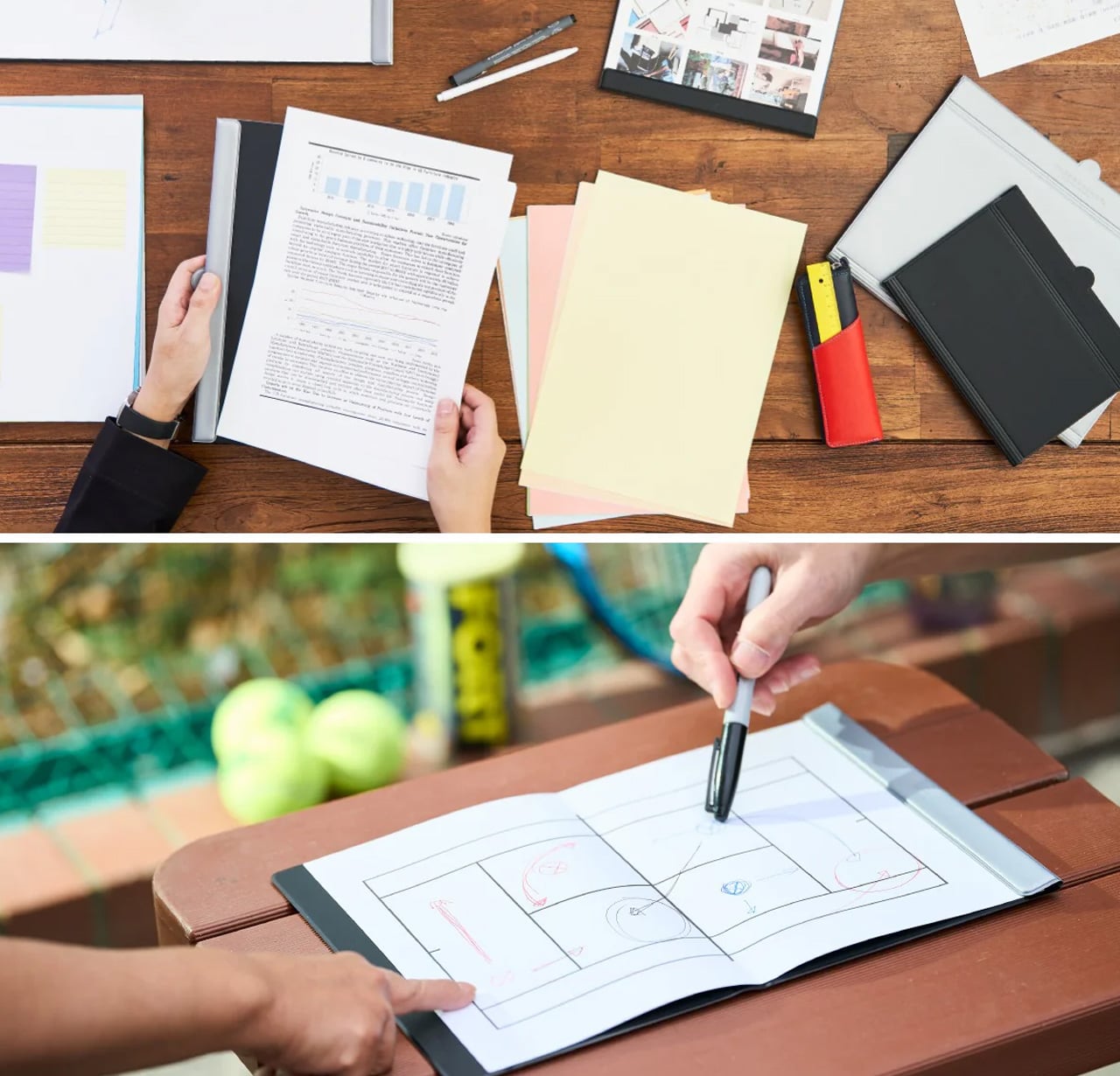
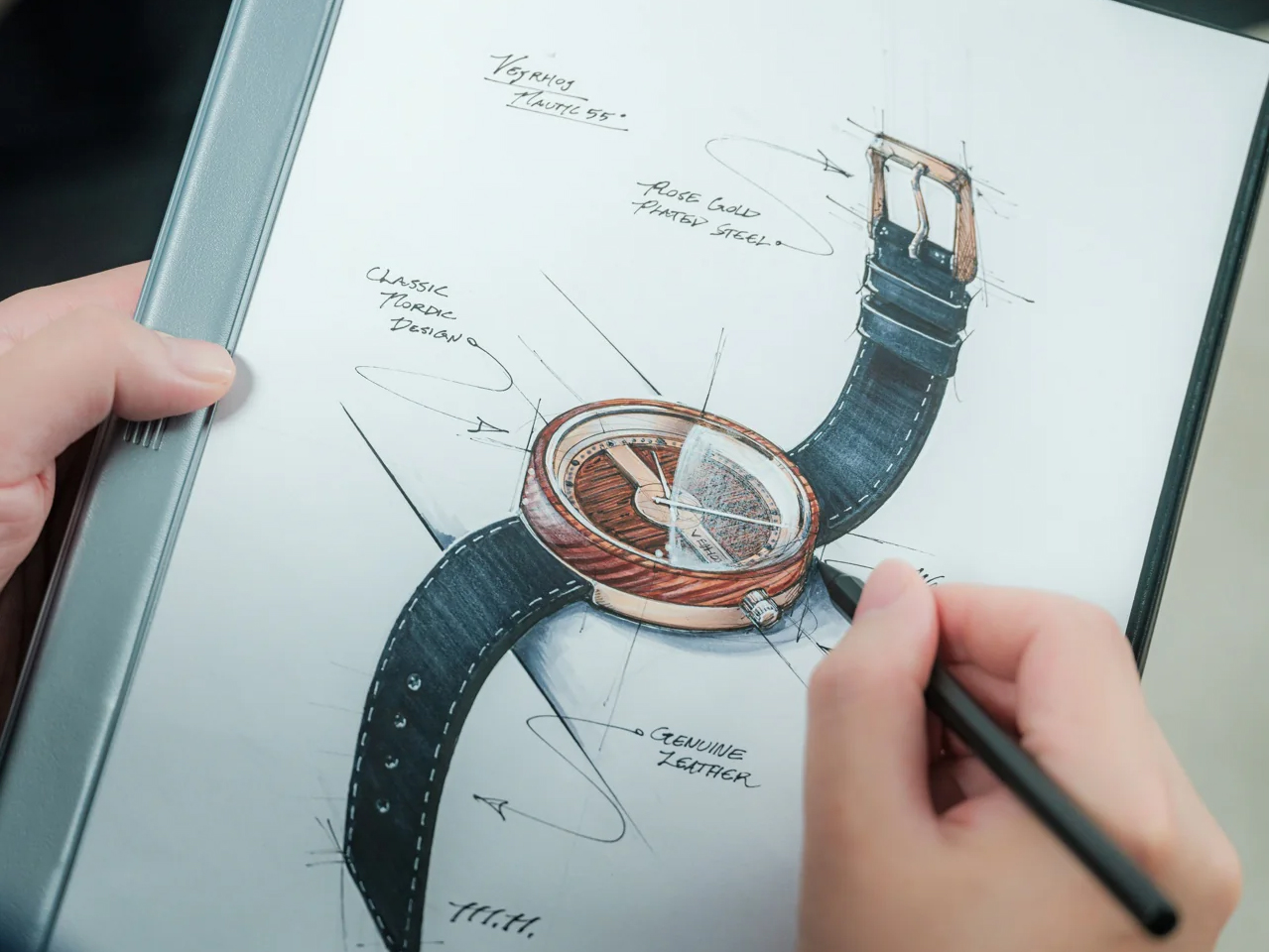
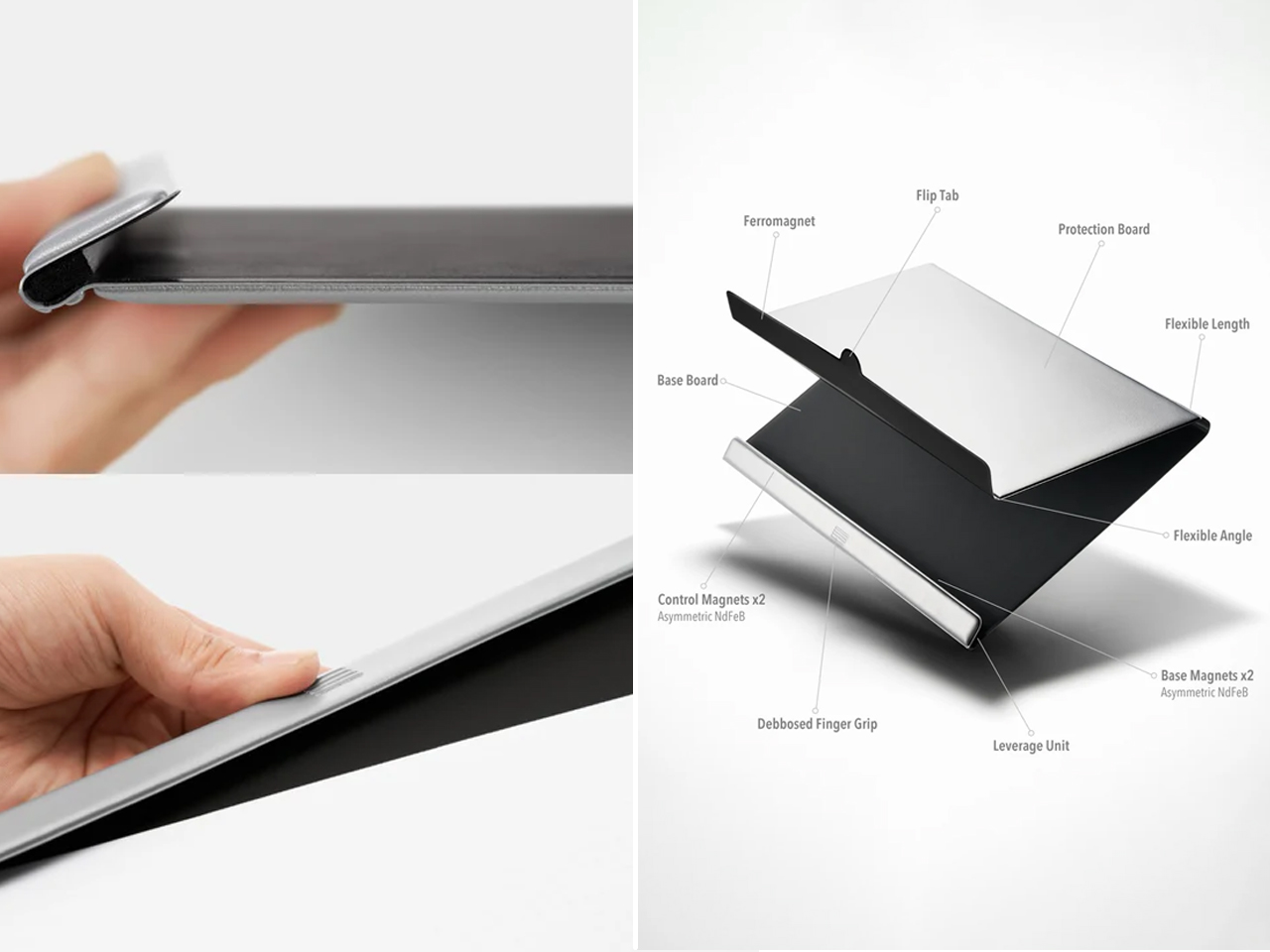
The clipboard is a category that design forgot. Most of them are pressed hardboard with a spring clip that loosens within a month and leaves rust marks on paper by the third. The Magboard replaces all of that with a magnetic closure that holds paper firmly, quietly, and without a mechanism that wears out. It’s flat, it’s clean, and it works the same on the last day of the semester as it does on the first.

For anyone who works between a desk and a lecture hall, the Magboard earns its place in that transition. Notes stay where you put them, the surface is rigid enough to write on without a hard surface underneath, and the form factor is slim enough to slide into a bag alongside a notebook without adding the thickness of a traditional clipboard. It also functions as a desk organizer when it’s not in transit, holding loose sheets vertically or flat depending on what the week requires. The magnetic closure is the detail that separates it from every alternative, a single design decision that removes the only part of a clipboard that ever fails.

Click Here to Buy Now: $45.00

What we like

  • The magnetic closure holds consistently without the loosening or rusting that comes with spring-clip alternatives
  • Slim enough to function as both a portable writing surface and a desk-side sheet organizer

What we dislike

  • Not suited for very thick stacks of paper; the magnetic hold is firm for daily notes, not a semester’s worth of documents at once
  • The flat minimal aesthetic shows wear from a full bag faster than a traditional hardboard clipboard would

7. Stalogy 365 Days Notebook A5

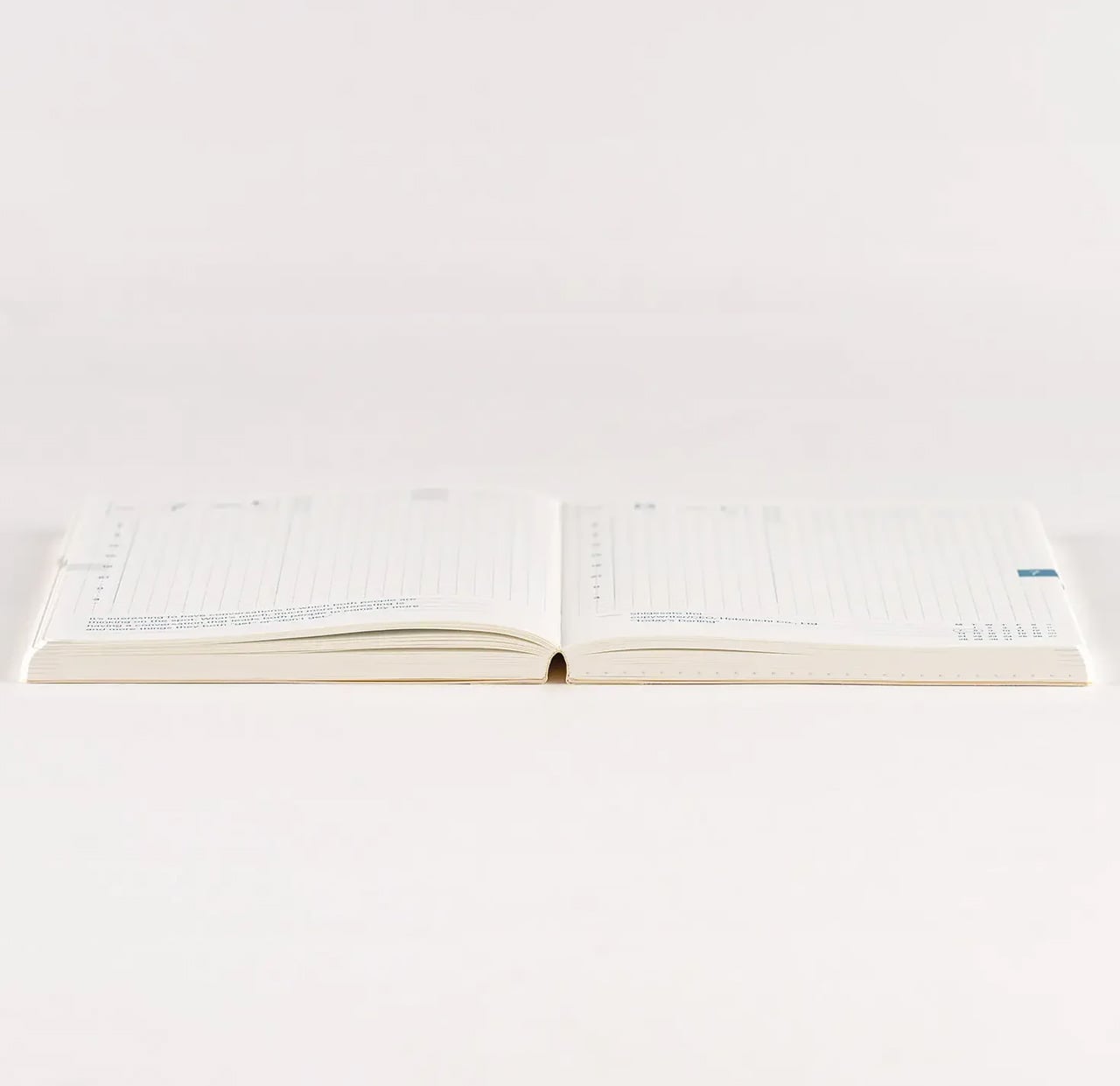
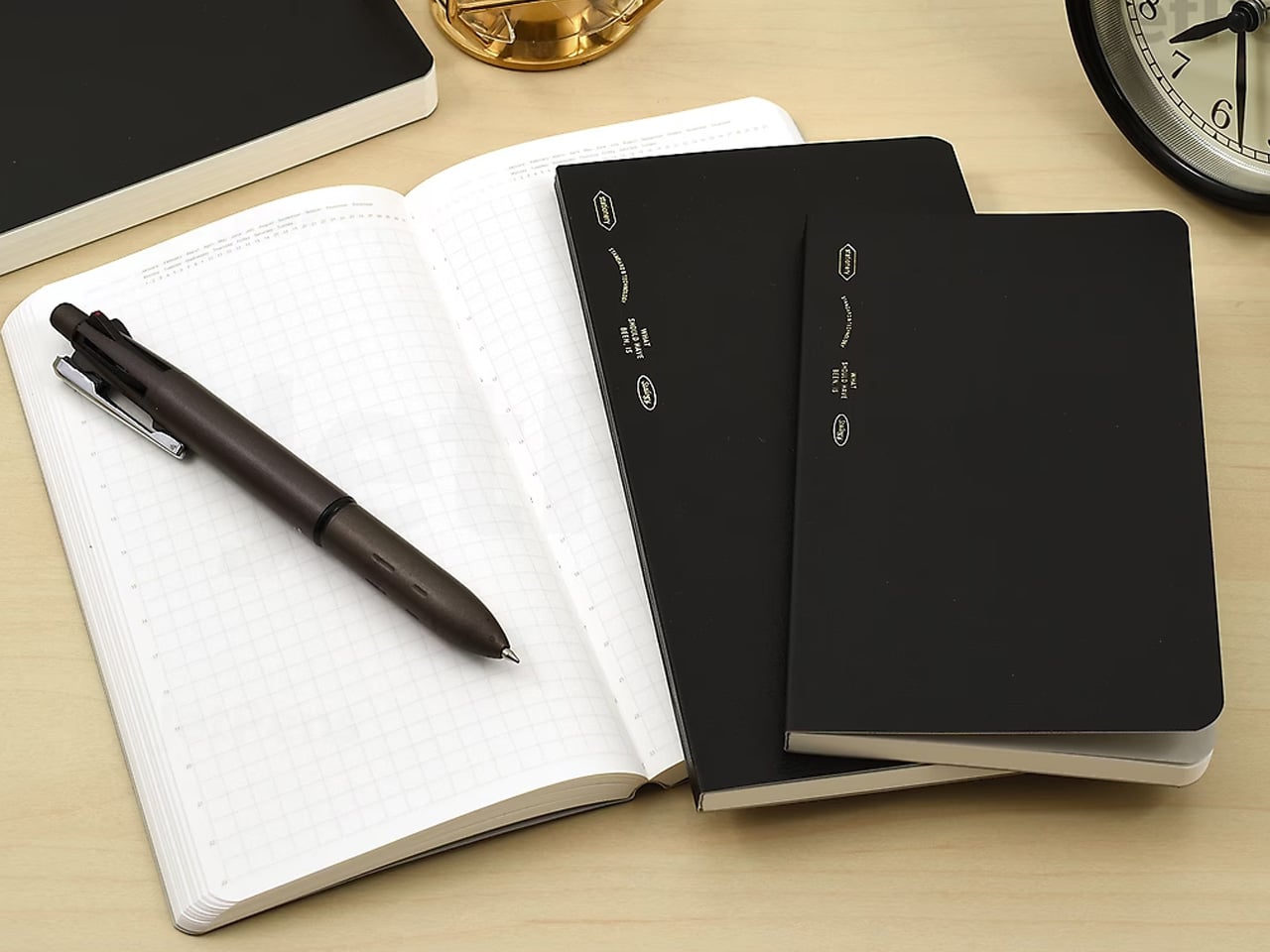
Stalogy is made by Nitoms, a Japanese industrial company that makes adhesives and functional materials for a living. The 365 Days Notebook is what happens when a company with no background in lifestyle products decides to make a notebook strictly on engineering terms. The paper is 52 gsm and fountain pen-friendly without being precious about it. The binding is Smyth-sewn, meaning the book opens completely flat at any page without cracking. The cover is matte black with near-zero branding. A small year-at-a-glance calendar sits at the front. After that, it’s 368 pages of 4mm grid, each one numbered and dated so you know exactly where you are.

For a school year, the dated structure is the feature that justifies the format. Every page already knows what day it belongs to, which removes the planning step that most blank notebooks push onto the writer. You open to today’s date and start. The A5 size is generous enough for long-form notes and detailed diagrams but compact enough to carry daily without making the decision feel burdensome. This is the notebook that tends to outlast every other system a student tries in September, not because it’s the most exciting object in the bag but because it has already solved every problem before you thought to have it.

What we like

  • Dated pages remove the friction of setting up a daily note system, making it immediately useful without a learning curve
  • Smyth-sewn binding opens flat at every page, including the first and last, which most notebooks can’t claim

What we dislike

  • The black cover and minimal branding read as intentionally anonymous, which suits some desks and feels cold on others
  • Dated format means unused pages feel like wasted money if your semester doesn’t follow a consistent daily rhythm

The Best School Supplies Are the Ones You’re Still Using in December

Every piece on this list does one thing well and stays out of the way the rest of the time. That’s the standard Japanese stationery holds itself to, and it’s the reason the best of it survives a year of daily use while the rest of what you bought in September ends up at the bottom of a drawer by November. None of these objects ask you to change your habits. They work inside the ones you already have, just more quietly and more precisely than whatever they replace.

The back-to-school moment is usually about buying things that signal a version of yourself you haven’t become yet. These are the things that help you actually get there.

The post The 7 Best Japanese Stationery Designs That Make Going Back to School Actually Feel Worth It first appeared on Yanko Design.

8 Best Back to School EDC Essentials That Actually Make Showing Up Feel Like You Mean It

Back to school has a version where you scramble for a notebook and a pen that works, and a version where everything you reach for during the day does its job cleanly, looks like someone cared about it, and disappears into your pocket without complaint. The gap between those two versions is smaller than a full semester’s worth of regret. It mostly comes down to the eight things you carry every single day.

EDC — everyday carry — was never designed specifically for students, but it should have been. Campus life is its own particular design problem: long days across multiple environments, limited pocket space, and the constant friction of tools that underperform at the exact moment you need them most. These eight picks solve that friction. Each one earns its space on a keychain or in a bag pocket on its own terms, without needing to be explained.

1. Pininfarina Aero Ethergraf
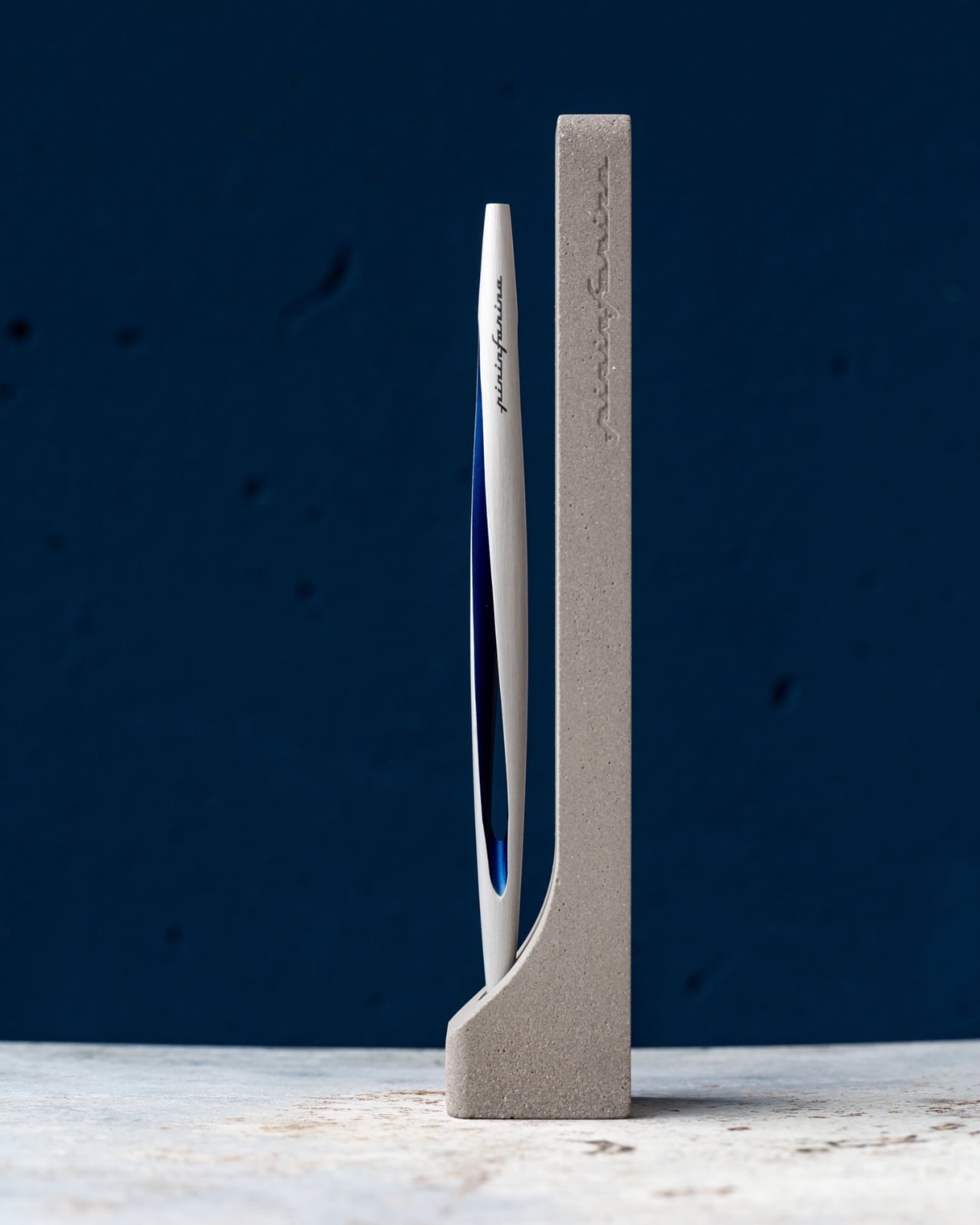
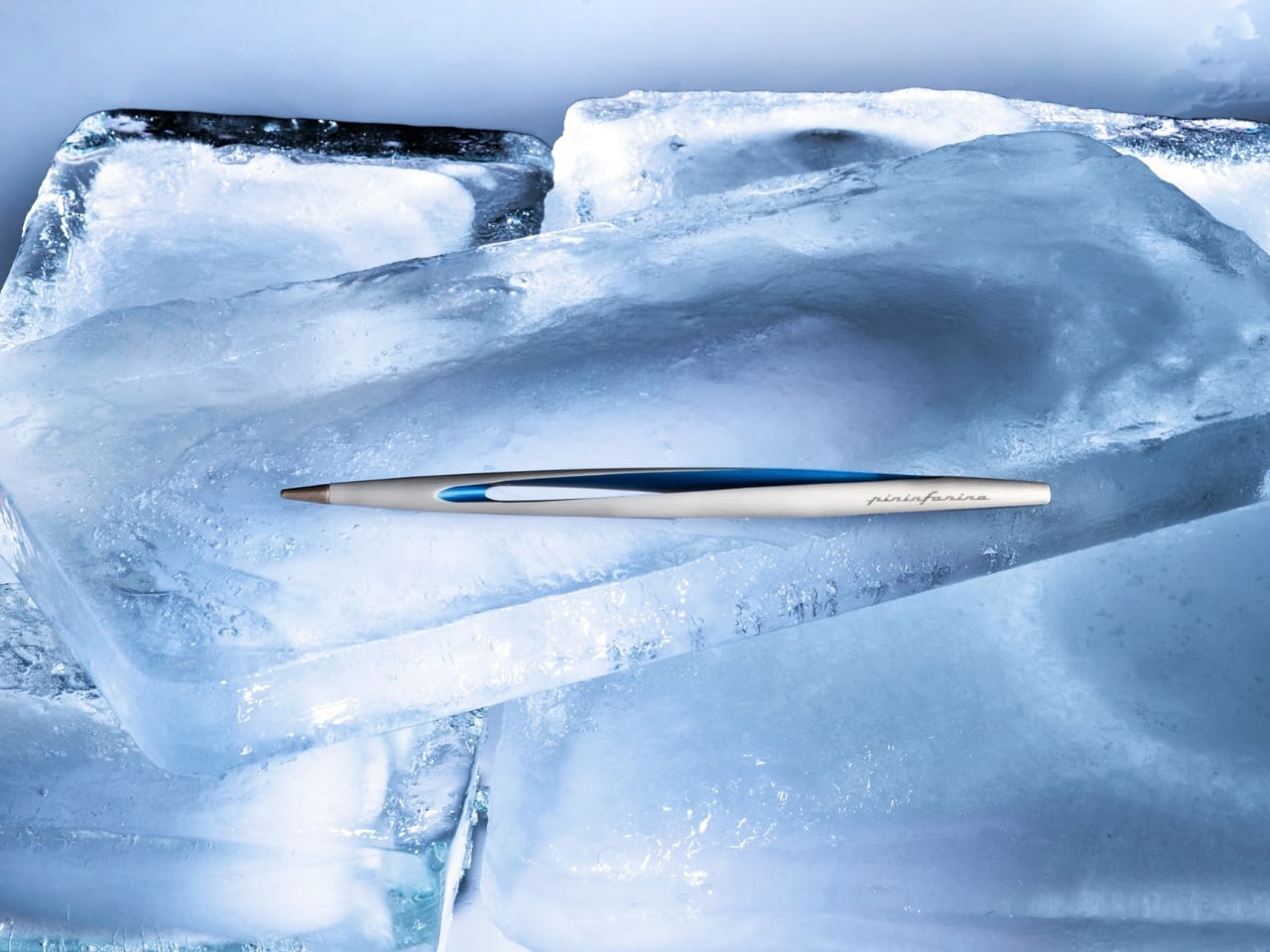
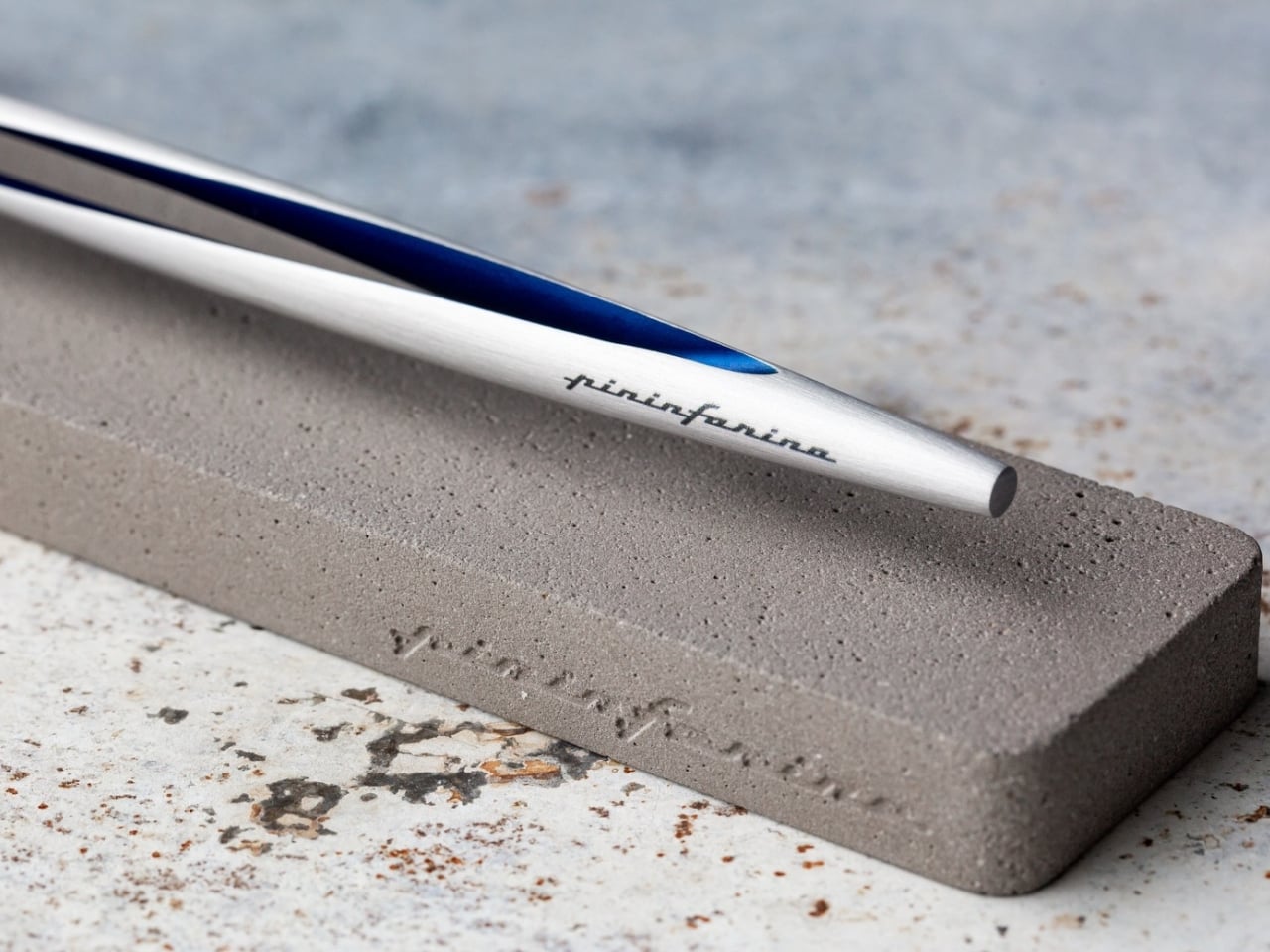
Most pens run out at the worst possible moment: mid-exam, mid-note on a page that actually mattered. The Pininfarina Aero Ethergraf solves that by removing ink entirely. The writing tip is an Ethergraf metal alloy engineered to leave a permanent graphite-like mark on paper through oxidation, a technique older than the ballpoint by centuries. The result is a line that is precise and smudge-proof, will not bleed through paper, will not dry out when left uncapped, and will never need a refill.

Pininfarina built the Aero from aerospace-grade aluminum at 17 grams and 160mm long. The same studio responsible for decades of Ferrari and Maserati bodies brought that same design language to the pen form: a single confident shape, a blue accent that catches light at the right angle, and nothing that does not need to be there. The pen ships with a raw concrete cradle that sits on a desk without pretending to be anything other than what it is: a writing instrument built to stay rather than be replaced.

What we like

  • No ink or refills means this pen performs identically on the first day of term and the last, which is the most honest promise a writing tool can make.
  • The aerospace aluminum body and Italian construction give it the kind of material presence that makes it worth keeping across a career, not just a semester.

What we dislike

  • The Ethergraf line is lighter than ballpoint or gel output, which requires more deliberate pressure on thinner paper stocks to achieve confident, consistent marks.
  • The metal tip performs best on standard paper; coated or glossy surfaces produce inconsistent results.

2. Fantom X Wallet
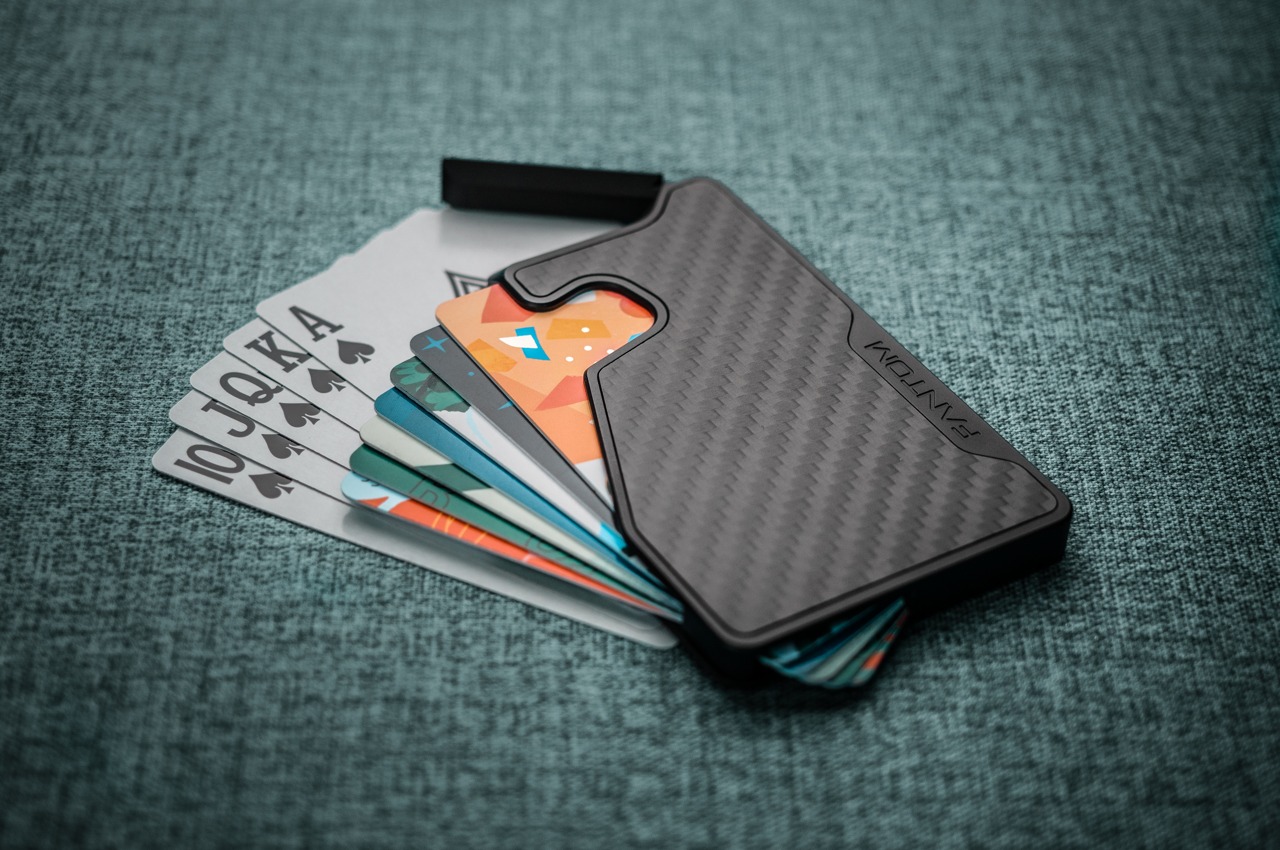
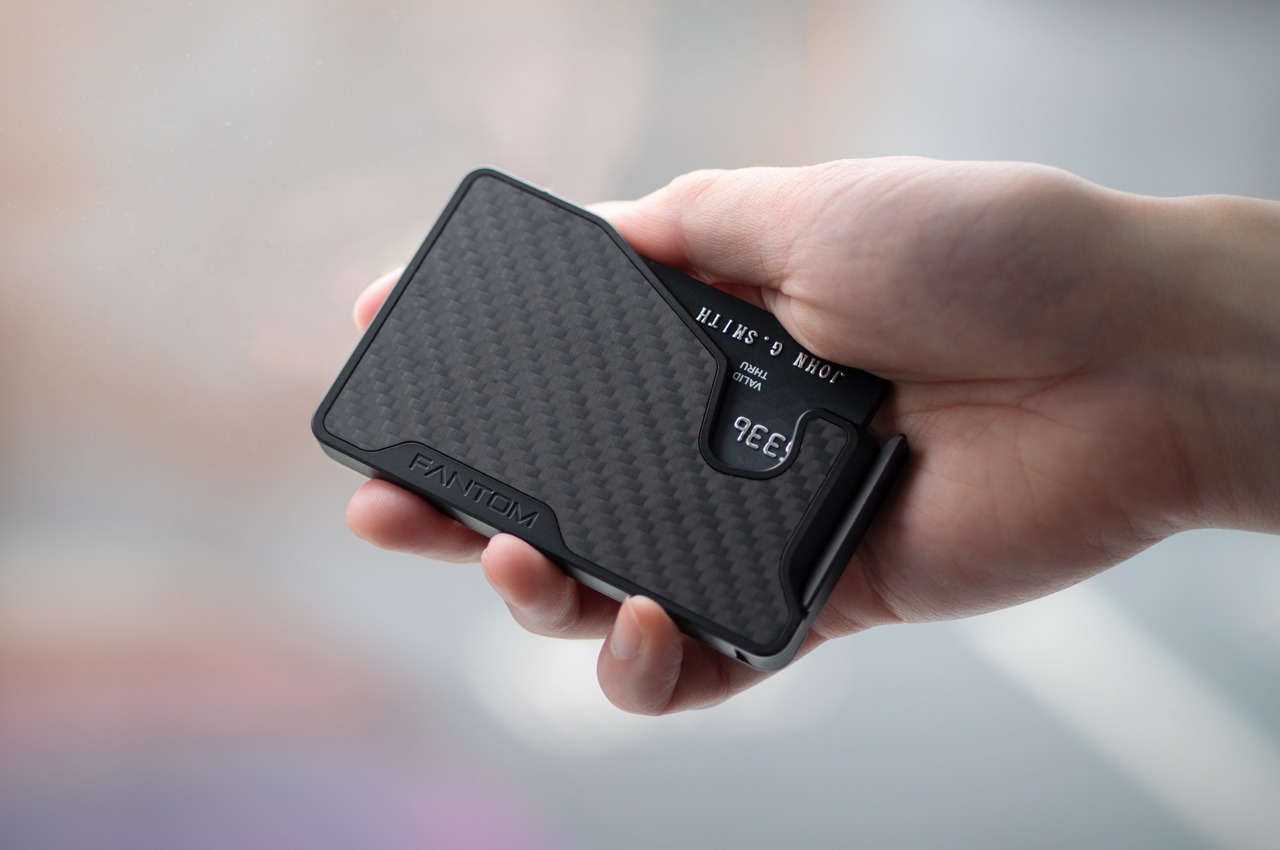
A wallet is the one carry item almost nobody replaces until it fails, which is why most students spend three years sitting on something thick enough to tilt their posture. The Fantom X makes the case for replacing it before that happens. Built on a slim aluminum or carbon fiber chassis, it carries your most-used cards in a front-pocket profile that does not print through fabric, does not soften and stretch over time, and does not demand you excavate it to find what you are looking for.

The design philosophy here is subtractive: strip the wallet back to what it actually needs to do, then build those functions with enough precision that none of them fail quietly. For students moving between campus buildings, transit cards, and a student ID that needs to appear in under three seconds, that clarity matters. Drop it in a front pocket on the first day, and it becomes the kind of object you stop noticing, which is the highest compliment a wallet can earn.

What we like

  • The aluminum frame holds its shape across an entire degree program without softening, stretching, or accumulating the debris that leather wallets quietly collect over time.
  • The front-pocket profile is genuinely slim enough to change how you move through a crowded lecture hall or a packed transit car.

What we dislike

  • Fixed capacity suits a minimalist carry well but creates friction for anyone who still relies on cash for campus cafeterias or weekend markets.
  • The rigid form does not adapt as card count grows, which becomes a real limitation by the time senior year adds a work badge to the rotation.

3. Personal Whiteboard
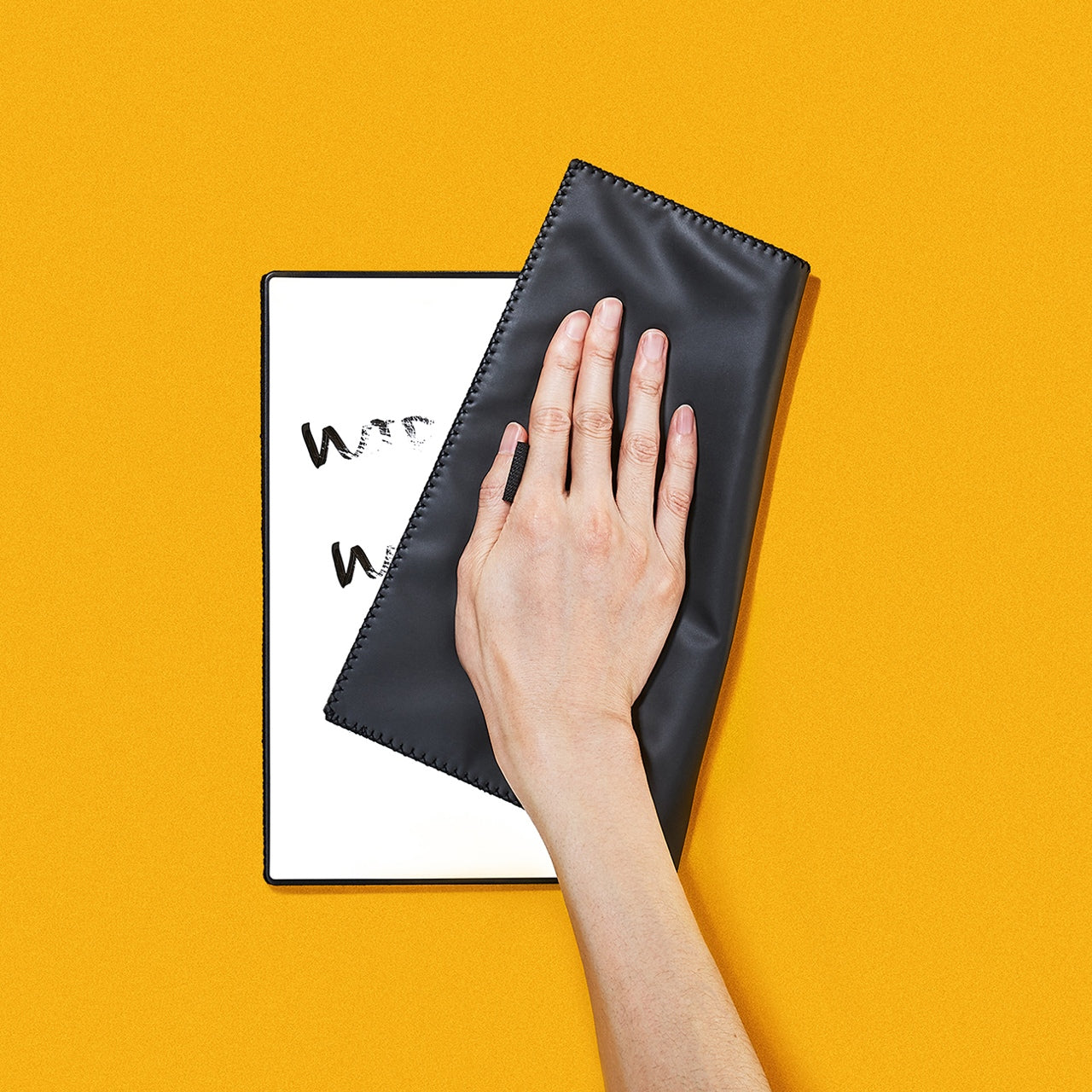
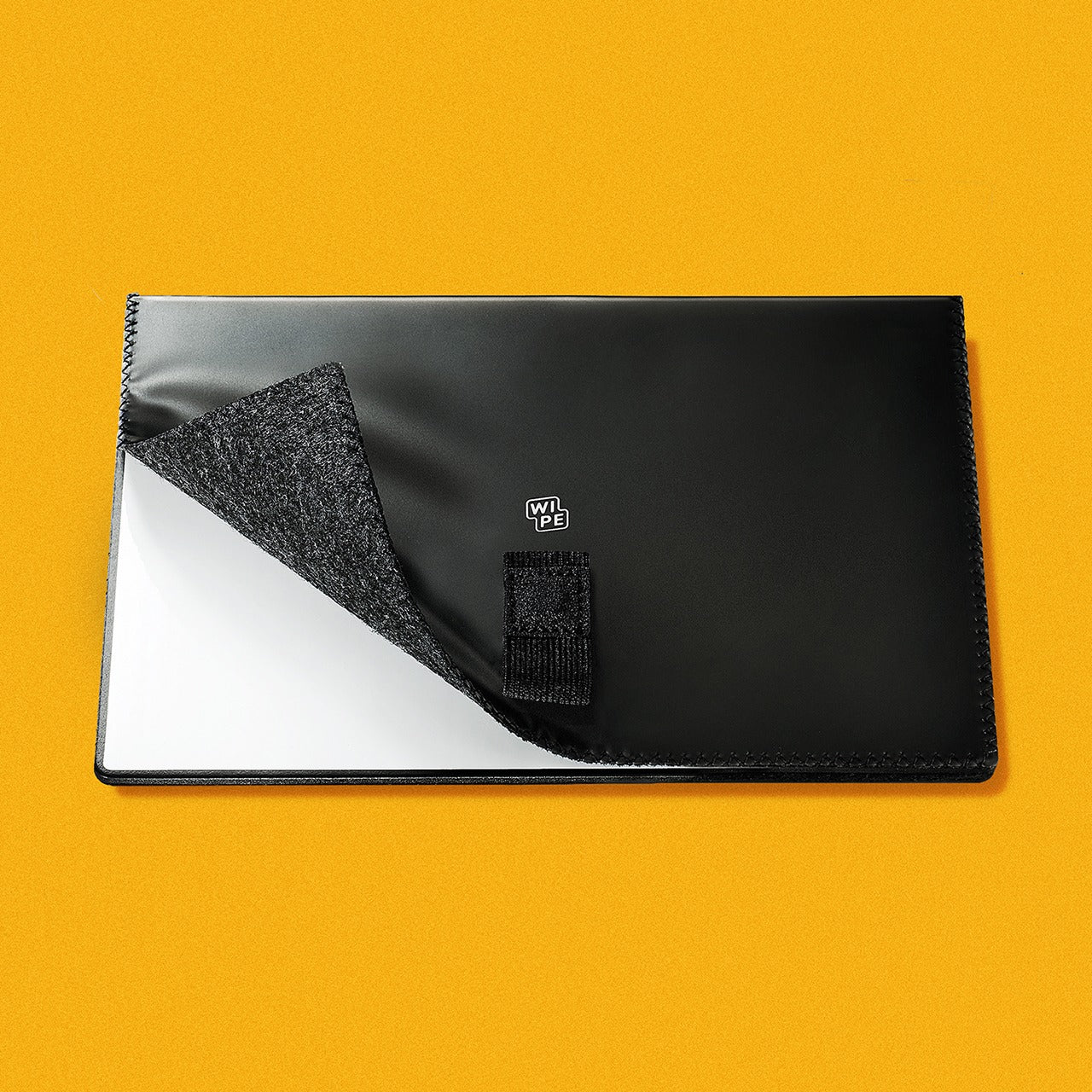
The notebook has one flaw that nobody talks about: every page you write on is gone from active use the moment you turn it. Campus life generates a specific kind of thinking that does not need to be permanent — a rough sketch before a presentation, a formula to hold in working memory for twenty minutes, a quick to-do list that expires by lunch. The Personal Whiteboard is built for exactly that. Compact enough to carry anywhere, it opens to a clean dry-erase surface that works with any standard marker, requires no app, no sync, and no battery.

What separates it from a whiteboard bolted to a wall is the complete carry system built into the form: an eraser, pen holder, stand, and storage pocket all housed in one portable unit. Jot an idea down, snap a photo with your phone to send it wherever it needs to go, and wipe the surface clean before the next lecture. For students who think visually — sketching diagrams, mapping out arguments, working through problems spatially — this is the analog scratchpad that a phone notes app can never fully replace.

Click Here to Buy Now: $49.00

What we like

  • The all-in-one build — eraser, pen holder, stand, and storage pocket — means nothing is left behind and nothing rattles loose in a bag.
  • No battery, no app, no sync: it works the moment you open it, every single time.

What we dislike

  • Dry-erase surfaces require a marker that lives with the board; losing the pen turns it into a decorative object until a replacement is found.
  • The reusable format is not suited for notes that need to be kept; the photo-to-cloud workflow adds a step that some students will skip and regret.

4. 8-in-1 EDC Scissors
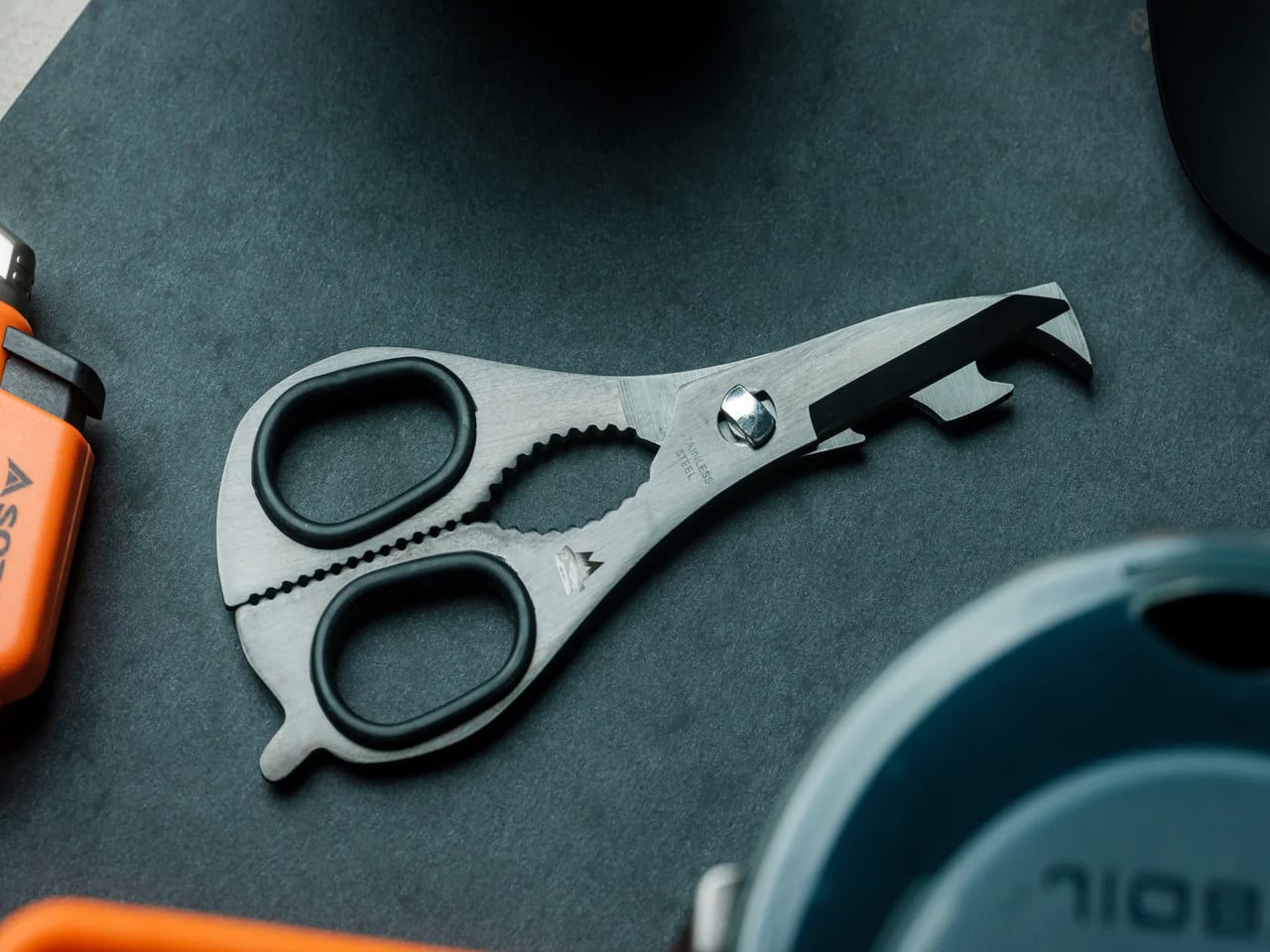
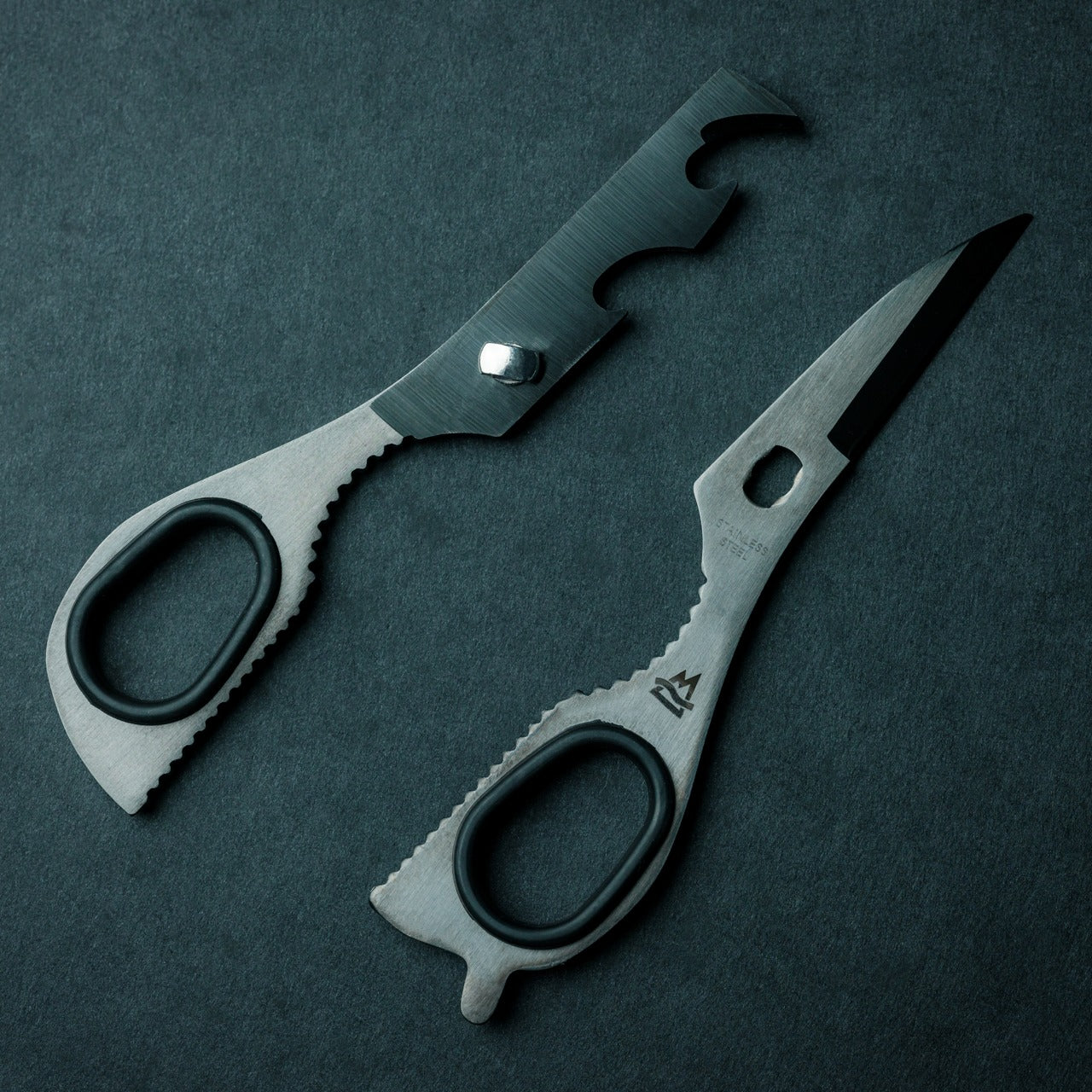
Scissors are the carry tool almost nobody thinks to include until the moment they cannot find them and spend fifteen minutes looking for something that does the job less cleanly. The 8-in-1 version addresses that by folding eight functions into a flat-pack form that opens in a single motion and weighs almost nothing in a bag. For students working across studio space, labs, and a dorm room across a single week, the cutting tasks stack up faster than any back-to-school supply list would suggest.

The real case for scissors in your EDC is that a knife cannot handle every task with the same grace: opening a sealed envelope cleanly, trimming a loose thread from a collar before a presentation, cutting a document to size, working through the tape on a textbook that arrived shrink-wrapped. The 8-in-1 handles all of those and brings enough additional functions that it earns its flat-pack space even on days when you reach for it exactly zero times. It is there on the days you do.

Click Here to Buy Now: $59.00

What we like

  • Eight functions in a flat-pack form that most people will actually carry consistently, rather than a dedicated pair that stays in a desk drawer.
  • The profile means it does not compete with other tools for space in a pencil case or bag.

What we dislike

  • Scissors remain the one tool people most reliably leave behind on the assumption they will not need them that particular day.
  • The multi-function format means none of the eight tools reaches the specialist performance of a dedicated single-purpose version.

5. Olight Baton 4 Premium Edition
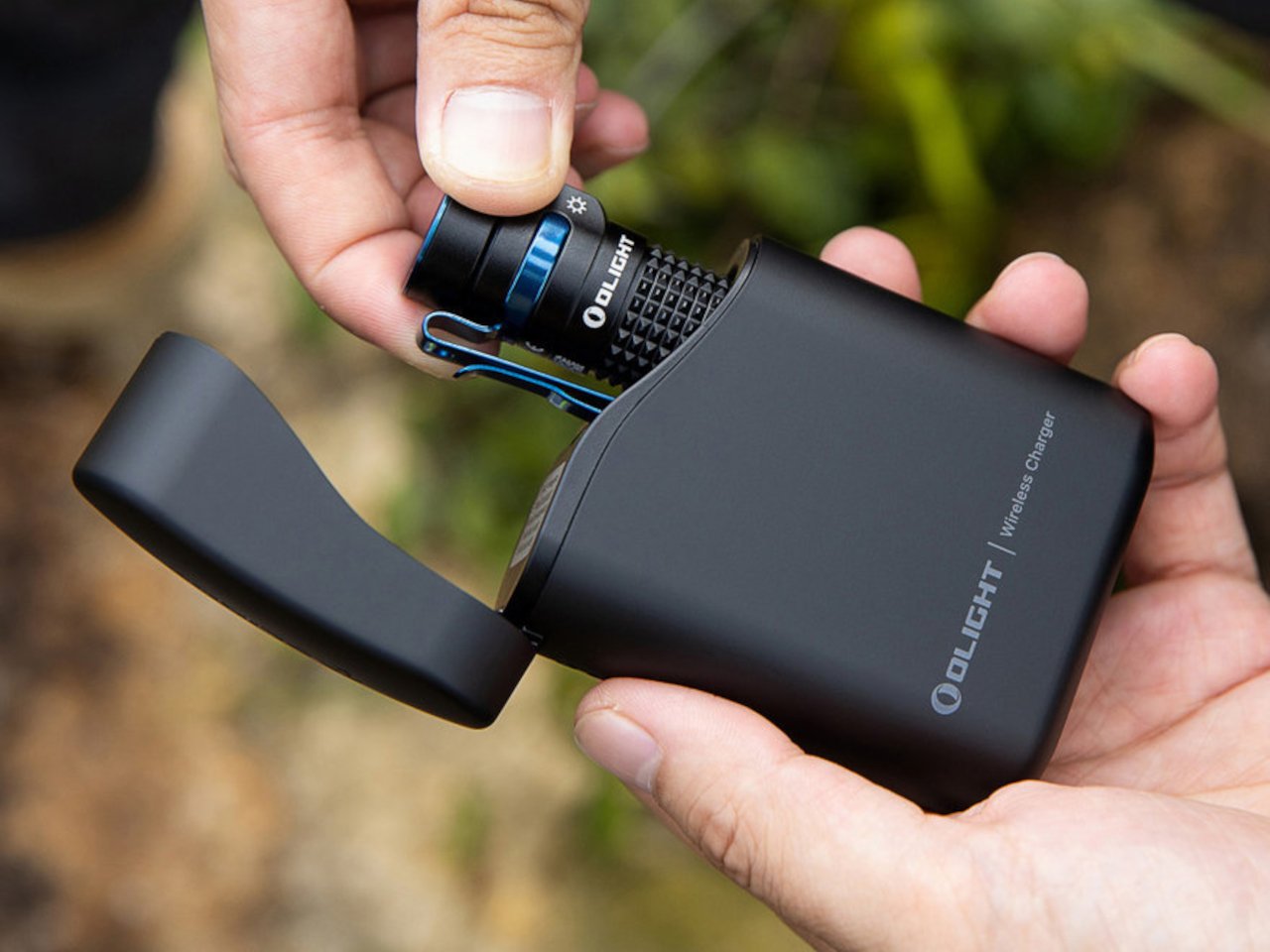
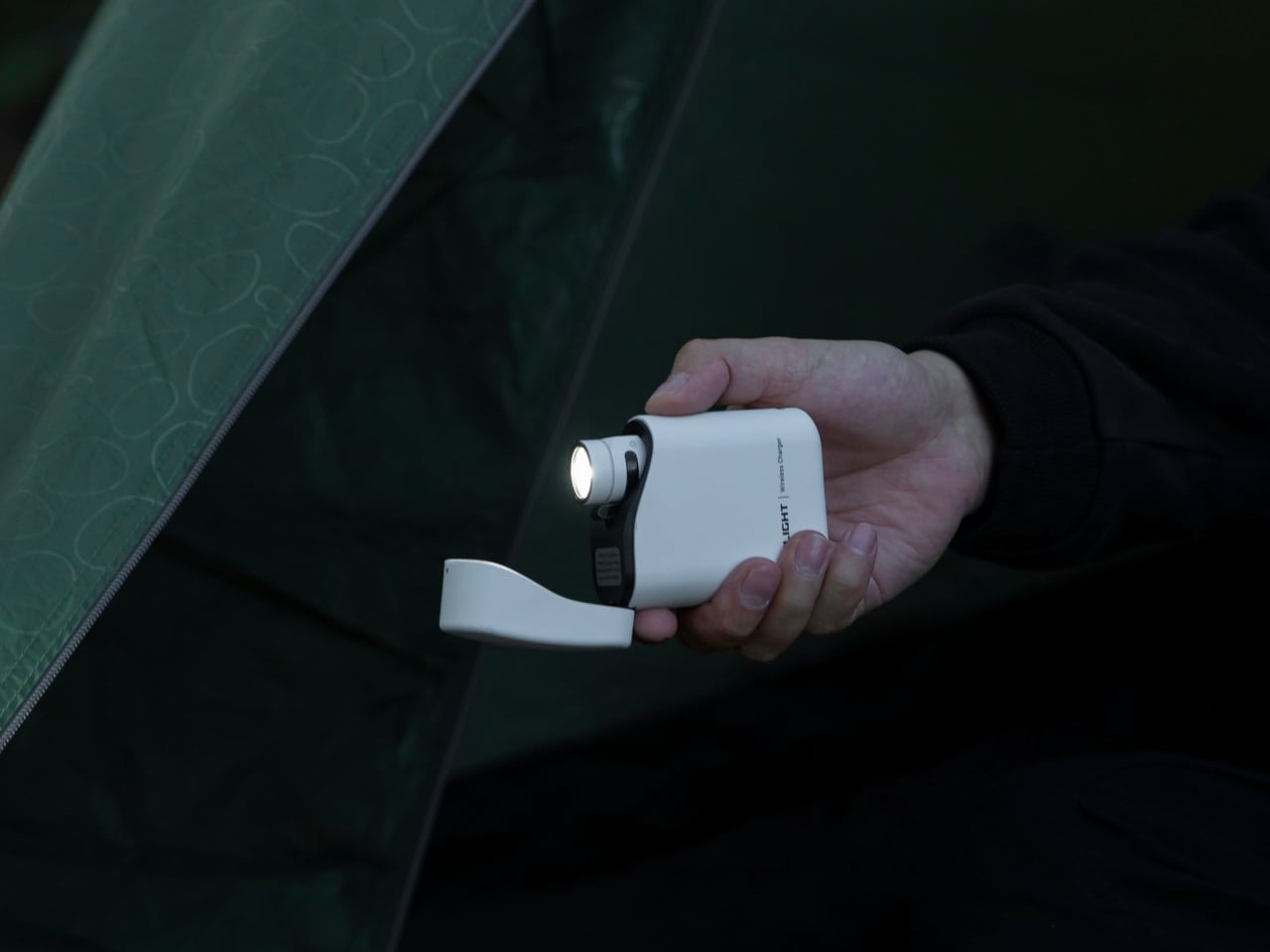
Flashlights are the EDC carry people dismiss until a power outage turns a campus building into a dark maze, or a late walk back from the library asks more of a phone screen than it should reasonably deliver. The Olight Baton 4 Premium Edition is the version of this argument that earns a permanent pocket position. The Premium finish options, stainless and copper variants in particular, read as desk objects as readily as tools, which changes what you are willing to carry every day without a second thought.

For students, the Baton 4 brings dependable illumination to the scenarios campus life generates more regularly than anyone plans for: power infrastructure that goes out during finals week, a trail run where daylight ends mid-route, a parking structure at midnight after a late seminar. The build quality means it lives in a pocket through an entire semester without corroding, scratching, or developing the rattle that cheaper lights accumulate over months. It stops being noticed after the second week, which is precisely where well-designed EDC should land.

What we like

  • The Premium Edition finish reads as a considered object in a professional or social setting, without the visual aggression most tactical flashlights lead with.
  • Build quality holds through a full semester’s worth of varied conditions without requiring any deliberate maintenance.

What we dislike

  • Premium Edition pricing sits at the higher end of what most students budget for pocket carry in the opening weeks of a new year.
  • The charging method may feel dated alongside newer competitors offering wireless or more streamlined options.

6. Anywhere Use Lamp
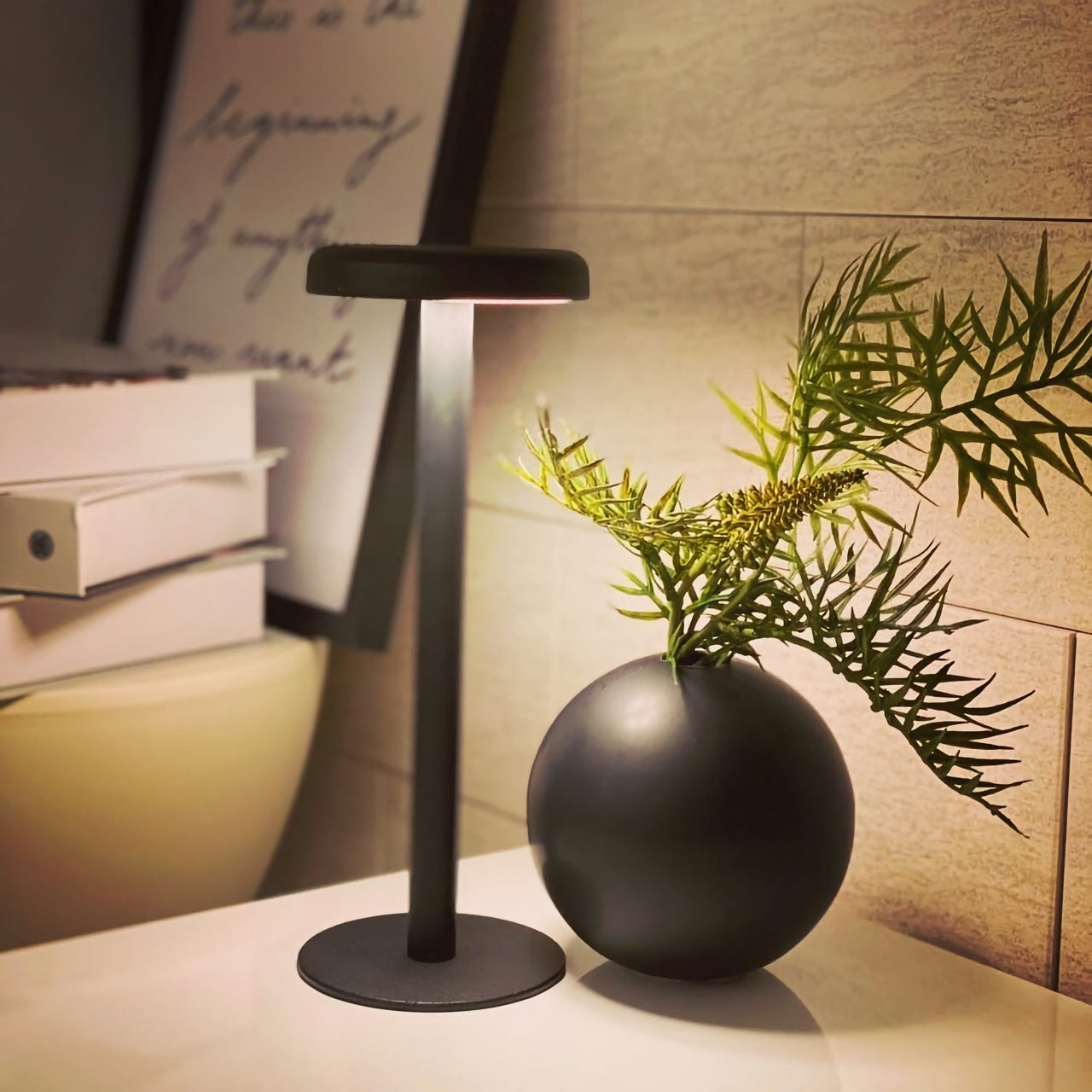
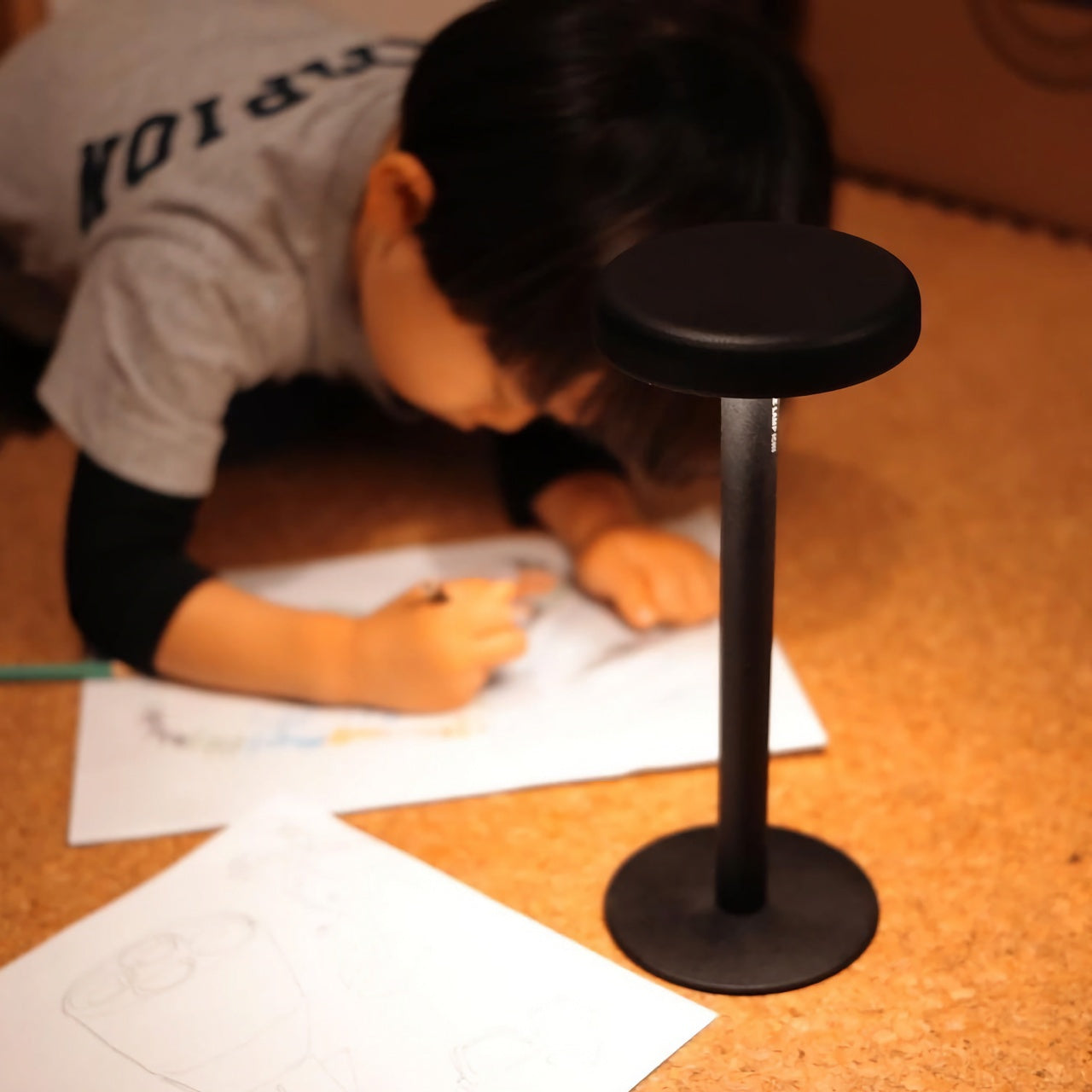
Dorm lighting is one of the specific miseries of freshman year that nobody adequately warns you about. The overhead fixture is fluorescent and institutional. The desk lamp that came with the room is the cheapest unit the university could justify sourcing. Studying under either of them for three hours produces a particular kind of low-grade fatigue that gets blamed on the subject matter rather than the light quality. The Anywhere Use Lamp moves between a bedside table, a study desk, and an outdoor session without requiring any adjustment whatsoever.

What makes portable lighting genuinely matter for students is the range of settings a single week creates. Late reading in a room where a roommate is already asleep. A library corner where the overhead has been out for three weeks and the work order remains unfiled. A study session outside that started in afternoon light and ran well into the evening. The Anywhere Use Lamp handles all of those and reads as a design object rather than a utility purchase, which is the difference between something that stays out on a desk and something that lives in a closet.

Click Here to Buy Now: $149.00

What we like

  • The portable form factor transitions from dorm desk to outdoor table to bedside table without any adjustment or setup.
  • The aesthetic reads as a designed object worth displaying, rather than a lamp that gets hidden when guests arrive.

What we dislike

  • Output works best as supplementary or mood lighting rather than a primary source for demanding, extended work sessions.
  • At $149, it sits at the premium end of the student carry budget for what might initially read as a secondary light.

7. MetMo Pocket Grip
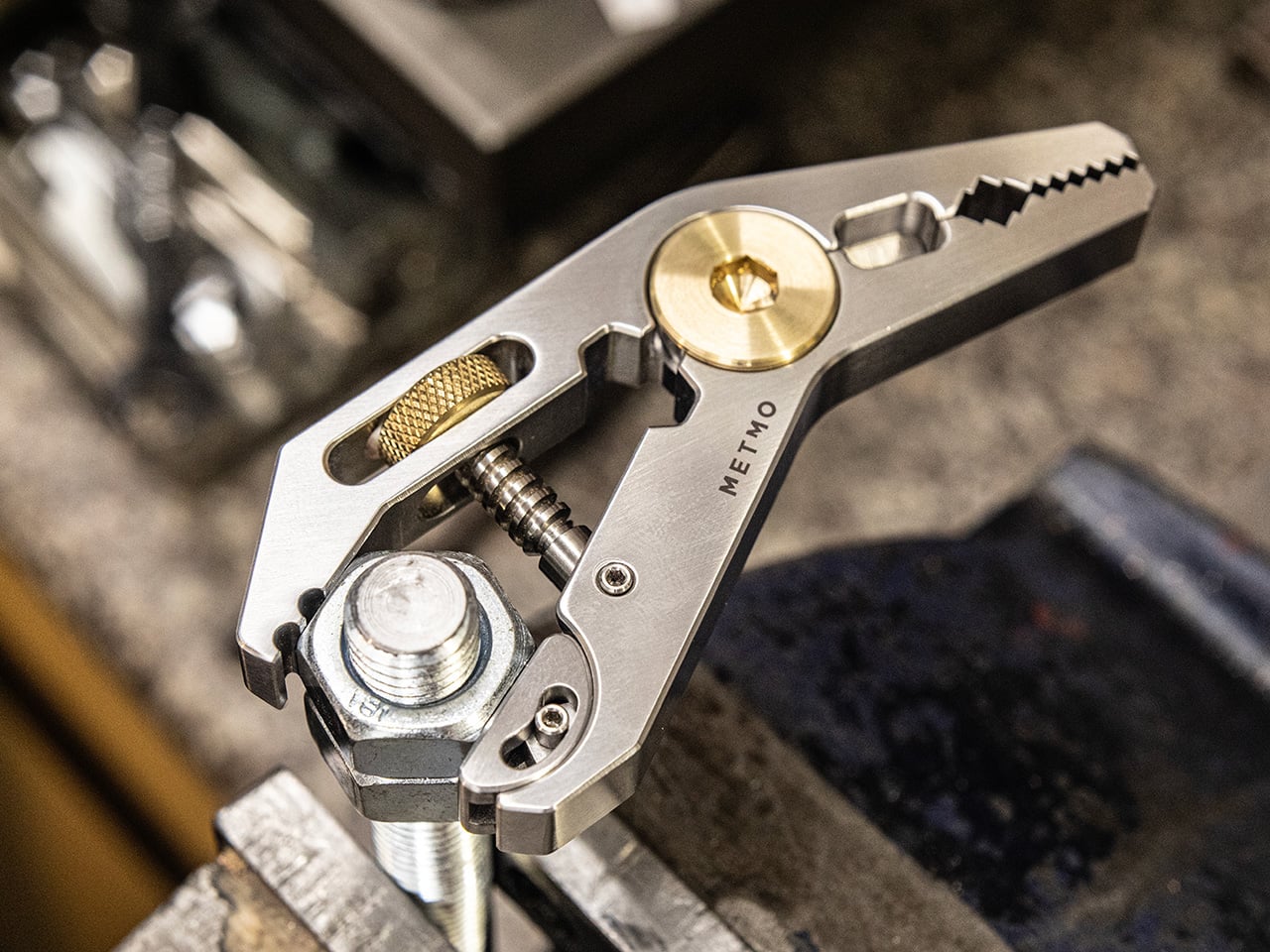
The MetMo Pocket Grip started as a 113-year-old patent that nobody had properly built until MetMo did. The result is a precision grip multi-tool measuring 95.5 by 45.5mm that disappears into a front pocket alongside a phone. The mechanism is what makes it worth paying attention to: Victorian-era engineering applied to a current material palette, which gives it a tactile character that most modern multitools — machined to tight tolerances with no analog history behind them — tend to completely lack. Old thinking, re-executed for actual daily use.

Carrying the Pocket Grip changes what you notice. Bolts that need tightening. Mechanisms that need adjusting. The tool gives you confidence to engage with the physical world in a way that most EDC does not, because most EDC prepares for emergencies rather than enabling daily interaction. For a student who spends time in studio environments or maker spaces where small physical interventions happen throughout the week, that quiet engagement matters. The fact that it looks like something a craftsman from 1913 would recognize is not nostalgia. It is just durable design.

What we like

  • The design origin story gives it depth of character that purely modern multitools, designed entirely from scratch, cannot replicate.
  • The 95.5 by 45.5mm footprint fits a front pocket without competing with a phone for space.

What we dislike

  • The patented mechanism takes a few uses to feel fully intuitive in the hand before it becomes second nature.
  • The precision grip application makes it more specialized than a general-purpose multitool for anyone looking for broader day-to-day utility.

8. CraftMaster EDC Utility Knife
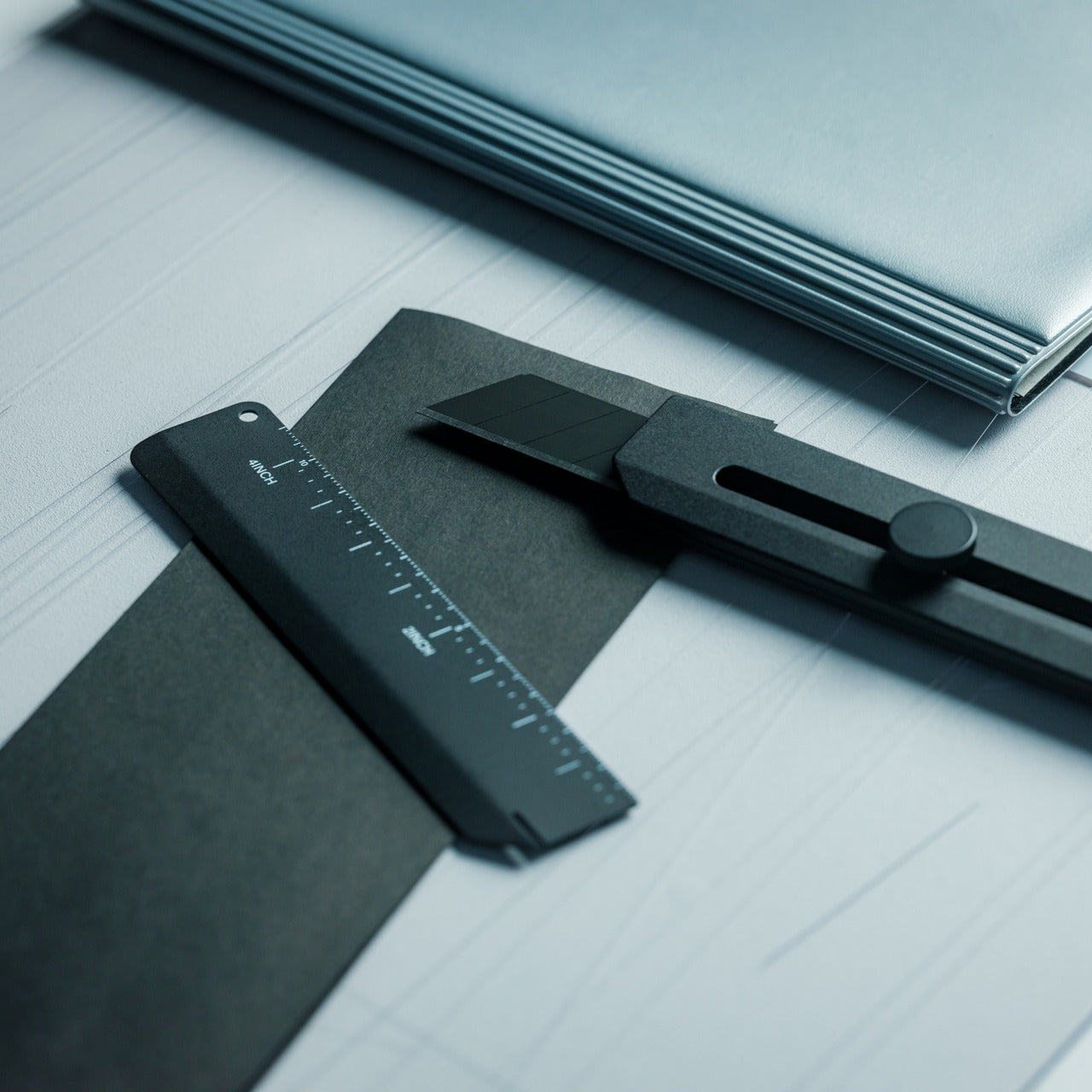
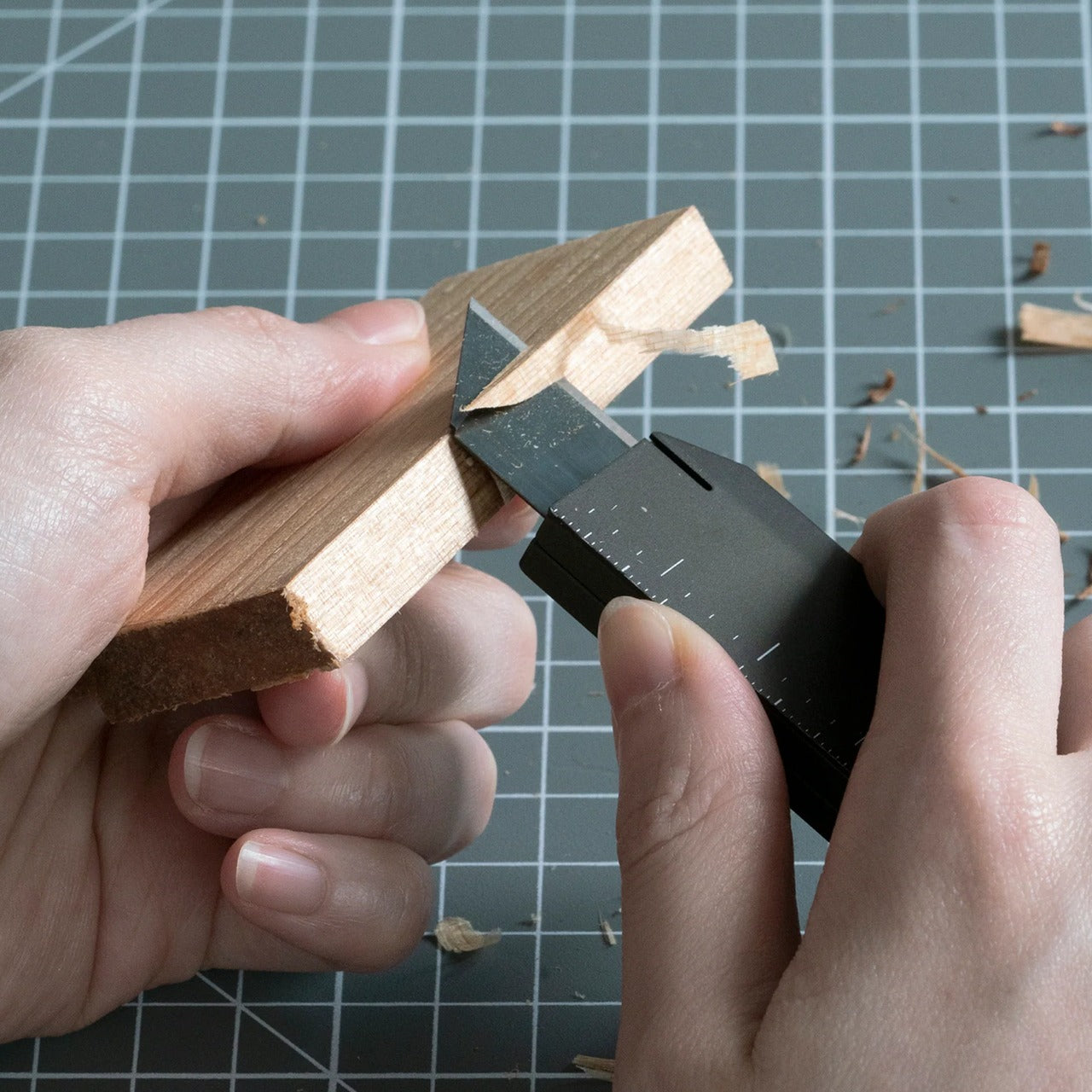
The utility knife is the most underestimated tool in everyday carry, which is why most people settle for a disposable box cutter until they need to make a clean cut and immediately remember why that choice was wrong. The CraftMaster comes in at 8mm thick and 12cm long, with a tactile rotating-knob blade deployment and an OLFA blade angled at 45 degrees: the specific geometry that makes box opening clean rather than torn. A companion metal ruler scale docks magnetically to the back of the knife body.

At 0.3 inches thick, this slides into a pocket alongside a phone without announcing itself. The ruler scale adds imperial and metric markings alongside a blade-breaker for snapping off dull OLFA segments, with a 15-degree curvature along the ruler edge that keeps fingers clear during cuts. OLFA blades are available at any hardware store on earth, which means this knife avoids the proprietary-consumable trap that quietly ruins otherwise good knives when the included blades run out halfway through a semester with no obvious replacement.

Click Here to Buy Now: $80.00

What we like

  • The magnetic ruler scale transforms the knife into a measuring tool without adding any bulk or requiring anything else in the bag.
  • OLFA blade compatibility keeps replacements cheap, universal, and available anywhere.

What we dislike

  • The rotating knob deployment is slower than a thumb-stud or flipper mechanism for one-handed operation under any kind of time pressure.
  • At 12cm, cutting depth stays appropriate for light and medium work; heavy-material tasks will need something else.

The Only EDC Rule That Actually Matters: Carry What You’ll Use

None of these eight things require a lifestyle change to carry. They sit in a pocket, clip to a bag strap, or live on a desk without demanding attention. What they do require is a single decision: that the things you reach for every day are worth choosing deliberately. One or two of these will solve a specific friction point you encounter this week. Start there and let the rest of the list find its moment when the semester makes it obvious.

The best EDC stops being noticed after the first month, which is the whole point. These eight cover the functional range of a full year at campus: writing, carrying, cutting, lighting, measuring, organizing. Together they represent the version of back to school where everything you touch works exactly as expected, and nothing in your bag exists simply because it was on a generic supply list at the campus bookstore.

The post 8 Best Back to School EDC Essentials That Actually Make Showing Up Feel Like You Mean It first appeared on Yanko Design.

Slide, Spiral, Learn: Bernard Tschumi Completes a Science Centre Built on Motion

A science centre that asks students to slide between floors is either a gimmick or a statement. At Institut Le Rosey, it’s unmistakably the latter. Philo, the newly completed science and innovation centre by Bernard Tschumi Architects in Rolle, near Geneva, brings that idea to life with an architectural precision that feels entirely intentional.

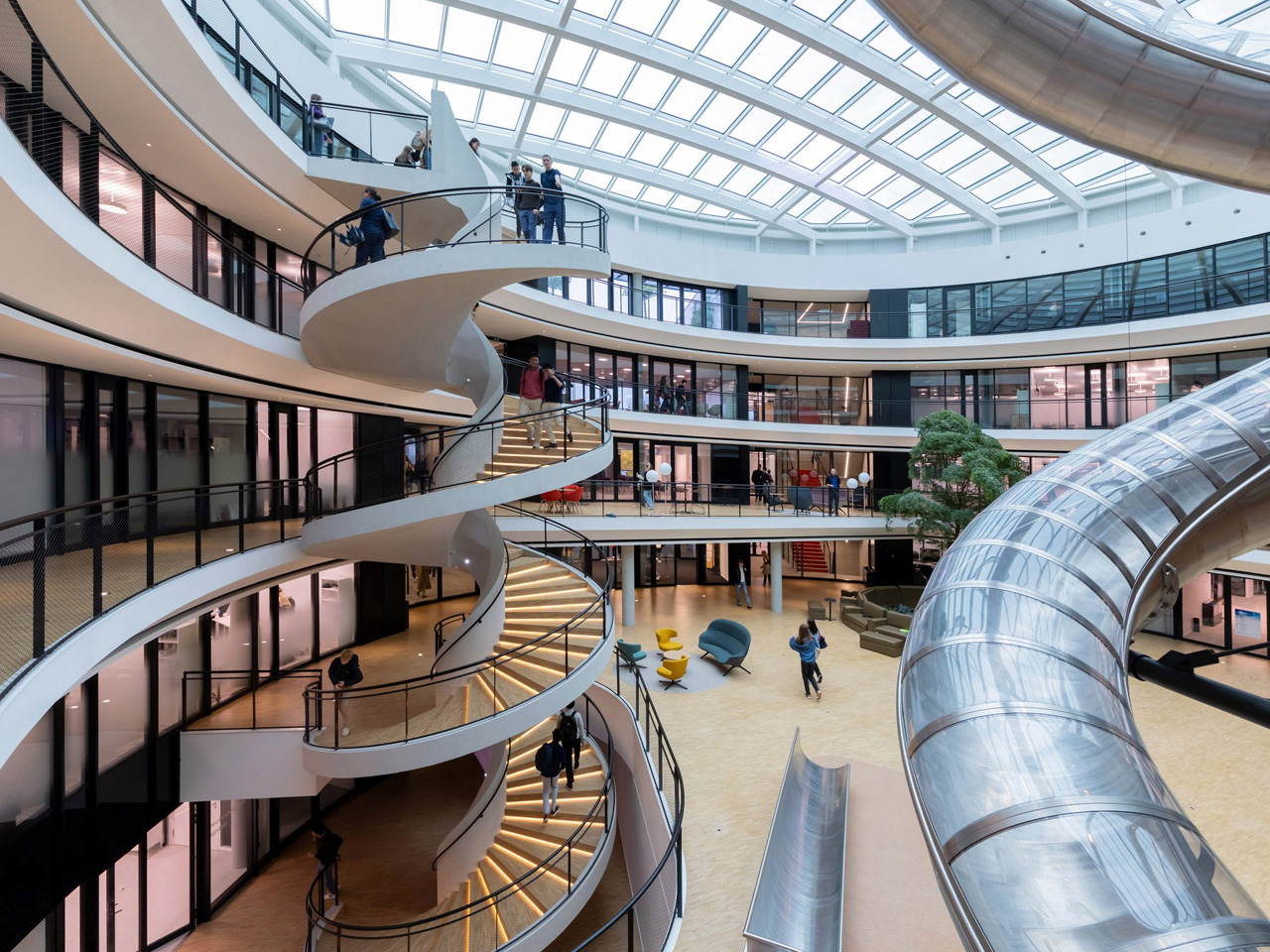
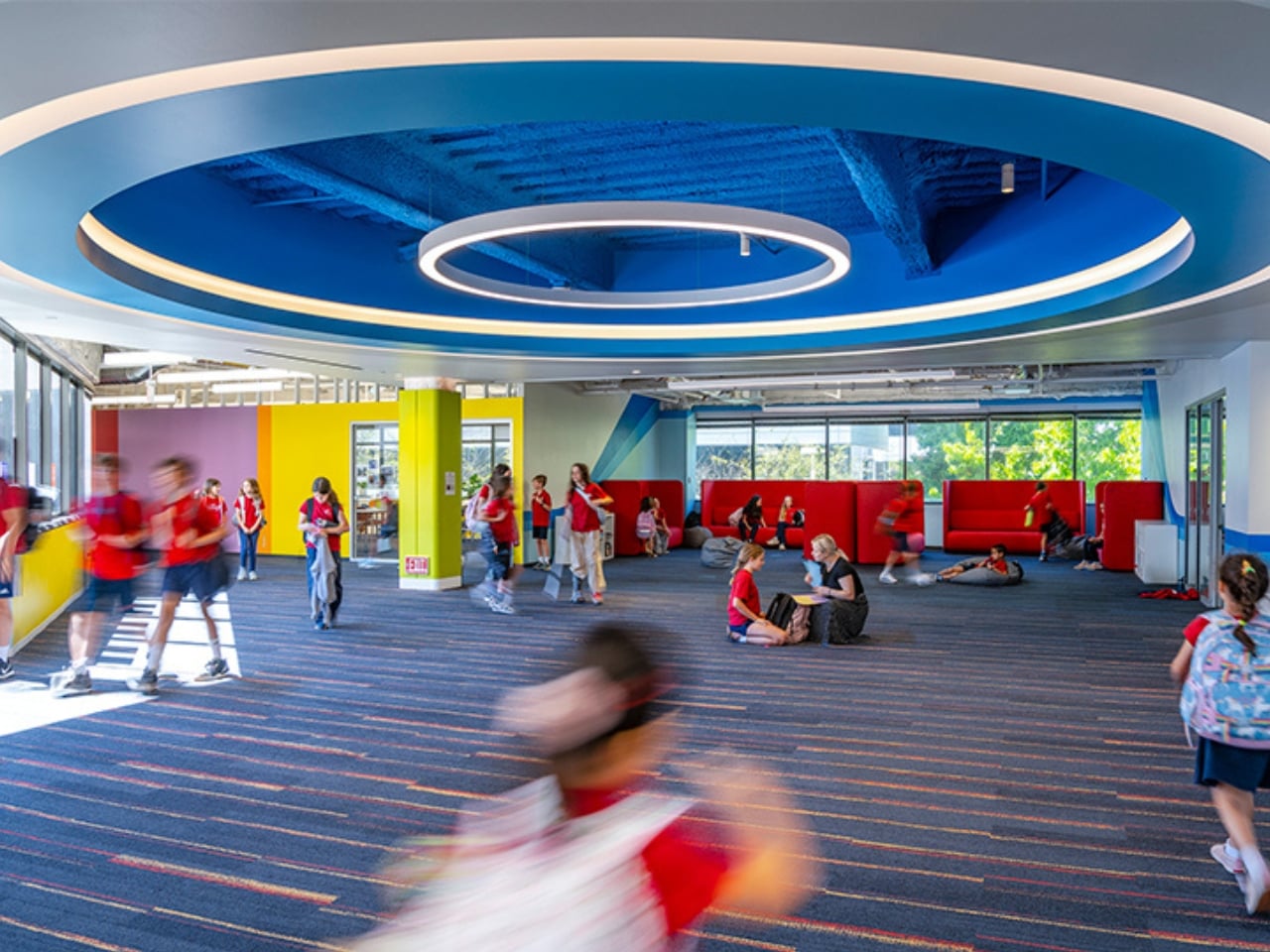
The building, which took shape between 2019 and 2025, sits on the campus of one of Switzerland’s most prestigious international boarding schools, right alongside Carnal Hall, the metal-domed music venue Tschumi completed for the same institution back in 2014. Where Carnal Hall curves inward with acoustic purpose, Philo opens up — a ring-shaped structure five storeys tall, wrapping itself around a grand central atrium that functions less like a corridor and more like a covered public square.

Designer: Bernard Tschumi Architects

That atrium is the building’s beating heart. Three concentric walkways surround it, and vertical and horizontal circulation paths cut through the space, generating constant movement. Helical slides thread through the interior alongside the sculptural spiral staircase, turning the everyday act of moving between floors into something worth doing. It sounds playful — and it is —, but it’s also deeply considered. Tschumi has spent decades arguing that architecture only comes alive through movement and event, and Philo reads like a direct translation of that thinking into built form.

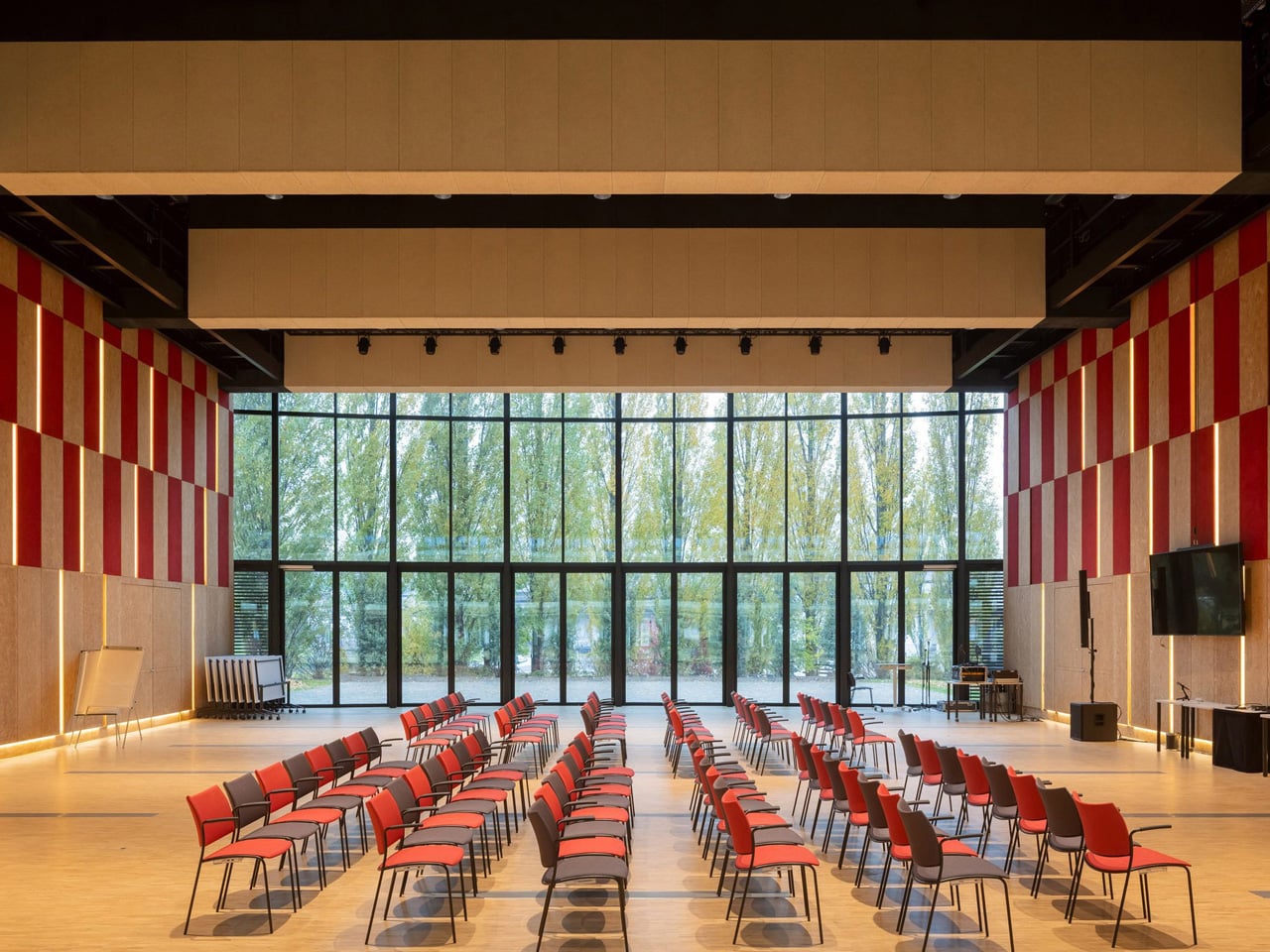
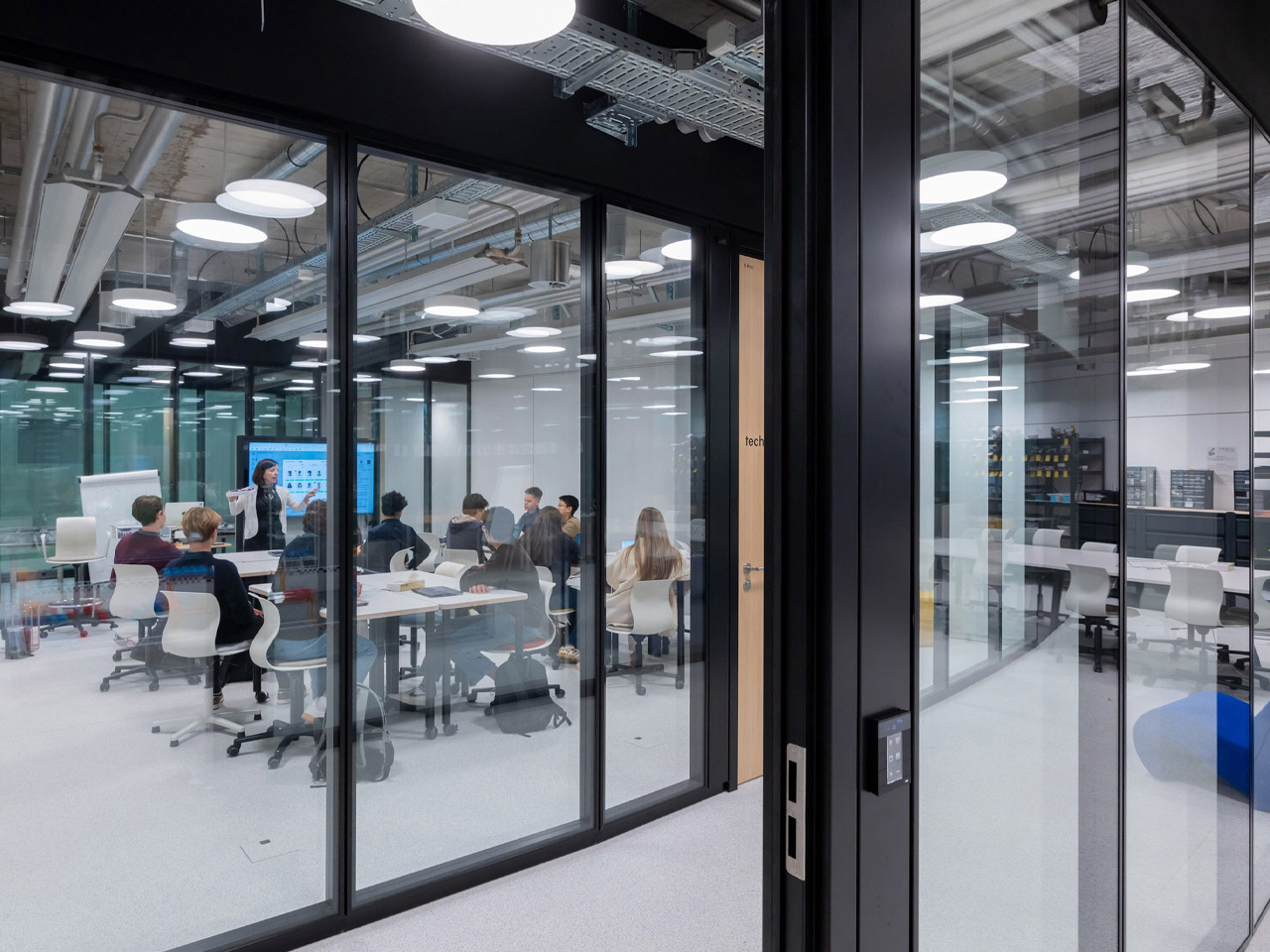
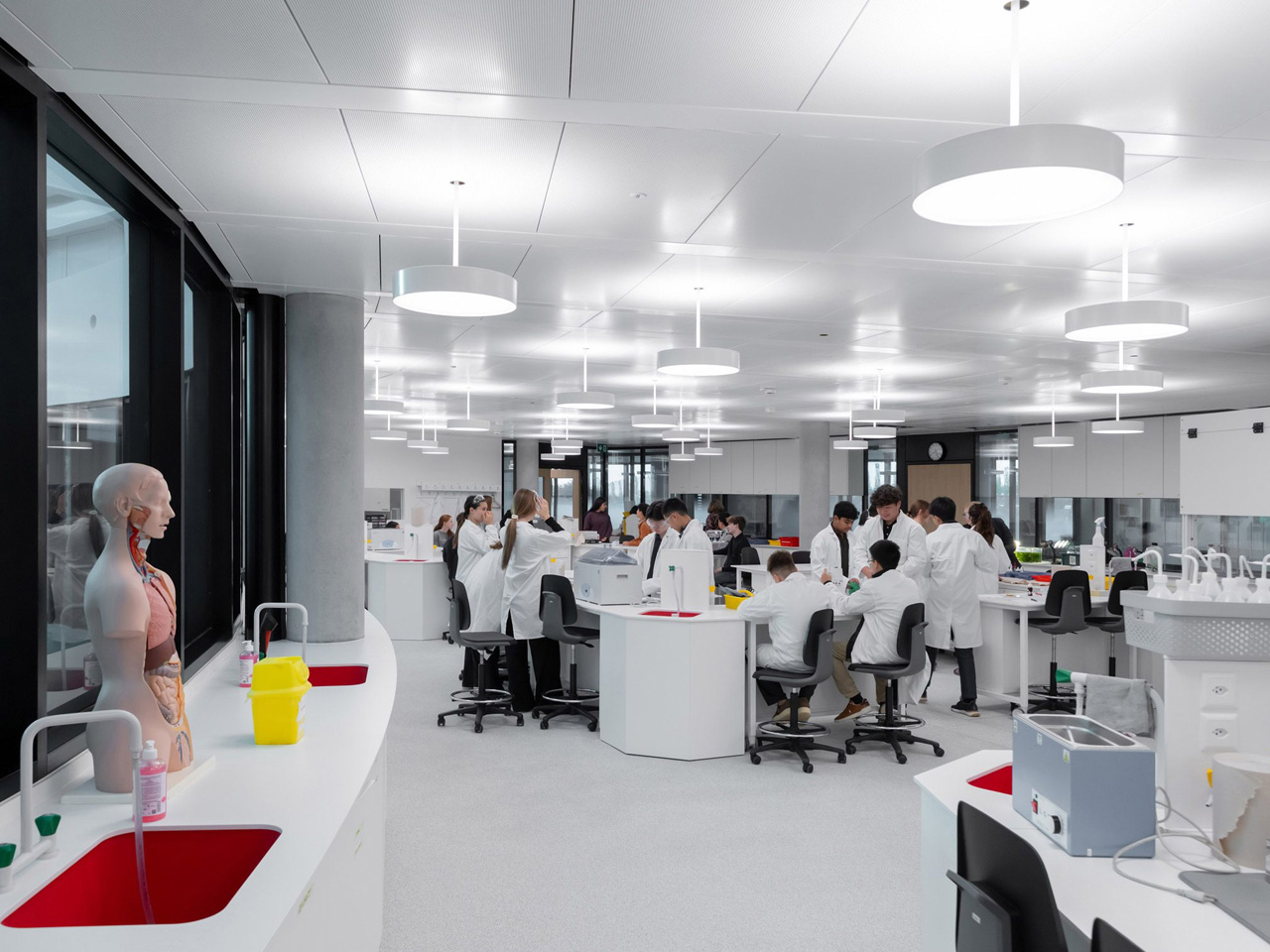
The programme inside is built around student innovation. Philo houses a Fabrication Lab, a Start-up Incubator Space, and a Pitch Room — a flexible rectangular space that can be reconfigured for presentations or performances. Classrooms and laboratories fill the remaining floors, all oriented around the central void. The result is a building that doesn’t separate learning from making, or thinking from doing. Every space feels connected, both literally and conceptually.

Externally, the ring form gives Philo a strong presence on campus without overpowering it. The circular geometry creates a clear dialogue with Carnal Hall’s dome, establishing a coherent architectural language across two very different building types. Aerial photography by Iwan Baan captures just how deliberately the two structures have been positioned — companions on a campus that now has a genuine architectural identity.

Philo isn’t trying to reinvent education. What it does, with impressive restraint, is create the conditions for a different kind of learning — one built on movement, collision, and chance encounter. For a studio whose founder once wrote that there is no architecture without events, it’s a building that lives up to the theory.

The post Slide, Spiral, Learn: Bernard Tschumi Completes a Science Centre Built on Motion first appeared on Yanko Design.

Small School In Sydney Respects Indigenous Culture & Won Best New Building In The World

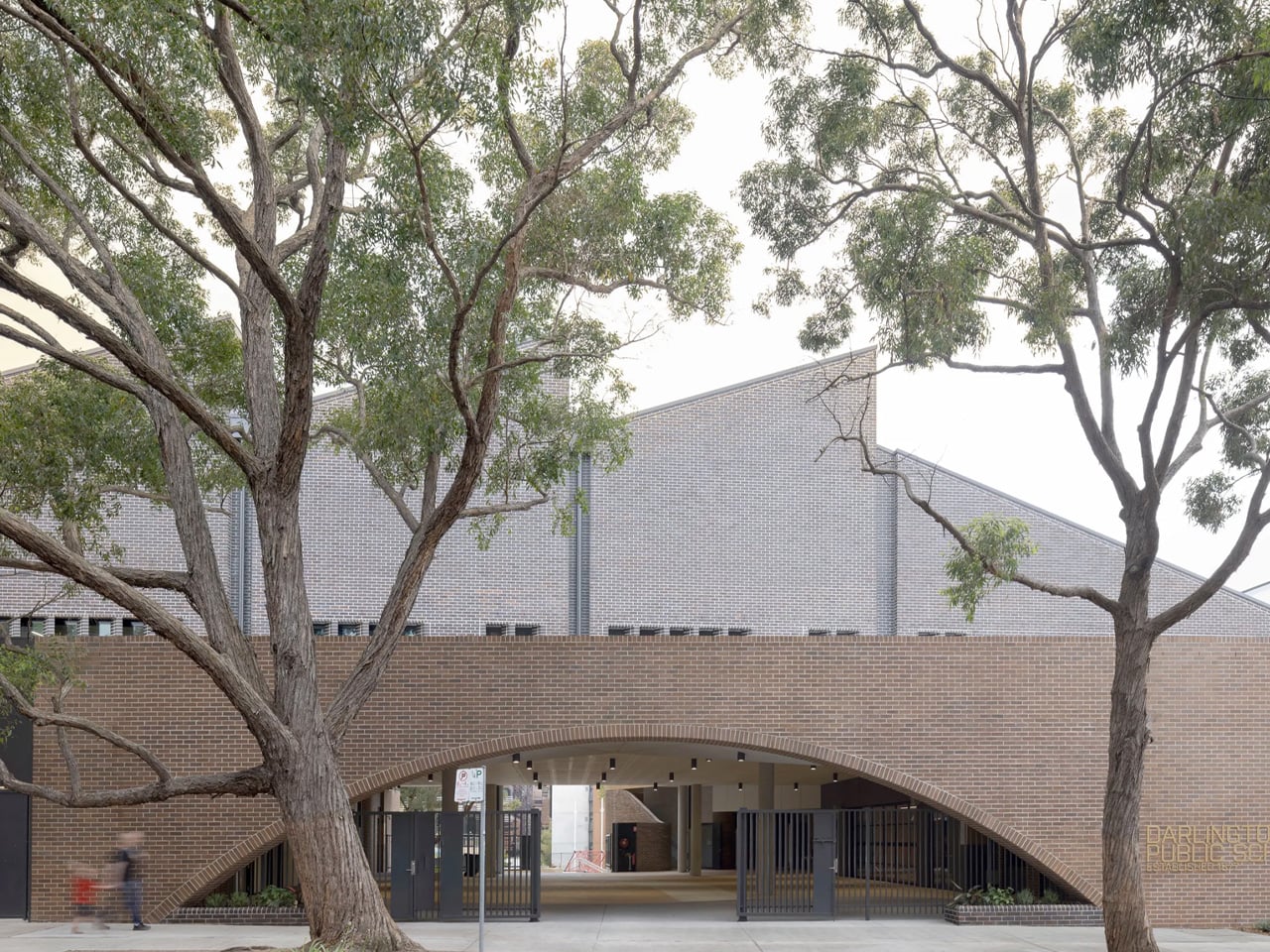
Designed by fjcstudio, Australia’s Darlington Public School won this year’s prestigious World Building of the Year Award. This was announced at the World Architecture (WAF) in Marina Bay Sands, Singapore. The school was appreciated for its sensitive and inclusive approach to early learning and education.

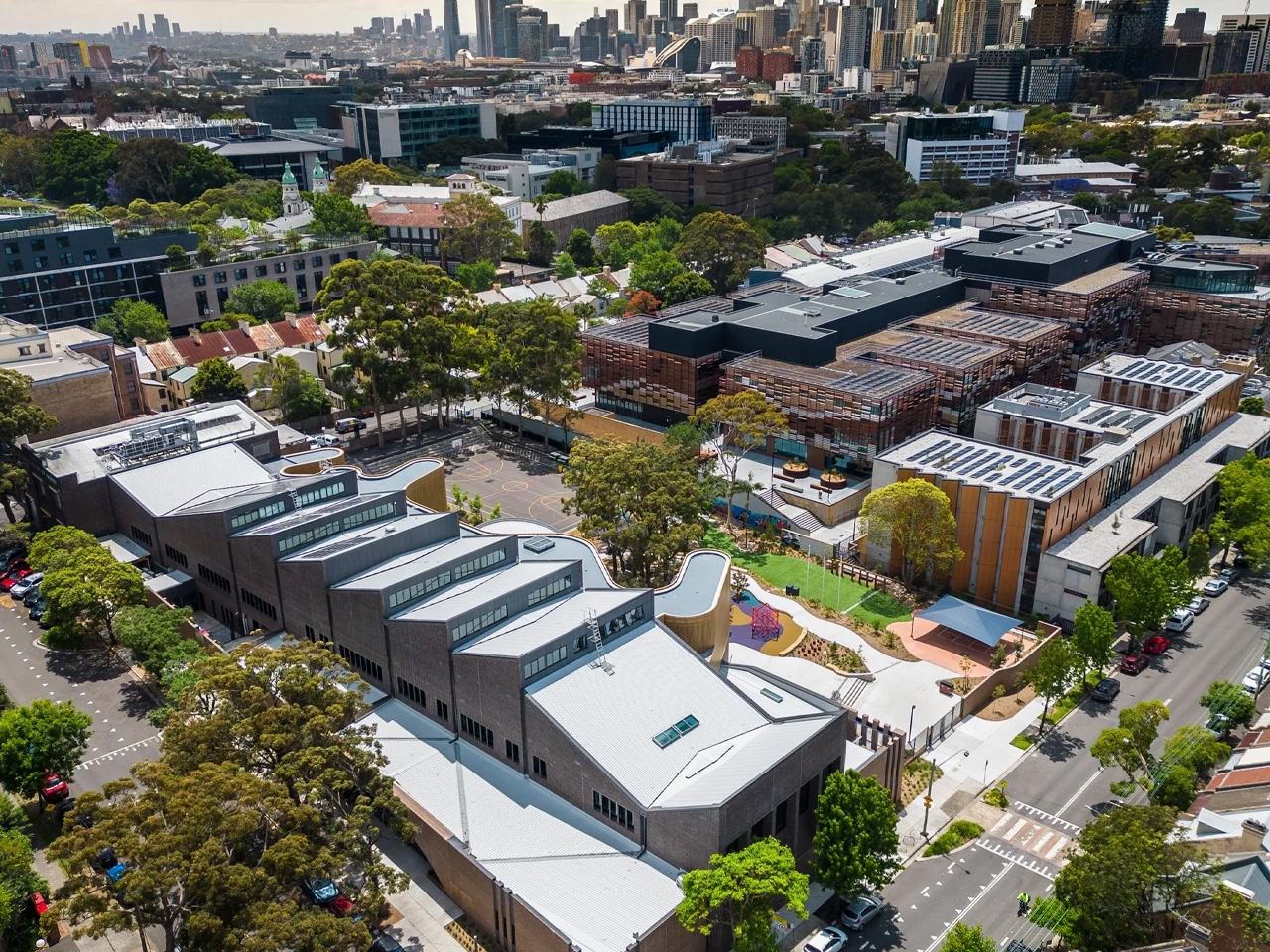
It is the second school to win the World Building of the Year Award in a row, and it is tucked away in an inner-city suburb of Sydney. An old 1970s school on the site was replaced to create the new and improved Darling Public School. The school maintains a strong connection to the local Aboriginal community, and the construction process was a collaborative approach and quite cost-effective.

Designer: fjcstudio

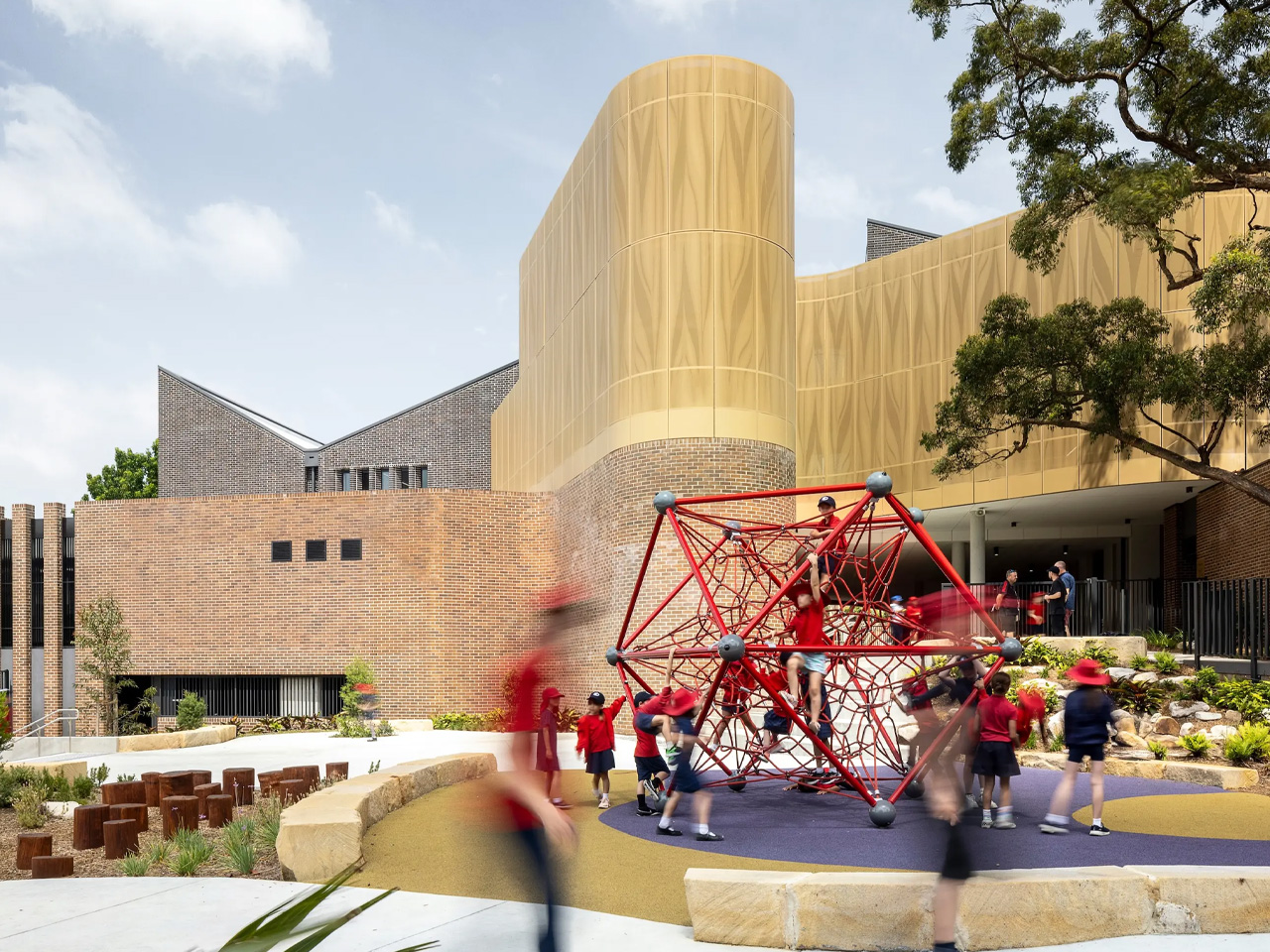
The school adopts the beautiful Indigenous culture by preserving and displaying an amazing collection of Aboriginal artworks around the school. It also includes a community garden with indigenous plants to help students learn indigenous cooking and culture. You can catch a look at the inner courtyard from the main entrance while curving metal screens offer privacy and protection to the outdoor learning and play areas. This creates a pleasant and lovely light. The structure is also equipped with passive elements like sawtooth roof angled to the sun, high-level glazing, and protective curved screens,

“The architect of the winning project explored and extended the formal program of the client, to include the views and experience of the local community and a variety of users,” said Paul Finch, Programme Director of the World Architecture Festival. “This generated a reading of the history of place, culture, and time. “The result of the project is poetic, a building in which topography and landscape, inside and outside, form and materials, flow seamlessly in an unexpectedly delightful way. It is also an inspirational proposition about the acknowledgment and reconciliation of historic difference – a pointer to brighter, better futures for all.”

The building will accommodate a preschool, kindergarten, and primary school. It will be able to accommodate more than 500 students, according to the school’s website. Since the building process included two stages, classes were conducted during construction.

The post Small School In Sydney Respects Indigenous Culture & Won Best New Building In The World first appeared on Yanko Design.
This School In India With An Undulating Green Roof & Sunken Courtyard Is A Relief From Boxy Classrooms

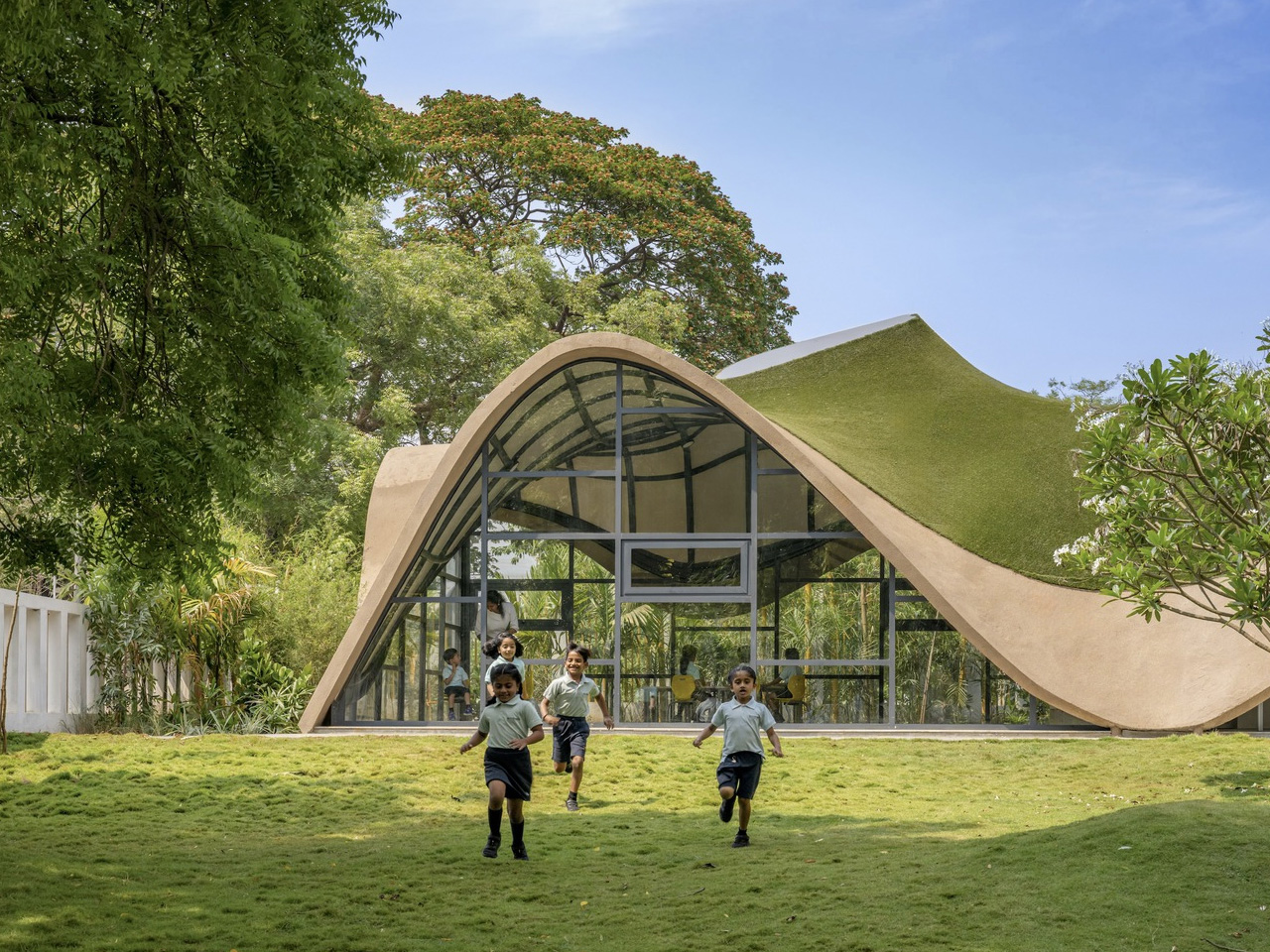
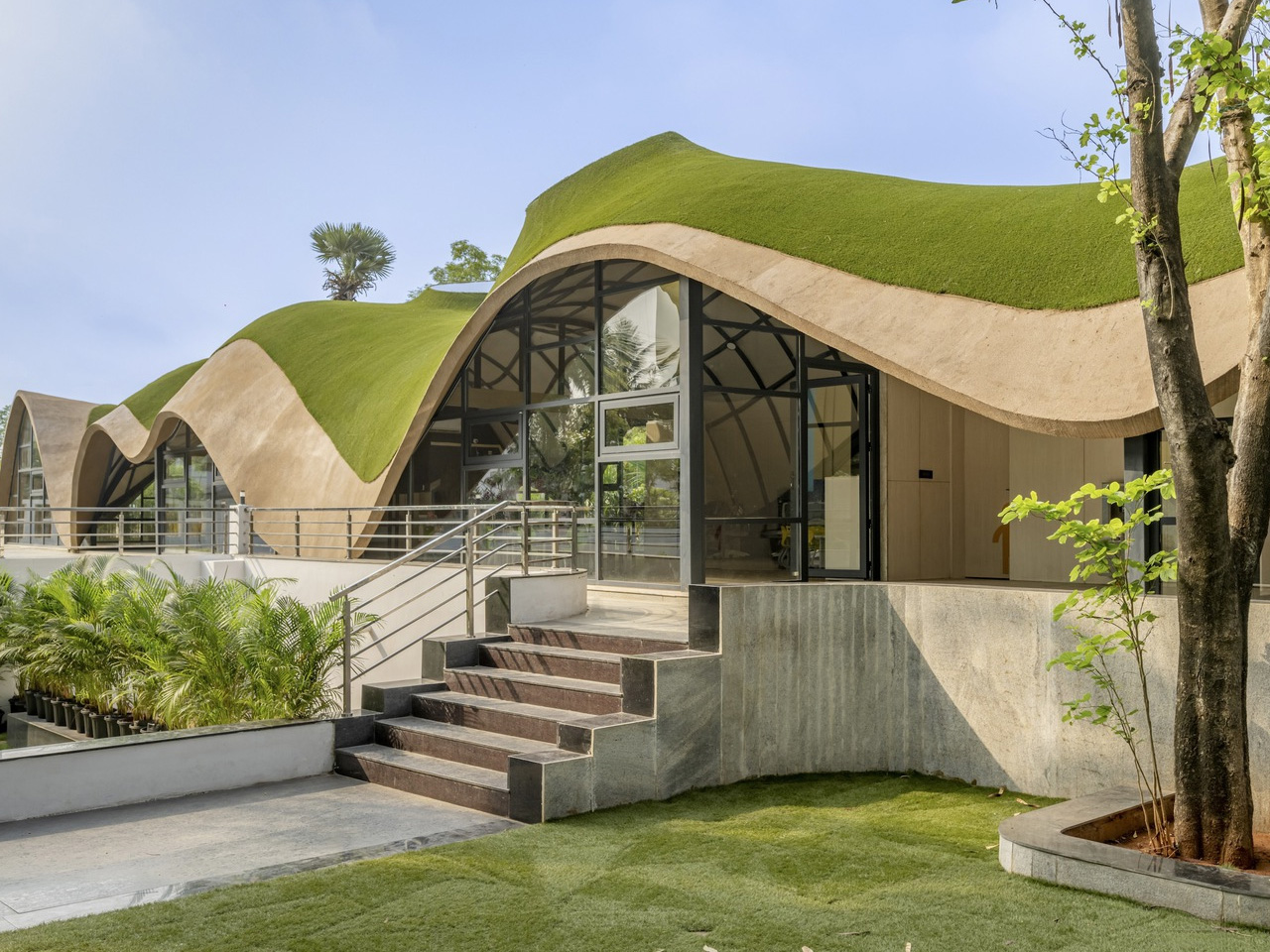
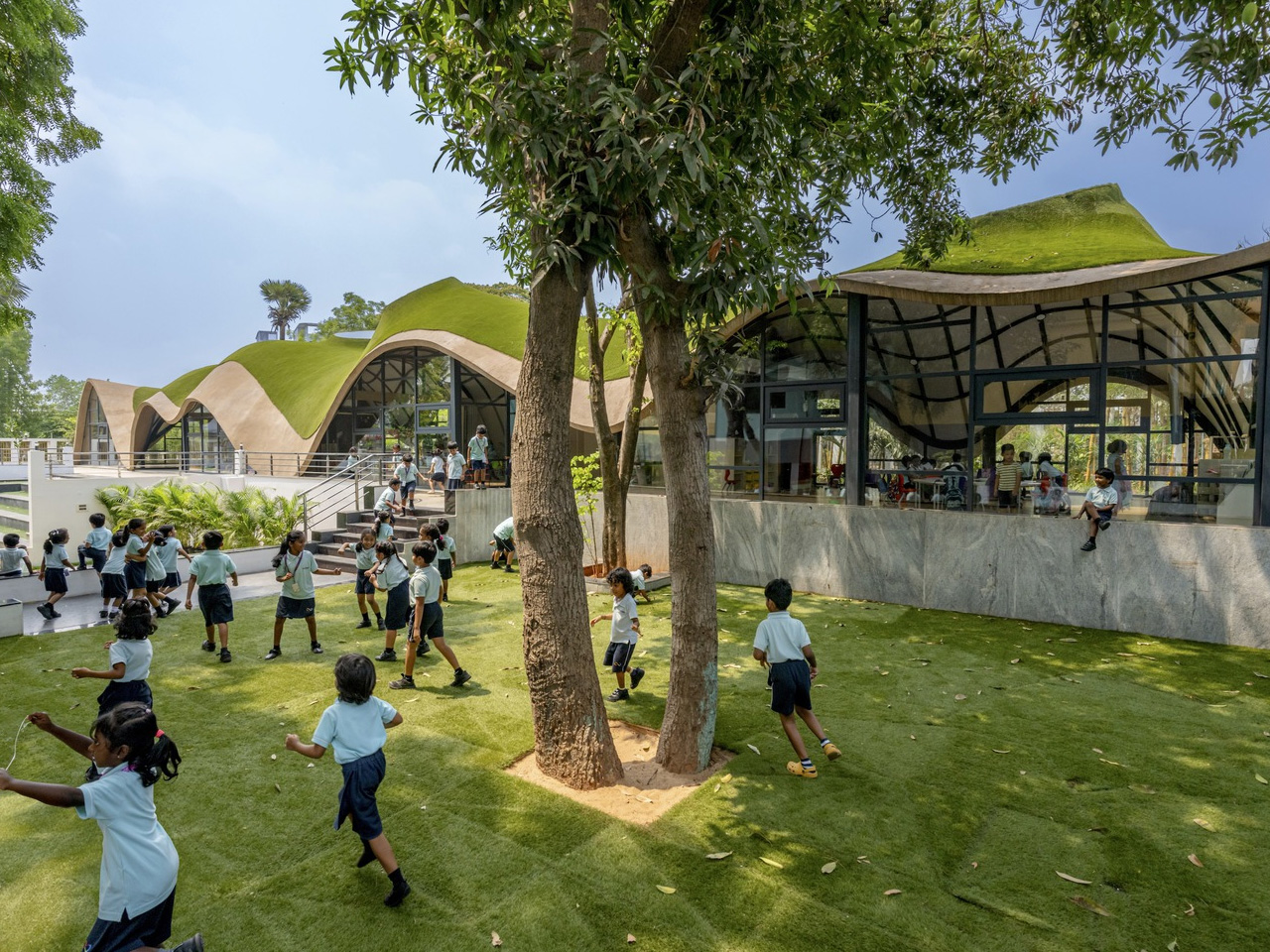
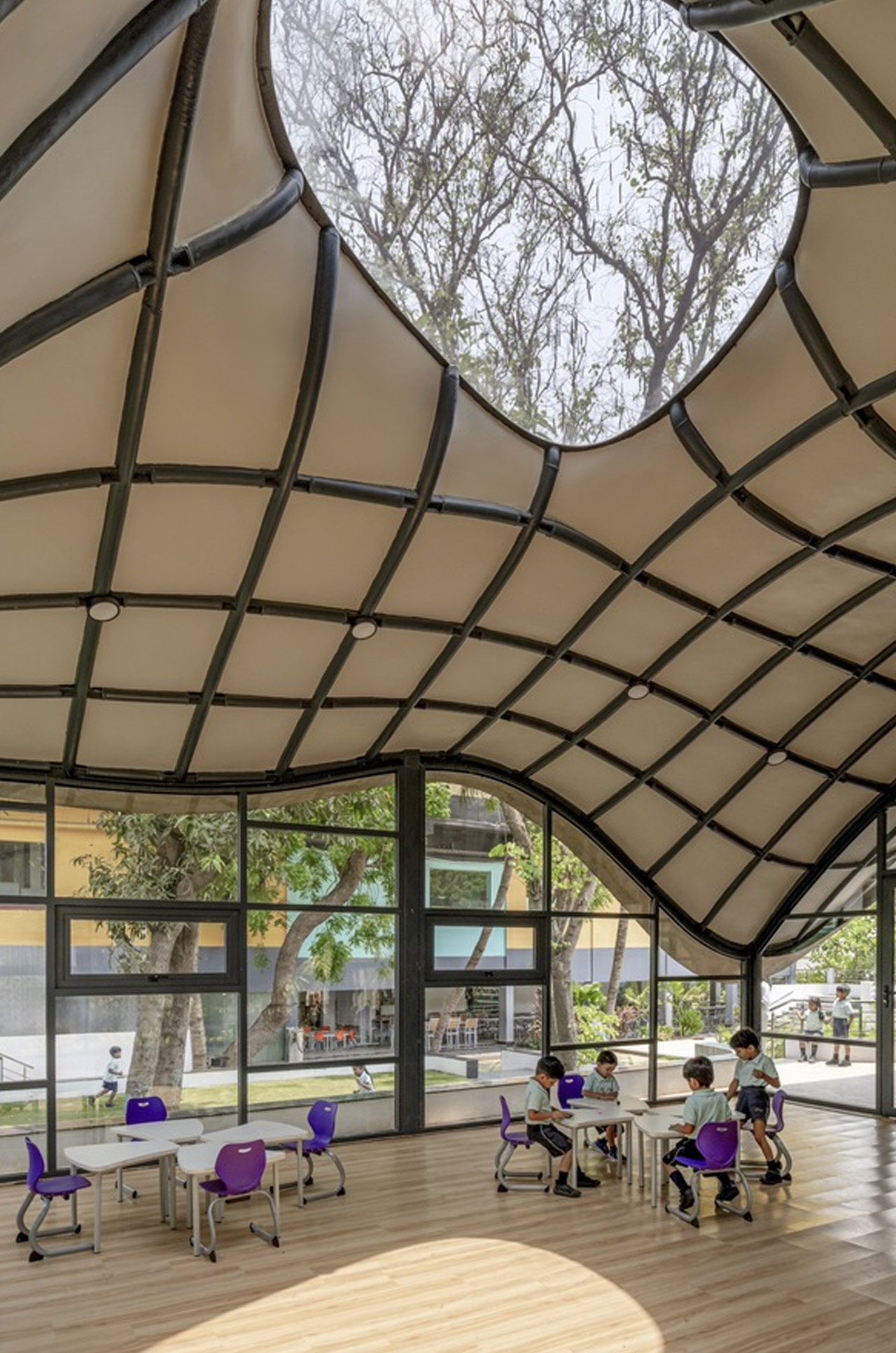
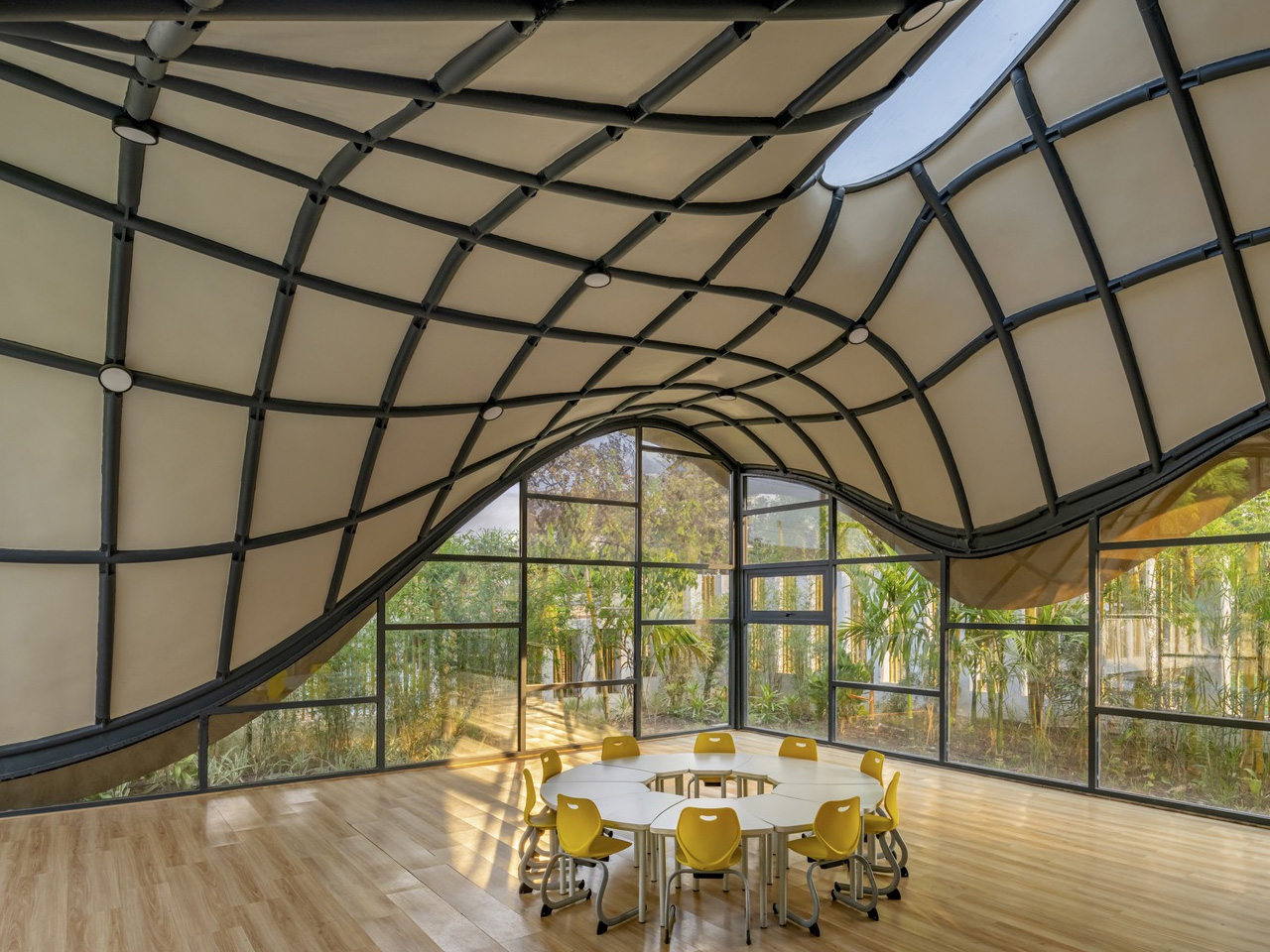
Tucked away in Vijayawada, Andhra Pradesh, India is ‘Cocoon’ – the pre-primary extension of the Bloomingdale International School. This 4000 sqft extension is designed by andblack design studio, and it truly stands apart from the main school building owing to its unique form, and unconventional structure. It features a sunken courtyard that mimics the area’s natural landscape. It flows towards the structure like a hill and serves as a versatile space – ranging from a playground to an amphitheater or classroom. This unique project merges the boundaries between indoor and outdoor spaces, forming an interesting and engaging learning environment, that is a relief from the boxy classrooms.

Designer: andblack design studio

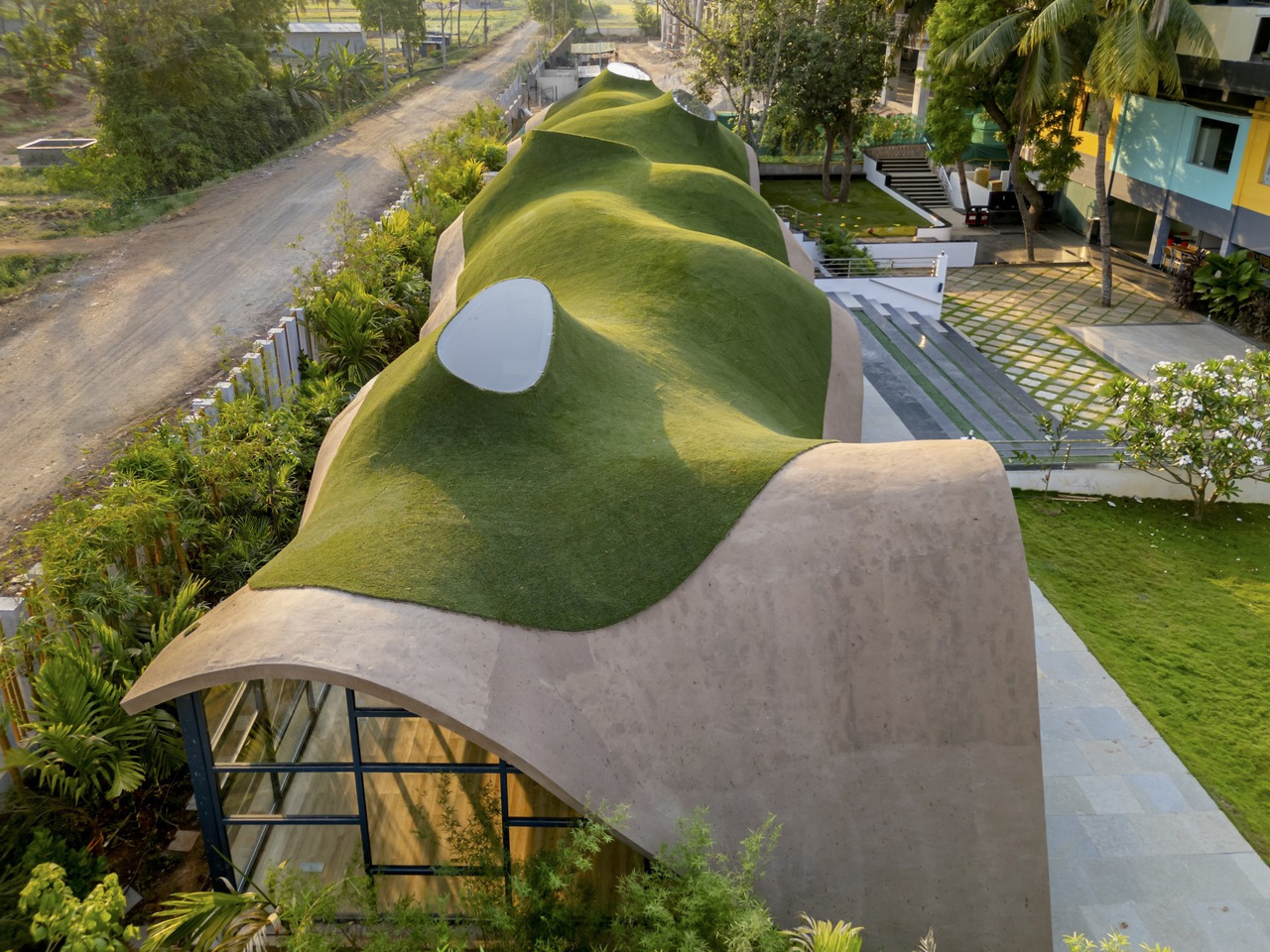
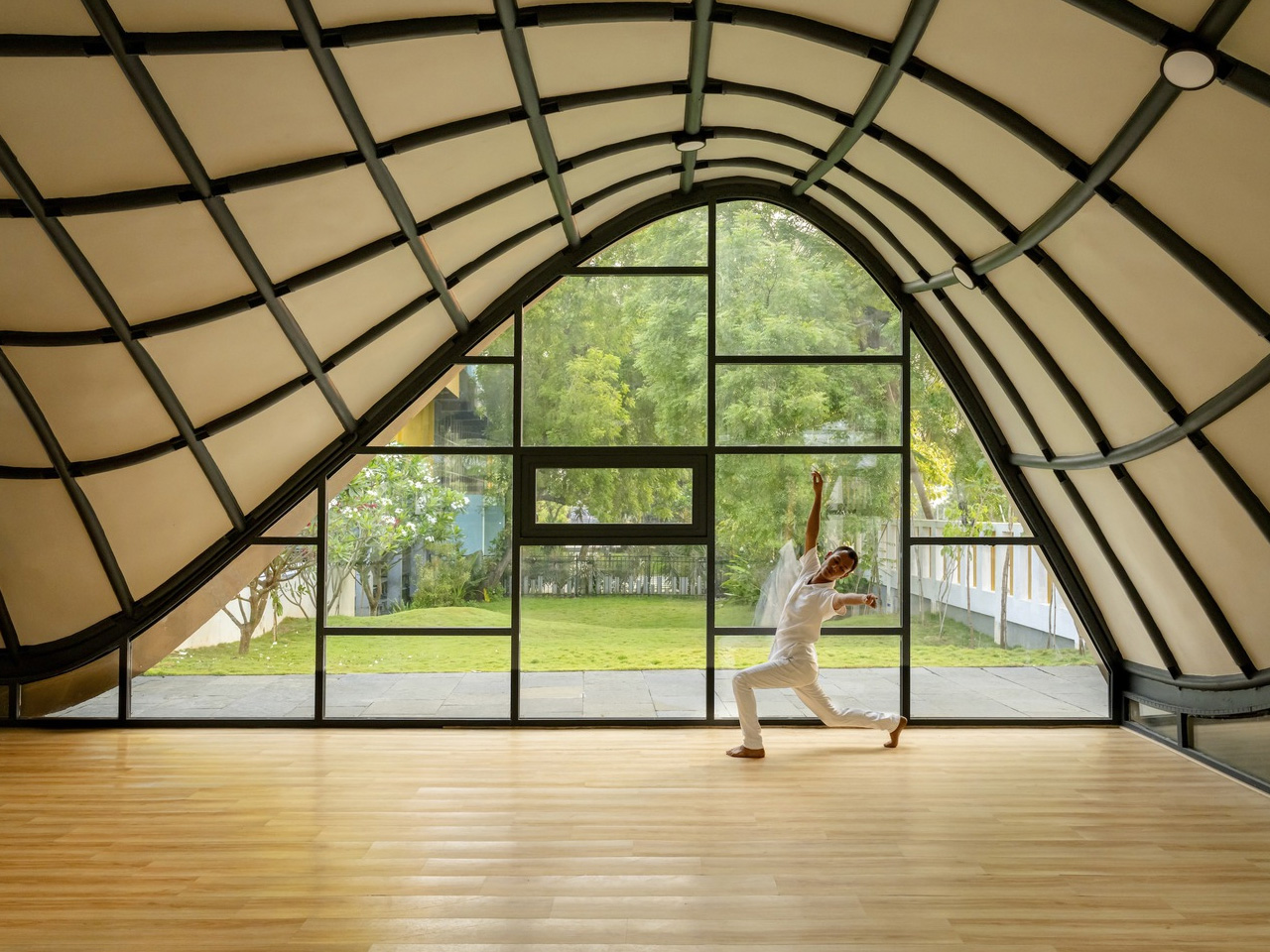
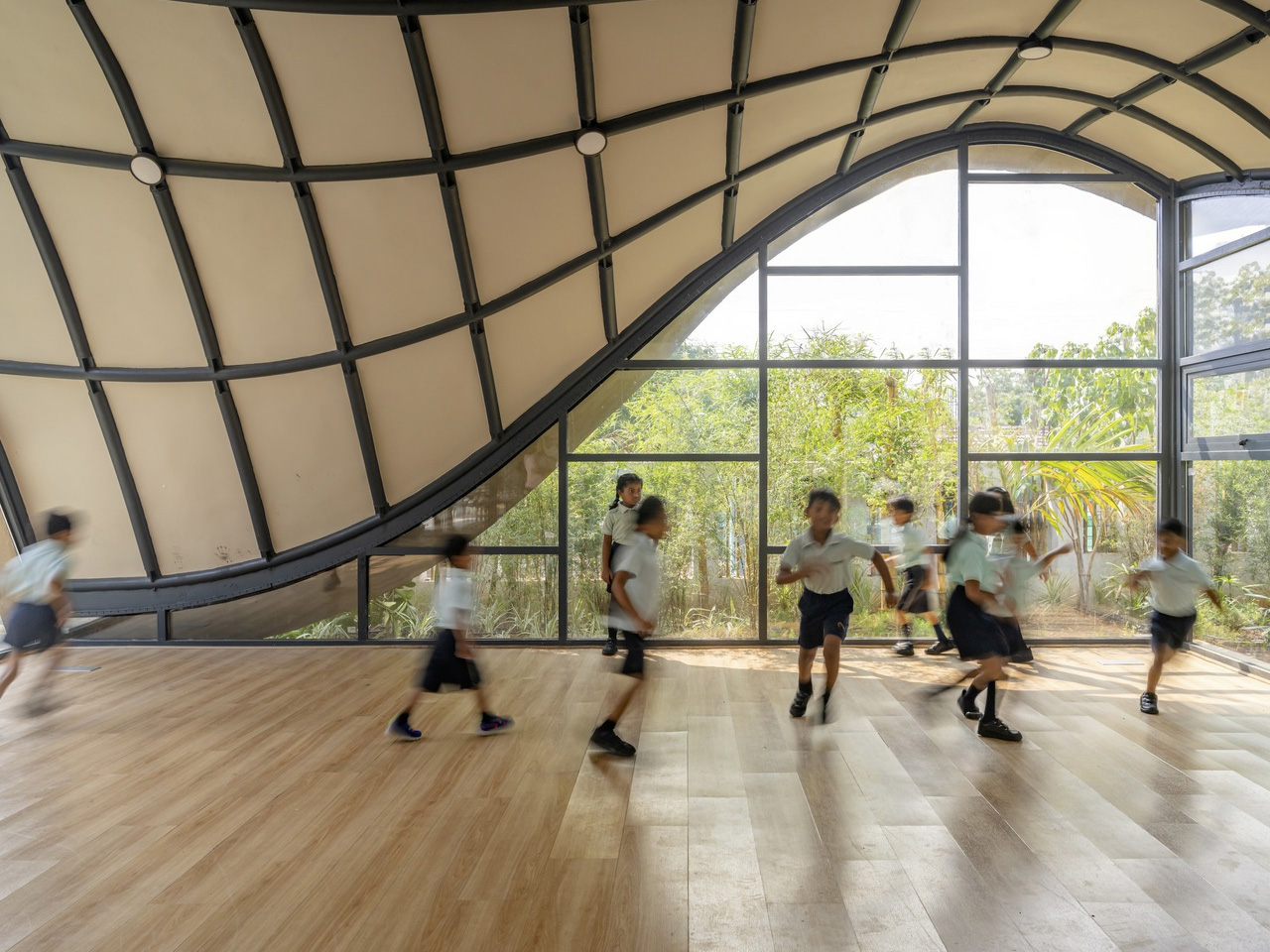
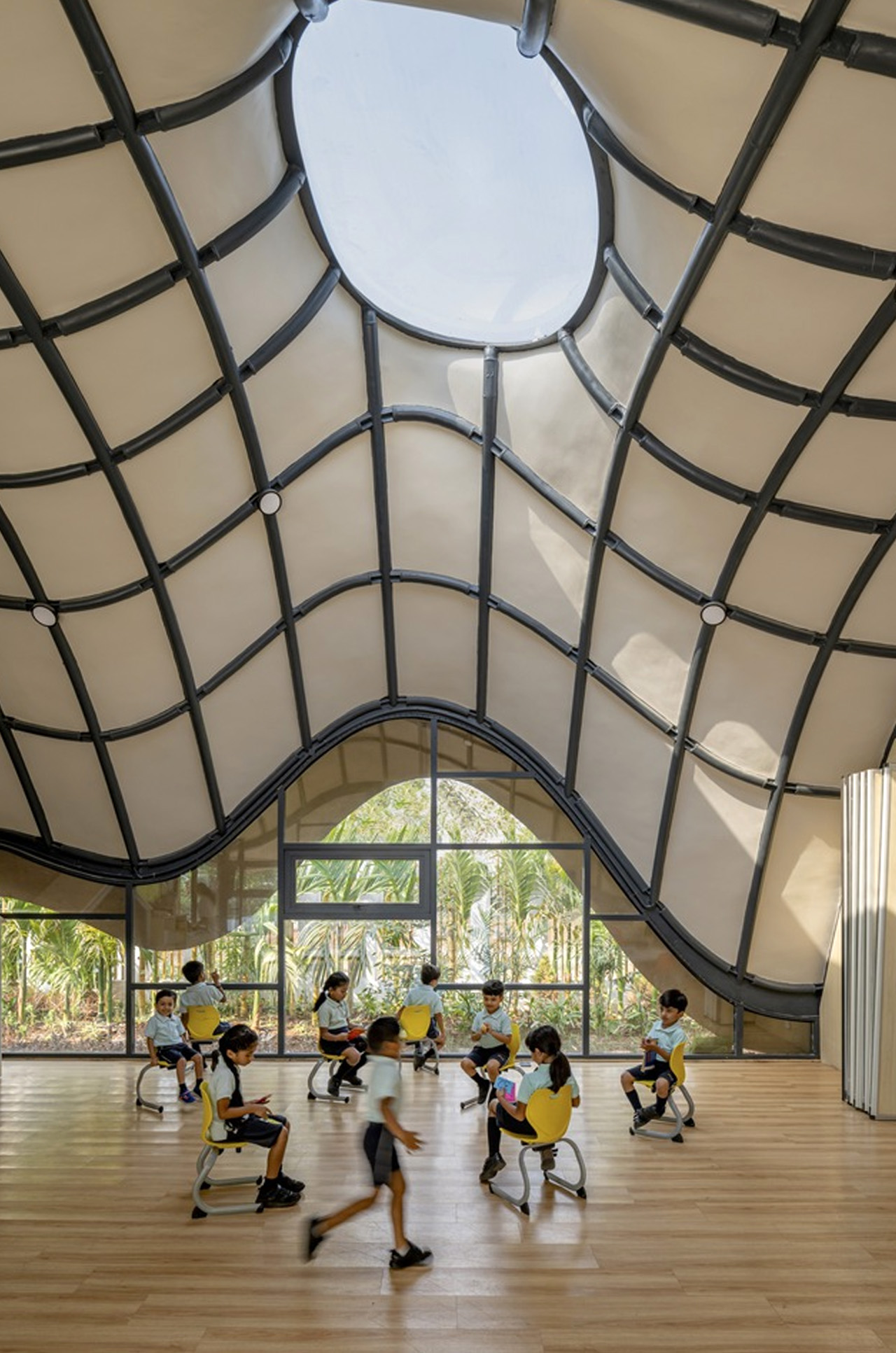
The design studio focused on building free-flowing and interconnected spaces that allow students to move about and interact with one another, and the natural environment. Full-height glass panels and skylights make the extension a fluid and light-filled space, allowing the interiors to merge with the surrounding landscape. Besides the sunken courtyard, the project also features an interesting undulating roof. The roof is inspired by natural forms like waves or hills, and it seems to move like them too. It allows the building to be at one with the landscape, creating the impression that it serves as “a form of the landscape in itself”. The roof is covered with turf, and it is supported by a fluid structure that doesn’t include any partitions.

The studio didn’t employ any bright and vivid colors, instead, the form of the structure is the star attraction. The inclusion of turf enhances the building’s connection with the landscape, forming an endearing environment for the children, where they are freely allowed to play and explore. The material palette is simple and minimal, accentuated by the use of prefabricated elements and exposed structural components.

Since prefabricated elements were used to construct the building, the assembly was a simple and cost-effective process. The core of the roof was assembled onsite using prefab metal sections, and concise construction techniques. Built-up beams were assembled at different heights to achieve the building’s curved form. The ceiling is exposed from within, creating a lovely contrast against the green roof. Natural light streams in through the skylight, creating a visual effect that is soothing and almost relaxing. The Cocoon is an excellent effort to build innovative educational buildings, wherein schools are redefined to create seamless and playful spaces that support creativity, learning, and exploration.

The post This School In India With An Undulating Green Roof & Sunken Courtyard Is A Relief From Boxy Classrooms first appeared on Yanko Design.

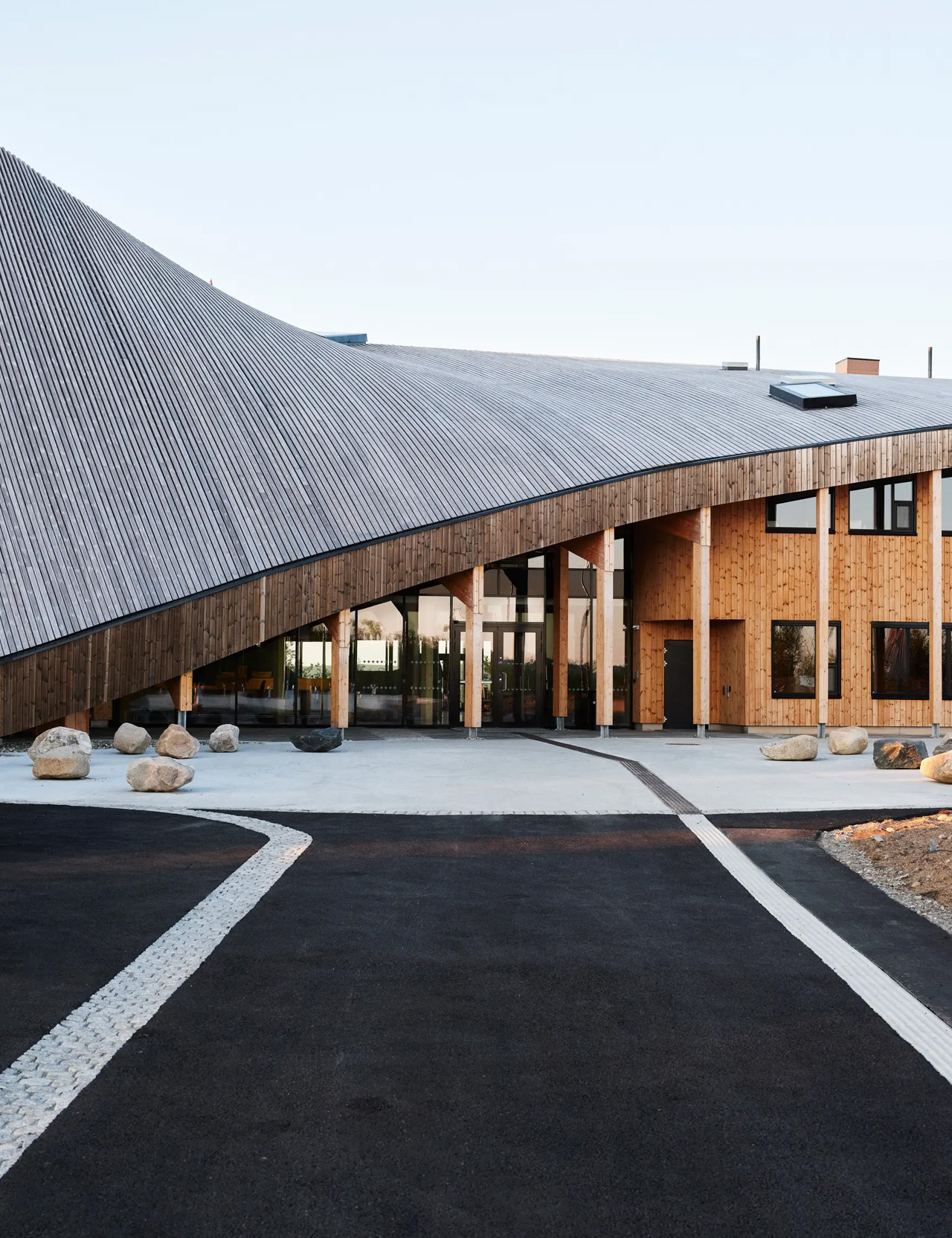
Snøhetta Builds A Timber School In Norway with 90% Energy Self-Sufficiency

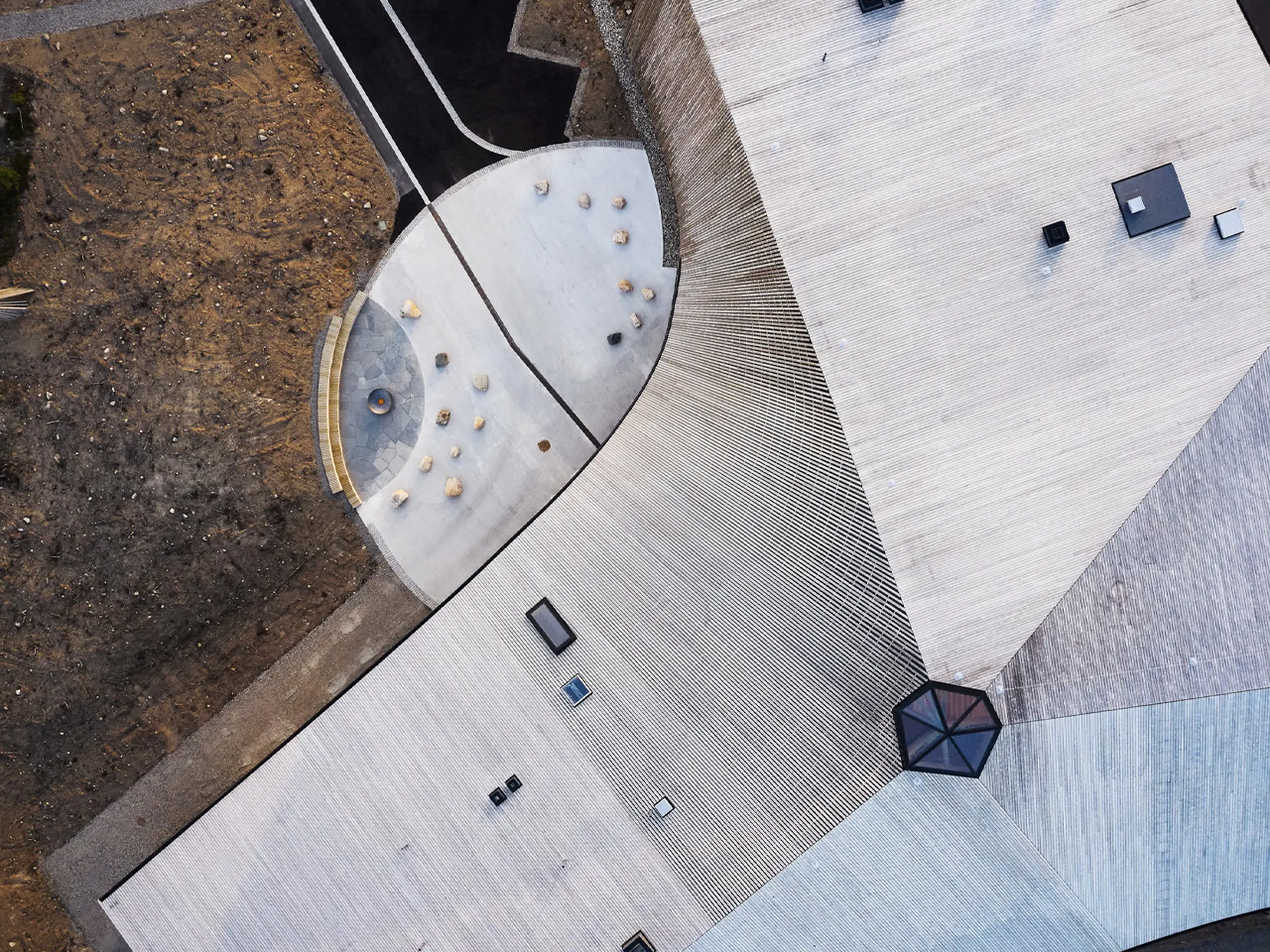
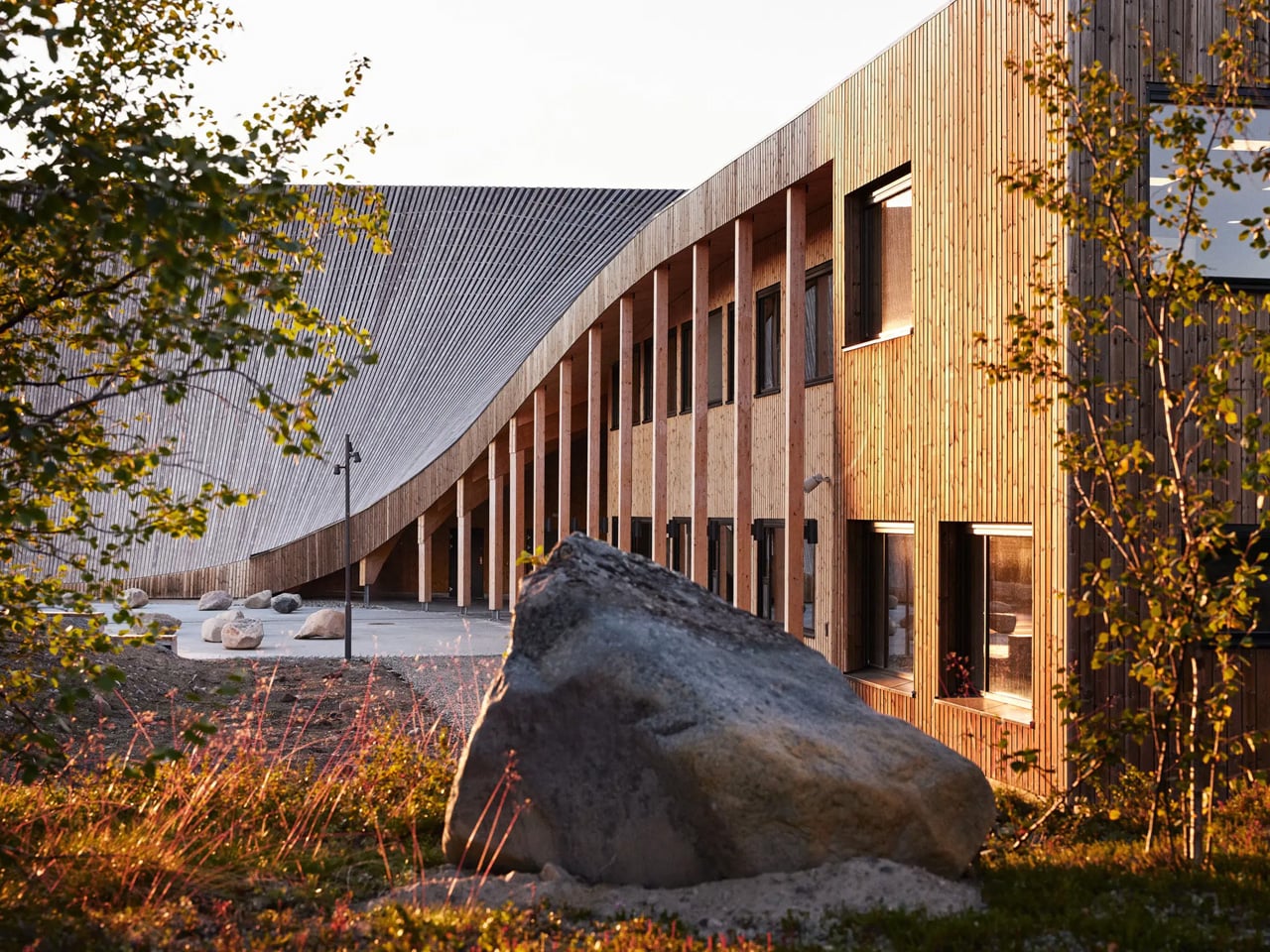
Kautokeino is located in Norway, north of the Arctic Circle, and suffers from extremely cold temperatures that can hit – 45 °C. Snøhetta was commissioned to build a brand-new cultural and education hub in this difficult location. A lot of thinking and attention to detail went into building this sturdy wooden structure which is supposed to be 90% self-sufficient in heating and cooling. Named, this building was constructed in collaboration with Joar Nango and 70°N arkitektur. The word ‘Čoarvemátta’ is derived from the Sami words for horn and root, which are the strongest parts of the reindeer’s antler. The hub is inspired by the local Sami culture and will be hosting the Sami National Theatre Beaivváš and the Sami High School and Reindeer Herding School.

Designer: Snøhetta

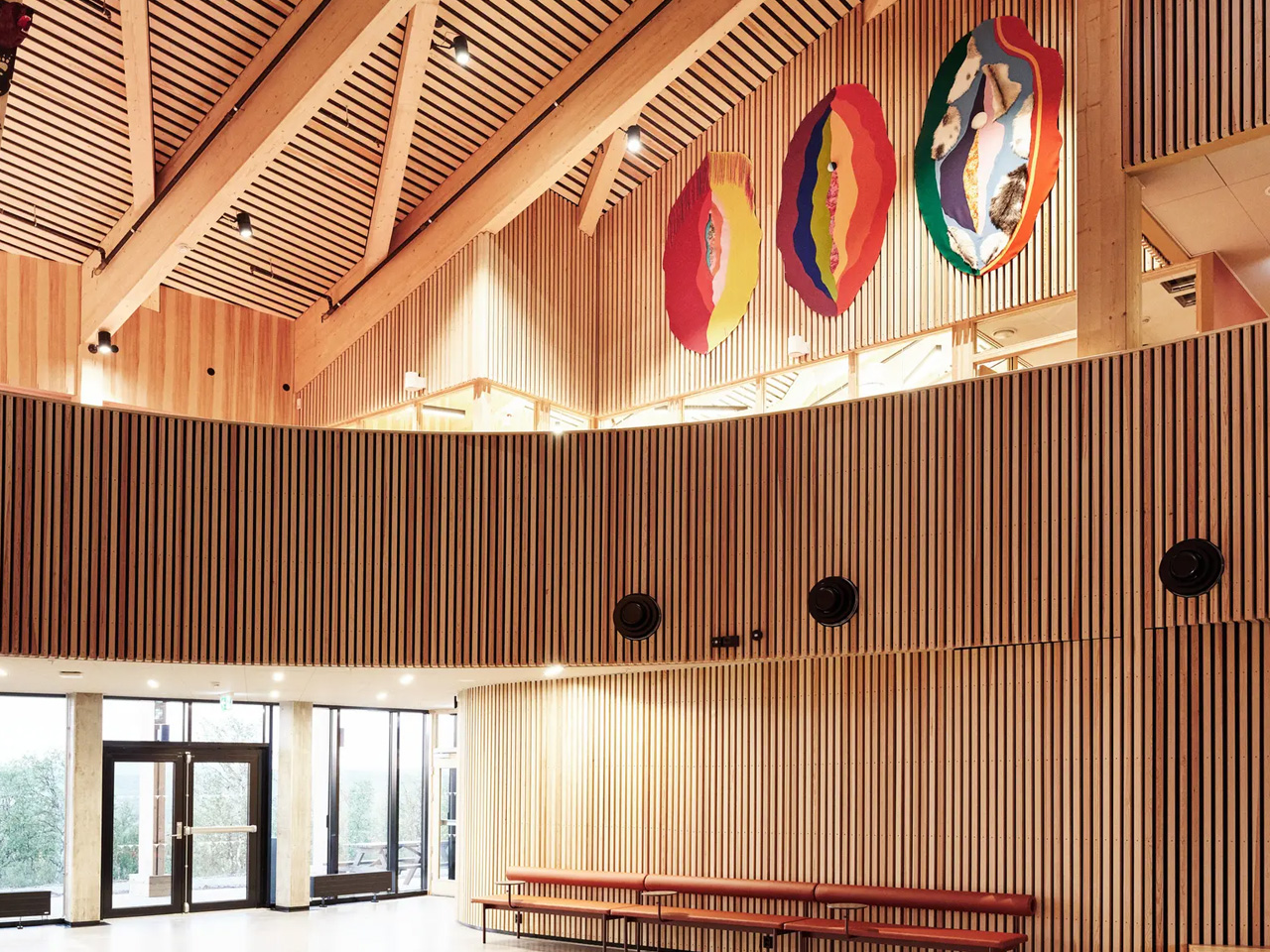
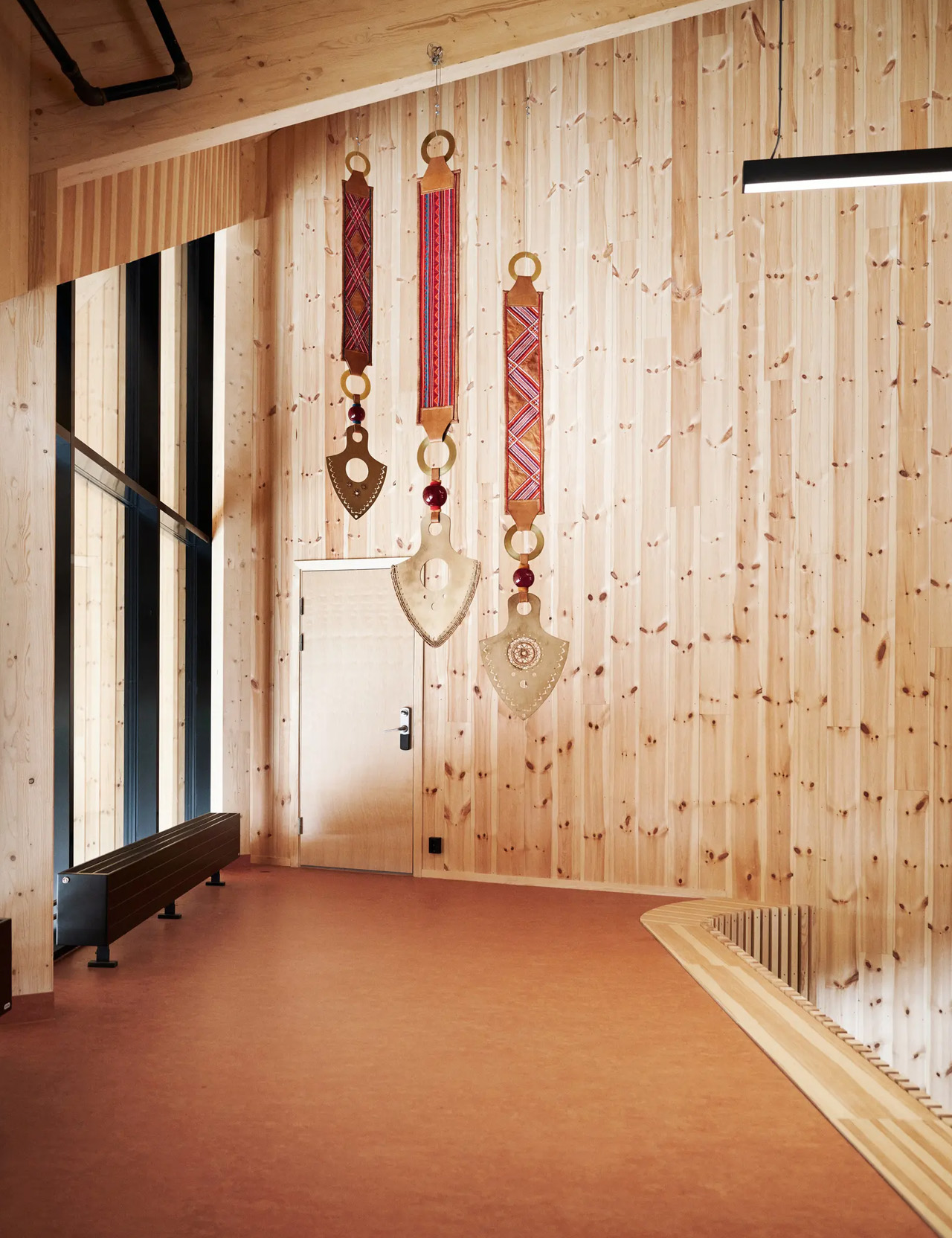
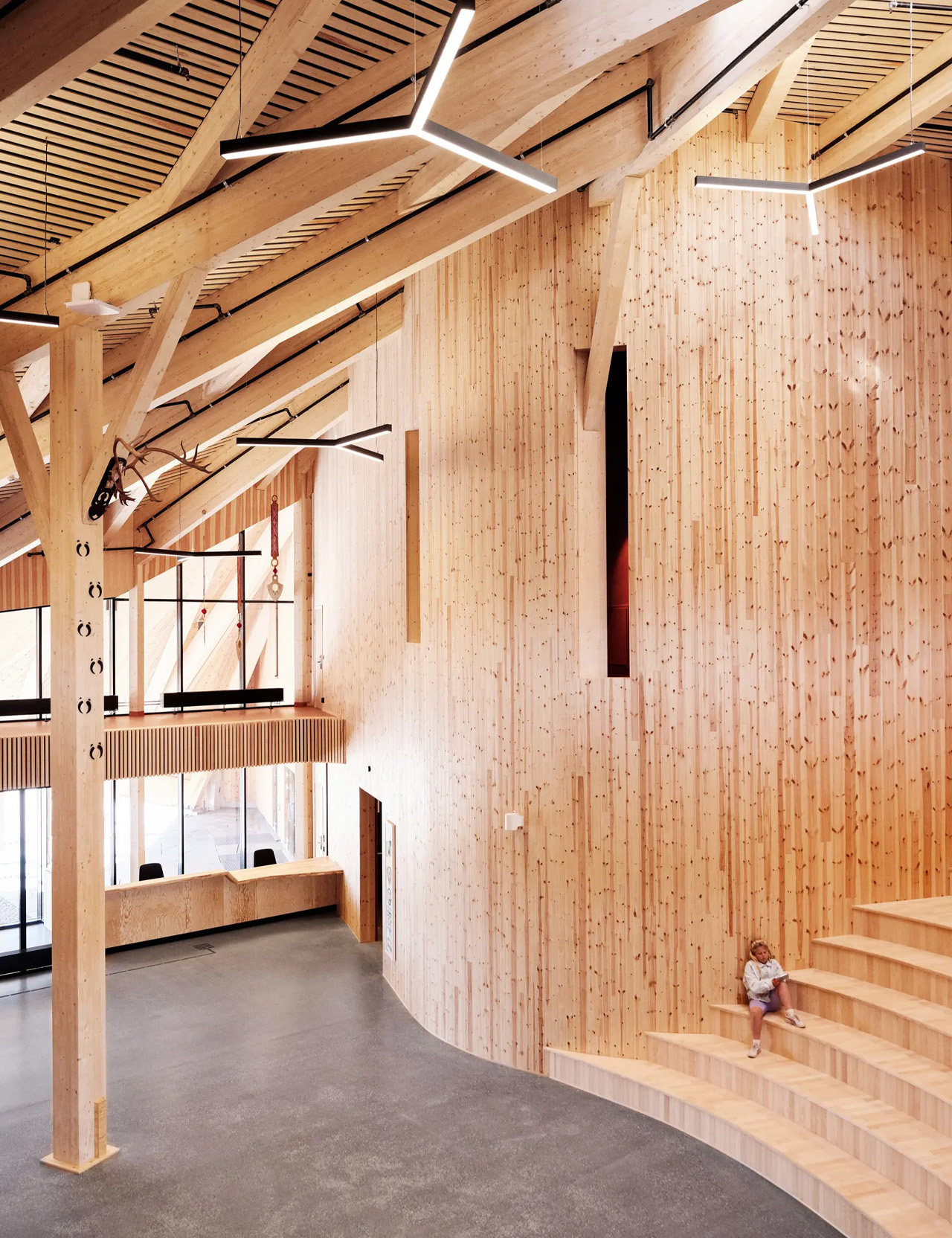
The structure occupies around 77,500 sq ft and is constructed mainly from wood. It features an impressive 53,000-sq-ft sloping roof that slowly moves towards the ground. The exterior was built using the slate from a previous school which has been demolished. The hub has a branching shape which creates surreal outdoor spaces. The south-facing space functions as the main entrance, and is protected by the dipping roof. The interior is equipped with theater and school areas, as well as a cool skylight inspired by a traditional Sami smoke hole. The interior is subtle yet beautiful, letting the natural beauty of the wood truly shine. The interior is also amped with traditional art by respected Sami artists. These pieces add hints of red and blue to the space, livening it up.

“The building is 90% self-sufficient in energy to heating and cooling thanks to 40 geowells drilled about 250 meters [820 ft] into the ground,” said Snøhetta. “The wells supply two heat pumps that both heat and cool the building, while exchangers for the energy wells dump surplus heat back again. On the coldest winter days, the system is supplemented with an electric boiler.”

The Čoarvemátta is in complete accordance with the requirements of the Passive House Standard – a strict green building standard that needs a high level of insulation and air-tightness. The hub also utilizes geothermal heating. The landscaping around the Čoarvemátta has been kept natural since Sami culture does not include creating parks and urban spaces. The soil that was removed from the site has been preserved, stored, and returned, ensuring the safety of the seed stocks.

The post Snøhetta Builds A Timber School In Norway with 90% Energy Self-Sufficiency first appeared on Yanko Design.
Heatherwick Studio Unveils Stunning Sustainable School Design for Universidad Ean in Bogotá

In an exciting blend of vibrant culture and innovative architecture, Heatherwick Studio has unveiled the stunning visuals for a new school in Bogotá, Colombia. This groundbreaking project, set to rise on Calle 72, one of the city’s bustling main arteries, promises to be a visual and functional masterpiece for Universidad Ean’s School of Sustainable Design.

Designer: Heatherwick Studio

The seven-story marvel will serve as a dynamic hub for creativity and learning, adorned with colorful, basketry-formed terraces that pay homage to Colombia’s rich craft traditions. Inspired by Werregue basketry, a unique weaving technique of the Wounaan indigenous community, the building’s front façade will be a captivating mosaic of crafted columns and open terraces. This design not only celebrates local heritage but also infuses modern architectural flair, making it a standout addition to Bogotá’s skyline.

The innovative columns of the building, which denote the earthy vibe of the project, are not just regular forms seen in past structures. They resemble organic stones stacked on top of each other, supporting the balconies above. The design detailing of the joint where the balcony slab meets the column is particularly fascinating, and easily noticeable from the ground. This junction appears like ripples created when a stone touches water, adding a unique and visually engaging element to the architecture. The vibrant colors of the columns are certainly eye-catching, ensuring the building stands out in the urban landscape.

Eliot Postma, group leader and partner at Heatherwick Studio, explained that creativity is intrinsic to the city of Bogotá and evident everywhere. He expressed the studio’s desire for students to feel proud of their campus even before entering the building, envisioning a public square that would provide passers-by with a welcoming communal oasis amidst the hard urban surroundings.

Heatherwick Studio’s design goes beyond aesthetics; it aims to create a central gathering space for the Universidad Ean campus. The new building will complement existing heritage structures, introducing a rare and much-needed public space in the heart of the city. The design team is also pioneering the use of innovative façade materials to withstand Bogotá’s intense sunlight, ensuring the building’s resilience and longevity.

Colombia, celebrated as the world’s second most biodiverse country, positions Bogotá as a leader in sustainable development. Universidad Ean’s ambitious vision includes integrating elements of the surrounding cloud forest into the building, embodying the country’s natural beauty. Heatherwick Studio’s biophilic design will feature local plant species on the terraces, seamlessly merging nature with urban life and aligning with Bogotá’s commitment to the C40 Urban Nature Declaration.

The building’s design is a testament to Colombia’s weaving traditions, with columns adorned in colorful, curved lines supporting the circular terraces above. This weaving texture reflects the artistry of local practices, creating a harmonious blend of tradition and modernity.

Heatherwick Studio’s first project in South America is set to break ground in 2025. This landmark building not only stands as a beacon of sustainable design but also celebrates Colombia’s vibrant cultural and natural heritage, promising to be a source of pride and inspiration for students and citizens alike.

The post Heatherwick Studio Unveils Stunning Sustainable School Design for Universidad Ean in Bogotá first appeared on Yanko Design.
10 Essential Back-To-School Stationery Picks for High School and College Students

If you’re heading back to school, then you need a set of efficient and well-designed stationery products to help you reach your utmost potential. Having the right assortments of stationery designs is crucial, as these are the objects that are gonna help you get through your school day and directly or indirectly affect your productivity. It’s imperative to have a collection that really lets you get your school work done easily, efficiently, and effectively. And, we’ve curated a collection of innovative and nifty stationery designs that you must own! From an everlasting all-metal pencil to a kintsugi-inspired notebook – these are the modern stationery designs you need to meet your modern stationery needs.

1. MagBoard Clipboard

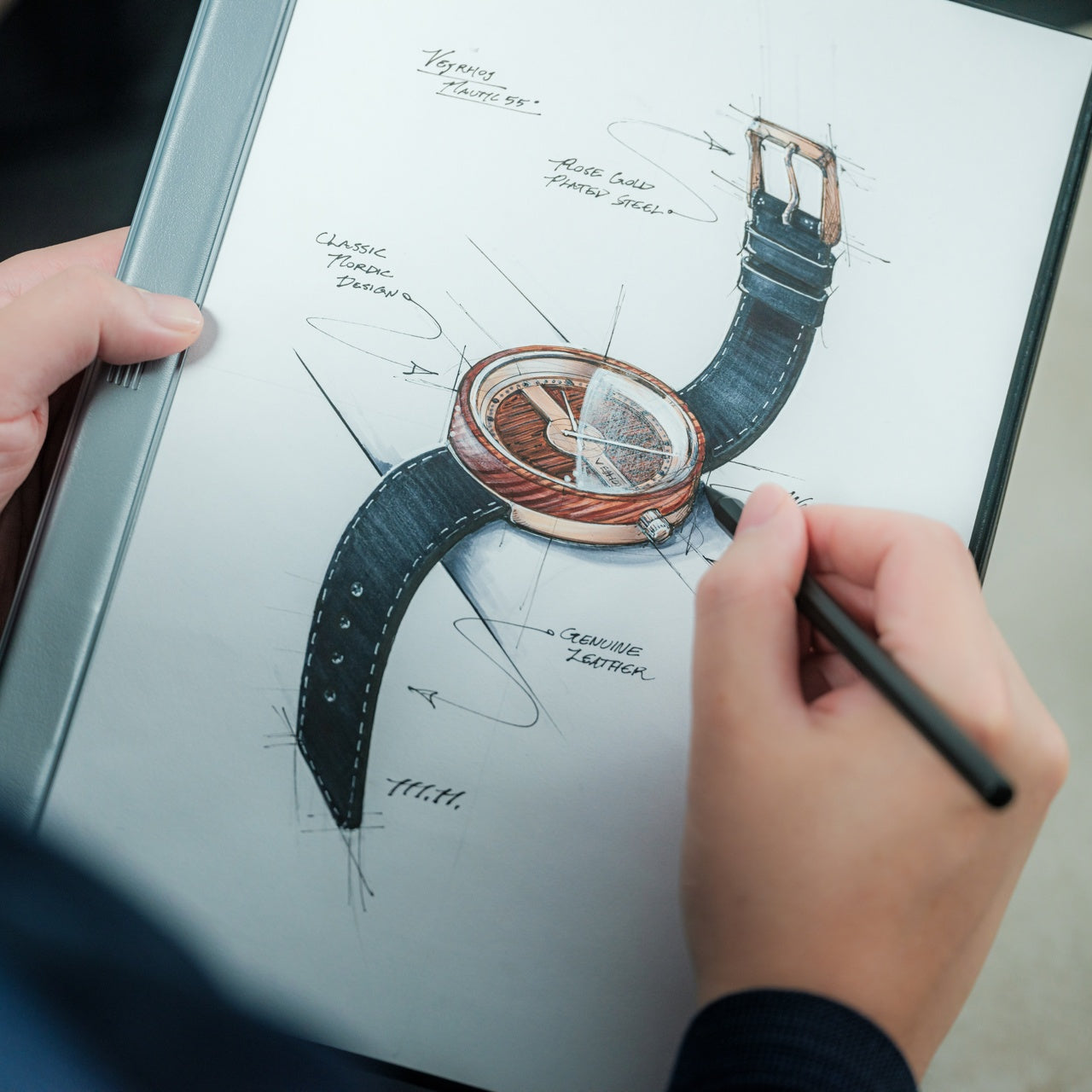
Dubbed the MagBoard Clipboard, this unique stationery product is functional and innovative. It is designed to be a notepad/clipboard hybrid. It uses a magnet and lever mechanism which holds the sheets in one spot. It is a great tool for noting down your thoughts and ideas.

Click Here to Buy Now: $45

Why is it noteworthy?

The clipboard is truly unique and one-of-a-kind, and it gives a transformation to the ordinary notepad. You can elevate your note-taking experience, without having to deal with the typical hassles of a notebook.

What we like

  • Lightweight and compact form
  • The papers are held safely by levers and magnets

What we dislike

  • It is best paired with specific sizes, which may not suit everyone’s needs

2. Everlasting Metal Pencil

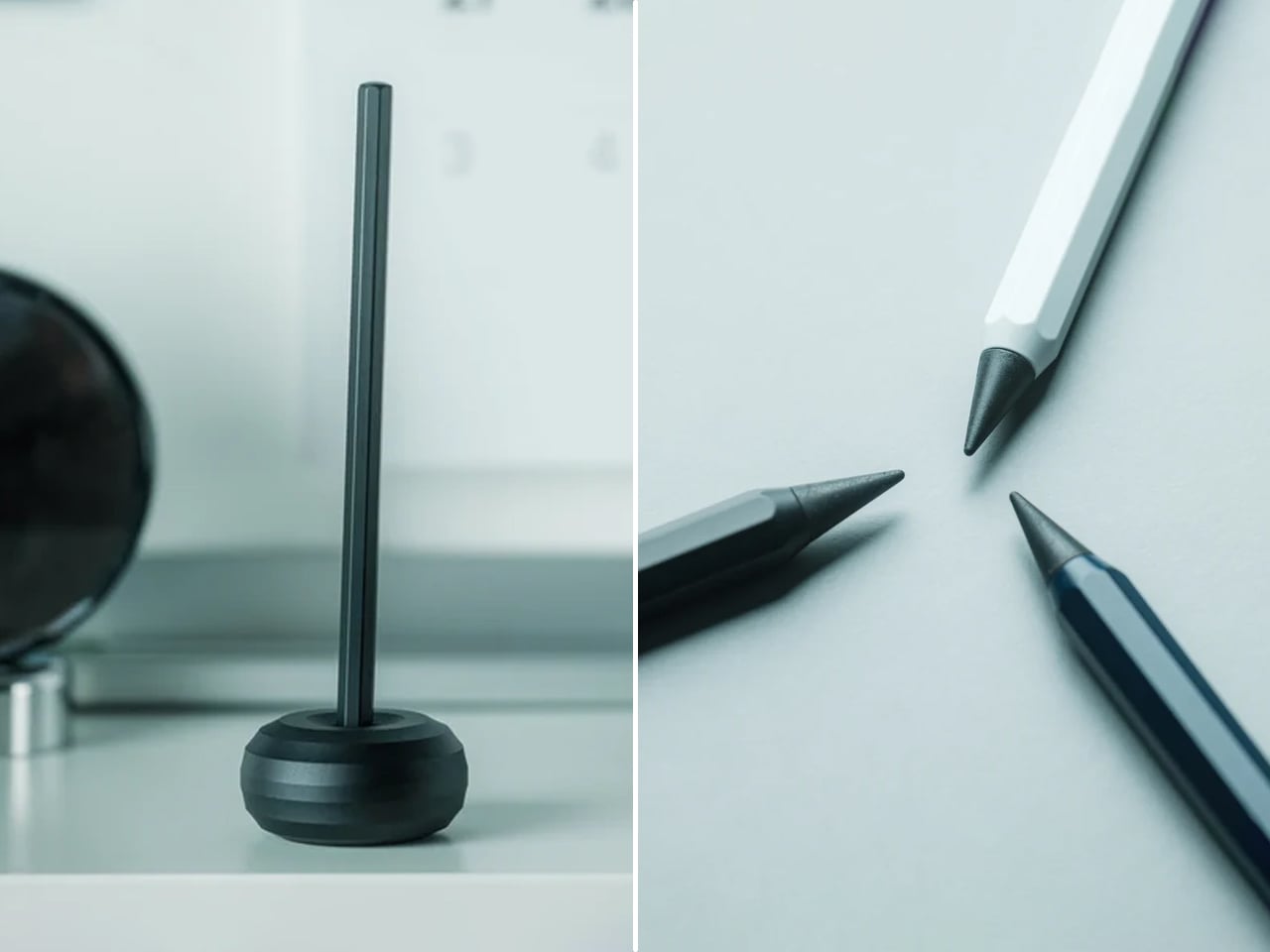
If you’re preparing your back to school kit, then you prolly want to add the Everlasting Metal Pencil to it. This unique pen is like a Wacom stylus, with a tip that doesn’t need to be sharpened or replaced. With the Everlasting Metal Pencil, you can fully focus on the tasks at hand, instead of the lead.

Click Here to Buy Now: 2 for $34 $39 (15% off)

Why is it noteworthy?

The shaft is octagonal and created from aluminium, housing a special alloy core. You might expect the pencil to leave heavy grooves on paper, but instead it draws like a real pencil, and the tip doesn’t wear down even after dozens of marks.

What we like

  • Equipped with a metal core instead of clay or charcoal

What we dislike

  • The pencil doesn’t smudge or smear like normal graphite, which is a drawback for those who use smudging techniques

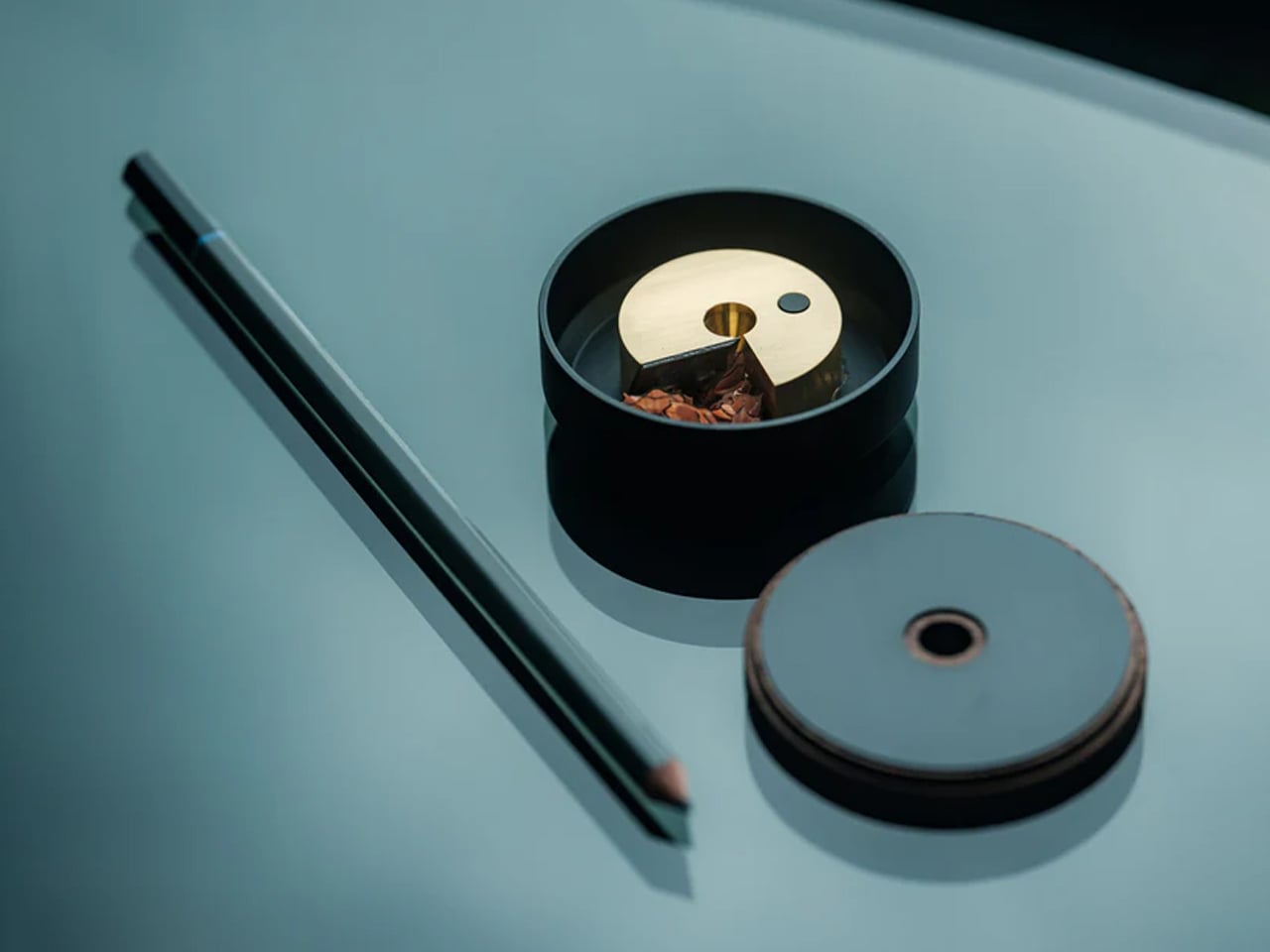
3. Quick Access Pencil Sharpener Stand

Say hello to the Quick Access Pencil Sharpener Stand! You can bid farewell to dull pencils with this sharpener that’s there whenever you need, as it holds your pencil too! It is a disc-shaped stationery item that serves as a pencil sharpener and a pencil stand, making it the perfect product made in heaven.

Click Here to Buy Now: $55.00

Why is it noteworthy?

The sharpener stand features a brass mechanism which ensures the wooden cover never opens by mistake, spilling the shavings within. It ensures your favorite pencil is always sharp, and easily accessible and within reach.

What we dislike

  • Serves as a sharpener as well as an elegant pencil stand
  • Equipped with a specially angled sharpeners which ensures the pencil lasts longer

What we dislike

  • Doesn’t seem like a very portable and easy-to-carry product

4. Author Clock

Meet the Author Clock – a novel and new way to tell time! This modern and innovative clock showcases the time via unique literary quotes every minute – this is essentially time-telling reimagined. This clock converts time-telling into a playful and whimsical event, allowing you to visit priceless moments in literature and writing history.

Why is it noteworthy?

The Author Clock includes thousands of different quotes from a diverse range of authors. It is a creative, fun, and inspiring way to check and tell the time. If youre someone who loves reading, and collecting books, then the imaginative Author Clock is the one for you.

What we like

  • Includes 2000 quotes from authors spanning six centuries

What we dislike

  • Response time is a bit slow as compared to other lightning-fast devices

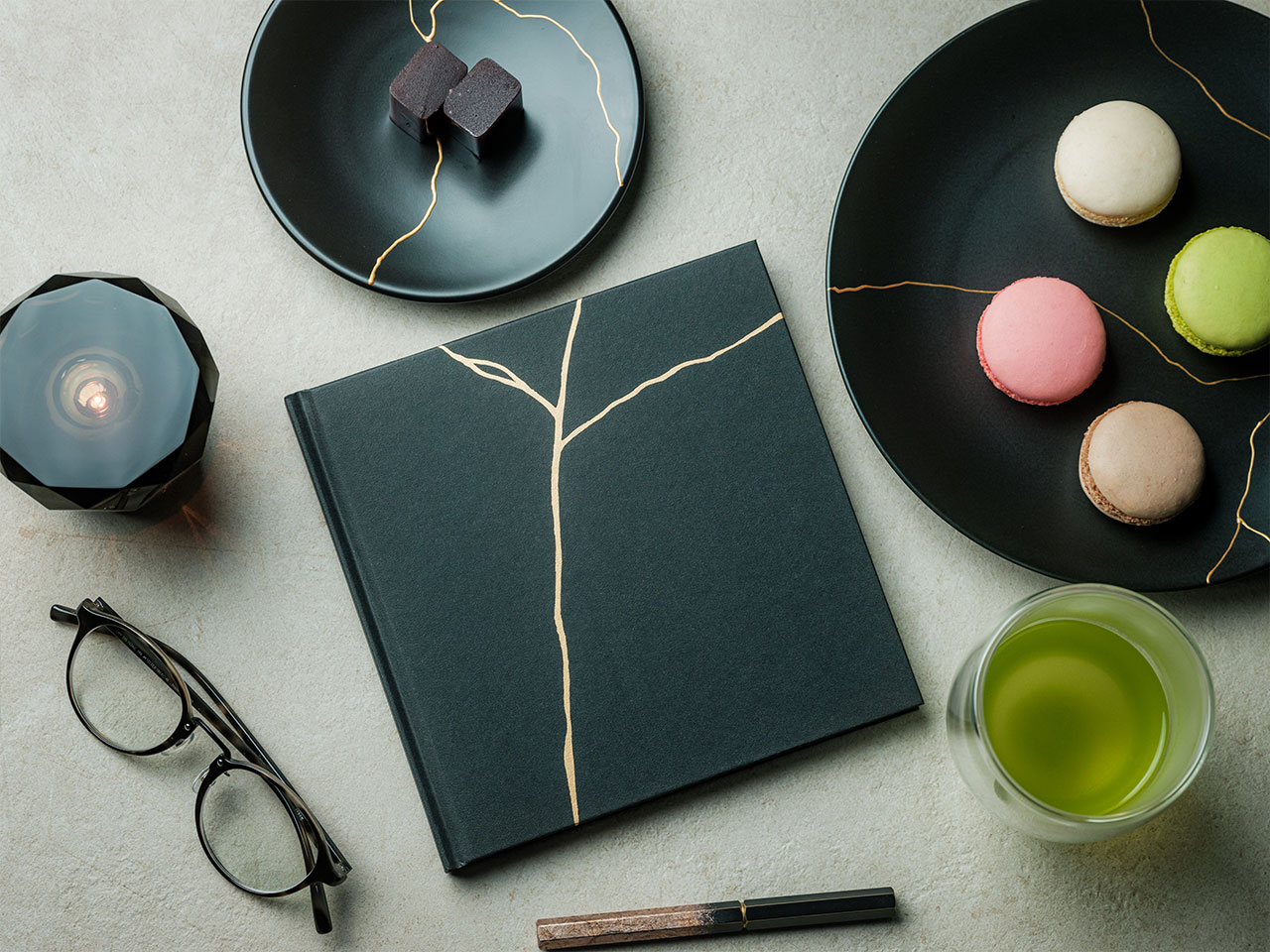
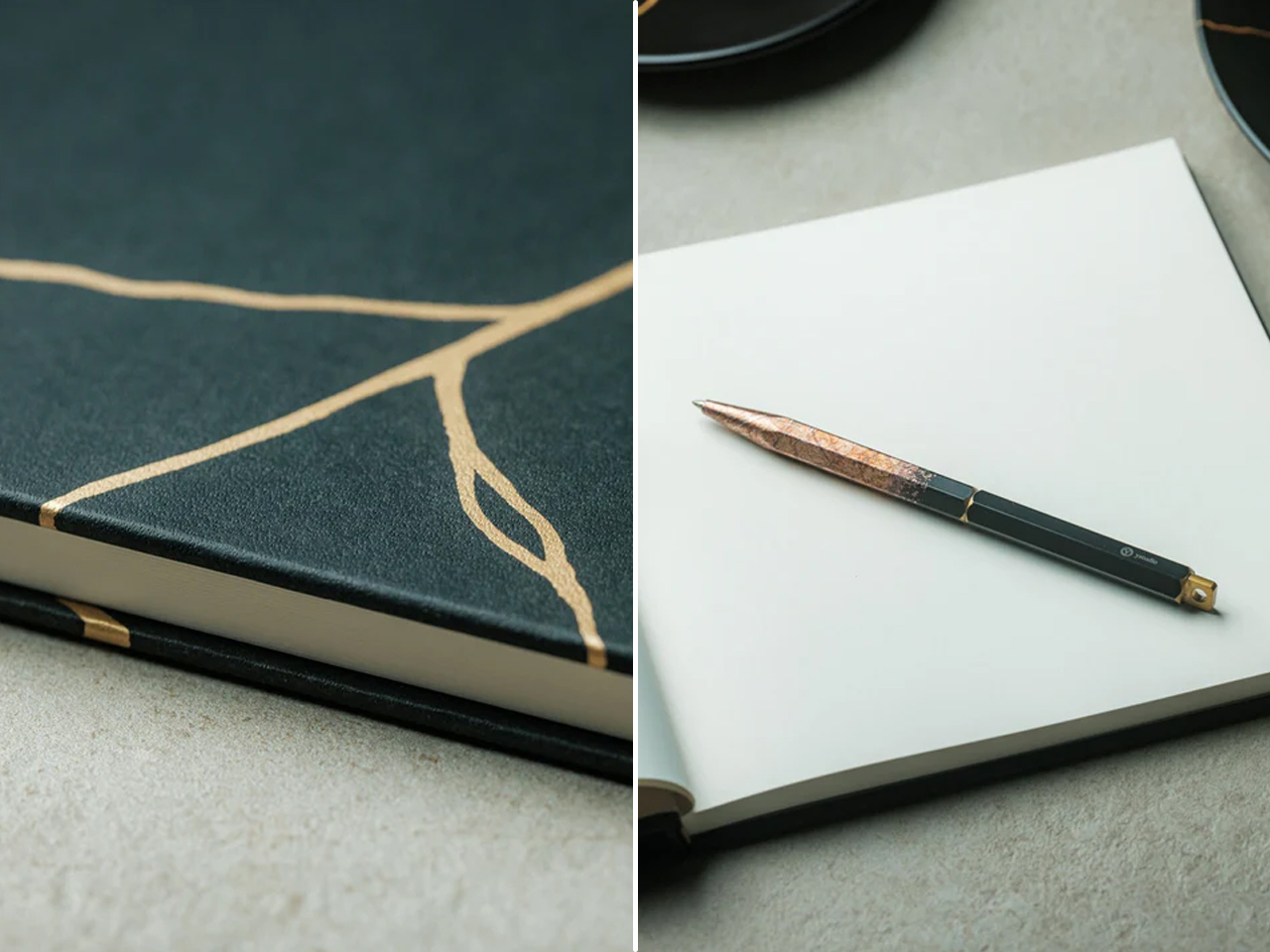
5. Kintsugi Plain Notebook

This beautiful little notebook is inspired by Kintsugi – the Japanese art of repairing and fixing cracks in pottery with gold lacquer. This notebook features a unique and simple design cover, which conceals a deeper meaning, inspiring users to reflect, and encouraging them to leave imperfect little marks on the paper.

Click Here to Buy Now: $29.00

Why is it noteworthy?

It encourages you to jot down happy memories or profound ideas with complete freedom. The notebook is made using sustainable bagasse paper, and it represents your own inner healing, and the healing of the planet.

What we like

  • Perfectly captures the spirit and beauty of Japanese culture
  • Features unique branch-like golden lines on the black cover

What we dislike

  • The notebook currently comes only in plain paper version whereas a lined variant would be better suited for college use.

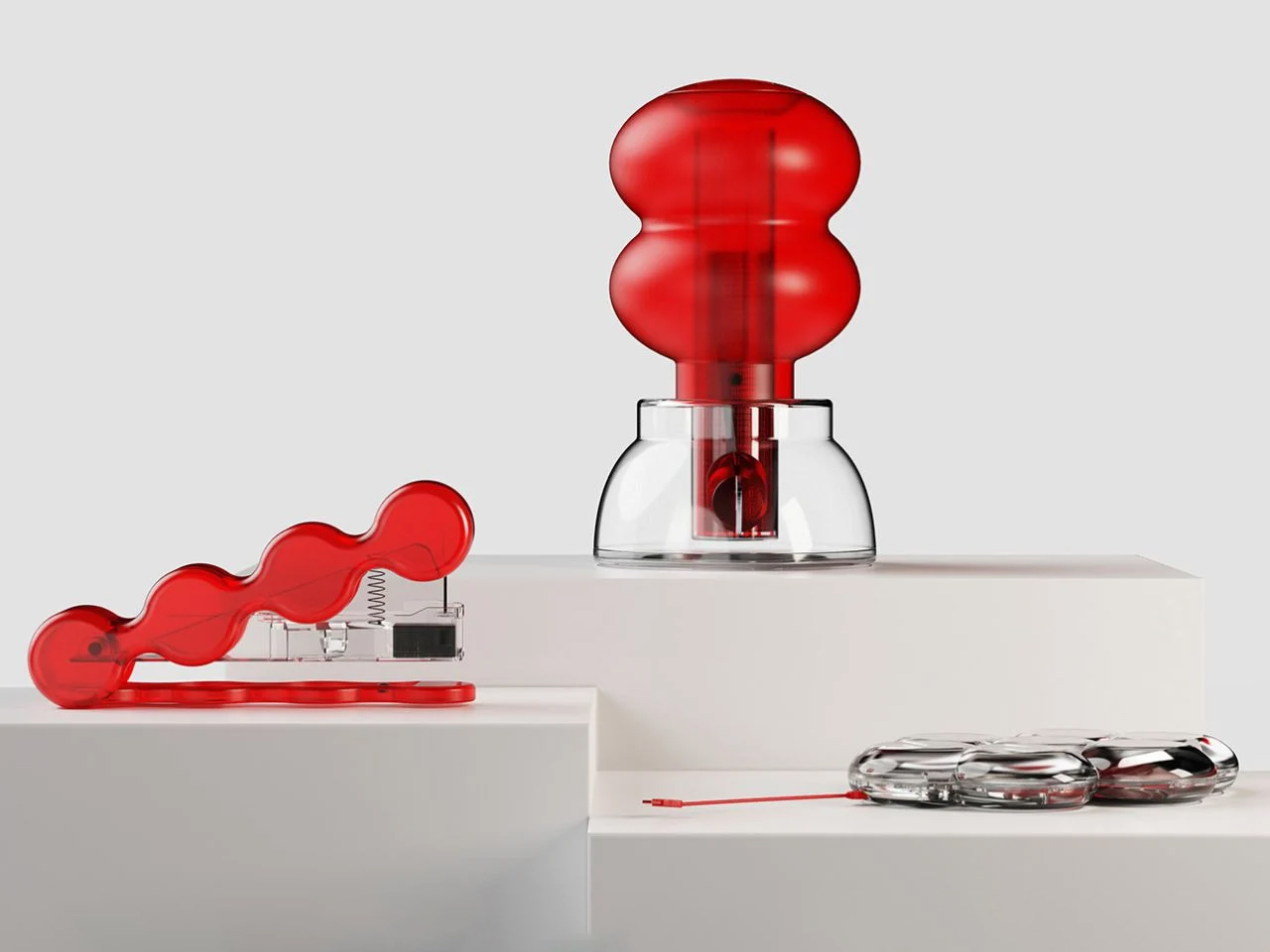
6. Royi Stationery

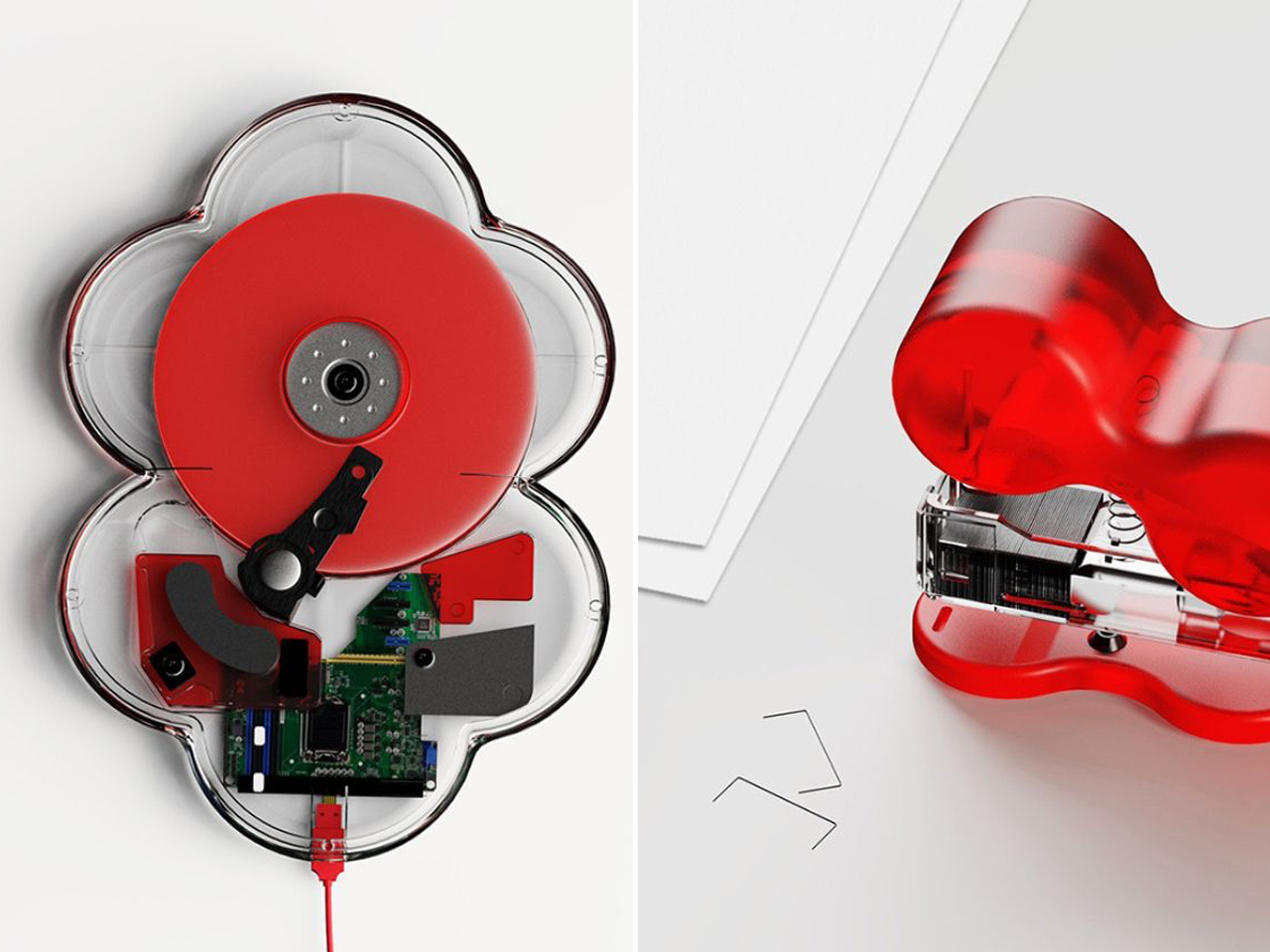
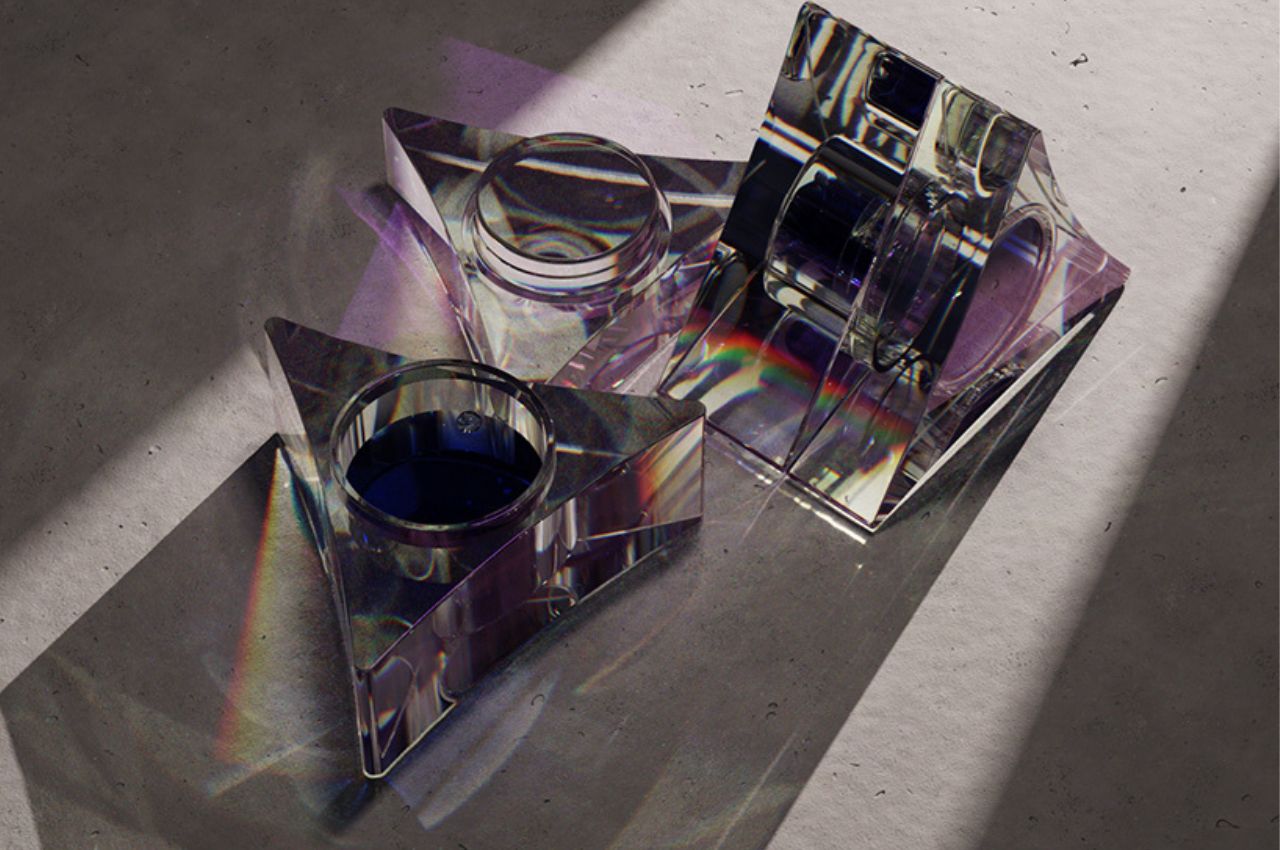
Called Royi Stationery, these stationery designs are unlike anything we’ve seen before. The designs all have stories to tell, and they aren’t just regular old staplers and hard disks, they’re see-through, showcasing what is inside them. The stationery set is based on the tale of the naked king, whose obsession with vanity, leads to his downfall.

Why is it noteworthy?

The Royi Stationery collection includes a stapler with an interesting twist. It is transparent, and you can peek into the inner workings. You can even watch the staple punching through the papers, which is quite fascinating to look at.

What we like

  • The designs are an encouragement to be honest and open
  • Gives a refreshing twist to ordinary stationery products

What we dislike

  • It’s a concept so we are unsure how well it will translate into a tangible product

7. Quotidian Pen

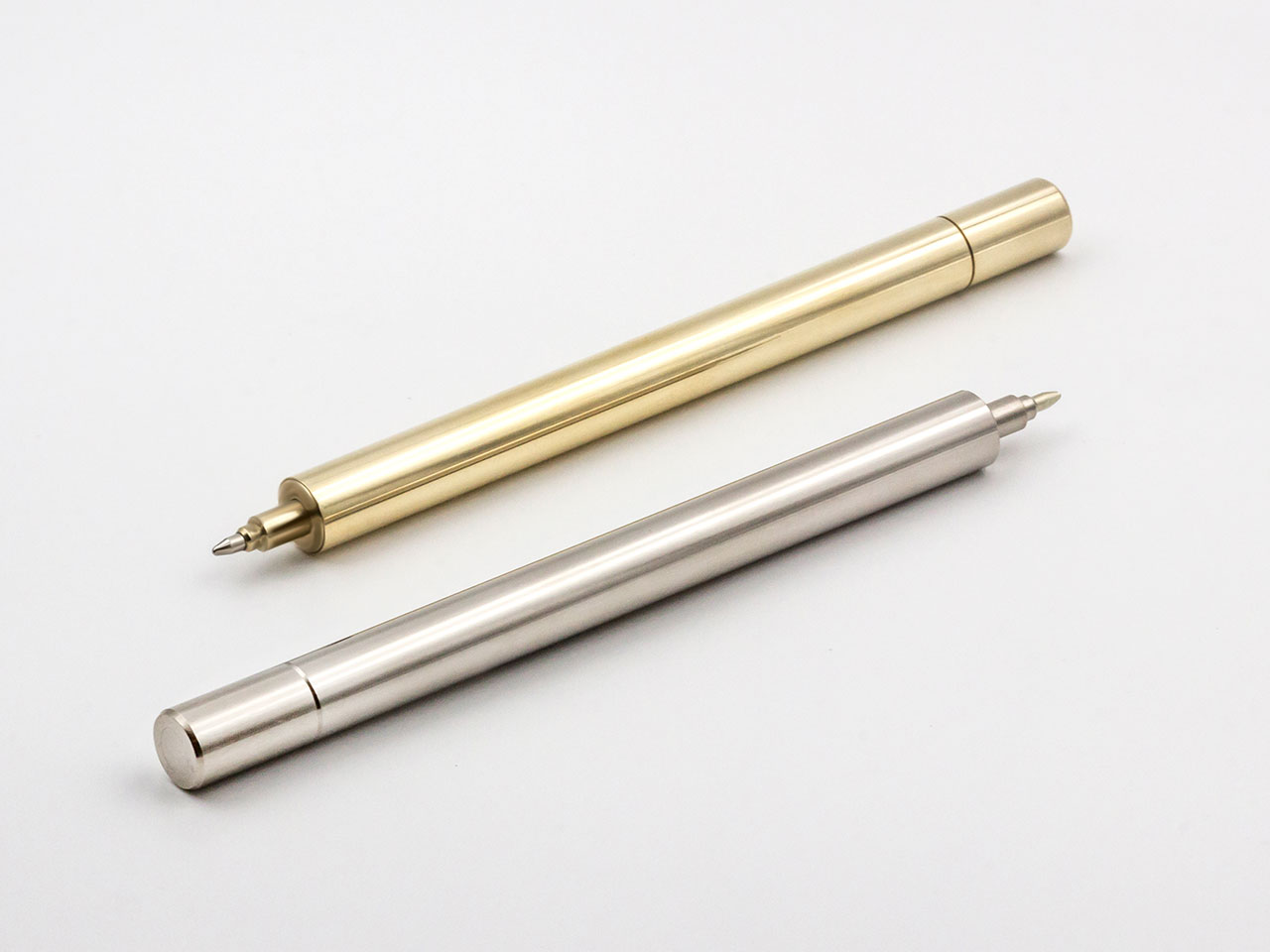
Named the Quotidian Pen, this is the world’s first magnetic propulsion pen. It is a minimal pen with a magnetic mechanism that will transform the way you see, use and fidget with a pen. You need to break the cap, and bring it to the back of the body, and watch the pen nib magically propel out.

Why is it noteworthy?

This minimalist ballpoint-pen is equipped with the world’s first magnetic propulsion mechanism. It does the job of a pen, while also functioning as a heirloom that can be passed down generations. It is amped with a unique mechanism which uses the strong attraction and repelling forces of rare earth magnets to create a seamless and smooth experience.

What we like

  • Serves as an interesting fidget toy keeping your mind active
  • Features a minimal and elegant design

What we dislike

  • Users may take a while to adjust and adapt to the unique form

8. Bari Desk Tray Collection

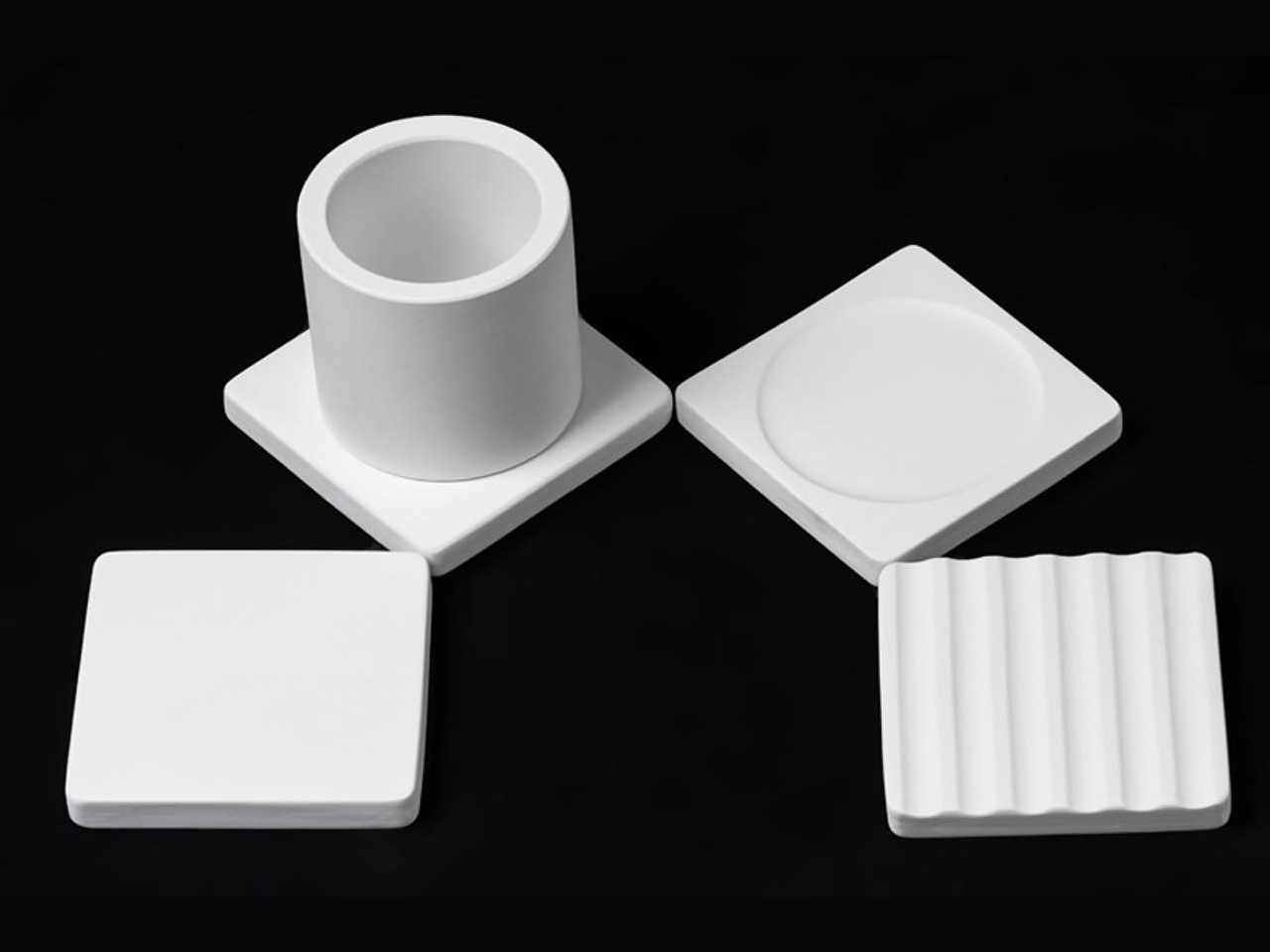
The Bari Desk Tray Collection includes four separate products with a similar DNA, since one product cant meet all the needs of different users. So instead of making one big product, a series of trays were created functioning as four unique designs, that can be used for a bunch of different places

Why is it noteworthy?

The four products are shaped like blocks, and they share the same thin square platform. One block is equipped with a fixed cylinder and it can be used to hold writing instruments or tools. Another block features a circular indentation and you can use it to hold your mug or glass.

What we like

  • Sustainable products with a minimal and simple design ethos

What we dislike

  • Since there are four products, it maybe tough to carry them around

9. FlipClip

Called the FlipClip, this unique stationery design is for hardback notebooks. You can attach FlipClip to any notebook, whether you’re working on a desk or if you’re on the move. It offers easy storage and accessory to your essential and favorite stationery items.

Why is it noteworthy?

The FlipClip serves as the perfect companion for your hardback notebooks. You can carry your favorite pens and writing instruments with you wherever you go. It ensures that your notebook and pens are always paired up together, you shouldnt worry about leaving any behind.

What we like

  • Ensures your writing instruments and notebook are always together

What we dislike

  • There aren’t different size and color options

10. OZ Stationery

Called the OZ Stationery, this collection is creating its own niche in the stationery industry by serving as a practical and well-designed product which perfectly represents the user’s personality and artistic inclinations. It is designed to cater to the needs and requirements of the creative demographic.

Why is it noteworthy?

With OZ Stationery, the designers wanted to build a bunch of personal stationery products which truly represent popular art movements, and their philosophies. The intended audience are creatives who relate to certain artistic emotions, artists or movements.

What we like

  • They’re an excellent means of self-expression, and great gifting options

What we dislike

  • The products have a unique form, so users may take some time to adjust to them

The post 10 Essential Back-To-School Stationery Picks for High School and College Students first appeared on Yanko Design.
This Novel & Refreshing Preschool Concept In Ethiopia Supports Indoor-Outdoor Learning

Designed by the Brazilian architectural firm Studio MEMM, this preschool concept has been tucked away in the natural setting of Ethiopia. The school is designed to be visually appealing and attempts to strike a serene balance between architecture and nature, creating an educational setting that is conducive to learning, and keeps the students inspired and intrigued. Studio MEMM participated in a competition to design the preschool and the resultant structure is a dynamic building that serves as a natural space for a fun yet valuable education.

Designer: Studio MEMM

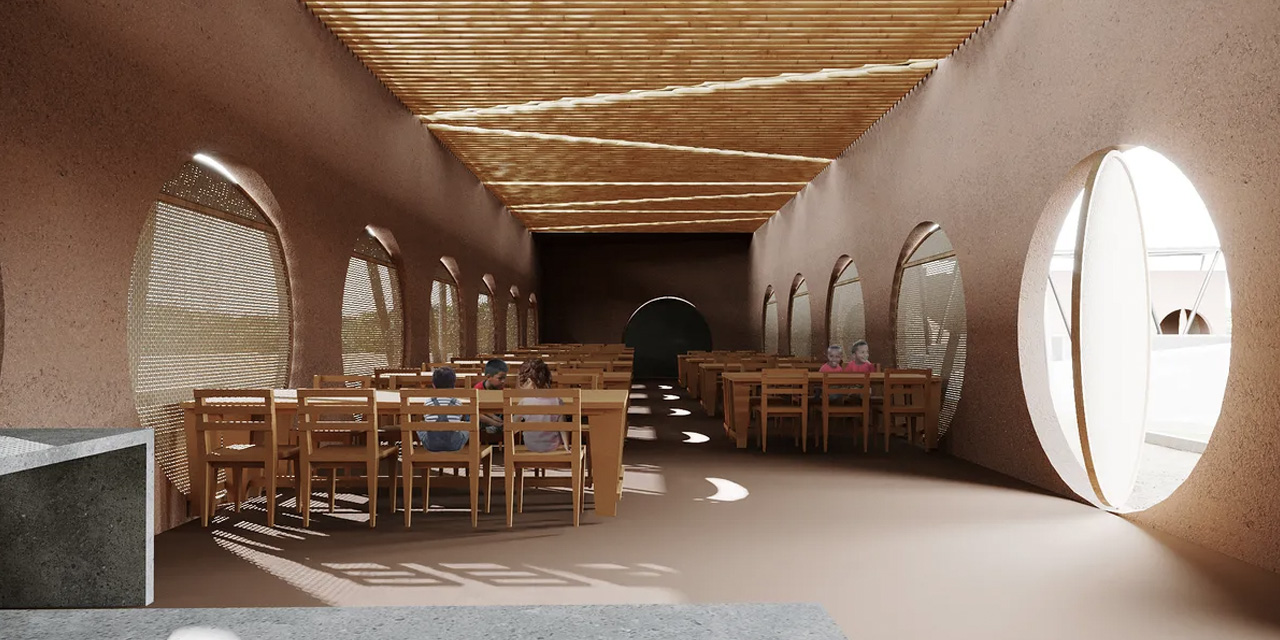
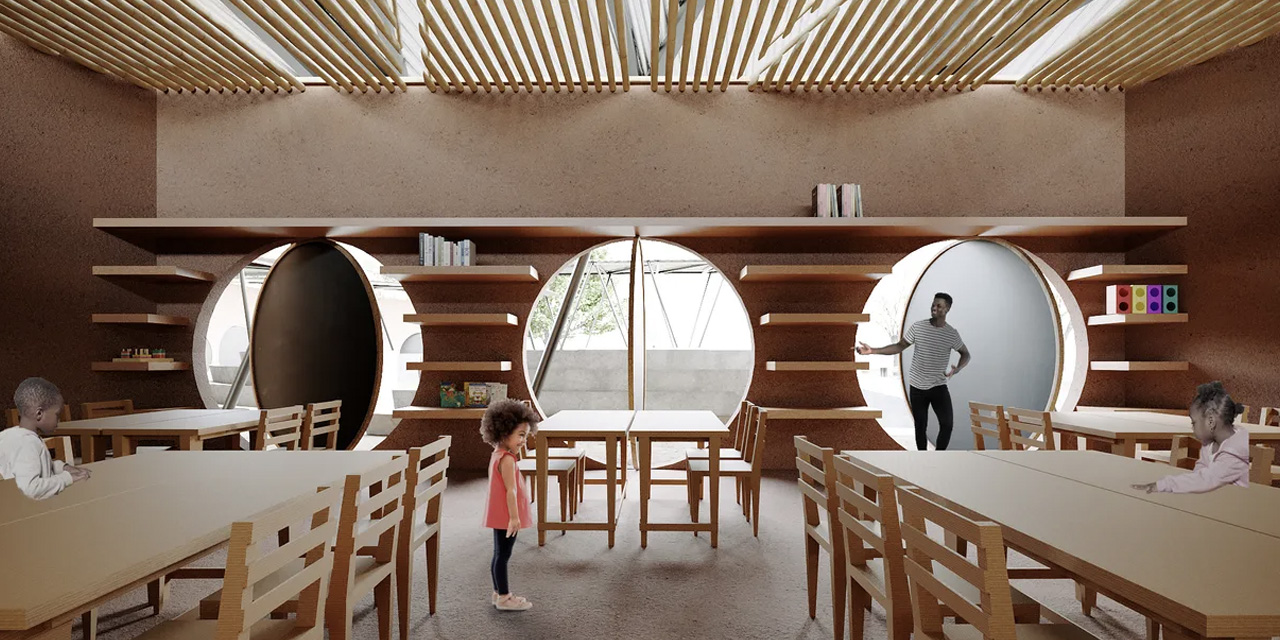
While designing the building, the architecture team wanted to create something that not only supports learning but also serves as a playful center where children can engage, interact, as well as imagine and discover new things. The buildings were designed to be stimulating, featuring open windows, that offer constant access to sunlight and fresh air. Expansive classrooms create a space that is free-flowing and open, so the kids don’t feel caged in. The space is intended to encourage coexistence and teaching, while due respect is paid to its natural surroundings. The overall structure was split into smaller volumes, adding fluidity to the entire site. Doors and walls have been designed as moving panels in an effort to add flexibility, while also ensuring easy access to the outdoors.

There were budget constraints, as well as limitations of materials. These issues posed challenges, and hence excavated earth was utilized to build the classroom walls, and the forms on the outside. This earth was excavated from the site itself, and it elevates the auditorium-like landscaping. Since Ethiopia doesn’t always have access to electricity, the studio focused on natural lighting and ventilation quite a bit. Moveable panels were installed to ensure this.

The entire school is made up of a number of classrooms – ranging from small to large. It has been equipped with bleachers with blackboards and open gardens, which also serve as spaces for local community gatherings. Since elements of indoor-outdoor design were incorporated, students can learn inside the school, as well as outside, promoting interactive and novel ways of learning.

The post This Novel & Refreshing Preschool Concept In Ethiopia Supports Indoor-Outdoor Learning first appeared on Yanko Design.
Top 10 Stationery Designs That Are The Best School Supplies For You

If you’re currently in school or university, then you know how important the right set of stationery designs is. You need to have a collection of stationery designs that provide you with value and make your everyday tasks easy to complete with efficiency. These are the objects that are gonna help you get through your day, and directly or indirectly affect your productivity. It’s imperative to have a collection that lets you work easily, efficiently, and effectively. From an everlasting all-metal pencil to minimal Japanese drawing pads – these are the modern stationery designs you need to meet your modern stationery needs at school.
1. Pen Fan

Called the Pen Fan, this nifty and unique stationery design is a must-have school supply. It is designed to be a cross between a Pantone shade card, and a stationery set, accommodating 8 different flat-head sketch pens in a nifty, compact, and pretty easy-to-carry set.

Why is it noteworthy?

The various flat pens are interconnected, creating a cute little Japanese-fan-style layout that proudly showcases all 8 colors, letting you pick and choose from them. The pens are detachable, and you can easily snap on and off the pens, to create a palette that caters to you.

What we like

  • Easy-to-carry portable set
  • Reduces the risk of losing any of the pens

What we dislike

  • There are only 8 colors to pick from, which can be limiting. There could have been more color options

2. Everlasting Metal Pencil

If you’re looking for a pencil to carry to school, you could consider the Everlasting Metal Pencil. It is a Wacom-like style with a tip that doesn’t need to be sharpened or replaced. It is a unique and one-of-a-kind pen that lets you focus on the task at hand – whether it is writing, drawing, sketching, etc.

Click Here to Buy Now: $19.95

Why is it noteworthy?

The pencil’s octagonal shaft is built from aluminum, and it has a special alloy core. This may make you feel that it might just leave heavy grooves on your paper, but it draws like a real pencil, without the tip getting worn down, even after dozens of marks. It’s a great tool for school, where you constantly need to be scrolling or sketching something away.

What we like

  • Features a metal core, not a clay or charcoal one, so it wears away quite slowly, and might even outlive you

What we dislike

  • If you’re someone who uses smudging techniques at school, this pencil isn’t recommended, as it doesn’t smear or smudge like normal graphite

3. Japanese Drawing Pad

If you’re a true stationery connoisseur, then you are well aware of the value and beauty of Japanese paper. It’s a wonderful material that has been revered by artists and designers for its quality. And if you want to take some lovely Japanese paper to school with you, then you could get your hands on the Japanese Drawing Pad.

Click Here to Buy Now: $26

Why is it noteworthy?

The Japanese Drawing Pad is a premium-quality pad that freely lets you jot down your thoughts, and sketch out your innovative ideas without the worry of accidentally damaging the durable paper fibers. The Drawing Pad is a catalyst for the explosion and outpouring of your exciting and vivid ideas. It creates a smooth, cohesive, and engaging writing/sketching experience for you.

What we like

  • The Drawing Pad is microperforated, making the sheets of paper easy to tear and separate from the pad
  • It is available in different sizes and colors, letting you pick the pad that meets your stationery needs

What we dislike

  • The aesthetics of the pad are quite simple, and it seems like an ordinary pad with no USP. But its high quality and value can only be experienced, not simply seen

4. Bowl Sharpener

Designed by Jiachun LV, this adorable Bowl Sharpener is shaped like a cute little soup bowl. The base of the bowl includes a sharper opening, through which you can slip in the pencil, and sharpen it. As you sharpen the pencil, the pencil shavings and residue are collected in the bowl, creating an interesting visual.

Why is it noteworthy?

If you sharpen colored pencils in the bowl, then the multicolored shavings create a beautiful visual. Since all the shavings and residue are collected in the bowl, it is quite easy to throw them away, and they don’t fall or scatter anywhere, causing a little mess.

What we like

  • Collects the shavings in one place, and no shavings go astray
  • Minimalist form and pastel color options add an adorable touch to your desk

What we dislike

  • It is larger than typical sharpeners and isn’t an easy design to carry around

5. Gravity Pen

Called the Gravity Pen, this unique pen is the perfect sidekick to carry to school with you. It places the center of gravity closer to your fingers, creating a cohesive writing experience for you, where the pen is easy to hold and easy to make agile strokes with. It has a larger grip than the barrel, creating more space for a comfortable hold.

Click Here to Buy Now: $45

Why is it noteworthy?

The grip has a faceted form, making the pen easy to hold, while providing a more stable grip. The Gravity Pen has a super ergonomic design since it was designed using the smart application of physics and minimalist design principles. It is a no-fuss and no-nonsense stationery design!

What we like

  • Ergonomic design that is easy to hold with a sturdy grip
  • A durable and lightweight body that is easy to carry around

What we dislike

  • There isn’t a variety of color options to choose from, limited choice of product

6. Serenity Pen Stand

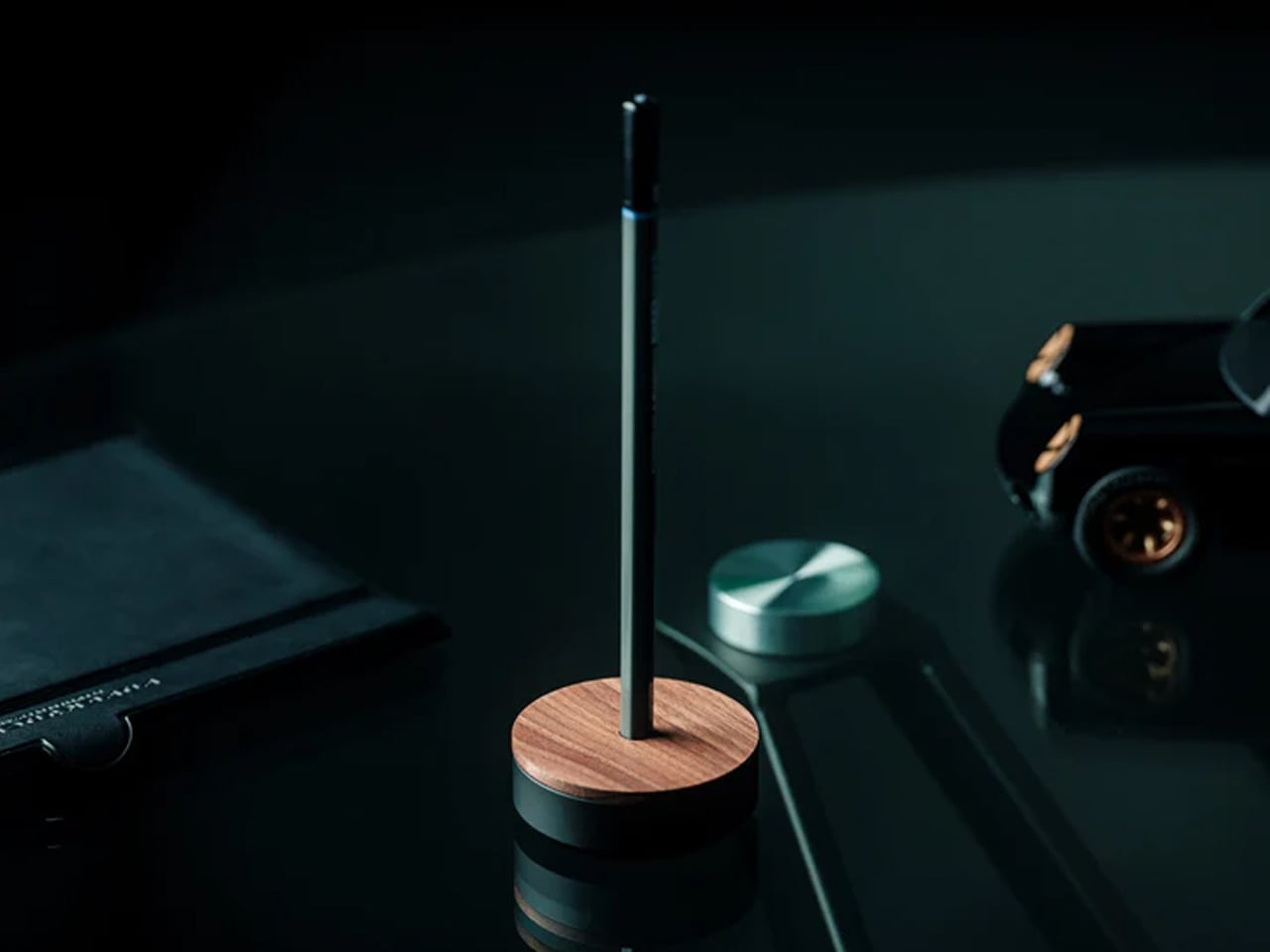
A pen is one of the essentials we need to carry when we’re at school. However, a pen can be quite easy to lose, and if you’re always losing track of your prized pen, then you could procure the Serenity Pen Stand. It is a minimal design with a metallic hint designed to hold your pen upright, keeping it ready for you to use!

Click Here to Buy Now: $39

Why is it noteworthy?

The Serenity pen stand ensures you always have easy access to your pen, safeguarding it, and ensuring you never lose it. Made using aluminum and copper, it forms a well-balanced cylinder, that adds a pop of subtle color and character to your study desk.

What we like

  • Features a heavy copper bottom that lowers the center of gravity, offering it a stable form
  • Sleek minimal design that is easy to carry and set up

What we dislike

  • The pen stand is quite small in size and could be easily misplaced if not handled carefully
  • There isn’t availability in different color options, you are limited

7. ForeverPen

Dubbed the ForeverPen, this pen is made of Ti + Ag, and it sits neatly on your keys! It resolves the issue of you needing a pen and never being able to find one. It is said to be the world’s smallest inkless pen, and it never needs refilling. In fact, it is not just a simple pen, you can even write underwater with it, or open boxes!

Why is it noteworthy?

The pen is made from specialist Silver composite, combined with the choice of material you choose. It is only one inch in length, but strong enough to jot down all your notes, while also letting you slide open packages and boxes, and prying open lids.

What we like

  • Portable and easy-to-carry design
  • Multifunctional tool that can be used as much more than just a pen

What we dislike

  • Not well-suited for users with big hands, can be difficult for them to hold and use it
  • Since it is quite tiny, you can easily lose or misplace it

8. The Horizon Helvetica®

If you’ve come across the Horizon Helvetica®, then you know that it is an artist-oriented piece of EDC that is designed to be an interesting alternative to conventional stationery kits. It is said to be one of the most creative-oriented EDC multitools on the market!

Why is it noteworthy?

It has a credit-card-shaped form that lets you sketch and doodle, form grids and circles for drawings, measure distances, and angles, and even feature a dedicated measuring scale for pixels and picas! It is also an excellent tool for graphic and interface designers who can utilize it to create UI sketch prototypes on paper.

What we like

  • Using the tool you can sketch, ideate, plan, and measure anywhere
  • Portable and easy-to-carry design

What we dislike

  • It is only available in metal, there are no other material options

9. ColorPik Pen

Meet the ColorPik Pen – a super cool and extraordinary pen that accommodates 16 million colors! With the ColorPik Pen, you don’t need to buy different pens, you can simply use it and have fun with an unlimited number of colors. You simply need to scan the item whose color you want to imitate, and then doodle with it.

Why is it noteworthy?

The ColorPik Pen uses a smart color, that is light fast, and water resistant, and can’t just be weathered away. You can control the texture and dimension for writing by selecting any of the multiple tips, allowing you to beautifully and write as well as draw.

What we like

  • Combines 16 million colors into one nifty pen
  • Features re-fillable smart cartridges

What we dislike

10. World Clock

Do you ever find yourself lagging in school, not able to complete your tasks in the expected duration?! Well, this is where this unique clock design comes in, but with a twist. The World Clock isn’t your typical desk clock, and has a dodecagonal shape, with only one hand on its clean minimalist face.

Click Here to Buy Now: $49

Why is it noteworthy?

The design and form of the World Clock is intentional, as it gives you the right information about your country, but also some additional and fun details on the time in other parts of the world. One quick look and you can instantly tell the hour, while a closer inspection will tell you which quarter of the hour it is.

What we like

  • The 12 sides of the clock have individual markings for a city that represents a particular timezone

What we dislike

  • The  World Clock has only 12 set time zones

The post Top 10 Stationery Designs That Are The Best School Supplies For You first appeared on Yanko Design.