Satechi Just Replaced 4 Travel Accessories With One Folding Stand

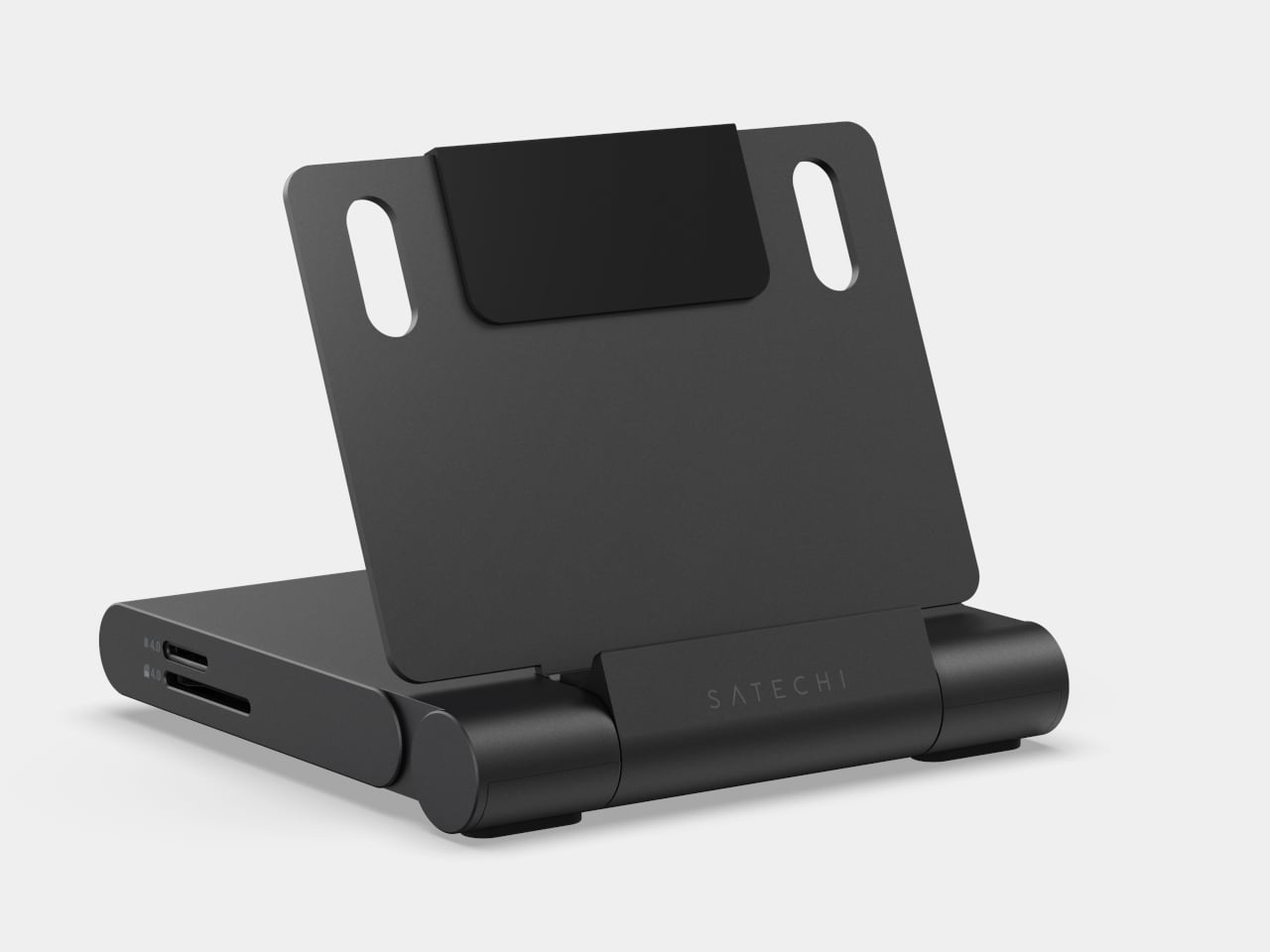
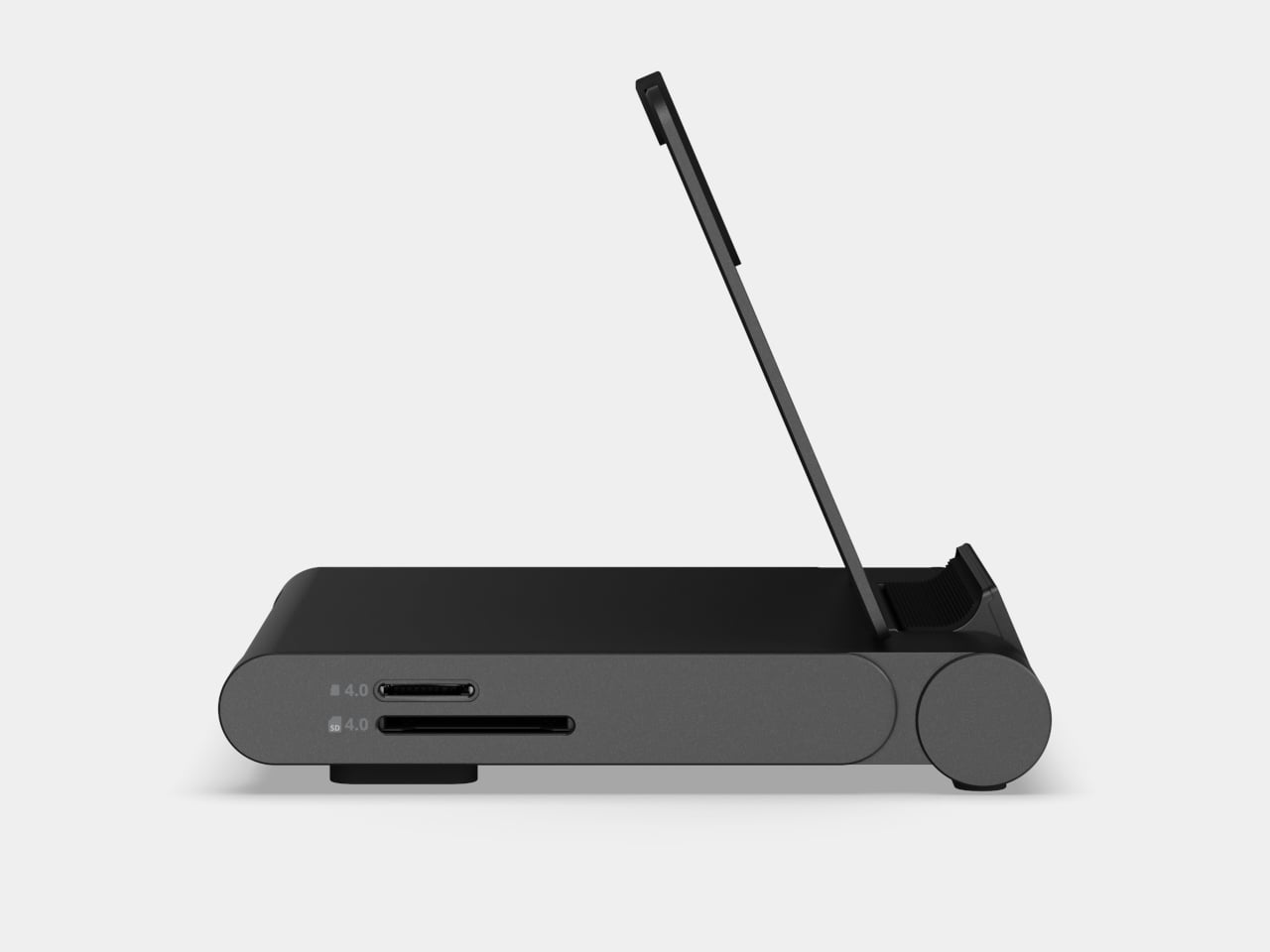
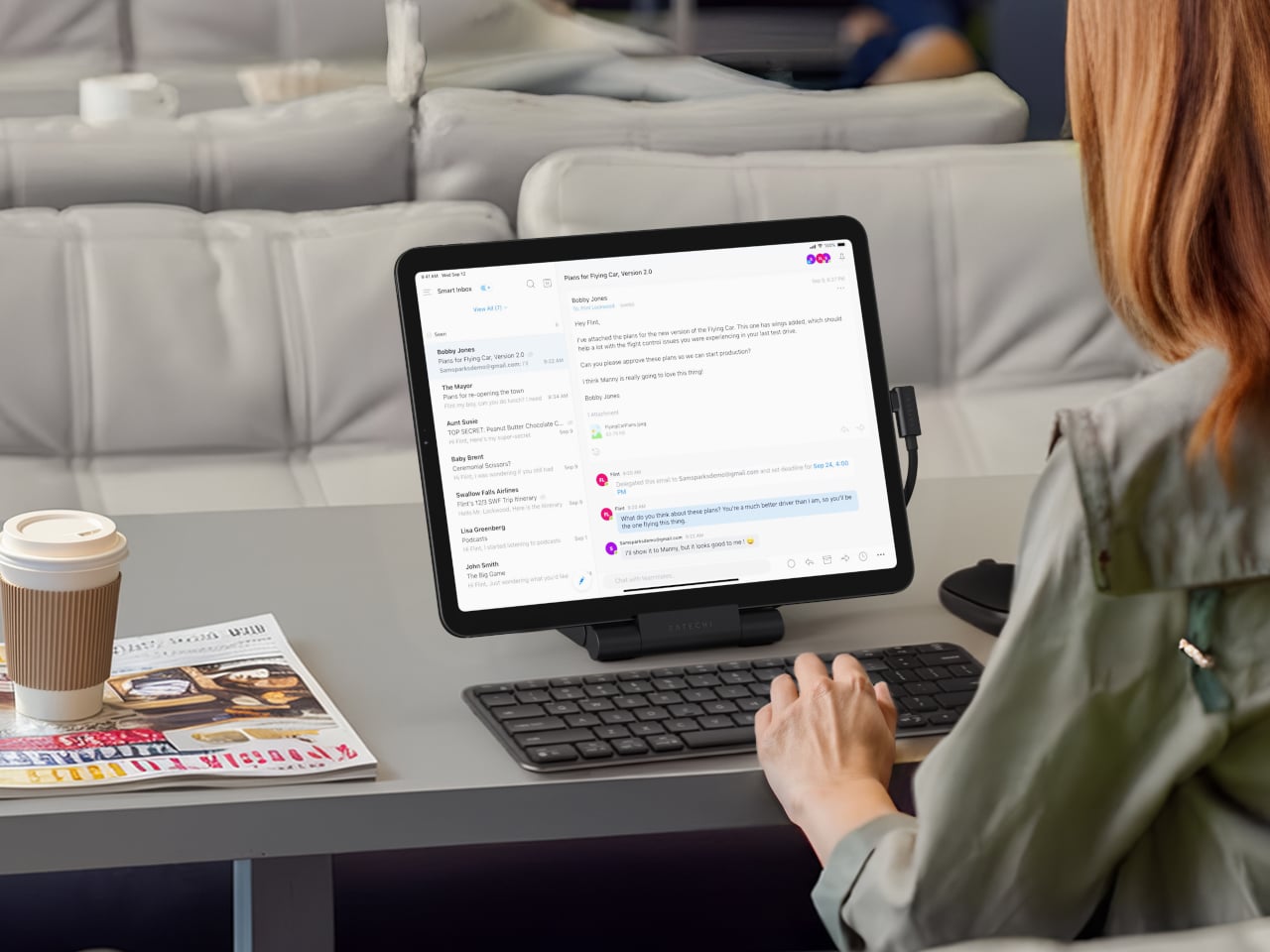
Packing a bag for a day of working away from a desk has become its own logistics puzzle. There is the hub for ports, the stand to prop the screen at a usable angle, the card reader for importing photos, and the charging cable to keep everything alive mid-session. Satechi’s OntheGo Foldable Stand Hub takes a direct swing at this by combining all of that into a single unit that folds flat to under 20mm and weighs just 187.5g.

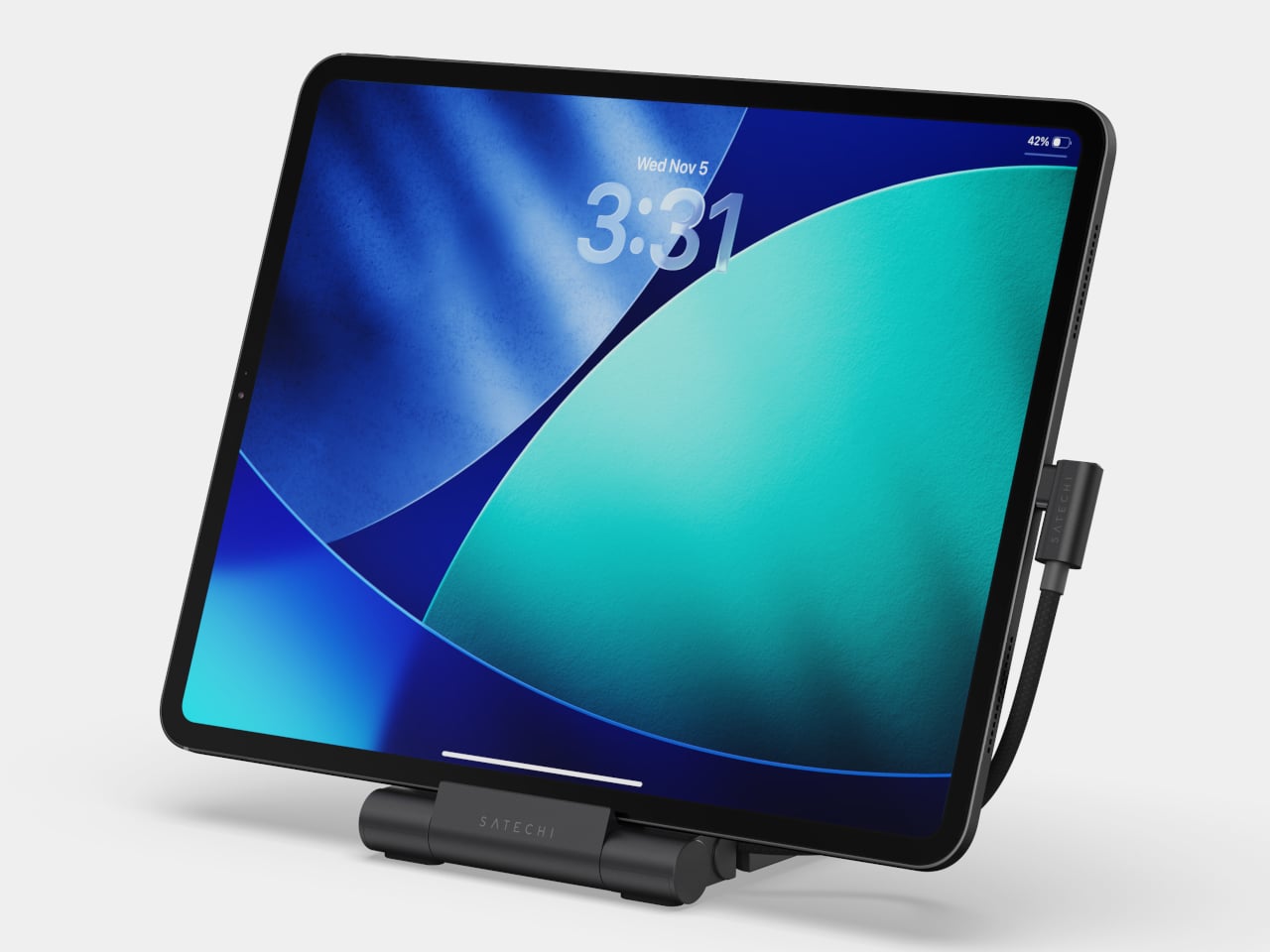
The premise is simple. Unfold the stand, plug the attached 17 cm USB-C cable into a tablet or laptop, and the whole suite of ports is live: HDMI 2.0 output at up to 4K@60Hz, two 10 Gbps data ports (one USB-C, one USB-A), UHS-II SD and microSD slots at up to 312 MB/s, a 3.5mm audio jack, and 100W USB-C Power Delivery passthrough. That last feature delivers up to 85W to the host device, enough to sustain a MacBook Air or iPad Pro under a heavy session without draining the battery.

Designer: Satechi

For photographers working on location, the card slots alone justify the bag space. Slide in a UHS-II SD card fresh from a camera, and the 312 MB/s ceiling means a full card of RAW files clears quickly. Connect a monitor through the HDMI port, and a hotel desk becomes something closer to a proper edit station, with the screen raised to a natural viewing height and footage already importing in the background.

Compatibility covers the expected range: iPad Pro, iPad Air, iPad mini (2021 and later), and recent iPhones. Worth noting: the iPad mini (2021) tops out at 5 Gbps on the data ports due to its own USB spec, not the hub’s. Outside of Apple’s garden, it also supports select Microsoft Surface Pro models and USB-C Android devices, especially ones that support Samsung DeX.

That last point is an important one. A compatible Samsung phone connected to an external monitor through this hub activates DeX mode, turning the phone into a desktop-style interface without needing a laptop at all. That said, you’ll need to hook up an external monitor to actually activate DeX mode.

At $79.99, the OntheGo Foldable Stand Hub sits in a space where stands and hubs are almost always sold separately, each typically running $30 to $60 on their own. What a spec sheet cannot answer is how the folding hinge holds up after months of daily packing and repacking, and whether the fixed 17cm cable length plays nicely with every desk configuration or occasionally creates its own awkward workarounds.

The post Satechi Just Replaced 4 Travel Accessories With One Folding Stand first appeared on Yanko Design.

Lenovo Just Turned the Ugly Desk Hub Into an AI Assistant

Most desks already have too much on them. A laptop, an external monitor, a charging cable snaking toward a phone, maybe a cold cup of coffee that started the morning with good intentions. And somewhere behind all of it is a hub that ties all of it together, which is usually a graceless plastic brick shoved behind something else, forgotten until a port stops working. It’s the least glamorous object in the room, and it knows it.

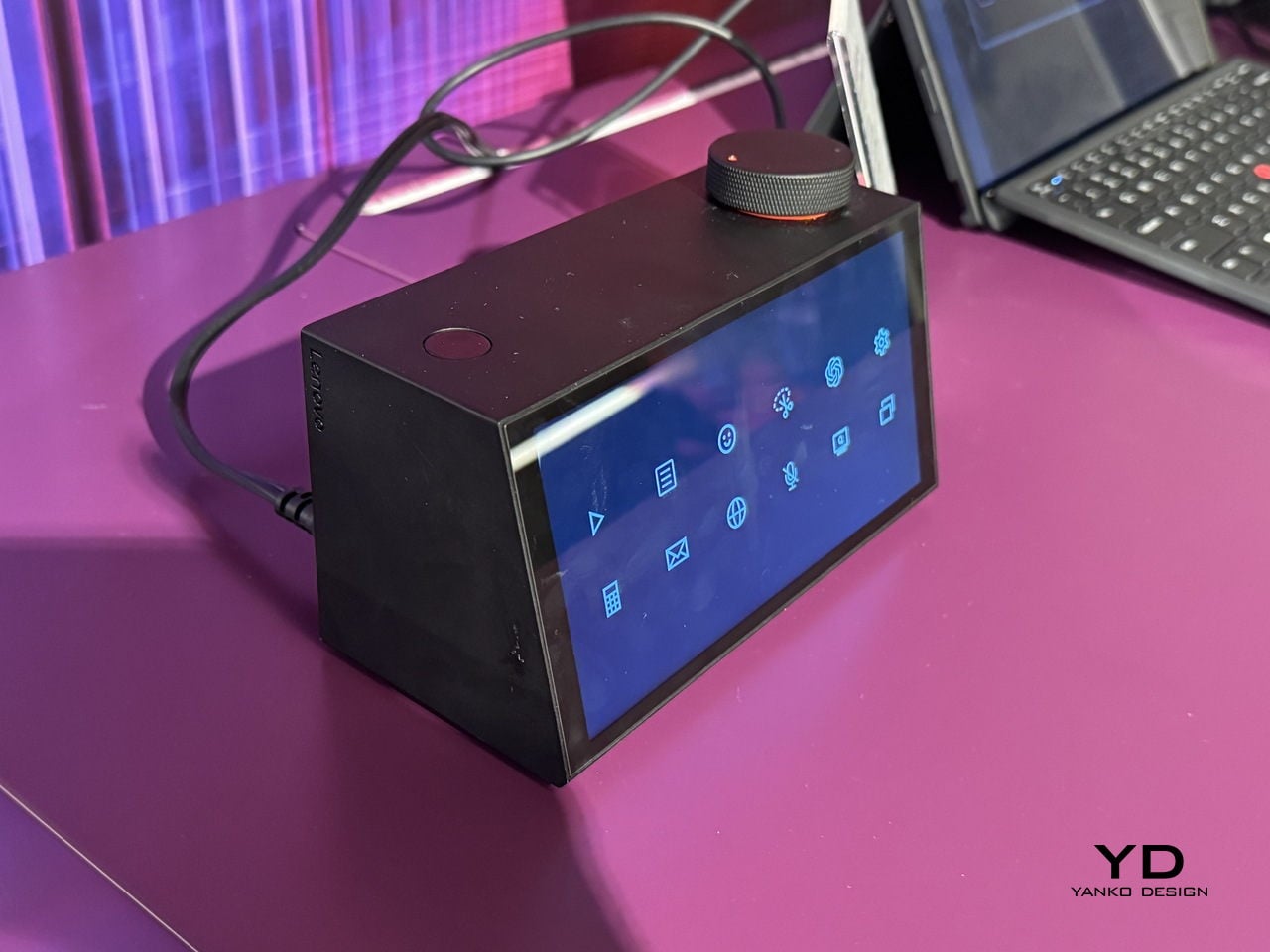
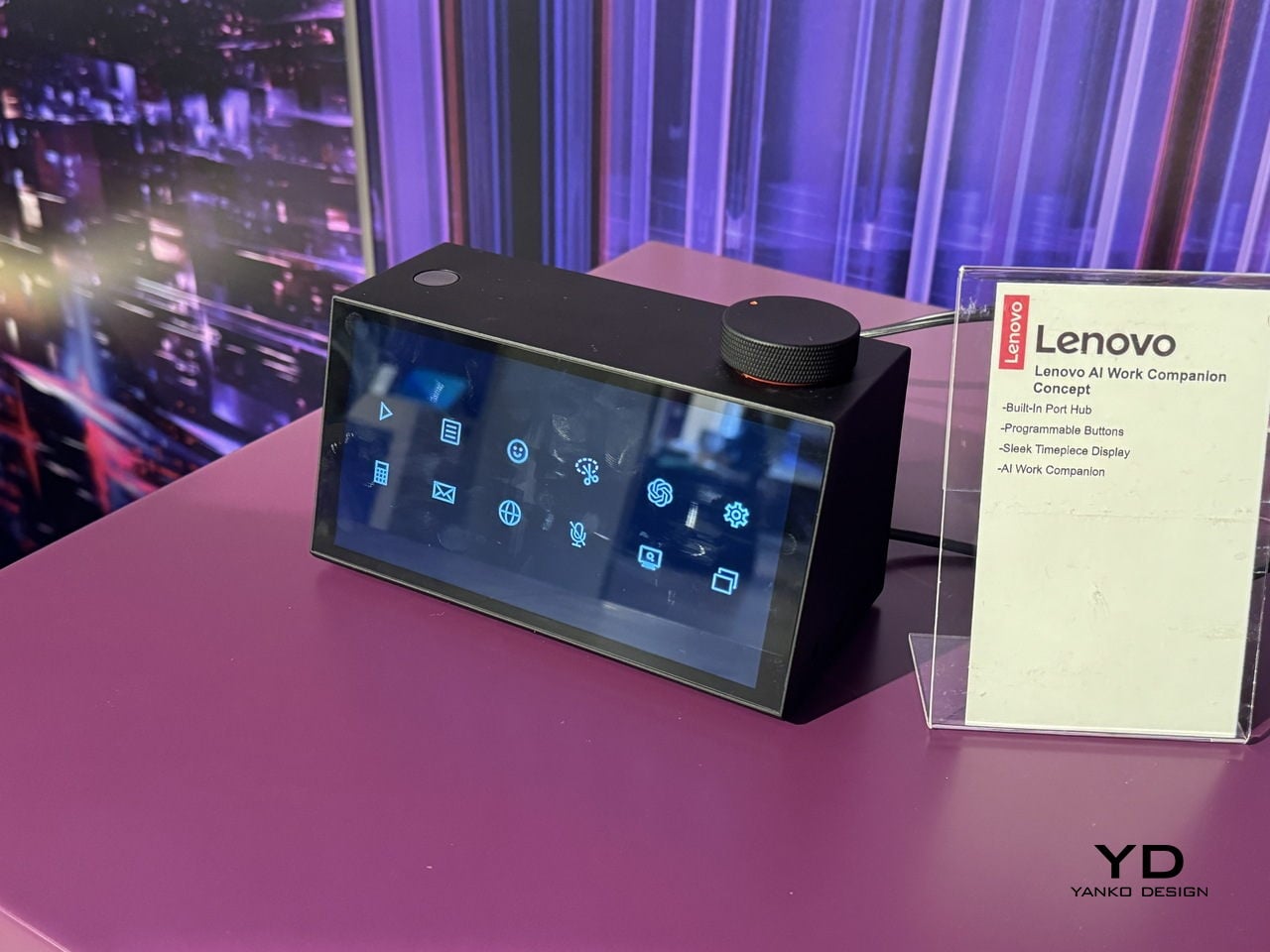
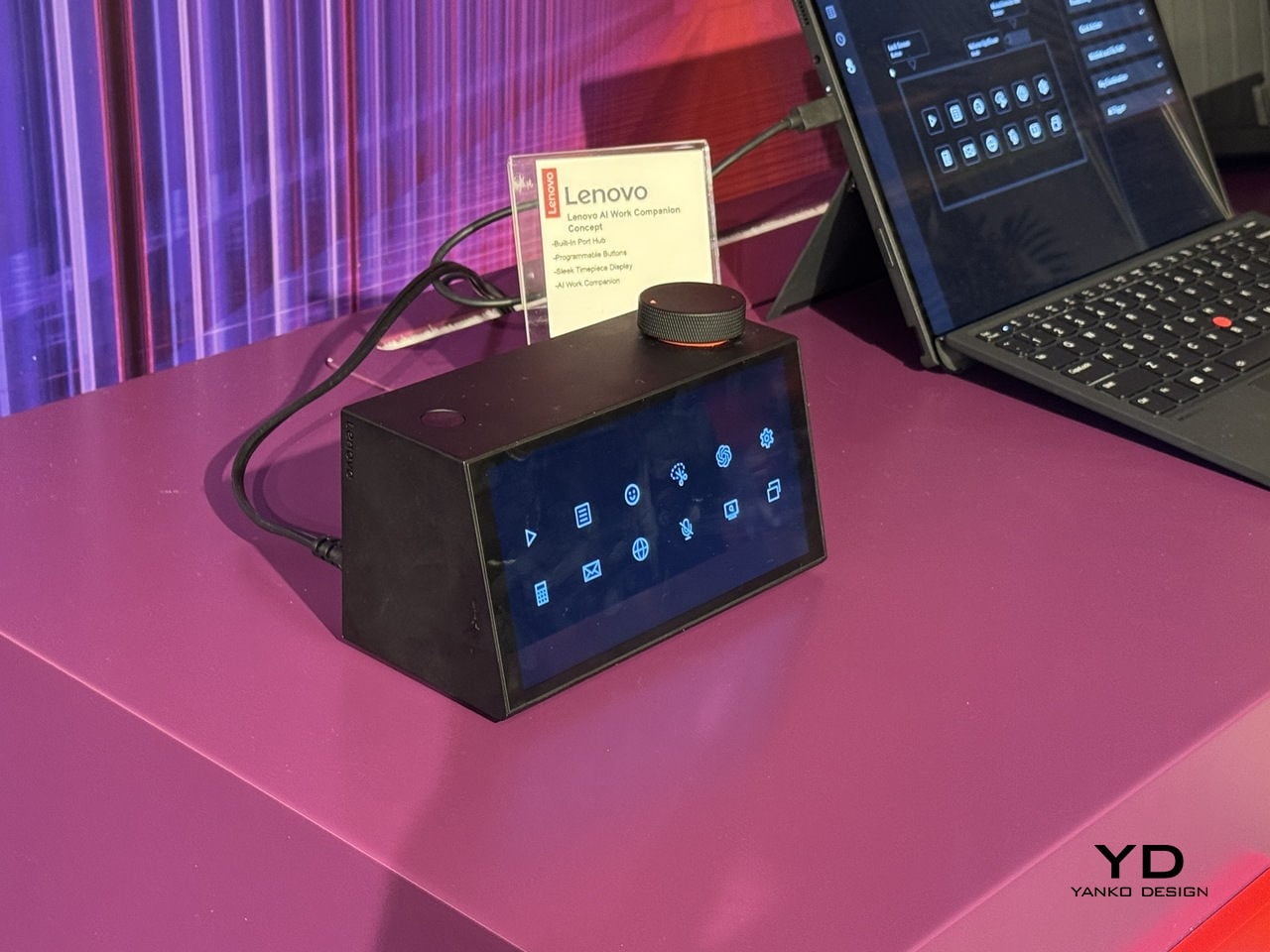
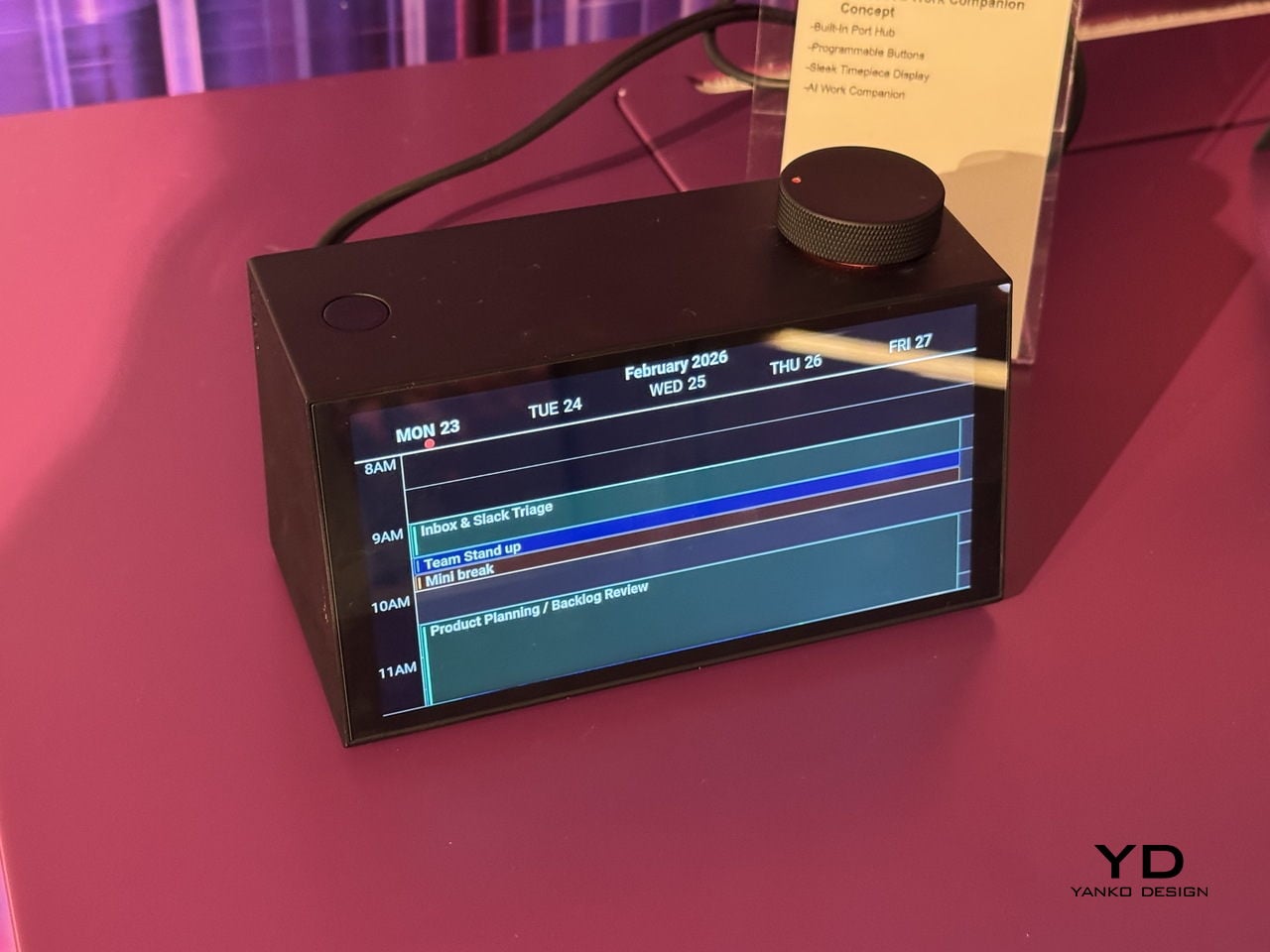
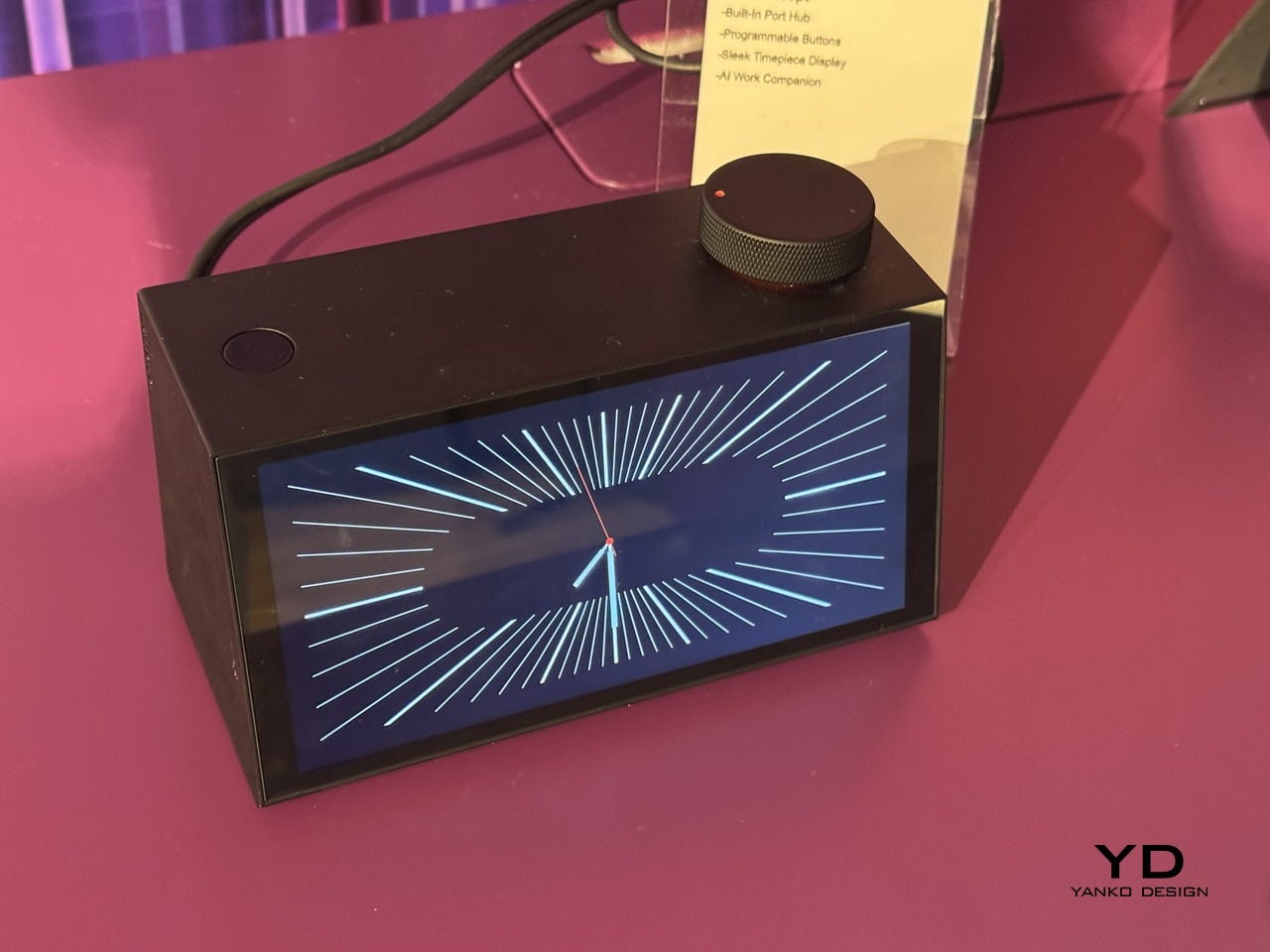
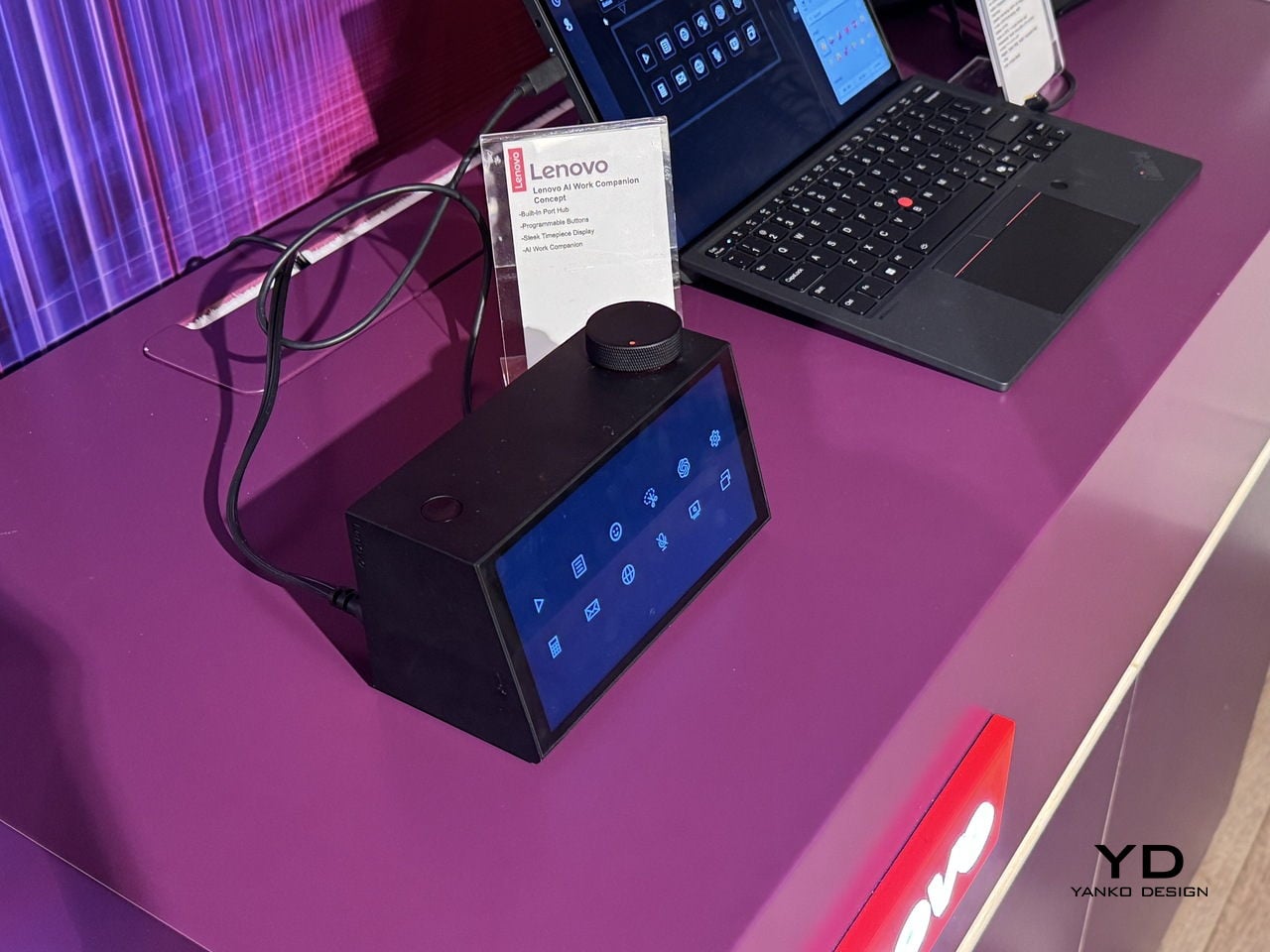
Lenovo’s AI Work Companion Concept, announced at MWC 2026, makes a case that the hub doesn’t have to apologize for existing. It sits at the front of the desk as a matte black wedge, display angled toward the person working, looking more like a clock than a piece of connectivity hardware. It takes a different position on that problem, literally and figuratively.

Designer: Lenovo

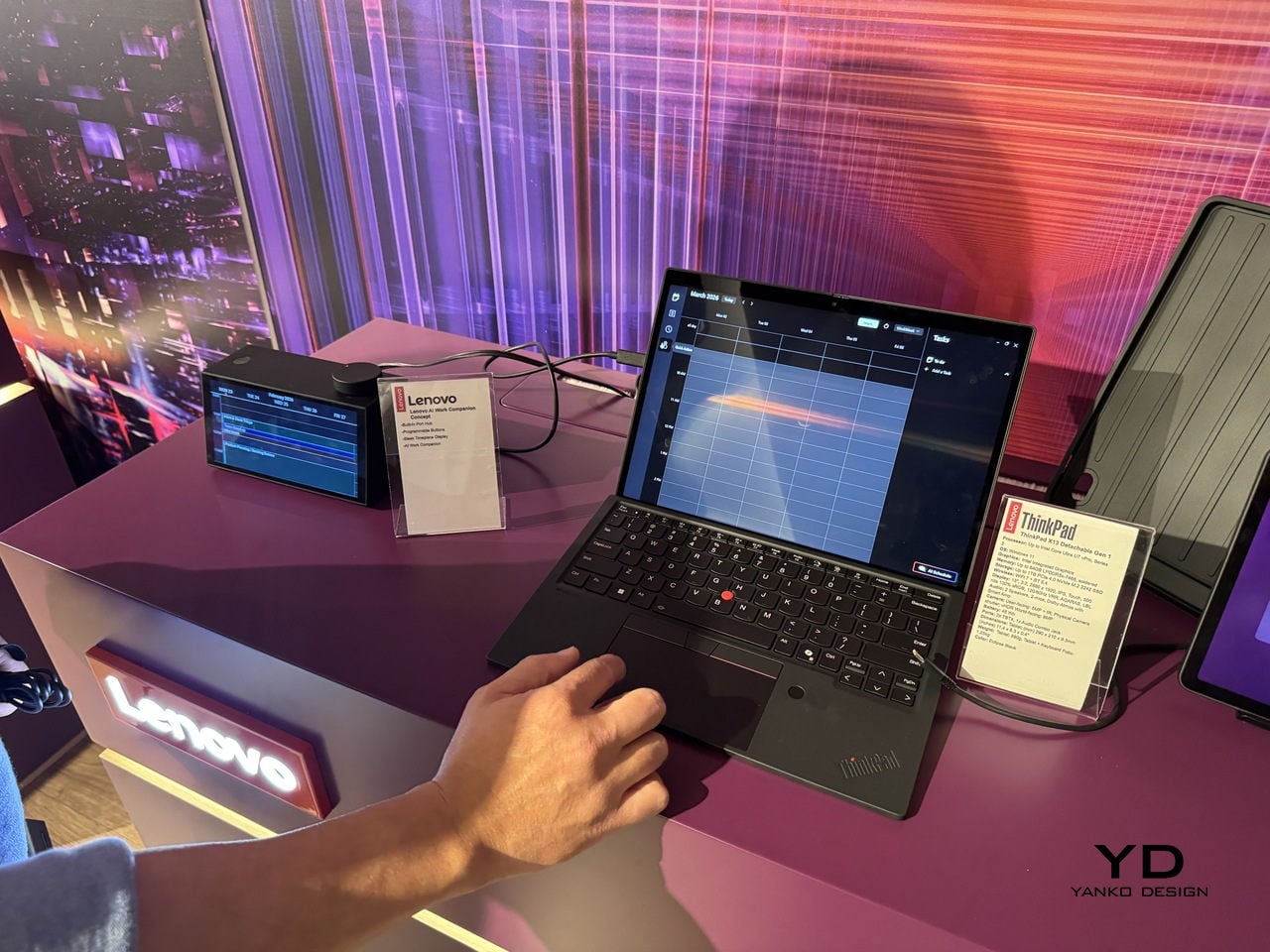
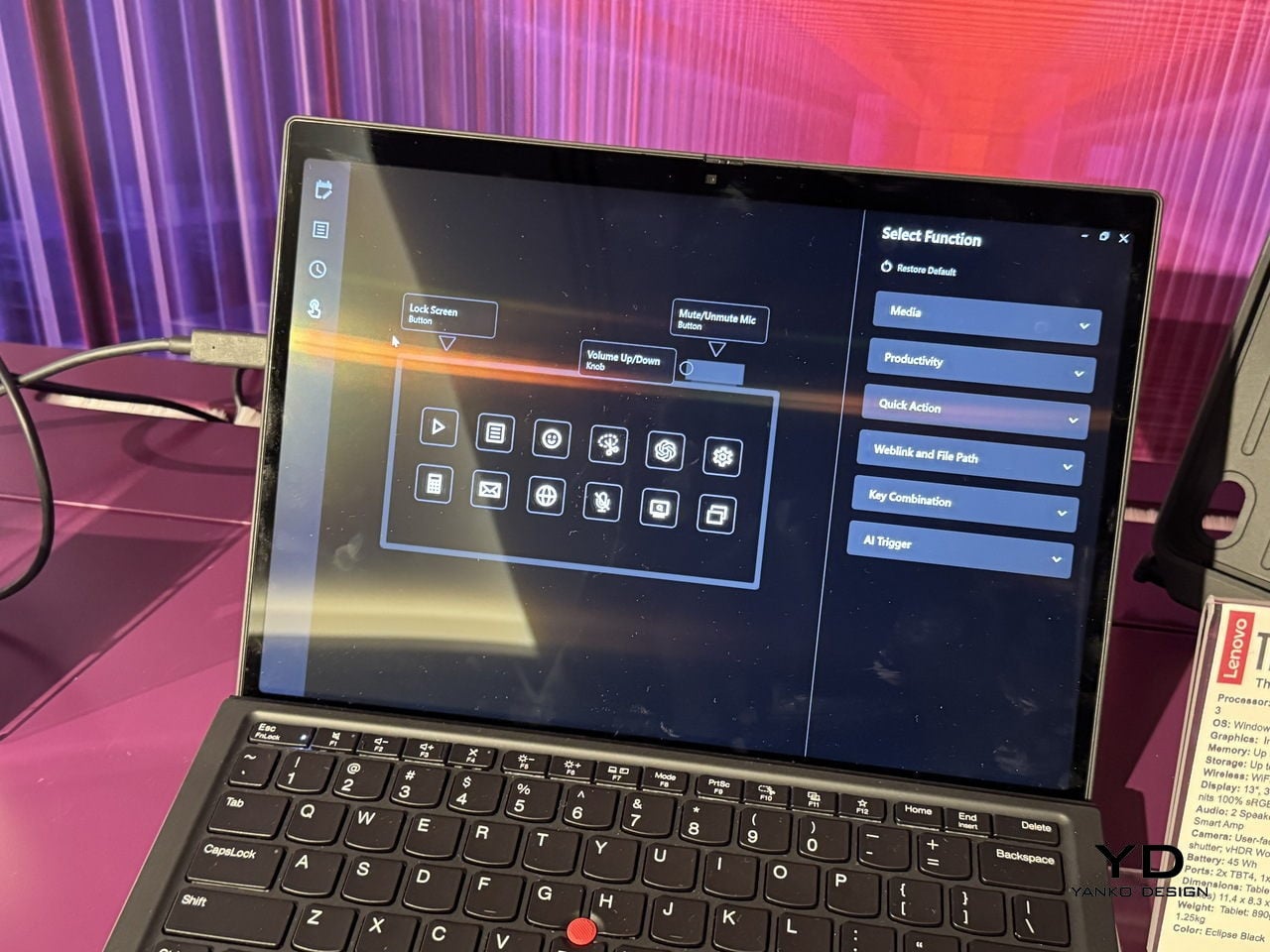
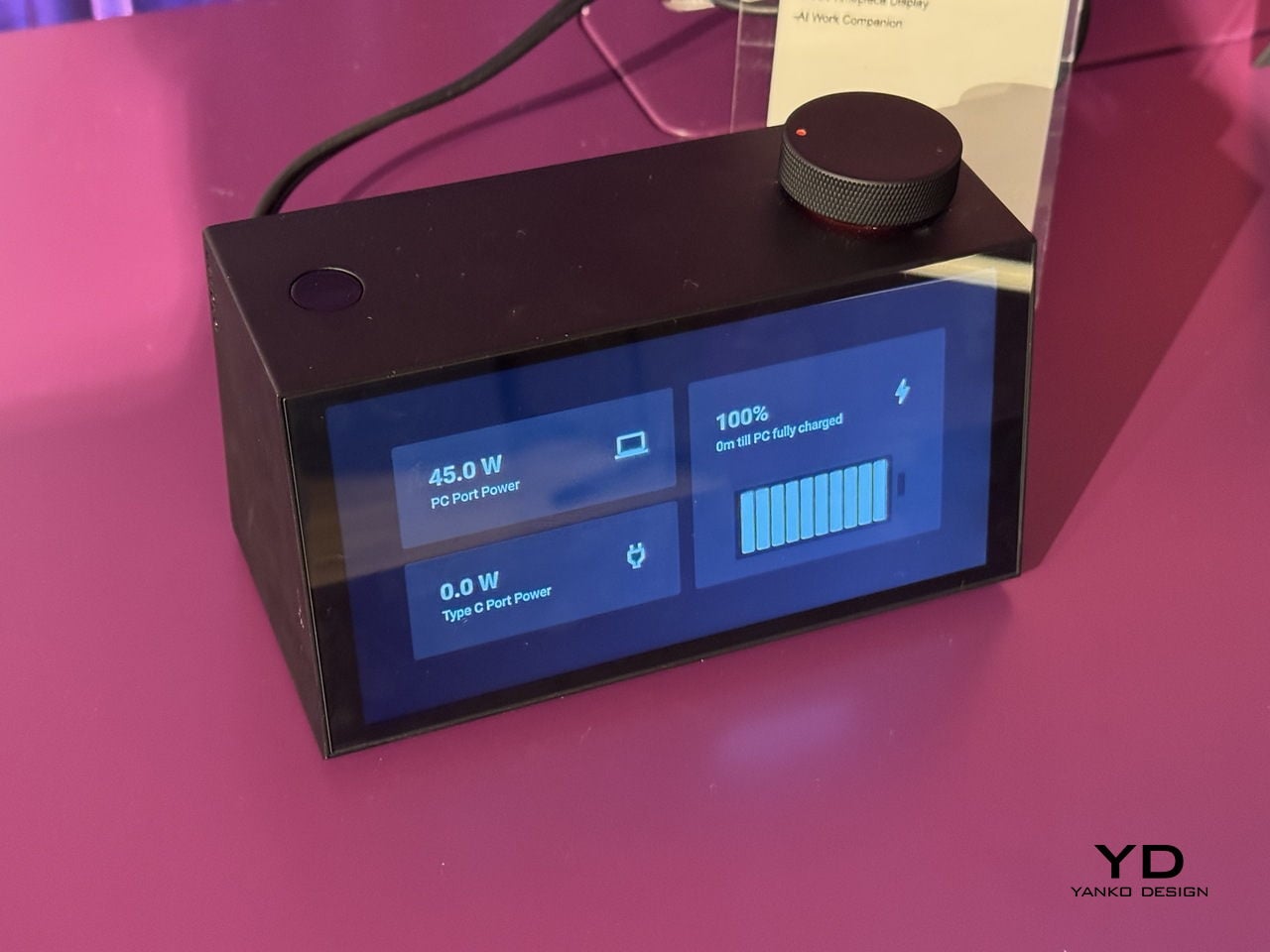
The front display cycles through six clockface styles, from a clean flip-clock layout to an abstract trio of pie-shaped circles, each one designed to read comfortably at a glance without demanding attention. Alongside the time, it surfaces calendar events, port charging status, and a grid of quick-action shortcuts from a single compact footprint.

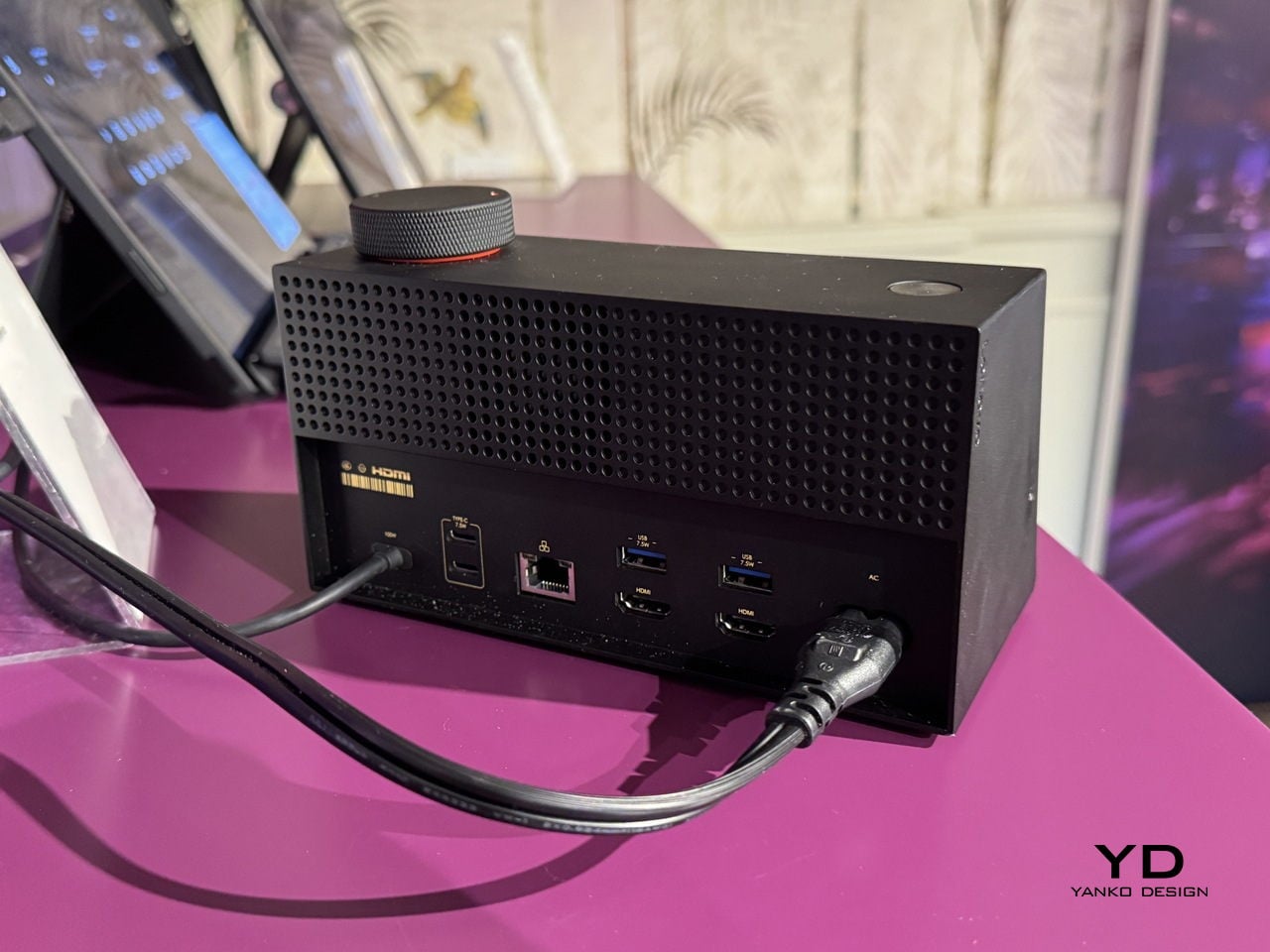
The hardware underneath that display is a full docking station. One USB-C port delivers 100W to a laptop, another handles 20W phone charging, and two HDMI outputs drive a pair of 4K displays at 60Hz simultaneously. For anyone running a multi-monitor setup, that covers the entire back of the desk without a separate hub involved.

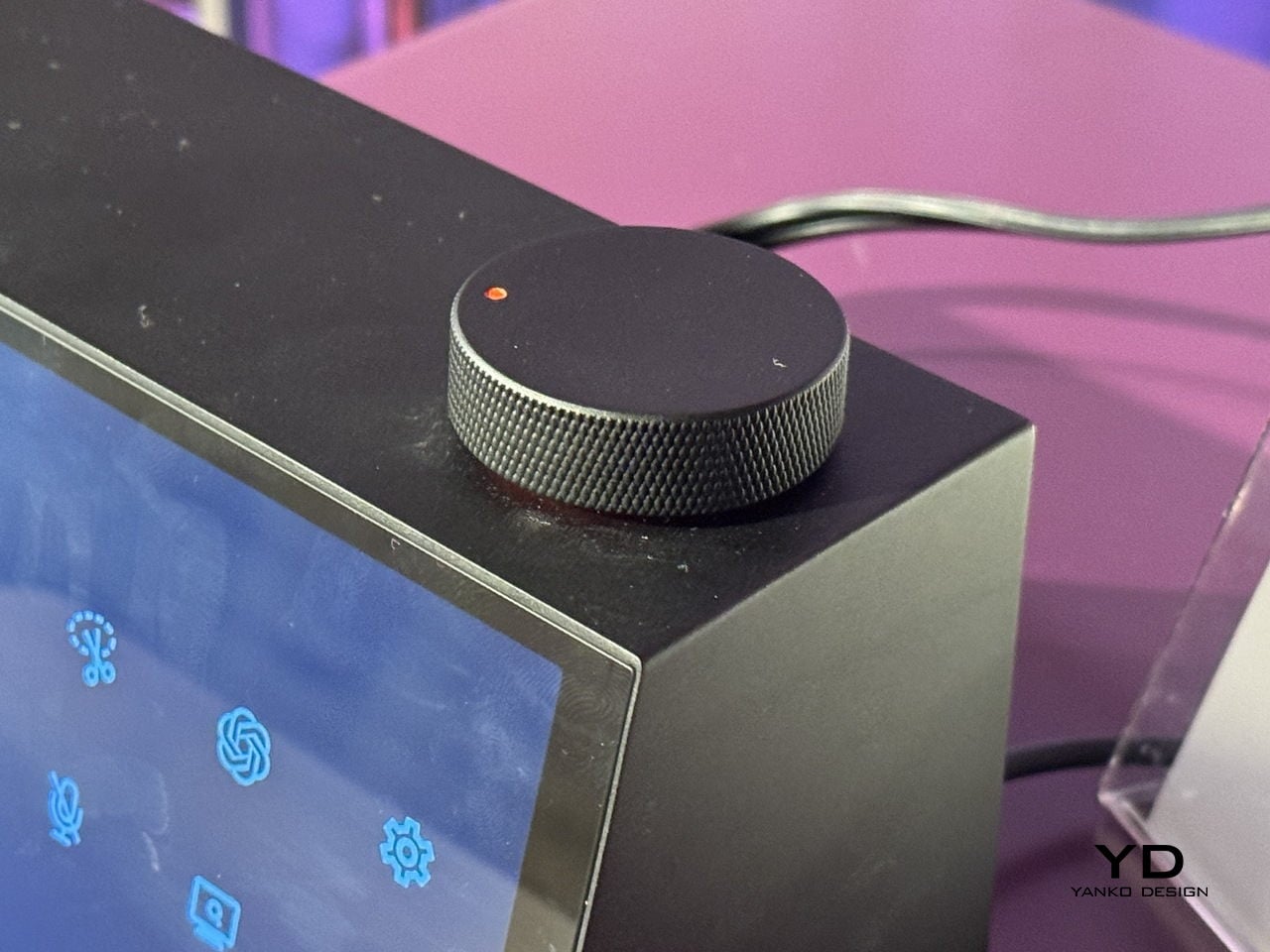
The more unusual part is a cartoon mascot Lenovo calls the Thought Bubble, a bespectacled cloud that lives on the display and manages the AI layer. Tap the large red knob on top, and it pulls tasks and calendar events from across connected devices, then proposes a structured daily plan. It also schedules breaks and monitors screen time, with a weekly “celebration report” summarizing what got done.

The obvious tension is that a device designed to reduce screen fatigue adds another screen to the desk. Whether offloading schedule decisions to a cartoon cloud actually clears mental space, or just relocates the same decisions to a different surface, is a question the concept doesn’t fully answer yet. That’s not a criticism so much as an observation that the idea is still at the stage where it sounds better than it can be proven to work.

What’s harder to argue with is the physical logic. A docking station that also tells the time, tracks the day, and has a programmable knob for whatever shortcut matters most is a more considered object than the plastic brick it replaces. Whether the AI earns its place on the desk is something only daily use can settle.

The post Lenovo Just Turned the Ugly Desk Hub Into an AI Assistant first appeared on Yanko Design.

Marshall Heddon Hub Adds Multi-Room Hi-Fi to Your Bluetooth Marshalls

Owning a couple of Marshall Bluetooth speakers means great sound in different rooms, but getting music to follow you means reconnecting Bluetooth, nudging volume knobs, or carrying your phone with you. One speaker plays in the kitchen, another sits silent in the living room, and switching between them breaks whatever you were doing. The missing piece is not another speaker but a way to tie them together.

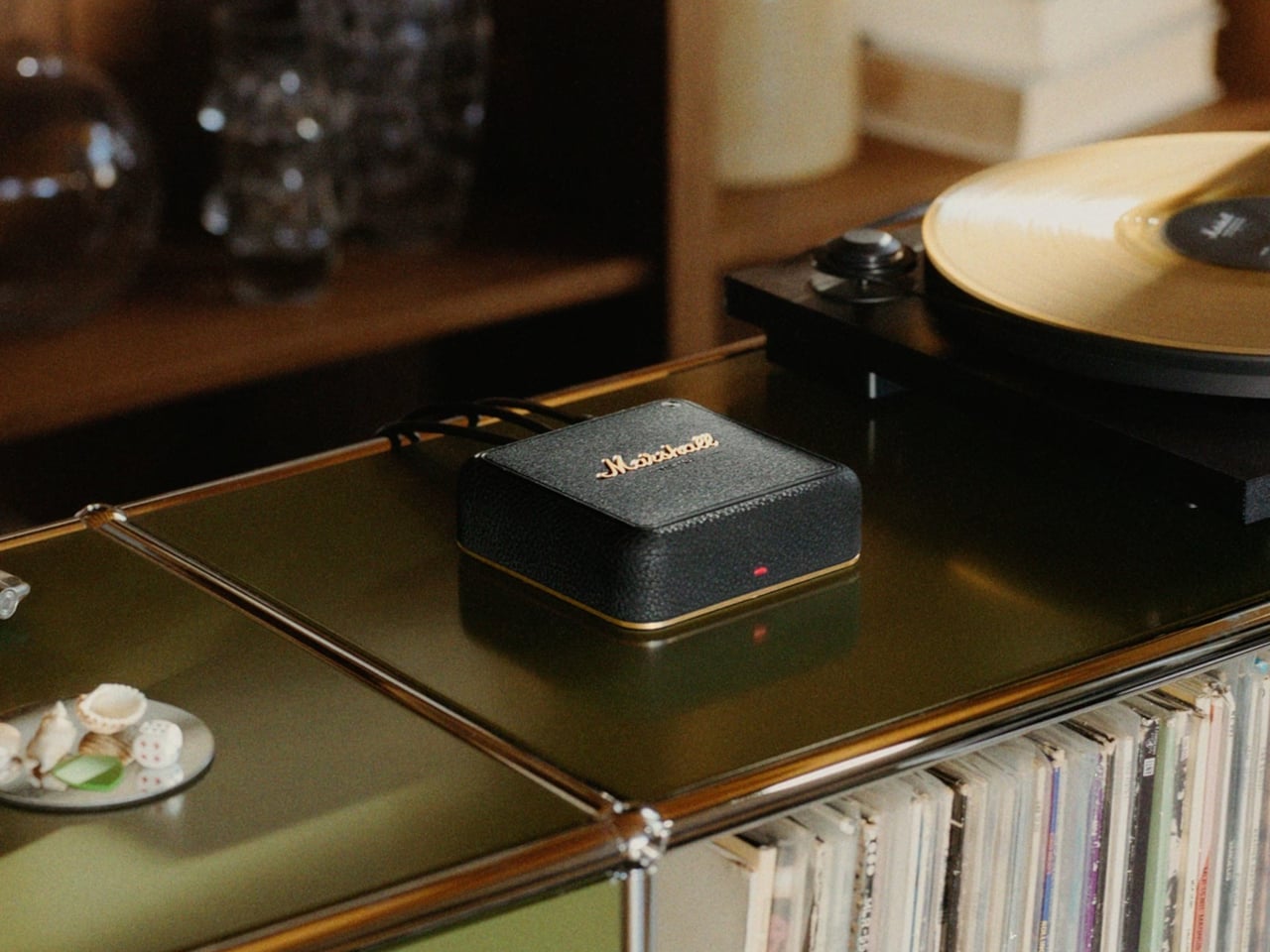
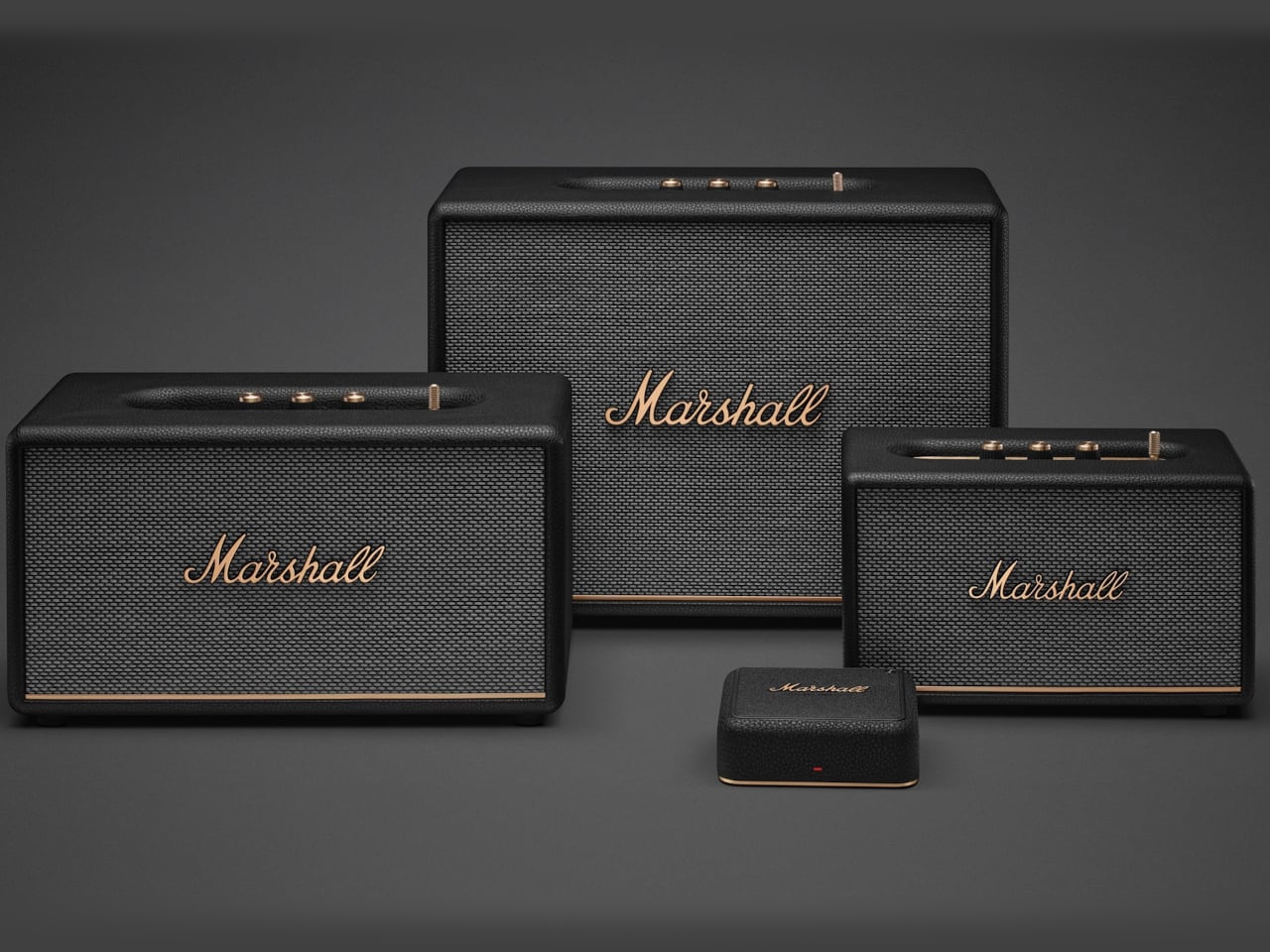
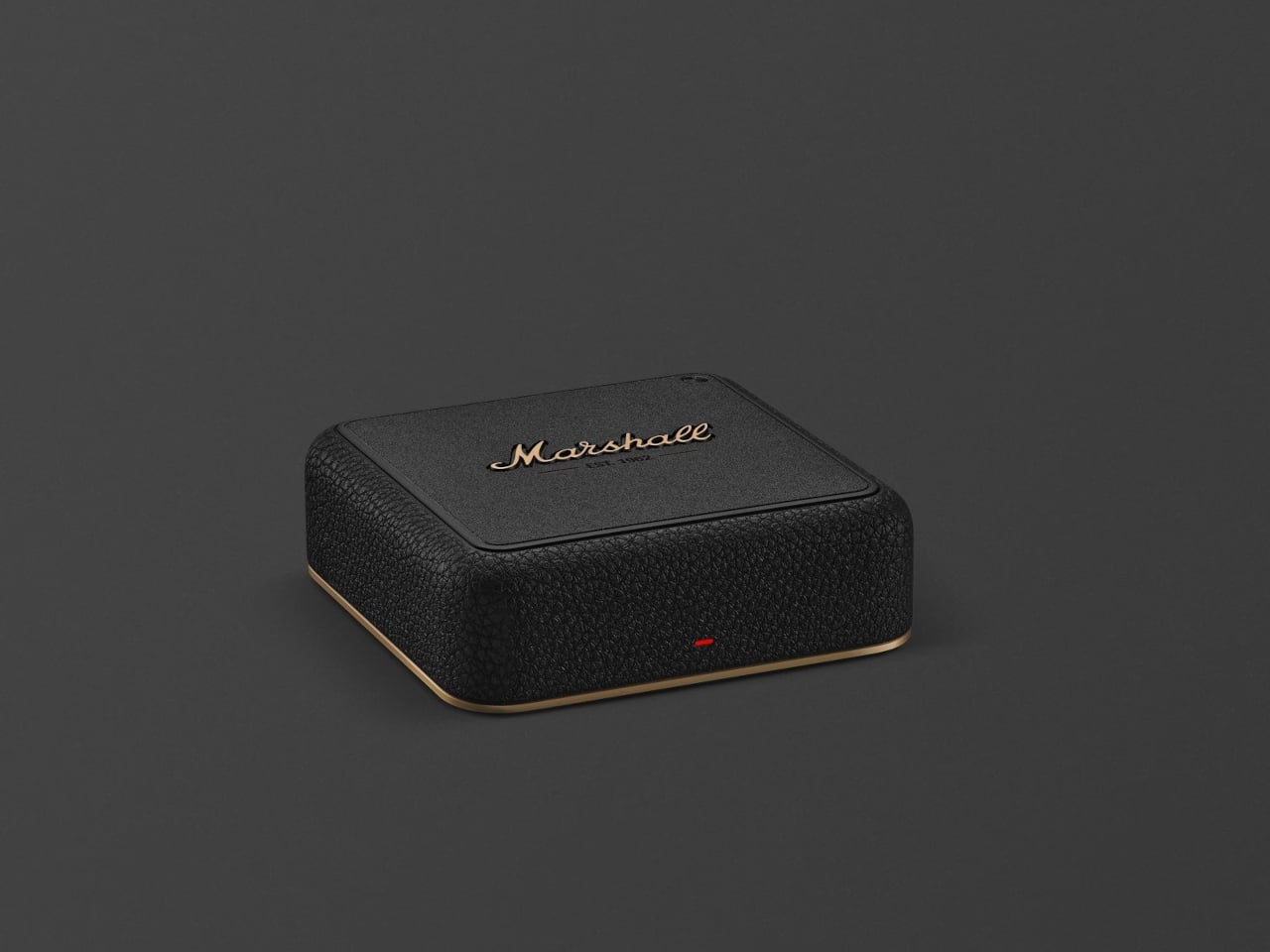
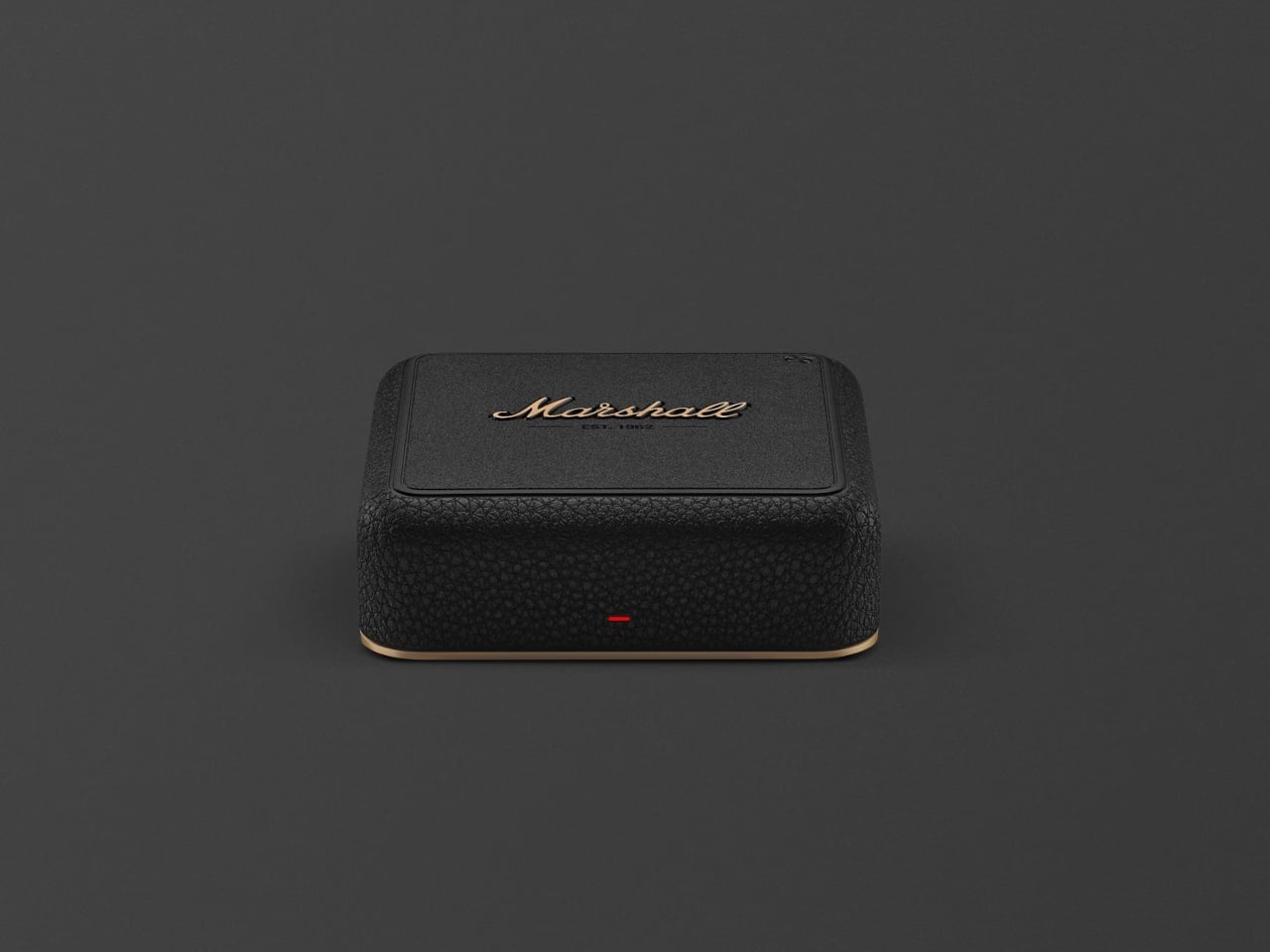
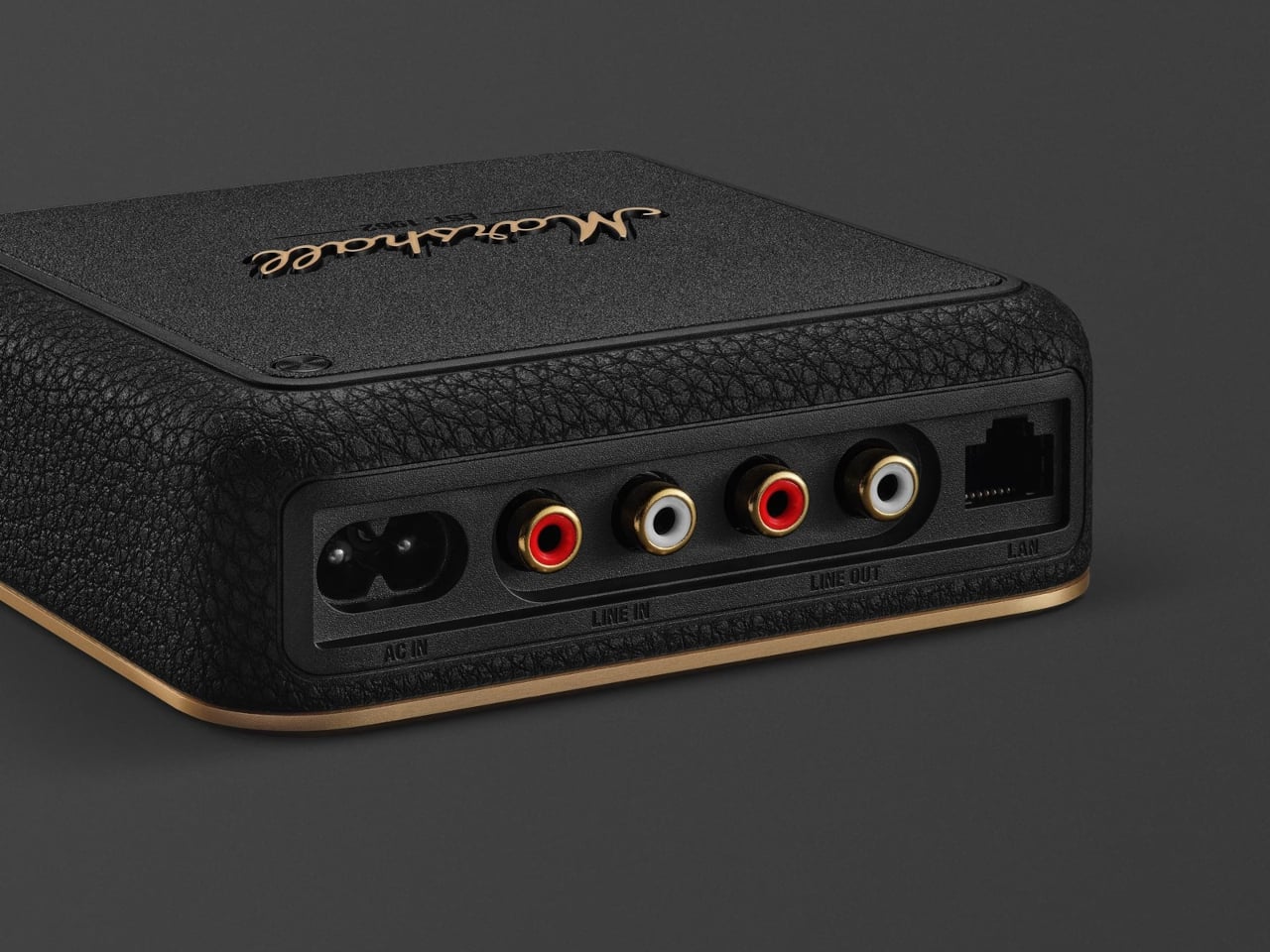
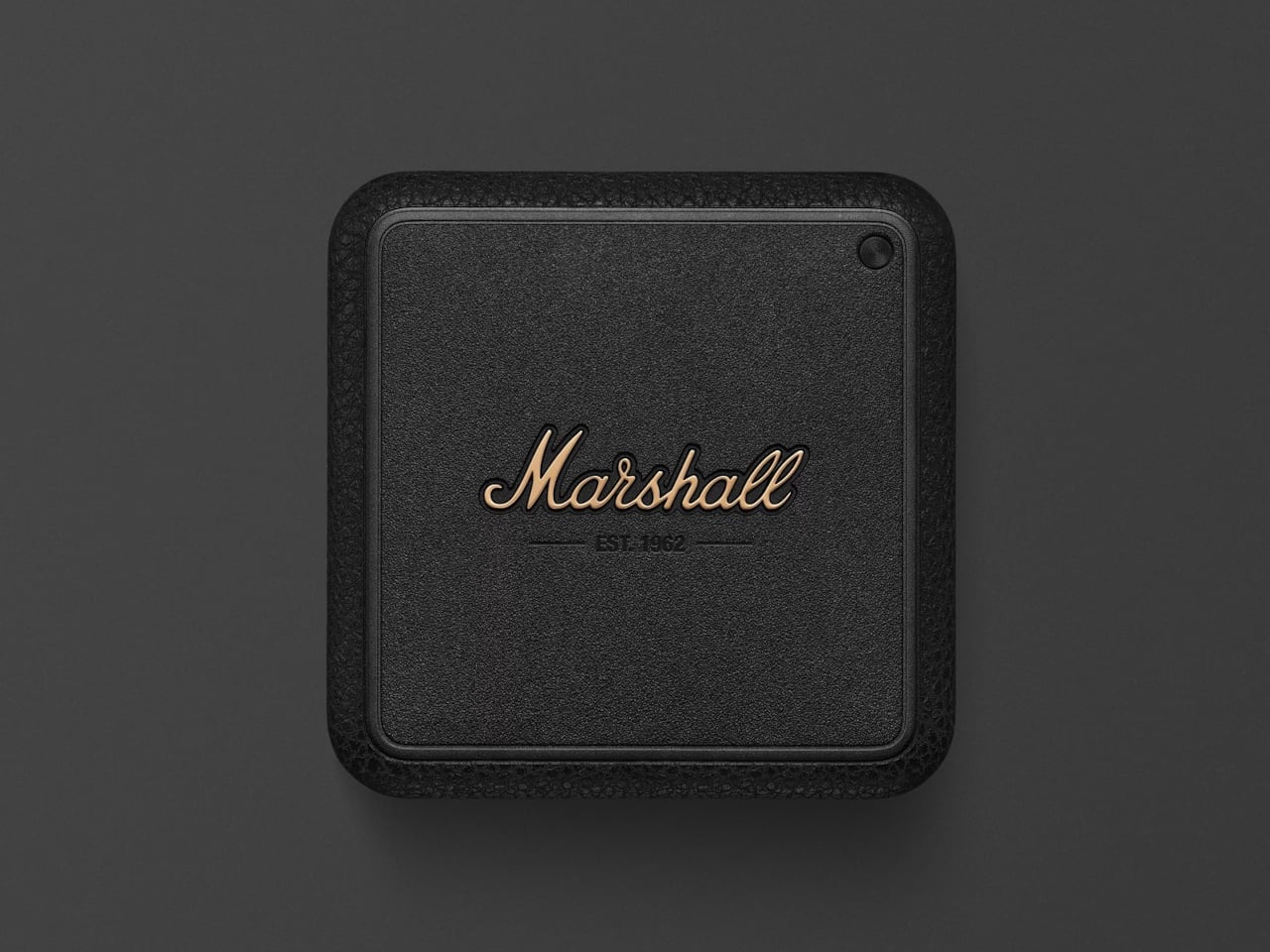
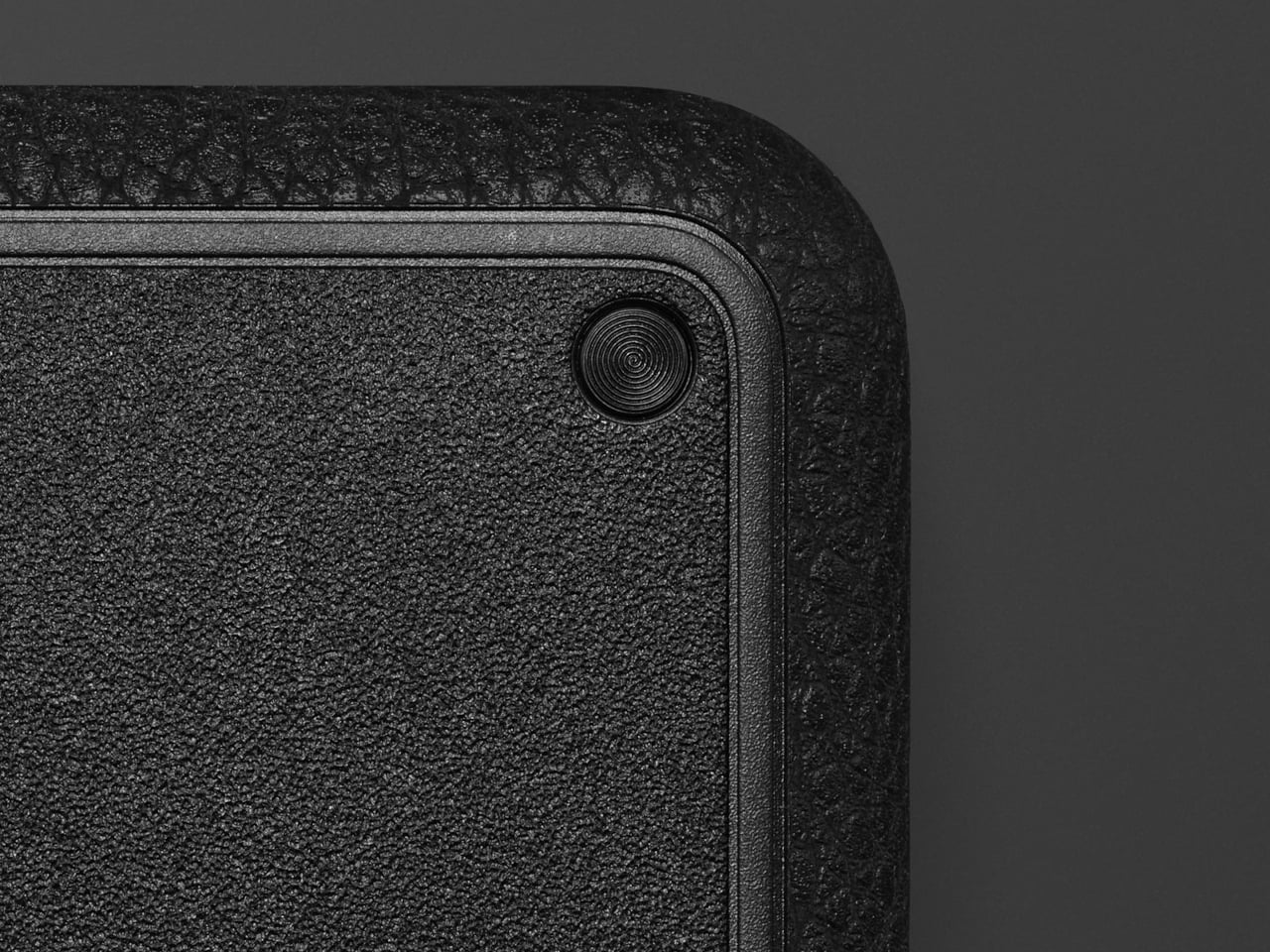
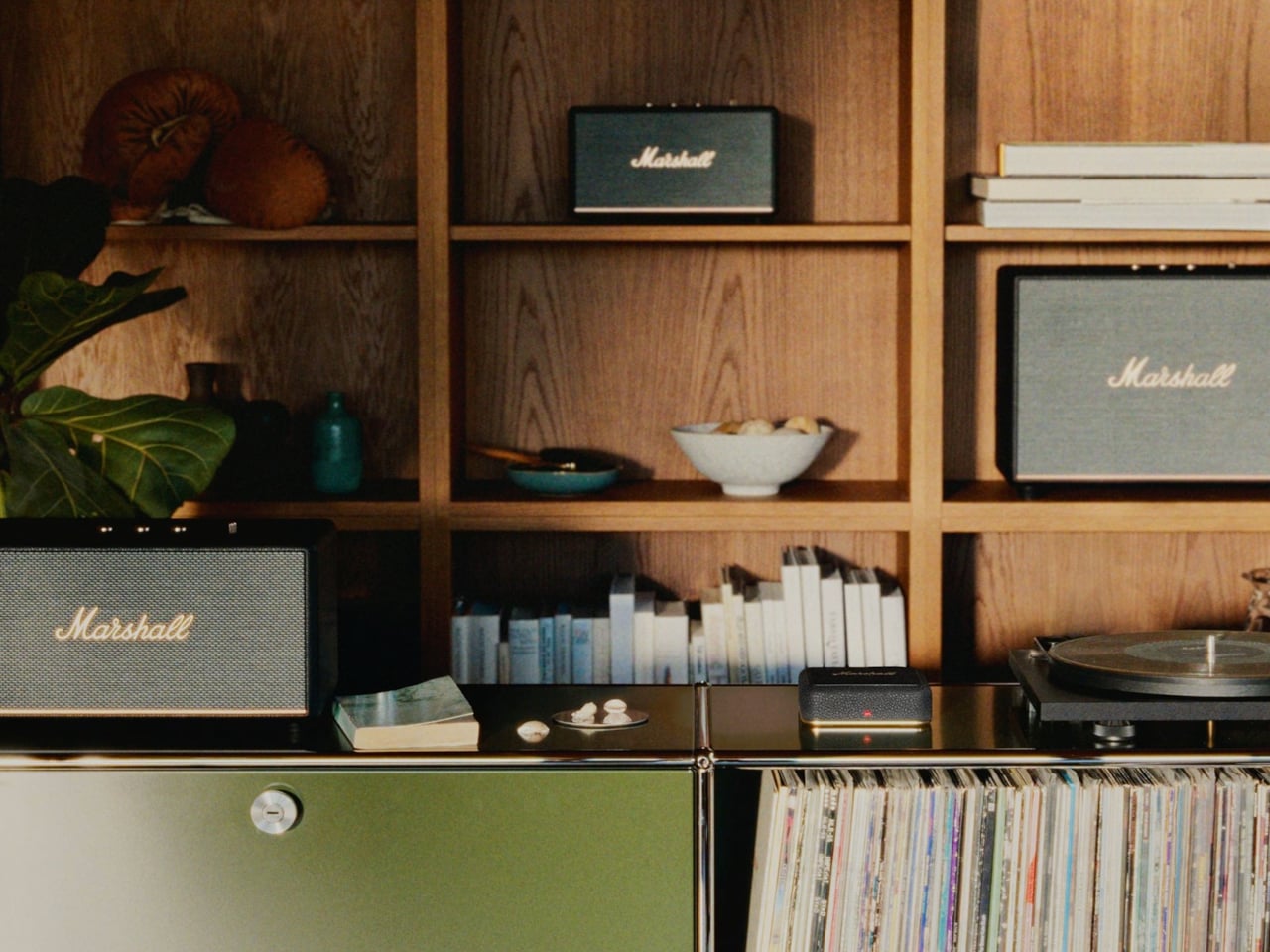
Marshall’s Heddon is a Wi-Fi music hub, a small square box that sits by your router and quietly becomes the brain for Acton III, Stanmore III, and Woburn III speakers. It connects to your network over Wi-Fi or Ethernet, pulls in music using Spotify Connect, AirPlay, Google Cast, or Tidal Connect, then rebroadcasts it to your speakers using Auracast so they all play in sync across rooms.

Designer: Marshall

Starting a playlist on your phone, you send it to Heddon instead of a single speaker and let it handle the rest. You move from the kitchen to the living room, and the same track is coming out of different Marshalls without re-pairing. Friends can cast from their own apps, but the hub keeps the stream going even when phones leave or run out of battery, which is how whole-home audio is supposed to work.

Heddon has RCA line-in, so you can plug in a turntable or older CD player and stream that signal wirelessly to your Marshall speakers around the house. The only requirement is a phono preamp somewhere in the chain. A record spinning in one corner can be heard in the kitchen and bedroom without running cables or buying a new Wi-Fi-enabled turntable, turning analog playback into something that feels modern.

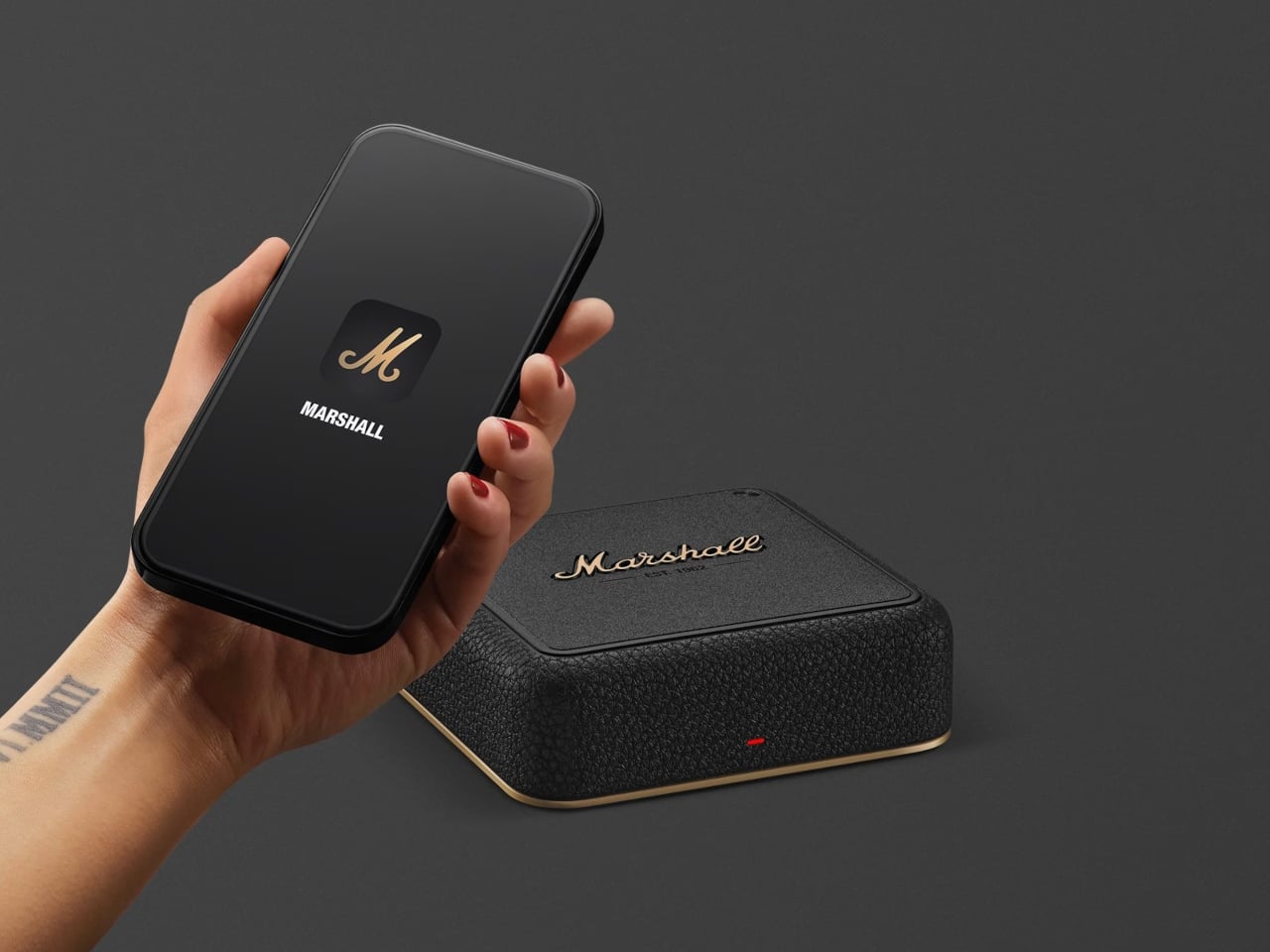
Most of the complexity lives in the Marshall app, which discovers Heddon, lets you assign speakers to rooms, create groups, and manage updates. The physical box stays simple on purpose. That makes it easier to update over time, but it also means the experience rises and falls with how well the app is maintained and how comfortable you are living inside one brand’s ecosystem.

Heddon only works with specific Marshall home speakers, not older models or portable units, which narrows the audience. At around $300, it is not a casual add-on, even if bundle discounts soften the cost. Compared to third-party streamers, you are paying for tight integration and the Marshall look, which makes sense if you are already committed to their gear.

Heddon is less about chasing another object and more about making the speakers you like feel current. By adding Wi-Fi, casting, and multi-room logic in one small hub, it nudges a Marshall-filled home closer to the convenience of dedicated multi-room systems without throwing anything out. For people who care as much about how speakers look as how they sound, that is a neat way to modernize without starting over.

The post Marshall Heddon Hub Adds Multi-Room Hi-Fi to Your Bluetooth Marshalls first appeared on Yanko Design.

HubKey Gen2 Kills Dongle Mess, Adds Dual 4K and Physical Controls

The modern desk is a patchwork of small compromises. Your laptop has two USB-C ports, but you need displays, a wired network, external storage, and constant charging. That leaves you juggling dongles and adapters, with media controls and privacy shortcuts buried in software menus or keyboard combinations you can never quite remember. The setup works, but it never feels tidy or intentional, just workarounds gradually spreading across your workspace.

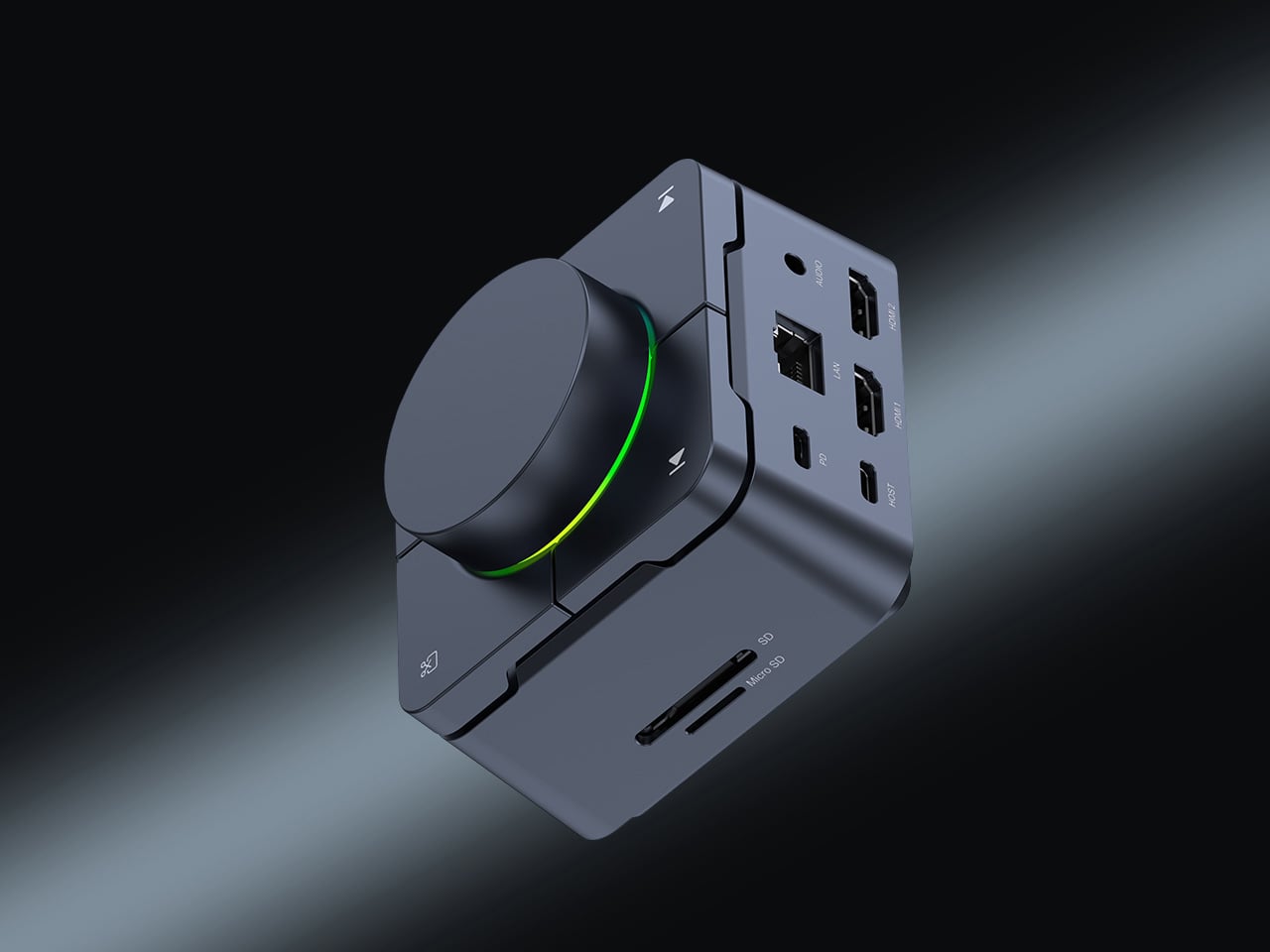
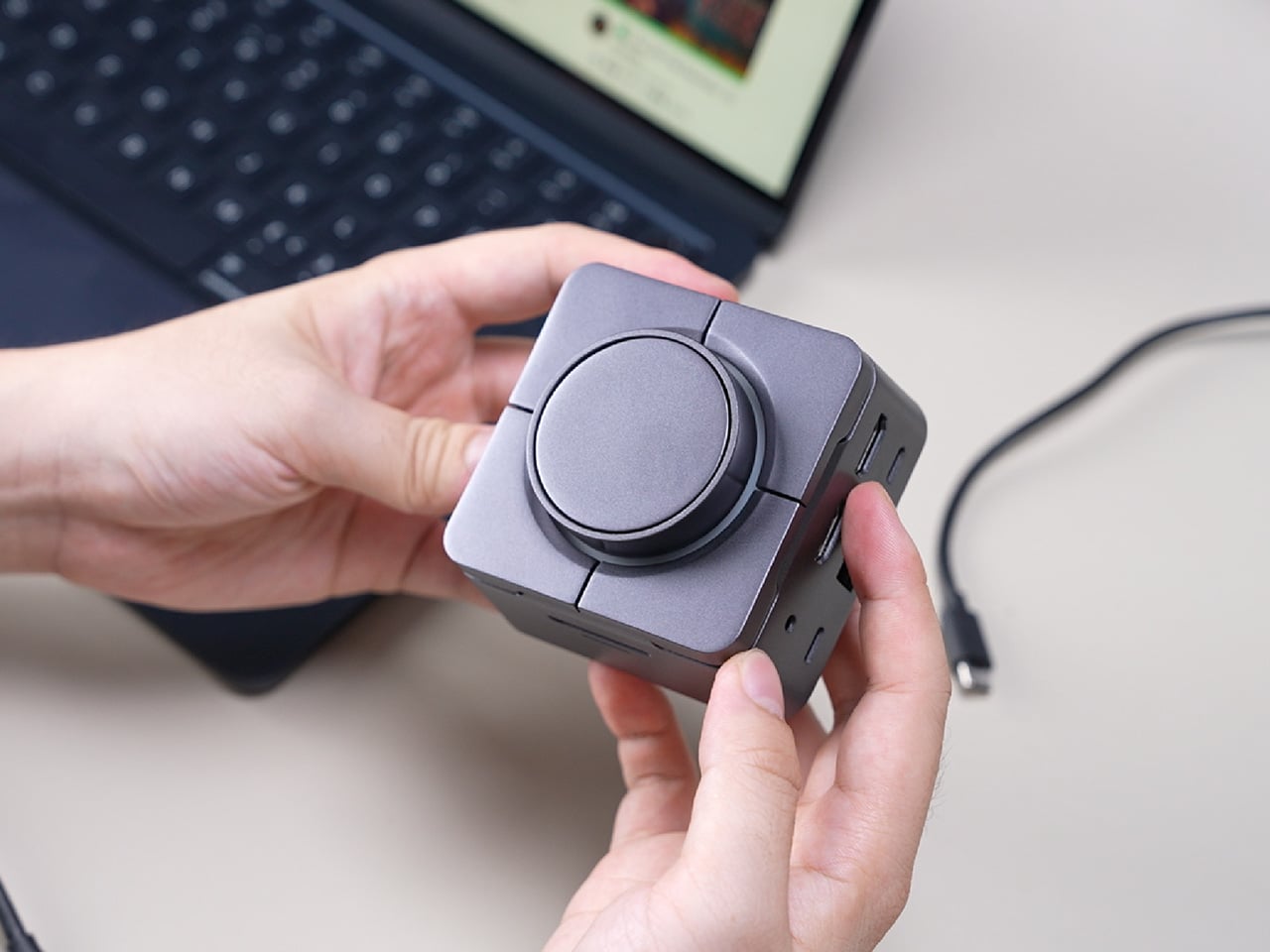
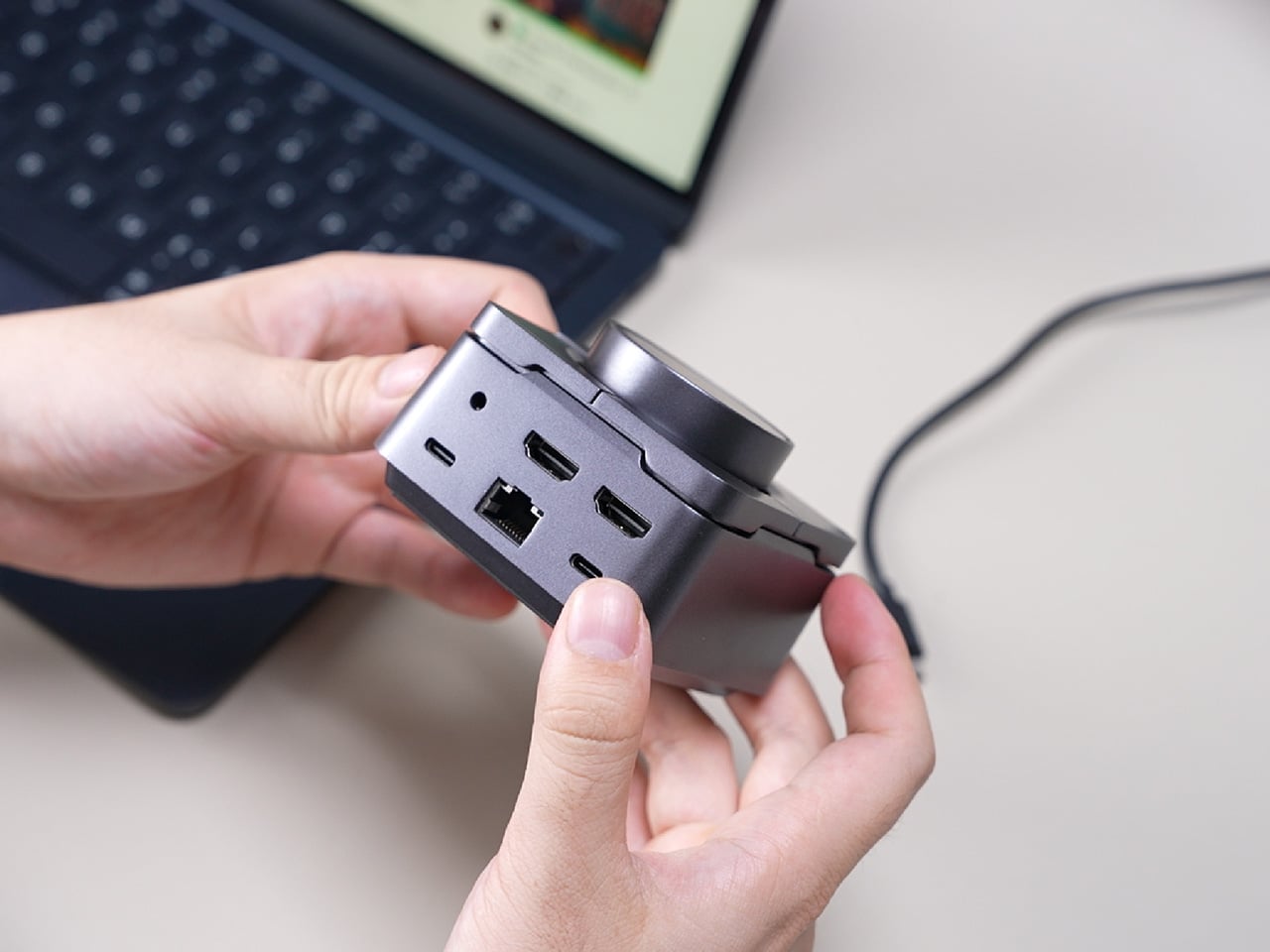
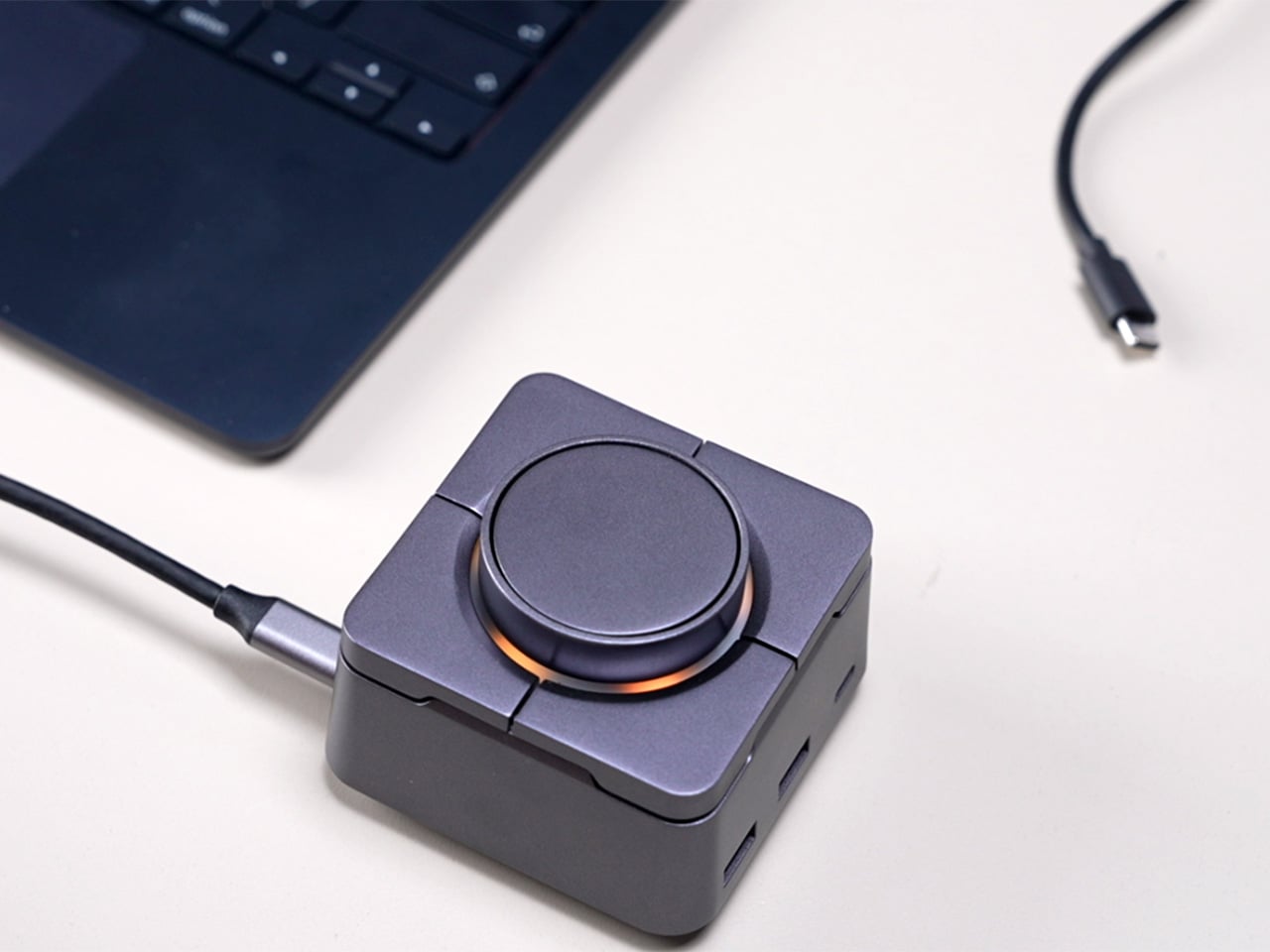
HubKey Gen2 tries to pull those pieces together in a single compact cube that sits within arm’s reach. It’s both an 11-in-1 USB-C hub and a small hardware control surface, with four shortcut keys and a central knob on top. The idea is to handle displays, power, storage, network, and a handful of everyday actions from one place, turning a desk full of little fixes into something more coherent.

Designer: HubKey

Click Here to Buy Here: $89 $179 (50% off). Hurry, only 266/500 left!

The most requested improvement for this version was better display support and five keys which can be fully customized. HubKey Pro 2 now offers two HDMI ports, each capable of driving a 4K display at 60Hz. That means a laptop can suddenly run a pair of high-resolution monitors smoothly, turning a cramped single-screen setup into a proper workspace for editing timelines, keeping reference material open, or spreading code and documentation across both panels without stuttering.

Between the USB-A 3.1 and USB-C 3.1 ports at up to 10 Gbps, SD and TF card slots, a 2.5 Gbps Ethernet port, 3.5 mm audio jack, and a dedicated 100 W USB-C PD port, HubKey Pro 2 can replace a whole handful of adapters. One cable from the hub to your laptop or handheld PC brings everything else online, from wired internet to external drives and dual displays, cutting down on the usual cable mess.

The top panel is where the shortcut side comes in. Four keys and a central knob are mapped to actions like volume and mute, screen lock, display off, screenshot, and lighting control. Instead of hunting through menus or remembering key combinations, you can twist the knob to adjust sound, tap a key to blank the monitor when someone walks by, or grab a screenshot with a single press.

Under the surface, the shortcut side goes deeper than a few hard-wired functions. A built-in driver unlocks five preset systems with 170 fixed combinations, plus a sixth mode where you can fully customize the key bindings. When you plug HubKey Gen2 into your machine, a settings interface pops up automatically, letting you assign shortcuts, macros, and key sequences in a few clicks.

For basic use there are no drivers to hunt down; it’s plug-and-play with Windows, macOS, Linux, and even devices like the Steam Deck, while the optional driver adds a deeper layer of customization when you want to fine-tune the keys. The internal circuitry and firmware have been tuned for faster recognition and more stable power delivery, and the press logic for Windows and macOS has been refined to reduce delays or misfires.

The 100W USB-C PD port can keep a laptop charged while the hub is driving dual 4K displays and handling data transfers. The The 10 Gbps USB ports and card readers make moving large files feel less like a chore, especially for photographers and video editors who are constantly offloading cards. The goal is to reduce the number of separate chargers and adapters that need to live on the desk.

Of course, the central knob has a smooth feel when you adjust volume, and the integrated LED ring can be dimmed or toggled with a key. The lighting adds a bit of atmosphere without turning the hub into a light show, and the compact form factor means it can sit next to a keyboard or under a monitor without demanding attention when you’re not actively using it.

HubKey Gen2 doesn’t claim to replace a full keyboard or a studio-grade dock, but it does try to make a typical laptop-based setup feel more intentional. By combining dual 4K display support, a full spread of ports, and a handful of physical controls in one small object, it turns a desk full of little compromises into something more coherent and easier to live with.

Click Here to Buy Here: $89 $179 (50% off). Hurry, only 266/500 left!

The post HubKey Gen2 Kills Dongle Mess, Adds Dual 4K and Physical Controls first appeared on Yanko Design.

Satechi 7-in-1 Hub Retracts Its Cable and Sticks Magnetically

Travel adapters and USB hubs have always been a necessary evil for anyone working on the go. You need the ports, but you definitely don’t want the mess of cables tangling in your bag or the clunky rectangle of plastic taking up desk space. Most hubs solve the functionality problem while creating new ones, giving you dongles that dangle awkwardly or adapters so bulky they block adjacent ports. Heck, some of them are so ugly you’d rather hide them under your laptop than let anyone see what you’re working with.

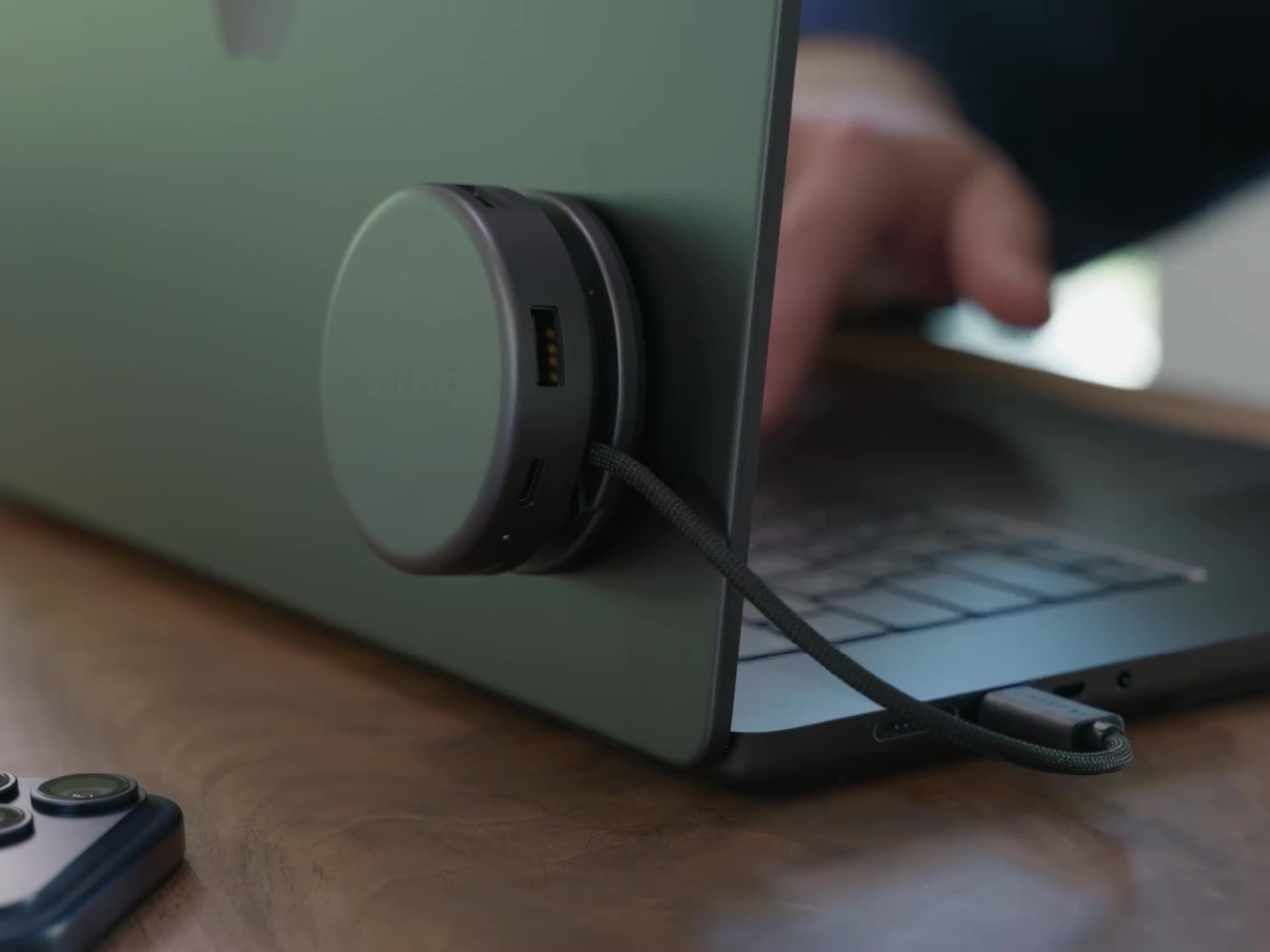
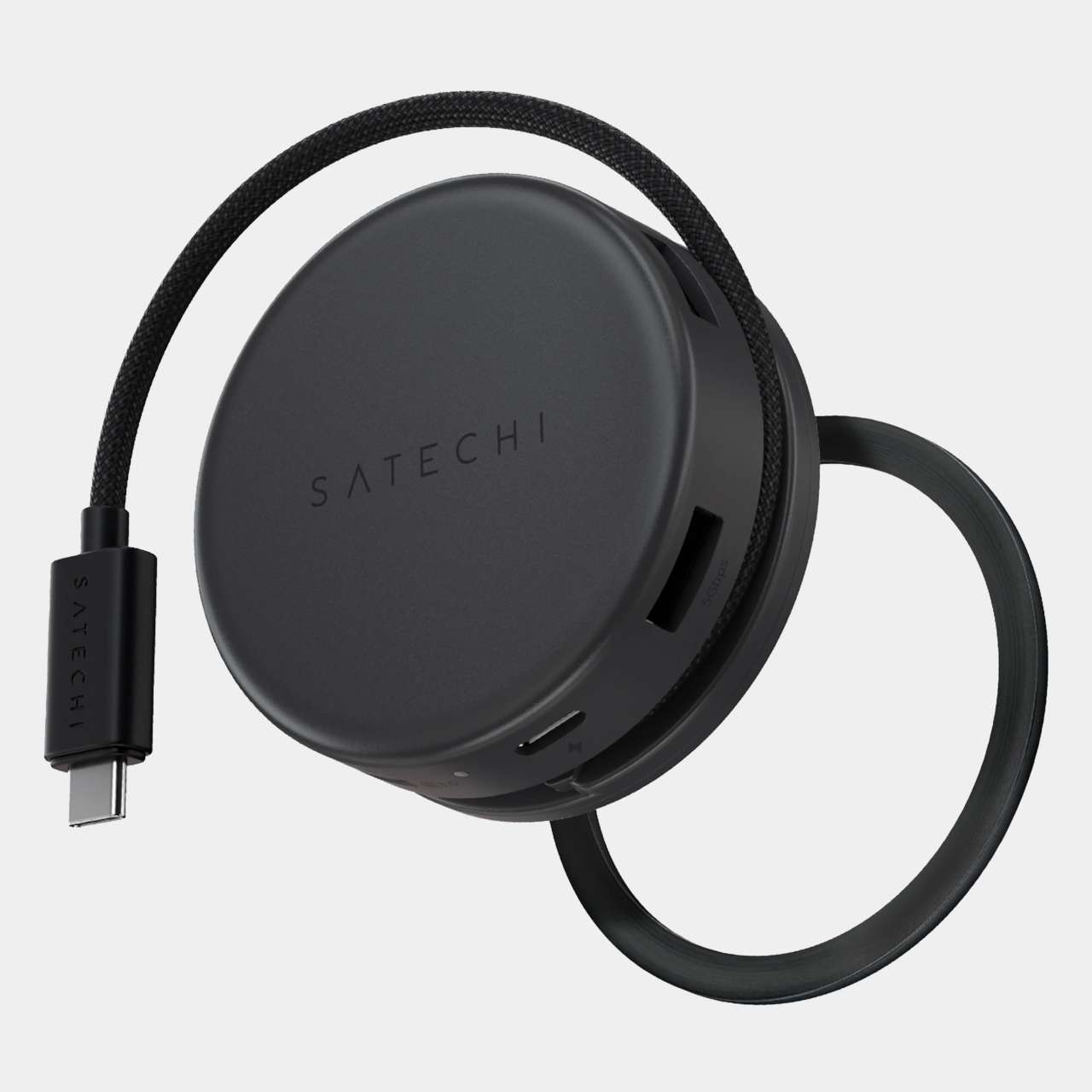
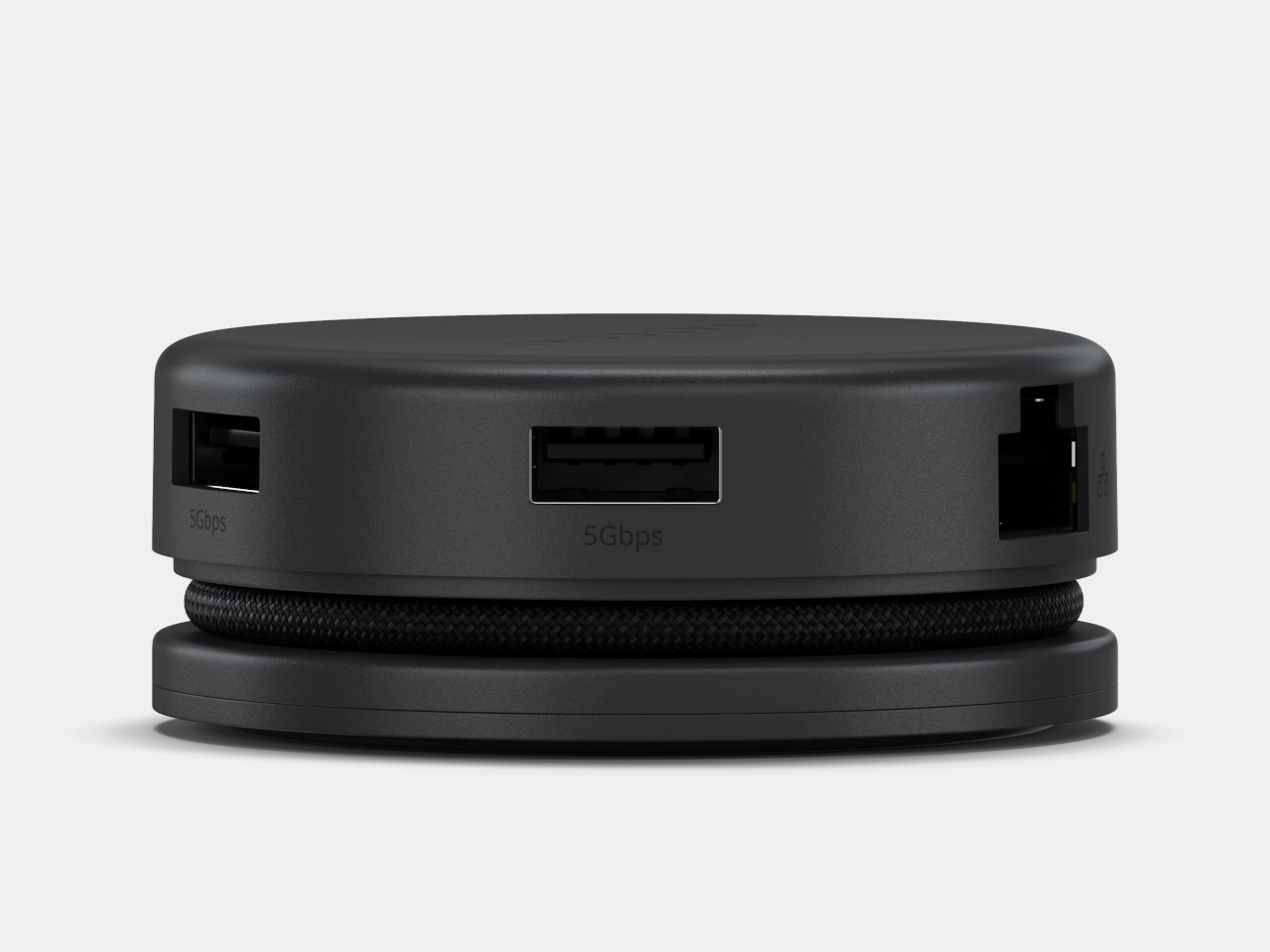
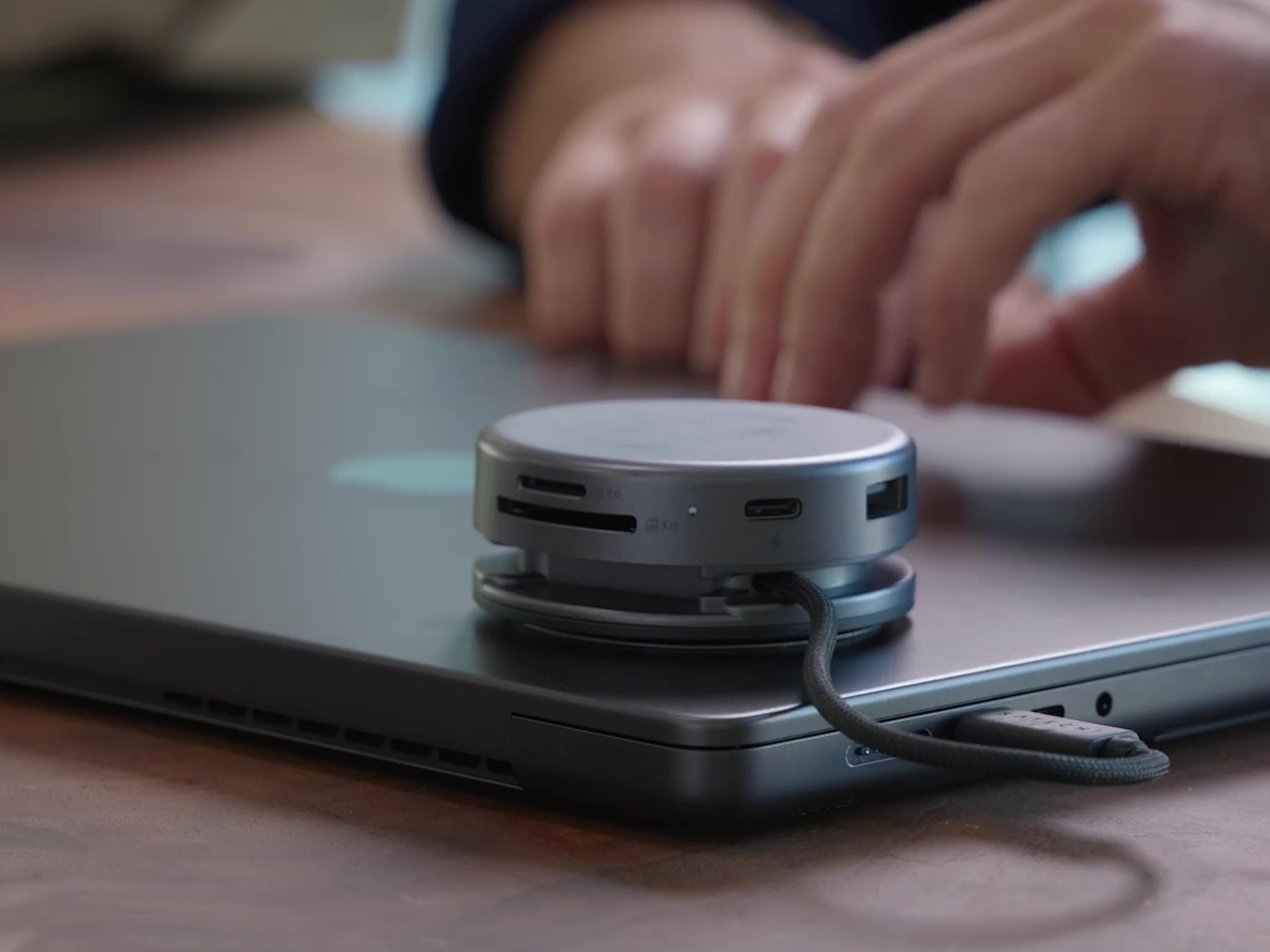
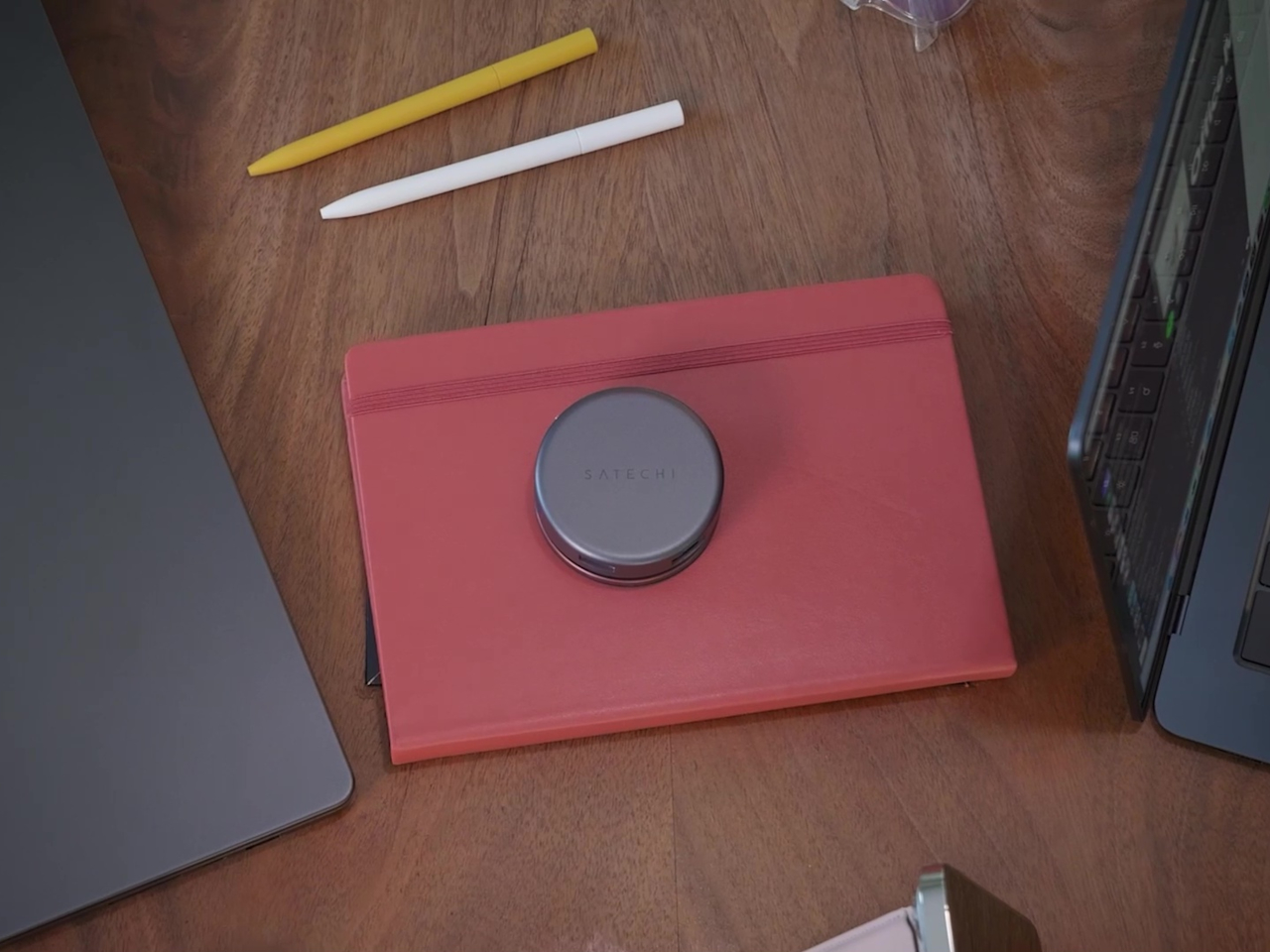
Satechi’s OntheGo 7-in-1 Multiport Adapter takes a different approach, packing seven essential ports into a compact, round design that actually looks like something you’d want to carry around. The real trick is how it handles cables and portability. Instead of a short, rigid cable that forces the hub to sit awkwardly next to your device, this one uses a coiled, braided USB-C cable that retracts neatly around the base when not in use, keeping everything tidy and tangle-free.

Designer: Satechi

The adapter itself is a matte black puck measuring just 2.6 inches across and one inch thick, small enough to fit in your pocket next to an AirPods case. Subtle Satechi branding sits embossed on the top, while the edges feature knurled grips that make it easy to handle. The ports wrap around the perimeter, including HDMI for displays up to 4K at 60Hz, gigabit Ethernet for reliable wired connections, two USB-A ports running at 5Gbps, and slots for both SD and microSD cards supporting UHS-I speeds up to 104MB/s.

Of course, there’s also USB-C Power Delivery that accepts up to 100W input and delivers up to 80W output, so you can charge your laptop while using all the other ports. That’s particularly useful when you’re working from a coffee shop or airport lounge and need to plug in everything at once without running out of power halfway through your tasks.

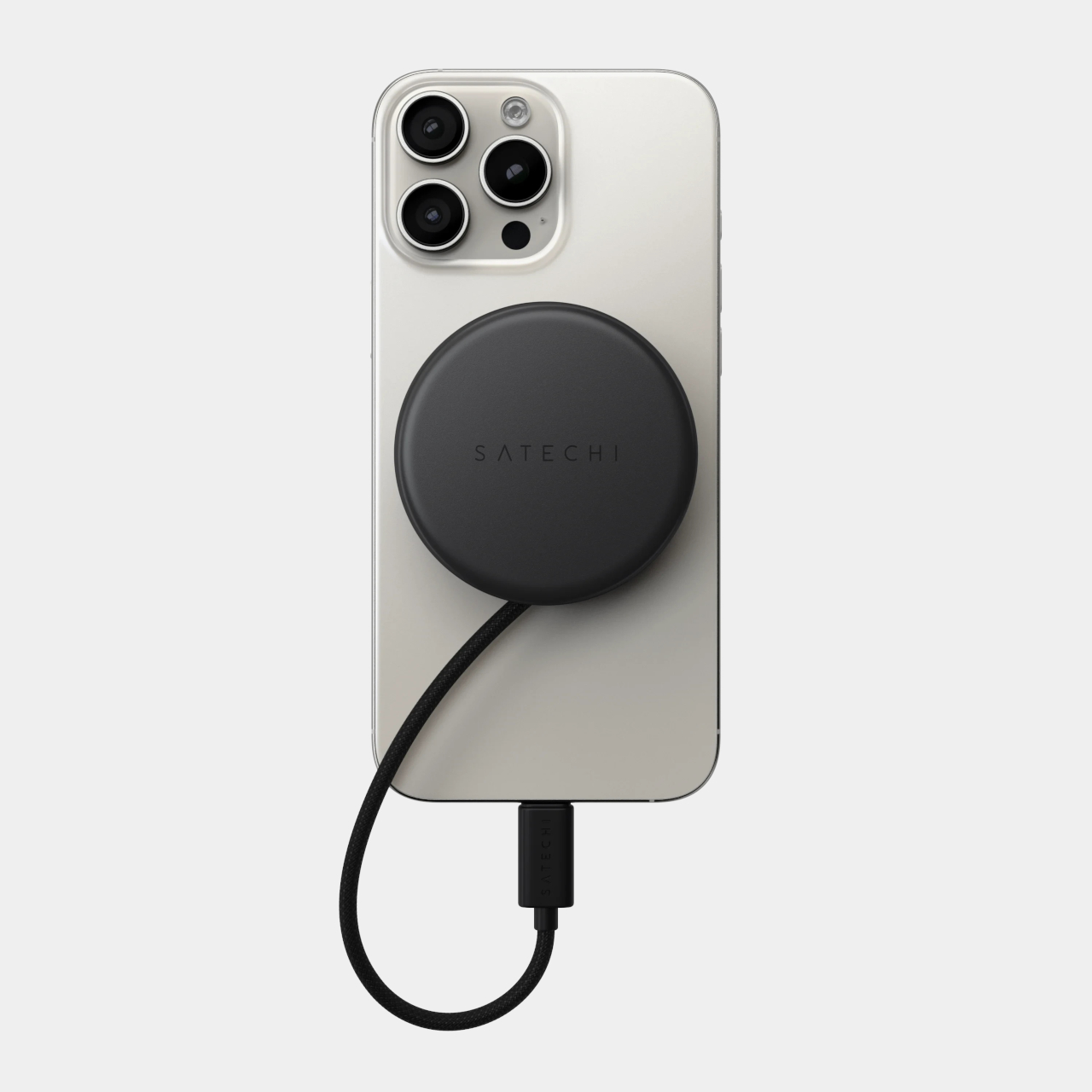
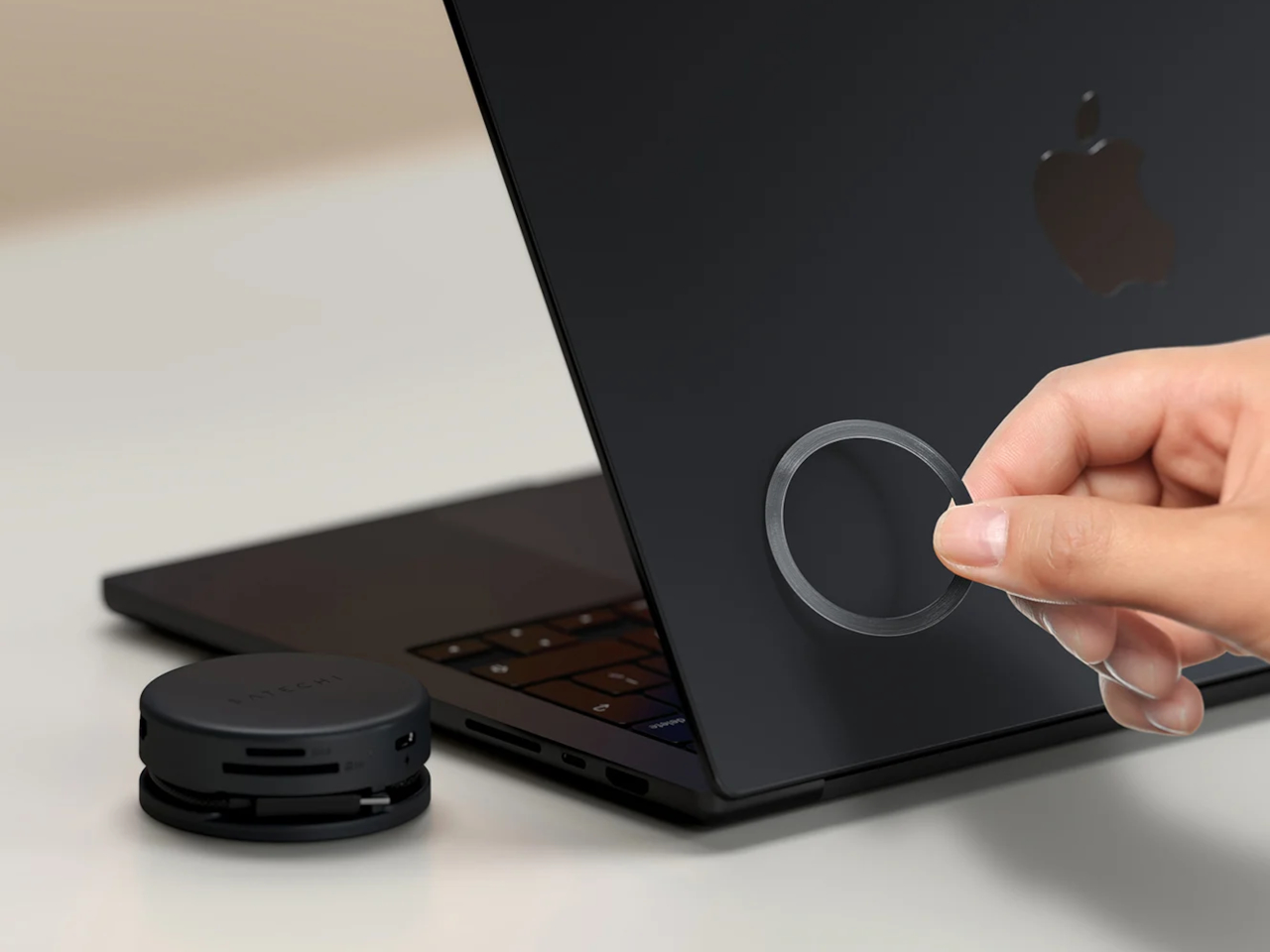
What makes the OntheGo adapter feel genuinely clever is the magnetic mounting. It snaps directly onto MagSafe iPhones, or you can stick the included adhesive ring onto the back of any tablet or laptop to create a magnetic surface. That means the hub stays attached to your device when you pack it away, eliminating the usual hunt through your bag for a missing adapter. It’s a small detail, but one that makes the whole experience feel more intentional.

At $59.99, the OntheGo sits between cheap adapters that barely work and premium options that cost twice as much. For anyone tired of tangled cables and bulky hubs cluttering their bag, that’s a reasonable price for something that actually fits how people work these days. The fact that it magnetically sticks to your devices and stores its own cable means you might actually stop losing dongles in the depths of your backpack for once.

The post Satechi 7-in-1 Hub Retracts Its Cable and Sticks Magnetically first appeared on Yanko Design.

Mac mini M4 dock offers a stylish way to expand your ports and storage

The popularity of the Mac mini has made small desktop computers quite the fad. Especially with small components getting more powerful, it’s now possible to have a decent desktop experience in a small box. What isn’t possible, however, is enjoying the same range and variety of ports available on towers, at least not without some outside help.

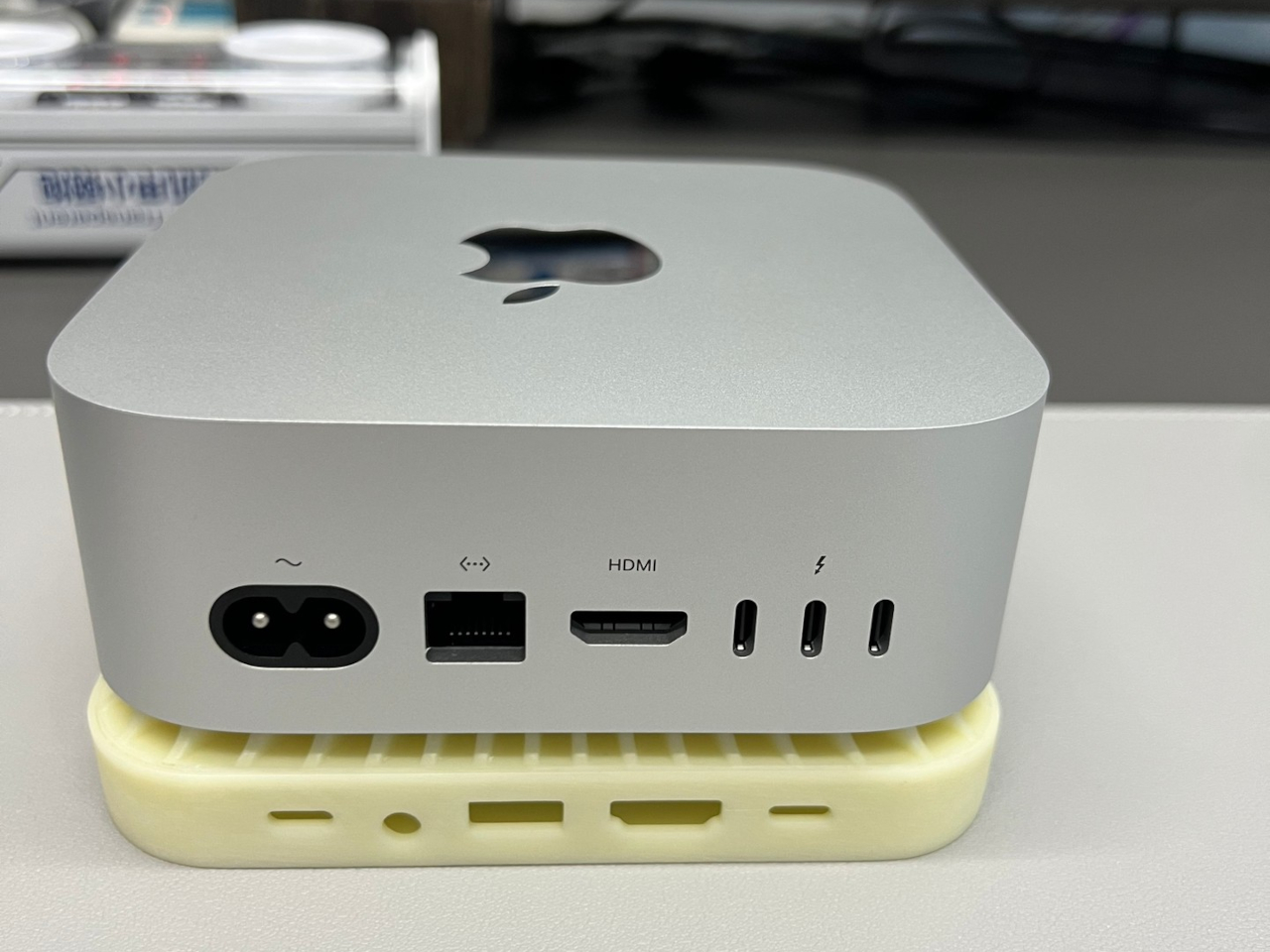
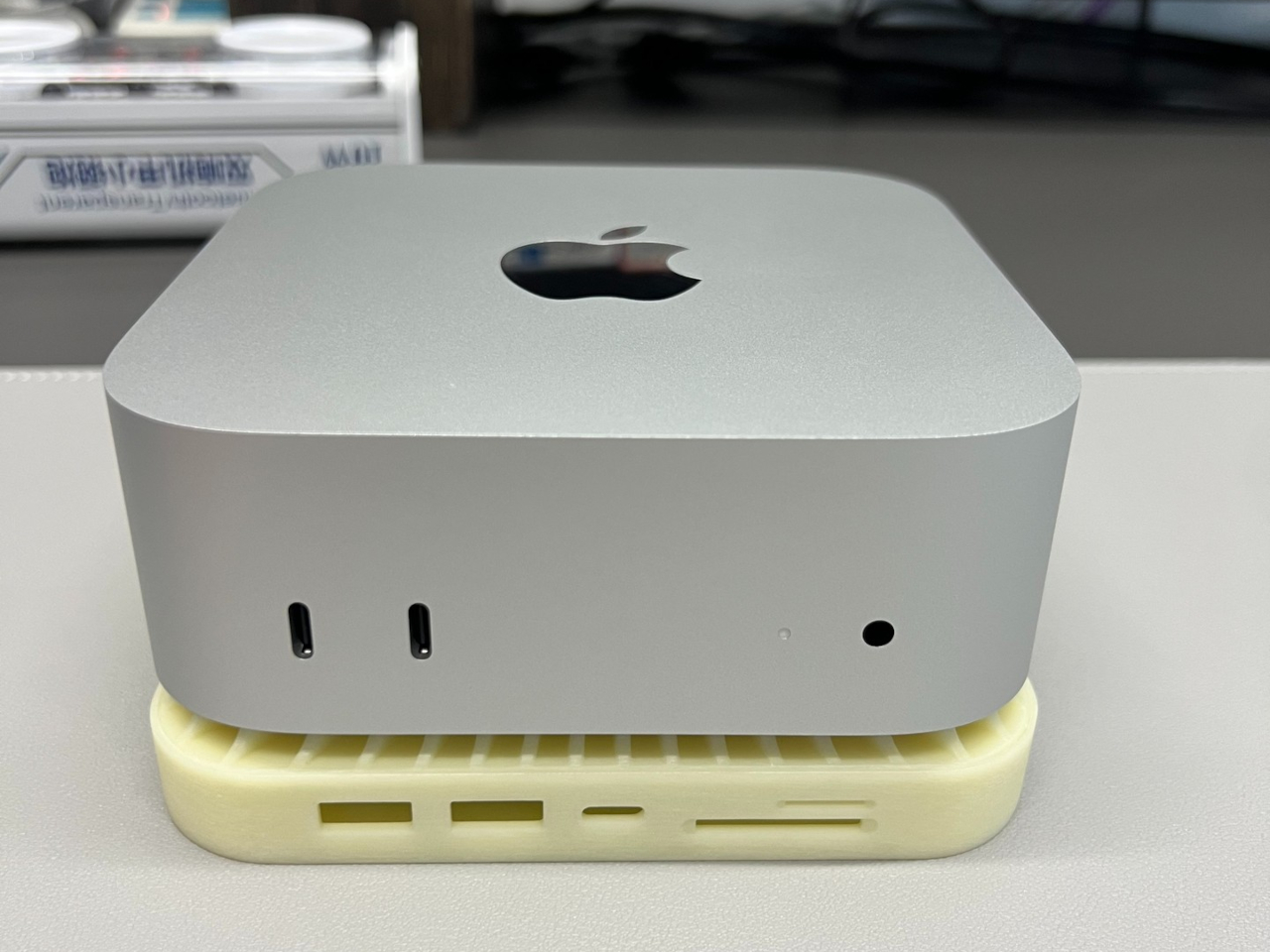
Docks for mini PCs aren’t new, but the Mac mini does present some very particular design challenges. How do you make a dock that isn’t just functional but also just as aesthetic as the Mac mini itself? That’s the puzzle that this new dock for the latest Apple mini computer tries to solve using a large number of ports, a hidden SSD enclosure, and a rather peculiar appearance.

Designer: RayCue

The Mac mini has always been designed to be discreet and subtle so it could be hidden from view while it does its job. Lately, however, the trend has been to actually show off the beautiful minimalism of these small boxes, though that also meant exposing hubs and docks that extend the modest port selection of the mini computer. Rather than those conventional long bars, hubs made specifically for the Mac mini are designed to sit beneath the computer, blending in as if part of Apple’s design itself.

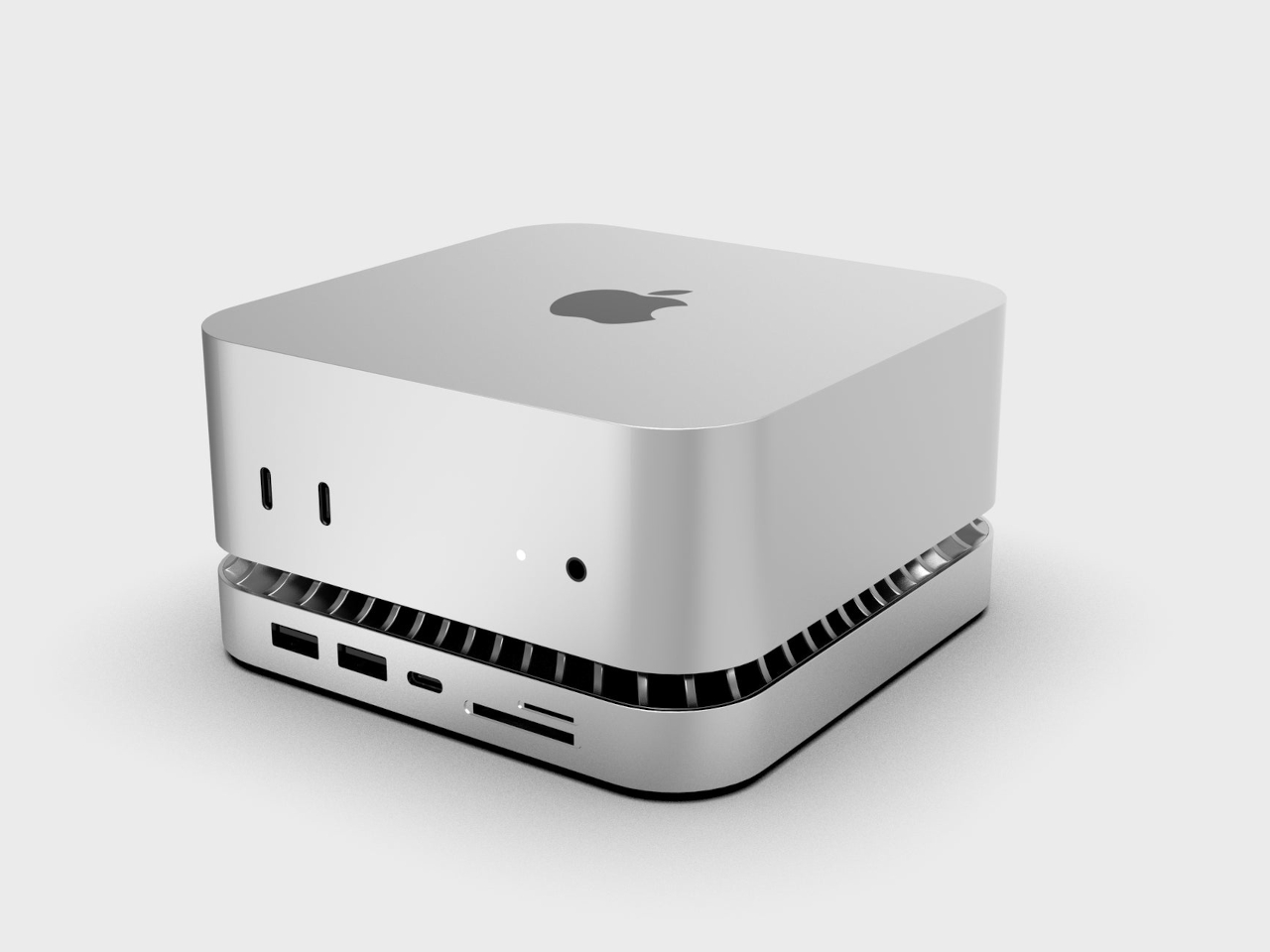
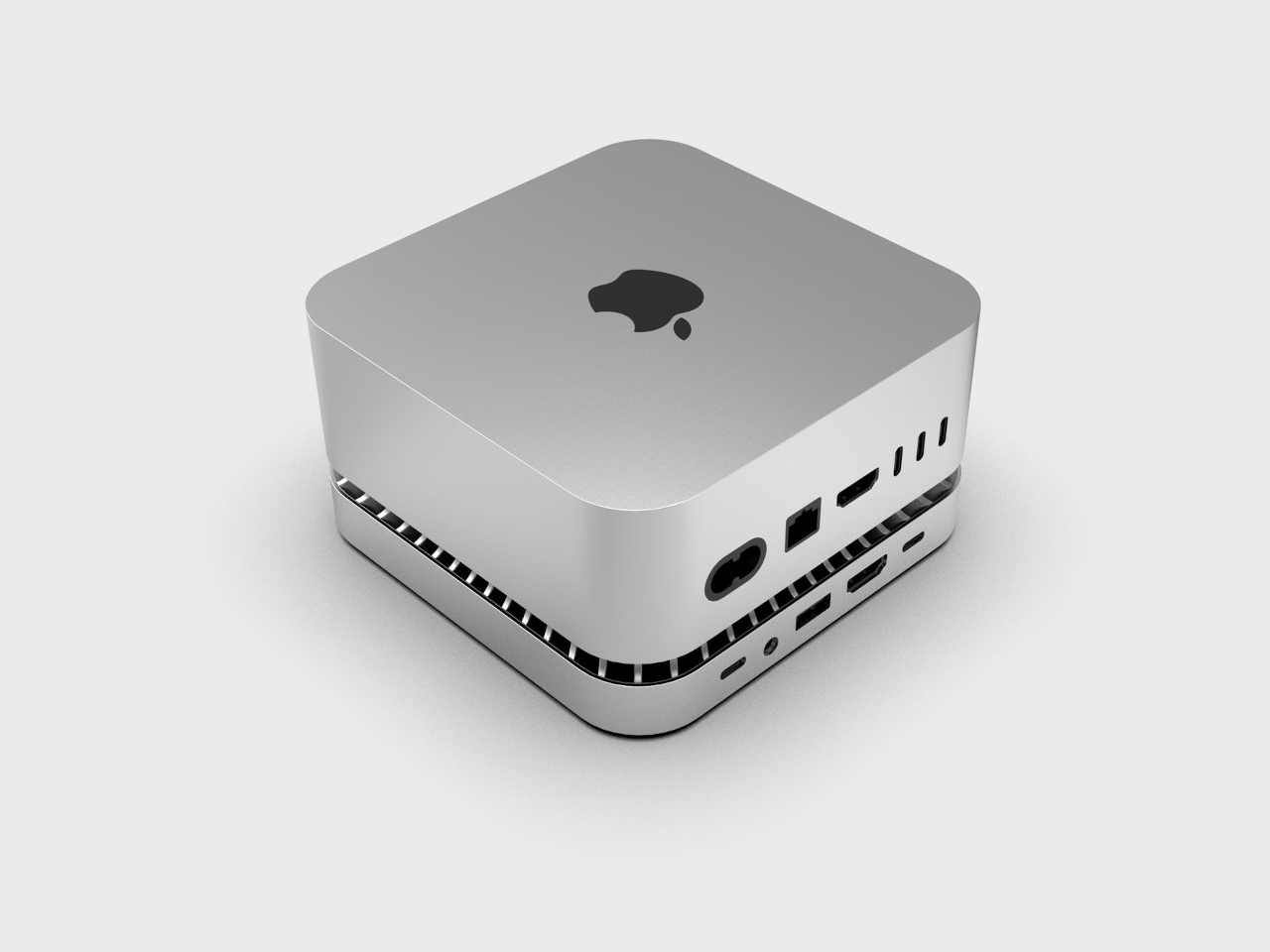
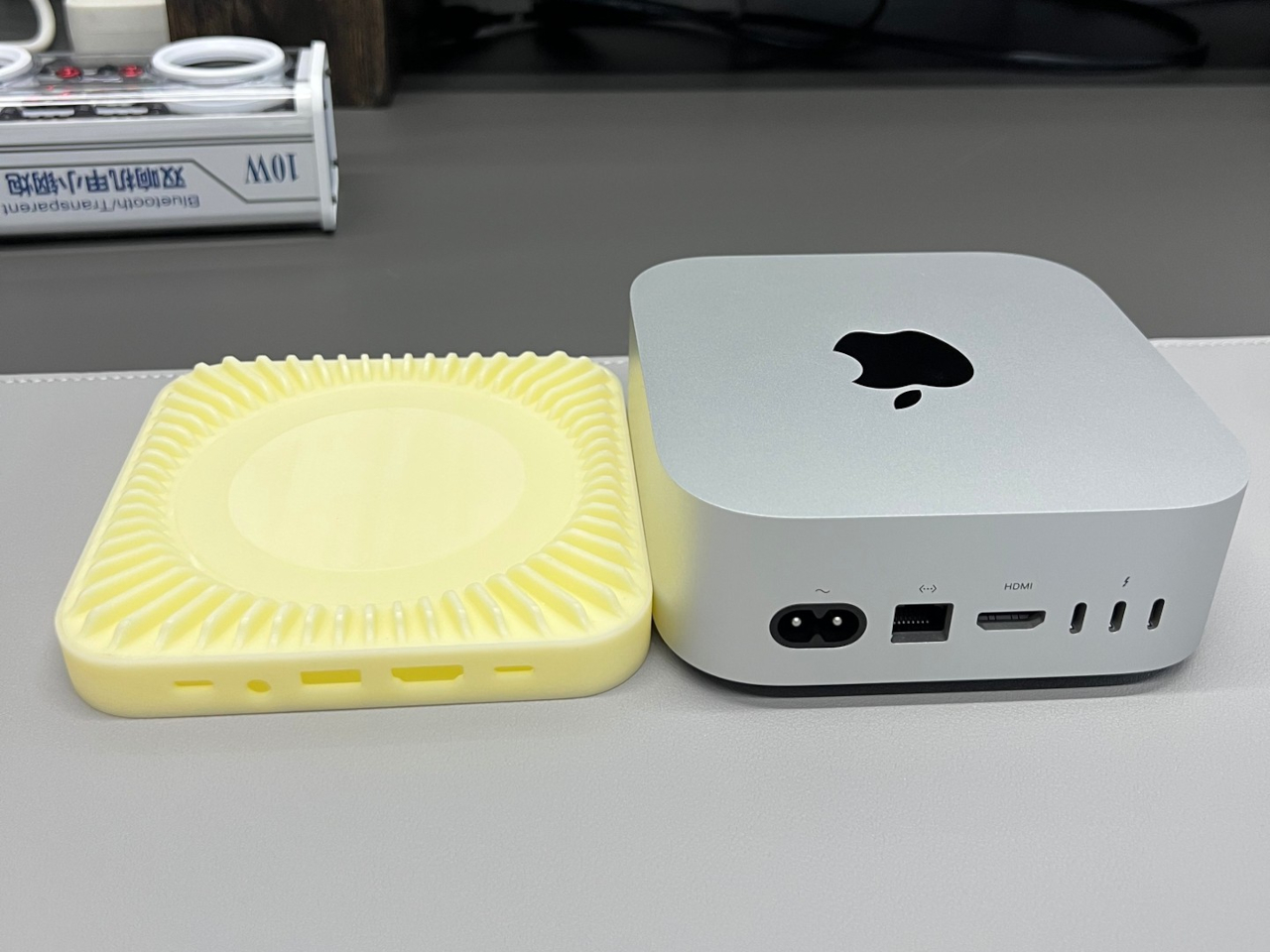
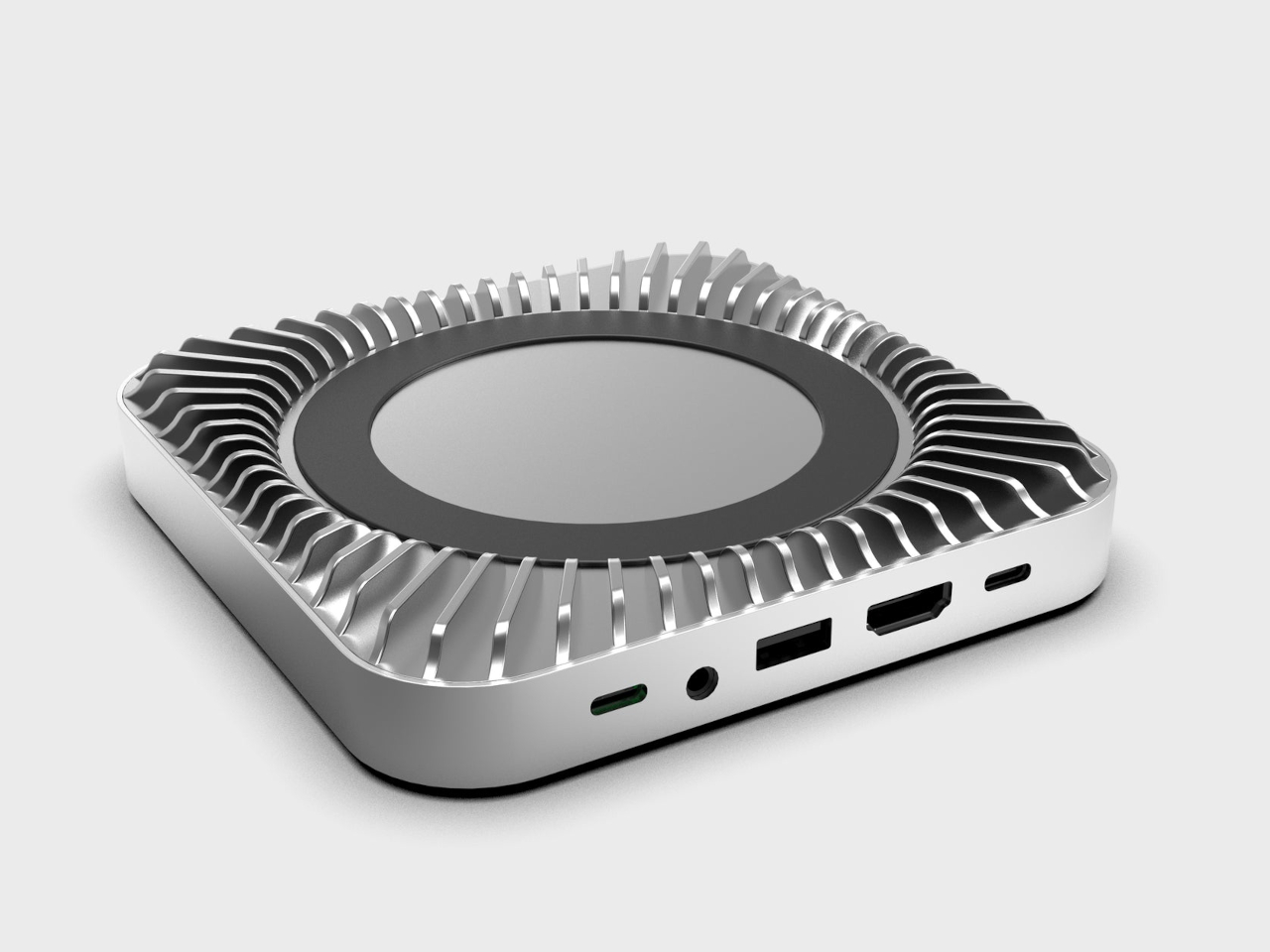
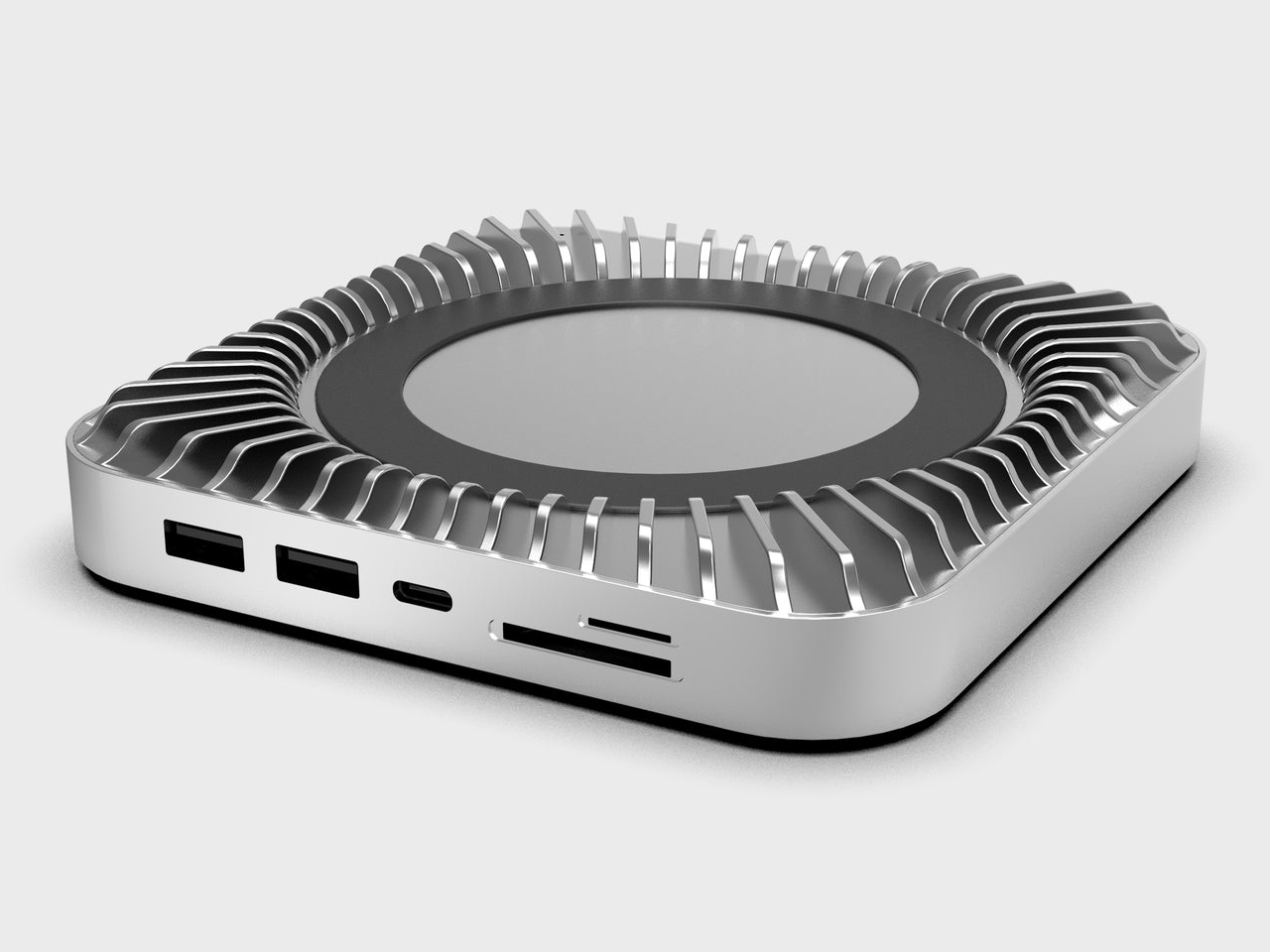
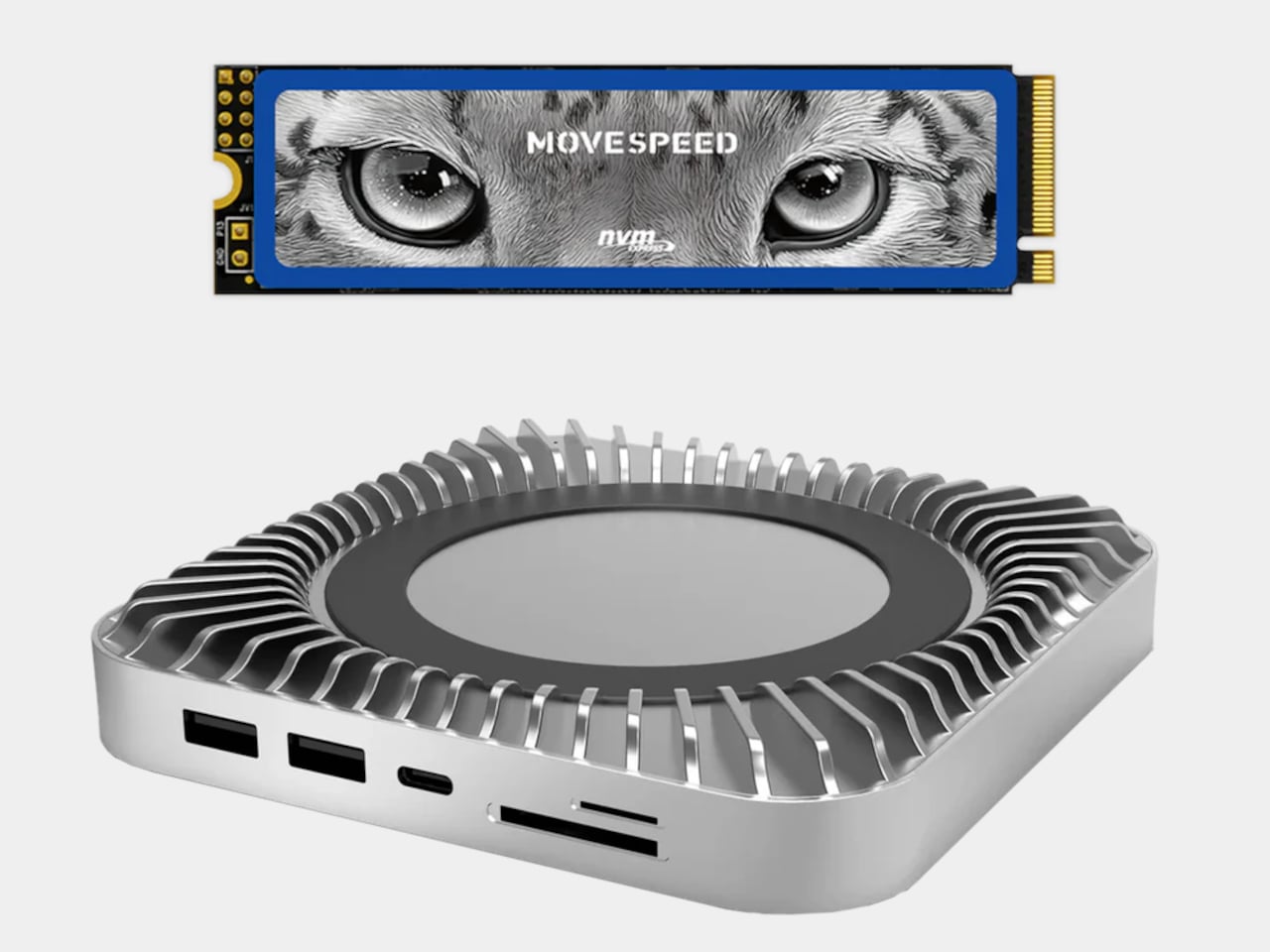
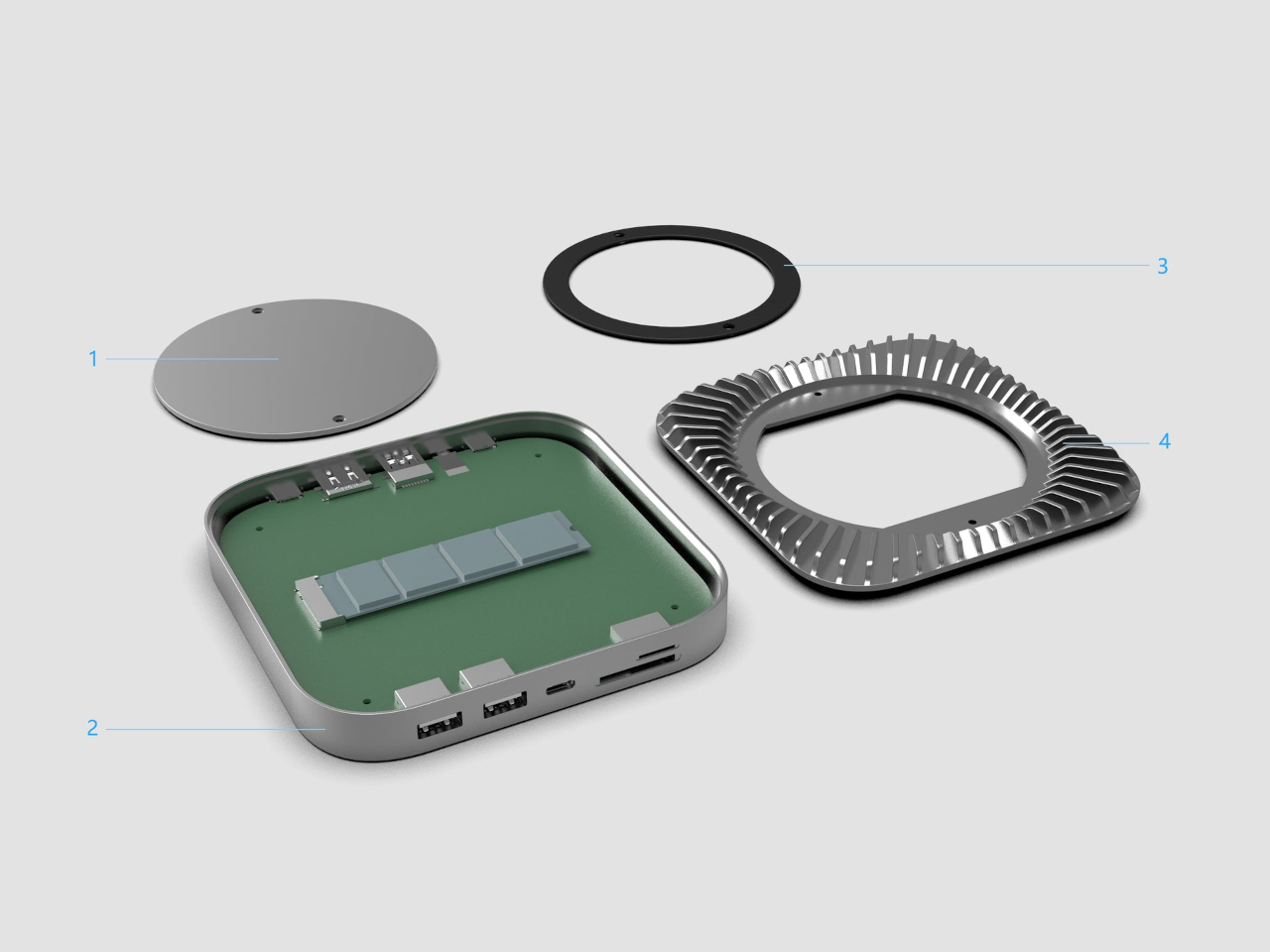
RayCue’s hub and stand for the newest Mac mini M4 and M4 Pro follow that trend, adopting the same silver colorway as the Mac mini itself as well as its length and width. It sits below the Mac mini, leaving a slight gap in between for better airflow. A rather interesting design choice, however, is the raised fins radiating from the center of the dock, perhaps acting as passive cooling for the small yet powerful computer.

The RayCue Mac mini M4 dock expands the port selection with 10 different connectivity options, including an additional HDMI port for a dual display setup that doesn’t sacrifice a Thunderbolt port. Just like the Mac mini itself, it’s designed to have the most often accessed ports in the front, leaving the more “stationary” ones on the back.

Another trend in this product category is using the spacious dock for additional storage. The RayCue dock and stand supports a variety of M.2 NVMe SSD sizes up to 4TB in capacity, almost double the maximum Mac mini configuration available. Stylish and functional, it’s a perfect complement to the elegant Mac mini M4, one that will, however, cost you $99 without a $20 pre-order discount.

The post Mac mini M4 dock offers a stylish way to expand your ports and storage first appeared on Yanko Design.

Organize Your Workspace with This 360-Degree Rotating Laptop Stand and Hub

Unleash the potential of your workspace with the CASA Hub Stand Ultra, winner of the Red Dot Design Award 2024—a uniquely designed accessory that redefines how you work, stream, and create. With its award-winning engineering and sleek, multifunctional design, the CASA Hub Stand Ultra transforms any desk setup into a powerhouse of productivity and creativity. Imagine a stand that holds your devices and integrates seamlessly with them, offering a smooth, ergonomic experience whether you’re working, video chatting, or enjoying entertainment. This stand is built to inspire, improve comfort, and help you do more with less effort.

Designer: ADAM elements

Click Here to Buy Now: $127.2 $159 (20% off, use coupon code “20OFFCSHULAE”). Hurry, deal ends in 48 hours!

The CASA Hub Stand Ultra “stands out” with its meticulously engineered design that combines aesthetics and function. The perforated aluminum stand plate is an essential feature, designed for effective heat dissipation, ensuring your laptop stays cool even during extended sessions. This thoughtful design improves performance and helps extend your device’s lifespan. Equipped with the patented Intelligent Magnetic System (iMS), this stand is designed to blend with your devices effortlessly—be it a MacBook, iPad, or smartphone. Forget ordinary; this stand brings magnetic integration to a new level, delivering an unmatched blend of convenience and functionality.

The CASA Hub Stand Ultra features an intelligent magnetic phone mount, keeping your workspace organized while making your phone easily accessible for notifications or calls. It’s an all-in-one solution for data transfer, charging, and video playback with a versatile 6-port USB-C magnetic hub. The magnetic hub can be removed effortlessly, making it a flexible companion whether you’re working from your home office or on the go. With ports including USB-C PD charging, HDMI 4K @60Hz, USB-A, and RJ-45, it’s capable of covering any setup you need without missing a beat.

Designed for versatility, the CASA Hub Stand Ultra features a height adjustment range from 2.1 inches to 16.5 inches (53 mm to 420 mm), making it suitable for sitting and standing. The seamless rotary axle allows smooth adjustments for ergonomic comfort, while the 360° rotating base offers effortless screen sharing. The stand can hold up to a 13.2 lb laptop, including 17-inch models, and ensures strength and stability.

Thoughtfully crafted with extended silicone pads lining the base and surface, the stand ensures secure, non-slip use for your devices. It’s not just functional; its all-aluminum build exudes a premium feel while keeping a sleek and lightweight profile—tailored especially for MacBook users. The CASA Hub Stand Ultra delivers on every front, combining the aesthetics of minimalist design with the performance required for modern hybrid workflows.

Its innovative iMS (Intelligent Management System) and rotatable design set the CASA Hub Stand Ultra apart. The iMS ensures seamless power delivery and connectivity, making multitasking effortless. The 360-degree rotatable base allows you to adjust your device’s orientation easily, providing flexibility and ergonomic comfort unmatched by conventional stands. This combination of smart technology and user-focused design makes it a standout choice for those looking to upgrade their workspace.

Click Here to Buy Now: $127.2 $159 (20% off, use coupon code “20OFFCSHULAE”). Hurry, deal ends in 48 hours!

The post Organize Your Workspace with This 360-Degree Rotating Laptop Stand and Hub first appeared on Yanko Design.

Snøhetta Builds A Timber School In Norway with 90% Energy Self-Sufficiency

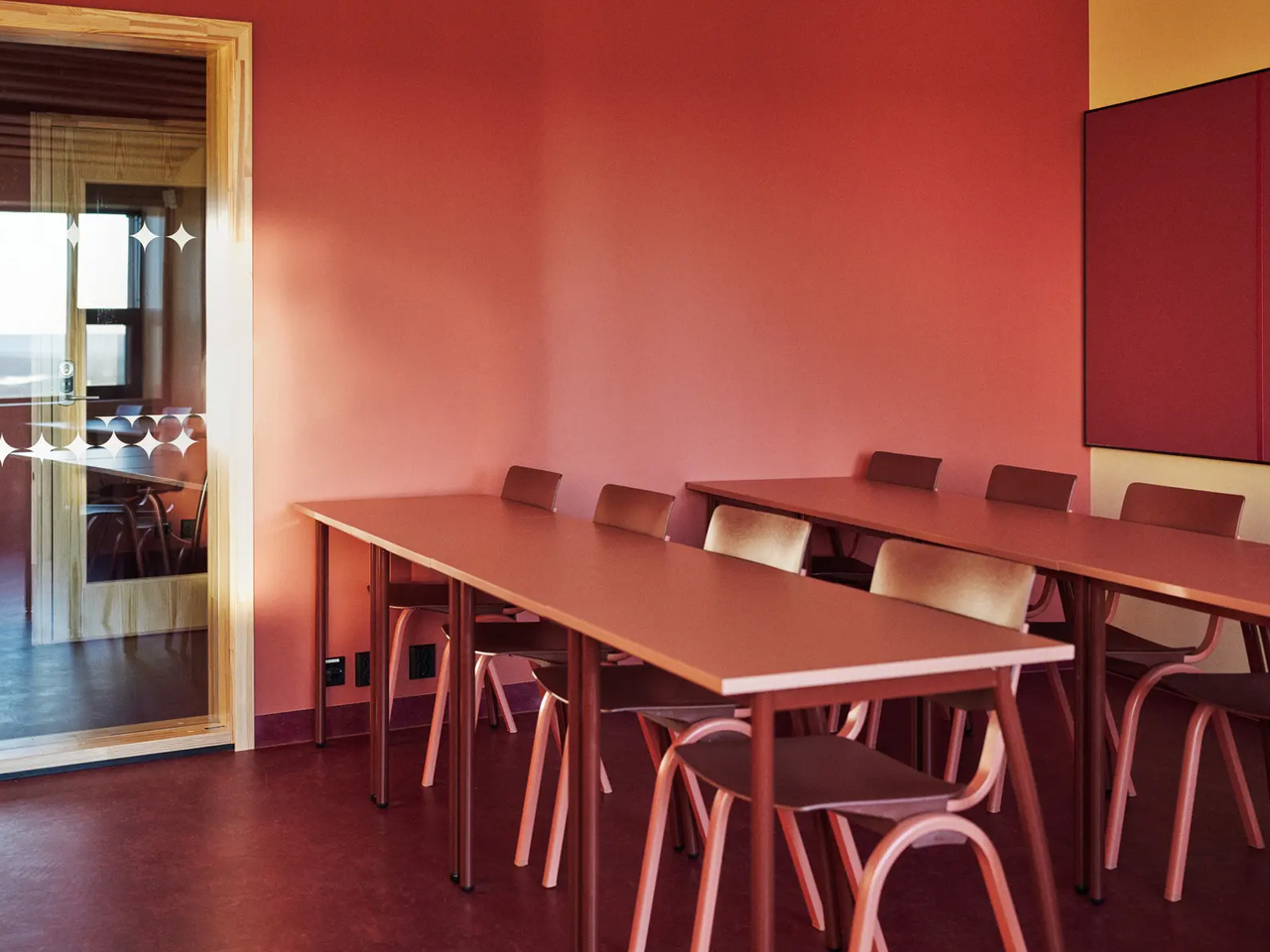
Kautokeino is located in Norway, north of the Arctic Circle, and suffers from extremely cold temperatures that can hit – 45 °C. Snøhetta was commissioned to build a brand-new cultural and education hub in this difficult location. A lot of thinking and attention to detail went into building this sturdy wooden structure which is supposed to be 90% self-sufficient in heating and cooling. Named, this building was constructed in collaboration with Joar Nango and 70°N arkitektur. The word ‘Čoarvemátta’ is derived from the Sami words for horn and root, which are the strongest parts of the reindeer’s antler. The hub is inspired by the local Sami culture and will be hosting the Sami National Theatre Beaivváš and the Sami High School and Reindeer Herding School.

Designer: Snøhetta

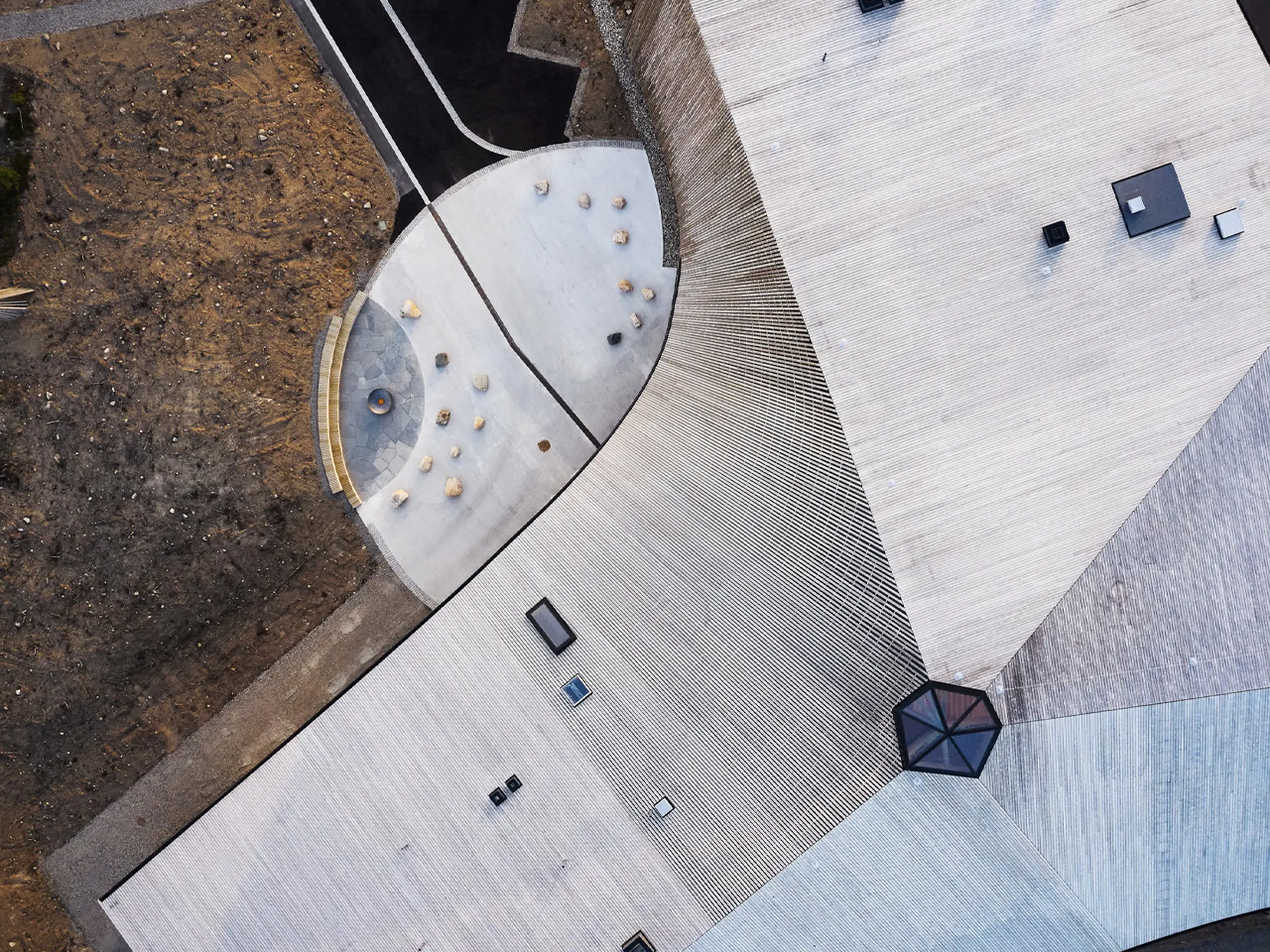
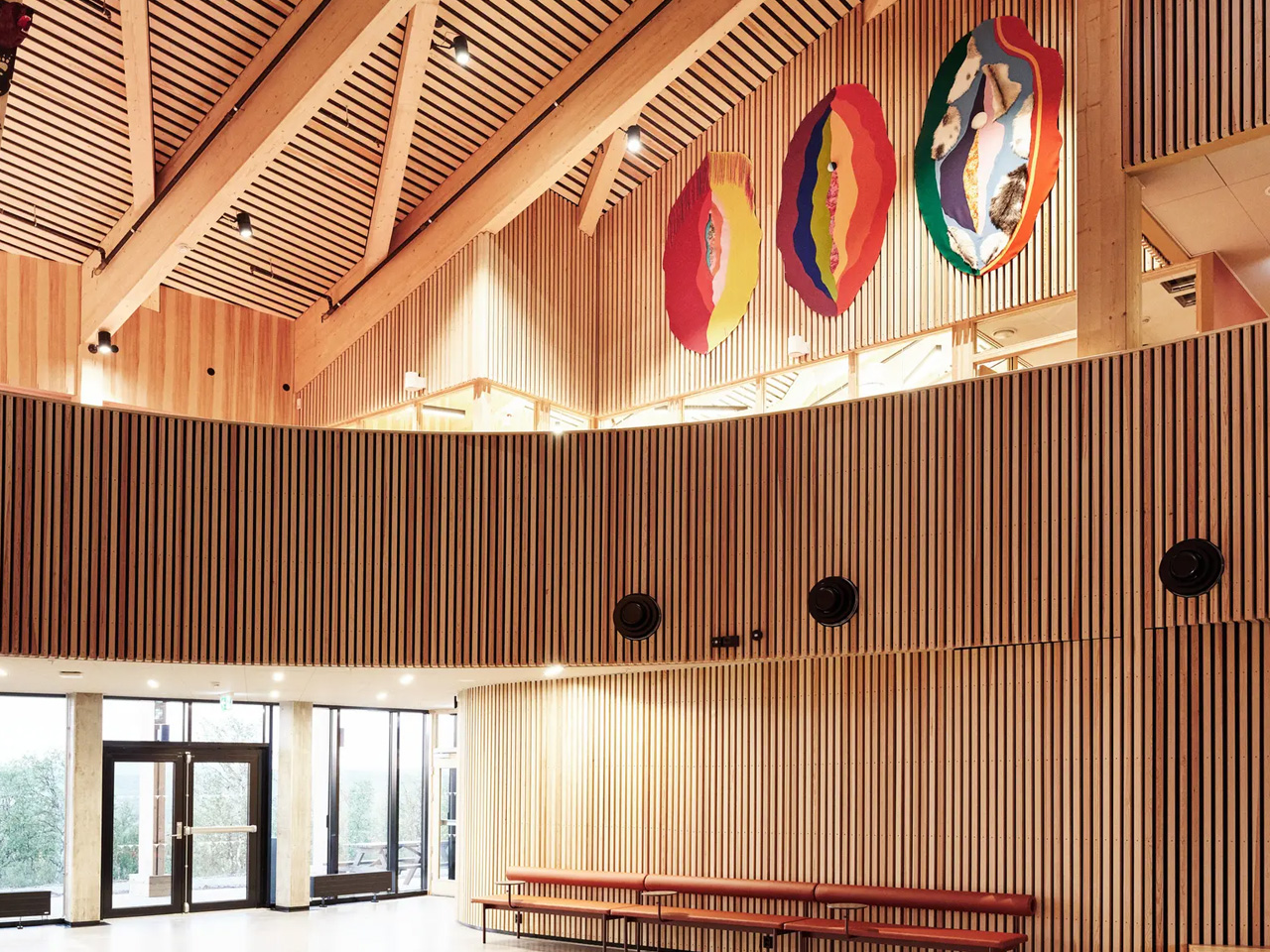
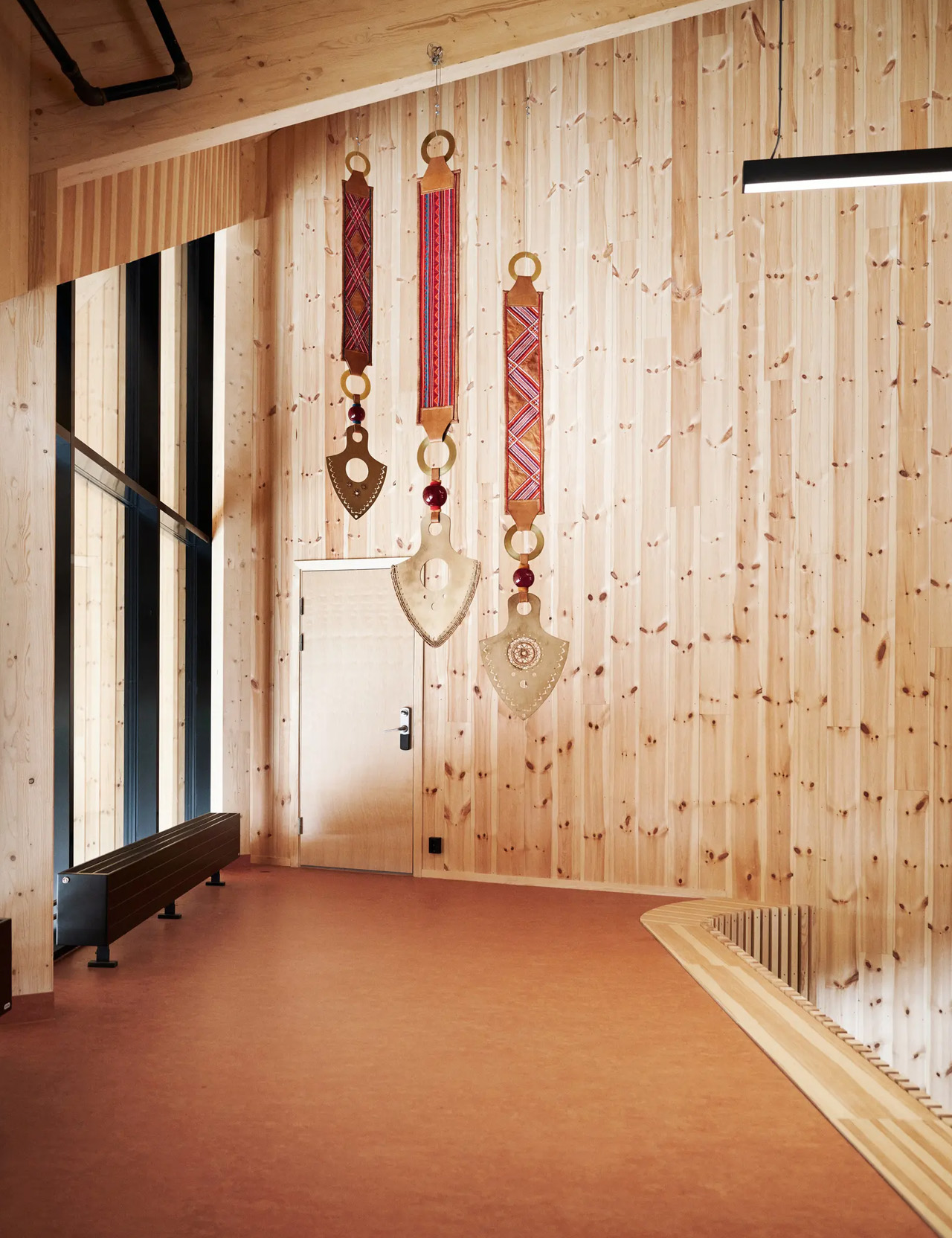
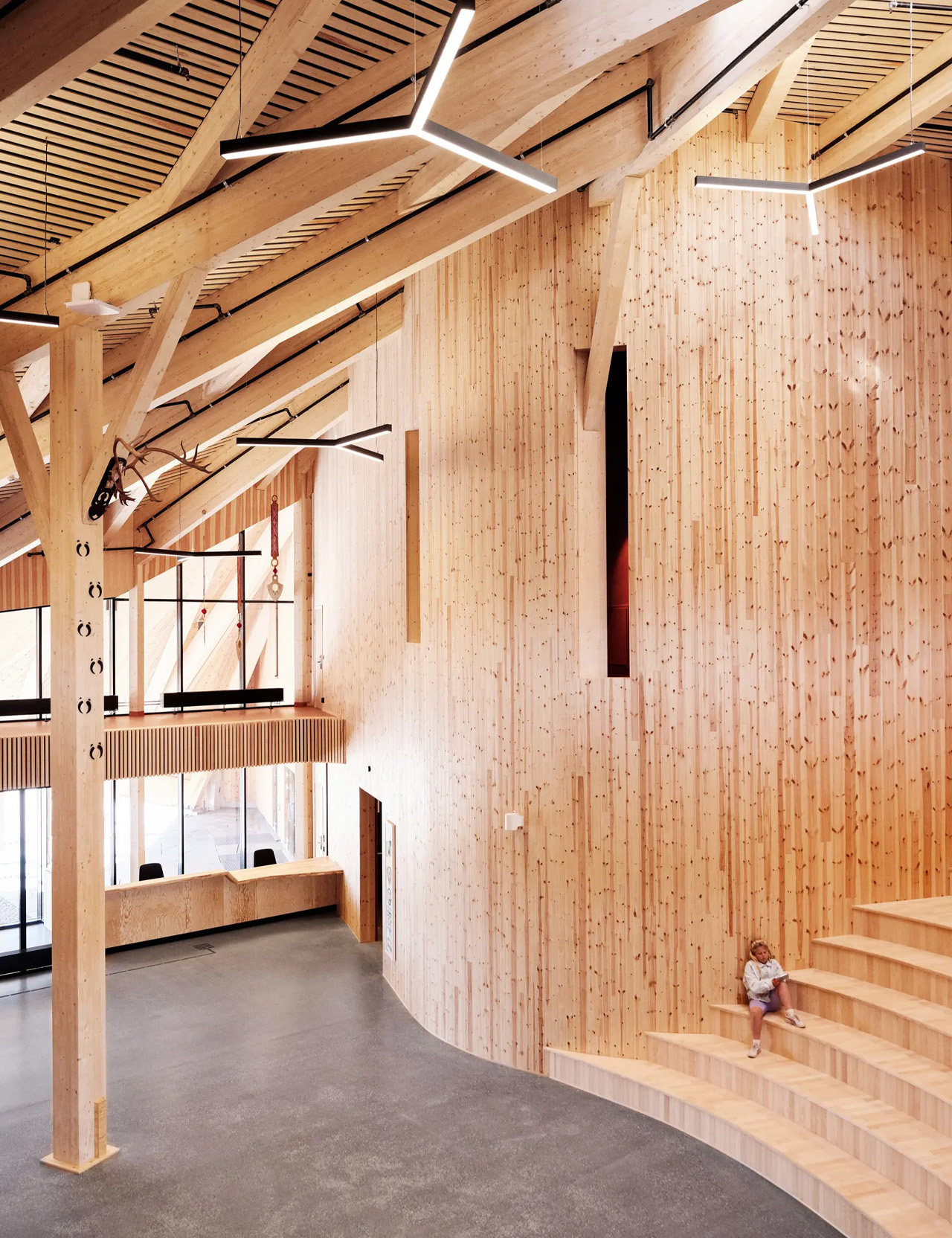
The structure occupies around 77,500 sq ft and is constructed mainly from wood. It features an impressive 53,000-sq-ft sloping roof that slowly moves towards the ground. The exterior was built using the slate from a previous school which has been demolished. The hub has a branching shape which creates surreal outdoor spaces. The south-facing space functions as the main entrance, and is protected by the dipping roof. The interior is equipped with theater and school areas, as well as a cool skylight inspired by a traditional Sami smoke hole. The interior is subtle yet beautiful, letting the natural beauty of the wood truly shine. The interior is also amped with traditional art by respected Sami artists. These pieces add hints of red and blue to the space, livening it up.

“The building is 90% self-sufficient in energy to heating and cooling thanks to 40 geowells drilled about 250 meters [820 ft] into the ground,” said Snøhetta. “The wells supply two heat pumps that both heat and cool the building, while exchangers for the energy wells dump surplus heat back again. On the coldest winter days, the system is supplemented with an electric boiler.”

The Čoarvemátta is in complete accordance with the requirements of the Passive House Standard – a strict green building standard that needs a high level of insulation and air-tightness. The hub also utilizes geothermal heating. The landscaping around the Čoarvemátta has been kept natural since Sami culture does not include creating parks and urban spaces. The soil that was removed from the site has been preserved, stored, and returned, ensuring the safety of the seed stocks.

The post Snøhetta Builds A Timber School In Norway with 90% Energy Self-Sufficiency first appeared on Yanko Design.

Hidden hub clears your desk of cords, sockets, and port clutter

To say that I have a messy desk is an understatement. Aside from the various books, office supplies, and knick-knacks that I have lying around, one of the things that make it pretty messy are all my cords connectors, and sockets. I work with multiple devices so I need all kinds of charging and connecting tools, therefore adding to the clutter on my desk. If ever I one day decide to have a cleaner and more minimalist desk, then I definitely need one of these docking hubs to make my work and home office life a bit more organized.

Designer: Lon

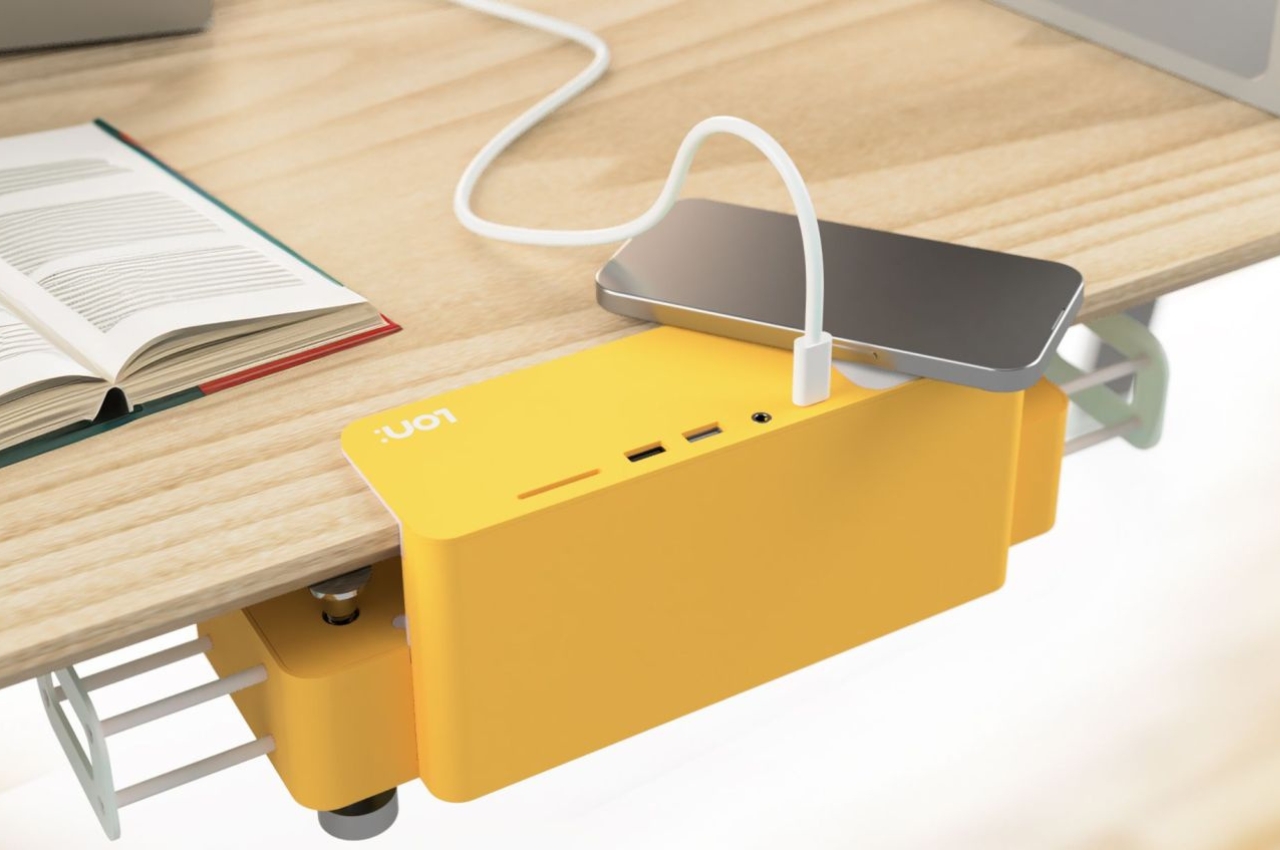
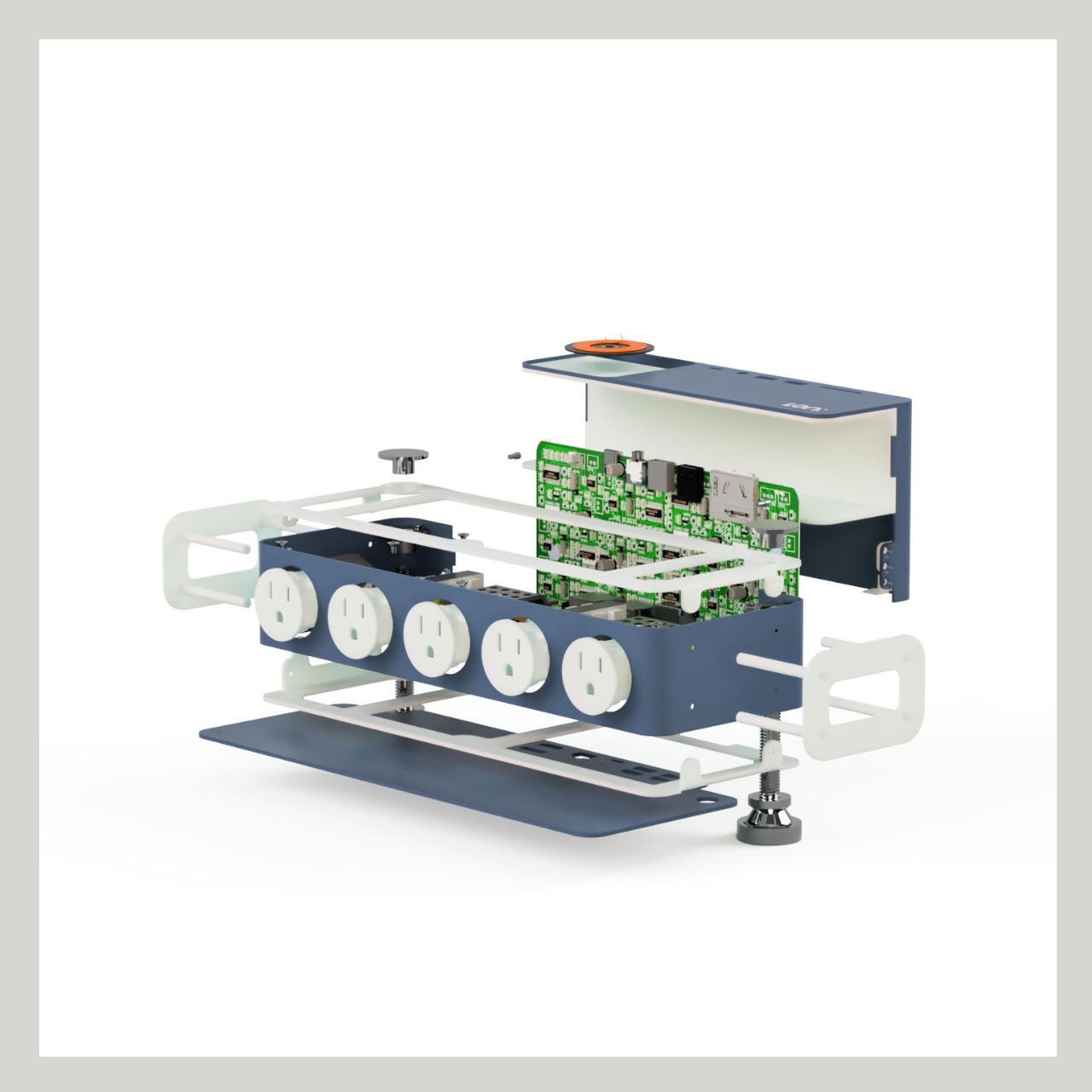
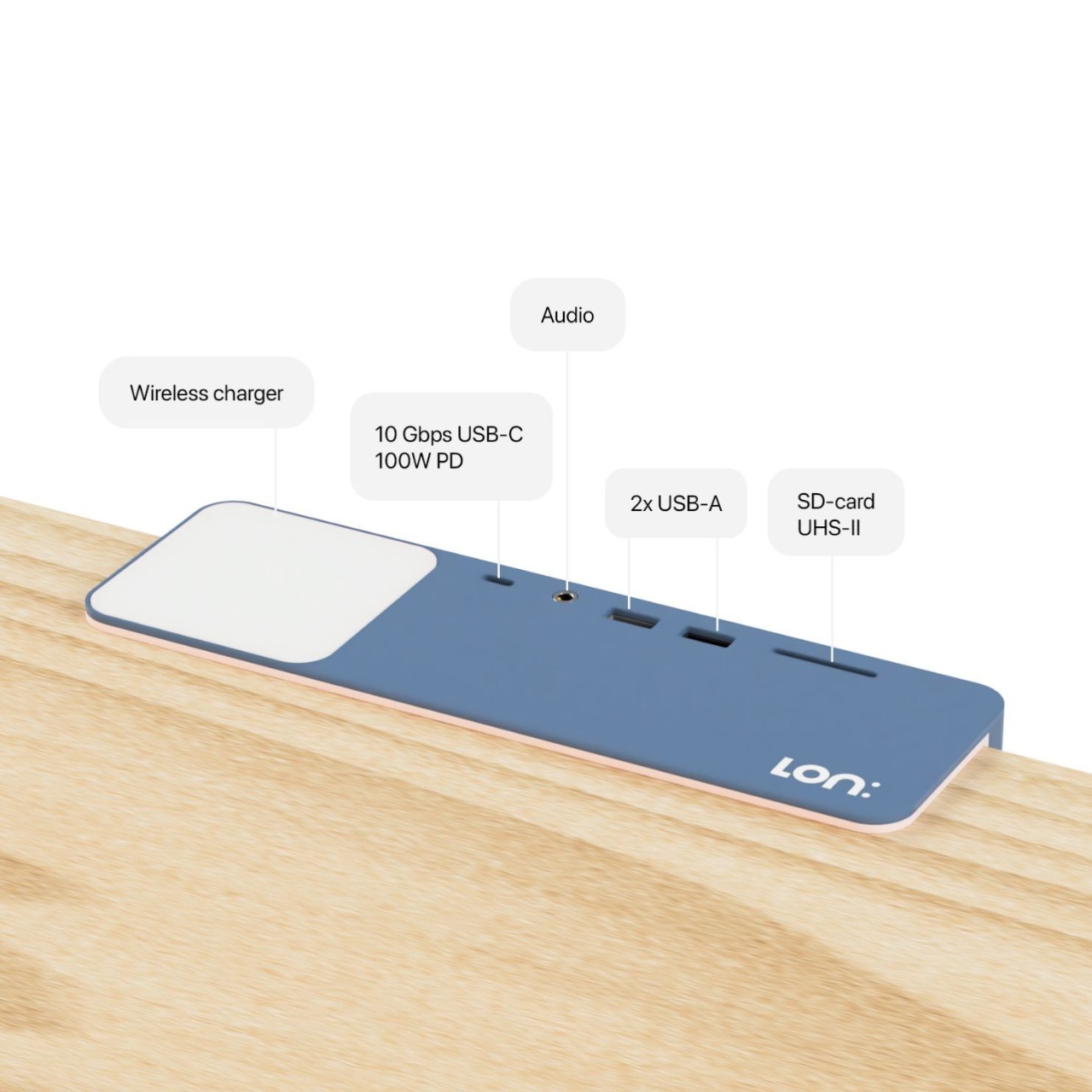
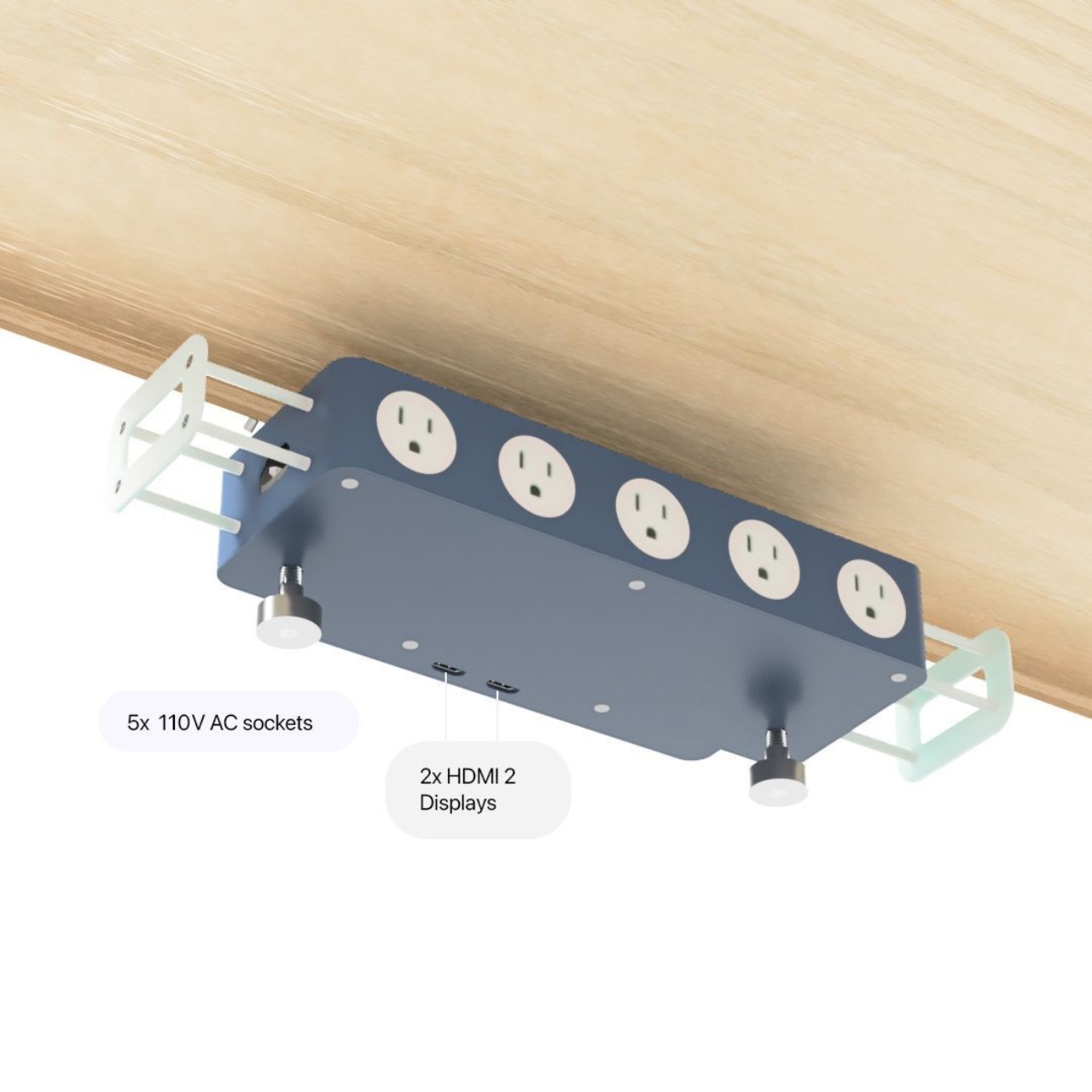
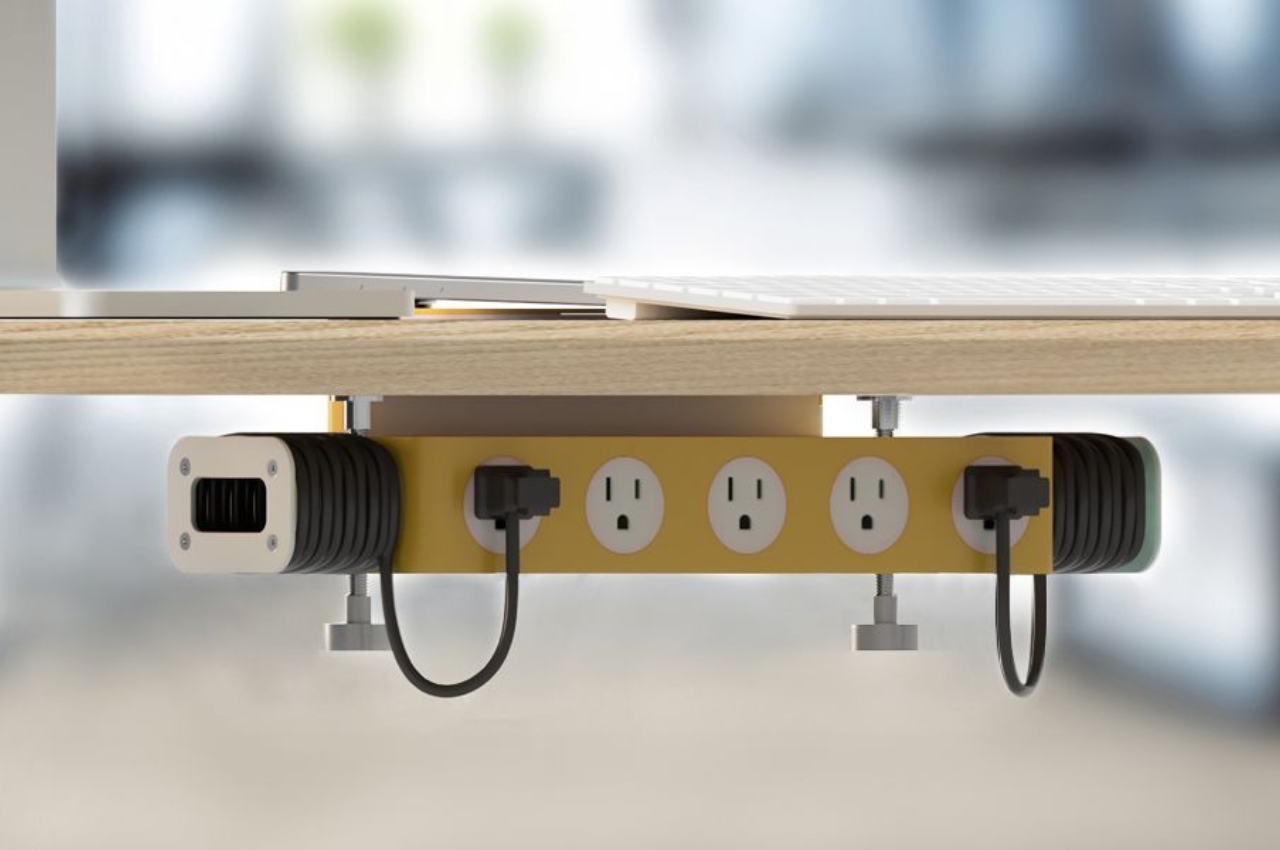
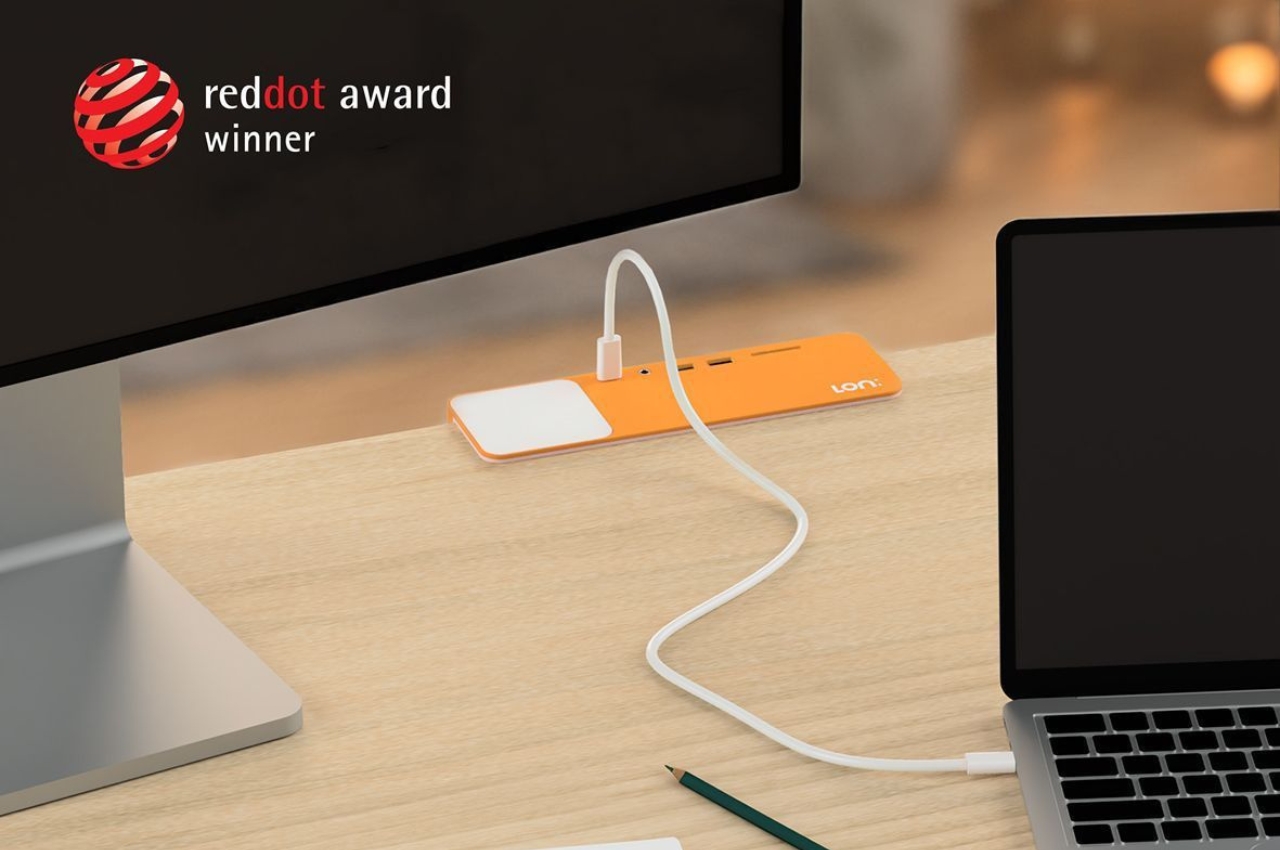
The Lon:HUB is one such docking hub that can give your desk a cleaner appearance and at the same time provide you with all the outlets and ports that you need. The ports and sockets are attached under your desk and on top of your space, you have some of the ports that you would need. Underneath, you have 5x 110V AC sockets, 2x HDMI 2 display ports, and 2x arms where you can wrap your cords around so you don’t get a spaghetti-like mess. On the edge of your desk, the hub has a 10 Gbps USB-C 100W port, 2x USB-A ports, an SD card slot, and it even has a wireless charger landing pad.

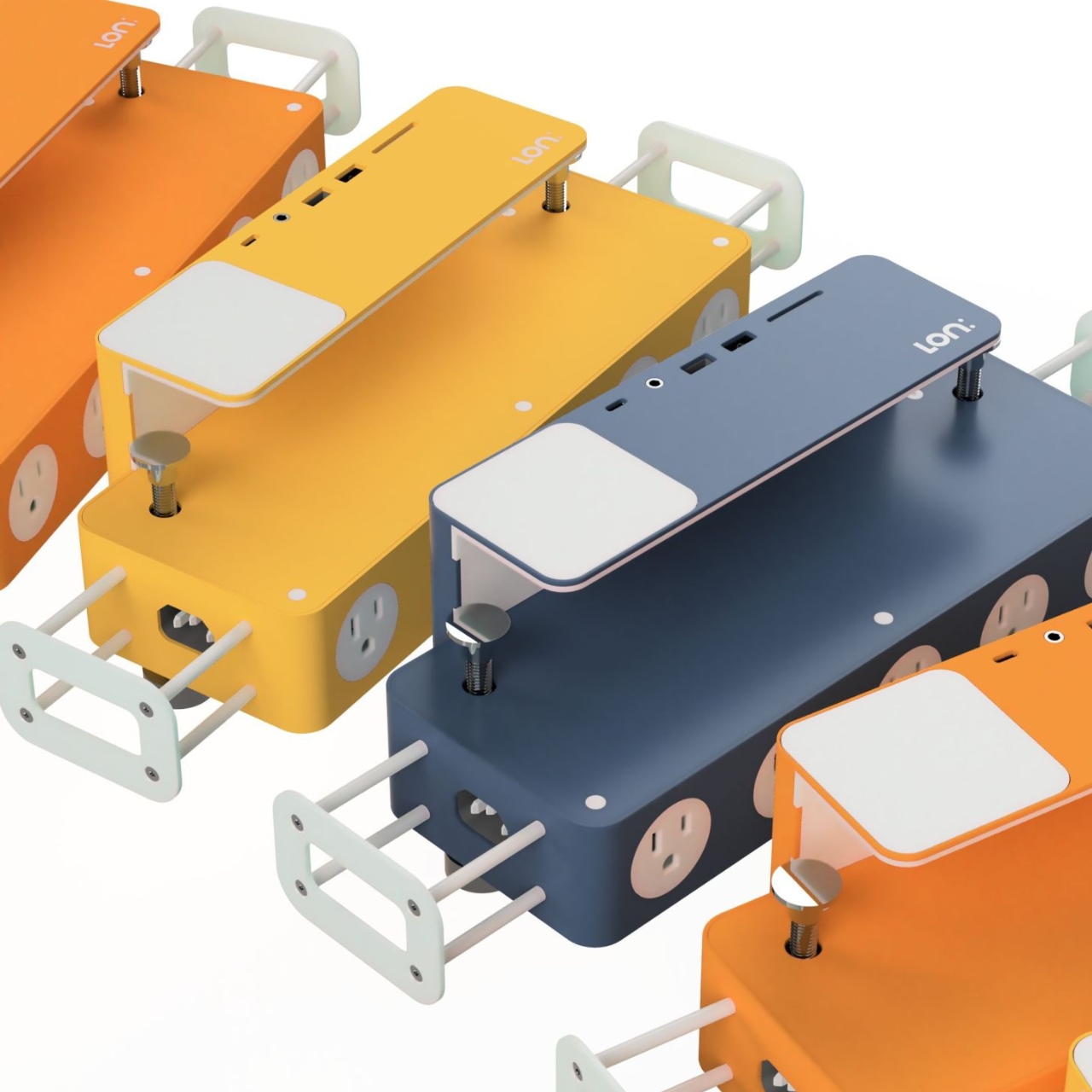
The hub also comes with a proprietary high-speed PCB with 100W PD and medical-grade power unit. It will also be available in several color options. We’re seeing orange, yellow, and a dark blue/grayish one if you prefer muted colors. If you want a more powerful unit, there will be a Pro version available which has a Thunderbolt 4 port, 2x HDMI 2.1 and 2x DisplayPort 1.4 ports,, a 2.5Gbps Ethernet card, 2x 10Gbps USB-C and 6x 10Gbps USB-A ports, a UHS-II SD-Card slot, QI2 wireless charger pad, and a 100W PD. It will also have a full aluminium casing.

The price tag hasn’t been officially revealed yet but it looks they’re planning to go for $199 which is a pretty good price tag for a dock. Design-wise the Lon:HUB is pretty minimalist and that is the point as something intricately designed may add to your desk’s clutter. I may not be leaving my maximalist style anytime soon but removing the cord and socket clutter may be the first step I’ll take and this dock would be a good start.

The post Hidden hub clears your desk of cords, sockets, and port clutter first appeared on Yanko Design.

LAYER Design and Deutsche Telekom unveil the future of communication devices

As a huge fan of science fiction content, from books to movies to TV shows, I am excited to see which things from what I’ve read and seen will come true one of these days. And with the advances in technology, a lot of them are not far-fetched ideas anymore. There are some things that may be scary or at least creepy but it’s still pretty interesting to see what we’ll see next which we thought were just works of science fiction before.

Designer: Layer Design for Deutsche Telekom

German telecommunications company Deutsche Telekom recently unveiled the Concept T project which is a collection of advanced technology and gadget concepts that will show consumers what may be the future of communications. Concept View is a home hub with a twist: it has a 3D holographic AI-equipped virtual assistant called Emma to guide you through things like video calls and other digital world activities. It looks like a cross between a crystal ball and the Palantirs from Lord of the Rings but instead of showing you what the future holds, it will show you the future of technology.

A Wi-Fi router isn’t the sexiest gadget out there but Concept Level definitely makes it more interesting. It is a re-configurable router that is made up of different interchangeable, modular elements. The set includes a display unit, Wi-Fi sensing element, mesh repeater, and computational module for Web 3 use cases. The elements are designed using different geometric forms so it looks like you have interesting mini sculptures rather than an actual router.

Concept Buddy is your own personal robot at home, similar to the ones you see in malls and airports. It’s an AI-based digital assistant companion that is able to communicate through the “emotion and information display”. It is able to give reminders like taking medication and household chores and can also assist in calls, online shopping, and other tasks you may need assistance. It can even warn you of potential hazards and contact emergency services if needed. It is able to adapt to your routine and will only “come alive” when it is engaged with.

The post LAYER Design and Deutsche Telekom unveil the future of communication devices first appeared on Yanko Design.