PROS:
- Refined and elegant aesthetic with no visible magnetic ring
- Animal-free silicone-based vegan leather with soft, warm feel
- Built-in FlexStand doubles as camera guard when closed
- Military-grade protection that stays out of sight
CONS:
- Kickstand doesn't support full vertical placement
RATINGS:
SUSTAINABILITY / REPAIRABILITY
EDITOR'S QUOTE:
The ESR Atelier Magnetic Case is protection that's actually worth touching.
Phone cases occupy a strange middle ground in the accessories market. The more protective options tend to look utilitarian, all rugged textures and chunky frames that trade elegance for toughness. The ones that do look refined often use faux leather, which can stain, fade, or scuff with daily handling. Finding something that sits comfortably between both worlds has always been easier said than done.
ESR’s Atelier Magnetic Case for the iPhone 17 Pro and iPhone 17 Pro Max tries to answer that question. It’s the brand’s first vegan leather iPhone case, built from a silicone-based material that carries the soft, warm feel of leather without the upkeep that usually comes with it. Paired with an integrated FlexStand, strong MagSafe magnets, and layered protection, it feels more personal and more resolved than a typical protective shell. But is it all just marketing speak, or does it really pack more than what our eyes, and hands, perceive? We slap this bold new case on our large iPhone to find out.
Designer: ESR
Click Here to Buy Now: $45.99
Aesthetics
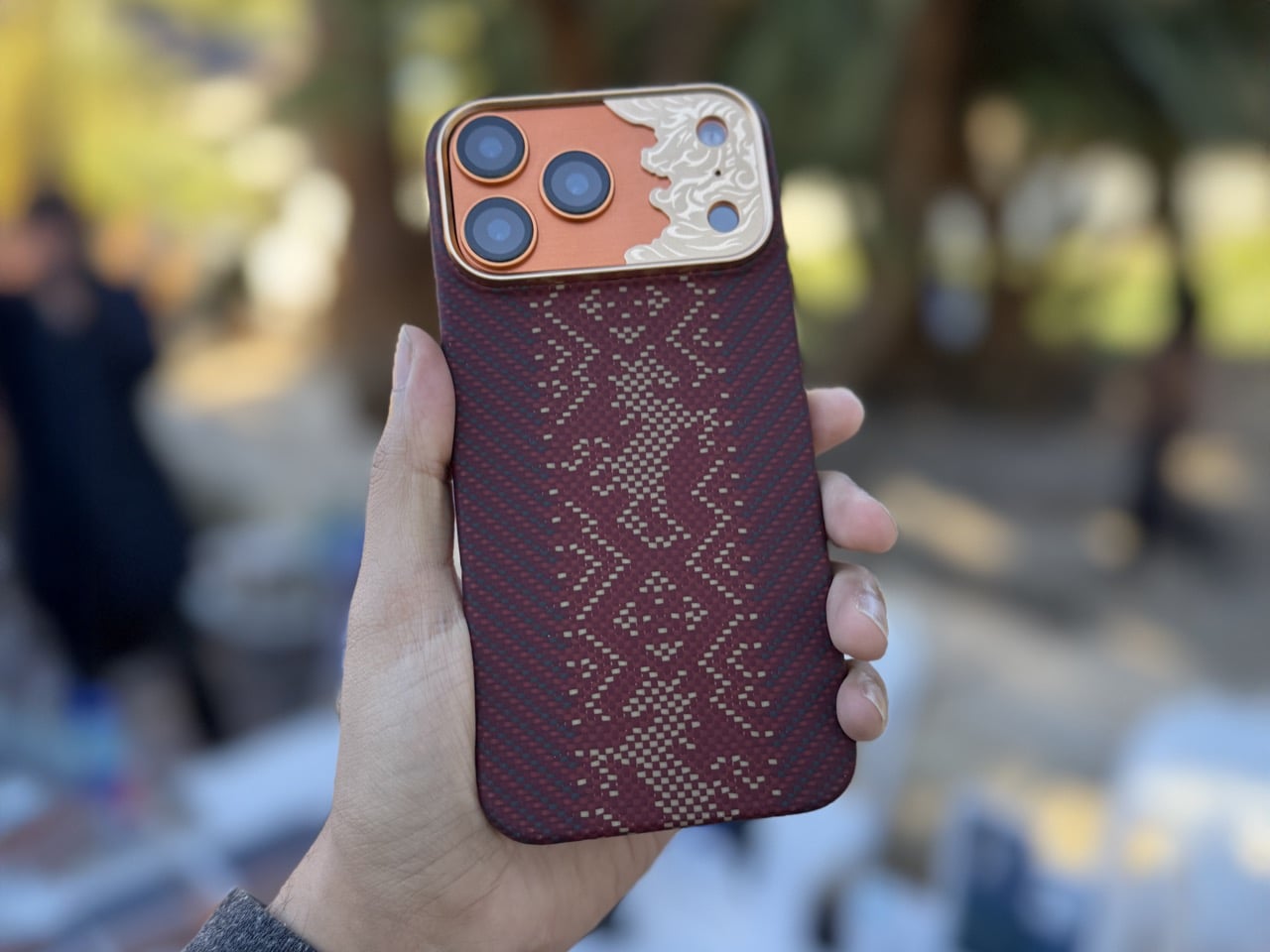
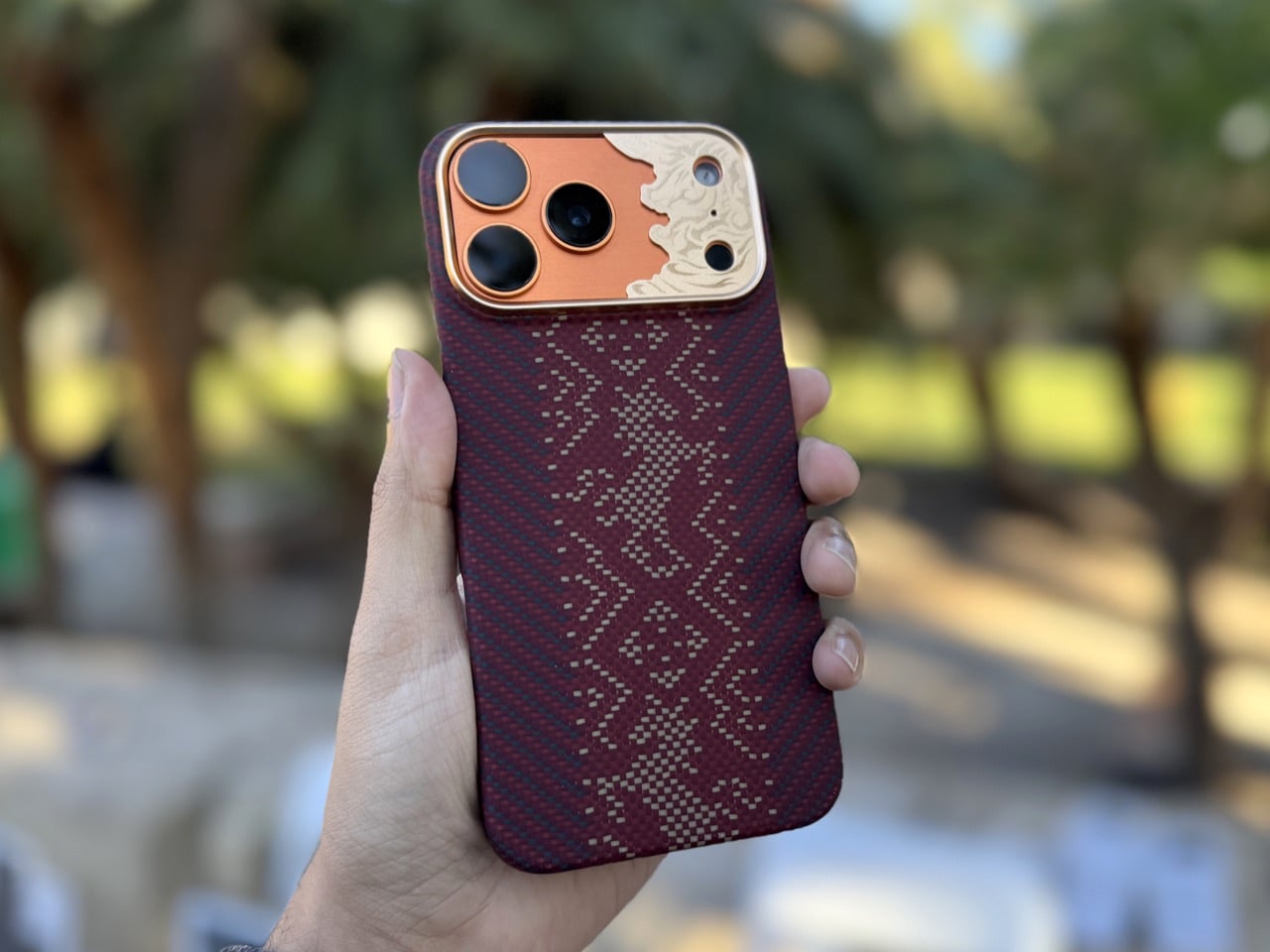
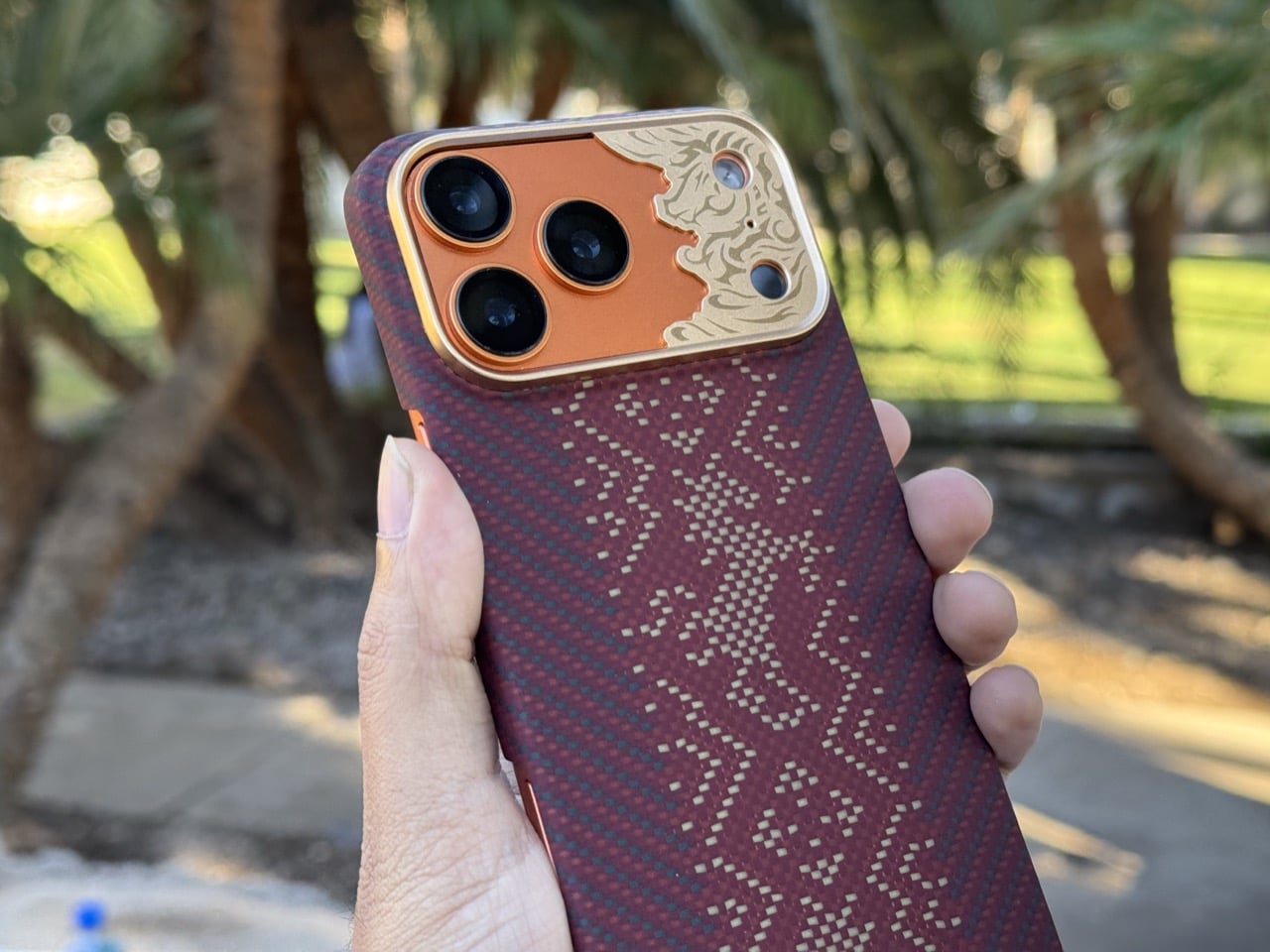
The ESR Atelier’s back is its most immediate and telling detail. The silicone-based vegan leather carries a refined grain texture and a warmth to the touch that doesn’t register as plasticky or clinical, the way many textured phone cases can. It’s the kind of surface that encourages contact rather than avoiding it, settling naturally into the hand in a way that plain silicone and polycarbonate cases rarely manage.
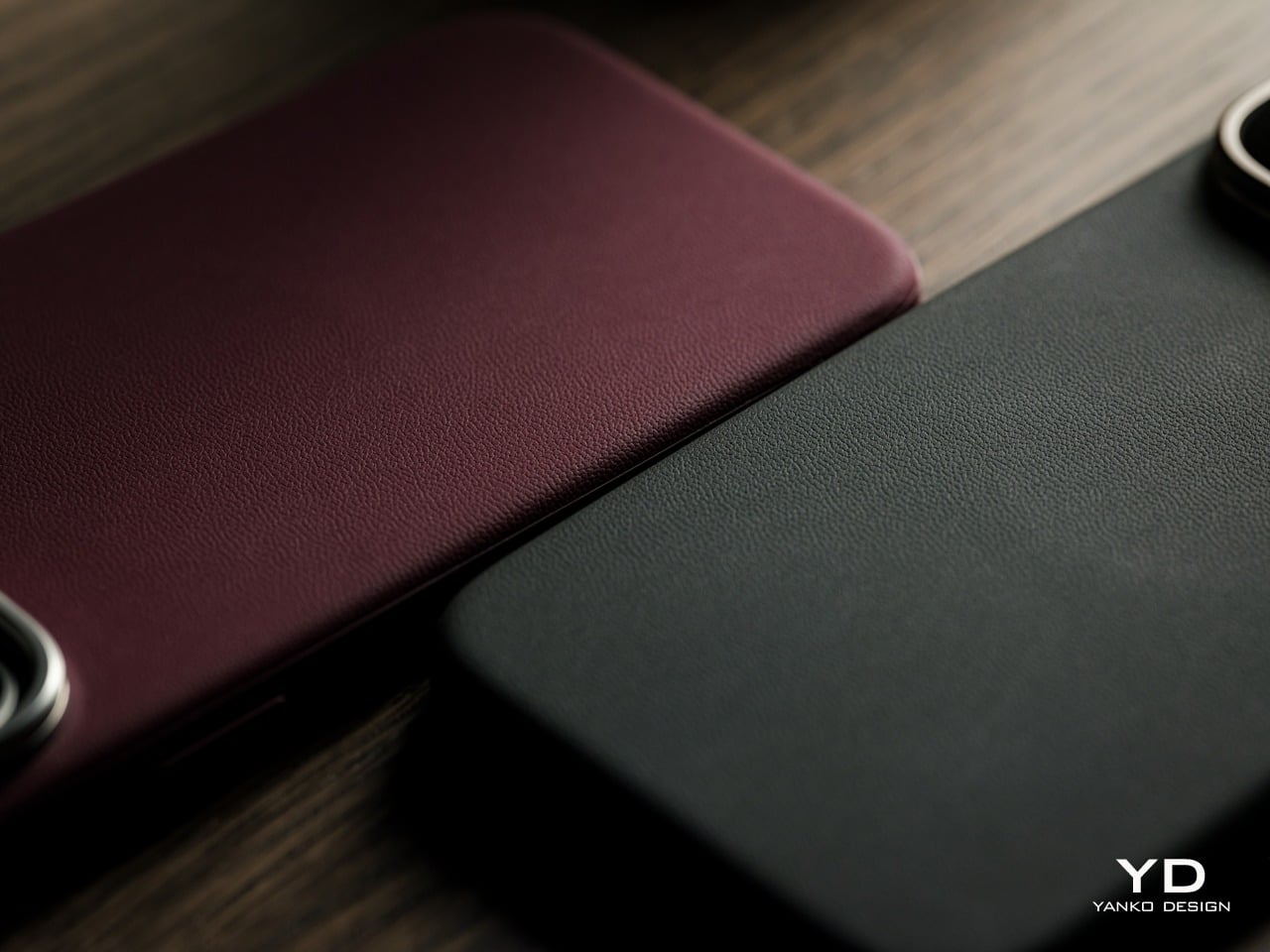
The leather finish is only part of what sets the back apart. Equally notable is what’s absent. Many MagSafe-compatible cases leave a visible circular ring pattern on their backs, a telltale sign of the magnets beneath. The Atelier keeps its rear surface completely smooth and unbroken, with no ring to interrupt the leather. That absence alone makes the overall look feel more cohesive and considered.
One of the more practical arguments for the Atelier’s vegan leather material is longevity. Designed for long-lasting everyday use, the material resists scratches, wear, and fading while maintaining its appearance over time. Traditional faux leather cases often start showing their age within months from regular holding and pocket wear, which means the case is likely to look considerably better after a year of daily handling than many alternatives in the same category.
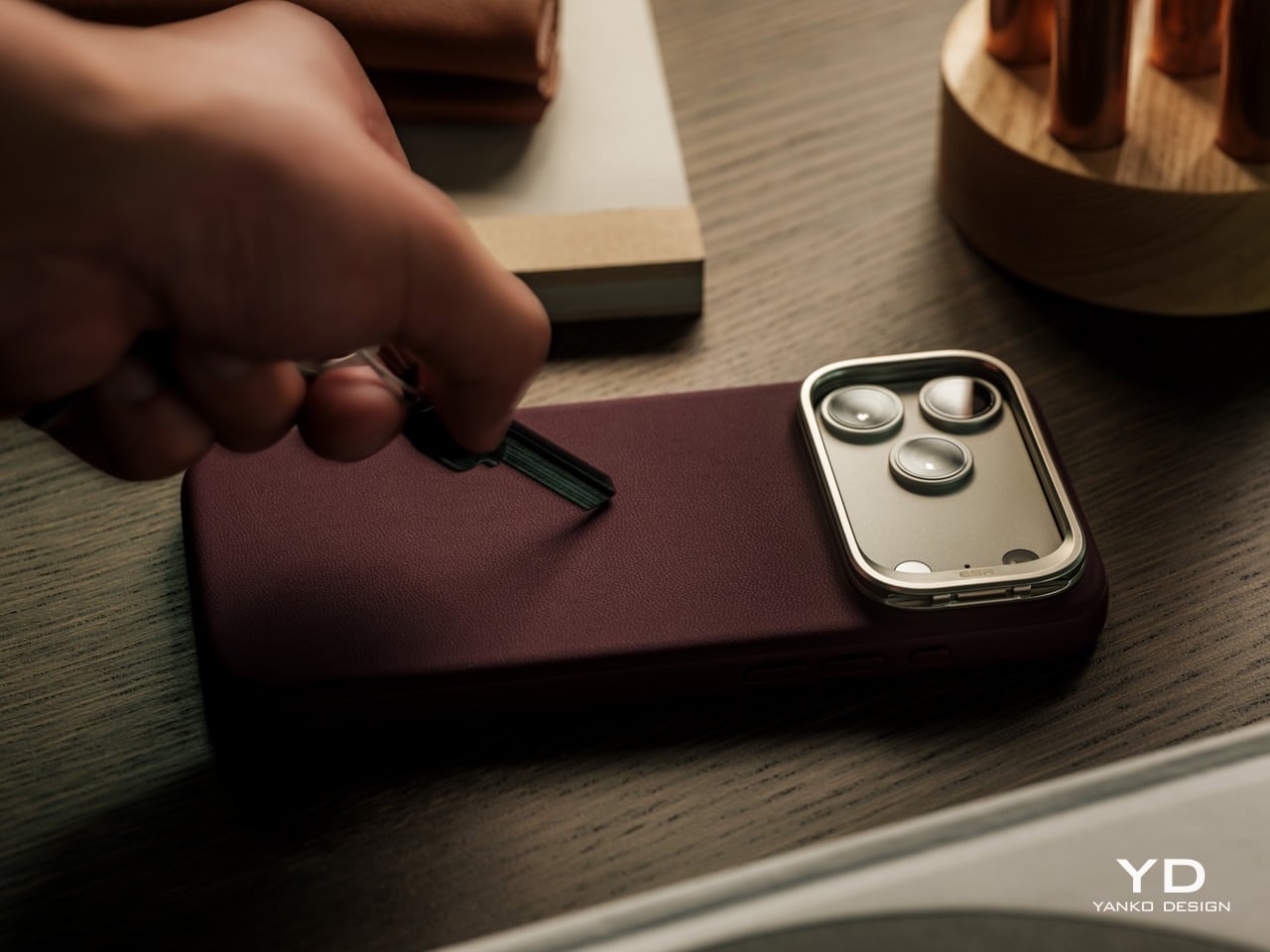
An anti-fouling surface coating and stain-resistant frame treatment add to that picture. Spills and smudges wipe away easily with a soft cloth, without needing specialized cleaning products. This silicone-based vegan leather, similar to the material pioneered in high-contact automotive interior surfaces, is designed to maintain its appearance under the kind of daily conditions that would visibly wear down most conventional leather finishes over time.
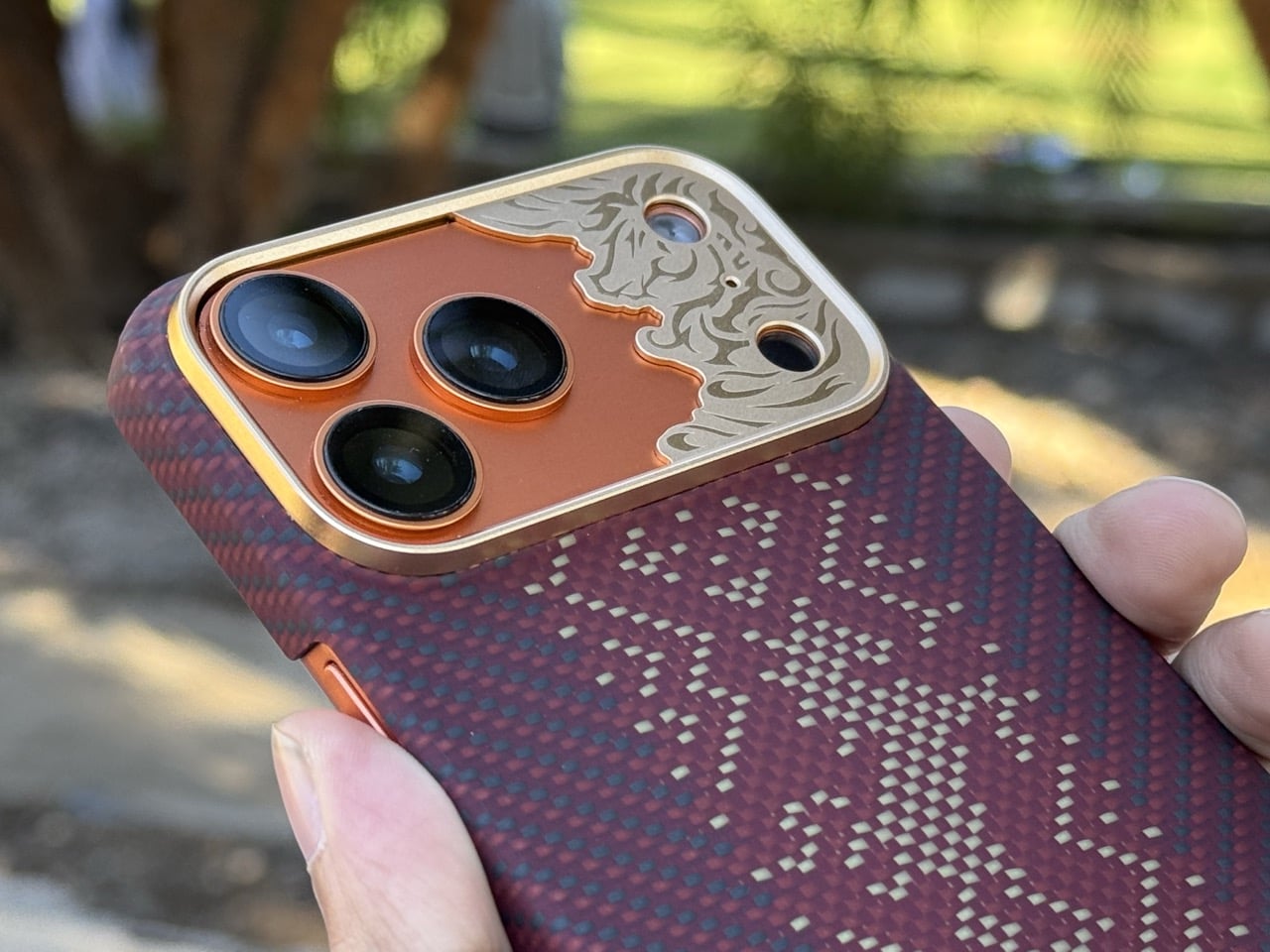
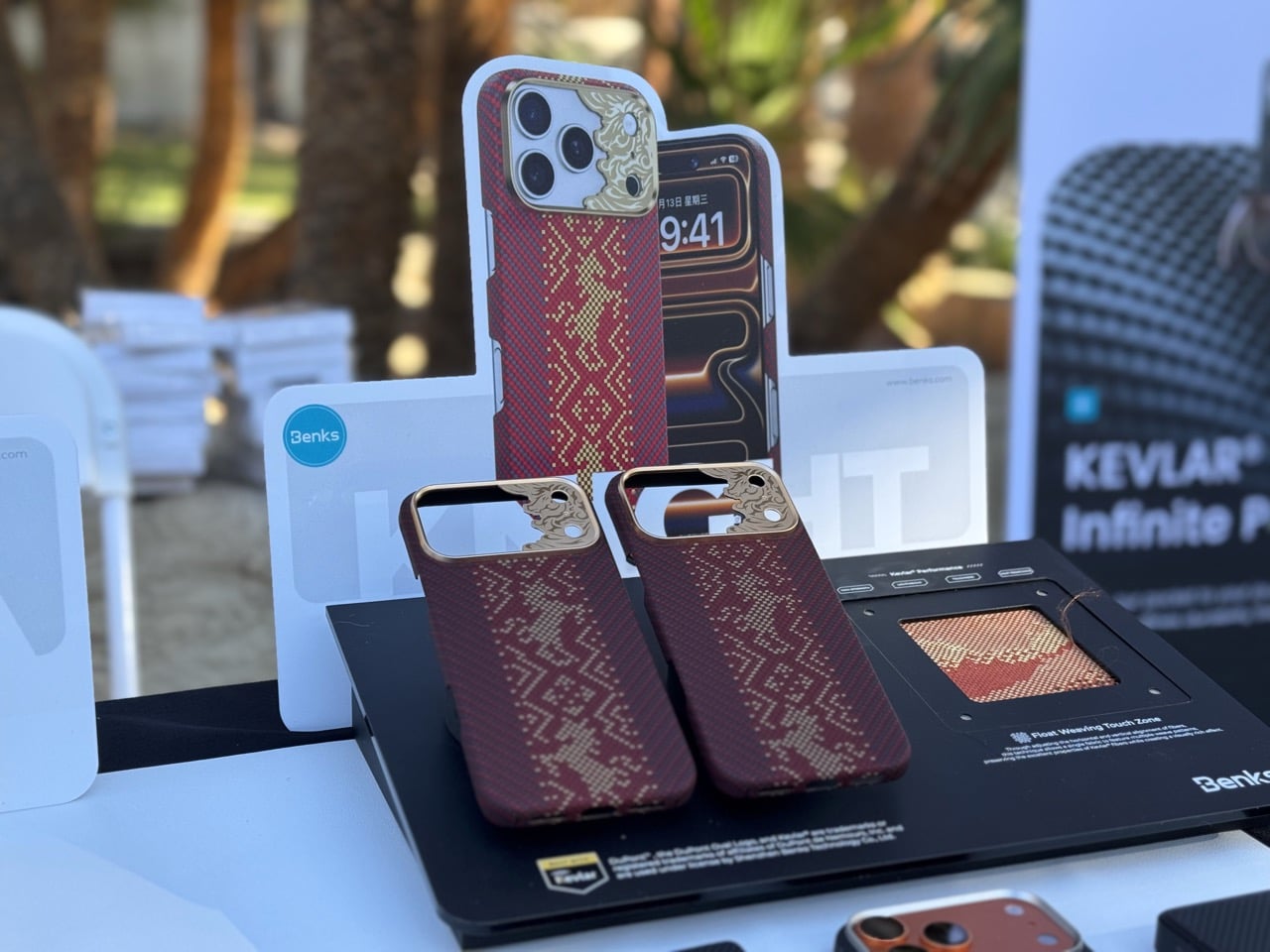
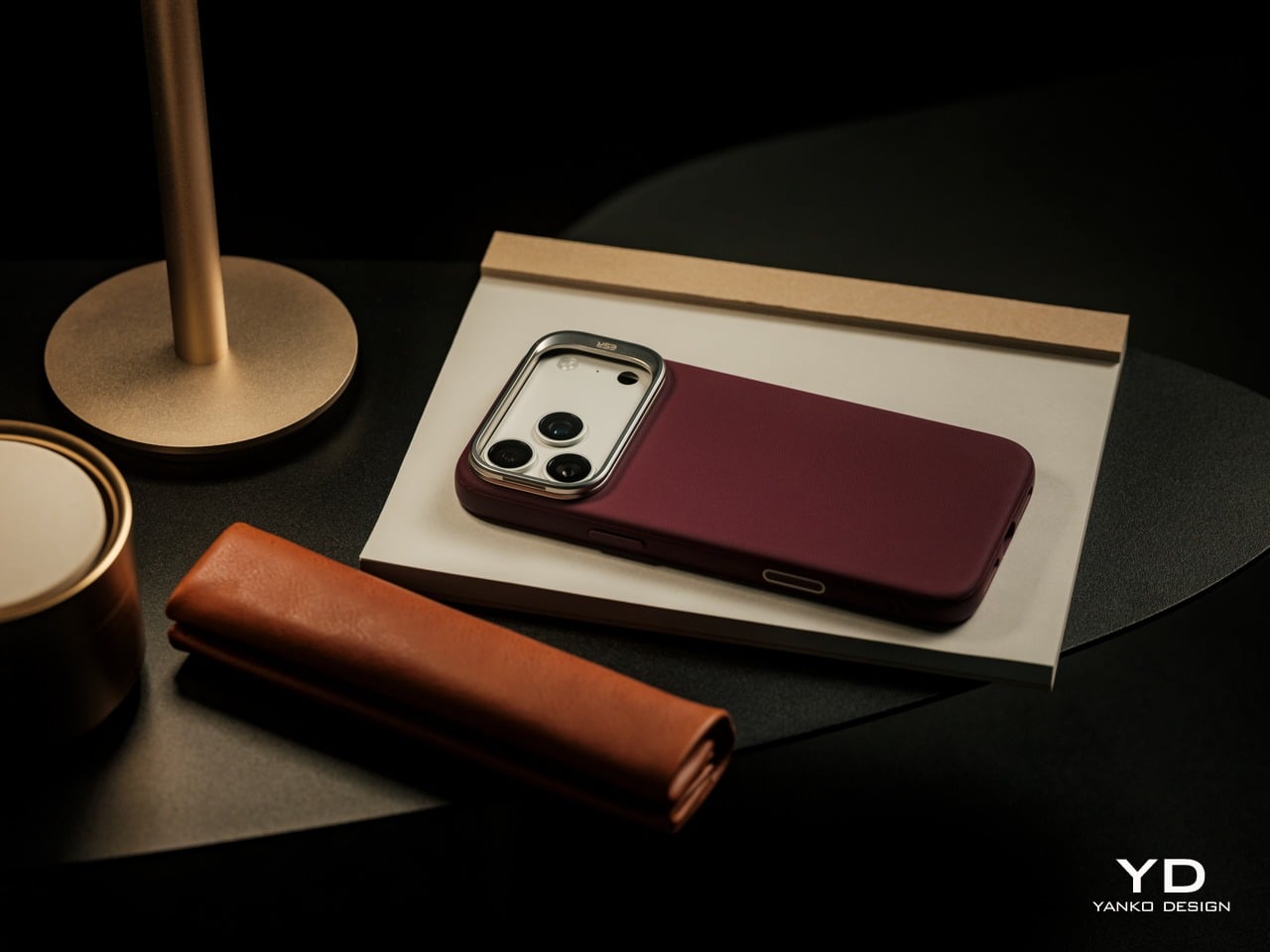
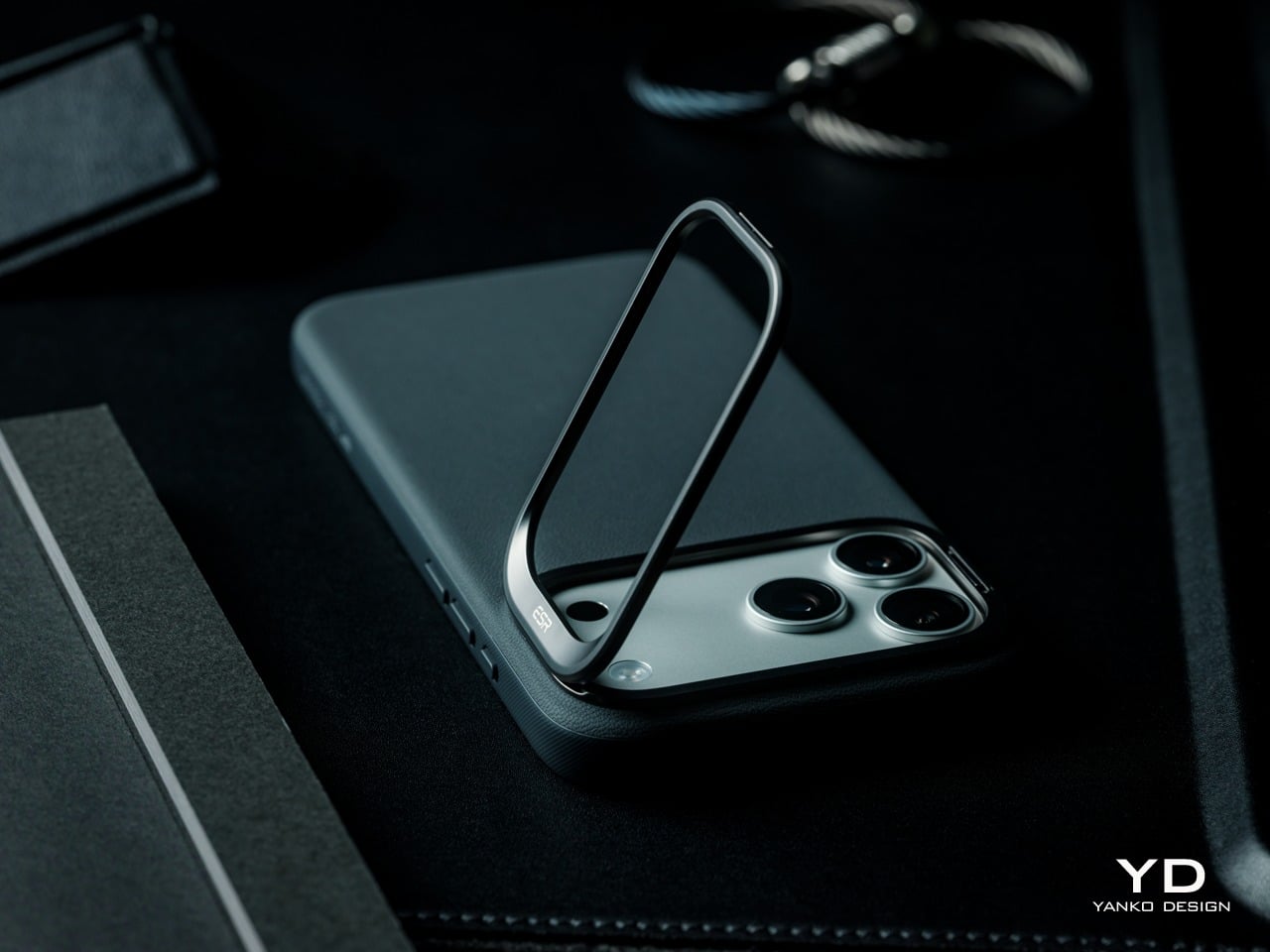
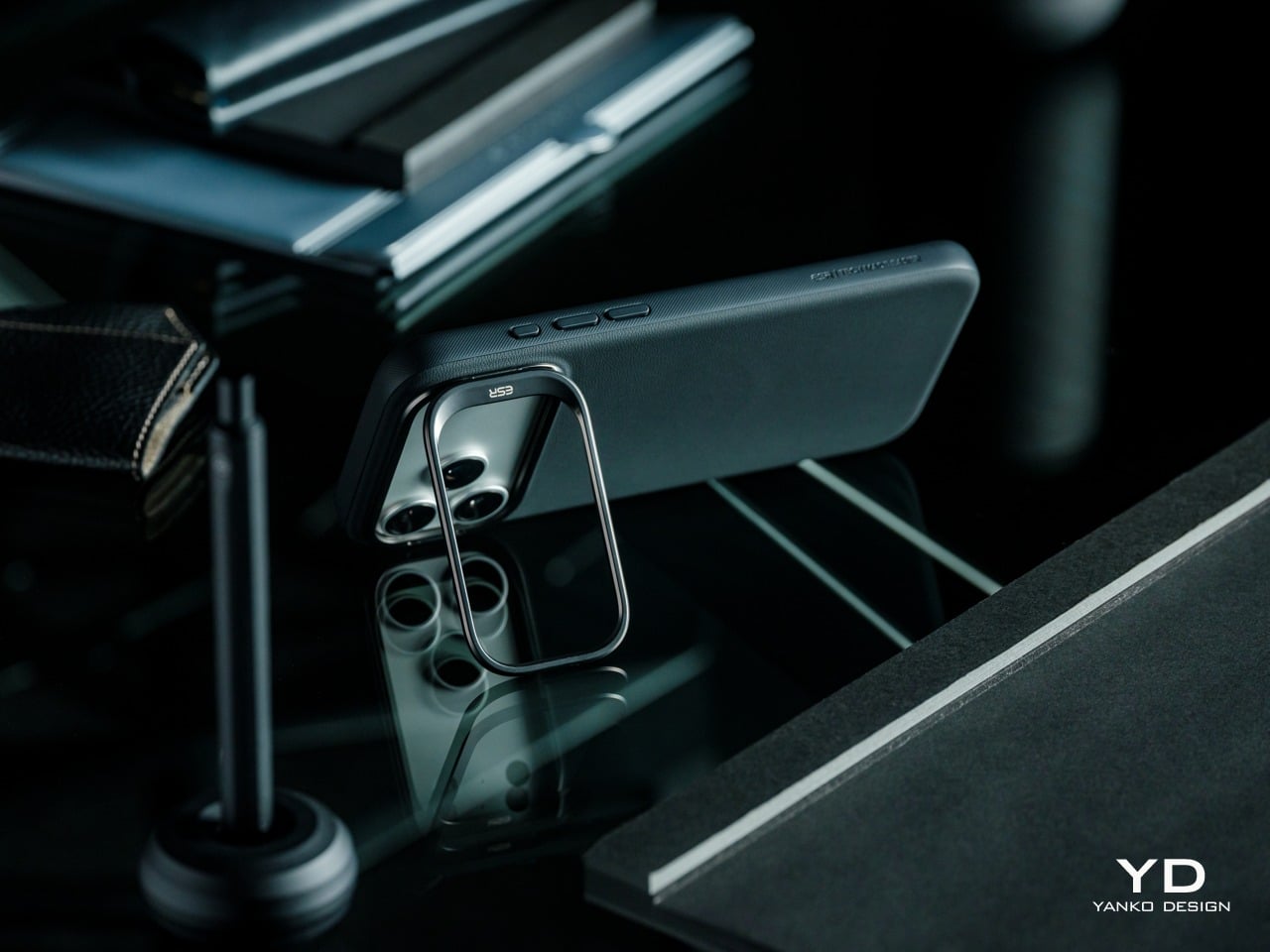
The camera surround anchors the Atelier’s visual identity while adding practical function. Rather than hiding the iPhone 17 Pro Max’s large camera island behind a flush cutout, ESR frames it with a distinctive metallic guard that immediately draws the eye and doubles as a camera-protecting stand. In its closed position, the guard sits flat and clean, giving the case a confident, top-weighted silhouette. When opened, it provides a convenient way to prop up the phone. It’s a design detail that does more than make the Atelier stand out; it makes the case stand out with purpose.
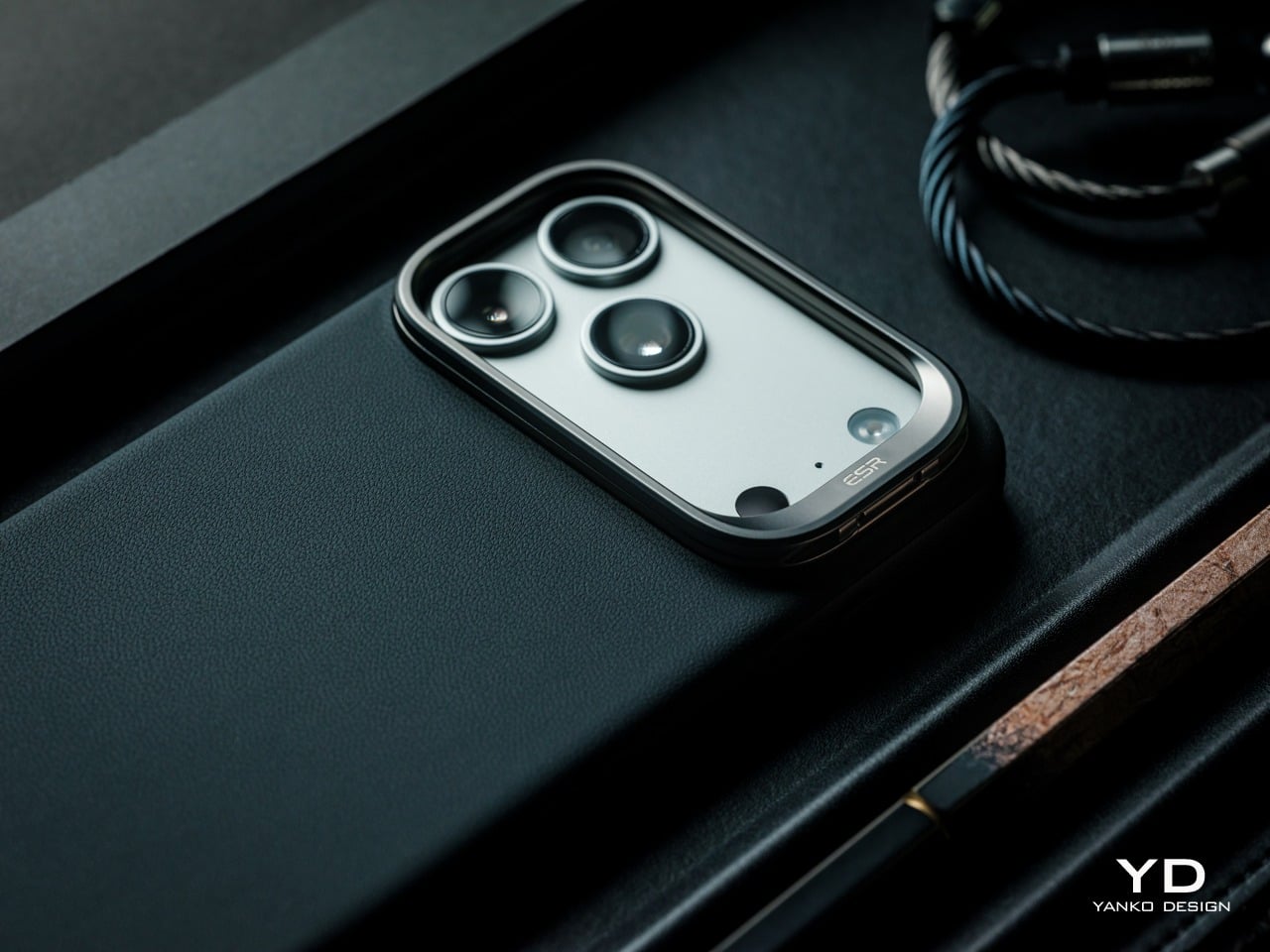
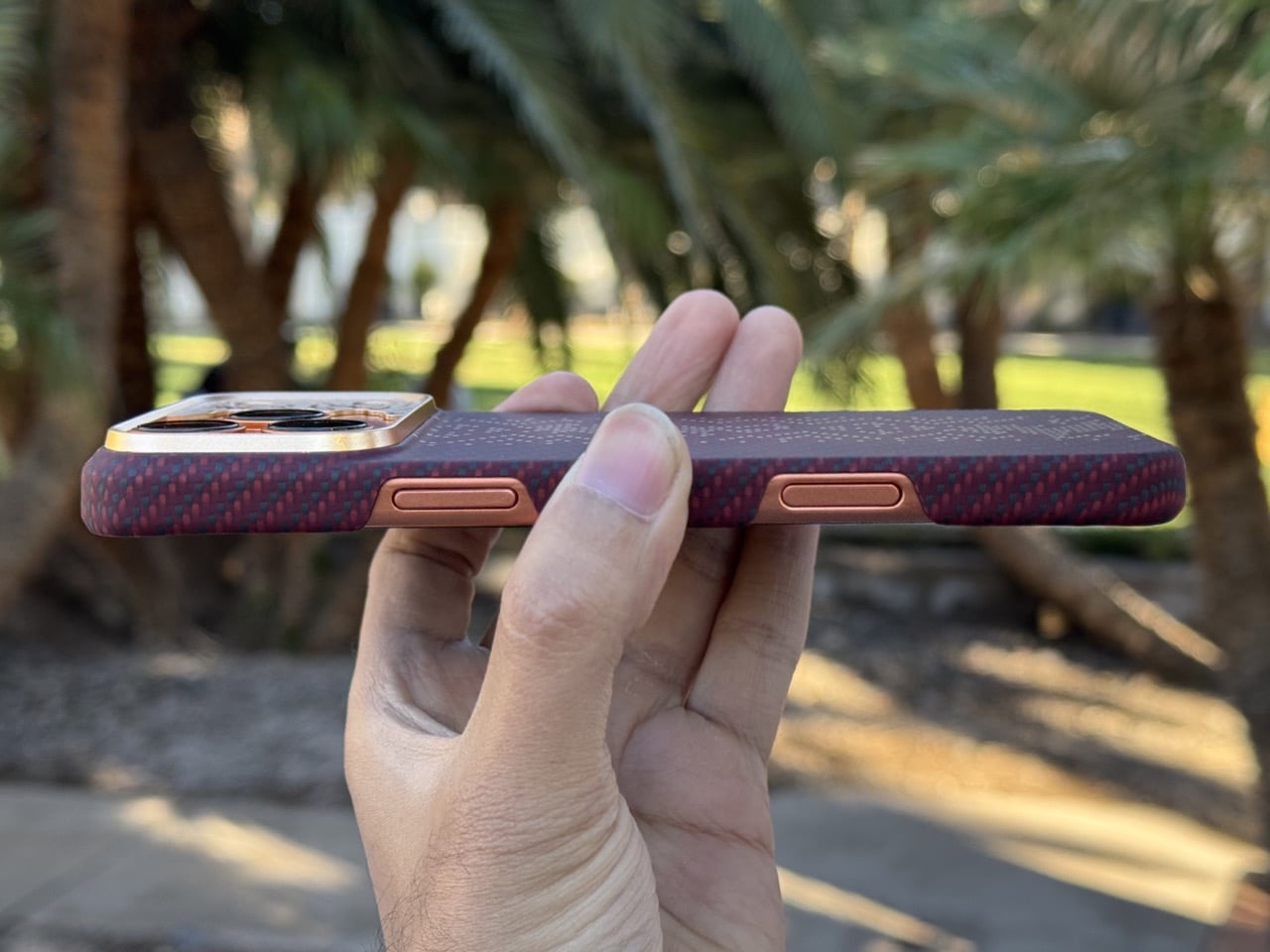
Running a thumb along the side reveals what the back suggests: the Atelier is more carefully constructed than it might initially seem. The TPU frame has a subtle micro-texture that feels slightly different from the smoother leather panel, providing grip without calling attention to itself. That material contrast is understated, but it adds some welcome depth to what is otherwise a clean and quiet form.
Two colors were available for this review, Black and Deep Burgundy, and both make a strong case for the Atelier’s design language. Black keeps things understated and versatile, almost disappearing as a deliberate choice. Deep Burgundy, on the other hand, is far more expressive, with a rich, wine-like tone that brings out the warmth and softness of the vegan leather even more.
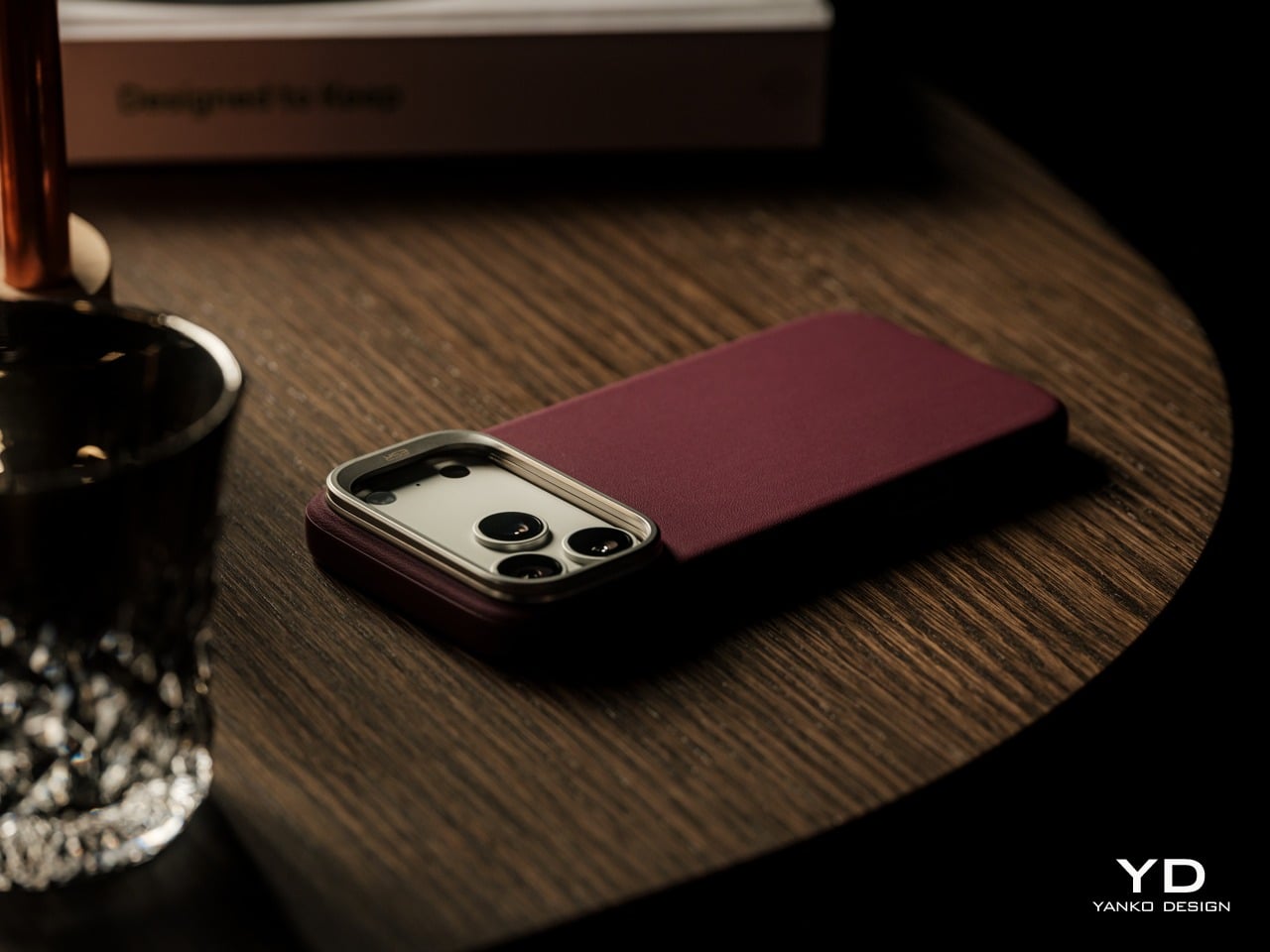
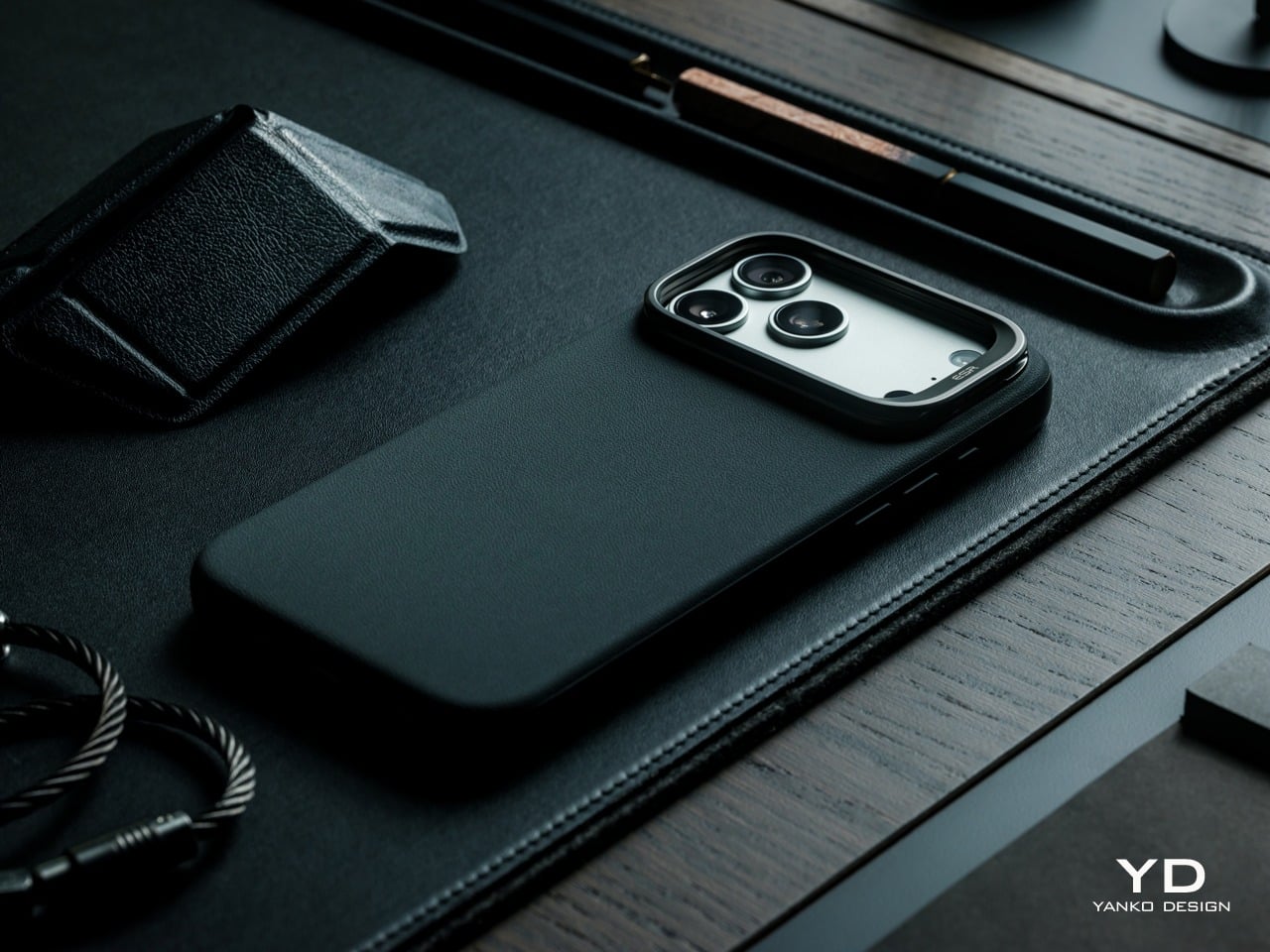
The Atelier rounds out its lineup with four colors in total, Light Gray and Misty Blue joining the Black and Deep Burgundy reviewed here. The palette is deliberately quiet and wear-anywhere, skipping bold or trend-chasing tones in favor of shades that feel considered rather than seasonal. That restraint runs through the whole design, where nothing on the surface feels accidental or arbitrarily decorative.
Ergonomics
Slipping the Atelier onto the iPhone 17 Pro Max for the first time, the fit is snug and confident. The case doesn’t shift or creak under pressure, and the soft microfiber lining helps the phone slide in cleanly. Button access is well handled, with the case’s profile keeping all controls accessible and tactile, so there’s no need to press hard through a thick wall of material just to adjust volume.
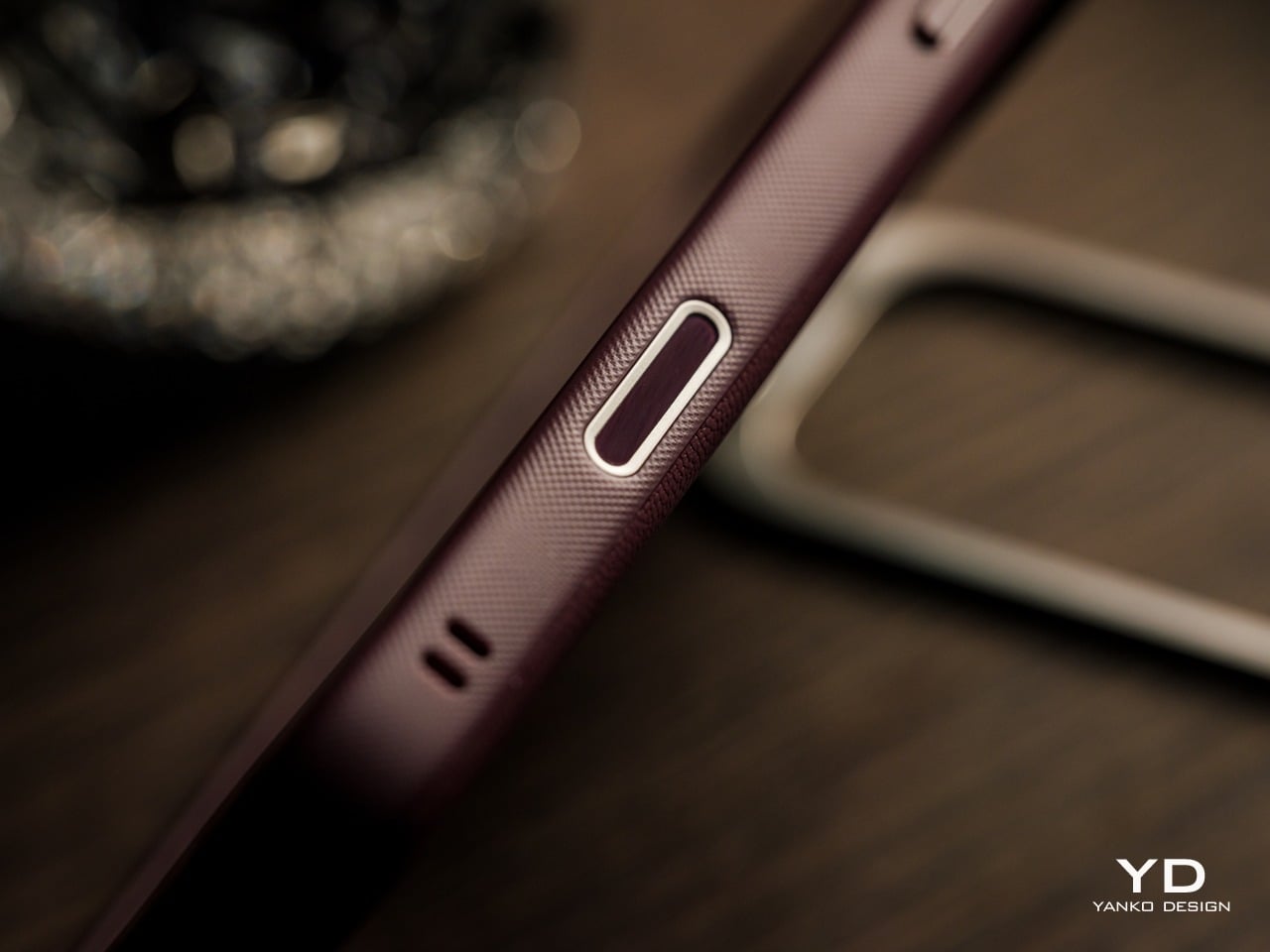
ESR includes a built-in Camera Control cover on the case’s side, a detail that’s easy to overlook but matters for anyone using that feature regularly. The cover preserves access without leaving an awkward gap in the frame. For a phone this size, the Atelier also adds enough grip to make single-handed use feel more manageable, without the bulk that typically comes with heavily protective cases.
Carrying the phone in a pocket with the Atelier on feels different from a plain silicone case. The material has a subtly grippier quality that keeps the phone from sliding around freely, and it doesn’t attract lint or dust the way softer cases sometimes do. Set it down on a desk or table, and it stays put, which is a small but consistently welcome trait.
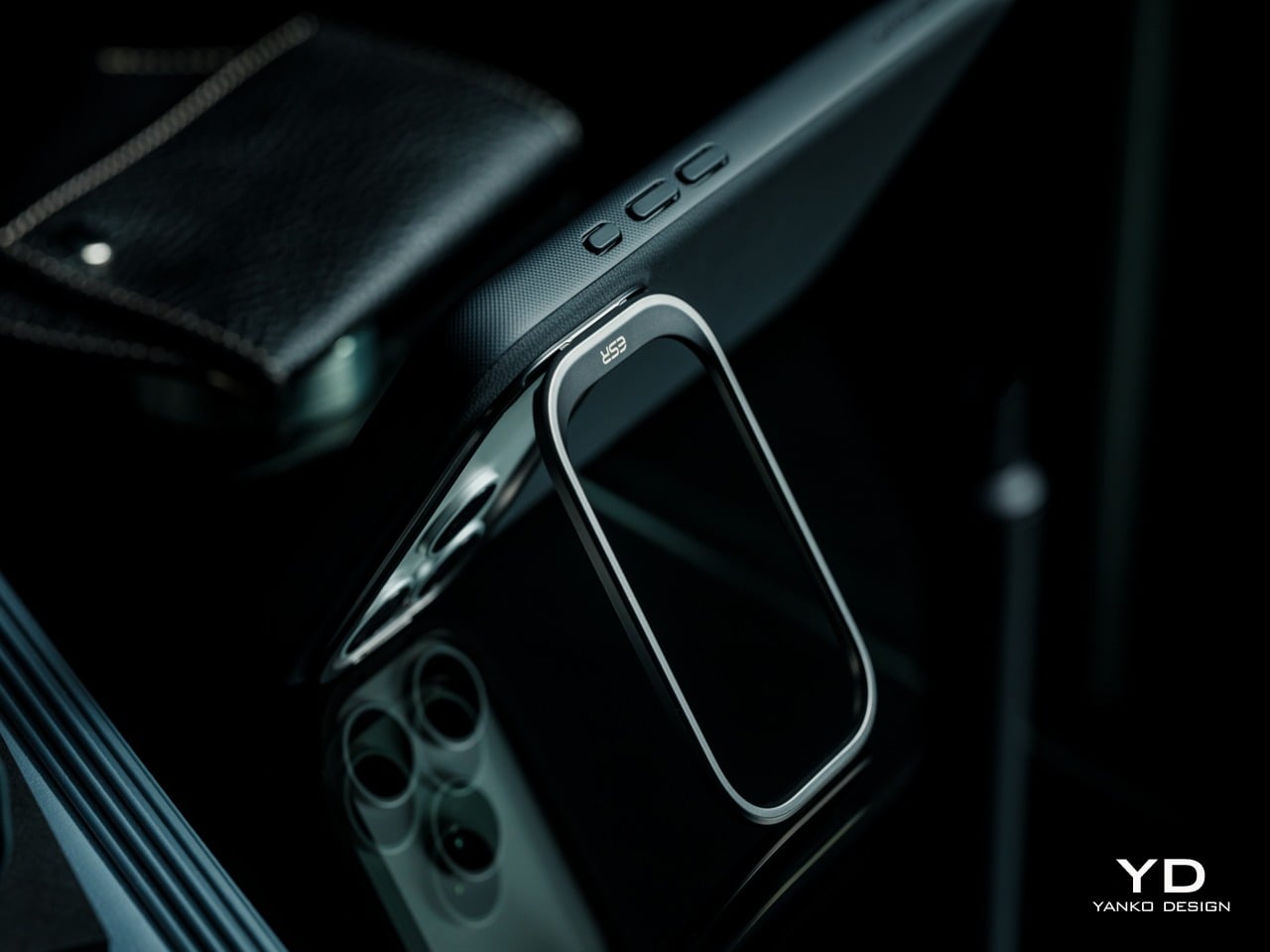
In practice, the headlining FlexStand’s mechanism feels smooth. Opening the guard takes a deliberate nudge rather than snapping open accidentally, and once propped, the stand supports both landscape and portrait viewing, with angles from 15 to 69 degrees. It works in landscape for video calls just as well as in portrait for reading or scrolling. When closed, the guard does raise the camera’s profile even higher than what it already has without any case, a necessary tradeoff for a creative solution to two problems in one.
Performance
The FlexStand is the Atelier’s most interesting functional detail, because it solves two problems at once. ESR’s FlexStand combines a camera guard to protect the device’s camera lenses when closed and an adjustable stand for hands-free viewing when open. On a phone with a camera island this large, exposed lenses are a genuine vulnerability, and folding that protection into the stand mechanism itself is a smarter solution than treating them as separate concerns.
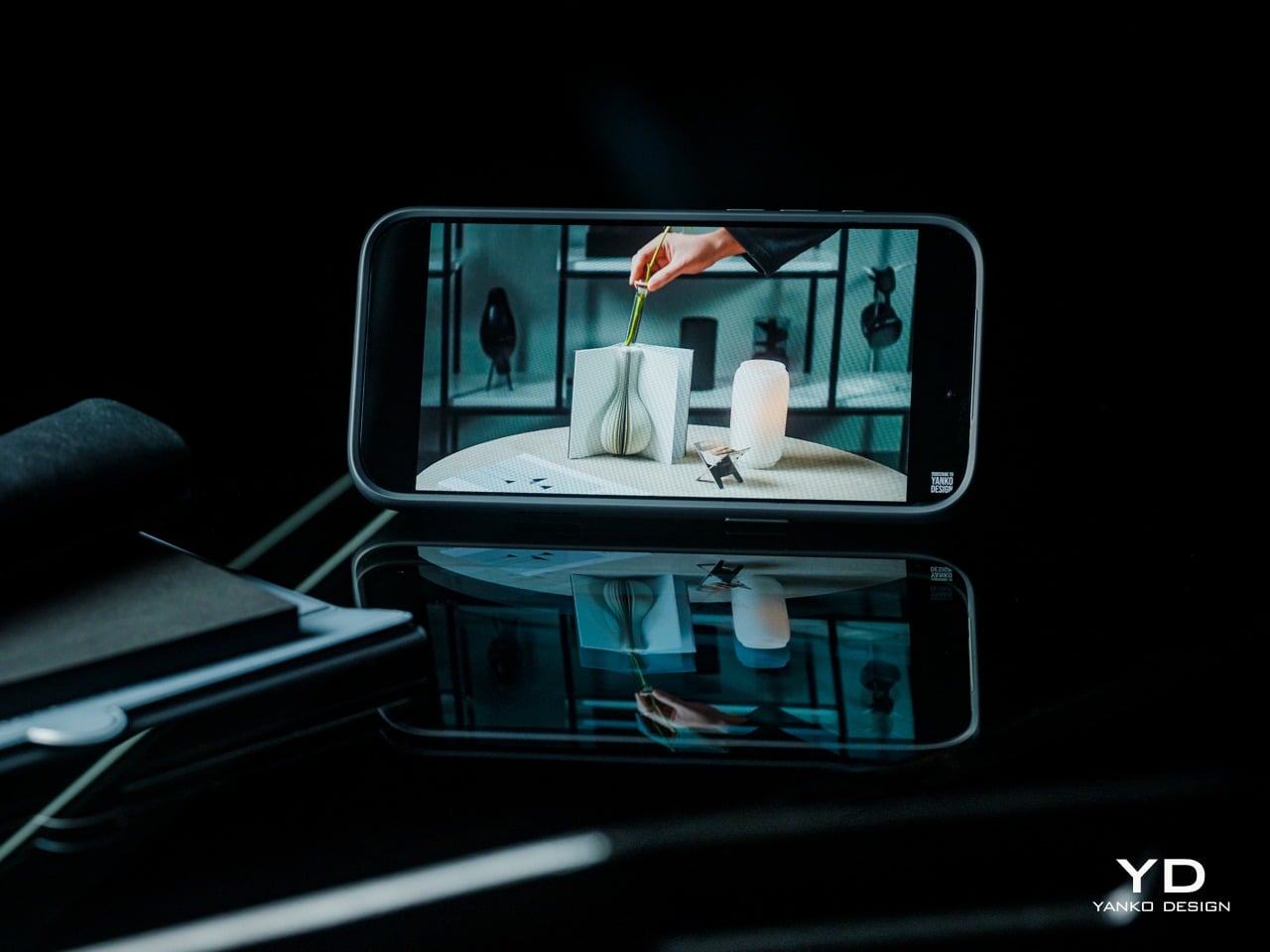
The stand supports viewing angles from 15 to 69 degrees, which covers enough range for upright reading and low-angle watching from across a desk. Shallower angles work well on uneven surfaces like an airplane tray table or a lap, while steeper ones put the screen more directly in view. Both portrait and landscape orientations are supported, with no additional mechanism or adjustment needed between the two. That said, vertical orientation pretty much means just tilting the back of the phone up, enough for scrolling or reading but definitely not for video calls.
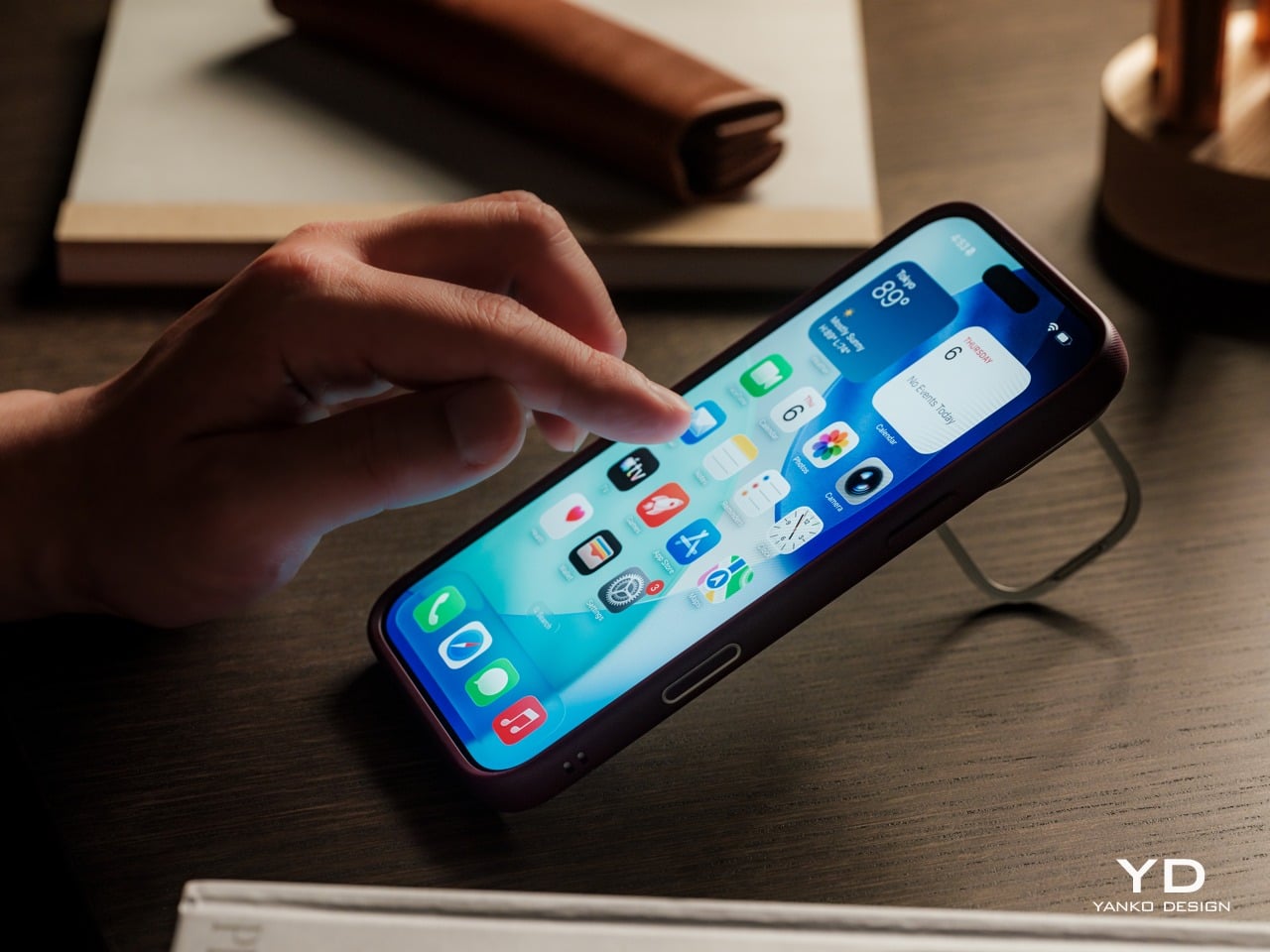
Beyond the stand, the Atelier handles everyday protection through a combination of a shock-absorbing TPU frame, and raised-edge protection. ESR rates the case for 3x military-grade protection, and the overall construction feels solid and deliberate rather than rubbery or flimsy. You can expect some added bulk and heft, but not more than any rugged protective case worth its salt.
MagSafe performance is strong. The Atelier uses built-in magnets rated at 1,400g of force, and compatible chargers and accessories snap on with a reassuring click. Because the back panel carries no visible ring or hardware, the magnetic experience feels clean and uncluttered from the outside.
Sustainability
Most phone cases don’t come with a sustainability story worth telling, and the ones that do tend to lean on recycled packaging rather than anything in the product itself. The Atelier’s more grounded argument is that a case built to resist early aging is more responsible than one that looks worn within months of purchase, and the silicone-based vegan leather is central to that reasoning.
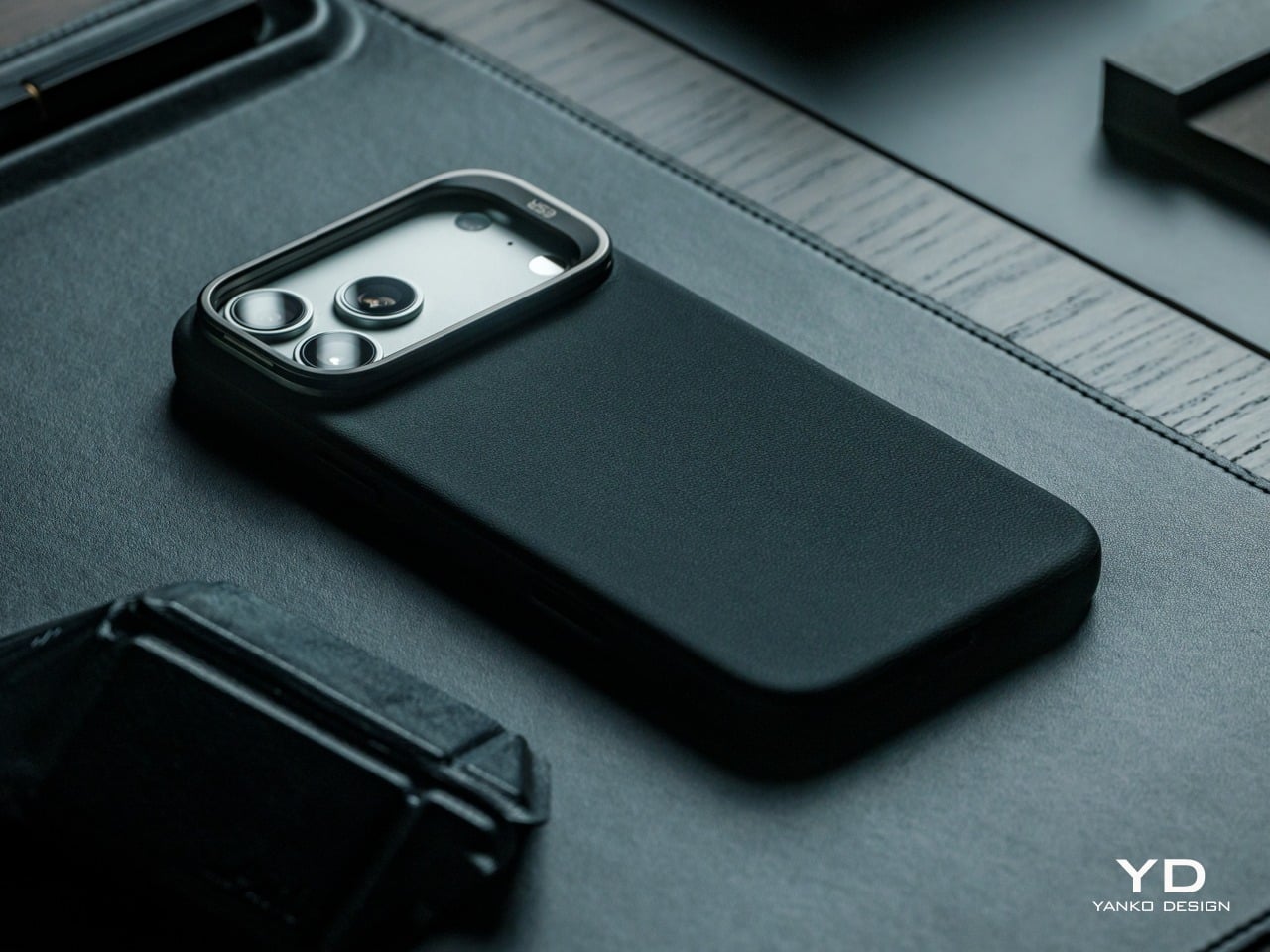
Being animal-free by construction, the vegan leather adds appeal for buyers thoughtful about materials but still wanting a leather-like aesthetic. It isn’t positioned as an environmental product in the way that a recycled-material case might be, but choosing a durable, easy-care surface that resists early replacement adds up meaningfully over time. A case that doesn’t need swapping out every few months is quietly a more sustainable choice.
Value
The Atelier is priced at $42.99 for Black and $45.99 for the remaining three colorways, including Deep Burgundy. Those figures sit toward the upper end of what most buyers expect to spend on a phone case, but the price reflects a package that bundles considerably more than leather. A built-in stand, strong MagSafe compatibility, and multi-layer protection are all part of what that cost covers.
For comparison, many premium leather-style cases fall into a similar price range, but often without integrated stand functionality, and a dedicated kick grip would be an added accessory on top of that. The Atelier handles both without making the back look overcrowded or adding any structural compromise. That combination, at this price, represents a reasonably compelling package for buyers who care about aesthetics and functionality in equal measure.
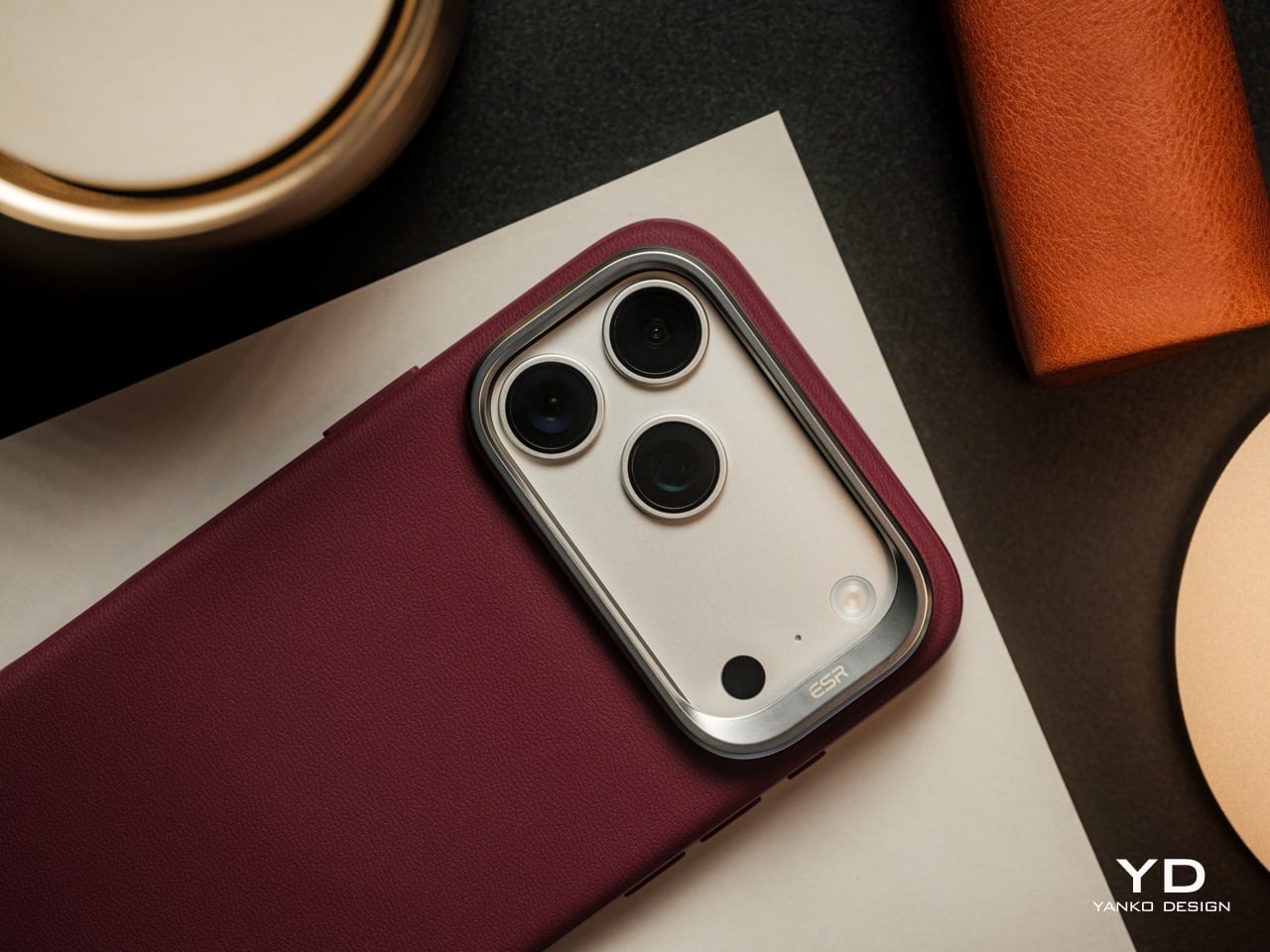
Where the Atelier’s value becomes most clear is in how long it’s designed to hold up. Buyers who regularly replace cases because of fading, stains, or surface wear will likely get considerably more time out of this one before that becomes a concern. That longevity also means less time hunting for a replacement case that ticks the same boxes, which is rarely as easy as it sounds.
Verdict
The ESR Atelier Magnetic Case finds its innovation in restraint, representing a new design direction for ESR’s protective case lineup and combining a more refined aesthetic with the everyday functionality ESR is known for. It finds a more sensible middle ground through better material choices, a stand that genuinely belongs to the case’s geometry, and a visual language that doesn’t rely on aggressive branding or drama to make an impression.
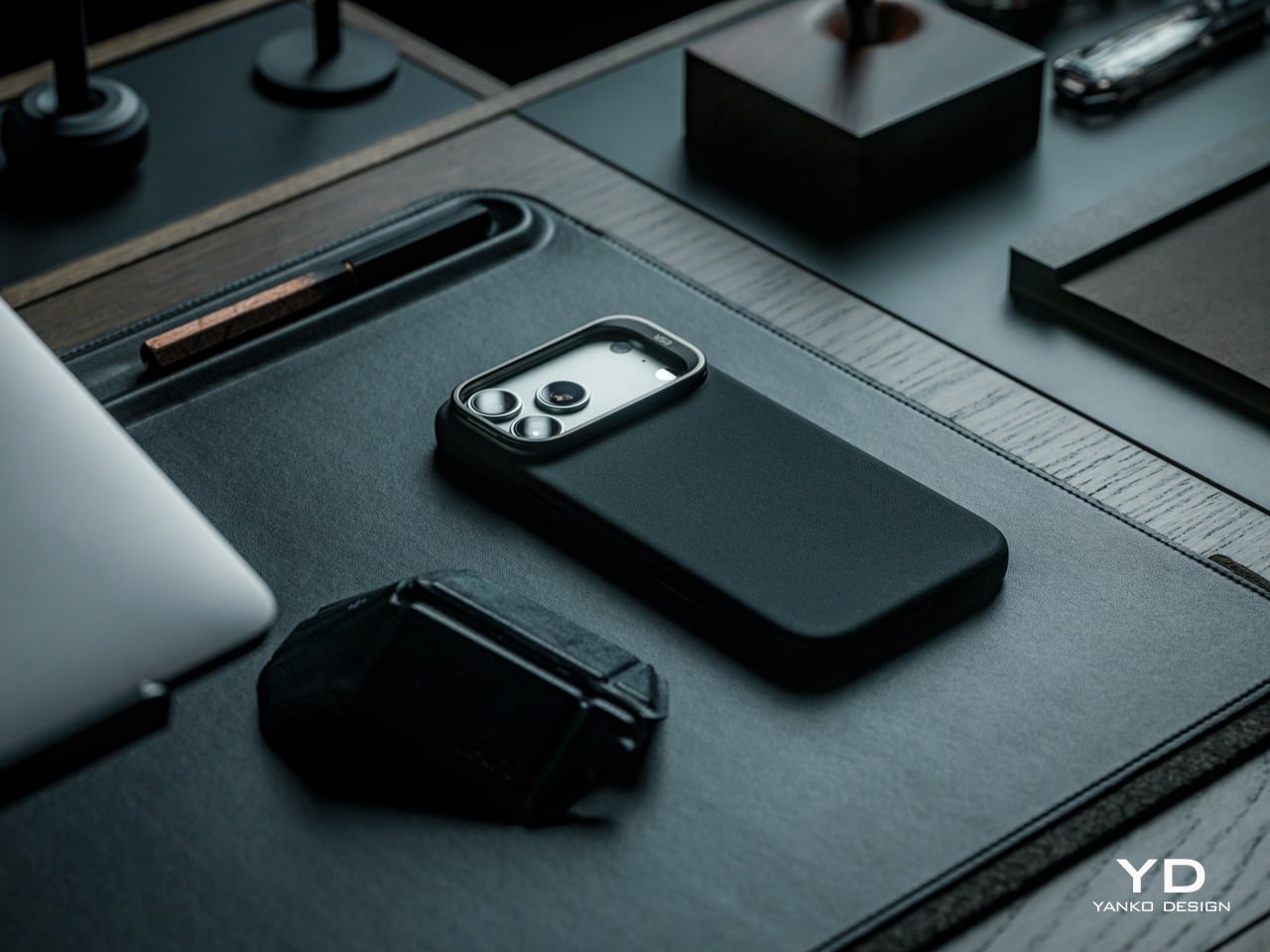
It suits buyers who want their iPhone 17 Pro Max to feel considered at every touchpoint, designed for users who appreciate the premium look and feel of leather but want a more durable and easy-to-maintain alternative for daily use. The Deep Burgundy variant, in particular, carries a character and warmth that’s genuinely hard to find in most protective cases, making it a compelling choice for sophisticated buyers who have grown tired of flashy and gimmicky accessories.
Click Here to Buy Now: $45.99
The post ESR Atelier Magnetic iPhone 17 Pro Max Case Review: Vegan Leather Done Right first appeared on Yanko Design.