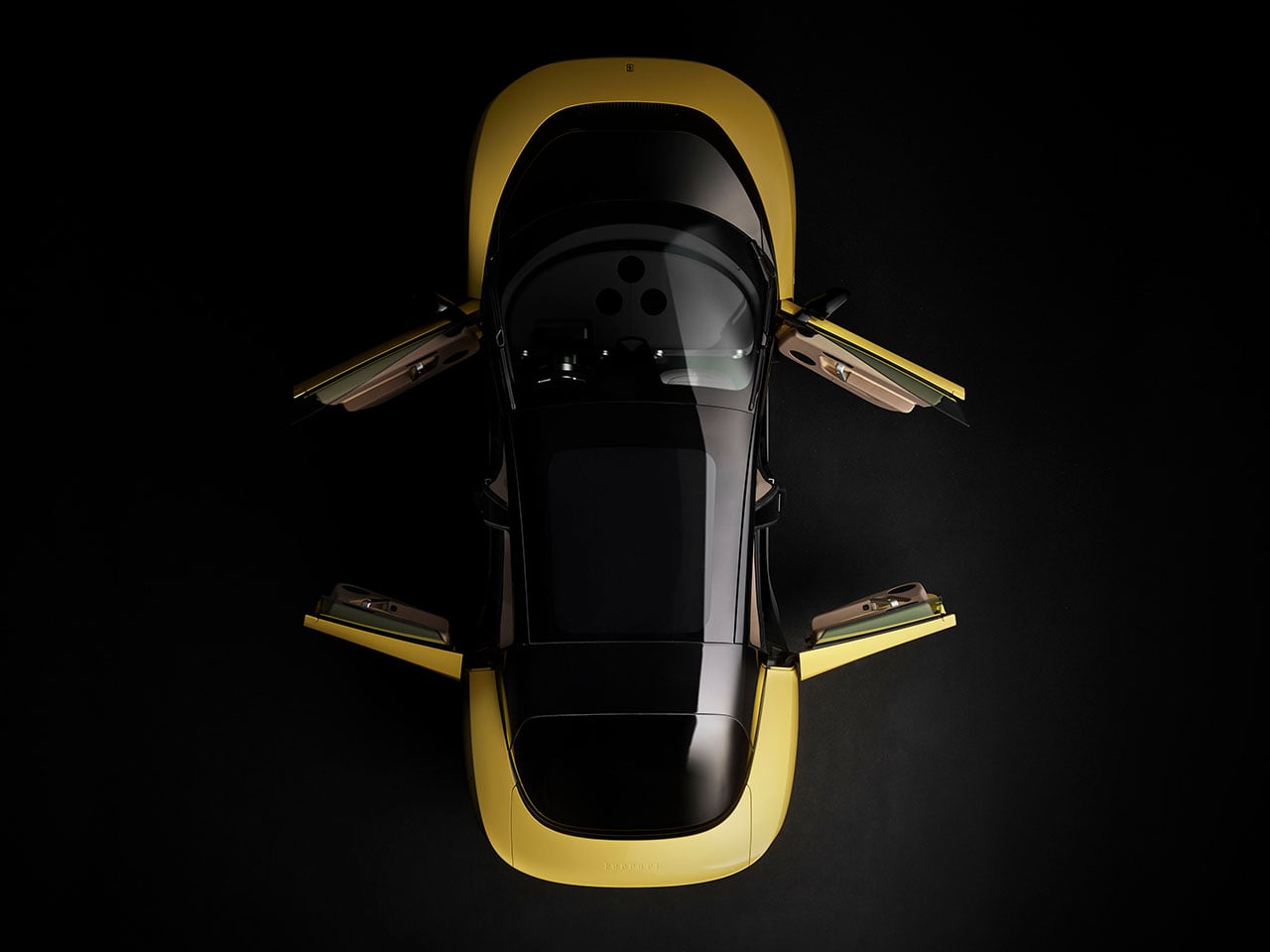
Ferrari-inspired TESTaZERO is a flamboyant speedster for open air adventures, all-electric Luce better watch out

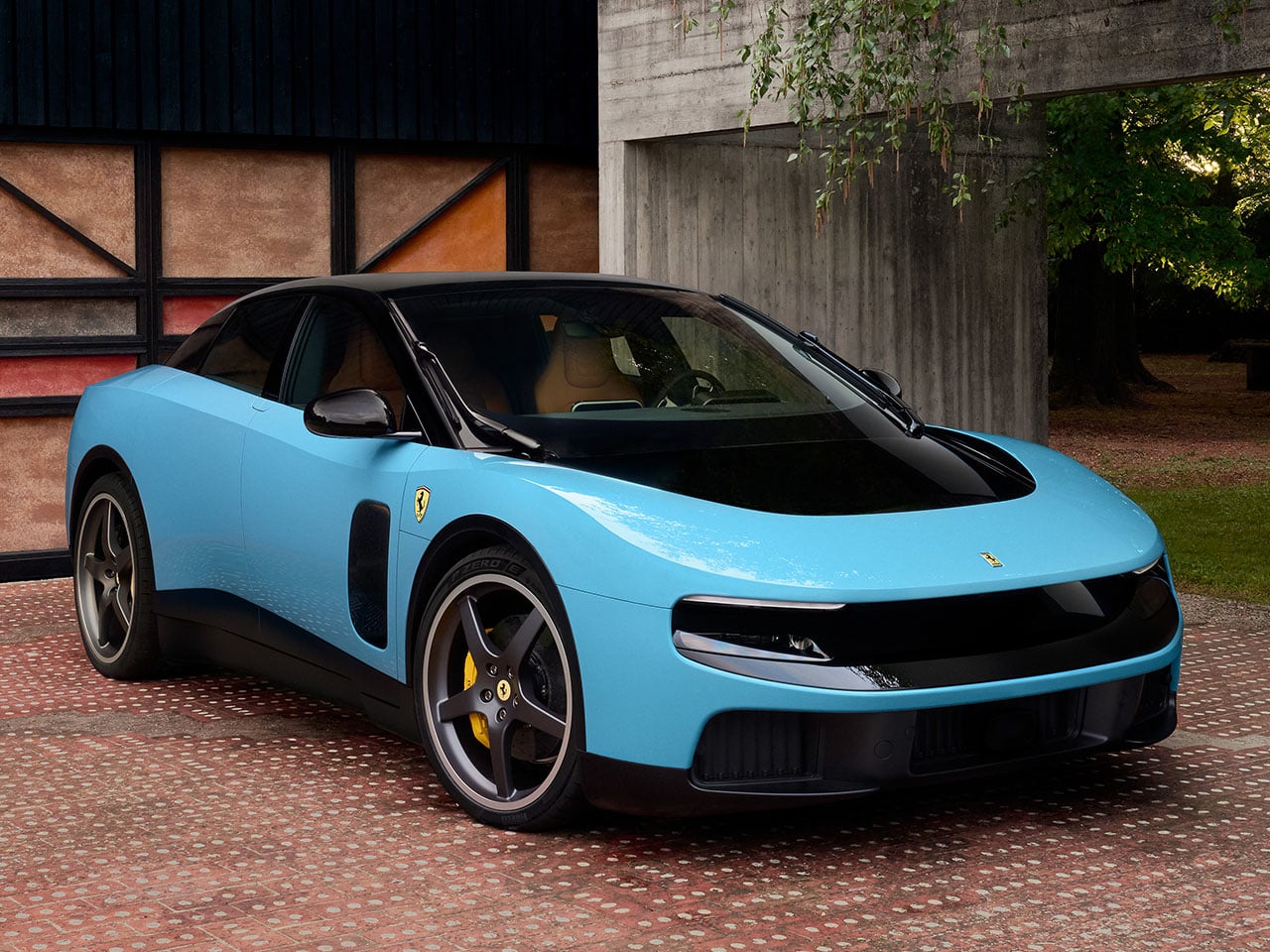
Ferrari has finally entered the electric-powertrain domain with its Luce sports car, which some adore while others absolutely hate. The controversial performance car is the Italian marque’s maiden venture into clean, responsible transition, designed in collaboration with Johnny Ive. While the names involved are larger than life, I hope they have some vehicle planned for the near future that lands everyone on the same page.

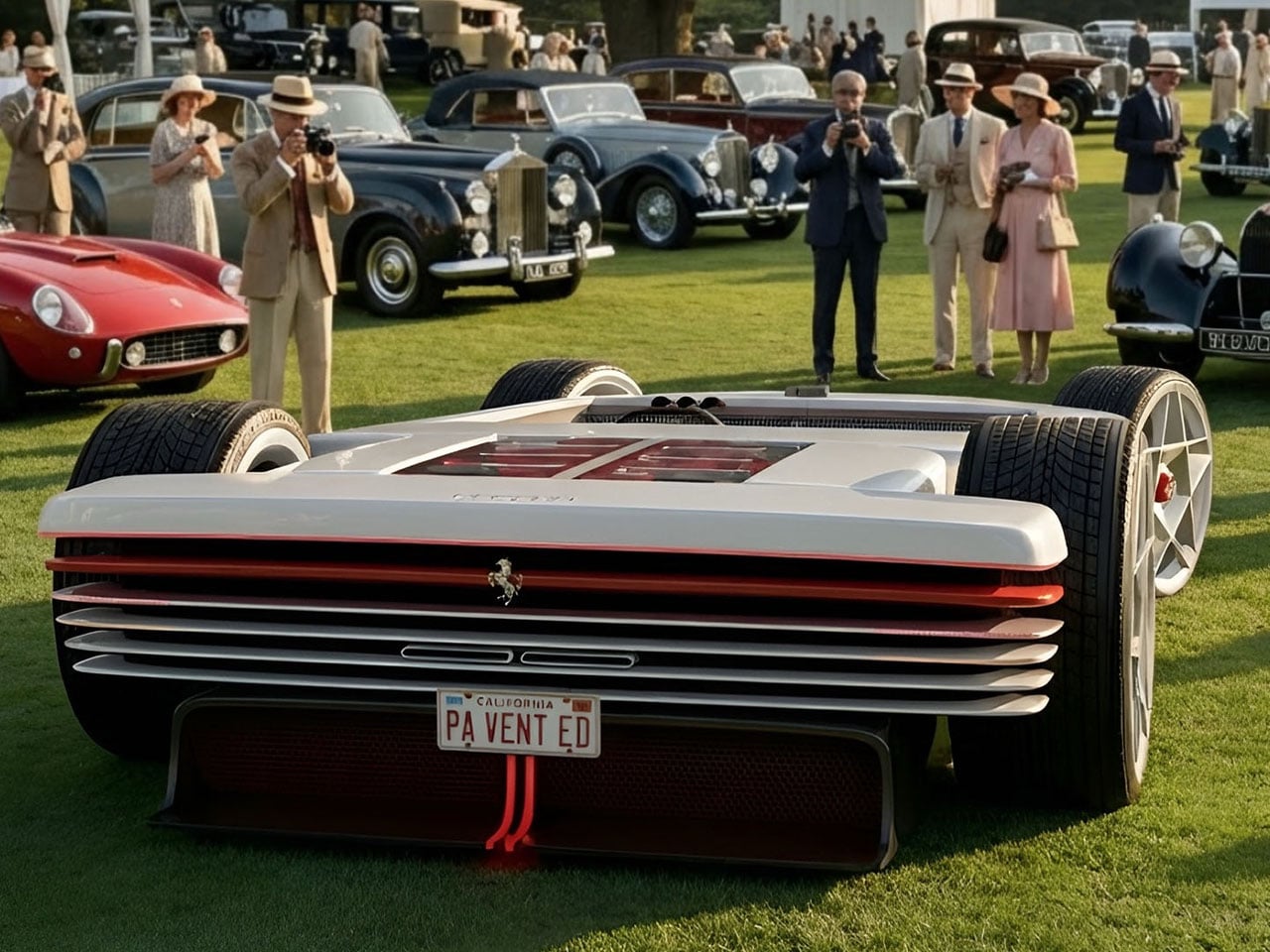
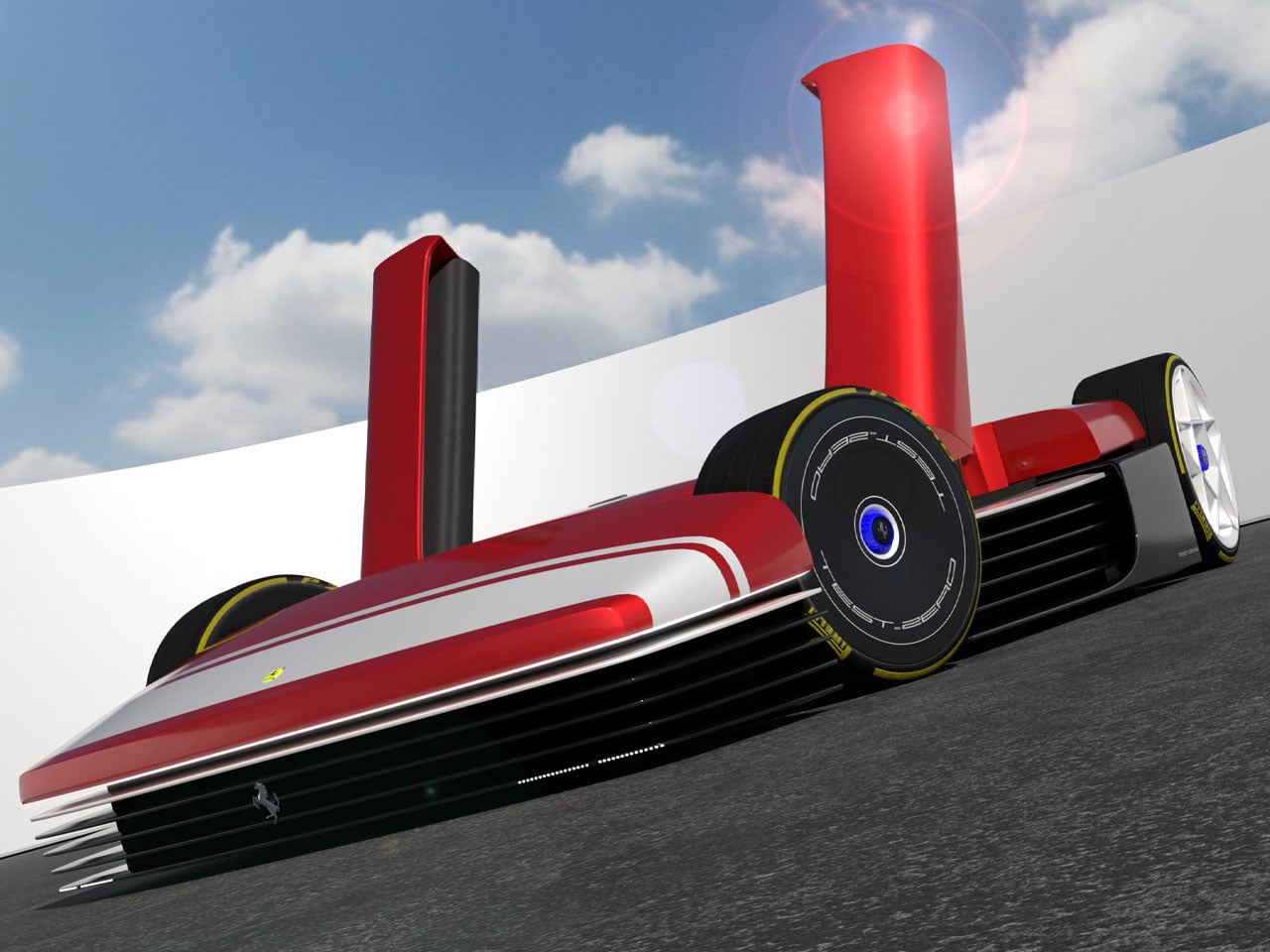
While the world is busy dissecting what’s right and what’s sheerly comical about the new prancing horse on the block, a retro-futuristic Ferrari concept takes us away from all the noise and into a realm where performance cars are minimalist and purely revealing. Meet the Ferrari TESTaZERO, which feels more Ferrari than the Luce for good measure!

Designer: Antonio Pavento

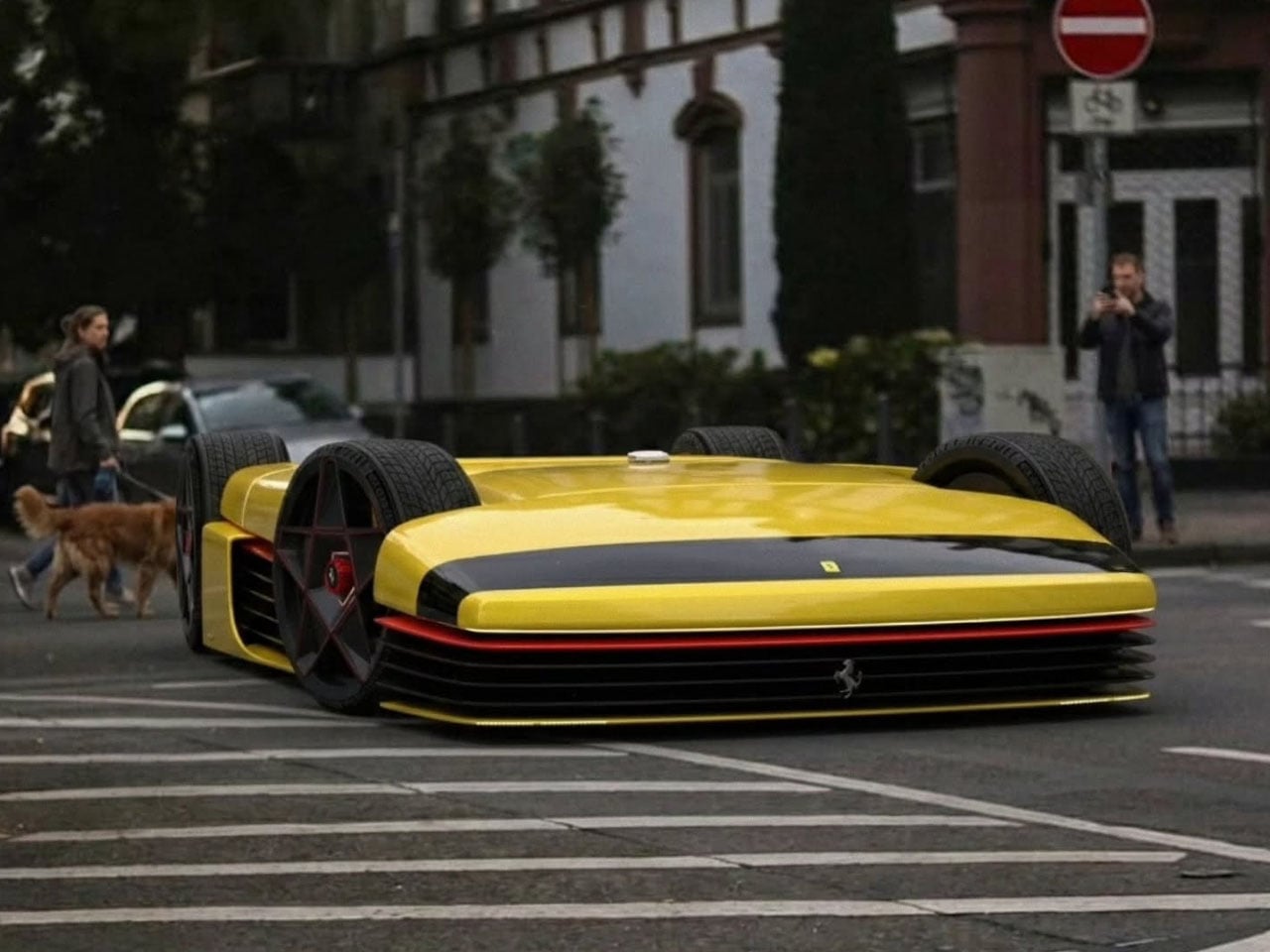
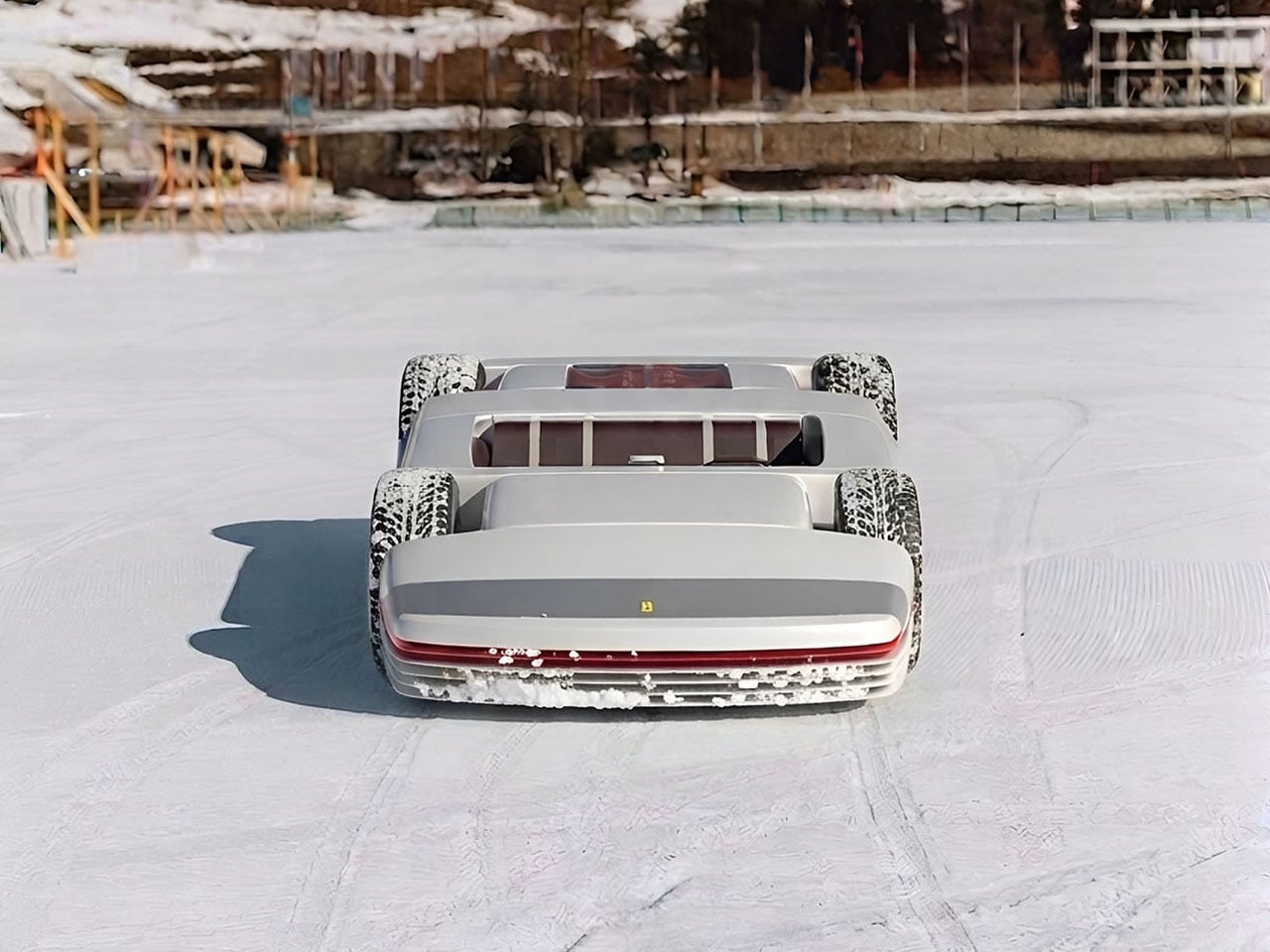
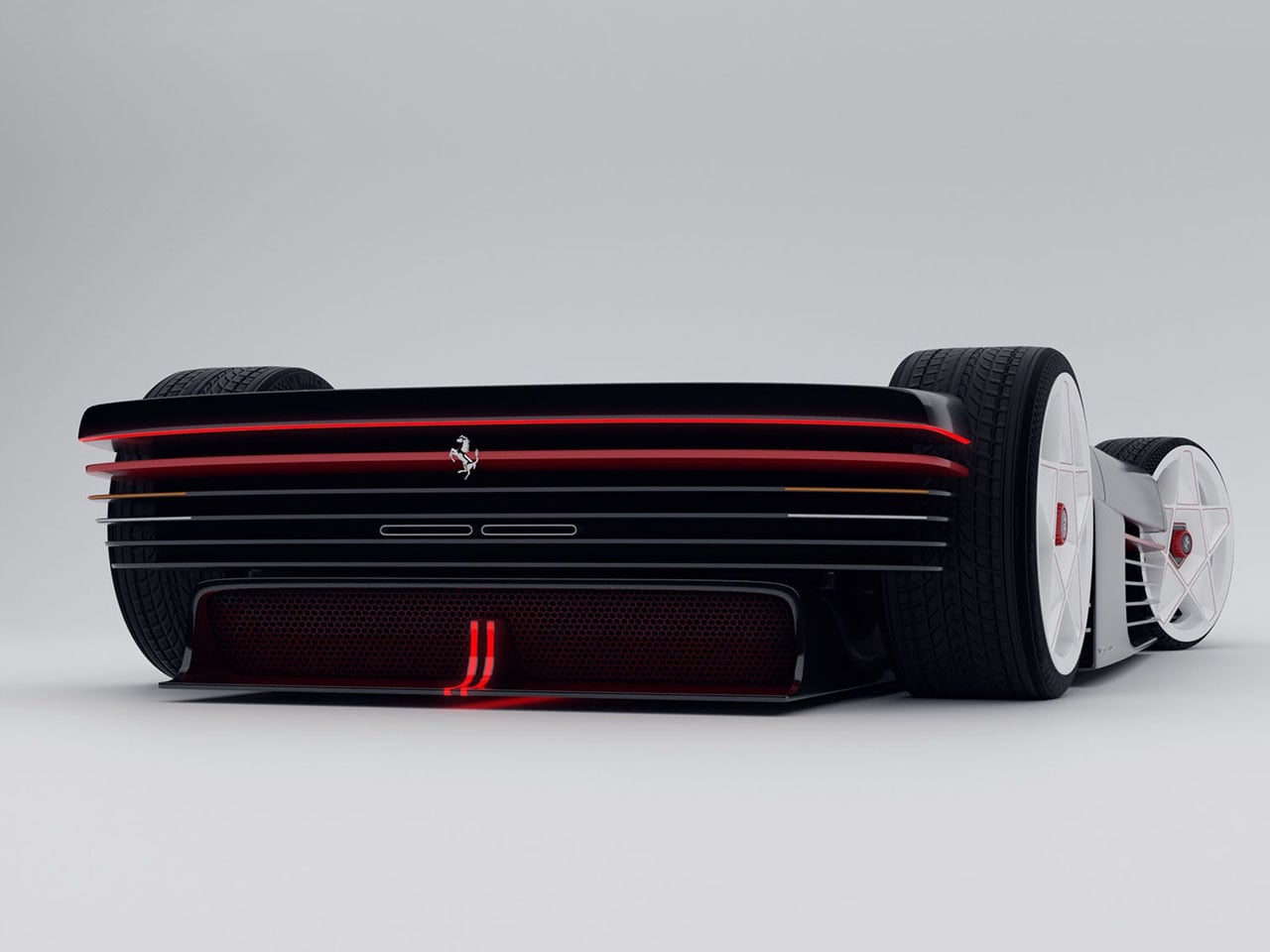
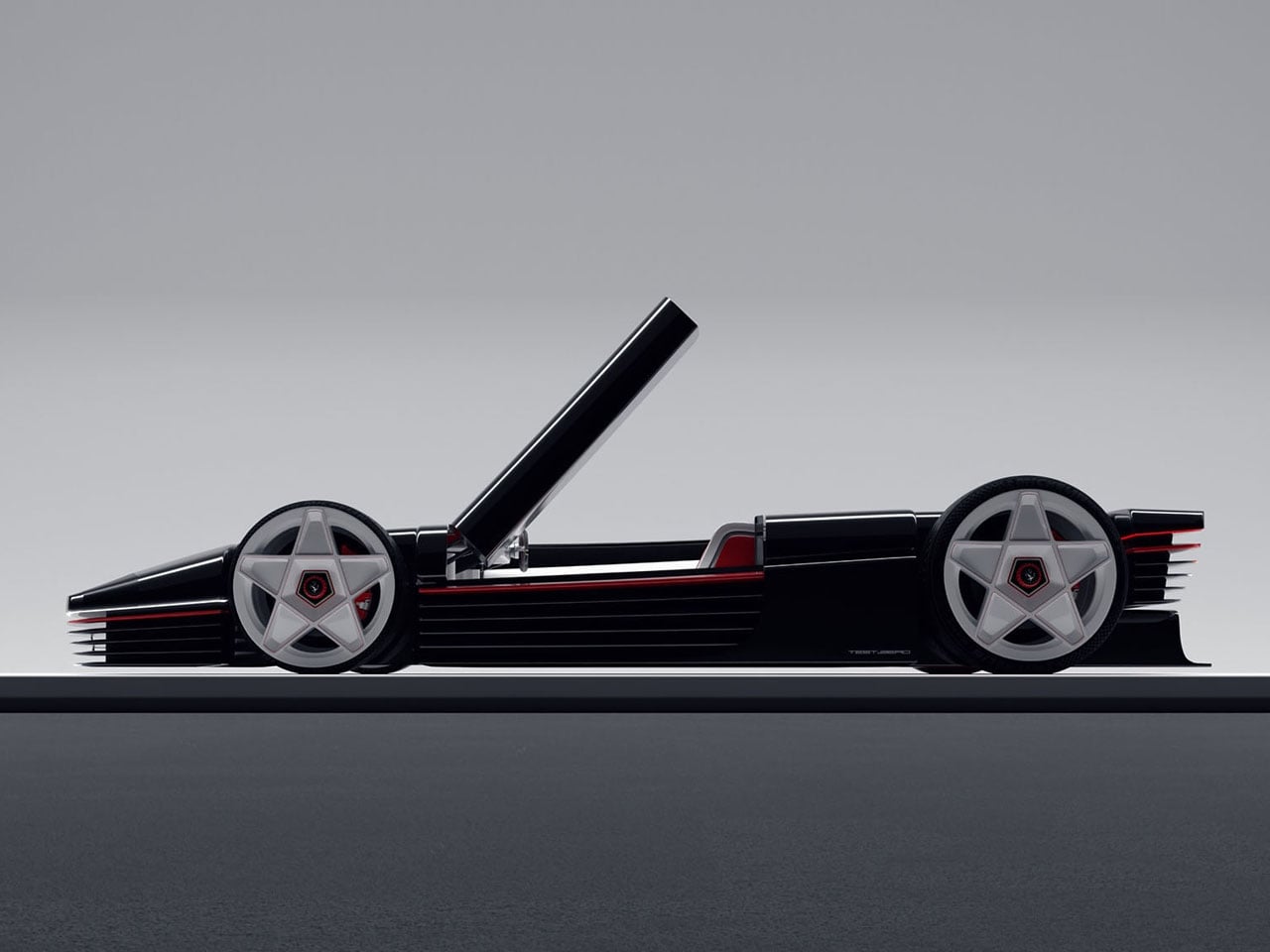
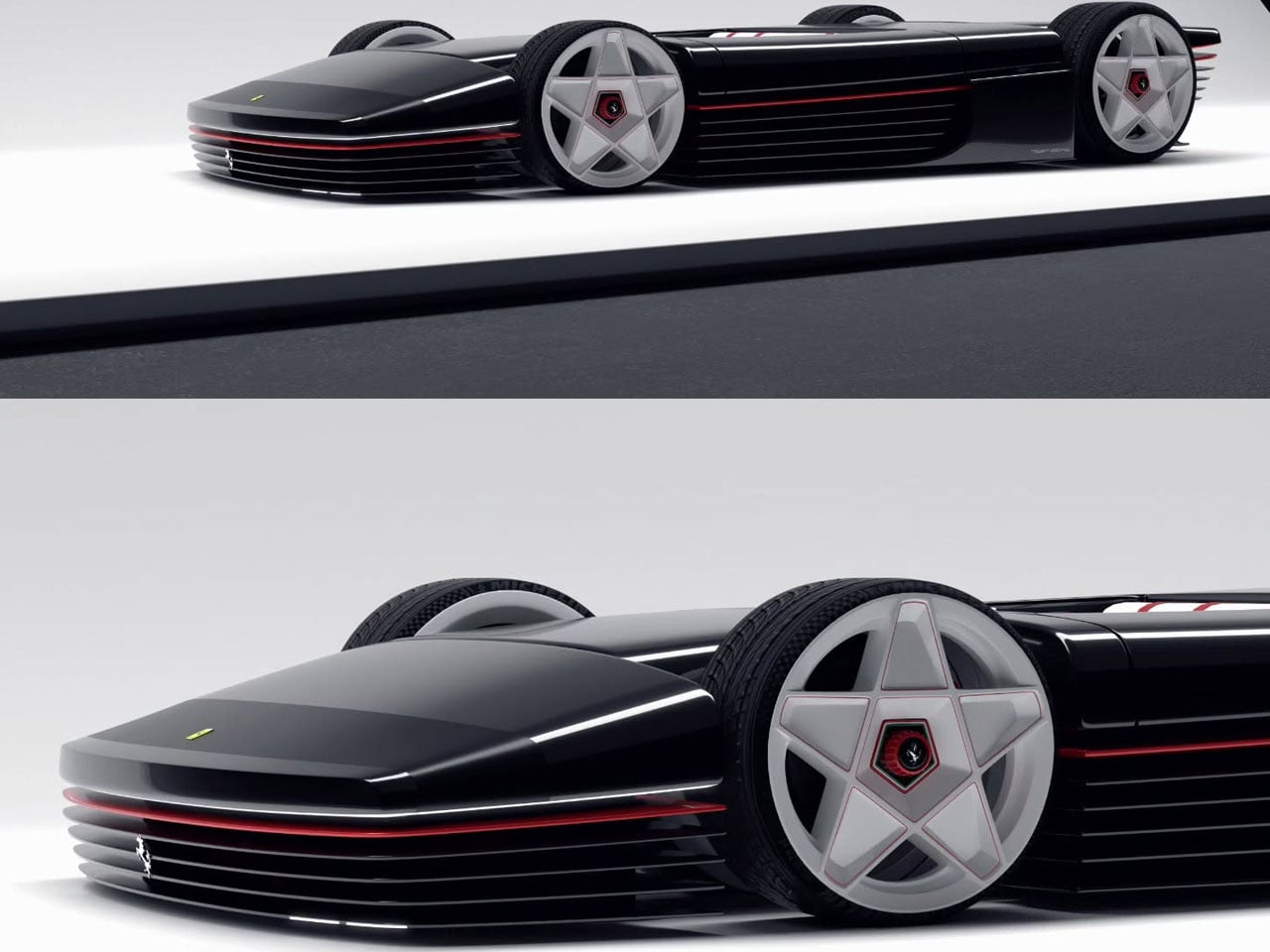
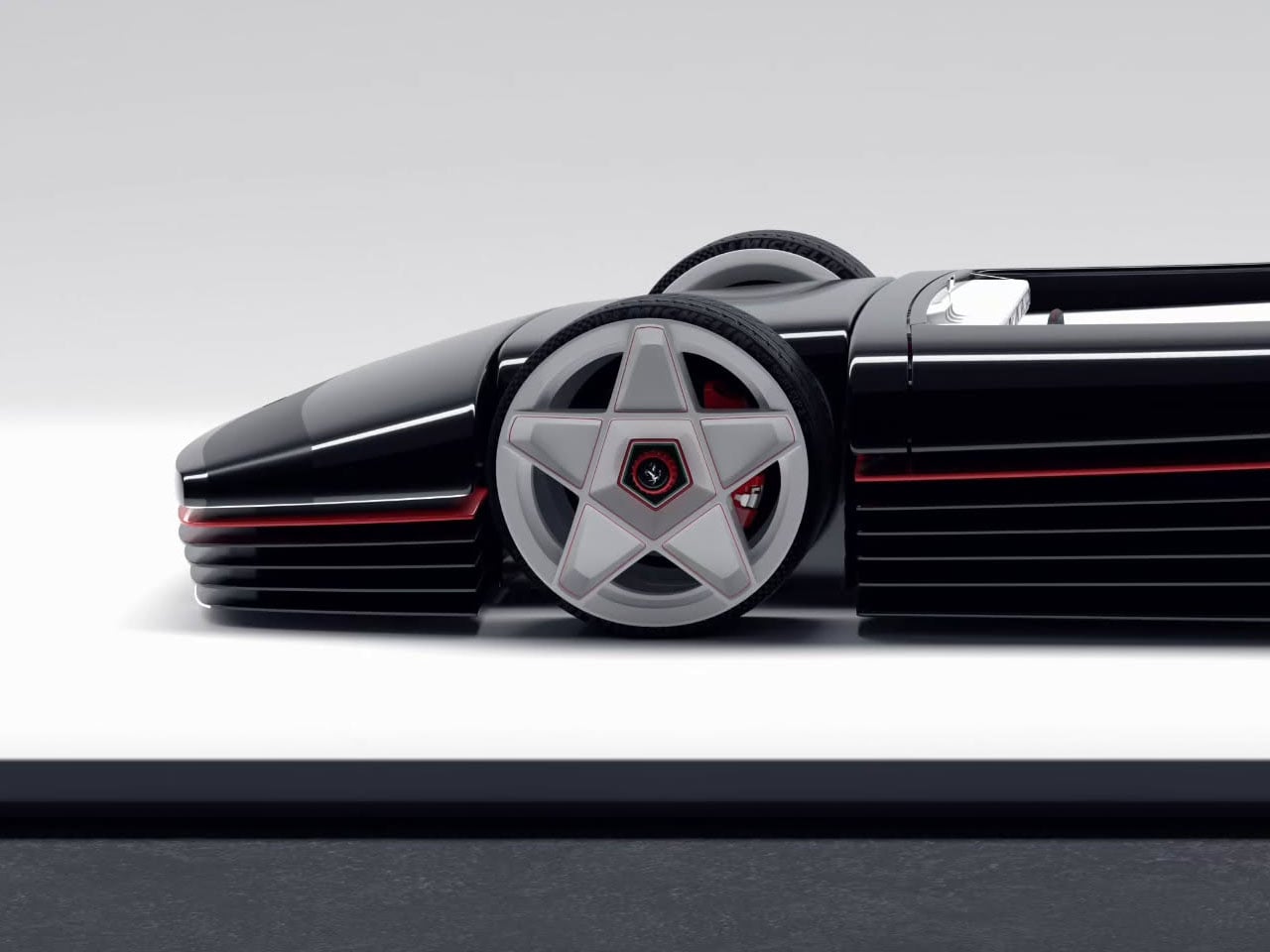
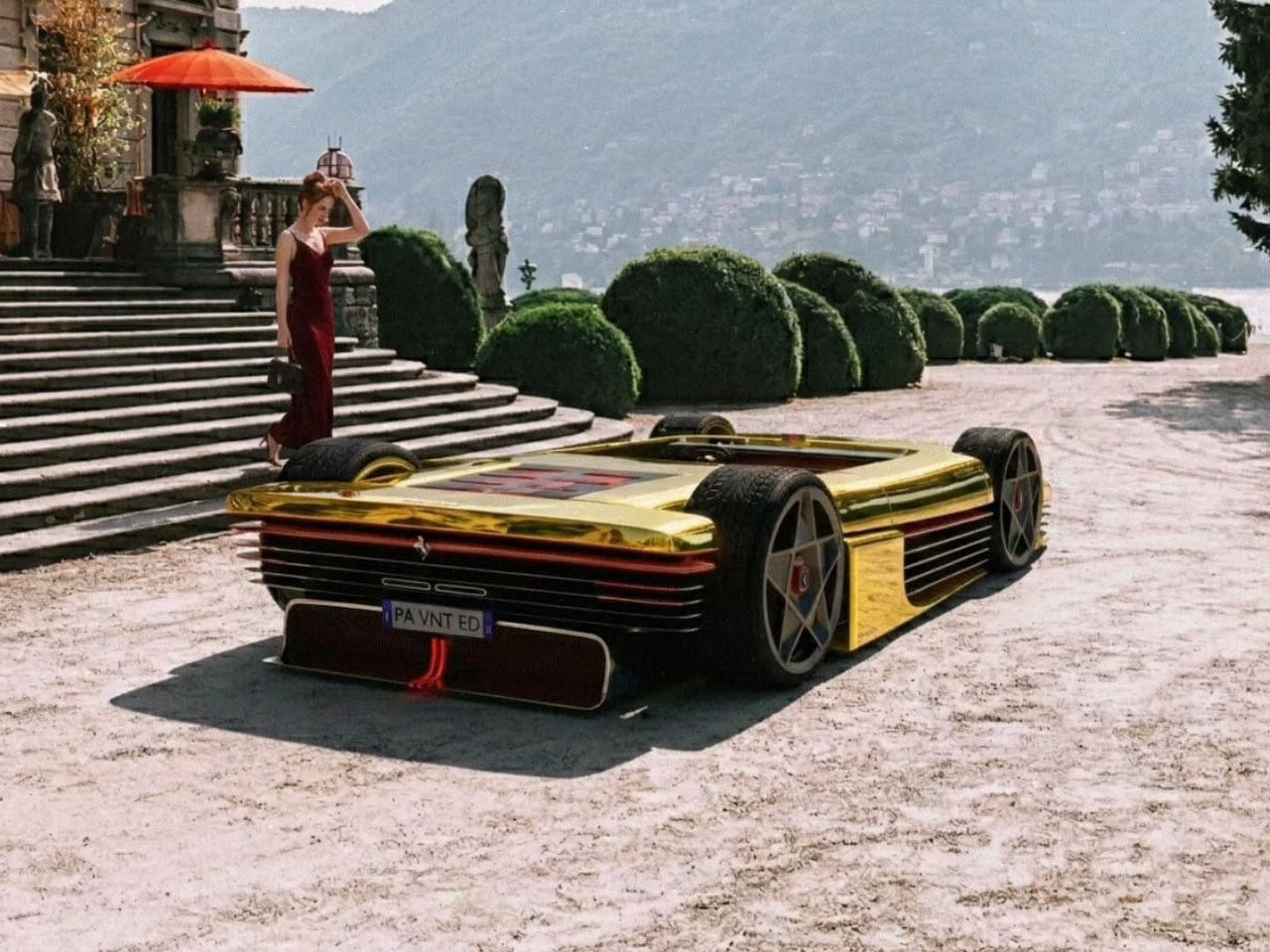
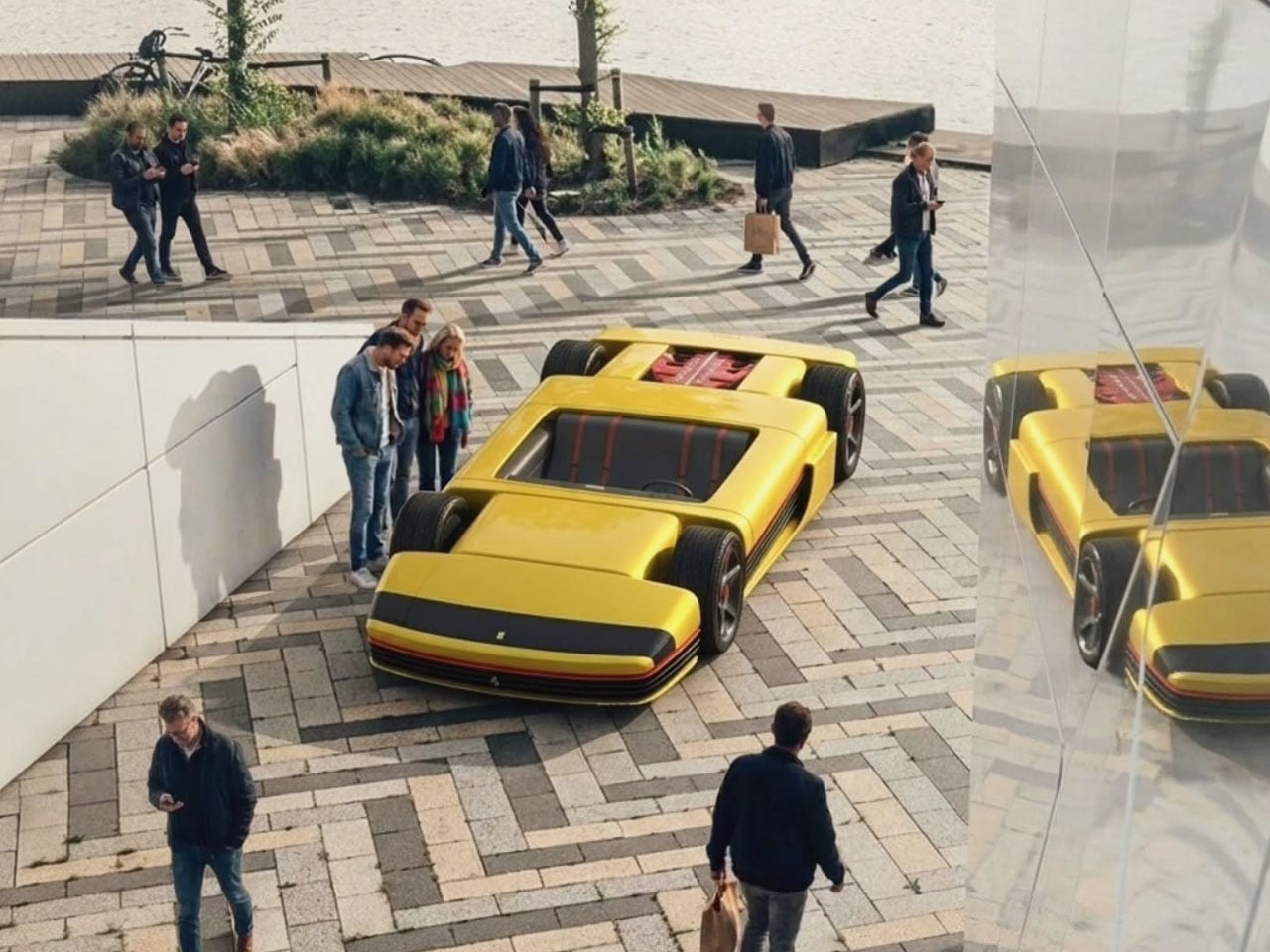
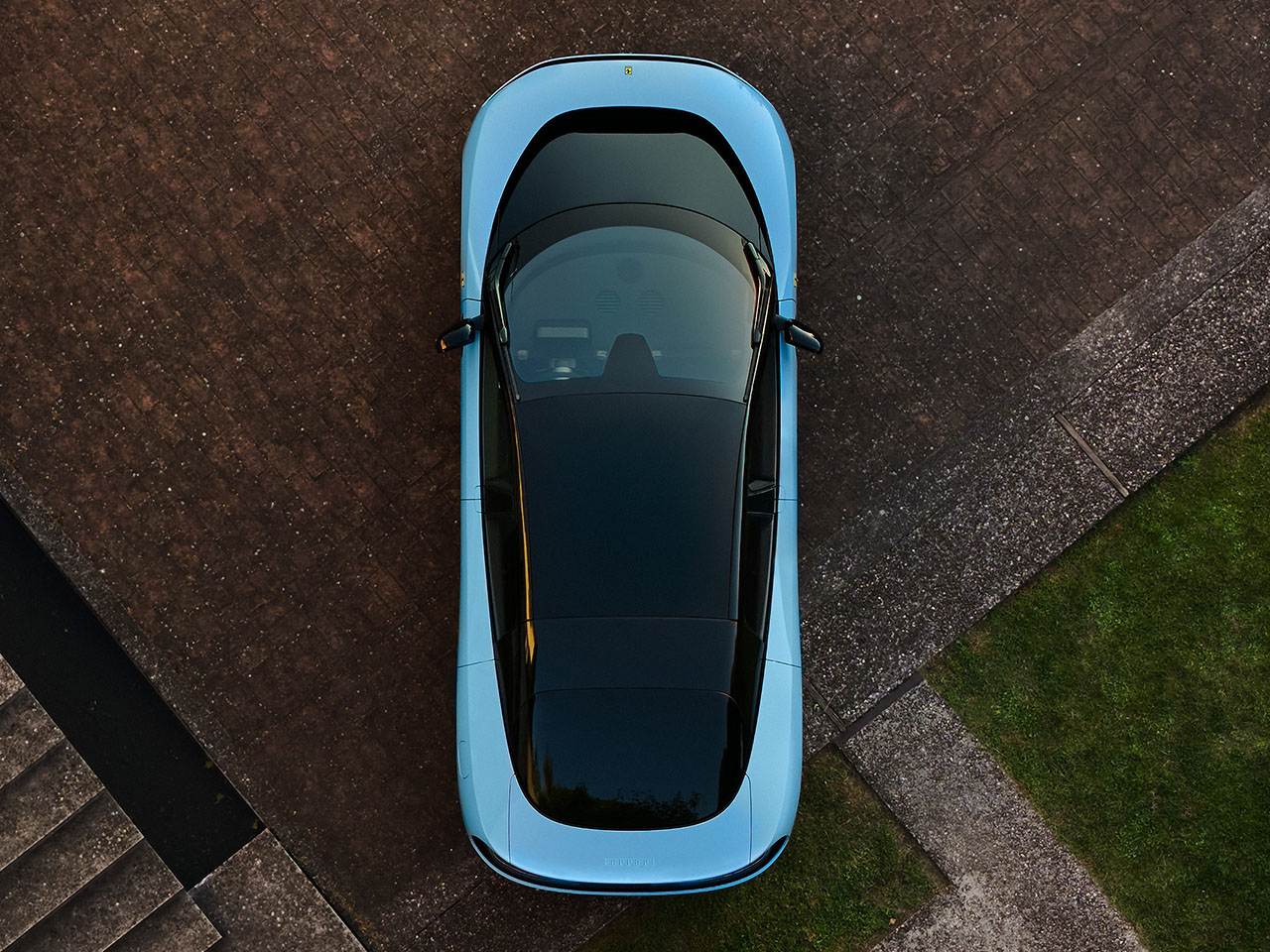
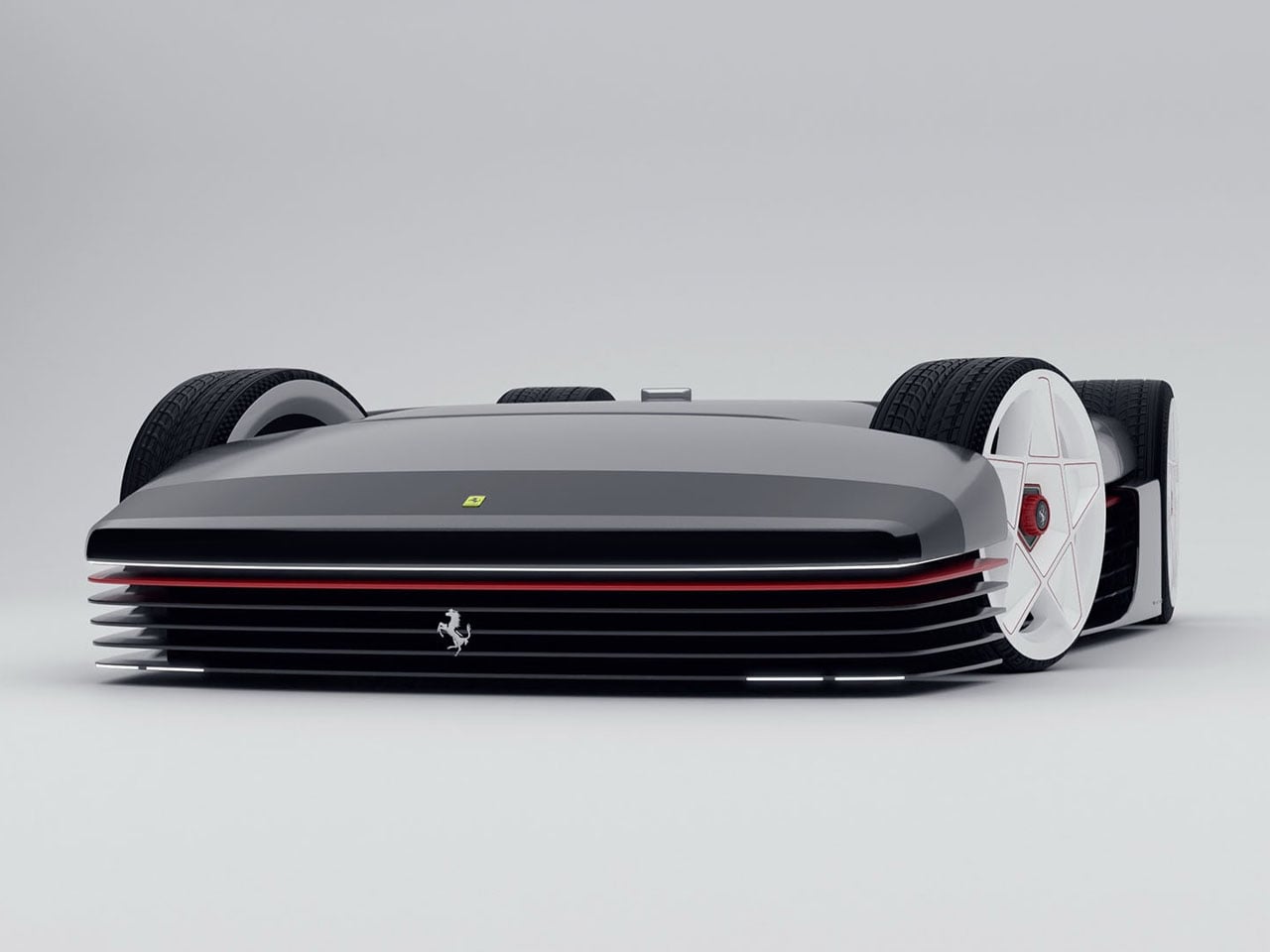
What defines the concept is its pure geometric design language, which cliches the usual Ferrari territory, yet it manages to adapt the core Ferrari DNA in a very unassuming manner. That DNA comes from the Pininfarina-designed Testarossa, preserving the 12-cylinder mid-engine sports car’s skeletal. The side stakes and width are more synthetic in their adaptation, while the side profile and the front and rear sections of the body give off PlayStation vibes.

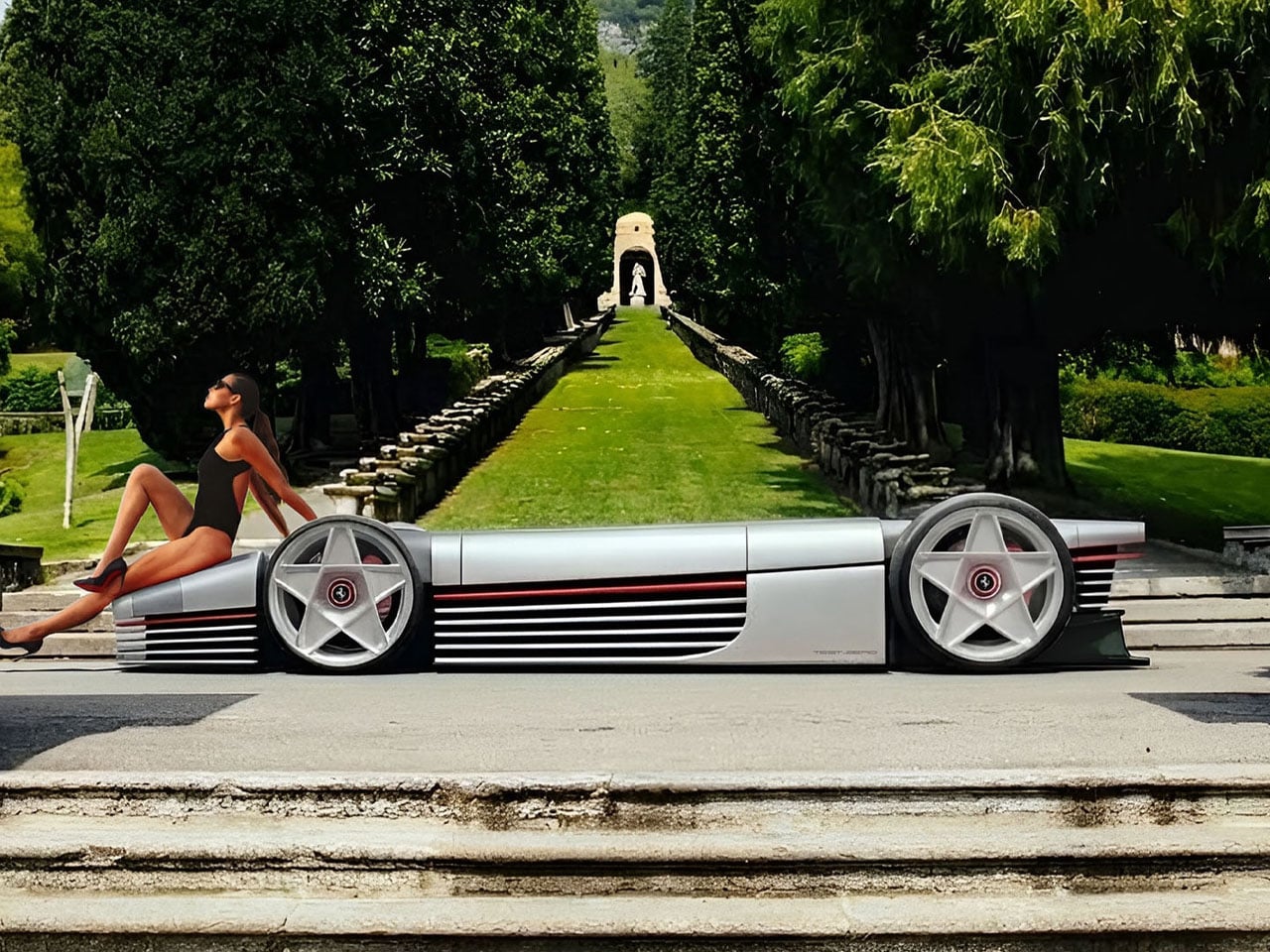
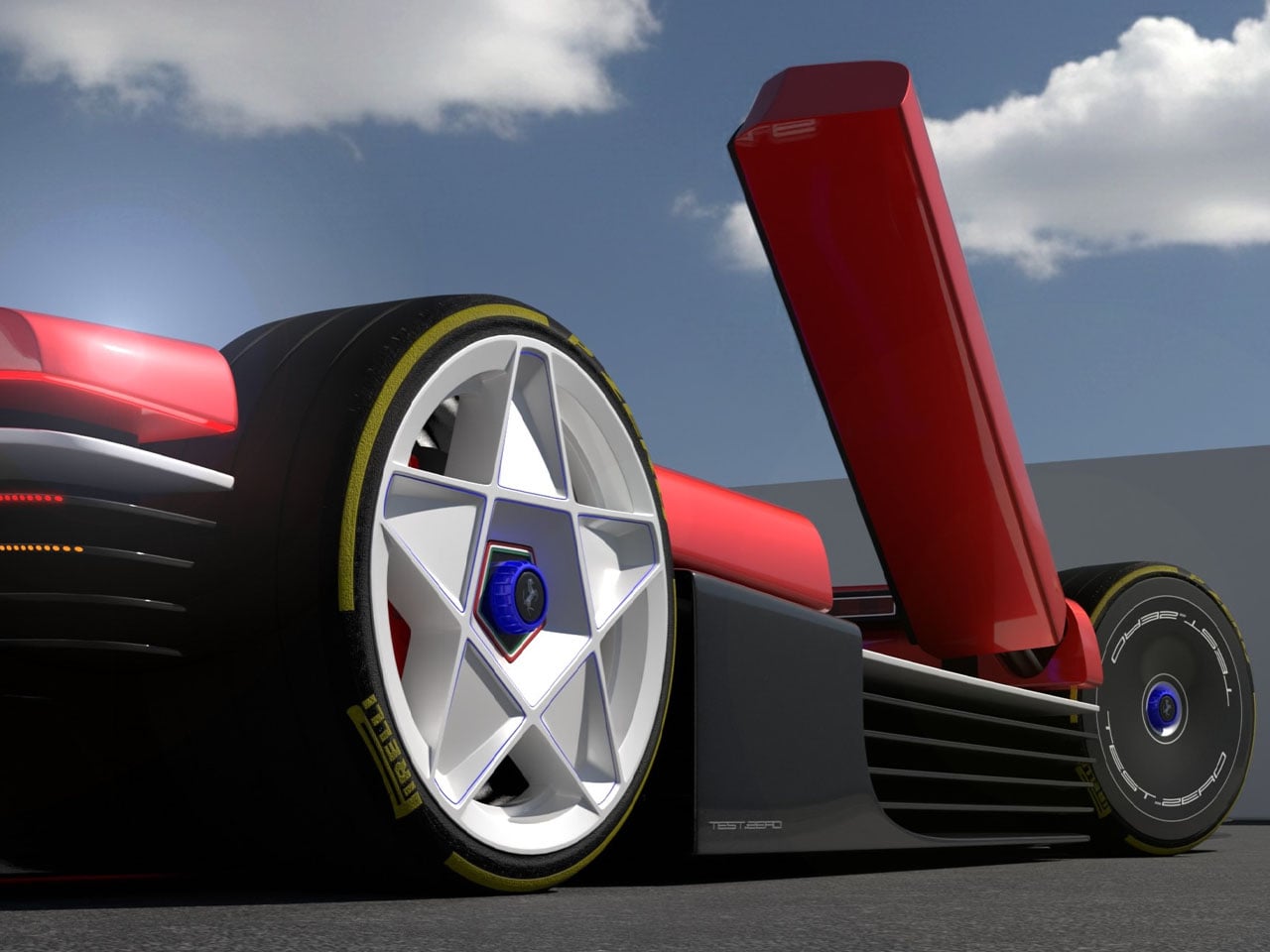
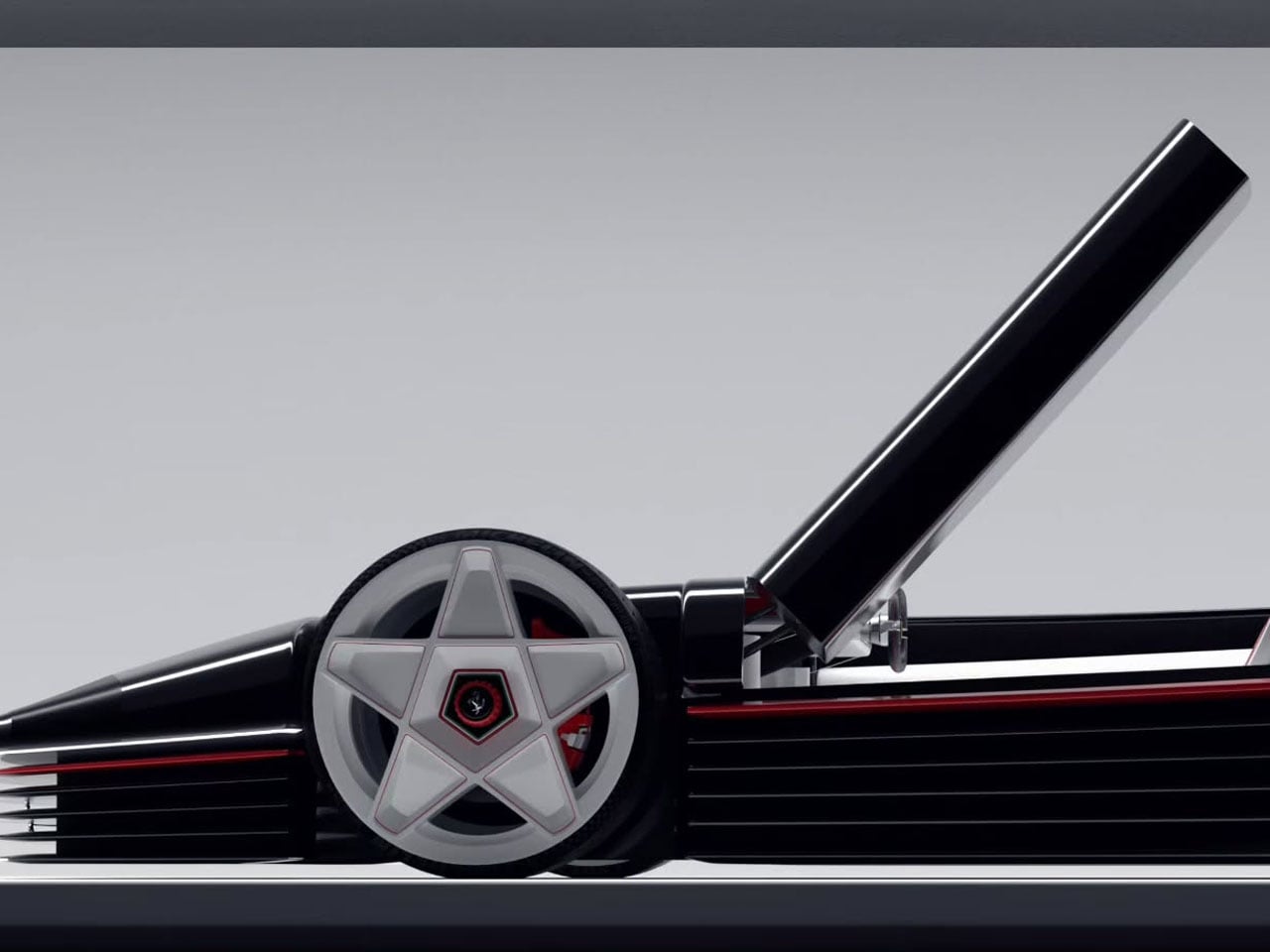
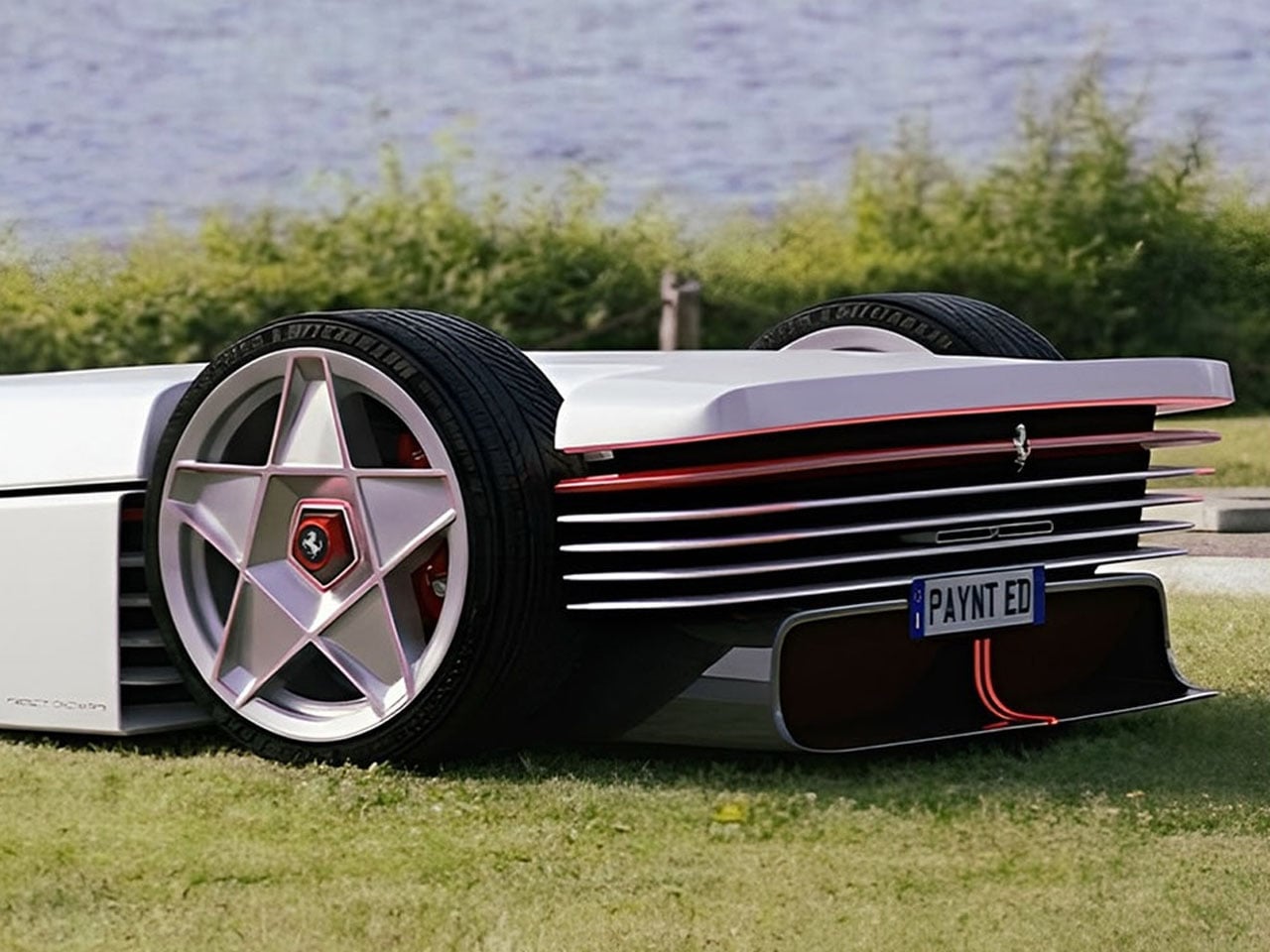
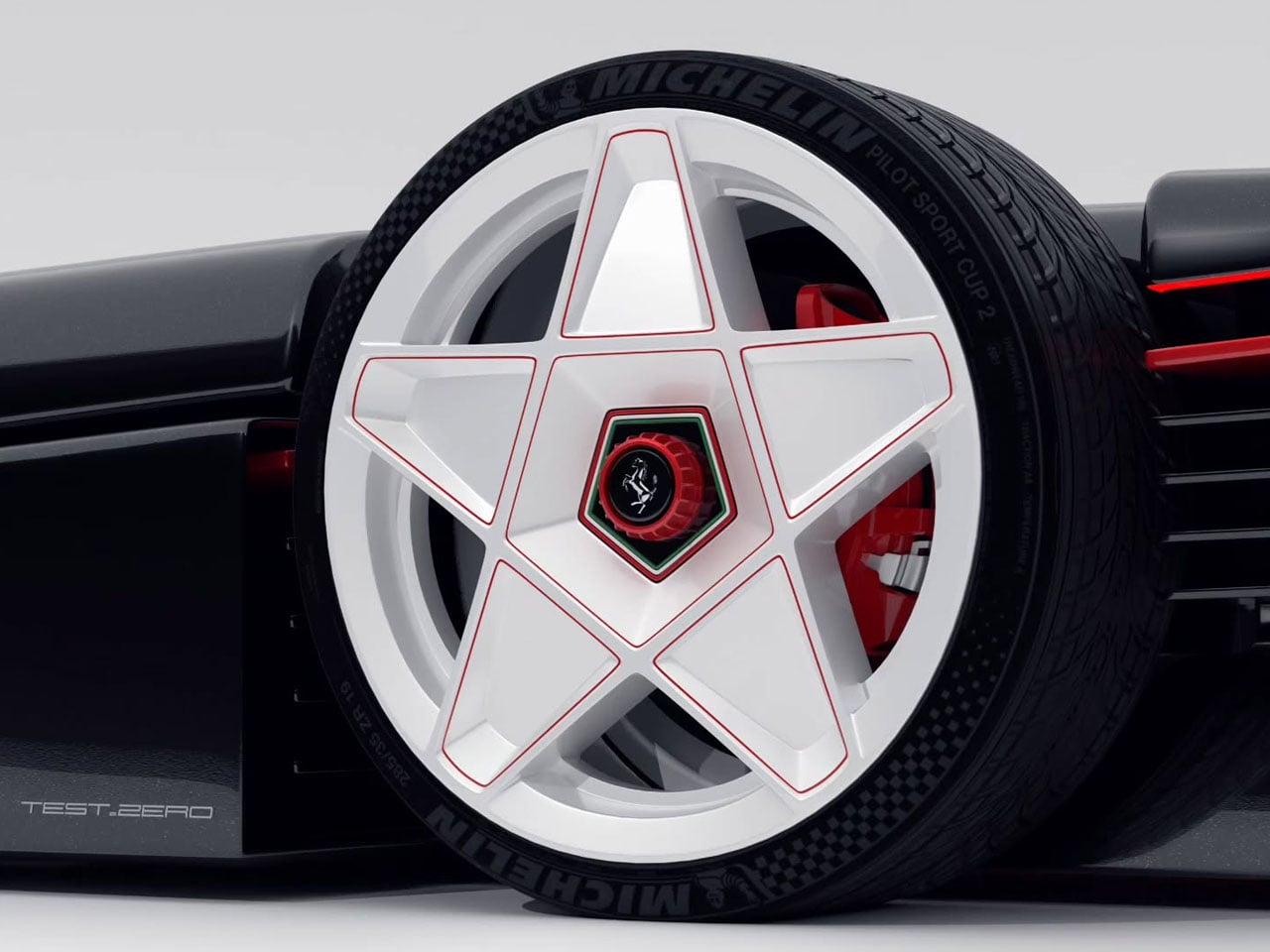
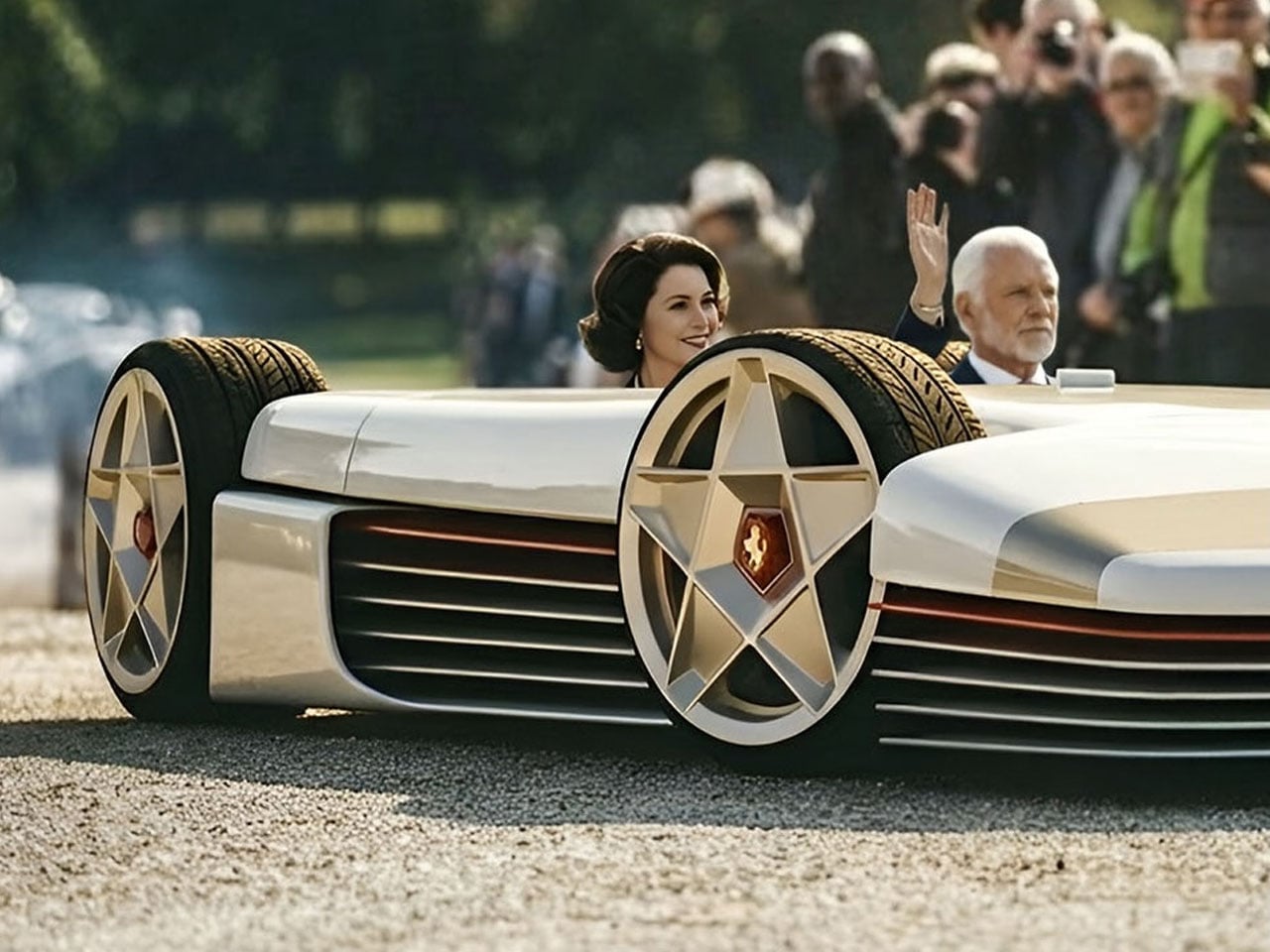
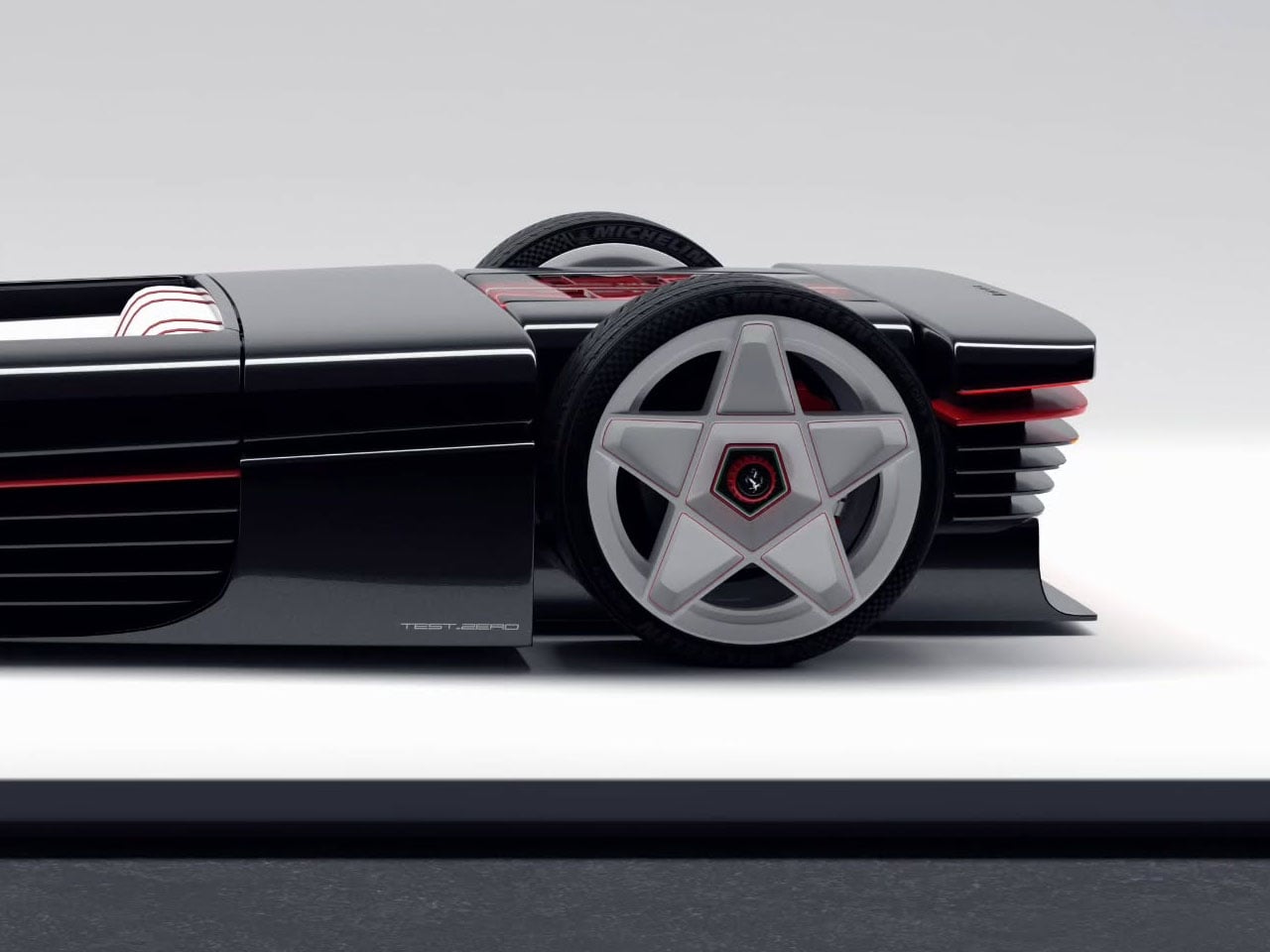
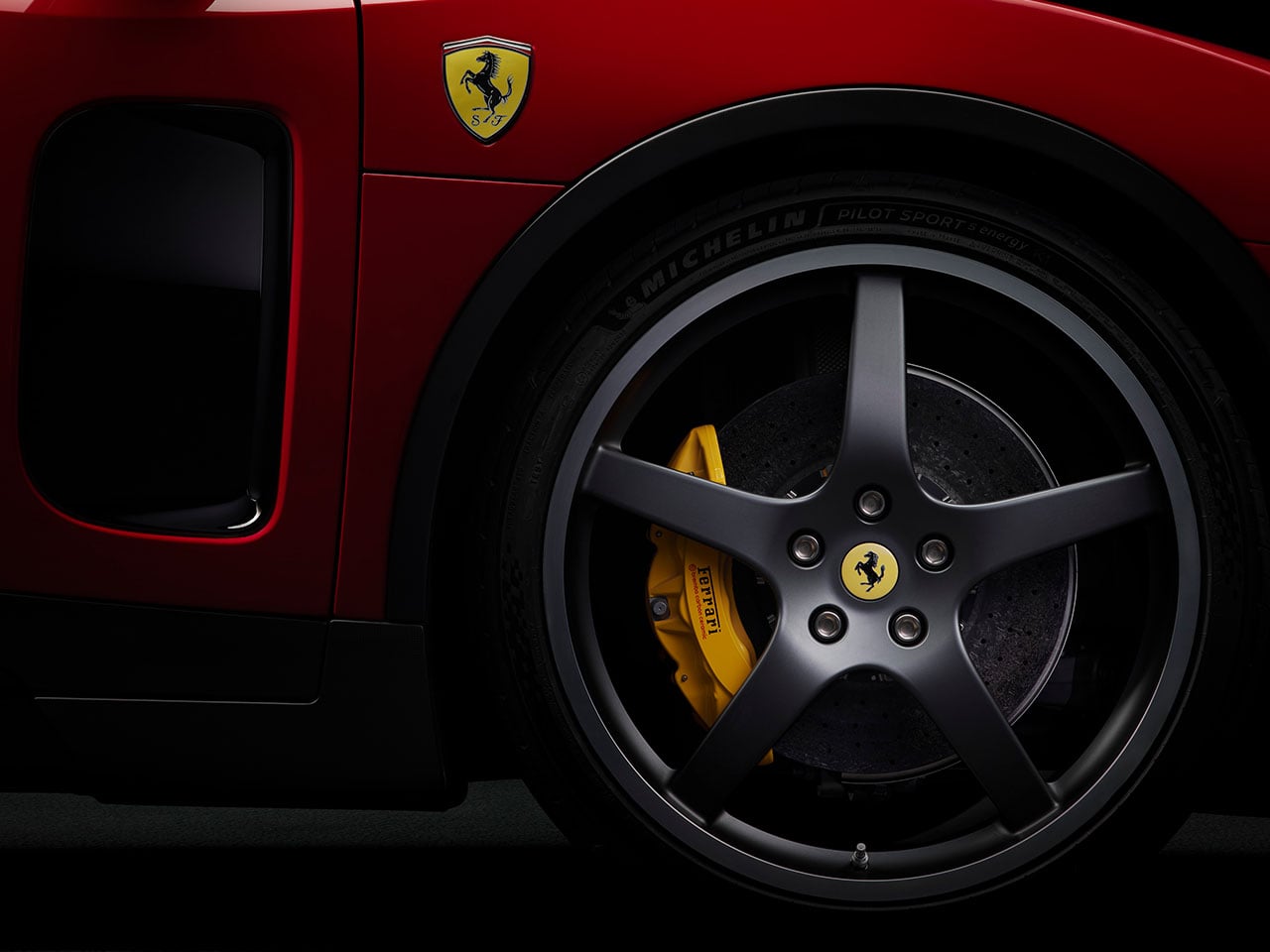
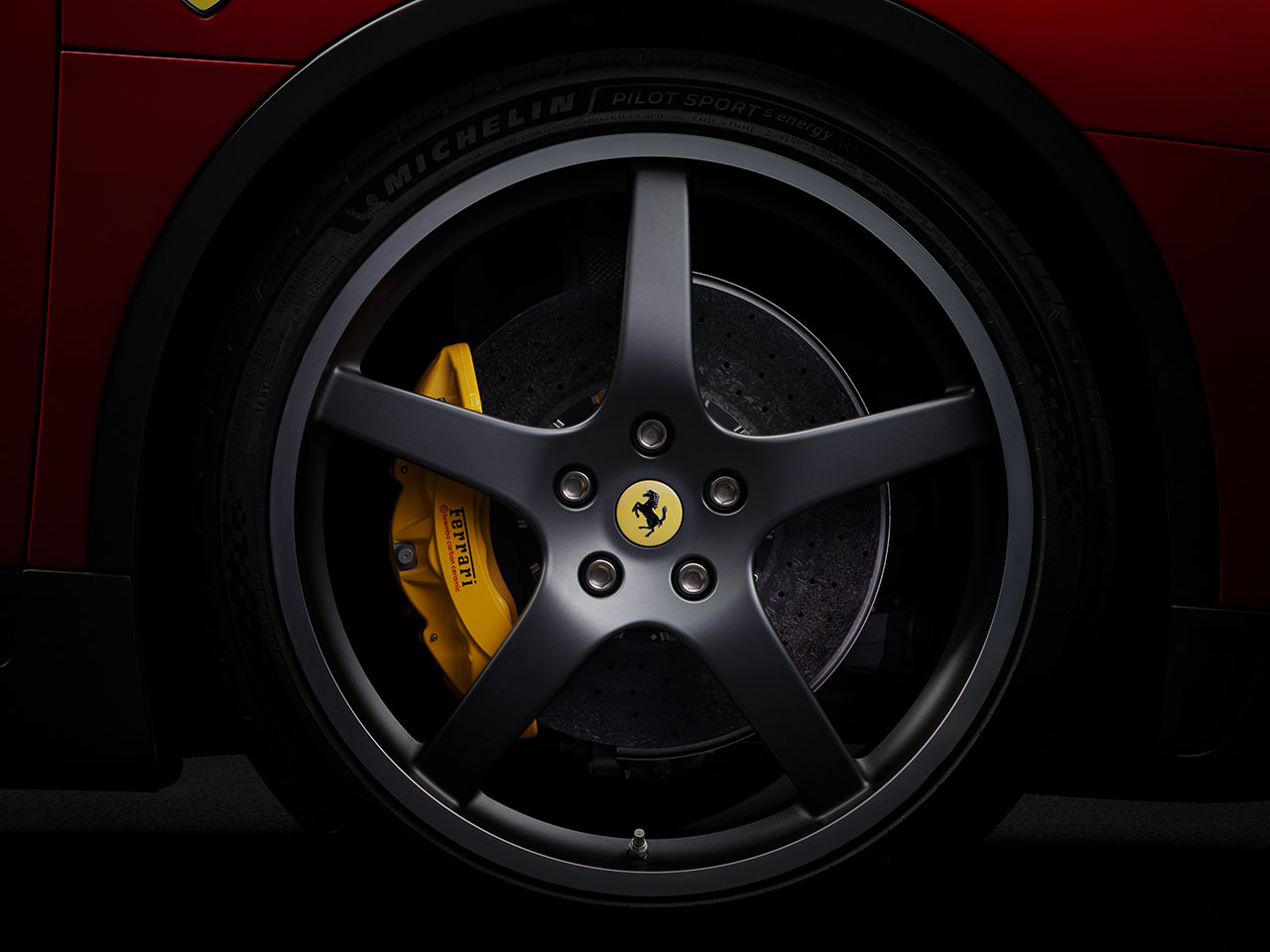
The body has a very low-slung presence with the skirtings hugging the tarmac, barely having a paper-thin distance between. Knee up, and you have everything chopped off literally. The body above the wheels, forged by Spanish firm Llagos Design, simply doesn’t exist, giving new meaning to open-air roadster fun on a cozy tropical evening drive. Those five-spoke wheels are inspired by the Maranello Sport Prototypes of the late 1960s, and they matter ever so much more in this concept as they are the focal point.

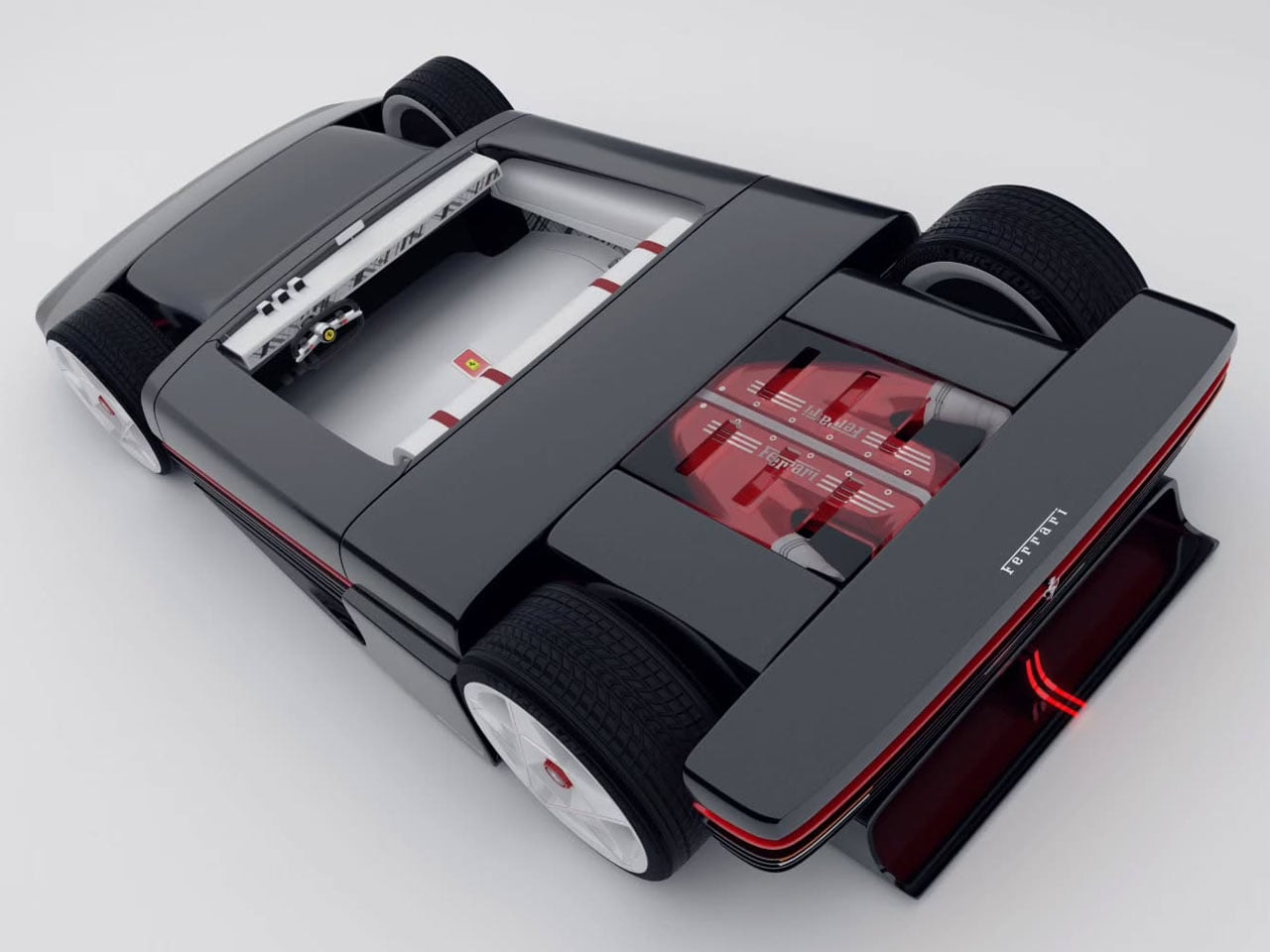
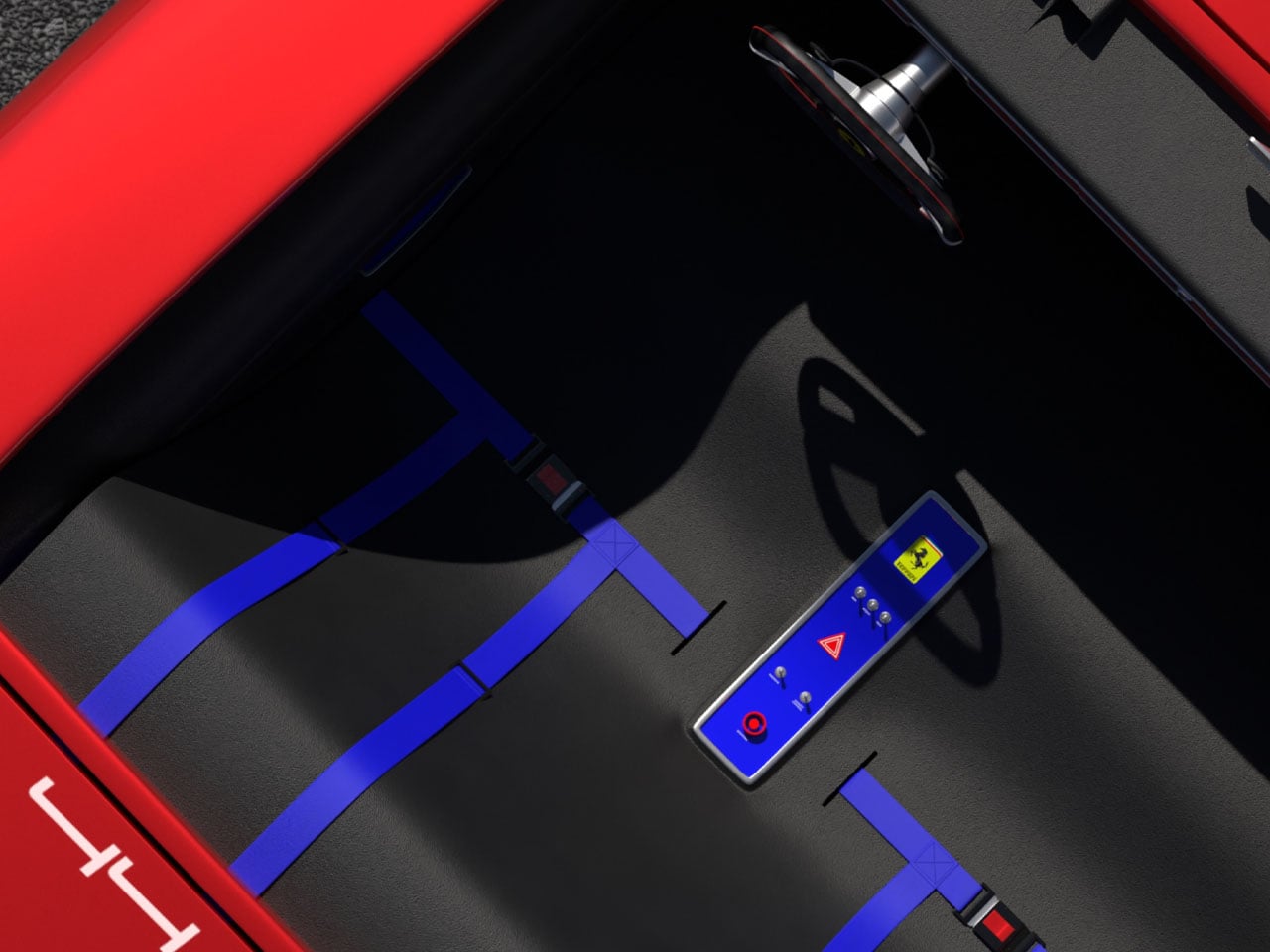
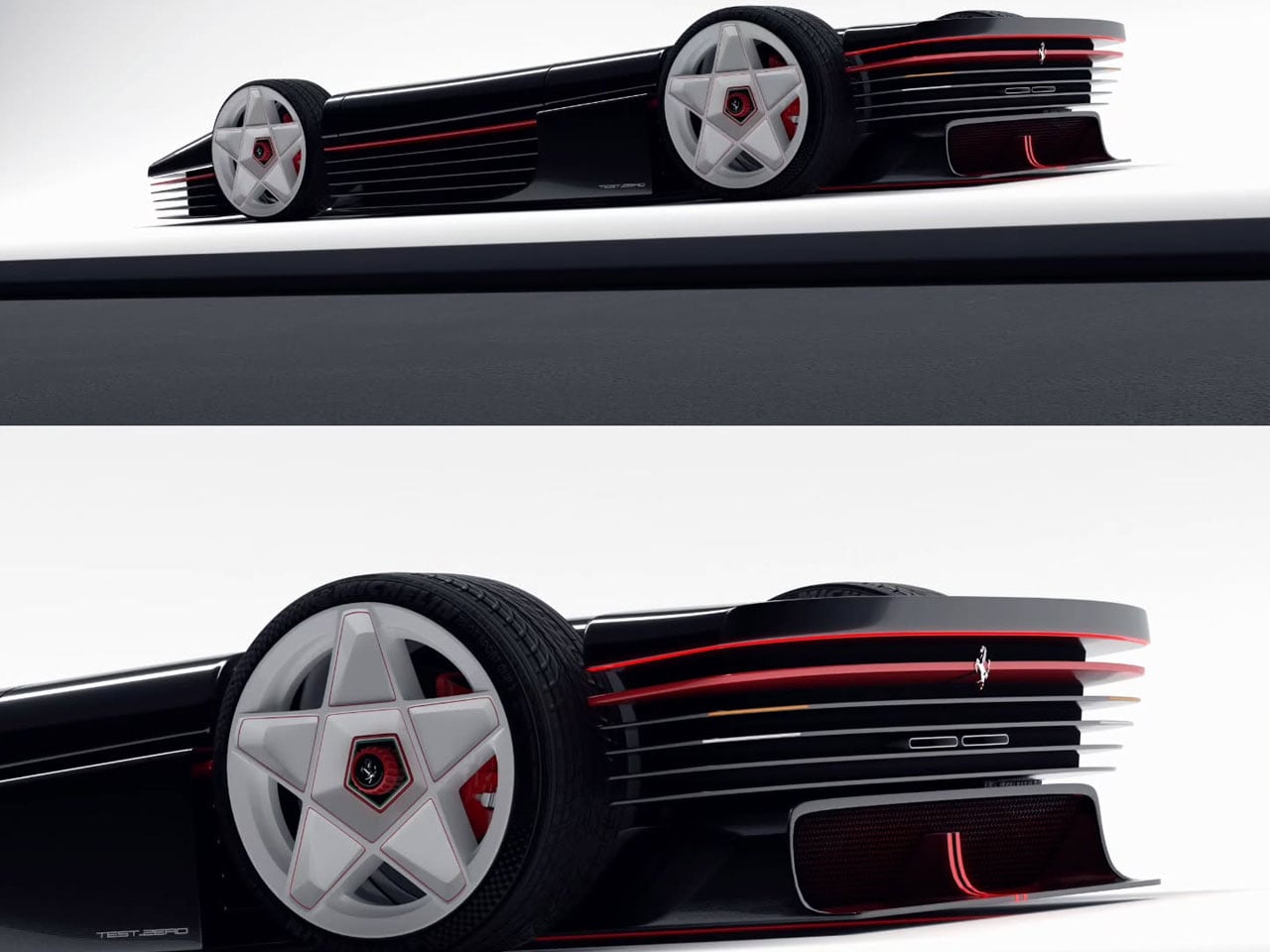
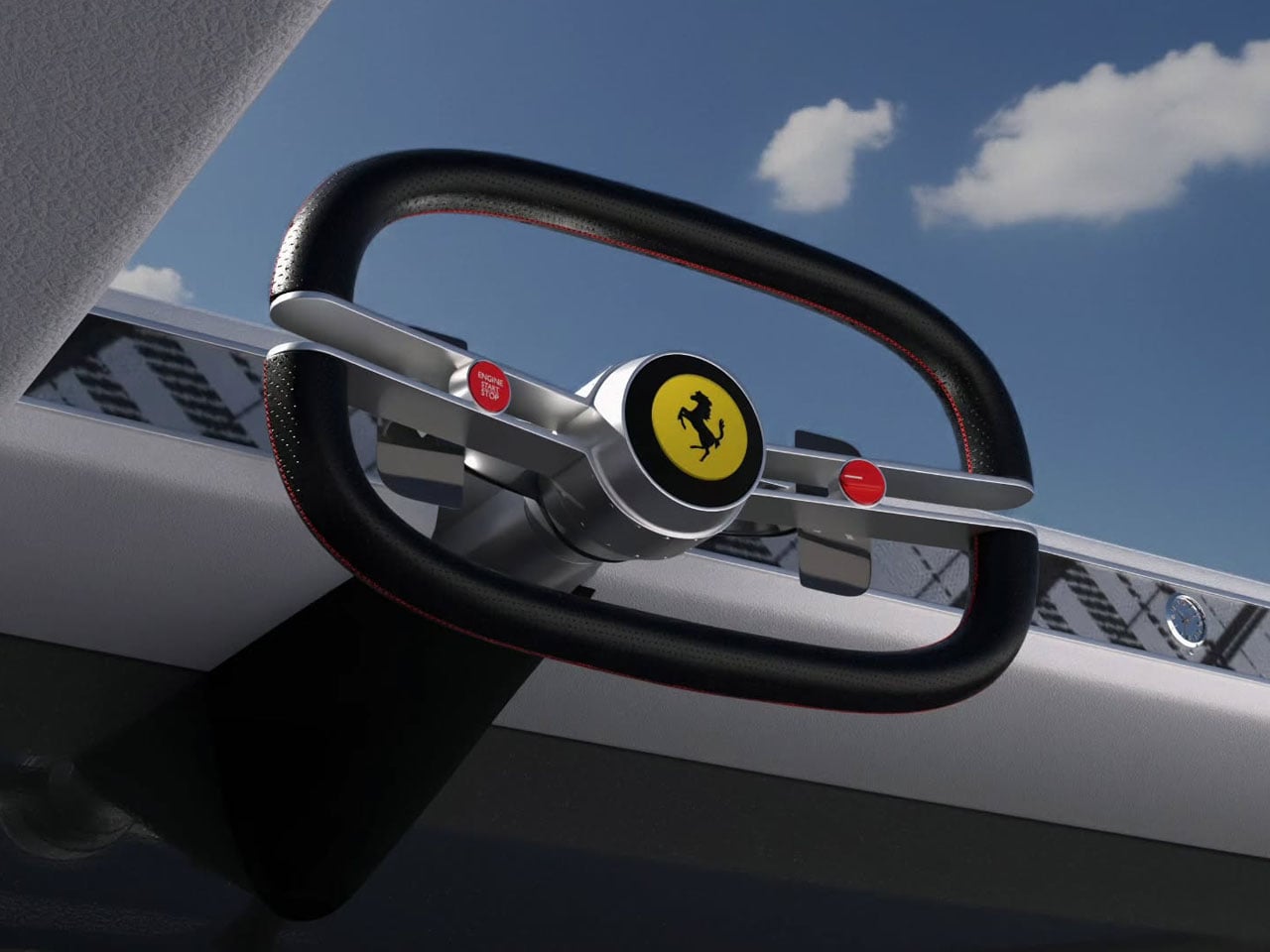
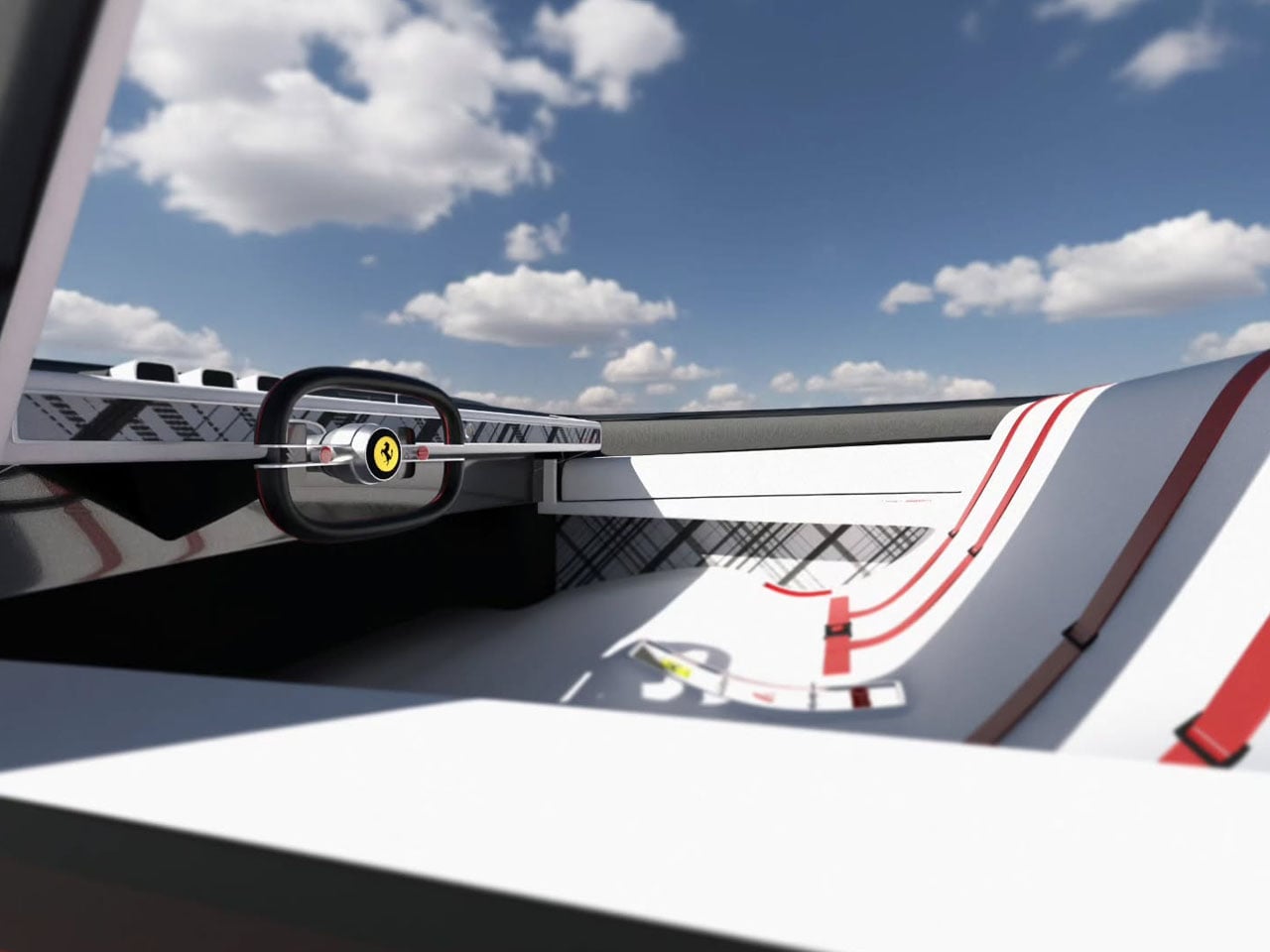
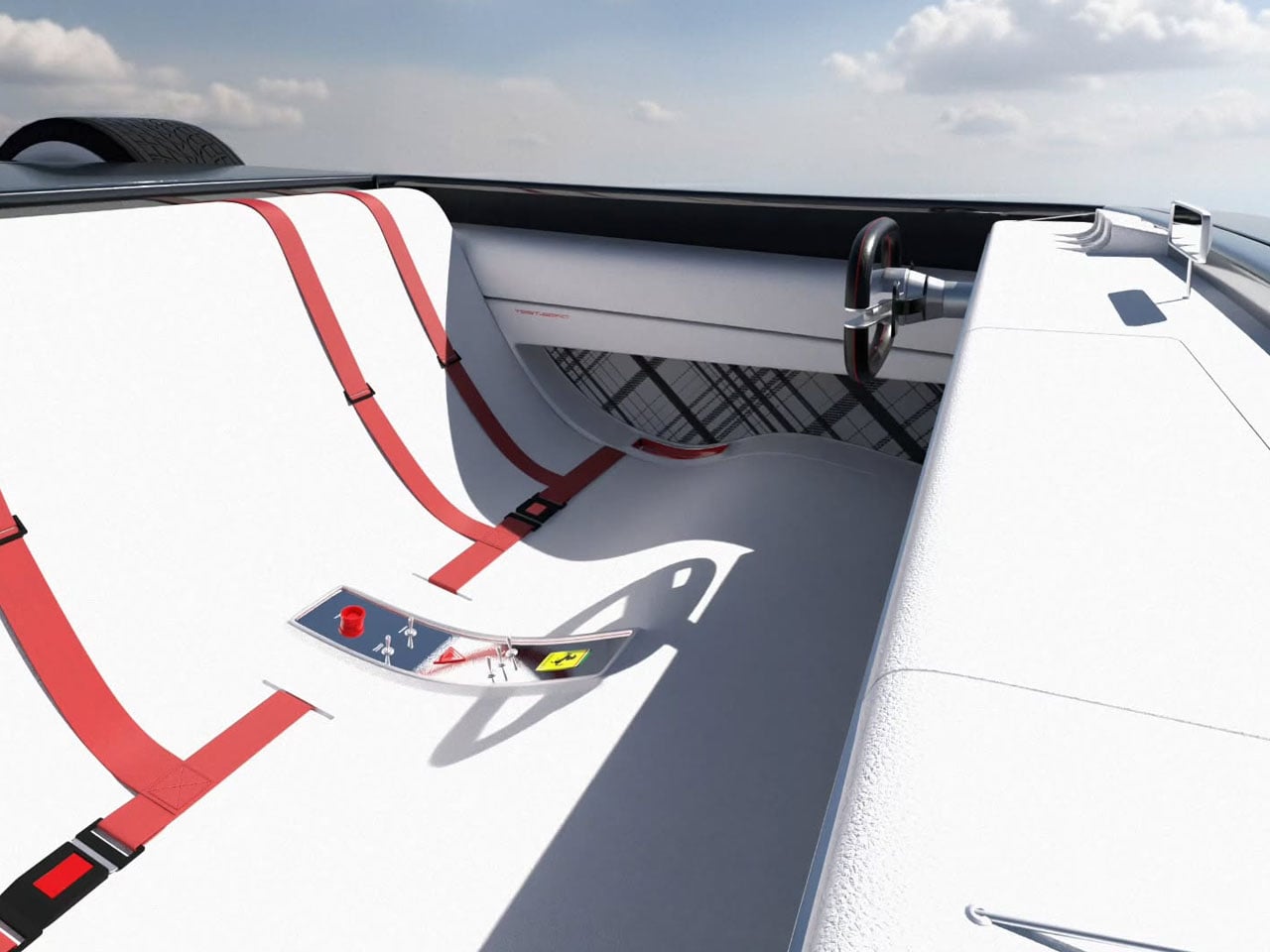
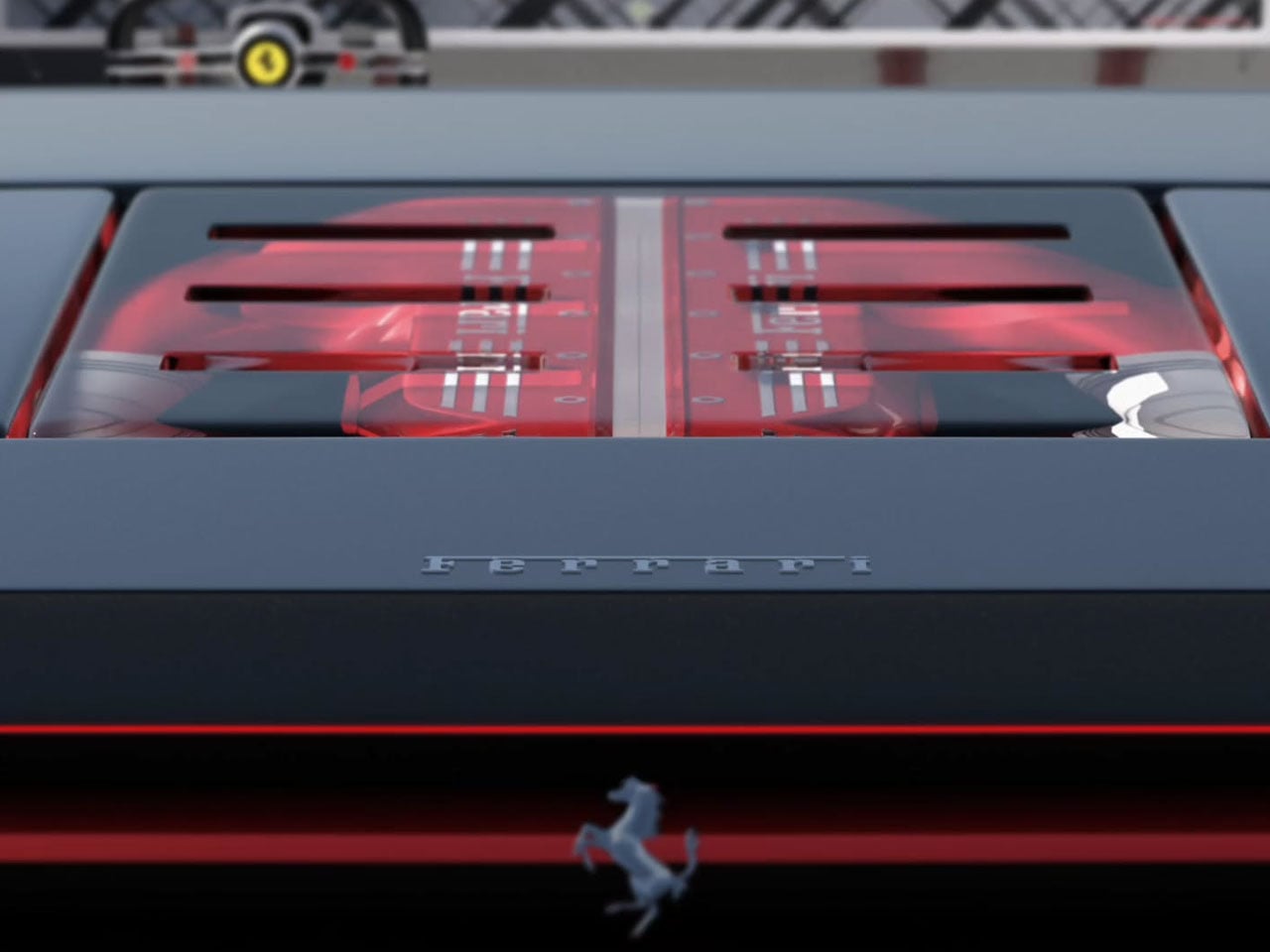
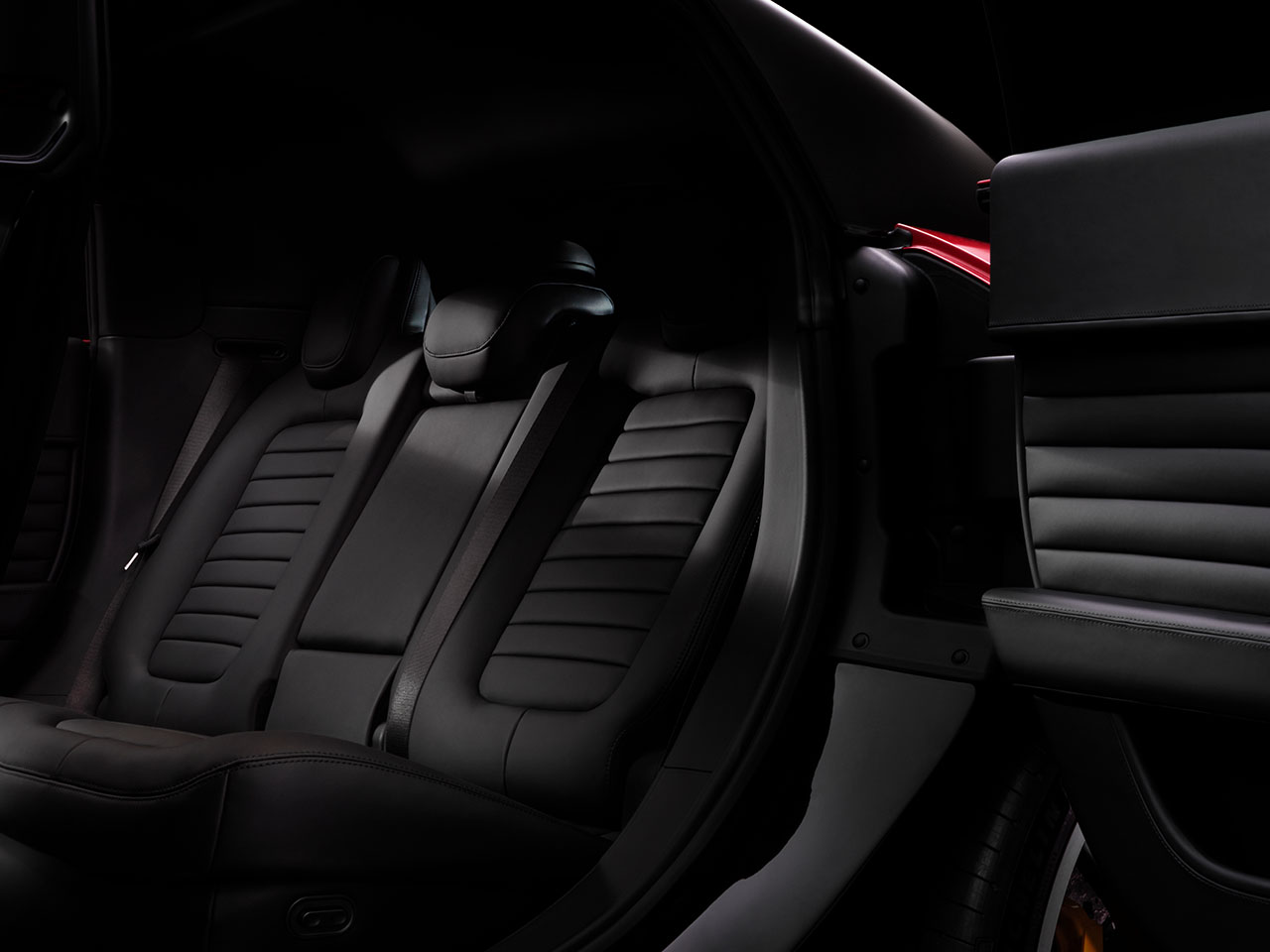
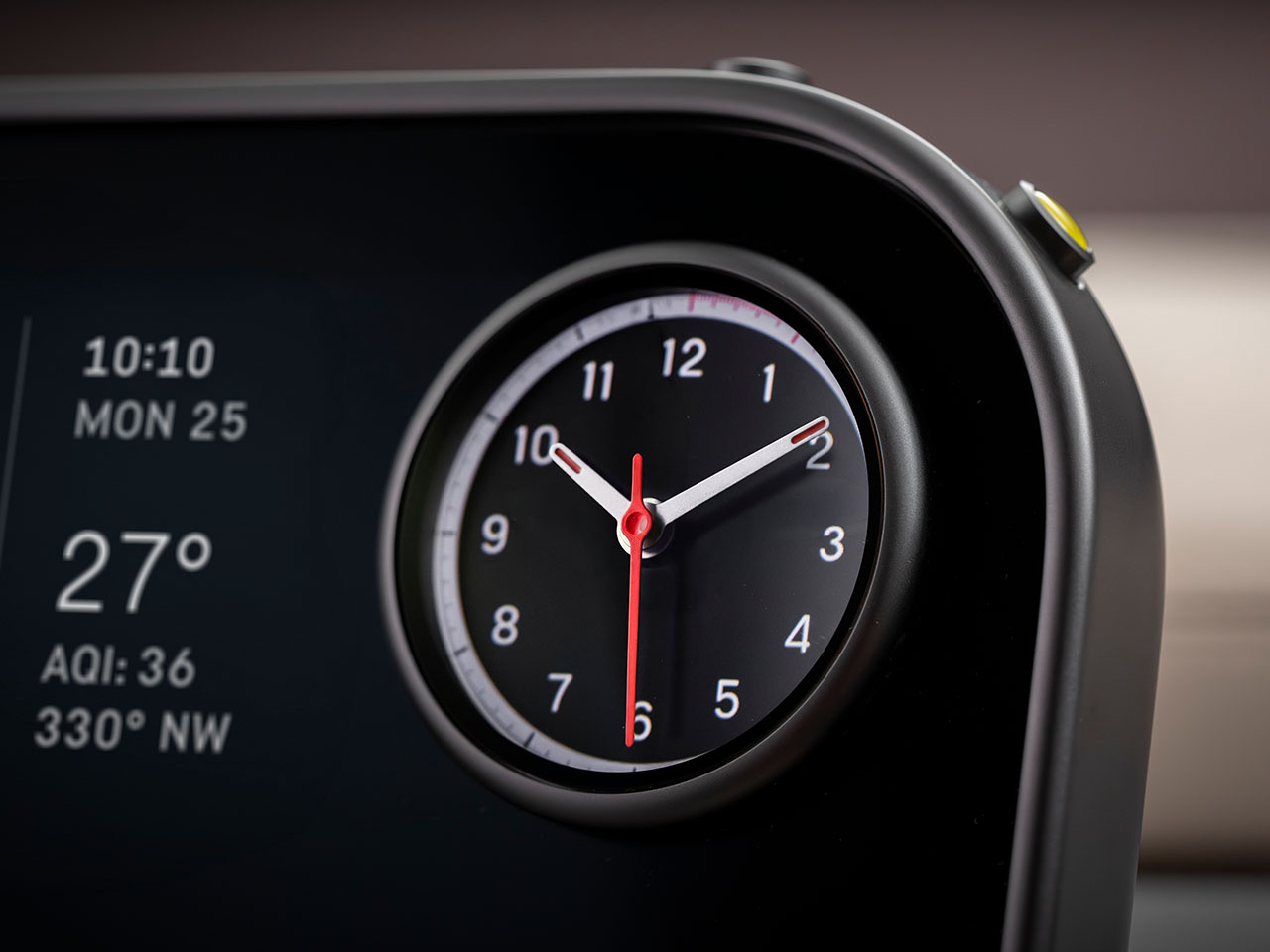
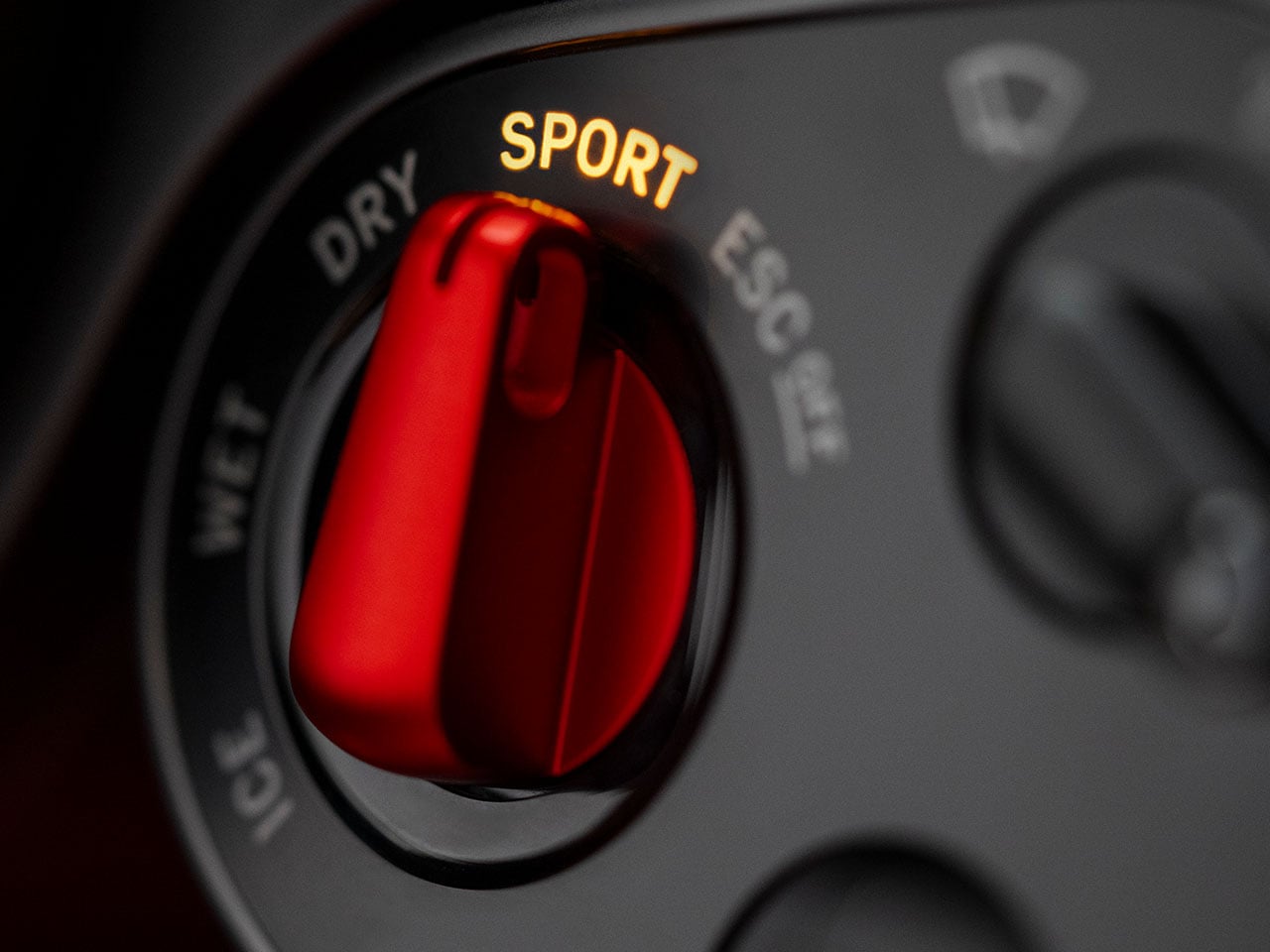
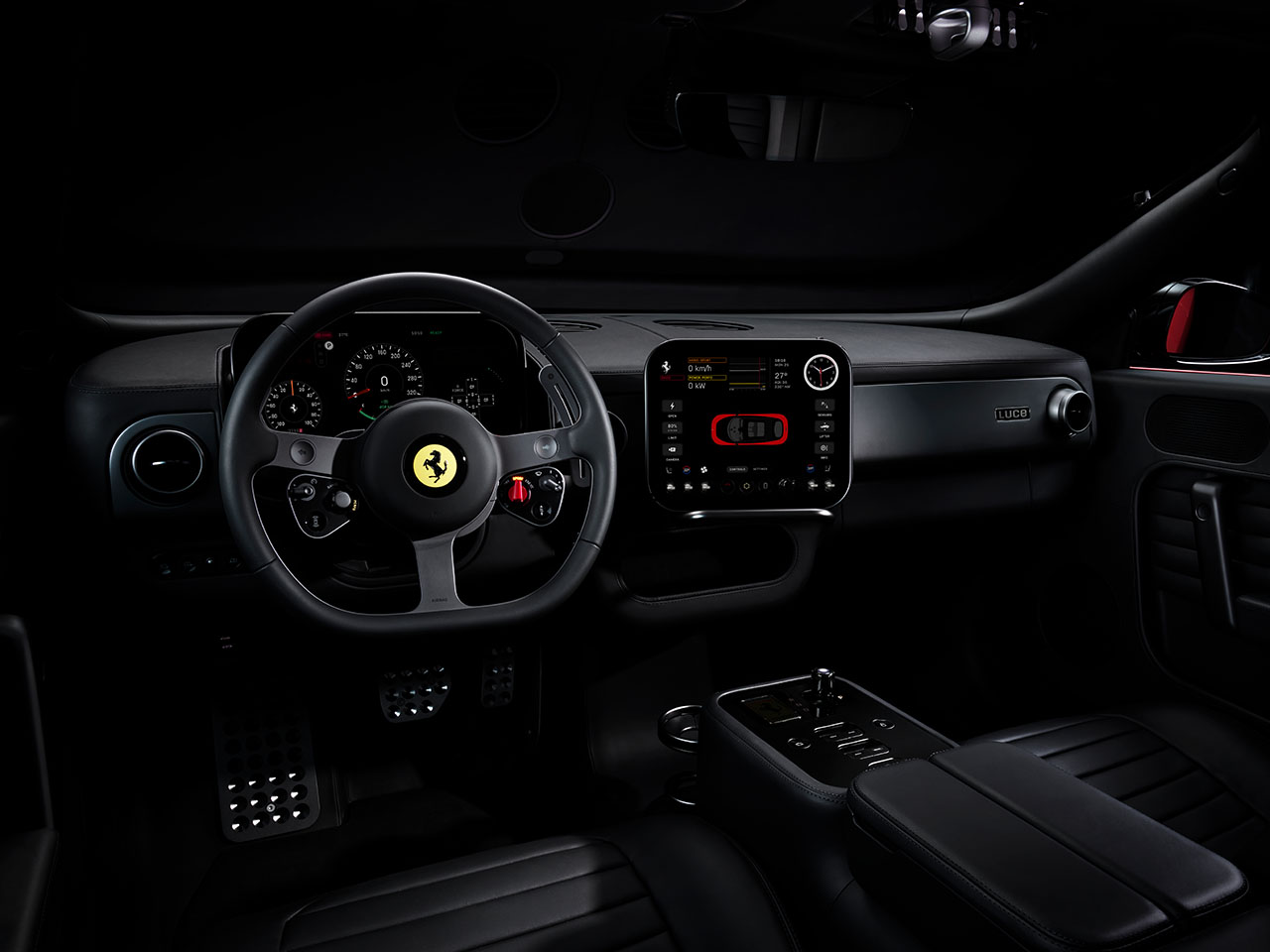
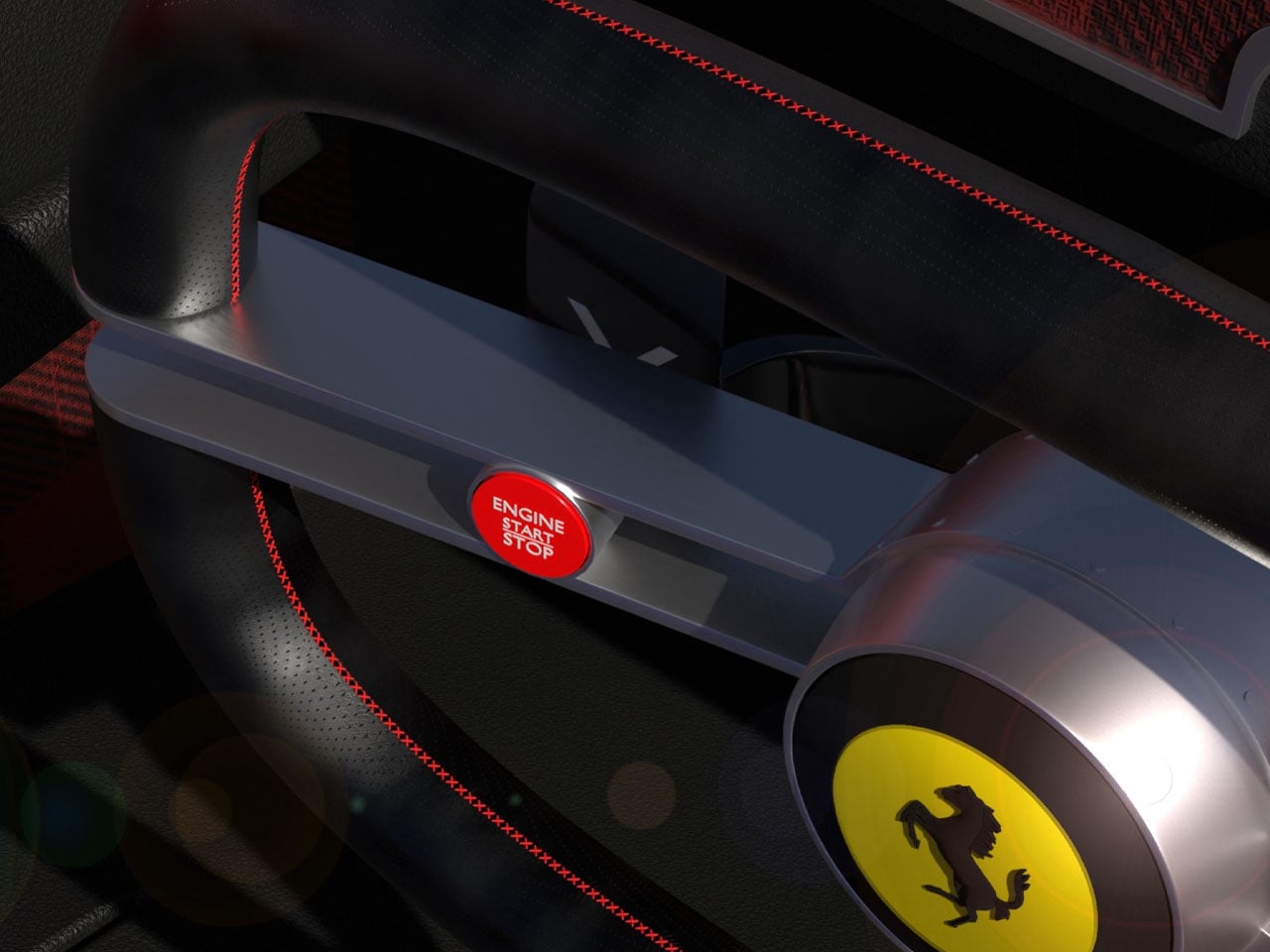
The rear-wheel-drive TESTaZERO accommodates the V6 engine in a see-through compartment on the flat rear. Flush in the middle is the space for the two riders who nestle in the minimalist interior of the vehicle. The contoured shape of the unified cabin section is ergonomically designed for comfort as one takes this radical Ferrari on a spin. There are no unnecessary dashboard elements or dials, just the ones necessary for the thrill of driving. The yoke-style steering wheel carries the same minimalist design language.

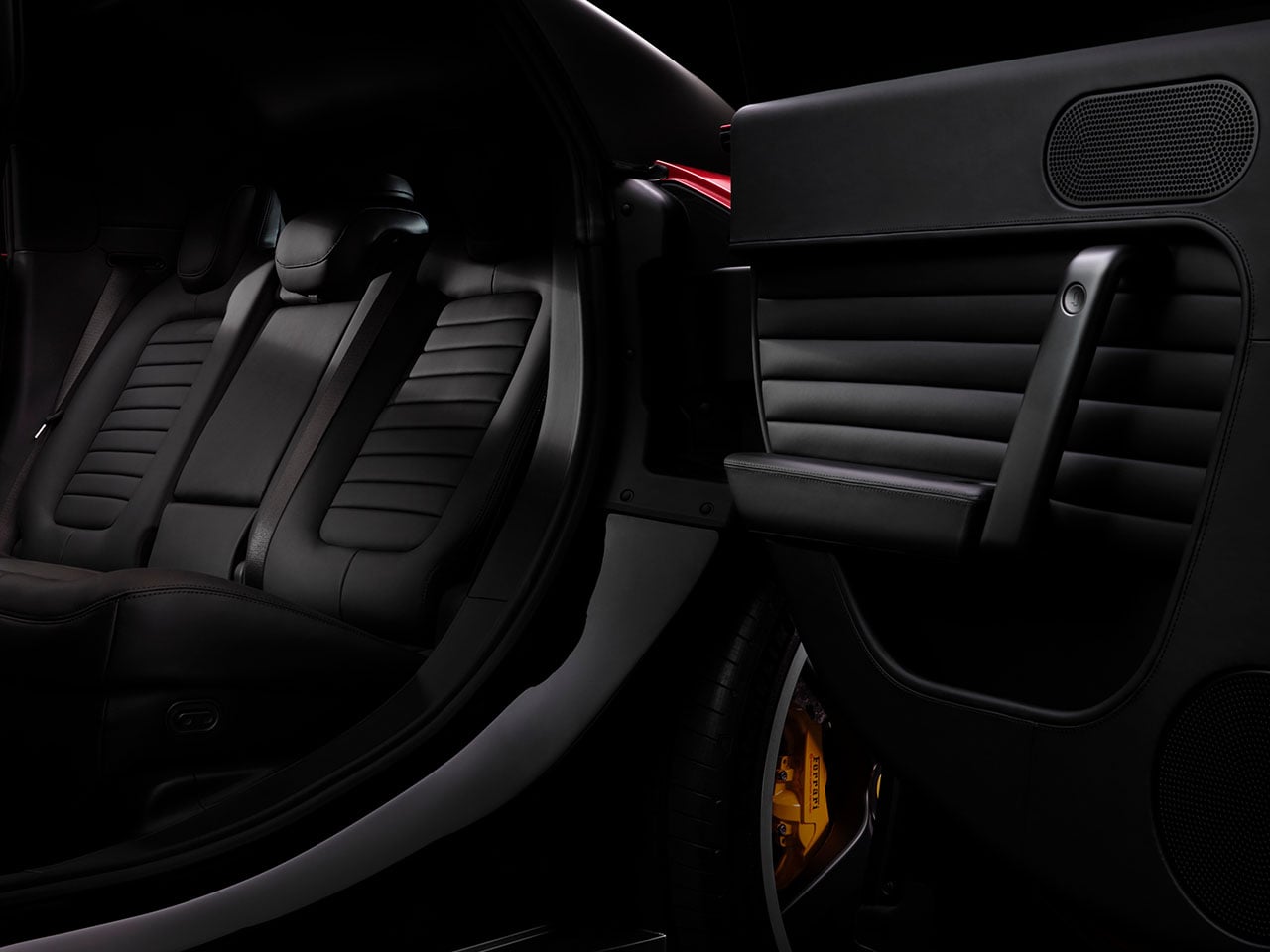
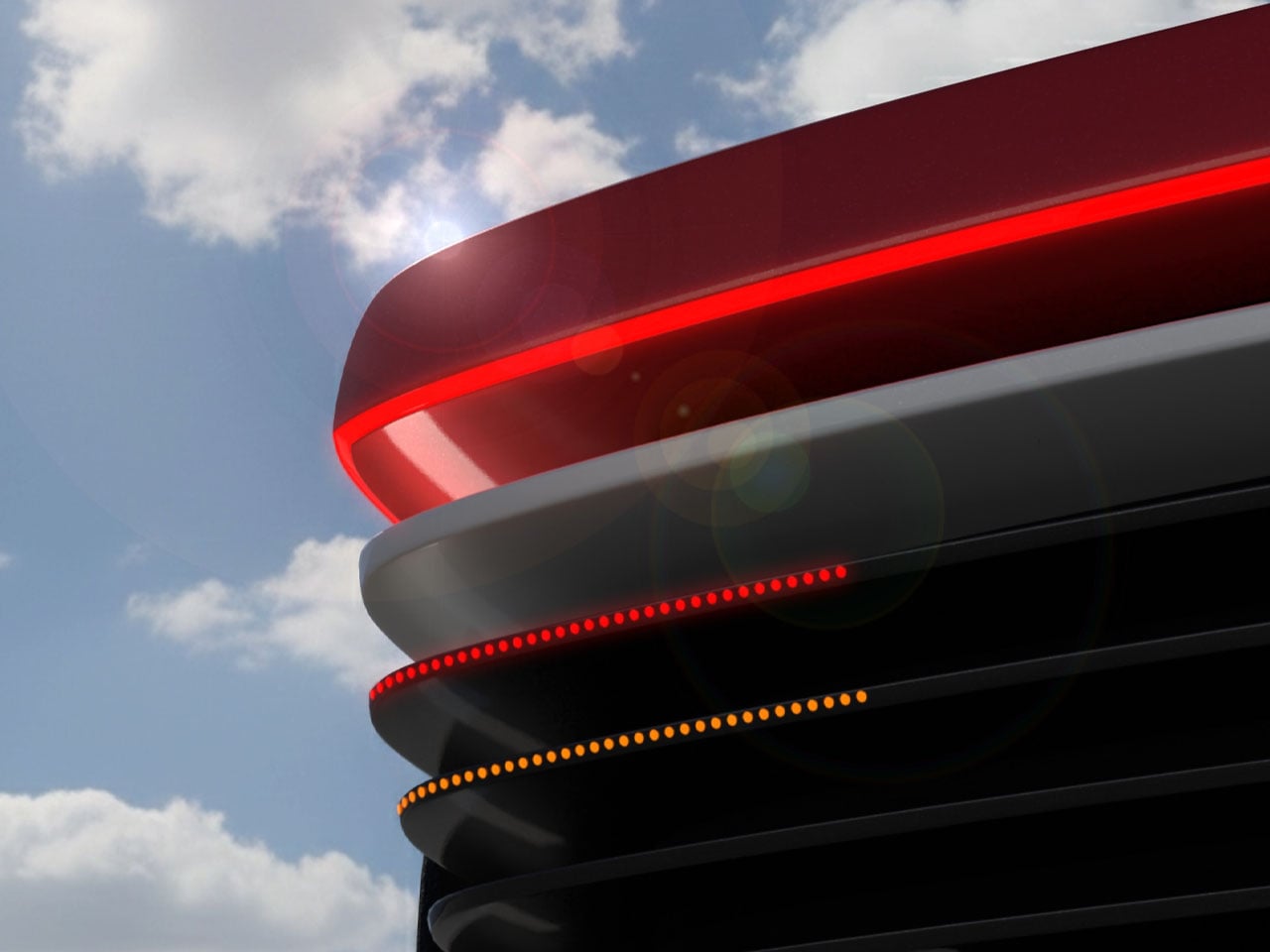
On the whole, the sports car is designed for the thrill of driving, although the aerodynamics might take a backseat due to the open shell configuration and the layered design of the front grille and the sidepods. The headlights and the tail lights are neatly fused into this layered architecture, which also conceals the rear diffusers, which could have done with a more full-bodied approach. In customary Ferrari style, the scissor doors add flair to the whole experience. I just hope the riders don’t take it out when the weather is unforgiving!

The post Ferrari-inspired TESTaZERO is a flamboyant speedster for open air adventures, all-electric Luce better watch out first appeared on Yanko Design.
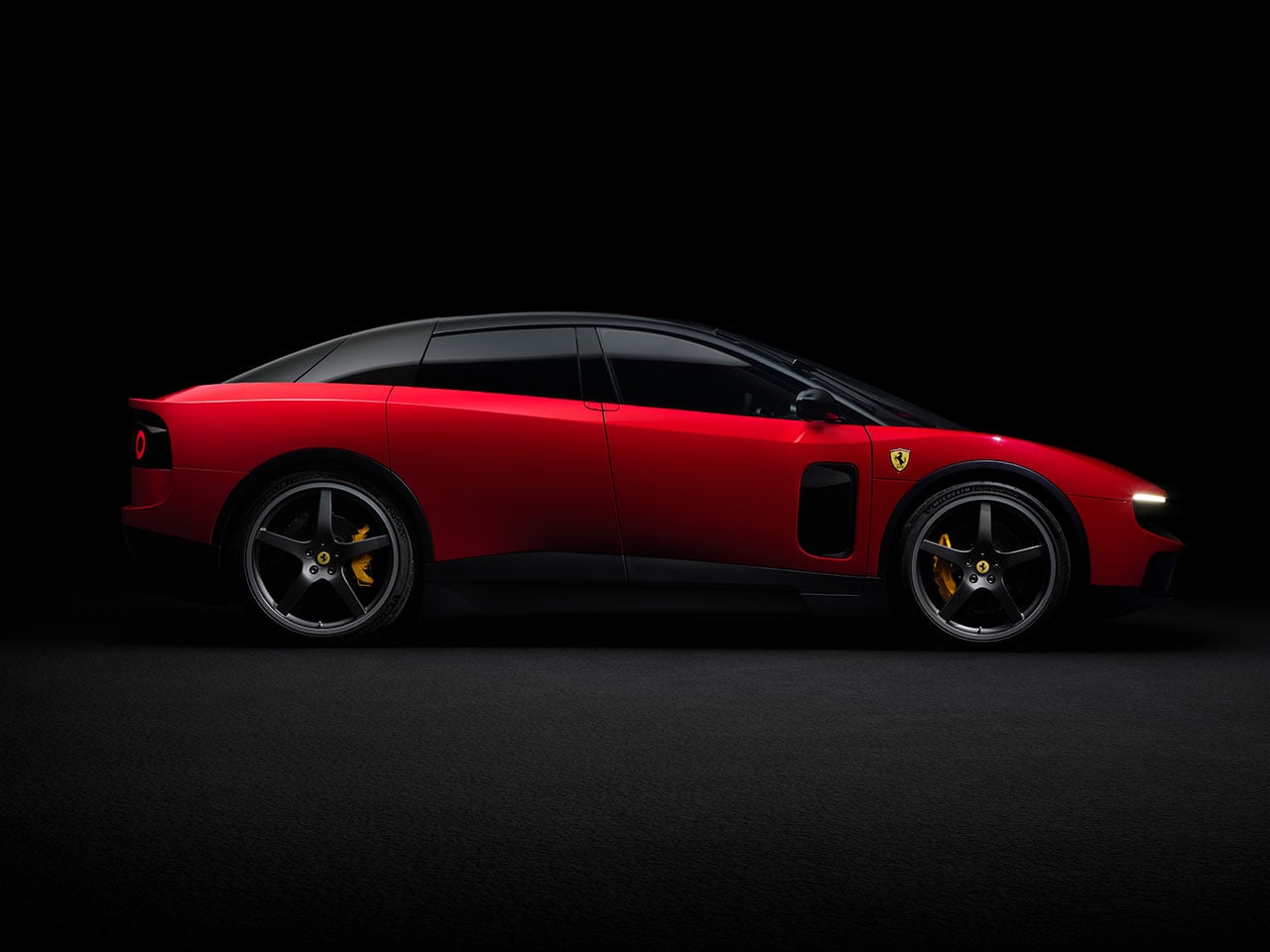
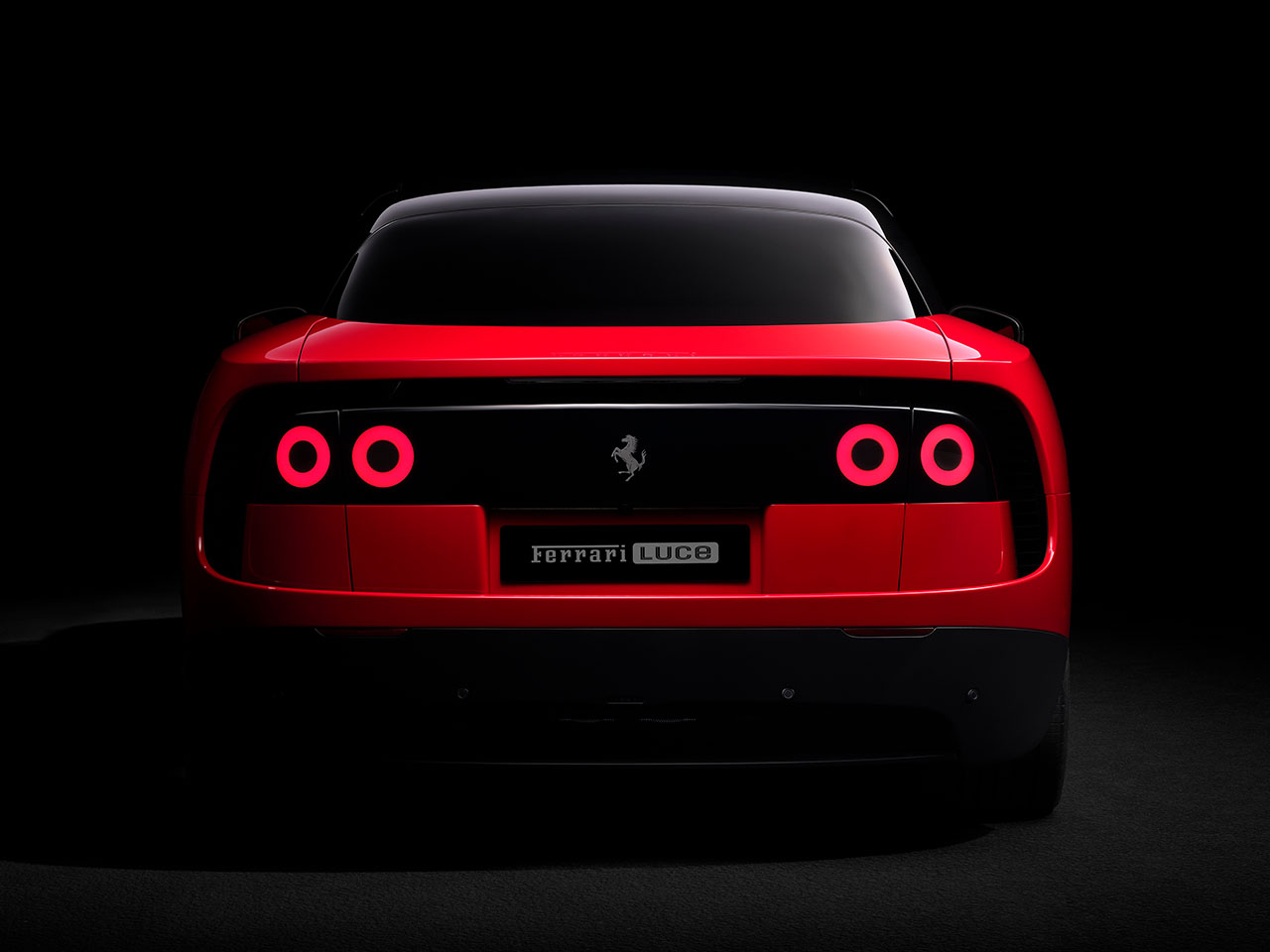
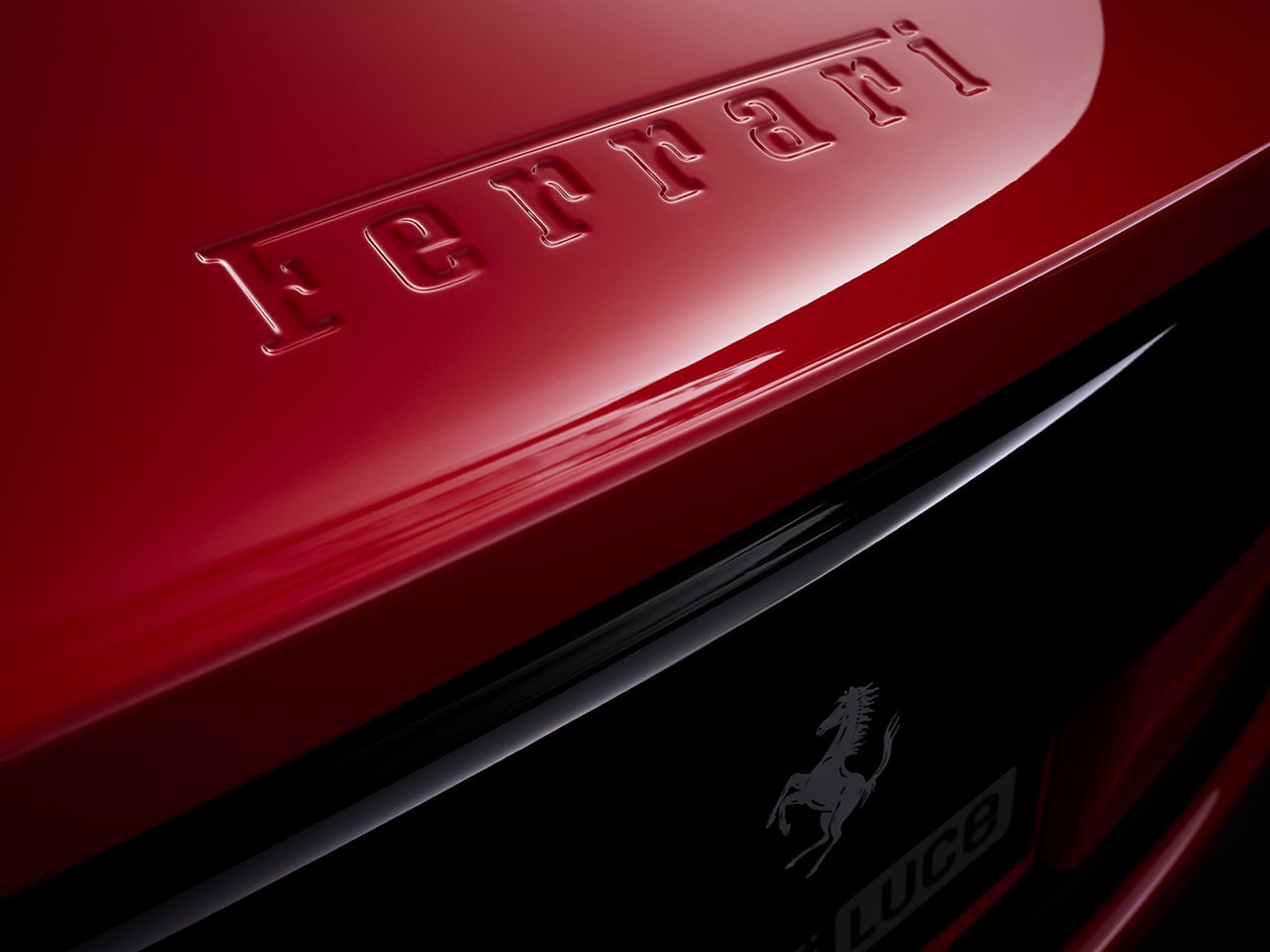
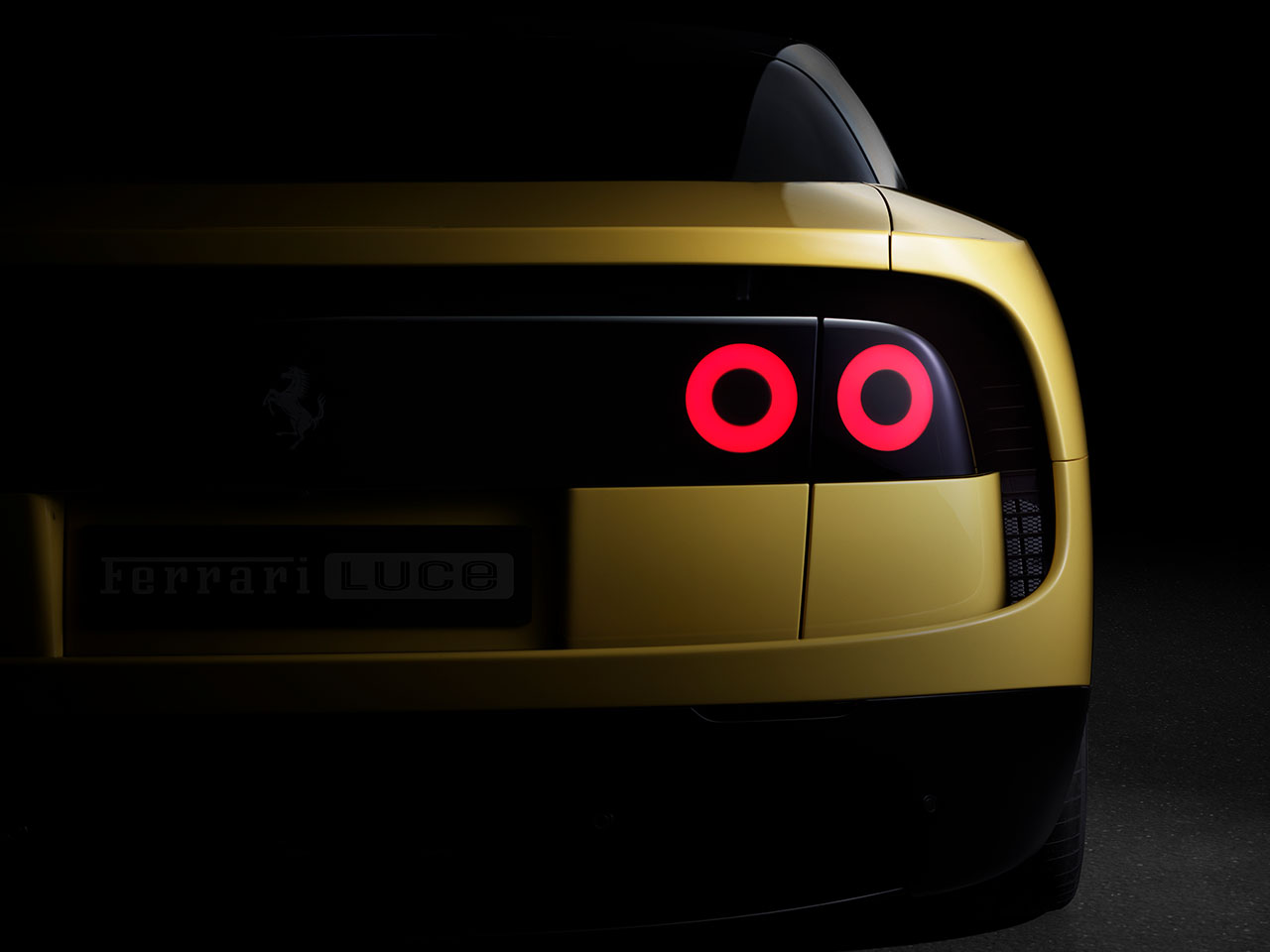
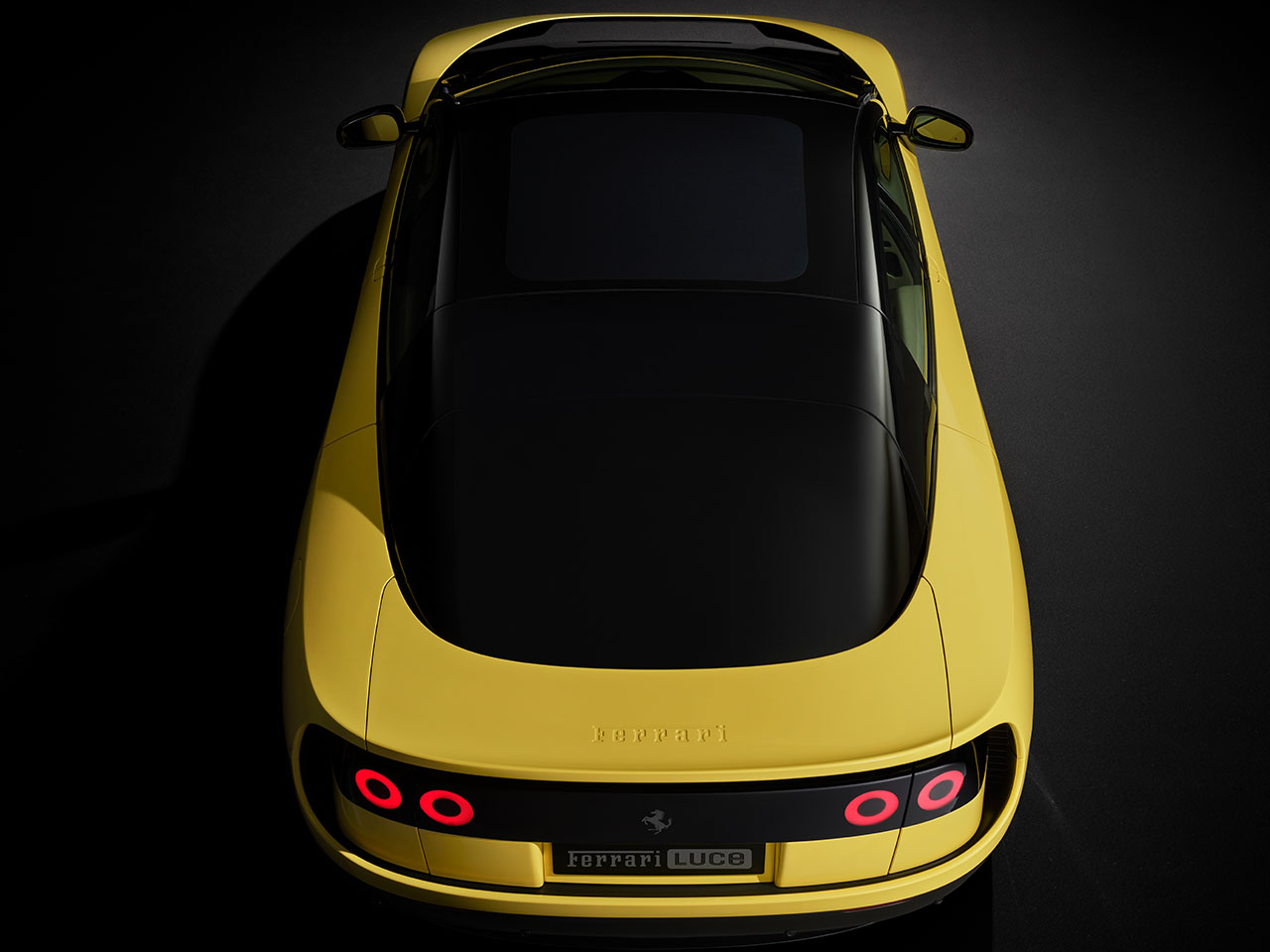
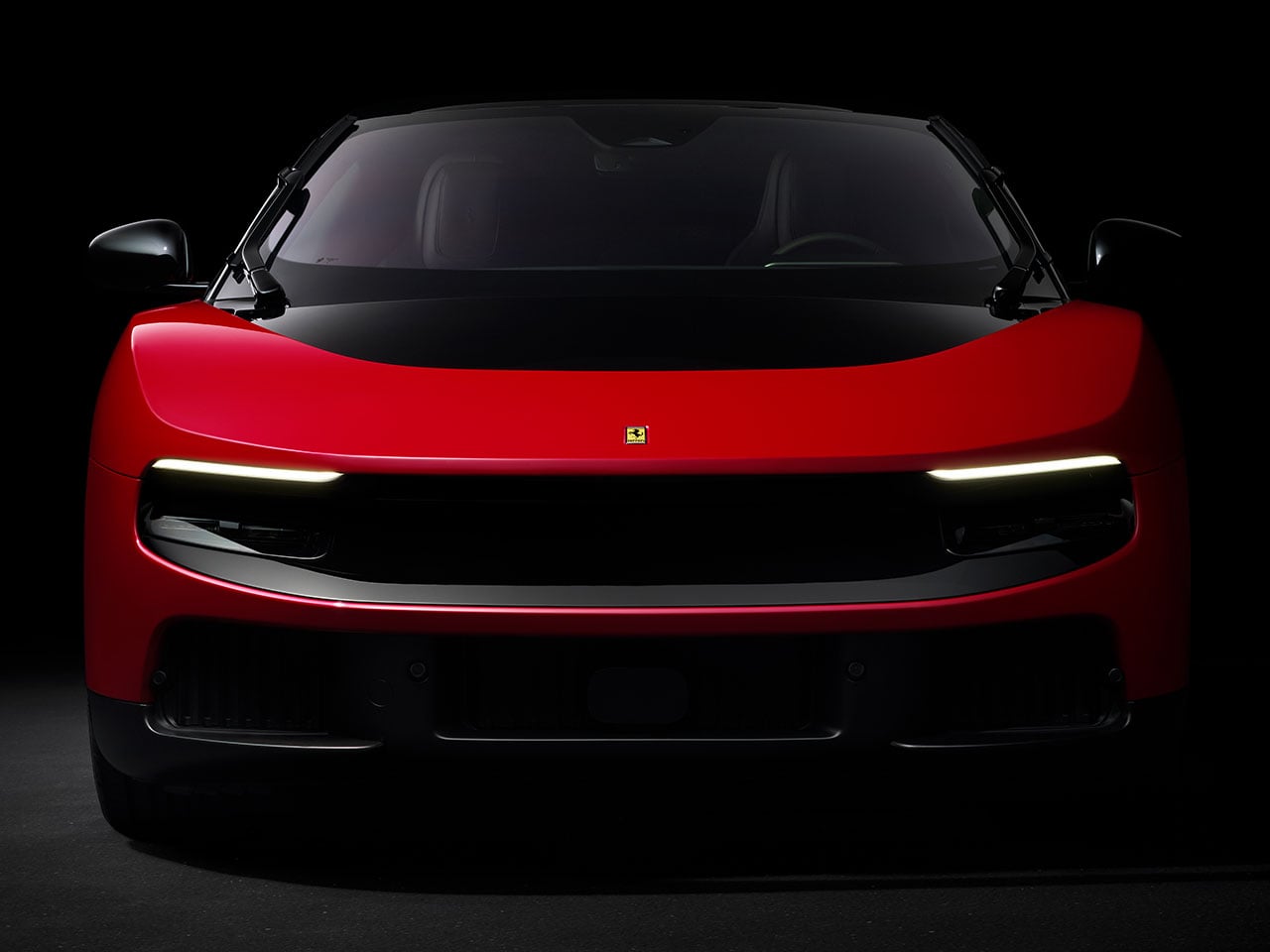
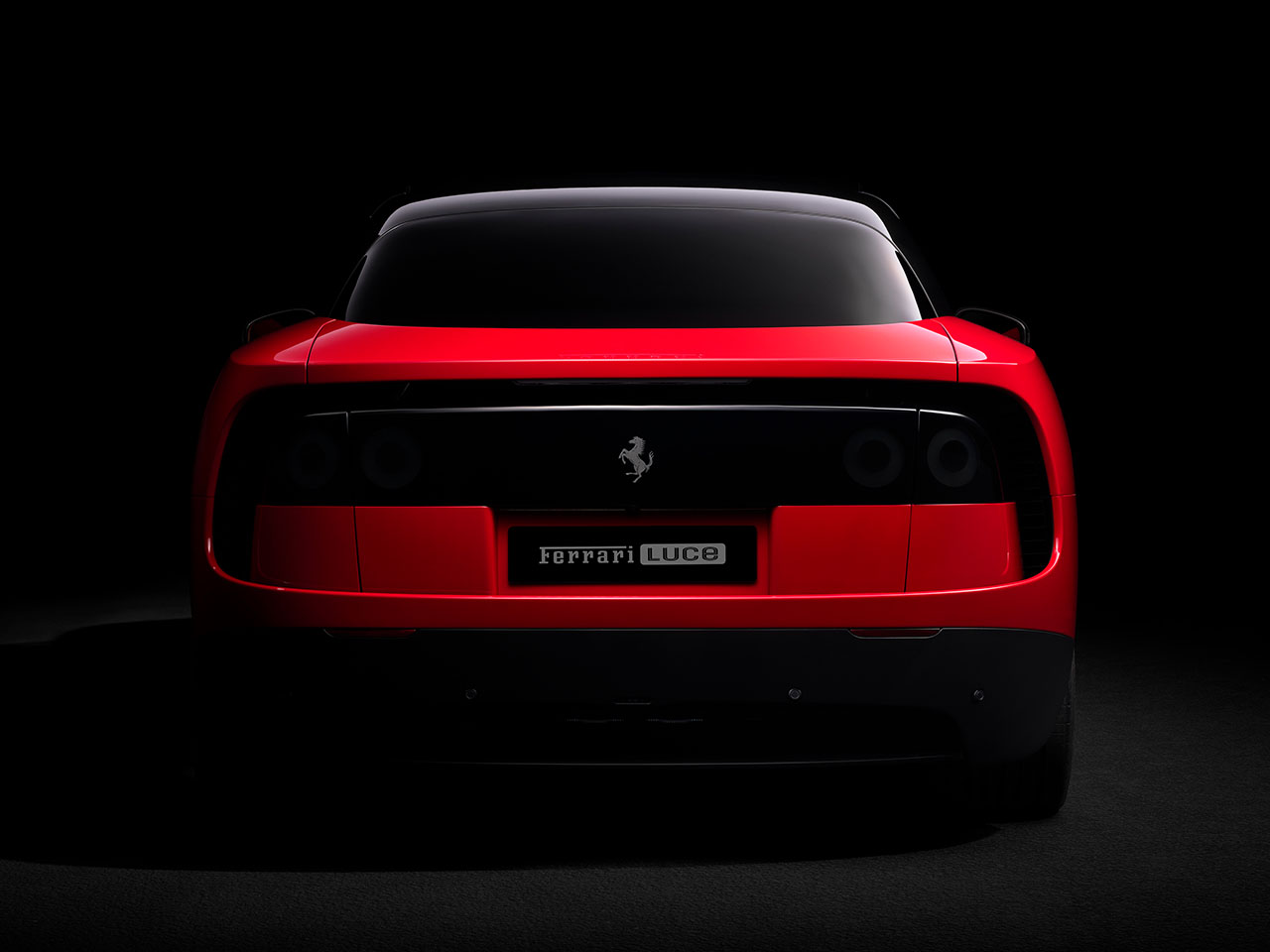
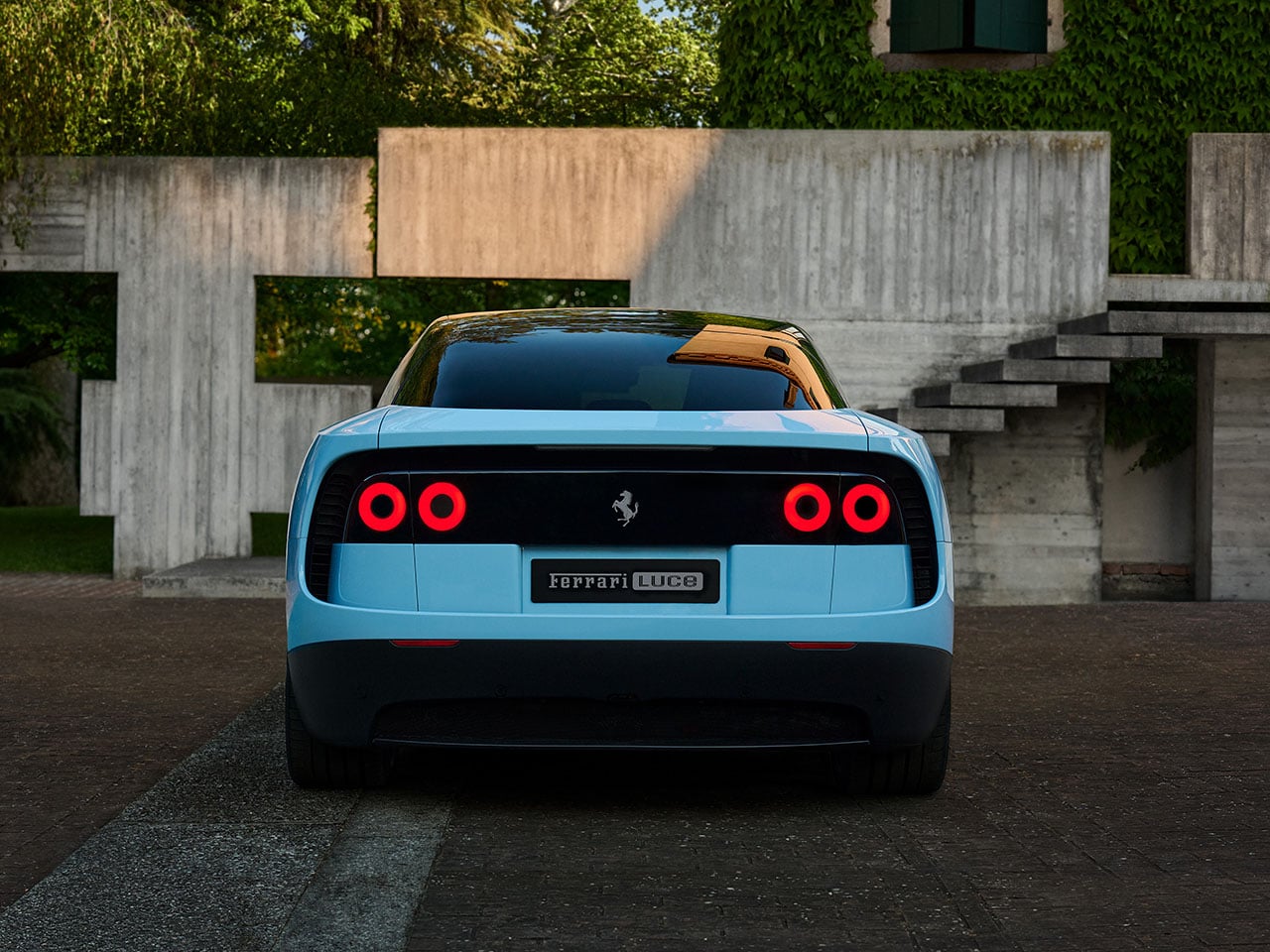
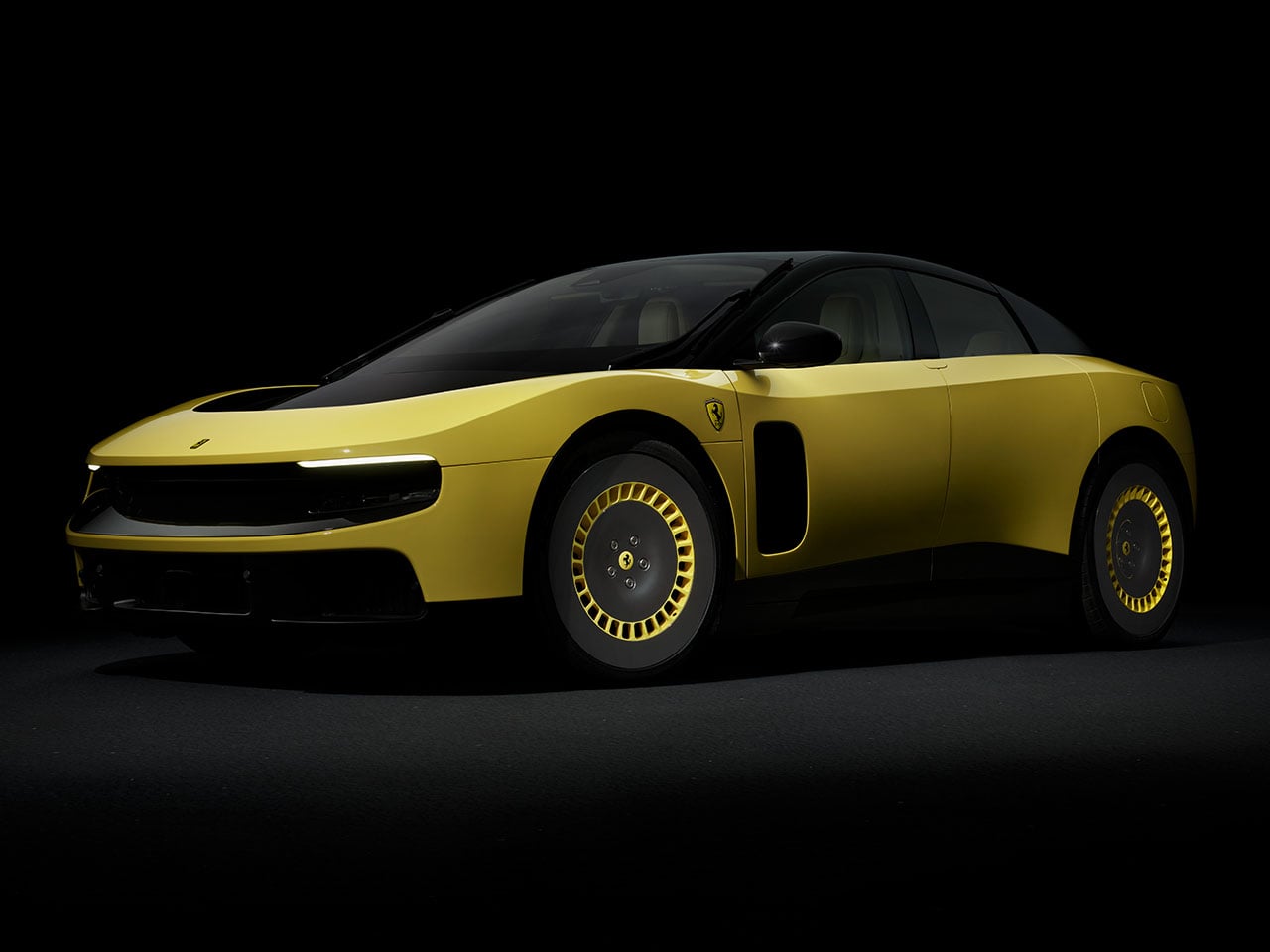
Ferrari Luce brings Jony Ive’s clean design philosophy to electric sports car built for pure driving emotion

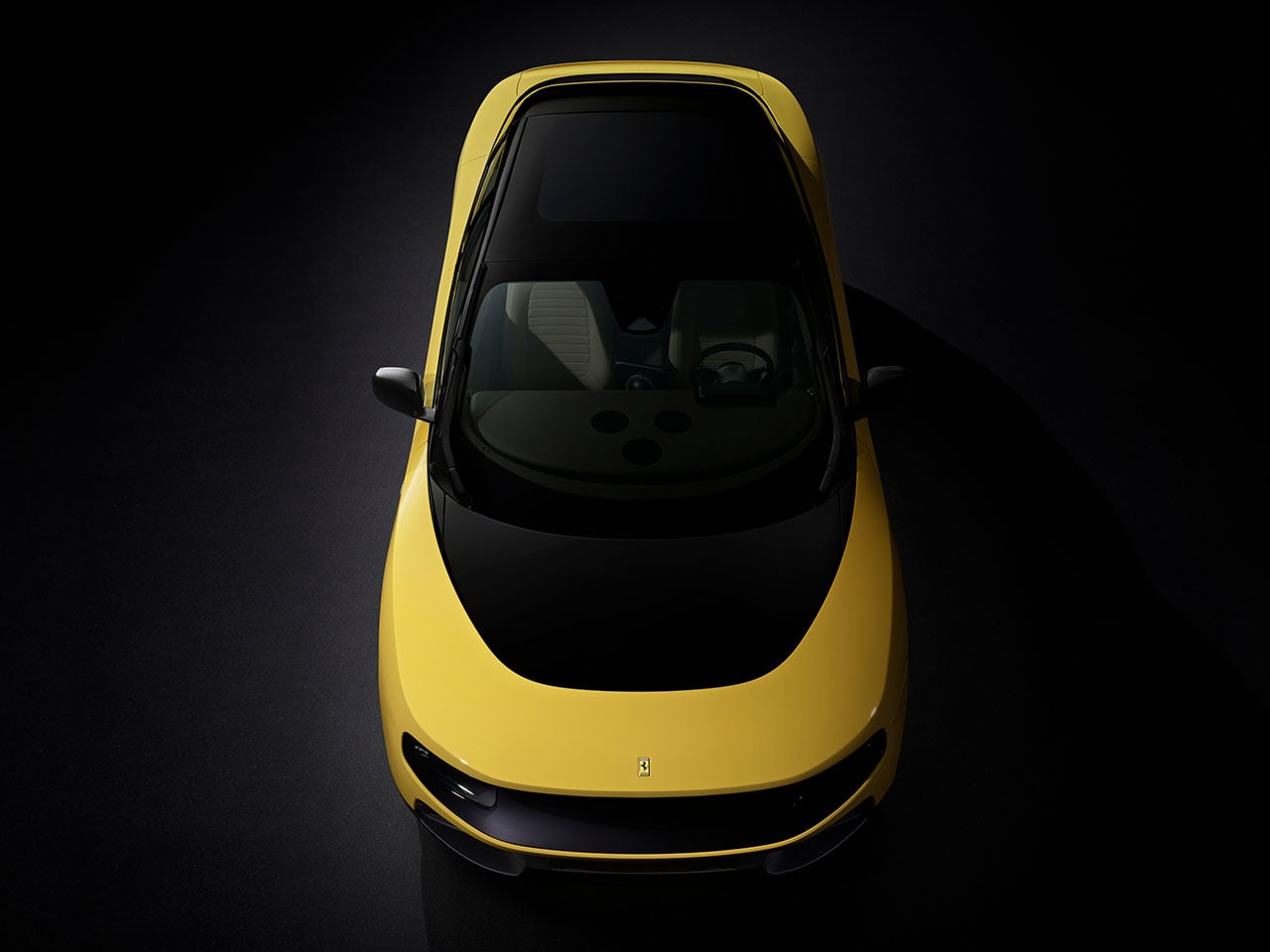
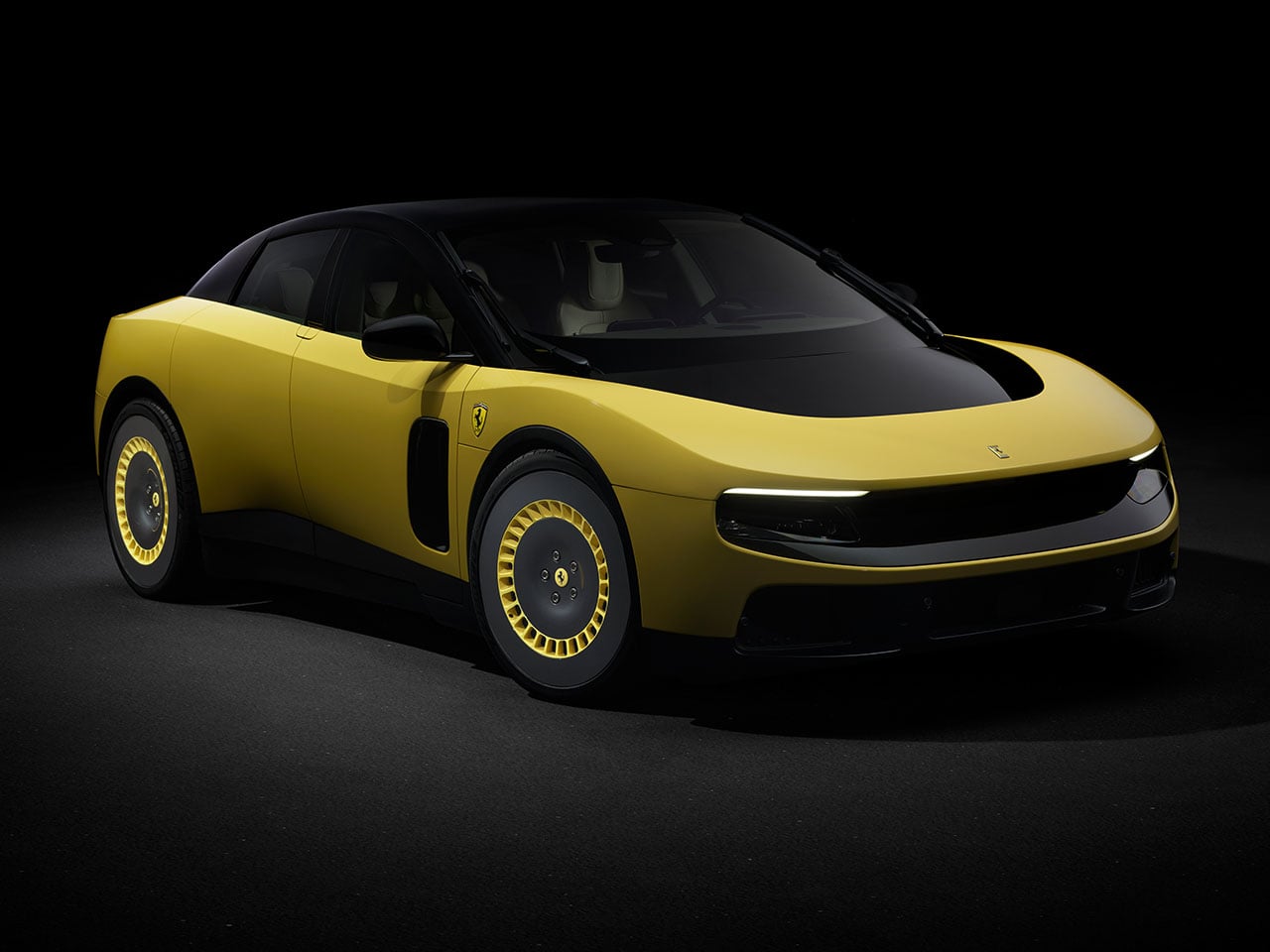
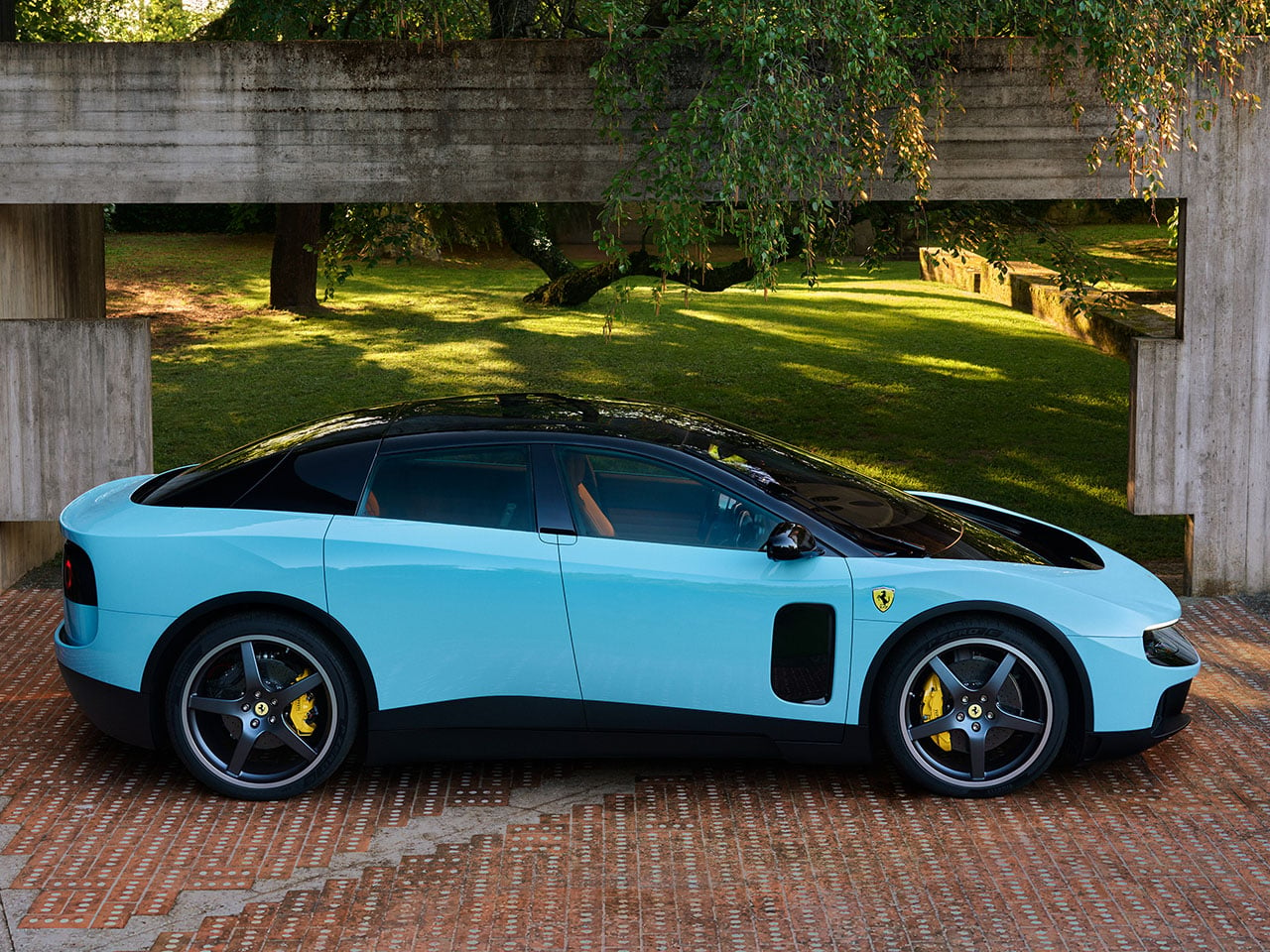
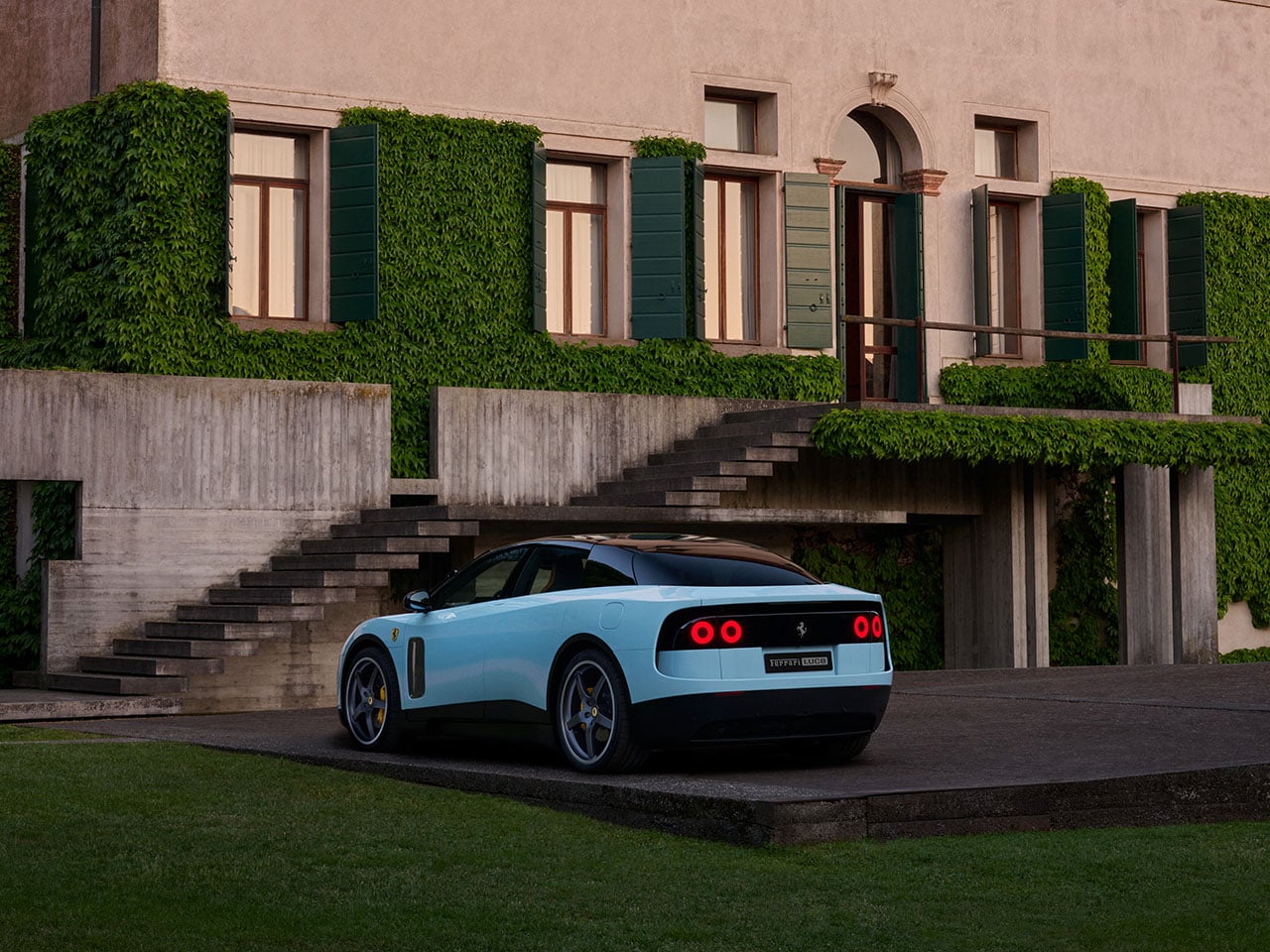
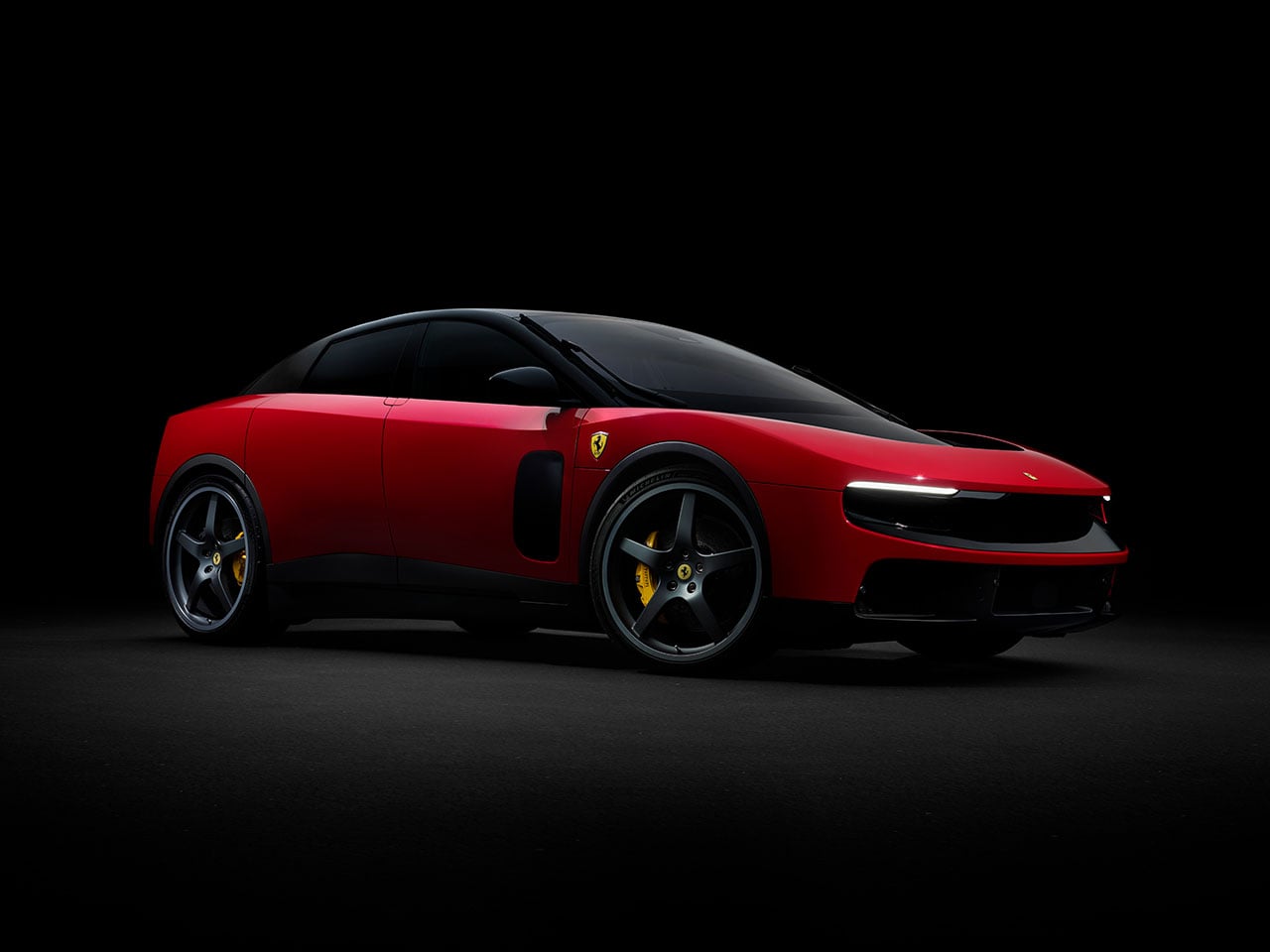
Ferrari has been quietly working under the wraps to design an electric sports car in collaboration with LoveFrom, led by Jony Ive and Marc Newson. After much speculation and a run of rumors for quite some time, the Maranello-based car maker has finally revealed Luce, its first-ever electric sports car, to the world, which, quite frankly, looks unlike the prancing horse we are accustomed to seeing. The four-door EV is all set to arrive in the USA by spring 2027 for around $430,000, and we hope the performance will mute critics like us, who have been used to the sculpted form of the Ferrari for decades.

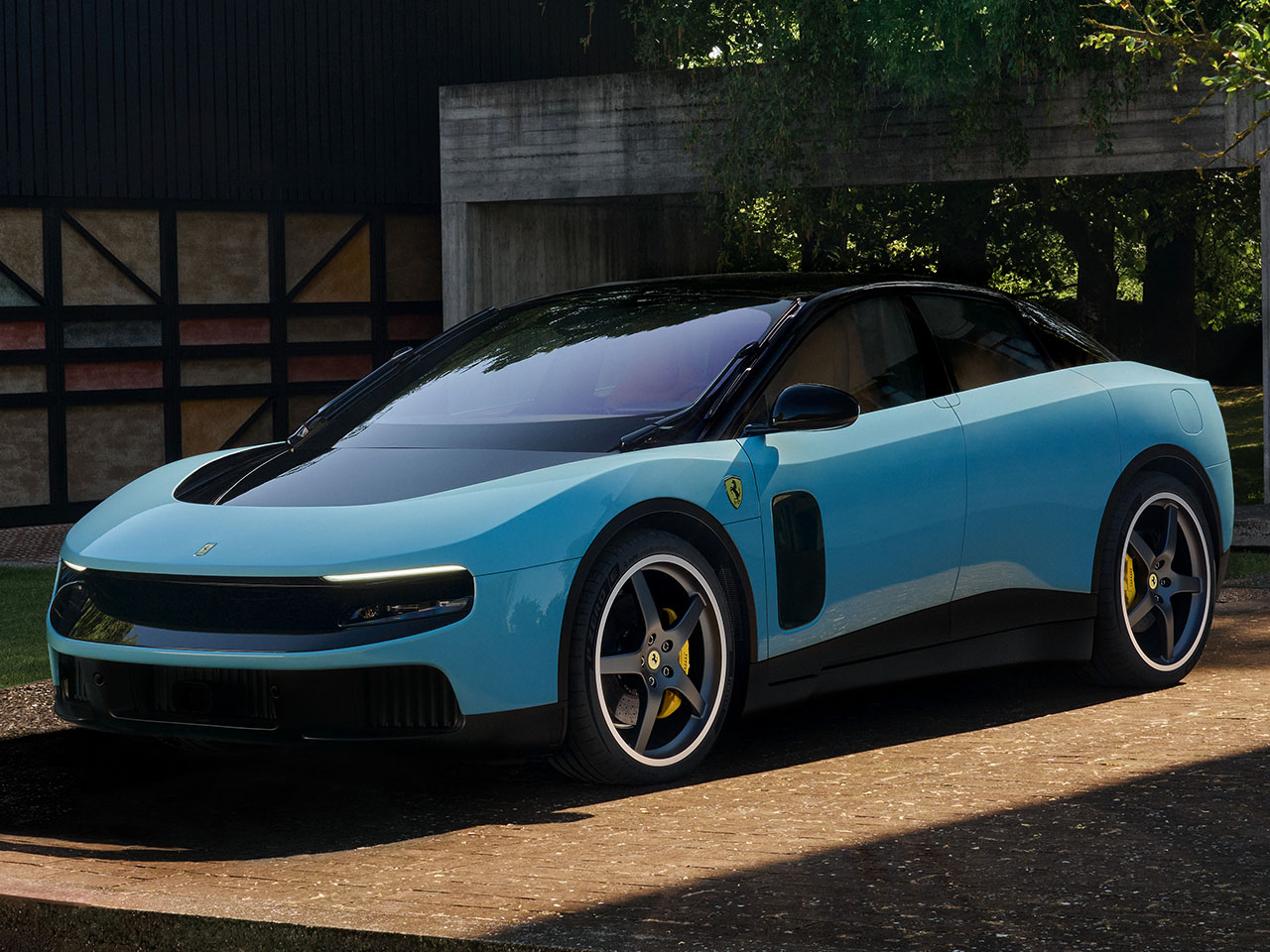
Love it or hate it, the exterior and interior done by Jhony’s design house is a radical shift from what the Italian marque is known for. The car is shaped more like a performance SUV that can safely carry around five people inside. Yes, that’s right, as the Purosangue SUV held that honor before this reveal. Under the hood, the muted prancing horse is built around a completely new all-electric architecture.

Designer: Ferrari

Ferrari Luce gets its combined 1,050 horsepower thrust from the four independent electric motors that hurl it from a standstill to 200 km/h in mere 2.5 seconds. Top speed can go in excess of 310 km/h, which is right there in the Ferrari territory. The electric motors feeding four of the wheels independently derive their power from the 122kWh battery pack developed on the 800V architecture. Driving range on this performance vehicle is claimed to be 530km, but I’m sure in the high-octane driving modes, it’ll drop quite significantly. Ferrari has confirmed that the EV supports 350kW charging speed, with more than half the battery juiced up in just 20 minutes.

The all-electric architecture and the futuristic looks are not the only big changes. Luce comes loaded with technologies never before seen on a road-legal Ferrari. Things like active aerodynamic grilles, active suspension (used in the F80 hypercar), Torque Shift Engagement system to simulate progressive acceleration, and the four-wheel independent torque vectoring we talked about earlier. The Italian marque has also been able to achieve the lowest drag coefficient ever on a road car thanks to the aerodynamic all-aluminum bodywork and the adaptive ride height system, which lowers the front section by 10mm at high speeds.

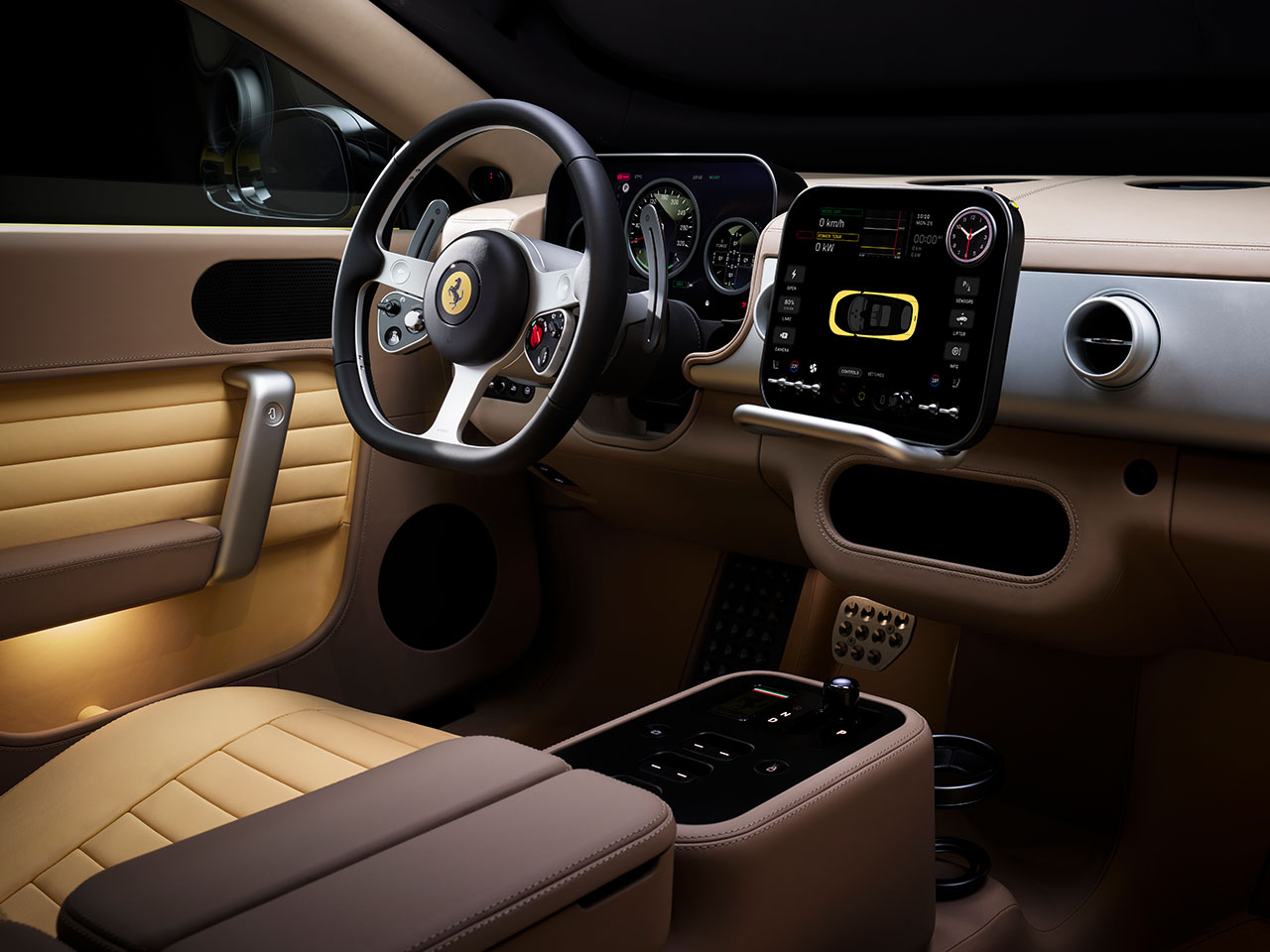
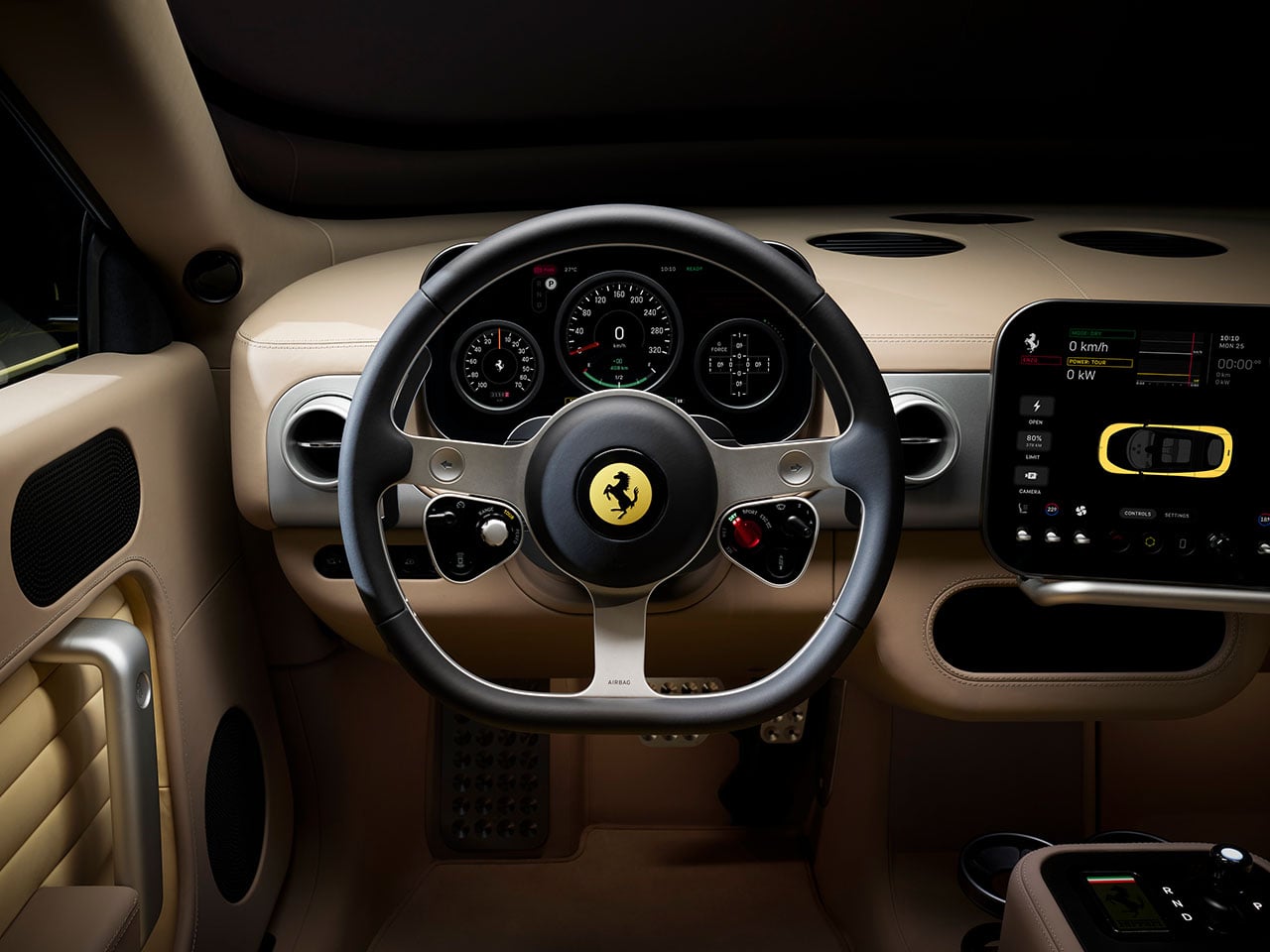
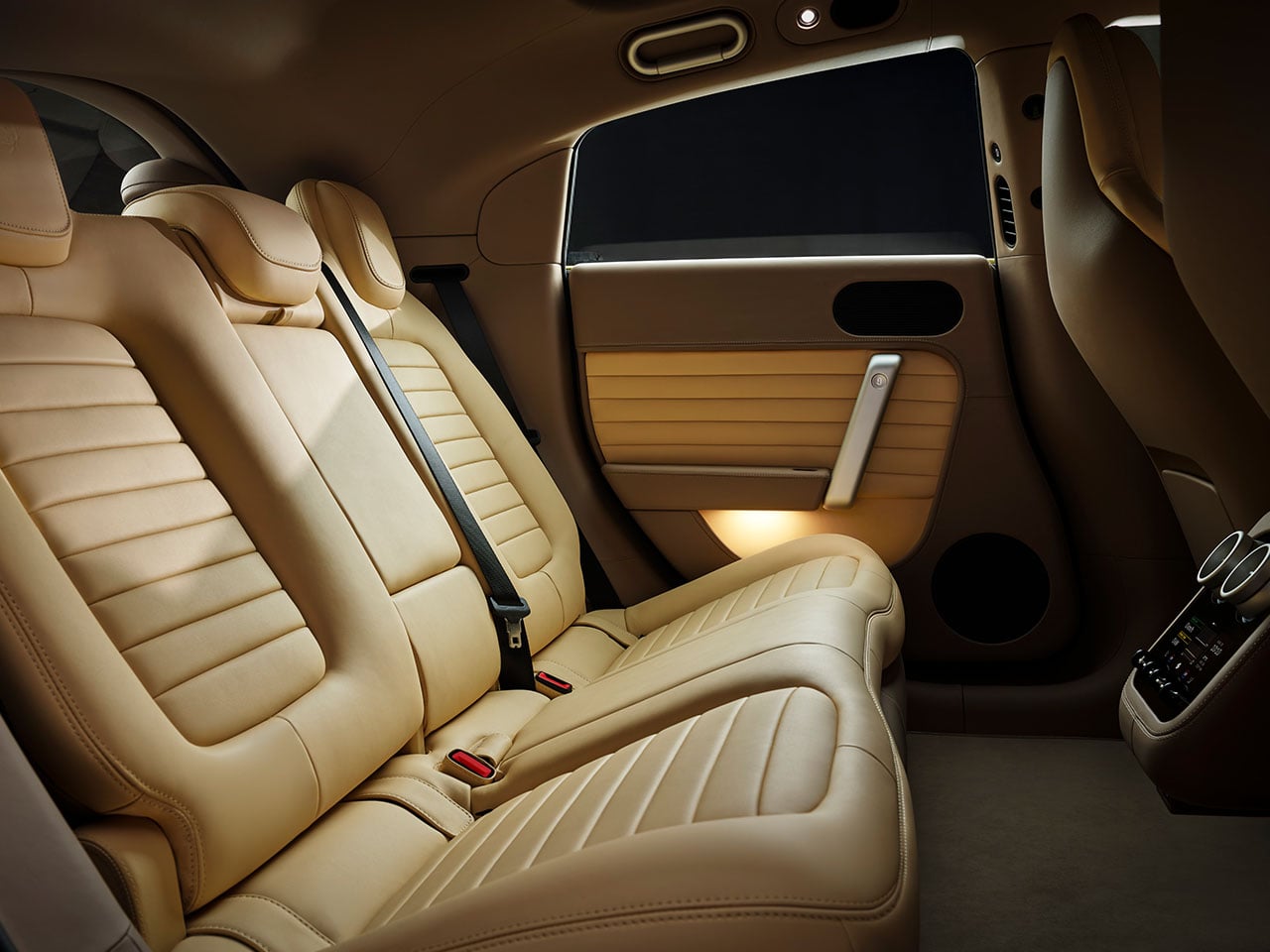
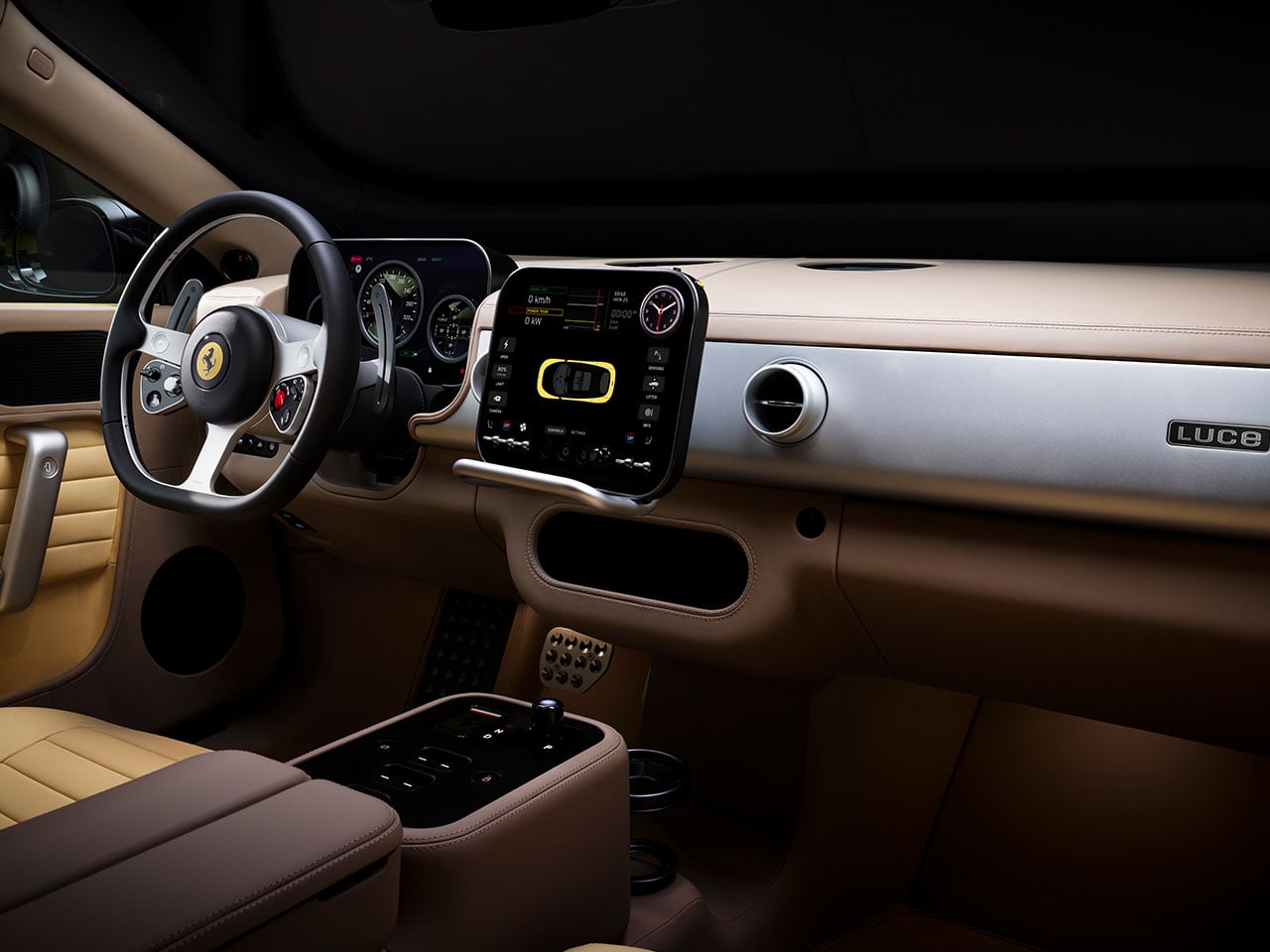
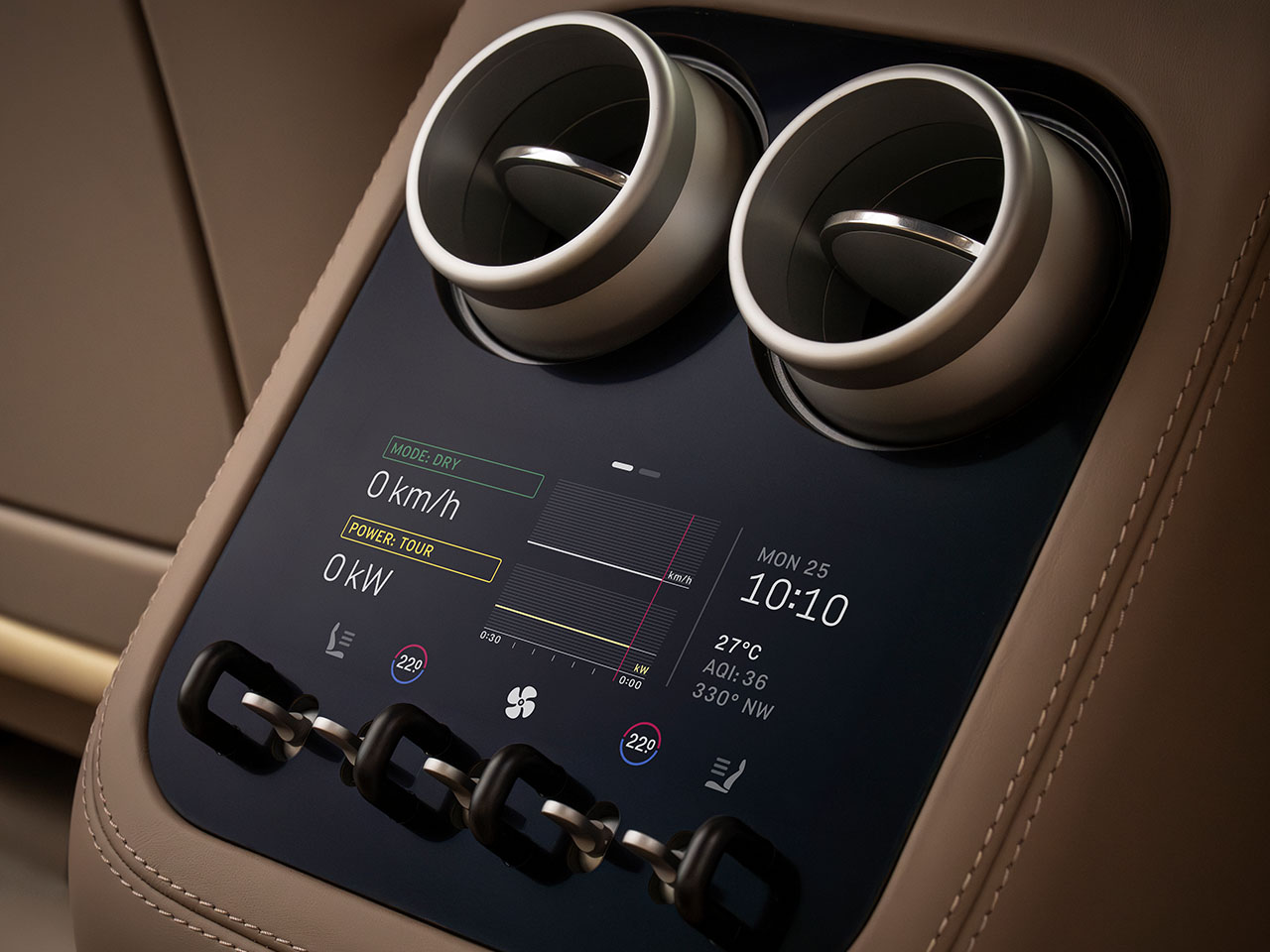
Cabin on this one is far forward than any other Ferrari we’ve seen, and the center-opening side doors demonstrate what influence LoveFrom has had on the EV sports car. The futuristic front seems floating, while the rear has a more Ferrari sports car vibe to it. Nonetheless, the overall exterior design is “smooth, continuous, and uninterrupted.” The interior carries the same futuristic design inspiration with a Samsung Display developed OLED layered dashboard that employs Samsung’s HIAA tech, natively used in Galaxy phones. The layered layout of the instrument cluster is first ever seen on a production car, as the two OLED panels stacked on top of each other have mechanical hands sandwiched between them. There’s a central pivoting touchscreen with physical switches on the Luce, and another screen on the rear for the passengers. The aluminum steering wheel has a couple of manettino dials, an e-manettino dial to control the powertrain, and a standard five-position unit.

Ferrari Luce has a total curb weight of 4,982 pounds, measures 197.9 inches long, and 60.8 inches high. This gives the maker freedom to set the center of gravity quite low for superior handling and minimum body roll, as the weight distribution is done quite well for sharper handling characteristics. Being one of the biggest road-going Ferraris ever made, the performance EV rides on 23-inch front and 24-inch rear wheels to complement the proportions.

The post Ferrari Luce brings Jony Ive’s clean design philosophy to electric sports car built for pure driving emotion first appeared on Yanko Design.
Donkervoort P24 RS is a counterpunch build for drivers who crave raw speed

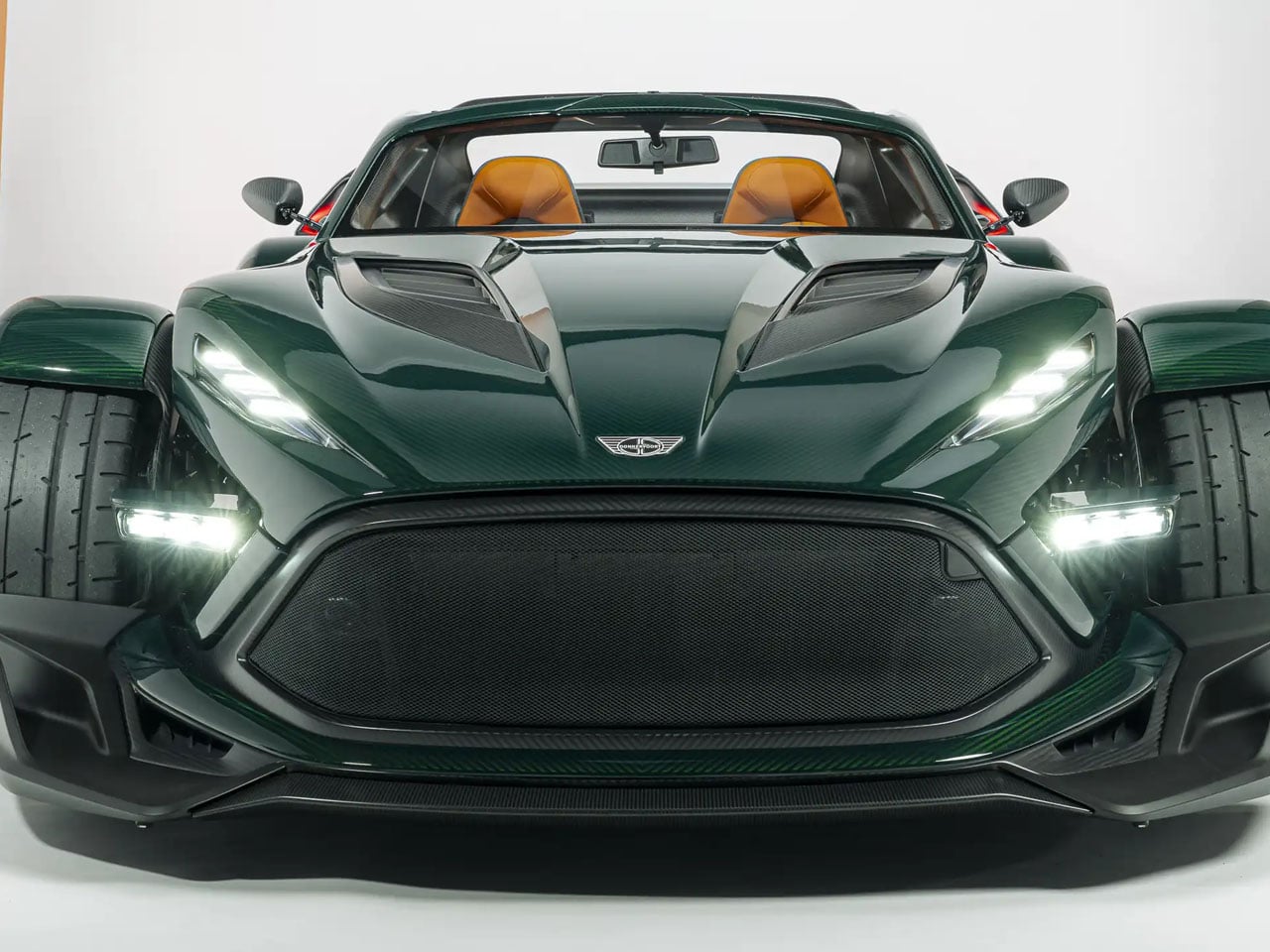
Dutch manufacturer Donkervoort has been handcrafting lightweight performance cars for purists since 1978, and their creations do stand out. The Lelystad-based automaker has all eyes rolling with yet another limited-edition sports car that looks inspired by the clown shoe design that BMW perfected in the 90s.

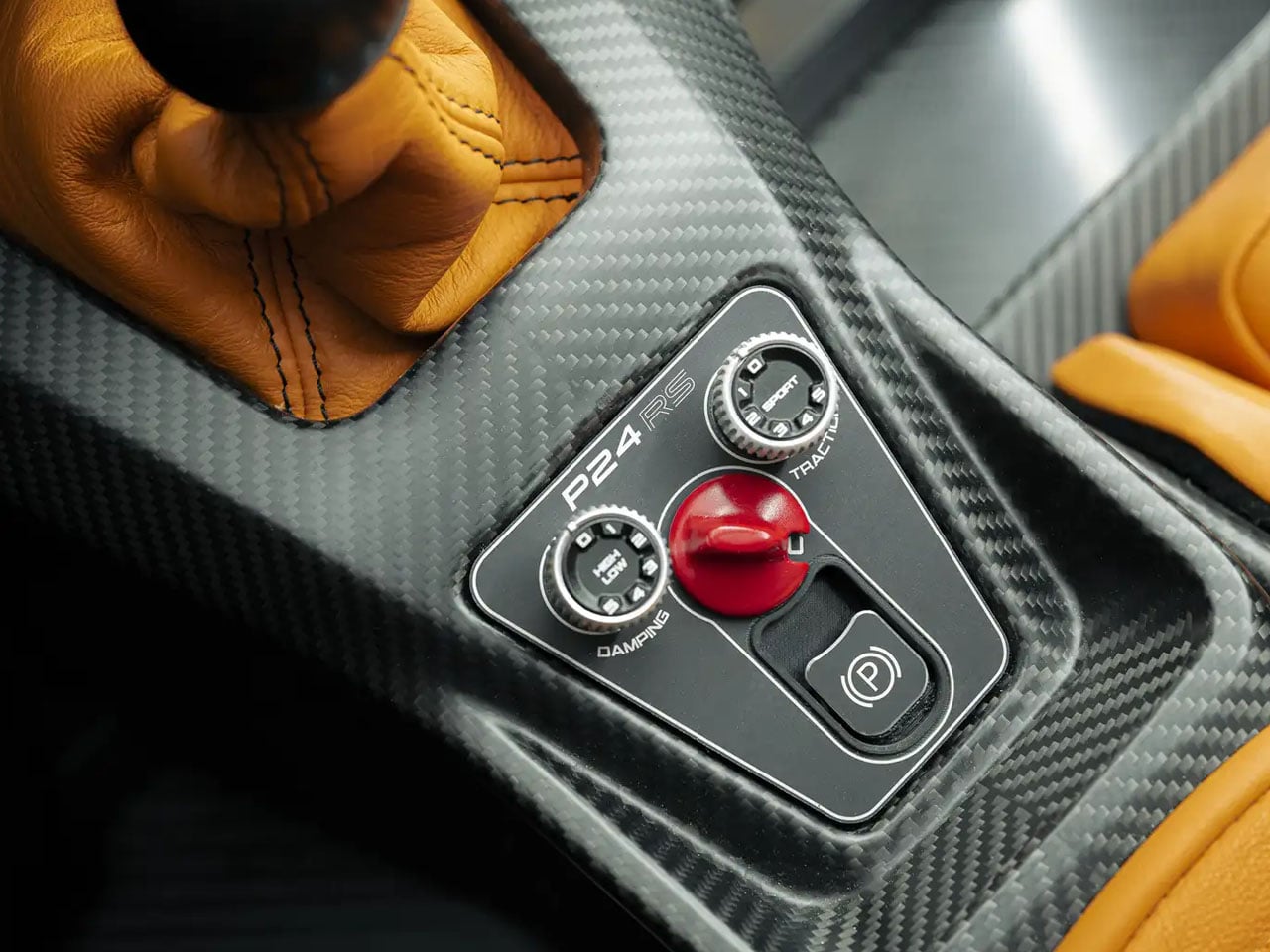
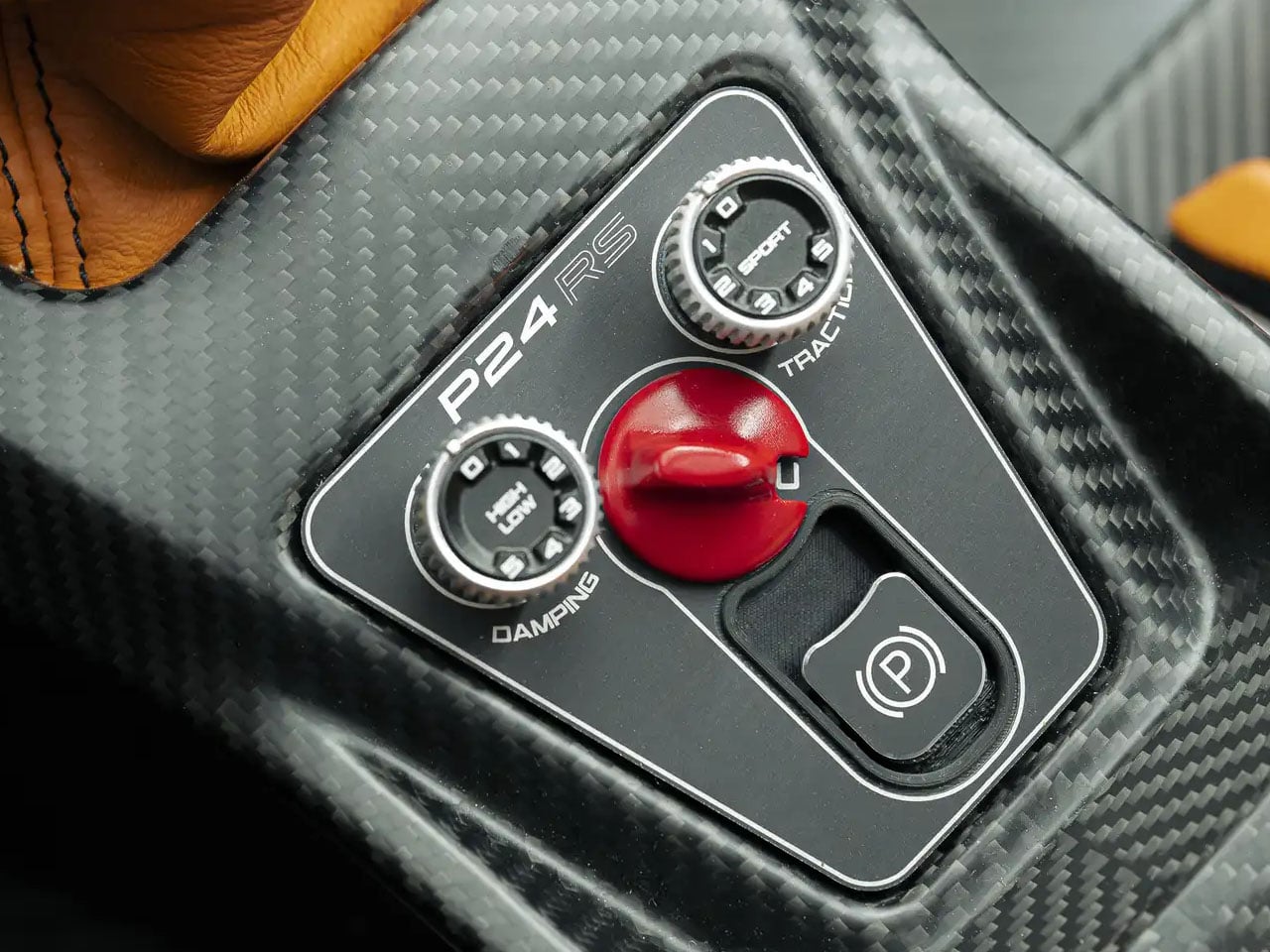
The newly unveiled car is ultra-agile thanks to the weight reduction achieved by shaving off components like the skid-control, torque-vectoring, or automatic brake-assist. It doesn’t even have power steering, and gives buyers the option to skip the air conditioning unit for weight reduction, making it the ideal fit for raw purists who want to feel every little change happening in the driving dynamics. According to company CEO Denis Donkervoort, “The key to everything we do is about eliminating weight, minimizing inertia, and delivering unforgettable driving experiences.”

Designer: Donkervoort

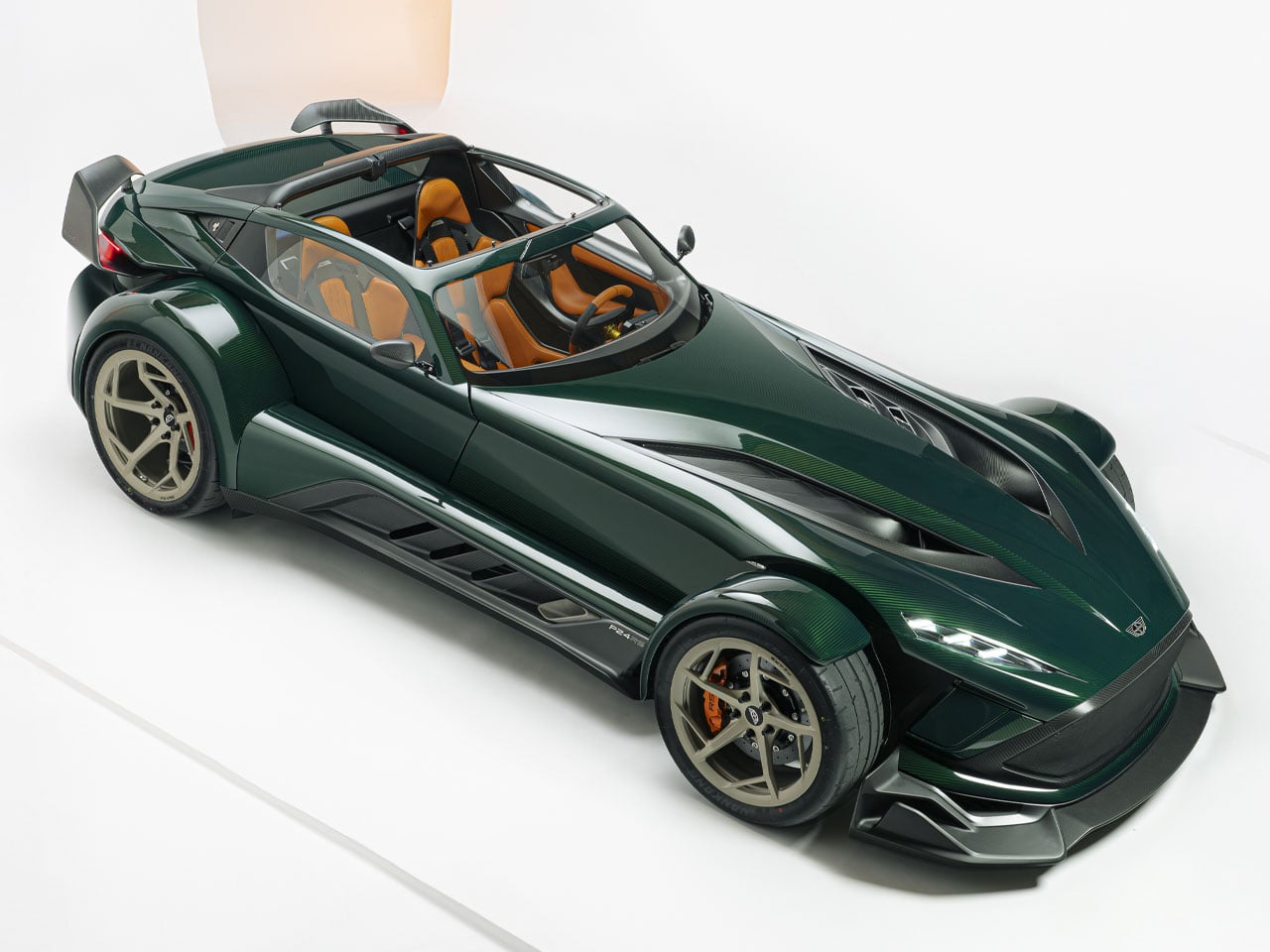
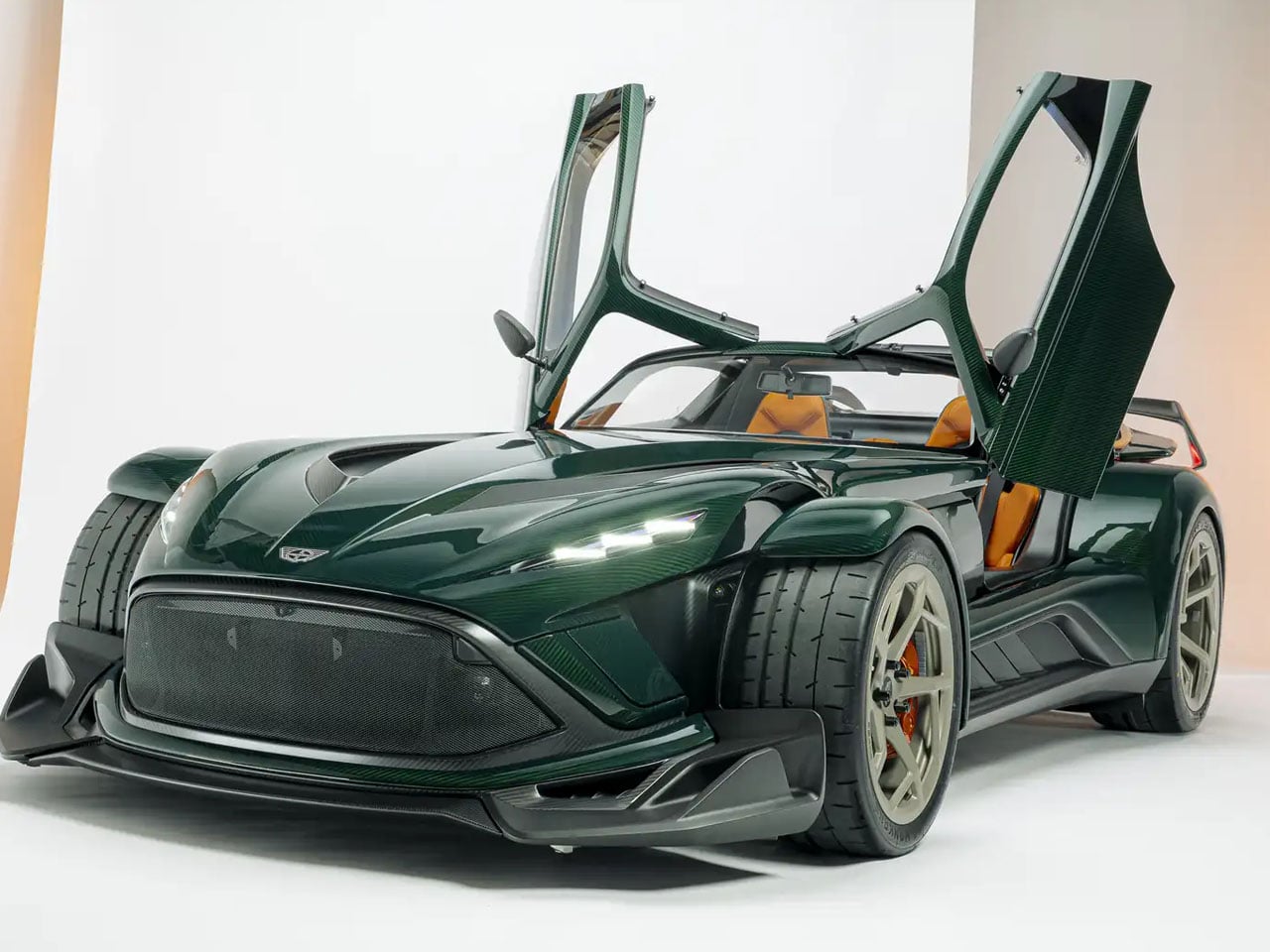
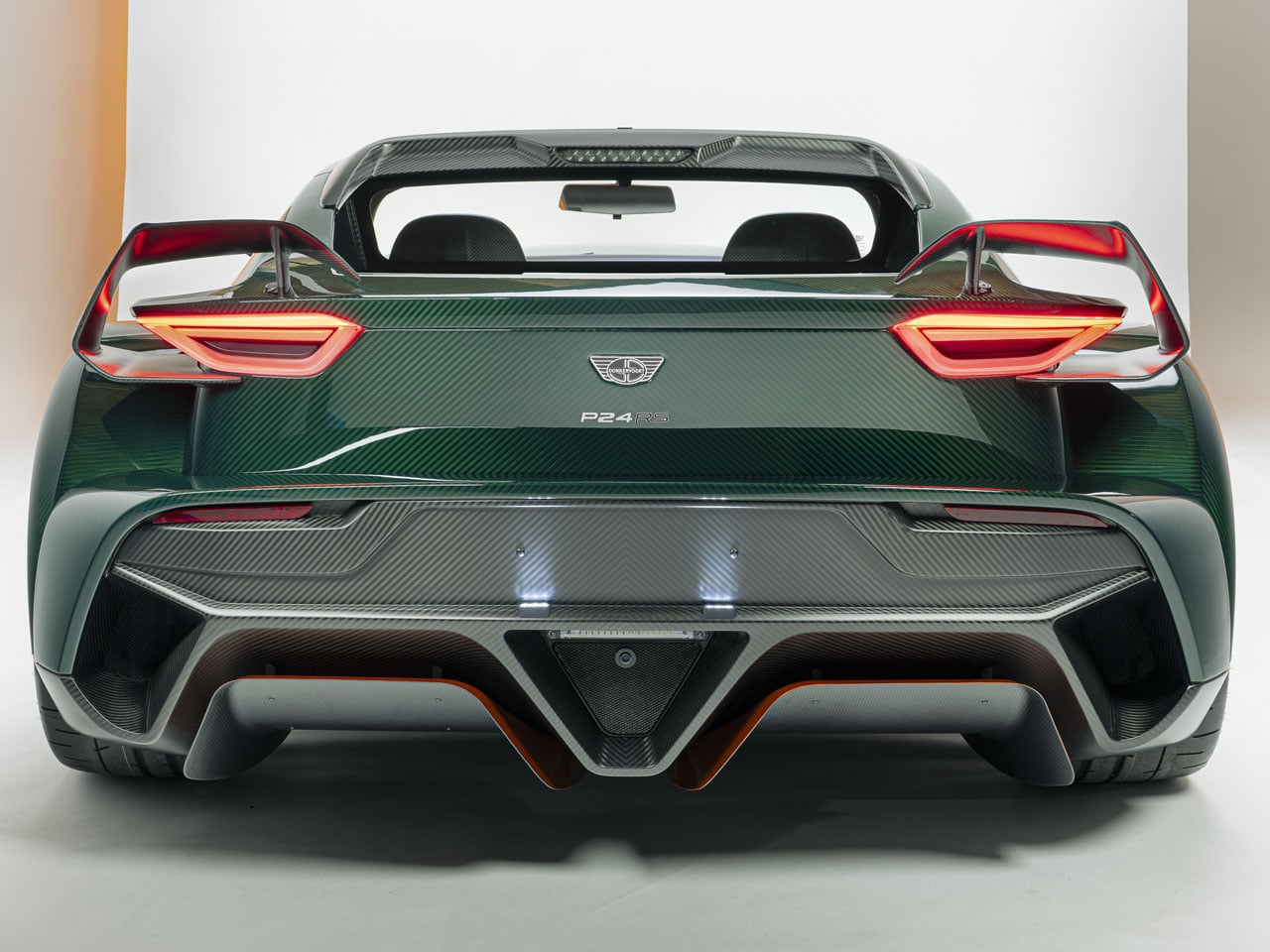
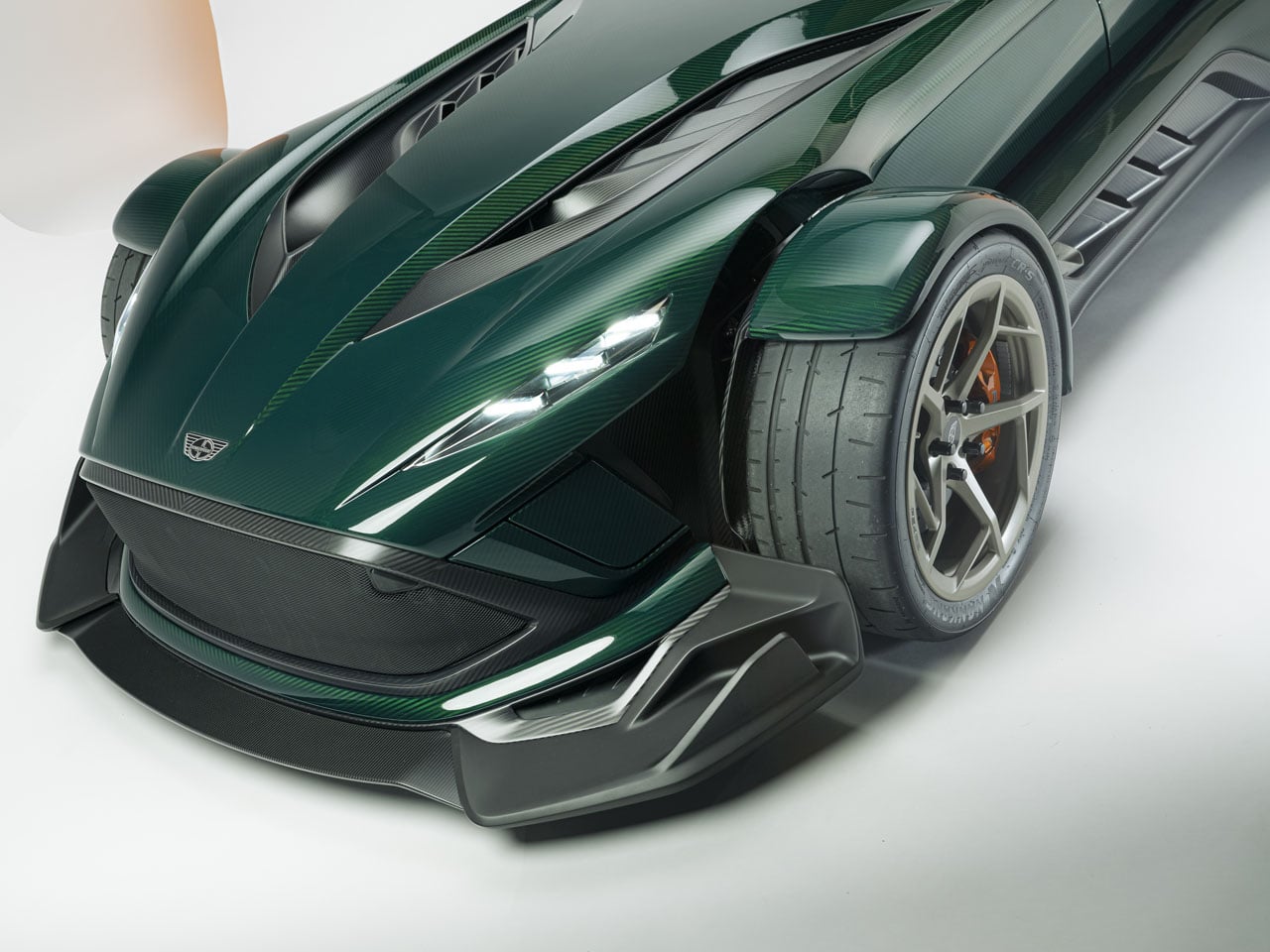
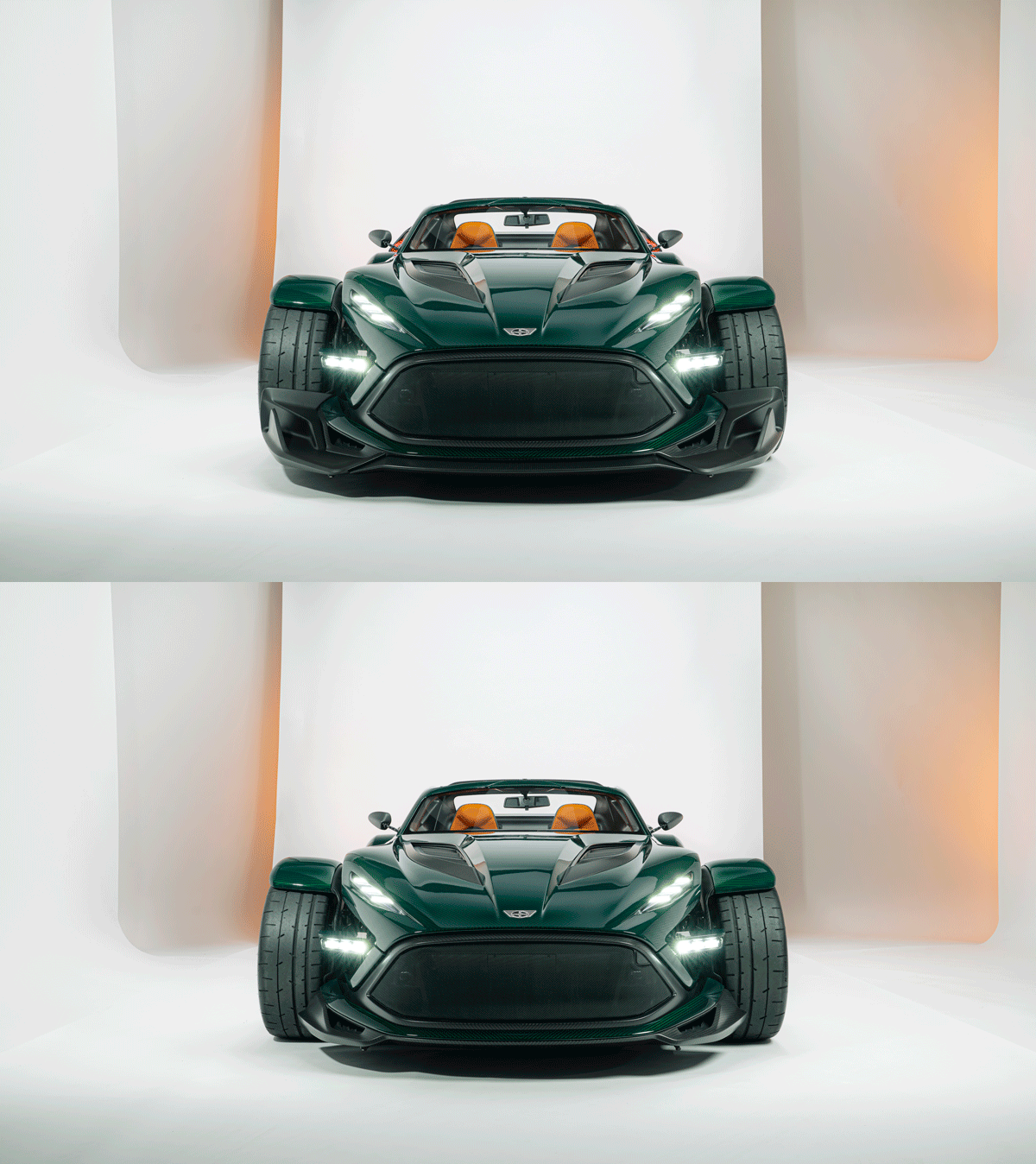
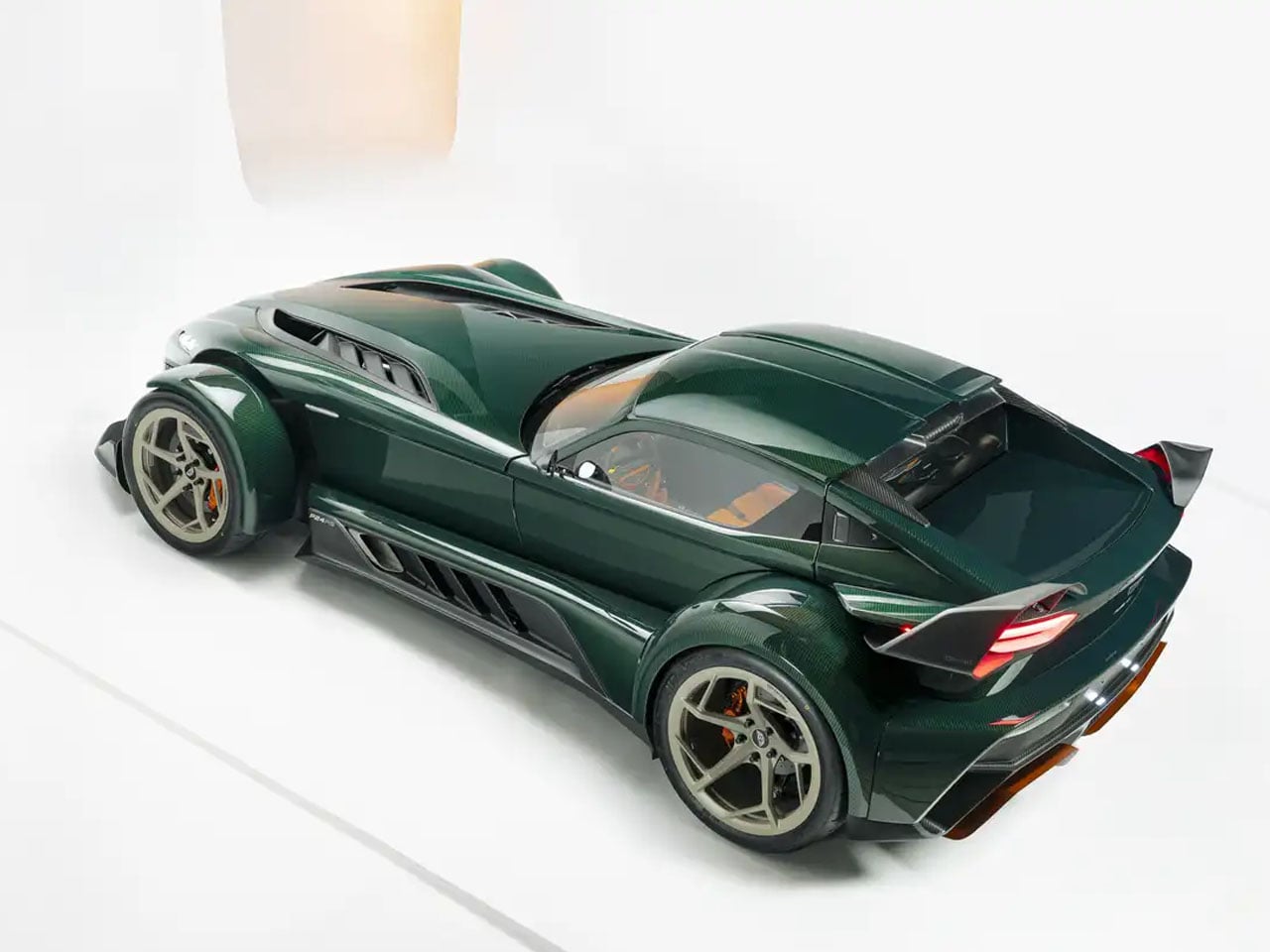
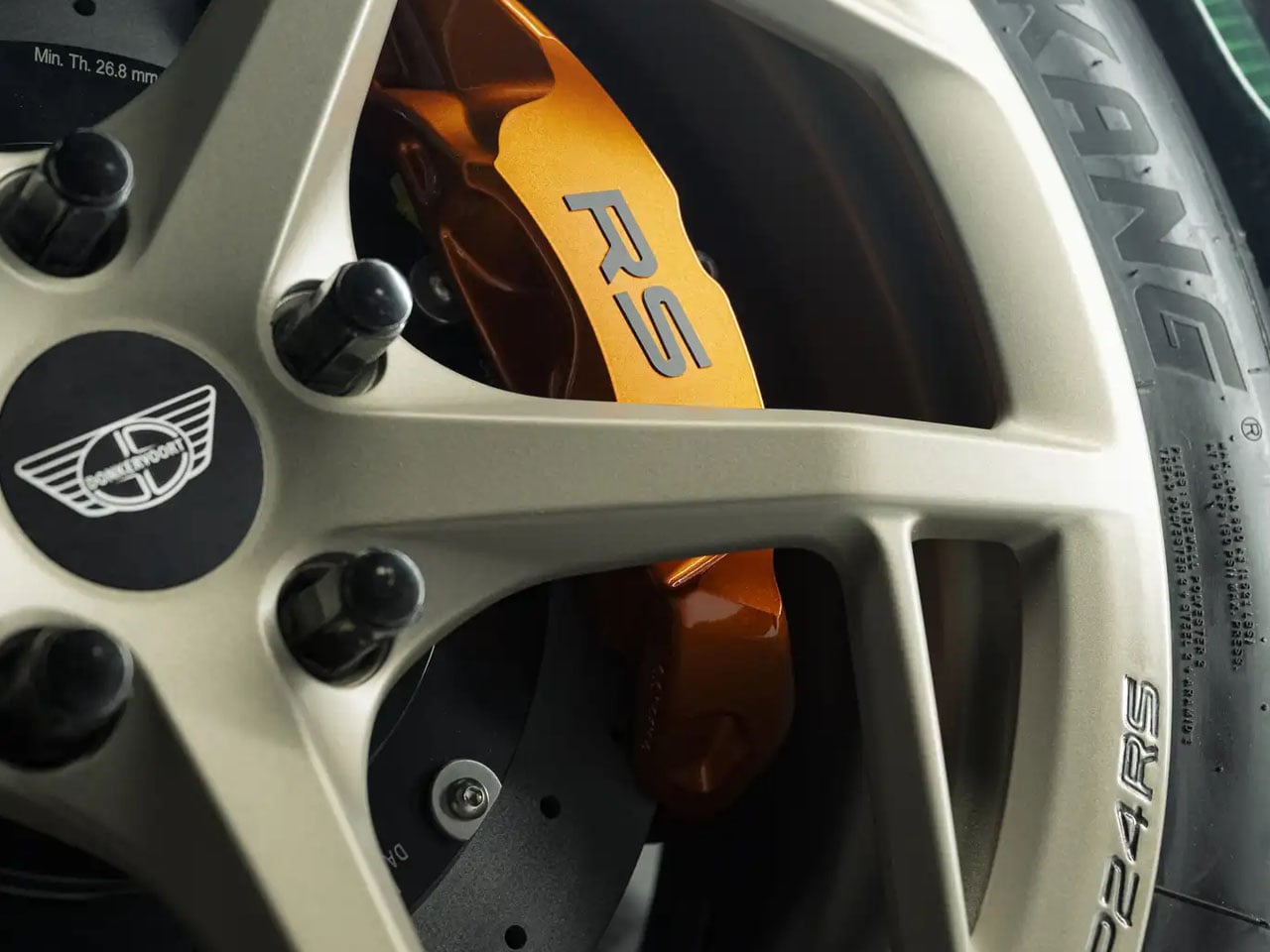
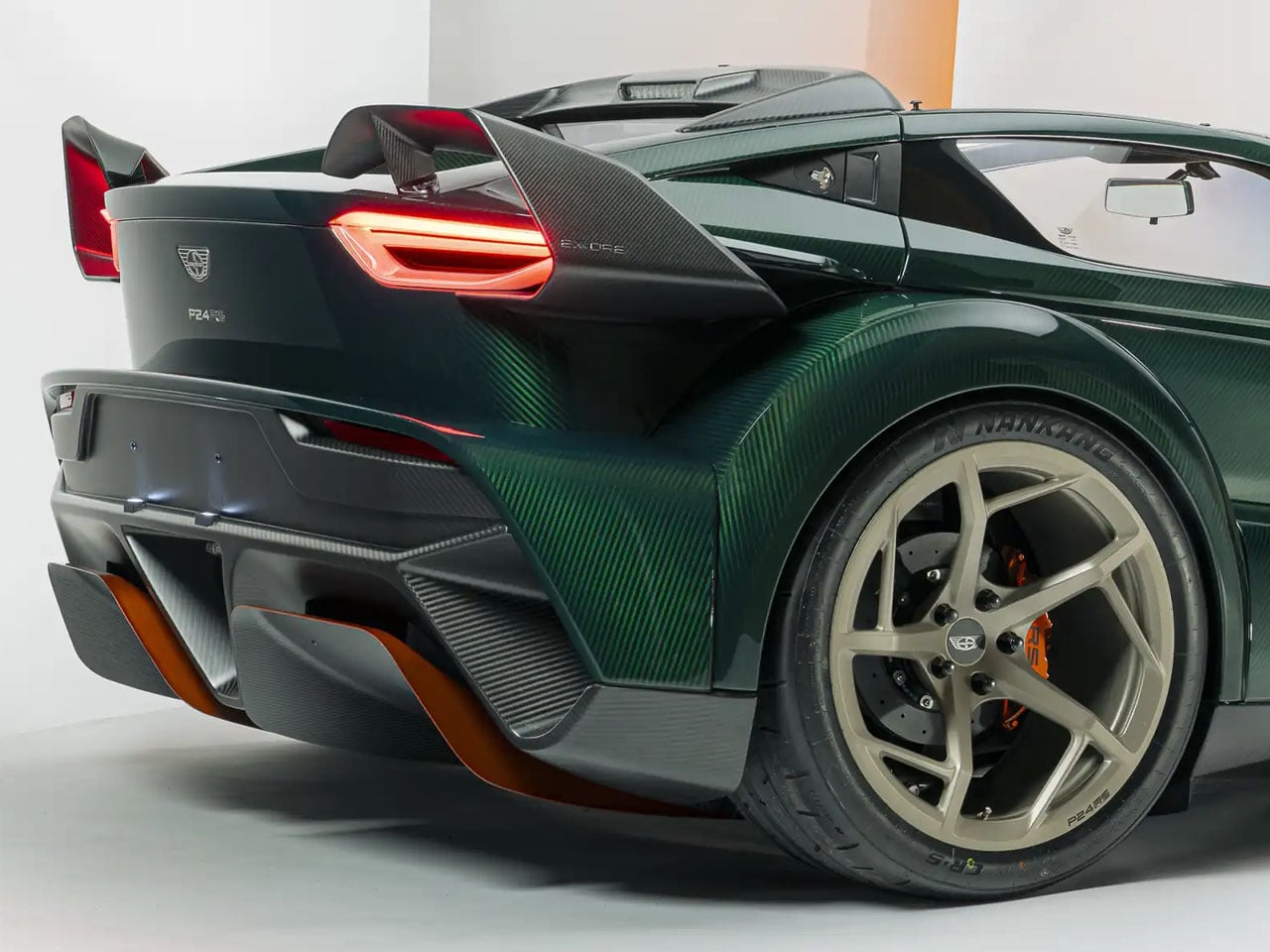
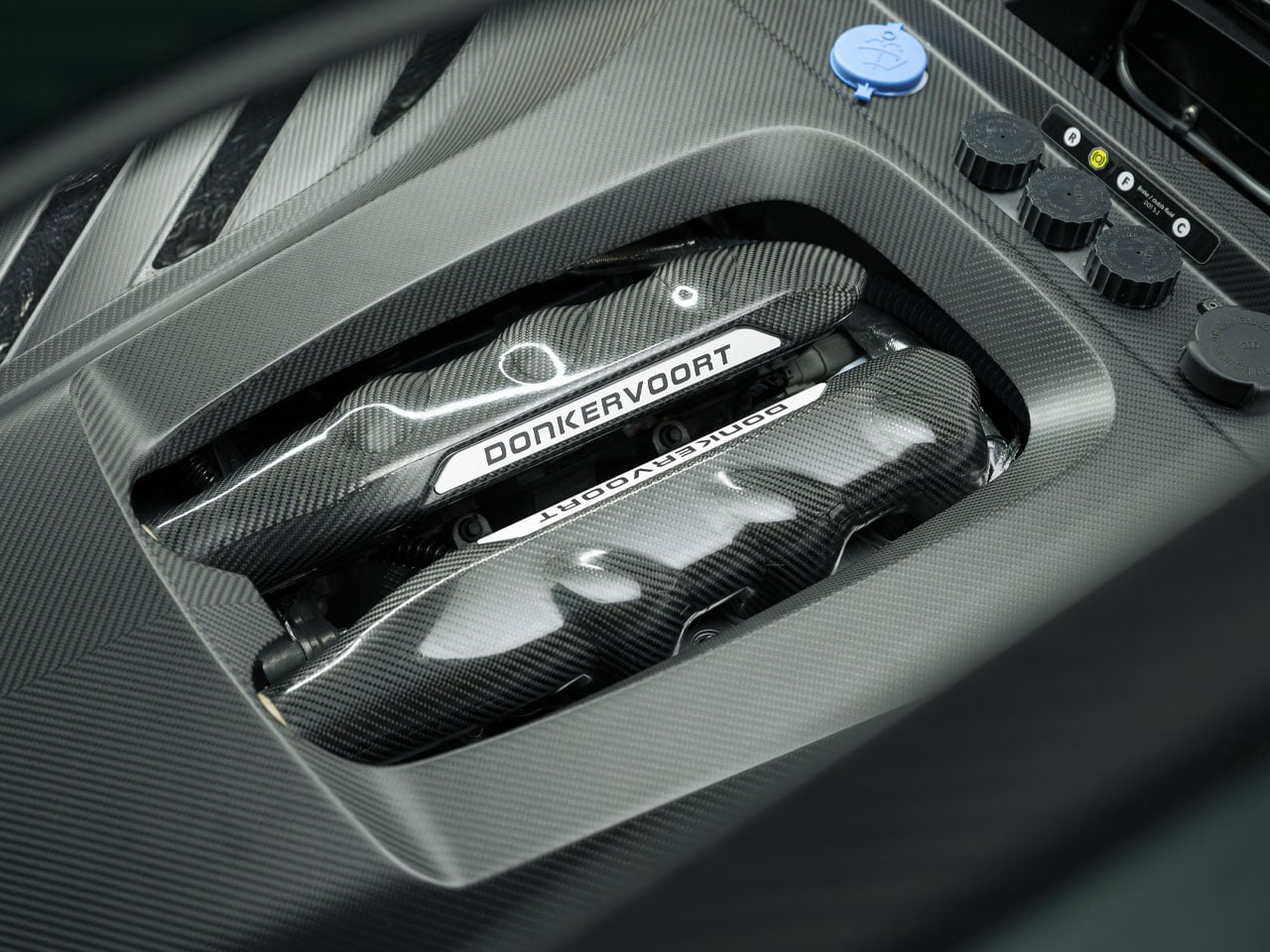
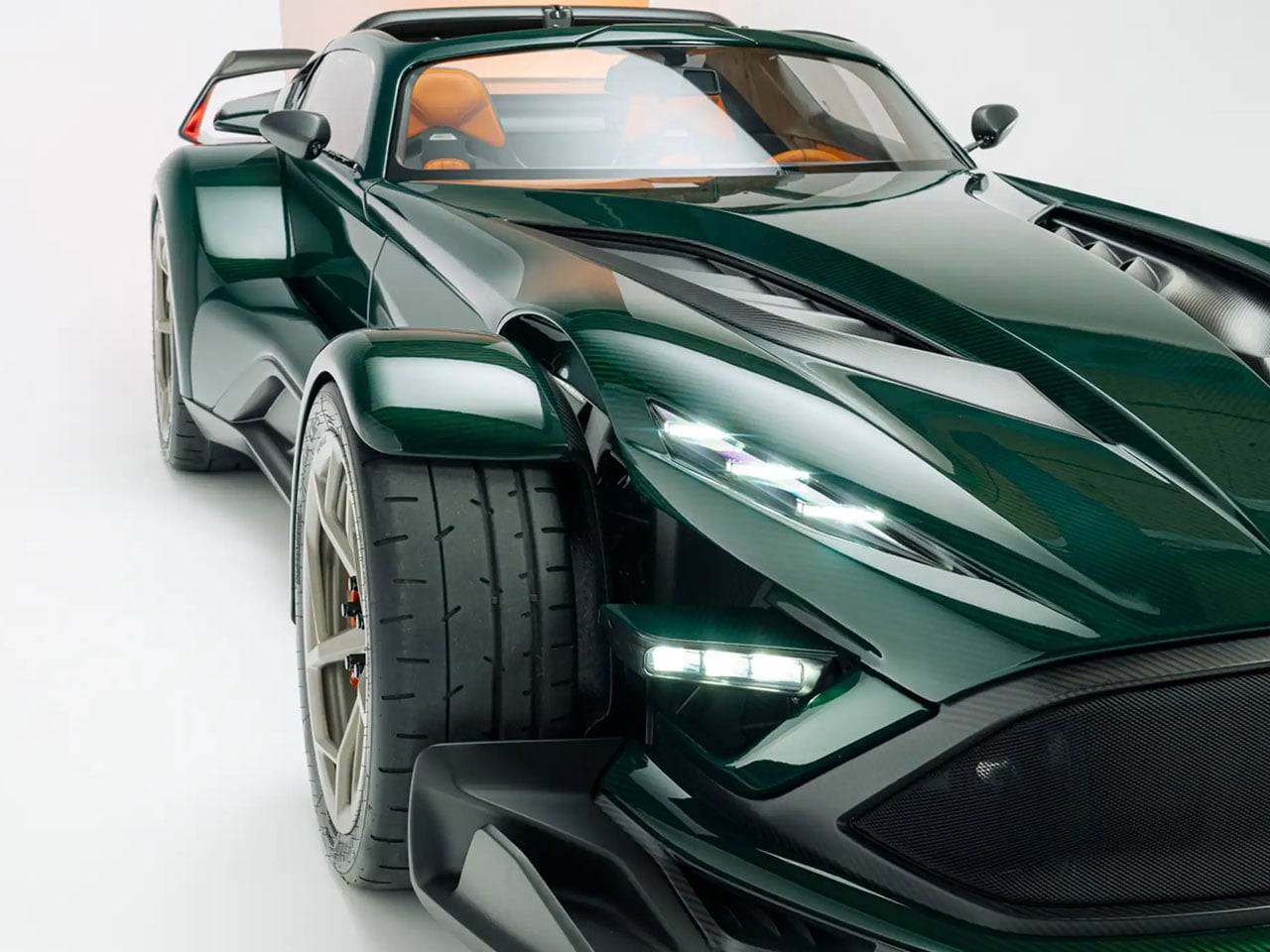
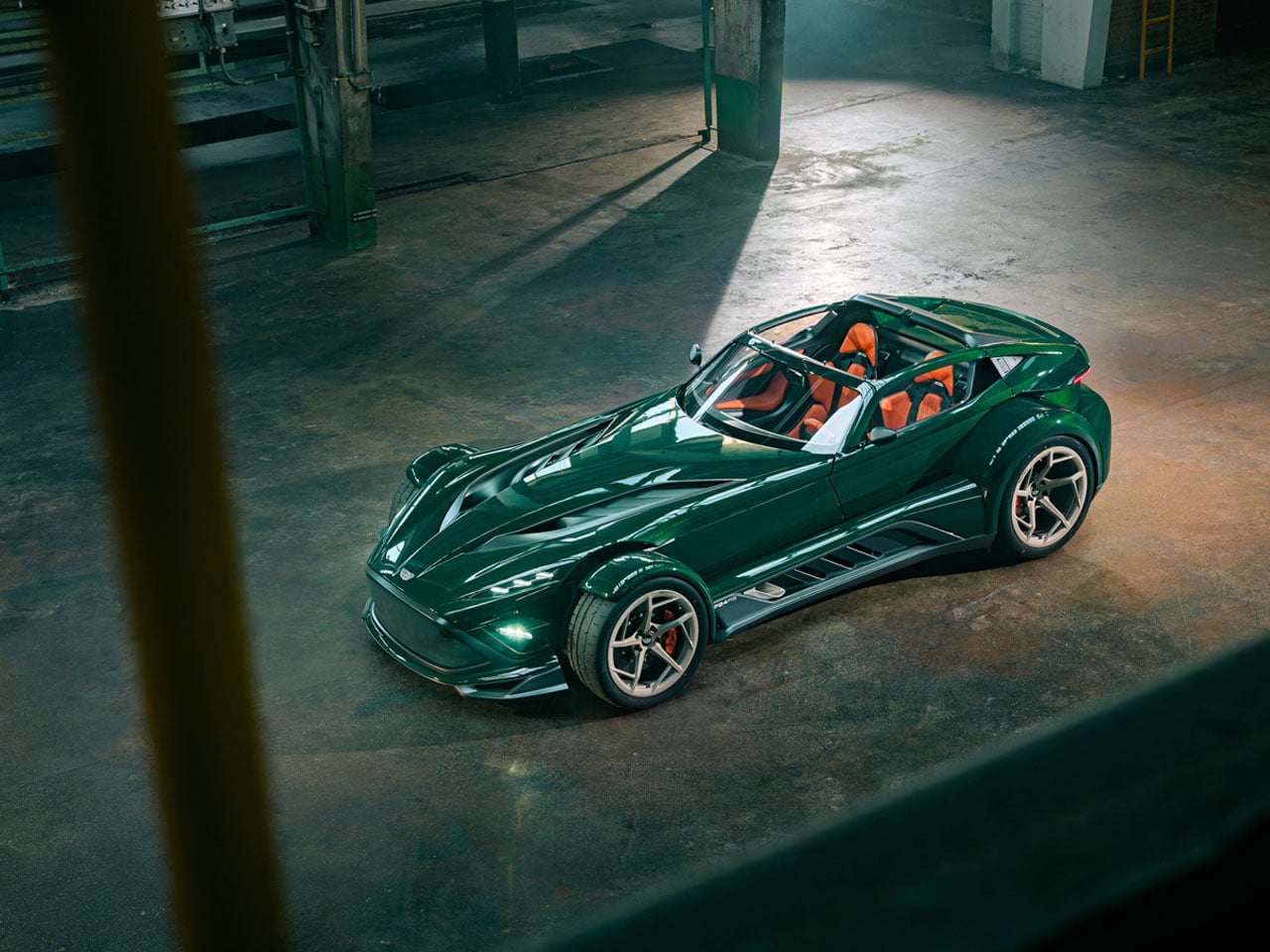
The Donkervoort P24 RS two-seater analogue supercar that looks like an Aston Martin DB12 with a long hood up front and exposed wheels. Straight out of the Hot Wheels world, the performance car packs a 3.5-liter twin-turbocharged V6 engine delivering 600 horsepower and 590 pound-feet torque. The power-to-weight ratio is high, given the car weighs 2,204 pounds, literally making it a road-legal race car on the streets. The driver can toggle the horsepower via the Power to Choose technology with three different outputs: 00, 500, or 600hp. That means 770hp per ton power-to-weight ratio at the highest settings, something similar to the mighty Bugatti Chiron.

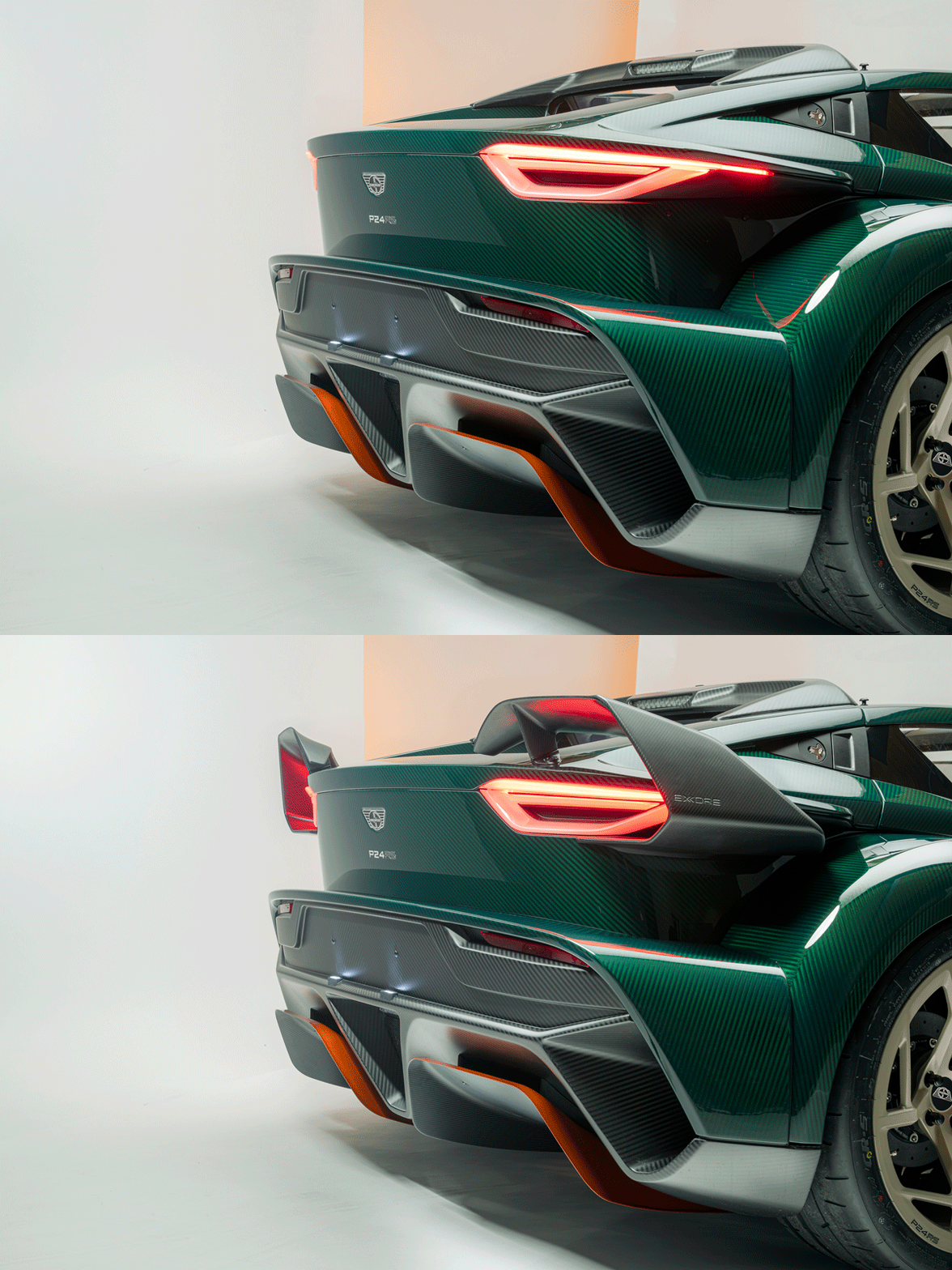
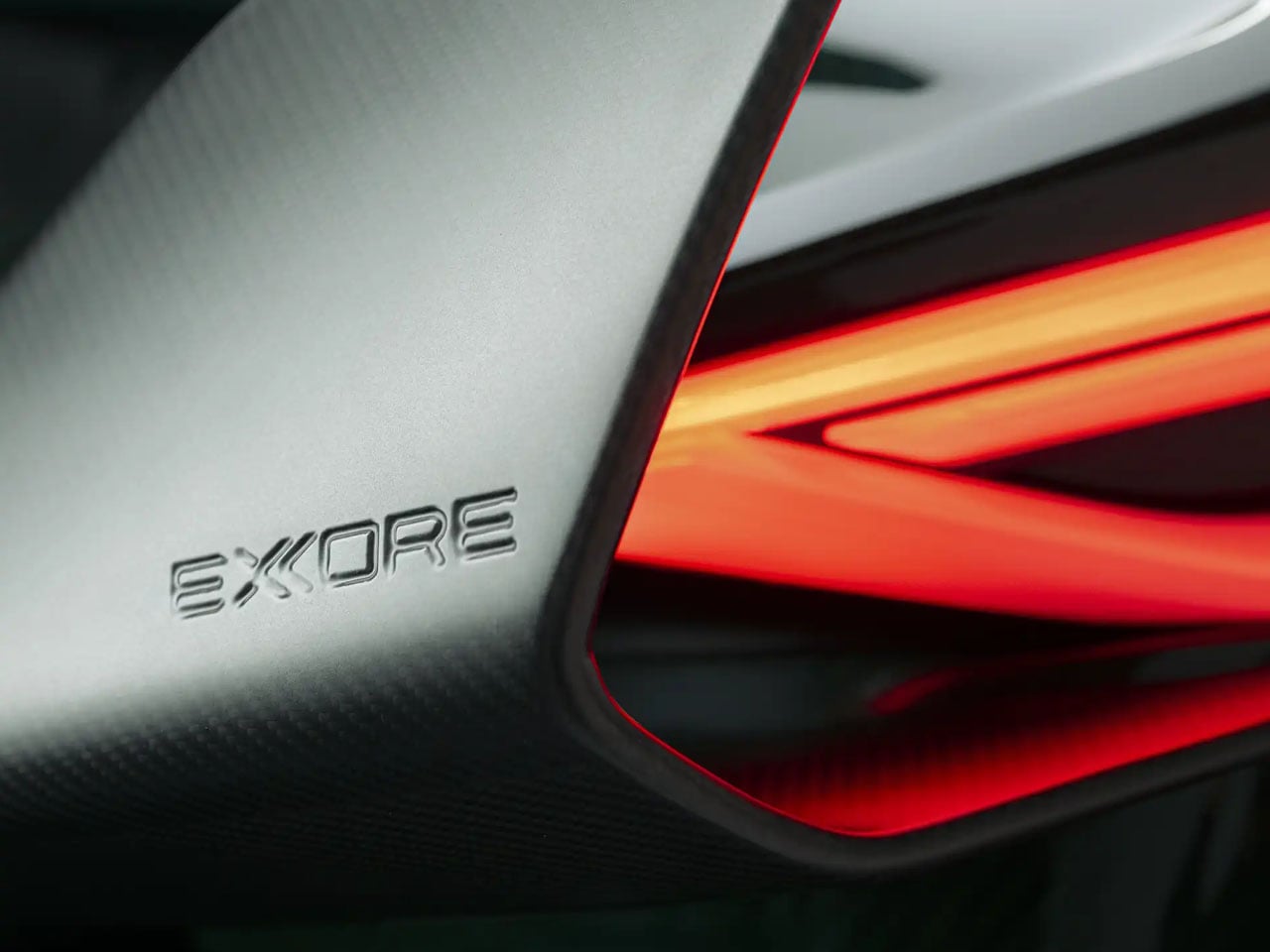
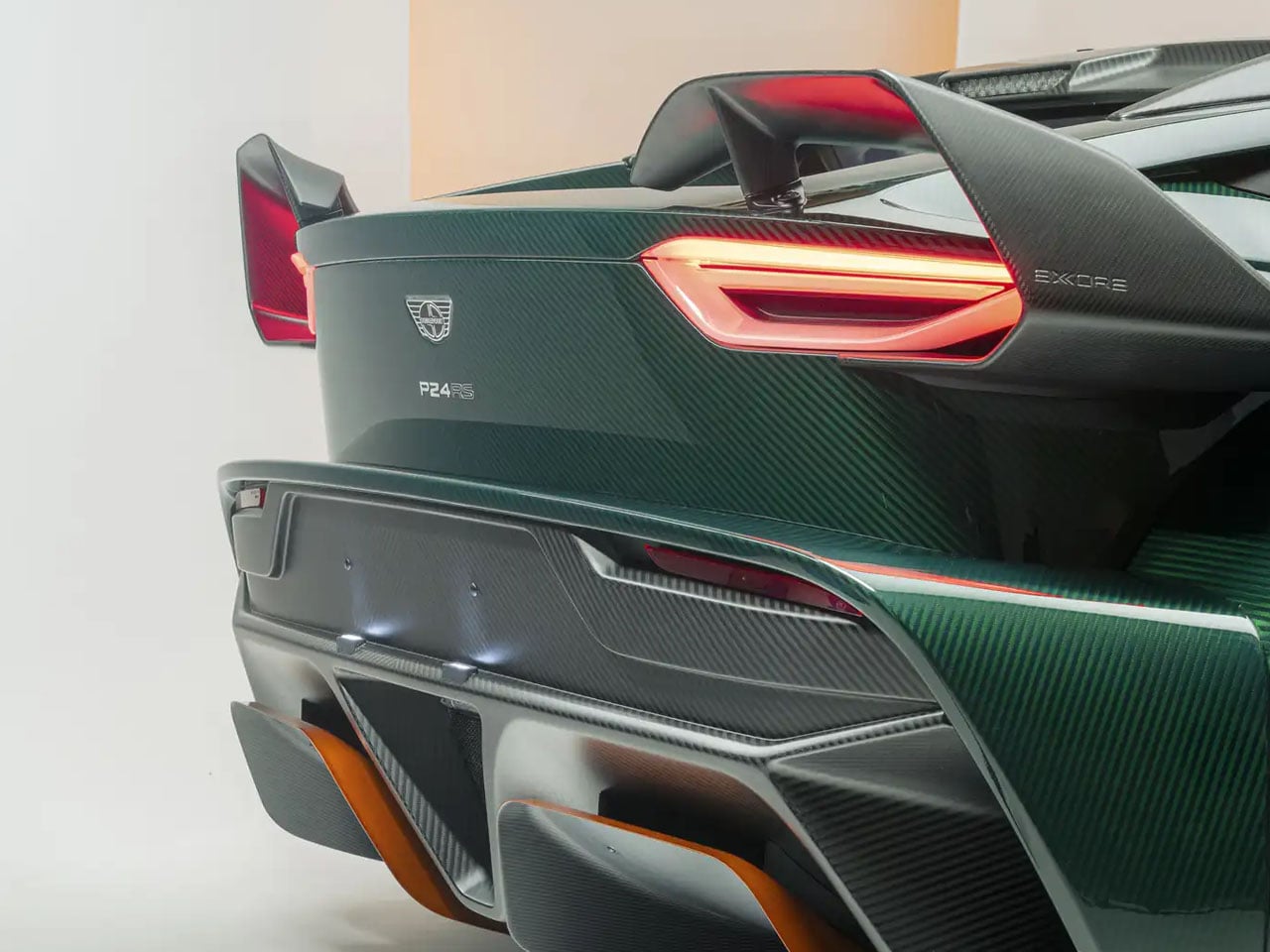
Body components of the P24 RS are made out of carbon fiber and the in-house developed Ex-Core material, which is a combination of foam and carbon fiber. That explains the uniquely shaped body panels that are more flexible yet highly durable to take on the stresses at high speeds. Purists can attach two wings at the rear and a deep front spoiler to enable 198 pounds of downforce at speeds of 155 mph to keep the car glued to the tarmac and maneuver the track with maximum stability. Those cheeky Aero Blade headlights also fold away behind the grille when not in use to maximize airflow, assisting in peak performance at high speeds during daylight. The optional aero package can be easily removed and stored inside the 290 liters boot when not needed.

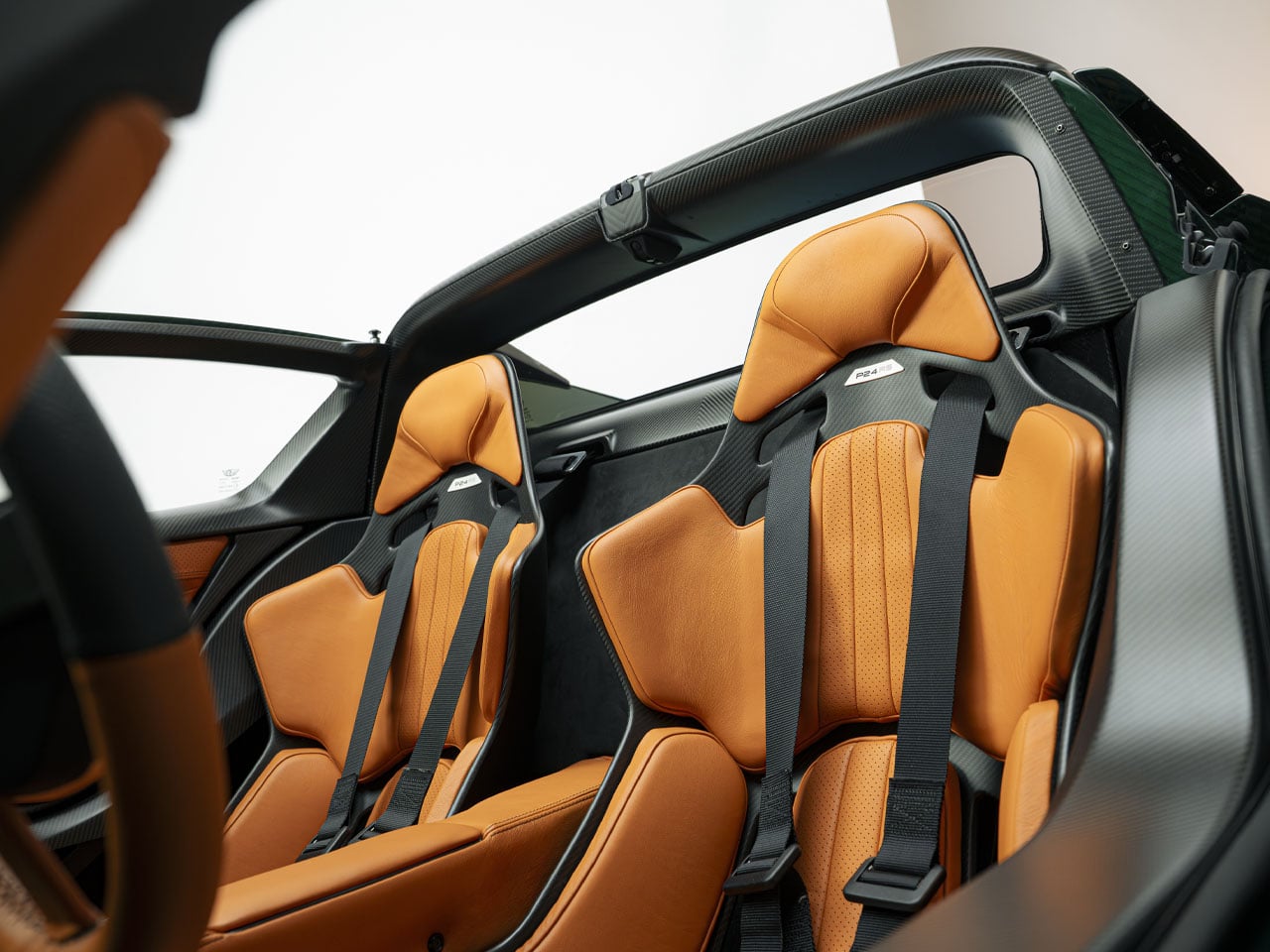
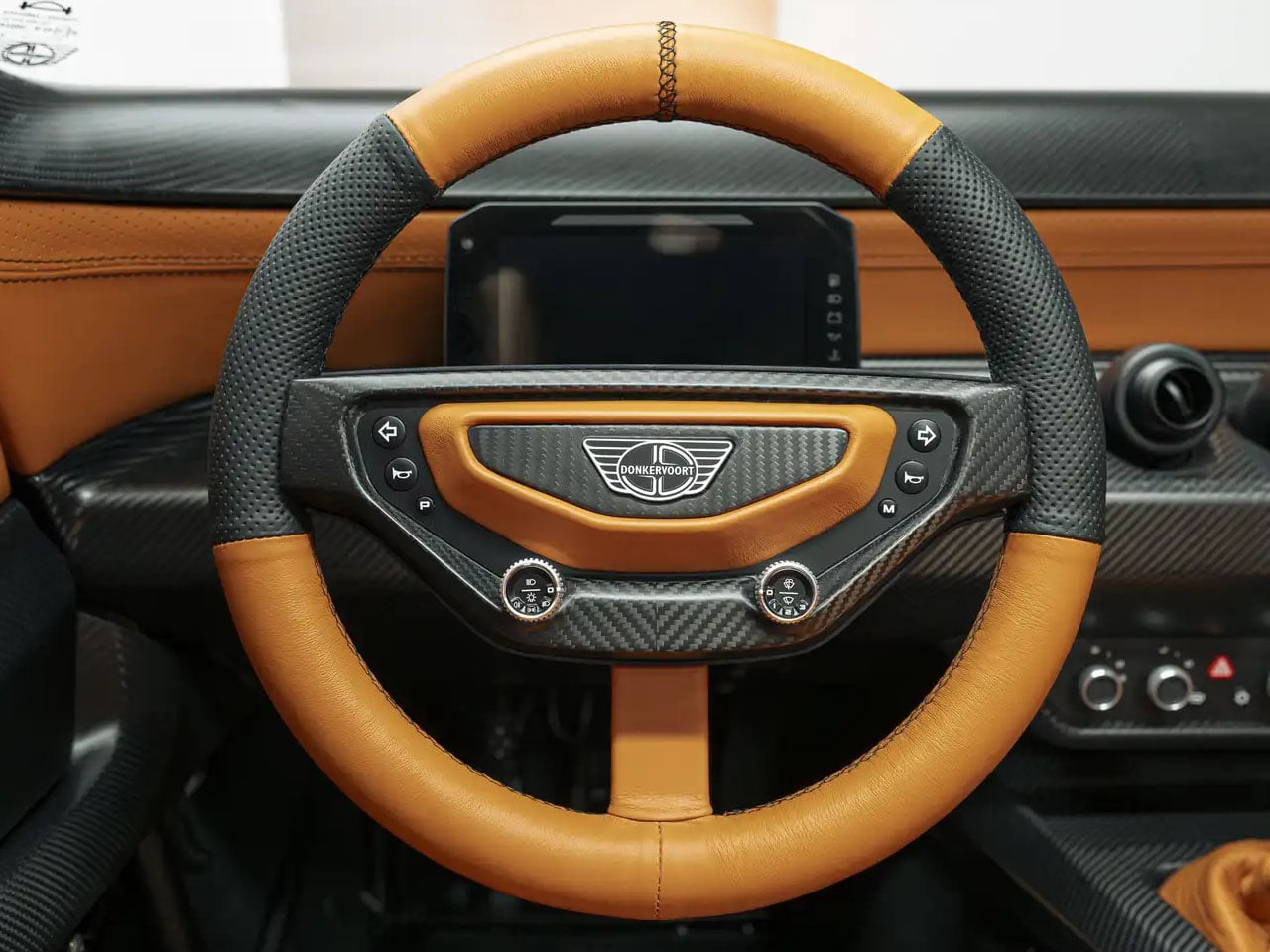
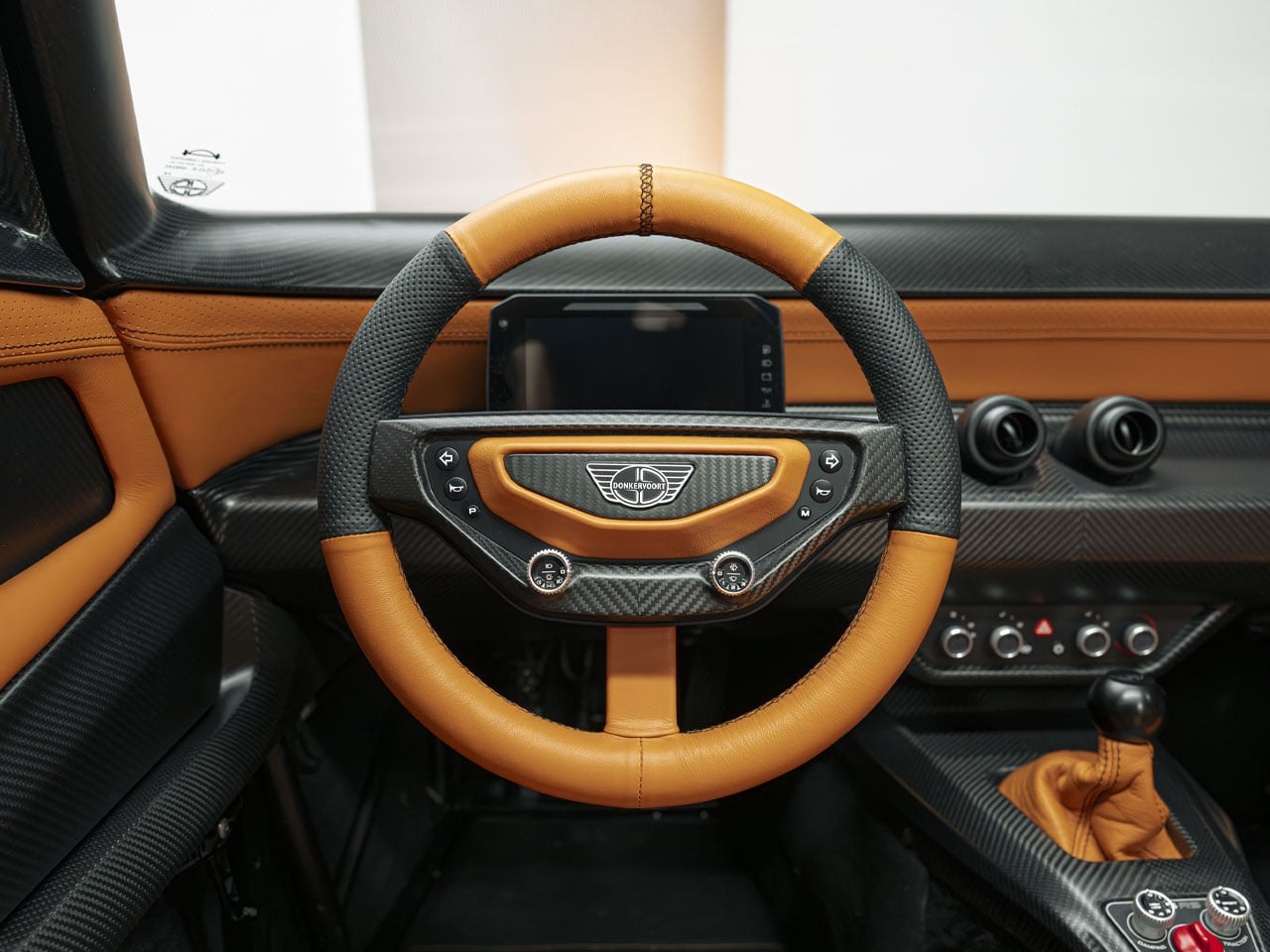
The interiors are as good as the exterior with matching colored leather trims for the steering wheels, doors, and the gear shifter. Carbon fiber inserts flow down to the inside of the dashboard as well as the side panels to keep the weight down while not compromising on the theme. The racing DNA is apparent in the bucket seat design that only misses one thing: a secure roll cage. The roof can be removed in no time to feel the thrill of speed. Not much has been detailed by the maker about the specific material choices, but it is for everyone to see.

Only 150 examples of the Donkervoort P24 RS will be made, out of which 50 have already been booked by customers in the U.S., Europe, and the Middle East. Deliveries are slated for the April timeline, with the starting price tag set at 298,000 Euros (approximately $354,000). The lightweight driver-focused supercar is a clear manifestation of Denis’ belief that “no supercar is worth the weight.”

The post Donkervoort P24 RS is a counterpunch build for drivers who crave raw speed first appeared on Yanko Design.
2024 Lamborghini Huracán Sterrato Debuts Exclusive Livery – All-Terrain Luxury Meets Design at Milan Design Week

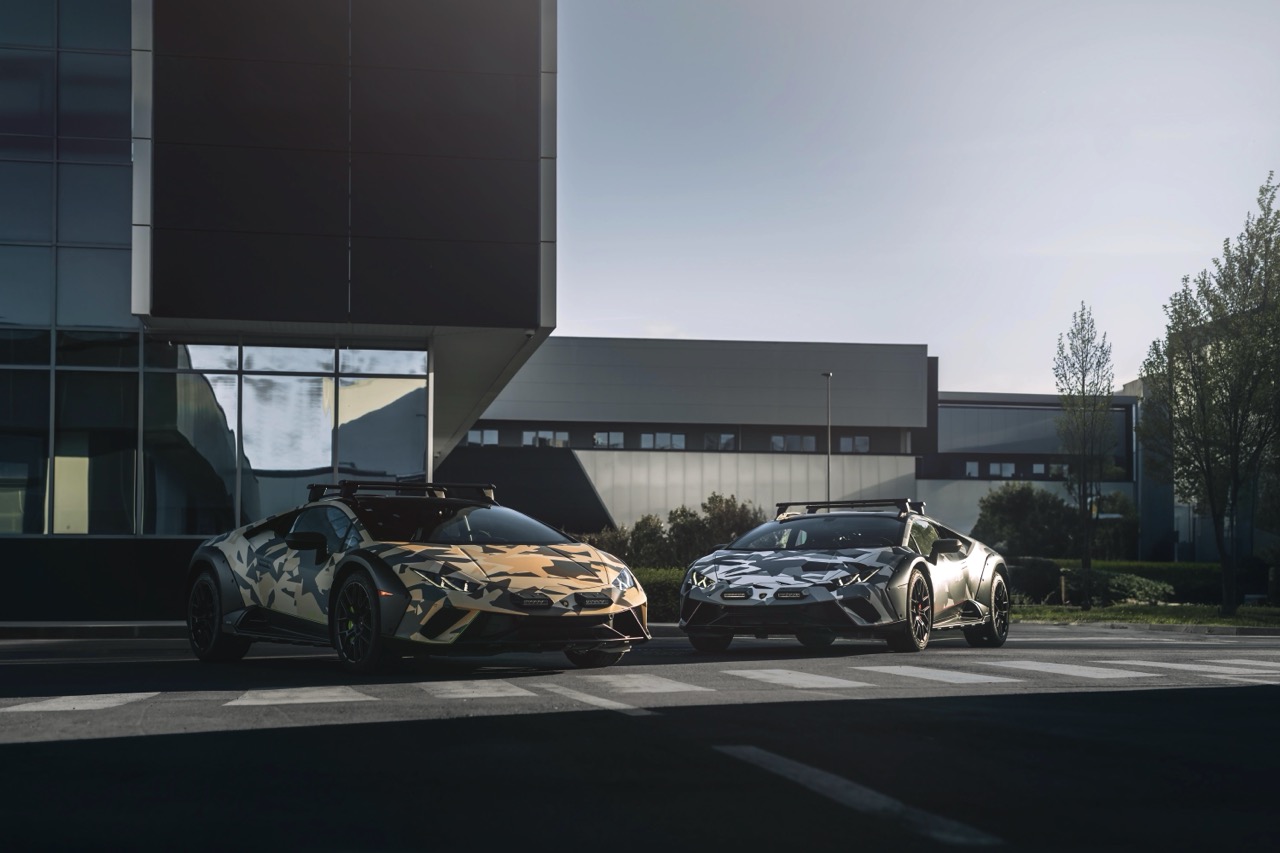
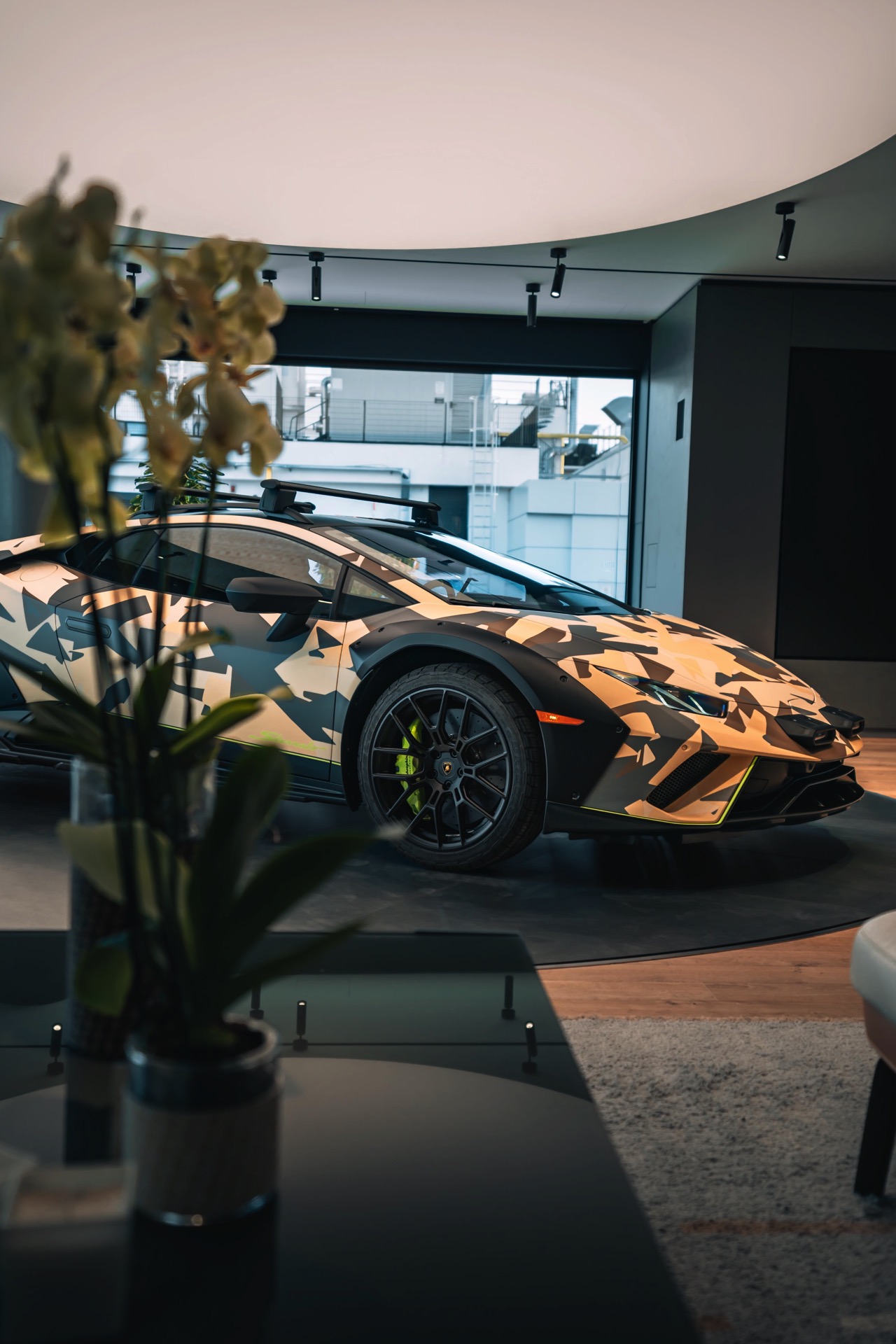
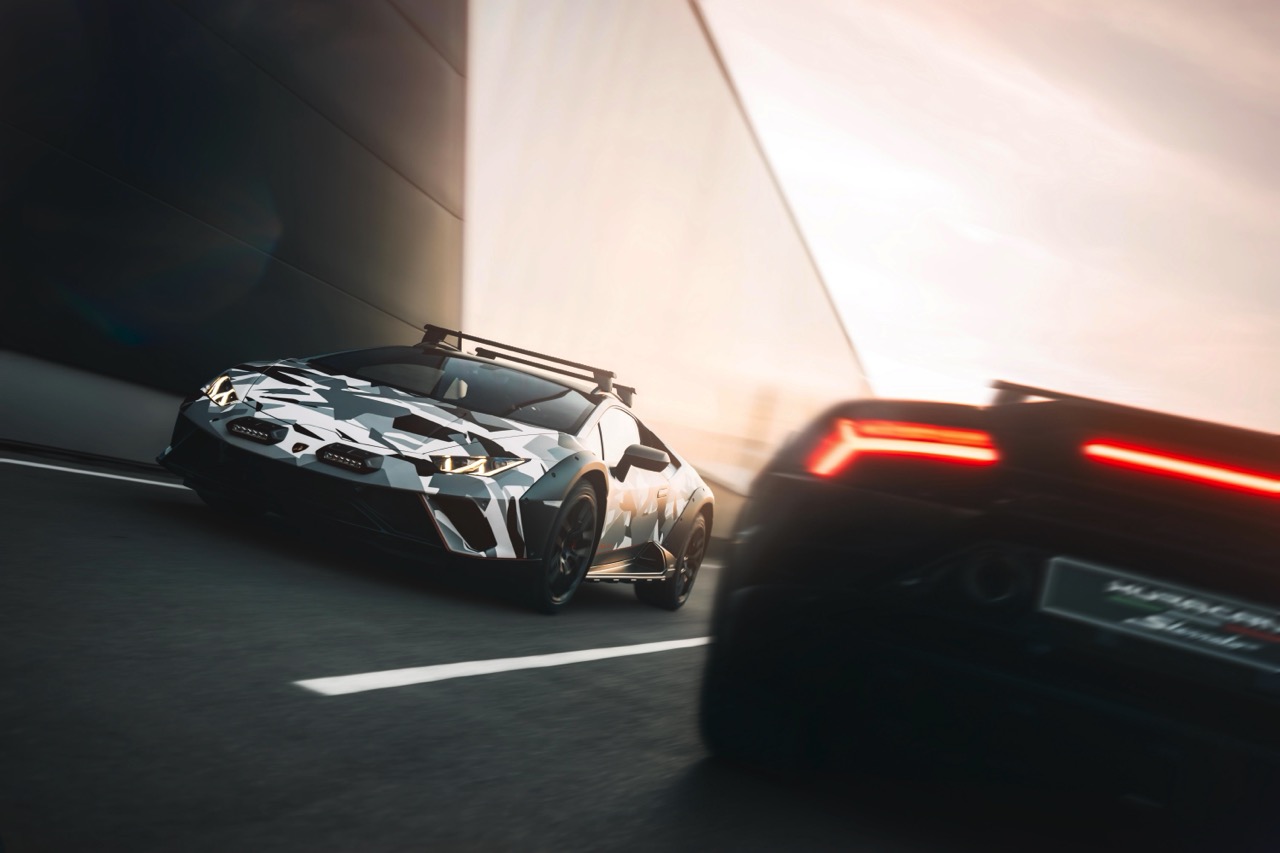
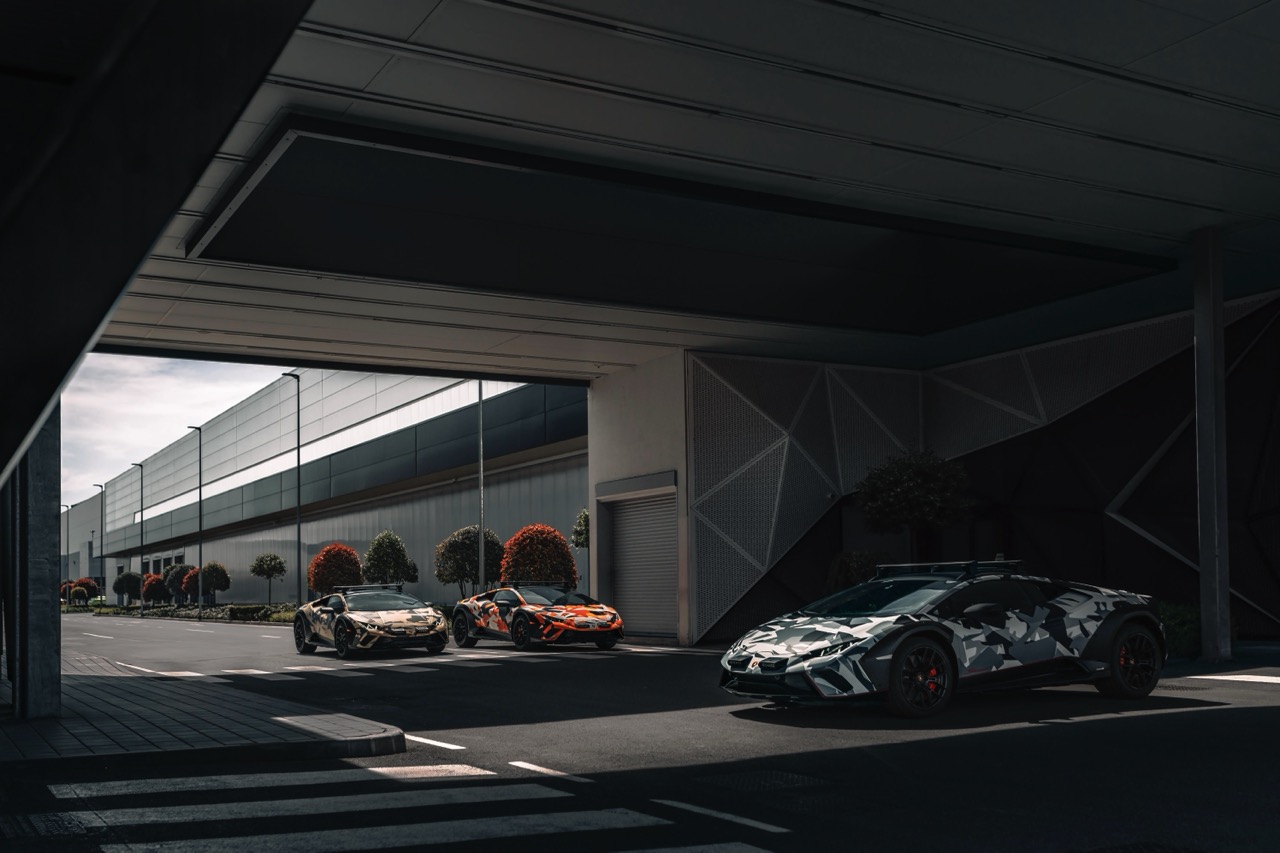
At Milan Design Week 2024, Lamborghini unveiled the ‘All Terrain’ Ad Personam series for the Huracán Sterrato in a dazzling display that redefined what a super sports car can be. This limited edition series, featuring 12 uniquely designed vehicles, brilliantly reflects the earth’s varied landscapes through sophisticated design and technological advancements.
Designer: Lamborghini’s Ad Personam studio + Centro Stile

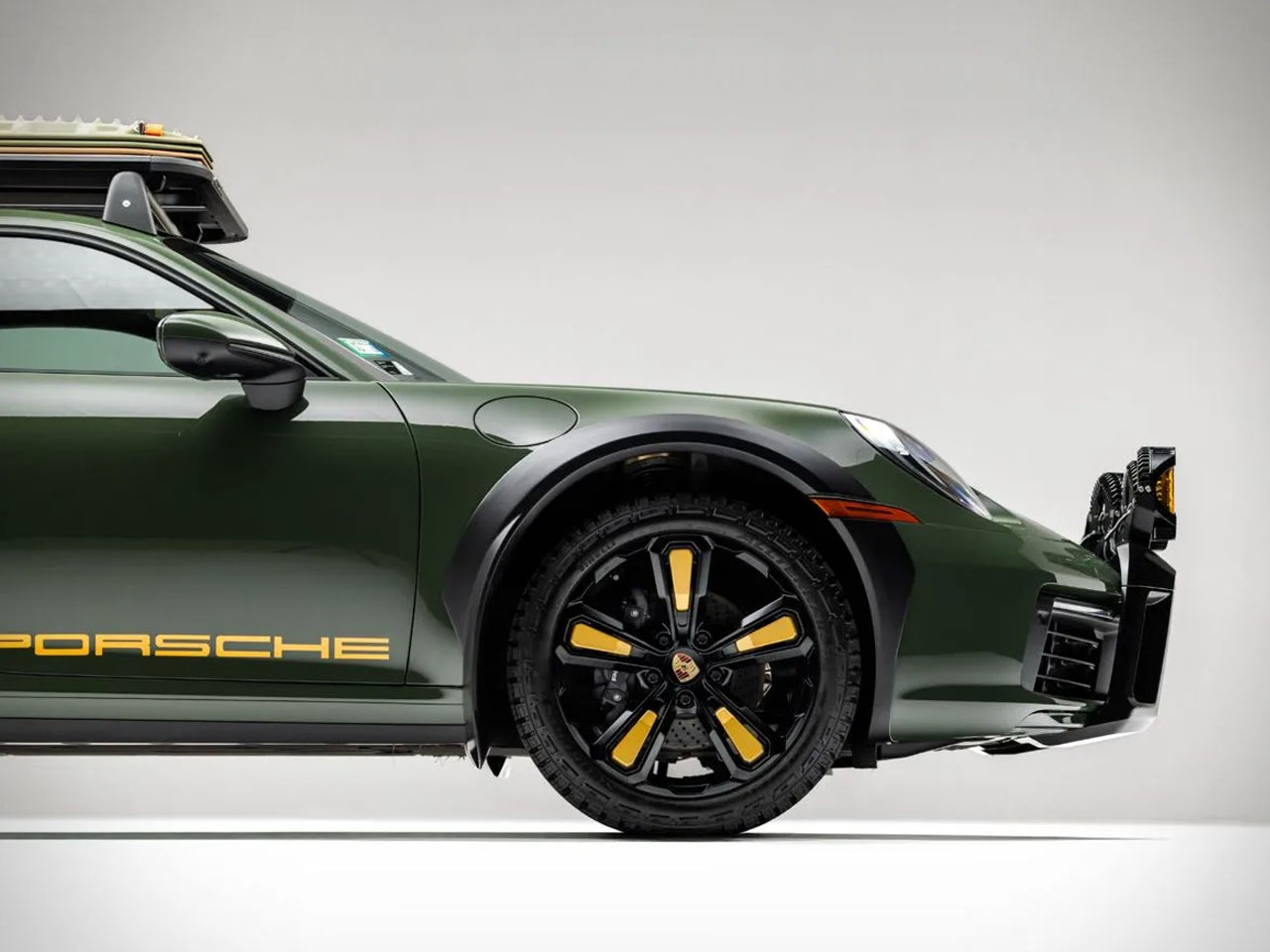
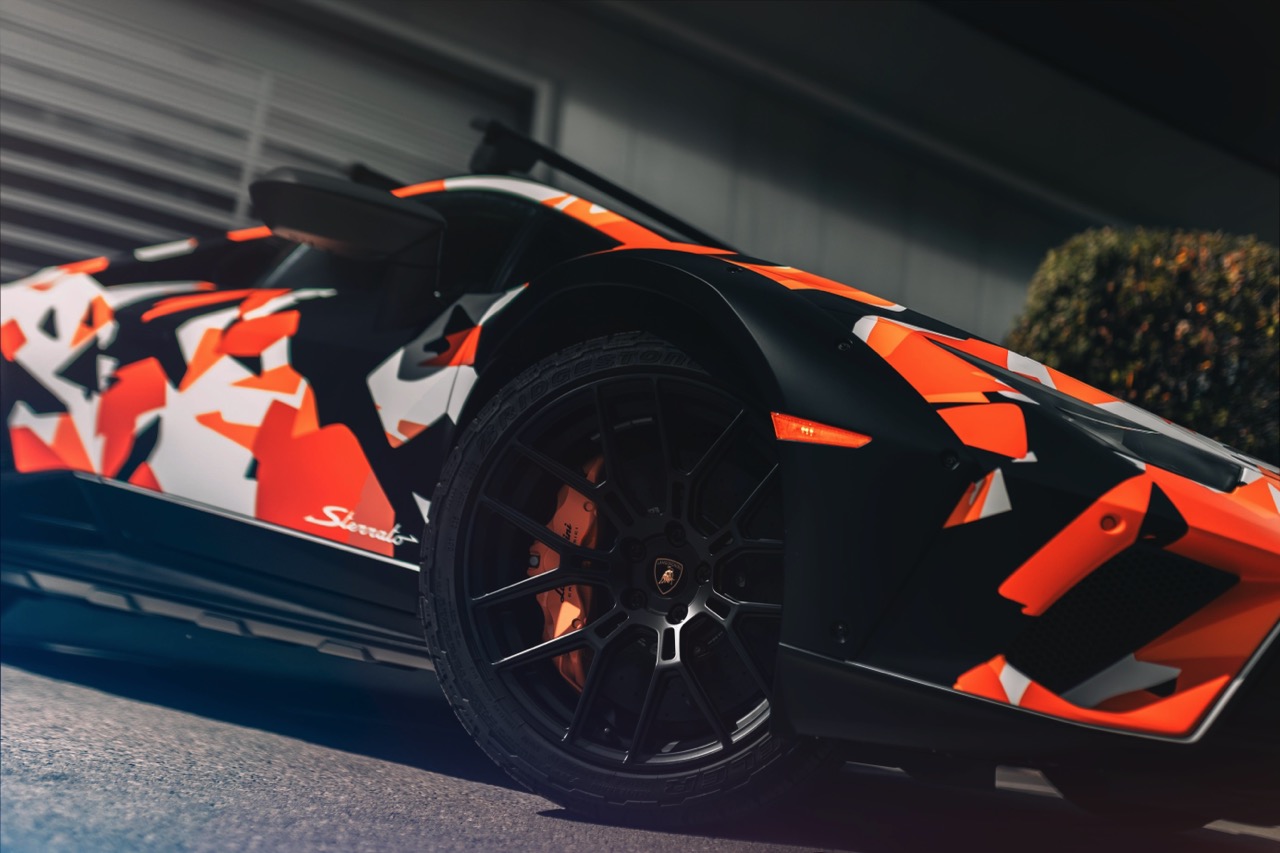
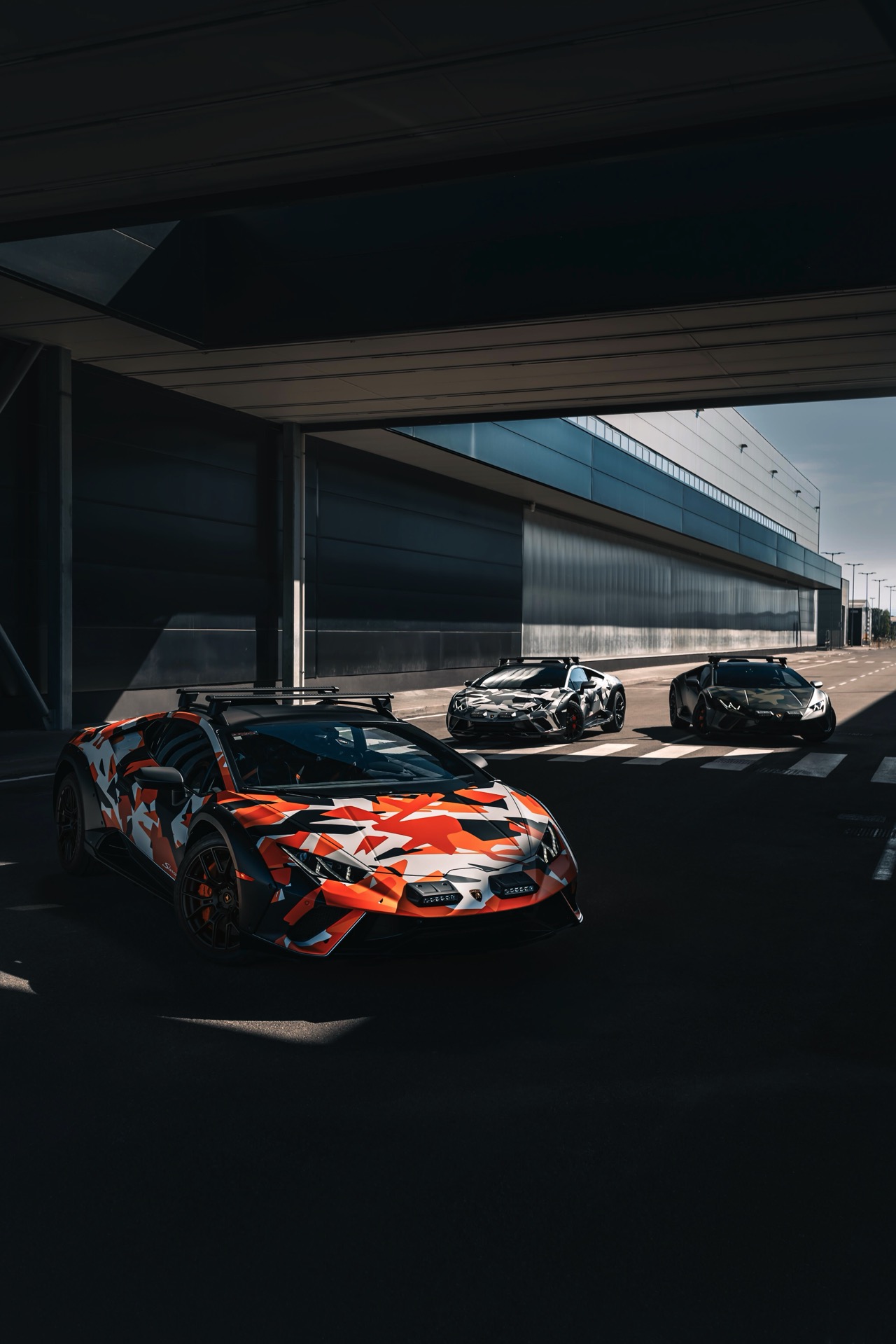
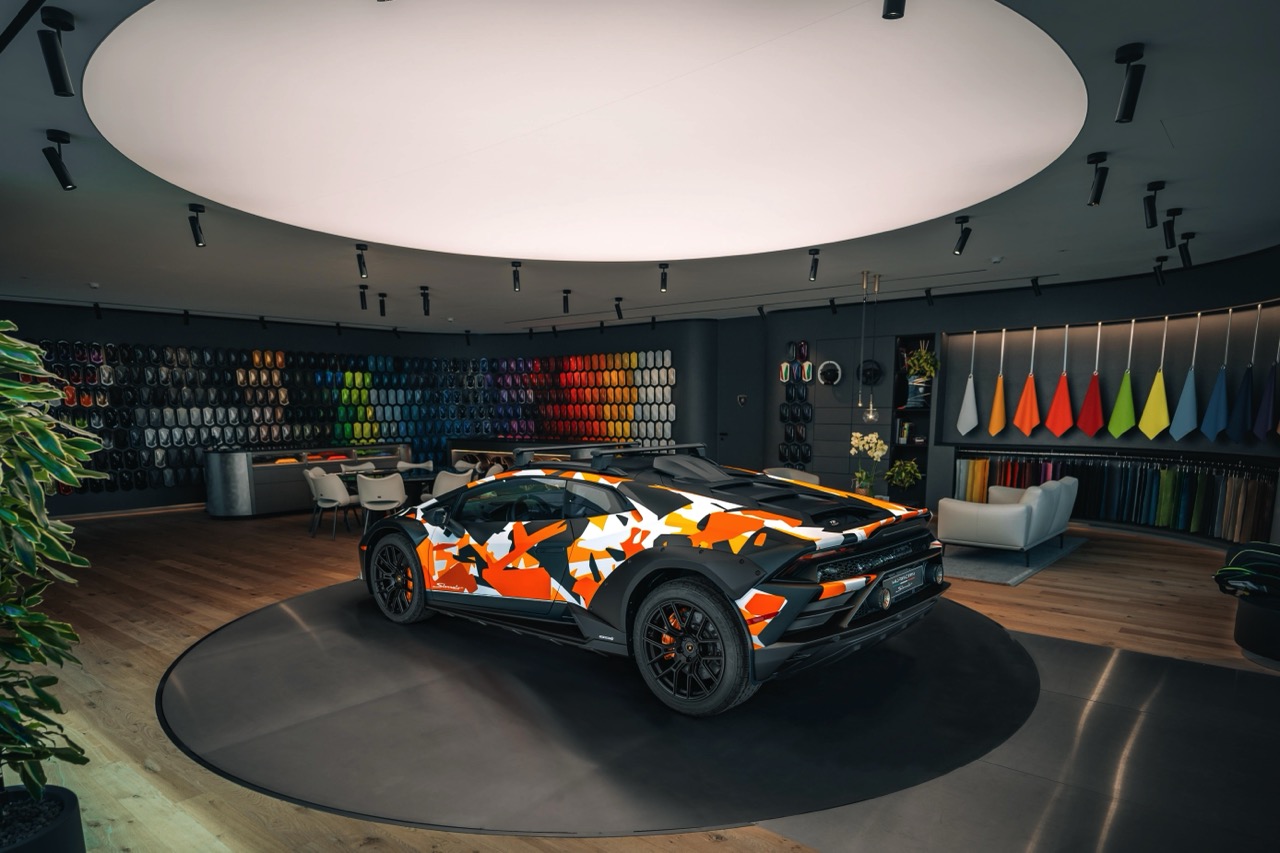
Stephan Winkelmann, CEO of Lamborghini, highlighted the Sterrato’s dual nature at the event. He emphasized its capacity as both a performance vehicle and an adventurous explorer, capable of forging new paths with the same ease as it races down a track. The design of the Sterrato, a product of the collaborative genius of Lamborghini’s Ad Personam studio and Centro Stile, embodies this ethos. Each version of the car is painted in a matte camouflage scheme that corresponds to different environments: NEVE (snow), SABBIA (sand), BOSCO (green track), and TERRA (gravel), further accentuated by a matte black finish on the roof, bonnet, and lower body, accented with unique colors, 19” matte black forged rims, and custom caliper colors.

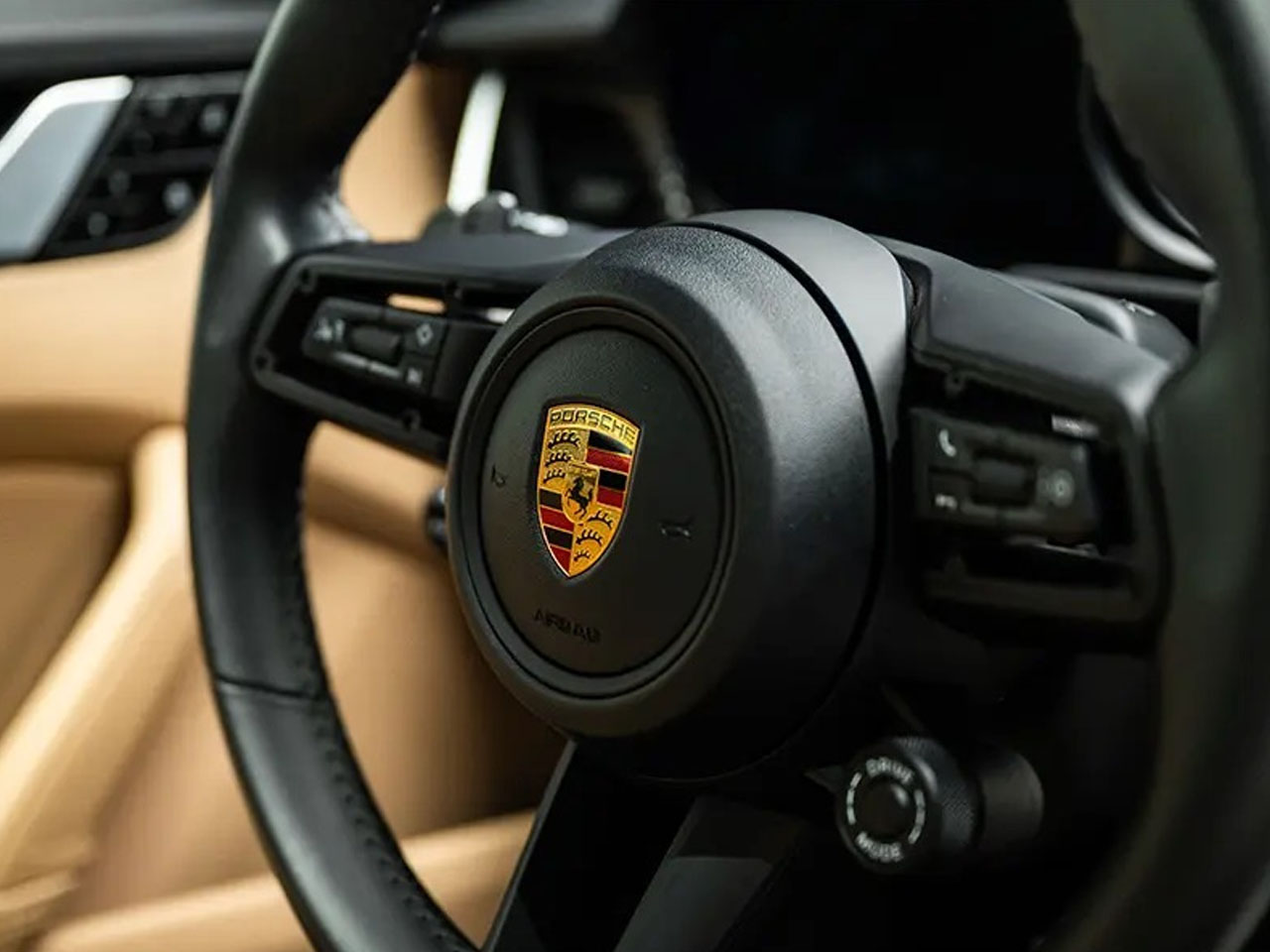
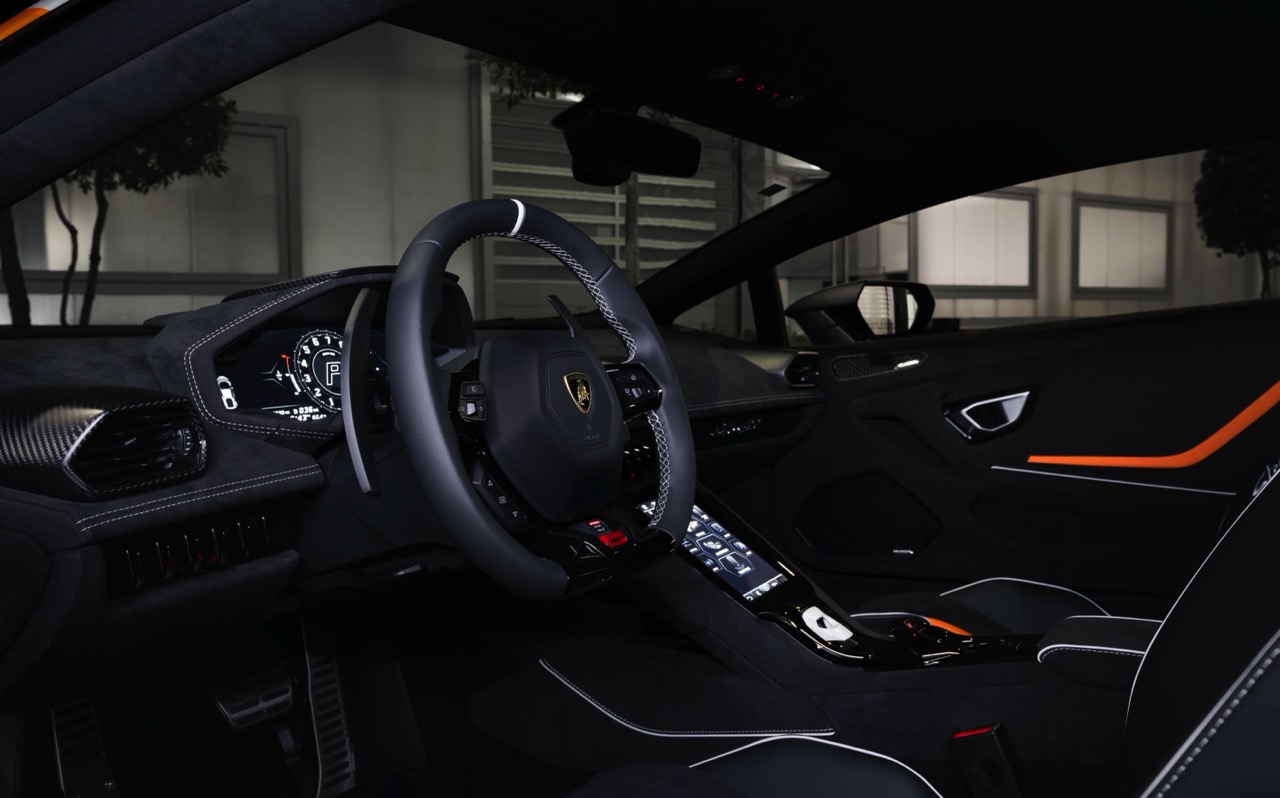
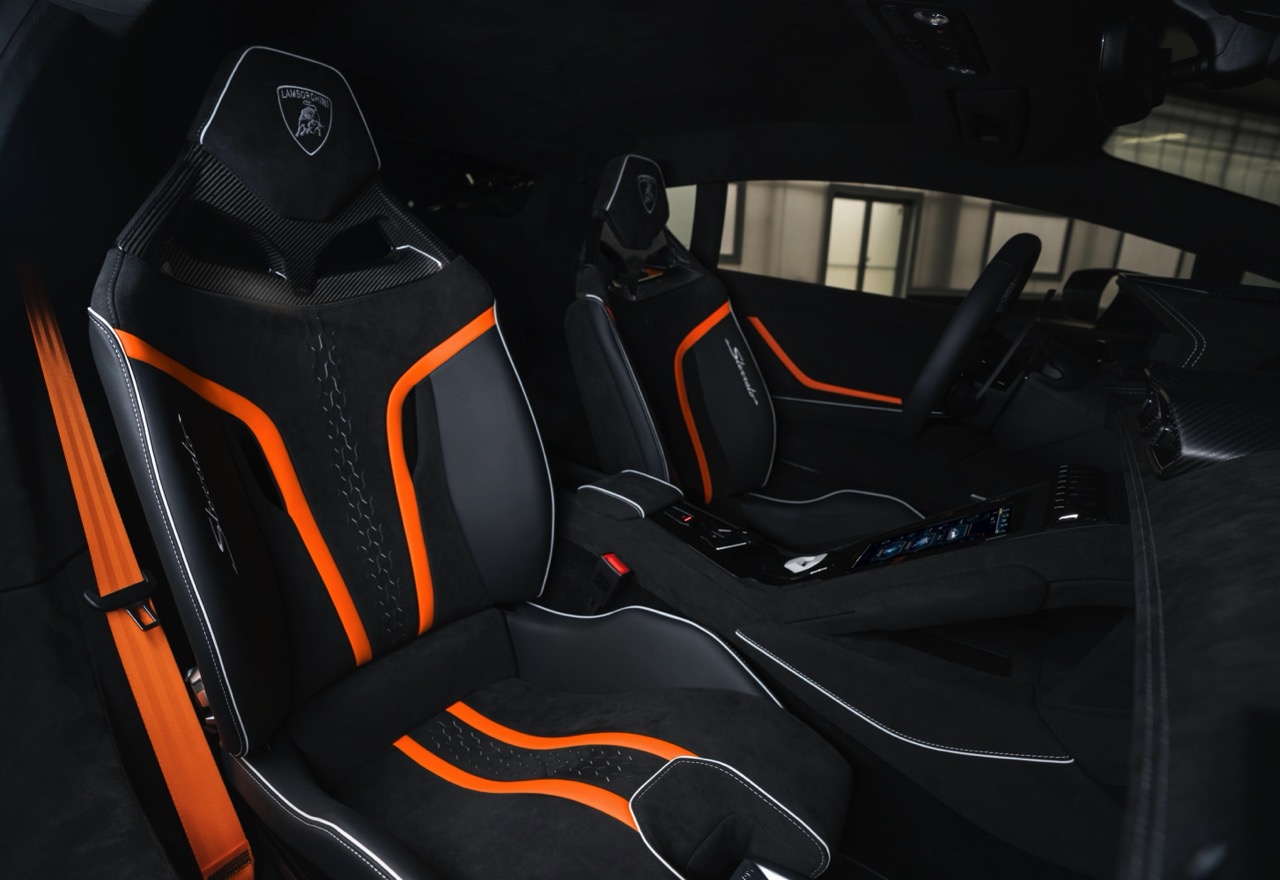
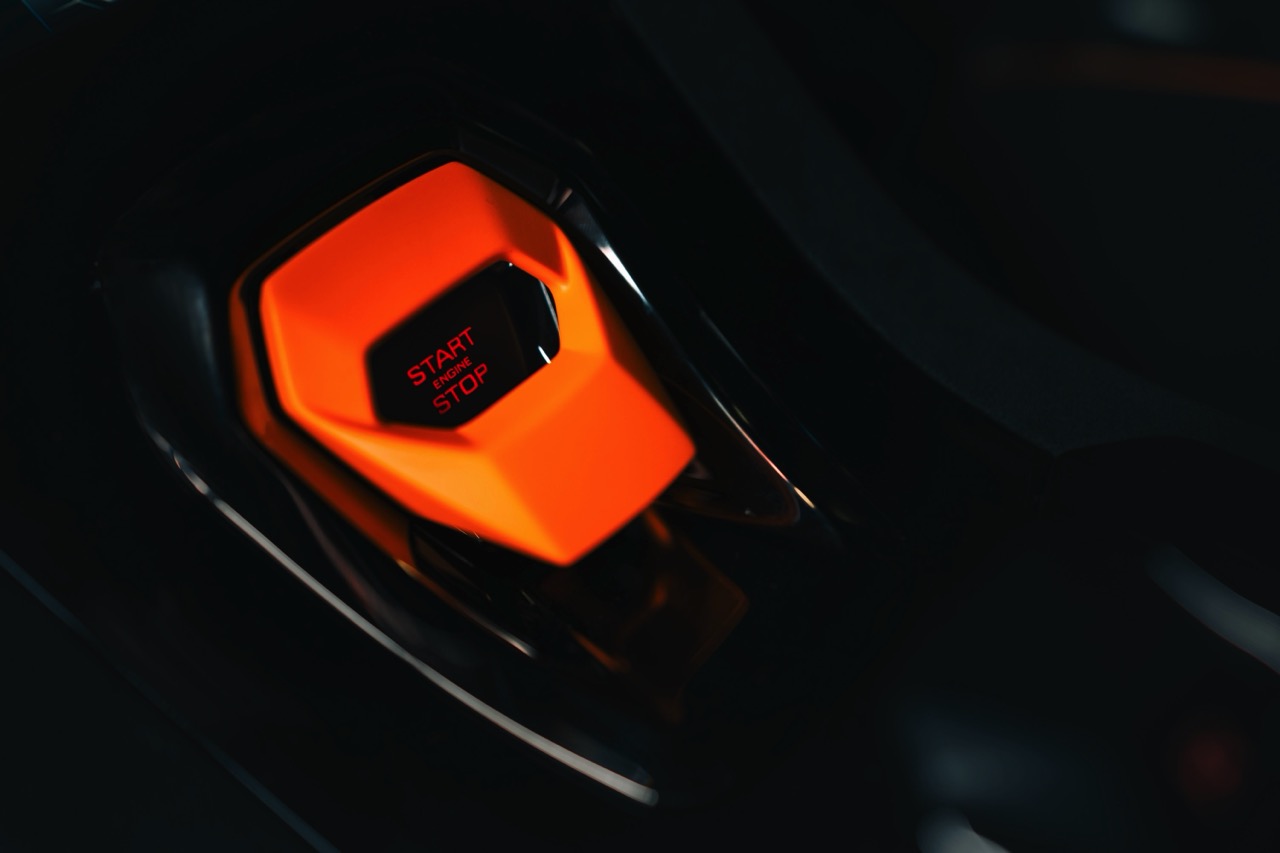
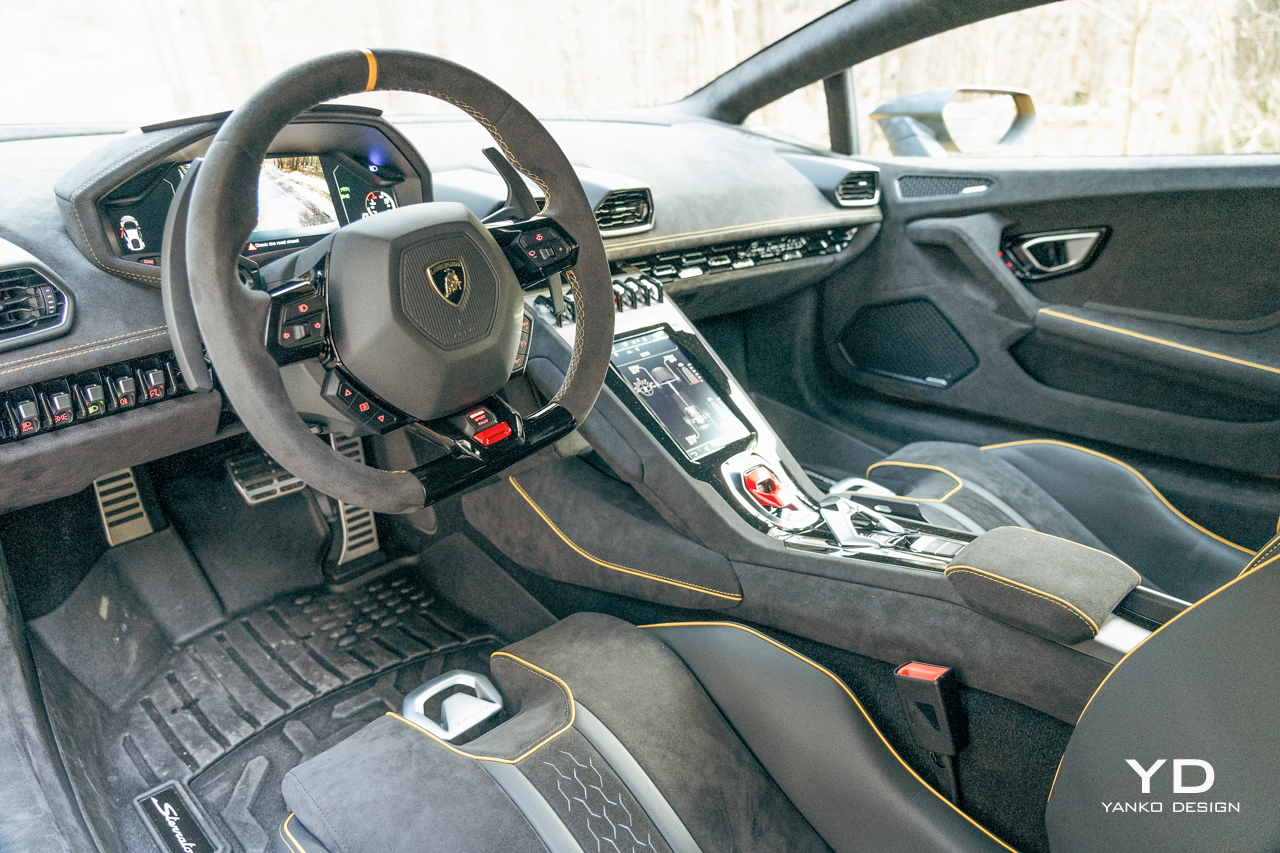
Inside, the Sterrato continues its thematic journey with dark chrome, carbon twill, and Alcantara finishes, enhanced with custom graphics and an Ad Personam plate that reflects the external livery. Mitja Borkert, Head of Design, shared, “The All-Terrain Sterrato is a true Lamborghini in its dynamic abilities and surprises by delivering the unexpected. It’s a joy to drive and ready for any adventure.”

The Milan presentation featured a dramatic stage display with a giant Trompe L’Oeil, created by an Italian artist, setting a perfect backdrop that echoed the power of nature and the promise of adventure.

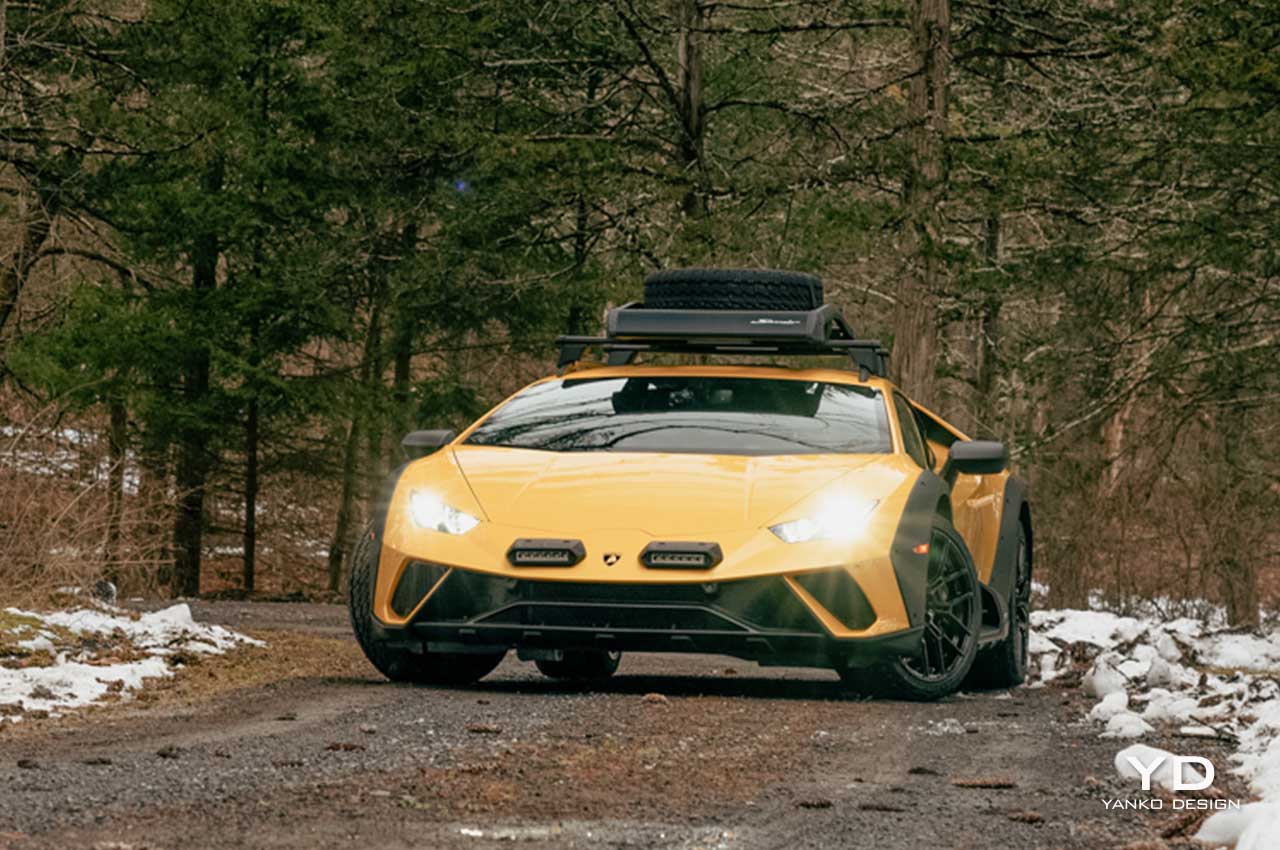
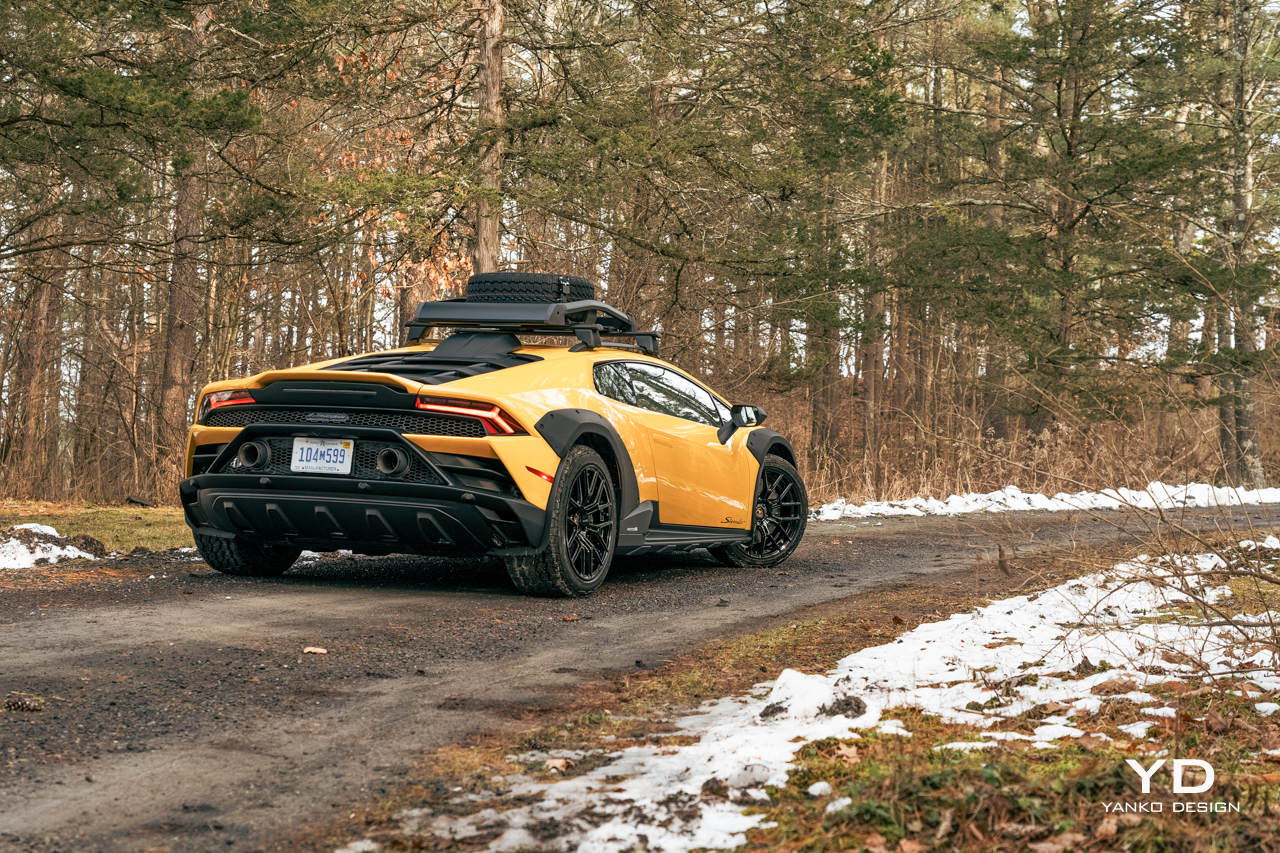
I must admit, I’m quite envious that Tim Stevens had the opportunity to experience the Sterrato firsthand. In his review, Tim applauded the vehicle for its exceptional all-weather performance, dramatic styling, and the immersive sound of its 5.2-liter V10 engine. Though he pointed out some visibility issues and the absence of ‘Corsa mode,’ the Sterrato was praised for its robust performance across diverse conditions and its distinctive styling that builds on the legacy of the LM002.

He described the interior as maintaining Lamborghini’s luxurious standards with bespoke elements that cater to both comfort and style. The car’s raised suspension and specialized Bridgestone Dueler AT002 tires exemplify its readiness for rugged terrain, while the powerful V10 engine assures a thrilling drive wherever you may roam.

Milan Design Week certainly wouldn’t have felt complete without these gorgeous, beastly performance cars making their mark. And for those now compelled to own one, a quick note: the 12 cars in this special Ad Personam series are already sold out, highlighting the allure and exclusive appeal of the Lamborghini Huracán Sterrato.

The event concluded with the unveiling of the Huracán Sterrato, demonstrating Lamborghini’s commitment to innovating car design and performance and marking an exciting new chapter in its legacy, which continues to challenge automotive conventions by merging aesthetic elegance with superior engineering.

The post 2024 Lamborghini Huracán Sterrato Debuts Exclusive Livery – All-Terrain Luxury Meets Design at Milan Design Week first appeared on Yanko Design.