MAD’s Shenzhen Bay Culture Square Is Architecture That Breathes

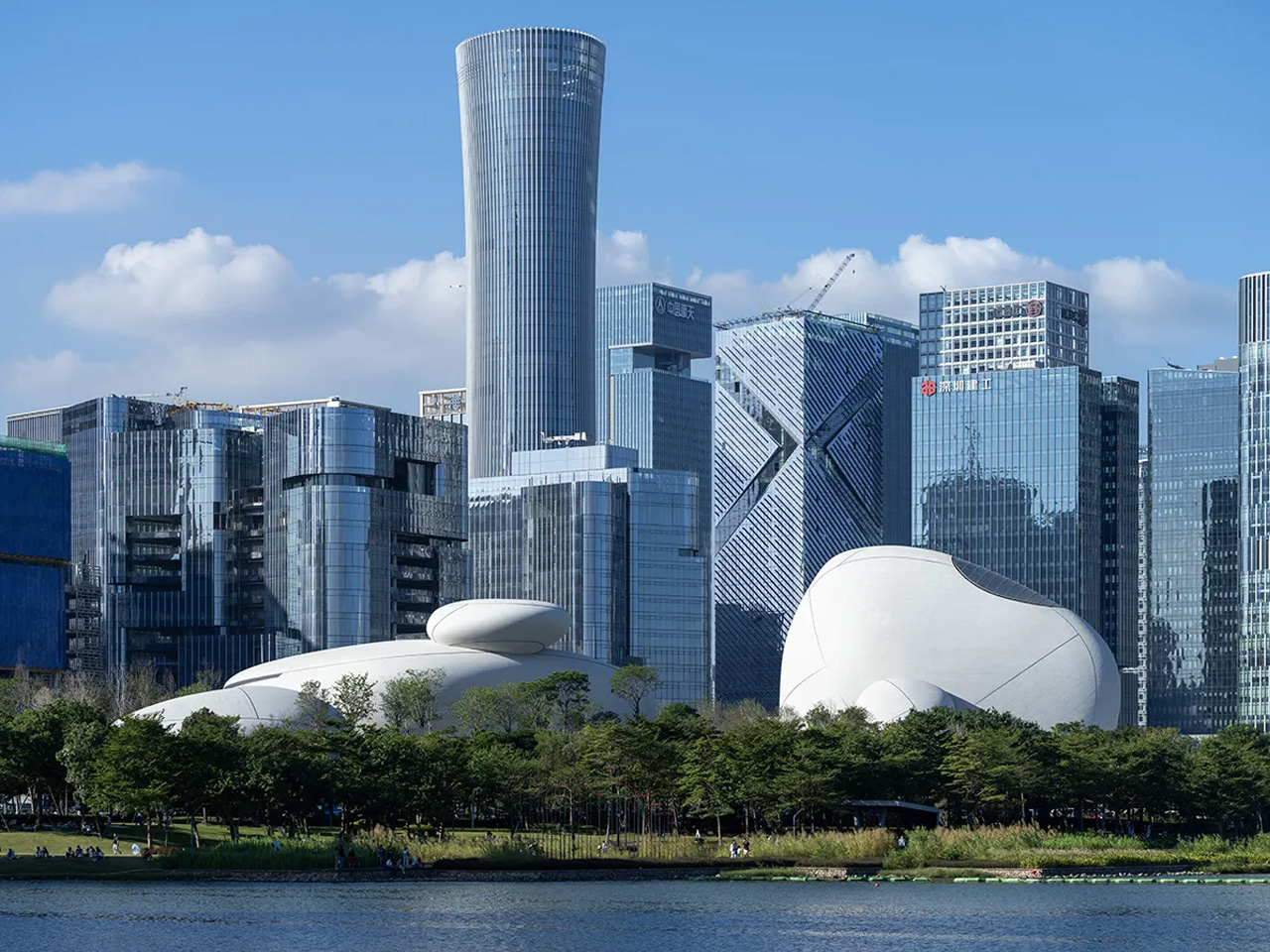
Most buildings in Shenzhen compete for your attention. MAD’s Shenzhen Bay Culture Square earns it. Designed by Ma Yansong and his Beijing-based studio, the project reframes what a civic cultural destination can look and feel like in a rapidly evolving Chinese metropolis.

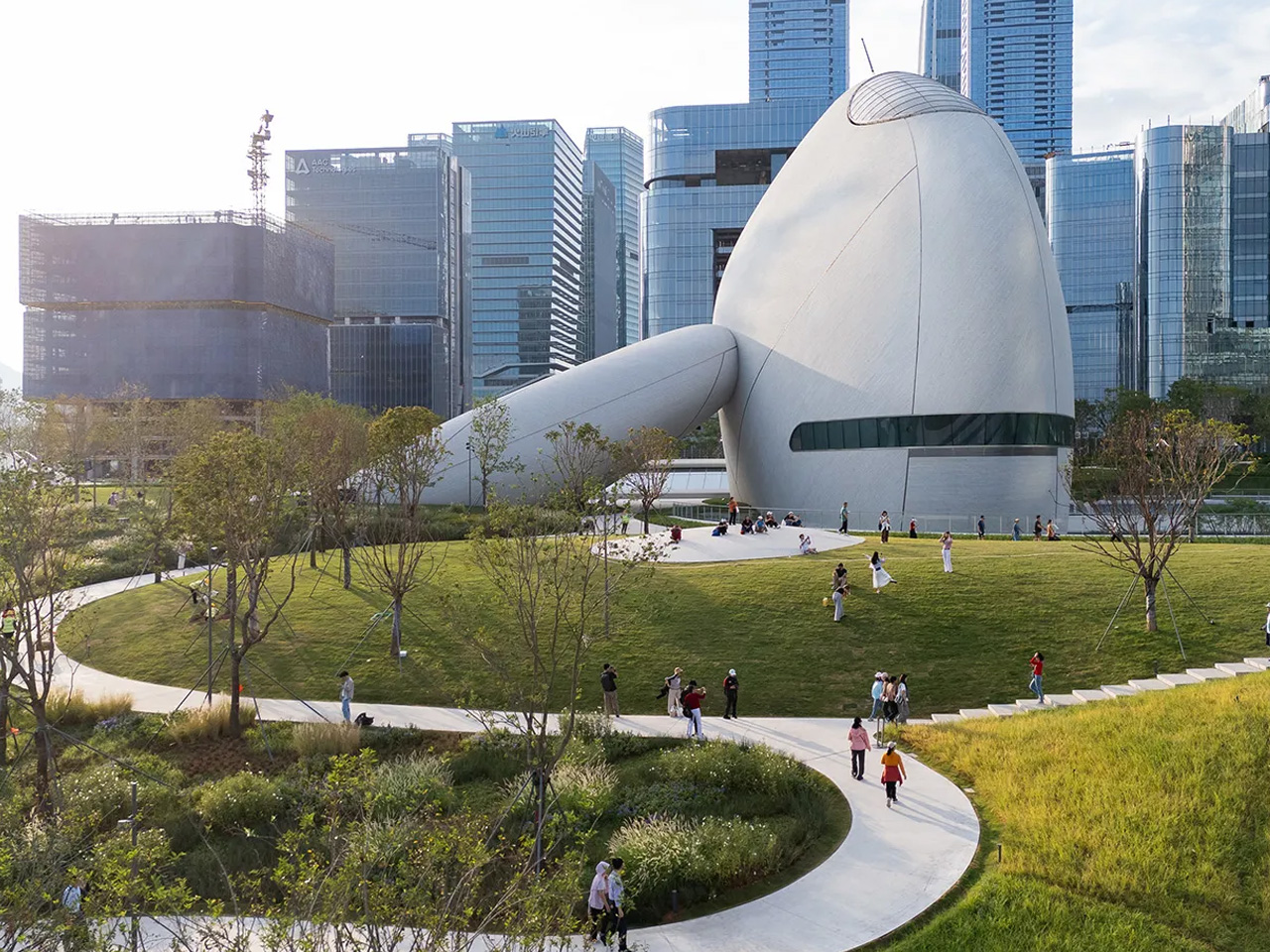
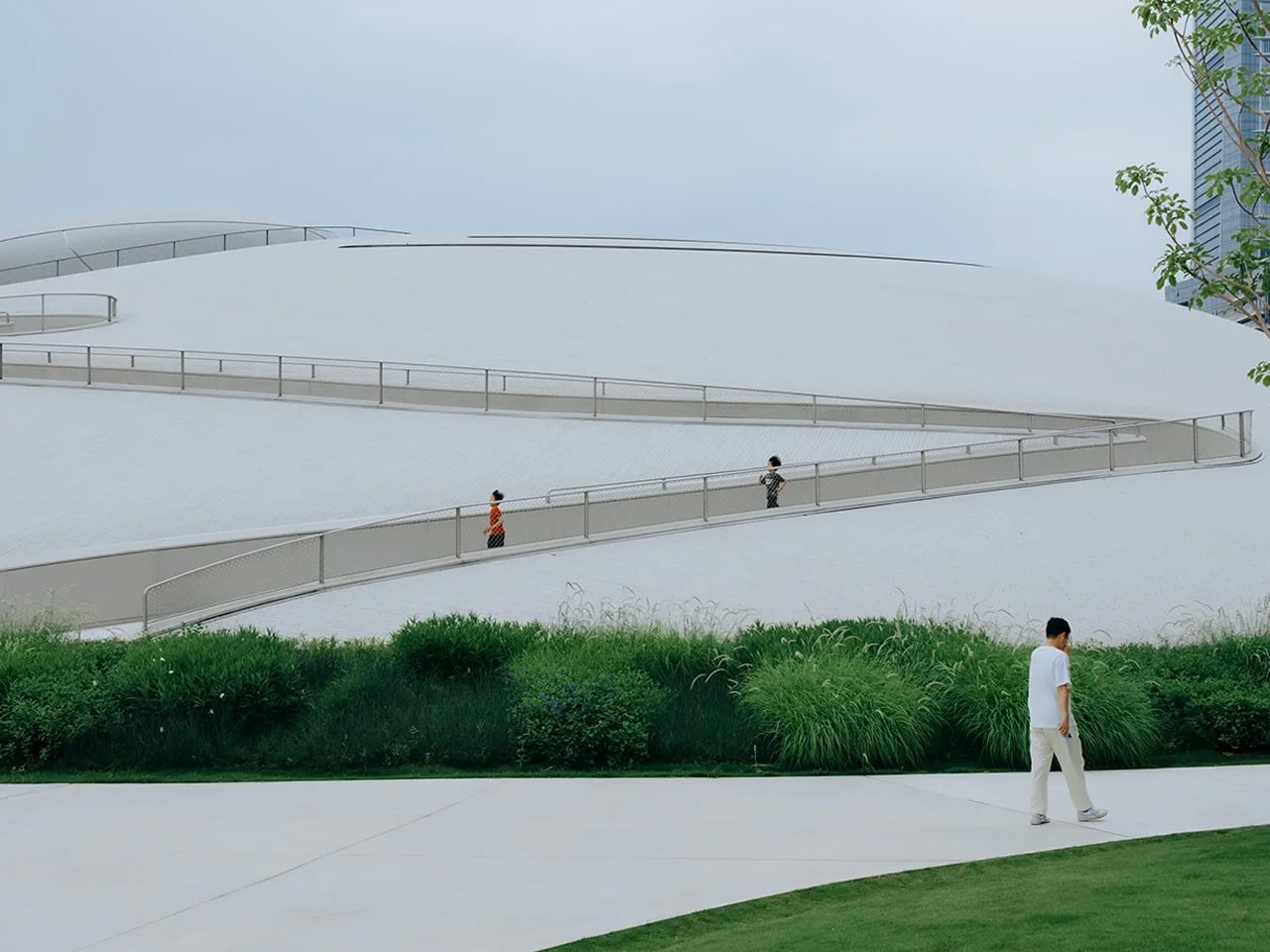
Situated along the waterfront in Shenzhen’s Nanshan District, the complex occupies one of the most visible plots in a city that has spent the last four decades perfecting the art of reinvention. Where many architects might have responded to that pressure with glass towers and hard geometries, MAD did the opposite. The buildings flow. They curve into one another, rise from landscaped terrain like formations that have always been there, and blur the boundary between structure and ground in a way that feels genuinely rare in contemporary urban design.

Designer: MAD
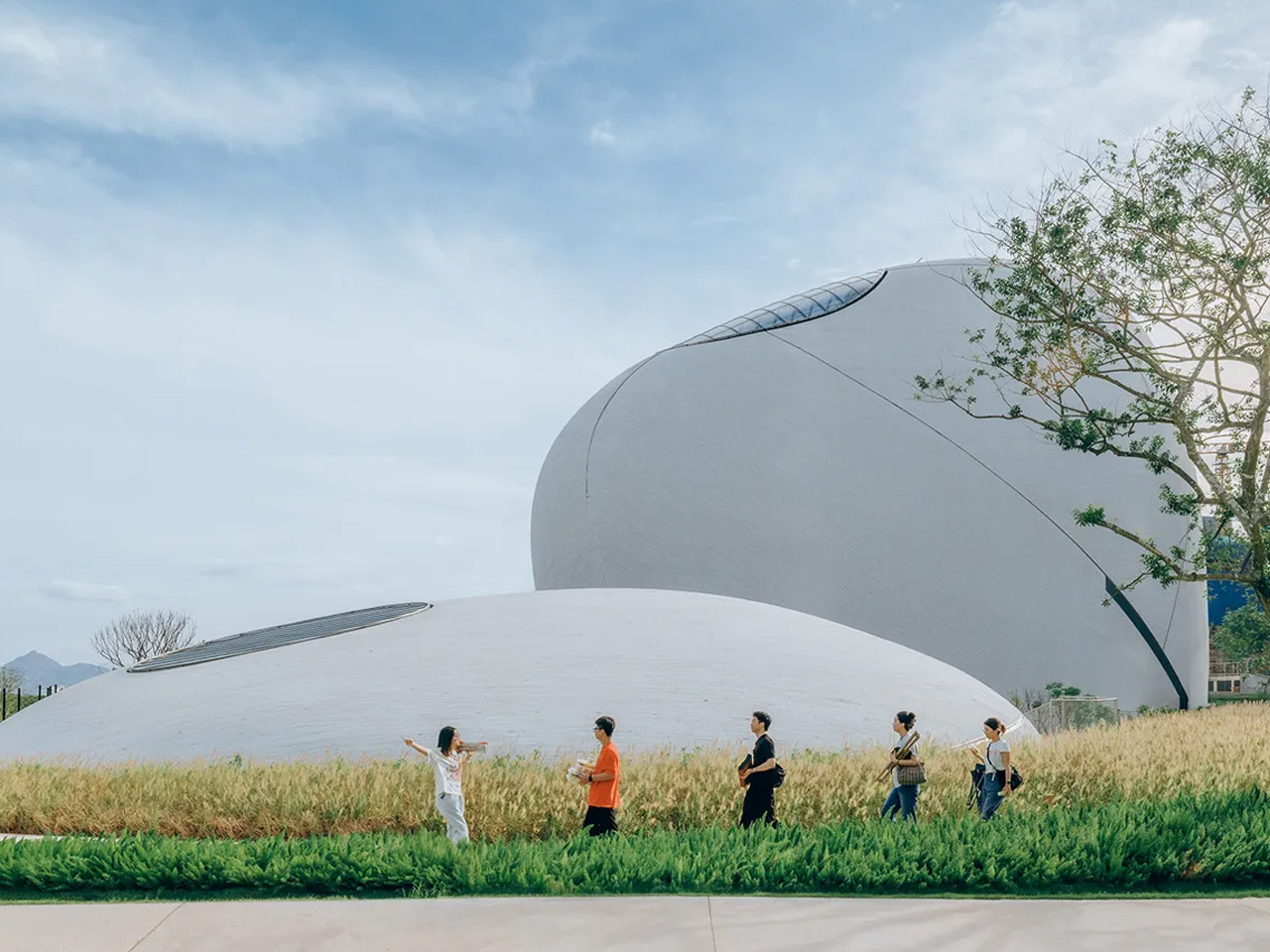
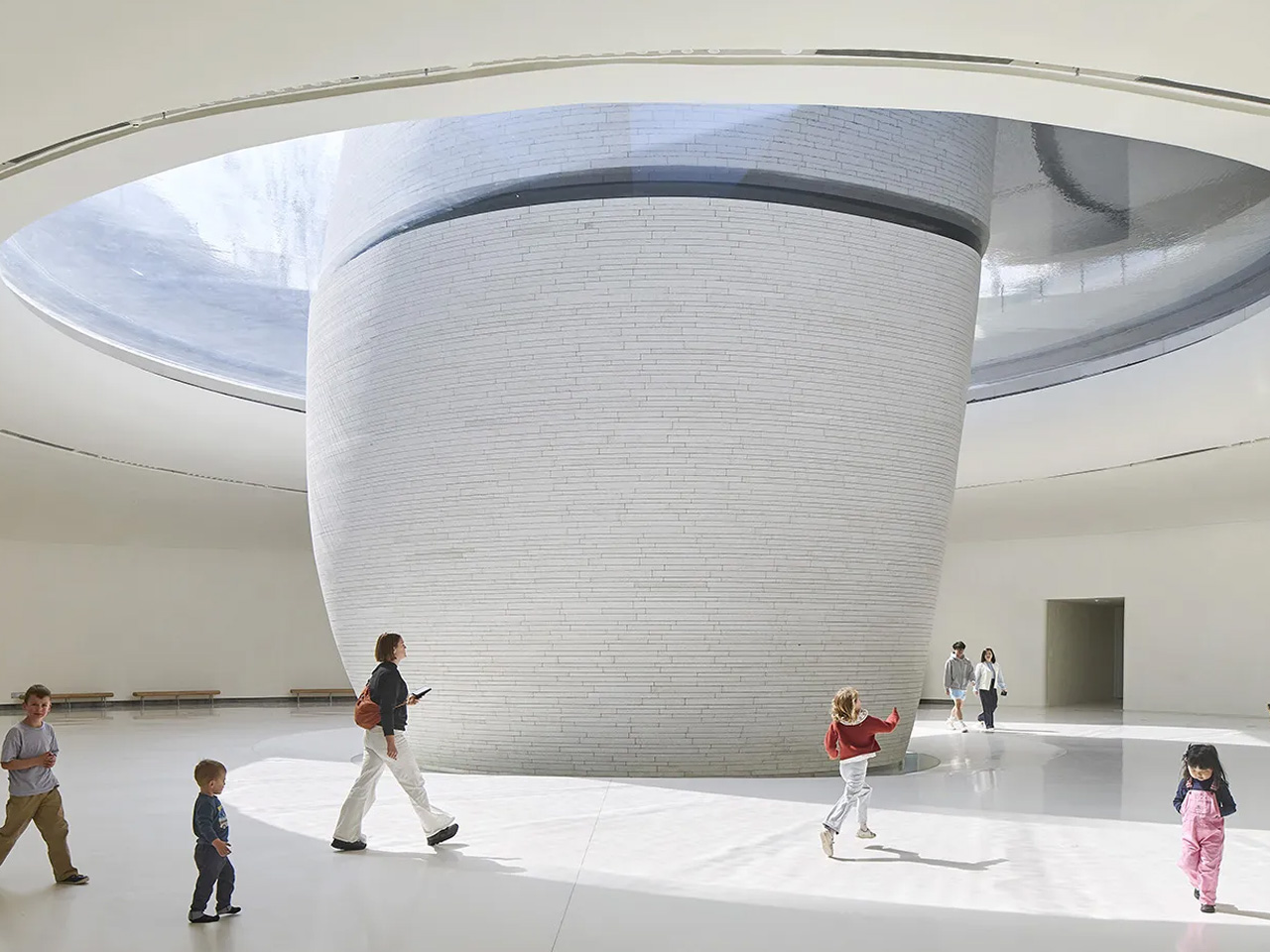
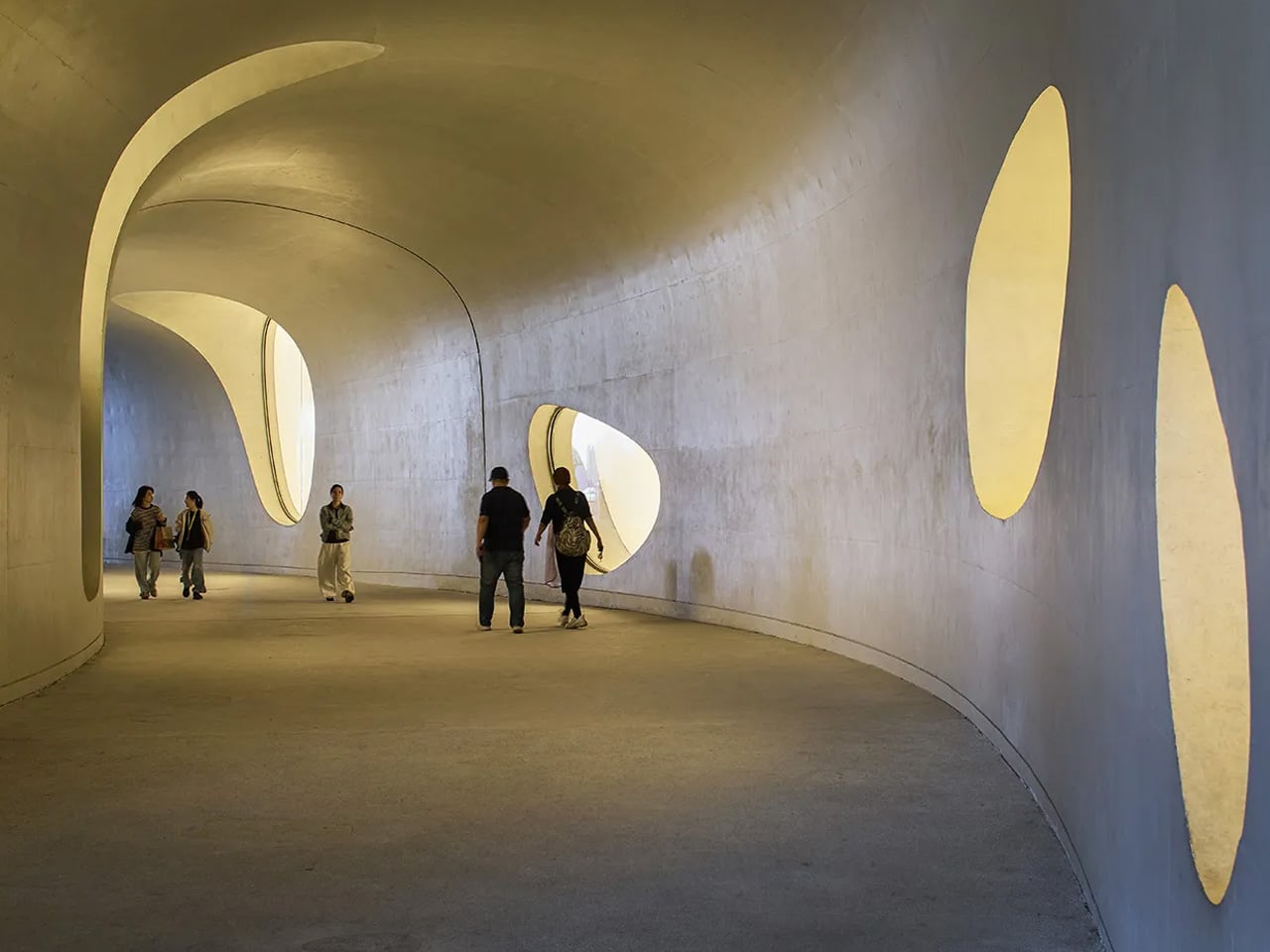
The project encompasses multiple cultural programs, including performing arts and exhibition spaces, all unified beneath MAD’s signature formal language of sculptural softness. The forms are white, smooth, and unadorned in a way that reads as confidence rather than restraint. Light moves across the surfaces differently at every hour, giving the complex a quality that photographs well but rewards physical presence even more.

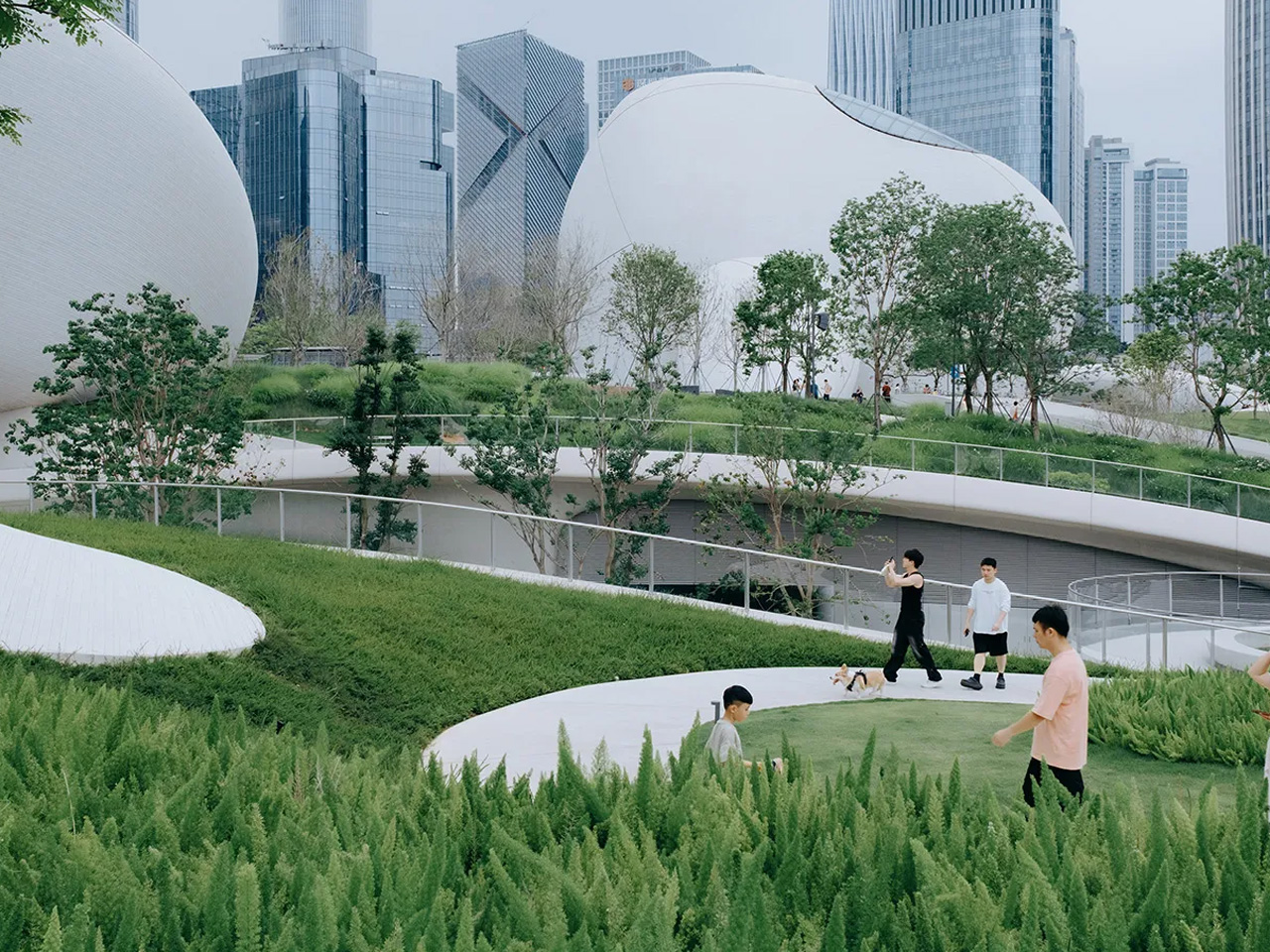
What makes the Shenzhen Bay Culture Square significant beyond its visual identity is its relationship to the public realm. MAD conceived the landscape and architecture as a single continuous experience. The ground plane rises and folds to create terraces, gathering spaces, and pathways that draw people through rather than around the buildings. It is architecture that actively invites inhabitation, which is harder to achieve than it looks and rarer than it should be.
Ma Yansong has long argued that Chinese cities, built so fast and so dense, have largely neglected the emotional and spiritual dimensions of public space. His practice has staked its reputation on correcting that deficit, from the Harbin Opera House rising out of a frozen wetland to the Lucas Museum of Narrative Art in Los Angeles. The Shenzhen Bay Culture Square continues that argument in one of China’s most ambitious urban environments.

The result is a building complex that functions simultaneously as civic infrastructure and sculptural landmark. It gives Shenzhen something its skyline rarely offers: architecture that slows you down, asks you to look, and earns the time you spend with it. In a city defined by velocity, that quality feels radical. MAD, characteristically, makes it look effortless.
The post MAD’s Shenzhen Bay Culture Square Is Architecture That Breathes first appeared on Yanko Design.

Samsung Galaxy Watch 7 could return to an old 2014 design

Smartwatches are undergoing a bit of an identity crisis at the moment. Although the likes of the Apple Watch have cemented their image as wearable health monitors, smart rings have started to steal the spotlight and threaten their position. After all, if you could keep track of most of those health metrics and still wear your favorite stylish watch, you’ll probably ditch the smartwatch in a heartbeat. Some smartwatch makers, especially those from luxury brands, have decided to just call it quits, while others are trying to come out with new features that smart rings can’t match or fresh designs to interest buyers. Samsung might be of the latter camp, with rumors of its impending return to a square design that could end up looking like an Apple Watch imitation.

Designer: Samsung (via SamMobile)

Although Apple’s square smartwatch design has probably become iconic by now, the first generation of smartwatches that predated the Apple Watch all had a blocky shape. That was more due to the limitations of display technologies at that time rather than a deliberate design choice. The first round smartwatch, the Moto 360, was actually infamous for its “flat tire” screen precisely due to that technical reason.

That didn’t help the cause of smartwatch brands that were trying to appeal to buyers. It may have not exactly been the shape itself but the way the smartwatch bodies looked bulky and clunky that turned people away from an accessory that aimed to replace stylish and luxurious timepieces on your wrist. Fortunately, that industry did get the hints and round smartwatches became almost the de facto design, especially after fashion and luxury brands started playing the game.

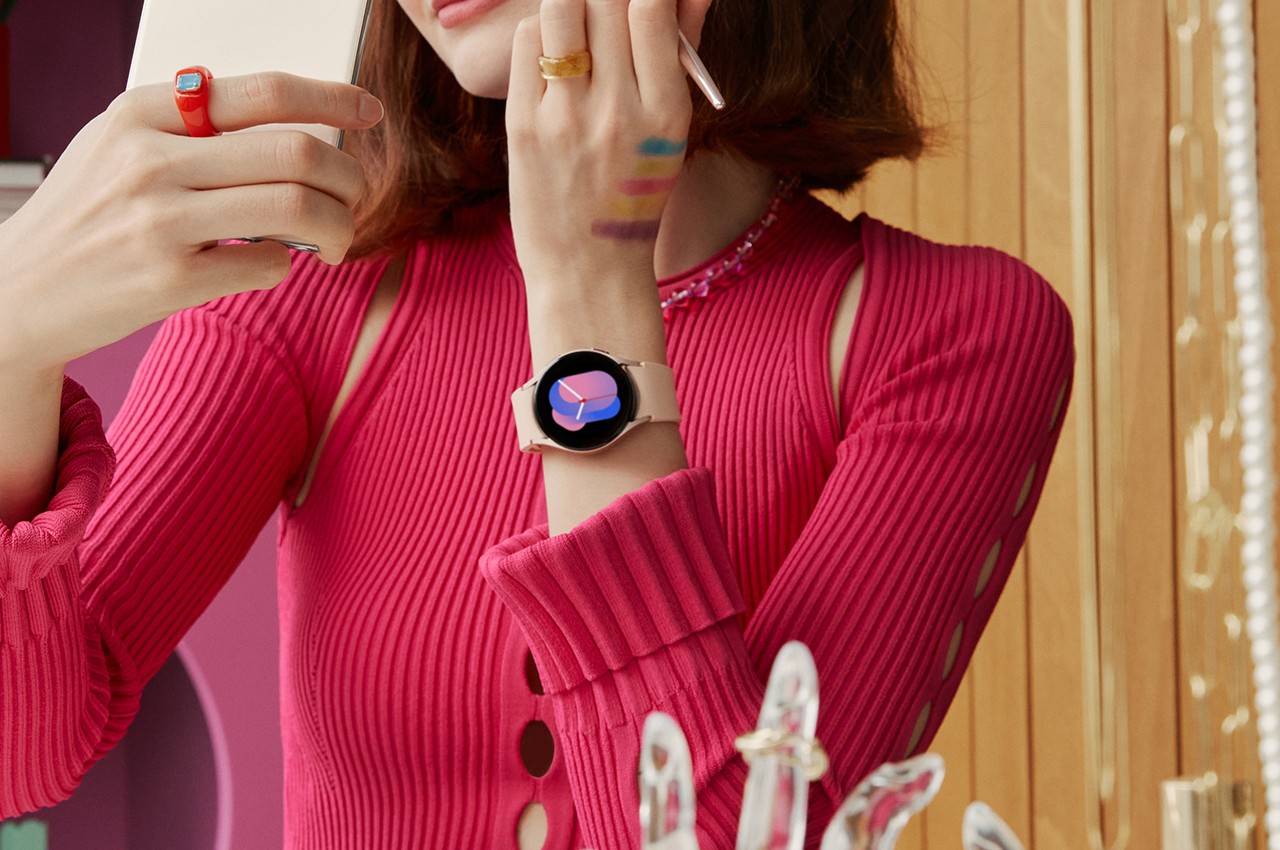
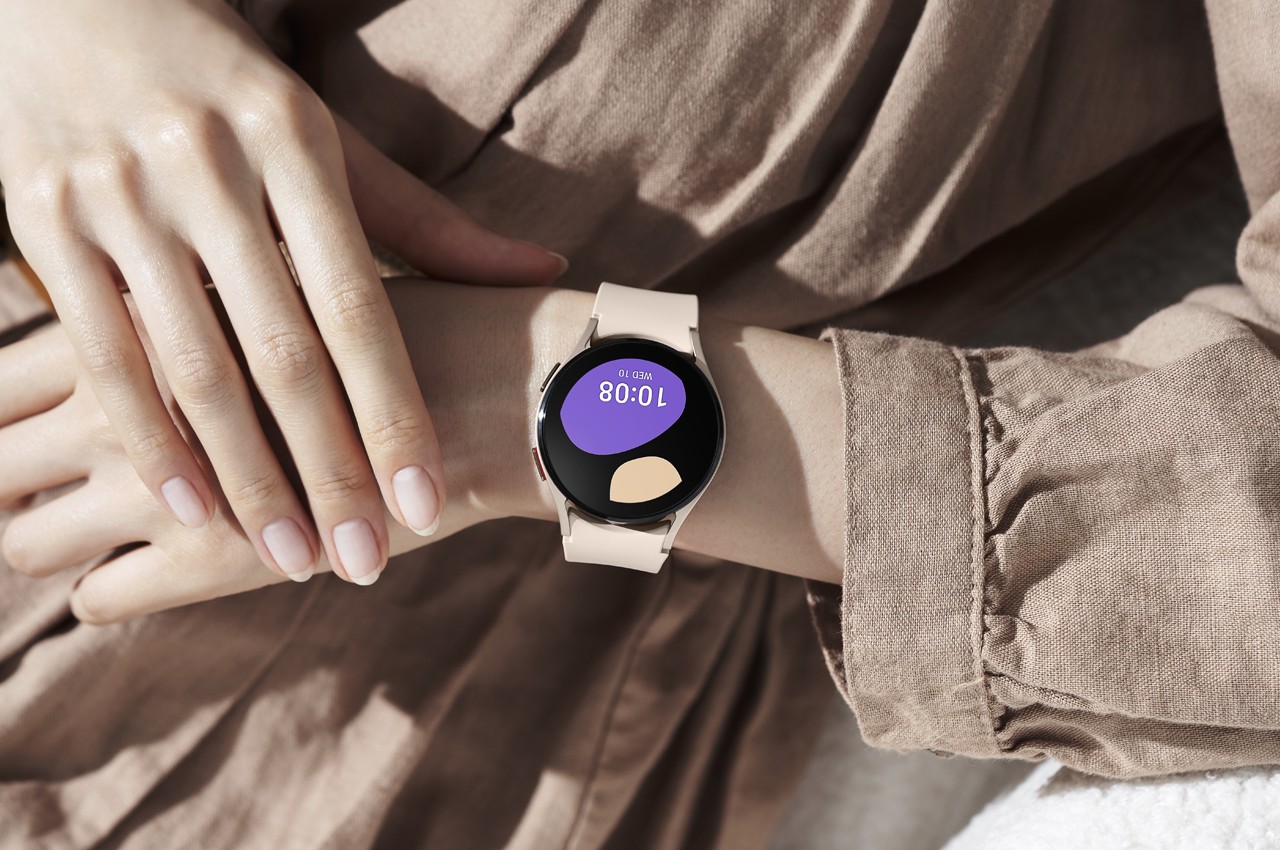
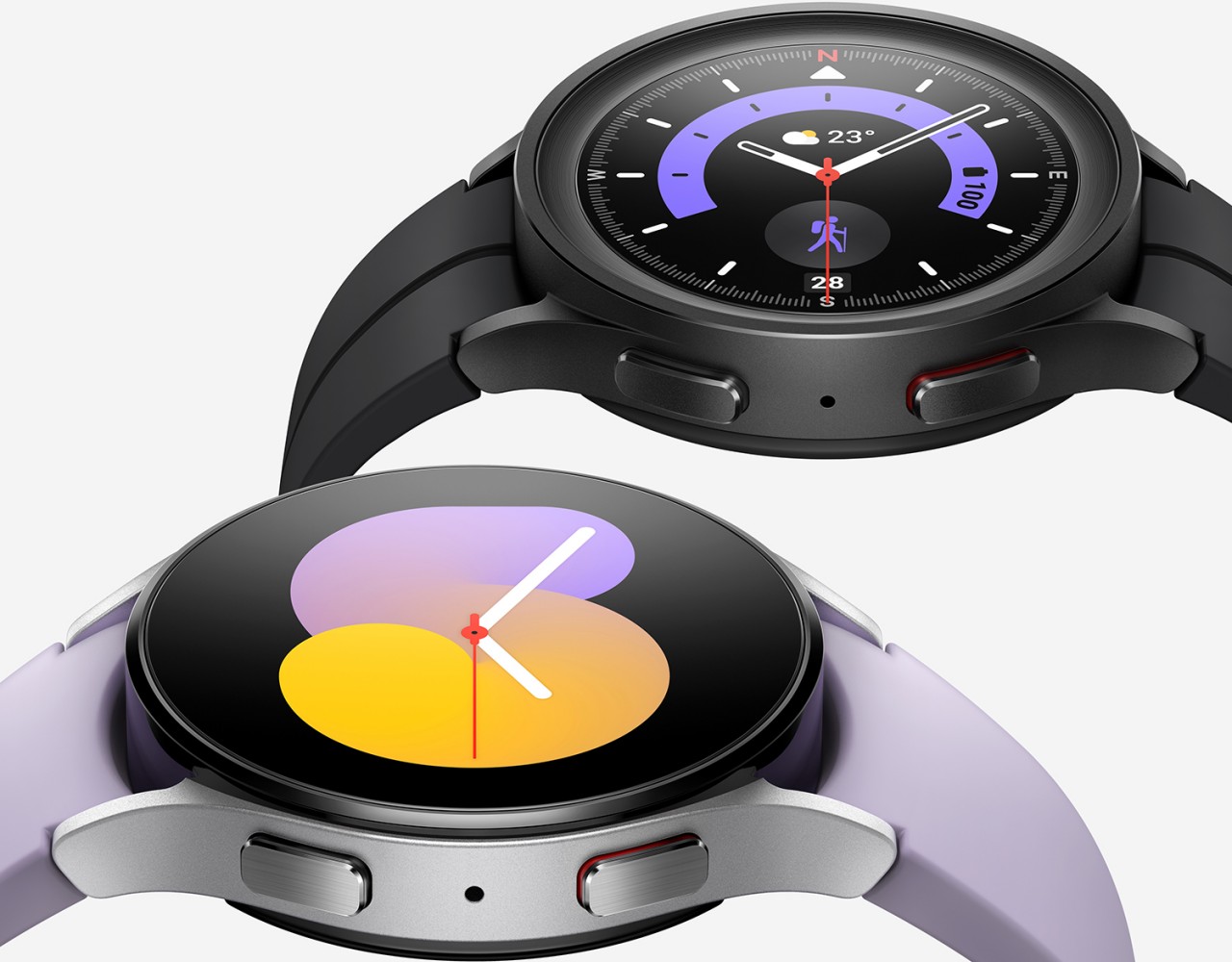
Samsung Galaxy Watch 5

Samsung Galaxy Watch 5

Samsung Galaxy Watch 5

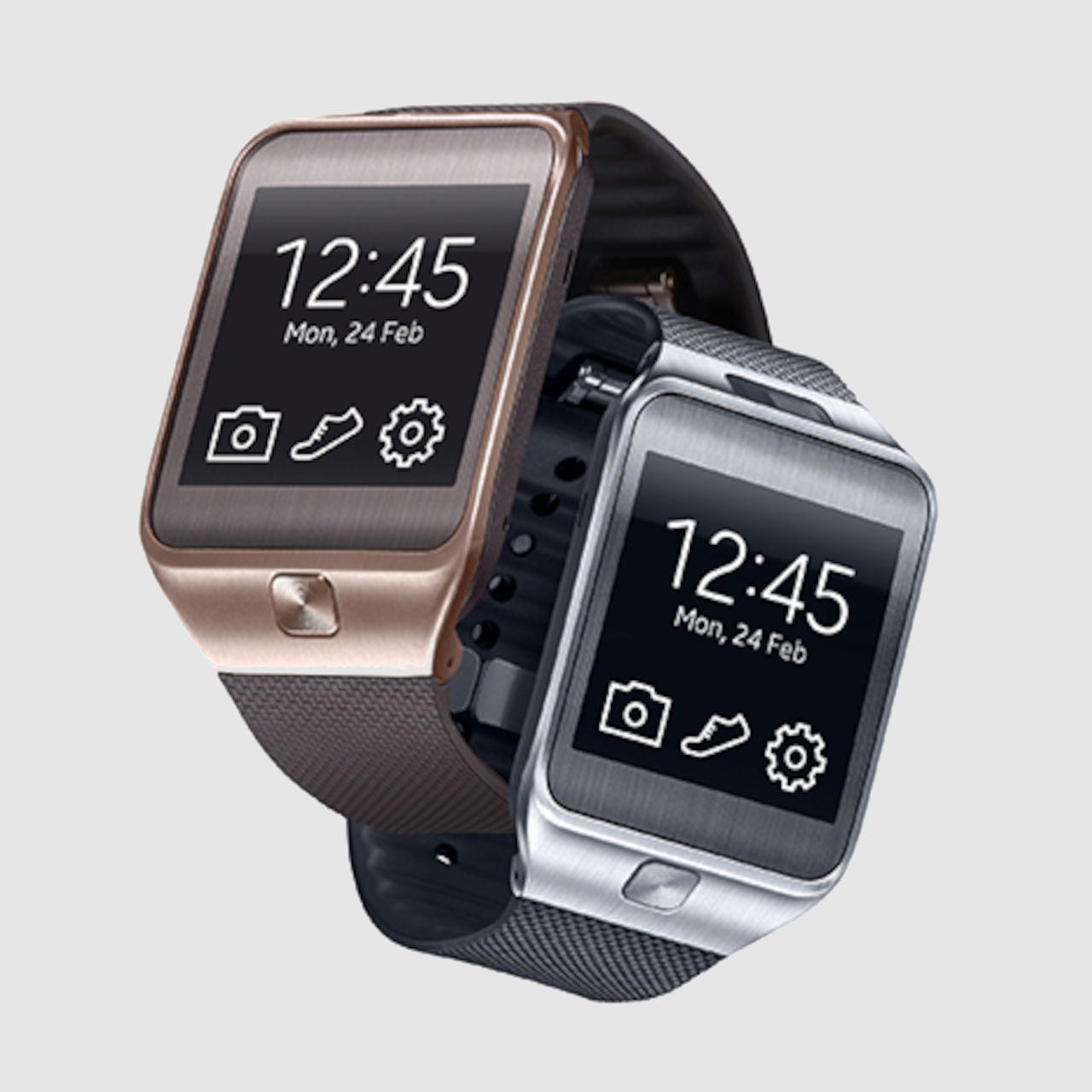
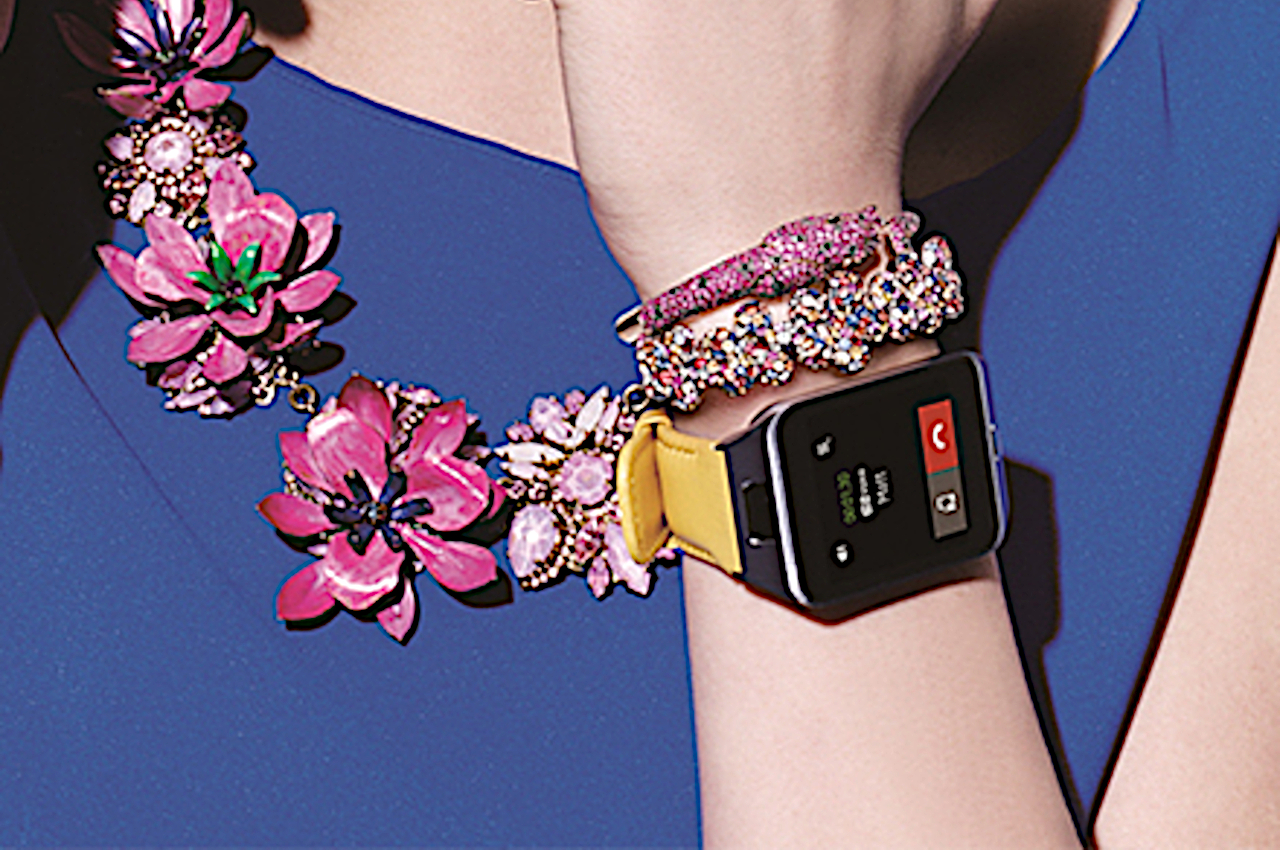
According to an insider report, Samsung might be shifting the design in the opposite direction, embracing a square design instead of the round watches it has been carrying for years. It’s not that Samsung hasn’t done square smartwatches, just that it hasn’t done those since the Gear 2 and Galaxy Live from 2014. It’s unknown whether Samsung will implement that change in the Galaxy Watch 7 or if it will wait for another iteration. Presuming, of course, this scoop is correct.

The Apple Watch and its many clones have proved that square doesn’t have to be boring, and Samsung might indeed be aiming for such a visual appeal. It won’t come as a surprise, however, if the next Galaxy Watch ends up looking like an Apple Watch, which is sure to earn the ire of long-time fans and the ridicule of critics. Then again, it could probably do worse and adopt the exact same design as its 2014 smartwatches, which, besides being square in the idiomatic sense, is also very flat, also in the idiomatic sense.

The post Samsung Galaxy Watch 7 could return to an old 2014 design first appeared on Yanko Design.