No More Waiting in Line for Hot Water, This RV Heater Has 66,000 BTU

Summer has a way of changing the rules for RV travel. What was a relaxed weekend trip for one or two people becomes a full-blown family expedition, with everyone’s routines packed into the same tight space. Showers get longer, dishes pile up faster, and the morning rush gets more competitive. The systems you barely thought about in cooler months suddenly start to matter a great deal.

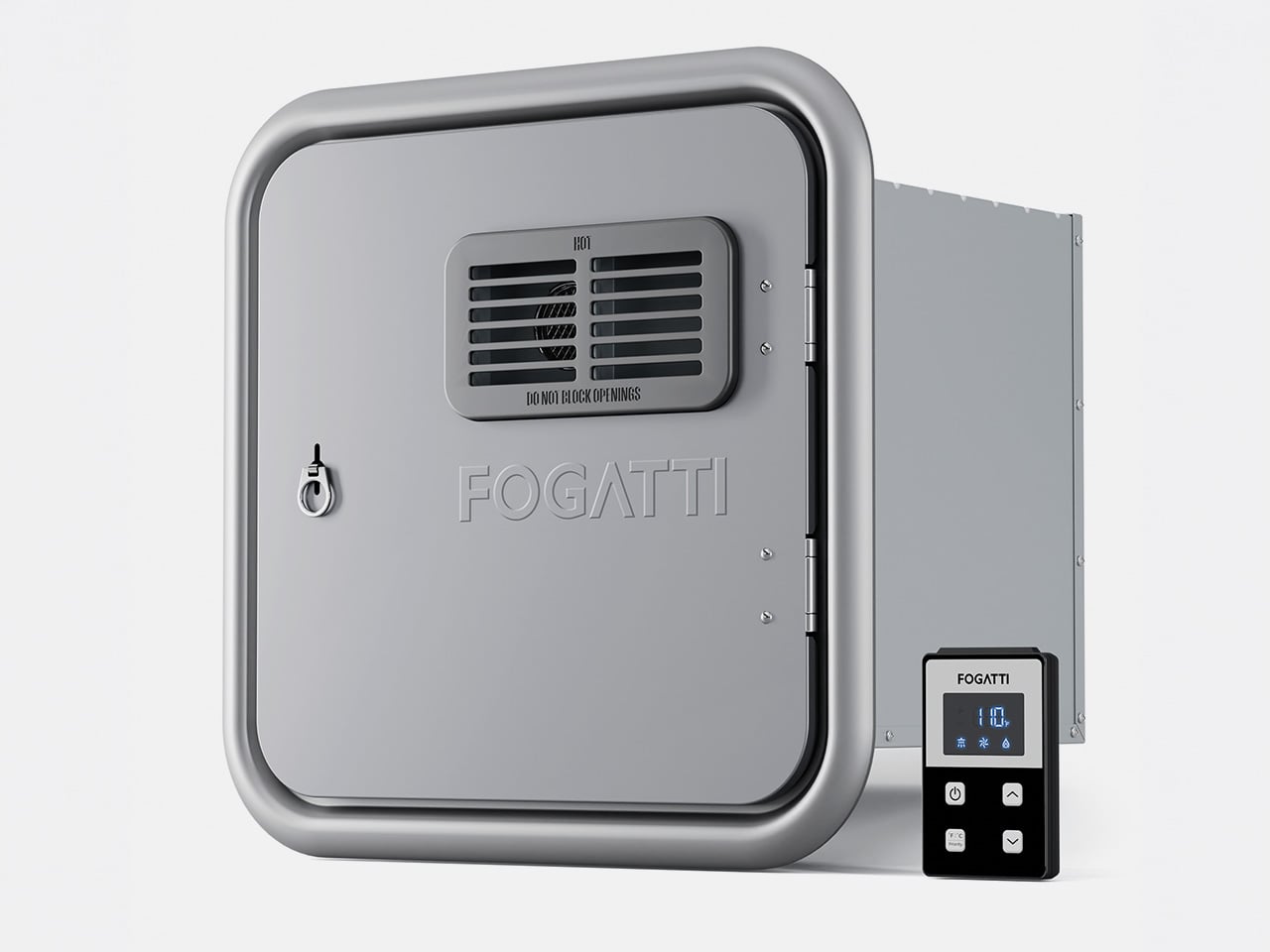
Hot water is one of the first things you notice when an RV can’t keep up. Waiting for the tank to recover, a cold burst just as you find a comfortable temperature, or having to ration usage when multiple people need the sink, these aren’t exactly the highlights of a road trip. The Fogatti InstaShower Ultra is a propane tankless water heater designed to change all of that.

Designer: Fogatti

Click Here to Buy Now: $799.99 $899.99 ($100 off). Hurry, deal ends in 48-hours. Website Link Here.

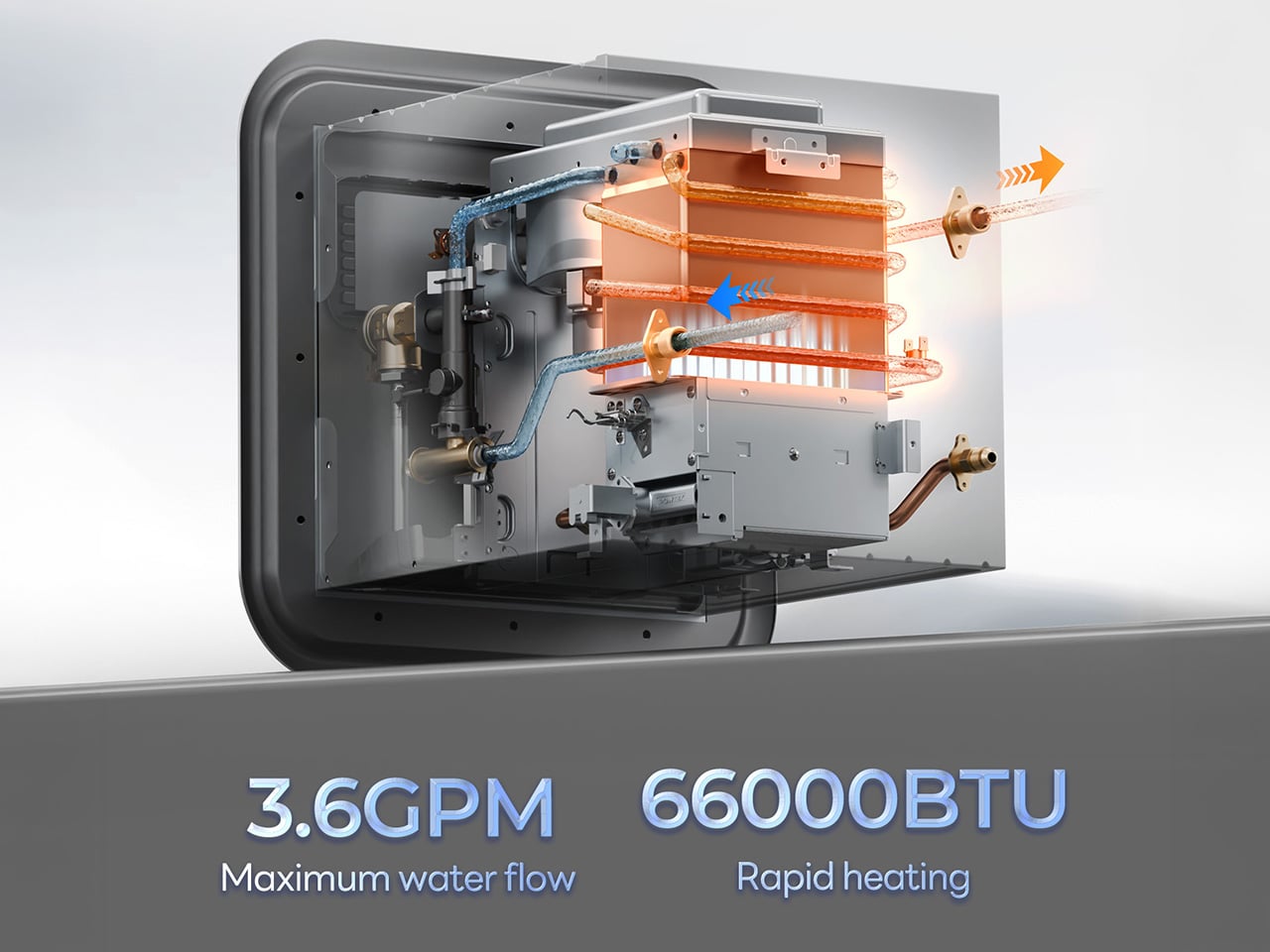
Picture a typical summer morning at a campground. Someone’s in the shower while another is getting breakfast going, and a third is at the sink washing up before everyone heads out for the day. That kind of simultaneous demand used to be a problem. With 66,000 BTU of rapid heating power and a maximum flow rate of 3.9 GPM, the InstaShower Ultra handles it without much fuss.
The end of a summer day outdoors tells a different story. Whether you’ve been hiking dusty trails, splashing around a lake, or just sitting in the heat all afternoon, everyone comes back to the RV needing a proper wash. A strong, steady shower makes that feel less like a chore and more like a reward, and you don’t have to queue up for it.
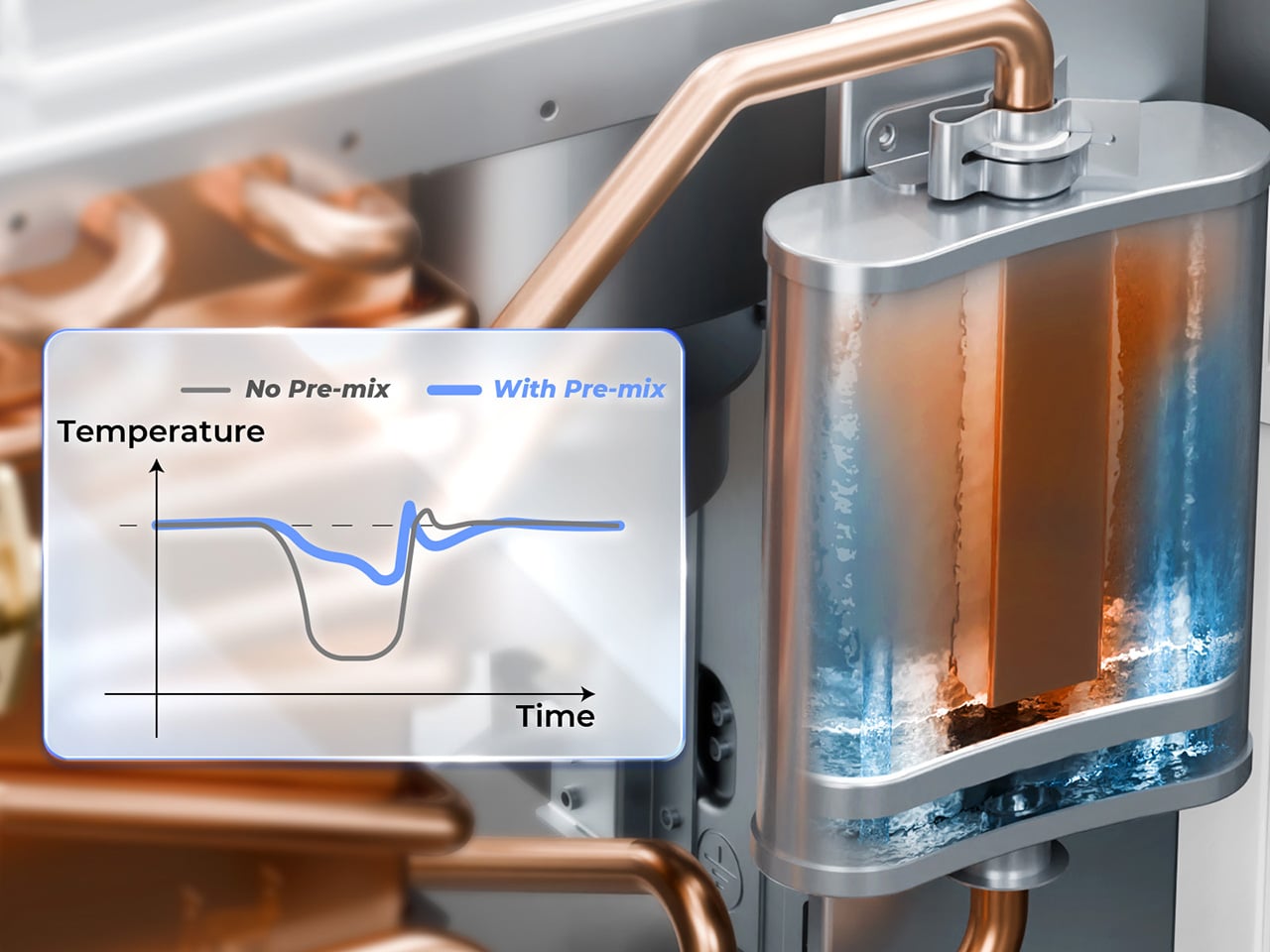
One of the more thoughtful bits of engineering is a built-in pre-mix system with a small mixing tank that balances temperature at startup. It addresses a familiar tankless annoyance, namely the cold burst before the heating kicks in. Once that’s handled, water comes out warm right away, and it’s the kind of improvement you only appreciate once it stops being a problem.

Temperature management doesn’t stop there, either. The heater uses segmented combustion that automatically adjusts heat output based on conditions. On a scorching summer afternoon, it scales back to prevent overheating. On a cool mountain evening or at higher altitudes, it ramps up accordingly. It’s a neat bit of self-regulation that keeps water temperature consistent, whether you’re parked in a sun-baked valley or somewhere up at 9,800 feet.
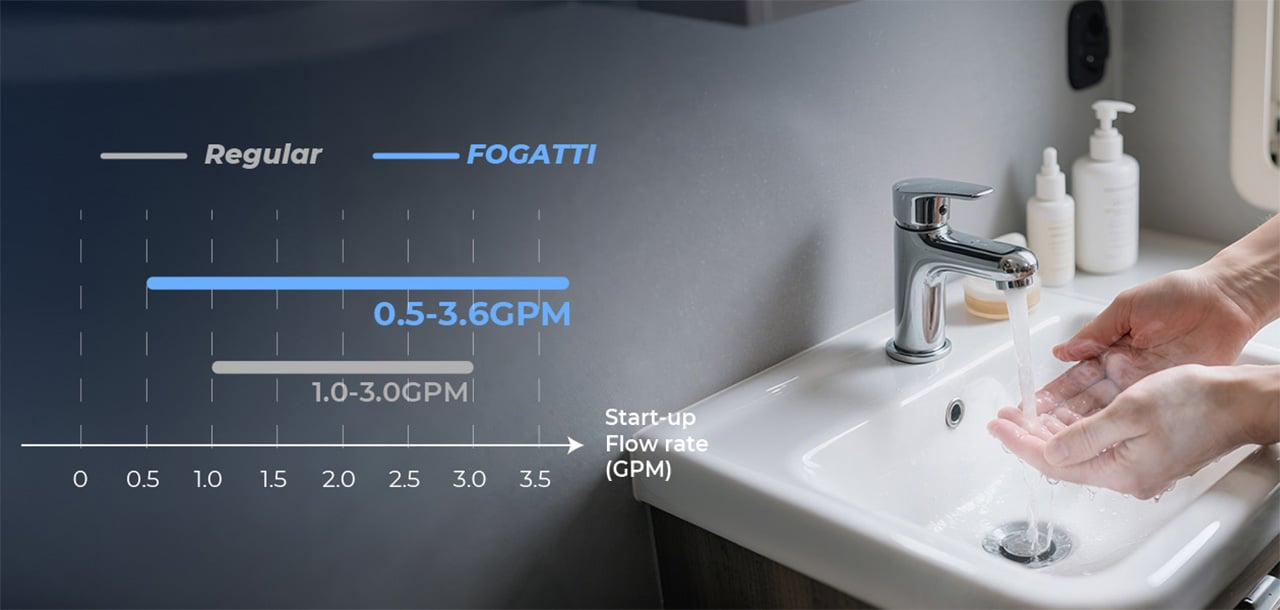
The InstaShower Ultra also activates at a flow rate as low as 0.5 GPM, which is considerably lower than what most standard tankless heaters require to kick on. That might seem like a minor detail, but it matters quite a bit on longer off-grid trips where every gallon counts. You aren’t forced to run the tap wide open just to get the heater going.
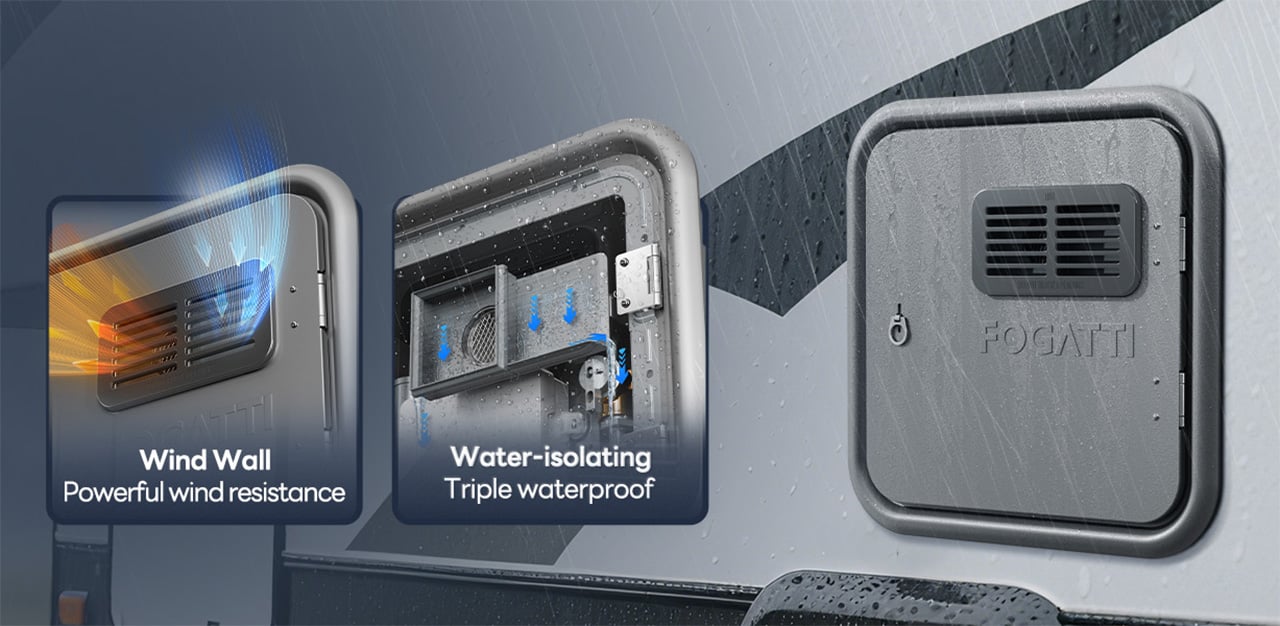
The weather is something a lot of buyers don’t think about until it’s too late. Summer storms roll in fast, and a water heater that can’t cope with heavy rain or strong gusts becomes a liability. HydroShield-Tech gives the InstaShower Ultra both windproof and waterproof resistance, with a NIDEC high-performance fan backing up the wind protection, so the heater keeps running when conditions outside take a turn.

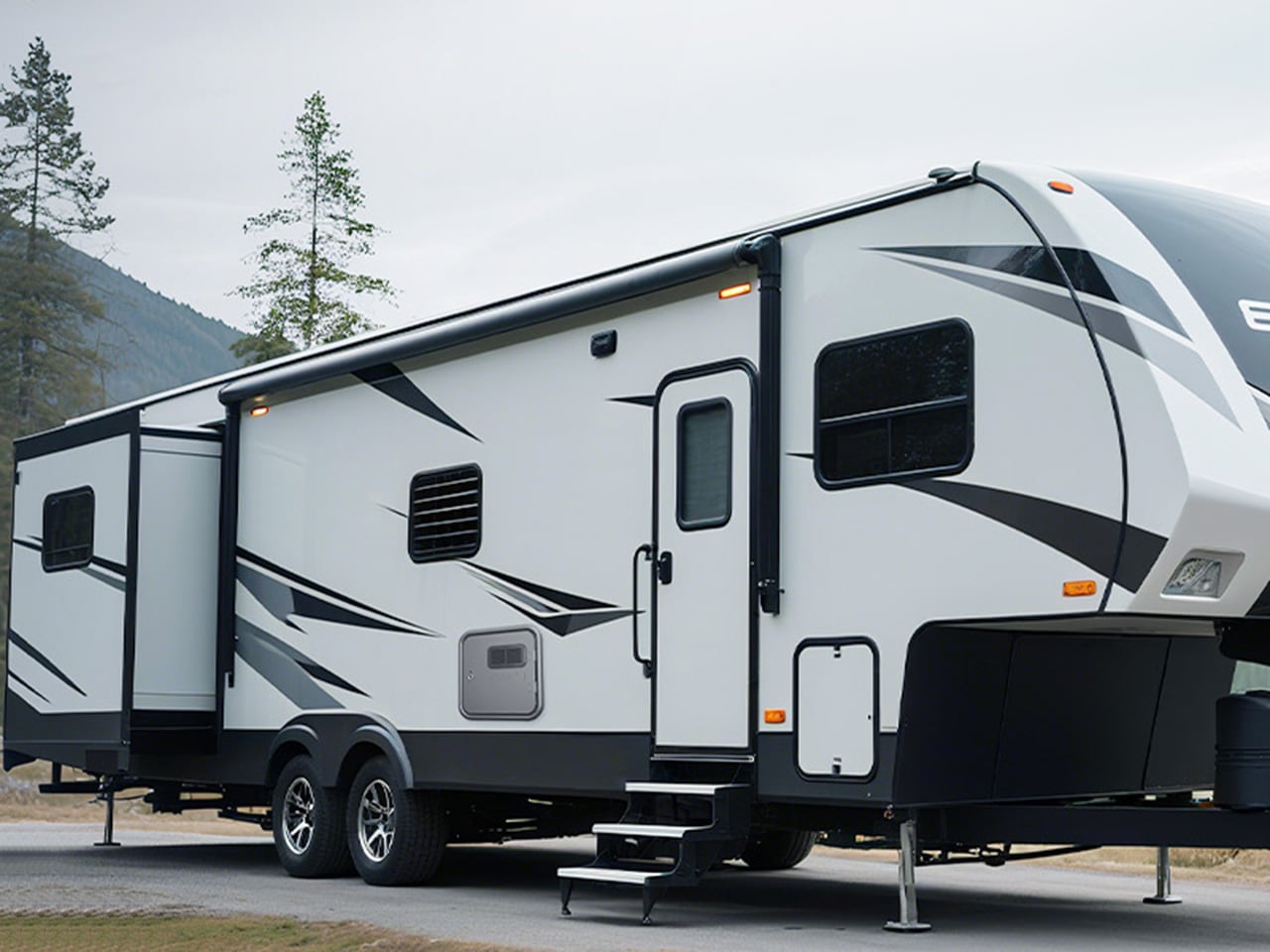
For those still running on an older four- or six-gallon storage water heater, the InstaShower Ultra is a practical replacement. It comes with a door measuring 15 x 15 inches, designed to fit the cutout left by those older tanks, along with a decorative frame. Optional larger door frames are also available separately if your RV’s opening calls for a different fit.
Summer trips have a way of exposing which parts of the RV are actually ready for extended life on the road. A water heater might not top the pre-trip checklist, but it touches nearly every part of the daily routine, from the first shower of the morning to cleaning up after a late campfire dinner. Getting it right makes those routines a lot less stressful, and that’s the peace of mind that the Fogatti InstaShower Ultra delivers.

Click Here to Buy Now: $799.99 $899.99 ($100 off). Hurry, deal ends in 48-hours. Website Link Here.

The post No More Waiting in Line for Hot Water, This RV Heater Has 66,000 BTU first appeared on Yanko Design.
A Water Heater That Doubles as a Data Center – and Cuts Your Energy Bill

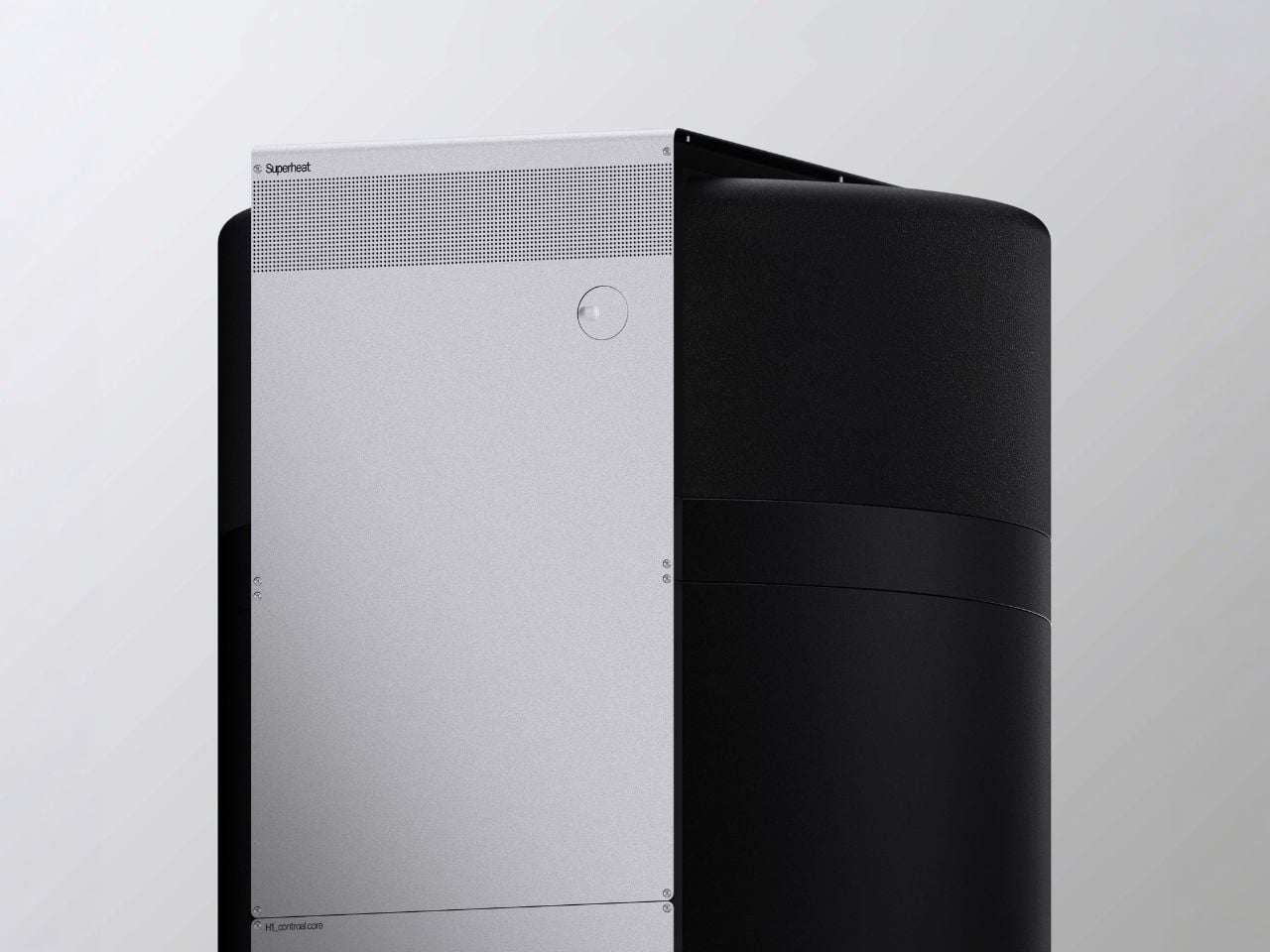
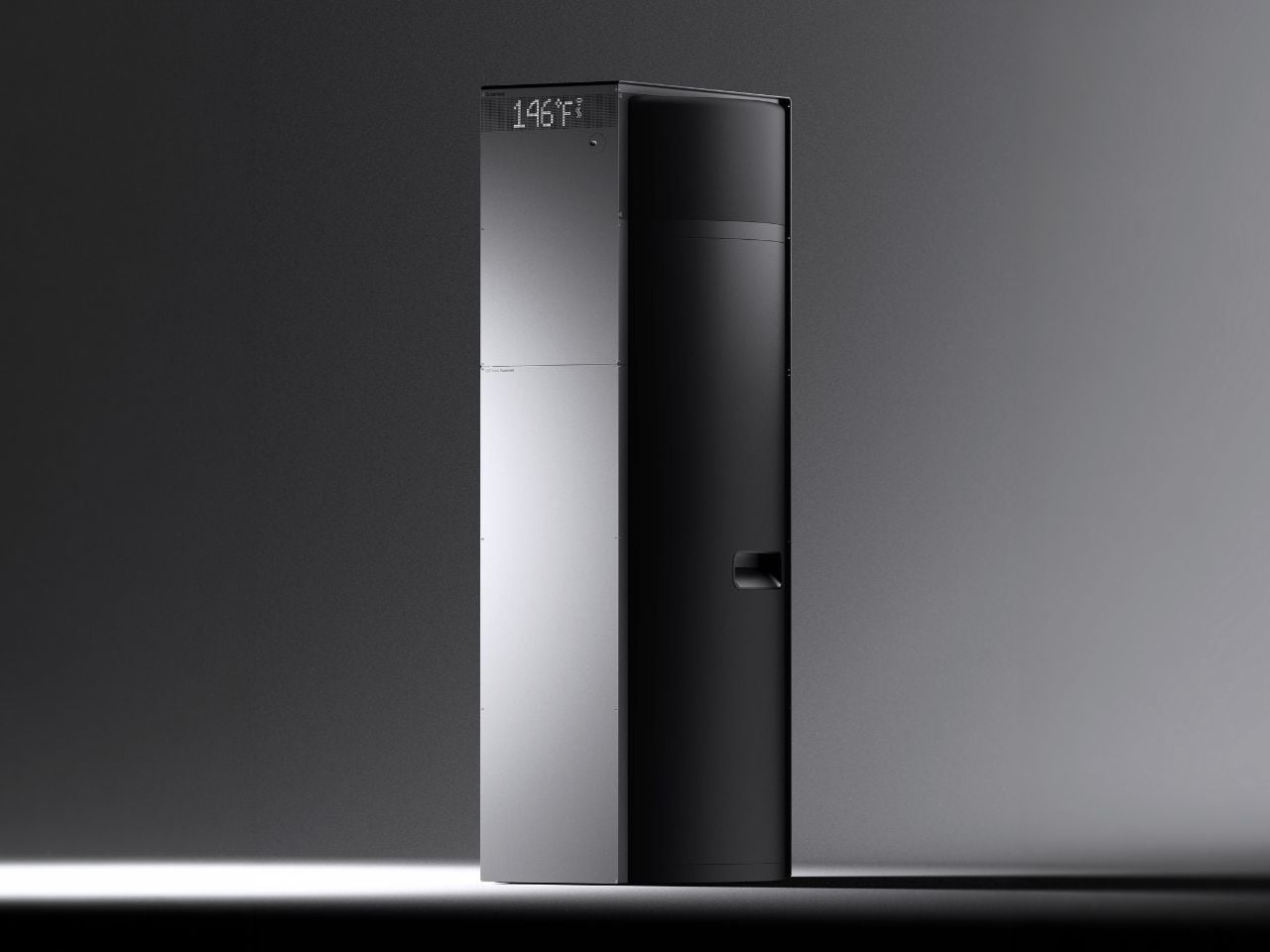
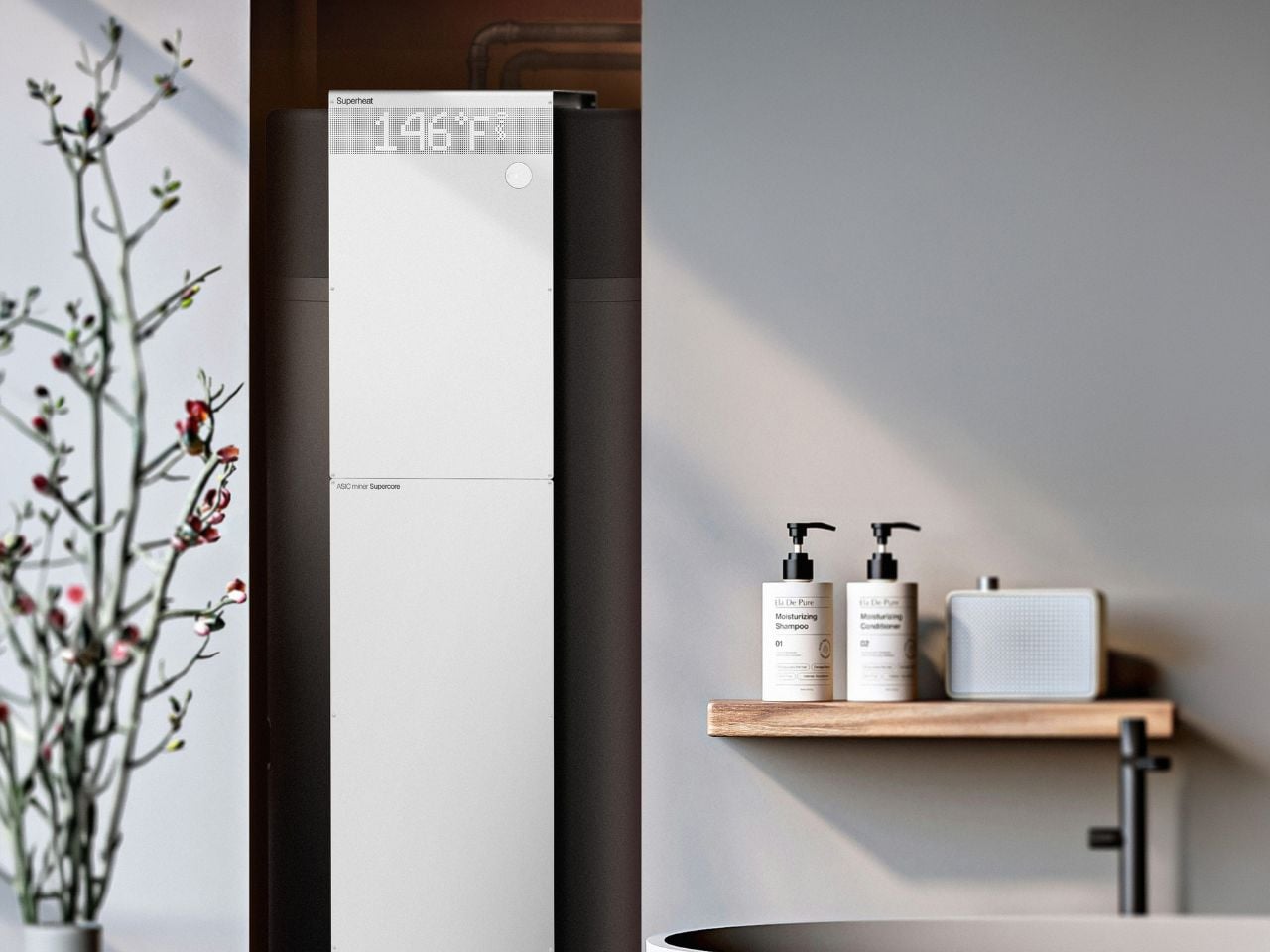
Most household devices are designed to do their job quietly and disappear into the background. Superheat’s H1 proposes a different role for them. Rather than functioning as a single-purpose utility, it treats the water heater as part of a wider technological and environmental system, one that can turn routine domestic energy use into something more productive.

In one sentence: Superheat H1 is a water heater that replaces heating elements with processors, using their heat to warm water while performing computation at the same time.

Designer: Zhenyang Yan, Andrew Geng, and Superheat design team.

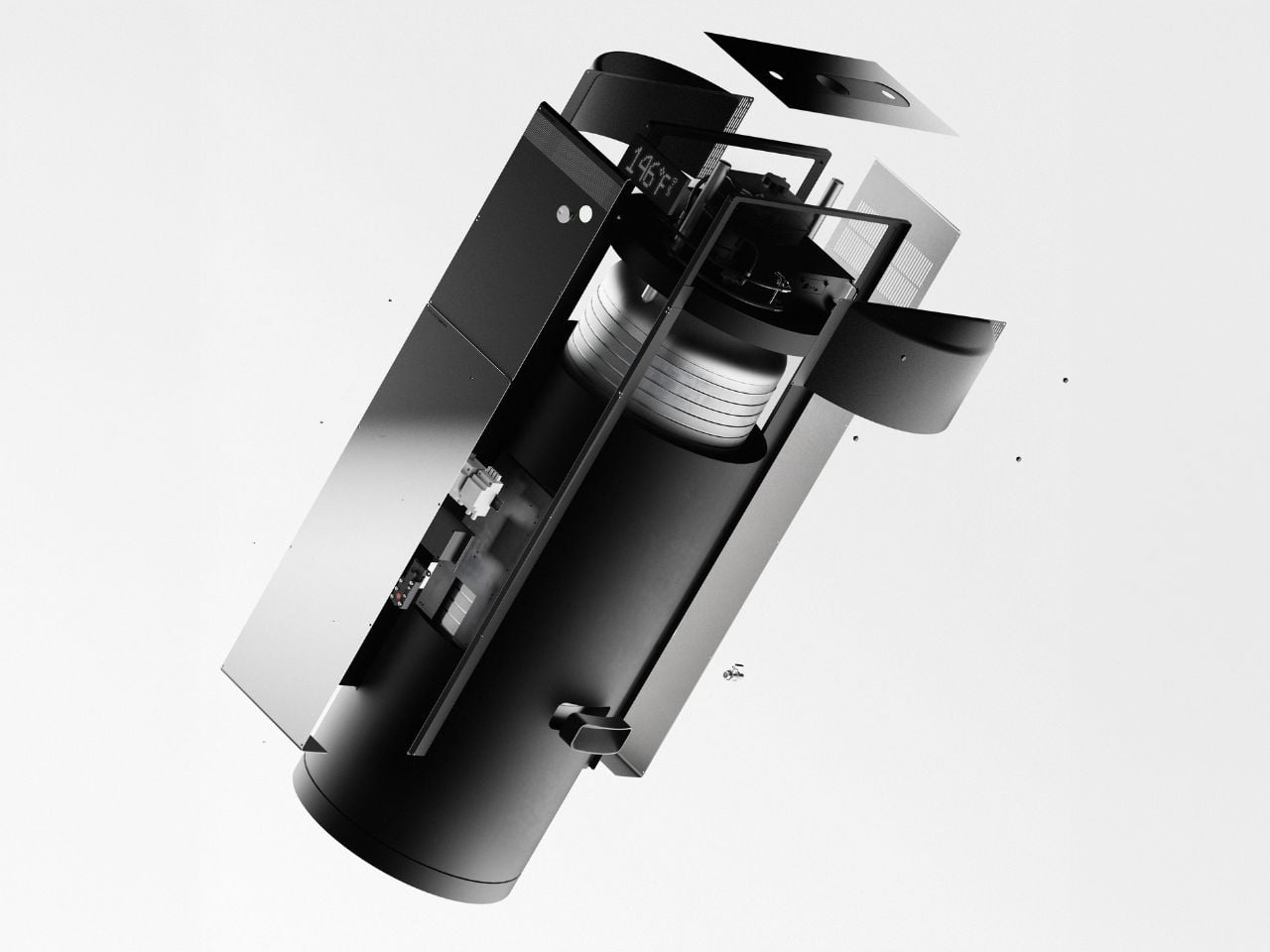
The premise behind the H1 is straightforward. Computation generates heat, and homes constantly need heat. These two realities usually exist separately. Data centers spend large amounts of energy cooling machines whose heat is discarded, while households use energy to produce heat from scratch. The H1 connects these cycles by capturing processor heat and redirecting it into water heating. A single input of electricity is used twice, once for computation and once for domestic use. What is typically treated as excess becomes functional.

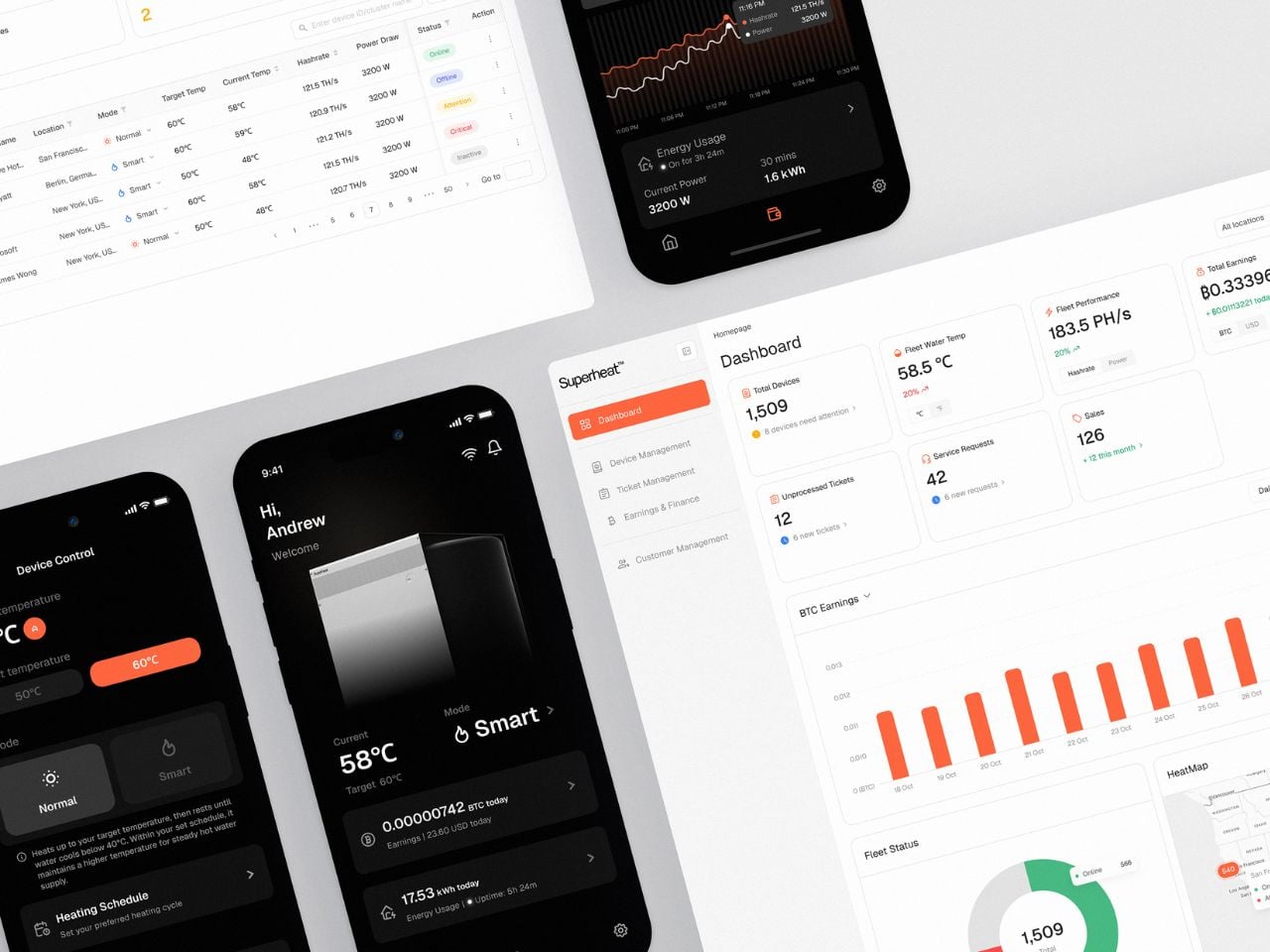
Seen from a design perspective, this reframes what a household appliance can be. A water heater is usually considered a fixed expense, yet here it operates more like an active system that can offset part of its own energy cost. Testing suggests reductions of up to 80 percent in hot water energy consumption, which positions the object somewhere between a utility device and an economic mechanism.

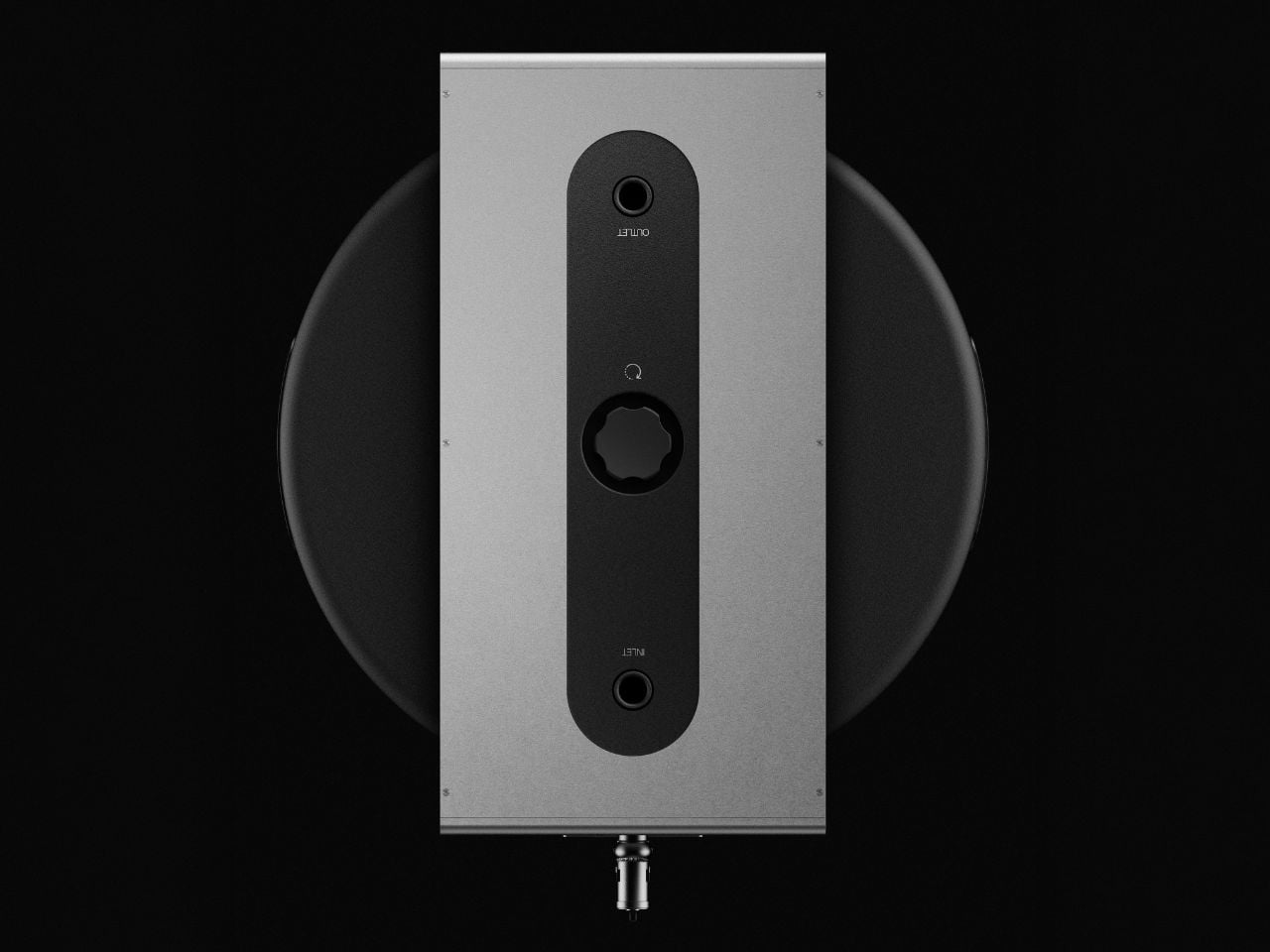
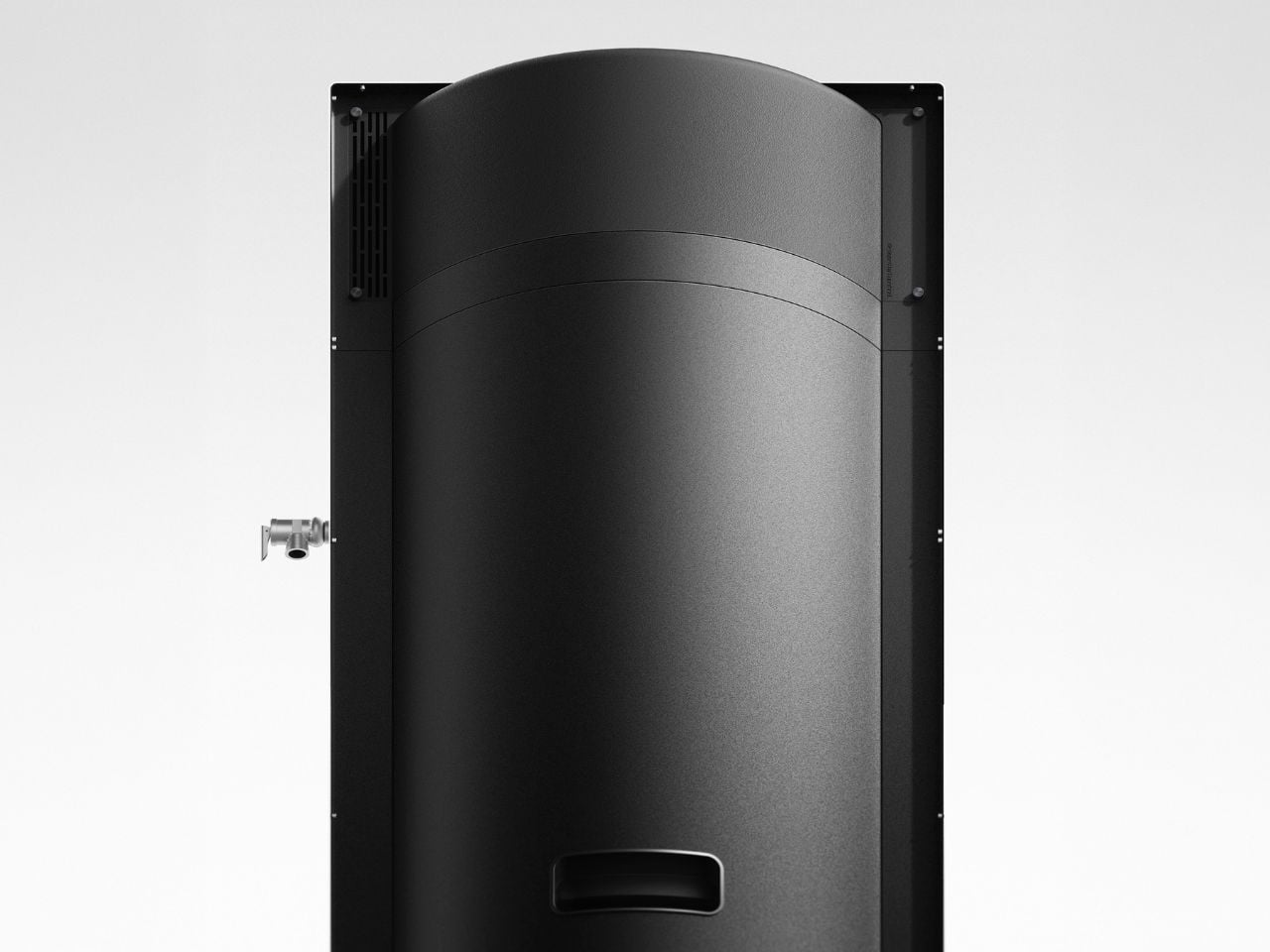
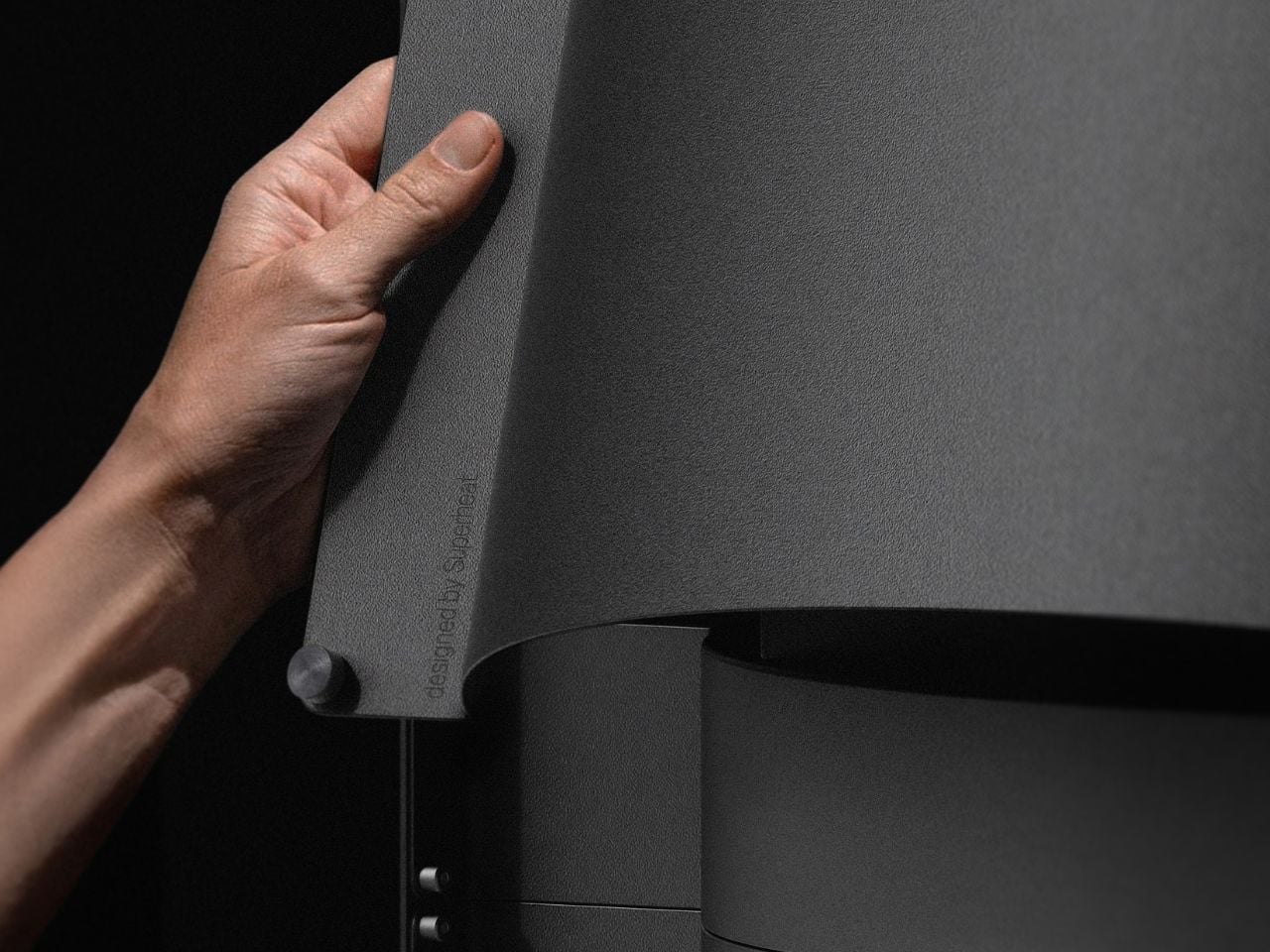
The physical design reinforces that shift. The unit is enclosed in a modular aluminum housing that reads more like a deliberate object than a hidden appliance. The modular structure allows internal hardware to be updated as processors evolve, extending the lifespan of the product and reducing replacement waste. The visual restraint and upgradability suggest a design approach focused on duration rather than novelty.

At the same time, interaction remains familiar. Installation mirrors that of a standard heater, and daily use requires no change in behavior. The complexity stays internal to the system, which is arguably what makes the concept compelling. It embeds infrastructure-level functionality into everyday life without asking users to engage with technical systems directly.

Its relevance is closely tied to the present moment. Cryptocurrency mining and high-performance computation have expanded rapidly over the past decade, bringing with them real questions about energy demand and environmental impact. Digital infrastructure often grows faster than the systems designed to support it responsibly. Projects like the H1 sit within that tension. They suggest that emerging technologies do not only require new software or policies, but also new kinds of physical design responses that address consequences as they appear.

Superheat’s broader research points toward a distributed model in which multiple household devices could function as small computational nodes. If scaled, everyday appliances such as dryers or refrigerators could collectively form a decentralized network powered by the energy homes already use. Whether or not that vision becomes widespread, it reframes domestic space as something with infrastructural potential.

After a year of testing and development, the H1 is nearing certification, holds two patents, and has secured partnerships with established manufacturers. Recognition at CES 2026 and growing industry attention indicate that the idea resonates beyond prototype speculation.

What makes the H1 worth paying attention to is not simply its novelty, but the question it raises. If appliances can participate in larger systems rather than operate in isolation, the boundary between product design and infrastructure design begins to blur. In that sense, the project is less about a single device and more about a shift in how designed objects might function within the networks that shape contemporary life.

The post A Water Heater That Doubles as a Data Center – and Cuts Your Energy Bill first appeared on Yanko Design.