Sony ULT TOWER MAX vs 7 vs 5: Key Differences
Sony compares its new ULT TOWER MAX, TOWER 7, and TOWER 5 party speakers across bass design, battery life, portability, features, and price.
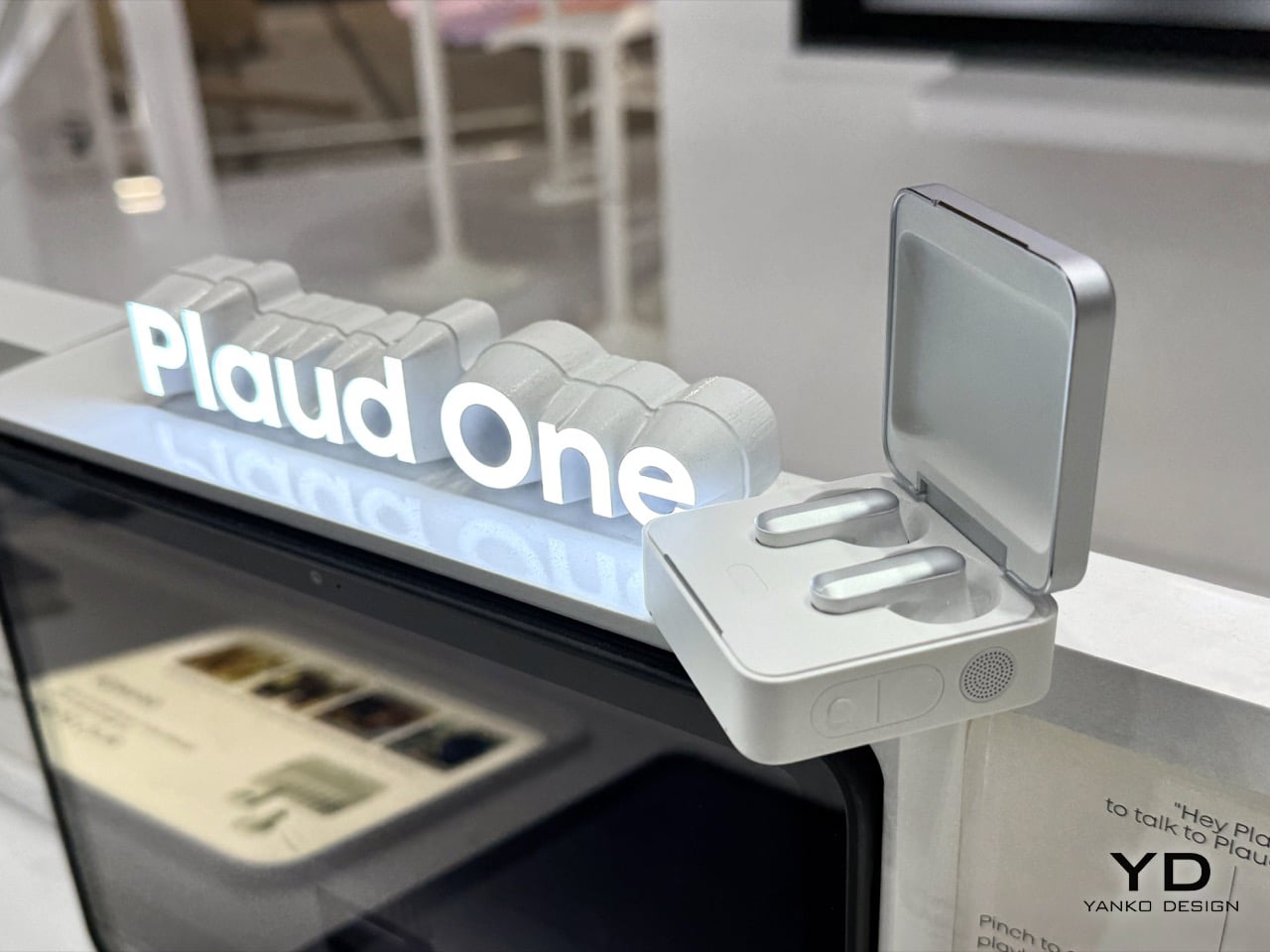
For three years, Plaud made very good tape recorders with a PhD. You pressed a button, it captured a meeting, and mere minutes later a summary showed up. The Plaud One, launched at IFA 2026 for €249.90, reverses that arrow. Its charging case now holds four beamforming mics, a speaker, an agent button and a built in eSIM, so it stays online without a phone nearby. Hold the agent button and the AI talks back, asks what you meant, then builds the deck or drafts the email while you get on with your day.
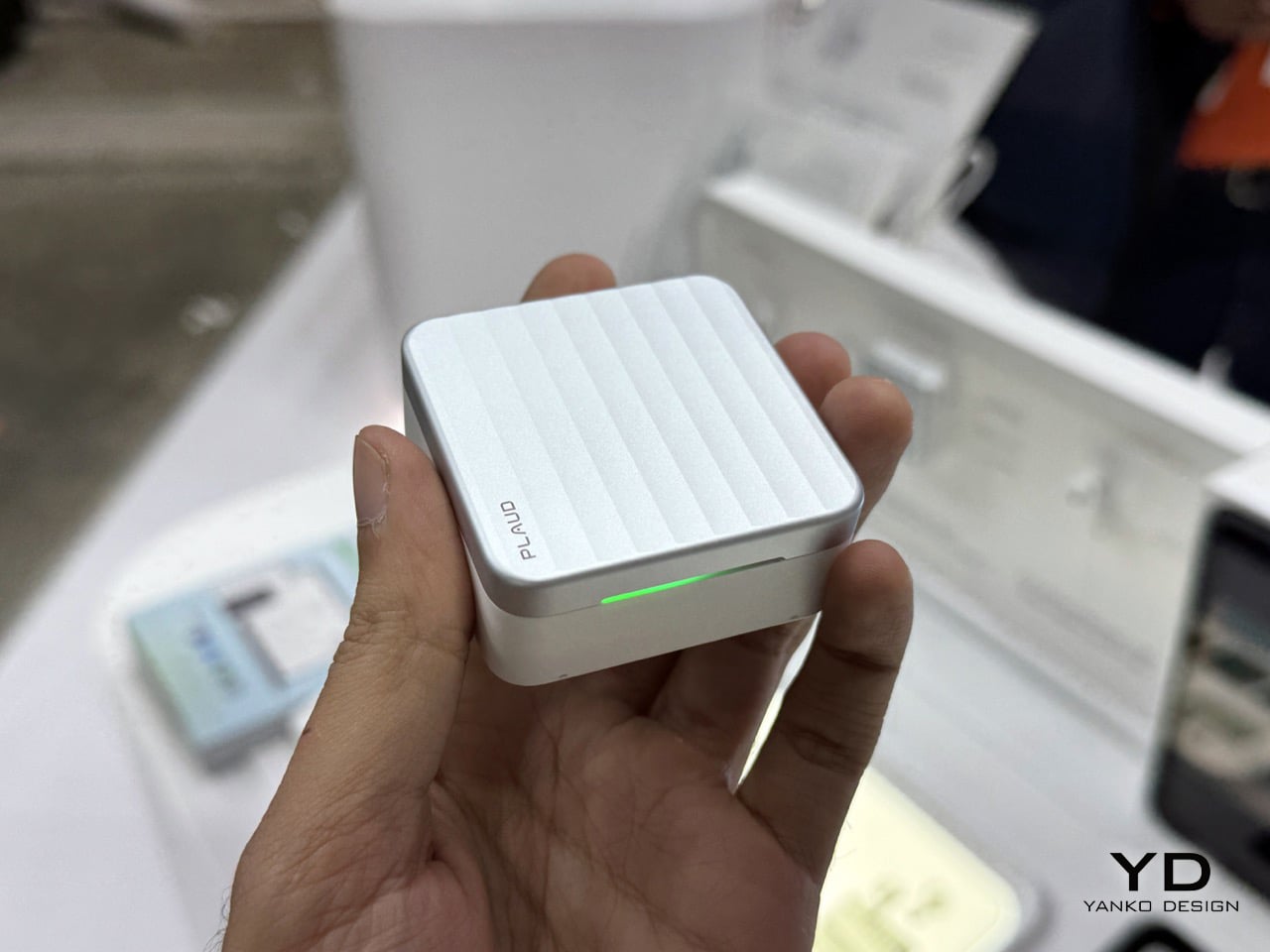
That flip from recording to doing needed hardware nobody had built yet. Not a pendant, not a pin, not another app crammed onto a phone you were already staring at. Plaud built a palm sized aluminum box with a fluted lid that looks like a Rimowa suitcase went through a shrink ray, sitting on a table, listening across a room, and talking back like a colleague who never needs coffee. The Explorer Edition opens for pre order now, capped at 2,000 units worldwide, with deliveries landing in Q4. A public version follows in 2027, once Plaud has watched two thousand early adopters put the thing through its paces.
Designer: Plaud
The original Plaud Note clipped onto a phone and did one job, listen to a meeting and hand back a transcript once it ended. The Note Pro added a screen and better mics. The NotePin S shrank the format onto a lanyard clip. Every generation stayed reactive by design, a smart recorder waiting for you to press stop before it did anything useful. That business built Plaud’s 2.5 million user base and reportedly crossed $100 million in annual software revenue by June, which is exactly the kind of runway that lets a company gamble on reinventing its own hardware category from scratch.
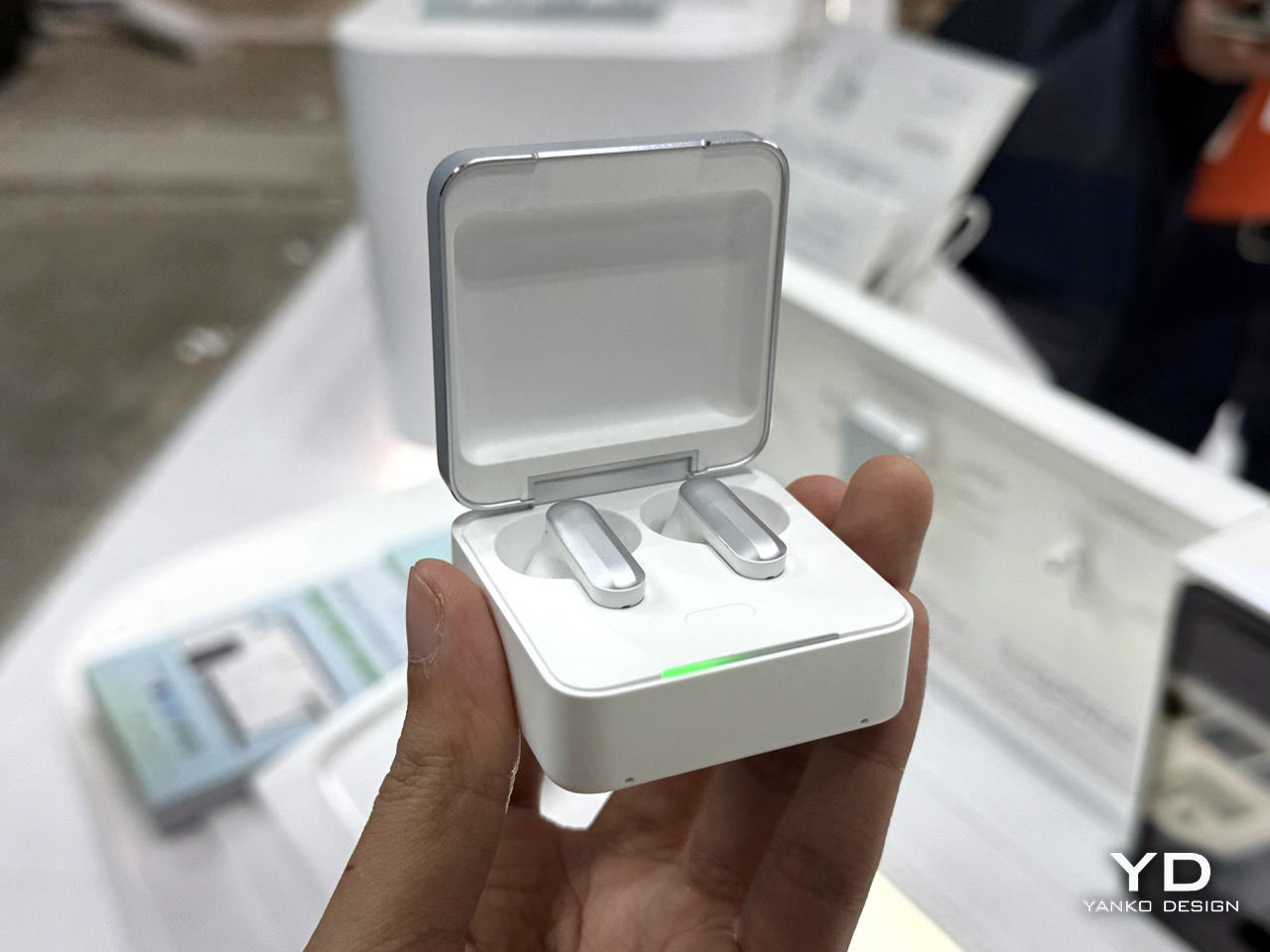
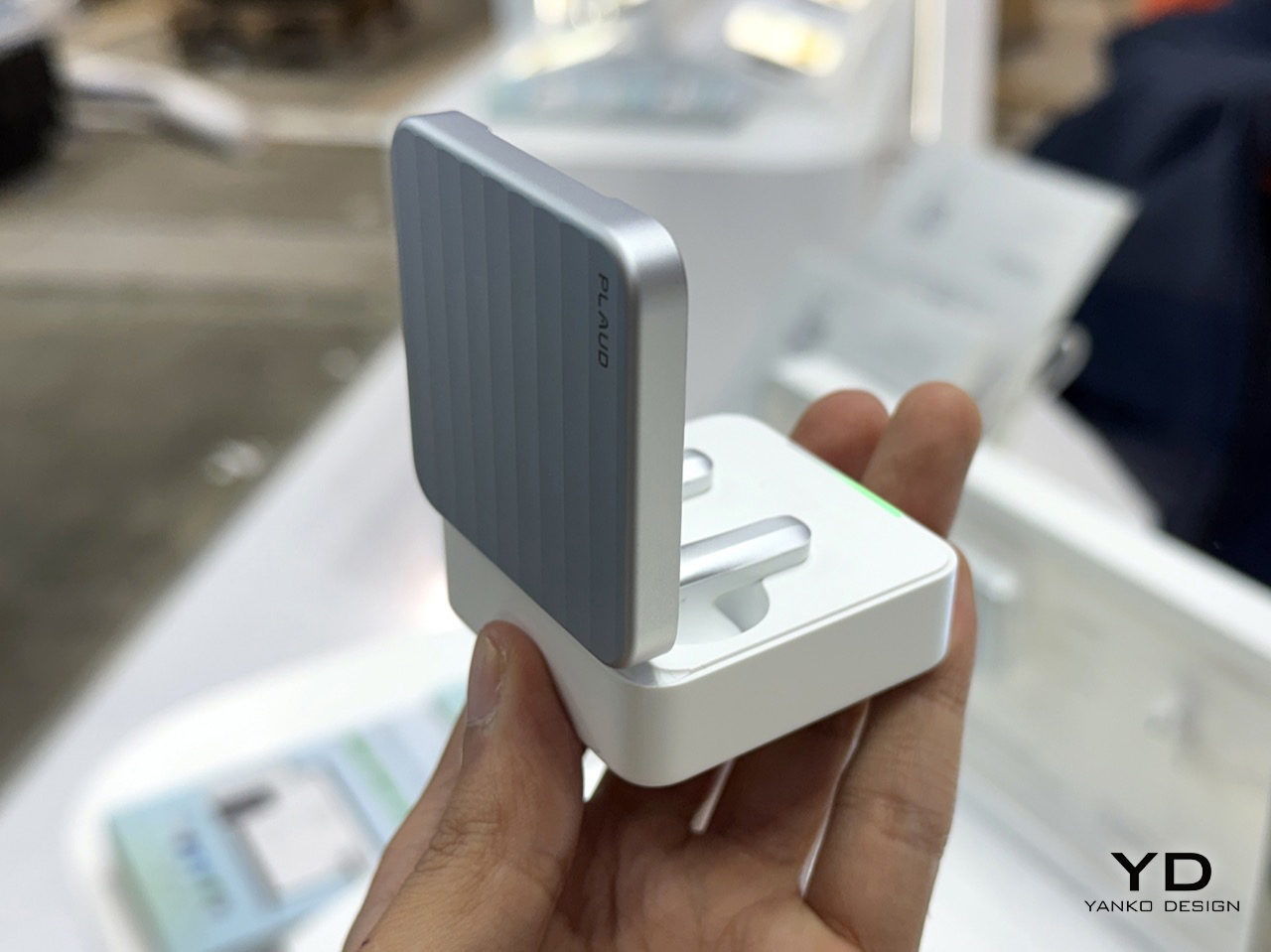
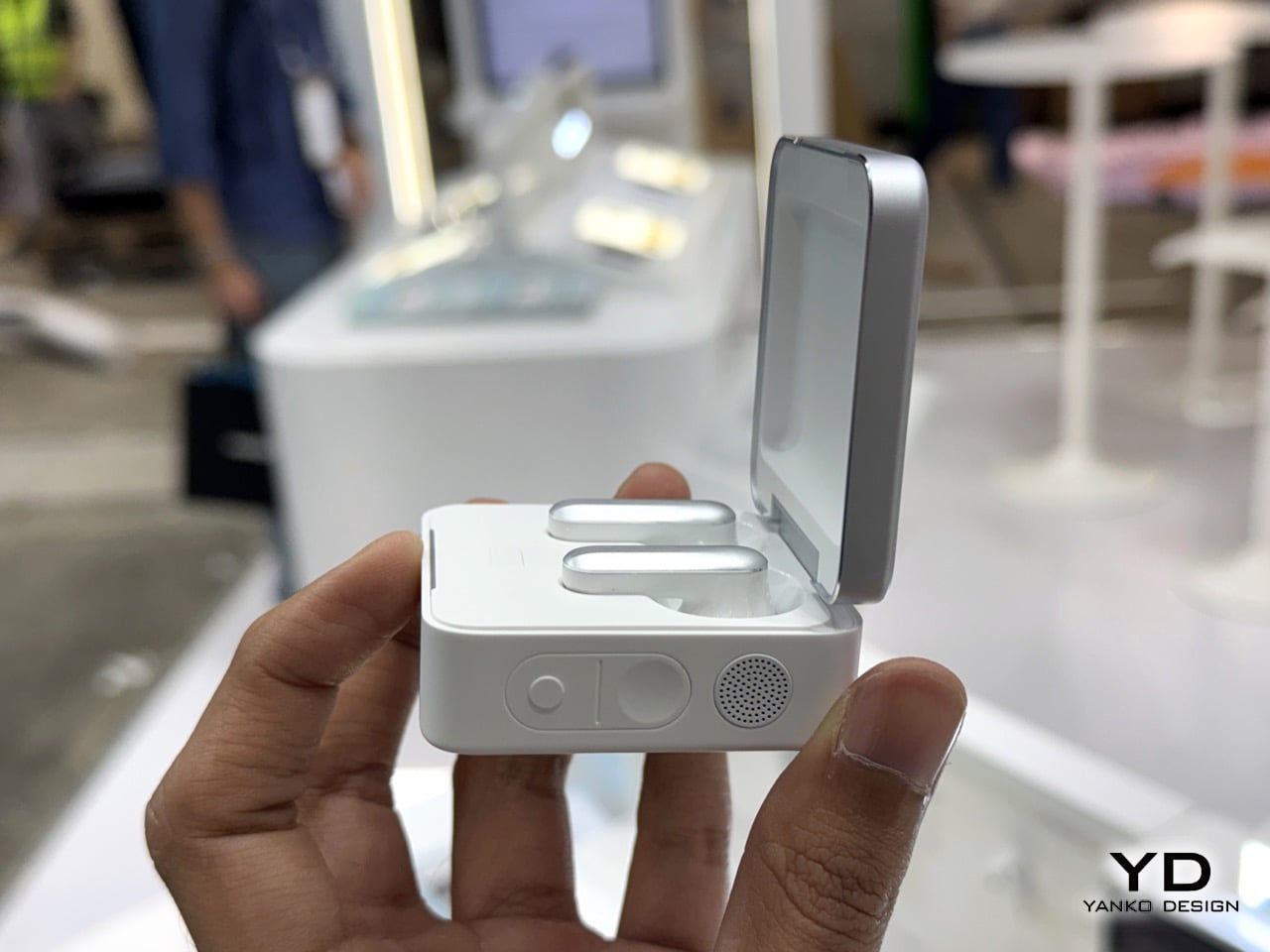
Vertical fluting runs down the case’s aluminum lid, the same visual trick Rimowa has stamped into cabin luggage since the 1950s, giving a 62 gram object a sense of density it has no right to carry. Flip it open and the earbuds sit half in ear, silver capped, in a tray that reads closer to a jewelry box than a charging dock. A speaker grille, a record button and a separate agent button line the case’s edge, the three controls that turn a charger into a device you actually talk to. None of it apes a phone. It reads like furniture for a desk, not gear for a pocket.
Earlier Plaud devices leaned on your phone for both processing and connectivity, so the intelligence always sat one hop away from the microphone. Plaud One’s case carries its own 4G LTE connection through a built in eSIM, closing that gap entirely. Capture, transcription and agent response now run in one box, independent of any other screen in your life. Leave your phone in a bag, walk into a cafe, and the case still records the table’s conversation, answers a question out loud through its speaker, or fires off a follow up email on command. Every pendant and pin that came before this quietly depended on a phone doing the real work behind the scenes. Plaud One is the first in the category that genuinely does not.
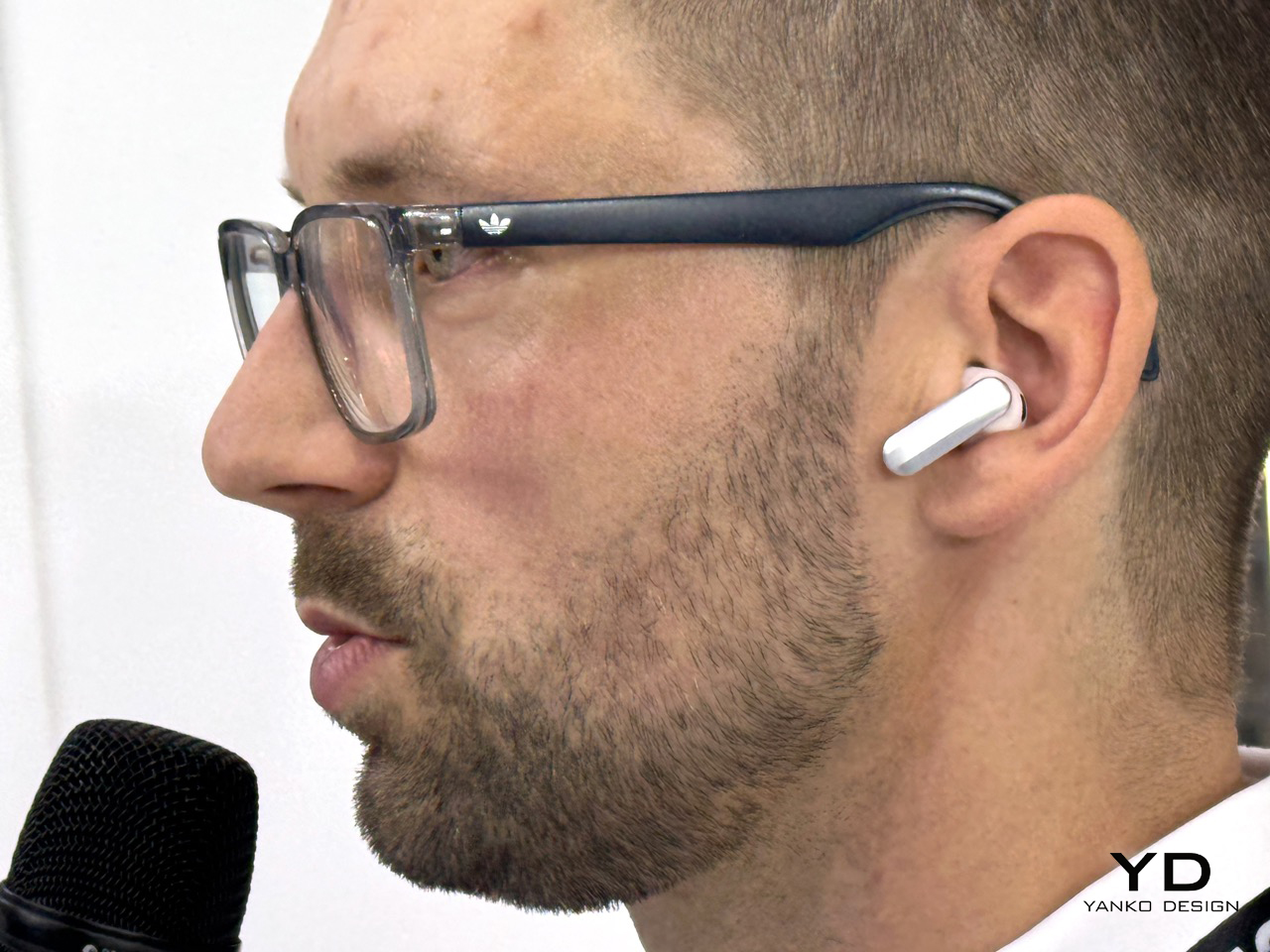
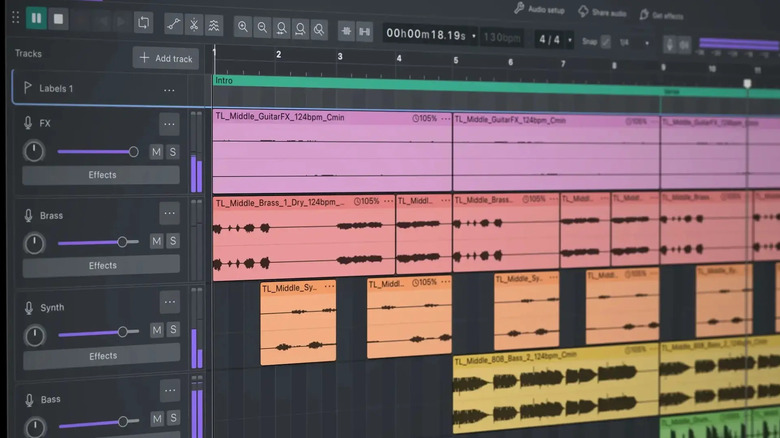
Plaud Agent drafts a follow up email the moment a client call ends. Feed it a meeting and it builds a slide deck while you sit through your next call, then drops the finished file straight into Notion with zero copy pasting. The platform connects to Gmail, Google Workspace, Microsoft Teams, Slack and Notion today, with more integrations promised as the software matures. Set it loose on a standing task, a monthly competitor scan for instance, and it runs quietly in the background, waiting with a finished report the next time you check. This is the actual bet Plaud is making, that an assistant worth having has to act, not just remember.
Pre orders for the Explorer Edition are open now at €249.90, with the first 2,000 units shipping in Q4. Buyers get $200 in Plaud Credits toward the heavier agent features on top of a starter transcription plan, so the price buys a running start on the software as much as the hardware. Calling this an Explorer Edition rather than a finished release is the honest move, an open beta wearing genuinely sharp industrial design. Plaud spent three years building the best possible way to listen. Plaud One is its first real attempt at building something worth talking to.
The post Plaud One Hands-On at IFA 2026: AI Earbuds That Transcribe Meetings, Then Draft Emails And Decks For You first appeared on Yanko Design.
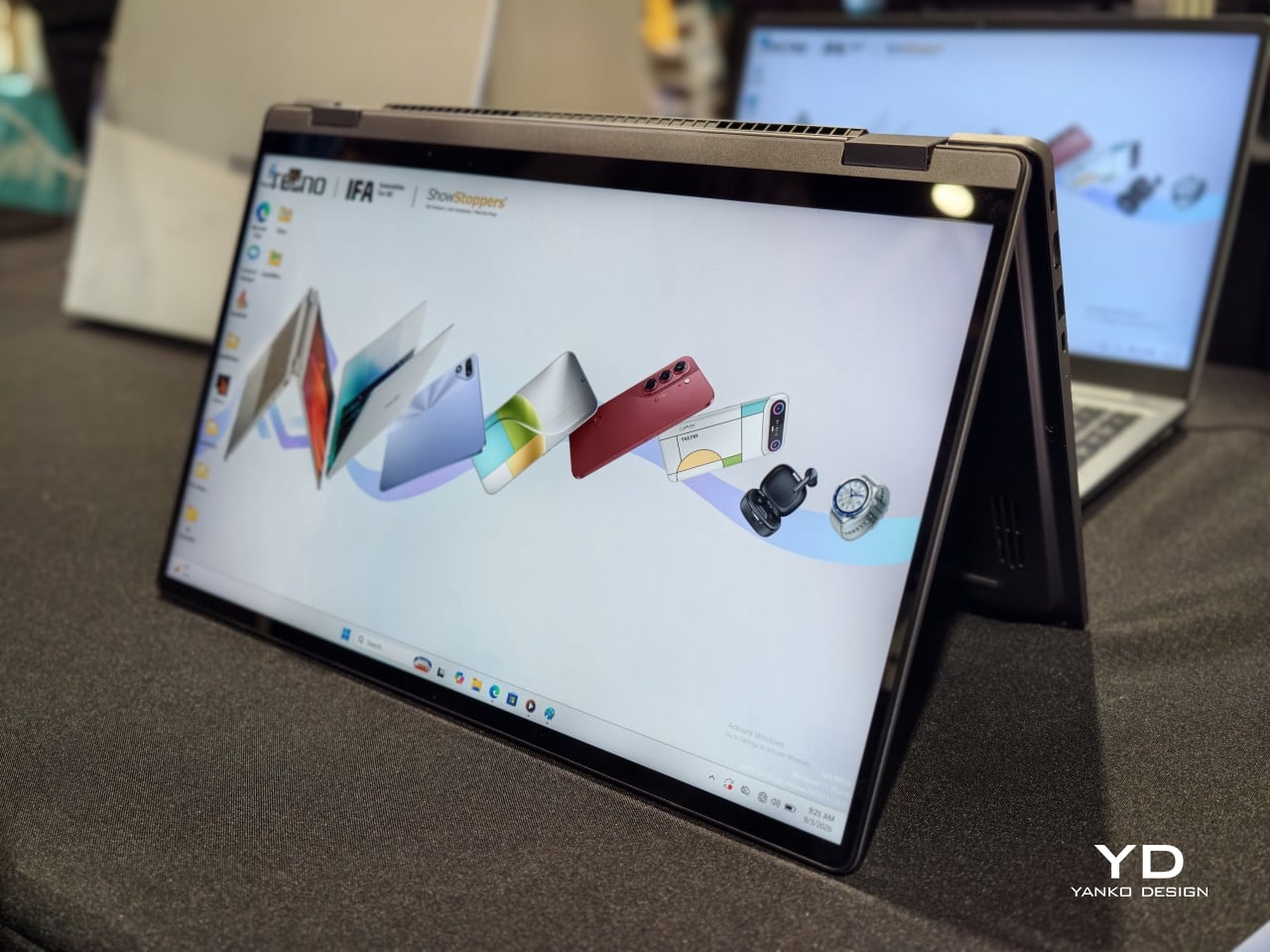
A laptop that only knows one shape stops being useful the moment the day changes its mind. TECNO built the MEGABOOK T15 360 Pro around that exact problem, wrapping a full 360-degree hinge inside an all-metal body machined with precision CNC tooling. The screen folds all the way back, turning one device into four distinct working postures without asking anyone to carry a second gadget.
Flip it flat into Laptop mode, and it behaves like any focused productivity machine, keyboard ready and screen upright for spreadsheets or long email threads. Push the display back further and Tablet mode takes over, letting fingers or an optional MPP 2.0 active pen sketch, annotate, and jot notes directly onto the 15.6-inch touchscreen. The same hardware just keeps reshaping itself around whatever task shows up next.
Designer: TECNO
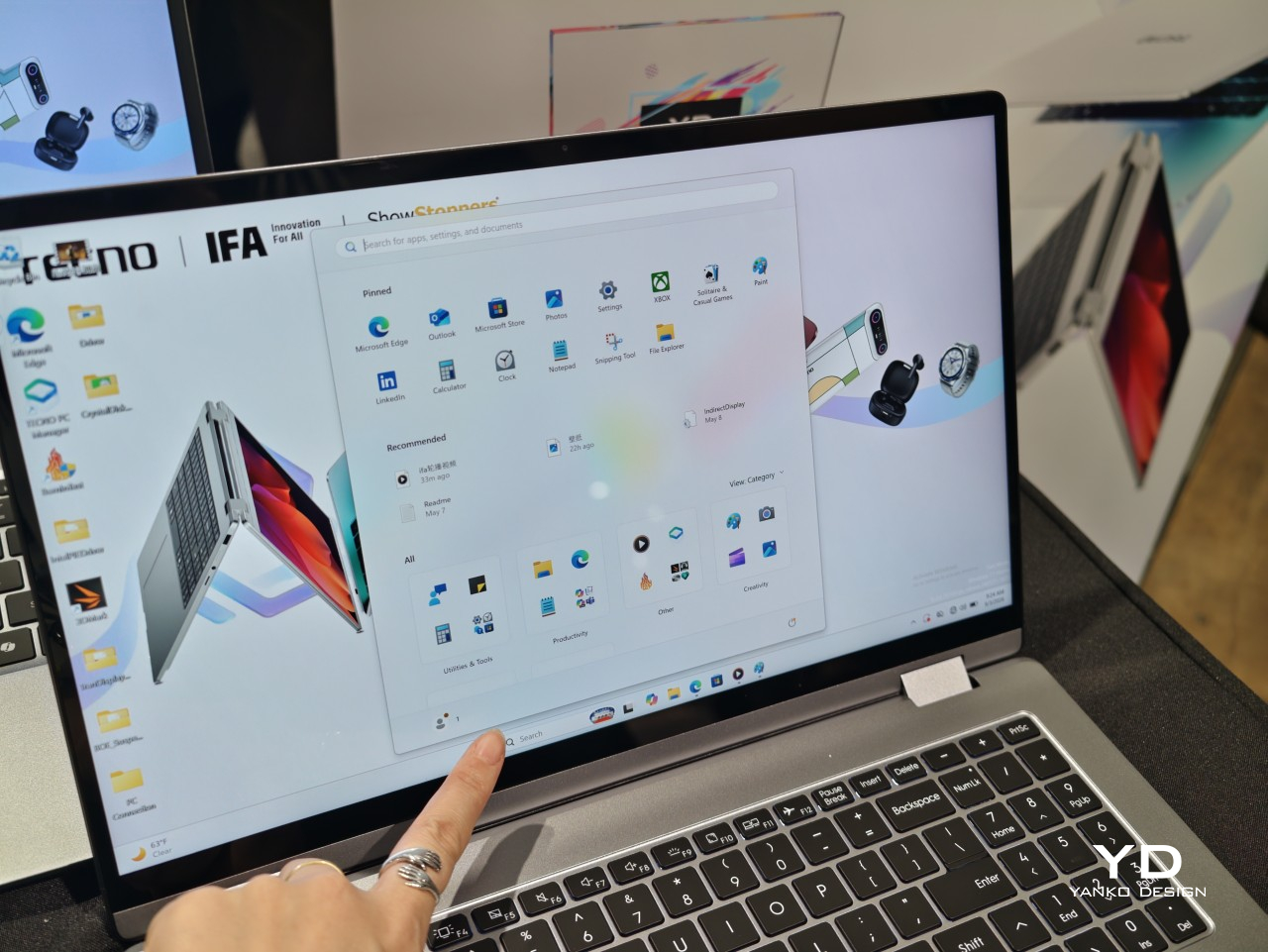
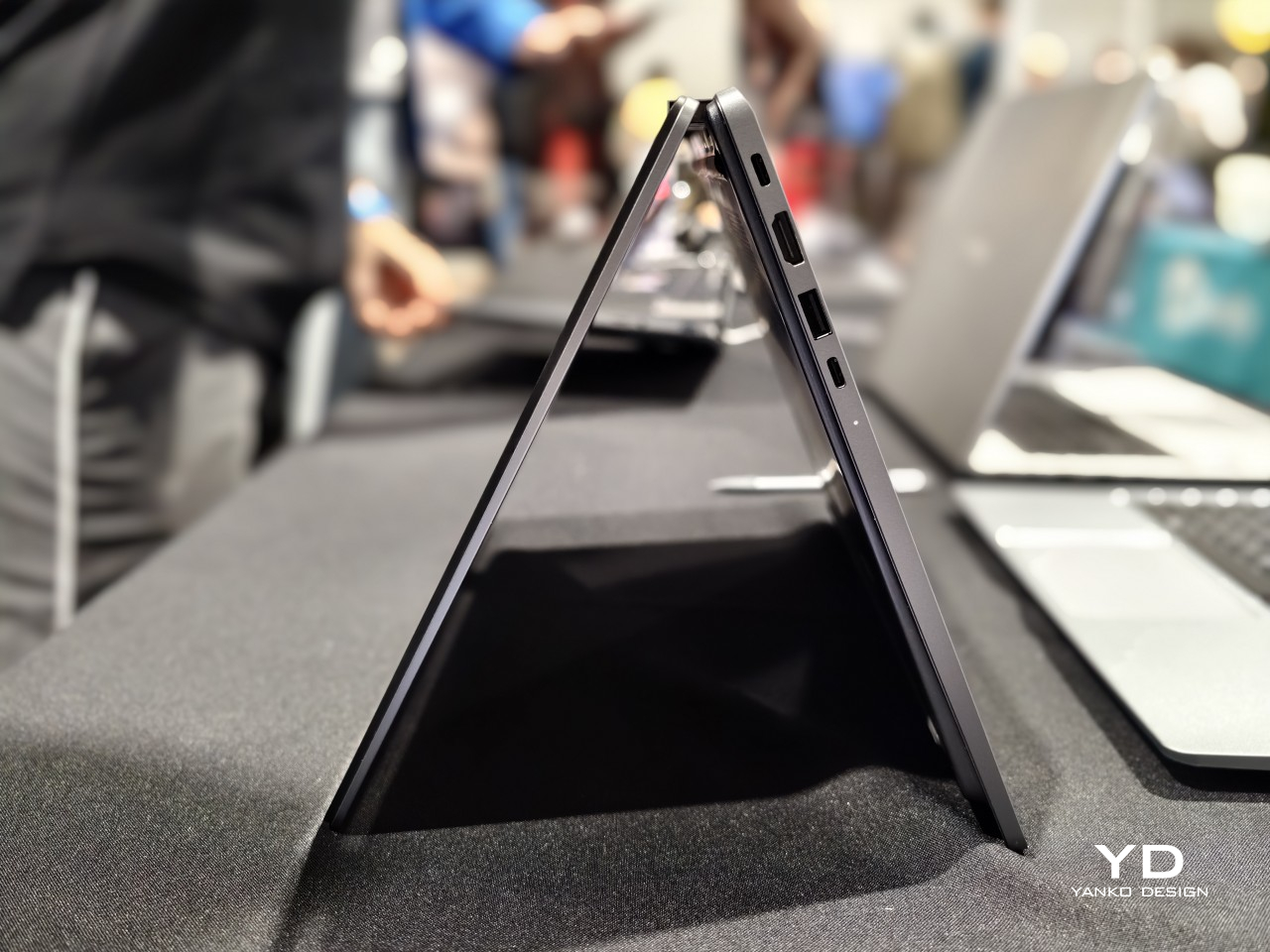
Fold it into a triangle and Tent mode appears, propping the screen up on a cramped tray table or a corner of a crowded desk where a full laptop footprint would not fit. Stand it up the other way and Stand mode turns the same hinge into a presentation tool, angling the display toward a room full of people instead of a single set of eyes typing at a keyboard.
None of those positions would matter much without a screen worth looking at, and TECNO gave the Pro model a 2.5K panel running at 120Hz across 2560 by 1440 pixels, covering 100% of the sRGB color space at 350 nits brightness. Colors hold up during video edits, photo review sits closer to accurate, and scrolling through documents in Tablet mode feels noticeably smoother than on a standard 60Hz screen.
Under the hood, configurations climb as high as an Intel Core Ultra 9 185H processor paired with LPDDR5X memory running at up to 7,467MHz, enough headroom for video exports or a dozen open browser tabs without slowdown. A PCIe M.2 2280 SSD handles storage, and select configurations add a second M.2 slot, giving anyone running out of space room to expand rather than shop for an external drive.
Powering all of that is a 70Wh battery paired with a compact 65W PD GaN charger, a combination built to survive a full workday of meetings, note-taking, and streaming without hunting for an outlet. The included charger sheds the bulk of older power bricks, and the 1.8-meter cable gives enough slack to keep the laptop charging from across a conference table instead of right next to the wall.
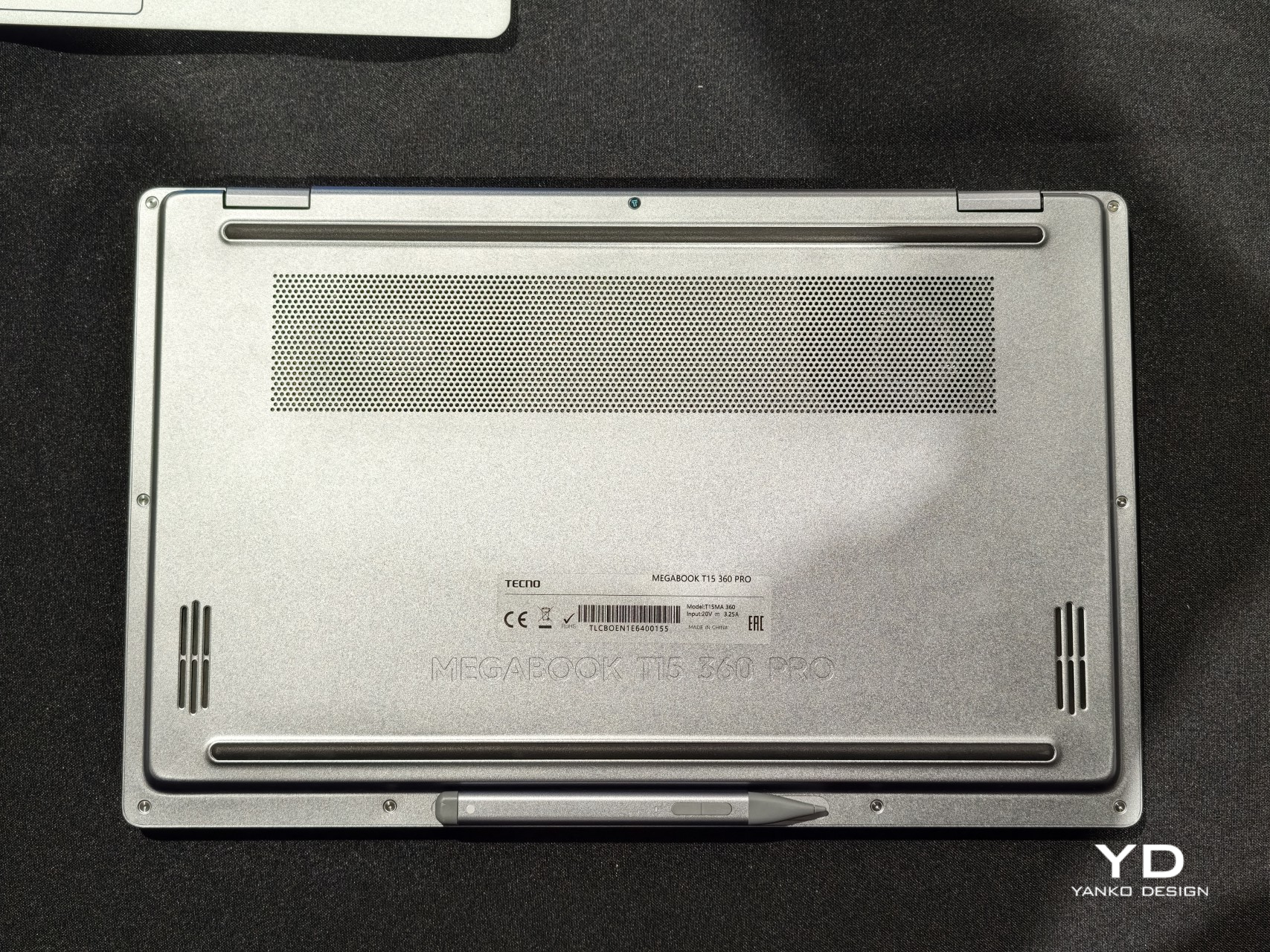
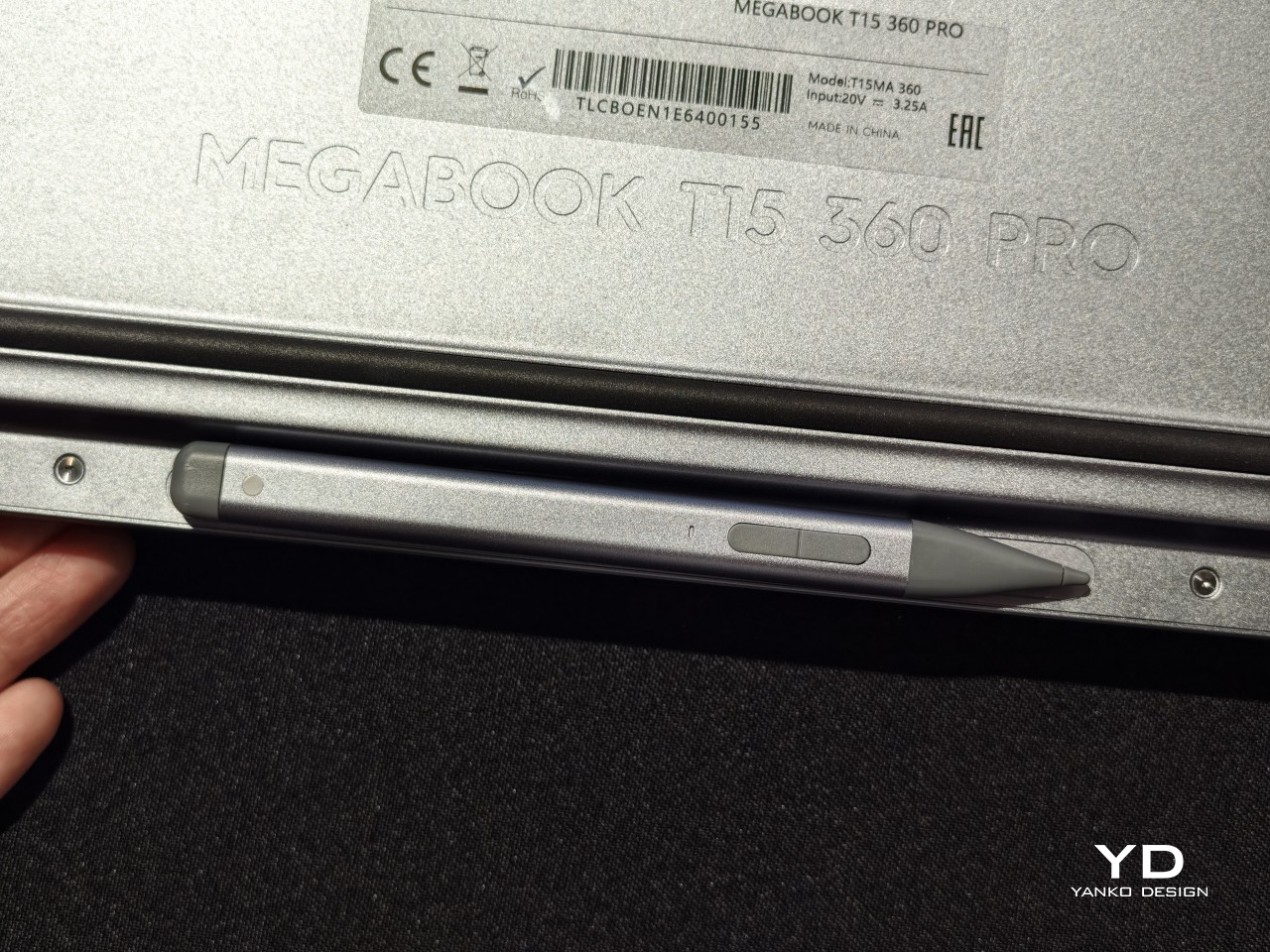
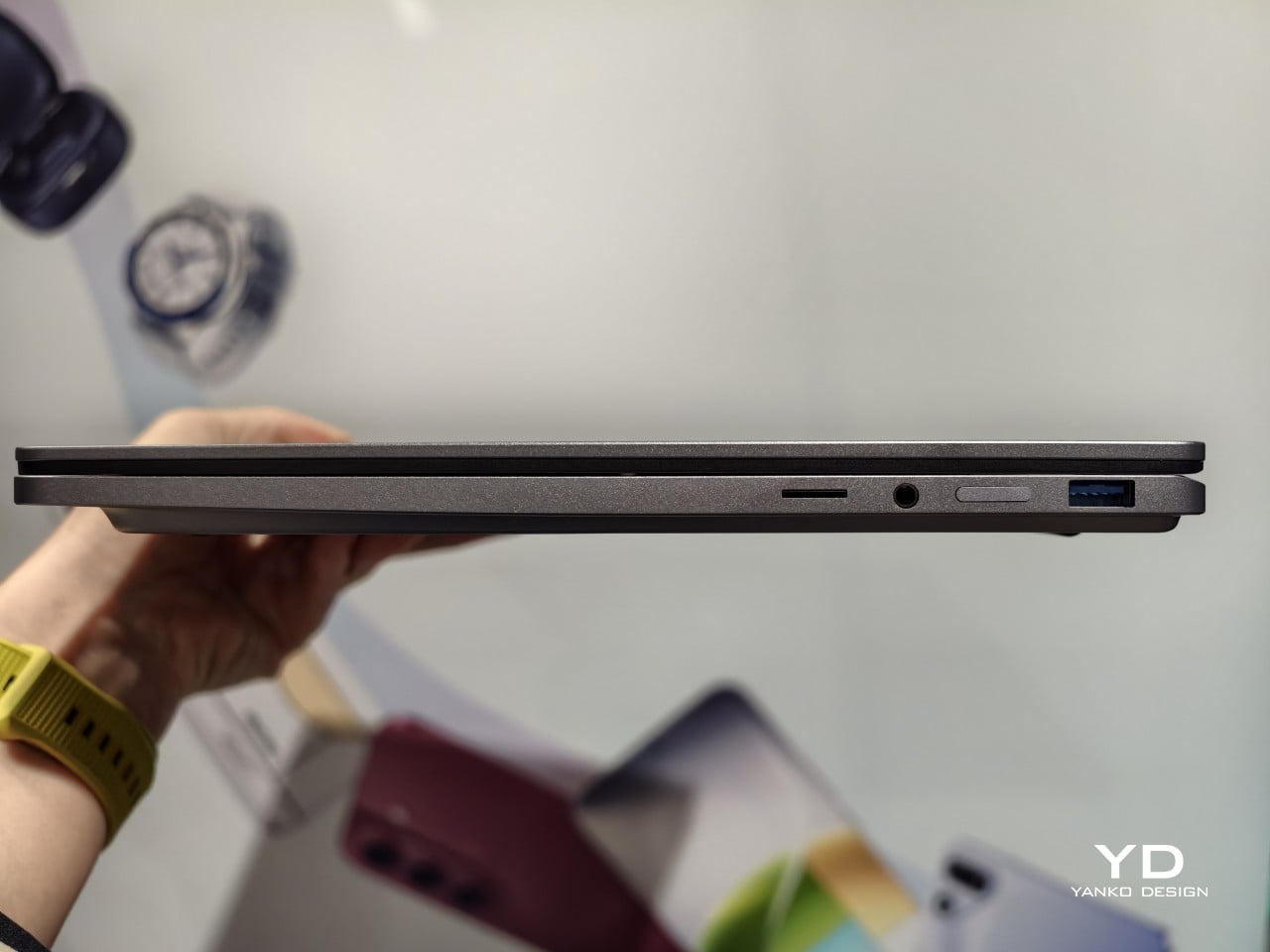
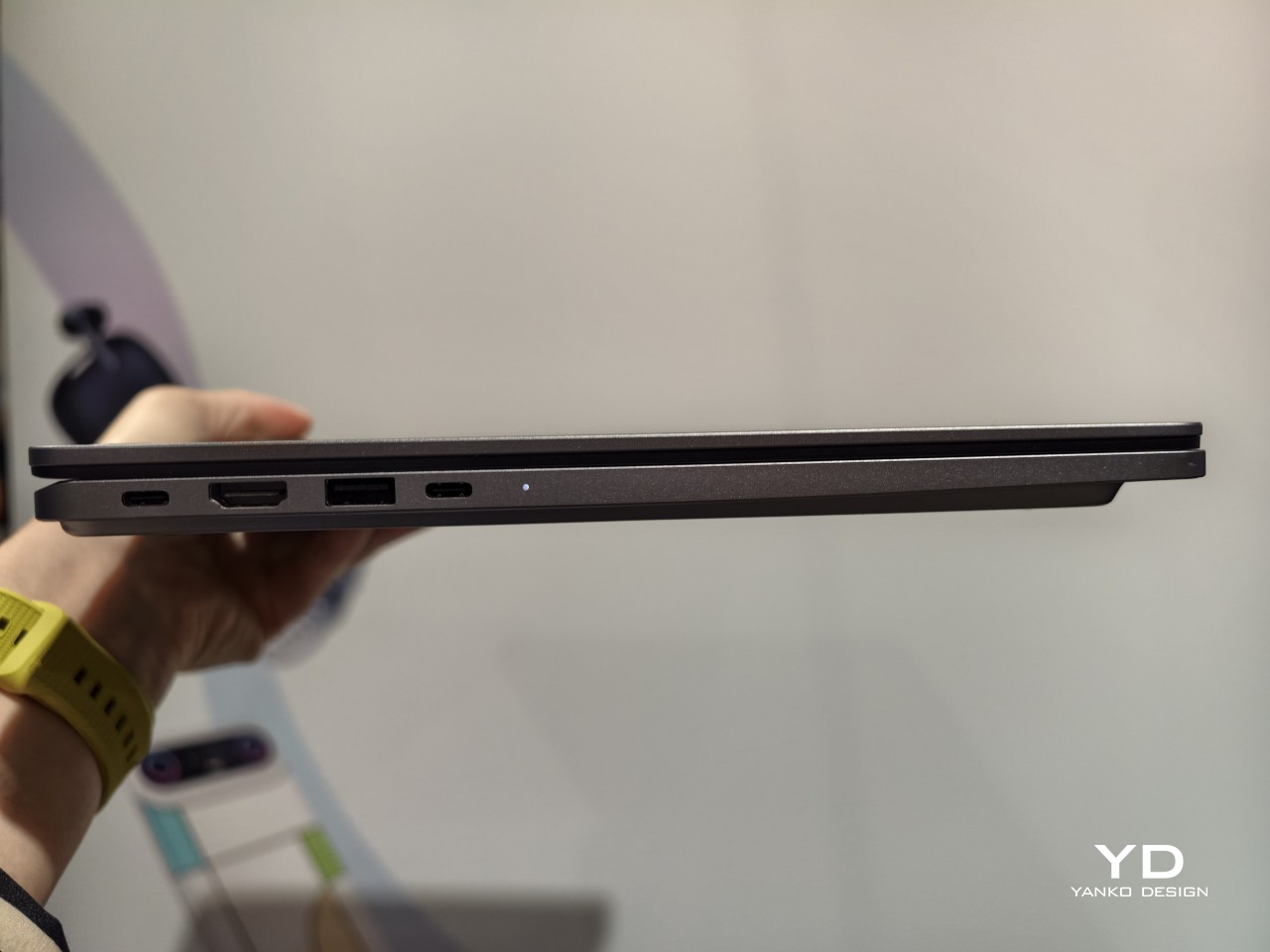
Connectivity keeps pace with the rest of the machine. Wi-Fi 6E and Bluetooth 5.4 handle wireless duties, while seven physical ports, including two Type-C connections rated for 10Gbps data and display output, cover everything from external monitors to storage drives. TECNO OneLeap ties the laptop into phones, tablets, and other PCs, letting files and clipboard content move between devices without emailing anything to yourself first.
Smaller touches round out daily use. A backlit keyboard with its own numeric keypad handles spreadsheet-heavy work, and a fingerprint reader built into the power button skips the password screen entirely with one press. Dual speakers tuned for DTS:X Ultra and a pair of digital microphones back up video calls and casual media playback, so switching between a meeting and a lunchtime show does not require headphones.
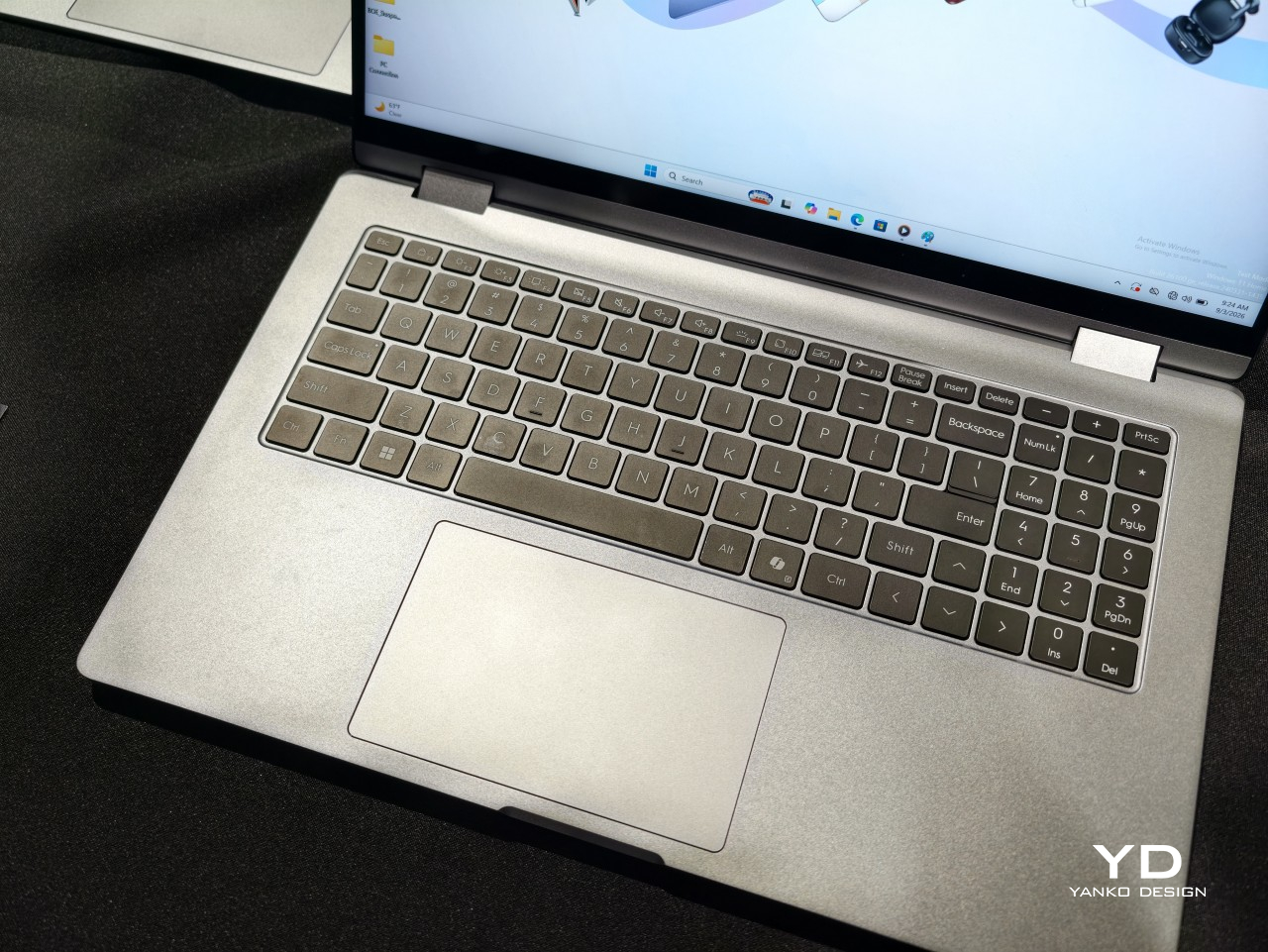
TECNO prices the MEGABOOK T15 360 Pro at €1,099 (around $1,280), with European availability starting in the fourth quarter of 2026. That price sits closer to a well-specced conventional laptop than a premium convertible, positioning the T15 360 Pro as the rare 2-in-1 that does not ask for a luxury markup just because the hinge bends further than everyone else’s.
The post Get a Laptop or Get a Tablet, TECNO MEGABOOK T15 360 Pro Is Already Both first appeared on Yanko Design.
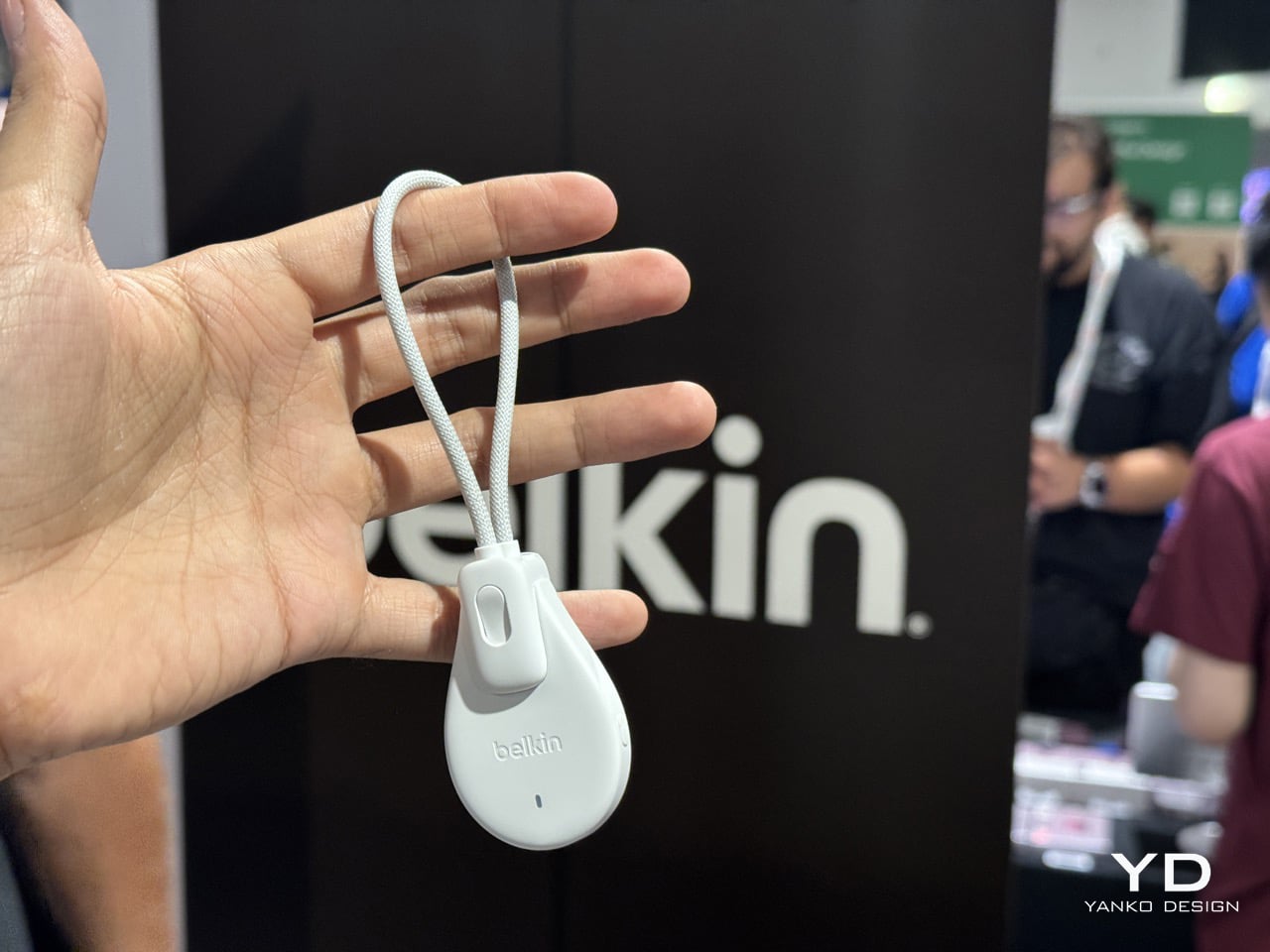
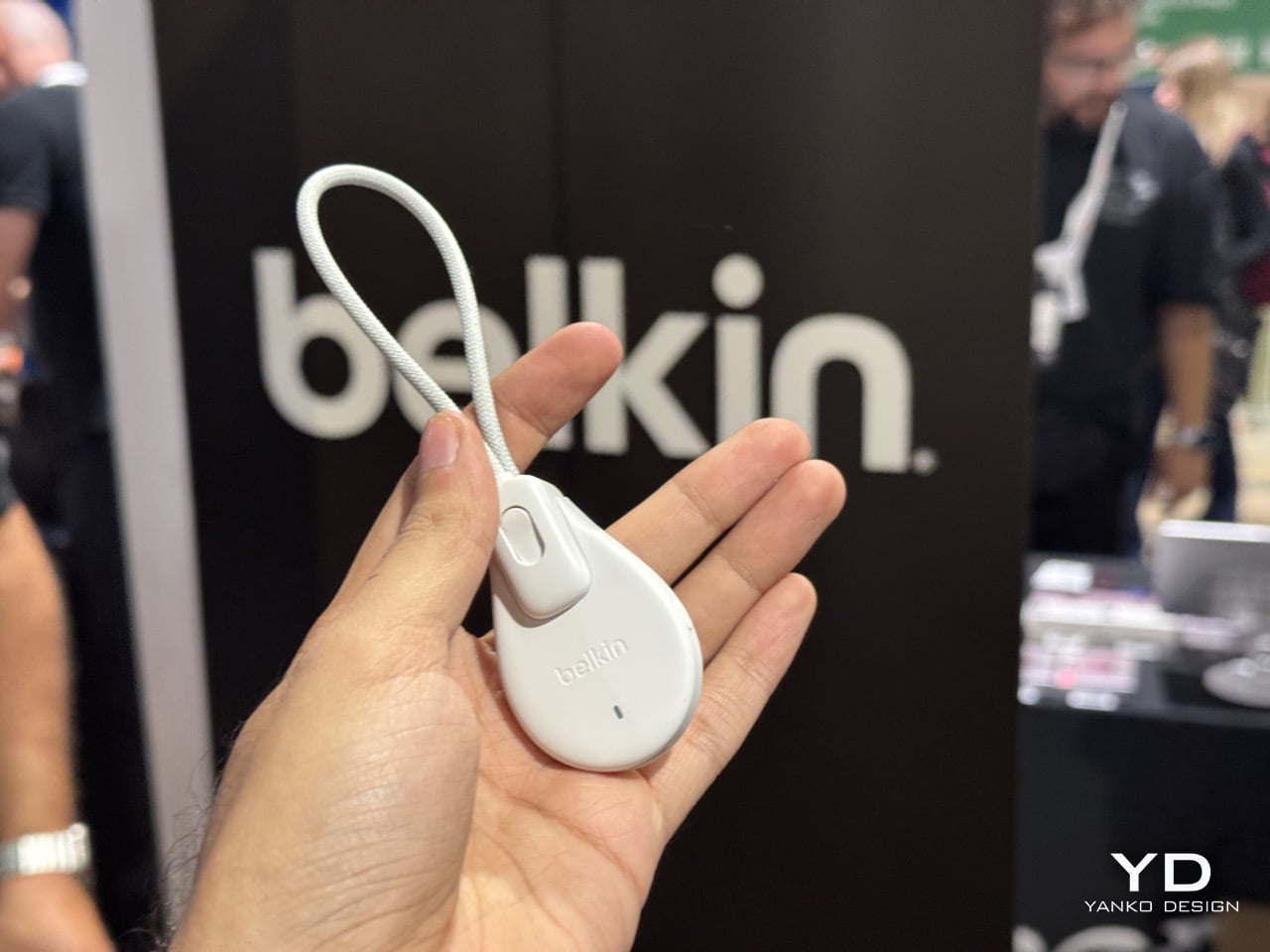
No tracker on the market ships with an actual leash. Apple’s AirTag is a stud, so you buy a separate keychain loop just to hang it on anything. Chipolo is a disc with a small aperture punched into the edge. Google’s new Pixel Tag is a plain little monolith with the same problem. Samsung and Tile at least had the sense to build in a substantially wide hole or channel so you could pass a carabiner or leash of your own through it, which is basically an admission that they knew the leash was missing and left the job to you. Belkin’s SureFind Loop Cable Tag is the first one that just builds the leash in, and then goes one further: that leash is a working USB-C to USB-C cable you can unclip and use to charge the tag itself, or your phone, or literally anything else with a USB-C port.
It costs $24.99, weighs almost nothing, and the cable snaps back into the tag’s body to top off the 120mAh cell inside once you are done borrowing it. A rep on the IFA show floor in Berlin told me to expect roughly six to nine months of tracking per charge, a number Belkin has not put in writing anywhere yet. The tag itself is a flat white teardrop with one button, a status LED, and it is certified for both Apple Find My and Google Find Hub so it does not care which phone tribe you belong to. It ships in September across the Americas, Australia, New Zealand and Asia Pacific. Europe, where Belkin just showed it off, does not get to buy it at all.
Designer: Belkin
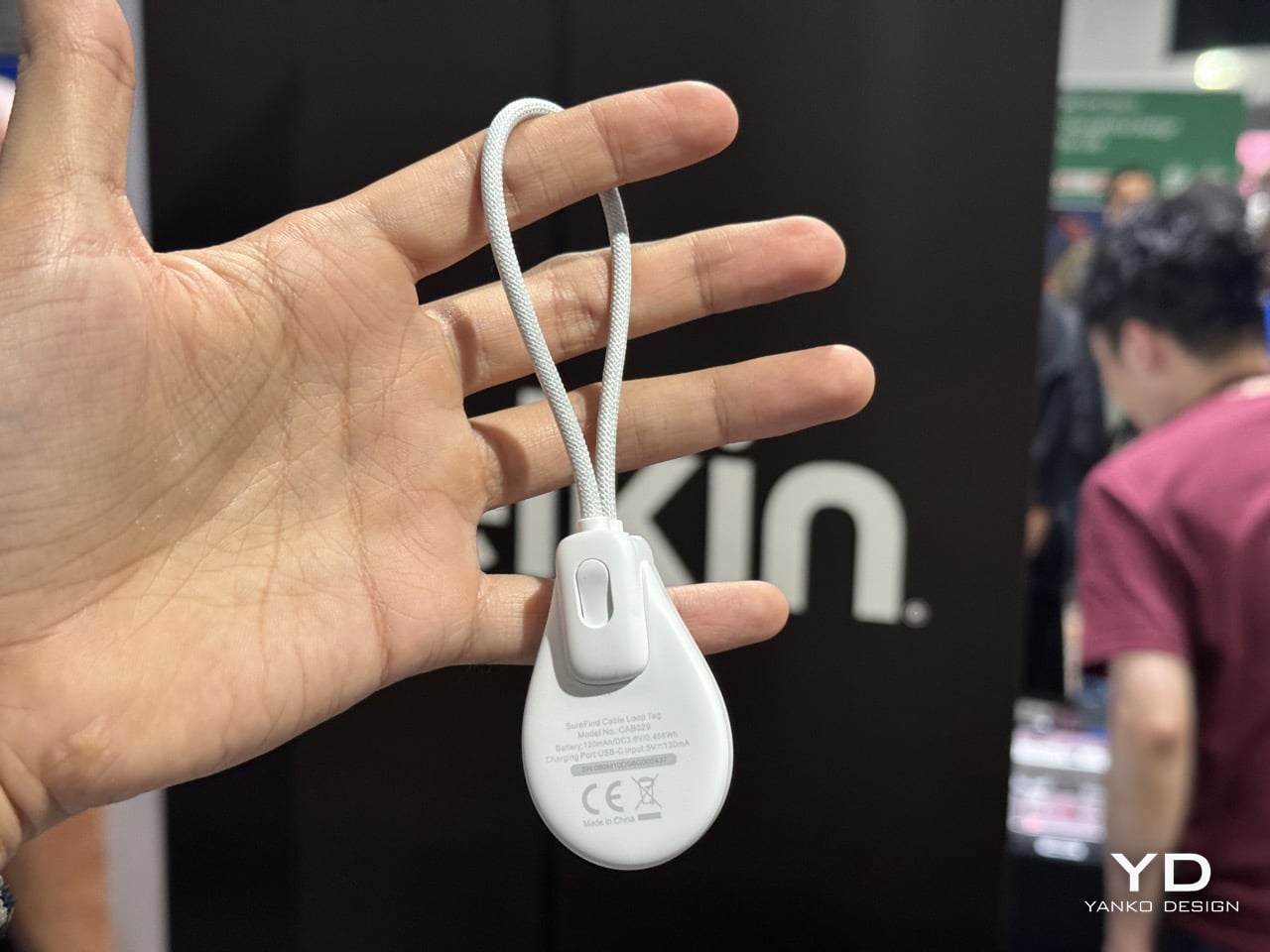
A braided USB-C cable and a fabric carry strap are already built from the same material logic, a length of reinforced cord with a connector at each end, and Belkin’s actual design move was refusing to treat those as two separate problems. The loop threads through a bag handle or backpack zipper, clips shut with a small sliding toggle, and unclips into a functioning charging cable the moment you need one. Belkin has spent years making the loops and holders other brands’ trackers needed just to attach to anything, so the fact that this idea sat unbuilt for that long, inside a company with decades of cable manufacturing behind it, says more about industry habit than about engineering difficulty. Sometimes the obvious fix just needs someone willing to stop selling the workaround.
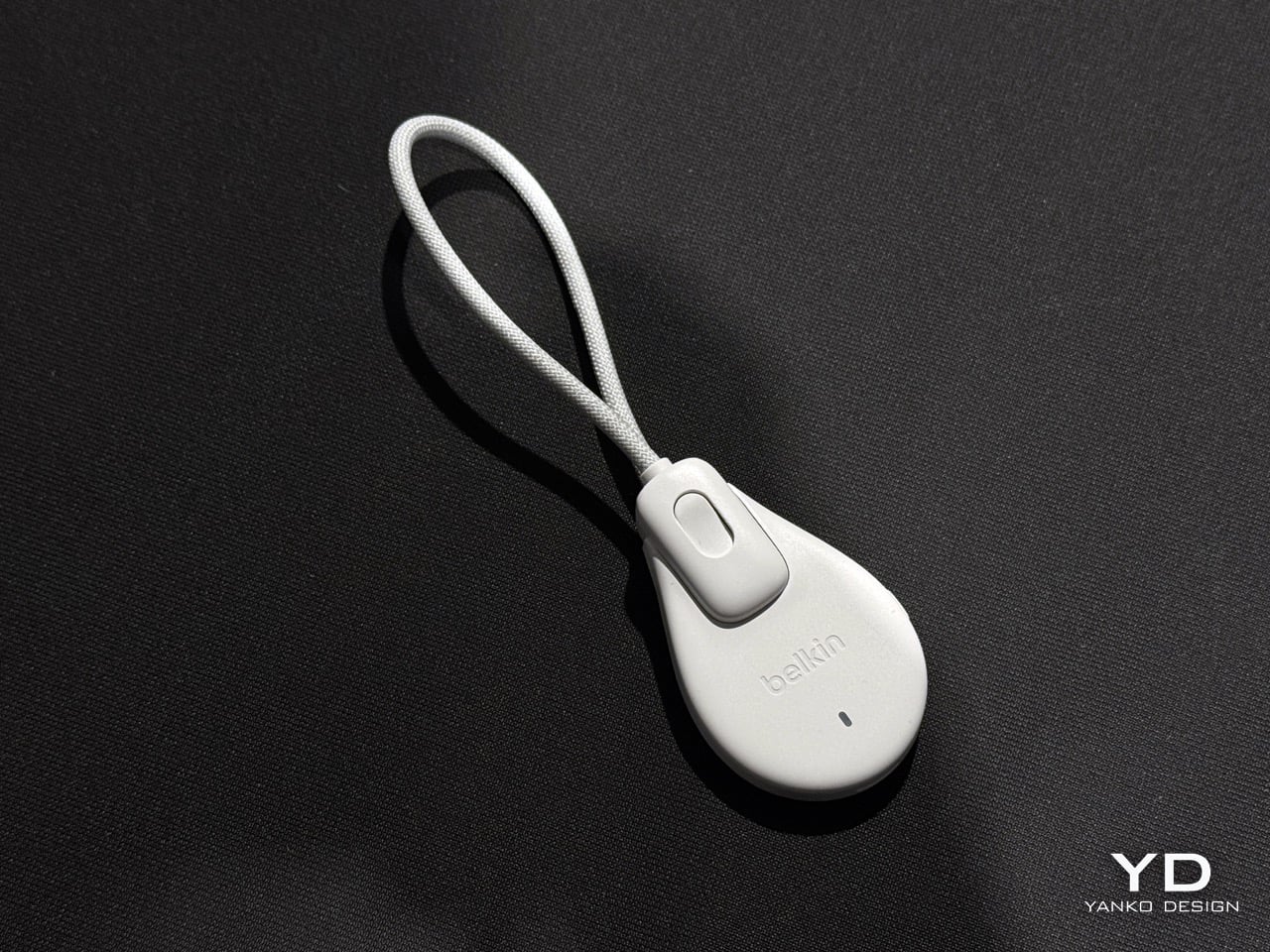
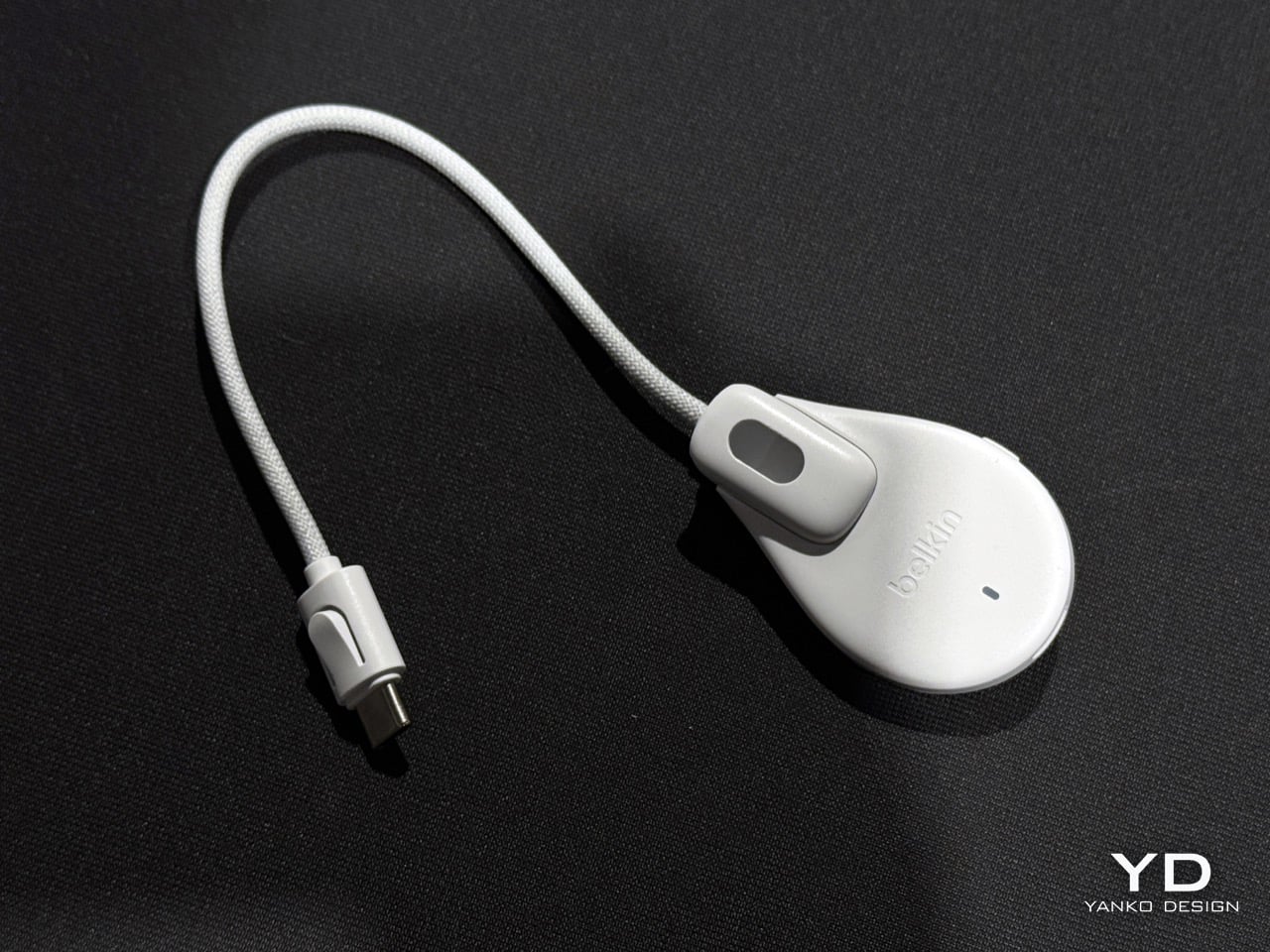
Using the cable means unclipping the tag from whatever it was hanging on, so the tracker stops tracking the thing it was tied to for as long as you are borrowing the cable to charge a phone at an airport gate. That is a fair compromise for most people most of the time, but Belkin’s marketing does not mention it, and a design this clever should be able to admit its own limits. There is also no published IP rating for this specific model, unlike the SureFind Card, which carries IP68 and can survive a dunk in water. A tag meant for backpacks and luggage sitting on tarmacs in the rain probably deserved that spec sheet line too.
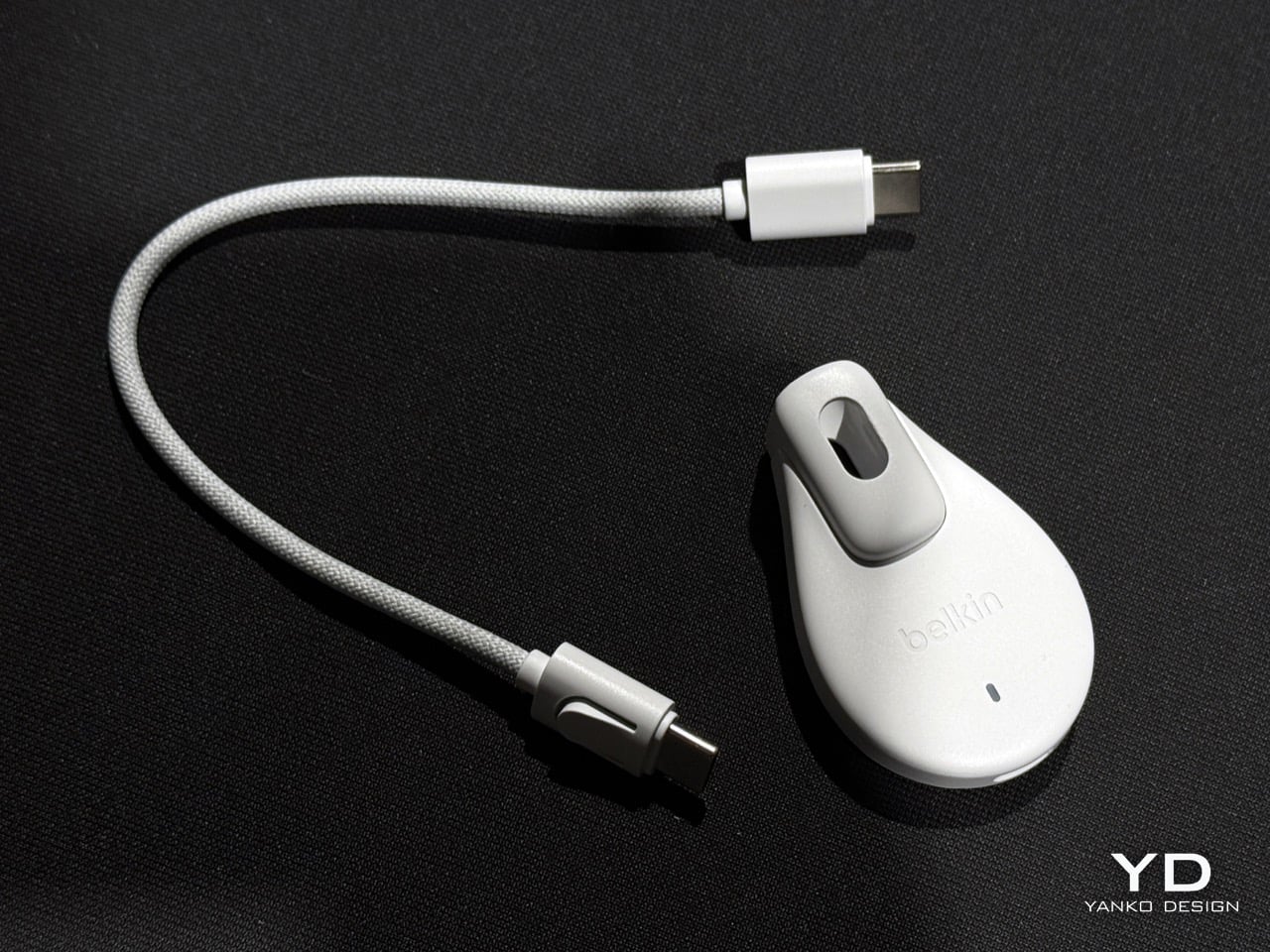
Dual certification for Apple Find My and Google Find Hub means you can buy the tag without worrying about which ecosystem you’re in. However, it’s worth noting that you have to choose one ecosystem to tether your device to. If you’re an Apple guy, you configure it with Find My. If you’re team Android, stick to Google’s offering. Belkin is entering a crowded field days after Apple’s AirTag 2 and ahead of Google’s own Pixel Tag, both of which still lean on separate keychain accessories to attach to anything. Chipolo and Pebblebee already proved rechargeable trackers work and do not need replacement coin cells. Belkin took that idea and folded a second function into the strap itself, a leash that charges things instead of just hanging them. How that holds up outside a Berlin show floor, across the actual months of use it is being asked to survive, is the open question.
The post The First Tracker With a Working USB-C Leash: Hands-on with Belkin SureFind Loop Cable Tag at IFA 2026 first appeared on Yanko Design.
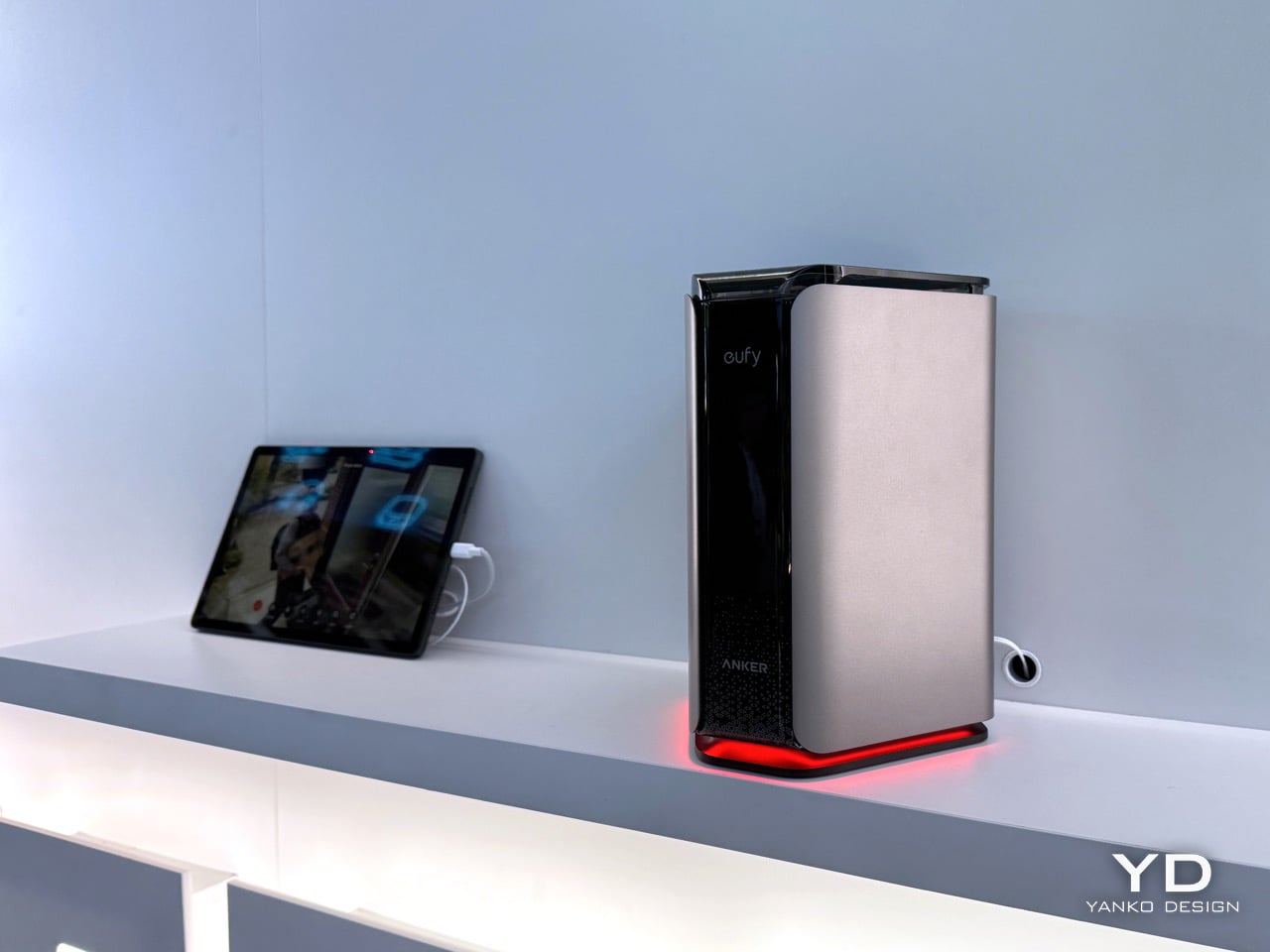
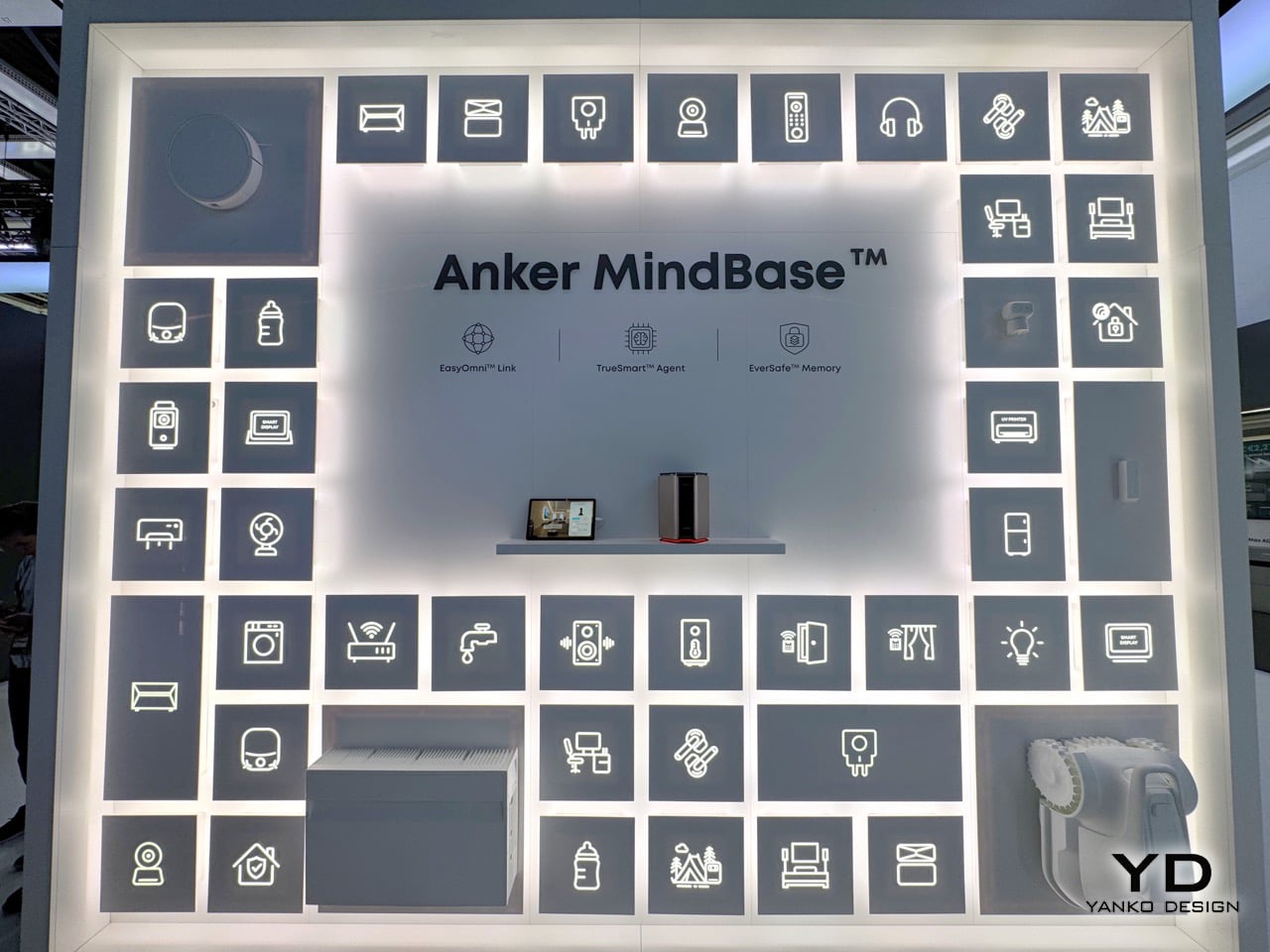
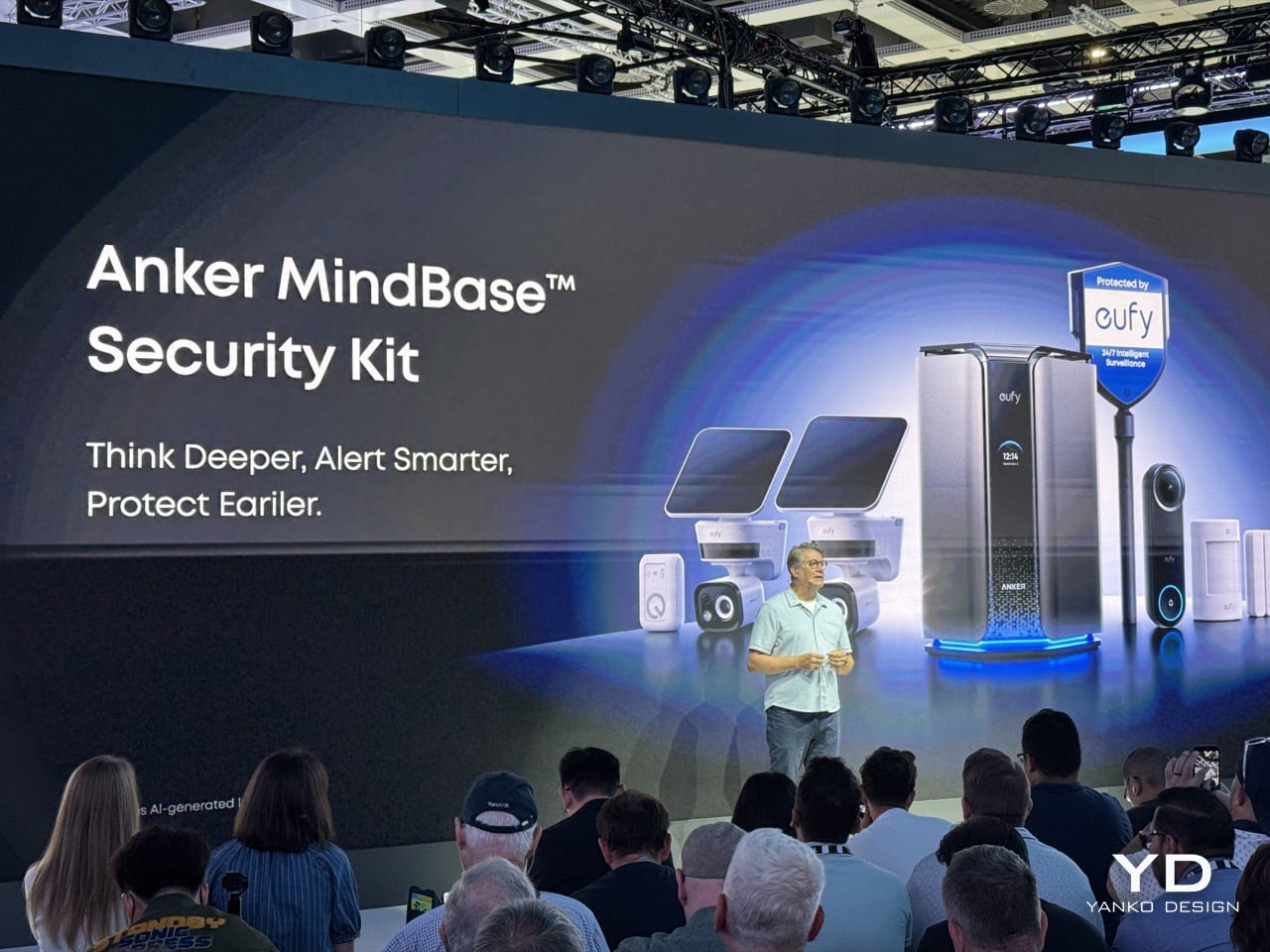
If you already own eufy cameras, the useful sentence in Anker’s IFA 2026 announcement is buried under the AI talk: your HomeBase S380 footage transfers straight across to the MindBase. Anker built the new hub to work with the eufy security gear people bought years ago, then bolted on a two-bay drive enclosure holding up to 48TB and a 26 TOPS compute card running an in-house language model locally. Your old cameras stay. They get a brain. That is a far rarer offer than a new camera, and considerably cheaper than replacing four of them.
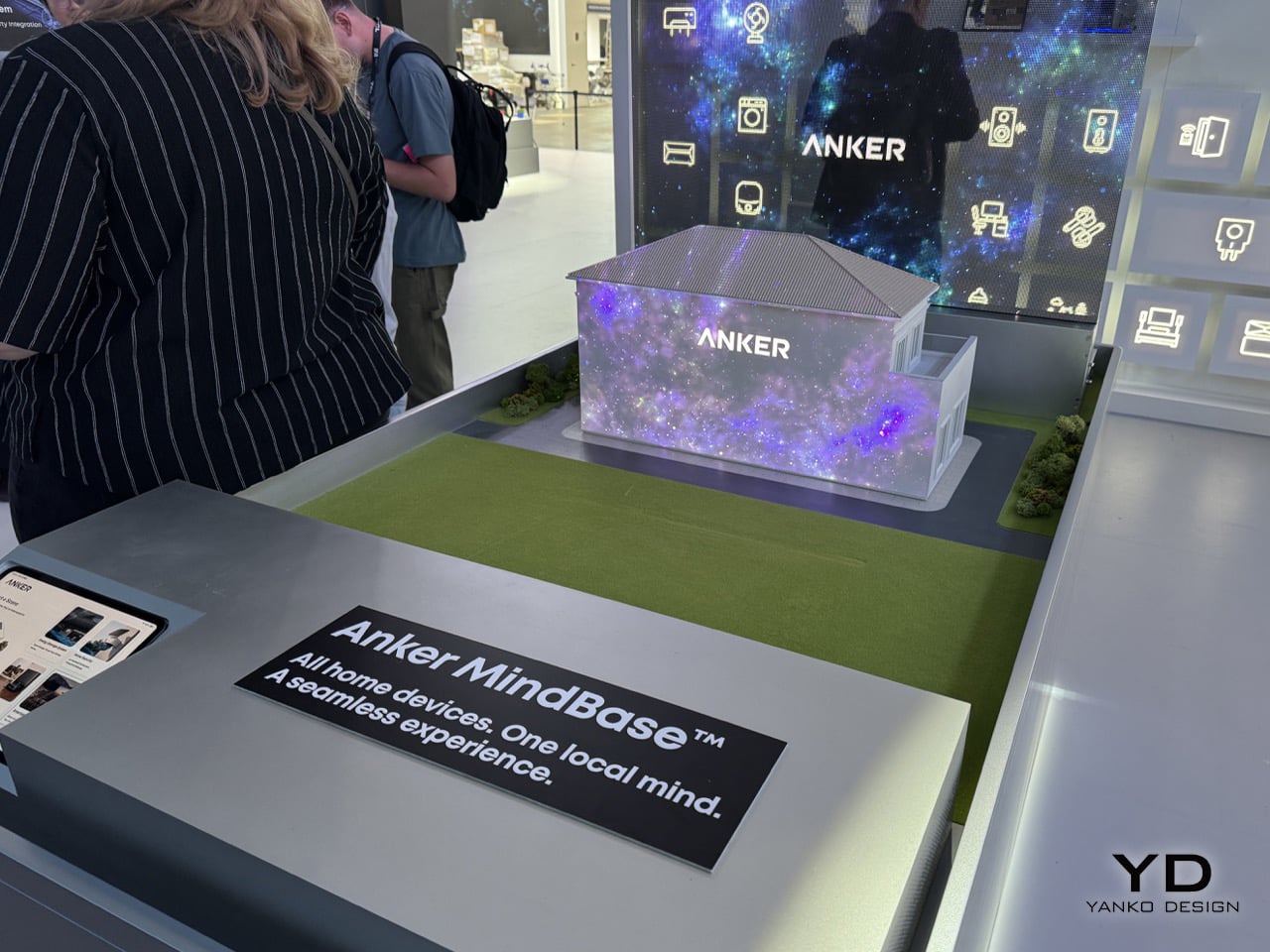
The scale of what it absorbs is the part worth sitting with. MindBase acts as a Matter 1.5 controller with Thread and Zigbee support built in, and it works alongside HomeKit, Alexa, Google Assistant and Home Assistant rather than replacing any of them. It supports 20 cameras and 34 sensors, close to 100 Anker devices, and hundreds of third-party Matter products. Two Gigabit Ethernet ports and three USB 3.0 ports handle the wiring, with 64GB of onboard flash before you add a single drive. Anker wants to be the thing everything else plugs into, not another gadget competing for shelf space.
Designer: Anker
Getting there meant Anker had to kill its own family tree. eufy, soundcore, SOLIX and eufyMake are all being folded into the Anker name over the next couple of years, split into two groups called Anker For You and Anker For Home. CEO Steven Yang put it plainly on stage: category brands made sense when categories were separate, and they no longer are. Anker opened its first standalone store in Berlin the same week. A box asking to be the single brain of your house cannot credibly sit next to four differently branded limbs feeding it data, so the limbs had to go.
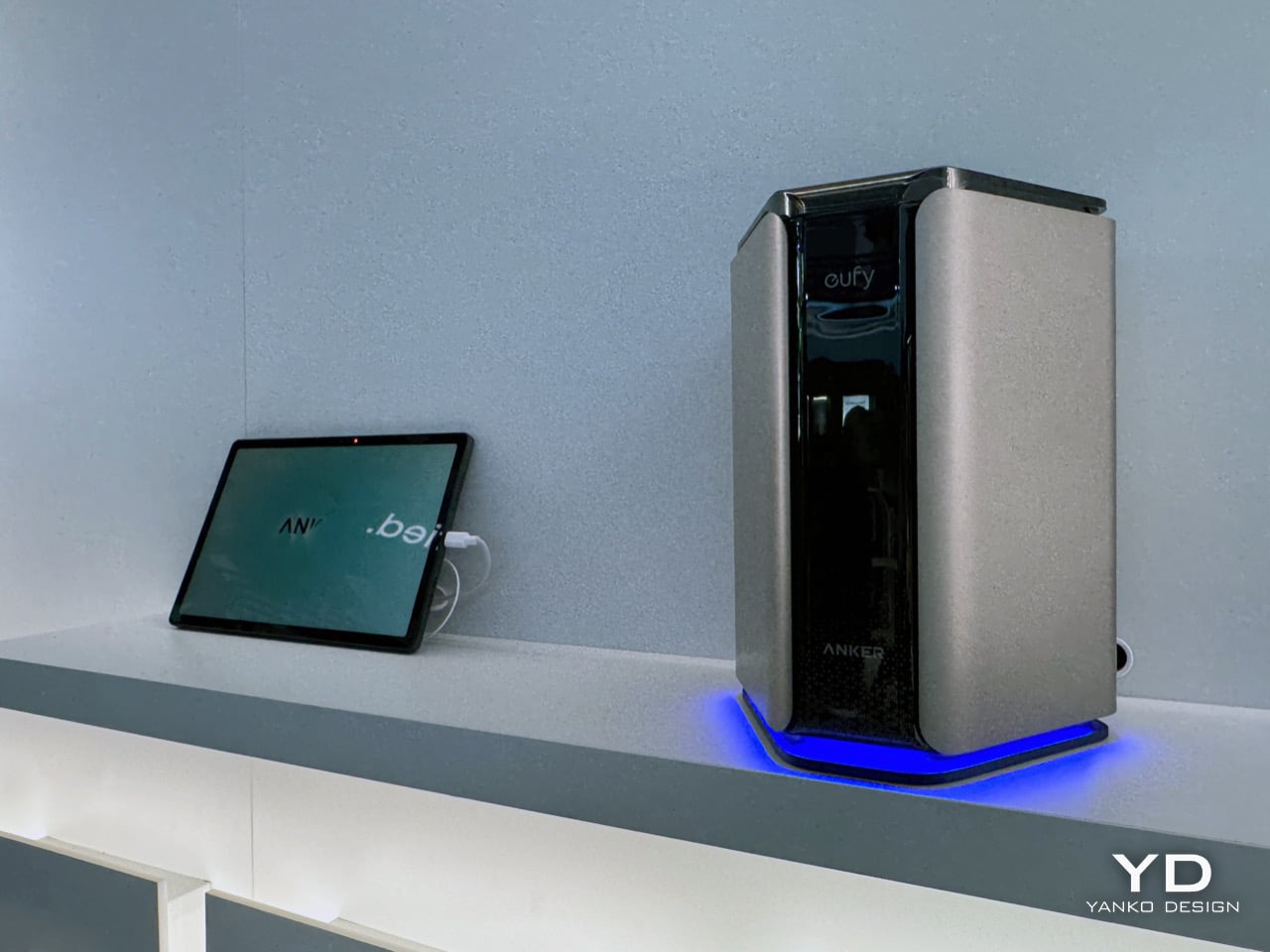
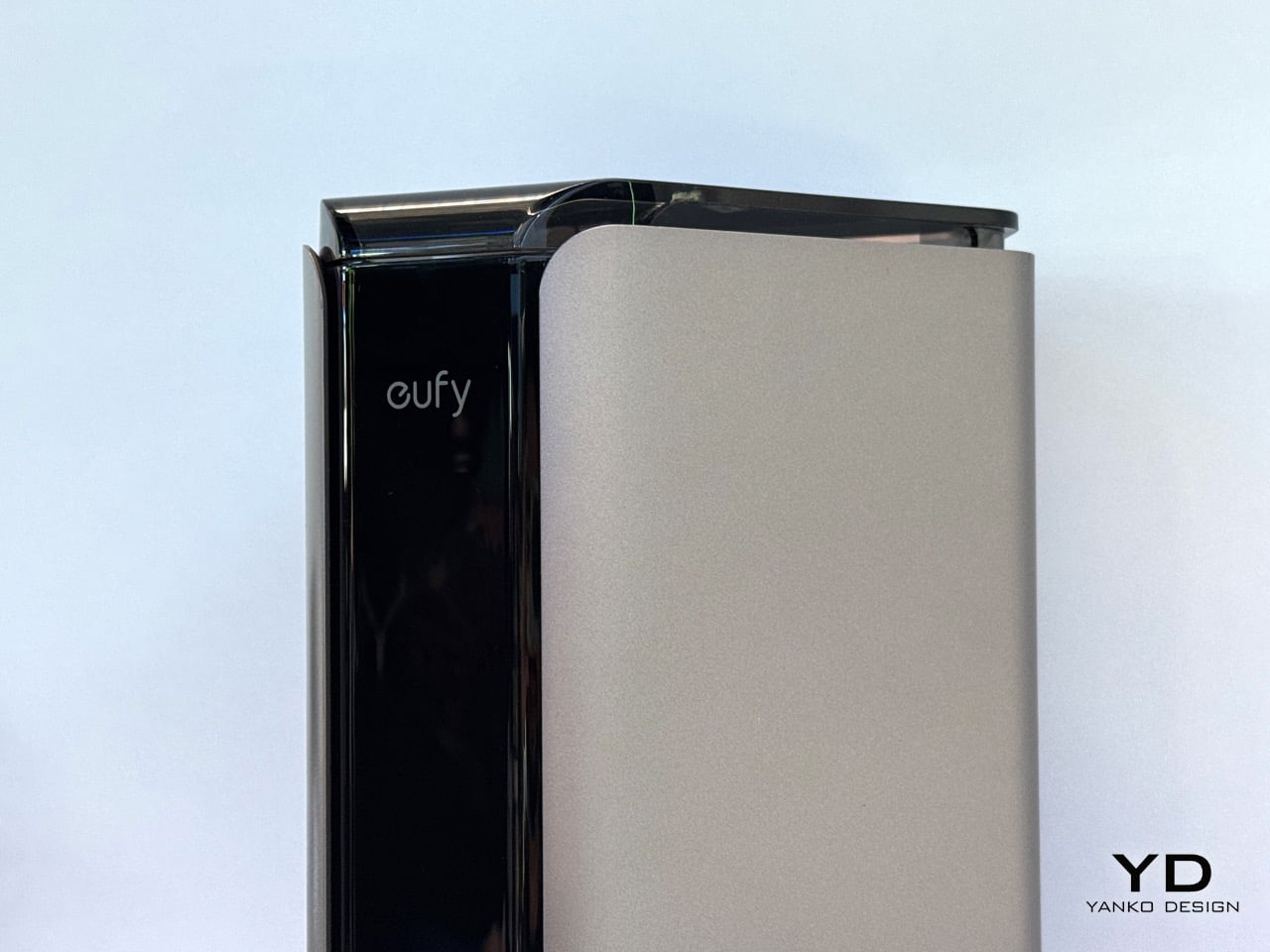
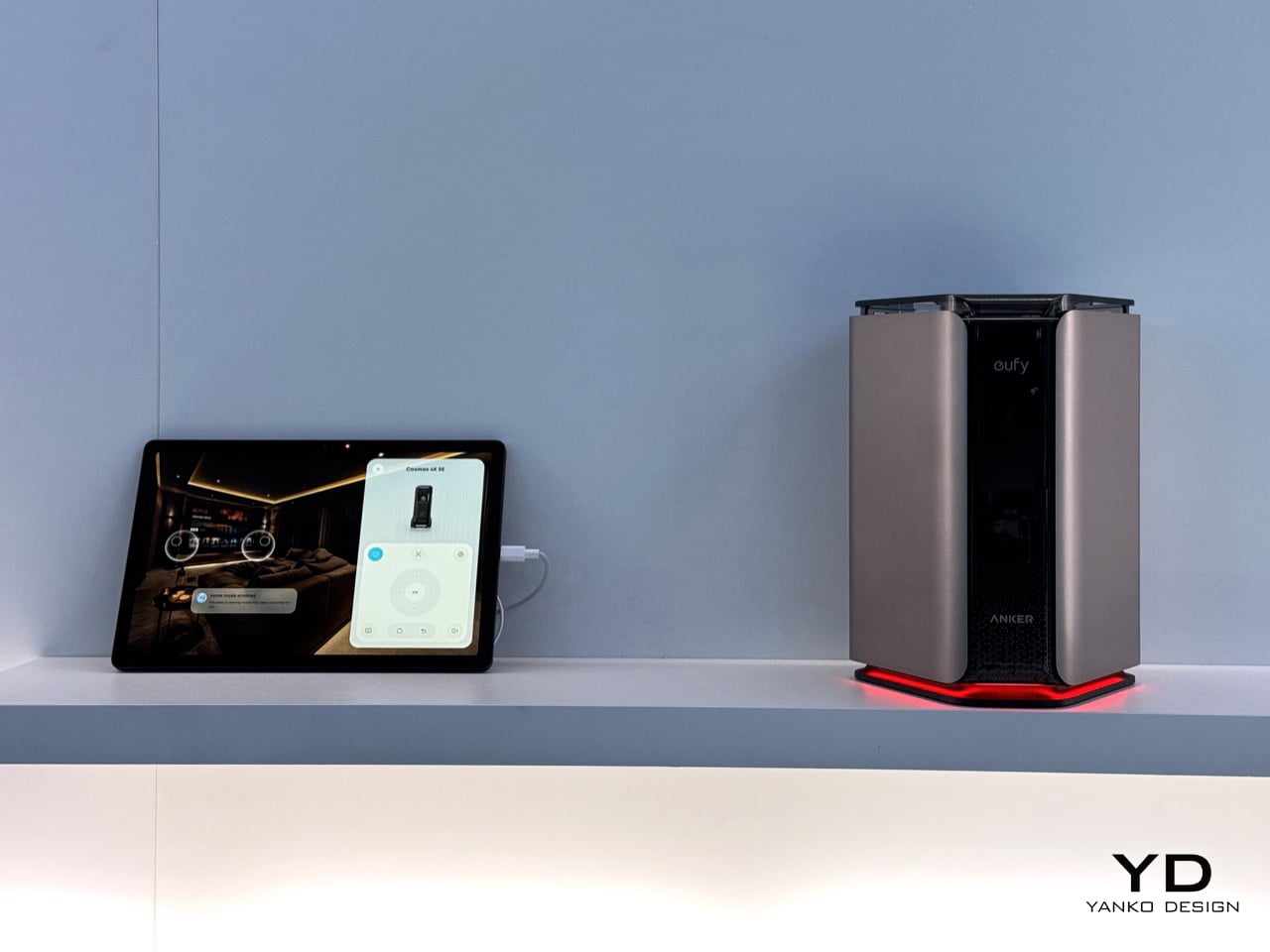
Physically, MindBase is trying to solve a problem NAS makers have ignored for two decades. Synology and QNAP enclosures still read as networking equipment, built for a closet, not a living room shelf. Anker’s two-bay chassis takes standard 3.5-inch drives and is styled to sit in the open, which is a real design bet given that spinning disks and a compute card generate heat that needs somewhere to go. Anker Innovations speaker Eric Villines framed the whole product around a gap that has bugged smart home owners for years: our houses are connected, not intelligent. A rule-based sensor cannot tell a raccoon from your kid, and MindBase’s pitch is that local memory finally lets it.

The security agent shows how far Anker is willing to let the box act alone. A yard sensor spots strangers at 15 meters and identifies family by phone credential at 30, then MindBase escalates on its own from a light, to a verbal warning, to active deterrence. For context, an entry-level Copilot+ laptop carries 40 TOPS and mostly uses it for background blur in video calls. Anker is asking for less silicon to make judgment calls about who belongs in your driveway at 2am, which is either the most useful application of on-device AI I have seen this year or the one I would want a very clear off switch for.
None of it has a price or a ship date yet, which is an odd silence for the product Anker built its entire rebrand around. Nest, Ring and Aqara are all circling the same local-hub idea without the drive bay, and that storage layer is MindBase’s real differentiator if Anker can actually ship it at a price regular households will pay. Whether the eufy hardware you already own is enough reason to wait and see is the only honest cliffhanger this launch leaves behind.
The post Anker MindBase Gives Your Old eufy Cameras a Real Brain and 48TB of Memory: Hands-on at IFA 2026 first appeared on Yanko Design.