Imagine walking into a bustling café where a humanoid robot greets you, takes your order, and expertly prepares your coffee, all while engaging in casual conversation. This scenario, once the stuff of science fiction, is rapidly becoming reality. Universe of AI breaks down how advancements in embodied artificial intelligence (AI) are propelling humanoid robots out […]
During CES 2025, NVIDIA spent much of its keynote touting its leading position in artificial intelligence. Still, the company managed to squeeze in a few notable hardware announcements, including its RTX 5000-series GPUs and Project Digits desktop supercomputer (later redubbed Spark). For this year's show, the company's website says it's "lighting up CES 2026 with the power of AI." To that end, NVIDIA is going big in Las Vegas, promising hands-on demos in its Fontainebleau booth, replete with the "latest NVIDIA solutions driving innovation and productivity across industries."
But if you won't be in Vegas for the action, don't worry. Here's how you can watch the livestream of the company's January 5 press conference, and what NVIDIA is expected to unveil at CES this year.
How to watch the NVIDIA CES 2026 keynote
NVIDIA CEO Jensen Huang will deliver a 90-minute keynote at CES 2026. The event will be livestreamed on Monday, January 5 at 4PM ET via NVIDIA's website (and likely on YouTube as well). We'll embed the link here once it's available.
What to expect
NVIDIA's game plan for CES is suitably vague so far, including "cutting-edge AI, robotics, simulation, gaming and content creation at the NVIDIA Showcase." It also notes there will be more than 20 demos. Although we're unsure if all of these will be shown during the keynote, we can at least expect to see them throughout the week of CES.
NVIDIA arrives at CES as the most valuable publicly traded company in the world (a stunning $4.6 trillion at the time of this writing, albeit down from an even higher valuation earlier in 2025). And given that the health of the US and global economy seems increasingly linked to infrastructure spending on AI data centers — largely powered by chips from NVIDIA and its competitors — expect Huang's remarks to be as closely followed by Wall Street investors as technology acolytes, if not more so. Will we get any insight on a successor to the company's Blackwell chip? A more detailed look at how NVIDIA's partners are applying AI to real-world robotics? Time will tell, but you might want to keep your stock portfolio in a split screen while taking in Huang's presentation.
This article originally appeared on Engadget at https://www.engadget.com/computing/how-to-watch-the-nvidia-ces-2026-press-conference-with-jensen-huang-live-130028602.html?src=rss
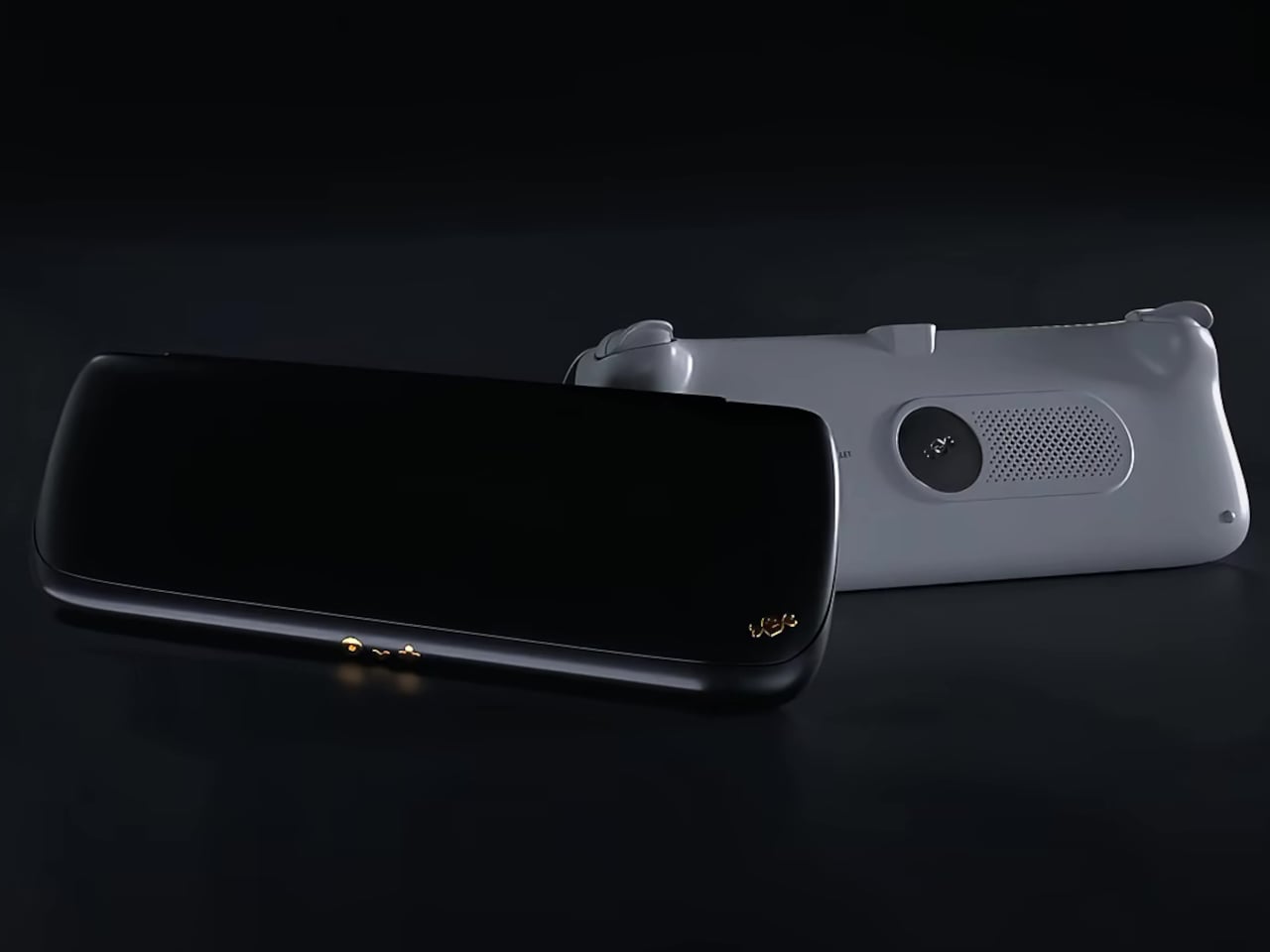
Most gaming handhelds today, from Steam Deck to ROG Ally, are big, loud slabs that look like shrunken consoles. They are great for playing, less great for slipping into a bag without announcing themselves. The category has settled into a familiar silhouette, thick bezels, and aggressive angles that scream gaming from across the room. ONEXSUGAR’s Wallet asks what happens if a handheld tries to look more like something you would quietly carry every day.
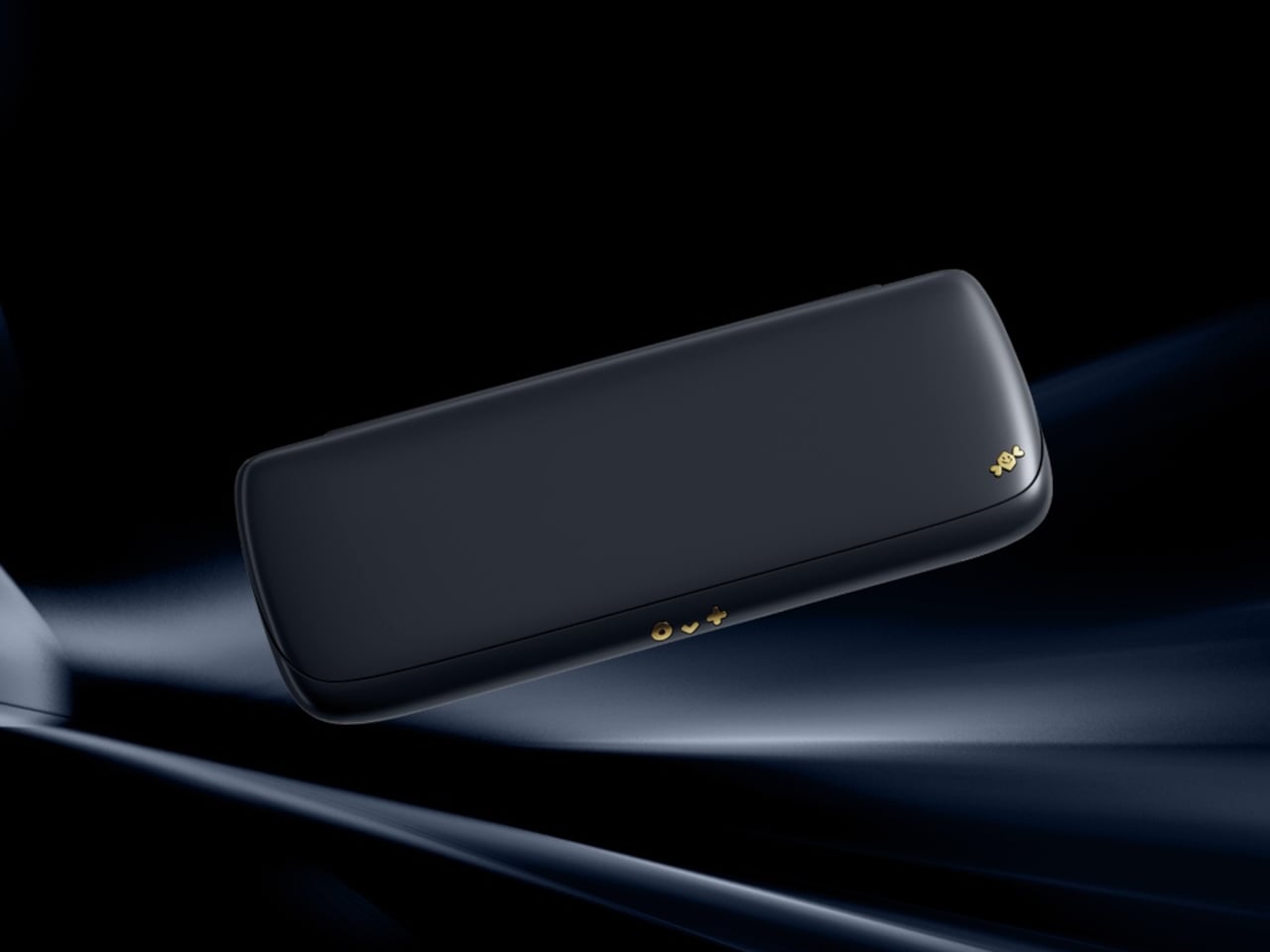
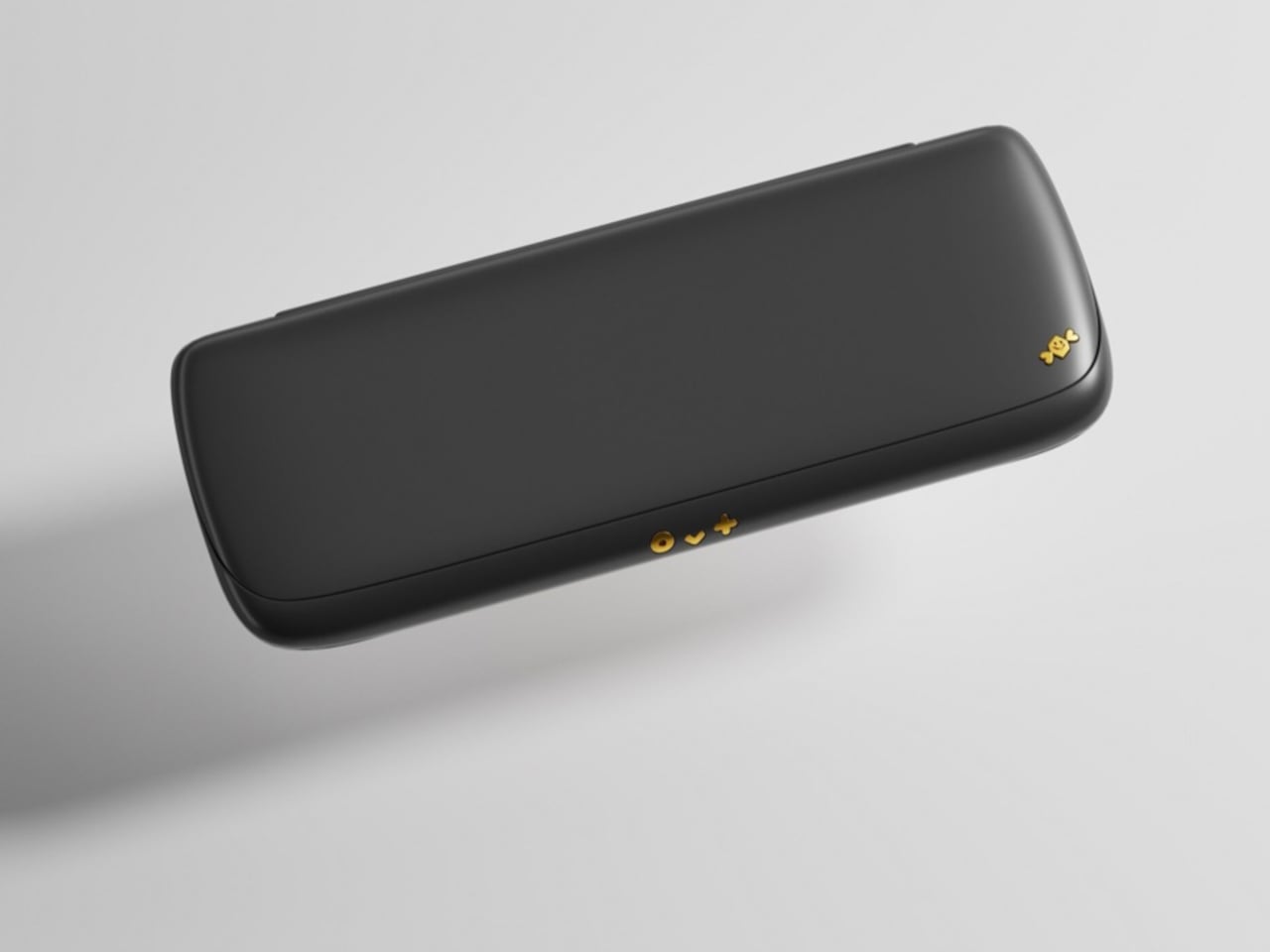
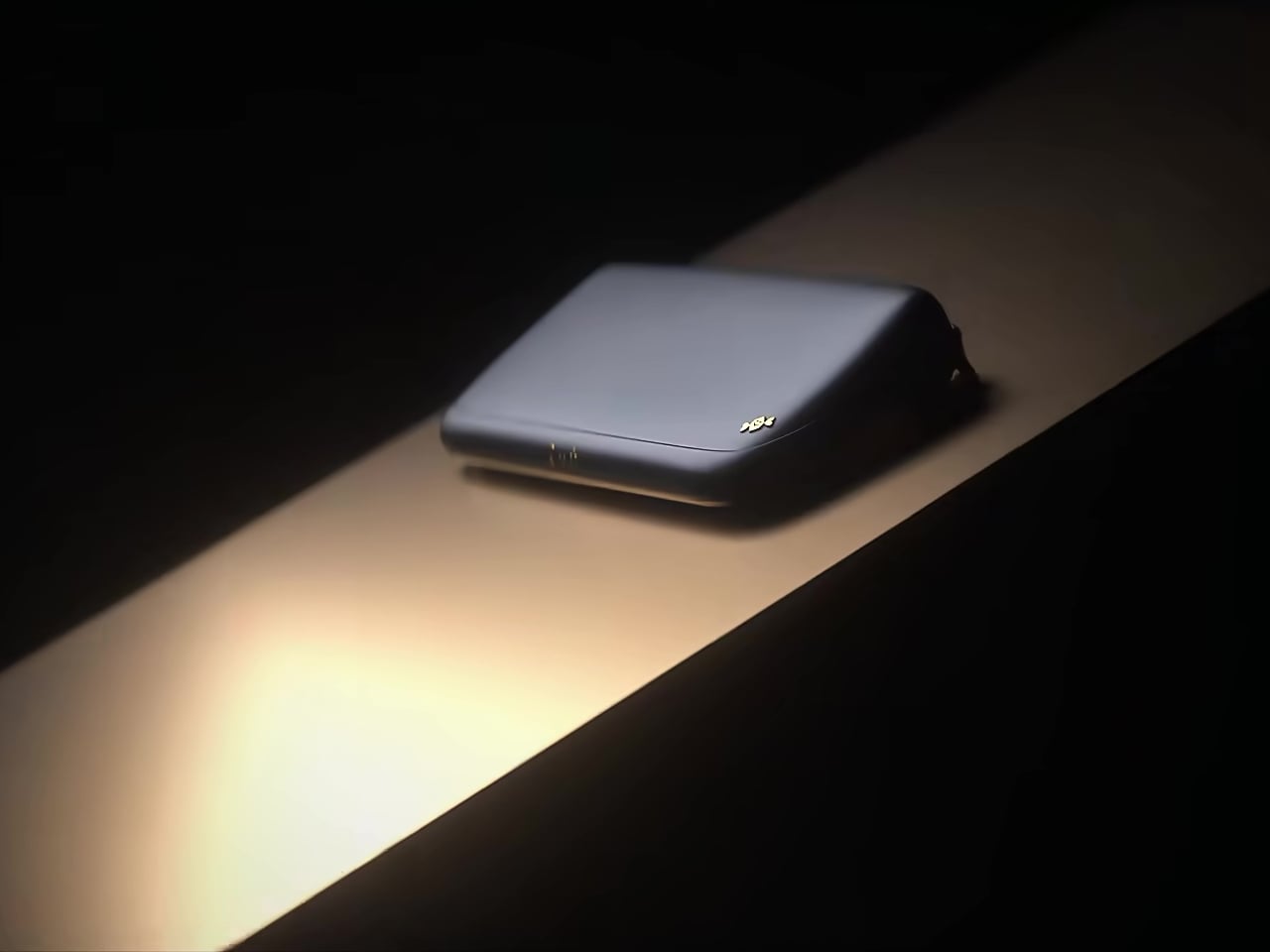
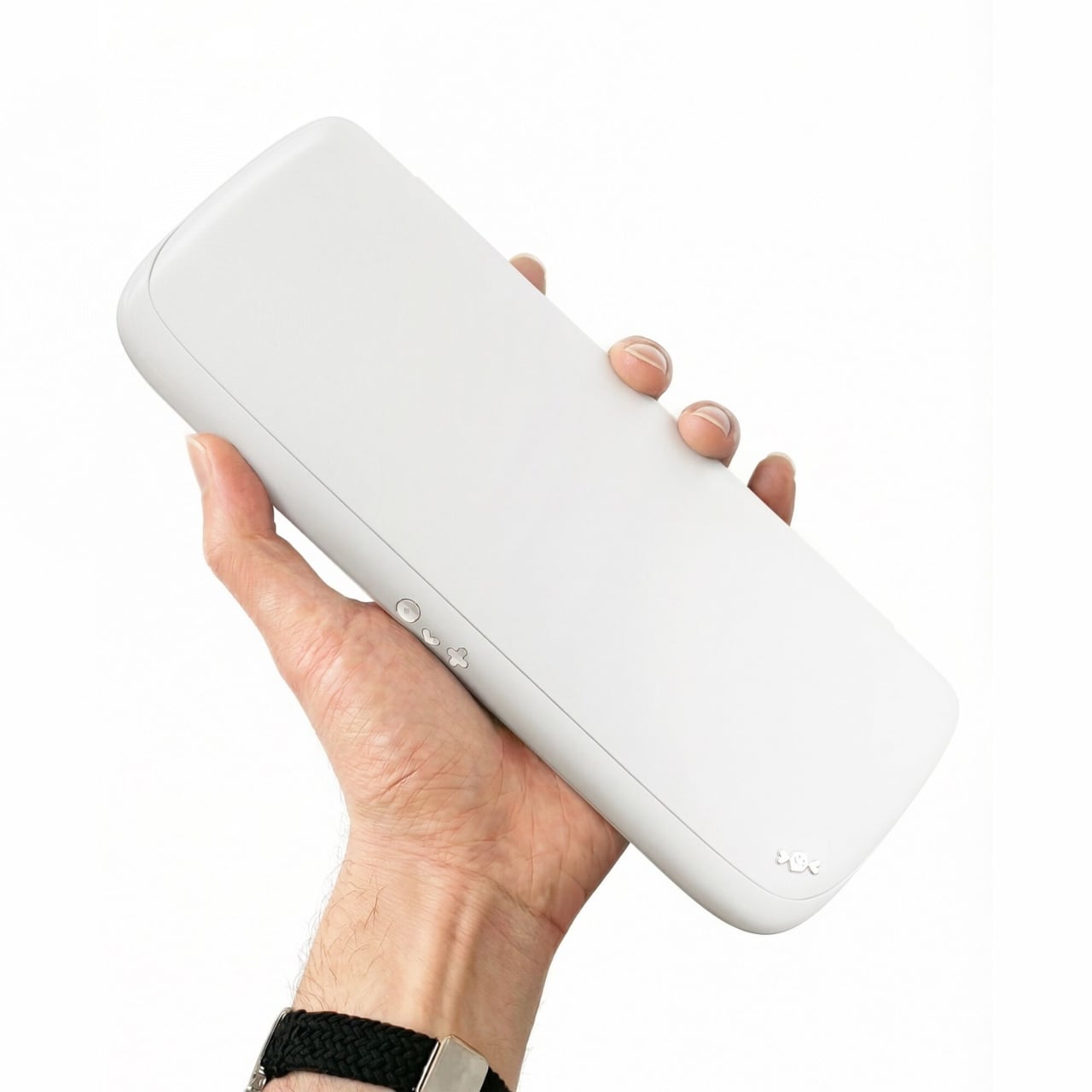
The ONEXSUGAR Wallet is a foldable-screen gaming handheld that, when closed, looks like an oversized wallet or clutch, a long, rounded rectangle with almost no visible tech. The name comes from this closed state, where it reads more like a personal object than a console. You can hold or pocket it without broadcasting that you are carrying a gaming PC, treating discretion as a core part of the design rather than an afterthought.
The Wallet uses a clamshell design with a flexible display inside. When you open it, the screen unfolds into a single large canvas, one continuous display bending at the hinge like a foldable phone scaled up to handheld size. That lets ONEXSUGAR keep the closed footprint small while giving games and media more room to breathe when you flip it open, reconciling portability with a genuinely usable screen.
Once open, the Wallet reveals a familiar handheld layout, a central screen flanked by controls on the left and right. Each side has an analog stick, a D-pad or face buttons, and additional inputs and speaker grilles. The controls are baked into the chassis, not detachable, so the whole thing feels like a single, unified object rather than a tablet with clip-on gamepads, which should help with rigidity and ergonomics.
The aesthetic language leans soft and minimal, with heavily rounded corners, smooth surfaces, and almost no branding. Early shots show at least white and dark grey versions, with small gold accents and a subtle logo. It looks more like lifestyle tech than aggressive gamer gear, the kind of device that would not look out of place next to a phone and earbuds on a table, which is an unusual stance for a gaming product.
The wallet-like shape and clamshell closure change the relationship between device and user. Closed, it protects the screen and hides the controls, making it easier to toss into a bag or carry in hand without worrying about sticks catching or buttons being pressed. Opened, and it becomes a full-fledged handheld. That duality could make it more practical for people who want serious gaming hardware that does not dominate their everyday carry.
The ONEXSUGAR Wallet hints at a future where foldable screens reconcile big displays with discreet objects, and where handhelds borrow cues from wallets and clutches instead of only from consoles. It is still a tease rather than a shipping product, but as a piece of industrial design thinking, it suggests that gaming hardware can afford to be softer, quieter, and a bit more playful about how it shows up in the world.
CES 2026 is right around the corner, and the pre-show hype cycle/ early reveals suggest, yes, there’s going to be an awful lot of AI-powered insert-product-category-here alongside, thankfully, some major announcements from the likes of Intel, Sony and NVIDIA.
Intel is finally unveiling its Panther Lake (Core Ultra Series 3) chips. The first chips built on Intel’s 2nm process could offer a 50 percent performance boost, which is sorely needed amid intense competition. NVIDIA’s Jensen Huang is taking the stage for a keynote expected to feature a lot of AI hype, while AMD’s Lisa Su will likely counter with new Ryzen 9000-series chips and the latest on AI upscaling tech.
Over the years, CES has consistently been the show for TV innovation and heady next-gen displays. This year, we’ll be talking a lot about Micro RGB. LG is introducing a new Micro RGB Evo panel with over 1,000 dimming zones, while Samsung plans to launch a full range of Micro RGB TVs from 55 inches to 115 inches. In 2025, Sony introduced a new RGB LED panel that uses individual Mini LED backlights in red, green and blue to produce even brighter, more accurate colors. The company has trademarked “True RGB,” which could become what Sony calls its spin on RGB displays.
We’ll be covering all the keynotes, press conferences and big reveals in person. And figuring which of the 100s of AI-branded devices and gadgets are worth reporting on.
I’m also taking bets on the most niche celebrity appearance/endorsement at CES 2026. We’ve seen 50 Cent, Big Bird, Martha Stewart, Archbishop Desmond Tutu, Guillermo del Toro, Justin Bieber and will.i.am (multiple times), so who will join this pantheon of stars?
It isn’t just TVs with Samsung. The company has already teased a pair of new understated speakers. Likely inspired by the Samsung Frame, the new Wi-Fi speakers, called the Music Studio 5 and 7, blend into your living room. The Music Studio 5 has a four-inch woofer and dual tweeters, with a built-in waveguide to deliver better sound. The Music Studio 7 comes with a 3.1.1-channel spatial audio with top-, front-, left- and right-firing speakers. No prices yet. Expect to hear more at CES itself or once the speakers arrive in stores. And as the press image above suggests, we can't wait to sit stoically in front of one, with a glass of water (?).
Xiaomi’s latest smartphone is once again a spec beast. It features a 1-inch sensor 50MP f/1.67 main camera and 1/1.4-inch 200MP periscope telephoto camera. And it also has an interesting new mechanical feature: a manual zoom ring. This surrounds the rear camera unit.
Both the regular Xiaomi 17 Ultra and Leica edition come with a Snapdragon 8 Elite Gen 5 SoC with up to 16GB of LPDDR5X RAM and 1TB of UFS 4.1 storage, along with a 6.9-inch 120Hz AMOLED display that can hit up to 3,500 nits of peak brightness.
But the camera features are the standout elements. The 17 Ultra by Leica adds some very, well, Leica touches: a two-tone finish, red dot status symbol on the front, textured edges and film simulations, like Leica’s Monopan 50 black and white. Xiaomi says the zoom ring “[eliminates] the need for tedious screen taps... and can detect displacements as small as 0.03mm.” It can also be reprogrammed for manual focus.
Xiaomi’s 17 Ultra by Leica and the regular 17 Ultra start at CNY 7,999 ($1,140) and CNY 6,999 ($995), on par with the latest high-end Pixel 10s and Galaxy S25s.
A Google support page in Hindi says the feature is ‘gradually rolling out to all users.’
A Google support page in Hindi indicates the ability to change your Gmail address might be coming. The feature would allow you to replace your current @gmail.com address with another. Your old address would remain active as an alias on the account, and all your data would stick around, unaffected. The support page (translated) says “the ability to change your Google Account email address is gradually rolling out to all users.”
The iPhone 18 Pro and Pro Max, anticipated for release in 2026, are already shaping up to be some of the most talked-about devices in the tech world. Leaks and rumors suggest that these flagship models will introduce a host of advanced features designed to elevate the smartphone experience. In the video below, Matt Talks […]
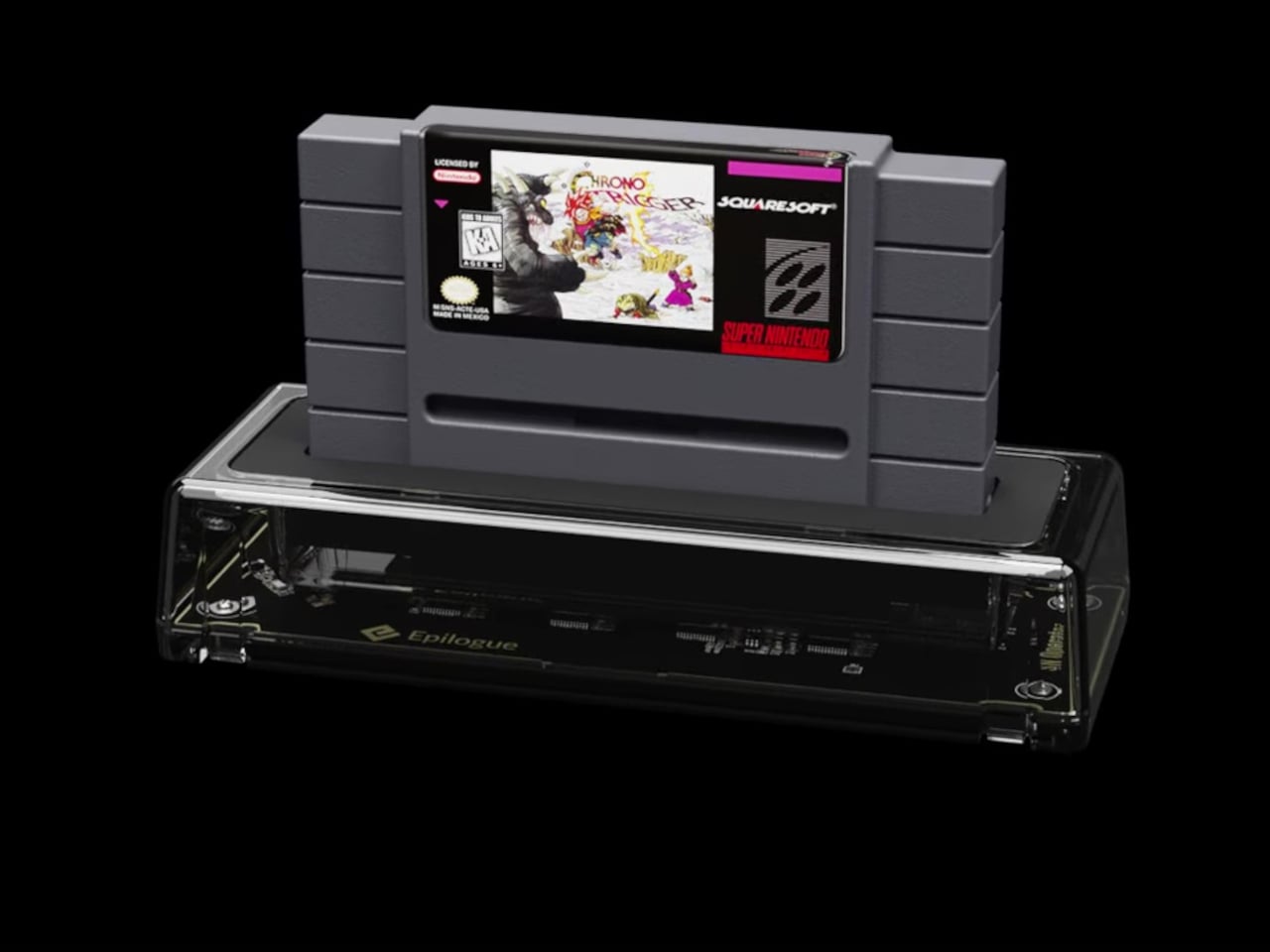
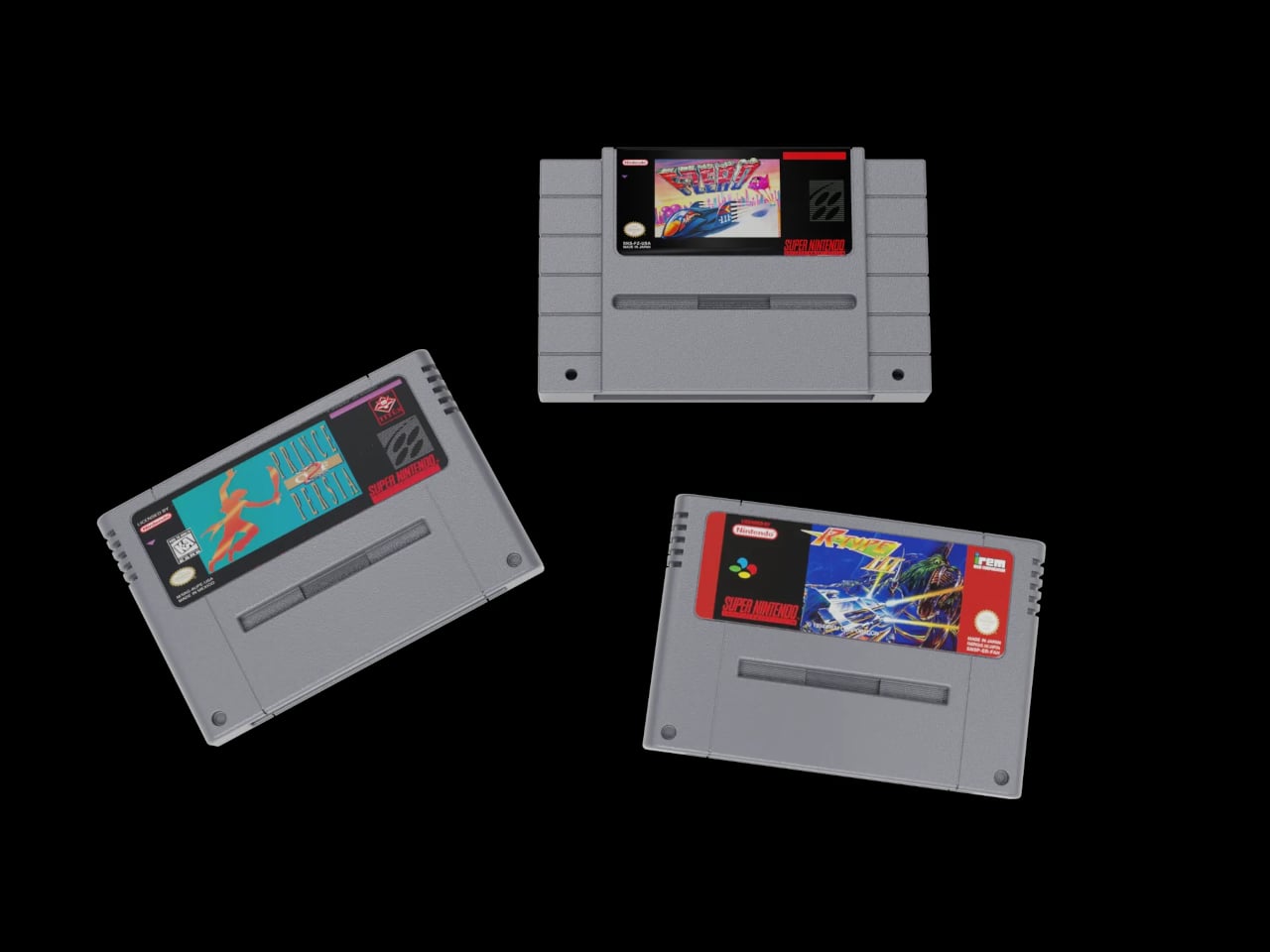
Retro gaming has mostly split into two camps: ROMs and emulators on one side, original cartridges and aging consoles on the other. A lot of people have boxes of SNES games they love, but end up playing downloaded copies on a laptop because it is easier. The Epilogue SN Operator tries to bring those physical carts back into the loop without dragging a CRT out of storage or rewiring your living room.
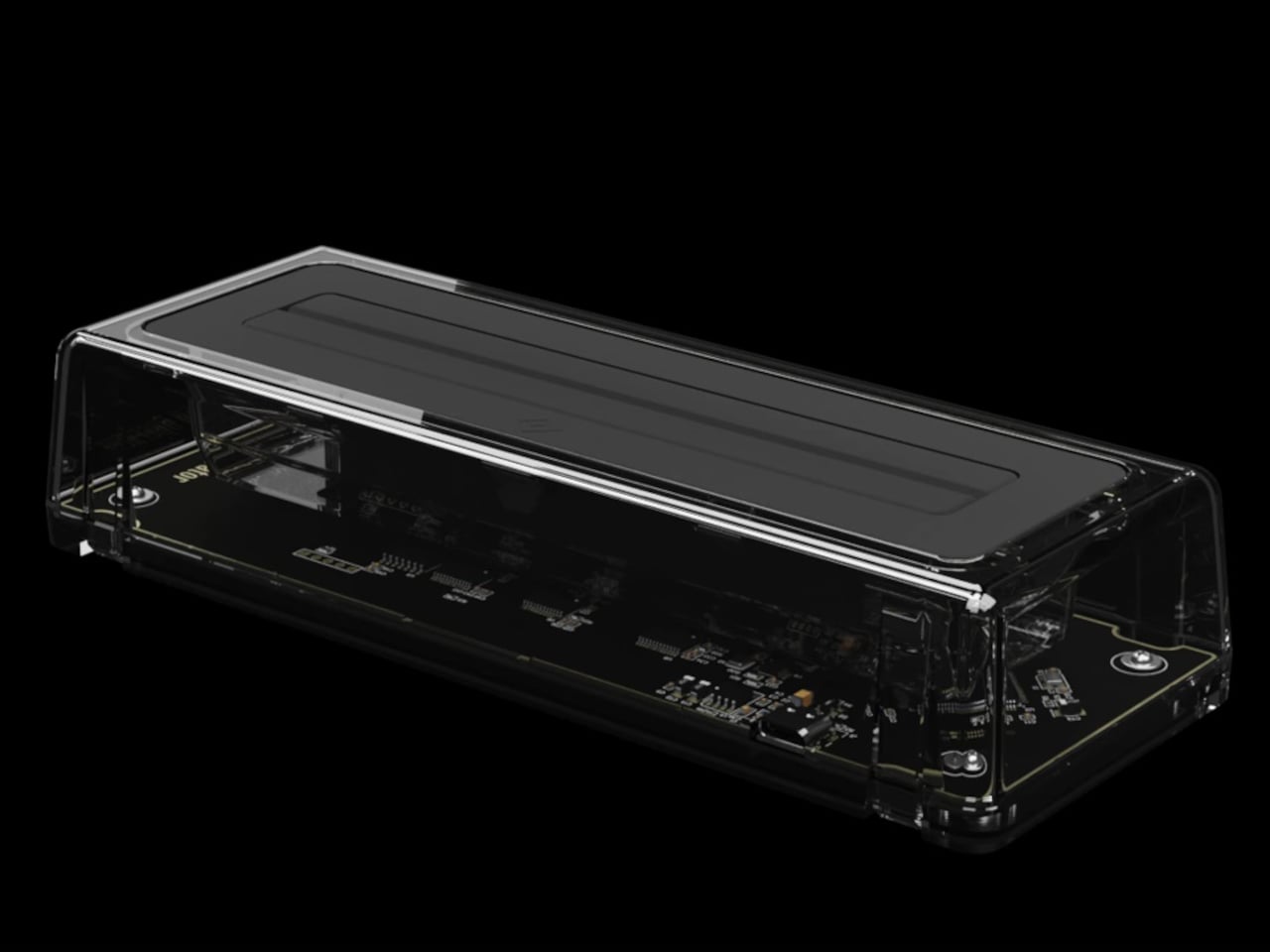
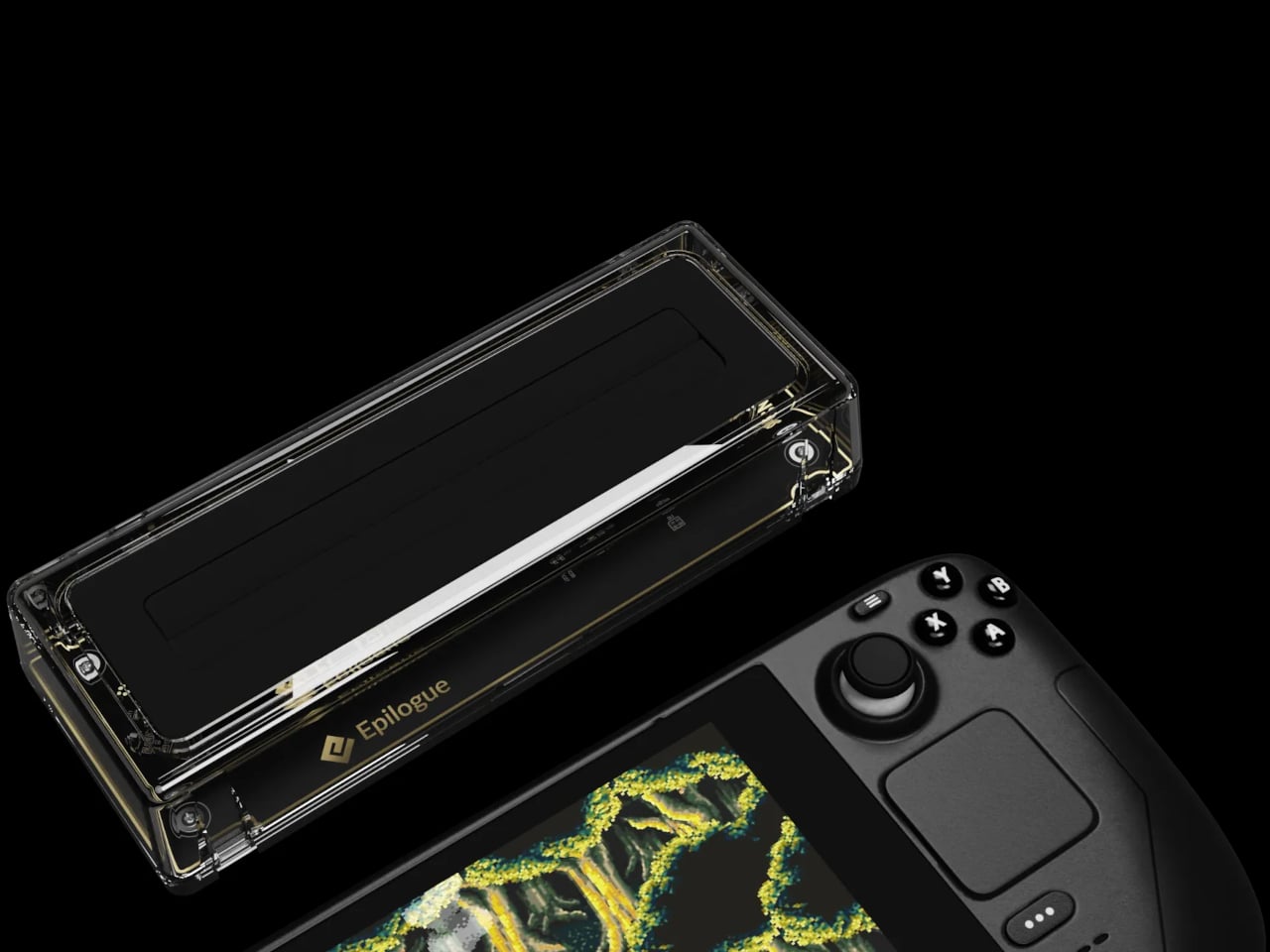
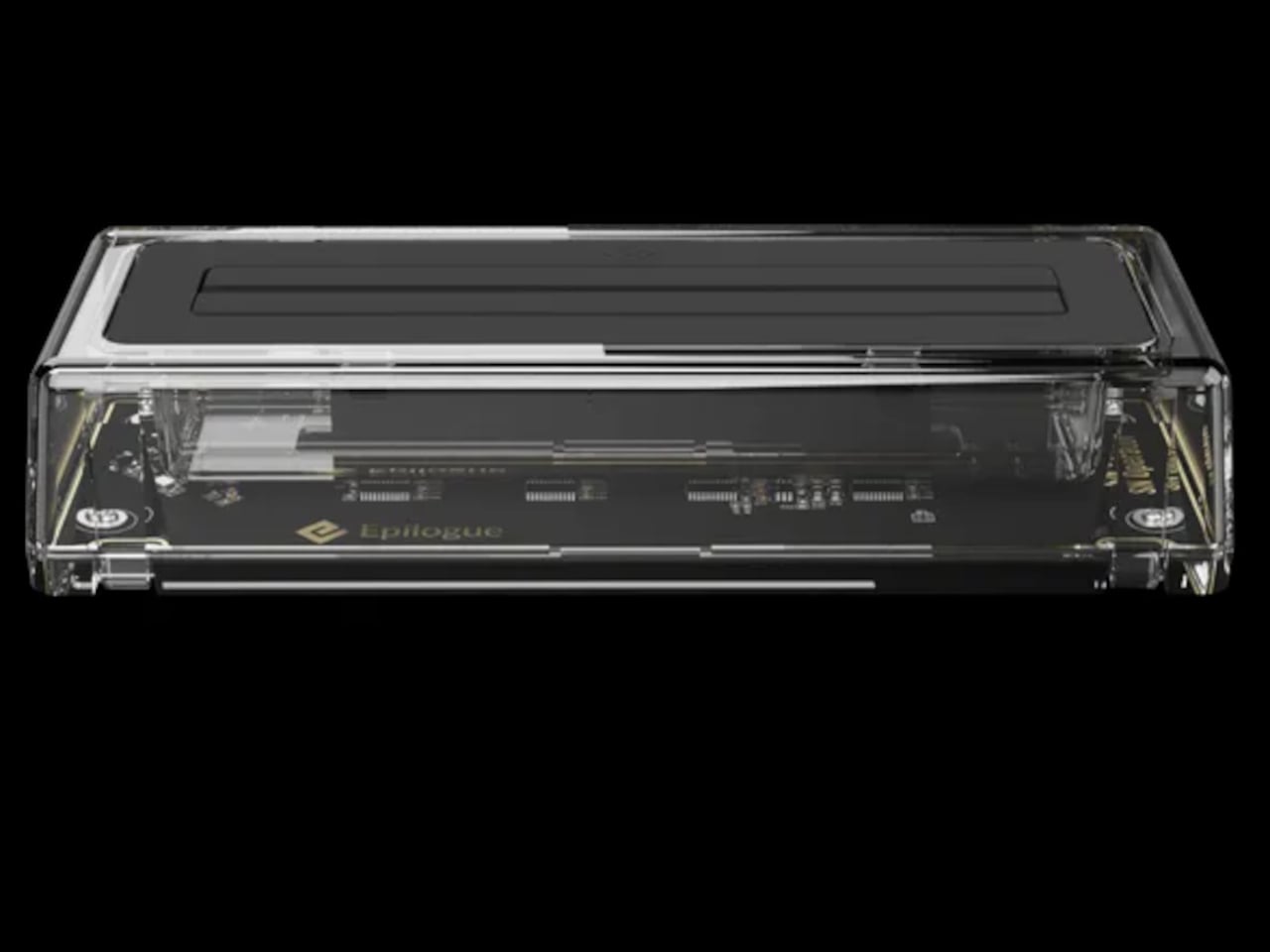
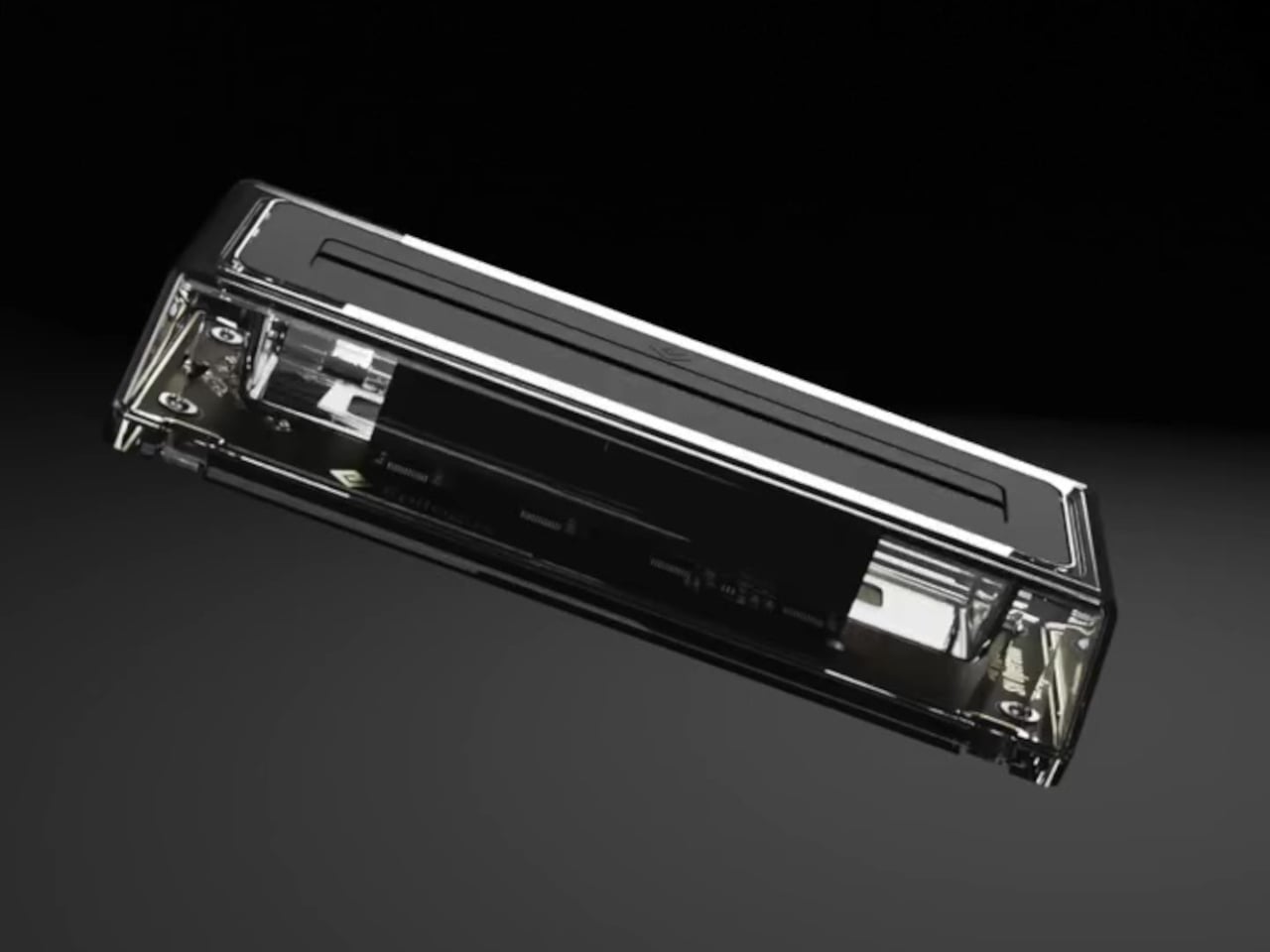
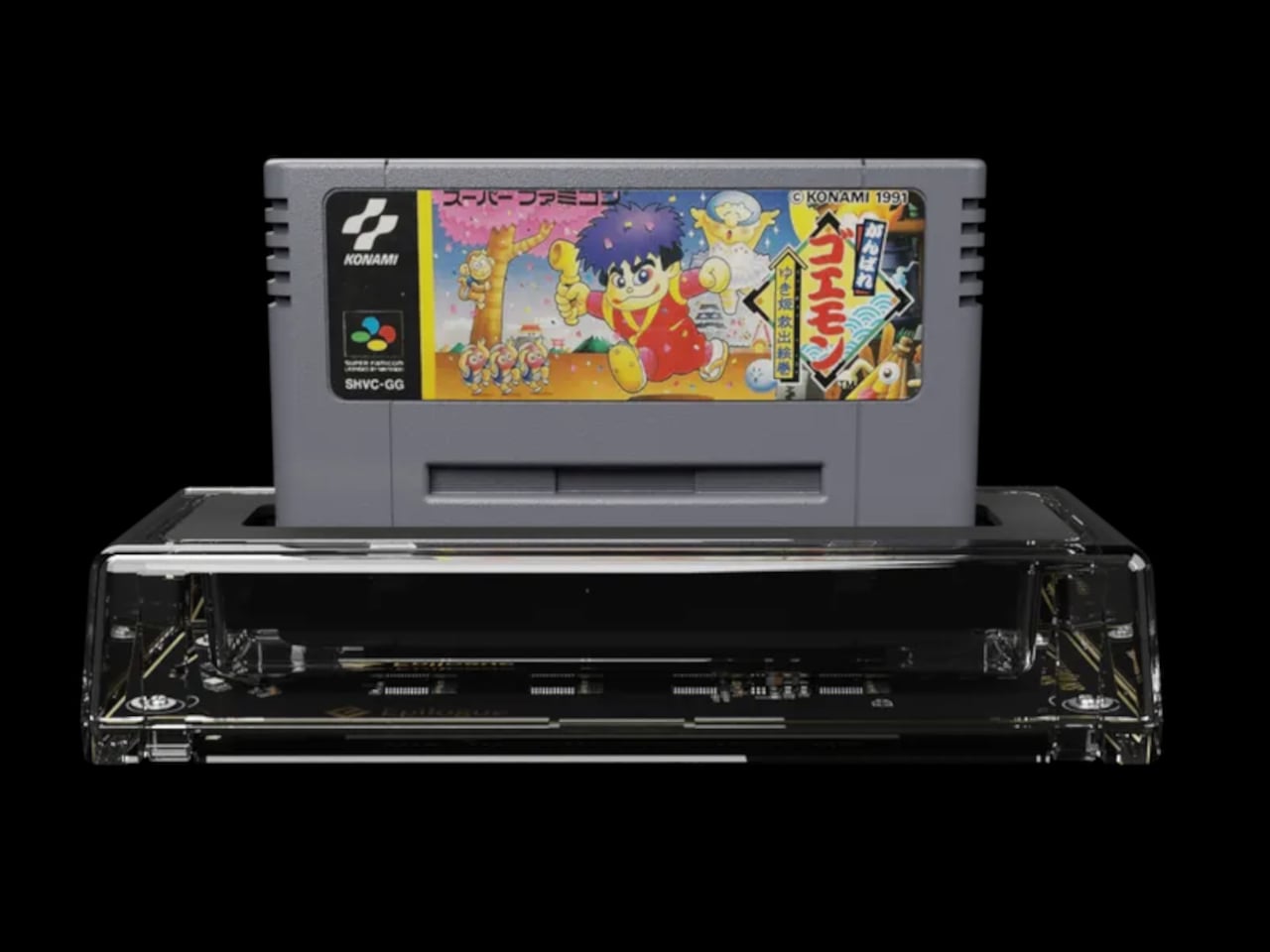
The SN Operator is a transparent dock that adds a Super Nintendo or Super Famicom slot to a computer or handheld over USB-C. You plug it into a Windows, macOS, Linux machine, or a Steam Deck, drop in a cartridge, and play through Epilogue’s Playback app or your emulator of choice. It behaves like a cartridge slot for your computer, not a black-box ripper, keeping the ritual of inserting a physical cart alive.
The Playback app handles the heavy lifting, running an in-app emulator that keeps saves synchronized between devices, supports co-op play, modern controllers, cheats, and integrates with RetroAchievements. You are playing from the original cartridge with your own save file, but you get achievements, soft reset, and fast forward layered on top. That turns a 30-year-old game into something that fits a 2025 setup without losing the tactile connection.
The handheld angle is where the SN Operator starts to feel unexpectedly useful. It plugs into a Steam Deck or similar device and effectively turns it into a portable Super Nintendo with a real cartridge slot. Setup is simple: install Playback, connect via USB-C, and you are playing carts on the couch or on a train. Saves stay in sync with your desktop, so you can bounce between screens without juggling files.
The preservation side lets you back up game data and save files from cartridges in a couple of clicks, archiving them on your computer before backup batteries die. Epilogue frames this as keeping titles and personal progress alive for decades, not as a piracy tool. The device is meant for legally owned cartridges and personal, non-commercial use, with no game ROMs included, and it protects cartridge integrity during reads.
Counterfeit detection analyzes cartridge data to help you spot bootlegs in a market where fakes are getting harder to identify by eye. It is not perfect, and results are informational only, but for collectors spending serious money on rare carts, having a hardware tool that can flag suspicious boards is useful on top of the play and backup functions, helping you know exactly what you are putting on the shelf.
The transparent design feels right for this niche. A clear polycarbonate shell shows off the PCB and connector, with dust flaps keeping things clean. Transparent tech is a staple of 1990s gaming, and SN Operator leans into that nostalgia without feeling kitschy. It is a piece of hardware you want on the desk, a little window into the circuitry that is quietly keeping your Super Nintendo library alive on modern machines, whether you plug it into a tower or a handheld.
What if your next VR experience didn’t just feel immersive but completely redefined your sense of reality? 8K OLED visuals, modular customization, and innovative performance, these aren’t just buzzwords; they’re the foundation of the Pimax Crystal Super OLED, a headset that’s reshaping what’s possible in virtual reality. In this walkthrough, Optimum shows how this device’s […]
The Samsung Galaxy S26 Series is coming in early 2026, with a rumored February launch for the handset, and the top model in the range will be the Samsung Galaxy S26 Ultra. By integrating innovative hardware and software, Samsung continues to push the boundaries of what a smartphone can achieve. The Galaxy S26 Ultra is […]
What if the next big leap in artificial intelligence wasn’t about generating text or images but about truly understanding the world around us? The AI Grid outlines how a new model called VLJ (Vision-Language Joint Embedding Predictive Architecture) is shifting the AI landscape by prioritizing meaning over generation. Unlike traditional language models like GPT, which […]
The release of iOS 26.3 beta 1 introduces a mix of incremental improvements and unresolved issues. While Apple continues its efforts to enhance the iOS experience, this beta version comes with bugs that could disrupt your daily routine. Before deciding whether to install it, it’s important to weigh the benefits of the new features against […]