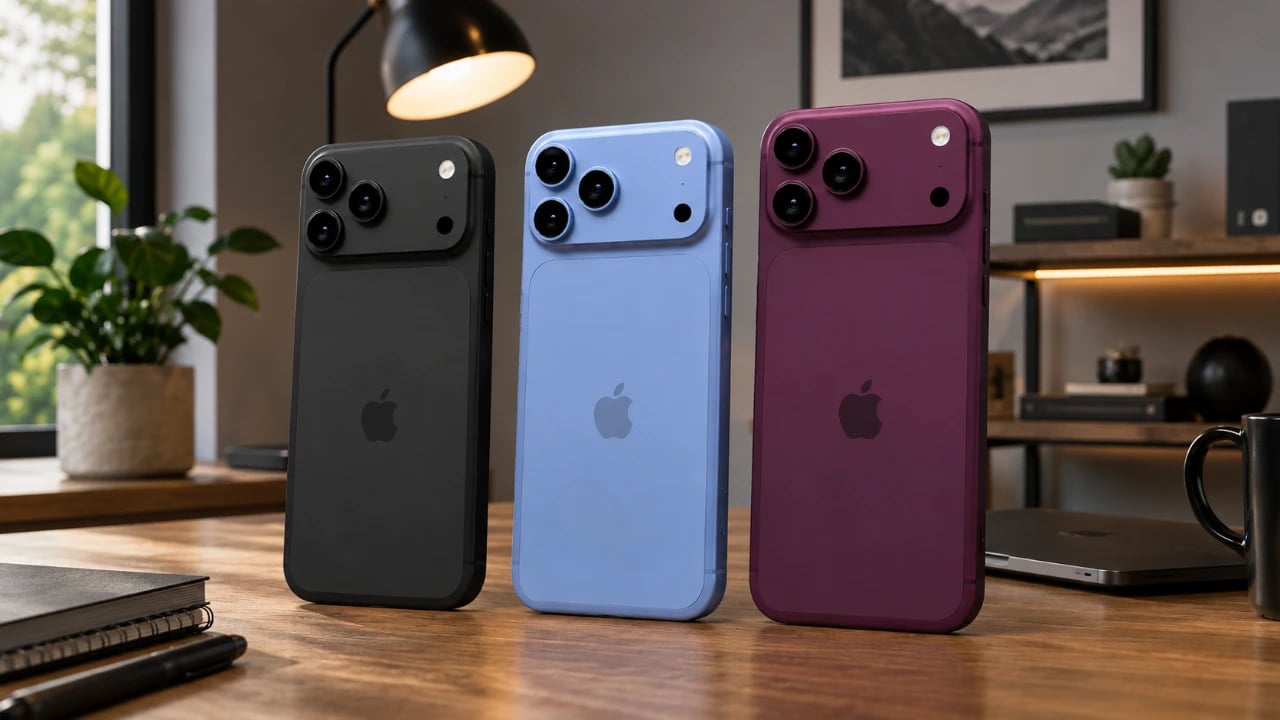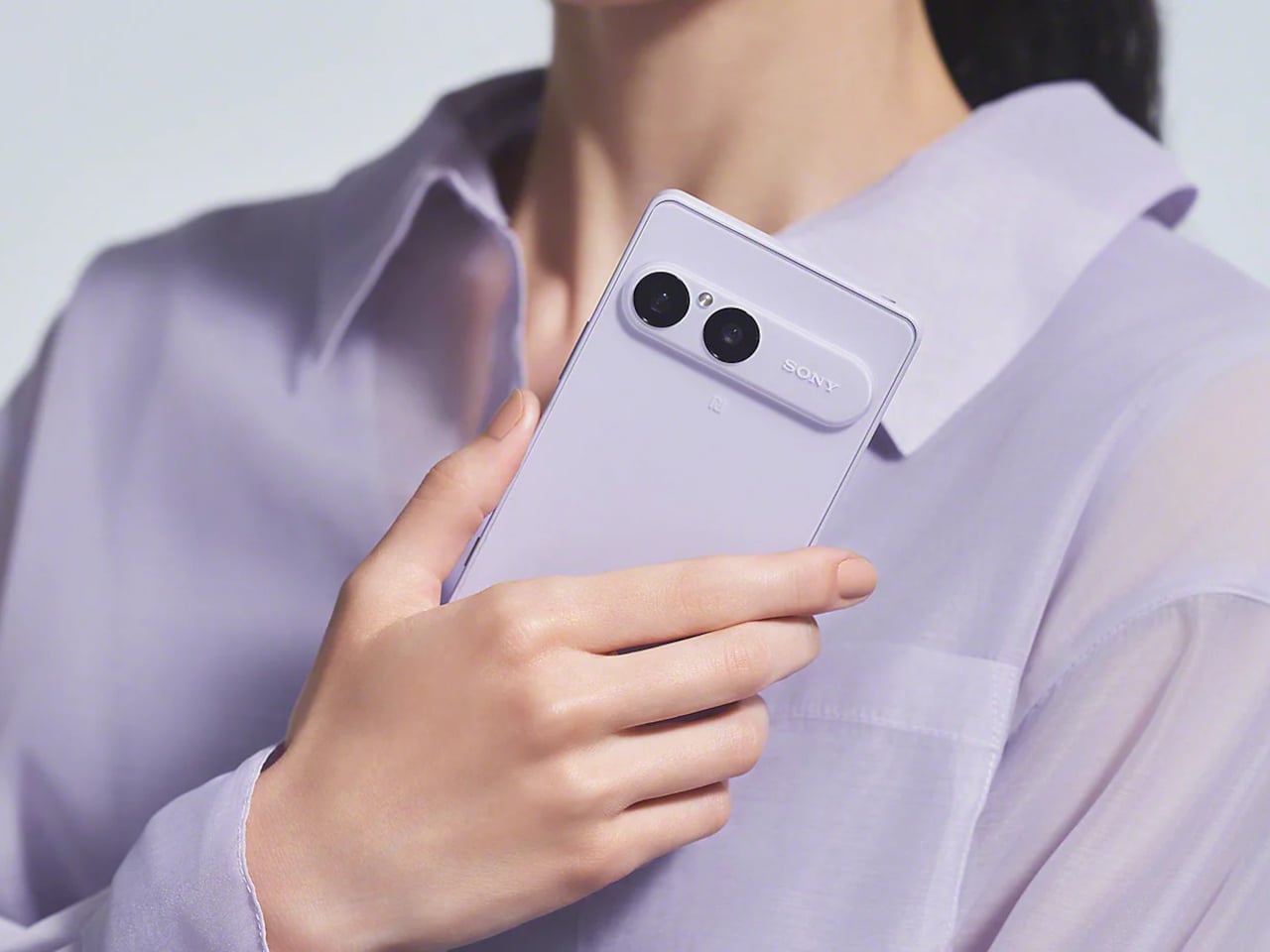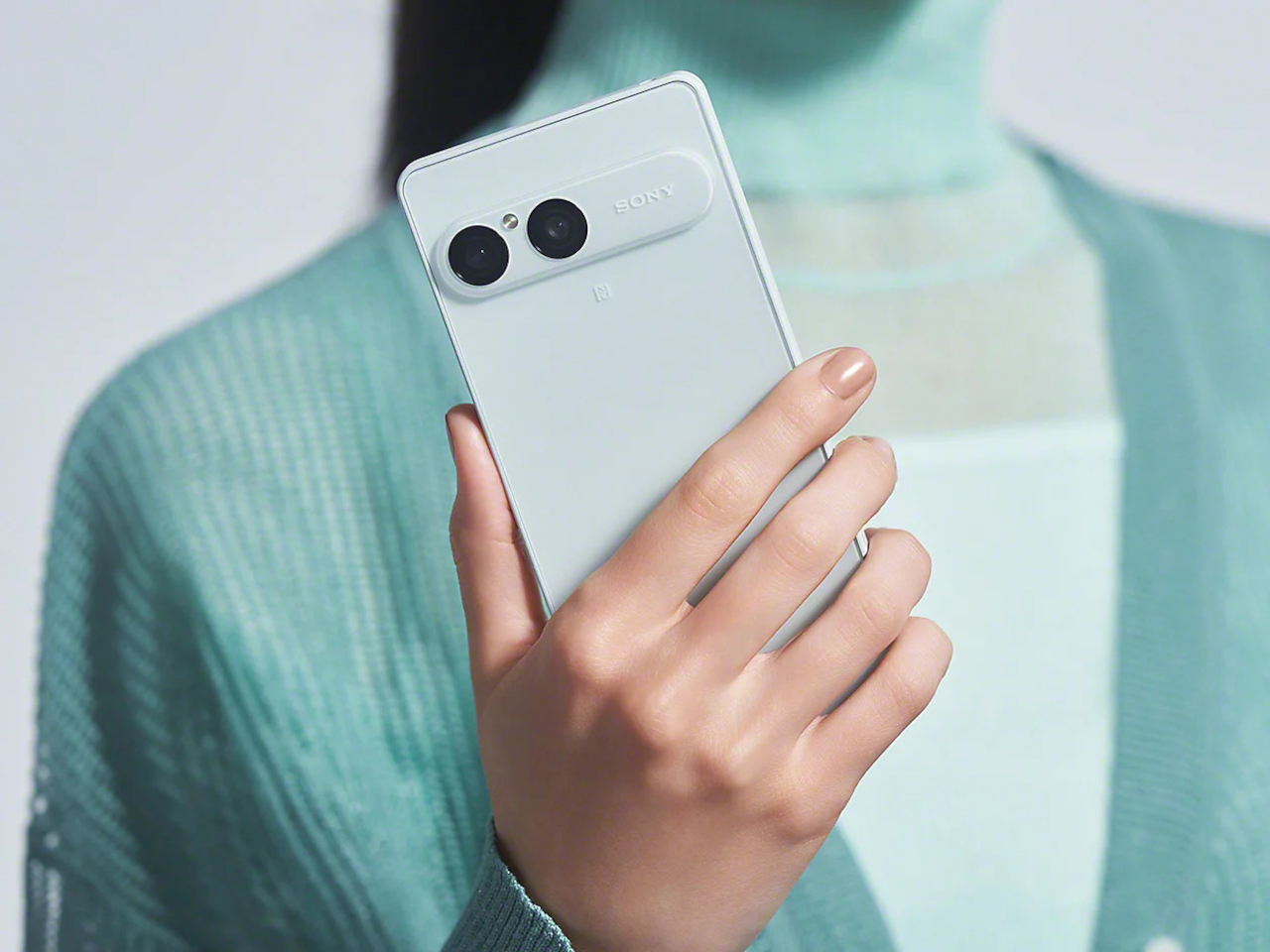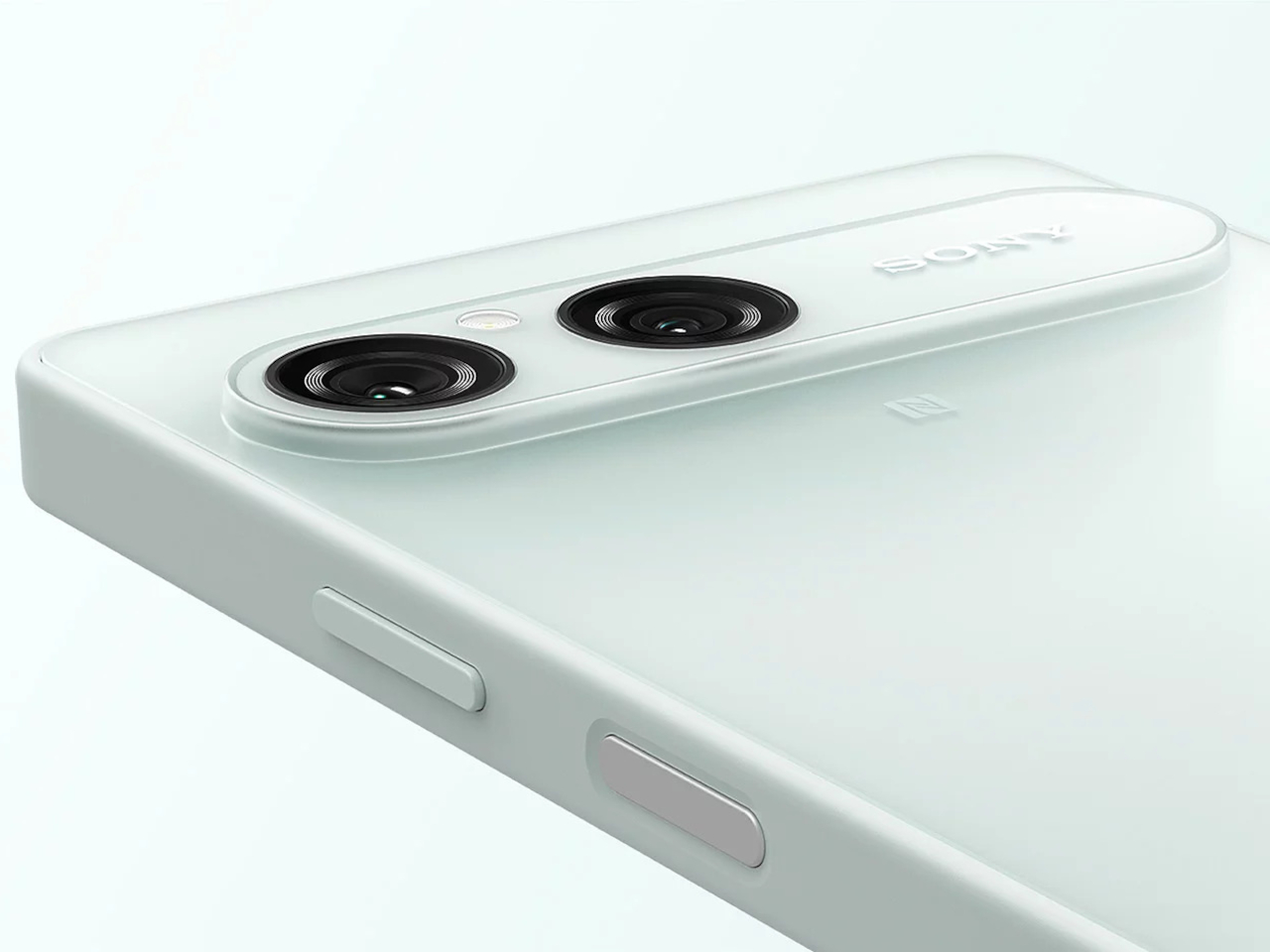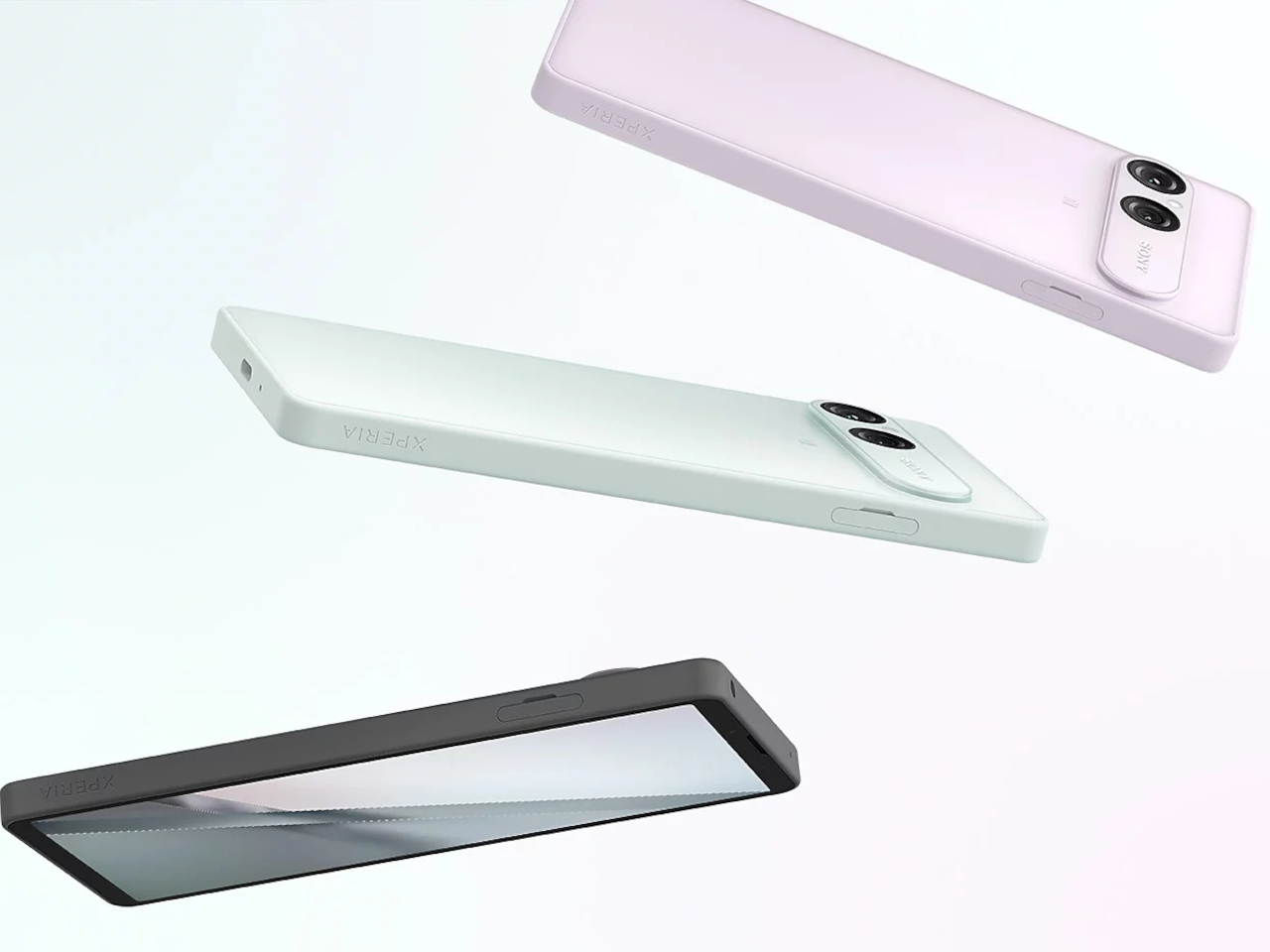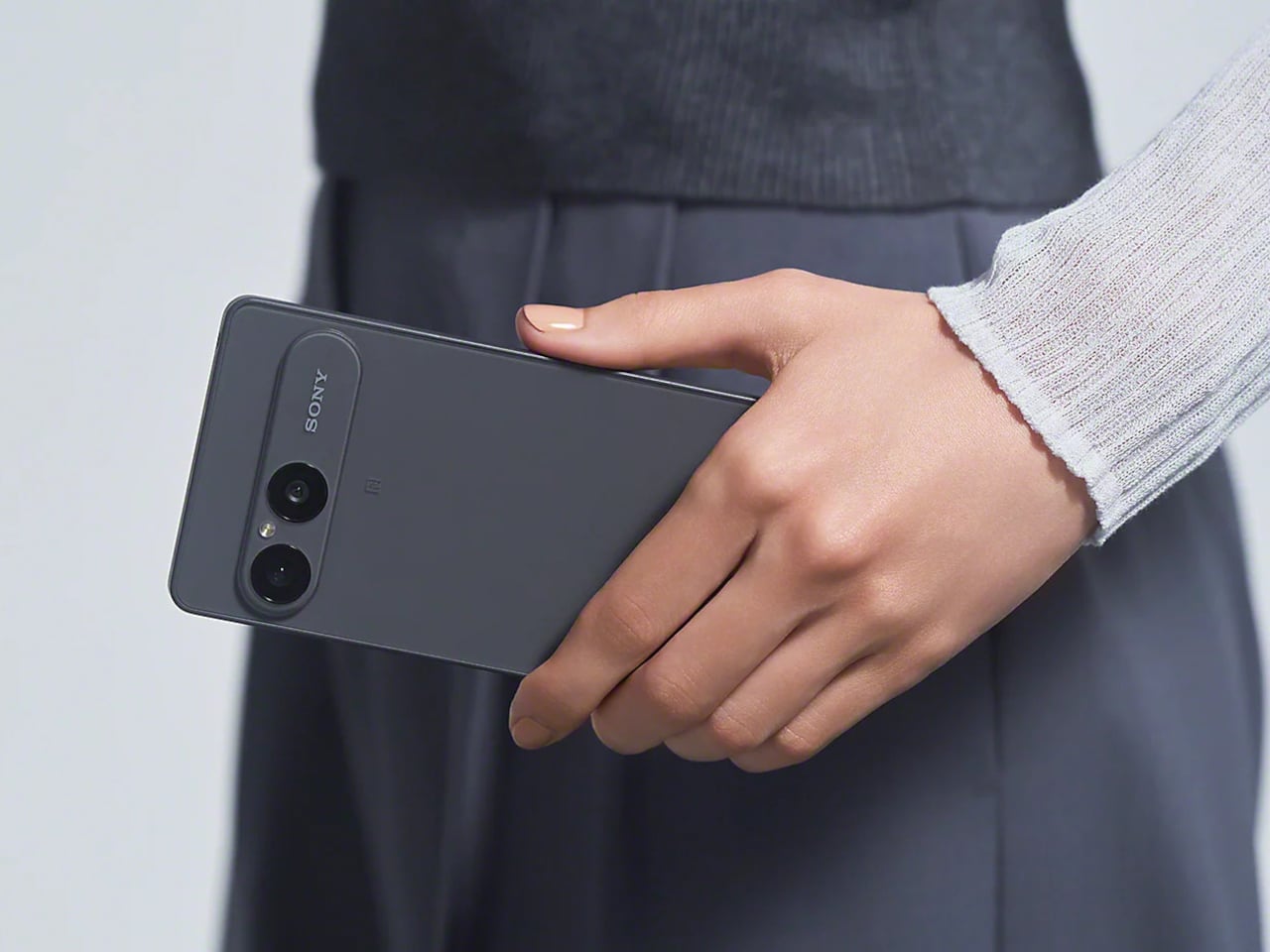
Apple is poised to make a significant impact in the foldable smartphone market with its highly anticipated iPhone Fold. By merging the portability of an iPhone with the versatility of an iPad Mini, this innovative device could transform how you interact with mobile technology. Featuring a book-style foldable design, innovative hardware, and a customized version […]
The horrible winter of 2026 is behind us in New England; now we’ve moved on to the season where there’s a threat of rain basically every day. Given that, the updated Storm Radar app from The Weather Company (owners of the Weather Channel app) caught my eye. There are tons of good weather apps out there, and I’m the kind of nerd that likes to try them all, and Storm Radar feels pretty unique to me.
The main interface is, as you’d expect, your local radar. Tapping on any point of the map calls up a detailed forecast for that exact point, with data coming via The Weather Company’s “gridded forecast on demand” (FOD) system. The default view is precipitation, but there are multiple other layers you can add including temperature, cloud cover, nearby lighting strikes, wind and so forth. There are also overlays for storm cells being tracked; you can tap on those and see things like the direction, speed and range of the storm.
In addition to that standard radar view, Storm Radar has just added something called high-res single site radar. As the name suggests, it pulls data specifically from a single weather station in much greater detail than the typical radar map; The Weather Company says the standard view is based on its FOD system which uses a variety of sources, including the company’s own APIs.
The single-site radar, on the other hand, includes reflectivity data, which measures the amount of energy returned to a radar receiver from precipitation. The National Oceanic and Atmospheric Administration (NOAA) says reflectivity is “he most frequently used product by forecasters to indicate where precipitation and severe weather is occurring.” That's a level of specificity I find delightful.
Naturally, there’s some AI baked into the updated app as well. In my testing, it responds pretty clearly to natural language questions like “what’s the best time to go for a run.”There’s a more conversational element to the AI experience that should be rolling out in the coming weeks, as well.
Like the standard Weather Channel app, you can use Storm Radar for free, but its most advanced featuers require a premium subscription. $4 a month or $20 per year unlocks all of Storm Radar’s features; you can also get a Weather Channel Premium Pro subscription for $5 a month or $30 a year which includes Storm Radar as well as removing ads and providing more detailed data (like hourly forecasts for eight days rather than two). That pricing is about in line with what other weather apps are charging for premium features these days. So if the basic iPhone weather app isn’t cutting it, Storm Radar may be worth a look. It’s only on iOS for now, but it’ll eventually come to Android too.
This article originally appeared on Engadget at https://www.engadget.com/apps/the-new-storm-radar-app-is-a-treasure-trove-of-data-for-weather-nerds-133646812.html?src=rss
A couple of years after its overseas debut, Kia’s EV3 will finally come to the US. The automaker said at the New York International Auto Show that the 2027 edition of the subcompact electric SUV will arrive stateside later this year. Kia won't announce pricing until closer to its sale date, but it has previously said it would target a starting price of $35,000.
The EV3 could be a welcome addition for Americans shopping for a smaller electric SUV. Compact ones that won't break the bank are a relative scarcity in the US, especially after Volvo killed the EX30. The EV3 is close to a 1:1 match with the Kia Sportage, the automaker’s best-selling model, in terms of size and target price.
Kia's SUV will be available in standard-range (58.3 kWh) and long-range (81.4 kWh) options. The former has an advertised range of 220 miles, while the larger one ups that to 320 miles.
The EV3 has a native NACS charging port on the front passenger side.
Kia
The EV3 uses Kia's 400-volt architecture, so it won't charge as quickly as the EV9 and other 800-volt models. Still, Kia says DC fast charging can power the EV9 from 10 to 80 percent in 29 minutes for the standard model or 31 minutes for the long-range tier. The vehicle includes a native NACS charging port on the front passenger side. Meanwhile, Kia's Vehicle-to-Home (V2H) feature, which can provide power to your home during peak usage hours, will be available as a premium option.
As for how much the EV3 will cost, Kia said in 2023 it would target a price range of $35,000 to $50,000. However, the world has changed slightly since then, so we'll have to wait until later this year to confirm. You can learn more on Kia’s website.
This article originally appeared on Engadget at https://www.engadget.com/transportation/evs/kia-shows-off-the-2027-ev3-at-the-ny-auto-show-132500658.html?src=rss
The tablet-as-laptop pitch has been a hard sell for years, and a lot of the blame lands on the accessories. Keyboard covers for Android tablets have historically been thin on features and even thinner on build quality, which makes the whole productivity argument feel shakier than it should. Samsung’s $1,200 Galaxy Tab S11 Ultra is serious hardware, and for a while, its keyboard options weren’t keeping up.
The Galaxy Tab S11 Ultra Pro Keyboard is Samsung’s answer to that. Available in Gray and Silver for $399.99, it connects via pogo pins at the rear of the tablet, with no Bluetooth pairing or cables required. Opening the lid wakes the device, and closing it puts everything to sleep, so the whole thing behaves less like an accessory and more like a laptop right from the start.
The build quality reflects the price in most of the right ways. The body is aluminum alloy, the hinge is reinforced metal, and a secondary kickstand at the rear props the whole assembly into a stable, laptop-like posture at whatever angle you prefer. The result looks noticeably more considered than Samsung’s Book Cover Keyboard Slim, which never really felt like it belonged on a $1,200 device.
The 80-key layout goes beyond a standard QWERTY arrangement. A dedicated DeX key switches the Tab S11 Ultra into Samsung’s desktop mode, where apps run in freely movable windows, closer in feel to Windows than Android. A Galaxy AI key gives you one-press access to AI tools without switching apps, and three customizable function keys can each be mapped to open whatever you need most.
For long stretches of writing or working across multiple documents, those shortcuts matter more than they might look on a spec sheet. The pogo pin connection also eliminates the Bluetooth pairing and dropout issues that plague most wireless keyboard accessories. And since the Pro Keyboard draws power directly from the tablet, there’s no separate battery to charge, and nothing to run out at an inconvenient moment.
The trackpad is 14.6% larger than the one on Samsung’s previous keyboard accessory, a small percentage that translates to real estate you’ll actually notice in DeX mode. The extra surface area gives you more room for precise gestures and window management, and that significantly reduces the number of times you’re forced to reach up and touch the screen during long work sessions.
At $399.99, the Pro Keyboard is nearly twice the price of Samsung’s own Book Cover Keyboard Slim and $50 more than Apple’s Magic Keyboard for the 13-inch iPad Pro. Adding it to the Galaxy Tab S11 Ultra’s $1,200 starting price puts the total at around $1,600, which puts you in comfortable MacBook Air territory, minus the dedicated operating system and the convenience of a unified device.
There are also some obvious gaps at this price. The Pro Keyboard has no backlighting, a noticeable oversight for anyone who regularly works late or in dim spaces. It also doesn’t protect the back of the tablet, which is a curious omission for a $400 accessory. And since it’s designed exclusively for the Galaxy Tab S11 Ultra, there’s no using it with anything else in Samsung’s lineup.
Samsung continues to redefine the foldable smartphone landscape with the Galaxy Z Fold 8 Wide, a device that introduces a wider, passport-style form factor to enhance usability and functionality. With its 16:10 aspect ratio, innovative hardware, and forward-thinking design, the Z Fold 8 Wide is set to challenge competitors, including Apple’s rumored foldable device. Alongside […]
Way back in 2017, Roland carved out a little niche for itself with the introduction of the Go:Mixer line. The small, portable audio interfaces are a convenient way to connect a mic and multiple musical instruments (or audio sources) to your phone for more professional public performances or on-the-go recording. At this year’s NAMM show, the company unveiled the latest in the family — the Go:Mixer Studio — and it’s the most premium version to date.
The Studio adds a display, multitrack output and onboard effects along with a far more luxurious design. At $300, there’s also a far more luxurious price tag. The Go:Mixer Pro-X was already a capable option, and competing products from Mackie and Zoom are also vying for your hard-earned musical dollars. The big question, then, is can the Studio make a case for itself at this elevated price point?
Right off the bat, in terms of usefulness, the Studio is a solid step up from the Pro-X thanks to the addition of a second XLR port. So if your band is a duo, or you simply need two microphones, each performer can now have their own. This also opens the Studio up for basic podcast situations, too. Technically, you could always connect more microphones through other inputs, but now you can do so without adapters or additional hardware like preamps. The rest of the connectivity remains similar with ¼-inch line-in and guitar ports, headset mic support, a 3.5mm aux input and USB-C for audio from your phone and connecting to the app.
Other headline upgrades include a much higher maximum sample rate of 24bit/192kHz (the Pro-X capped out at 16bit/48kHz) and there’s MIDI connectivity for the first time in the Go:Mixer series. The new effects consist of a compressor, EQ and reverb. EQ and compression are available at the channel level, allowing for a good amount of creative control over your mix, while reverb is global. There’s a decent selection of different types of reverb, too, with enough controls to configure them to your taste. I found some of them to be a bit robotic, or not very musical, but others sounded more traditional and appropriate for my vocals and synthesizers.
The Go:Mixer series was doing just fine without a display up until this point, but the benefits of having one are instantly clear. On the Pro-X, the only visual feedback for your levels was a solitary LED that indicated your audio was in the red. If you had multiple inputs, you might not even know which one was too loud. The first benefit of the Studio’s display, then, is visible VU meters. They’re not huge, and the display only shows information for three tracks at a time. This means you might have to page through a few screens to see the one you want, but it’s infinitely more useful than before.
The next obvious advantage of the screen is being able to control settings on the device via a menu. Navigation is intuitive, with the screen divided into three sections, corresponding to the three knobs just below it. The default screen, for example, shows the channels Mic 1, Mic 2 and Guitar/Bass. Turn the first knob clockwise to change the gain of Mic 1. The second knob for Mic 2 and so on. Click a knob and, where applicable, you’ll enter a sub-menu where those three dials control whatever is shown above them. This dynamic system works pretty well and took seconds before it felt natural.
The main limitation is that you can only see three of the mixer channels on screen at a time and there’s no way to manually reorder them. If you have a microphone connected and USB audio playing at the same time, you can’t see the levels or control both of those things from the same screen. You have to keep paging screens back and forth.
The good news is that Roland’s Go:Mixer Cam mobile app does offer a visual mixer that lets you see more or less every channel on screen at once and adjust levels quickly that way. It’s primarily designed for creating videos of your performance, but it doubles as a remote mixer if needed. There is one caveat with the app, though, which is that you won’t be able to use your phone as a USB audio source — say, for backing tracks — if you want to record video with the Go:Mixer Cam app. That’s something to be mindful of.
Roland 's Go:Mixer Studio has a display for the first time in the series
James Trew for Engadget
The app does have a cool feature, which could also be a lifesaver: You can change the “mix” after recording. If you record a performance, but find that your vocals are a bit low, or your synth is too high in the mix, you can adjust the levels and re-export it with better balance. You have options to export as video or audio only, so you can share one to YouTube and then a version for Soundcloud all from the same app. Small detail, but if you want to use the app and have the mixer sample rate set to something other than 48kHz, it’ll warn you that it needs to revert to 48kHz and restart the device before you can carry on.
If you prefer recording on the desktop, there’s also a GoMixer Editor app for Windows and Mac. It’s actually a much easier way to change settings and see what’s going on thanks to the extra visual real estate. The EQ section for each channel looks like a regular software EQ where you raise or lower points on a frequency chart. The compressor also has visual feedback to show when it’s active, which is lacking on the device itself. Obviously, the Studio has a mobile focus, but the desktop app has two big selling points.
First, if you prefer to set your mix levels, compression amount and so on at home, you can do that more easily with the desktop app and then save it in a memory slot. You can then quickly recall this “Scene” on the device while out at a gig. The second is that, for the first time in the series (according to me at least), the Studio is a viable mixer and audio interface for the desktop. The build quality is solid and weighty, not like the light plastic of previous models. It feels premium and this could just as well be used at home for streaming and podcasting as much as on the go. The desktop app makes it even more useful in this scenario.
In terms of what’s missing, this might be very use-case specific. I enjoy using this for electronic music production or pseudo DJ type performances. As such, I’d love to see at least one fader rather than just knobs, but this is true of every model to date. I’d also love for there to be a way to see all the channels at once on the device’s screen. I know it’d be a bit cramped and there’d be no easy way to adjust the mix at the same time, but as an overview you could drop into, it might be handy. And if we’re out here making wishes for any Studio Pro model, an SD card slot for native recording would really elevate the portability element so you wouldn’t need to connect a phone, just a power bank.
The Go:Mixer Studio has two XLR inputs
James Trew for Engadget
Roland has a few competitors in this space, most notably IK Multemida which makes a few portable interfaces. Perhaps the most similar is the iRig Pro Duo and Quattro. The Duo comes in a little cheaper than the Studio at around $235 but lacks a display and build quality. I also personally find IK Multimedia’s apps, while functional, less user friendly. Mackie has the M Caster Studio ($200) which adds Bluetooth connectivity but has fewer physical ports — that one too is a little older. Zoom’s interfaces often center on their ability to record directly onto the device, but have more of a vocal/spoken word focus. The H5 Studio ($299) has a display, built-in mic and onboard recording, but its mixer functionality and outputs for live performance are secondary features.
For musical performers, Roland continues to dominate this niche, and the Go:Mixer Studio is clearly the company’s most refined interface to date. The connectivity covers most use cases, even podcasting, and the layout of the dials makes it easy to use in live environments. The display is a welcome addition that goes a long way to making this feel both more useful and more premium. Perhaps the biggest selling point this time around is that the Studio no longer feels like an extra interface you bring with you for live gigs. It can easily be your main desktop audio interface too, making that $300 price tag suddenly feel a lot more palatable.
This article originally appeared on Engadget at https://www.engadget.com/audio/roland-gomixer-studio-review-portable-professional-and-plenty-of-polish-130000723.html?src=rss
Artificial intelligence agents have advanced significantly in automating tasks, but their effectiveness is often limited by gaps in accessing relevant contextual data. World of AI highlights Airweave, a self-hosted, open source context retrieval layer, as a practical solution to this issue. Airweave connects with over 50 platforms, such as GitHub, Notion and Slack, allowing AI […]
Claude agent teams are composed of specialized AI agents, each assigned specific roles such as data analysis, content generation, or quality assurance, working together under a central orchestrator. Below Nate Herk demonstrates how success with these teams depends on clear role definitions and structured workflows. For instance, properly configuring the `settings.json` file in your Cloud […]
Apple has officially launched the first developer beta of iOS 26.5, accompanied by updates for iPadOS, macOS, watchOS, HomeOS, tvOS and visionOS. This release focuses on incremental improvements and bug fixes, laying the groundwork for future advancements in Apple’s ecosystem. Public beta testers can expect access to this update within the next 24 to 48 […]
There's just something magical about a robot that can convert into a car, tank or plane. It seems that Hollywood agrees as there are several major franchises based around that concept. As someone who grew up in the 80s and 90s, Transformers hold a special place in my heart, despite Michael Bay's best efforts at tarnishing its legacy. I spent countless hours as a kid playing with Hasbro and Takara's plastic figures, but there was one type of toy I always wanted but never got: a robot that could transform on its own just like the ones I watched on TV. That changed a few years ago when Robosenlaunched its line of officially licensed auto-converting models, and from what I've seen, its latest release featuring Soundwave might be its best yet.
Design: More than meets the eye
As a follow-up to previous bots featuring Optimus Prime, Megatron, Bumblebee, Grimlock and others, Soundwave was a superior choice, and Robosen has done a more than respectable job of bringing him to life. Not only can he spit out classic lines performed by original voice actor Frank Welker, both his robot and alt modes are a vision straight out of the first-generation (G1) cartoon. Everywhere you look, there are a ton of lovingly crafted details like the working eject button for the cassette slot and all sorts of lights. Robosen's head sculpt is spot on, and it even includes additional LEDs for his eyes and shoulder cannon. Granted, there is a bit of kibble (aka what fans call out of place parts leftover from transformation), like hands that don't properly fold away when Soundwave turns into a boombox, but that's really nitpicking. Between his incredibly accurate design, vocoder-powered vocals and an imposing stature that stands at around 14 inches tall, there's no way you can call this rendition of Soundwave uncharismatic.
A simply superior head sculpt.
Sam Rutherford for Engadget
However, the real magic happens when you turn him on (there's a little button on his back) and say "Hey, Soundwave." From here, you can use more than 50 different voice commands to boss him around like you're the leader of the Decepticons. This includes asking him to say iconic lines, respond to an Autobot attack or just wishing someone a happy birthday. Naturally, the most impressive request is asking him to transform, at which point 28 high-precision servo motors and multiple motion sensors coordinate. This allows Soundwave to convert from boombox mode to robot and back again, complete with the required sound effects. Even as a jaded adult, there's still something incredibly enchanting about watching a Transformer actually transform on its own. But that pales in comparison to the one-of-a-kind reaction my four-year-old son gave me when I repeated the process for him. There was a joy in his face I'm not sure a grown-up can truly express, as he gets to experience this without knowing this bot costs a cool $1,400.
Robosen's free mobile app features a D-pad so you can easily tell the robot where to walk.
Sam Rutherford for Engadget
While testing Soundwave's various commands, I did notice that his voice recognition can be somewhat hit or miss. I found that even a little background noise can cause issues. To be consistently heard, you have to speak louder than you think you should. The real key is being very deliberate with a sharp "Hi" or "Hey" to activate Soundwave's wake phrase properly. Alternatively, if you prefer not to yell at your robots, there's also a free companion app that allows you to send commands by simply pressing a button, which was super easy to set up and quickly became my preferred control scheme.
Here is Robosen's version of Soundwave (right) compared to the Studio Series 86 figure (left).
Sam Rutherford for Engadget
In addition to making it easier to get Soundwave to walk around (it's much more fun to use a virtual D-pad than yell "Walk forward" all the time), the app also provides a more straightforward way of discovering what he can do while reducing the ambiguity of voice commands. There are handy buttons for all his voice lines and poses, plus there’s a toolkit for creating some of your own. You can also download more from the app, though there weren't any for me to test out because Soundwave wasn't officially out yet at the time of writing. There's even a Mini Theatre mode that allows the bot to perform short skits, and if you're lucky enough to own some of Robosen's other Transformers toys, like Megatron, some of these scenes can even be performed in tandem.
I don't think any Autobots have a chance against a Soundwave this big.
Sam Rutherford for Engadget
One awkward thing about Roboen's more sophisticated approach to toy robots is that Soundwave loses some of his structural integrity when his motors are off. For example, when you power him down in robot mode, he bends over backwards and gets stuck halfway between his humanoid and boombox forms. I assume this is to prevent him from falling over, which is a good thing; it just looks kind of weird. On the flip side, if you pick him up while in stereo mode, his limbs tend to droop. However, perhaps the biggest downside to Soundwave is one inherent to his design. Because his alt mode is a boombox instead of a vehicle like Optimus, Bumblebee and others, he can't pull double duty as a remote control car. But what Soundwave lacks in mobility, he makes up for with his signature acoustic skills.
Audio: Not just a bot, he's a real boombox too
From the front, Soundwave's boombox alt mode looks damn near perfect.
Sam Rutherford for Engadget
Soundwave turning into a boombox that can't play music just wouldn't make sense. Thankfully, that's not an issue as this bot's buttons aren't just for show. Hitting Play lets you listen to original tracks from the G1 cartoon, complete with the ability to pause or skip to the next track. You can also hold the record button to save a personal message for later, though I found this feature has a bit of a learning curve as Soundwave tends to cut out one or two seconds from the beginning and end of a clip.
Inside the app, there's also a big list for all of Soundwave's voice lines and poses.
Sam Rutherford for Engadget
Most importantly, if you want Soundwave to play other tunes, you can pair it with your phone or pretty much any other mobile device and use him just like a typical Bluetooth speaker. Now it probably won't be a surprise when I say that Soundwave's audio quality is mediocre at best. With all the various sensors, motors and moving parts, there probably isn't a ton of room for fancy drivers, so things sound tinny and flat. But in a way, that's kind of endearing because the vast majority of portable speakers back in the 80s didn't sound great either. The one thing I wish Robosen had included was a proper cassette player to really capitalize on Soundwave's classic audio capabilities. That said, even though I still have stacks of CDs and DVDs in my house, I don't have any tapes (despite their resurgence), so I get why that feature didn't make it.
Battery life
It may not be period accurate, but the addition of a USB-C port around back for power is a really nice touch.
Sam Rutherford for Engadget
Soundwave comes with a built-in 1,650mAh battery which takes about 120 minutes to charge from dead to full while offering a standby time of around 60 minutes. During my testing, I found you can get a solid 20 to 30 minutes of playtime out of him, which felt like plenty. Of course,that depends a ton on how much moving around you tell him to do. And while it certainly isn't period authentic, I really appreciate the inclusion of a USB-C port for charging.
Wrap-up
The funny thing about Robosen's Soundwave is that a toy like this would have been priceless to me as a child. But now that I'm older and I have to attach a value that goes beyond its basic price, things are a lot trickier.
I love Robosen's attention to detail. The figure looks incredible and getting voice lines from the original actor shows there's more than meets the eye to the robot’s design. But most importantly, seeing Soundwave transform on his own and stomp around like he does in the show will never get old.
As you'd expect from a toy this expensive, Robosen's packaging is excellent.
Sam Rutherford for Engadget
On the other hand, $1,400 can buy the whole family a nice three-day vacation or more than two dozen regular Transformers toys. That kind of math makes it difficult to add this Cybertronian to the household register. But for anyone who has a budget similar to a Michael Bay movie, this take on Soundwave really does feel like a dream come true. Aside from some of Robosen's other products, this robot is certainly made of sterner stuff.
This article originally appeared on Engadget at https://www.engadget.com/general/robosen-soundwave-review-a-childhood-dream-made-real-120000804.html?src=rss