Everyday carry culture has done something interesting to the way we think about the small objects in our pockets. Lighters, pens, and multi-tools have long been redesigned with premium materials, tighter tolerances, and better finishes. Oral care, however, hasn’t really gotten the same treatment. Most dental accessories are still disposable, plastic, and designed to be forgotten the moment they’ve served their purpose.
That’s what makes TiFloss from TIKZER feel like a timely idea. Rather than treating flossing as something that happens strictly over a bathroom sink, it takes the whole experience outdoors, into pockets, bags, and keychains. It’s a compact, all-metal floss tool built for daily carry and repeated use, and it makes a decent case that oral care doesn’t have to be tied to one room of the house.
Designer: TIKZER
Click Here to Buy Now: $48 $67 (29% off). Hurry, 41/200 left! Raised over $73,000.
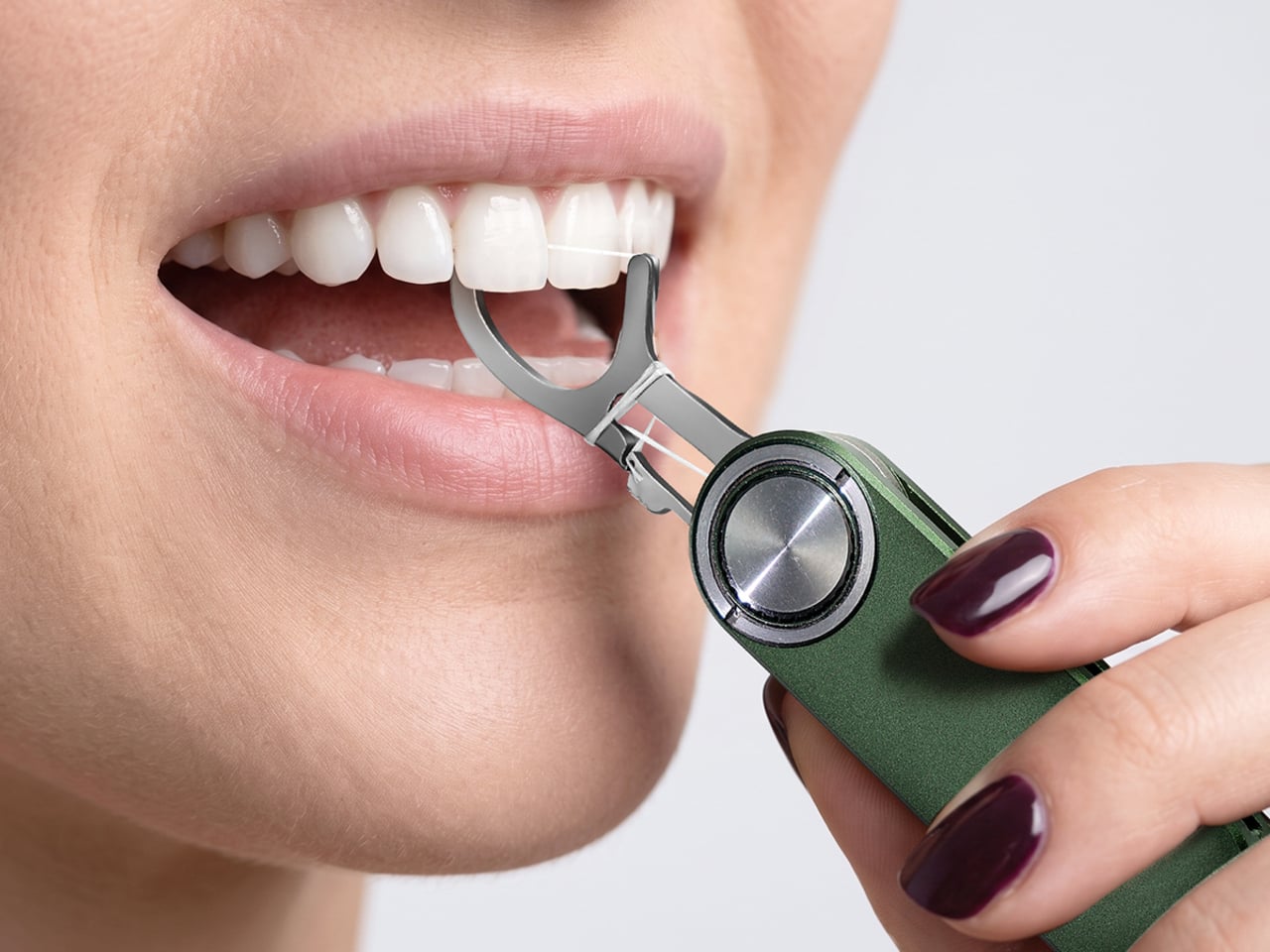
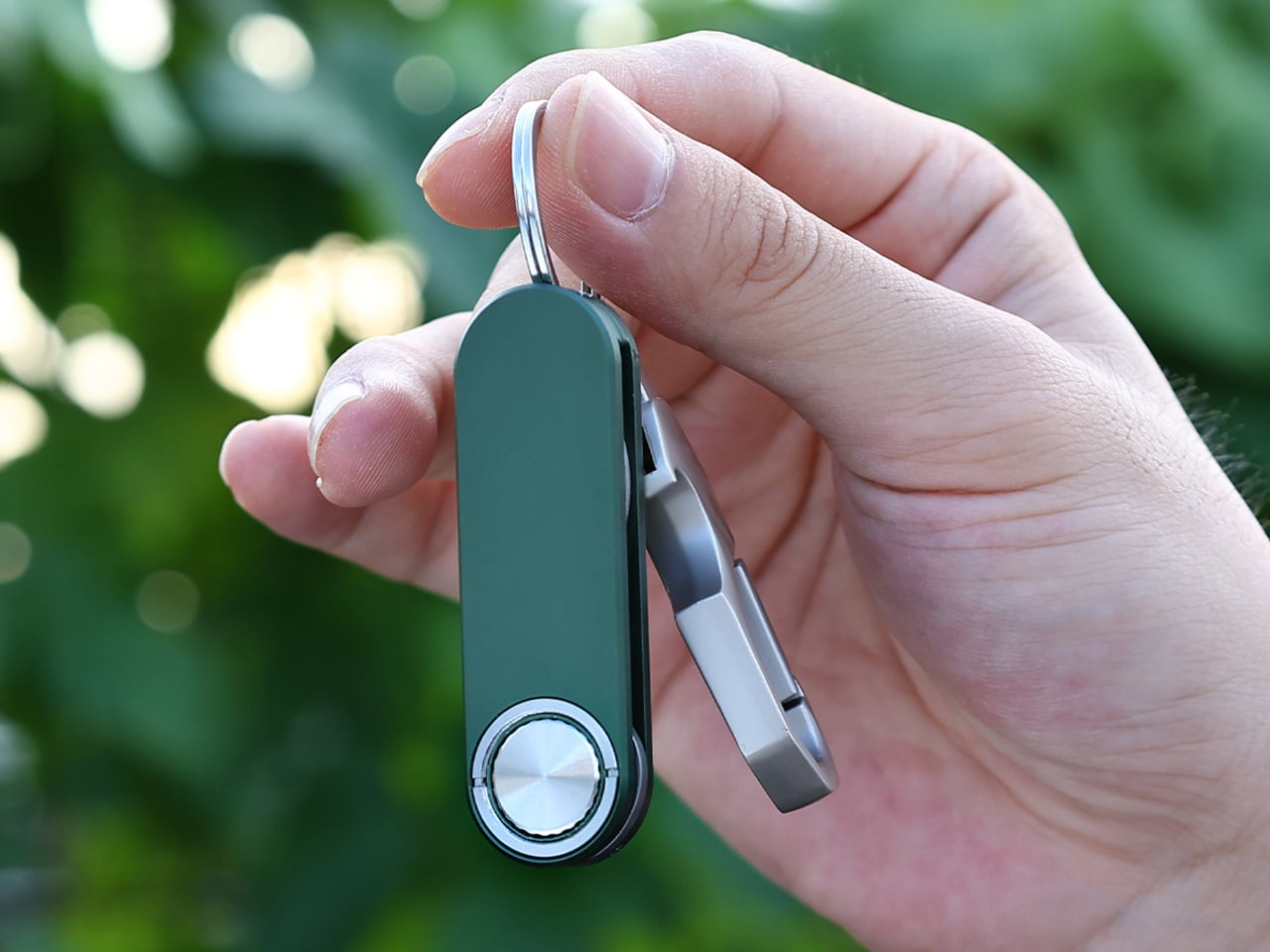
The construction is deliberately premium. The folding frame is made from Grade 5 titanium, the body from aluminum alloy, and the floss spool from stainless steel. Each material has a purpose: the titanium resists corrosion, the aluminum keeps weight manageable, and the stainless steel spool holds tension reliably across multiple refills. At 59.3g and 62mm long when closed, it fits comfortably alongside a set of keys.

The value becomes clearest after a meal away from home. Getting food stuck between your teeth at lunch, on a flight, or during a long commute is a small frustration that usually goes unresolved because the right tool isn’t nearby. TiFloss is designed specifically for those moments. Its enclosed folding design keeps the floss head protected while it sits in a pocket or bag.


Refilling it is straightforward once you get the hang of it. The magnetic spool detaches from the body, letting you wind on a fresh length of floss and snap it back in place. A retention groove keeps everything taut during use, and it works with a range of floss types, including PTFE, flat, and expanding varieties, so there’s no need to hunt for proprietary refills.

What this also means is that the tool itself doesn’t get thrown away after a single use. Most disposable floss picks last a few minutes before ending up in a bin, but TiFloss is built to stay in rotation for years. A quick rinse is enough to keep it clean between uses, and its all-metal construction handles water and everyday wear without any special care required.
There’s also something to be said for how it feels to use it. The frame pivots on a precision ball-bearing system, and a magnetic detent mechanism creates a satisfying click at the end of each rotation. It’s the kind of tactile feedback that makes an unremarkable task feel slightly more considered, and it’s part of what gives TiFloss a natural crossover appeal among EDC enthusiasts.
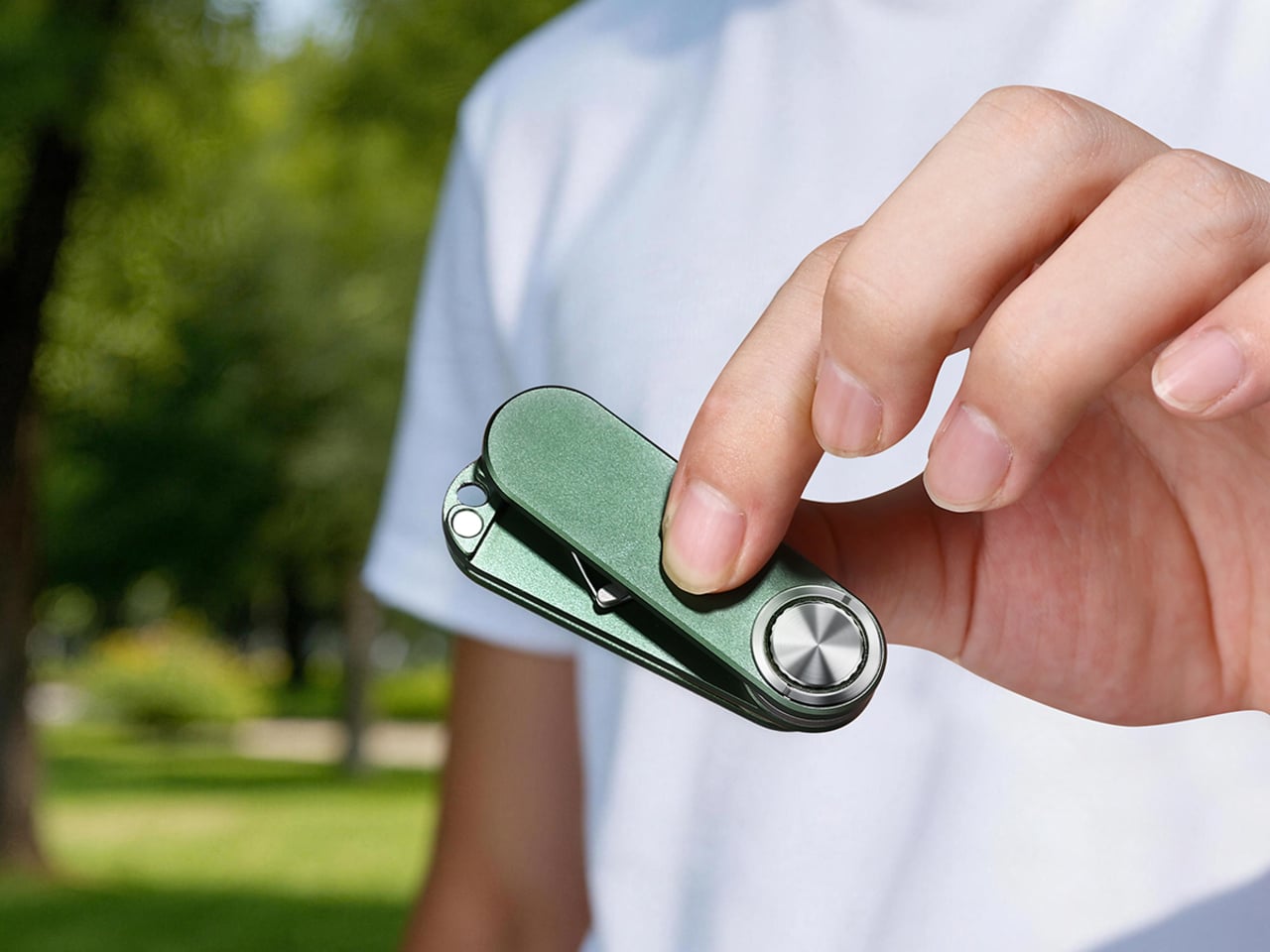

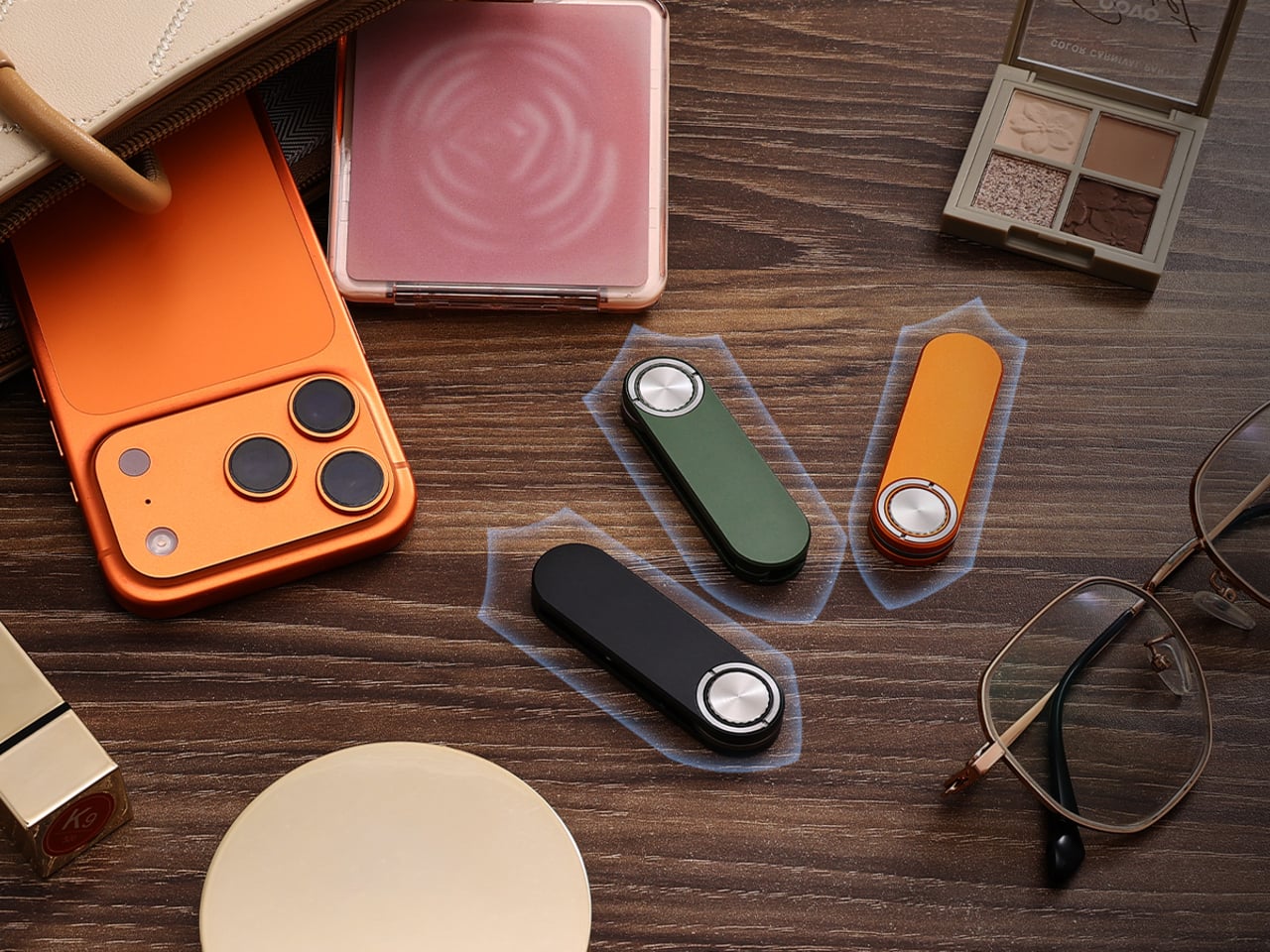
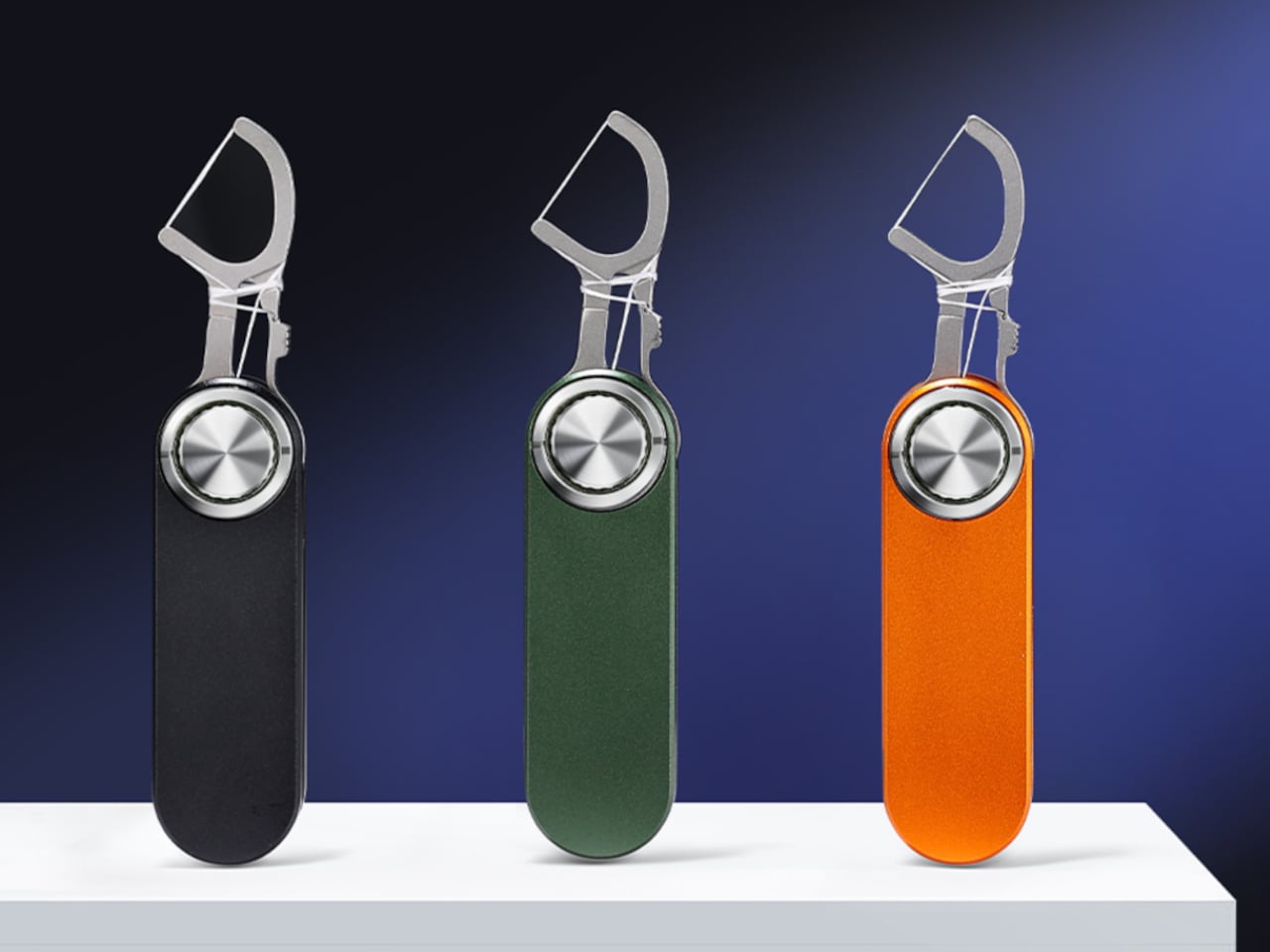
That crossover makes sense given how the product is sized and carried. At just 12.4mm thick and shorter than most key fobs, it attaches to a keyring, drops into a jacket pocket, or disappears into a bag without adding bulk. TIKZER offers it in orange, black, and green, which keeps the aesthetic grounded without feeling sterile, and gives it enough personality to feel like a deliberate choice.
There’s something quietly satisfying about an object that does exactly what it promises without making a fuss about it. TiFloss doesn’t ask you to change your flossing method or adopt a new routine. It simply makes the tool smaller, better built, and easier to have nearby whenever a meal ends somewhere other than home. For something as mundane as oral care, that’s a genuinely useful shift.
Click Here to Buy Now: $48 $67 (29% off). Hurry, 41/200 left! Raised over $73,000.
The post Dental Floss Finally Got the Premium EDC Upgrade It Always Deserved first appeared on Yanko Design.