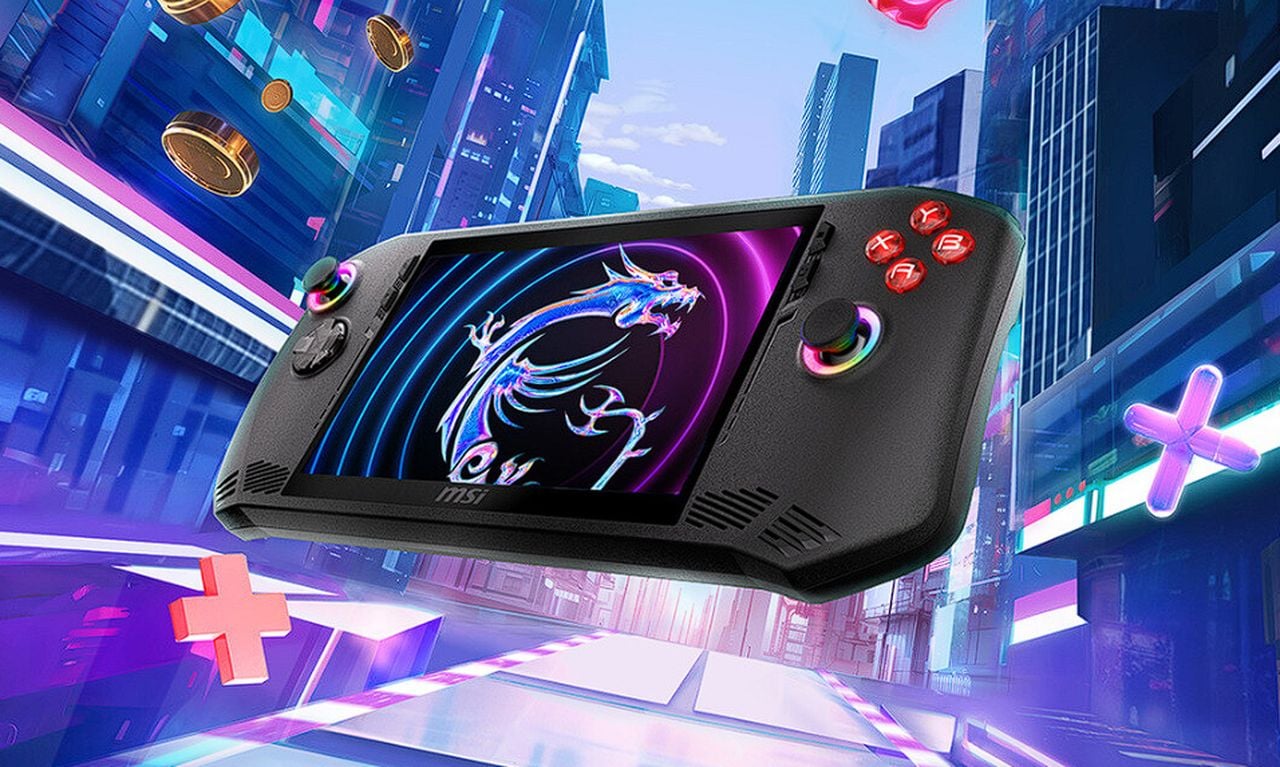
MSI, a well-known name in the gaming industry, has recently unveiled a new Intel handheld gaming console , called the Claw. There are already plenty of AMD powered handheld games consoles on the market but MSI have specifically created this one to bring the power of a high-performance Intel gaming PC into a form that […]
Samsung has announced that it is introducing some new intelligent connectivity features for the Samsung Galaxy Book4 Series and this includes multi-device connectivity with Microsoft Copilot. Samsung is also adding the ability to transform your smartphone into a PC camera with the Galaxy Book4, you will be able to use your Samsung smartphone camera for […]
The ocean’s mysteries have captivated humanity for centuries, and now, with the advent of sophisticated technology, we are closer than ever to unlocking its secrets on a consumer level thanks to help from the amazing Raspberry Pi mini PC. The BlueROV2 R4 is at the forefront of this exploration, and takes the form of an […]
Remember the $1,599 probe lens Laowa made for DSLRs? Well, Shiftcam built one for 1/5th the price… and it mounts onto your iPhone for the most surreal macro videos ever.
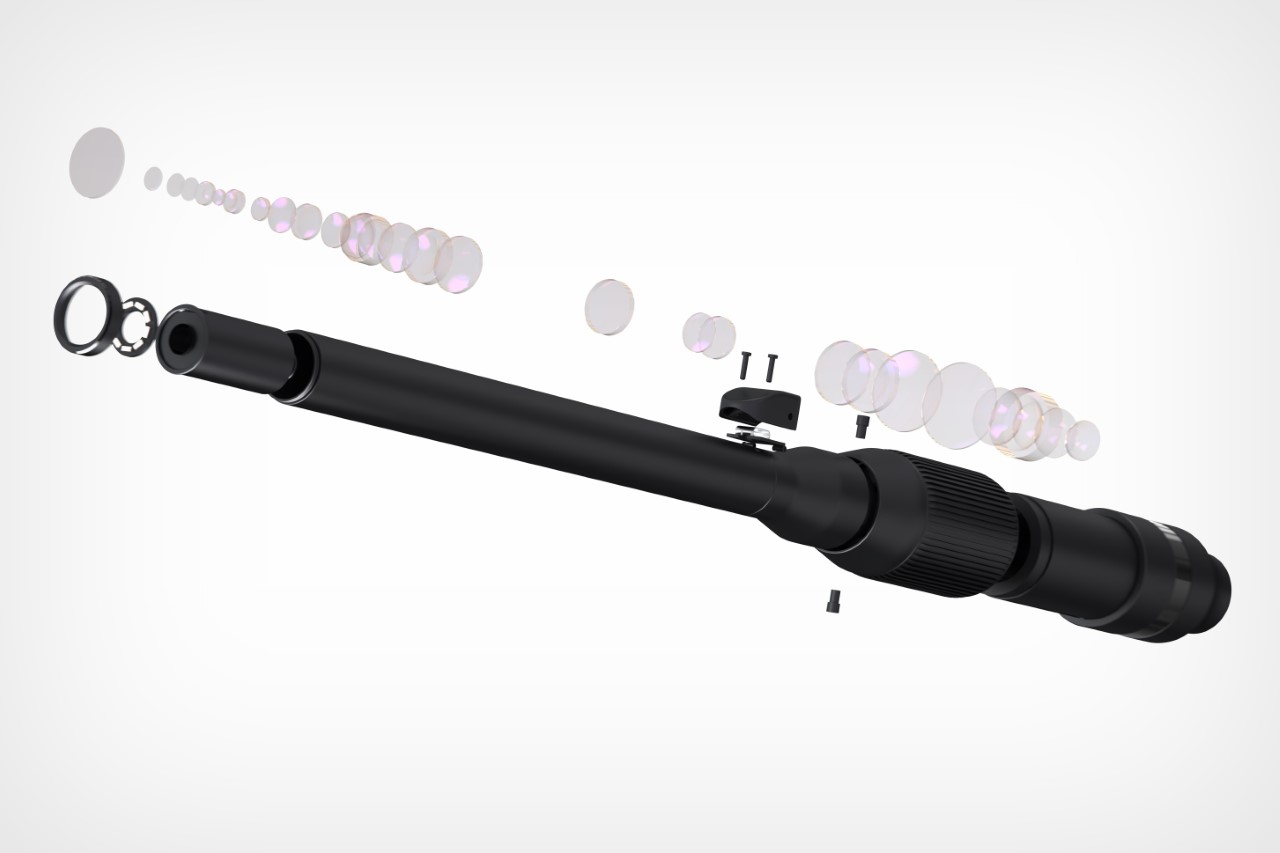
A probe lens for smartphones was definitely not on my 2024 bingo card, but it seems like Shiftcam had other plans. When Laowa launched the first probe lens in 2019, it instantly became the talk of the photography community. The lens had a distinct design, shaped less like a cylinder and more like a projectile. Its design was the perfect example of form following function, because the probe lens could shoot macro unlike any other lens on the market. The only problem, it cost an eye-watering $1,599.
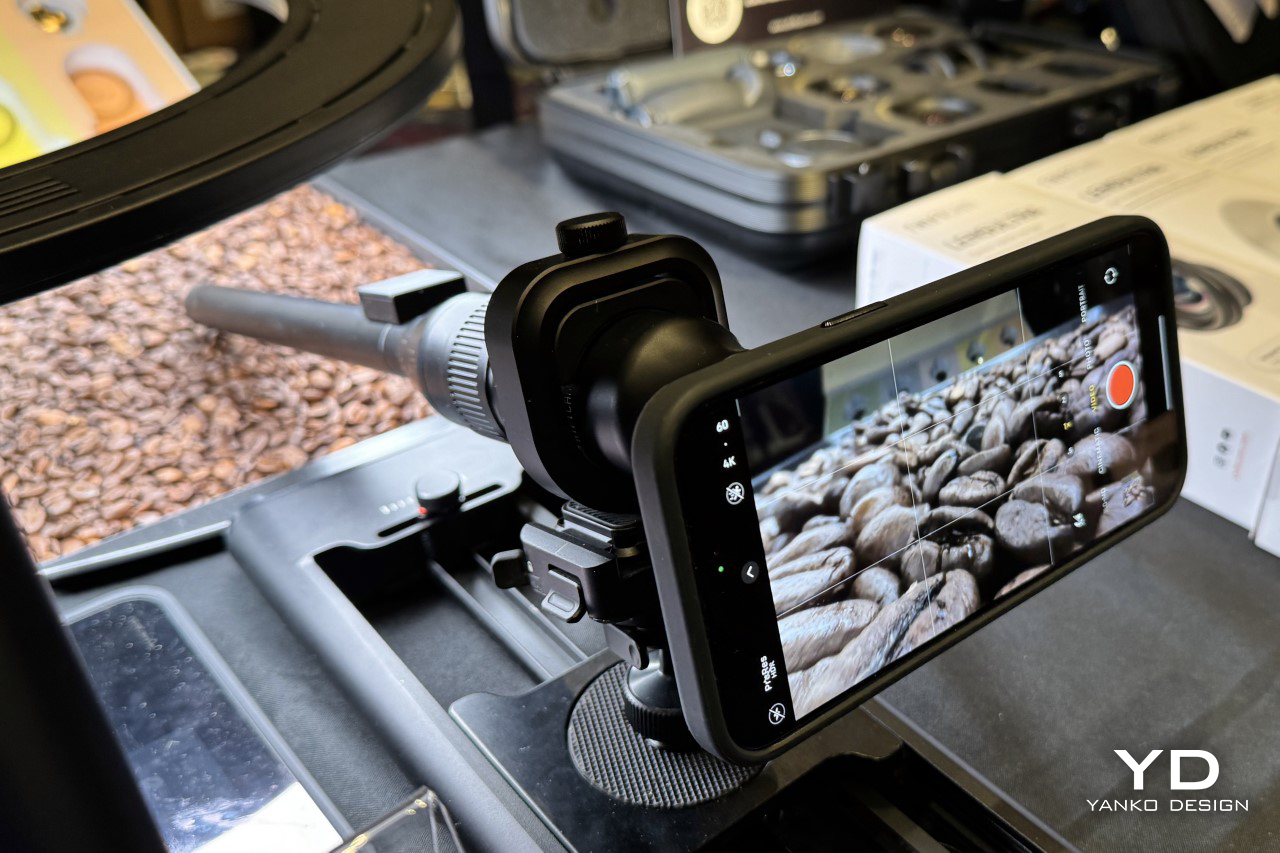
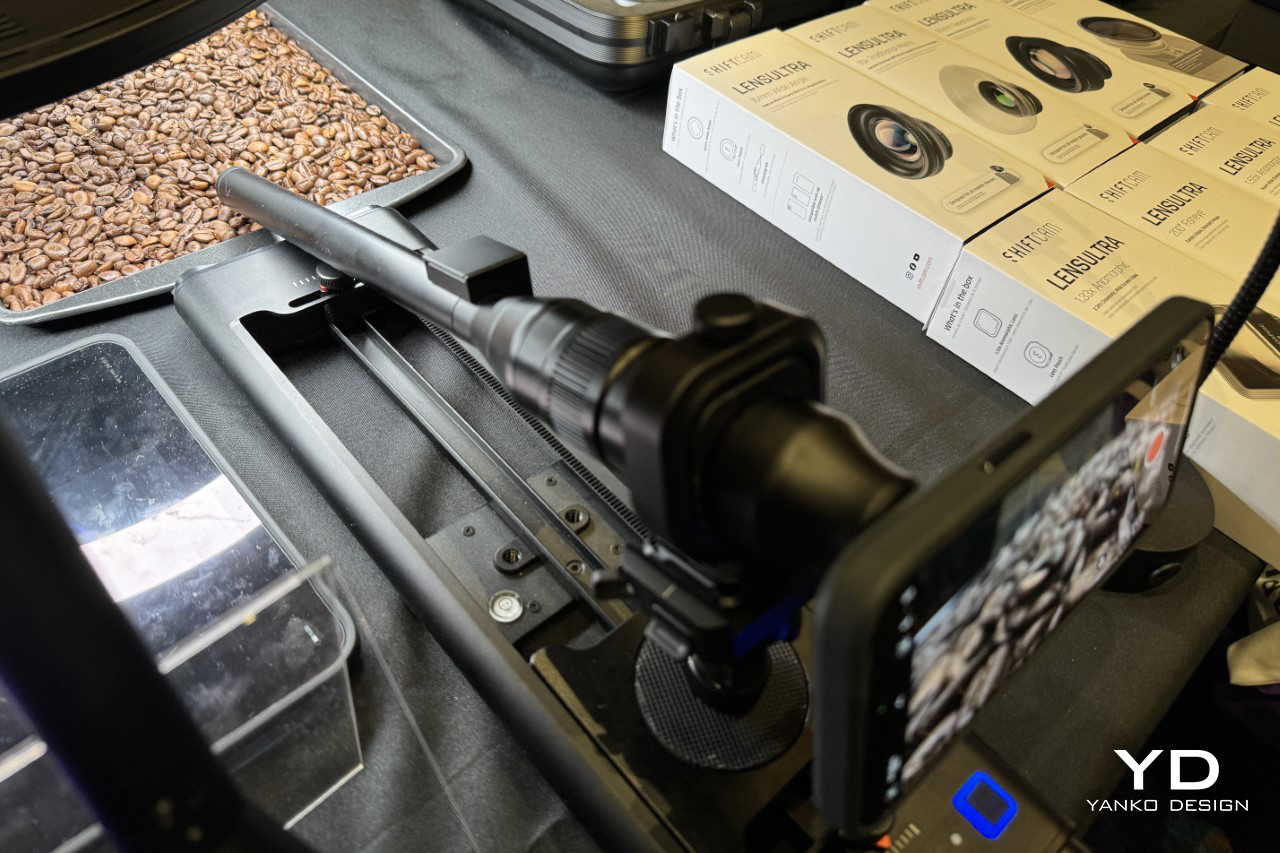
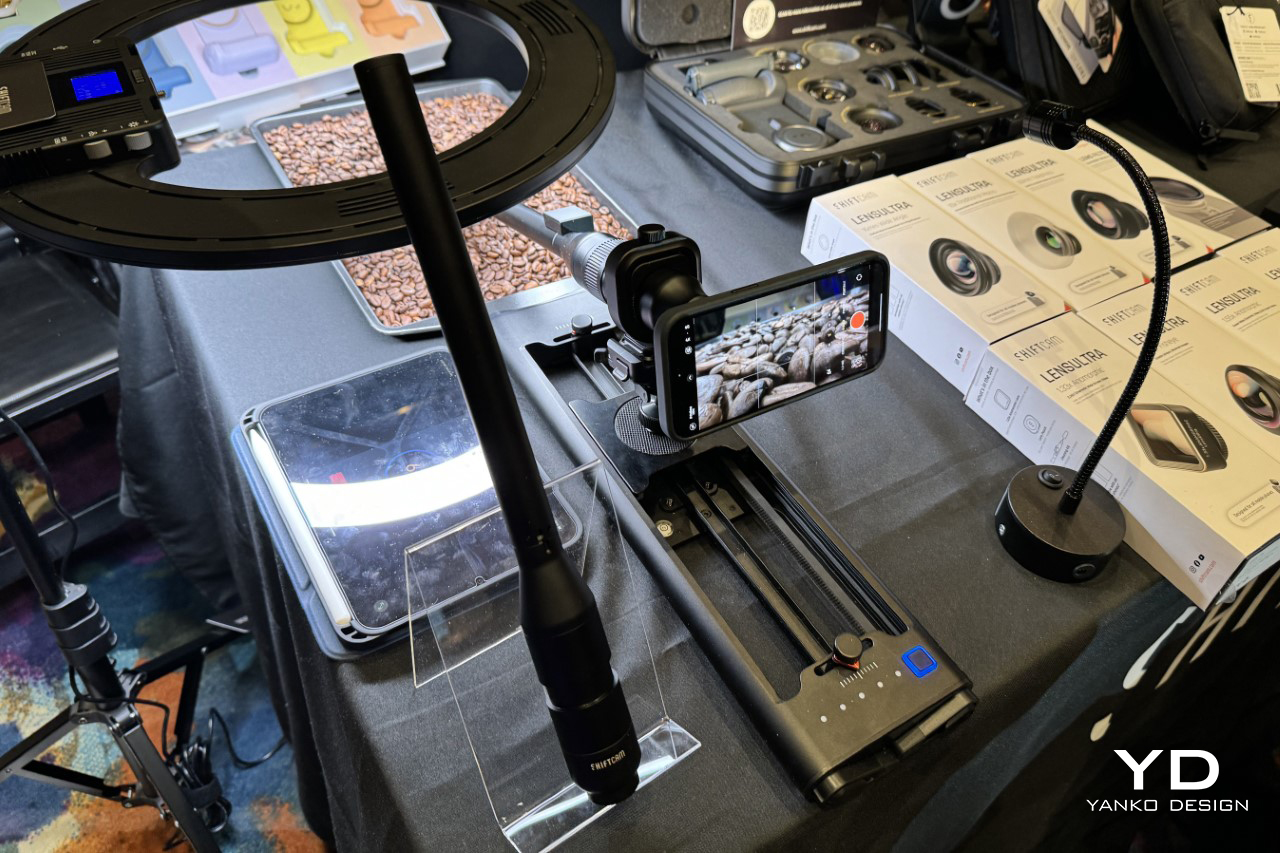
At CES, Shiftcam’s broadly achieved two incredible feats. Not only has it debuted its own probe lens for an ultra-affordable $299, it’s also redesigned it to work with iPhones, bringing the incredible experience to pretty much any smartphone photography enthusiast.
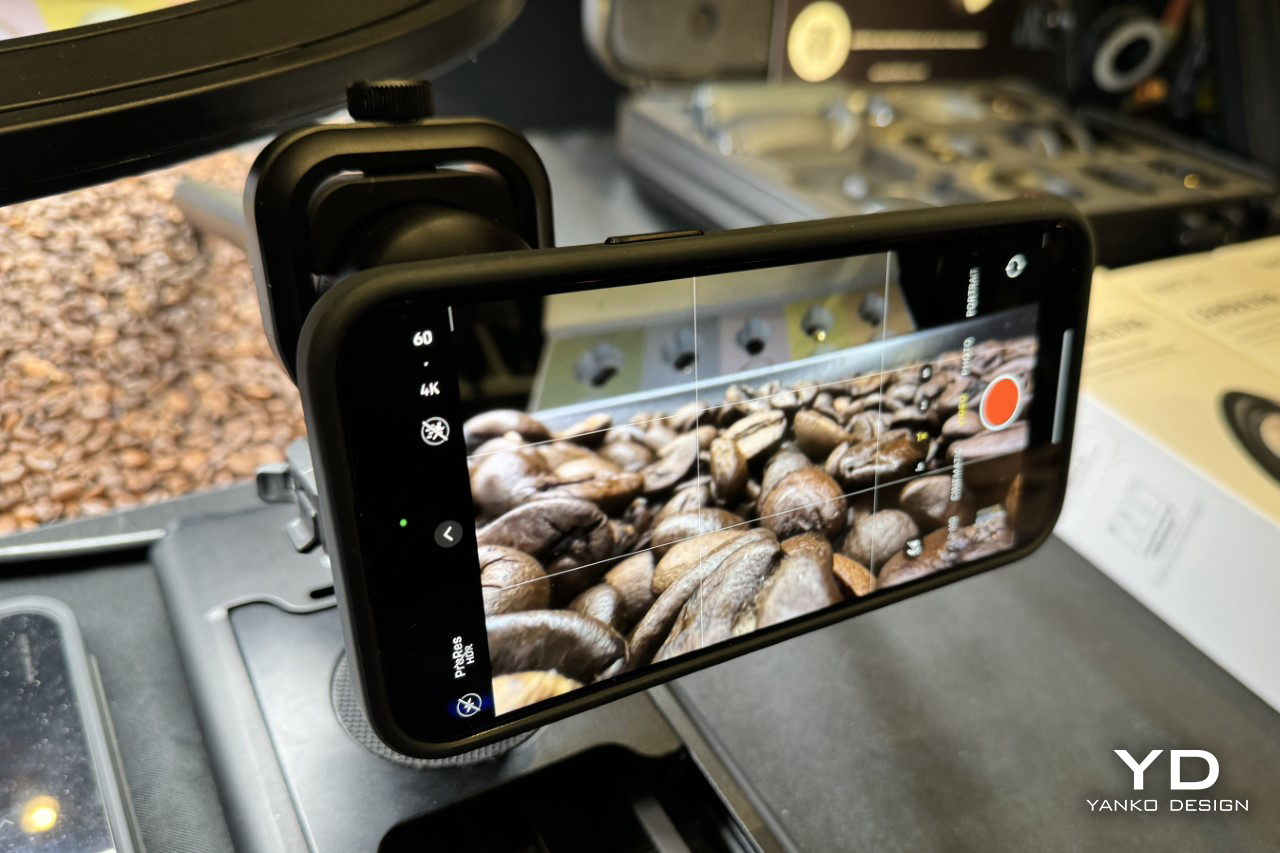
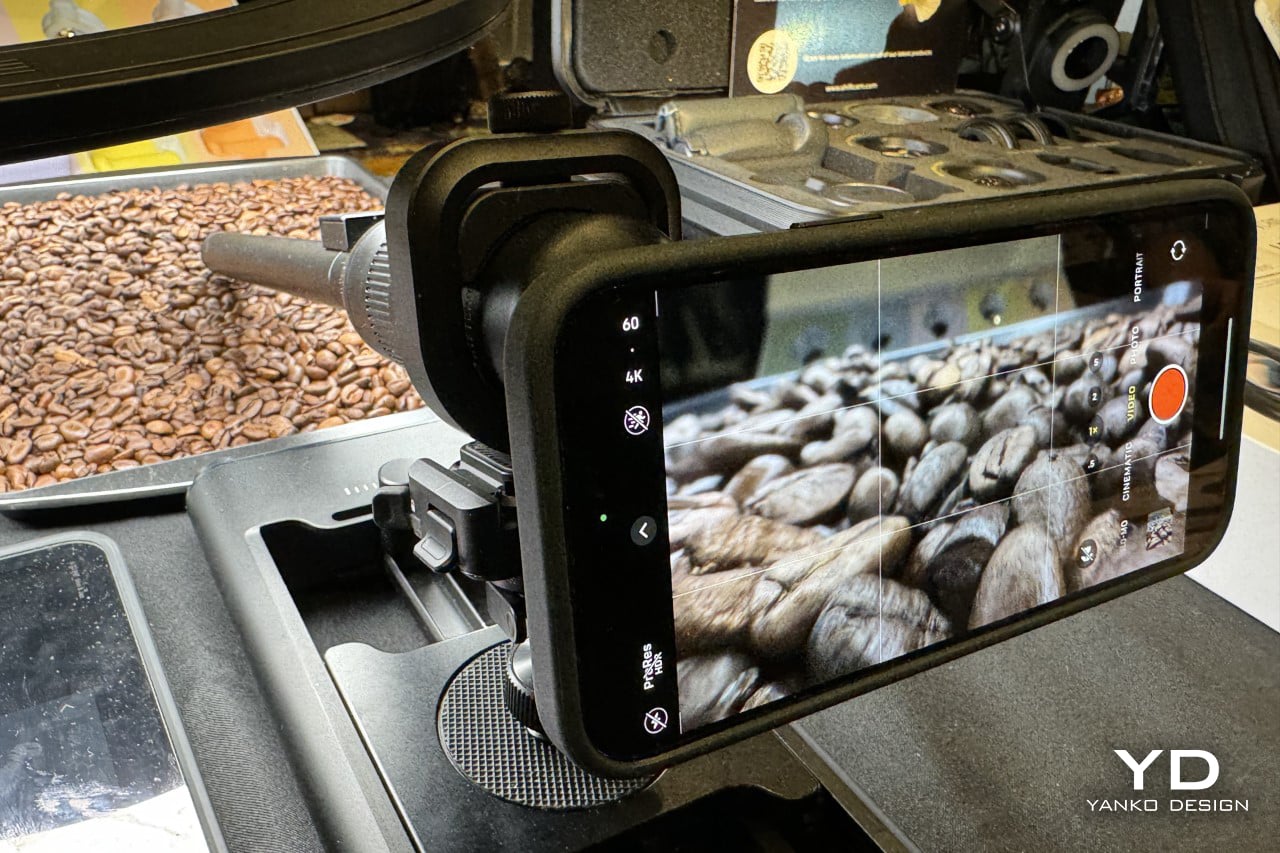
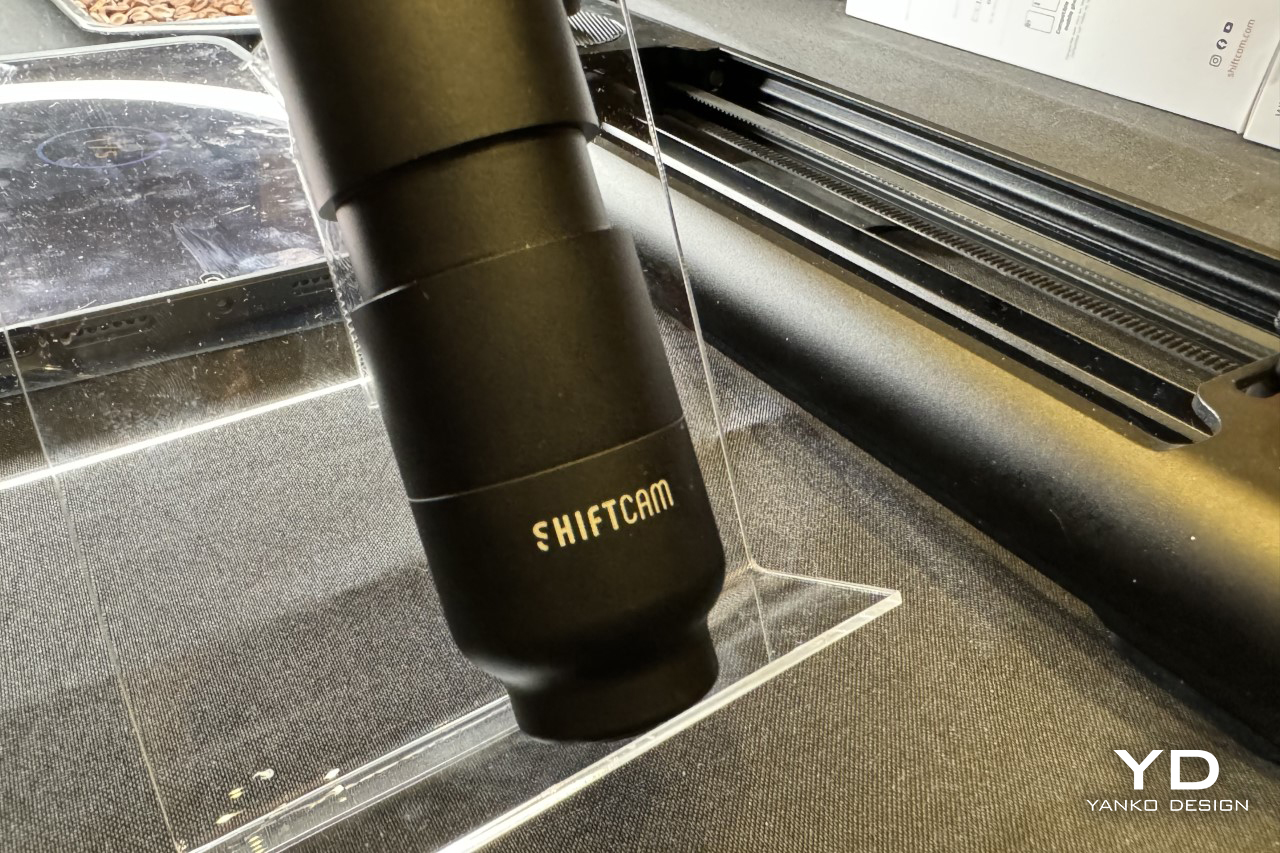
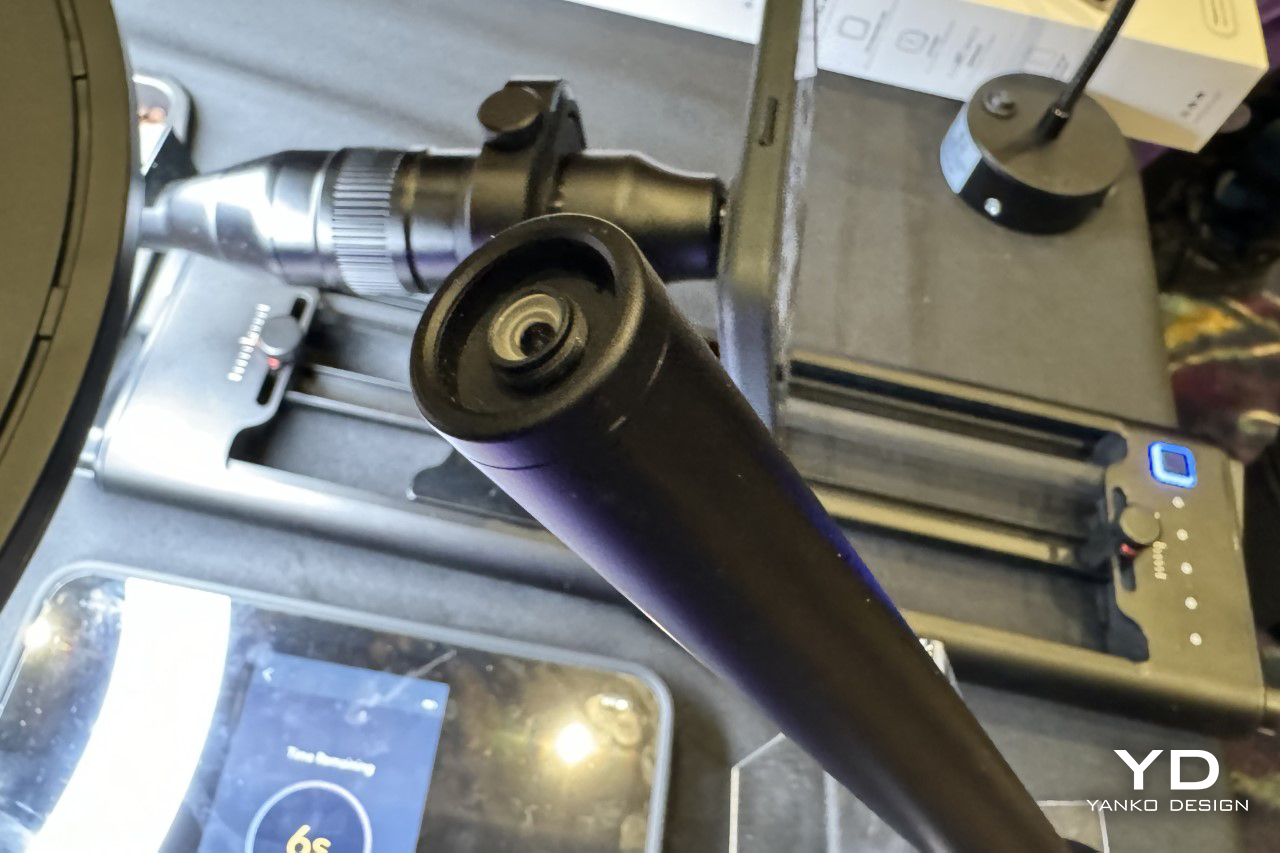
Shiftcam’s Probe Lens has that same unmistakable design, with its long, tubular form factor. This pretty much lets you sneak your way into places where most smartphone camera lenses wouldn’t, allowing you to get what’s called a ‘bug’s perspective’ on things. Aside from being able to prod your way into tree trunks, aquariums, and other tight nooks, the distinct benefit of a Probe Lens is the fact that it doesn’t have an extreme DoF. This keeps things in your frame relatively clear, unlike most macro lens that aggressively blur foregrounds and backgrounds out to focus on a singular subject.
The Probe Lens boasts a wide-angle 25mm focal length, quite similar to Laowa’s 24mm lens. The results are incredibly similar too, but it’s a constant endeavor to remind yourself that while Laowa’s $1500 lens fits on expensive high-end cameras, Shiftcam achieves the exact same thing with a $299 price tag and the ability to mount onto any iPhone.
The lens builds on your smartphone’s camera specs, basically leveraging the iPhone’s wild 4K@60fps shooting ability. It relies on Shiftcam’s existing mounting cover cases, which means the lens can attach onto older versions of the iPhone too.
Shiftcam’s announced two versions of the Probe Lens at CES 2024. The regular variant sports a $299 price tag, while the $399 Pro variant boasts extra features like a built-in LED ring, variable DoF adjustment, and a waterproof front tube that lets you point the tip of your lens into water.
In today’s dynamic world of artificial intelligence and cybersecurity threats, Microsoft has introduced a groundbreaking solution for secure remote access, known as Microsoft Global Secure Access or Security Service Edge (SSE). This innovative service is designed to enhance the way we connect to our workplaces from various locations, offering a secure and user-friendly alternative to […]
We heard yesterday that Apple has announced that its flagship new product for 2024, the Apple Vision Pro will go on sale on the 2nd of February 2024 and Apple will start taking pre-orders for the device later this month on the 19th of January. Pre-orders for the Apple Vision Pro will start at 5 […]
With Apple's Vision Pro VR/AR headset set to go on sale on February 2, we're starting to see more details about the app requirements. For example, the company has released guidelines for visionOS developers planning to release apps and there's one strange caveat. It would rather developers don't use the terms AR and VR when referring to Vision Pro apps, but rather call them "spatial computing apps," according to the developer page spotted by 9to5Mac.
"Spatial computing: Refer to your app as a spatial computing app. Don’t describe your app experience as augmented reality (AR), virtual reality (VR), extended reality (XR), or mixed reality (MR)," the company states. The headset itself should be called "Apple Vision Pro" with three uppercase words, while "visionOS begins with a lowercase v, even when it’s the first word in a sentence." The terms should never be translated or transliterated, Apple added.
Given that they're definitely going to be AR and VR apps built for an AR/VR headset, Apple may want to differentiate its own offerings so that consumers don't confound apps for other VR/AR headsets, particularly Meta's Quest 3, with its own. At the same time, Apple has used those terms extensively to describe the headset, with CEO Tim Cook calling Vision Pro an "entirely new AR platform" when it launched at WWDC 2023.
In the same document, Apple asked developers to indicate if their AR/VR, er, spatial computing apps contain movements like quick turns or sudden changes in camera perspective. That way, the product page will show a badge to warn users. It also described the use of privacy labels and game controllers. As mentioned, the Apple Vision Pro headset arrives on February 2 for $3,495 — a price likely to attract only highly motivated buyers.
This article originally appeared on Engadget at https://www.engadget.com/apple-tells-developers-not-to-call-their-ar-and-vr-apps-ar-or-vr-apps-085136127.html?src=rss
OpenAI has responded to the New York Times lawsuit against their ChatGPT language model and has said that their lawsuit is ‘without merit”. They have said that training its AI model is fair use and they also provide an opt-out option. The AI company has said that “Regurgitation” is a rare bug that they are […]
This guide is designed to show you how to use AI tools like Google Bard to improve your productivity in 2024. The arrival of 2024 brings with it fresh motivation to achieve our objectives and power through our tasks. However, in our deeply interconnected era, staying productive is often a struggle against endless distractions and […]
Gaming software developer Unity plans to lay off 1,800 employees or about a quarter of its global workforce, according to a securities filing first spotted by The Wall Street Journal. The company said it made the move "as it restructures and refocuses on its core business" in an aim to get back to profitability. The cuts follow major turbulence in the company after it angered developers by introducing and then partially walking back a controversial runtime fee for its game engine.
The layoffs add to the more than 1,100 jobs it has eliminated since 2021. Unity fired 265 people in November as part of what it called a company "reset," all of whom were employed as part of its 2021 Weta Digital acquisition. The company also closed down 14 offices around the world. In May of 2023, it announced it would let go around 600 employees, following layoffs of over 500 people in 2022.
Last September, Unity rolled out some significant concessions to its developer pricing model after widespread backlash over its plan to charge developers for game installations. CEO John Riccitiello, who took much of the brunt of the criticism, stepped down shortly afterwards and was replaced by former IBM president James Whitehurst, who continues to serve as interim President and CEO.
After reporting record profits for 2022, the company has missed revenue forecasts over the last three quarters. In a shareholder letter, the company said it aims to emerge from restructuring as a "leaner, more agile and faster growing company." Unity's game engine is used in titles like Cuphead, GTFO and Kerbel Space Program.
With game sales flat over the past year, Unity isn't the only company in that industry to see layoffs. As we detailed in our year-end video game roundup, The Embracer Group, which owns studios like Crystal Dynamics, Square Enix Montreal and Gearbox Software, laid off more than 900 people. Epic Games fired around 830 people, Sony cut 100 jobs at Bungie, CD Projekt RED and Sega laid off 100 employees each and Electronic Arts reduced 6 percent of its workforce, or around 1,130 employees.
This article originally appeared on Engadget at https://www.engadget.com/unity-is-cutting-a-quarter-of-its-workforce-074331467.html?src=rss