Skullcandy’s new wireless earbuds are made primarily out of recycled plastics

Skullcandy just announced new earbuds that go all-in on sustainability. The EcoBuds True Wireless earbuds are made with 65 percent certified recycled plastics and 57 percent less heavy metals than competing products. This gives the earbuds a 50 percent lower carbon footprint when compared to rival devices.

The bad news? The move toward sustainability forced Skullcandy to nix the usual battery case that accompanies modern earbuds, as lithium battery packs are a major environmental offender. To make up for the lack of a charging case, the new earbuds can be charged from a smartphone, in addition to any USB-C port or outlet. The earbuds still get eight hours of use before requiring some juice.

Earbuds plugging into a smartphone to charge.
Skullcandy

Keeping with the company’s budget-friendly MO, these earbuds cost just $40. They are available in a Glacier colorway, which is a mix of white and blue, starting today. Skullcandy hasn’t announced if it would be adding more colors to the lineup in the near future.

Of course, Skullcandy isn’t the first company to try its hand at environmentally sustainable audio devices. Sony once made a version of its LinkBuds S earbuds out of recycled water bottles, which were also a melange of white and blue. That seems to be the preferred colorway for major corporations looking to drum up a bit of positive press.

This article originally appeared on Engadget at https://www.engadget.com/skullcandys-new-wireless-earbuds-are-made-primarily-out-of-recycled-plastics-130031817.html?src=rss

Nothing Phone (2a) Review: Nothing Beats the Beauty of Essentials

PROS:


  • Beautiful and distinctive semi-transparent design

  • Decent dual 50MP cameras, 32MP front camera

  • Huge 5,000 mAh battery

  • Good value for its price

CONS:


  • No dedicated telephoto camera

  • Average mid-range performance

RATINGS:

AESTHETICS
ERGONOMICS
PERFORMANCE
SUSTAINABILITY / REPAIRABILITY
VALUE FOR MONEY

EDITOR'S QUOTE:

The Nothing Phone (2a) distills the smartphone experience to its most important essentials and wraps it in a gorgeous design you will never get tired of.

Smartphones are getting more and more powerful every year, but that power comes at the cost of complexity and cost. While there’s nothing wrong with a super powerful, uber-luxurious, and expensive device, it’s just not for everyone. Unfortunately, those who prefer to stick to the important basics are often left compromising in terms of performance and especially aesthetics. Nothing is a young brand that is trying to shake up the status quo with a heavy focus on thoughtful design, transparent practices, and accessible technology, and it has already been making headlines with its smartphones and accessories. With the Phone (2a), it’s dipping its hands into a different segment of the mobile market, so take it for a spin to see if it has anything substantial to offer or if it’s nothing at all, pun totally intended.

Designer: Nothing

Aesthetics

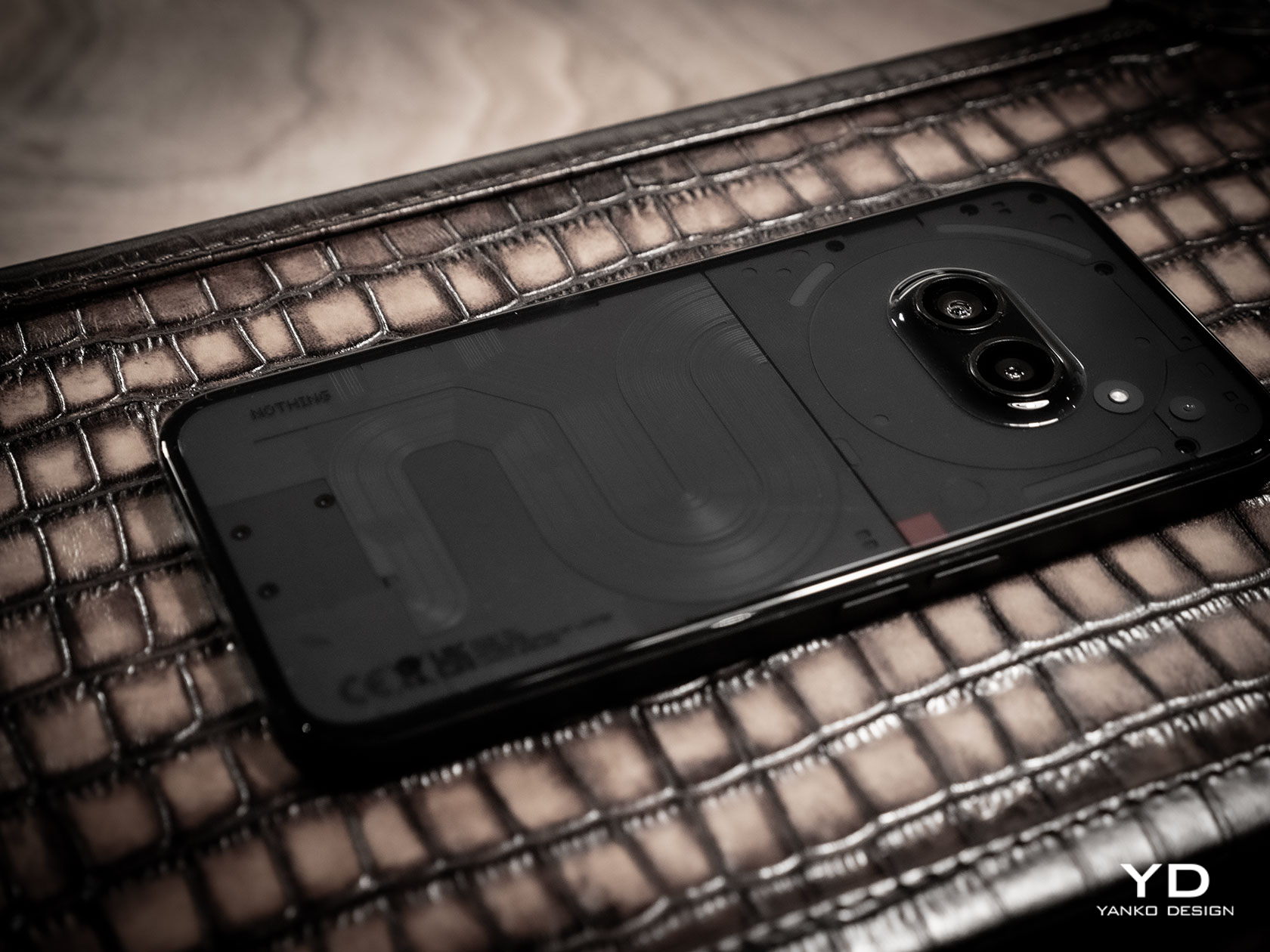
Nothing made a name for itself with the distinctive design of its products, especially its phones. While it was not the full transparency idealized by risky DIY hacks or printed skins, Nothing’s decision to have a semi-transparent design actually made better sense. It gave the phone a cleaner look, without the distracting noise of electronics and labels, but still had enough character to stand out from the crowd quickly.

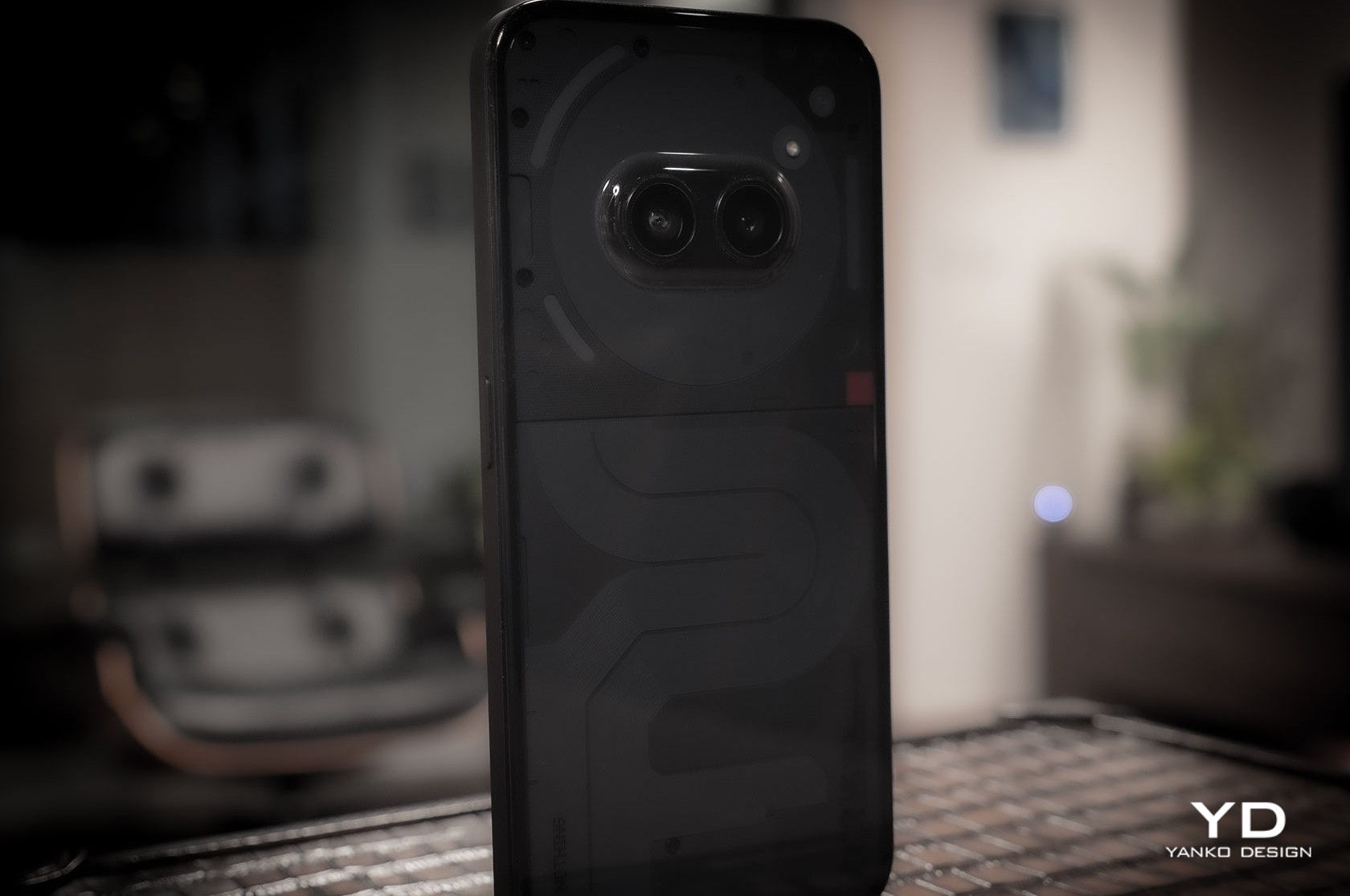
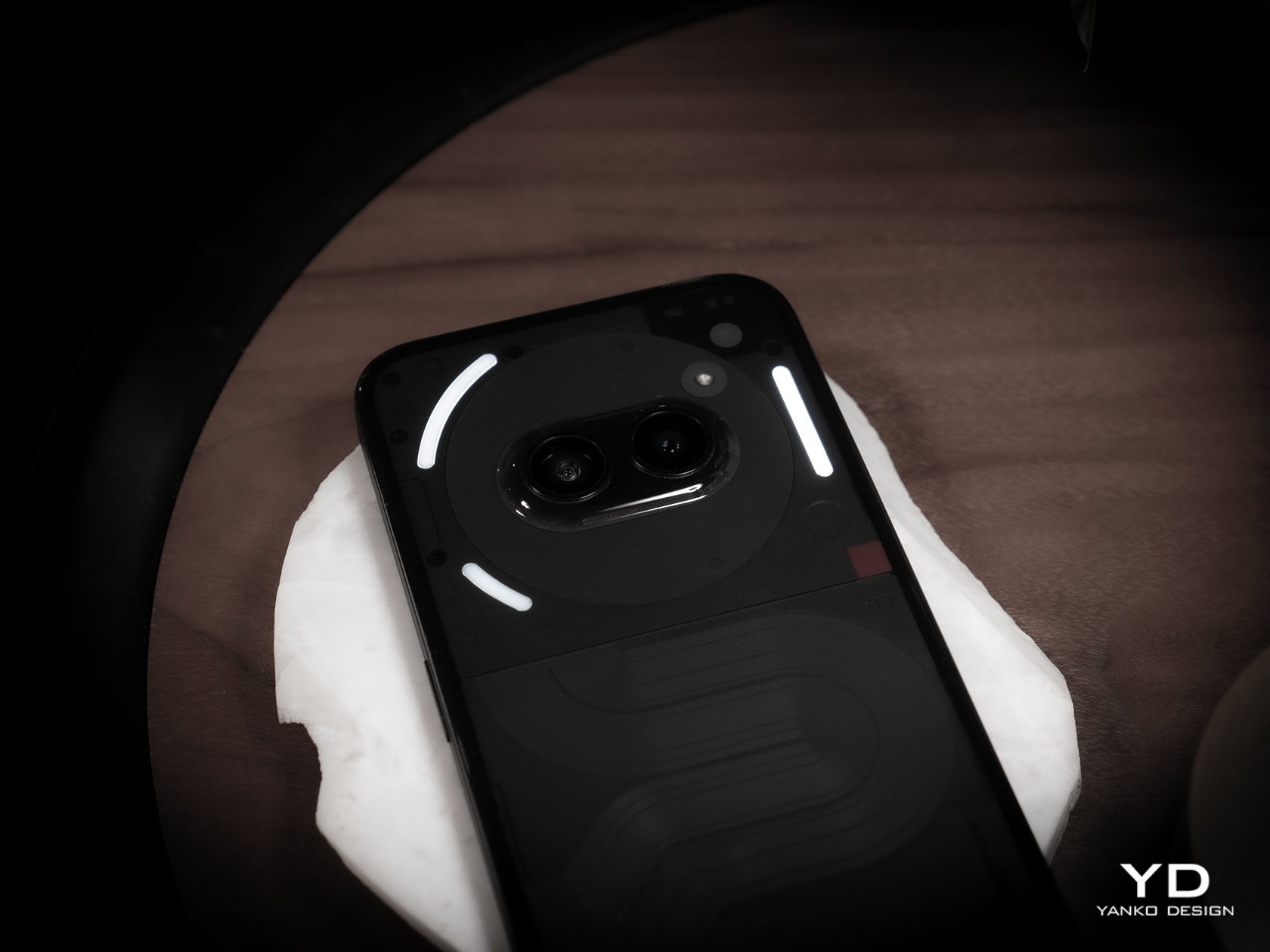
The Nothing Phone (2a) is clearly a member of this family but also differs in significant ways. The arrangement of components is very different, with the camera bump now lying horizontally in the middle, surrounded by a Glyph Interface that’s also completely new and unique to this model. The camera array is enclosed in a circular area from which a covered path snakes down to the bottom, almost like the ribbon connectors between components you’d see inside phones. This distinctive design gives the phone a facsimile of a robotic face, friendly and welcoming like those in cartoons and kids’ shows.
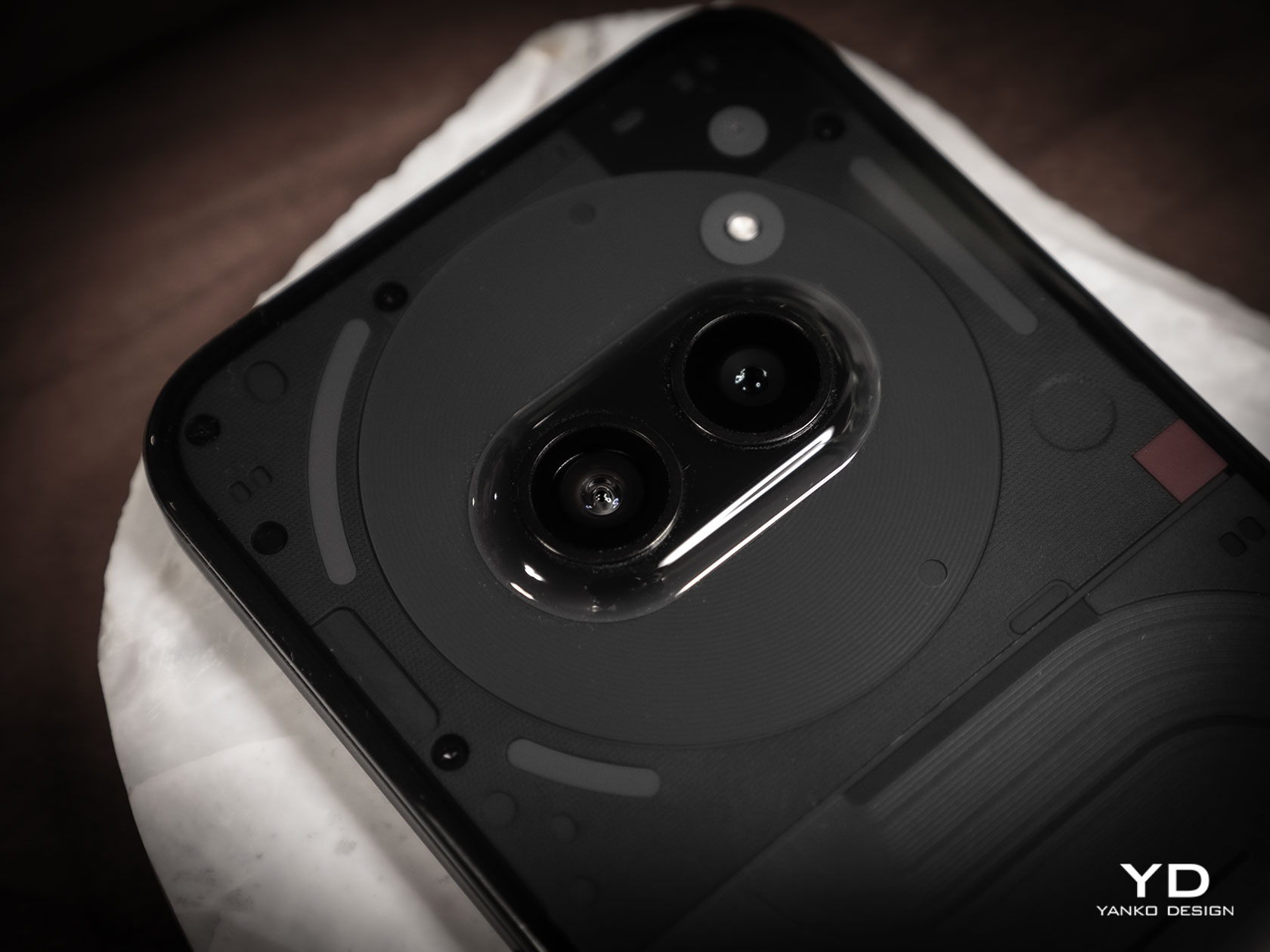
Unlike earlier rumors that worried Nothing fans, the Phone (2a) does indeed have the Glyph Interface, except it’s also simplified like the rest of the phone’s design. There are only three components this time, two asymmetrical arcs on the left of the cameras and a vertical bar on the right, that delivers that same dynamic lighting but with less fanfare. Considering how you’re usually holding your phone, this makes sure that the glyphs will always be visible to everyone in front of you when they light up, rather than having parts of it covered by your hand.

The Nothing Phone (2a)’s aesthetics pretty much reflects the overarching theme of the phone. It delivers the essentials for a pleasing user experience without being showy but still having enough impact to be worth your while. It strives to strike a balance even harder than its older siblings in order to cater to a market that has long been in need of that kind of design that doesn’t compromise too much for the sake of driving down costs.

Ergonomics

The Nothing Phone (2a) is also an anomaly in the sense that it’s actually a large phone that weighs almost like nothing. With a 6.7-inch screen, it’s definitely one of the bigger slabs in the market, yet its 190g weight feels almost nothing in your hand. And that’s despite the large battery it hides inside, which makes the phone a bit of a mystery.
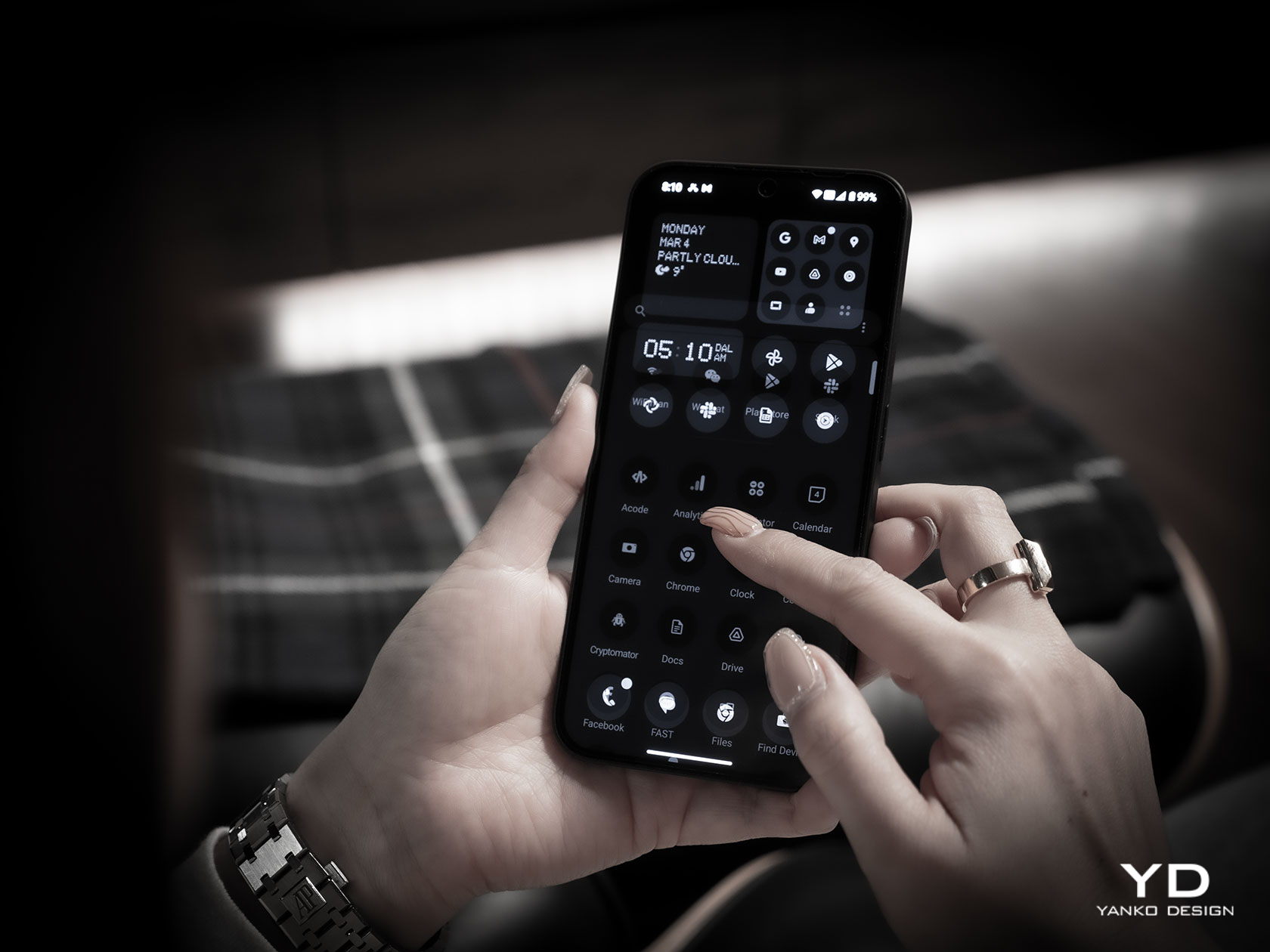
This means that the Phone (2a) is quite comfortable to hold, even for long periods of time. It doesn’t weigh down on your hand that much, though you might also be worried its lightness can become a liability instead. Fortunately, the flat edges of the phone do provide a bit of grip to aid your hand. All in all, it was a pleasurable experience to hold the phone, perfectly matching its pleasing aesthetic.

Performance

There’s no going around the fact that the Nothing Phone (2a) is not your super-powerful high-end premium flagship. Nothing partnered with chipmaker MediaTek for a custom Dimensity 7200 Pro chip, but that is also two tiers from MediaTek’s own top-of-the-line series. Even the GPU technology is from back in 2021, and benchmark scores seem to paint a rather disappointing picture. It’s theoretically better than its peers, the Snapdragon 7s Gen 2 and Snapdragon 782G, but those are mid-range processors as well.
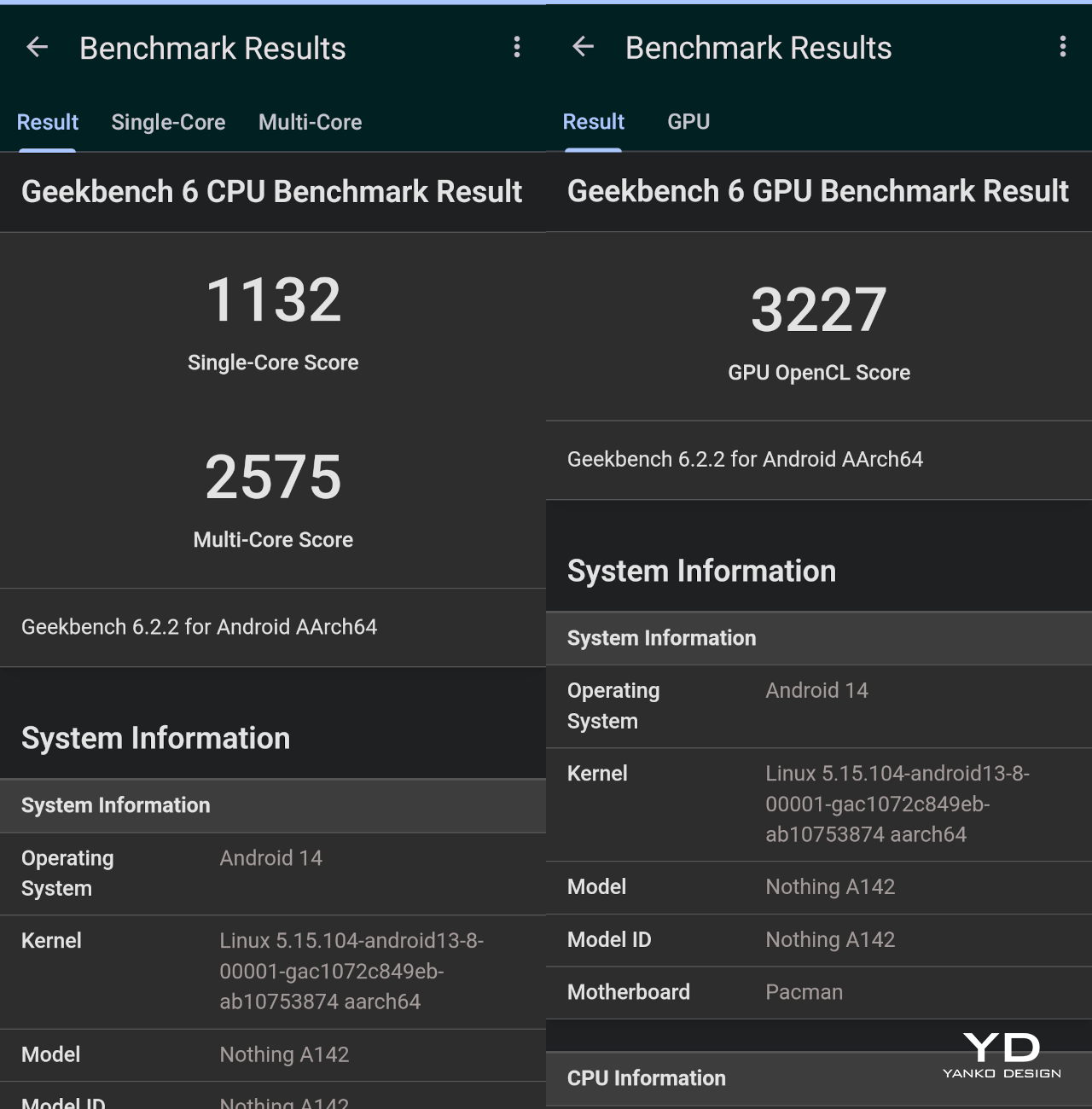
The good news is that it hardly really matters because the Phone (2a) still manages to hold its own with most tasks you throw at it, especially with 12GB of RAM. Gaming is going to be less impressive, of course, so you’ll have to dial down the settings a bit, but it’s still a decent experience. The Nothing Phone (2a) is meant to be an everyday phone for everybody, rather than a hyper-focused tool for gaming or photography, and when it comes to general activities, it thankfully does quite well despite those numbers being stacked against it.

As mentioned earlier, the Nothing Phone (2a) has quite a sizable battery, specifically a 5,000 mAh pack. That’s actually very generous even by premium smartphone standards, and given the rest of the specs, it’s sure to give you more than a day’s worth of use, at least with reasonable measure. Charging is capped at 45W, which isn’t exactly the fastest but still an upgrade over previous technologies. As expected, there is no wireless charging, which is one of the very few compromises this design does make.
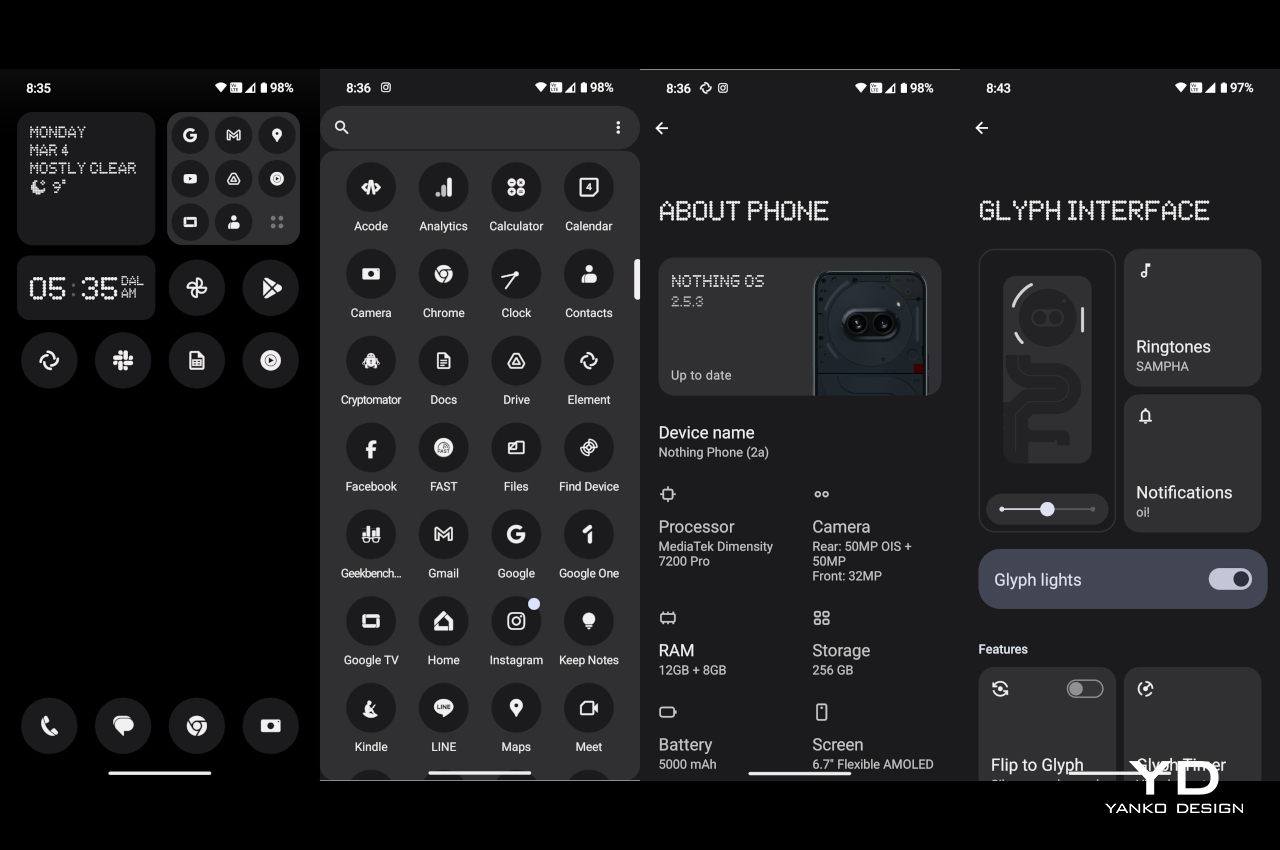
In addition to its unique semi-transparent design, the Nothing Phone was characterized by its Glyph Interface, basically a light-based notification system that adds a bit of flavor to the user experience. Some considered it gimmicky at first, but it’s actually a useful tool for minimizing distractions. You can keep your phone face down on your desk and only see the glyphs light up for important events, like a call, an important message, or a timer. You don’t have to glance at your phone’s screen every time something comes in, reducing the risk of you getting distracted when you other notifications as well. And because the glyphs are confined to the upper portion of the Phone (2a), they’re also less invasive and more restrained, focusing on just the essentials of the function rather than the glamour.

When it comes to the cameras, the Nothing Phone (2a) is a bit of a mixed bag. As you may have noticed, there are only two cameras, but both of them, fortunately, have 50MP sensors. The main Samsung GN9 camera features OIS and autofocus, while the ultra-wide Samsung JN1 has a 114-degree field of view. Both perform rather well, even at night, with clear details and low noise. Unfortunately, there is no dedicated telephoto camera, so you’ll have to settle for the main wide camera’s cropped 2x zoom, which is less impressive than regular shots.
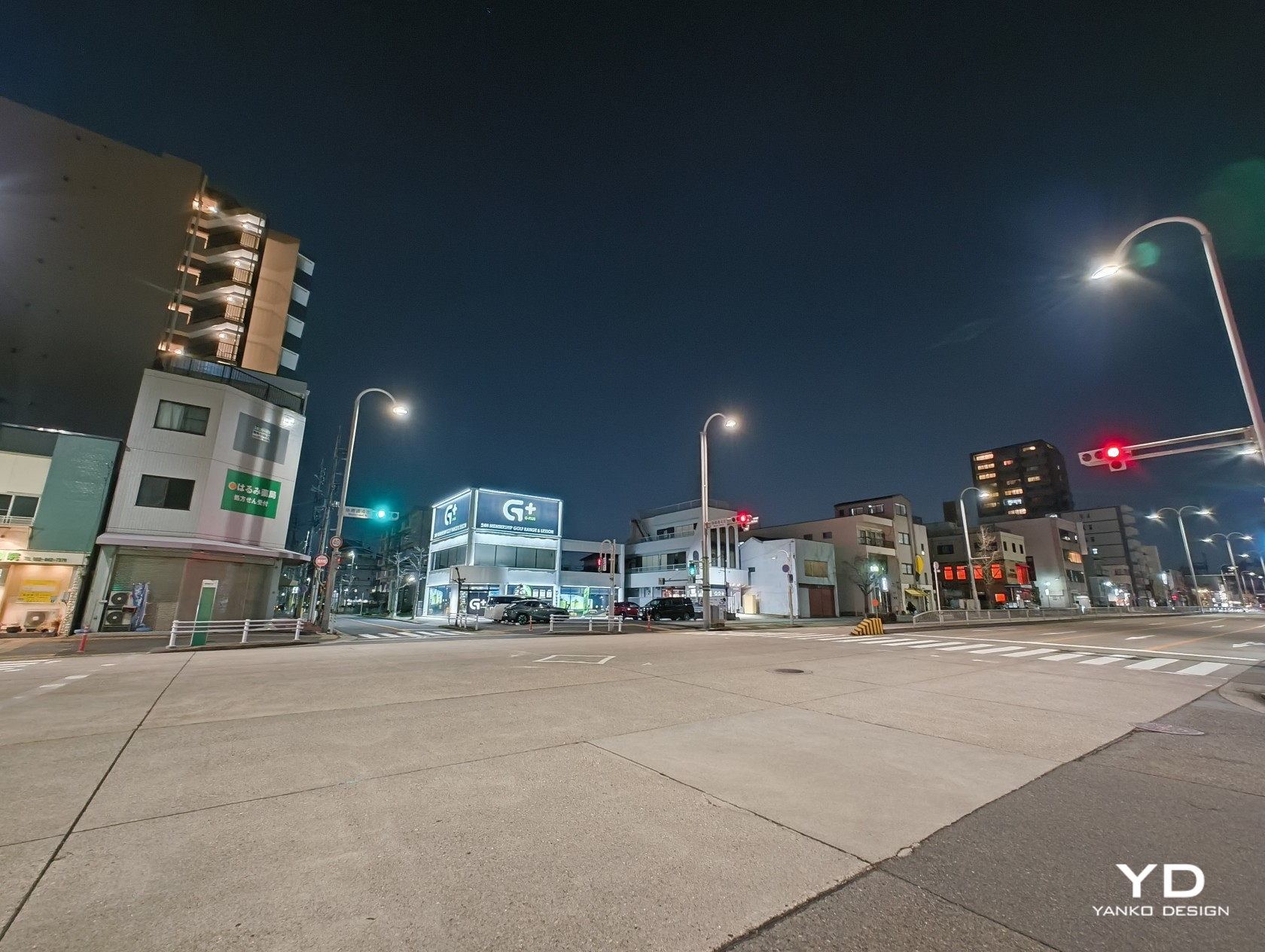
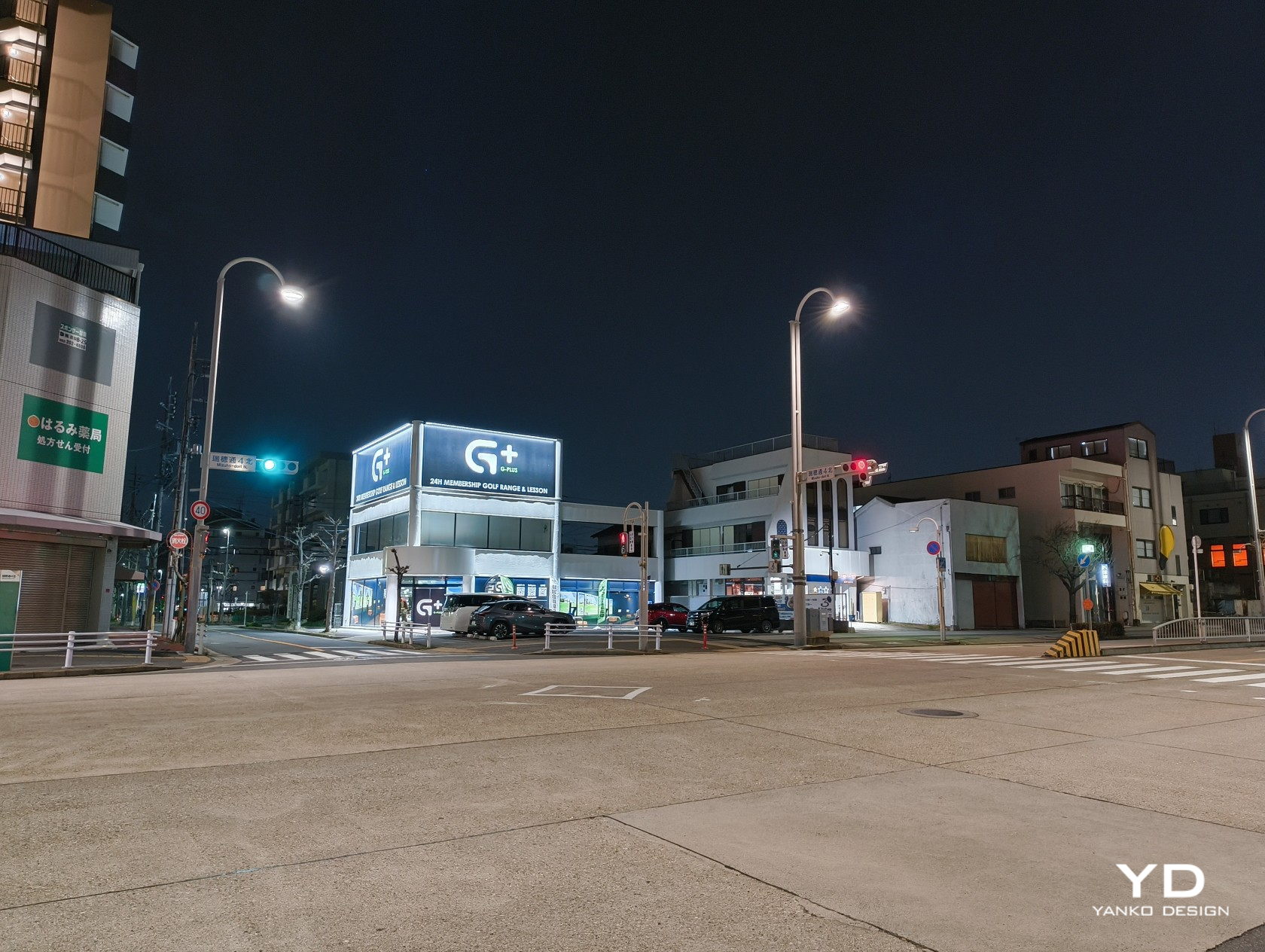
The front-facing camera has an impressive 32MP sensor, and it definitely shows in the quality of selfies you can take. There’s no aggressive beautification like what you’d find in other brands, so what you see is really what you get. That means this camera isn’t just great for social media but, more importantly, for video calls and meetings as well.

Sustainability

Right from the start, Nothing wanted to be different from the way it ran its smartphone business, which also included its commitment to sustainability. From the use of recycled materials to the packaging, Nothing has been ensuring that its products reduce their negative impact on the environment. The Nothing Phone (2a) thankfully follows that practice, and although it’s not yet on the same level as bigger brands, it’s definitely a strong start.

That commitment to sustainable design is helped by the fact that the Nothing Phone (2a) is also made to last longer. With an IP54 dust and water resistance rating, it’s guaranteed to hold up against most accidents. It’s not the highest rating, of course, but just that mark goes a long way in assuring owners that their fun-looking mobile partner isn’t going to abandon them at the slightest incident.
Value

Given all the specs and features, it’s perhaps pretty clear that the Nothing Phone (2a) is the brand’s foray into a segment traditionally considered to be mid-range or mid-tier. In fact, its $349 price tag confirms that classification and that figure is nothing to scoff at. There’s a certain negative connotation to the phrase “you get what you pay for,” but this is a case where you’re actually getting a whole lot more than that price value.

Yes, performance is decent at best, but the Phone (2a) has enough power to get you through the day and more, both in terms of raw power as well as battery life. The cameras are serviceable, though you’ll definitely feel the absence of a proper zoom camera. Best of all, you’re getting all of that in a distinctive and eye-catching design that’s pleasing to the eyes and light in the hand. In other words, you’re getting a beautiful, no-nonsense smartphone that feels worth more than what Nothing is asking for.

Verdict

Nothing has definitely stirred up the waters by challenging the market giants with an ambitious vision and a visionary design. But while the first two Nothing Phones served to put the brand on the map, there was still a segment that was left underserved by these premium products. To bring its design to everyone, Nothing also needs to target different tiers, tiers with different needs and budgets.

The Nothing Phone (2a) was clearly made to address that need, offering an experience that focuses on the essentials without all the bells and whistles that, in the end, could also burden the user. It packages that in a design that is bare-bones yet distinctive and characteristic of Nothing’s design language. It distills the Glyph Interface down to its core purpose, to provide a distraction-free way to get notified of important events. The Nothing Phone (2a) is a laudable example of a design that deftly balances features and costs to craft an experience that is clearly made with the user in mind.
The post Nothing Phone (2a) Review: Nothing Beats the Beauty of Essentials first appeared on Yanko Design.

Nothing Phone 2a review: A budget phone that’s packed with personality

Nothing says its latest device – the Phone 2a – is a mid-range handset. And just going by its specs, which include a 6.5-inch 120Hz OLED screen, up to 12GB of RAM and a big 5,000 mAh battery, that seems right. But starting at $349, it’s positioned more like a budget offering which makes it even more appealing. That’s because in a category where device makers often cut corners to hit a specific price, the Phone 2a combines solid components with a unique design to deliver a handset that looks good and is big on value. So while there are a couple of hiccups for potential buyers in the US, Nothing has created an engaging option in a sea of boring budget phones.

Design and display: Definitively distinctive

Nothing’s aesthetic is unmistakable. It’s inspired by ‘90s retro gadgets with translucent plastic like old Gameboys but remixed with a more modern and cohesive finish. This lets you see a number of its components like NFC antennas (which is the disc surrounding the rear cameras) without it becoming distracting. That said, on the Phone 2a, Nothing switched things up by moving its cameras to the middle and rearranging its Glyph lights, which gives the back more of a face while a small red accent provides a pop of color. It’s available in black and white color schemes, with the former sometimes making me feel like I’m looking at Wall-E’s emo cousin.

The Nothing Phone 2a features a 6.5-inch OLED display with a 120Hz refresh rate.
Photo by Sam Rutherford/Engadget

Another departure from Nothing’s previous handsets is that the Phone 2a features a polycarbonate back instead of a glass one. Now this might seem like a bad thing, but this device is a reminder of how nice plastic can be when it’s done well. Nothing says the phone’s subtly rounded edges wouldn’t be possible to do with glass. While I’m not sure that feature is a bona fide selling point, it does feel good. Additionally, the choice of material results in something that feels a lot lighter than it looks, which is nice compared to traditional glass bricks. The Phone 2a weighs just 6.7 ounces (190 grams), which is less than a Pixel 7a (6.82 ounces/193.5 grams) despite the latter boasting a significantly smaller 6.1-inch display.

As for the screen itself, the 6.5-inch OLED panel delivers punchy colors and surprisingly good brightness of around 700 nits during normal use with peaks of up to 1,300 nits. The only thing I struggled with was the in-screen fingerprint reader, which took a few registrations to get it dialed in before it would unlock every time.

Performance: More than good enough for the money

The camera placement on the back of the Phone 2a gives the device a face that reminds me of Wall-E.
Photo by Sam Rutherford/Engadget

Nothing is bucking conventional wisdom by opting for a Mediatek Dimensity 7200 Pro chip instead of something from Qualcomm. Memory starts at 8GB, though in the US, the only config features 12GB of RAM and 256GB of storage. And while its Geekbench 6 scores (1,123 single-core and 2,603 multi-core) were a bit behind what I got from a Pixel 7a (1,442 single-core and 3,639 multi-core), it felt speedy and responsive during normal use. The only small issue is that sometimes scrolling through websites or social media wasn’t quite as smooth compared to more expensive rivals. But unless you’re hoping to do some serious mobile gaming, the Phone 2a has more than enough oomph to go around.

Cameras: Better than your average budget handset

A challenge for both budget phone makers and smaller companies like Nothing is keeping up with big names like Samsung and Google. But unless you’re a real stickler for image quality, the Phone 2a is good enough. It did a fine job during the day of producing pics that you won’t be embarrassed to post on social media. Both the main and ultra-wide cameras are based on 50-megapixel sensors that capture warm tones and produce color saturation that’s a touch richer than what I got from a Pixel 7a. That said, if you zoom in, you’ll notice that Google’s phone delivers slightly sharper photos with more detailed textures. At night, when budget phones tend to struggle a bit more, the Phone 2a’s images were slightly darker than similar shots taken with a Pixel 7a, as expected, but they were still more than serviceable. Sometimes, Nothing’s pics were actually less grainy than Google’s.

Battery life: 5,000 mAh goes a long way

The bottom of the Nothing Phone 2a features a speaker and a USB-C port for charging and data transfer.
Photo by Sam Rutherford/Engadget

Thanks to its large 5,000 mAh battery, the Phone 2a turned in one of the best times we’ve seen from a budget handset. On our video rundown test, it lasted 23 hours and 47 minutes, which is just shy of the Nothing Phone 2’s mark of 24:25 and way better than similarly priced rivals like the Pixel 7a (17:41).

When it comes to charging, though you don’t get support for wireless power (which is understandable on a phone in this price range), the Phone 2a does support wired charging at up to 45 watts, which is faster than some flagship phones like the Pixel 8.

US availability and carrier info

One of the biggest bummers about the Nothing Phone 2a is that while it will be readily available online in Europe, folks in the US should know that there are a few extra hurdles to jump through. The first is that in order to buy one, customers will need to sign up for the company’s Developer program. Thankfully, this can be done for free and as soon as you do, you’ll get a link to purchase the Phone 2a directly from Nothing. Additionally, while the handset does support 5G on T-Mobile via the N41 band, you won’t get any 5G on AT&T or Verizon, which severely limits the appeal for people on those networks.

Wrap-up

Like a lot of more expensive Android handsets, the Phone 2a features an in-screen fingerprint sensor.
Photo by Sam Rutherford/Engadget

On paper, the Phone 2a has pretty much everything I look for in a good budget device. It’s got a solid build including IP54 water resistance, a bright screen and excellent battery life. While its performance isn’t earth-shattering, it still feels snappy even when compared to slightly more expensive rivals. But what really elevates the Phone 2a is that it accomplishes all this without erasing its personality in the name of cost-cutting. There simply isn’t another handset in this price range that looks this good. Nothing also pays attention to small details like the phone’s crunchy pseudo-analog sound effects that help marry its distinctive design with its custom UX and dot-matrix-inspired widgets. I just wish the Phone 2a was easier to buy and had better 5G support in the US.

This article originally appeared on Engadget at https://www.engadget.com/nothing-phone-2a-review-a-budget-phone-thats-packed-with-personality-123040337.html?src=rss

Nothing Phone 2a review: A budget phone that’s packed with personality

Nothing says its latest device – the Phone 2a – is a mid-range handset. And just going by its specs, which include a 6.5-inch 120Hz OLED screen, up to 12GB of RAM and a big 5,000 mAh battery, that seems right. But starting at $349, it’s positioned more like a budget offering which makes it even more appealing. That’s because in a category where device makers often cut corners to hit a specific price, the Phone 2a combines solid components with a unique design to deliver a handset that looks good and is big on value. So while there are a couple of hiccups for potential buyers in the US, Nothing has created an engaging option in a sea of boring budget phones.

Design and display: Definitively distinctive

Nothing’s aesthetic is unmistakable. It’s inspired by ‘90s retro gadgets with translucent plastic like old Gameboys but remixed with a more modern and cohesive finish. This lets you see a number of its components like NFC antennas (which is the disc surrounding the rear cameras) without it becoming distracting. That said, on the Phone 2a, Nothing switched things up by moving its cameras to the middle and rearranging its Glyph lights, which gives the back more of a face while a small red accent provides a pop of color. It’s available in black and white color schemes, with the former sometimes making me feel like I’m looking at Wall-E’s emo cousin.

The Nothing Phone 2a features a 6.5-inch OLED display with a 120Hz refresh rate.
Photo by Sam Rutherford/Engadget

Another departure from Nothing’s previous handsets is that the Phone 2a features a polycarbonate back instead of a glass one. Now this might seem like a bad thing, but this device is a reminder of how nice plastic can be when it’s done well. Nothing says the phone’s subtly rounded edges wouldn’t be possible to do with glass. While I’m not sure that feature is a bona fide selling point, it does feel good. Additionally, the choice of material results in something that feels a lot lighter than it looks, which is nice compared to traditional glass bricks. The Phone 2a weighs just 6.7 ounces (190 grams), which is less than a Pixel 7a (6.82 ounces/193.5 grams) despite the latter boasting a significantly smaller 6.1-inch display.

As for the screen itself, the 6.5-inch OLED panel delivers punchy colors and surprisingly good brightness of around 700 nits during normal use with peaks of up to 1,300 nits. The only thing I struggled with was the in-screen fingerprint reader, which took a few registrations to get it dialed in before it would unlock every time.

Performance: More than good enough for the money

The camera placement on the back of the Phone 2a gives the device a face that reminds me of Wall-E.
Photo by Sam Rutherford/Engadget

Nothing is bucking conventional wisdom by opting for a Mediatek Dimensity 7200 Pro chip instead of something from Qualcomm. Memory starts at 8GB, though in the US, the only config features 12GB of RAM and 256GB of storage. And while its Geekbench 6 scores (1,123 single-core and 2,603 multi-core) were a bit behind what I got from a Pixel 7a (1,442 single-core and 3,639 multi-core), it felt speedy and responsive during normal use. The only small issue is that sometimes scrolling through websites or social media wasn’t quite as smooth compared to more expensive rivals. But unless you’re hoping to do some serious mobile gaming, the Phone 2a has more than enough oomph to go around.

Cameras: Better than your average budget handset

A challenge for both budget phone makers and smaller companies like Nothing is keeping up with big names like Samsung and Google. But unless you’re a real stickler for image quality, the Phone 2a is good enough. It did a fine job during the day of producing pics that you won’t be embarrassed to post on social media. Both the main and ultra-wide cameras are based on 50-megapixel sensors that capture warm tones and produce color saturation that’s a touch richer than what I got from a Pixel 7a. That said, if you zoom in, you’ll notice that Google’s phone delivers slightly sharper photos with more detailed textures. At night, when budget phones tend to struggle a bit more, the Phone 2a’s images were slightly darker than similar shots taken with a Pixel 7a, as expected, but they were still more than serviceable. Sometimes, Nothing’s pics were actually less grainy than Google’s.

Battery life: 5,000 mAh goes a long way

The bottom of the Nothing Phone 2a features a speaker and a USB-C port for charging and data transfer.
Photo by Sam Rutherford/Engadget

Thanks to its large 5,000 mAh battery, the Phone 2a turned in one of the best times we’ve seen from a budget handset. On our video rundown test, it lasted 23 hours and 47 minutes, which is just shy of the Nothing Phone 2’s mark of 24:25 and way better than similarly priced rivals like the Pixel 7a (17:41).

When it comes to charging, though you don’t get support for wireless power (which is understandable on a phone in this price range), the Phone 2a does support wired charging at up to 45 watts, which is faster than some flagship phones like the Pixel 8.

US availability and carrier info

One of the biggest bummers about the Nothing Phone 2a is that while it will be readily available online in Europe, folks in the US should know that there are a few extra hurdles to jump through. The first is that in order to buy one, customers will need to sign up for the company’s Developer program. Thankfully, this can be done for free and as soon as you do, you’ll get a link to purchase the Phone 2a directly from Nothing. Additionally, while the handset does support 5G on T-Mobile via the N41 band, you won’t get any 5G on AT&T or Verizon, which severely limits the appeal for people on those networks.

Wrap-up

Like a lot of more expensive Android handsets, the Phone 2a features an in-screen fingerprint sensor.
Photo by Sam Rutherford/Engadget

On paper, the Phone 2a has pretty much everything I look for in a good budget device. It’s got a solid build including IP54 water resistance, a bright screen and excellent battery life. While its performance isn’t earth-shattering, it still feels snappy even when compared to slightly more expensive rivals. But what really elevates the Phone 2a is that it accomplishes all this without erasing its personality in the name of cost-cutting. There simply isn’t another handset in this price range that looks this good. Nothing also pays attention to small details like the phone’s crunchy pseudo-analog sound effects that help marry its distinctive design with its custom UX and dot-matrix-inspired widgets. I just wish the Phone 2a was easier to buy and had better 5G support in the US.

This article originally appeared on Engadget at https://www.engadget.com/nothing-phone-2a-review-a-budget-phone-thats-packed-with-personality-123040337.html?src=rss

OpenAI Artificial General Intelligence (AGI) timeline and release date leaked

OpenAI AGI release date leaked

A document allegedly leaked from OpenAI suggests the organization’s plans to develop Artificial General Intelligence (AGI) by 2027. The leaked information, which is speculative and not entirely verifiable, outlines a roadmap for OpenAI’s development of AGI, including the training of a 125 trillion parameter multimodal model named Q-Star, which was completed but not launched due […]

The post OpenAI Artificial General Intelligence (AGI) timeline and release date leaked appeared first on Geeky Gadgets.

The Morning After: Switch emulator creators settle lawsuit with Nintendo for $2.4 million

The creator of a popular Nintendo Switch emulator, Yuzu, appears to have agreed to settle Nintendo’s lawsuit against it, less than a week since the games company accused the emulator’s creator of “piracy at a colossal scale.”

A joint final judgment and permanent injunction filed Tuesday says developer Tropic Haze will pay the games company $2.4 million — along with a long list of concessions. The people behind Tropic Haze must halt all “activities related to offering, marketing, distributing or trafficking in Yuzu emulator or any similar software that circumvents Nintendo’s technical protection measures.” No more emulating, then. It must even surrender the emulator’s web domain (including any variants) to Nintendo. The website is still live at time of writing.

In recent years, Nintendo has increased its efforts to quash popular emulators and game piracy sites. It sued ROM-sharing website RomUniverse for $2 million and helped send hacker Gary Bowser to prison. Will this latest lawsuit stop people trying to emulate Nintendo consoles and games? No. But it’ll likely deter anyone trying to make a buck out of it.

We also take a look back at how Steam reshaped video games in the past two decades.

— Mat Smith

The biggest stories you might have missed

National Guardsman who leaked US defense secrets on Discord agrees to 16-year plea deal

Steam defined the modern video game industry

Shure’s first wireless lapel mic can connect to your phone without a receiver

​​You can get these reports delivered daily direct to your inbox. Subscribe right here!

Apple announces new MacBook Airs with M3 chips

This is the same CPU that powers the latest MacBook Pro laptops.

TMA
Apple

As predicted yesterday, Apple revealed new MacBooks. This time, it’s MacBook Air laptops housing the company’s latest Apple Silicone: M3 chips. No Pro or Max options, but it’s also ‘just’ a MacBook Air — the company’s entry-level laptop. Expect performance increases of 17 percent in single-core tasks and 21 percent in multi-core tasks, according to Apple’s estimates. As before, both computers max out at 24GB of RAM and 2TB of storage. There is now support for up to two external displays when the laptop is closed, as well as Wi-Fi 6E.

The 13-inch M3 MacBook Air is $1,099, while the 15-inch model starts at $1,299. The M2 13-inch model will remain at $999 — now mighty tempting at that price. Both of the new MacBook Air models are available to pre-order today.

Continue reading.

Twitter’s former CEO and other execs are suing X for $128 million in unpaid severance

The group says Musk “made up a fake cause” for their firing.

A group of former Twitter executives, including former CEO Parag Agrawal, is suing Elon Musk and X over millions of dollars in unpaid severance benefits. The claims date back to the chaos surrounding Musk’s takeover of the company in October 2022. The lawsuit cites Musk biographer Walter Isaacson’s account of the events, which explains Musk rushed to close the Twitter deal a day early to fire the executives “for cause” just before their final stock options were set to vest.

Continue reading.

Instagram finally lets you edit DMs

If you’re quick.

Meta just rolled out a software update for Instagram that finally allows DM edits. However, you have to do it within 15 minutes of sending the message. It seems the messages won’t be tagged as ‘edited,’ like Apple’s Messages or WhatsApp, either.

Continue reading.

This article originally appeared on Engadget at https://www.engadget.com/the-morning-after-switch-emulator-creators-settle-lawsuit-with-nintendo-for-24-million-121645766.html?src=rss

The Morning After: Switch emulator creators settle lawsuit with Nintendo for $2.4 million

The creator of a popular Nintendo Switch emulator, Yuzu, appears to have agreed to settle Nintendo’s lawsuit against it, less than a week since the games company accused the emulator’s creator of “piracy at a colossal scale.”

A joint final judgment and permanent injunction filed Tuesday says developer Tropic Haze will pay the games company $2.4 million — along with a long list of concessions. The people behind Tropic Haze must halt all “activities related to offering, marketing, distributing or trafficking in Yuzu emulator or any similar software that circumvents Nintendo’s technical protection measures.” No more emulating, then. It must even surrender the emulator’s web domain (including any variants) to Nintendo. The website is still live at time of writing.

In recent years, Nintendo has increased its efforts to quash popular emulators and game piracy sites. It sued ROM-sharing website RomUniverse for $2 million and helped send hacker Gary Bowser to prison. Will this latest lawsuit stop people trying to emulate Nintendo consoles and games? No. But it’ll likely deter anyone trying to make a buck out of it.

We also take a look back at how Steam reshaped video games in the past two decades.

— Mat Smith

The biggest stories you might have missed

National Guardsman who leaked US defense secrets on Discord agrees to 16-year plea deal

Steam defined the modern video game industry

Shure’s first wireless lapel mic can connect to your phone without a receiver

​​You can get these reports delivered daily direct to your inbox. Subscribe right here!

Apple announces new MacBook Airs with M3 chips

This is the same CPU that powers the latest MacBook Pro laptops.

TMA
Apple

As predicted yesterday, Apple revealed new MacBooks. This time, it’s MacBook Air laptops housing the company’s latest Apple Silicone: M3 chips. No Pro or Max options, but it’s also ‘just’ a MacBook Air — the company’s entry-level laptop. Expect performance increases of 17 percent in single-core tasks and 21 percent in multi-core tasks, according to Apple’s estimates. As before, both computers max out at 24GB of RAM and 2TB of storage. There is now support for up to two external displays when the laptop is closed, as well as Wi-Fi 6E.

The 13-inch M3 MacBook Air is $1,099, while the 15-inch model starts at $1,299. The M2 13-inch model will remain at $999 — now mighty tempting at that price. Both of the new MacBook Air models are available to pre-order today.

Continue reading.

Twitter’s former CEO and other execs are suing X for $128 million in unpaid severance

The group says Musk “made up a fake cause” for their firing.

A group of former Twitter executives, including former CEO Parag Agrawal, is suing Elon Musk and X over millions of dollars in unpaid severance benefits. The claims date back to the chaos surrounding Musk’s takeover of the company in October 2022. The lawsuit cites Musk biographer Walter Isaacson’s account of the events, which explains Musk rushed to close the Twitter deal a day early to fire the executives “for cause” just before their final stock options were set to vest.

Continue reading.

Instagram finally lets you edit DMs

If you’re quick.

Meta just rolled out a software update for Instagram that finally allows DM edits. However, you have to do it within 15 minutes of sending the message. It seems the messages won’t be tagged as ‘edited,’ like Apple’s Messages or WhatsApp, either.

Continue reading.

This article originally appeared on Engadget at https://www.engadget.com/the-morning-after-switch-emulator-creators-settle-lawsuit-with-nintendo-for-24-million-121645766.html?src=rss

How to fine tune large language models (LLMs) with memories

fine tune large language models for memorization

If you would like to learn more about how to fine tune AI language models (LLMs) to improve their ability to memorize and recall information from a specific dataset. You might be interested to know that the AI fine tuning process involves creating a synthetic question and answer dataset from the original content, which is […]

The post How to fine tune large language models (LLMs) with memories appeared first on Geeky Gadgets.

Instagram DMs Just Got an Upgrade: 15-Minute Edit Window

Instagram

Instagram has announced that it is bringing some new DM features to its platform, this includes the ability to edit DMs after they are sent and you will have 15 minutes from when the DM is sent to edit it. This is a useful feature if you send a DM with a typo or other […]

The post Instagram DMs Just Got an Upgrade: 15-Minute Edit Window appeared first on Geeky Gadgets.

Claude 3 vs ChatGPT vs Gemini latest Anthropic AI models compared

Claude 3 vs ChatGPT vs Gemini

Let’s dive into the world of Claude 3, developed by a company called Anthropic. They’ve created three versions of this model: Haiku, Sonnet, and Opus. Each one is tailored for different uses, with Opus being the most advanced and requiring a subscription. When it comes to benchmarks, which are tests to measure performance, Claude 3 […]

The post Claude 3 vs ChatGPT vs Gemini latest Anthropic AI models compared appeared first on Geeky Gadgets.