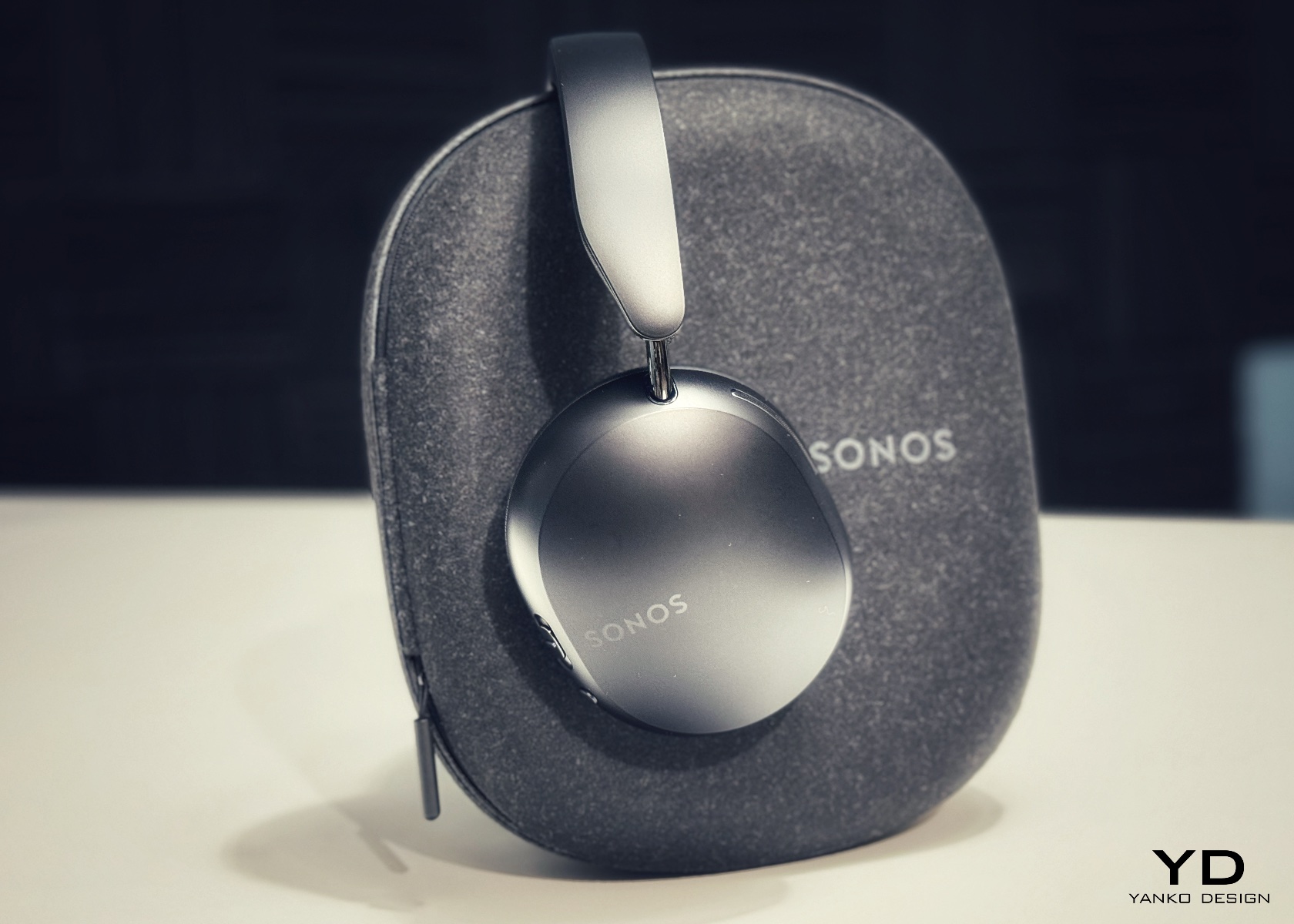
Sonos Ace Headphones Review: Comfort, Sound Quality, and Sustainability

The Sonos Ace is an exceptional pair of over-ear headphones that seamlessly combines superior audio, sophisticated design, and comfort. Crafted with sustainable materials, the Sonos Ace embodies an environmentally friendly ethos without falling short on performance. Its soft memory foam ear cushions and lightweight design make it ideal for long-term use. The headphones offer a vibrant and immersive audio experience, with lossless audio via Bluetooth, top-notch noise cancellation, and a wide dynamic range. The user-friendly interface, characterized by a versatile button arrangement and smooth integration with the Sonos ecosystem, makes the Sonos Ace appealing to sound enthusiasts and everyday listeners.

Designer: Sonos

Aesthetics and Design

The Sonos Ace headphones are built with high-quality materials that balance durability and a premium feel. They use flexible plastics to keep them lightweight, while sturdy metals ensure they’re strong and long-lasting. The ear cushions and headband are covered in vegan leather, giving them a luxurious touch that’s also soft and eco-friendly.
Sonos Ace

When it comes to looks, the Sonos Ace keeps it simple and stylish. They come in two colors, Sonos Black and Soft White, chosen to appeal to a wide range of tastes. The minimalist and sleek design makes these headphones look fabulous regardless of your style. The overall aesthetic is clean and modern, with smooth finishes and a seamless integration of materials. This attention to detail shows the care and thought that went into their design.
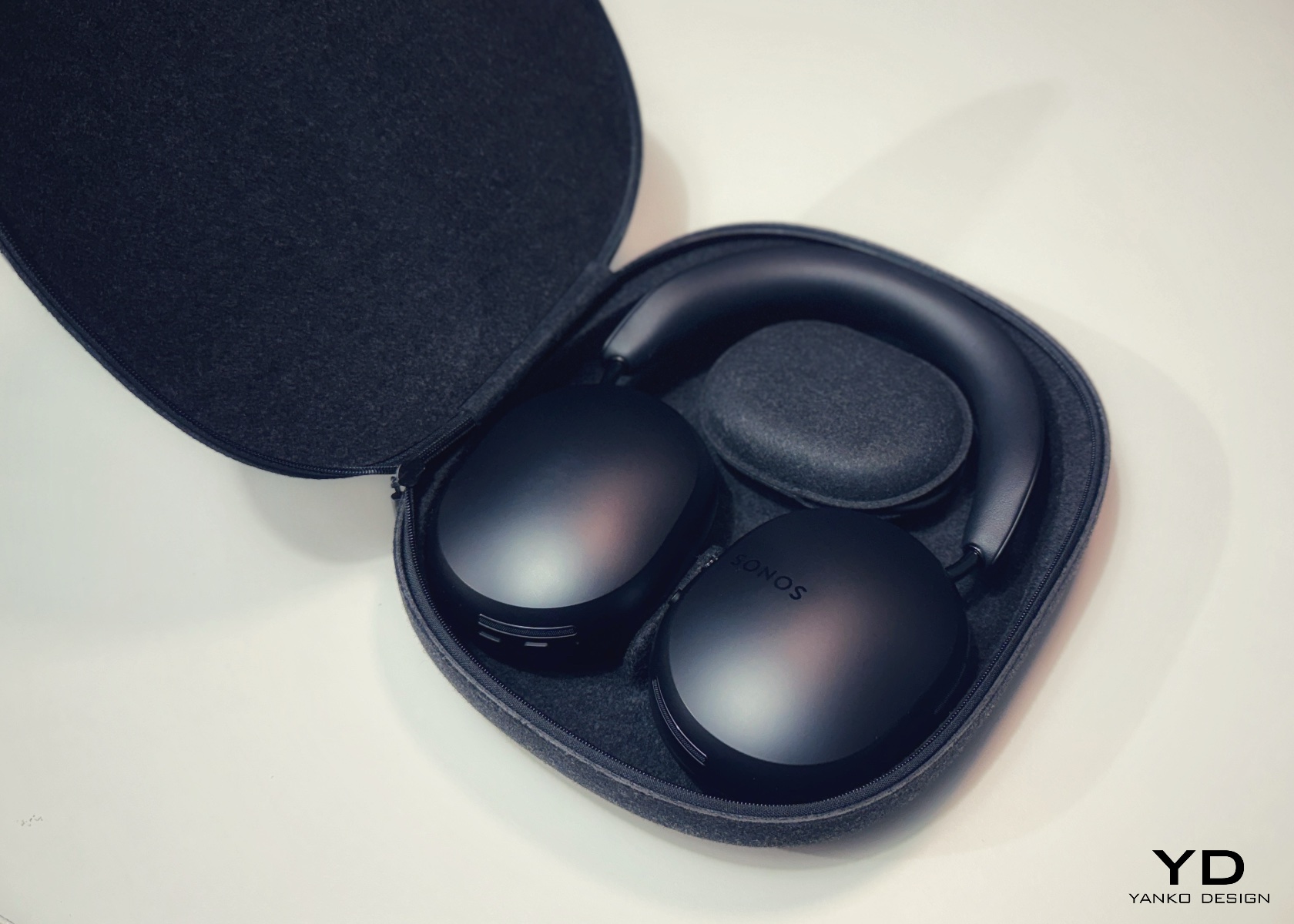
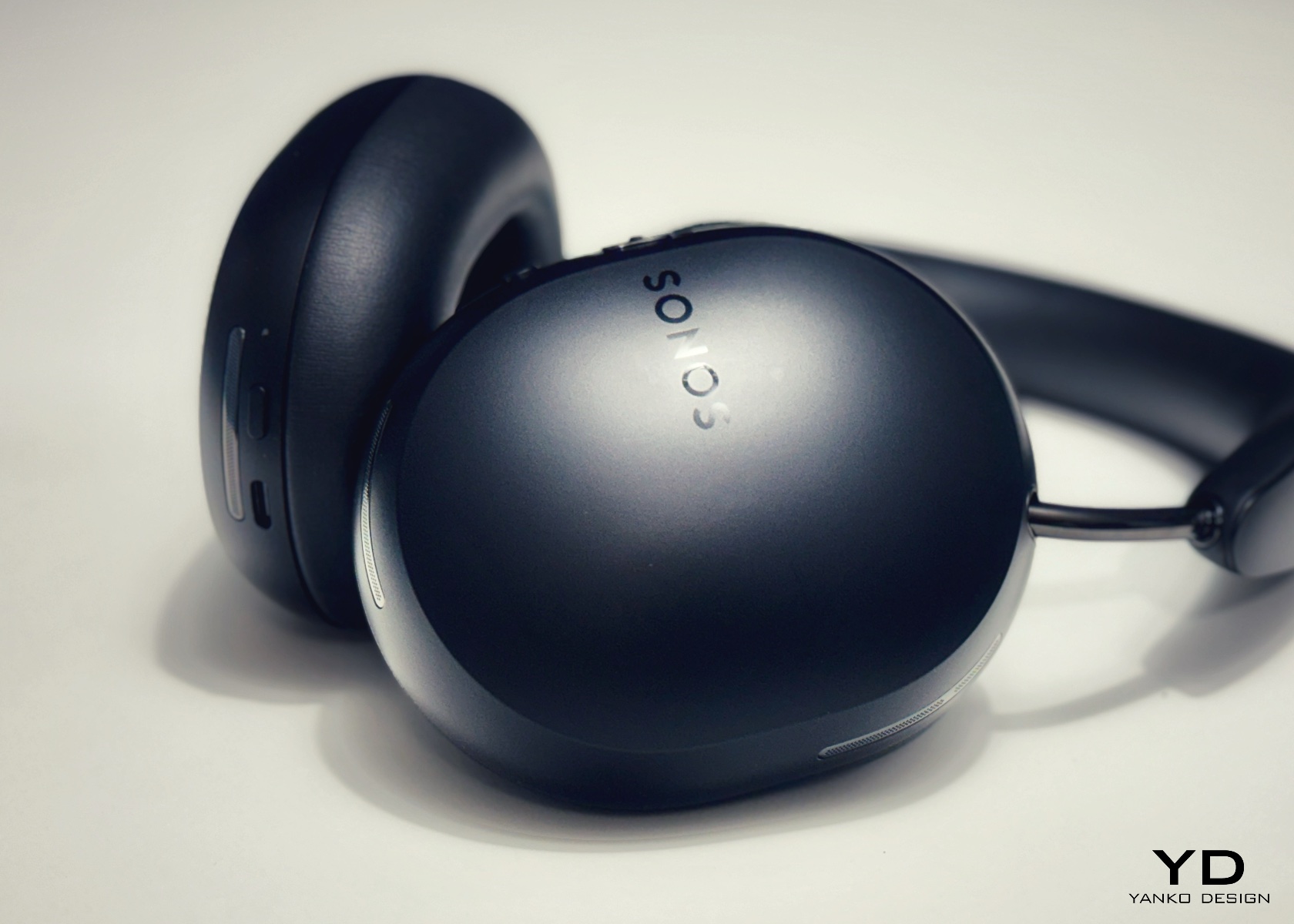
Despite their premium build, the Sonos Ace headphones are designed to be portable. They’re lightweight and easy to carry, making them perfect for home or on the go. The Sonos logo and color-coded ear cups enhance the design and contribute to the user-friendly aspect, making it easy to identify the correct way to wear the headphones.

Ergonomics and Comfort

The Sonos Ace prioritizes user comfort, making it ideal for extended listening sessions. Its ergonomic design includes pillowy, soft memory foam ear cushions and a lightweight build, ensuring that the headphones rest gently on your ears and head. This thoughtful construction prevents the development of pressure points, even during long periods of use.

One key feature contributing to the Ace’s comfort is the headband. It has been carefully designed with the right curvature and clamping force to provide a secure fit without being too tight. This ensures that the weight is evenly distributed, preventing any discomfort. The ear cups are also shaped to accommodate various ear sizes and shapes, which further enhances the fit and comfort.

I must confess that I’m usually an in-ear monitor or earbud person, so over-the-ear headphones never really appealed to me—until the Ace. One of the biggest issues I’ve had with other over-the-ear headphones is that they’re often big and bulky. Additionally, most of them have poorly designed ear cups that don’t stay in place, so I constantly have to adjust them as they slide up and down. The Ace fixed both of these issues for me. The overall design is low profile, and the flex is just right, while the ear cups lock in place all day long, no matter what I’m doing.
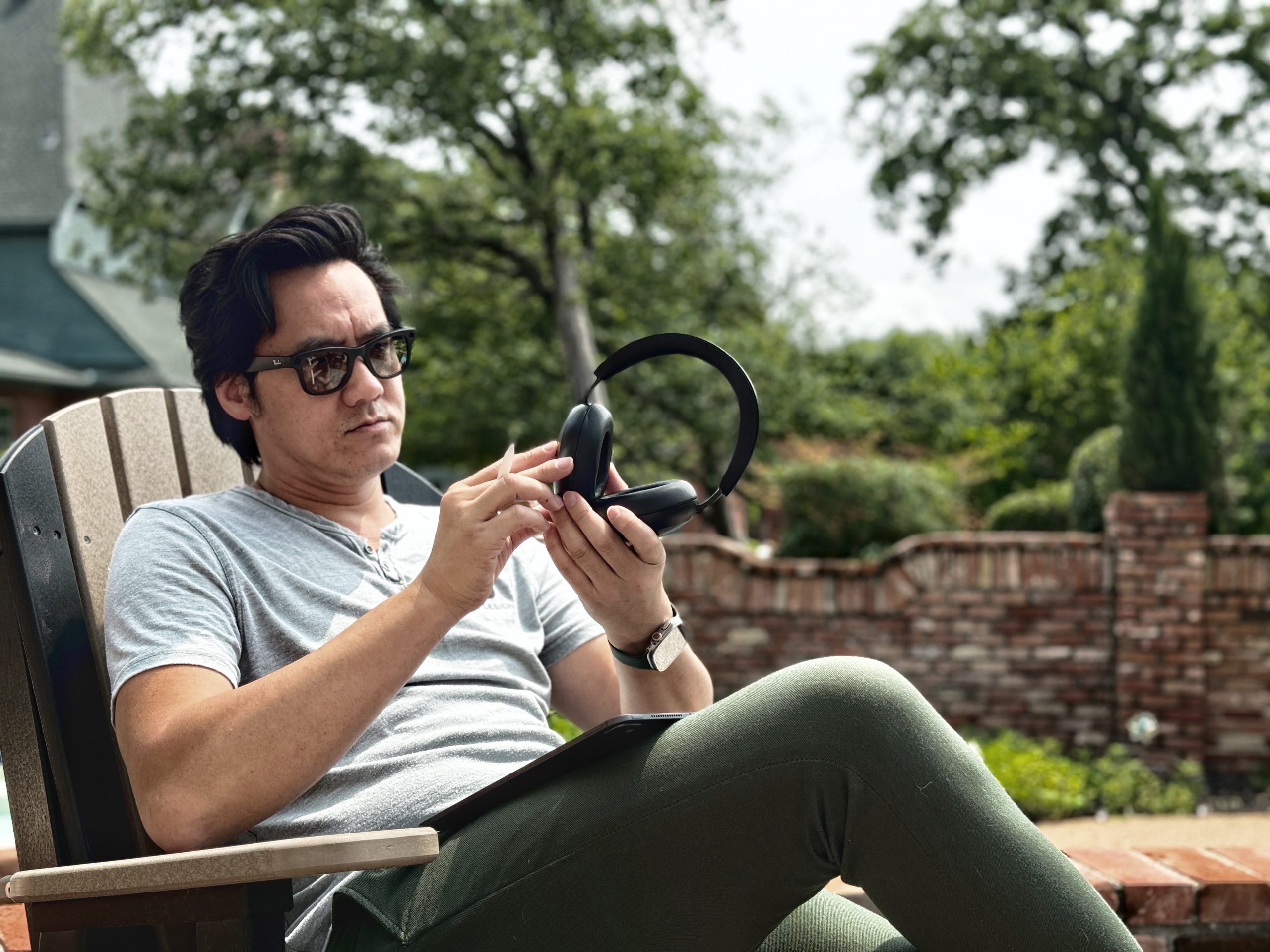
The replaceable ear cushions, wrapped in vegan leather, add another layer of convenience and sustainability. If the cushions wear out over time, they can be easily swapped out, extending the life of the headphones and maintaining comfort. The Sonos Ace’s ergonomic design makes it perfect for all-day wear, with features that cater to various head shapes and sizes, ensuring a secure and comfortable fit without exerting excessive pressure.

Button Layout and Features

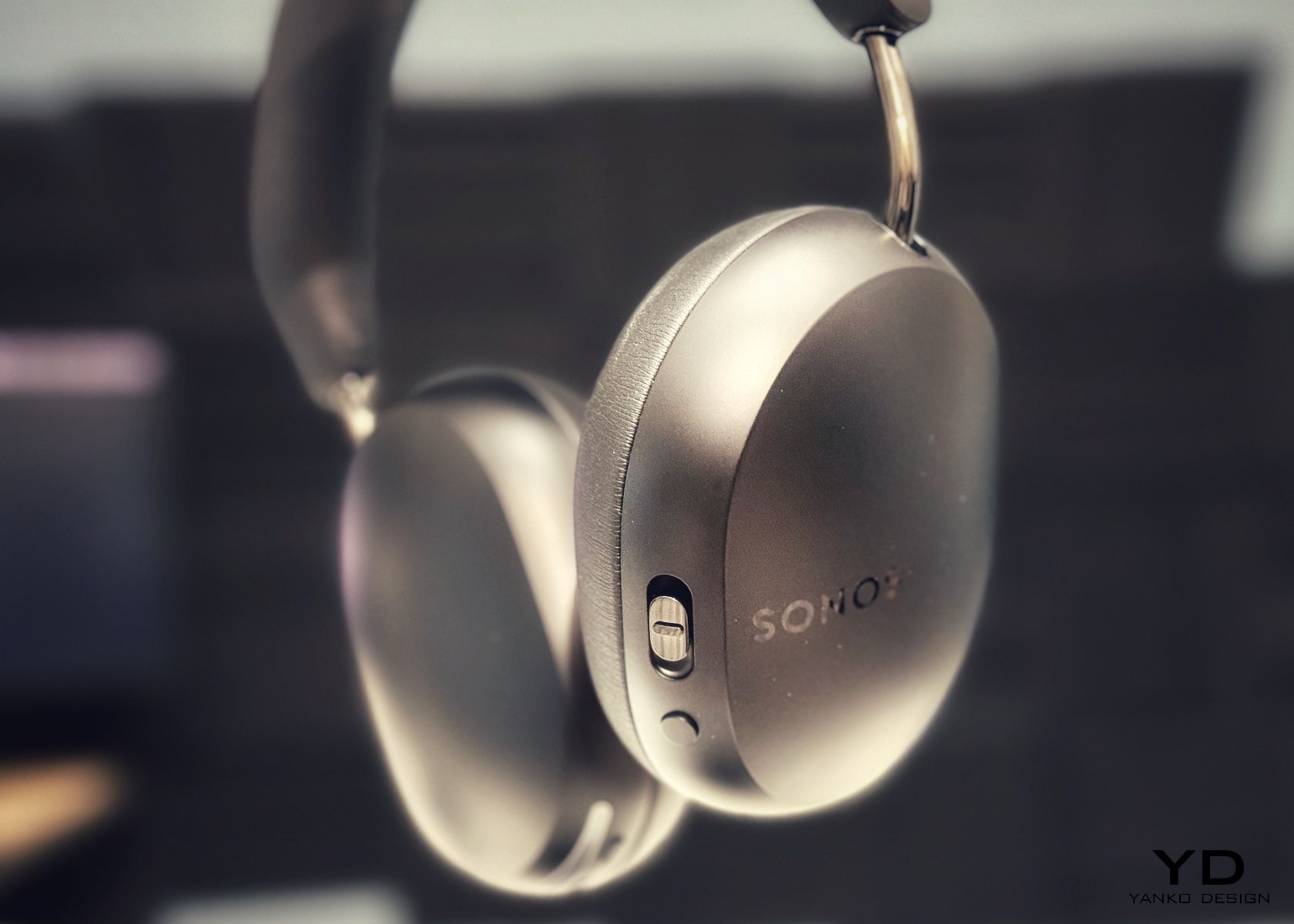
The Sonos Ace features a well-thought-out button layout that enhances user experience, making it easy to navigate various functions without needing to look at the controls. On the left ear cup, you’ll find the power button and the USB-C port for charging and connection. This positioning ensures that the essential functions are easily accessible. The headphones also support a 3.5mm headphone jack, providing versatility in connectivity options. The power button is easy to use, enabling quick power on and off as well as Bluetooth pairing initiation with a long press.
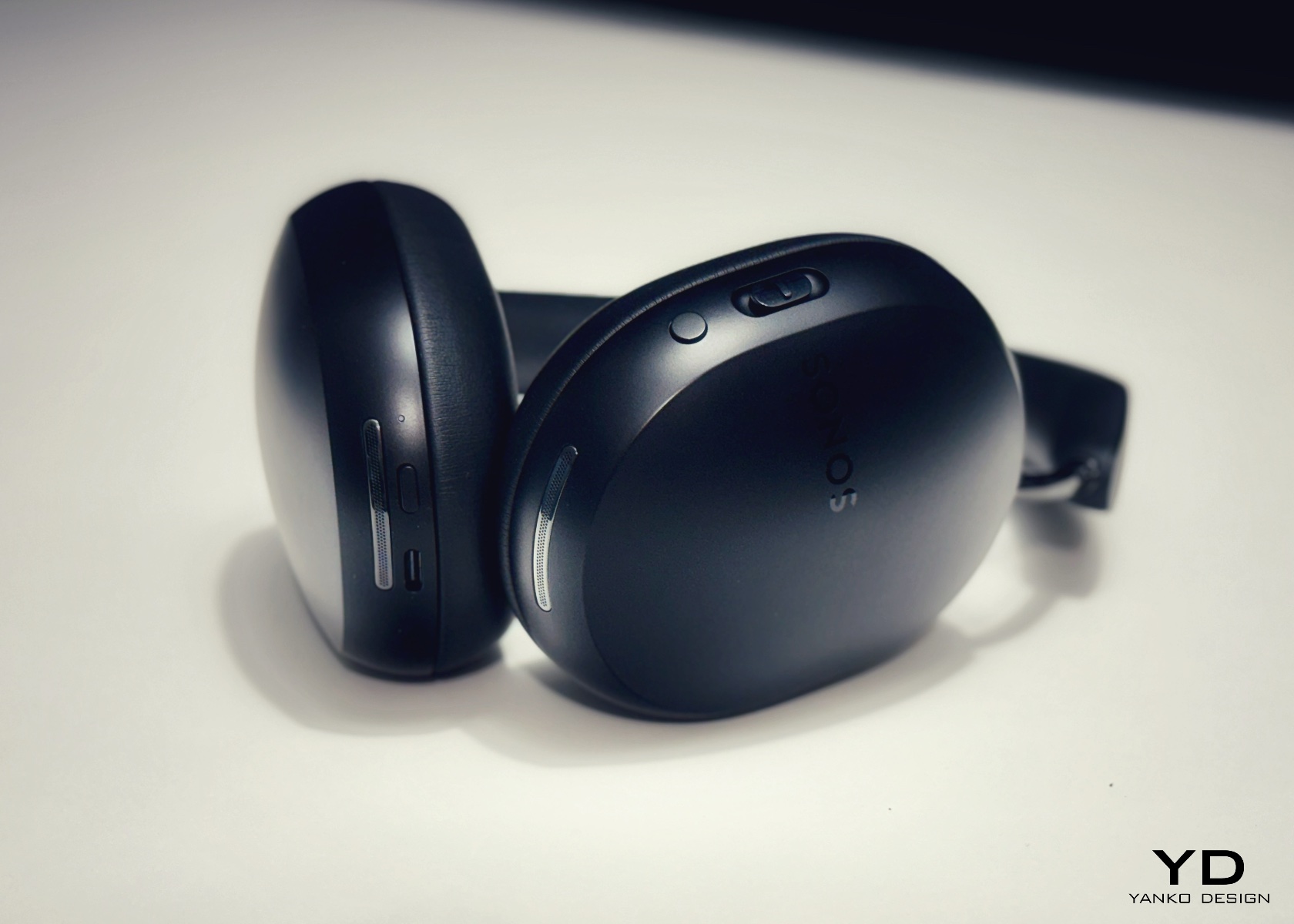
The right ear cup houses the primary controls, designed for ease of use. One of the key features is the Content Key, a mechanical slider. This tactile button allows you to adjust the volume by sliding it up or down, skip tracks by pressing the slider, and manage calls with a simple press. Holding the Content Key enables the seamless switch between the Sonos Ace and other Sonos devices, such as the Arc soundbar. Be sure to go through the setup using the Sonos app. This feature is handy for users who want to effortlessly switch from their headphones to their home sound system.
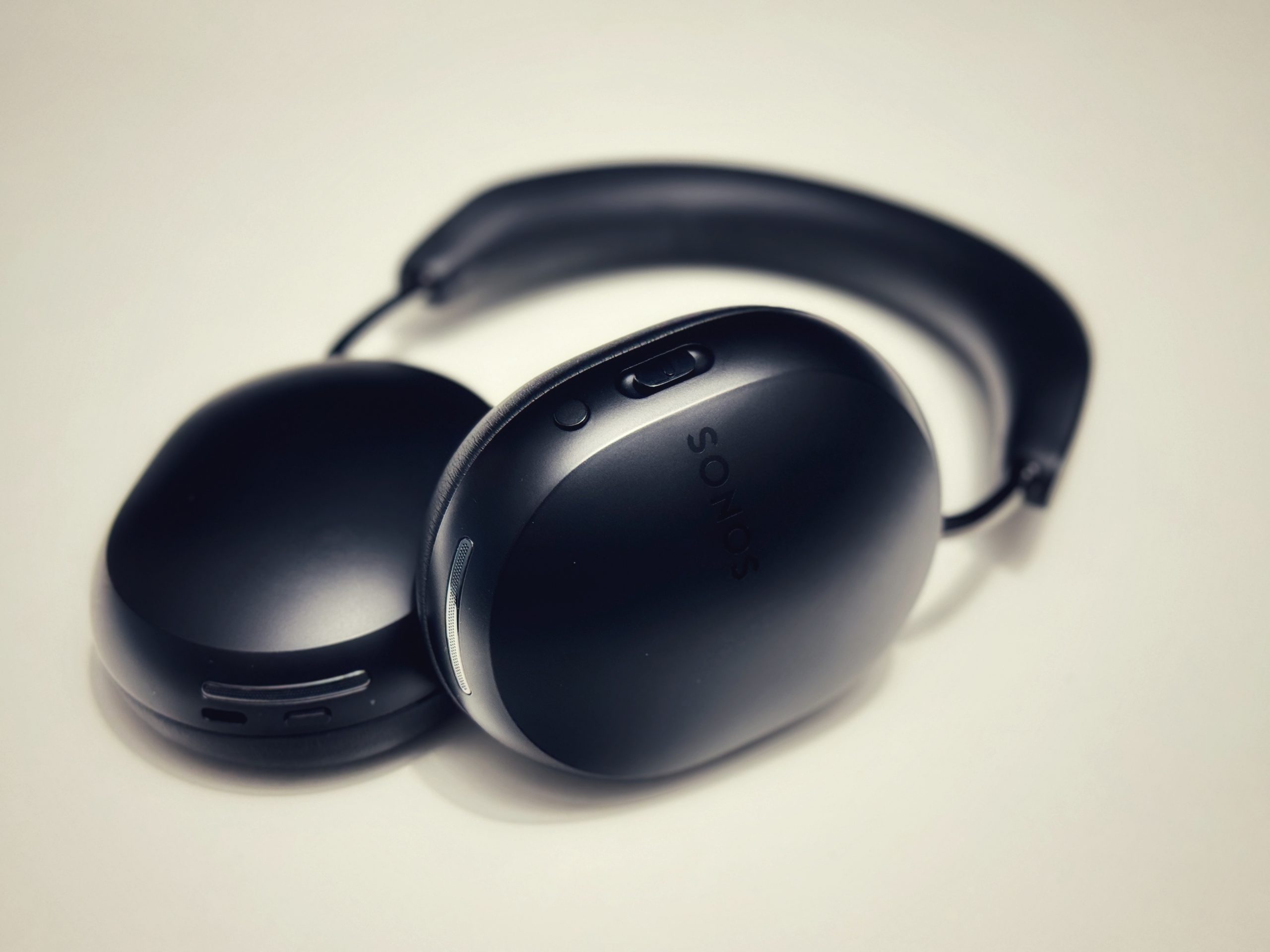
In addition to the Content Key, the right ear cup has buttons for changing noise cancellation modes. Users can switch between active noise cancellation (ANC) and Aware Mode or turn off noise cancellation entirely. This flexibility allows for a personalized listening experience, whether in a noisy or quiet environment.

The Sonos logo on the right ear cup serves a dual purpose. Firstly, it helps you quickly identify the right side of the headphones. Secondly, the logo’s tactile texture acts as a guide, making it easier for your fingers to locate and operate the buttons without needing to look at them. This thoughtful design detail enhances the overall user experience, especially on the go.
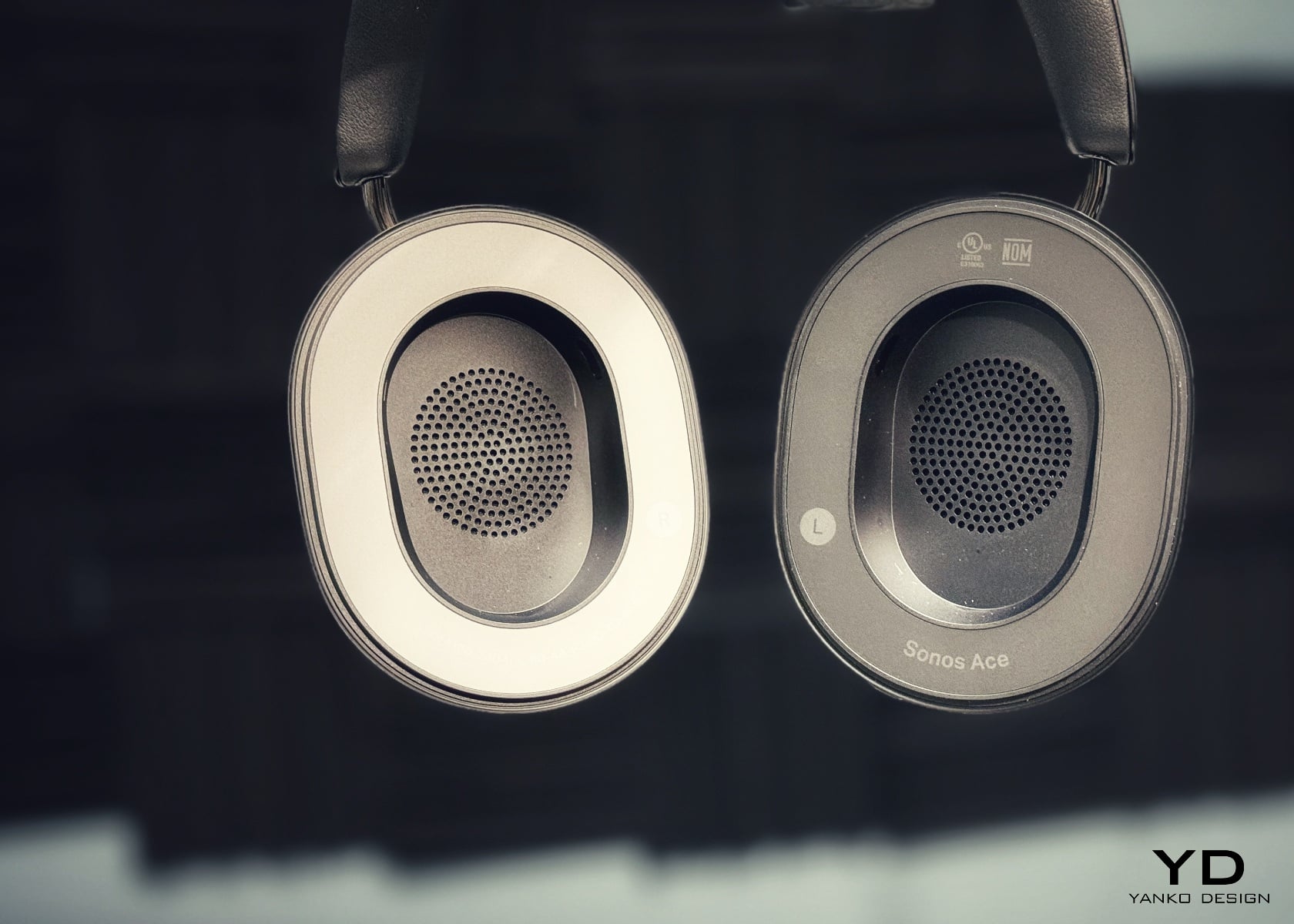
The Sonos Ace’s button layout blends intuitive design and practical functionality. The strategic placement of the power button and USB-C port on the left ear cup, combined with the comprehensive controls on the right ear cup, ensures that users can easily manage their listening experience. Using the Sonos logo as a tactile guide further enhances usability, making these headphones a joy to use. Whether you’re adjusting the volume, switching tracks, or changing noise cancellation modes, the Sonos Ace provides a seamless and intuitive user experience.
Performance of the Sonos Ace

Listening to music with the Sonos Ace headphones is an absolute pleasure. The intricate fingerpicking and solo guitar work in “Hotel California” by the Eagles (Live on MTV, 1994) capture amazing detail. Each pluck of the strings sounds crystal clear, and the natural resonance of the acoustic guitars makes it feel like you’re right there at the performance.

Don Henley’s vocals come through with warmth and precision, allowing you to appreciate the subtle nuances and emotional depth of his performance. Even in more intense moments, the headphones maintain a perfect balance, ensuring that every track element is heard clearly. True to Sonos’ heritage of premium products, every detail is expertly crafted, custom-designed, and tuned by the world’s leading sound experts to give you a listening experience unlike any other.

Clarity in the vocals and instrumental elements shines beautifully in “Billie Jean” by Michael Jackson. His voice comes through with sharpness and precision, bringing out every detail of his iconic performance. The hi-hat and snare hits are crisp and precise, keeping the groove tight and infectious.

Balanced frequency response is another area where these headphones excel. The intricate piano solo in the middle of “Take Five” by The Dave Brubeck Quartet delivers remarkable balance and detail. The saxophone lines are clear and accurate, highlighting the Ace’s ability to handle mid-range tones beautifully. The double bass provides a deep, resonant foundation, showing the Ace’s capability to deliver powerful and controlled bass.

Deep bass management stands out in “Royals” by Lorde. The bass is powerful yet never overwhelming, providing a solid foundation for the track without overshadowing the vocals. Lorde’s clear, upfront vocals come through with exceptional clarity, allowing every nuance of her performance to shine through.

The dynamic range is impressive, handling wide variations in volume and intensity. A perfect track to demonstrate this capability is “Bohemian Rhapsody” by Queen. The dramatic shifts in volume and intensity during the operatic middle section are managed seamlessly. The quiet moments, like the piano and vocal introduction, are equally impressive, reproducing subtle, delicate sections with clarity. The Ace handles dynamic shifts without losing detail, letting you fully experience the emotional highs and lows of the track.

The drum solo towards the end of “Take Five” further highlights the dynamic range. The headphones manage a wide range of volumes and intensities without losing any detail, allowing the listener to appreciate the full spectrum of the performance. The crescendos in the saxophone melody emphasize this capability as the Ace transitions from soft to loud passages smoothly, maintaining clarity and precision throughout.

Instrument separation is another area where the Ace excels. The dual guitar solos towards the end of “Hotel California” are distinct and well-separated. The Ace keeps each instrument clear and defined, letting you focus on individual elements of the performance. The precise reproduction of drum fills throughout the track ensures that the percussion stands out without overpowering the other components.

Exceptional instrument separation also shines in “Another Brick in the Wall, Part 1” by Pink Floyd. The expansive soundstage created by the headphones allows the atmospheric guitar echoes in the intro to come to life. The various synth effects are handled beautifully, providing a sense of space that enhances the immersive quality of the song. Sonos Ace’s ported acoustic architecture delivers exceptional depth and an ultra-wide soundstage, remaining incredibly clear.

These headphones deliver a wide and immersive soundstage, making you feel surrounded by the music. This is particularly evident in “Another Brick in the Wall, Part 1,” where the atmospheric guitar echoes and various synth effects create a sense of space that enhances the track’s immersive quality. The precise placement of instruments within the soundstage ensures that each element is heard in its intended location, adding to the realism of the listening experience.

In “Take Five,” the soundstage and imaging capabilities shine through. The saxophone, piano, and drums are all positioned clearly within the soundstage, allowing you to appreciate the spatial arrangement of the performance. This accurate imaging provides a more realistic and engaging listening experience, making it easy to visualize the musicians’ positions on stage.

The complex, multi-layered arrangement of “Bohemian Rhapsody” also benefits from the Ace’s excellent soundstage and imaging. Each vocal layer and instrumental part is clearly defined and positioned within the soundstage, making the operatic middle section sound grand and theatrical.

Bass response is another strong point for the Sonos Ace. The deep, driving bass line in “Billie Jean” is delivered with tight control and power, highlighting the Ace’s ability to handle low frequencies without distortion. The bass is punchy and rhythmic, providing a solid foundation for the track without overwhelming the other elements.

“Royals” demonstrates the Ace’s ability to manage deep bass with perfect control and depth. The bass is powerful yet never overwhelming, providing a solid foundation for the track without overshadowing the vocals. This balance ensures that every part of the track is heard as intended, with the bass providing a strong but controlled presence.

Handling strong, iconic bass lines, “Another Brick in the Wall, Part 2” emphasizes the Ace’s capability. The powerful bass line at the beginning of the track is delivered with precision and depth, showcasing the headphones’ ability to handle low frequencies with power and control. This strong bass response enhances the overall impact of the track, making it more engaging and immersive.

In addition to these classics, the Sonos Ace excels with modern tracks. “Shivers” by Ed Sheeran is a great example. You can immediately feel the bass from the synth and hear the wide strings panning left and right, leaving ample room for the lead vocal to shine through the center of the mix.

“What Was I Made For” by Billie Eilish highlights the Ace’s ability to reproduce the clarity of vocals. You can hear the sibilance and breathing in Billie’s performance, demonstrating how effectively just piano and vocals can create a personal, dynamic experience.

For podcasts, “The First Belle” from The Last City illustrates the Ace’s ability to deliver crisp dialogue. The headphones render mid-range frequencies with precision and clarity, ensuring the human voice sounds natural and intelligible.

The immersive experience of Dolby Atmos is evident in “Praise the Lord” by Breland. The distant and spacious guitar sounds and the distinct hand claps on opposite sides of the mix demonstrate Ace’s ability to separate and highlight individual instruments, creating an immersive and detailed listening experience.

Lossless Audio Over Bluetooth and Noise Cancellation

One key feature of the Sonos Ace is its support for lossless audio over Bluetooth, which will be available when the product launches to customers on June 5. This feature utilizes Qualcomm Snapdragon Sound AptX for Lossless, allowing high-fidelity audio streaming from compatible devices. Note that this functionality is unavailable for early reviews but will significantly enhance the listening experience upon release.

The Sonos Ace’s noise cancellation is amazing. The biggest test was doing yard work with a leaf blower blowing air at nearly 200 mph, and I could barely hear a sound. This impressive performance is thanks to the constant monitoring and use of all the mics, ensuring an almost silent experience in noisy environments.

Combining all these elements, the Sonos Ace is an exceptional pair of over-ear headphones. Whether it’s the intricate guitar work of “Hotel California,” the punchy bass of “Billie Jean,” or the dynamic complexity of “Bohemian Rhapsody,” the Ace delivers an extraordinary listening experience that sets it apart. Everyday listeners, audiophiles, and casual music fans alike will appreciate the thoughtful design, impressive sound quality, and overall performance of these headphones. The sophisticated design of Sonos Ace cradles you in comfort with its pillowy soft memory foam ear cushions and lightweight build, making it perfect for all-day wear.

Sustainability of the Sonos Ace

The Sonos Ace impresses with its sound, design, and commitment to being eco-friendly. From the start, these headphones are built with sustainability in mind.

One of the Ace’s notable features is its use of materials. Made with 70% recycled plastic, these headphones help reduce waste. The ear cushions and headband are wrapped in vegan leather, which is still comfy and better for the environment.
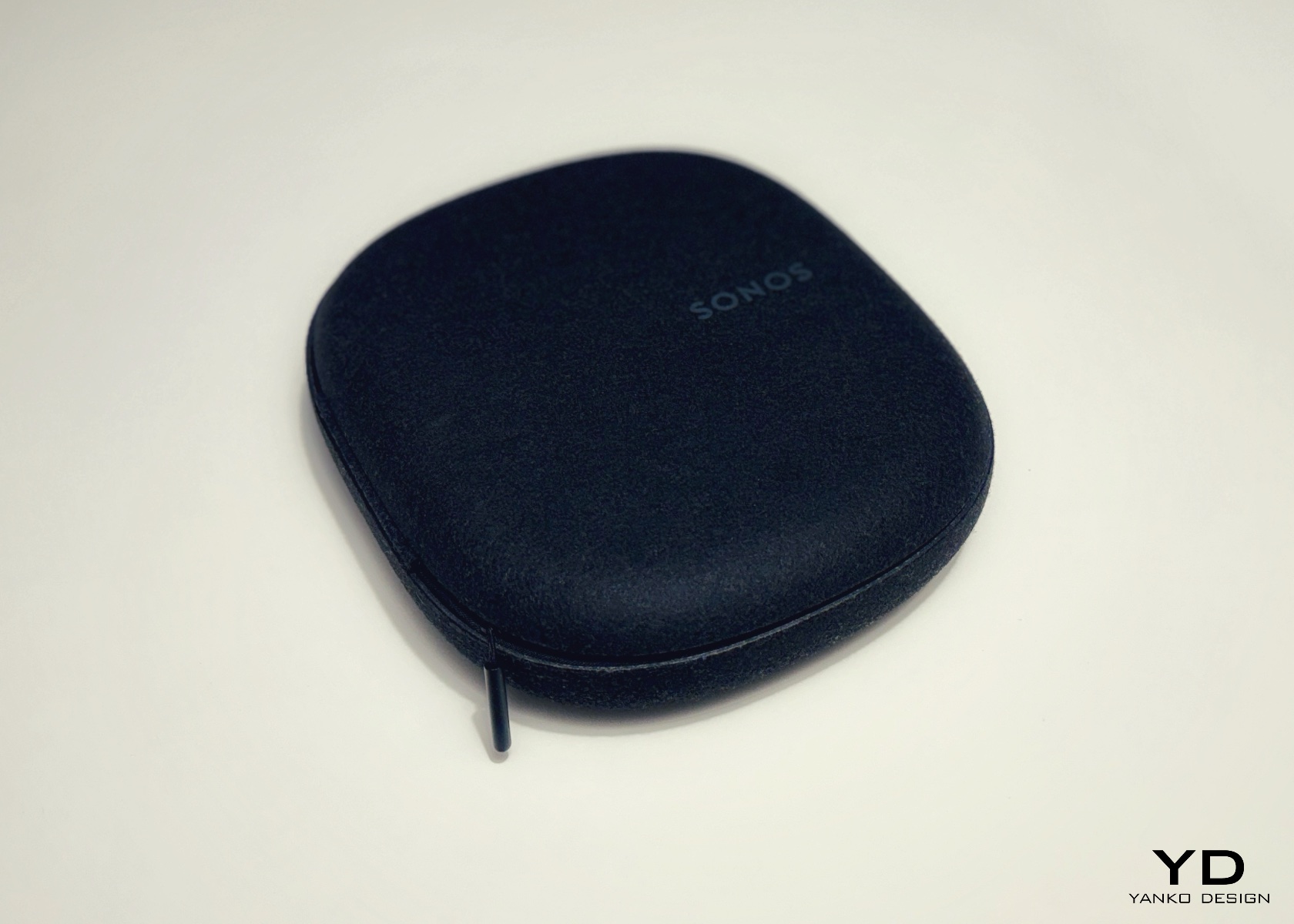
The carry case is another win for the environment. Made from 75% recycled polyester from old plastic bottles, it helps reduce the overall environmental impact.
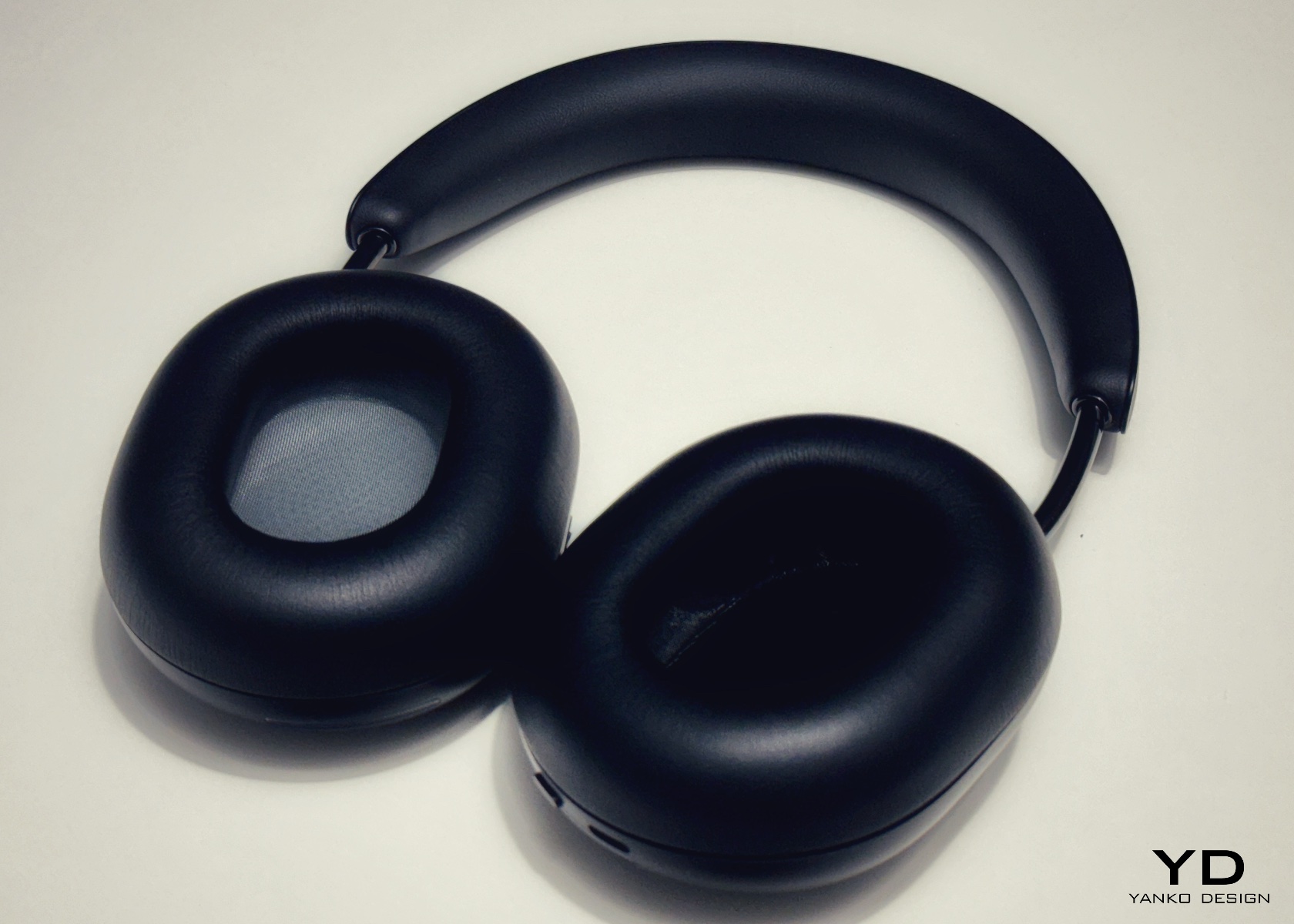
The replaceable ear cushions are a great feature. If the headphones wear out over time, you don’t have to toss the whole thing. Just swap out the cushions, and you’re good to go. This extends the life of the headphones and reduces waste.

The Ace also has an auto-pause feature to conserve battery life. Sensors in each ear cup detect when the headphones are removed, pausing playback automatically. This reduces the frequency of recharging, extending the battery’s lifespan and cutting down on energy use.
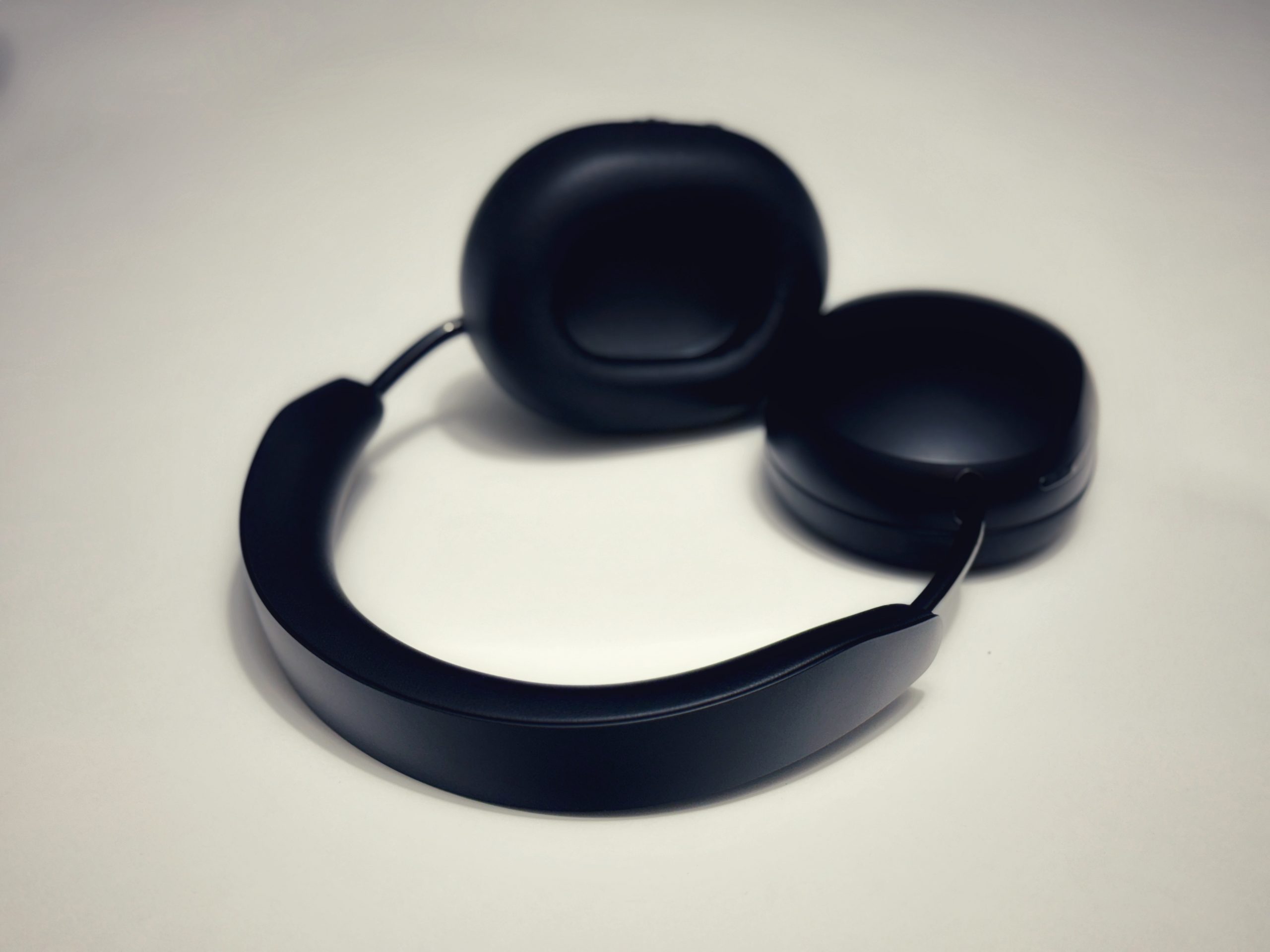

Sonos has created a product that balances high-quality audio, exceptional comfort, and eco-friendly design elements. It’s a solid choice for environmentally conscious consumers who don’t want to sacrifice performance for sustainability.

Value and Verdict

At $449, the Sonos Ace offers tremendous value for those seeking high-quality over-ear headphones. Its blend of superior sound quality, comfortable design, and advanced features makes it a strong contender in its price range. Unlike many bulky alternatives, the Ace delivers a low-profile design without compromising durability or performance. Replaceable vegan leather ear cushions and sustainable materials add to its long-term appeal.
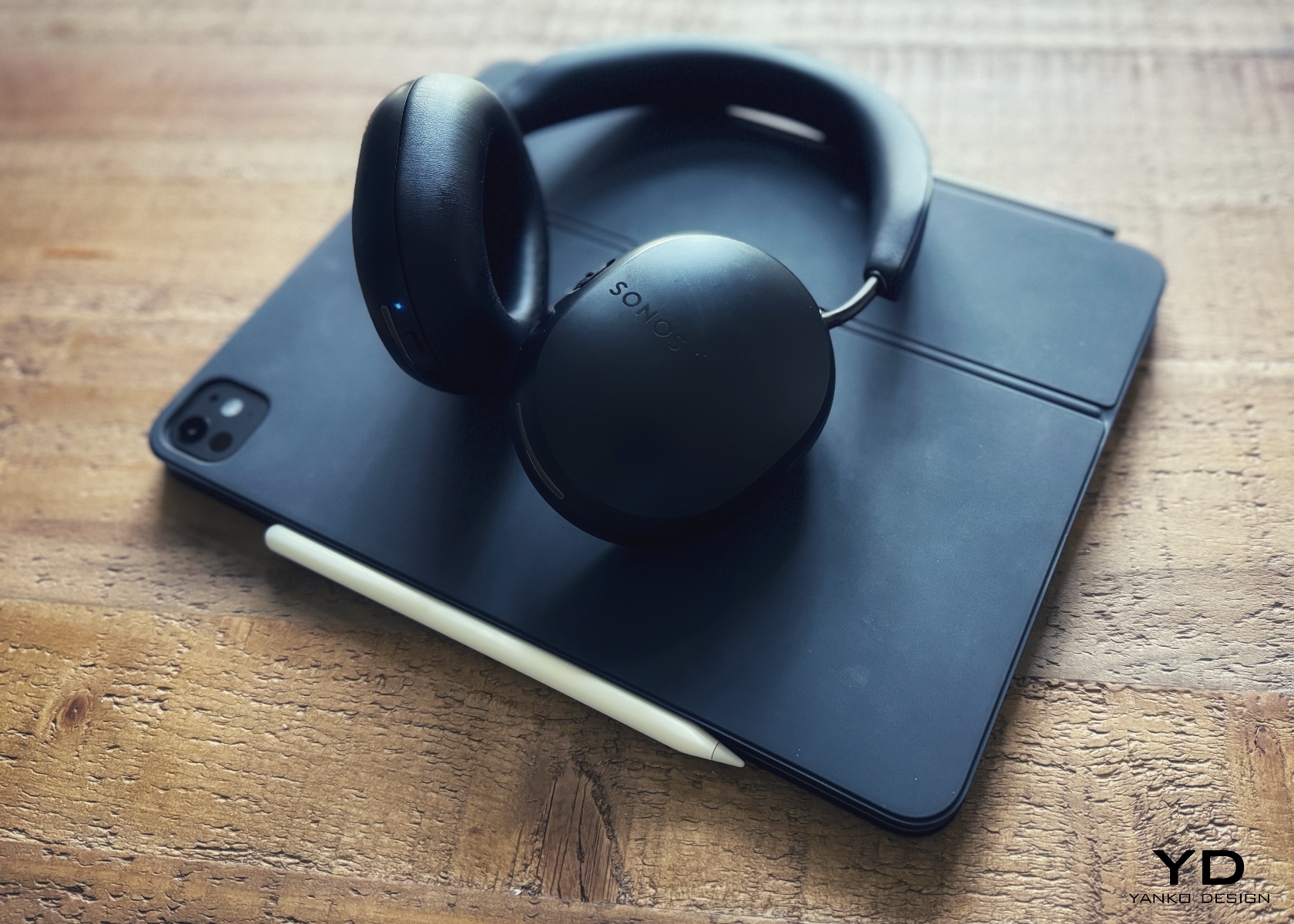
From the seamless integration with the Sonos ecosystem to the impressive noise cancellation that makes even the loudest leaf blower almost silent, the Ace covers all bases. The intuitive button layout, particularly the Content Key, ensures easy operation whether you’re adjusting the volume, skipping tracks, or switching between devices. With 30 hours of battery life and a quick charge feature that provides three hours of playback with just a three-minute charge, the Ace is built for extended use. It’s perfect for everyday listeners who want both comfort and performance, making it a worthwhile investment for anyone in the market for top-notch headphones.

The post Sonos Ace Headphones Review: Comfort, Sound Quality, and Sustainability first appeared on Yanko Design.

Sonos Ace headphones review: An impressive but incomplete debut

When Dolby made a play for the headphones market in 2018, its tech-packed Dimension model offered excellent sound quality, but the $599 price was too high to take hold. Now Sonos, another key player in living room audio over the last decade, has entered similarly uncharted territory. After years of hints and rumors, the Sonos Ace ($449) arrives this week, and the company is delivering the refined design you’d expect along with some impressive audio quality. The way these headphones integrate with its speakers isn’t what many expected, but the feature works well. However, one thing that may mire an otherwise stellar debut is limited support for the Ace at launch.

Given Sonos’ sonic prowess, I had high expectations for sound quality on the Ace. Indeed, the company’s first set of headphones offers audio quality on par with its high-end speakers, with some home theater features thrown in. 40mm dynamic drivers deliver both power and clarity that put the Ace near the top of our list of best wireless headphones when it comes to sound performance. Bass is big and boomy for kick drum thumps on Bilmuri’s post-hardcore “Talkin’ 2 Ur Ghost,” but it's appropriately restrained on Wyatt Flores’ country foot-tapper “Milwaukee,” where there’s still plenty of detail in the more subdued rhythm section.

Like many Sonos speakers, the Ace excels with Dolby Atmos content. And that goes for both music and TV/movies. There's an Apple Music Live set from Luke Combs that was filmed at a country venue while most of those sessions are in a studio. With the Ace, you get a strong sense that you’re at the show. The reverb, singing crowd, loudness of the venue mix and the natural qualities of a live band are all enhanced on these headphones. When I watched Drive to Survive or the final siege in Rogue One, the Ace shone with the directional zooms of F1 cars and spacecraft.

The Sonos Ace supports lossless audio in two ways. The first is via a wired USB-C connection. The second is exclusive to recent Android devices. If you have one of those, you’ll be able to use aptX Lossless from Qualcomm’s Snapdragon Sound platform that allows higher-quality sound over Bluetooth. This second option wasn’t available during the review period so I wasn’t able to test it, but Sonos says it will be ready when the Ace ships on June 5.

There aren’t many companies that come close to Apple with their ambient sound mode, but Sonos gives the AirPods Max some competition. Apple has mastered natural-sounding transparency audio and the Ace nearly attains that, providing one of the few setups where I could adequately hear my voice without feeling the need to shout. This is great when you need to have a quick conversation or use the Ace for a call. It also means you have a firm grasp on your surroundings, not a somewhat muted version of them.

Active noise cancellation (ANC) is another area where Sonos doesn’t have much experience, and it’s one of few stumbles on the Ace. Constant noise, while muted, is still discernible unless the volume is turned up. You’ll also need to set it at a considerable level to drown out human voices. It’s probably enough to get the job done in many scenarios, but it’s not on par with Bose or Sony.

Noise control button and the multi-function
Billy Steele for Engadget

Where the Ace flexes its Sonos muscle is the ability to receive audio from one of the company’s soundbars. The feature, called TV Audio Swap, allows you to do so with the press of a button – either on the headphones or inside the Sonos app. Basically, the tool creates private listening in your living room when your family has gone to bed or at other times you don’t want to disturb them. After a quick setup to link the Ace with your Sonos soundbar, TV Audio Swap really is as quick and easy as pressing a button. And because a Sonos soundbar is connected to your TV via HDMI ARC, this works with streaming devices and game consoles that are routed through the speaker.

When you activate the TV Audio Swap, a Wi-Fi chip inside the Ace takes over to receive signals from the soundbar. Low-energy Bluetooth remains connected to your phone for controls and settings, but you won’t get device swapping like you would with multipoint Bluetooth. This means if you get a call, you have to un-swap for Bluetooth to reconnect (it also means your phone won’t ring in the headphones if TV Audio Swap is active).

Spatial audio and Dolby head tracking are only available when TV Audio Swap is on. You can disable one or both of those, but spatial audio does a good job of upmixing stereo content into something more immersive. A prime example is TNT’s broadcasts of the NBA playoffs. Regularly, the commentary trio is clear with a bit of crowd noise in the background, but after Sonos does its tricks, the announcers are more prominent and dynamic. Plus, the cheers of the crowd envelope you so it feels more like you’re in the arena.

Dynamic head tracking works well on the Ace, and Sonos uniquely implements it to make it less annoying when you need to move around. First, it’s not overly sensitive, so subtle movements like looking down at your phone won’t rejigger the sound positioning. Second, if you walk away from the connected soundbar, head tracking will deactivate until you’re back in close proximity. This means whatever you’re listening to is not stuck behind you when you walk away and it doesn’t constantly rotate around your head during a quick jaunt to the kitchen.

Inside of the Sonos App is where you'll set up TV Audio Swap with a compatible soundbar.
Billy Steele for Engadget

The main caveat here is that TV Audio Swap only works with the Sonos Arc soundbar for now. Sonos says support for both generations of the Beam and the Ray is on the way, but there’s no definitive timeline for it yet. What’s more, there aren’t any plans to allow a similar feature for users who have a pair of speakers for home entertainment purposes. The company didn’t rule it out as part of a future update, but for now if you have two Era 300 units flanking your TV, you’re out of luck. Audio swap is also only available in the iOS version of the app for now, so Android users will have to wait.

If you were hoping to send audio to the Ace as if it were a speaker in your Sonos multiroom setup, you’re going to be disappointed. There isn’t a hand-off feature to easily transition from your commute to home listening on a speaker either. Some iteration of those would’ve relied more heavily on Wi-Fi and thus impacted battery life, according to Sonos. Instead, the company opted for this clever sound swapping that only uses Wi-Fi when you’re piggybacking off of a soundbar.

Chances are if you’ve used a Sonos speaker, you’re familiar with TruePlay, which maps the acoustics of a room with the microphones in one of the company’s devices. There’s a version of that for the Ace, called True Cinema, but it works differently. True Cinema virtualizes surround sound for a room inside the headphones to make it seem like you’re not wearing the Ace at all. Sonos argues that if you replicate the acoustics of your living room for the headphones, it enhances the immersion. Unfortunately, this is one more thing that’s not ready yet, so I wasn’t able to test it.

Sonos hid the hinge on the Ace inside of the ear cups.
Billy Steele for Engadget

Given Sonos’ attention to detail on its speakers, it's no surprise that it also obsessed over the design of its first headphones. The shape of the ear cups takes inspiration from devices like the Move 2 and the company opted for a mix of matte finishes, stainless steel and vegan leather to complete the high-end look. To me, the white version looks a bit more premium given the contrast of the silver metal accents compared to the tone-on-tone aesthetic of the black option.

A key design choice that contributes to the Ace’s chic is the hidden hinge. Whereas a lot of headphones fold in on themselves for storage, Sonos chose to simply have the ear cups rotate flat to fit in their carrying case. It’s a move Apple employed for the AirPods Max and one that companies like Sony have used in the past as well. Thanks to the svelte silhouette of the ear cups, and really of the Ace overall, these headphones don’t take up much space in a bag. What’s more, Sonos included a magnetic cord pouch for the case and both USB-C and USB-C to 3.5mm cables in the box. Your move, Apple.

The Ace is also very comfortable. Memory foam ear pads, a cushioned headband and a shape that fits well on big heads like mine really help. They feel lightweight and there’s no clamping pressure around my ears. And while I wasn’t able to test these on a flight, I could see the Ace being a great companion on a long-haul trip, especially since they remained comfy for the entirety of a movie using TV Audio Swap.

Sonos promises 30 hours of use with the Ace with ANC active. That’s on par with flagship models from the likes of Bose and Sony, and it’s 10 hours more than AirPods Max. During my test with looping audio at 60 to 70 percent volume, I managed 30 minutes more than the company pledges. Sonos is clear that TV Audio Swap impacts its stated figure, so you’ll want to keep that in mind if you have a binge session coming up. But, I didn’t notice any drastic drain during my evaluations. If you do find yourself at zero, a quick-charge feature gives you three hours of listening time in just three minutes.

Design is a key aspect of premium headphones, and the Ace certainly looks the part.
Billy Steele for Engadget

At this price, the primary competition for the Ace is the AirPods Max. Apple’s over-ear headphones are $100 more at full price, but we’ve seen them drop to $450 as recently as this month. Since they’re AirPods, they sync with iPhone, iPad and Mac to offer more convenience than the Ace. That includes automatic pairing with devices you’ve linked to iCloud, seamless switching when you get a call, hands-free Siri and Adaptive EQ sound tweaks. Spatial audio with head tracking is available on the Max too, and they’re comfortable to wear for long periods of time despite the premium materials.

A cheaper option, and the best ANC headphones for most people looking for active noise cancellation, is the Sony WH-1000XM5. Simply put, no other company offers the long list of features that Sony does on its flagship model. In addition to great sound and powerful ANC, the company’s tools like Speak-to-Chat, Adaptive Sound Control and DSEE Extreme audio upscaling expand the capabilities of the 1000XM5. Spatial sound via 360 Reality Audio is limited to certain services, but Sony built a comfy device that’s easy to enjoy for hours at a time for any content. Of course, the 1000XM5 is also considerably cheaper than the Ace at the current price of $330.

After a years-long wait, Sonos delivered an impressive headphone debut with the Ace. There’s room for improvement in some areas and it’s disappointing that updates to the Android app, support for all of the company’s soundbars and a key home theater feature are arriving at a date that’s yet to be determined. There’s no doubt that Sonos built a great-looking set of headphones that sound excellent, but a bit more polish could’ve gone a long way.

This article originally appeared on Engadget at https://www.engadget.com/sonos-ace-headphones-review-an-impressive-but-incomplete-debut-130040041.html?src=rss

More WWDC 2024 Details Revealed (Video)

WWDC 2024

Apple’s Worldwide Developers Conference (WWDC) 2024 is set to be a groundbreaking event, showcasing significant advancements in both software and hardware. As developers and tech enthusiasts eagerly await the unveiling of new features and products, it’s clear that Apple is committed to addressing current limitations and enhancing the user experience across its entire ecosystem. The […]

The post More WWDC 2024 Details Revealed (Video) appeared first on Geeky Gadgets.

Spotify is raising the cost of Premium subscriptions, again

Spotify is officially raising its Premium subscription rates in the US come July, following reports of the move in April. The platform is increasing its Individual plan from $11 to $12 monthly and its Duo plan from $15 to $17 monthly — the same jump as last year's $1 and $2 price hikes, respectively. However, its Family plan is going up by a whopping $3, increasing from $17 to $20 monthly. The only subscribers getting a break are students, who will continue to pay $6 monthly. 

Spotify announced the price hikes less than a year after its previous one last July. Before that, Spotify hadn't raised its fees since launching a decade and a half ago. I guess it was too optimistic to hope the next increase would also take that long, especially with Spotify's continued focus (and money dump) on audiobooks. 

Premium subscribers should receive an email from Spotify in the next month detailing the price hike and providing a link to cancel their plan if they would prefer to do so. Users currently on a trial period for Spotify will get one month at $11 after it ends before being moved up to a $12 monthly fee.

This article originally appeared on Engadget at https://www.engadget.com/spotify-is-raising-the-cost-of-premium-subscriptions-again-123058485.html?src=rss

Ticketmaster hack could affect 560 million users

Ticketmaster is the victim of a cyber attack, its parent company, Live Nation, confirmed. The information stolen allegedly includes personal information from 560 million individuals, including names, numbers, addresses, and partial payment details. Hacking group ShinyHunters has demanded $500,000 in ransom money to prevent the data's sale and confirmed it held the 1.3TB of stolen data to Hackread.

In a filing with the US Securities and Exchange Commission, Live Nation stated it had "identified unauthorized activity" on May 20 and subsequently started investigating it. On May 27, "a criminal threat actor offered what it alleged to be Company user data for sale via the dark web." 

Live Nation claims to be working to lower the risks posed to its customers and its own business. "As of the date of this filing, the incident has not had, and we do not believe it is reasonably likely to have, a material impact on our overall business operations or on our financial condition or results of operations," the company added. "We continue to evaluate the risks and our remediation efforts are ongoing."

Ticketmaster has faced previous breaches, including a bot attack during Taylor Swift ticket sales. The company also has a history as a hacker, illegally — and repeatedly — accessing the computer system of its rival, Songkick. Ticketmaster paid a $10 million criminal fine rather than face prosecution. However, the company's former head of Artist Services, Zeeshan Zaidi, pled guilty to conspiring to commit computer intrusions and wire fraud due to his role in the scheme.

This article originally appeared on Engadget at https://www.engadget.com/ticketmaster-hack-could-affect-560-million-users-121600931.html?src=rss

How to clean data effectively in Microsoft Excel

Cleaning data in Excel spreadsheets guide

Data cleaning is an essential step in data analysis. Inaccurate or inconsistent data can lead to incorrect conclusions and poor decision-making. Microsoft Excel, a powerful tool for data management, offers various features to facilitate effective data cleaning. This article outlines a comprehensive approach to cleaning data in Excel, ensuring accuracy and reliability in your datasets. […]

The post How to clean data effectively in Microsoft Excel appeared first on Geeky Gadgets.

Posted in Uncategorized | Tagged

Top Android Apps of June 2024

Android Apps

June 2024 has brought forth an exciting array of Android apps, each designed to cater to the diverse needs and preferences of users. From audio enhancement tools to productivity boosters and stress management aids, this month’s top apps offer a wide range of functionalities that aim to elevate your mobile experience. The video below from […]

The post Top Android Apps of June 2024 appeared first on Geeky Gadgets.

Billionaire space tourist cancels lunar flight amid changing SpaceX priorities

Yusaku Maezawa, the Japanese billionaire who signed up for a lunar orbit flight aboard SpaceX's Starship back in 2018, has cancelled his trip. The reason, he said in a series of posts on X, is that Starship is still in development and the "dearMoon" launch may not occur until well into the 2030s.

"I signed the contract in 2018 based on the assumption that dearMoon would launch by the end of 2023," he wrote. "It’s a developmental project so it is what it is, but it is still uncertain as to when Starship can launch. I can't plan my future in this situation, and I feel terrible making the crew members wait longer. I apologize to those who were excited for this project to happen."

Maezawa announced the dearMoon project with Elon Musk at SpaceX's Hawthorne factory in 2018. He reportedly paid the company in the order of low nine figures to help fund it and later selected eight other companions for the trip, including artists, photographers, YouTubers and a member of a Korean boy band.

However, Starship development was slower than expected, as has been the case with nearly every rocket development program ever. The first test flight was just a year ago, and the first fully successful launch (with the vehicle remaining intact) only took place a few months ago. The next flight is set to launch as early as June 5. 

In addition, SpaceX's priorities changed drastically when NASA selected Starship for its Artemis program. That forced the company to deprioritize dearMoon, which meant it was not likely to take place until the early 2030s. Maezawa's net worth as also dropped since the 2018 announcement, as Ars Technica noted. On top of all that, the billionaire has already gone to space, having spent 12 days aboard the International Space Station.

This article originally appeared on Engadget at https://www.engadget.com/billionaire-space-tourist-cancels-lunar-flight-amid-changing-spacex-priorities-120043594.html?src=rss

Building a local search AI agent using Ollama and Llama 3

Local Perplexity AI agent using Ollama

The ability to harness the power of artificial intelligence (AI)  to create custom web search AI agents has become a game-changer for businesses and individuals alike. This guide created by Data Centric will show you how you can use Ollama and the Llama 3.8 billion AI model released by Meta, to build a highly efficient […]

The post Building a local search AI agent using Ollama and Llama 3 appeared first on Geeky Gadgets.

Posted in Uncategorized | Tagged

10 Ways to Use Apple AirTags

Apple AirTags

Apple AirTags have revolutionized the way we keep track of our essential items. These small, disc-shaped devices leverage ultra-wideband technology to provide precise, real-time location data, outperforming other Apple devices with Find My capabilities. Whether you’re searching for your keys, wallet, or luggage, AirTags simplify the process of locating lost items, saving you time and […]

The post 10 Ways to Use Apple AirTags appeared first on Geeky Gadgets.