It's always exciting when one of our favorite items goes on sale. This time, it's our choice for the best budget Android tablet, the Samsung Galaxy Tab A9+. The device is down to $170 from $220 on Samsung — a 23 percent discount. This model includes 64GB of storage and 4GB of RAM and is also available for the same price on Amazon. In fact, this deal brings the tablet's price to only $20 more than its Prime Day offer.
Samsung's Galaxy Tab A9+ is an 11-inch tablet with 1900p x 1200p resolution. The LCD screen has a 90Hz refresh rate and 480 nits. The device also has quad speakers that are powered by Dolby Atmos and a 7,400 mAh battery. Plus, it has optional 5G connectivity.
If you want a bit more storage (and power), check out the Samsung Galaxy Tab A9+ with 8GB of RAM and 128GB of storage. That model is currently down to $220 from $270. There's also the Galaxy Tab A9+ Kids Edition, which is available for $230, down from $270 and has 4GB of RAM and 64GB of storage.
October Prime Day 2024 is around the corner, serving as Amazon’s (un)official kickoff to the holiday shopping season. If you’re eager to snag some early holiday deals for those on your list (or yourself), here’s what we know so far about the next Prime Day shopping event.
When is October Prime Day 2024?
Amazon has not announced the dates of fall Prime Day 2024 yet, but we do know it will be returning sometime in October.
What is October Prime Day?
October Prime Day is an extension of the regular Prime Day sale held annually in July. It features exclusive deals on Amazon for Prime members, although not quite on as big of a scale as the main summer Prime Day.
How long is October Prime Day?
In years past, October Prime Day has been two days long, just like Prime Day in July.
This article originally appeared on Engadget at https://www.engadget.com/deals/one-of-our-favorite-samsung-tablets-is-back-on-sale-for-close-to-its-prime-day-price-141030465.html?src=rss
DS Automobiles, a French luxury vehicle manufacturer, has recently unveiled the DS SM Tribute Concept Car, a modern reinterpretation of the iconic SM model from the 1970s. This concept car pays homage to the original while incorporating contemporary design elements and advanced technology, showcasing DS Automobiles’ commitment to blending heritage with innovation. The original DS […]
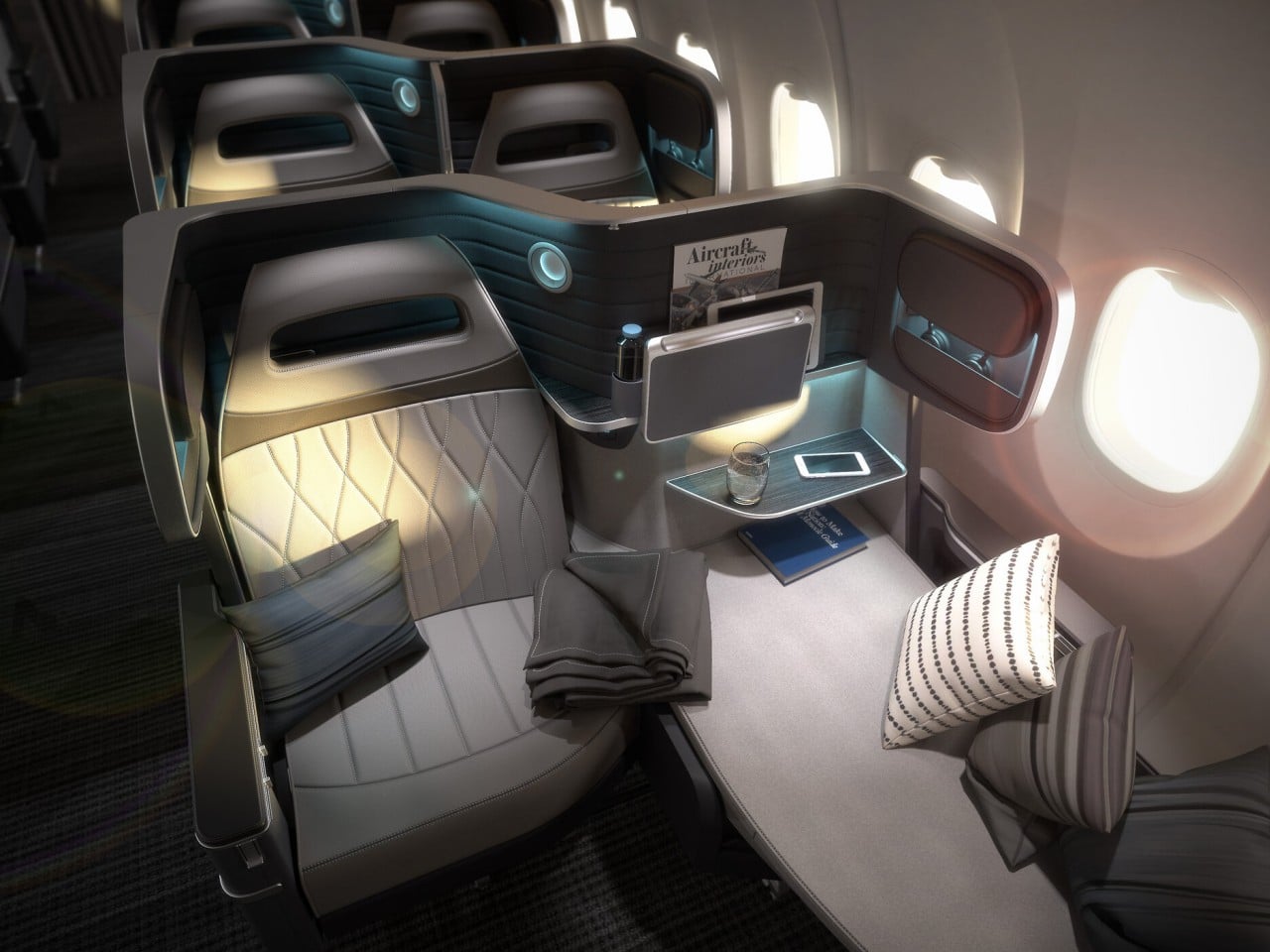
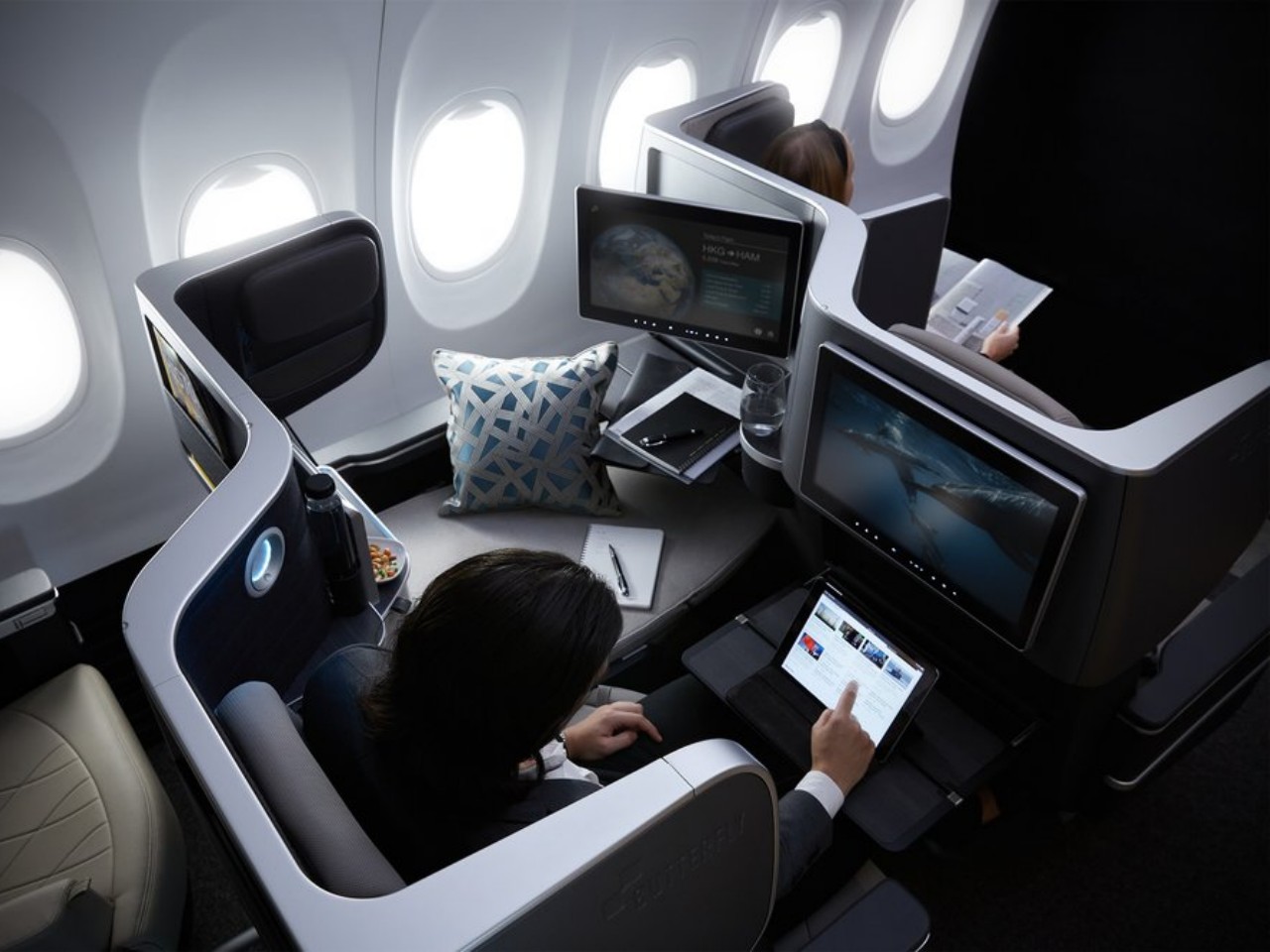
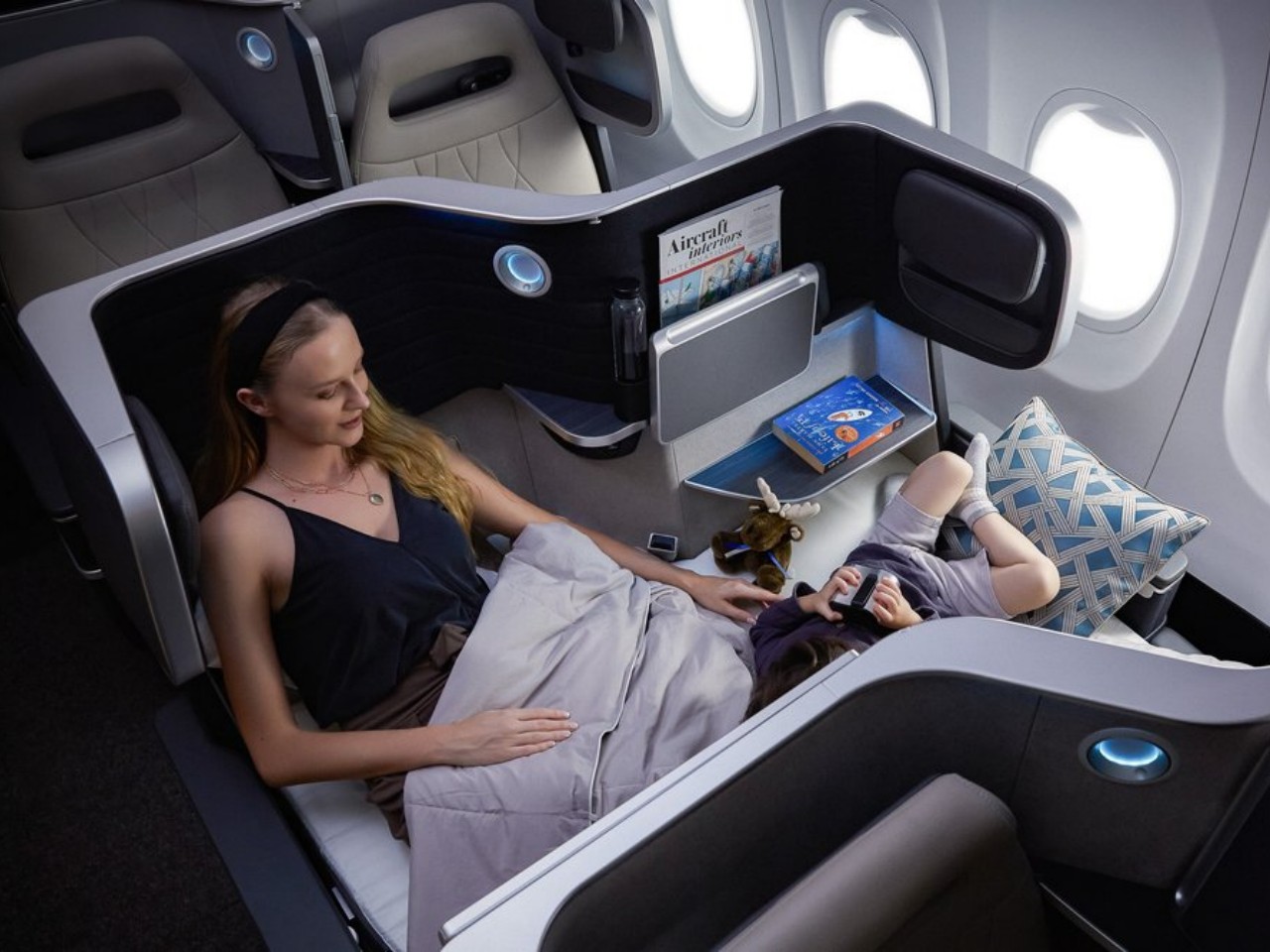
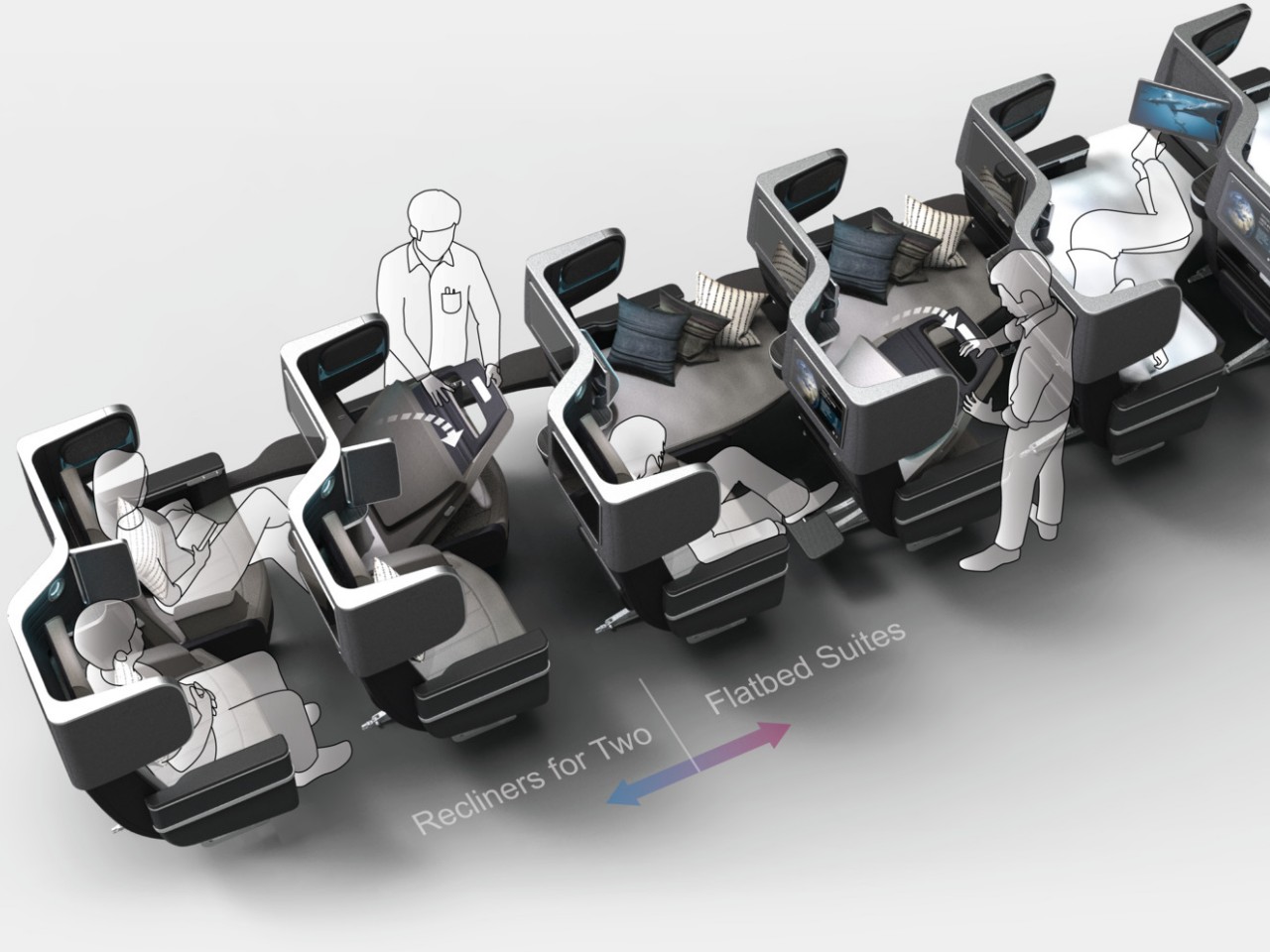
Air travel has always been one of the crowning glories of human innovation, proving that mankind can conquer almost anything if they put their minds to it. Over the decades, the aviation industry has been pushing the envelope of speed, efficiency, and safety, but much of the evolution doesn’t happen only on the outside of airplanes. Interior design has also been changing at an even more rapid pace, and a more visible struggle can be seen beyond seat class boundaries. Comfort, luxury, cost-efficiency, and profitability have always been the goals of all airlines, but these sometimes conflict with each other, creating an almost never-ending tug-of-war between maximizing airline profits and ensuring passenger comfort. We take a deeper close into the design philosophies and elements that define airline seating and the effects they have on the economy, the planet, and of course, human comfort.
Minimalism vs. Luxury: A Deep Dive into Design Philosophies
Airline seat design has always fluctuated between two extremes, often exemplified by the division between economy and first-class sections. You have minimalism that focuses on efficiency and functionality on one end, and you have luxury that emphasizes premium experiences almost to the point of exclusivity on the other end. Of course, both philosophies are ideal to have in both seating classes to different degrees, but they also have different priorities that define the final seat design.
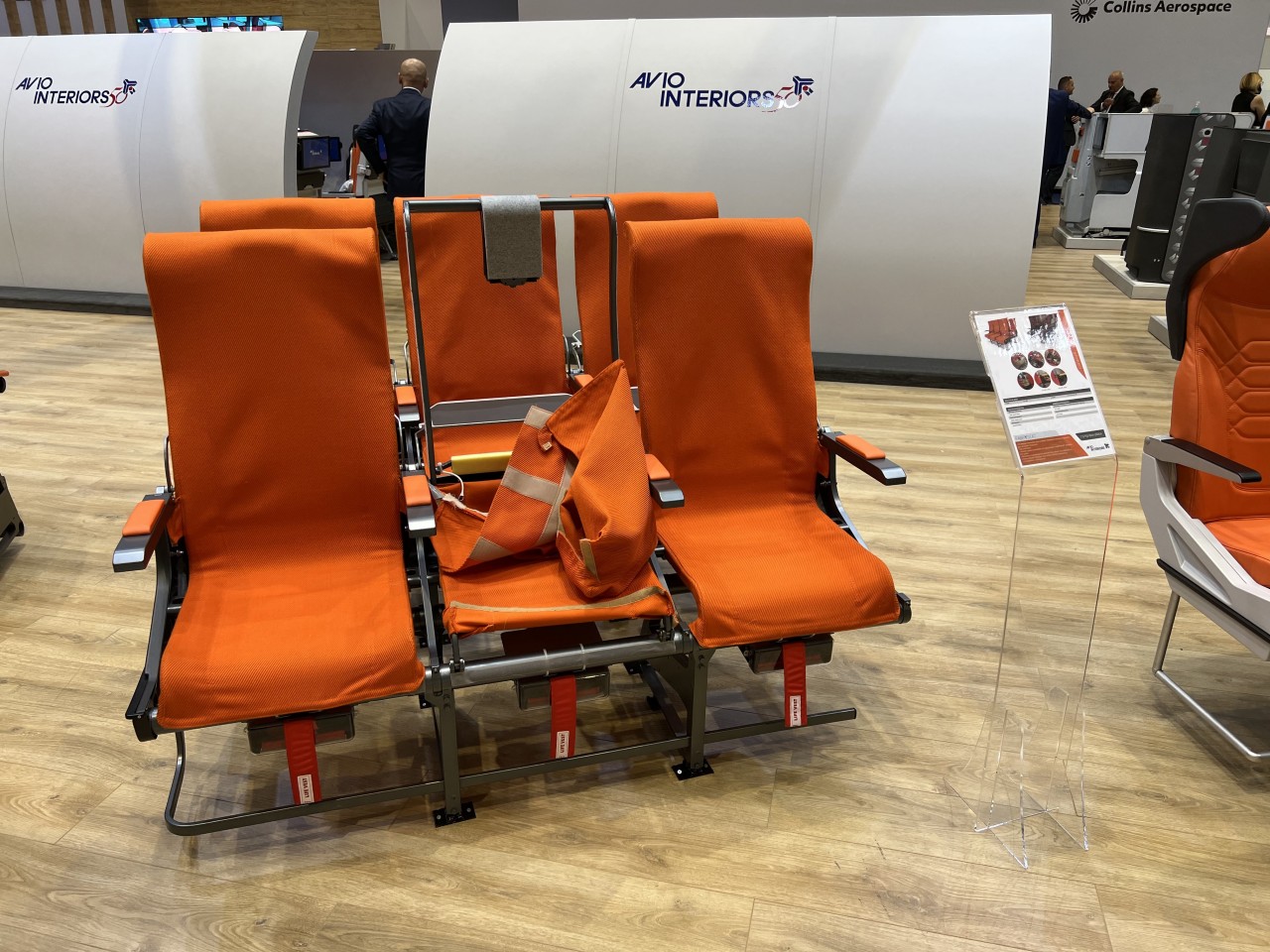
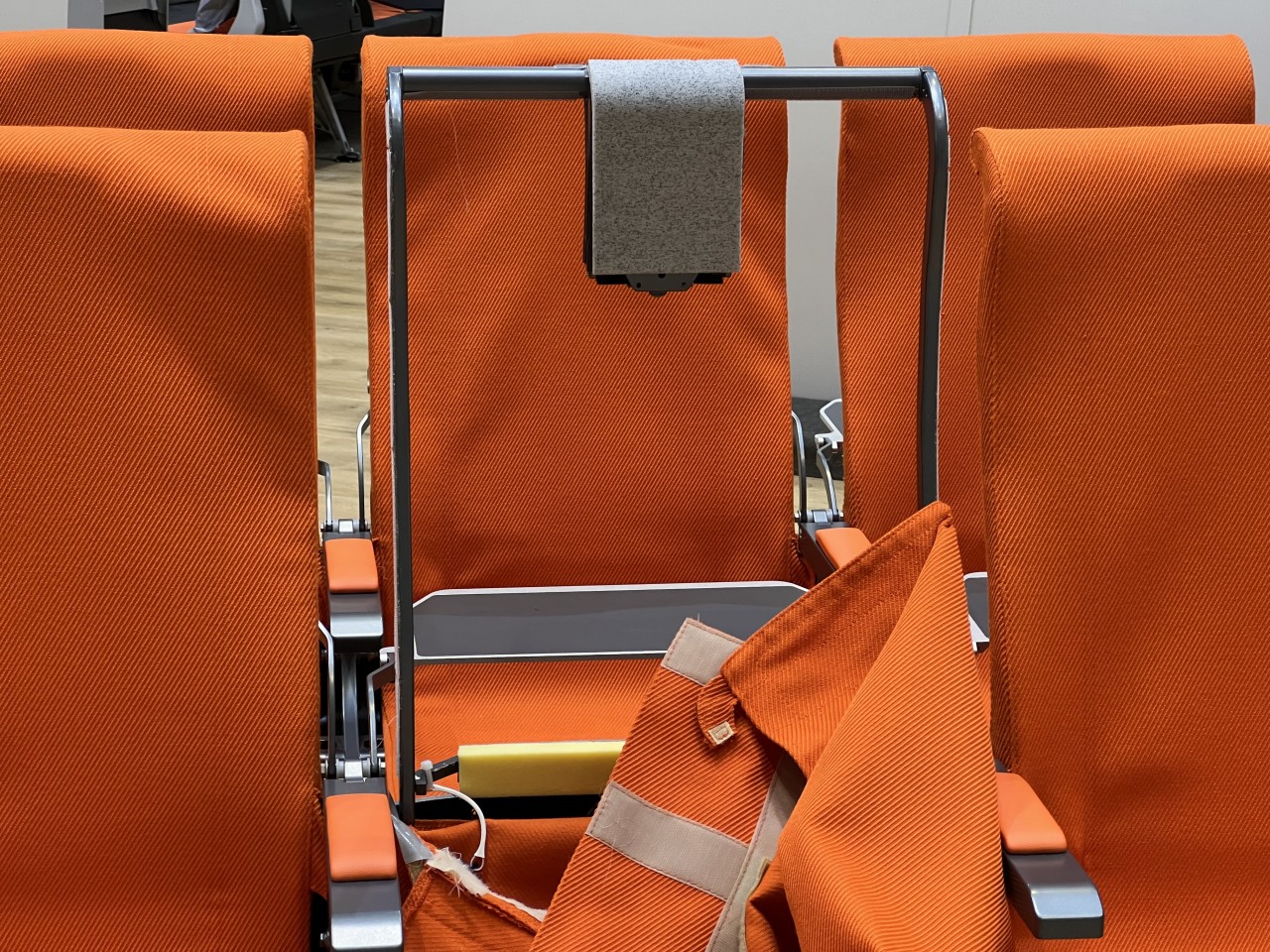
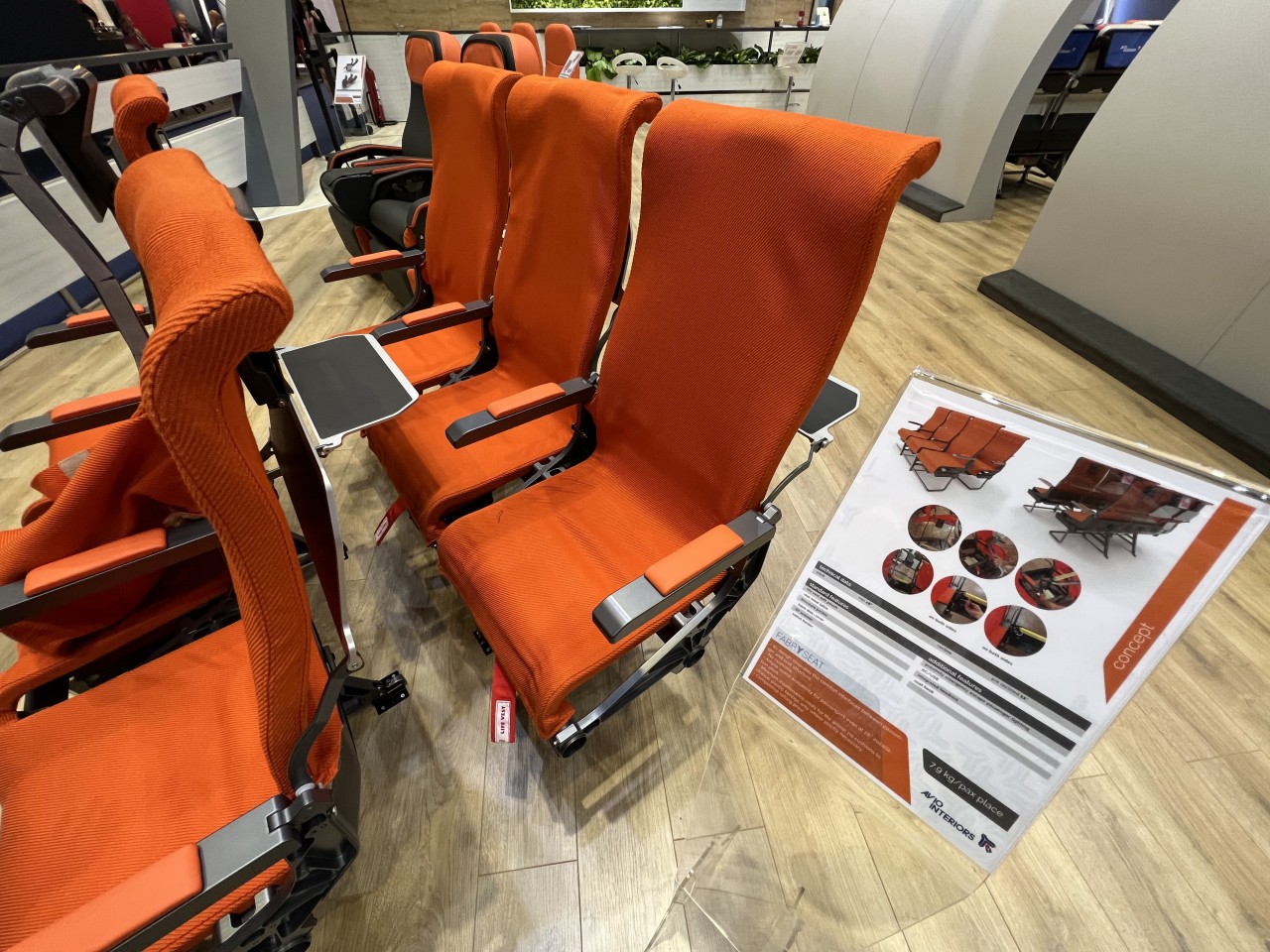
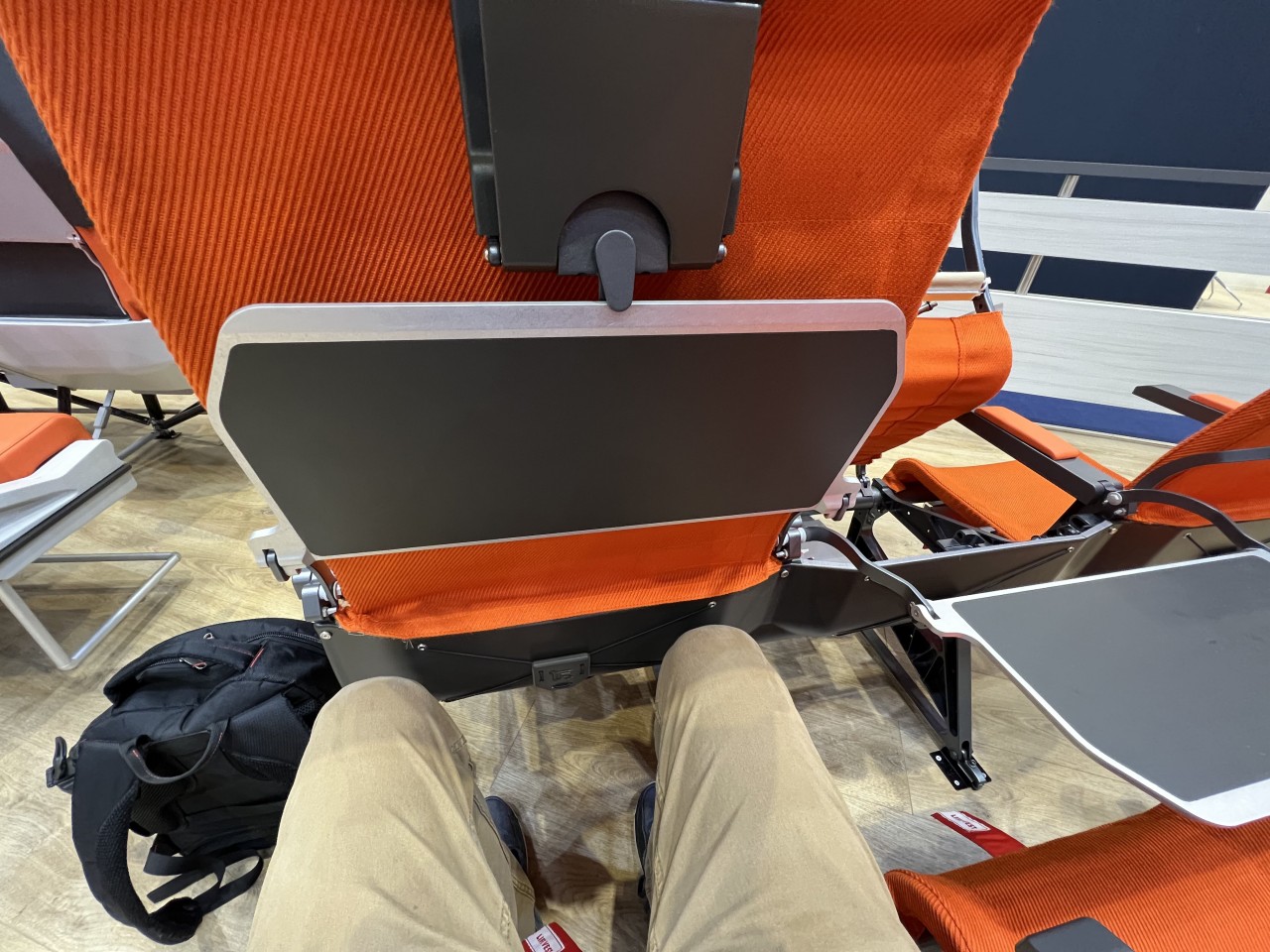
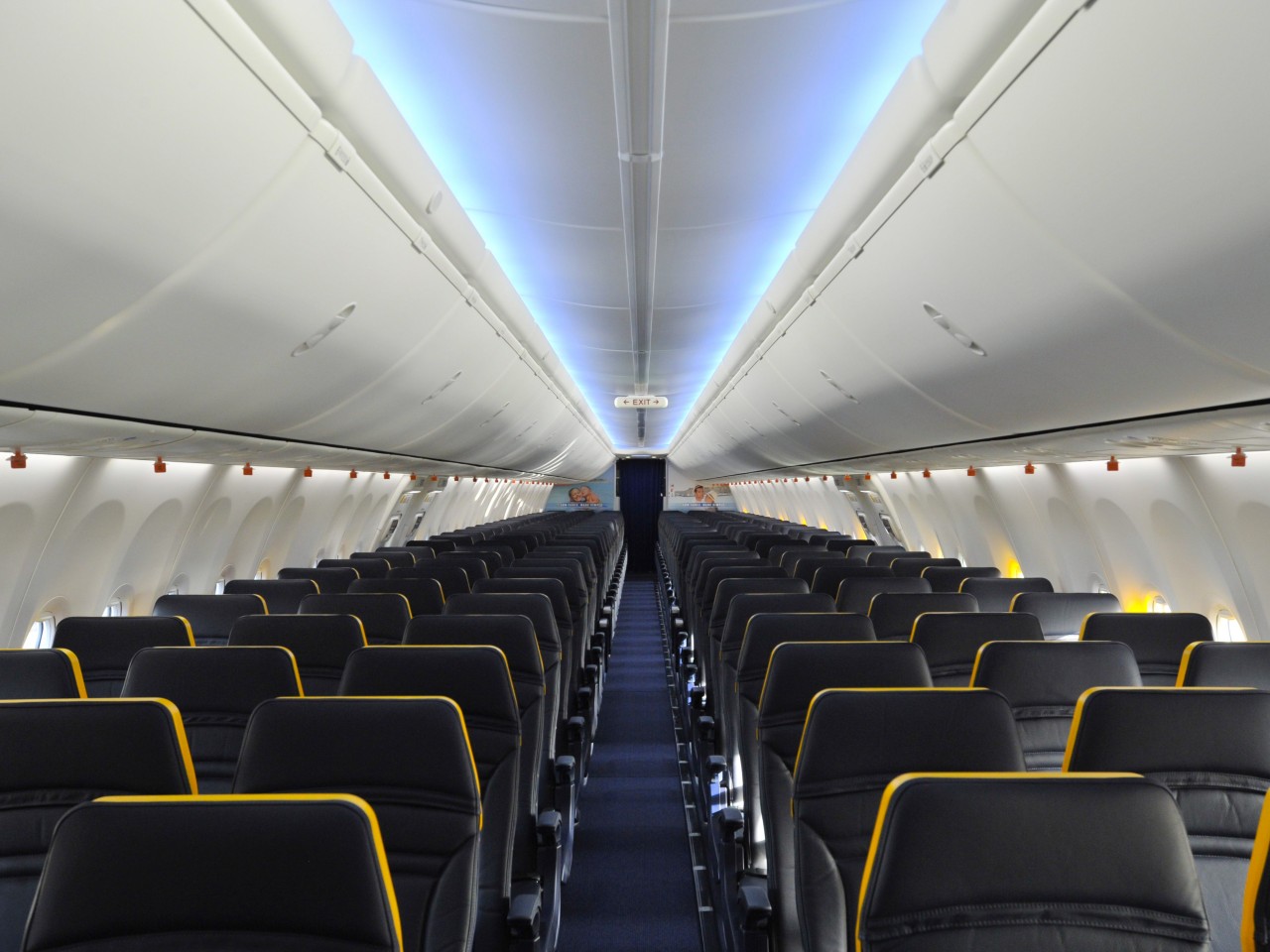
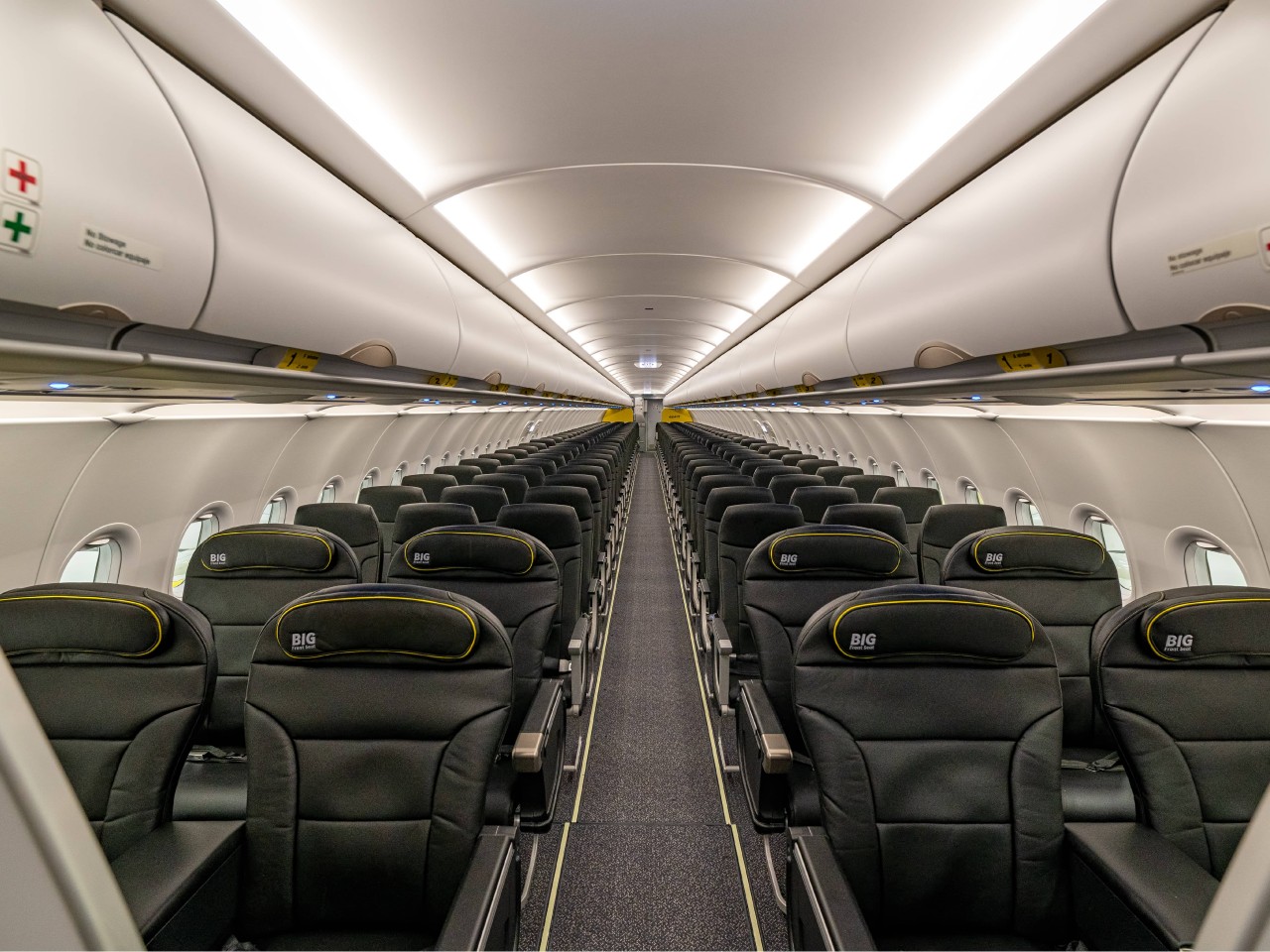
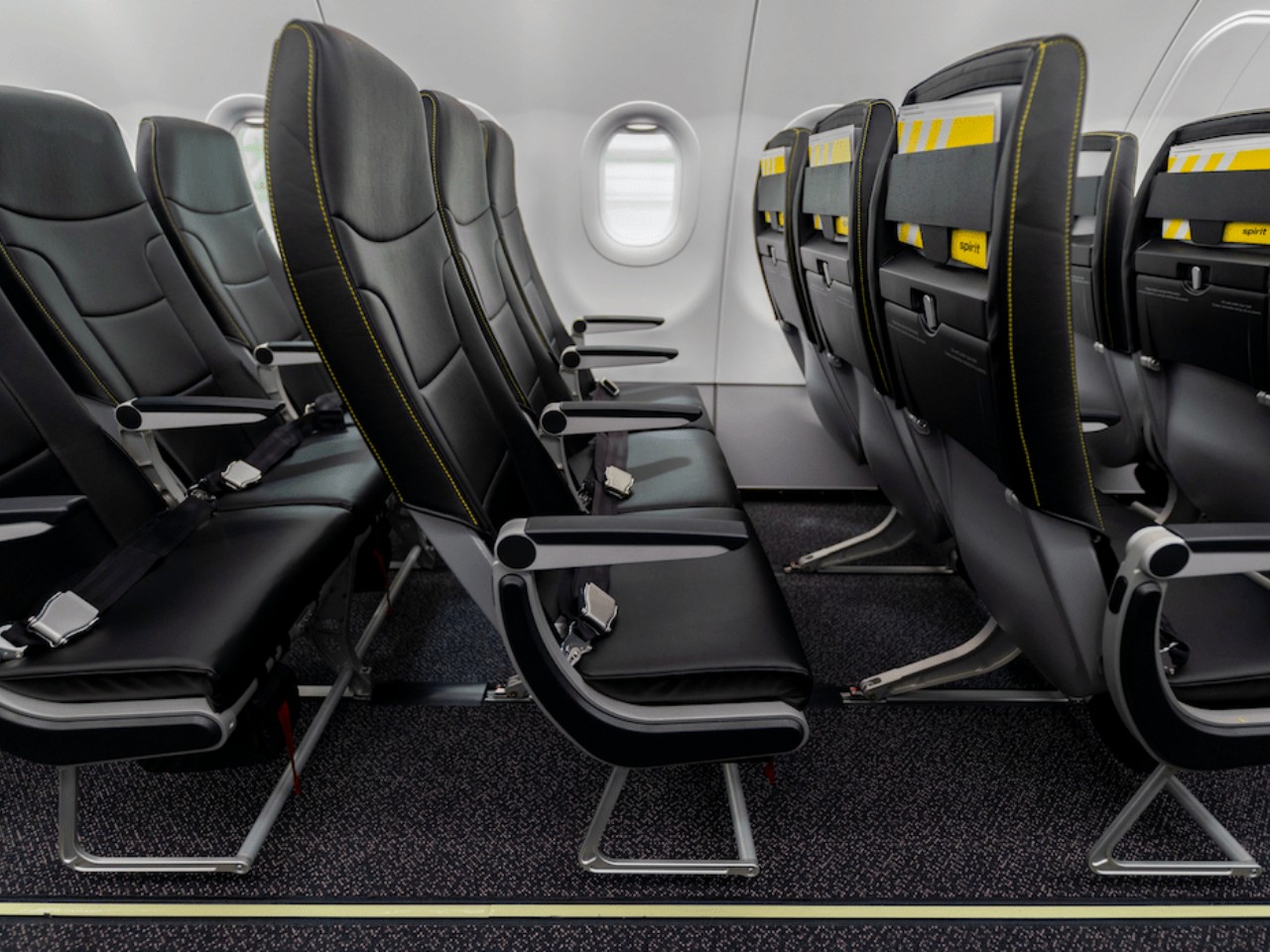
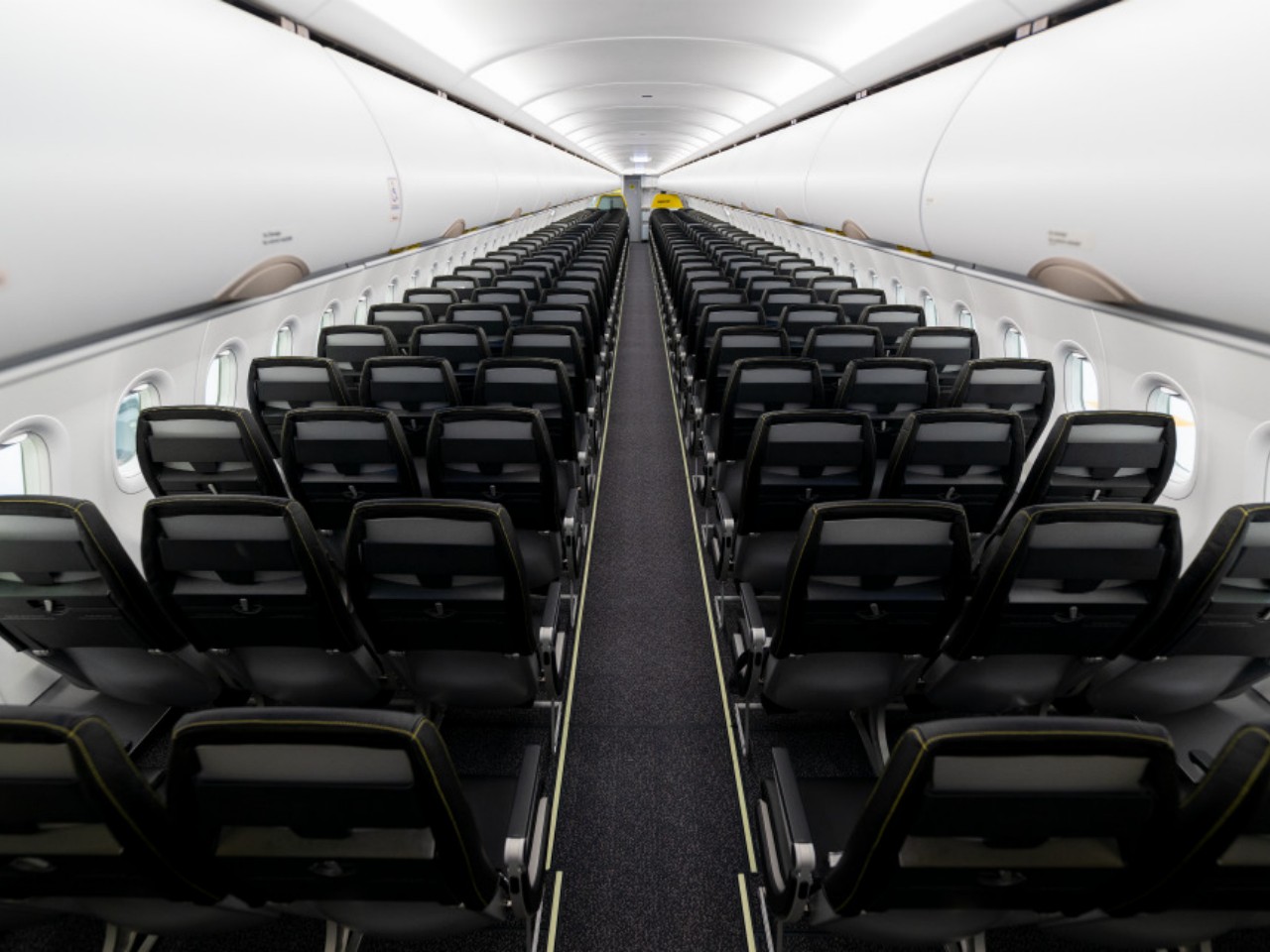
Minimalist seats, for example, prioritize space efficiency and cost-effectiveness in order to both lower ticket prices as well as increase profits. By minimizing the space occupied by seats, using more lightweight materials, and adopting streamlined designs that are easier to clean, airlines can minimize operation costs while also increasing ticket sales and, therefore, increasing Revenue per Available Seat Mile or RASM figures. This is mostly seen in economy class seats and budget airlines, of which the likes of Ryanair and Spirit Airlines are best known. Aviointeriors’ 7.5kg “FABRYSEAT” concept is an example of extreme minimalism, pretty much just a metal frame with a fabric covering and a small headrest.
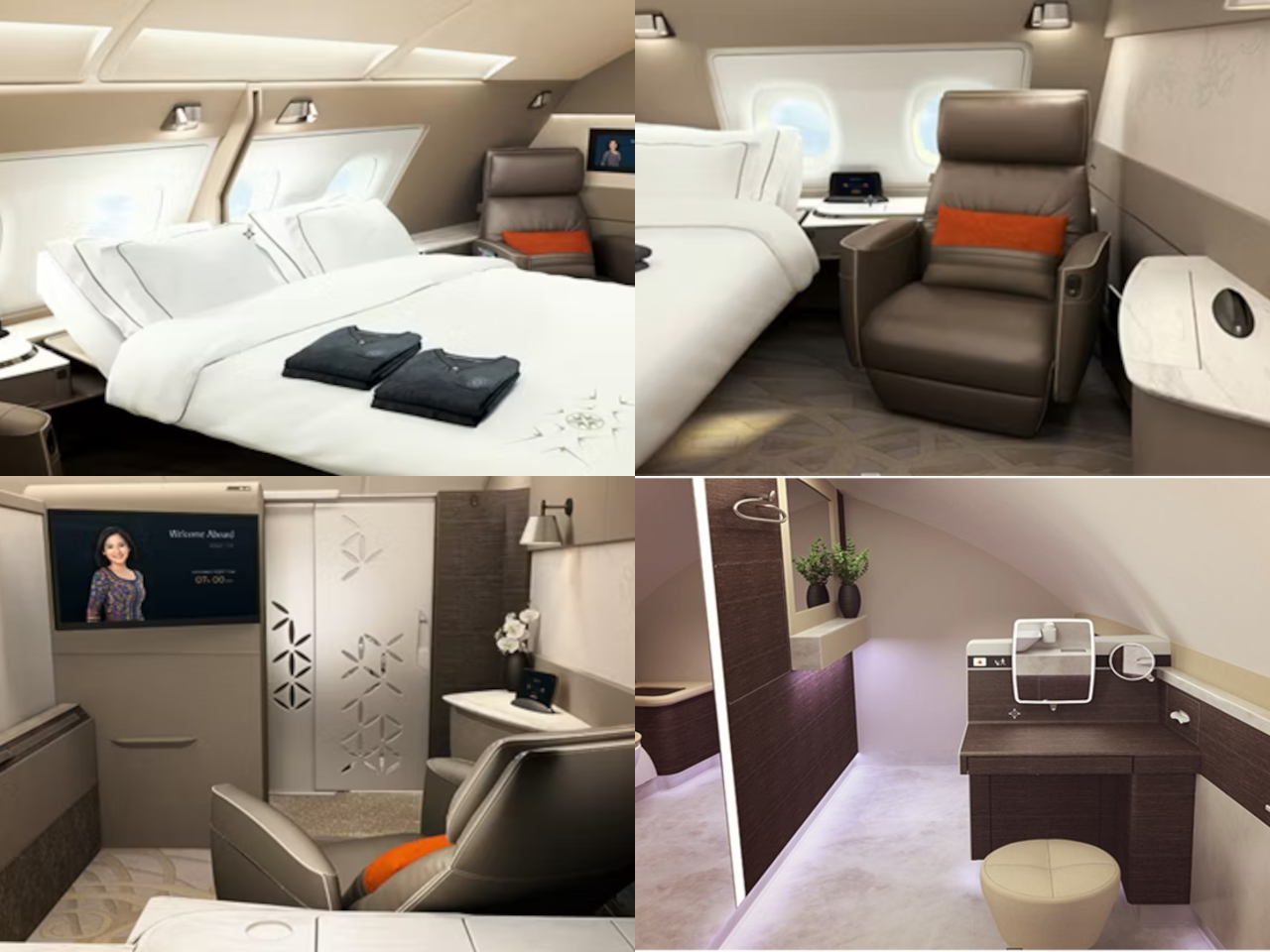
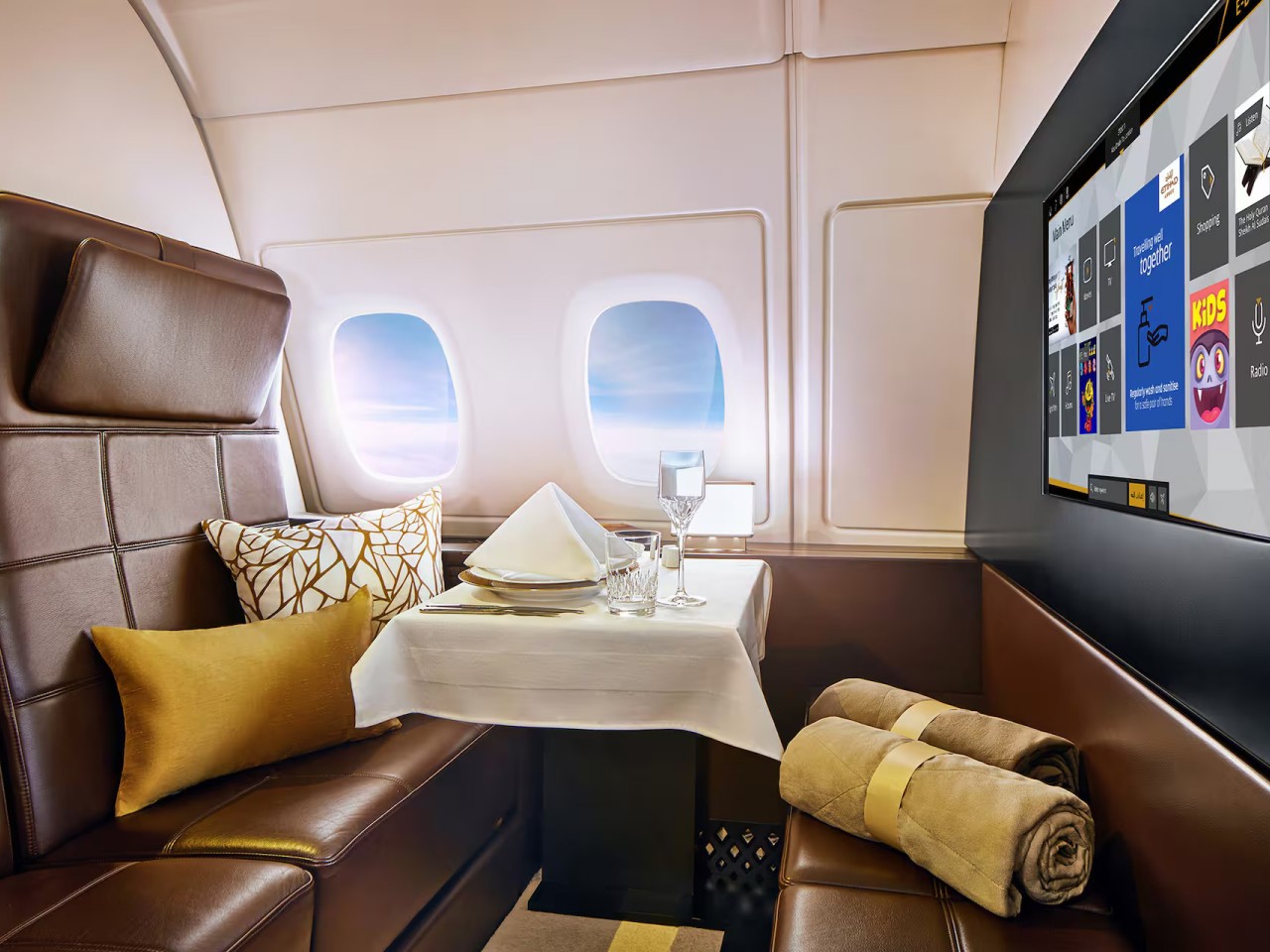
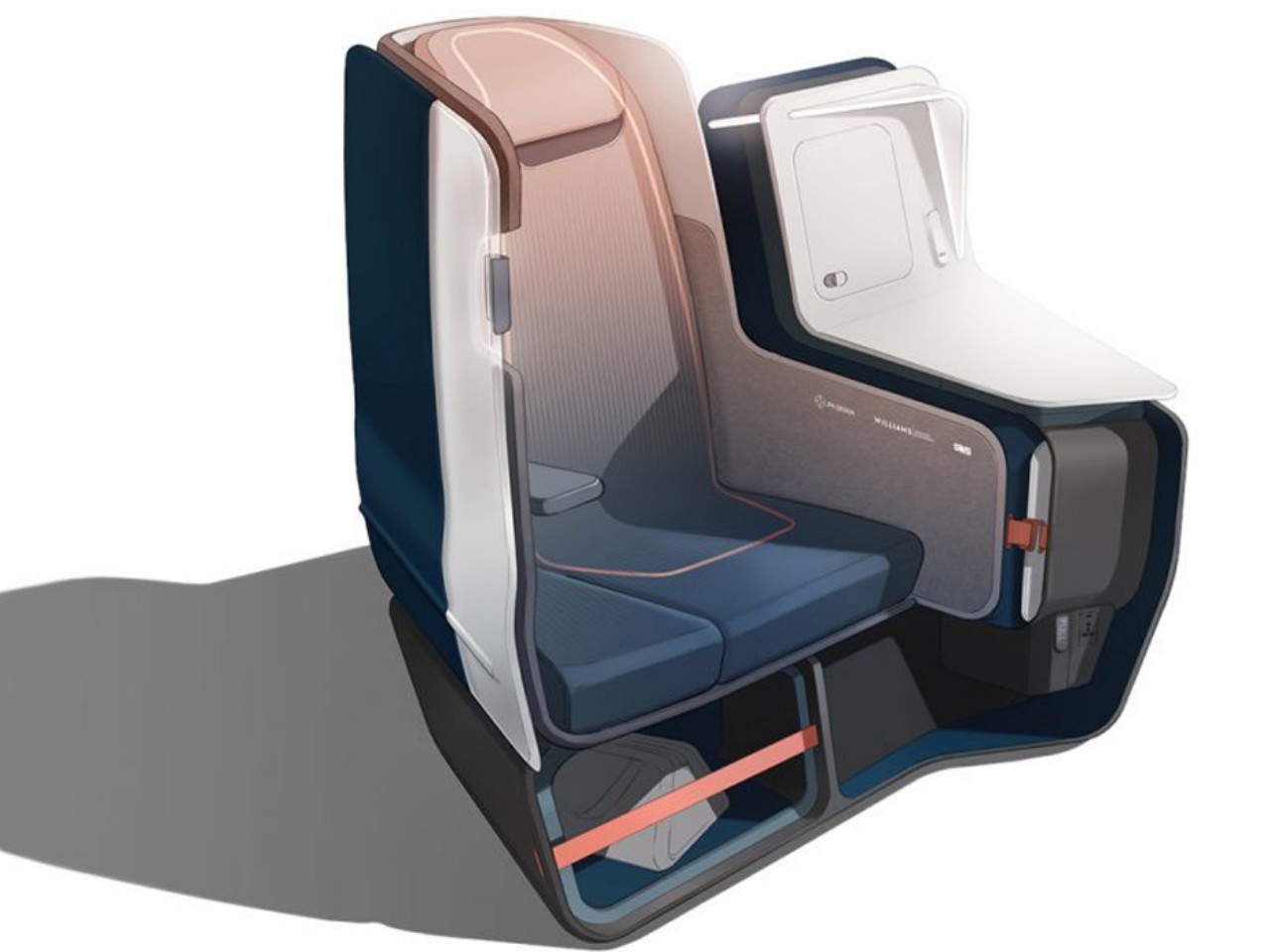
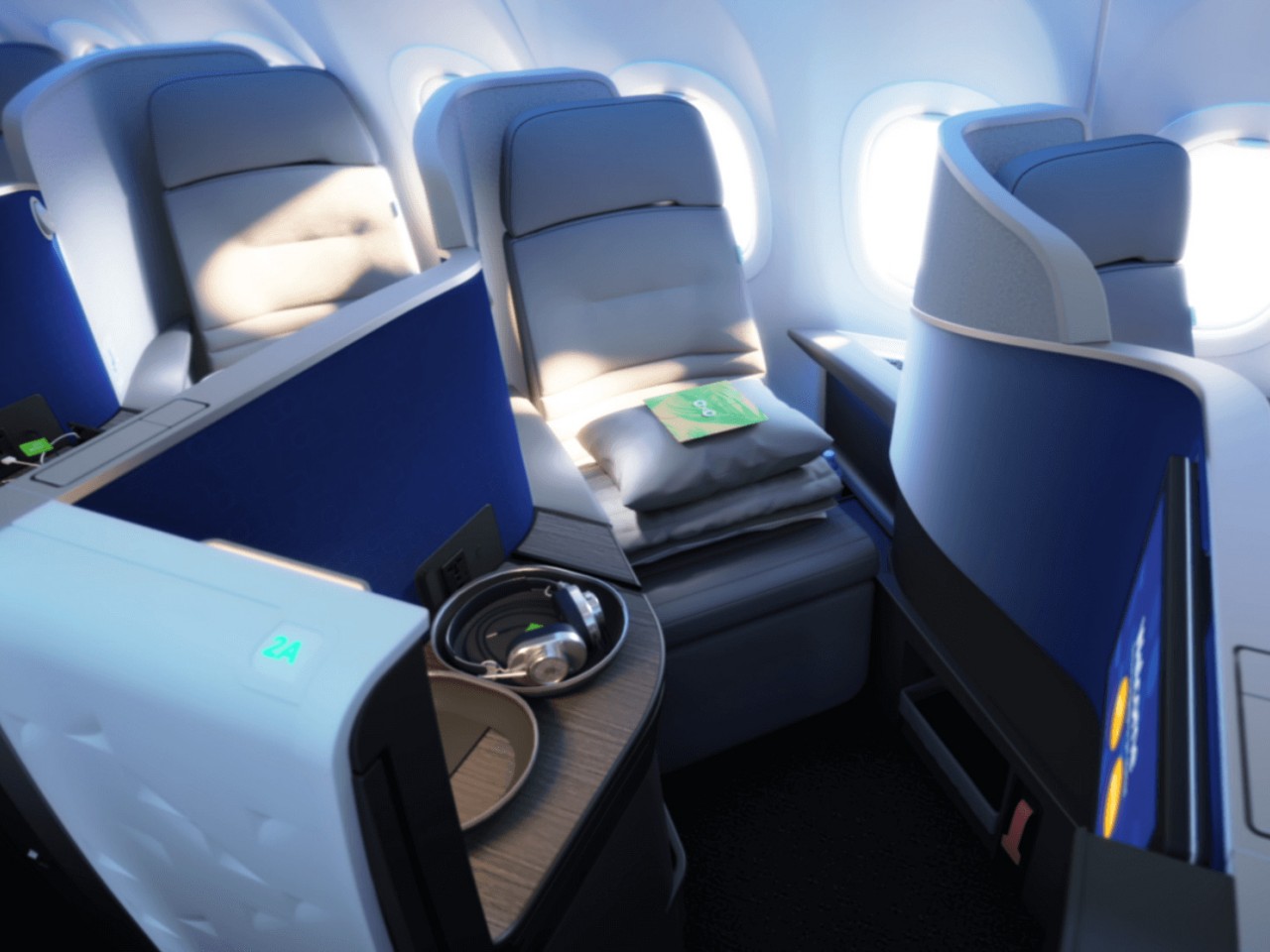
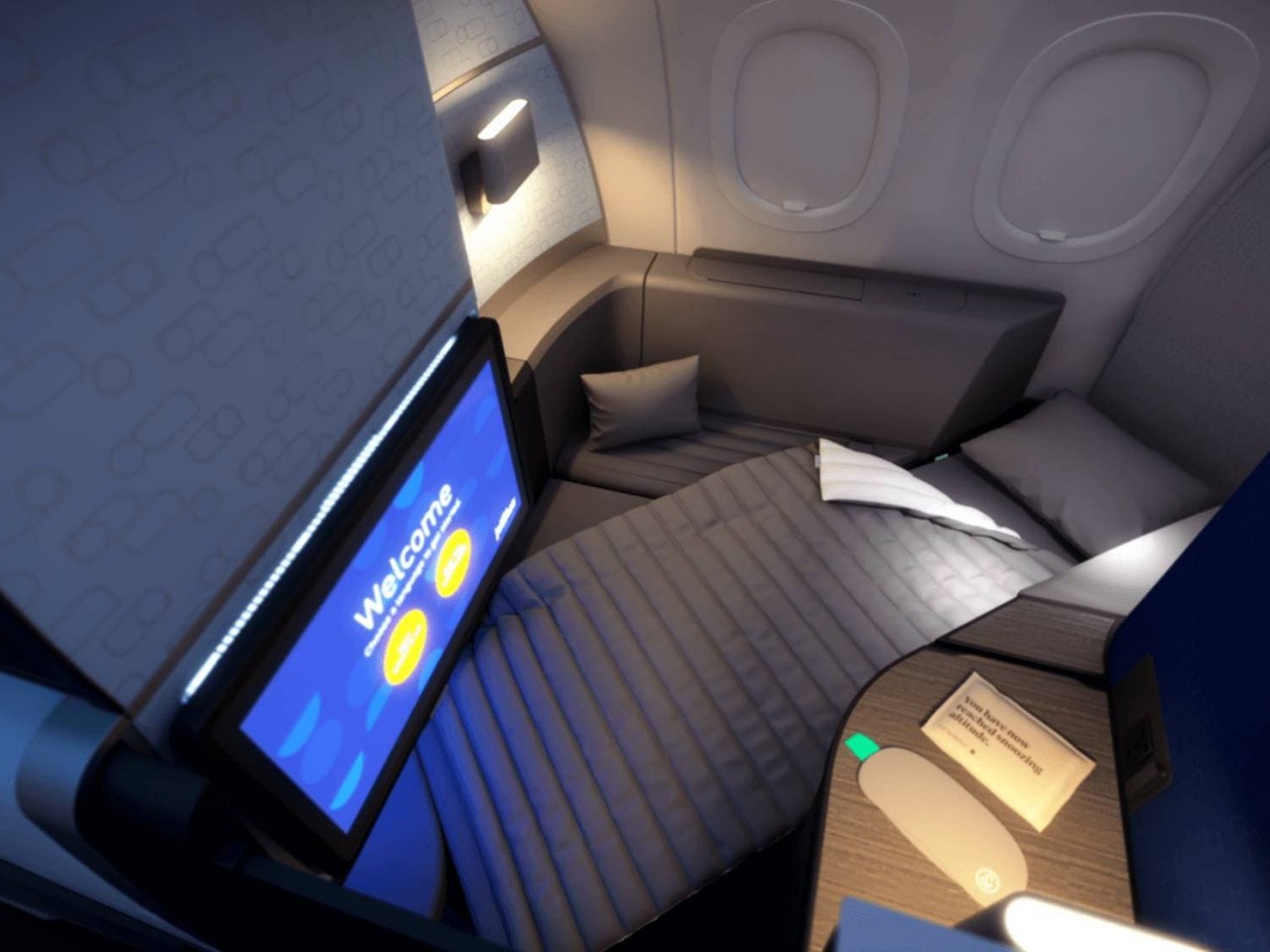
On the opposite end of the spectrum, luxury designs put comfort and convenience above all, even if it means increasing costs for both the company and the passenger. There is enough space to completely recline the seat into a bed and airlines offer extra amenities not available to other passengers. Given the price involved, these luxuries are only offered to business and first-class passengers, and Singapore Airlines and Etihad Airways are perhaps the most popular examples of such premium experiences.
Just like how airplanes themselves require a delicate balancing act to stay airborne, every aspect of seat design has an overall effect not just on passenger comfort but also on the airline economy in general. Two of the most important elements to be considered for seat configurations are the seat pitch and the seat width. Seat pitch, which refers to the space between one seat and the one in front of it, and the width of the seat not only affects passenger comfort but also how many passengers you can fit in the cabin.
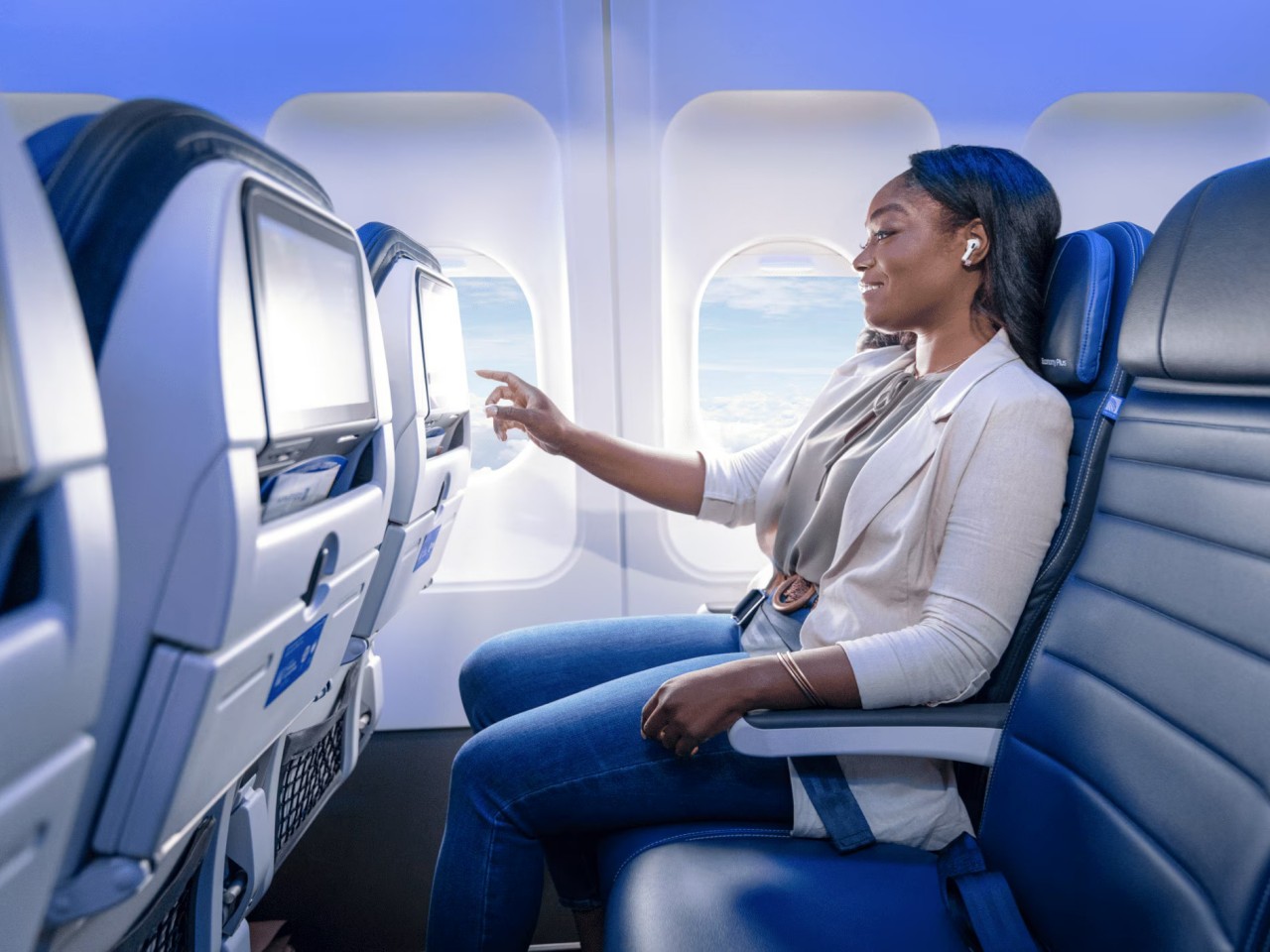
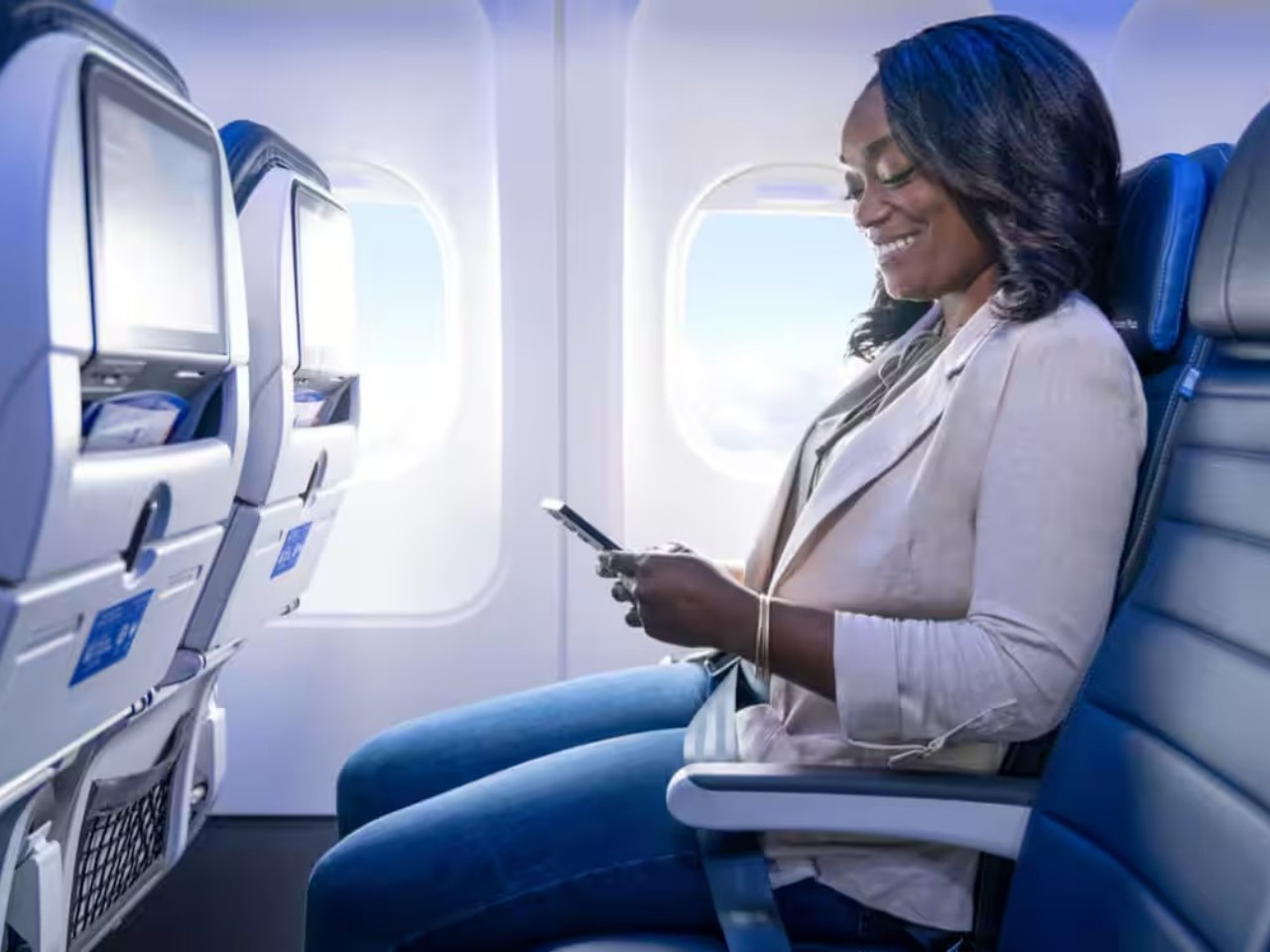
You might think that having more seats and more passengers will always be beneficial for the airline, but that isn’t always the case. Cramped spaces are likely to also decrease customer satisfaction, leading to lower customer loyalty, and more seats and passengers will also weigh the plane down as well, requiring more fuel, interior modification, and, in the long run, higher operating costs. The duality between these two elements isn’t always clear-cut as well. For example, United Airlines has an Economy Plus that offers more legroom but at a higher price. This conundrum is at the heart of that tug-of-war that both airlines and even regulators face, balancing profit maximization and passenger satisfaction.
Ultra-Luxirious First-Class Seats vs. High-Density Economy Seats: A Few Case Studies
With dozens if not hundreds of airlines in operation around the world, there are just as many seat designs available that cover the spectrum between extreme minimalism and posh luxury. There are, however, a few that have stood out over the years, almost becoming representatives of these two design philosophies. Of course, business is more complicated than that, and most airlines have different sections or even aircraft that cater to different audiences and budgets.
On the luxurious side of flights, Etihad Airways is quite famous for its “The Residence,” offering a three-bedroom suite, a shower, and even a personal butler. Singapore Airlines’ Suite isn’t far behind with its full-length bed, 32-inch TV, and privacy sliding doors. Both airlines offer hotel-like amenities and luxuries available to those who can afford the rather steep price tag.
Conversely, Ryanair and Spirit are poster children for high-volume, low-cost economy seats, with seat pitches averaging 30 inches or lower. Most of the designs are minimalist and utilitarian, employing mass-produced materials to keep costs low and tickets affordable. It might sound uncomfortable, but these configurations are quite popular with budget travelers, especially frequent flyers who simply need to get from A to B without much fuss.
Sustainability in the Air: Balancing Eco-Friendly Designs with Cost and Comfort
These days, it’s no longer enough to be cost-effective or luxurious. Sustainability has become a major consideration in airline seat design, and to some extent an added complication. Companies and designers now also have to consider using eco-friendly materials that won’t compromise comfort and cost, and that’s not always an easy feat even for normal product designs.
There are a few airlines that have started that arduous journey, like Air New Zealand’s use of plant-based leather alternatives, or Recaro’s SL3510 carbon fiber-reinforced plastic to make seats lighter. There are also other concepts that not only utilize lightweight materials but also apply simpler structures and mechanisms to reduce the number of parts needed. Lighter and recycled materials can help lower a plane’s overall carbon footprint, but these materials can sometimes also cost more, so airlines have to balance the pros and cons of these as well.
Successes and Failures: Lessons From Both Past and Future
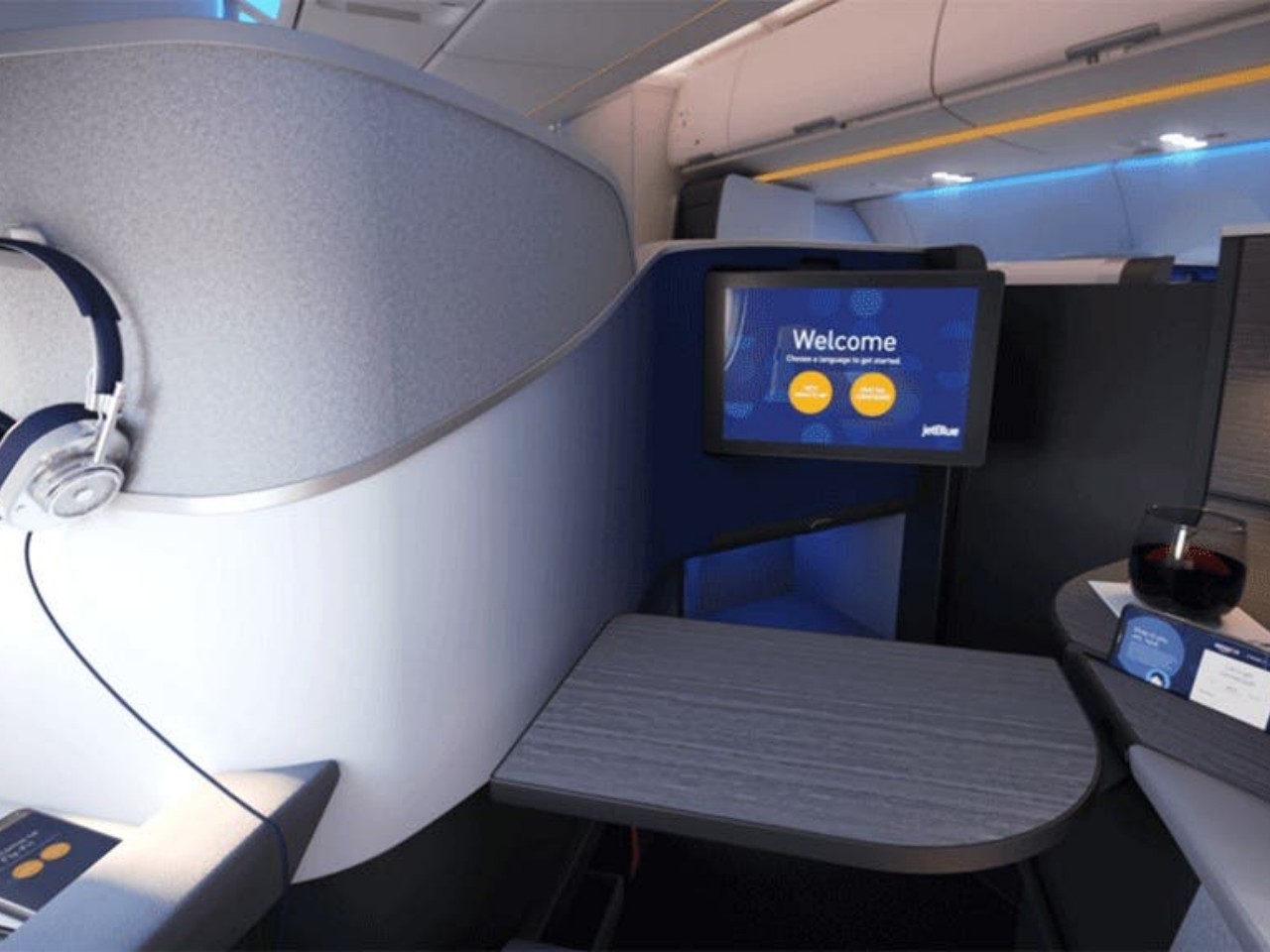
Aviation history is filled with stories of winners and losers, not just in flyer programs but also in seat designs. Some have become more notorious than others, while the rest served as lessons to be learned. JetBlue, for example, coined its own “Mint” business class, offering lie-flat seats and artisan dining to its transcontinental flights, a move that proved to be quite successful and popular with business travelers. In stark contrast, American Airlines’ decision in 2017 to reduce its seat pitch to below 30 inches was faced with much backlash that the company eventually backtracked.
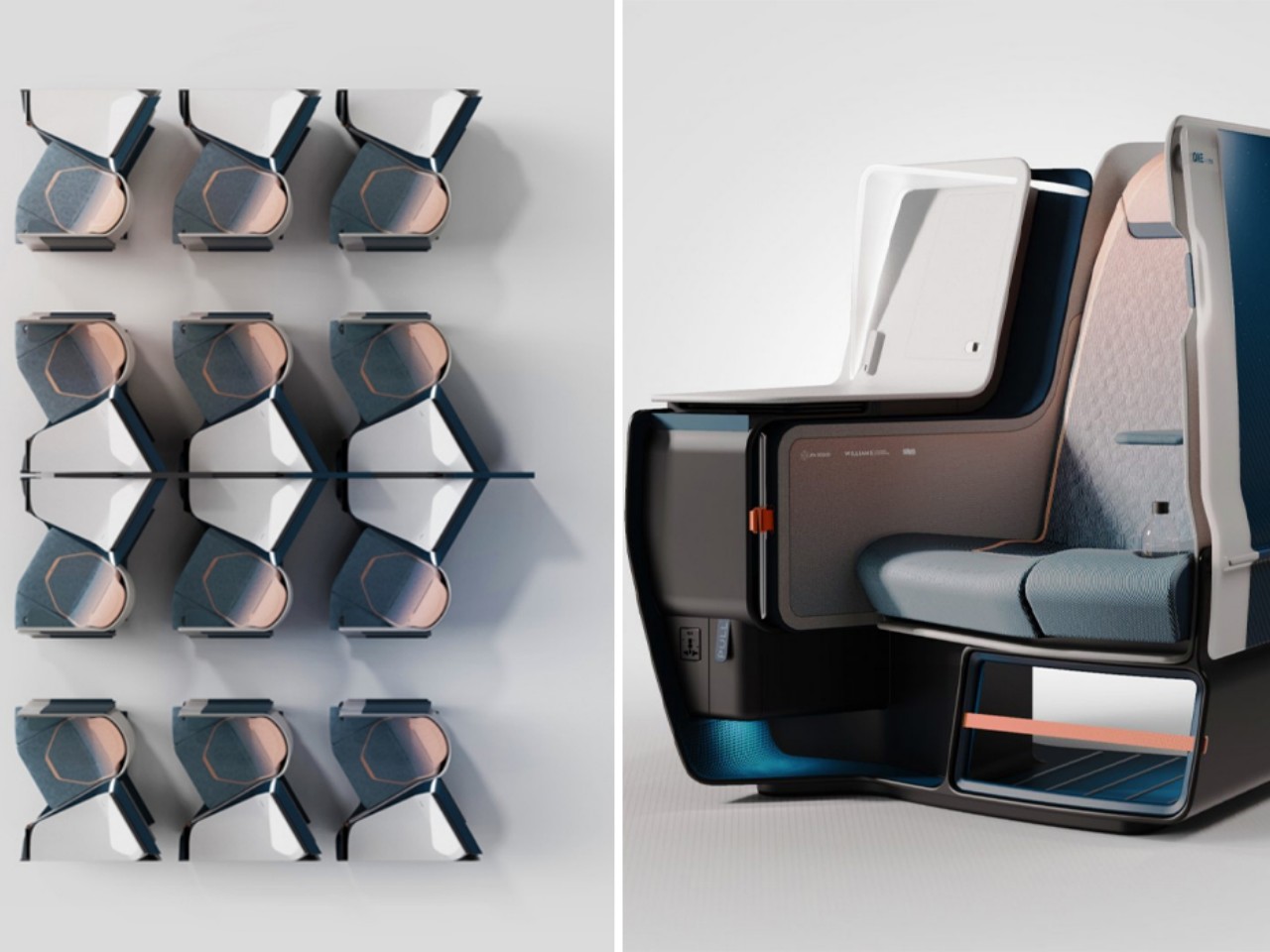
Even in the realm of concept designs, there are a few that seemed to be too far-fetched and uncomfortable that they were immediately met with ridicule and even contempt. While not everyone will oppose having more seats on a plane to accommodate more passengers, a few designs seemed to prioritize that over passenger comfort, feeling like they were more interested in helping airlines game more profit instead.
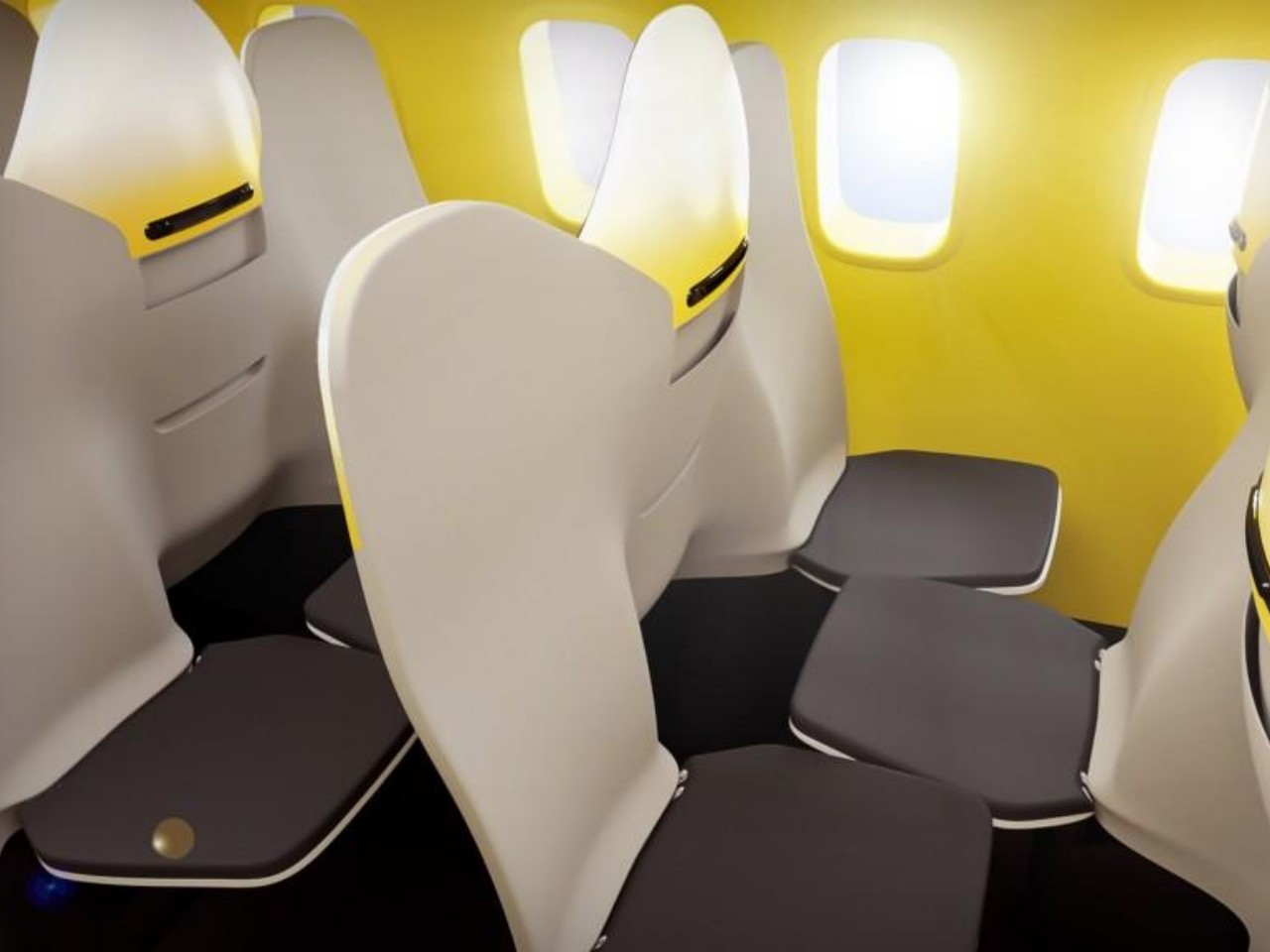
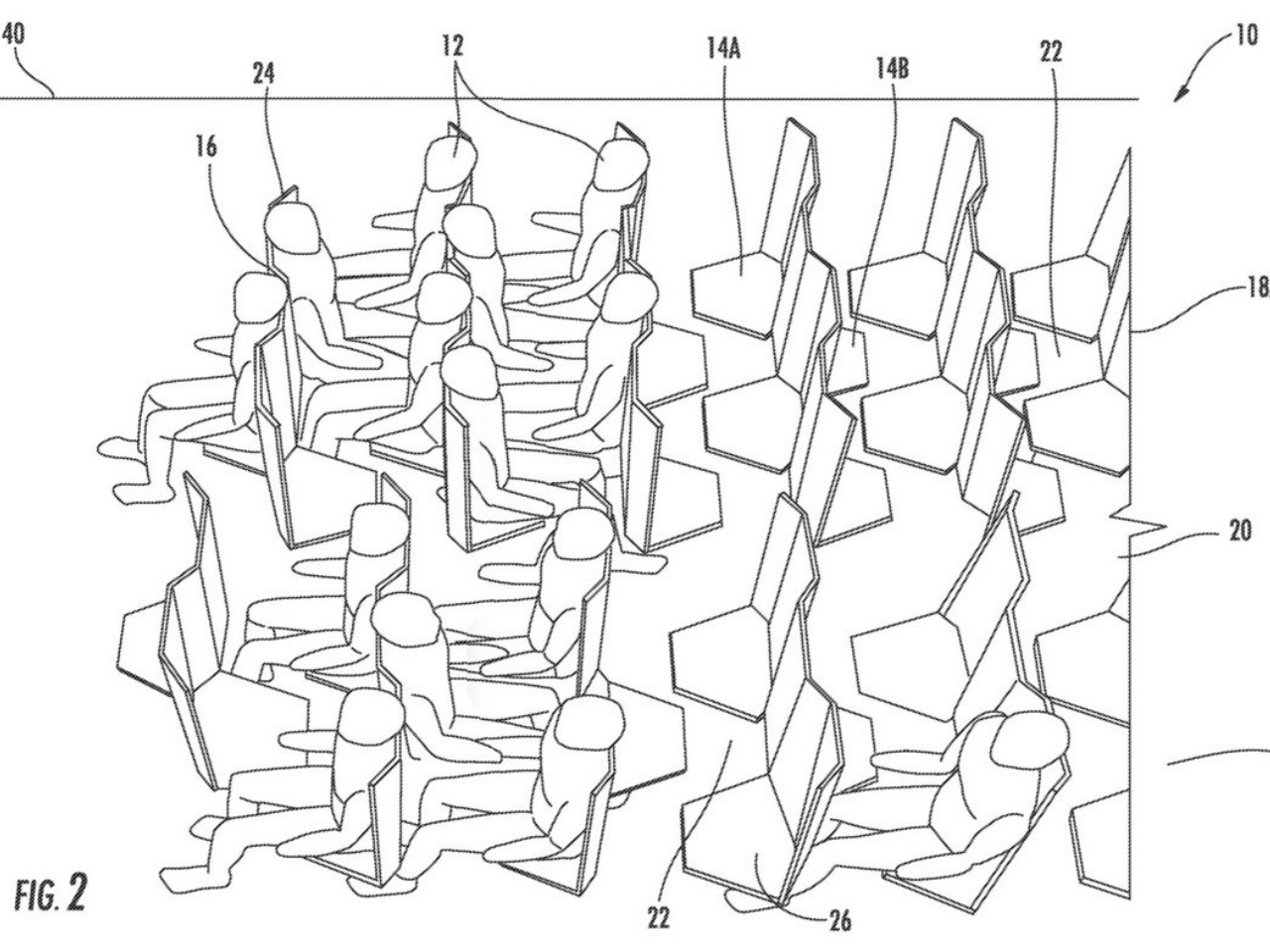
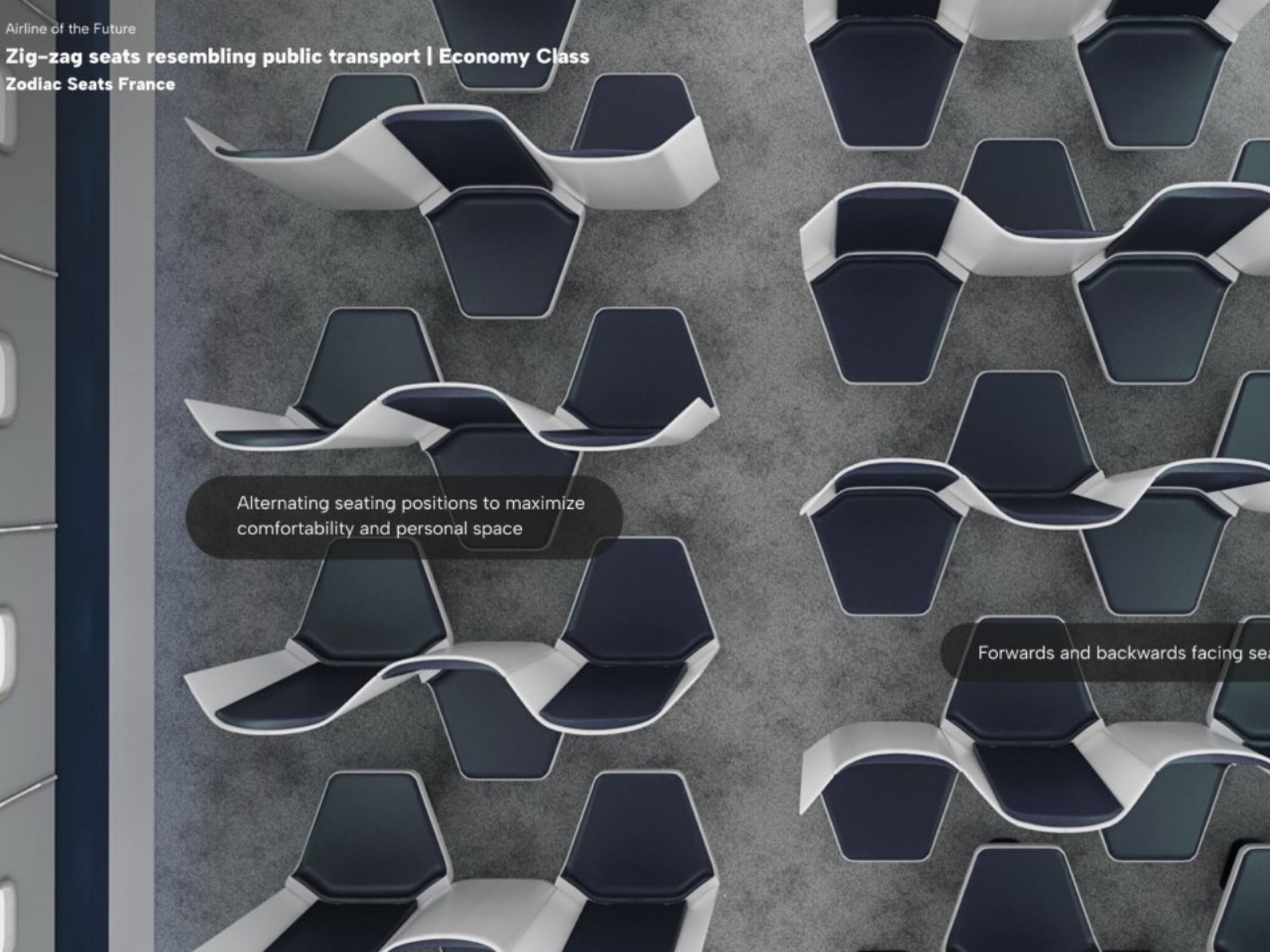
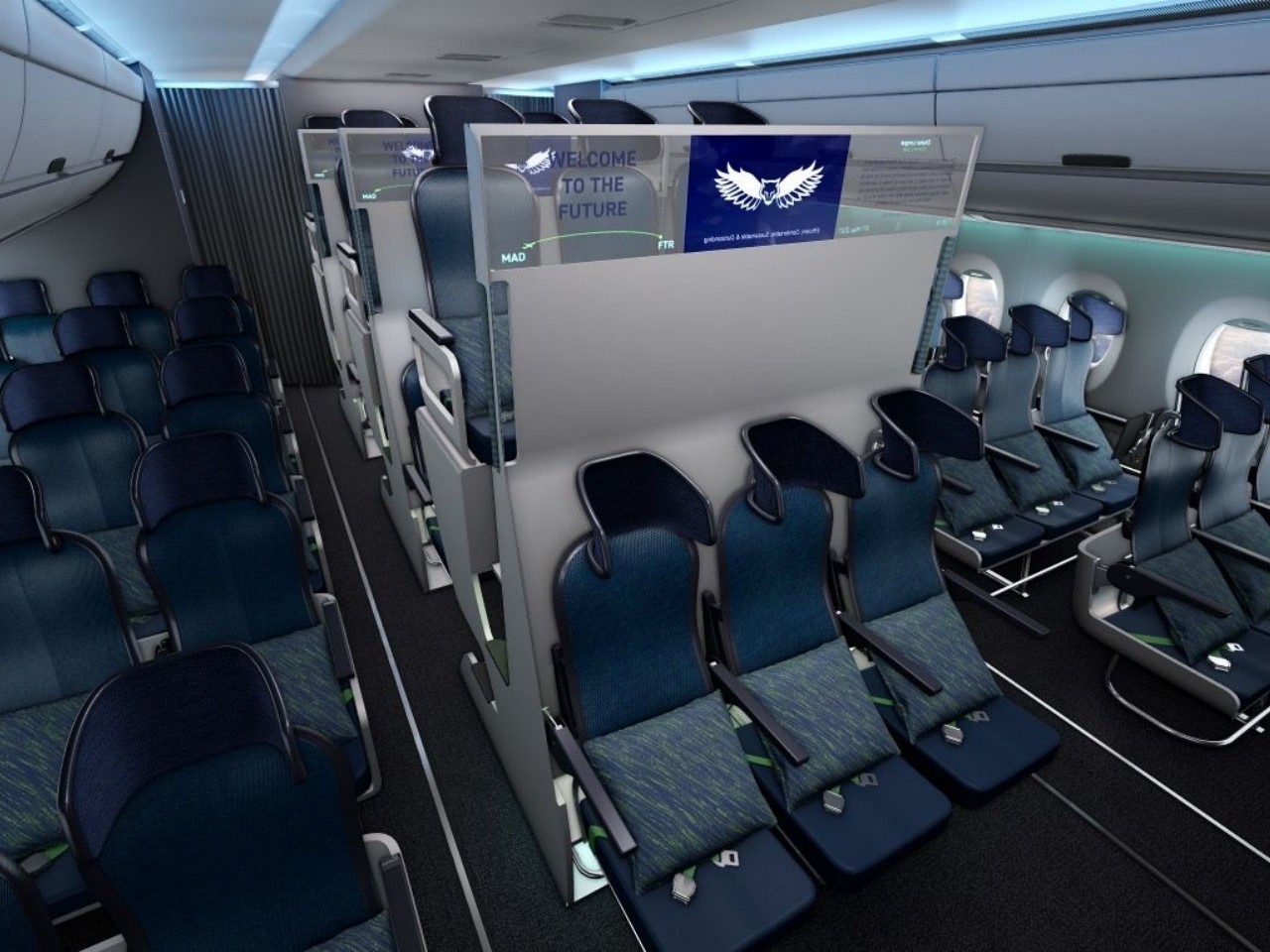
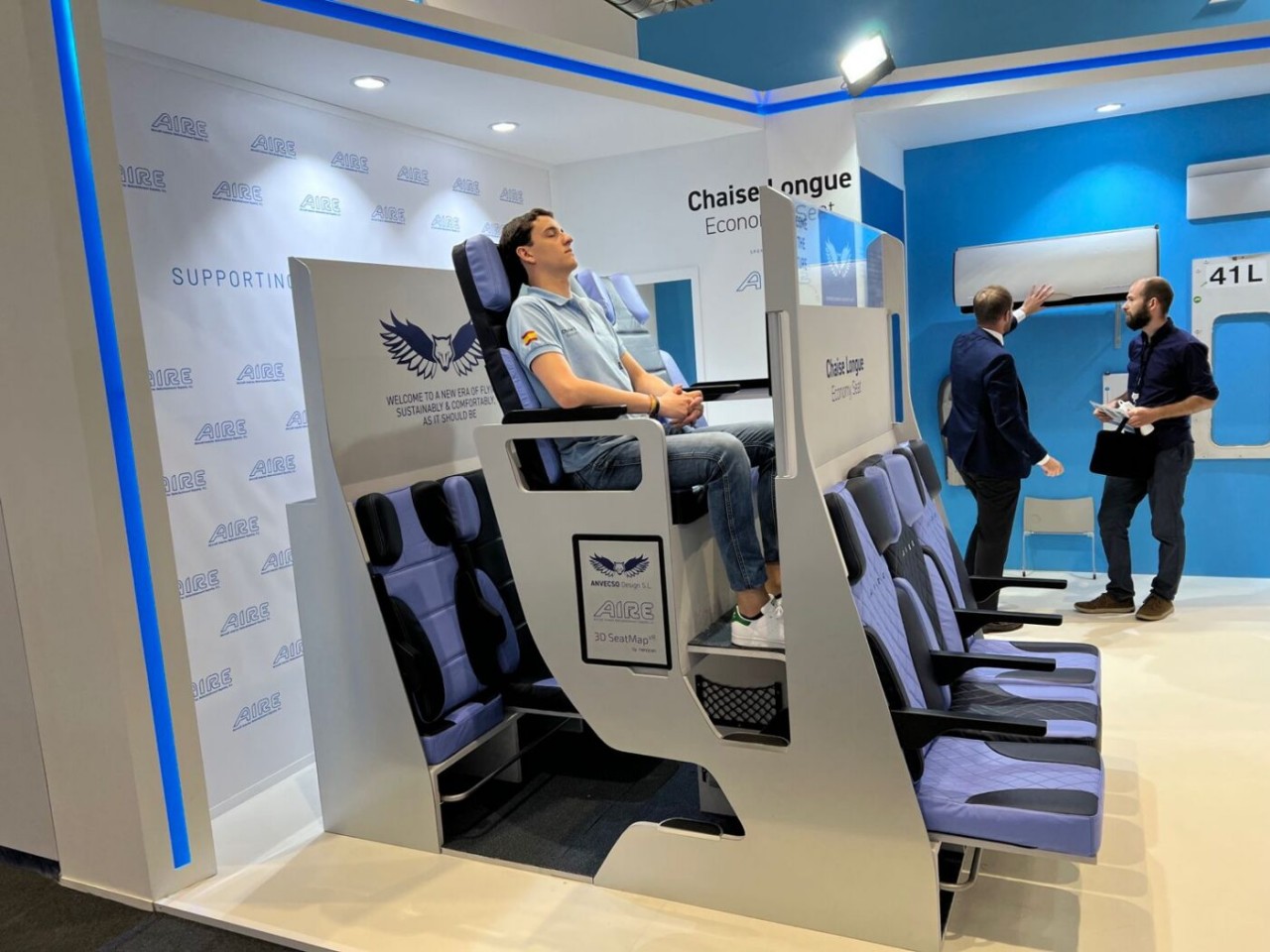
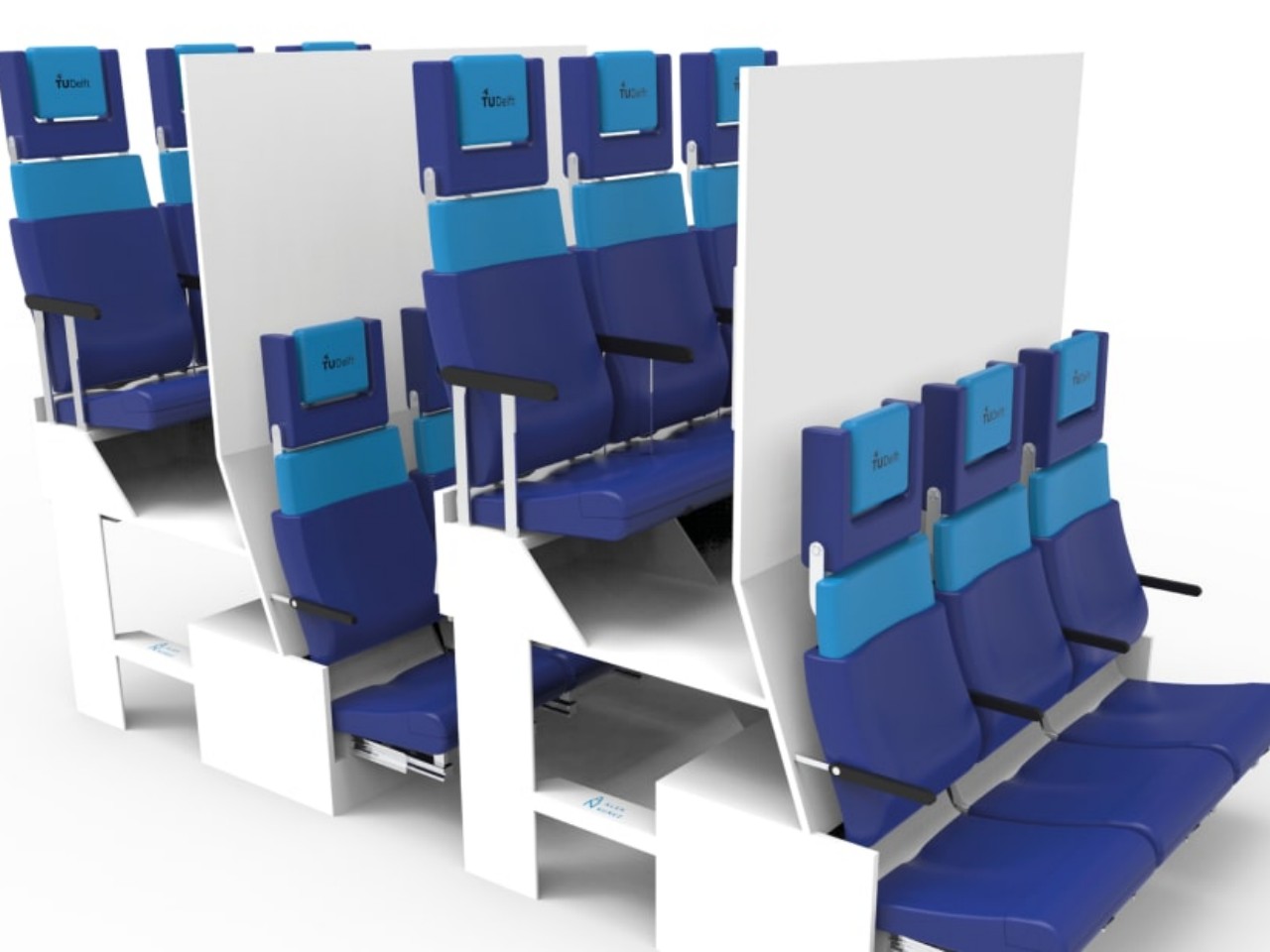
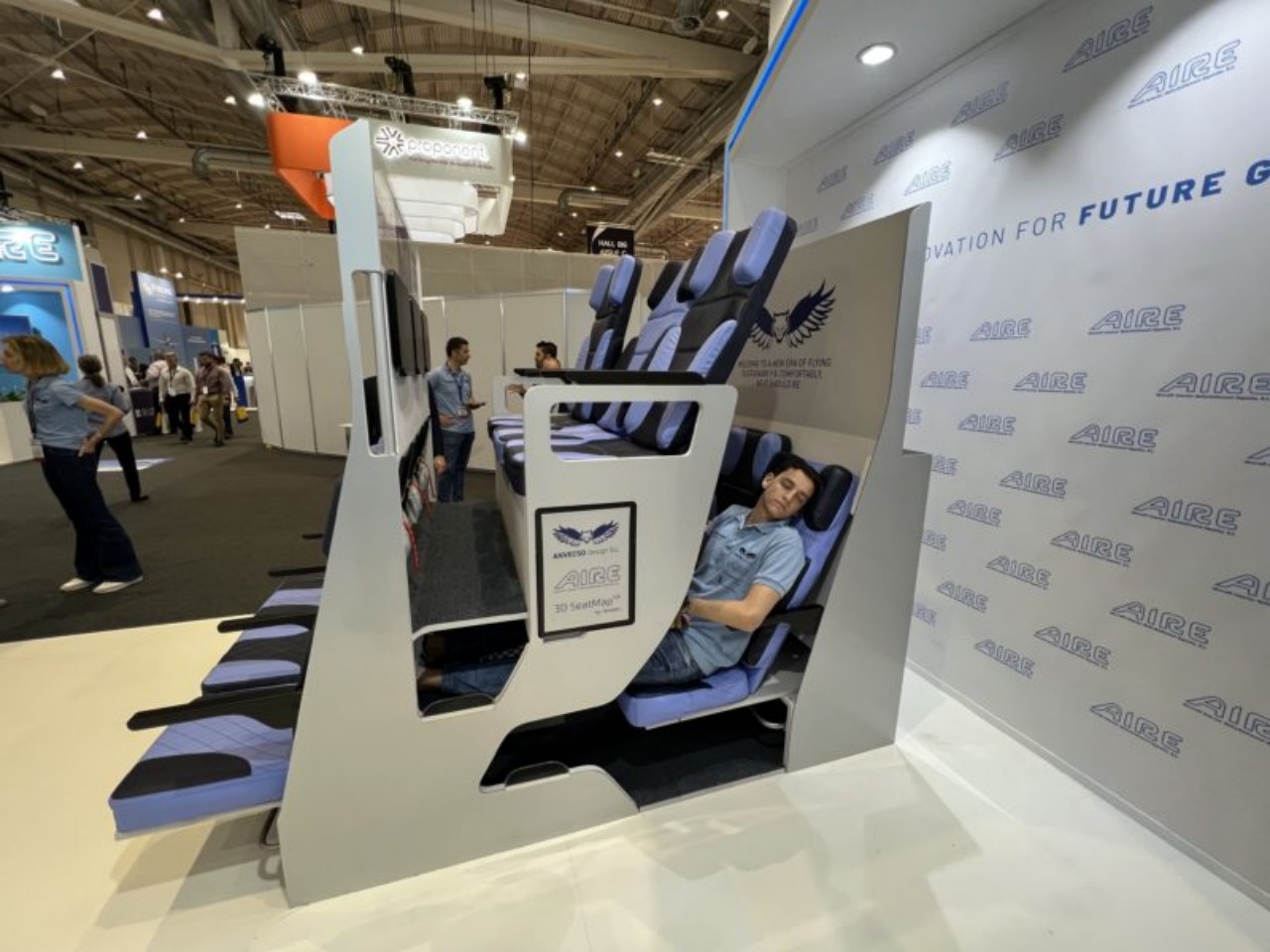
The Economy Class Cabin Hexagon concept, for example, made use of a zig-zagging layout that would make some passengers, some of whom might be complete strangers, awkwardly facing each other. The Chaise Longue design, on the other hand, implemented the “double-decker” idea that would theoretically give more legroom for people on the “lower” decks but also make them feel more cramped and almost claustrophobic. Neither concept has so far been implemented, but there are also plenty of examples out there that miss the mark, one way or another.
The design of airline seats is not a simple matter of choosing a form and a set of materials. There’s an ongoing tug-of-war between comfort and profit that also keeps changing over time. One generation might focus on comfort and luxury while succeeding generations might prioritize economy and efficiency. There’s also the matter of sustainability and eco-friendliness that is becoming just as important as these two factors. Airlines and designers must continually innovate and push the boundaries, looking not just for new materials but for better layouts and structures as well. Customers and regulators must also be vigilant that the interests of companies don’t overtake the experience of passengers. In the end, success in this domain hinges on understanding and anticipating passenger needs while crafting an economic model that sustains profitability amidst the ever-competitive skies.
Screeneo Innovation has launched the latest Philips NeoPix Smart projector series, transforming the home entertainment experience. The series includes models such as the NeoPix 230 Smart, NeoPix 550 Smart, and the highly anticipated NeoPix 750 Smart. These projectors are designed to transform any living space into an immersive home cinema without breaking the bank, making […]
Midjourney, the amazing AI image generation tool, offers a wealth of features to Taylor your creations and add plenty of creativity to your digital art. This guide by Future Tech Pilot presents 20 advanced tips and tricks to help you harness Midjourney’s full potential, enhancing both image quality and user experience. By using these techniques, […]
Americans utilized more wireless data last year than ever before, using over 100 trillion megabytes throughout 2023, Reuters reports. This record number represented a 36 percent or 26 trillion MB boost from 2022, according to an industry survey. The number of wireless connections also grew in 2023 to 558 million — a six percent jump over 2022.
Interestingly, these increases were fuelled more by new advancements than traditional outlets. Americans spent about 100 billion fewer minutes talking on the phone than the year prior and maintained a similar amount of text messaging. Instead, technology such as drones, space missions, self-driving vehicles and precision agriculture seemed to have moved the needle.
However, in the US, there is continued uncertainty over how to find new spectrum for wireless communication. According to the Cellular Telecommunications and Internet Association (CTIA) CEO Meredith Attwell Baker, "to continue to meet the insatiable demand for wireless, drive innovation, and support America's economic competitiveness, the wireless industry needs access to more full-power, licensed spectrum." In November 2023, the White House established the National Spectrum Strategy to improve spectrum access and management.
This article originally appeared on Engadget at https://www.engadget.com/americans-used-100-trillion-megabytes-of-wireless-data-last-year-123025183.html?src=rss
Americans utilized more wireless data last year than ever before, using over 100 trillion megabytes throughout 2023, Reuters reports. This record number represented a 36 percent or 26 trillion MB boost from 2022, according to an industry survey. The number of wireless connections also grew in 2023 to 558 million — a six percent jump over 2022.
Interestingly, these increases were fuelled more by new advancements than traditional outlets. Americans spent about 100 billion fewer minutes talking on the phone than the year prior and maintained a similar amount of text messaging. Instead, technology such as drones, space missions, self-driving vehicles and precision agriculture seemed to have moved the needle.
However, in the US, there is continued uncertainty over how to find new spectrum for wireless communication. According to the Cellular Telecommunications and Internet Association (CTIA) CEO Meredith Attwell Baker, "to continue to meet the insatiable demand for wireless, drive innovation, and support America's economic competitiveness, the wireless industry needs access to more full-power, licensed spectrum." In November 2023, the White House established the National Spectrum Strategy to improve spectrum access and management.
This article originally appeared on Engadget at https://www.engadget.com/americans-used-100-trillion-megabytes-of-wireless-data-last-year-123025183.html?src=rss
Automating tasks using ChatGPT can transform your productivity by seamlessly integrating it with a wide range of external applications. This guide will walk you through the process of setting up these automations, including creating a custom GPT, configuring webhooks, and using the powerful Make automation platform. By following these steps, you can unlock the full […]
Apple has unveiled the highly anticipated watchOS 11 Release Candidate, which promises to transform the way you interact with your Apple Watch. This comprehensive update introduces a wealth of new features, enhanced functionality, and app updates designed to elevate your user experience to new heights. Get ready to explore the innovative capabilities that will make […]
In a government inquiry about AI adoption in Australia, Meta's global privacy director Melinda Claybaugh was asked whether her company has been collecting Australians' data to train its generative AI technology. According to ABC News, Claybaugh initially denied the claim, but upon being pressed, she ultimately admitted that Meta scrapes all the photos and texts in all Facebook and Instagram posts from as far back as 2007, unless the user had set their posts to private. Further, she admitted that the company isn't offering Australians an opt-out option like it does to users in the European Union.
Claybaugh said that Meta doesn't scrape the accounts of users under 18 years old, but she admitted that the company still collects their photos and other information if they're posted on their parents' or guardians' accounts. She couldn't answer, however, if the company collects data from previous years once a user turns 18. Upon being asked why Meta doesn't offer Australians the option not to consent to data collection, Claybaugh said that it exists in the EU "in response to a very specific legal frame," which most likely pertains to the bloc's General Data Protection Regulation (GDPR).
Meta had notified users in the EU that it will collect their data for AI training unless they opt out. "I will say that the ongoing conversation in Europe is the direct result of the existing regulatory landscape," Claybaugh explained during the inquiry. But even in the region, Claybaugh said that there's an "ongoing legal question around what is the interpretation of existing privacy law with respect to AI training." Meta decided not to offer its multimodal AI model and future versions in the block due to what it says is a lack of clarity from European regulators. Most of its concerns centered around the difficulties of training AI models with data from European users while complying with GDPR rules.
Despite those legal questions around AI adoption in Europe, bottom line is that Meta is giving users in the bloc the power to block data collection. "Meta made it clear today that if Australia had these same laws Australians' data would also have been protected," Australian Senator David Shoebridge told ABC News. "The government's failure to act on privacy means companies like Meta are continuing to monetise and exploit pictures and videos of children on Facebook."
This article originally appeared on Engadget at https://www.engadget.com/apps/meta-scraped-every-australian-users-account-to-train-its-ai-120026200.html?src=rss