Governor Gavin Newsom has signed California's "click to cancel" Assembly Bill 286 into law to make it easier for consumers to opt out of subscriptions. The bill, introduced in April 2024, forces companies that permit online or in-app sign-ups to allow for online or in-app unsubscribing as well.
"AB 2863 is the most comprehensive ‘Click to Cancel’ legislation in the nation, ensuring Californians can cancel unwanted automatic subscription renewals just as easily as they signed up — with just a click or two,” said California Assemblymember Pilar Schiavo.
Like many, you may have signed up for a thing online and when you go to cancel it, are presented with a phone number. You then have to spend an hour on hold before being allowed to convince the person on the other end of a line that you can cancel a subscription that took five seconds to sign up for. California's new bill is designed to kibosh that sort of behavior, though companies have until mid-2025 to comply.
Adobe is one of the more notable examples of this behavior, particularly since its subscriptions can cost $60 per month. Earlier this year, the FTC sued the company over early termination fees and roadblocks to unsubscribing, calling the practices "illegal."
The FTC has proposed a similar law last year that would apply across the US, but the finalized rule is still to come. Meanwhile, if you're having trouble cancelling a subscription Engadget created a guide on how to do so with commonly used plans.
This article originally appeared on Engadget at https://www.engadget.com/general/californias-click-to-cancel-subscription-bill-is-signed-into-law-123058770.html?src=rss
Seagate has announced its latest innovation for PlayStation enthusiasts: the officially licensed Game Drive External SSD. This new addition to Seagate’s extensive line of storage solutions is designed specifically for PS5 and PS4 console users who require additional fast and large capacity storage. Available in 1 TB and 2 TB options, the Game Drive External […]
With the introduction of iOS 18 and iPadOS 18, Apple has significantly improved the photo management capabilities on iPhone and iPad devices. The updated operating systems offer a range of new features and enhancements designed to streamline the process of sorting, filtering, and organizing your photo library. Whether you’re a professional photographer or simply someone […]
I grew up on two of the most classic games in the Legend of Zelda series: A Link to the Past and Link’s Awakening. And while there have been a handful of Zelda games with the classic overhead view, those have been mostly relegated to systems like the Game Boy Advance and the 3DS. Mainline Zelda games that are a big event in the gaming world are in the 3D style so successfully introduced to the series way back in 1998 with Ocarina of Time.
All this is to say that it’s been years since I’ve played an entirely new Legend of Zelda game in the style of those classics I love so much. The Legend of Zelda: Echoes of Wisdom (out tomorrow) has brought me right back. The game takes great advantage of the art style that Nintendo brought to the series with the Link’s Awakening remake, but don’t let the cute look fool you — this game is much tougher than Link’s Awakening. And while it could serve as a good entry point for younger players, the challenge level and puzzle-solving skills needed means adults will have their work cut out for them as well.
Nintendo
Part of that challenge is because Echoes of Wisdom has a wildly different set of mechanics compared to any other Zelda game, 3D or not. That’s because you’re not controlling Link, the protagonist of literally every game in the series. Instead, you are finally in control of Princess Zelda herself as she tries to rescue Link (!) and bring peace to Hyrule.
The big plot device this time out is a series of otherworldly rifts that have opened up throughout Hyrule, swallowing up huge parts of the land and the people who reside there. Zelda soon meets an adorable but ghostly creature named Tri who can heal the rifts. Tri gifts Zelda the Tri Rod, the single piece of equipment that makes this game so different from the rest. With the Tri Rod, Zelda can create echoes of dozens of objects and creatures she encounters throughout the game and use them to solve puzzles and battle monsters.
Nintendo
It’s hard to overstate how much this fundamentally separates this game from all the rest in its series. Instead of gearing up with a sword and shield and augmenting them with a variety of other weapons and tools, Zelda is unable to directly fight at first. She can, at least, throw a rock or two at the first enemies she meets to defeat them. But once you defeat an enemy, you can clone it to your heart's content with the Tri Rod — and unleash those creatures on other monsters.
Before long, I was in control of a gang of sword-wielding Moblins, or I could summon spiders to climb the walls to attack out-of-reach enemies. In underwater segments, I could deploy anglerfish to light the way forward. Above ground, I could summon birds to take on other aerial enemies. And while some monsters are more vulnerable to certain kinds of attacks than others, I’m pretty sure that everyone will end up with different strategies that work for their own playing style.
Another power that Tri grants you is the ability to grab and move many objects around the world, letting you get around physical obstacles like giant rocks with ease. You can also grab monsters and echoes you create, an ability that isn’t required but can make dealing with certain baddies easier (grabbing a Deku plant by the head and giving it a tug is a satisfying way to take them out).
Nintendo
Nintendo clearly put a ton of thought into designing how players could use echoes to both battle monsters as well as traverse the terrain of Hyrule. But there are also a host of frustrations that come along with this completely new system, making me more divided about this game than almost any Zelda game I’ve played. First off, relying on echoes of various monsters to do your battling for you can be incredibly frustrating. Put simply… they’re just kind of stupid. They’re often slow to attack and very hard to control. You can target enemies with the ZL trigger, and I’ve found that if you target and then summon an echo, it’ll do a better job of honing in on that target, but it’s a very imprecise system. I often found myself running around trying to dodge attacks while waiting for my monsters to do their dirty work.
It’s entirely possible that I wasn’t picking the right monsters for the particular job, but that gets to a second problem. There are just entirely too many echoes in this game. I currently have more than 75 echoes in my notebook, and it’s just very hard to remember them all or know what the right situation to use them is. For example, I spend an inordinate amount of time trying to figure out how to make a mini-boss vulnerable to my attacks. I ended up feeding it an explosive bombfish (yup, it’s a fish with a bomb in its mouth!), and it felt like an obvious solution in retrospect. But there are so many echoes that it’s just hard to remember what’s at your disposal at any given time.
Nintendo
You can pull up your list of echoes by holding right on the d-pad and scrolling through them; it’s similar to how you can quickly pull up all your items in Tears of the Kingdom if you want to bind something to your arrows. As in that game, though, this menu contains so many items that it’s a little cumbersome to dig through. You can sort by most-used, most recently used and a few other options, but those two are probably the most helpful. And you can always hit the plus button to jump into the game’s menus to find exactly the right echo you’re looking for. But the tyranny of choice here is real.
Despite times where the game felt more like a frustration than a challenge, Echoes of Wisdom is also packed with tons of great “a-ha!” moments when you naturally figure out exactly where the game is nudging you. But because of the completely different mechanics this game uses, it feels like a nice evolution of the standard Zelda format — even if it did give me moments of agita.
Nintendo
I should note that Zelda does get to wield a sword and shield, but it’s different than in previous games. In the first dungeon, Zelda gains the ability to switch to “swordfighter” mode, and she plays essentially like Link would in a similar game. However, Zelda has an energy meter that keeps her from staying in that form indefinitely. I definitely loved using that when I was overrun with enemies, and it’s essential for slaying some of the bigger monsters you’ll find in the game. But the energy meter keeps you from relying on it constantly, a limitation that I appreciated (even though I really wanted to just slash my way through baddies as much as possible).
My main quibble with this mode is that the energy meter only refills when you pick up little light crystals dropped by defeated enemies — but as far as I can tell, these only appear when you’re exploring the rifts around Hyrule or inside of a dungeon. And even then, it’s easy to run out and find yourself unable to switch modes. There are potions you can purchase to refill your energy meter, but I wish it was a little easier to find those crystals in the Hyrule overworld. The game really doesn’t want you spamming the sword, basically.
Nintendo
There’s a lot more to Echoes of Wisdom than these new mechanics, though they’re the most significant change here from the standard Zelda formula. By and large, the game feels like a solid remix of some of the Zelda series’ greatest hits. The Hyrule overworld will feel familiar to anyone who played A Link to the Past, though it’s hardly a one-to-one recreation. There’s an extensive beach that isn’t found in the older game, and there are new settlements for creatures like the Deku Scrubs and two varieties of Zora, just to name a few changes.
As in many previous games, the main play pattern of “explore area, find dungeon, clear dungeon” is intact, but the game also takes a nod from Breath of the Wild and Tears of the Kingdom. The quests usually prod you to investigate a few different areas, which you can do in whatever order you prefer. After clearing a set, the story advances and you get a new group to discover.
There’s a formula leading up to each dungeon, though. You generally visit a settlement around Hyrule where a rift has opened and swallowed up residents and buildings — and the dungeon you need to explore to close the rift is hidden away inside. So there’s a bit of pre-dungeon rift exploration to do, after which grateful citizens will generally give you what you need to progress to the dungeon proper.
These rifts remind me most of the Dark World first introduced in A Link to the Past. They’re shadowy worlds where pieces of the land are strewn about willy-nilly. There are some fun physics puzzles thrown in, as sometimes parts of the world that would usually be horizontal instead ascend vertically. So you’re jumping up the sides of trees or swimming “up” through water. It’s a little hard to put into words, but the game does a good job of introducing these areas without making them immediately too confusing to know which direction to go.
I’ve glossed over the visual design of this game, partially because it’s a continuation of what Nintendo did in the Link’s Awakening remake a few years ago. But as the first entirely new game to use this adorable style, it’s worth digging into. It’s a top-down Zelda game for sure, with a similar view, albeit one that isn’t quite as bird’s-eye as the older games. This gives the world more depth for its design to shine. It’s colorful and detailed, with houses, characters, enemies and environments that feel like tiny toys; the tilt-shift style blurring at the top and bottom of the display adds to that effect.
I feel like Nintendo’s developers drew inspiration from The Wind Waker, not so much in the cel-shaded graphics of that title but in the whimsy found in the world. Both games could easily be described as “cute, but not childish.” Echoes of Wisdom definitely skews “younger” in its presentation than any other Zelda short of Link’s Awakening, but the level of detail and polish is something adults will appreciate.
The music, as usual, is also outstanding throughout. Unlike the fairly minimal scoring that accompanies most of Breath of the Wild and Tears of the Kingdom, there’s a rousing overworld composition that cleverly highlights the Princess Zelda-specific motif that has often accompanied the character for years now. It’s a worthy entry into the long list of excellent overworld tunes, and each dungeon has its own score that fits its particular brand of creepiness well.
It’s not a surprise to say that this adds up to yet another delightful Zelda game that breaks the mold in a number of ways, despite the occasional frustrations. Echoes of Wisdom has far more of a classic linear structure than Tears of the Kingdom, but that’s not a bad thing. Nintendo has changed up enough other parts of the formula for the game to feel both familiar and fresh.
Being able to actually play as Zelda is long overdue, and I’m hopeful that we’ll see her appear as a playable character in more games in the future (perhaps even in a massive, open-world style adventure). But a future title in the vein of Echoes of Wisdom would be welcome, too. I imagine Nintendo will learn a lot from Zelda’s first proper adventure and use that to smooth out the rough parts in the echo system. But fans of the series shouldn’t hesitate to check out Echoes of Wisdom — it’s not perfect, but it’s still a fresh and enjoyable remix of a classic Zelda game.
This article originally appeared on Engadget at https://www.engadget.com/gaming/nintendo/the-legend-of-zelda-echoes-of-wisdom-is-as-familiar-as-it-is-fresh-120025682.html?src=rss
I grew up on two of the most classic games in the Legend of Zelda series: A Link to the Past and Link’s Awakening. And while there have been a handful of Zelda games with the classic overhead view, those have been mostly relegated to systems like the Game Boy Advance and the 3DS. Mainline Zelda games that are a big event in the gaming world are in the 3D style so successfully introduced to the series way back in 1998 with Ocarina of Time.
All this is to say that it’s been years since I’ve played an entirely new Legend of Zelda game in the style of those classics I love so much. The Legend of Zelda: Echoes of Wisdom (out tomorrow) has brought me right back. The game takes great advantage of the art style that Nintendo brought to the series with the Link’s Awakening remake, but don’t let the cute look fool you — this game is much tougher than Link’s Awakening. And while it could serve as a good entry point for younger players, the challenge level and puzzle-solving skills needed means adults will have their work cut out for them as well.
Nintendo
Part of that challenge is because Echoes of Wisdom has a wildly different set of mechanics compared to any other Zelda game, 3D or not. That’s because you’re not controlling Link, the protagonist of literally every game in the series. Instead, you are finally in control of Princess Zelda herself as she tries to rescue Link (!) and bring peace to Hyrule.
The big plot device this time out is a series of otherworldly rifts that have opened up throughout Hyrule, swallowing up huge parts of the land and the people who reside there. Zelda soon meets an adorable but ghostly creature named Tri who can heal the rifts. Tri gifts Zelda the Tri Rod, the single piece of equipment that makes this game so different from the rest. With the Tri Rod, Zelda can create echoes of dozens of objects and creatures she encounters throughout the game and use them to solve puzzles and battle monsters.
Nintendo
It’s hard to overstate how much this fundamentally separates this game from all the rest in its series. Instead of gearing up with a sword and shield and augmenting them with a variety of other weapons and tools, Zelda is unable to directly fight at first. She can, at least, throw a rock or two at the first enemies she meets to defeat them. But once you defeat an enemy, you can clone it to your heart's content with the Tri Rod — and unleash those creatures on other monsters.
Before long, I was in control of a gang of sword-wielding Moblins, or I could summon spiders to climb the walls to attack out-of-reach enemies. In underwater segments, I could deploy anglerfish to light the way forward. Above ground, I could summon birds to take on other aerial enemies. And while some monsters are more vulnerable to certain kinds of attacks than others, I’m pretty sure that everyone will end up with different strategies that work for their own playing style.
Another power that Tri grants you is the ability to grab and move many objects around the world, letting you get around physical obstacles like giant rocks with ease. You can also grab monsters and echoes you create, an ability that isn’t required but can make dealing with certain baddies easier (grabbing a Deku plant by the head and giving it a tug is a satisfying way to take them out).
Nintendo
Nintendo clearly put a ton of thought into designing how players could use echoes to both battle monsters as well as traverse the terrain of Hyrule. But there are also a host of frustrations that come along with this completely new system, making me more divided about this game than almost any Zelda game I’ve played. First off, relying on echoes of various monsters to do your battling for you can be incredibly frustrating. Put simply… they’re just kind of stupid. They’re often slow to attack and very hard to control. You can target enemies with the ZL trigger, and I’ve found that if you target and then summon an echo, it’ll do a better job of honing in on that target, but it’s a very imprecise system. I often found myself running around trying to dodge attacks while waiting for my monsters to do their dirty work.
It’s entirely possible that I wasn’t picking the right monsters for the particular job, but that gets to a second problem. There are just entirely too many echoes in this game. I currently have more than 75 echoes in my notebook, and it’s just very hard to remember them all or know what the right situation to use them is. For example, I spend an inordinate amount of time trying to figure out how to make a mini-boss vulnerable to my attacks. I ended up feeding it an explosive bombfish (yup, it’s a fish with a bomb in its mouth!), and it felt like an obvious solution in retrospect. But there are so many echoes that it’s just hard to remember what’s at your disposal at any given time.
Nintendo
You can pull up your list of echoes by holding right on the d-pad and scrolling through them; it’s similar to how you can quickly pull up all your items in Tears of the Kingdom if you want to bind something to your arrows. As in that game, though, this menu contains so many items that it’s a little cumbersome to dig through. You can sort by most-used, most recently used and a few other options, but those two are probably the most helpful. And you can always hit the plus button to jump into the game’s menus to find exactly the right echo you’re looking for. But the tyranny of choice here is real.
Despite times where the game felt more like a frustration than a challenge, Echoes of Wisdom is also packed with tons of great “a-ha!” moments when you naturally figure out exactly where the game is nudging you. But because of the completely different mechanics this game uses, it feels like a nice evolution of the standard Zelda format — even if it did give me moments of agita.
Nintendo
I should note that Zelda does get to wield a sword and shield, but it’s different than in previous games. In the first dungeon, Zelda gains the ability to switch to “swordfighter” mode, and she plays essentially like Link would in a similar game. However, Zelda has an energy meter that keeps her from staying in that form indefinitely. I definitely loved using that when I was overrun with enemies, and it’s essential for slaying some of the bigger monsters you’ll find in the game. But the energy meter keeps you from relying on it constantly, a limitation that I appreciated (even though I really wanted to just slash my way through baddies as much as possible).
My main quibble with this mode is that the energy meter only refills when you pick up little light crystals dropped by defeated enemies — but as far as I can tell, these only appear when you’re exploring the rifts around Hyrule or inside of a dungeon. And even then, it’s easy to run out and find yourself unable to switch modes. There are potions you can purchase to refill your energy meter, but I wish it was a little easier to find those crystals in the Hyrule overworld. The game really doesn’t want you spamming the sword, basically.
Nintendo
There’s a lot more to Echoes of Wisdom than these new mechanics, though they’re the most significant change here from the standard Zelda formula. By and large, the game feels like a solid remix of some of the Zelda series’ greatest hits. The Hyrule overworld will feel familiar to anyone who played A Link to the Past, though it’s hardly a one-to-one recreation. There’s an extensive beach that isn’t found in the older game, and there are new settlements for creatures like the Deku Scrubs and two varieties of Zora, just to name a few changes.
As in many previous games, the main play pattern of “explore area, find dungeon, clear dungeon” is intact, but the game also takes a nod from Breath of the Wild and Tears of the Kingdom. The quests usually prod you to investigate a few different areas, which you can do in whatever order you prefer. After clearing a set, the story advances and you get a new group to discover.
There’s a formula leading up to each dungeon, though. You generally visit a settlement around Hyrule where a rift has opened and swallowed up residents and buildings — and the dungeon you need to explore to close the rift is hidden away inside. So there’s a bit of pre-dungeon rift exploration to do, after which grateful citizens will generally give you what you need to progress to the dungeon proper.
These rifts remind me most of the Dark World first introduced in A Link to the Past. They’re shadowy worlds where pieces of the land are strewn about willy-nilly. There are some fun physics puzzles thrown in, as sometimes parts of the world that would usually be horizontal instead ascend vertically. So you’re jumping up the sides of trees or swimming “up” through water. It’s a little hard to put into words, but the game does a good job of introducing these areas without making them immediately too confusing to know which direction to go.
I’ve glossed over the visual design of this game, partially because it’s a continuation of what Nintendo did in the Link’s Awakening remake a few years ago. But as the first entirely new game to use this adorable style, it’s worth digging into. It’s a top-down Zelda game for sure, with a similar view, albeit one that isn’t quite as bird’s-eye as the older games. This gives the world more depth for its design to shine. It’s colorful and detailed, with houses, characters, enemies and environments that feel like tiny toys; the tilt-shift style blurring at the top and bottom of the display adds to that effect.
I feel like Nintendo’s developers drew inspiration from The Wind Waker, not so much in the cel-shaded graphics of that title but in the whimsy found in the world. Both games could easily be described as “cute, but not childish.” Echoes of Wisdom definitely skews “younger” in its presentation than any other Zelda short of Link’s Awakening, but the level of detail and polish is something adults will appreciate.
The music, as usual, is also outstanding throughout. Unlike the fairly minimal scoring that accompanies most of Breath of the Wild and Tears of the Kingdom, there’s a rousing overworld composition that cleverly highlights the Princess Zelda-specific motif that has often accompanied the character for years now. It’s a worthy entry into the long list of excellent overworld tunes, and each dungeon has its own score that fits its particular brand of creepiness well.
It’s not a surprise to say that this adds up to yet another delightful Zelda game that breaks the mold in a number of ways, despite the occasional frustrations. Echoes of Wisdom has far more of a classic linear structure than Tears of the Kingdom, but that’s not a bad thing. Nintendo has changed up enough other parts of the formula for the game to feel both familiar and fresh.
Being able to actually play as Zelda is long overdue, and I’m hopeful that we’ll see her appear as a playable character in more games in the future (perhaps even in a massive, open-world style adventure). But a future title in the vein of Echoes of Wisdom would be welcome, too. I imagine Nintendo will learn a lot from Zelda’s first proper adventure and use that to smooth out the rough parts in the echo system. But fans of the series shouldn’t hesitate to check out Echoes of Wisdom — it’s not perfect, but it’s still a fresh and enjoyable remix of a classic Zelda game.
This article originally appeared on Engadget at https://www.engadget.com/gaming/nintendo/the-legend-of-zelda-echoes-of-wisdom-is-as-familiar-as-it-is-fresh-120025682.html?src=rss
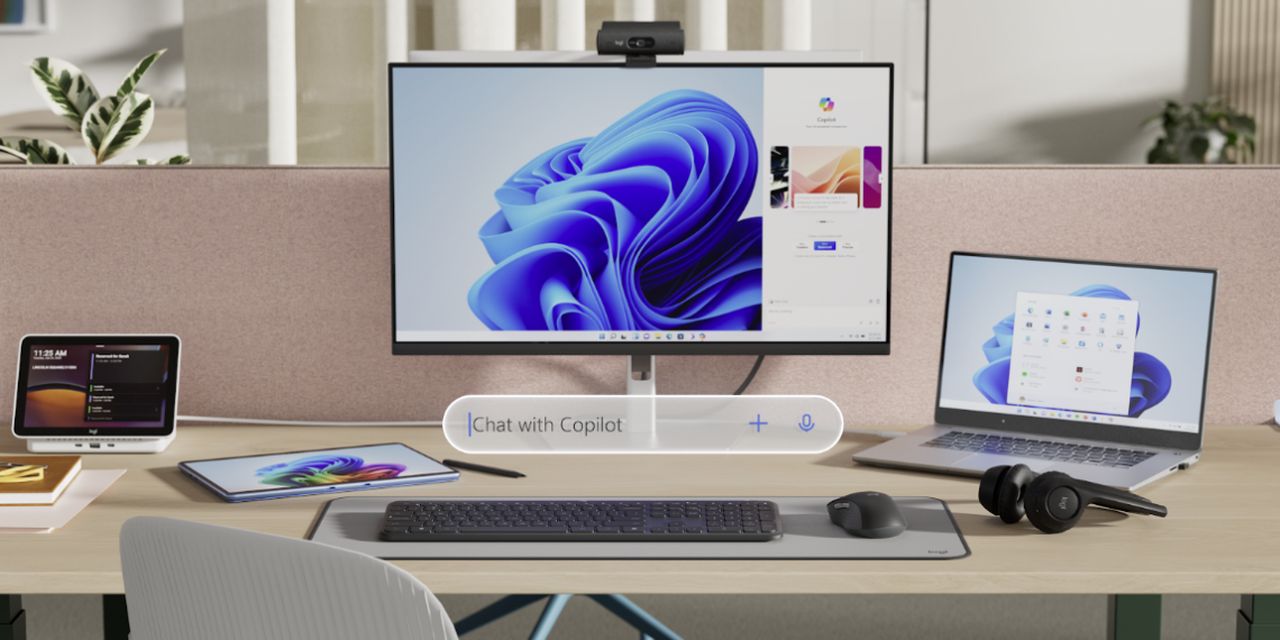
The Logitech Signature Slim Combo MK955 for Business Copilot Edition offers a robust, versatile keyboard and mouse solution aimed at boosting productivity and enhancing comfort across multiple devices and platforms. Designed with a dedicated Copilot key for rapid AI assistance and seamless multitasking, this combo caters to professionals who demand efficiency, ease of use, and […]
Ever tried capturing a beautiful moment on your smartphone, only to end up with shaky, unusable footage? It’s a common problem that can ruin even the most picturesque scenes. What if there was a way to turn your smartphone into a professional-grade camera, ensuring every shot is perfect? Meet SNAPPY, the modular mobile gimbal designed […]
E-scooters are the e-bike’s cute little bro! They are easier to ride, sleek, and also seem more approachable. Weaving through traffic is super easy with them, letting you finally bid adieu to traffic jams. And if you choose an electric scooter as your preferred means of transportation, then you’re also cutting down on fossil-fuel consumption, and being a major support to planet Earth. In an ode to scooters and their immense functionality, we’ve curated a collection of innovative and nifty scooter designs that seem to be slowly taking over the automotive industry. Ride on!
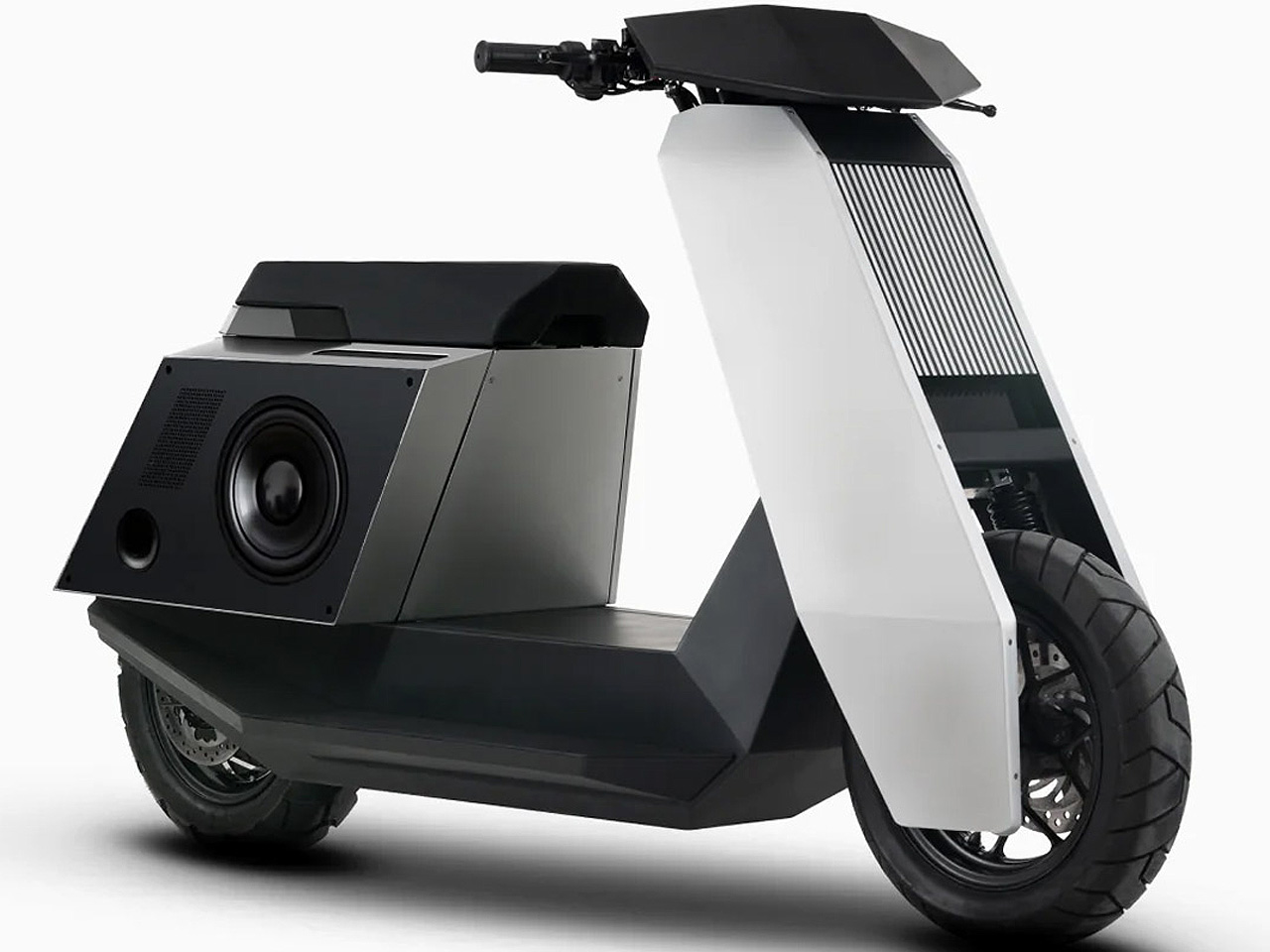
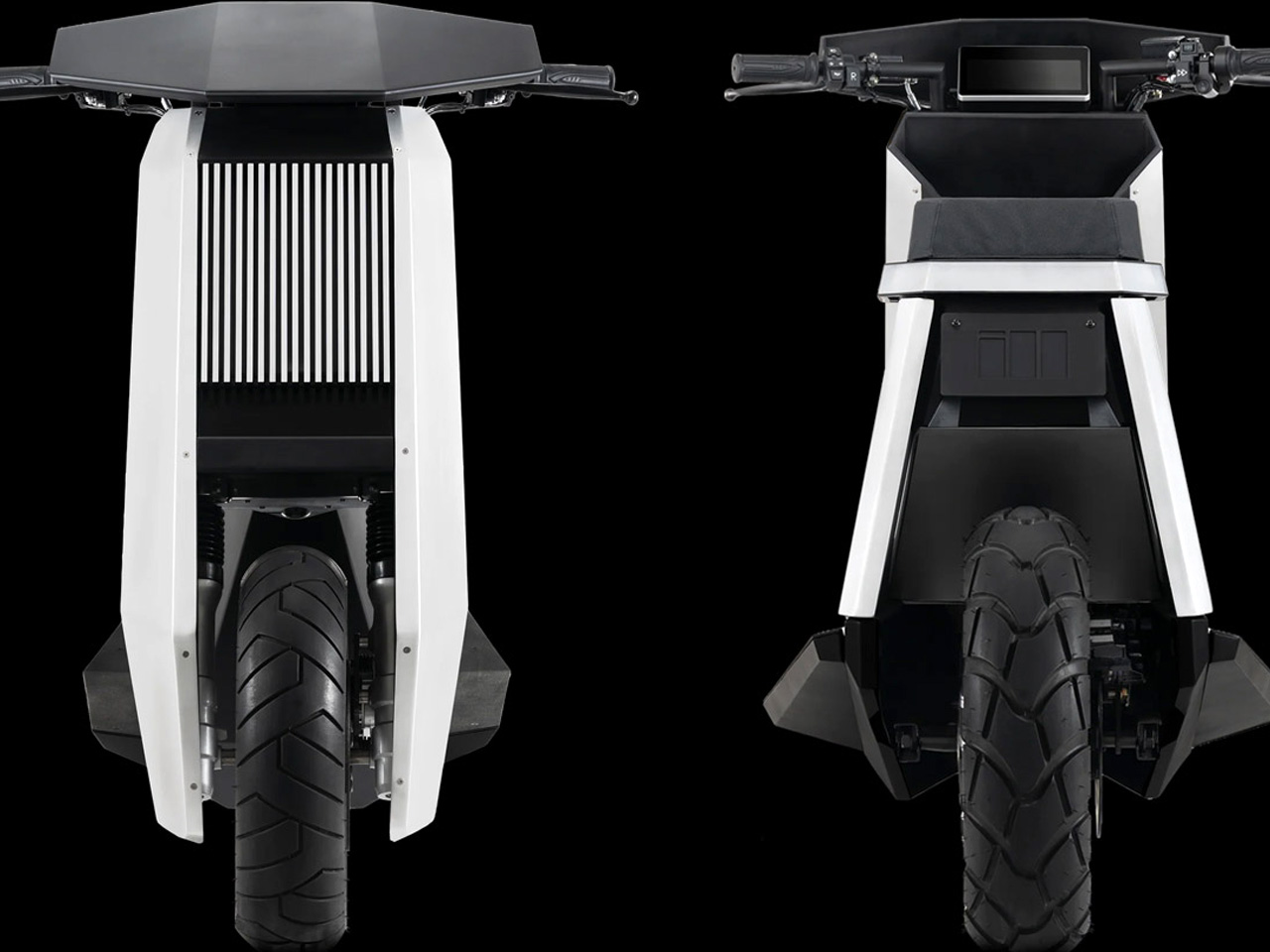
1. Infinite Machine P1 Electric Scooter
Named the Infinite Machine P1 Electric Scooter, this Cybertruck-inspired E-scooter is designed by techie brothers Eddie and Joseph Cohen. It is built from anodized aluminum and a steel composition. The scooter is integrated with Apple Carplay which offers turn-by-turn navigation alerts or plays your favorite songs for you on the go. It features a GPS and remote locking capability which prevents any chance of theft since the culprit can be easily found.
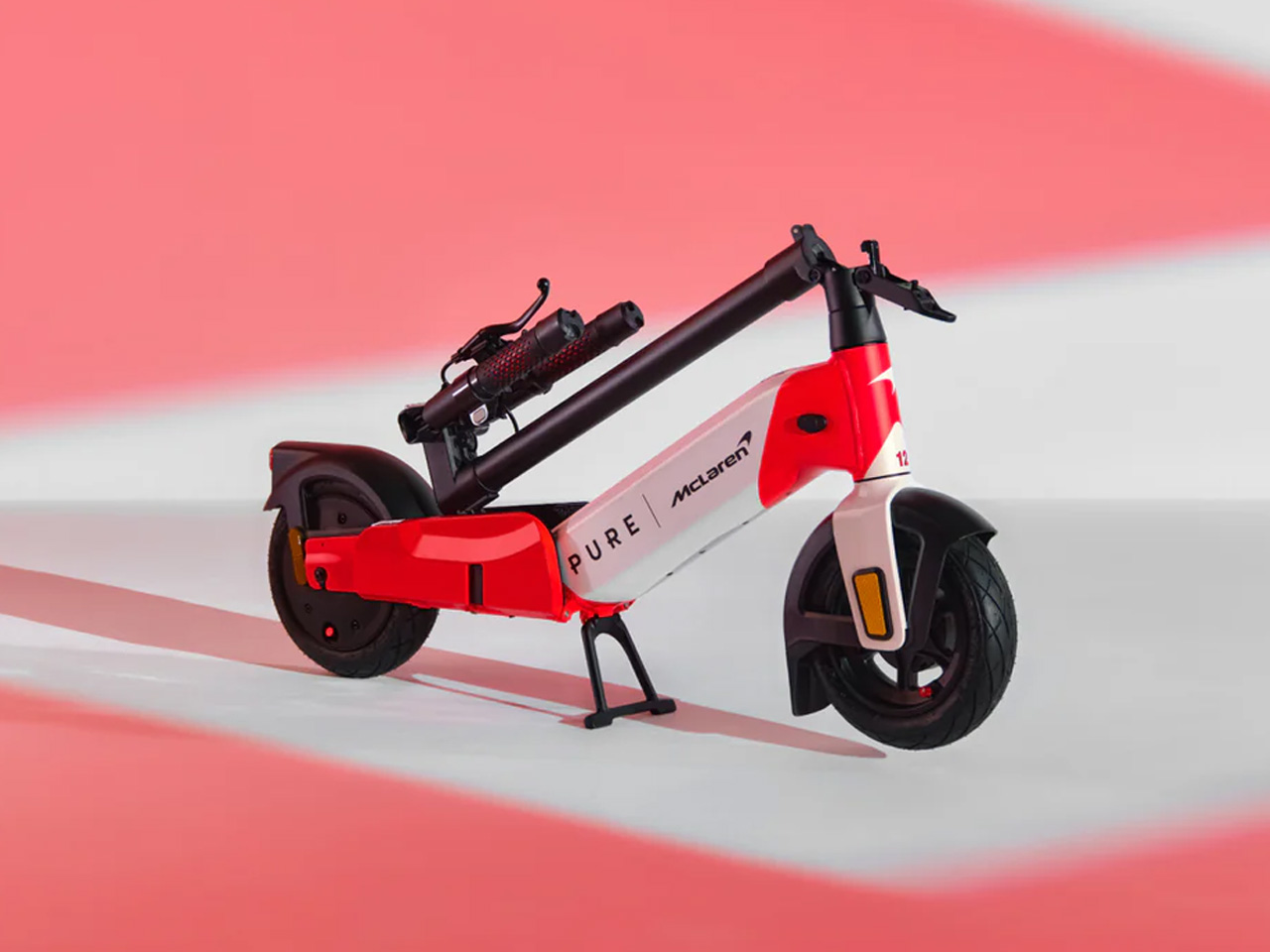
2. Pure x McLaren Special Edition E-Scooter
Say hello to the official McLaren edition e-scooter. It is designed by Pure Electric and will revolutionize urban transport for good. It functions as a foldable commuter with electric motor power, and an enhanced range. The e-scooter has a signature papaya color and a deep black finish. It delivers 710 watts of peak power for enhanced acceleration and improved performance on the hills.
3. The MP4/4 Special Edition E-Scooter
Pure Electric designed another e-scooter, the MP4/4 Special Edition e-scooter. It draws inspiration from the form of McLaren team’s Formula 1 car driven by Alain Prost and Ayrton Senna. It delivers a speedy performance and boasts the famous color-blocked red and white livery. The scooter is designed to offer a stable and controlled e-ride experience, with a 710 W peak power output, and a 31 mph range.
4. Armonia & Lampo
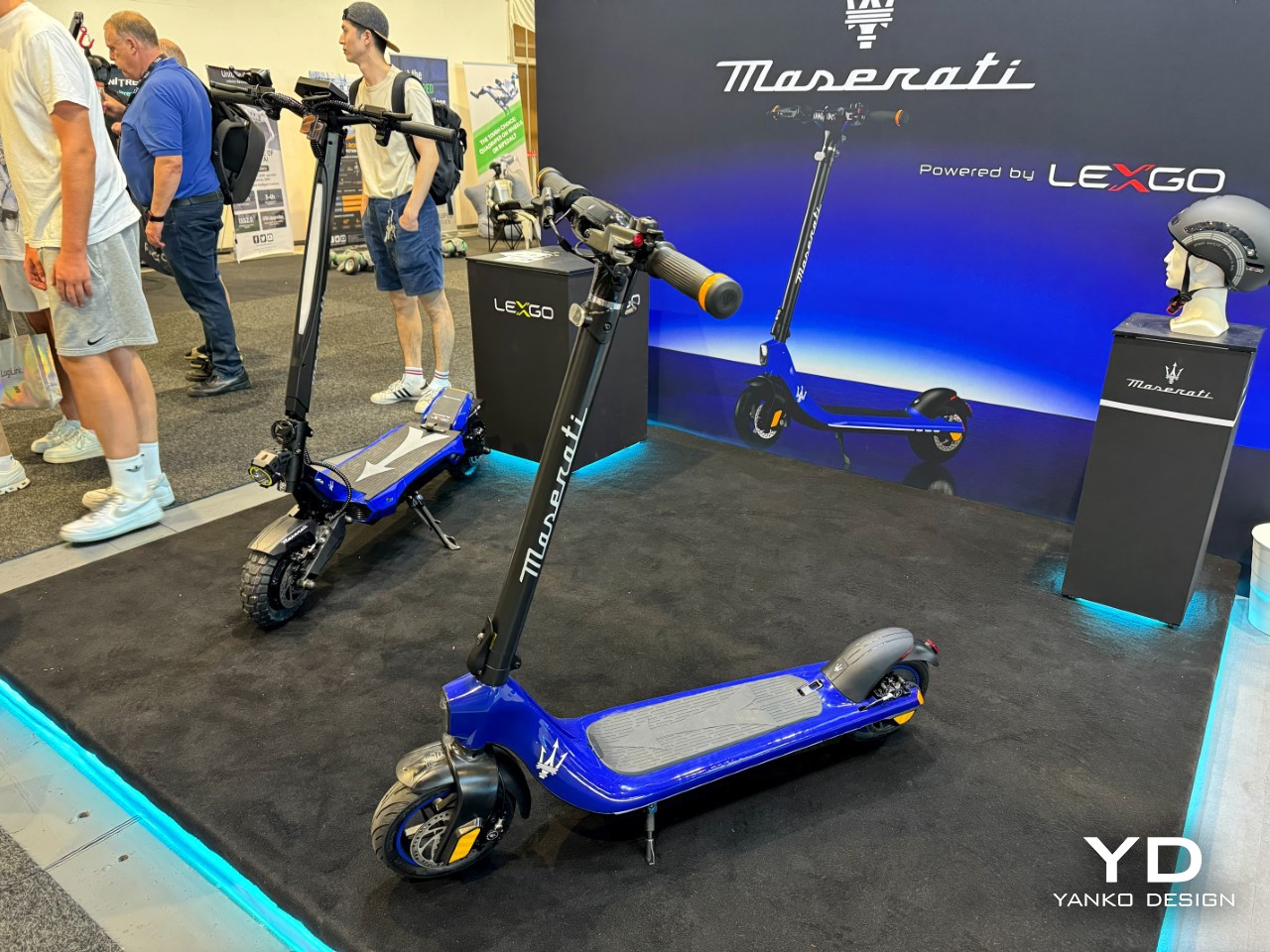
Maserati partnered up with electric mobility specialists LEXGO to design two sleek e-scooters: the Armonia and the Lampo. The scooters are equipped with premium features, including Apple’s Find My Tech. The scooters combine high-end design and smart functionality in a sleek and aesthetic body. They’re intended for city dwellers, who need a cool and speedy ride to work, merging Italian design aesthetics with urban mobility needs.
5. Modi
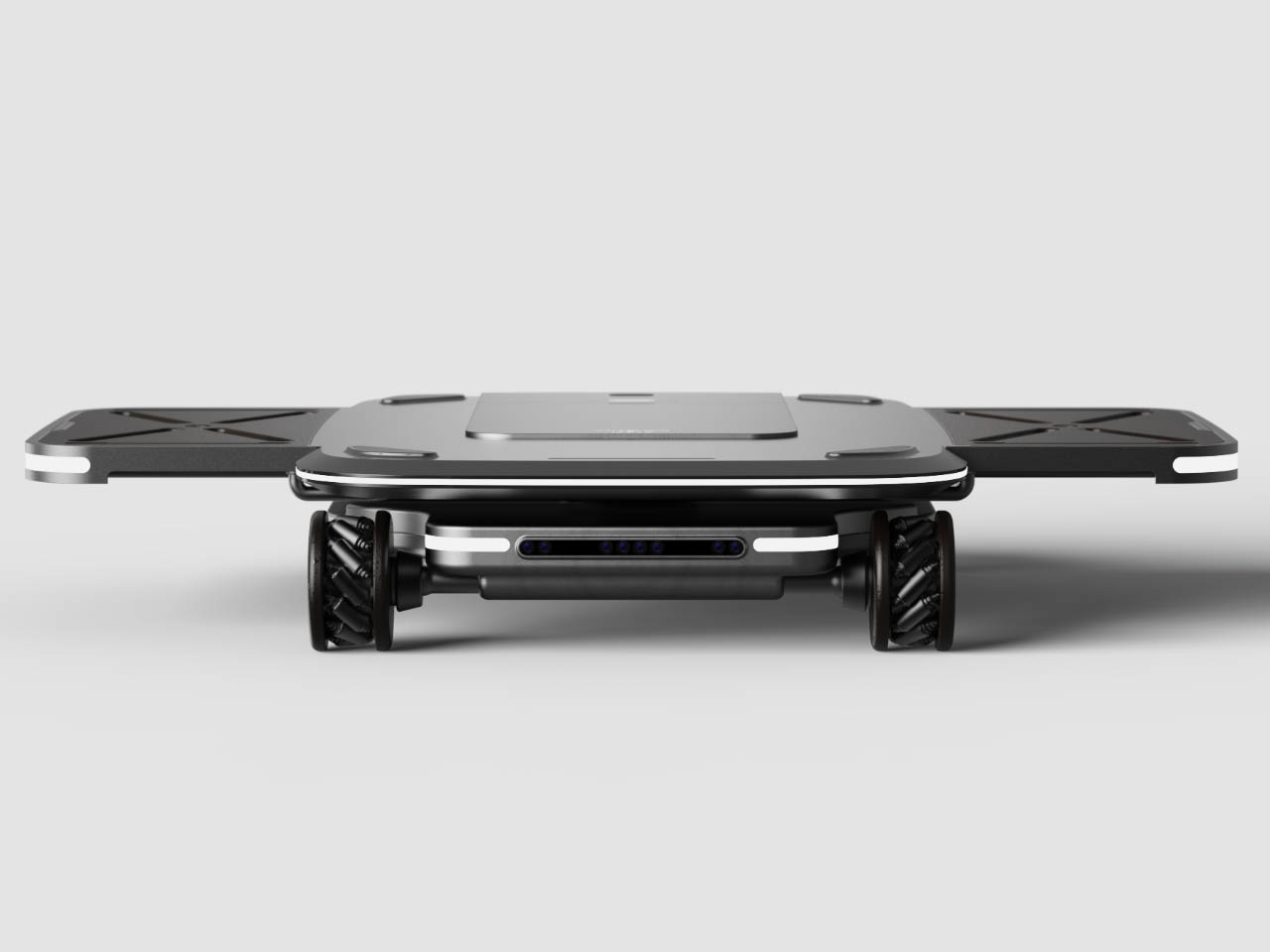
Named Modi, this vehicle is a combination of a hoverboard and an e-scooter. It adopts the best features of both vehicles, to cater to all kinds of city dwellers. It features a compact and lightweight design, that is great for easy carry and storage in your backpack when it isn’t being used. It is equipped with retractable footrests to provide design integrity without compromising or hampering the functionality.
6. CS-1 City Scooter
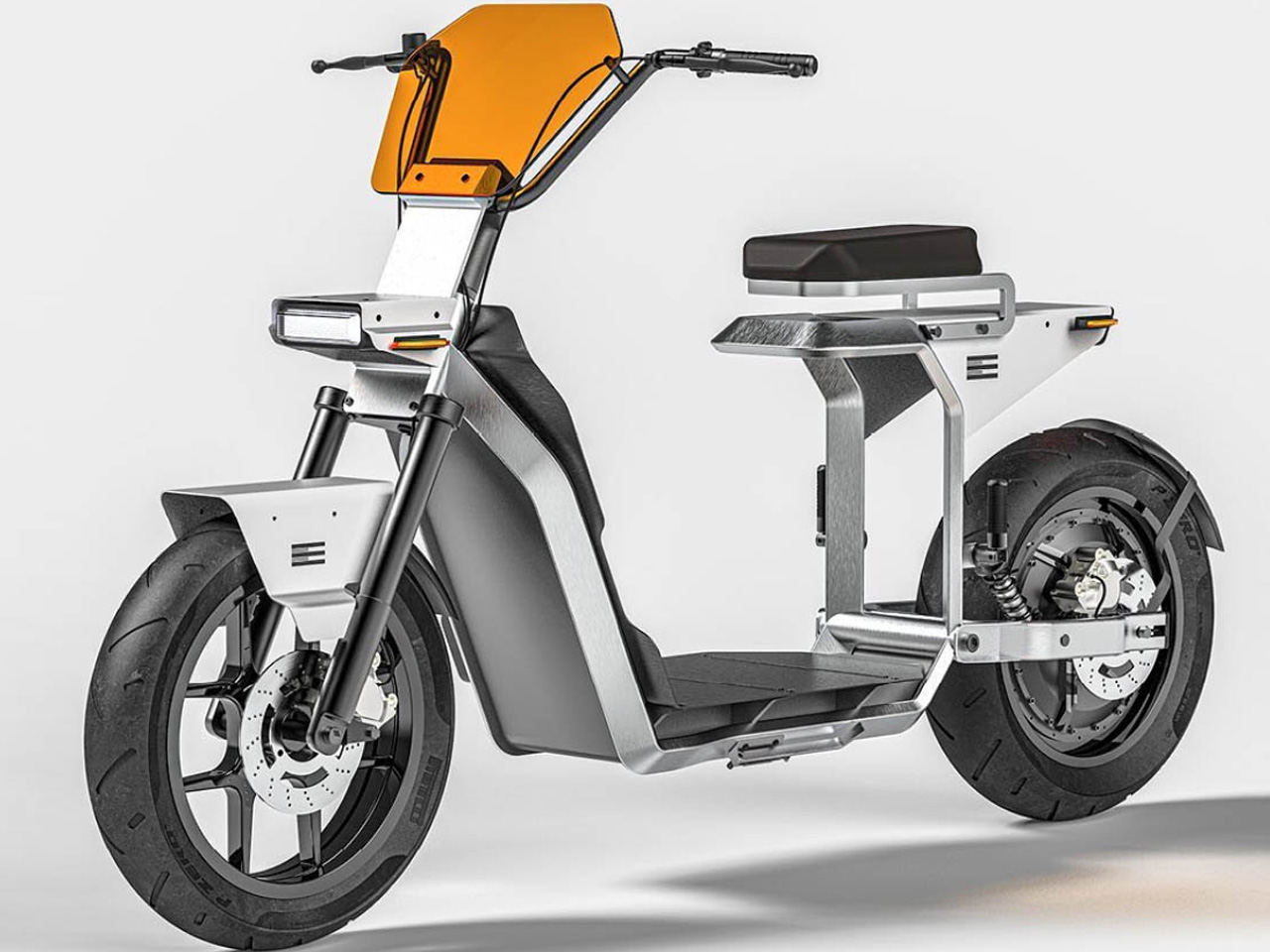
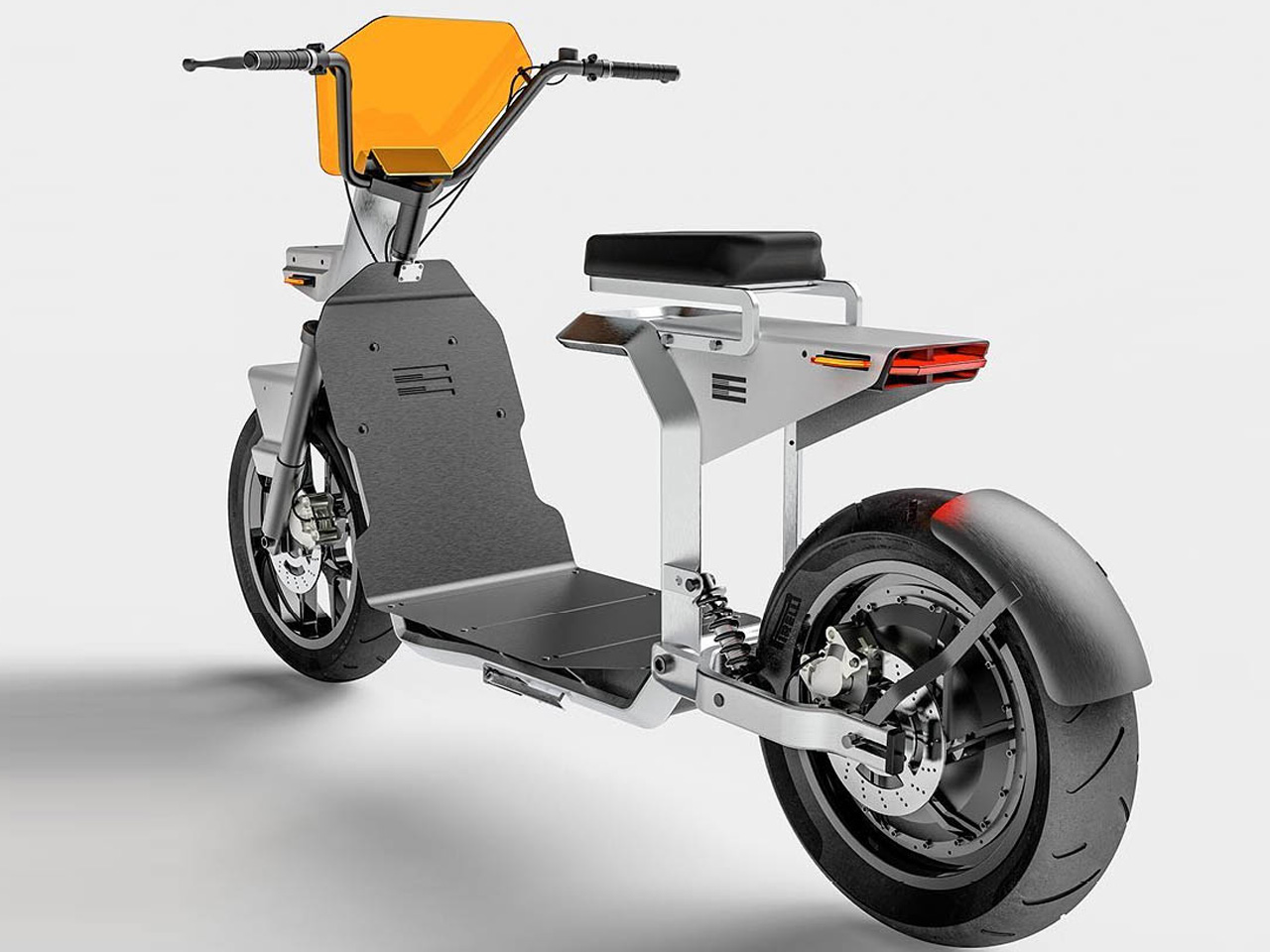
Say hello to the CS-1 City Scooter. It features a modular design, wrapped in a unibody aluminum frame that has been bent to create a boxy form. The base frame has been kept exposed, and no plastic body panels have been added to maintain an industrial look. This also means the company doesn’t need to manufacture panels through hot-forming, which reduces the carbon footprint and sheds the additional weight for the scooter, providing a more extended range.
7. Omni Scooter
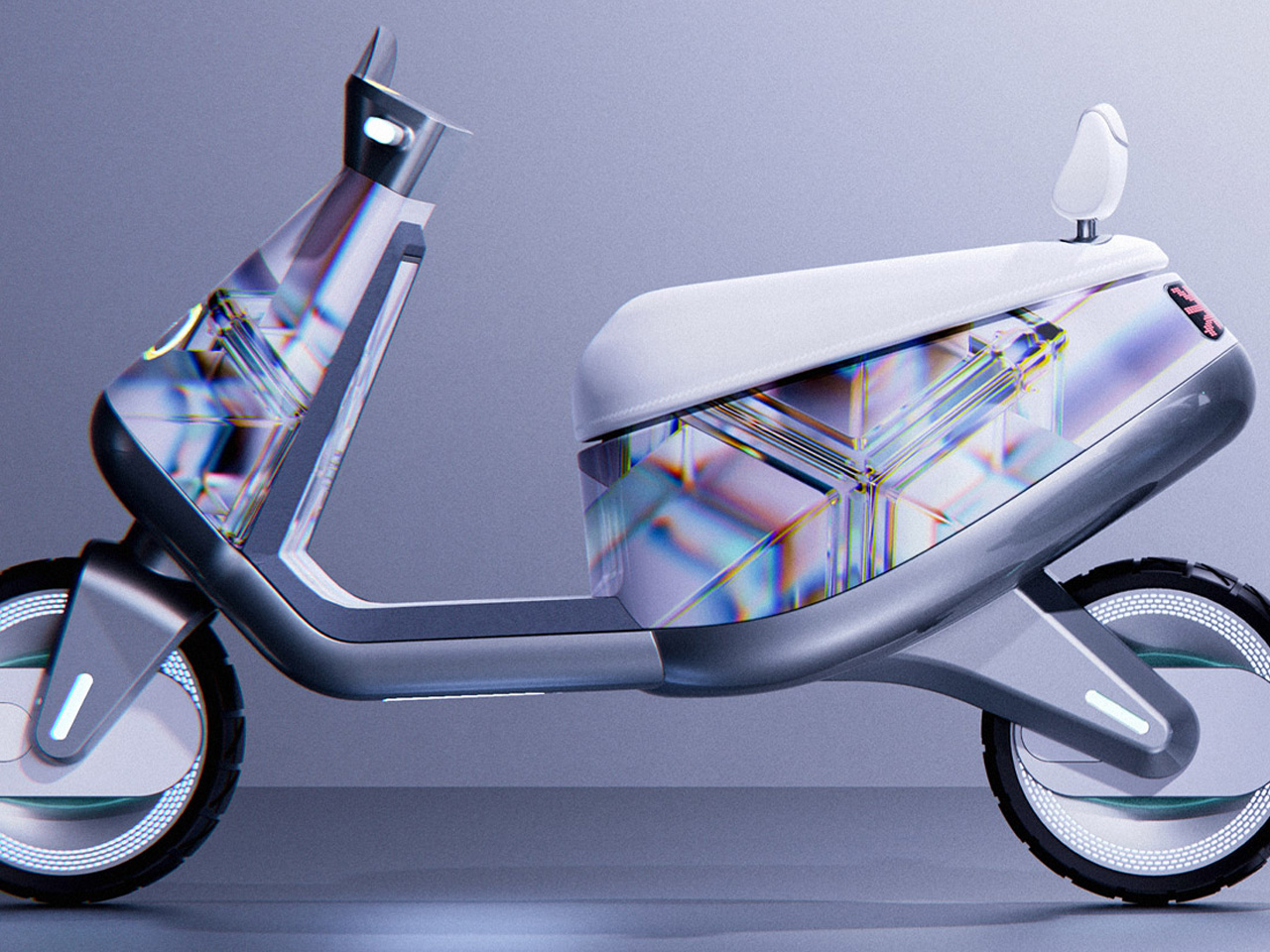
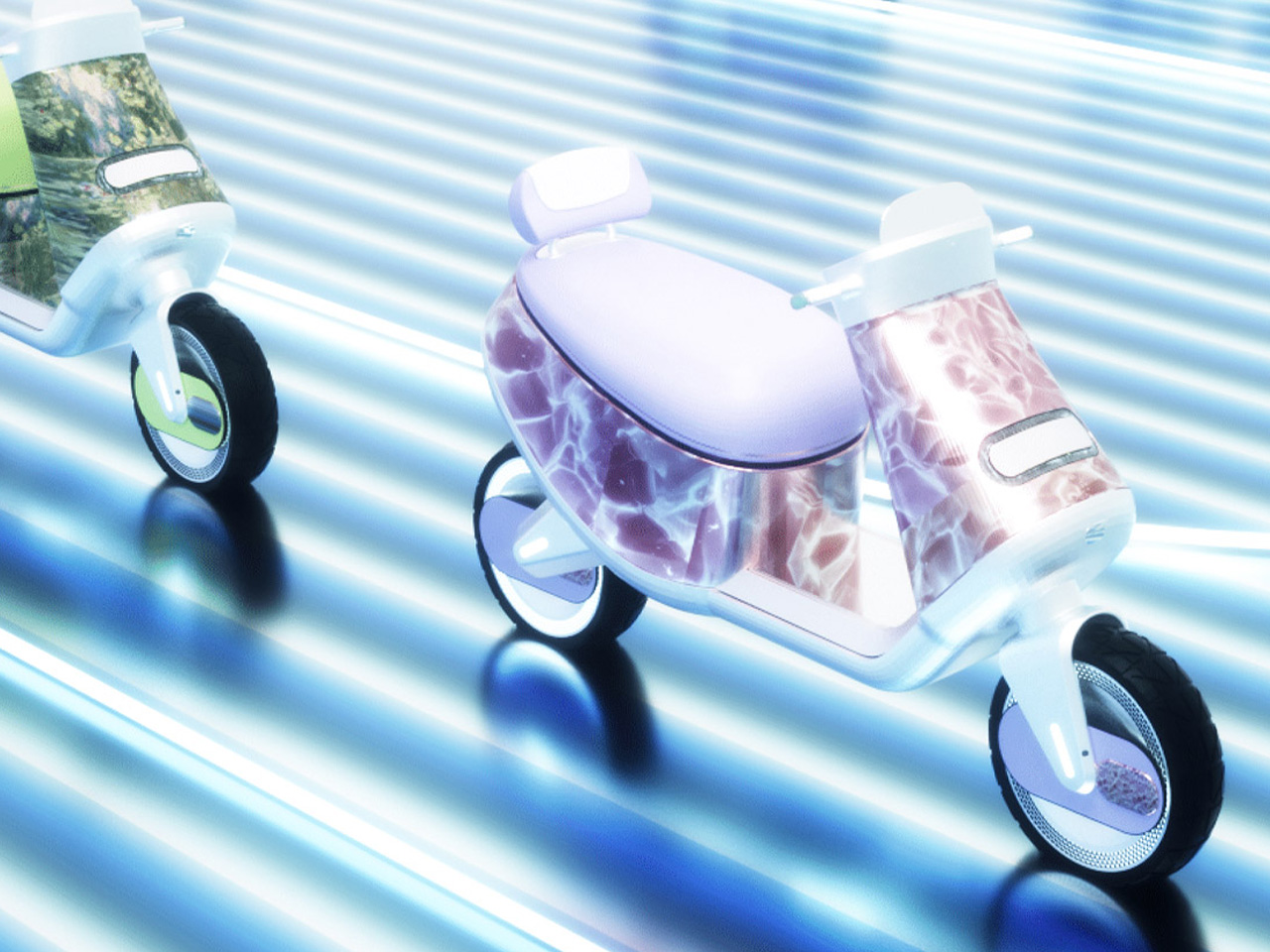
Named the Omni Scooter, this electric scooter is specially designed for Gen Z. The scooter focuses on the likes and preferences of Gen Z, and it was created with BMW Designworks Munich, Germany. It was built using a bottom-up approach, focusing on the communication element, and providing tools to form their unique culture. The scooter changes colors and graphics in real time.
8. Nano and Nano+ Model
Designed by Rolex Steel, this electric scooter features an alluring silver finish, offering an attractive and appealing impression. The scooter is available in two variants – the Nano Variant with a max speed of 45km/h, or the Nano+ Model which can travel at a speed of 75km/h. Both the variants have the same range, as they can clock 60 miles each on a full charge of a 4.2 kWh battery.
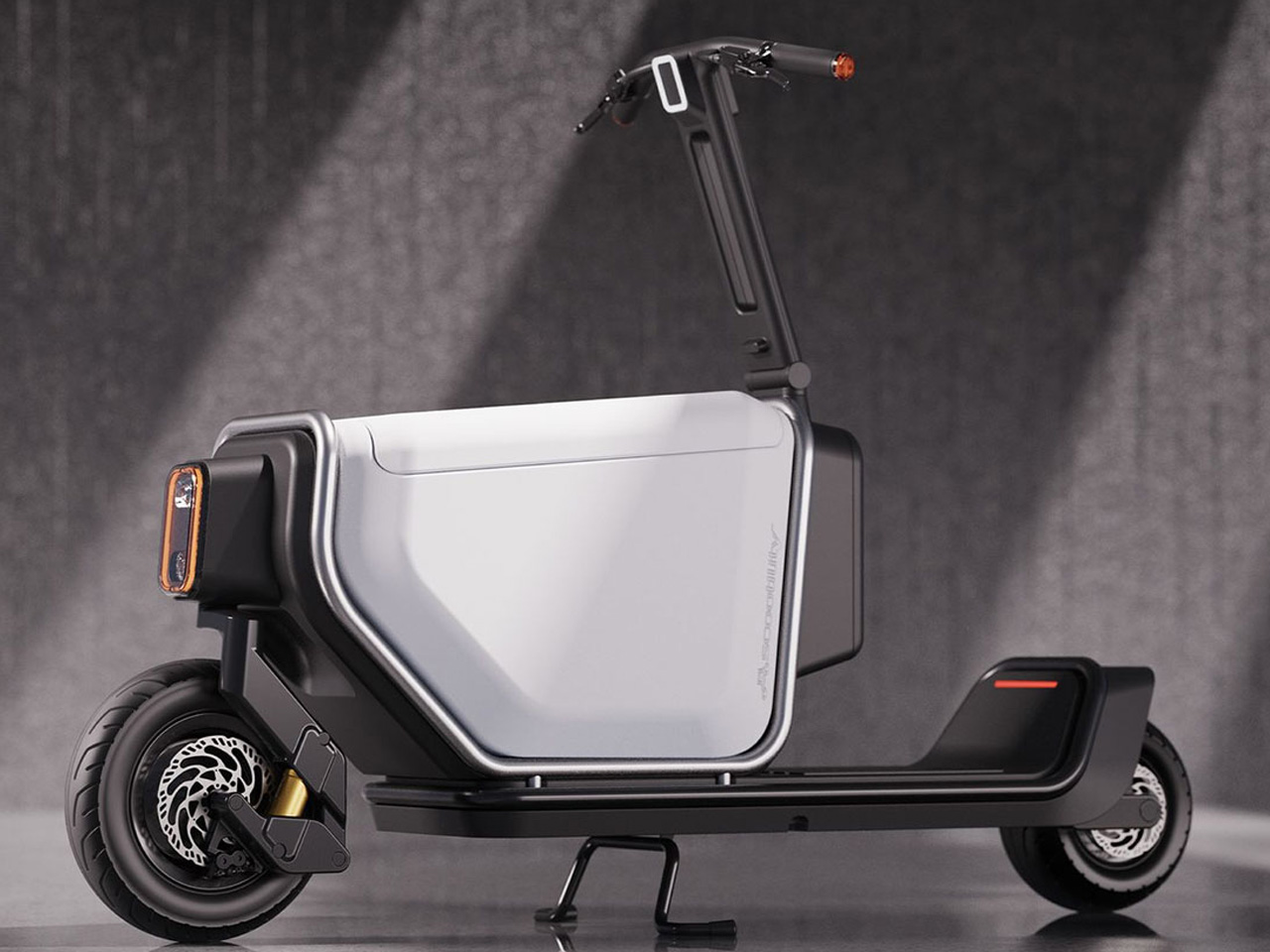
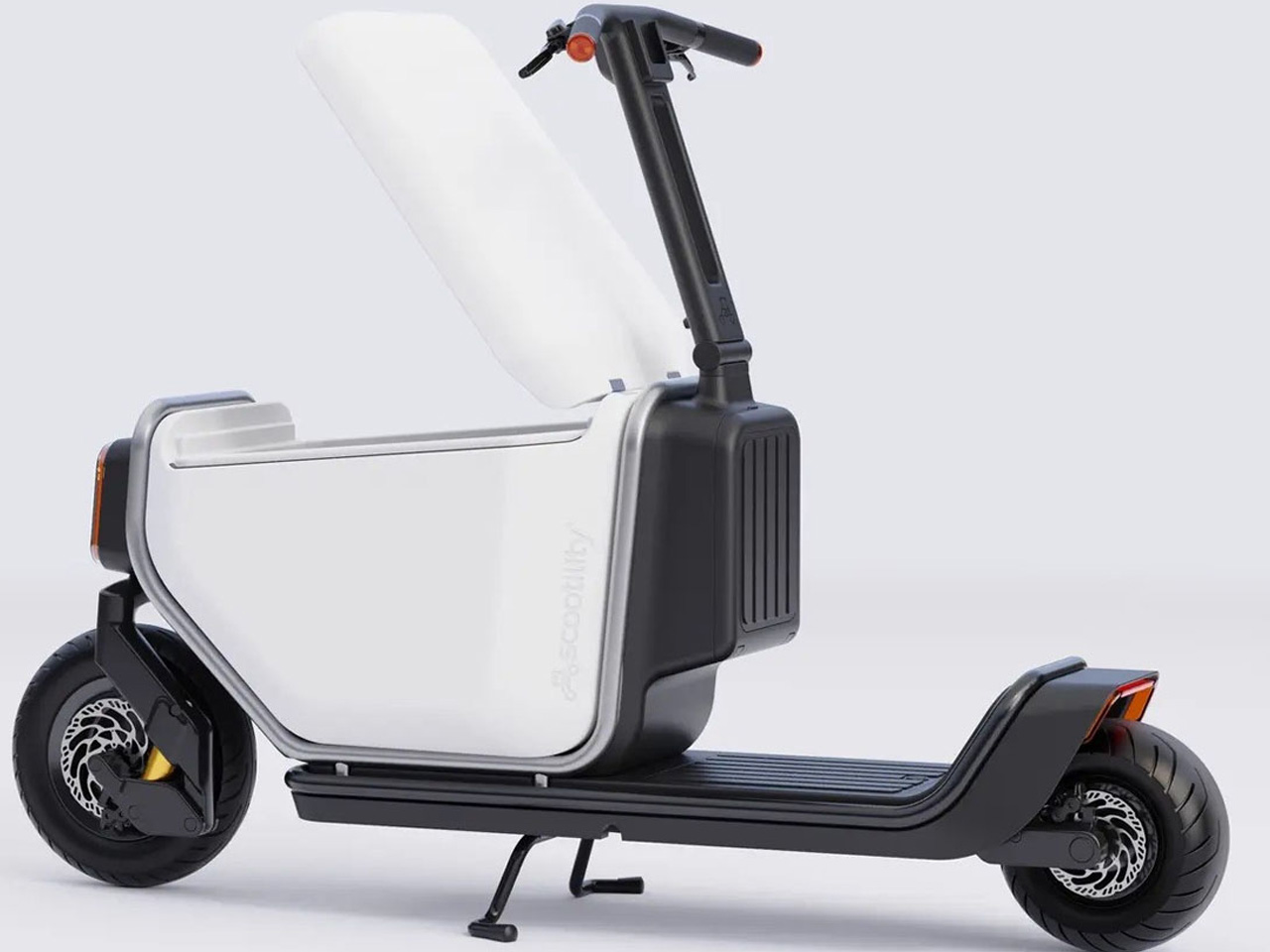
9. Scootility
Dubbed the Scootility, this nifty e-scooter has a compact size and a narrow footprint in travel, making it ideal for delivering medication or supplies in affected areas, where other means of transport cannot reach easily. It features a full suspension, and wheels that measure 16 inches on the front, and 13 inches on the back. The scooter has a smaller wheel size, which provides more space for a cargo box.
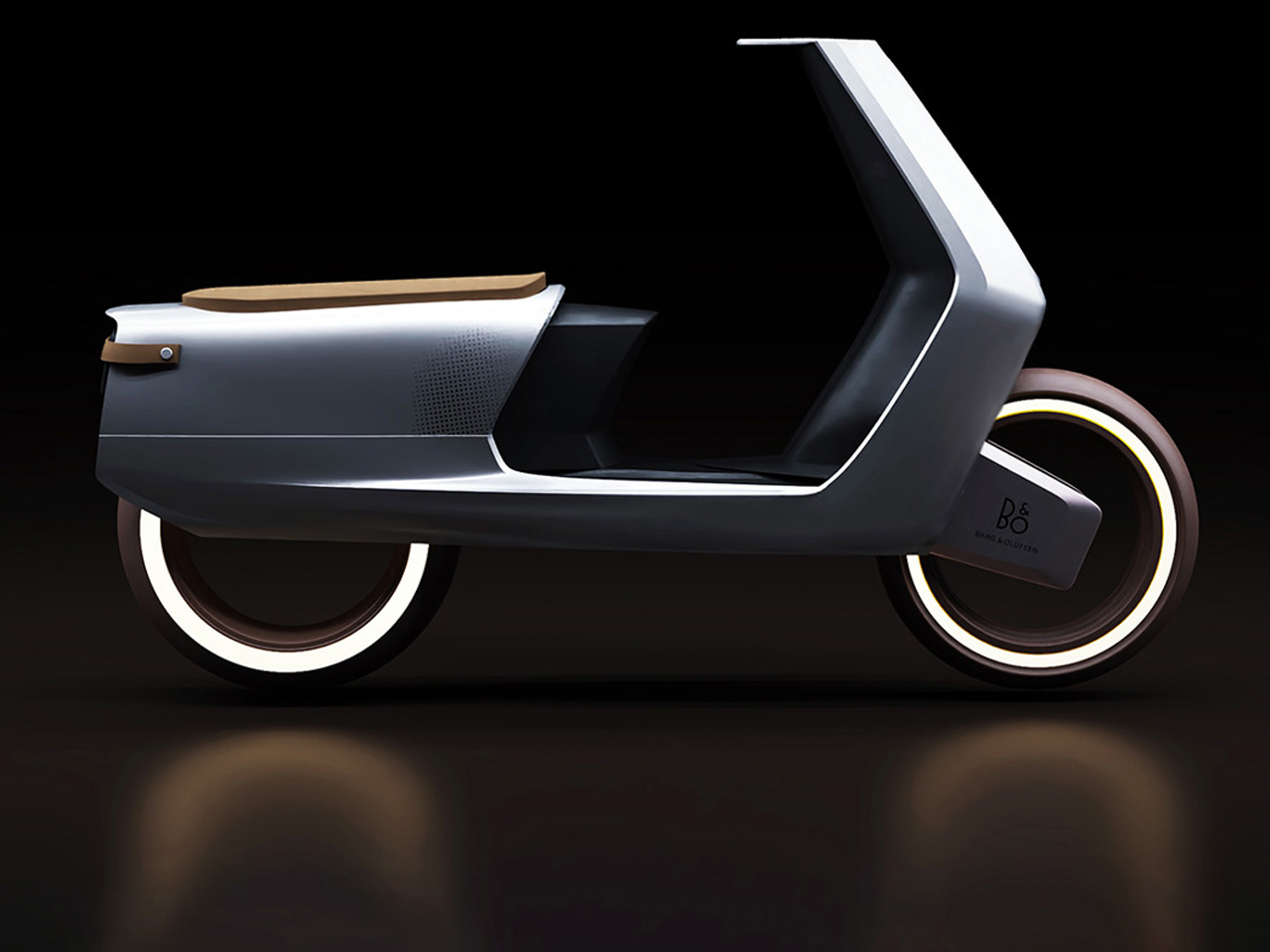
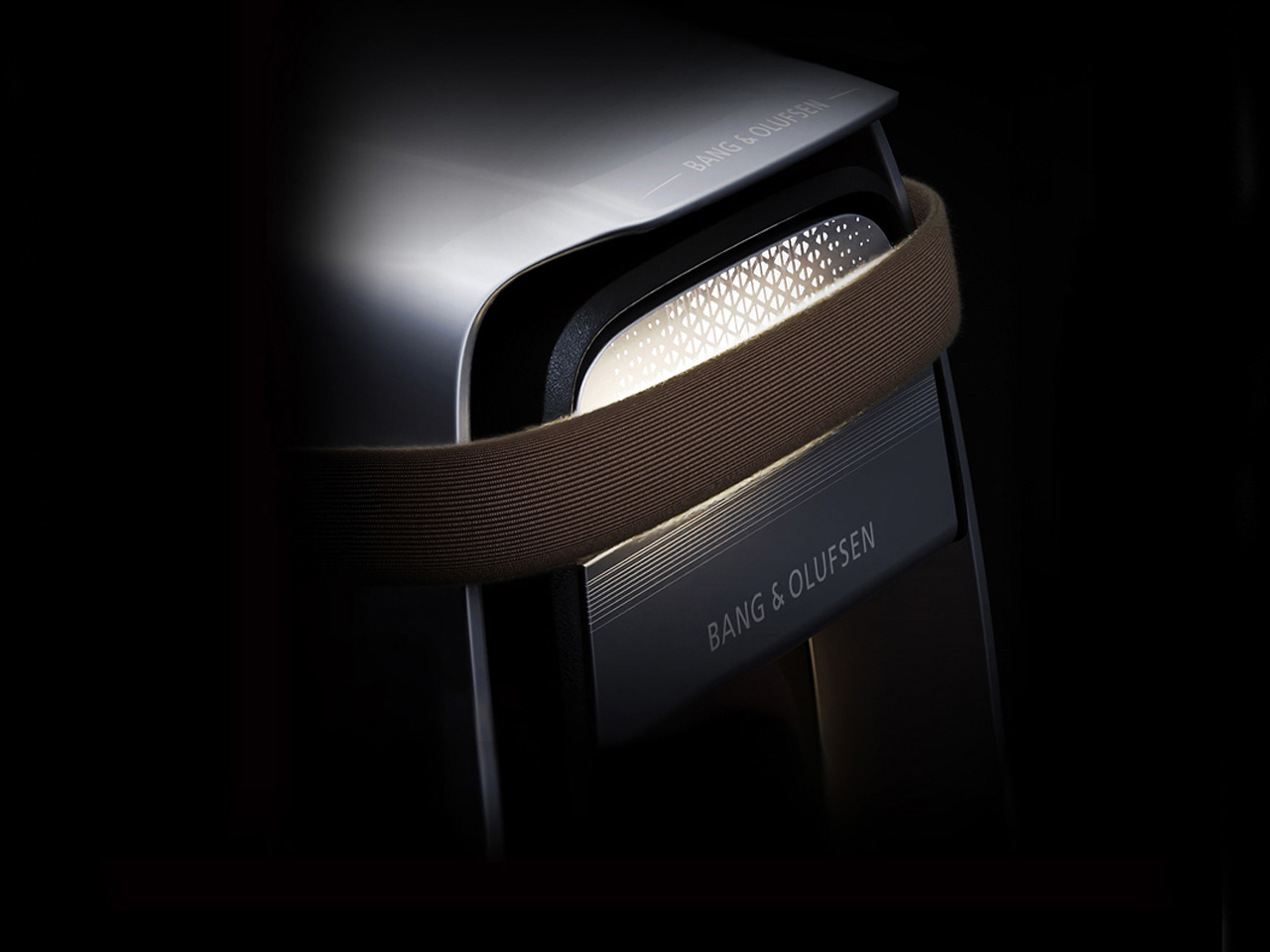
10. BeoSpeed
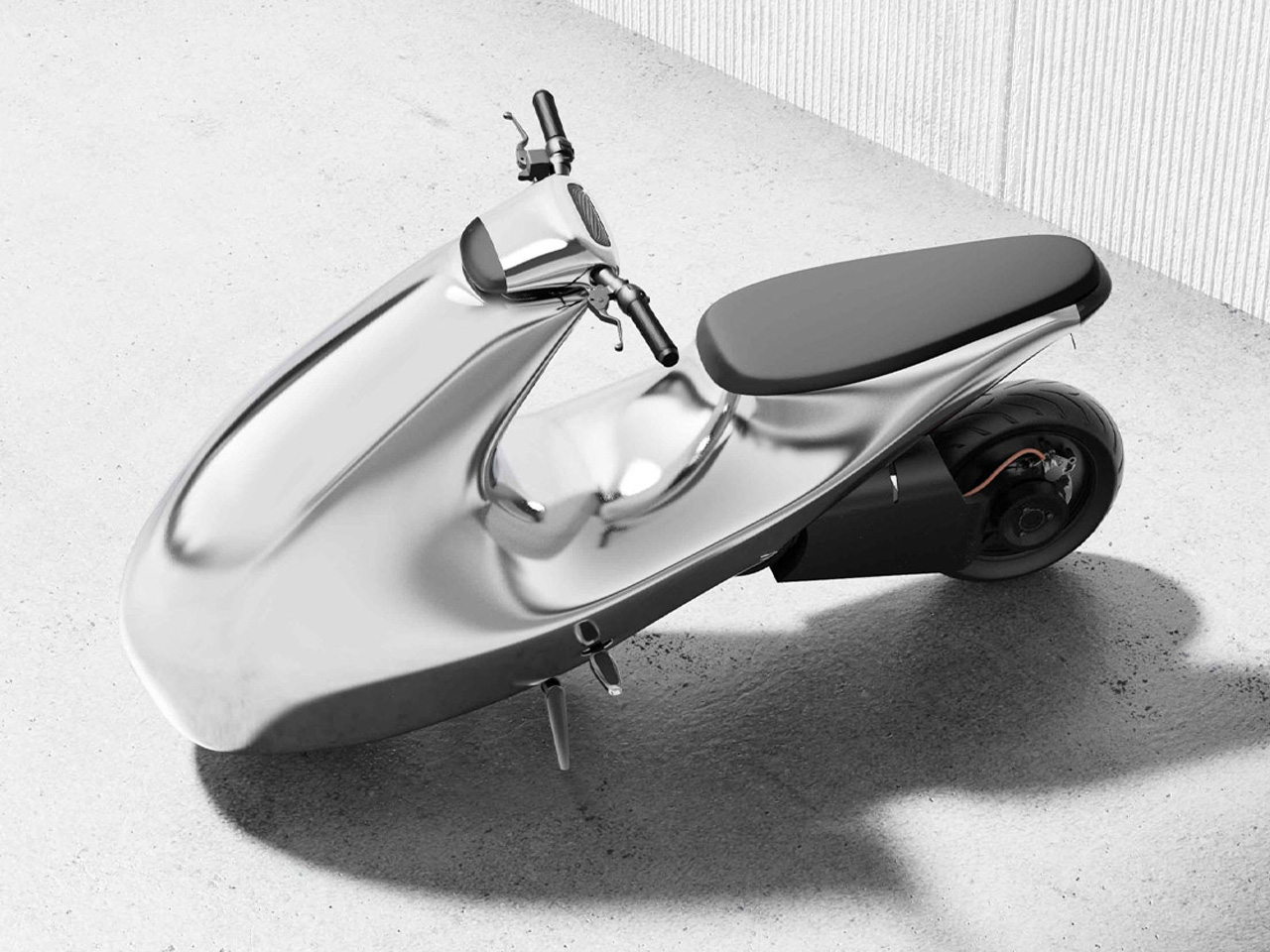
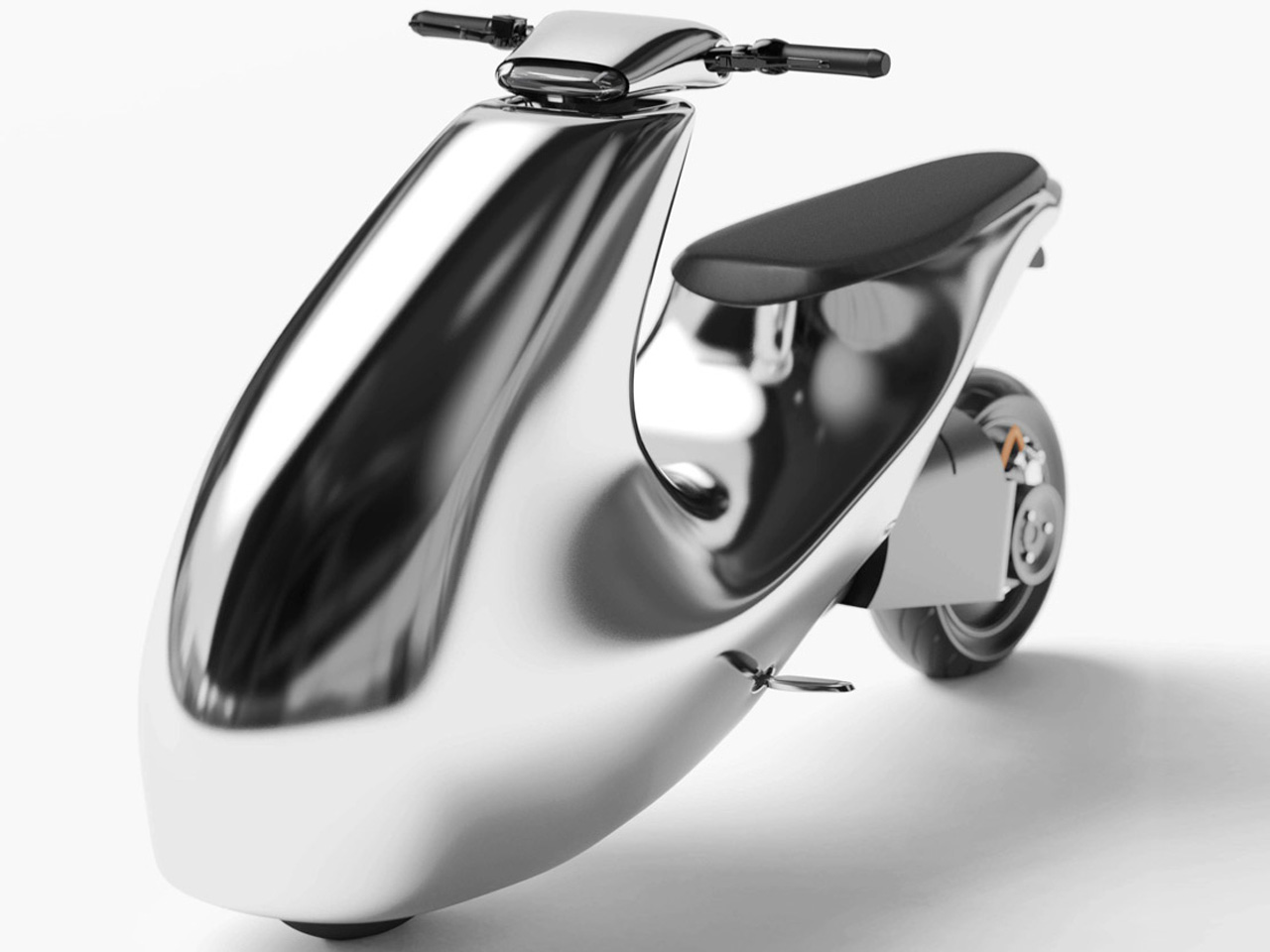
Called BeoSpeed, this scooter has a polished and clean exterior with a sturdy body featuring a stainless steel coat. It merges the modern and classic and is equipped with natural leather seating and handlebars that draw inspiration from Bang & Olufsen’s headphone cushions. It has smooth edges, minimal wheels, and stripped-back leather accents which offer it a retro personality.
The highly anticipated One UI 6.1.1 update for the Samsung Galaxy S22 Ultra has arrived, bringing with it an impressive array of over 25 new features and enhancements. This comprehensive update focuses on bolstering the device’s AI capabilities, strengthening security measures, and refining the user interface to provide a more seamless and intuitive user experience. […]
Mistral AI has released Pixtral 12B, an open-source vision model designed for multimodal tasks. This model, which is Apache 2.0 licensed, excels in both image and text data processing. It demonstrates strong performance in instruction following and text-only benchmarks, making it a versatile tool for various applications. In the video below Matthew Berman has put […]