Stickerbox: Kids Say an Idea, AI Prints It as a Sticker in Seconds

Smart speakers for kids feel like a gamble most parents would rather skip. The promise is educational content and hands-free help, but the reality often involves screens lighting up at bedtime, algorithms deciding what comes next, and a lingering suspicion that someone is cataloging every question your child shouts into the room. The tension between letting kids explore technology and protecting their attention spans has never felt sharper, and most connected toys lean heavily toward the former without much restraint.

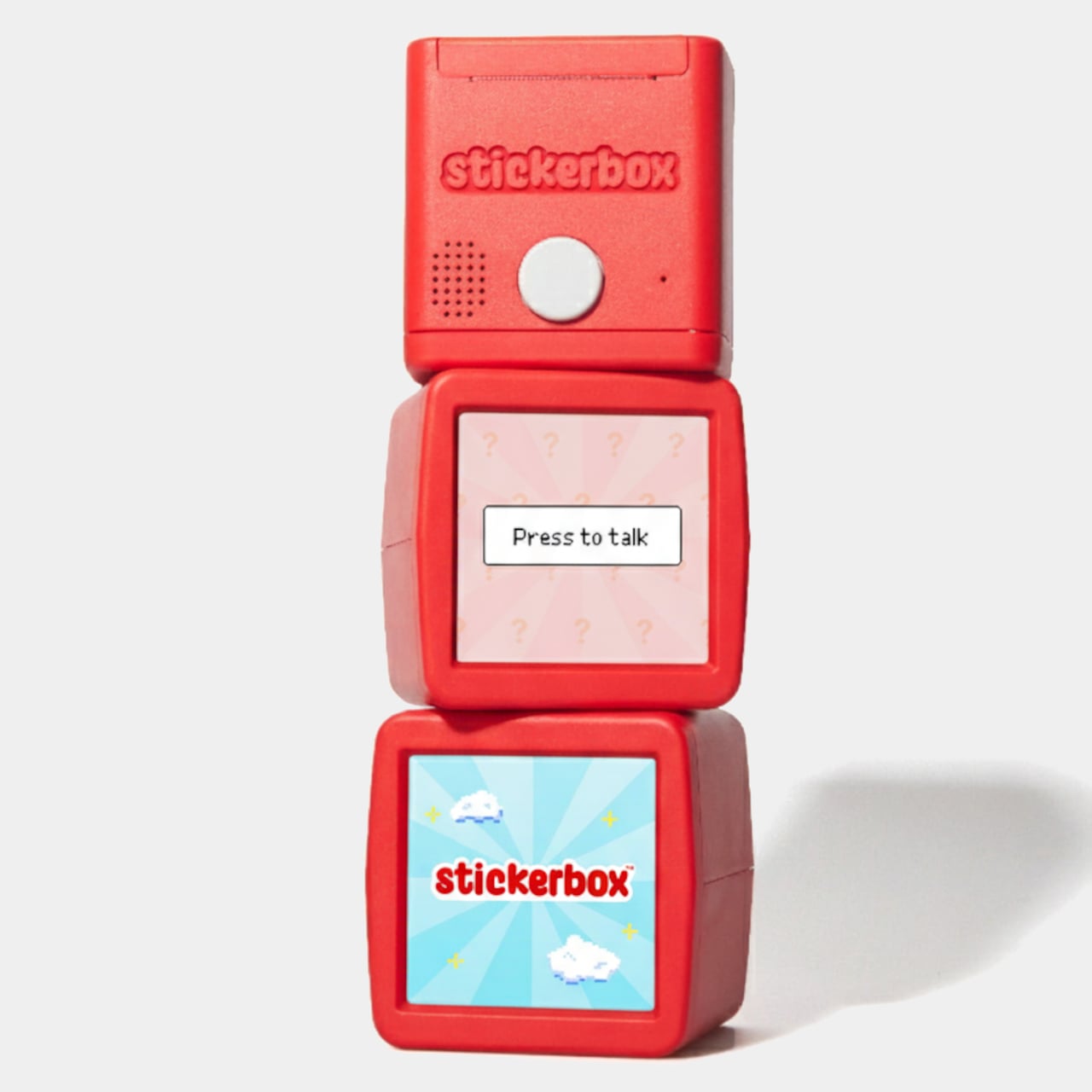
Stickerbox by Hapiko offers a quieter trade. It looks like a bright red cube, measures 3.75 inches on each side, and does one thing when you press its white button. Kids speak an idea out loud, a dragon made of clouds or a broccoli superhero, and the box prints it as a black-and-white sticker within seconds. The interaction feels less like talking to Alexa and more like whispering to a magic printer that happens to understand imagination.

Designer: Hapiko

The design stays deliberately simple. A small screen shows prompts like “press to talk,” while a large white button sits below, easy for small hands to press confidently. Stickers emerge from a slot at the top, fed by thermal paper rolls. The starter bundle includes three BPA-free paper rolls, eight colored pencils, and a wall adapter, turning the cube into a complete creative kit rather than just another gadget waiting for accessory purchases to feel useful.

The magic happens in three beats. A kid presses the button and speaks their prompt, as silly or specific as they want. The box sends audio over Wi-Fi to a generative AI model that turns phrases into line art. Within seconds, a thermal printer traces the image onto sticker paper, and the finished piece emerges from the top, ready to be torn, peeled, and stuck onto notebooks, walls, or comic book pages at home.
What keeps this from feeling like surveillance is the scaffolding Hapiko built around the AI. The microphone only listens when the button is pressed, so there’s no ambient eavesdropping happening in the background. Every prompt runs through filters designed to block inappropriate requests before reaching the image generator. Voice recordings are processed and discarded immediately, not stored for training. The system is kidSAFE COPPA certified, meaning it passed third-party audits for data handling and child privacy standards.

Thermal printing sidesteps ink cartridge mess entirely. Each paper roll holds material for roughly sixty stickers, and refill packs of three cost six dollars. The catch is that Stickerbox only accepts its own branded paper; using generic rolls will damage the mechanism. The bigger design choice is that every sticker is printed in monochrome, which is intentional. It forces kids to pick up pencils and spend time coloring, turning a quick AI trick into a slower, more tactile ritual.

Stickerbox gestures toward a version of AI-infused play that feels less anxious. The algorithm works quietly, translating spoken prompts into something kids can hold, cut, and trade, but the most important part happens after the sticker prints. It ends up taped inside homemade comic books, stuck on bedroom doors, or colored during rainy afternoons. The box becomes forgettable infrastructure, which might be the kindest thing you can say about a piece of children’s technology designed for creative independence.

The post Stickerbox: Kids Say an Idea, AI Prints It as a Sticker in Seconds first appeared on Yanko Design.
Engadget Podcast: WTF is up with RAM? (With Will Smith from The Tech Pod)

RAM prices have gone wild, mostly thanks to AI. In this episode, Devindra chats with Will Smith (Brad and Will Made a Tech Pod) about the state of the RAM industry, as well as other hardware we expect to get more expensive. (SSD prices are definitely creeping up too!). Also, we discuss Meta poaching Alan Dye, one of Apple's design executives, and what this could mean for Meta's upcoming devices. And yes, whatever they have next will likely revolve around AI.

Subscribe!

Topics

  • Mark Zuckerberg, CEO of Meta, plans deep cuts to his company’s metaverse development – 1:09

  • Longtime Apple UI designer Alan Dye to join Meta’s AI division – 7:08

  • US DOT cuts fuel efficiency standards, doubles down on gas cars – 25:40

  • Waymo autonomous cars recently started driving more aggressively – 31:30

  • Amazon halts its anime dub beta because it sounded terrible – 38:00

  • WTF, RAM?? Will Smith joins to talk about why RAM prices are spiraling upward – 44:05

  • Around Engadget: Metroid Prime 4 is a return to form after 18 years on ice – 1:04:42

  • Working on – 1:07:36

  • Pop culture picks – 1:08:32

Credits

Host: Devindra Hardawar
Guest: Will Smith
Producer: Ben Ellman
Music: Dale North and Terrence O'Brien

This article originally appeared on Engadget at https://www.engadget.com/social-media/engadget-podcast-wtf-is-up-with-ram-with-will-smith-from-the-tech-pod-141442002.html?src=rss

M5 iPad Pro vs. Tab S11 Ultra: A Shocking Result

M5 iPad Pro vs. Tab S11 Ultra: A Shocking Result

The M5 iPad Pro and Samsung Galaxy Tab S11 Ultra represent the pinnacle of modern tablet technology, each designed to meet distinct user needs. The iPad Pro excels in delivering unparalleled performance and a robust app ecosystem, making it a favorite among creative professionals and power users. On the other hand, the Tab S11 Ultra […]

The post M5 iPad Pro vs. Tab S11 Ultra: A Shocking Result appeared first on Geeky Gadgets.

Posted in Uncategorized

6 Overlooked AI Skills, from Prompt Structure to Combining Tools, That Save Hours Weekly

6 Overlooked AI Skills, from Prompt Structure to Combining Tools, That Save Hours Weekly

What if the skills that could future-proof your career and supercharge your creativity were hiding in plain sight? As artificial intelligence (AI) continues to transform industries, most people remain stuck at surface-level interactions, asking ChatGPT for quick answers or dabbling with AI art tools. But here’s the catch: true mastery of AI isn’t about using […]

The post 6 Overlooked AI Skills, from Prompt Structure to Combining Tools, That Save Hours Weekly appeared first on Geeky Gadgets.

Posted in Uncategorized

Chinese hackers reportedly targeting government entities using ‘Brickstorm’ malware

Hackers with links to China reportedly successfully infiltrated a number of unnamed government and tech entities using advanced malware. As reported by Reuters, cybersecurity agencies from the US and Canada confirmed the attack, which used a backdoor known as “Brickstorm” to target organizations using the VMware vSphere cloud computing platform.

As detailed in a report published by the Canadian Centre for Cyber Security on December 4, PRC state-sponsored hackers maintained "long-term persistent access" to an unnamed victim’s internal network. After compromising the affected platform, the cybercriminals were able to steal credentials, manipulate sensitive files and create "rogue, hidden VMs" (virtual machines), effectively seizing control unnoticed. The attack could have begun as far back as April 2024 and lasted until at least September of this year.

The malware analysis report published by the Canadian Cyber Centre, with assistance from The Cybersecurity and Infrastructure Security Agency (CISA) and the National Security Agency (NSA), cites eight different Brickstorm malware samples. It is not clear exactly how many organizations in total were either targeted or successfully penetrated.

In an email to Reuters, a spokesperson for VMware vSphere owner Broadcom said it was aware of the alleged hack, and encouraged its customers to download up-to-date security patches whenever possible. In September, the Google Threat Intelligence Group published its own report on Brickstorm, in which it urged organizations to "reevaluate their threat model for appliances and conduct hunt exercises" against specified threat actors.

This article originally appeared on Engadget at https://www.engadget.com/big-tech/chinese-hackers-reportedly-targeting-government-entities-using-brickstorm-malware-133501894.html?src=rss

Top Android Apps Will CHANGE Your Phone

Top Android Apps Will CHANGE Your Phone

Your Android device is more than just a communication tool—it’s a powerful platform that can be tailored to meet your specific needs. By using the right apps, you can boost productivity, enhance privacy, and simplify everyday tasks. In the video below, Matt Robb explores ten carefully selected Android apps that can transform your smartphone into […]

The post Top Android Apps Will CHANGE Your Phone appeared first on Geeky Gadgets.

Posted in Uncategorized

Grok 4.20 Wins Alpha Arena, Posting 12.11% Gains and a 50% Peak in Tests over Two Weeks

Grok 4.20 Wins Alpha Arena, Posting 12.11% Gains and a 50% Peak in Tests over Two Weeks

What if the future of finance wasn’t just shaped by human intuition or market trends, but by an AI so advanced it could outthink its competitors in real time? Enter Grok 4.20, Elon Musk’s latest brainchild, which has already sent shockwaves through the financial world. This innovative AI system didn’t just participate in the notoriously […]

The post Grok 4.20 Wins Alpha Arena, Posting 12.11% Gains and a 50% Peak in Tests over Two Weeks appeared first on Geeky Gadgets.

Posted in Uncategorized

Apple’s Visual Revolution: The Pro Display XDR 2 Just Got Real

Apple’s Visual Revolution: The Pro Display XDR 2 Just Got Real

Apple’s upcoming Pro Display XDR 2 is poised to set a new benchmark in professional-grade monitors, building on the strengths of its predecessor while addressing its shortcomings. Expected to debut at WWDC 2026, this next-generation display is rumored to feature innovative advancements tailored for professionals and creators. From enhanced visual fidelity to seamless integration within […]

The post Apple’s Visual Revolution: The Pro Display XDR 2 Just Got Real appeared first on Geeky Gadgets.

Posted in Uncategorized

Splitgate: Arena Reloaded tries to fix what Splitgate 2 broke

Portal shooter Splitgate 2 is coming back with a new name and rebuilt experience after being pulled back to beta earlier this year, developer 1047 Games announced. The free-to-play Splitgate: Arena Reloaded will relaunch on December 17th across platforms including Xbox Series X/S, PlayStation 5 and PC. 

"After months of community feedback, testing and rebuilding the entire experience, this is Splitgate refocused on what made it special in the first place: classic arena combat without factions, abilities, or extra noise," the developer shared in a blog post, along with a gameplay video. 

Splitgate 2 originally launched in June, but 1047 Games pulled it back to beta after deciding that the release had been rushed. For the new version, the company said, "we took the best of Splitgate 1 and Splitgate 2" and cut the parts that didn't fit, while refining the ones that did. "in the process, we not only rebuilt the game, we reconnected with the magic of the genre that built this studio in the first place: a return to the Arena." 

Here are some key changes made:

  • Removed Splitgate 2's factions, abilities, and select equipment so the focus is back on classic arena combat without the extra noise.

  • Rebuilt progression from the ground up so your time in game feels rewarding, with weapon and character cosmetics you can earn simply by playing.

  • We've added a true Classic Arena mode with even starts and new map pickups, recapturing the feel of the original.

  • Fine tuned combat to better match expectations for a modern arena shooter, with more meaningful gunfights and fewer "what just happened" moments.

  • Completely overhauled the ranked system so your rank reflects your actual skill for players who love to climb and compete.

  • Added key systems you have been asking for: Mode Select, Player Stats, Ranked Leaderboards, and Account Levels.

  • Introduced five brand new maps and six fully reworked arenas, bringing the total map pool to 20.

  • Added three new LMG primary weapons and the iconic Power Weapon, the Railgun.

1047 Games was savaged earlier this year by Splitgate players after co-founder Ian Proulx wore a hat at Summer Games Fest stating "Make FPS Great Again." Later, he posted to the studio's X account on Splitgate 2's release date that he was "not here to apologize" and that the hat was "not a political statement," finally admitting that it was all basically a publicity stunt.

This article originally appeared on Engadget at https://www.engadget.com/gaming/splitgate-arena-reloaded-tries-to-fix-what-splitgate-2-broke-130027714.html?src=rss

Microsoft’s Copilot+ AI PC plan fizzled, but it still served a purpose

Microsoft's Copilot+ initiative launched last year with a clear goal: To produce capable laptops for people eagerly anticipating AI-powered features. Read that sentence again, and it's glaringly obvious that Microsoft's plan was flawed from the start. Most consumers aren't nearly as hyped for AI features as the companies eager to foist artificial intelligence upon us. And those features aren't exactly compelling, either. Microsoft's Recall — which snaps screenshots of your PC to create a database of everything you’ve done– was dogged by privacy concerns from the start. And to be honest, I haven't found its ability to remember the files and websites I've opened to be that useful.

Without any sort of killer AI app, most consumers weren't going to pay a premium for Copilot+ systems either. Not in this precarious economy, anyway. So it wasn't a huge surprise to see sales of Copilot+ systems going practically nowhere over the last year. In the third quarter of 2024, they accounted for less than 10 percent of systems shipped, according to data from Mercury Research (via Tom’s Hardware). The research firm IDC (via PCWorld) also found that Copilot+ systems made up just 2.3 percent of Windows machines sold in the first quarter of 2025 (and a mere 1.9 percent of the entire PC market).

Instead of continuing to promote Copilot+, Microsoft now wants to "make every Windows 11 computer an AI PC". The new "Hey Copilot" voice commands and Copilot Vision, a feature that lets the AI assistant see what's on your screen, are both cloud-powered. That means you won't need the beefy 40 TOPS neural processing units (NPU) found on Copilot+ systems to use them. Microsoft spent the past few years touting NPUs as the gateway to useful AI features, like Recall and Windows Studio webcam effects, but only one of its new AI capabilities actually requires an NPU. (And even that is just a slight update to Click to Do, allowing you to send Zoom invitations by right-clicking on e-mail addresses.)

It's easy to view the whole Copilot+ initiative as a cynical way to ramp up AI hype and push people towards expensive new laptops, especially as the October 14 Windows 10 end of support date loomed. But it also led to some genuinely useful changes: Microsoft made 16GB of RAM a standard for Copilot+ systems, along with 256GB of storage and the aforementioned 40 TOPS NPUs. The launch of Copilot was also the kick in the pants Microsoft needed to revamp Windows for mobile Arm processors. I never thought I'd love a Surface with a Snapdragon chip, but the improved Arm support on the Surface Pro and this year's smaller model finally won me over.

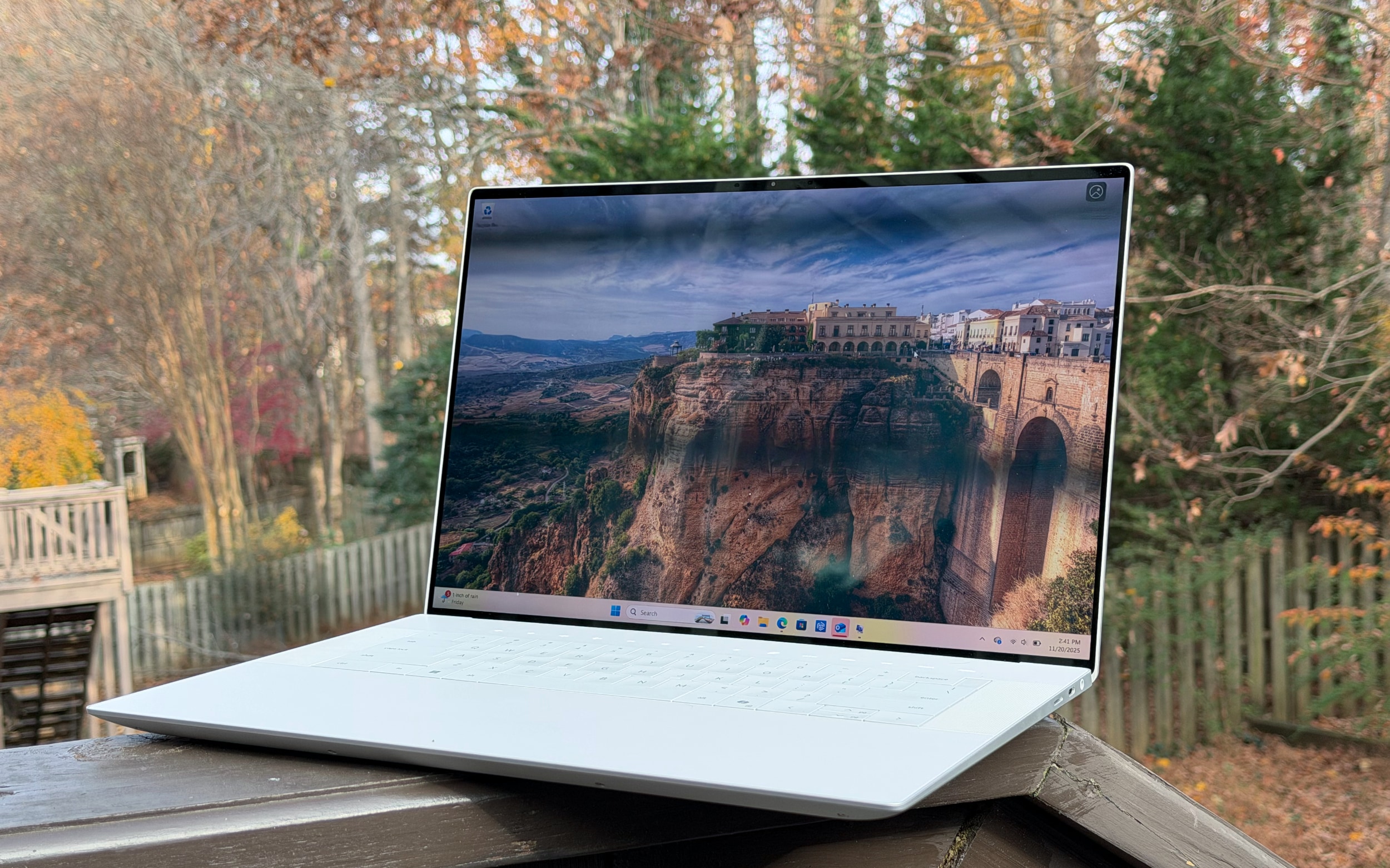
The Dell 16 Premium sitting on a ledge.

I wouldn’t call the Copilot+ program a huge swing, but it’s still the sort of industry-wide cat herding that’s rare to see in the PC space. Microsoft couldn’t just snap its fingers and shift all PCs to efficient mobile chips with powerful NPUs, like Apple did with its own jump to M-series chips years ago. Microsoft had to wait for new NPU-equipped hardware from Qualcomm (and eventually Intel and AMD). It had to finally fix the Windows on Arm problem. And it also had to double-down on AI features that felt truly transformative. It’s just a shame that consumers didn’t seem to care.

Microsoft said that Copilot+ systems accounted for 15 percent of premium PCs sold during last year’s holiday season, but the company hasn’t released any new sales figures since then. “This is the fastest adoption I've seen of a new category of hardware, and we've done it faster than the normal generational shift of silicon,” James Howell, Microsoft’s VP of Windows marketing, said in a conversation with Engadget. “Copilot+ PCs continue to be a transition that we are pushing for and prioritizing. But I can't give you the exact numbers beyond that… Just for the last two or three months, we've been doing pretty well with year-on-year growth in the Windows business.”

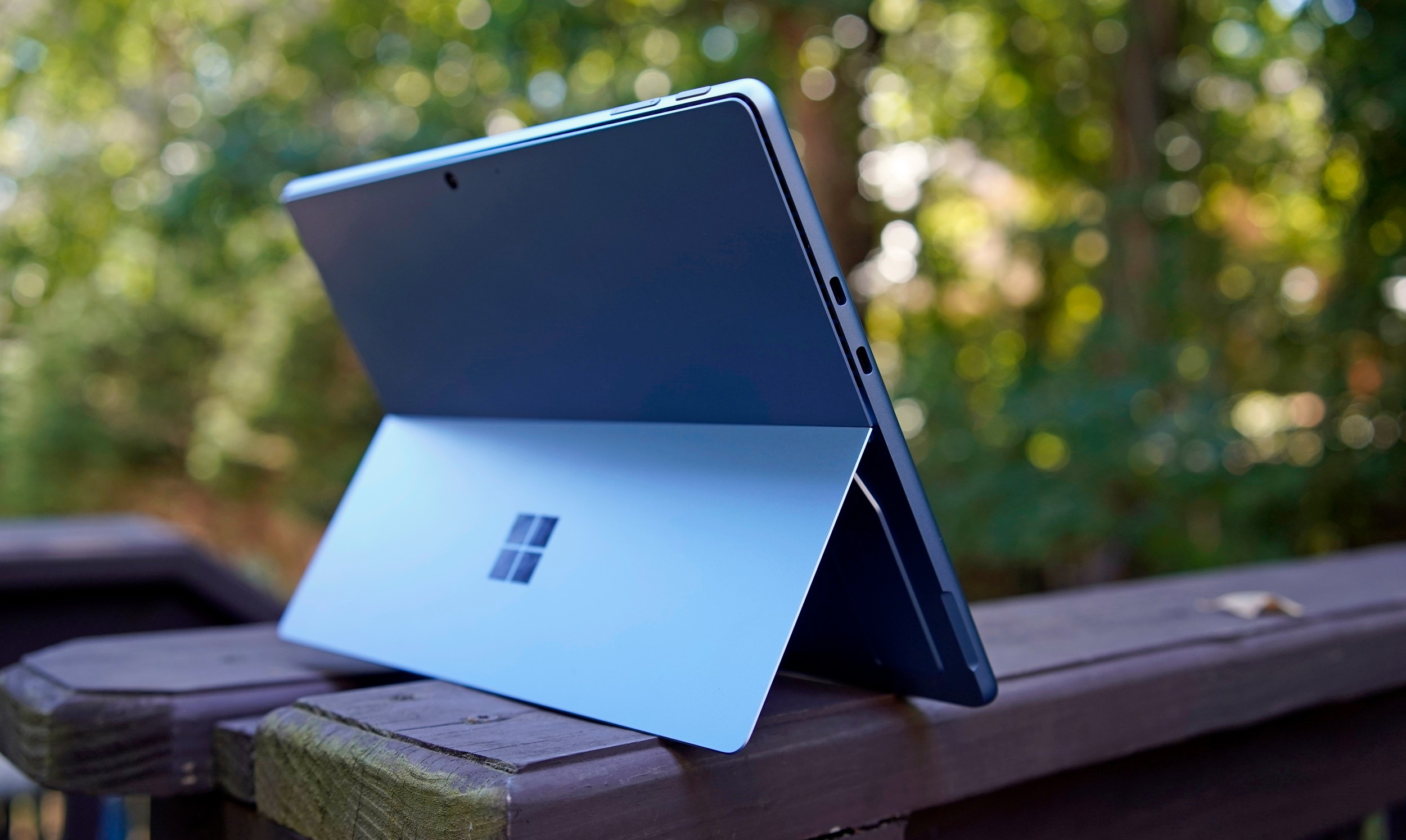
Surface Pro Copilot+
Devindra Hardawar for Engadget

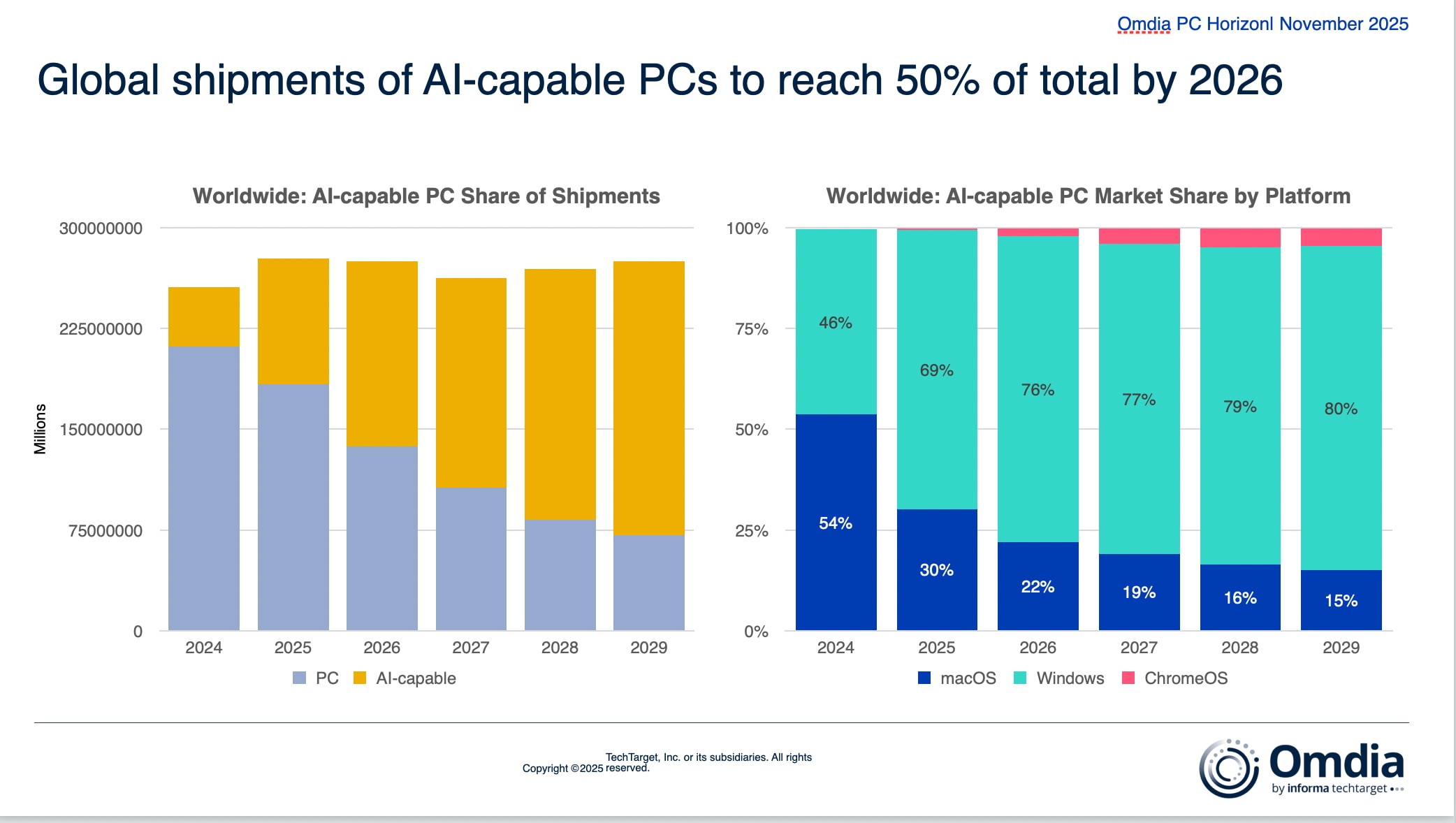
While Microsoft ultimately doesn’t have much to show for the Copilot+ initiative, the steady progression of hardware will lead to AI PCs dominating over the next five years. The research firm Omdia predicts that AI PCs will account for 55 percent of computers shipped in all of 2026, up from 42.5 percent of systems in Q3 2025. By 2029, Omdia predicts AI PCs will make up 75 percent of all systems shipped, giving Windows 80 percent of the AI PC market.  

Omdia AI PC shipment predictions
Omdia

“It’s important to note that this steep adoption curve [for AI PCs] is driven more by the product roadmaps of the PC market, rather than consumers and businesses seeking PCs specifically for AI,” according to Omdia research analyst Kieren Jessop. “For businesses, and consumers especially, AI-capable PC adoption is more a function of a customer going to purchase a device and that device just so happens to have an NPU.”

Microsoft was basically right: AI PCs are the future. But it turns out the AI features people actually want to use — like ChatGPT, Sora and Microsoft’s own Copilot — are mostly powered by the cloud, making onboard NPUs superfluous. That won’t be true forever. There are tangible security, speed and convenience benefits for onboard AI processing, like transcribing sensitive audio instead of sending it to the cloud. But for now, those AI workloads are relatively niche, and they’re not enough to make the Copilot+ a true success by any measure.

This article originally appeared on Engadget at https://www.engadget.com/computing/laptops/microsofts-copilot-ai-pc-plan-fizzled-but-it-still-served-a-purpose-130000239.html?src=rss