What if the device in your pocket was no longer the brains behind your favorite apps and services? Imagine a future where your smartphone, laptop, or smartwatch becomes merely a sleek interface, while the real computational heavy lifting happens far away in a network of powerful servers. Below, Olivio Sarikas takes you through how Jeff […]
What if you could create stunning, professional designs without years of training or an expensive design team? That’s the reality AI is shaping today. In this guide, Matt Maher explains how artificial intelligence is transforming the design process, making it accessible to anyone with a creative idea. Whether you’re a developer dabbling in user interface […]
Picture this: professional cyclists bombing down a mountain pass at 50 miles per hour, bodies tucked into aerodynamic positions, with nothing but Lycra and a helmet between them and the asphalt. It’s always seemed a bit absurd when you think about it. These athletes regularly exceed city speed limits for cars, yet their protective gear situation hasn’t evolved much beyond what casual weekend riders wear. That disconnect between velocity and vulnerability is finally being addressed, and the solution is surprisingly elegant.
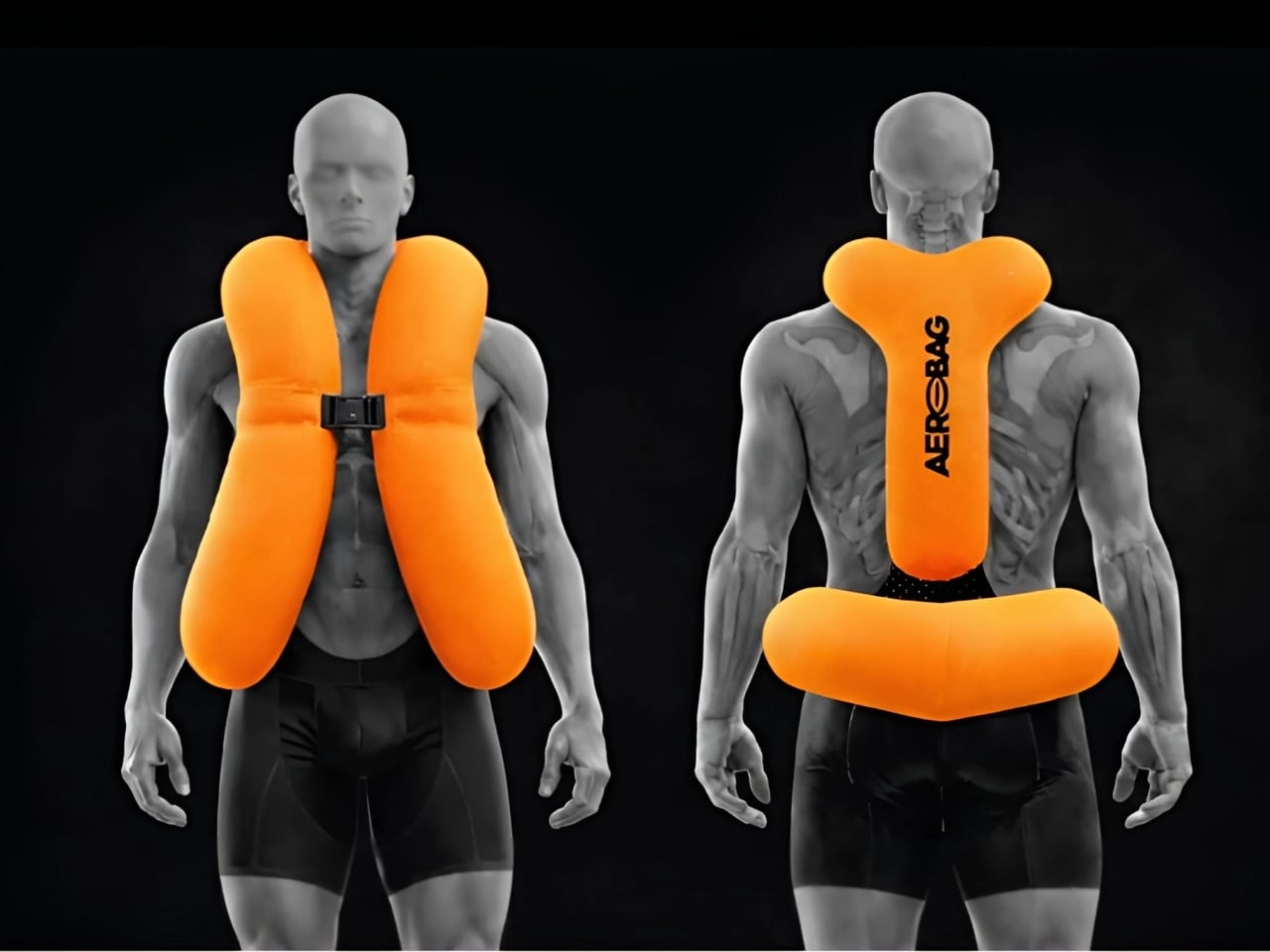
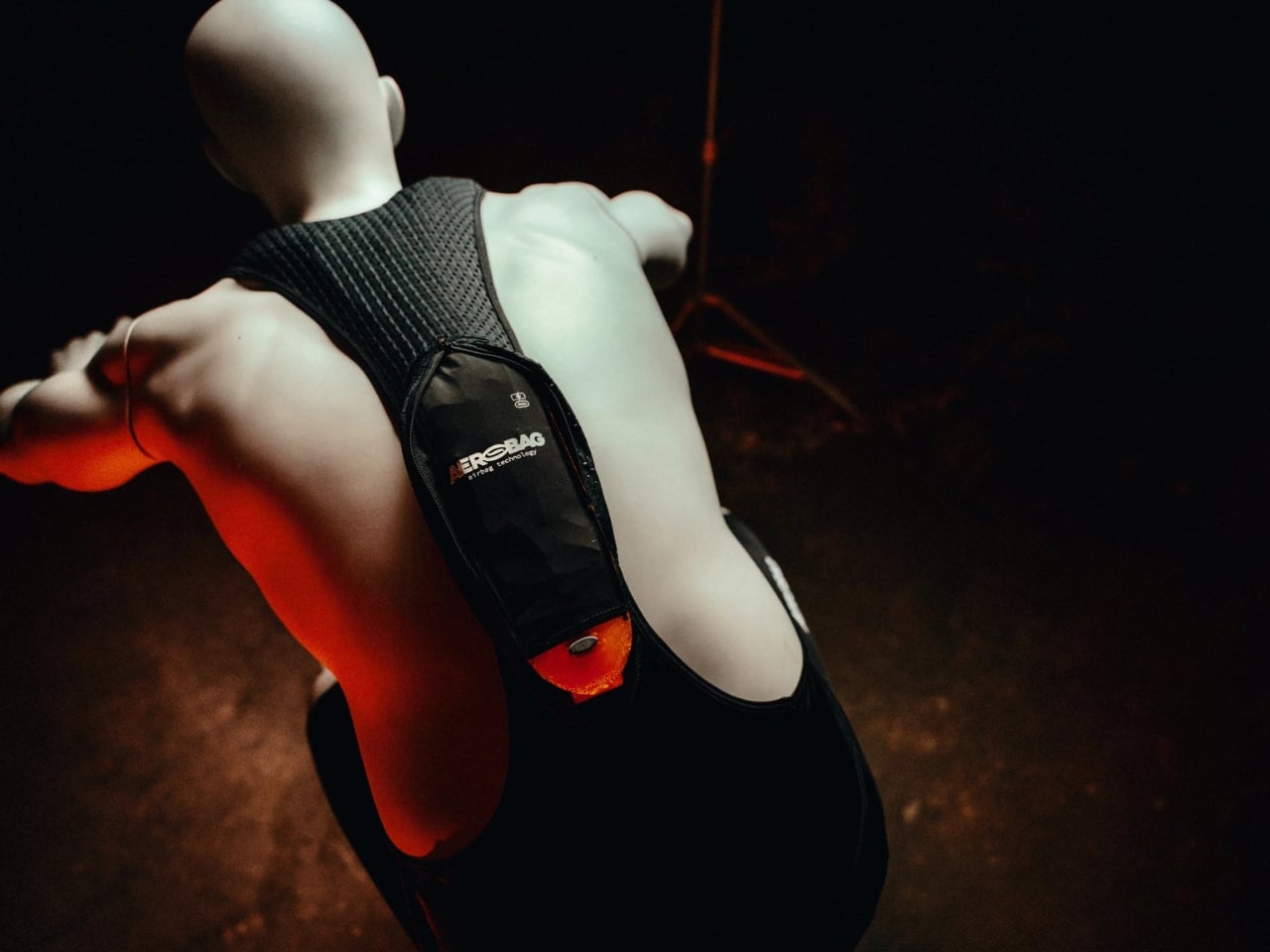
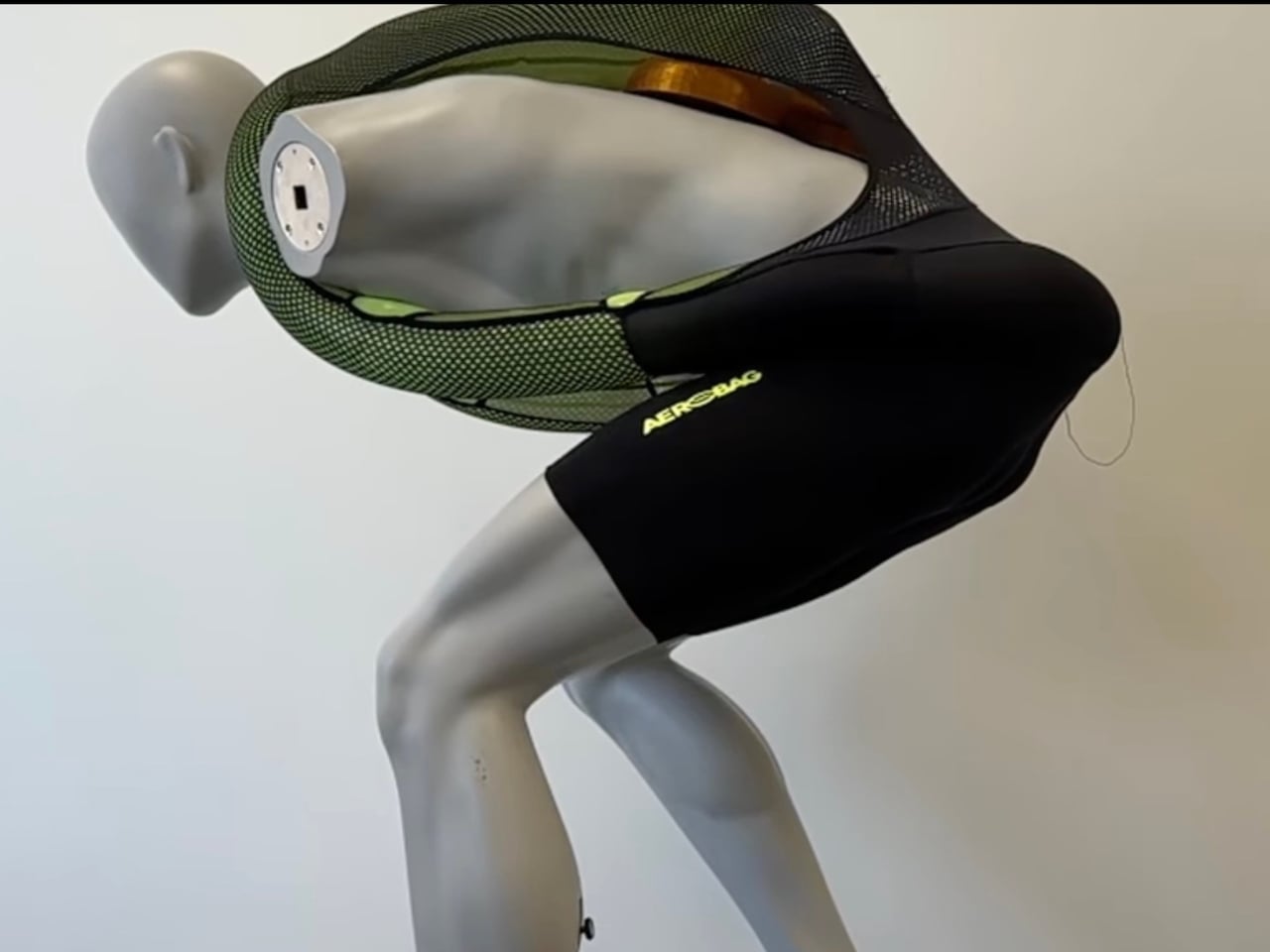
Enter Aerobag, a wearable airbag system designed specifically for professional cycling that’s already making waves in the WorldTour peloton. What makes this particularly exciting is that it’s not some bulky, restrictive contraption that turns cyclists into the Michelin Man. Instead, it’s an ingeniously integrated system that preserves the sleek aesthetics and freedom of movement that competitive cycling demands.
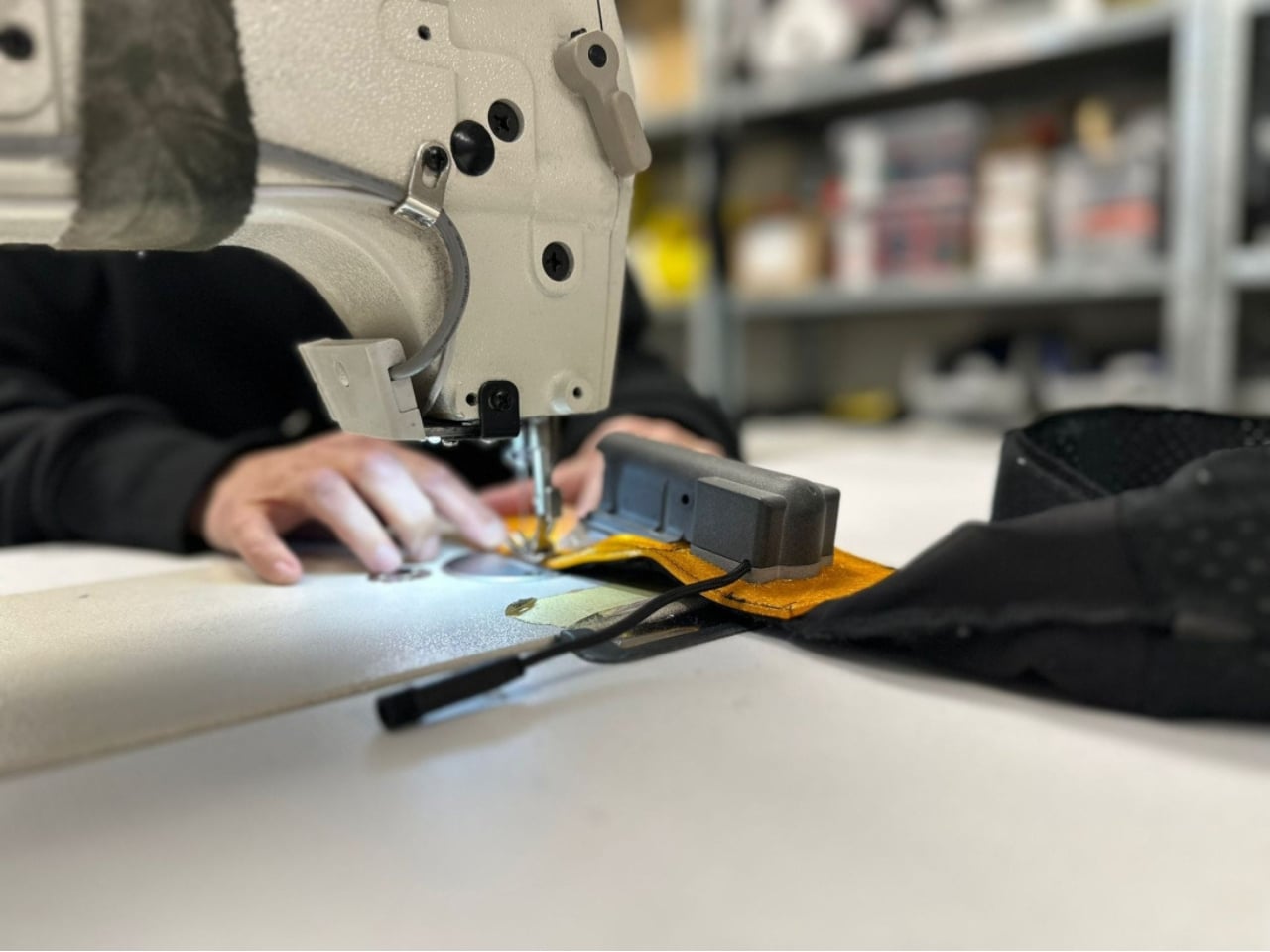
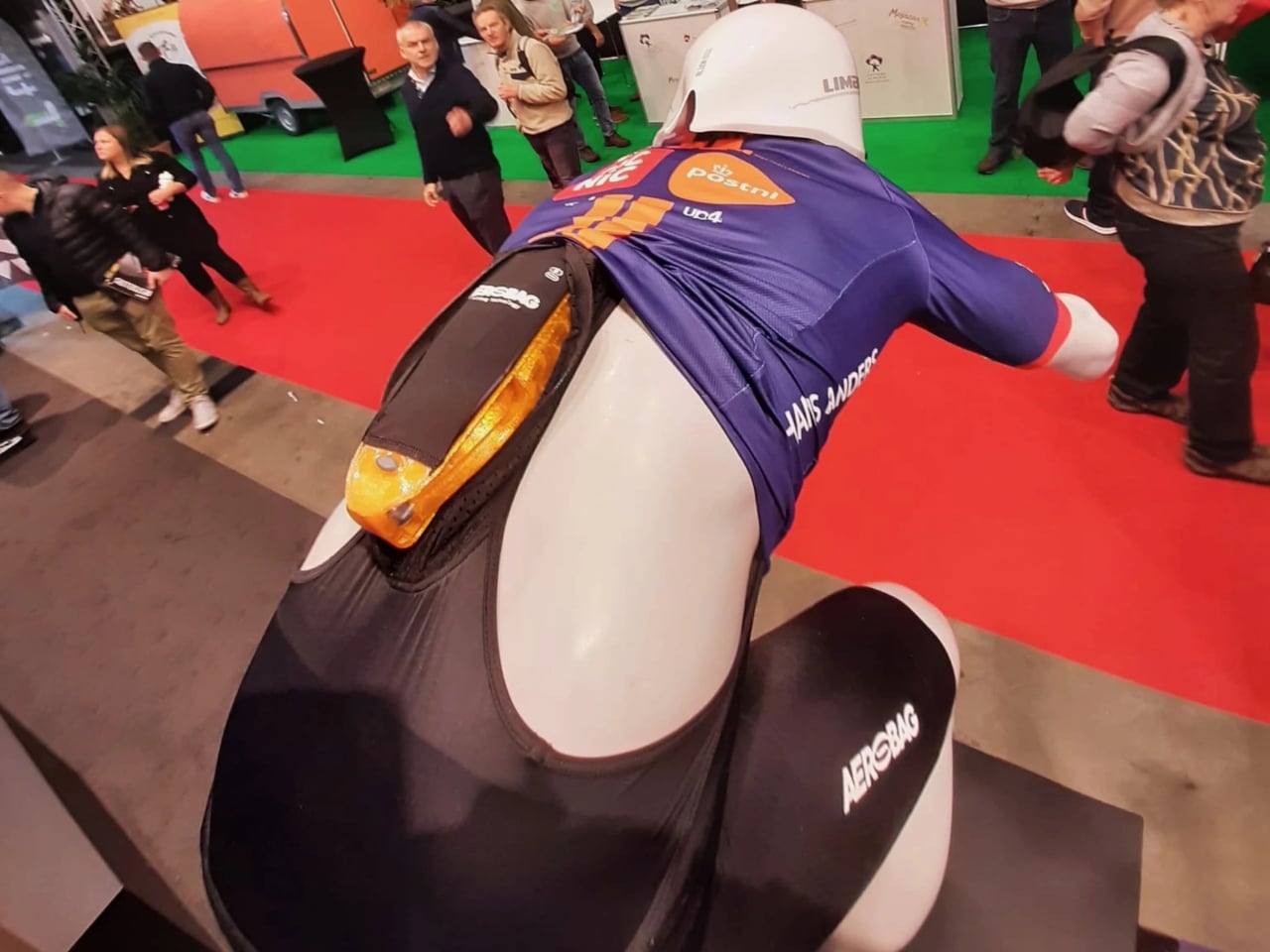
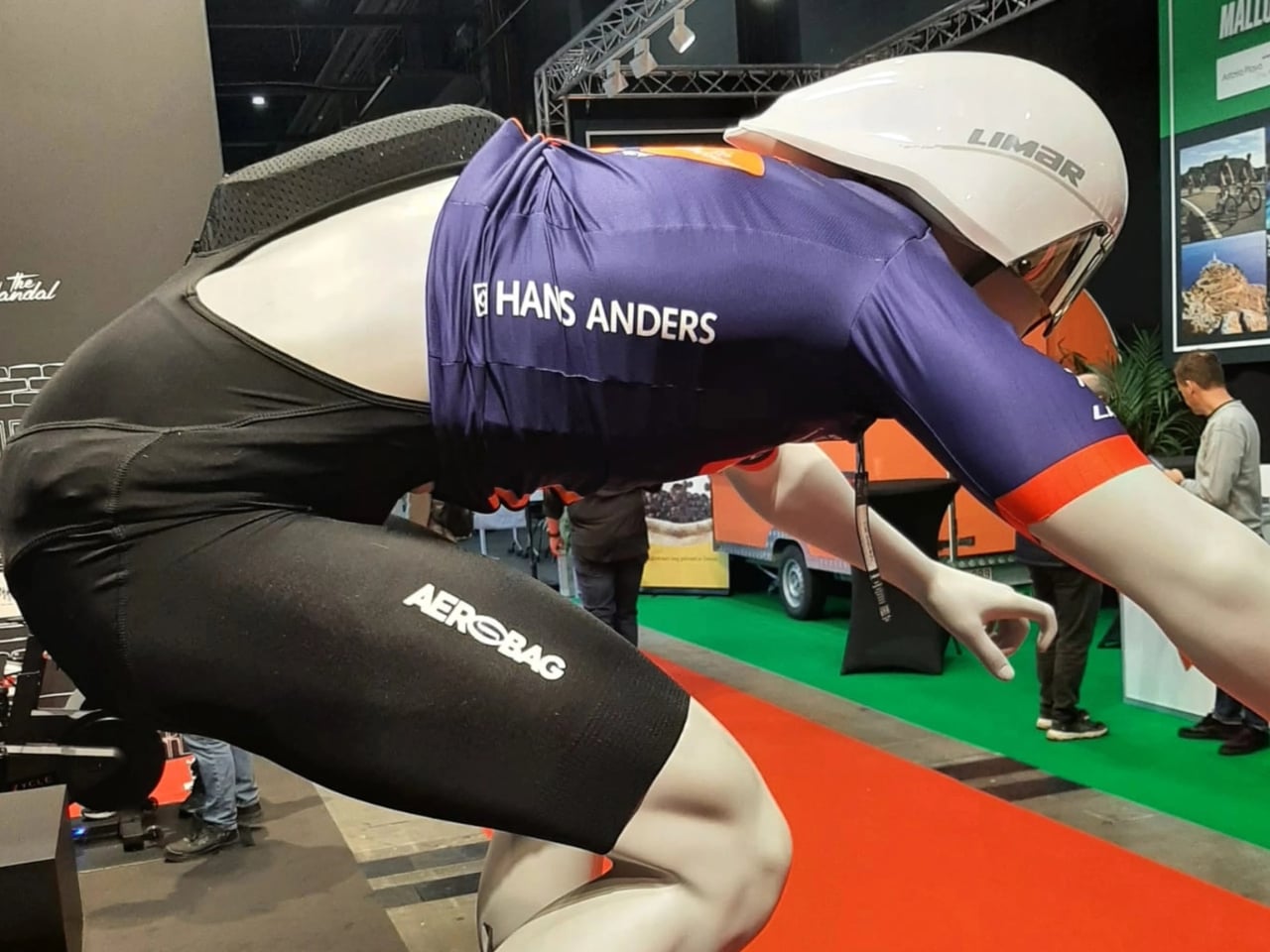
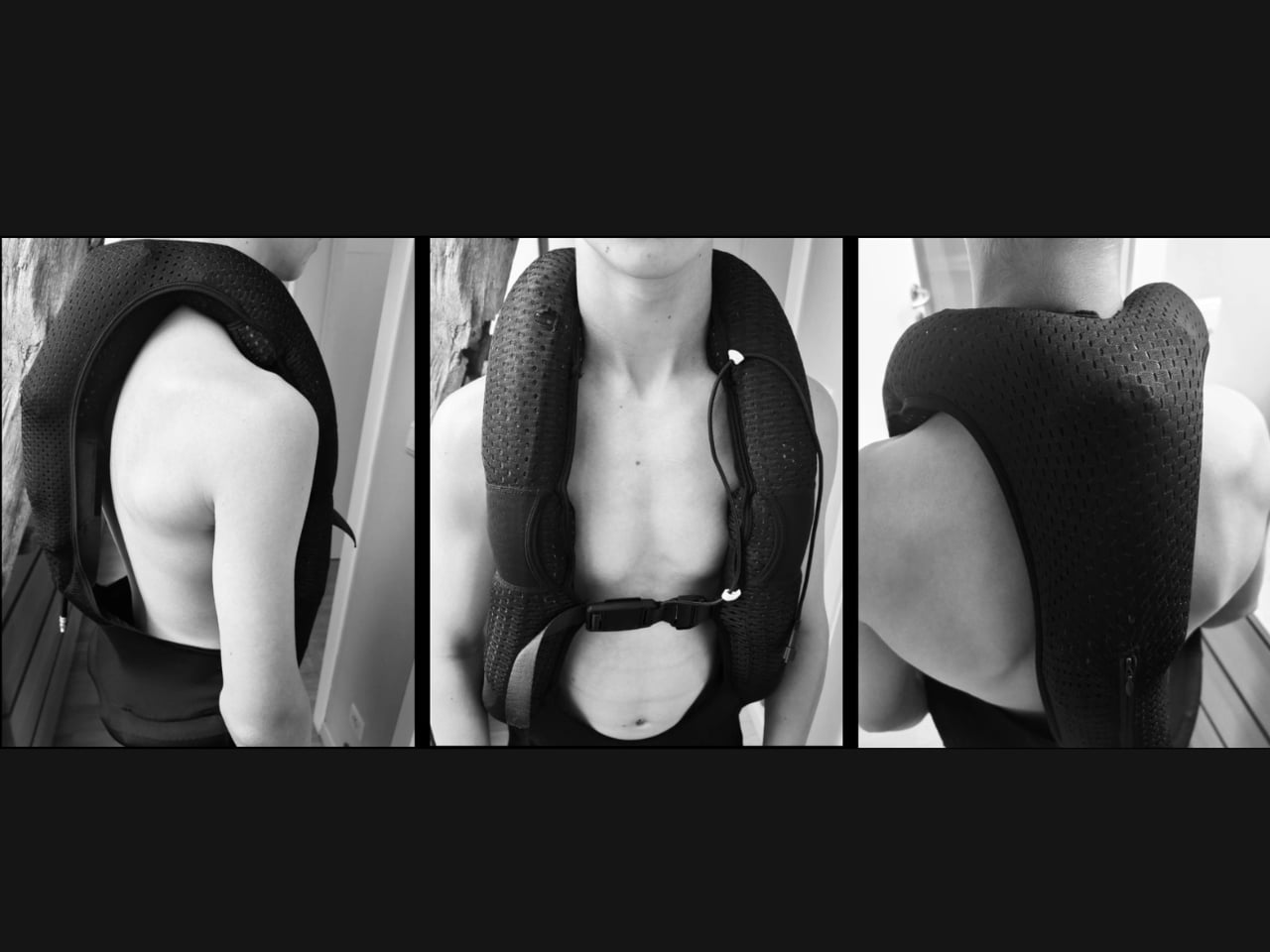
The technology works through a deceptively simple setup. TPU tubes are sewn into channels within specially modified bib shorts, the standard uniform for serious cyclists. On the rider’s back sits a small pouch containing the system’s sensors and processors, along with a replaceable CO₂ cartridge that costs about €35. When the sensors detect a crash, those tubes instantly inflate to provide impact protection for vulnerable areas like the hips, pelvis, ribs, torso, collarbone, and neck.
This isn’t just theoretical safety tech languishing in a prototype phase. The Netherlands’ WorldTour Team Picnic PostNL is already using Aerobag during training sessions this season, with potential race deployment on the horizon. That’s a significant vote of confidence from professional teams whose performance margins are measured in seconds and grams. If Aerobag can pass muster with riders who obsess over every detail that might slow them down, it’s clearly doing something right.
The timing couldn’t be better. Professional cycling has faced increasing scrutiny over safety protocols, especially after high-speed crashes that result in serious injuries. Fans and riders alike have questioned why a sport featuring such dramatic speeds hasn’t adopted more protective equipment. The answer has always circled back to the same concerns: weight penalties, restricted movement, aerodynamic drag, and the sport’s traditional aesthetic. Aerobag appears to have threaded that needle, creating protection that doesn’t compromise the things teams care about most.
What’s particularly clever is how the system stays out of the way until it’s actually needed. Unlike bulky protective gear that riders would have to wear constantly, adding weight and restricting their movements during every pedal stroke, Aerobag remains unobtrusive until sensors detect an impending impact. It’s protective equipment that doesn’t extract a performance cost during normal riding, which makes it far more palatable to athletes and teams focused on competitive advantages.
The company is currently in discussions with the UCI, cycling’s governing body, about broader implementation across WorldTour teams in 2026. Getting regulatory approval and buy-in from the sport’s official sanctioning organization is crucial for any safety innovation to achieve widespread adoption. If those talks go well, we could see this technology become standard equipment across professional cycling fairly quickly.
Of course, questions remain. How reliable are the sensors? What happens with false positives that deploy the airbag when no crash is occurring? How does replacement and maintenance work during multi-week stage races? These are the kinds of real-world considerations that will only be fully answered through extensive use in actual racing conditions. But the fundamental concept feels like a genuine breakthrough. For years, cycling airbags have been floated as a hypothetical solution to the sport’s safety challenges without much concrete progress. Aerobag represents one of the first serious attempts to bring meaningful impact protection into professional cycling without fundamentally changing how riders dress, move, or compete.
Whether this technology eventually trickles down to amateur cyclists or remains exclusive to professional racing depends largely on cost and practicality. But the mere fact that WorldTour teams are willing to test and potentially race with this equipment signals that wearable airbag systems have moved from science fiction to serious safety innovation. Sometimes the best solutions are the ones that feel obvious in hindsight, and protecting cyclists with the same airbag technology that’s been saving lives in cars for decades definitely falls into that category.
Maximizing your iPhone’s battery life doesn’t require advanced technical skills or drastic measures. By adopting a few strategic adjustments and smarter habits, you can significantly reduce power consumption and extend your device’s daily performance. The video below from Proper Honest Tech provides practical, actionable steps to help you optimize battery efficiency while maintaining long-term health. […]
What if you could transform your productivity overnight with just a few strategic tweaks? Below Rob walks through how the latest NotebookLM updates can transform the way you organize, create, and refine your work. From seamless integration with Google Gemini to advanced customization options, these new features promise to make your outputs not only faster […]
What if you could have a gaming PC that fits in the palm of your hand but doesn’t compromise on power? ETA Prime explains how the Minisforum G1 Pro is redefining the small form factor (SFF) gaming PC landscape with its innovative hardware and clever design. Packed with an AMD Ryzen 9 8945HX CPU, Nvidia […]
The Honor Magic 8 Pro Air, launched in China on January 19, 2026, introduces a fresh perspective to the ultra-slim smartphone market. Competing with industry leaders like the iPhone Air and Samsung Galaxy S25 Edge, this device blends a sleek design, advanced camera technology, and robust performance. Here’s a closer look at what makes this […]
Most desk pen cups end up as graveyard storage for half-dead markers, random pencils, and that one pen you actually like, buried somewhere in the mix. The usual cylinder treats every tool the same, even though your hand instinctively knows which pen feels right for signing documents or writing notes that matter. A little hierarchy on the desk might do more to calm the visual noise than another storage bin that just shuffles the clutter around.
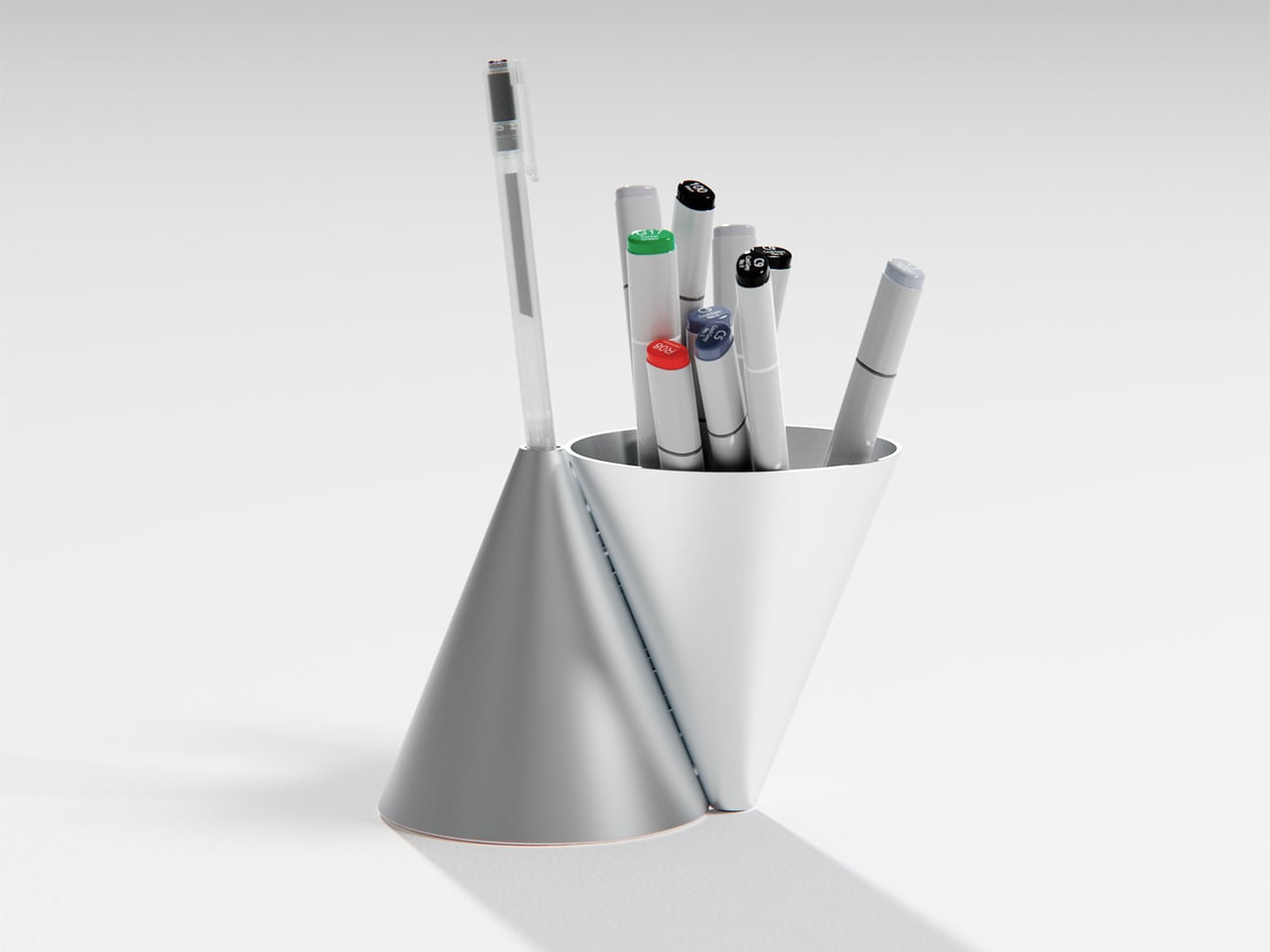
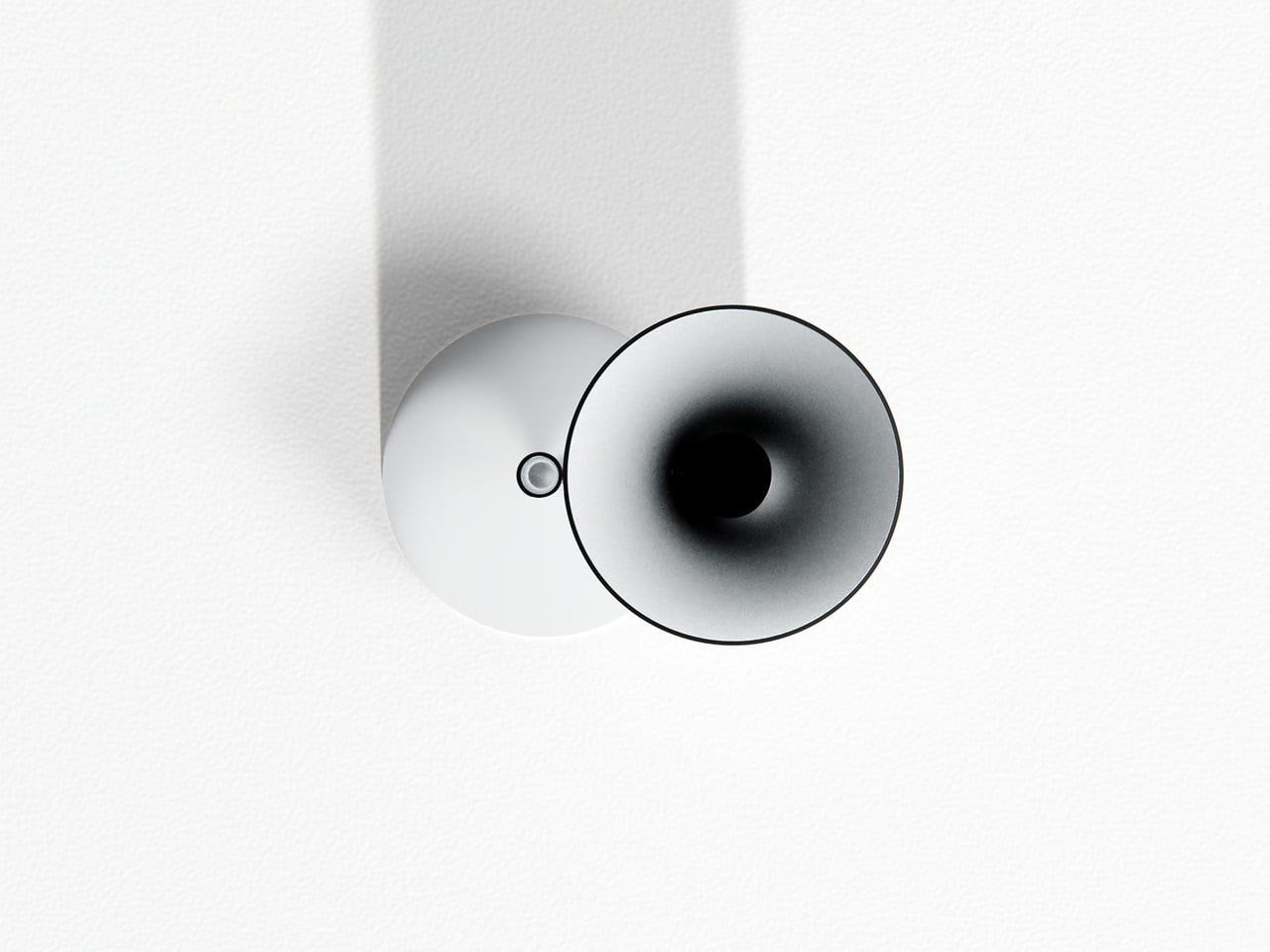
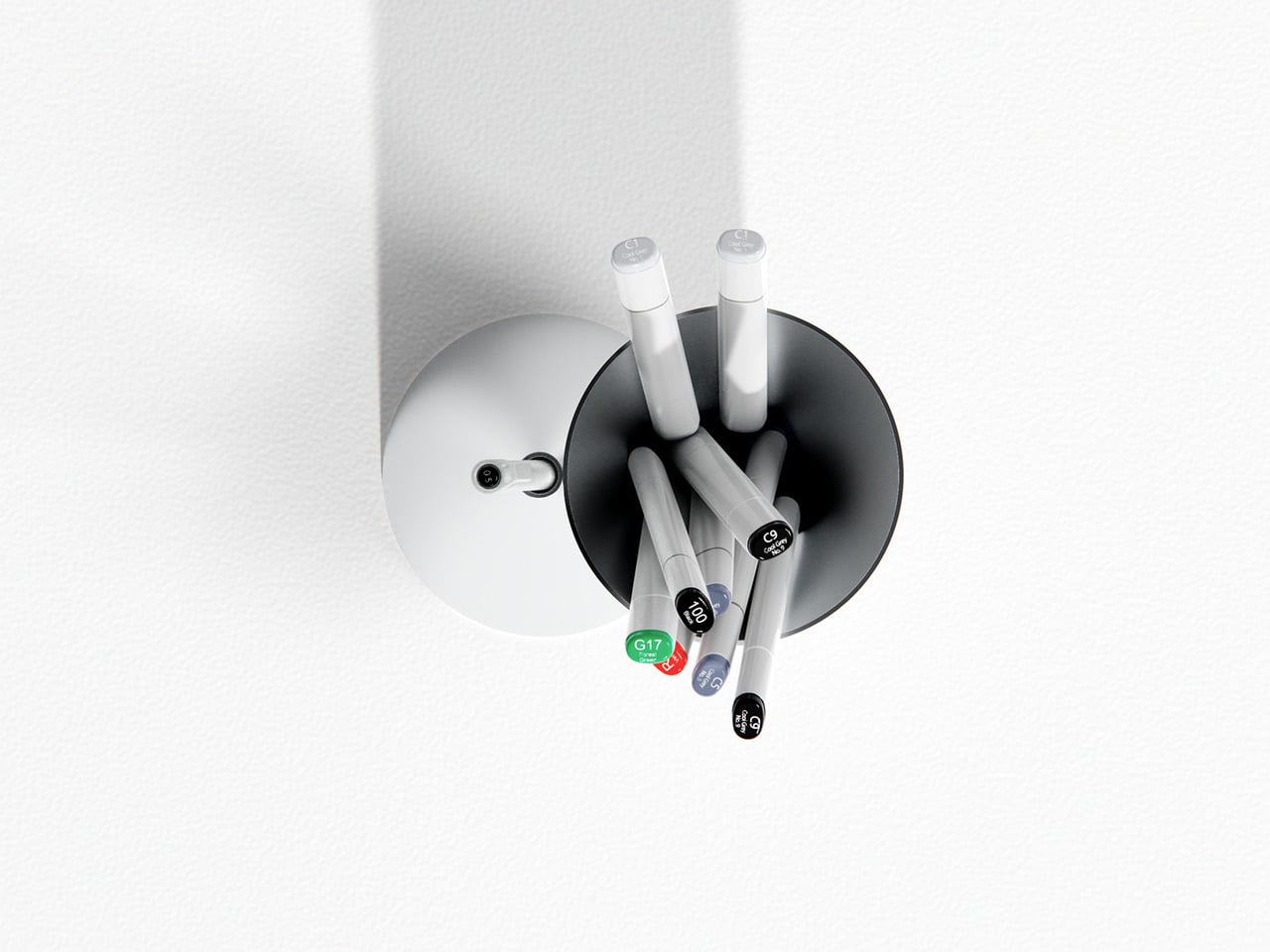
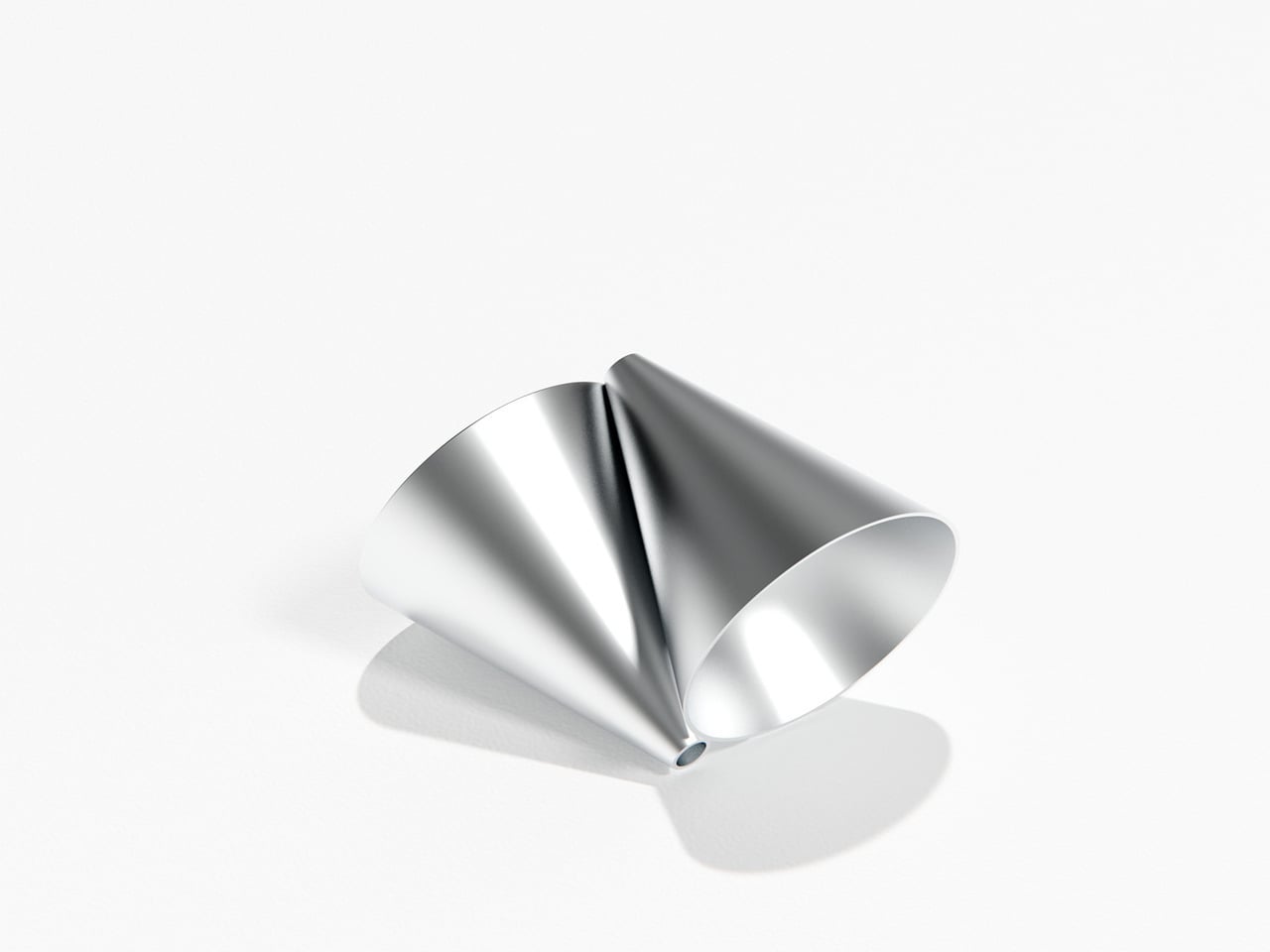
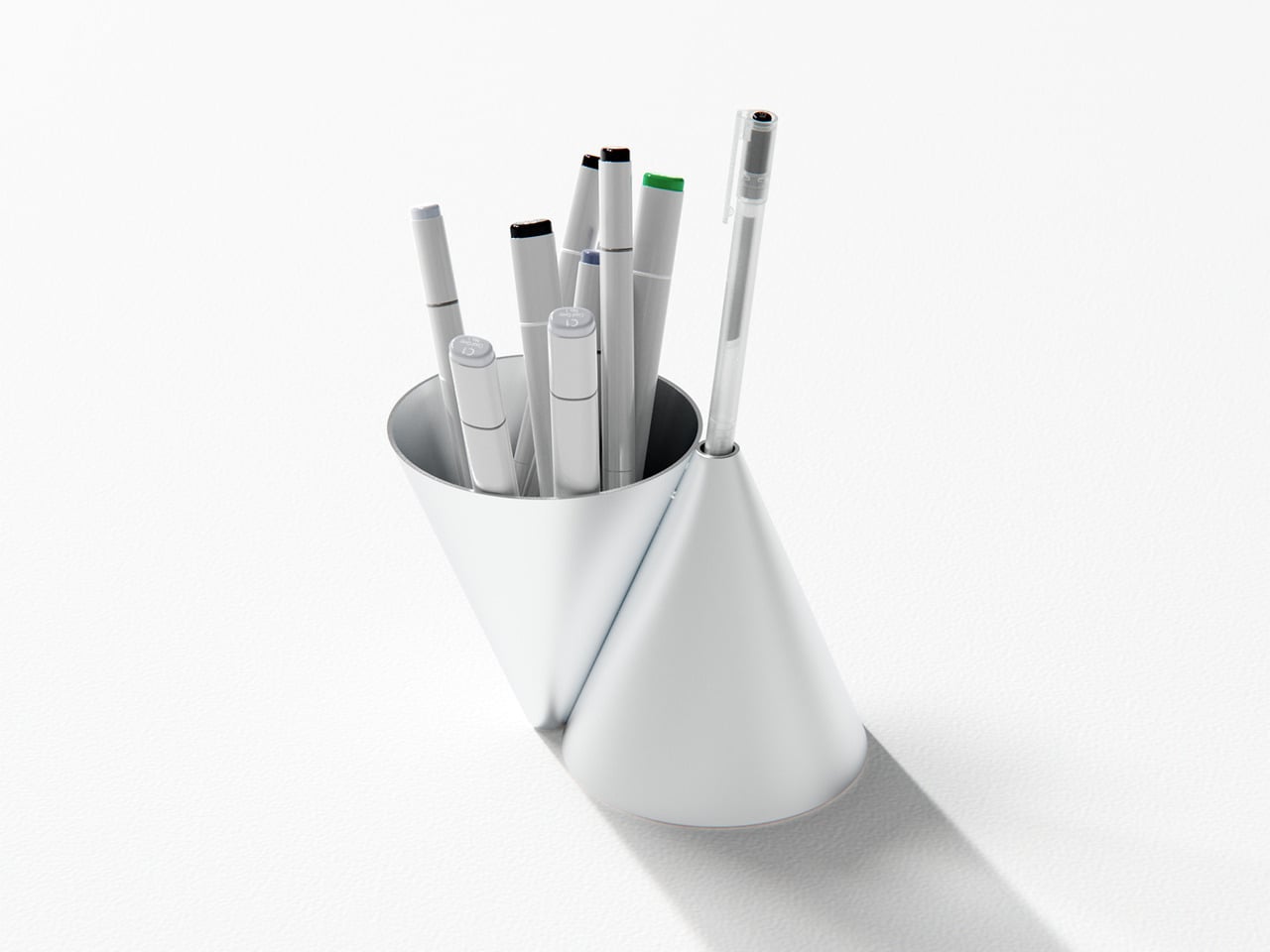
Konus is an aluminum pen holder that takes Bauhaus principles seriously rather than using them as decoration. Designed by Liam de la Bedoyere, it is built from two inverted cones, one hollowed out to hold everyday tools, the other reduced to a single aperture for a chosen pen. It is a personal project, which gives it permission to be a bit more pure and uncompromising than mass-market organizers that try to please everyone and end up feeling generic.
The larger cone becomes the communal container, swallowing the usual mix of pens and markers without complaint. The smaller cone acts like a tiny plinth for one special pen, the good ballpoint or fountain pen that always ends up lost under papers when you need it. This simple split creates a visual and functional hierarchy, your hand learning that the main cone is for grabbing anything, while the smaller one is where the favored pen lives, ready when you need it.
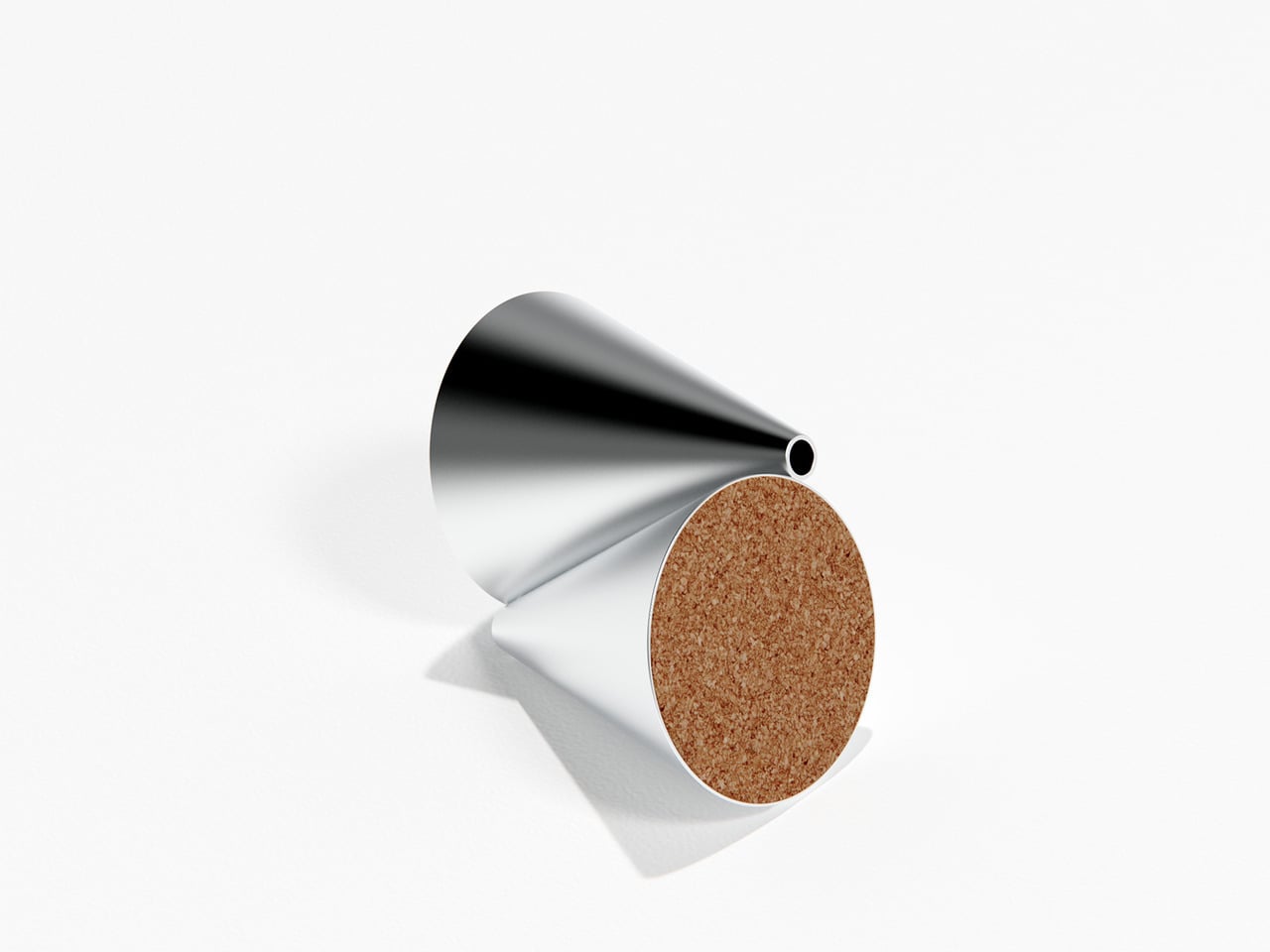
Konus is machined from aluminum with a satin finish that catches light softly rather than shouting for attention. The cork base keeps it from sliding on smooth desks and adds a bit of warmth against hard surfaces. Together, the cool metal and warm cork make it feel more like a small piece of desk architecture than a plastic cup, something you notice without it becoming a distraction or requiring constant attention.
A typical day with Konus on the desk means the main cone slowly fills with whatever pen you grabbed last, while the single aperture keeps your favorite anchored in one place. There is a small pleasure in always knowing where that pen is, and the object quietly nudges you to put it back in its slot instead of letting it disappear under papers or into a drawer where it will live for weeks before you find it again.
The cones embody that Bauhaus idea of form leading function without relying on labels or moving parts. Dropping tools into the big opening is effortless, but placing a pen into the small aperture feels deliberate, almost like docking a tiny instrument. Over time, that difference turns into a quiet ritual that organizes both the desk and your habits, making you slightly more intentional about which tools stay within reach and which ones can live in a drawer.
Imagine walking into a job interview where your ability to transform raw data into actionable insights sets you apart from every other candidate. In 2026, employers will prioritize professionals who can use advanced Excel and Business Intelligence (BI) skills to drive strategic decisions. Below, My Online Training Hub takes you through how mastering capabilities like […]