DeepSeek V4 Adds Blackwell SM100 and FP4 Support for Lower-Cost Scaling

DeepSeek V4 Adds Blackwell SM100 and FP4 Support for Lower-Cost Scaling Mock dashboard view of Design Arena listing the Galapagus model during live tests linked to GPT 5.3 speculation.

The release of DeepSeek V4 introduces notable advancements in AI capabilities, emphasizing scalability and efficiency. One key feature is the 1 million token context window, which allows the system to process large datasets, such as full research papers or extensive codebases, without the need for segmentation. According to Universe of AI, this enhancement supports more […]

The post DeepSeek V4 Adds Blackwell SM100 and FP4 Support for Lower-Cost Scaling appeared first on Geeky Gadgets.

Posted in Uncategorized

M4 Comes to the Air: Apple’s Mid-Range Tablet Gets a Massive Speed Boost

M4 Comes to the Air: Apple’s Mid-Range Tablet Gets a Massive Speed Boost M4 IPad Air

Apple has officially launched the latest iteration of the iPad Air, a device that combines innovative technology with a sleek design to deliver an enhanced user experience. Powered by the new M4 chip, the iPad Air offers a 30% performance boost compared to its predecessor and is 2.3 times faster than the M1 model. This […]

The post M4 Comes to the Air: Apple’s Mid-Range Tablet Gets a Massive Speed Boost appeared first on Geeky Gadgets.

Posted in Uncategorized

Claude Projects vs NotebookLM : Research Notes & Buildable Workflows Compared

Claude Projects vs NotebookLM : Research Notes & Buildable Workflows Compared Workflow chart showing export from NotebookLM research into Claude Projects for building a deployable internal tool.

Artificial intelligence continues to reshape productivity, offering specialized systems tailored to distinct professional needs. Corey McClain compares two standout options, Claude Projects and NotebookLM, highlighting their unique strengths. While NotebookLM excels in knowledge management and research, helping users synthesize data into structured formats like slides or infographics, Claude Projects focuses on workflow creation and actionable […]

The post Claude Projects vs NotebookLM : Research Notes & Buildable Workflows Compared appeared first on Geeky Gadgets.

Posted in Uncategorized

The Samsung Wallet can now hold your house keys

Samsung's newest feature turns your phone into your house keys. The company has created the Digital Home Key, a feature inside of the Samsung Wallet that should let you unlock any compatible smart door with your phone. The Samsung Wallet already offered digital car keys

"As we continue to evolve Samsung Wallet, delivering trusted mobile experiences remains at the core of our innovation," Woncheol Chai, EVP and head of Digital Wallet Team, Mobile eXperience (MX) Business at Samsung Electronics, said in a statement. "Through close collaboration with our partners and in alignment with the Aliro standard, Digital Home Key brings the same level of security and ease Samsung Galaxy users expect from Samsung Wallet to their homes."

Created by the Connectivity Standards Alliance (CSA), Samsung calls Aliro an "industry-standardized communication protocol." The Digital Home Key will also get support from smart lock brands like Nuki and Schlage. It's also designed to meet EAL6+ security certification. 

According to Samsung, you'll also need biometrics or a PIN to use the Digital Home Key. You should be able to remotely manage or remove the tool through Samsung Find if you lose your phone.

Samsung is rolling out the Digital Home Key in select regions starting this month. It plans to expand its range as compatible smart lock brands become available in more locations. 

This article originally appeared on Engadget at https://www.engadget.com/home/smart-home/the-samsung-wallet-can-now-hold-your-house-keys-142944132.html?src=rss

Developer-Written AGENTS.md Lifts Results 4% but Raises Cost

Developer-Written AGENTS.md Lifts Results 4% but Raises Cost Bar graph comparing success rates with autogenerated context notes versus no extra instructions on SWE Light tasks.

Autogenerated context files like `AGENTS.md` are often seen as a quick way to enhance coding agent performance, but recent research from ETH Zurich suggests they may do more harm than good. The study found that these files, while designed to provide additional context, frequently introduce irrelevant or redundant information, leading to a 20% increase in […]

The post Developer-Written AGENTS.md Lifts Results 4% but Raises Cost appeared first on Geeky Gadgets.

Posted in Uncategorized

Apple introduces the $599 iPhone 17e with MagSafe and twice the storage

Apple has just announced the addition of the iPhone 17e to its smartphone lineup. This model is kitted with the same A19 chip that powers the base iPhone 17, and it will support the Apple Intelligence suite of AI tools. As the rumors suggested, the iPhone 17e will indeed be priced at $599, same as last year’s iPhone 16e. The base model will come with 256GB of storage, and also be available in a new pink color.

The iPhone 16e was missing a few elements that are now being added to the 17e, most notably MagSafe charging at Qi2 speeds. This means it can charge wirelessly at 15W compared to the 7.5W on last year’s model.

Apple also gave the iPhone 17e its C1X cellular modem, which it said is “up to 2x faster than C1 in iPhone 16e.” This year’s entry-level iPhone also has Ceramic Shield 2 on its 6.1-inch Super Retina display, which Apple says offers “3x better scratch resistance than the previous generation and reduced glare.”

Most of the other specs appear similar to the iPhone 16e, including the 48-megapixel Fusion camera that uses one single hardware sensor to provide two dedicated camera pipelines. It’s not yet clear whether there are specific changes here, but to use Apple’s words in its press release, “[The Fusion camera] also enables an optical-quality 2x Telephoto — like having two cameras in one.”

The iPhone 17e is rated IP68 for dust and water resistance, and will also support Emergency SOS, Roadside Assistance, Messages and Find My via satellite. From the outside, the device looks very similar to its predecessor, with the same shape, notch and buttons as before. We’ll of course have to wait for a review unit and more information to know for sure, but Apple continues to state that the iPhone 17e delivers “all-day battery life,” though adding this time it’s aided by the C1X modem “and the advanced power management of iOS 26.”

Apple unveiled most of its iPhone 17 roster back in September, but its budget models usually are introduced a few months later. We're also still waiting on the official news of what’s colloquially being calling the iPhone Fold, which is rumored to arrive in the back half of this year.

The iPhone 17e will be available for pre-order on March 4, and will start arriving in stores on March 11.

This article originally appeared on Engadget at https://www.engadget.com/mobile/smartphones/apple-introduces-the-599-iphone-17e-with-magsafe-and-twice-the-storage-140612085.html?src=rss

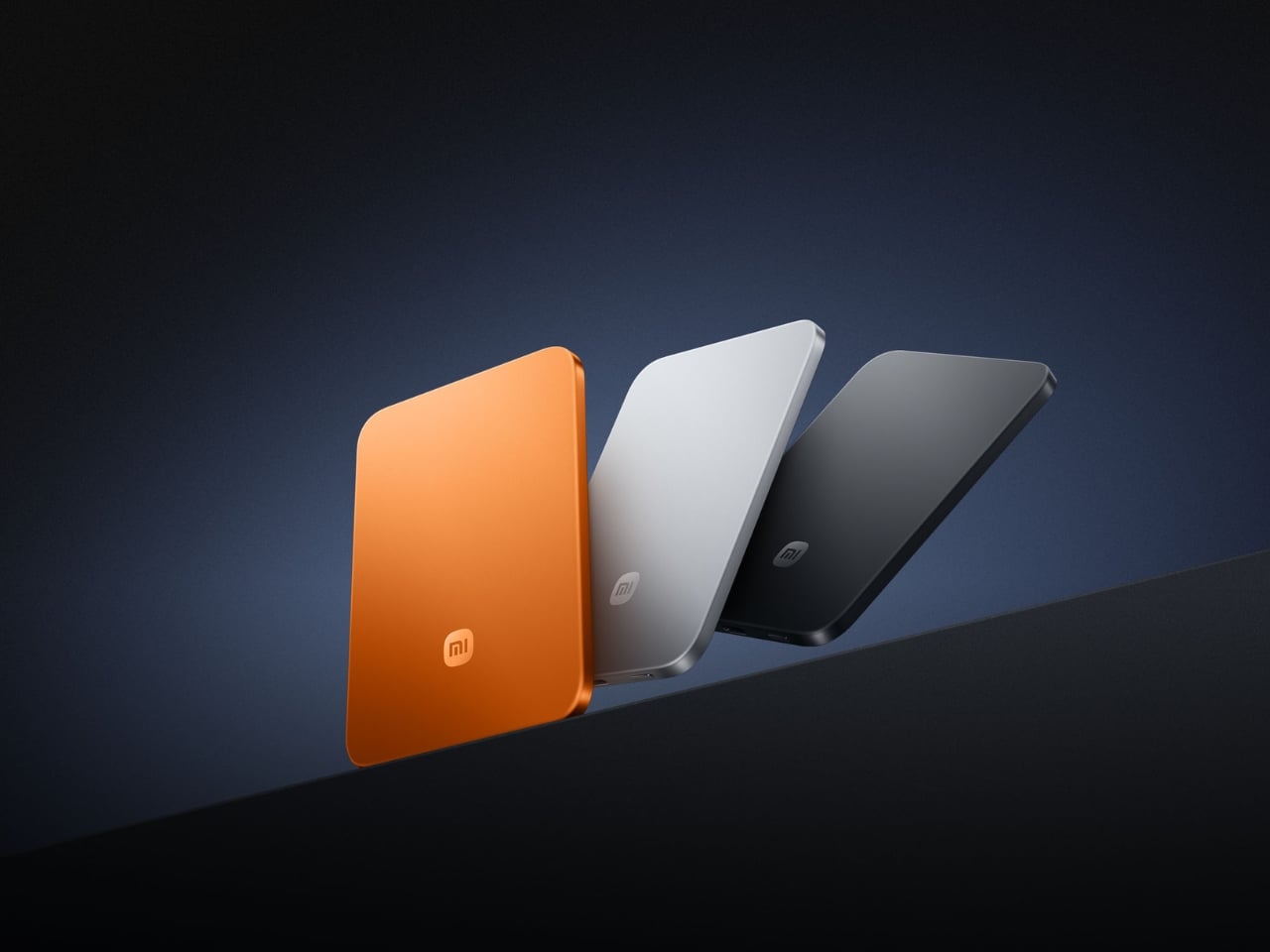
A 6mm 5,000 mAh Power Bank: Xiaomi Built One Thinner Than Any Phone

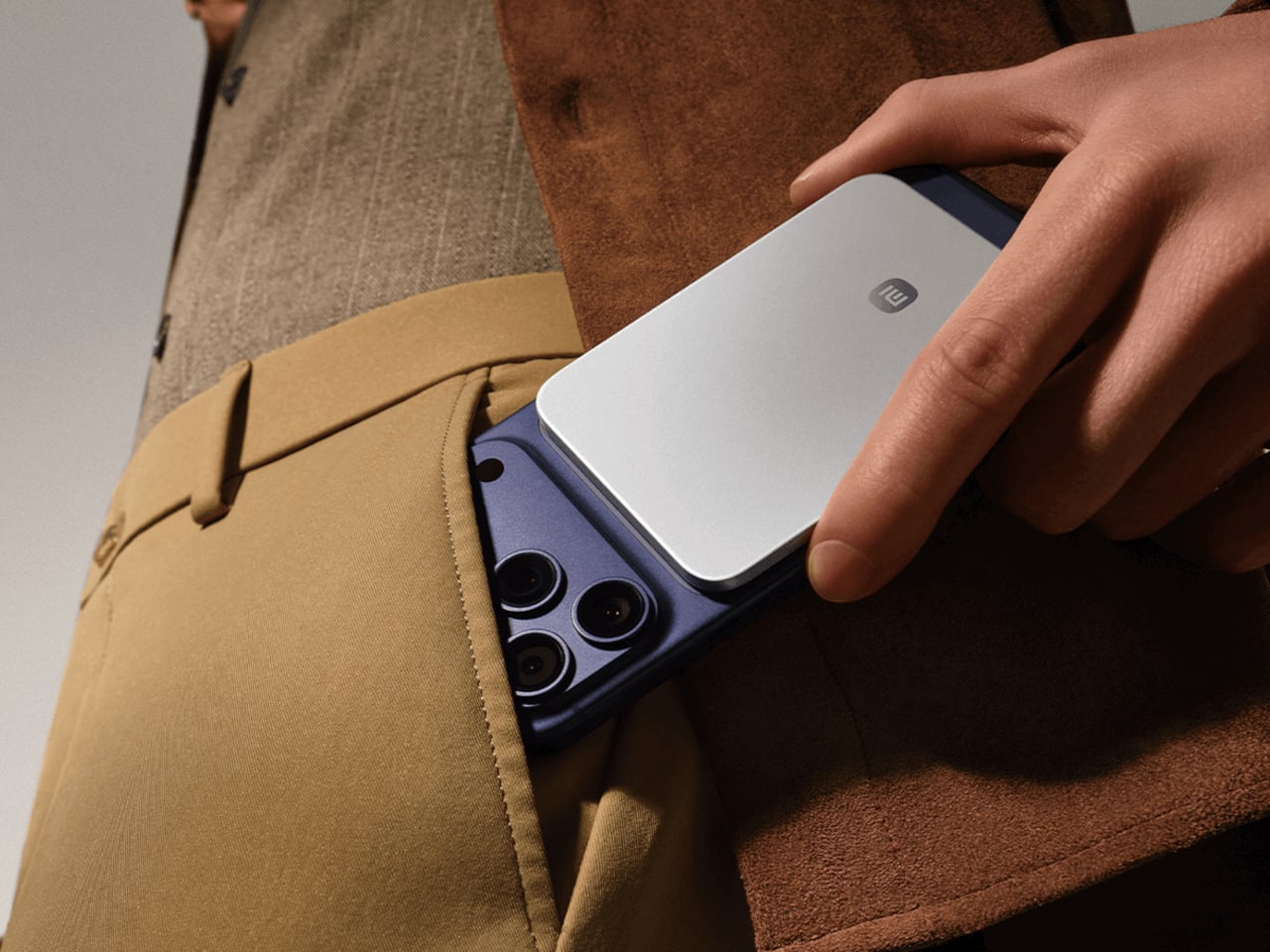
I’ve carried a lot of power banks over the years. Bulky ones that weigh down my pockets, chunky bricks that barely fit in a crossbody bag, and a few “compact” options that still felt like lugging around a deck of cards. So when Xiaomi announced a magnetic power bank that measures just 6mm thick and weighs 98 grams, I’ll admit my first reaction was skepticism. That’s thinner than most smartphones on the market right now, including the iPhone 17. A power bank isn’t supposed to be thinner than the device it charges.

But here we are, and the Xiaomi UltraThin Magnetic Power Bank 5000 15W is very real. It launched in Japan earlier this year at roughly $50, has since expanded to Australia, Singapore, South Korea, and Europe, and was officially showcased at MWC 2026 in Barcelona. The European pricing sits around €60 for the Glacier Silver and Graphite Black versions, with a slightly more expensive Radiant Orange option at €65. For what it delivers in terms of sheer industrial design, those prices feel reasonable.

Designer: Xiaomi
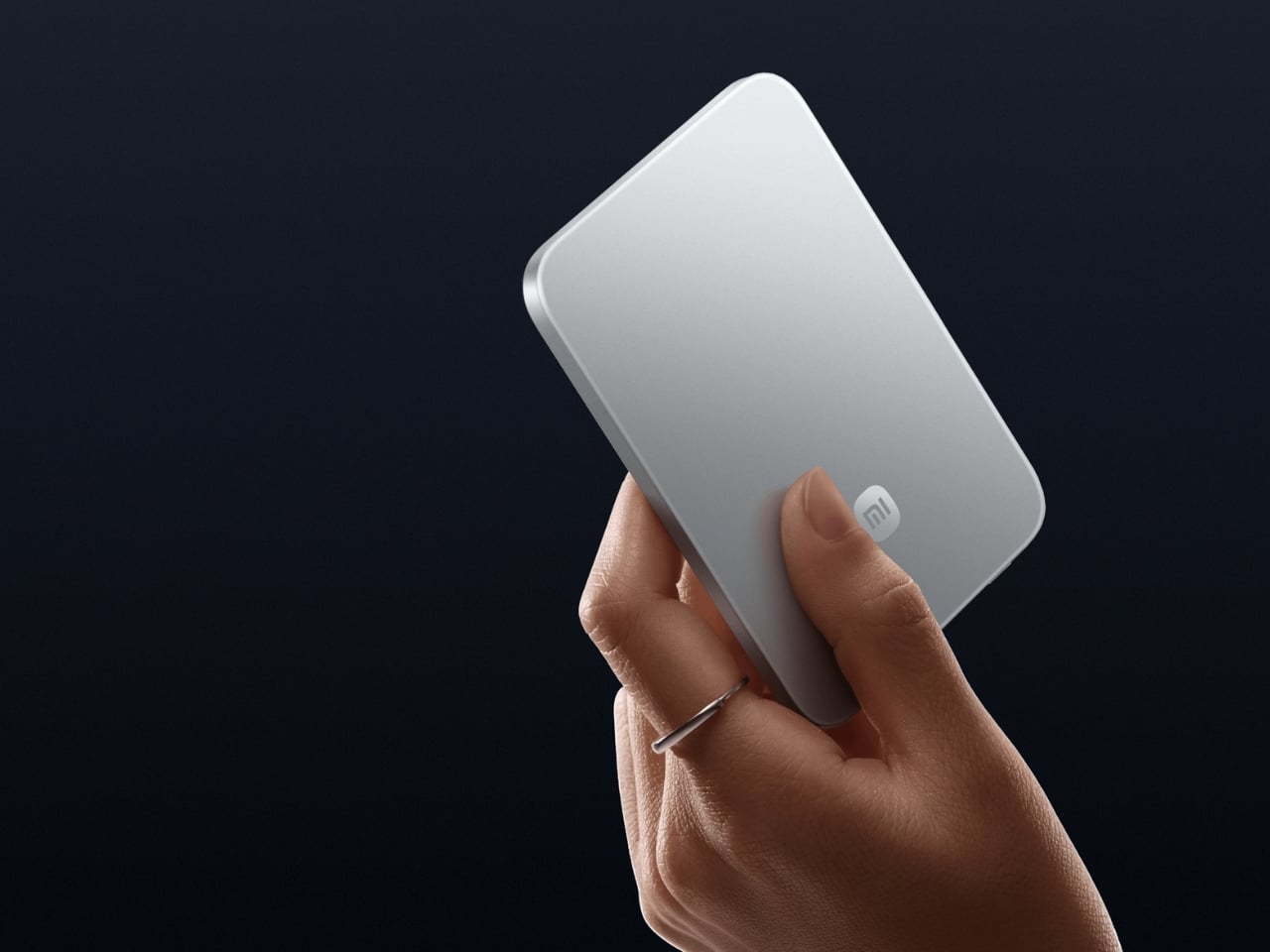
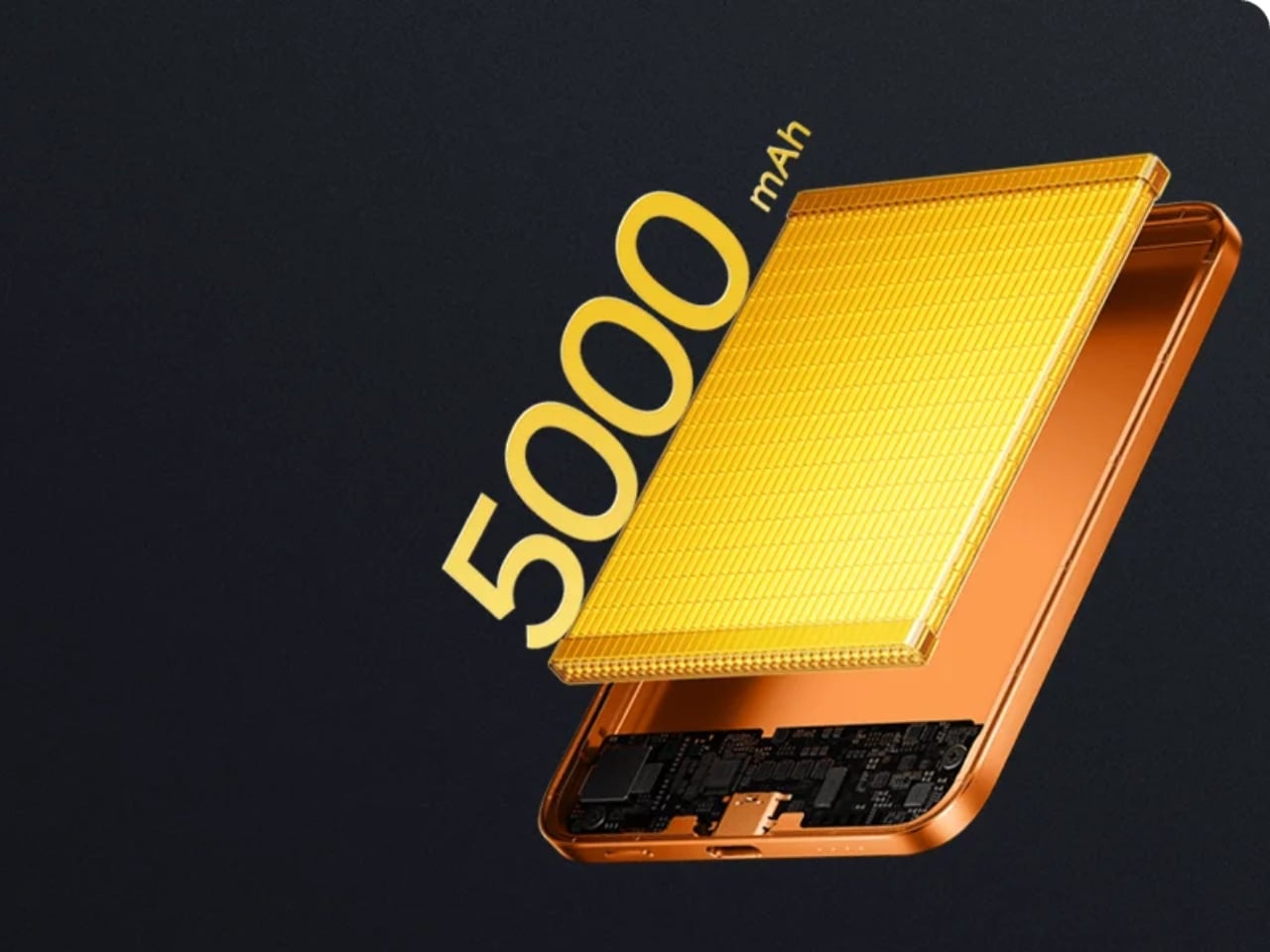
Let’s talk about what makes this thing genuinely interesting from a design perspective. Xiaomi is using a silicon-carbon battery with 16% silicon content, which is the kind of battery chemistry that allows for higher energy density in a slimmer package. That’s how they’ve managed to squeeze 5,000mAh into something that resembles a metal business card more than a traditional power bank. The aluminum alloy shell has a smooth, understated finish, and the phone-facing surface uses fire-resistant fiberglass with an excimer coating for heat management. A photolithographically etched logo on the back adds a subtle detail that signals this product was designed with care, not just assembled to a spec sheet.
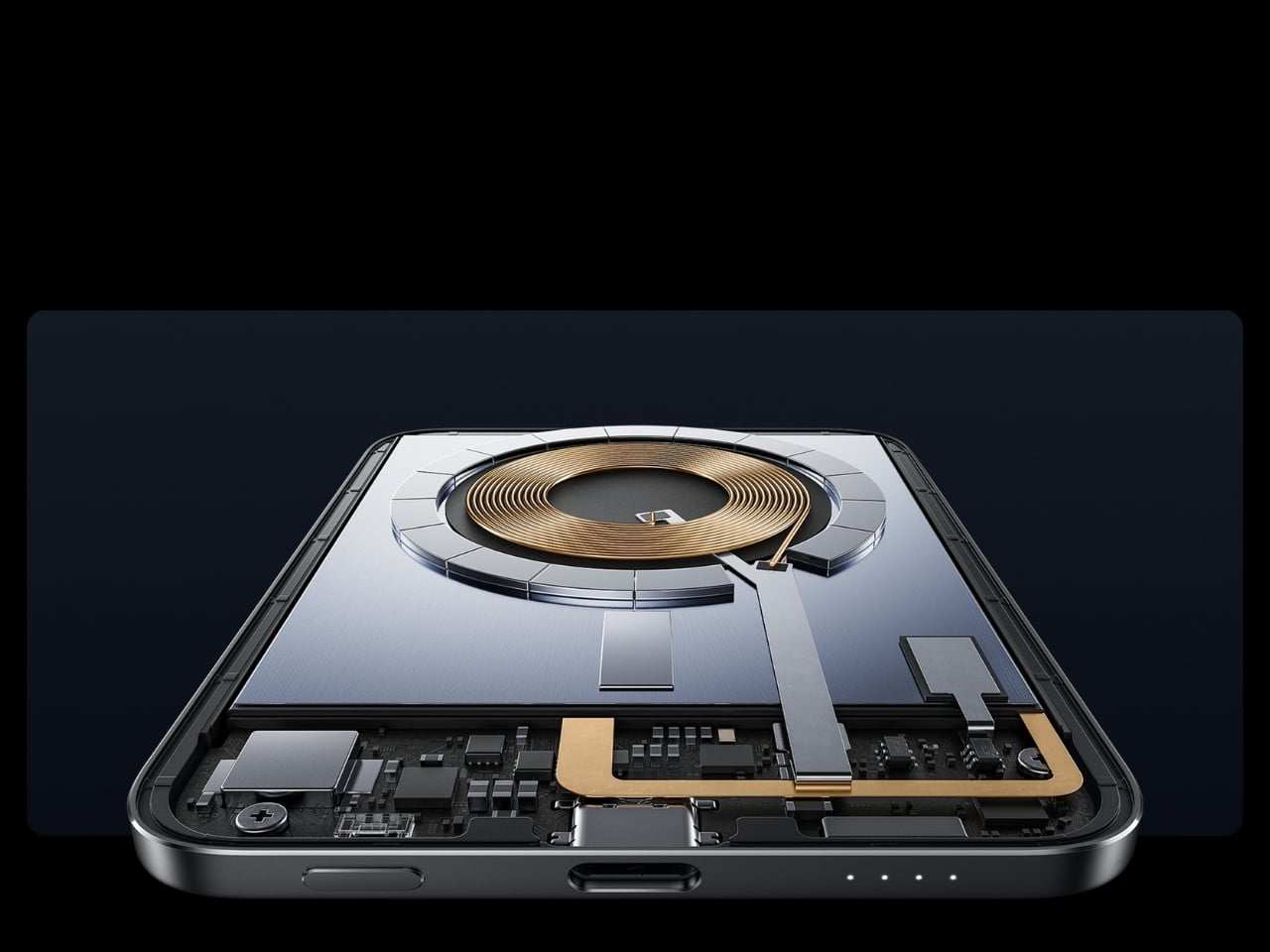
The charging specs are solid if unspectacular. You get up to 15W wireless charging when paired with the Xiaomi 17 series, though iPhone users are limited to 7.5W due to Apple’s MagSafe restrictions. There’s also a USB-C port pushing up to 22.5W for wired charging, and the option to charge two devices simultaneously. It’s not going to win any speed records, but for a device this thin, the versatility is appreciated. You snap it onto the back of your phone magnetically, and it just works. No cables, no fuss.
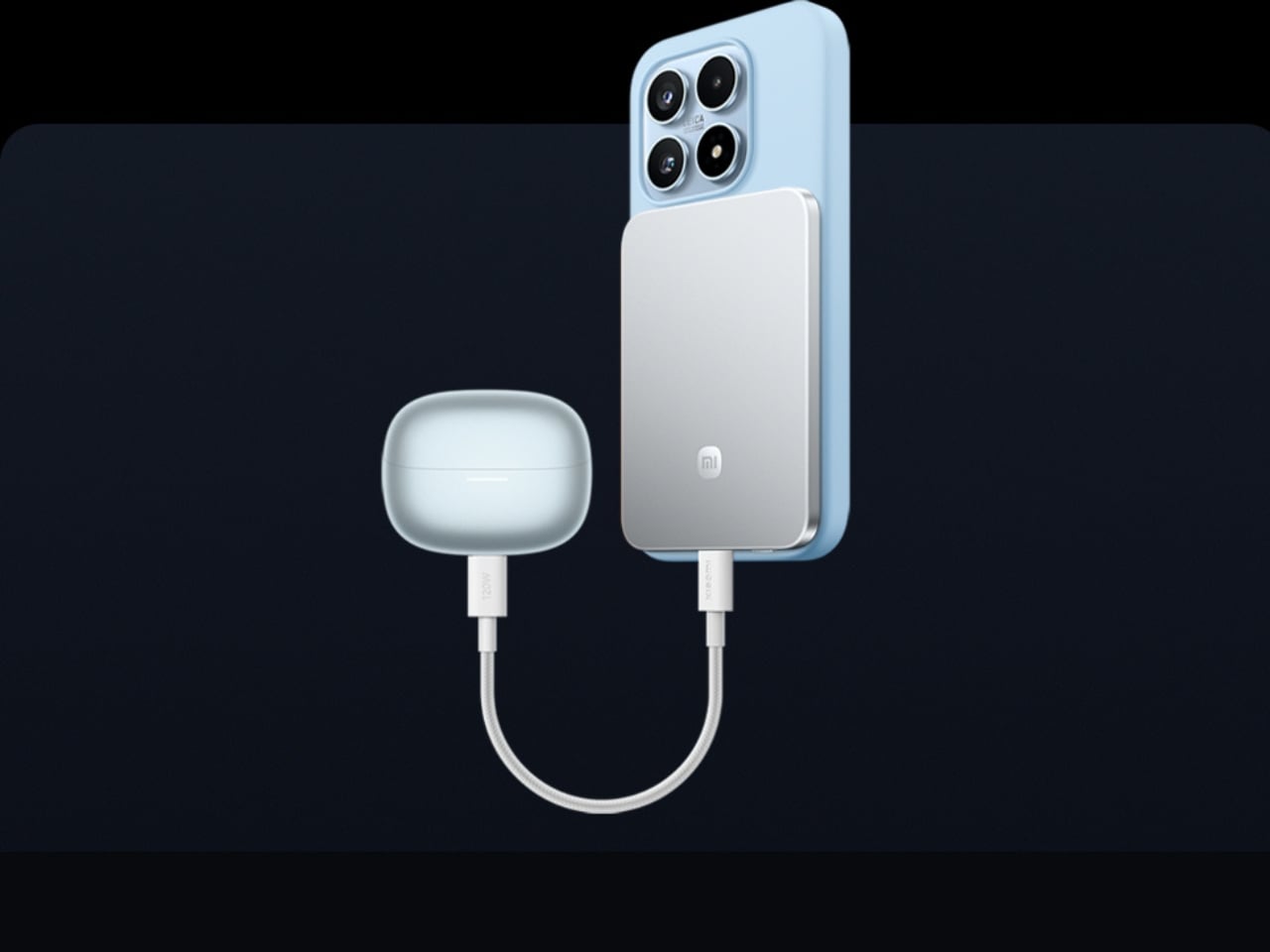
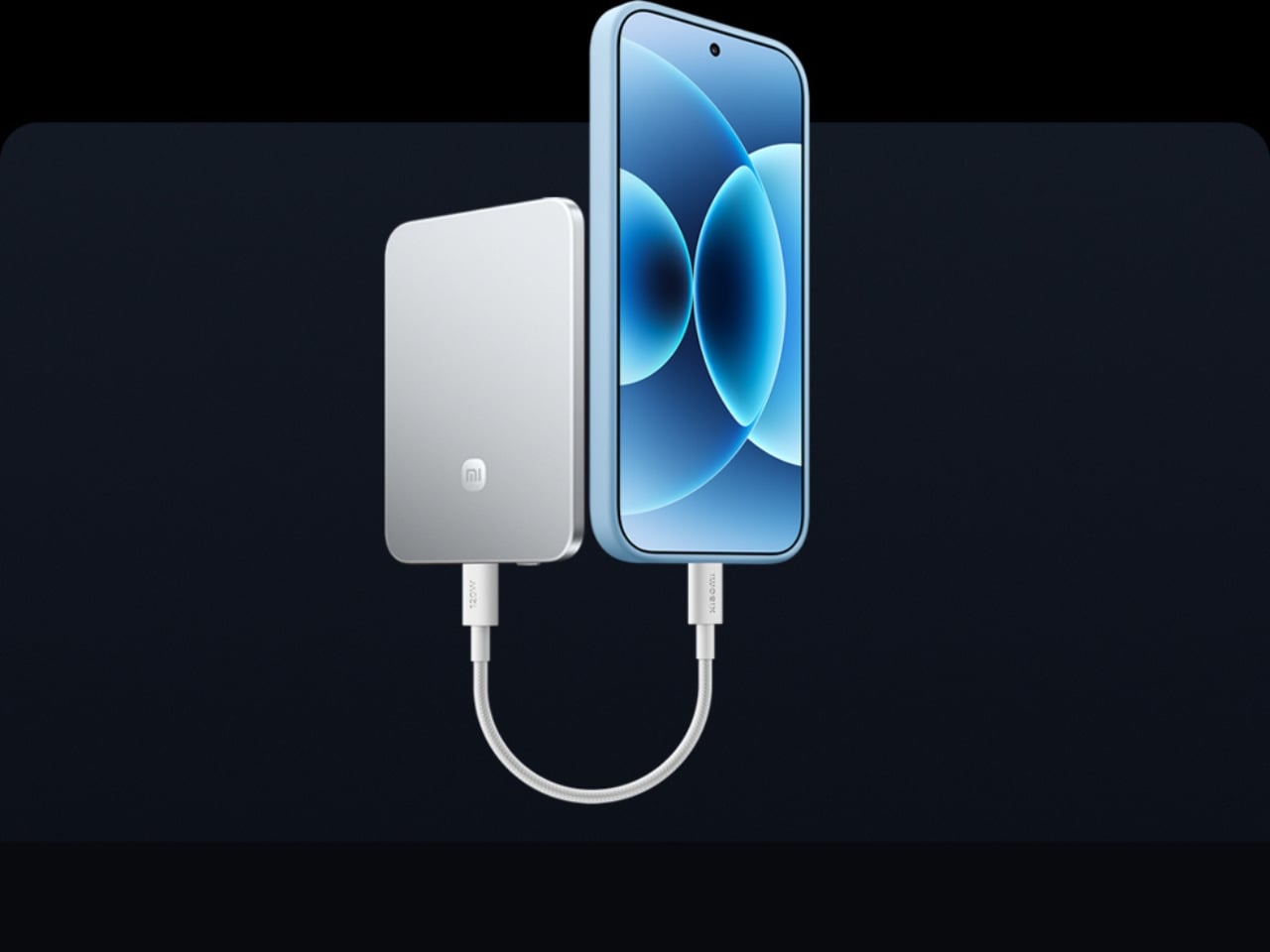
What I find most compelling about this product isn’t any single feature. It’s the way it challenges the assumption that portable power has to mean portable bulk. For years, the power bank category has been stuck in a cycle of incrementally larger capacities packed into roughly the same uninspired form factors. Xiaomi has taken a different approach here, prioritizing the experience of carrying and using the thing over raw capacity. Five thousand milliamp-hours won’t fully recharge most flagship phones anymore, but it will get you through an emergency afternoon or a long commute, and you’ll barely notice it’s there.
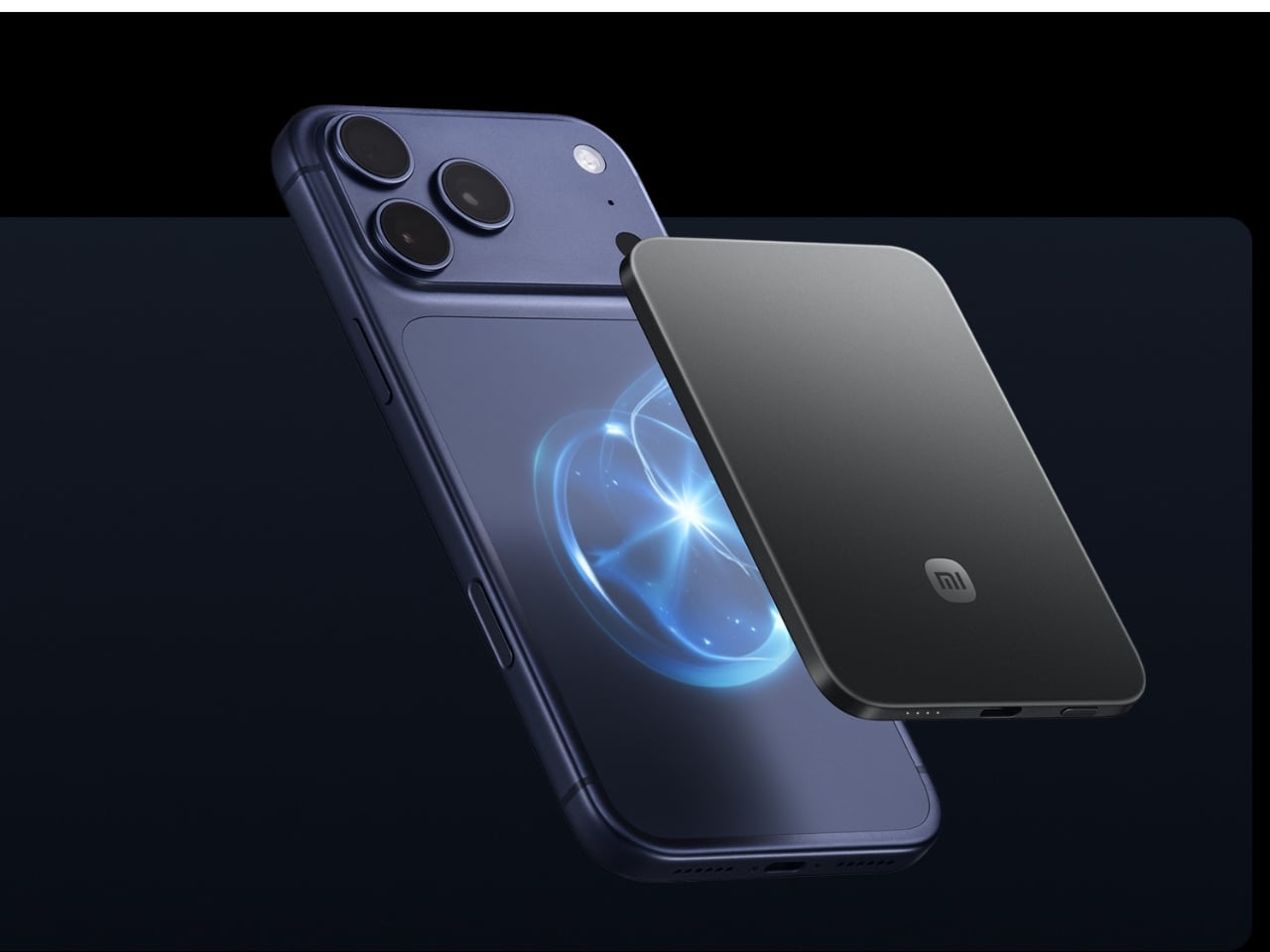
The safety engineering deserves a quick mention too. Xiaomi built in ten layers of protection covering overvoltage, overcurrent, overheating, short circuits, and foreign object detection. Dual NTC temperature sensors monitor heat in real time. A 4,369mm² graphite sheet handles thermal dissipation. For a product this thin, that level of safety infrastructure is reassuring rather than excessive.
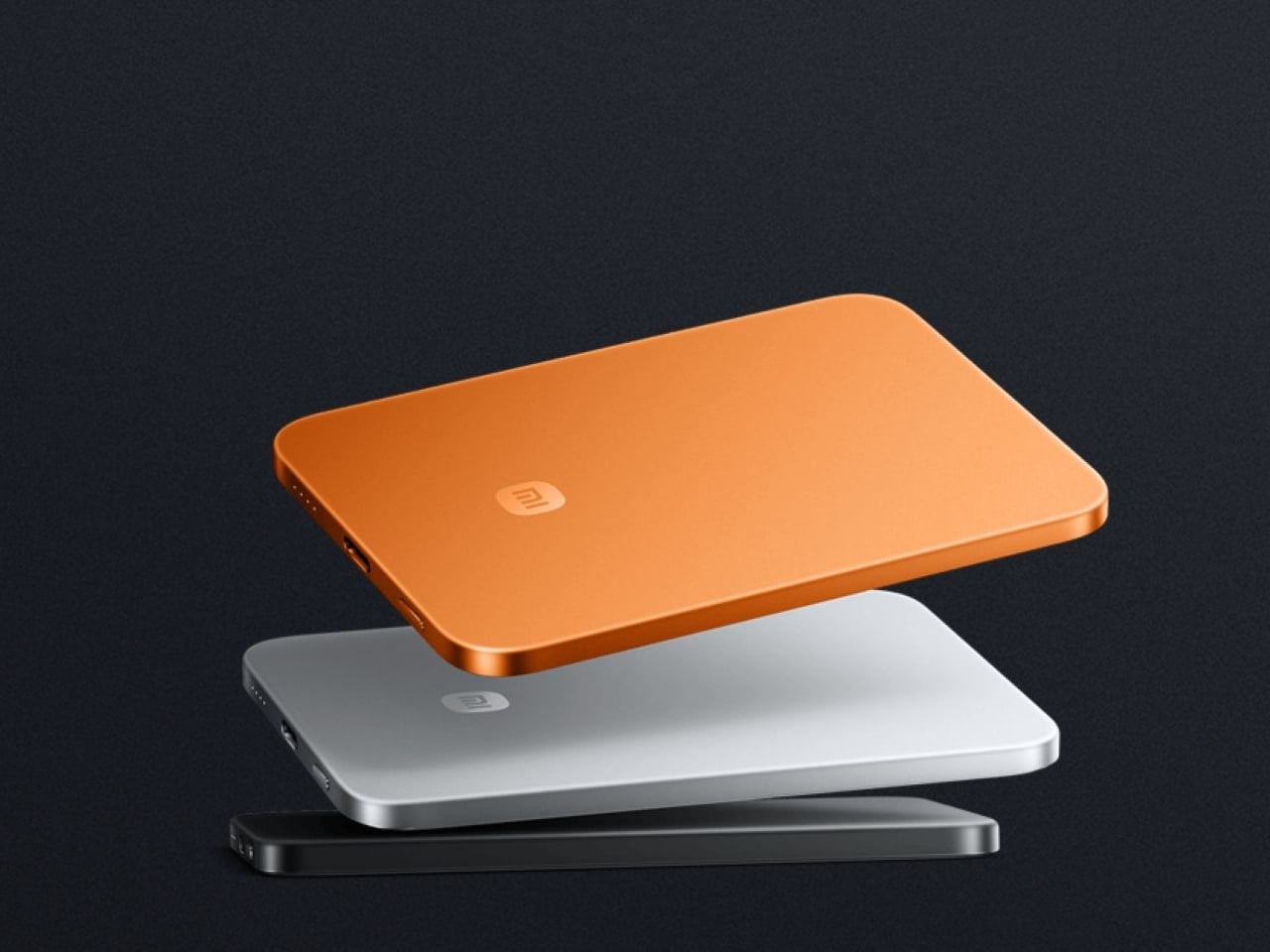
Of course, nothing is perfect. Early reviews suggest the Xiaomi power bank delivers slightly less usable charge than competitors with the same rated capacity, likely due to efficiency losses in the ultra-thin design. And the 7.5W cap for iPhones feels limiting when Apple’s own ecosystem is moving toward faster MagSafe speeds. These are fair tradeoffs, but they’re tradeoffs nonetheless.
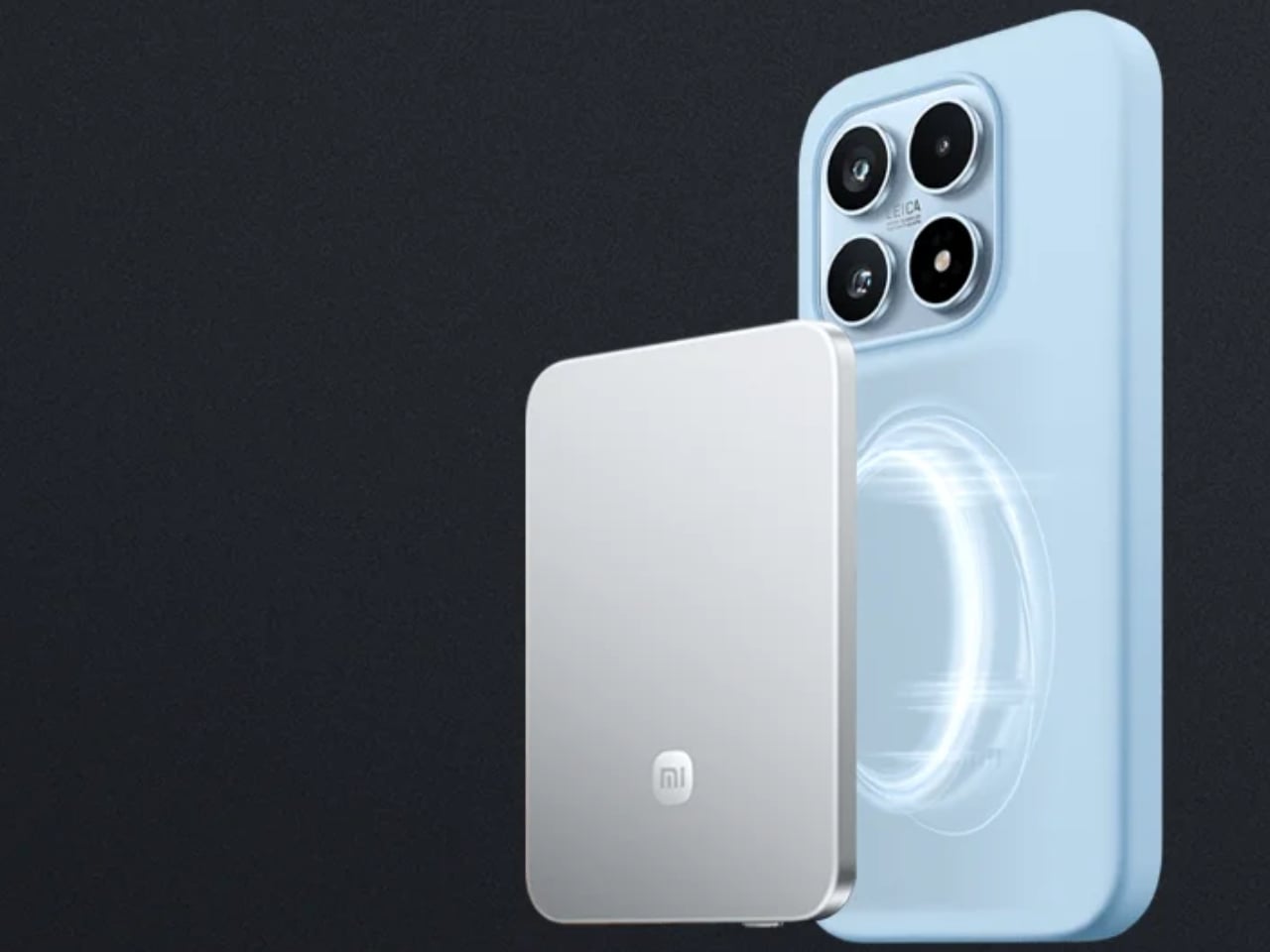
Still, I think this power bank represents something meaningful about where consumer electronics design is heading. The best accessories are the ones you forget you’re carrying until you need them. Xiaomi seems to understand that, and the UltraThin Magnetic Power Bank is one of the most elegant expressions of that philosophy I’ve seen in a while. It’s a small product that makes a big argument: portability should actually mean portable.
The post A 6mm 5,000 mAh Power Bank: Xiaomi Built One Thinner Than Any Phone first appeared on Yanko Design.

Apple updates the iPad Air with an M4 chip

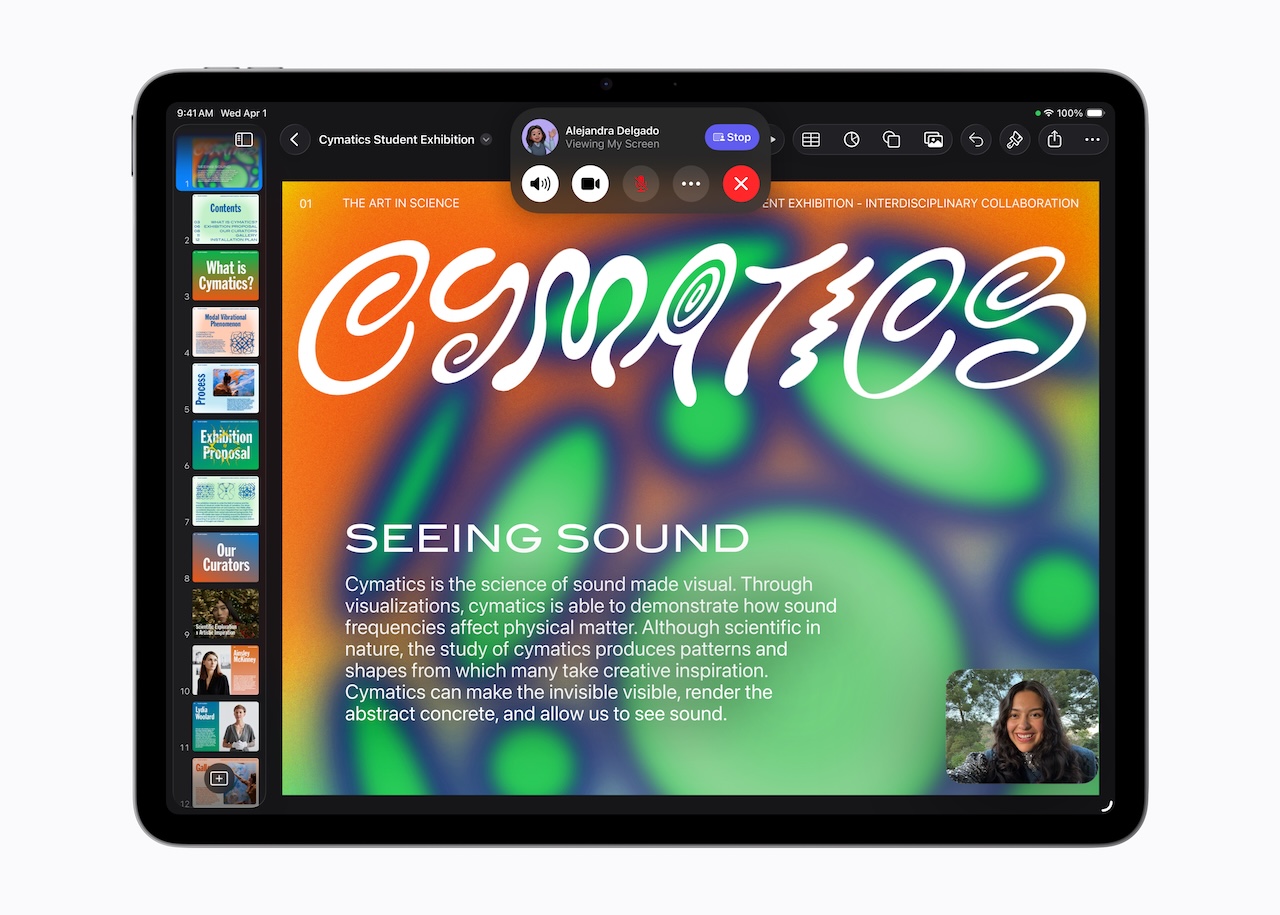
Apple is kicking off multiple days of product announcements this morning with a new iPad Air. Unsurprisingly, it’s more or less like the iPad Air Apple announced one year ago, except it now has an M4 chip instead of last year’s M3.

Apple is also including its in-house networking chips, the N1 and C1X, which will cover Wi-Fi, Bluetooth, Thread and cellular connectivity. This means the iPad Air supports the Wi-Fi 7 standard for the first time. The Air also now has 12GB of RAM standard, up from 8GB in the prior model.

The rest of the iPad Air appears unchanged at this point. It has the same display that the 2023 and 2024 models sported — either an 11- or 13-inch LCD that tops out at 500 nits of brightness and a 60Hz refresh rate. Storage options start at 128GB and go up to 1TB, same as last year. The dual stereo speaker configuration and both front- and rear-facing cameras are unchanged, as well.

For those keeping track, it’s been less than two years since Apple redesigned the iPad Air, adding a 13-inch model that had an M2 chip. I remain surprised the company is committed to releasing chip updates for the Air so frequently — even the M2 model is more than powerful enough for the target audience. But, getting a faster chip for the same money is hard to complain about.

Naturally, the iPad Air M4 is running iPadOS 26, which was released last fall. It was, without a doubt, the biggest iPadOS update we’ve seen, bringing a far more robust multitasking system than the iPad has ever had before. It’s most noticeable and useful on the larger 13-inch screen, but having greater freedom with window management and more robust background tasks is a huge step forward — even if the Liquid Glass visual redesign is a bit divisive.

Pre-orders for the new iPad Air M4 open on Wednesday, March 4, and the tablet will be fully available on March 11. As before, pricing starts at $599 for the 11-inch model and $799 for a 13-inch display.

This article originally appeared on Engadget at https://www.engadget.com/mobile/tablets/apple-updates-the-ipad-air-with-an-m4-chip-141117569.html?src=rss

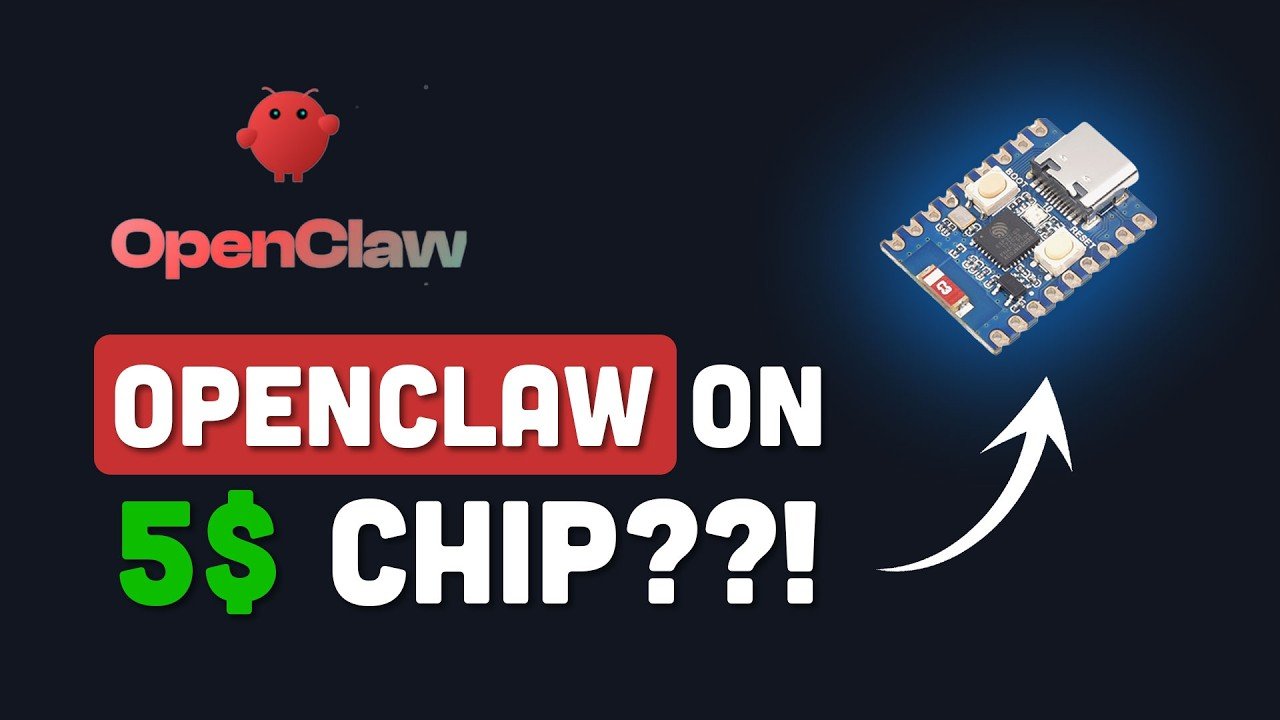
Run A Full OpenClaw Al Agent on A $5 Dev Board

Run A Full OpenClaw Al Agent on A $5 Dev Board A simple LED circuit connected to ESP32 GPIO pins, controlled by ZClaw prompts sent over a chat app.

Running a full-fledged AI assistant on a $5 microcontroller might sound improbable, but ZClaw makes it achievable. Designed for the ESP32 microcontroller, ZClaw is an OpenClaw-based AI agent that fits into just 888 kilobytes of firmware. Despite its small size and low cost, it supports features like secure communication, GPIO interaction and task scheduling, allowing […]

The post Run A Full OpenClaw Al Agent on A $5 Dev Board appeared first on Geeky Gadgets.

Posted in Uncategorized

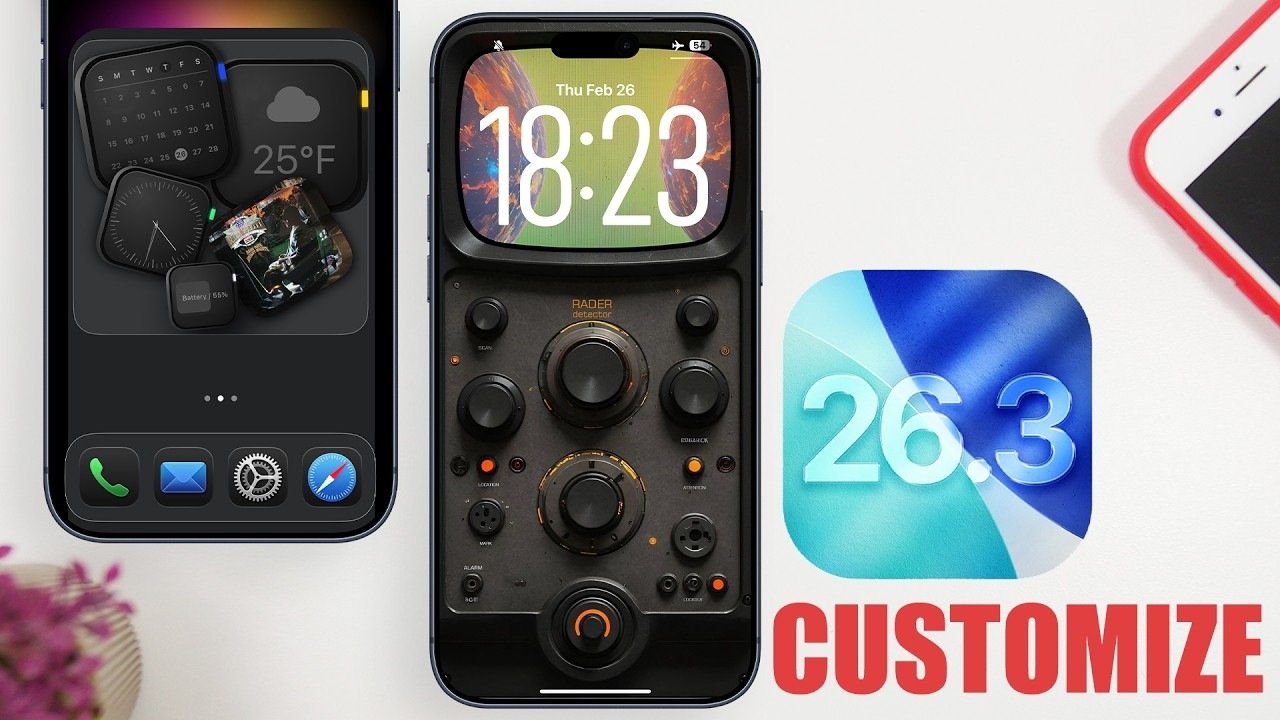
iOS 26.3 Customization: Tips for the Perfect Lock Screen & Home Screen

iOS 26.3 Customization: Tips for the Perfect Lock Screen & Home Screen Learn how to customize your iPhone lock screen with iOS 26.3 features.

Apple’s iOS 26.3 introduces a robust set of customization tools, empowering you to tailor your device’s lock screen and home screen to suit your preferences. Whether your focus is on functionality, aesthetics, or a seamless blend of both, these updates provide the flexibility to create a personalized experience without requiring advanced technical skills or jailbreaking. […]

The post iOS 26.3 Customization: Tips for the Perfect Lock Screen & Home Screen appeared first on Geeky Gadgets.

Posted in Uncategorized