Bang & Olufsen Finally Made a Power Bank Worth Showing Off

Power banks are among the most purchased tech accessories around, yet they’re rarely something anyone is proud to pull out in public. Most are plastic rectangles with LED indicators and brand names that read like Wi-Fi passwords. Even among the better-designed ones, the focus has always been on capacity and wattage, leaving the physical object as an afterthought. The result is a category full of capable but thoroughly forgettable hardware.

That’s an unusual entry point for Bang & Olufsen. The Danish brand isn’t known for accessories you’d stash in a drawer; it’s known for objects you’d set on a shelf and admire. So when it announced its first power bank, questions about specs felt almost secondary. What mattered was whether B&O could apply the same design conviction to something this ordinary. Going by what’s been revealed, the answer is yes.

Designer: Bang & Olufsen
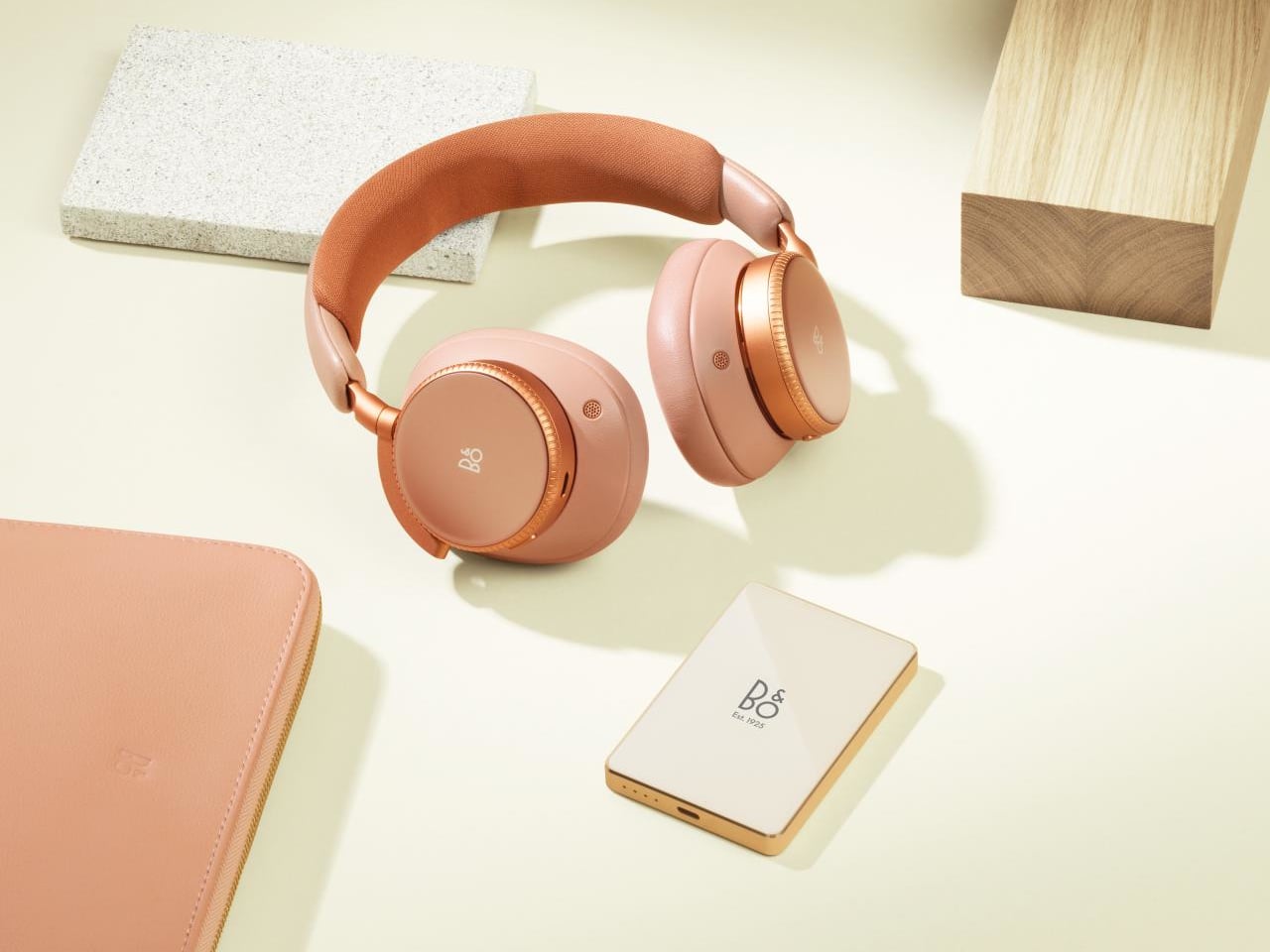
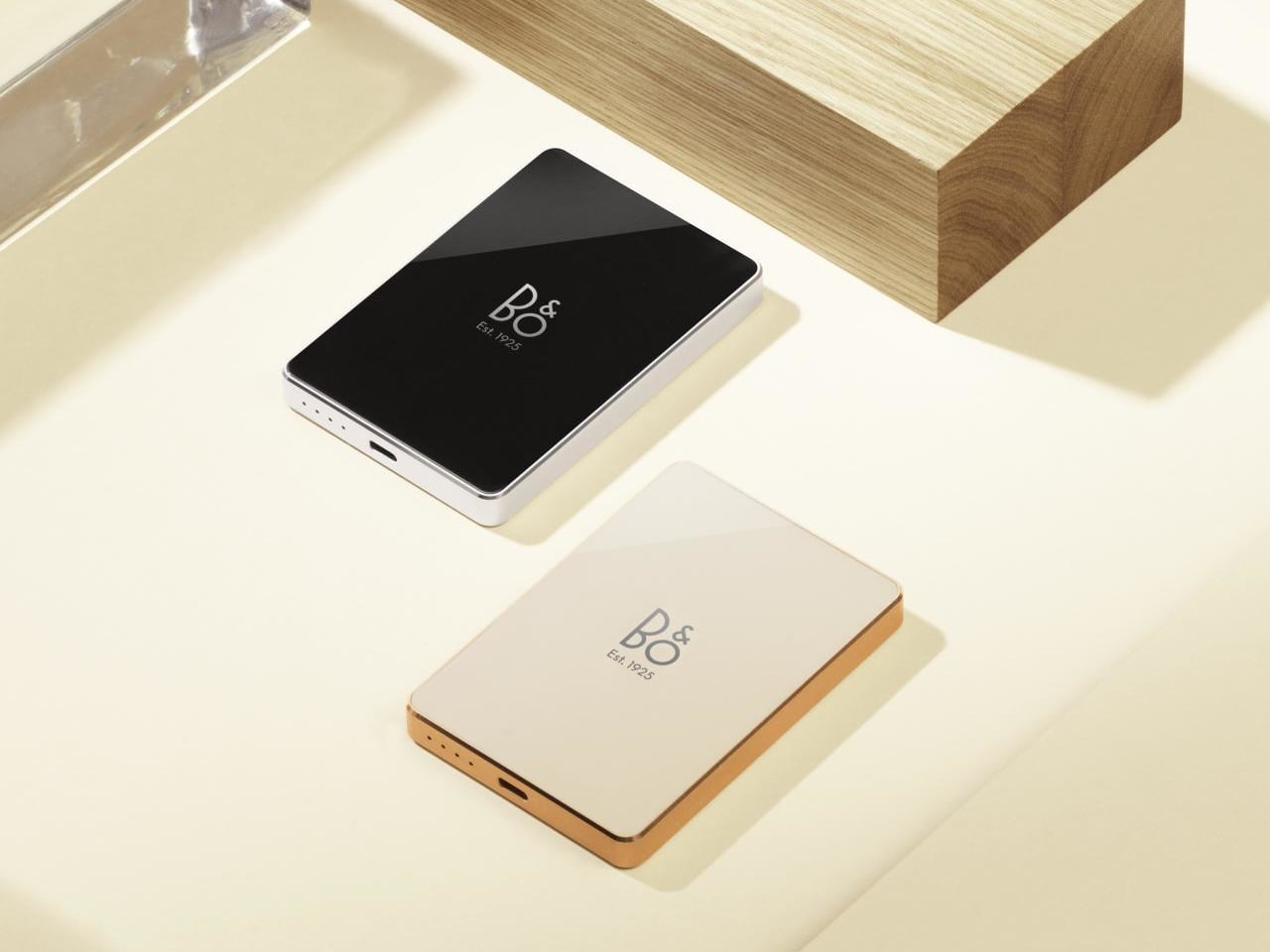
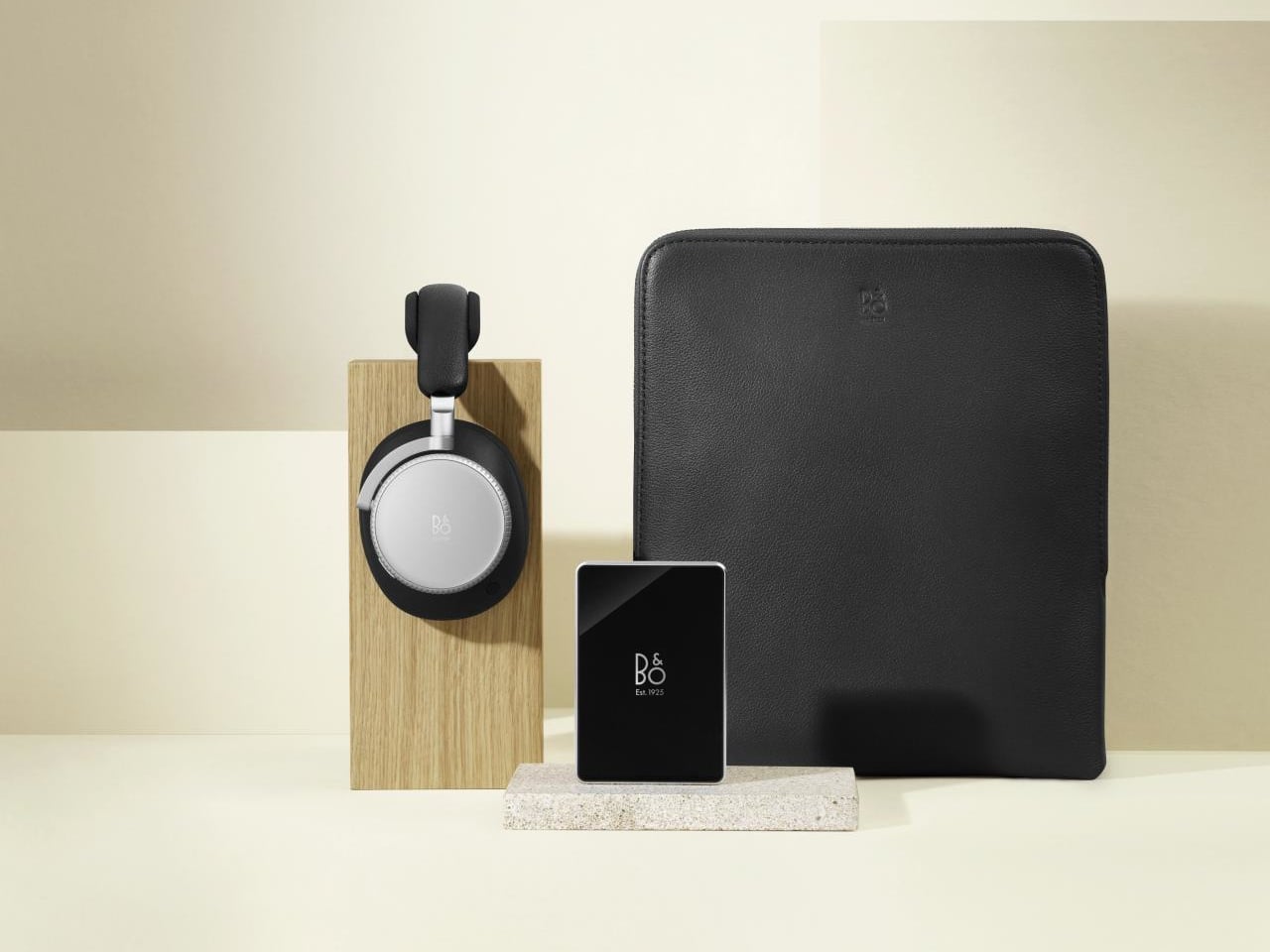
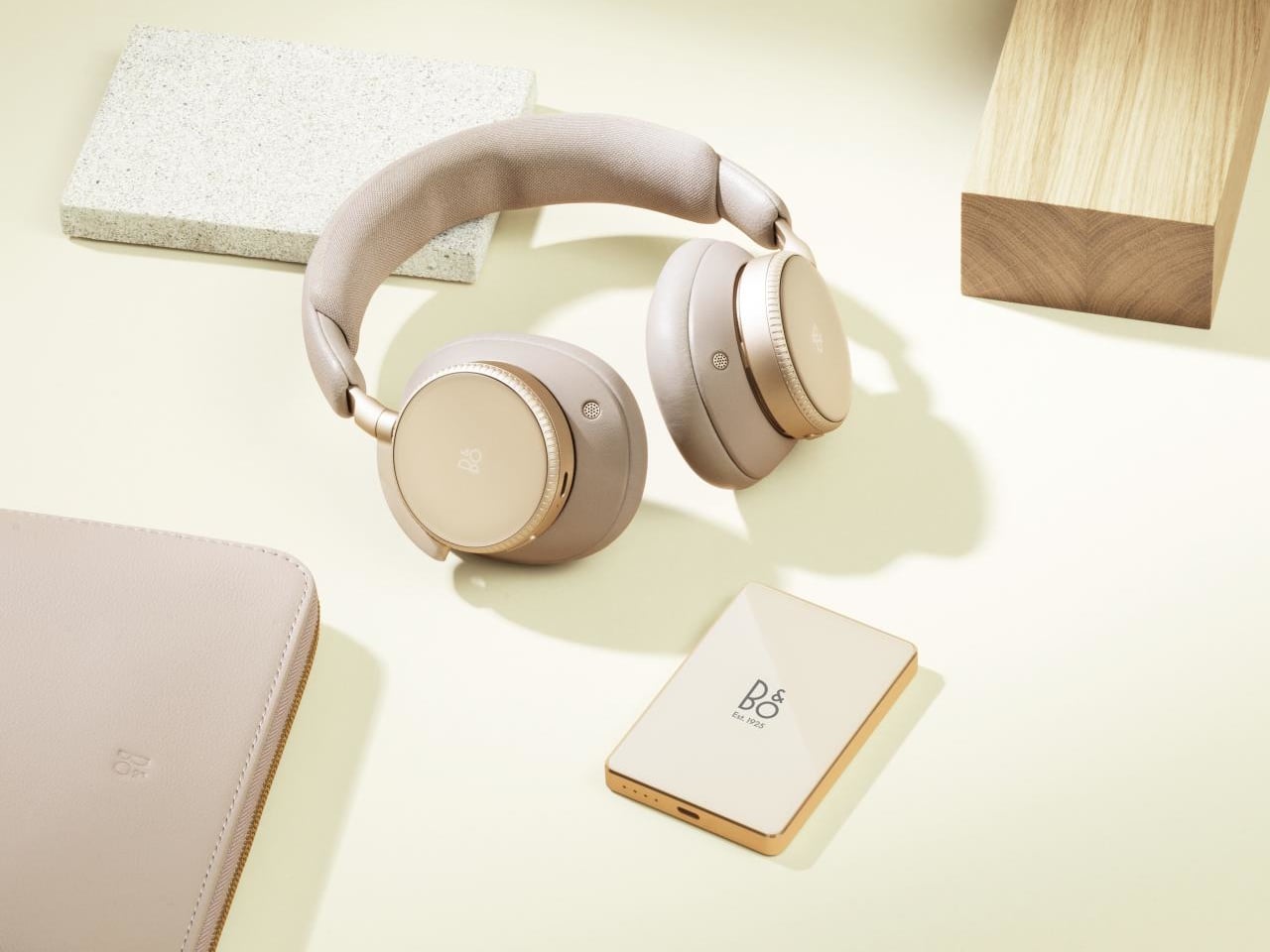
The B&O Powerbank combines a glass surface with an aluminum frame, finished with diamond-cut edges and pearl-blasted textures. It’s the kind of hardware that feels deliberate in the hand, each surface treated with the same attention typically reserved for consumer electronics that cost a great deal more. It comes in two colorways, Infinite Black and Hourglass Sand, both chosen to match the Beoplay H100 headphones.

That pairing with the H100 isn’t incidental. The Powerbank was designed as a companion to B&O’s flagship headphones, a way to keep them running through long travel days without having to negotiate with airport power sockets. The colorway matching is no accident; the two pieces are meant to feel like a coordinated set rather than a spare part someone remembered to design at the last minute.
On the technical side, the Powerbank holds 5,000 mAh and supports Qi2 magnetic wireless charging at up to 15W, alongside a 20W USB-C output for wired devices. It accepts up to 18W via USB-C to recharge itself. Those aren’t record-breaking figures for the category, but it works cleanly with most Qi2-compatible devices, including the iPhone 17 series and the Google Pixel 10.

The more revealing figure is what B&O highlights for H100 owners specifically: five minutes of charging delivers up to 3.5 hours of additional playback. For someone wearing those headphones through a long-haul flight or an extended studio session, that’s a meaningful top-up that doesn’t require a hunt for an outlet. Snap the Powerbank on, keep listening, and put it away when you’re done.
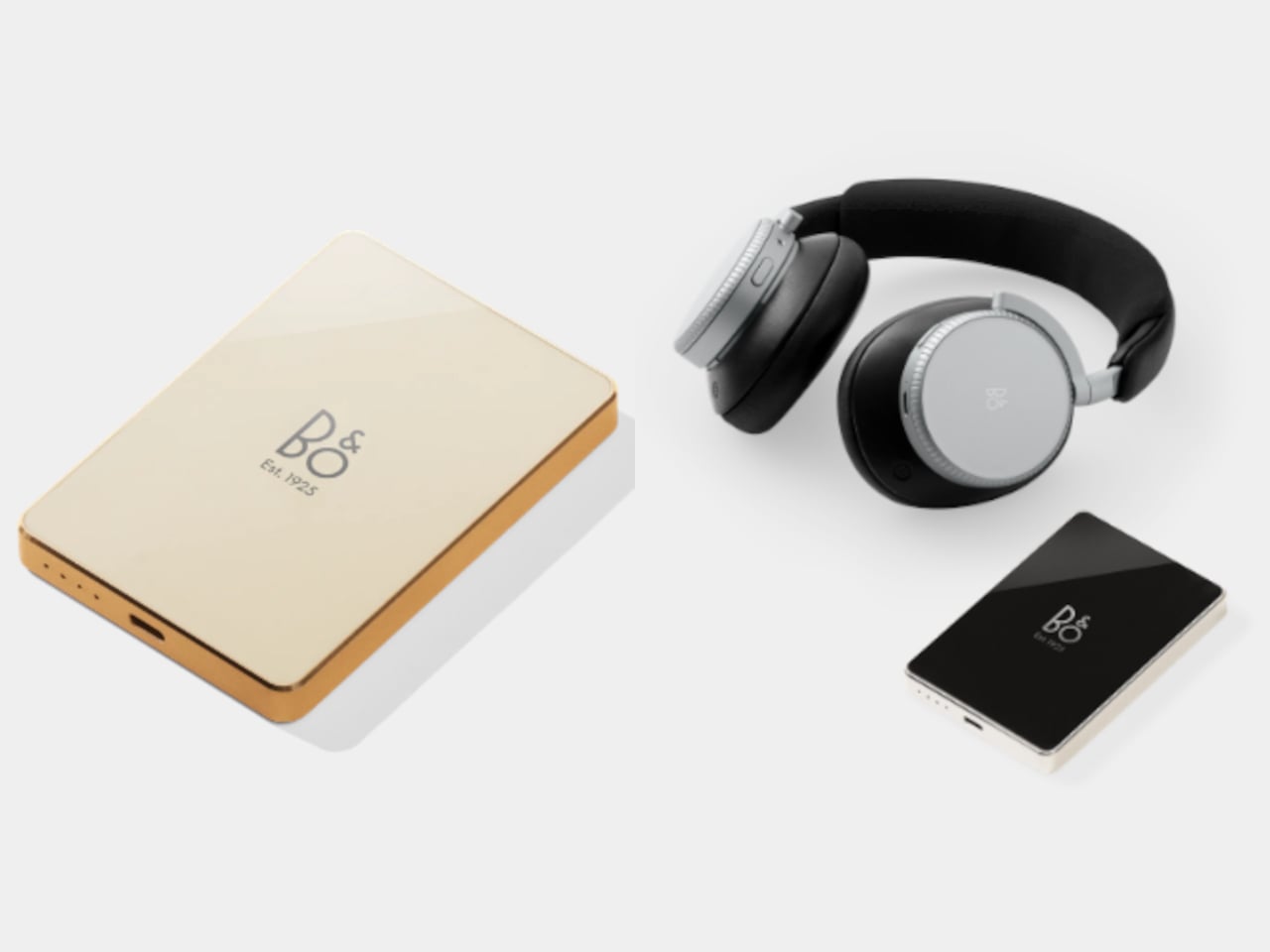
There is, however, the price. At €145 in Europe and £125 in the UK, the Powerbank sits well above most Qi2-certified alternatives in this capacity range. Comparable 5,000 mAh magnetic chargers from brands like Anker and Ugreen come in at around $50 to $60. B&O is clearly charging a premium tied to design and heritage rather than specs, and buyers who understand the brand won’t be surprised.

B&O has spent decades building a reputation around objects that earn their place in a room, not just on a spec sheet. The Powerbank extends that same sensibility to the pocket. Pull it out at an airport lounge, and it won’t look like something that came bundled in a blister pack, which, for a certain kind of buyer, is precisely the point.
The post Bang & Olufsen Finally Made a Power Bank Worth Showing Off first appeared on Yanko Design.
This $54.99 MagSafe Power Bank Hits the Same Charging Speed as a Wall Adapter

The first wave of magnetic power banks taught us to appreciate convenience. They were clever, handy, and perfect for a little extra power without thinking about cables. But for serious charging, we still reached for a wall adapter. That era is officially closing. The conversation has shifted from simple convenience to genuine performance, with a new generation of devices promising the speed and reliability we once sacrificed for portability. These accessories are built to be daily drivers, not just emergency backups.

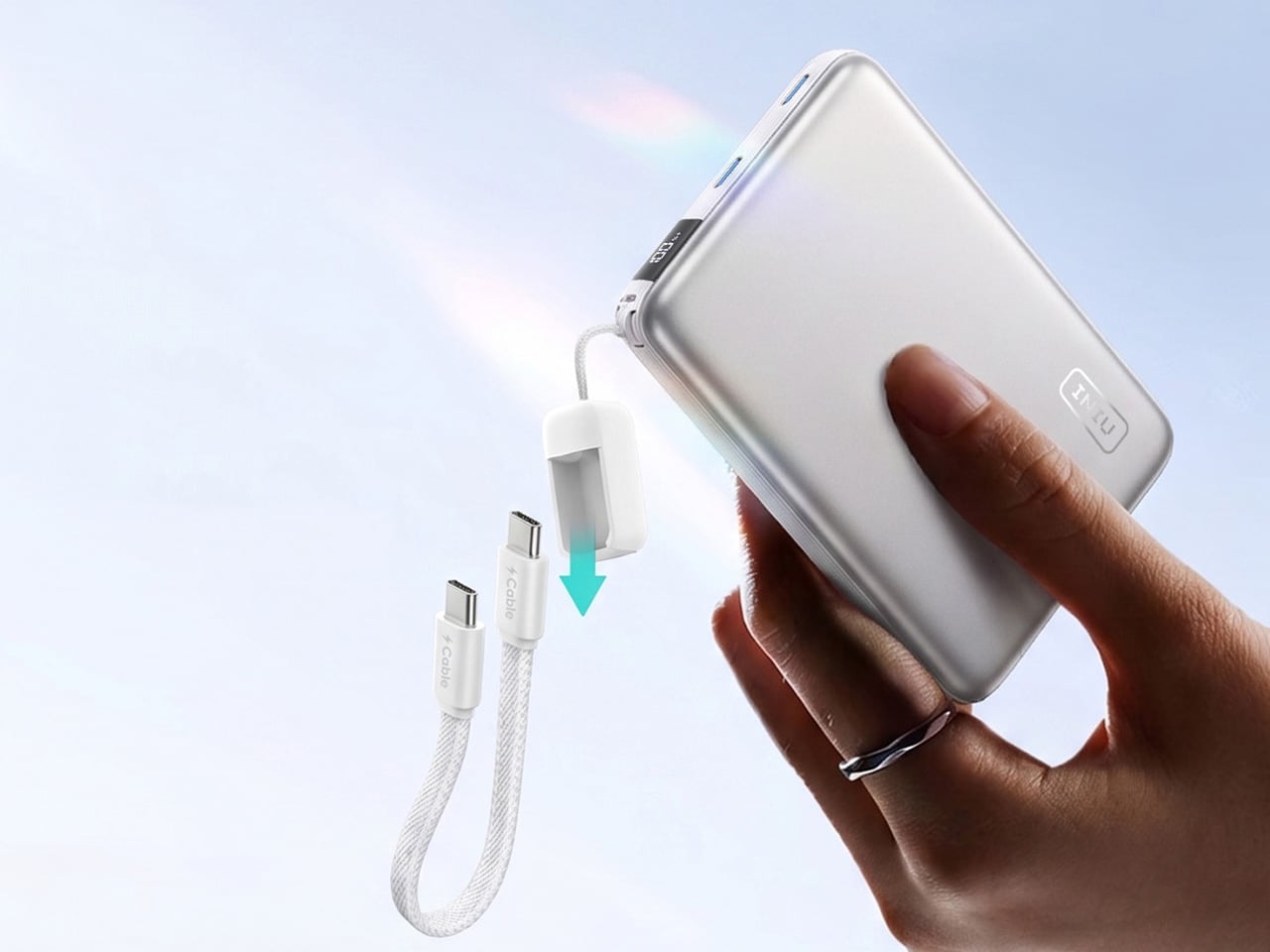
INIU’s SnapGo Air is a direct reflection of this new standard. It arrives with a spec sheet that reads less like a compact battery and more like a dedicated charging hub. With 10,000mAh of capacity, it delivers a full 25W of power wirelessly via the new Qi2.2 standard and an impressive 45W through its integrated USB-C GoCord. This device is engineered around the idea that your portable charger should be just as capable as the one you leave at home, finally aligning the promise of magnetic charging with the power that modern devices demand.

Designer: INIU

Click Here to Buy Now: $54.99

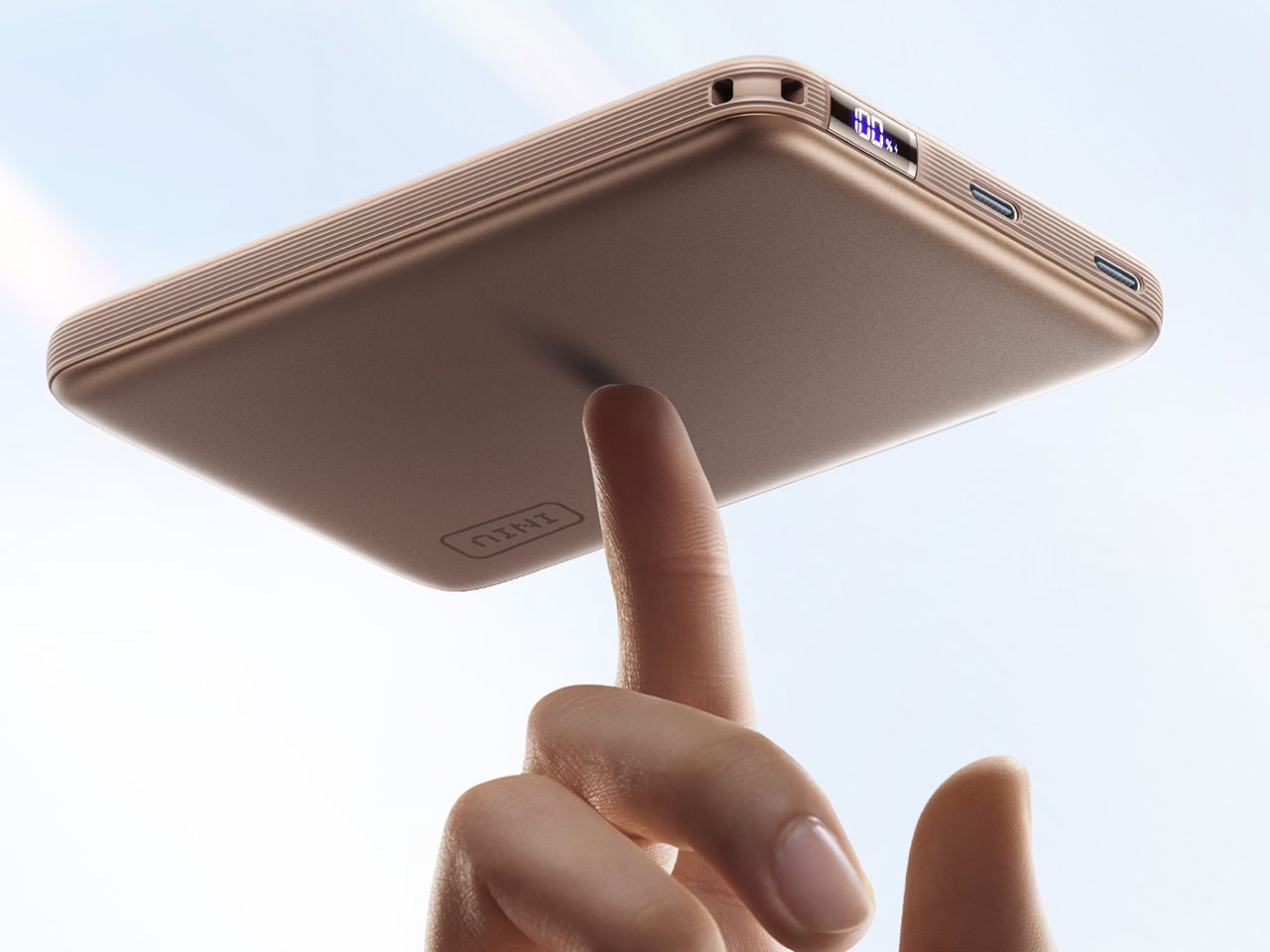
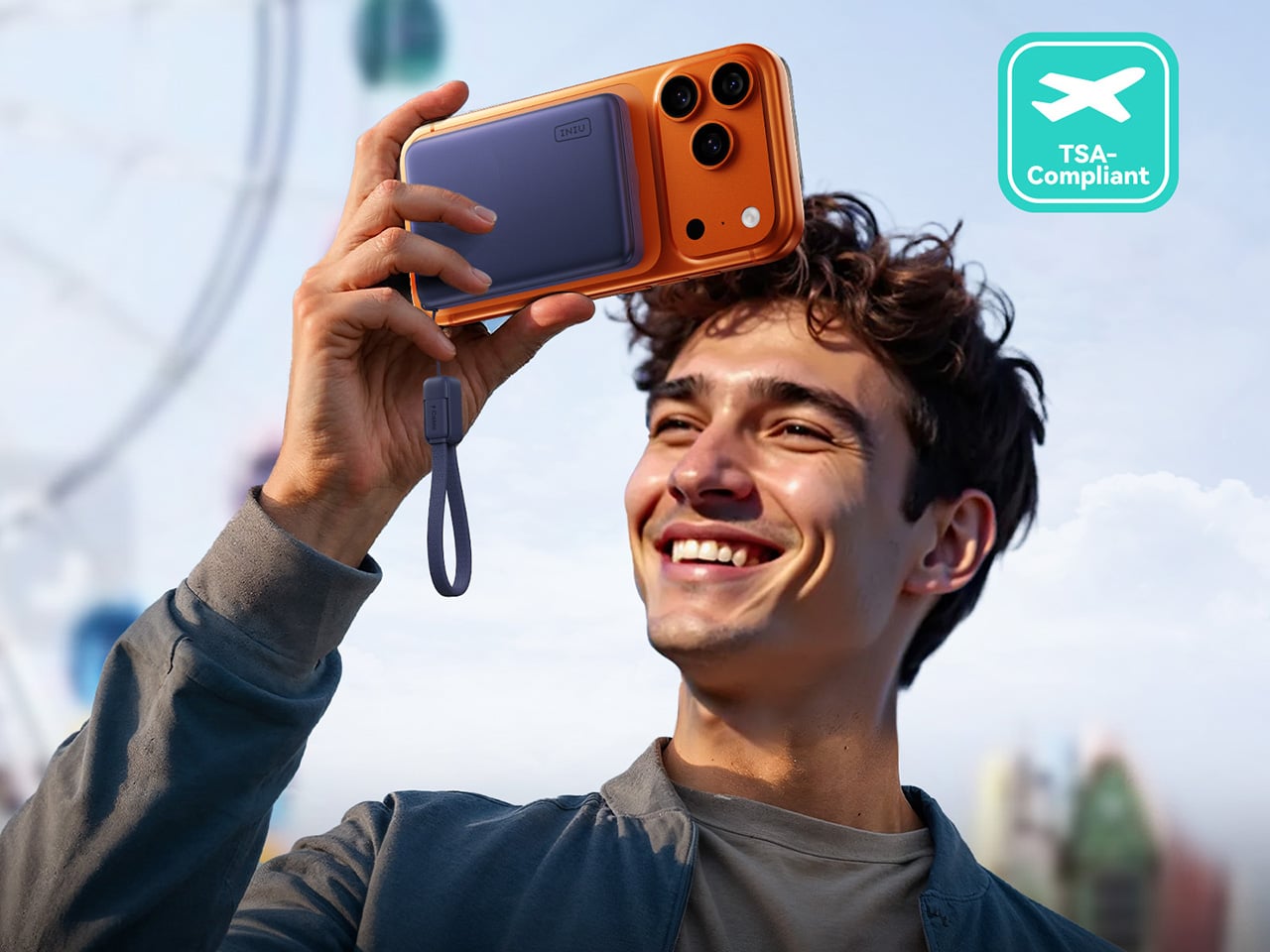
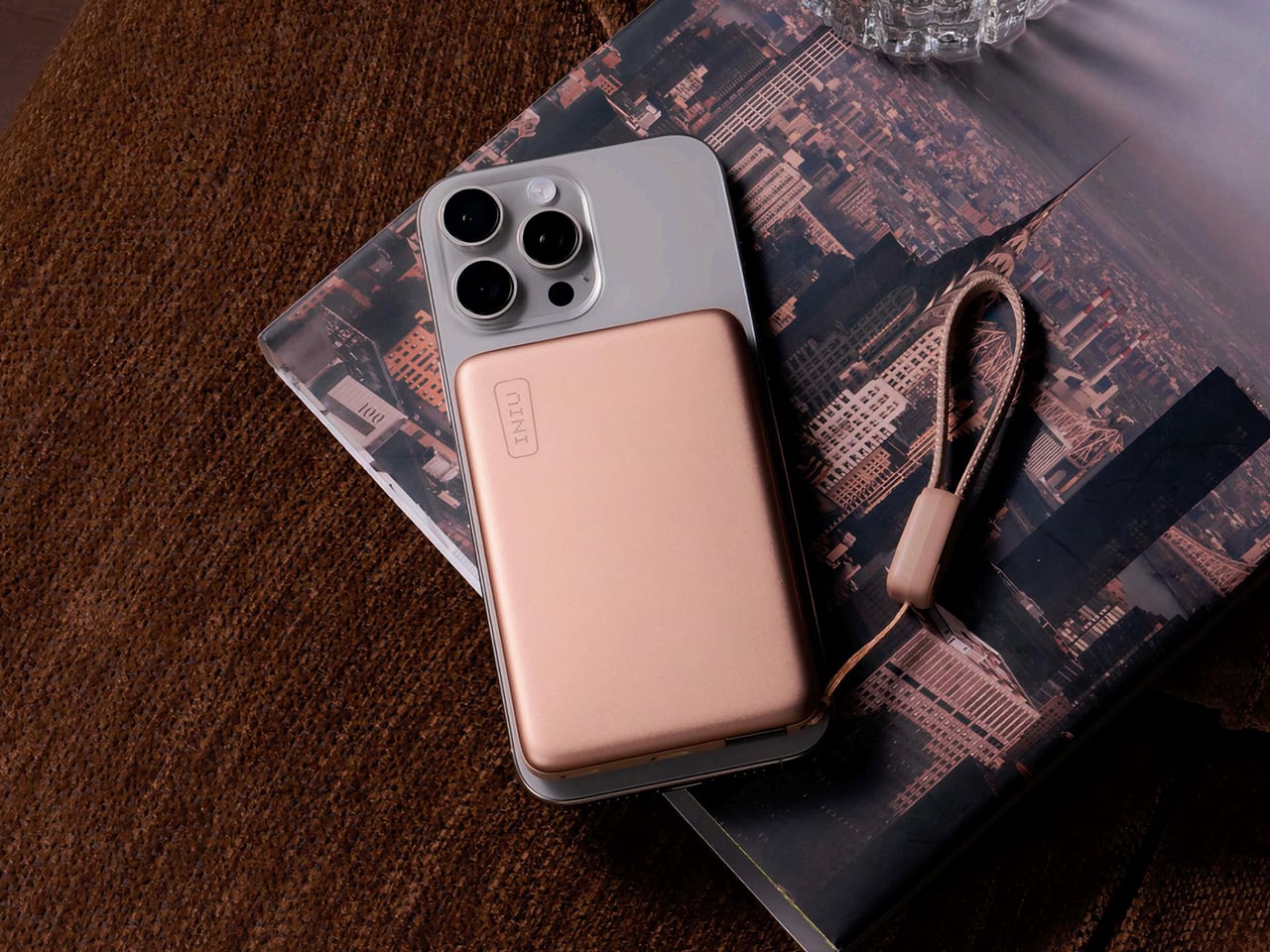
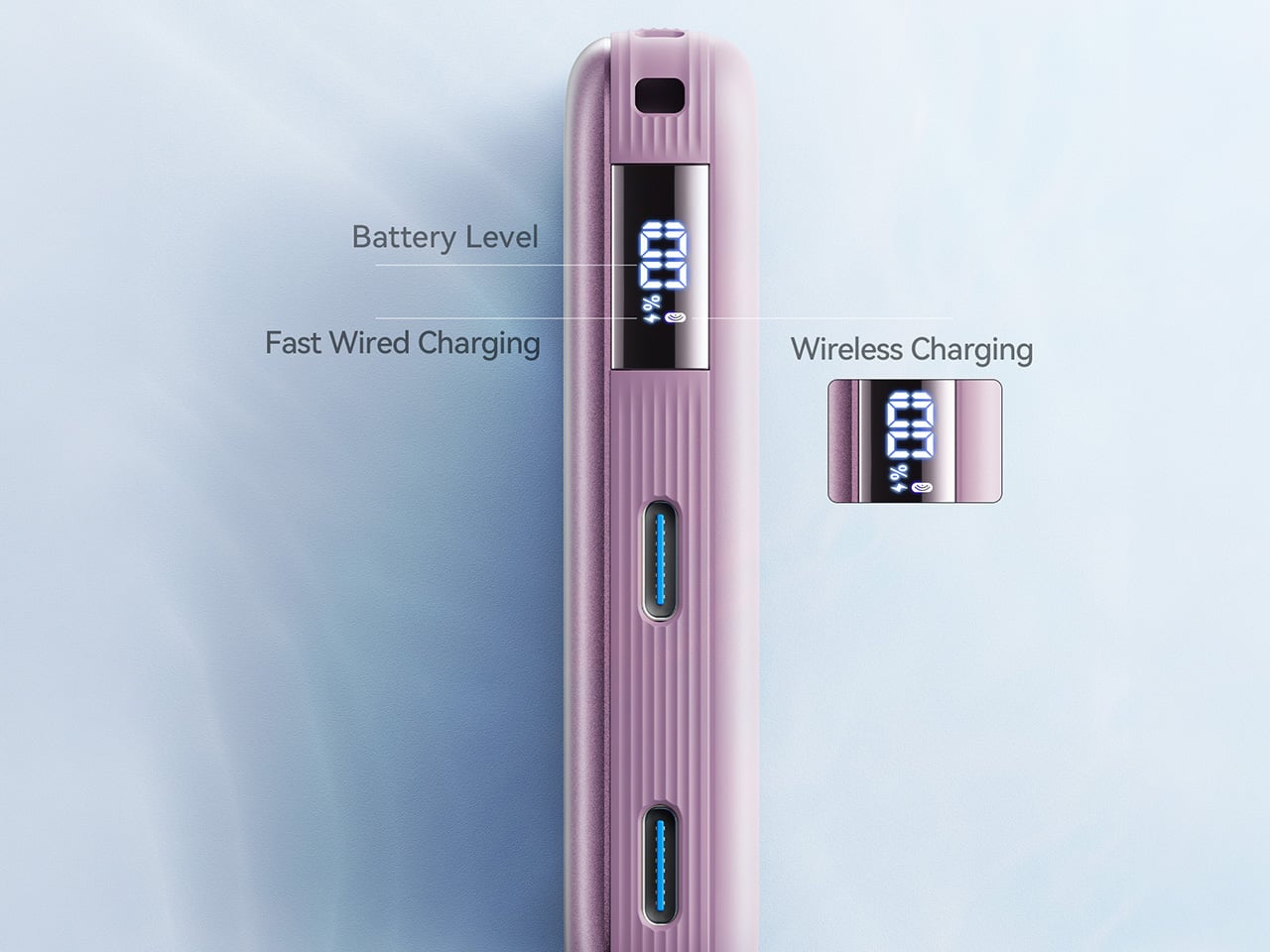
The SnapGo Air is unapologetically design-led, which makes sense for a product that spends most of its life attached to the back of your phone. INIU crafted the body from anodized aluminum with a soft-touch finish, and the result feels premium in a way that most power banks never bother to be. At just 0.5 inches thick and weighing about 195 grams, it maintains a profile slim enough to slip into a jacket pocket or a small bag without any bulk anxiety. The integrated GoCord is color-matched to the body and tucks neatly into a recessed channel, so there are no dangling cables or awkward clips. You get the utility of a built-in cable without the visual mess that usually comes with it. A minimalist LCD display on the side shows battery level and charging status without cluttering the overall aesthetic. The whole package comes in a range of finishes including Metallic Mocha, Soft Lilac, Sunset Orange, and Midnight Navy, giving it the feel of a fashion accessory instead of a generic gadget.

The real engineering here is actually thermal control (which is increasingly becoming a concern given airline and travel regulations). Wireless charging at higher speeds has always come with a heat penalty, and that heat becomes a problem when you’re holding a phone with a battery pack magnetically clamped to the back. INIU addresses this with its Temp Guard 3.0 system, which monitors the internal temperature 9,000 times per second and keeps the surface under 104 degrees Fahrenheit during use. The company claims this is about 14 degrees cooler than typical industry performance, and while I can’t verify those lab numbers without independent testing, the underlying point is valid. If you want people to use wireless charging as their primary method, you have to solve the heat problem first. The SnapGo Air also carries UL certification and INIU’s 18-layer SmartProtect system, which covers everything from overvoltage protection to foreign object detection. In a category where fly-by-night products are common, that level of certification matters.

That being said, the design and engineering doesn’t ignore actual practicality or functionality. The 25W wireless output means you can get an iPhone 17 Pro to 50 percent in around half an hour, which is genuinely fast enough to be useful in real-world situations. The 45W wired output via the GoCord is even faster, and it also means you can charge a wider range of devices including tablets and even some lightweight laptops. The power bank can charge three devices simultaneously, one wirelessly and two through its dual USB-C ports, which is genuinely handy when you’re traveling or working from a coffee shop. A full recharge of the bank itself takes about 1.8 hours, so it cycles back into usable condition quickly.

The INIU SnapGo Air is priced at $54.99 in the US, with regional pricing set at £49.99 in the UK, €54.99 in the EU, and A$69.99 in Australia. Sure, that positions it in the mid-premium end of the magnetic power bank category, but I dare you to find me a power bank that looks good, feels invisible, and performs so well you might just choose it over a wall charger.

Click Here to Buy Now: $54.99

The post This $54.99 MagSafe Power Bank Hits the Same Charging Speed as a Wall Adapter first appeared on Yanko Design.
This $54.99 MagSafe Power Bank Hits the Same Charging Speed as a Wall Adapter

The first wave of magnetic power banks taught us to appreciate convenience. They were clever, handy, and perfect for a little extra power without thinking about cables. But for serious charging, we still reached for a wall adapter. That era is officially closing. The conversation has shifted from simple convenience to genuine performance, with a new generation of devices promising the speed and reliability we once sacrificed for portability. These accessories are built to be daily drivers, not just emergency backups.

INIU’s SnapGo Air is a direct reflection of this new standard. It arrives with a spec sheet that reads less like a compact battery and more like a dedicated charging hub. With 10,000mAh of capacity, it delivers a full 25W of power wirelessly via the new Qi2.2 standard and an impressive 45W through its integrated USB-C GoCord. This device is engineered around the idea that your portable charger should be just as capable as the one you leave at home, finally aligning the promise of magnetic charging with the power that modern devices demand.

Designer: INIU

Click Here to Buy Now: $54.99

The SnapGo Air is unapologetically design-led, which makes sense for a product that spends most of its life attached to the back of your phone. INIU crafted the body from anodized aluminum with a soft-touch finish, and the result feels premium in a way that most power banks never bother to be. At just 0.5 inches thick and weighing about 195 grams, it maintains a profile slim enough to slip into a jacket pocket or a small bag without any bulk anxiety. The integrated GoCord is color-matched to the body and tucks neatly into a recessed channel, so there are no dangling cables or awkward clips. You get the utility of a built-in cable without the visual mess that usually comes with it. A minimalist LCD display on the side shows battery level and charging status without cluttering the overall aesthetic. The whole package comes in a range of finishes including Metallic Mocha, Soft Lilac, Sunset Orange, and Midnight Navy, giving it the feel of a fashion accessory instead of a generic gadget.

The real engineering here is actually thermal control (which is increasingly becoming a concern given airline and travel regulations). Wireless charging at higher speeds has always come with a heat penalty, and that heat becomes a problem when you’re holding a phone with a battery pack magnetically clamped to the back. INIU addresses this with its Temp Guard 3.0 system, which monitors the internal temperature 9,000 times per second and keeps the surface under 104 degrees Fahrenheit during use. The company claims this is about 14 degrees cooler than typical industry performance, and while I can’t verify those lab numbers without independent testing, the underlying point is valid. If you want people to use wireless charging as their primary method, you have to solve the heat problem first. The SnapGo Air also carries UL certification and INIU’s 18-layer SmartProtect system, which covers everything from overvoltage protection to foreign object detection. In a category where fly-by-night products are common, that level of certification matters.

That being said, the design and engineering doesn’t ignore actual practicality or functionality. The 25W wireless output means you can get an iPhone 17 Pro to 50 percent in around half an hour, which is genuinely fast enough to be useful in real-world situations. The 45W wired output via the GoCord is even faster, and it also means you can charge a wider range of devices including tablets and even some lightweight laptops. The power bank can charge three devices simultaneously, one wirelessly and two through its dual USB-C ports, which is genuinely handy when you’re traveling or working from a coffee shop. A full recharge of the bank itself takes about 1.8 hours, so it cycles back into usable condition quickly.

The INIU SnapGo Air is priced at $54.99 in the US, with regional pricing set at £49.99 in the UK, €54.99 in the EU, and A$69.99 in Australia. Sure, that positions it in the mid-premium end of the magnetic power bank category, but I dare you to find me a power bank that looks good, feels invisible, and performs so well you might just choose it over a wall charger.

Click Here to Buy Now: $54.99

The post This $54.99 MagSafe Power Bank Hits the Same Charging Speed as a Wall Adapter first appeared on Yanko Design.
This $54.99 MagSafe Power Bank Hits the Same Charging Speed as a Wall Adapter

The first wave of magnetic power banks taught us to appreciate convenience. They were clever, handy, and perfect for a little extra power without thinking about cables. But for serious charging, we still reached for a wall adapter. That era is officially closing. The conversation has shifted from simple convenience to genuine performance, with a new generation of devices promising the speed and reliability we once sacrificed for portability. These accessories are built to be daily drivers, not just emergency backups.

INIU’s SnapGo Air is a direct reflection of this new standard. It arrives with a spec sheet that reads less like a compact battery and more like a dedicated charging hub. With 10,000mAh of capacity, it delivers a full 25W of power wirelessly via the new Qi2.2 standard and an impressive 45W through its integrated USB-C GoCord. This device is engineered around the idea that your portable charger should be just as capable as the one you leave at home, finally aligning the promise of magnetic charging with the power that modern devices demand.

Designer: INIU

Click Here to Buy Now: $54.99

The SnapGo Air is unapologetically design-led, which makes sense for a product that spends most of its life attached to the back of your phone. INIU crafted the body from anodized aluminum with a soft-touch finish, and the result feels premium in a way that most power banks never bother to be. At just 0.5 inches thick and weighing about 195 grams, it maintains a profile slim enough to slip into a jacket pocket or a small bag without any bulk anxiety. The integrated GoCord is color-matched to the body and tucks neatly into a recessed channel, so there are no dangling cables or awkward clips. You get the utility of a built-in cable without the visual mess that usually comes with it. A minimalist LCD display on the side shows battery level and charging status without cluttering the overall aesthetic. The whole package comes in a range of finishes including Metallic Mocha, Soft Lilac, Sunset Orange, and Midnight Navy, giving it the feel of a fashion accessory instead of a generic gadget.

The real engineering here is actually thermal control (which is increasingly becoming a concern given airline and travel regulations). Wireless charging at higher speeds has always come with a heat penalty, and that heat becomes a problem when you’re holding a phone with a battery pack magnetically clamped to the back. INIU addresses this with its Temp Guard 3.0 system, which monitors the internal temperature 9,000 times per second and keeps the surface under 104 degrees Fahrenheit during use. The company claims this is about 14 degrees cooler than typical industry performance, and while I can’t verify those lab numbers without independent testing, the underlying point is valid. If you want people to use wireless charging as their primary method, you have to solve the heat problem first. The SnapGo Air also carries UL certification and INIU’s 18-layer SmartProtect system, which covers everything from overvoltage protection to foreign object detection. In a category where fly-by-night products are common, that level of certification matters.

That being said, the design and engineering doesn’t ignore actual practicality or functionality. The 25W wireless output means you can get an iPhone 17 Pro to 50 percent in around half an hour, which is genuinely fast enough to be useful in real-world situations. The 45W wired output via the GoCord is even faster, and it also means you can charge a wider range of devices including tablets and even some lightweight laptops. The power bank can charge three devices simultaneously, one wirelessly and two through its dual USB-C ports, which is genuinely handy when you’re traveling or working from a coffee shop. A full recharge of the bank itself takes about 1.8 hours, so it cycles back into usable condition quickly.

The INIU SnapGo Air is priced at $54.99 in the US, with regional pricing set at £49.99 in the UK, €54.99 in the EU, and A$69.99 in Australia. Sure, that positions it in the mid-premium end of the magnetic power bank category, but I dare you to find me a power bank that looks good, feels invisible, and performs so well you might just choose it over a wall charger.

Click Here to Buy Now: $54.99

The post This $54.99 MagSafe Power Bank Hits the Same Charging Speed as a Wall Adapter first appeared on Yanko Design.
This $54.99 MagSafe Power Bank Hits the Same Charging Speed as a Wall Adapter

The first wave of magnetic power banks taught us to appreciate convenience. They were clever, handy, and perfect for a little extra power without thinking about cables. But for serious charging, we still reached for a wall adapter. That era is officially closing. The conversation has shifted from simple convenience to genuine performance, with a new generation of devices promising the speed and reliability we once sacrificed for portability. These accessories are built to be daily drivers, not just emergency backups.

INIU’s SnapGo Air is a direct reflection of this new standard. It arrives with a spec sheet that reads less like a compact battery and more like a dedicated charging hub. With 10,000mAh of capacity, it delivers a full 25W of power wirelessly via the new Qi2.2 standard and an impressive 45W through its integrated USB-C GoCord. This device is engineered around the idea that your portable charger should be just as capable as the one you leave at home, finally aligning the promise of magnetic charging with the power that modern devices demand.

Designer: INIU

Click Here to Buy Now: $54.99

The SnapGo Air is unapologetically design-led, which makes sense for a product that spends most of its life attached to the back of your phone. INIU crafted the body from anodized aluminum with a soft-touch finish, and the result feels premium in a way that most power banks never bother to be. At just 0.5 inches thick and weighing about 195 grams, it maintains a profile slim enough to slip into a jacket pocket or a small bag without any bulk anxiety. The integrated GoCord is color-matched to the body and tucks neatly into a recessed channel, so there are no dangling cables or awkward clips. You get the utility of a built-in cable without the visual mess that usually comes with it. A minimalist LCD display on the side shows battery level and charging status without cluttering the overall aesthetic. The whole package comes in a range of finishes including Metallic Mocha, Soft Lilac, Sunset Orange, and Midnight Navy, giving it the feel of a fashion accessory instead of a generic gadget.

The real engineering here is actually thermal control (which is increasingly becoming a concern given airline and travel regulations). Wireless charging at higher speeds has always come with a heat penalty, and that heat becomes a problem when you’re holding a phone with a battery pack magnetically clamped to the back. INIU addresses this with its Temp Guard 3.0 system, which monitors the internal temperature 9,000 times per second and keeps the surface under 104 degrees Fahrenheit during use. The company claims this is about 14 degrees cooler than typical industry performance, and while I can’t verify those lab numbers without independent testing, the underlying point is valid. If you want people to use wireless charging as their primary method, you have to solve the heat problem first. The SnapGo Air also carries UL certification and INIU’s 18-layer SmartProtect system, which covers everything from overvoltage protection to foreign object detection. In a category where fly-by-night products are common, that level of certification matters.

That being said, the design and engineering doesn’t ignore actual practicality or functionality. The 25W wireless output means you can get an iPhone 17 Pro to 50 percent in around half an hour, which is genuinely fast enough to be useful in real-world situations. The 45W wired output via the GoCord is even faster, and it also means you can charge a wider range of devices including tablets and even some lightweight laptops. The power bank can charge three devices simultaneously, one wirelessly and two through its dual USB-C ports, which is genuinely handy when you’re traveling or working from a coffee shop. A full recharge of the bank itself takes about 1.8 hours, so it cycles back into usable condition quickly.

The INIU SnapGo Air is priced at $54.99 in the US, with regional pricing set at £49.99 in the UK, €54.99 in the EU, and A$69.99 in Australia. Sure, that positions it in the mid-premium end of the magnetic power bank category, but I dare you to find me a power bank that looks good, feels invisible, and performs so well you might just choose it over a wall charger.

Click Here to Buy Now: $54.99

The post This $54.99 MagSafe Power Bank Hits the Same Charging Speed as a Wall Adapter first appeared on Yanko Design.
This $54.99 MagSafe Power Bank Hits the Same Charging Speed as a Wall Adapter

The first wave of magnetic power banks taught us to appreciate convenience. They were clever, handy, and perfect for a little extra power without thinking about cables. But for serious charging, we still reached for a wall adapter. That era is officially closing. The conversation has shifted from simple convenience to genuine performance, with a new generation of devices promising the speed and reliability we once sacrificed for portability. These accessories are built to be daily drivers, not just emergency backups.

INIU’s SnapGo Air is a direct reflection of this new standard. It arrives with a spec sheet that reads less like a compact battery and more like a dedicated charging hub. With 10,000mAh of capacity, it delivers a full 25W of power wirelessly via the new Qi2.2 standard and an impressive 45W through its integrated USB-C GoCord. This device is engineered around the idea that your portable charger should be just as capable as the one you leave at home, finally aligning the promise of magnetic charging with the power that modern devices demand.

Designer: INIU

Click Here to Buy Now: $54.99

The SnapGo Air is unapologetically design-led, which makes sense for a product that spends most of its life attached to the back of your phone. INIU crafted the body from anodized aluminum with a soft-touch finish, and the result feels premium in a way that most power banks never bother to be. At just 0.5 inches thick and weighing about 195 grams, it maintains a profile slim enough to slip into a jacket pocket or a small bag without any bulk anxiety. The integrated GoCord is color-matched to the body and tucks neatly into a recessed channel, so there are no dangling cables or awkward clips. You get the utility of a built-in cable without the visual mess that usually comes with it. A minimalist LCD display on the side shows battery level and charging status without cluttering the overall aesthetic. The whole package comes in a range of finishes including Metallic Mocha, Soft Lilac, Sunset Orange, and Midnight Navy, giving it the feel of a fashion accessory instead of a generic gadget.

The real engineering here is actually thermal control (which is increasingly becoming a concern given airline and travel regulations). Wireless charging at higher speeds has always come with a heat penalty, and that heat becomes a problem when you’re holding a phone with a battery pack magnetically clamped to the back. INIU addresses this with its Temp Guard 3.0 system, which monitors the internal temperature 9,000 times per second and keeps the surface under 104 degrees Fahrenheit during use. The company claims this is about 14 degrees cooler than typical industry performance, and while I can’t verify those lab numbers without independent testing, the underlying point is valid. If you want people to use wireless charging as their primary method, you have to solve the heat problem first. The SnapGo Air also carries UL certification and INIU’s 18-layer SmartProtect system, which covers everything from overvoltage protection to foreign object detection. In a category where fly-by-night products are common, that level of certification matters.

That being said, the design and engineering doesn’t ignore actual practicality or functionality. The 25W wireless output means you can get an iPhone 17 Pro to 50 percent in around half an hour, which is genuinely fast enough to be useful in real-world situations. The 45W wired output via the GoCord is even faster, and it also means you can charge a wider range of devices including tablets and even some lightweight laptops. The power bank can charge three devices simultaneously, one wirelessly and two through its dual USB-C ports, which is genuinely handy when you’re traveling or working from a coffee shop. A full recharge of the bank itself takes about 1.8 hours, so it cycles back into usable condition quickly.

The INIU SnapGo Air is priced at $54.99 in the US, with regional pricing set at £49.99 in the UK, €54.99 in the EU, and A$69.99 in Australia. Sure, that positions it in the mid-premium end of the magnetic power bank category, but I dare you to find me a power bank that looks good, feels invisible, and performs so well you might just choose it over a wall charger.

Click Here to Buy Now: $54.99

The post This $54.99 MagSafe Power Bank Hits the Same Charging Speed as a Wall Adapter first appeared on Yanko Design.
This $54.99 MagSafe Power Bank Hits the Same Charging Speed as a Wall Adapter

The first wave of magnetic power banks taught us to appreciate convenience. They were clever, handy, and perfect for a little extra power without thinking about cables. But for serious charging, we still reached for a wall adapter. That era is officially closing. The conversation has shifted from simple convenience to genuine performance, with a new generation of devices promising the speed and reliability we once sacrificed for portability. These accessories are built to be daily drivers, not just emergency backups.

INIU’s SnapGo Air is a direct reflection of this new standard. It arrives with a spec sheet that reads less like a compact battery and more like a dedicated charging hub. With 10,000mAh of capacity, it delivers a full 25W of power wirelessly via the new Qi2.2 standard and an impressive 45W through its integrated USB-C GoCord. This device is engineered around the idea that your portable charger should be just as capable as the one you leave at home, finally aligning the promise of magnetic charging with the power that modern devices demand.

Designer: INIU

Click Here to Buy Now: $54.99

The SnapGo Air is unapologetically design-led, which makes sense for a product that spends most of its life attached to the back of your phone. INIU crafted the body from anodized aluminum with a soft-touch finish, and the result feels premium in a way that most power banks never bother to be. At just 0.5 inches thick and weighing about 195 grams, it maintains a profile slim enough to slip into a jacket pocket or a small bag without any bulk anxiety. The integrated GoCord is color-matched to the body and tucks neatly into a recessed channel, so there are no dangling cables or awkward clips. You get the utility of a built-in cable without the visual mess that usually comes with it. A minimalist LCD display on the side shows battery level and charging status without cluttering the overall aesthetic. The whole package comes in a range of finishes including Metallic Mocha, Soft Lilac, Sunset Orange, and Midnight Navy, giving it the feel of a fashion accessory instead of a generic gadget.

The real engineering here is actually thermal control (which is increasingly becoming a concern given airline and travel regulations). Wireless charging at higher speeds has always come with a heat penalty, and that heat becomes a problem when you’re holding a phone with a battery pack magnetically clamped to the back. INIU addresses this with its Temp Guard 3.0 system, which monitors the internal temperature 9,000 times per second and keeps the surface under 104 degrees Fahrenheit during use. The company claims this is about 14 degrees cooler than typical industry performance, and while I can’t verify those lab numbers without independent testing, the underlying point is valid. If you want people to use wireless charging as their primary method, you have to solve the heat problem first. The SnapGo Air also carries UL certification and INIU’s 18-layer SmartProtect system, which covers everything from overvoltage protection to foreign object detection. In a category where fly-by-night products are common, that level of certification matters.

That being said, the design and engineering doesn’t ignore actual practicality or functionality. The 25W wireless output means you can get an iPhone 17 Pro to 50 percent in around half an hour, which is genuinely fast enough to be useful in real-world situations. The 45W wired output via the GoCord is even faster, and it also means you can charge a wider range of devices including tablets and even some lightweight laptops. The power bank can charge three devices simultaneously, one wirelessly and two through its dual USB-C ports, which is genuinely handy when you’re traveling or working from a coffee shop. A full recharge of the bank itself takes about 1.8 hours, so it cycles back into usable condition quickly.

The INIU SnapGo Air is priced at $54.99 in the US, with regional pricing set at £49.99 in the UK, €54.99 in the EU, and A$69.99 in Australia. Sure, that positions it in the mid-premium end of the magnetic power bank category, but I dare you to find me a power bank that looks good, feels invisible, and performs so well you might just choose it over a wall charger.

Click Here to Buy Now: $54.99

The post This $54.99 MagSafe Power Bank Hits the Same Charging Speed as a Wall Adapter first appeared on Yanko Design.
This $54.99 MagSafe Power Bank Hits the Same Charging Speed as a Wall Adapter

The first wave of magnetic power banks taught us to appreciate convenience. They were clever, handy, and perfect for a little extra power without thinking about cables. But for serious charging, we still reached for a wall adapter. That era is officially closing. The conversation has shifted from simple convenience to genuine performance, with a new generation of devices promising the speed and reliability we once sacrificed for portability. These accessories are built to be daily drivers, not just emergency backups.

INIU’s SnapGo Air is a direct reflection of this new standard. It arrives with a spec sheet that reads less like a compact battery and more like a dedicated charging hub. With 10,000mAh of capacity, it delivers a full 25W of power wirelessly via the new Qi2.2 standard and an impressive 45W through its integrated USB-C GoCord. This device is engineered around the idea that your portable charger should be just as capable as the one you leave at home, finally aligning the promise of magnetic charging with the power that modern devices demand.

Designer: INIU

Click Here to Buy Now: $54.99

The SnapGo Air is unapologetically design-led, which makes sense for a product that spends most of its life attached to the back of your phone. INIU crafted the body from anodized aluminum with a soft-touch finish, and the result feels premium in a way that most power banks never bother to be. At just 0.5 inches thick and weighing about 195 grams, it maintains a profile slim enough to slip into a jacket pocket or a small bag without any bulk anxiety. The integrated GoCord is color-matched to the body and tucks neatly into a recessed channel, so there are no dangling cables or awkward clips. You get the utility of a built-in cable without the visual mess that usually comes with it. A minimalist LCD display on the side shows battery level and charging status without cluttering the overall aesthetic. The whole package comes in a range of finishes including Metallic Mocha, Soft Lilac, Sunset Orange, and Midnight Navy, giving it the feel of a fashion accessory instead of a generic gadget.

The real engineering here is actually thermal control (which is increasingly becoming a concern given airline and travel regulations). Wireless charging at higher speeds has always come with a heat penalty, and that heat becomes a problem when you’re holding a phone with a battery pack magnetically clamped to the back. INIU addresses this with its Temp Guard 3.0 system, which monitors the internal temperature 9,000 times per second and keeps the surface under 104 degrees Fahrenheit during use. The company claims this is about 14 degrees cooler than typical industry performance, and while I can’t verify those lab numbers without independent testing, the underlying point is valid. If you want people to use wireless charging as their primary method, you have to solve the heat problem first. The SnapGo Air also carries UL certification and INIU’s 18-layer SmartProtect system, which covers everything from overvoltage protection to foreign object detection. In a category where fly-by-night products are common, that level of certification matters.

That being said, the design and engineering doesn’t ignore actual practicality or functionality. The 25W wireless output means you can get an iPhone 17 Pro to 50 percent in around half an hour, which is genuinely fast enough to be useful in real-world situations. The 45W wired output via the GoCord is even faster, and it also means you can charge a wider range of devices including tablets and even some lightweight laptops. The power bank can charge three devices simultaneously, one wirelessly and two through its dual USB-C ports, which is genuinely handy when you’re traveling or working from a coffee shop. A full recharge of the bank itself takes about 1.8 hours, so it cycles back into usable condition quickly.

The INIU SnapGo Air is priced at $54.99 in the US, with regional pricing set at £49.99 in the UK, €54.99 in the EU, and A$69.99 in Australia. Sure, that positions it in the mid-premium end of the magnetic power bank category, but I dare you to find me a power bank that looks good, feels invisible, and performs so well you might just choose it over a wall charger.

Click Here to Buy Now: $54.99

The post This $54.99 MagSafe Power Bank Hits the Same Charging Speed as a Wall Adapter first appeared on Yanko Design.
This $54.99 MagSafe Power Bank Hits the Same Charging Speed as a Wall Adapter

The first wave of magnetic power banks taught us to appreciate convenience. They were clever, handy, and perfect for a little extra power without thinking about cables. But for serious charging, we still reached for a wall adapter. That era is officially closing. The conversation has shifted from simple convenience to genuine performance, with a new generation of devices promising the speed and reliability we once sacrificed for portability. These accessories are built to be daily drivers, not just emergency backups.

INIU’s SnapGo Air is a direct reflection of this new standard. It arrives with a spec sheet that reads less like a compact battery and more like a dedicated charging hub. With 10,000mAh of capacity, it delivers a full 25W of power wirelessly via the new Qi2.2 standard and an impressive 45W through its integrated USB-C GoCord. This device is engineered around the idea that your portable charger should be just as capable as the one you leave at home, finally aligning the promise of magnetic charging with the power that modern devices demand.

Designer: INIU

Click Here to Buy Now: $54.99

The SnapGo Air is unapologetically design-led, which makes sense for a product that spends most of its life attached to the back of your phone. INIU crafted the body from anodized aluminum with a soft-touch finish, and the result feels premium in a way that most power banks never bother to be. At just 0.5 inches thick and weighing about 195 grams, it maintains a profile slim enough to slip into a jacket pocket or a small bag without any bulk anxiety. The integrated GoCord is color-matched to the body and tucks neatly into a recessed channel, so there are no dangling cables or awkward clips. You get the utility of a built-in cable without the visual mess that usually comes with it. A minimalist LCD display on the side shows battery level and charging status without cluttering the overall aesthetic. The whole package comes in a range of finishes including Metallic Mocha, Soft Lilac, Sunset Orange, and Midnight Navy, giving it the feel of a fashion accessory instead of a generic gadget.

The real engineering here is actually thermal control (which is increasingly becoming a concern given airline and travel regulations). Wireless charging at higher speeds has always come with a heat penalty, and that heat becomes a problem when you’re holding a phone with a battery pack magnetically clamped to the back. INIU addresses this with its Temp Guard 3.0 system, which monitors the internal temperature 9,000 times per second and keeps the surface under 104 degrees Fahrenheit during use. The company claims this is about 14 degrees cooler than typical industry performance, and while I can’t verify those lab numbers without independent testing, the underlying point is valid. If you want people to use wireless charging as their primary method, you have to solve the heat problem first. The SnapGo Air also carries UL certification and INIU’s 18-layer SmartProtect system, which covers everything from overvoltage protection to foreign object detection. In a category where fly-by-night products are common, that level of certification matters.

That being said, the design and engineering doesn’t ignore actual practicality or functionality. The 25W wireless output means you can get an iPhone 17 Pro to 50 percent in around half an hour, which is genuinely fast enough to be useful in real-world situations. The 45W wired output via the GoCord is even faster, and it also means you can charge a wider range of devices including tablets and even some lightweight laptops. The power bank can charge three devices simultaneously, one wirelessly and two through its dual USB-C ports, which is genuinely handy when you’re traveling or working from a coffee shop. A full recharge of the bank itself takes about 1.8 hours, so it cycles back into usable condition quickly.

The INIU SnapGo Air is priced at $54.99 in the US, with regional pricing set at £49.99 in the UK, €54.99 in the EU, and A$69.99 in Australia. Sure, that positions it in the mid-premium end of the magnetic power bank category, but I dare you to find me a power bank that looks good, feels invisible, and performs so well you might just choose it over a wall charger.

Click Here to Buy Now: $54.99

The post This $54.99 MagSafe Power Bank Hits the Same Charging Speed as a Wall Adapter first appeared on Yanko Design.
A 6mm 5,000 mAh Power Bank: Xiaomi Built One Thinner Than Any Phone

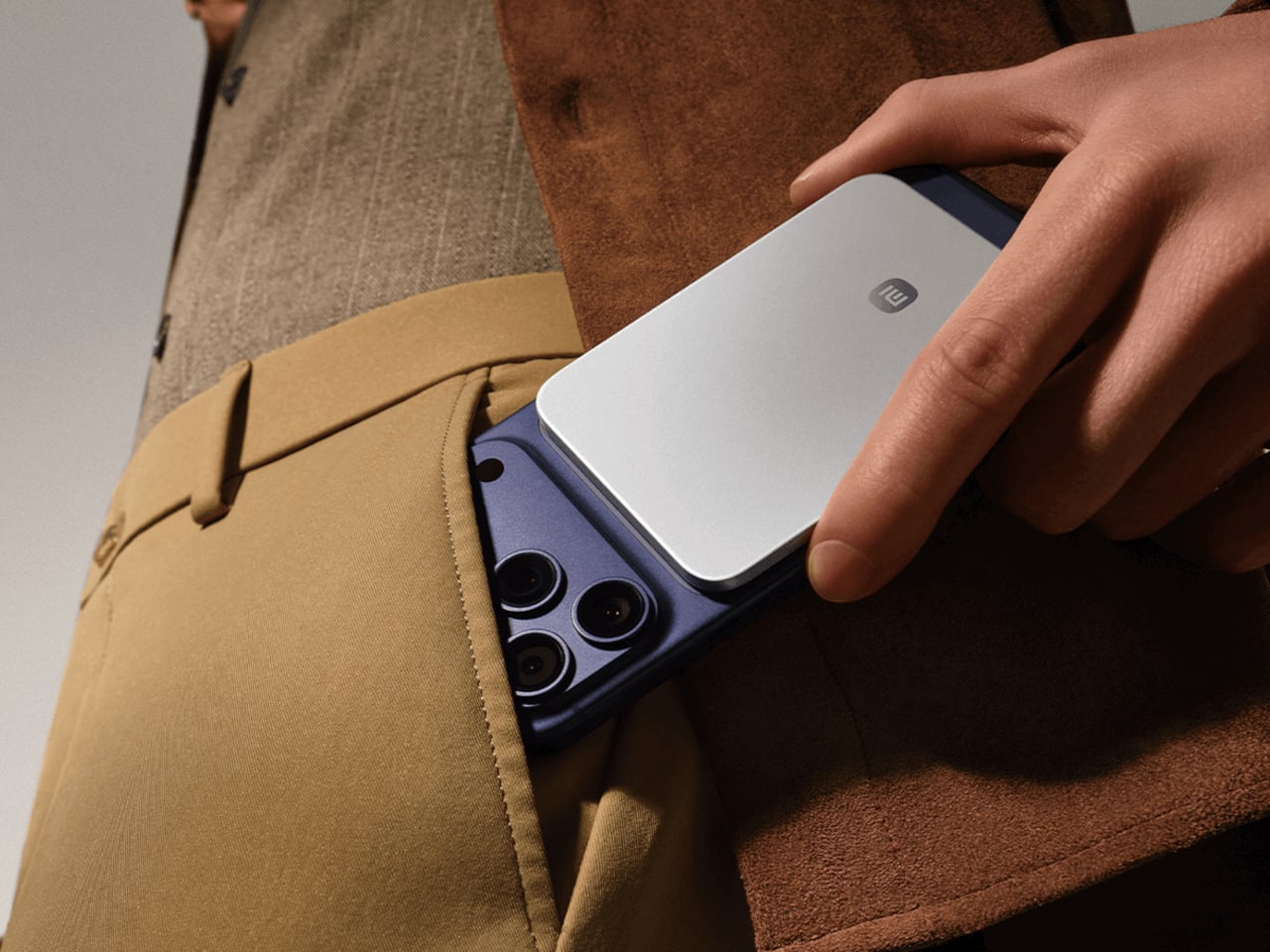
I’ve carried a lot of power banks over the years. Bulky ones that weigh down my pockets, chunky bricks that barely fit in a crossbody bag, and a few “compact” options that still felt like lugging around a deck of cards. So when Xiaomi announced a magnetic power bank that measures just 6mm thick and weighs 98 grams, I’ll admit my first reaction was skepticism. That’s thinner than most smartphones on the market right now, including the iPhone 17. A power bank isn’t supposed to be thinner than the device it charges.

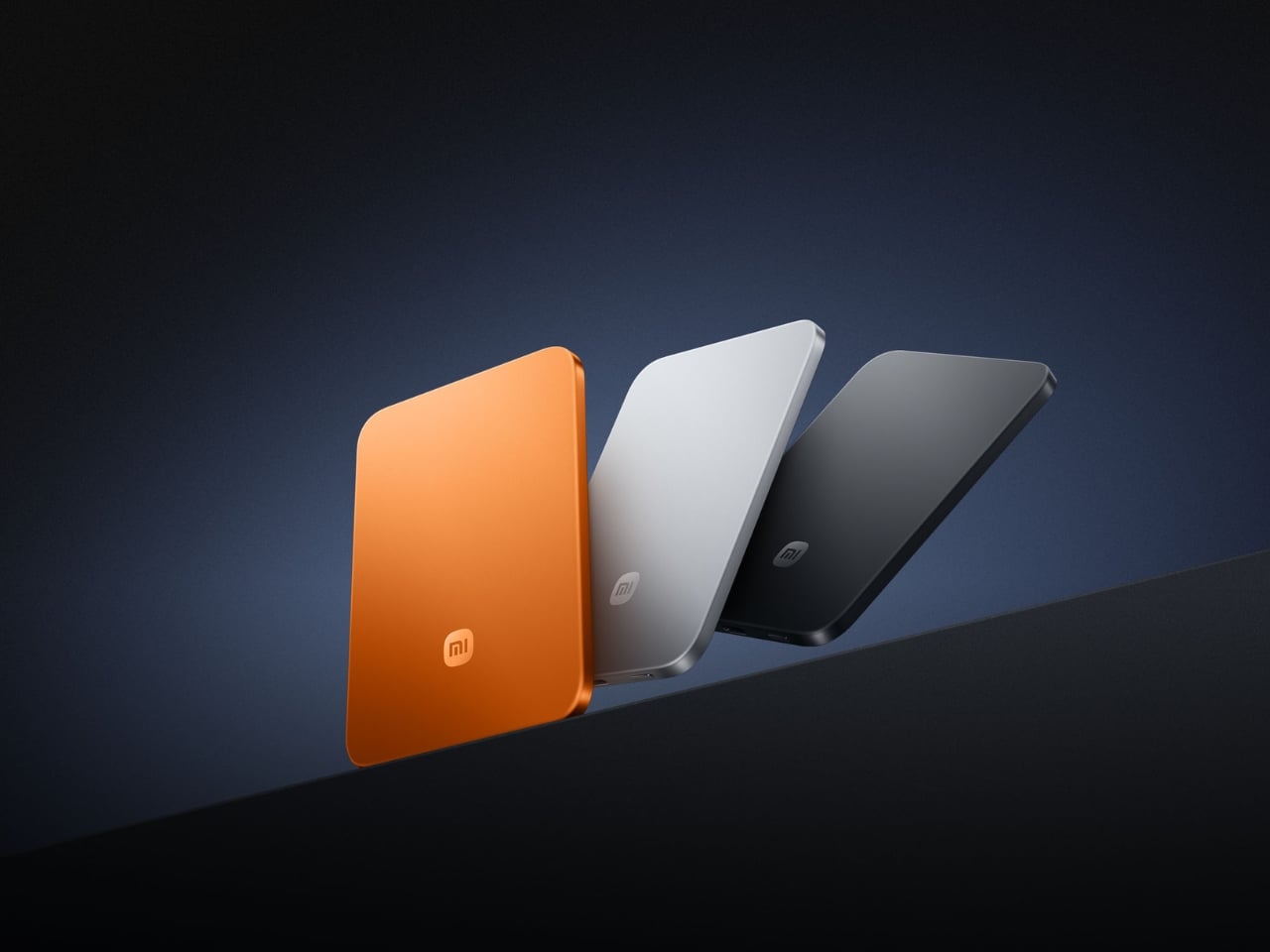
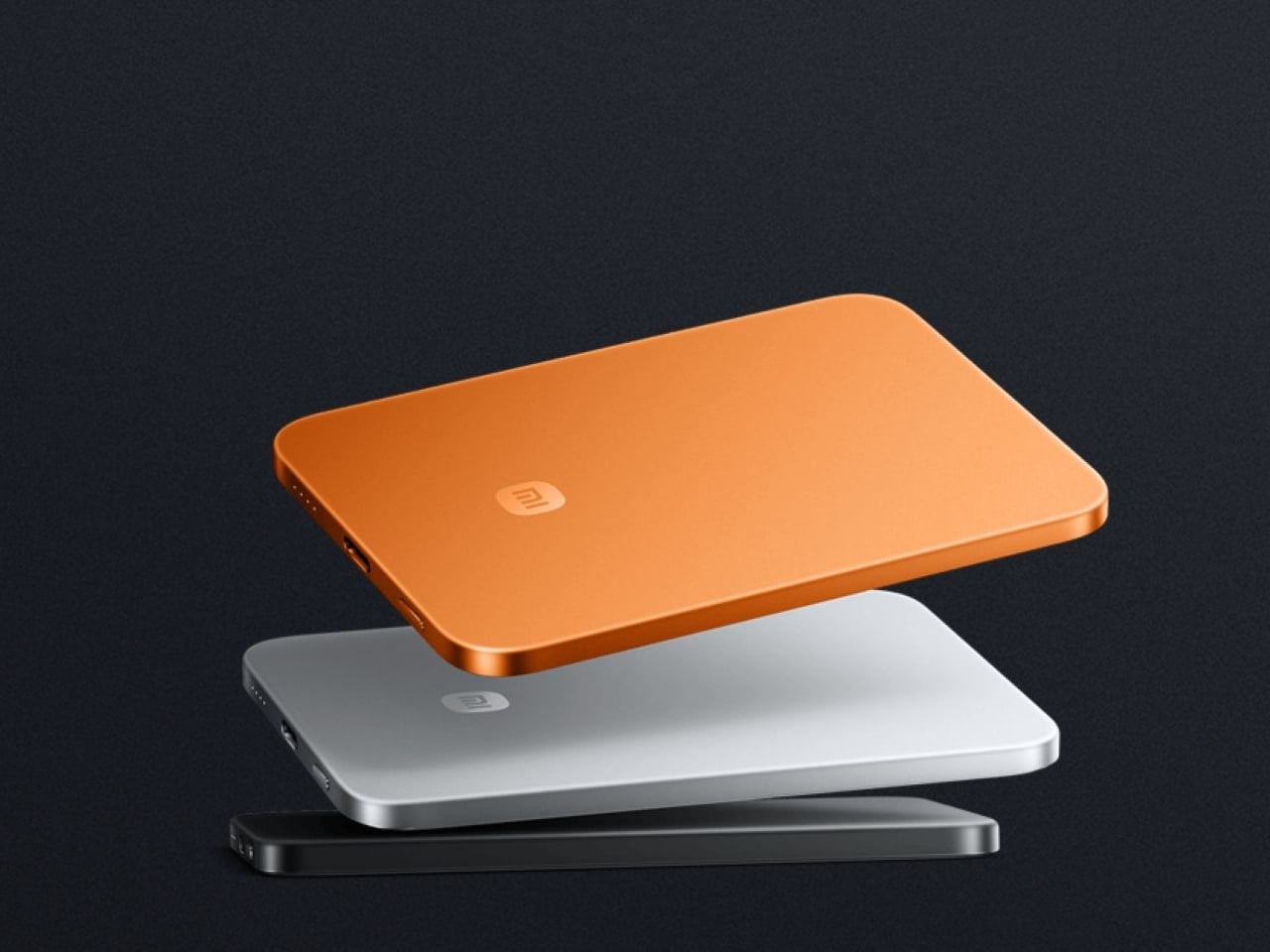
But here we are, and the Xiaomi UltraThin Magnetic Power Bank 5000 15W is very real. It launched in Japan earlier this year at roughly $50, has since expanded to Australia, Singapore, South Korea, and Europe, and was officially showcased at MWC 2026 in Barcelona. The European pricing sits around €60 for the Glacier Silver and Graphite Black versions, with a slightly more expensive Radiant Orange option at €65. For what it delivers in terms of sheer industrial design, those prices feel reasonable.

Designer: Xiaomi

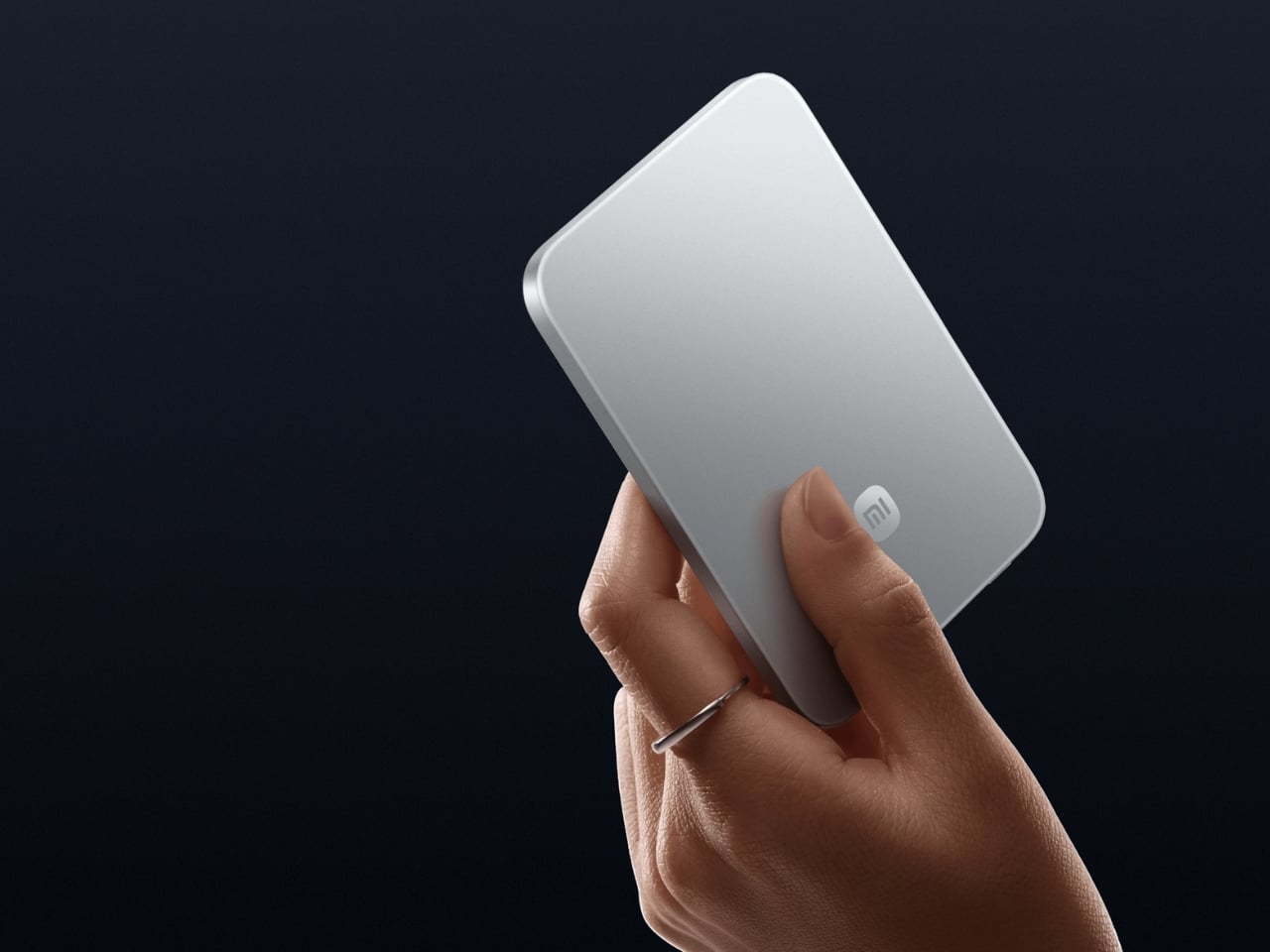
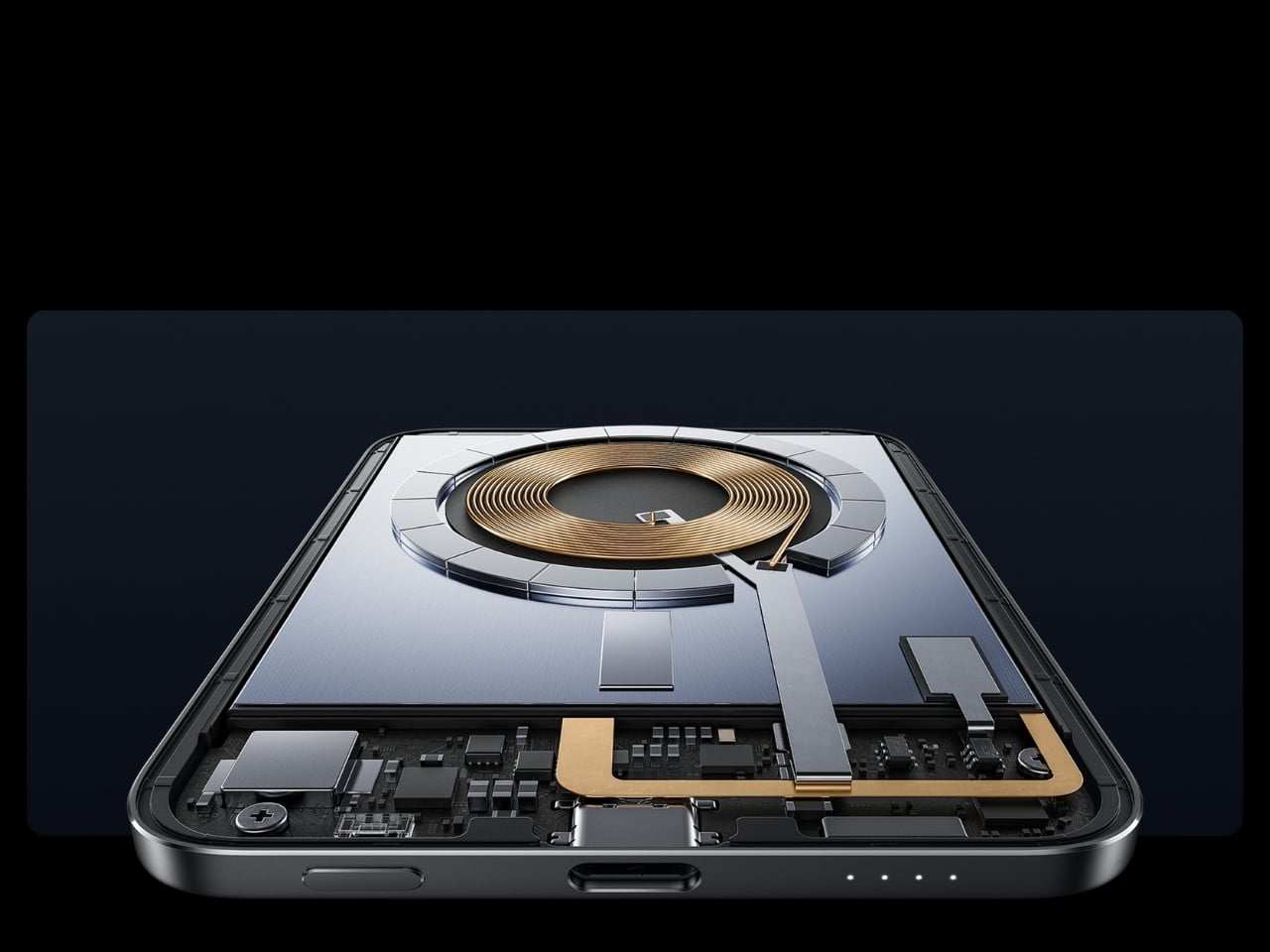
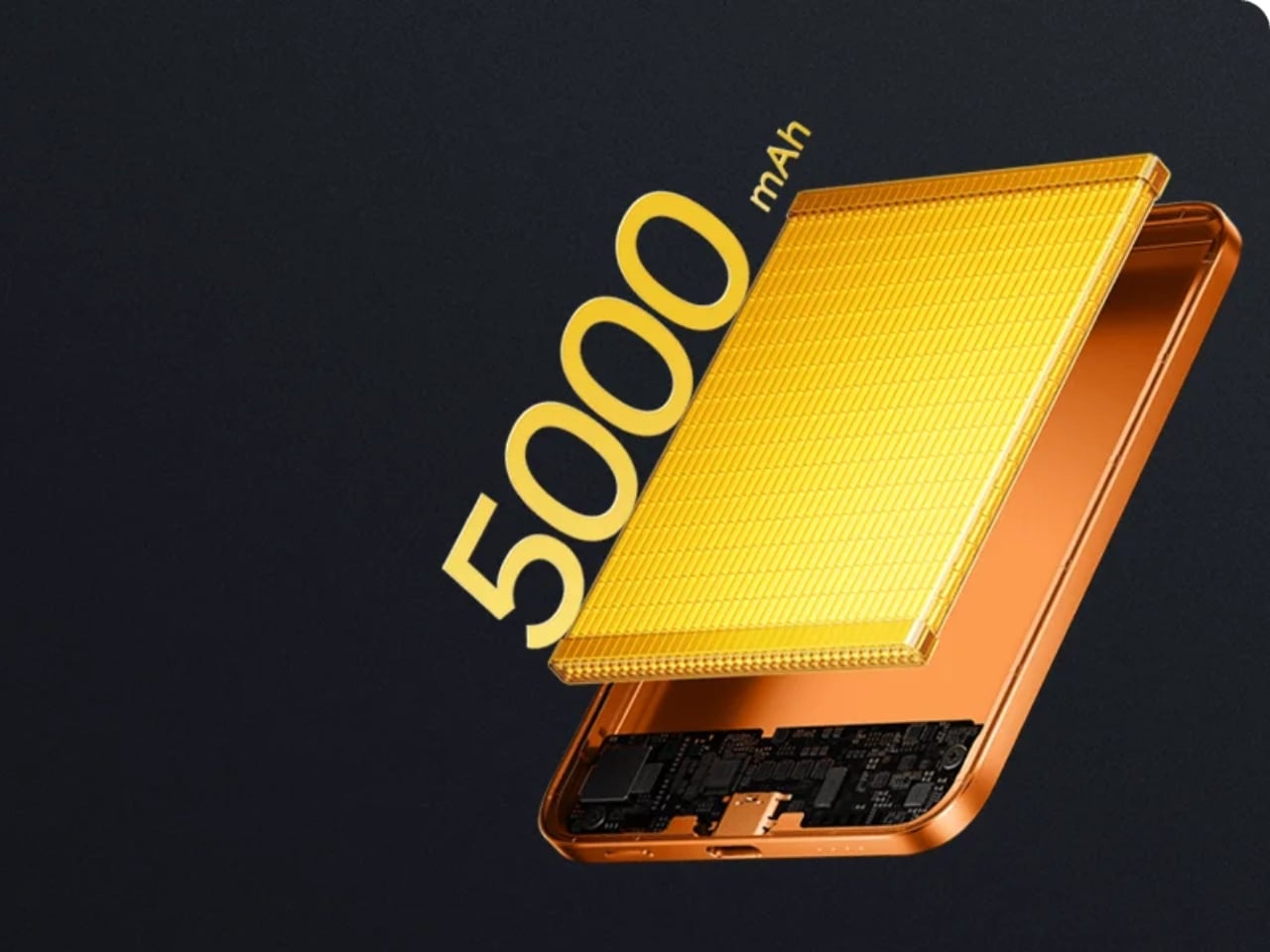
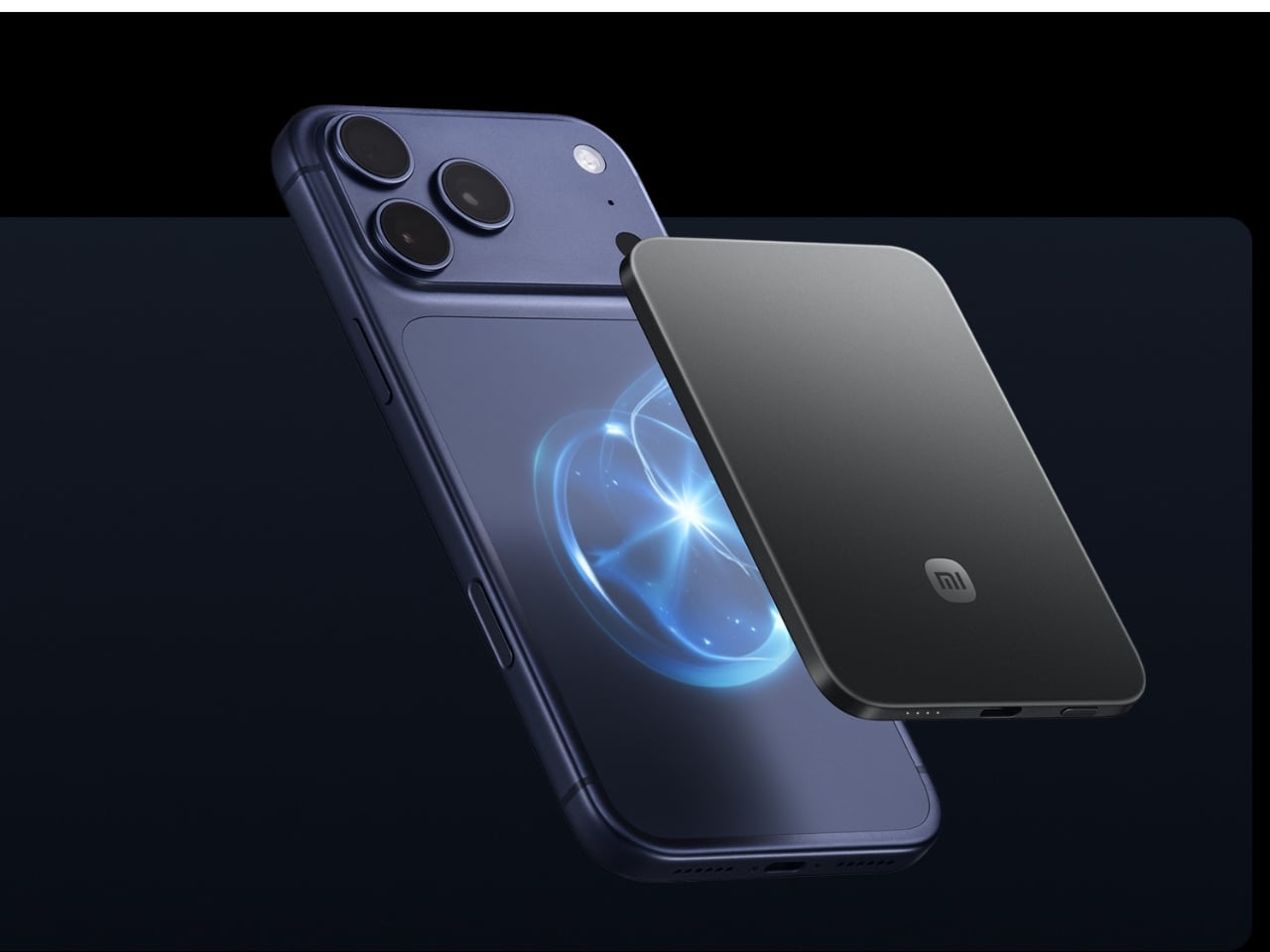
Let’s talk about what makes this thing genuinely interesting from a design perspective. Xiaomi is using a silicon-carbon battery with 16% silicon content, which is the kind of battery chemistry that allows for higher energy density in a slimmer package. That’s how they’ve managed to squeeze 5,000mAh into something that resembles a metal business card more than a traditional power bank. The aluminum alloy shell has a smooth, understated finish, and the phone-facing surface uses fire-resistant fiberglass with an excimer coating for heat management. A photolithographically etched logo on the back adds a subtle detail that signals this product was designed with care, not just assembled to a spec sheet.

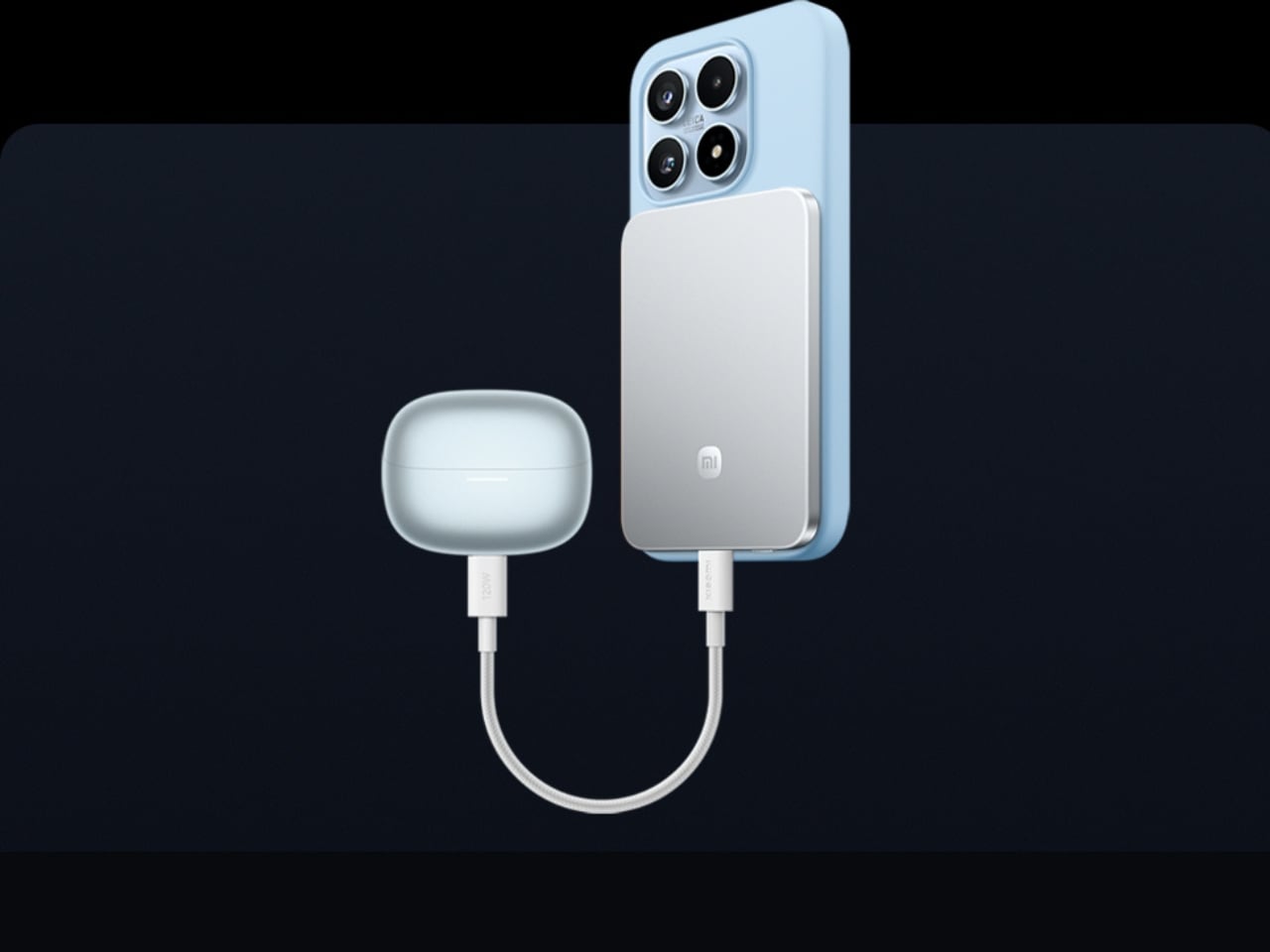
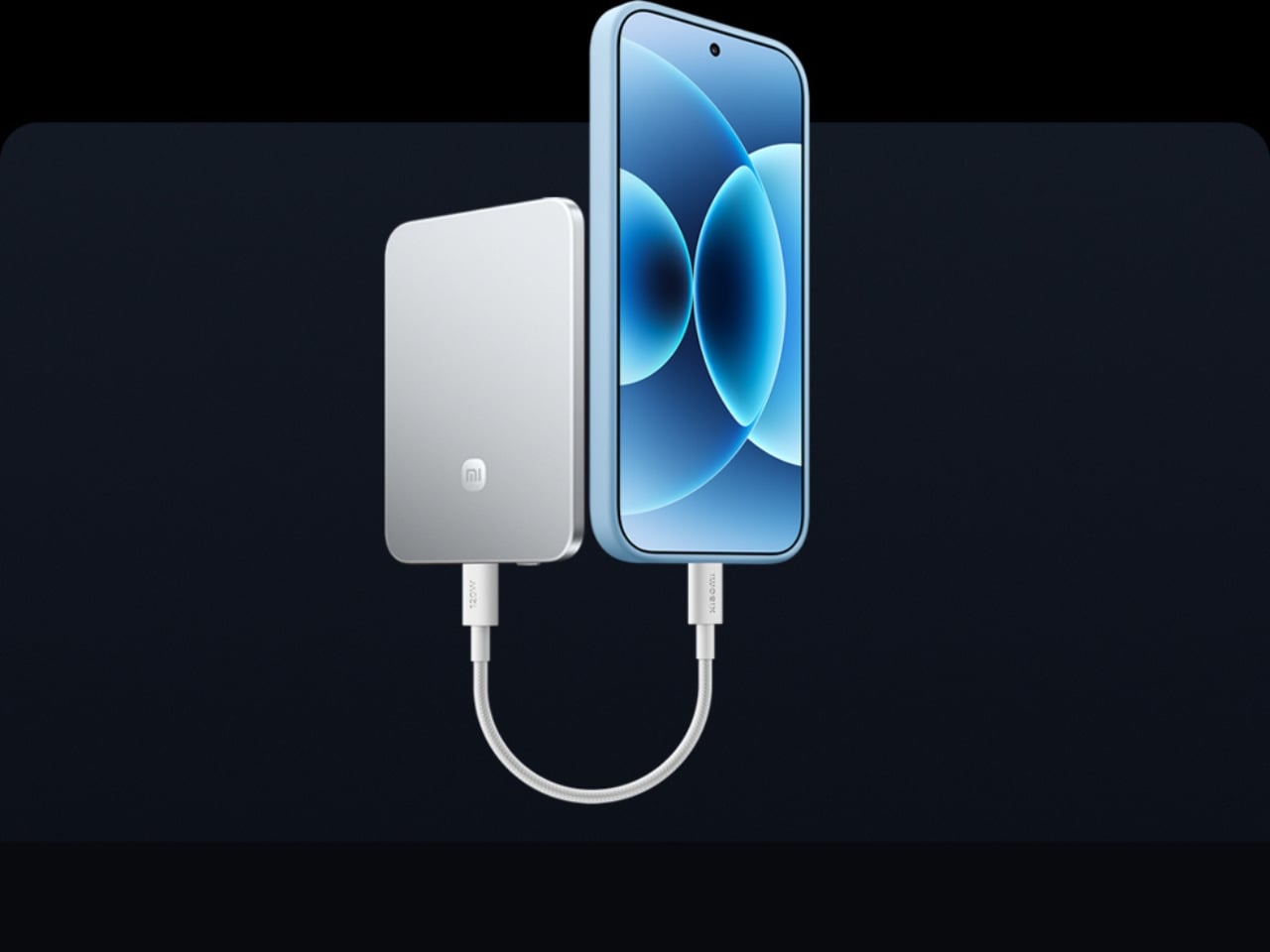
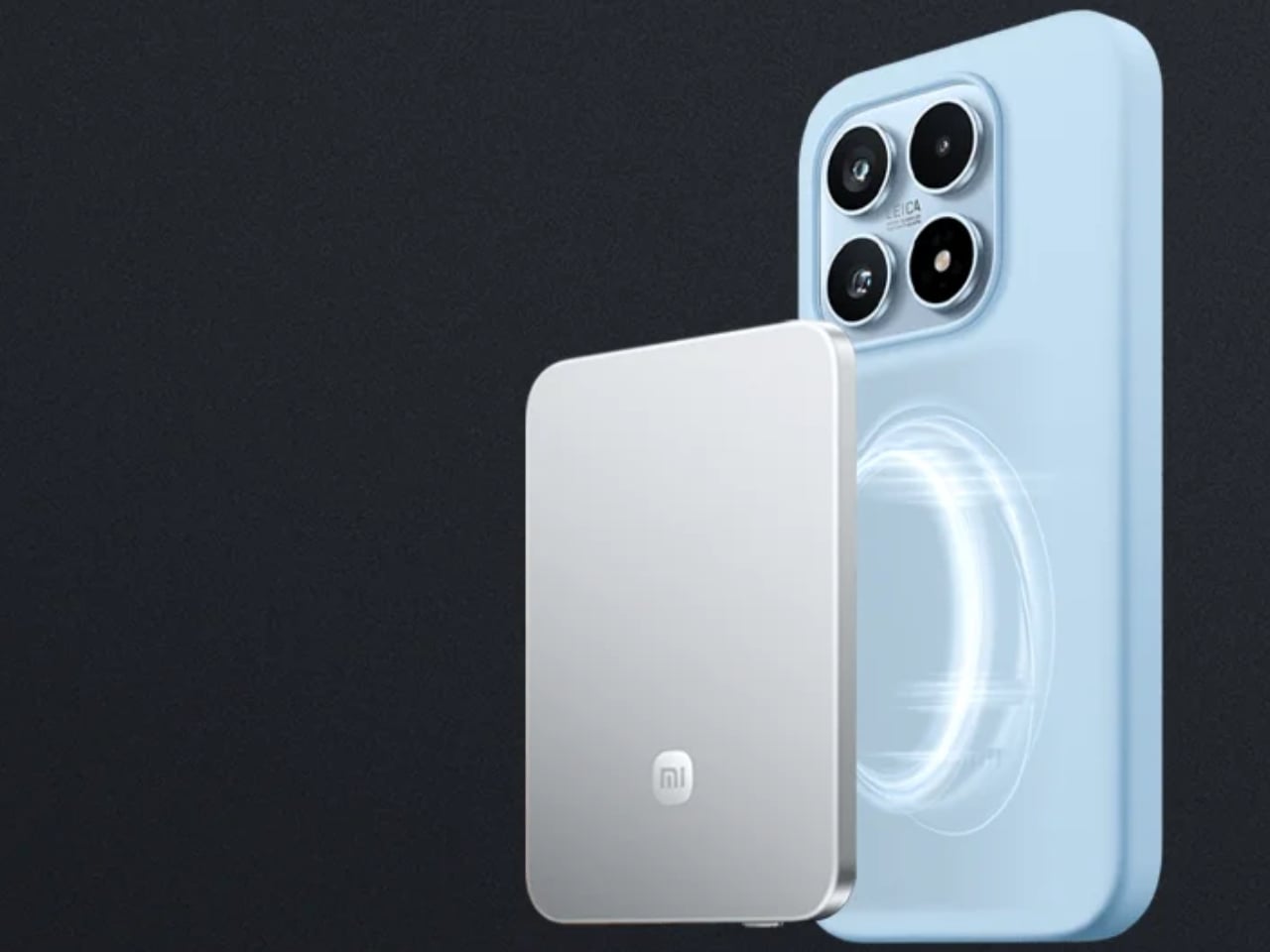
The charging specs are solid if unspectacular. You get up to 15W wireless charging when paired with the Xiaomi 17 series, though iPhone users are limited to 7.5W due to Apple’s MagSafe restrictions. There’s also a USB-C port pushing up to 22.5W for wired charging, and the option to charge two devices simultaneously. It’s not going to win any speed records, but for a device this thin, the versatility is appreciated. You snap it onto the back of your phone magnetically, and it just works. No cables, no fuss.

What I find most compelling about this product isn’t any single feature. It’s the way it challenges the assumption that portable power has to mean portable bulk. For years, the power bank category has been stuck in a cycle of incrementally larger capacities packed into roughly the same uninspired form factors. Xiaomi has taken a different approach here, prioritizing the experience of carrying and using the thing over raw capacity. Five thousand milliamp-hours won’t fully recharge most flagship phones anymore, but it will get you through an emergency afternoon or a long commute, and you’ll barely notice it’s there.

The safety engineering deserves a quick mention too. Xiaomi built in ten layers of protection covering overvoltage, overcurrent, overheating, short circuits, and foreign object detection. Dual NTC temperature sensors monitor heat in real time. A 4,369mm² graphite sheet handles thermal dissipation. For a product this thin, that level of safety infrastructure is reassuring rather than excessive.

Of course, nothing is perfect. Early reviews suggest the Xiaomi power bank delivers slightly less usable charge than competitors with the same rated capacity, likely due to efficiency losses in the ultra-thin design. And the 7.5W cap for iPhones feels limiting when Apple’s own ecosystem is moving toward faster MagSafe speeds. These are fair tradeoffs, but they’re tradeoffs nonetheless.

Still, I think this power bank represents something meaningful about where consumer electronics design is heading. The best accessories are the ones you forget you’re carrying until you need them. Xiaomi seems to understand that, and the UltraThin Magnetic Power Bank is one of the most elegant expressions of that philosophy I’ve seen in a while. It’s a small product that makes a big argument: portability should actually mean portable.

The post A 6mm 5,000 mAh Power Bank: Xiaomi Built One Thinner Than Any Phone first appeared on Yanko Design.