Carriers Want This BlackBerry-Style Phone – I Tried It at MWC

When Clicks unveiled the Clicks Communicator at CES 2026, the device immediately stood out in a sea of look-alike smartphones. It pairs a physical QWERTY keyboard with a communication-first philosophy that feels intentionally different from the current slab phone crowd. Clicks also shared several specifications at the time, yet it did not confirm exactly when the phone would launch.

At a Mobile World Congress (MWC) off-site event in Barcelona, Clicks offered a clearer update on where the Communicator stands today. The company used the event to signal that the project is progressing beyond the early reveal phase. It positioned the Communicator as moving steadily toward launch.

Designer: Clicks

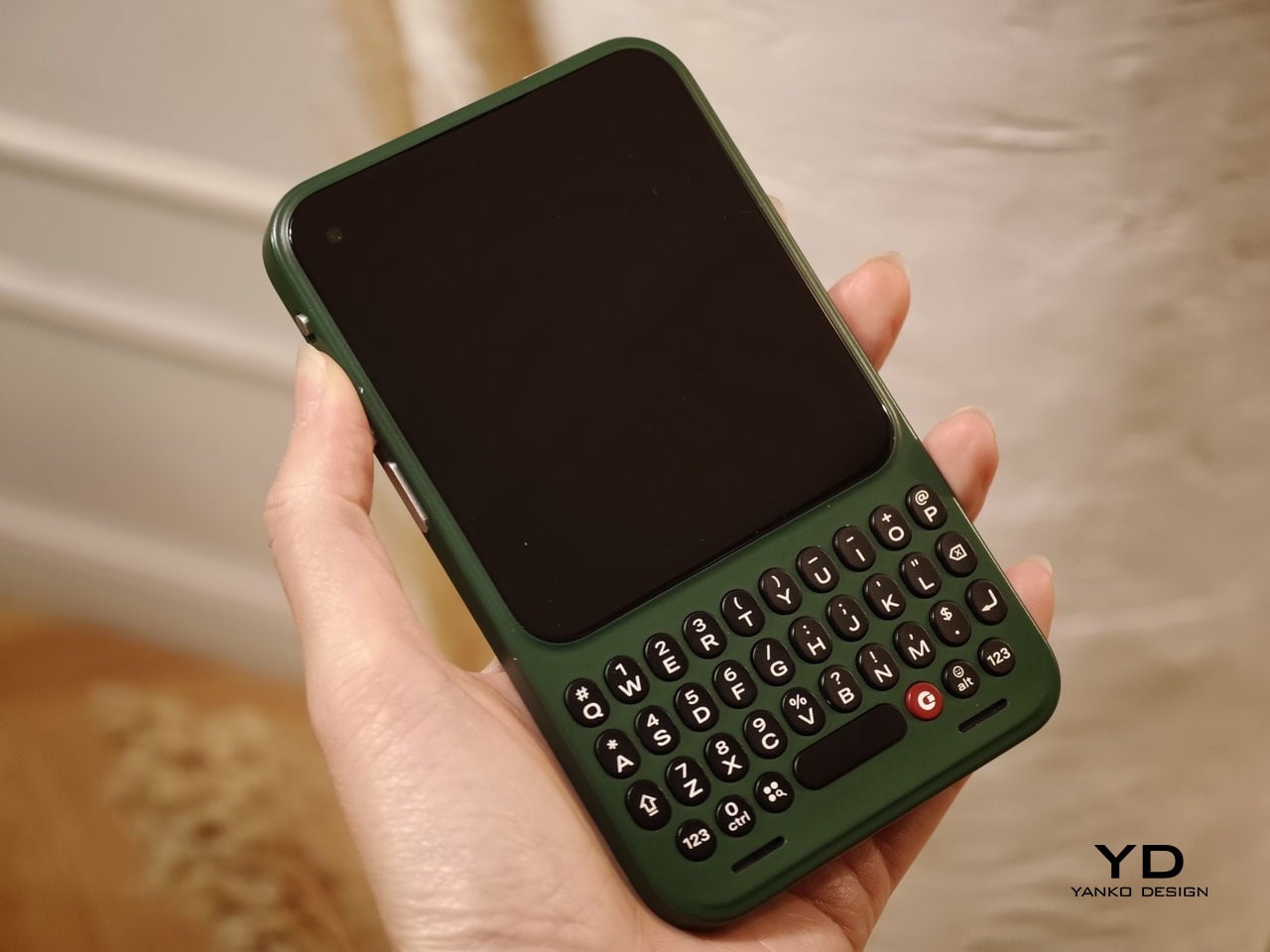
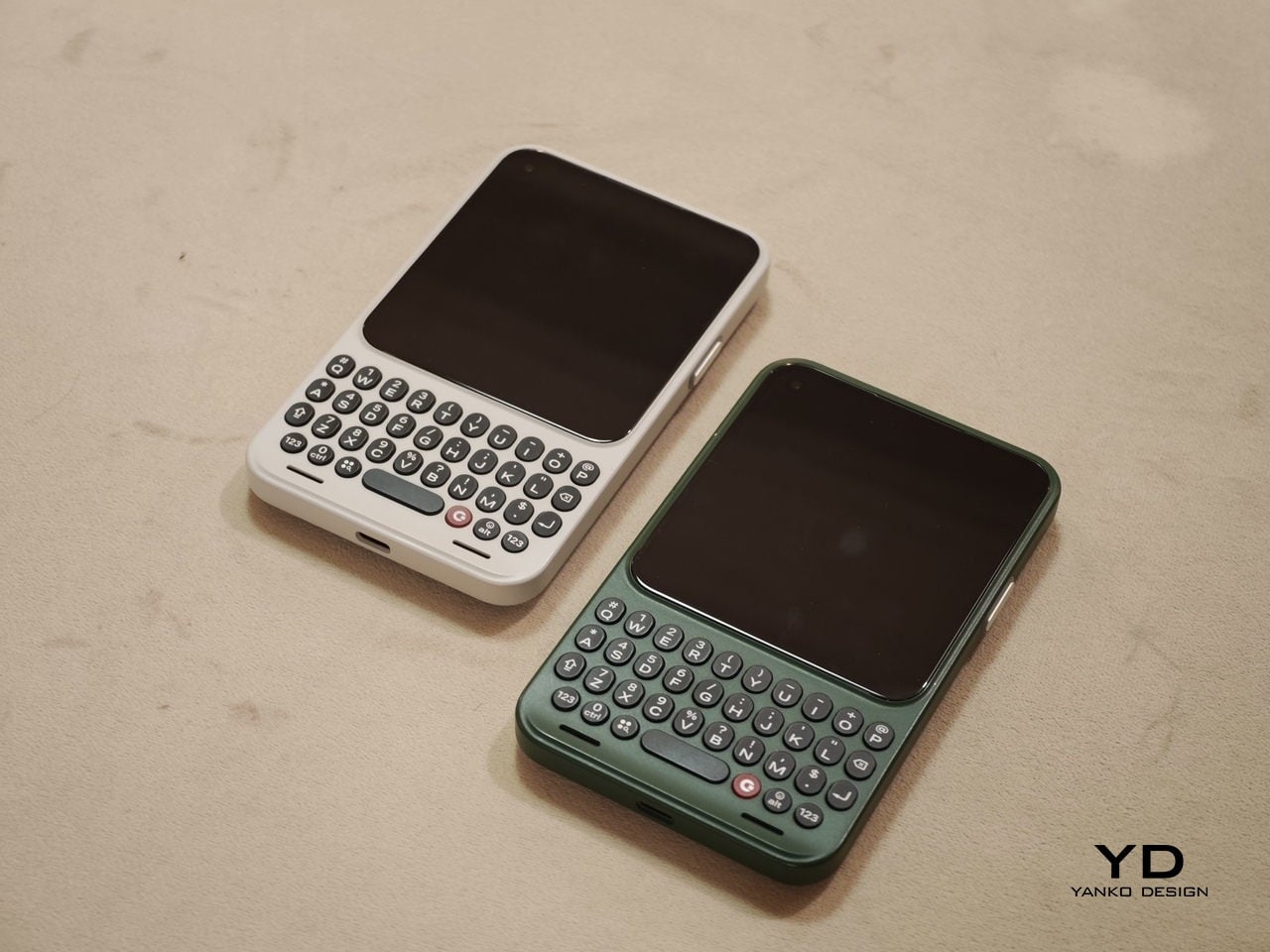
Clicks showcased the Communicator to media and potential partners, and I had the opportunity to briefly go hands-on with the device. The unit on display was still a mockup rather than a final production model. Even so, it offered a useful glimpse at how the hardware direction is taking shape.

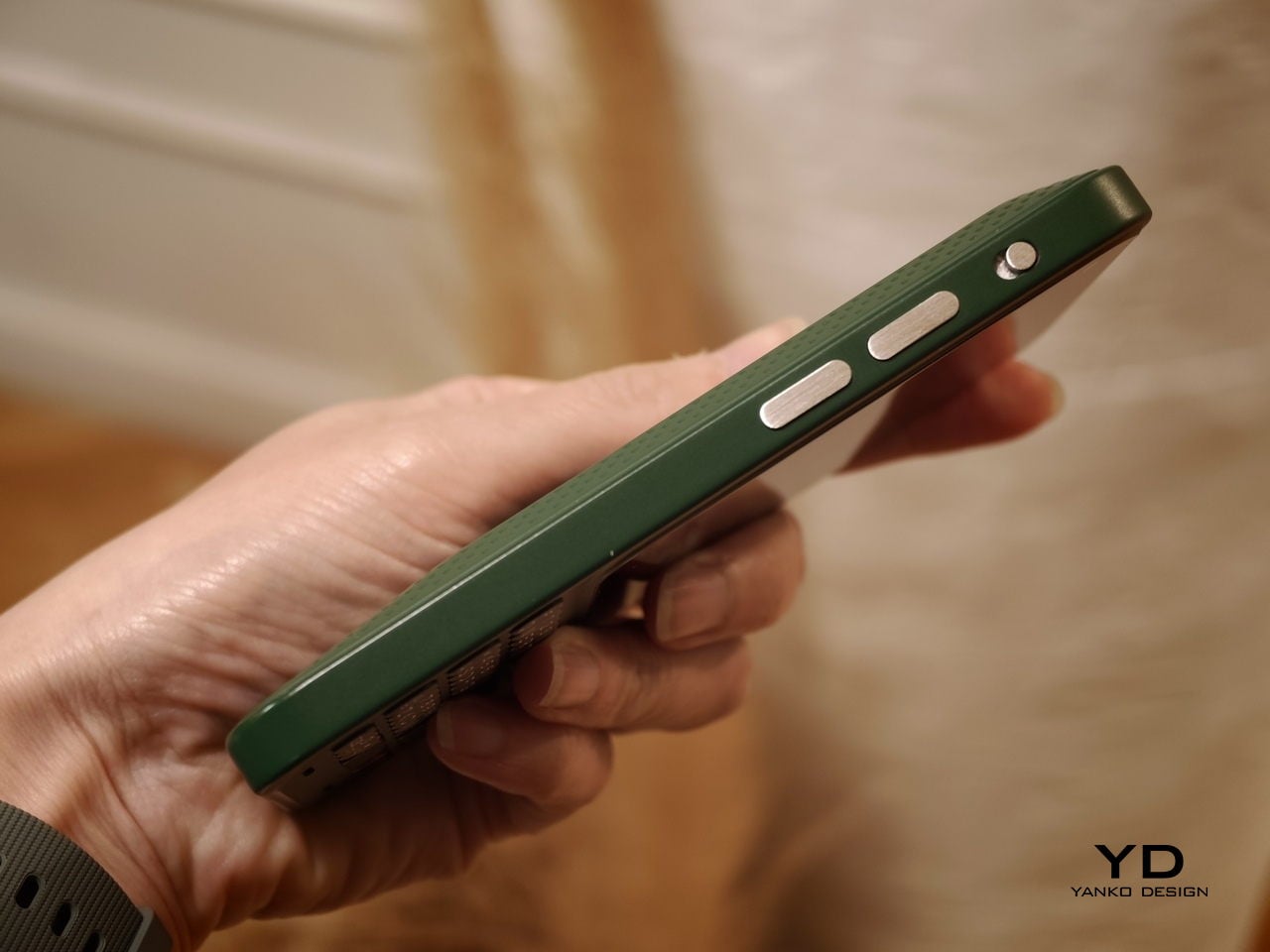
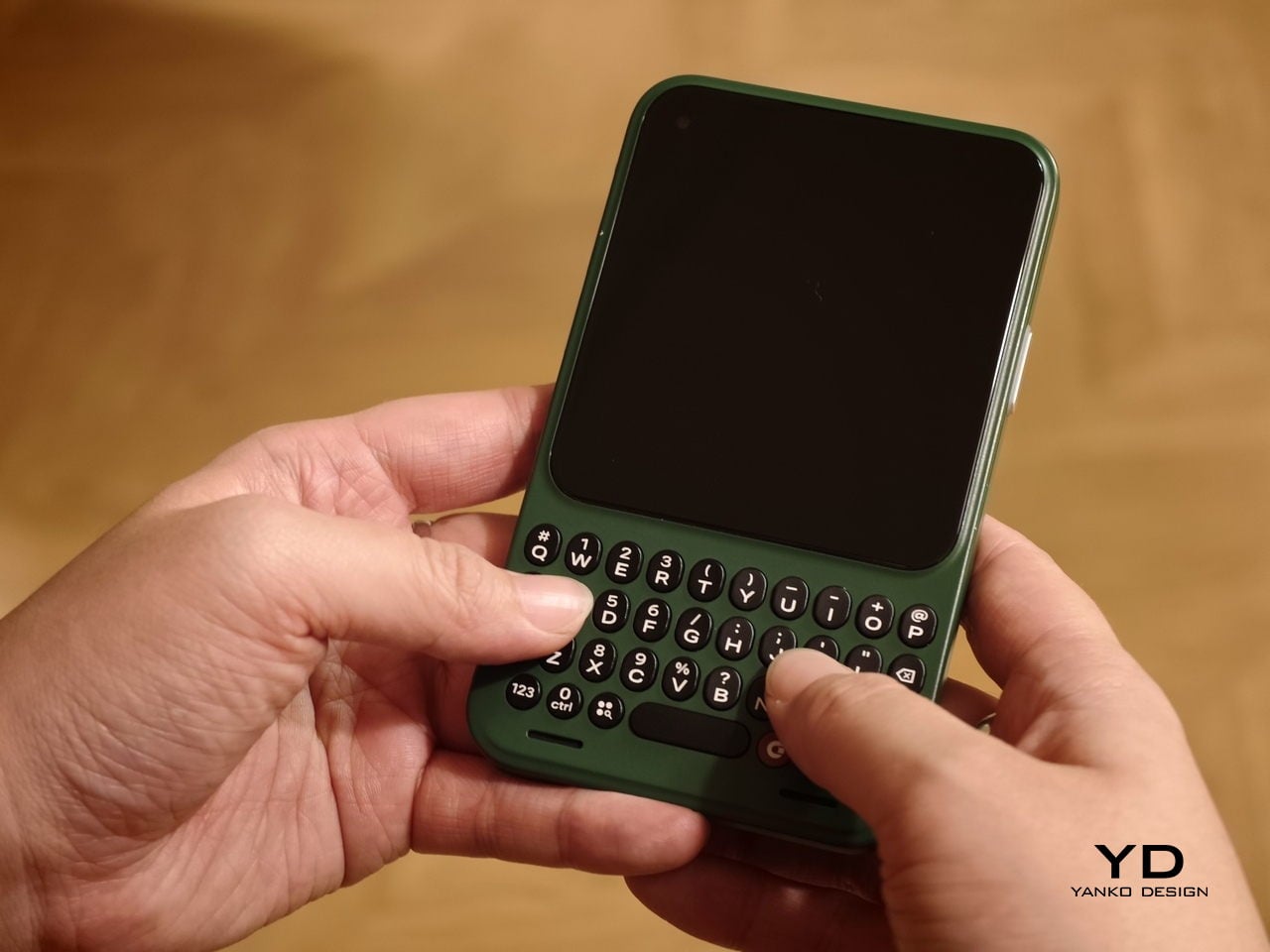
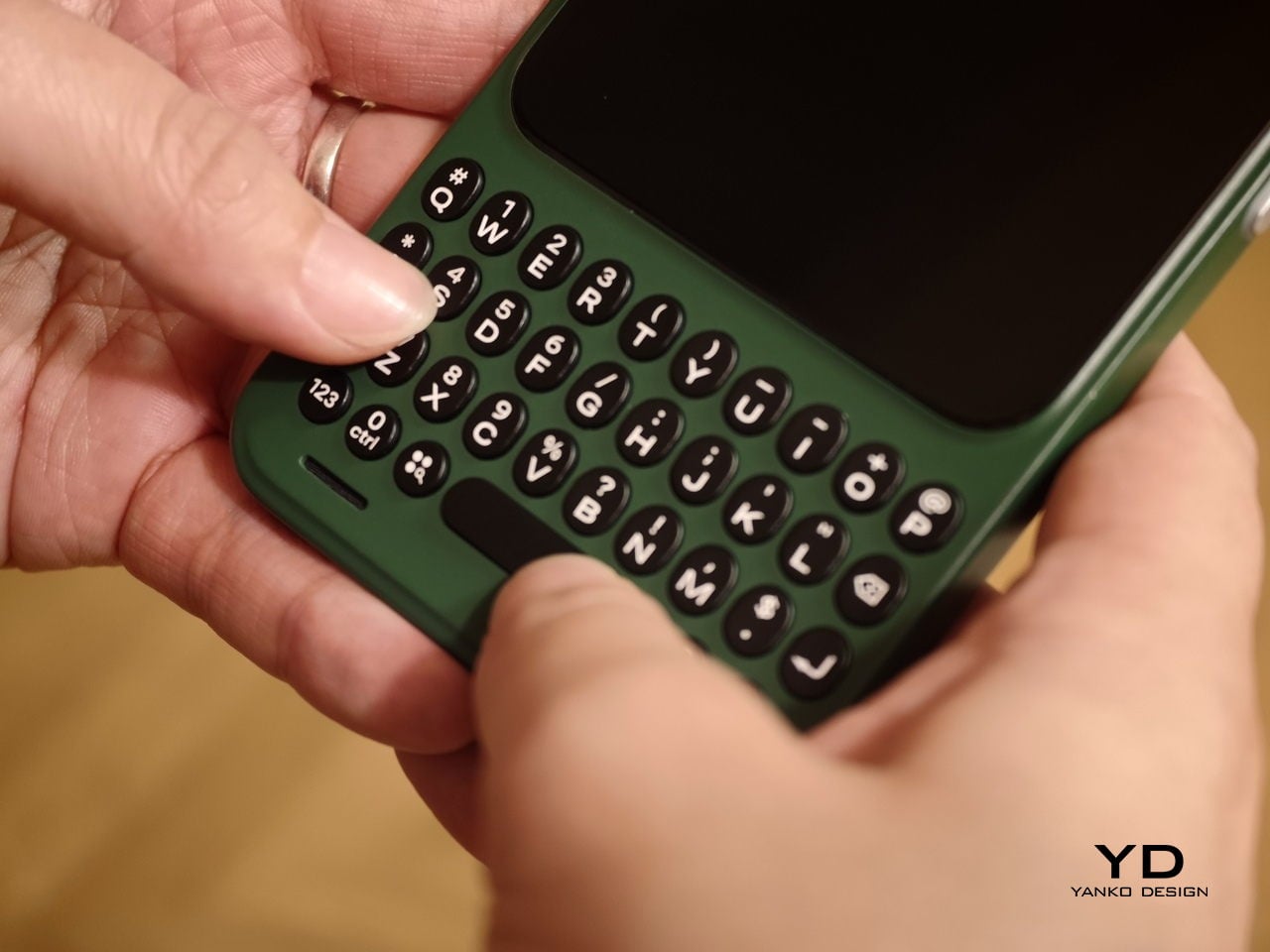
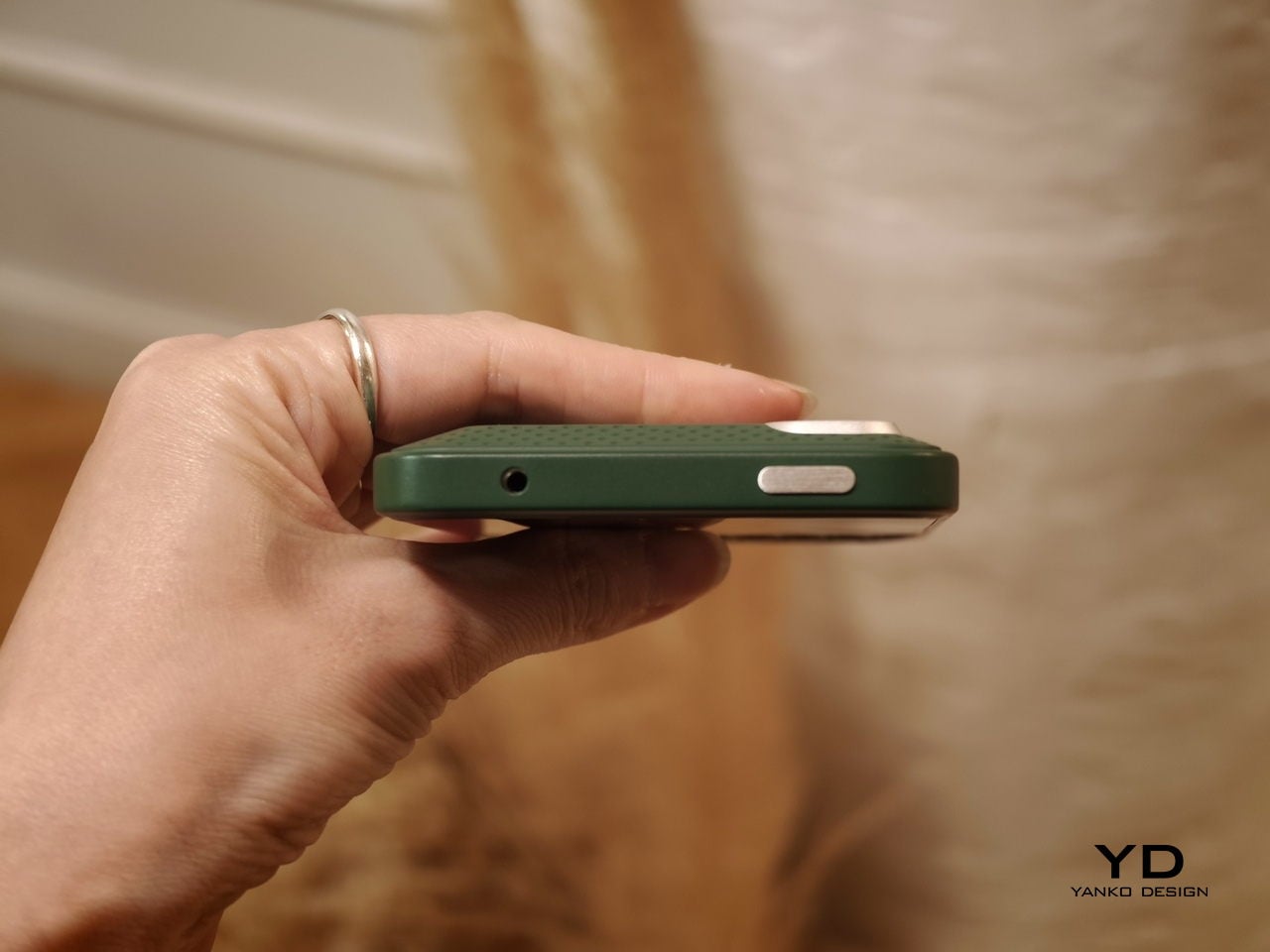
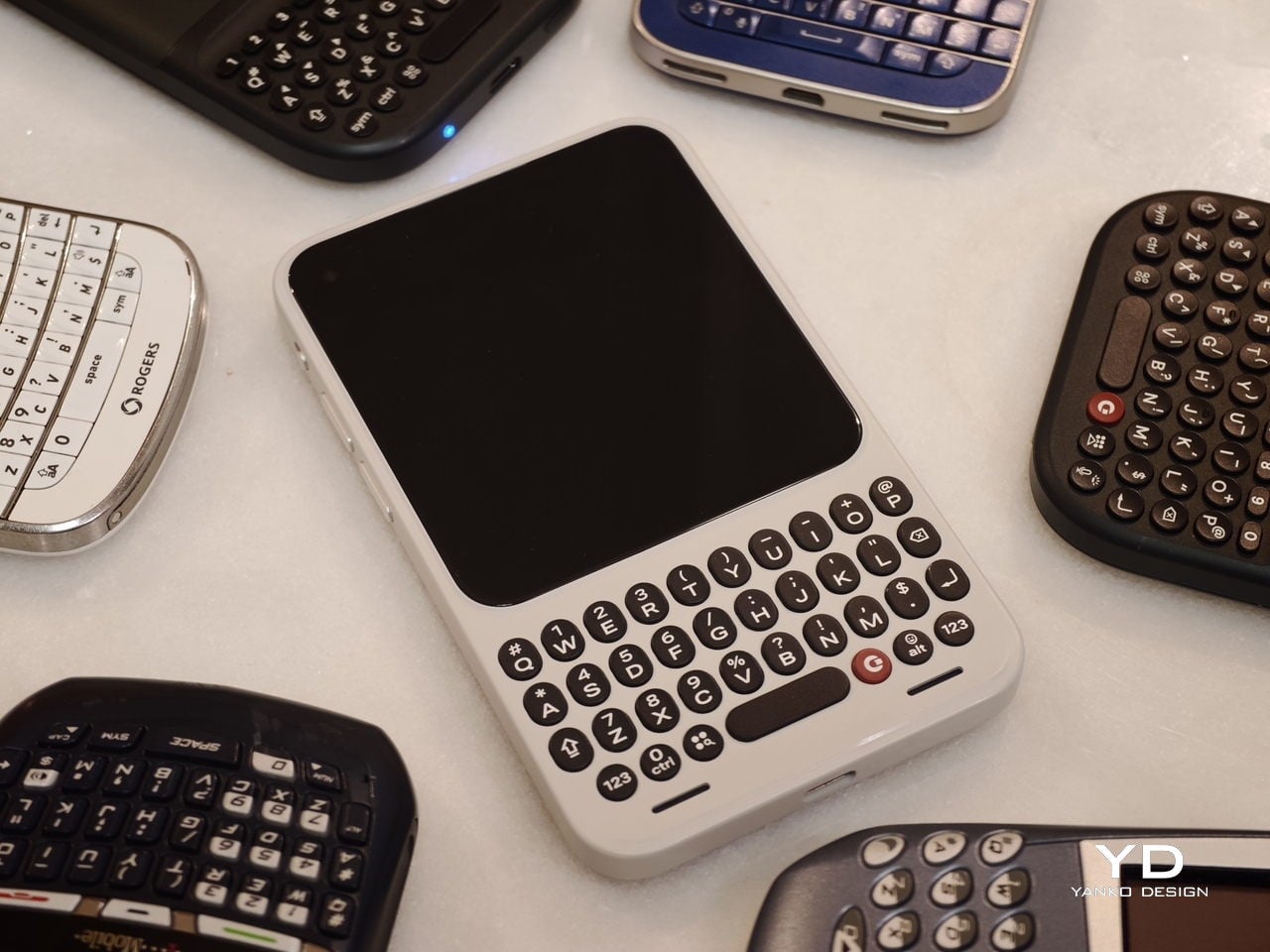
In hand, the Communicator feels nice and compact, and it sits comfortably in the palm. The balance feels considered, and the overall shape makes it easy to grip without feeling slippery or awkward. Typing also felt comfortable during my short time with it, which is the “make or break” moment for any keyboard phone.

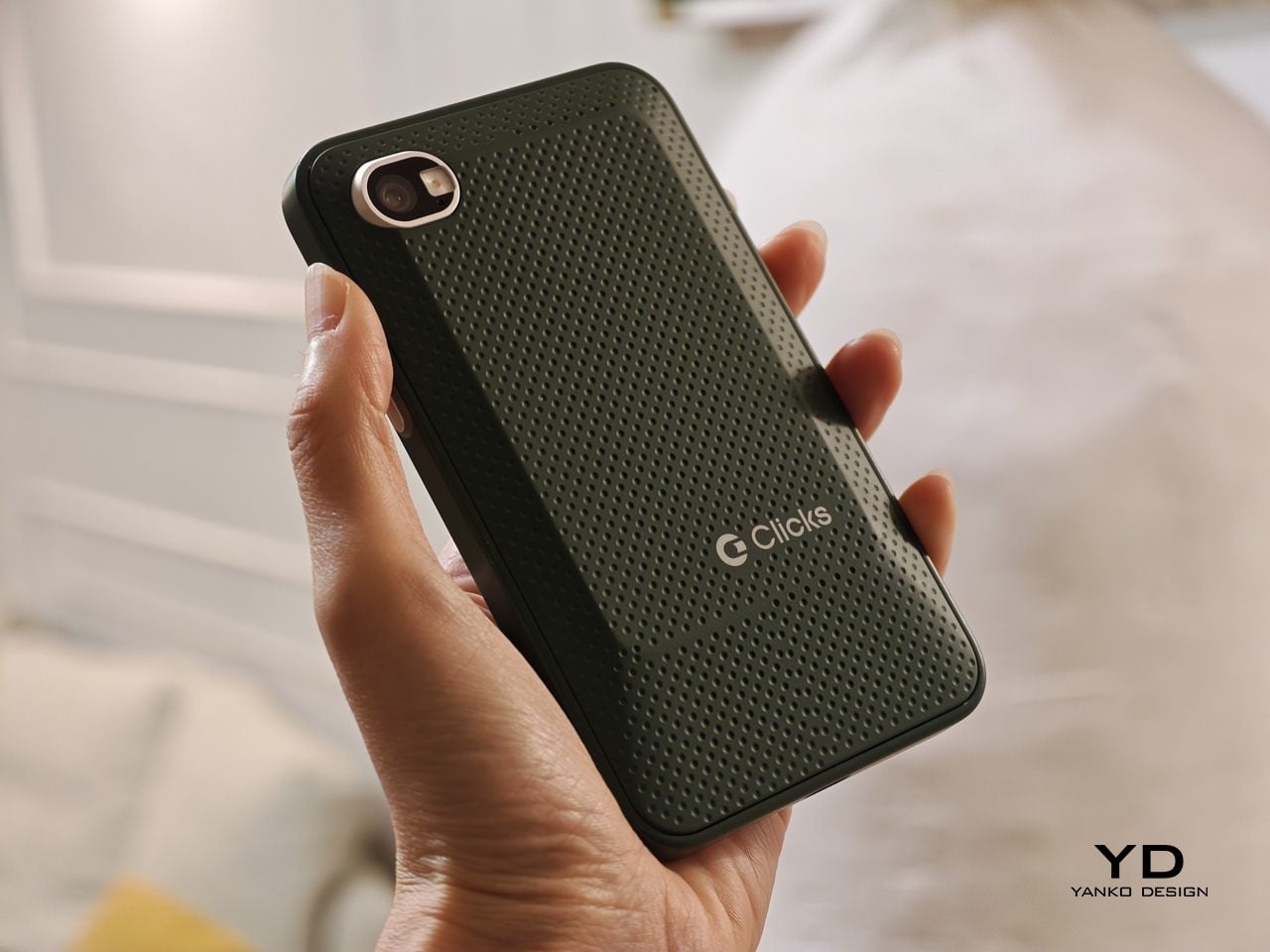
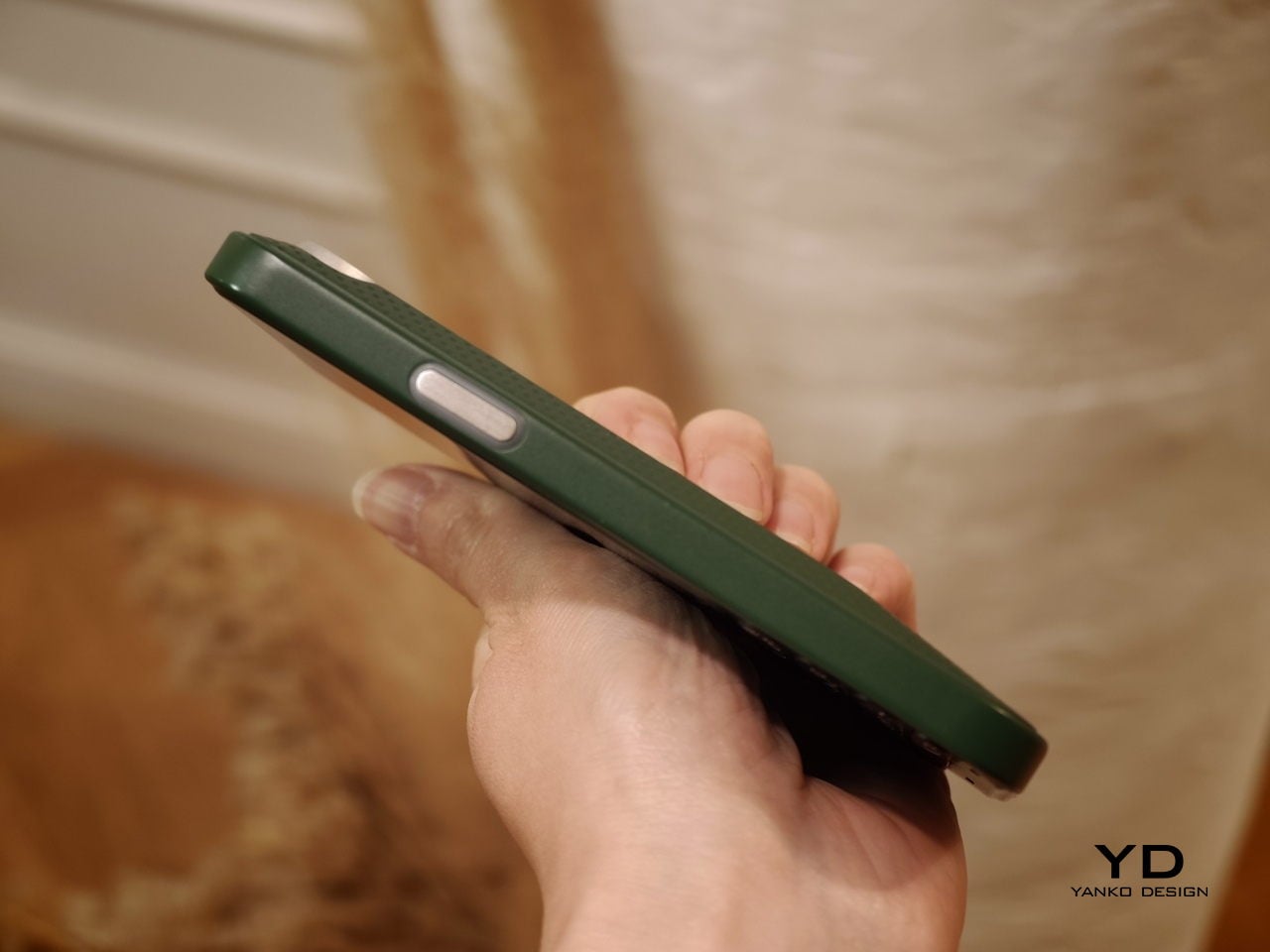
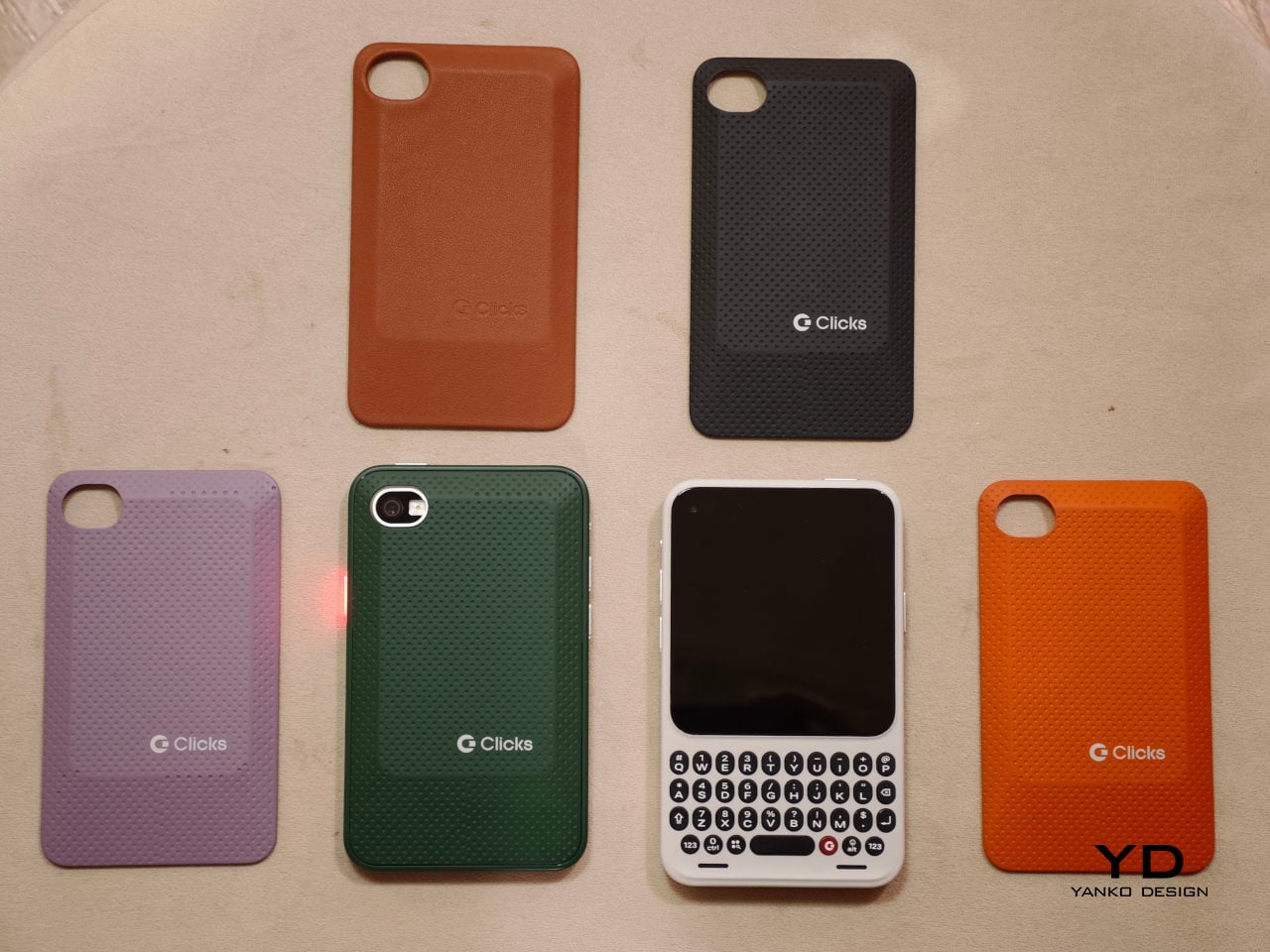
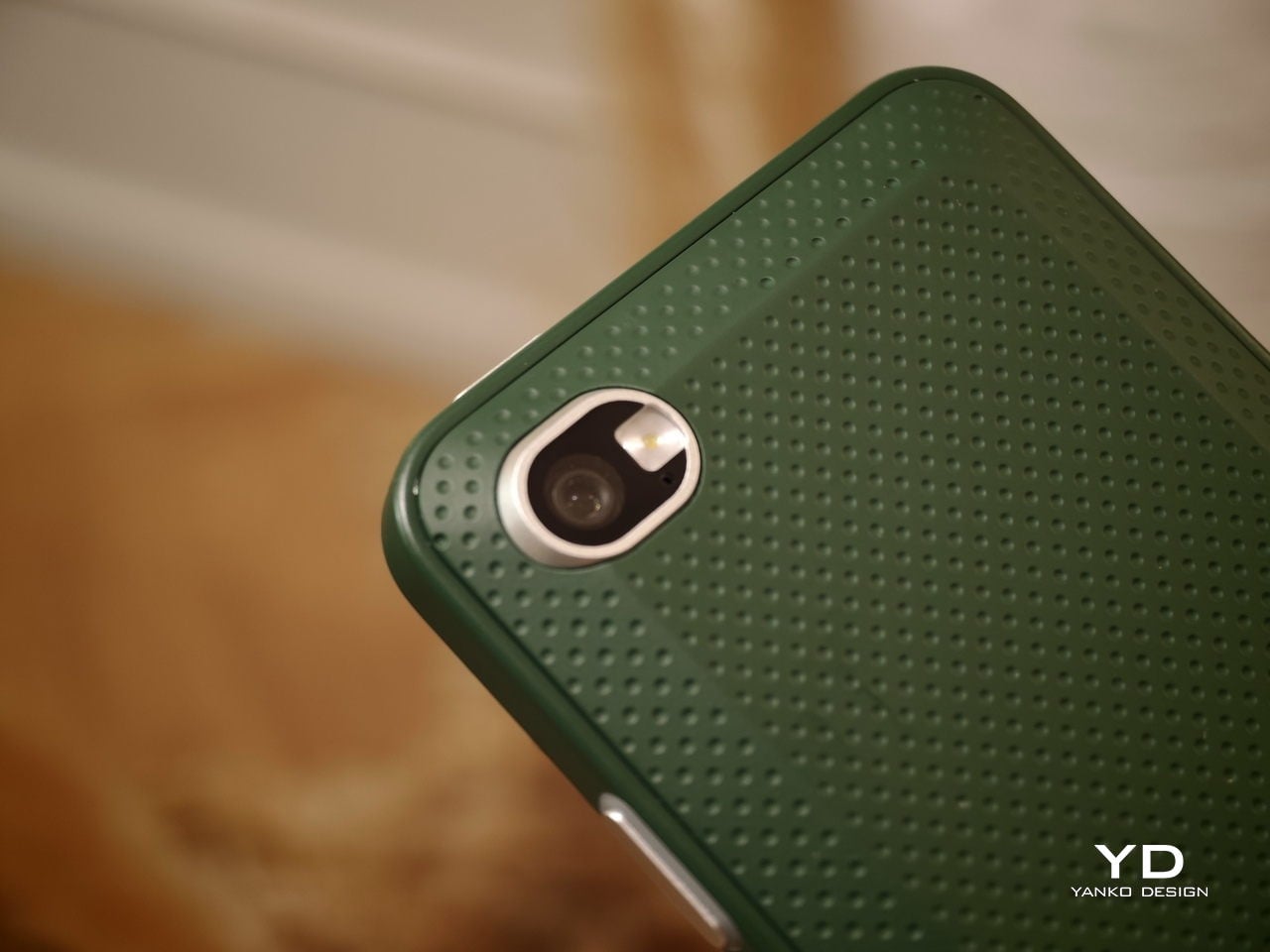
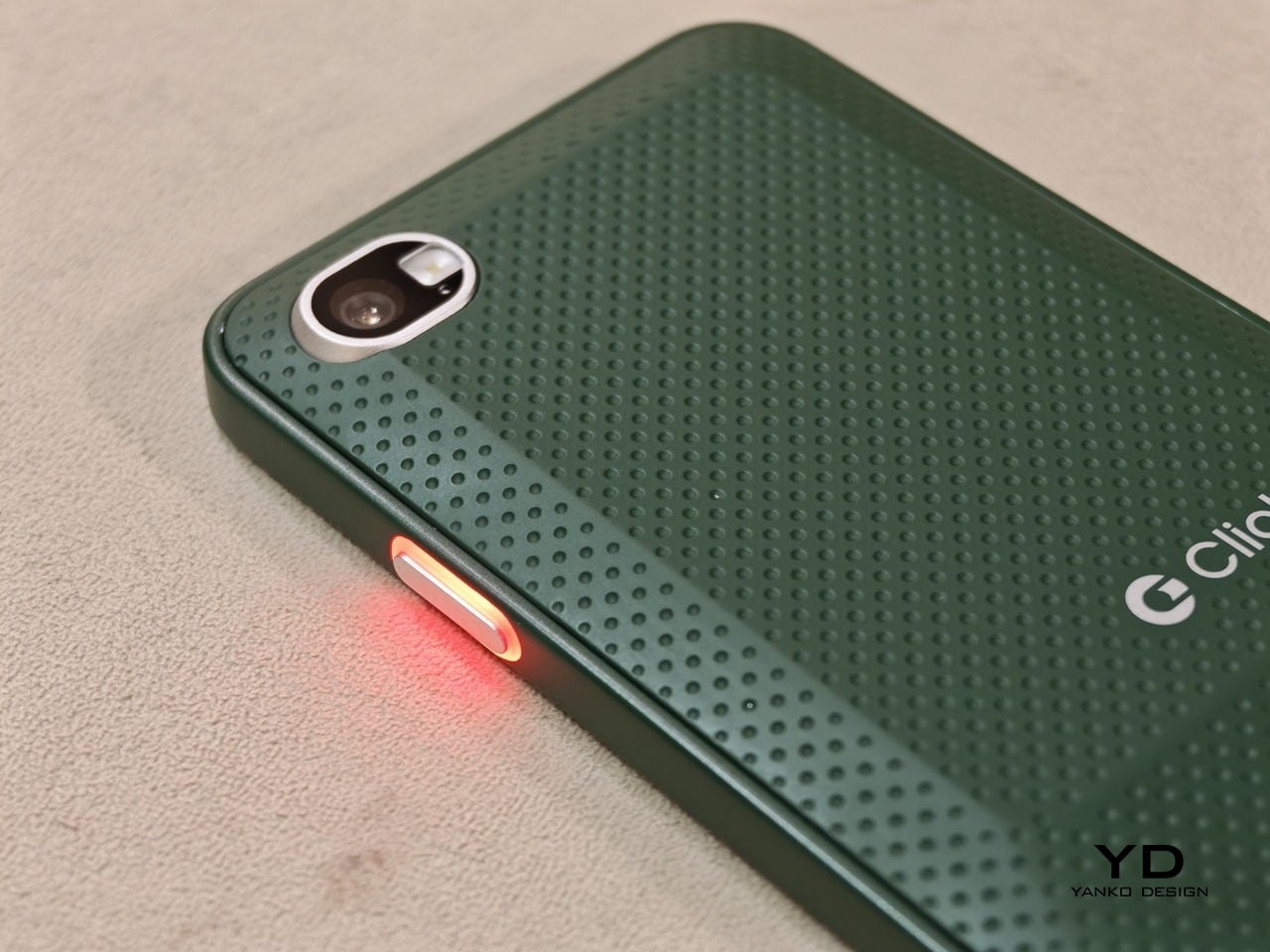
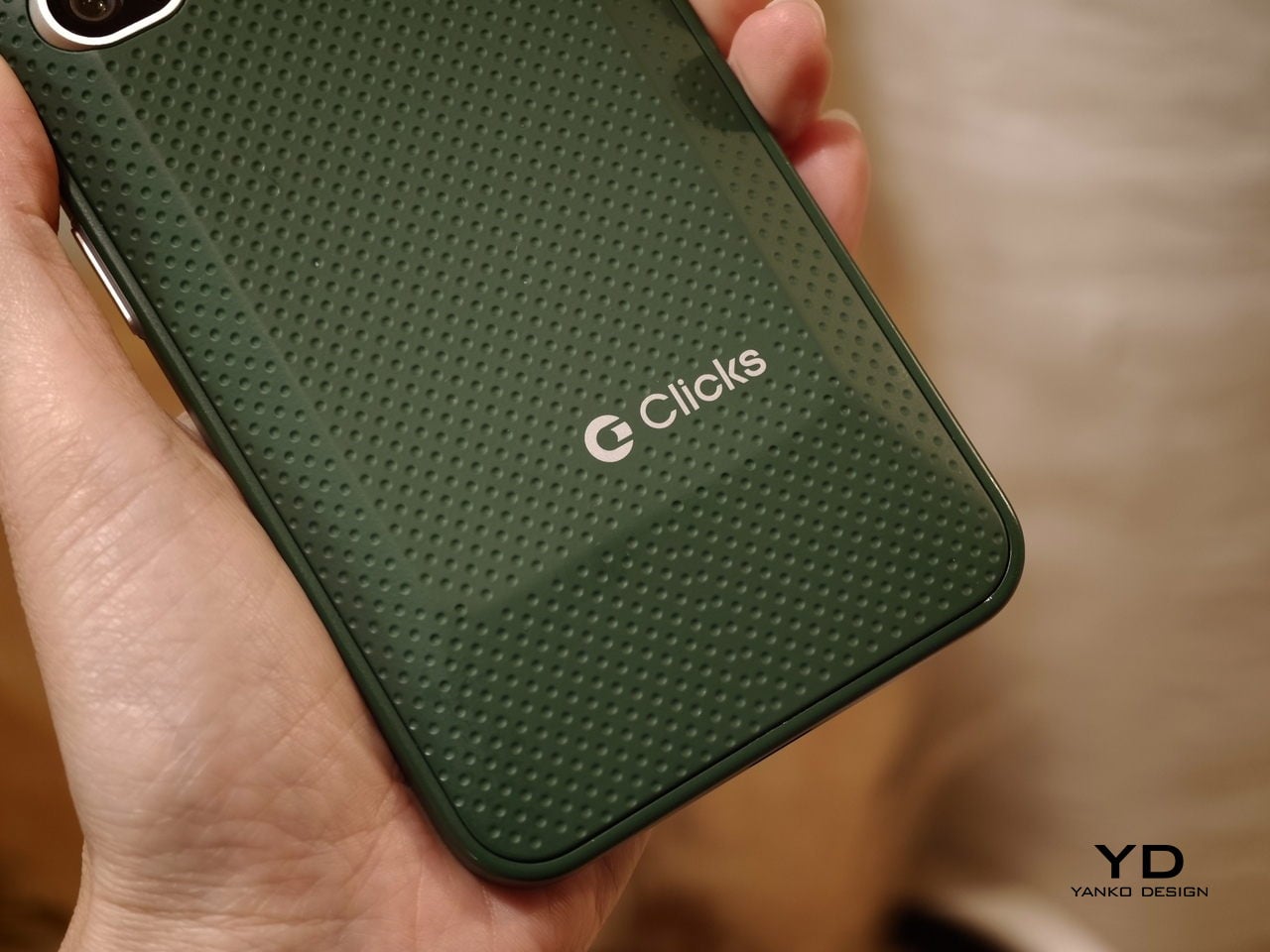
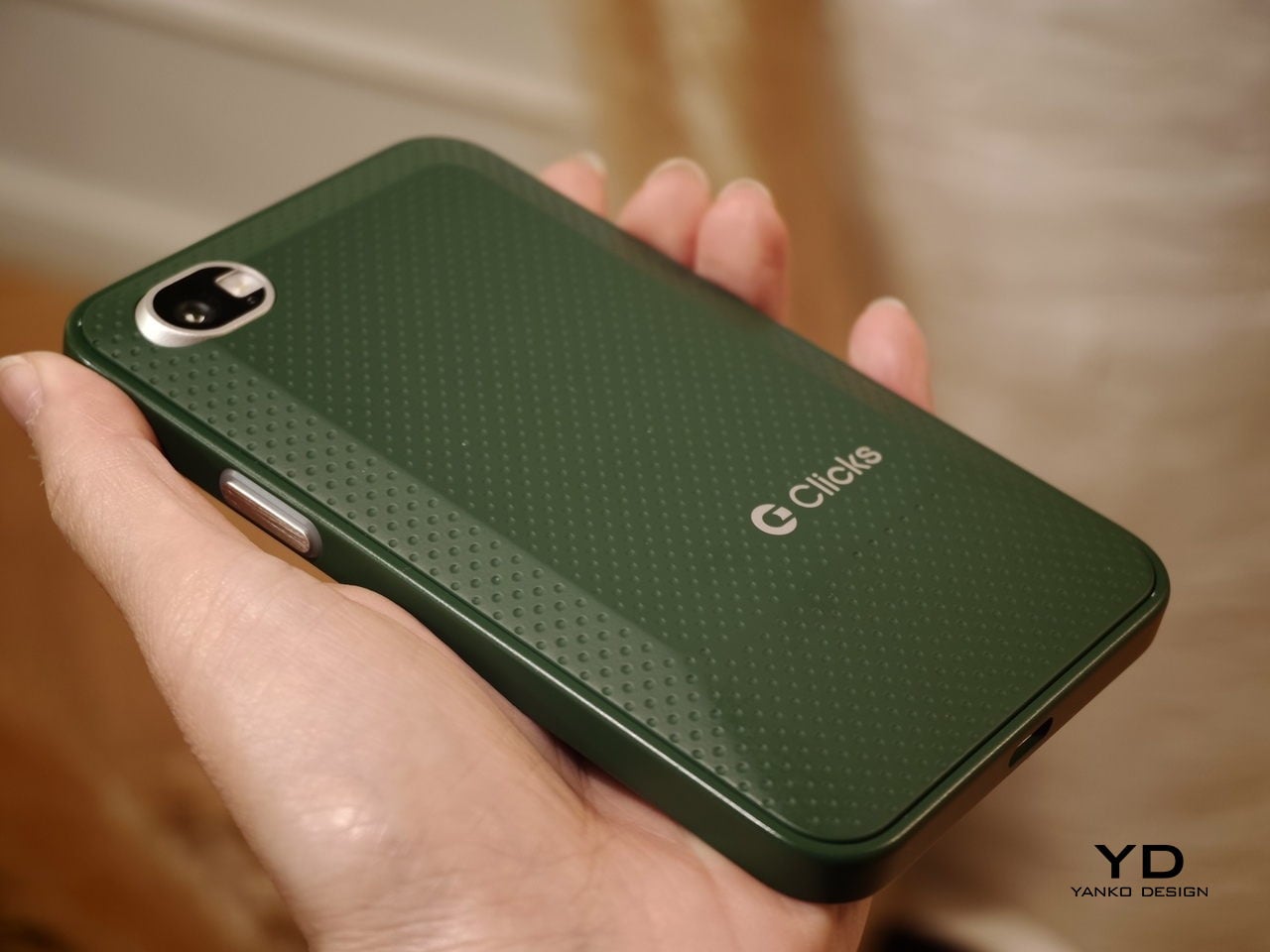
The build felt solid, even in mockup form. One of the most interesting design touches is a magnetic, swappable back panel that snaps on with a confident fit. That modular detail gives the phone a more personal, tool-like vibe, and it suggests Clicks is thinking about long-term ownership rather than quick upgrades.

According to Adrian Li, founder and CEO of Clicks, the Communicator has generated significant interest from the industry over the past few months. Li said the company has been approached by several mobile carriers as well as major retailers that are interested in bringing the device to market. For a young hardware company entering the competitive smartphone space, that attention could be critical.

Carrier partnerships in particular could play a decisive role in the Communicator’s success. While some niche smartphones rely primarily on direct online sales, carrier support can expand a device’s reach through retail stores and bundled service plans. Li noted that Clicks is currently in discussions with potential carrier partners as it explores different distribution strategies for the phone.

Although the prototype shown at MWC was not yet fully functional, the hardware design already reflects the Communicator’s core idea of efficient communication. The device features a compact 4-inch class AMOLED display positioned above a physical backlit QWERTY keyboard. The keyboard is designed to deliver tactile feedback for fast, accurate typing, and it also supports gesture controls for scrolling and navigation.

Under the hood, the Communicator is powered by MediaTek’s Dimensity 8300 processor and runs Android 16. That combination should provide access to the full Android app ecosystem while keeping the experience centered on messaging and productivity. The phone is expected to ship with 256GB of internal storage and support microSD expansion of up to 2TB, which is increasingly rare in modern smartphones.

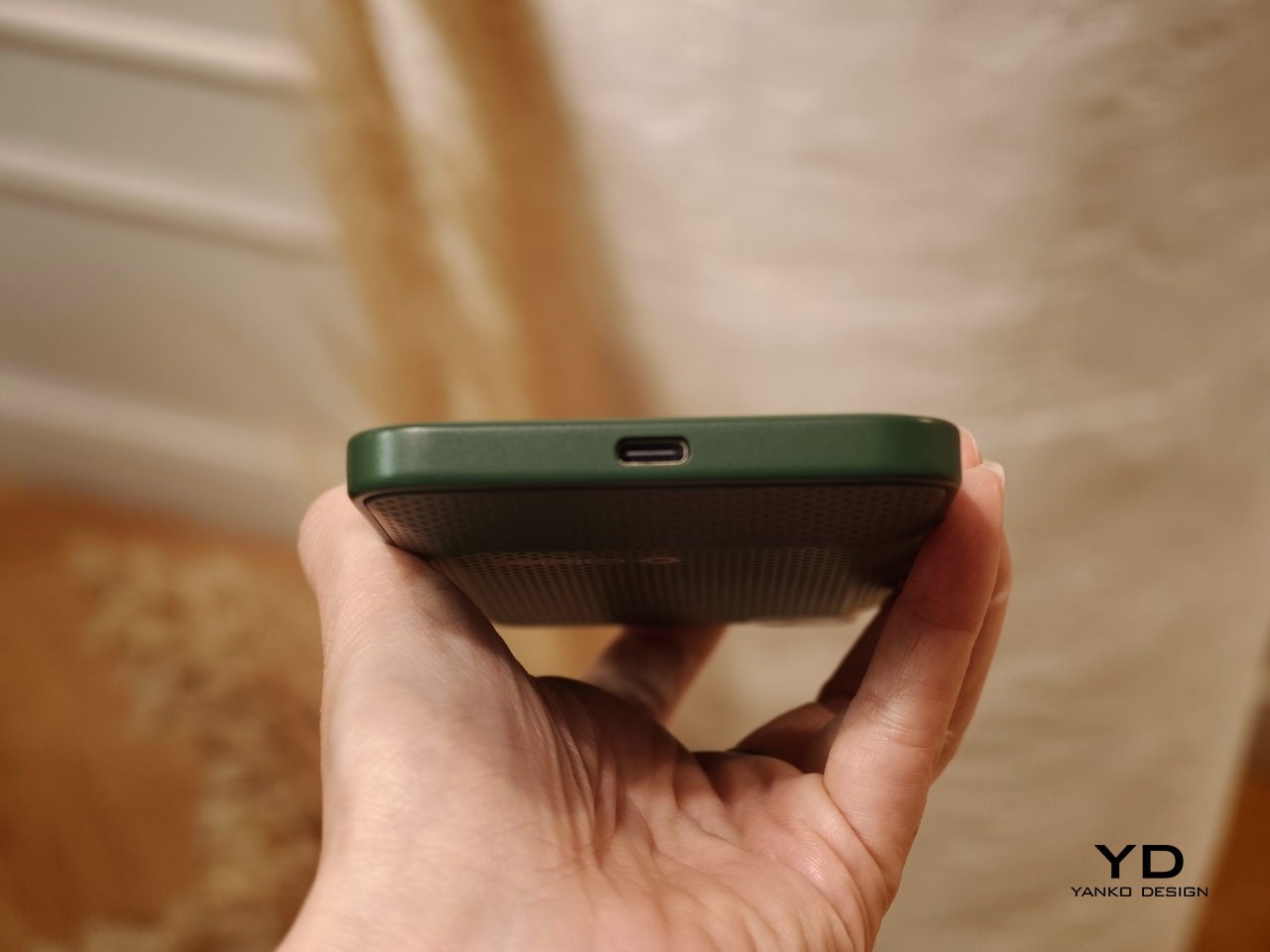
The rest of the hardware stays firmly in modern smartphone territory. The Communicator includes a 50 MP rear camera with optical image stabilization, plus a 24 MP front camera for video calls and selfies. A 4,000 mAh silicon carbon battery powers the device, with support for USB-C charging and Qi2 wireless charging.

Connectivity options include 5G, Wi Fi 6, Bluetooth, and NFC. A combination of nano SIM and eSIM support gives users flexibility when choosing carriers. The Communicator also retains a 3.5mm headphone jack, which will matter to power users and anyone who still prefers wired audio.

Clicks is building several software features around the phone’s communication first pitch. The device includes a Message Hub that aggregates conversations from multiple messaging platforms into a single interface, which should reduce app hopping. A customizable notification light known as the Signal LED can display different colors depending on which contact or app is reaching out.

Despite its productivity focus, the Communicator is not meant to be a limited-function device. Clicks positions it as either a primary smartphone for users who prioritize messaging or a secondary device that complements a larger entertainment-focused phone. That flexibility could be a key part of its appeal, especially for people who want a more focused tool without giving up modern apps.

As for when the Communicator will reach consumers, Clicks says more information is coming soon. According to the company, the official launch date will be revealed in roughly two months. Until then, the Communicator remains in the promising middle ground between concept and product.

For now, the Communicator blends nostalgia with modern smartphone capabilities in a way that feels deliberate rather than gimmicky. The compact in-hand feel, comfortable typing, and sturdy build are encouraging signs, even if this was not yet a final unit. If carrier and retail interest continues to build, Clicks may be on track to ship a device that serves people who still value fast typing and focused communication in an increasingly distraction-heavy mobile world.

The post Carriers Want This BlackBerry-Style Phone – I Tried It at MWC first appeared on Yanko Design.

5 Wildest Design Trends at MWC 2026: Nodding Phones and Tiny Robots

Every year, MWC arrives with the promise of seeing the future of mobile technology, or at least a very expensive approximation of it. The 2026 edition in Barcelona was the event’s 20th anniversary in the city, and while nearly 105,000 people showed up, there was a noticeable shift in what filled the booths. Fewer headline-grabbing product launches, more working concepts and proofs of concept across every category imaginable.

That’s not necessarily a bad thing. When manufacturers stop competing on a single spec and start showing what they’re thinking about next, the underlying patterns get easier to read. Five trends cut across product categories at MWC 2026, crossing from smartphones to laptops to robotic companions. None of them belongs to one company, and none of them is going away anytime soon.

Robots got a size reduction
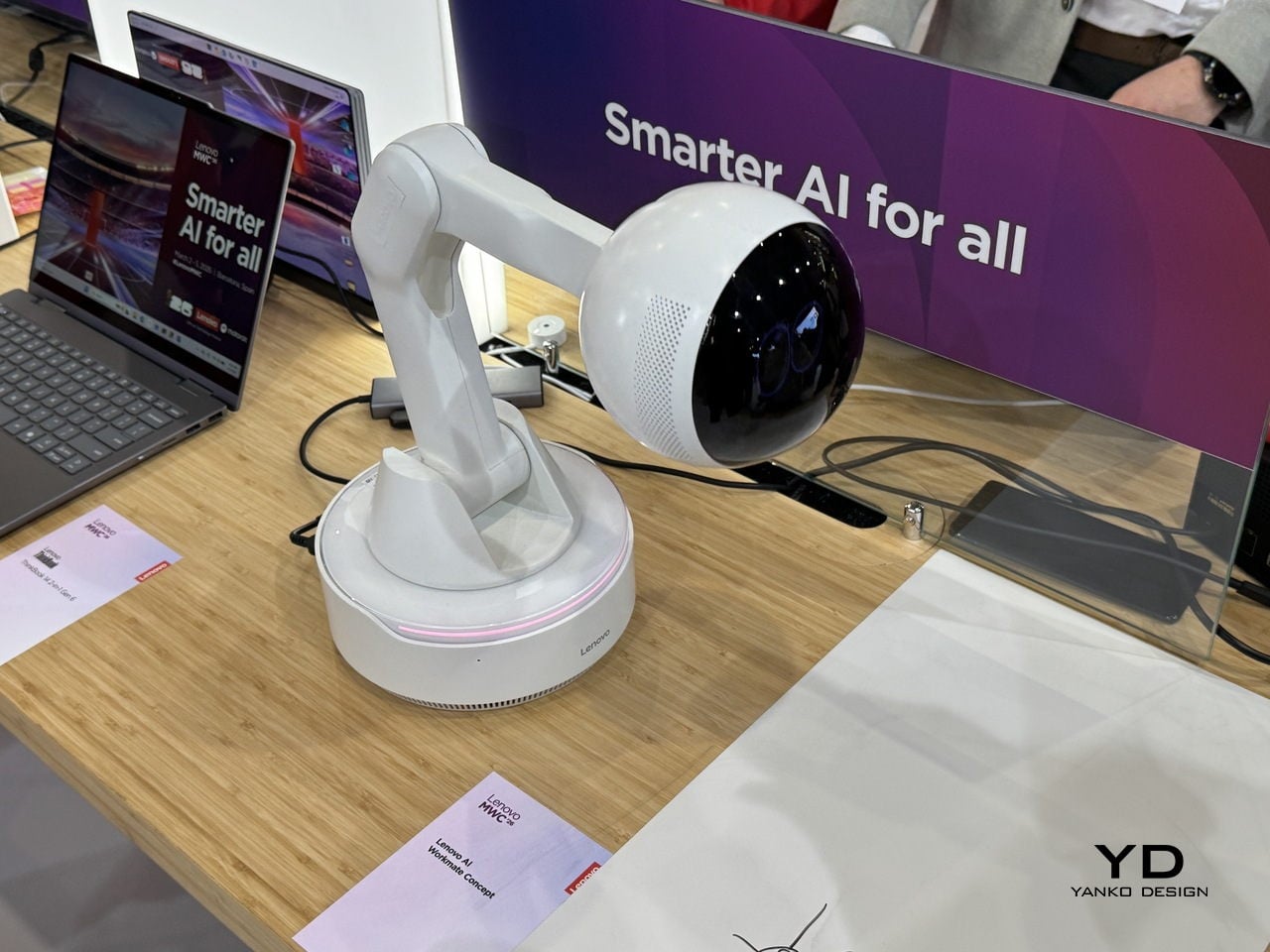
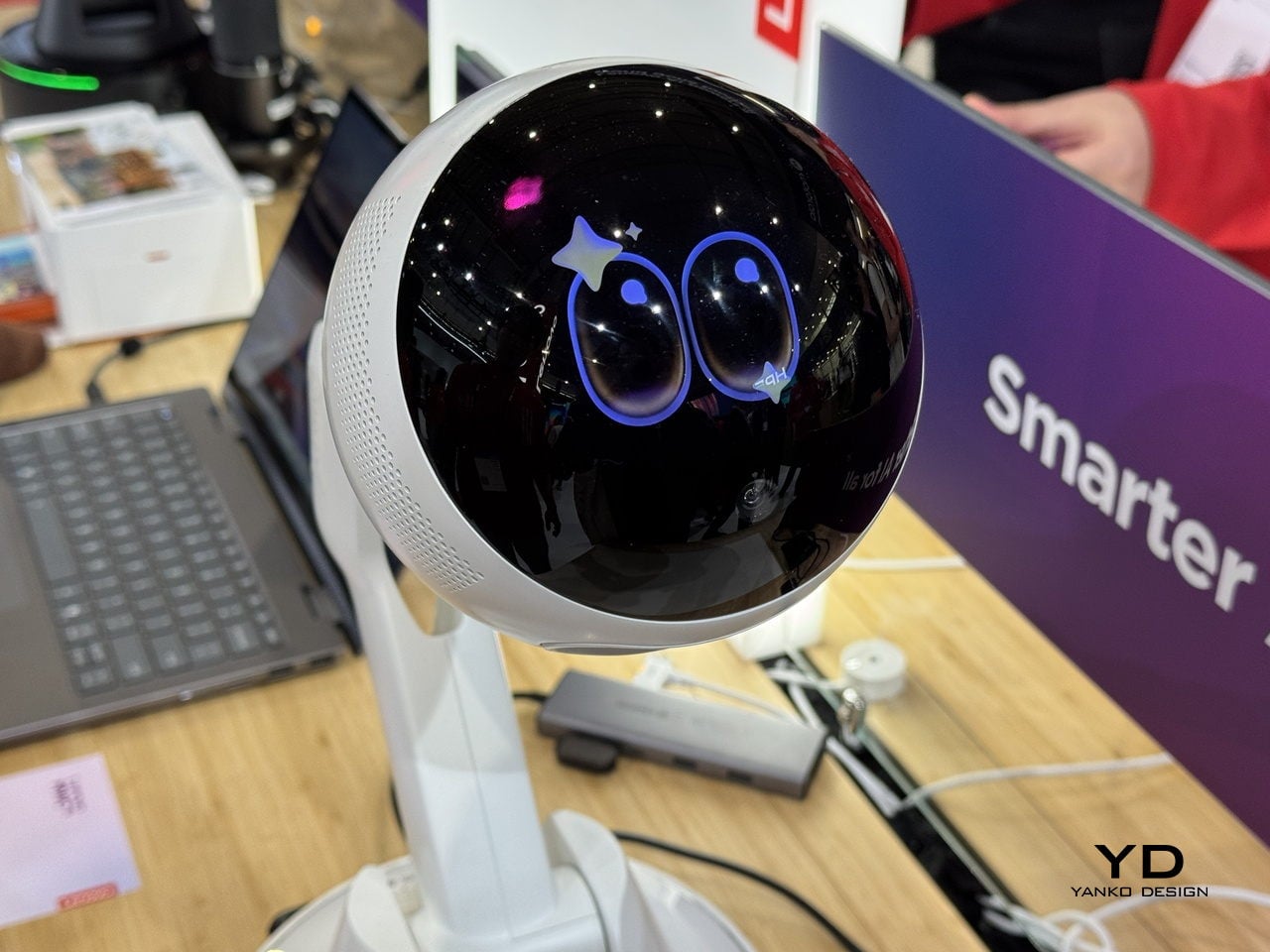
For the past couple of years, humanoid robots have been stealing the show at tech events. They walk, they wave, they occasionally fall over, and everyone takes a video. The problem is that a bipedal robot that can fetch a package from across the room is not something most people actually need sitting in their office. MWC 2026 suggested the industry might be starting to figure that out.
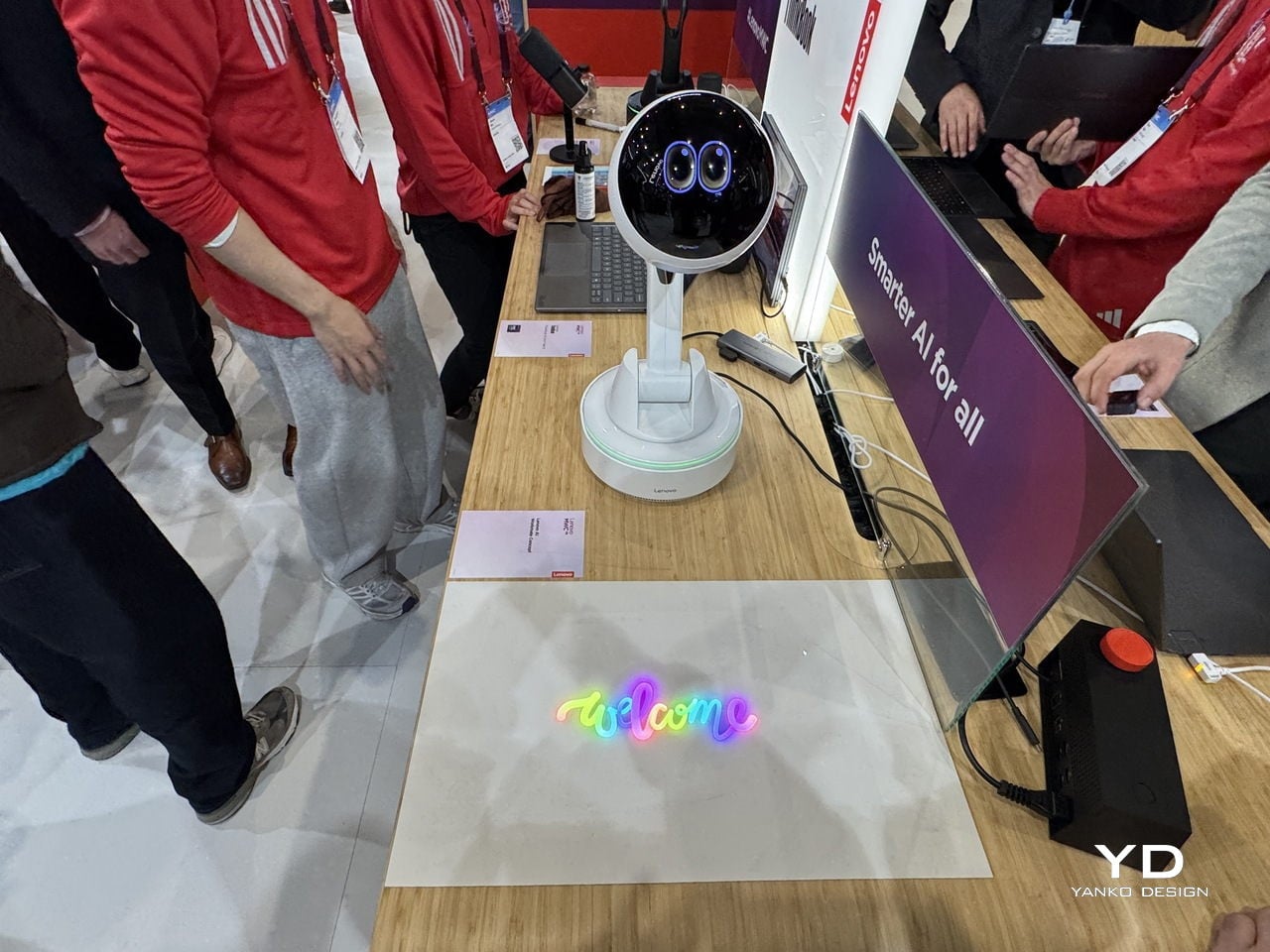
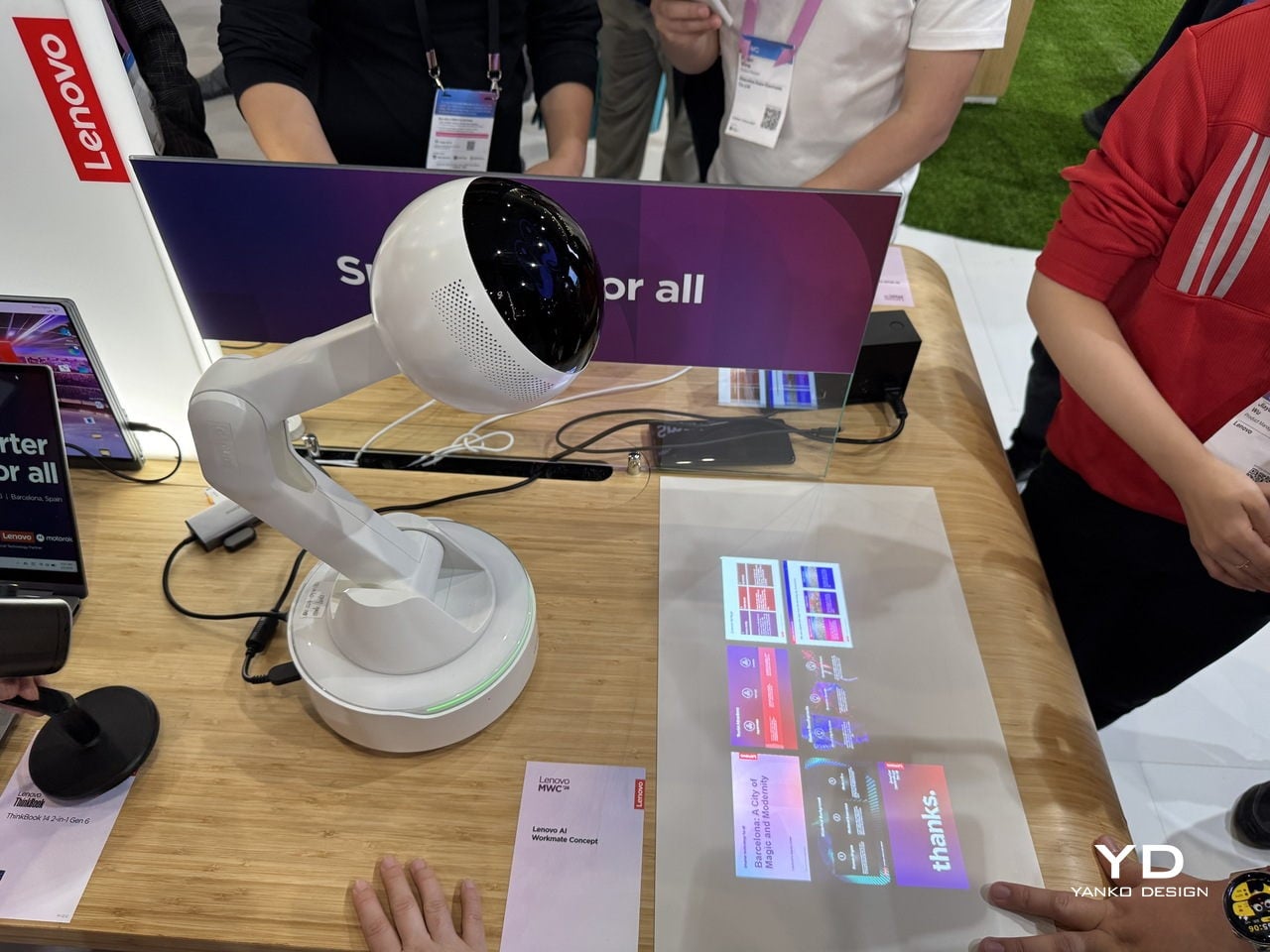
The robots worth talking about this year were small, desk-bound, and refreshingly honest about what they could do. Lenovo’s AI Workmate Concept is a desk-mounted unit that handles document scanning, note organization, and presentation help through voice, gesture, and spatial interaction, processing everything on-device. It can even project content onto your desk or a nearby wall, which sounds gimmicky until you think about how useful a hands-free reference surface actually is during a meeting.
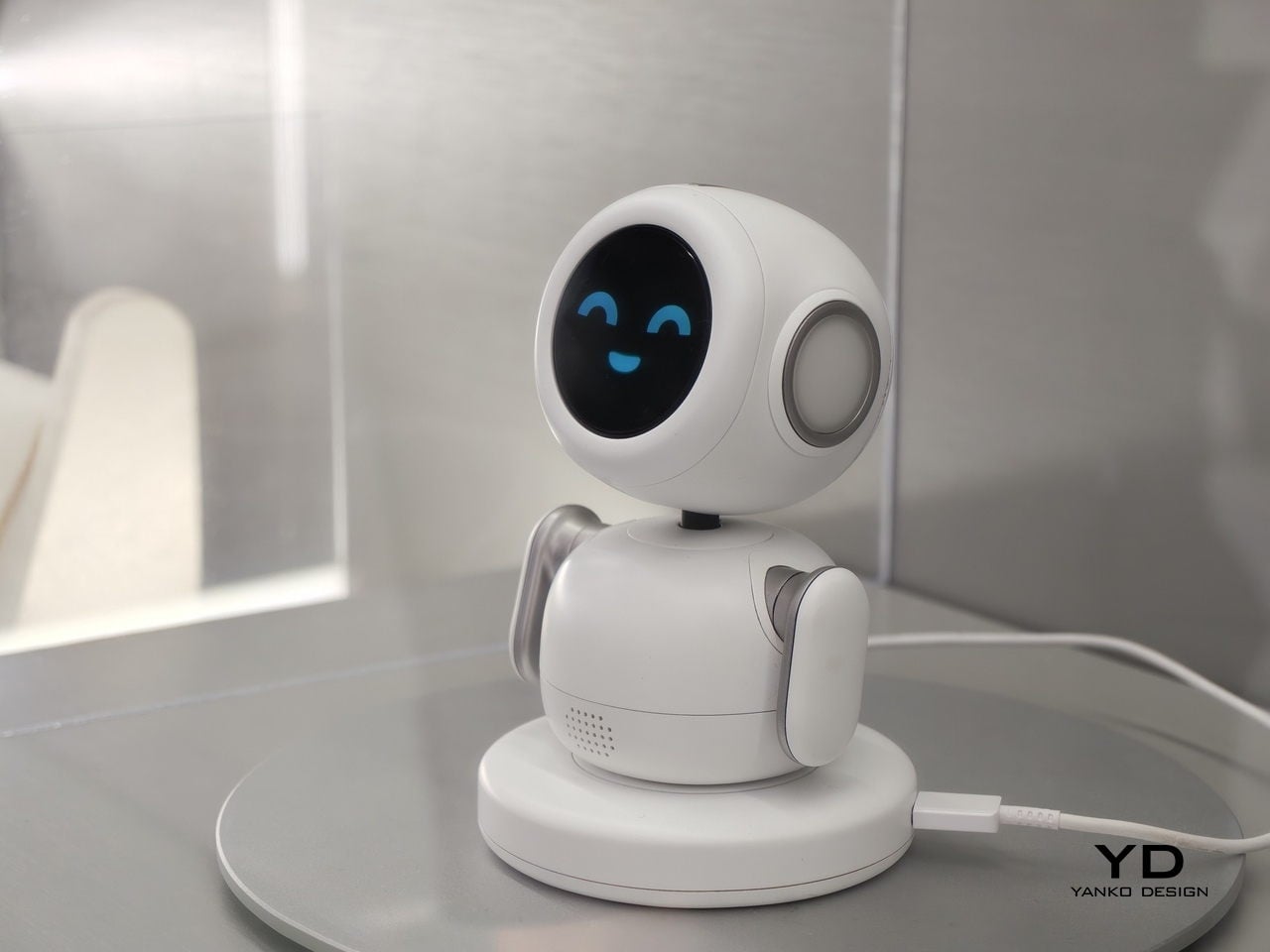
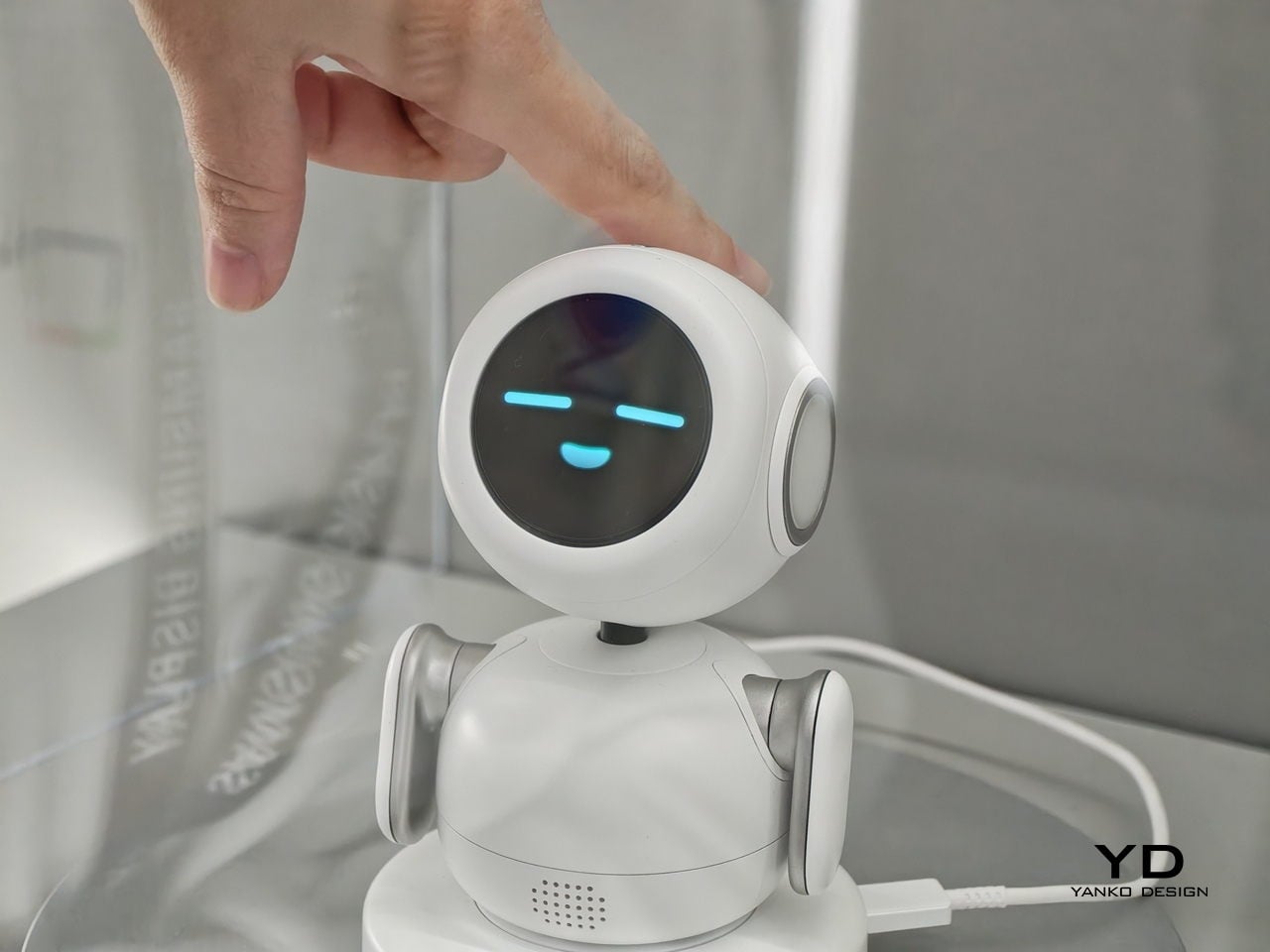
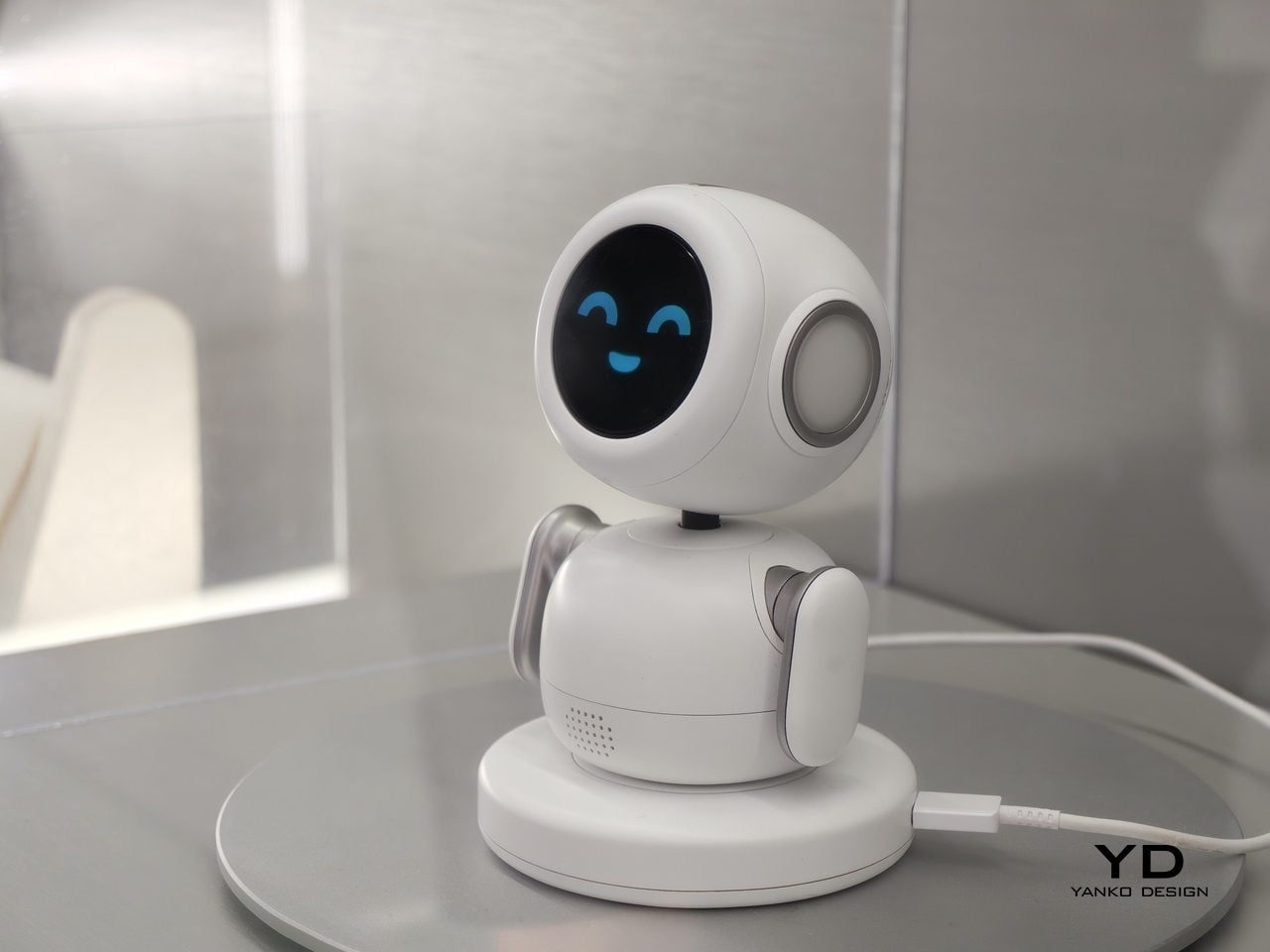
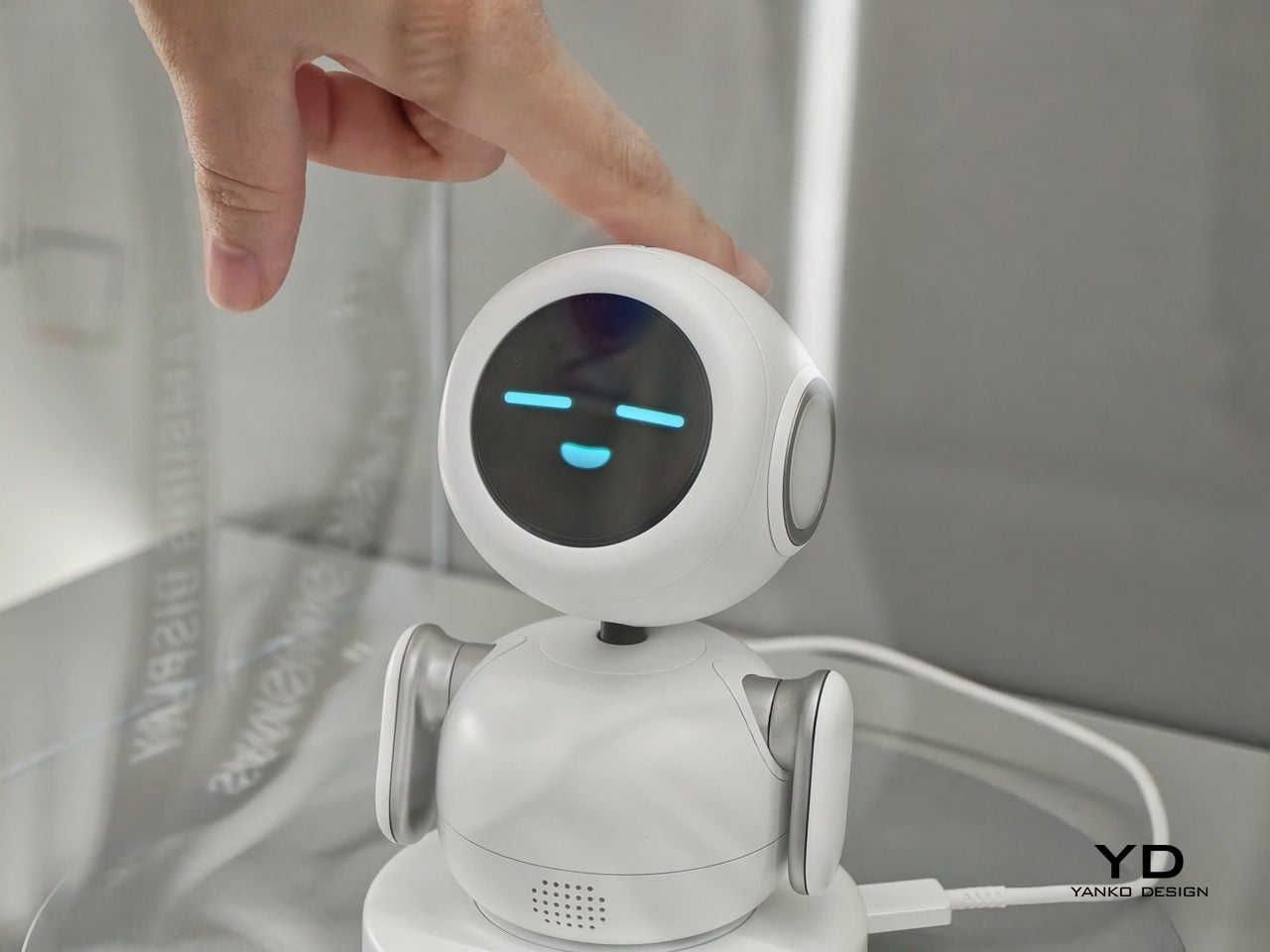
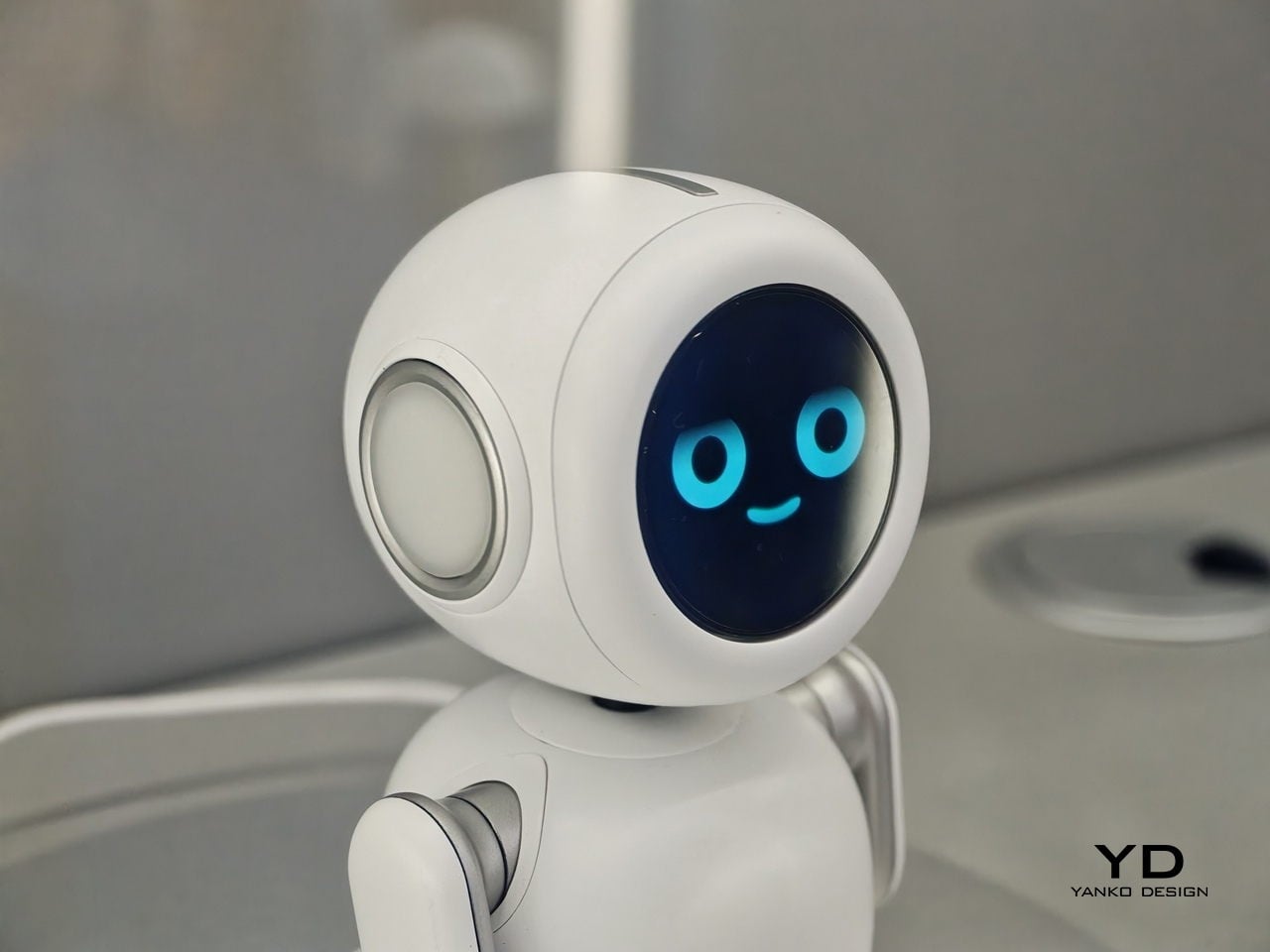
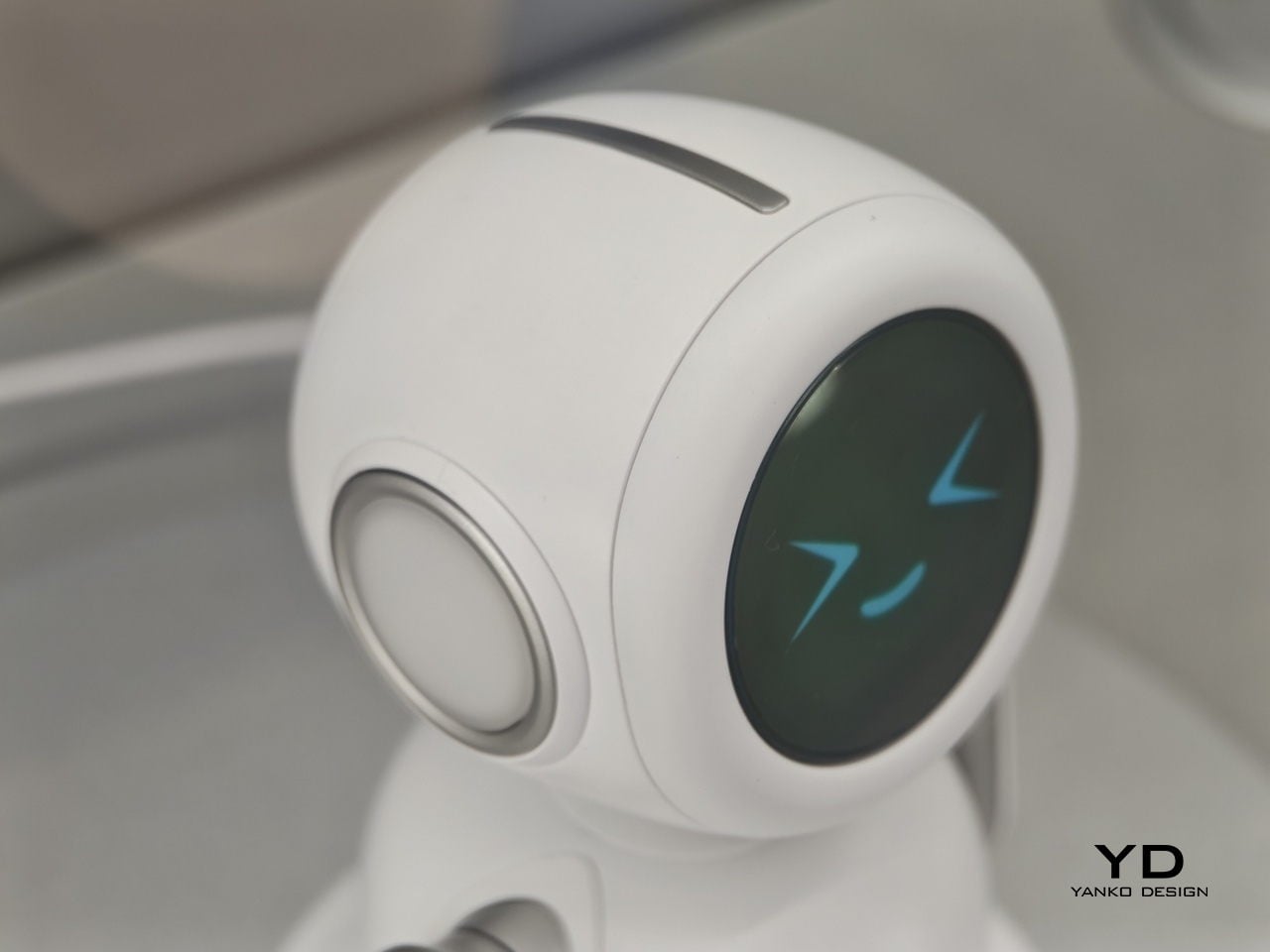
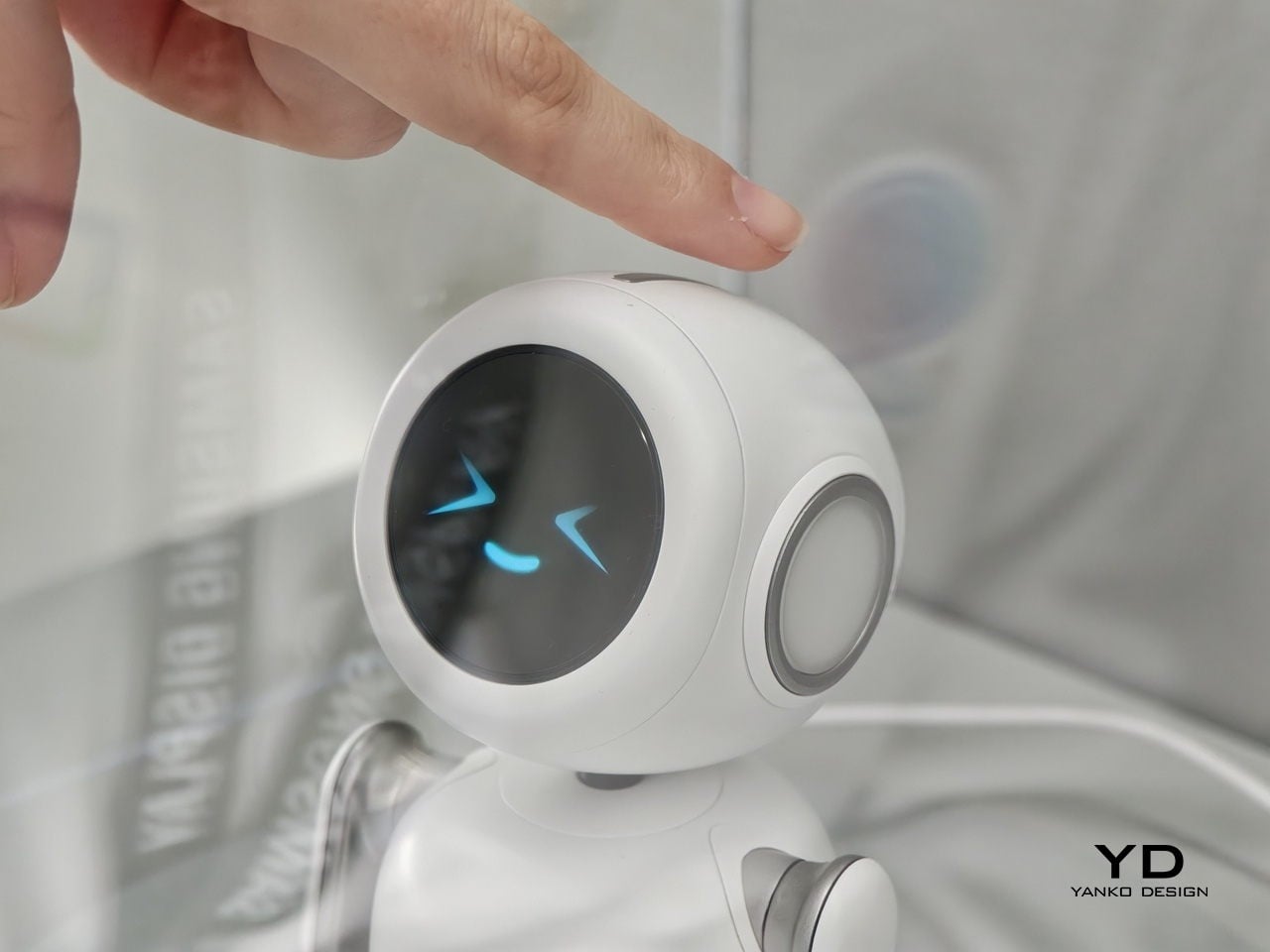
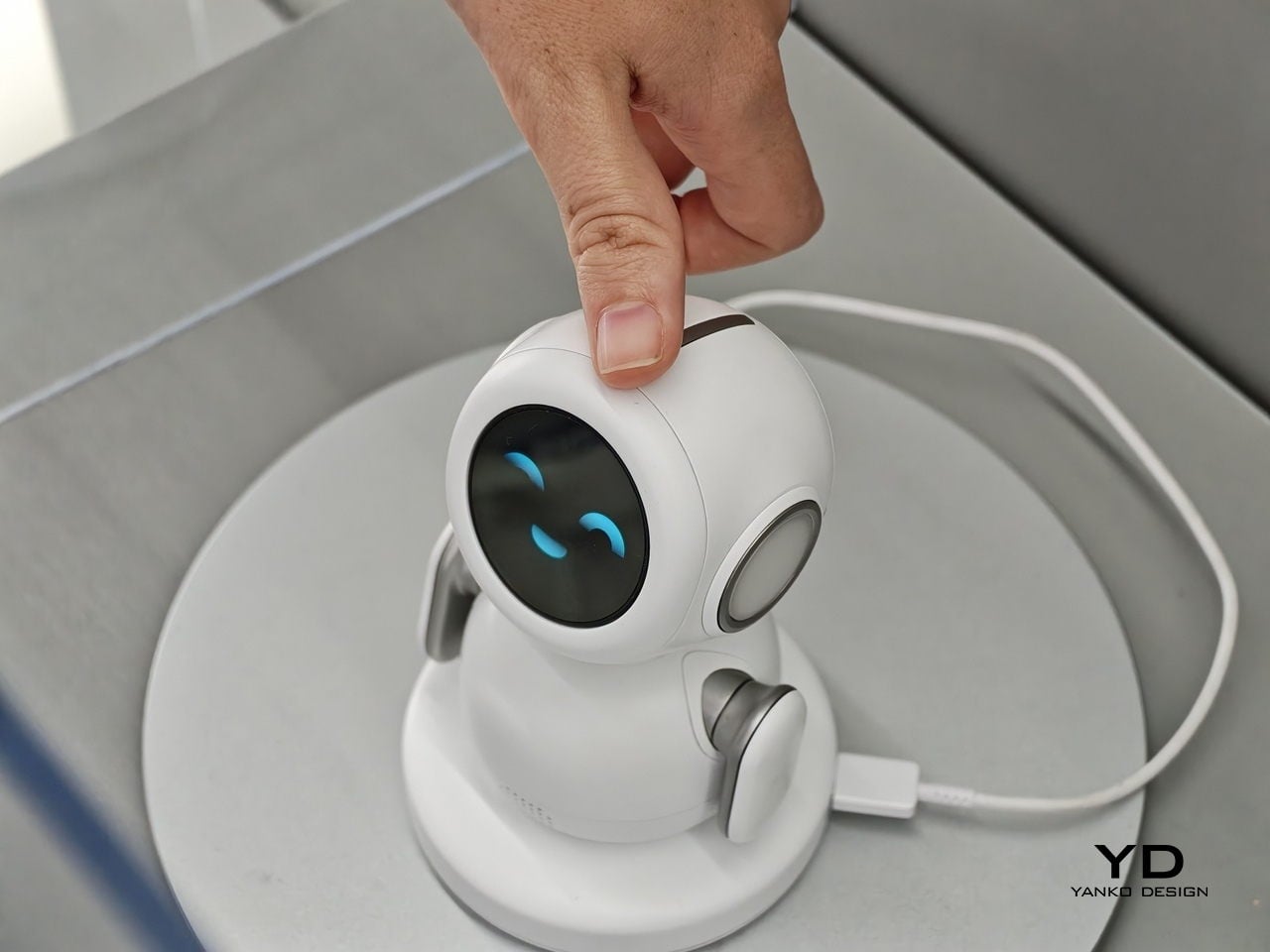
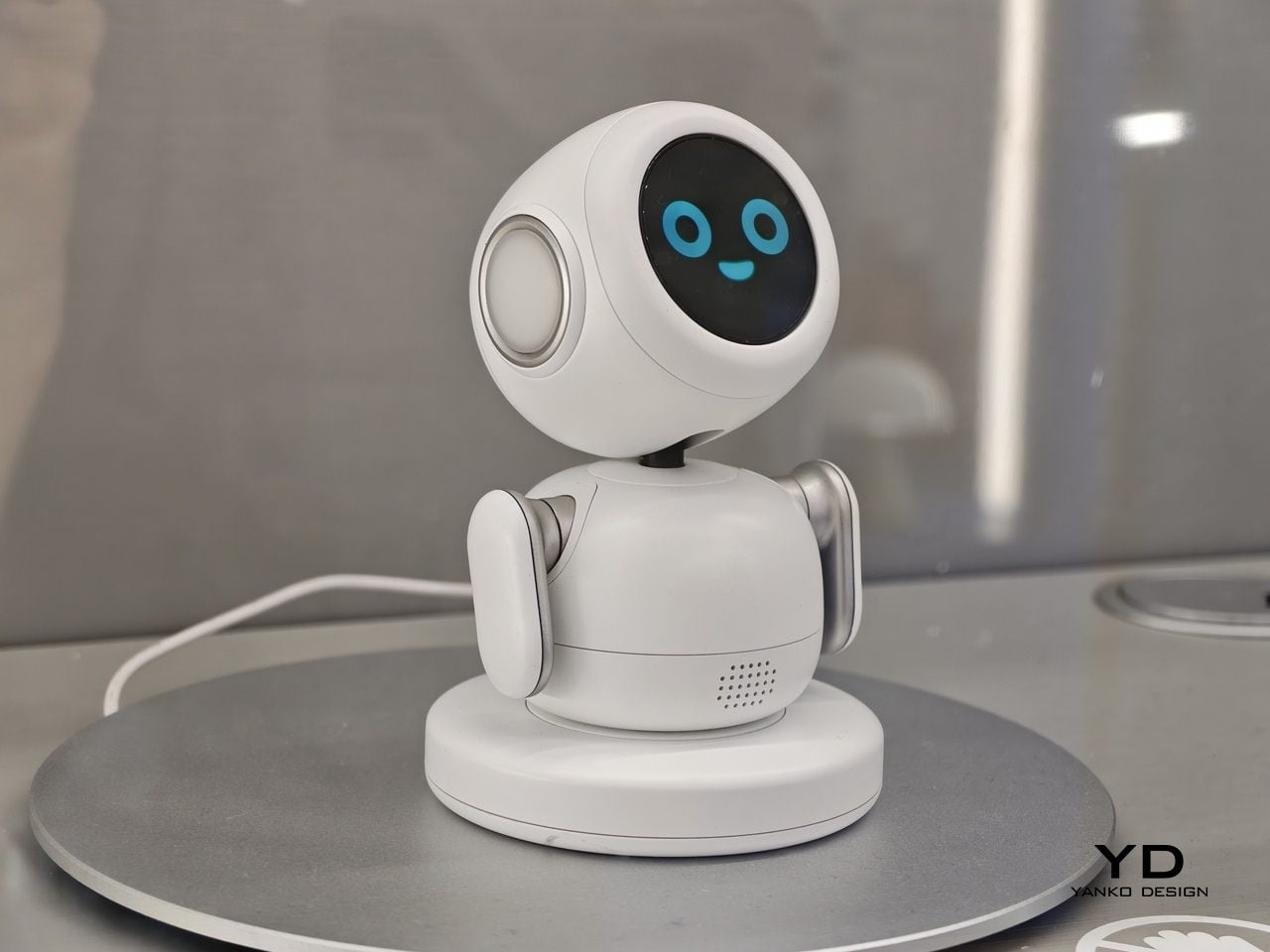
Samsung Display’s OLED AI Mini PetBot takes the idea in a more playful direction. It is a pocket-sized robot with a 1.34-inch circular OLED screen for a face, reacting to voice and touch with animated expressions. It comes from Samsung’s display division rather than its product team, so this is less a product announcement and more a demonstration of where the panel technology can go.

AI is learning to show its feelings

Most people’s experience of AI right now involves typing into a box and getting text back, or asking a question into empty air and hearing a voice that sounds like it was recorded in a server room. It works, but it does not feel particularly warm. A cluster of products at MWC 2026 was specifically trying to fix that, not by making AI smarter, but by making it more expressive.
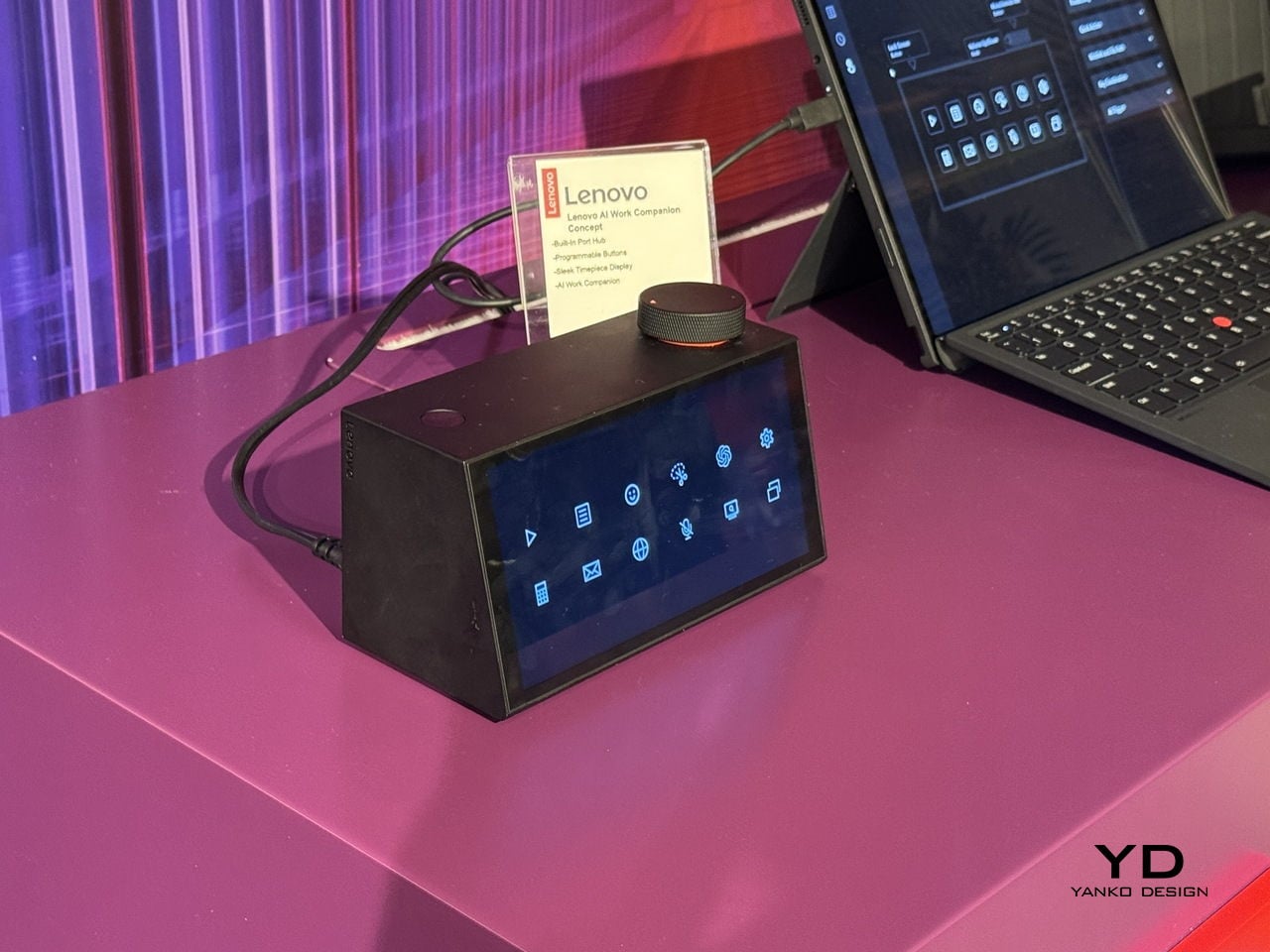
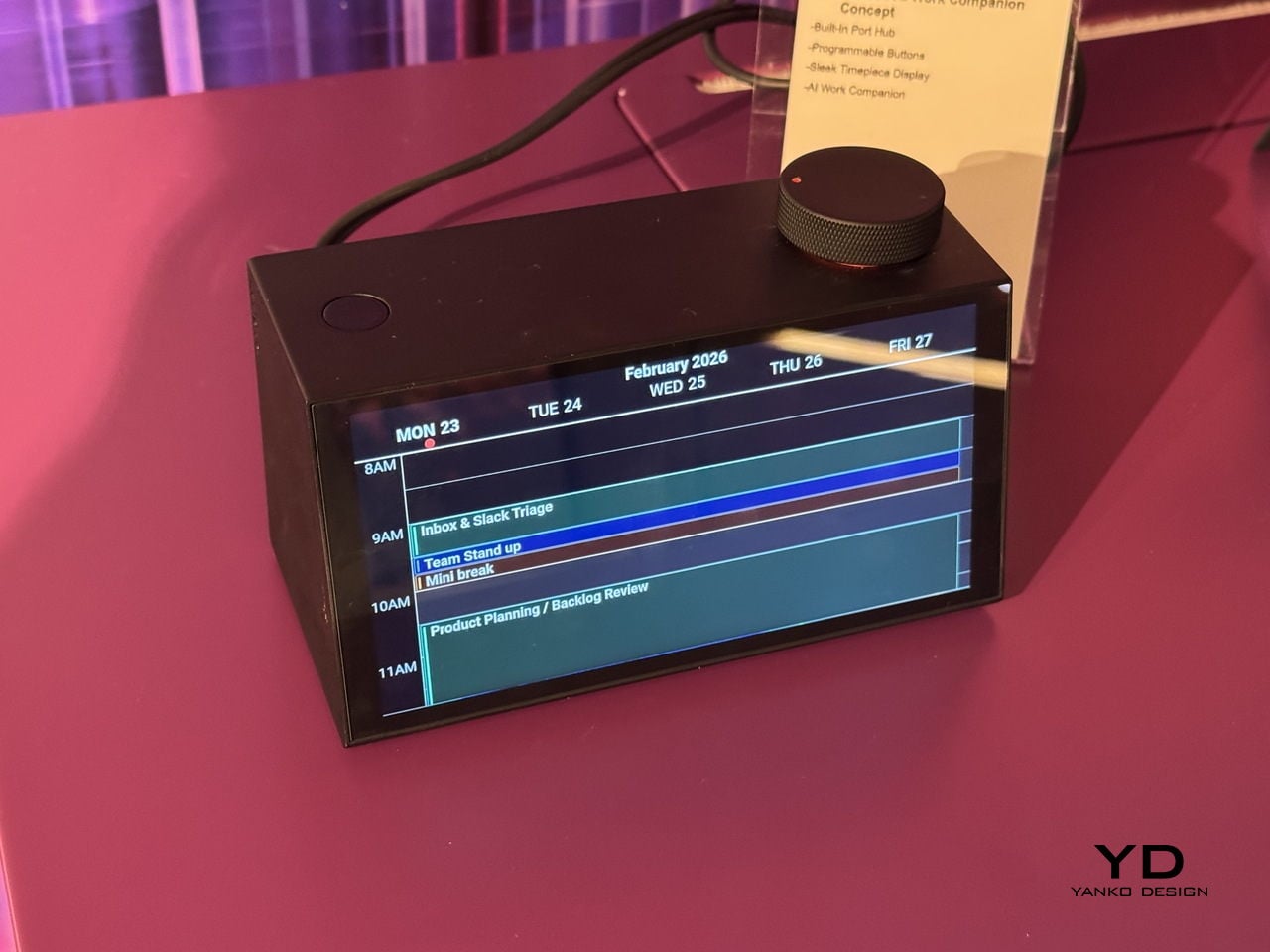
Lenovo’s AI Work Companion Concept looks like a desk clock, which is either a clever disguise or a statement about how unobtrusive AI should be. Its AI planning system, called Thought Bubble, syncs tasks and schedules from across your devices to build a daily plan, monitors screen time, nudges you to take breaks, and delivers an end-of-week summary of what you actually got done. The behavioral framing is deliberately light. The goal is to build a rhythm rather than manage a list, and the device is designed to feel like a presence in your workspace rather than another notification surface.
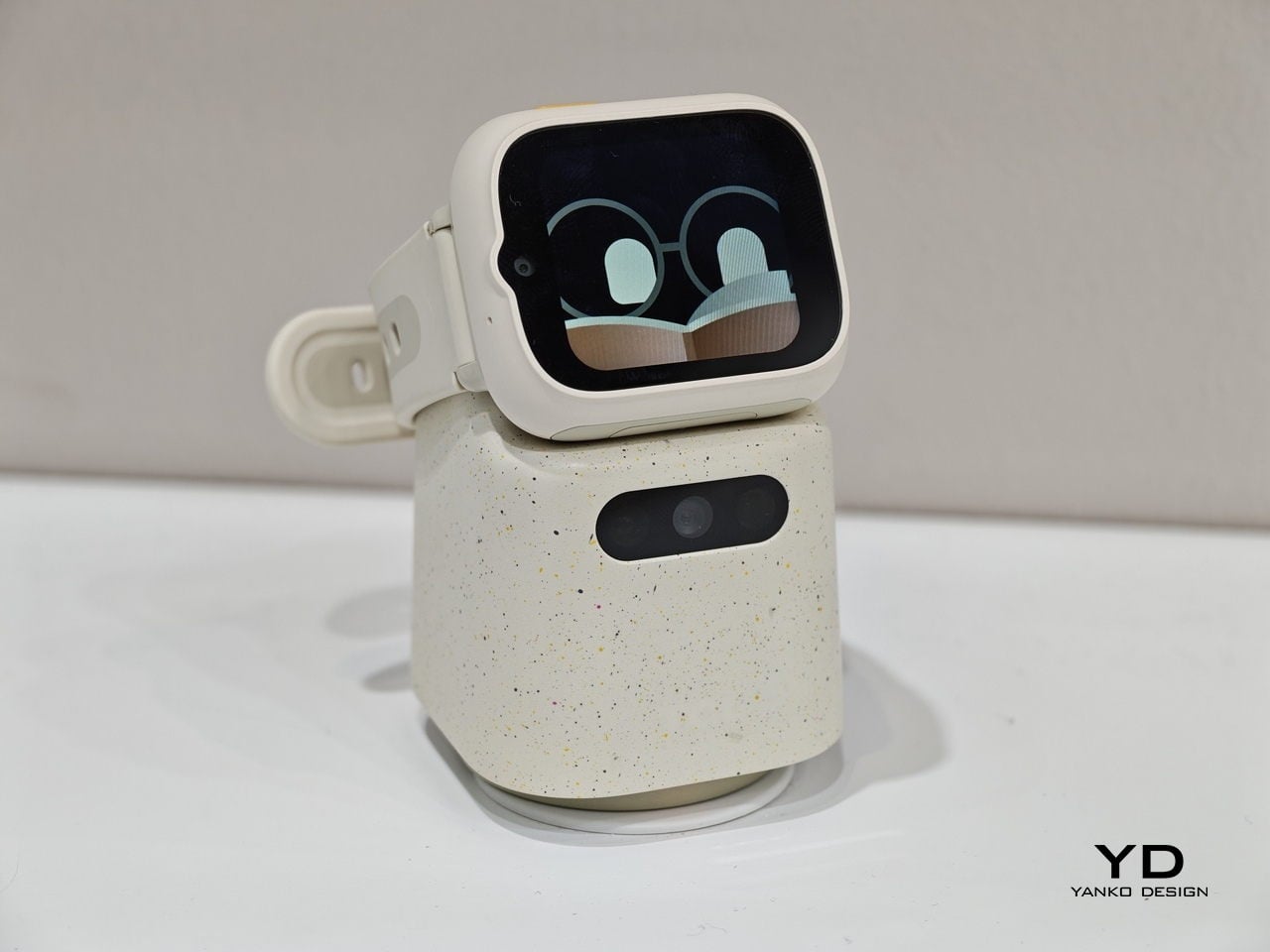

TCL’s Tbot takes a similar approach for a younger audience. It pairs with the company’s MOVETIME kids smartwatch, so when a child gets home and drops the watch onto Tbot’s magnetic dock, the robot comes to life as a study companion and bedtime storyteller. The physical handoff is a considered design decision, a tangible trigger rather than an app to open.
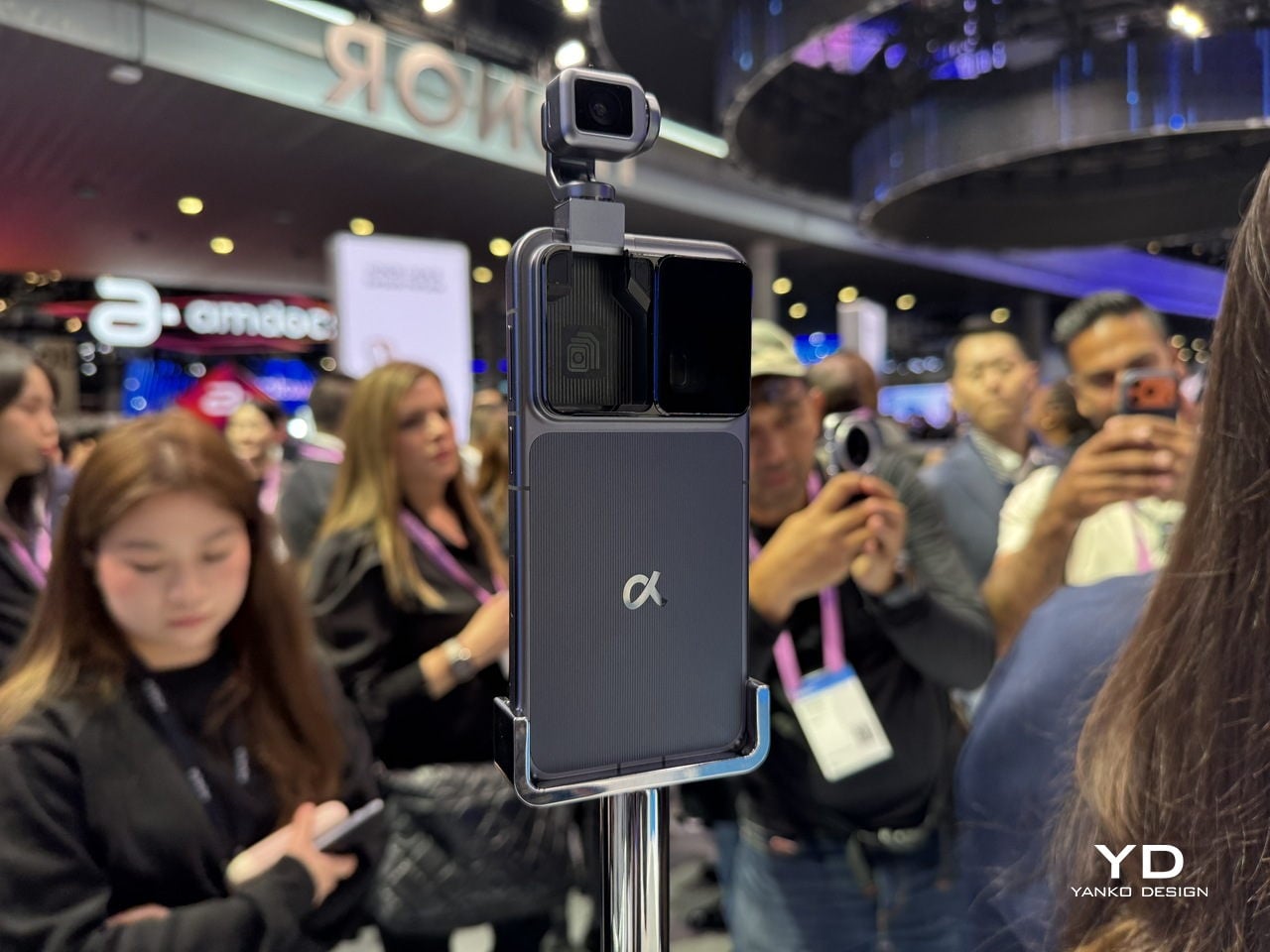
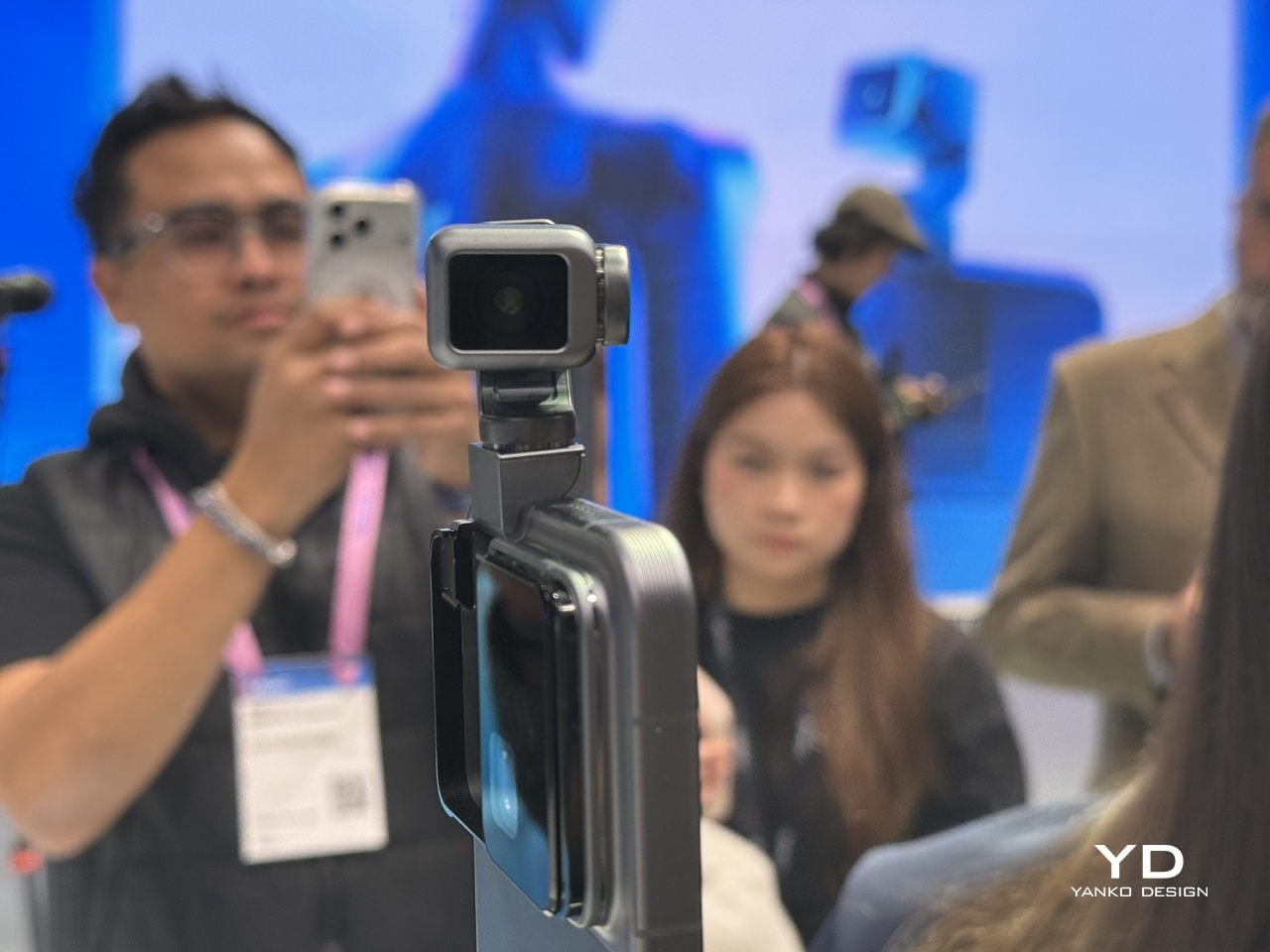
Honor’s Robot Phone extends the idea into the phone itself. A motorized titanium alloy gimbal arm holds a 200-megapixel camera that nods when it agrees, shakes when it doesn’t, and tracks you across the room. Honor plans to sell it in the second half of 2026, which means it will be the first of this particular batch of emotionally expressive AI devices to actually land in someone’s hands.

Modular design, this time as a practical argument
Modular phones have been promised before: Project Ara, LG G5, and Fairphone at various stages of their evolution. The pitch is always appealing: buy a base device, then upgrade the camera, swap the battery, add what you need. The reality has usually involved awkward connectors, software that doesn’t quite work, and products that disappear within two years. MWC 2026 had a notable cluster of modular devices, and what made them interesting is that each was solving a different version of the problem.
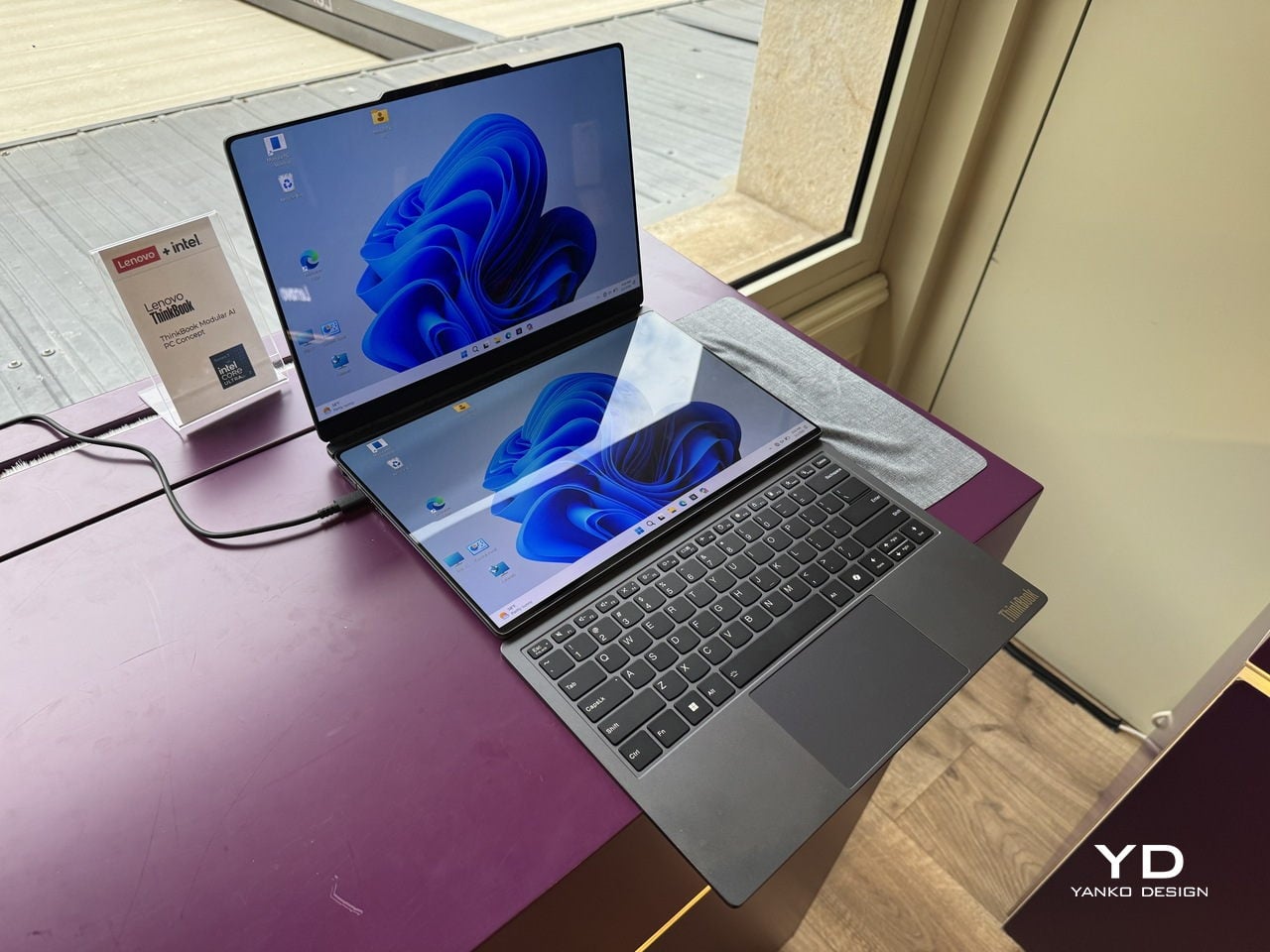
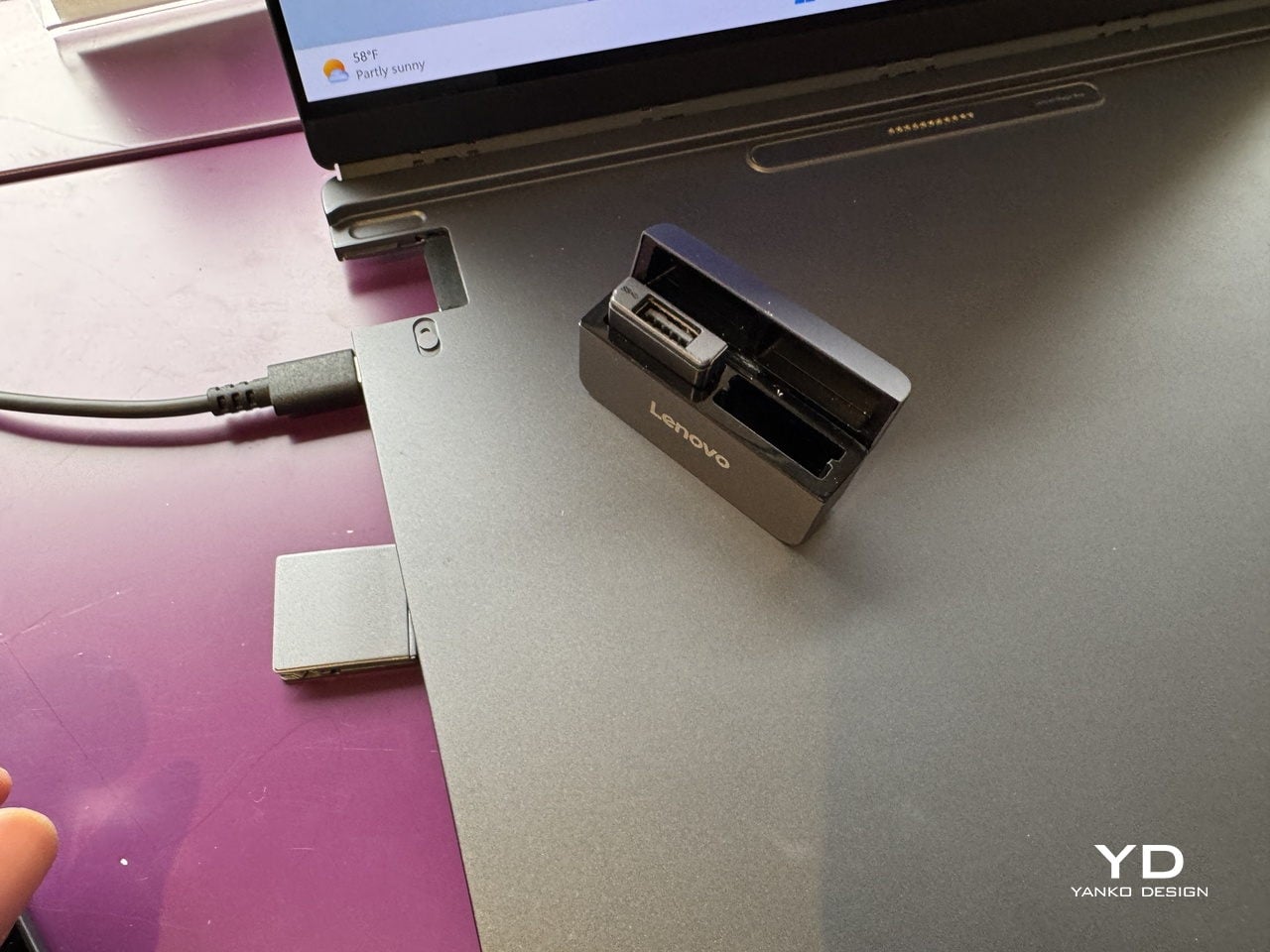
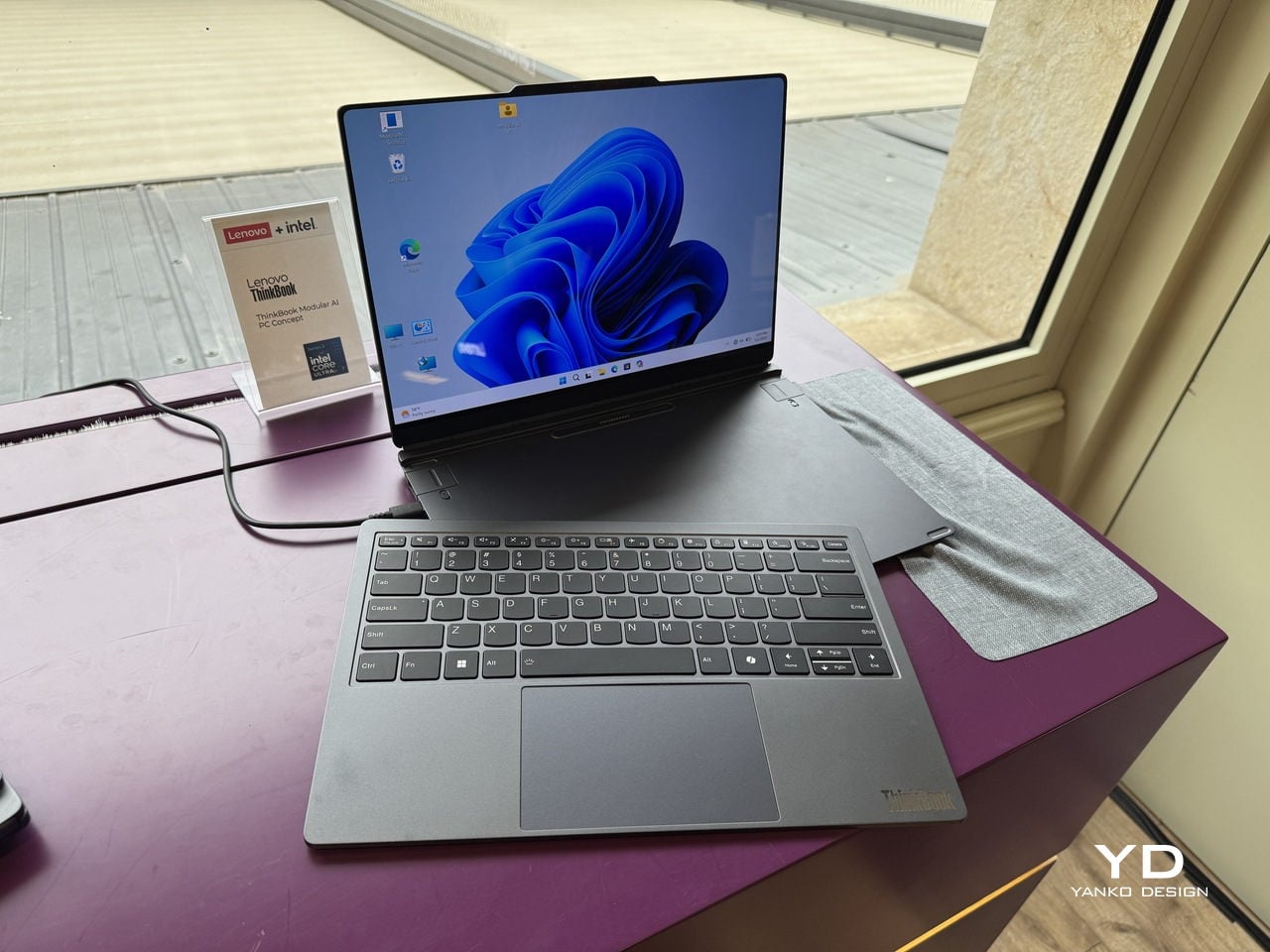
Lenovo’s ThinkBook Modular AI PC Concept approaches it from the laptop side. The 14-inch base connects to a secondary screen via pogo pins, and that screen can sit alongside the base as a travel monitor, mount on the lid for face-to-face sharing, or replace the keyboard to create a dual-display setup. Interchangeable I/O ports, covering USB Type-A, USB Type-C, and HDMI, mean the connection layout changes with the workflow. It’s a concept aimed at professionals who spend their day switching between contexts, and the argument is about longevity and flexibility rather than upgradeability for its own sake.
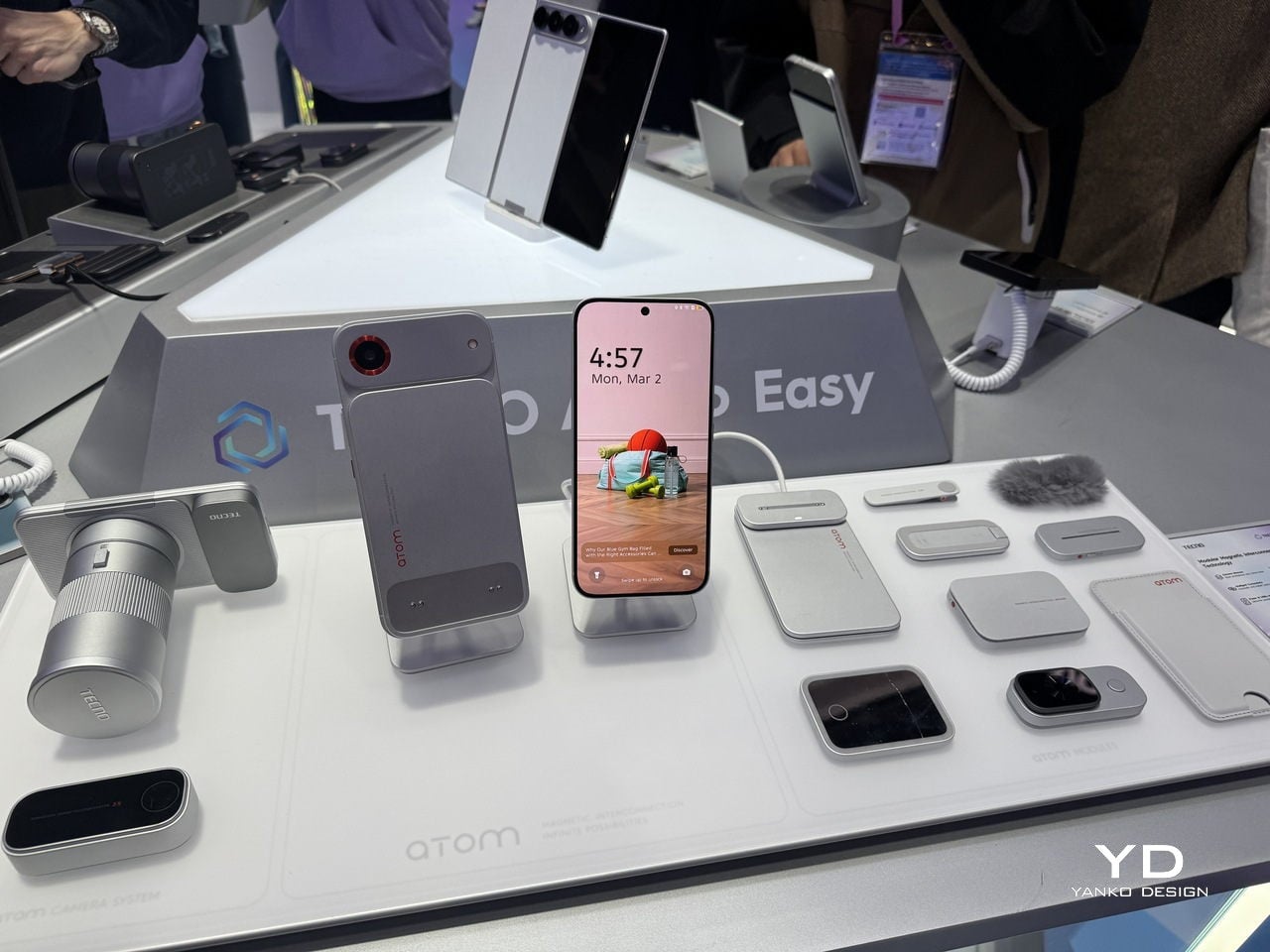
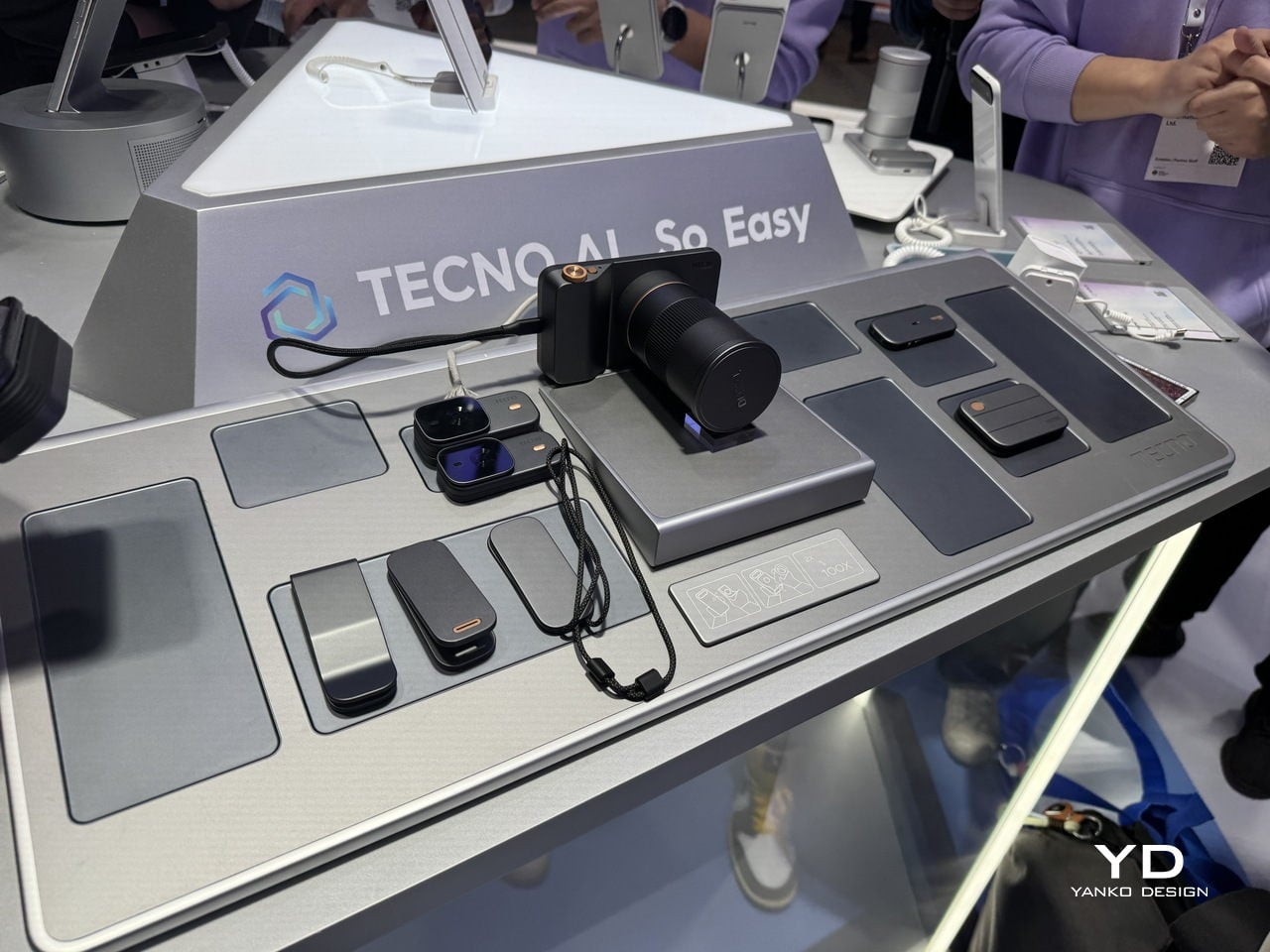
TECNO’s Modular Magnetic Interconnection Technology works from the phone outward. The base device is 4.9mm thick, which is thinner than anything Apple or Samsung currently sells, and that extreme thinness turns out to be the point. Modules, including telephoto lenses, battery packs, microphones, wallets, and speakers, attach magnetically to the rear without making the phone ungainly.
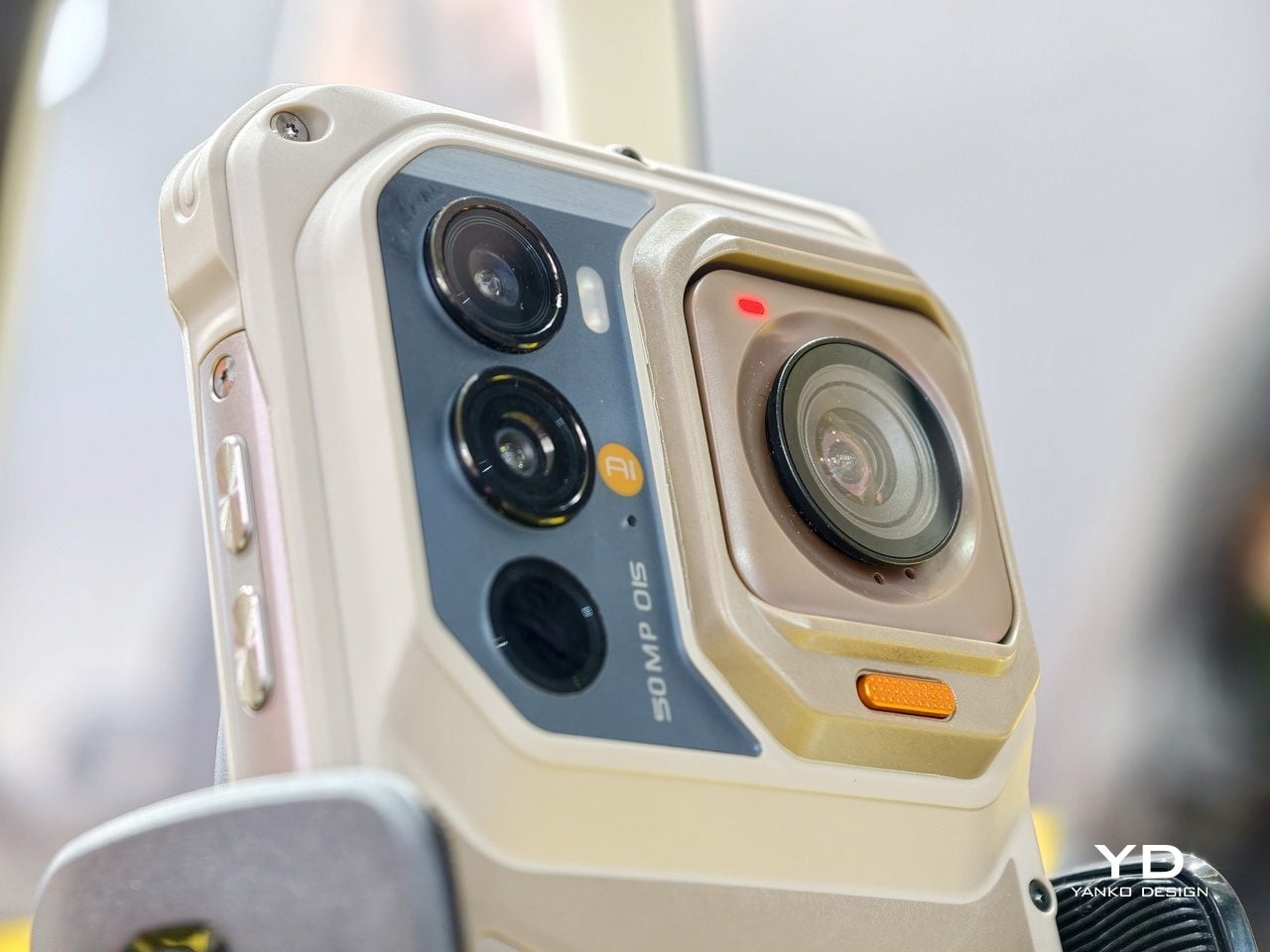
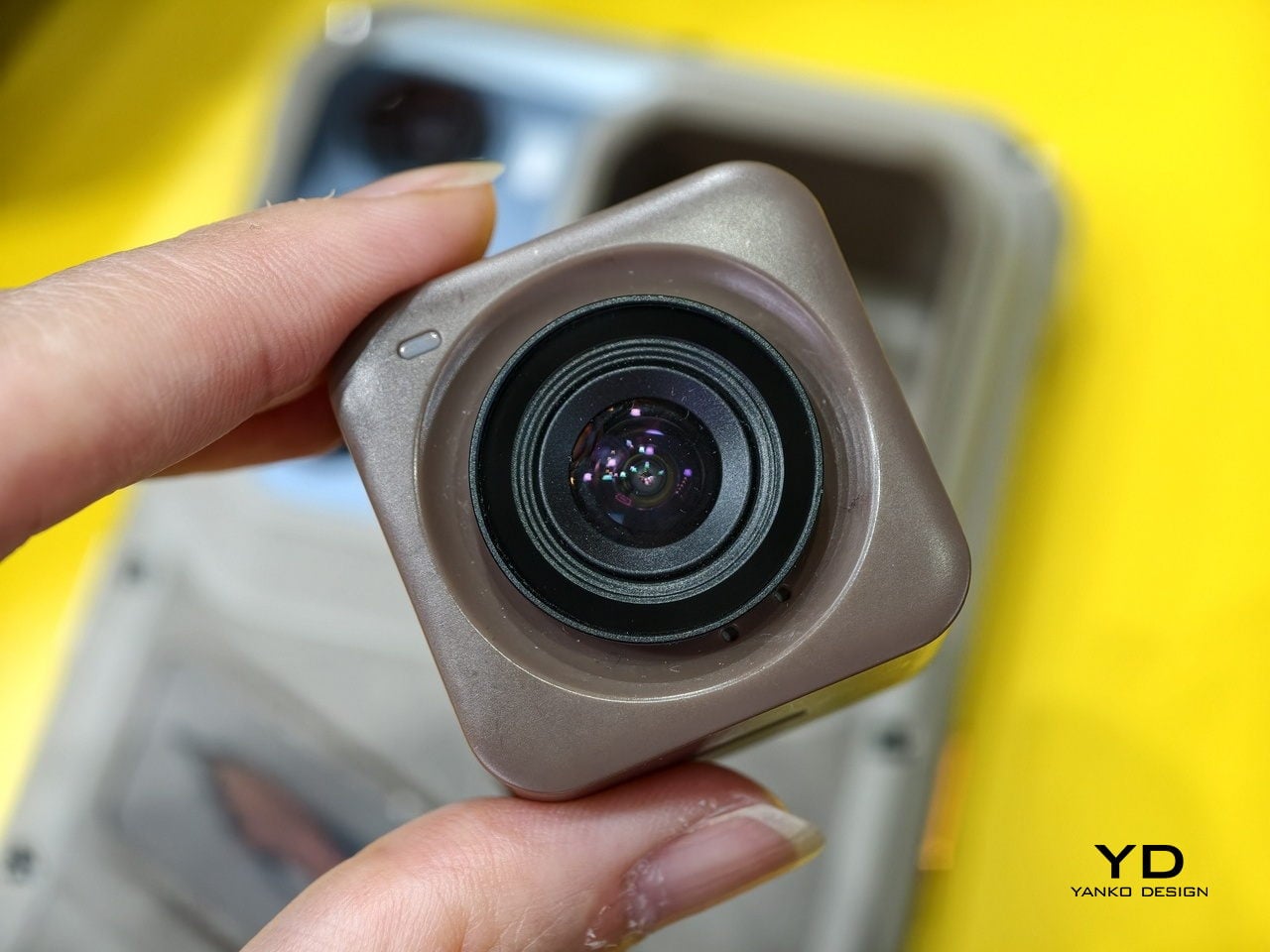
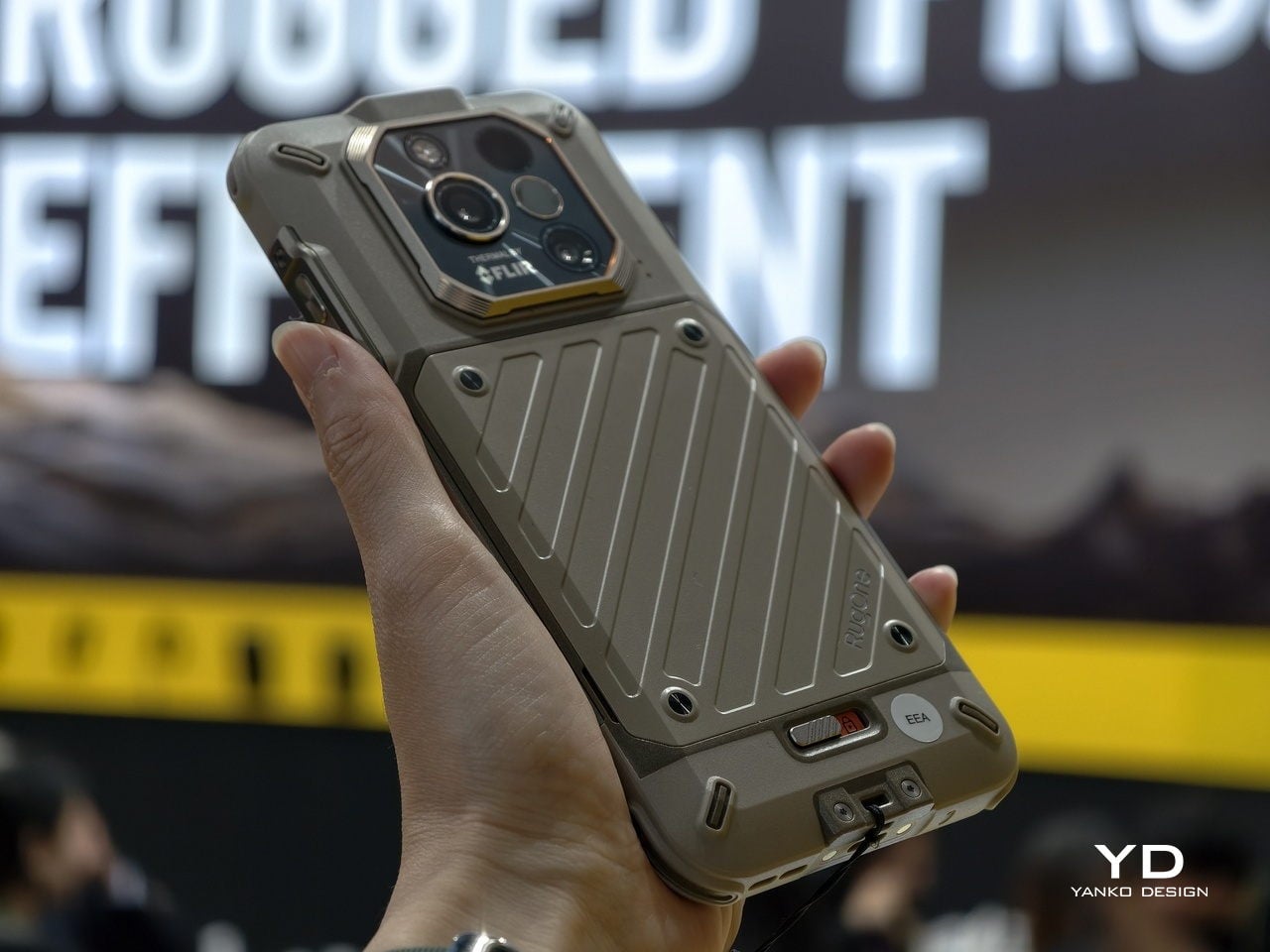
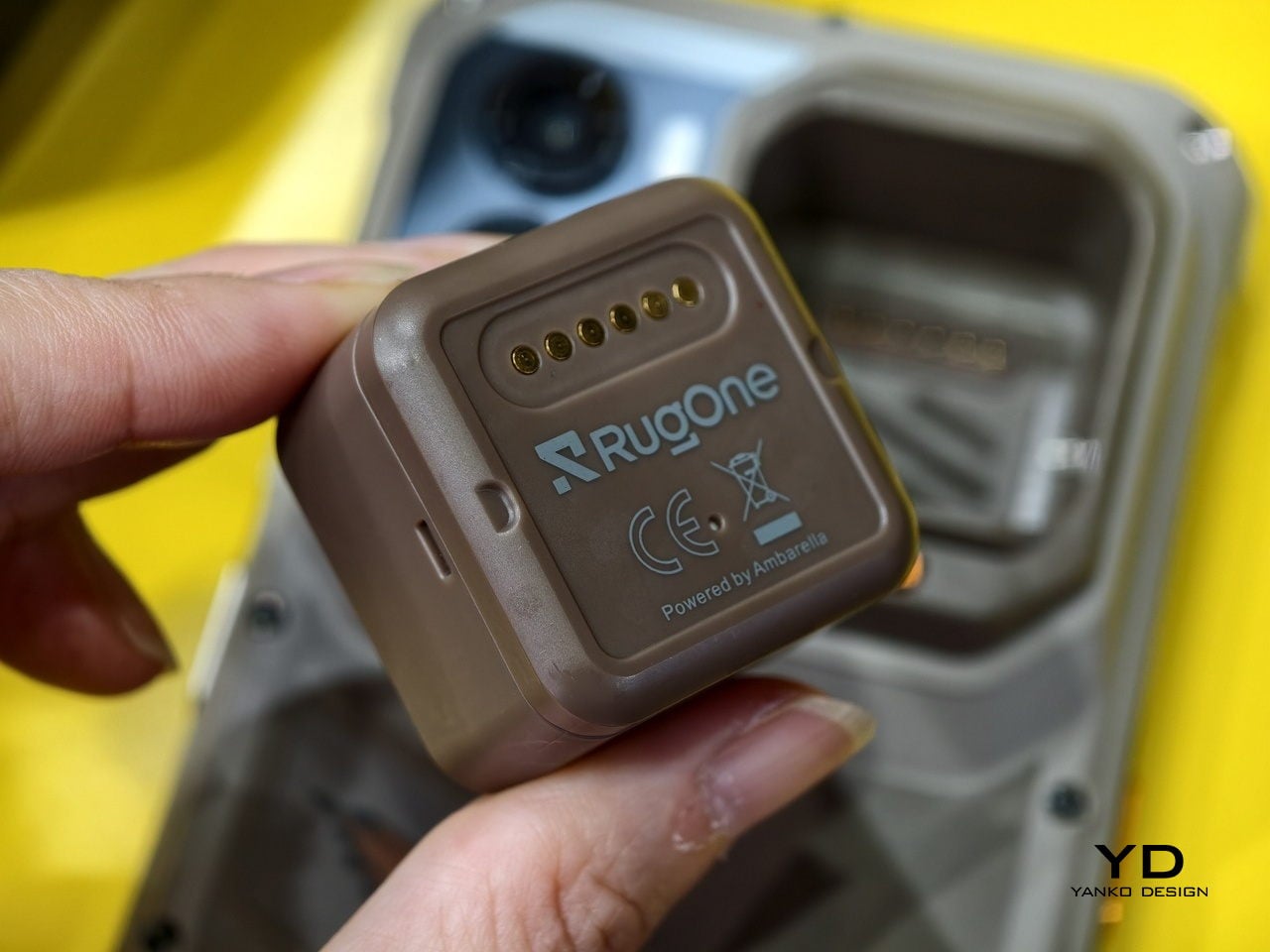
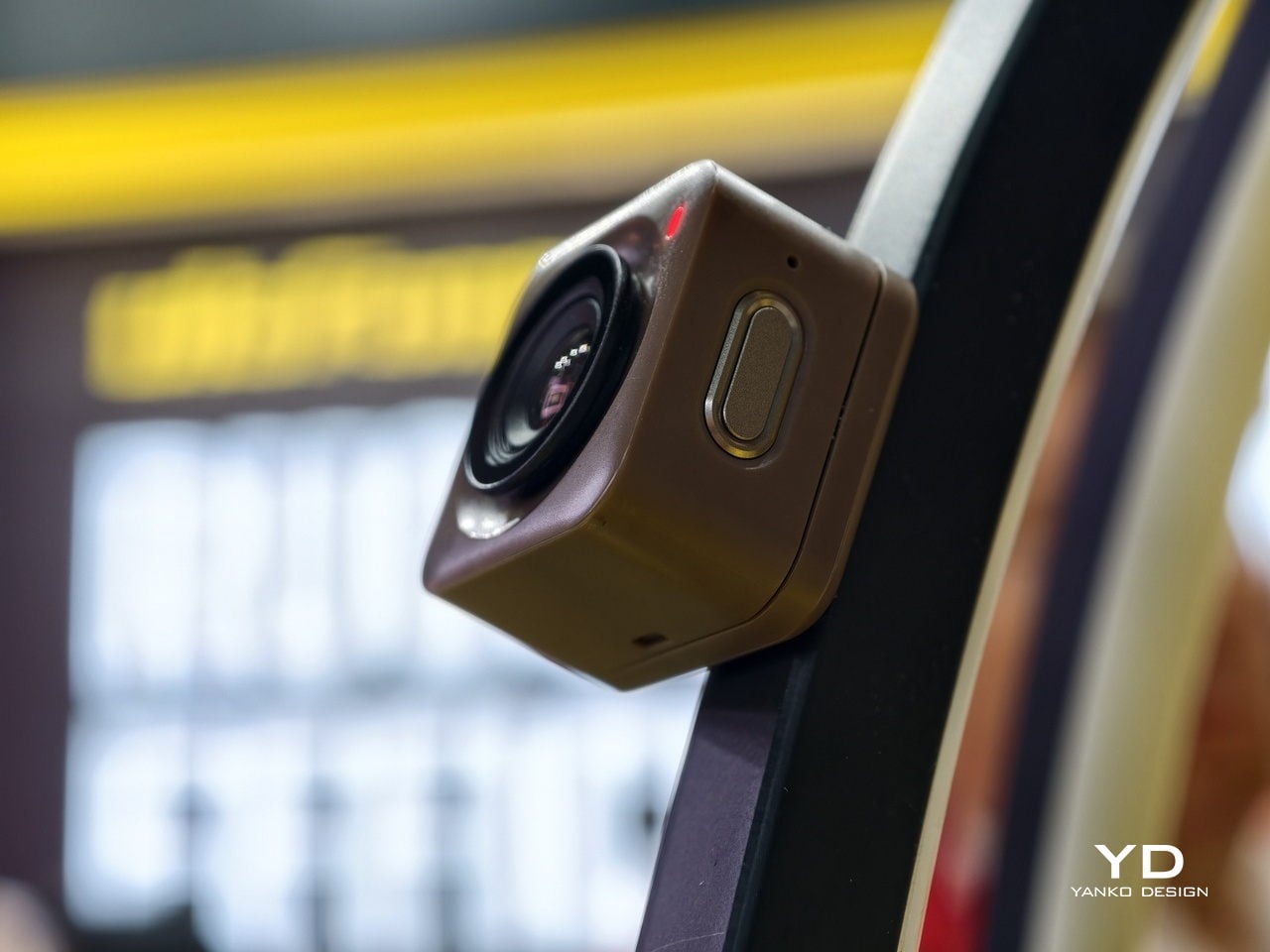
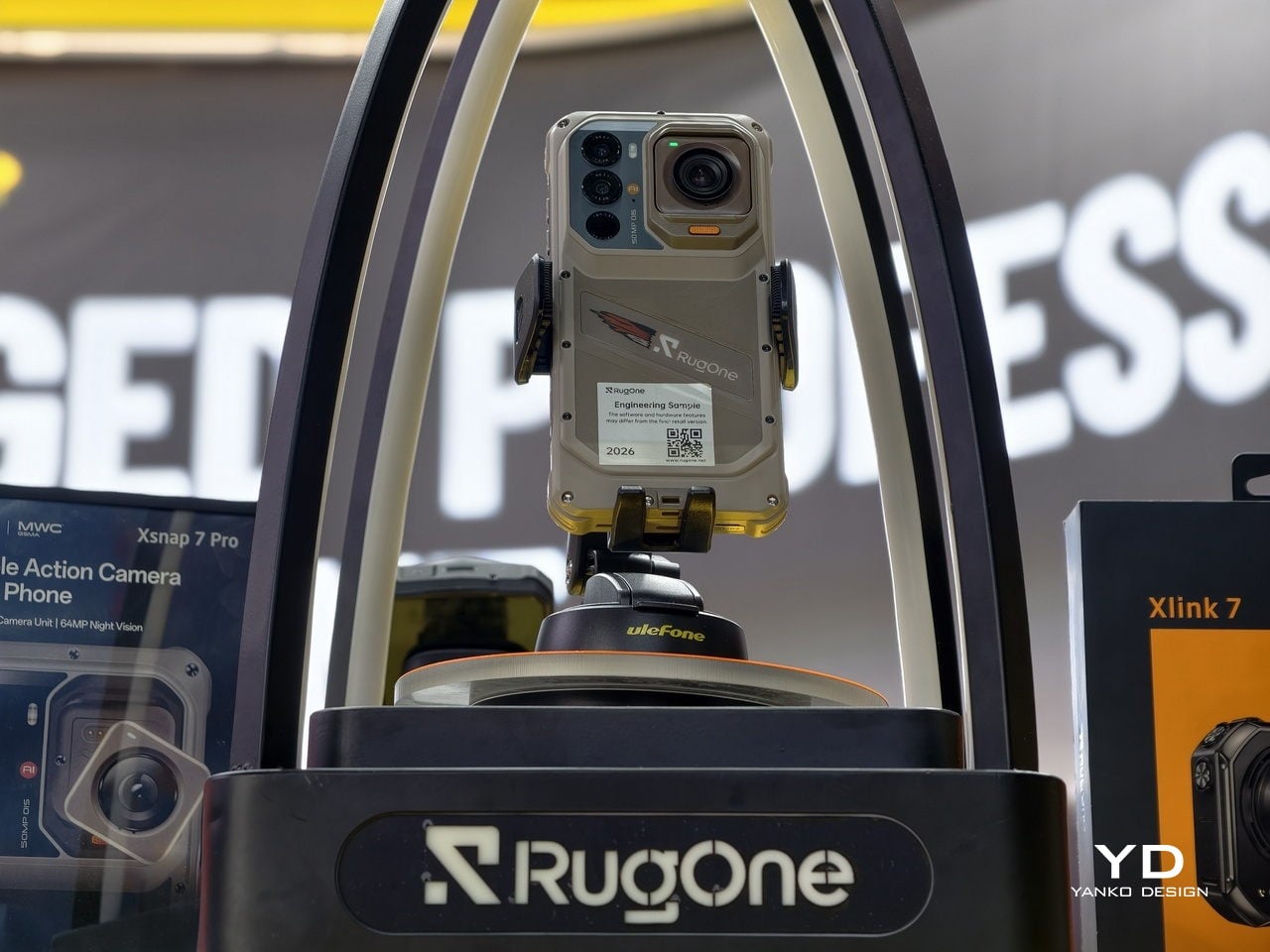
Ulefone’s RugOne Xsnap 7 Pro is less elegant but arguably more practical: a rugged phone whose rear camera detaches and operates independently as a wearable action camera. Three very different products, three different price tiers, and the same underlying idea. A device you can reconfigure is a device you keep longer.

The keyboard is making a serious case for itself

BlackBerry’s demise was supposed to be the end of physical keyboards on phones. Touch screens were better, the argument went, because they could be anything. And they were right, mostly. But they were also cold, imprecise for fast typing, and they ate half your screen every time you needed to type more than a sentence. A small but persistent group of users never fully made peace with that trade-off, and in 2026, they suddenly had options.
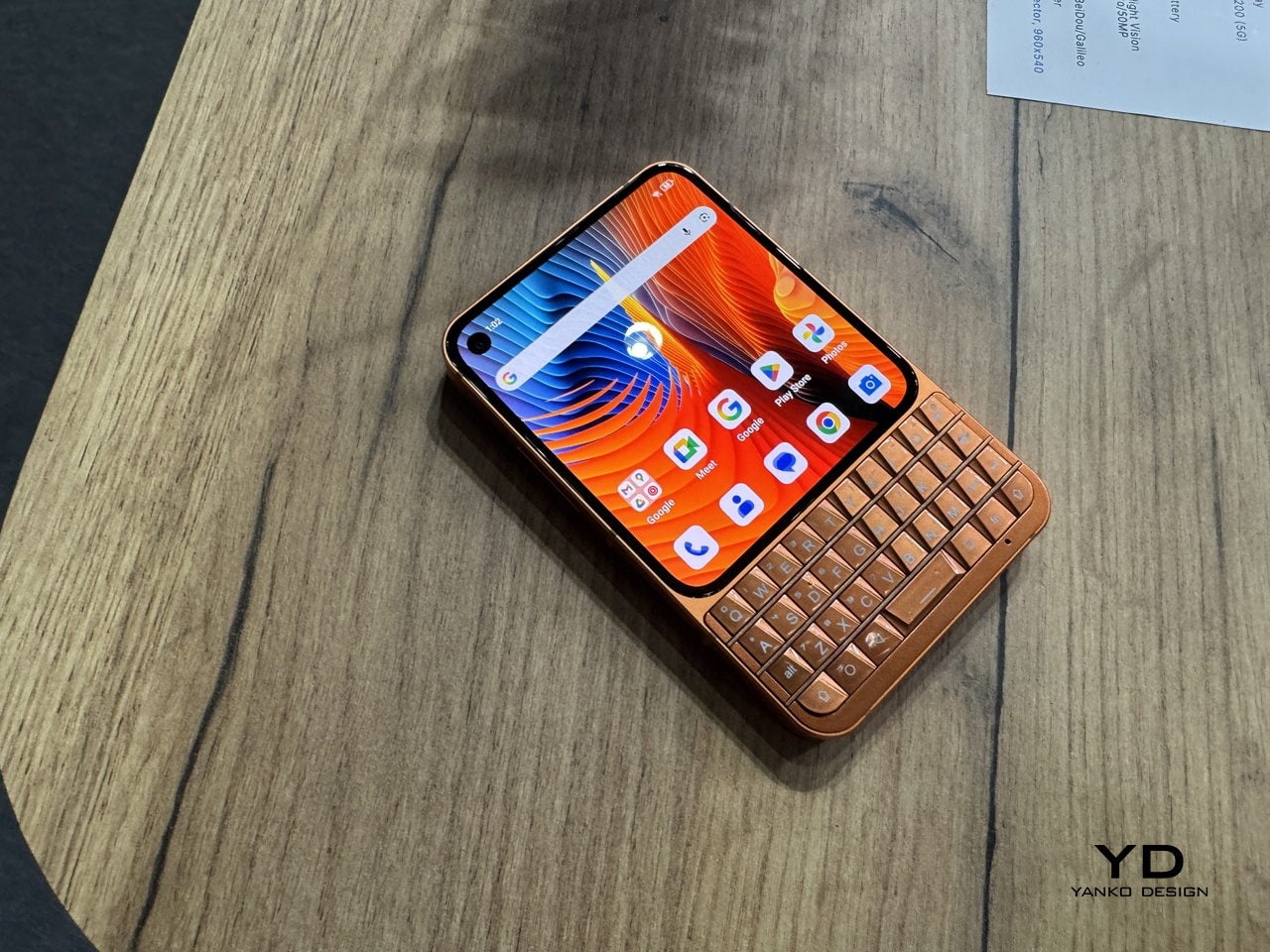
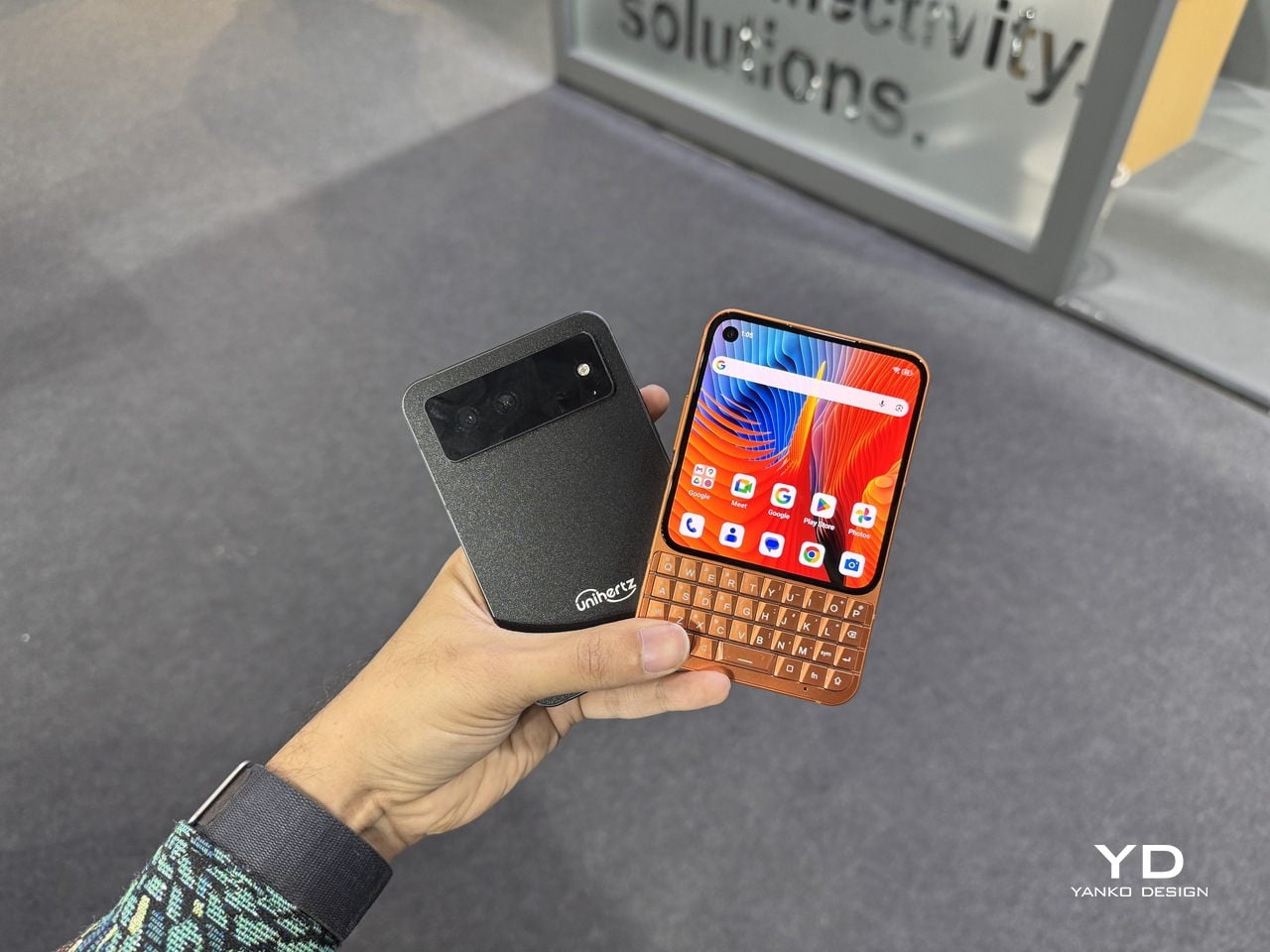
The Unihertz Titan 2 Elite was at MWC with a 4.3-inch AMOLED display at 120Hz above a physical QWERTY keyboard with touch-sensitive keys that also function as a trackpad. The aluminum body and slimmed-down proportions mark a clear departure from the chunky, ruggedized aesthetic of earlier Titan phones. This one is trying to look like something you would actually carry every day.

The Clicks Communicator comes from the opposite direction: Clicks already makes keyboard cases for iPhones, and the Communicator is a logical next step, a standalone Android phone built around the companion philosophy for people who want physical keys without abandoning modern smartphone basics.
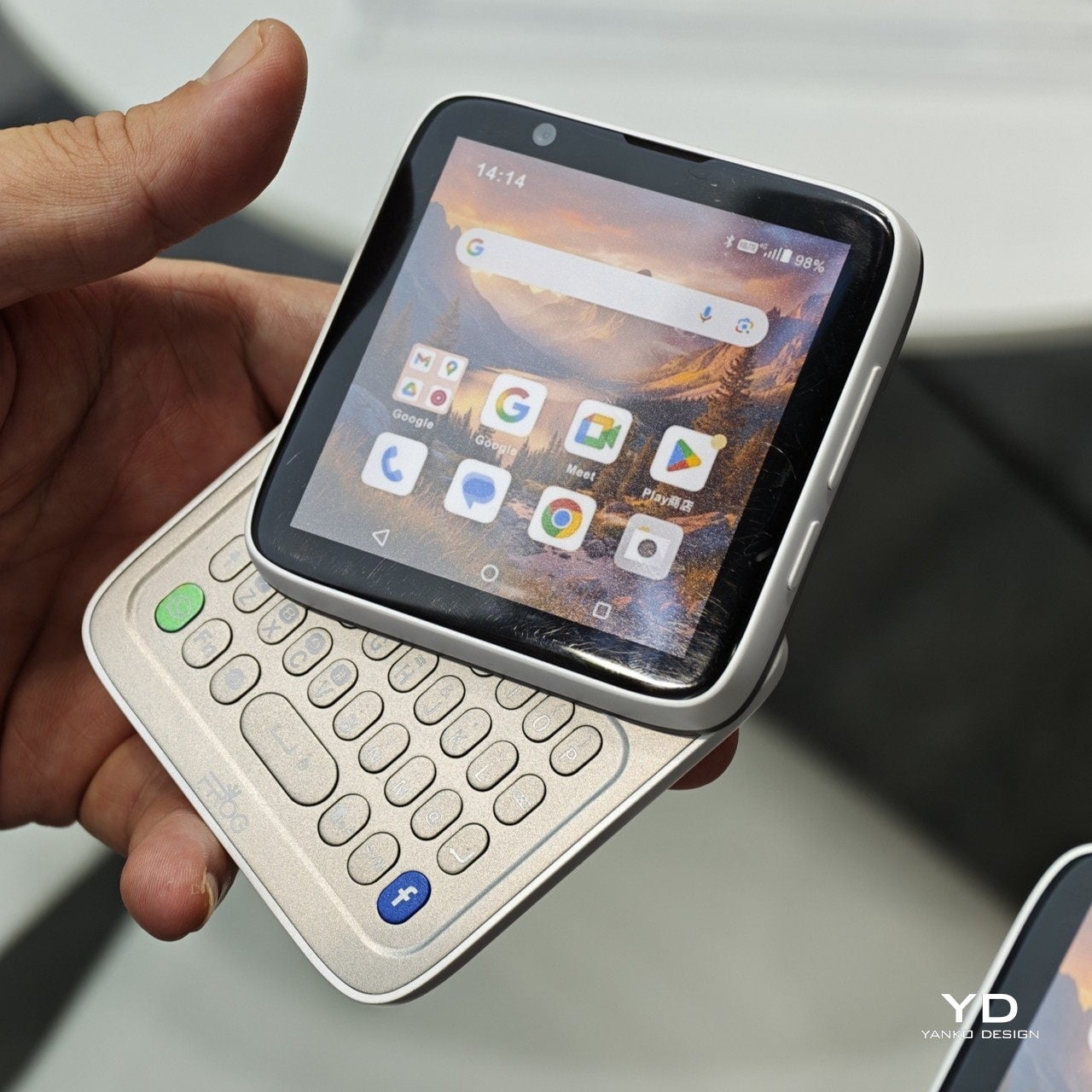
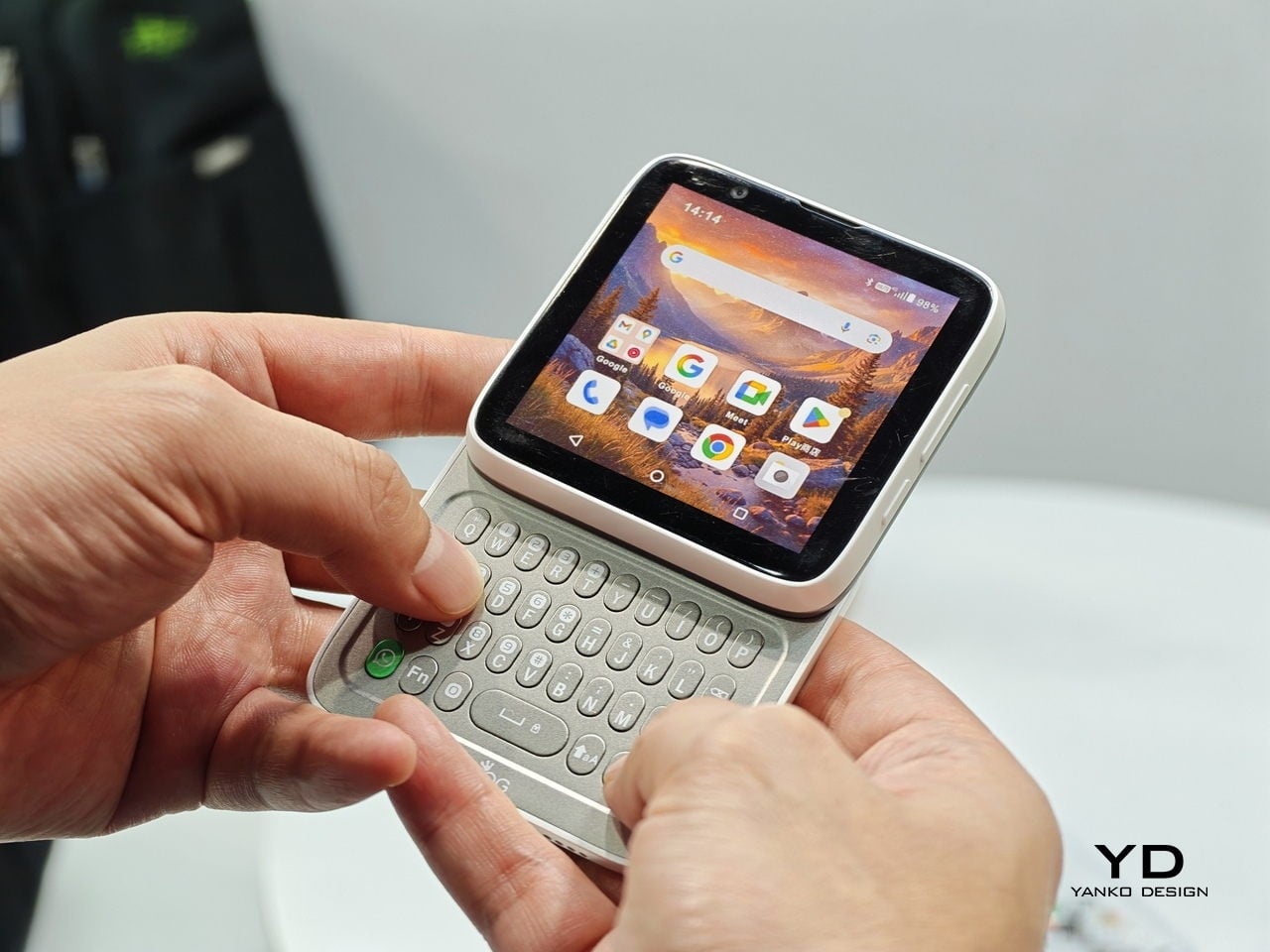
The iFROG RS1 is the strangest and most interesting of the three. It is a square phone with a 3.4-inch display that sits on top of a rotating lower section. Twist it one way, and you get a full QWERTY keyboard with tactile keycaps. Twist it the other way, and you get a gamepad with a D-pad and face buttons, which unavoidably recalls the Game Boy and the Motorola Flipout in equal measure. What all three of these share is a belief that tactile input has genuine ergonomic value that glass surfaces haven’t replaced, just obscured. Whether that belief translates into mainstream sales is a different question.

Design became the headline spec

Phones have always been designed objects. But for most of the last decade, the design conversation at launch events came after the camera specs, after the processor benchmark, after the battery capacity. At MWC 2026, a handful of manufacturers flipped that order. The design was the lead, and everything else followed.
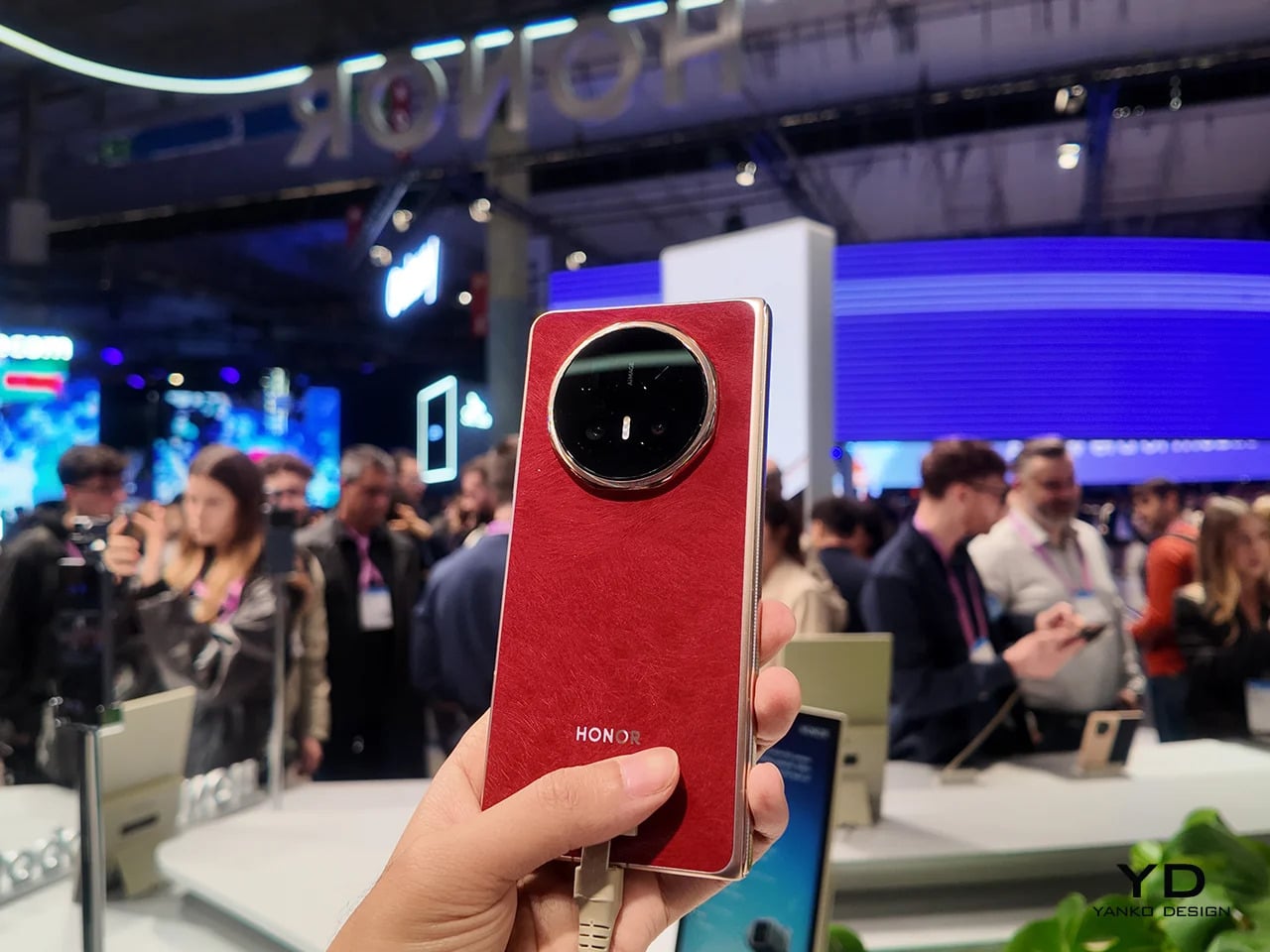
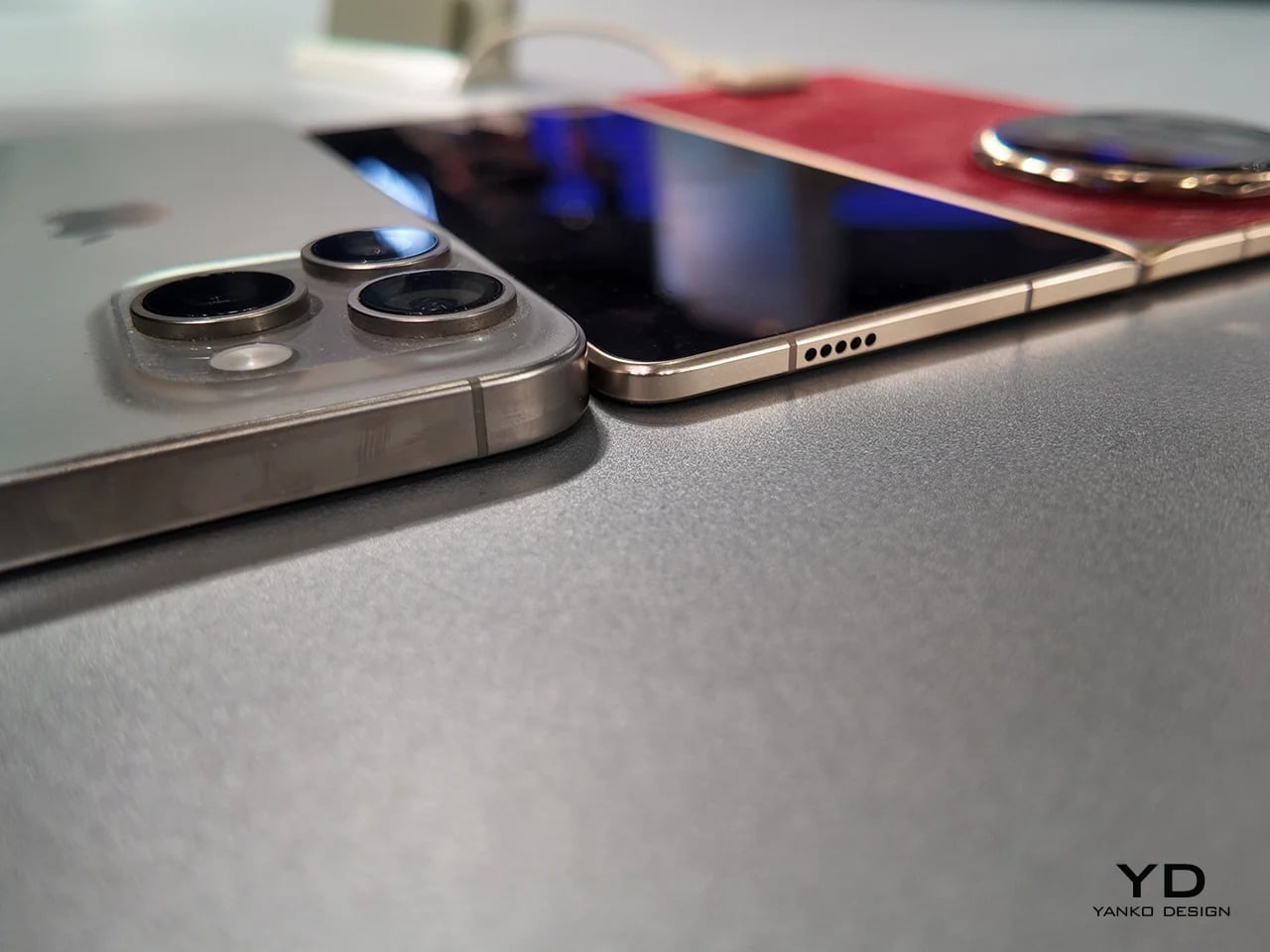
Honor’s Magic V6 is the most straightforward example. At 8.75mm closed, it is one of the thinnest foldables on the market, and Honor announced that measurement with the same emphasis as a performance figure might receive. The engineering behind it is genuinely impressive: IP68 and IP69 water resistance on a foldable, combined with a 6,660mAh silicon-carbon battery, means thinness was not achieved by sacrificing durability or endurance. It’s a difficult combination, and the design is doing real work to make it possible rather than just looking good on a spec sheet.
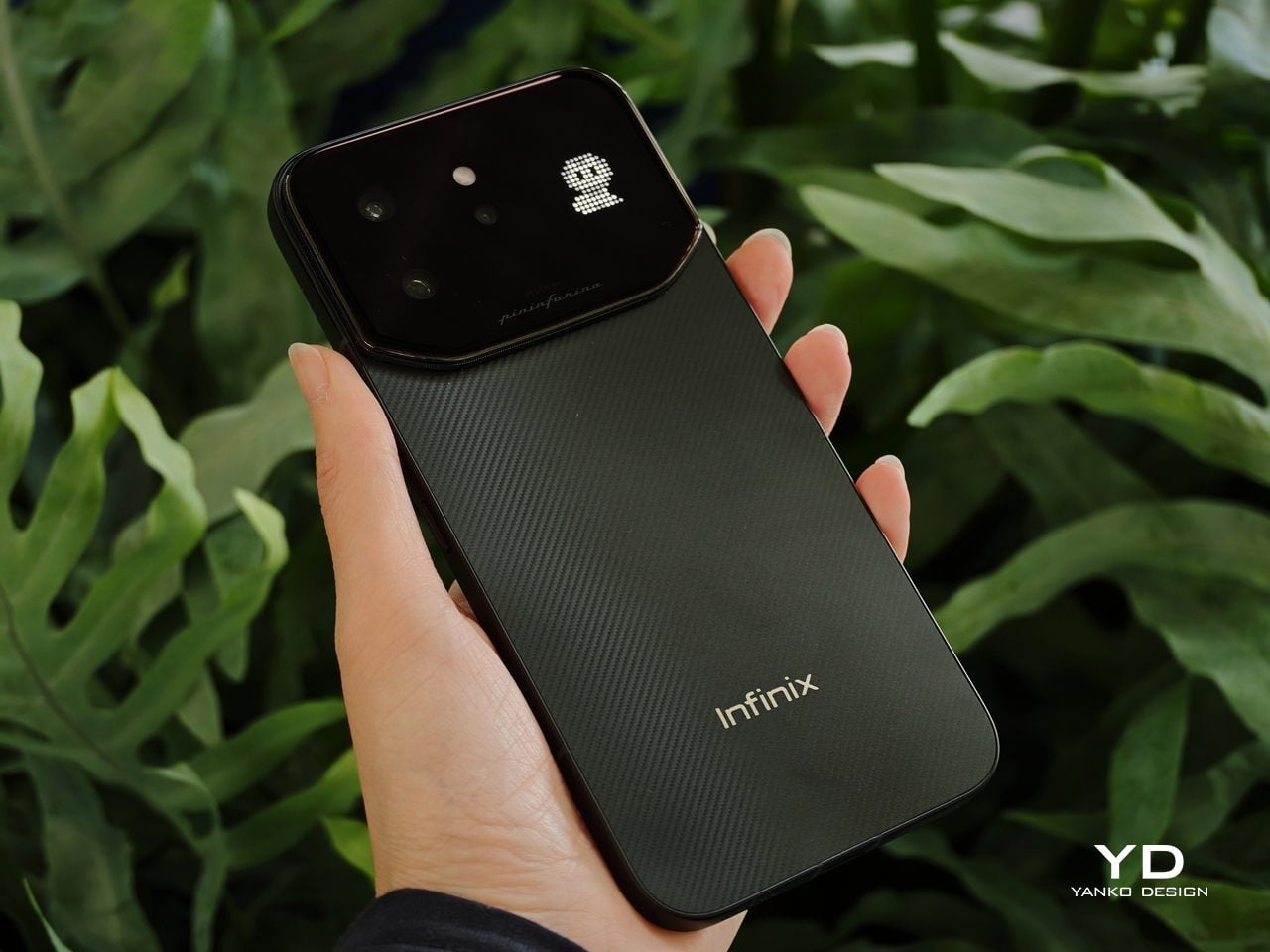
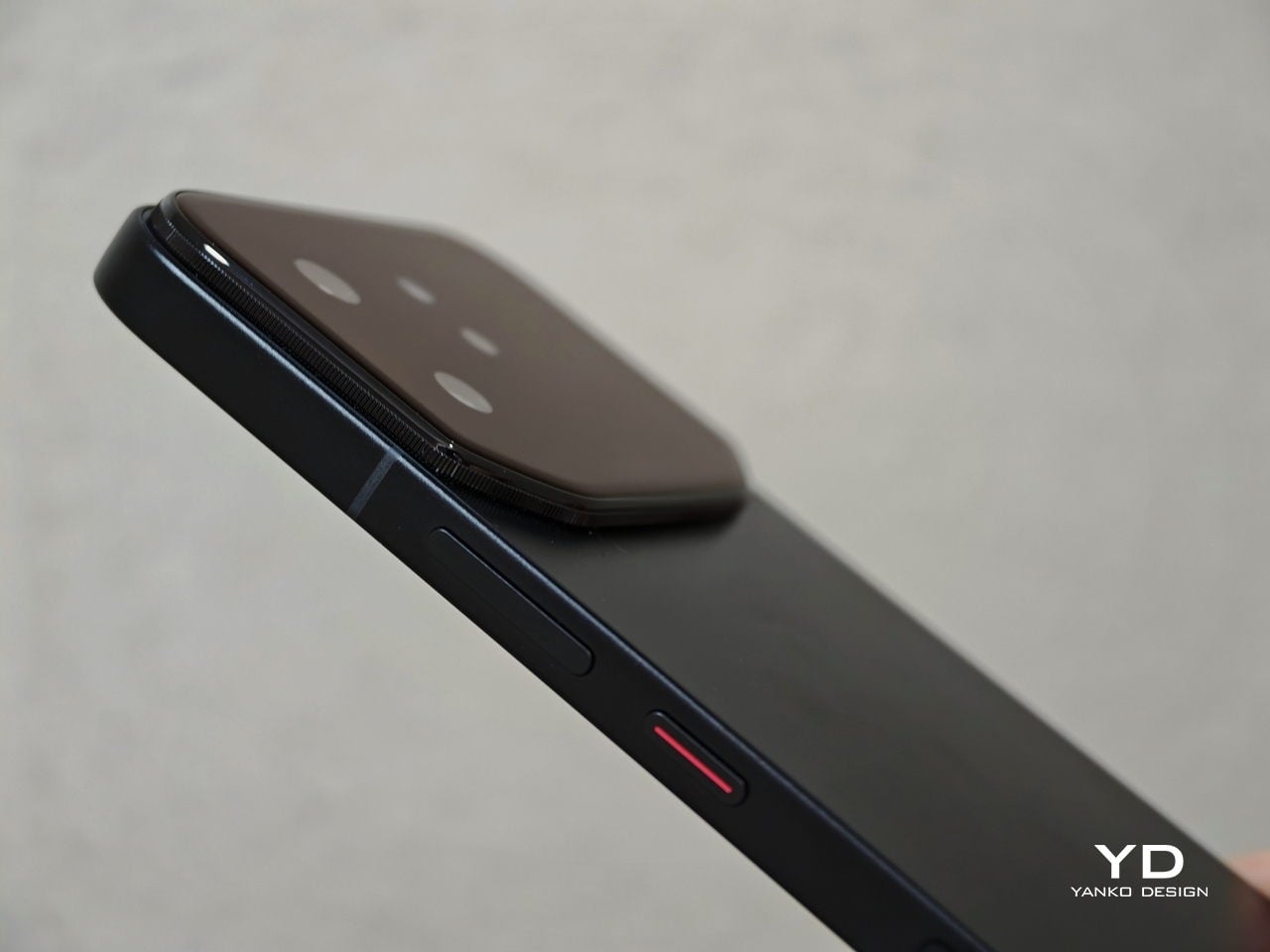
The CMF collaborations told a different story about design as positioning. Infinix’s NOTE 60 Ultra, developed with Pininfarina, applied the Italian studio’s automotive logic to the phone’s rear panel. The result is a single continuous sheet of Gorilla Glass Victus covering the triple camera array, a thin floating taillight strip, and a hidden active matrix notification display, all completely flush. No bump. The colorways, Torino Black, Monza Red, Amalfi Blue, and Roma Silver, are not accidental.
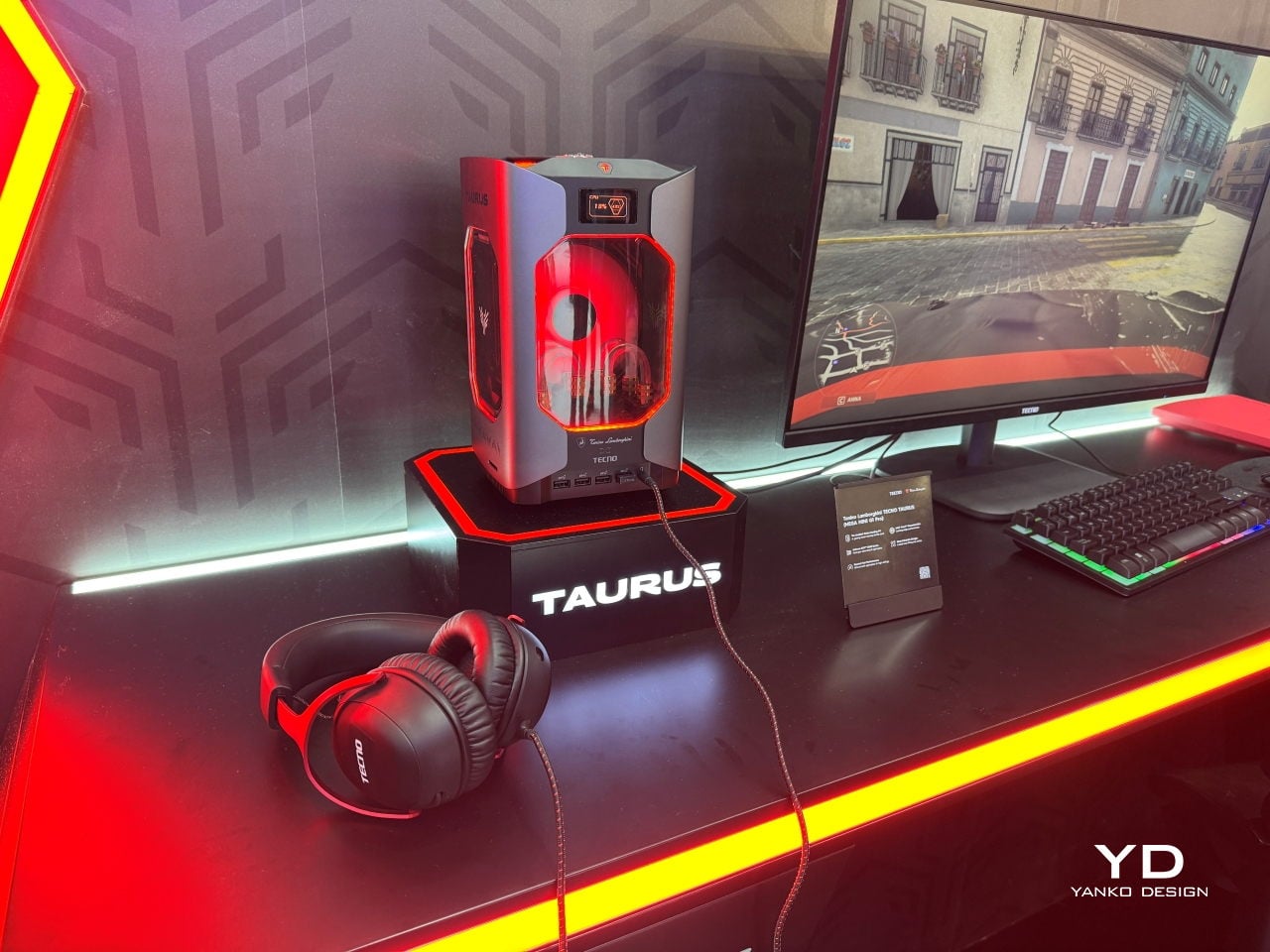
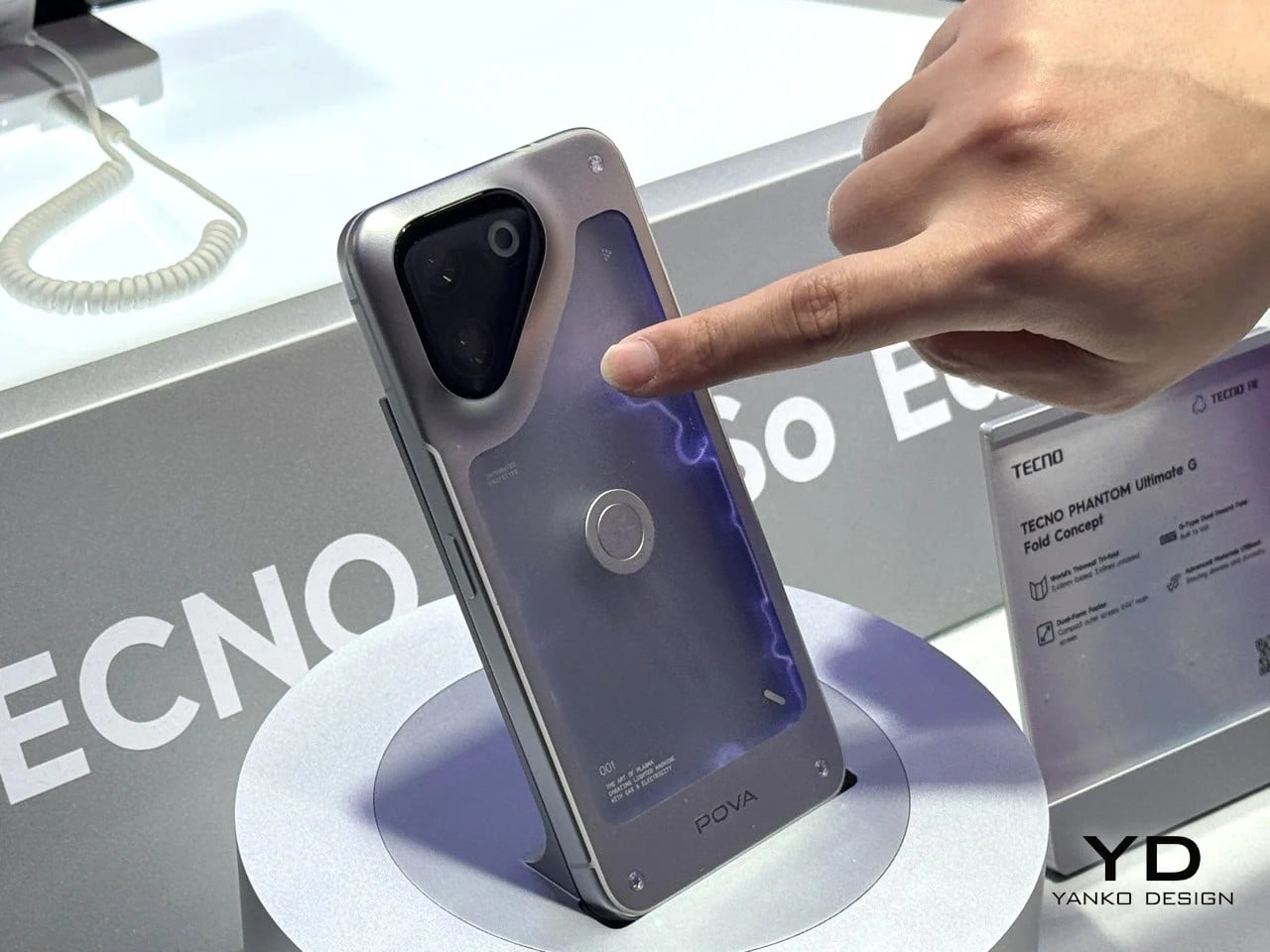
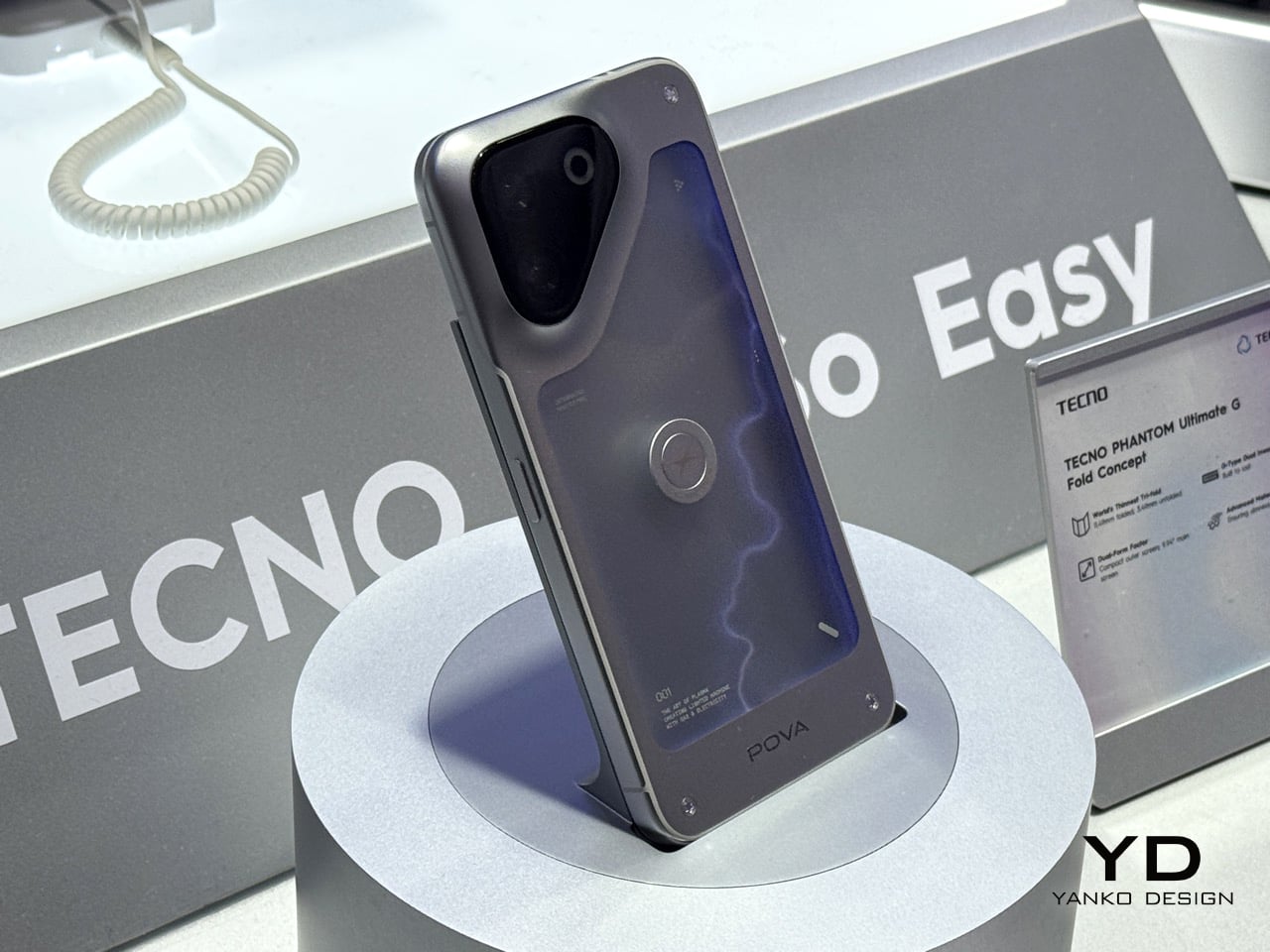
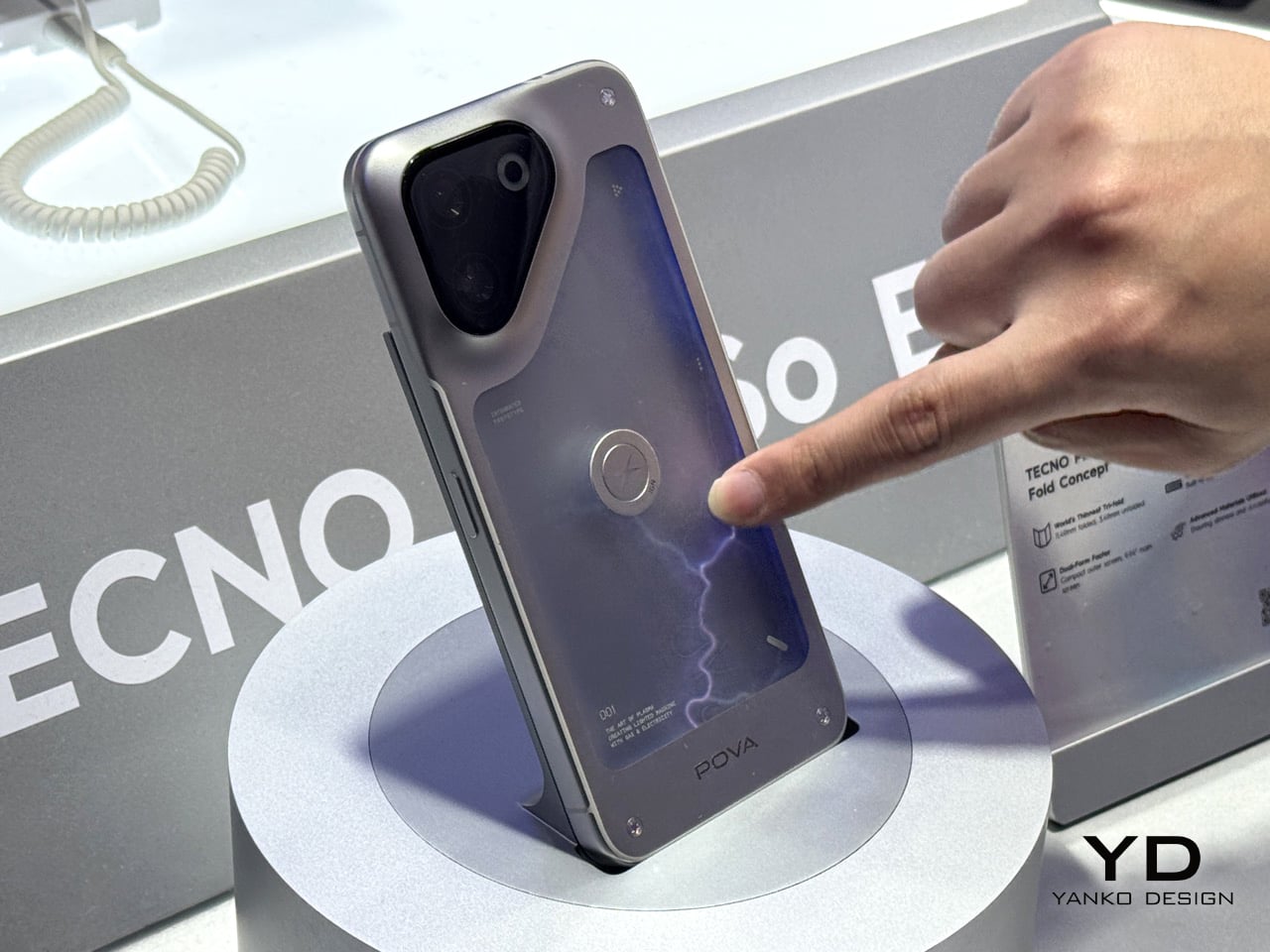
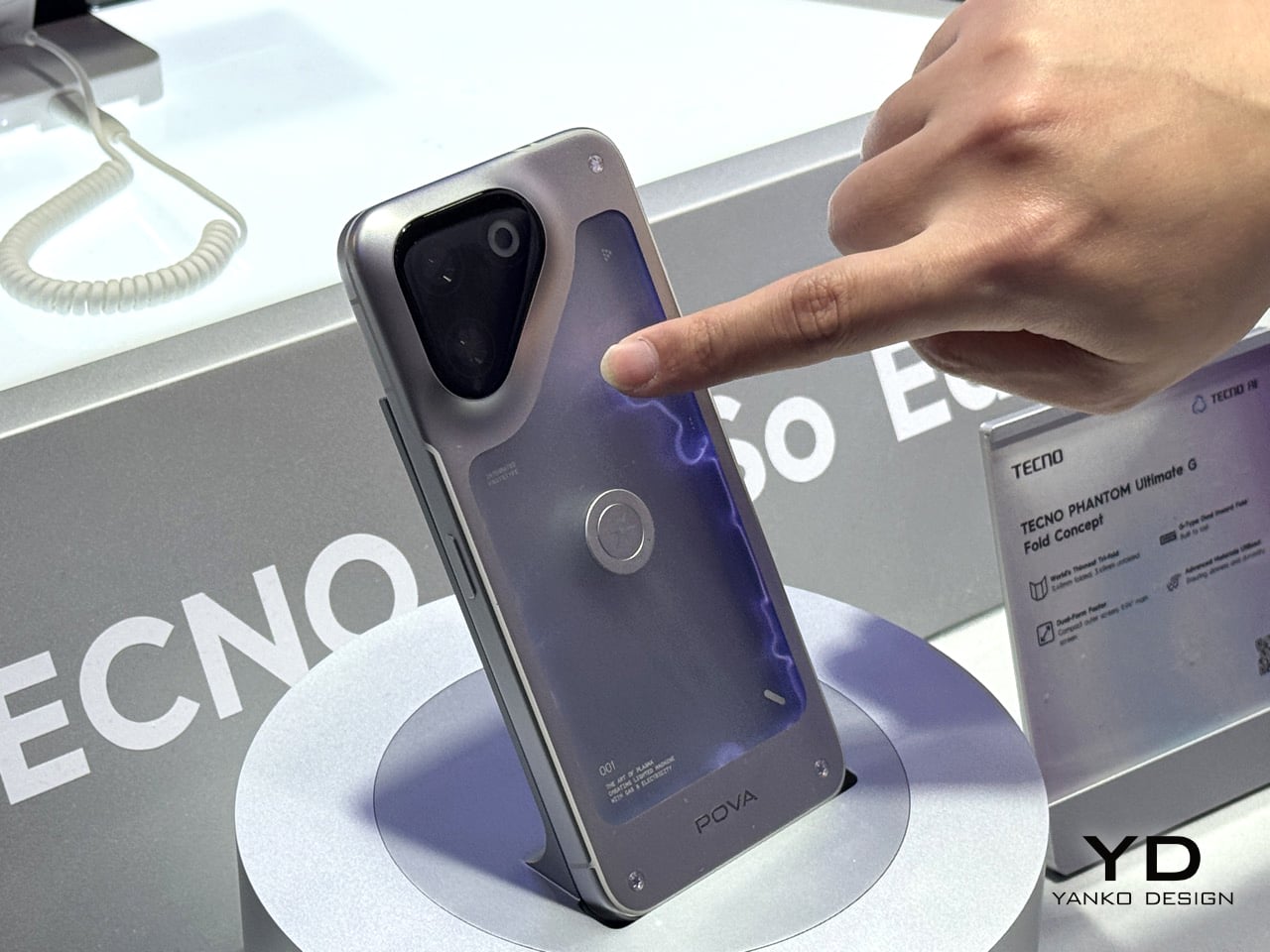
TECNO’s partnership with Tonino Lamborghini produced the TAURUS gaming PC, a water-cooled mini system with a 10,000mm² copper cold plate, and the POVA Metal phone, whose 241-pixel rear LED dot matrix turns the notification surface into a deliberate design feature. At the concept end, TECNO’s POVA Neon filled its rear panel with ionized inert gas to produce plasma patterns that chase your fingertip across the glass, which is either the most impractical phone feature ever conceived or a fascinating question about what a phone’s surface is actually for.
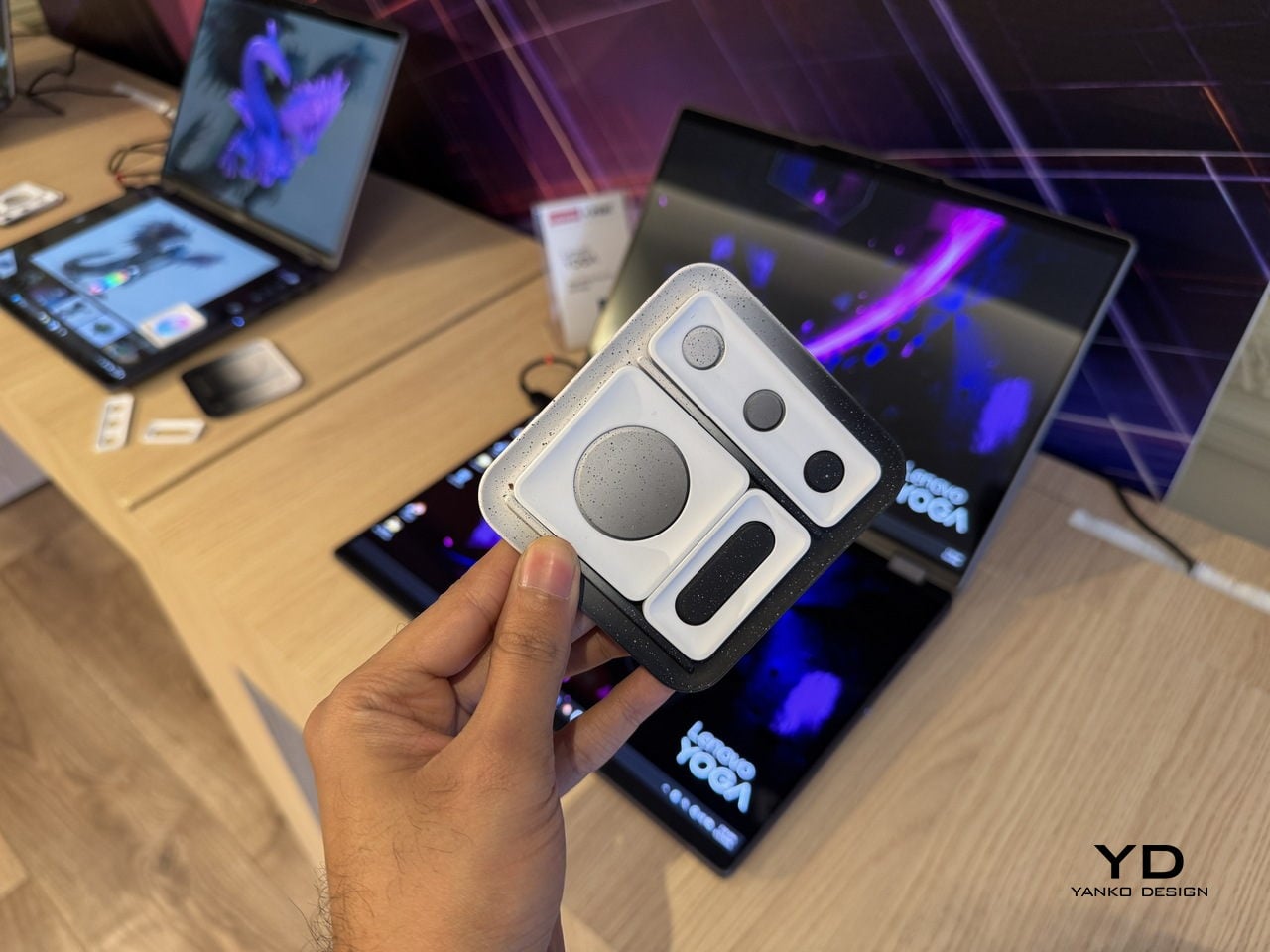
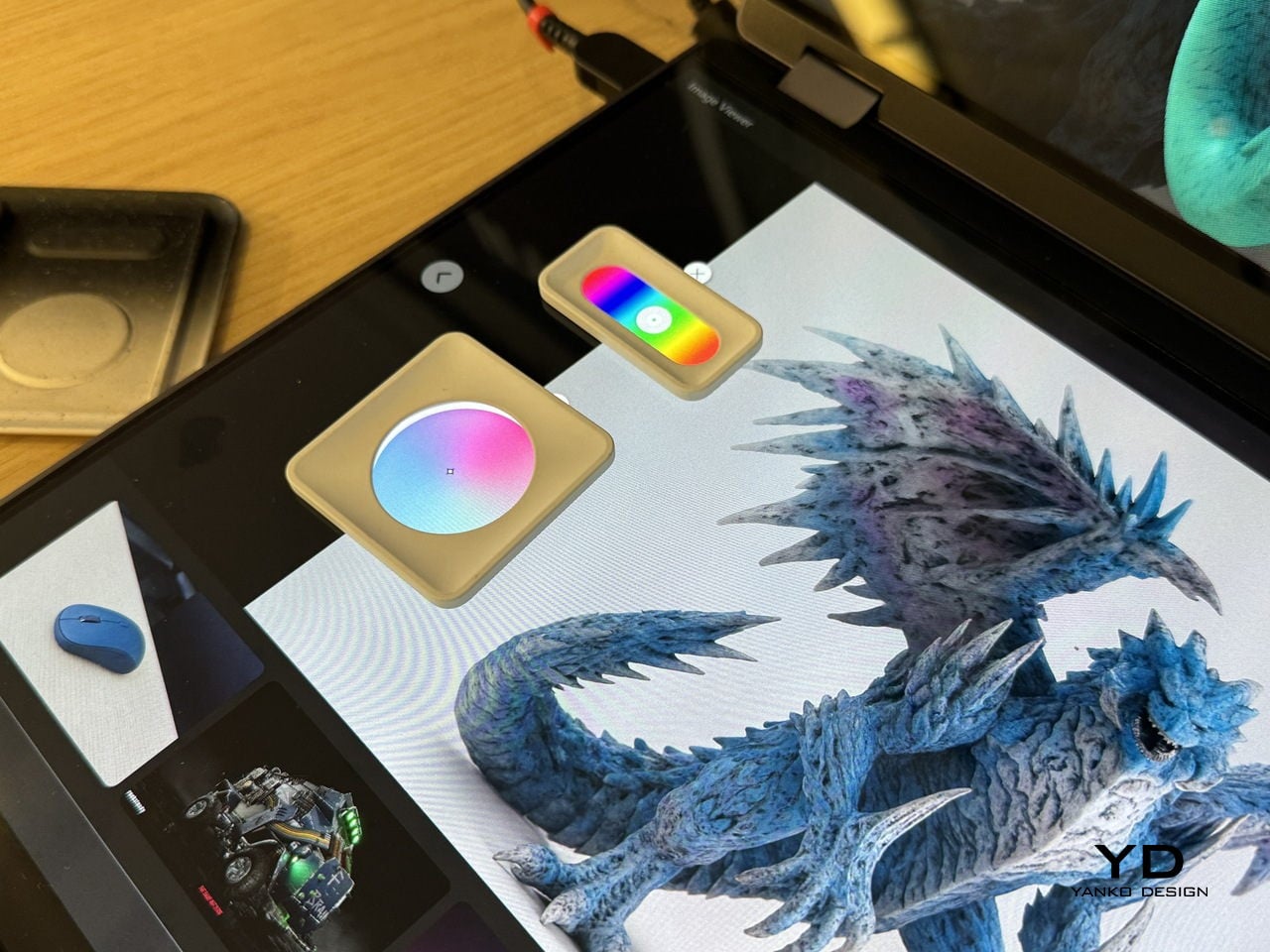
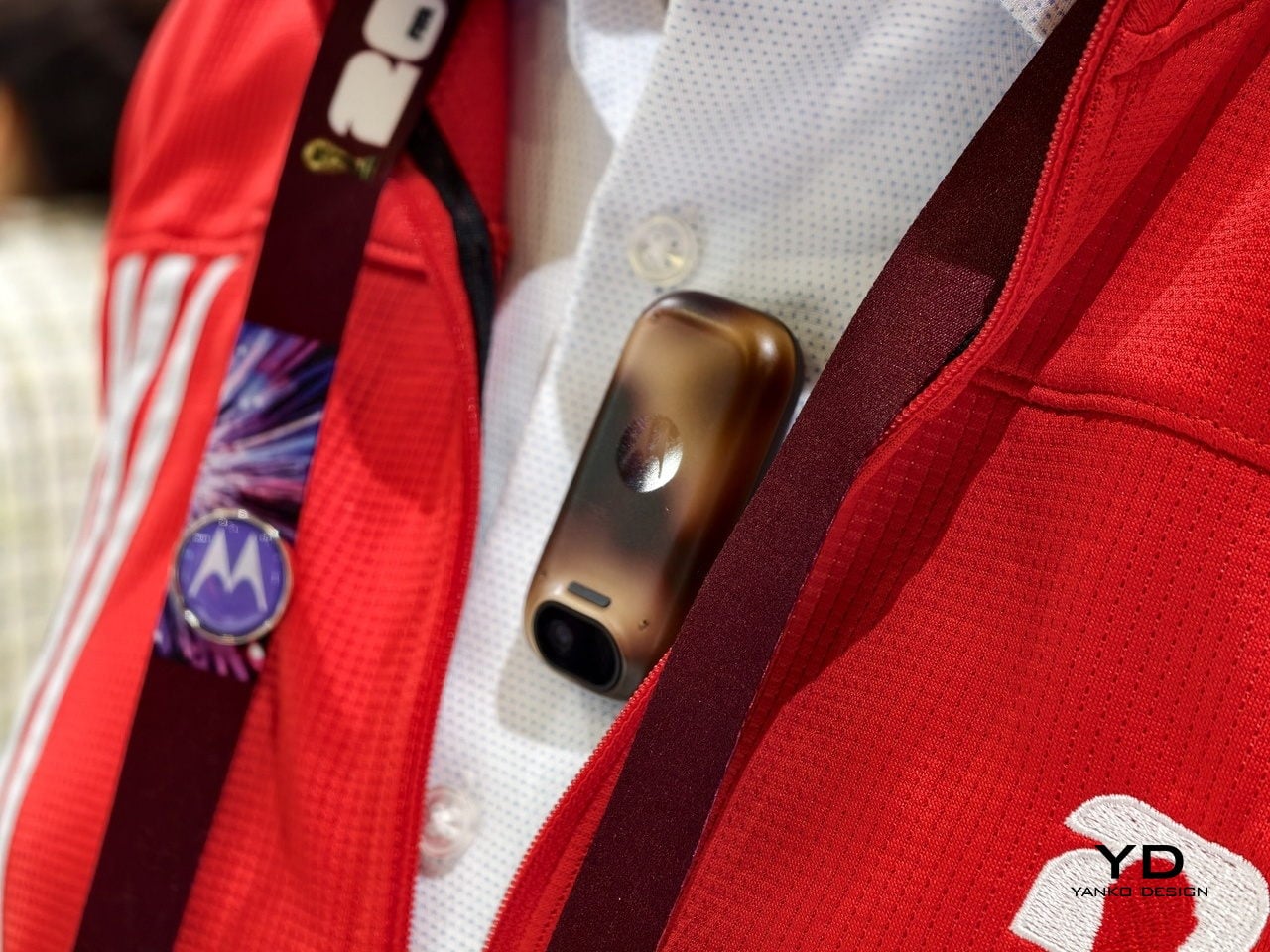
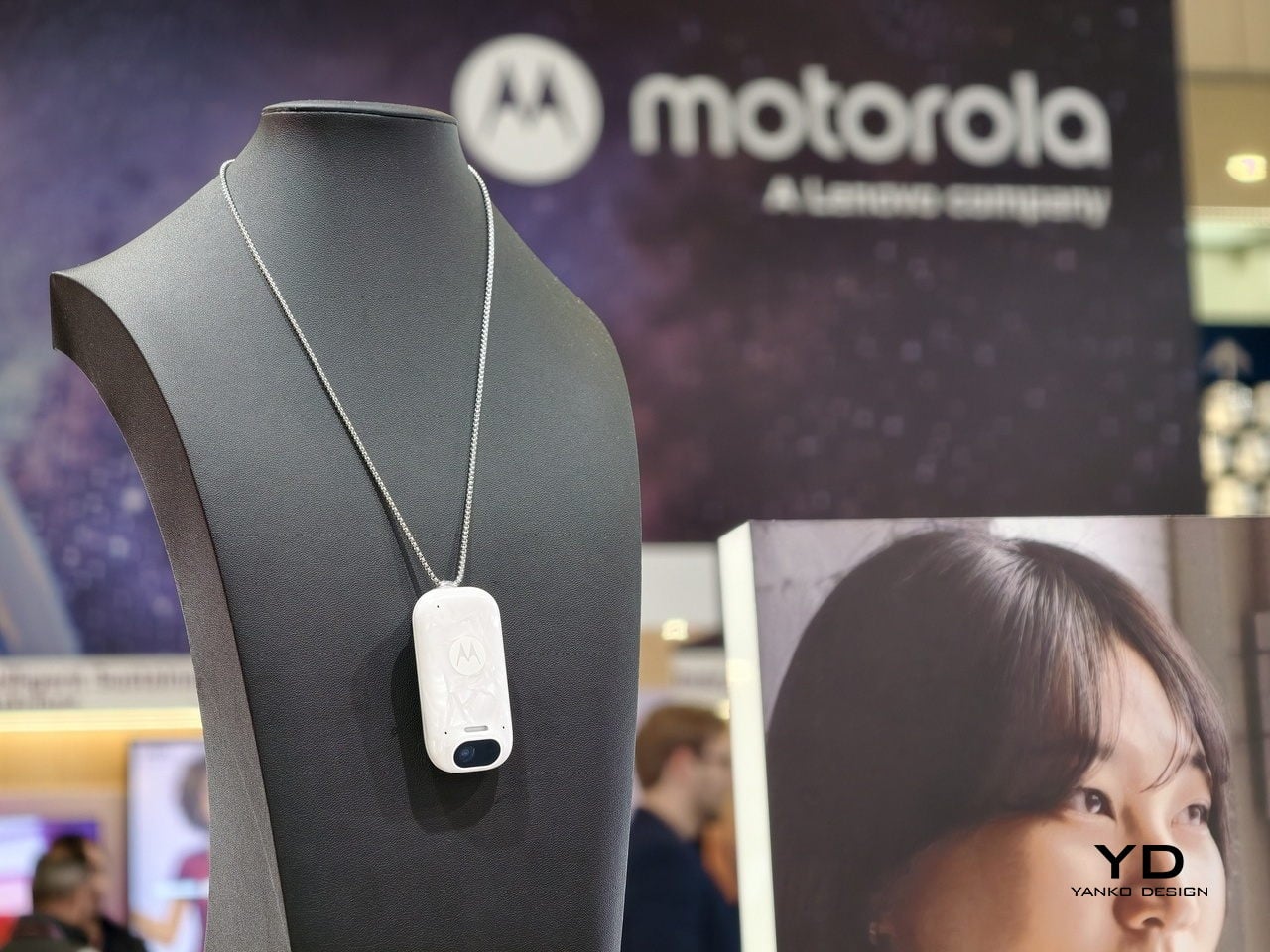
The Lenovo Yoga Book Pro 3D lets 3D creators sculpt directly on a dual-screen laptop without additional hardware. The Motorola Maxwell AI pendant turned conference transcription into something you wear around your neck. None of these are shipping products. At MWC 2026, that seemed less like a limitation and more like the whole point: showing what you think design can do, before you have to prove it.
The post 5 Wildest Design Trends at MWC 2026: Nodding Phones and Tiny Robots first appeared on Yanko Design.
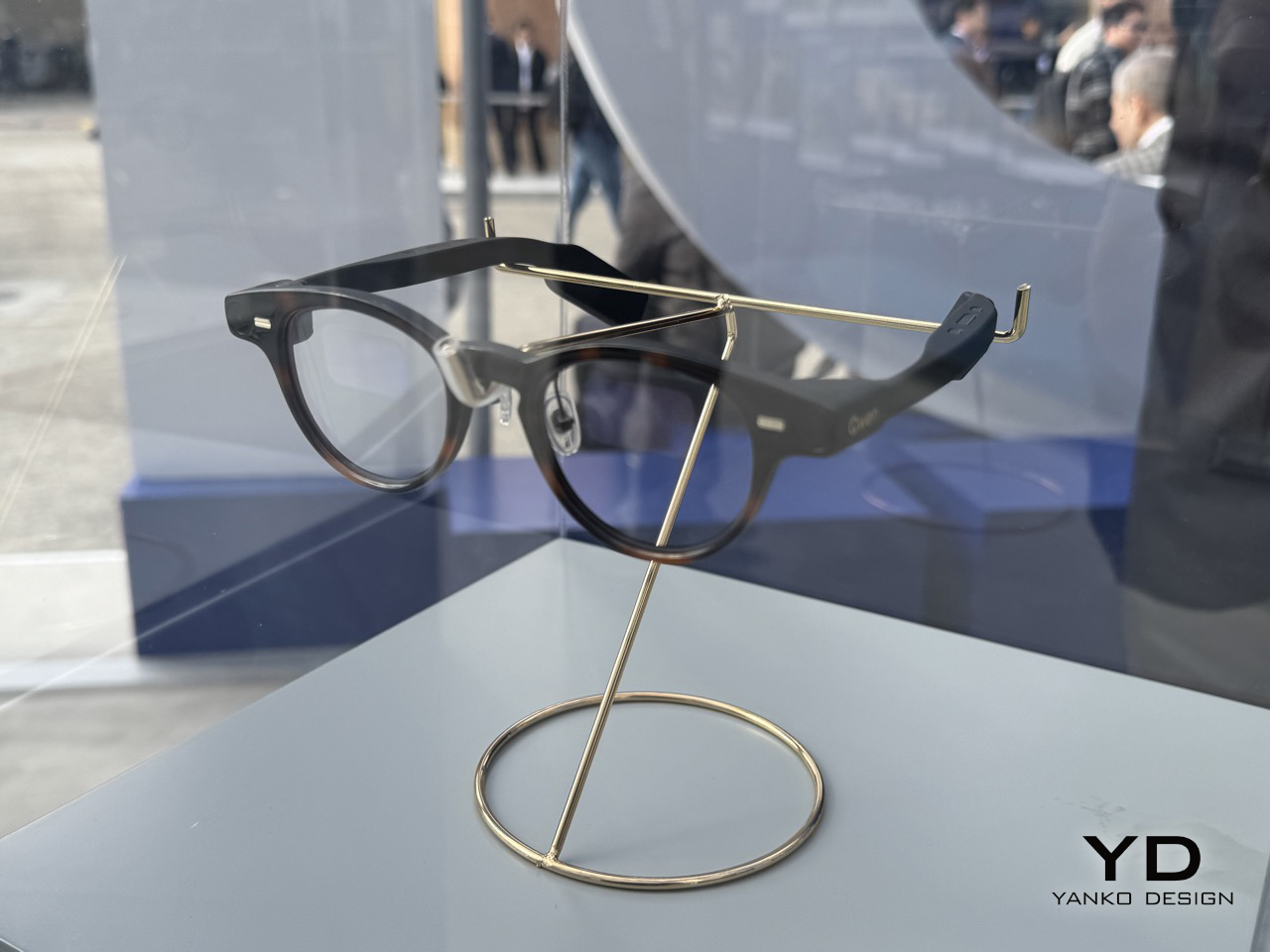
Meta better be worried. Qwen’s affordable AI Smart Glasses have cameras, speakers, and even a built-in display

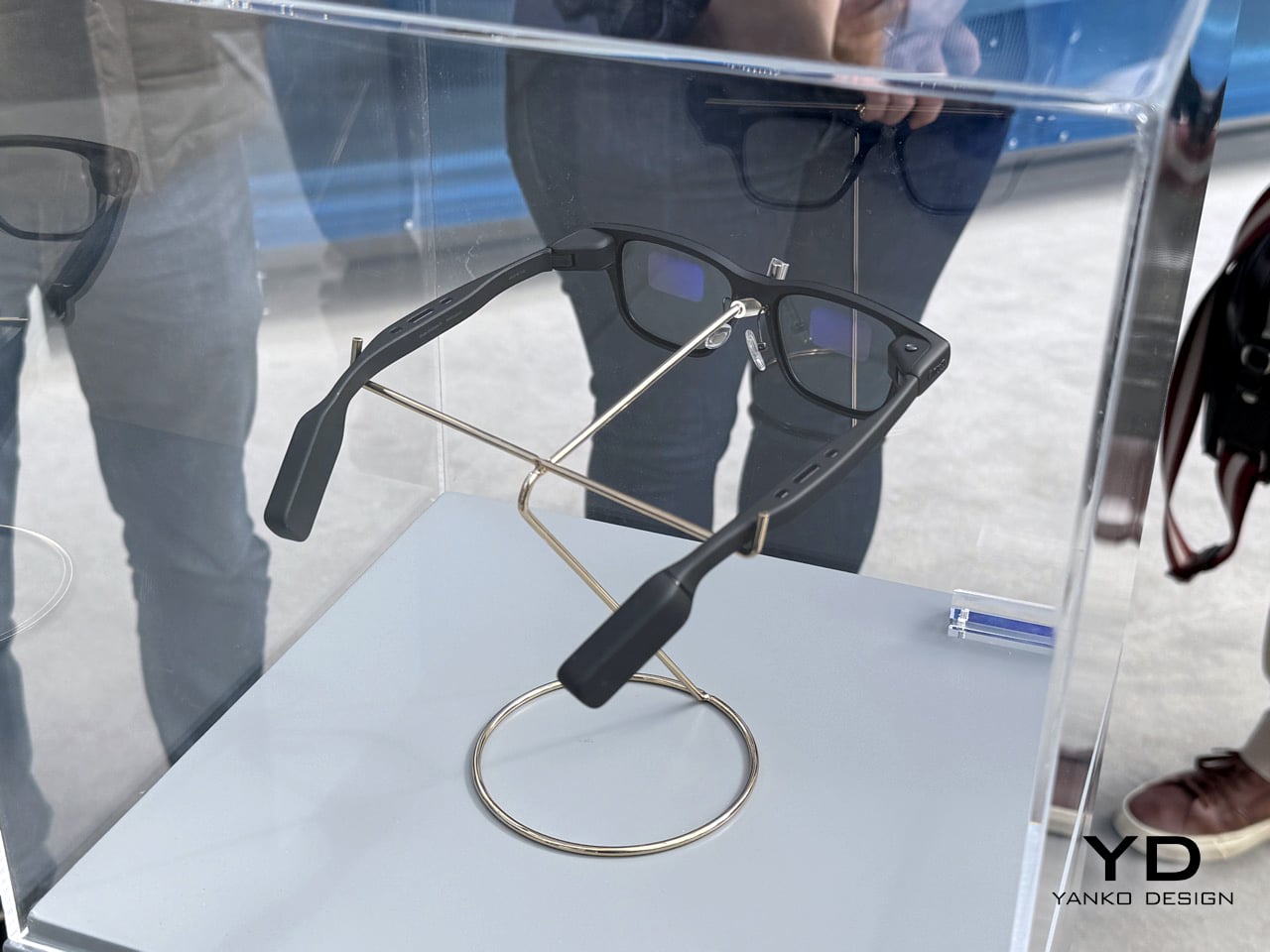
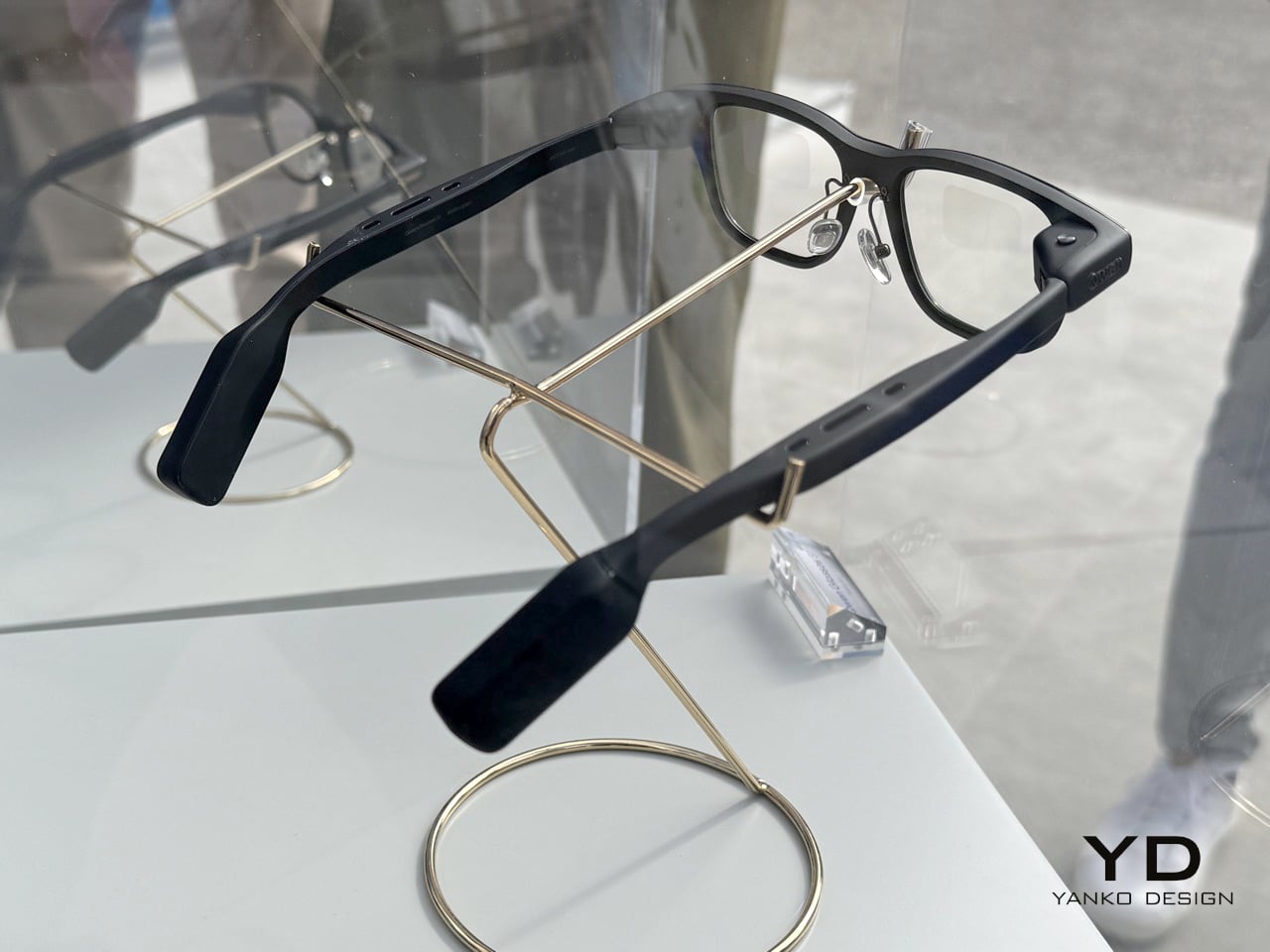
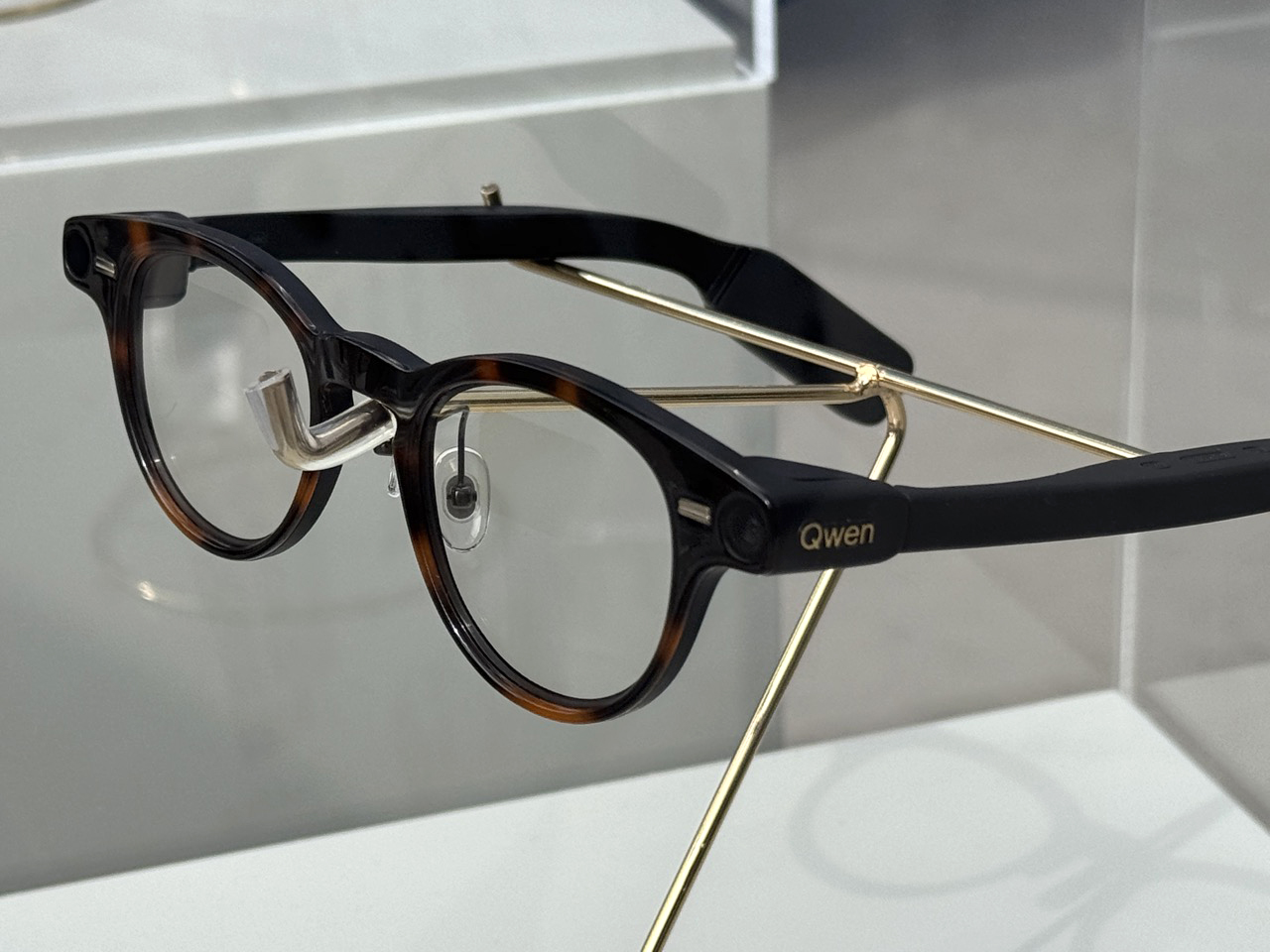
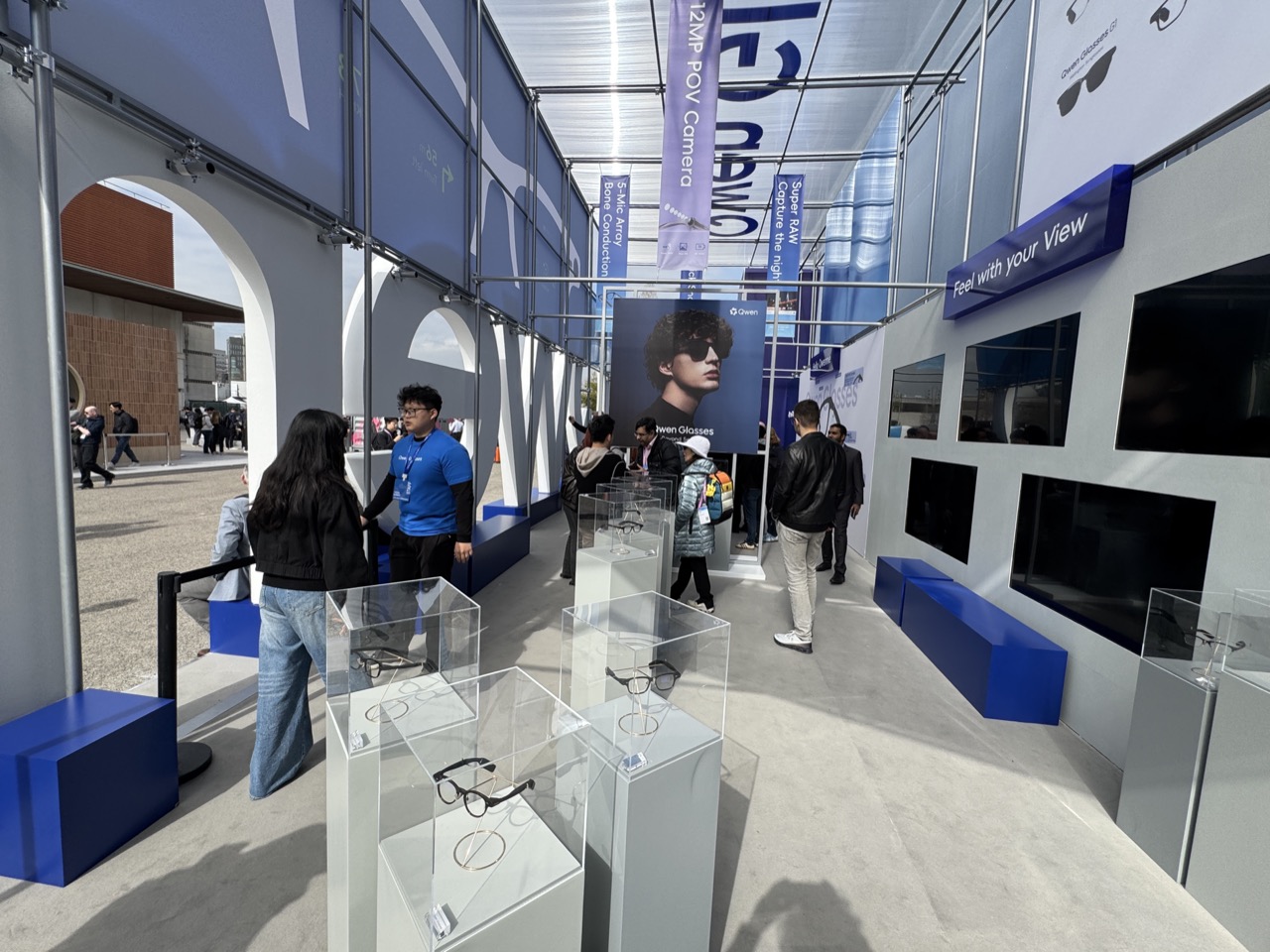
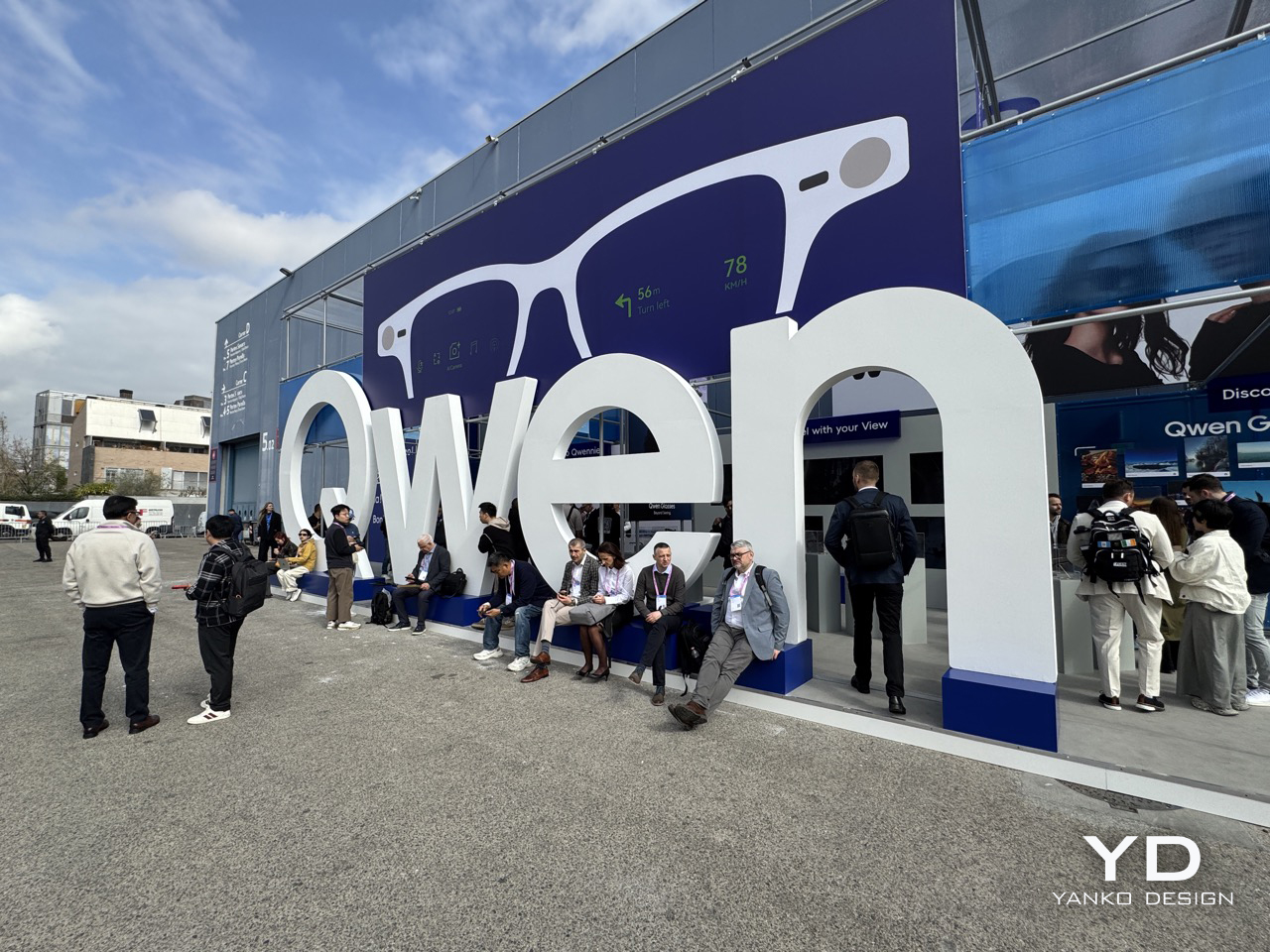
It was one of the more audacious moves at MWC 2026. Right across the aisle from Meta’s smart glasses booth at Fira Gran Via, Alibaba’s Qwen pavilion was anchored by a pair of glasses so oversized they were practically architecture, a giant sculptural prop that functioned as a very literal invitation to come over and look. People did. And once they got close enough to see the actual products, the conversation shifted fairly quickly from “interesting marketing stunt” to “wait, what exactly is this?”

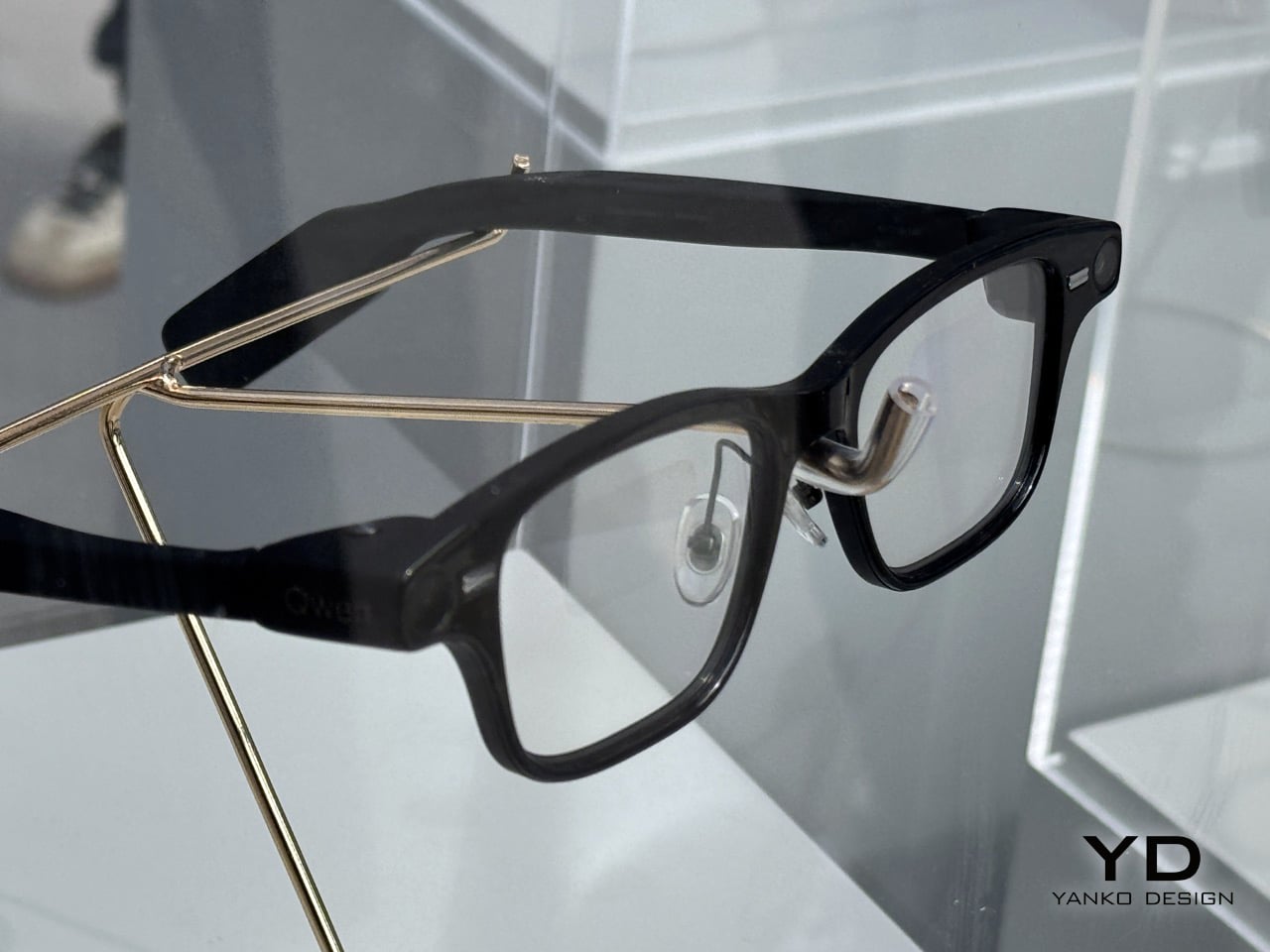
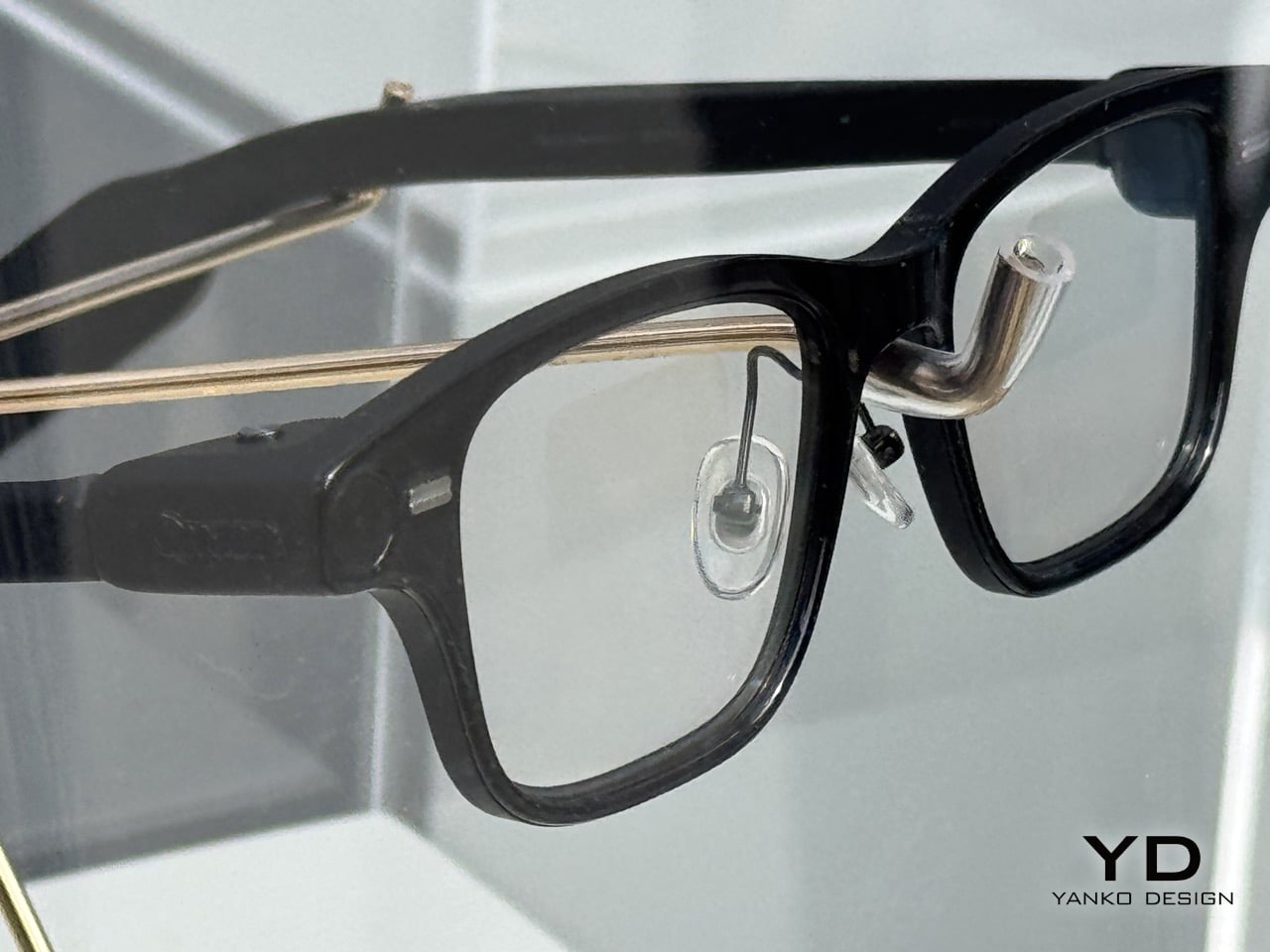
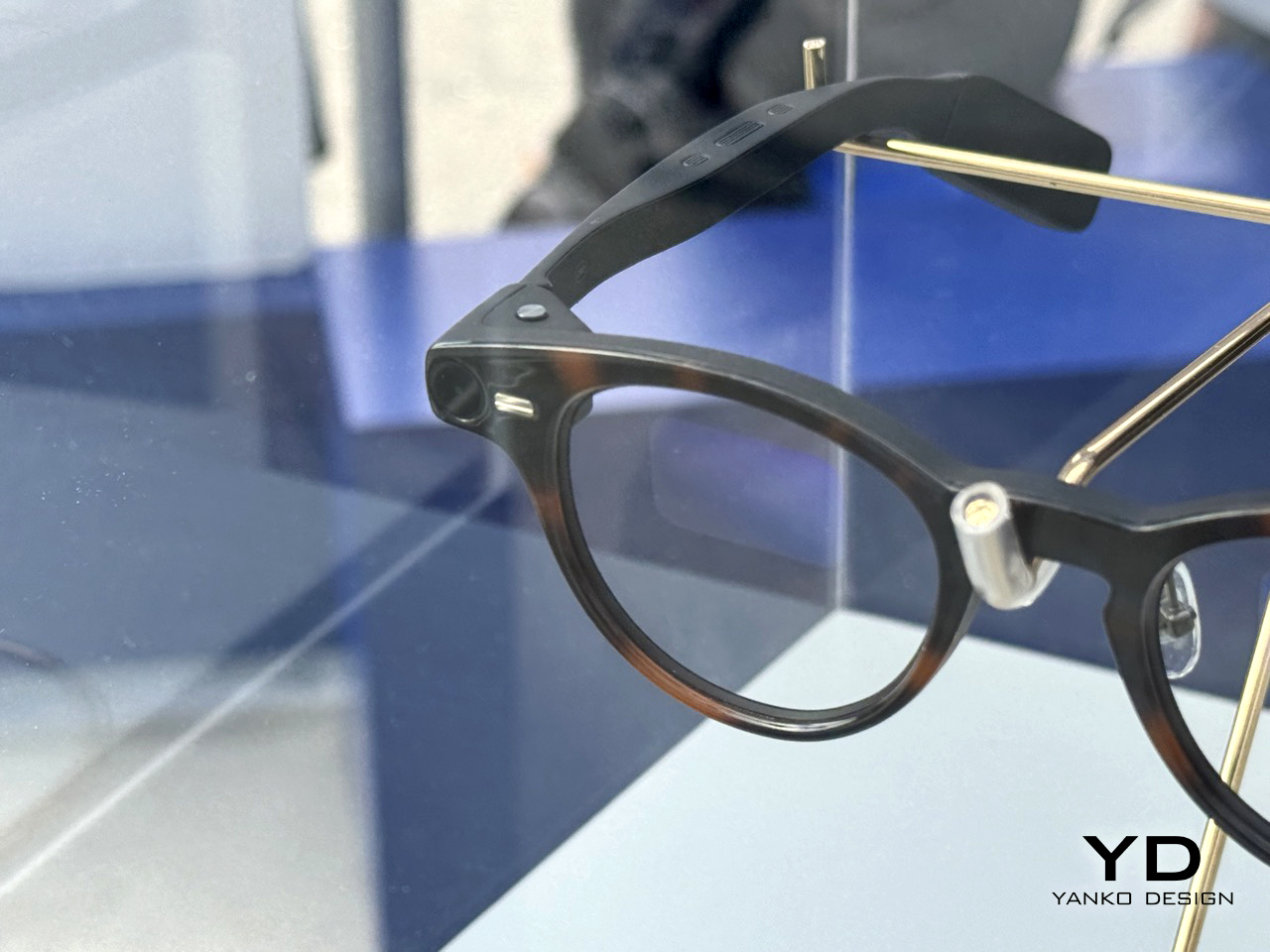
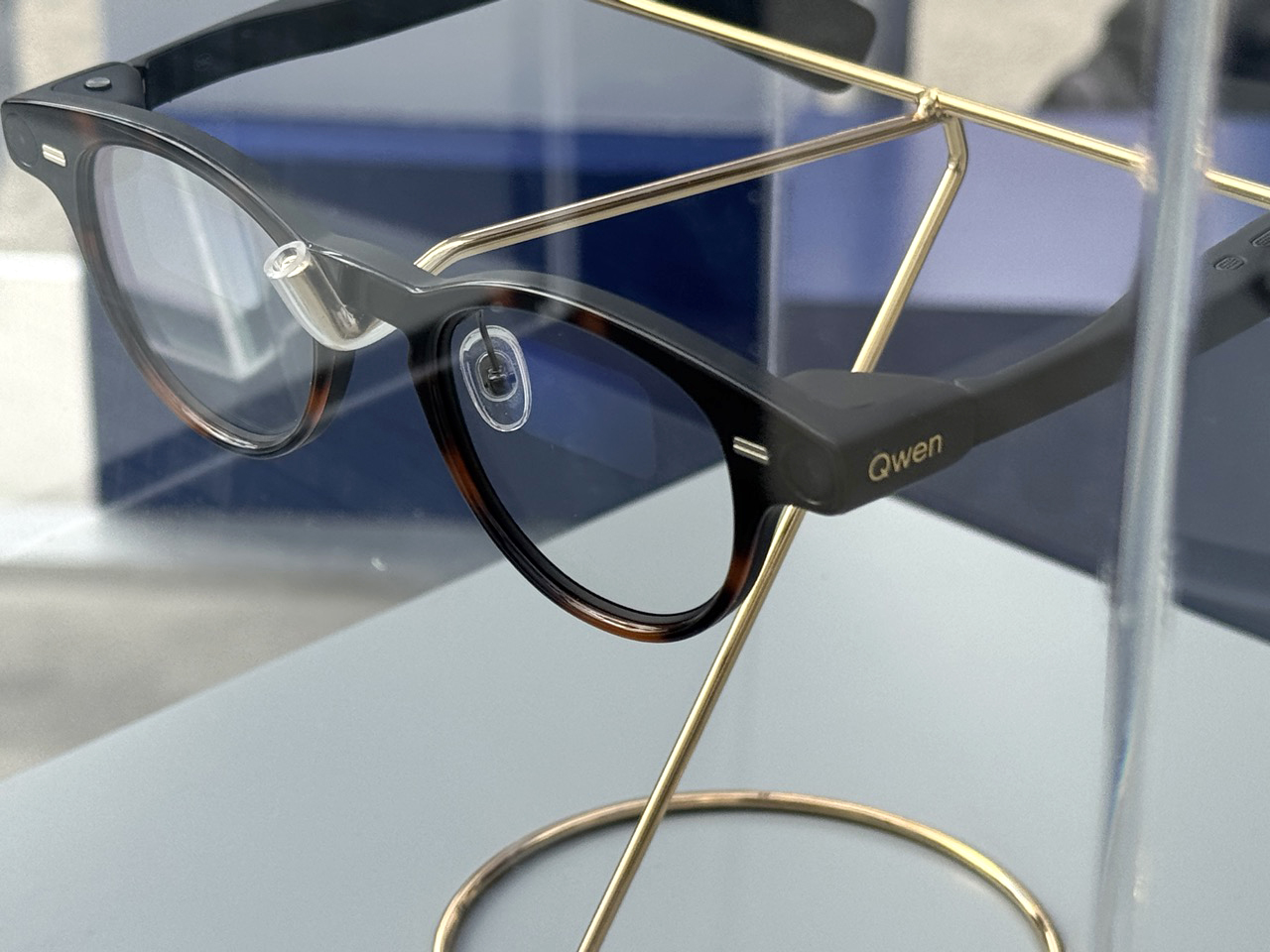
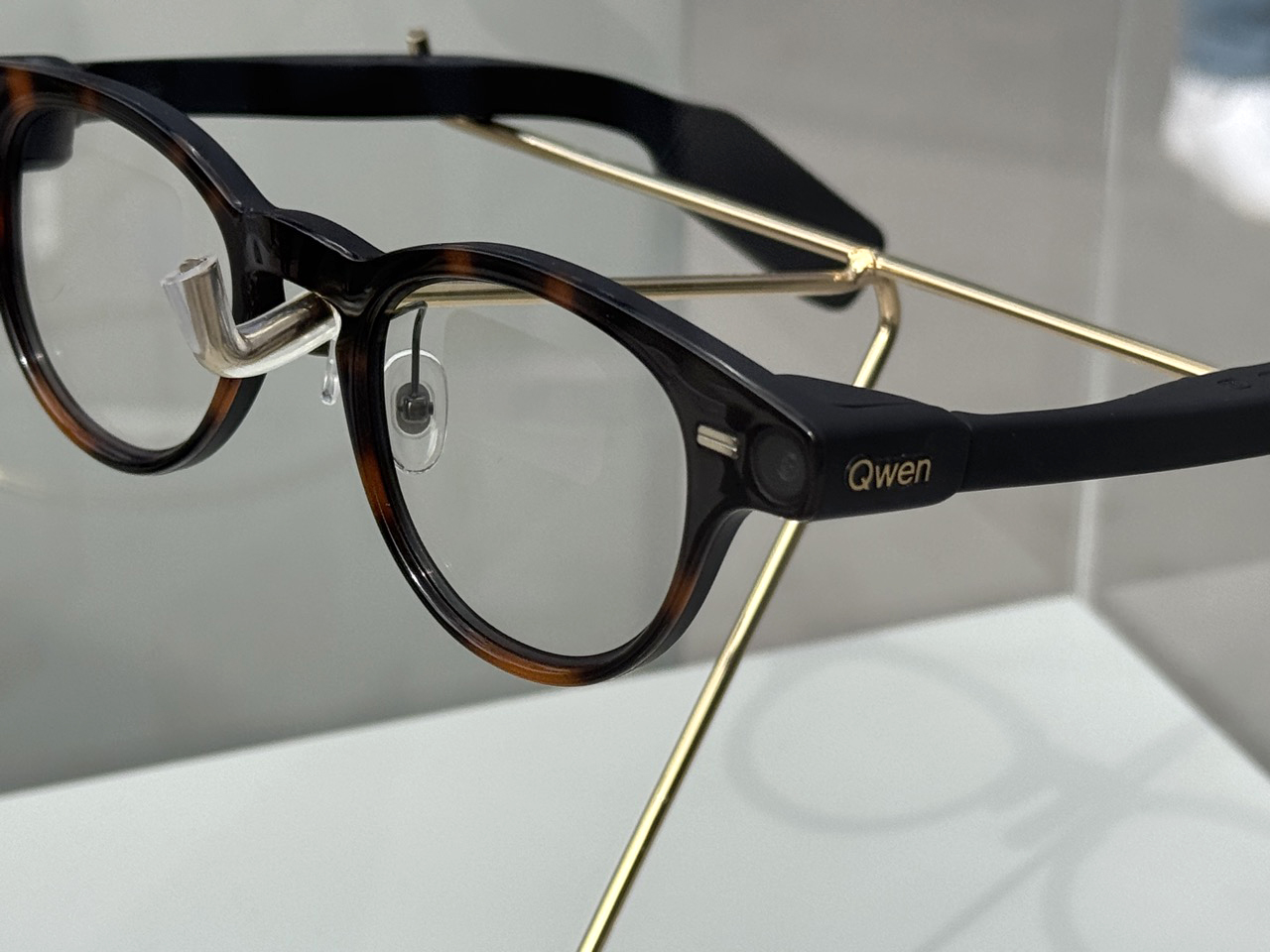
What they found were two frame styles that could sit in any optician’s window without raising an eyebrow. A rectangular wayfarer in matte black, clean and understated. A rounded frame in warm tortoiseshell with a two-tone contrast that leans vintage without being self-conscious about it. Both carry the “Qwen” wordmark on the temple, small and unobtrusive. Both have cameras tucked discreetly at the hinge corners rather than mounted on the bridge. And inside the lenses, visible only when you look closely, is the faint shimmer of a waveguide display.

Designer: Qwen

That last detail is where the competitive context gets genuinely interesting. The smart glasses market in 2026 has essentially sorted itself into two camps. On one side, you have camera-and-speakers devices like the mainstream Ray-Ban Metas, starting around $299, which have been wildly successful because they figured out that looking normal matters more than most features. On the other, you have display-first devices like the Even Realities G1 and G2, which sit at $599 and offer binocular waveguide displays, but sacrifice the camera entirely and strip out the speakers to keep weight down to a remarkable 36 grams. Meta entered the premium display tier late last year with the $799 Ray-Ban Display, a full-colour waveguide in one eye, a 12MP camera, and open-ear audio. It’s a compelling package, but $799 is a significant ask for a first-generation product in a category most consumers are still on the fence about.

The Qwen glasses, if they land close to the pricing of Alibaba’s previous Quark AI Glasses at around $277, would be threading an entirely different needle. Camera, display, on-device AI, and a frame design that competes aesthetically with anything in this space, all at a price that undercuts the Even G2 by more than half and the Meta Display by almost two-thirds. On paper, that’s a serious value proposition. The technology powering it is a lightened version of Qwen 3.5, running directly on the device rather than offloading everything to the cloud, which matters both for latency and for use cases where connectivity is limited.

The honest caveat is the brand itself, and it’s worth sitting with. Qwen is well regarded within AI research circles, particularly since Alibaba open-sourced much of the model family and developers worldwide have built on it. But Qwen as a consumer product, as something you’d buy at a store or recommend to a friend in Europe or North America, carries essentially zero name recognition. The app ecosystem that Alibaba plans to migrate onto the glasses, things like food delivery and ride-hailing integrations, is deeply rooted in China’s domestic services infrastructure and doesn’t translate directly to international markets without significant rework. Meta spent years building the Ray-Ban brand before it put a chip inside the frame. Alibaba is trying to build hardware credibility and software trust simultaneously, in markets where it starts from a cold position.

None of that makes the product less interesting. The Qwen glasses are arguably the first device in this category to arrive with a camera, a waveguide display, on-device AI, and a design that doesn’t require the wearer to make aesthetic compromises, all at a price that could realistically attract mainstream buyers rather than just enthusiasts. With North America and Western Europe commanding the vast majority of global smart glasses demand, Alibaba is clearly going after the big markets, and the product is credible enough to deserve a proper hearing there. The harder work, convincing people in those markets to trust a brand they have never heard of with a face-worn AI device that has cameras and a display, is the challenge that no amount of giant sculpture at a trade show can solve on its own.

What MWC established is that the hardware is real, the ambition is real, and the timing is deliberate. Alibaba confirmed that AI earbuds and a smart ring are coming later this year under the same Qwen brand, building out a wearable ecosystem that mirrors the strategy Meta has been executing for several years. The glasses are the opening argument. Whether the rest of the world ends up listening is the part that plays out over the next twelve months.

The post Meta better be worried. Qwen’s affordable AI Smart Glasses have cameras, speakers, and even a built-in display first appeared on Yanko Design.

This Tiny Rugged Phone Has a 152° Action Camera and GoPro Mounts

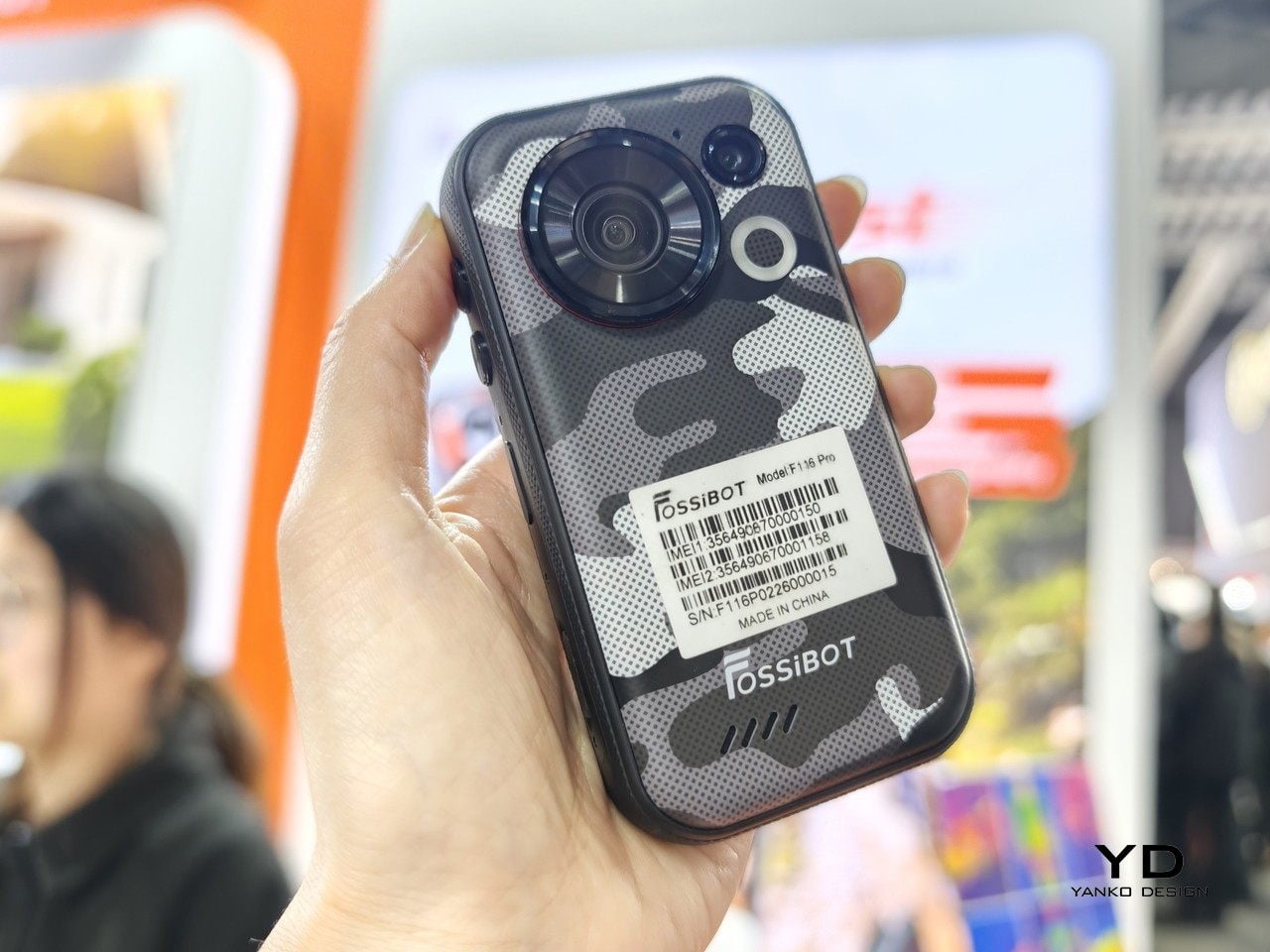
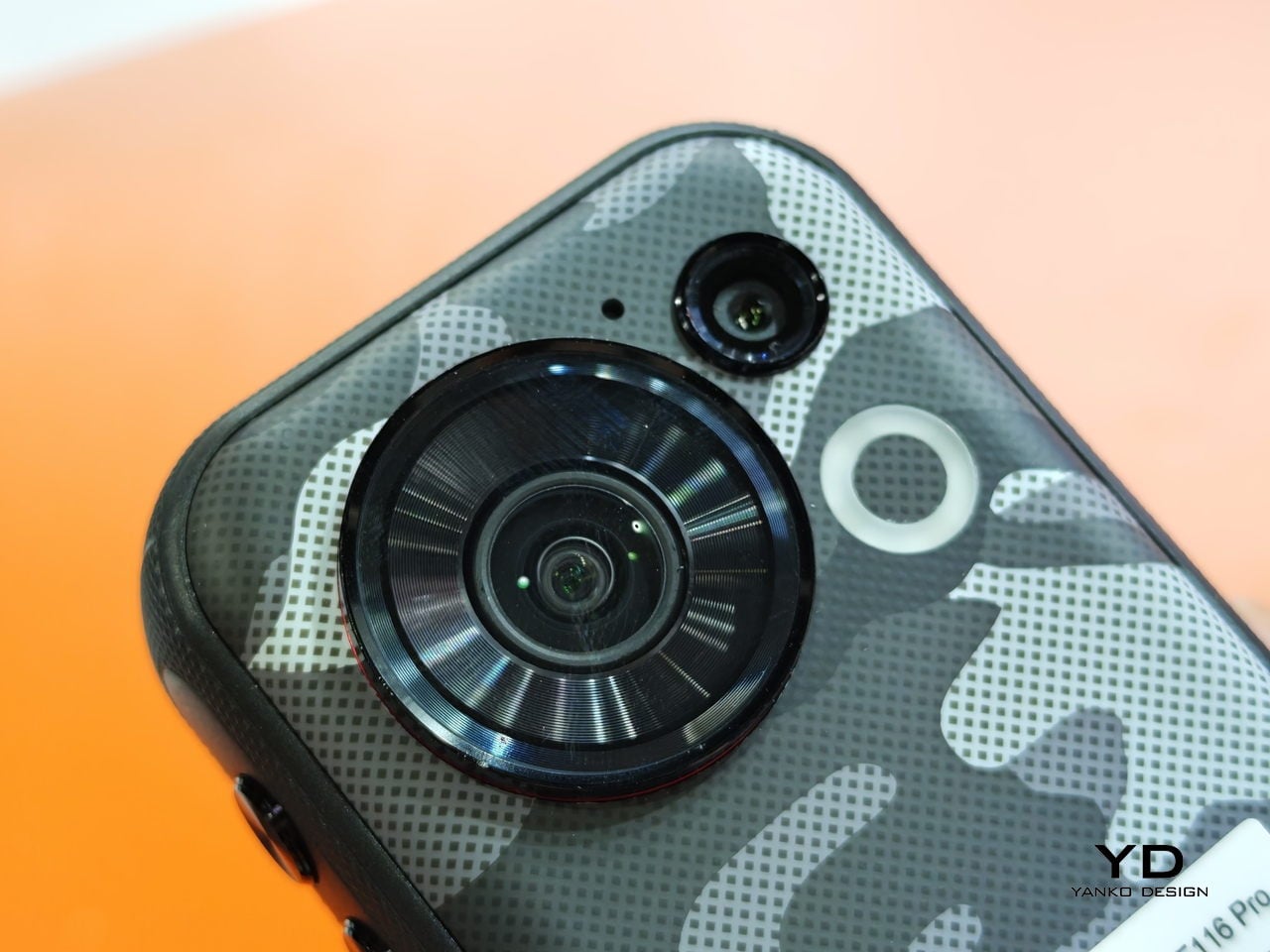
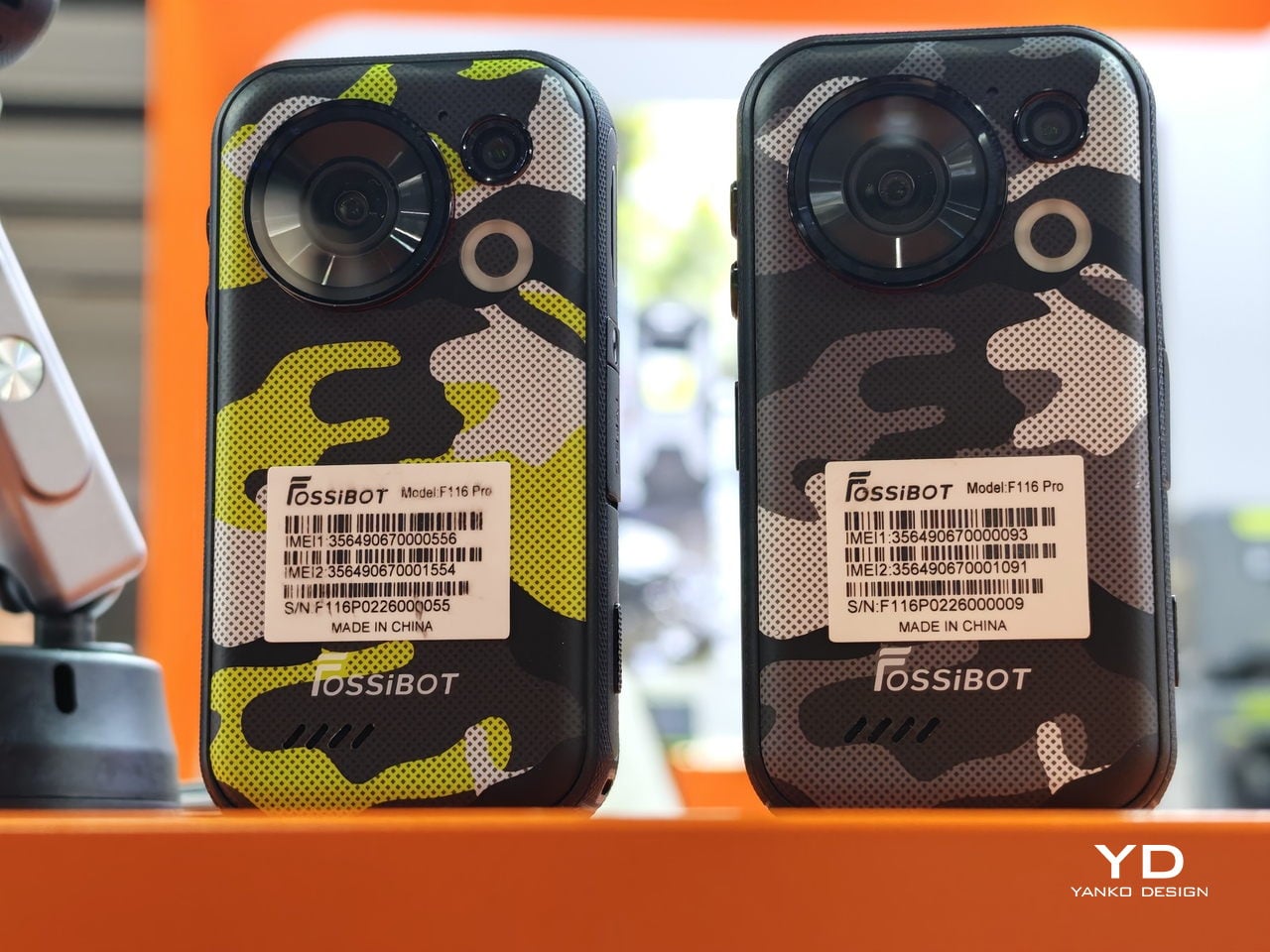
Action cameras are great until you realize you’ve left yours at home. Phones are always with you, but most of them are too big, too fragile, or too awkward to mount anywhere useful. The FOSSiBOT F116 Pro is a compact, rugged phone that tries to solve both problems at once, and the approach is specific enough to be interesting.

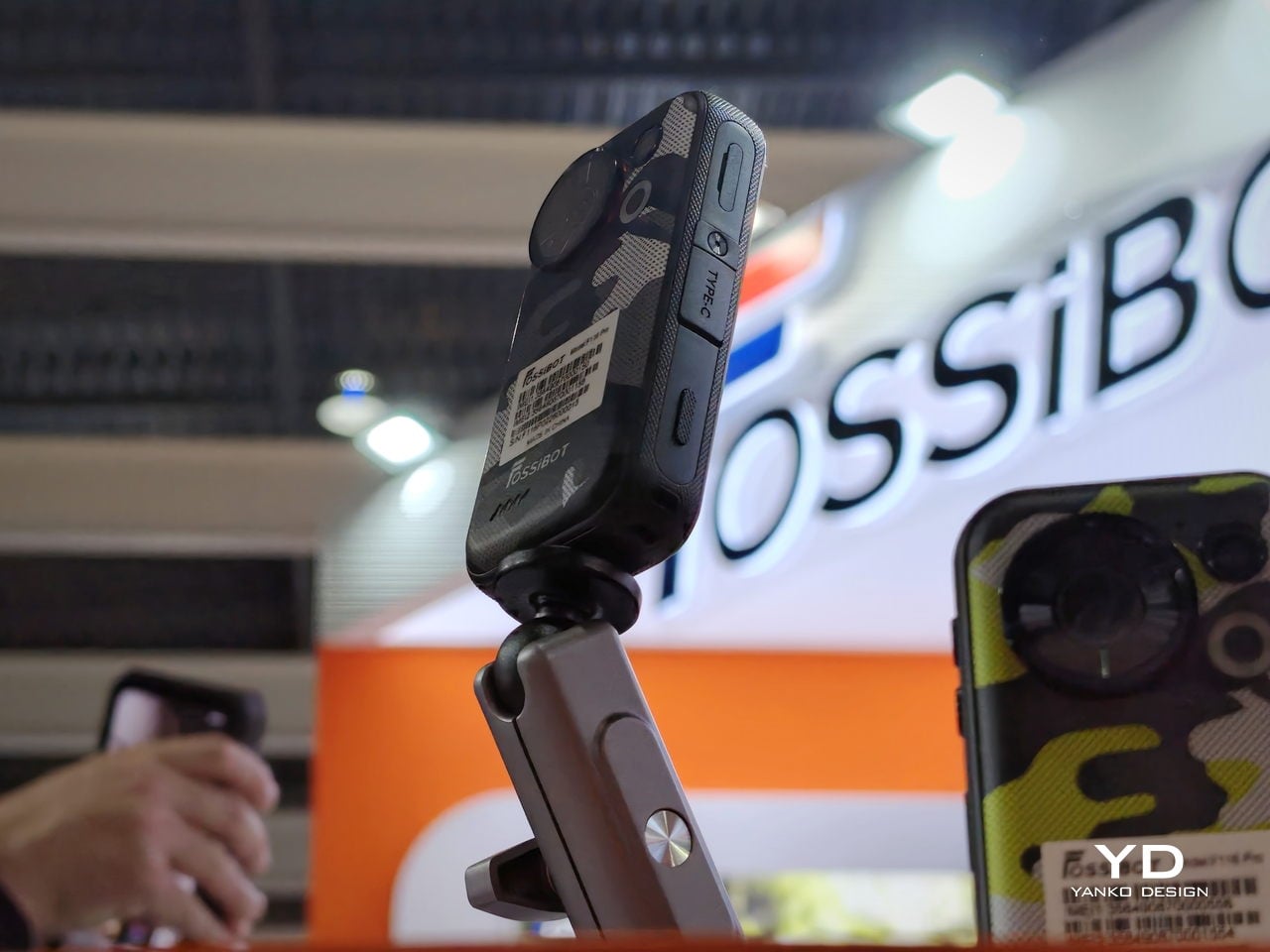
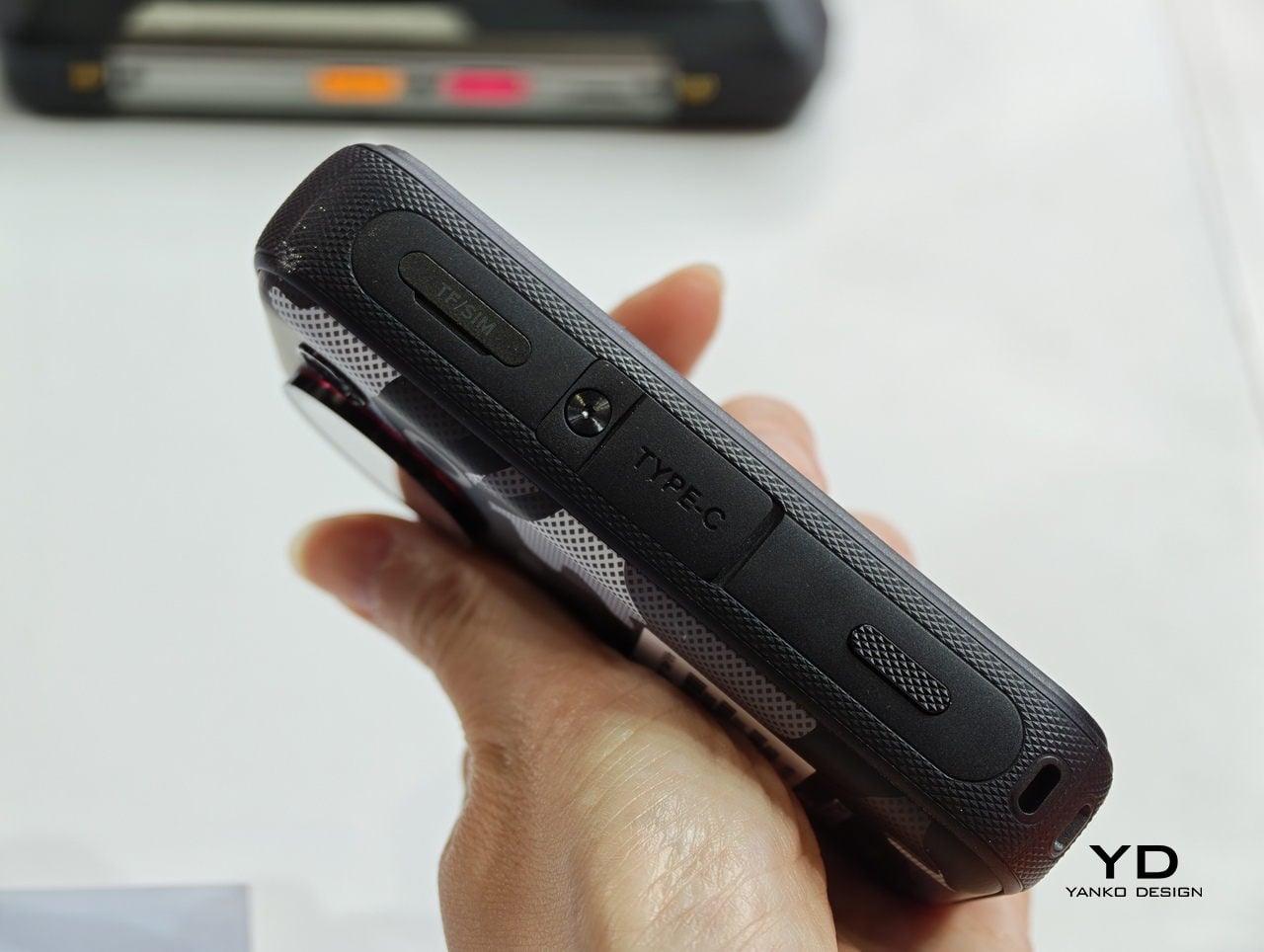
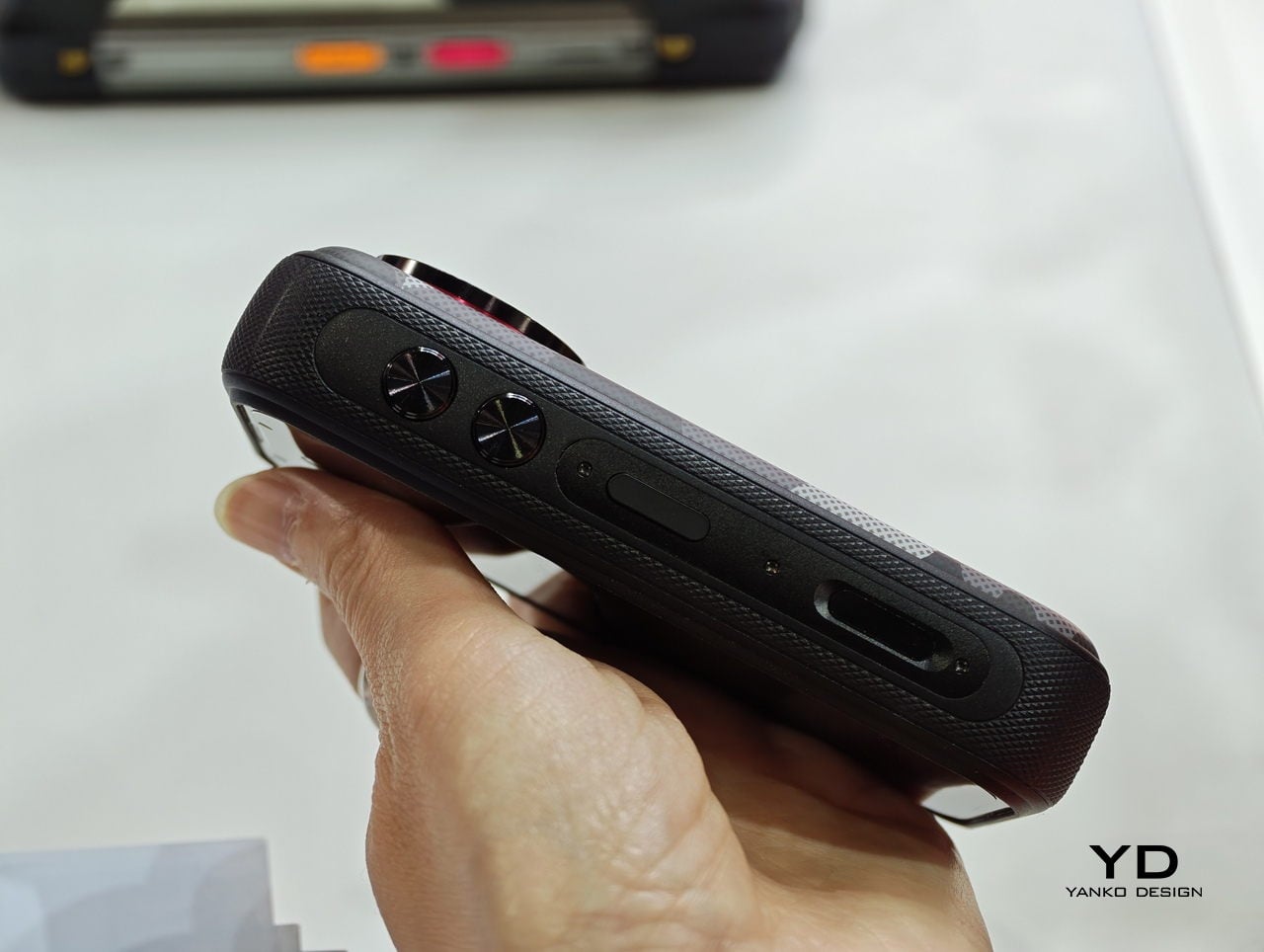
The F116 Pro is built around a 4.05-inch display and has a standard 1/4-inch screw socket at the bottom, the same thread you’d find on a tripod or a GoPro accessory. That means it works with the same ecosystem of mounts that action cameras already use: chest straps, suction cups, handheld grips, and neck mounts. The phone goes where the camera goes, instead of staying in your pocket while you film.

Designer: FOSSiBOT

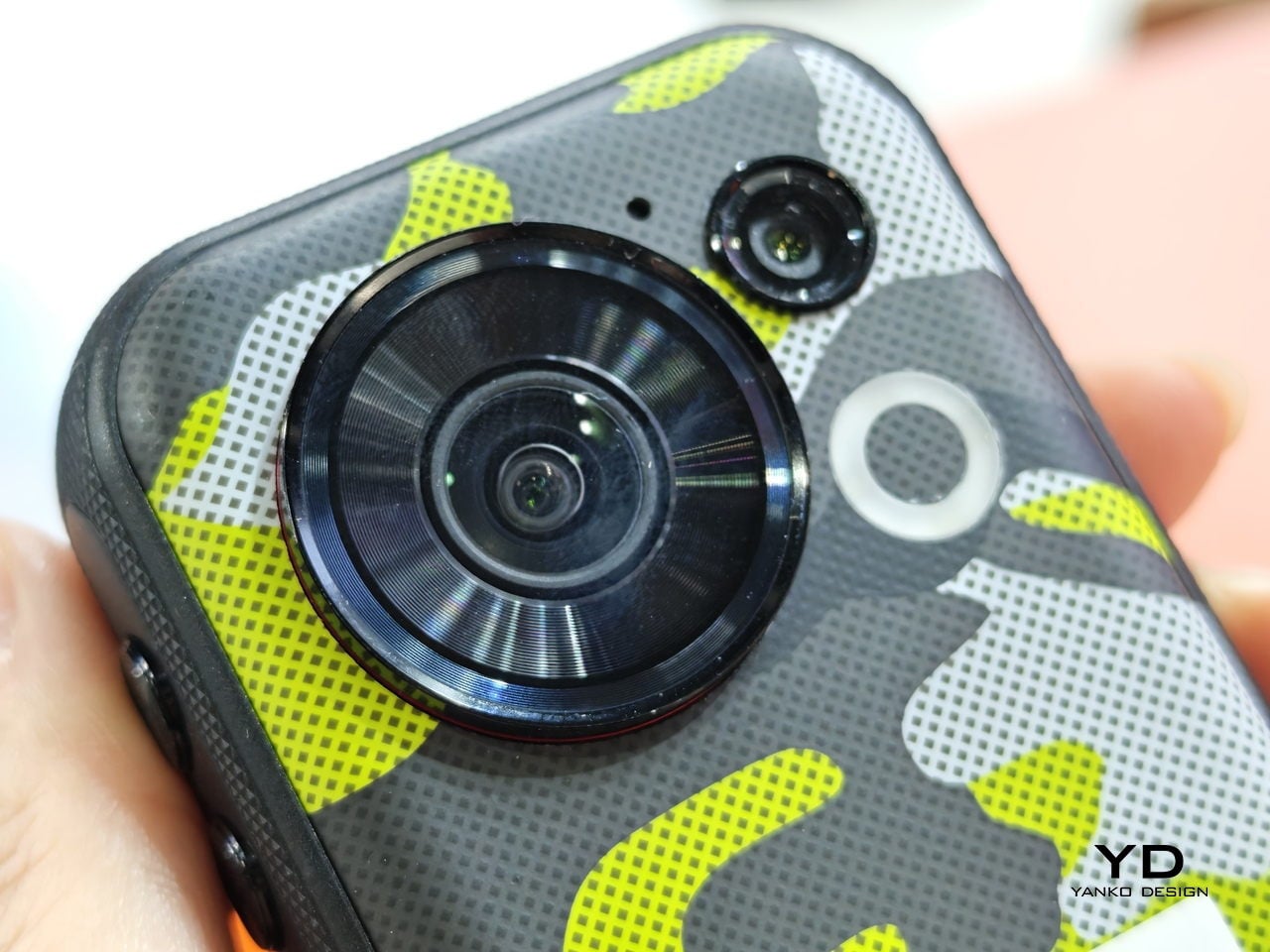
The camera is a 48 MP wide-angle unit with a 152.6-degree field of view, which is genuinely wide. Most smartphone ultrawide lenses sit somewhere between 70 and 90 degrees for comparison. Built-in stabilization smooths out footage on bumpy terrain, and a dedicated physical camera button on the body launches the camera instantly without unlocking the phone first, which matters more than it sounds when you’re actually moving.

Inside, the phone runs on a MediaTek Dimensity 7300 chipset built on a 4nm process, paired with 12GB of RAM and 256GB of storage, expandable up to 1TB with a now-rare microSD card slot. The display refreshes at 120Hz, 5G connectivity means footage can leave the device without hunting for Wi-Fi, and a 3,700 mAh battery with 33W charging keeps things moving. Modest numbers, but proportionate to a 4-inch screen and mid-range specs.

There’s also a rear circular LED that FOSSiBOT calls a “Light Signal Tower,” which cycles through colors and can be set to show notifications. It reads as a feature designed more for personality than practicality, but on a device this small, glancing at the back for alerts without waking the screen has some logic to it.

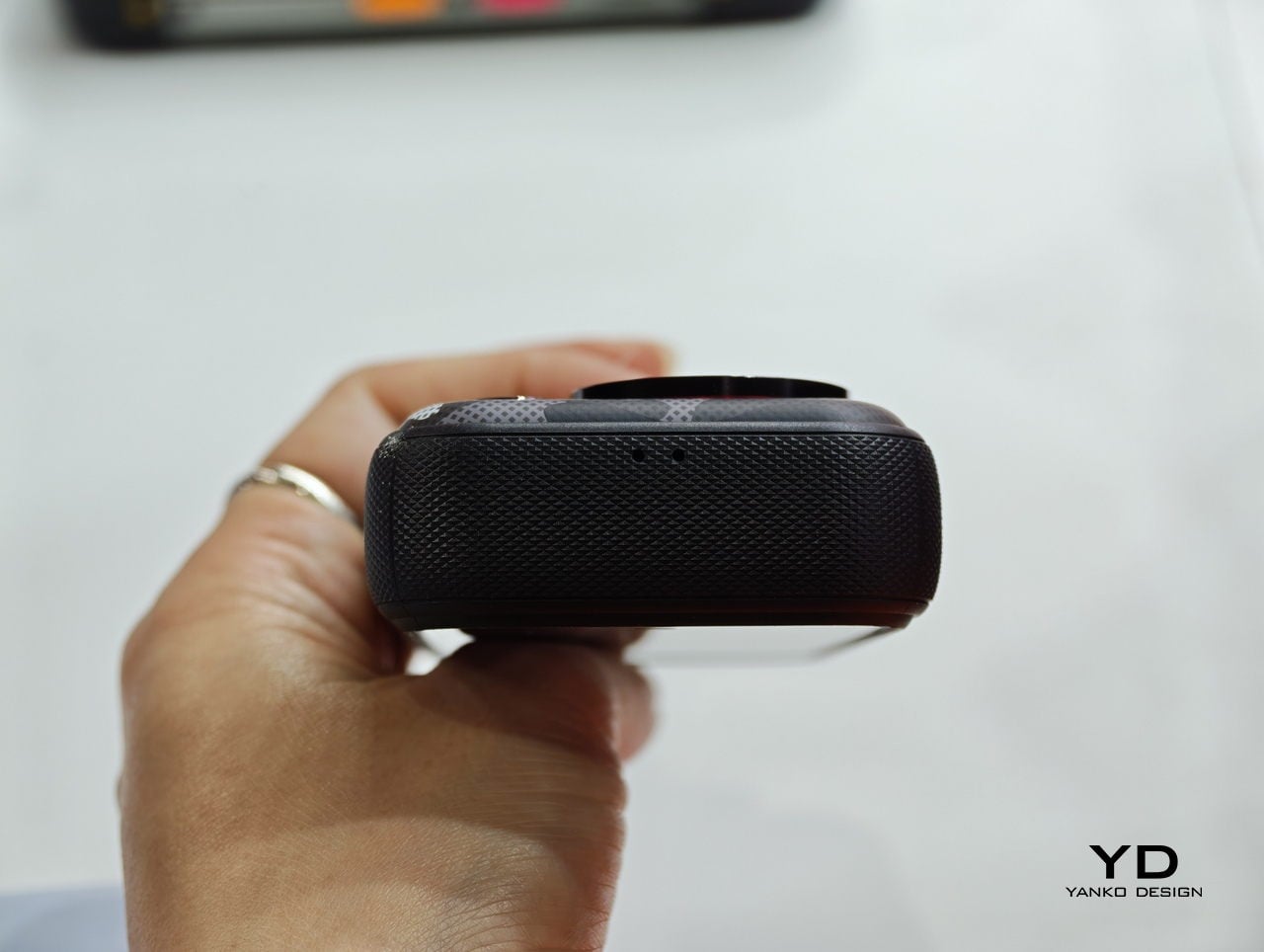
The compact body is the most interesting design choice here, and also the one that will define the experience. At 4.05 inches, the screen is smaller than almost anything else currently on the market. That’s a genuine advantage for one-handed operation and pocket carry, and a real limitation for anything that benefits from screen size: reading, navigation, video playback. The F116 Pro is betting its users want something small enough to forget they’re carrying it.

FOSSiBOT has been around since 2022 and claims more than 1.5 million users across its lineup. The F116 Pro showed up at CES earlier this year, and again at MWC 2026, which suggests the company is serious about getting it in front of people. The more honest question is whether a mountable, rugged, mini-format phone lands in a gap the market actually has, or one the market has already decided it doesn’t need.

The post This Tiny Rugged Phone Has a 152° Action Camera and GoPro Mounts first appeared on Yanko Design.
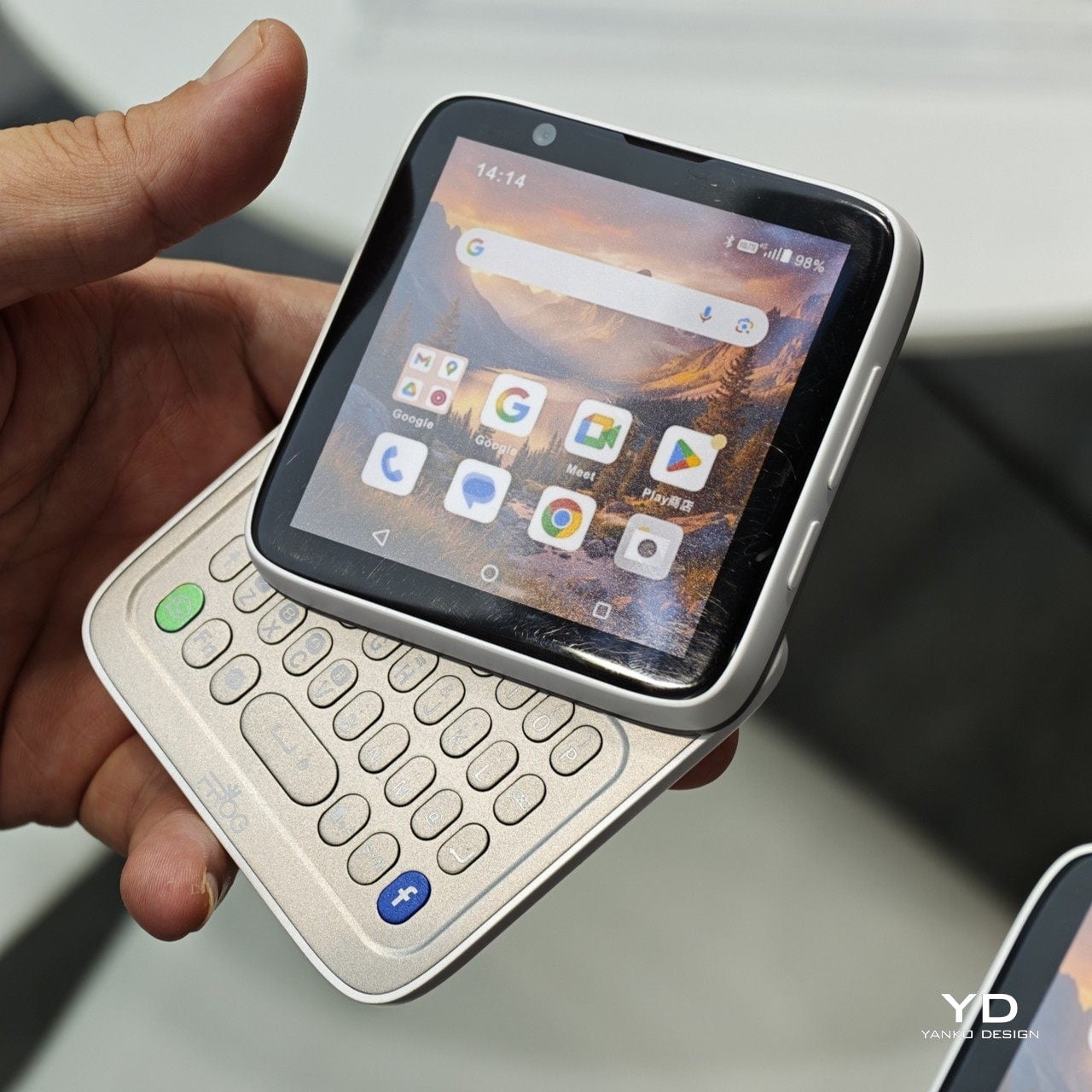
This Square Phone Rotates Open to a BlackBerry or Game Boy Setup

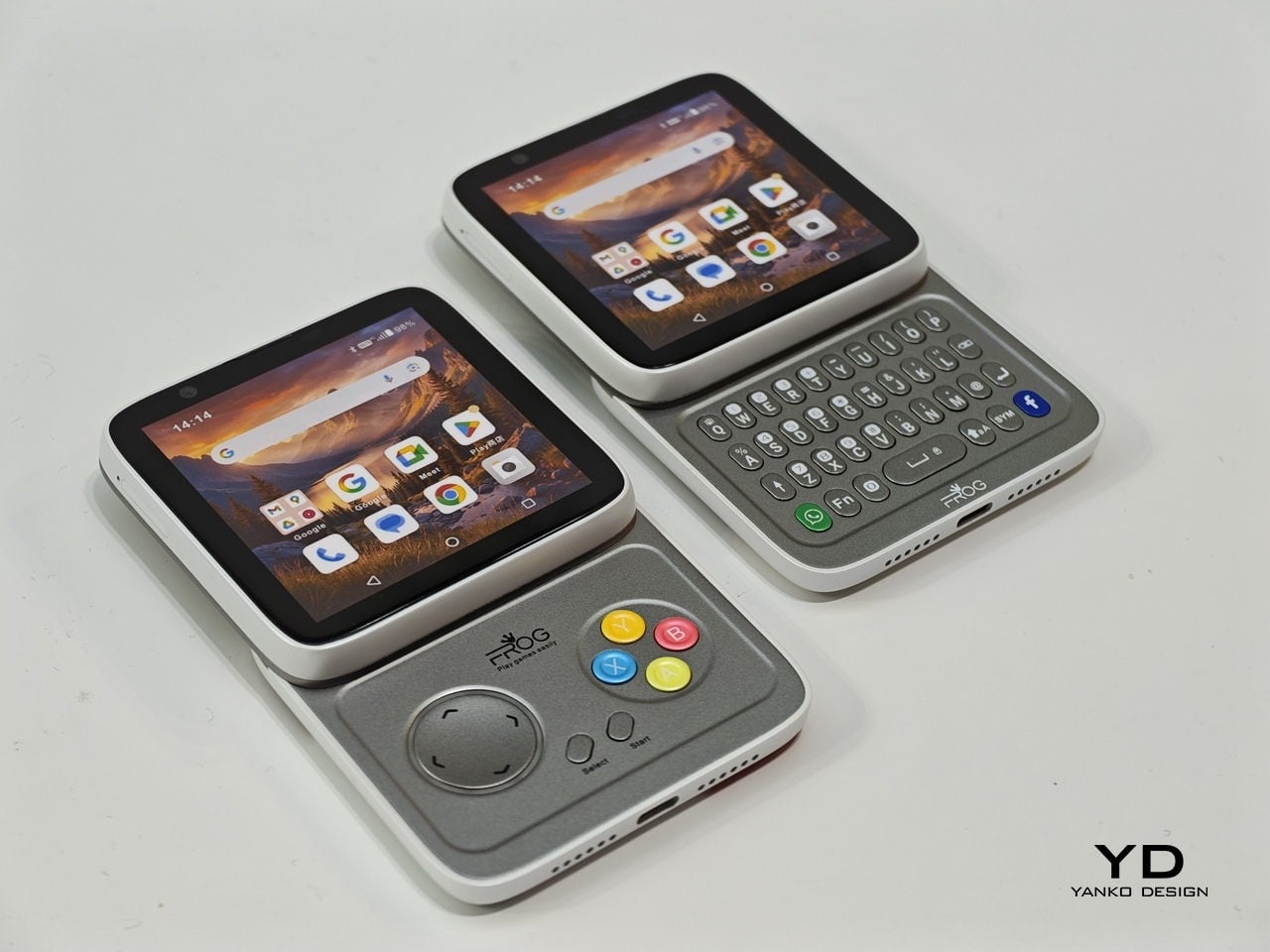
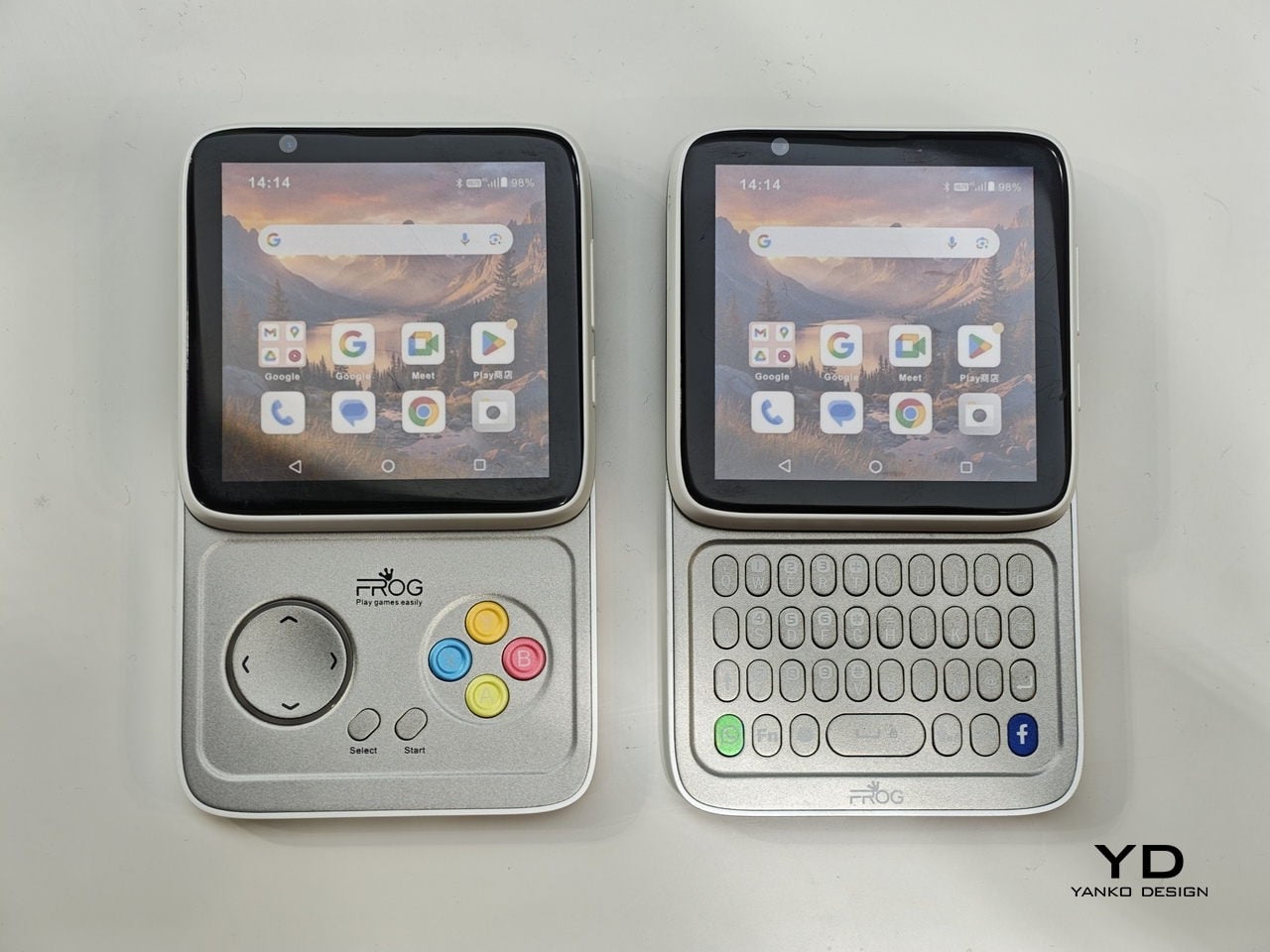
Smartphones have gotten pretty good at being the same thing. Every year, they get a little taller, a little thinner, and a little more difficult to tell apart in a lineup. That’s fine for most people, but it does make MWC 2026 feel like a bit of a slog, until you spot something genuinely weird on the show floor, like a square phone that rotates open to reveal either a physical keyboard or a game controller underneath.

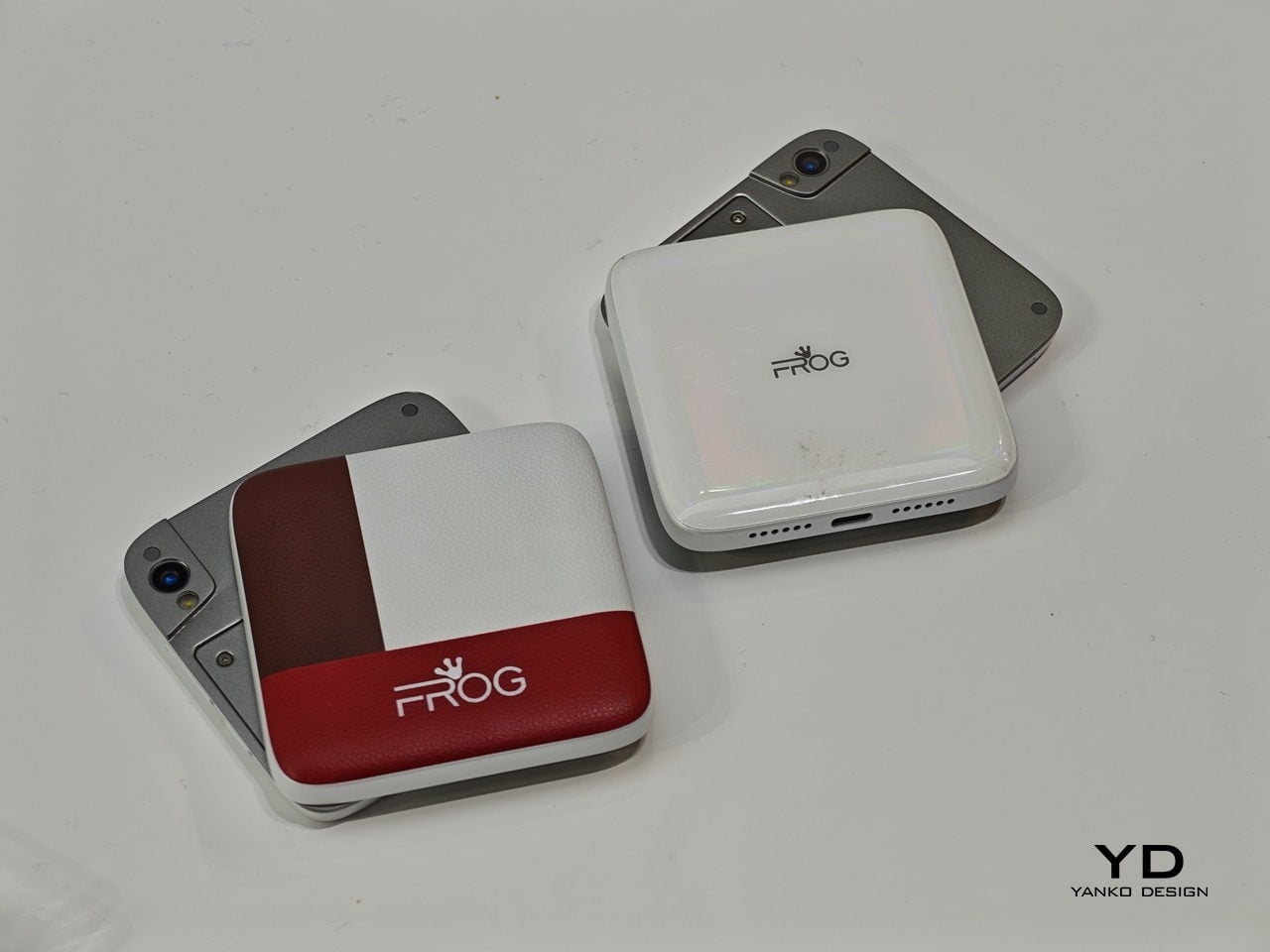
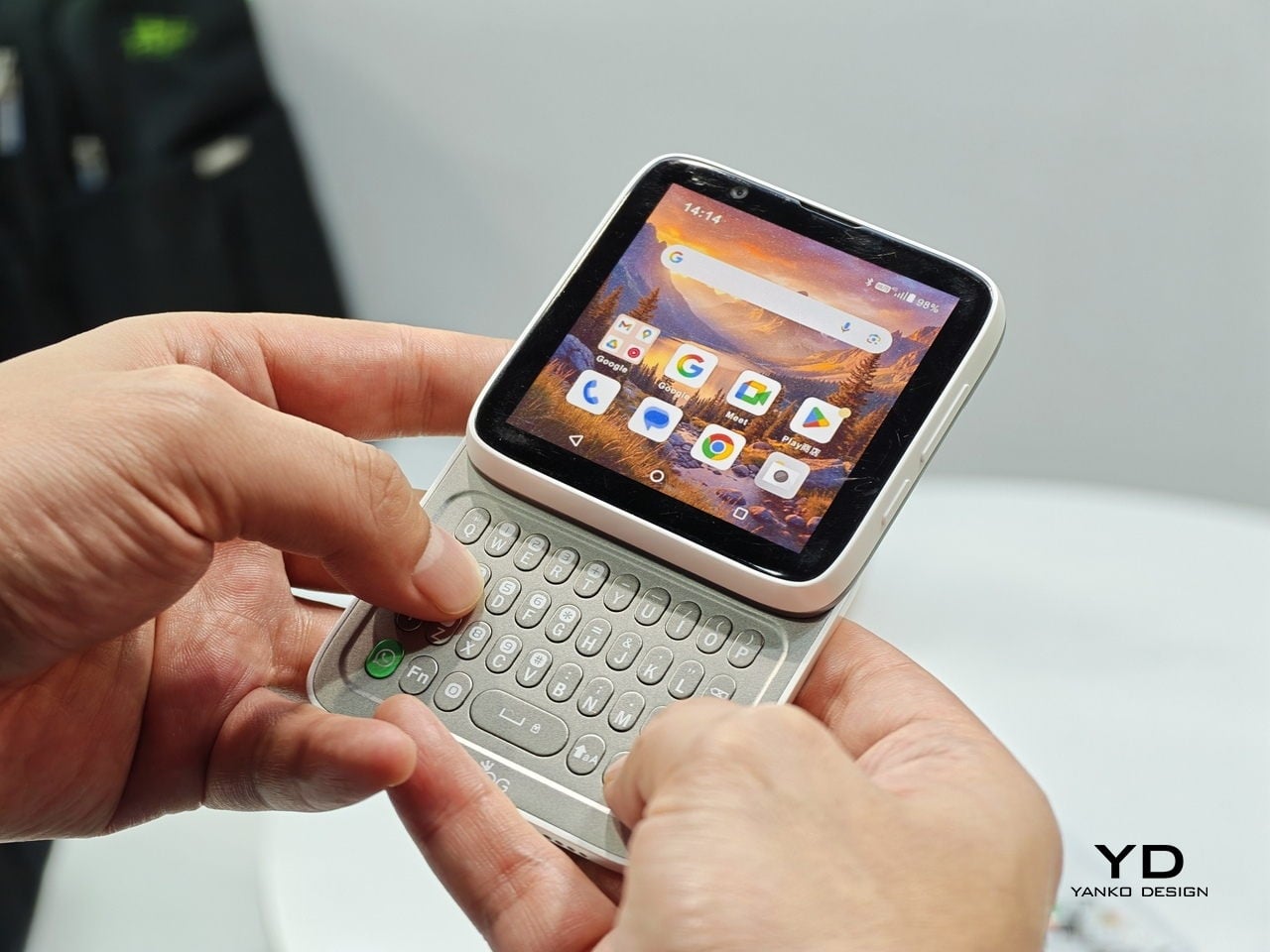
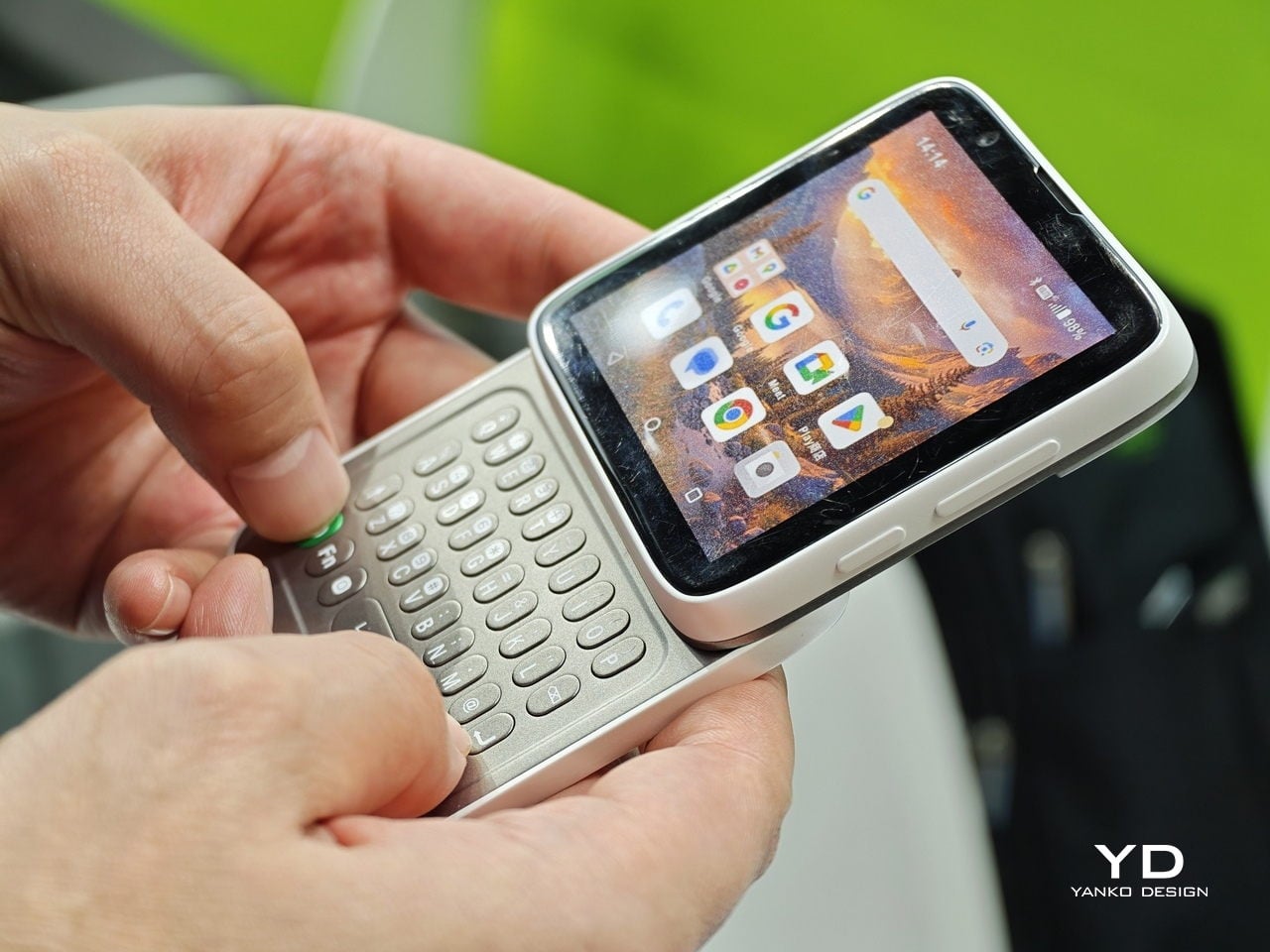
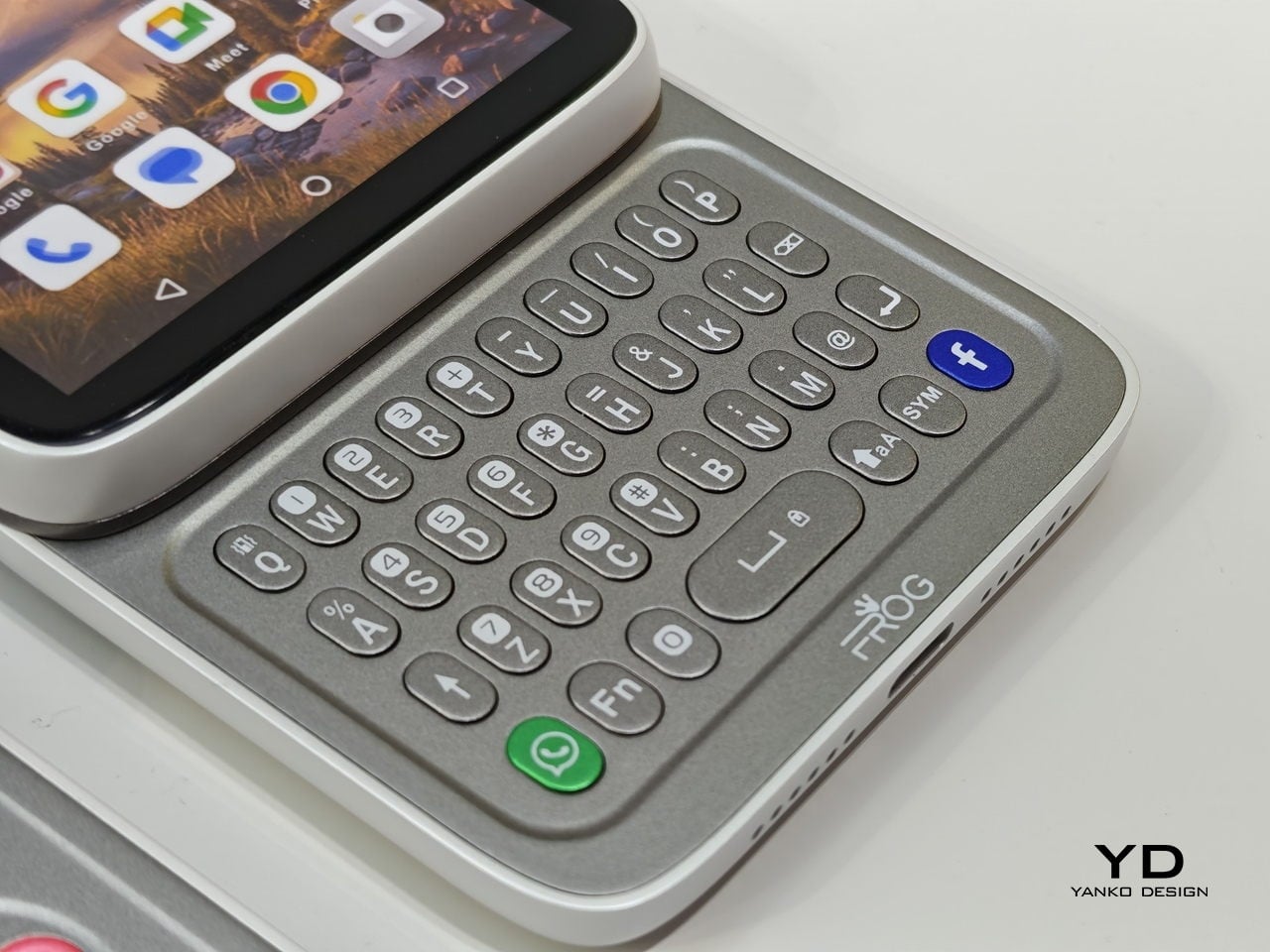
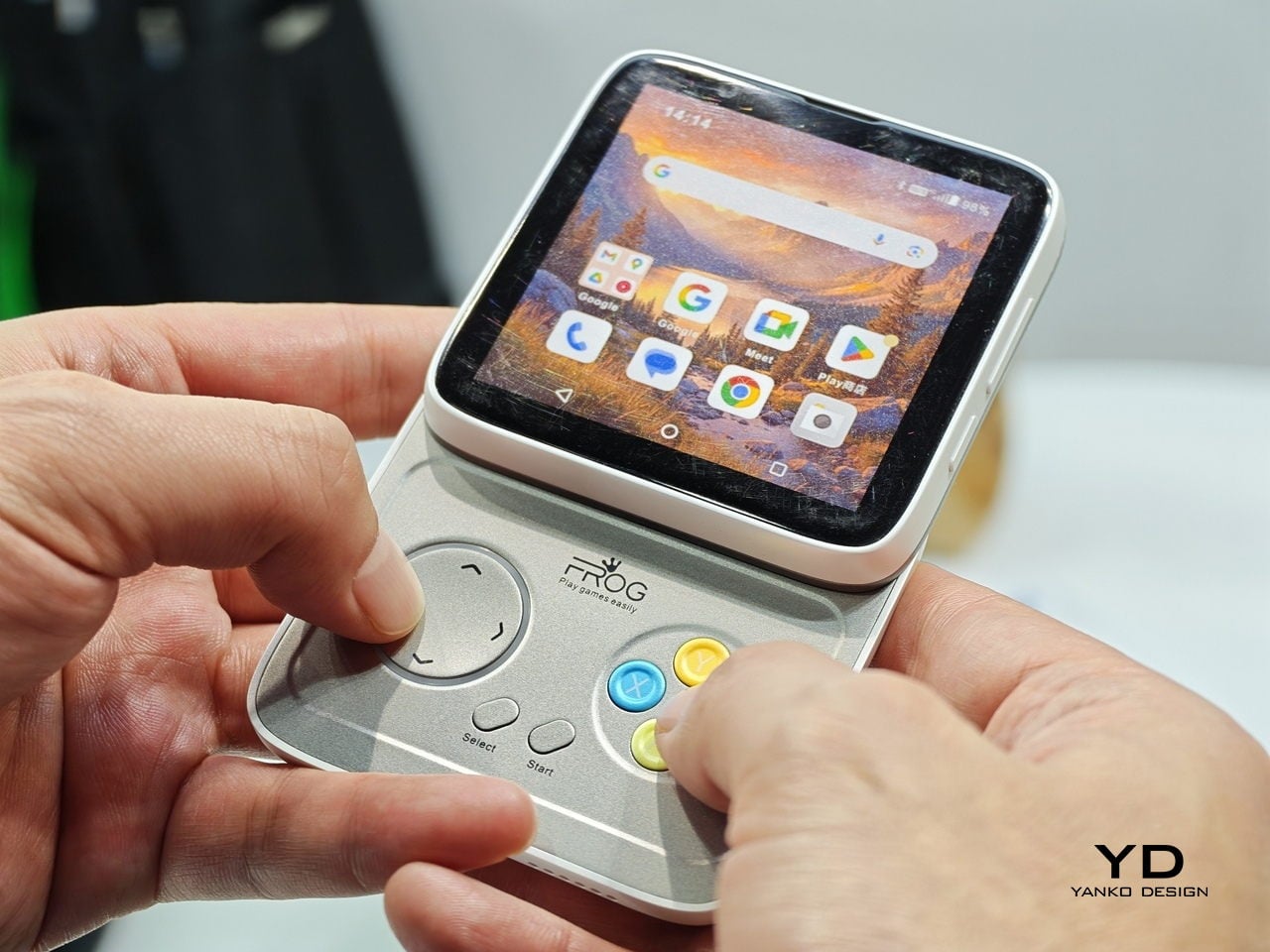
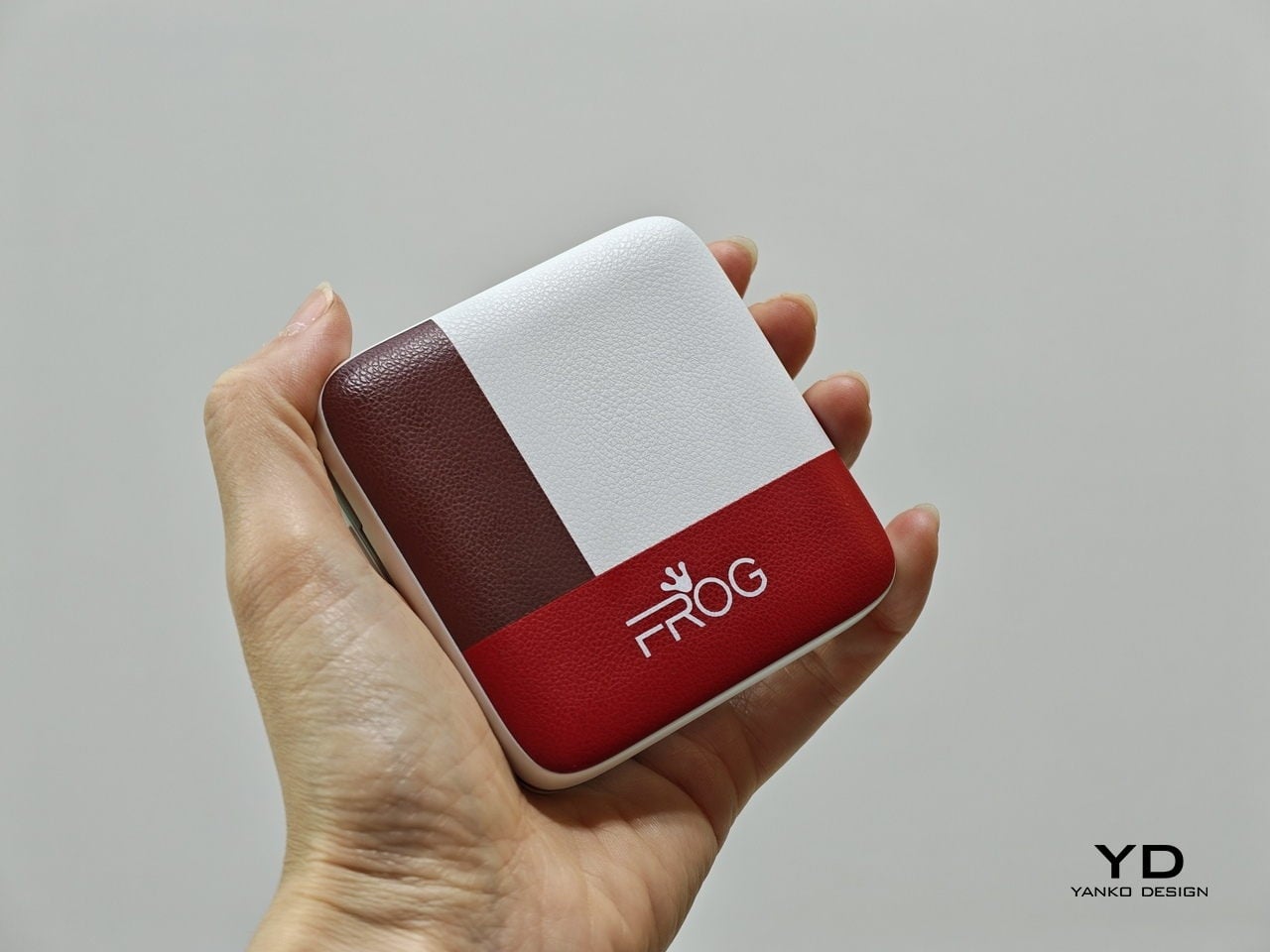
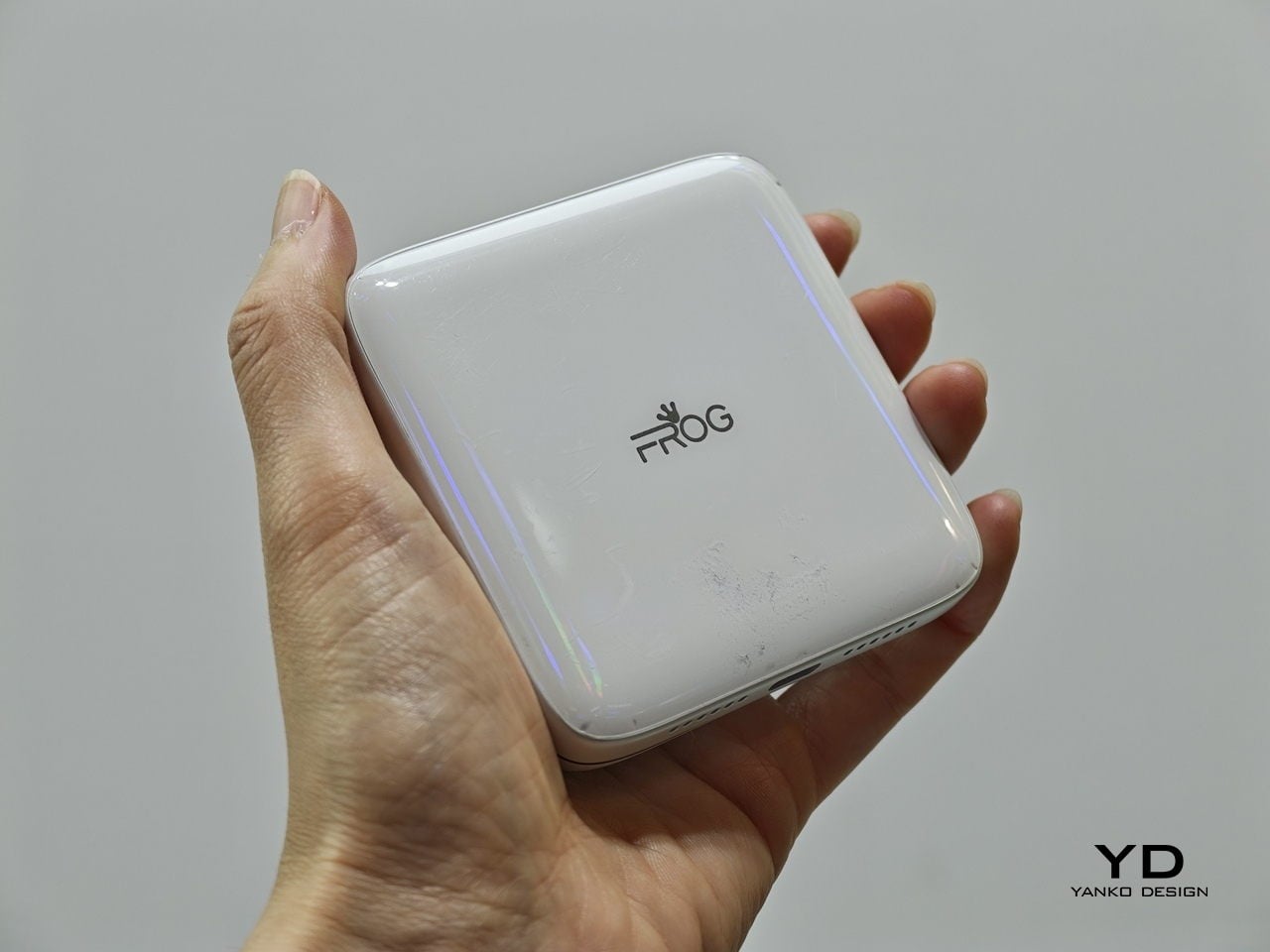
The iFrog RS1 is about the size of a closed fist, built around a 3.4-inch square display that sits on top of a rotating lower section. Twist it open, and you get one of two things depending on which variant you’re holding: a full QWERTY keyboard with raised, tactile keycaps, or a gamepad with a D-pad, a four-color face button cluster, and Select/Start buttons. Both run Android on a MediaTek Helio G18 chipset, with storage and RAM left open for whoever configures the platform.

Designer: FROG

That last part matters. iFrog is an ODM, or original design manufacturer, which means the RS1 is less a finished retail product and more a concept that carriers or brands can take and build on. The hardware is the pitch. Everything else is a conversation, which also explains why no pricing or release date was announced at MWC.

Of the two variants, the keyboard is the more predictable crowd-pleaser. There’s a genuinely underserved group of Android users who never stopped wanting physical keys. The BlackBerry crowd never fully disbanded, and phones like the Unihertz Titan have quietly built followings on exactly that. If you’ve ever tried composing a long email on a touchscreen while standing on a moving train, the appeal needs no further explanation.

The gamepad version is a stranger proposition, and honestly, the more interesting one. Running Android means emulation is an obvious draw, and the handheld gaming community noticed immediately. The visual comparison that kept surfacing online was the Motorola Flipout, a 2010 Android phone with a square body and rotating keyboard. There’s something both flattering and sobering in that parallel, since the Flipout was beloved by a small group and largely ignored by everyone else.

There are some caveats, though. No shoulder buttons on the gamepad variant rules out a lot of titles that need them. The swivel hinge is the structural heart of the design and also the part most likely to wear down. iFrog is new enough that questions about long-term software support are fair ones to ask, and the 3.4-inch screen is a genuine trade-off, not a quirk.

Still, the RS1 is a good reminder that the design space for phones is wider than what’s on shelves. It fits in a pocket and in the palm of a hand. It has buttons. It does a trick. What nobody knows yet is whether any of that adds up to something people actually want to live with.

The post This Square Phone Rotates Open to a BlackBerry or Game Boy Setup first appeared on Yanko Design.
Glyph Lights? Tecno Put Actual Plasma Lightning Inside One Of Its Phones At MWC 2026

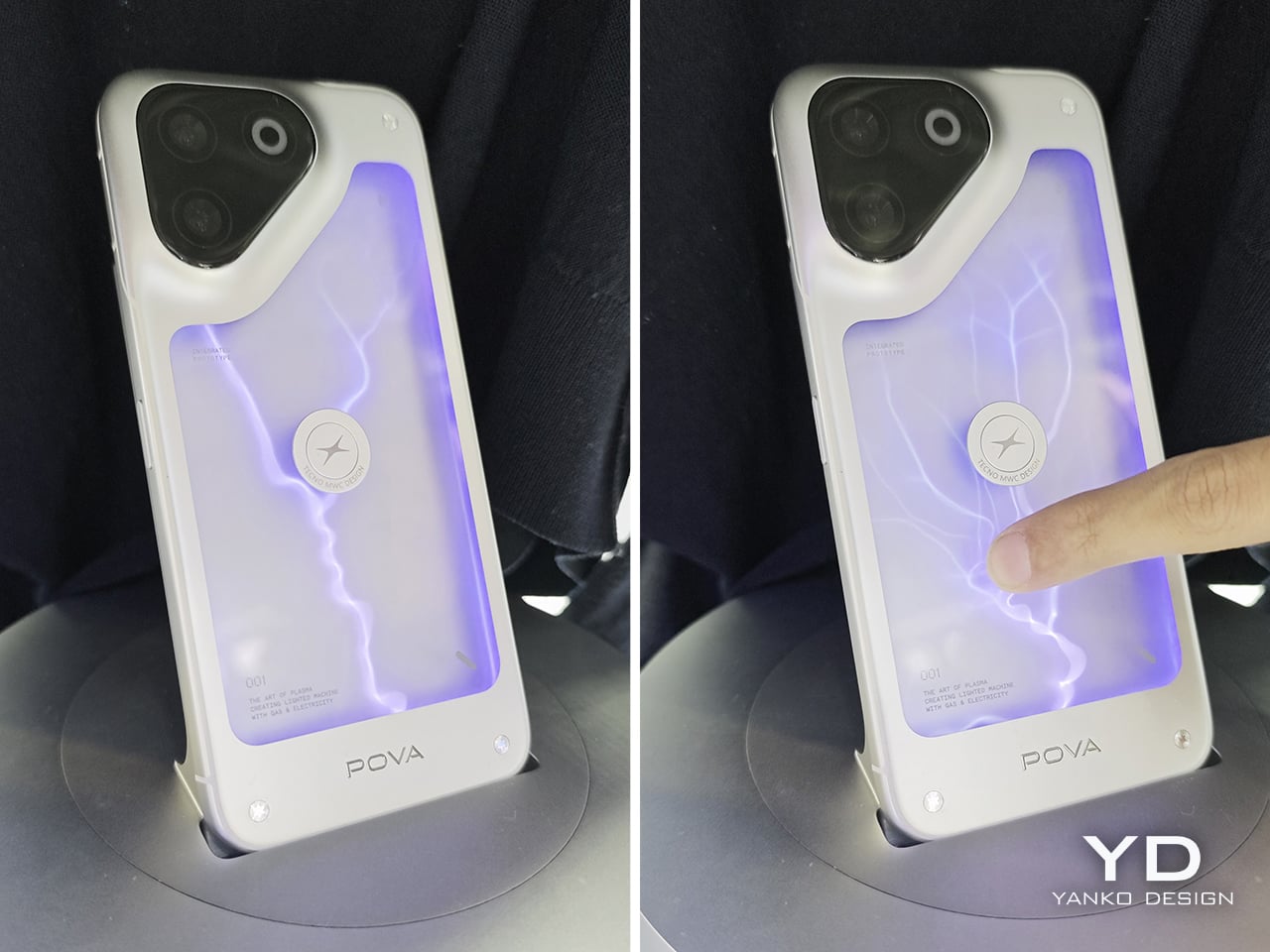
While Nothing flits with Glyph Matrixes and Bars, Tecno decided to infuse the soul of Thor into its latest phone concept. Dubbed the Pova Neon, this phone was possibly the most unique thing we’ve seen in the phone market in a while. Built inside the back of a phone is an inert gas chamber that emits beams of plasma thanks to high voltages that’s passed through the gas. Touch the glass panel separating you from the plasma, and the lightning gathers around your fingertips, quite like it would around a tesla coil, if you ever saw or owned one as a kid.

The detail (and the execution) is impressive, but it begs the question – who needs this?! Why does this exist? And what exactly is its purpose? Why must I have lightning trapped inside the back of my smartphone? Doesn’t it already do enough?? Or maybe the plasma lights are a great distraction from your doomscrolling habit. I’d probably pick staring at random beams of light than scroll through the news…

Designer: Tecno

The Pova Neon is just a concept. Tecno doesn’t plan on building this at all, not just because it’s complicated – it’s also fragile, fairly dangerous, and really doesn’t do much to make the phone better. Adding inert gases at the back removes the ability to add a wireless charging coil there, which means no MagSafe either. You put a case on the phone and you lose all novelty immediately. And drop the phone and you genuinely risk a fairly serious fire hazard.

But for what it’s worth, the phone is a bundle of fun. In the bright lights of MWC, the plasma wasn’t fairly visible. But the minute we put a coat around the phone to block light out, the lightning looked genuinely amazing. The random patterns, the interaction with your fingertip, it’s all entirely cosmetic, but it’s also somewhat cosmic! Good job flexing your tech chops, Tecno. I mean, besides the fact that they actually built a modular smartphone ecosystem which managed to win YD’s Best of MWC Award!

The post Glyph Lights? Tecno Put Actual Plasma Lightning Inside One Of Its Phones At MWC 2026 first appeared on Yanko Design.
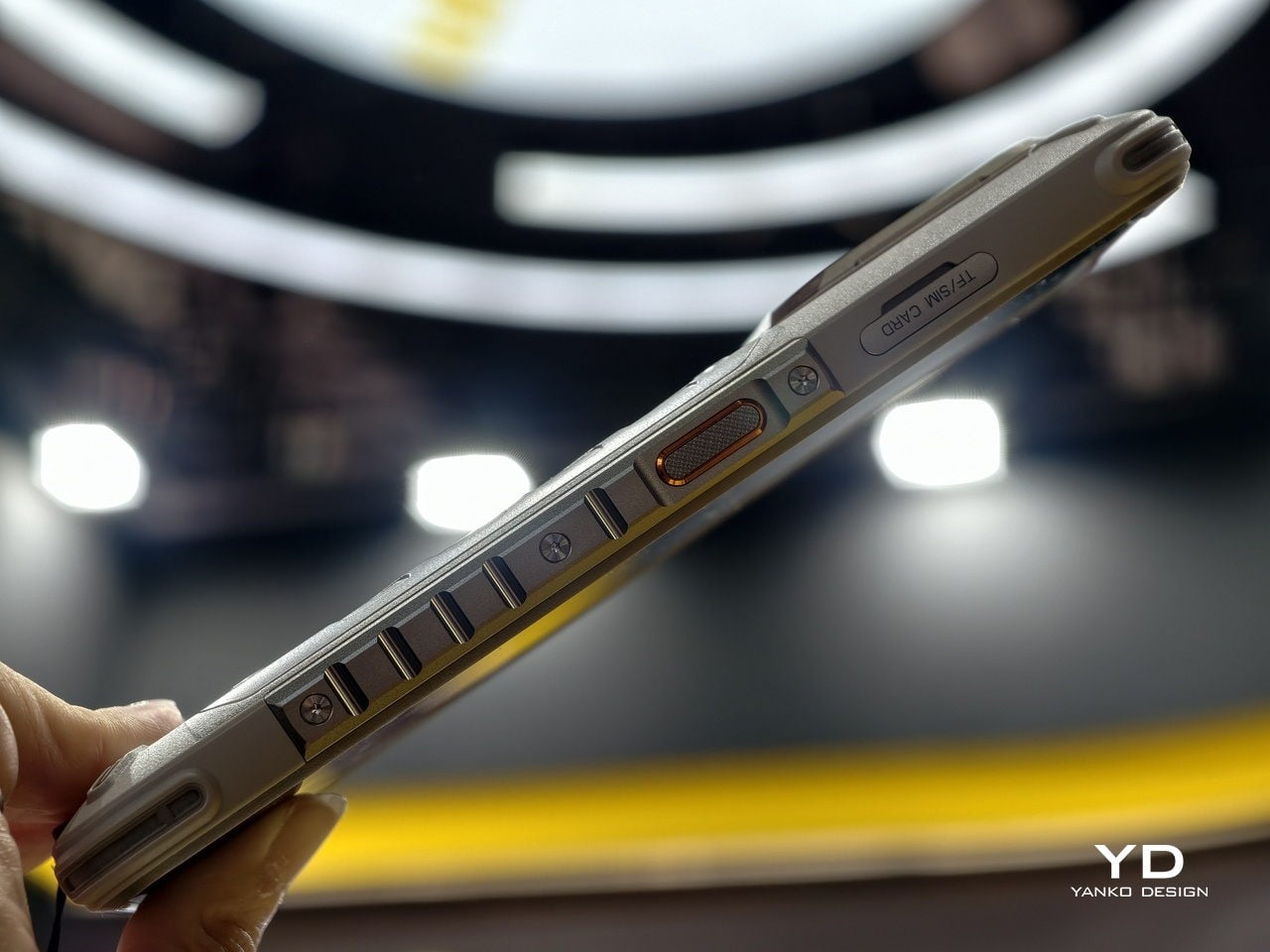
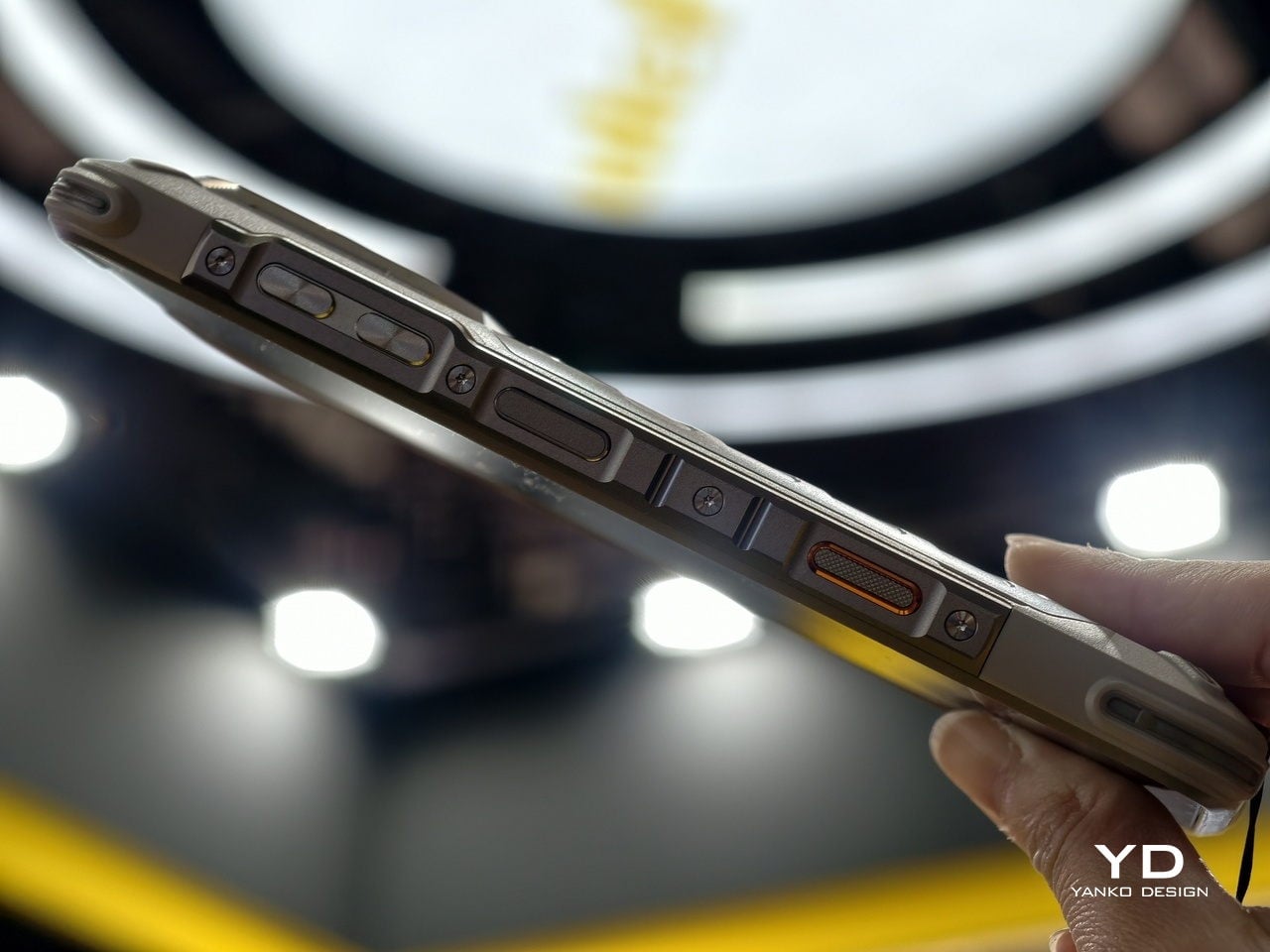
This Rugged Phone Ships With 2 Batteries You Can Hot-Swap

Dead battery anxiety is real, and for most people, the solution is either a power bank they forgot to charge or a desperate search for an outlet. Flagship phones have been getting faster at charging for years, but none of them have gone back to the one fix that actually solves the problem: a battery you can take out and replace with a fresh one, right there on the trail.

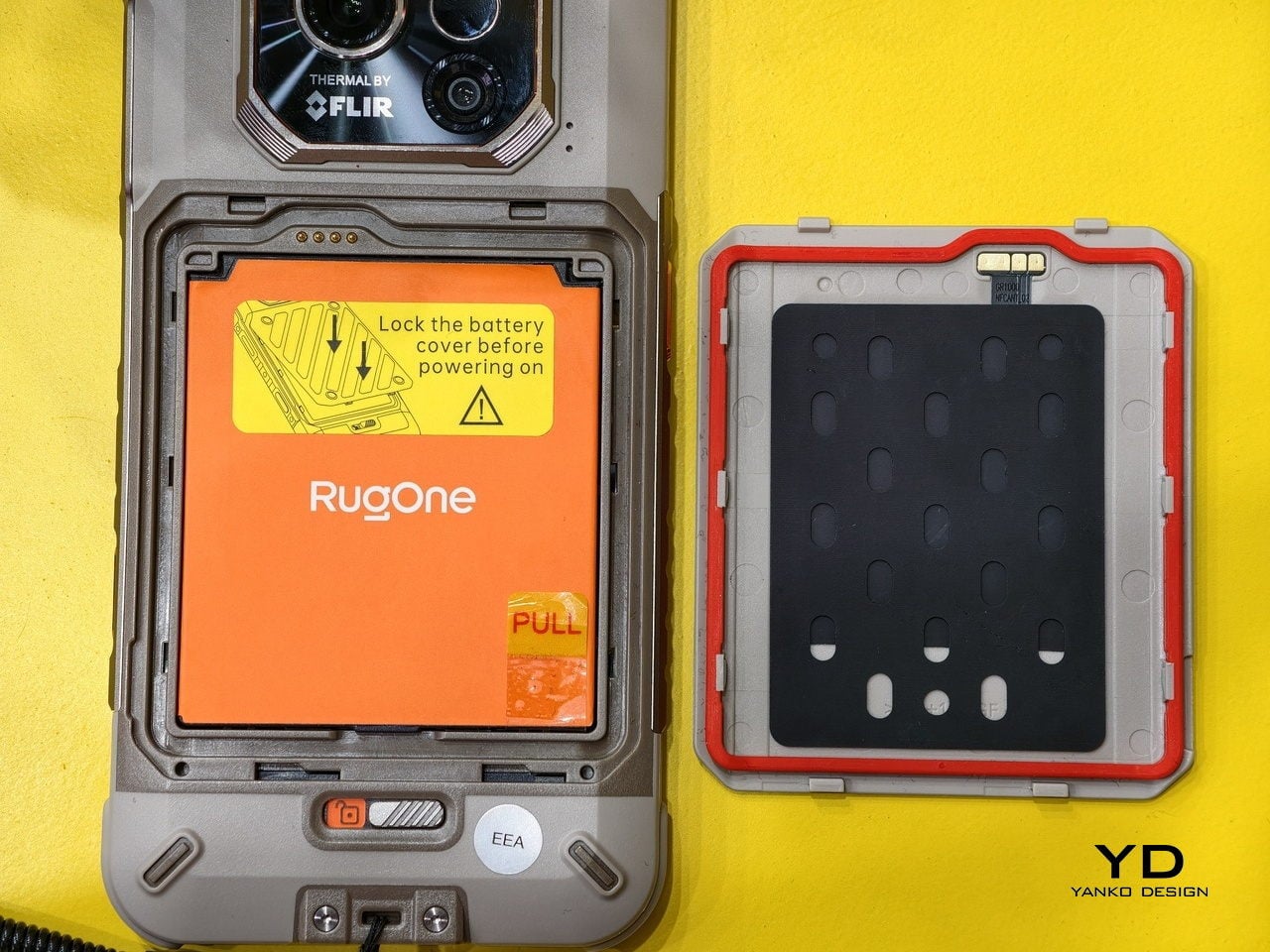
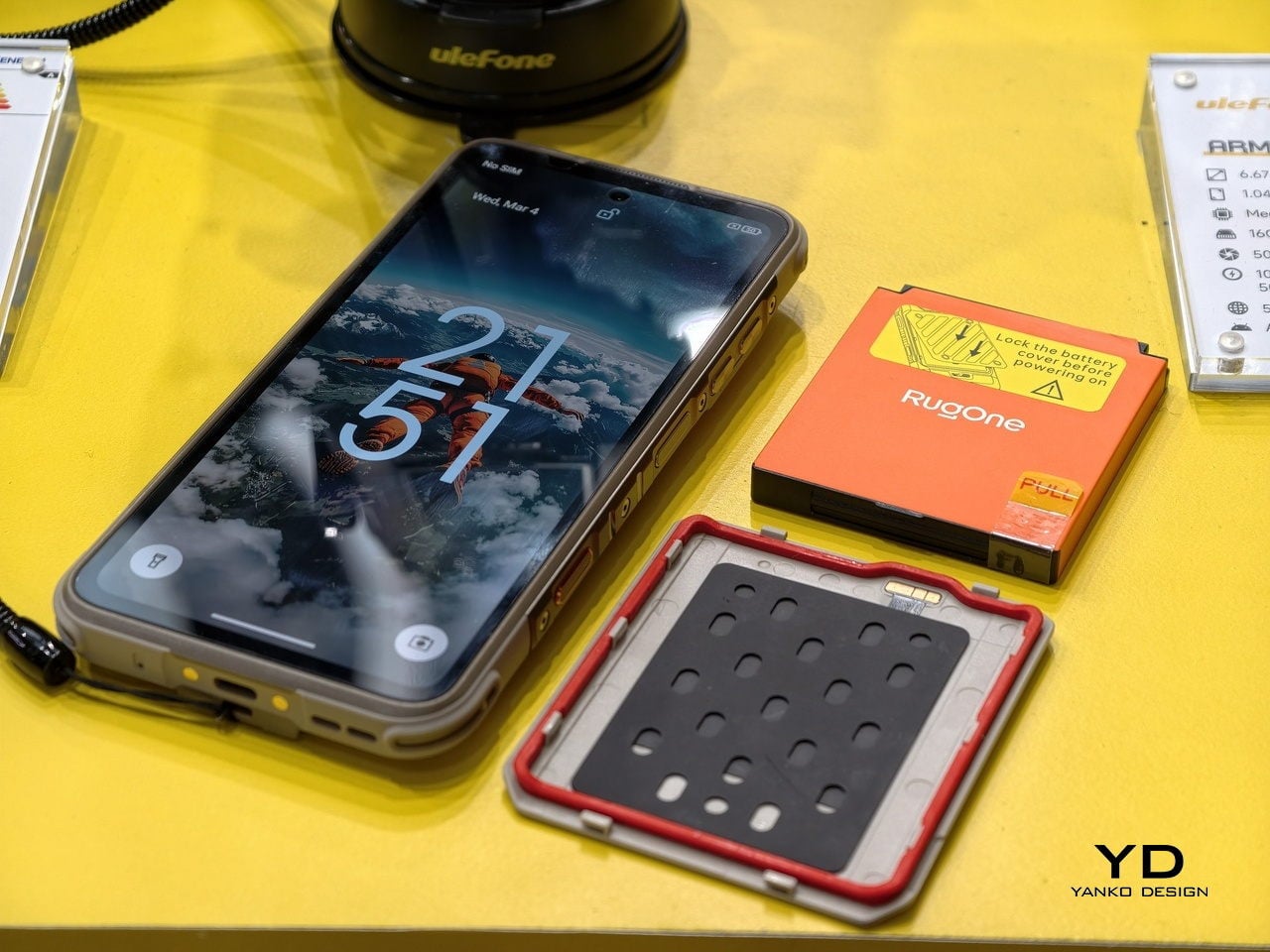
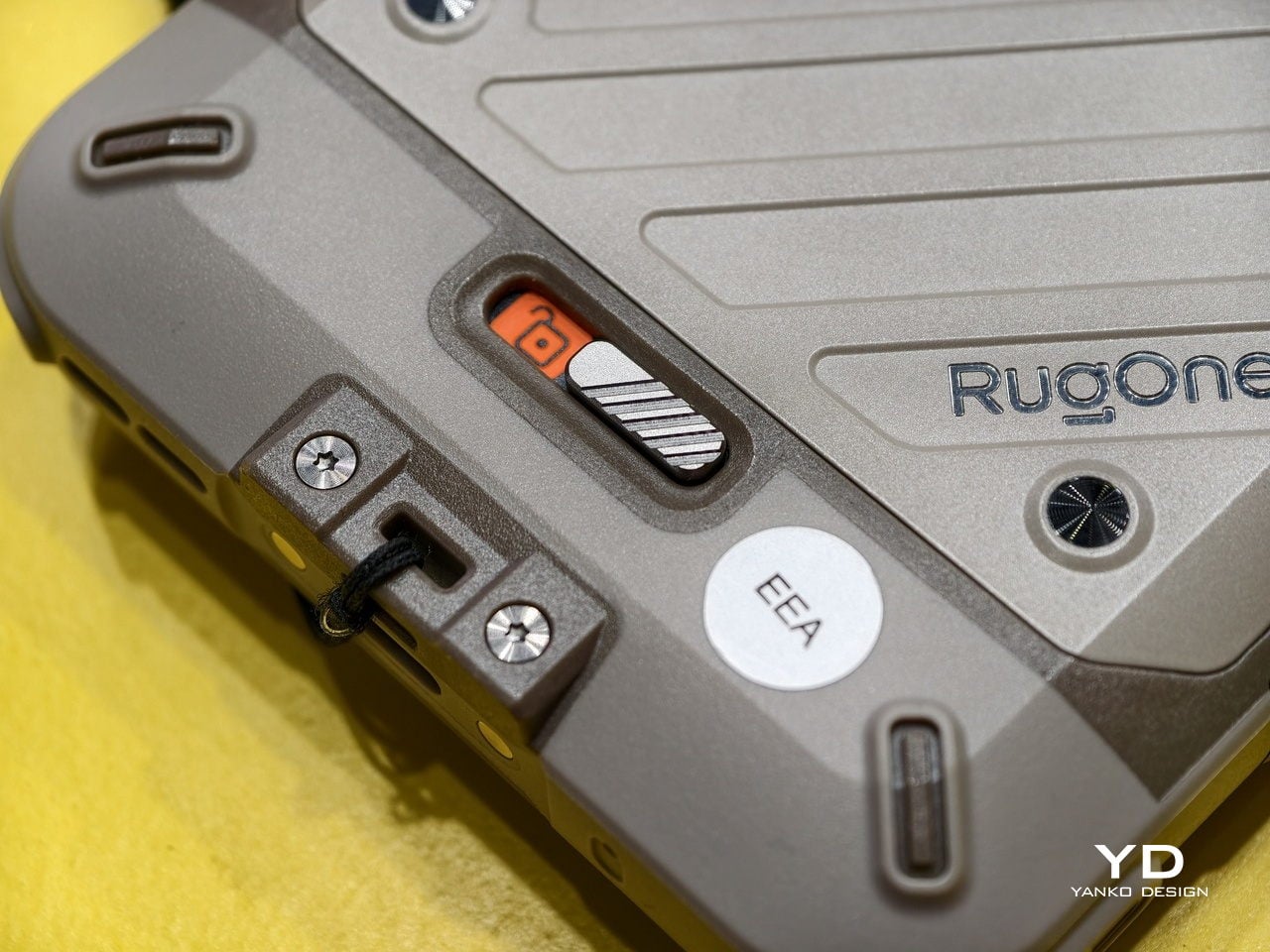
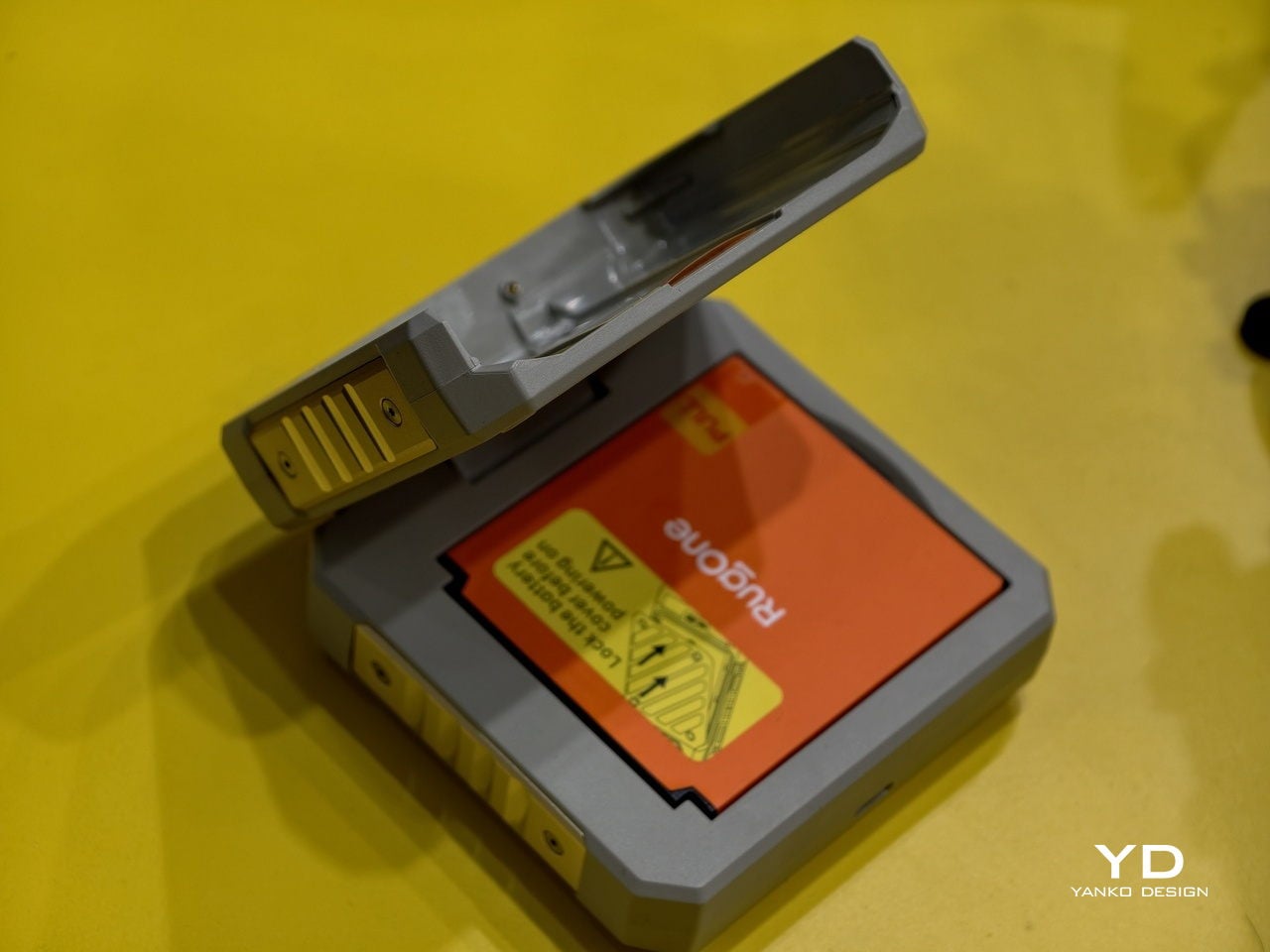
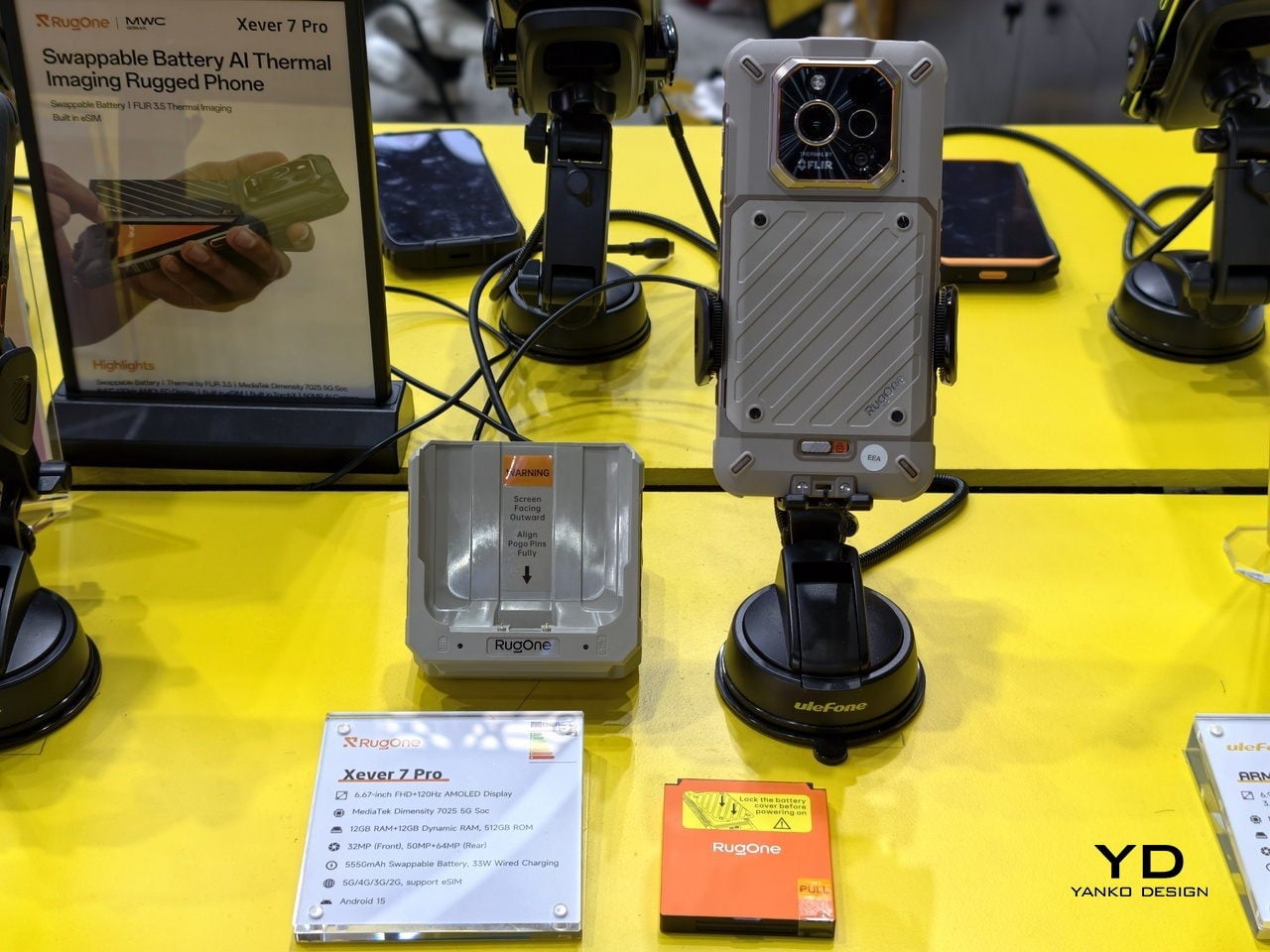
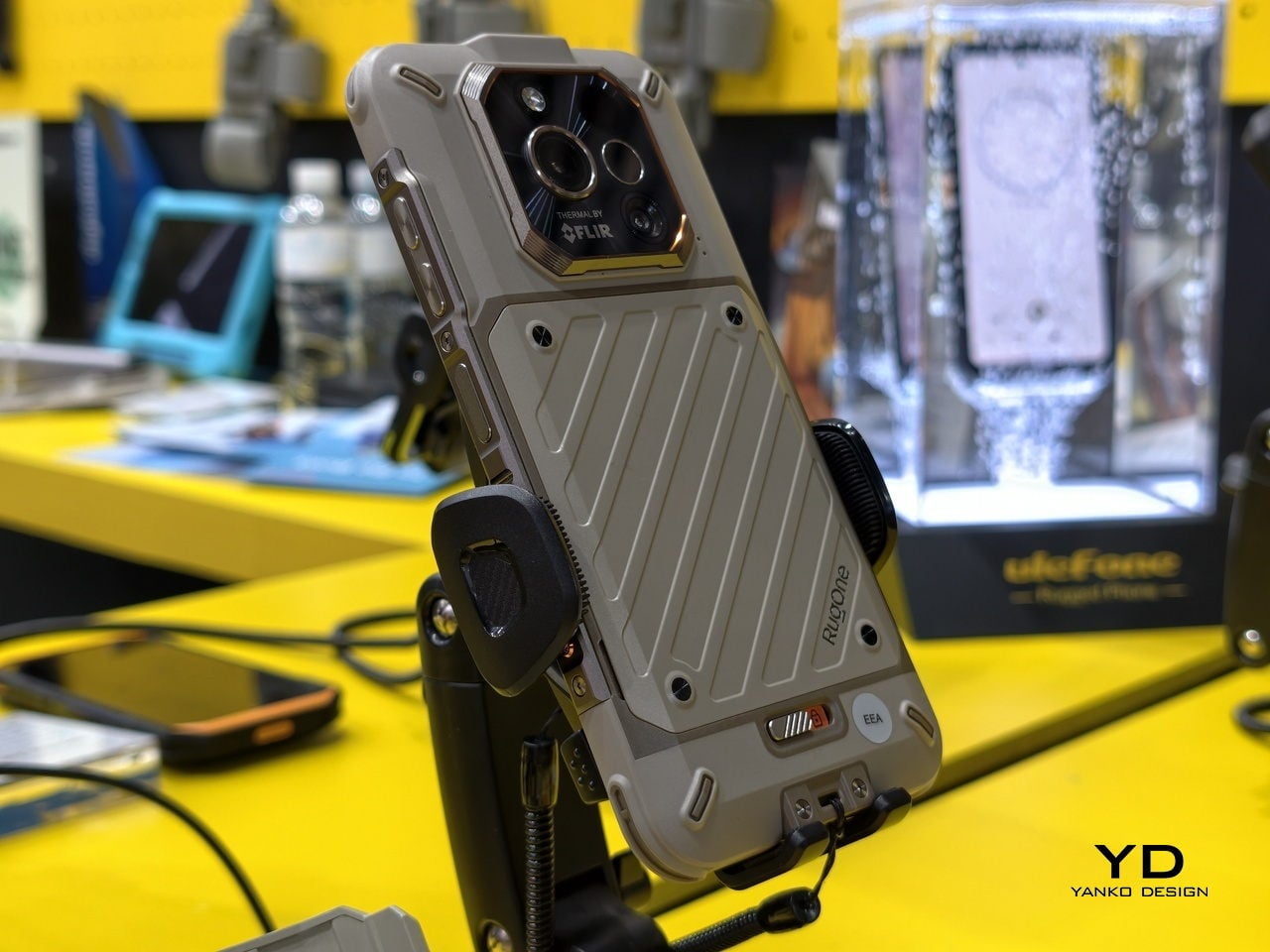
That is exactly what the RugOne Xever 7 does. It ships with two 5,550 mAh batteries and a built-in buffer cell that keeps the phone alive during the swap, so you never have to restart. The whole process takes under 180 seconds. There is no hunting for a socket, no waiting out a charging cycle, and no watching the percentage tick up while your plans sit on hold.

Designer: Ulefone

The phone is IP69K and IP68 rated, survives drops per MIL-STD-810H certification, and weighs 325 g, which is heavy but not unusual for a rugged device with this much packed inside. The 64 MP night vision camera uses four built-in infrared lights to shoot in complete darkness, which is genuinely useful if you have ever tried to photograph a campsite at 2 a.m. with a regular phone and gotten nothing.

There is also a 50 MP main camera with optical image stabilization, a 50 MP ultra-wide with a 117.3-degree field of view, and a 32 MP front camera. The phone supports underwater photography as well, with controls you can operate while submerged. Video tops out at 2K at 30 fps, which is fine for most outdoor documentation but a step behind phones at similar price points that record at 4K.

The display is a 6.67-inch AMOLED panel running at 120 Hz with a 2,200-nit peak brightness, which holds up well in direct sunlight. Inside is a MediaTek Dimensity 7025 chipset paired with 12 GB of RAM and 512 GB of storage, expandable to 2 TB via microSD. That chipset is mid-range by current standards, so this is not a performance-first phone, but it handles everyday tasks without friction.

Charging runs at 33W over USB-C or 18W through the Pogo Pin dock that comes in the box. The dock charges the spare battery simultaneously, so by the time your current battery runs low, the backup is already full and ready. That closed loop is the smartest part of the whole system, and the detail that makes the swappable battery feel like a considered design decision rather than a novelty.

Android 15 runs clean here, with Google Gemini built in, a 230-lumen flashlight, an X-axis linear vibration motor, and a 3.5 mm headphone jack that has no business still being this satisfying to find on a phone. The Xever 7 does not try to reinvent what a rugged phone is. It just fixes the one thing that frustrates people most, and lets everything else do its job quietly.

The post This Rugged Phone Ships With 2 Batteries You Can Hot-Swap first appeared on Yanko Design.
This Rugged Phone’s Action Camera Pops Off to Become a Wearable

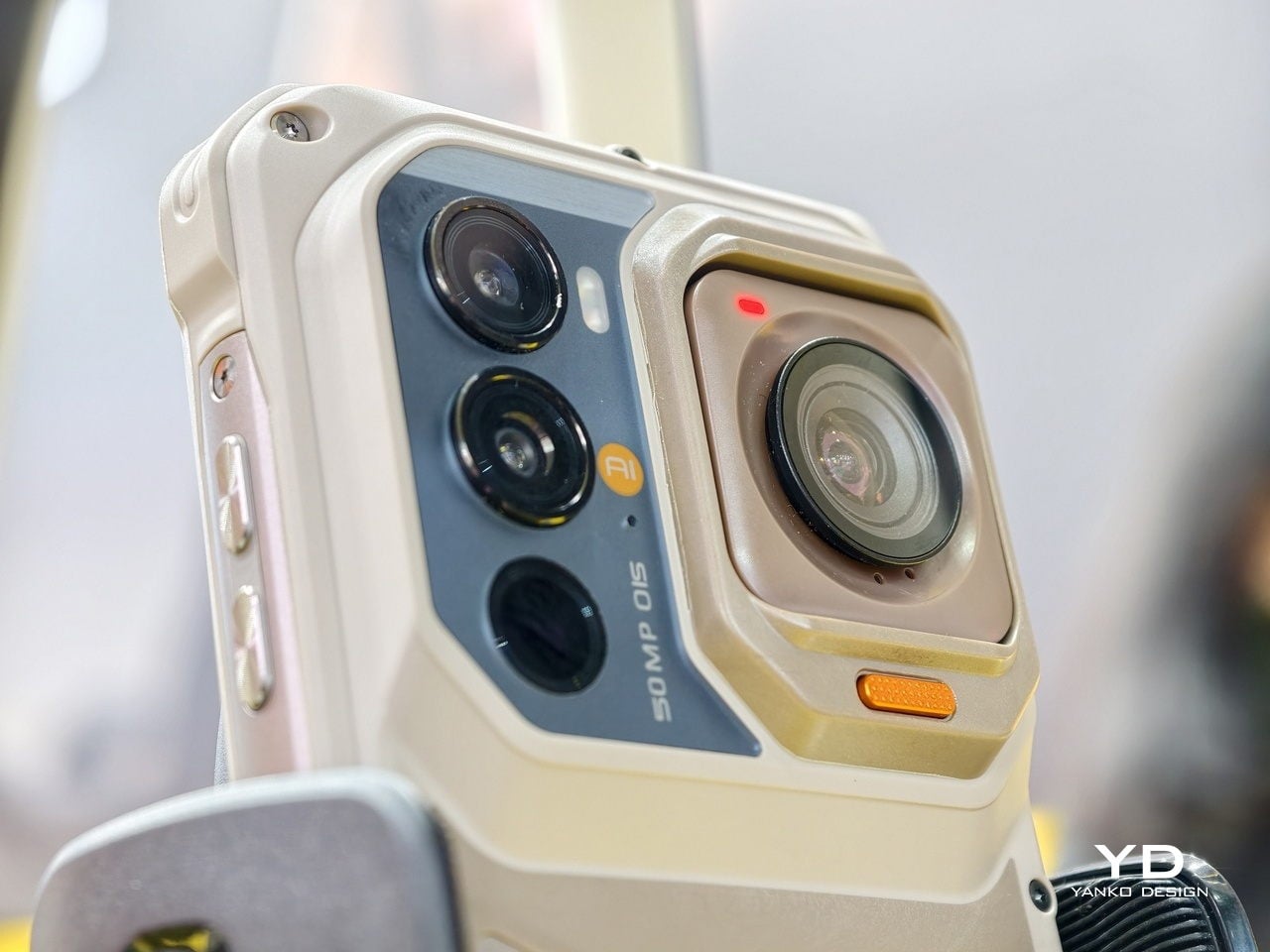
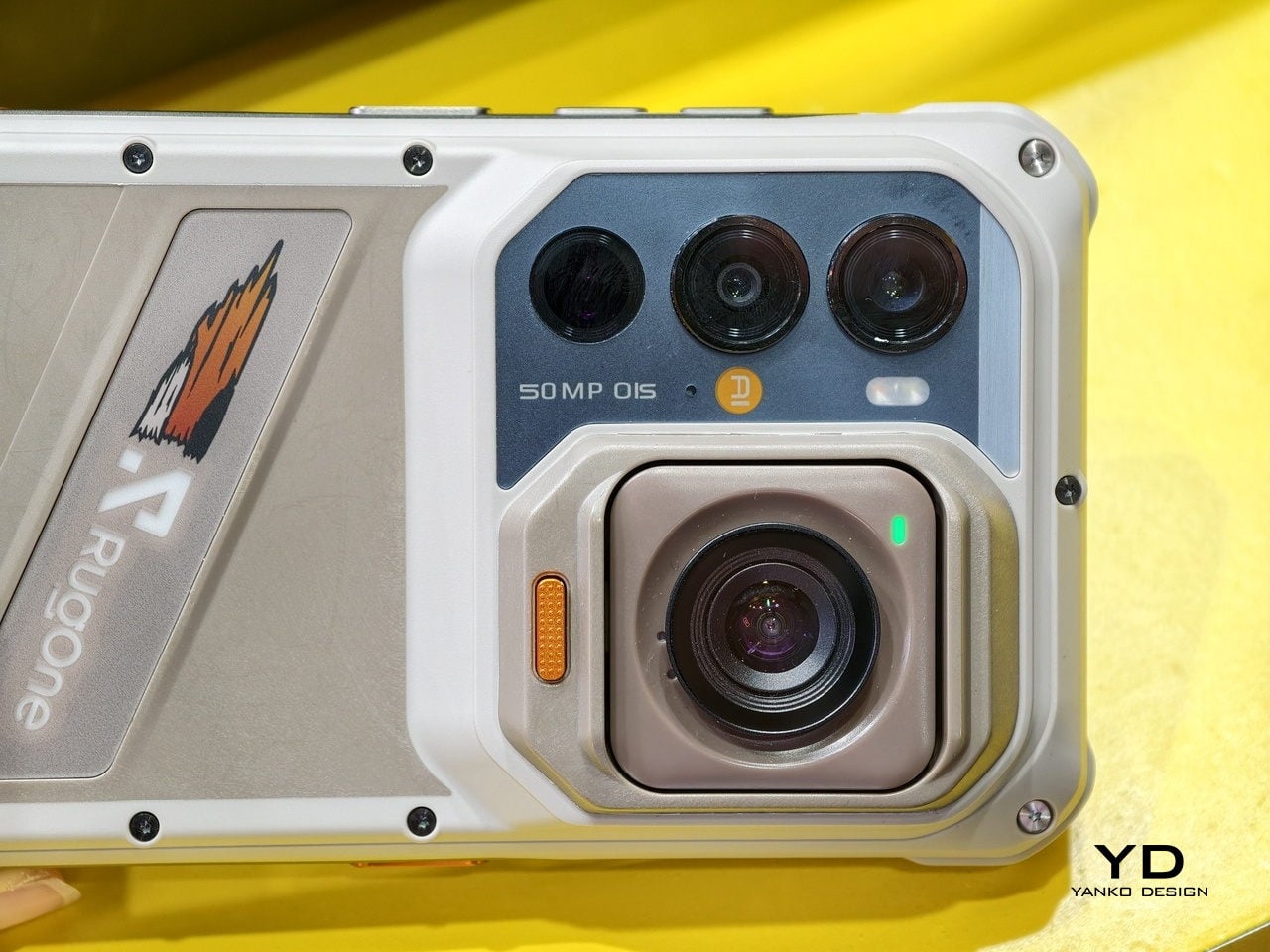
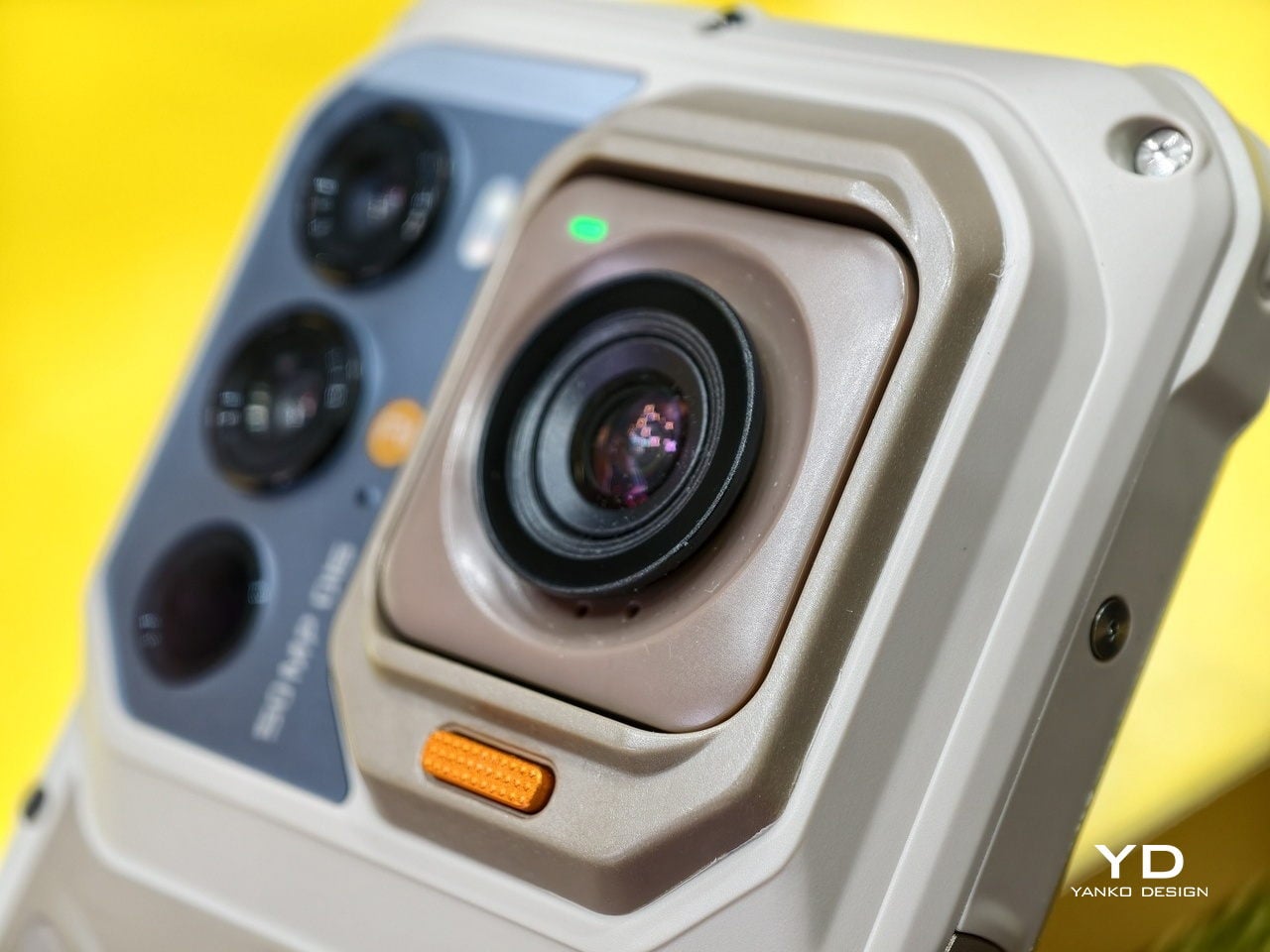
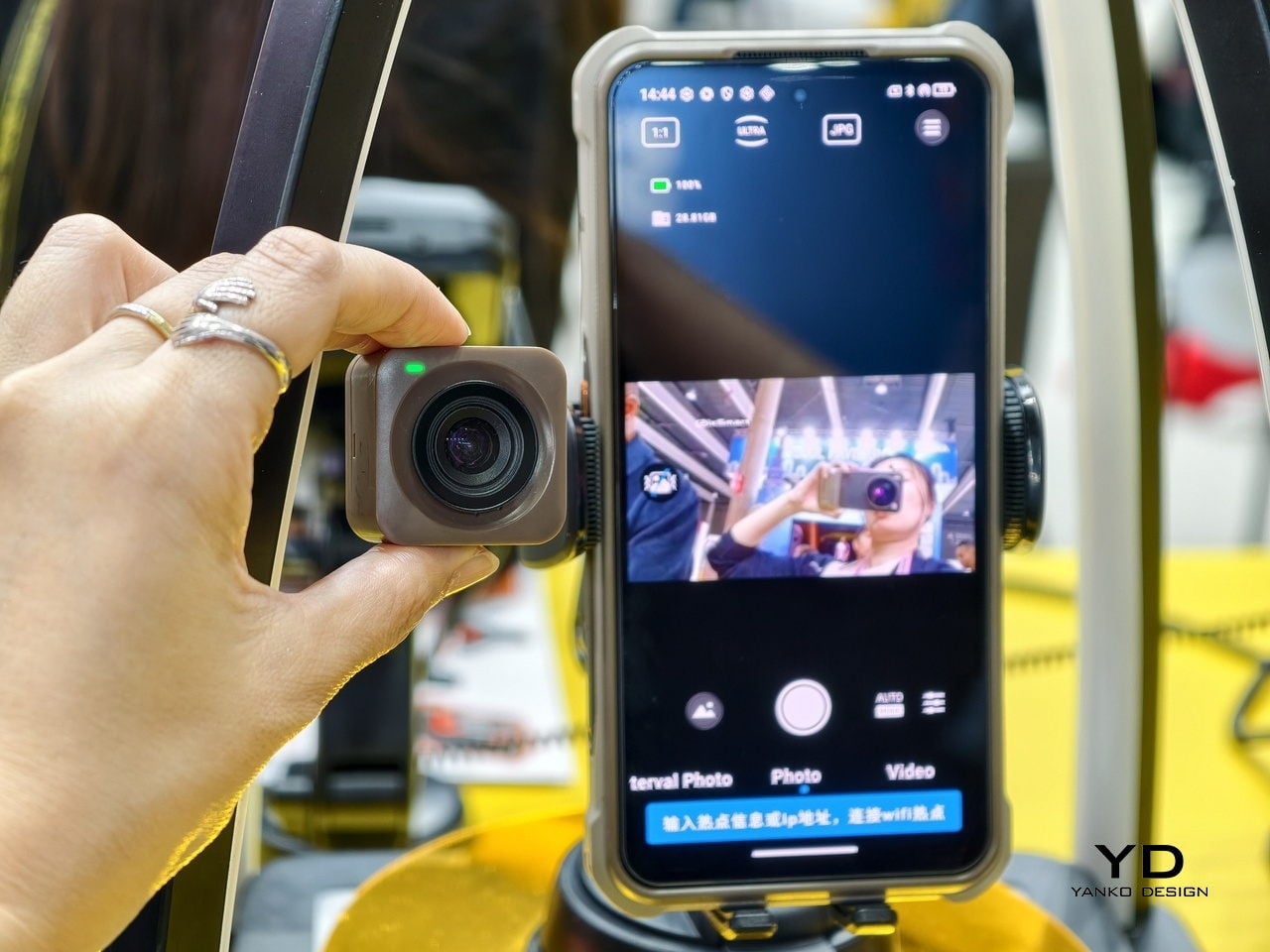
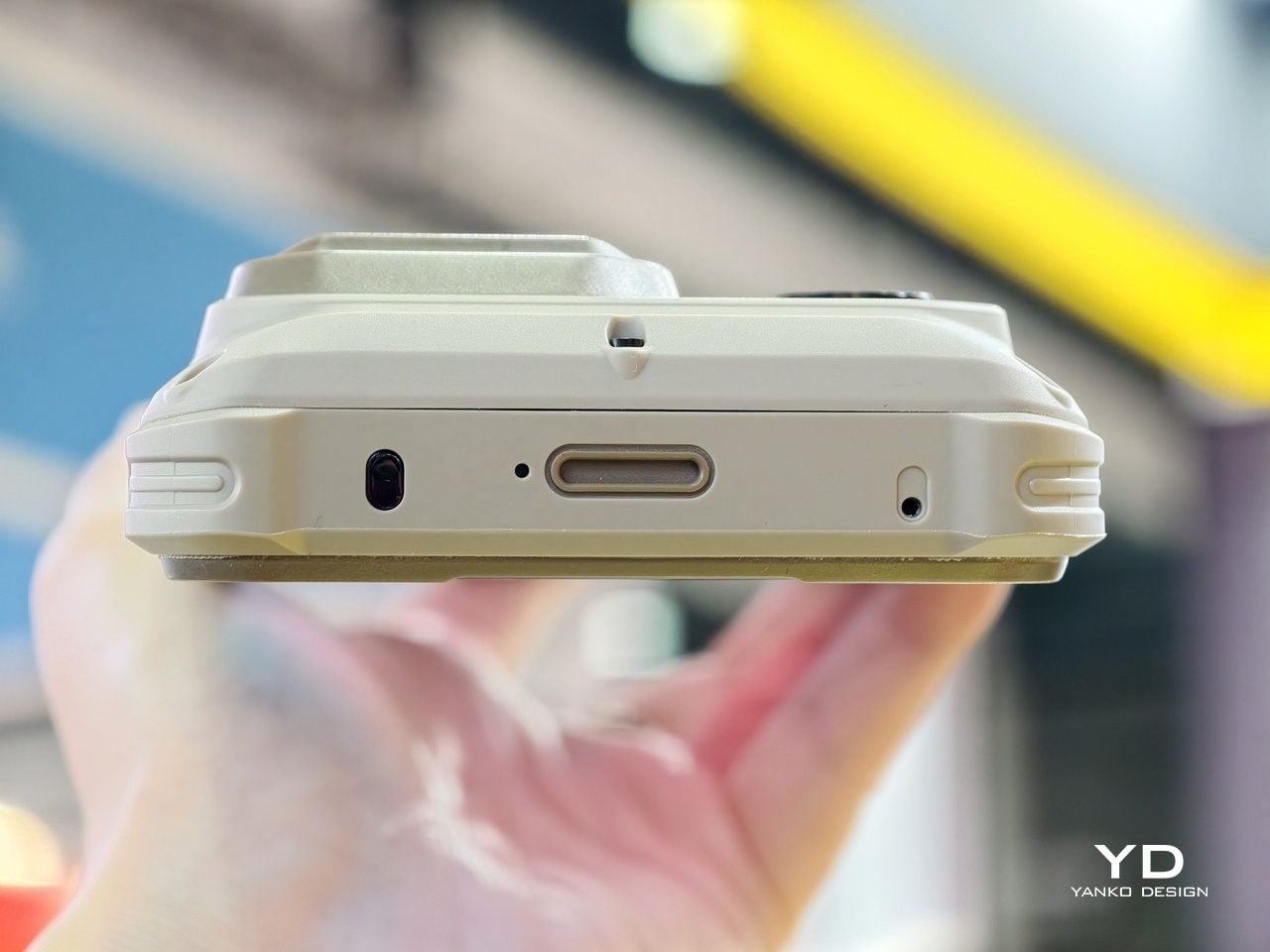
Action cameras and rugged phones have always solved slightly different problems. One survives the adventure; the other documents it. Bringing both means two devices, two cables, and two things to lose in a river. Ulefone’s RugOne Xsnap 7 Pro tries to close that split by putting a detachable magnetic action camera directly on the back of the phone, so both jobs start from one object.

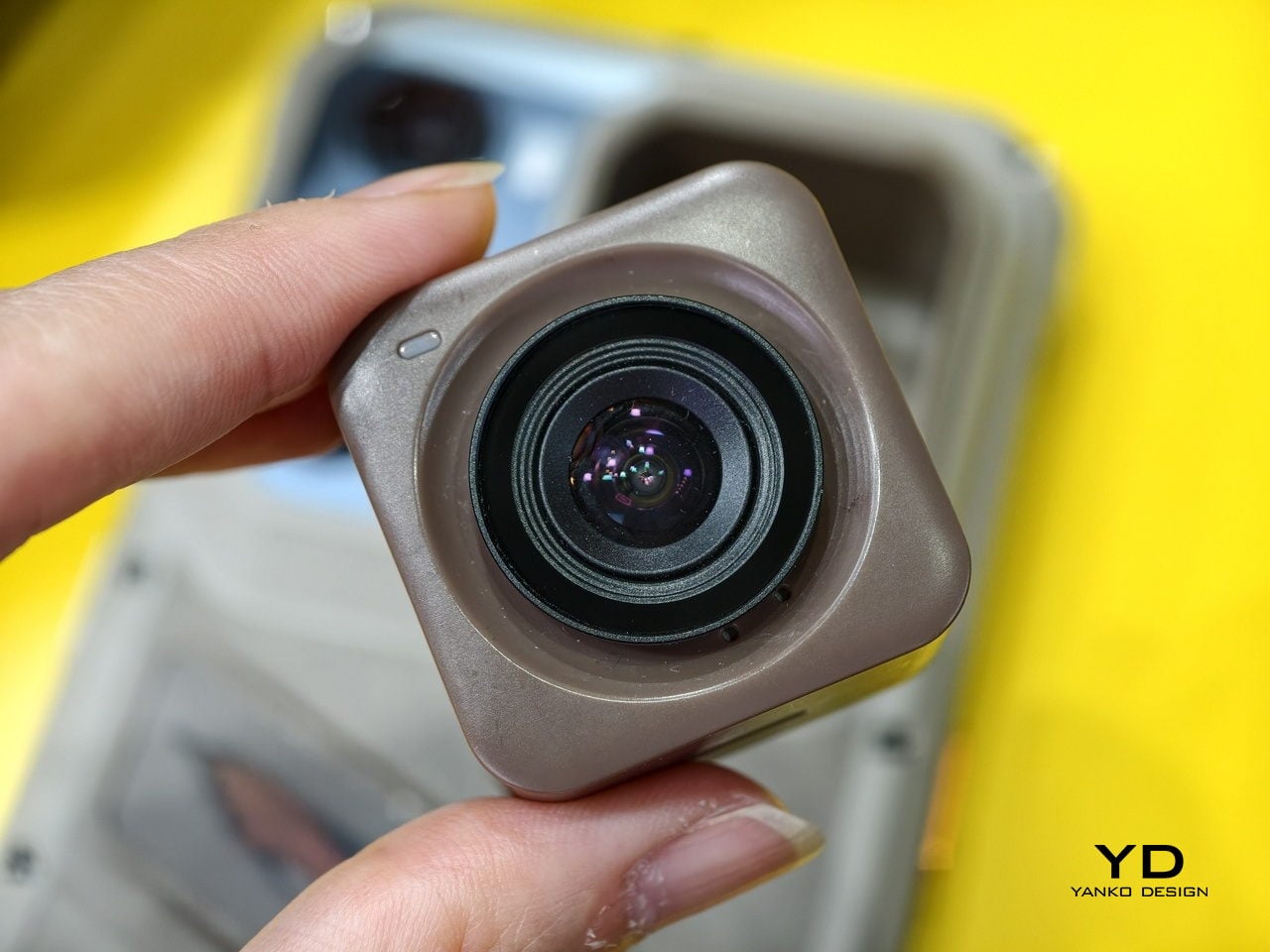
The module snaps onto the rear chassis magnetically, drawing obvious design inspiration from the Insta360 GO series, and peels off into a fully independent wearable. Stick it on a helmet or a bike frame, and it films hands-free while the phone handles viewing and charging. The two pieces are built as a single system, not as separate products that happen to coexist on the same body.

Designer: Ulefone

Ulefone has not yet disclosed the module’s sensor resolution, video specifications, or battery life. Given its thumb-sized form, runtime is likely limited; the Insta360 GO 3S manages roughly 30 minutes per charge in a comparably small body. That is workable for a short trail run or a surf session, but it will not replace a dedicated action camera for a full day out. The production specs will matter a lot once they arrive.

The phone itself is not an afterthought. A MediaTek Dimensity 8400 5G chipset sits inside, paired with a 50 MP OIS main camera, a 64 MP night vision lens, and a 9,000 mAh battery behind a 6.67-inch 1.5K AMOLED display at 120 Hz. That night vision lens is the kind of spec aimed at people who are actually outdoors after dark, not those who like to imagine they could be.

Ulefone is also pitching the magnetic dock as the base for a broader module ecosystem, with planned additions that include thermal imaging, night vision enhancement, and a professional lens suite. That framing is familiar territory in the modular phone space and has collapsed under its own ambitions before. Tracking how many of those planned modules actually ship, rather than staying on a roadmap slide, will be worth watching.

Pricing has not been set, and a mid-2026 commercial launch is the current target. The things that will actually determine the phone’s value, including how quickly the module detaches, how reliably the phone recognizes reattachment, and how cleanly footage syncs, are details that only a finished unit in regular use can settle.

Rugged phones have spent years stacking specs that most owners never actually invoke, so a design decision that changes what the phone physically does day to day is worth paying attention to. The module ecosystem is what separates a compelling demo from a genuinely useful product, and that part of the story depends entirely on whether the follow-through arrives on time and in one piece.

The post This Rugged Phone’s Action Camera Pops Off to Become a Wearable first appeared on Yanko Design.
Samsung’s Mini PetBot Gives AI a Face So It Feels Less Cold

Talking to AI still feels a bit strange for a lot of people. You type into a chat box or ask a question into empty air, and something invisible answers back. It works, but it does not feel particularly warm. That low-grade awkwardness has quietly pushed a whole product category into existence: small, expressive desktop robots designed to put a visible face on AI and make the whole interaction feel less like filling out a form.

Samsung Display’s concept shown at MWC 2026 in Barcelona fits neatly into that wave. Called the OLED AI Mini PetBot, it is a compact robot built around a 1.34-inch circular OLED screen that acts as its face. That screen displays animated expressions that shift in response to voice and touch input, so the robot is not just sitting blankly while it processes a command. It reacts, visibly and immediately, which is exactly the point.

Designer: Samsung

The instinct behind it is not new. Products like EMO from LivingAI, Eilik from Energize Lab, and Loona from KEYi Tech have each explored the formula with varying personalities and price points. KEYi Tech even debuted a concept at CES 2026 that docks an iPhone on a motorized MagSafe stand to create a desk robot face. DIY builders have been constructing expressive robot heads from microcontrollers and small screens for years. The appetite for something to look at while talking to a machine is apparently very real.

What Samsung Display contributes to that conversation is the OLED panel itself. A 1.34-inch circular OLED renders fine gradients and deep blacks without a backlight, which means animated eyes or shifting emotional states read clearly even at that small scale. The circular format also removes any rectangular frame of reference, so the face reads more organic than a screen mounted on a housing. That distinction drives the entire emotional premise of these robots.

The MiniPetBot is a concept from a display technology booth, not a product headed to retail. Samsung Display’s interest here is in showing where its panels can go, and the robot shares booth space with the AI Toyhouse, a separate concept pairing a 13.4-inch circular OLED with an 18.1-inch flexible panel. Both exist to make the screen the story. Whether a hardware partner picks up the form factor is a separate question.

The real question these robots keep circling is whether giving AI a physical face actually changes how people relate to it. A robot that looks up when spoken to, or scrunches its face when confused, closes a certain psychological distance that better language models alone cannot bridge. Samsung Display’s Mini PetBot might only be a concept today, but the reasoning behind it seems to be where the whole industry is quietly heading.

The post Samsung’s Mini PetBot Gives AI a Face So It Feels Less Cold first appeared on Yanko Design.
I Ran Android On A MacBook And Even Airdropped Files To iPhone at MWC 2026… And You Can Too

Mirroring a MacBook screen onto an Android phone is not something you expect to work, let alone work fluidly with smooth animations. At HONOR’s MWC 2026 booth, it did exactly that, and then went further by letting you mirror the Magic V6’s display back onto the MacBook, turning the interaction into a genuine two-way street. Tap your HONOR device near an iPhone and files transfer between them, photos, videos, documents, the whole lot, with the kind of animated polish you associate with Apple’s own AirDrop. The same trick works with iPads. HONOR calls the system HONOR Share, and the cross-platform angle is just one layer of a much deeper ecosystem play the company quietly walked in and demonstrated on final, shipping hardware at one of the world’s biggest tech shows.

This cross-platform handshake is part of a broader upgrade to HONOR Share, and it extends well beyond just sending a photo to your friend’s iPhone. The company is positioning its new flagship trio, the Magic V6, MagicPad 4, and MagicBook Pro 14, as an open bridge rather than another walled garden. For the Magic V6, a feature called OneTap transfer allows it to push files directly to a Mac with a single touch, a claim that seems to hold up based on the MWC demos. It’s a direct, pointed solution to a daily friction point for anyone living with a foot in both ecosystems. While Google is still in the process of rolling out its own Quick Share-AirDrop interoperability to the wider Android world in 2026, HONOR just went ahead and shipped a finished product.
Designer: HONOR

The MagicRing integration goes several layers deeper than the Apple-facing features (FYI, it’s a software feature, not an actual ring). Within the HONOR ecosystem, the Magic V6, MagicPad 4, and MagicBook Pro 14 all communicate through HONOR Connect, and any screen can project onto any device bidirectionally, something Apple’s Sidecar only partially replicates within its own hardware range. The mechanics are drag-based: open HONOR Connect, find your target device, drag the screen sharing icon over to it, and projection starts. Bidirectional means both directions work, the MacBook’s display mirroring onto the foldable, the foldable mirroring onto the laptop, same process either way. Dropping files and folders between devices with continuity-style drag behavior runs natively on the MagicPad 4, without a companion app or cloud relay.

At 4.8mm thick with a 12.3-inch 3K OLED running at 165Hz, the MagicPad 4 is a serious piece of hardware to run a MacBook’s extended display onto. The Snapdragon 8 Gen 5 inside means you’re not compromising on the secondary screen, which matters when you’re doing real creative or coding work. Used as a real-time extended display for a MacBook, it eliminates the need for additional hardware, and for mixed-ecosystem users that’s already a compelling argument on its own. Cross-device drag-and-drop turns it into a productivity node rather than a conventional Android tablet, a designation very few Android tablets have earned. Xiaomi’s iOS Bridge in HyperOS 3.1 gestures at something similar but still relies on companion apps and hasn’t been demonstrated on final shipping hardware.

Apple’s Continuity framework has set the benchmark for multi-device workflows since 2014, and the gap between what Apple offers and what Android could offer was real enough to function as a legitimate reason to stay in Apple’s ecosystem. That gap is narrowing. The Magic V6’s foldable form factor already does things no iPhone can, and layering genuine Apple interoperability on top removes the last practical friction for anyone straddling both worlds. The MWC demo landed on execution: working software on final hardware, smooth animations, no companion apps required. For a certain kind of user, the question of whether to stay full-Apple or go mixed just got significantly harder.

HONOR’s AI Connect Platform, projected to integrate over 20,000 AI services by end of 2026, is the infrastructure underneath all of this, and the MWC demos are its first serious public proof of concept. The company has been repositioning from a budget device manufacturer into what it now calls a global AI device ecosystem company, and this is the first time that framing has been backed by something you could touch and test on a show floor. The Magic V6, running the Snapdragon 8 Elite Gen 5, is the first foldable to carry that chip and the anchor device pulling the whole network together. Google’s Quick Share-AirDrop interoperability is confirmed for broader rollout this year, but it carries sharing mode caveats that HONOR has already cleared. The demo in Barcelona was an answer, not a preview.

The post I Ran Android On A MacBook And Even Airdropped Files To iPhone at MWC 2026… And You Can Too first appeared on Yanko Design.