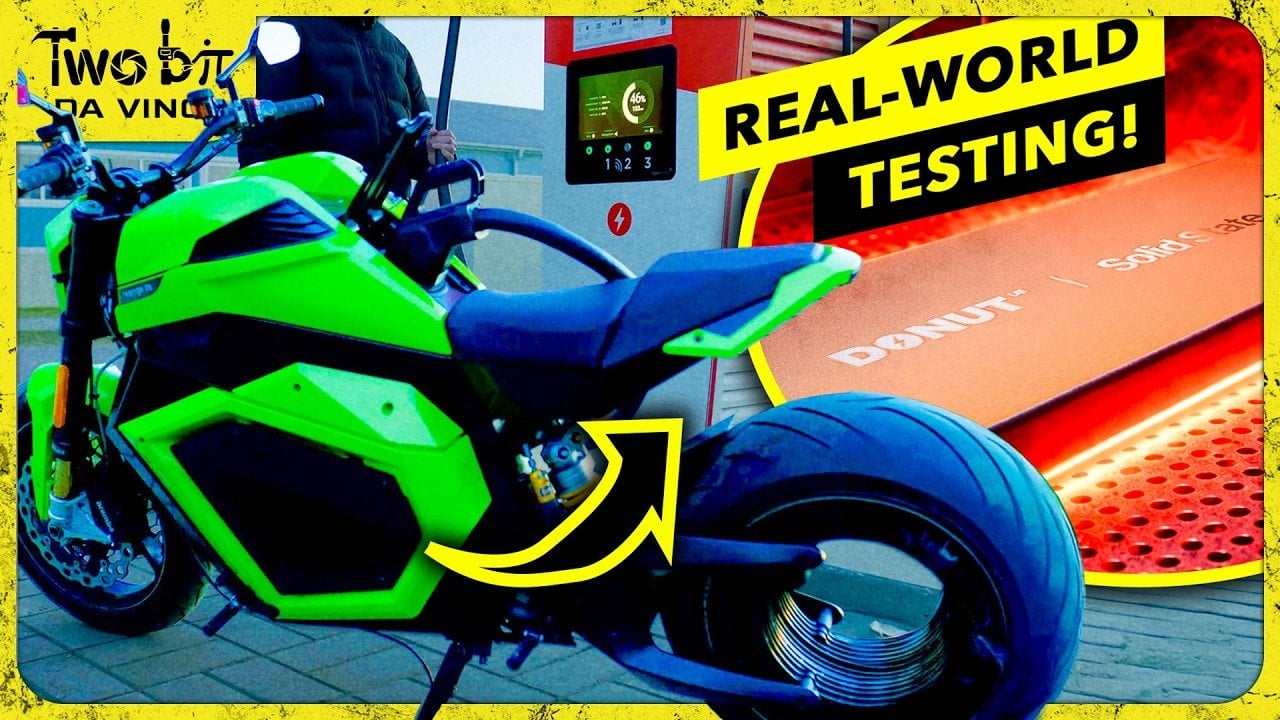
Donut Lab’s recent real-world test of its solid-state battery technology highlights both advancements and challenges in electric vehicle energy storage. As detailed by Two Bit da Vinci, the test involved integrating the battery into a Verge motorcycle, achieving a 5.7C charging rate at a public station. This allowed the motorcycle to charge from 10% to […]
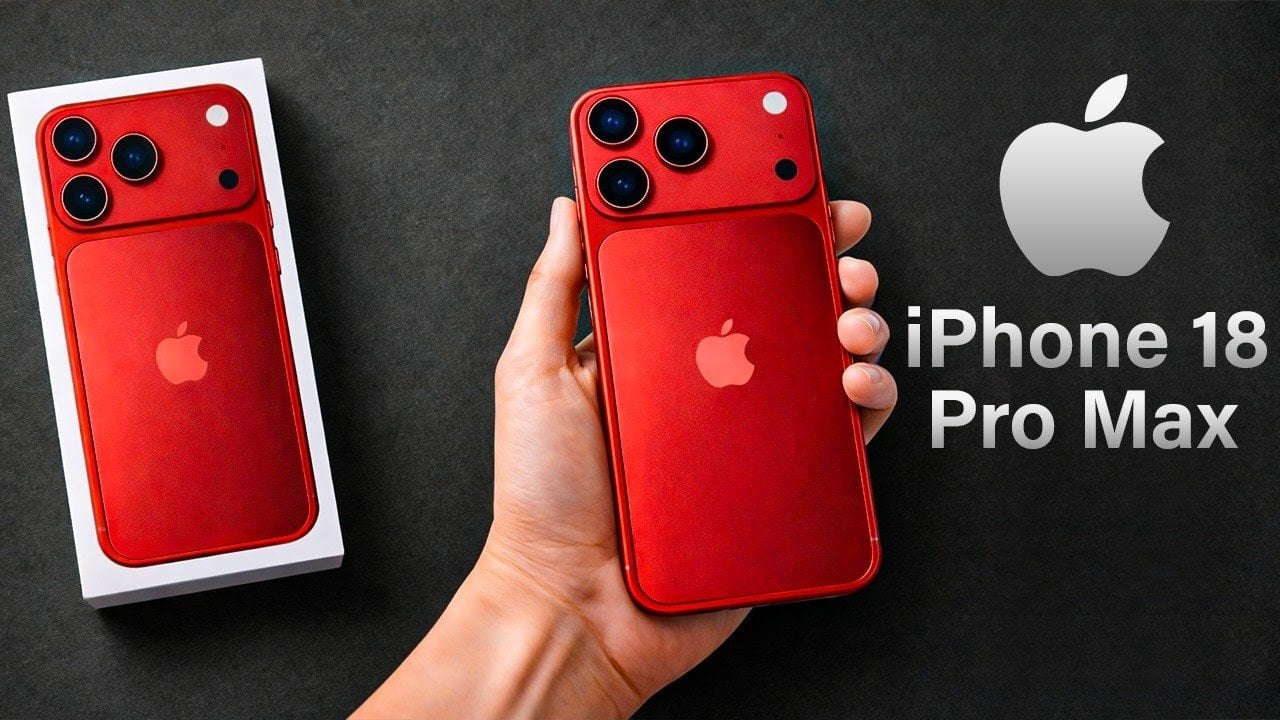
Apple’s highly anticipated iPhone 18 Pro and iPhone 18 Pro Max are poised to redefine the smartphone landscape. Packed with advanced technology and thoughtful design enhancements, these devices aim to deliver superior performance, enhanced functionality, and an improved user experience. Below is an in-depth look at the most notable upgrades that set these models apart […]
OpenAI’s GPT-5.4 Codex introduces “subagents,” a feature that enables multiple specialized agents to collaborate on coding tasks simultaneously. According to Universe of AI, this functionality allows developers to assign tasks using plain language commands, making it accessible even to those with limited technical expertise. For instance, subagents can automate processes like reviewing pull requests or […]
OpenClaw is a 24/7 AI assistant designed to support workflows, but its default settings can pose security challenges if not configured correctly. Kevin Stratvert and team explain how to set up OpenClaw securely by deploying it on a cloud server such as AWS or Digital Ocean. This method keeps the assistant separate from personal devices, […]
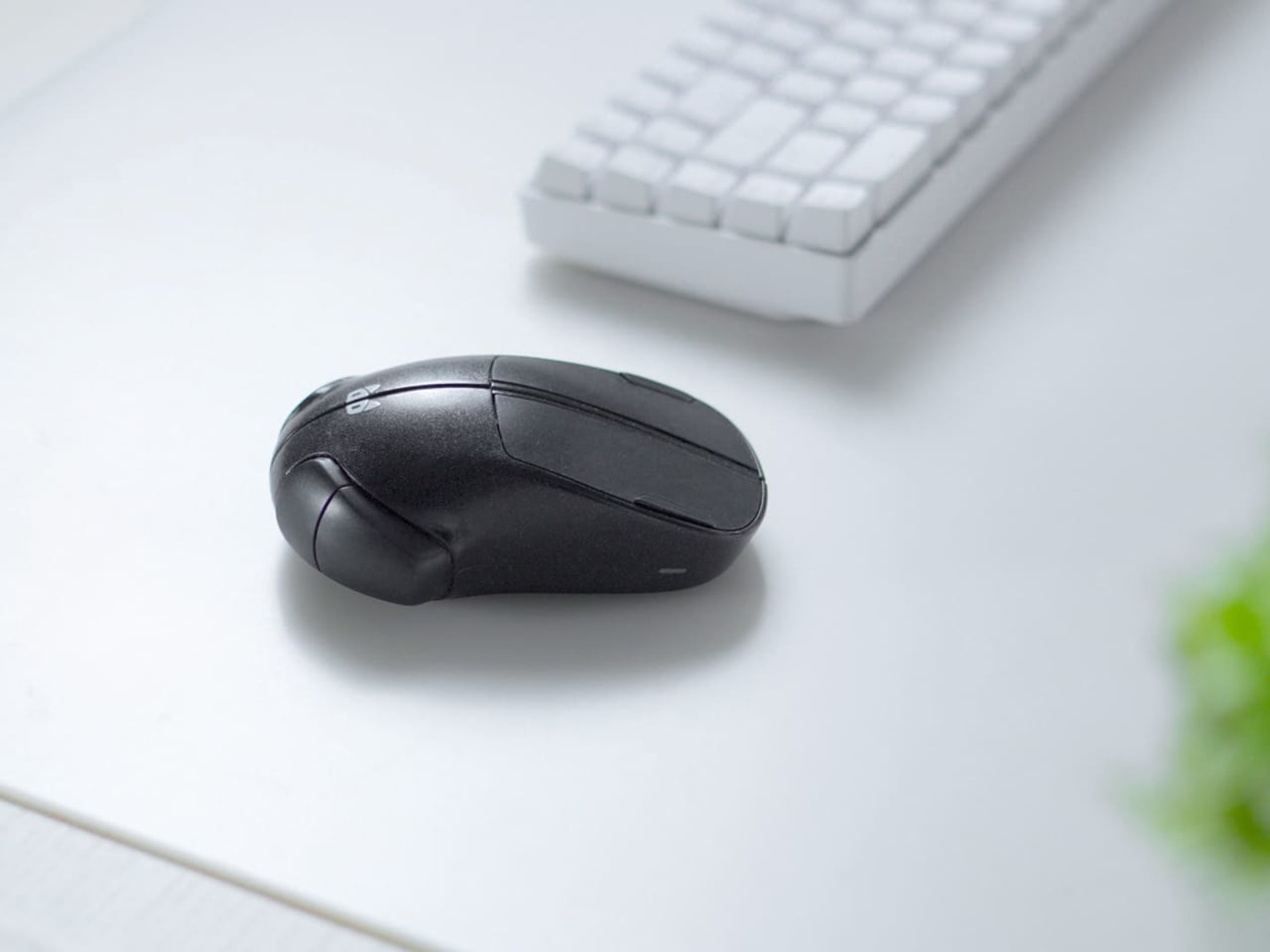
Most people who game on a PC own two things that do roughly the same job at different times: a mouse for the desk and a gamepad for the couch. They live side by side, occasionally getting in each other’s way, and neither one is going anywhere. Pixelpaw Labs, a hardware startup from Bangalore, India, thinks that arrangement is wasteful and has built something to prove it.
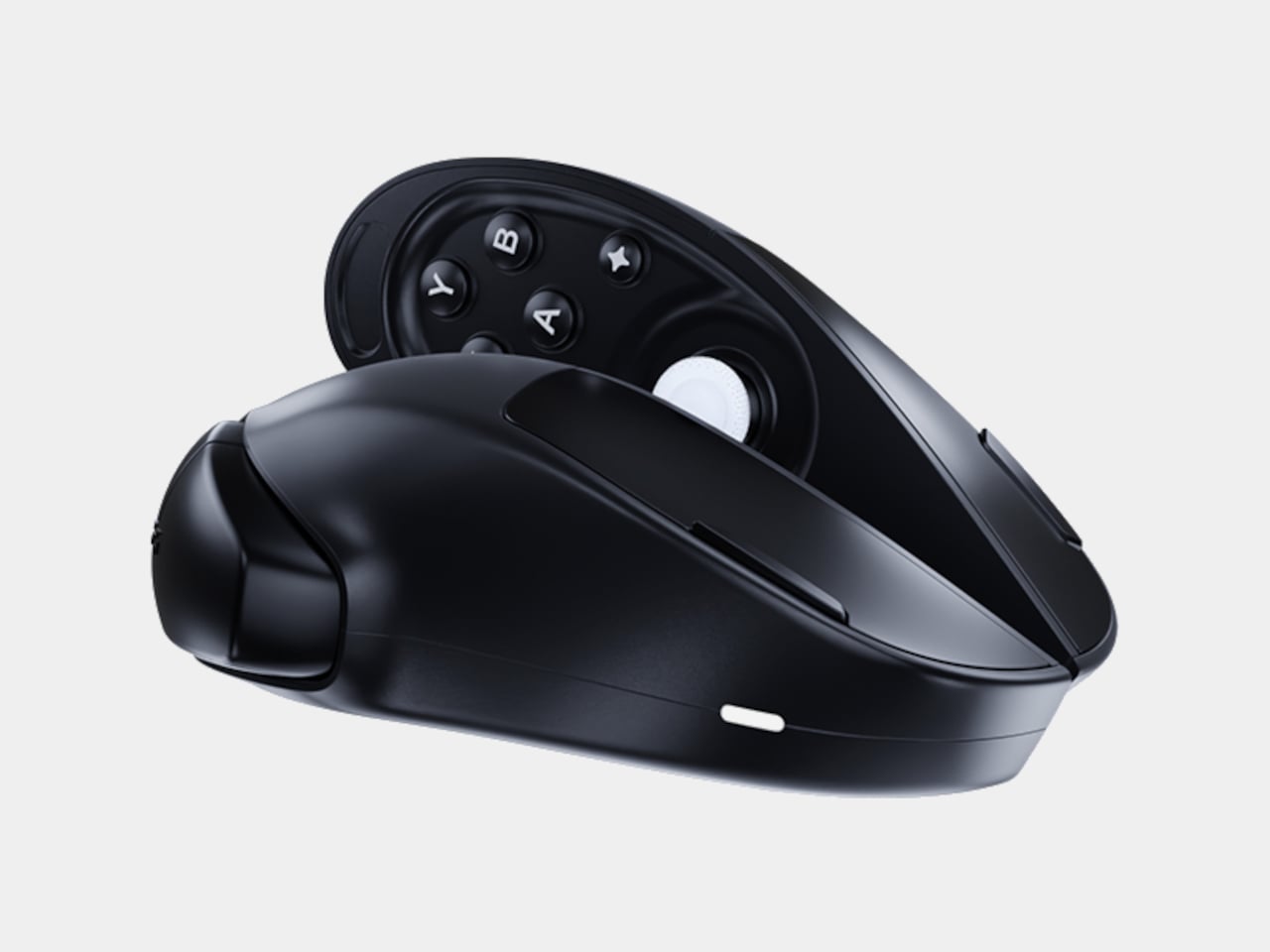
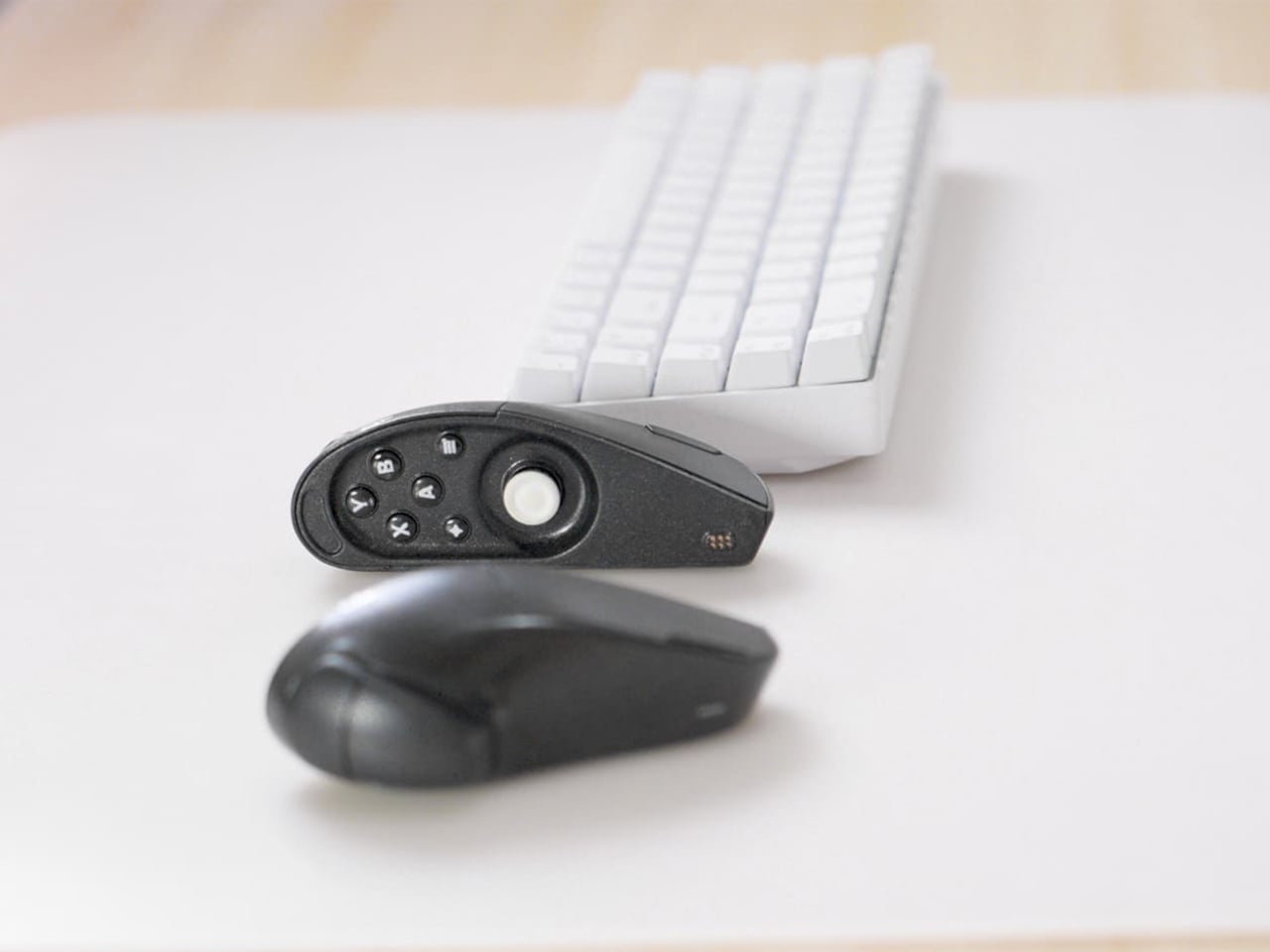
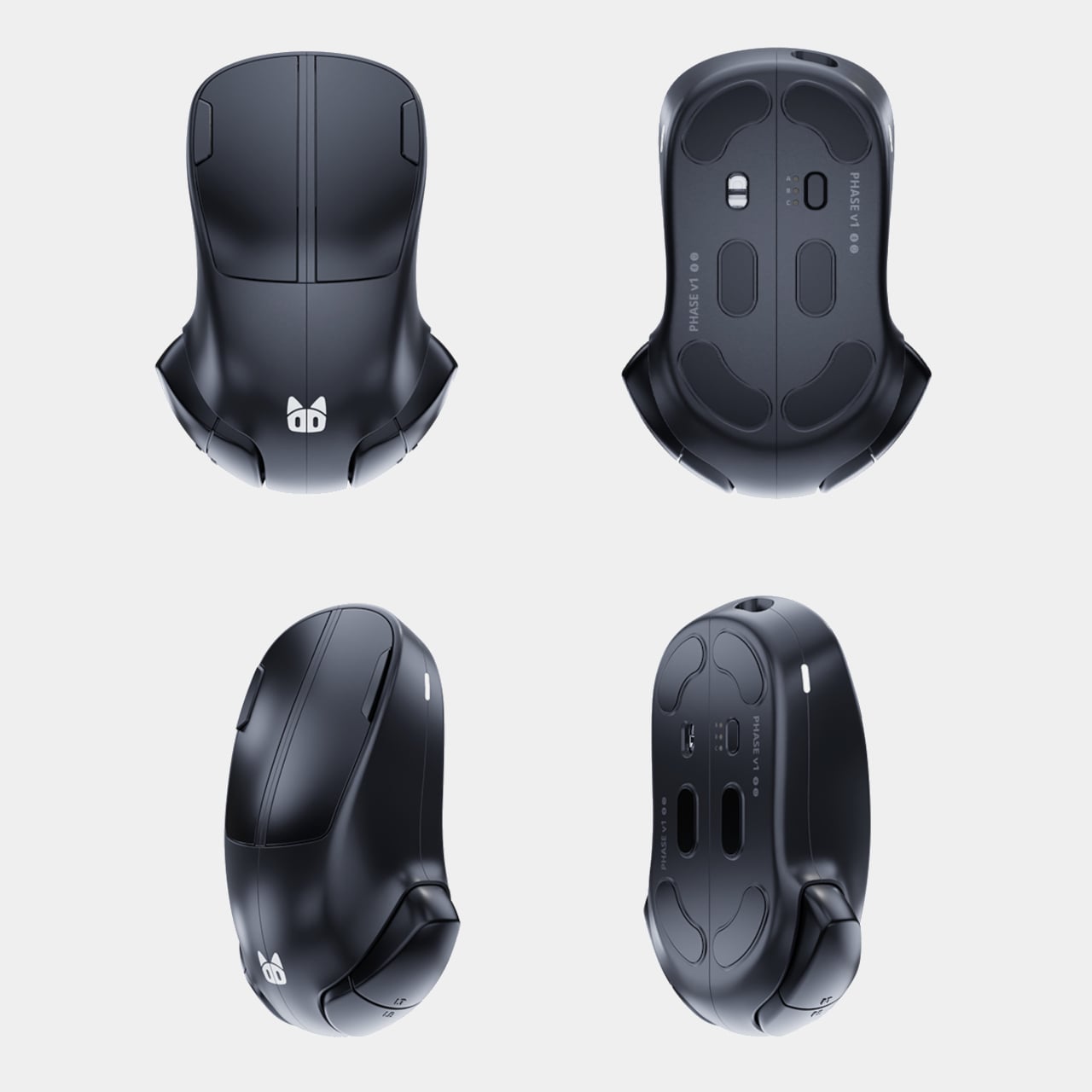
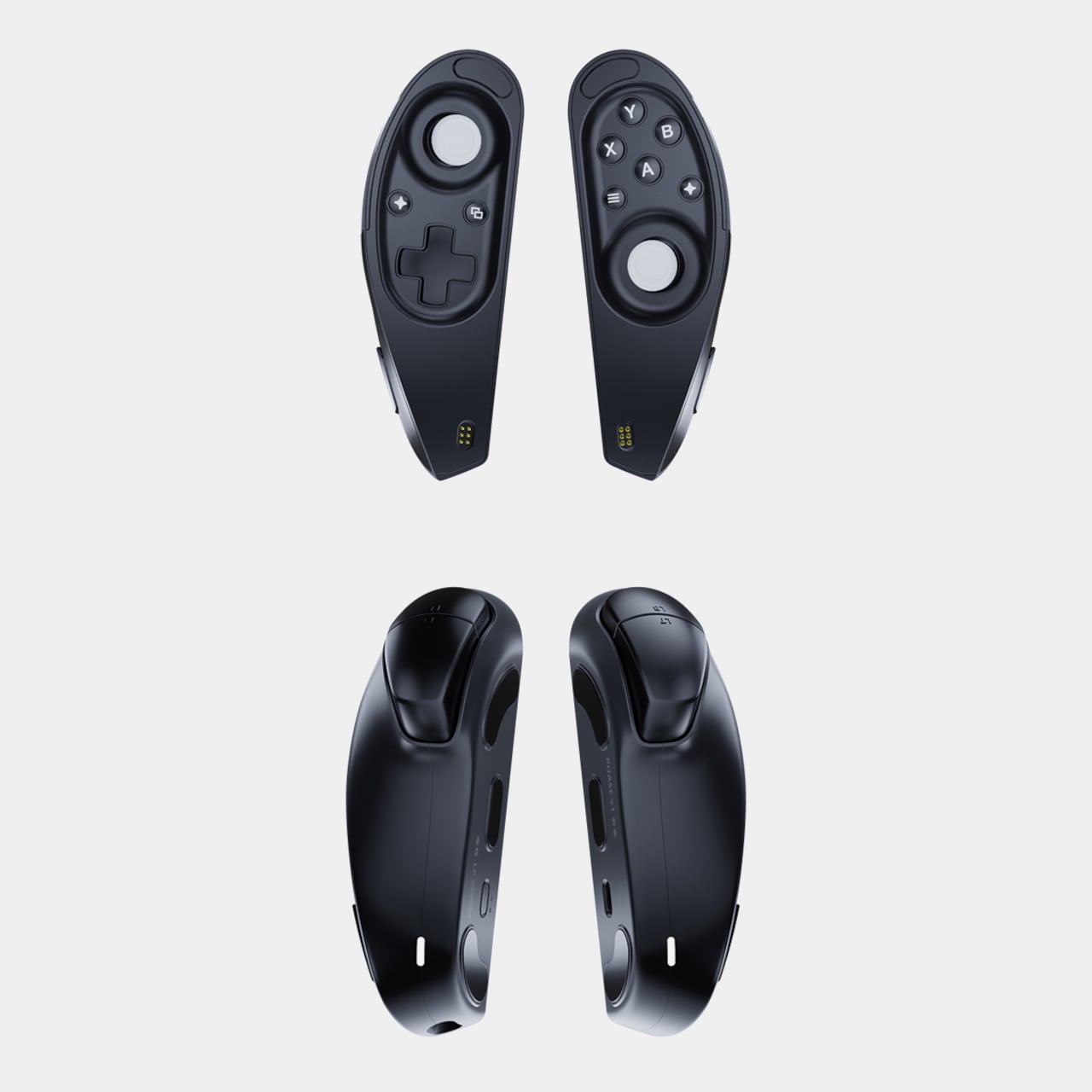
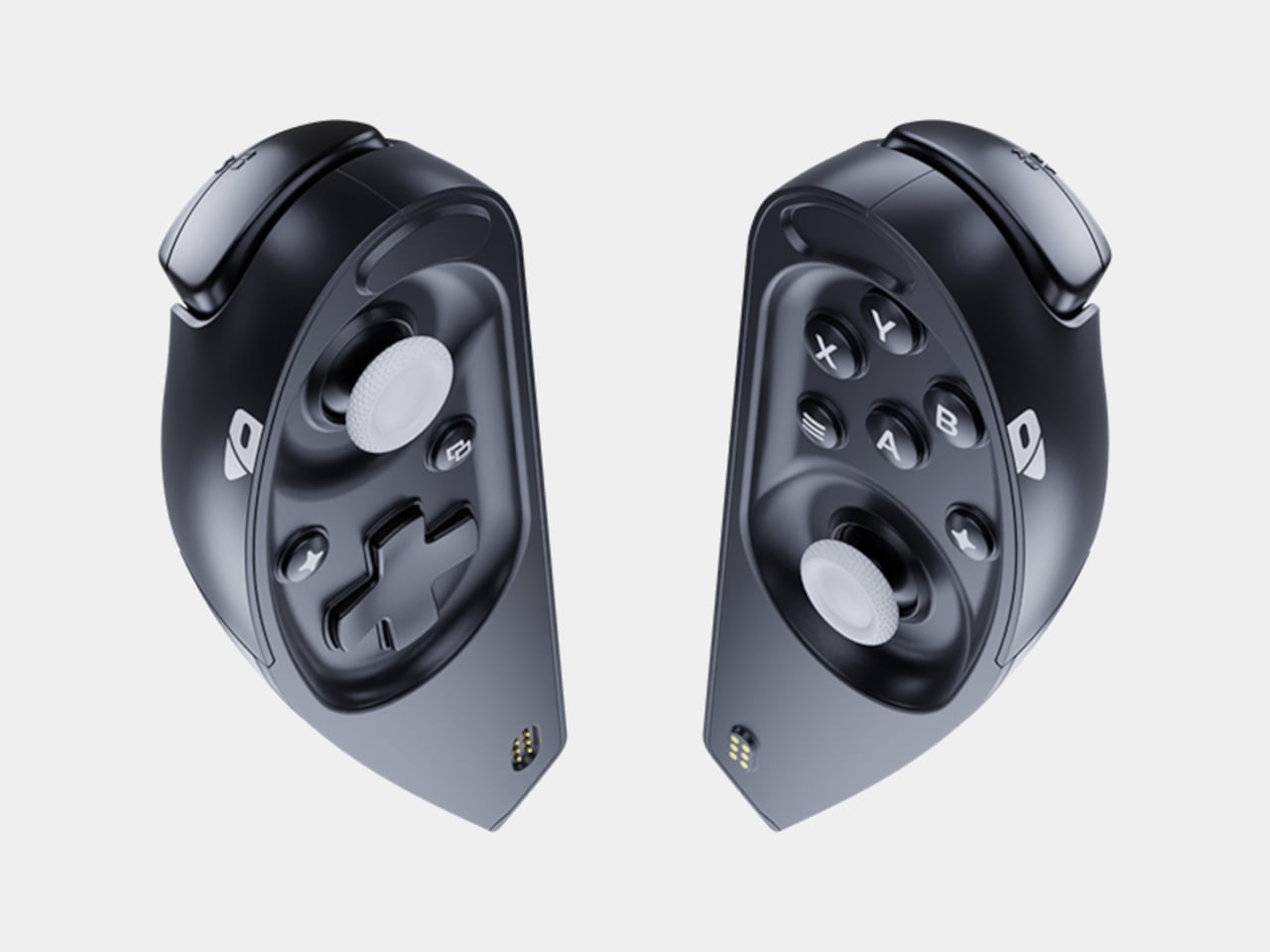
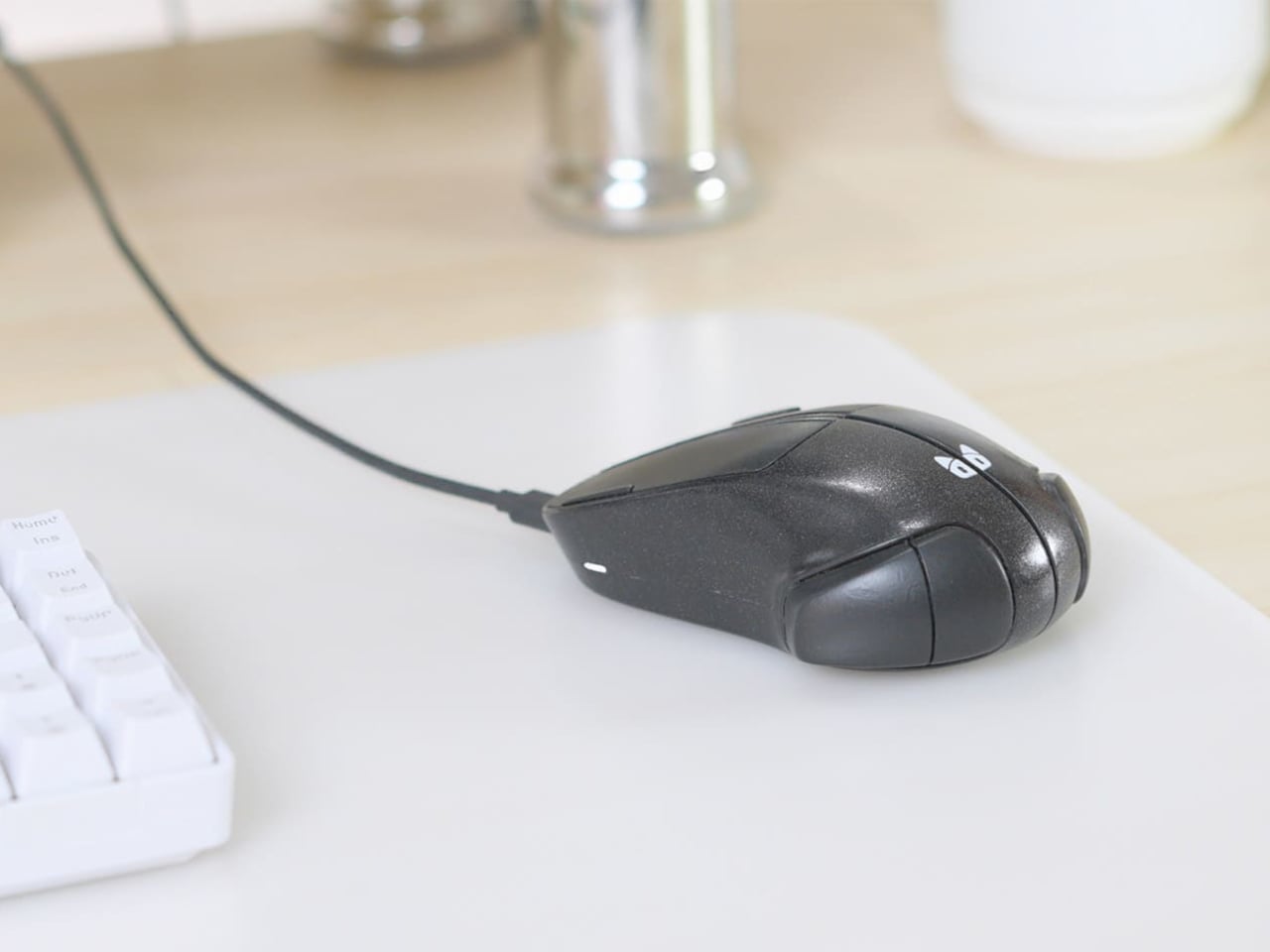
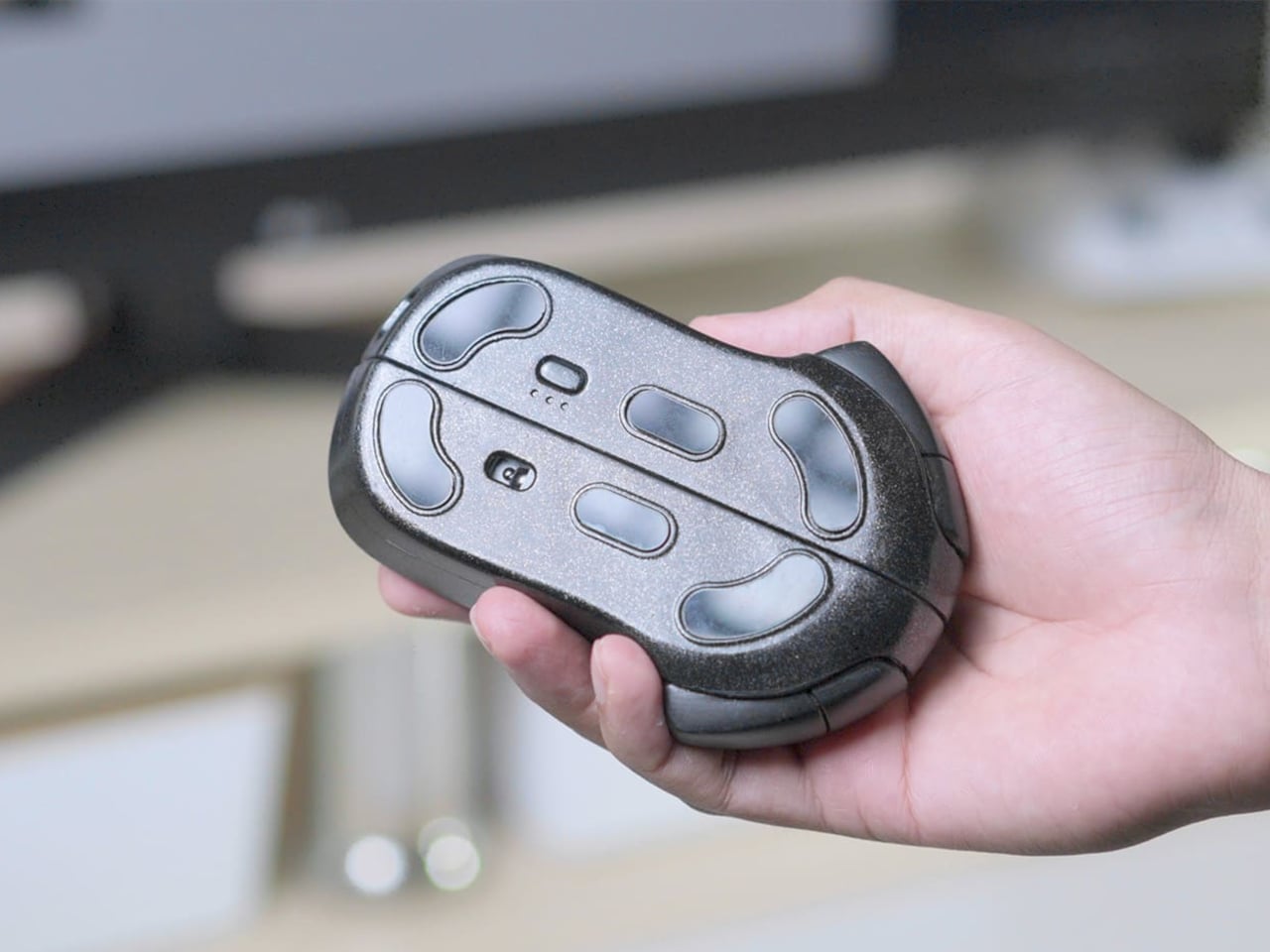
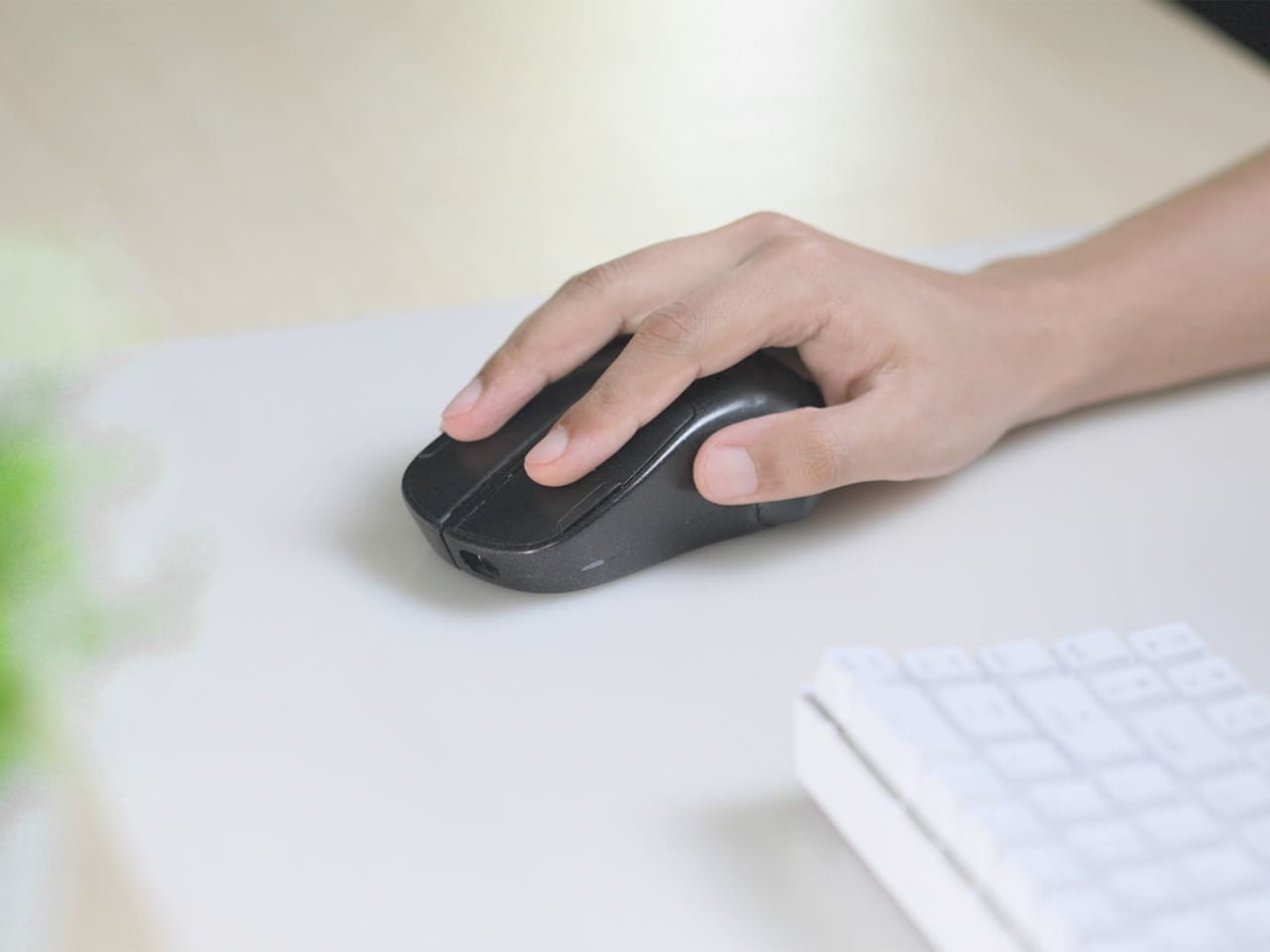
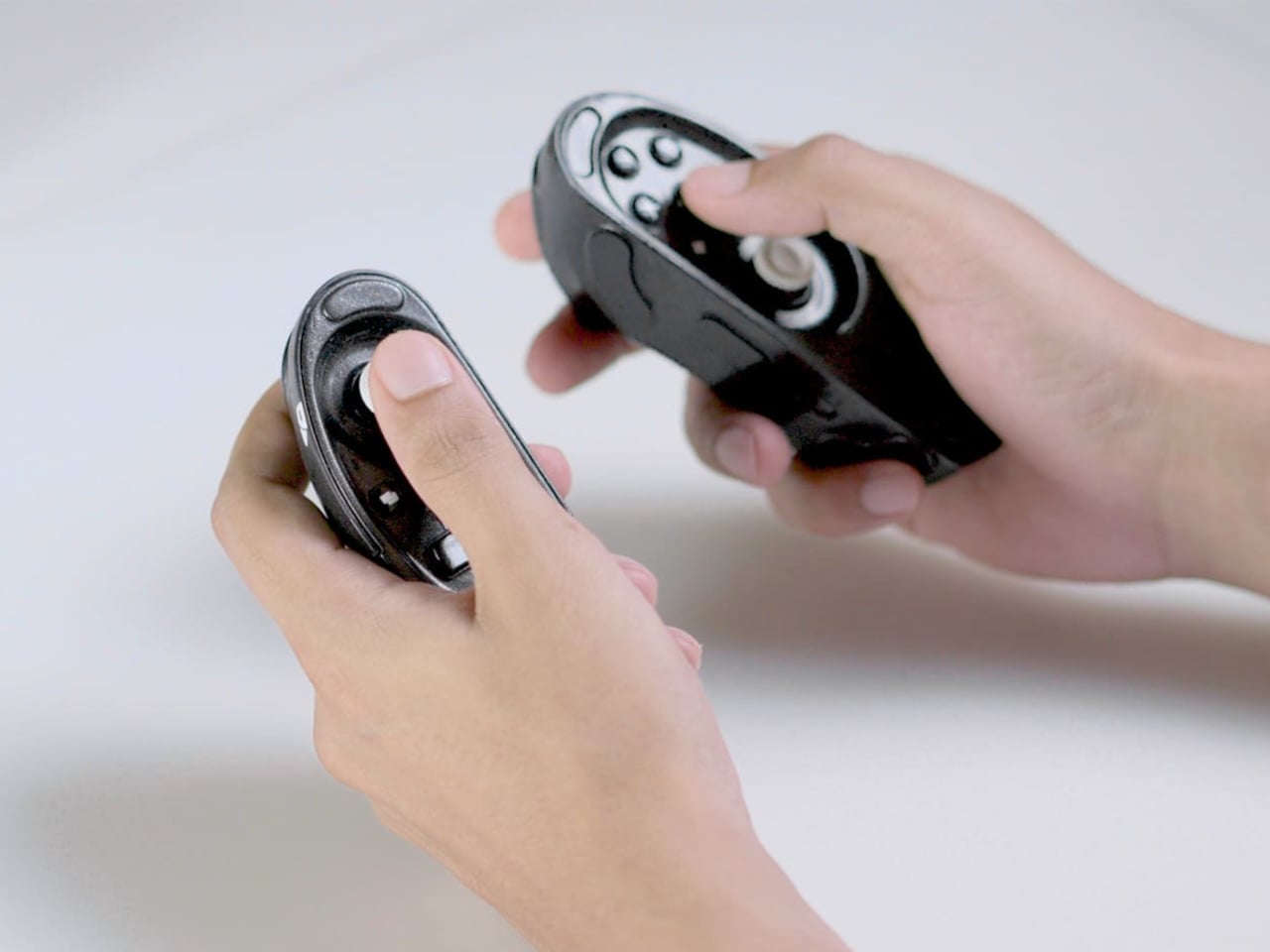
The Phase is a wireless mouse that physically separates down the middle into two independent halves. Snapped together, it sits on a desk and works like a normal mouse. Pull it apart, and each half reveals a joystick, triggers, a D-pad on the left side, and face buttons on the right, a split gamepad that was hiding in plain sight the whole time.
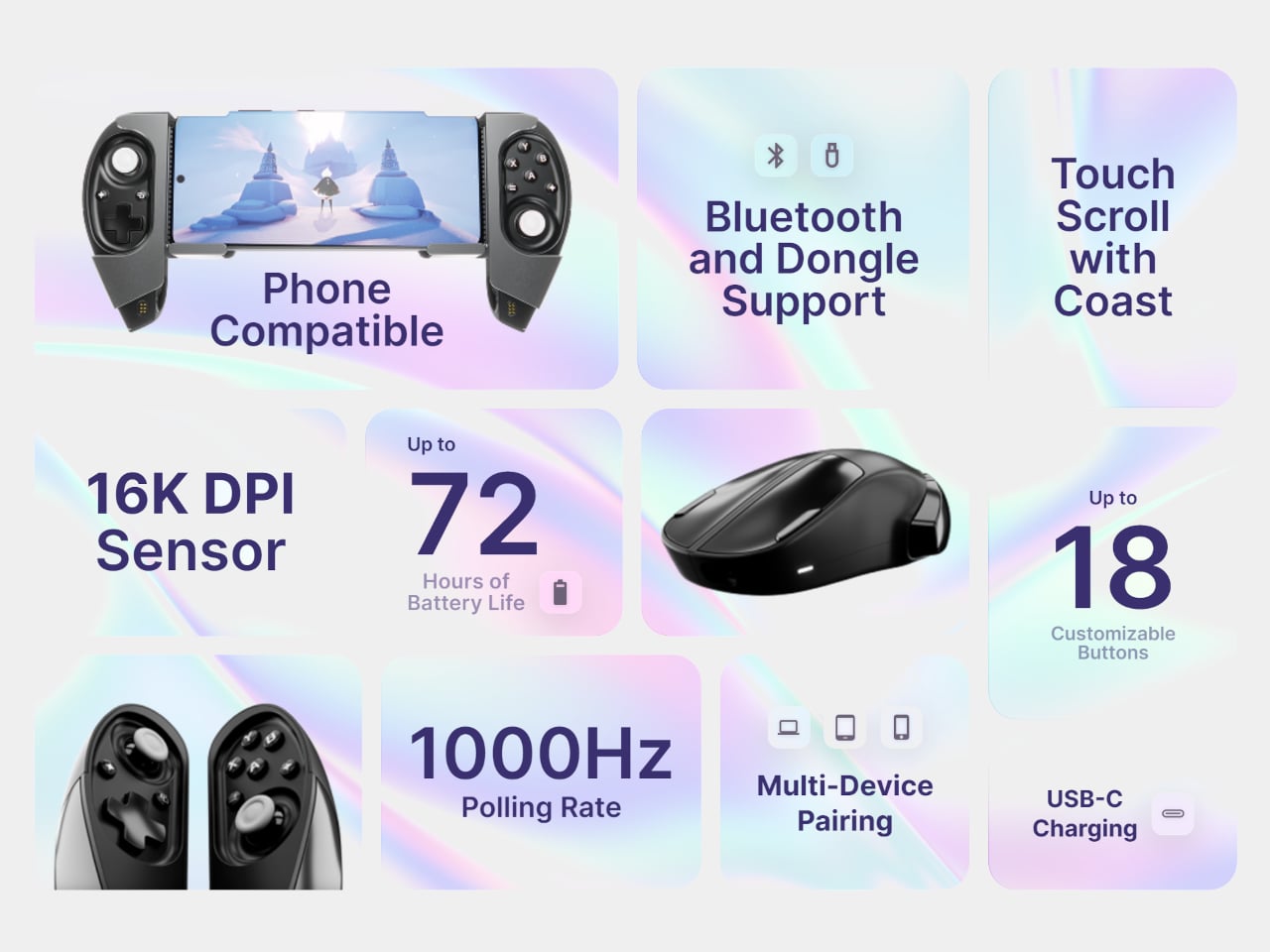
That missing scroll wheel is not an oversight. Fitting a traditional wheel in the center of the body would have made the split mechanism impossible, so Pixelpaw replaced it with a capacitive touch strip along the top of the left button. Flicking a finger across it scrolls through documents and web pages, with a glide feature that lets the momentum coast rather than stop abruptly. It’s a trade-off that works around a real geometric constraint.
As a mouse, the Phase is competitive on paper. A 16,000 DPI optical sensor pairs with a 1,000 Hz polling rate when connected via the included 2.4 GHz USB dongle. Bluetooth LE is available for convenience and multi-device pairing across up to three devices, though the polling rate drops to 125 Hz in that mode, a gap that matters in fast-paced PC games.
Up to 18 customizable buttons are mappable through the Pixelplay companion app, and a Layer button doubles each button’s function capacity without adding physical complexity. Battery life is rated at 72 hours per charge over USB-C, which is more than enough to outlast dedicated gaming sessions on either side of its personality.
The controller halves use mechanical tactile switches, which is more than most mobile gaming clip-ons bother with. Pixelpaw also has an accessory called the Phasegrip, a bracket that holds the two separated halves apart with a smartphone mounted in the center, turning the setup into a handheld console for mobile gaming. The Phase works across PC, Android, iOS, iPadOS, and ChromeOS, so switching between devices doesn’t require swapping hardware.
Everything shown so far is pre-production, and the company has been upfront that the final surface finish will differ. That’s a meaningful caveat for a product whose physical fit and feel will determine whether the concept actually holds up. Whether they’ll be able to deliver this Holy Grail of PC gaming, however, is the real question that can only be answered in time.
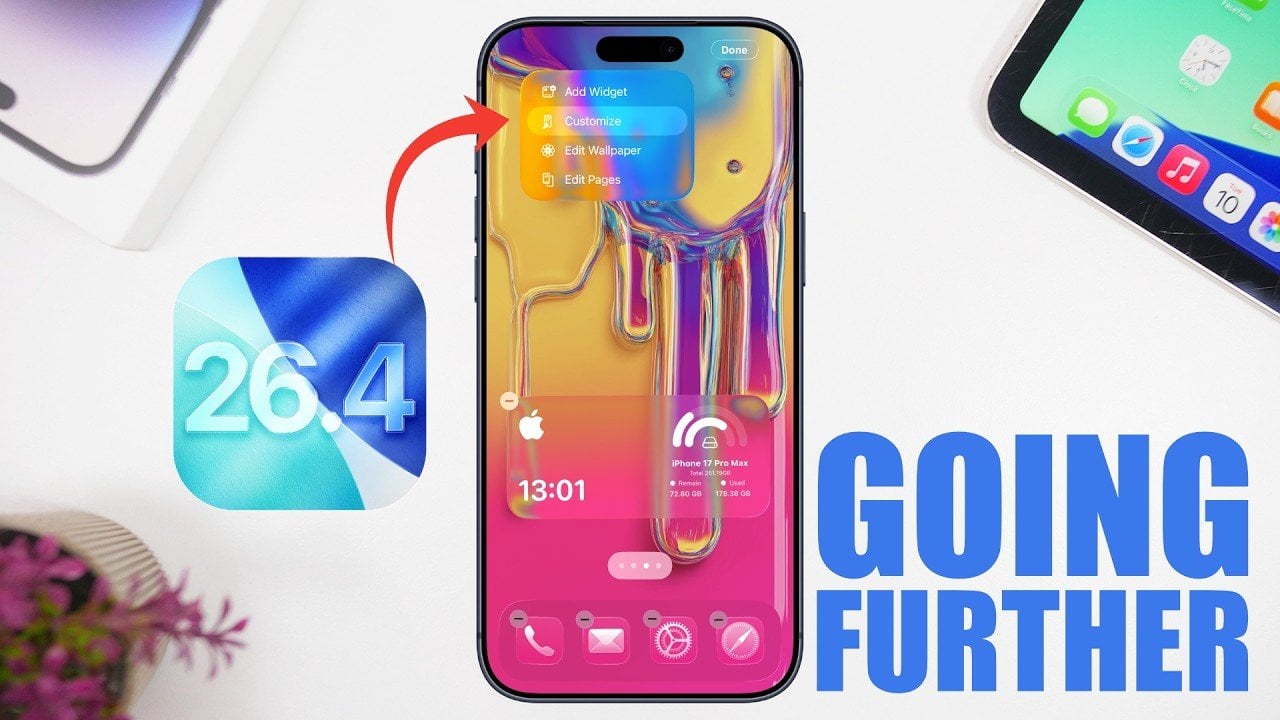
Apple’s iOS 26.4 represents a significant step forward in refining its mobile operating system. With the fourth beta now available, this update focuses on addressing user concerns while introducing meaningful enhancements. Key areas of improvement include battery life, performance, and customization options, making sure a more seamless and personalized user experience. Notably, the update allows […]
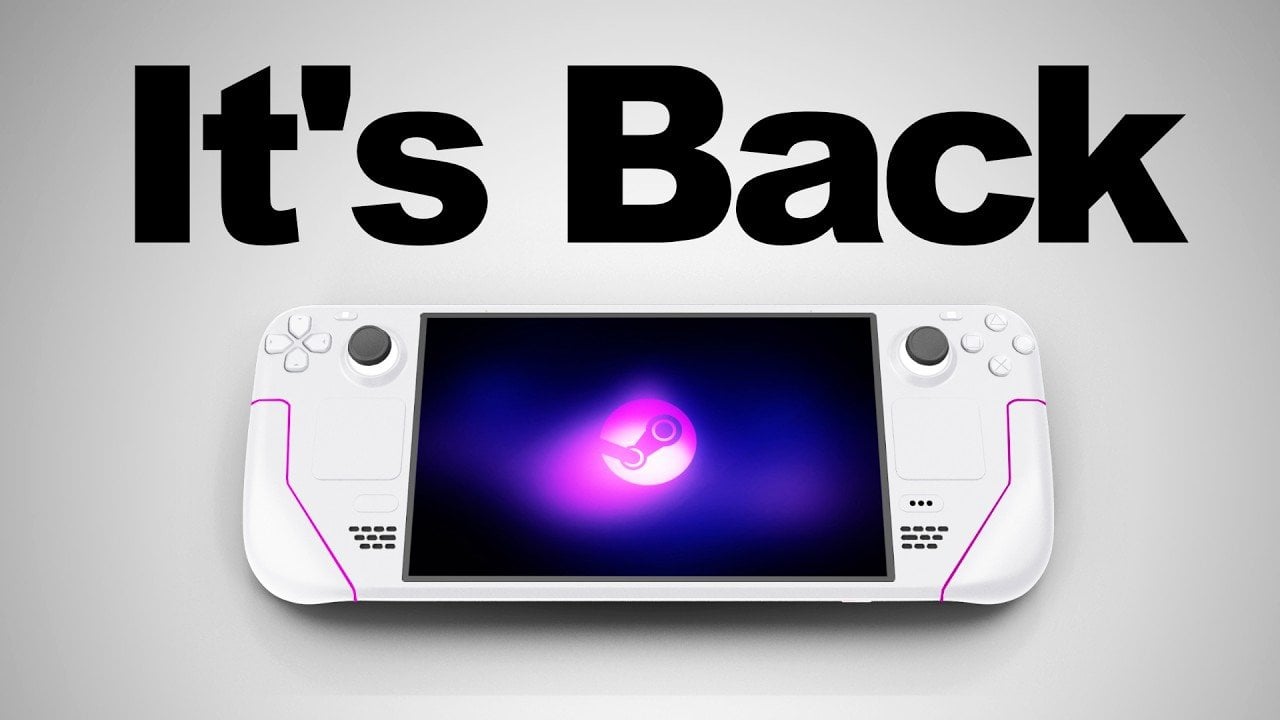
The Steam Deck is a handheld gaming device that combines portability with the flexibility of PC gaming, making it a compelling option for players who want access to a wide range of titles. According to Deck Ready, one standout feature is its compatibility with the RCPS3 emulator, which allows users to play PS3 classics like […]
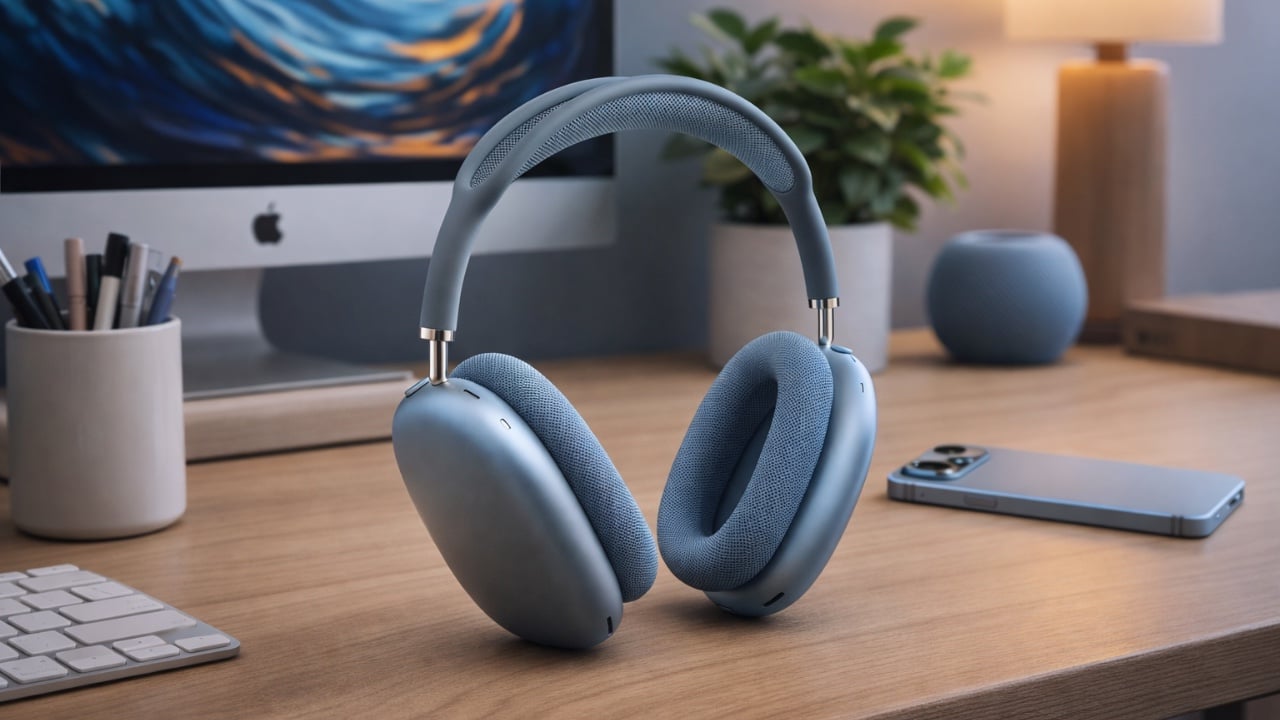
Apple has officially unveiled the AirPods Max 2, marking the first major update to its premium over-ear headphones since their debut in 2020. While the design remains largely consistent with the original, the internal upgrades powered by the advanced H2 chip aim to redefine wireless audio. With features like improved noise cancellation, adaptive audio, and […]
Claude code skills are an effective way to automate repetitive workflows, combining structured logic with adaptive AI-driven processes. As Jannis Moore explains, these skills are built around two core components: deterministic steps that follow predefined rules and non-deterministic processes that dynamically adjust to changing inputs. For example, a Claude skill could automate tasks like retrieving […]
Samsung is poised to make a significant impact on the foldable smartphone market with the launch of the Galaxy Z Fold 8 Wide. This device introduces a bold, wider design that departs from the traditional tall and narrow foldable format, aiming to enhance usability and functionality. With ambitious sales targets, competitive pricing strategies and advanced […]