
Ask.com has shut down, marking the official farewell to the Internet’s favorite butler
RIP to the original AI search bot.
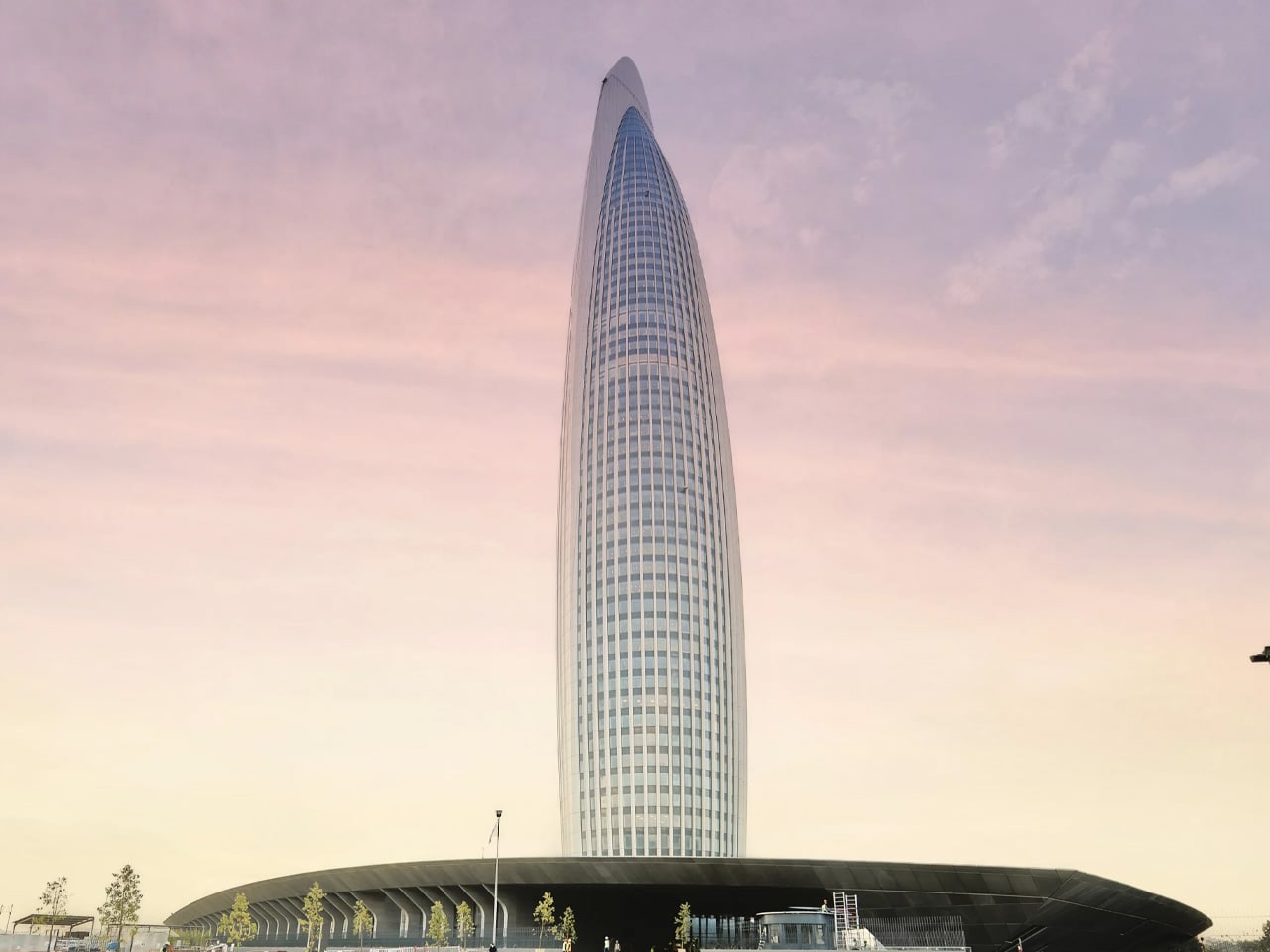
There are buildings, and then there are statements. The Mohammed VI Tower, inaugurated on April 23, 2026, in Salé, Morocco, belongs firmly in the second category. Rising 250 metres across 55 floors on the east bank of the Bouregreg River, it is now the tallest building in Morocco and the third tallest on the African continent. It did not arrive quietly. Visible from 50 kilometres in every direction, the tower has already redrawn the skyline that was once defined by centuries-old minarets.
The story behind it is as cinematic as the structure itself. Othman Benjelloun, the 93-year-old billionaire and chief executive of the Bank of Africa, conceived the idea decades ago after visiting a NASA facility ahead of the Apollo 12 mission. Standing before the Saturn V rocket, he saw not just a machine but a metaphor. That image, a rocket braced on its launchpad and ready to ascend, became the architectural soul of the tower. Spanish architect Rafael de la Hoz and Moroccan architect Hakim Benjelloun translated that vision into steel, glass, and concrete, producing a silhouette that reads like liftoff frozen in time.
Designer: Rafael de la Hoz and Hakim Benjelloun


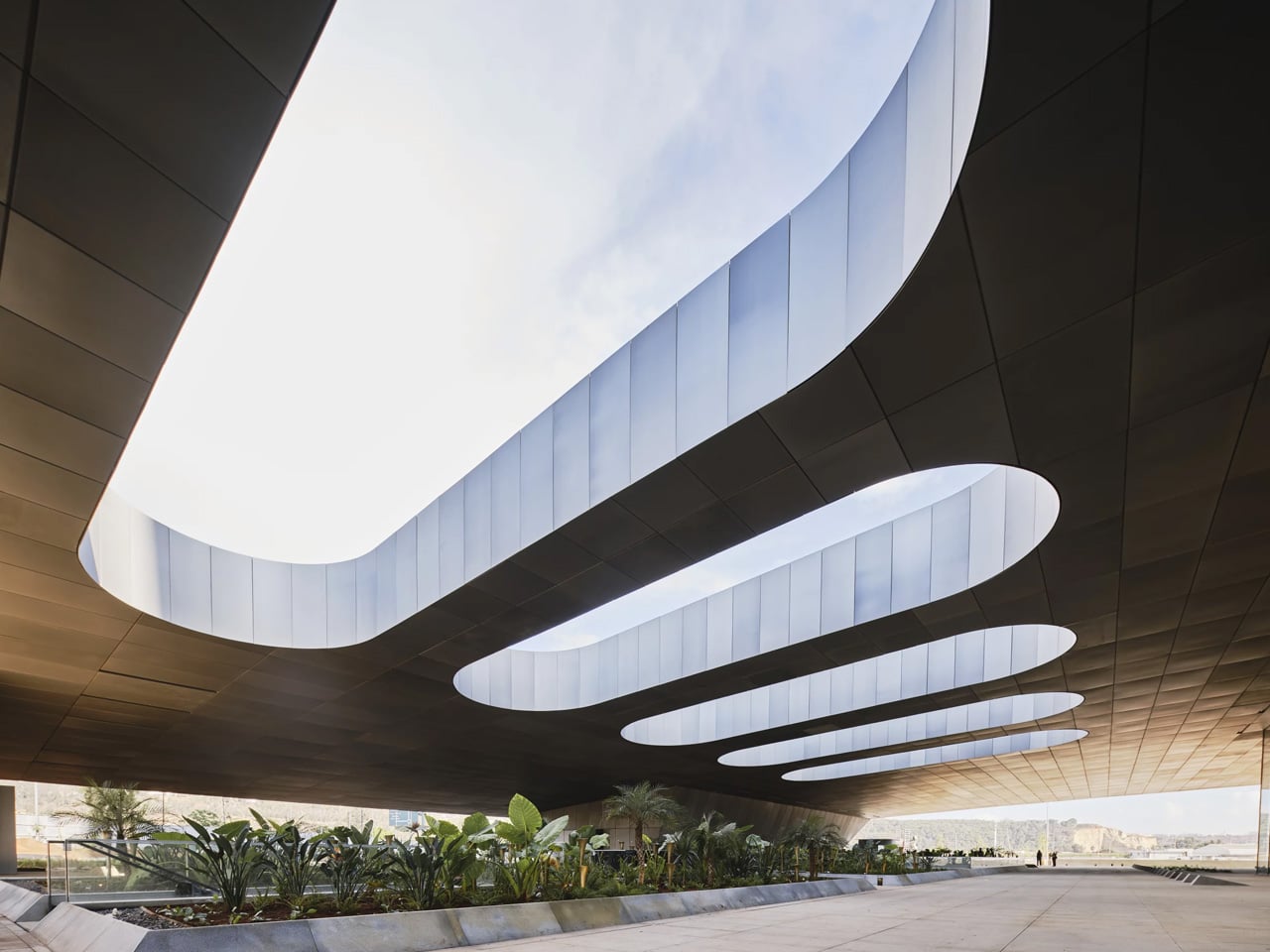
The tower is far more than its form. Across its 102,800 square metres of floor area, it houses a Waldorf Astoria hotel, premium offices, high-end residential apartments, retail spaces, and a panoramic observation deck at its crown. Interior design was handled by Pierre Yves Rochon, with furniture and fittings curated by FLAMANT. The facade spans 70,000 square metres and integrates solar panels, while a tuned mass damper ensures stability at height. The building holds both LEED Gold and HQE sustainability certifications, setting a benchmark for green construction across the continent.
Construction began in July 2017 and was delivered by BESIX in a joint venture with TGCC, Six Construct, and the China Railway Construction Corporation, with a total cost of 3.5 billion Moroccan dirhams, roughly $700 million. The project forms the centrepiece of the Bouregreg Valley Development, a broader effort to transform Rabat into a city of international standing ahead of the 2030 FIFA World Cup, which Morocco will co-host.
Not everyone is celebrating at the same altitude. Critics point out that major investment continues to concentrate along Morocco’s Atlantic corridor, while inland regions contend with high unemployment and uneven public services. The tower, they argue, is a monument to ambition that has yet to translate into equity.
Still, as an act of architecture, the Mohammed VI Tower is difficult to argue with. Rafael de la Hoz and Hakim Benjelloun have given Morocco something rare: a building with a founding myth, a bold form, and the scale to match both.

The post Morocco’s Mohammed VI Tower: The Rocket That Rewrote Africa’s Skyline first appeared on Yanko Design.
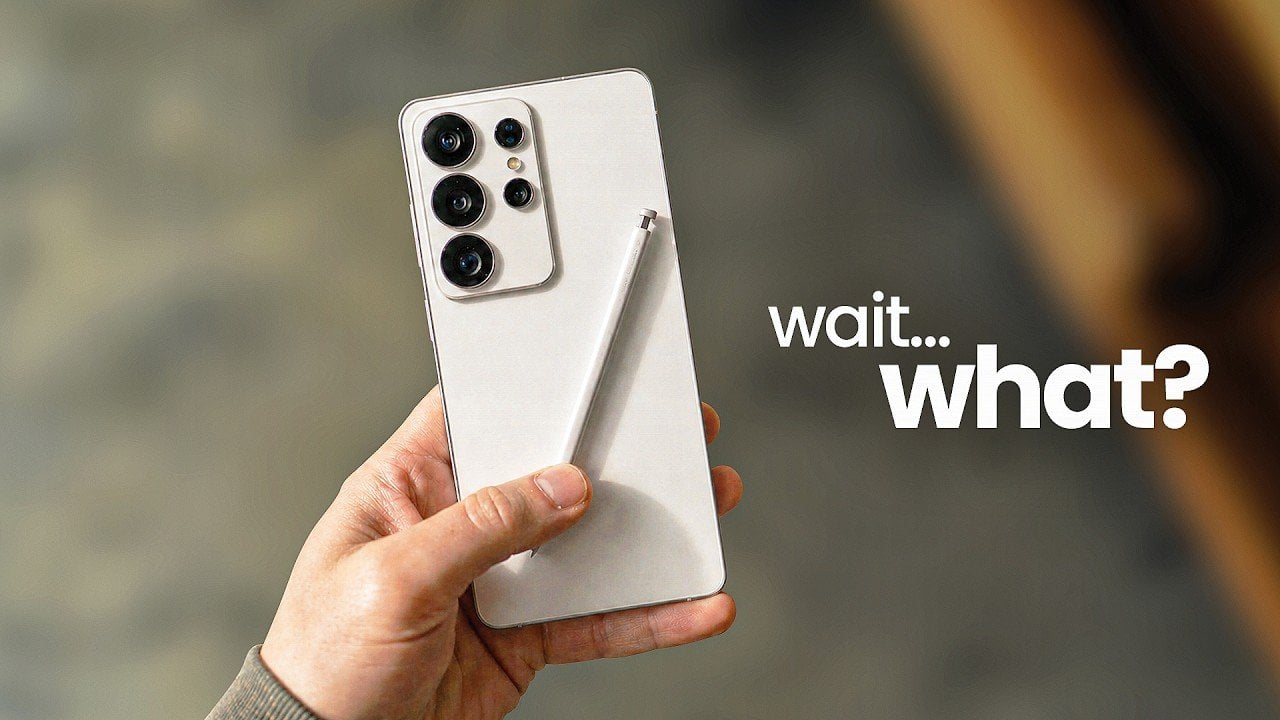
The Samsung Galaxy S27 Ultra, once positioned as a potential benchmark for smartphone innovation, faces a complex interplay of advancements and limitations. While the device introduces several noteworthy upgrades, challenges in design, technology integration, and pricing strategies suggest that Samsung may be reserving its most fantastic features for the Galaxy S28 series. Below is an […]
The post Samsung Galaxy S27 Ultra Might Finally Break the 5,000mAh Barrier appeared first on Geeky Gadgets.

Claude’s design agents are a method for building adaptable systems capable of responding intelligently to user needs, as explained by Sam Witteveen. A defining aspect of their architecture is agentic context grounding, which enables the agents to adjust outputs based on factors like user preferences, prior interactions and specific input details. For example, when generating […]
The post Why Claude’s Design Agents Are Changing How AI Workflows Operate appeared first on Geeky Gadgets.
Most kitchen gadgets follow an unspoken agreement: the more useful they are, the uglier they get. Vacuum sealers are probably the worst offenders. Big, loud, plasticky things that you dig out from the back of a cabinet twice a year and promptly hide again. Italian company B!POD decided to ignore that agreement entirely, and the result is DRO!D, a rechargeable food vacuum system that looks less like a kitchen appliance and more like something that rolled off a design studio table.
I’ll be upfront: I don’t usually get excited about food storage. It’s not exactly a glamorous category. But DRO!D genuinely surprised me, and a lot of that starts with how it looks. The unit itself is compact, black, and almost architectural in its restraint. A deep V-shaped channel runs down the front face, creating shadow and depth that make it feel sculpted rather than manufactured. The ventilation grilles on either side are flush and minimal. The only real pop of color comes from two small orange rings at the base, the legs that dock into the container lids. It’s a considered detail — functional, but also the kind of thing that makes you look twice. On a white shelf, it reads more like a design object than a kitchen tool.
Designer: B!POD
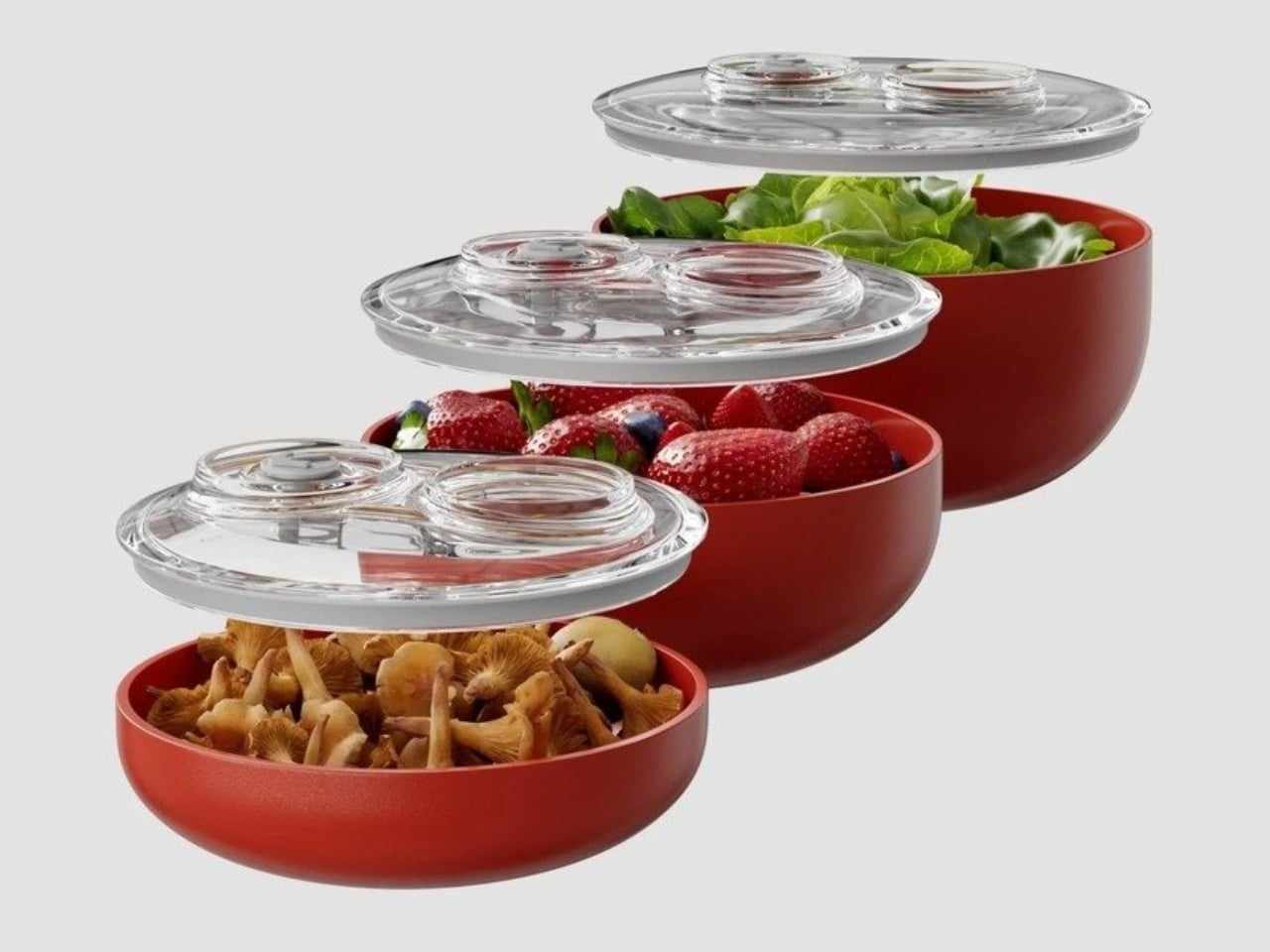
The containers are where the palette really opens up. They come in a deep matte red, a rich navy, and a soft teal, all with the same rounded, low-profile bowl shape and clear lids. The lids themselves have a sculptural quality, two circular ports with a valve mechanism that catches light in an interesting way. From above, it almost looks like a face. Whether that’s intentional or not, it gives the whole system a personality that most food storage products completely lack.

The system removes up to 95% of the oxygen from those containers, slowing the oxidation process that makes leftovers go stale, mushy, or moldy. B!POD describes the technology as working on a molecular level, essentially slowing how quickly your food ages from the inside. The claim is that it keeps food fresh up to five times longer than conventional storage. That’s not a small number. That’s the difference between meal prepping on Sunday and still having something worth eating on Friday.
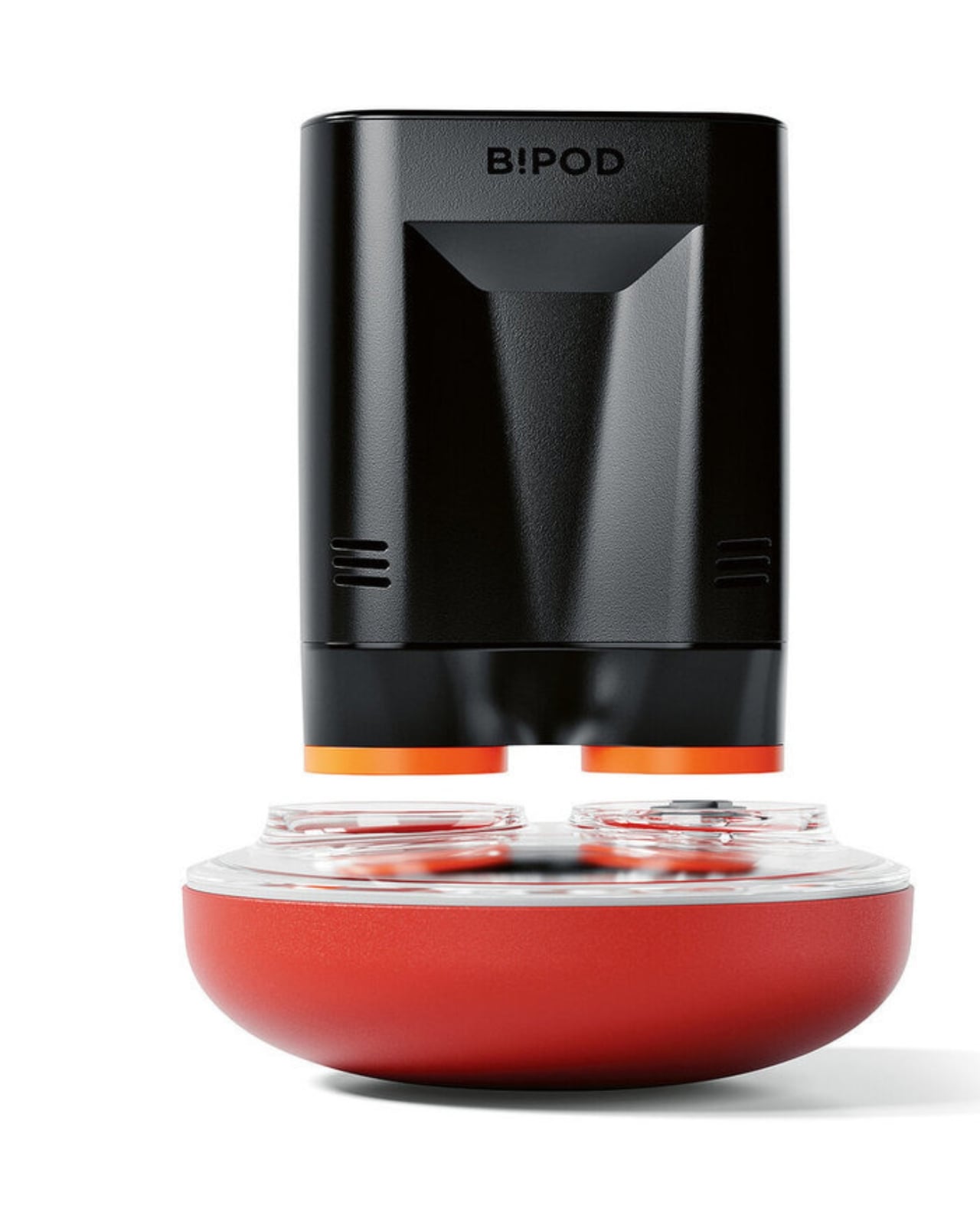
Using it is deliberately simple. One button, two vacuum power modes, and a 30-second cycle monitored by a small circular OLED display at the top of the unit. There’s a gentler setting for delicate foods and a stronger one for everything else. The battery charges fully in under two hours and gives you 15 to 20 sessions per charge.
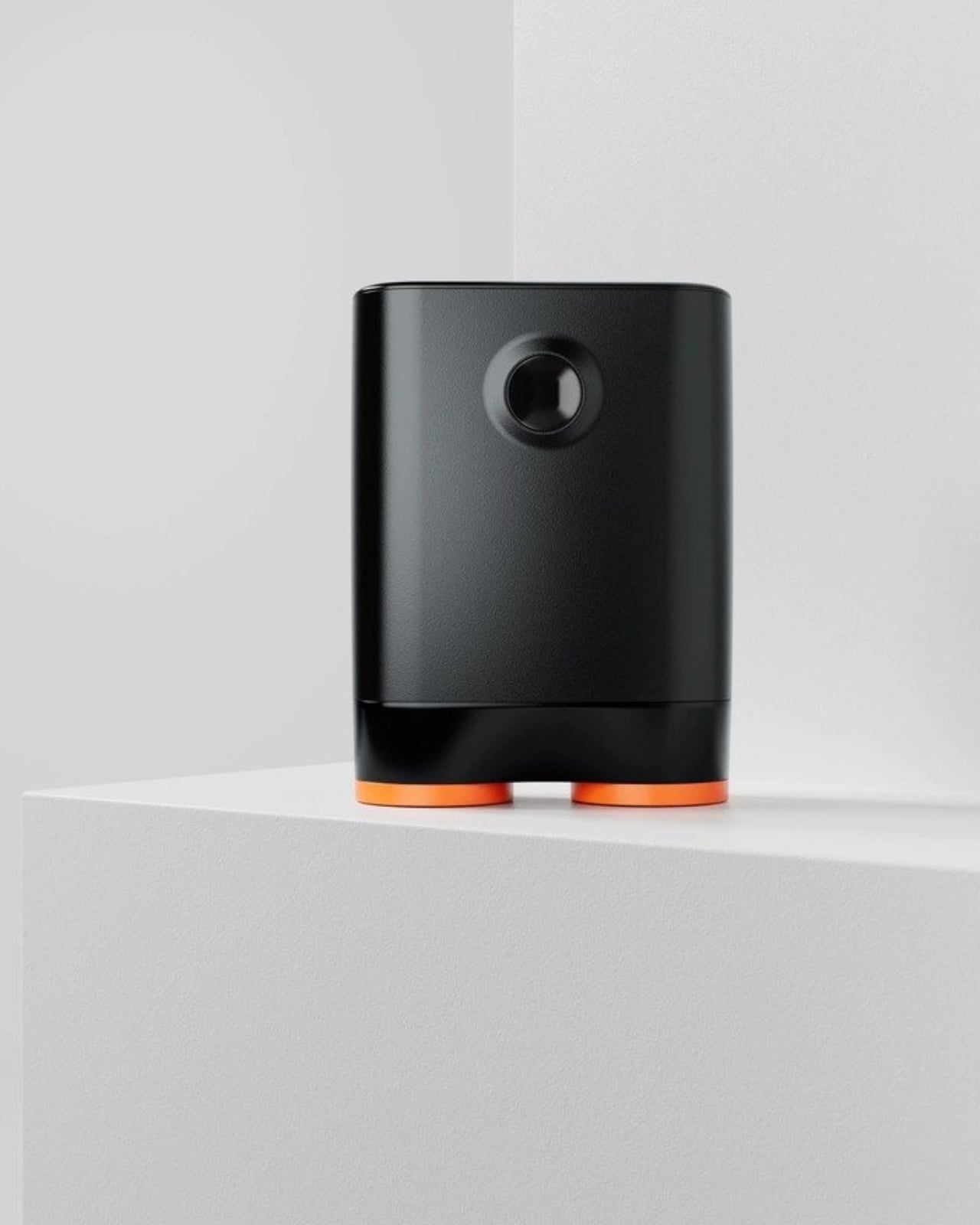
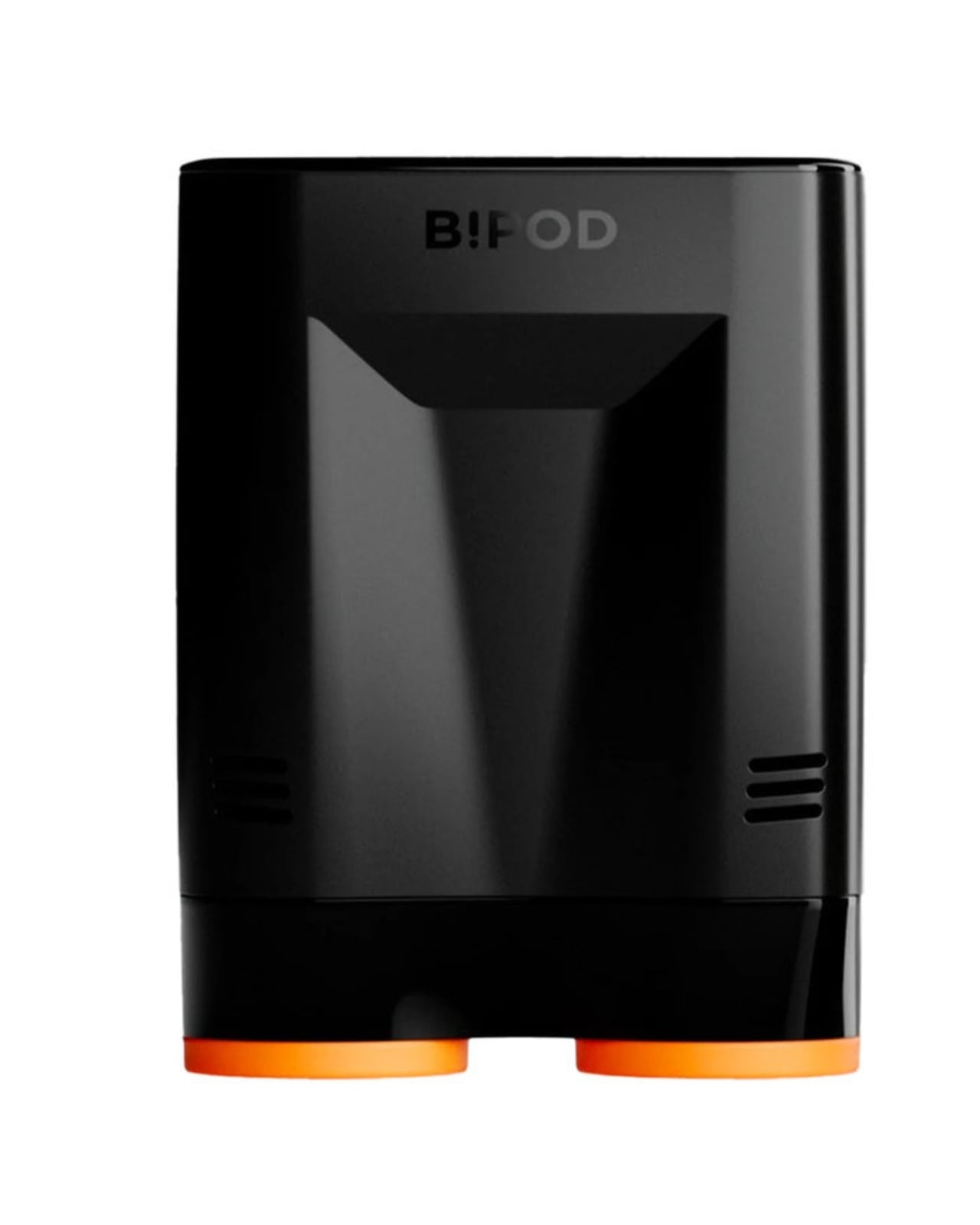
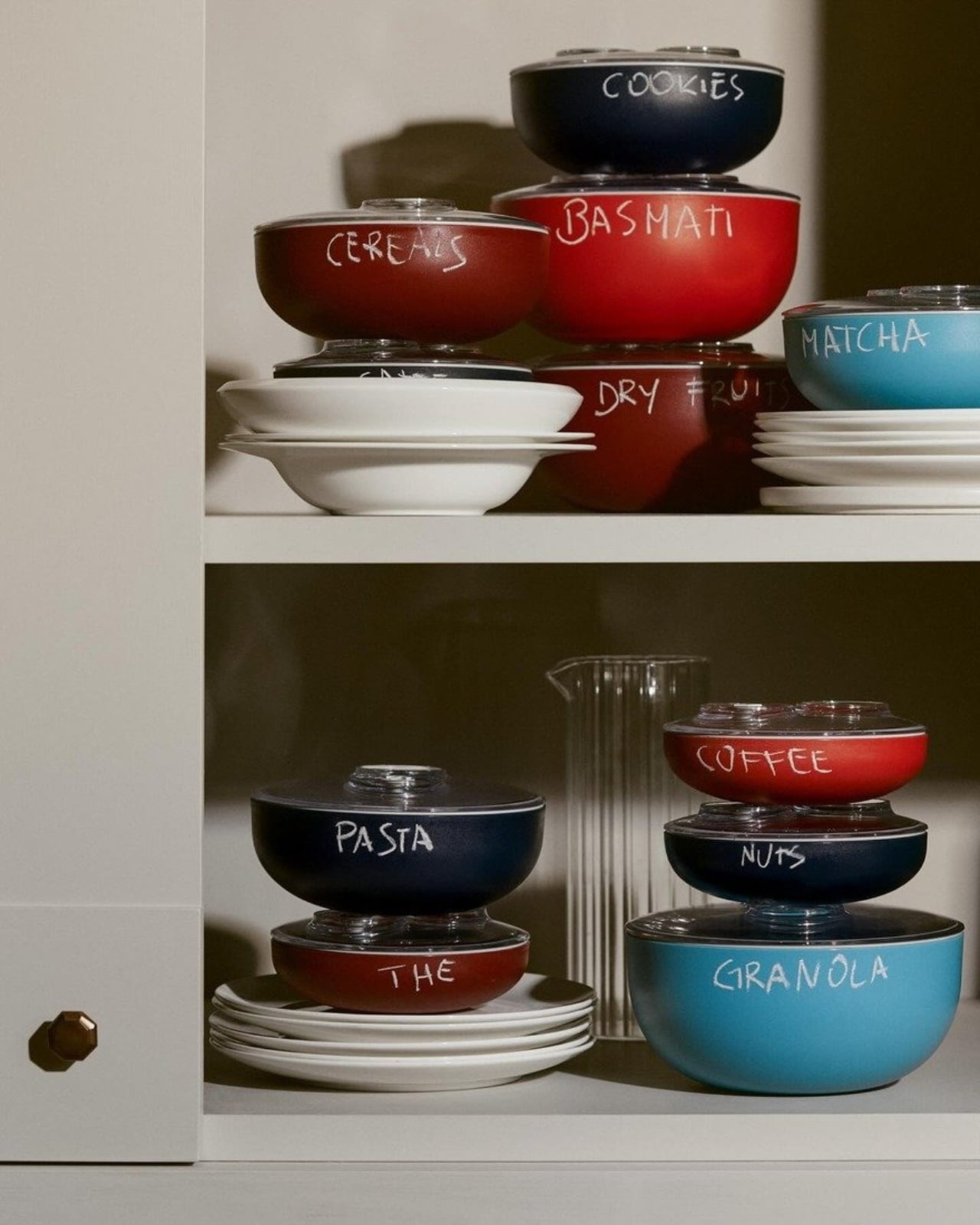
What really sells the design though is how the system looks when it’s not in use. The containers stack cleanly, and with the chalkboard-style labeling that B!POD leans into in their own photography, a shelf full of them becomes something you’d actually want people to see. Pasta, coffee, granola, matcha — written in chalk across those matte bowls, it looks more like a still life than a pantry. That’s a rare thing to say about food storage.
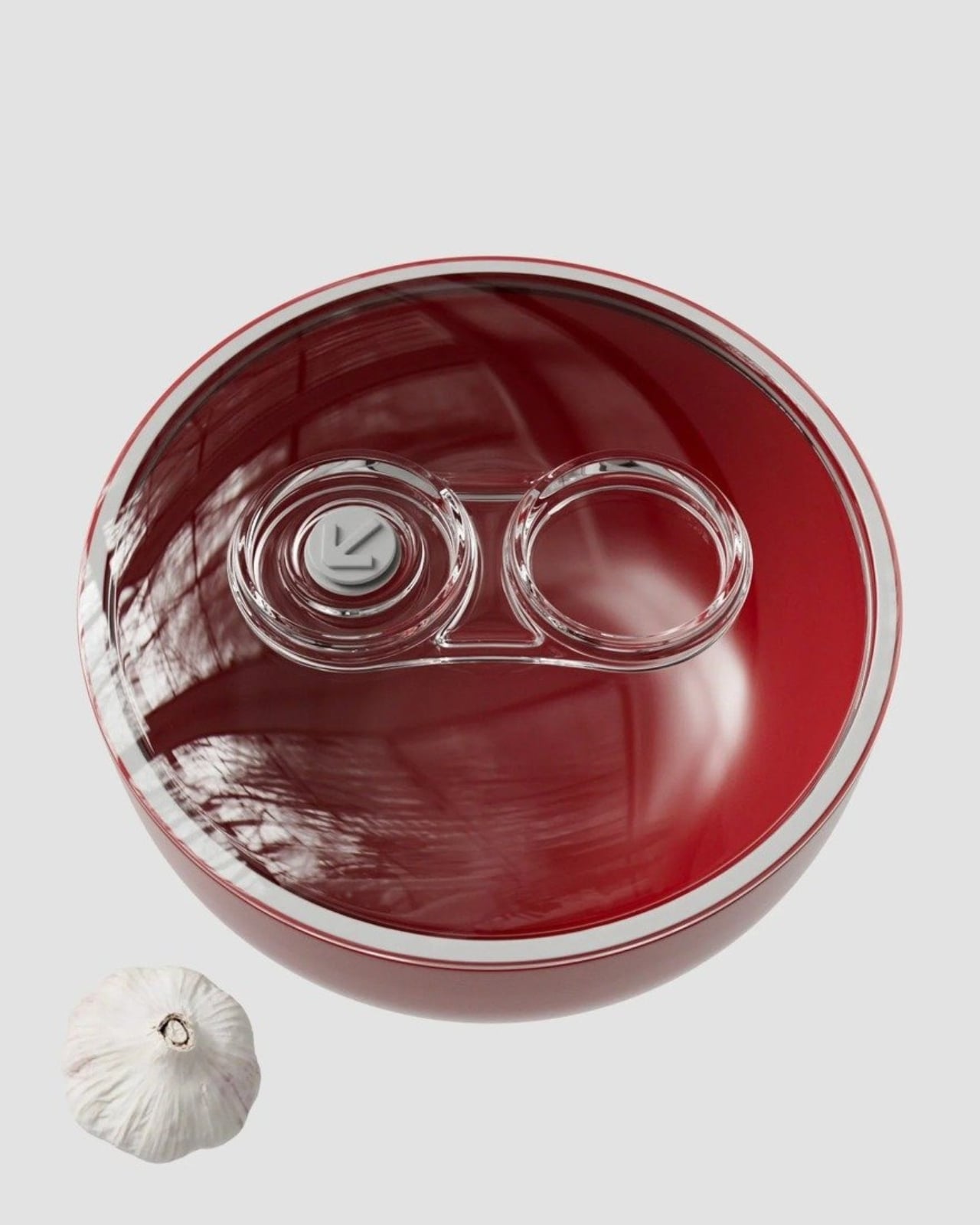
The sustainability angle also deserves more than a footnote. Food waste is one of those issues that sounds abstract until you think about how often the wilted greens or forgotten leftovers quietly end up in the trash. If DRO!D delivers on its promise to extend food life by five times, that’s a meaningful reduction in daily household waste. B!POD even offers free green shipping across their range, which reads less like a marketing gesture and more like a real alignment of values.
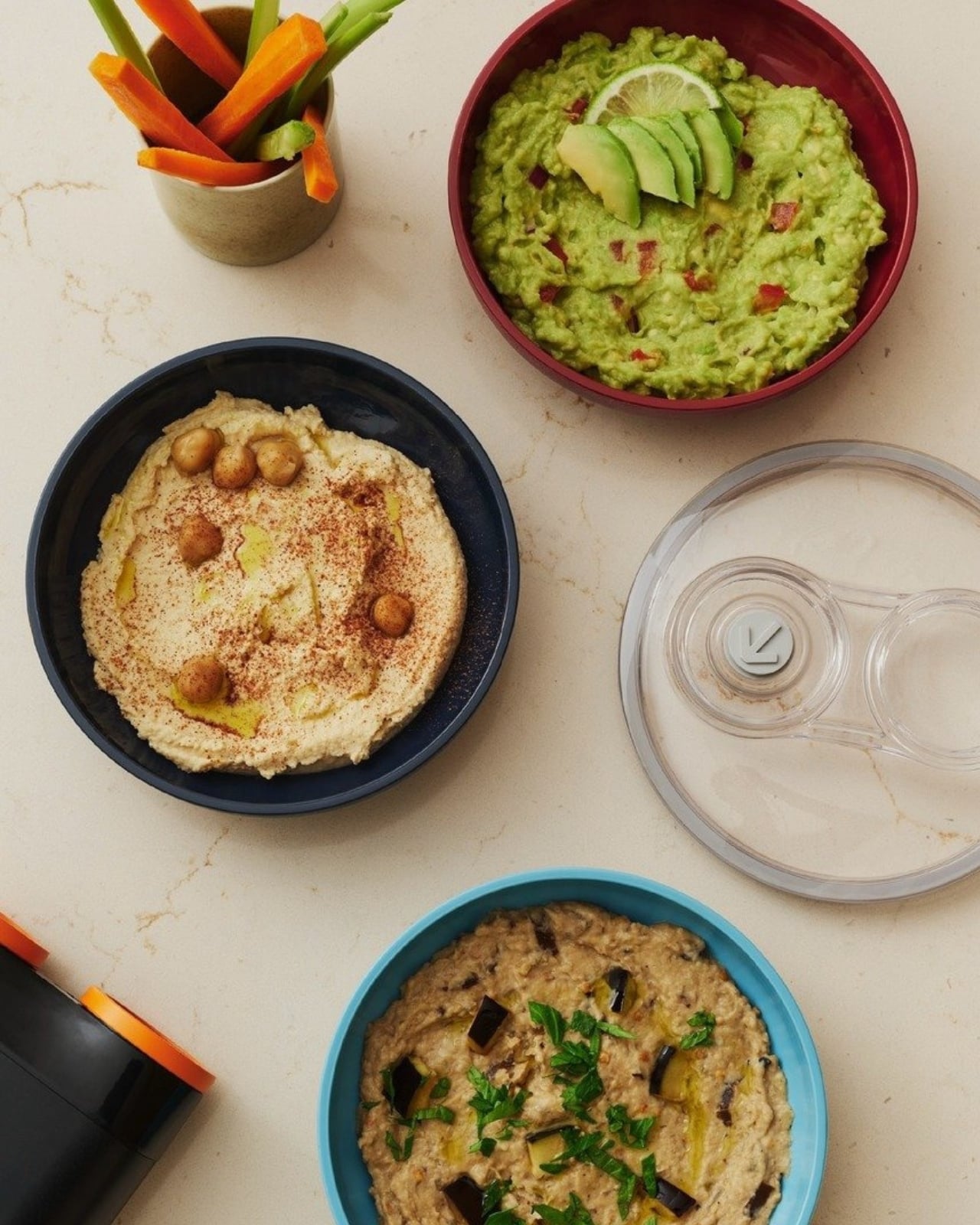
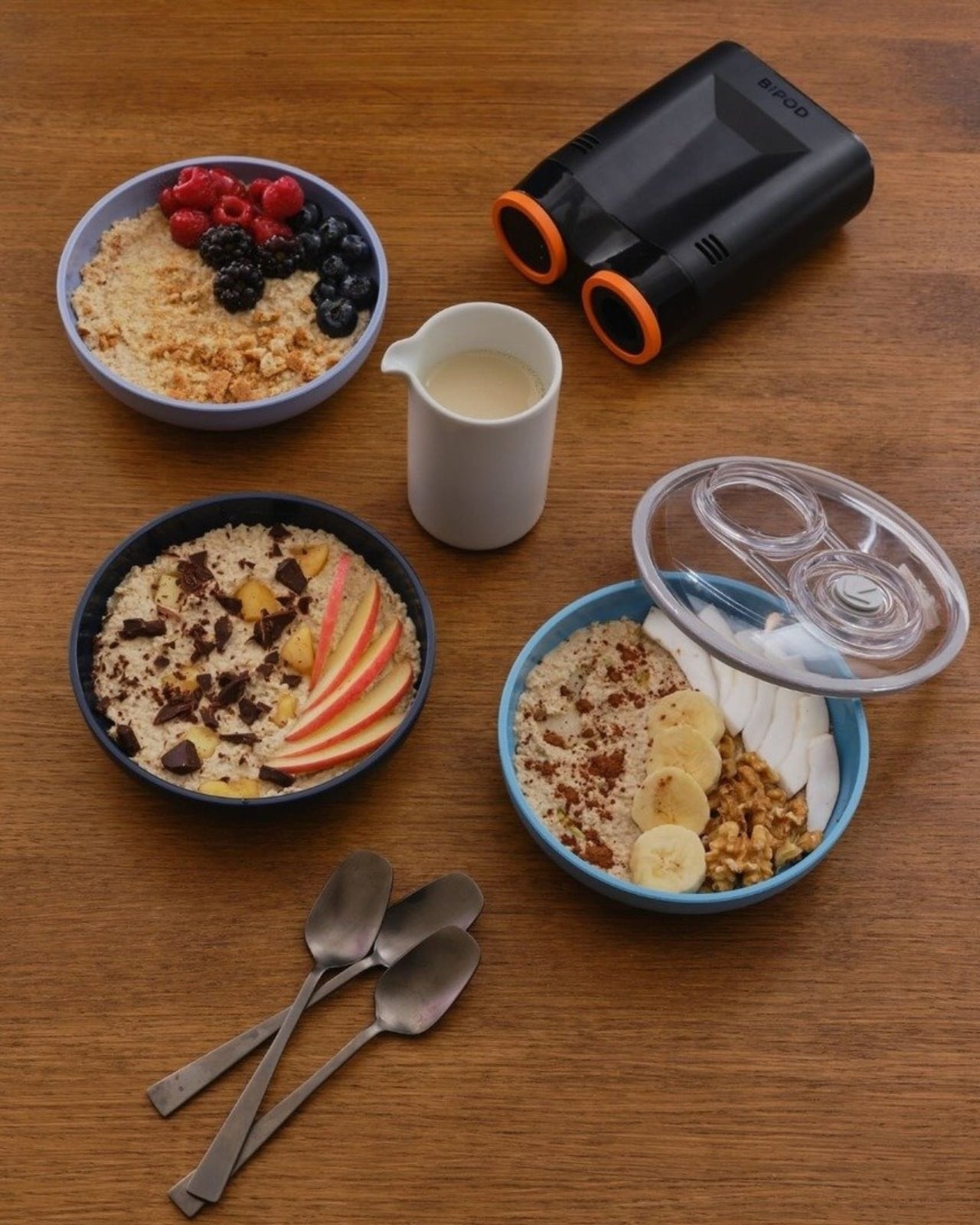
Is it perfect? Probably not. Like most closed-system products, you’re investing in an ecosystem. The containers are proprietary, so once you’re in, you’re in. That’s a commitment, and not everyone will be ready for it. That said, the premise is genuinely compelling. We’re in a moment where people are thinking harder about what they buy, where it goes when they’re done with it, and whether it was worth making at all. DRO!D sits at the intersection of good design, real utility, and conscious consumption. It’s not trying to be a luxury object, but it carries the aesthetics of one. If kitchen appliances got the same cultural attention as sneakers or headphones, DRO!D is exactly the kind of product people would be talking about. Maybe it’s time to start.
The post B!POD’s DRO!D Finally Makes Food Storage Worth Showing Off first appeared on Yanko Design.

Apple’s highly anticipated 2026 Mac Studio has been delayed until October 2026. The delay is attributed to a global shortage of high-performance memory, a critical component in advanced computing systems. This shortage, fueled by the growing demand from artificial intelligence (AI) applications, data centers and server farms, has disrupted supply chains and slowed production timelines. […]
The post Don’t Wait for WWDC: New Leaks Reveal the M5 Mac Studio is Delayed Until October appeared first on Geeky Gadgets.

Google DeepMind’s AI Co-clinician is poised to reshape how medical consultations are conducted by combining advanced diagnostic reasoning with real-time video analysis. As highlighted by AI Grid, this system is designed to work alongside physicians, enhancing their ability to assess and address patient needs. For example, during a video-based physical exam, the AI can guide […]
The post How Google’s New DeepMind Medical AI Could Change Healthcare Forever appeared first on Geeky Gadgets.
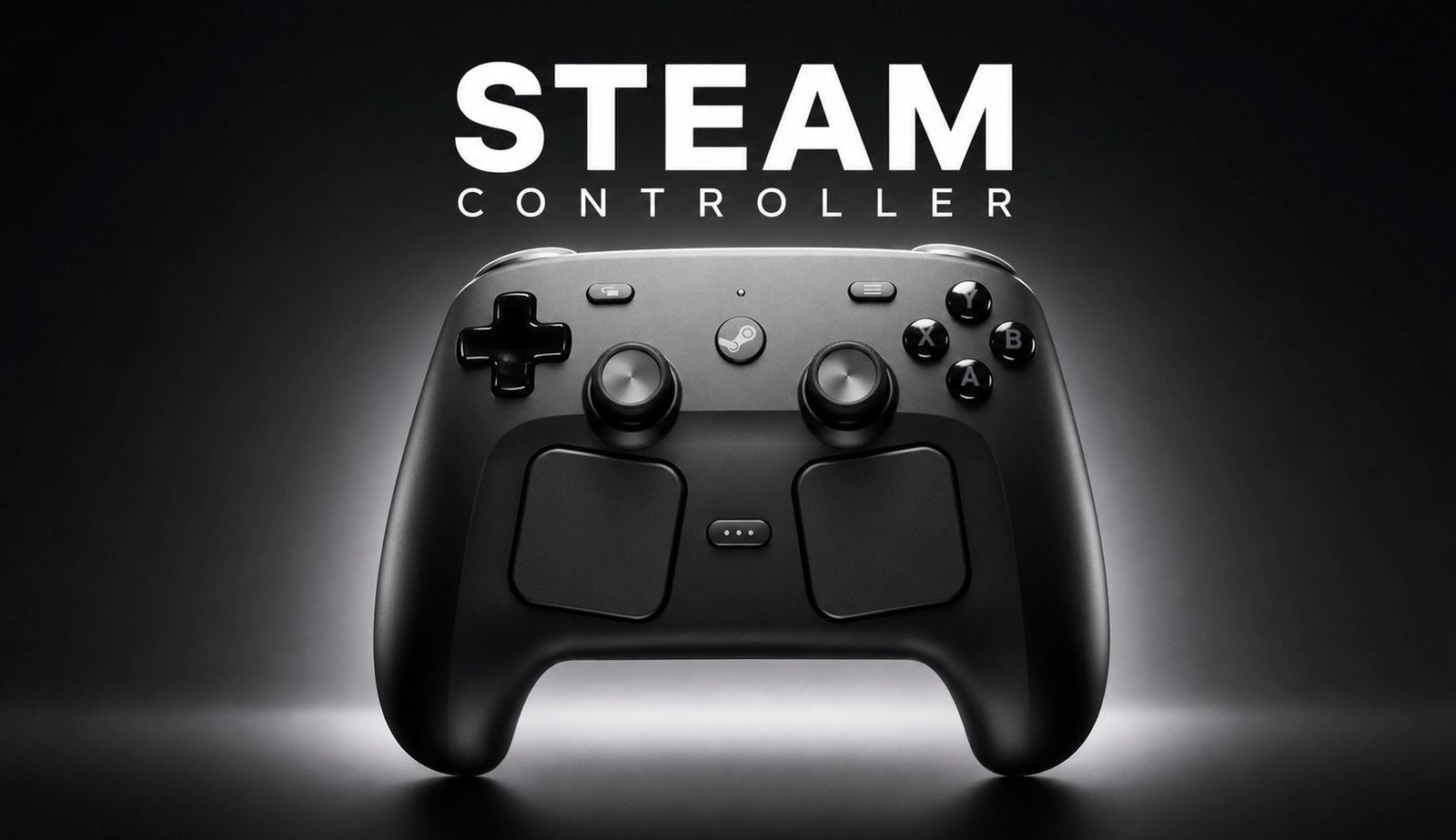
Valve’s Steam Controller emphasizes precision and adaptability, as detailed by Retro Game Corps. Priced at $99, it includes TMR analog sticks to combat drift, customizable trackpads for mouse-like input and a layout similar to the Steam Deck, making it well-suited for Steam users. However, its limited compatibility with non-Steam platforms and relatively heavier build may […]
The post Is Valve’s New $99 Steam Controller Actually Worth the Price? appeared first on Geeky Gadgets.
As awareness of our environmental impact grows, every choice we make matters, from the food we eat to the things we buy. Yet, we often overlook the toys our children play with. Many traditional toys made from plastic and mass-produced leave a lasting footprint on the planet.
Choosing eco-friendly toys is more than a passing trend, as it is a conscious step toward a healthier future. Made from sustainable, non-toxic materials, these toys are safer for kids and built to last, reducing waste. Each thoughtful purchase makes playtime joyful while caring for the world your children will grow up in.
The following points explore why shifting to sustainable toys matters and should be considered for children.
Many traditional toys come with risks that aren’t obvious. Made from cheap plastics like PVC, they often contain harmful chemicals such as phthalates and BPA. These substances are linked to various health problems and can leach out, especially when children put toys in their mouths, something every parent knows happens frequently.
The impact goes beyond health concerns as plastic toys don’t break down naturally, piling up in landfills or turning into microplastics that pollute oceans and harm wildlife. Choosing eco-friendly toys helps protect your child while also supporting a cleaner, safer planet for future generations.
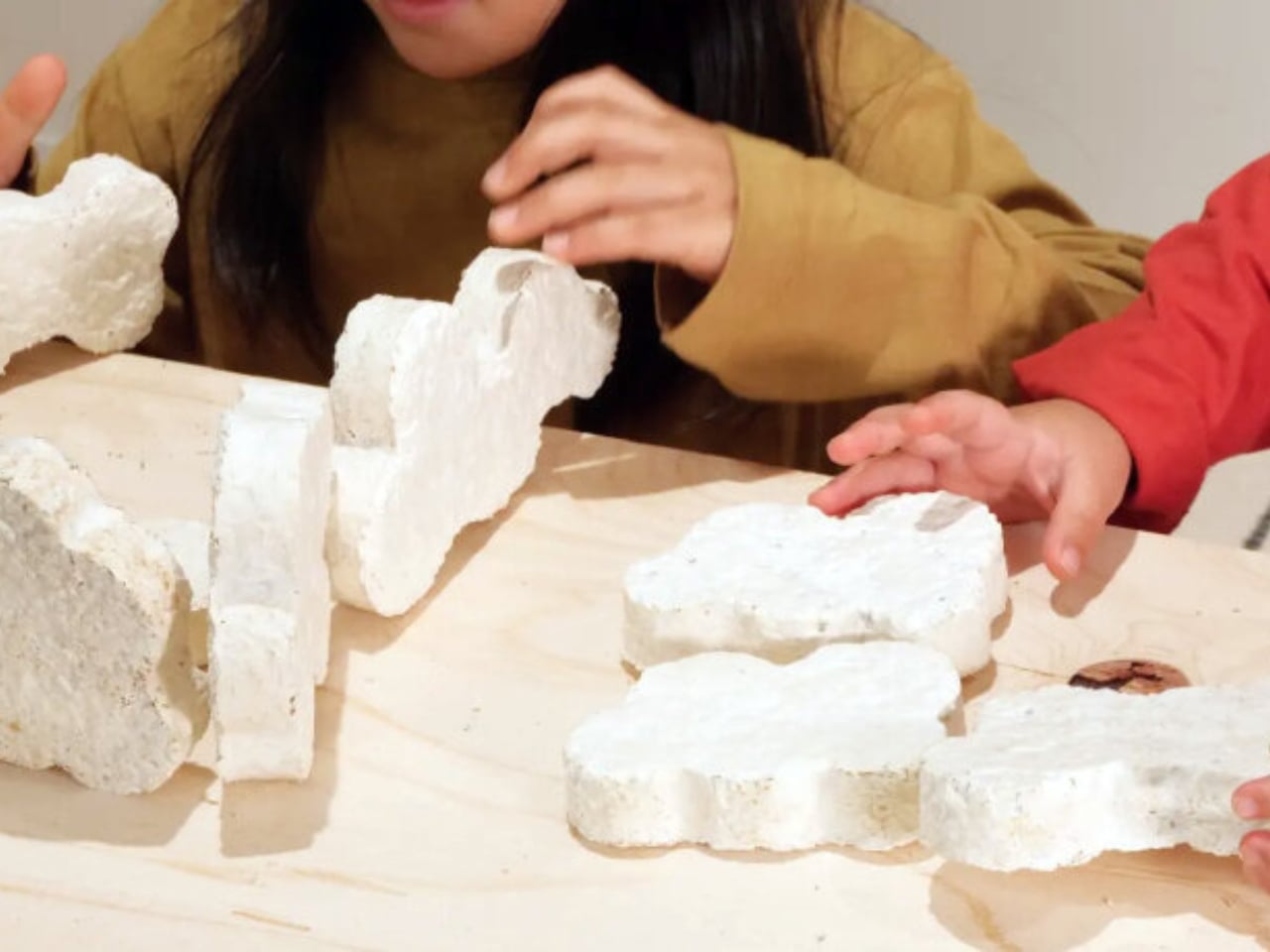
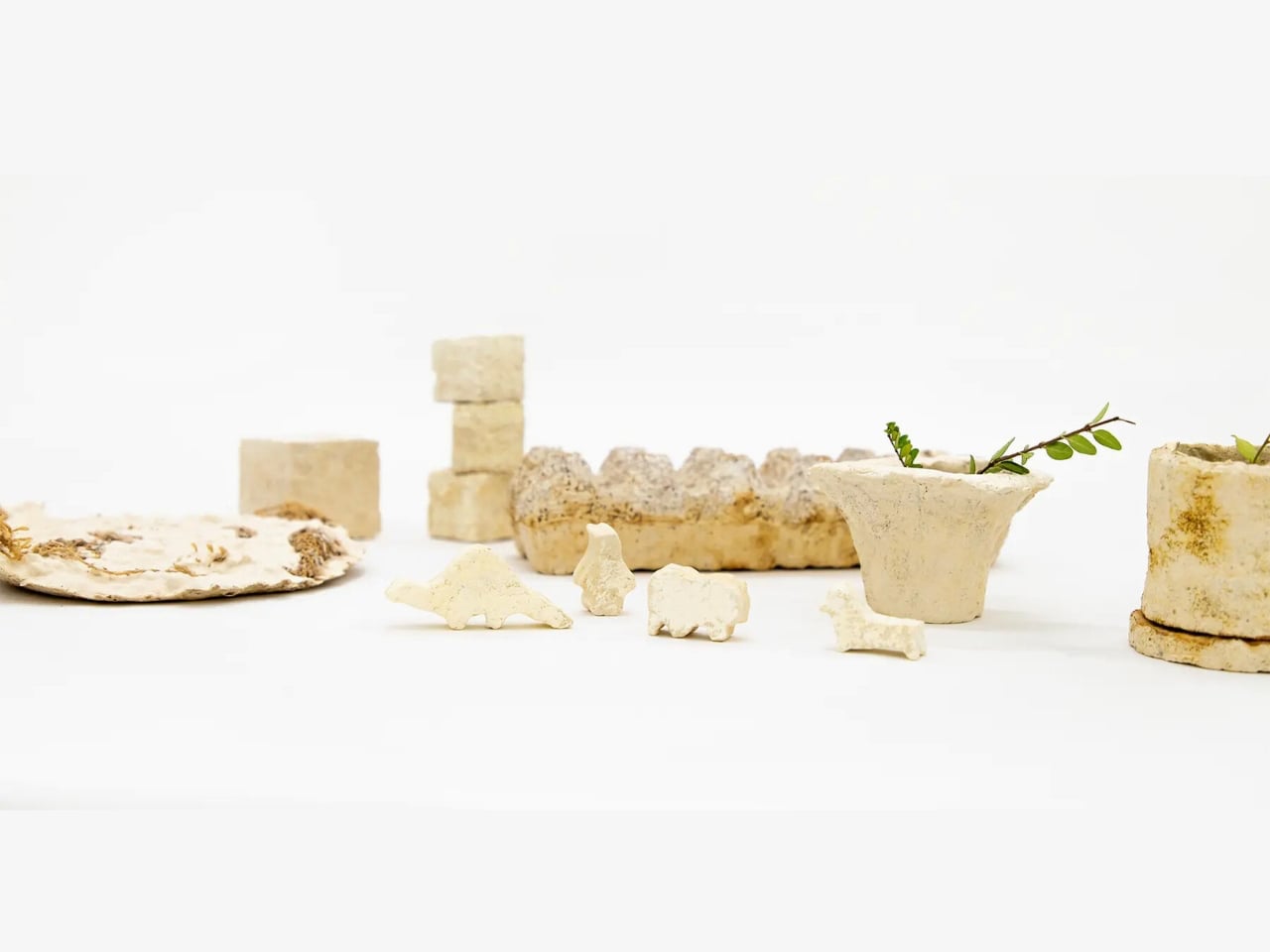
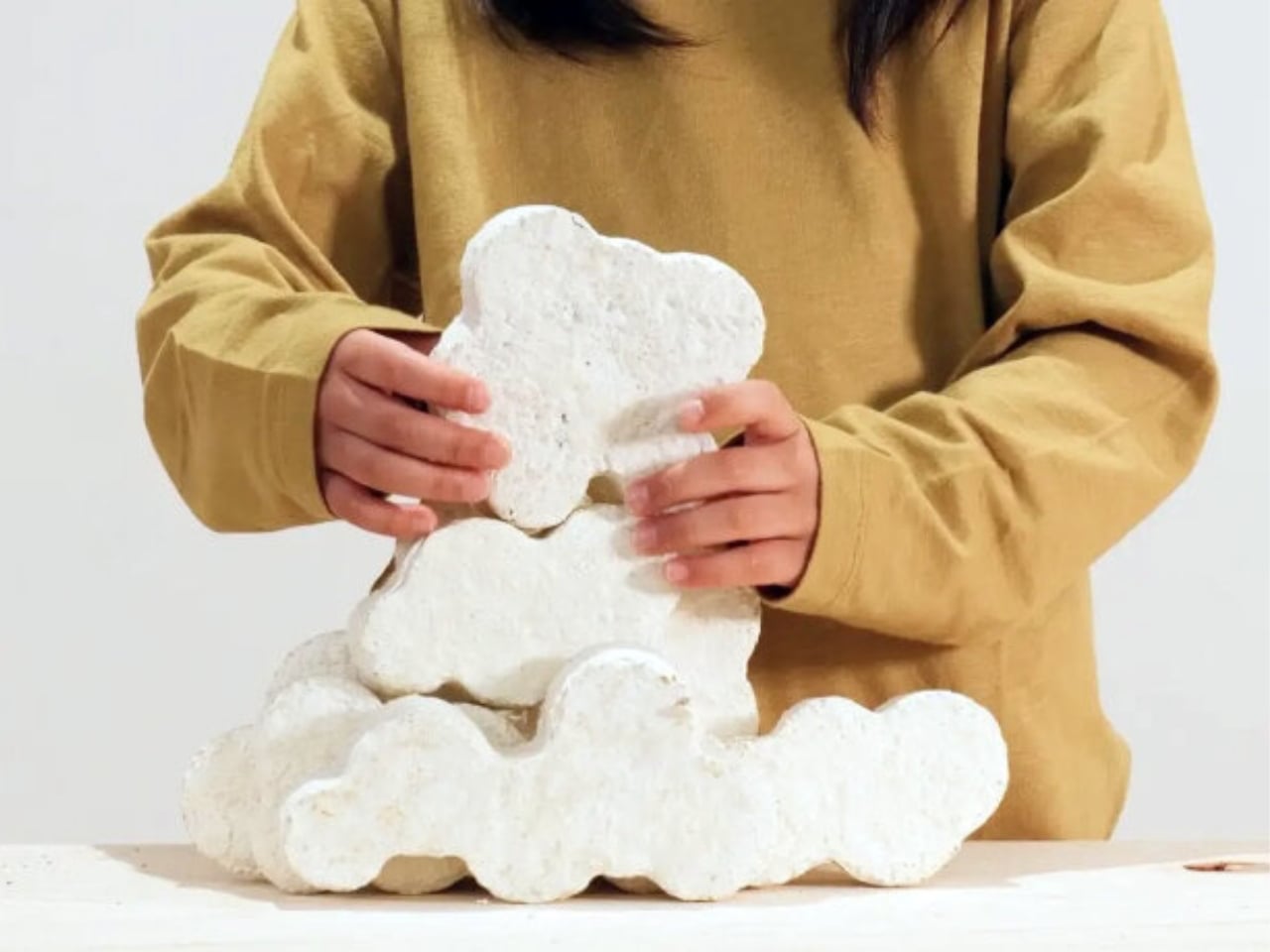
MYMORI’s Mushroom Mycelium Toy Kit allows families to grow building blocks from mushroom mycelium, providing a sustainable alternative to plastic toys. The kit contains mycelium material, reusable PETG molds, flour, gloves, alcohol wipes, and clear instructions. Users simply mix the ingredients, fill the molds, and keep them moist as the mycelium develops into solid, lightweight blocks suitable for stacking and imaginative play.
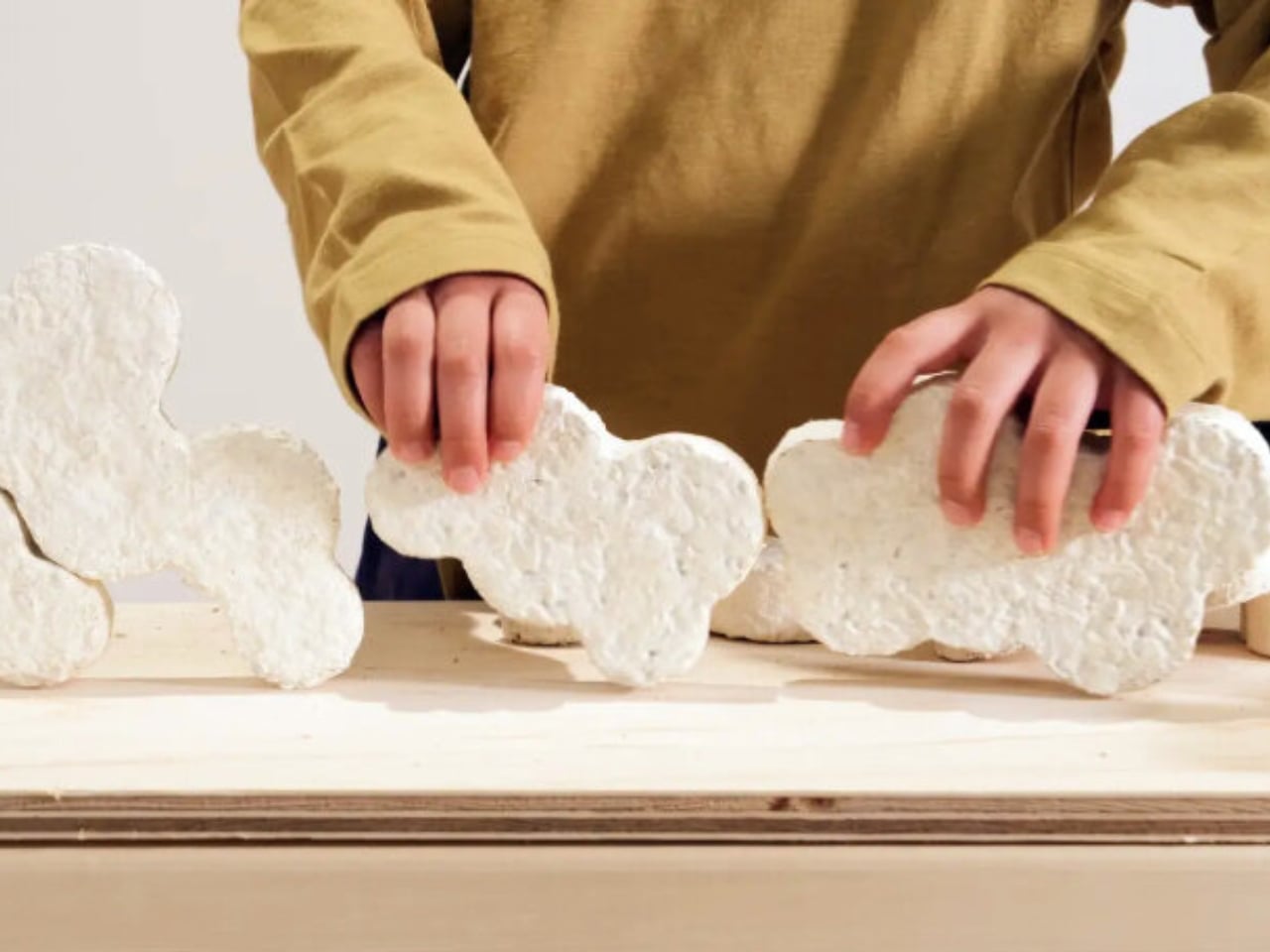
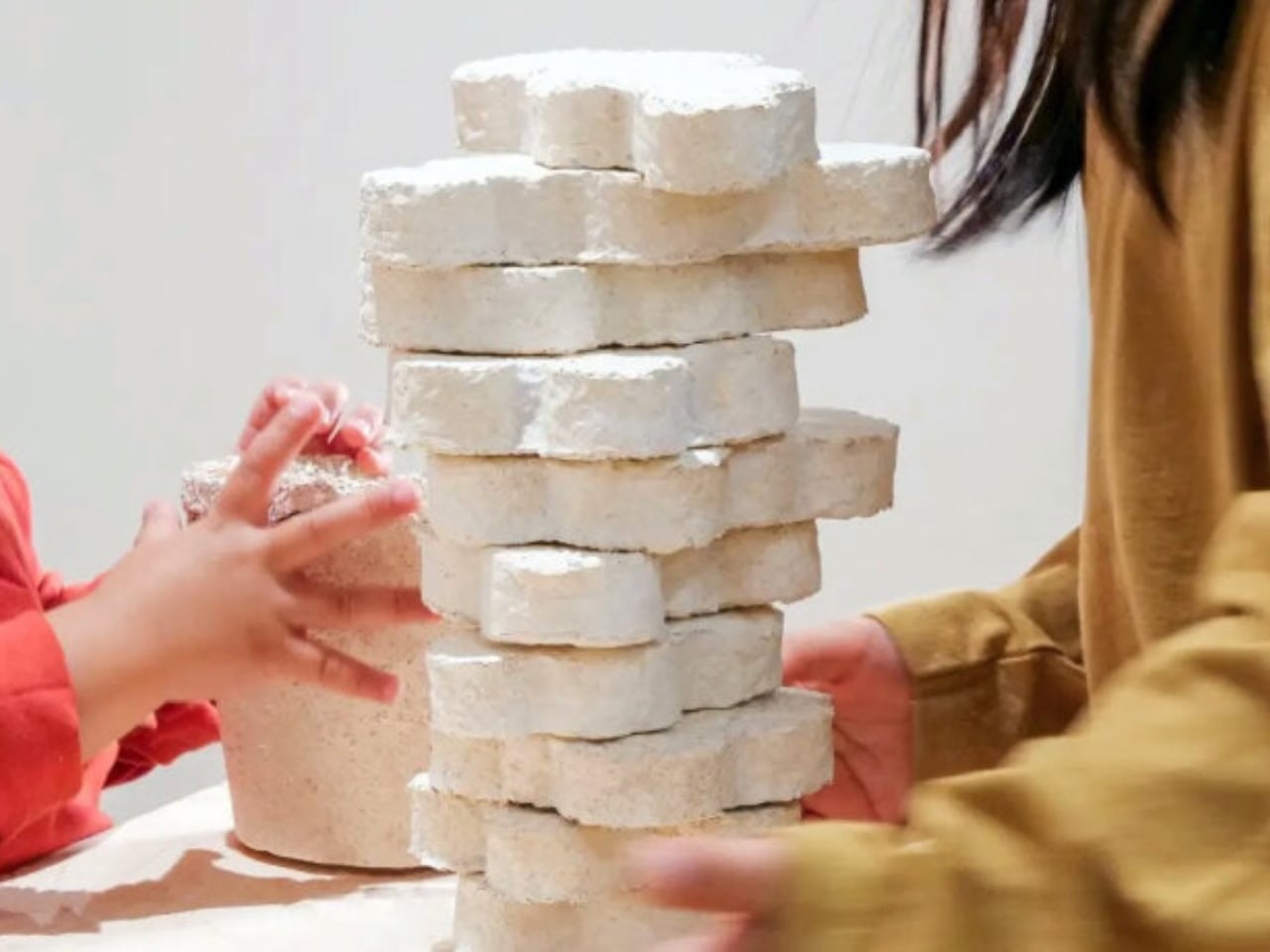
The growth molds are washable and reusable, and the blocks can be composted when no longer needed, making the kit fully eco-friendly. It offers a hands-on introduction to biomaterials, producing unique, durable blocks. MYMORI’s kit combines creativity, science, and sustainability, giving families an innovative way to enjoy safe, reusable toys that are environmentally responsible.
Eco-friendly toys feel different the moment you hold them. Made from natural materials like FSC-certified wood, organic cotton, and bamboo, they are safe and free from the harsh chemicals found in many plastic toys. This return to natural elements reflects simplicity, quality, and mindful craftsmanship, offering a safer play experience for children.
These materials are also sourced with care, keeping the environment in mind. Wooden toys, for example, often come from sustainably managed forests and are built to last, making them perfect to pass down through generations. Choosing them supports ethical, planet-friendly production while reducing waste.
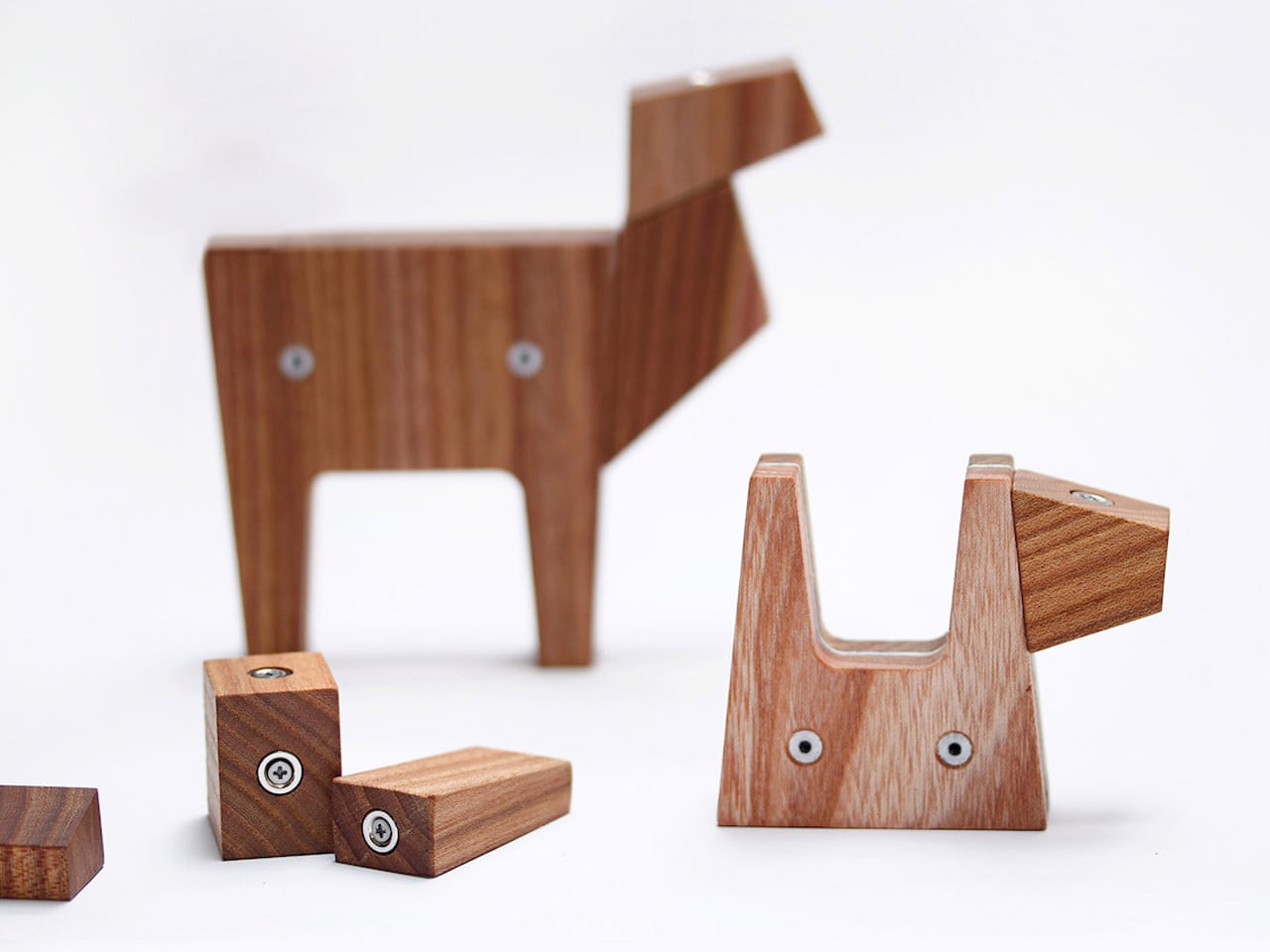
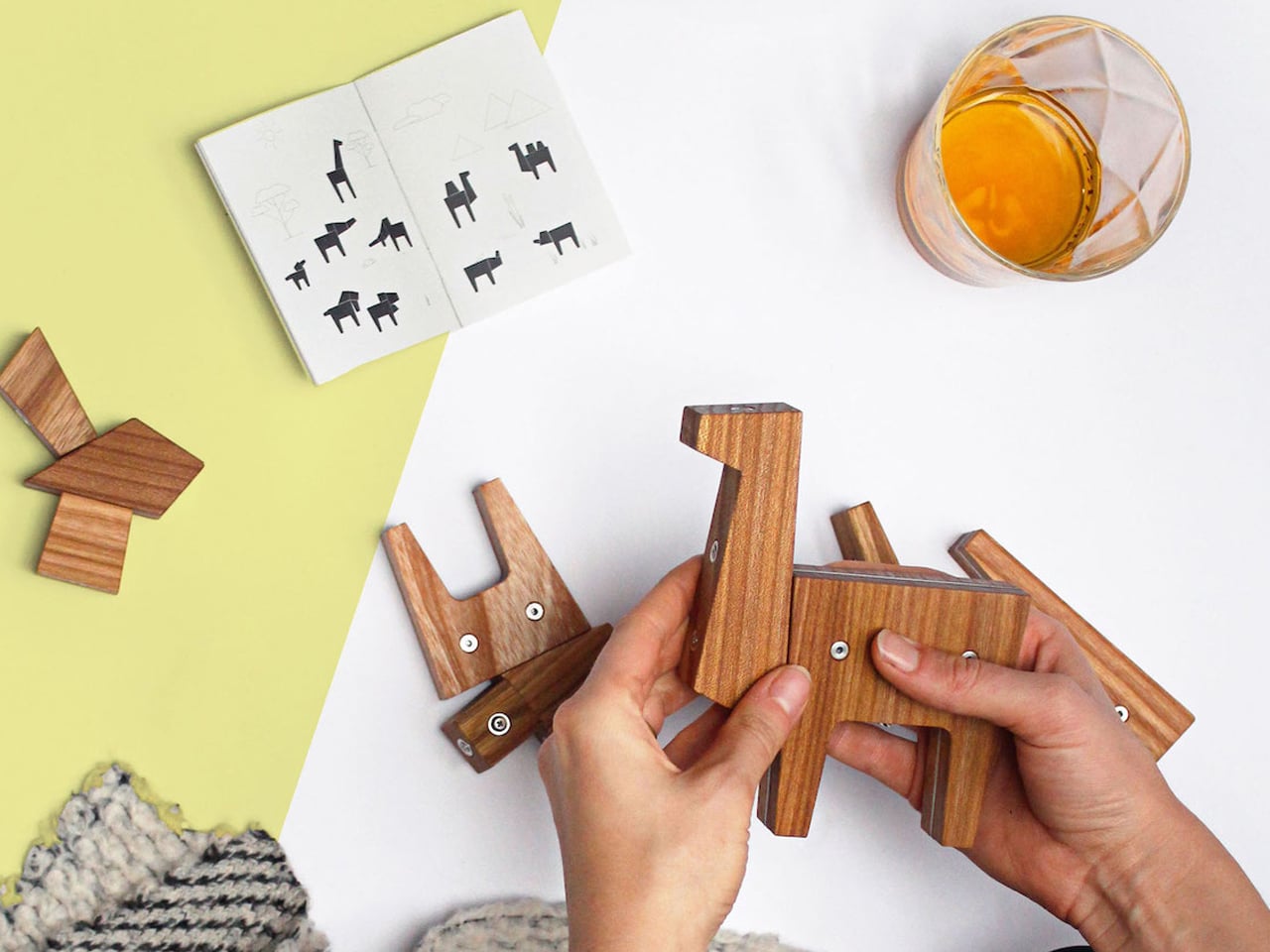
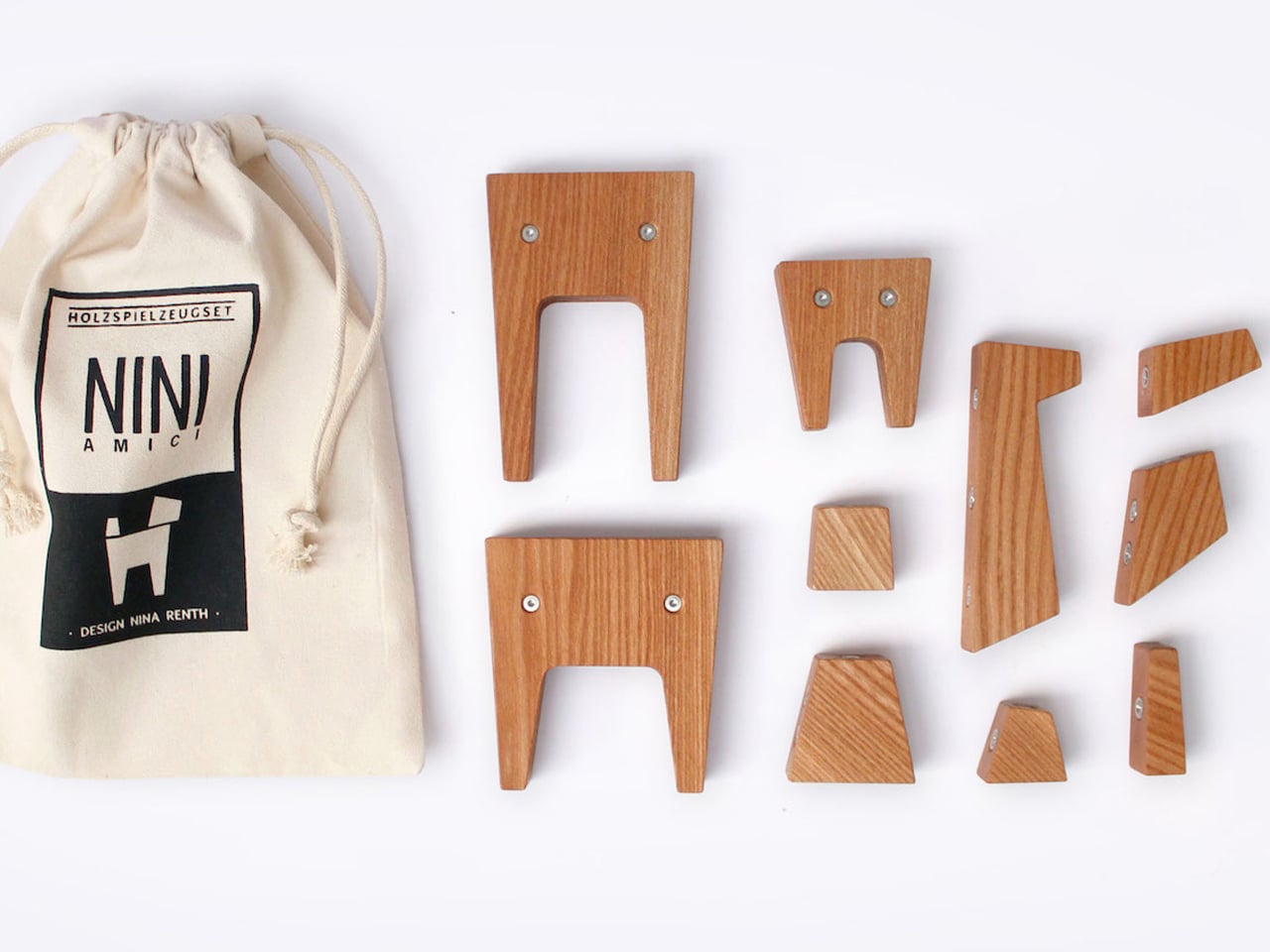
Wooden toys offer a distinct advantage over typical plastic ones. Their timeless design, tactile feel, and minimalist aesthetic make them visually appealing, while their durability and eco-friendliness add lasting value. High-quality wooden toys are rare, and NINI AMICI stands out by combining craftsmanship, sustainability, and modular design. Made from elmwood, the ten-piece set uses magnetic connectors, allowing children to create a wide range of animals. Three base bodies can serve as heads, tails, or humps, giving kids the freedom to explore imaginative play beyond the examples provided.

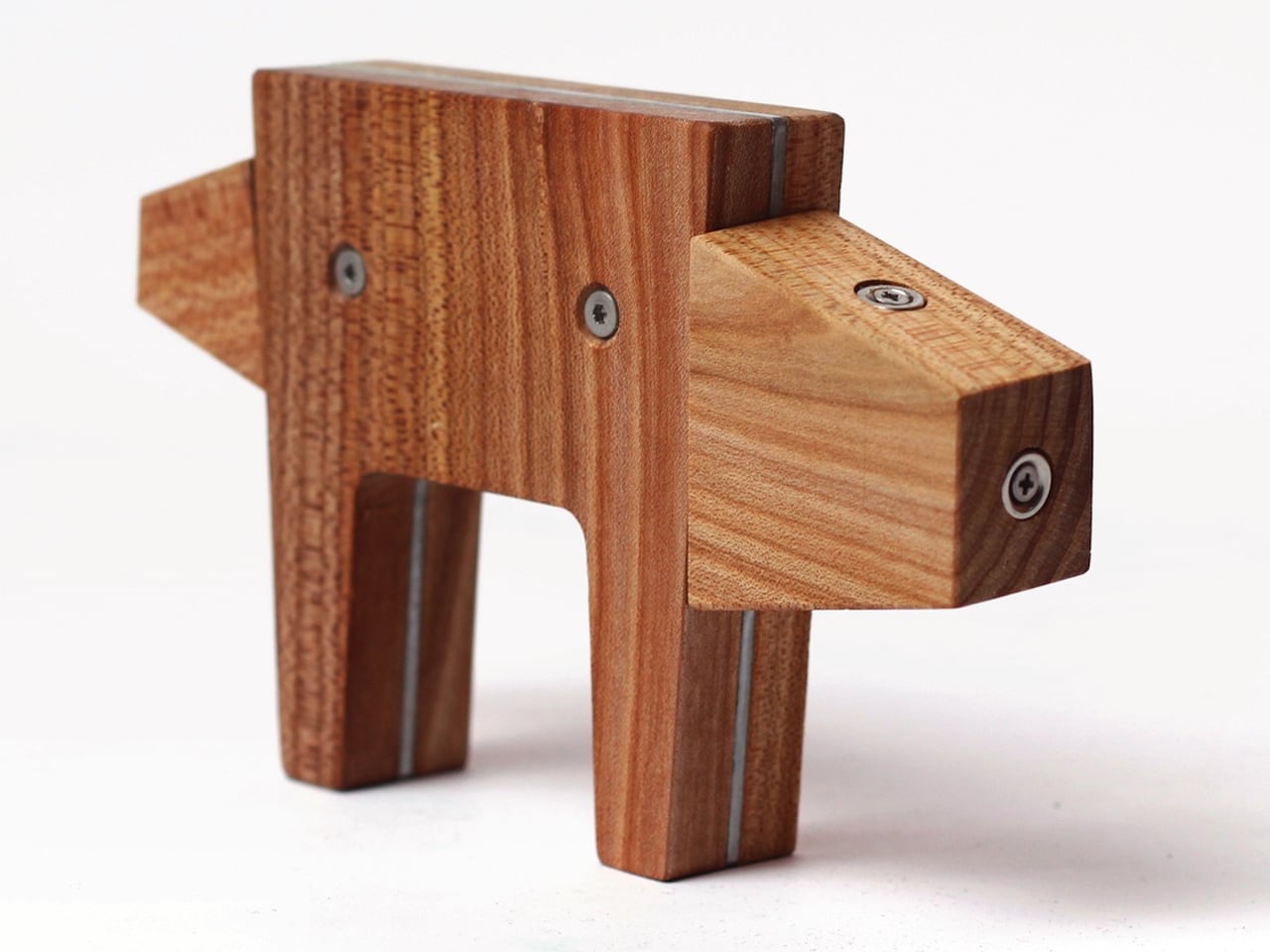
The NINI AMICI toys are handcrafted in Upper Franconia, Germany, in a workshop supporting people with mental and physical disabilities, adding social and ethical value to the set. Suitable for ages three and up, the set includes three basic bodies, seven magnetic parts, a storage bag, and a booklet of animal ideas.
Plastic toys often break or wear out quickly, adding to waste and frustration. Eco-friendly toys are different as they are built to last. A sturdy wooden train set or a soft toy made from organic cotton can provide years of play, becoming a cherished favorite rather than a short-lived distraction.
While these toys may cost more upfront, they save money over time and reduce landfill waste. They can even be passed down to future generations, teaching children to value well-made items. This shift from disposable to lasting toys supports sustainable living and mindful consumption.
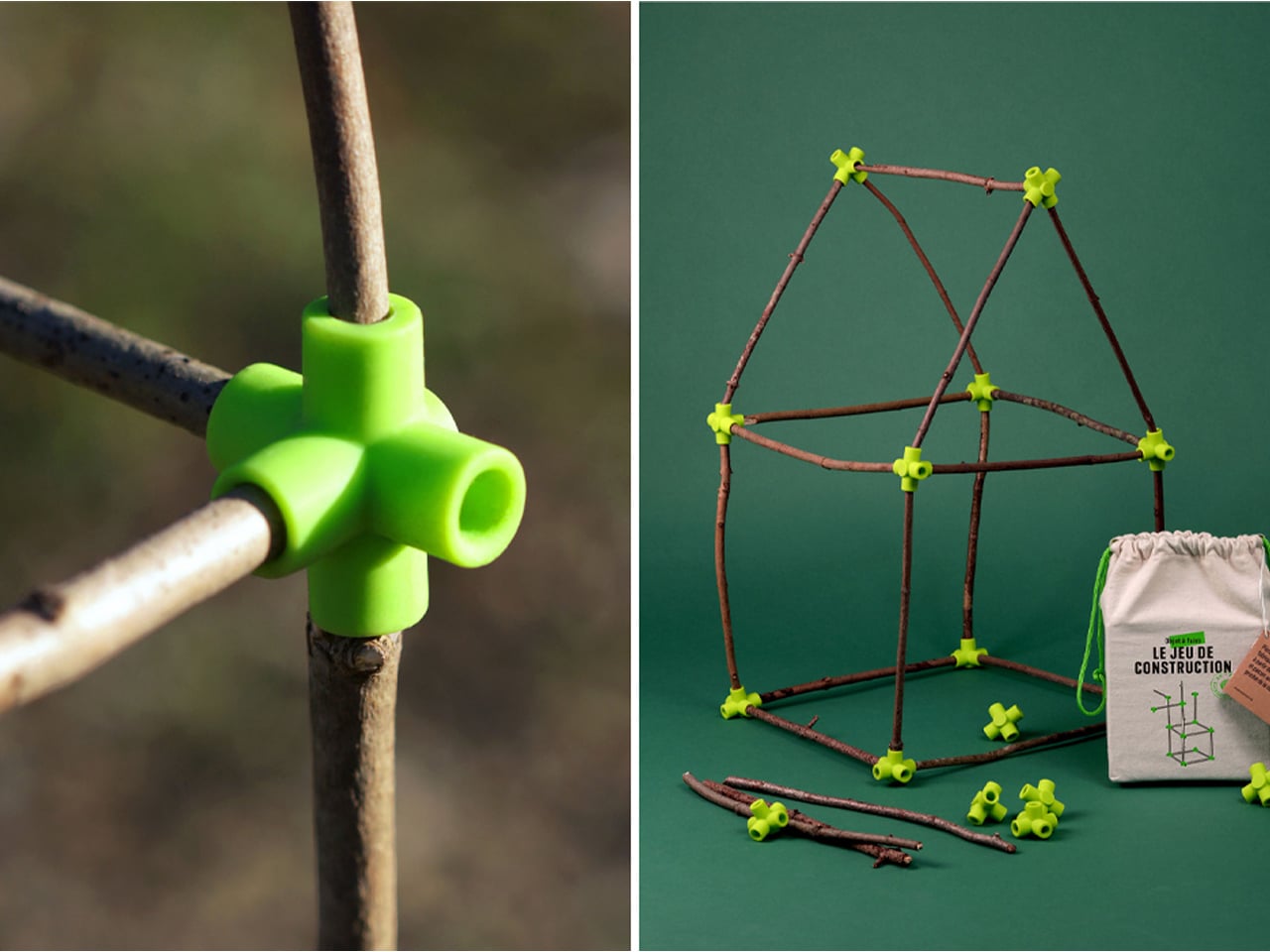
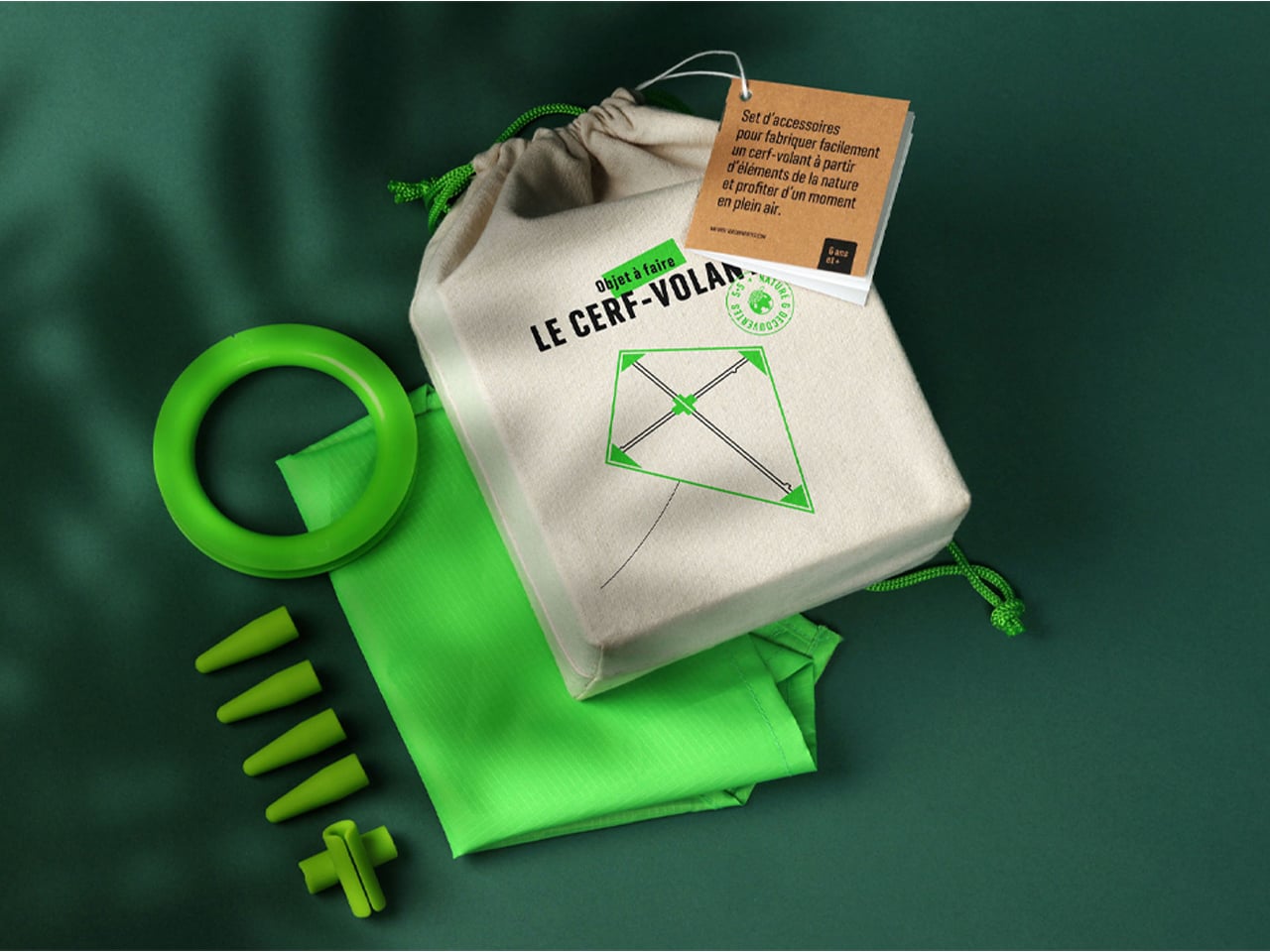
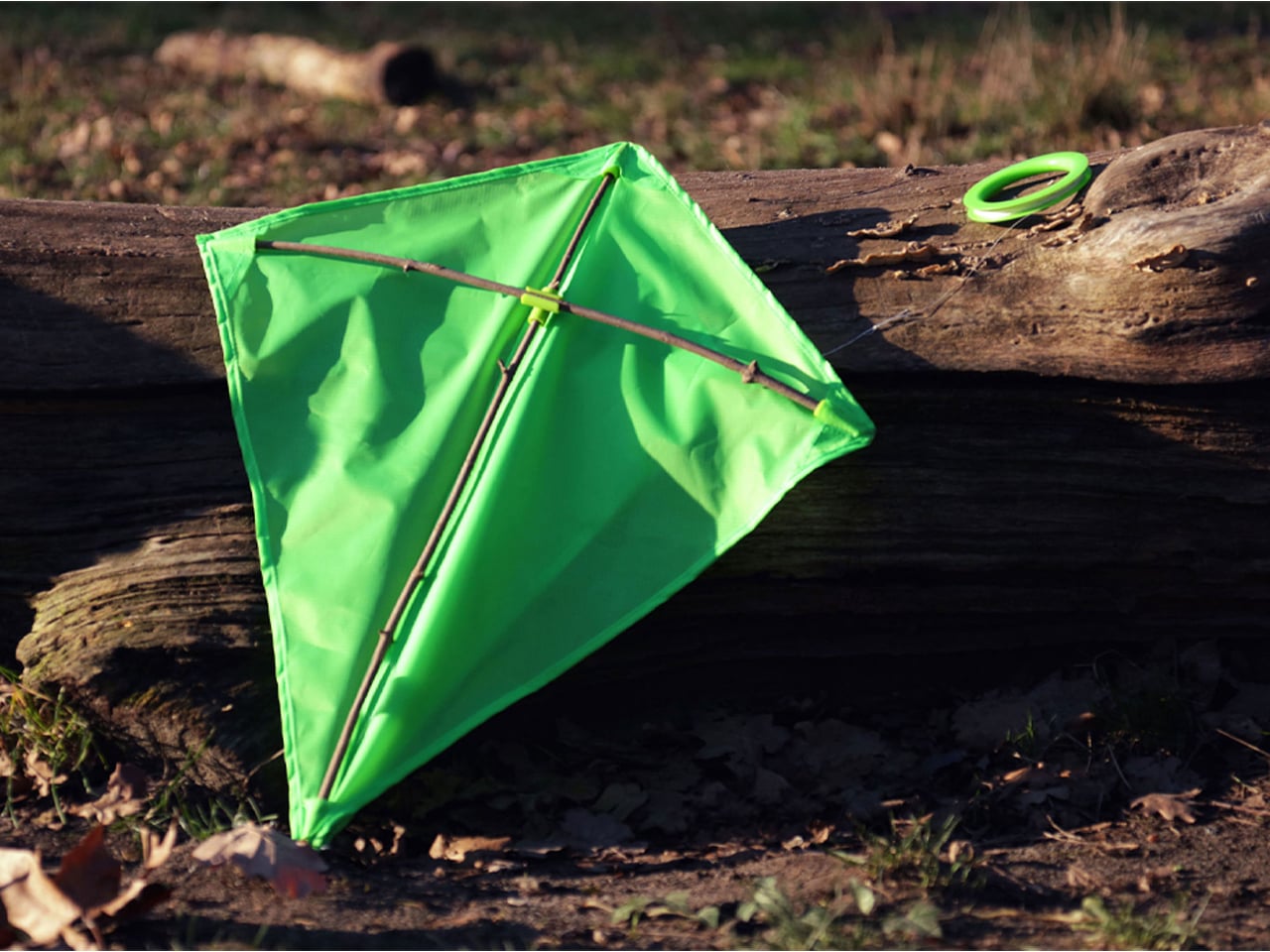
Experiencing nature as a child sparks some of the most imaginative and tactile moments – running through forested backyards, exploring beaches at dawn, or observing the world around us. Studio 5.5 builds on this sense of wonder with The Things To Make, a collection designed to turn ordinary afternoons into hands-on creative adventures. The collection encourages kids to explore, build, and experiment, fostering both imagination and a deeper connection to the natural world.

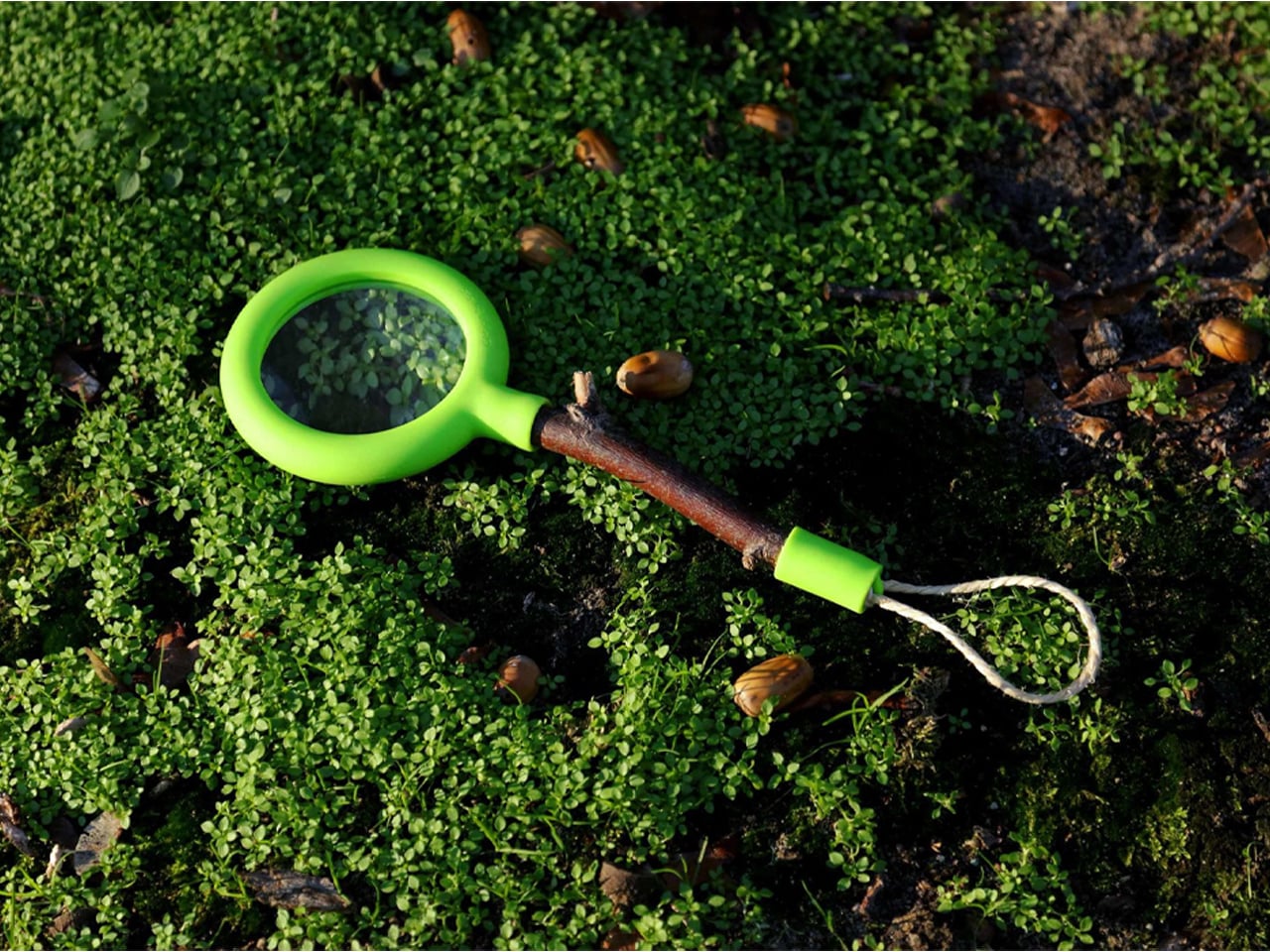
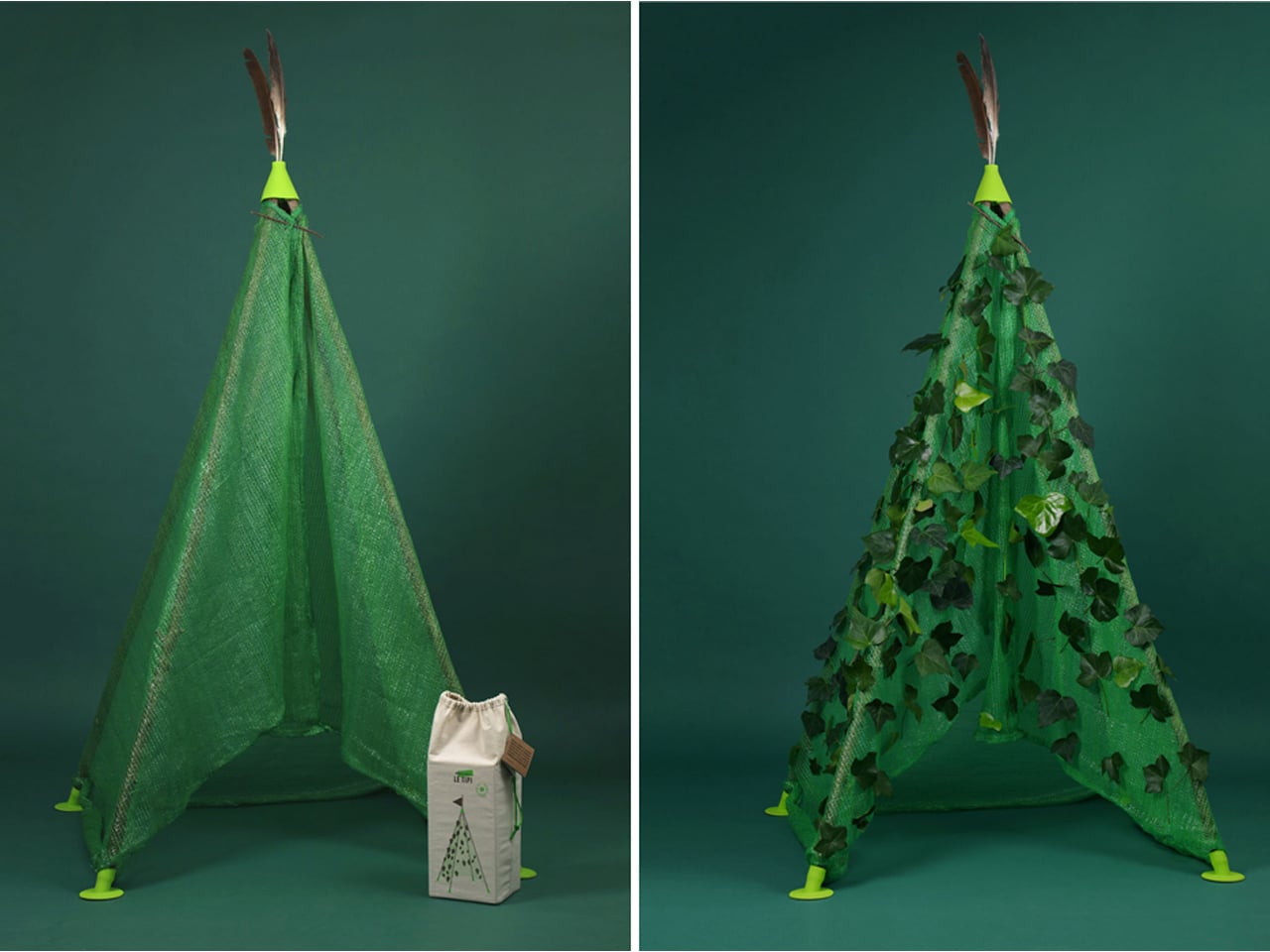
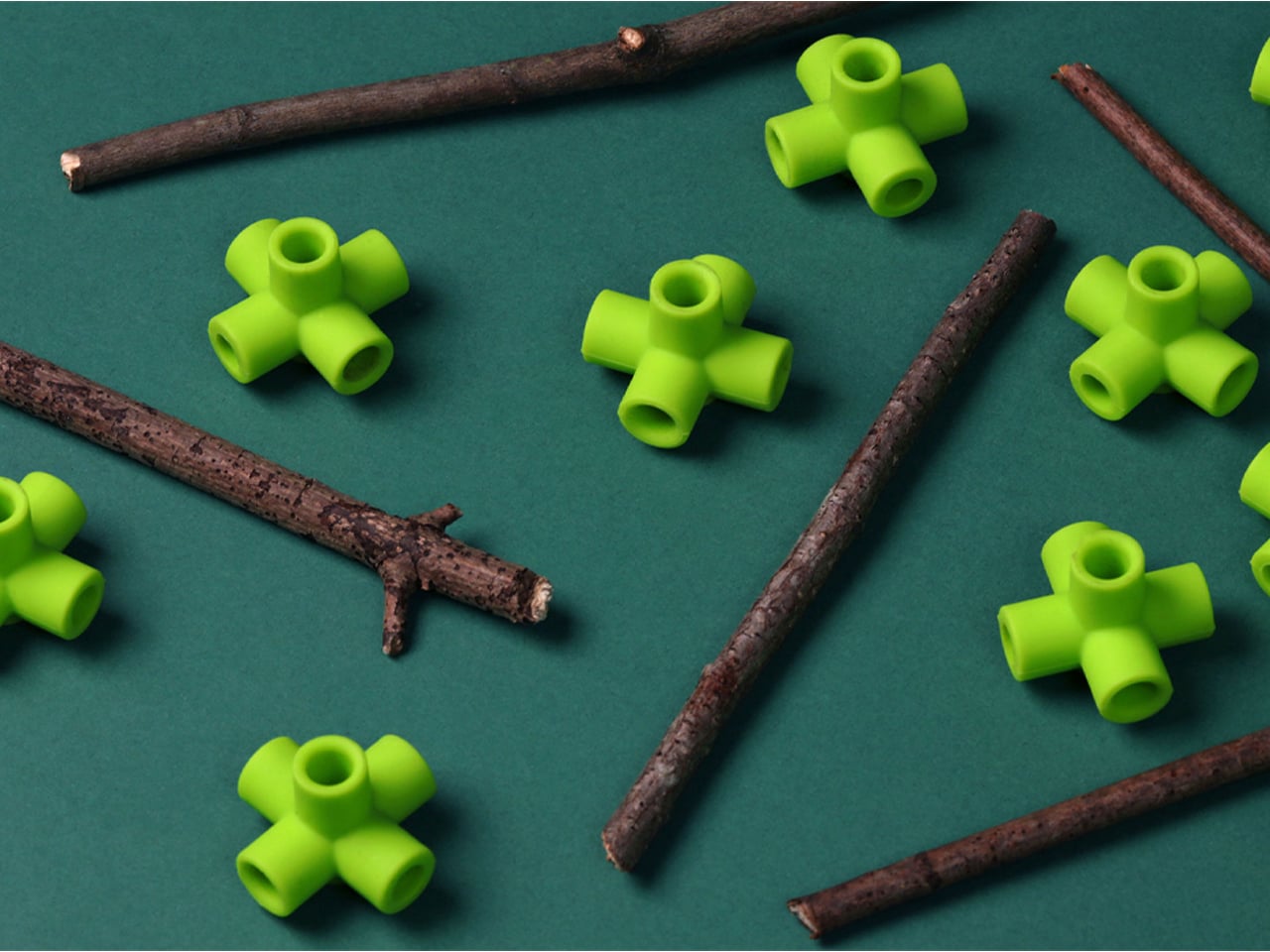
The kits provide modular components like end sockets, fabric, and string, which children combine with found materials such as twigs, branches, and leaves. Kids can construct kites by connecting branches, assemble 3D geometric structures like cubes or pyramids, or even build a magnifying glass using sticks for handles. The collection also includes a tent-building kit with a camouflage tarp for a nature-made hideout. By blending supplied parts with natural elements, children learn design, engineering, and creativity while enjoying playful, eco-conscious experiences outdoors.
Choosing eco-friendly toys is a simple and effective way to introduce children to sustainability from an early age. They learn, often without realizing it, that even small choices can have a positive impact on the world. Seeing you prioritize products that are kind to the planet helps them internalize these values naturally and encourages thoughtful decision-making.
This hands-on approach also teaches responsibility and environmental care. Explaining that their wooden car comes from a replanted tree or their cotton doll is made without harmful dyes fosters awareness. It empowers children to become mindful consumers and nurtures a generation that values the planet.
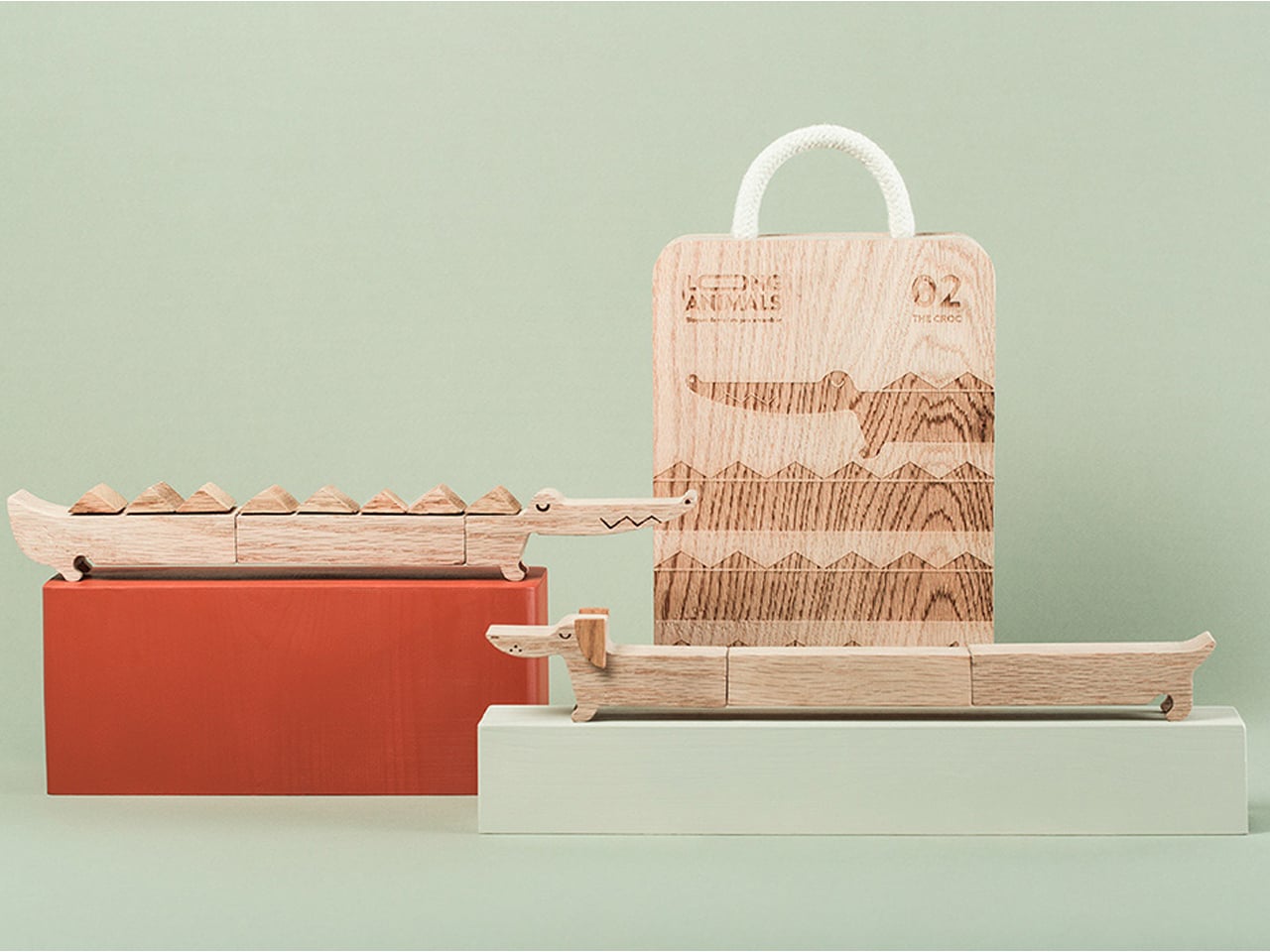
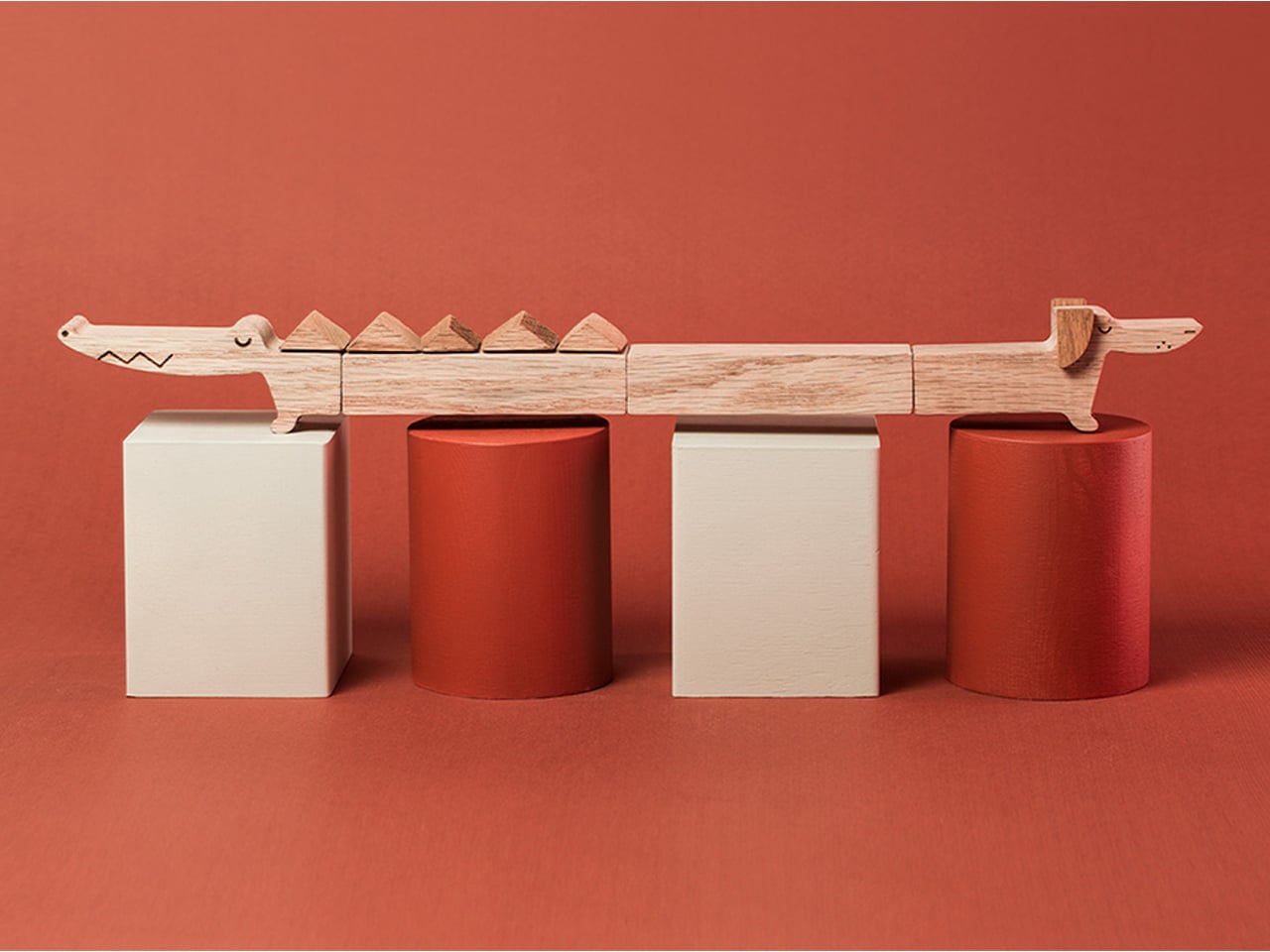
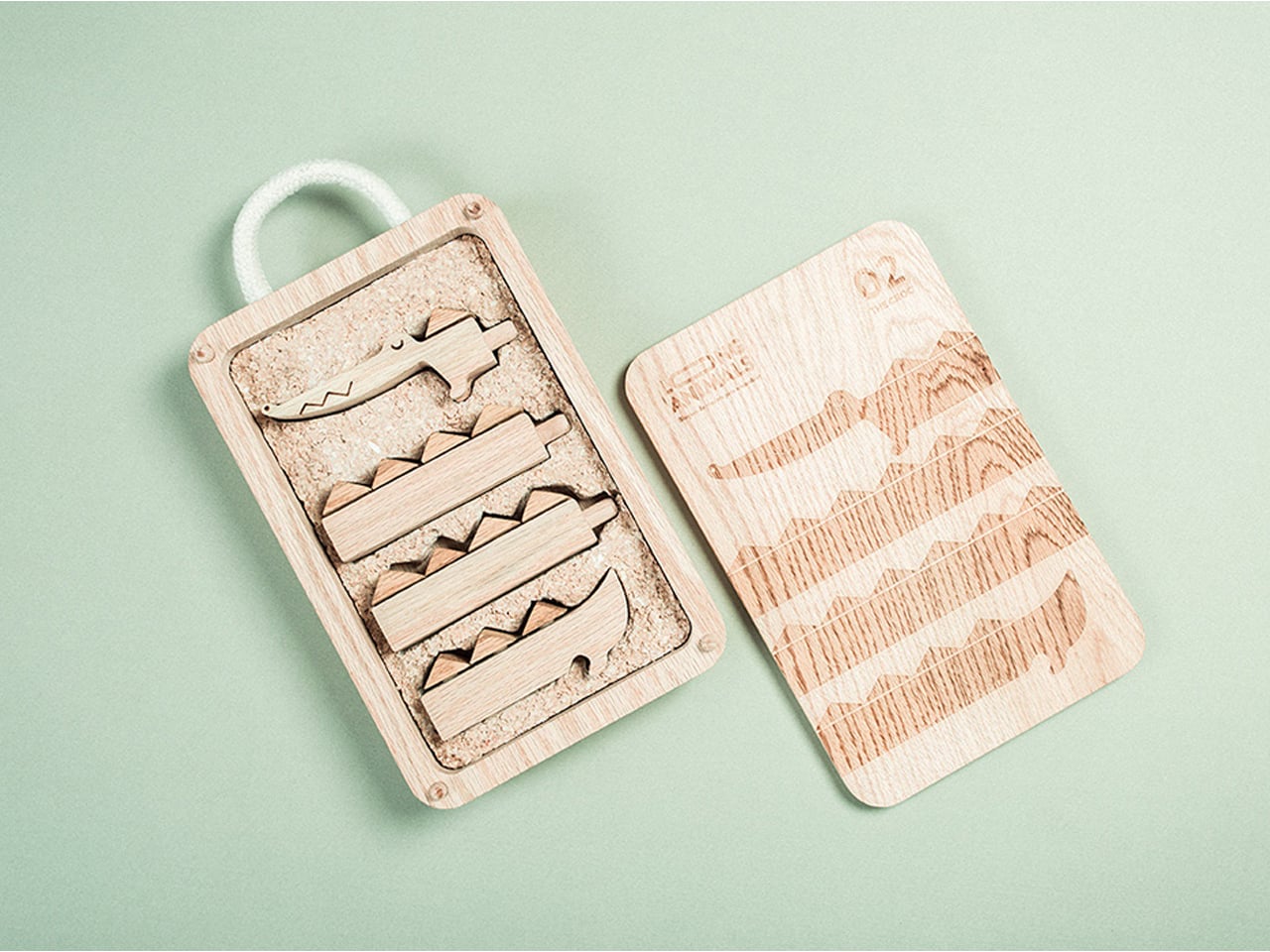
Additionally, plastic waste is a growing threat to our planet, and short-lived products like toys contribute heavily to this problem. Designers Cristina Regidor and Arturo Moreno tackled this challenge with ‘Long Animals’, a line of wooden toys designed for longevity. The toys are literally long, crafted from wood, and packaged in wooden boxes – completely free of plastic and glue. This thoughtful design ensures that both the toy and its packaging are environmentally friendly, offering a playful yet sustainable alternative.
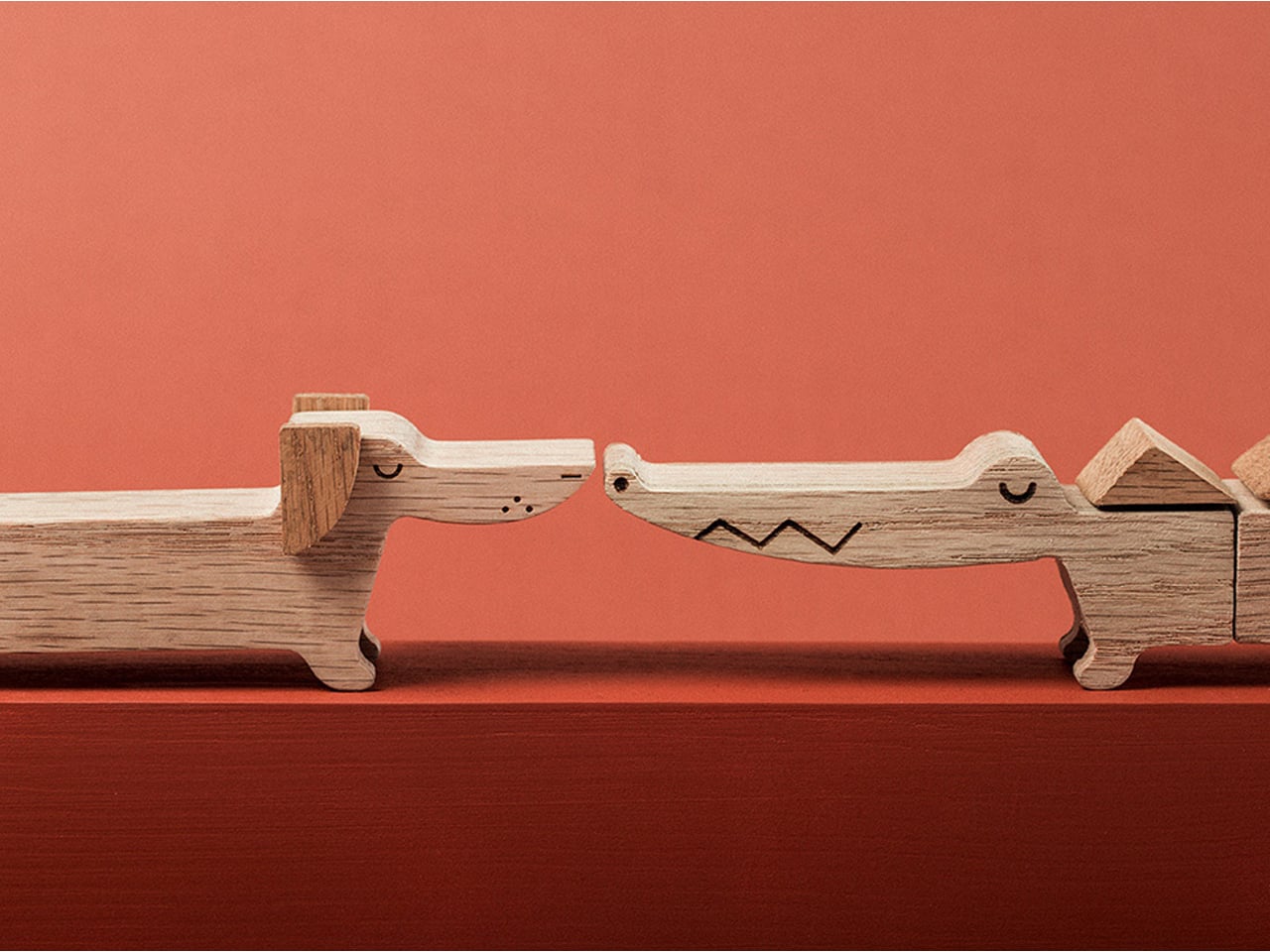
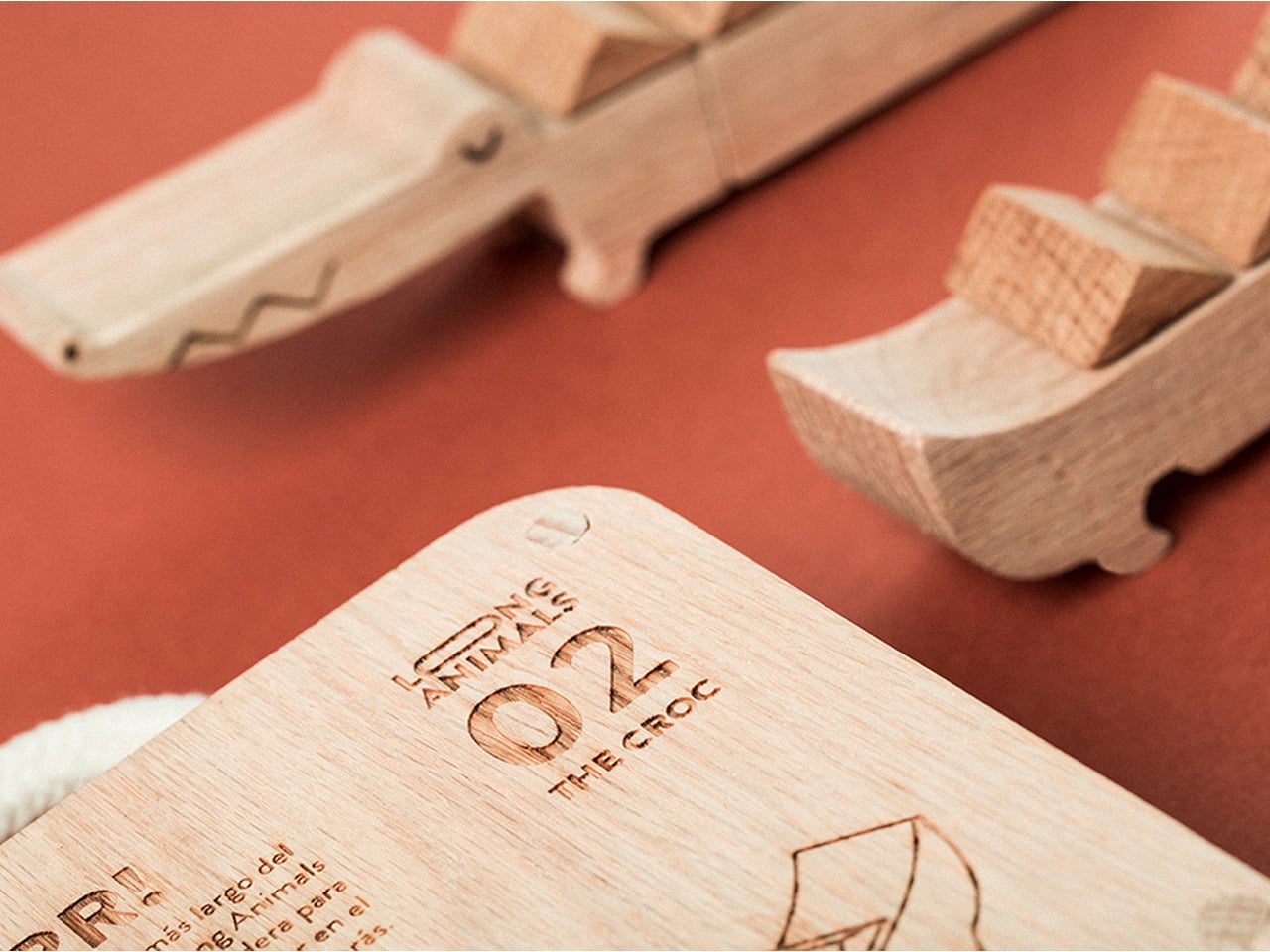
The set includes a dog and a crocodile, assembled with wooden dowel pins that are also used for the packaging. Instructions are engraved on the outer panel for clarity. To minimize waste further, the inner protective packaging is made from wood residues combined with the fungus Pleurotus ostreatus, grown into a light, eco-friendly mycelium structure. With Long Animals, children can enjoy creative play while supporting a greener planet.
Buying an eco-friendly toy often means supporting small businesses or artisans who care deeply about their craft and the environment. Unlike large corporations focused on profit, these creators follow ethical labor practices and maintain transparent supply chains. Your purchase encourages more businesses to adopt sustainable and responsible approaches, creating a positive ripple effect in the market.
Choosing these toys is about more than the product itself; it’s about the values and effort behind it. From the hands that crafted it to the principles of the brand, every purchase promotes ethical practices and environmental responsibility, helping shape a better, more conscious world.
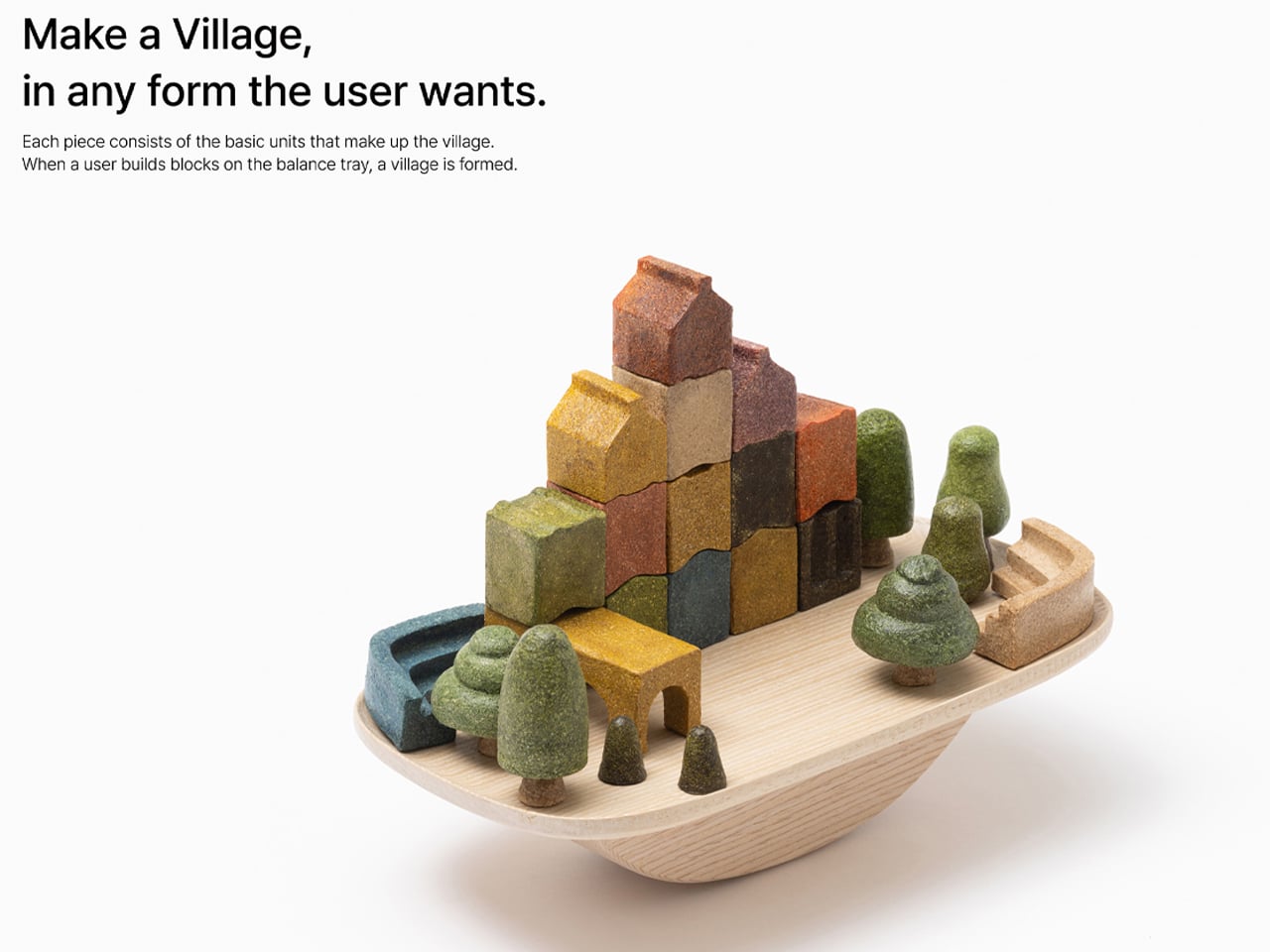

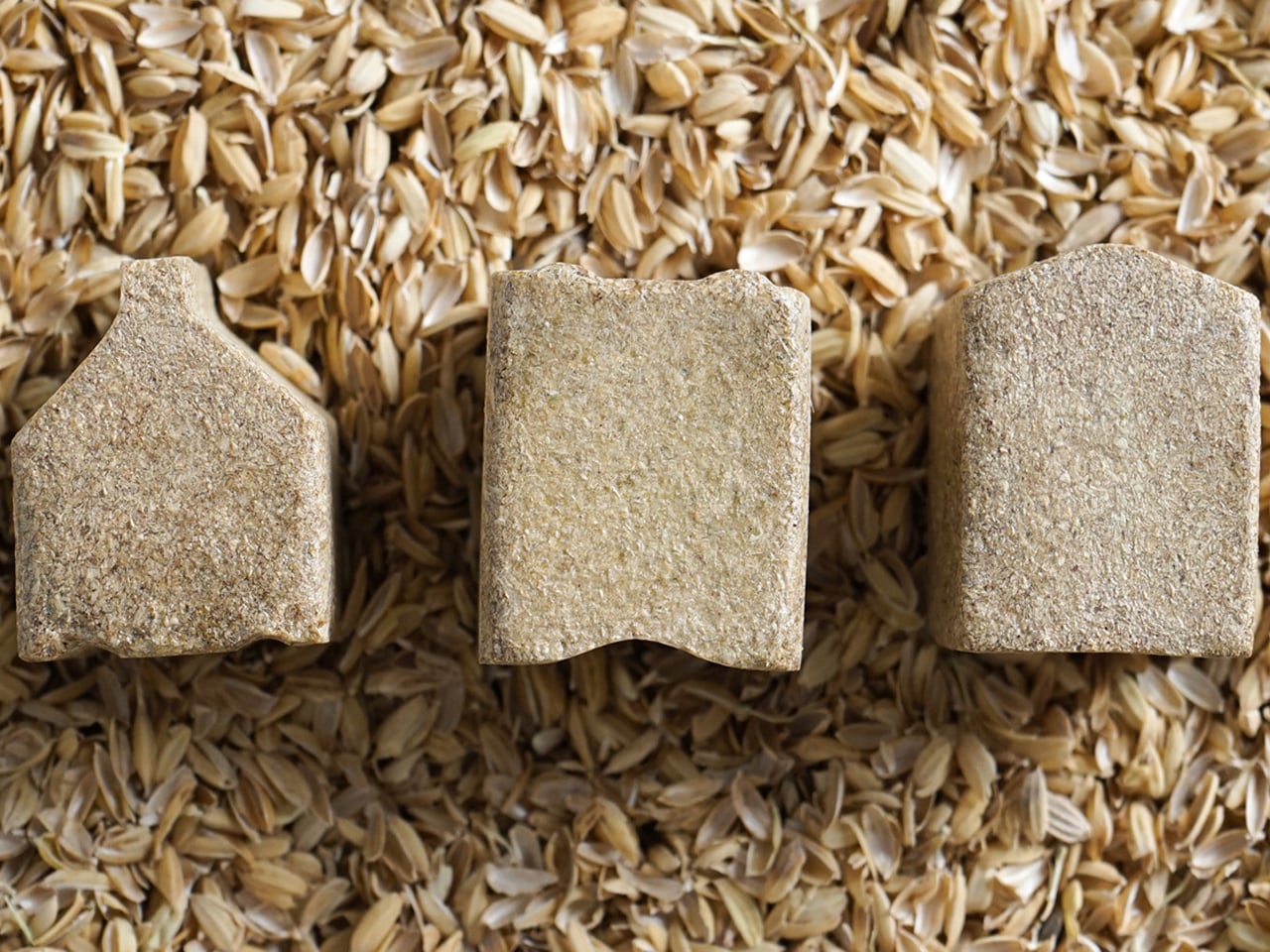
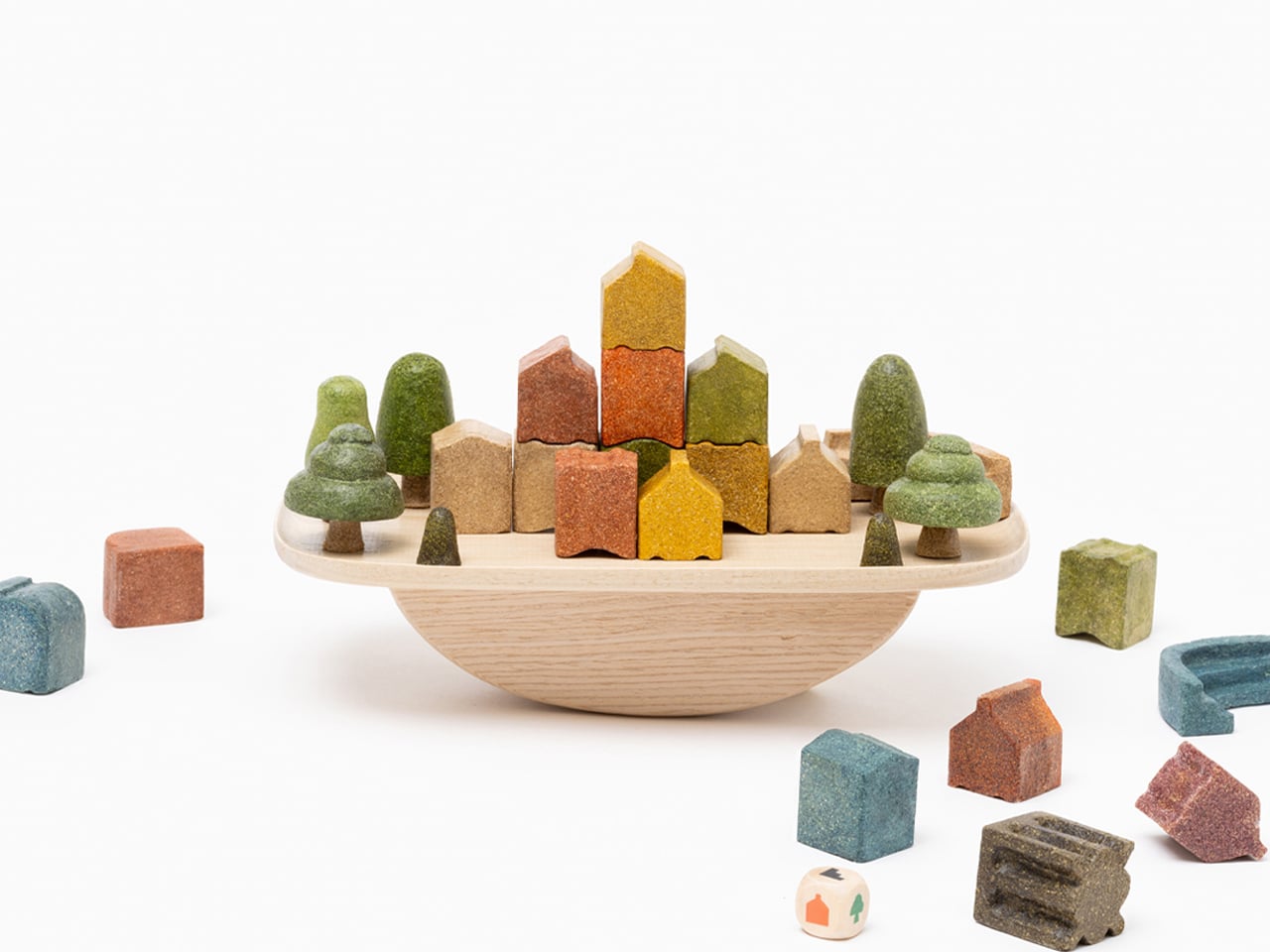
Rice Husk Village is a modular toy game created entirely from discarded rice husks, transforming agricultural waste into a creative and sustainable play experience. Each year, roughly 120 million tons of rice husks, the protective covering of rice grains, are discarded. Resistant to natural degradation and low in bulk density, rice husks are difficult to dispose of. Designer Subin Cho recognized their potential as a biodegradable material for toys. The Rice Husk Village is molded from these husks, producing safe, eco-friendly blocks that can eventually be composted, giving new life to what would otherwise be waste.
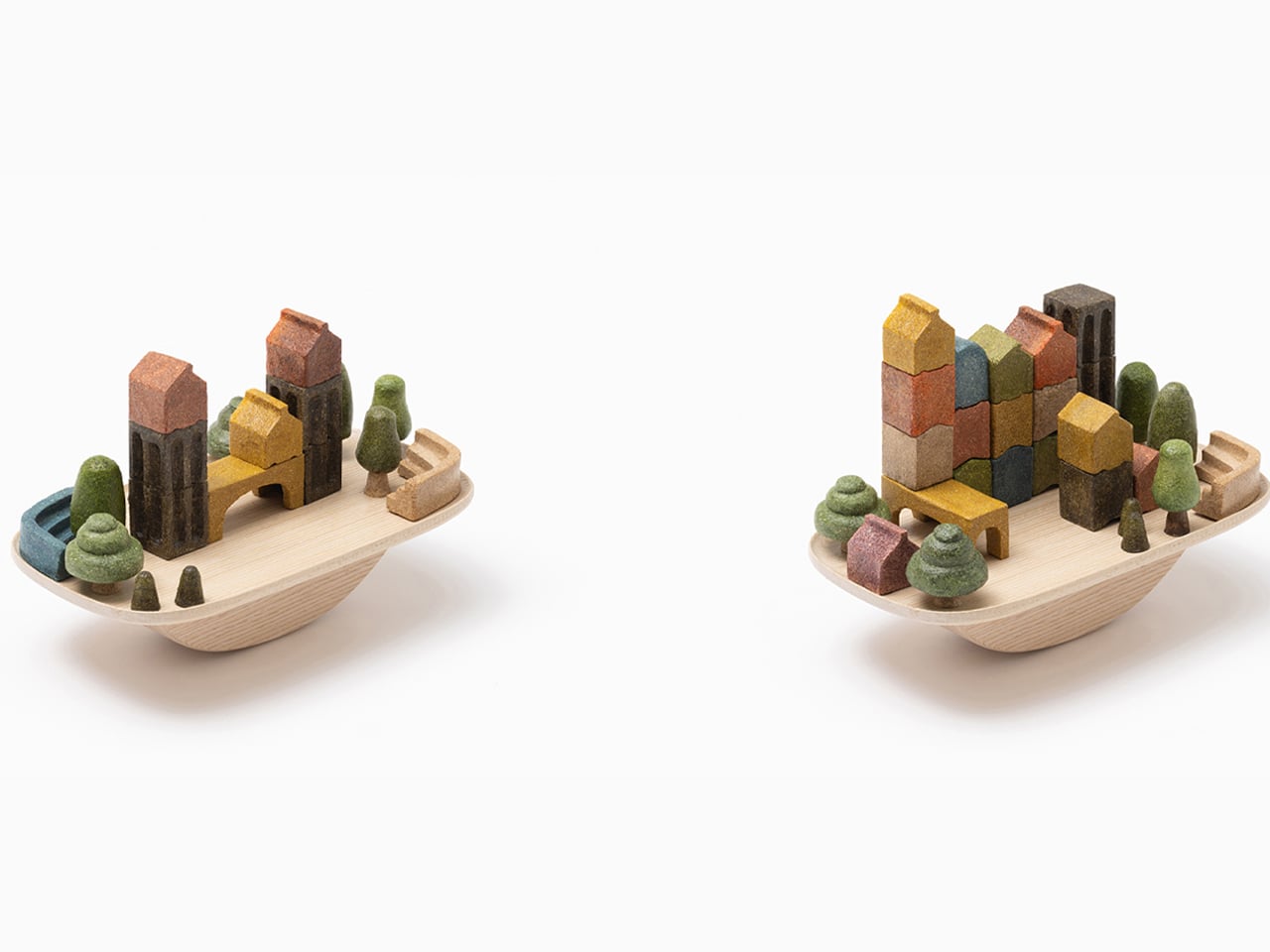
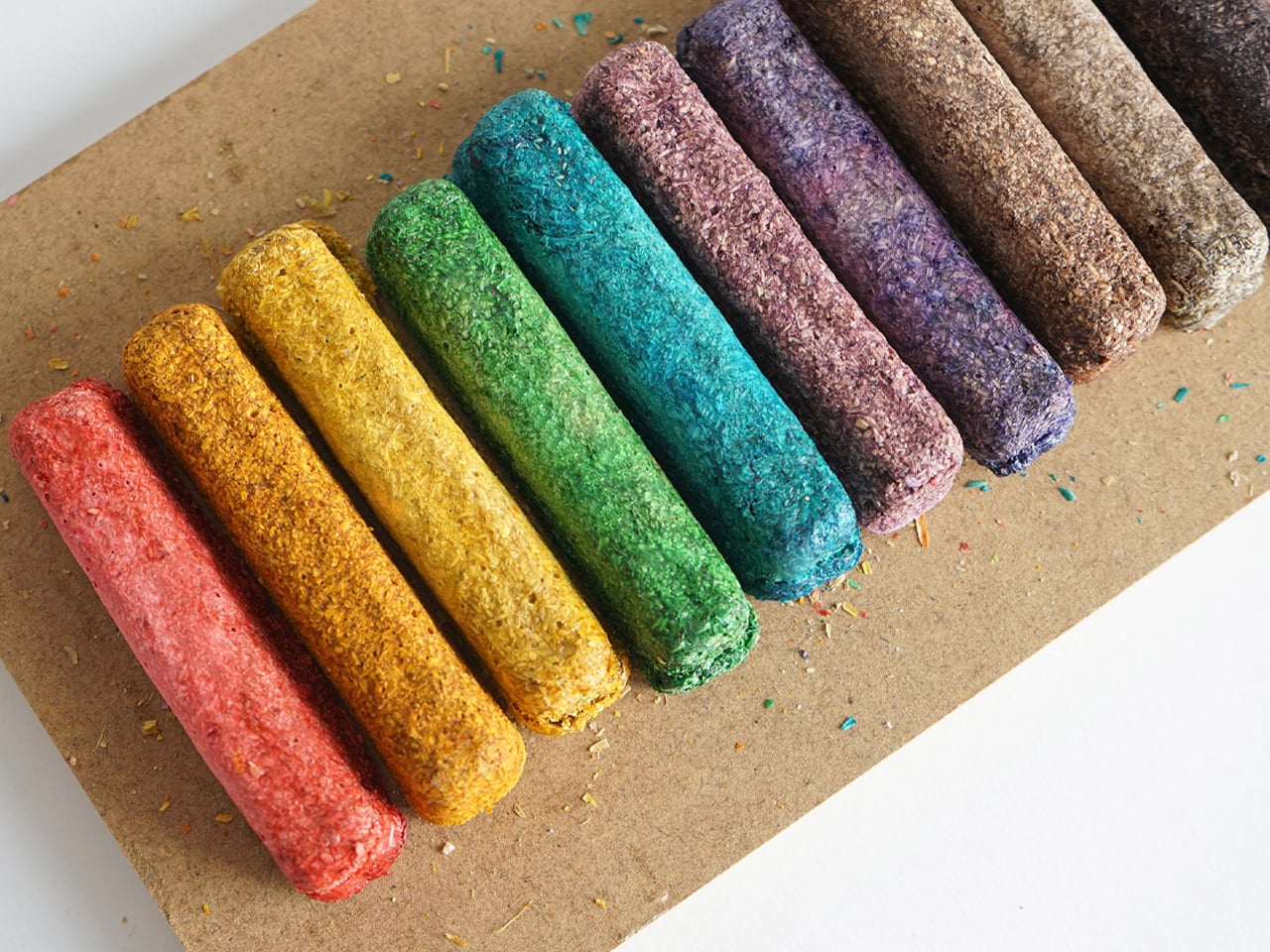
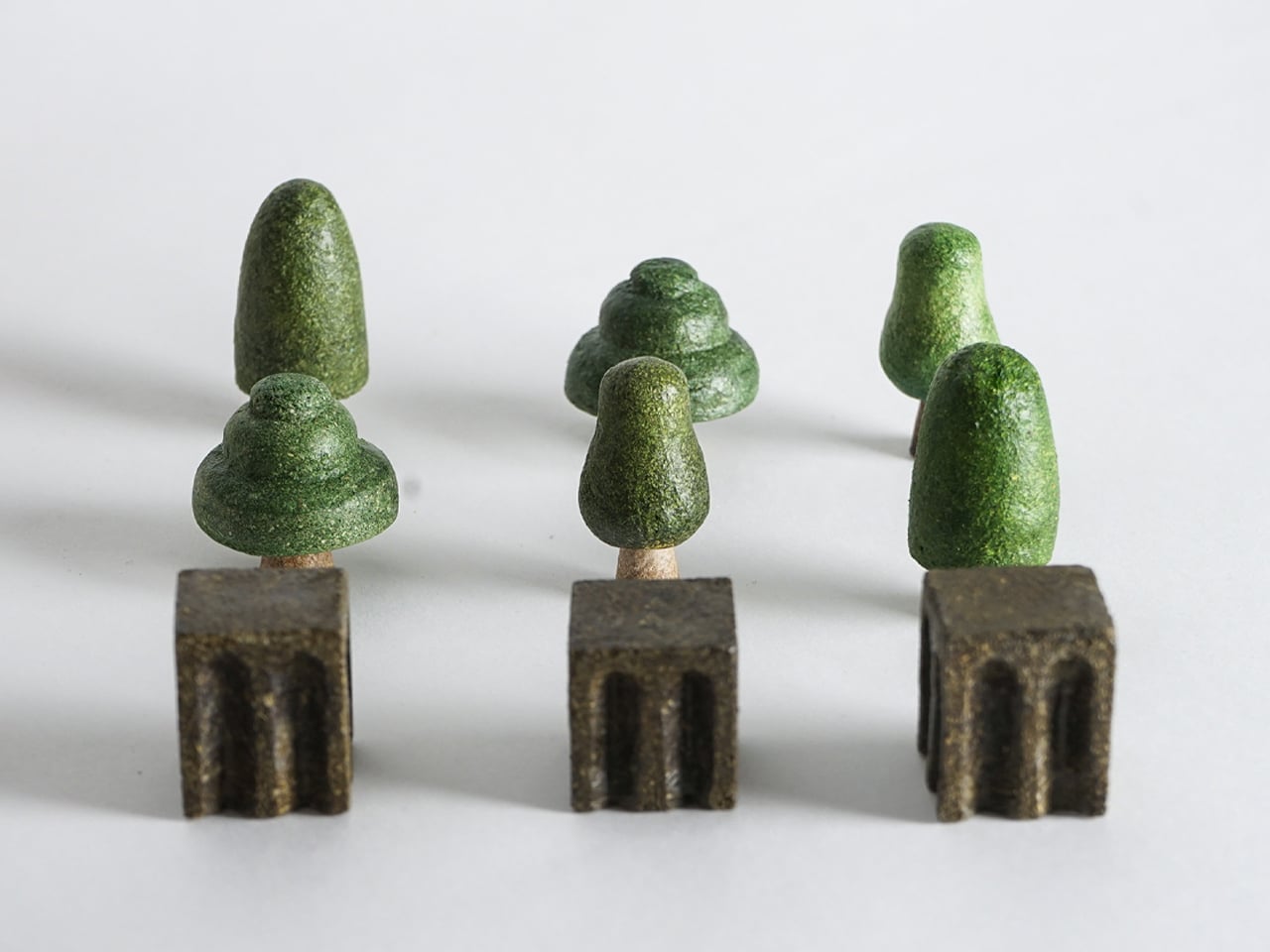
The toy set features shaped modules that stack to form villages, with three building types allowing for city skylines or small rural layouts. Additional elements such as bridges, trees, and stairs expand creative possibilities. A balance tray adds a game element, challenging players to construct a stable village like Jenga. Rice Husk Village promotes imaginative, sustainable, and environmentally conscious play for children.
Switching to eco-friendly toys is more than a product choice as it is a shift in mindset. By prioritizing natural materials, durability, and ethical production, we protect children’s health and nurture responsible global citizens. Each mindful choice turns playtime into a meaningful experience, teaching kids to care for the planet while building a greener, more sustainable future.
The post 5 Toys Made From Mushrooms, Rice Husks, and Wood That Replace Plastic first appeared on Yanko Design.