
Philips offers free replacements after update bricked smart lighting hubs
The company also said a newer update is rolling out that should prevent the issue.
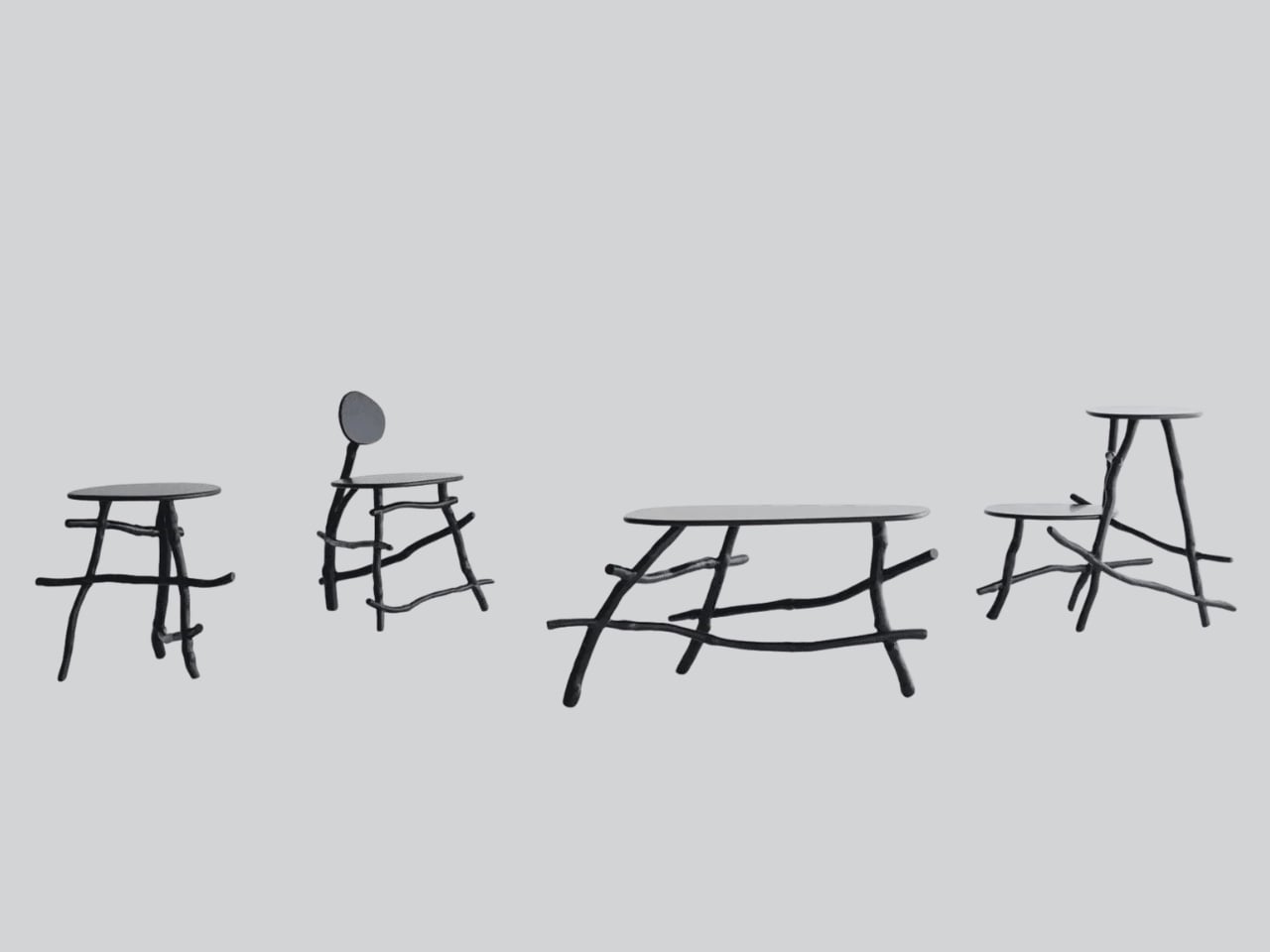
I’ve spent a fair amount of time looking at furniture that claims to be inspired by nature. Most of it amounts to a curved line here, a wood grain there, and a press release about sustainability that reads like it was written by a committee. So when I came across Uneri, a furniture collection by Tokyo-based studio Sotanaka, I actually stopped scrolling. Because the first thing you notice isn’t what it’s made of. It’s the way it looks like it’s still alive.
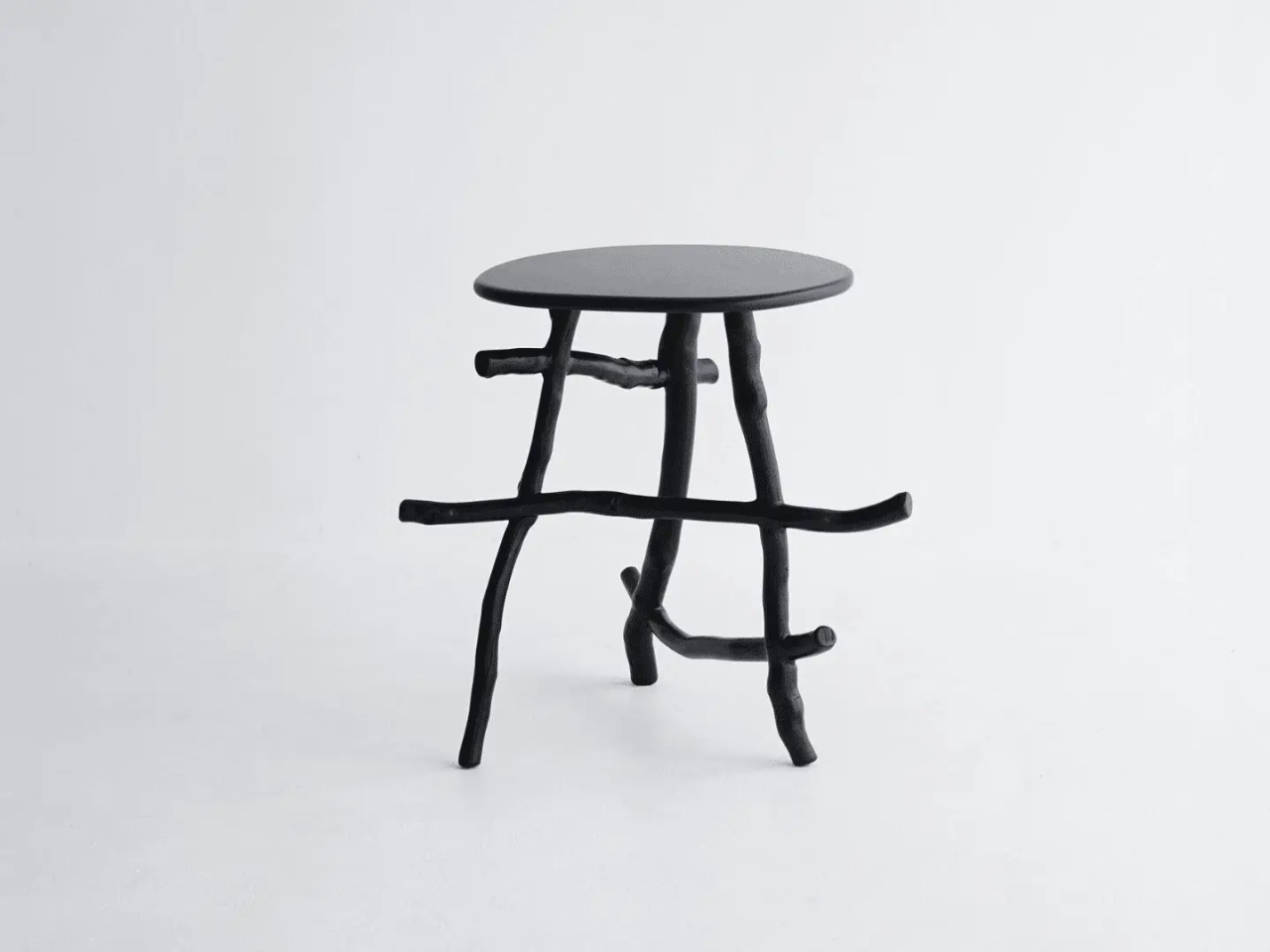
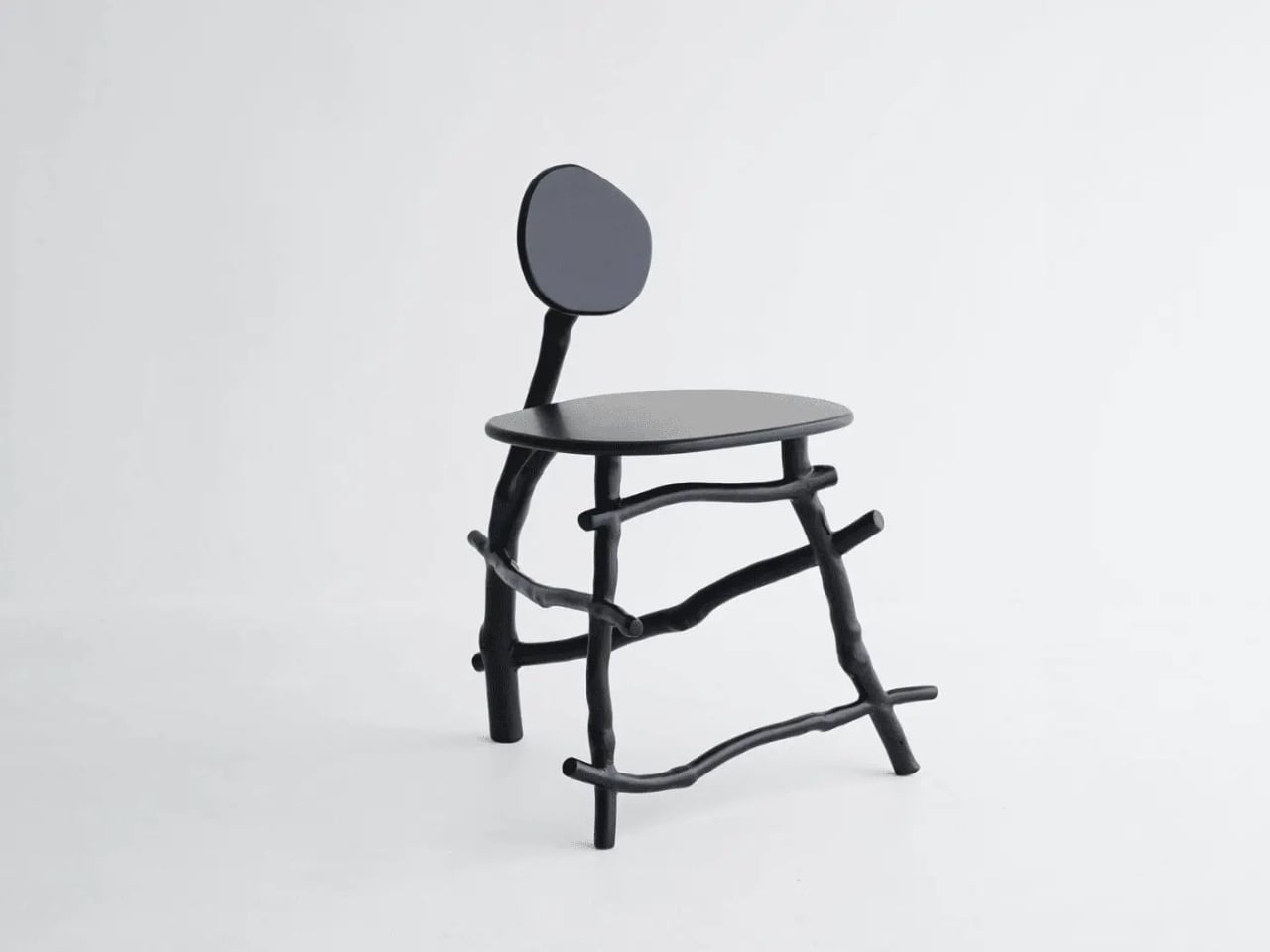
The collection consists of five pieces: a low oval coffee table, a side table, a taller stool, a second side table, and a chair. Each one is finished entirely in matte black enamel, which is the first bold design decision worth talking about. The black unifies the raw, knotted branches into a single coherent visual language without erasing what they are. If anything, the dark finish makes the texture more legible. Every knot, every fork, every irregular bump reads clearly against the clean white backgrounds Sotanaka photographs them against. You see the material in full.
Designer: Sotanaka
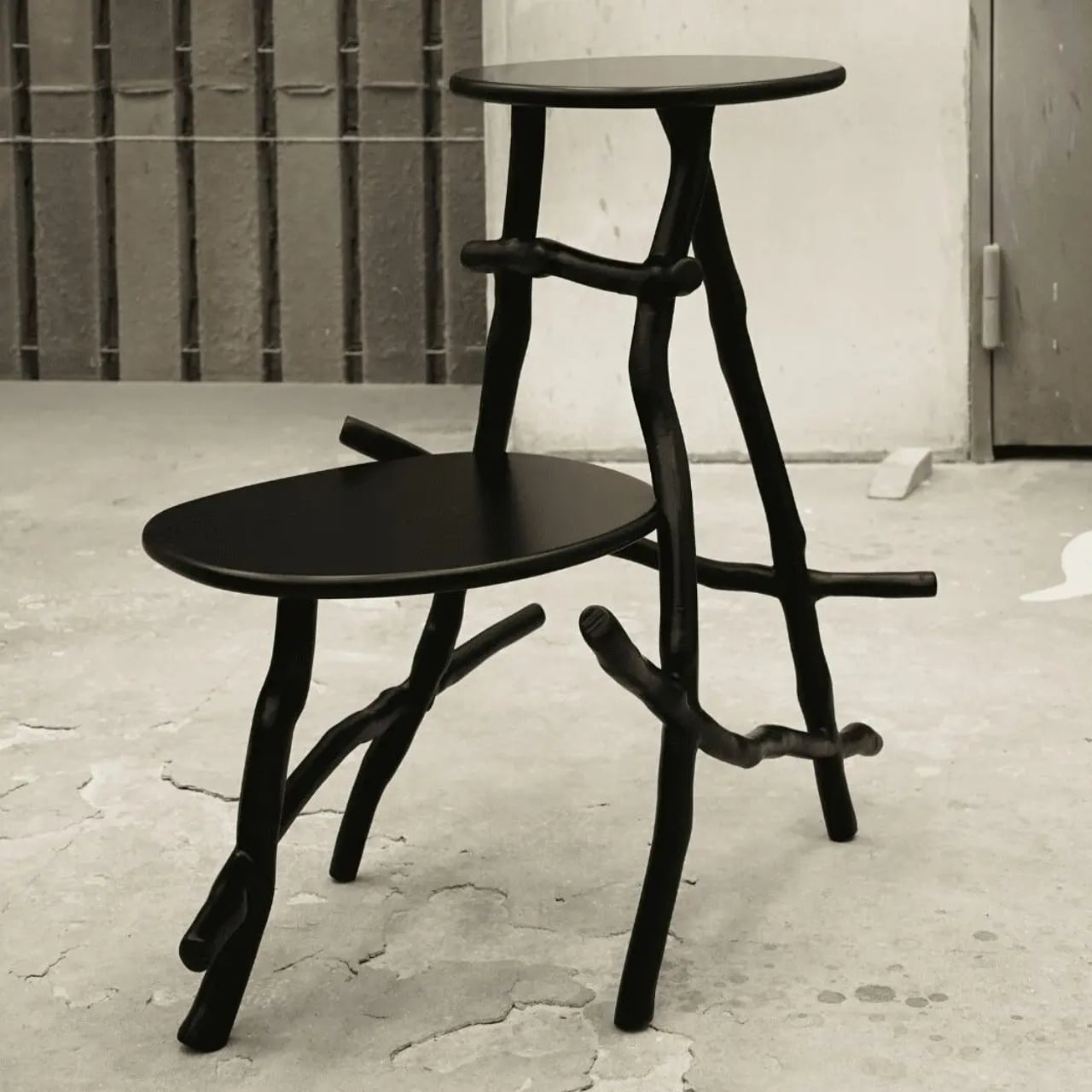
The contrast built into each piece is the thing that makes Uneri so visually arresting. The tops, whether they’re seats, table surfaces, or the chair’s small round backrest, are smooth, flat, and geometric. They sit like quiet punctuation marks above a tangle of branches that look like they’re mid-conversation. That tension between the polished surface above and the wild structure below is deliberate and it works remarkably well. The flat planes give your eye a place to rest. The branches give it somewhere to wander.
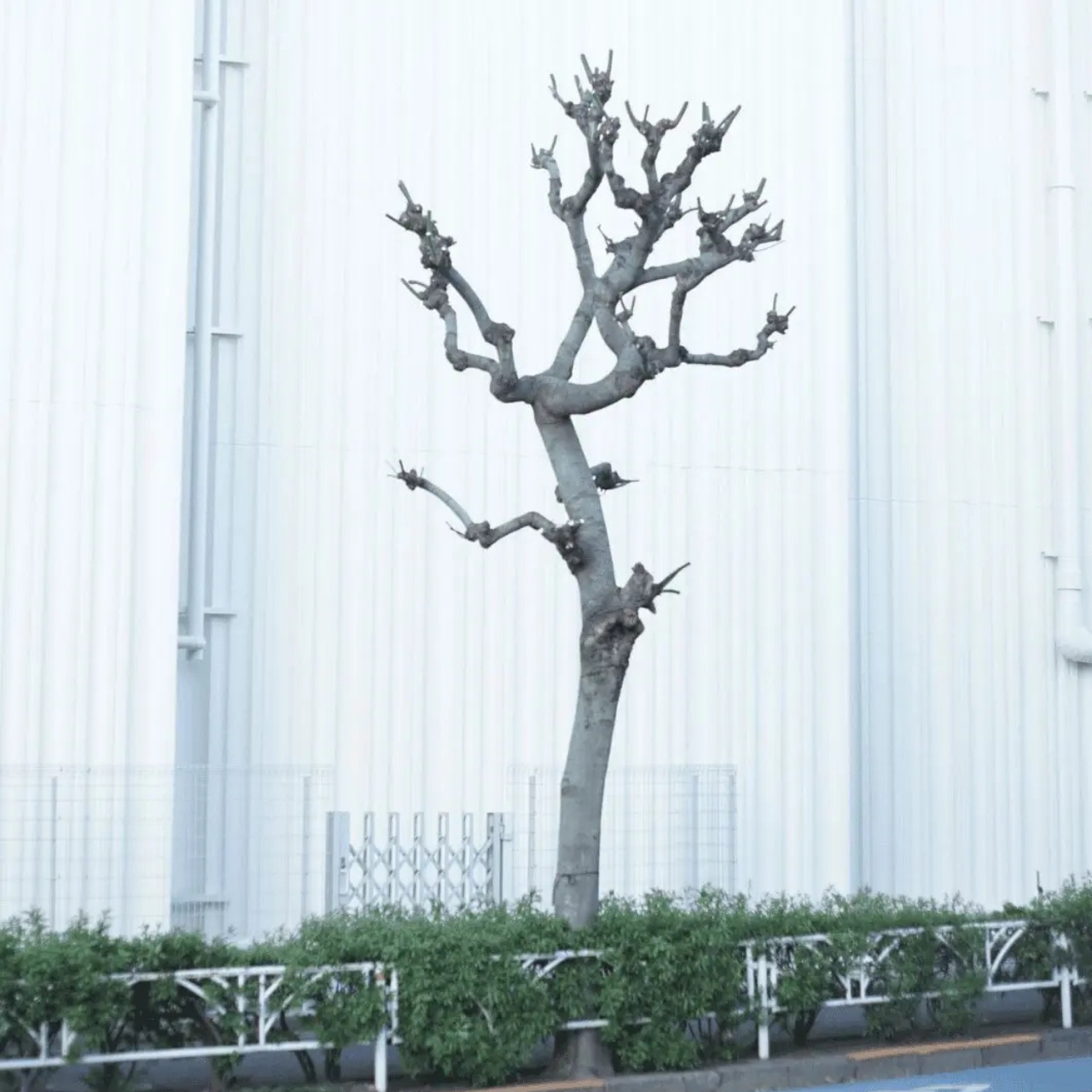
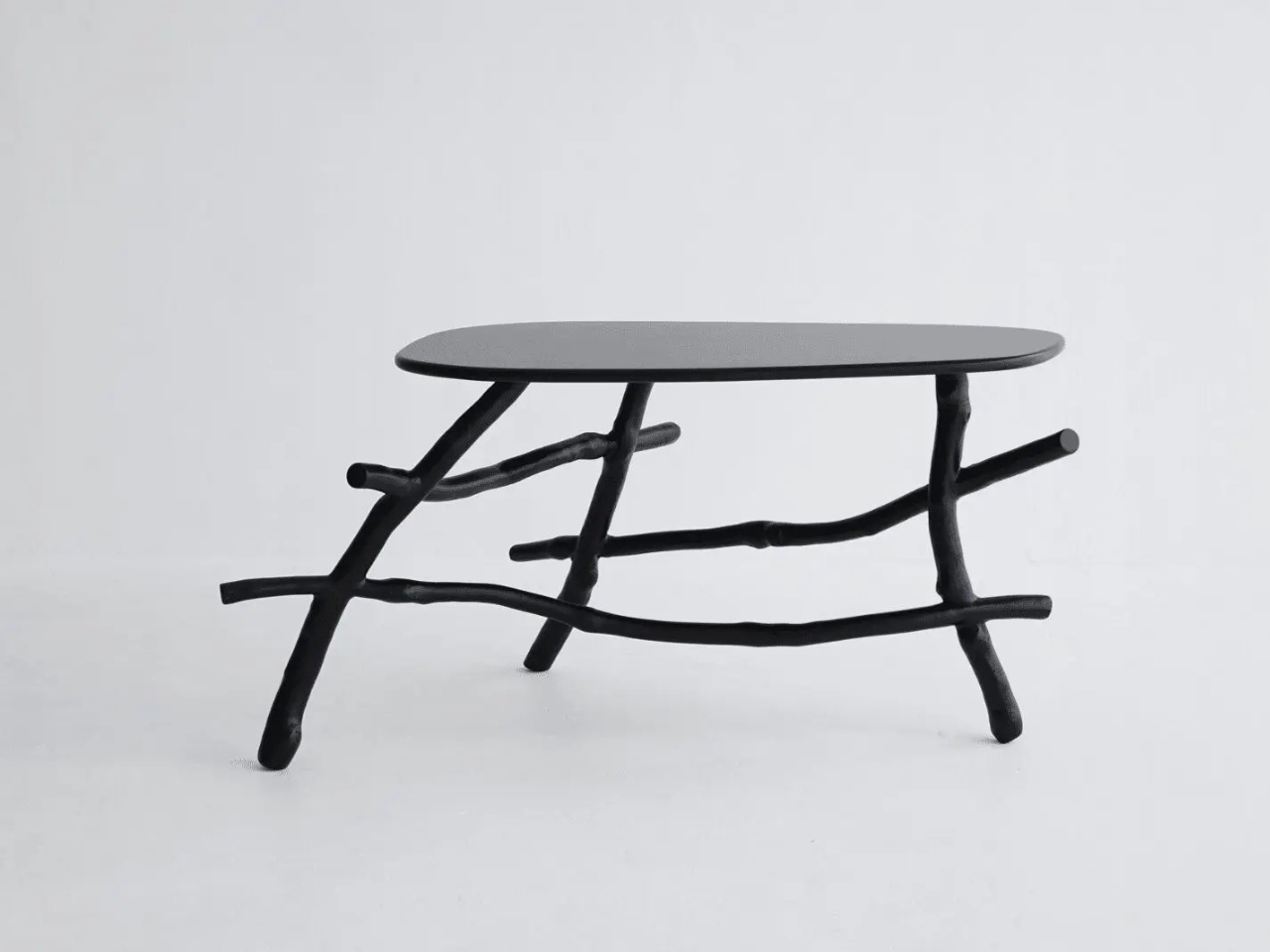
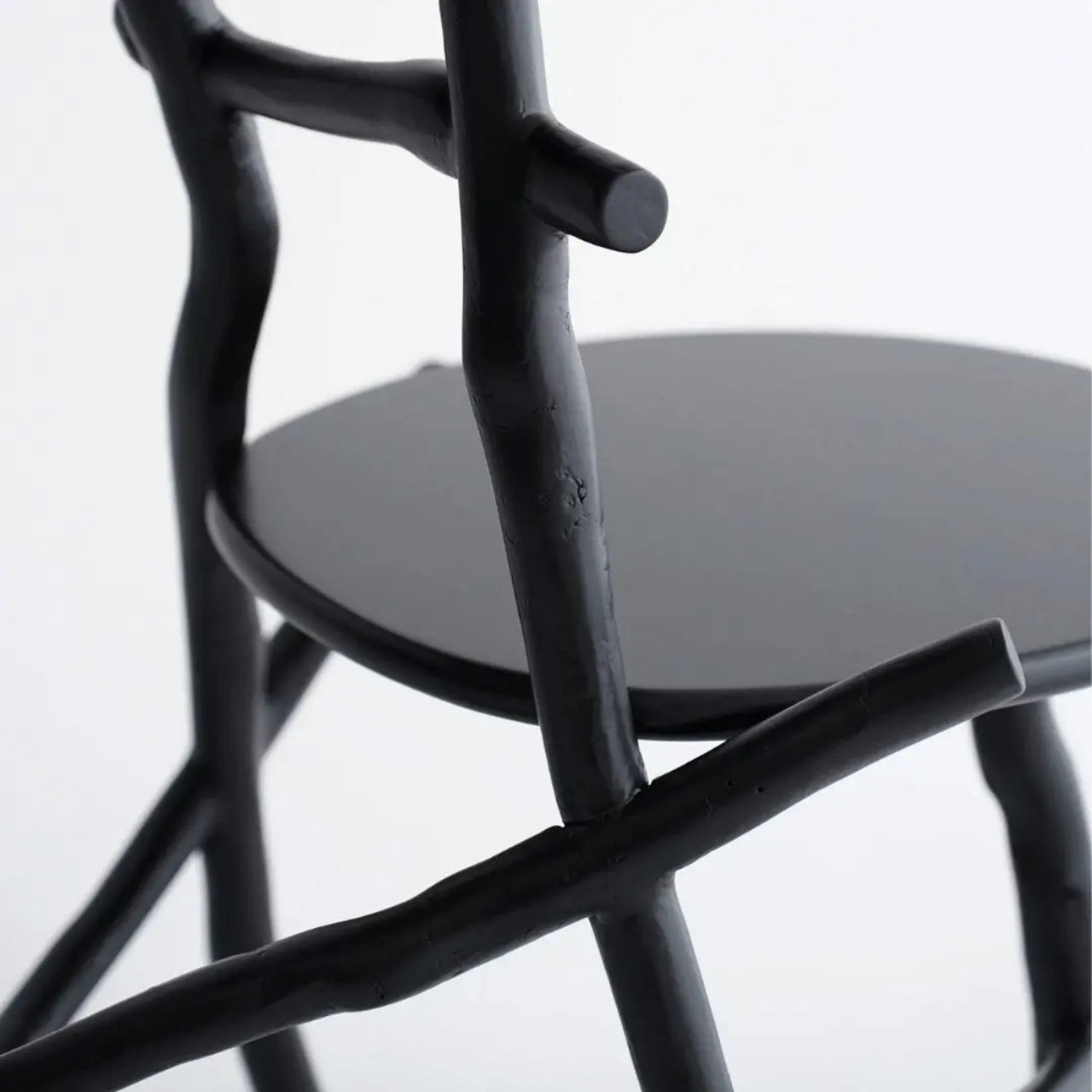
Look at the low coffee table up close and you start to understand the complexity of what Soichiro Tanaka, the designer behind Sotanaka, is actually building. The branch framework underneath the oval top isn’t a simple four-legged base. It’s a web of camphor and Zelkova branches crossing, overlapping, and angling in different directions. Some branches run horizontally as stretchers. Others curve upward to meet the top. The intersections where they meet are hand-cut joints, each one filed and chiseled to fit the exact curve of that particular branch. No two joints are the same because no two branches are the same. The structure looks chaotic from a distance and almost impossibly precise up close.
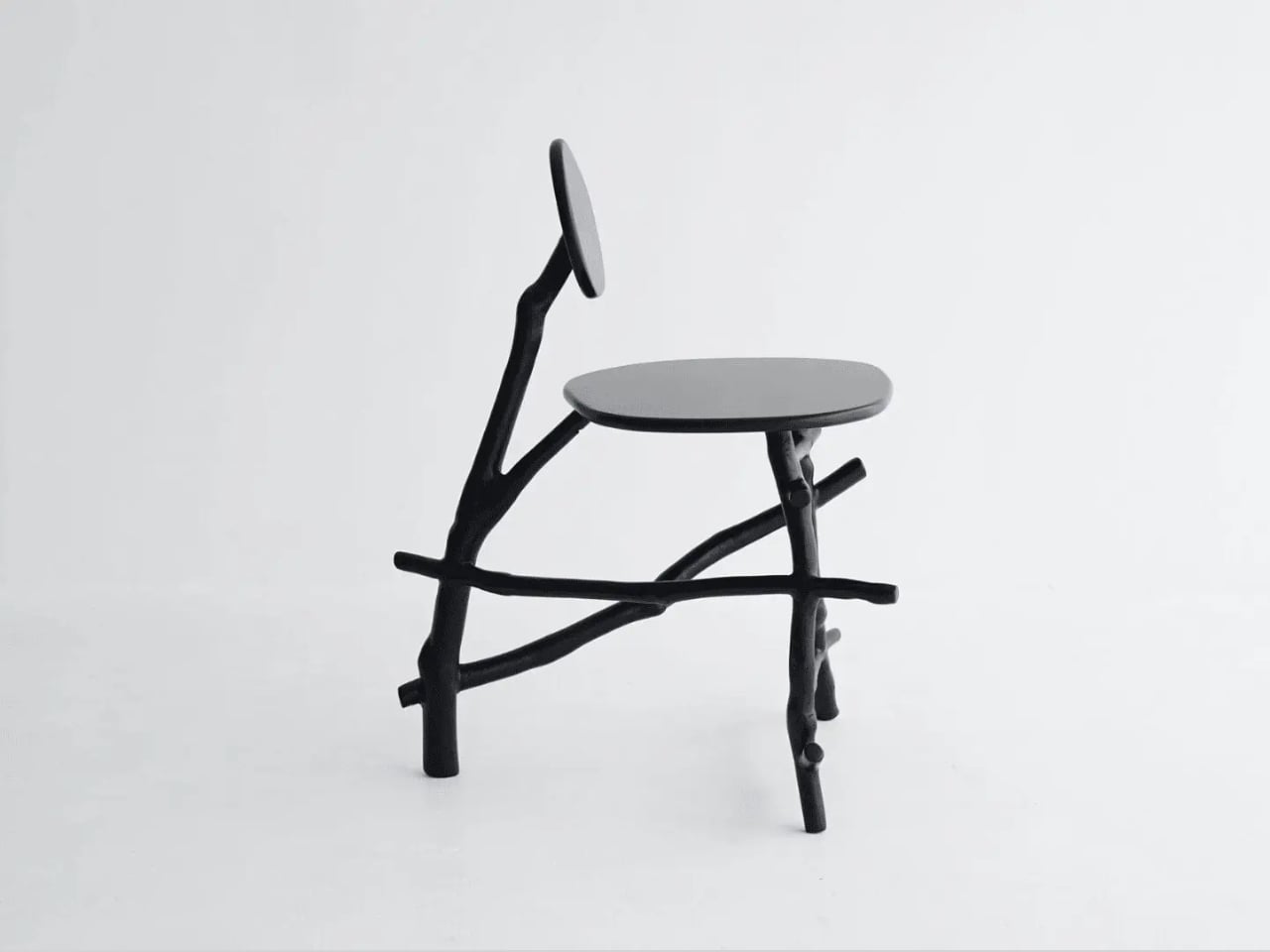
The chair might be the most confident piece in the collection. Seen from the side, the branch that forms the chair’s back leg continues upward in a single sweeping line before splitting to cradle the small circular backrest. It reads like a gesture more than a construction method, like the branch decided on its own to become a chair. From the front, the seat’s oval plywood panel floats above a lattice of crossing branches that form the legs and the lower frame. The enamel finish catches light differently across the curves, giving the structure a quiet depth that photographs don’t fully capture but hint at strongly.
The name Uneri translates from Japanese as an undulating, surging wave, and once you know that, you can’t unsee it. The branches don’t just cross and connect. They move. The low table’s base surges outward. The stool’s legs splay and curve with the same energy as roots pushing through soil. Tanaka developed his own joinery system specifically for this collection, one that lets the branches lock together without forcing them into shapes they don’t naturally want to take. The result is furniture that looks kinetic even when it’s standing still.
Uneri was presented at Three Days of Design 2026, and it deserves the attention it’s getting beyond that context. The pieces work as furniture, genuinely functional chairs and tables, but they also function as a study in what happens when a designer resists the urge to domesticate his materials. Most furniture design begins by taming wood, cutting it into boards, smoothing away everything irregular. Tanaka does the opposite. He finds where the irregularity is most interesting and builds around it.
The matte black finish is the one concession to control in an otherwise unruly collection, and even that reads less like an attempt to civilize the branches than a way to let them speak louder. Uneri doesn’t whisper nature into a room. It drags it in, whole and unapologetic.
The post When Tokyo’s Fallen Branches Become Furniture You Can’t Ignore first appeared on Yanko Design.



Apple is poised to make significant strides in its product ecosystem by the end of 2026, unveiling over 15 new devices across its iPhone, iPad, Apple Watch, Mac, and smart home categories. With a focus on innovative hardware, seamless artificial intelligence (AI) integration, and refined designs, these updates aim to enhance how you interact with […]
The post Beyond the iPhone 18: Apple’s Massive Fall Lineup Includes a Major First appeared first on Geeky Gadgets.

The ongoing debate between ChatGPT 5.6 Sol and Fable 5 highlights the nuanced differences in their capabilities and use cases. Future Tech Pilot explores how GPT 5.6 Sol sets itself apart with features like native image generation and its focus on cost efficiency, making it an appealing option for users managing resource-intensive projects. However, Fable […]
The post ChatGPT 5.6 vs Claude Fable 5: Which AI Actually Comes Out on Top? appeared first on Geeky Gadgets.

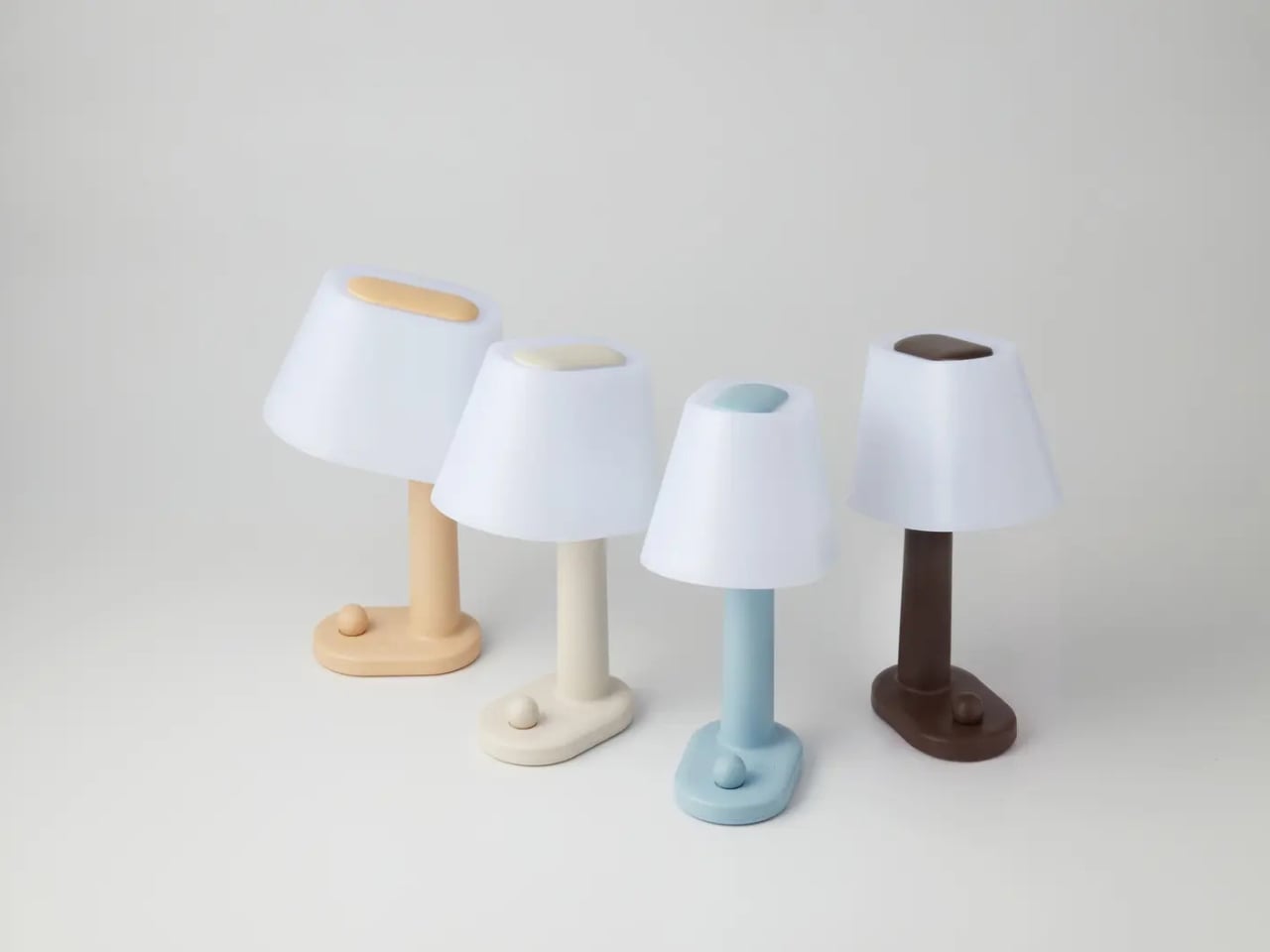
Most lamps don’t ask questions. They turn on, throw light at you, and call it a day. You adjust the brightness, maybe swap out a bulb with a warmer hue if you’re feeling particularly intentional about your space, and that’s the extent of the conversation. For decades, that’s been enough. But Korean brand BAENUE, the consumer-facing arm of LED technology company Baelux, is making a compelling argument that it shouldn’t have been.
The premise behind BAENUE is rooted in photobiology, the study of how light affects living organisms at a biological level. Specifically, the brand is built around something most of us quietly experience but rarely attribute to our lamps: the way artificial light disrupts our body clocks. The blue-toned light that keeps us sharp and focused at 9 a.m. is the same kind our phones and laptops push out at 11 p.m., suppressing melatonin production and quietly convincing our bodies that it’s still daytime. We chalk restless nights up to stress, too much screen time, too much coffee. Rarely do we think to blame the lamp sitting on the desk.
Designer: Baelux
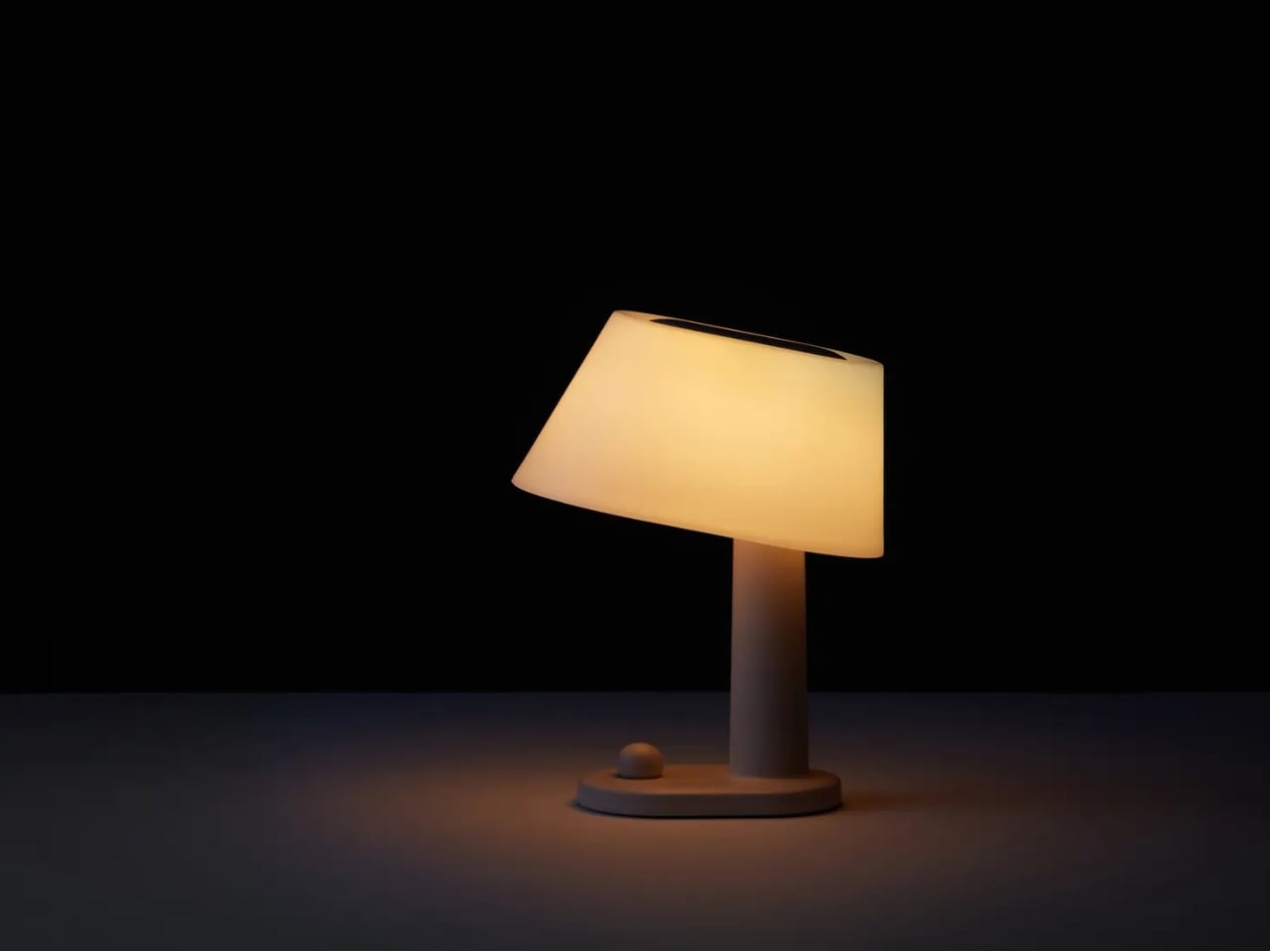
BAENUE’s answer is a proprietary, patented technology called Dim2Amber . The concept mirrors nature in a way that feels almost obvious once you understand it. As you dim the light, the lamp doesn’t just reduce brightness. It simultaneously shifts the spectrum toward warmer, amber tones. Bright and crisp when you need to focus. Soft and golden when the evening calls for it. The entire transition happens through a single analog dial, a deliberate choice by founder and chief developer Dr. Jinwoo Bae, an MIT-trained engineer who has built his career on making advanced technology feel effortless rather than overcomplicated.
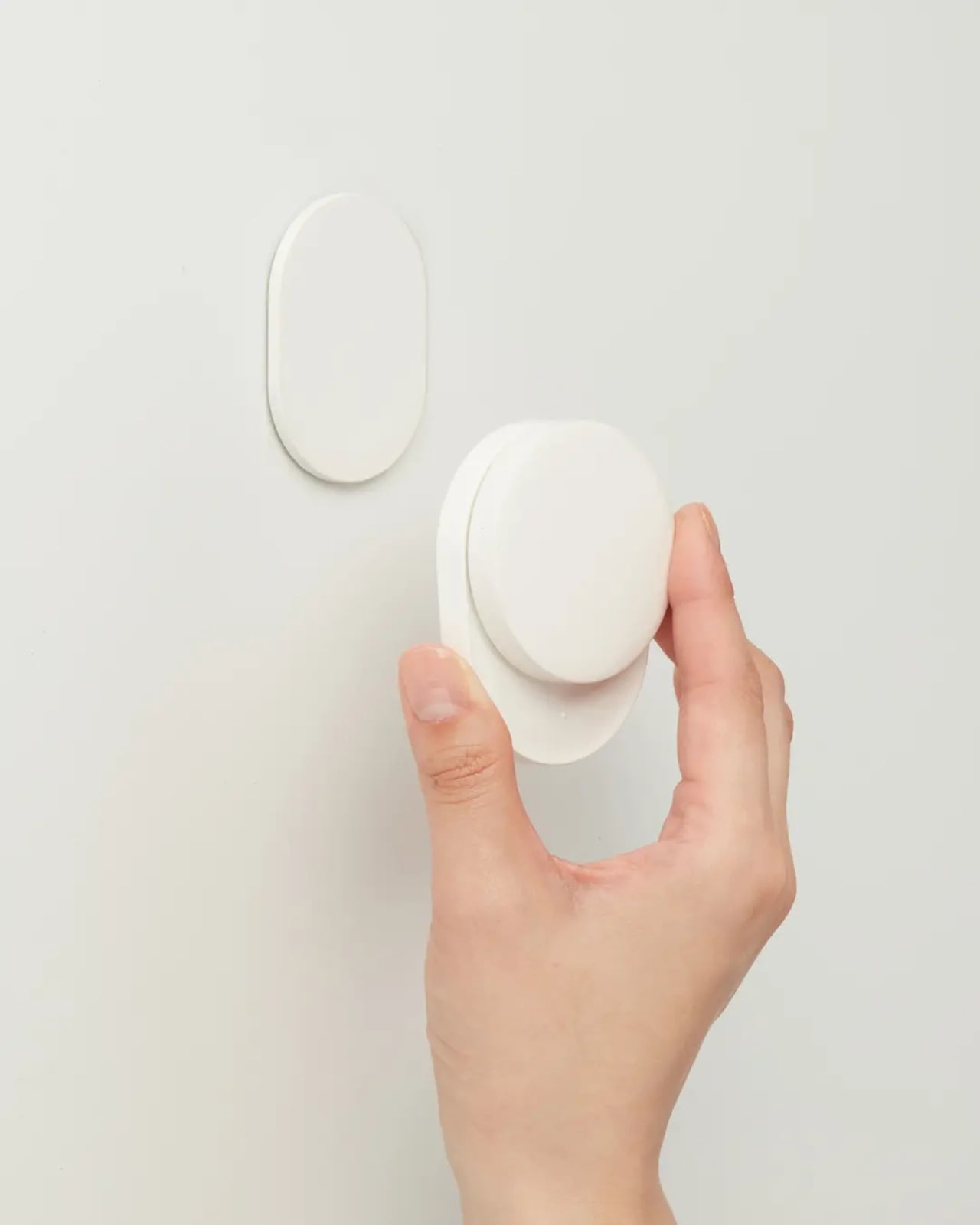
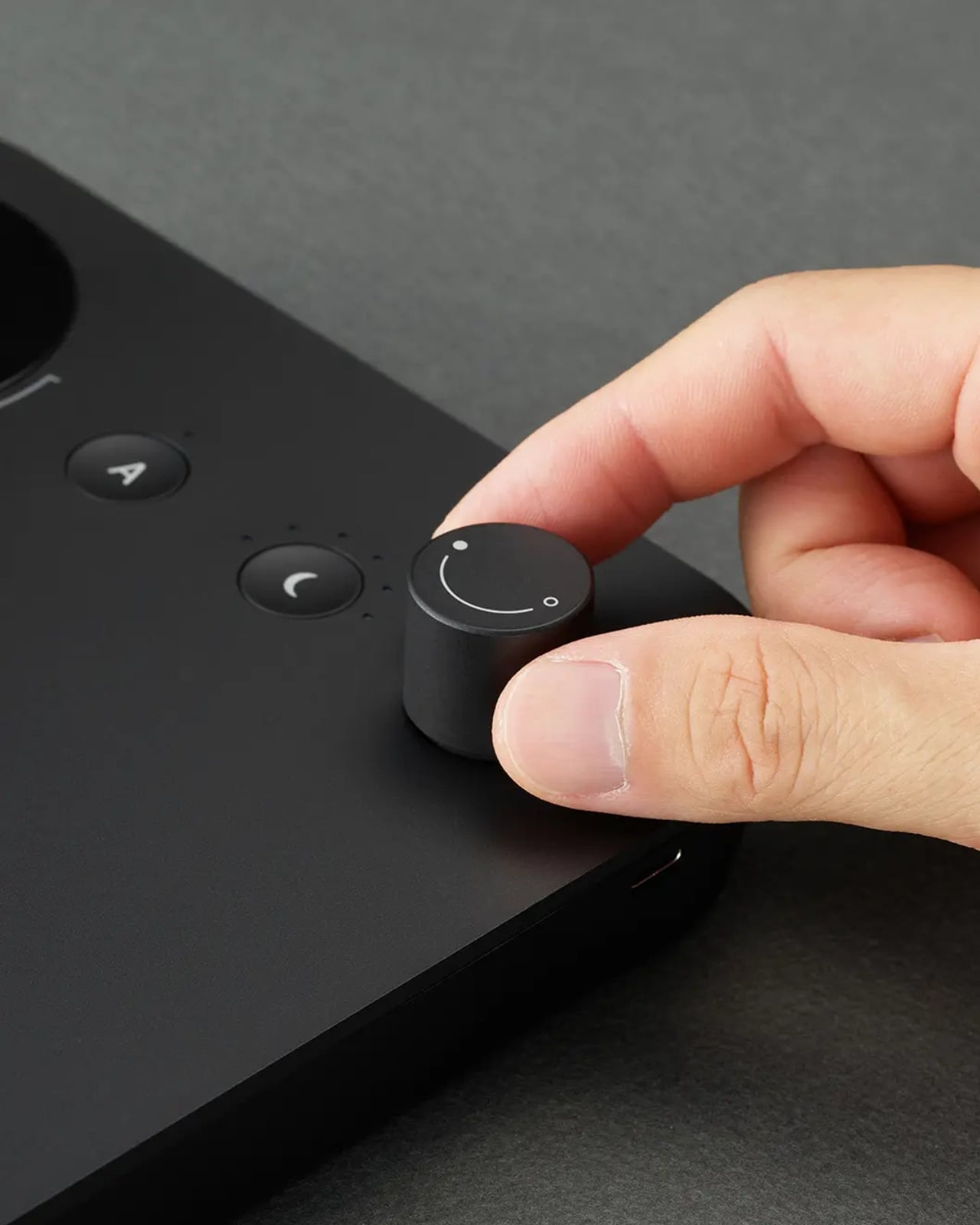
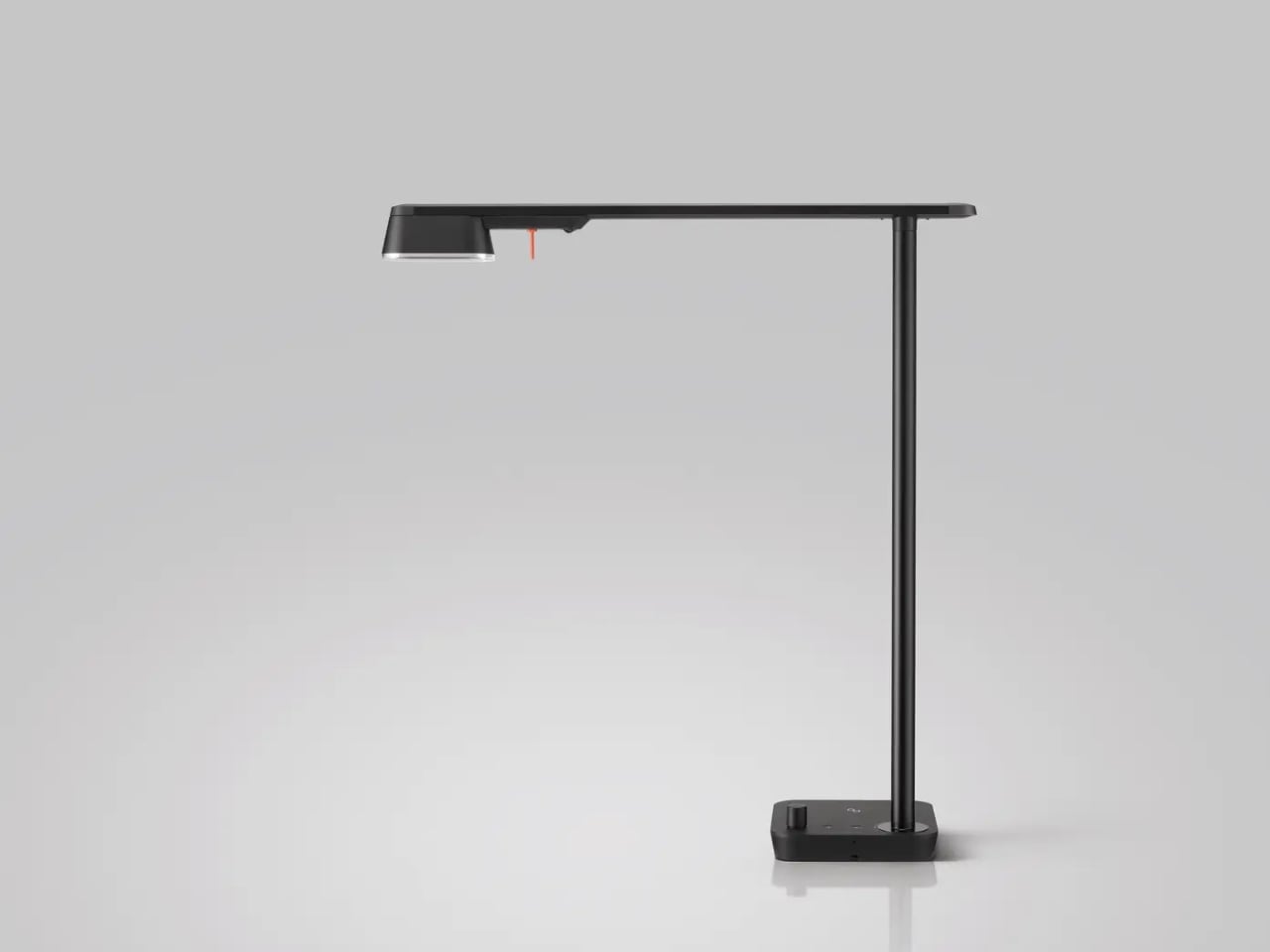
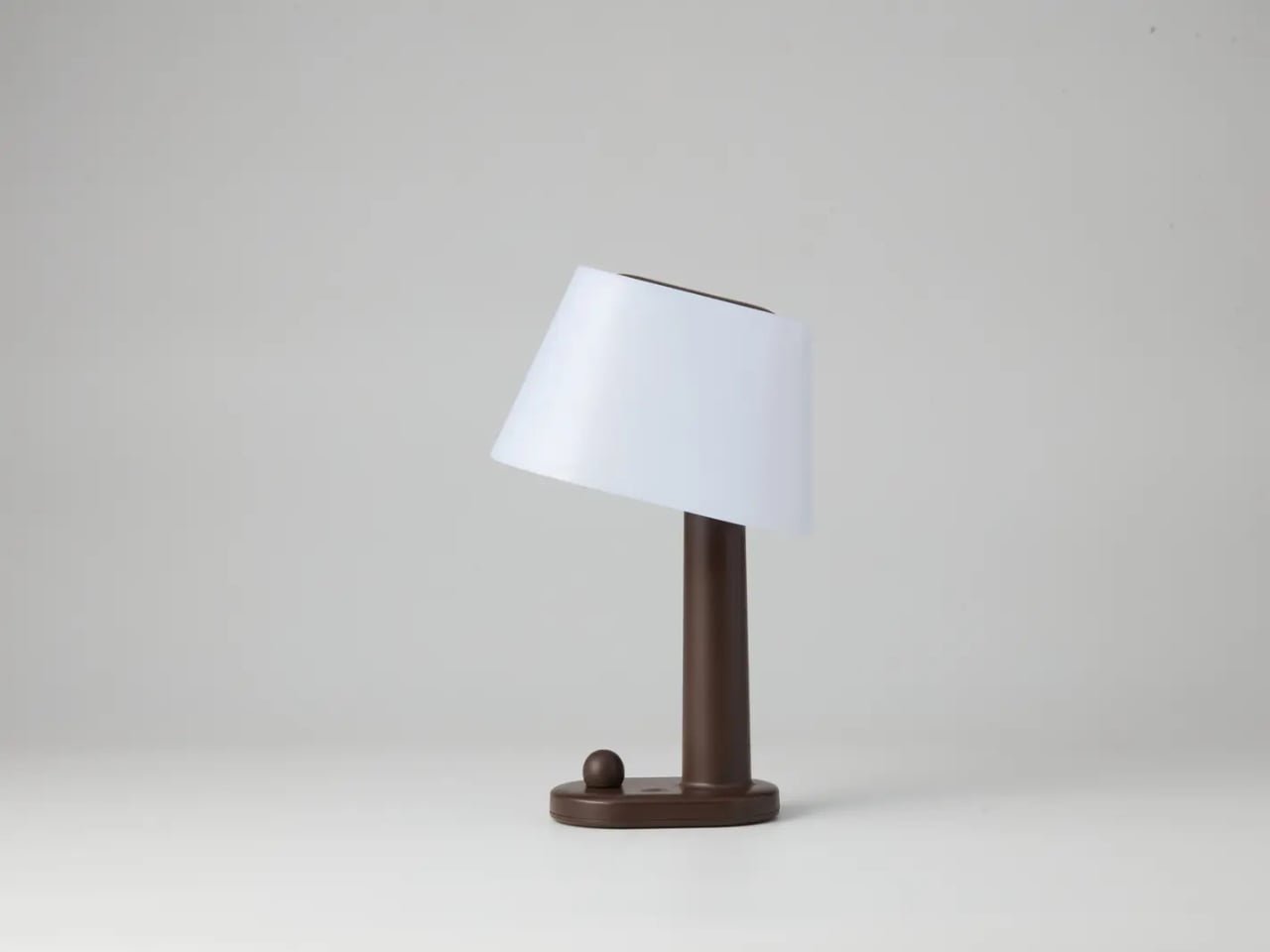
Both of BAENUE’s current products, The New Lamp and the portable MINI, carry this philosophy into their design. The New Lamp is the flagship desk piece, proportioned using the golden ratio to minimize glare and direct light precisely where it needs to go. It includes wireless charging, a motion sensor for automatic on/off, and a high CRI light source that renders color accurately. That last detail matters more than people realize until they’ve spent time under genuinely high-quality light and noticed the difference. The MINI is designed for mobility. Hand-sized, wireless, and versatile enough to function as a reading lamp, ambient light, or table lamp depending on where you set it down.
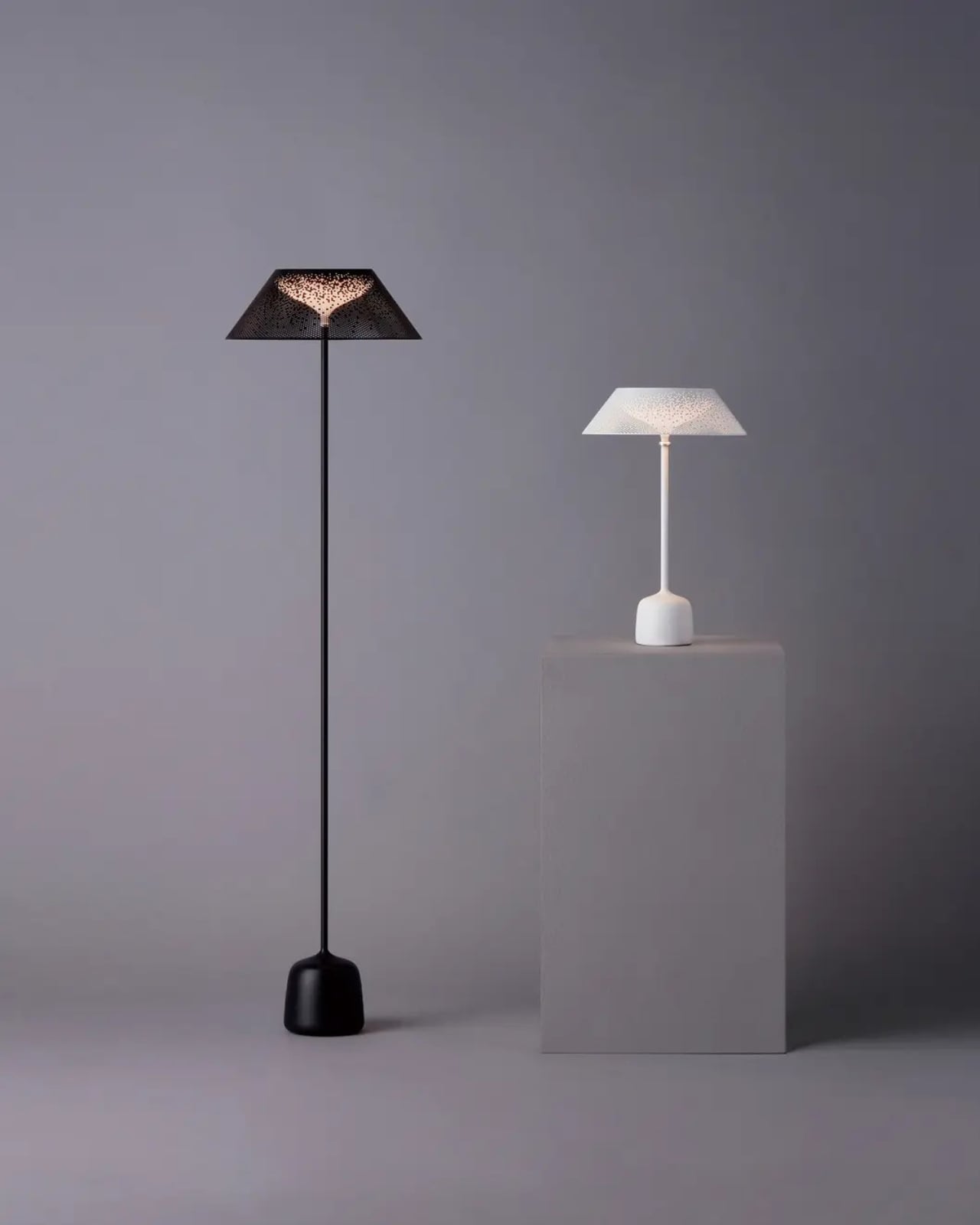
The price, around $575 to $635 for The New Lamp, will be the number that stops people mid-scroll. That reaction is fair, and worth sitting with for a moment before writing it off. Baelux has spent over a decade supplying LED light sources to premium architectural and commercial projects across Europe, quietly powering the kind of lighting most people only encounter in luxury hotels and gallery spaces. BAENUE is that same industrial-grade precision, redirected toward everyday life. You’re not just buying a lamp. You’re buying the output of years of engineering research that most people would never think to demand from something sitting on their nightstand.
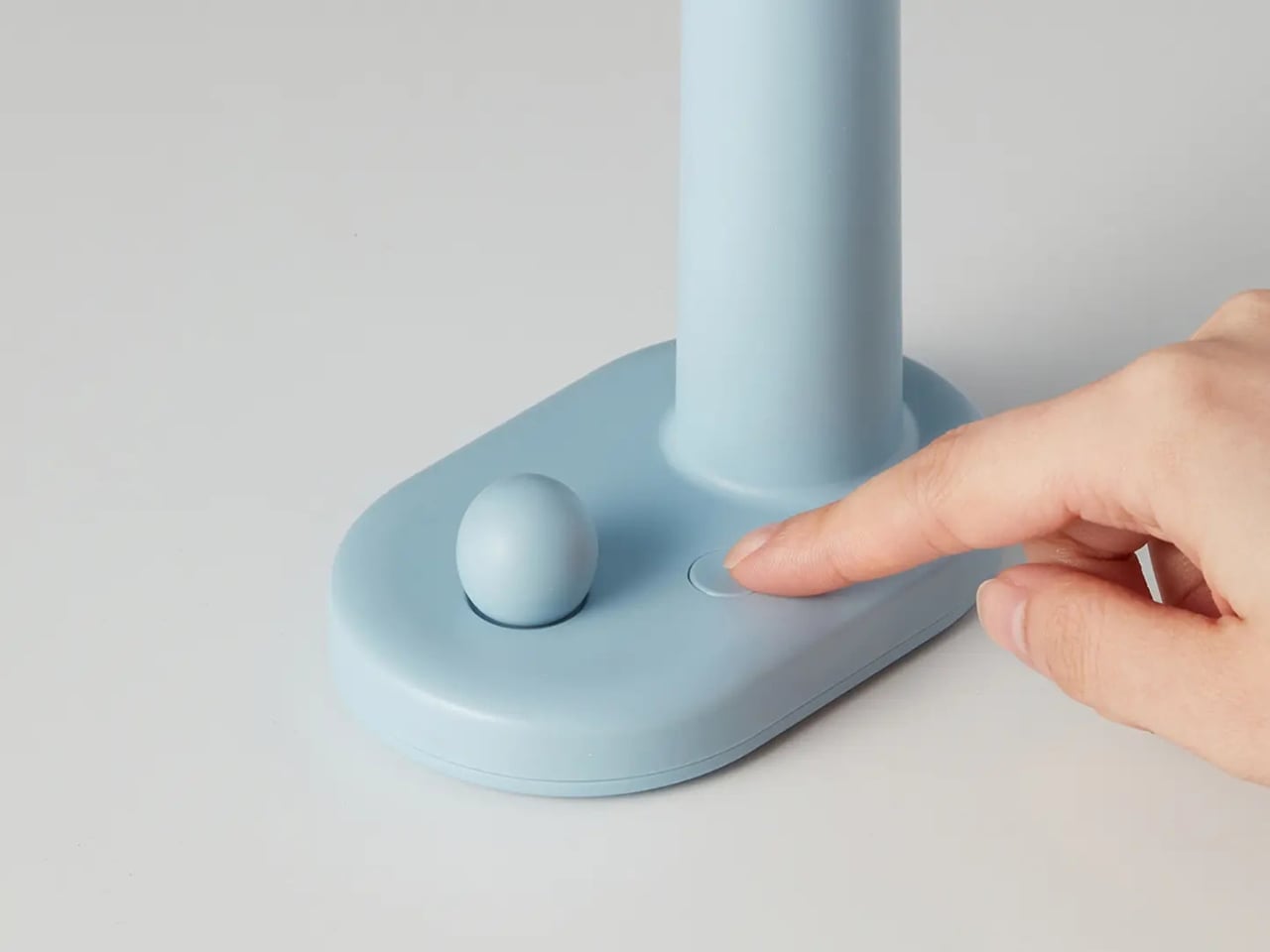
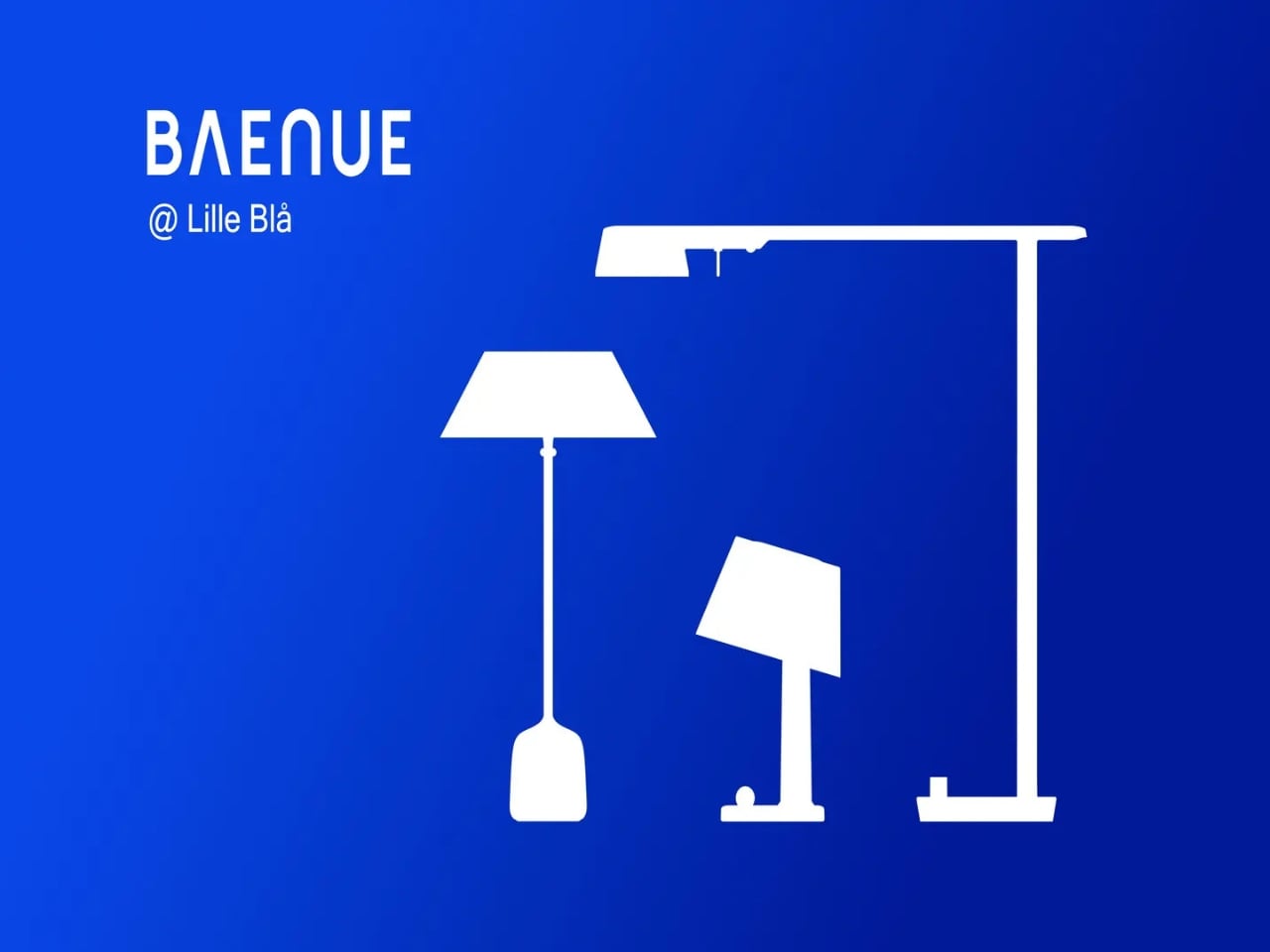
The brand’s restraint around wellness language is one of the more reassuring things about it. Dim2Amber is patented and technically specific. Dr. Bae’s insistence on eliminating micro-flicker, that imperceptible rapid fluctuation in light that contributes to eye strain without ever announcing itself, is exactly the kind of detail that only surfaces when someone genuinely cares about what light does to the human body. BAENUE made its public debut at 3 Days of Design 2026 in Copenhagen, a fitting stage for a brand that treats purpose and form as equally non-negotiable.
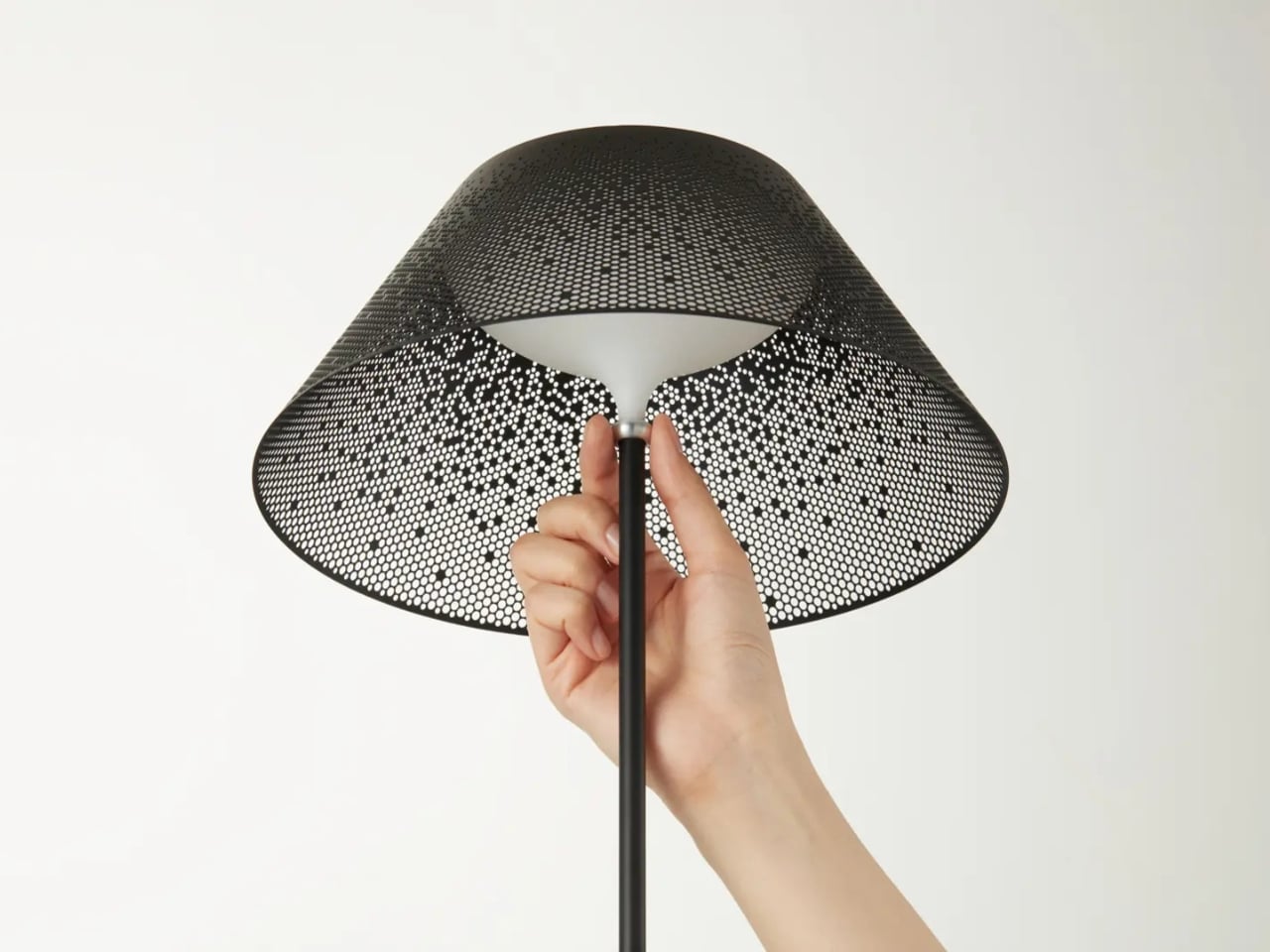
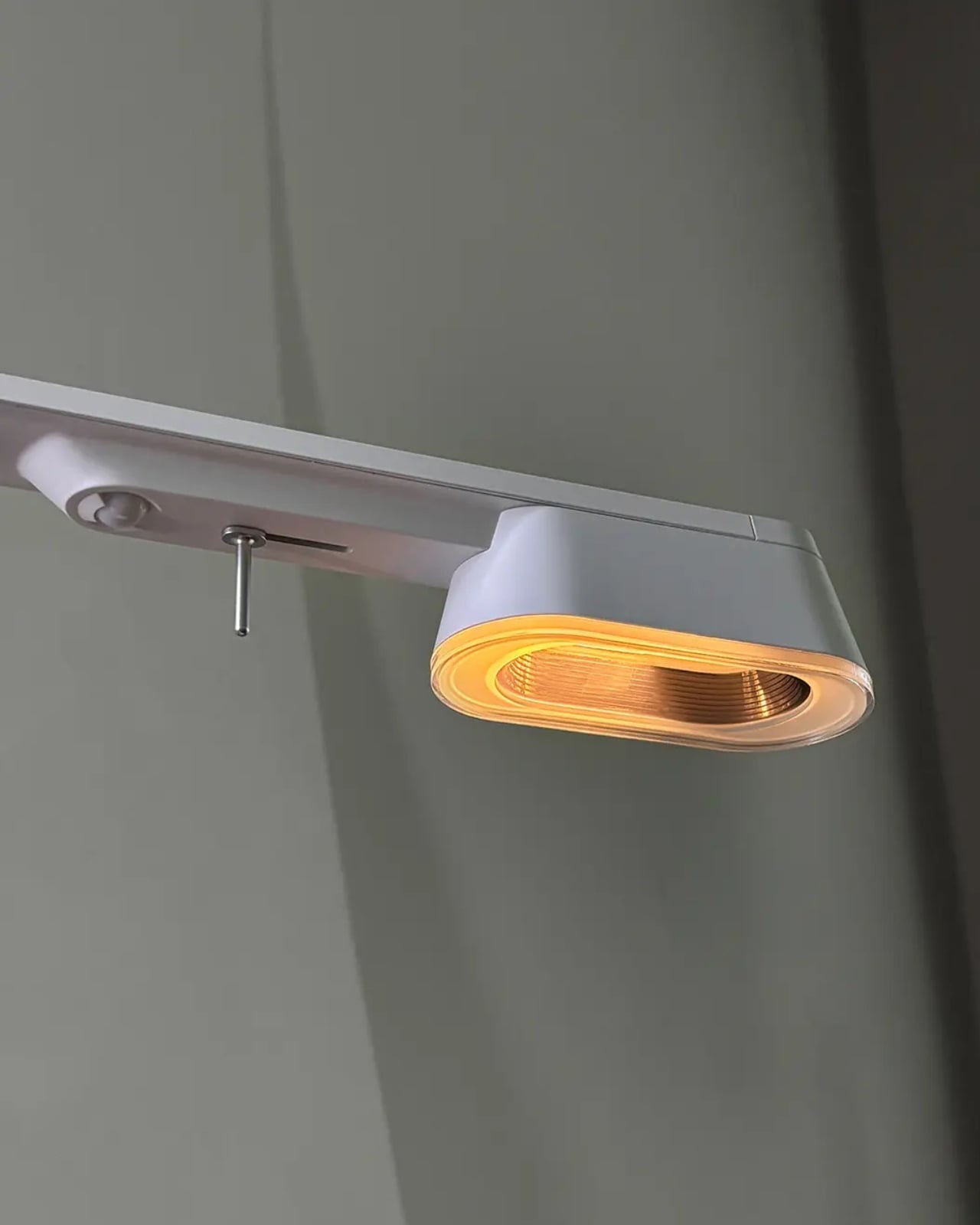
Lighting design has lagged behind the broader wellness conversation for too long, still measured mostly by how a room looks rather than how it makes your body feel. BAENUE is one of the more serious attempts to close that gap. Whether it changes the way the industry thinks about what a lamp is supposed to do is a bigger question, but the fact that someone is asking it seriously is, at minimum, a good start.
The post Korean Brand BAENUE Finally Built a Lamp That Knows What Time It Is first appeared on Yanko Design.