Tag Archives: News
The Morning After: Instagram will try to penalize ‘unoriginal’ posts

Toilet maker Toto is here to help with the RAM crisis

LG’s UltraGear evo 5K gaming monitor is available to pre-order

You can now book a hotel via the Uber app

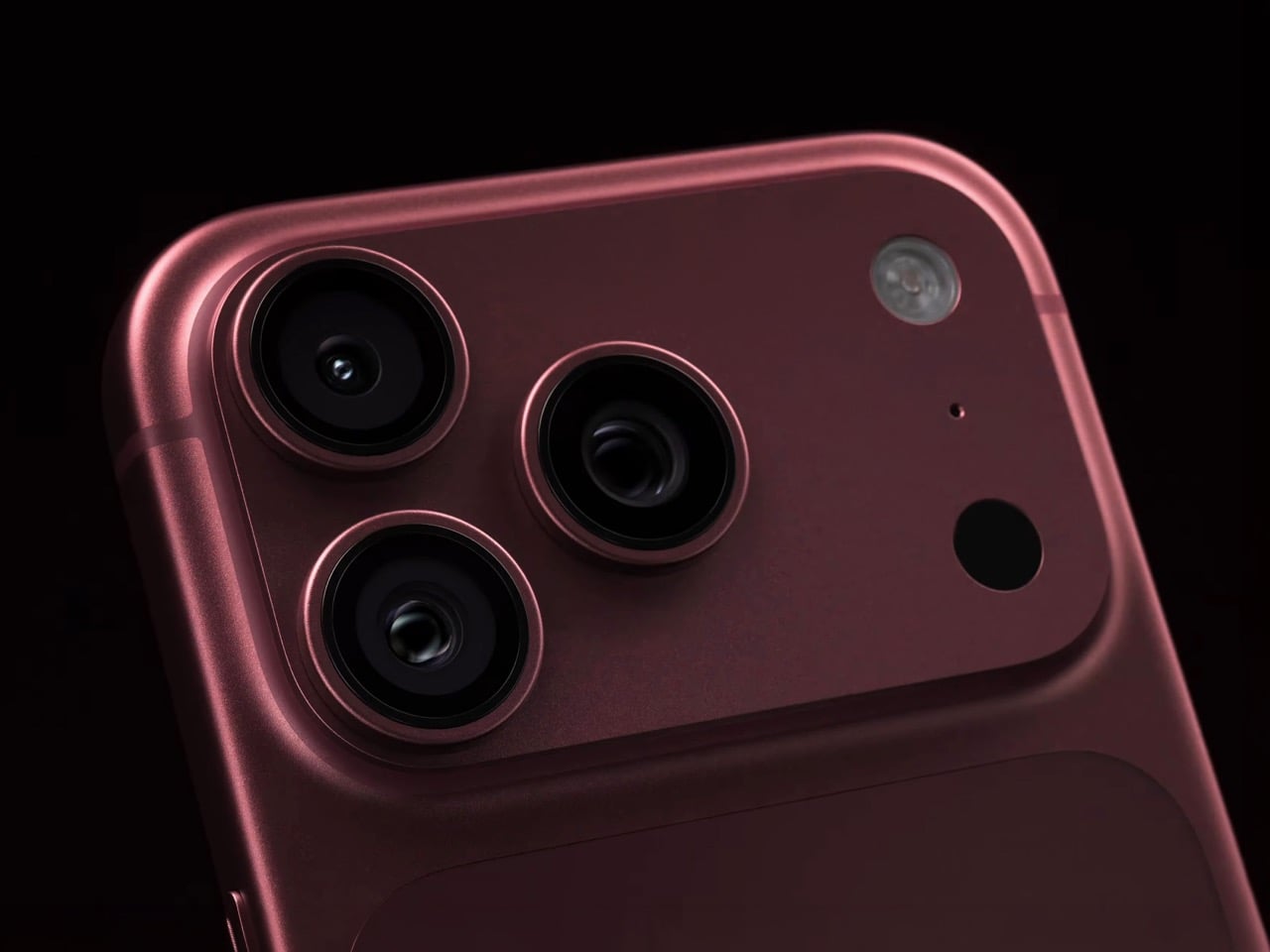
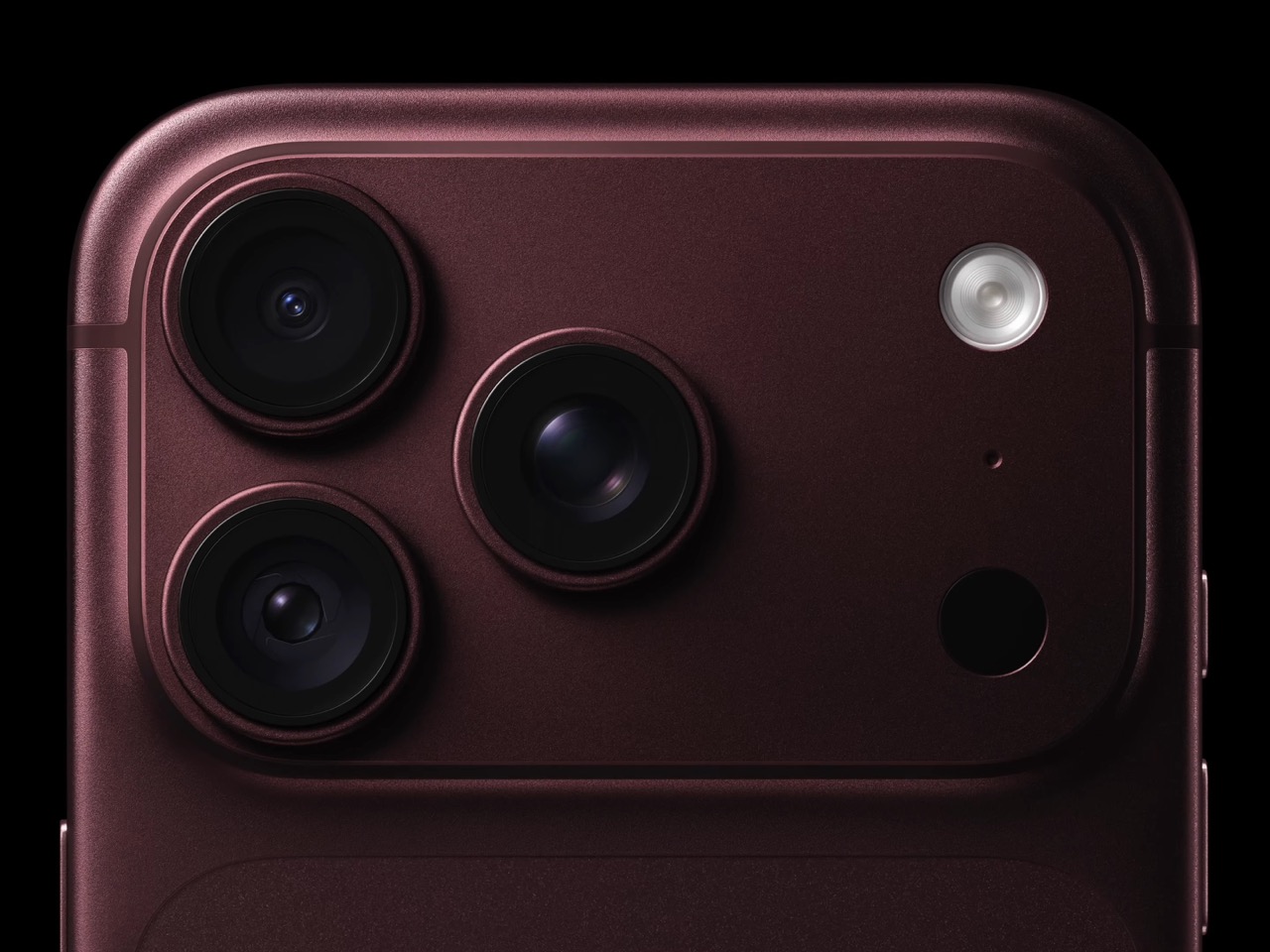
Leaked iPhone 18 Pro Screen Protector Shows A 35% Smaller Dynamic Island

Four years is a long time in smartphone design, long enough for entire product categories to rise, peak, and fade. Samsung has cycled through multiple foldable generations. Google has rebooted its Pixel lineup twice. Nothing has gone from startup curiosity to legitimate contender. Apple, meanwhile, has kept the Dynamic Island exactly where it was when it debuted with the iPhone 14 Pro, same width, same height, same visual footprint. Leaked screen protectors for the iPhone 18 Pro, sourced from Weibo, suggest that Apple has finally decided four years is long enough.
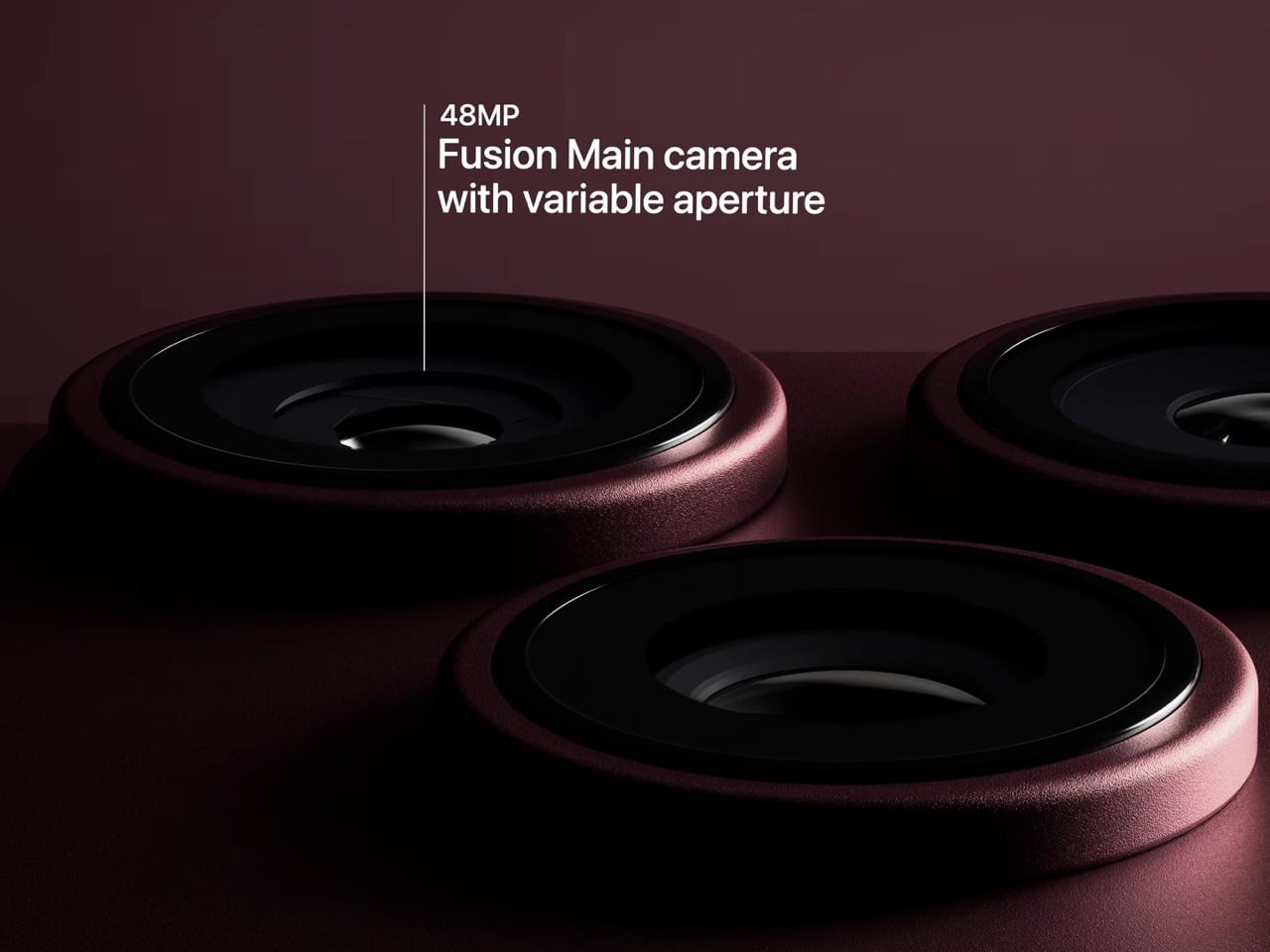
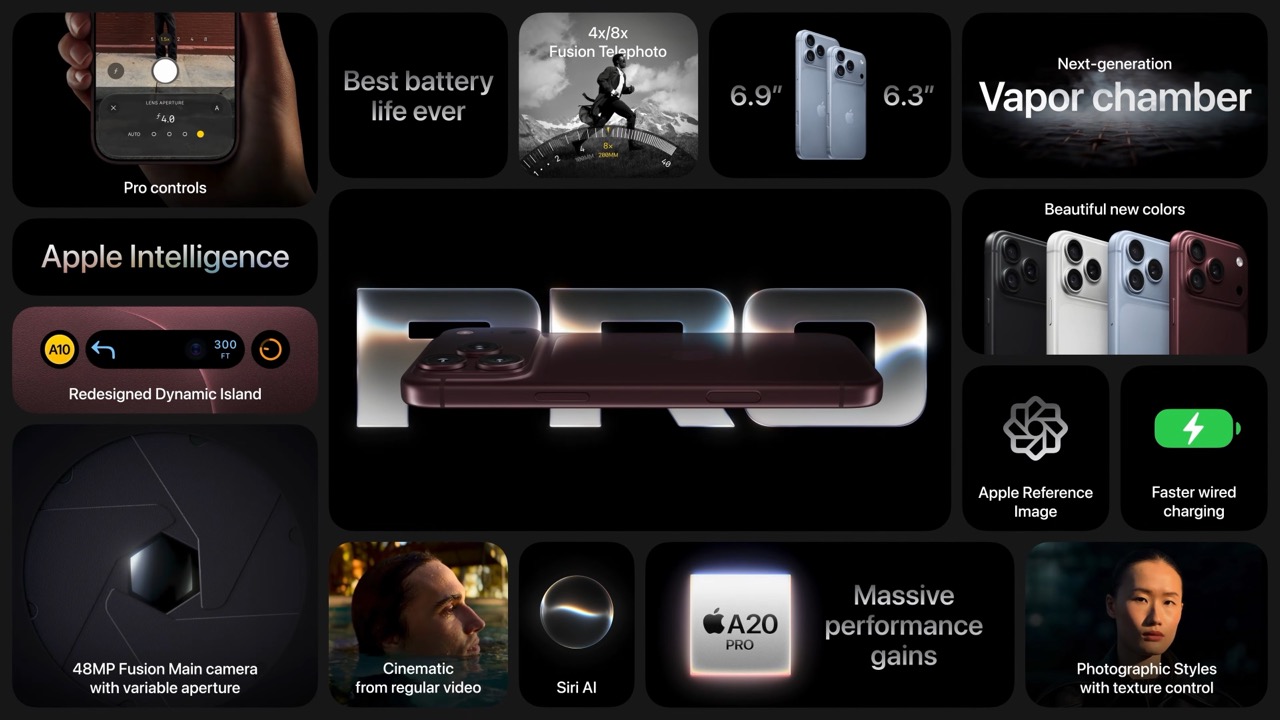
According to the leak, the infrared flood illuminator that powers Face ID is moving under the display on the iPhone 18 Pro, leaving only the infrared camera requiring a physical cutout alongside the front-facing lens. The result is a Dynamic Island roughly 35% smaller than what ships on the iPhone 17 Pro today. Apple is also expected to pair this with its first 2nm chip, the A20 Pro, along with a variable aperture system on the main camera. The 20th anniversary iPhone in 2027 is widely expected to go further with a fully clean display, but the 18 Pro represents the clearest signal yet that Apple is working its way there on a deliberate schedule.
Image Credits: Weibo

The size reduction is more significant than the percentage suggests when you look at the two side by side. The iPhone 17 Pro’s Island is a wide, commanding presence even at rest. The 18 Pro’s leaked cutout reads almost delicate by comparison, a narrow pill sitting unobtrusively at the top of the screen. Apple will still need to revisit four years of Live Activities design and the entire interaction vocabulary built around the existing Island’s dimensions, which is a reasonable explanation for why this transition is taking as long as it is.

Android manufacturers have shipped under-display cameras for years, with visible quality tradeoffs that Apple’s user base simply would not accept on a thousand-dollar phone. Holding the line until the technology meets the standard, rather than shipping it to win a spec sheet argument, is the kind of call that frustrates people in the short term and builds loyalty over time. The iPhone 18 Pro may read as a modest update on paper. That smaller pill tells a different story.

The post Leaked iPhone 18 Pro Screen Protector Shows A 35% Smaller Dynamic Island first appeared on Yanko Design.
Researchers turned Sawdust Waste and Watermelon Seeds into Recyclable Fire-resistant Panels

Every sawmill in the world produces it. Every furniture factory, every timber yard, every construction site that cuts wood leaves behind a pile of the stuff, and globally that adds up to hundreds of millions of tonnes of sawdust every year. Most of it gets burned for energy, which is a reasonable enough fate except that burning it releases back into the atmosphere all the carbon the tree spent decades pulling out of the air. It is a material that manages to be simultaneously everywhere and underused, treated as a combustion problem when it is, by the structural logic of its wood fibers, one of the more cooperative raw materials on earth. Firestarter cubes are made from it. Pykrete, the wood pulp and ice composite once proposed as an aircraft carrier hull material, relied on it.
Researchers at ETH Zurich and Empa have now given sawdust another role entirely. Doctoral researcher Ronny Kürsteiner spent his thesis developing a process to bind sawdust particles with struvite, a colorless crystalline mineral composed of ammonium magnesium phosphate, using an enzyme derived from watermelon seeds to control how the crystals grow into the sawdust matrix. What comes out of the mold, after two days of cold-pressing and room-temperature drying, is a composite panel stronger in compression than spruce timber, capable of resisting a direct flame for more than three times as long as untreated wood, and fully recyclable at the end of its service life.
Designer: ETH Zurich

Struvite’s fire-retardant properties have been known for a while; the problem was always crystallization behavior. Conventional precipitation methods produce small, disorganized crystallites that can’t grip wood particles, which is why earlier attempts at this kind of composite fell apart mechanically. The watermelon seed enzyme controls nucleation, producing large interlocking crystals that physically fill the voids between sawdust particles. The binder content sits at 40% by weight. Panels are cold-pressed for two days and dried at room temperature, with no elevated curing conditions required.

When heat reaches struvite, it decomposes and releases water vapor and ammonia, drawing energy from the surrounding environment. The non-combustible gases displace oxygen, starving the fire and accelerating surface charring; that char layer slows access to unburnt material underneath. Cone calorimeter tests clocked untreated spruce igniting at 15 seconds; the struvite composite takes 45 to 51 seconds. Initial projections put it in the same fire protection class as cement-bonded particleboard, the current default for interior partition applications, though full-scale tests are still pending. Grind the panels at end of life, heat them just above 100 degrees Celsius to release ammonia, and the components separate cleanly for reuse or redirect as phosphorus fertilizer.
The post Researchers turned Sawdust Waste and Watermelon Seeds into Recyclable Fire-resistant Panels first appeared on Yanko Design.
BYD Could Become Formula 1’s First Ever Chinese Team By 2027

BYD sold 4.6 million new energy vehicles last year. It operates in over 100 countries. It builds its own batteries, motors, semiconductors, and power electronics from the ground up. And yet, in the parts of the world where it most desperately wants to grow, a significant chunk of car buyers still see it as the affordable Chinese option. That perception gap between what BYD actually is and what consumers in Europe and North America think it is has become the company’s single biggest strategic problem. Formula 1, according to a Bloomberg report published this week, might be BYD’s proposed solution. The company is reportedly exploring an entry into the world championship, either by acquiring an existing team or by building its own from scratch.
It would not be the first automaker to use motorsport as a brand perception lever. Hyundai was a budget car punchline before its WRC campaigns rewired how people thought about its engineering. Honda’s F1 run in the late 80s and 90s turned sensible commuters into a byword for high revving precision. BYD has the technical chops to tell a similar story, and F1’s 2026 regulations actually play to its strengths. Roughly half the power unit’s output now comes from an electric motor, a huge jump from previous seasons. FIA president Mohammed Ben Sulayem has been openly courting a Chinese entry, confirming that talks with manufacturers have already happened. The financial hurdle is real, with annual costs pushing $500 million and Cadillac’s grid entry fee alone hitting $450 million, but BYD pulled in $86 billion in revenue last year. The money exists. The motive exists. And the regulatory window has never been more aligned.
Image Credits: @grandprix

The 2026 power unit regulations are what make BYD’s potential entry genuinely fascinating from an engineering standpoint. The MGU K now pumps out 350 kW, nearly triple the previous 120 kW figure, meaning the electric motor is responsible for roughly half of total power delivery to the rear wheels. The sport has also mandated advanced sustainable fuels and significantly increased battery capacity requirements. For context, most current F1 engine manufacturers outsource chunks of their electrical componentry or partner with specialist suppliers for battery cells and power electronics. BYD does none of that. It designs its own lithium iron phosphate battery chemistry, manufactures its own electric motor architectures, and fabricates its own semiconductor chips in house. That vertical integration, the same thing that lets BYD undercut competitors on price in the road car market, could translate into a fundamentally different approach to building an F1 power unit.
Think about what that means in practice. Ferrari, Mercedes, and Red Bull Powertrains all develop their electrical systems with relatively traditional motorsport supplier chains. BYD would show up with an entirely self contained pipeline, from raw cell chemistry to finished power electronics, informed by producing millions of electric drivetrains a year at scale. Nobody in F1 has that kind of manufacturing feedback loop. Whether that actually produces a faster car is anyone’s guess, because high volume production efficiency and single lap bespoke performance are very different disciplines. But the potential for BYD to bring a novel engineering philosophy to the grid, one shaped by mass market EV development rather than wind tunnel obsession, is the kind of wildcard that makes the sport interesting. The last time someone brought a genuinely alien approach to F1 engine design was probably Honda’s split turbo concept in 2015, and that eventually won championships.

BYD also has something else that most F1 newcomers lack: a premium performance sub brand with an actual hypercar. The Yangwang U9 is a quad motor electric supercar that clocked a sub 7 minute Nurburgring Nordschleife lap, making it one of the fastest production cars to ever circle that track. It produces over 1,300 horsepower, uses BYD’s proprietary e4 platform with independent torque vectoring on all four wheels, and was reportedly tested at speeds north of 300 km/h. If BYD enters F1, Yangwang becomes the obvious brand to attach to the racing program, the same way Toyota runs its Le Mans effort under Gazoo Racing or Hyundai channels its WRC work through its N performance division. A Yangwang branded F1 entry would give BYD a clean separation between its mass market identity and its motorsport ambitions, while feeding technology back into its flagship performance car.
China’s track record in international single seater racing is worth acknowledging here, because it adds useful context to how hard this actually is. The team originally called China Racing joined Formula E in 2013 as the second team on the grid, won the inaugural Drivers’ Championship under the NIO banner with Nelson Piquet Jr. in 2015, and then proceeded to spend years stuck at the very back of the field. It got rebranded from NIO 333 to ERT, and was eventually sold to an American investment group that now runs it as Kiro Race Co. under a U.S. license. The one Chinese flagged team in electric motorsport lost its Chinese identity entirely. BYD entering F1 would carry the weight of that unfinished story, and the engineering credibility it brings to the table through its road car dominance would need to survive the brutal reality of competing against teams that have been doing this for decades.

Some AI generated concept renders have been making the rounds online, imagining a BYD liveried F1 car in a black, red, and white color scheme with the company’s angular logo across the sidepods. The renders are speculative, but one detail stands out: the Chinese flag painted onto the nose cone. That is a loaded visual choice, and a historically significant one in F1 terms. Alpine carries the French tricolore on its cars. Force India wore the Indian flag throughout its time on the grid. A BYD car flying the five starred red flag on its nose would frame this as a national arrival, a declaration that China’s biggest automaker is ready to compete at the highest level of global motorsport. BYD’s road car design language has been trending toward clean, sharp minimalism lately, so a livery built around deep red panels, exposed carbon weave, and restrained branding could actually cut through the visual clutter of an increasingly sponsor heavy grid. It would certainly look different from anything else out there.

The post BYD Could Become Formula 1’s First Ever Chinese Team By 2027 first appeared on Yanko Design.
The best cheap Windows laptops for 2026
You don’t need to spend a fortune to get a capable Windows laptop. For everyday tasks like web browsing, writing documents, streaming video or handling schoolwork, a well-chosen budget machine can still deliver a smooth, reliable experience. The challenge is cutting through the noise to find affordable options that balance performance, build quality and battery life without serious compromises.
For many buyers, timing is no longer optional. With Windows 10 support now officially over, upgrading has become a necessity rather than a nice-to-have. The picks below focus on cheap Windows laptops that can handle day-to-day workloads comfortably while keeping you current on software and security updates. If you’re open to spending more for extra power or premium features, our broader guide to the best Windows laptops covers higher-end alternatives as well.
What to look for in a budget-friendly Windows laptop
While you can do a lot even when spending little on a Windows laptop, you must set your expectations accordingly. The biggest downside when purchasing a budget laptop (of any kind, really) is limited power. You’ll want to carefully consider a few specs, the most important among them being the processor (CPU). Many Windows laptops under $500 run on Intel Celeron or Pentium chipsets, but you can find some with Core i3/i5 and AMD Ryzen 3/5 CPUs at the higher end of the price spectrum.
We recommend getting the most powerful CPU you can afford because it will dictate how fast the computer will feel overall. Memory (RAM) is also important because, the more you have, the easier it will be for the laptop to manage things like a dozen browser tabs while you edit a Word document and stream music in the background.
When it comes to storage, consider how much you want to save locally. If you primarily work in Google Docs or save most things in the cloud, you may not need a machine with a ton of onboard storage. Just remember that your digital space will also be taken up by apps, so it may be worth getting a little extra storage than you think you need if you know you’ll be downloading big programs. A final side note: solid state drives (SSDs) are ubiquitous at this point, not to mention faster and more efficient than hard drives (HDDs), so we recommend getting a laptop with that type of storage.
As for screens, there’s a healthy mix of HD (720p resolution) and FHD (1080p) options in this price range and we recommend springing for a notebook with a 1080p display if you can. Touchscreens aren’t as common in the budget space as standard panels, but you’ll only really miss one if you get a 2-in-1 laptop.
Before we get to our recommended specs for a cheap Windows laptop, it’s worth mentioning that Microsoft clearly lays out the true minimum requirements for any Windows 11 machine. Those include a 1GHz or faster processor that includes two or more cores, at least 4GB of RAM and 64GB of available storage space. That’s the bare minimum to run Windows 11; we recommend giving yourself some wiggle room by choosing a machine that will perform well now and for years to come.
Specs to look for in an affordable Windows laptop
CPU: Intel Core i3 or AMD Ryzen 3 processors, at minimum
RAM: At least 8GB
Storage: At least 128GB SSD
Screen: At least 1080p FHD
It’s essential to prioritize what’s important to you. But at the lower end of the budget, a good laptop may not offer everything you need, whereas a great one might. Although most machines come with features like Bluetooth, built-in Wi-Fi and additional ports, you might find not all of them come with the specifics you require, like an SD card slot, webcam, charger, and so on. Be sure to check the spec list of any laptop you’re considering before you buy, especially if you need specific connectors and capabilities.
See Also:
As for Copilot+, don’t expect to see much of it on truly affordable Windows laptops just yet. Microsoft’s AI features and Copilot assistant require certain specs to run, namely a powerful neural processing unit (NPU), 16GB of RAM and 256GB of storage. Currently, the cheapest Copilot+ AI PCs will run you about $700, so if you’re willing to pay more for those perks, check out our best laptops guide for more options.
If you’re looking for either a gaming laptop or a “Windows on Arm” laptop, both categories will require you to spend more money than we’re discussing here.
Best cheap Windows laptops for 2026
The cheap Windows laptop market moves fast, and — unlike nearly all of our other buying guides — we haven't necessarily tested each specific configuration listed below. However, the combination of these technical specifications and familiar brands represent exactly the sort of entry-level laptops we'd recommend to shoppers in this price range based on our thorough research and expert knowledge.
What to know about the budget Windows laptop market
The best cheap laptop models change all the time. Unlike more expensive, flagship machines, these notebooks can be updated a couple times each year. That can make it hard to track down a specific model at Amazon, Best Buy, Walmart or any other retailer. Also, we’ve seen prices vary widely depending on the configuration and retailer you’re looking at.
You can ensure you’re getting a quality laptop by doing a few things. First and foremost, make sure you get a machine that follows the recommended specs we list above. Also, make sure you’re buying from a reputable retailer, including big-box stores like Walmart, Best Buy and Costco, online shops like Amazon or direct manufacturers like Dell, HP, Lenovo and others. If you have a physical store near you (likely a Best Buy in the US), it’s never a bad idea to go play around with some laptops in person before choosing one.
If you decide to shop online from the likes of Amazon or Walmart, double check the seller of the laptop you’re considering. For example, many items on Amazon are “shipped and sold” by Amazon and those are typically the best options. You’ll see that information on Amazon on the right sidebar on a product page, under the Add to Cart and Buy Now buttons. Third-party sellers are common in the affordable laptop space. Amazon sometimes classifies laptop manufacturers as third-party sellers, so you may see a laptop shipped and sold by HP or Dell — that’s a good thing, since it’s coming directly from the manufacturer.
However, there are other third-party electronics sellers out there. We recommend clicking on the third-party seller’s name on Amazon or Walmart (yes, Walmart has them, too) to see how much positive feedback and how many five-star ratings they’ve received from buyers.
What about Chromebooks and tablets?
You may be inclined to recommend a Chromebook or a tablet to anyone considering a budget Windows laptop computer. Those instincts aren’t wrong, but Chromebooks and tablets aren’t the best buy for everyone. Tablets have the most portability, but they will only work for the most mobile-competent users like kids who have been grabbing smartphones out of their parents’ hands since they’ve been dexterous enough to do so. Tablets can also be just as expensive as some of the cheapest Windows laptops, and that’s without a mouse or keyboard.
Chromebooks are a good alternative for those that basically live in a browser, the trade-off being you must give up the “traditional desktop.” And Chrome OS is a more limited operating system than Windows when it comes to the programs you can install and run.
What Windows laptops do well
What can you realistically accomplish on a cheap Windows laptop? Quite a bit, especially if you’re doing one thing (or a limited number of things) at a time. They’re great for everyday tasks like web browsing, checking email, video streaming and more. All of those things can be done on Chromebooks as well, but Windows laptops have a big advantage in Microsoft Office. While yes, there is a browser based version, the native, desktop apps are considered a must have for many and will run smoothly on even the most bare-bones budget laptop. The only caveat is that you may run into some slowdown on low-powered devices if you’re multitasking or working with large data sets in Excel or a lot of photos and graphics in Powerpoint.
When it comes to specs, a bright spot for Windows laptops is storage. Even the most affordable devices tend to have at least a 128GB solid state drive. That will come in handy if you prefer to keep your most important files saved locally on your laptop's hard drive. In contrast, cheaper Chromebooks often have less storage because they’re built on the assumption that you’ll save all of your documents in the cloud. Not only is that less convenient when you need to work offline, but it also limits the size of programs and files that you can download. So, Chromebooks aren't the best for hoarding Netflix shows before a long trip or for use as a gaming laptop.
Windows also has thousands of apps that you can download from its app store. Chromebooks have some Chrome apps, numerous browser extensions and the ability to download Android apps, but quality control is… inconsistent. Android apps, in particular, often haven’t been optimized for Chrome OS, which makes for a wonky user experience. Windows may not have as many apps as Android, but at least the experience is fairly standard across the board.
Windows also gives you the ability to download and use programs from other sources, like direct from the developer. You can run things like Adobe Creative Suite, certain VPNs and programs like GIMP, Audacity and ClipMate on a Windows device, which just isn’t possible on Chrome OS. Chromebooks limit you to the apps and programs in The Play Store and the Chrome Extensions store, reducing any others to unusable, space-sucking icons in your Downloads folder.
This article originally appeared on Engadget at https://www.engadget.com/computing/laptops/best-affordable-windows-laptops-123000512.html?src=rssMeta Wants to Put an AI Health Tracker on Your Wrist in 2026. What Could Go Wrong??

Meta is building a smartwatch, and it wants to know your heart rate, your sleep patterns, your activity levels, and whatever else it can pull from a sensor pressed against your skin all day. The device is codenamed Malibu 2, it’s targeting a 2026 launch, and by most accounts it sounds like a perfectly competent health wearable. The problem isn’t the hardware. The problem is the company attached to it.
This is the same Meta that just faced congressional scrutiny over social media addiction today. The same Meta whose smart glasses are reportedly inching toward facial recognition. The same Meta that filed a patent for Project Lazarus, a system designed to generate posthumous content from deceased users, because apparently your data doesn’t stop being useful to them just because you do. Handing your most intimate biometric information to that company is a case study in one.
Designer: Meta

To be fair, the product itself has a coherent logic behind it. Meta’s Ray-Ban Display glasses have been received surprisingly well by the press, and the neural wristband that ships with them, which uses electromyography to read muscle signals and translate them into gestures, only works with those glasses. That’s a real limitation. A smartwatch that absorbs that gesture-control functionality while adding health tracking and a persistent AI assistant would close a gap that currently makes the whole setup feel incomplete. From a pure product strategy standpoint, Malibu 2 makes sense.

The hardware ambitions have also matured since Meta’s first attempt at a smartwatch, which was scrapped in 2022 after accumulating plans for detachable cameras and metaverse tie-ins that never quite added up to a coherent device. Malibu 2 is reportedly focused on health tracking and Meta AI integration, which is a much cleaner pitch. The company already has a working partnership with Garmin, visible in the Oakley Vanguard sports glasses and a neural band demo at CES 2026 inside a Garmin-powered car concept. If there’s a natural manufacturing and platform partner for this watch, Garmin is the obvious candidate.

Meta is also reportedly developing the watch to sit alongside updated Ray-Ban Display glasses, internally called Hypernova 2, with both devices likely to be unveiled at Meta Connect in September. The Phoenix mixed reality glasses, meanwhile, have been pushed to 2027 partly because Meta’s executives were concerned about releasing too many devices at once and confusing consumers. That’s a reasonable concern. It’s also a little rich coming from a company whose current product lineup already includes smart glasses with a separate neural band that only controls one device.

The wearables market is genuinely ready for a credible third competitor alongside Apple and Samsung, and Meta has the AI infrastructure and the existing glasses ecosystem to make Malibu 2 compelling from launch. But compelling and trustworthy are different things, and Meta has spent twenty years demonstrating which one it prioritizes. Your Apple Watch data sits in Apple’s ecosystem, behind a company that has made privacy a marketing pillar and a legal battleground. Your Malibu 2 data sits with a company that patented a way to keep monetizing you after you die.

The post Meta Wants to Put an AI Health Tracker on Your Wrist in 2026. What Could Go Wrong?? first appeared on Yanko Design.