Huge iPhone 20 Leak Teases a Radical Display Redesign and Bigger Screens

Huge iPhone 20 Leak Teases a Radical Display Redesign and Bigger Screens Concept rendering of a bezel-less iPhone 20 design.

The iPhone 20 is shaping up to be a landmark release for Apple, with leaks suggesting a host of fantastic advancements in both design and technology. In what appears to be a strategic decision, Apple may skip the iPhone 19 name entirely, aligning the iPhone 20 with the 20th anniversary of the original iPhone. This […]

The post Huge iPhone 20 Leak Teases a Radical Display Redesign and Bigger Screens appeared first on Geeky Gadgets.

Posted in Uncategorized

The Bluetooth Speaker Hidden Inside a Wood Sculpture

Most Bluetooth speakers look the same. They are round, black, rubberized, and built to disappear into a shelf or a beach bag without asking anyone to notice them twice. That sameness is the actual problem nobody talks about. We have accepted that everyday tech gets to be boring looking, as long as it works, and we have quietly let go of the idea that an object we use daily should also mean something.

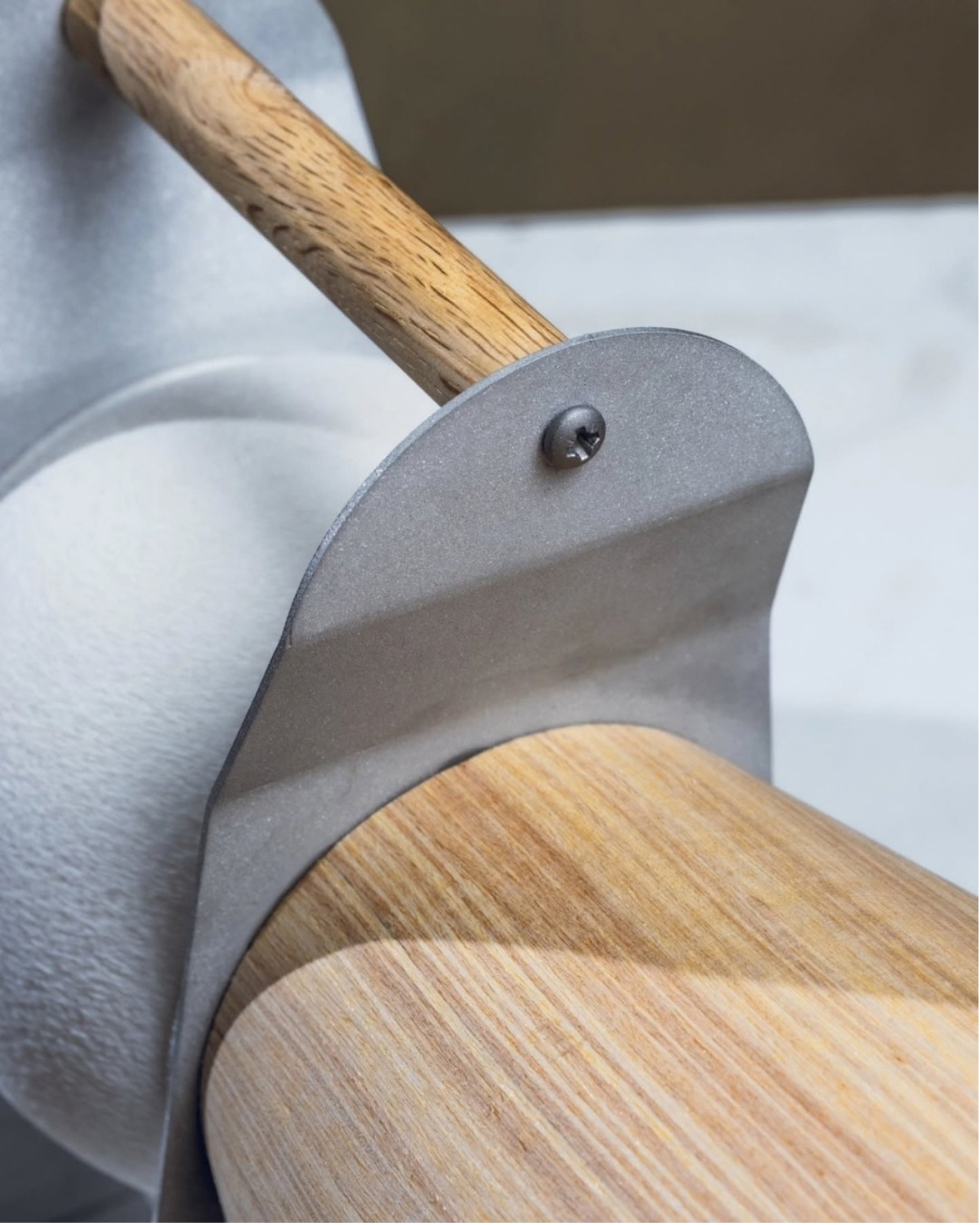
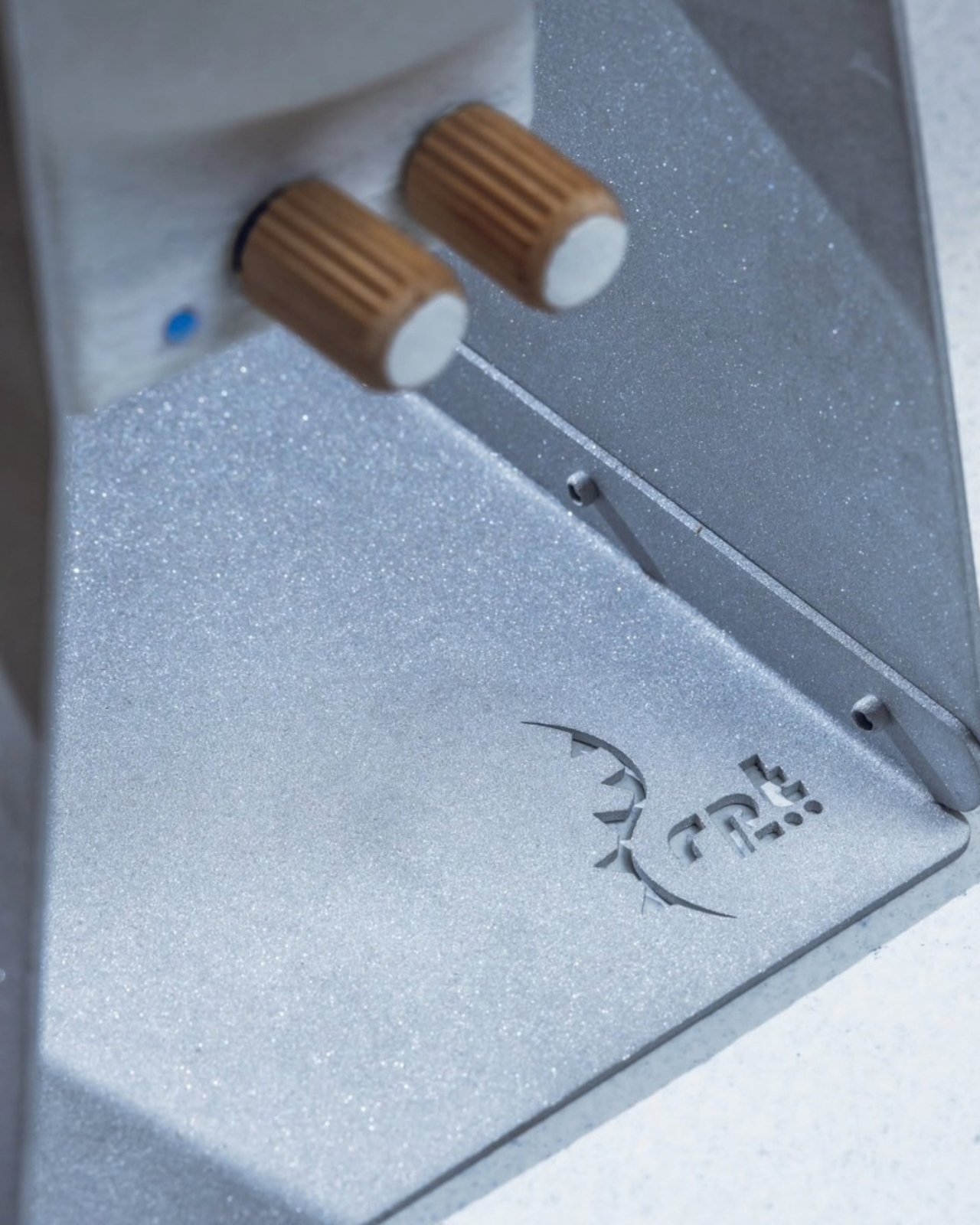
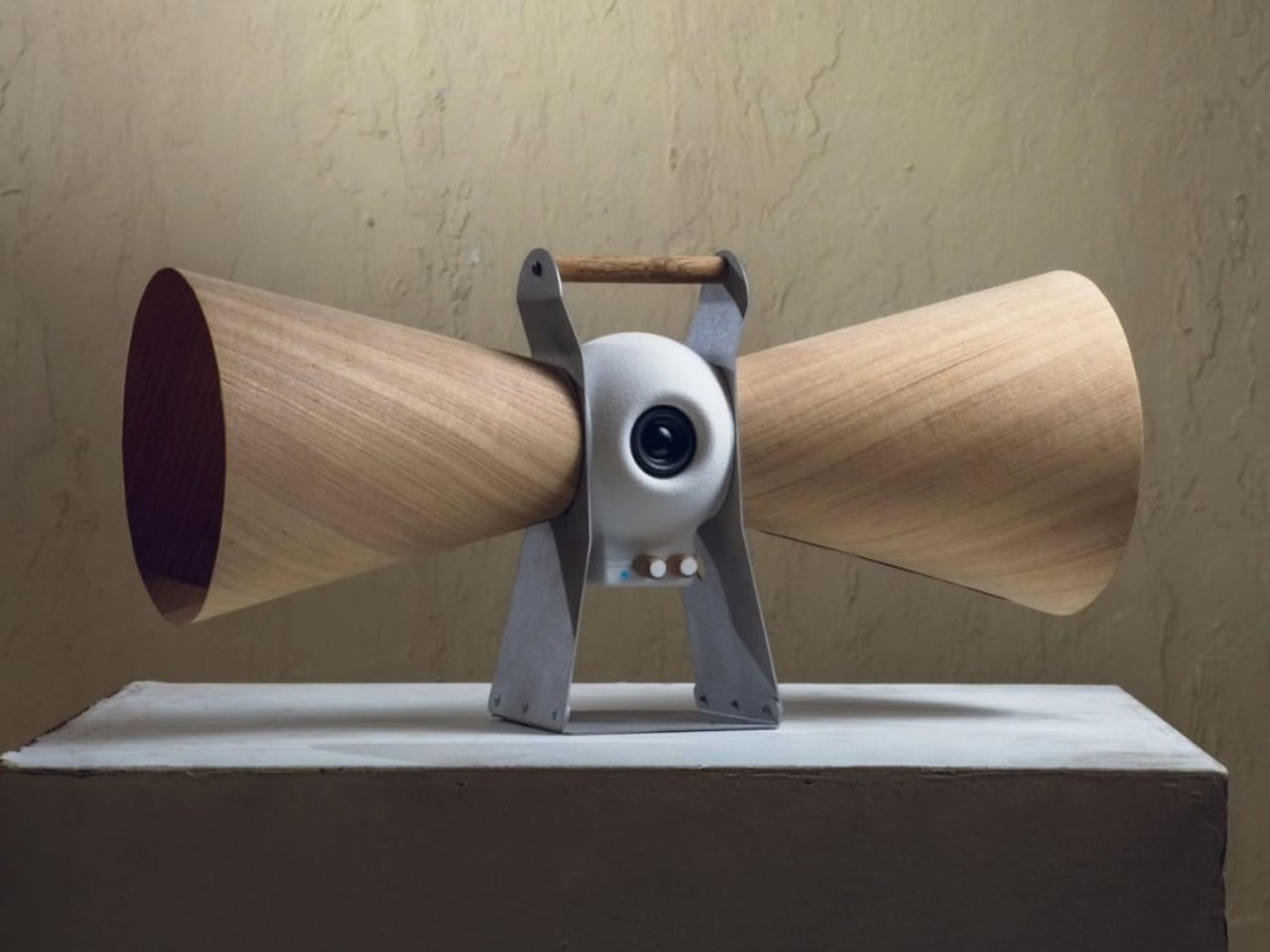
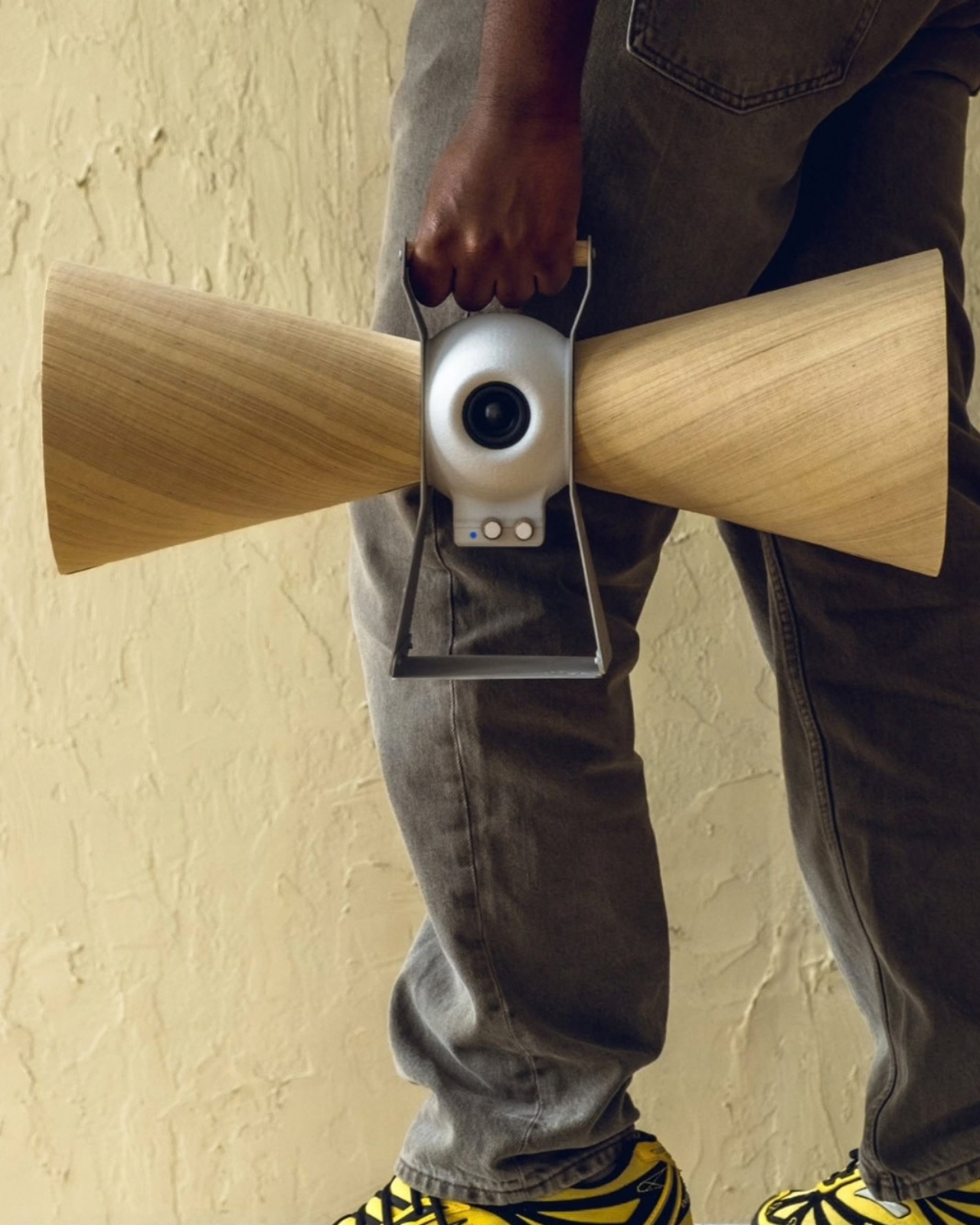
Larry Tchogninou’s new speaker, Gankéké, pushes back on that quietly accepted trade off. Instead of starting from a generic pod shape, he built the entire object around the form of the gankéké, a double bell used in ceremonial and communal music across Benin, where Tchogninou is from. The result is a speaker shaped like two flared cones meeting at a center point, wrapped in wood veneer, and mounted on a sandblasted aluminum frame with an oak dowel handle running through the top. It looks nothing like a gadget. It looks like an instrument that happens to play your Spotify queue.

Designer: Larry Tchogninou

Tchogninou is a Chicago based architect and designer who was mentored early on by Virgil Abloh, and that lineage shows up in how he treats materials as carriers of meaning rather than just finishes. He has said he started making Gankéké after realizing how many audio gadgets he had been gifted over the years without ever understanding how any of them actually worked. So he built his own, and instead of hiding the engineering, he built a housing that turns the mechanics into the whole point of looking at it.

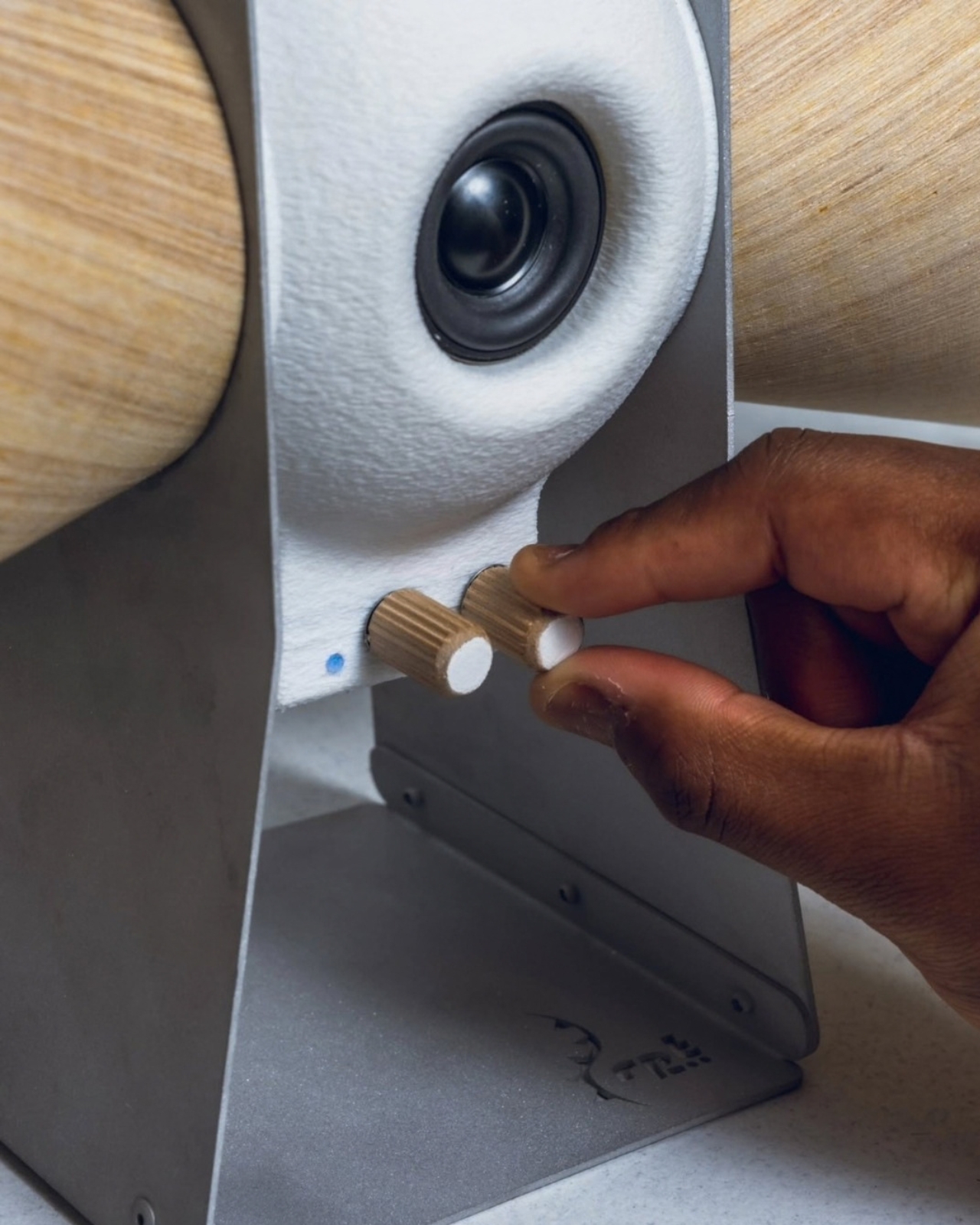
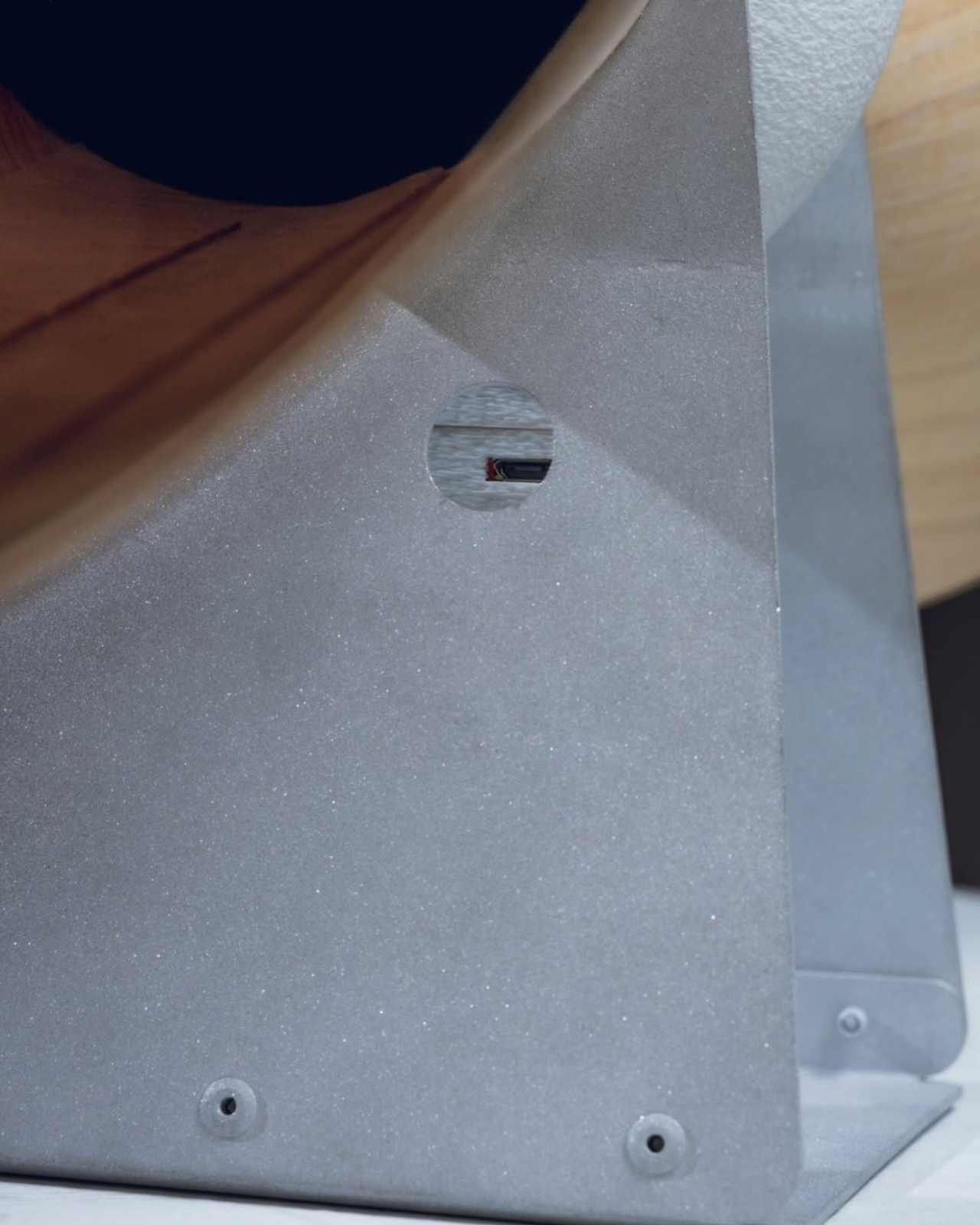
Inside the two wooden horns sit lateral speakers, with a central subwoofer positioned between them in a magnet to magnet configuration for stability. The controls are refreshingly analog for something wireless. Volume and power sit on the right side, a dedicated bass dial sits on the left, and there is a micro USB charging port along with a line in jack for anyone who still wants a wired connection. Tchogninou says it holds about three hours of playback at medium volume, which is not going to outlast a flight to Los Angeles, but that was never really the pitch.

What actually sells the object is the craft. Every unit is made to order, built from plastic, wood veneer, dowels, and sandblasted aluminum, with a four week lead time before it ships. That kind of patience is rare in a category where most people expect same day delivery for a speaker they will forget about in a year. Gankéké costs $700, which sounds steep next to a mass produced speaker until you consider what you are actually paying for. You are not buying a component. You are buying a small sculpture with a working speaker built into its logic, made by one person who understood the shape before he understood the circuitry.

I like that this object does not try to hide where it came from to seem more universal. A lot of design aimed at a broad audience tends to sand down anything culturally specific until it reads as generically modern. Gankéké does the opposite. It keeps the bell shape legible, keeps the name intact, and lets the story sit right on the surface instead of tucking it into a press release nobody reads. That choice makes the object feel less like a lifestyle accessory and more like a small act of memory that happens to also connect to your phone.

Objects like this will never replace the fifty dollar speaker that lives in a gym bag, and that is fine, because that was never the competition. What Gankéké actually competes with is the idea that a speaker has to be forgettable to be useful. It does not. It can hold a shape passed down through generations, sit on a shelf as something worth looking at, and still play music when you need it to. That combination is harder to pull off than it sounds, and Tchogninou managed it without making the object feel like a costume.

The post The Bluetooth Speaker Hidden Inside a Wood Sculpture first appeared on Yanko Design.

Surprising Samsung Galaxy S27 Ultra Rumors Surface Early

Surprising Samsung Galaxy S27 Ultra Rumors Surface Early The back camera module of a Samsung Galaxy smartphone

The Samsung Galaxy S27 Ultra is poised to push the boundaries of smartphone video recording, potentially powered by Qualcomm’s Snapdragon 8 Elite Extreme Gen 6 chip. This advanced processor could enable 8K video recording at 60 frames per second (fps) and 4K slow-motion at 240fps, setting new benchmarks for mobile videography. However, achieving these capabilities […]

The post Surprising Samsung Galaxy S27 Ultra Rumors Surface Early appeared first on Geeky Gadgets.

Posted in Uncategorized

Veo’s Rover Trike Actually Solves Shared Mobility’s Biggest Gap

Standing scooters have a way of quietly sorting the world into two groups: people who can hop on and zip off, and everyone else. If you’ve got balance issues, a bad hip, low vision, or you’re just pushing a stroller and can’t manage handlebars with one arm, shared micromobility has never really been built with you in mind. Veo’s new Rover trike is the first real attempt I’ve seen to close that gap.

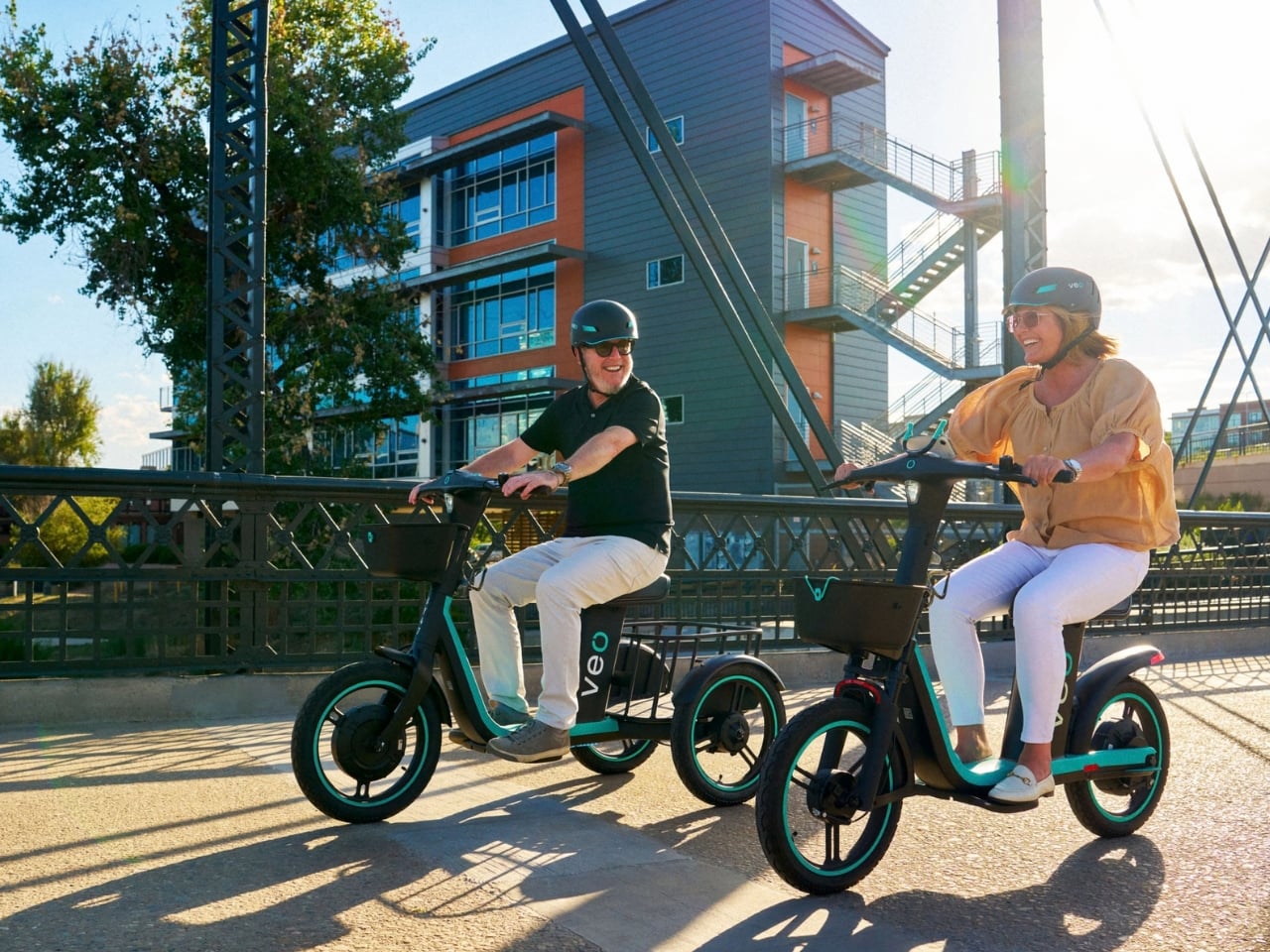
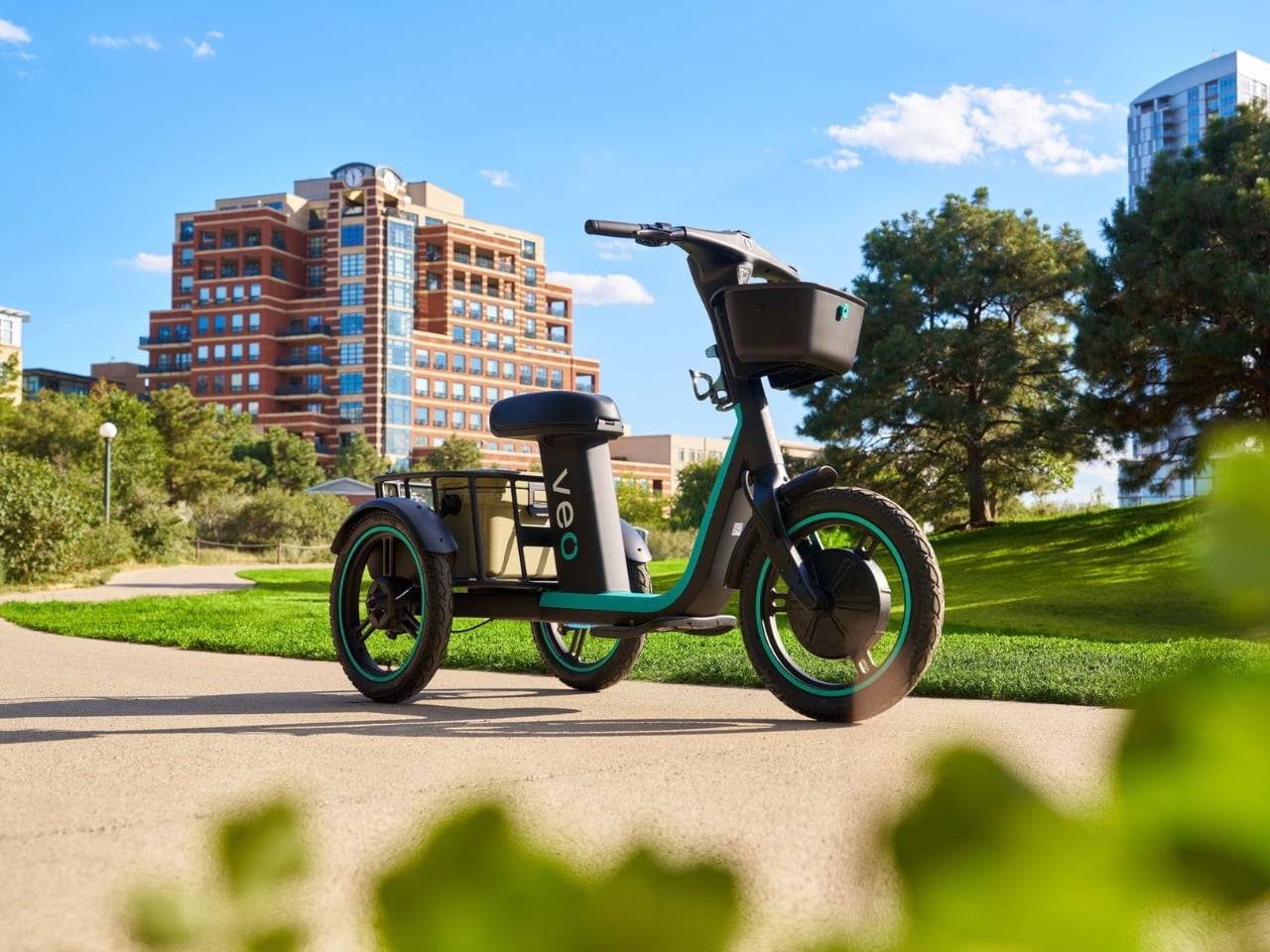
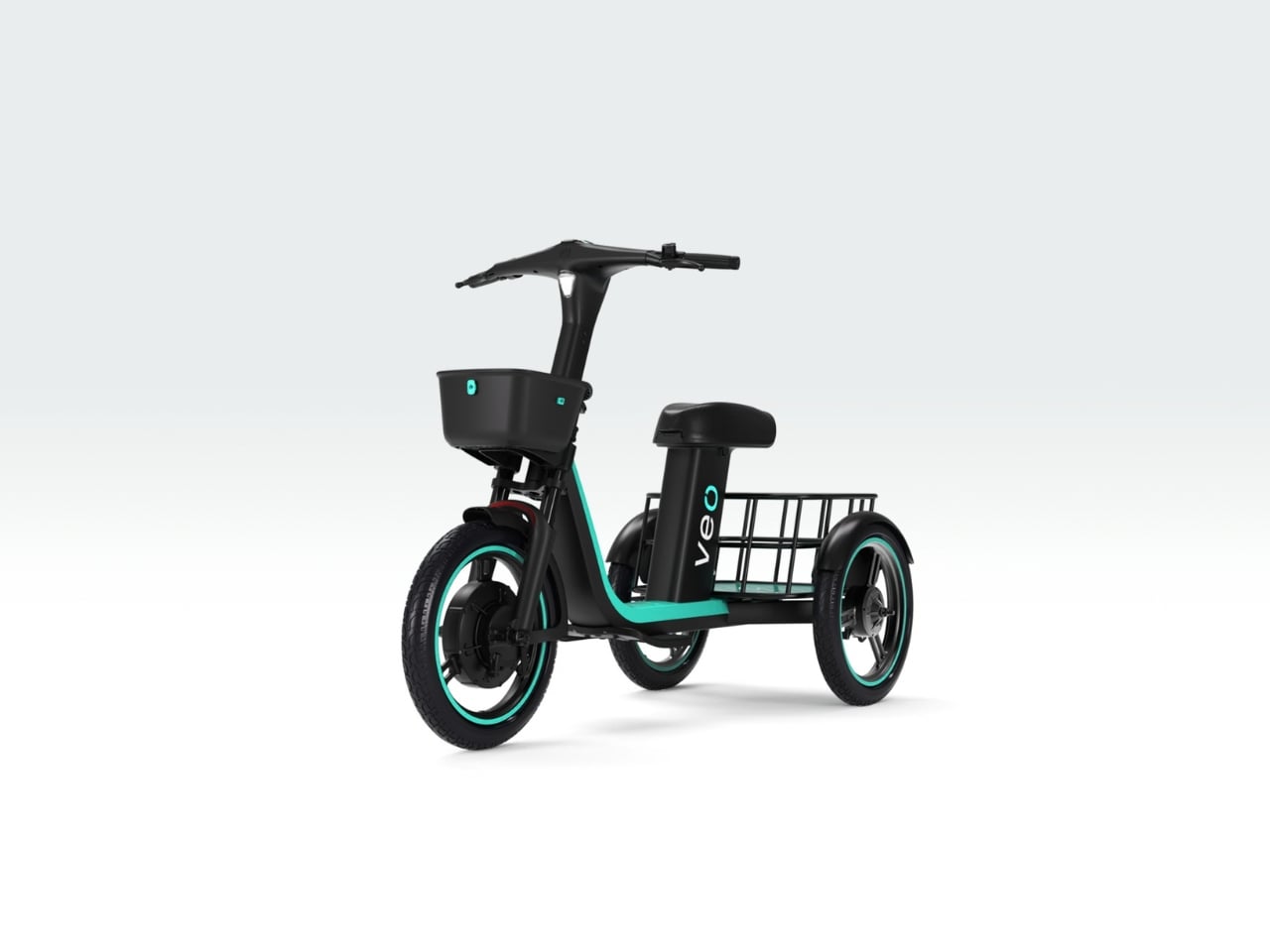
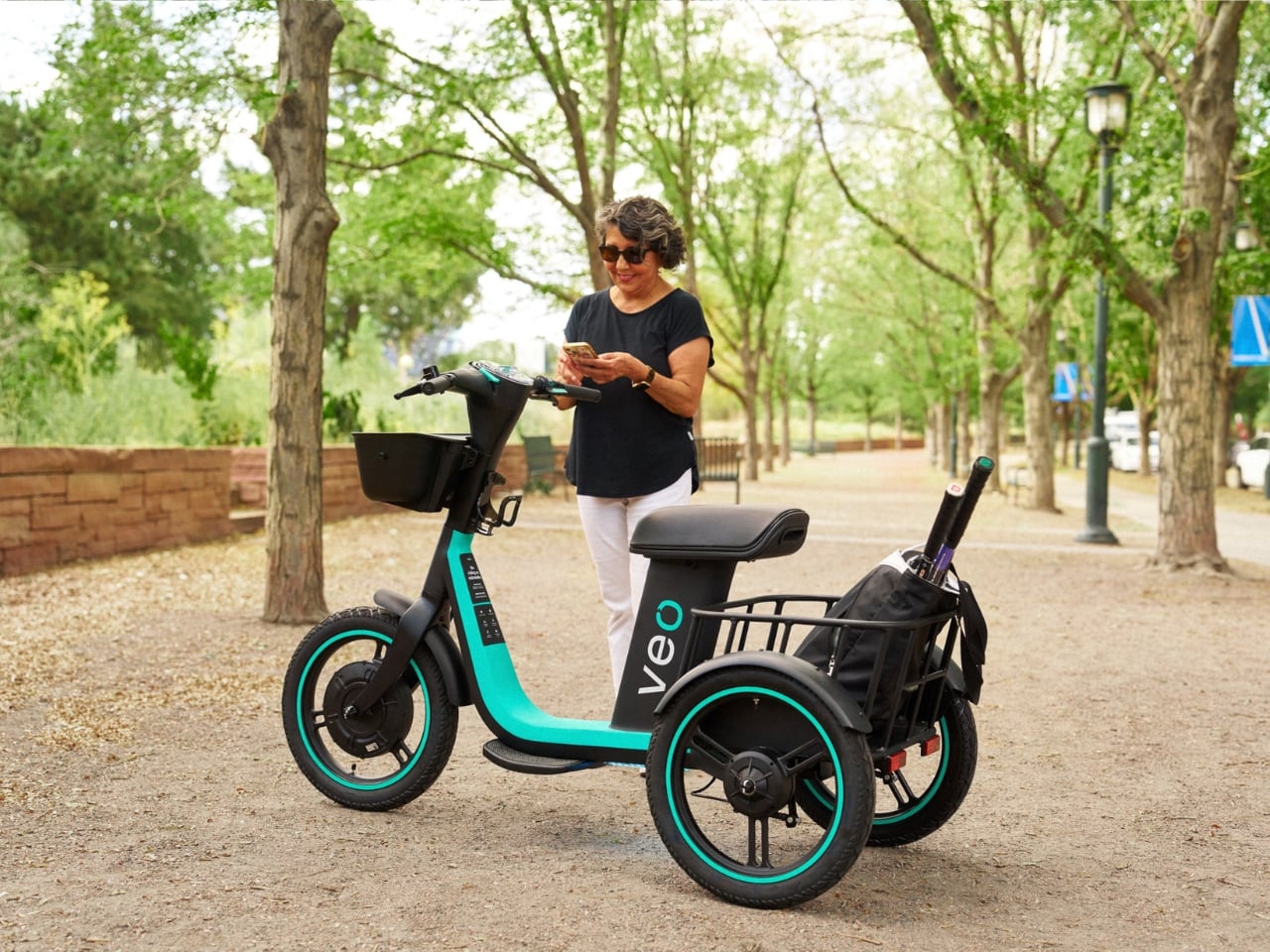
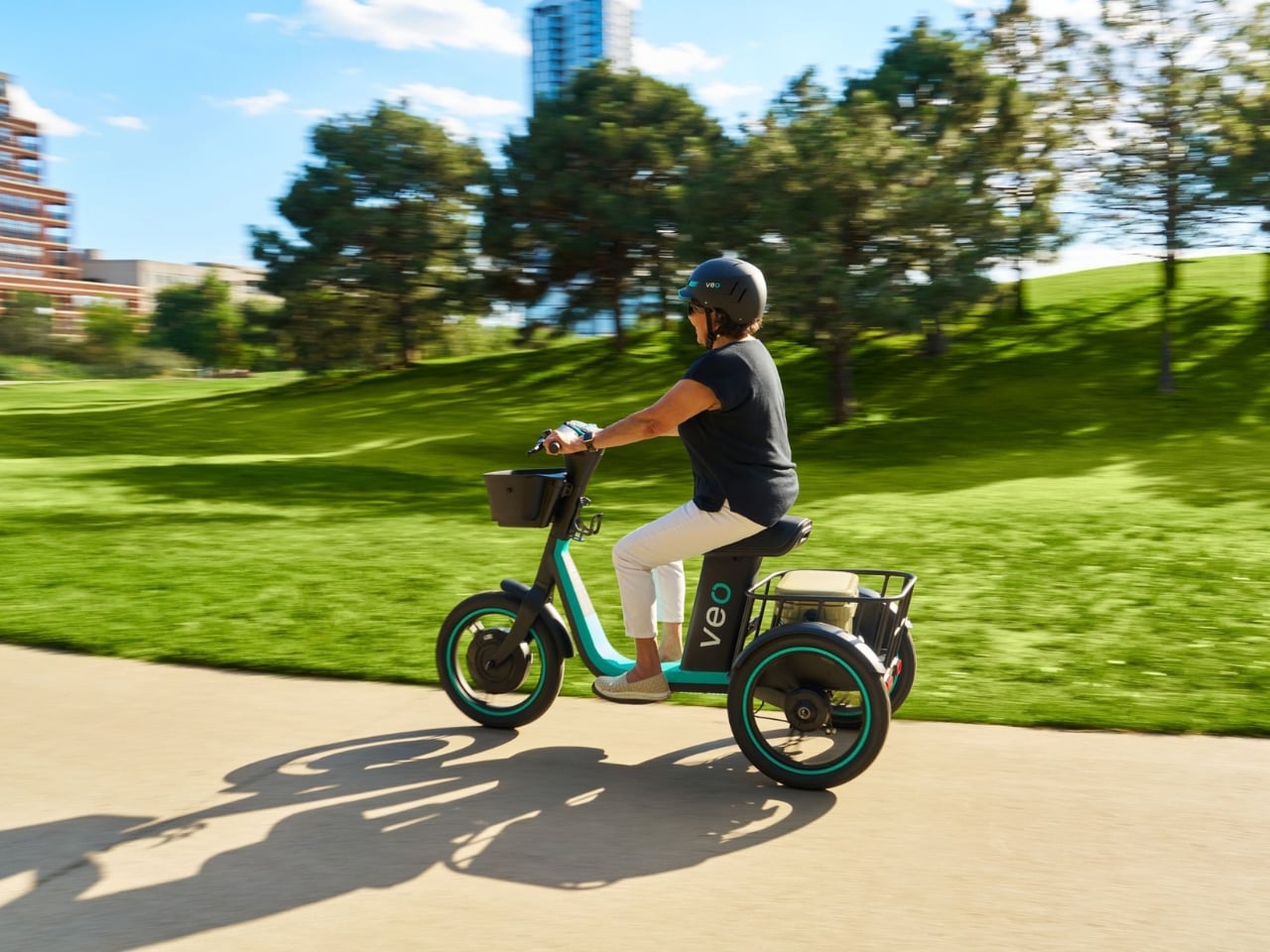
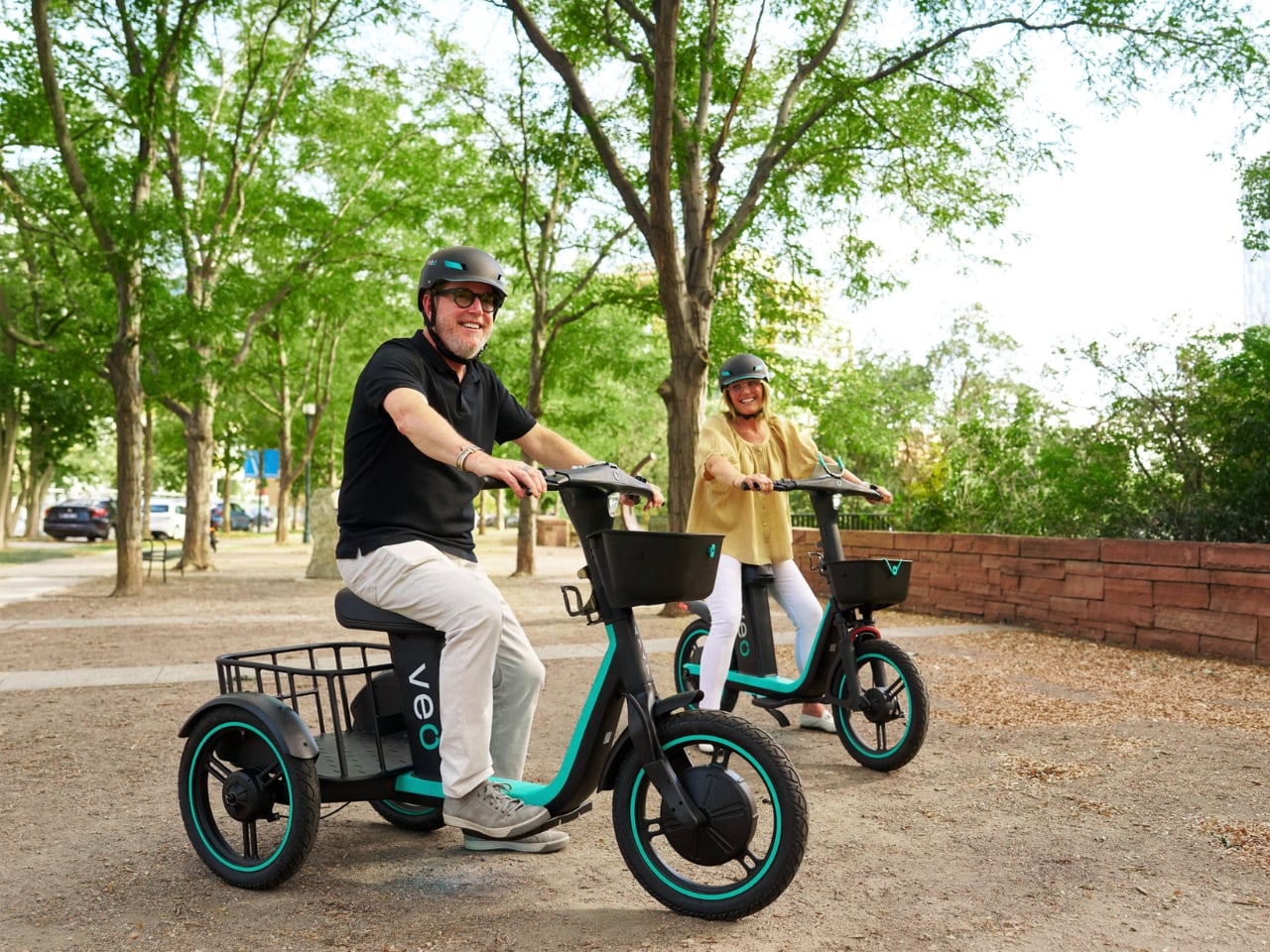
Launched this summer in Denver, Rover is a three-wheeled, seated electric vehicle that looks less like a scooter and more like a cross between a golf cart and a rickshaw, minus the driver. It’s low to the ground, has a cushioned seat, a throttle instead of pedals, and baskets front and back that can haul up to 100 pounds of groceries, bags, or a folded walker. Fifty of them are currently rolling through downtown Denver as part of the city’s shared fleet, alongside the usual scooters and e-bikes.

Designer: Veo
What makes this launch worth paying attention to is not the hardware so much as who Veo built it for. The company spent nearly two years working with disability advocates, older adults, and more than 20 organizations, including the Parkinson’s Foundation and Capitol Hill Village, before finalizing the design. That’s not a marketing footnote. It’s the difference between a company slapping “accessible” on a spec sheet and one that actually sat with riders who’d been shut out of shared transit for years.
Anna Zivarts, who directs the Nondrivers Alliance and wrote the book on what it means to navigate American cities without a license, put it plainly: shared micromobility has excluded a lot of disabled people and anyone uncomfortable balancing on two wheels. That’s a quiet admission for an industry that’s spent the last decade selling itself as the future of urban freedom. Freedom, it turns out, only counted if you could already stand up and steady yourself at ten miles an hour.
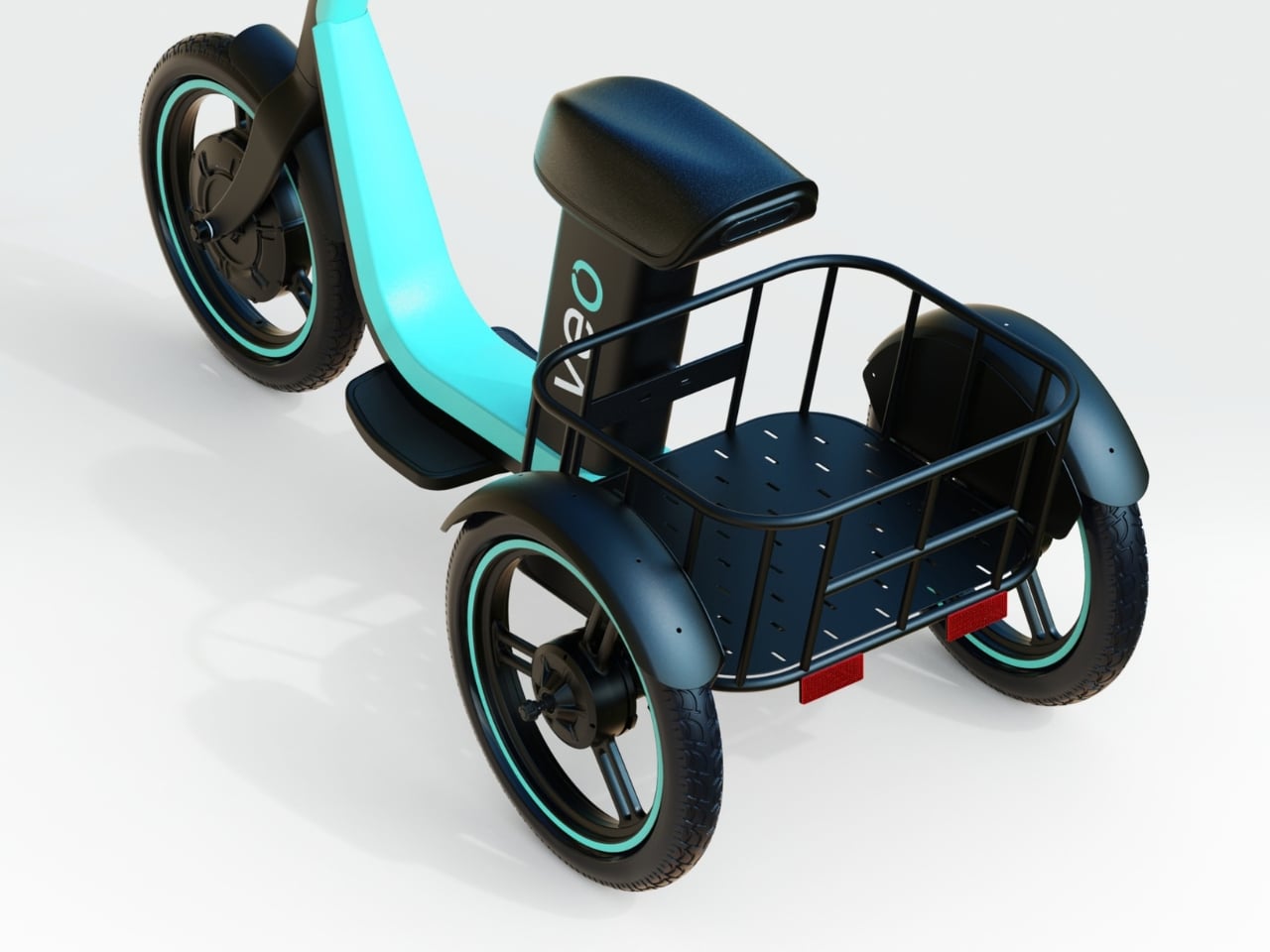
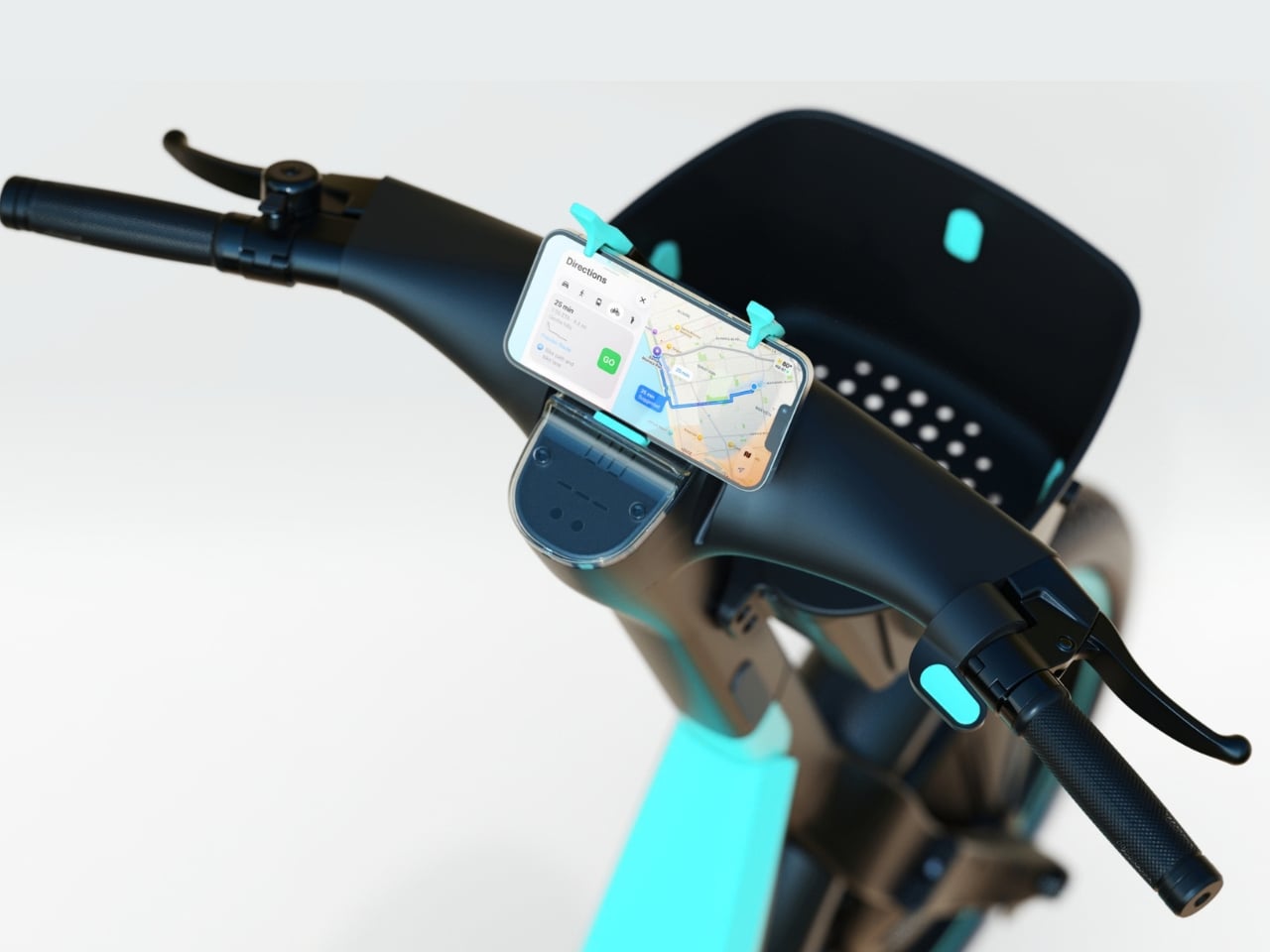
Rover tops out at 10 mph, which sounds unglamorous until you consider what that speed is doing. It’s not chasing the thrill of a scooter; it’s chasing confidence. A three-wheeled base means no tipping over at a stoplight. Throttle assist means no straining up a hill or nursing a bad knee through a pedal stroke. The vehicle is 2.5 feet wide, narrow enough to navigate a normal bike lane without becoming a hazard to itself or anyone else on the path.
I like that Veo didn’t try to disguise who this is for. A lot of adaptive design gets watered down into something “universal” so it doesn’t look like a medical device, and in the process it loses the features that actually made it useful. Rover doesn’t do that. It looks like what it is: a stable, cargo-friendly, seated ride that happens to also work fine for a tourist who doesn’t want to fall off a scooter on cobblestones. Good accessible design tends to work that way. It never needed to be secretly for everyone. It just needed to actually work for the people it was built for first.
Denver makes sense as a proving ground. The city already runs one of the largest and most varied shared micromobility programs in North America, with about 9,000 vehicles in rotation, so a new form factor doesn’t have to fight for infrastructure that isn’t there yet. Veo says it’s watching rider feedback closely before deciding whether Rover expands citywide or beyond Denver altogether, which feels like the right amount of caution for a vehicle type nobody has really tested at scale before.
Whether Rover becomes a fixture in other American cities depends on things design alone can’t solve: pricing, docking logistics, whether cities are willing to give trikes the same curb space as scooters. But as a statement of intent, it’s hard to argue with. Shared mobility spent a decade optimizing for speed and cool factor. Rover is the first one I’ve seen optimize for who actually gets to ride at all.
The post Veo’s Rover Trike Actually Solves Shared Mobility’s Biggest Gap first appeared on Yanko Design.

Veo’s Rover Trike Actually Solves Shared Mobility’s Biggest Gap

Standing scooters have a way of quietly sorting the world into two groups: people who can hop on and zip off, and everyone else. If you’ve got balance issues, a bad hip, low vision, or you’re just pushing a stroller and can’t manage handlebars with one arm, shared micromobility has never really been built with you in mind. Veo’s new Rover trike is the first real attempt I’ve seen to close that gap.

Launched this summer in Denver, Rover is a three-wheeled, seated electric vehicle that looks less like a scooter and more like a cross between a golf cart and a rickshaw, minus the driver. It’s low to the ground, has a cushioned seat, a throttle instead of pedals, and baskets front and back that can haul up to 100 pounds of groceries, bags, or a folded walker. Fifty of them are currently rolling through downtown Denver as part of the city’s shared fleet, alongside the usual scooters and e-bikes.

Designer: Veo

What makes this launch worth paying attention to is not the hardware so much as who Veo built it for. The company spent nearly two years working with disability advocates, older adults, and more than 20 organizations, including the Parkinson’s Foundation and Capitol Hill Village, before finalizing the design. That’s not a marketing footnote. It’s the difference between a company slapping “accessible” on a spec sheet and one that actually sat with riders who’d been shut out of shared transit for years.

Anna Zivarts, who directs the Nondrivers Alliance and wrote the book on what it means to navigate American cities without a license, put it plainly: shared micromobility has excluded a lot of disabled people and anyone uncomfortable balancing on two wheels. That’s a quiet admission for an industry that’s spent the last decade selling itself as the future of urban freedom. Freedom, it turns out, only counted if you could already stand up and steady yourself at ten miles an hour.

Rover tops out at 10 mph, which sounds unglamorous until you consider what that speed is doing. It’s not chasing the thrill of a scooter; it’s chasing confidence. A three-wheeled base means no tipping over at a stoplight. Throttle assist means no straining up a hill or nursing a bad knee through a pedal stroke. The vehicle is 2.5 feet wide, narrow enough to navigate a normal bike lane without becoming a hazard to itself or anyone else on the path.

I like that Veo didn’t try to disguise who this is for. A lot of adaptive design gets watered down into something “universal” so it doesn’t look like a medical device, and in the process it loses the features that actually made it useful. Rover doesn’t do that. It looks like what it is: a stable, cargo-friendly, seated ride that happens to also work fine for a tourist who doesn’t want to fall off a scooter on cobblestones. Good accessible design tends to work that way. It never needed to be secretly for everyone. It just needed to actually work for the people it was built for first.

Denver makes sense as a proving ground. The city already runs one of the largest and most varied shared micromobility programs in North America, with about 9,000 vehicles in rotation, so a new form factor doesn’t have to fight for infrastructure that isn’t there yet. Veo says it’s watching rider feedback closely before deciding whether Rover expands citywide or beyond Denver altogether, which feels like the right amount of caution for a vehicle type nobody has really tested at scale before.

Whether Rover becomes a fixture in other American cities depends on things design alone can’t solve: pricing, docking logistics, whether cities are willing to give trikes the same curb space as scooters. But as a statement of intent, it’s hard to argue with. Shared mobility spent a decade optimizing for speed and cool factor. Rover is the first one I’ve seen optimize for who actually gets to ride at all.

The post Veo’s Rover Trike Actually Solves Shared Mobility’s Biggest Gap first appeared on Yanko Design.
Waveshare PocketTerm35 Turns Raspberry Pi 5 Into a Handheld

Waveshare PocketTerm35 Turns Raspberry Pi 5 Into a Handheld Fully assembled Waveshare PocketTerm35 displaying a Linux terminal screen.

The Waveshare PocketTerm35 offers a compact and portable computing experience built around the Raspberry Pi 4 or 5, making it a versatile choice for various applications. With a 3.5-inch IPS touchscreen at 640×480 resolution and a built-in rubber-key keyboard, it balances portability and usability for tasks like programming, IoT management and retro gaming. DevelopAKR explores […]

The post Waveshare PocketTerm35 Turns Raspberry Pi 5 Into a Handheld appeared first on Geeky Gadgets.

Posted in Uncategorized

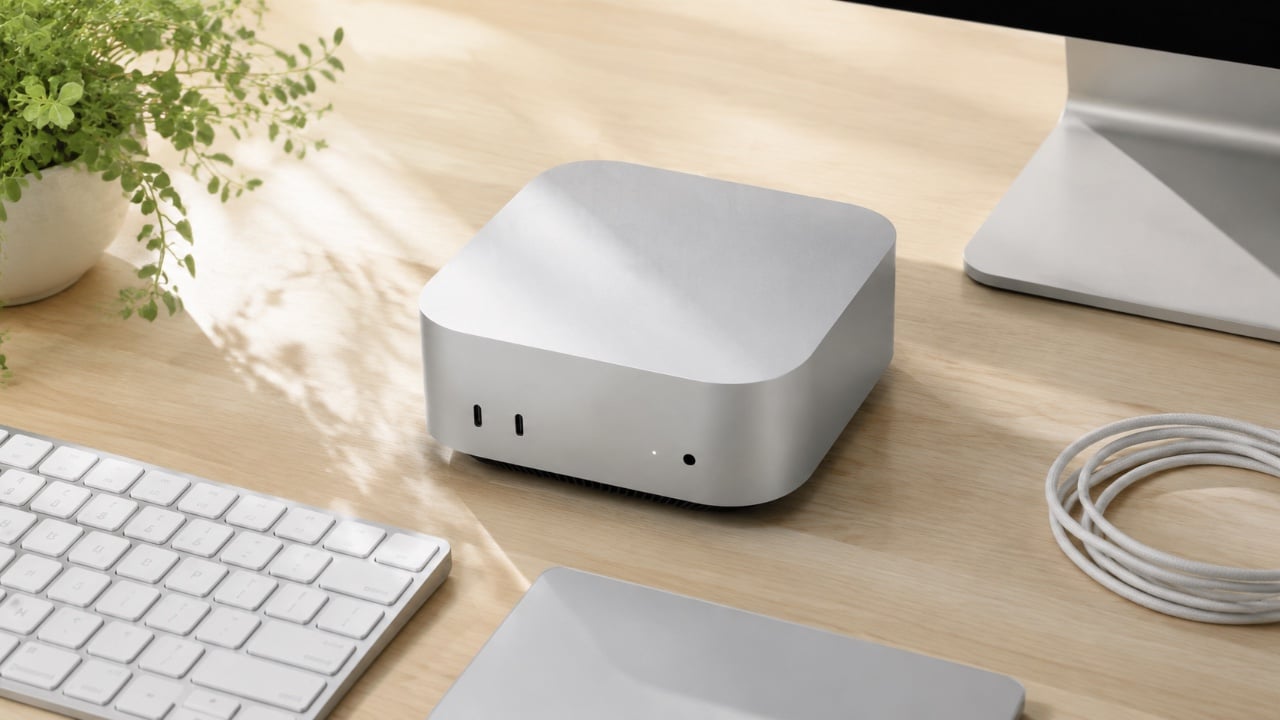
Why the New M6 Mac Mini Is a Massive Leap Over the M4 Model

Why the New M6 Mac Mini Is a Massive Leap Over the M4 Model M4 vs M6 Mac Mini

Apple has introduced the Mac Mini M6, a notable advancement in its desktop computer lineup. Powered by the innovative 2-nanometer M6 chip, this compact device delivers a significant boost in performance, enhanced memory bandwidth, and advanced AI capabilities. Despite these internal upgrades, the Mac Mini M6 retains its signature sleek and minimalist design, making it […]

The post Why the New M6 Mac Mini Is a Massive Leap Over the M4 Model appeared first on Geeky Gadgets.

Posted in Uncategorized

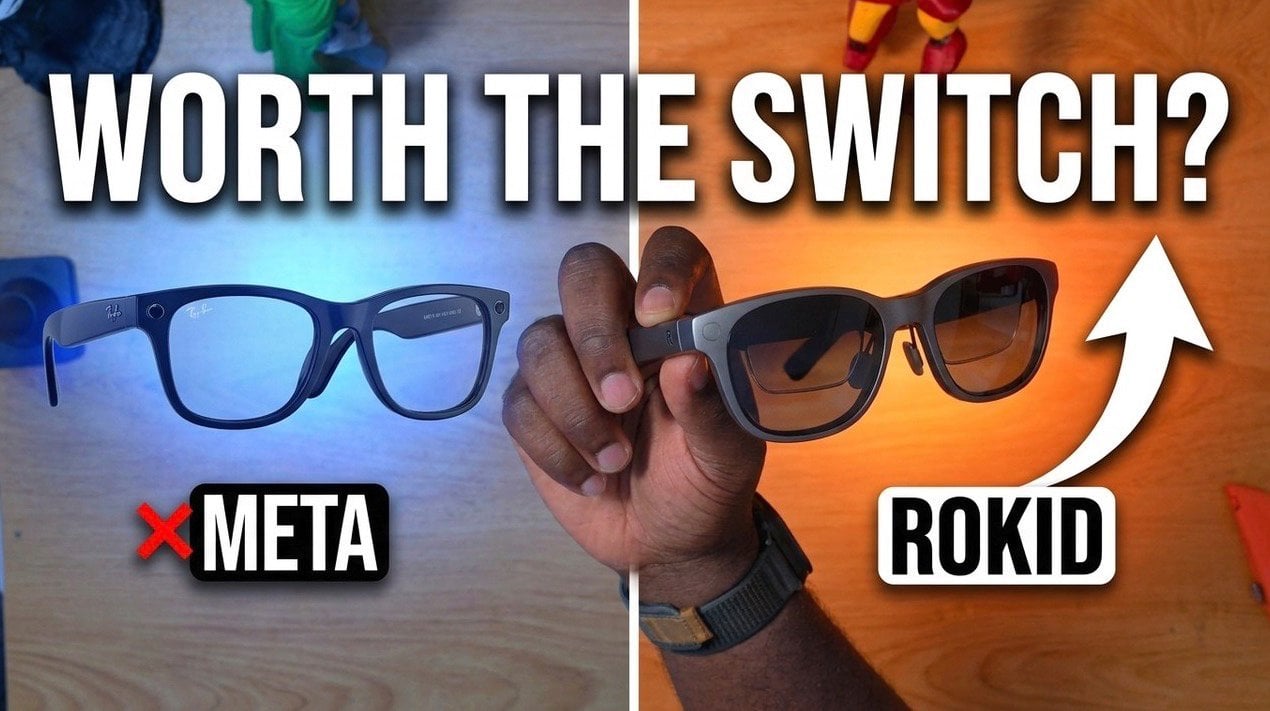
Rokid AI Glasses Undercut Meta Ray-Bans with $299 Price

Rokid AI Glasses Undercut Meta Ray-Bans with $299 Price Person wearing Rokid AI glasses with built-in display outdoors

Rokid AI glasses offer a distinct approach to wearable technology by combining advanced functionality with practical design. The lineup includes two models: one featuring a micro-LED display for real-time visual feedback and another lighter, audio-centric version optimized for hands-free use. Both models are equipped with integrated cameras, microphones and speakers, allowing capabilities such as voice […]

The post Rokid AI Glasses Undercut Meta Ray-Bans with $299 Price appeared first on Geeky Gadgets.

Posted in Uncategorized

Paperclip Assigns CEO and CTO Roles to Manage AI Agents

Paperclip Assigns CEO and CTO Roles to Manage AI Agents The Paperclip meta harness dashboard showing multiple AI agents.

Paperclip is a meta framework designed to simplify the coordination of multiple AI agents by assigning them specialized roles. According to NetworkChuck, this approach allows for tasks like one agent analyzing data trends while another generates actionable reports. By structuring responsibilities in this way, Paperclip reduces redundancy and ensures that each agent contributes effectively to […]

The post Paperclip Assigns CEO and CTO Roles to Manage AI Agents appeared first on Geeky Gadgets.

Posted in Uncategorized