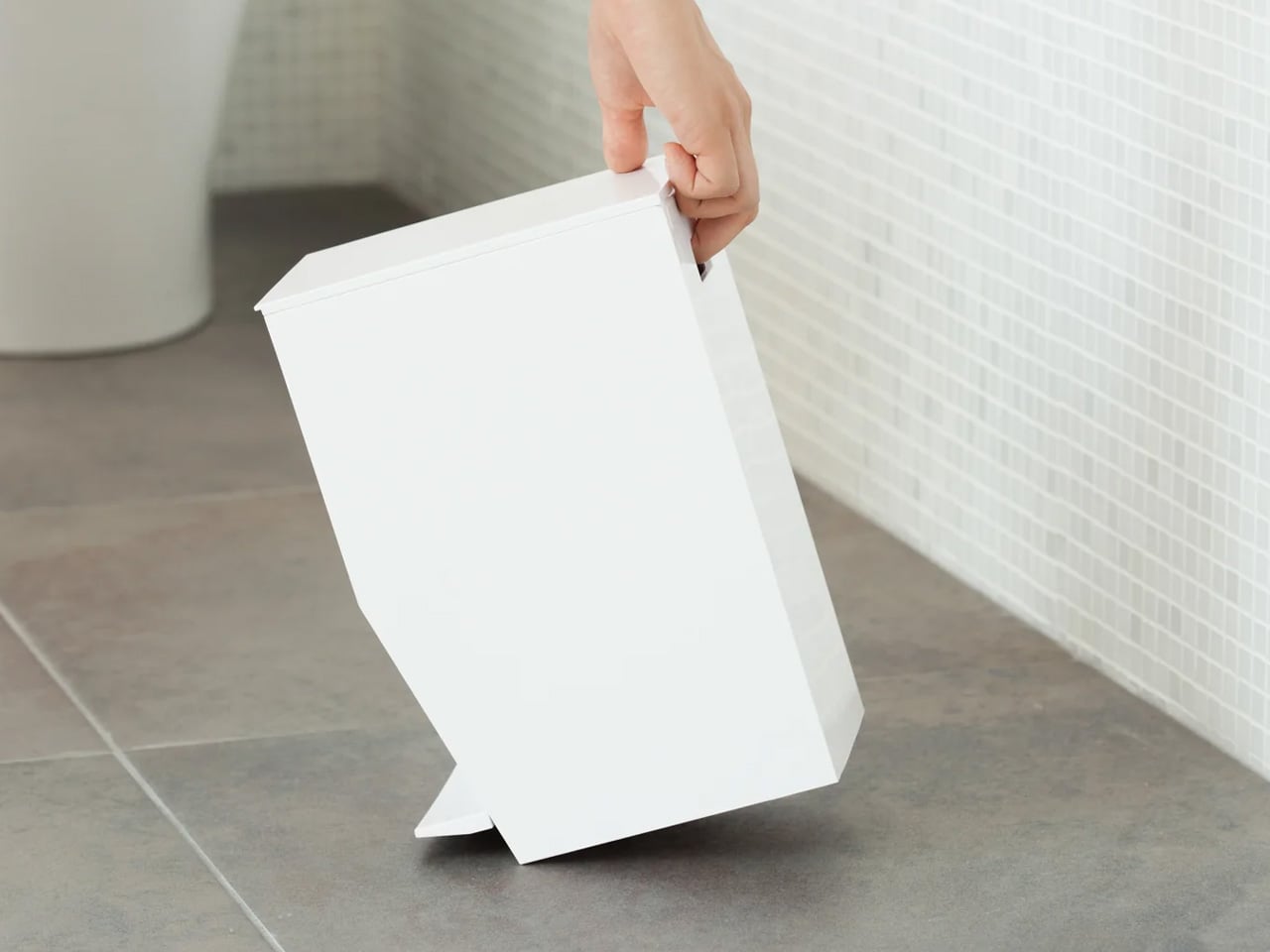
Our days are choreographed by screens. Messages stack up, tabs multiply, and even downtime quietly dissolves into endless scrolling. Everything is fast, efficient, and slightly forgettable. The more our lives move into apps and feeds, the more special it feels to hold something real, weighty, and unconnected.
This gift guide is a small rebellion against that drift. Each of these five picks invites a different kind of analog joy. They ask you to press graphite into paper, light a real flame, wait for a print to develop, or sit with an entire album. None of them need notifications to feel important. They just need a little bit of your time and attention.
Everlasting All‑Metal Pencil
The Everlasting All‑Metal Pencil is what happens when a humble everyday tool is treated like a piece of precision hardware. It looks and feels like a machined object from a design studio, not a disposable stick from a stationery aisle. There is no wood to sharpen and no plastic to crack, just a single, solid body that quietly asks to live on your desk for years.
Using it turns quick notes and margin doodles into a small ritual. The cool touch of the metal, the balance in your hand, and the clean line it leaves on the page all slow you down just enough. It is perfect for designers, architects, and notebook addicts who want something permanent in a world of temporary browser tabs. As a gift, it is that rare thing that feels both minimal and deeply considered.
Lacks the nostalgic ritual of shaprpening, which some analog purists actually enjoy.
Japanese Drawing Pad
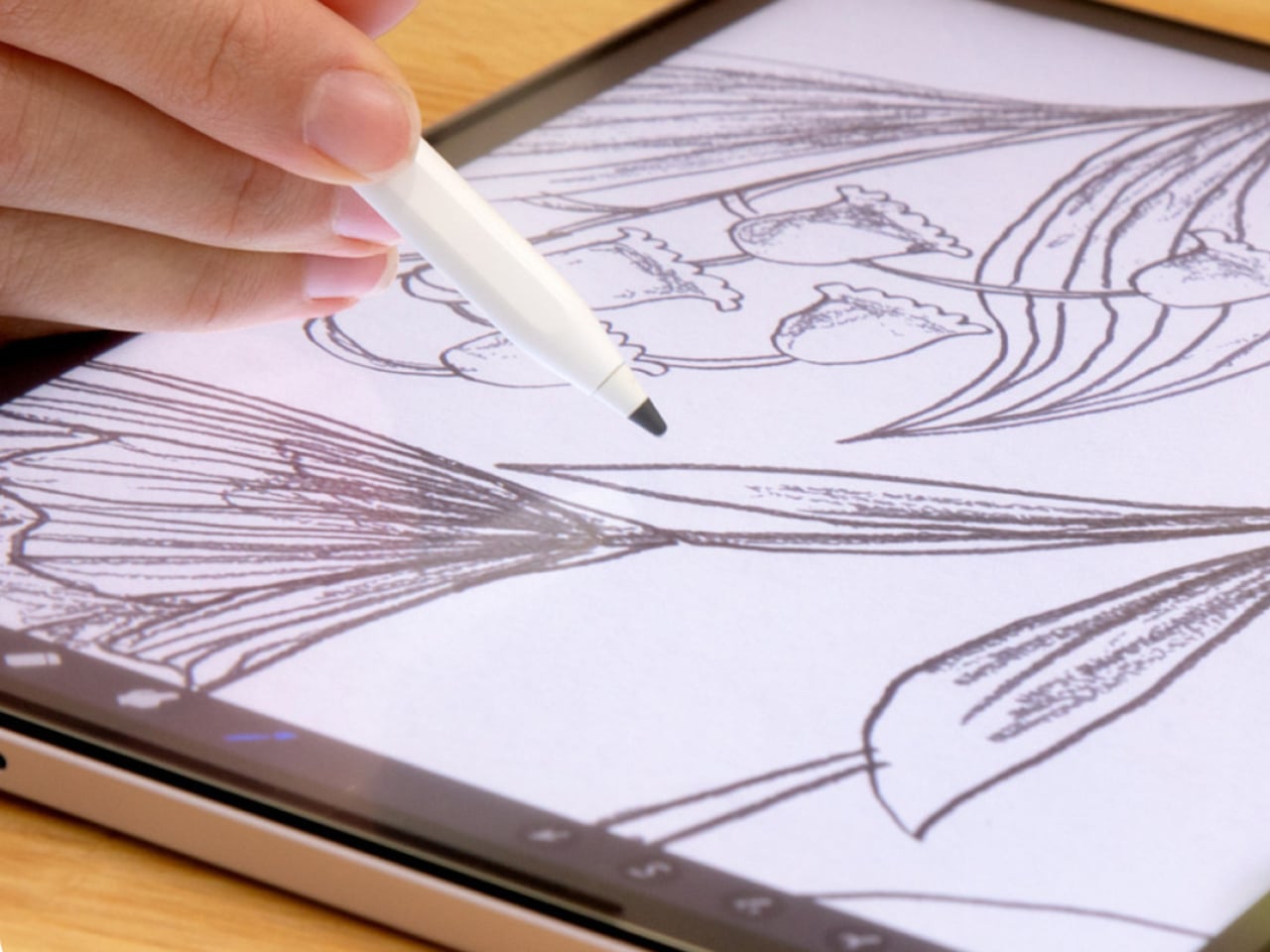
A good analog tool deserves equally good analog paper. The Japanese Drawing Pad is the quiet counterpart to the all‑metal pencil, turning loose thoughts into something you can literally flip through. Every sheet becomes a small stage for sketches, diagrams, or half‑formed ideas that would disappear instantly if they were typed into a notes app.
There is a tactile pleasure in the way the pages bend, stack, and curl over time. The pad looks clean and intentional on a desk, yet it is never precious enough to intimidate. You can fill it with messy thumbnails or careful lettering and it will still feel right. Paired with the metal pencil, it becomes a complete thinking kit, ideal for anyone who likes to step away from their screen and see ideas spread out in front of them.
High-quality paper enhances the feel of drawing and writing.
Encourages analog thinking and sketching habits.
What we dislike
Not ideal for people who prefer lined or heavily structured pages.
Fire Capsule Oil Lamp
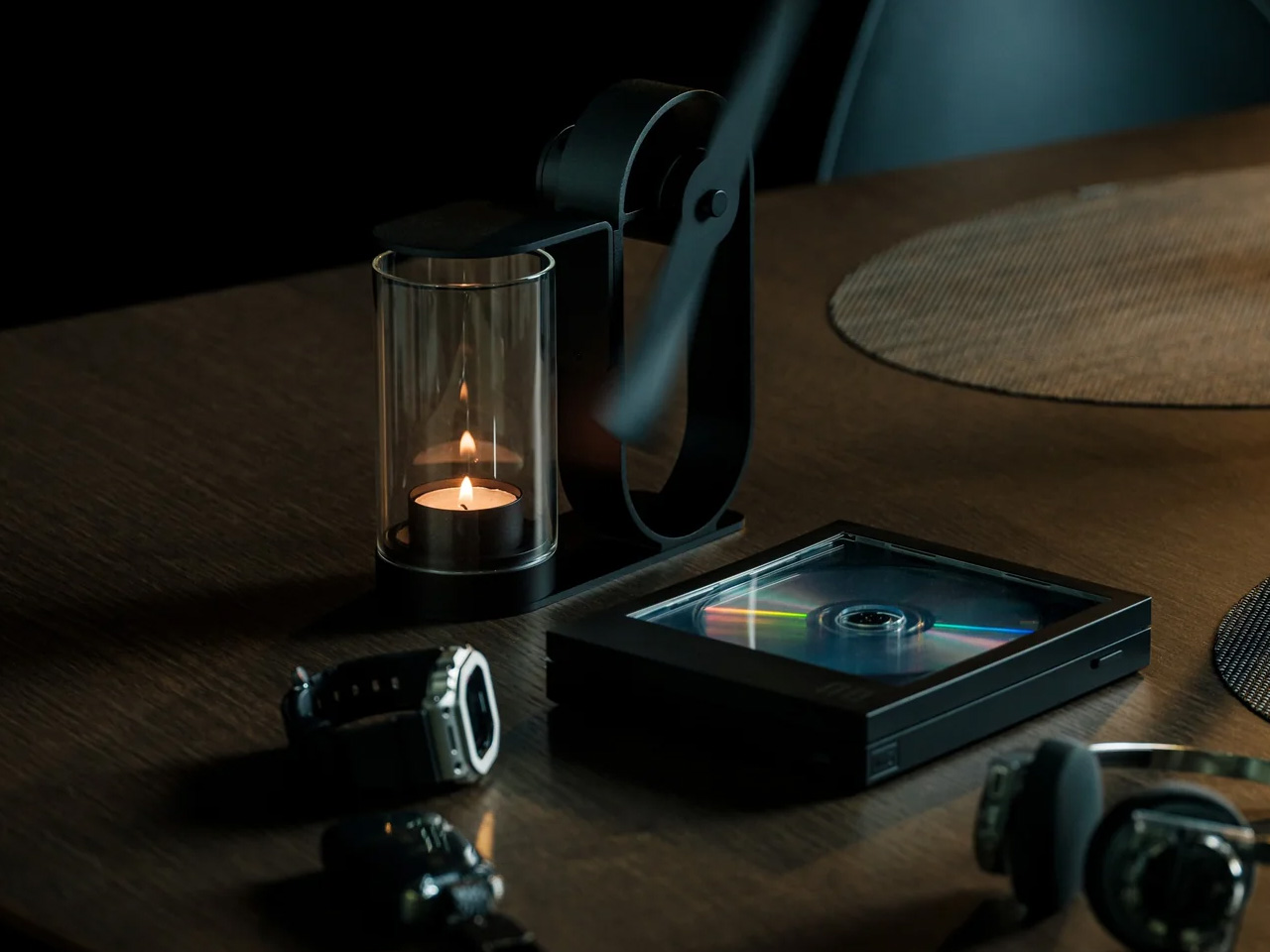
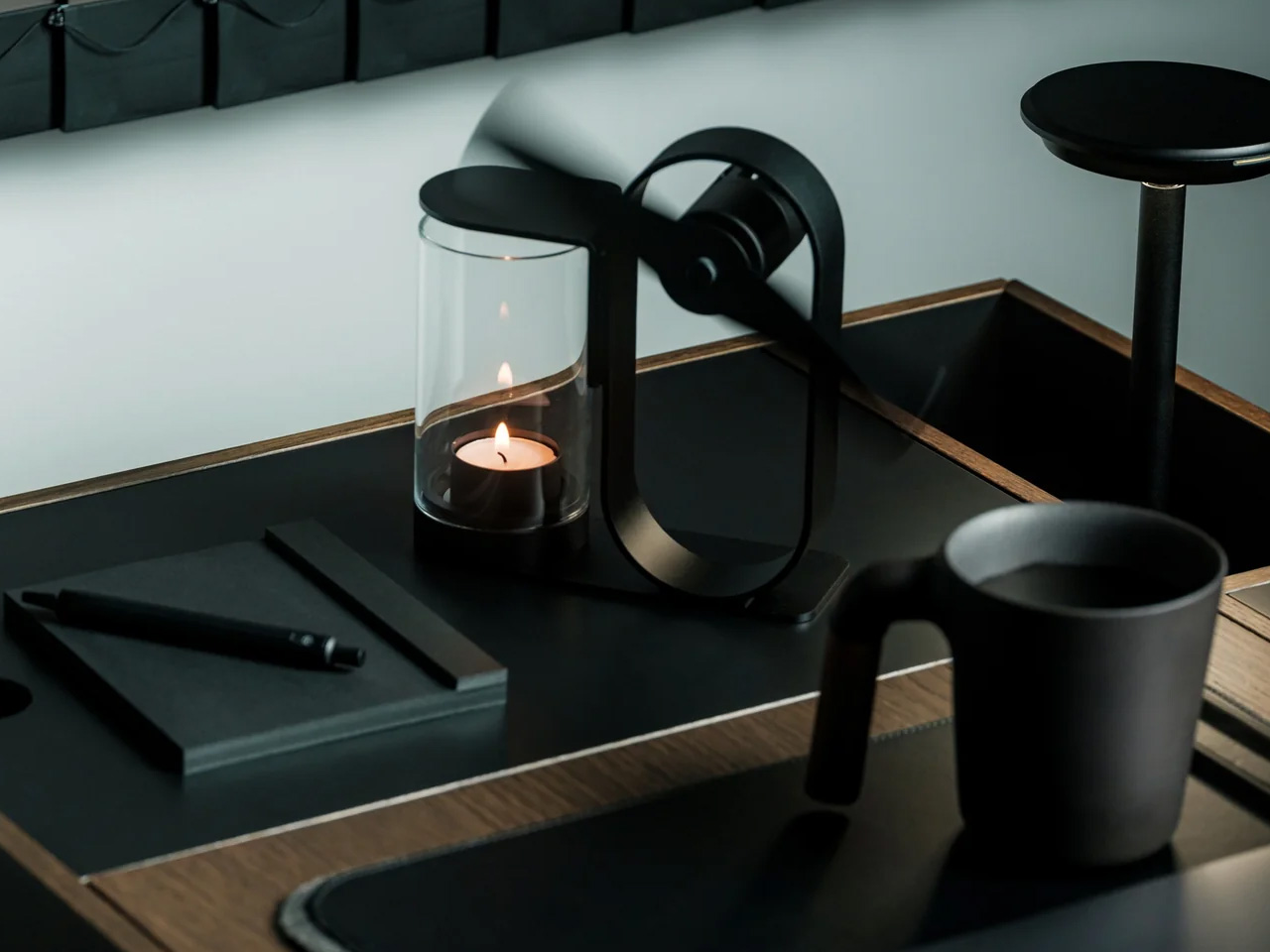
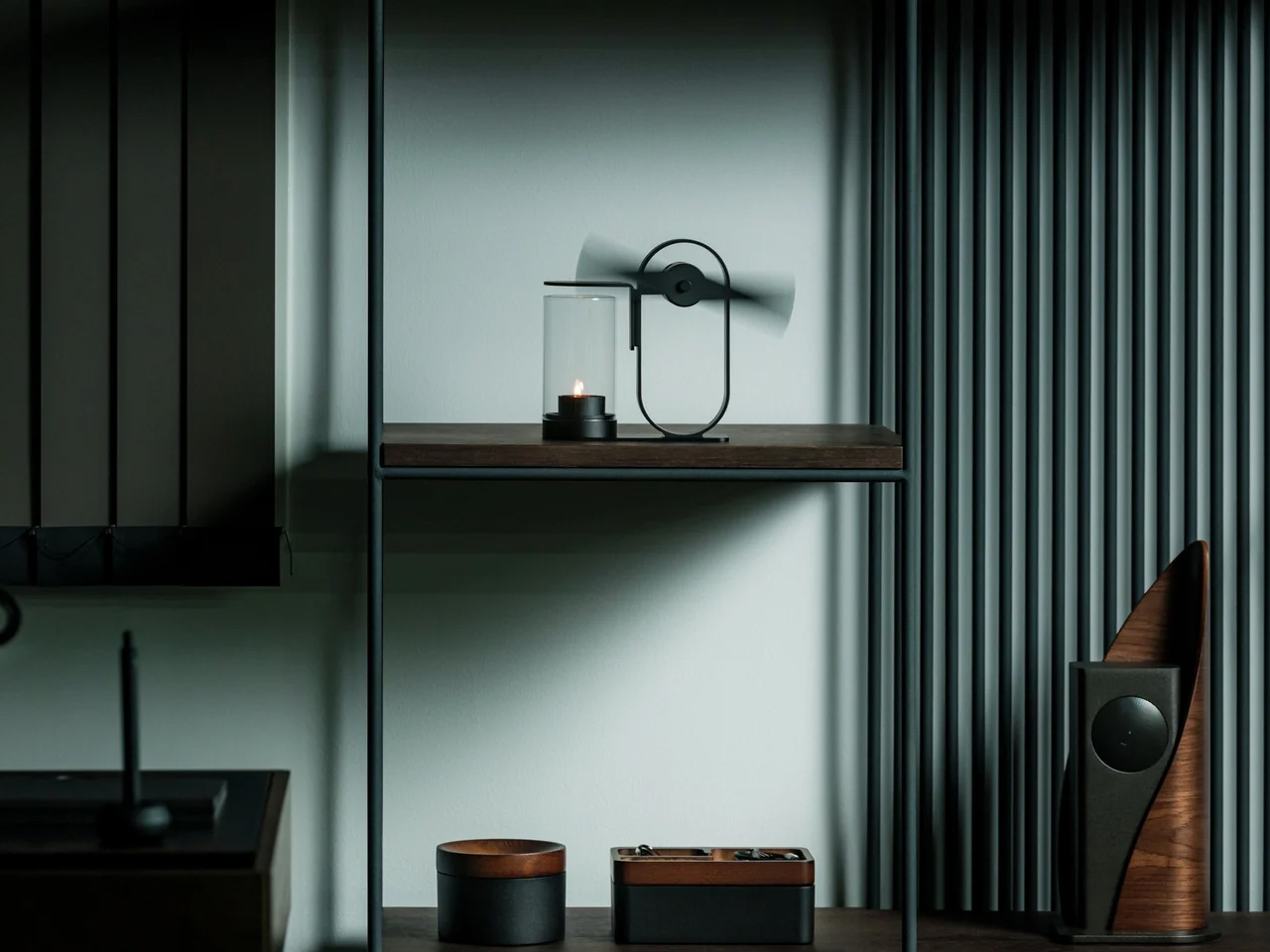
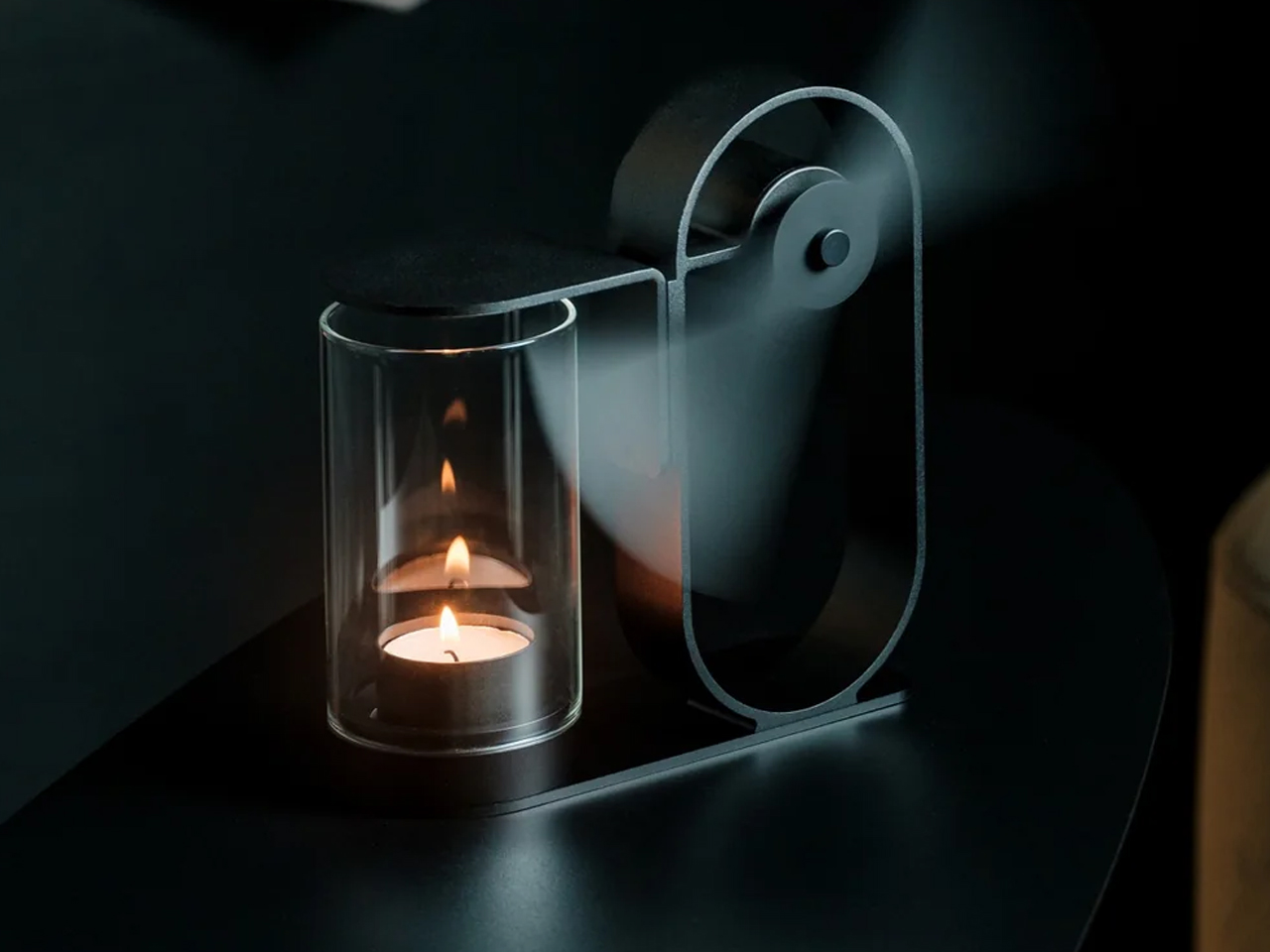
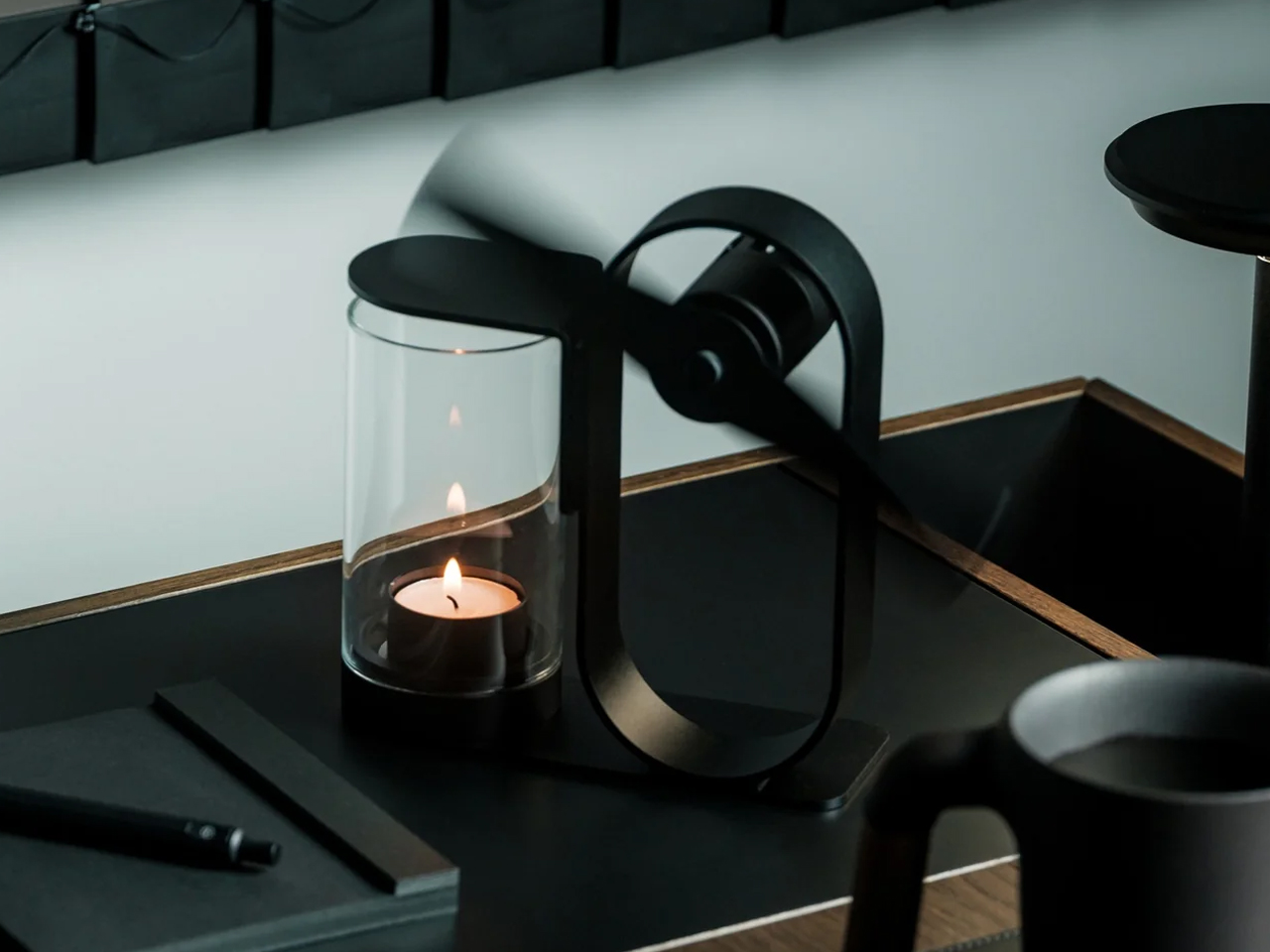
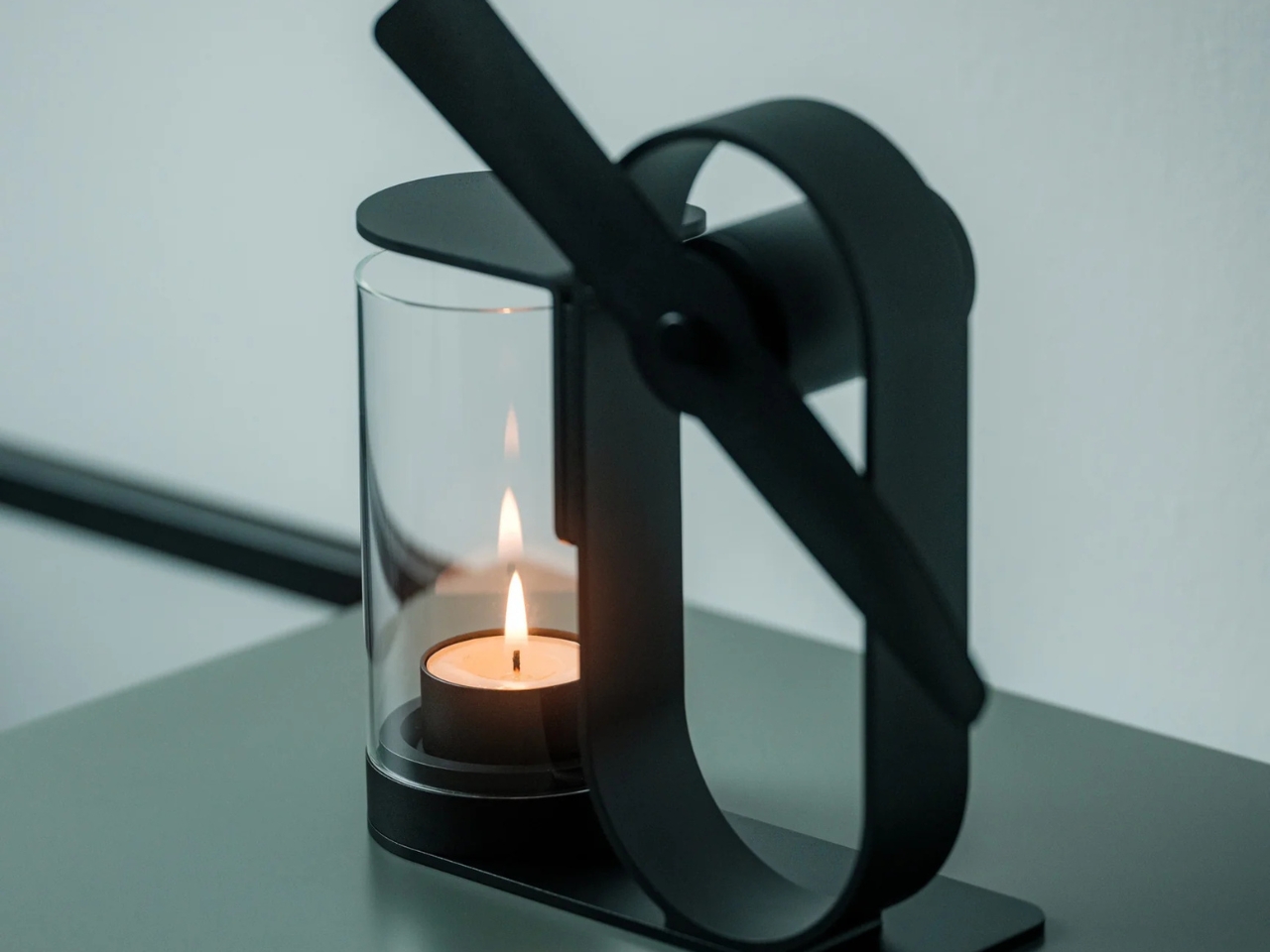
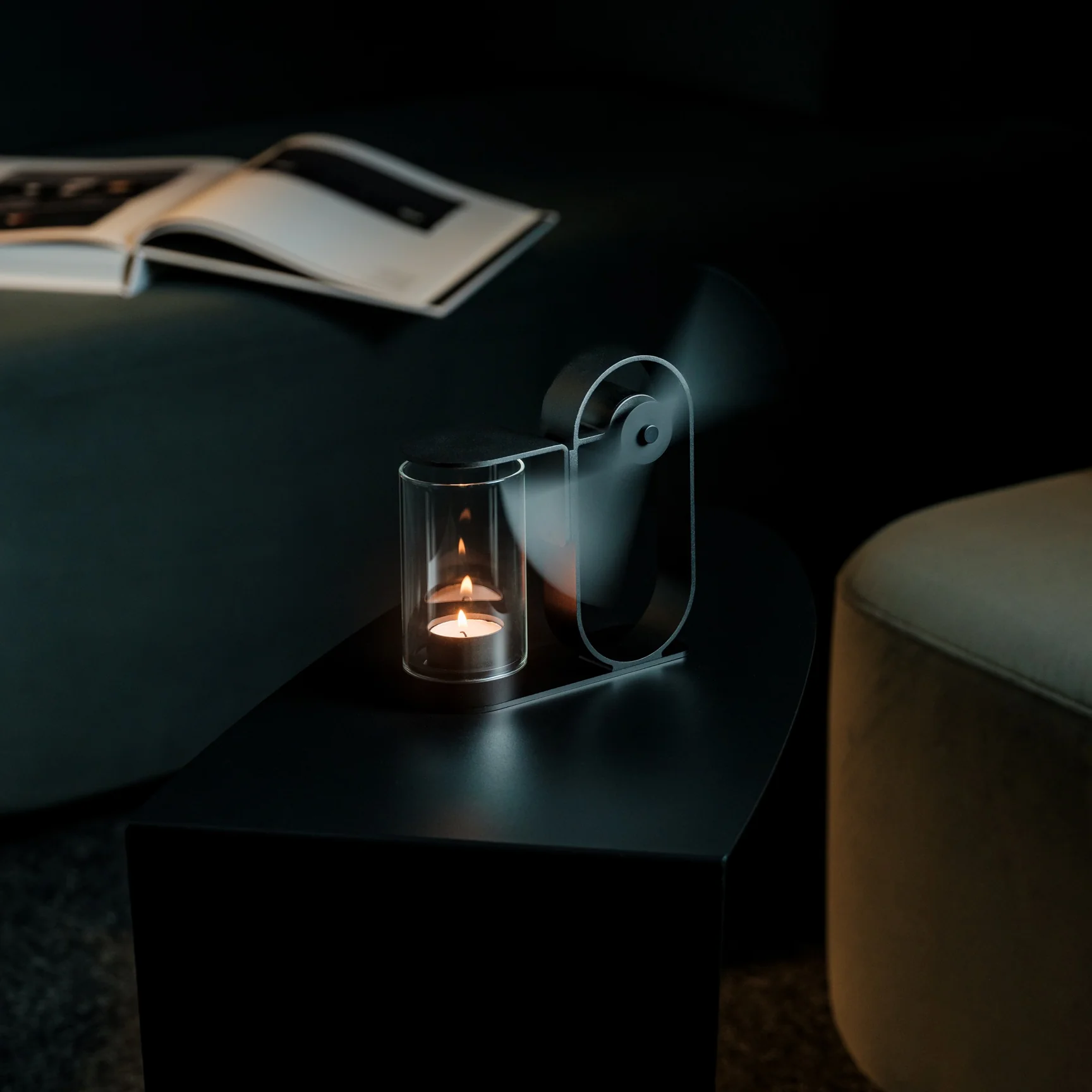
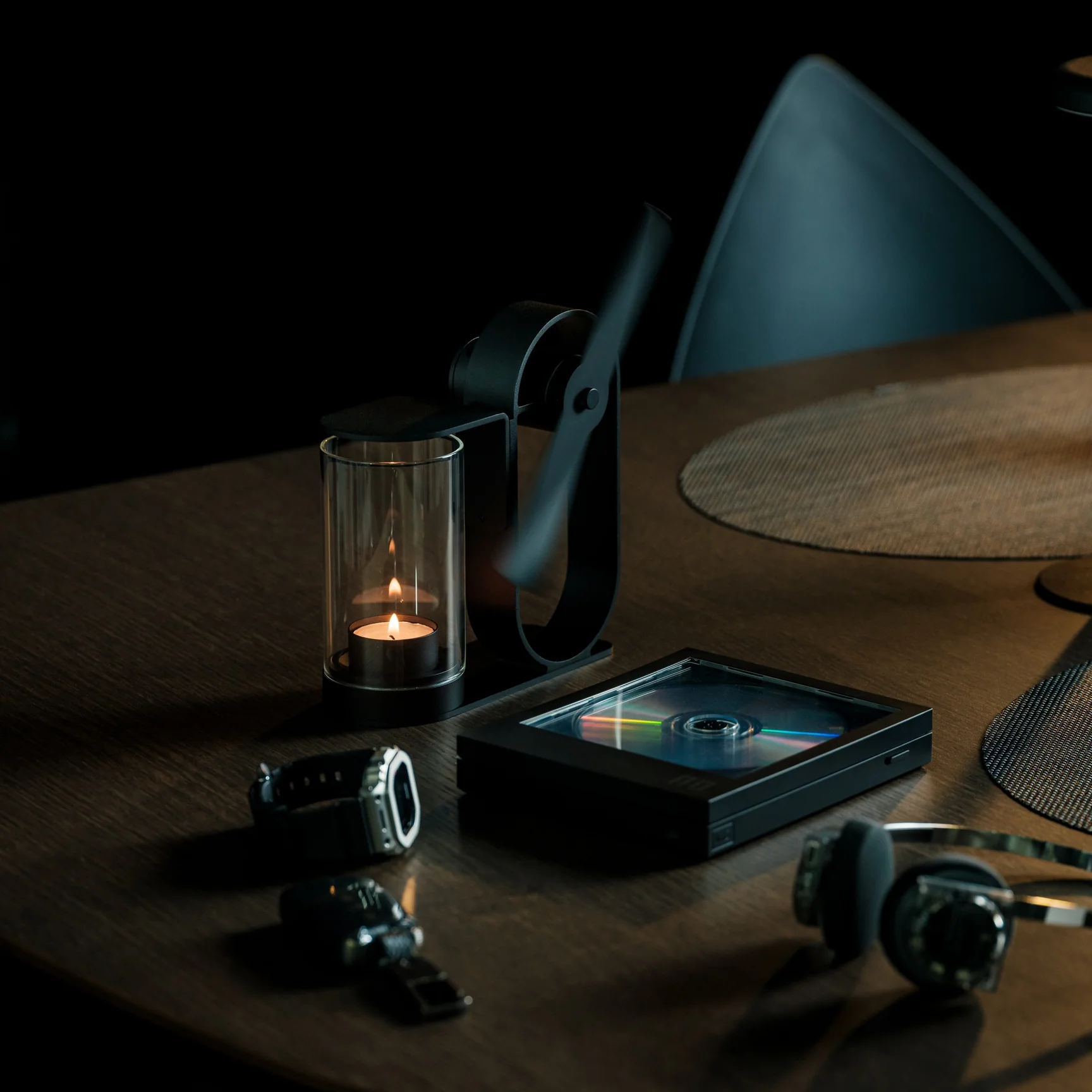
The Fire Capsule Oil Lamp is analog joy in its purest form. It does one thing beautifully. It gives you a small, living flame in a world of harsh LEDs and backlit everything. Lighting it becomes a tiny ceremony at the end of the day. You strike a match, watch the wick catch, and feel the room shift as the glow softens edges and slows your thoughts.
Its capsule‑like form makes it as much an object of design as a source of light. Metal and glass work together to frame the flame so it looks almost suspended inside the silhouette. Even when it is not lit, it reads as a sculptural accent on a shelf or bedside table. Give it to someone who loves reading at night, journaling by hand, or simply reclaiming a corner of their home from the blue light of their phone.
Simple, analog operation turns lighting into a relaxing daily ritual.
What we dislike
Invoices an open flame, which requires caution.
Can leave a faint scnet or residue if low-quality oil is used.
Fujifilm Instax Mini 41
The Fujifilm Instax Mini 41 brings back the thrill of waiting for a photo to appear in your hands. It has the retro charm of an instant camera, yet it is tuned for the way people actually shoot now. You frame the shot, click, and a small print slides out, slowly revealing the moment you just captured. There are no filters, no retakes, and no algorithm deciding whether this memory deserves likes.
Its design leans into nostalgia without feeling like a toy. The body has a familiar, friendly shape, while the updated features make it easier to capture better selfies and group shots. It is the perfect gift for someone who lives on social media but is starting to crave something they can stick on a wall, tuck in a wallet, or leave on a fridge. Over time, the little prints become a physical timeline that no feed can quite match.
What we like
Produces instant physical prints.
Modern features make it easier to capture better selfies and group shots.
What we dislike
Requires ongoling purchases of film.
Bulky compared to a phone camera.
PARON III
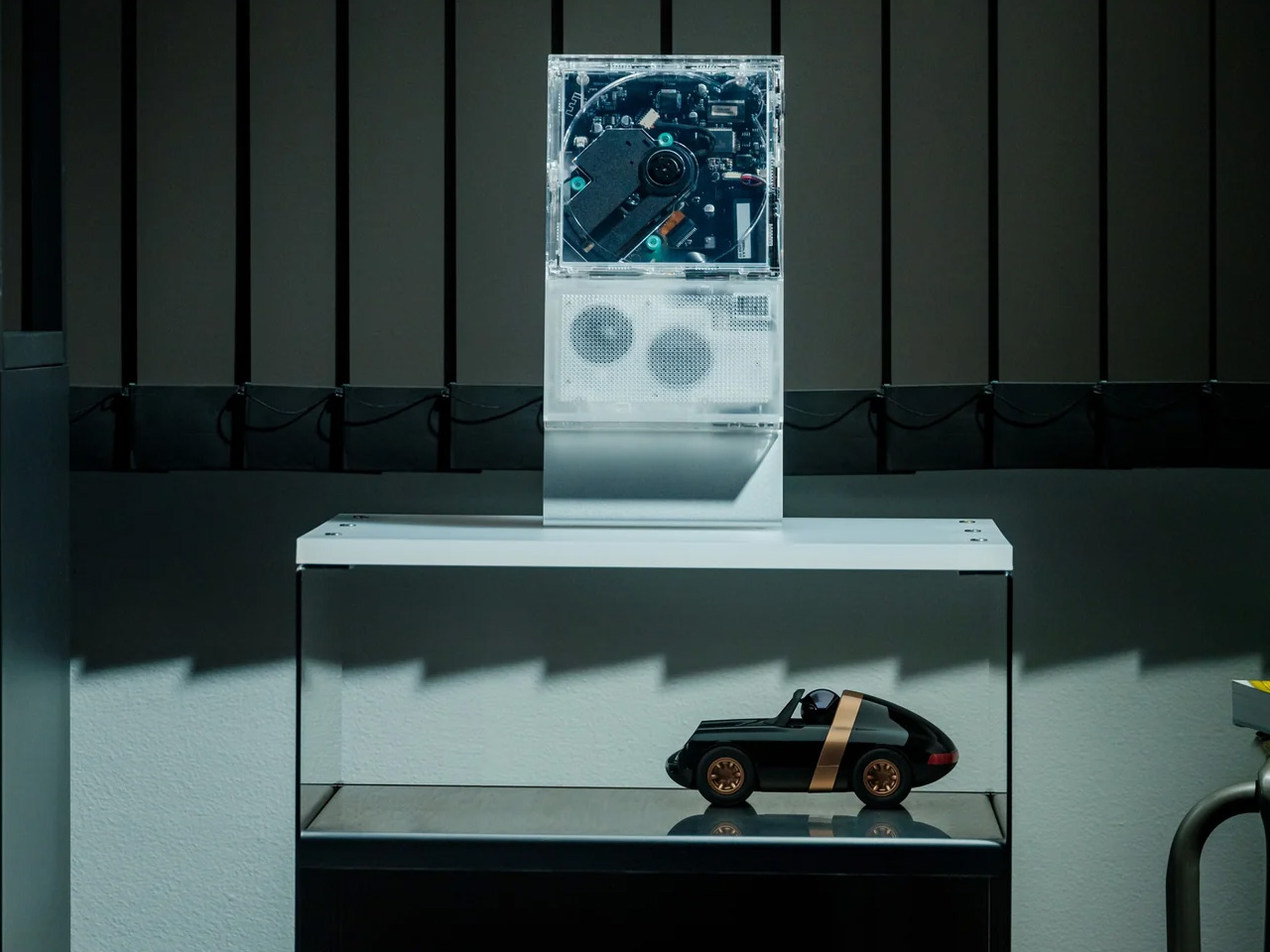
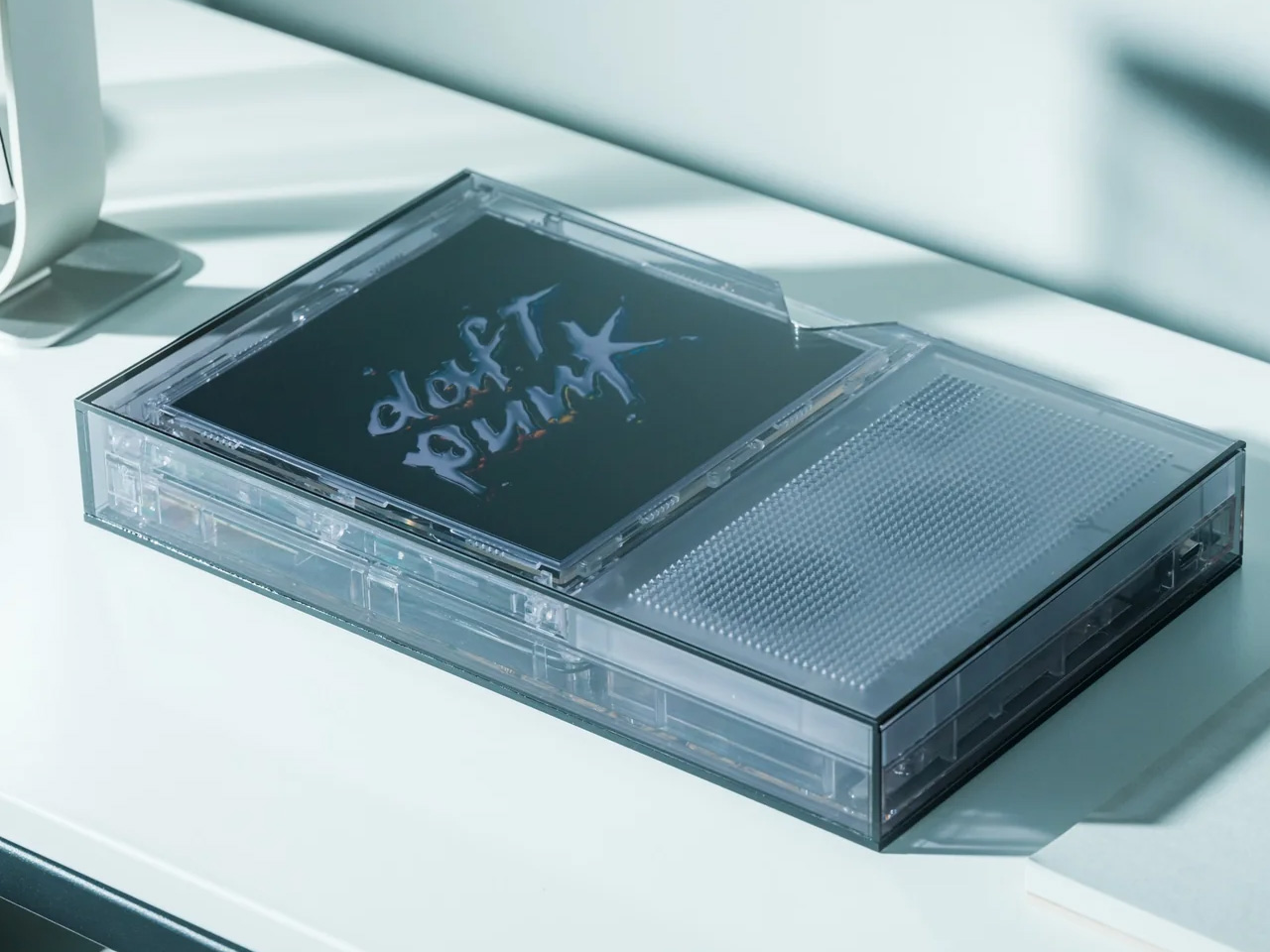
The PARON III is the most dramatic expression of analog joy in the lineup. It hides its turntable mechanism inside an incredibly sleek shell, so at first glance it looks more like a minimalist sculpture than a piece of audio gear. That visual restraint sets the tone for the entire listening experience. When you use it, you are not just putting on background noise. You are starting a small performance.
Playing a record on it is deliberately slower than tapping a playlist. You slide the vinyl from its sleeve, place it carefully, and commit to at least one full side. That constraint is exactly what makes it feel special. The clean lines and reduced visual clutter let it blend into modern interiors while still acting as a focal point when the music starts. As a gift, it is a statement. It is for the person who loves sound, sleeve art, and the idea that listening should sometimes be a single, undistracted act.
What we like
Turns listening to musicinto a deliverate, immersive ritual.
Premium design makes it a striking centerpeice.
What we dislike
Less convenient than streaming for casual listeners.
Find the Gift That Slows Their World Down
Analog gifts are not about pretending the digital world does not exist. They are about carving out small islands of slowness inside it. The Everlasting All‑Metal Pencil and Japanese Drawing Pad belong with the person who fills notebooks faster than hard drives. The Fire Capsule Oil Lamp suits the night owl who wants to unwind without another screen. The Fujifilm Instax Mini 41 is for the memory‑maker who wants a real stack of photos. The sleek vinyl player is for the listener who knows albums by heart and wants a reason to sit down and hear them properly.
Choose the gift that fits the ritual they already have or secretly want. Each of these objects asks for nothing more than a few quiet minutes and a pair of hands. In return, they give something the digital world still struggles to deliver. They give weight, texture, and the kind of small, analog moments people remember long after the latest app update fades.
Designers accumulate screens, tablets, and peripherals until their desks resemble mission control. Yet the most meaningful moments in creative work often happen away from pixels and processors. A perfectly weighted pen moving across paper creates a connection that no stylus can replicate. These analog tools offer something technology can’t: the tactile satisfaction of manipulating physical materials, the quiet pleasure of objects that don’t require charging or updates.
This collection celebrates the opposite of smart devices. Each piece proves that thoughtful design doesn’t need Bluetooth connectivity or app integration to elevate daily rituals. From writing implements engineered with surgical precision to candles that transform ambient lighting into meditation, these gifts remind us that the best tools sometimes do exactly one thing extraordinarily well. They’re for designers whose homes already hum with gadgets but whose souls crave something more deliberate and human.
1. Jetstream Edge
The world’s thinnest ballpoint pen sounds like marketing hyperbole until you drag the 0.28mm tip across paper and watch lines appear that rival technical drafting pens. This Uniball creation doesn’t just write thin; it writes with the kind of precision that makes handwritten notes feel like an intentional design exercise. The hexagonal black barrel catches light along its edges while the knurled metal grip provides just enough texture to keep your fingers anchored during extended writing sessions without causing fatigue or slippage.
What makes this pen exceptional lies in its hybrid ink formulation. The archival-quality black ink combines gel pen smoothness with ballpoint quick-drying properties, eliminating the smeared margins that plague lefties and rushed note-takers. The low center of gravity keeps the ultra-fine tip stable against paper, preventing the wobble that turns delicate linework into jagged scratches. The wire clip adds visual interest while securing the pen to notebook covers or shirt pockets. For designers who sketch concepts before digitizing them, this pen transforms rough ideation into refined mark-making.
What we like
The 0.28mm tip delivers drafting-pen precision in a portable ballpoint format.
Hybrid ink technology dries instantly to prevent smudging on fresh pages.
The hexagonal barrel and knurled grip provide ergonomic control during long sessions.
Archival-quality black ink ensures notes and sketches remain legible for years.
What we dislike
The ultra-fine tip requires quality paper to prevent catching or tearing.
Replacement refills may prove difficult to source compared to standard ballpoints.
2. Heritage Craft Unboxing Knife
Most box cutters hide in junk drawers because they’re aggressively utilitarian and vaguely dangerous-looking. This aluminum sculpture reimagines the ancient hand axe through precision machining, creating something you’ll want displayed on your desk rather than buried in a drawer. Carved from a solid aluminum block, its circular form echoes Paleolithic tools while the wave-like patterns from the cutting process provide grip and visual intrigue. The tapered shape fits naturally in the hand, making package opening feel less like a chore and more like wielding a carefully considered instrument.
The intentional blade angle prevents over-penetration that damages package contents while maintaining enough sharpness for clean tape slicing. Aluminum’s inherent luster gives the knife a refined presence that elevates the mundane ritual of receiving deliveries. Designers who appreciate when everyday objects receive serious design consideration will find themselves reaching for this piece even when scissors would suffice. It sits at the intersection of functional tool and desktop sculpture, proving that utilitarian objects don’t need to sacrifice beauty for practicality or effectiveness.
Paleolithic-inspired form transforms mundane unboxing into a satisfying ritual.
Precision-milled aluminum construction provides luxury weight and lasting durability.
Wave-pattern machining creates a natural grip while adding sculptural visual interest.
Angled blade design ensures safe cutting without damaging package contents.
What we dislike
The exposed blade requires careful handling despite thoughtful safety considerations.
Premium aluminum construction places it at a higher price point than standard cutters.
3. Japanese Lantern Candle
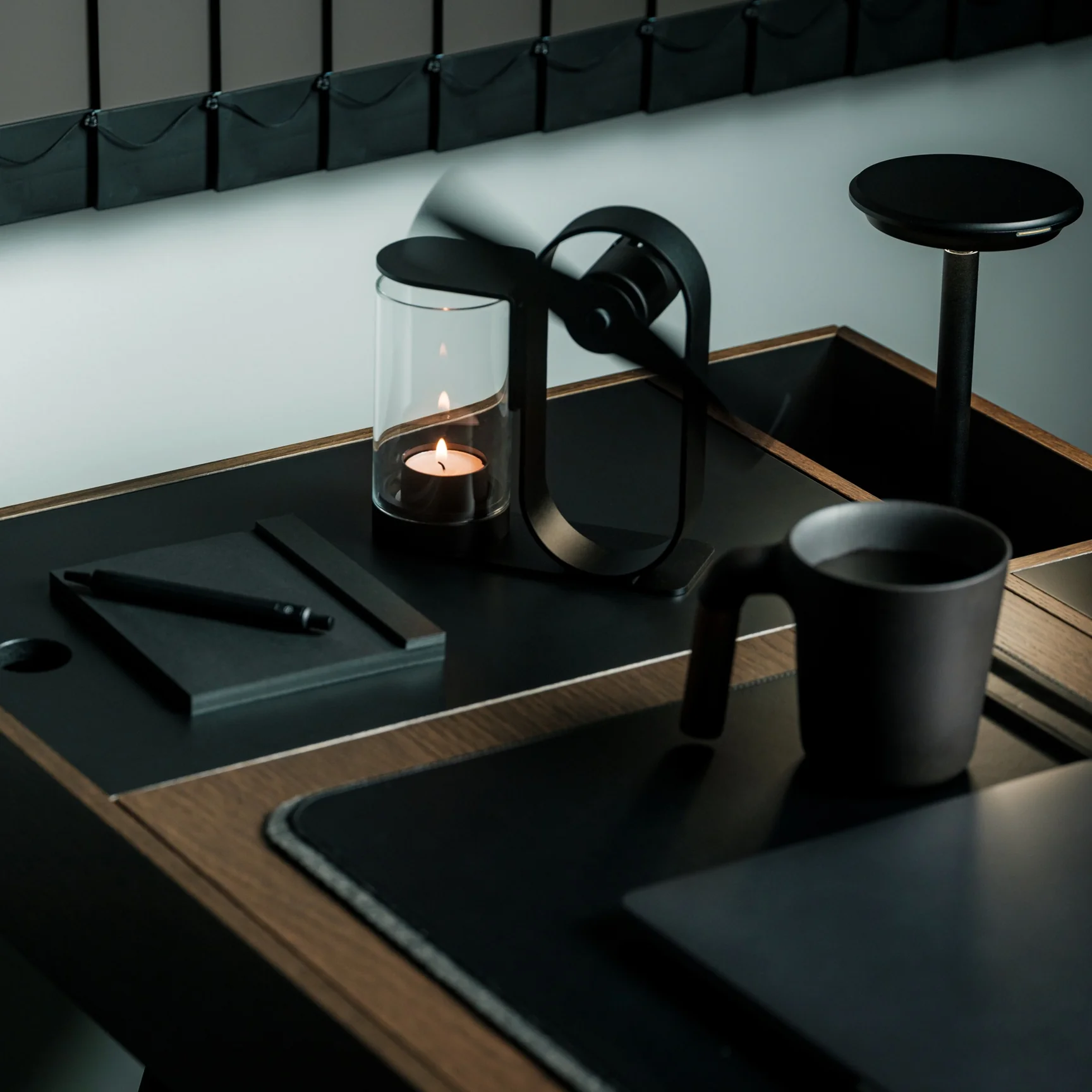
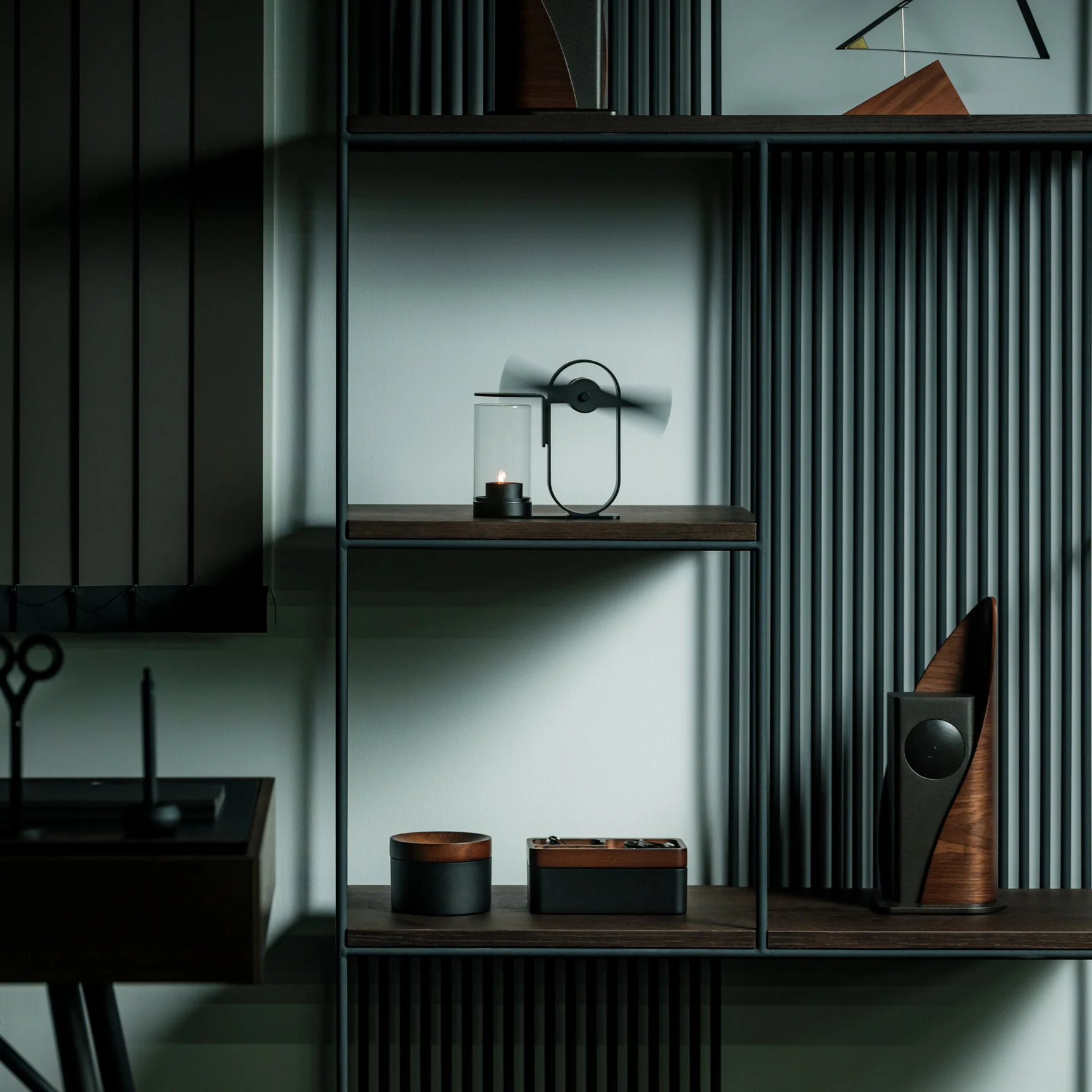
Chouchin lanterns once lit Japanese festival nights with a gentle glow that modern LEDs struggle to replicate. This contemporary interpretation captures that soft illumination through handmade candles crafted in Kurashiki by artisans who understand how light transforms space. The minimalist holder design lets the candle become the focal point while patented technology prevents the outer wax from melting, maintaining the lantern shape throughout its burn life. As the interior wax liquefies, light dances through the undulating surface, creating shifting patterns that turn any room into a contemplative sanctuary.
The ritual of lighting a candle creates a deliberate pause that screens and notifications constantly interrupt. For designers accustomed to blue light and digital stimulation, this analog light source offers a different quality of illumination—one that encourages winding down rather than ramping up. The traditional chouchin form brings Japanese design philosophy into Western interiors without feeling forced or appropriative. Each candle burns with the kind of warm ambiance that makes reading physical books or sketching in analog notebooks feel natural again, reclaiming evening hours from device dependency.
Handcrafted by Japanese artisans in Kurashiki using traditional candle-making methods.
Patented technology maintains the lantern shape as interior wax melts and liquefies.
Minimalist design integrates seamlessly into contemporary or traditional interior styles.
The undulating surface creates mesmerizing light patterns as the candle burns down.
What we dislike
Replacement candles require sourcing from specific suppliers rather than local stores.
The contemplative burn time means less instant gratification than switching on a lamp.
4. Penguin x MOEBE Book Stand
Books deserve better than lying face down with spines cracked or getting buried under device chargers. This collaboration between Penguin and MOEBE treats reading material as objects worth displaying, using bent steel to create a versatile stand that functions as a bookmark, display easel, or bookend depending on configuration. The single-sheet construction eliminates visible fasteners that would interrupt the clean lines, while the matte finish in stainless steel, cream, black, or Penguin orange lets you match existing desk aesthetics or add a pop of color.
The angled base supports everything from slim poetry collections to chunky design monographs without wobbling or tipping forward. Designers who collect physical books for reference and inspiration will appreciate how the stand keeps current reading visible rather than lost in stacks. Pair two stands to create bookends that frame a curated shelf section, or use a single piece to hold cookbooks open during kitchen experiments. Subtle Penguin and MOEBE branding sit on the base, where it remains visible without dominating the overall form. The stand quietly insists that books matter.
What we like
Single bent-steel construction creates seamless form without visible fasteners or joints.
Angled base supports books of varying thickness without wobbling or tipping.
Multiple colorways, including Penguin’s signature orange, integrate with existing decor.
Functions as a bookmark, display stand, or bookend depending on current needs.
What we dislike
The minimalist aesthetic may not provide enough visual presence for some interiors.
Steel construction adds weight that makes it less portable than plastic alternatives.
5. Personal Whiteboard
Digital note-taking apps promise searchability and cloud sync, yet many designers still think best with markers in hand. This portable whiteboard reduces the friction between thought and capture by fitting the essential ritual into a notebook form factor. The multi-functional cover wipes the surface clean, props the board at a comfortable viewing angle, and creates a pocket for loose papers. The Mag Force system turns the cover into both a handle for carrying and a magnetic pen holder that keeps your marker attached and accessible.
The genius lies in accepting that some notes are ephemeral. Sketch a quick concept, photograph it for the cloud, then wipe it clean for the next idea. The single reusable page eliminates the wasteful stack of marker-stained papers while maintaining the kinetic satisfaction of writing on a physical surface. Any standard whiteboard marker works, removing the premium-refill anxiety that plagues some reusable notebooks. For designers who facilitate workshops, lead brainstorming sessions, or simply think better while standing at a wall, this personal version brings that same energy to individual work.
Multi-functional cover serves as an eraser, an adjustable stand, and a document pocket.
The magnetic Mag Force system secures any whiteboard marker for transport and storage.
Photograph-then-erase workflow combines analog thinking with digital archiving.
Compatible with all standard whiteboard markers rather than proprietary refills.
What we dislike
The single-page format limits capturing multiple simultaneous thoughts or comparisons.
The whiteboard surface can develop ghosting over time with frequent use and inadequate cleaning.
Beyond the Charging Cable
The best gifts don’t always light up or connect to Wi-Fi. These five pieces prove that analog tools still have vital roles in creative work, offering textures and interactions that screens can’t replicate. From the meditative ritual of lighting a candle to the precise satisfaction of an engineered pen, each object does one thing superbly well without requiring updates or subscriptions. They’re investments in slowing down, in making everyday interactions feel intentional rather than automatic.
For designers drowning in devices, these non-tech gifts offer something increasingly rare: objects that work the same way in five years as they do today. No planned obsolescence, no compatibility issues, no battery anxiety. Just beautifully considered tools that make analog rituals feel luxurious again. They remind us that the most sophisticated technology sometimes means no technology at all, just materials and craftsmanship in service of human needs that haven’t changed in centuries.
The best stocking stuffers aren’t the ones that fill space—they’re the ones that get plucked out first, pocketed before breakfast, and quietly claimed before anyone else notices. These are the gifts that punch above their price tag, blending clever design with genuine utility in a package small enough to tuck into a sock but compelling enough to become someone’s new everyday carry. They’re the kinds of objects that spark conversations, solve real problems, and feel impossibly thoughtful for something that costs less than dinner.
This year’s lineup leans into tactile pleasure, unexpected innovation, and quiet luxury that doesn’t scream its price point. From gravity-defying desk sculptures to grooming tools engineered like precision instruments, these ten designs prove that small gifts can carry a serious impact. Each one clocks in under a hundred dollars, fits in the palm of your hand, and delivers the kind of daily delight that makes people wonder why they didn’t have one sooner.
1. Side A Cassette Speaker
Remember making mixtapes? This pocket-sized throwback reimagines that ritual for the Bluetooth era, disguising modern wireless tech inside an eerily accurate cassette shell. The transparent casing reveals inner mechanics that mirror the real thing, complete with side A labeling and that distinctive tape aesthetic that defined an entire generation’s music culture. Pop it into its crystal-clear protective case, and it transforms into a desk-worthy display piece that actually delivers sound.
The engineering surprises lie beneath the nostalgia. Bluetooth 5.3 ensures stable connections across devices, while microSD support allows for offline playback when streaming isn’t an option. The audio profile skews warm rather than tinny, deliberately echoing the softness of analog tape rather than chasing clinical clarity. At 80 grams with its case, it disappears into jacket pockets and backpacks, making it the kind of speaker people actually carry instead of leaving on a shelf collecting dust.
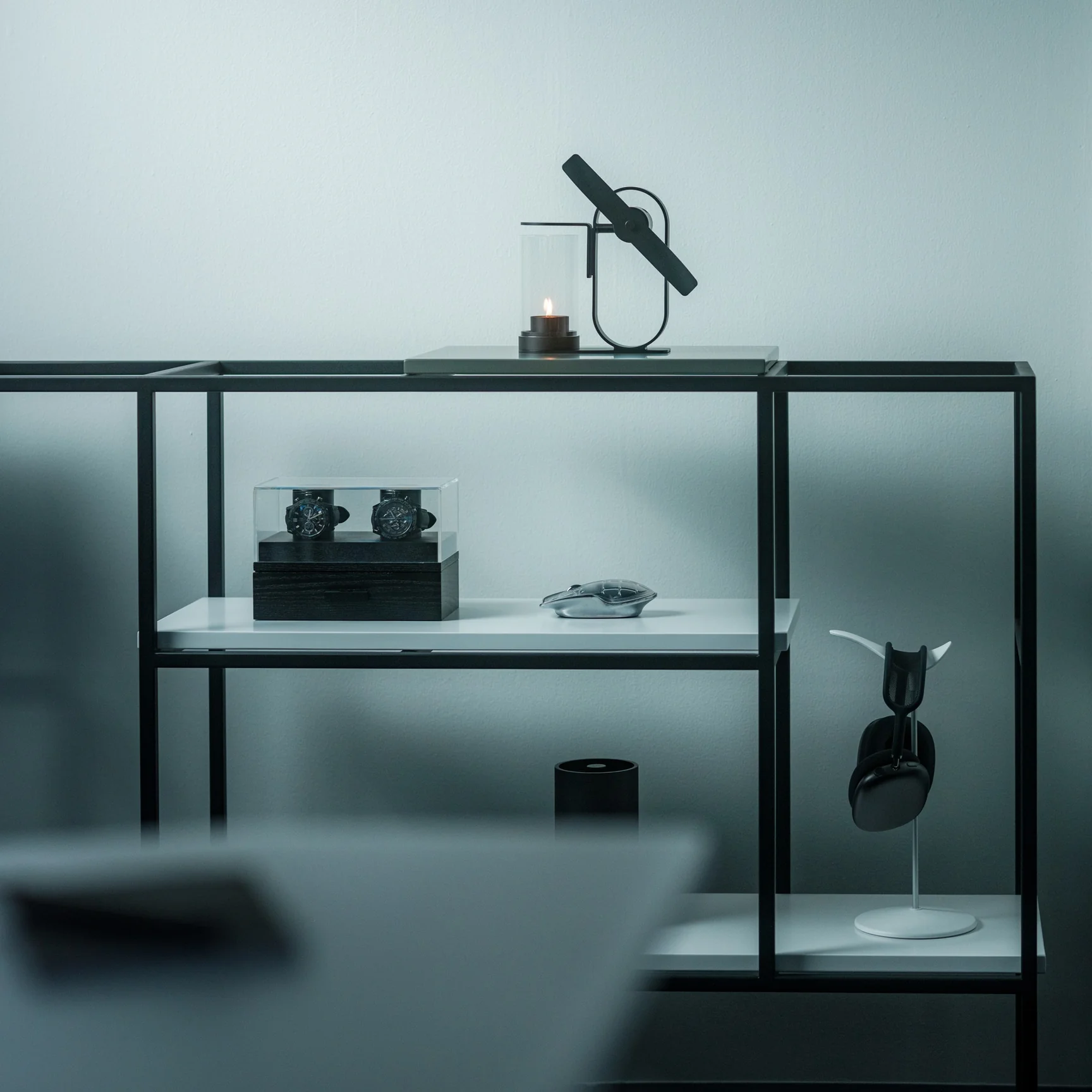
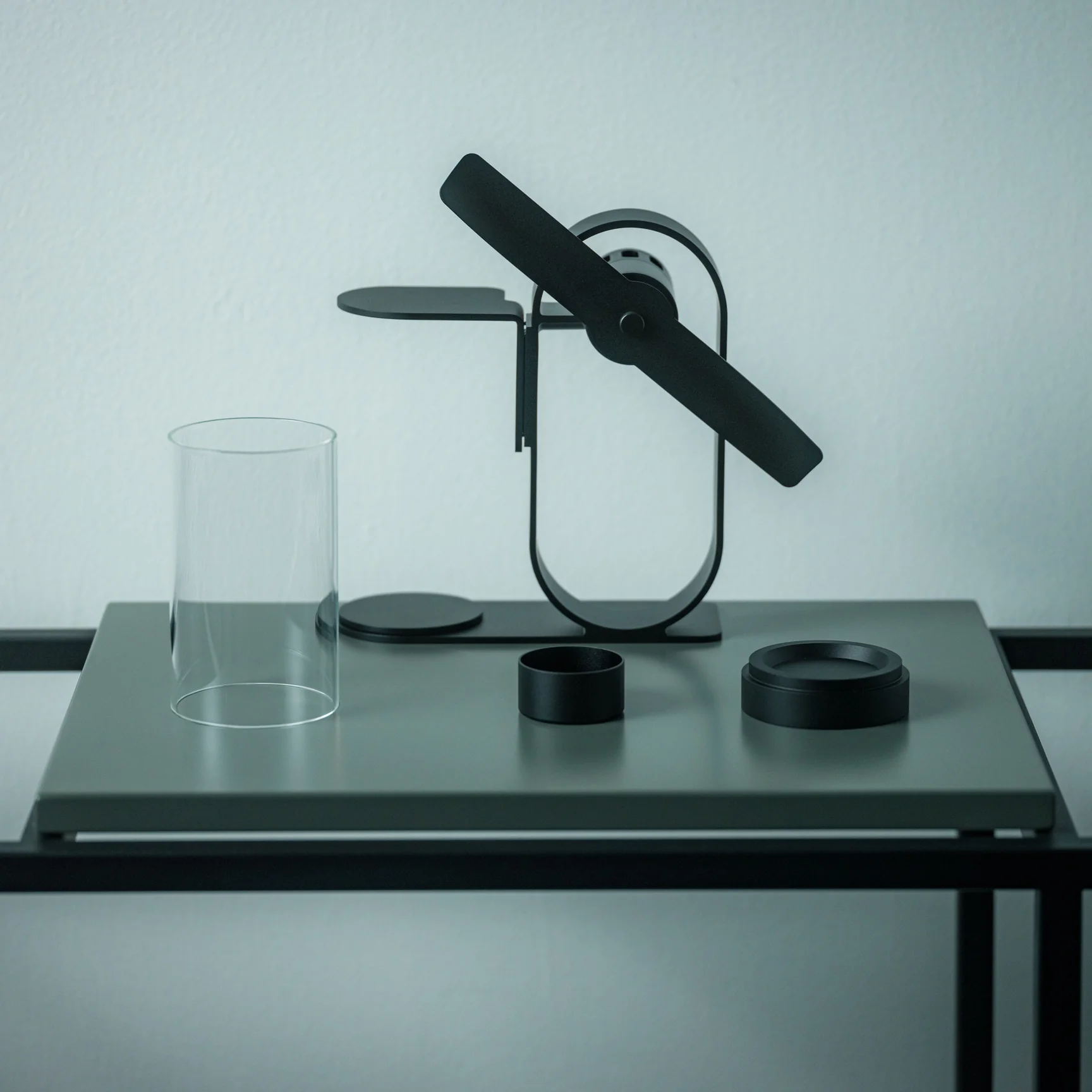
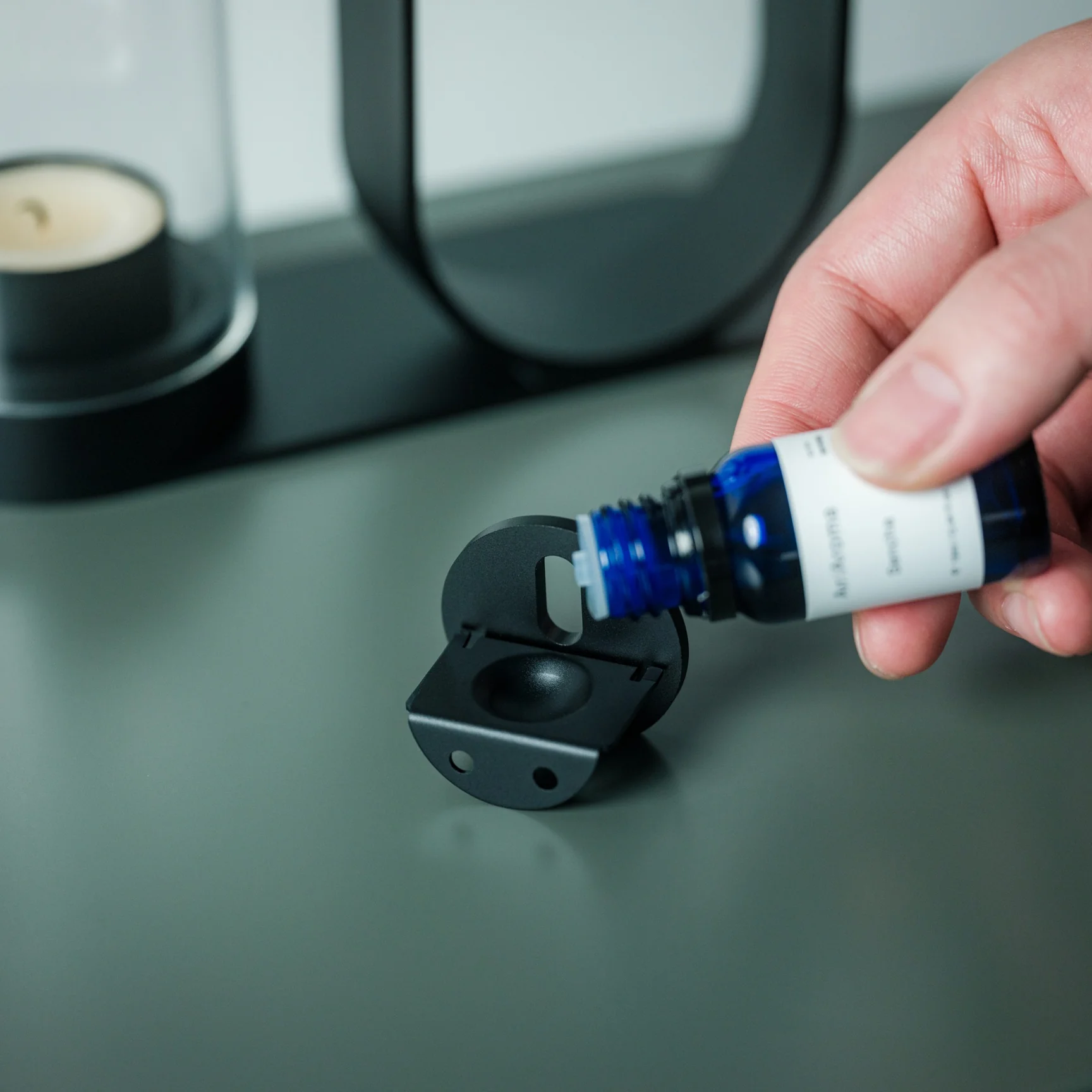
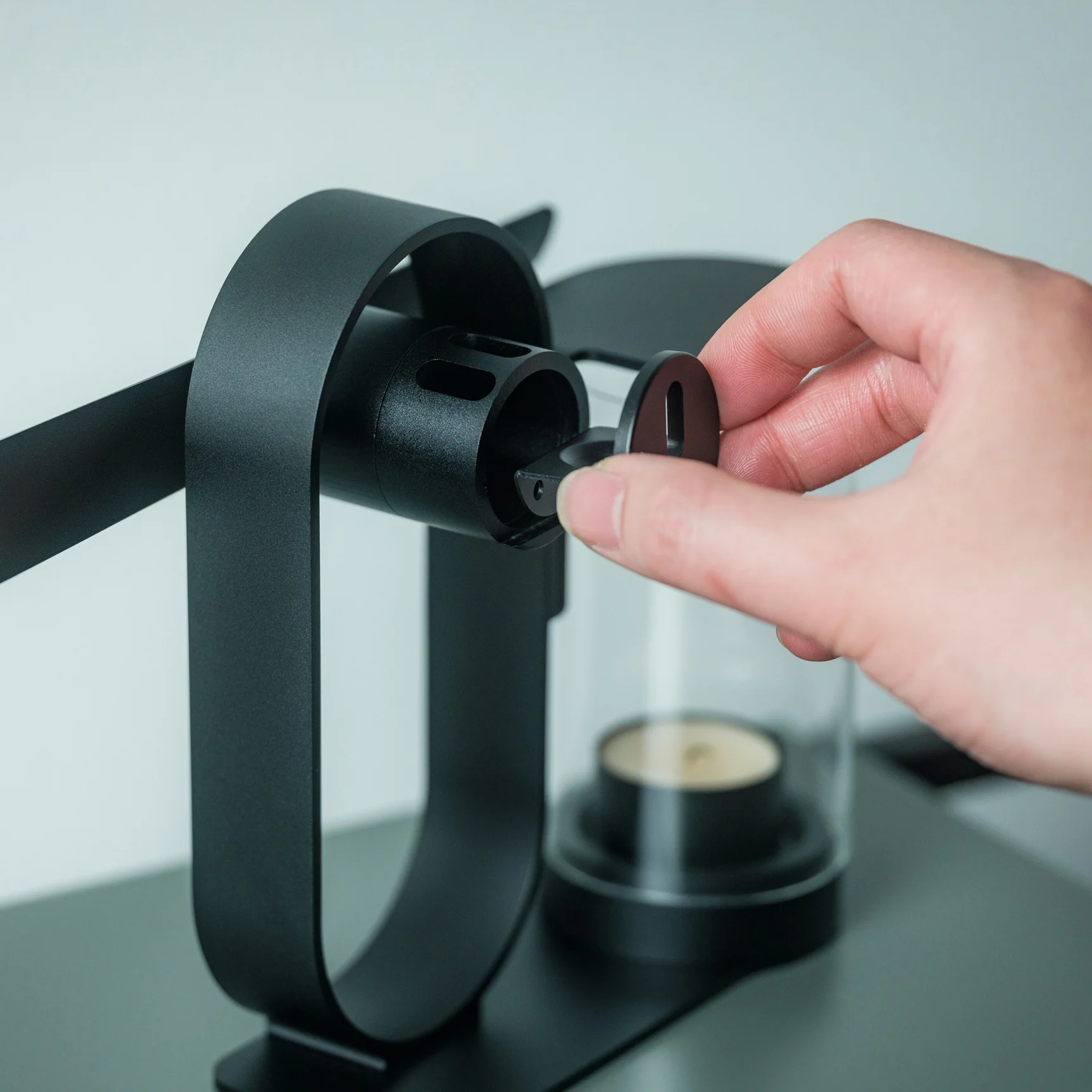
Scent diffusion gets stripped to its essence here—no mist clouds, no reed forests, just a simple card insertion that marks the beginning of a fragrance ritual. The mechanism borrows from Japanese train ticketing, where sliding a washi paper card into an anodized aluminum body initiates a slow, controlled release of alcohol-based fragrance oils. It’s diffusion as deliberate practice rather than background ambiance.
The design language stays minimal to the point of zen. Hand-poured oil bases pair with handcrafted Japanese washi paper that absorbs and disperses scent through capillary action alone. Layered glass creates visual lift while the aluminum housing grounds everything with industrial elegance. Fire-free and power-free operation means placement flexibility—nightstands, desks, shelves—anywhere stillness exists. When the oil runs low, refilling takes seconds without disassembly or mess.
Lost keys cause daily chaos. This magnetic key holder solves that problem by making the act of placing keys genuinely satisfying—so satisfying you’ll actively want to do it. The system combines a wooden base with a metal keyring, held together by a powerful neodymium magnet that releases with a crisp, surprisingly soothing tap when pulled apart. That sonic feedback creates instant habit reinforcement every single time.
Material choices elevate this beyond typical key storage. Choose between maple or walnut bases, each paired with a stainless steel, brass, and iron keyring that carries proper weight. The magnetic hold stays strong enough to prevent accidental drops yet releases smoothly with intentional pulling. Placed near an entryway, it becomes a calming transition point between outside chaos and home sanctuary—a small ritual that anchors your arrival routine with sensory pleasure instead of mindless muscle memory.
Multi-metal keyring construction adds premium tactile weight
Elegant desk or entryway presence doubles as decor
What we dislike
Limited to a single keyring capacity per base unit
The wood base requires occasional maintenance to preserve the finish
The magnetic field may interfere with certain proximity cards
4. CasaBeam Everyday Flashlight
Most flashlights get buried in junk drawers until emergencies strike. This one stays visible because it actually deserves counter space, blending minimalist form with dual-mode versatility that works as both a handheld beam and a freestanding lantern. The 1000-lumen output reaches 200 meters in spotlight mode, while the adjustable zoom head twists to flood light across entire rooms when needed.
Stand it upright and watch it transform into ambient lighting for reading, dining, or a power outage calm. Five modes span three brightness levels plus two SOS settings, all controlled through an intuitive two-button operation that stays simple even when fumbling in darkness. The 2,600mAh battery delivers up to 24 hours on low settings, recharging via USB-C hidden beneath the zoom head to maintain clean visual lines. A bright yellow hanging loop adds practical mounting options while serving as the design’s only color accent.
Built-in battery means no field-swappable power options
The yellow loop may not suit all aesthetic preferences
The zoom mechanism requires periodic cleaning to maintain smooth operation
5. Auger PrecisionLever Nail Clipper
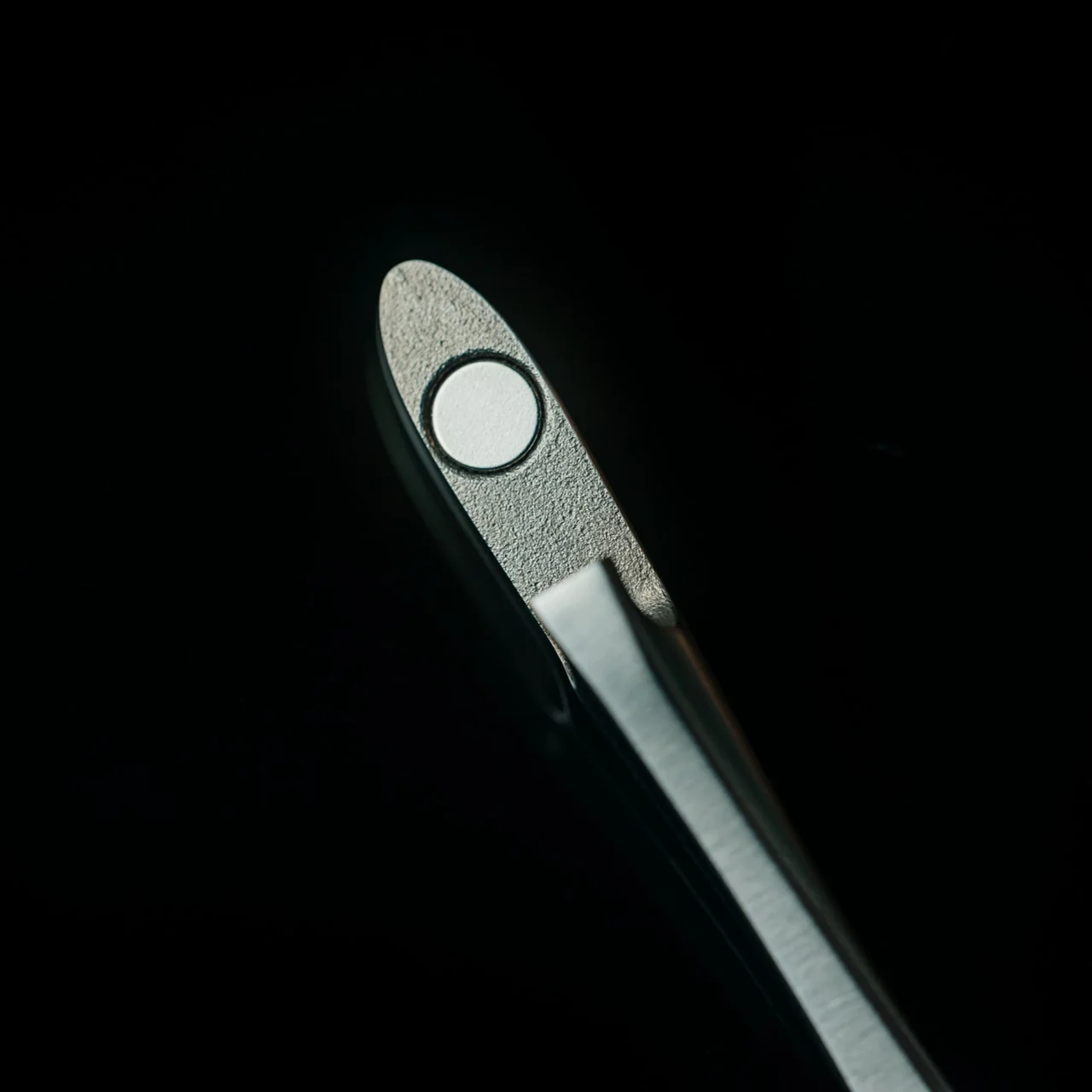
Grooming tools rarely warrant much attention until you encounter one engineered like actual equipment. Kai Corporation—Japan’s blade authority since 1908—designed this clipper around a patented rotating lever mechanism that shifts the pivot point closer to the cutting edge. The result delivers cleaner cuts through thicker nails using less hand pressure while maintaining surgical control throughout each clip.
At 67 grams, the clipper carries satisfying heft that signals quality without bulk. The 86mm compact form slips into dopp kits and desk drawers with equal ease. Stainless cutlery steel blades slice cleanly without tearing or splitting, producing smooth edges that rarely snag fabric afterward. Zinc die-cast lever components wear a sleek plated finish while the thermoplastic stopper and integrated filing surface round out the material story. The press-and-release action stays whisper-quiet and consistently smooth—precision you can feel with every trim.
Patented rotating lever optimizes cutting pressure distribution
Stainless cutlery steel blades deliver clean cuts without nail splitting
Weighted 67-gram feel provides stable control during use
Compact 86mm length fits grooming kits and drawers easily
Quiet operation maintains subtlety during use
Refined material selection ensures long-term performance consistency
What we dislike
Premium price point exceeds basic clipper budgets
The rotating mechanism requires occasional cleaning for optimal performance
Compact size may challenge users with larger hands
6. Sakura Petal Grater
Culinary tools become art objects when Japanese heritage meets functional design. Tsuboe created this sakura blossom-shaped grater to commemorate the Ōkōzu Diversion—a historic flood control project that transformed the Shinano River region—while delivering razor-sharp grating performance for ginger, wasabi, garlic, and citrus zest. The petal silhouette fits comfortably in your palm while adding genuine beauty to any kitchen environment.
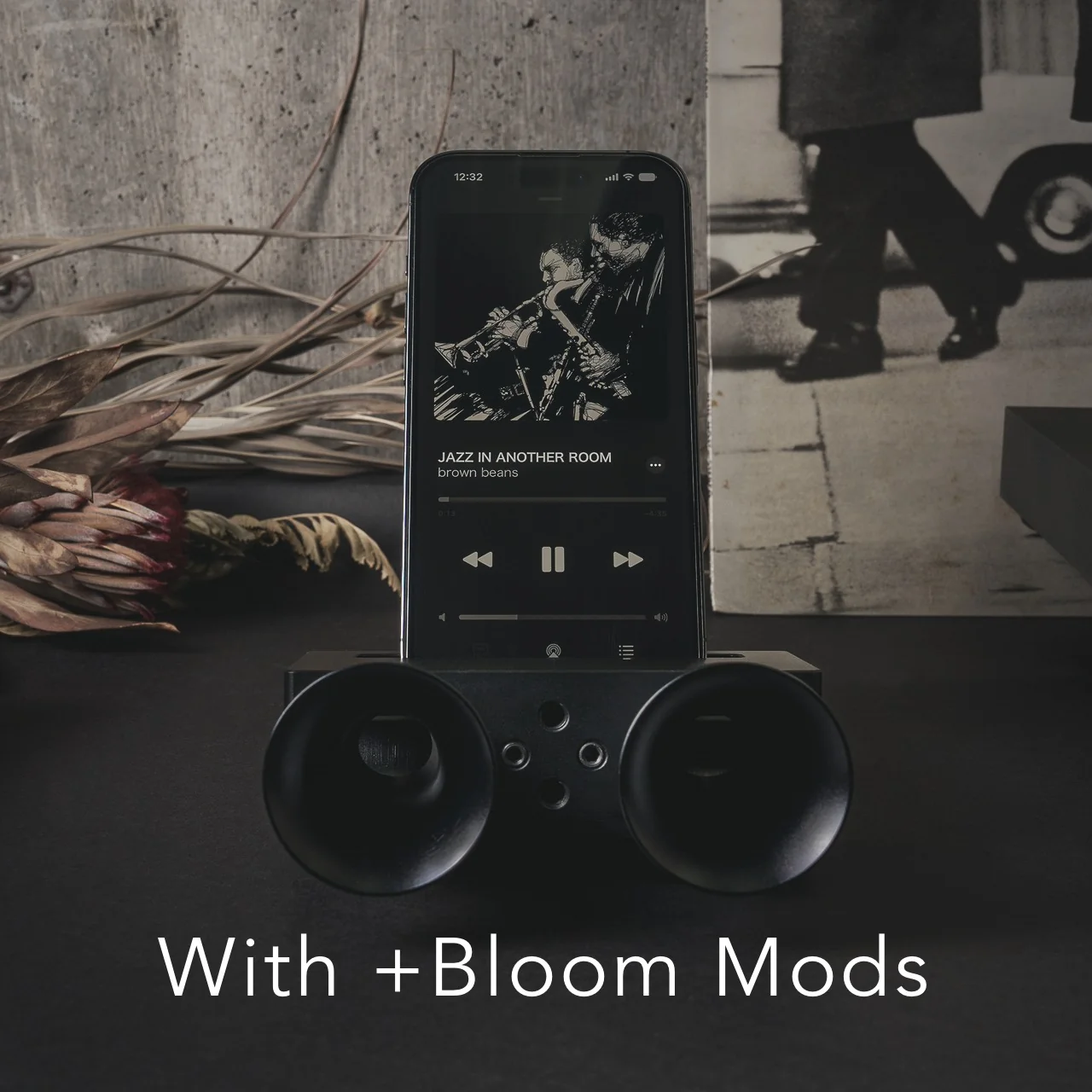
Two material options define the aesthetic. The pink edition features lightweight aluminum alloy with a vibrant anodized finish inspired by cherry blossoms lining river levees. The silver edition showcases pure copper with tin plating that creates a luminous interplay between metals while adding substantial heft. Precision-raised blades crafted via custom NC machines maintain sharpness through countless uses. Commemorative packaging includes sakura motifs and story cards celebrating the cultural heritage behind each grater’s creation—transforming kitchen prep into a connection with Japanese craftsmanship traditions.
Heritage storytelling connects users to Japanese cultural history
What we dislike
Premium materials command a higher price versus standard graters
Small size limits large-volume grating tasks
The copper edition requires occasional polishing to maintain luster
7. DraftPro Top Can Opener
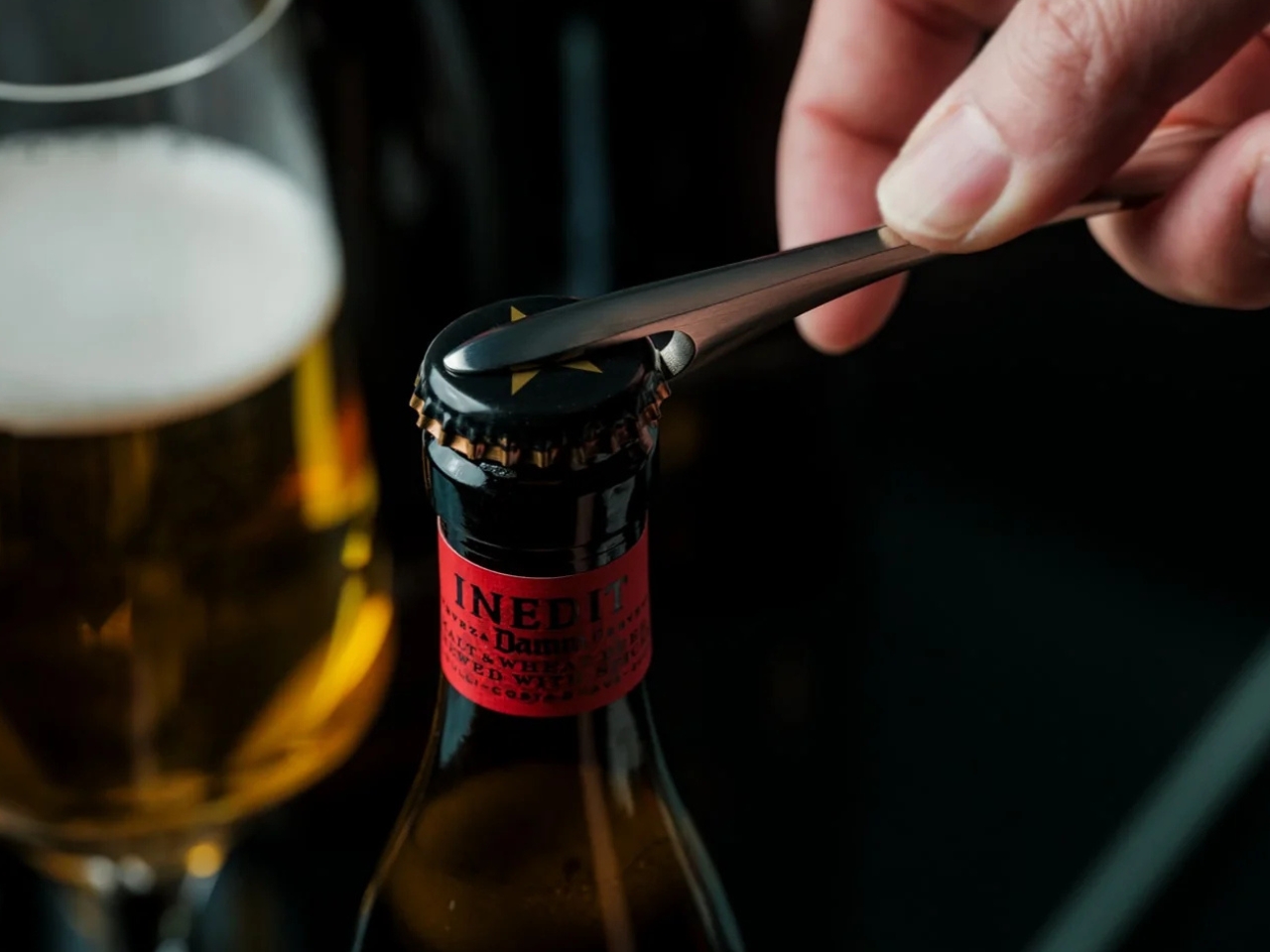
Cracking a cold can usually mean sipping through a narrow opening that traps aroma and limits taste. Award-winning designer Shu Kanno reimagined that moment, creating a precision opener that removes the entire top to deliver glass-like drinking experiences straight from the aluminum. The smooth-edged cut transforms canned beer, sparkling water, and premixed cocktails into proper vessels where you catch every aromatic note.
Beyond elevated sipping, practical advantages multiply quickly. Drop ice cubes directly into opened cans for instant chilling on hot days. Mix cocktails inside the can itself—no shaker, no cleanup, no glassware. Universal sizing works across domestic and international CAN standards, so you’re never caught without compatibility. The lightweight, portable build makes it easy to pack for camping, tailgates, or beach days. Used cans become mini planters or desk organizers thanks to the clean, safe edge. Japanese design discipline shows through every detail—smooth opening motion, comfortable grip, zero visual excess.
Universal fit works with domestic and international can sizes
Lightweight portability suits outdoor and travel use
Clean cut facilitates creative can reuse and recycling
What we dislike
Single-purpose tool adds to kitchen gadget collection
Opening motion requires a brief learning curve for the technique
Sharp cutting mechanism demands careful handling and storage
8. Titanium Artisan Spirits Cup
Spirits deserve glassware that enhances rather than distracts from their complexity. This titanium vessel weighs just 22 grams yet delivers sensory amplification through hammered texture that lifts aromatic compounds, while the ultra-thin rim ensures clean flavor contact. At 2.05 inches in diameter by 2.17 inches in height, it fits sake, tequila, and whiskey servings with equal grace.
Titanium construction brings unexpected benefits beyond durability. The metal maintains temperature without rapid heat transfer from your hand, keeping chilled spirits cold longer. Vibrant anodized finishes create unique color variations across each cup—no two look identical, adding bespoke character to any collection. The hammered surface provides subtle grip texture while refracting light beautifully. Compact dimensions suit modern interiors and outdoor settings alike, transitioning seamlessly from home bars to campfire toasts. Minimalist elegance meets practical performance in a cup engineered for connoisseurs who value both flavor clarity and design integrity.
Ultra-light 22-gram weight enhances portability and comfort
Hammered texture amplifies aromatic profiles during sipping
Thin rim ensures clean flavor contact without interference
Unique anodized finishes create individualized color variations
Titanium construction offers exceptional durability
Compact size suits diverse spirit types and settings
What we dislike
Hand-wash requirement adds care steps versus dishwasher convenience
Premium titanium pricing exceeds standard glassware budgets
Small capacity limits the use to spirits rather than mixed drinks
9. Levitating Pen
Most desk accessories serve function or form—rarely both with equal commitment. This gravity-defying pen floats vertically above its magnetic pedestal without batteries or electronics, transforming writing tools into kinetic sculpture. The invisible magnetic field holds the pen suspended and spinning with the gentlest touch, creating mesmerizing motion that offers mental breaks during intense work sessions.
Engineering precision makes the magic possible. High-precision CNC machining maintains tolerances under 0.1mm—the same manufacturing standards used for Apple products—enabling perfect hover balance and fluid rotation. Swiss-made ballpoint cartridges deliver smooth, reliable writing performance while Cross-brand refills ensure long-term usability. The magnetic cap provides instant access without fumbling. Whether spinning hypnotically during calls or standing elegantly between uses, the pen becomes a source of inspiration and relaxation. Sleek aesthetics meet practical function in a design that professionals, artists, and engineers appreciate equally for performance and presence.
Box cutters typically hide in drawers because they look utilitarian at best. This one deserves prominent desk placement, carved from solid aluminum into a form inspired by Paleolithic hand axes—ancient tools reimagined through modern precision machining. Wave-like cutting patterns create visual intrigue while providing secure grip texture. The circular shape and tapered profile feel substantial in hand, while the raw metal aesthetic radiates both mystery and intentional design.
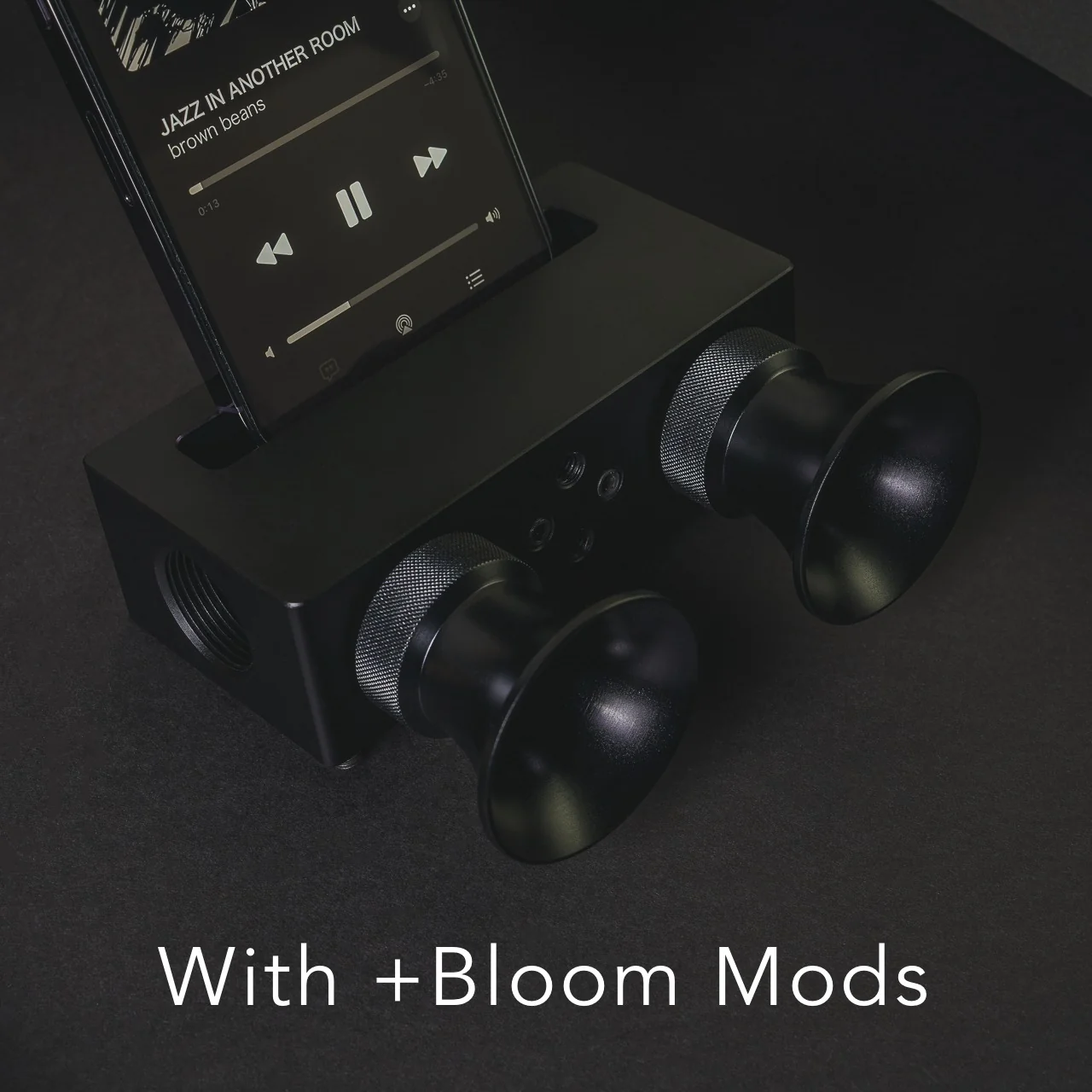
Aluminum once commanded prices higher than gold, and this knife showcases the material’s inherent luster and satisfying weight. Milling from a solid block rather than casting ensures structural integrity and refined surface quality. The blade slices through packing tape and cardboard with surgical ease, while the distinctive form starts conversations whenever someone spots it. Placing this on your desk signals appreciation for objects that blend utility with artistry—tools that inspire rather than just serve. Unboxing packages becomes a moment of tactile pleasure rather than a mindless routine.
Paleolithic hand axe inspiration creates a distinctive sculptural form
Solid aluminum construction showcases material luster and a premium feel
Precision machining produces wave patterns that enhance grip security
Tapered shape balances visual weight with handling comfort
Desk-worthy aesthetics encourage display rather than drawer storage
Sharp blade handles tape and cardboard efficiently
What we dislike
Exposed blade design requires careful handling and storage
Aluminum softness may show wear marks over extended use
Unconventional shape requires adjustment for traditional box cutter users
The Gift That Keeps Getting Stolen
Stocking stuffers reveal their true value in the days after unwrapping, when practical magic beats flashy excess every time. These ten designs prove that thoughtful gifts don’t require three-digit budgets or oversized boxes—just genuine utility wrapped in forms people actually want to touch, use, and keep within arm’s reach. They’re the presents that migrate from stockings to pockets to daily rotation faster than anyone expects.
Smart gifting means choosing objects that respect both giver and recipient through lasting quality and daily relevance. Each of these pieces delivers experiences beyond their physical size, turning mundane moments into small rituals worth savoring. Whether someone’s grating ginger, opening mail, or taking mental breaks with a spinning pen, these are the gifts that prove you paid attention to how people actually live rather than what they might politely accept.
The best workspace tools seamlessly integrate into your creative flow, making every interaction feel intentional. For designers who spend hours surrounded by materials, implements, and ideas, the objects on their desk become extensions of their thinking process. This holiday season presents an opportunity to replace utilitarian clutter with pieces that spark joy through thoughtful design and refined aesthetics.
These five gifts represent a different approach to workspace essentials. Each one reimagines everyday tools through the lens of considered design, transforming mundane interactions into moments of tactile pleasure. From Japanese steelwork to magnetic innovation, these pieces prove that functional objects deserve the same design attention we give to creative projects themselves. They elevate workspaces not through decoration but through intelligent form meeting purposeful function.
1. Stellar Edge Scissors
The moment you pick up these scissors, you understand why they come from Seki, Japan’s legendary blade-making region. Their asymmetrical handles challenge expectations while delivering surprising comfort, creating a sculptural presence that commands attention on any desk. The seamless stainless steel construction catches light beautifully, turning a cutting tool into an object worth displaying. When designers reach for scissors dozens of times daily, that repeated interaction deserves this level of refinement and visual consideration.
What makes these scissors exceptional goes beyond their museum-worthy appearance. The blade geometry ensures clean, effortless cuts through various materials, from delicate tracing paper to thick cardstock. That perfect balance point makes extended cutting sessions feel weightless rather than tedious. The polished finish resists fingerprints while providing just enough grip for control. These scissors transform routine tasks into satisfying rituals, proving that tools designed with genuine care create measurably better experiences throughout your workday.
What we like
The architectural form creates an instant focal point on any workspace surface.
Japanese stainless steel maintains razor sharpness through thousands of cuts.
Ergonomic engineering makes asymmetrical handles surprisingly comfortable for extended use.
Seamless construction and polished finish elevate them beyond typical office supplies.
What we dislike
The premium price point places them out of reach for budget-conscious buyers.
Their artistic appearance might make colleagues hesitant to borrow them for quick tasks.
2. Magboard Clipboard
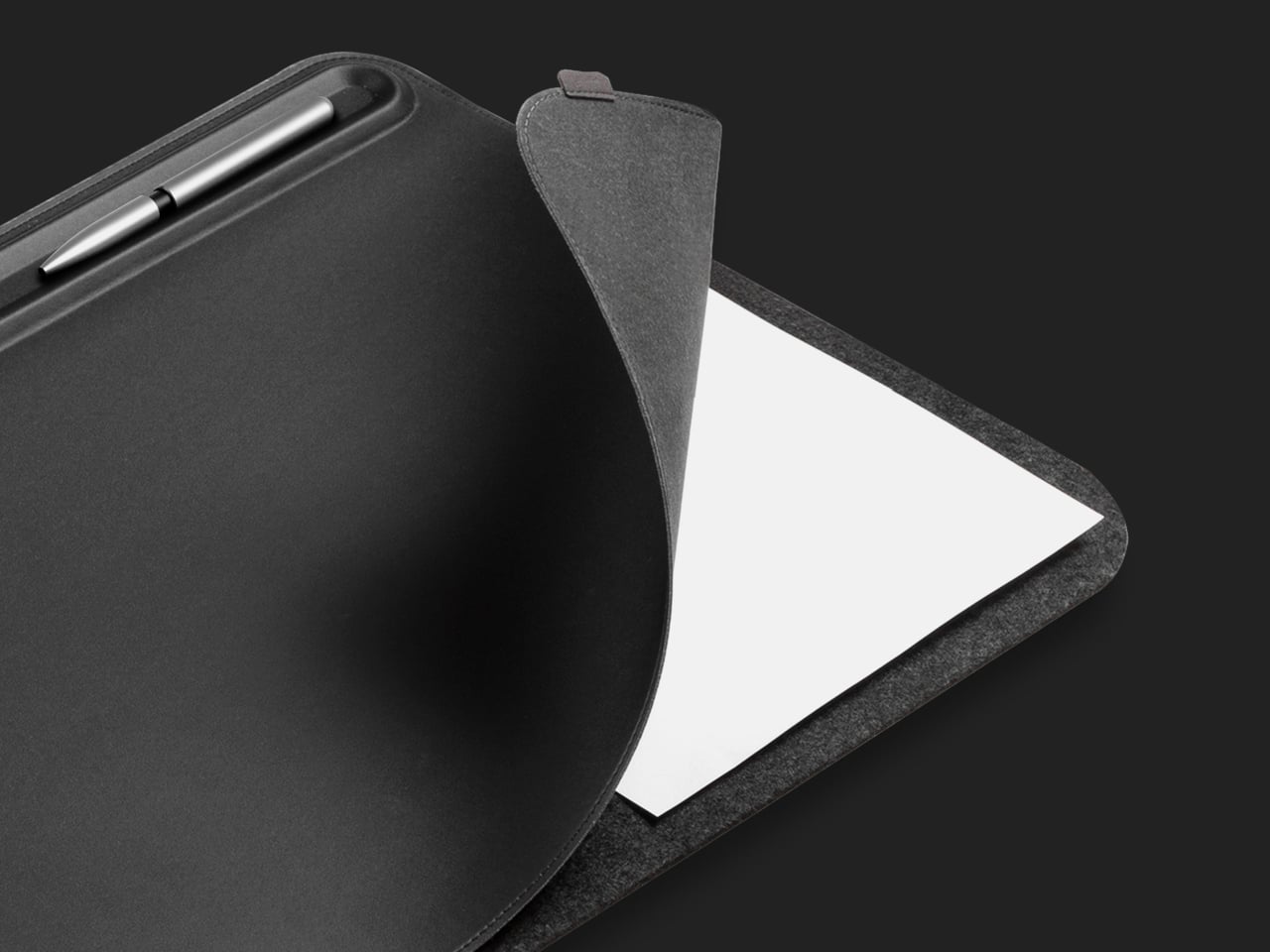
Traditional notebooks impose structure before you’ve captured a single thought. This magnetic clipboard system throws out those constraints, letting you work with loose sheets that can be rearranged, removed, or inserted as ideas evolve. The hardcover design provides solid backing for writing anywhere, whether you’re sketching at your desk or capturing inspiration during a standing meeting. That simple magnet and lever mechanism holds up to thirty sheets securely while making page changes effortless and intuitive.
The beauty lies in removing friction from your creative process. Tear out pages that don’t work, reorder sequences that do, and add fresh sheets without committing to bound permanence. The water-resistant cover protects your work while staying easy to clean, making it genuinely portable rather than precious. For designers who think visually and need to see multiple concepts simultaneously, this system supports fluid thinking rather than forcing linear progression through pre-bound pages.
Magnetic binding system lets you reorganize pages instantly without tearing or waste.
Hardcover backing provides a stable writing surface for standing or mobile work sessions.
Water-resistant construction protects notes while remaining lightweight and portable.
Minimalist design strips away unnecessary features that complicate simple note-taking.
What we dislike
Loose sheets can scatter if the clipboard accidentally opens in a bag.
The system requires maintaining a supply of appropriately sized paper for ongoing use.
3. Everlasting All-Metal Pencil
Pencils break, dull, and disappear precisely when you need them most. This metal alternative writes like graphite but never requires sharpening, combining a special alloy core with an aluminum body that feels substantial without being heavy. The marks it leaves behave exactly like traditional pencil writing, erasing cleanly and refusing to bleed when you add watercolor or markers over your sketches. It’s the kind of tool that makes you forget about the tool itself and focus entirely on the marks you’re making.
The engineering behind its “everlasting” claim deserves attention. Rather than soft graphite that wears away with each stroke, this alloy core releases tiny particles that create marks without significant material loss. You get consistent line weight and darkness through thousands of uses. For designers who sketch constantly throughout their day, eliminating the sharpen-write-sharpen cycle removes an annoying interruption from creative flow. The metal construction also means no snapped leads or splintered wood to derail your momentum mid-thought.
No sharpening required means uninterrupted sketching and writing sessions.
Alloy core provides consistent line quality through extensive use.
Standard erasers remove marks cleanly without special techniques.
Compatible with watercolor and water-based markers since the core doesn’t bleed or smear.
What we dislike
The metal body lacks the warmth and texture some prefer from traditional wooden pencils.
Line darkness may not satisfy those who love the rich blacks from soft graphite grades.
4. Quick Access Pencil Sharpener Stand
This disc-shaped object solves the eternal problem of misplaced sharpeners through brilliant simplicity: your pencil stands in the sharpener when not in use. The walnut wood cover and anodized aluminum base create an elegant desktop presence that justifies permanent placement rather than drawer banishment. That specially angled sharpening mechanism extends pencil life while reducing waste, making each sharpening session more purposeful. The brass mechanism prevents accidental opening, keeping shavings contained until you’re ready to empty them.
Beyond functional innovation, this piece brings warmth to workspaces dominated by glass and metal. The wood’s natural grain patterns ensure each sharpener carries a unique character, while the magnetic connection between cover and base provides satisfying tactile feedback. Designers who still value traditional pencils for sketching gain both a reliable sharpening solution and a sculptural desktop accent. It’s the kind of thoughtful industrial design that makes everyday interactions feel special rather than merely efficient or functional.
Dual function as a sharpener and a stand keeps everything organized in one elegant object.
Specially angled blade prolongs pencil life while creating less waste.
Walnut wood adds natural warmth to typically cold office environments.
Strong magnet prevents accidental spills while providing satisfying closing feedback.
What we dislike
The single-pencil capacity doesn’t accommodate designers who work with multiple pencils simultaneously.
Premium materials and construction result in a higher price than basic sharpeners.
5. reMarkable Paper Pro Move
Digital notes often disappear into folders, never to resurface. This E Ink tablet bridges analog satisfaction with digital organization, offering that pen-on-paper texture designers crave while maintaining searchable, shareable files. The 7.3-inch color display fits comfortably in jacket pockets while providing enough real estate for meaningful sketching and notation. At $449, it occupies premium territory, yet the refined materials and thoughtful engineering justify the investment for designers serious about capturing ideas throughout their day.
The included Marker stylus delivers genuine tactile feedback that makes extended writing sessions genuinely pleasurable rather than tolerable. The E Ink screen eliminates eye strain from backlit displays, letting you work comfortably for hours without fatigue. Magnetic attachment keeps the stylus secure during transport while adding minimal bulk. The responsive surface captures subtle pressure variations, making sketches feel natural and expressive. For designers transitioning between physical and digital workflows, this device removes friction while maintaining the creative experience of working on actual paper.
What we like
The color E Ink display provides comfortable viewing during extended creative sessions.
Pocketable size makes it genuinely portable without sacrificing usable screen space.
Tactile feedback from the Marker stylus creates an authentic pen-on-paper sensation.
Magnetic stylus attachment prevents loss while keeping the profile slim and portable.
What we dislike
The $449 price point represents a significant investment compared to paper notebooks.
E Ink refresh rates can’t match the instant response of traditional paper or iPad displays.
Wrapping Up Workspace Elevation
Transforming a workspace isn’t about adding decoration. These five gifts demonstrate how reimagining fundamental tools creates measurably better daily experiences. Each piece removes friction from creative work while bringing visual refinement to surfaces where designers spend countless hours. They’re investments in the quality of repeated interactions, understanding that the tools you touch dozens of times daily deserve genuine design consideration and thoughtful engineering.
The best Christmas gifts for designers don’t gather dust on shelves. They integrate seamlessly into existing workflows while quietly elevating every interaction. From Japanese scissors to magnetic clipboards, these pieces prove that functional objects can spark joy through intelligent form and purposeful design. They’re reminders that workspace elevation comes from choosing tools that respect both your creative process and your aesthetic sensibilities.
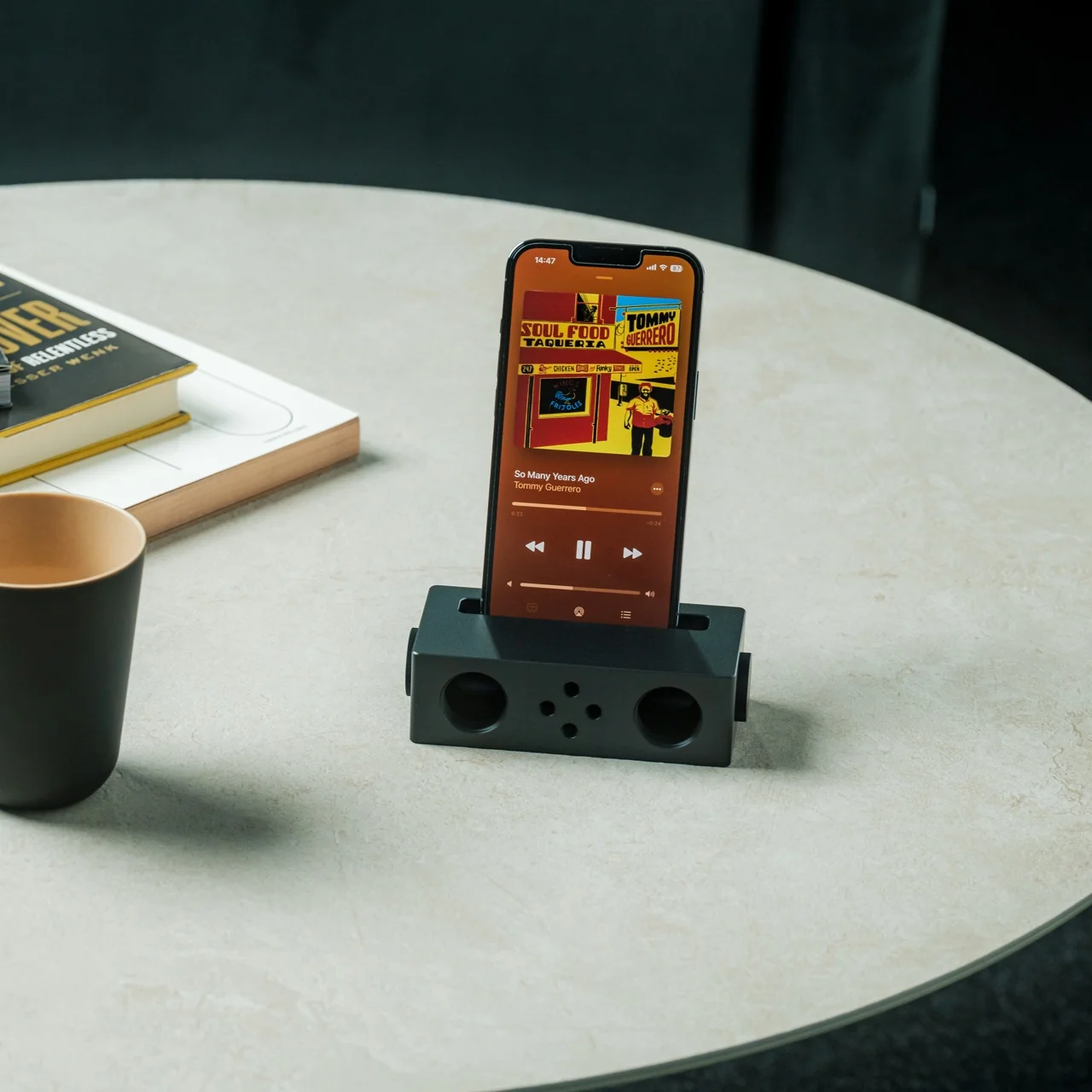
Japanese design philosophy has always understood something the rest of the world is only now catching up to: true sophistication comes from subtraction, not addition. This approach, rooted in centuries of aesthetic refinement, strips away the superfluous to reveal function in its purest form. The tools that emerge from this tradition don’t just accomplish tasks—they redefine how we think about everyday objects. Each piece becomes a meditation on purpose, where every curve, edge, and material choice serves a reason beyond mere decoration.
The seven tools featured here embody this principle completely. They’re not trying to impress with flashy features or unnecessary complexity. Instead, they achieve something far more difficult: they make the complicated simple. These designs prove that when you remove everything that doesn’t matter, what remains becomes not just functional but beautiful. From kitchen essentials to pocket-sized problem-solvers, each tool demonstrates how Japanese minimalism transforms ordinary objects into instruments of effortless living.
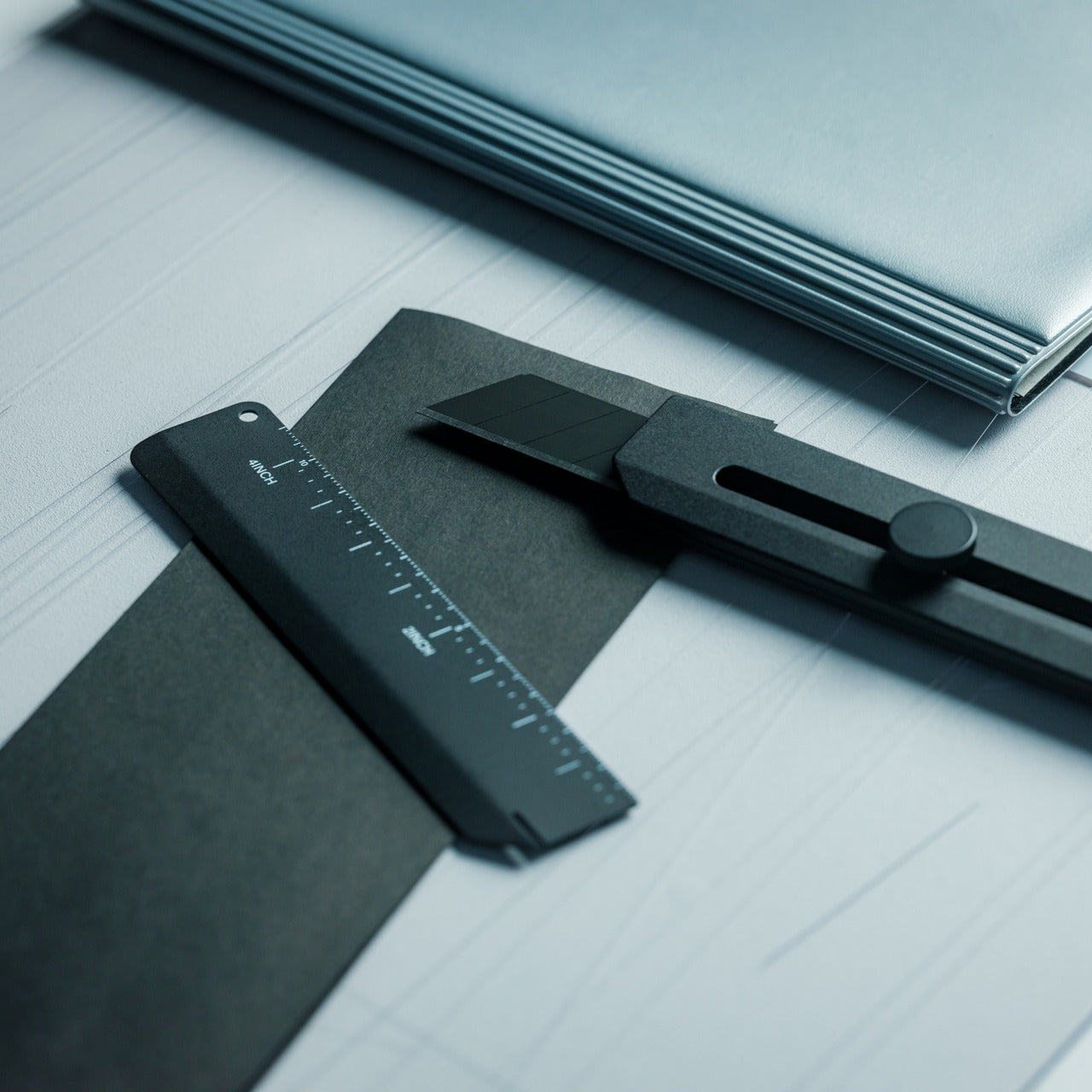
1. Craftmaster EDC Utility Knife
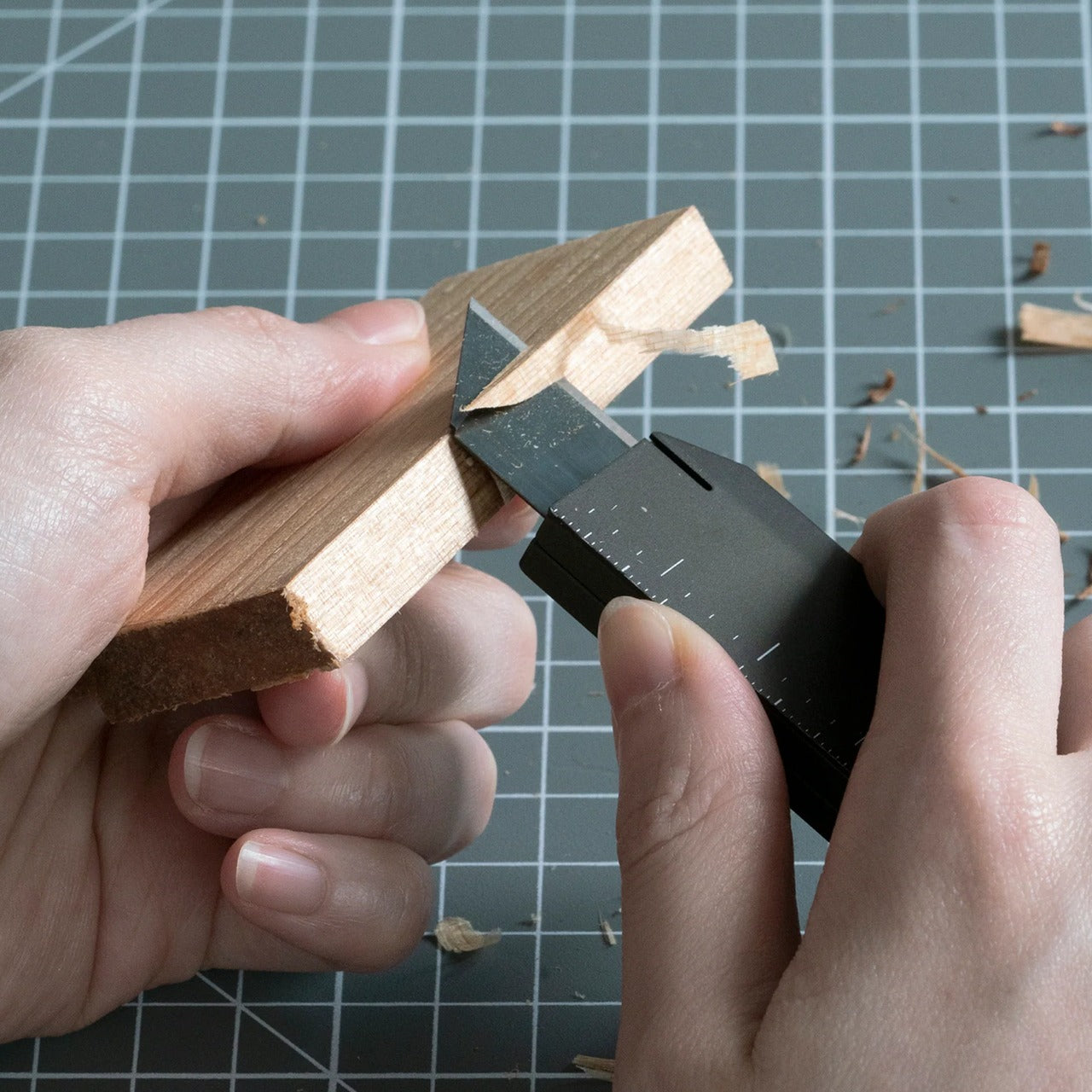
The Craftmaster EDC Utility Knife challenges everything you think you know about pocket tools. Its metallic body sits just 0.3 inches thick and stretches 4.72 inches long, creating a profile slim enough to disappear into any pocket while maintaining the heft that signals quality. The rotating knob deployment system feels tactile and deliberate, engaging an OLFA blade through a mechanism that rewards precision over speed. This isn’t a tool that screams for attention—it earns respect through its restraint, proving that powerful utility doesn’t require bulk or bravado.
The magnetic back serves dual purposes with characteristic Japanese efficiency. It transforms any metal surface into a storage solution, keeping the knife accessible without adding clutter to your workspace. The companion metal scale docks seamlessly to this magnetic base, featuring raised edges that make retrieval from flat surfaces effortless. Both metric and imperial markings ensure universal utility, while the integrated blade-breaker lets you snap off dulled edges without additional tools. The 15-degree curvature protects fingers during operation, and the 45-degree inclination angle makes box-opening safer. Every detail reflects the principle that good design removes friction between intention and action.
OLFA blade replacement system extends the tool’s functional lifetime indefinitely.
Magnetic docking transforms unused metal surfaces into organized storage.
The dual-scale ruler eliminates the need for separate measuring tools.
8mm thickness allows the knife to live comfortably in any pocket.
What we dislike
The metal construction adds weight compared to plastic alternatives.
Blade snapping requires the companion ruler for optimal safety.
2. 8-in-1 EDC Scissors
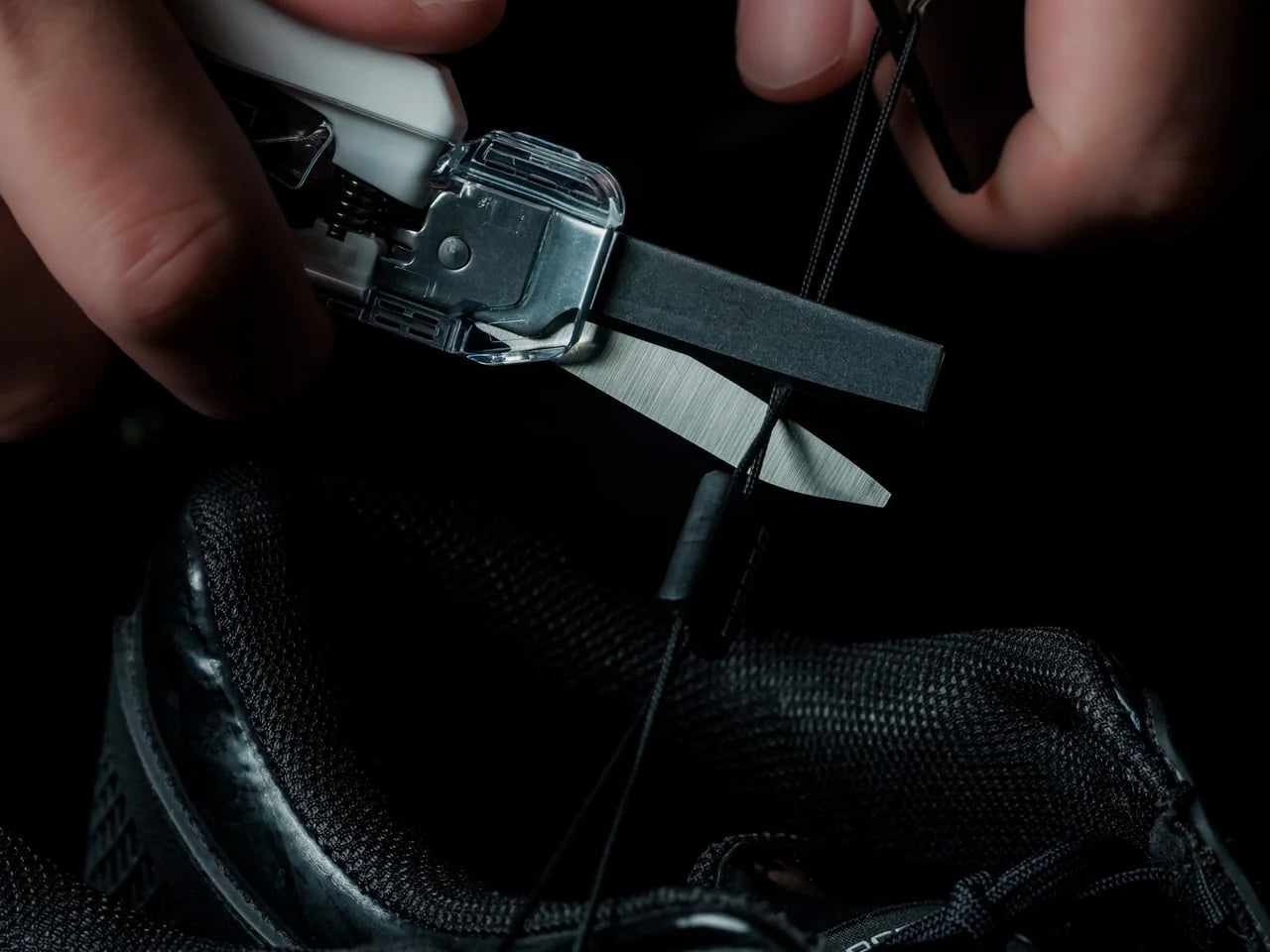
Conventional wisdom says versatile tools sacrifice quality for quantity. These scissors prove that assumption wrong. The 13-centimeter design fits completely within your palm, creating a tool that travels anywhere without announcing its presence. Eight distinct functions emerge from a single elegant form: scissors, knife, lid opener, can opener, cap opener, bottle opener, shell splitter, and degasser. The oxidation film coating doesn’t just prevent rust—it creates a matte black finish that elevates the tool from utility to aesthetic choice.
The genius lies in how each function integrates without compromising the others. The scissor blades maintain their sharpness because they’re not forced into awkward multi-tool compromises. The bottle opener achieves proper leverage despite the compact form factor. The can opener actually works smoothly instead of becoming an emergency-only frustration. This integration happens because the design started with minimalism as the foundation rather than cramming features into an existing form. The result feels purposeful rather than accidental, proving that constraint breeds creativity when handled with skill and intention.
Eight genuinely useful functions integrated without bulk or complexity.
Oxidation film coating provides both protection and sophisticated aesthetics.
Palm-sized dimensions make it genuinely pocketable for daily carry.
Each function maintains full effectiveness despite the compact form.
What we dislike
The black finish may show wear over time with heavy use.
Small size might feel less substantial in larger hands.
3. Rodent Bottle Opener
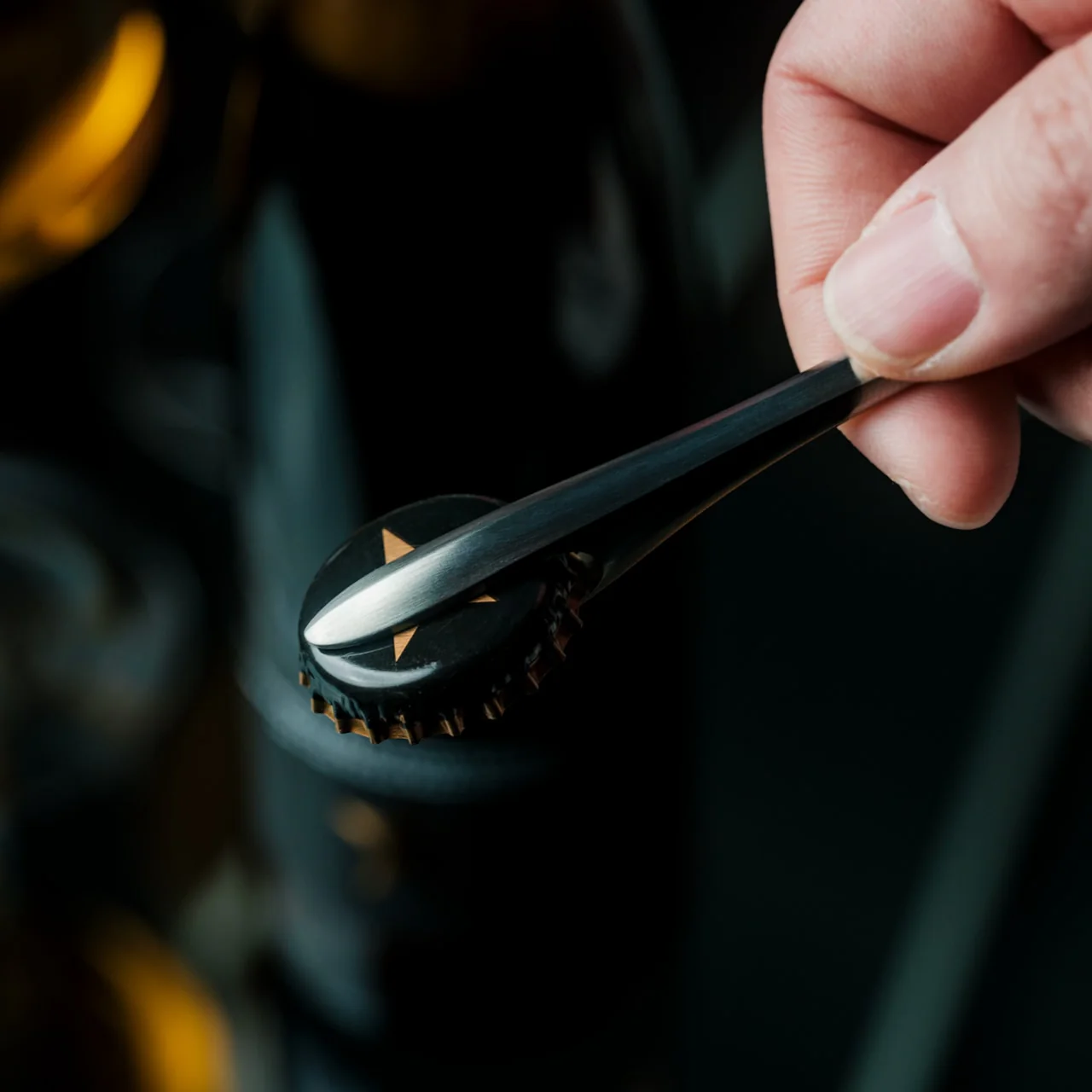
Kairi Eguchi’s Rodent bottle opener for WELD DESIGN STORE asks a radical question: what happens when you remove everything except absolute necessity? The answer arrives as a simple oval steel pipe, processed only at the section required for uncorking. Advanced 3D pipe laser technology creates the functional opening while leaving the rest of the material untouched, preserving the raw character of freshly cut metal. This approach produces an object that feels honest in a world drowning in overdesign, where the material itself becomes the primary aesthetic element.
The philosophy extends beyond mere appearance into something more profound about how we interact with objects. Using the Rodent requires engaging with the pipe’s industrial nature—there’s no rubber grip, no decorative flourishes to mediate the experience. The cold steel against your palm, the weight that comes from solid construction, the tactile feedback of metal against metal—these sensations connect you directly to the act of opening a bottle. This directness might seem harsh at first, but it creates a relationship with the tool that feels more genuine than cushioned alternatives. The opener becomes a small reminder that sometimes the best design simply reveals material truth.
What we like
Single-material construction eliminates weak points and potential failures.
Untouched pipe sections preserve the authentic character of industrial steel.
Minimal processing reduces manufacturing complexity and environmental impact.
The design achieves complete functionality without any superfluous elements.
What we dislike
The raw steel aesthetic may not suit every environment or preference.
Lack of grip coating means cold metal directly against the hand.
4. Painless Key Ring
Key rings have operated on the same principle for decades: a tightly wound coil that requires finger-destroying force to manipulate. The wave spring key ring borrows technology from aerospace equipment and automotive applications to solve this everyday frustration. The innovative coil design maintains tension without the aggressive grip that damages nails and deforms rings. Adding or removing keys becomes genuinely stress-free, transforming a minor annoyance into a smooth operation that respects both your time and your fingertips.
The engineering reveals itself through performance rather than appearance. The wave spring construction achieves superior durability while reducing weight compared to traditional rings. This means the device in your pocket becomes lighter even as it grows more robust—a combination that seems impossible until you understand how the spring geometry distributes stress. Available in silver and black finishes, the ring adapts to personal aesthetic preferences without adding bulk or complexity. The design proves that solving problems often requires looking beyond established solutions to principles from entirely different fields, importing expertise that transforms the familiar into something better.
The wave spring mechanism eliminates the fingernail damage of traditional key rings.
Aerospace-grade durability ensures the ring won’t deform or fail over time.
Lighter construction reduces pocket bulk without sacrificing strength.
Silver and black options provide aesthetic flexibility.
What we dislike
The unfamiliar mechanism may require a brief adjustment period.
Slightly higher cost reflects the advanced spring technology.
5. Compact Modular Grill Plate
Outdoor cooking equipment typically forces a choice: lightweight portability or effective heat distribution. The Compact Modular Grill Plate rejects this false dichotomy through intelligent material layering. The three-layer steel plate construction ensures uniform heat conduction across the entire surface, maintaining the even temperatures that separate mediocre cooking from exceptional results. The modular handle system adapts to different situations—stable bases, unstable campfires, or quick movements between heat sources. When finished, everything packs into a remarkably compact form that defies the plate’s cooking capabilities.
The versatility extends to heat source compatibility that borders on remarkable. Campfire coals, gas burners, and induction stoves all work equally well with the plate’s construction. This universality means the same tool serves backyard gatherings, backcountry adventures, and indoor cooking with identical effectiveness. The even heat distribution preserves moisture in proteins while achieving proper browning, delivering restaurant-quality results in settings where such outcomes typically seem impossible. Available in Basic and Special configurations, the system scales to different needs without abandoning the core principle: proper heat management makes better food, regardless of setting.
The Slim Fold Dish Rack solves a problem so common we’ve stopped noticing it: permanent dish racks occupy valuable counter space even when empty. The patent-pending spring mechanism collapses the 14-inch rack down to 1.2 inches in one second, with deployment just as fast. This transformation happens smoothly enough to become genuinely practical rather than a clever trick you stop using after the novelty fades. The collapsed form actually fits in pockets, making it genuinely portable for camping trips, RVs, or anywhere space comes at a premium.
The minimalist structure provides ample ventilation while accommodating plates, utensils, and cookware of varying sizes. The design achieves this flexibility through strategic material placement rather than complex adjustments or attachments that add bulk and failure points. Cleaning becomes effortless—the rack is dishwasher-safe, removing the irony of hand-washing the thing meant to organize your dishwashing. The spring system maintains tension through repeated cycles without loosening or failing, proving that elegantly simple mechanical solutions often outlast their complicated electronic counterparts. Sometimes the best technology is just physics applied with precision and care.
Patent-pending spring system enables genuine one-second collapse and deployment.
Collapsed 1.2-inch profile fits in pockets for complete portability.
Dishwasher-safe construction eliminates cleaning friction.
Minimalist design provides proper ventilation for various dish sizes.
What we dislike
The spring mechanism requires periodic cleaning to maintain smooth operation.
Collapsed form may be too compact for users who prefer permanent setups.
7. Effortless Standing Letter Cutter
The Standing Letter Cutter transforms envelope opening from a mundane task into a moment of tactile satisfaction. Slide an envelope across the anodized aluminum bar and watch as it creates a clean incision along one side. The blade makes a surgical opening without generating paper scraps or mangled edges—just a smooth entry that preserves the envelope’s integrity. When not in use, the cutter serves as a paperweight or desk accent, demonstrating how functional objects can occupy space beautifully rather than apologetically.
The anodized aluminum construction achieves that rare balance between substance and refinement. The material feels substantial without being unnecessarily heavy, creating an object that announces quality through tactile experience rather than visual noise. The replaceable blade system extends the cutter’s lifetime indefinitely, embracing repair over replacement in a culture addicted to disposability. This serviceability reflects a deeper design philosophy: good tools should outlast their users, becoming heirlooms rather than landfill material. The simple act of opening mail becomes slightly more pleasurable, which might seem trivial until you realize how many small moments compose a life.
Anodized aluminum construction provides an elegant desk presence beyond pure utility.
Clean incision eliminates paper scraps and simplifies envelope opening.
Replaceable blade system extends product lifetime indefinitely.
Dual functionality as a paperweight maximizes usefulness per cubic inch.
What we dislike
The metal construction may scratch wooden or delicate desk surfaces.
Replacement blades require sourcing from the manufacturer.
Why Less Becomes More
These seven tools share a common thread that extends beyond Japanese origin or minimalist aesthetics. Each design starts by questioning assumptions about how objects should look and function. The Craftmaster knife asks why utility tools need bulky handles when slim metal suffices. The palm scissors challenge the notion that versatility requires size. The Rodent opener wonders whether bottle openers need any processing beyond what’s functionally necessary. These aren’t rhetorical questions—they’re design principles that produce tangible results. The tools work better precisely because they attempt less, focusing energy on core functions rather than dissipating effort across unnecessary features.
This approach resonates because it addresses a deeper cultural fatigue with overcomplicating everything. We’re surrounded by objects that try too hard, products that add features to justify price points rather than solve actual problems. Japanese minimalism offers an antidote: tools that respect your intelligence by trusting you don’t need hand-holding or distraction. They accomplish their purposes cleanly, then get out of the way. That restraint becomes its own form of luxury—the space to think, act, and exist without constant negotiation with poorly designed objects. In choosing tools that do more with less, you’re not just simplifying your carry or kitchen. You’re reclaiming mental space from the clutter of modern life, one thoughtfully designed object at a time.
Backcountry adventures demand gear that refuses to quit when conditions turn challenging. The right lighting solution transforms a tense moment into a manageable one, whether you’re searching for a misplaced carabiner at midnight or navigating an unexpected detour off-trail. In 2025, portable lighting has evolved beyond simple illumination, offering adaptive brightness, extended battery life, and multipurpose designs that earn their weight in any pack.
The flashlights and lighting systems featured here represent a new generation of outdoor equipment built for real-world backcountry use. From ultra-compact EDC models that clip to your gear to versatile campsite lanterns that adapt to any scenario, these designs prioritize functionality without sacrificing portability. Each brings something distinct to the table, addressing specific challenges outdoor enthusiasts face when venturing beyond cell service and reliable power sources.
1. Lumitwin DL700
The Lumitwin DL700 redefines what’s possible in a portable flashlight with its staggering 2-kilometer beam distance and dual independently-controlled barrels. This isn’t an incremental improvement over standard LED technology. The flashlight employs laser-excited phosphor modules instead of traditional LEDs, delivering a focused throw that reaches 1.24 miles into the darkness. The dual-barrel design means you can operate each light independently, switching between them based on your immediate needs while preserving battery life on the unused barrel for extended expeditions.
Built from aerospace-grade aluminum machined from a single block, the DL700 weighs 1,032 grams and handles abuse that would destroy lesser lights. The IP68 waterproof rating means complete submersion poses no threat, while the 1-meter drop rating accounts for fumbles in challenging terrain. Interchangeable color filters in red, green, and flood configurations adapt the light for hunting scenarios, search-and-rescue operations, or tactical applications. The carabiner clip integration makes it accessible without digging through your pack when darkness catches you mid-trail.
What we like
The 2-kilometer beam distance outperforms virtually every portable flashlight available for backcountry use
Dual independent barrels provide backup redundancy and operational flexibility
Swappable color filters eliminate the need to carry multiple specialized lights
Machined aluminum construction survives harsh conditions without compromising structural integrity
What we dislike
The 1,032-gram weight exceeds ultralight backpacking preferences for those counting every ounce
Premium laser-excited phosphor technology comes with a correspondingly premium price point
2. BlackoutBeam Tactical Flashlight
BlackoutBeam delivers 2,300 lumens of raw illumination with a 300-meter throw distance, making it one of the brightest handheld options for backcountry emergencies. The 0.2-second response time eliminates any lag between activation and full brightness, critical when you need immediate visibility or must signal for help. The industrial aluminum body construction balances durability with weight considerations, maintaining IP68 water and dust resistance that protects internal components from backcountry elements. Five distinct modes, including three brightness levels, strobe, and pinpoint, provide tactical flexibility for different scenarios.
The dual power system separates BlackoutBeam from single-battery competitors. The built-in 3,100mAh lithium-ion battery recharges via USB, but when you’re days from any outlet, the ability to swap in two emergency CR123A batteries ensures you’re never without light. The strobe mode works for emergency signaling or disorienting wildlife encounters, while the pinpoint mode conserves battery when you only need to check map details. The flashlight’s sleek design avoids the overtly tactical aesthetic that feels out of place on recreational backcountry trips.
The 2,300-lumen output provides exceptional brightness for search, rescue, and emergencies
Dual power options with USB rechargeable and backup CR123A batteries eliminate dead-battery anxiety
The 0.2-second response time delivers instant illumination without delay
Five different modes adapt to varied backcountry lighting requirements
What we dislike
Maximum brightness drains battery quickly, requiring careful power management on extended trips
The high lumen output may be excessive for routine camp tasks
3. TriBeam Camplight
The award-winning TriBeam Camplight brings three distinct lighting modes into one compact 135-gram package that measures just 12.8cm tall. The 3-in-1 design switches between camping, ambient, and flashlight modes with a single intuitive button, adapting from a gentle 5-lumen glow for reading in your tent to a powerful 180-lumen beam for trail navigation. The adjustable brightness range provides precise control over battery consumption, with the lowest settings delivering up to 50 hours of continuous use on a single charge. This versatility makes it equally suitable for intimate cabin evenings and technical night hiking.
The magnetic lampshade attachment transforms the beam quality instantly, softening harsh direct light into a diffused glow that creates a comfortable campsite ambiance. When navigation demands focused illumination, simply remove the magnetic shade, and the flashlight mode cuts through darkness effectively. The hidden handle tucks away seamlessly when not needed but deploys for hanging from tent loops, tree branches, or pack straps. IPX6 water resistance handles rain and splashes without concern, while the 3,100mAh lithium battery supports extended backcountry trips. USB-C charging ensures compatibility with modern power banks and solar chargers.
Three distinct lighting modes in one compact device eliminate the need for multiple lights
The 50-hour maximum runtime on low settings supports multi-day trips without recharging
Magnetic lampshade attachment and a hidden handle provide mounting versatility
At 135 grams and 12.8cm, it qualifies as truly packable gear
What we dislike
The 180-lumen maximum brightness falls short of high-output flashlights for long-distance visibility
Magnetic attachments can collect metal debris in dusty backcountry conditions
4. Olight Baton 4 with Premium Charging Case
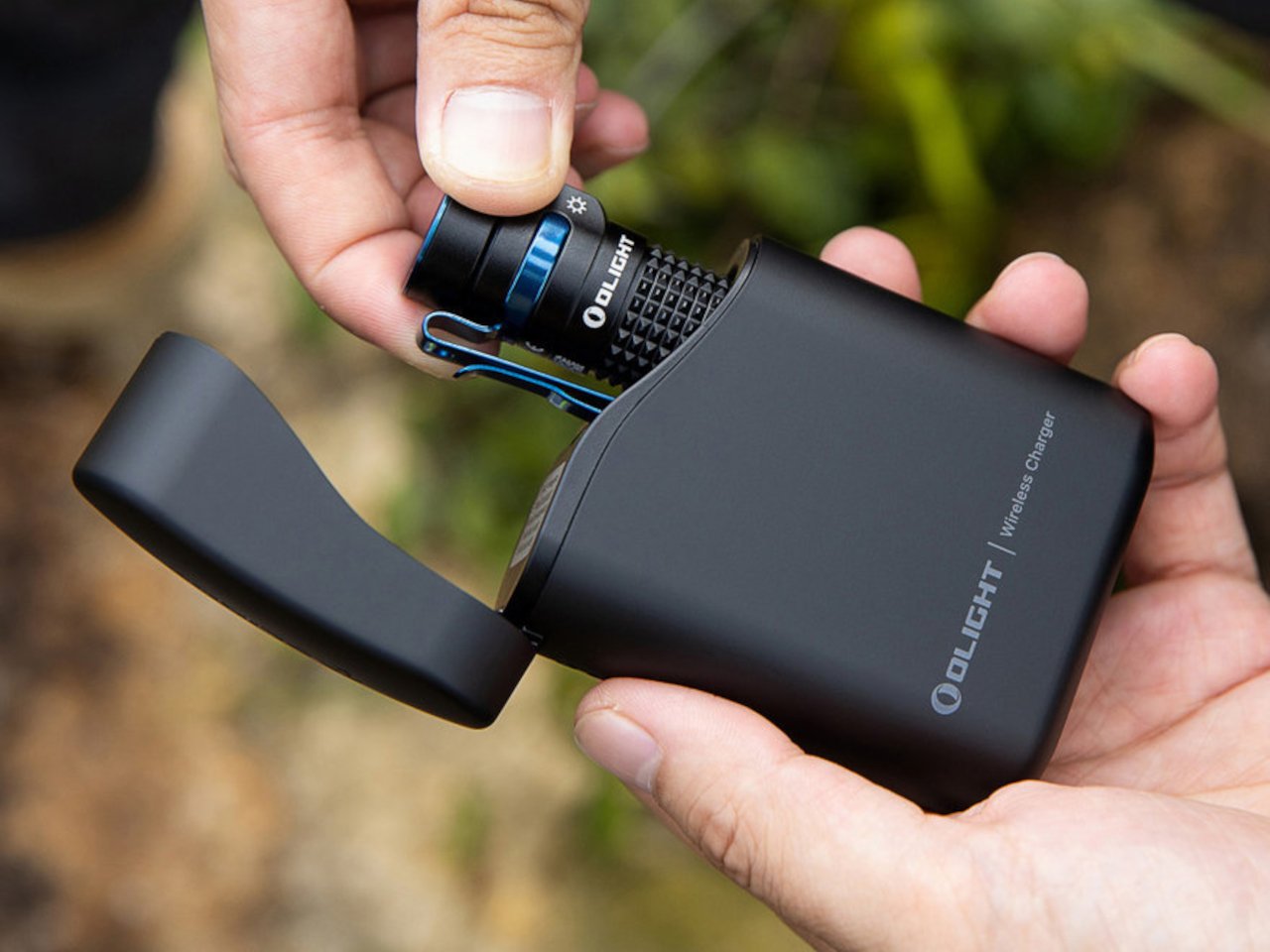
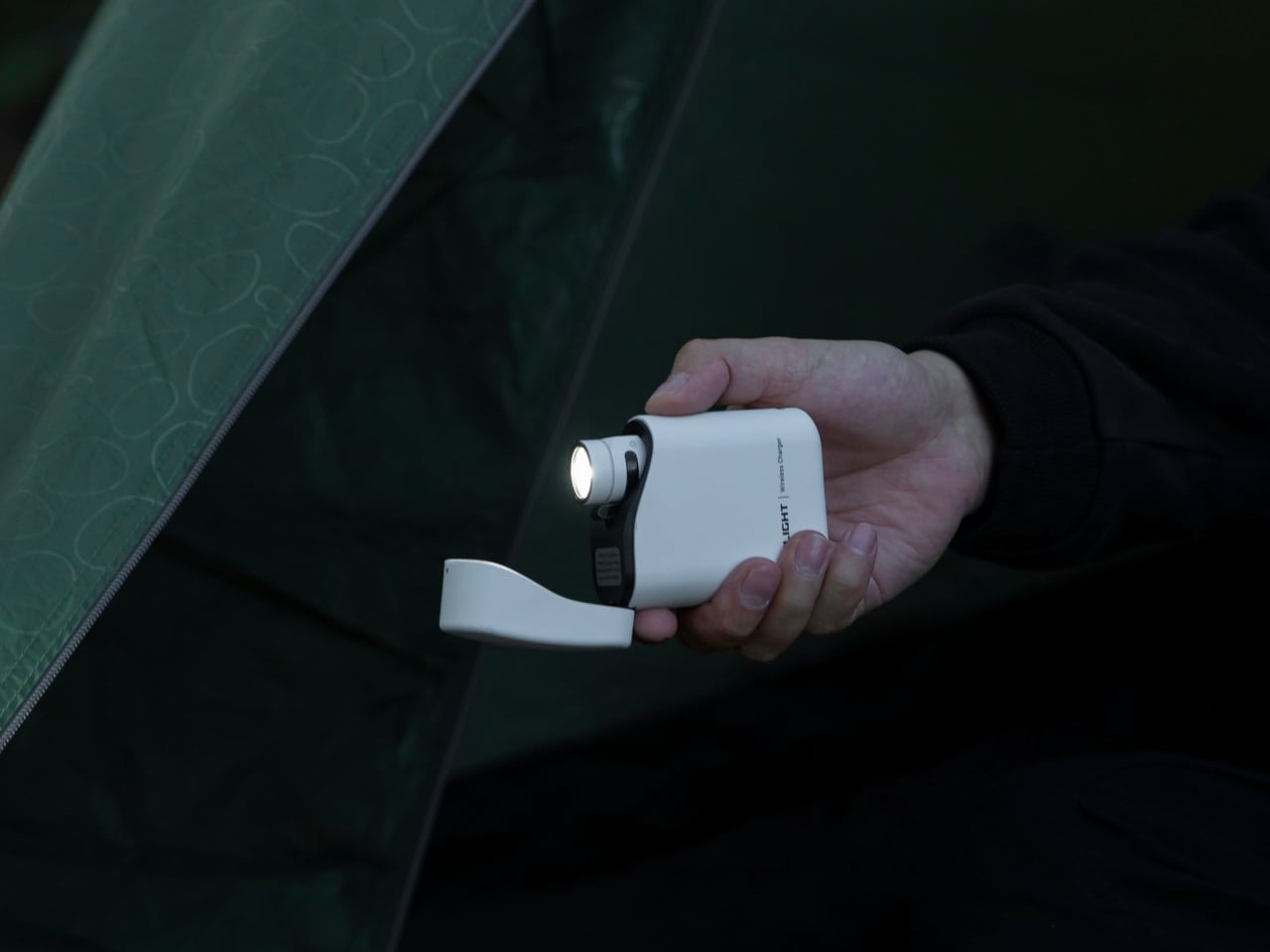
The Olight Baton 4 Premium Edition centers around its innovative 5,000mAh flip-top charging case that transforms how you interact with EDC flashlights. The case stores and charges the flashlight, but the standout feature allows you to flip open the cover, press the side button, and activate the 1,300-lumen light while it remains secured inside. This design eliminates fumbling in the darkness and speeds response time during emergencies. The charging case fits easily in jacket pockets or pack hip belts, keeping the flashlight accessible and charged simultaneously throughout your backcountry journey.
The Baton 4 flashlight itself delivers 1,300 lumens with a 170-meter throw distance in a compact cylindrical form factor. Small LED indicators display brightness level and remaining battery charge, removing guesswork about available runtime. The flashlight’s compact dimensions make it unobtrusive as an everyday carry item that transitions seamlessly into backcountry use. The charging case works with compatible Olight flashlights beyond just the Baton 4, adding value if you already own other models in their lineup. One-handed case operation means you can keep your other hand on trekking poles or maintain your grip on technical terrain.
What we like
The 5,000mAh charging case keeps the flashlight powered for extended trips without electrical access
Flip-top design with in-case activation speeds deployment in critical moments
LED indicators provide clear battery status information
The compact case design makes it practical for everyday pocket carry
What we dislike
The 1,300-lumen output and 170-meter throw are moderate compared to higher-powered options
The system requires carrying the case for the charging benefit to remain relevant
5. CasaBeam Everyday Flashlight
CasaBeam bridges emergency preparedness and intentional design with its 1,000-lumen beam and dual-mode functionality that converts from a handheld flashlight to an upright lantern. The minimalist form factor looks appropriate displayed on a bookshelf rather than hidden in a drawer, encouraging you to keep it accessible where you’ll actually use it. The 200-meter beam distance handles outdoor paths and large rooms with equal capability, while the twist-to-zoom front toggles between focused spotlight and wide floodlight distribution. This adaptability suits varied backcountry scenarios from distant trail scanning to close-range camp setup.
Standing the flashlight upright activates lantern mode, providing hands-free illumination for cooking, gear organization, or evening reading without rigging hanging systems. Five modes, including three brightness levels and two SOS settings, offer precise control over both light output and battery consumption. The 2,600mAh lithium-ion battery delivers up to 24 hours on low settings, rechargeable via USB-C for compatibility with solar panels and portable power banks. The charging port hides beneath the zoom head, protecting it from dust and moisture while maintaining the clean design aesthetic. A built-in yellow loop provides hanging options from tent peaks or tree branches when elevation improves light distribution.
The dual flashlight-lantern functionality eliminates carrying separate devices for different lighting needs
Twist-to-zoom adjustability adapts beam focus for specific tasks
The 24-hour maximum runtime supports multi-day use between charges
Award-winning design makes it attractive enough to keep easily accessible
What we dislike
The 1,000-lumen output is adequate but not exceptional for long-distance visibility
Lantern mode requires flat ground or stable surfaces to stand upright effectively
6. Portable Fire Pit Stand
While not a traditional flashlight, the SANYO Portable Fire Pit Stand provides essential backcountry lighting through controlled fire, offering warmth and illumination simultaneously. The puzzle-like metal assembly breaks down into flat components that pack efficiently, eliminating the bulk associated with rigid fire pit designs. Special sheet metal technology prevents warping and distortion from repeated heating cycles, maintaining structural integrity across seasons of use. The distinctive industrial aesthetic comes from functional cutouts and holes that serve the dual purpose of visual interest and optimized airflow for efficient combustion.
Removable trivets expand cooking versatility beyond simple flame-based heating, supporting grilling, frying, and various preparation methods that turn the fire pit into a complete outdoor kitchen. The elevated design protects ground vegetation and reduces fire scar impact in backcountry campsites where Leave No Trace principles matter. The black steel plate construction offers durability against weather exposure and rough handling during transport. The stand’s open design allows you to monitor fuel levels and adjust burning materials easily, controlling flame size and heat output based on your lighting and warmth requirements throughout the evening.
The disassembled flat pack design stores efficiently in backpacks or vehicle storage
Removable trivets support diverse cooking methods beyond basic fire
Warp-resistant steel maintains structural integrity through repeated heating cycles
Elevated design minimizes environmental impact on backcountry campsites
What we dislike
Fire-based lighting requires fuel gathering and appropriate weather conditions to function effectively
Metal components add weight compared to traditional lightweight camp stoves or LED alternatives
7. Wuben G5 EDC Flashlight
The Wuben G5 achieves remarkable portability with its lighter-sized form factor that slips into pockets without adding noticeable bulk or weight. The built-in adjustable clip and strong magnetic base provide multiple mounting options when your hands need freedom for technical tasks. You can attach it magnetically to vehicle frames, tent stakes, or cookware, positioning the light exactly where needed without constructing elaborate hanging systems. The included lanyard adds another tethering option, preventing drops during tricky maneuvers and keeping the flashlight accessible on your person.
The compact design required trade-offs compared to Wuben’s larger X2 Pro series, eliminating the sidelight feature and electronic battery display to achieve the reduced dimensions. Despite the smaller size, the G5 delivers sufficient illumination for navigation, camp tasks, and emergencies where having any light matters more than maximum brightness. The flexible clip-on mechanism adjusts to various attachment points and materials, adapting to whatever gear you need to mount it on. For minimalist backpackers and ultralight enthusiasts, the G5’s tiny footprint makes it an effortless addition that doesn’t force compromises with other essential gear.
What we like
The pocket-sized dimensions and light weight make it genuinely unobtrusive for everyday carry
Adjustable clip and magnetic base provide versatile hands-free mounting options
The lanyard attachment prevents loss during challenging activities
Compact design doesn’t demand dedicated pack space
What we dislike
Reduced size means lower lumen output compared to full-sized flashlight options
Eliminating the sidelight and electronic battery display removes useful features present in larger models
8. Tomori Lantern Kit
The Tomori Lantern Kit solves the storage challenge that keeps many people from maintaining emergency lighting in vehicles, offices, and multiple locations. Collapsing to A4 paper size, the kit fits into drawers, glove compartments, and backpack side pockets where bulky lanterns cannot. The sturdy cardboard base works with any standard LED flashlight that fits its clamps, eliminating dependence on proprietary bulbs or specific lamp models. This universal compatibility means you can use flashlights you already own rather than investing in dedicated lantern systems.
The polypropylene plastic cover diffuses harsh direct beams into softer, more pleasant ambient light that creates a comfortable atmosphere in tents, emergency shelters, or indoor spaces during power outages. Setup and collapse require no tools, power sources, or charging cables—you simply clamp your flashlight into the base and position the diffuser cover. The lightweight construction adds minimal weight, while the collapsed profile means you can stash multiple kits in different locations without space concerns. The included flashlight ensures the kit works immediately out of the package, though the real value comes from the ability to use it with various lights you may already carry.
A4-sized collapsed dimensions make it practical to store in multiple locations
Universal flashlight compatibility works with lights you already own
Cable-free operation requires no charging or electrical access
Lightweight cardboard and plastic construction add negligible weight to emergency kits
What we dislike
Cardboard construction is less durable than hard-shell lanterns for repeated rough handling
Diffused light output depends entirely on the brightness of the flashlight you insert
9. Airflow 8-Panel Fire Pit
The Airflow Fire Pit brings sophisticated combustion engineering to backcountry campfires through its removable eight-panel design. The unique panel system creates an eight-sided cylinder optimized for secondary combustion, dramatically reducing smoke output while increasing heat efficiency. Strategic holes at panel bottoms channel fresh air directly to the fire base for primary combustion. As this air heats, it rises through the double-walled panel cavity and expels from the top holes, igniting gases and particulates that would normally become smoke. The result is cleaner burning that improves both air quality and nighttime visibility around your campsite.
The adjustable panel system provides unprecedented fire control. Installing all eight panels maximizes secondary combustion for high-intensity heat, ideal for cooking or cold-weather warmth. Removing panels reduces combustion intensity, creating more traditional open fire aesthetics when you prioritize ambiance over maximum heat output. This flexibility adapts to different backcountry scenarios and personal preferences throughout the evening. SANYO Works drew on extensive metal processing expertise to engineer panels that withstand repeated heating without degradation. The optimized airflow design also simplifies cleanup since more complete combustion leaves less residue and unburned material. For backcountry campers who value fire as both light source and social centerpiece, the engineering refinement elevates the entire experience.
The secondary combustion system dramatically reduces smoke for cleaner burning
Adjustable eight-panel design provides control over fire intensity and heat output
Complete combustion improves efficiency and simplifies ash cleanup
Durable engineering maintains performance across seasons of use
What we dislike
Panel-based design adds weight and bulk compared to minimalist fire solutions
Secondary combustion requires proper assembly and fuel management to achieve optimal results
10. HOTO Flashlight Duo
The HOTO Flashlight Duo addresses the varied lighting needs that emerge during camping through multiple modes and attachment options. A retractable magnetic hook, strap, and magnetic base ensure you can position the light appropriately for any situation without improvising precarious setups. The hands-free capability lets you focus on intricate camp tasks like tent repairs, meal preparation, or gear organization without holding a flashlight in your mouth or propping it awkwardly against unstable surfaces. Magnetic attachment to vehicles, cookware, or metal tent stakes provides secure positioning that stays put even in windy conditions.
The secondary sidelight covered in milky white plastic enables distinct lighting modes beyond the primary beam. Twisting the Mode Switching Head toggles between Mood Light, Functional Light, and Flashlight Mode, providing 13 different light combinations that adapt to specific camping needs. The simple interface using just a knob and button keeps the operation intuitive even when you’re exhausted after a long day on the trail. Mood lighting creates a comfortable evening ambiance for relaxing at camp, functional light supports task work requiring close-range visibility, and traditional flashlight mode handles navigation and distance viewing. The thoughtful design integration makes the Duo genuinely versatile rather than awkwardly multi-functional.
What we like
Retractable magnetic hook, strap, and magnetic base provide extensive mounting flexibility
Thirteen different light combinations through three primary modes adapt to varied camping scenarios
Simple knob and button interface remains intuitive during fatigue or stress
Secondary sidelight adds genuinely useful functionality beyond standard flashlights
What we dislike
Multiple features and modes increase complexity compared to single-purpose flashlights
The versatile design may add weight and size beyond minimalist requirements
Choosing Light for the Long Haul
Backcountry lighting in 2025 reflects a maturation of outdoor gear design where form and function converge without compromise. The flashlights and lighting solutions featured here demonstrate that portability no longer requires sacrificing power, versatility, or durability. Whether you prioritize ultralight minimalism, maximum brightness, or adaptive functionality, current offerings provide legitimate solutions rather than forcing uncomfortable trade-offs between competing priorities that matter in challenging environments.
The best lighting choice depends on your specific backcountry activities, trip duration, and personal preferences around weight versus capability. Extended expeditions far from resupply benefit from long-runtime options and dual power systems. Fast-and-light adventures reward compact EDC designs that disappear into pockets. Group camping scenarios make versatile lanterns valuable for shared spaces. Evaluating your typical backcountry patterns helps identify which features matter most when darkness falls, and reliable illumination becomes non-negotiable.
Generic wireless earbuds arrive in identical white plastic shells with forgettable names and indistinguishable sound profiles. Smart speakers reduce albums to voice commands and invisible algorithms. Mass-produced audio gear does the job, but it does nothing for the soul. The following collection rejects that sameness entirely. These seven designs treat sound as something worth seeing, touching, and displaying. They transform listening from background noise into intentional ritual, proving that audio equipment can spark conversation, elevate spaces, and reconnect us with the physical pleasure of music.
Each piece here champions visibility over invisibility. Whether through kinetic wooden tiles that dance with your vinyl, transparent frames that showcase spinning CDs, or cassette-shaped speakers that resurrect mixtape culture, these gifts refuse to disappear into pockets and smart home ecosystems. They’re designed for people who curate rather than consume, who value craftsmanship over convenience, and who believe technology should enhance spaces rather than colonize them. For anyone exhausted by tech that looks and feels like everything else, these selections offer genuine alternatives.
1. Orbit Kinetic Turntable
Lillian Brown’s Orbit Kinetic Turntable makes music visible. Thirty-nine handcrafted wooden tiles surround the record platter in concentric circles, flipping and rotating as your album plays. Every bassline triggers motion. Every cymbal crash shifts the pattern. What started as Brown’s senior thesis at the Savannah College of Art and Design became a sculptural performance piece that translates sound waves into physical movement. The tiles respond to frequency and amplitude, creating hypnotic displays unique to whatever you’re spinning.
This isn’t gear that fades into the background. Friends will gather around this turntable to watch music unfold, seeing frequencies become choreographed motion. The wood construction fits contemporary interiors while bridging generations—showing younger listeners that sound once demanded full attention. Brown created something between a turntable and a kinetic sculpture, resurrecting the ritual of intentional listening. It proves music’s physical dimension extends beyond grooves pressed into wax. For collectors ready to showcase vinyl as living art, this is it.
What we like
The handcrafted wooden tiles create mesmerizing visual patterns synchronized to your music’s actual frequency and amplitude.
The kinetic sculpture element transforms passive listening into an active sensory experience worth gathering around.
What we dislike
Availability remains uncertain as the design may still be in concept or a limited production phase.
The complex mechanical system likely requires more maintenance than standard plug-and-play turntables.
2. Portable CD Cover Player
The Portable CD Cover Player brings album artwork back from digital exile. A transparent pocket displays your CD jacket prominently while the disc spins behind it. Built-in dual stereo speakers mean no external equipment, while the rechargeable battery lets you mount it anywhere—kitchen walls, bedroom shelves, wherever. It’s for people who kept their CD collections when everyone said physical media was dead. Who remembers studying liner notes and album photography instead of scrolling past thumbnail images?
You can rotate it between rooms or bring it to gatherings where tangible music matters. The minimalist design keeps focus on your collection rather than technology. Streaming services show cover art optimized for phone screens. This player presents it at the proper scale where typography and photography get the prominence the artists intended. It suits anyone rebuilding relationships with albums they once owned, anyone tired of faceless playlists. Physical formats offer something algorithms can’t replicate—the complete artistic statement combining sound, image, and object.
The transparent jacket pocket prominently displays album artwork at the proper scale, where design details become visible.
Wall-mounting capability combined with built-in speakers and a rechargeable battery provides genuine placement flexibility without wire management struggles.
What we dislike
The price point may feel substantial for those with extensive CD libraries expecting to use the player daily across their entire collection.
Built-in speaker sound quality likely cannot match dedicated external audio systems preferred by serious audiophiles.
3. ClearFrame CD Player
ClearFrame strips away every opaque surface to expose what’s usually hidden. Crystal-clear polycarbonate reveals spinning discs, visible circuitry, and mechanical processes typically concealed behind plastic shells. Black circuit boards become part of the aesthetic rather than hidden components. The design philosophy is simple—technology shouldn’t hide its engineering. Bluetooth connectivity, seven to eight hours of battery, and multiple outputs balance vintage format with modern convenience. Position it on desks, mount it to walls, or prop it on shelves where it catches light.
The transparency transforms electronics into a conversation-starting sculpture for minimalist spaces. Three playback modes paired with one-touch controls make operation intuitive despite visual complexity. Built-in shock protection handles standard CDs, mini discs, and MP3 formats. It works for people who view possessions as curated statements, who want technology that enhances spaces rather than clutters them. The visible mechanics remind you that playback involves real physical processes. Each session feels more intentional than streaming’s invisible delivery. For anyone reconnecting with albums they meant to revisit, this frames them beautifully.
The fully transparent acrylic construction showcases internal components and spinning discs, turning consumer electronics into a visible kinetic sculpture.
Multiple placement options, including optional wall mounting and a desk stand, offer versatile display configurations for varied interior aesthetics.
What we dislike
The exposed circuitry and transparent surfaces collect dust and fingerprints more readily than enclosed traditional players.
Maintaining the pristine, transparent aesthetic requires frequent cleaning to prevent smudges from diminishing the visual impact.
4. Side A Cassette Speaker
Side A Cassette Speaker looks exactly like a mixtape from 1985. Transparent shell, Side A label, authentic dimensions—then you realize it’s hiding Bluetooth 5.3, microSD playback, and six-hour battery life beneath that analog disguise. At just 80 grams with its clear case, it slips into pockets for music anywhere while delivering warm sound tuned to echo tape-era audio. The included case doubles as a display stand, transforming portable audio into shelf decoration that broadcasts your retro credentials.
This design resurrects the emotional weight mixtapes once carried. Modern playlists offer infinite choice but lack the physical presence and intentional curation that cassettes demanded. Creating a tape meant selecting every track with purpose. Giving someone a mixtape meant something. The microSD support enables offline listening without Wi-Fi dependency, while Bluetooth bridges analog aesthetics with contemporary devices. It suits people who appreciate character in their audio gear, who value objects that tell stories beyond specifications, who find joy in designs that refuse sameness.
The faithful cassette styling with transparent shell and authentic labeling creates immediate nostalgic recognition while hiding modern Bluetooth technology.
The included clear case transforms into a hands-free display stand, elevating portable audio into shelf-worthy decoration.
What we dislike
The compact size inherently limits sound quality and volume compared to larger dedicated speakers.
The nostalgic aesthetic may not resonate with younger recipients who lack personal memories of cassette culture.
5. Battery-Free Amplifying iSpeakers
Battery-Free Amplifying iSpeakers need nothing. No electricity, no batteries, no charging cables. Crafted from aerospace-grade Duralumin metal using golden ratio proportions, this passive amplifier channels your smartphone’s sound through acoustic chambers that fill rooms. Slot your phone into the metal frame and watch vibration-resistant construction transform tinny device speakers into genuine audio using pure physics. The minimalist metal sculpture enhances desk aesthetics while remaining portable enough to carry anywhere outlets don’t exist.
This philosophy rejects planned obsolescence entirely. Nothing to charge, sync, or update. The Duralumin construction offers durability like vinyl records once provided—objects built for decades, not seasons. Optional Bloom and Jet mods allow sound direction control. It suits minimalists exhausted by tech demanding constant feeding, environmentalists seeking sustainable alternatives to disposable Bluetooth speakers, and anyone appreciating elegant solutions. The visible craftsmanship makes a statement about valuing quality over connectivity. While Bluetooth speakers race toward feature bloat, these iSpeakers prove the best technology is sometimes no technology—just intelligent design exploiting acoustic principles.
The completely battery-free passive amplification eliminates charging anxiety and planned obsolescence inherent in electronic speakers.
Aerospace-grade Duralumin construction designed using golden ratio principles provides both acoustic performance and lasting sculptural desk presence.
What we dislike
Acoustic amplification cannot match the volume and sound quality of powered Bluetooth speakers in larger spaces.
Compatibility depends on phone size and case thickness, potentially limiting use with certain devices or protective cases.
6. RetroWave 7-in-1 Radio
Behind its retro Japanese-inspired design and tactile tuning dial, the RetroWave packs seven functions into one compact unit. Speaker, MP3 player, FM/AM/SW radio, LED flashlight, clock, power bank, and SOS alarm—all wrapped in nostalgic packaging that works on kitchen shelves or emergency kits. Stream Bluetooth during normal times. Hand-crank or solar charge when power fails. The 2000mAh battery delivers up to twenty hours of radio time or six hours of emergency lighting while also charging your phone during blackouts.
This isn’t nostalgic cosplay. The RetroWave addresses genuine preparedness needs while remaining functional daily. Some mornings, it plays jazz stations during coffee, dial glowing softly on countertops. Other days, it’s charging phones during outages, flashlight guiding hallways, and SOS alarm signaling for help. AM/FM/SW radio provides access when internet infrastructure fails, while USB and microSD enable offline music. It suits design lovers wanting gear that looks as good as it performs, preparedness people building resilient systems, and travelers heading off-grid. Multi-functionality means fewer devices cluttering spaces. Equally suited to counters and disaster caches.
The seven-in-one functionality consolidates speaker, radio, flashlight, power bank, and emergency features into one versatile unit.
Hand-crank and solar charging provide genuine off-grid power independence when electrical infrastructure fails, or outdoor adventures demand self-sufficiency.
What we dislike
The retro aesthetic and multi-function design add bulk compared to specialized single-purpose devices.
Audio quality from the built-in speaker likely trails dedicated Bluetooth speakers focused solely on sound performance.
7. StillFrame Headphones
StillFrame Headphones sit somewhere between earbuds and over-ear cans, offering a middle ground between intimacy and openness. Transparent construction exposes internal circuitry and 40mm drivers that shape wide, open soundstages. At just 103 grams, they feel nearly weightless across 24-hour battery life, carrying you from morning routines through late-night sessions. Adaptive noise cancelling silences distractions when needed. Transparency mode maintains environmental awareness when circumstances demand it. Bluetooth provides wireless freedom, while a USB-C cable enables high-resolution wired playback for latency-sensitive work.
The design deliberately references the ClearFrame CD Player, creating visual dialogue between devices sharing a transparent philosophy. These suit people seeking the middle ground, listeners wanting presence without pressure. Exposed components make technology visible rather than hidden, turning electronics into statement pieces broadcasting your design sensibility. Dual mics with noise-cancelling maintain voice clarity during calls. The 40mm drivers deliver melodic textures and spatial detail that cheap earbuds compress into flat sound. For anyone exhausted by identical white plastic buds, anyone building intentional audio ecosystems prioritizing lasting design over disposable convenience, these fit.
The transparent construction and exposed circuitry create a distinctive visual identity that references classic CD-era design language.
The lightweight 103-gram build, combined with 24-hour battery life, provides all-day comfort without constant recharging interruptions.
What we dislike
The transparent materials and exposed components may show dust and require more frequent cleaning than opaque enclosed designs.
The on-ear positioning sacrifices some noise isolation compared to over-ear designs for listeners seeking complete acoustic separation.
Sound Worth Seeing
Generic tech hides itself, disappearing into pockets and blending into walls until nothing distinguishes one device from another. These seven designs take the opposite approach, making audio equipment worth displaying, worth discussing, and worth choosing deliberately. They prove that sound can be visual, that nostalgia can coexist with modern functionality, and that rejecting disposable uniformity doesn’t require sacrificing convenience. From kinetic turntables that dance with your vinyl to transparent players that frame your CDs as art, each piece here elevates listening from background activity into an intentional ritual that engages multiple senses.
The common thread isn’t retro fetishism but honest design that respects both materials and listeners. Whether through battery-free acoustic amplification, emergency-ready multi-function radios, or transparent headphones that expose their engineering, these gifts champion lasting value over planned obsolescence. They suit anyone exhausted by identical tech, anyone rebuilding physical music collections, anyone who believes possessions should spark joy rather than fade into forgettable functionality. For music lovers, design enthusiasts, and anyone shopping for people who seem to have everything, these unique audio pieces offer something genuinely different from what everyone else is giving.
Last year’s holiday season revealed something about modern gift-giving. Men want tools that work, look exceptional, and tell stories worth sharing. The gifts that vanished fastest weren’t trendy gadgets destined for drawer exile. They were thoughtfully engineered pieces that balanced aesthetic sophistication with genuine utility. These weren’t impulse purchases. They were calculated acquisitions by people who understood quality.
The seven products that sold out within 24 hours shared common DNA. Japanese design principles met practical engineering. Everyday carry essentials elevated to conversation pieces. Emergency preparedness disguised as premium lifestyle goods. Each item justified desk space, pocket real estate, or shelf prominence through consistent daily value. These weren’t gifts that prompted polite thank-yous. They sparked genuine excitement and immediate use.
1. RetroWave 7-in-1 Radio
The RetroWave 7-in-1 Radio disappeared from inventory because it solved the preparedness paradox. Most emergency equipment looks utilitarian enough that people hide it away, defeating the purpose when actual emergencies strike. This radio’s retro Japanese aesthetic meant it belonged on display, ensuring availability when needed. The tactile tuning dial provided satisfying analog interaction in an increasingly touchscreen world. Seven functions consolidated into one compact unit addressed multiple needs without creating equipment sprawl across living spaces.
The engineering deserved attention beyond the vintage styling. Hand-crank charging and solar panel meant this radio functioned independently of grid infrastructure. The 2000mAh battery transformed it into a power bank for charging phones during outages. AM, FM, and shortwave reception covered local broadcasts through international stations. Bluetooth streaming and MP3 playback via USB or microSD bridged analog nostalgia with modern convenience. The built-in LED flashlight and SOS alarm addressed genuine safety concerns. Up to 20 hours of radio time or 6 hours of emergency lighting on full charge provided meaningful backup during extended power failures.
The combination of hand-crank, solar, and USB charging eliminates single points of failure in emergencies.
Retro Japanese design creates a display-worthy aesthetic that ensures the radio stays accessible rather than stored away.
What we dislike
The 2000mAh battery capacity provides phone charging in emergencies, but won’t fully charge modern smartphones multiple times.
Seven functions in one device mean compromises compared to dedicated equipment in each category.
2. StillFrame Headphones
StillFrame Headphones occupy the neglected middle ground between in-ears and over-ears. At 103 grams, they felt nearly weightless during extended wear sessions. The 40mm drivers created open soundstages that made quiet tracks feel expansive. Designer Tatsufumi Funayama’s “MUSIC IN EVERY WAY” philosophy manifested through exposed circuit boards and magnetic fabric ear cushions that snapped on with satisfying precision. The stainless steel headband balanced strength with flexibility. This wasn’t audio equipment trying to disappear. It was technology presented as part of the experience.
The practical engineering matched the aesthetic ambition. Active noise cancelling silenced distractions when focus mattered. Transparency mode maintained environmental awareness during commutes or shared spaces. Twenty-four hours of battery life eliminated charging anxiety during long work sessions or international flights. Bluetooth 5.4 provided fluid wireless streaming, while a USB-C wired connection enabled high-resolution, low-latency playback for critical listening. Dual microphones with noise cancelling kept voice calls clear even in chaotic environments. Each white model included light gray and turquoise magnetic cushions for mood-based customization. The geometric fusion of circular and square housing created visual interest that elevated these beyond commodity audio gear.
The 103-gram weight and 24-hour battery life enable all-day wear without physical fatigue or charging interruptions.
Magnetic ear cushion swaps with included color options provide personalization without replacing entire headphones.
What we dislike
The exposed circuit board aesthetic appeals to design enthusiasts but may concern users worried about component durability.
The middle position between in-ears and over-ears won’t satisfy purists seeking either maximum isolation or complete openness.
3. AromaCraft Clothes Brush
The AromaCraft Clothes Brush transforms mundane garment maintenance into sensory ritual. Miyakawa Hake Brush Workshop’s century-old legacy manifested through the traditional Tsubokiri method, where each bristle received individual hand-planting by master artisans. The white boar hair bristles lifted dust and pollen from deep within fabric fibers without causing damage. The walnut wood handle finished with shea butter created tactile satisfaction during use. The innovative aromatic paper insert accepted essential oils for customizable fragrance, leaving clothes subtly scented with each brushstroke. This wasn’t clothing care. It was daily luxury ritual.
The engineering behind the aesthetics mattered for longevity. Hand-planted bristles prevented shedding that plagued mass-produced brushes, extending lifespan significantly. Boar bristles provided ideal firmness for effective cleaning while remaining gentle enough for delicate fabrics. The aromatic paper system enabled personalization through essential oil selection, adapting to seasonal preferences or mood. Each brush carried over a century of refinement from a family-owned workshop established in 1921. The walnut handle’s shea butter finish improved grip while developing rich patina through years of use. This brush treated wardrobe maintenance with the reverence typically reserved for fine woodworking or culinary tools.
The century-old Tsubokiri hand-planting method prevents bristle shedding and creates genuinely longer-lasting brush construction.
Customizable aromatic paper insert transforms functional garment care into personalized sensory experience through essential oil selection.
What we dislike
The premium hand-crafted construction commands prices far beyond standard lint rollers or basic clothing brushes.
The aromatic paper system requires ongoing essential oil purchases and maintenance to deliver the scent customization feature.
4. BlackoutBeam Tactical Flashlight
BlackoutBeam Tactical Flashlight delivers tactical performance without tactical aesthetics. The 2300-lumen output and 300-meter throw rivaled professional equipment while maintaining industrial design suitable for nightstand placement. Waterproof aluminum construction achieved an IP68 rating for dust and water resistance without adding bulk. The 0.2-second response time eliminated lag between activation and illumination. HOTO’s 100+ international design awards created brand credibility. This was a serious capability packaged for people who valued both preparedness and design coherence.
The engineering specifics mattered during actual use. Three brightness levels plus strobe and pinpoint modes are adapted to different situations. The 3100mAh lithium-ion battery recharged via USB but accepted two CR123A batteries as backup when outlets weren’t accessible. Six thousand five hundred Kelvin light temperature mimicked daylight for enhanced visibility and color accuracy. One-handed operation worked even while wearing gloves. The aluminum body survived impacts that would crack plastic housings. Power outages, roadside emergencies, and outdoor navigation all benefited from having 2300 lumens available instantly. The industrial design meant it looked intentional on shelves rather than apologetically hidden in drawers.
The 2300-lumen output and 300-meter throw provide professional-grade performance at consumer-friendly pricing.
IP68 waterproof rating and dual power options (USB rechargeable plus CR123A backup) eliminate common flashlight failure points.
What we dislike
The tactical-grade brightness drains battery faster during extended use compared to lower-output everyday flashlights.
The 6500K daylight temperature provides excellent visibility but may feel harsh for ambient lighting situations.
5. Auger PrecisionFlex Razor
The Auger PrecisionFlex Razor displays Kai Corporation’s 116 years of Japanese blade-making expertise, creating genuinely innovative shaving technology. The world-first 30-degree adjustable head angle changed blade positioning mid-shave without disrupting flow. The industry-leading 3D pivoting head and independent suspension mechanism delivered the widest range of motion available. Five re-engineered blades provided ultra-close shaves while reducing irritation. The raised anti-contact head design prevented blades from touching surfaces, maintaining sanitary storage and edge sharpness. This wasn’t an incremental improvement. It was a fundamental reimagining of how razors should function.
The ergonomic handle balanced sculptural minimalism with a textured elastomer grip. The all-black silhouette maintained visual coherence while ensuring secure handling during use. Shaping beard lines, defining mustache edges, and achieving smooth, even shaves all benefited from the adjustable head angle. The lever-activated 30-degree adjustment enabled seamless transitions between forward shaving and reverse detail work. Kai’s highest-specification blade technology delivered lasting sharpness that reduced replacement frequency. The magnetic attachment system made blade changes effortless. This razor treated daily grooming as a ritual worthy of precision engineering rather than a commodity consumable to endure.
The world-first 30-degree adjustable head angle provides unprecedented control for detailed beard shaping and reverse shaving.
Kai Corporation’s 116-year blade-making heritage and highest-spec five-blade system deliver professional performance for home use.
What we dislike
The premium blade technology and complex pivot mechanism create higher replacement cartridge costs than standard razors.
The all-black aesthetic and textured grip may show water spots and require more frequent cleaning to maintain appearance.
6. Levitating Pen 2.0 Cosmic Meteorite Edition
The Levitating Pen 2.0 Cosmic Meteorite Edition vanished immediately because it combined genuine meteorite material with gravity-defying desk sculpture. Each pen featured an authentic Muonionalusta meteorite, the oldest known meteorite on Earth, sourced through the International Meteorite Collectors Association. Acid-etching revealed unique patterns formed over 4.5 billion years, ensuring no two pens shared identical appearances. The numbered certificate of authenticity elevated these from mere writing instruments to collector’s pieces. The 23.5-degree levitation angle created conversation-starting desk presence. This was functional art that happened to be written.
The engineering matched the cosmic materials. Aircraft-grade aluminum unibody construction created a seamless form with a satin finish texture. The magnetic cap snapped into place with satisfying tactile feedback. A simple twist set the pen spinning gracefully for up to 20 seconds, providing a fidget-friendly mental reset during intense work. German-engineered Schmidt ink cartridges delivered smooth, precise writing without smudges or skips. The magnetic pedestal drew inspiration from the USS Enterprise design, creating the signature floating effect through precision engineering. Compatibility with standard D1-sized refills meant the pen functioned indefinitely beyond initial cartridge depletion. The balance of spacecraft aesthetics, genuine space material, and everyday writing utility justified the premium positioning.
Genuine Muonionalusta meteorite tip connects each pen to 4.5 billion years of cosmic history with acid-etched unique patterns.
The 23.5-degree magnetic levitation and 20-second spin function create a mesmerizing desk presence that sparks conversation.
What we dislike
The $248 price positions this firmly in luxury gift territory rather than the practical everyday writing tool category.
The magnetic levitation base requires desk space and careful positioning, limiting portability compared to conventional pens.
7. CraftMaster EDC Utility Knife
The CraftMaster EDC Utility Knife treats a utility knife design as a minimalist sculpture rather than a disposable commodity. The metal exterior created a hefty, reliable hand feel. At merely 0.3 inches thick and 4.72 inches long, it slipped into pockets without printing through fabric. The tactile rotating knob deployed OLFA blades through satisfying mechanical interaction. The magnetic back docked the knife to any metal surface for convenient access. The companion metal scale featured both metric and imperial markings, raised edges for easy lifting, and an integrated blade-breaker for snapping off dulled segments. This was everyday carry gear that looked intentional on desks or workbenches.
The thoughtful details elevated utility beyond basic box-cutting. The 15-degree curvature on the ruler prevented finger cuts during close work. The 45-degree inclination protected the package contents when opening boxes. The magnetic docking system meant the knife stayed within reach during projects requiring repeated cutting. OLFA blade compatibility ensured long-term usability through readily available replacements. The dual-scale ruler consolidated measurement and cutting into one pocket-sized tool set. The metallic aesthetic worked equally well in workshops, studios, or minimalist desk setups. This knife treated utility work as a craft deserving proper tools rather than tasks to suffer through with whatever’s handy.
The 0.3-inch profile and magnetic back create a genuine pocket-friendly EDC that docks conveniently on metal surfaces.
The companion ruler with blade-breaker consolidates measurement and blade maintenance into an integrated tool system.
What we dislike
The premium metallic construction and specialty features command higher prices than basic utility knives at hardware stores.
The magnetic docking system requires metal surfaces nearby, limiting organizational options in non-metallic environments.
Understanding the Pattern
These seven products shared fundamental characteristics that drove their rapid sellouts. Japanese design principles prioritized lasting quality over disposable convenience. Engineering innovation solved real problems rather than creating solutions searching for uses. Aesthetic sophistication meant these tools earned display placement instead of storage exile. Price points reflected genuine material quality and manufacturing expertise rather than artificial premium positioning. Each item delivered immediate utility while building long-term value through durability and timeless design.
The sellout speed revealed changing expectations for men’s gifts. Recipients wanted tools that worked beautifully and beautiful objects that worked practically. They sought products that sparked conversations about engineering philosophy and material choices. They valued everyday carry items worthy of daily interaction rather than occasional emergency deployment. These gifts succeeded because they treated the recipients as discerning adults who appreciated thoughtful design, not teenage boys impressed by aggressive styling. Quality recognition happened instantly when people encountered legitimate craftsmanship and innovative thinking.
Off-grid living has shed its reputation as roughing it. Today’s modern homesteaders demand the same sophistication they left behind in the city, just powered differently. The off-grid luxury market has grown into a $4.76 billion industry because people realized sustainable living doesn’t mean sacrificing quality. It means choosing better tools that work harder and last longer than their mass-market counterparts.
Stocking stuffers for the off-grid enthusiast need to deliver value. Forget novelty gadgets that sit in drawers. These ten tools from Yanko Design blend Japanese craftsmanship with practical utility. Each one solves real problems faced by people building self-sufficient lifestyles. From precision cutting tools to ambient lighting that works without grid power, these compact essentials enable luxury living in remote places. They’re small enough to fit in a stocking but powerful enough to earn permanent spots in everyday carry rotation.
1. 8-in-1 EDC Scissors
The 8-in-1 EDC Scissors prove that multi-tools don’t need bulk to deliver versatility. At just 13 centimeters, these palm-sized scissors slip into pockets without printing through fabric. The oxidation film coating adds rust resistance while creating a distinctive black finish that looks equally at home on a workbench or dining table. For off-grid living where every ounce matters and specialized tools mean extra weight, this compact design consolidates eight functions into one elegant package.
Off-grid environments demand tools that perform multiple roles without compromising on any single function. These scissors handle packaging, food prep, wire cutting, and bottle opening with the same efficiency. The degasser and shell splitter functions address specific outdoor cooking needs that standard pocket knives miss entirely. When you’re maintaining solar panels, processing game, or repairing equipment miles from the nearest hardware store, having eight reliable tools in one palm-sized package isn’t convenient—it’s essential for self-sufficient living.
The oxidation coating creates genuine rust resistance rather than just painted-on color that chips with use.
Eight legitimate functions built into a 5.1-inch form factor that actually fits in pockets designed for modern slim wallets.
What we dislike
The compact size means shorter handles that require more hand strength for tougher cutting jobs.
Multiple functions in one tool always mean some compromise compared to dedicated single-purpose versions.
2. Side A Cassette Speaker
The Side A Cassette Speaker brings wireless audio to off-grid spaces without requiring constant charging infrastructure. Bluetooth 5.3 connectivity pairs seamlessly with phones and tablets, while the microSD slot enables completely offline playback when you’re beyond cellular range. The transparent cassette shell isn’t just aesthetic nostalgia—it’s a conversation piece that transforms utilitarian tech into something worth displaying. For cabin living where decor matters as much as function, this speaker becomes both an audio solution and a shelf sculpture.
Battery life matters differently when you’re managing solar power budgets. This compact speaker delivers surprisingly warm sound that fills small spaces without demanding the power draw of larger Bluetooth systems. The cassette-inspired design means it stands upright naturally, eliminating the need for separate speaker stands or mounting hardware. Whether you’re working at a desk powered by a generator, relaxing by lantern light, or cooking dinner off-grid, this speaker adds the soundtrack without complicated setup or energy waste.
The microSD card slot enables music playback without draining phone batteries or requiring Wi-Fi connectivity.
Bluetooth 5.3 provides a stable connection range for moving between cabin rooms without audio dropouts.
What we dislike
The compact size limits bass response compared to larger speakers designed for outdoor use.
Cassette nostalgia design may not resonate with younger off-gridders who never experienced mixtape culture.
3. Painless Key Ring
The Painless Key Ring solves the fingernail-breaking frustration of traditional split rings with wave spring technology borrowed from aerospace engineering. This isn’t incremental improvement—it’s a complete reimagining of how key rings function. The wave coil design makes adding and removing keys genuinely effortless while maintaining security that won’t fail when you’re miles from spare copies. For off-grid living where multiple locks, equipment keys, and padlock keys multiply quickly, managing key organization becomes a daily necessity rather than an occasional annoyance.
Traditional key rings deform under stress, making thick keys progressively harder to add and wearing thin over repeated use. The wave spring construction stays lighter than conventional rings while proving more durable under constant cycling. When you’re managing keys for solar battery boxes, storage sheds, equipment locks, and vehicle ignitions, damaged key rings aren’t just inconvenient—they’re potential security failures. This aerospace-grade solution treats key management with the seriousness it deserves while fitting seamlessly into existing EDC setups.
Wave spring design legitimately eliminates the nail-breaking, key-scratching experience of traditional split rings.
Available in silver and black finishes to match different EDC aesthetics and metal preferences.
What we dislike
The innovative mechanism costs more than conventional split rings that people already own by the dozen.
Wave spring design might confuse first-time users expecting traditional key ring operation.
4. DraftPro Top Can Opener
The DraftPro Top Can Opener transforms canned beverages into glass-like drinking experiences by completely removing the lid. Award-winning Japanese designer Shu Kanno understood that flavor appreciation requires accessing aroma, and crimped can openings limit that sensory dimension. This tool creates smooth-edged, wide-mouth openings that let you catch scent notes before each sip. For off-grid luxury living where craft beverages might be one of the few indulgences, drinking them properly matters.
Beyond elevated drinking experiences, this opener enables practical advantages for remote living. Add ice directly into cans when refrigeration runs on limited solar power. Mix cocktails in the container, eliminating glassware that needs washing with precious water reserves. The universal compatibility handles both domestic and international cans, important for off-gridders who might stock supplies from various sources. At this price point, it’s the kind of small luxury that disproportionately improves daily quality of life.
The specialized function serves beverages only while consuming pocket space that could hold multi-purpose tools.
5. Precision Chef Kitchen Scissors
The Precision Chef Kitchen Scissors bring restaurant-grade food prep into off-grid kitchens through thoughtful engineering. The curved serrated blade makes cutting meat safer and more efficient than straight-edge designs that require awkward angles. Oxidation coloring creates the black finish through metal treatment rather than coating, so the distinctive appearance won’t chip or fade with heavy use. The ergonomic structure keeps blades elevated when laid flat, preventing cross-contamination on cutting surfaces.
Off-grid cooking often means processing whole ingredients rather than buying pre-cut portions. These scissors handle breaking down poultry, portioning meat, cutting vegetables, and even cutting pizza with equal efficiency. When kitchen counter space is limited, and cutting boards need careful water management for cleaning, shears that work for multiple tasks reduce both equipment and cleanup. The striking black finish elevates these from pure utility into kitchen decor that announces serious food preparation happens here.
Curved serrated blade design genuinely improves cutting efficiency compared to standard kitchen shear geometry.
Oxidation coloring creates a permanent black finish that won’t deteriorate with dishwashing or heavy use.
What we dislike
The premium blade treatment and ergonomic design command prices well above basic kitchen scissors.
Specialized meat-cutting optimization might not serve vegetarian or plant-focused off-grid kitchens as effectively.
6. AirTag Carabiner
The AirTag Carabiner harnesses Apple’s Find My network through Duralumin composite alloy construction proven in aircraft and spacecraft. This isn’t cheap aluminum painted to look premium—it’s genuine aerospace-grade material suited for extreme conditions. Snap it onto bags, bikes, or equipment and gain location tracking that works even when you’re beyond cellular coverage. For an off-grid property where tools, vehicles, and gear are spread across acres, knowing exactly where everything sits eliminates time wasted searching.
The hand-crafted metal construction creates heirloom-quality carabiners that justify AirTag investment. Standard plastic cases break under outdoor use, defeating the purpose of tracking expensive equipment. Duralumin handles high altitude and water exposure, making these suitable for genuine backcountry use rather than just urban everyday carry. Available in brass and stainless steel variants, you can match different equipment aesthetics while maintaining the same reliable tracking across your off-grid setup.
Duralumin aerospace alloy provides genuine durability suited for harsh conditions, rather than just looking premium.
Hand-crafted individual construction creates variation and character missing from mass-produced tracking accessories.
What we dislike
Requires purchasing Apple AirTags separately, adding $29 per carabiner to the total investment.
The Find My network depends on proximity to other Apple devices, limiting effectiveness in truly remote areas.
7. CasaBeam Everyday Flashlight
The CasaBeam Everyday Flashlight delivers 1,000 lumens through a minimalist design that belongs on display rather than hidden in drawers. The dual-mode functionality transforms it from a handheld flashlight to an upright lantern without requiring separate bases or accessories. Five lighting modes cover everything from ambient reading light to emergency SOS signaling. When off-grid lighting depends on managing battery reserves carefully, having one versatile light that serves multiple needs reduces redundant equipment.
The 200-meter beam range handles outdoor navigation while the diffused lantern mode creates ambient lighting for interior spaces. Twist the front to toggle between spotlight and floodlight, adjusting beam width for specific tasks. Power outages that would be minor inconveniences on-grid become major disruptions off-grid, making reliable backup lighting essential rather than precautionary. This flashlight’s standalone design means it’s ready immediately without hunting for batteries or checking charge levels on dedicated headlamps.
The upright lantern mode creates hands-free ambient lighting without requiring separate lantern equipment.
Adjustable zoom beam toggles between a focused spotlight and a wide floodlight for different situations.
What we dislike
The 1,000-lumen maximum output drains batteries faster than lower-output lights during extended outages.
Minimalist design lacks rugged water resistance and drop protection found in tactical flashlight alternatives.
8. Compact Modular Grill Plate
The Compact Modular Grill Plate adapts to whatever heat source you’re using, from unstable bonfires to precise induction cooktops. The three-layer steel construction ensures even heat distribution that maintains food juiciness during cooking. Swappable handles let you optimize for current conditions—use long handles over open flames, short handles for stovetop cooking, or remove them entirely for compact storage. When off-grid cooking means adapting to available fuel and weather conditions, versatile cookware isn’t a luxury—it’s a necessity.
Even heat distribution becomes crucial when cooking over fires that don’t provide the temperature control of home ranges. The metal grill plate conducts heat uniformly across its surface, preventing hot spots that char food in some areas while leaving others undercooked. The modular design packs flat for storage, important when cabin kitchens can’t dedicate space to specialized equipment. Whether you’re cooking over propane, wood fire, or solar-powered induction, this single plate handles all scenarios without compromising cooking quality.
Three-layer steel plate construction delivers restaurant-quality heat distribution regardless of heat source consistency.
The modular handle system adapts to different cooking situations rather than forcing a one-size-fits-all compromise.
What we dislike
The premium steel construction creates weight that makes this impractical for backpacking or ultralight camping.
Multiple small pieces in the modular system increase the chance of losing components during outdoor use.
9. Miniature Bonfire Wood Diffuser Set
The Miniature Bonfire Wood Diffuser Set captures mountain forest fragrance through an adorable design that doubles as functional decor. The rust-resistant stainless steel bonfire creates an eye-catching centerpiece while miniature firewood bundles diffuse essential oils with the gentleness of a natural breeze. The included trivets transform the diffuser into a pocket stove for authentic cooking experiences indoors. When off-grid living means months of winter cabin time, bringing outdoor atmosphere inside maintains a connection to the natural surroundings.
Essential oil from Mt. Hakusan provides a distinctive scent that commercial air fresheners can’t replicate. The stainless steel construction handles repeated heating without deteriorating, making this suitable for daily use rather than occasional decoration. The pocket stove functionality means you can actually brew tea or warm small portions over the flame, blending aromatherapy with practical heating. For off-grid spaces where ambiance matters as much as utility, this diffuser creates the warmth of a campfire without smoke or ventilation concerns.
The rust-resistant stainless steel construction enables genuine cooking functionality beyond just aromatic diffusion.
Essential oil captures authentic mountain forest scent rather than synthetic approximations.
What we dislike
The miniature scale limits practical cooking to very small portions, like single cups of tea.
Essential oil diffusion through heat requires fuel and monitoring, unlike electric or passive diffuser alternatives.
10. Obsidian Black Precision Chopstick Tongs
The PrecisionGrip Chopstick Tongs blend traditional Japanese chopstick precision with modern tong versatility. Made from SUS821L1 stainless steel with black oxide film processing, the finish won’t scratch or peel regardless of use intensity. The elongated design handles delicate foods with the control of chopsticks and the ease of tongs, eliminating the skill barrier that makes traditional chopsticks frustrating. For off-grid living where food prep and eating both happen in compact spaces, dual-purpose utensils reduce equipment while increasing functionality.
The black oxide film processing creates permanent color through metal treatment rather than coating, so the distinctive obsidian appearance survives dishwashing and heavy use. The ergonomic design works equally well for cooking and dining, flipping ingredients on the stovetop or serving sushi at the table. When off-grid kitchens need to maximize utility per item, these tongs deliver two tools’ worth of functionality in one elegant package. The SUS821L1 stainless steel provides exceptional corrosion resistance, important for environments where humidity and limited climate control accelerate metal deterioration.
Chopstick-style precision enables handling delicate foods with control impossible using standard tong designs.
Black oxide film processing creates a permanent finish that maintains appearance through years of daily use.
What we dislike
The chopstick aesthetic may feel unfamiliar to people expecting traditional tong operation and grip.
Specialized design serves precision tasks better than heavy-duty grilling or large portion handling.
Small Tools Enable Big Transformations
Off-grid luxury living starts with recognizing that quality tools improve daily experience more than any single large purchase. These ten stocking stuffers represent the Japanese design philosophy of perfecting everyday objects rather than accepting good enough. Each tool addresses specific challenges faced by people living self-sufficiently while maintaining aesthetic standards that would satisfy urban design enthusiasts. The total investment here costs less than many single appliances, yet delivers functionality across cooking, lighting, organization, and entertainment.
The real luxury in off-grid living comes from thoughtful tool selection rather than expensive equipment. Solar panels and battery systems get attention, but the scissors you use daily matter more to the quality of life. These compact essentials earn their space through consistent utility rather than occasional specialized use. They’re conversation pieces that spark interest from visitors while proving their worth through daily performance. Building an off-grid lifestyle means curating tools that work as hard as you do while looking good doing it.
Movie nights used to mean cramming into theater seats with strangers and overpriced snacks. Now the best screenings happen at home, where you control everything from the lighting to the soundtrack of ice clinking in your glass. The shift to home viewing opened space for something better than convenience. It created room for ritual, for intentionality, for designing an experience that feels like an event rather than background noise while scrolling your phone.
These five designs treat movie night like the ceremony it deserves. Each one solves a specific problem you didn’t realize was breaking your immersion. Spilled drinks. Harsh lighting. Forgettable beverages. Stale air. They’re small disruptions that pull you out of the moment. Together, these gifts form a complete system that transforms any room into a space where you can actually settle in and stay present for two uninterrupted hours.
1. Couch Console: The Self-Balancing Command Center
The Couch Console solves the oldest problem in home entertainment: where to put your stuff without creating a disaster zone. This modular organizer holds your drink, snacks, remote, phone, glasses, and everything else you need within arm’s reach. The standout feature is the mechanical gyroscope cupholder with a built-in counterweight that keeps your drink perfectly vertical, even on uneven cushions or slouchy surfaces. You can finally sink into your couch without worrying about physics.
The design prioritizes clear functionality through simple geometry. Each component has a dedicated space—a hidden compartment for glasses, a dedicated remote tray, a phone stand with charging dock, and a snack holder that keeps crumbs contained. The cupholder fits most standard glasses and includes a locking mechanism for added security. It’s the kind of thoughtful design that anticipates needs you didn’t know you had until someone pointed them out. Your couch becomes a self-contained entertainment hub rather than a collection of precariously balanced objects waiting to topple.
What we like
The gyroscope cupholder genuinely works and prevents spills on soft surfaces.
Everything has a designated spot, so you stop losing your glasses between cushions.
The modular design adapts to different couch styles and personal preferences.
It keeps your viewing area organized without requiring you to sit upright like a Victorian.
What we dislike
The size might not fit every couch arm configuration perfectly.
You’ll need to break the habit of just throwing things on the couch randomly.
2. Japanese Lantern Candle: Soft Light Without the Glare
Overhead lights kill movie night ambiance faster than anything else. The Japanese Lantern Candle offers a solution rooted in centuries of traditional design. Inspired by “chouchin” lanterns that lit up Japanese festivals and izakaya bars, this modern interpretation brings a gentle, flickering glow that sets the right mood without washing out your screen. The handmade candle sits inside a holder designed to create an undulating light pattern as the wax melts.
Craftsmen in Kurashiki, Japan, make each candle by hand using patented technology that prevents the outer wax layer from melting. This means the decorative exterior stays intact while the interior wax burns down, creating an increasingly dramatic light show as the flame dances inside the carved structure. The minimalist design fits into any interior style while adding a distinctly Japanese sensibility. It’s lighting that asks you to slow down and notice the quality of the glow rather than just flooding a room with brightness.
The handcrafted quality shows in the details and burn pattern.
Creates the perfect ambient lighting level for movie watching.
The patented outer wax technology makes it both functional and sculptural.
Adds a ritual element to starting your movie night by lighting the candle.
What we dislike
You need to remember to blow it out when the movie ends.
Candles require more attention than just flipping a switch.
3. DraftPro Can Opener: Turn Every Can Into a Glass
Award-winning Japanese designer Shu Kanno created the DraftPro to solve a problem most people accept without question: cans have a small opening that limits how you experience what’s inside. This tool removes the entire top of any can, transforming it into an open vessel that functions like a glass. The difference is immediately noticeable. Aromas reach your nose before the first sip. You taste the full flavor profile instead of just whatever makes it through that narrow opening. It turns functional hydration into an actual drinking experience.
The universal design works with both domestic and international can sizes, making it useful whether you’re drinking beer, sparkling water, or using cans as cocktail mixing vessels. The smooth-edge removal process creates a safe rim that won’t cut you. You can drop ice cubes directly into the can to chill drinks faster, or mix cocktails without dirtying a shaker or glassware. The lightweight, portable form factor means you can bring it anywhere—backyard screenings, camping trips, friends’ apartments. It’s the kind of simple tool that becomes indispensable once you realize how much better canned drinks taste when you treat them like draft pours.
Dramatically improves the drinking experience from any can.
Creates zero waste beyond what the can itself produces.
Portable design works anywhere you bring canned beverages.
The smooth-edge removal makes it safe to drink directly from.
What we dislike
Requires manual effort each time you want to open a can.
You can’t reseal the can once it’s open, so commit to finishing it.
4. Prism Titanium Beer Glass: Engineered for Savoring
The Prism Titanium Beer Glass treats beer like it deserves the same attention as wine or whiskey. This isn’t about pretension. It’s about recognizing that good beer has nuanced flavors that cheap glassware can actually diminish. The interior is lined with 99.9 percent pure, aerospace-grade titanium that neutralizes metallic aftertastes and breaks down off-notes. What remains is just the beer itself, presented in its purest, most refined form. The clear glass exterior contrasts with the softly reflective titanium interior, creating a visual interplay that reveals your beer’s true color with an elegant glow.
The gently flared rim isn’t just aesthetic—it improves mouthfeel by guiding beer smoothly across your palate, softening texture and lifting aroma toward your nose. Delicate etched patterns carry centuries-old Japanese symbols for prosperity and longevity, adding emotional depth to an object that could have just been functional. You can choose between the Silver finish with its quiet luster or the Infinite version that shifts with an aurora of color depending on the angle and light. It’s designed to make you pause between sips, to notice what you’re drinking rather than just consuming it. At ninety-nine dollars, it positions itself as an investment in slowing down.
The titanium lining genuinely improves flavor by eliminating metallic interference.
The flared rim design enhances both taste and aroma.
Beautiful enough to display between uses. Symbolic etching adds meaning beyond pure function.
What we dislike
The price point means you’ll think twice before casual use.
Hand washing is required to maintain the finish.
5. Ritual Card Diffuser: Scent as an Invisible Layer
The Ritual Card Diffuser approaches ambiance from an angle most people overlook during movie night: scent. Not an aggressive fragrance that competes with your popcorn, but a subtle atmospheric layer that shapes the air without demanding attention. The design turns scent diffusion into a tactile ritual. You slide a handmade washi paper card—soaked in fragrance oil—into an anodized aluminum body. The motion feels deliberate, like inserting a train ticket at a station gate. It marks the beginning of something, signaling that regular time is ending and movie time is starting.
The patented mechanism draws alcohol-based fragrance upward without heat, electricity, vapor, or traditional reeds. The washi card absorbs oil from the hand-poured base and releases it gradually into your space through natural diffusion. There’s no mist, no sound, no visible mechanism. Just paper and oil working in stillness. When the card eventually dries, it becomes a scented keepsake you can tuck into drawers or bags. The layered glass base creates a visual float effect while the aluminum body grounds it with quiet weight. It’s sized to sit on side tables or desks without dominating the space, and the minimalist form means it disappears into any setting while doing its job.
The card-sliding gesture adds intentional ritual to starting your movie night.
Completely silent and power-free operation.
The dried washi cards become reusable scent keepsakes. Recyclable materials with no single-use plastic components.
What we dislike
You need to remember to refill the oil when it runs low.
Scent preferences are personal, and some people prefer fragrance-free spaces.
Creating Moments Worth Remembering
These five designs work together because they address movie night holistically rather than just solving individual problems. The Couch Console creates the physical foundation for comfort. The Japanese Lantern Candle sets a visual ambiance without screen glare. The DraftPro and Prism Glass elevate your drinks from afterthought to experience. The Ritual Card Diffuser adds an invisible atmospheric layer that signals this time is different from the rest of your evening. Each one removes a small friction point that was quietly degrading your ability to stay present and engaged with what you’re watching.
The real gift isn’t just five well-designed objects. It’s permission to treat movie night like something worth preparing for, worth designing around, worth making special. These pieces come from Japanese designers who understand that everyday rituals deserve the same attention as special occasions. They’re built to last, crafted with intention, and designed to improve with repeated use as you develop your own patterns and preferences. Whether you’re buying them for someone else or building your own setup, they transform movie night from passive consumption into an experience you’ll actually remember.