The Toyota GR Yaris MORIZO RR is a limited-edition performance car that embodies the pinnacle of engineering and motorsport-inspired design. Developed under the guidance of Akio Toyoda, also known as “Morizo,” this vehicle is a testament to Toyota Gazoo Racing’s dedication to pushing boundaries in motorsports. With only 200 units slated for production, this exclusive […]
LG opened CES 2026 by outlining its vision to reduce the physical effort and mental burden of life. Buy enough of the devices it’s presently working on and you’ll exist in an environment of “ambient care,” coddled by the machinery in your home. It sounds positively utopian: When the sensors in your bed know you’ve not slept well and are getting a cold, a robot will wake you with a glass of freshly squeezed orange juice. When you’re in a rush to get to work, the robot will make you a sandwich for you to eat on the go, sparing you the effort of making it yourself. The more I roamed the halls of the show after that, the more I couldn’t help feeling uneasy about what so many companies here were pitching. To me, the vision of the future on show here is equal parts solitary and infantilized.
There’s obvious reasons for this: AI swallowed the tech industry’s oxygen, sapping any chance of innovation in consumer hardware. The advent of Panther Lake is a win for Intel, but it’s not going to enable dramatic changes in how people work with their PCs on a daily basis. The US policy shift away from EVs and toward fossil fuel-powered vehicles, too, means that the big names in auto manufacture have similarly shied away from the show. That left CES full of various robotics startups offering early visions of humanoid robots designed to work on production lines, take care of your home and replace your pet. I saw more than a few stands where booth attendants were pretending to delight in teaching their wheeled robot pets to play fetch. At least, I hope they were pretending.
I’m painfully aware of how many devices felt like they were only a hop, skip and a jump away from the Sharper Image catalog. Gadgets that are designed to fill some perceived hole in your life that won’t actually make things better or easier in the long run. I’m leery about denigrating assistive technology that offers a vital lifeline to people with accessibility needs. I’m also leery about knocking devices that may enable people to keep working despite wrestling with long term injuries — I've got one eye on the raft of exoskeletons exhibited at the show which might help me work in the garden despite the weakness in my lower back. But I’m also not quite sold on how many toilet computers, massage chairs and scootcases we all need in our daily lives.
There’s also the elephant in the room that many of these innovations seem intent on acting as a replacement, substitute or supplement for real interaction. Robotic panda bears scuttling around your home to save you the effort of caring for a real flesh-and-blood pet. Holographic AI waifus that will obsequiously respond to whatever you ask of it with nothing but flattery and agreement. The sheer volume of AI Labubus operating as friend, enemy, companion or a combination of all the above. Cuddly home robots that are little more than a tablet on a moveable base that’ll keep your kids entertained so you don’t have to. Yes, I’m being unfair, but sometimes shows like this make me sound like someone’s grandpa angrily insisting you darn kids get off your screens.
I feel some of these gadgets are specifically designed to enable a degree of detachment from our own bodies. We’re spending so much time getting dopamine from our devices that we’re no longer able to pay attention to how our bodies are feeling. In LG’s vision of the future, moving around for ourselves and making our own food is a thing of the past, which will, surely, put a dent in our physical and mental health. We lose the ability to connect with the people around us because we’ve spent too long being flattered by our AI lackeys. We need a machine to monitor the food we eat and the crap we excrete because we’re not willing to pay attention to what we’re doing. Much in the same way that AI encourages us to take shortcuts rather than enjoy the process of being creative, the rest of the tech industry seemingly wants us to shortcut the fundamentals of life.
This article originally appeared on Engadget at https://www.engadget.com/ces-2026-offered-a-lonely-vision-of-the-future-160000993.html?src=rss
Samsung has introduced the R95H, the world’s first 130-inch Micro RGB TV, marking a significant milestone in home entertainment. Announced at CES 2026, this innovative display combines innovative technology with a refined artistic design, setting a new benchmark for modern televisions. With its emphasis on unparalleled picture quality, immersive sound, and a gallery-inspired aesthetic, the […]
What if you could access a high-quality text-to-speech system that rivals premium platforms like ElevenLabs, but without spending a dime? Below, Universe of AI takes you through how Chatterbox, an open source alternative, is reshaping the landscape of voice synthesis by offering a completely free, localized solution. Imagine generating expressive, multilingual audio in milliseconds, all […]
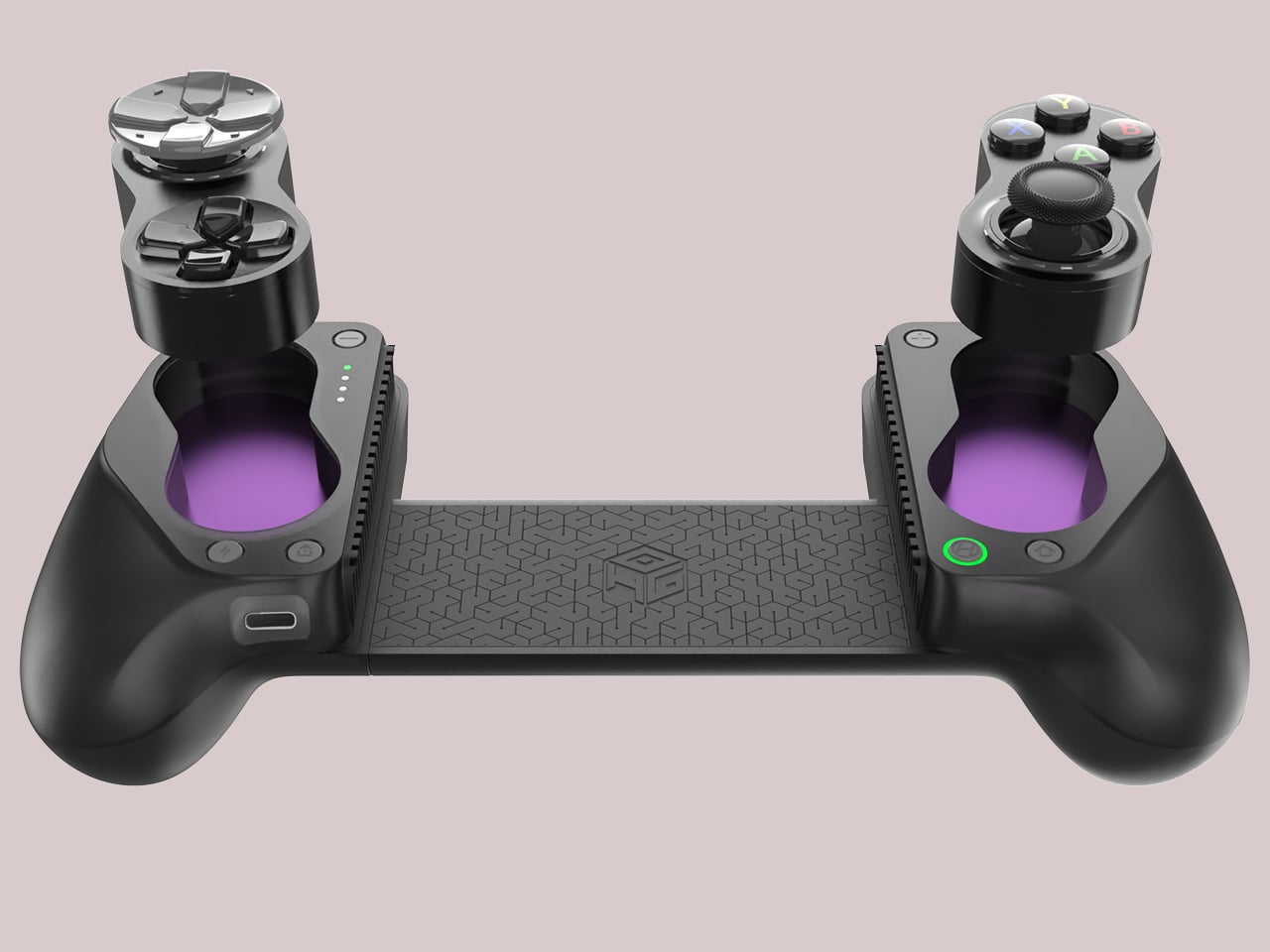
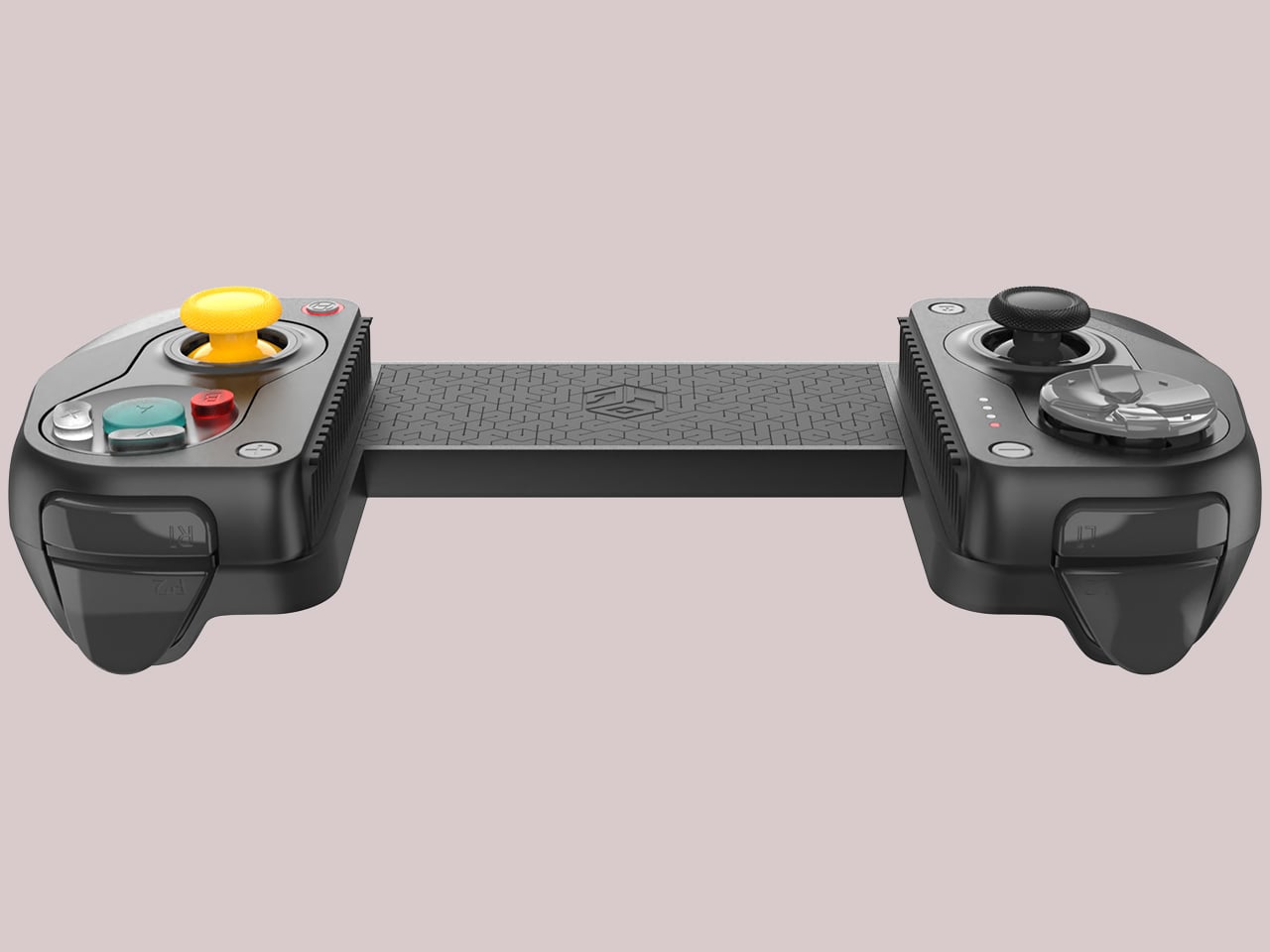
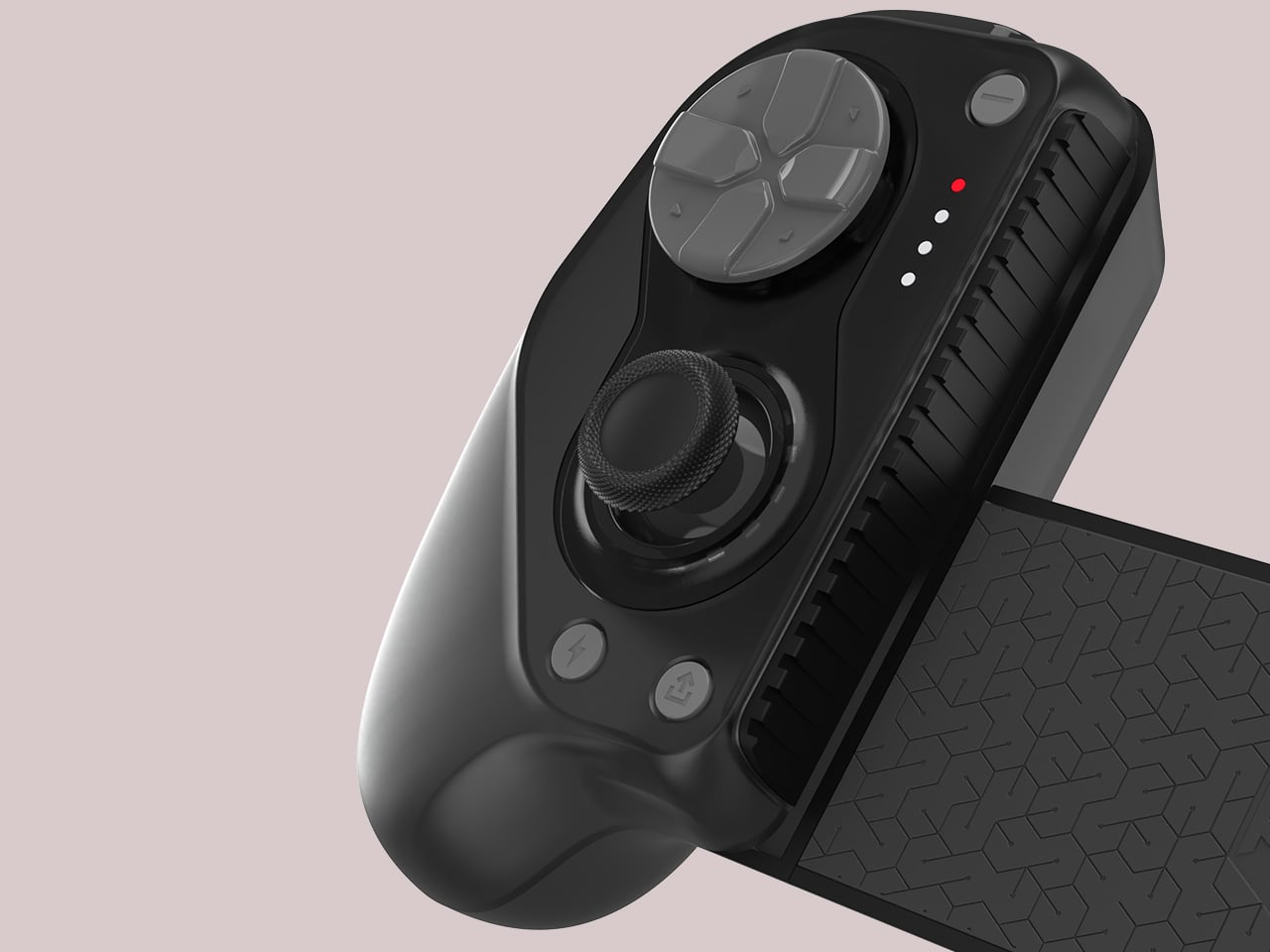
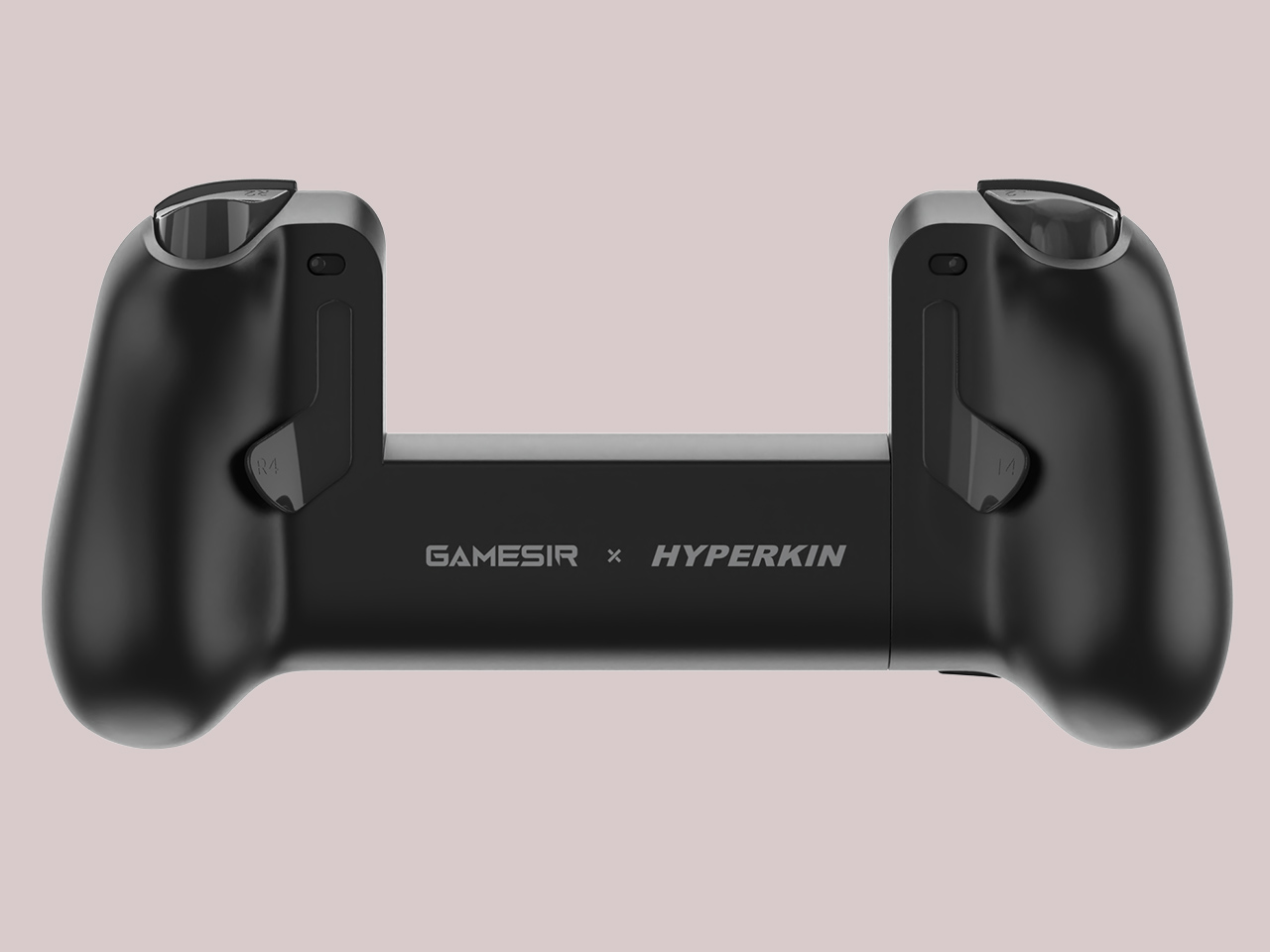
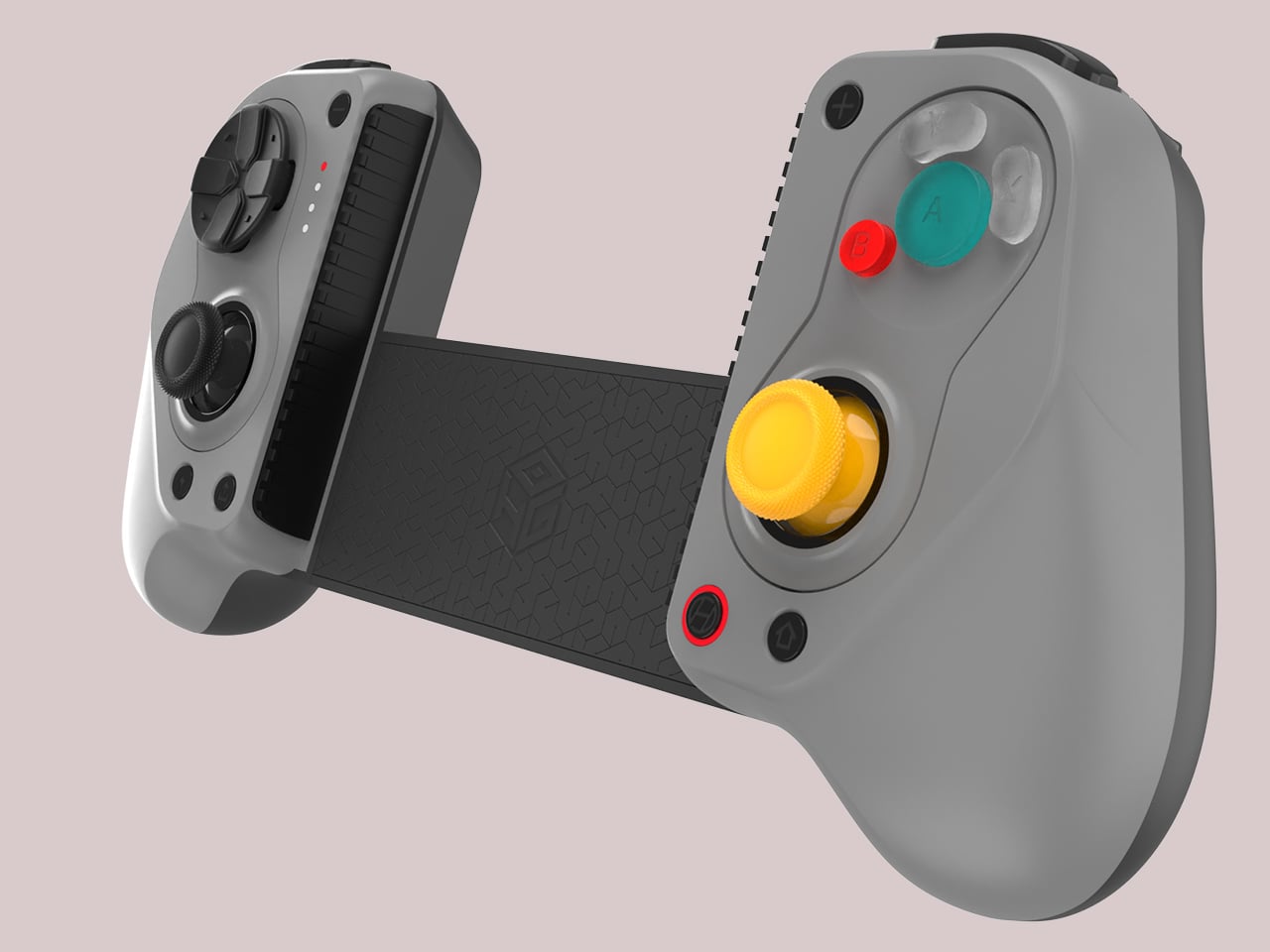
Hype around mobile gaming controllers is not going away any time soon. More people are gaming on mobile, and controllers that make it possible are in demand. GameSir very well understands the needs of gamers who play on multiple devices and platforms, and they’ve brought a transforming controller to CES 2026 in collaboration with Hyperkin, which will have you sold for good.
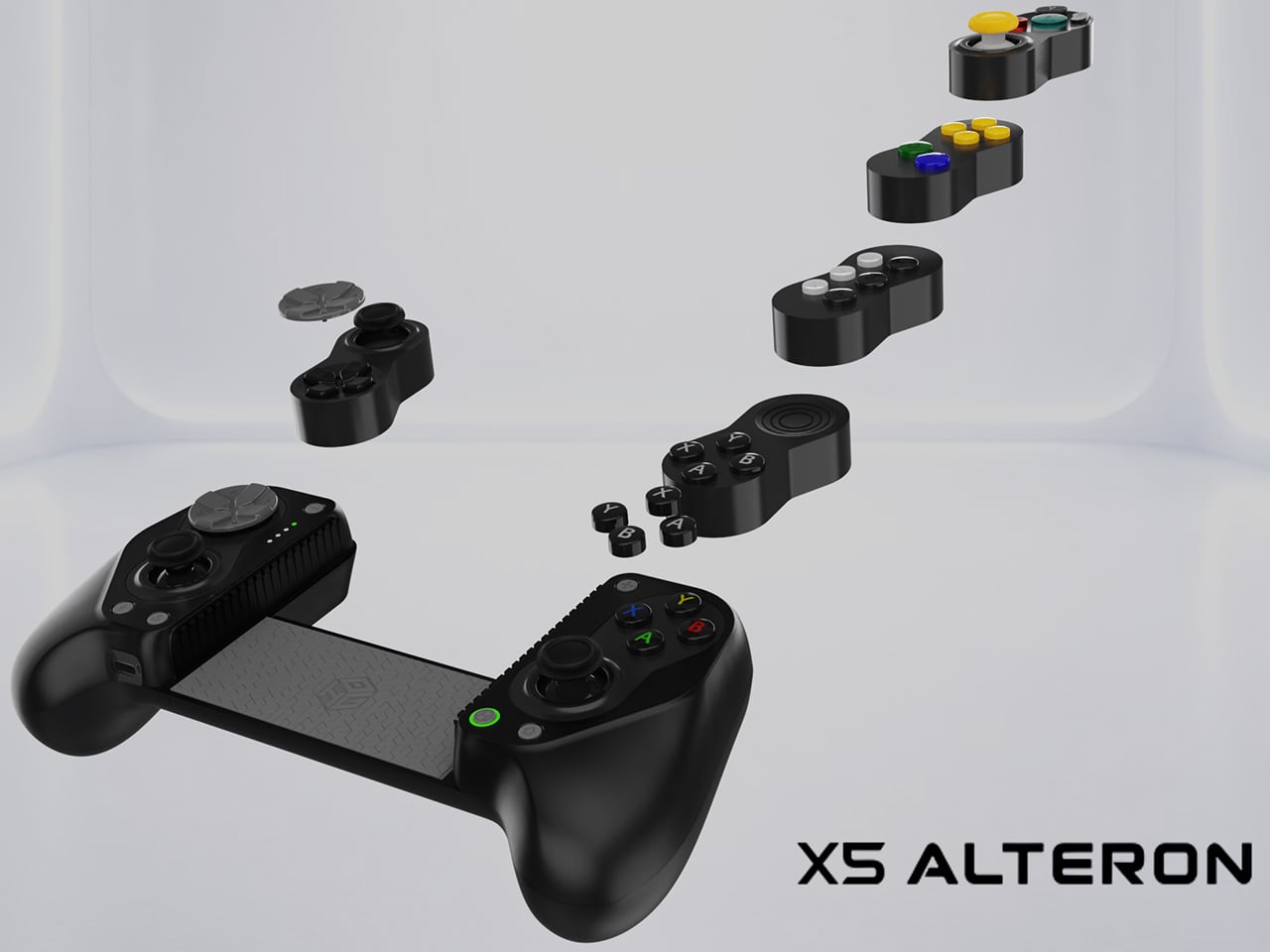
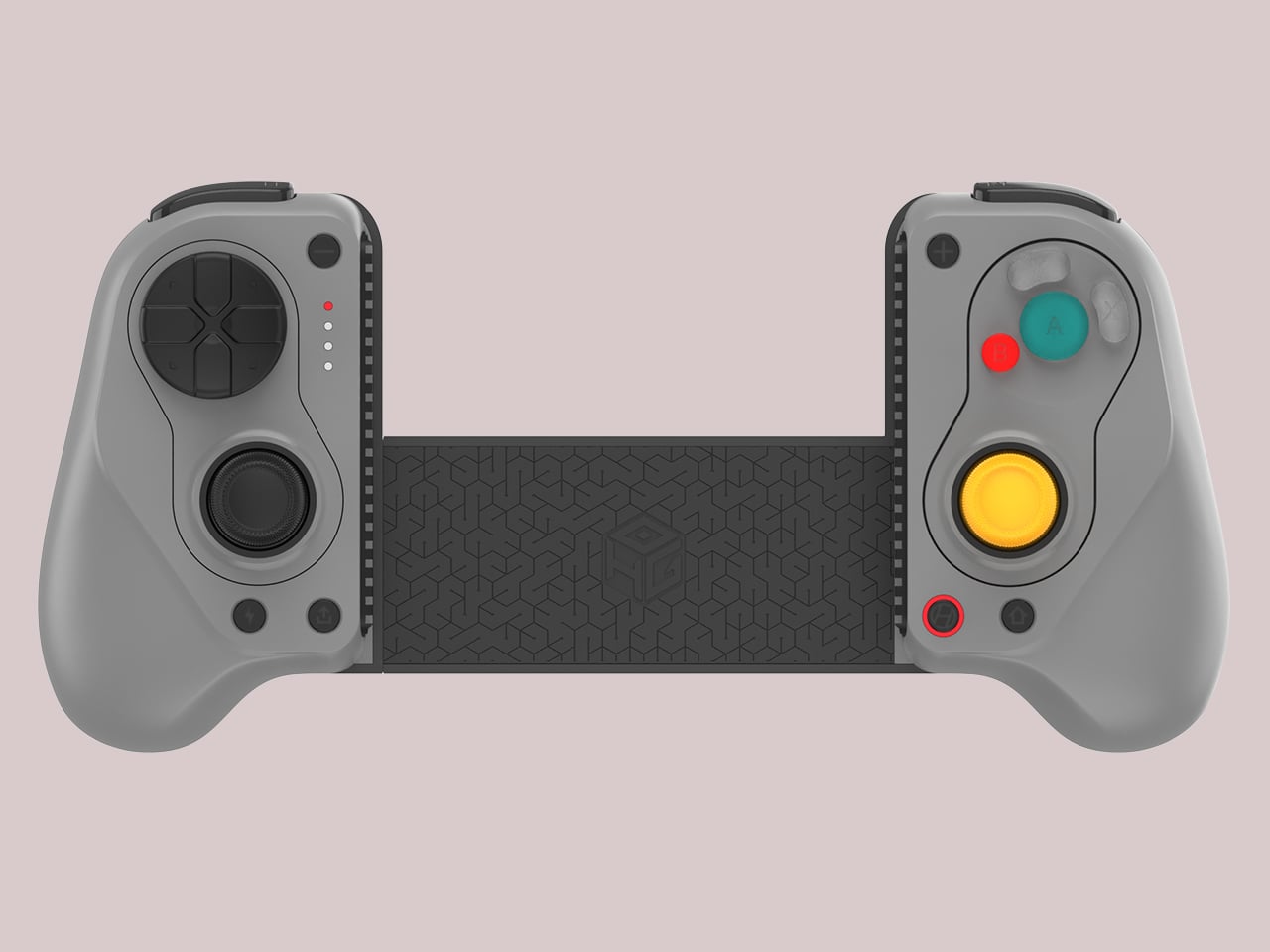
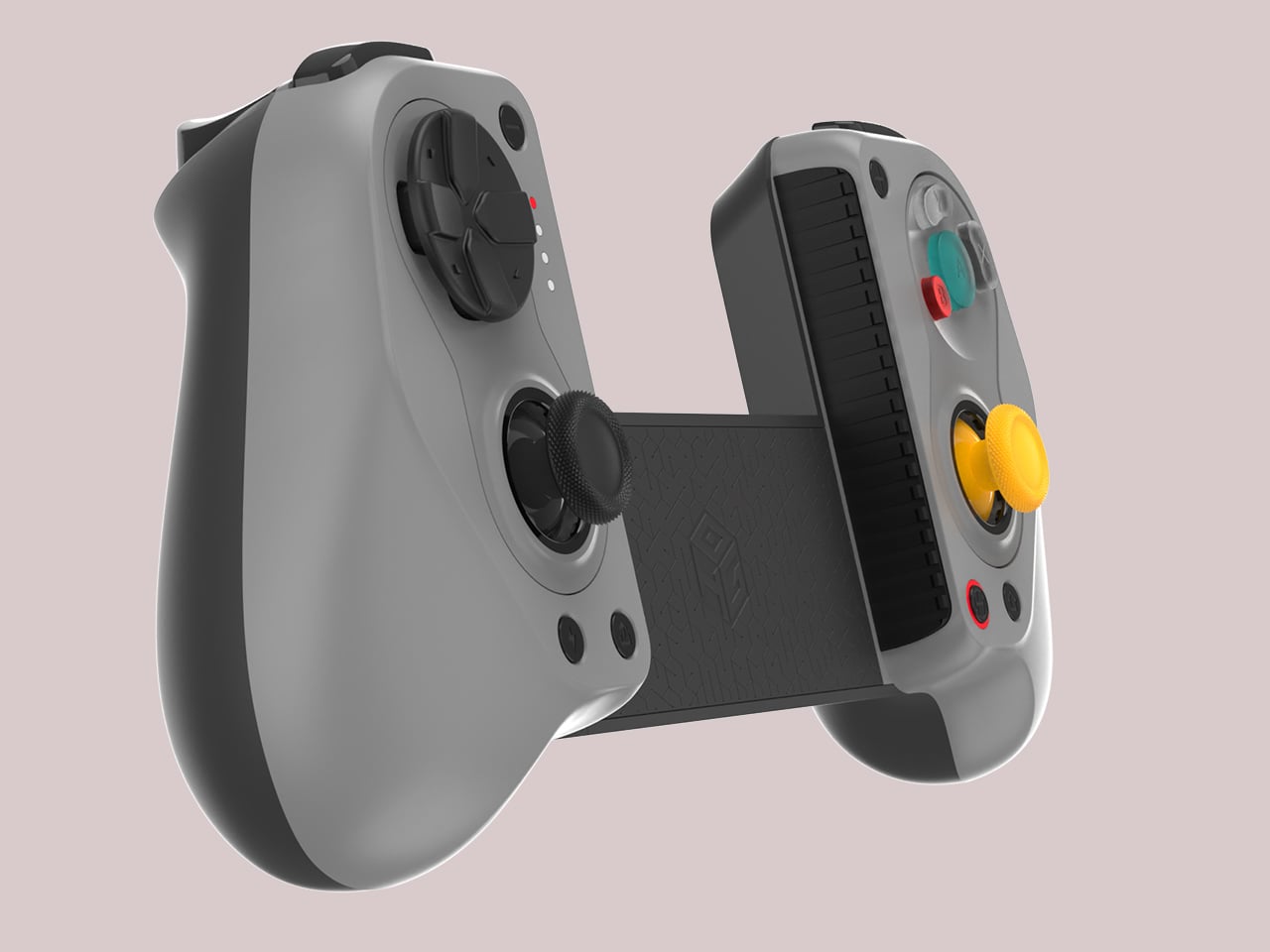
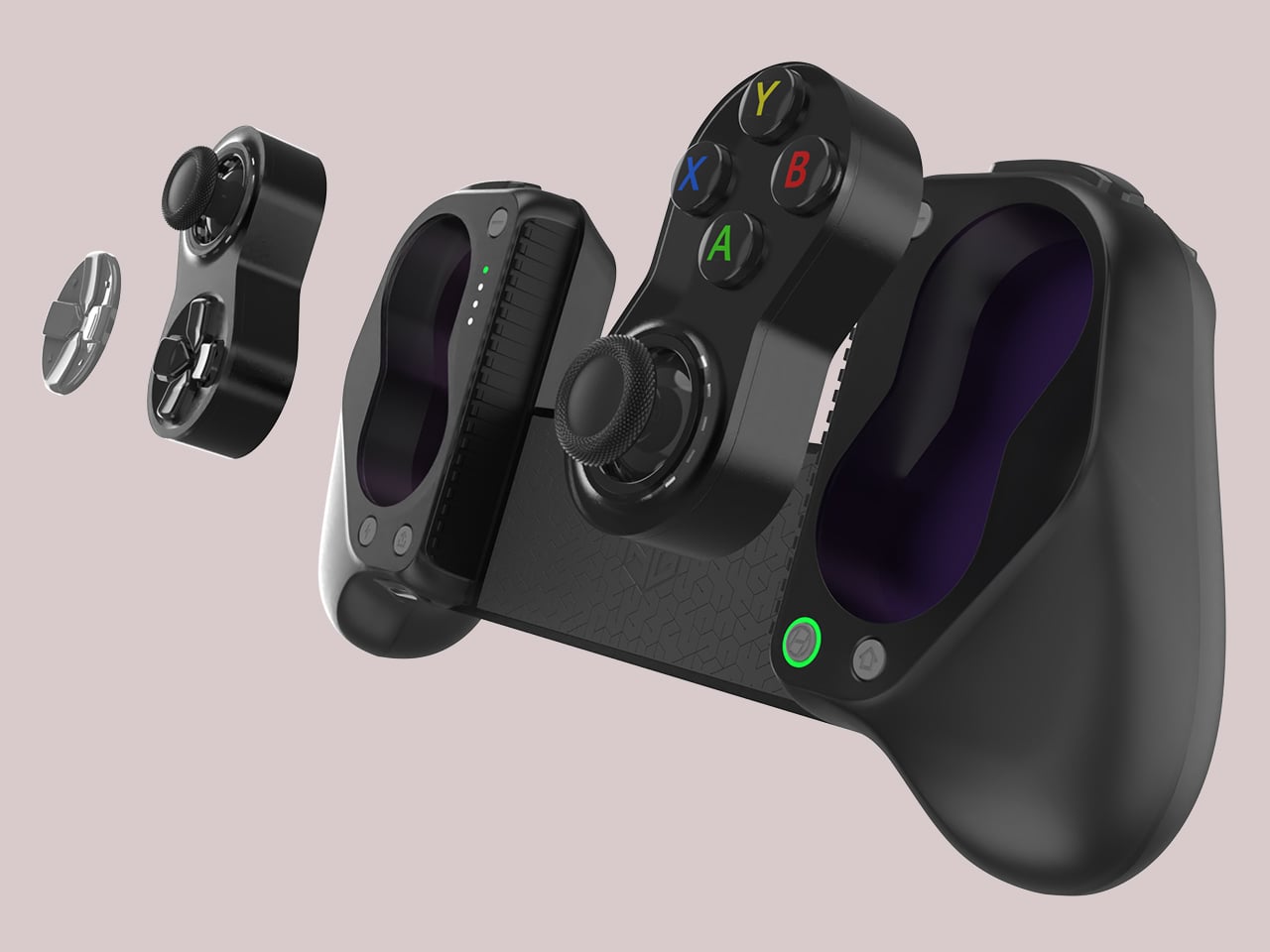
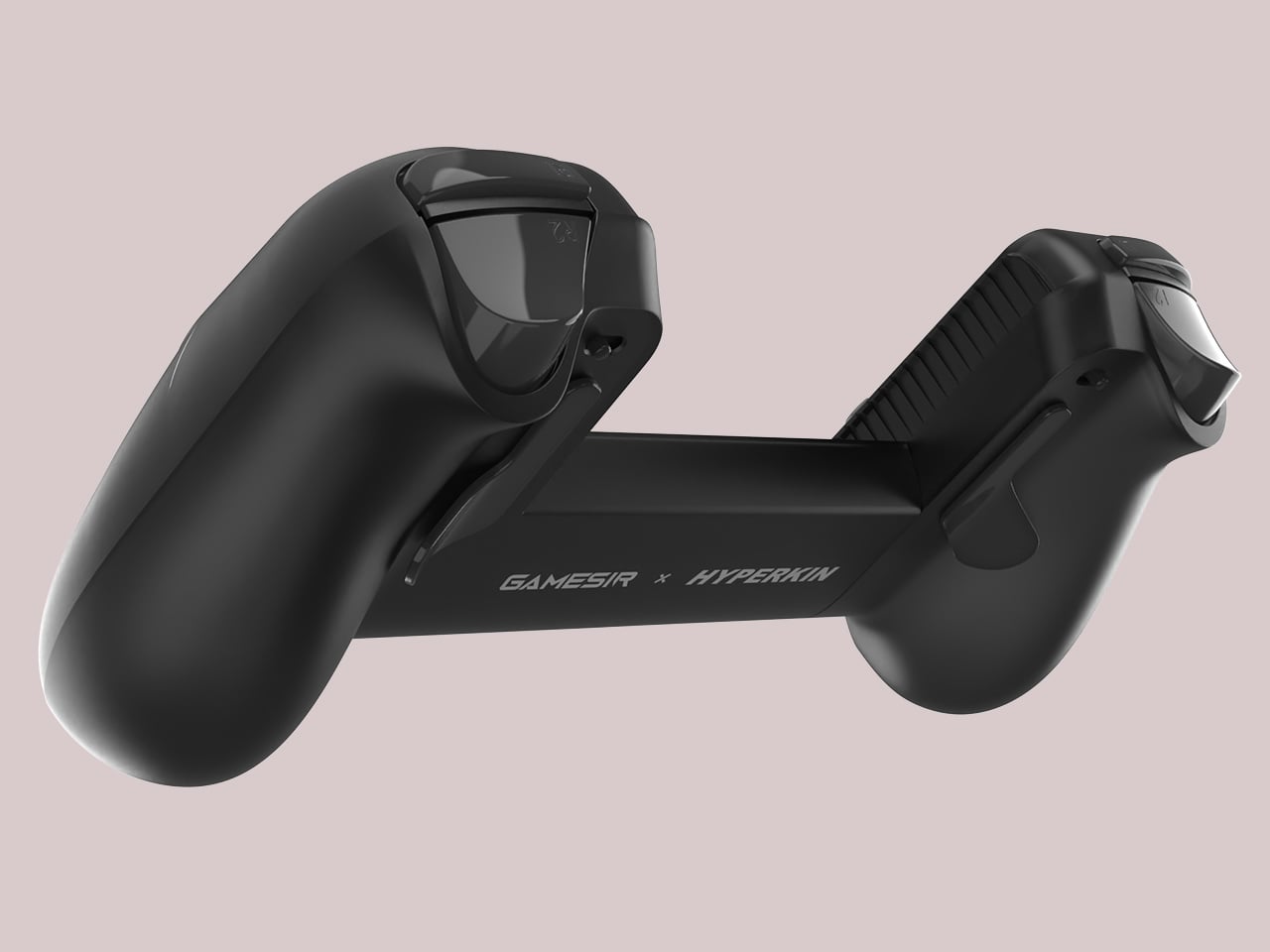
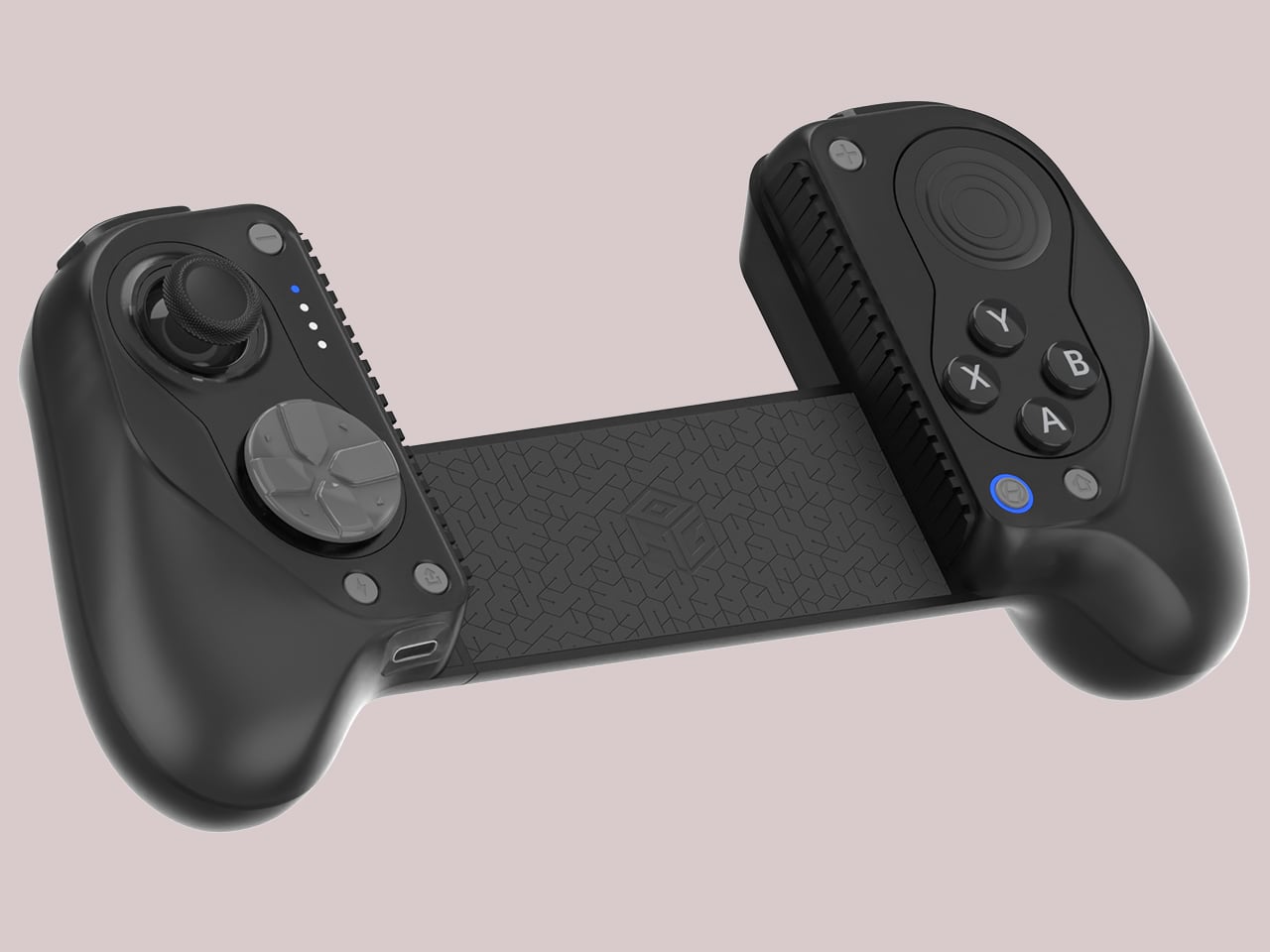
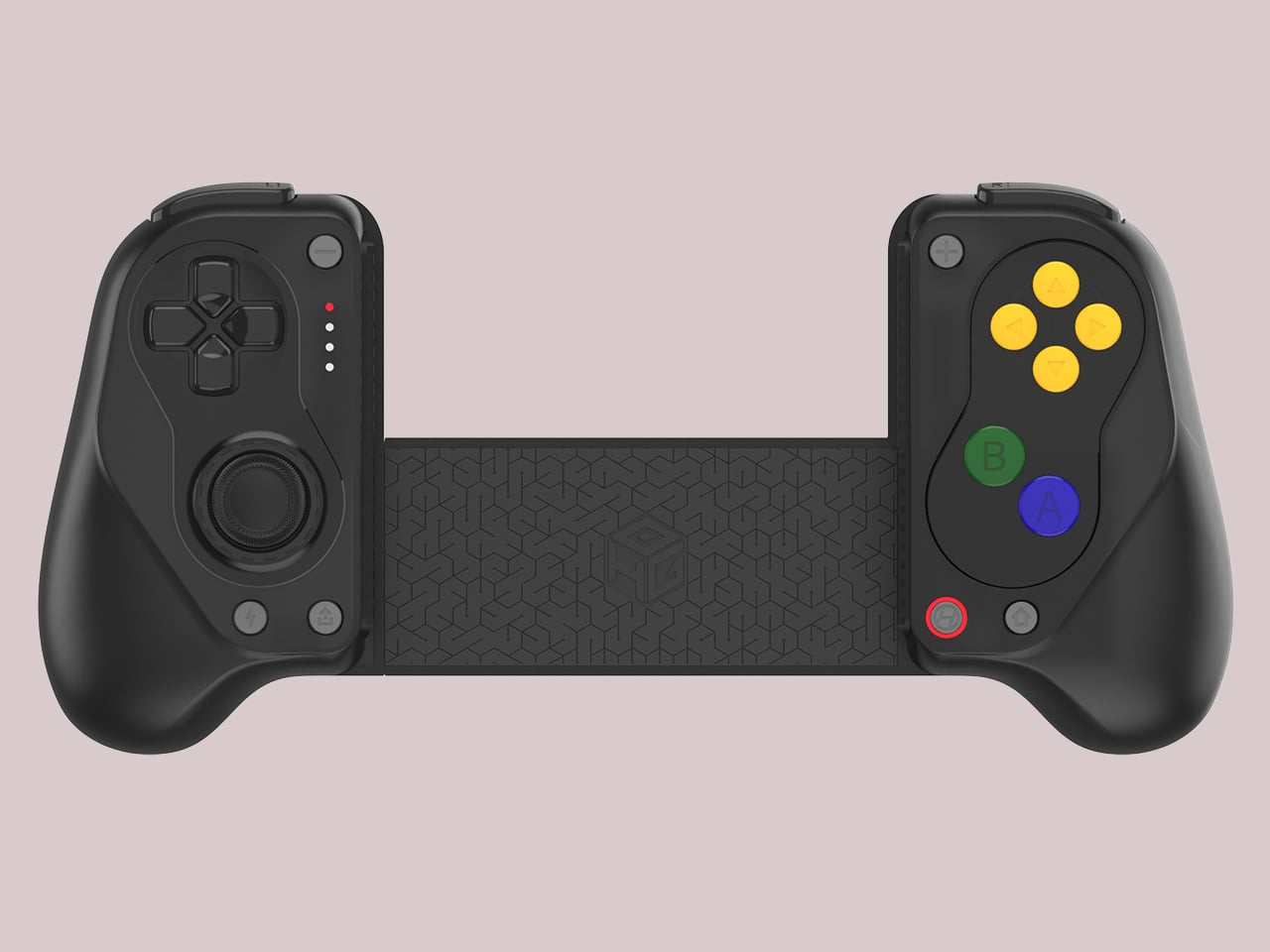
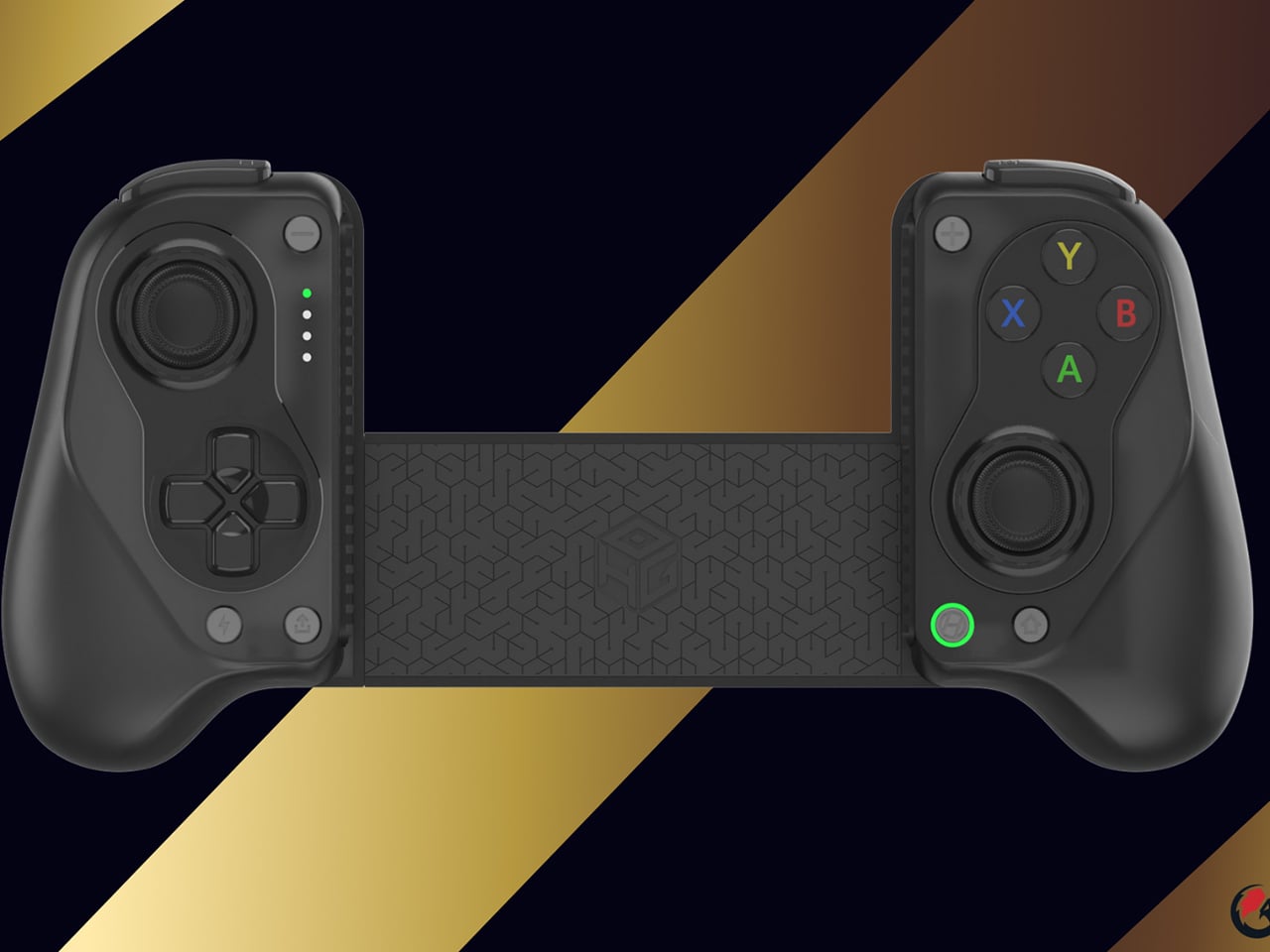
The X5 Alteron controller gets the best of both worlds: GameSir’s ergonomic engineering that makes it the first choice for gamers, and Hyperkin’s knack for designing retro controllers. What sets the modular controller apart is the swappable module system that allows gamers to completely change the layout from symmetrical to asymmetrical thumbsticks, to changing the D-pad and face buttons.
This level of customization gives mobile gamers the option to carry just one controller, whether playing on Switch, Android, PC, iPhone, or iPad. The ability to swap and replace buttons, or add the mouse-level precision trackpad (yes, this controller can do that), gives you tactical advantage in all genres of games like racing, strategy, RPGs, and, in particular, FPS titles. GameSir already impressed at CES with the Swift Drive controller, and the X5 Alteron is even better. The gamepad is a literal transformer of the gaming controllers world, as it changes shape, style, and size depending on what device you are playing it with.
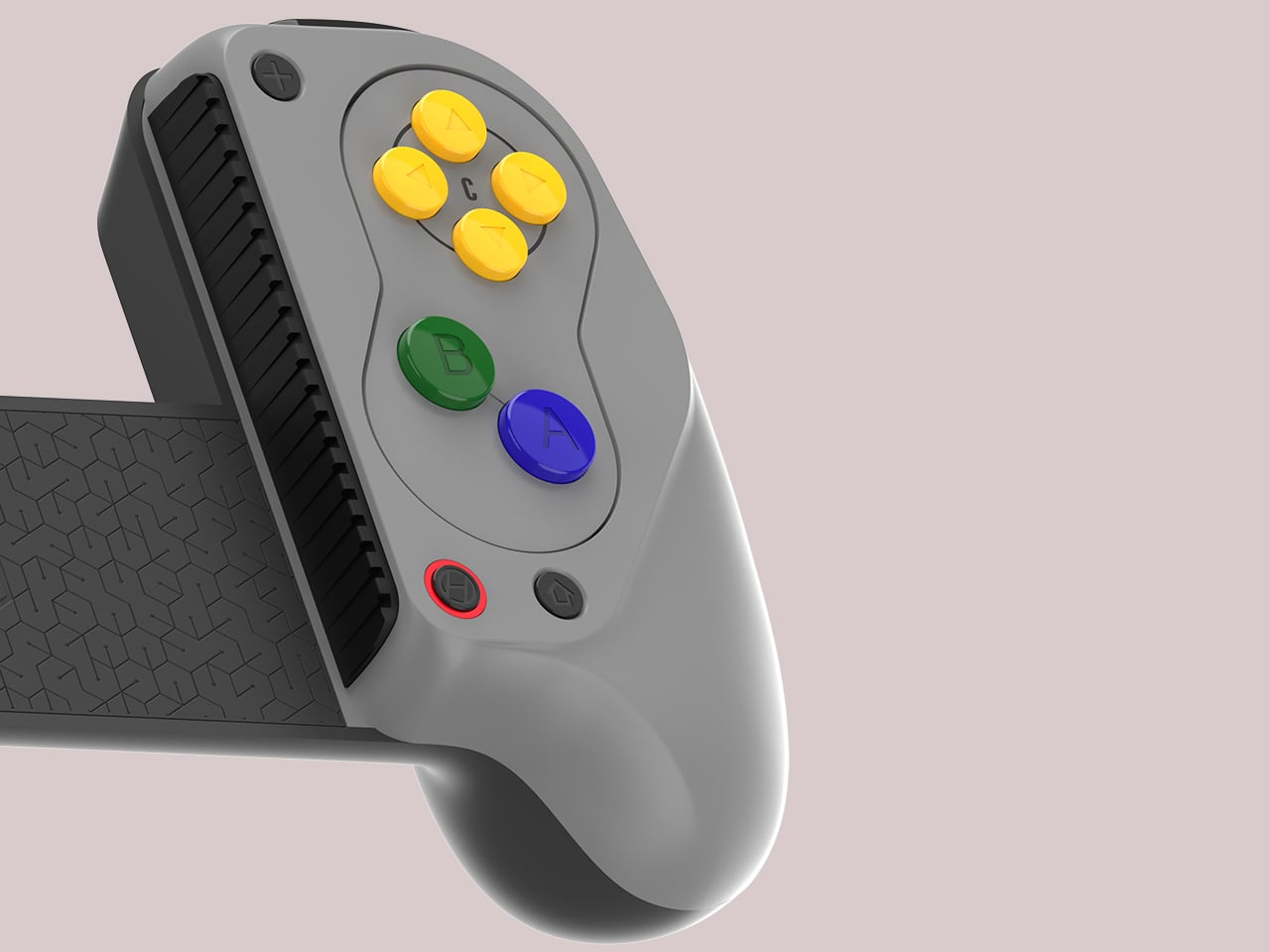
Want the Xbox-style layout, or the feel of the N64 controller setup? The modular controller makes quick work of that. It even has a module dedicated to fighting titles for maximum precision. The possibilities are endless as the controller sets a new yardstick for customizable gaming hardware. Of course, it has all the essentials of a gaming controller intact while doing this. There are Hall effect triggers and capacitive sticks for zero stick drift, mouse click, rumble motors, and hot swappable ABXY buttons. Transformable D-Pad and much more. Alteron can be extended to 213mm to fit all devices you throw at it.
The gaming accessory charges via USB-C port, and the connectivity with the devices is made via Bluetooth 5.2. Latency should not be a worry as GameSir and Hyperkin optimize their accessories very nicely. The GameSir x Hyperkin X5 Alteron controller will be released in the coming months, but there is no detail about pricing yet. Given how GameSir controllers are tactically priced, this one should be right there in the sweet zone. Could it replace all your controllers going forward for a one-stop solution? It pretty well can be the prime contender!
Hype around mobile gaming controllers is not going away any time soon. More people are gaming on mobile, and controllers that make it possible are in demand. GameSir very well understands the needs of gamers who play on multiple devices and platforms, and they’ve brought a transforming controller to CES 2026 in collaboration with Hyperkin, which will have you sold for good.
The X5 Alteron controller gets the best of both worlds: GameSir’s ergonomic engineering that makes it the first choice for gamers, and Hyperkin’s knack for designing retro controllers. What sets the modular controller apart is the swappable module system that allows gamers to completely change the layout from symmetrical to asymmetrical thumbsticks, to changing the D-pad and face buttons.
This level of customization gives mobile gamers the option to carry just one controller, whether playing on Switch, Android, PC, iPhone, or iPad. The ability to swap and replace buttons, or add the mouse-level precision trackpad (yes, this controller can do that), gives you tactical advantage in all genres of games like racing, strategy, RPGs, and, in particular, FPS titles. GameSir already impressed at CES with the Swift Drive controller, and the X5 Alteron is even better. The gamepad is a literal transformer of the gaming controllers world, as it changes shape, style, and size depending on what device you are playing it with.
Want the Xbox-style layout, or the feel of the N64 controller setup? The modular controller makes quick work of that. It even has a module dedicated to fighting titles for maximum precision. The possibilities are endless as the controller sets a new yardstick for customizable gaming hardware. Of course, it has all the essentials of a gaming controller intact while doing this. There are Hall effect triggers and capacitive sticks for zero stick drift, mouse click, rumble motors, and hot swappable ABXY buttons. Transformable D-Pad and much more. Alteron can be extended to 213mm to fit all devices you throw at it.
The gaming accessory charges via USB-C port, and the connectivity with the devices is made via Bluetooth 5.2. Latency should not be a worry as GameSir and Hyperkin optimize their accessories very nicely. The GameSir x Hyperkin X5 Alteron controller will be released in the coming months, but there is no detail about pricing yet. Given how GameSir controllers are tactically priced, this one should be right there in the sweet zone. Could it replace all your controllers going forward for a one-stop solution? It pretty well can be the prime contender!
Samsung is expected to launch the Galaxy S26 Ultra next month, with its launch date set for February 25, 2026. This flagship smartphone introduces a suite of advanced features, including an AI-powered privacy display, magnetic accessory compatibility, and innovative AI integration. These innovations aim to enhance the user experience while reinforcing Samsung’s position as a […]
There were no idle hands at Sharpa's CES booth. The company's humanoid may have been the busiest bot at show, autonomously playing ping-pong, dealing blackjack games and taking selfies with passersby. On display wasn't just the robot and its smarts, but also SharpaWave, a highly dexterous 1:1 scale human hand.
The hand has 22 active degrees of freedom, according to the company, allowing for precise and intricate finger movements. It mirrored my gestures as I wiggled my hand in front of its camera, getting everything mostly right, which was honestly pretty cool. Each fingertip contains a minicamera and over 1,000 tactile pixels so it can pick up objects with the appropriate amount of delicateness for the task at hand, like plucking a playing card from a deck and placing it gently on the table.
Sharpa's robot was a pretty good ping-pong player, too. We've seen ping-pong robots plenty of times before, but these typically come in the form of a disembodied robotic arm, not one that's humanoid from the waist up. The company's products are meant to be general-purpose, with the ability to handle a wide range of jobs, and its humanoid wore a lot of hats at CES to drive the point home.
This article originally appeared on Engadget at https://www.engadget.com/ai/sharpas-ping-pong-playing-blackjack-dealing-humanoid-is-working-overtime-at-ces-2026-150000488.html?src=rss
Is it ever worth spending less to get more? It might sound counterintuitive, but Core Electronics explains how the XTool P3 challenges this very notion by delivering near-industrial performance at a fraction of the cost of traditional machines like the Trotec Speedy 400. Imagine facing a $125,000 AUD repair bill just to replace a single […]
What if you could combine the simplicity of Arduino with the power of a Linux-based processor, all in one compact device? Enter the Arduino Uno Q, a new development board designed to handle everything from basic hardware projects to advanced tasks like computer vision and voice recognition. Core Electronics walks through how this dual-processor marvel […]