What is the DJI Avata 2?
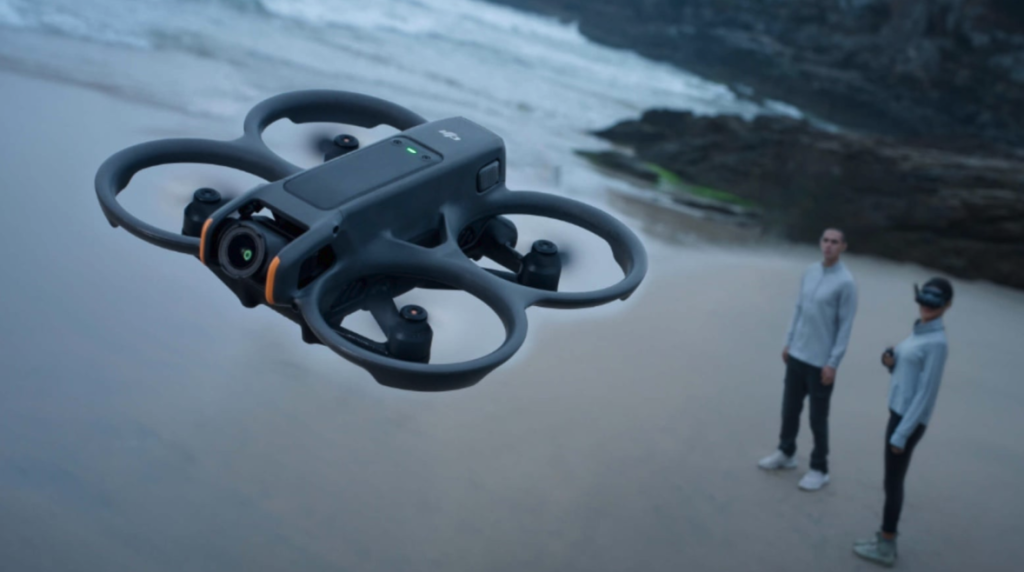
The DJI Avata 2 is an advanced first-person view (FPV) drone designed for immersive flying experiences. It represents the next step in DJI’s drone technology, providing a mix of improved features over its predecessor, the original Avata. Notable for its lightweight design, quieter flight, and enhanced camera capabilities, the Avata 2 is aimed at both drone enthusiasts and those looking to delve into the world of immersive aerial photography and videography.

Who is it Targeted At?
The DJI Avata 2 is particularly appealing to tech enthusiasts, hobbyist drone pilots, and content creators who value immersive experiences and high-quality video capture. Its design and features cater to both beginners and experienced pilots, offering easy-to-use functionalities alongside advanced flying capabilities for more thrilling maneuvers and video captures.
Similar Products
Competitors in the FPV drone market include other DJI models like the DJI FPV and DJI Mavic series, as well as drones from manufacturers such as Yuneec and Parrot. These drones also aim to provide users with a mix of high-quality video capabilities and unique flying experiences. However, the Avata 2 stands out with its specific enhancements in noise reduction, flight stability, and integrated safety features.
Things to Consider
When considering the DJI Avata 2, potential buyers should evaluate:
- Price and Value: The Avata 2 is positioned at a premium price point, reflecting its advanced technology and features. It’s important to consider whether the price aligns with your specific needs and usage intentions.
- Flight Performance: With its enhanced quieter performance and longer flight time up to 23 minutes, the Avata 2 offers significant improvements over its predecessors. It supports fast charging and has a new two-way charging hub that optimizes battery usage across multiple batteries.
- Camera Quality: While it provides a substantial improvement in image quality with a 1/1.3-inch sensor and supports 4K video recording, the Avata 2 is noted for not being a professional-level camera but rather solidly middle of the road. It’s ideal for FPV experiences and general content creation but may not satisfy those seeking professional-grade aerial photography.
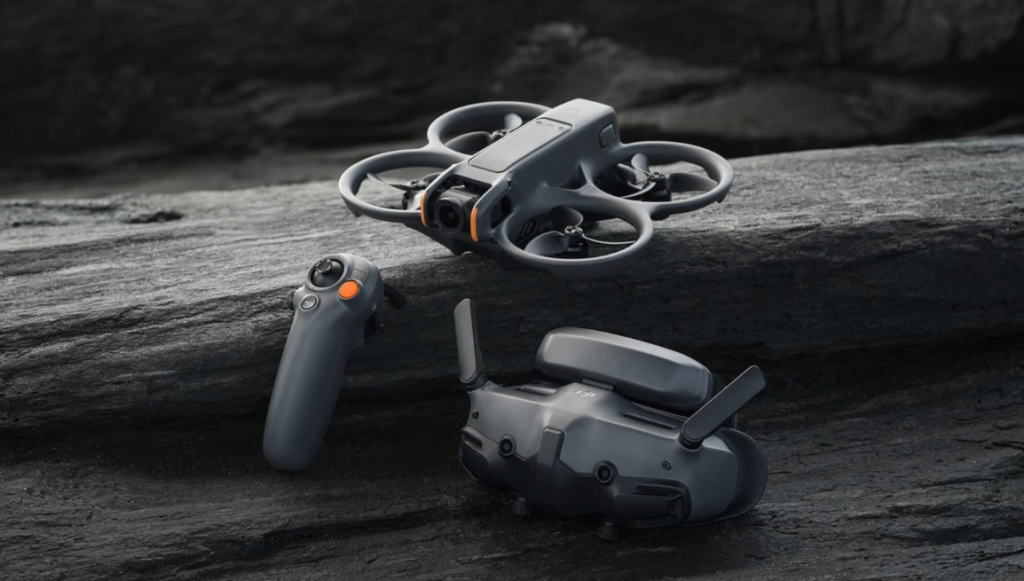
- Safety Features: New safety enhancements, such as the real world passthrough on the DJI Goggles 3, make it easier and safer to use by allowing users to quickly check their surroundings.
- User Experience: The DJI Goggles 3 have been significantly improved for comfort and functionality, featuring reduced light leakage and a more balanced fit, enhancing the overall user experience during extended use sessions.
Overall, the DJI Avata 2 is a compelling option for those looking for an advanced, fun, and immersive FPV drone. Its combination of performance, safety features, and user-friendly design make it a strong contender in the growing market of consumer drones.
The post DJI Avata 2: A Dive into the Next-Gen FPV Drone appeared first on OhGizmo!.