PixVerse Just Made Product Videos as Easy as Writing a Brief

Product design has always been part craft, part communication. Getting a concept from sketch to client approval demands a level of visual storytelling that most designers simply haven’t had the budget or tools to manage on their own. Video production, in particular, has long been the step that gets quietly skipped, not because the ideas aren’t there, but because the process is expensive, slow, and complicated.

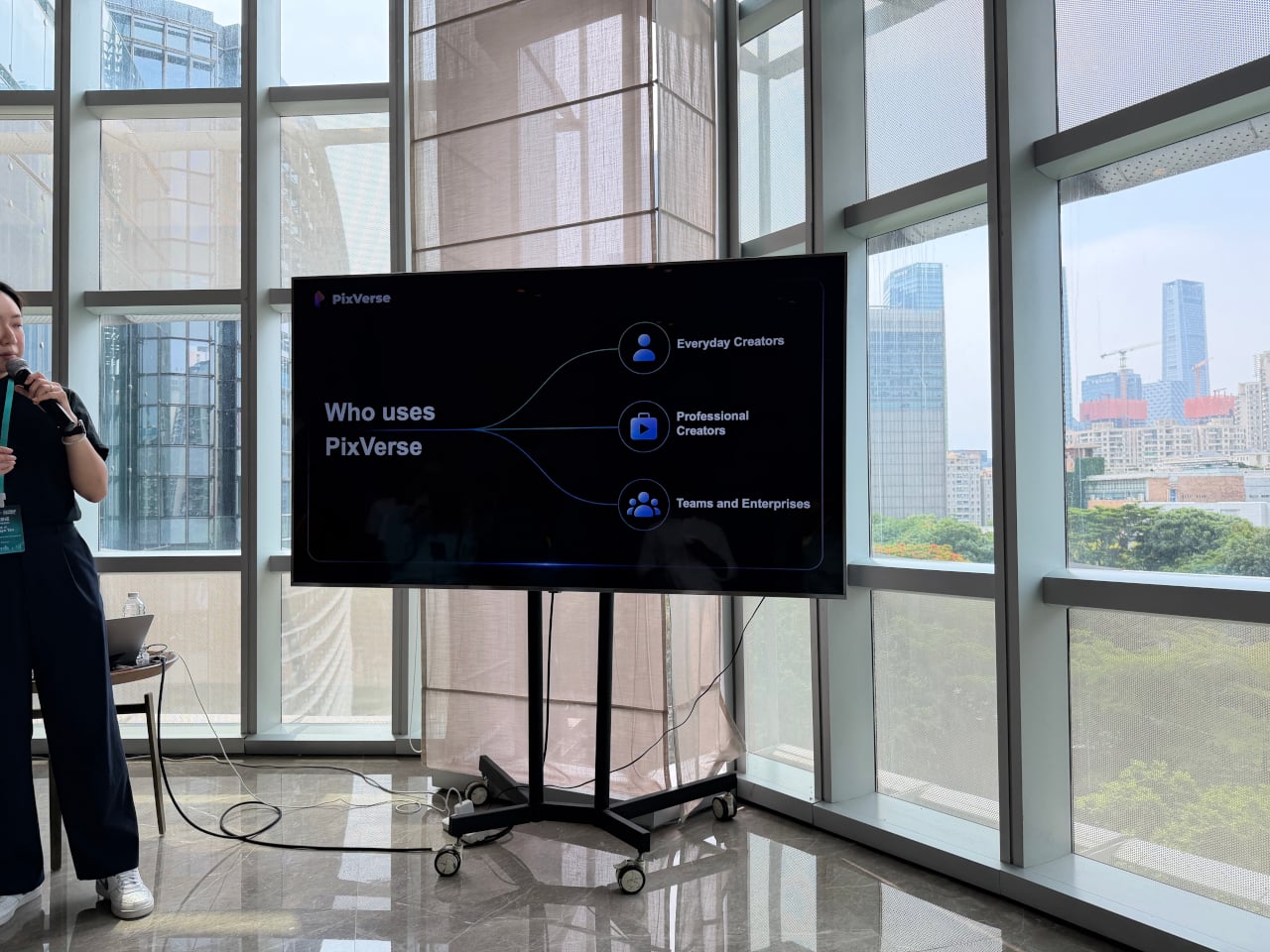
That’s a gap PixVerse has been working to close. Founded in 2023, the platform has grown to over 100 million users across 177 countries, powered entirely by proprietary models it builds in-house. At the iMpact Global Connect Show 2026, the company’s team walked through three distinct products that together make a compelling case for AI-generated video as a practical part of the design process.

Designer: PixVerse

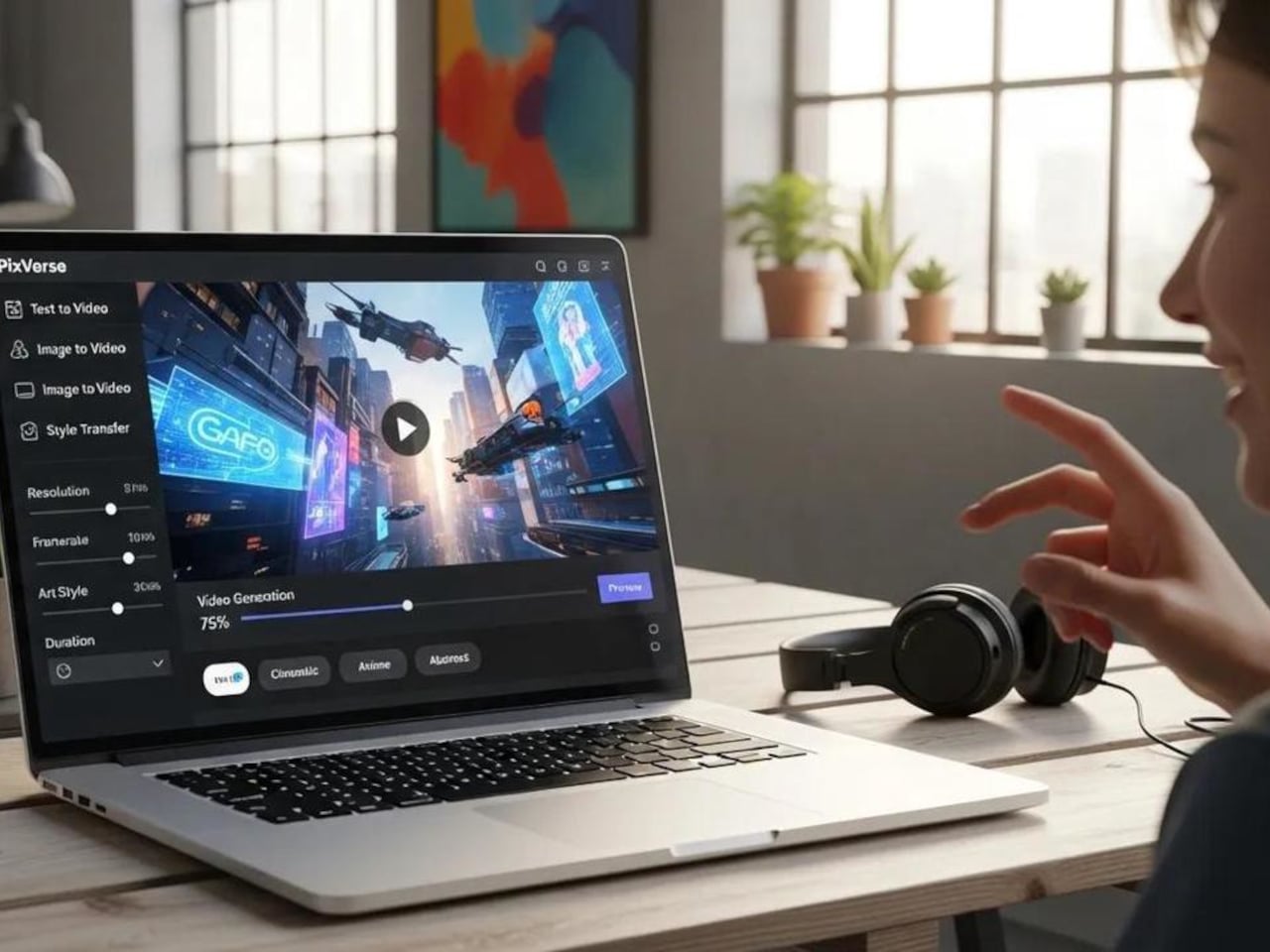
The most immediately useful of the three, at least for most designers, is V6. It’s the platform’s flagship model, and the latest update improves camera movement, character performance across scenes, and physical object interaction in noticeable ways. More significantly, V6 can now generate a complete multi-shot short film with native audio from a single prompt, without any separate editing or sound production steps involved.

Think about what that actually means for a product designer. A 30-second product video typically means writing a brief, hiring a videographer, sourcing music, shooting, and editing over several days or weeks. With V6, a designer who can clearly articulate how a product should look, move, and feel in context can produce that same result from a prompt and a reference image in considerably less time.
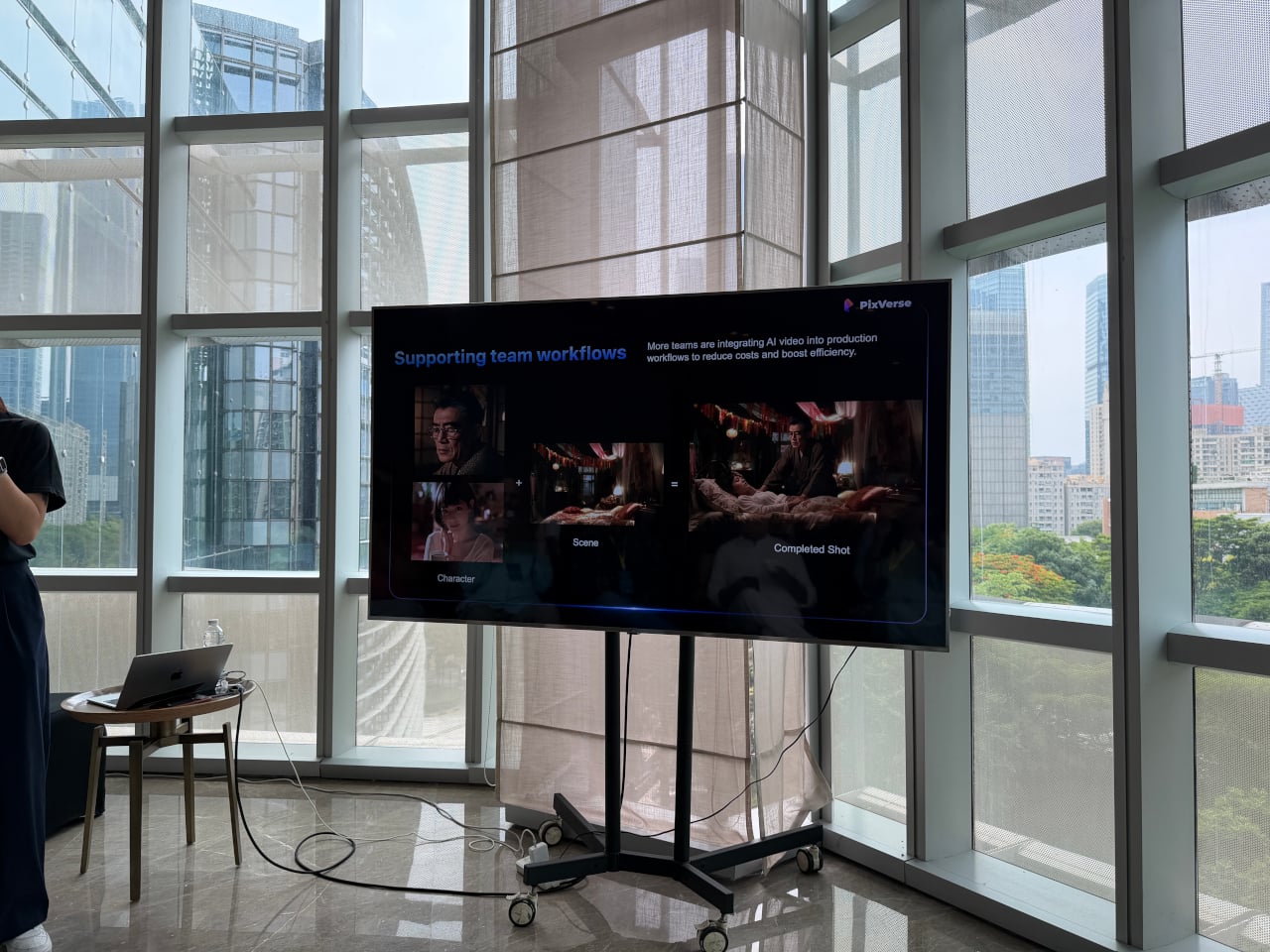
That kind of speed has obvious advantages for solo designers and small studios. A freelancer can arrive at a pitch with three distinct video directions instead of three mood boards. A startup preparing a crowdfunding campaign doesn’t need a separate production budget for a launch video. An in-house team can test how a product reads in a real context before committing to a full-scale shoot.

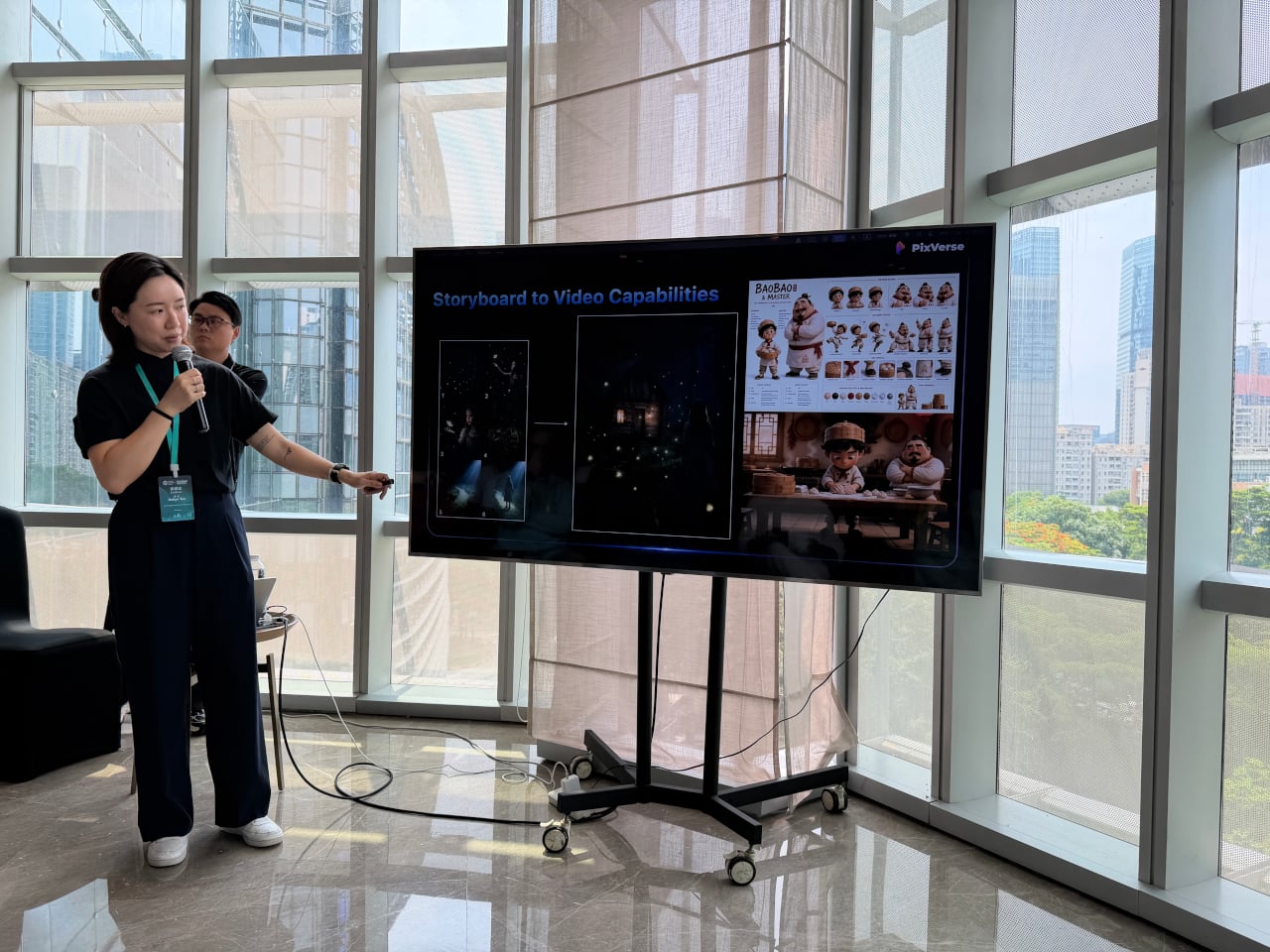
The second product, C1, goes further by targeting actual film production pipelines. It combines a cinematic visual effects system, an industrial-grade action engine, and a storyboard-to-video feature in a single workflow, letting production teams convert static panel layouts directly into continuous video sequences. Reference-guided generation also keeps characters and scenes consistent across shots, which has historically been one of the harder problems for AI video to solve.

For designers, that matters most when a concept already lives as a sequence of moments rather than a single frame. A transportation designer communicating a user journey, a consumer electronics team mapping how a device gets picked up, handled, and put down, or a lifestyle brand building a product narrative around daily routines, all of them are telling stories that C1 is built to handle.

Then there’s R1, which doesn’t behave quite like any other AI video tool currently available. Rather than producing a fixed clip with a clear beginning and end, R1 generates a continuous, interactive visual environment that responds to user input as it runs. It’s less like watching a video and more like navigating a space that exists, evolves, and reacts, one that you can steer and share.
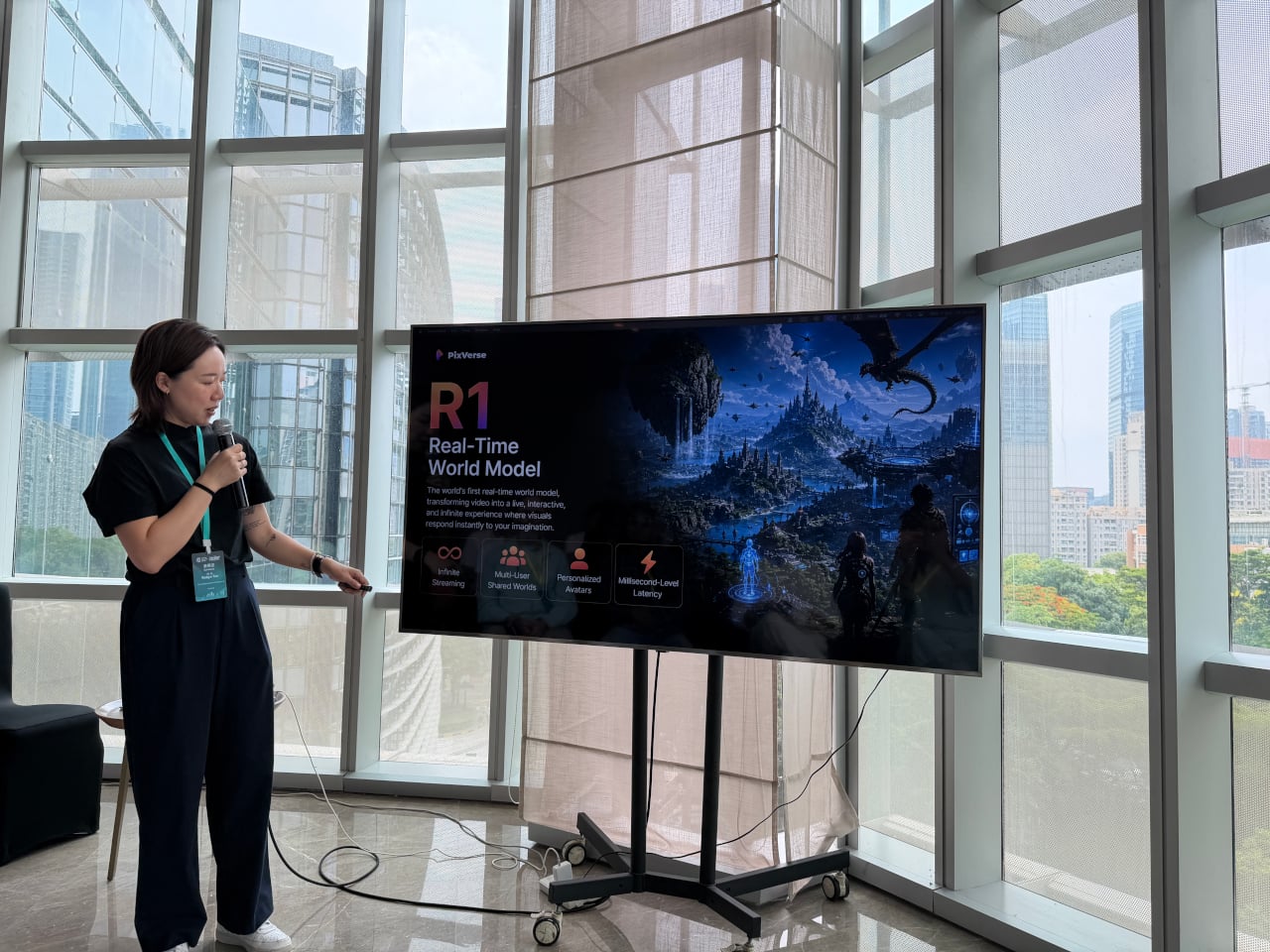
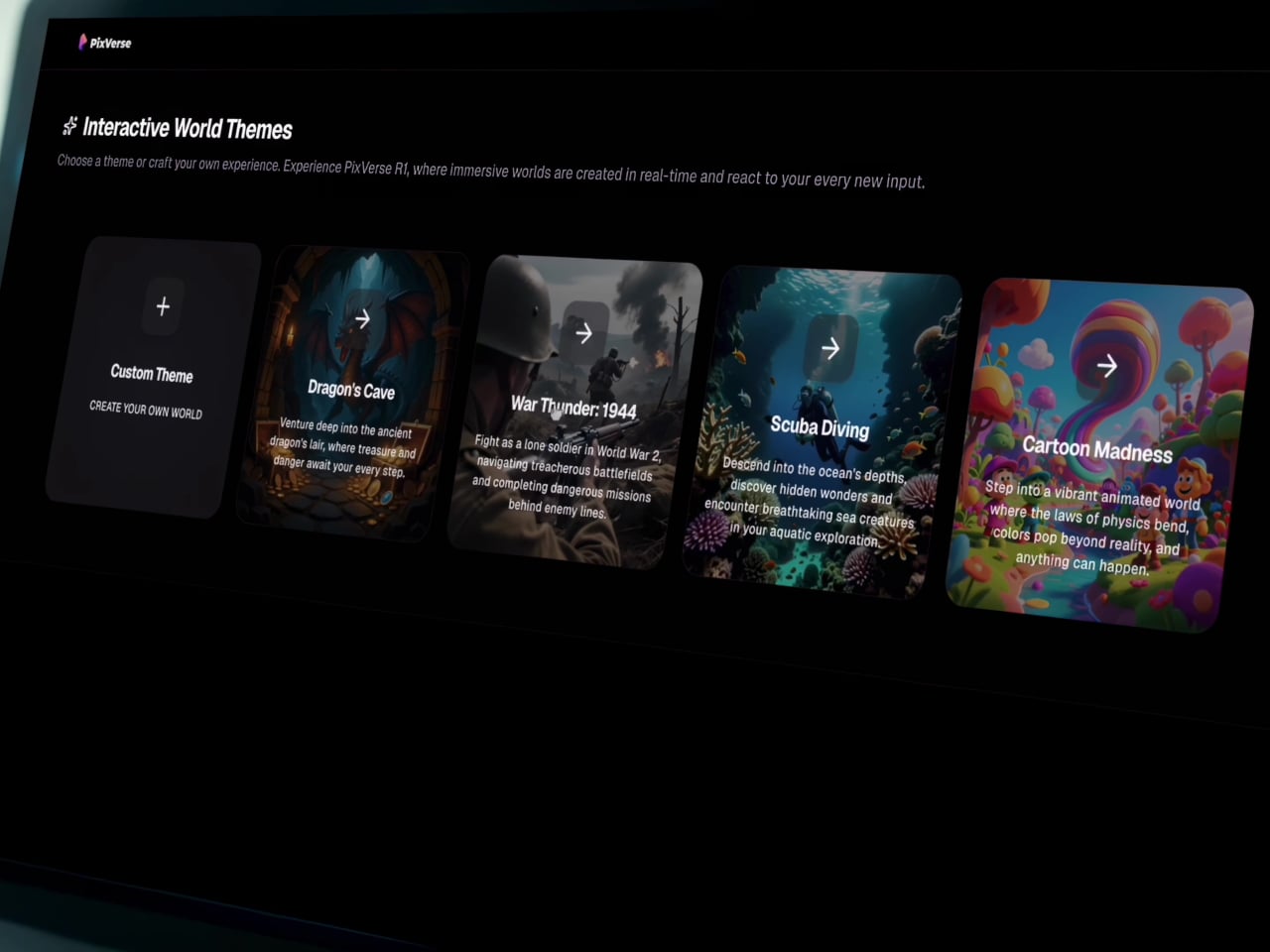
Users can build a personalized digital avatar from photos and enter these generated worlds alongside others in real time. During the demo, a shared environment called “Cat Takes Charge” had 118 users inside it at the same time, running continuously for over nine hours. Each participant could submit prompts into a live feed, with the AI realizing them as video within the shared space as they appeared.
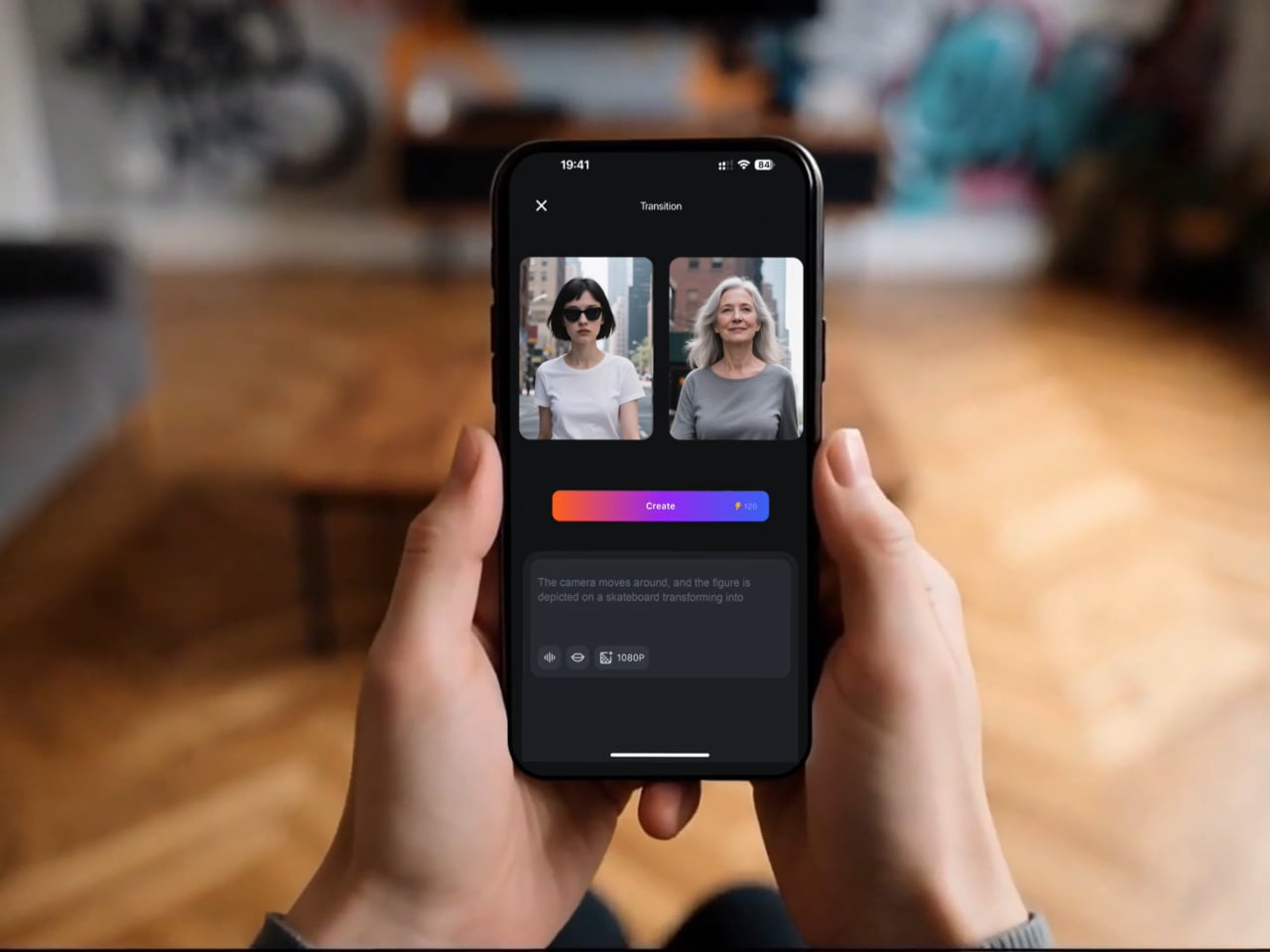
For product designers, R1 opens up possibilities that a rendered video simply can’t replicate. Imagine walking a client through a simulated retail environment built around a new appliance, or letting a stakeholder explore a furniture concept in a living, reactive interior before a prototype even exists. It’s the kind of tool that starts to make spatial storytelling feel accessible at the concept stage, not just post-production.

What all three tools share is that they reward the same skill designers already rely on: clarity of intent. A well-constructed prompt isn’t a technical exercise; it’s a creative direction, not unlike a solid design brief. Companies integrating PixVerse into their workflows reportedly cut costs by 68% and finish work 57% faster than conventional production methods, a significant gain for teams of any size.
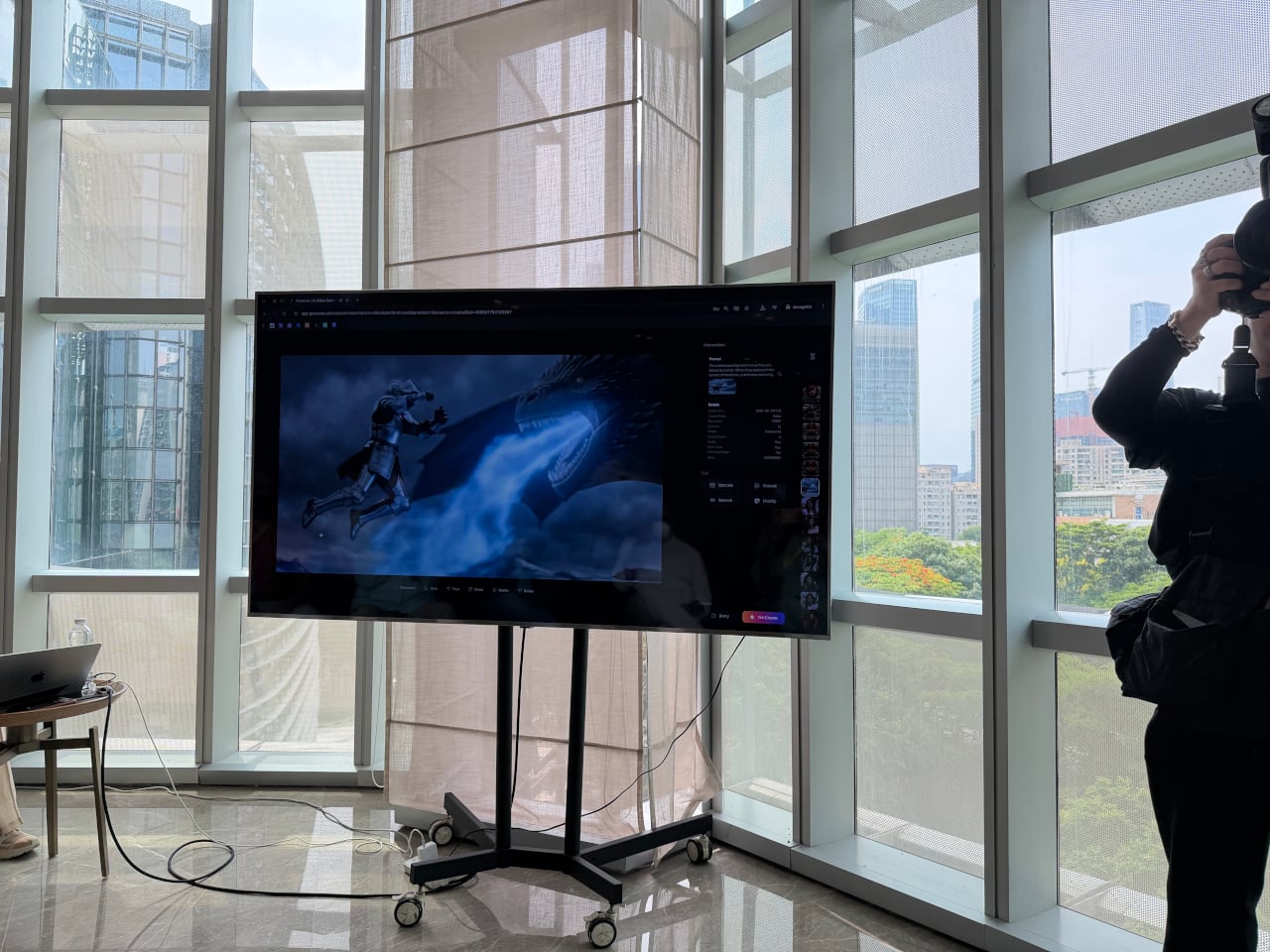
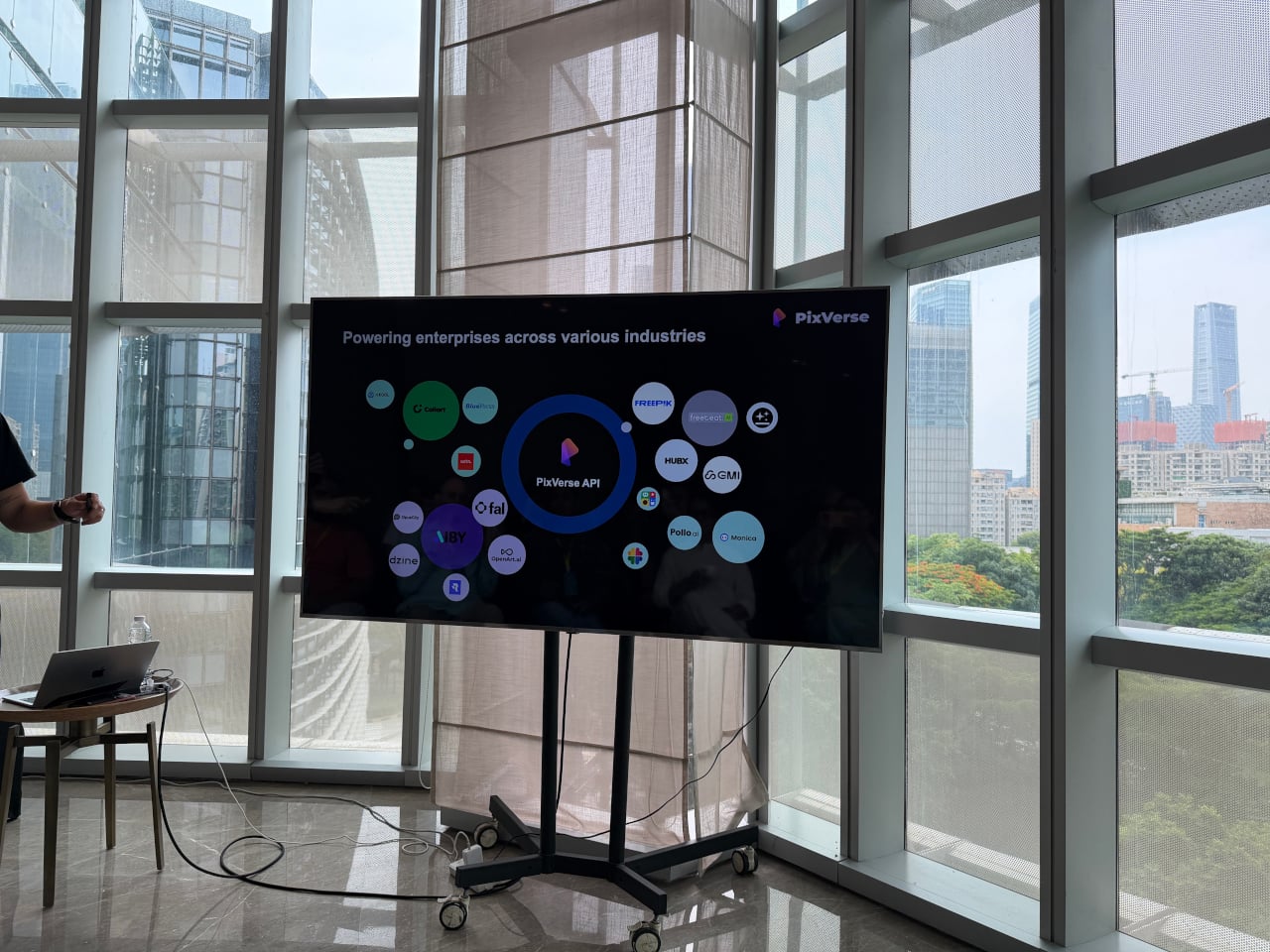
None of that requires a production background, and it doesn’t even require familiarity with video editing software. What it does require is the ability to describe a vision precisely, which is something designers do every single day across briefs, sketches, and presentations. PixVerse just moved video closer to the beginning of that process, somewhere between the first concept and the final approval, rather than as an afterthought at the very end.

The post PixVerse Just Made Product Videos as Easy as Writing a Brief first appeared on Yanko Design.


3D Visualization Compares The Size, Speed, And Range Of Different Missiles

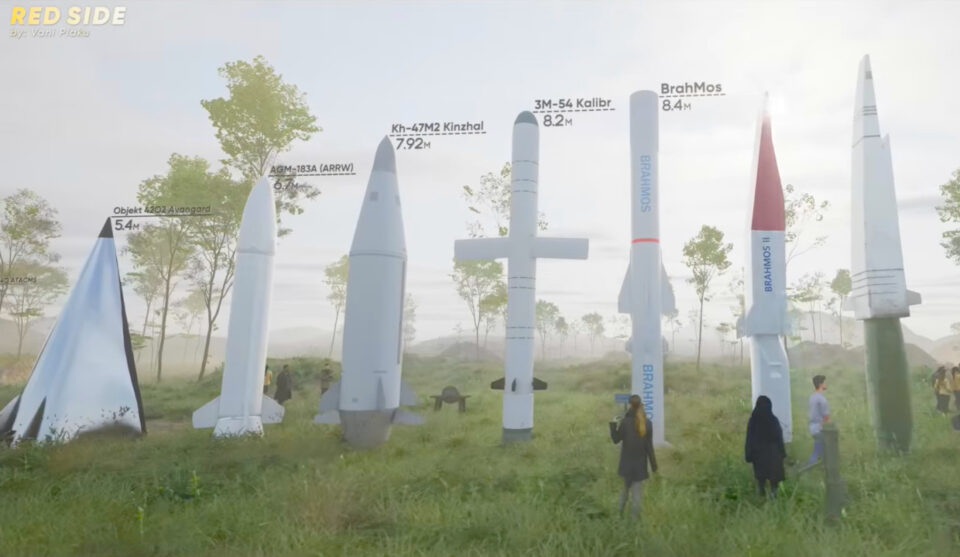
Animated by video studio RED SIDE, this is a 3D visualization comparing the size, speed, and range of various missiles used by multiple nations. Even the slowest missile is fast, but the quickest missile makes the slowest look like it’s standing still, and the slowest is traveling over 2,000MPH!

The video starts with a “drag race” comparing the missiles from slowest (the Mach 2.9 Novator Kalibr, ~2,225MPH) to fastest (the claimed Mach 27 of the Avangard, aka Objekt 4202, ~19,884MPH). It then provides an animation of how each missile is typically launched, its different stages, and what a flyby of the rocket at full speed looks like. The third part details each missile’s range; the last part is a size comparison, with all the rockets standing next to one another. I learned a lot by watching it. Mostly, I wouldn’t want to get hit with any of these, even without an explosive payload.

Which missile was your favorite? I found them all rather terrifying. Technologically impressive, sure, but scary to think about. And probably infinitely scarier to try to ride like a mechanical bull.

[via TheAwesomer]

Building A Drone Umbrella: The Future Of Staying Dry

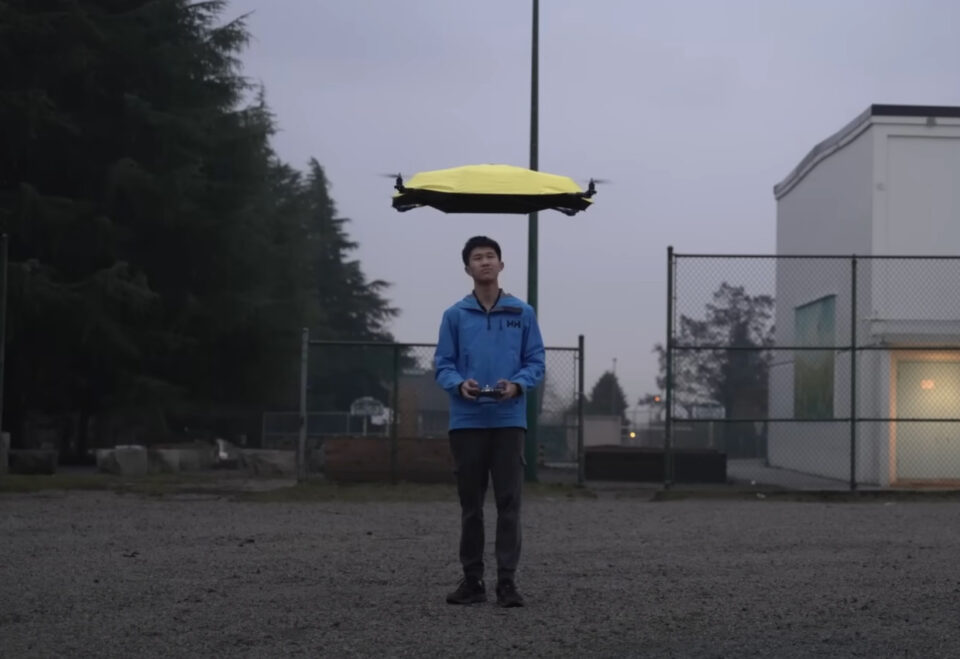
In the future, will we all have drone umbrellas autonomously follow us, hovering just above our heads to shelter us from the rain? Maybe! But Youtuber I Build Stuff couldn’t wait for the future, so he took matters into his own hands and constructed his own drone umbrella. While this one doesn’t autonomously follow its user, it’s certainly a step in the right direction. That step being one out of the rain, just to be clear.

After hand drawing the design, I Build Stuff then reproducing it in CAD, and the parts were 3D printed. The design is a large quadrocopter, with each rotor on a long arm to allow enough space for an umbrella to fit between them.

The design works well, although it appears any amount of wind causes the umbrella to quickly start drifting away. And rain and wind DO go hand in hand. With enough interest in the project, I Build Stuff says he’ll add a camera to the dronebrella and write the code to track his movement so it can autonomously follow him. This will also help the drone compensate for wind by trying to constantly stay above him. That’s a good idea. Another good idea? Adding some safety cages around those spinning blades right above your head.

[via TechEBlog]

Terrifying Humanoid Robot Plays Charades Using The AI Of GPT-4

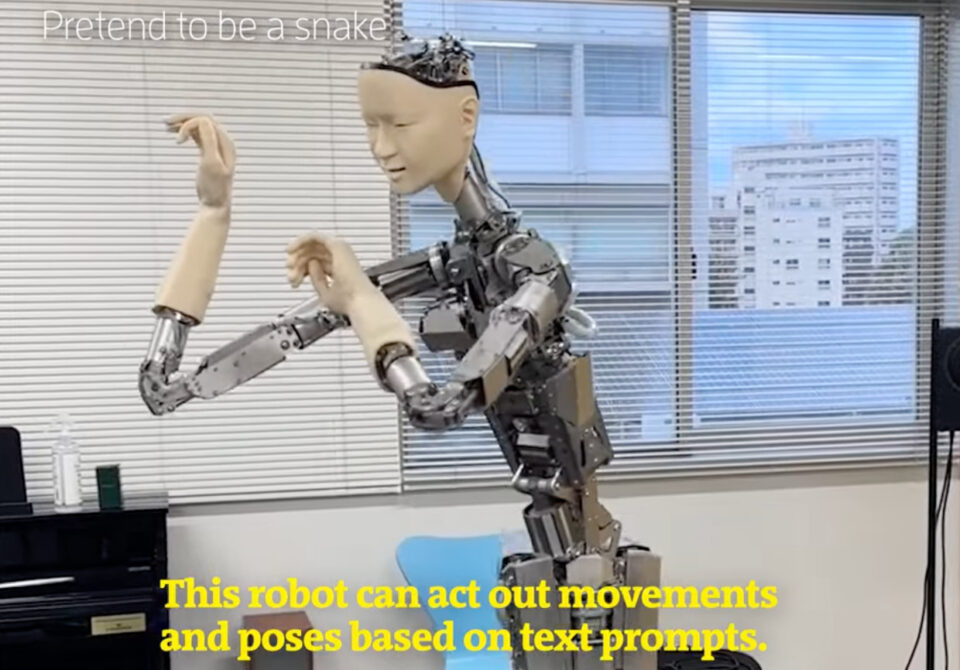
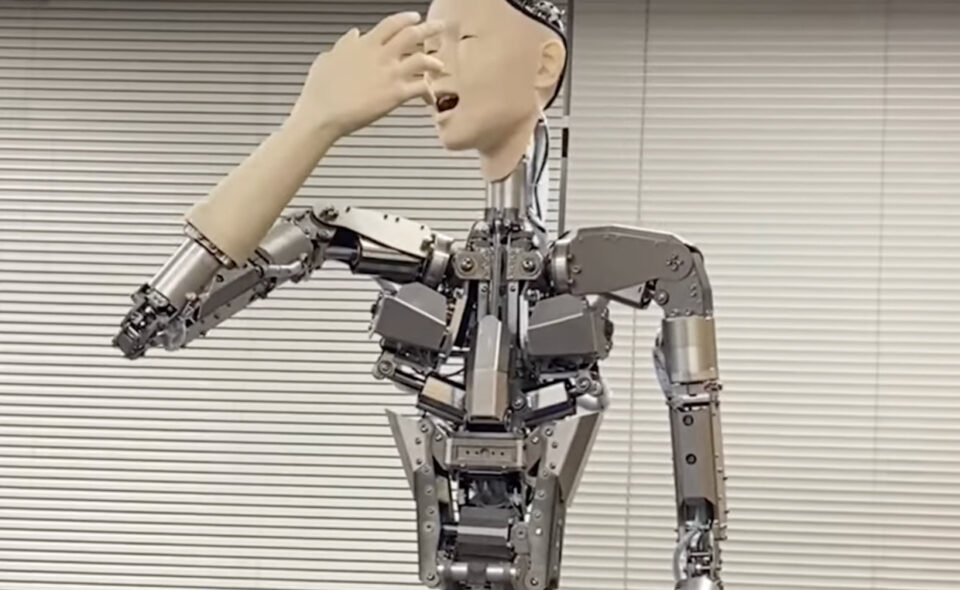
Using GPT-4, the University Of Tokyo’s Alter3 humanoid robot can autonomously act out actions given to it as prompts in a style not unlike a game of charades. Alter3 uses GPT-4’s large language AI model to convert the human-provided prompts into code for its movement, and the result, while rather unsettling to watch, is quite impressive. And it’s certainly a nice change of pace from their development of flying spider robots.

In the video below, Alter3 pantomimes playing a guitar, pretending to be a snake, taking a selfie, throwing a ball, and pretending to be a ghost, with varying degrees of success. It also attempts to act out the prompt, “Enjoying popcorn at the movies when I realized I was actually eating the popcorn of the person next to me.” That was perhaps its magnum opus, and if Oscars were awarded to humanoid actors, it would have almost certainly received a nomination.

The University of Tokyo researchers behind the project hope that robots perfecting making human-like movements will make our interaction with humanoid robotics more lifelike. And, in the very near future, you might not even be able to tell if your charades partner really is a human at all! What a time to be alive!

[via LaughingSquid]

Covering A Car With Color-Changing Mood Ring Disks

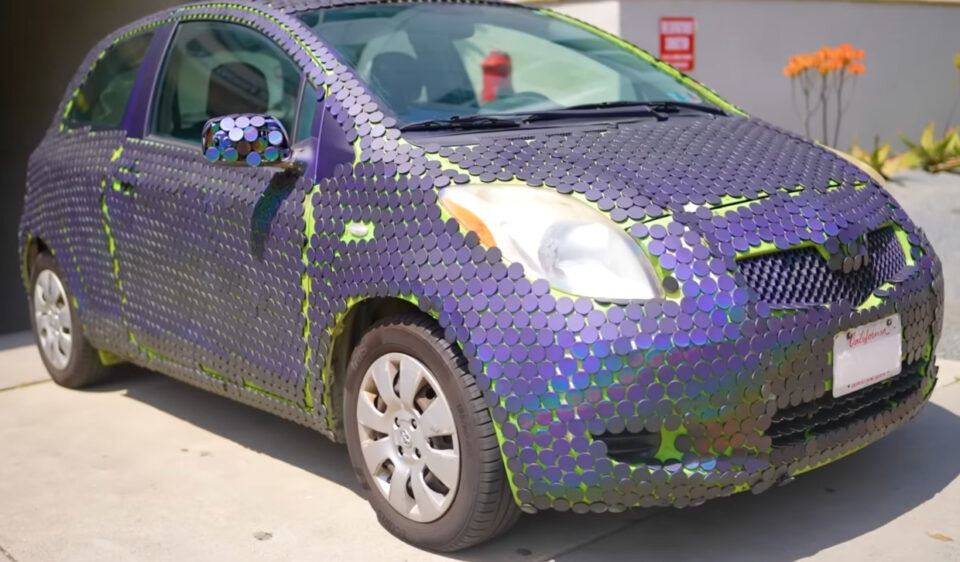
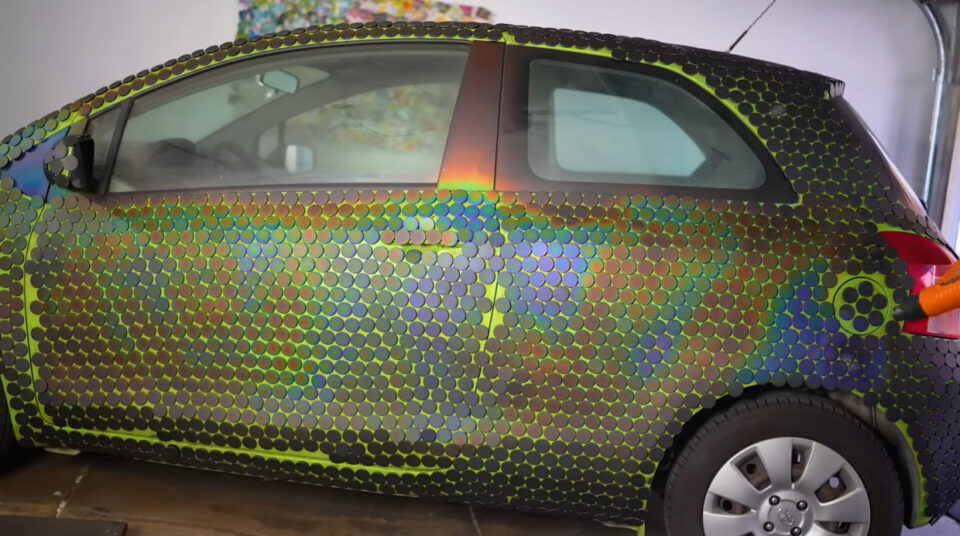
Presumably curious how her car feels at any given moment, Youtuber Ali Spagnola covered it with 9,000 PopSockets, which she painted with thermochromic liquid crystal paint so they change color based on temperature, just like a mood ring. Wait — so mood rings aren’t sensing my mood, just temperature? 9-year old me demands a full refund!

The disks appear black at cooler temperatures but turn to violet, blue, green, yellow, orange, and red the warmer they get. Live in Arizona? Then you’ll always be driving a red car. Live in Alaska? Then a black car.

I imagine my car would constantly be red with anger at the way other motorists are driving. There…aren’t a lot of good drivers around here. You’d think new cars don’t even come with turn signals. Or even old cars, for that matter. They all definitely have horns, though!

[via TheAwesomer]

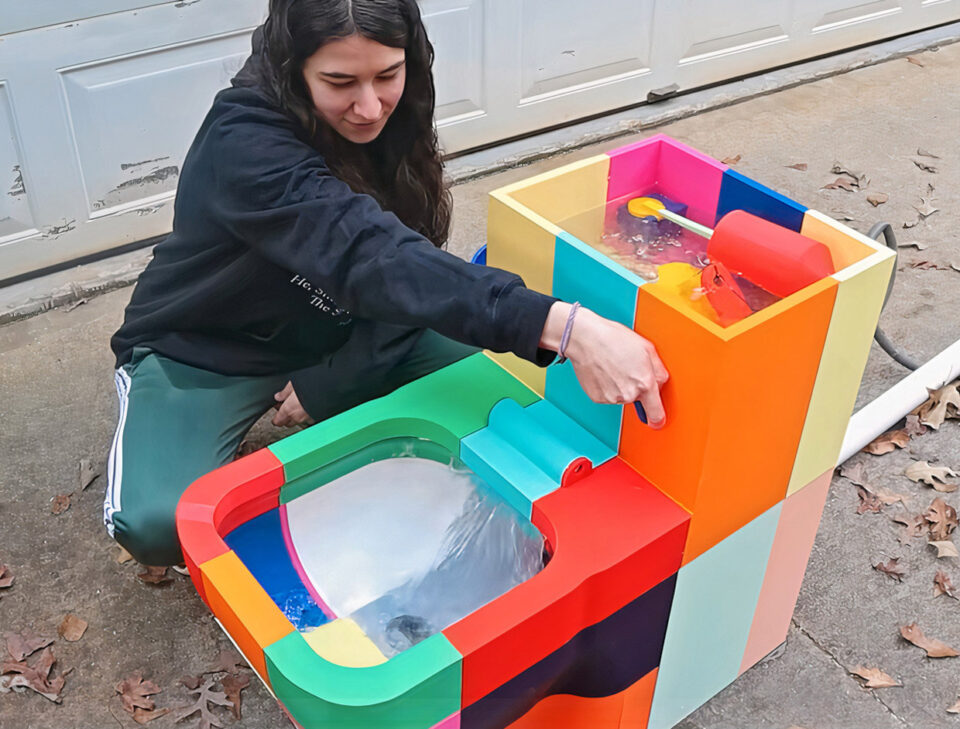
Engineer 3D Prints A Colorful, Functional Toilet

Because great ideas come in all shapes and sizes (and colors), Youtuber Emily The Engineer decided to take it upon herself to see if she could 3D print a functional toilet. Could she? SPOILER: Yes– yes, she could. And I hope that this colorful commode serves as a reminder to us all that if you try hard and believe in yourself, anything is possible. Or you can at least 3D print yourself a toilet.

Due to the size of the toilet, the unit had to be split into numerous blocks for individual printing, and Emily took that opportunity to print the blocks in various fun colors. The result is what appears to be a LEGO toilet, or a Mondrian painting. My bathroom demands it!

Emily attached all the parts to one another using 3D plastic glue and a soldering iron to fuse where necessary. Even the tank float, flapper, and flushing mechanism are 3D printed, although a handful of metal nuts and bolts were required to connect everything.

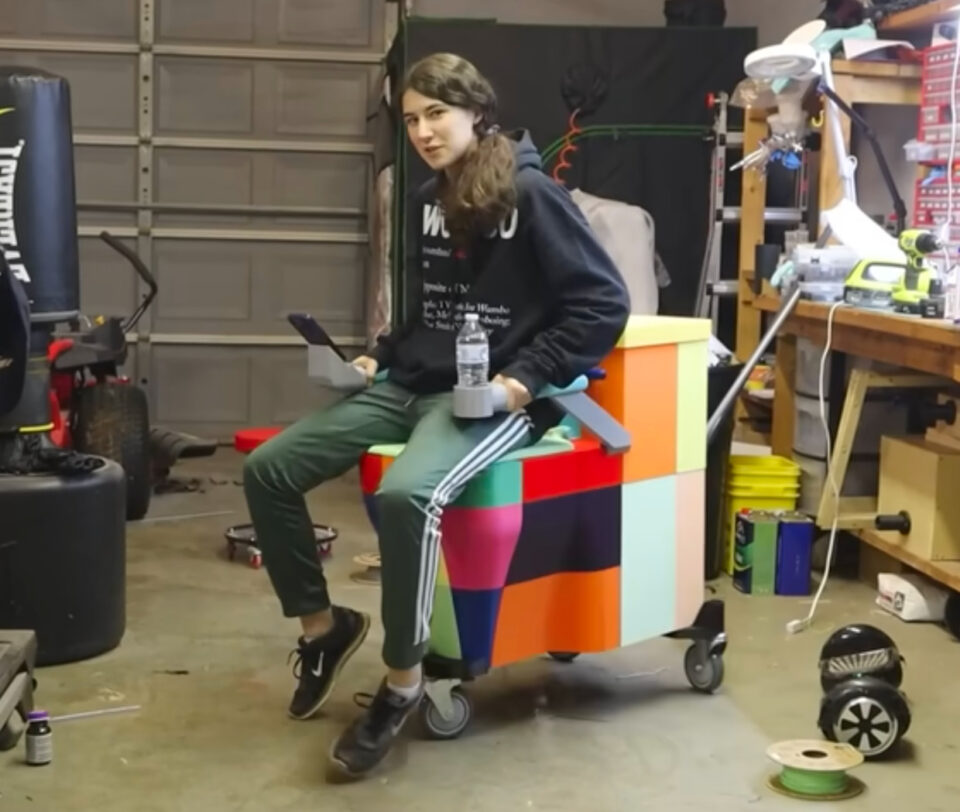
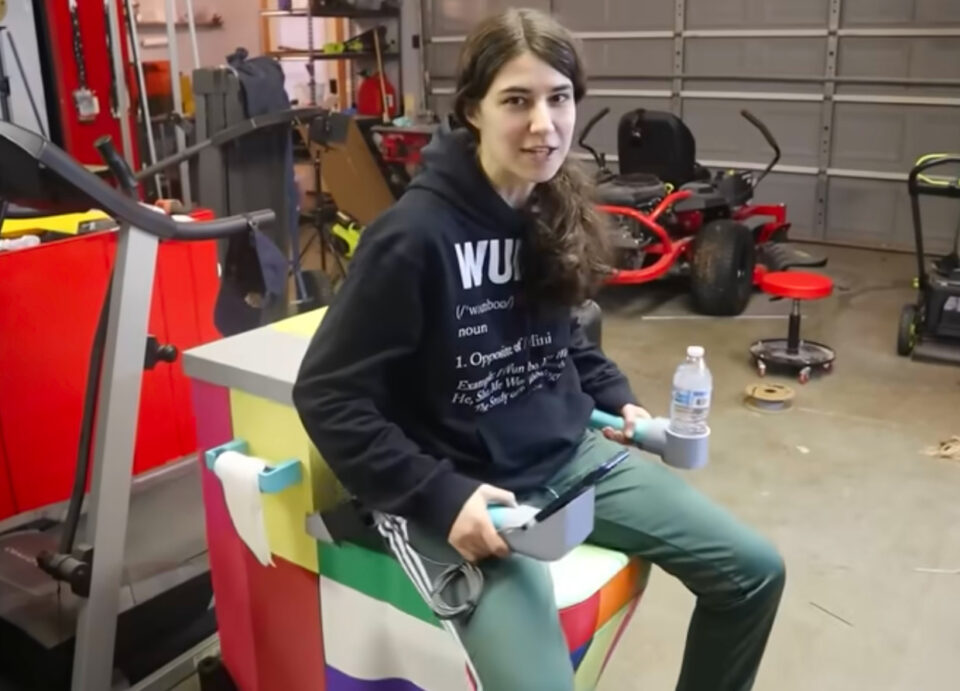
Unfortunately, after testing, it appeared her design wasn’t strong enough to be attached to a traditional indoor plumbing system. So what did she do? What anybody would — attached wheels, armrests, smartphone charger, cup holders, and added a bidet. Boom — mobile toilet! Goodbye porta-potty, hello sporta-potty!

[via TechEBlog]

13-Year Old Becomes First Human To Beat Tetris On NES

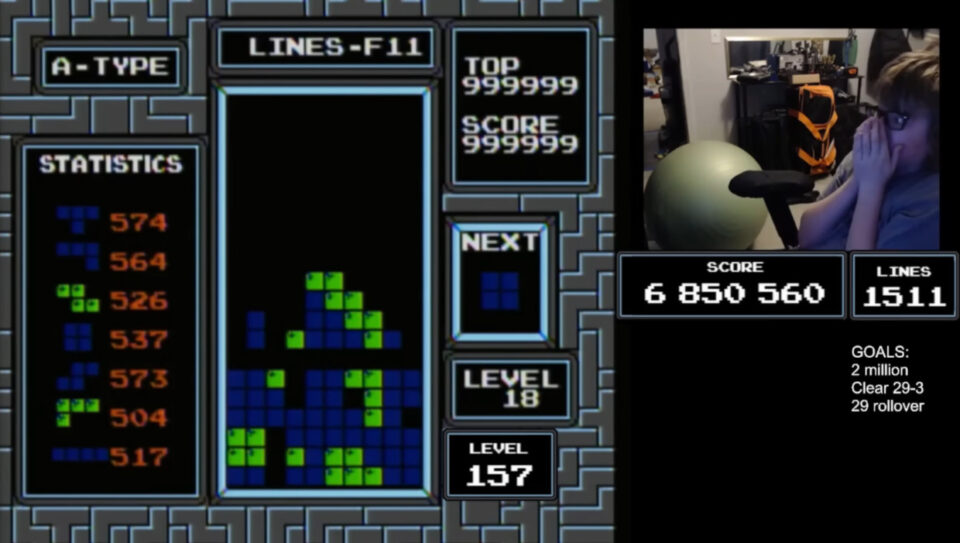
13-year-old gaming streamer Blue Scuti has become the first human to beat the classic Tetris game on the Nintendo Entertainment System, almost 35 years after its release. Previously, the game had only been beaten by artificial intelligence. Blue achieved the feat during a semi-final round of the Classic Tetris World Championship (CTWC) and set three world records in the process: the highest overall score (6,850,560), the highest level achieved (Level 157), and the most total number of lines (1,511). Wow!

The game is “beat” when it crashes, and the screen freezes. For the first two decades of the game’s existence, it was believed that progress past level 29 was impossible because the pieces are falling so fast that holding left or right will not move a piece all the way to one side or the other before it reaches the bottom. That led gamers to start getting creative with how they used their controllers.

According to Polygon, Blue’s strategy “was a culmination of the technique that younger players have been developing in recent years. These newer strategies, like ‘hypertapping’ and later ‘rolling,’ emerged in 2016 and 2020 respectively, allowing players to operate the NES controller even faster than the buttons by tapping the underside of the controller.” I’ve seen players doing that in videos and wondered what was happening! That explains it. Me? I’m lucky to hit the right button at all, let alone at lightning speed.

[via BoingBoing and Polygon]

1,499 Drones Recreate Gigantic Nutcracker Ballet, Set World Records

Orchestrated by drone show performance company Sky Elements, a recent recreation of characters from The Nutcracker ballet successfully set two new Guinness World Records. The show used 1,499 choreographed drones flying above the Birdville Fine Arts and Athletic Complex in North Richland Hills, Texas, to achieve the feat, and it must have been a sight to behold in real life. At least there’s a video for those of us who live behind computer screens.

The first record was for the largest aerial display of a fictional character using drones, awarded for a giant Nutcracker stretching 700 feet into the night sky. The second was for the largest aerial image formed by drones, for an absolutely massive picture of a Christmas tree in front of a window with snow falling behind it. Maybe it’s true what they say after all: everything IS bigger in Texas.

Will the records get beaten in the coming year? Almost certainly. As a matter of fact, if I had an army of drones, I would beat them myself. But I don’t even have a single drone, so their records are probably safe from me, provided 2,000 drones don’t fall off the back of a truck in front of my house.

[via TechEBlog]

Man Constructs Stunning Rubber Band Firing Wooden Minigun

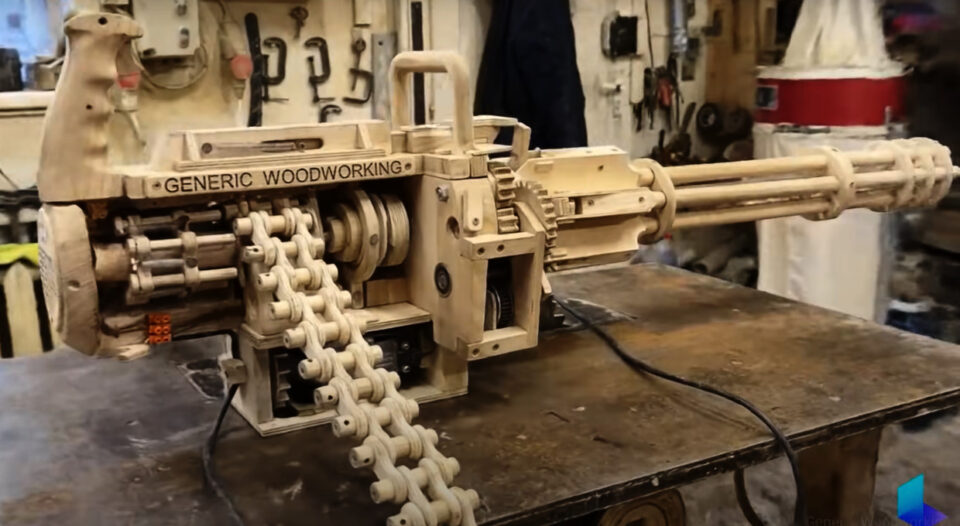
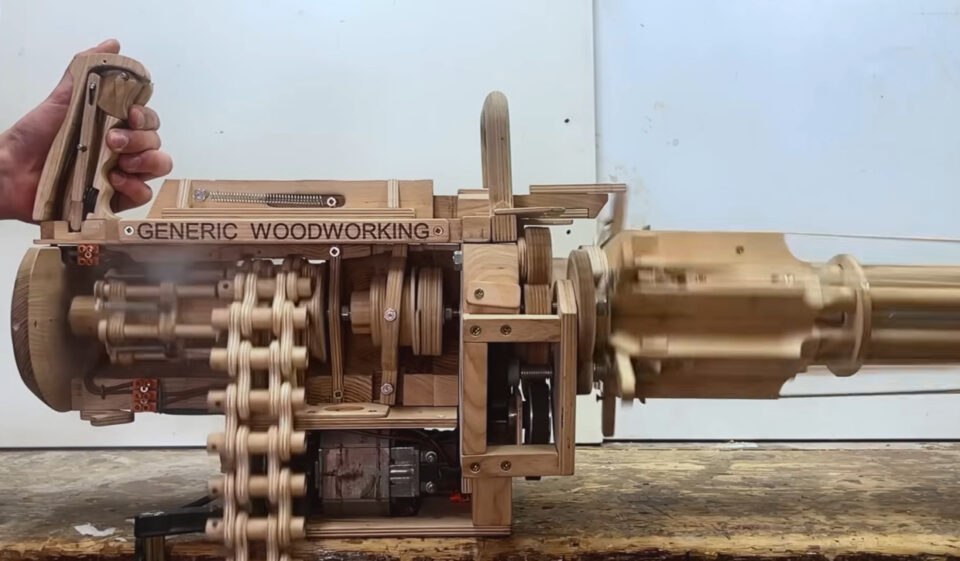
The brainchild of Youtuber GenericWoodworking, this electric-powered wooden minigun shoots rubber bands and sets off cap gun caps as it fires them for extra loud sound effects. It probably goes without saying, but this man will not be allowed to participate in my next rubber band gunfight. Finger guns only!

Since the gun is electric-powered, it’s not entirely wooden and uses parts from a lawn trimmer and belt sander for its drive mechanisms. Its maker did try to make everything he possibly could out of wood, though, including some of the gun’s larger gears.

The minigun took over 300 hours to construct, and the man behind Generic Woodworking suffered numerous setbacks. Me? If I hit a single setback, I abandon the entire project. Sure, that’s led me to never actually finish any project, but think of all the hours and aggravation I’ve saved myself.


[via TheAwesomer]

The Sizes Of Popular Sci-Fi Spacecraft Compared To New York City

Created by Youtube channel MetaBallStudios, this is a 3D visualization of what various spacecraft from popular sci-fi franchises would look like as viewed by a person standing in Jersey City and facing lower Manhattan. I’ve stood right in that exact same spot before. Granted, there weren’t any spaceships hovering in the sky, but I was eating one of the best street hot dogs I’ve ever tasted.

You get a glimpse of the Star Wars X-Wing, E.T. Ship, D77H-TCI Pelican from Halo, Martian’s Spaceship (Mars! Attacks), Moon Rocket (Tintin), USSC Discovery One (2001: A Space Odyssey), Space Battleship Yamato, Mothership (Close Encounters of the Third Kind), USCSS Covenant (Alien Covenant), Battlestar Galactica, Destiny Ascension (Mass Effect), Avatar (EVE Online), City Destroyer (Independence Day), High Charity (Halo), and more.

Honestly, I expected the Borg Cube to be even more giant. I’m not sure exactly how big I imagined they were, but definitely larger than 3km square. I mean Death Stars were about 160km in diameter — they would dwarf Borg Cubes! Or at least they would if they didn’t keep getting blown up by the rebels.

[via TechEBlog]