Mercedes Benz Vision iMobility combines style and functionality for ultra-relaxed commutes in urban landscape

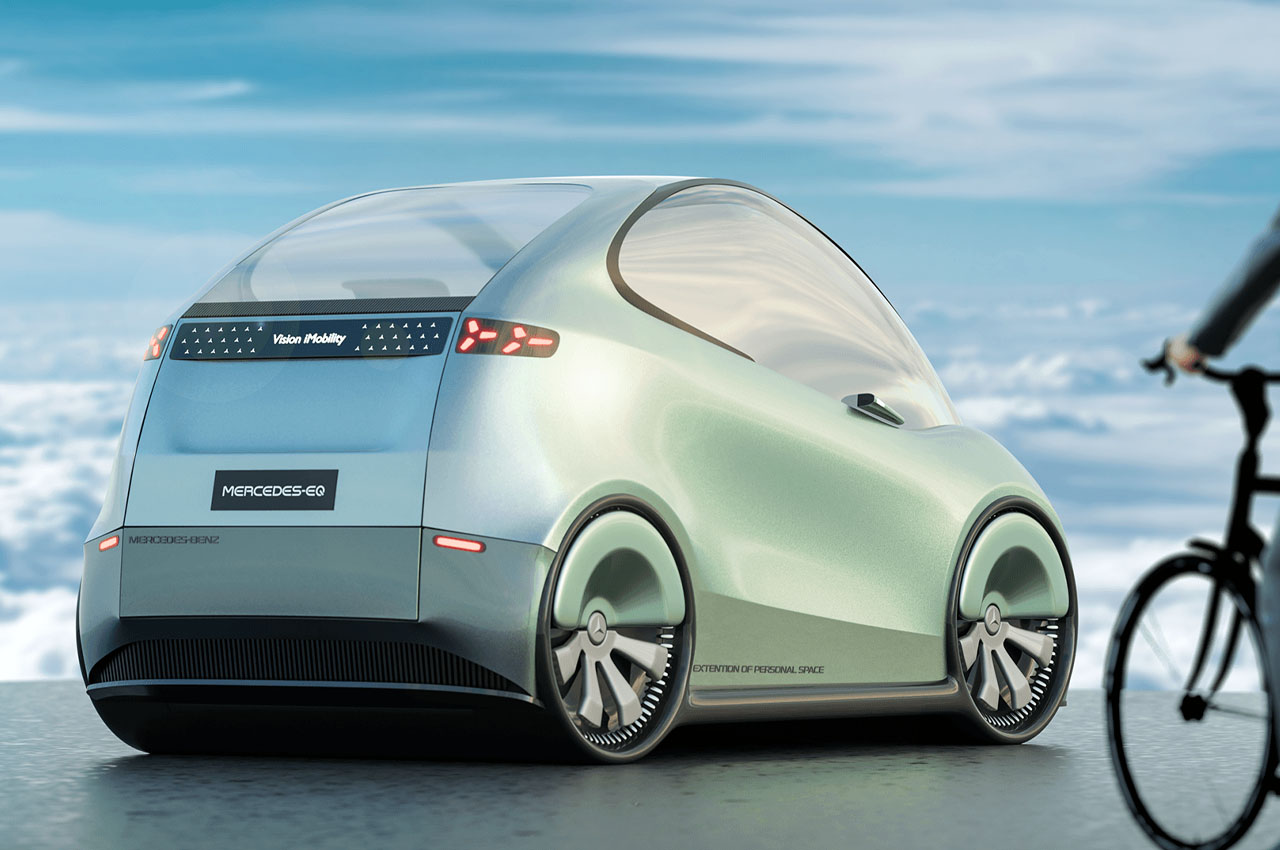
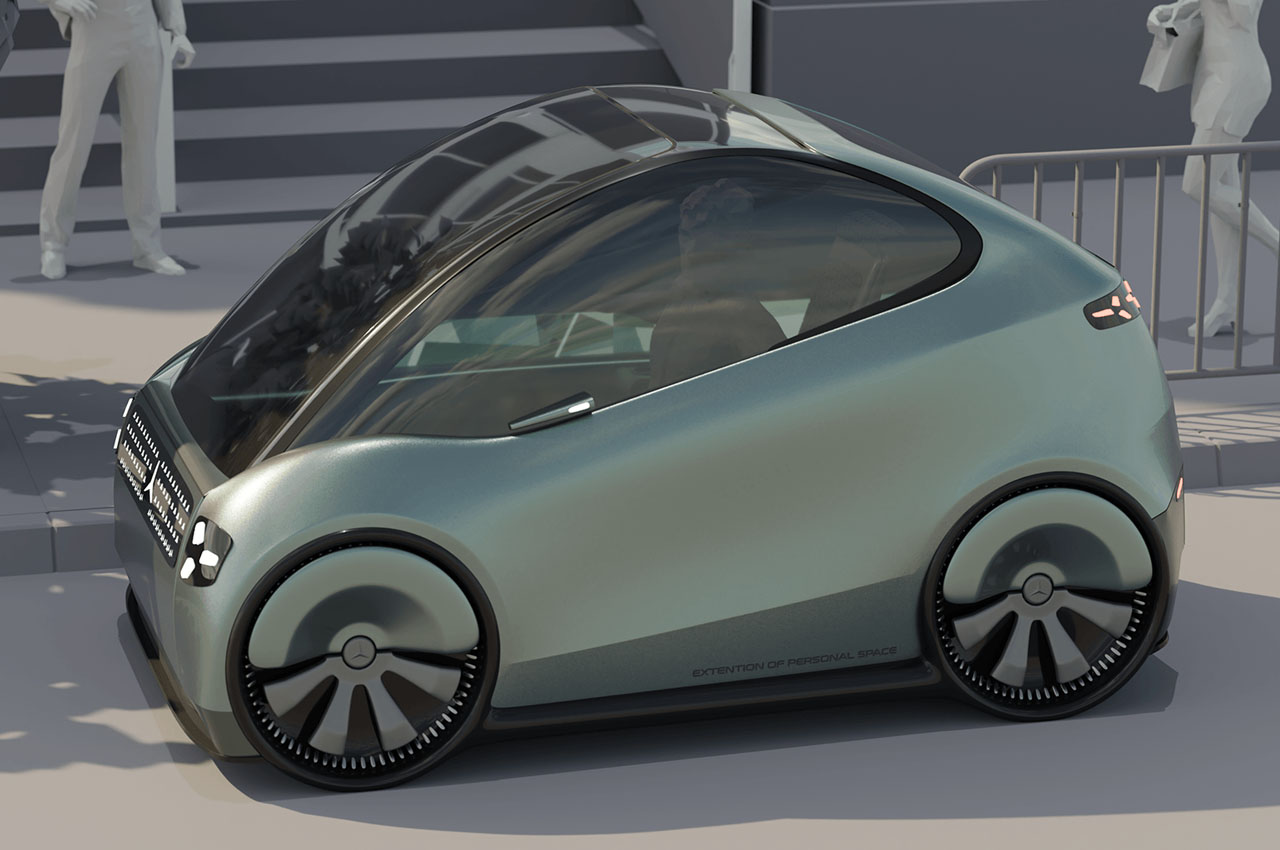
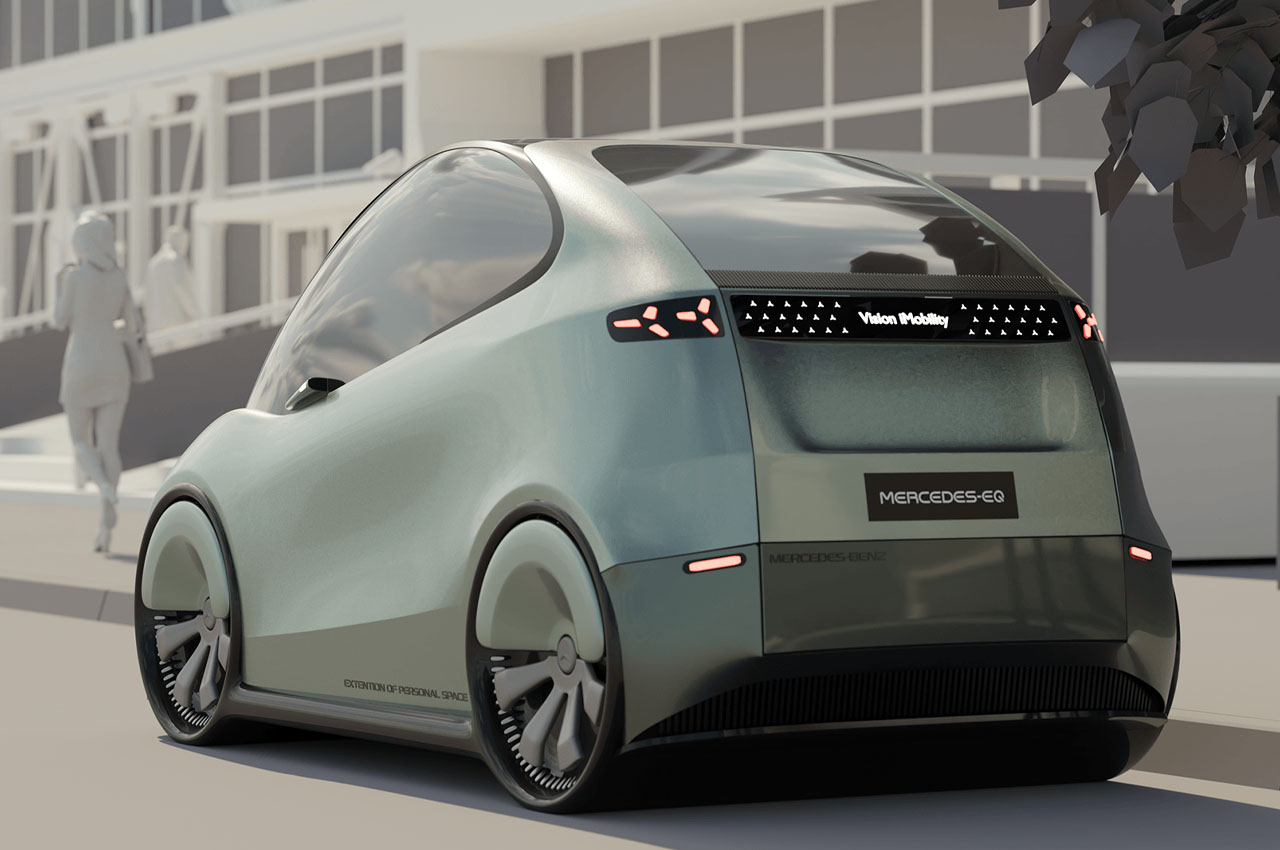
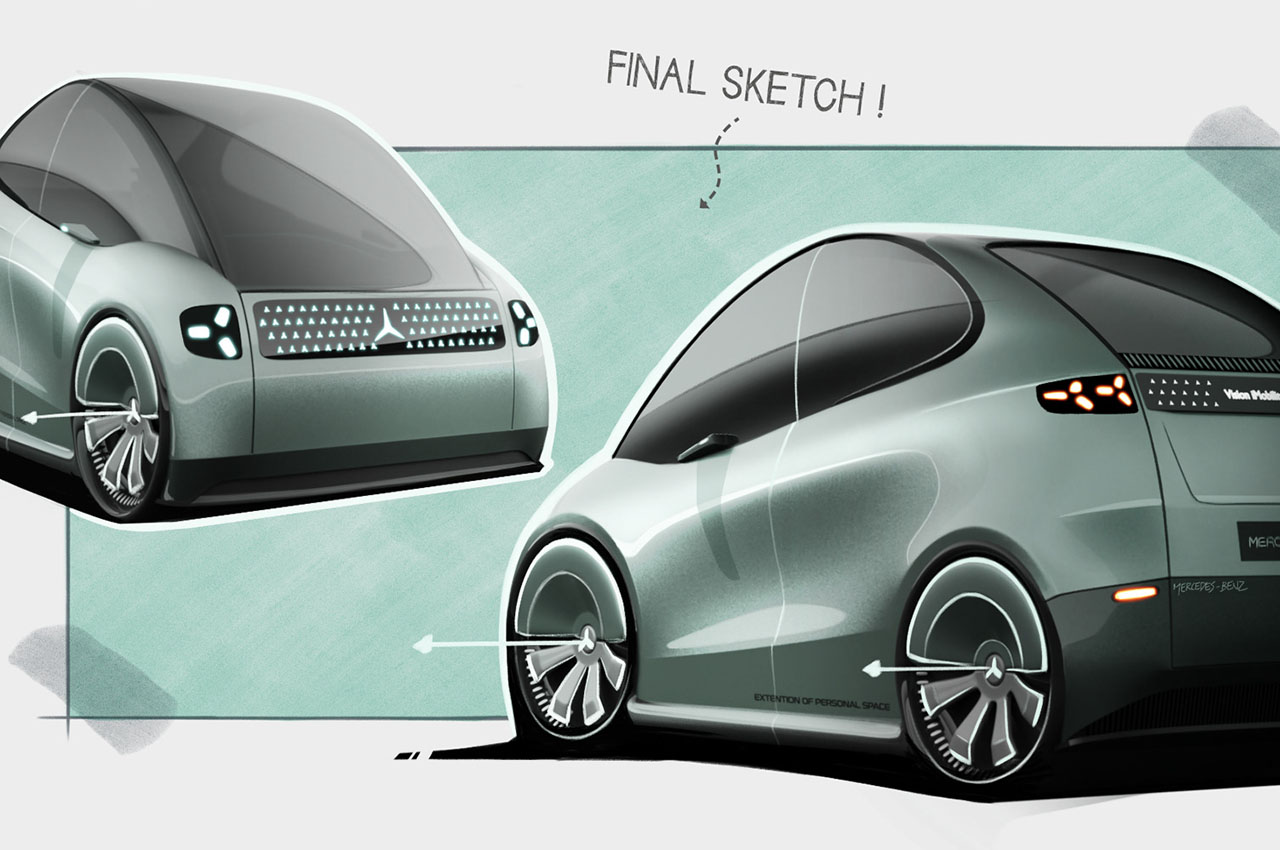
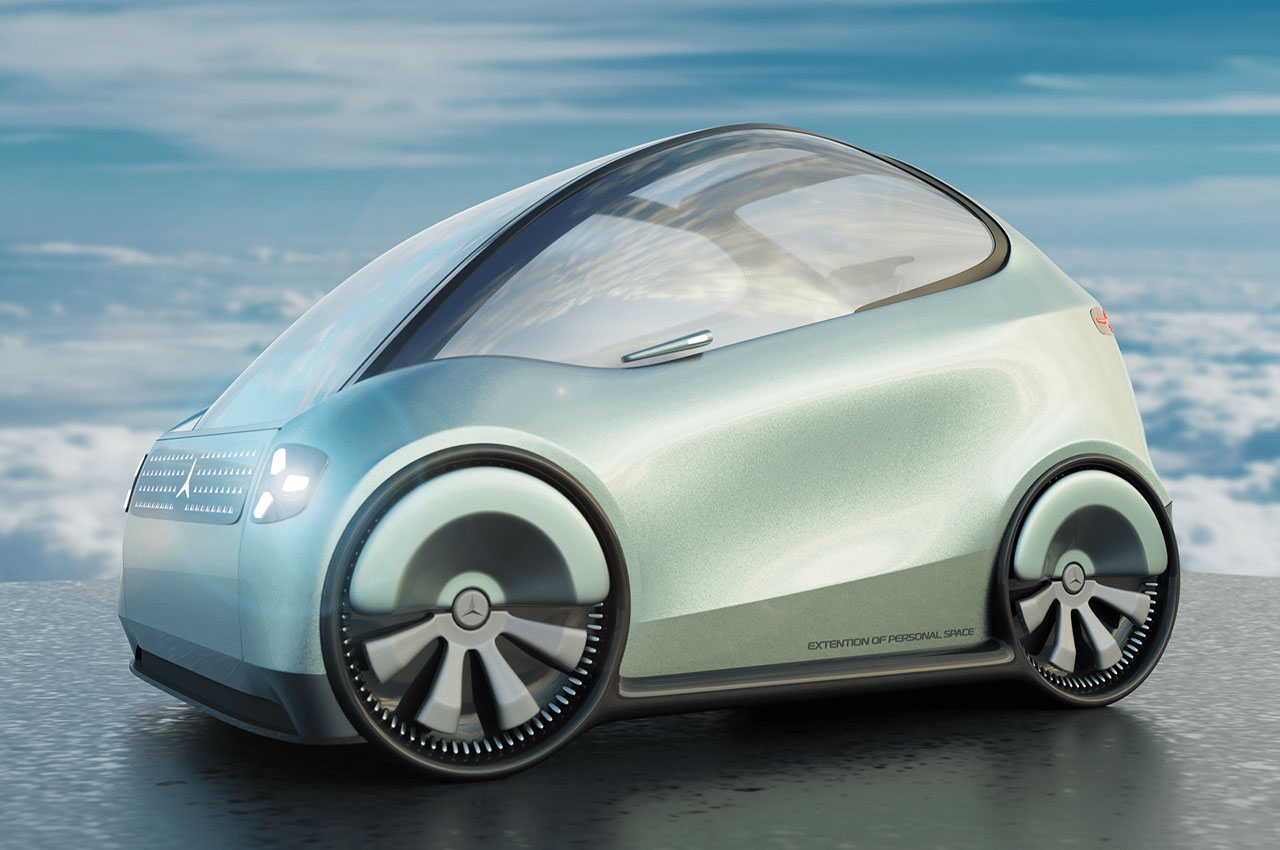
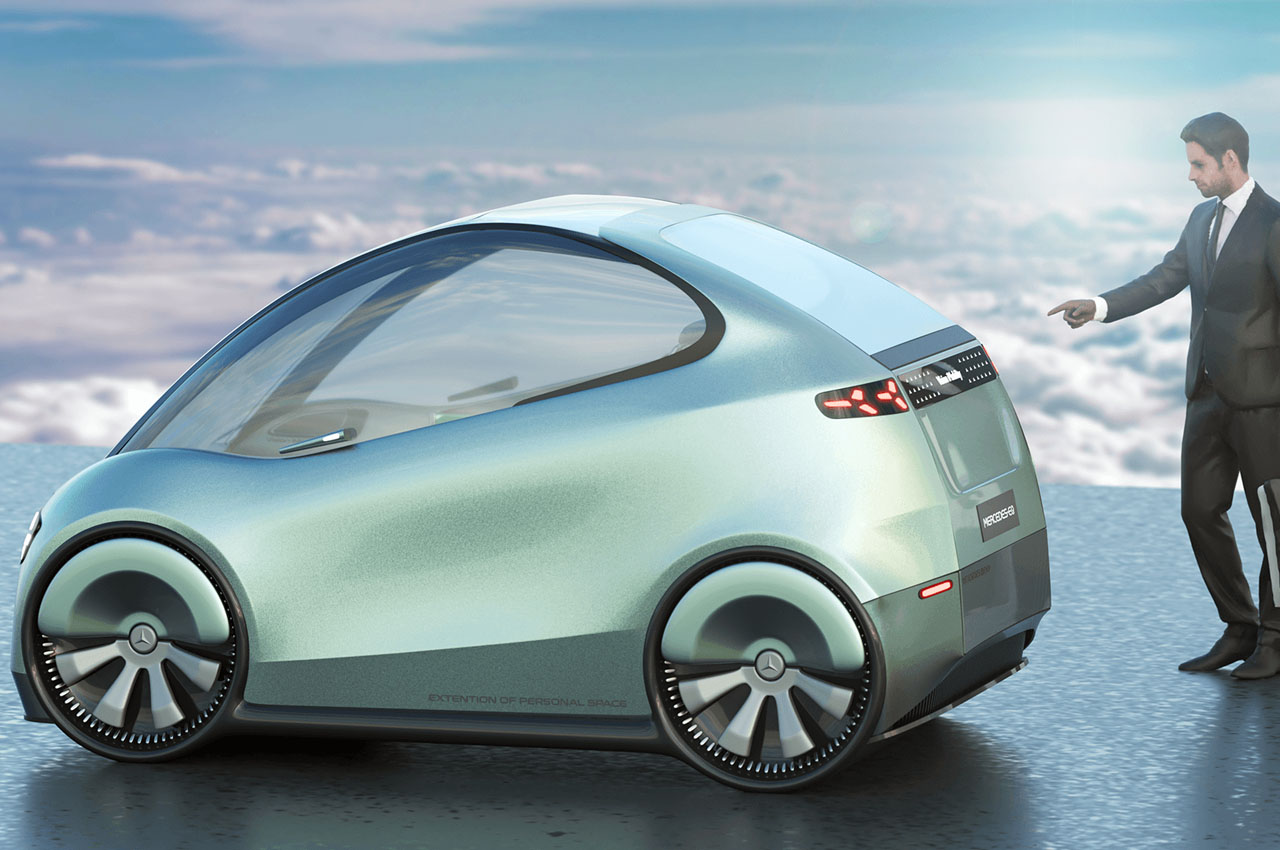
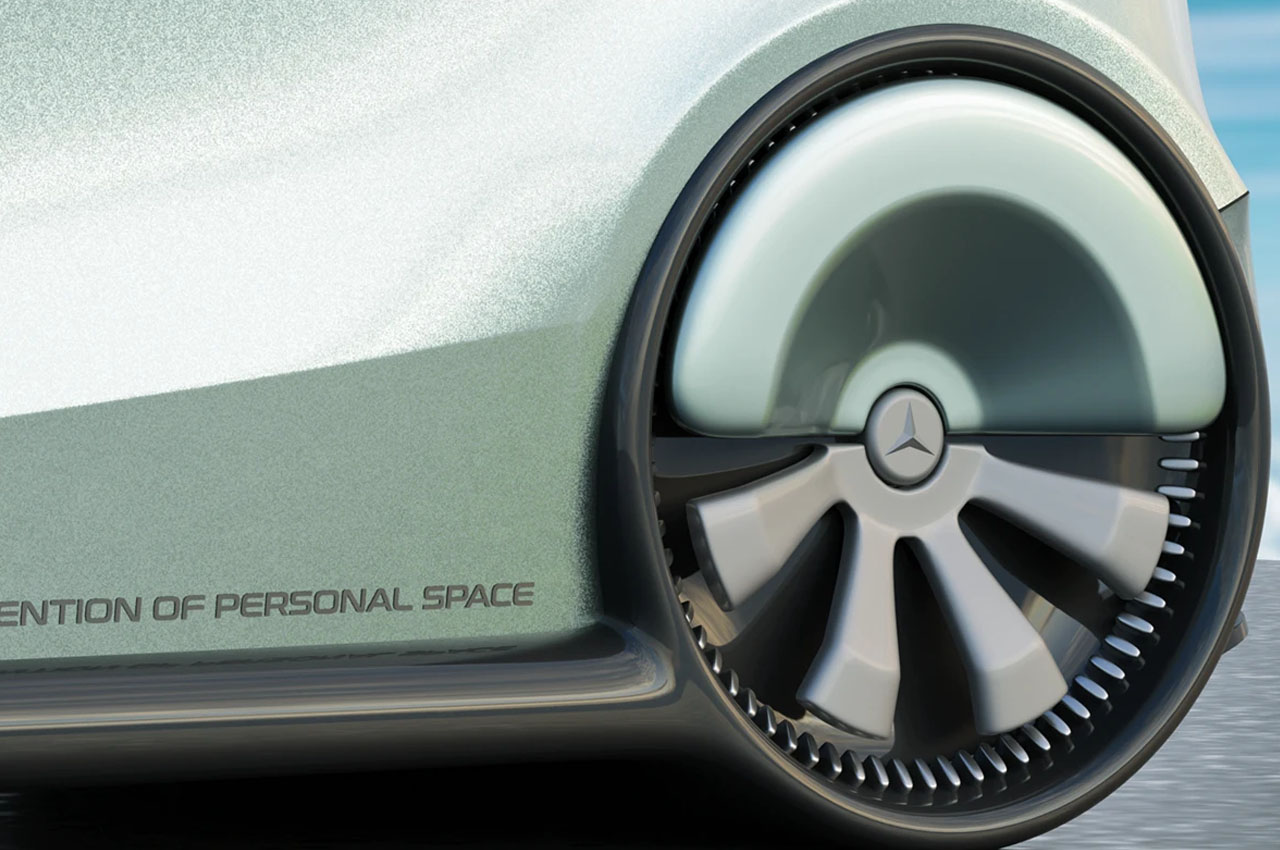
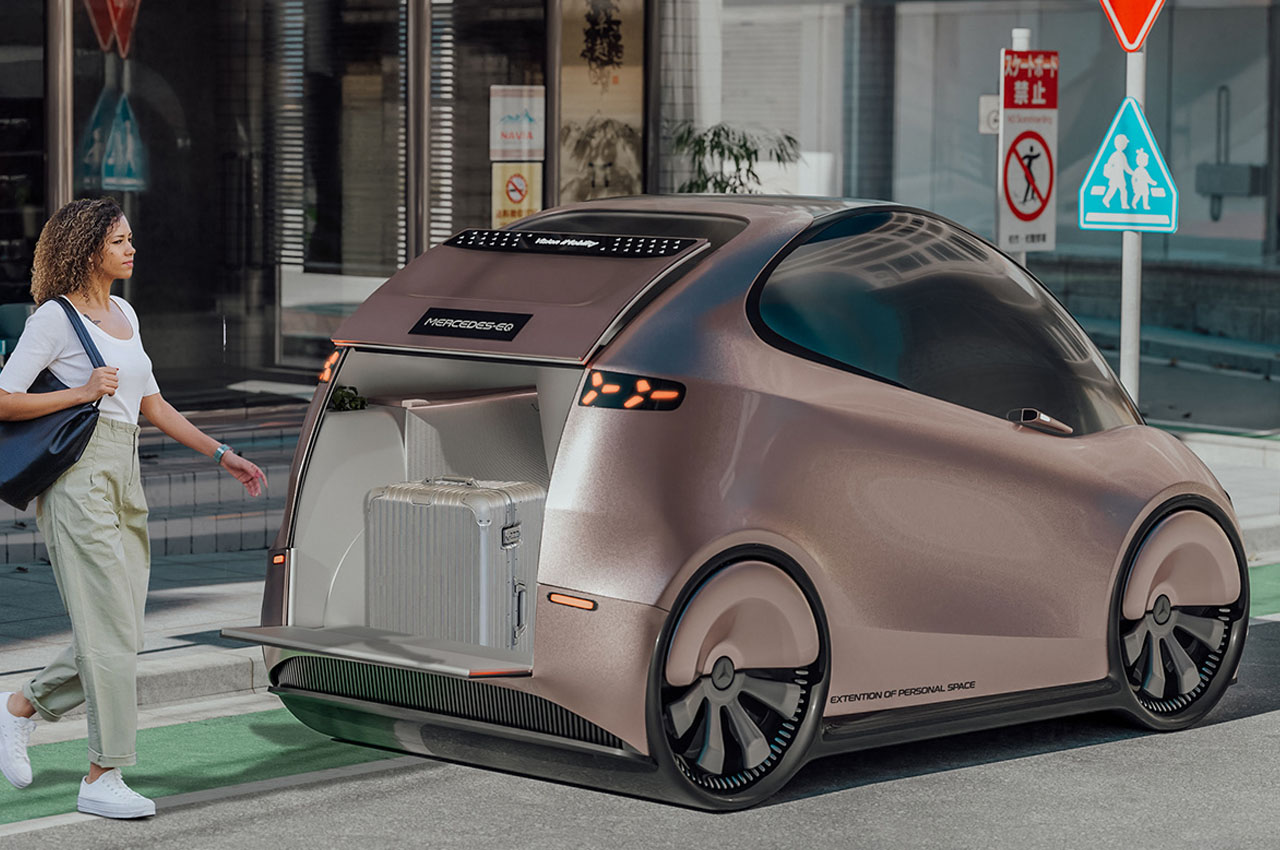
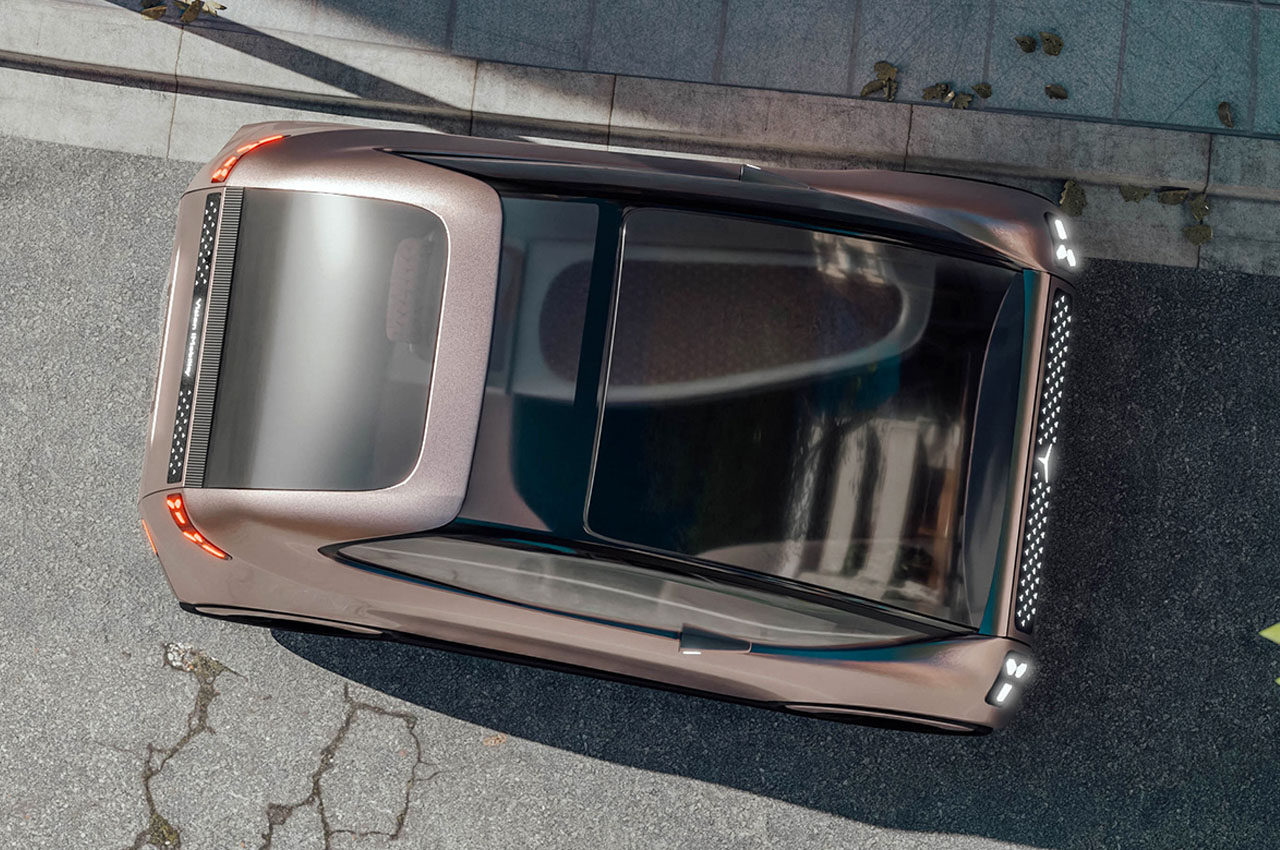
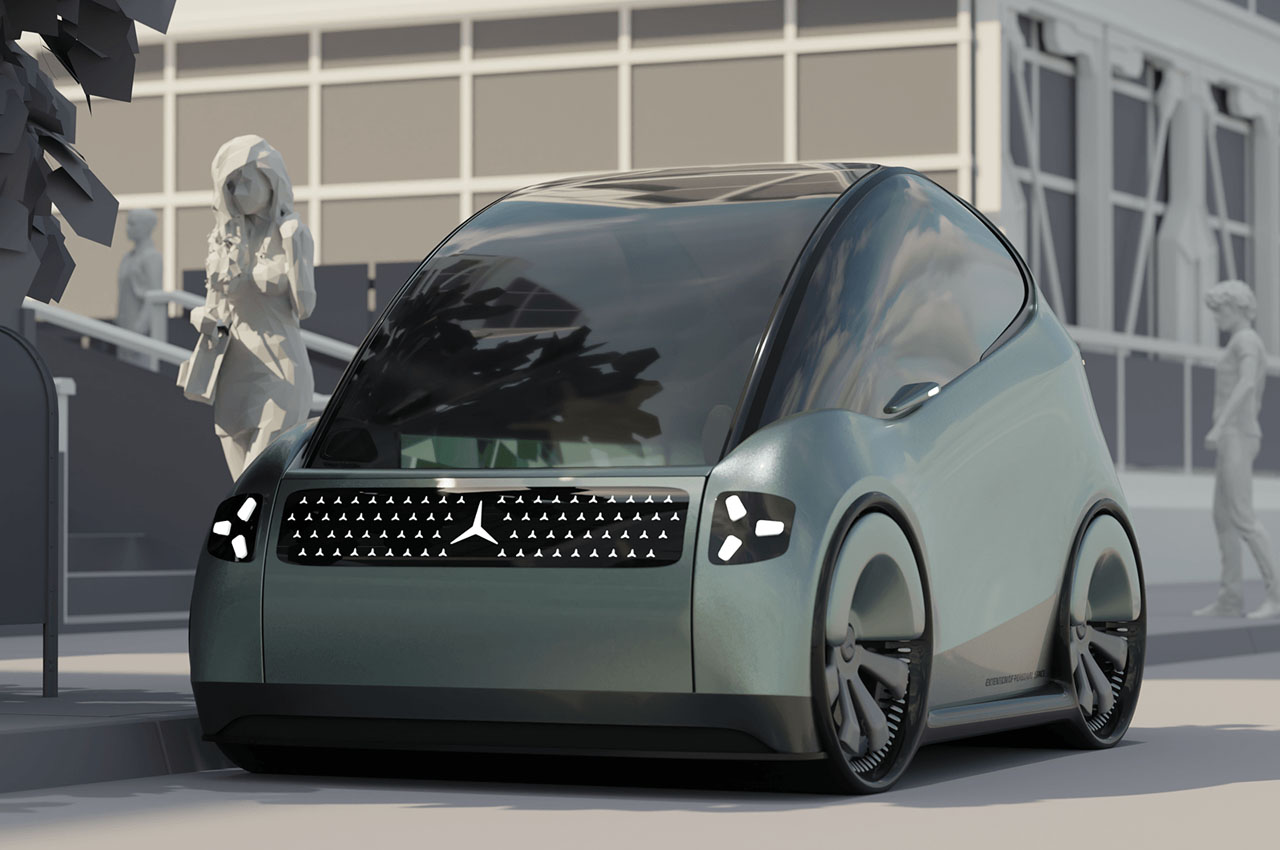
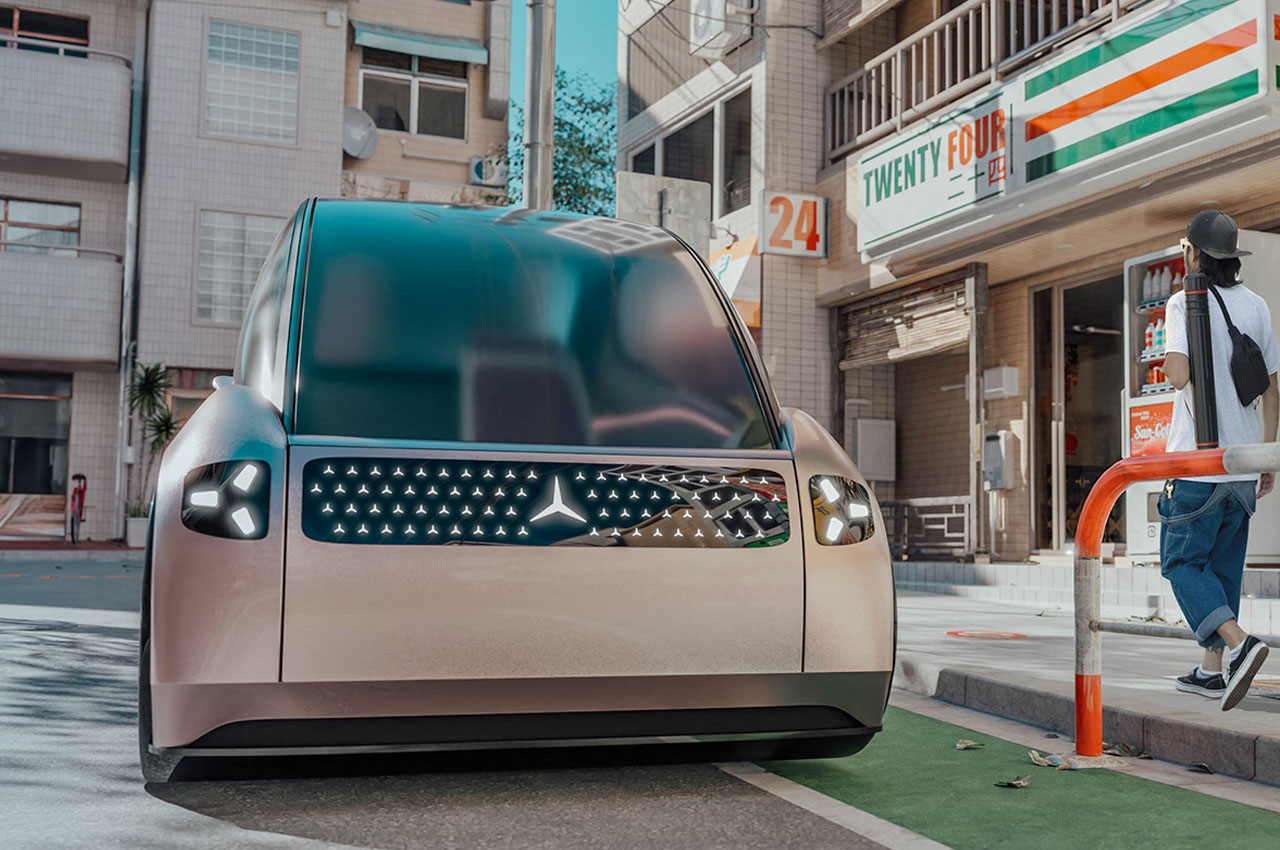
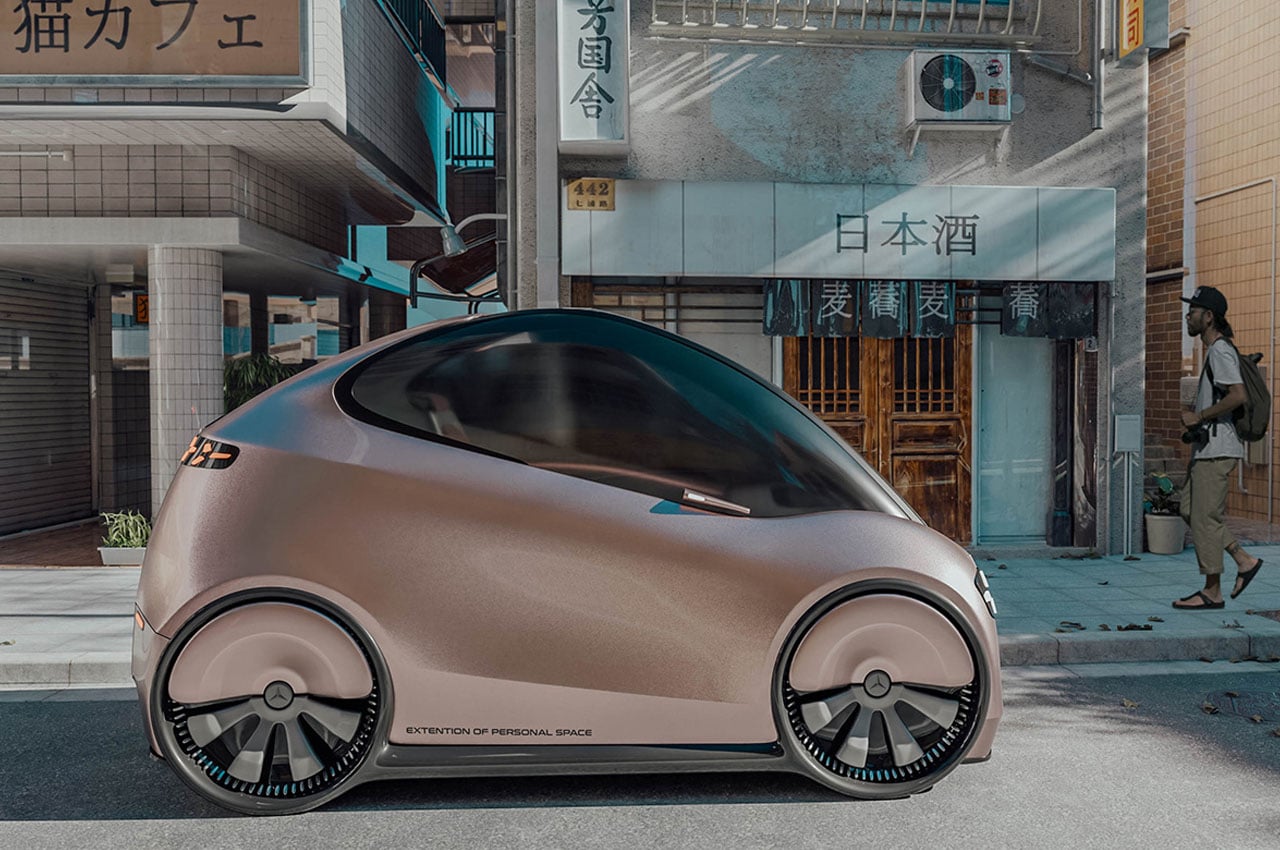
The future of level 5 autonomous mobility is largely going to revolve around relaxation and the whole experience of getting from point A to B.  Inspired by the protective shell of turtles, the Mercedes Benz Vision iMobility concept emphasises efficiency and resilience in a smooth curvy design. The form factor in particular is a combination of style and functionality, creating a bridge between cutting-edge automotive technology and the organic beauty of nature.

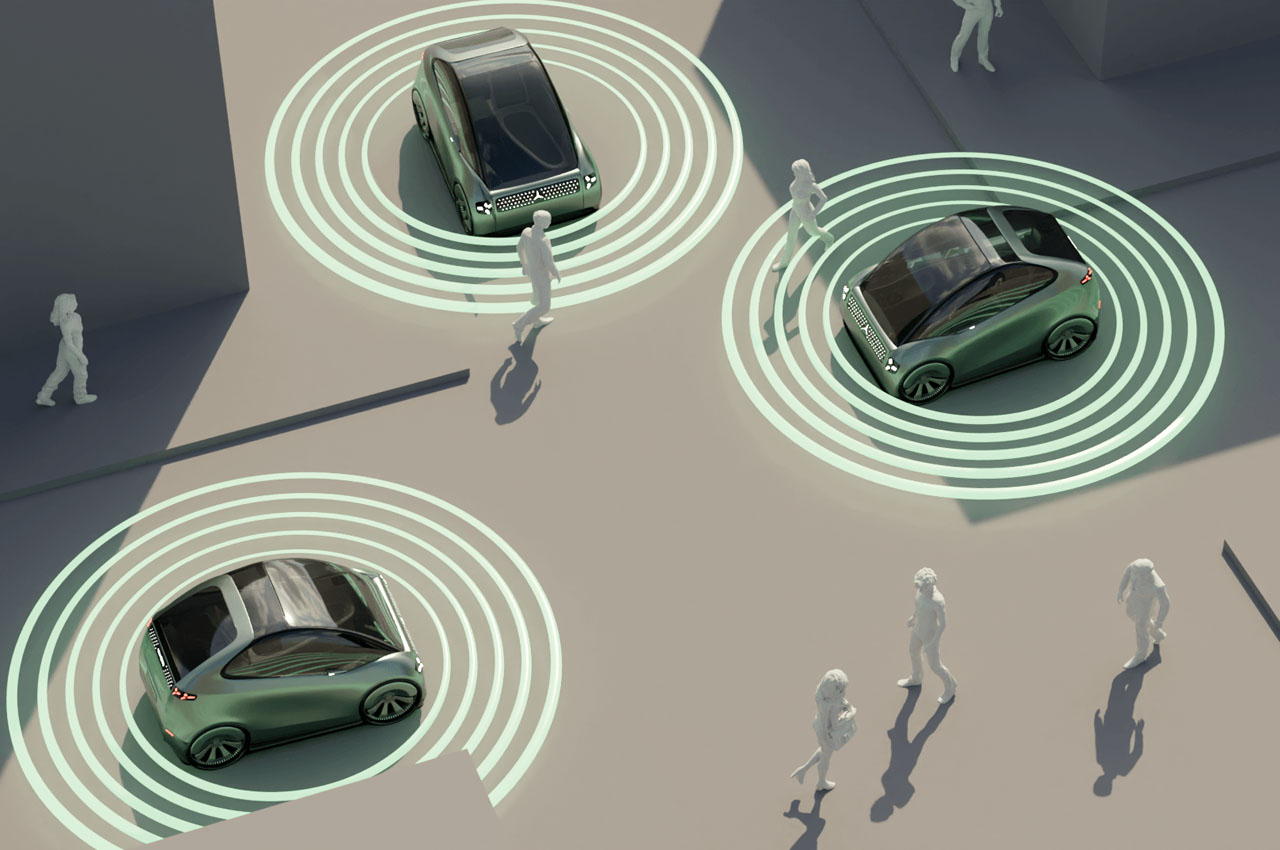
The designer imagines this vehicle to dot the landscape of four-wheelers in the year 2050 where cars communicate with the traffic systems, other vehicles and urban environment to optimize routes and bump-up safety. A time when autonomy, connectivity and sustainability are the driving force of innovation. Richard states, “Vision iMobility isn’t just a means of reaching a destination; it’s a dynamic and adaptive space that caters to individual needs.”

Designer: Richard Huang
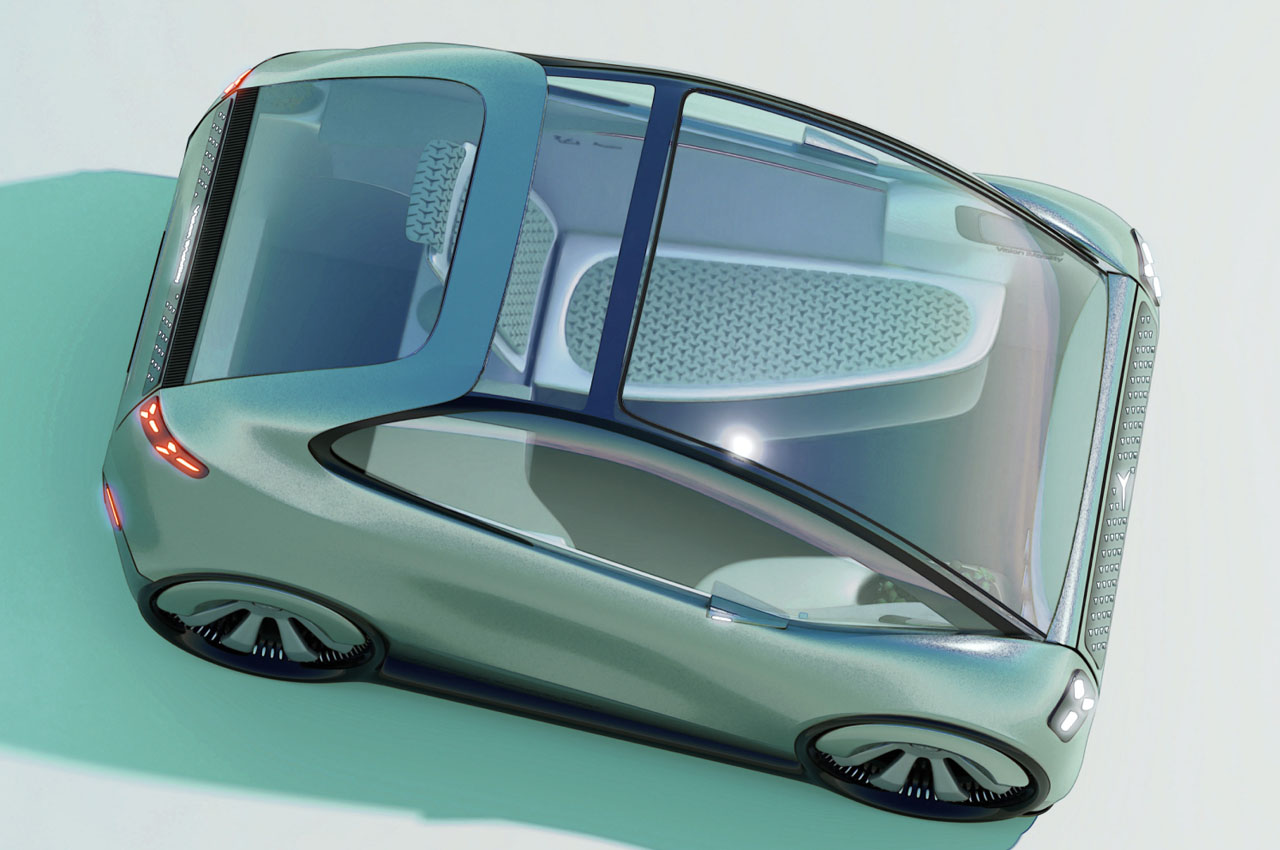
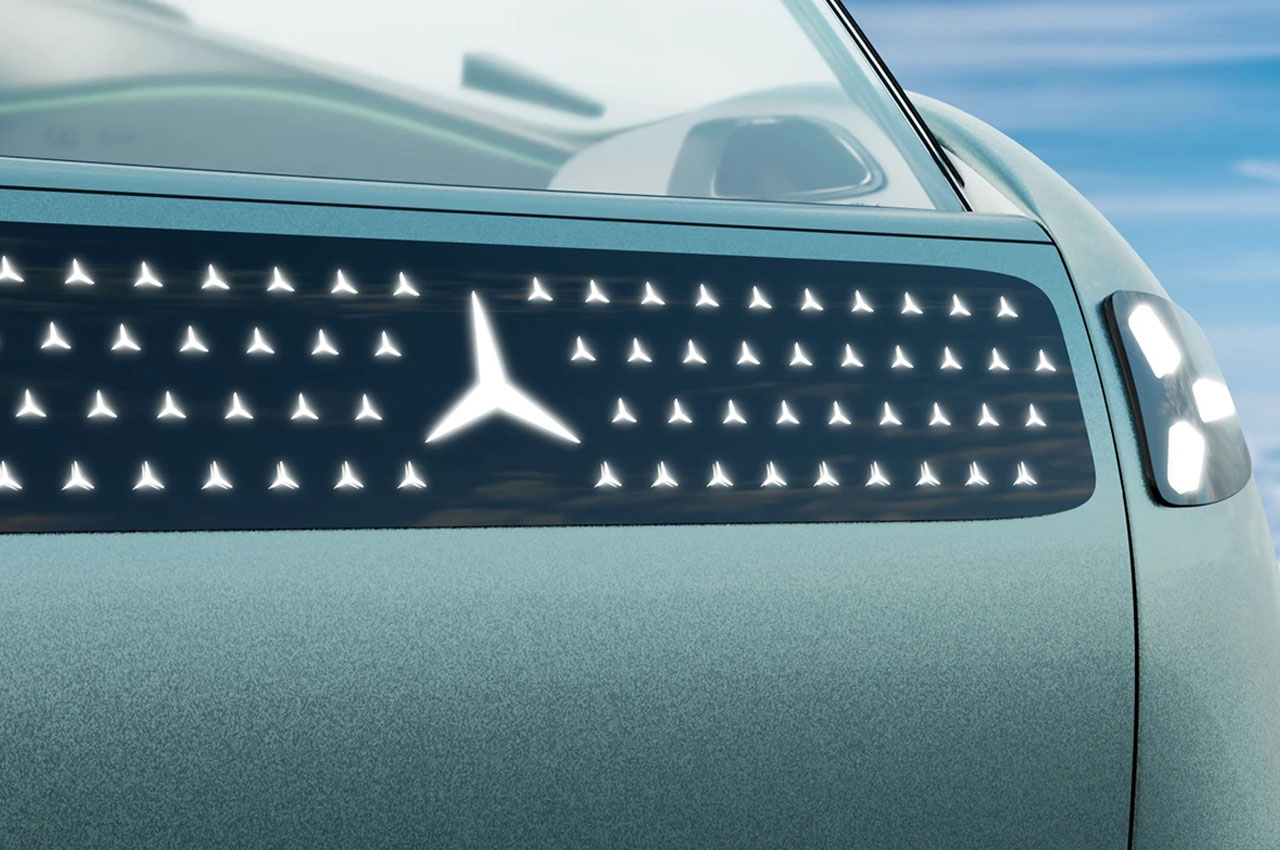
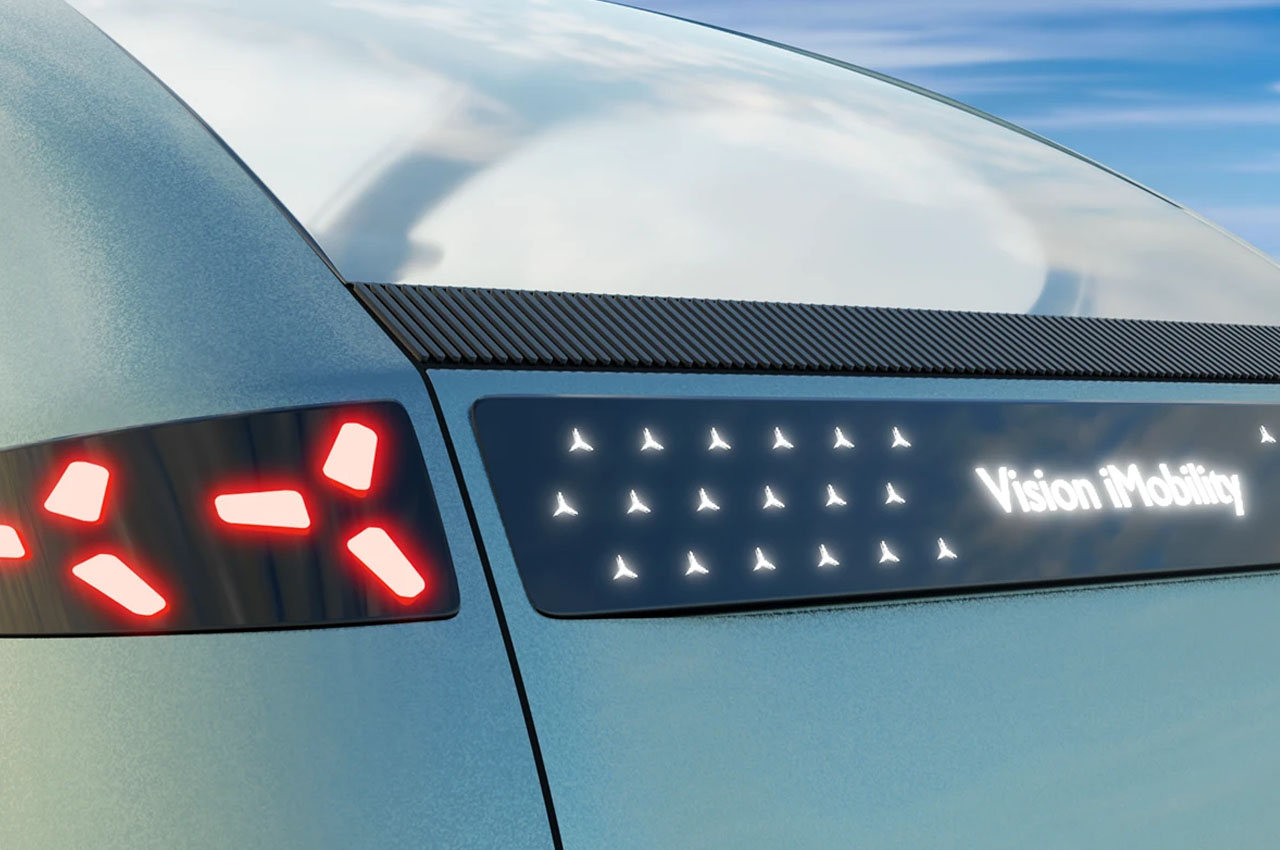
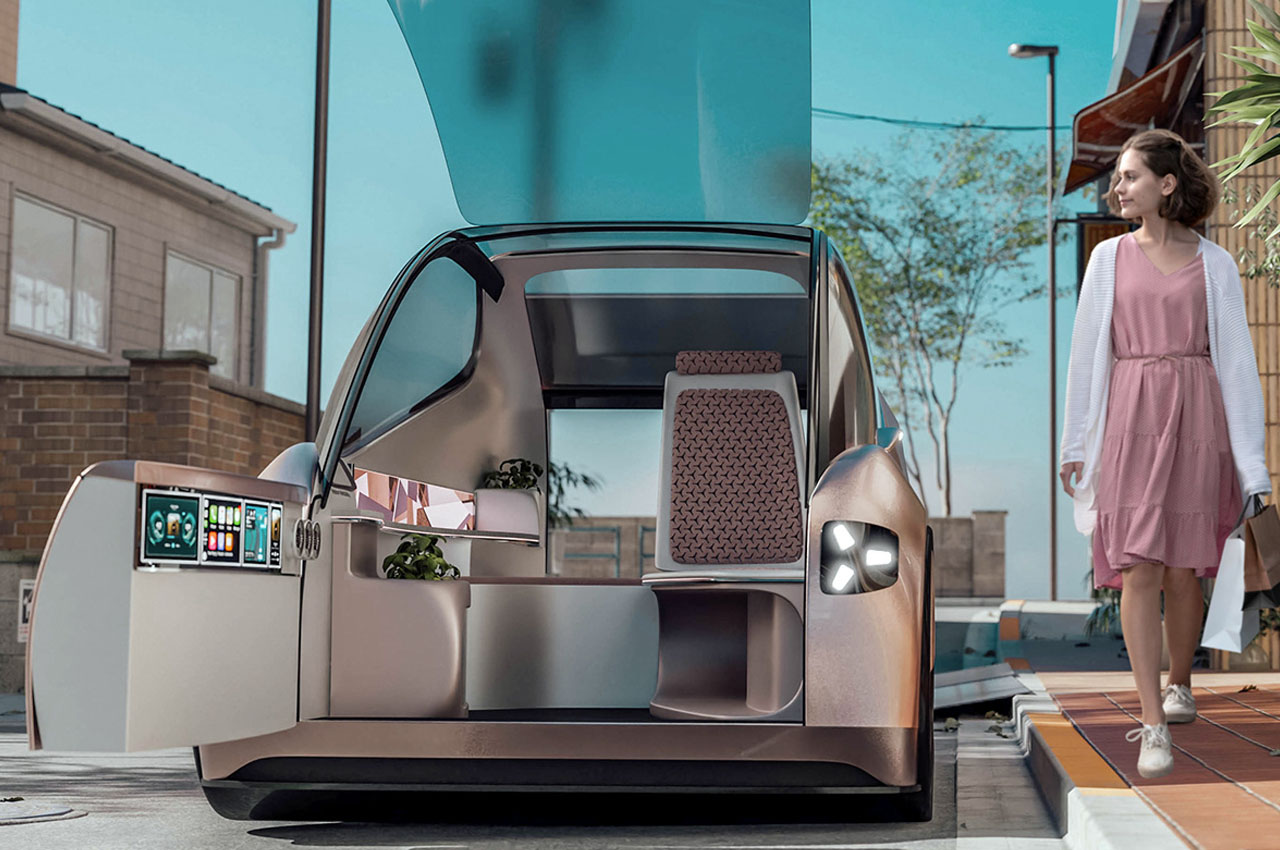
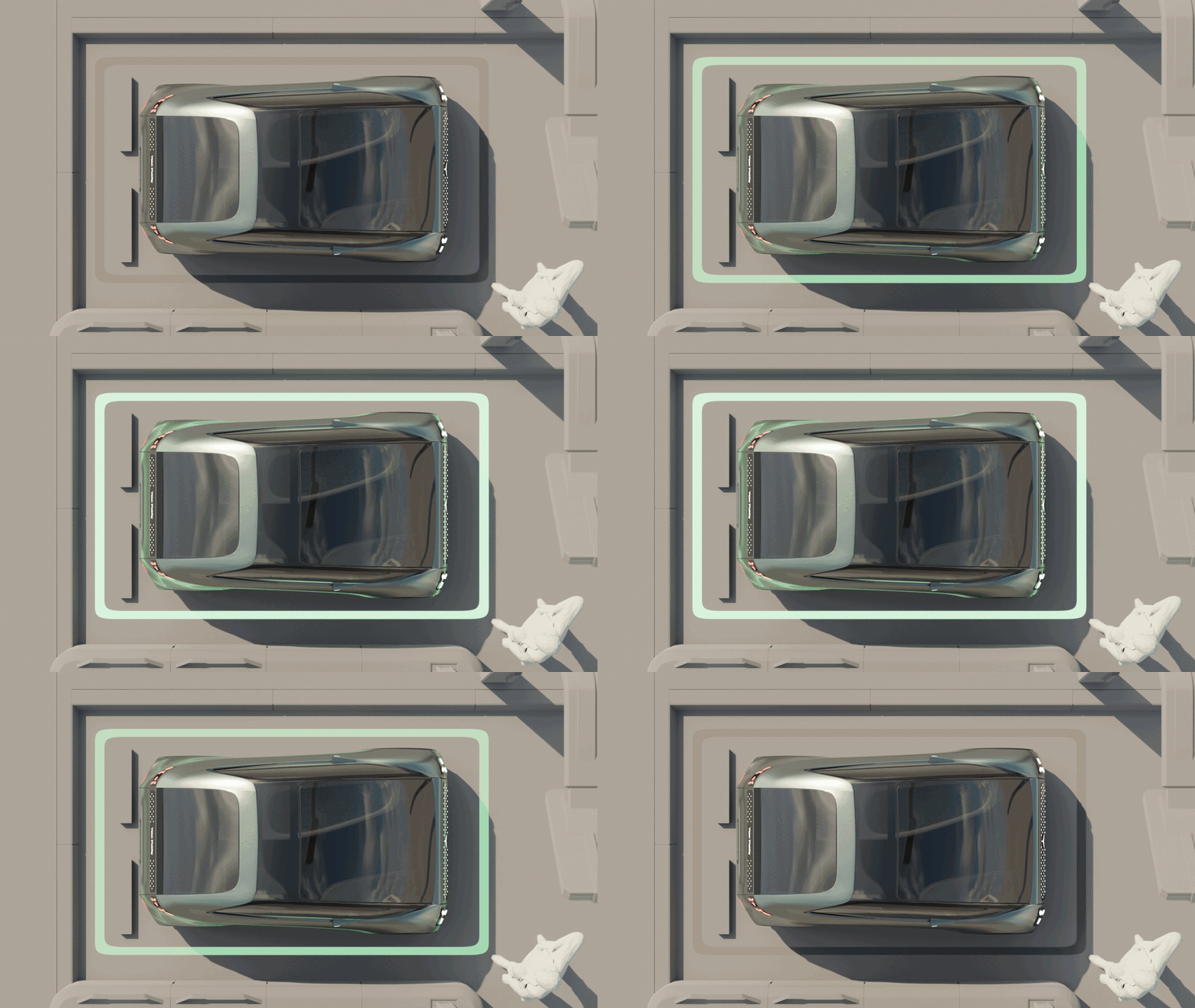
The nature-inspired details don’t end there as the headlights get the reminiscence of a dwarf arrowhead flower. The front-open design of the vehicle makes it easy for the occupant to enter the cozy relaxing interiors and the compact shape gives the iMobility flexibility in tight urban spaces. Running out of juice in this electric vehicle is out of the question as it can be charged wirelessly just by parking on the readily available charging junctions.
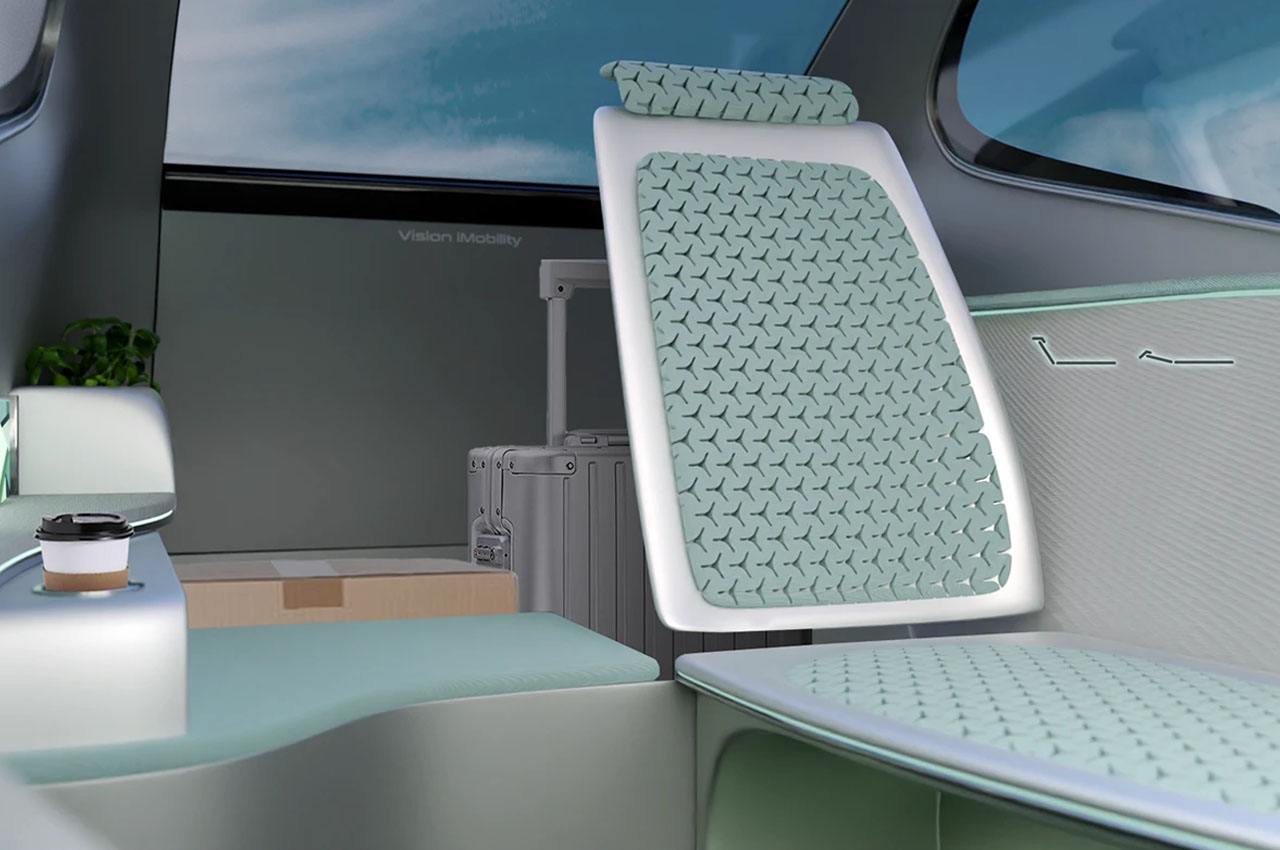
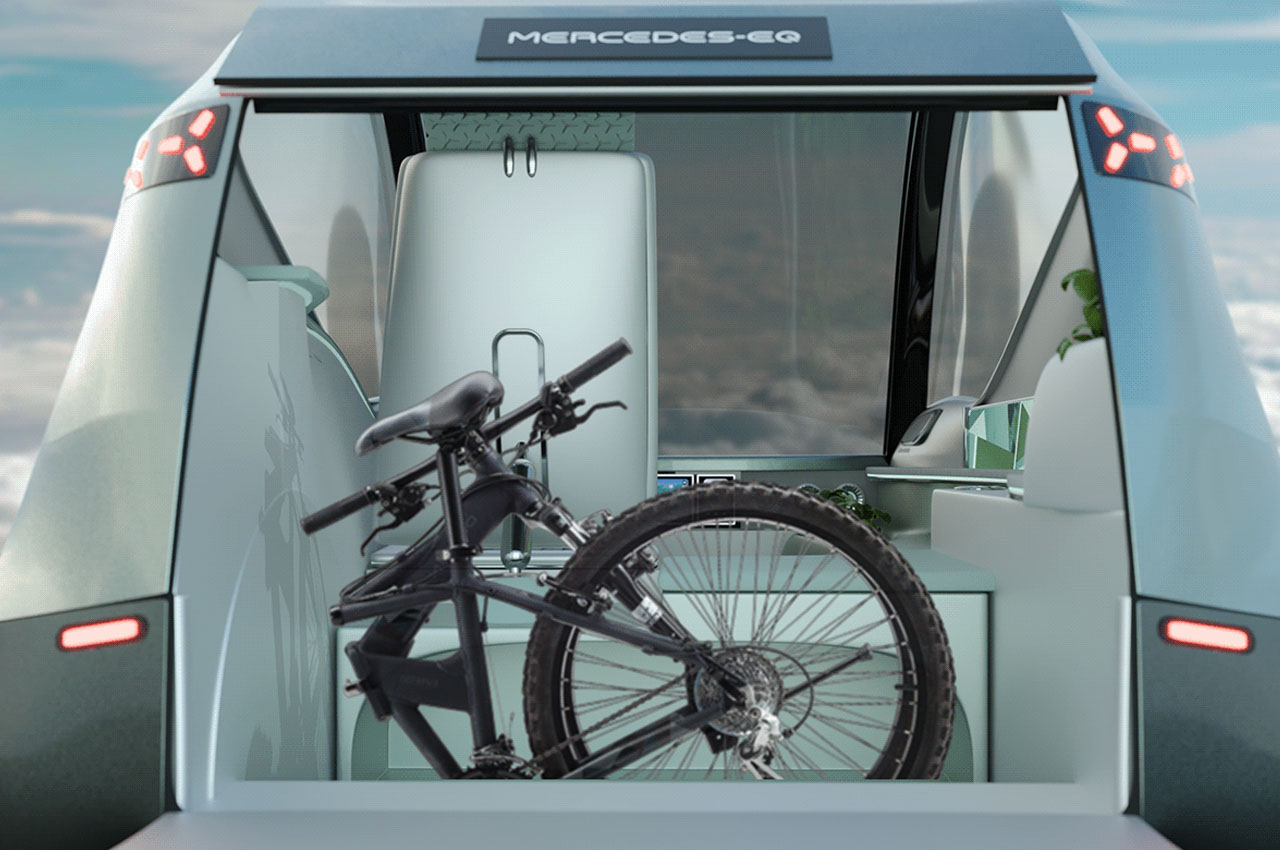
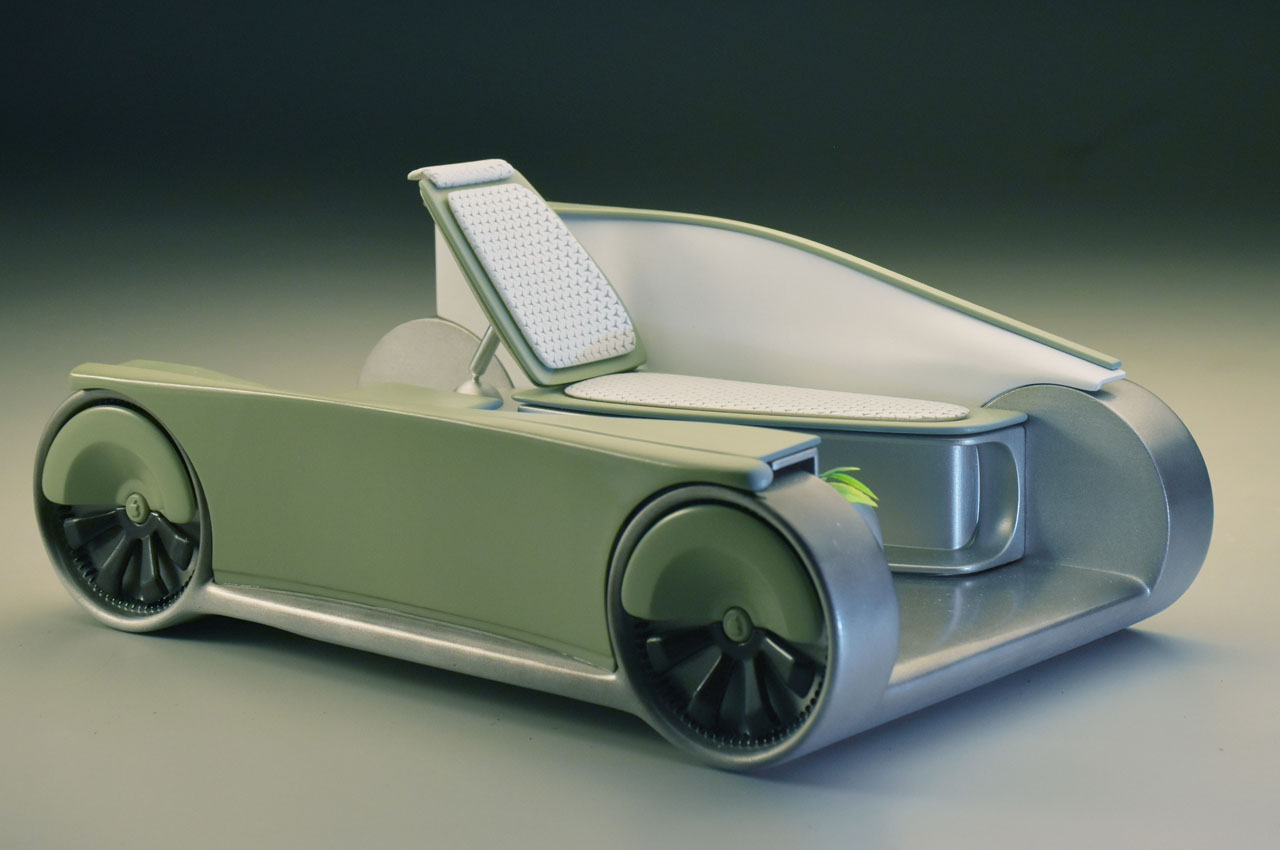
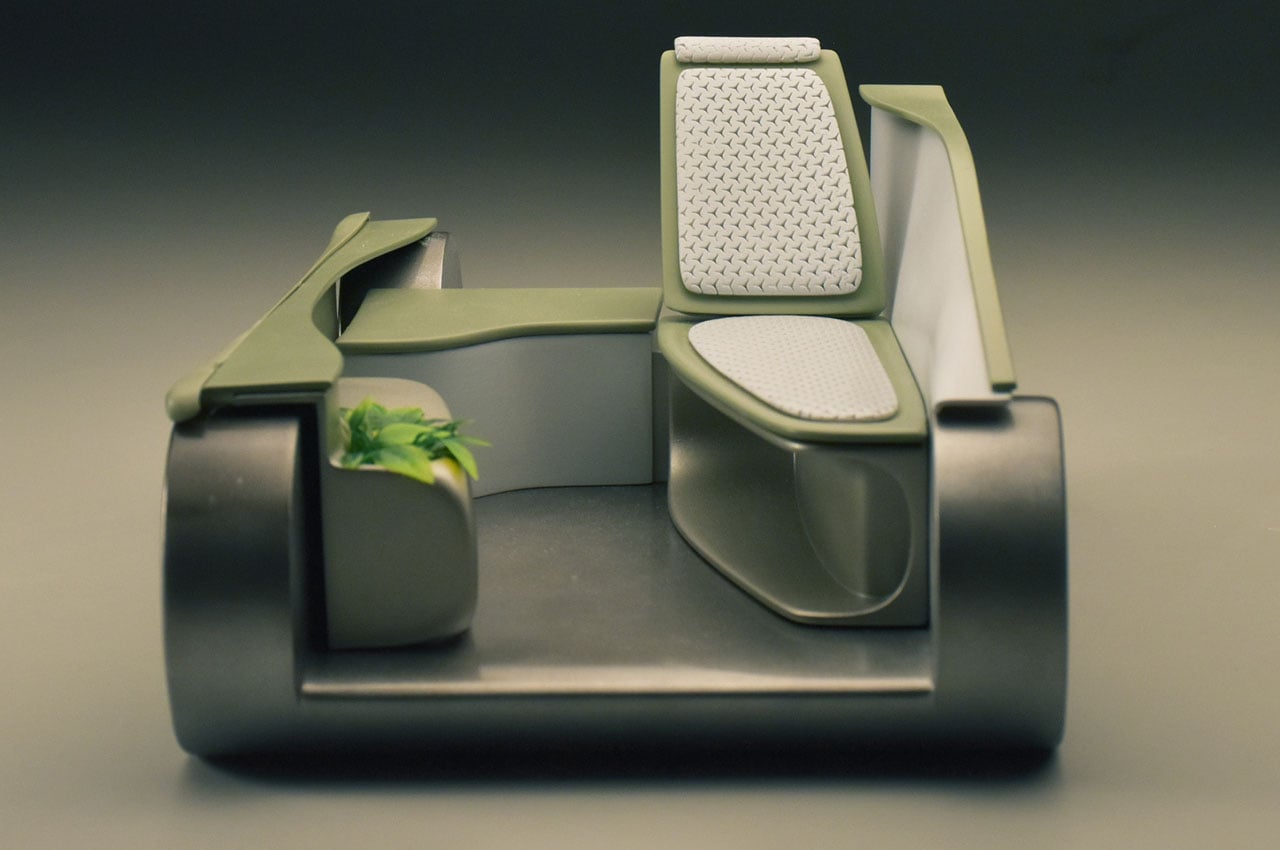
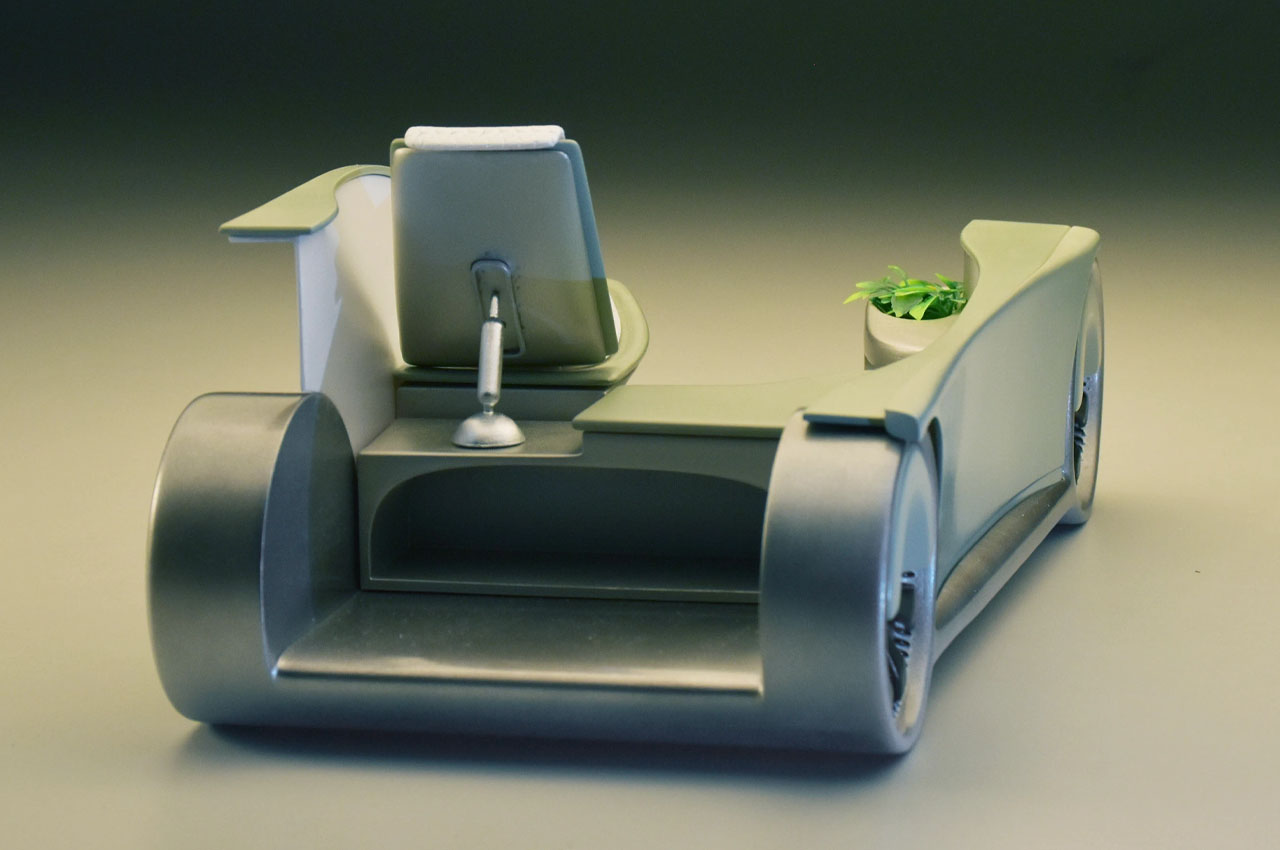
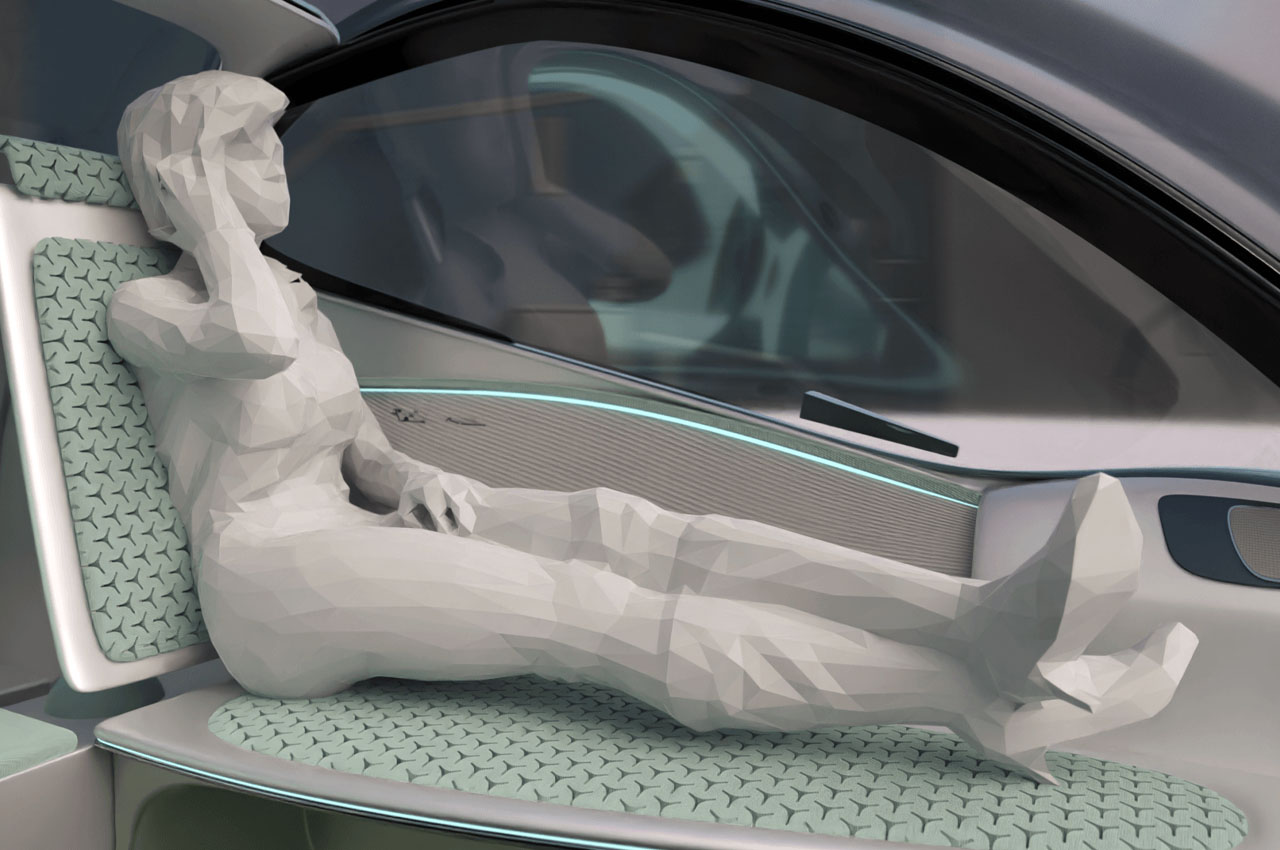
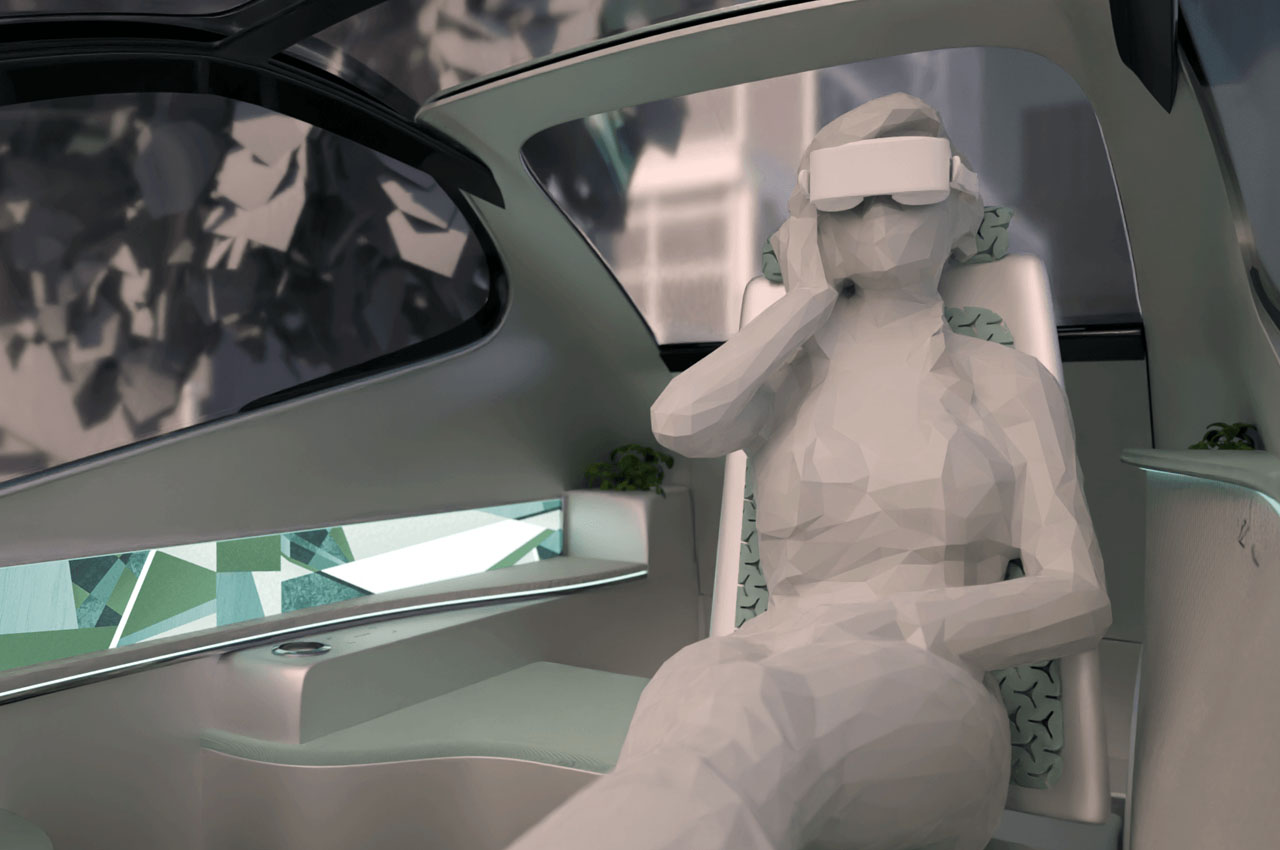
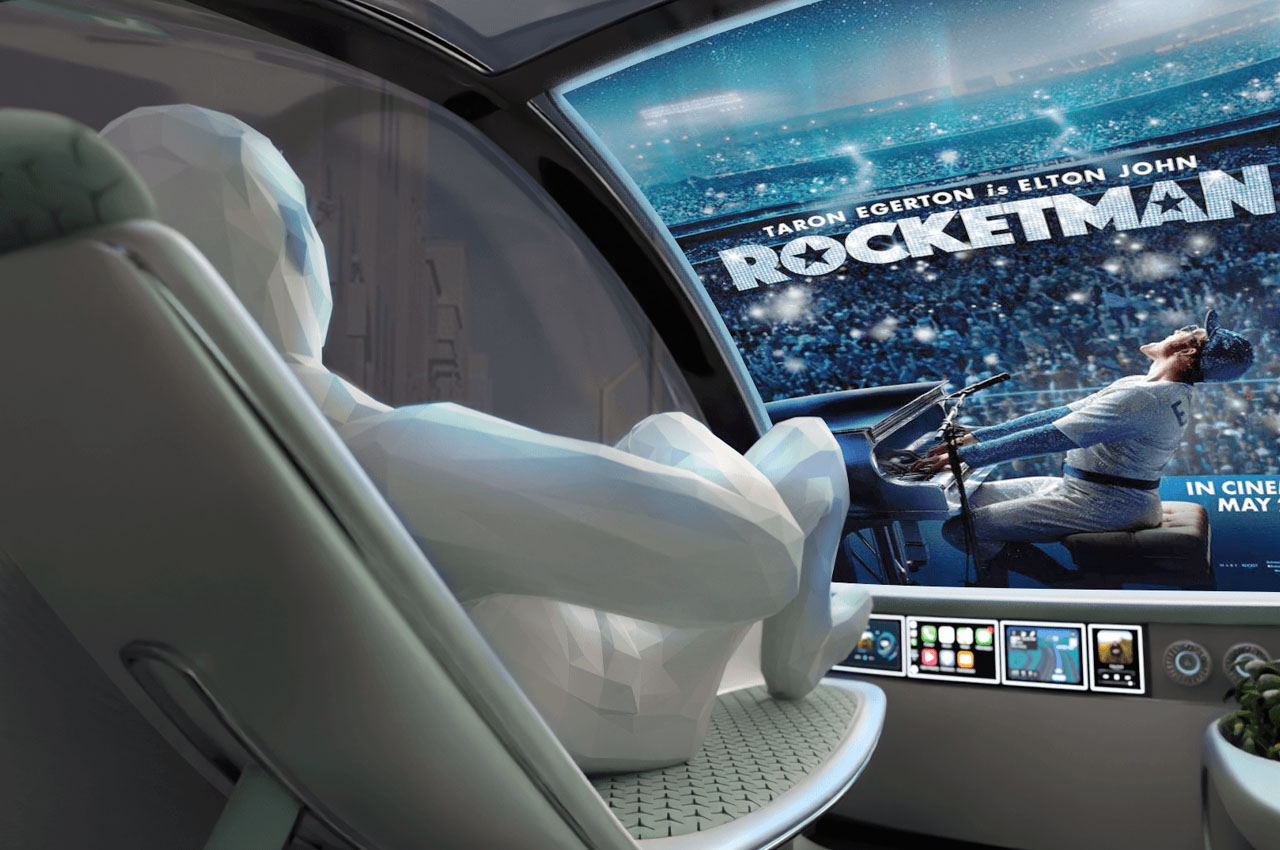
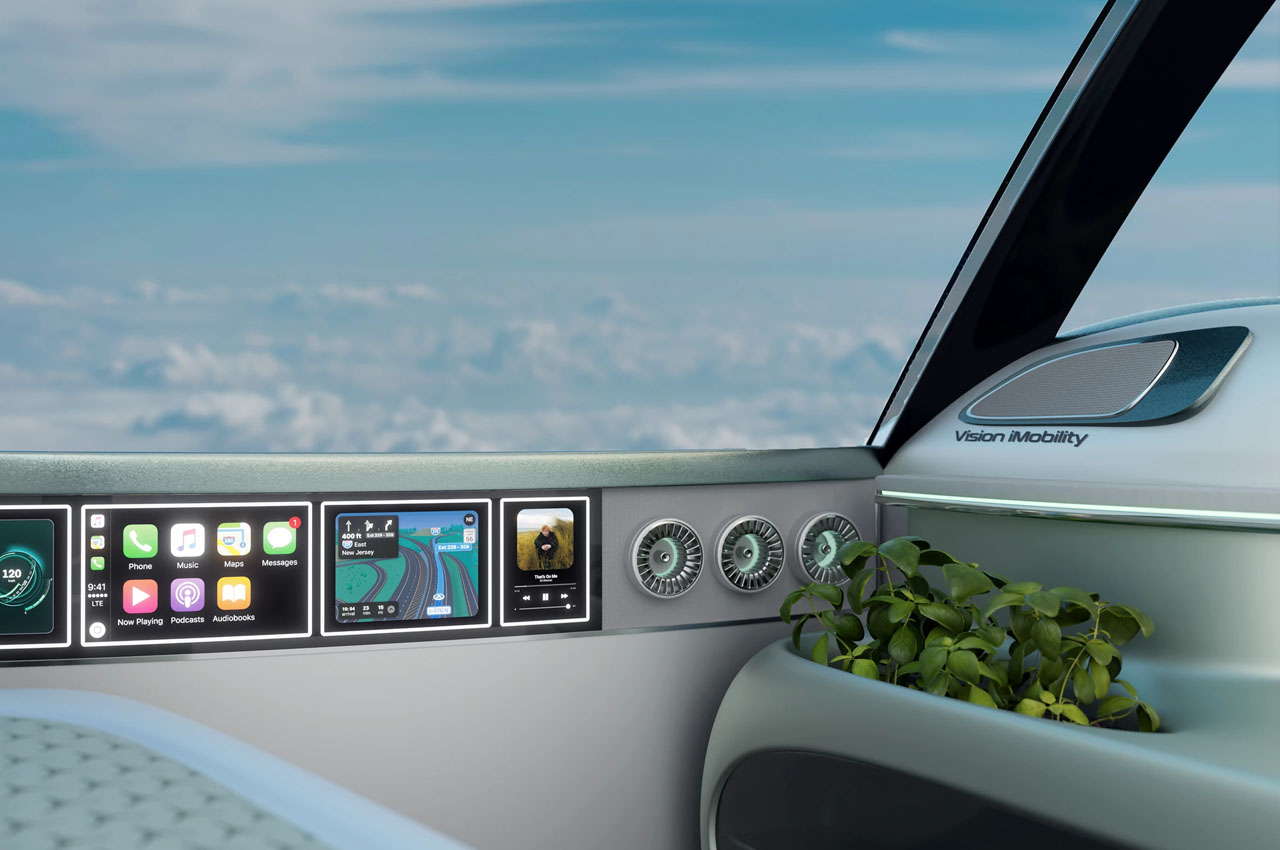
Since we are talking about complete autonomy, there’s no need for driving hardware like a steering wheel, brakes or accelerator. The interior space is rather a personalized oasis for laying back, gaming in VR or simply exploring different realities in metaverse worlds. The small size no a limitation as there is enough tactically designed space for sleeping in comfort. In fact the interior is flexible enough to be arranged for different scenarios. Mercedes Benz Vision iMobility truly becomes an extension of the personal space for self-expression and fulfillment of the rider.
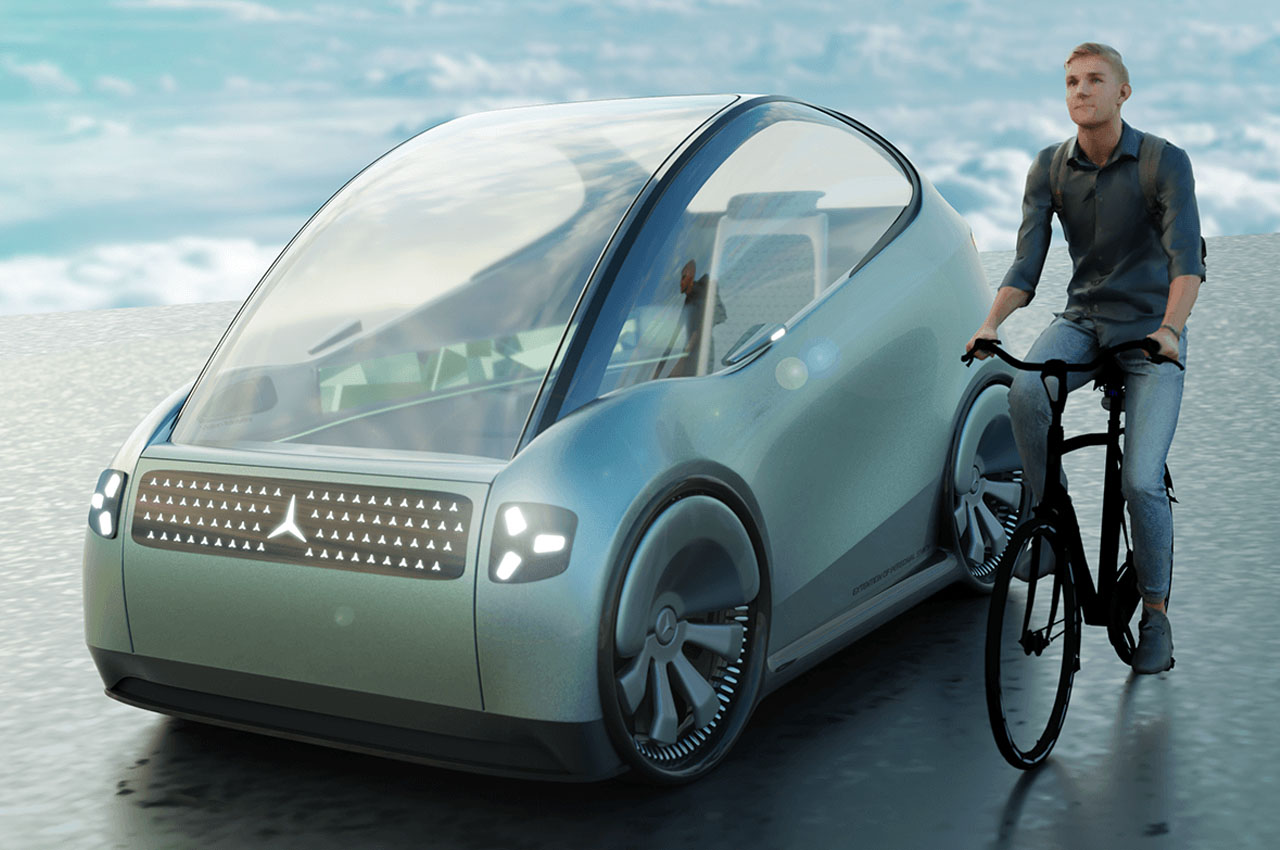
Richard has mustered up the idea of this compact autonomous vehicle for east Asian workforce who have to deal with demanding work cultures, long working hours and intense competition. I believe this EV could be the perfect personal transportation for individuals living in any urban space.
The post Mercedes Benz Vision iMobility combines style and functionality for ultra-relaxed commutes in urban landscape first appeared on Yanko Design.
California Regulators approve ‘Turquoise Blue’ car lights to indicate ‘Self-driving modes’

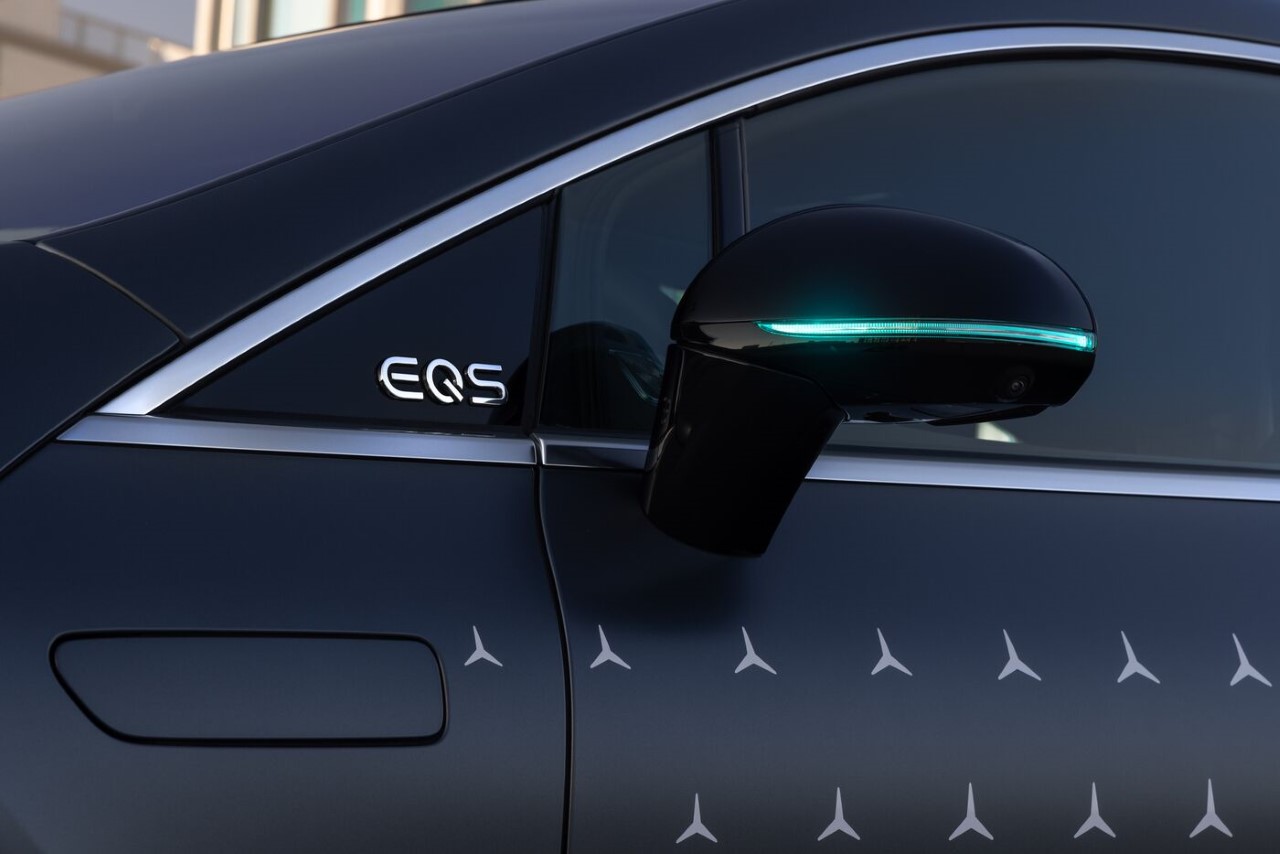
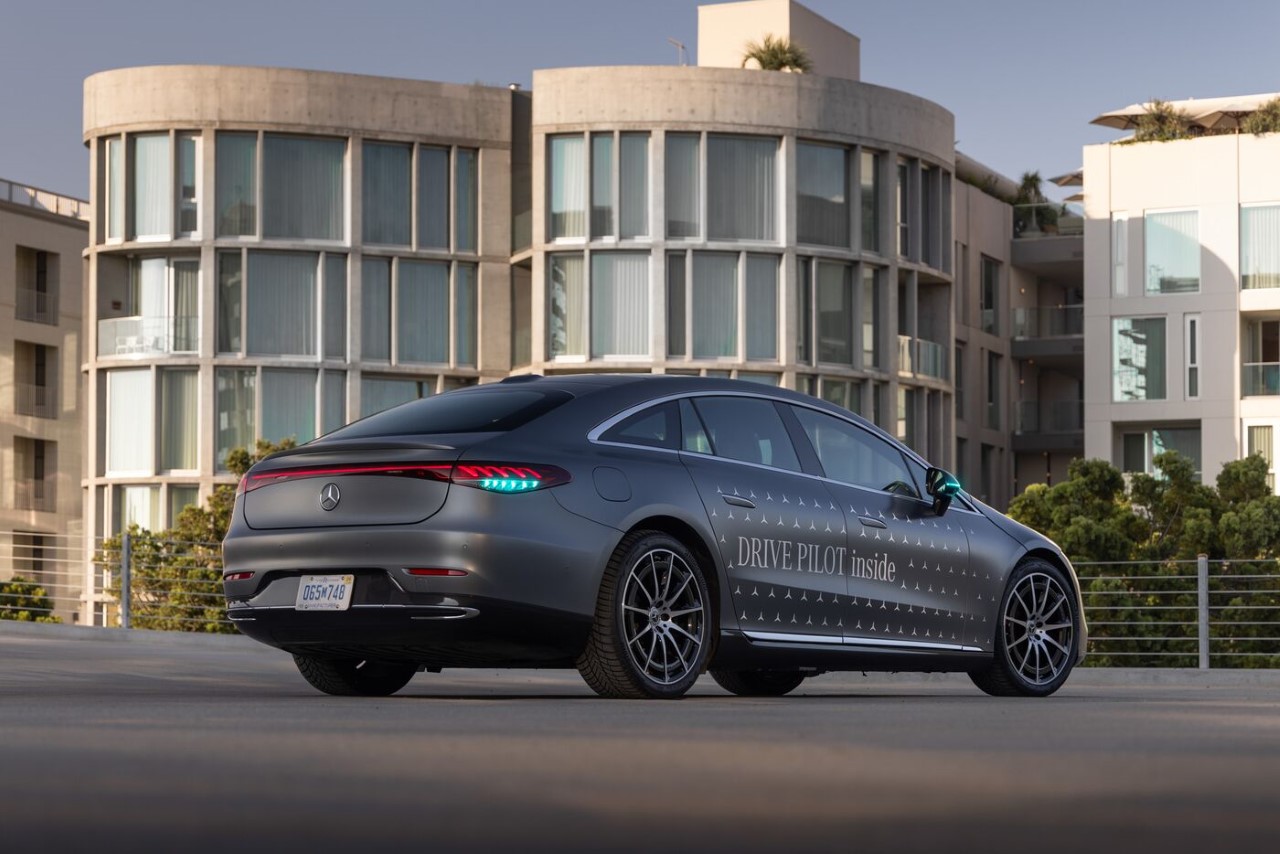
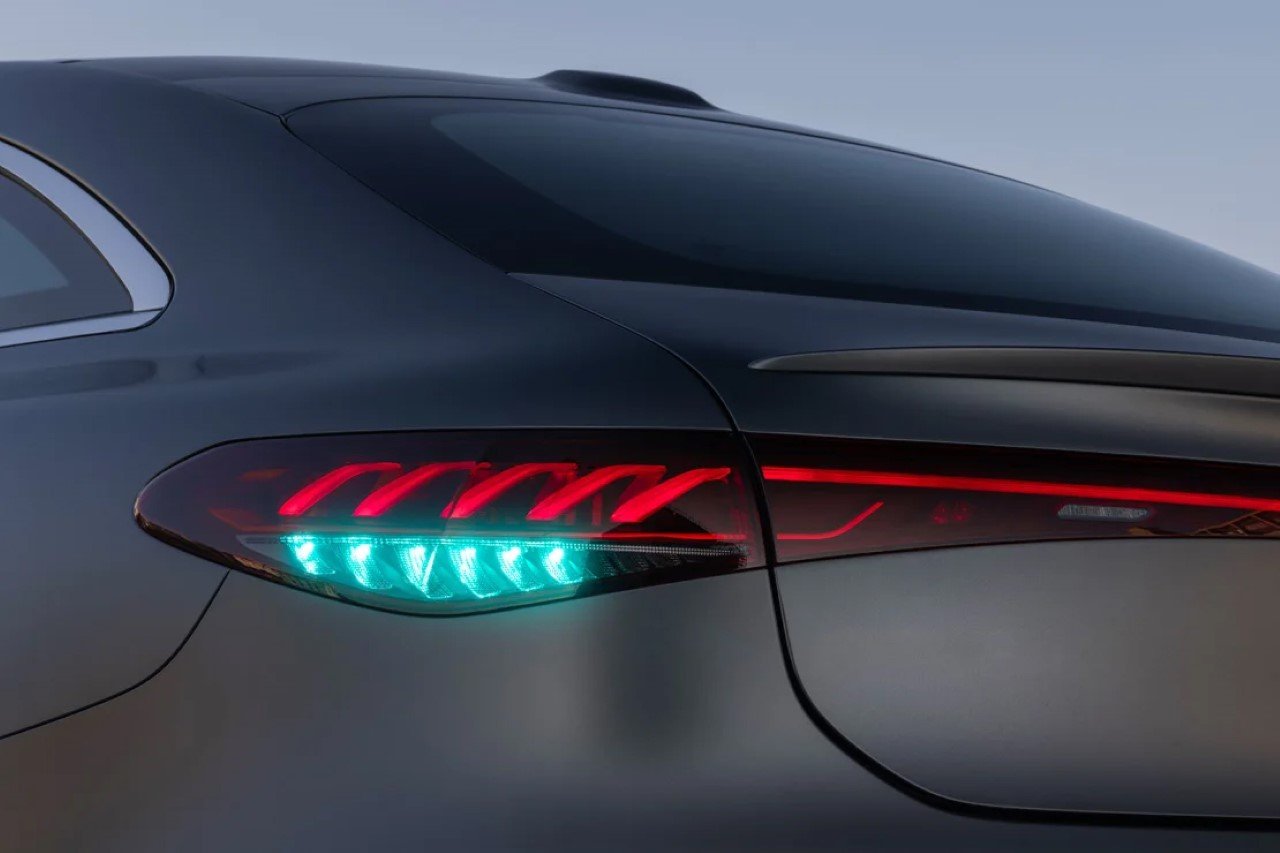
Even though it’s been nearly a decade since self-driving tech made it to our cultural forefront, we’re still in the process of figuring out how to make the technology safer, how to implement it in current urban setups, and more importantly, how to successfully legislate it. There’s always a moral conundrum with who is to blame if a self-driving car hits a pedestrian (the driver or the algorithm), but Mercedes-Benz approached this problem laterally by asking the question: How can pedestrians tell if a car is driven by a human or an algorithm? The answer comes in the form of a colored light. Regulators in California and Nevada have approved Mercedes’ use of a turquoise blue indicator (on the front, sides, and back) to help pedestrians and other cars know when the vehicle is being controlled autonomously.

Designer: Mercedes-Benz

Let’s paint the picture: currently, U.S. cars typically sport three light colors – white for headlights and reverse lights, red for brake and rear lights, and amber for turn signals. Enter Mercedes-Benz, breaking the mold with its turquoise blue lights, a feature that will activate when their cars are driving autonomously.

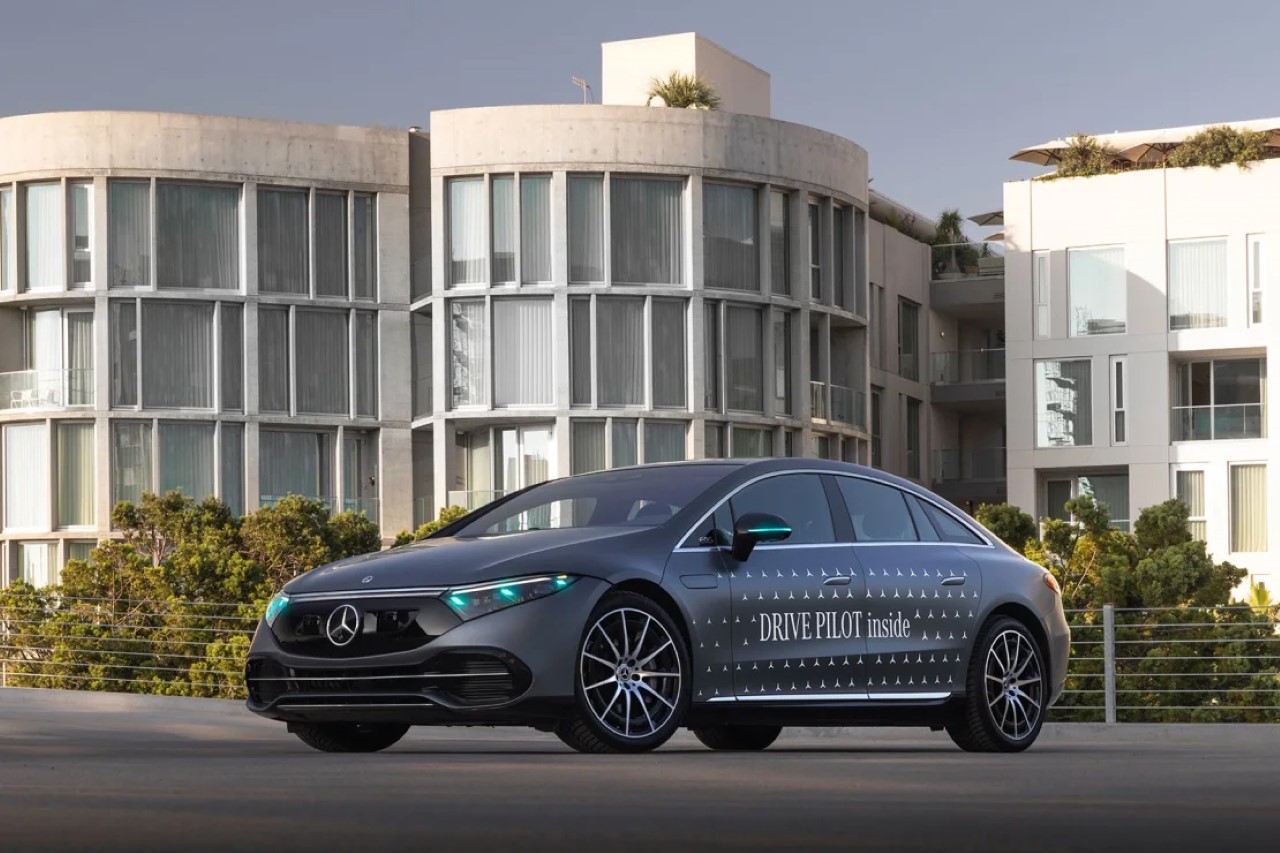
The lights are part of Mercedes’ “Drive Pilot” system, a conditionally autonomous technology. It’s legal only in California and Nevada for now, where it’s been tested. The system allows drivers to relax a bit more in traffic jams on certain highways, even letting them take their eyes off the road when the vehicle is moving at speeds below 65 km/h. This is a leap from other driver assistance systems, like Tesla’s Full Self Driving or GM’s Super Cruise, which require drivers to remain vigilant.

The choice of turquoise blue is no accident. It’s distinctive, ensuring no confusion with existing car light colors, and it’s different enough from the darker blue used by police and emergency vehicles. This selection is backed by the Society of Automotive Engineers, though Mercedes is the first to receive approval for its use. This innovative color will make its appearance around the taillights and headlights of the vehicles equipped with it.

But why go to all this trouble for a color? It’s all about clarity and safety. The turquoise blue lights serve as a clear signal to other road users and law enforcement that the vehicle is under full automated control. This is crucial in situations where the driver might not be looking at the road, ensuring that onlookers don’t mistakenly think something’s amiss. Starting early 2024, this system will be available in Mercedes S-Class and EQS models in Nevada and California, but not beyond these states just yet​.

The post California Regulators approve ‘Turquoise Blue’ car lights to indicate ‘Self-driving modes’ first appeared on Yanko Design.