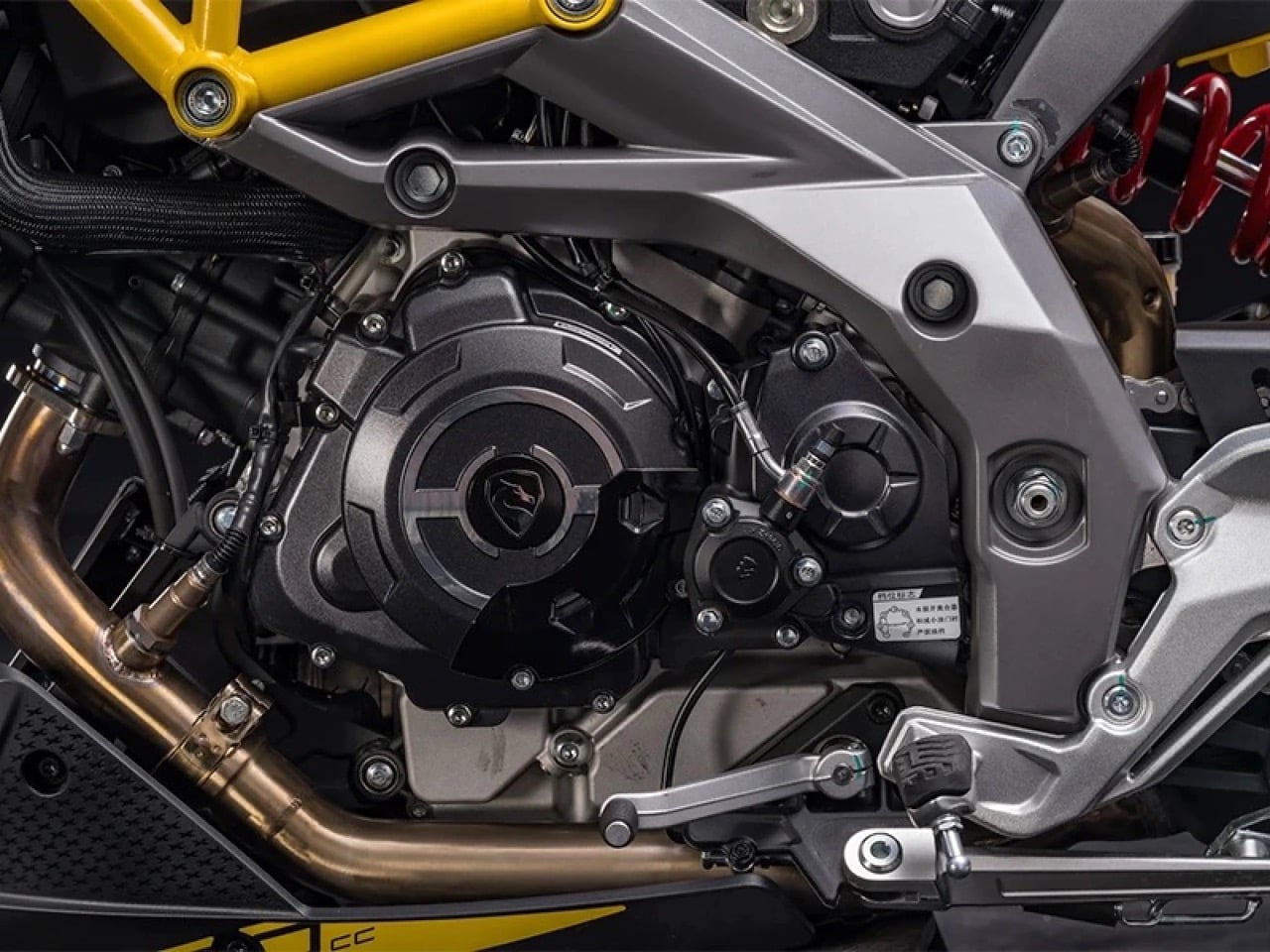
Access to Aprilia’s engine tech gave Cyclone a shortcut most emerging manufacturers would kill for. The RA1000’s 996 cc V-twin starts from the Aprilia Shiver 900 architecture, then gets a bigger 97 mm bore and a 12:1 compression ratio, landing at 105 hp at 9,000 rpm and 70 lb ft at 6,500 rpm. That is a very solid middleweight performance envelope hiding inside something that looks like a full fat power cruiser. Instead of spending a decade learning how to build a reliable big twin, Zongshen leans on its joint venture with Piaggio and fast forwards straight to a mature engine platform. It is a very modern kind of cheating, and frankly, a very smart one.
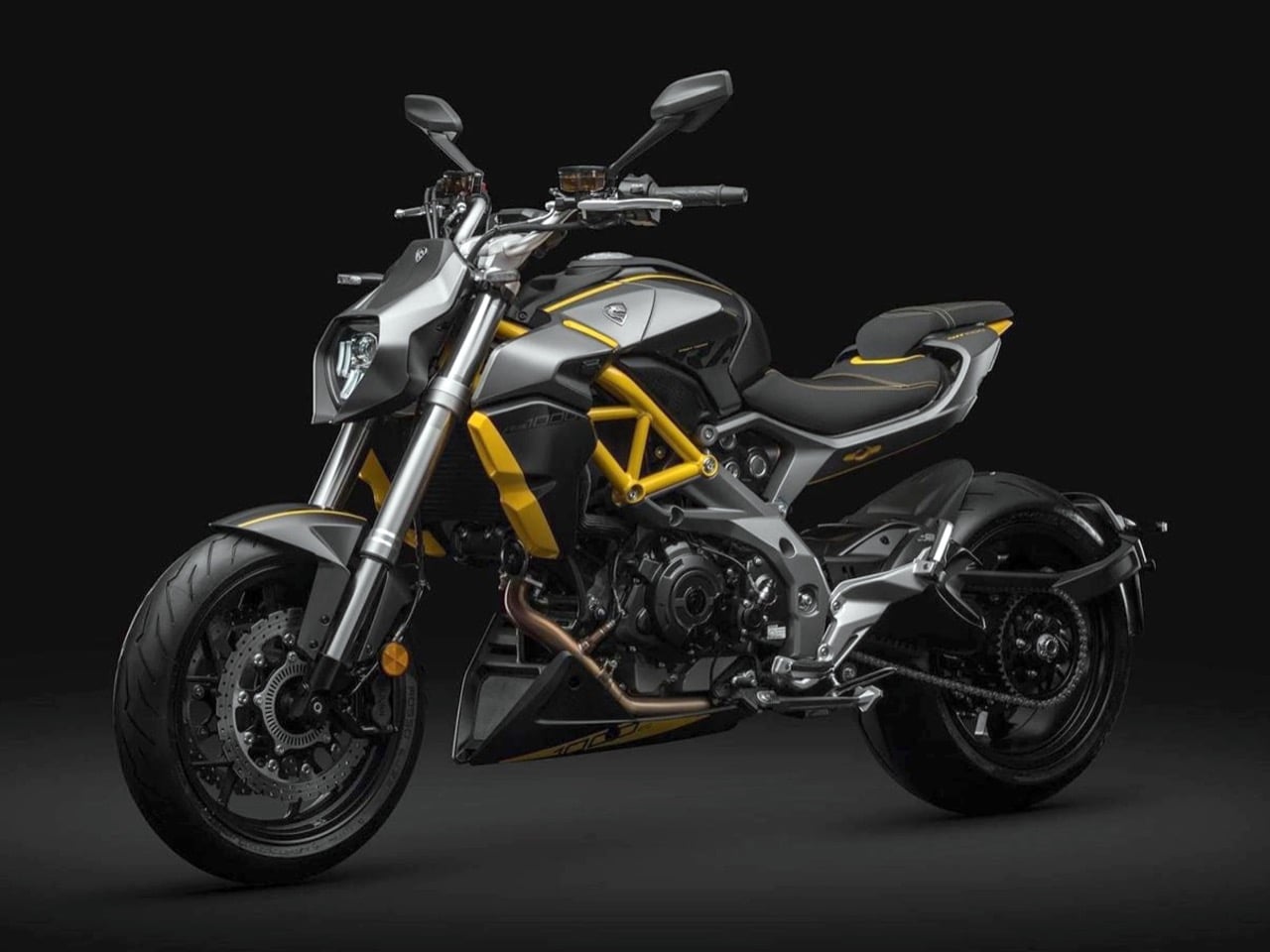
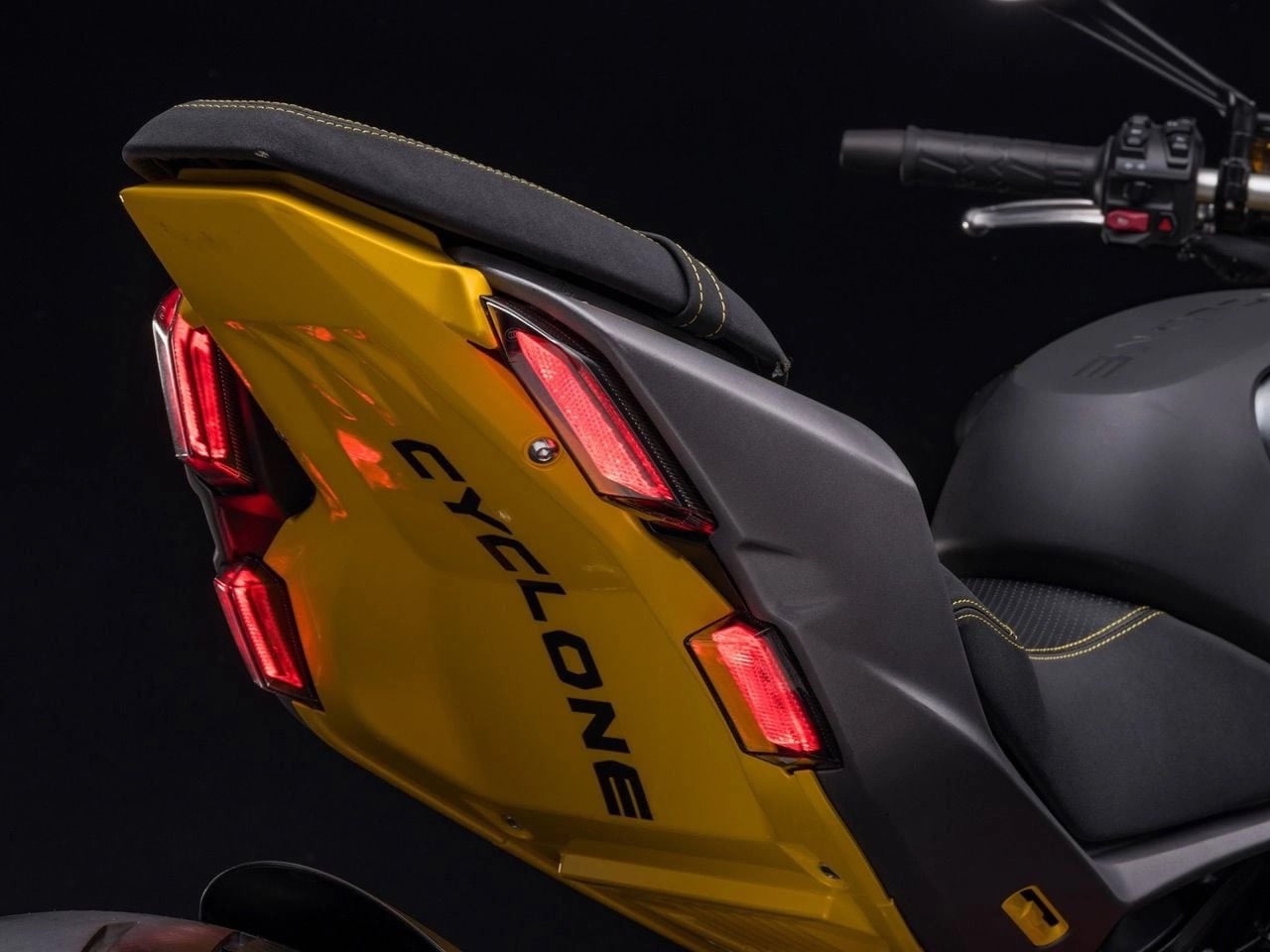
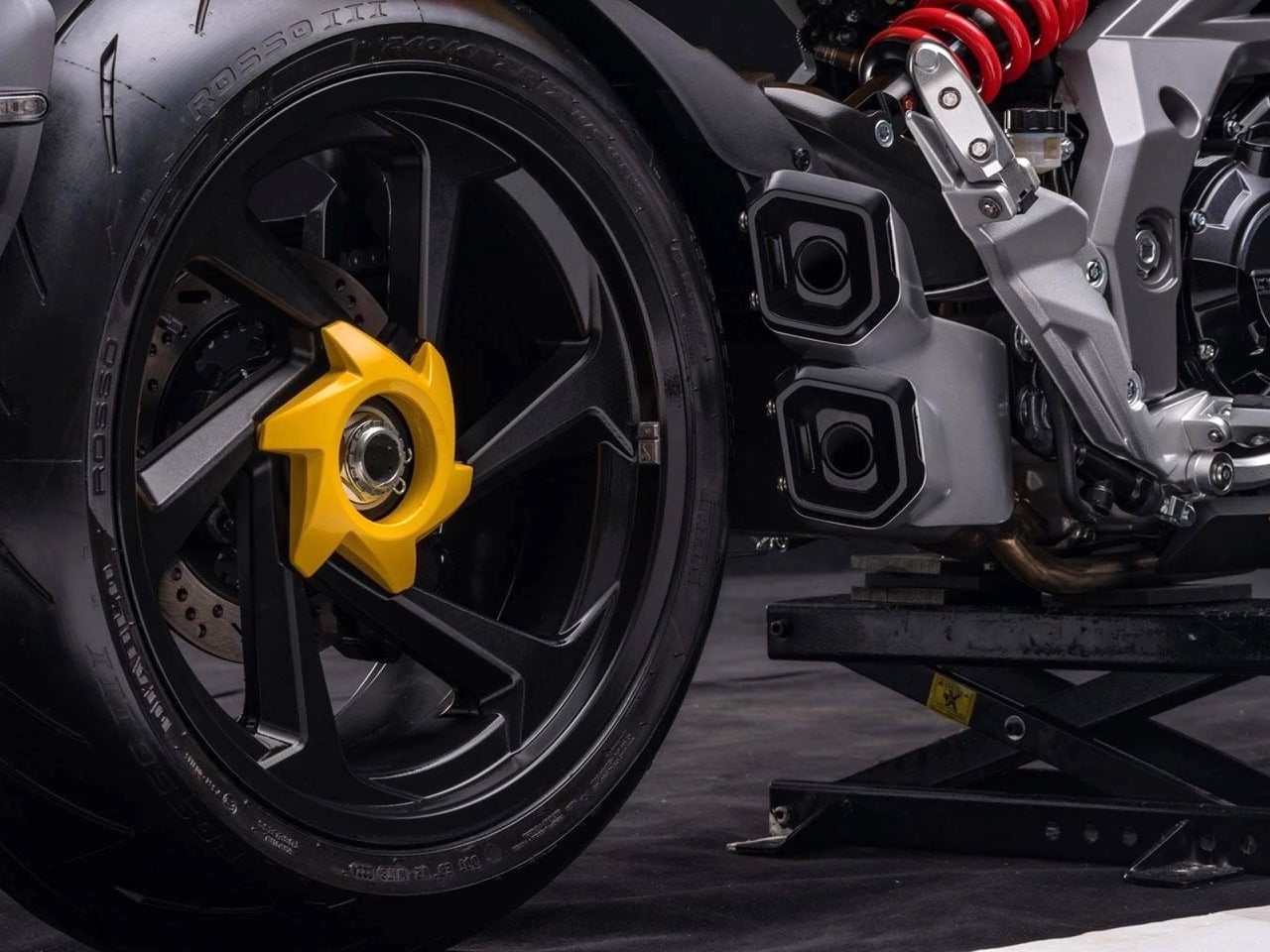
The bodywork tells a slightly louder story. The Cyclone RA1000 walks into the room wearing what is essentially a Ducati Diavel cosplay outfit, right down to the stubby tail, 240 section rear tire, and stacked side exhausts that visually anchor the whole rear half of the bike. You get a single sided swingarm, a low, muscular stance, and proportions that scream Italian power cruiser at a glance. There is no subtlety here. If you have ever seen a Diavel, your brain fills in the blanks instantly. The difference is that this silhouette is now being mass produced in China, powered by an Aprilia derived V-twin, and priced to hurt feelings in European boardrooms.
Designer: Cyclone
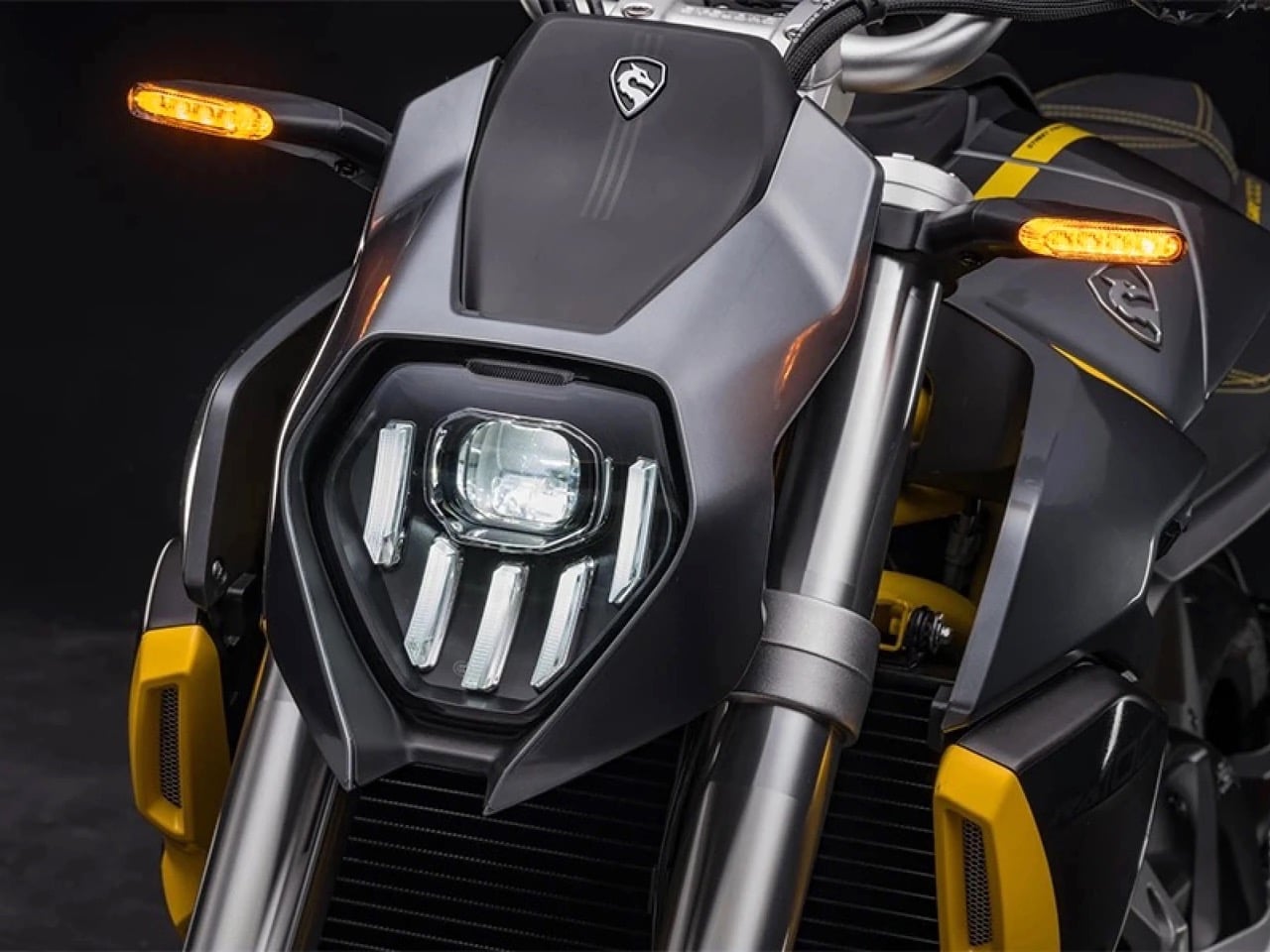
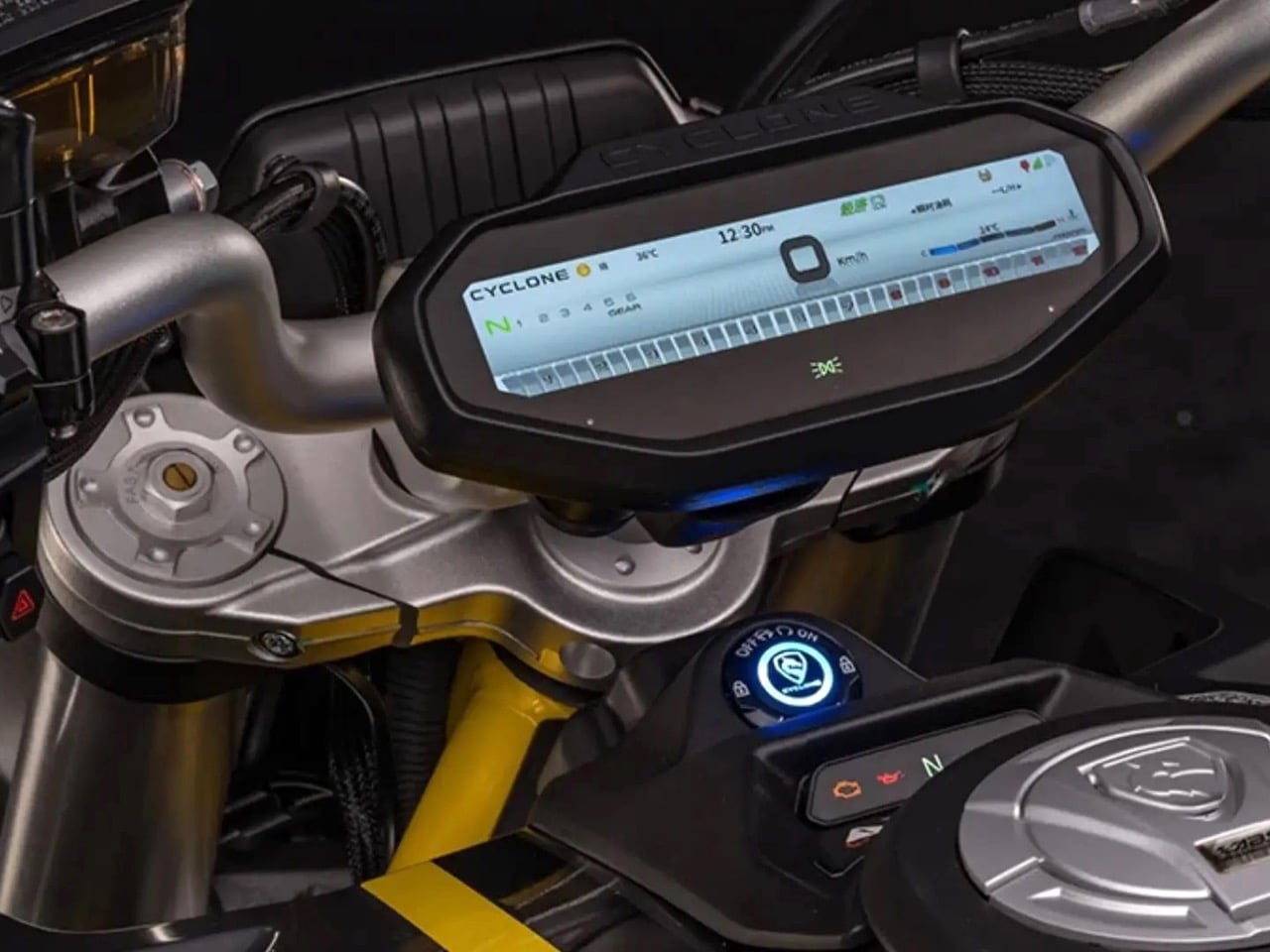
Look closer and the parts bin tells its own little international story. Brakes are from J.Juan in Spain, a known quantity with decent performance credentials. The engine lineage traces back to Noale via the Shiver, with Cyclone tweaking bore and compression to squeeze out that 105 hp figure. Electronics live on a 6 inch TFT display, backed by full LED lighting and modern switchgear that would not look out of place on a European naked. The frame and swingarm package are clearly engineered to visually showcase that enormous 240 section rear tire, which is the whole point of a bike like this. Subtlety is for commuters. This thing exists to make parking lots feel like a catwalk.
When Cyclone showed the RA9 concept back in 2021, a near 1000 cc Chinese V twin with premium styling felt like a big statement. Fast forward four years and the home market has moved the goalposts into another stadium. QJMotor is selling 900 plus cc fours with MV Agusta roots. CFMoto is prepping a 210 hp V4 superbike. Souo is out there building a 2000 cc flat eight like that is a normal thing to do. In that arms race, the RA1000 looks positively restrained. Which, if you care about actually riding your motorcycle instead of bench racing spec sheets, is not a bad place to land.
On the road, that 105 hp number tells you exactly what to expect. This is not a bike built to chase Panigales up a mountain pass. It is built to hammer out fast, satisfying acceleration from midrange torque, lean over enough to keep you entertained, and look outrageous parked outside a café. The 240 section rear tire is more about theater than lap times. The single sided swingarm is pure poster material. The ergonomics and geometry sit in that sweet spot between power cruiser and naked, closer to Diavel than Shiver in attitude. You buy this because you like the way it looks and you want an engine with proven manners.
The more interesting question is philosophical. At what point does a Chinese brand using licensed European tech and very familiar styling cues stop being an “imitator” and just become part of the same global design conversation. Cyclone is not reverse engineering an engine here, it is building a licensed evolution of one. It is not making a budget commuter with vague Diavel vibes, it is going all in on the silhouette and backing it with credible hardware. You can absolutely argue about originality, but you cannot argue that this is a throwaway product. The RA1000 is a sign that the game has changed. The question now is whether riders are ready to let go of old assumptions and judge it on what it does, not where it comes from.
We as a curious species are always intrigued by the prospects of the future, and predicting what the timeline holds for us is always exciting. That’s where we all get lost in the world of concepts that are far ahead of time, giving us a glimpse of what our imagination could manifest into. Clean energy vehicles have remained the perfect canvas to paint one’s imagination into forms that subtly portray the vision for coming generations based on their perceptions, habits, and style.
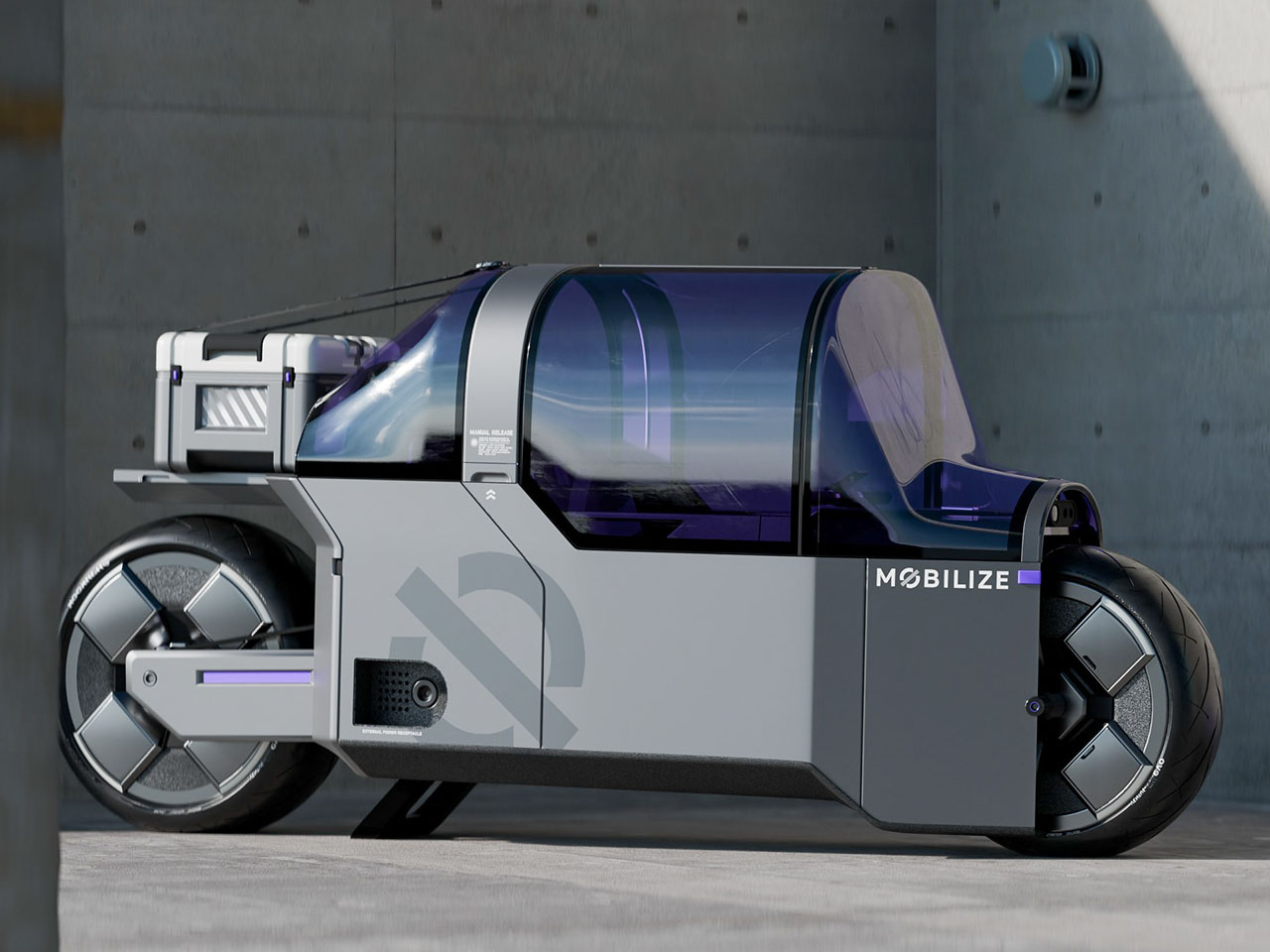
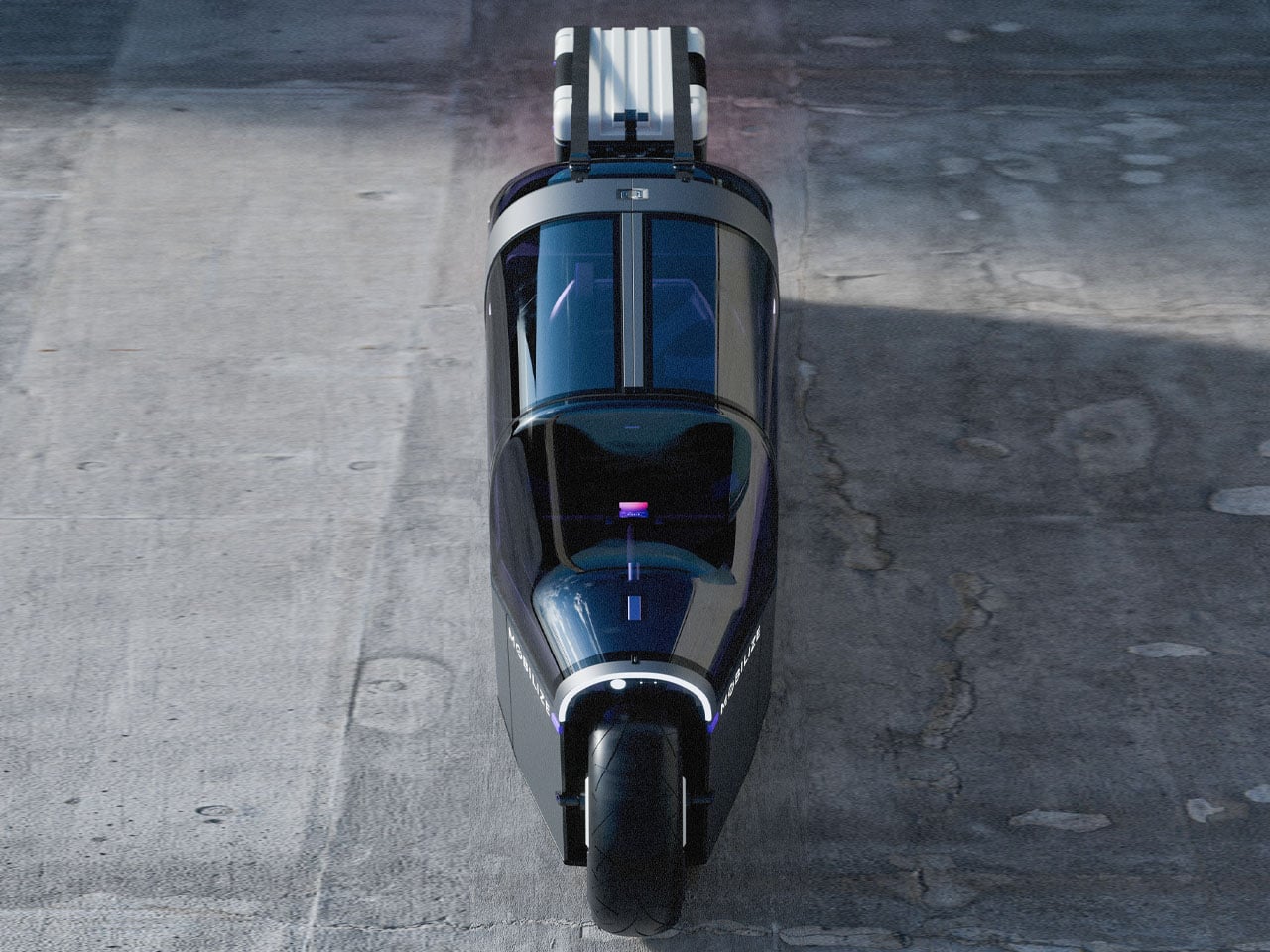
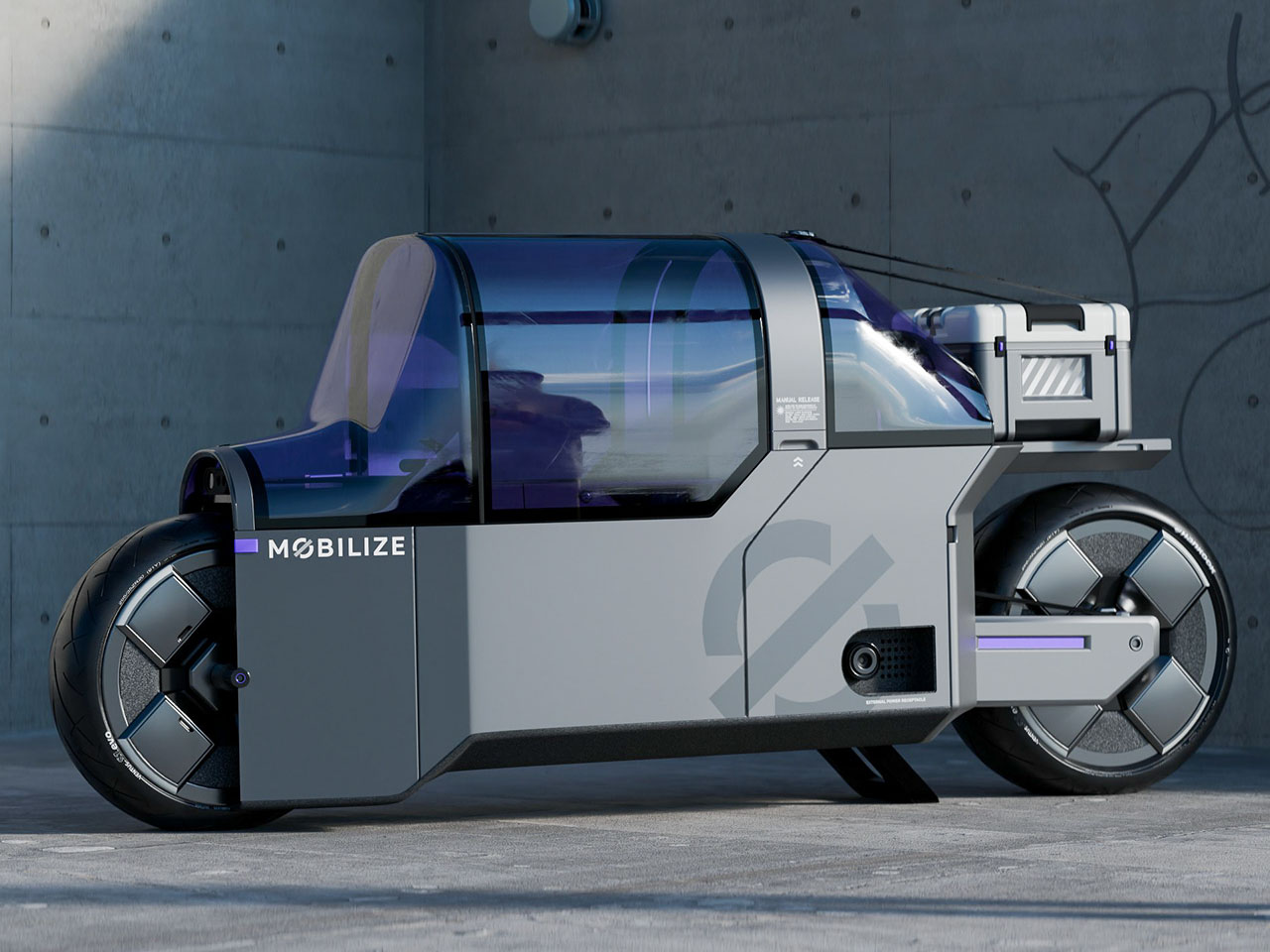
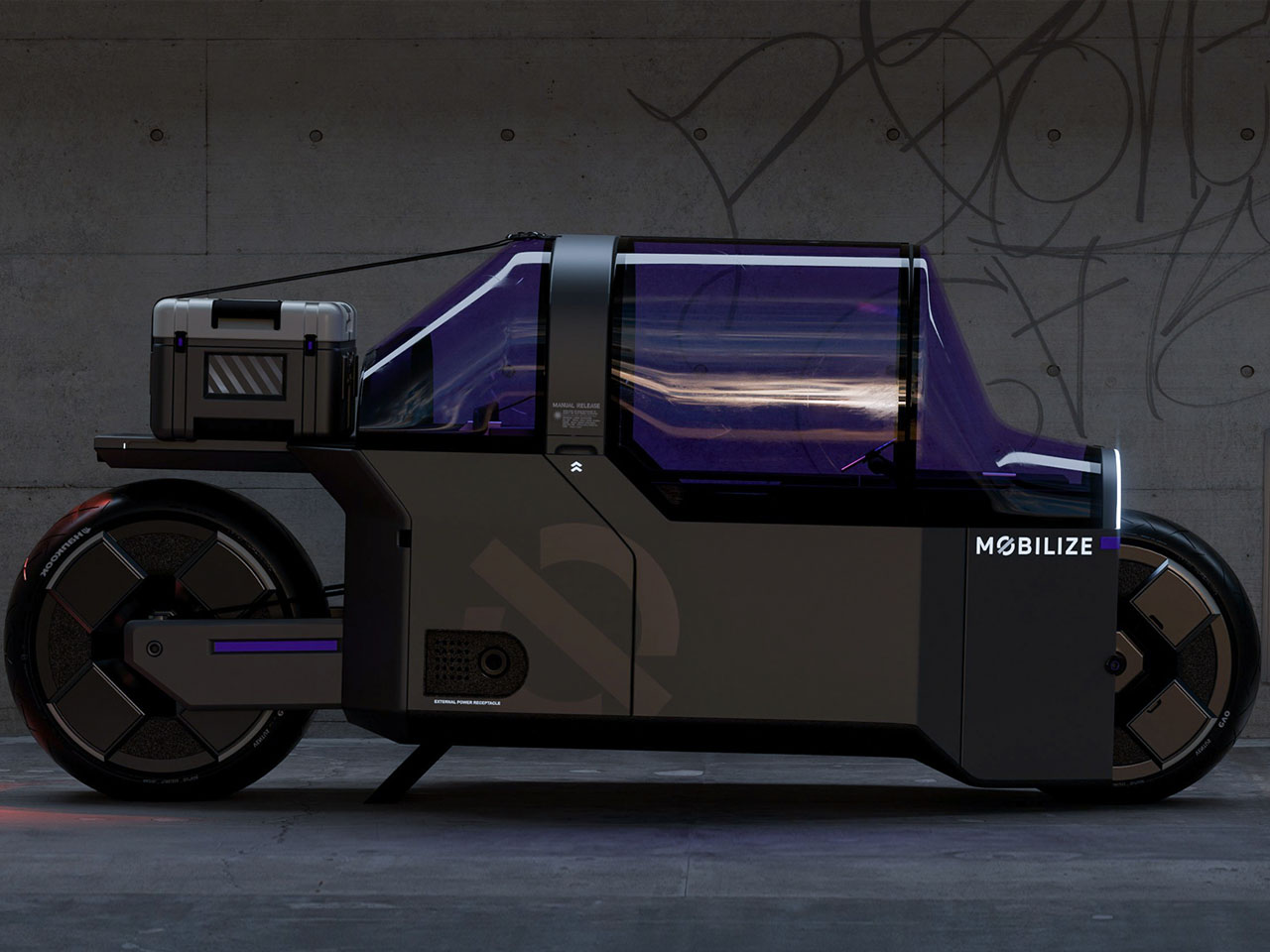
The design sphere is heavily influenced by pop culture cues, and so is the creation of vehicles. Electric bike concepts have piqued our interest for their out-of-the-box forms and the skins they are draped in. This electric bike of the future carries a similar hip vibe that’s tailored for Gen Alpha. The form of the two-wheeler is dominated by the ultra-secure sitting position and the private pod that eludes the freedom associated with conventional bikes of the current times.
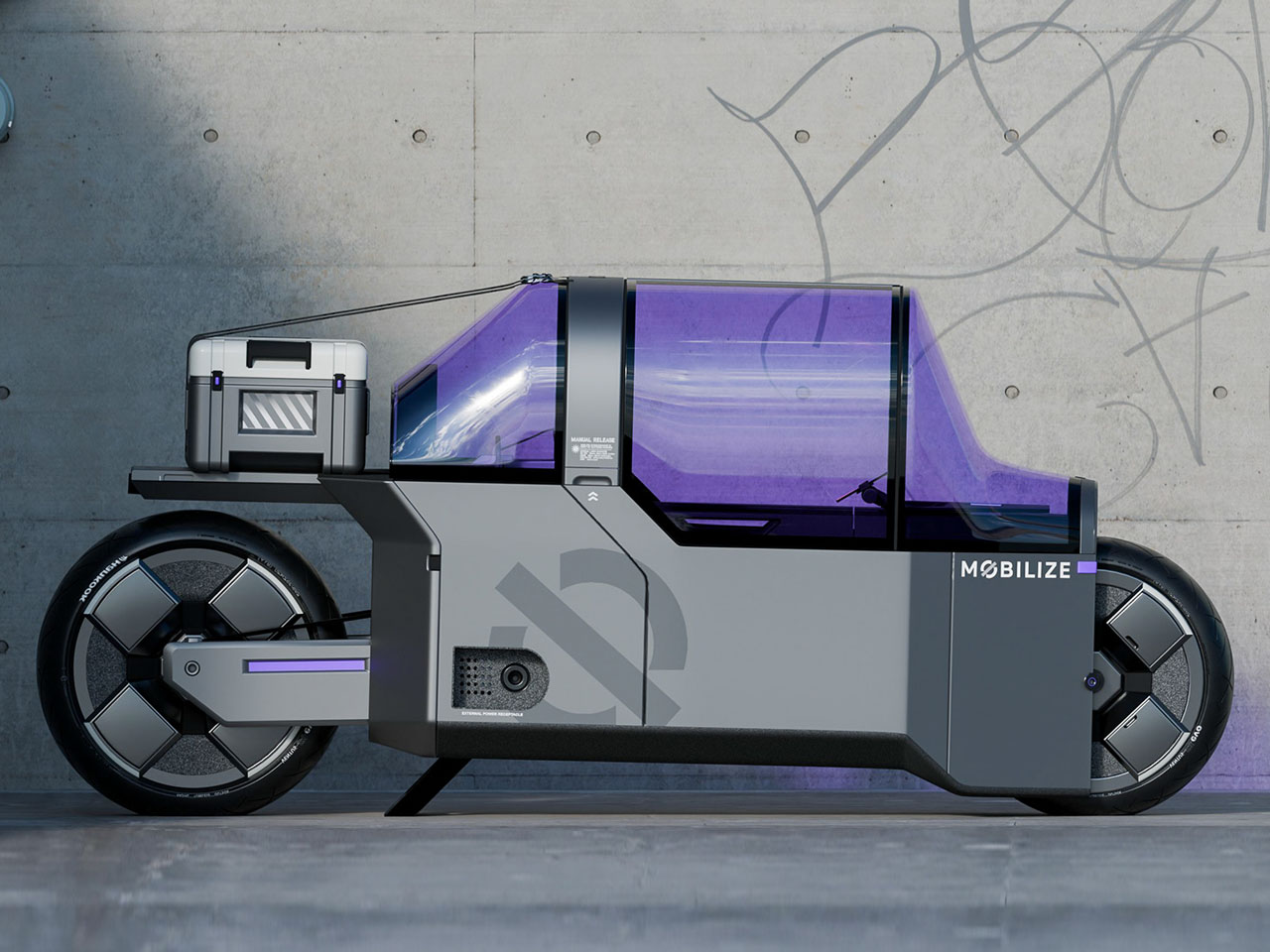
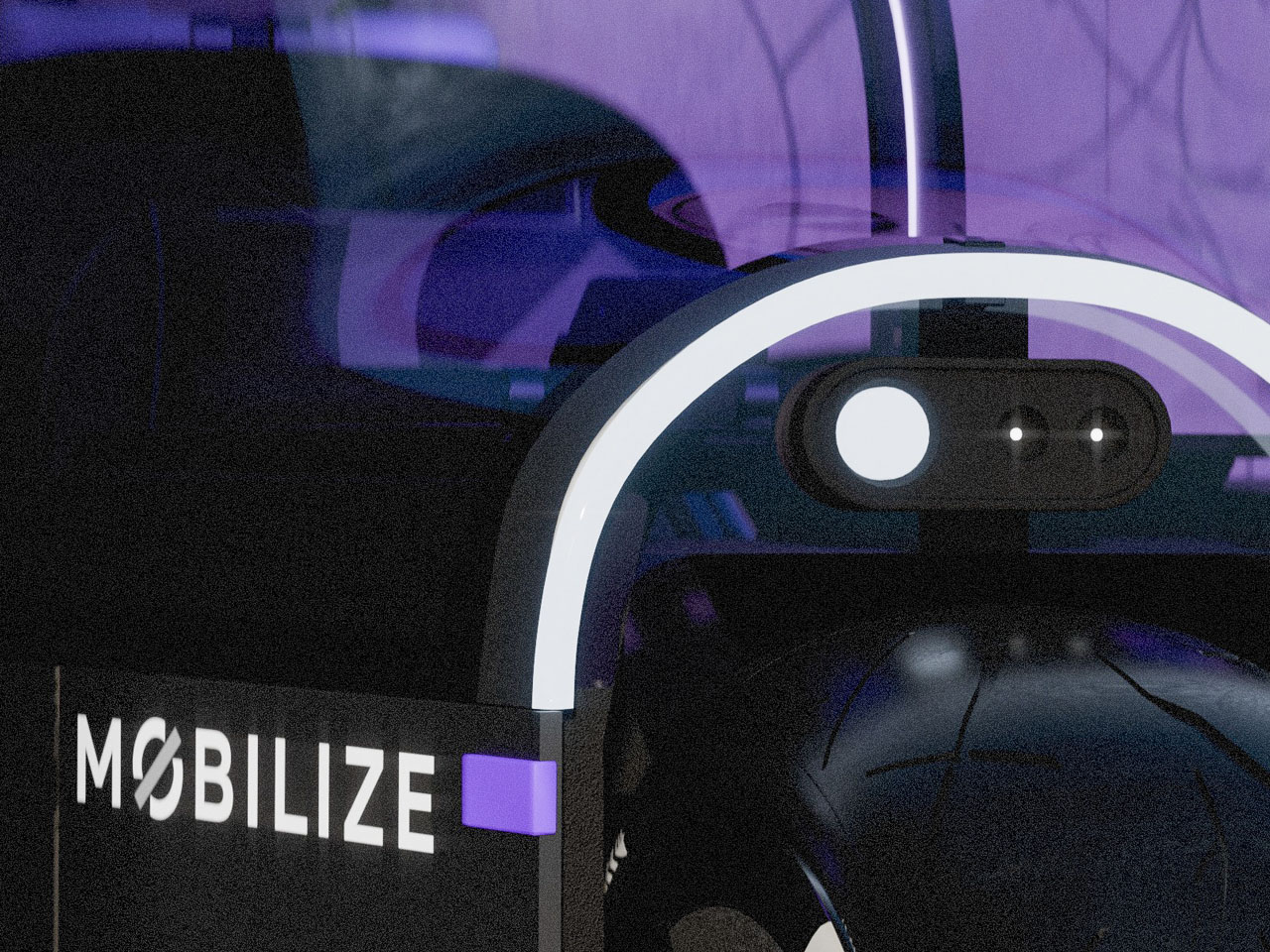
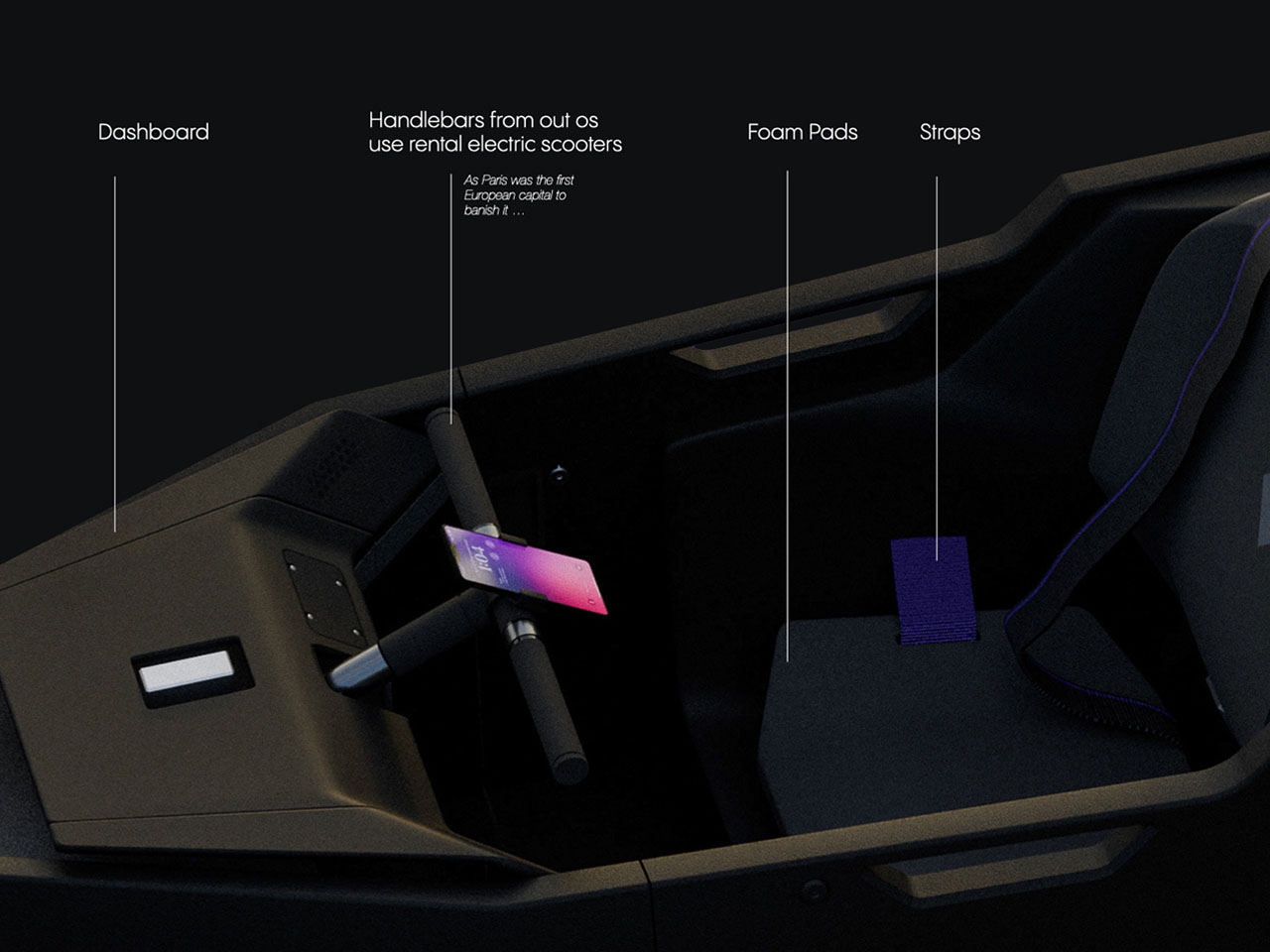
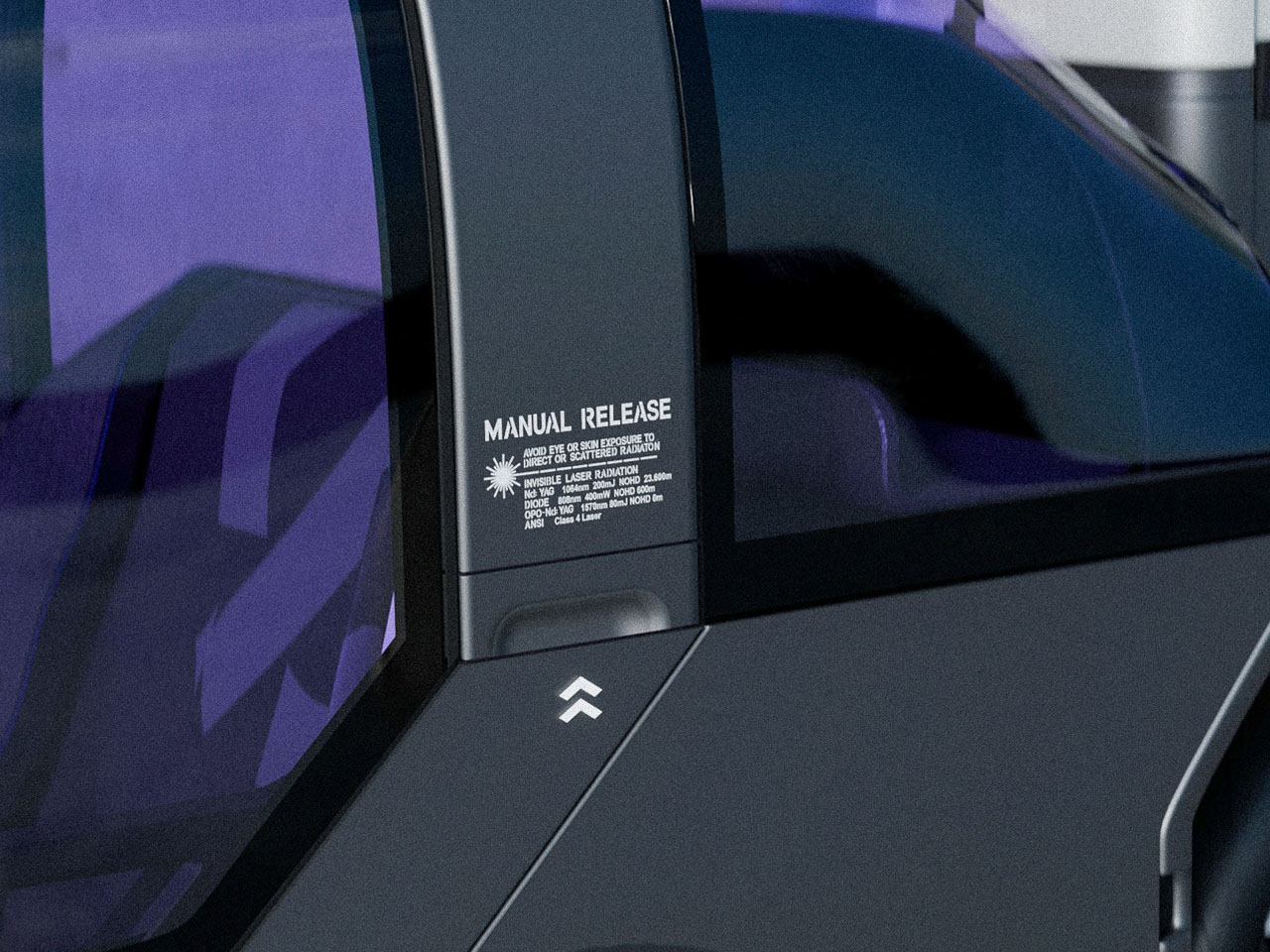
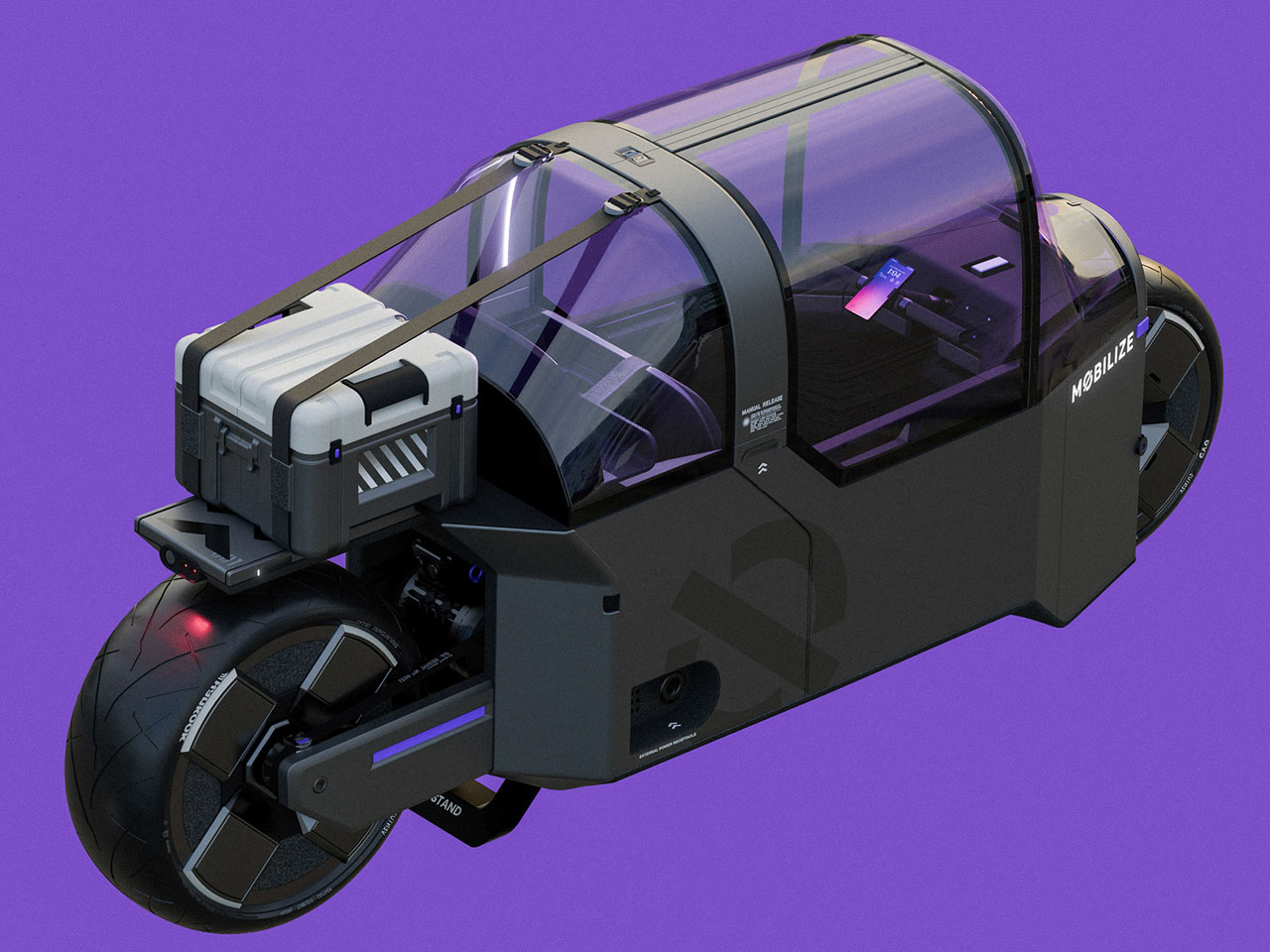
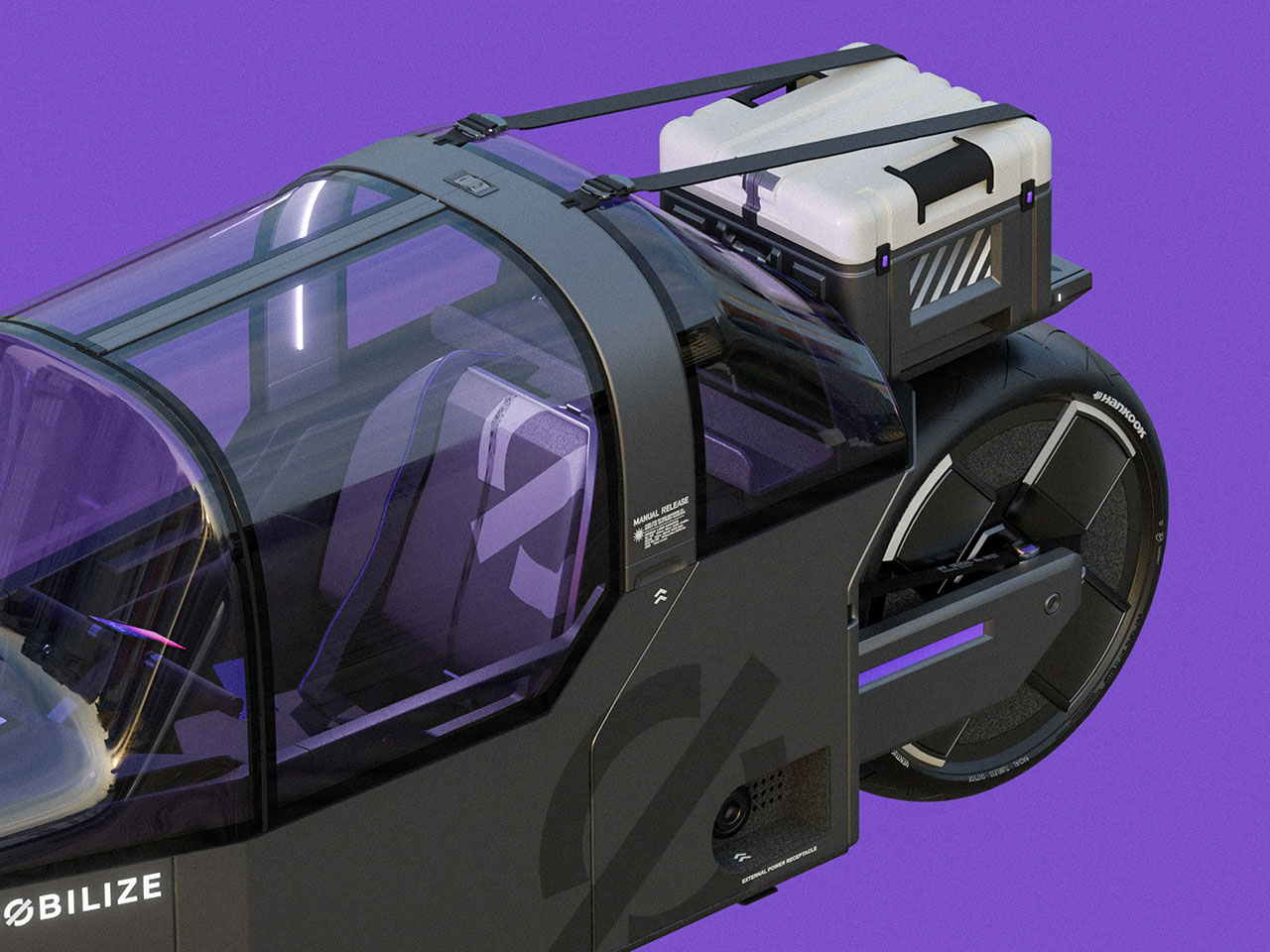
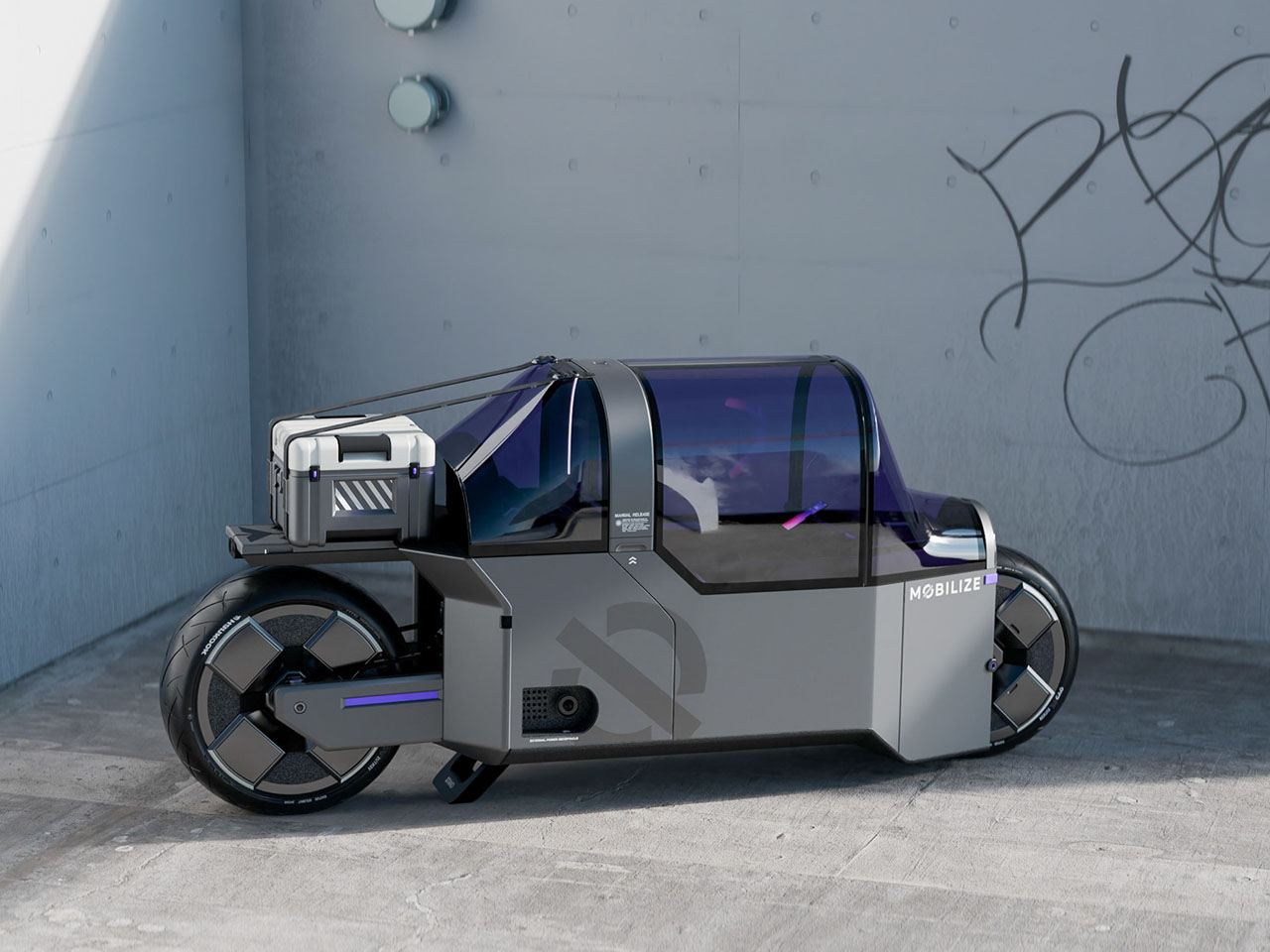
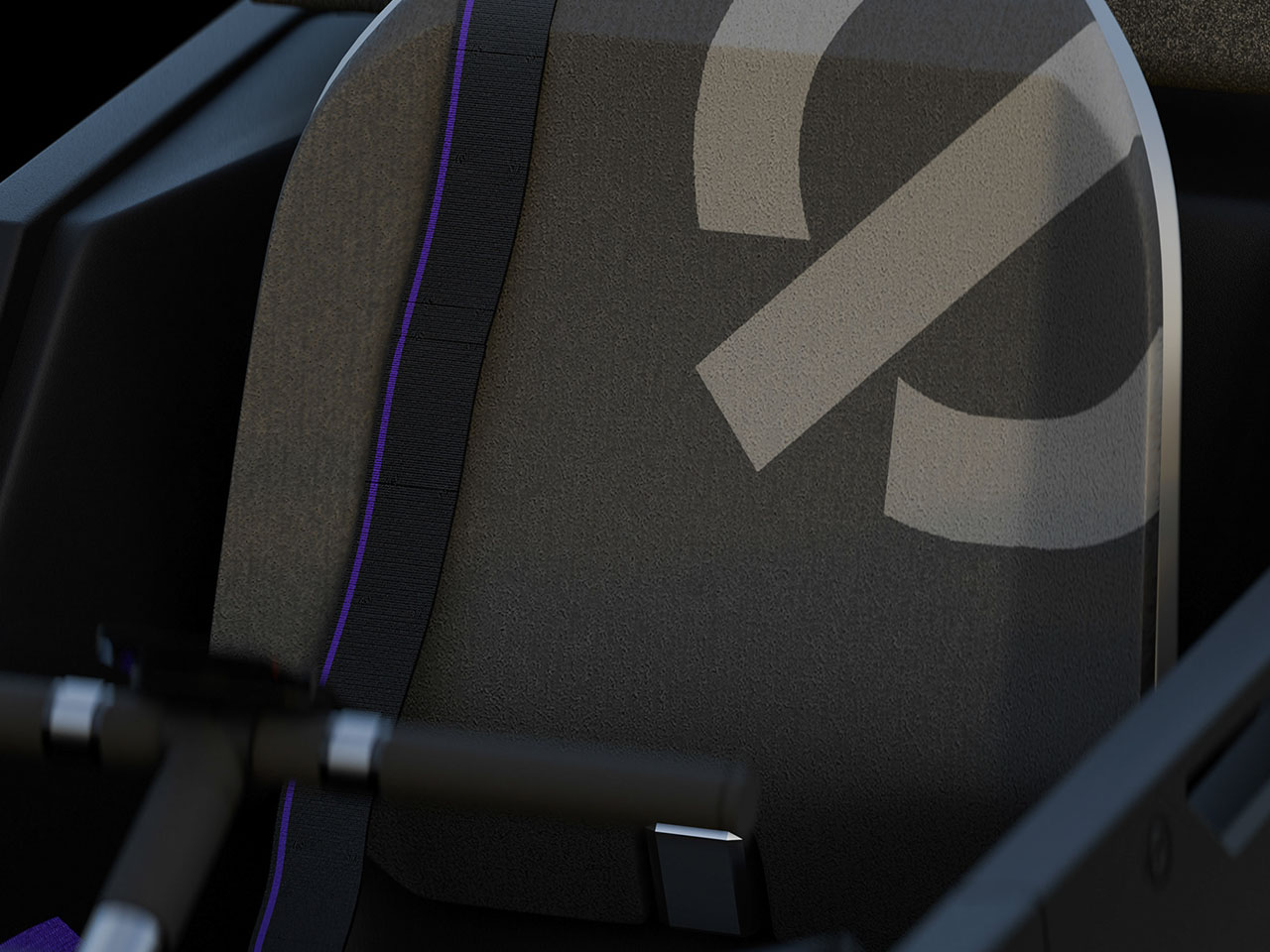
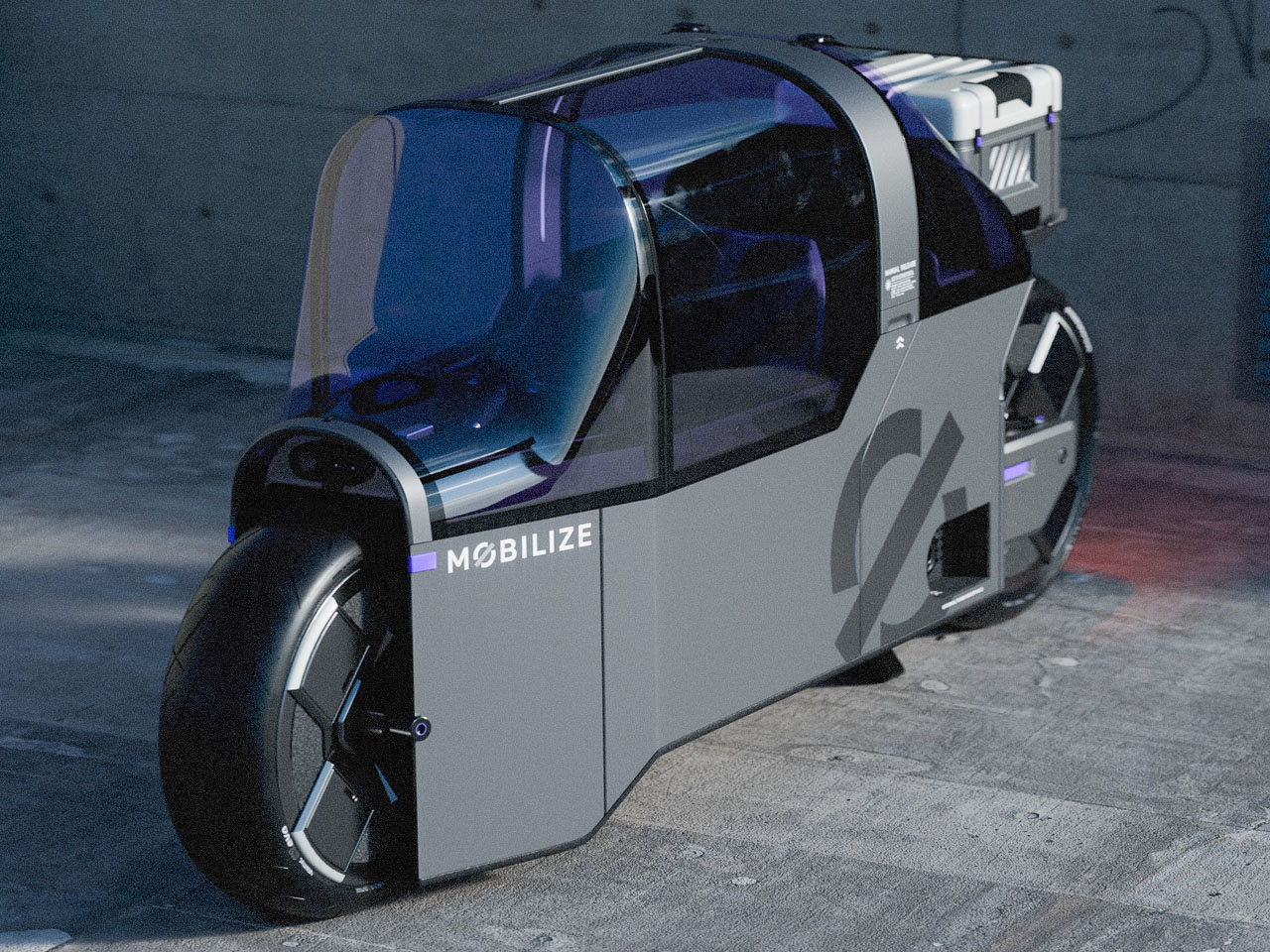
Dubbed NANO Mobilize, the urban vehicle is heavily inspired by the dynamic world of fashion and streetwear. The idea is a two-wheeler designed by the young generation and obviously targeted for the young and restless. On the outside, the bike carries the industrial design element that’s definitive of the uber cool character without compromising on the functionality. The driver’s sitting area is securely encapsulated in a panoramic, rounded glass section. Contrary to the café racer persona in the structure, the sitting position is akin to a four-wheeler, emphasizing the comfort-laden character.
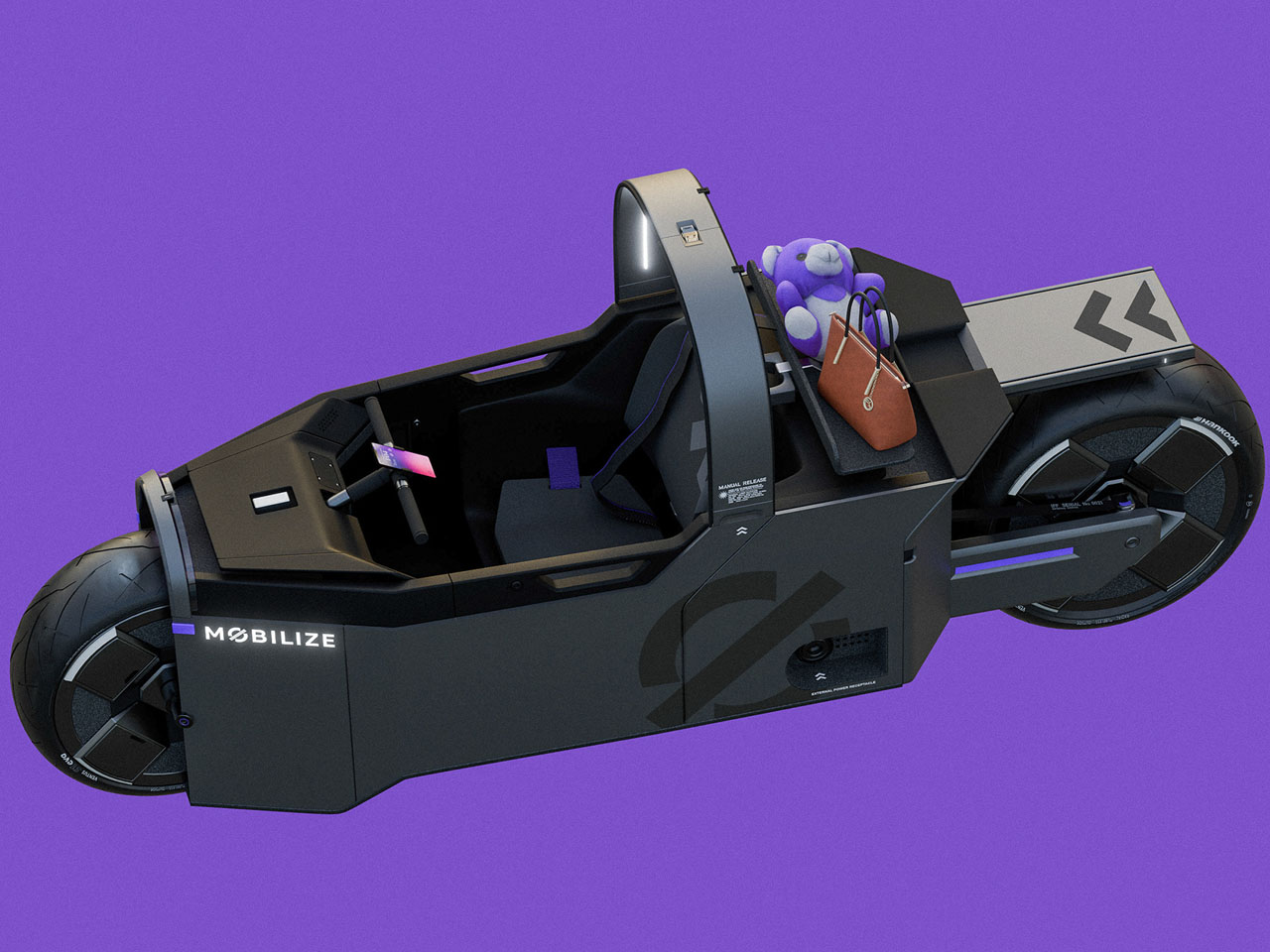
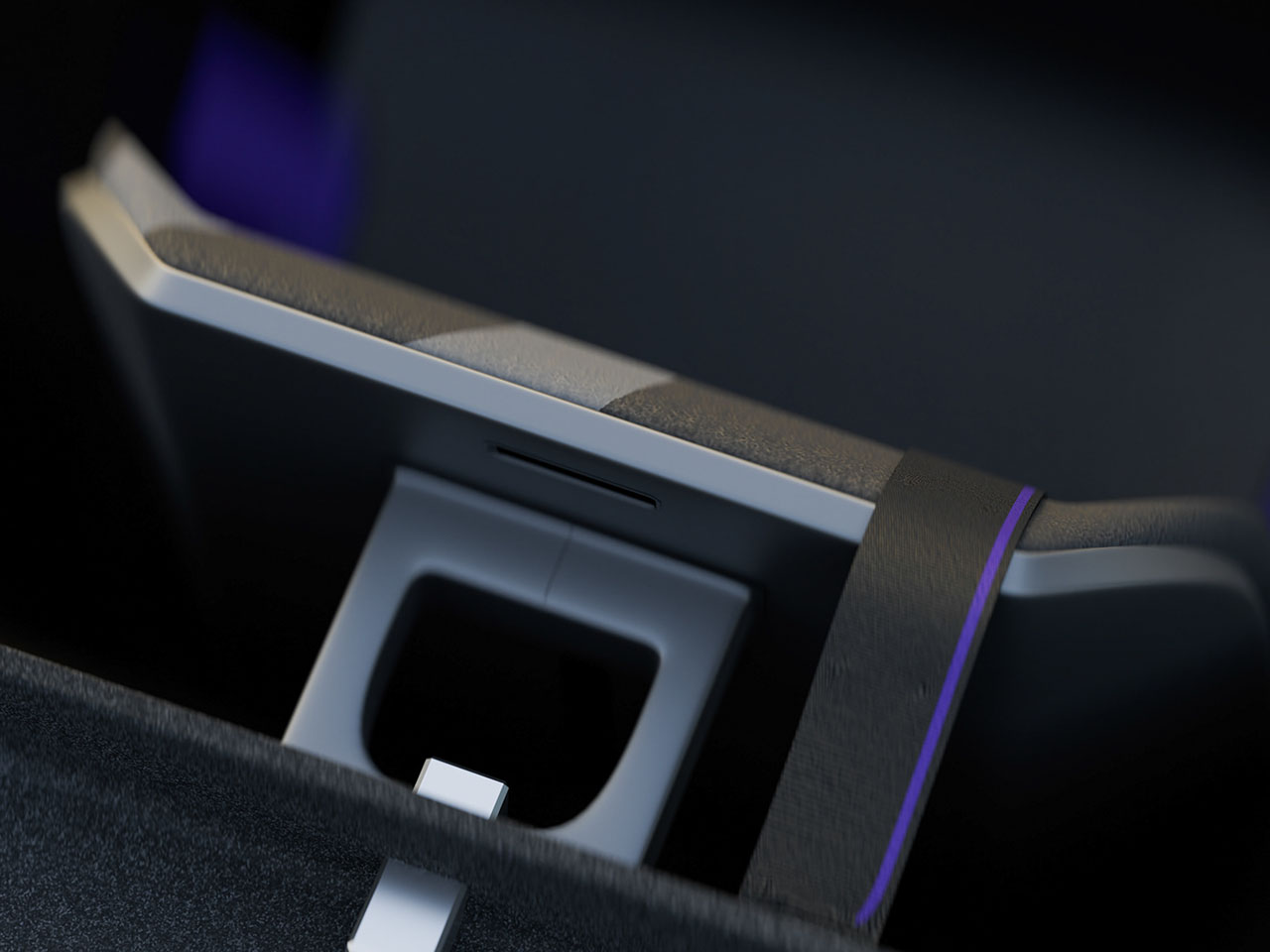
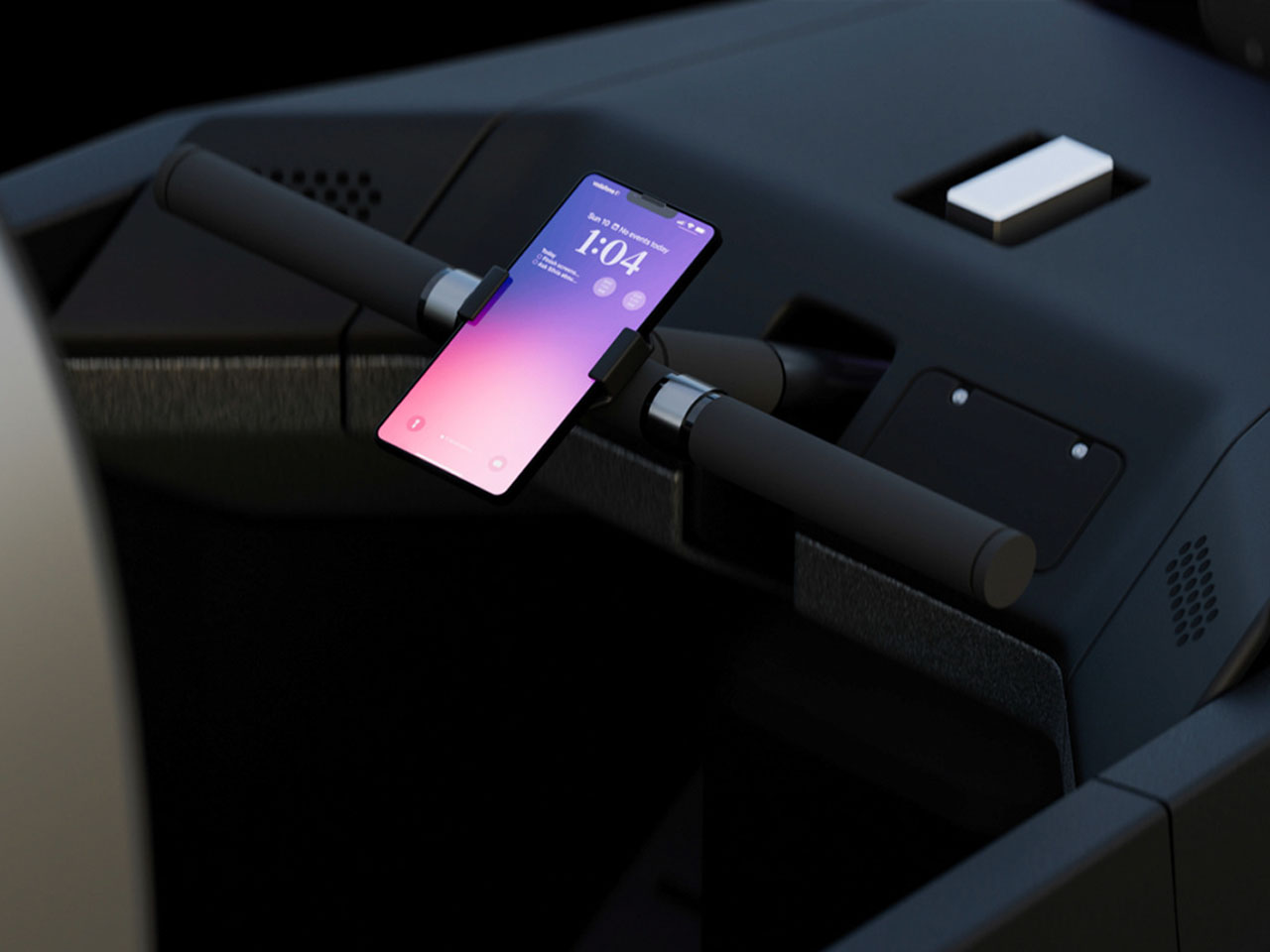
While not made for the claustrophobic section of the community, this translucent boundary is for a private interior that comes in handy in the self-drive mode. The rider can relax and check on the social media feed with a dock for the phone integrated into the steering section. Well, you can call it more of a handlebar that reminds us of the rental electric scooters. For your absolute favorite items, there is space behind the seating area. There is ample room to stretch your legs and relax on long journeys.
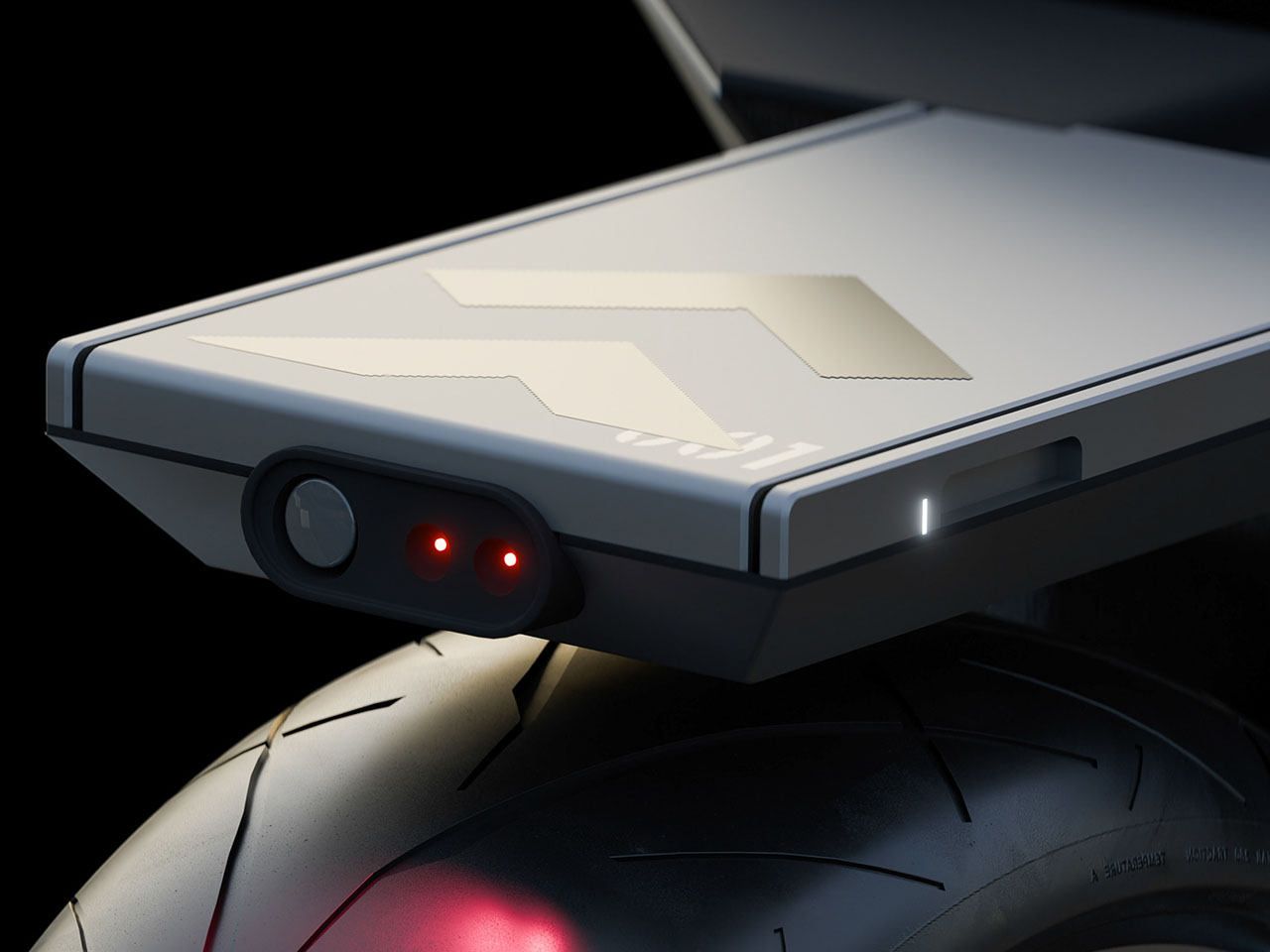
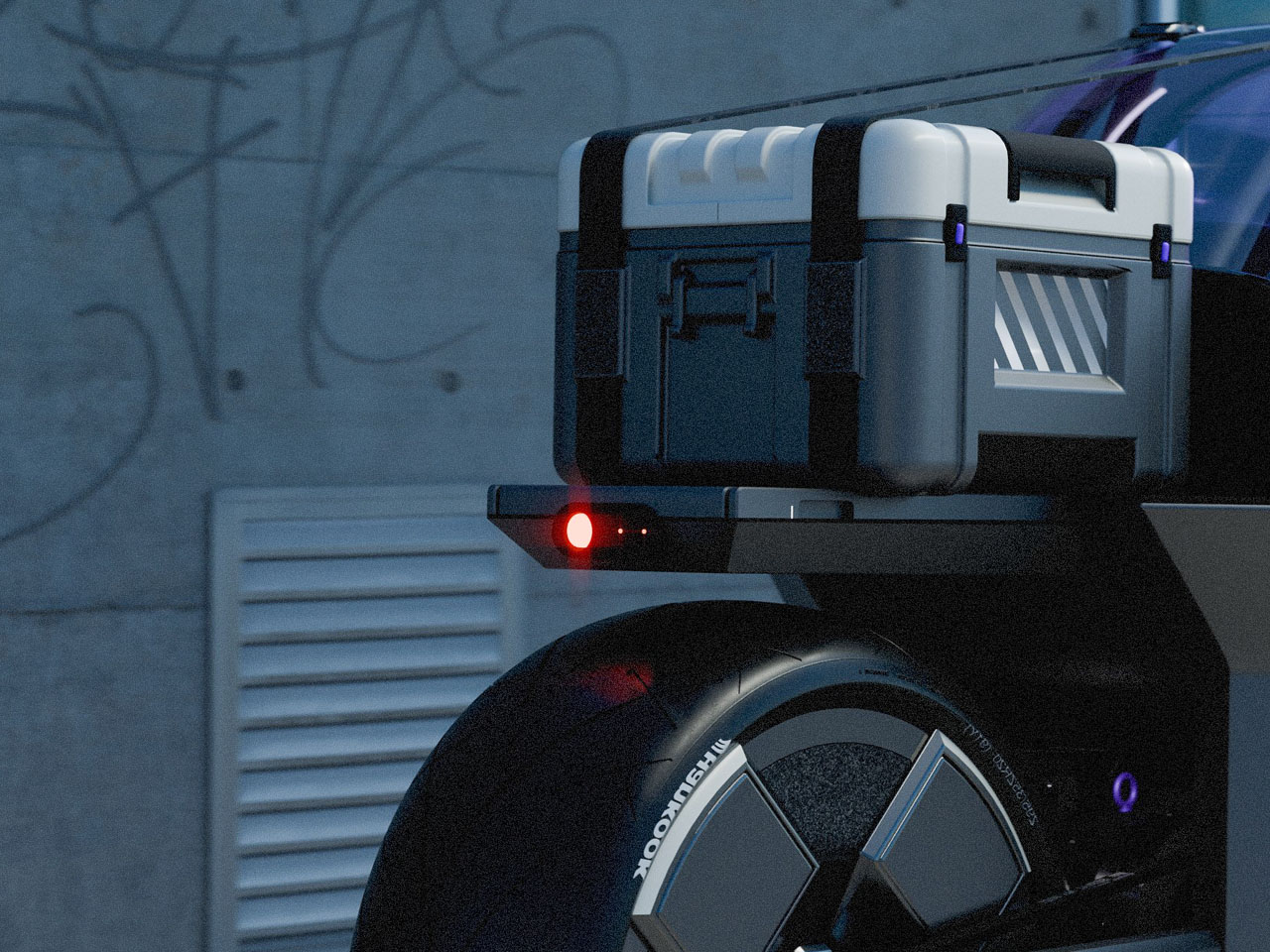
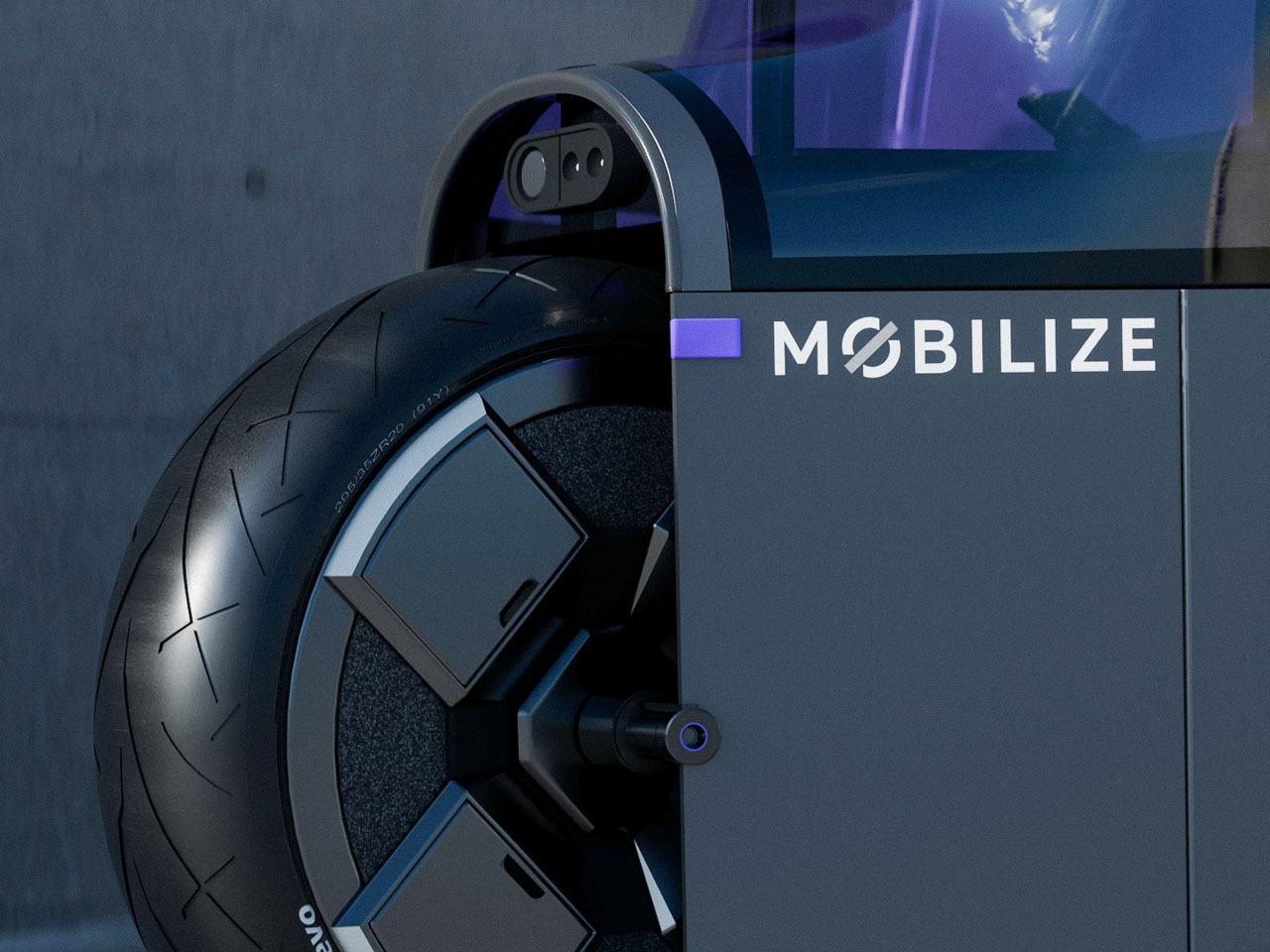
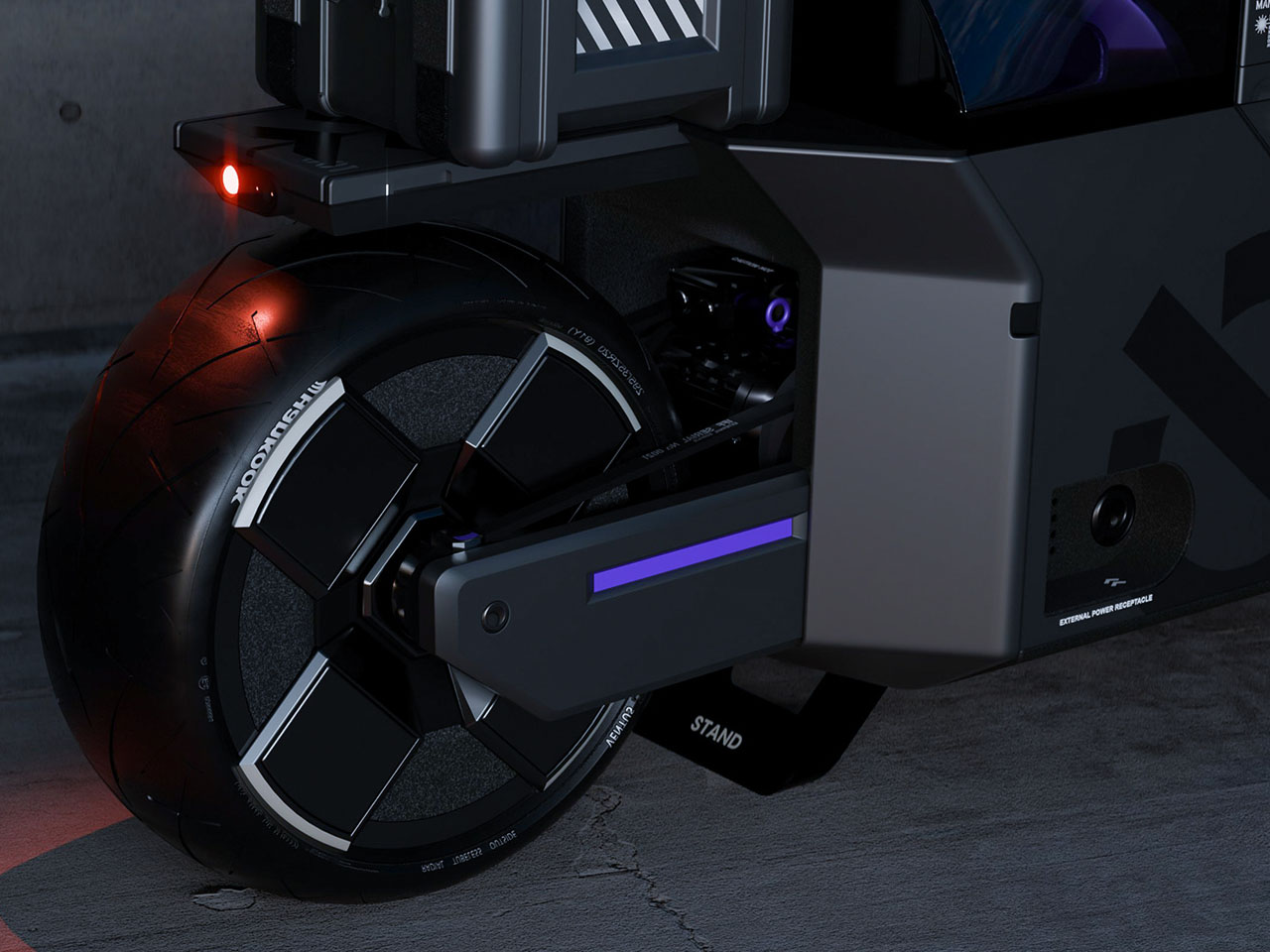
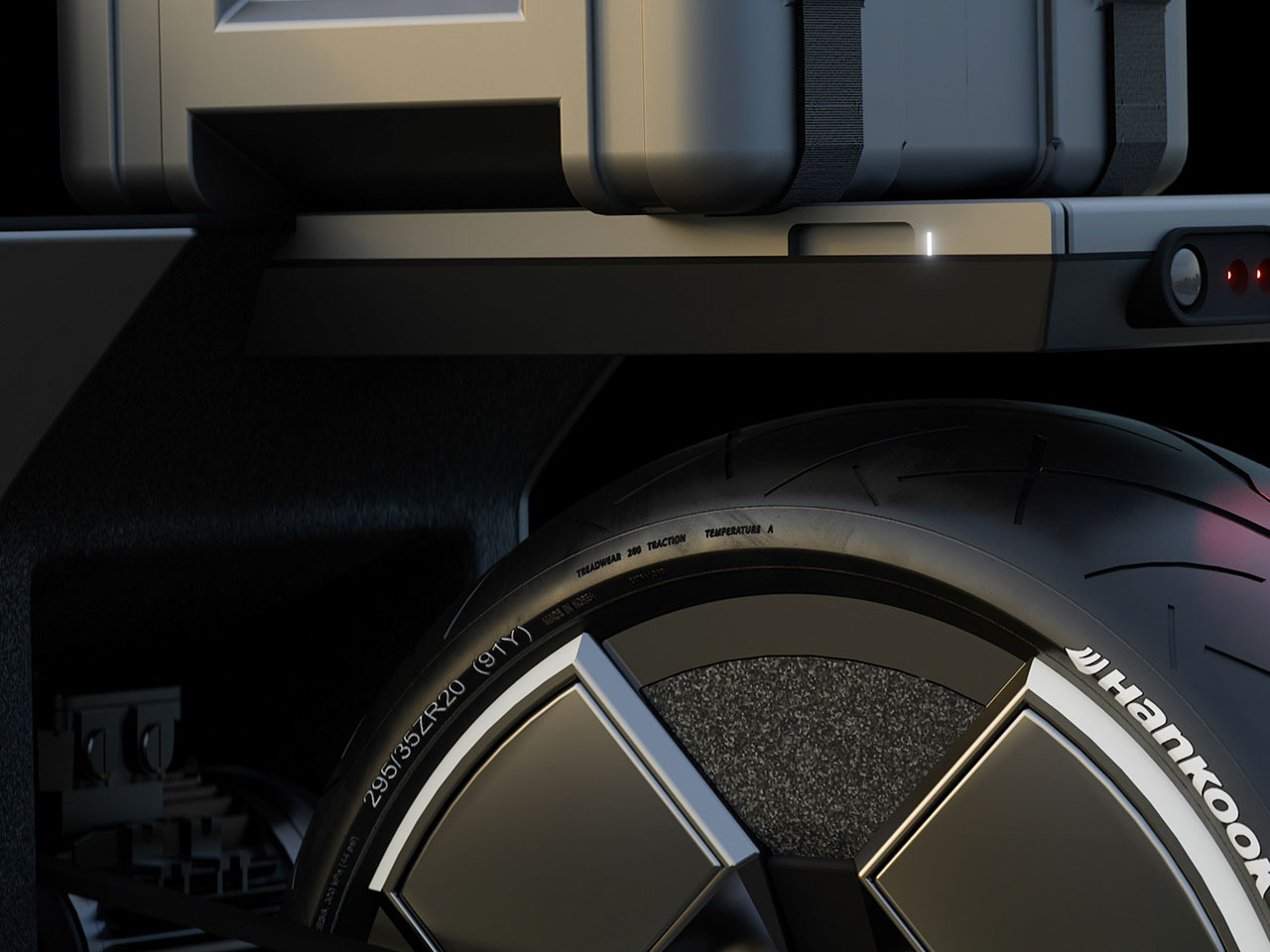
The electric battery is stored in the rear bottom section, above which is the carrier for hauling essentials, except for items you can’t risk keeping outside. Entry to the inside is initiated by pressing the Manual Release button, which opens up the interior section. The bike is secured by a lightweight metal frame that runs along the length of the rims. The headlights take a peculiar arched form with an array of single big LEDs and two smaller ones denoting the high and low beams on the bike. The taillights are more muted down with just the roundish red LEDs to warn motorists behind.
Remember those Japanese mini sports bikes from the ’80s that were pure fun to drive on the streets? Brought into the foray by Honda, the compact two-wheelers had their origins as amusement park rides, eventually turning into recreational rides or urban commuters popular among the young generation.
The small footprint and lightweight credentials gave those bikes an advantage in traffic for hyper maneuverability. They could even be carried in the boot of an MUV and serve as perfect companions for off-road excursions. Now, CFMOTO is bringing back the definitive charm of the mini sports bikes with a retro-modern twist and a whole load of driving fun that many will fancy.
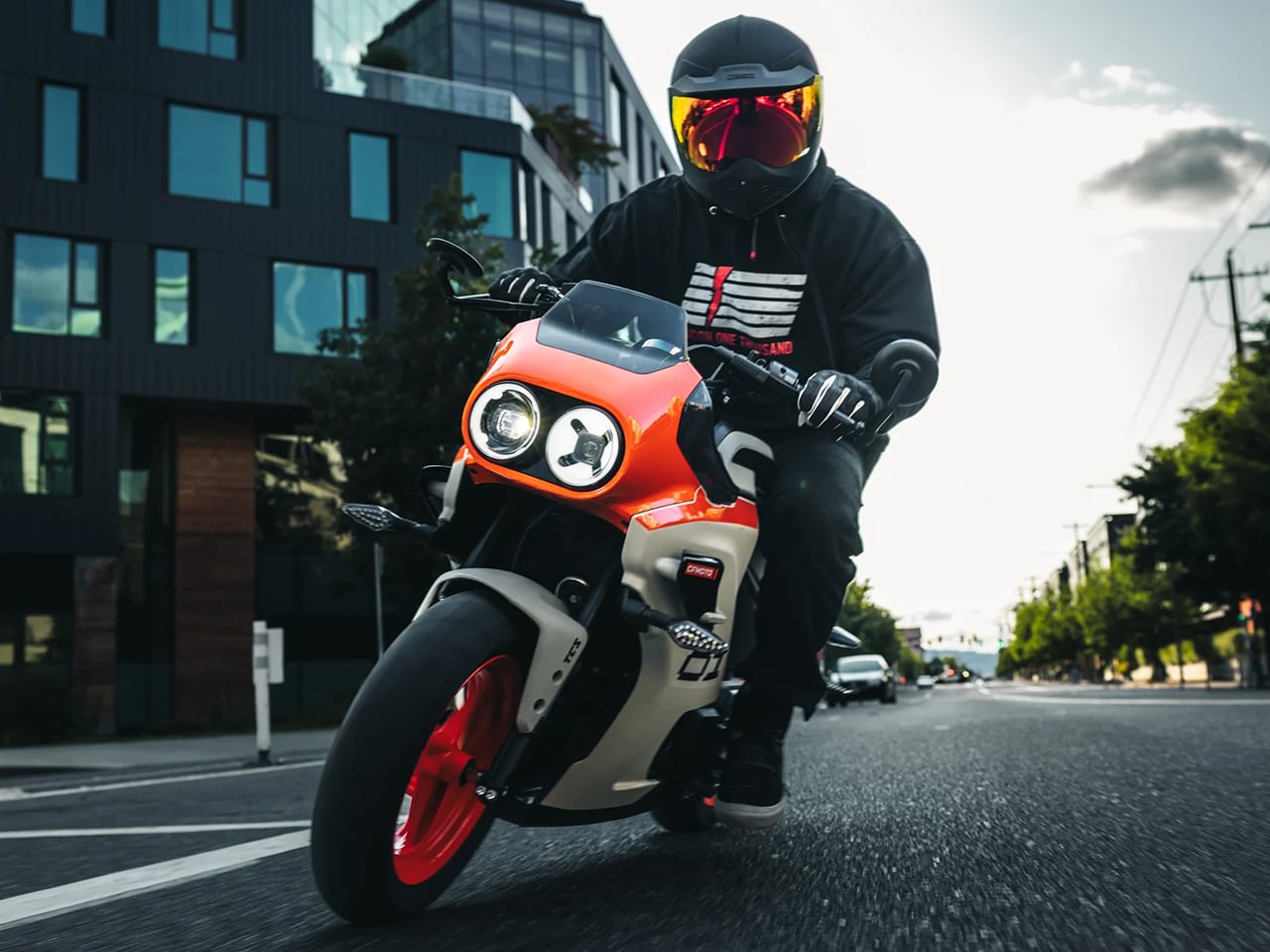
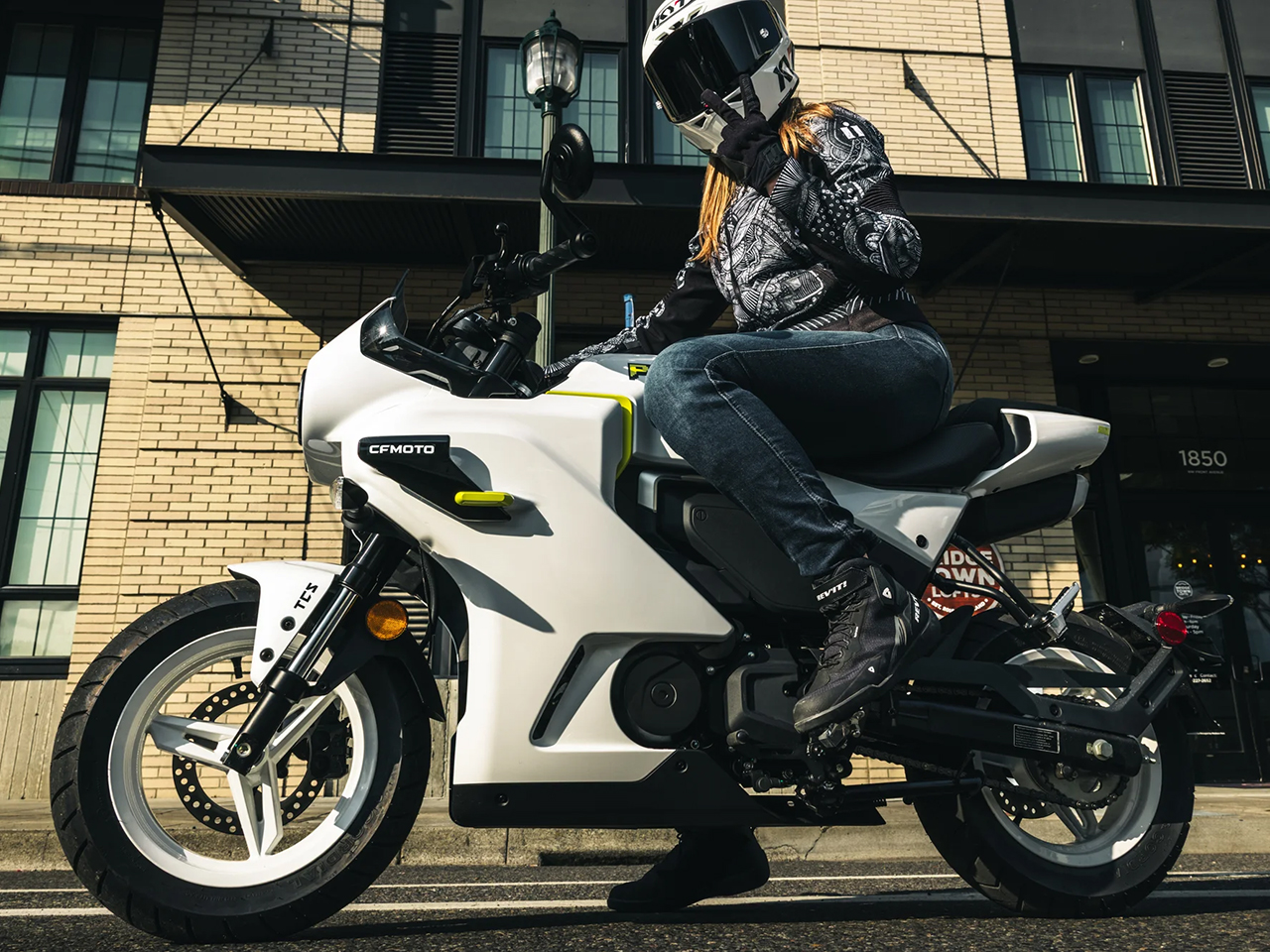
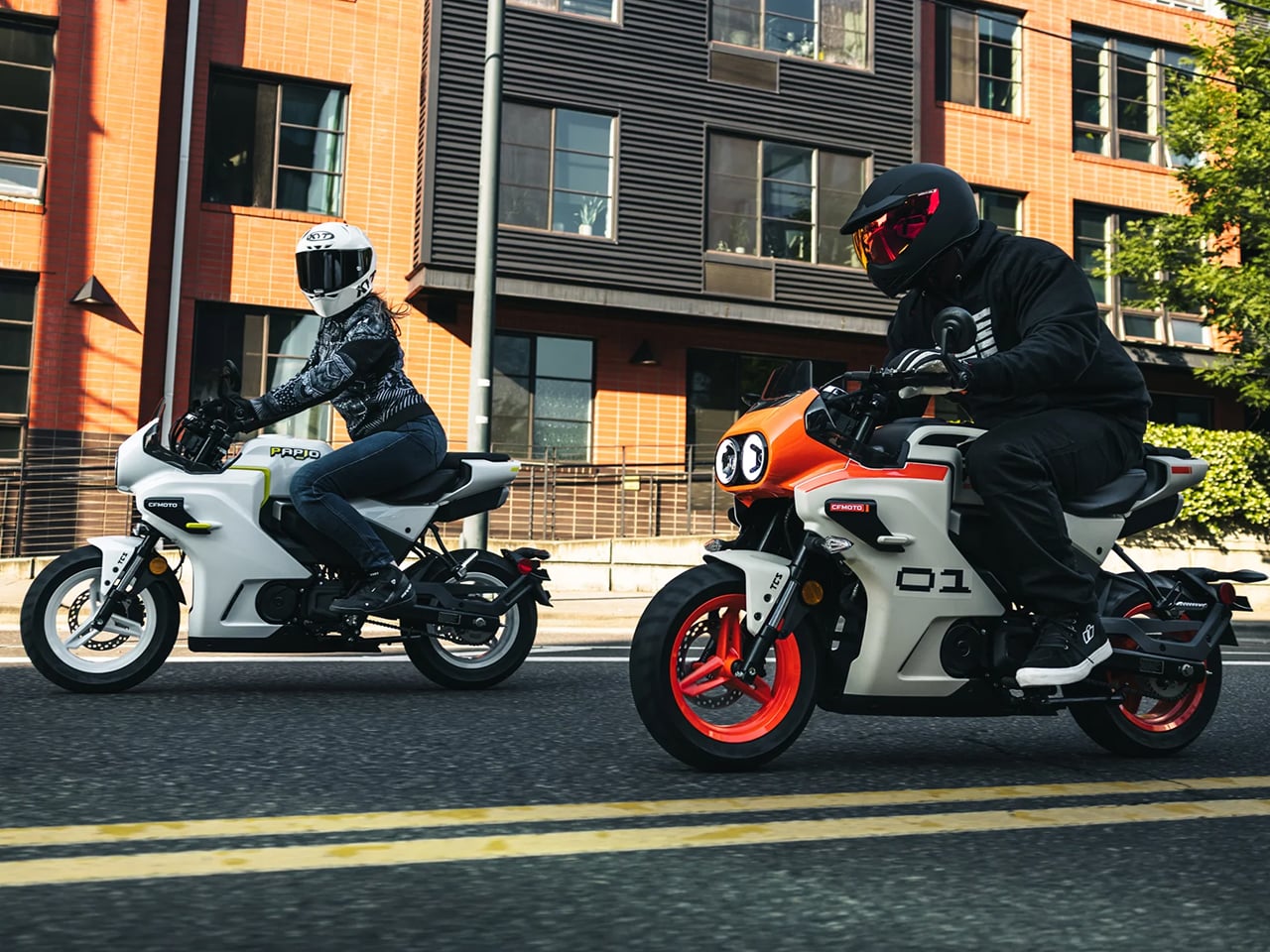
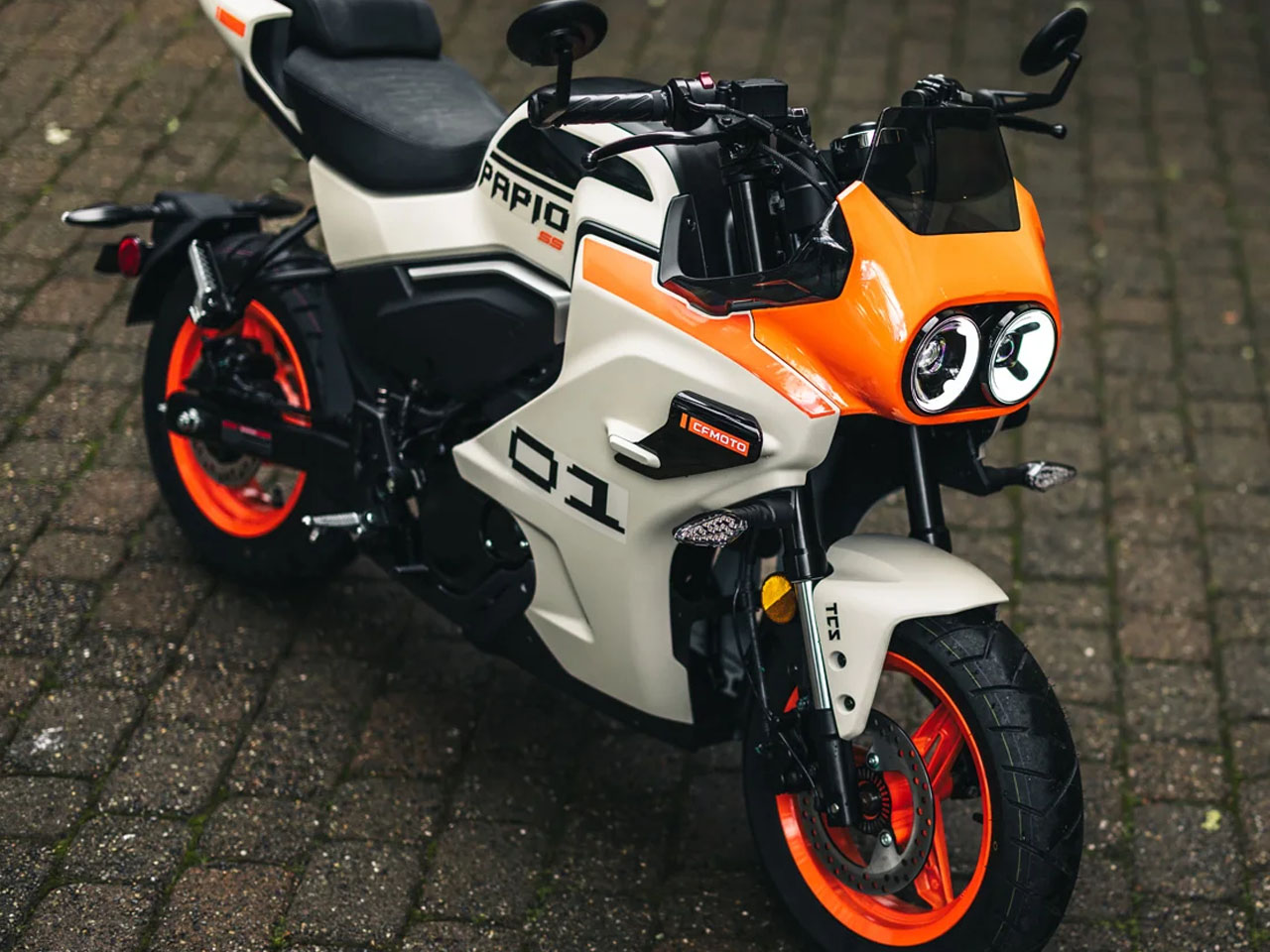
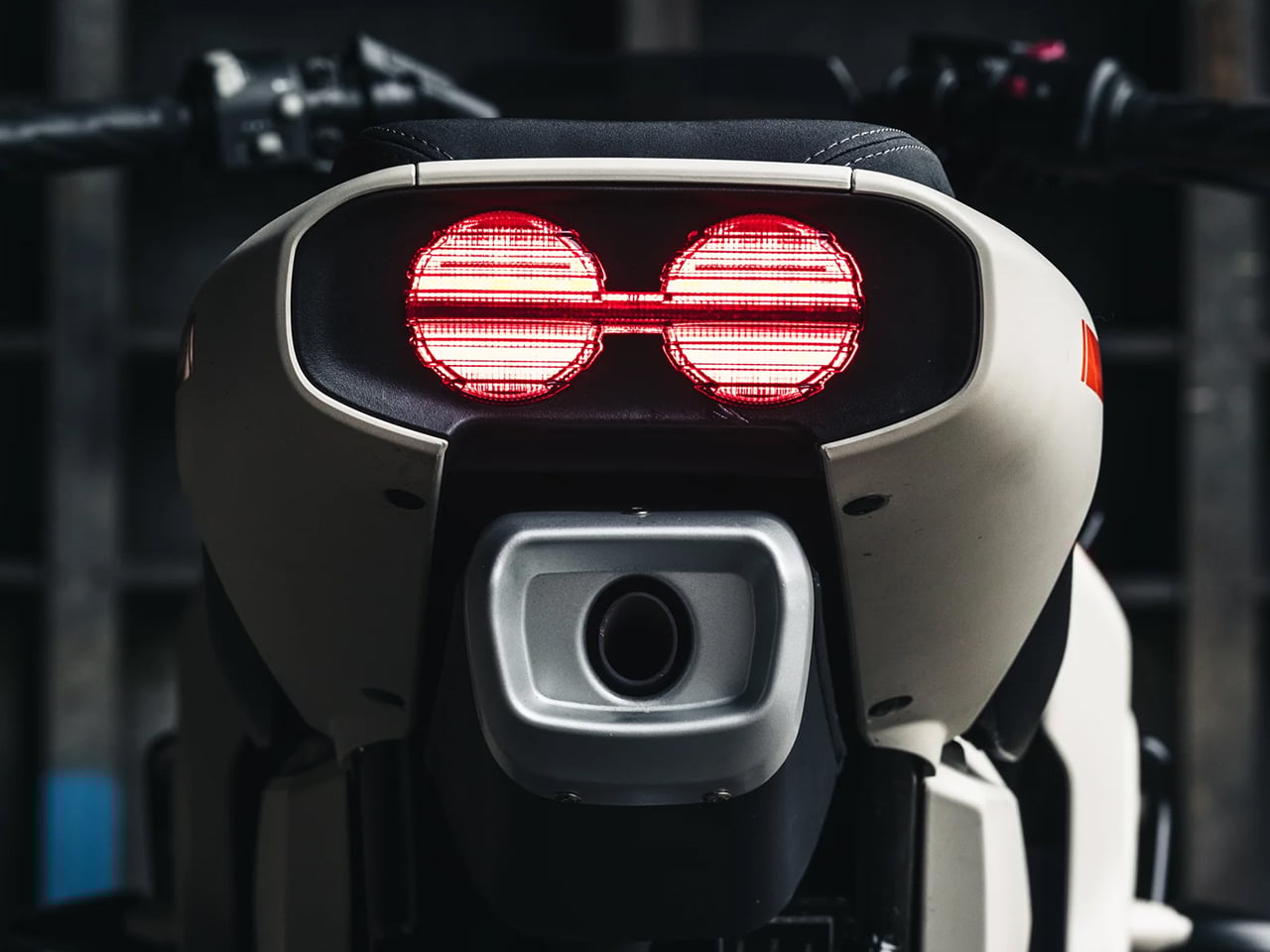
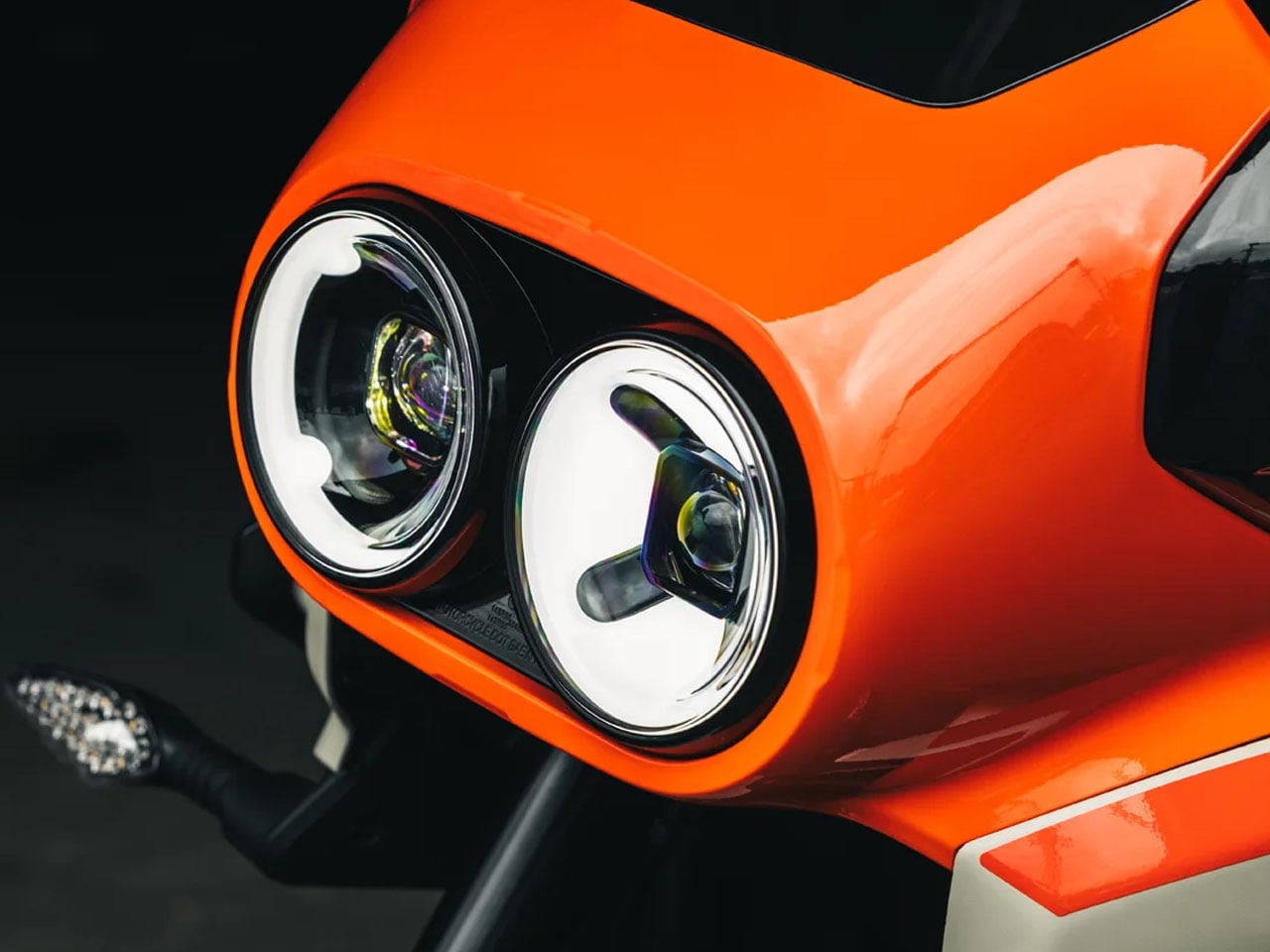
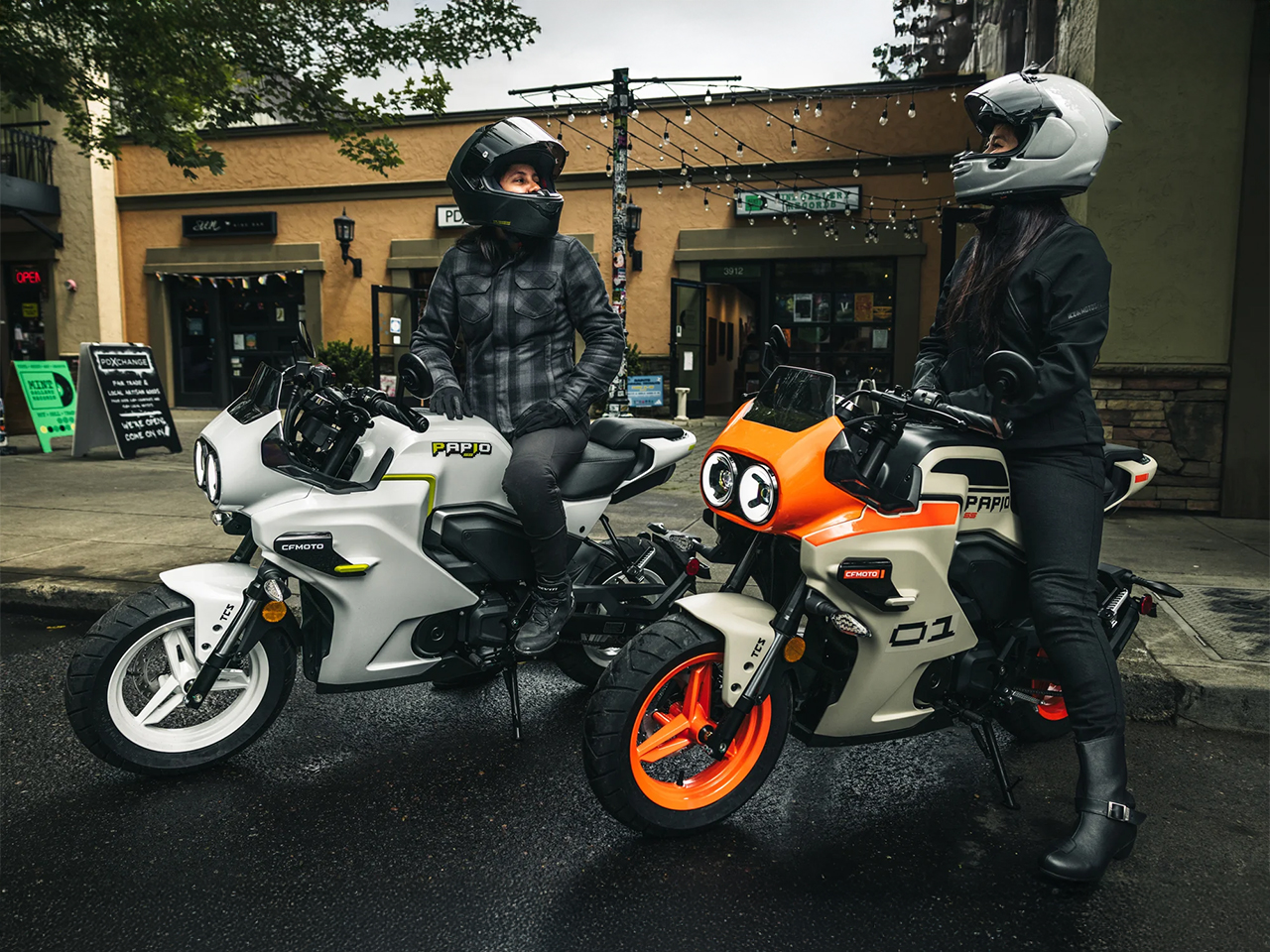
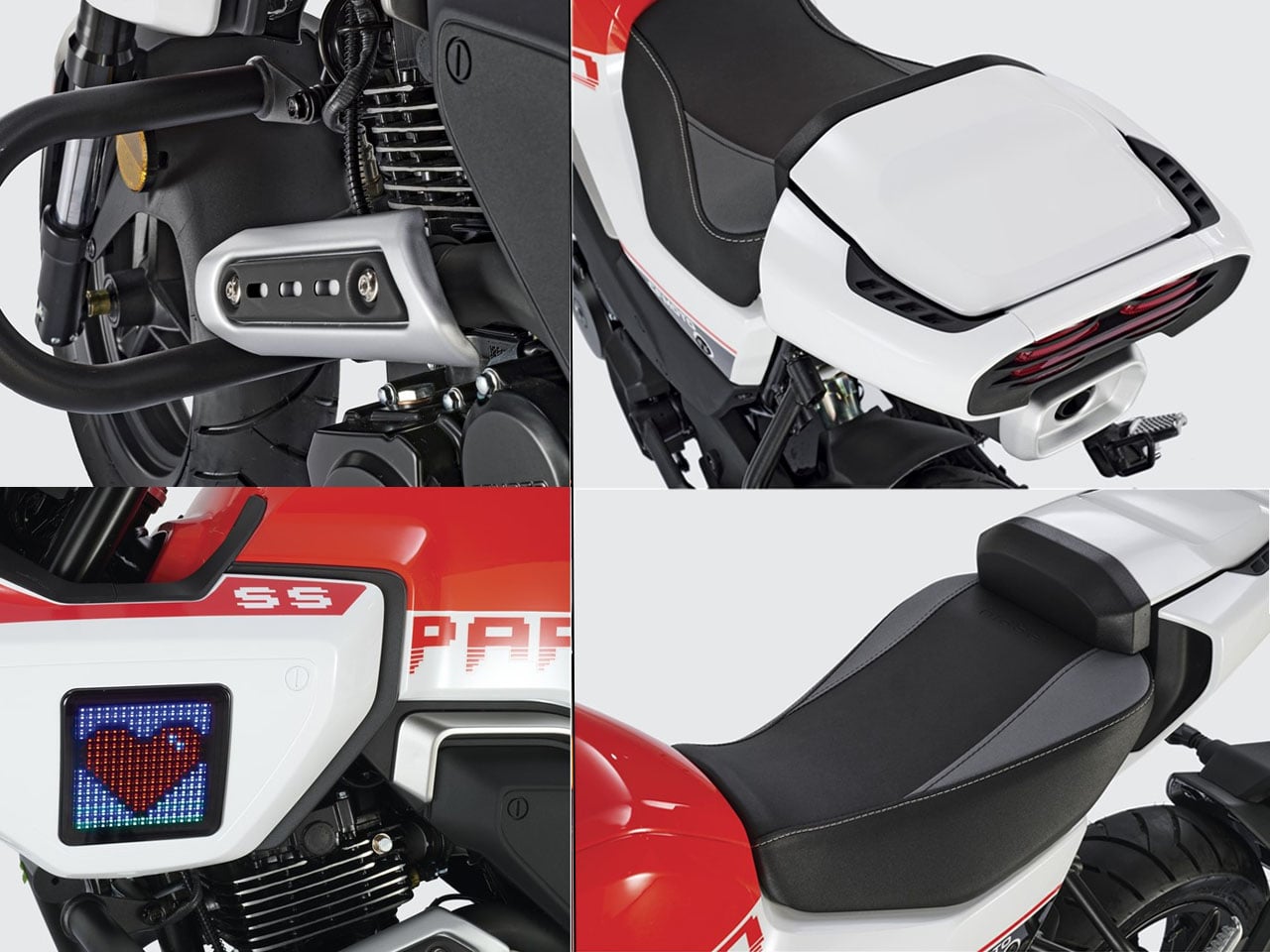
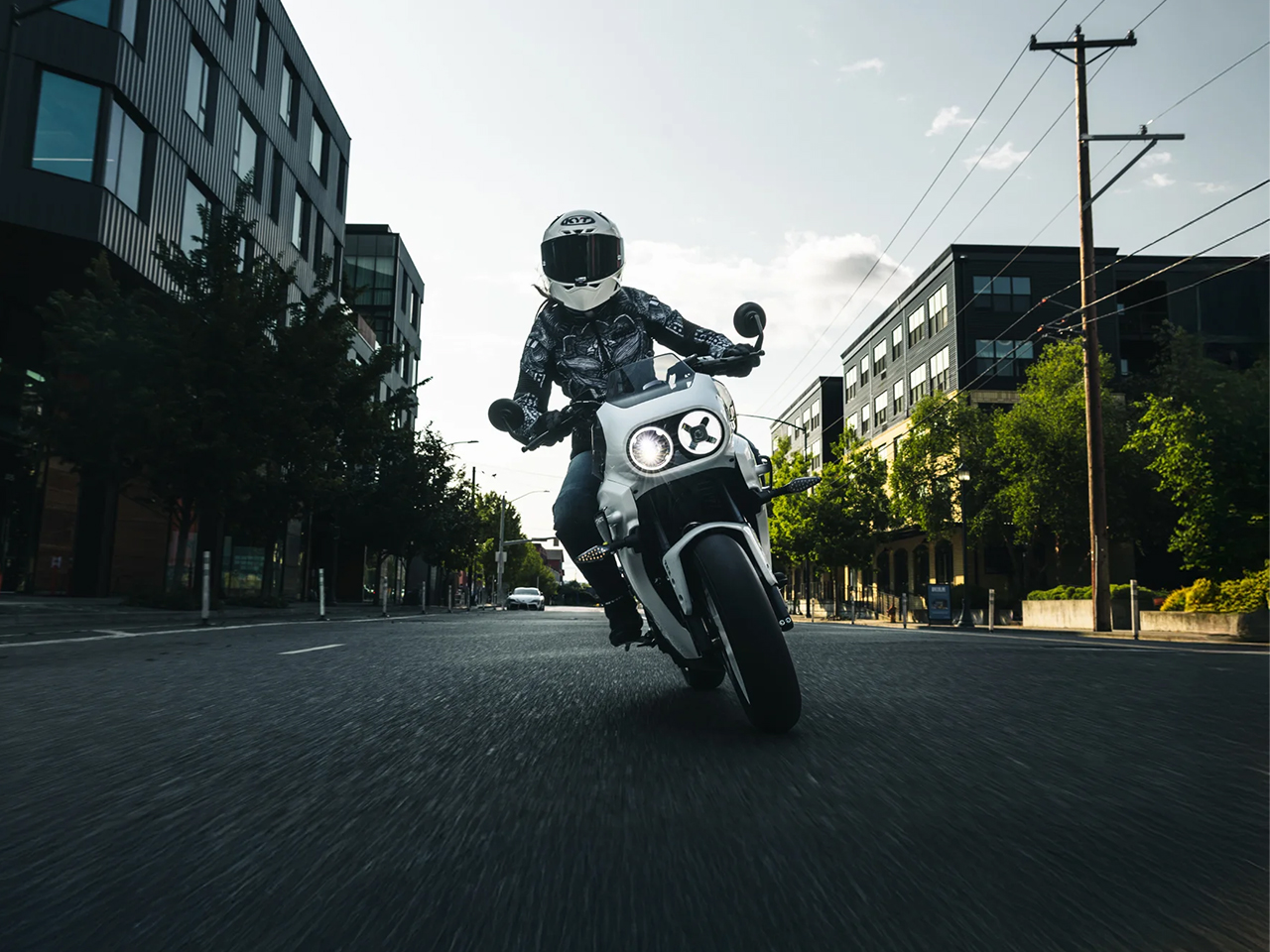
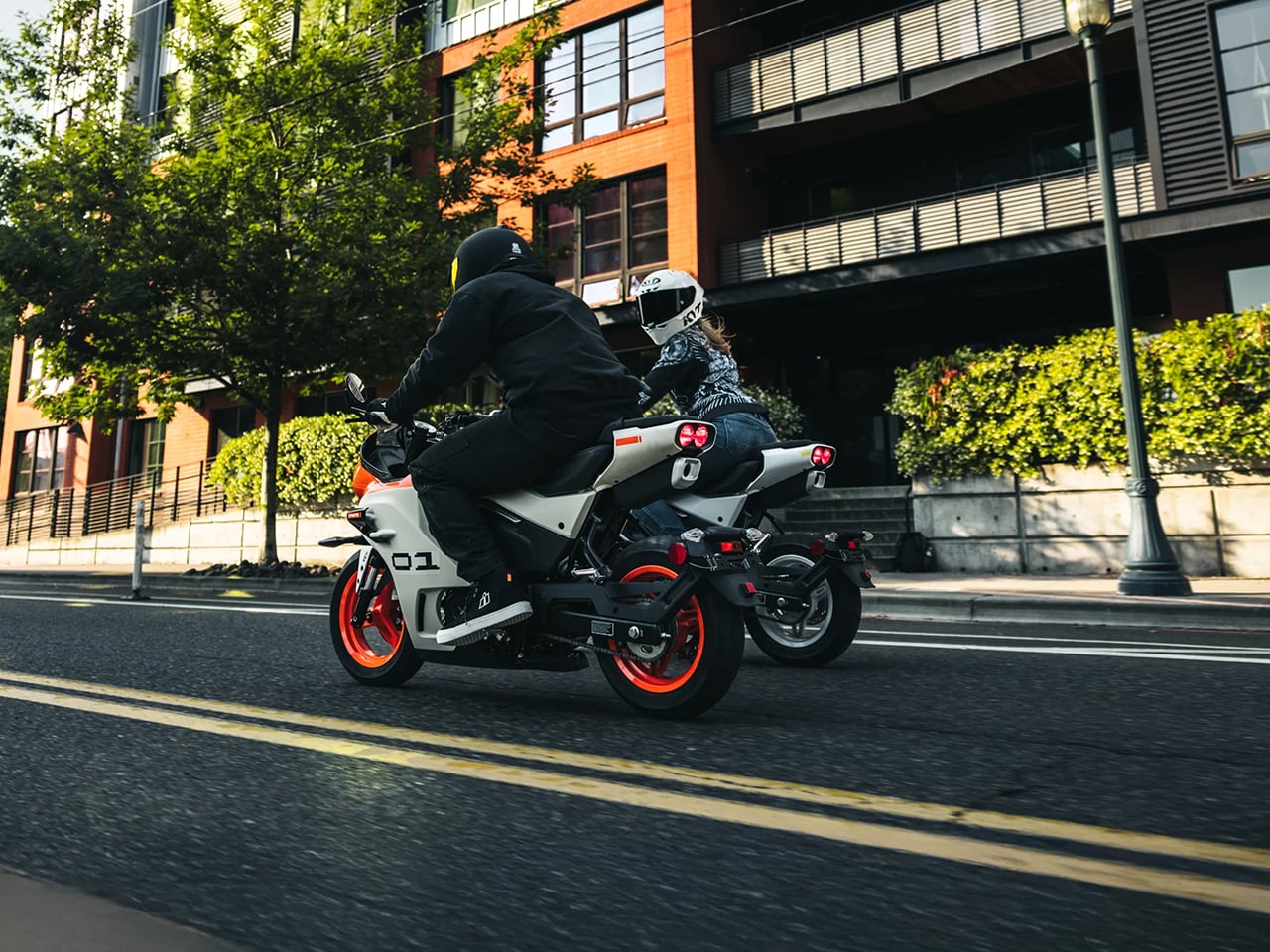
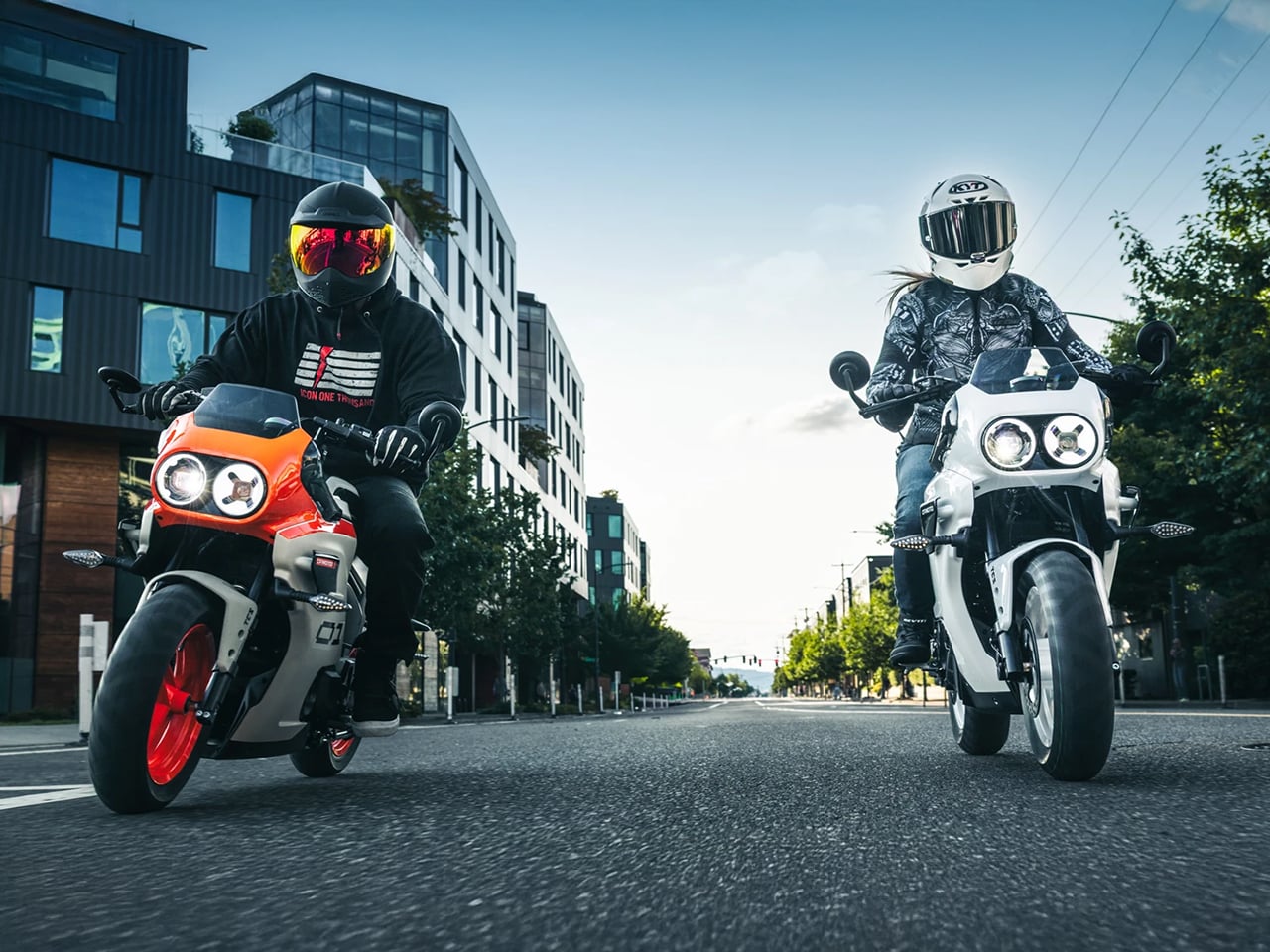
The 2026 Papio SS is a mini bike with the basic layout of a café racer and the inherent functions of an urban rider. This model is a smaller version of the existing 2024 model by the maker, designed to evoke the warmth of the classic era. That is apparent in the orange and beige colors for the skin, contrasted by the pixelated font branding on the sides. Up front, the headlights resemble a wide-eyed creature, while the taillights with the jagged lights give off the 80s bot vibes. The motorbike, weighing 251 pounds, sits somewhere in between the foldable form factor of a Motocompo and the aggressive power-laden personality of a café racer.
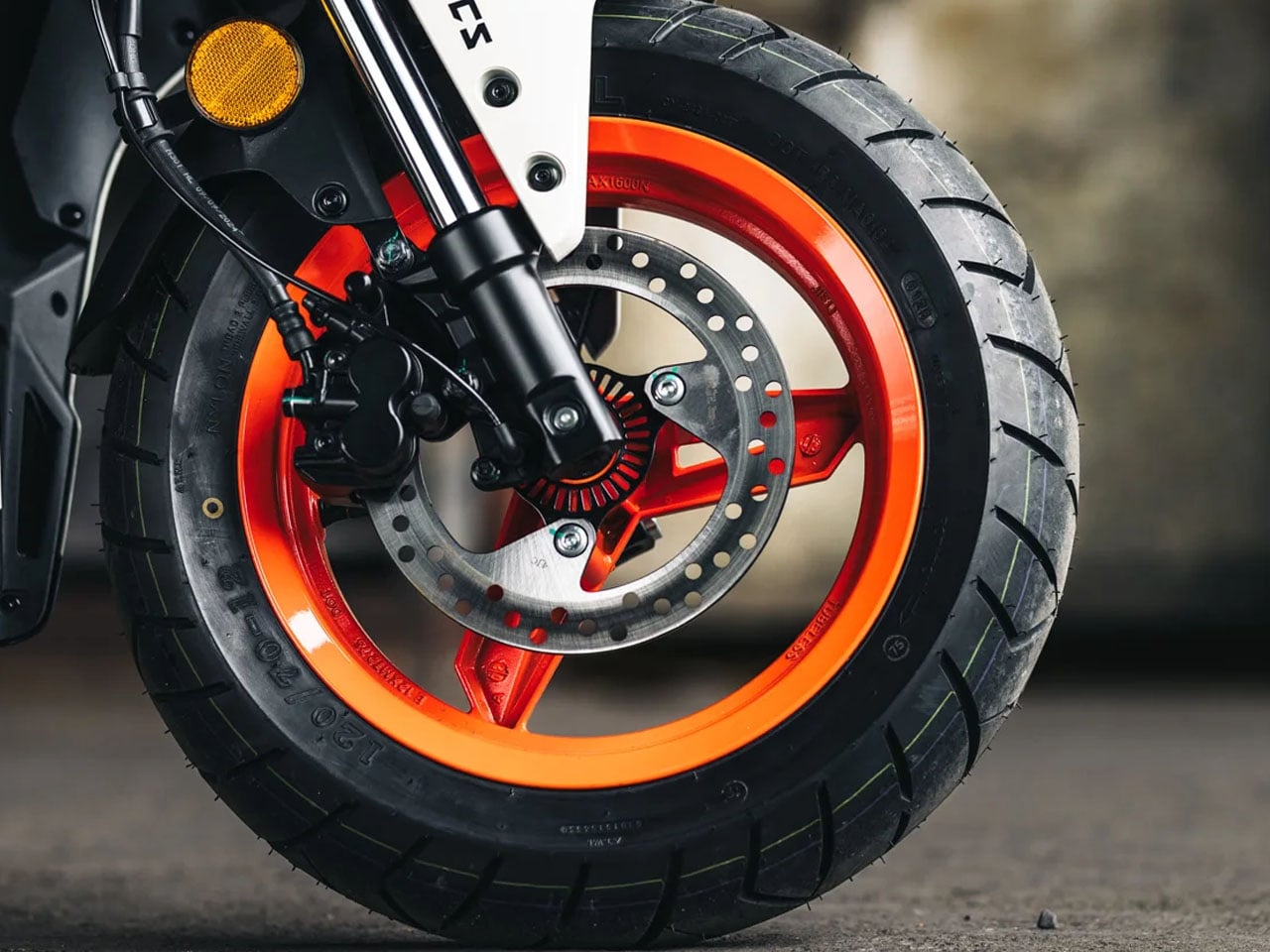
Under the hood, it is propelled by the 126cc air-cooled single-cylinder engine churning out 9.4 horsepower. The fun element comes from the zippy acceleration, and although the top speed is around 56 mph, it serves the purpose well. However, if you love the thrill of high-speed freeway driving, this bike won’t be the best fit. Coming back to the specifications, Papio SS gets a six-speed gearbox which delivers impressive acceleration from the standing start. The handling and comfort of the two-wheeler come courtesy the rear adjustable monoshock, upside-down forks, and dual-channel ABS. Normally, those additions are reserved for the bigger bikes, but CFMOTO needs to be complimented for adding them to this creation.
Loaded with modern divining dynamics like traction control, the user base should not be limited to young riders; rather, veterans will love to take the compact bike for a spin. Visually, the ride looks very balanced and sturdy, riding on the 12-inch wheels. That element is honed with full racing fairing, underbody fairing, and clip-on bars. Keeping the modernized theme going, the bike gets a digital display and LED pod lights for clear visibility in the darkest of hours. CFMOTO 2026 Papio SS mini bike is set for early 2026 release for a starting price of $3,299 in the US market.
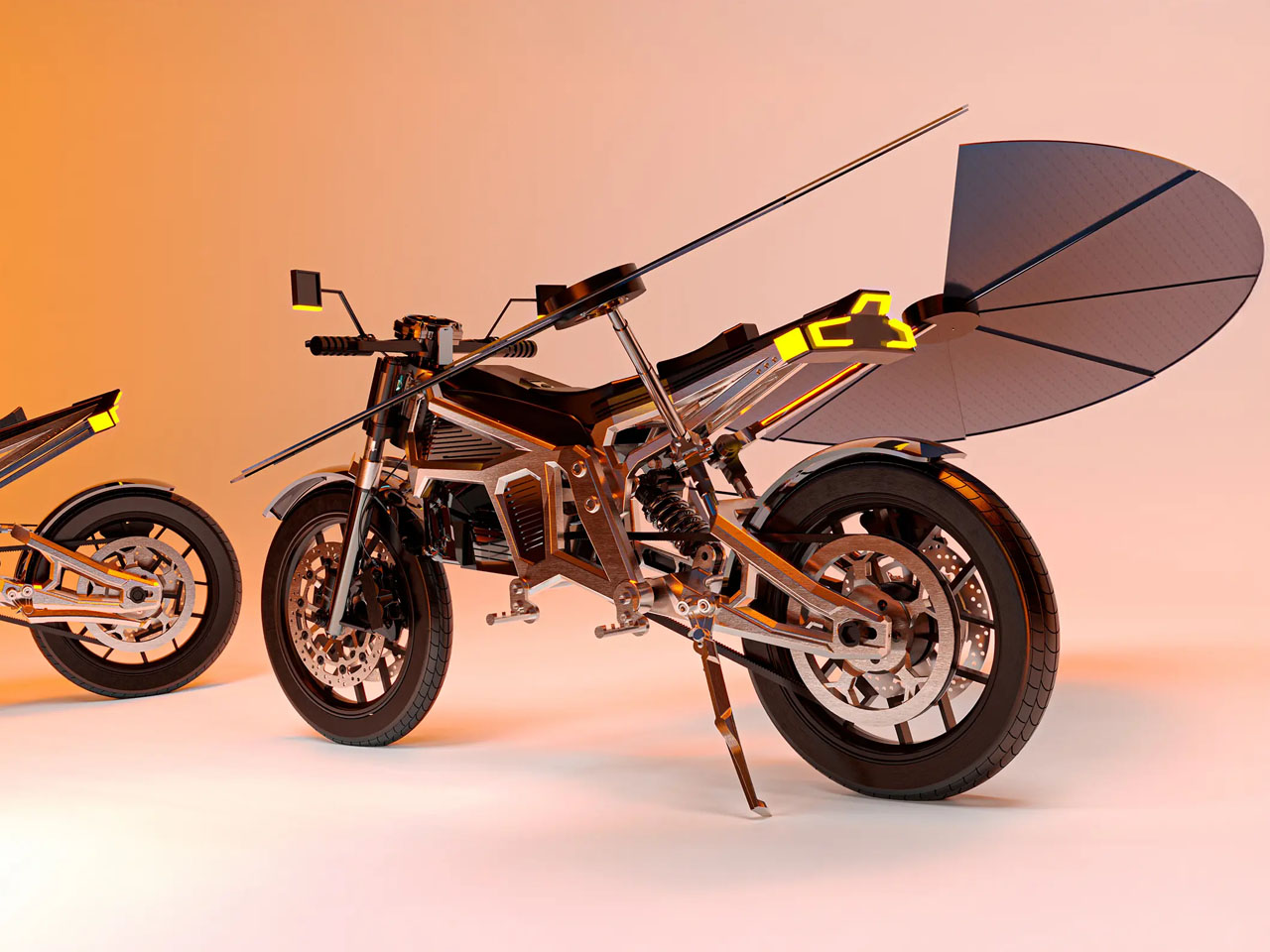
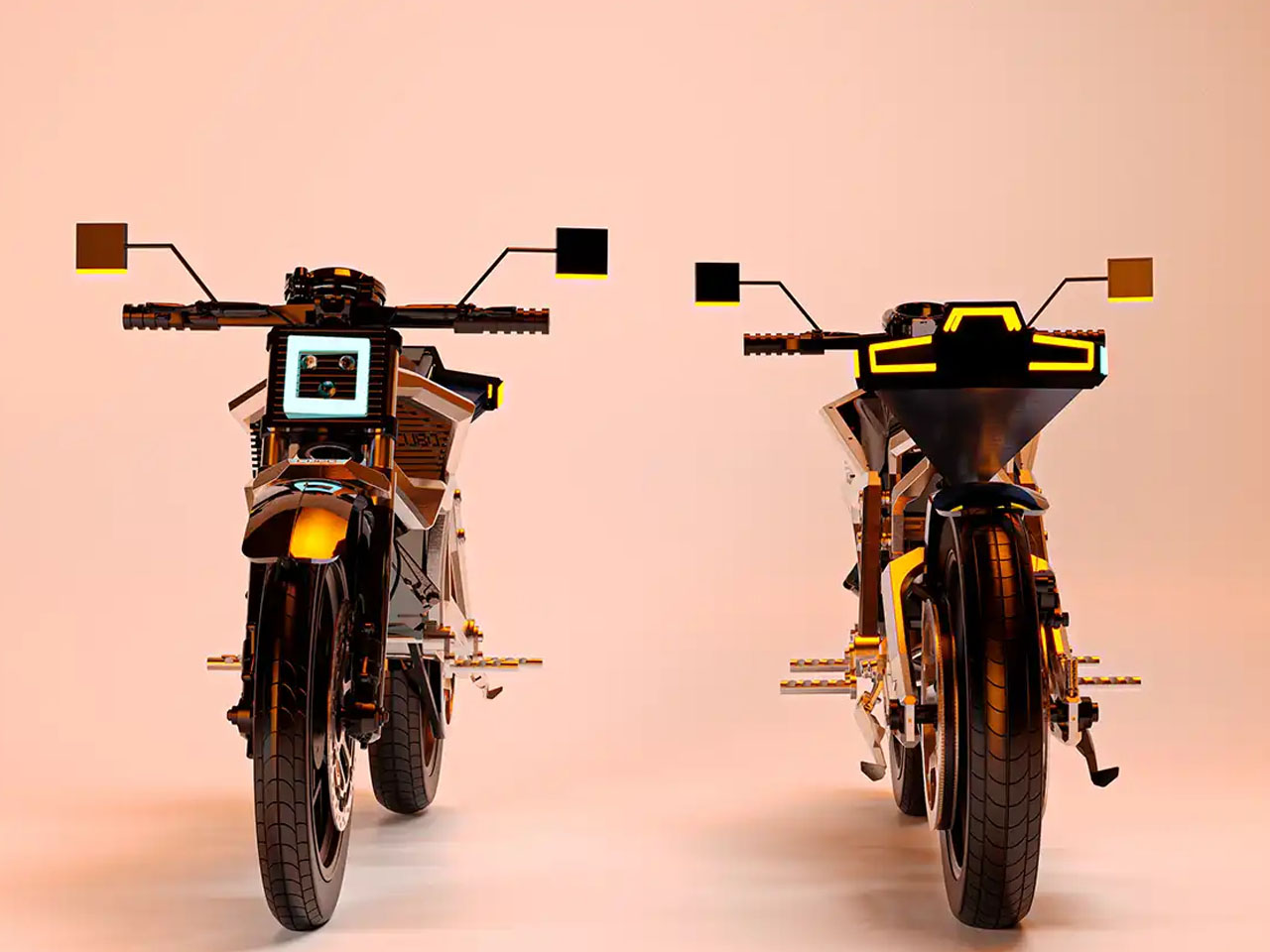
For years, electric mobility has been shaped by predictable patterns: bigger batteries, denser charging networks, and efficiency improvements that feel more evolutionary than revolutionary. Yet the dependency remains the same: riders still need plugs, stations, and the infrastructure that powers their daily movement. In the middle of this familiar landscape arrives a concept that doesn’t try to optimize the system but instead questions why the system needs to exist at all. The SOLARIS Self-Charging Solar Motorcycle by MASK Architects challenges the core assumptions of electric mobility with a vehicle that produces its own energy and redefines the relationship between rider, machine, and environment.
Developed by Öznur Pınar Cer and Danilo Petta, the SOLARIS approaches mobility as something closer to a self-sustaining organism than a machine waiting to be recharged. It operates entirely on power it generates itself, eliminating reliance on fuel stations, external charging points, or electrical grids. This shift reframes freedom for riders, offering movement that isn’t conditioned by access to infrastructure or energy markets. It introduces a future where independence is built into the vehicle, pushing the concept of autonomy far beyond driving modes or connected features.
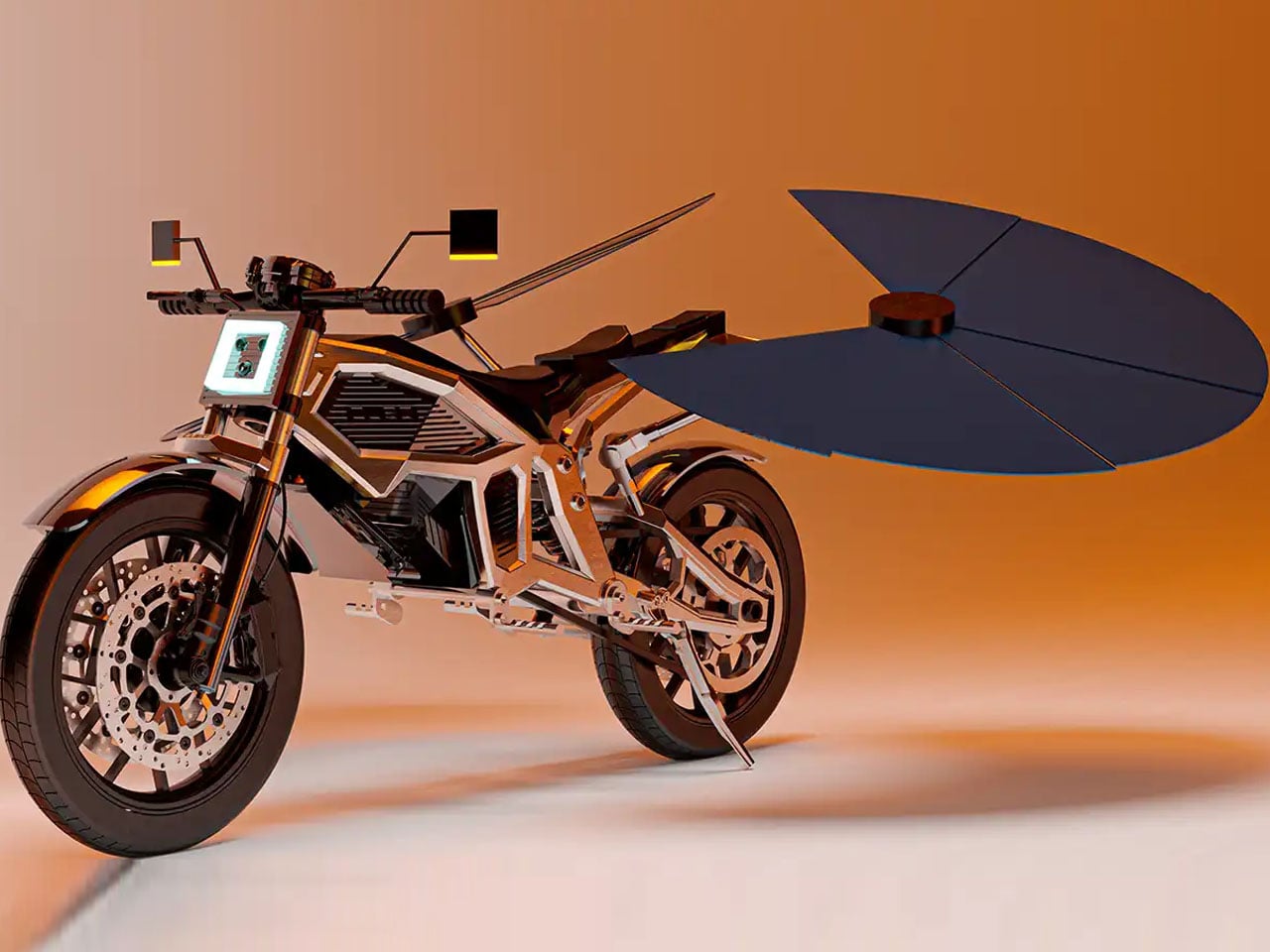
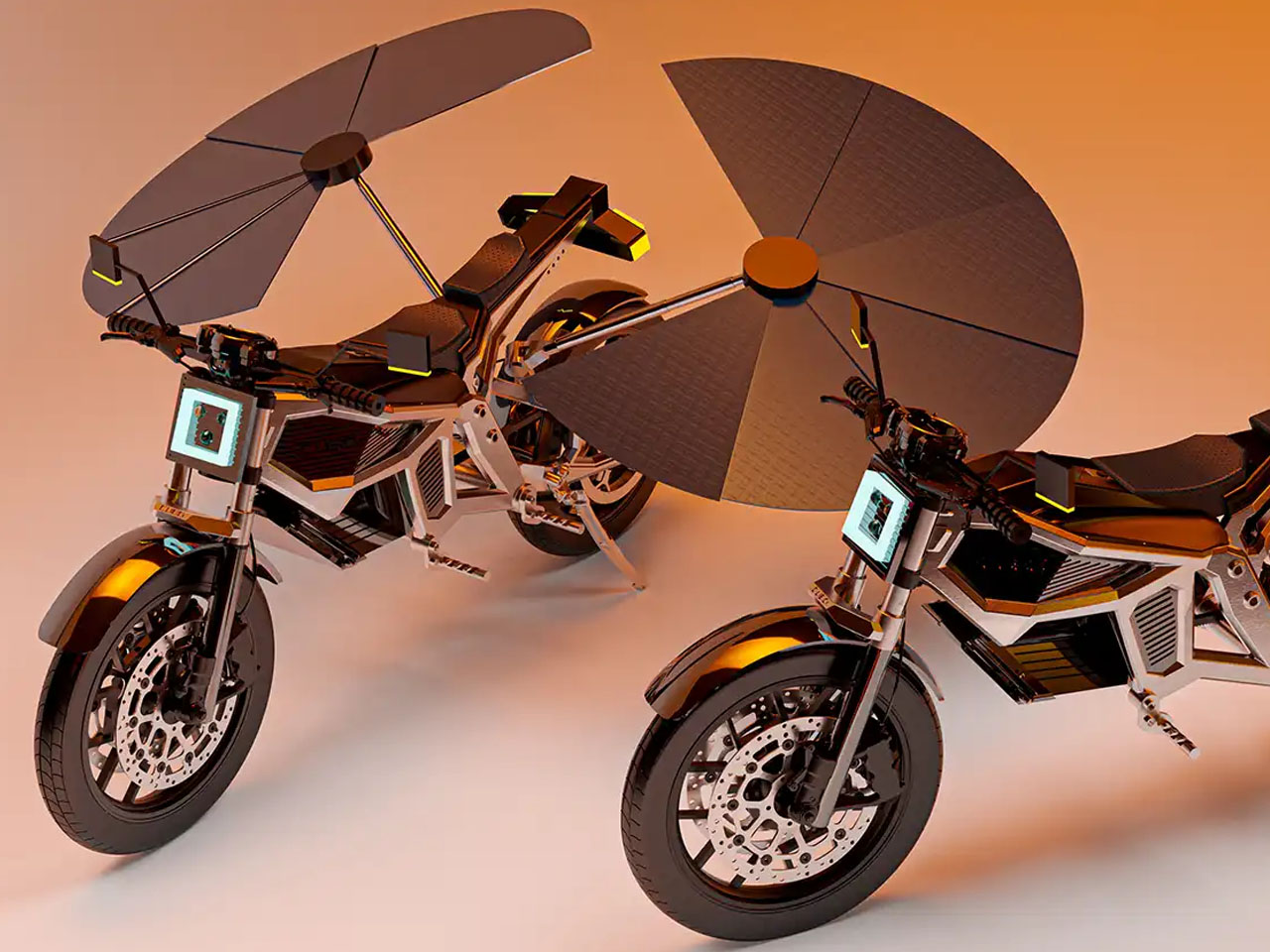
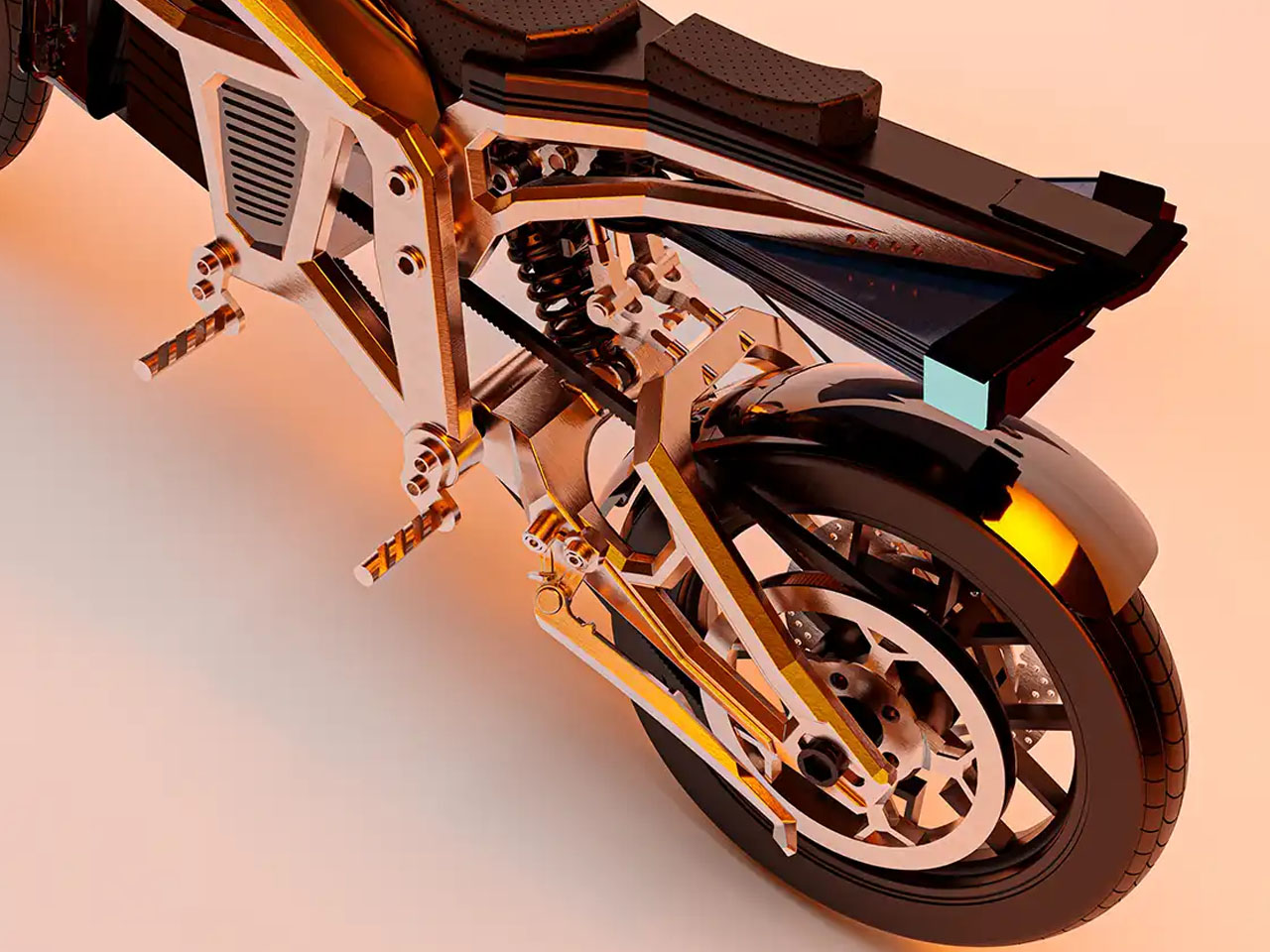
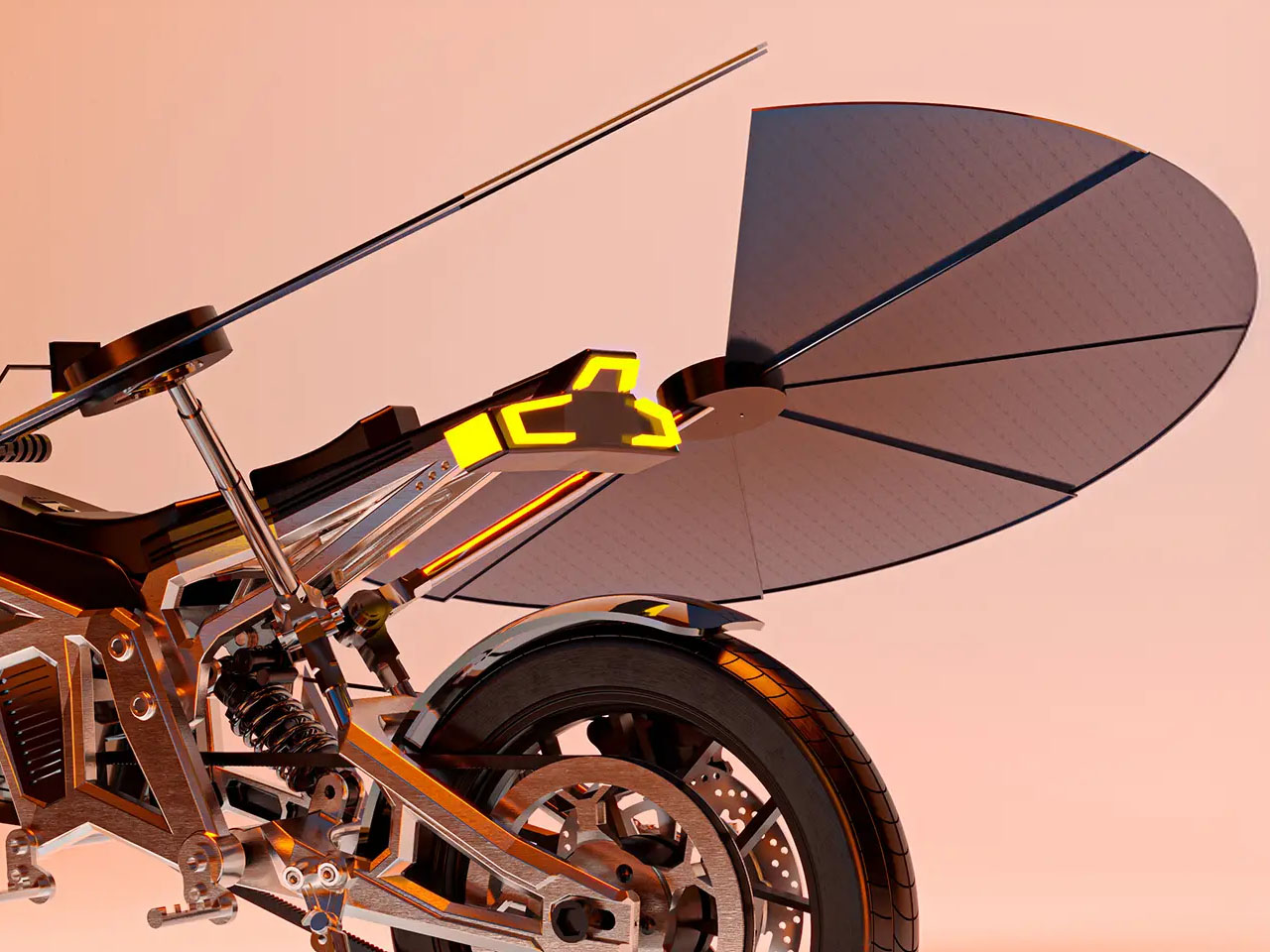
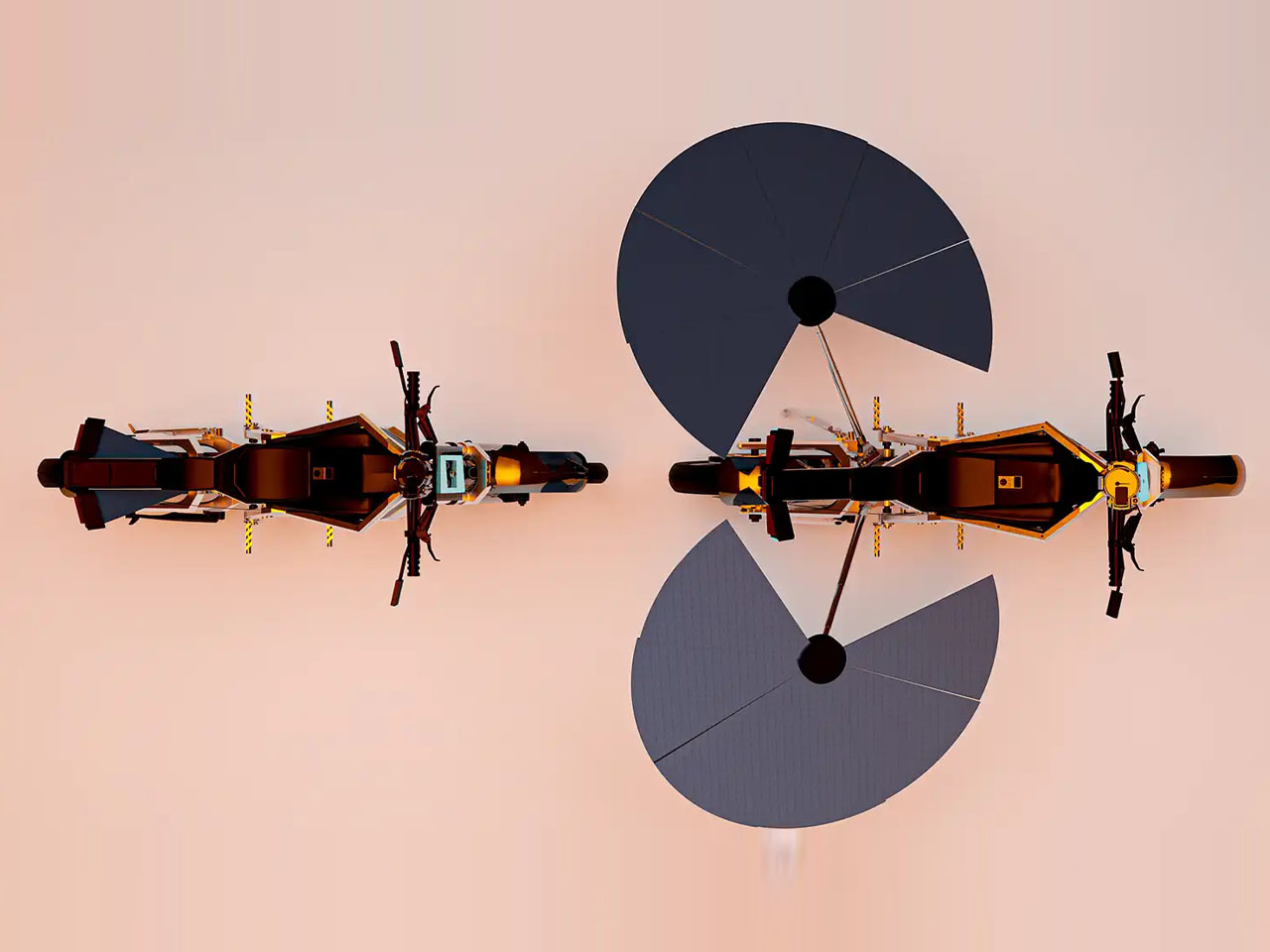
The technology that enables this transformation begins with next-generation photovoltaic cells integrated into the motorcycle’s structure. These high-efficiency solar elements convert light into energy throughout the day, ensuring the system remains active under varying conditions. A defining feature of the SOLARIS is its deployable charging mechanism, which expands into a protective wing when the motorcycle is parked. This design increases the solar capture area by up to 150 percent, allowing the battery to be replenished whether the vehicle is in motion or stationary. The result is a power source that continuously supports itself, removing the downtime associated with conventional charging and allowing the vehicle to remain ready for use without external input.
Visual identity plays an equally important role in its appeal. The deployable wing draws inspiration from the structure of a dragonfly’s wing, merging natural efficiency with a mechanical aesthetic. This biomimetic approach gives the motorcycle a distinctive presence while reinforcing its connection to the environment it relies on for power. The blend of organic influence and engineered precision creates a form that communicates both purpose and innovation, capturing the attention of users who value sustainability and future-focused design.
The potential impact of a self-charging motorcycle extends beyond individual riders. Without dependence on fuel or electricity networks, the concept becomes a practical solution for remote regions, developing communities, and delicate natural environments where infrastructure is limited or intentionally preserved. For logistics operators, tour providers, and municipal programs, the removal of energy costs and reduced mechanical complexity offers clear economic advantages and faster returns compared to traditional electric models.
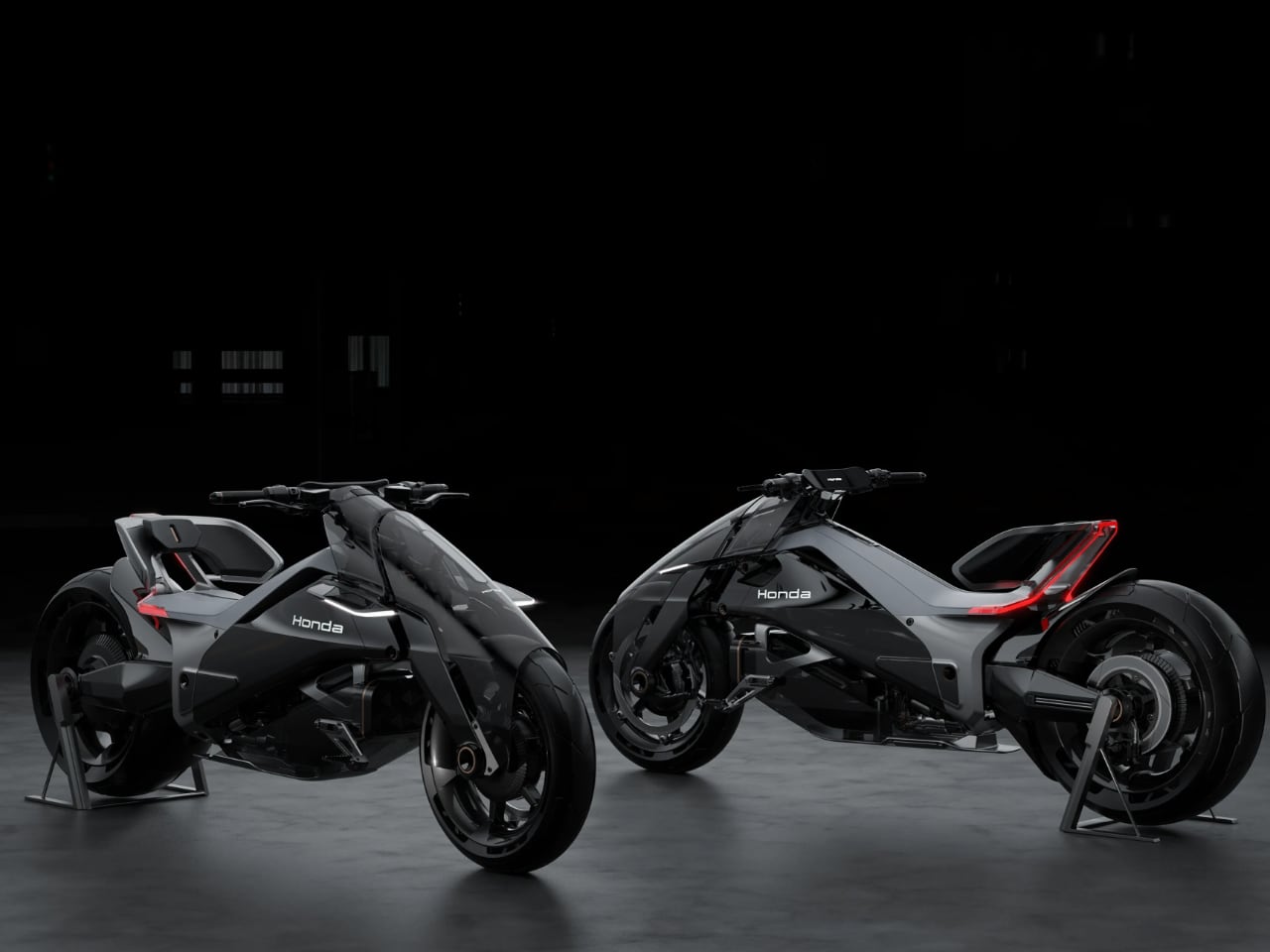
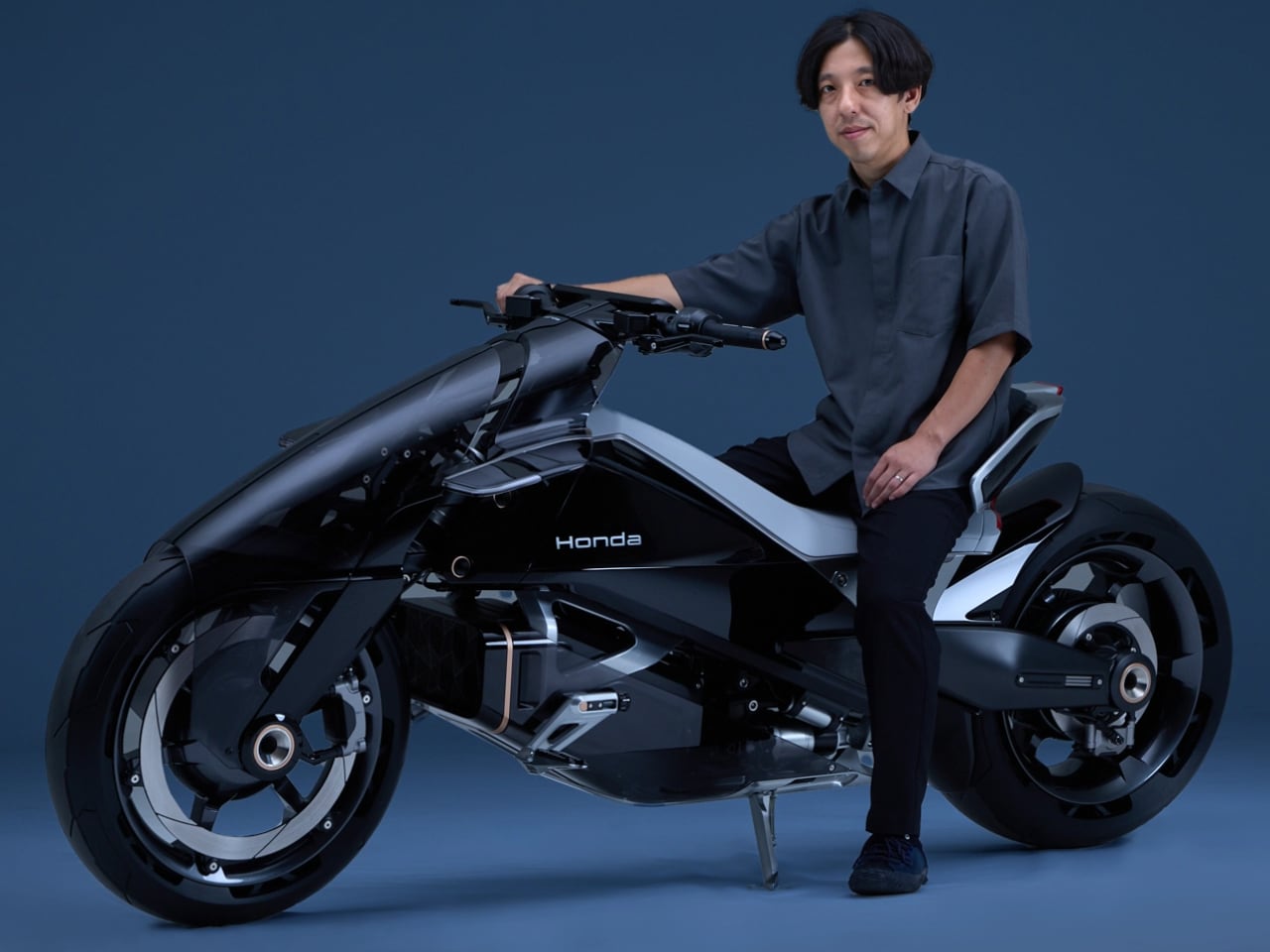
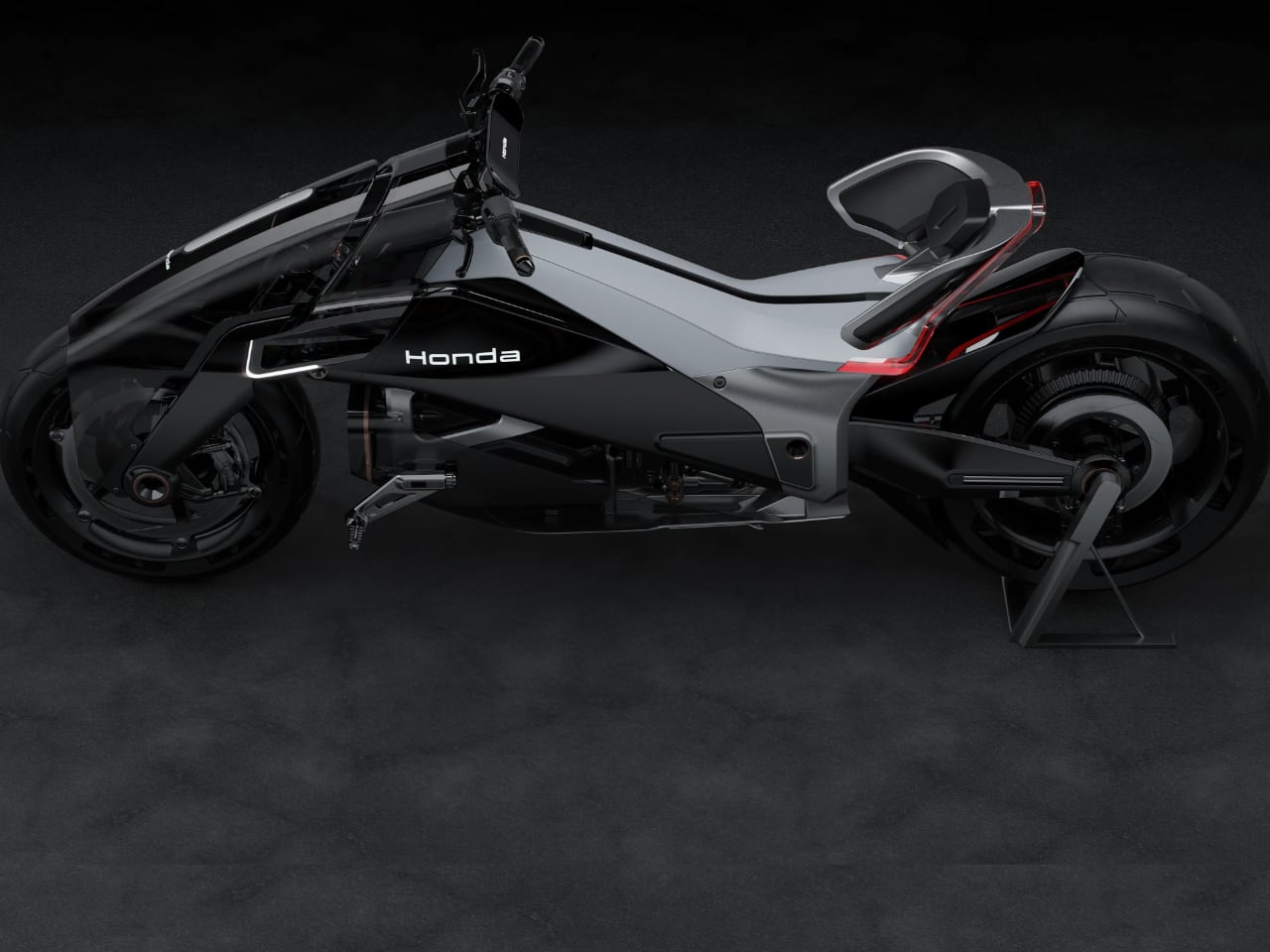
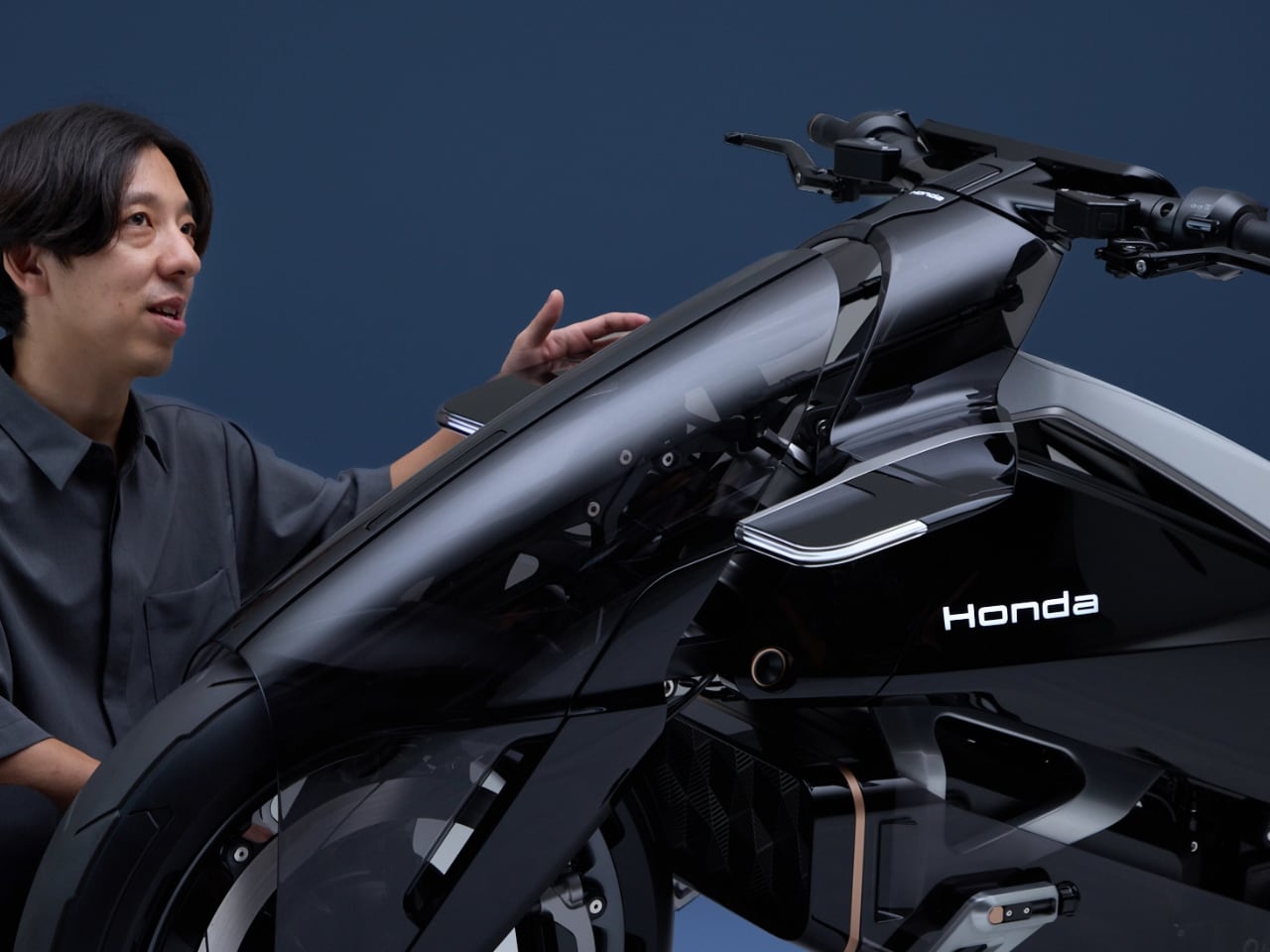
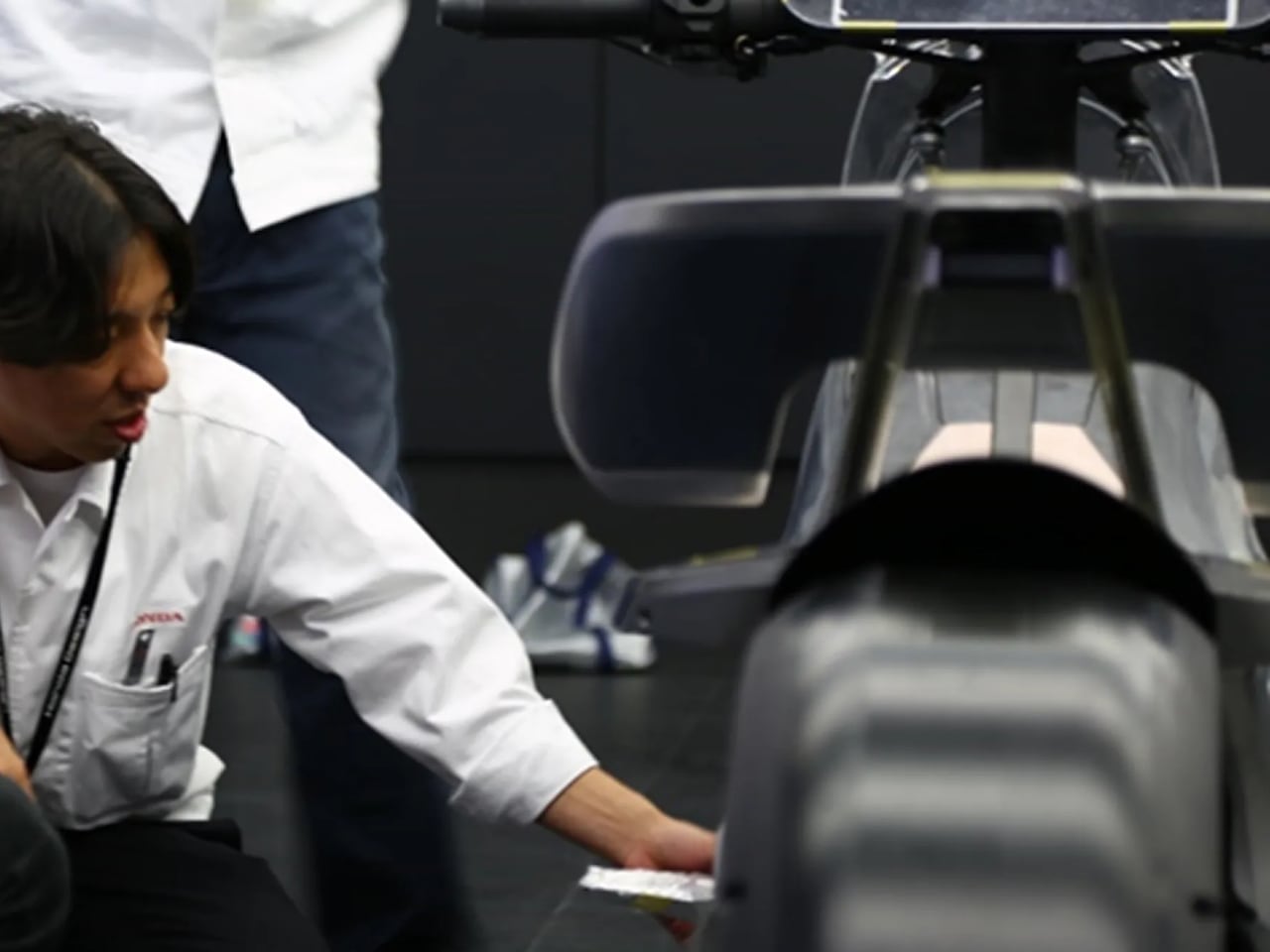
At the 2025 Japan Mobility Show, Honda unveiled something that makes every other electric motorcycle look like it’s wearing a costume. The EV Outlier Concept reimagines what happens when you stop thinking about motorcycles as machines you sit on top of, and start thinking about them as machines you become part of.
Designer: Yuya Tsutsumi
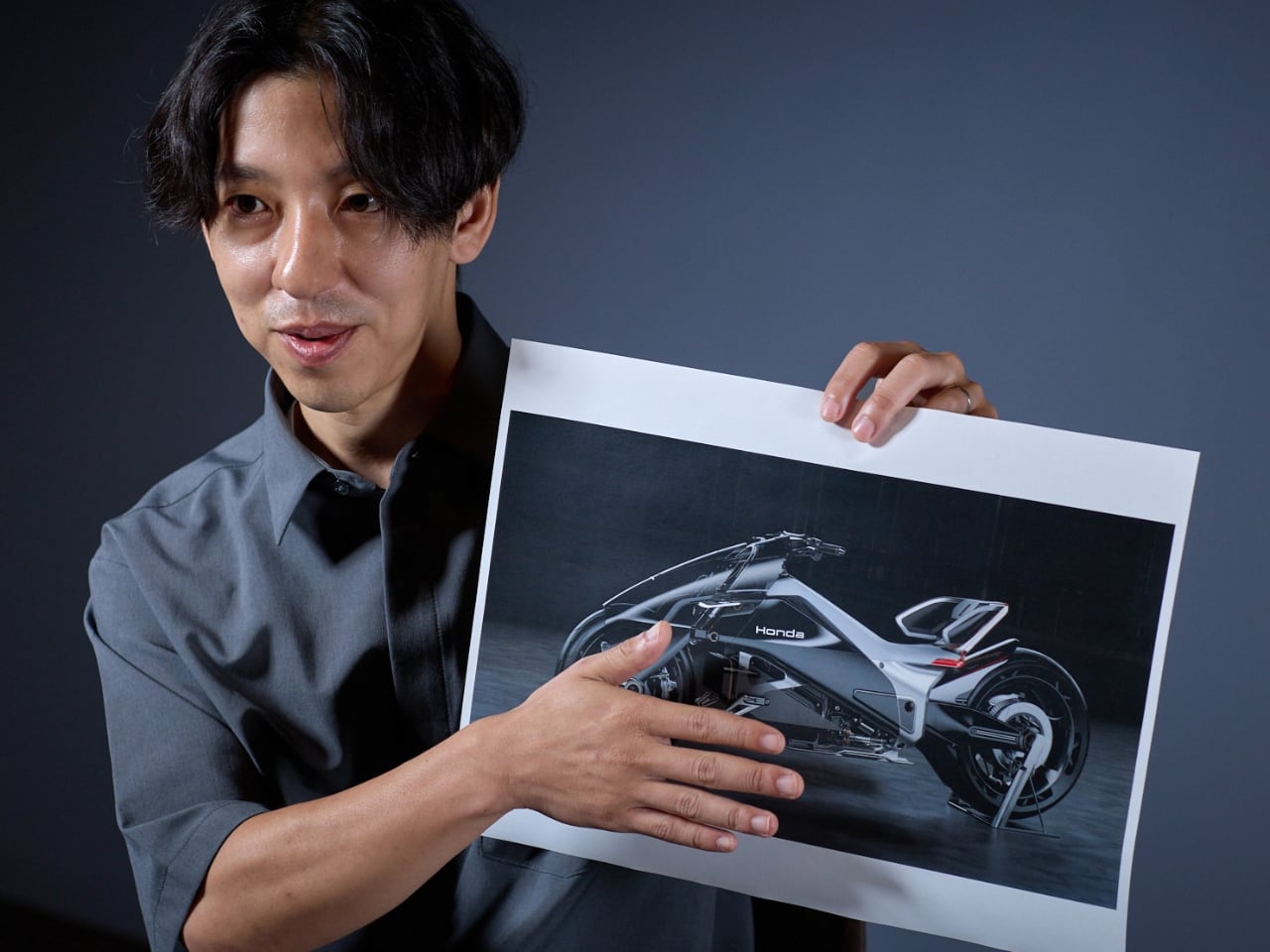
Designer Yuya Tsutsumi built the Outlier around what Honda calls “Gliding and Ecstasy” – two contrasting riding sensations that could only exist in an electric motorcycle. “Gliding represents a riding feel with a sense of gliding, leveraging the uniquely smooth power delivery and quietness of an EV,” Tsutsumi explains. “Ecstasy is an emotional riding sensation resulting from the instant responsiveness, acceleration, and immense torque only possible with motor drive.”
These opposing experiences, combined with the ultra-low riding position, form the three pillars driving every design decision on this bike.
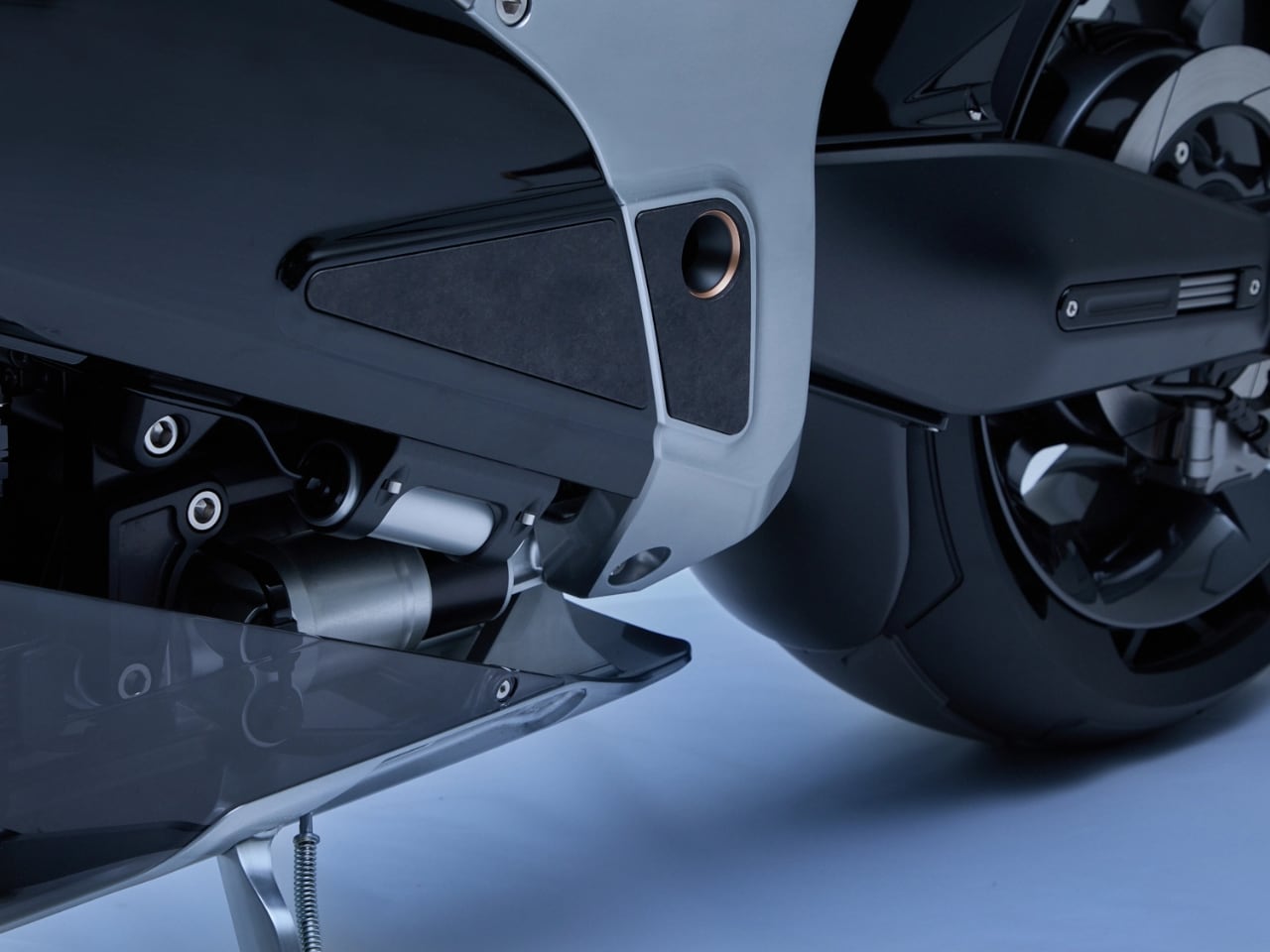
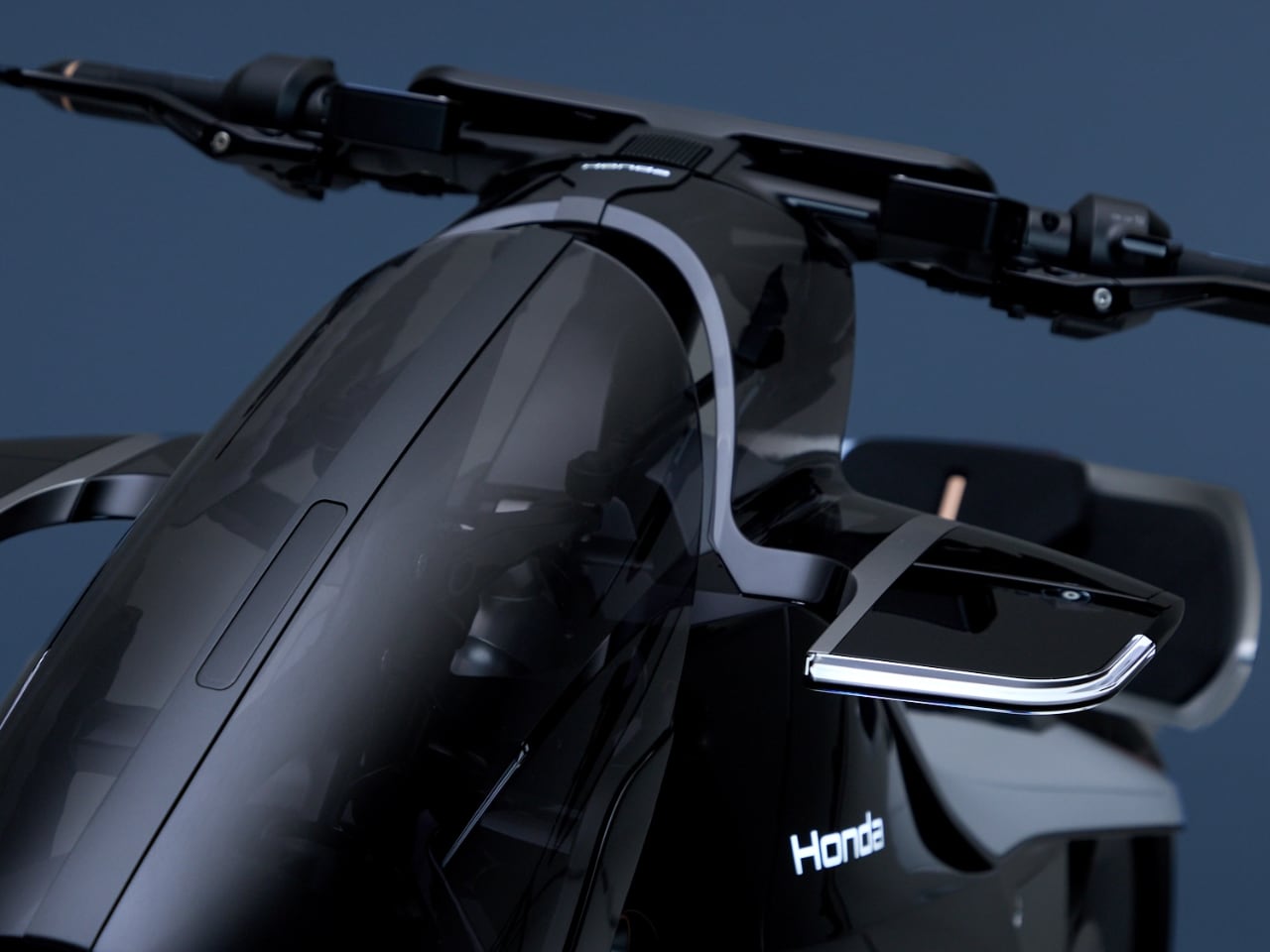
Tsutsumi calls it “Precision of Intrinsic Design.” Strip away the philosophy speak and here’s what that means: every curve exists because of what’s underneath. The battery sits in the center, visible through smoked transparent panels. Electronic components separate with surgical clarity. Nothing hides. Everything reveals itself.
This transparency invites you to understand how electric motorcycles actually work. You see the battery. You see where components live. You understand the architecture at a glance. When you can see how something works, you develop a different relationship with it. The engineering becomes part of the experience instead of something hidden behind plastic fairings.
Form That Flows Instead of Attacks
Most motorcycles have faces that glare at you. Sharp angles. Predatory headlight eyes. The traditional motorcycle front end declares dominance over the road.
It’s aggressive design language inherited from decades of combustion engine packaging requirements that no longer exist. The Outlier rejects all of that.
The flowing hood curves over the front like liquid metal frozen mid-pour. It hovers. It glides. Look at how it catches light in those product shots and you’ll see what I mean: this bike looks less like it wants to attack the road and more like it wants to dance across it. The answer is this flowing, organic form that feels more alive than mechanical.
The lightweight mix of metal and plastic creates a structure that looks simultaneously solid and ethereal. Substantial but not heavy. Technical but not cold. The frame uses metal for structural integrity. Body panels use plastic for flexibility and those transparent sections. Everything gets optimized for its specific purpose, creating a bike that feels more like sculpture than machinery.
The smoked transparent panels serve a dual purpose: they create that ethereal aesthetic while letting you see exactly how the bike is constructed. You understand the architecture at a glance. The battery placement. The component separation. The structural logic.
This visual honesty creates a different relationship with the machine.
The Seated Experience Changes Everything
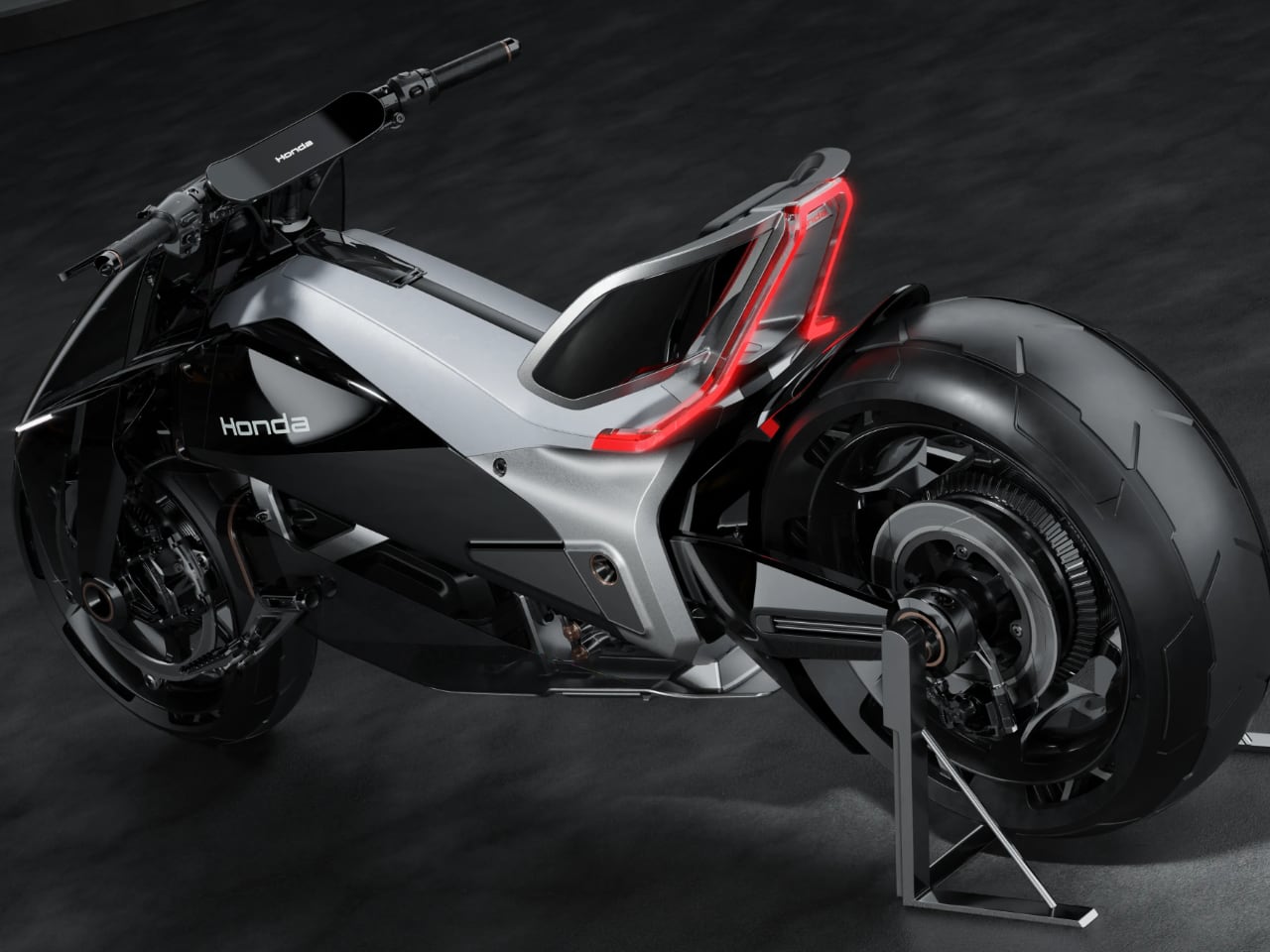
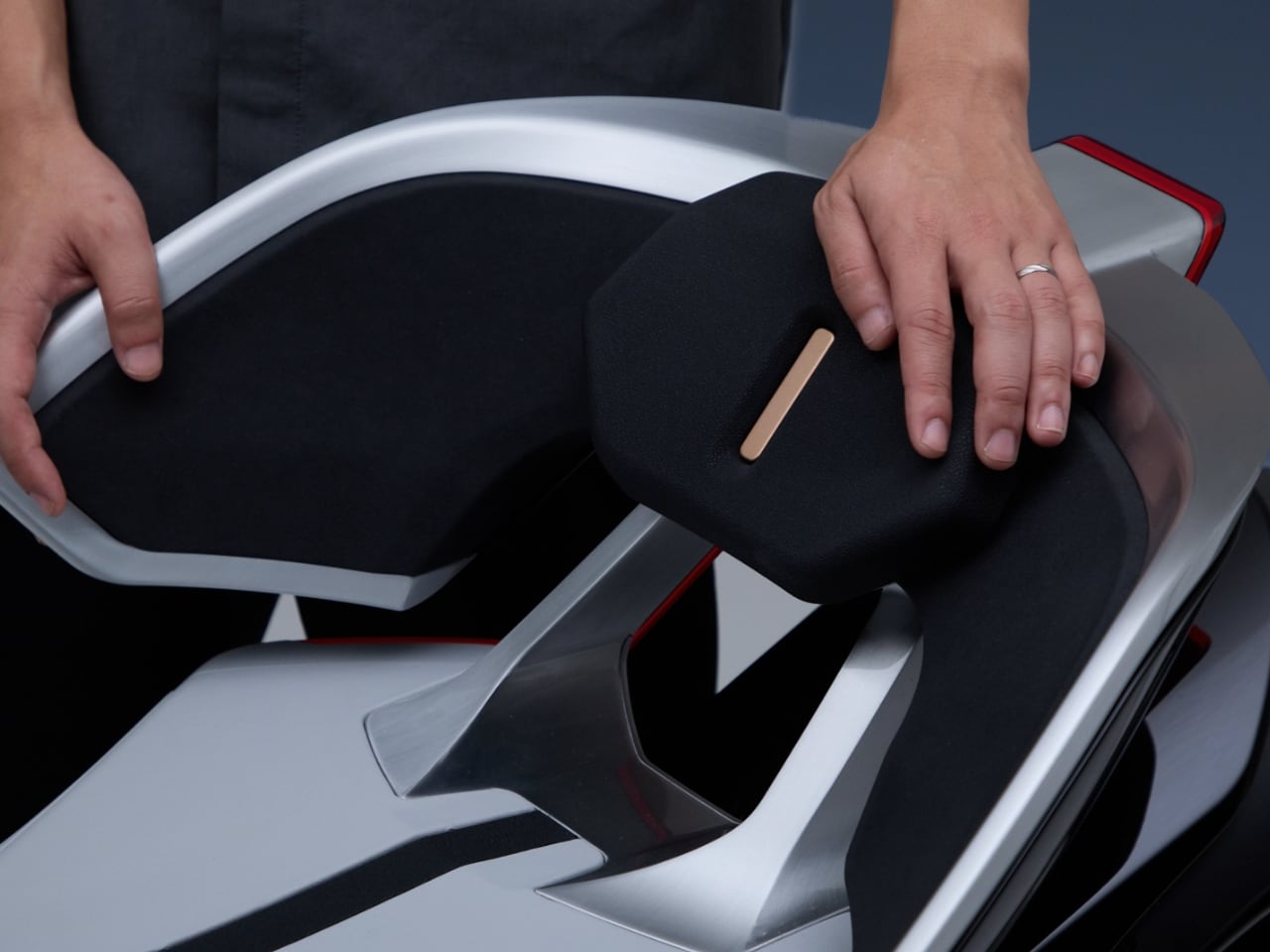
The bucket-style seat merges with what used to be the engine panel, dropping the rider remarkably low. But Honda engineered this backrest for more than comfort.
“This backrest not only absorbs the massive acceleration of the motor drive but also enables a new handling sensation where the rider pivots through corners using their hips as an axis,” Tsutsumi notes.
You’re not just sitting lower – you’re controlling the bike through an entirely different kinematic relationship. It delivers a riding sensation unlike any existing motorcycle, evoking both surprise and excitement. The horizontal suspension system enables this ultra-low positioning while maintaining full travel and control. A singular frame connects the front assembly to the seat, eliminating unnecessary structure.
You sit closer to the pavement. Your center of gravity drops. The bike feels planted and stable without sacrificing agility.
Most motorcycles compromise: you either get low and sacrifice suspension performance, or you get proper suspension and sit higher. The Outlier’s engineering eliminates that compromise entirely.
When your seating position drops this low, the visual experience changes. The horizon line shifts. Objects approach differently. Your peripheral vision processes motion at new angles. These aren’t subtle changes. They fundamentally alter how riding feels, turning every corner into a new sensory experience and every straightaway into a different relationship with velocity.
In-Wheel Motors Rewrite the Physics
The motors live inside the wheels themselves.
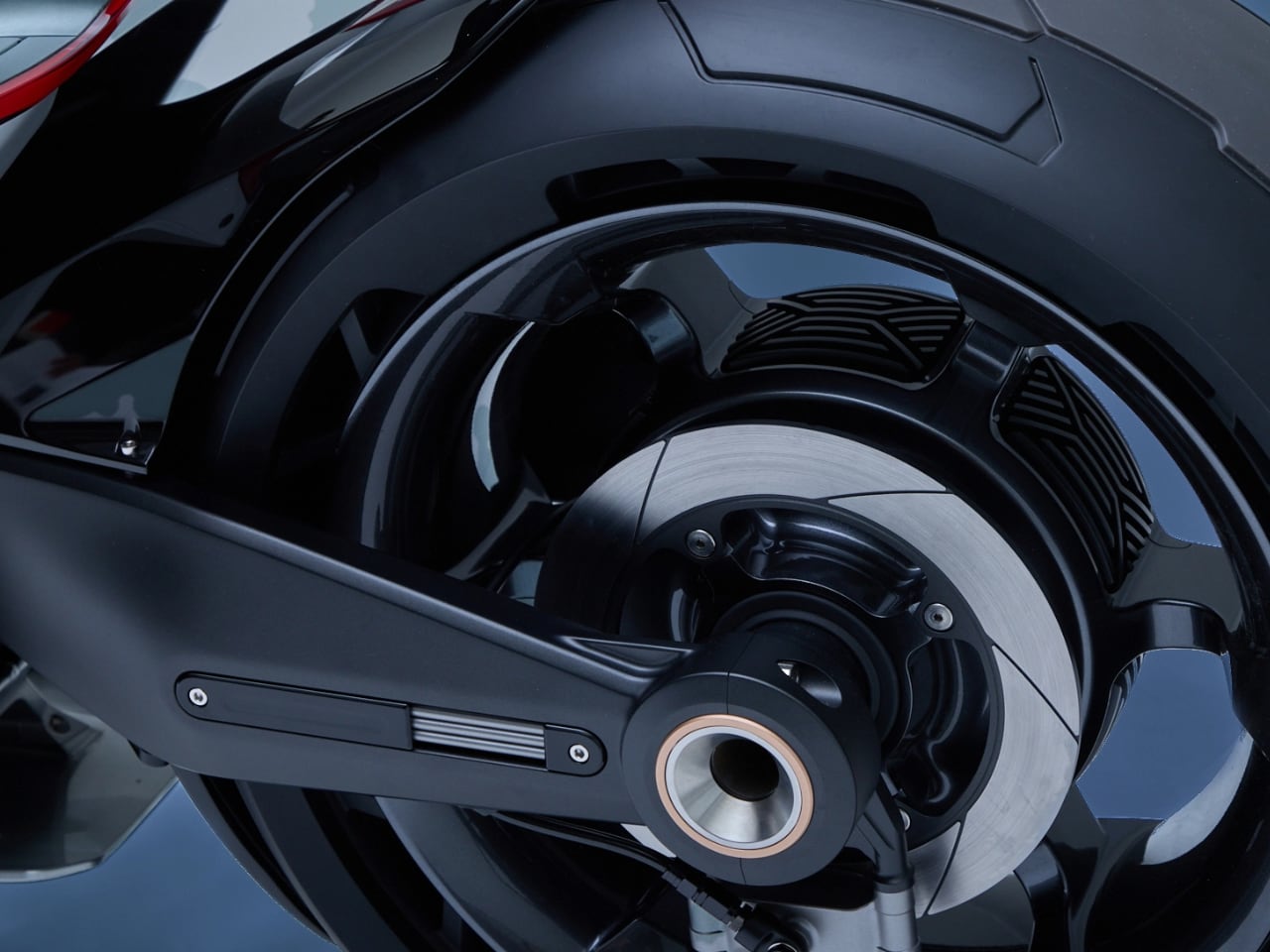
Front and rear, the power delivery happens at the contact patch instead of transferring through chains, belts, or shafts. This fundamental architecture change eliminates mechanical loss between power source and road contact. Every watt generated goes directly to moving you forward. Independent control of front and rear torque delivery enables handling dynamics impossible with traditional powertrains.
The system can redistribute power between wheels in real time based on traction, lean angle, and rider input. You get the kind of intelligent power delivery that would require impossibly complex mechanical systems on a traditional bike. Here, it’s just software controlling two motors.
Clearing the entire center section of the bike opens up possibilities beyond just battery placement. That centrally-located battery pack creates ideal weight distribution without compromising ground clearance or aesthetics. The modular body components break apart for maintenance and upgrades. Want to upgrade the battery pack when better cells become available? The modular design accommodates that. Need to service or replace a motor? Pull the wheel assembly.
Honda designed this as a platform for flexible development, not a static concept frozen in show car amber. Honda is testing ideas that could fundamentally change how production electric motorcycles get designed, maintained, and upgraded over their lifespans.
The Digital Interface Eliminates Physical Compromises
Traditional motorcycle mirrors stick out like ears. They catch wind. They vibrate. They show you a blurry approximation of what’s behind you.
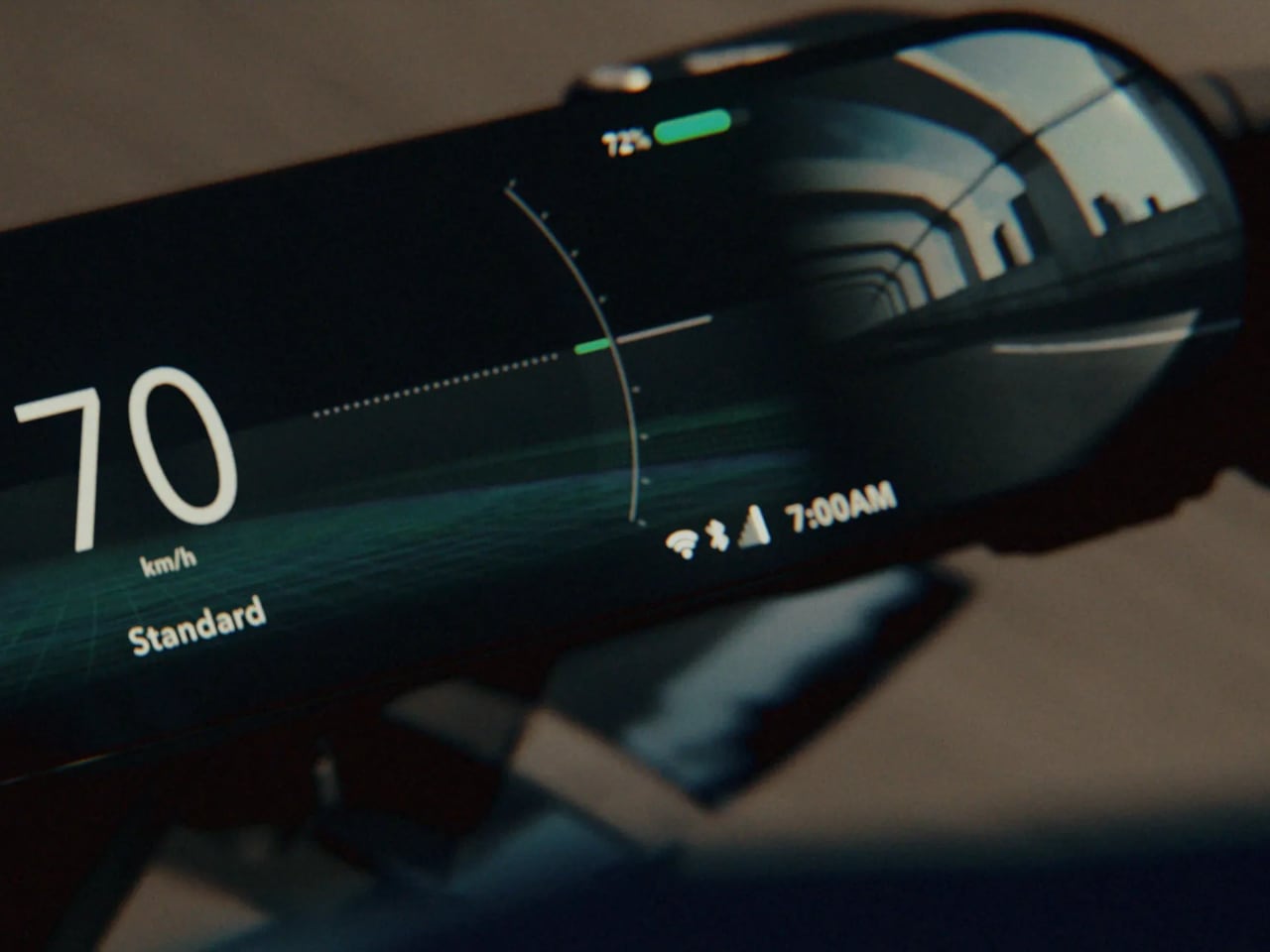
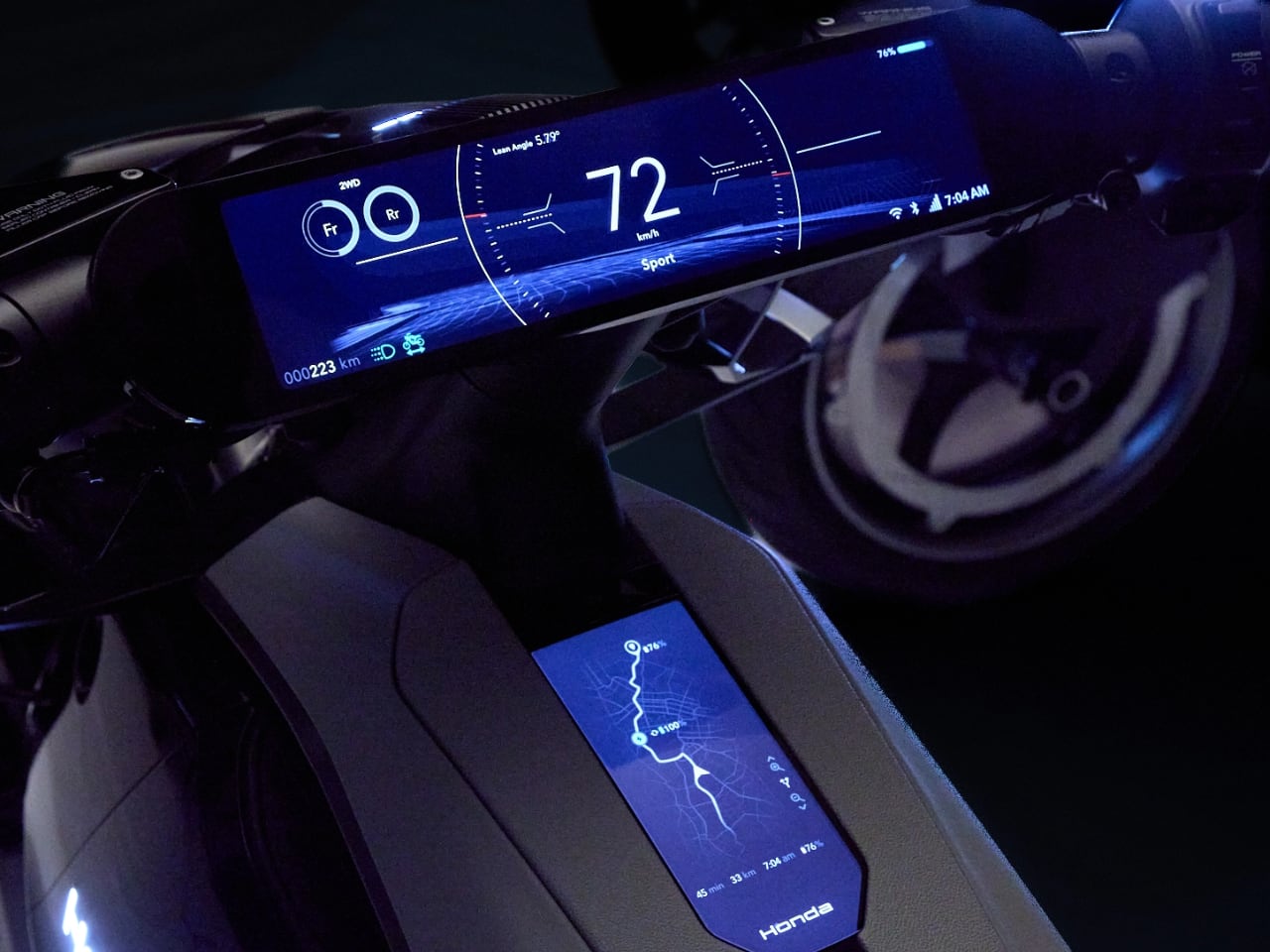
The Outlier uses cameras instead, feeding two digital displays with more information than mirrors could ever provide. That thin, wide digital meter replaces side mirrors entirely. The main screen shows speed and essential data. The sub-screen tracks torque delivery, weight balance, and real-time power distribution between front and rear motors.
When you switch riding modes, the lower display shows real-time changes in the drive status and output characteristics of the front and rear motors, letting you experience the distinctive character of electric propulsion. The GUI displays lean angle in real time, shows front and rear wheel movement based on road conditions, and adjusts torque distribution accordingly.
Honda envisions this connecting to riders’ personal data, adapting control systems to individual skill levels and even suggesting destinations based on your schedule and preferences. It’s ambient intelligence applied to motorcycle riding.
The system shows you how the bike thinks and responds to your inputs. You see the torque split. You see the weight transfer. You understand what the machine is doing in real time.
This represents the shift from mechanical feedback to digital augmentation. Traditional motorcycles communicate through vibration, sound, and physical sensation. Electric motorcycles eliminate most of that analog feedback. The Outlier replaces it with visual information that gives you even more insight into what’s happening.
Some riders will hate this. Others will embrace it as evolution.
But you can’t argue with the data density: those screens tell you more about the bike’s behavior than any traditional instrument cluster ever could. The camera feeds provide clearer rear vision than mirrors, especially in rain or at night when traditional mirrors become nearly useless.
The digital meter displays adapt to riding conditions. Bright sunlight triggers high-contrast modes. Night riding shifts to subdued displays that don’t destroy your vision. Track mode emphasizes performance data. City mode prioritizes navigation and traffic awareness. The interface learns from your riding patterns and surfaces relevant information based on context. This kind of intelligent adaptation would be impossible with mechanical instruments.
What This Actually Means
Honda isn’t putting this into production tomorrow.
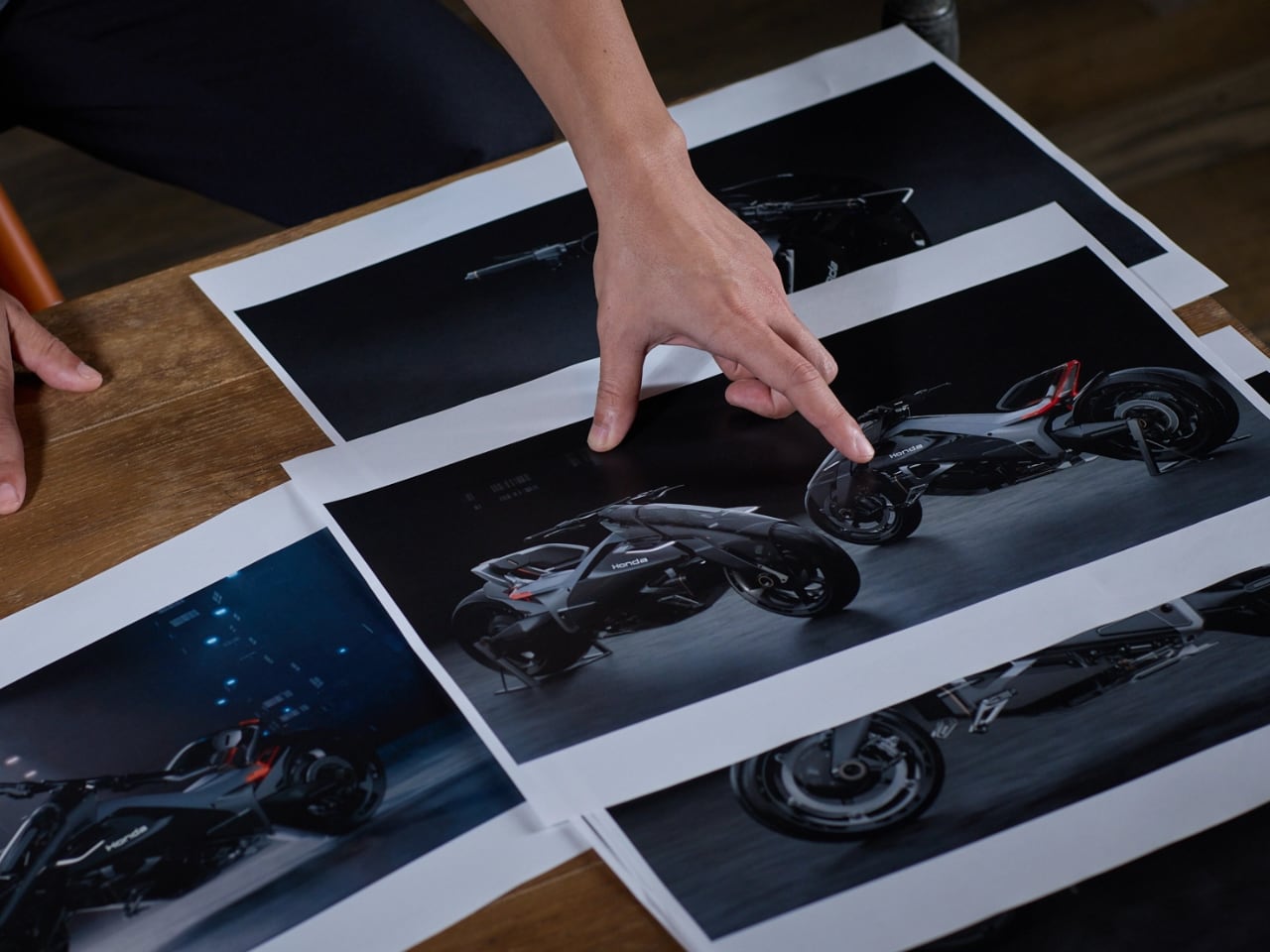
The EV Outlier serves as a testbed to explore ideas that might show up in future production models. In-wheel motors. Transparent body panels. Ultra-low seating positions. Camera-based vision systems. Modular construction for easy updates. Some of these ideas will make it to showroom floors. Others will evolve into different solutions.
The concept exists to question what becomes possible when you stop trying to make electric motorcycles look and feel like traditional motorcycles.
Most electric motorcycles take existing designs and adapt them for electric powertrains. They preserve the visual language of combustion engines even when those visual cues no longer correspond to physical requirements. You get bikes with fake tanks covering batteries and motors positioned where engines used to live, even though that placement no longer serves any functional purpose.
Honda took a different approach: what if we designed an electric motorcycle from first principles?
Tsutsumi acknowledges the challenge: “For ICE models, there has long been an established theory of beautiful proportions backed by years of motorcycle design experience. The EV Outlier Concept deliberately breaks away from that convention.”
Breaking those proportions wasn’t reckless experimentation – it was necessary to make the unique characteristics of an EV more appealing. The team repeatedly verified the balance of wheelbase and height, exploring new proportions that make electric advantages visible and visceral.
The design process itself reflects this willingness to break conventions. “This project involved not only motorcycle designers in Japan, but also designers from the Power Products division and overseas design members,” Tsutsumi explains. “Centering on the theme ‘What value can only be realized through electrification?’, we thoroughly embraced a Waigaya approach, freely exchanging opinions.”
That cross-functional collaboration – bringing together motorcycle designers, power products engineers, and international perspectives – created a development process unlike typical mass production cycles.
What would it look like if we let the technology dictate the form instead of forcing new technology into old shapes?
The answer flows and curves and reveals its inner workings through transparent panels. It sits low and positions the rider closer to the sensation of speed. It eliminates traditional components like mirrors and visible motors in favor of integrated cameras and in-wheel power delivery.
Whether you love this design or hate it, you can’t ignore what it represents.
Honda is asking what motorcycles become when you stop making them look like motorcycles. That willingness to start fresh, to build from first principles rather than adapt old templates, is what makes the Outlier concept genuinely significant beyond its show car aesthetics.
I live in a city that has a steadily growing motorcycle population. We also get a lot of rainy seasons and storms visit our country on a regular basis. The combination of rain and driving a motorcycle is a pretty dangerous one. While there are water repellent sprays available but it won’t work when you’re driving at slower and regular speeds.
Designer: Boscard group
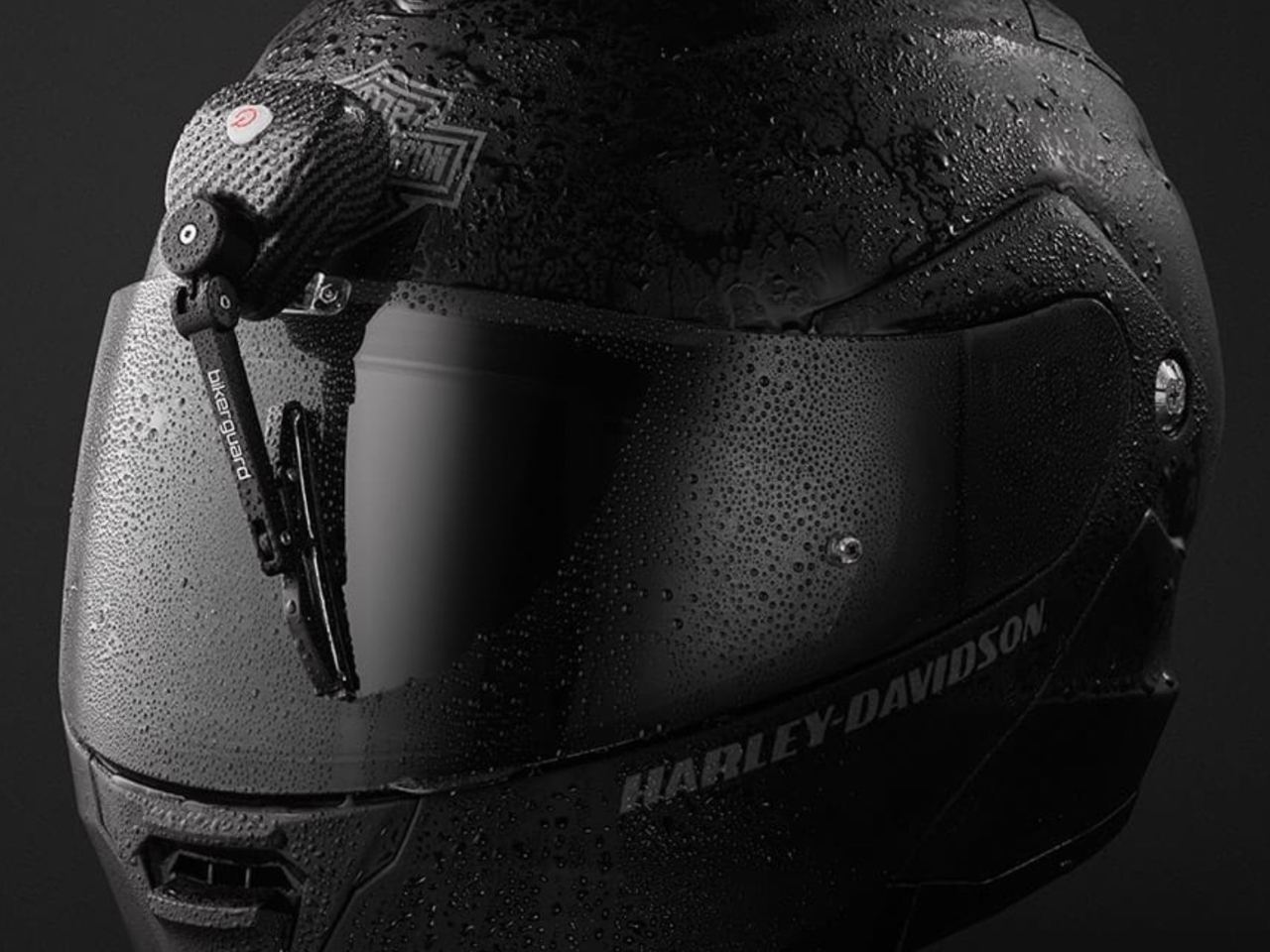
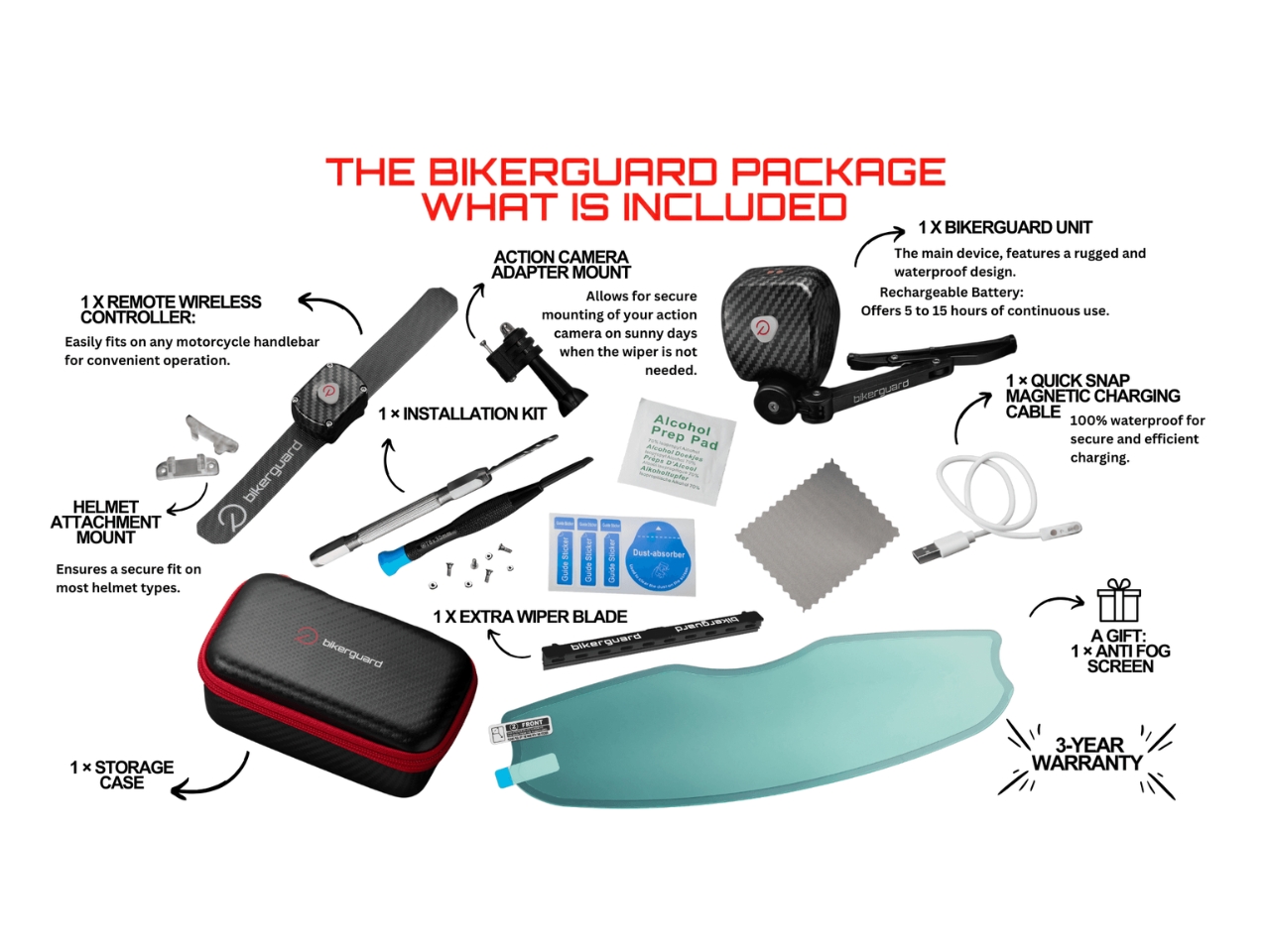
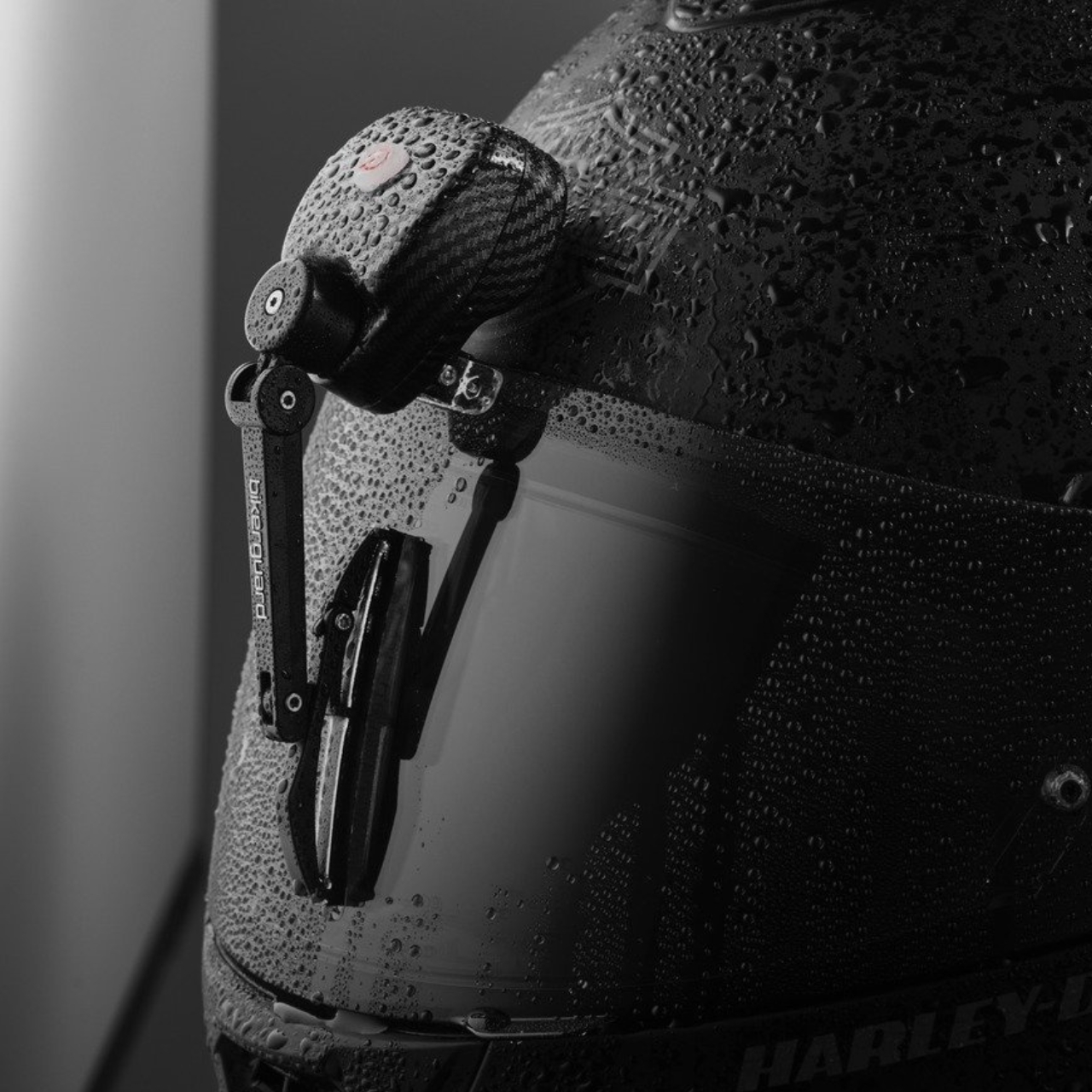
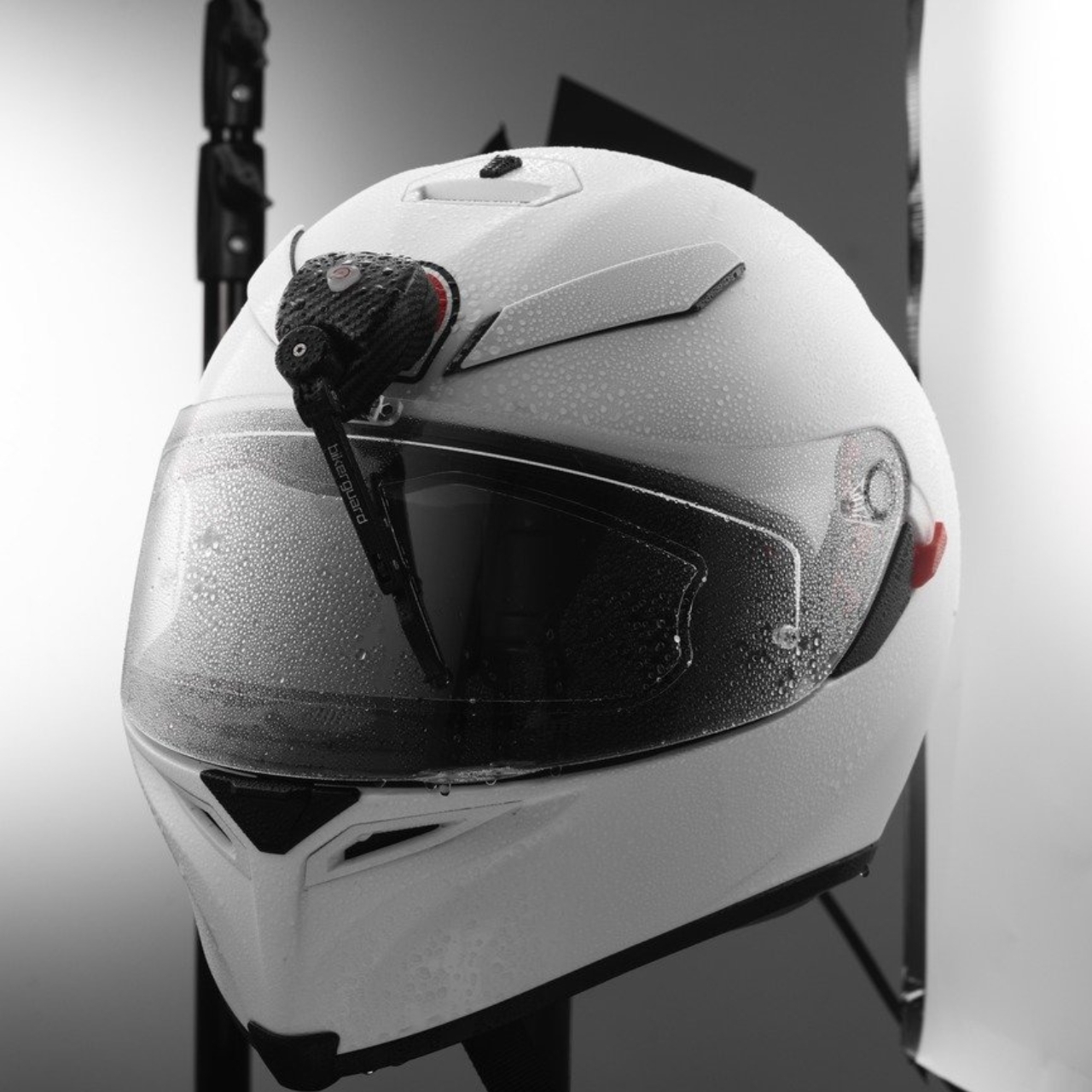
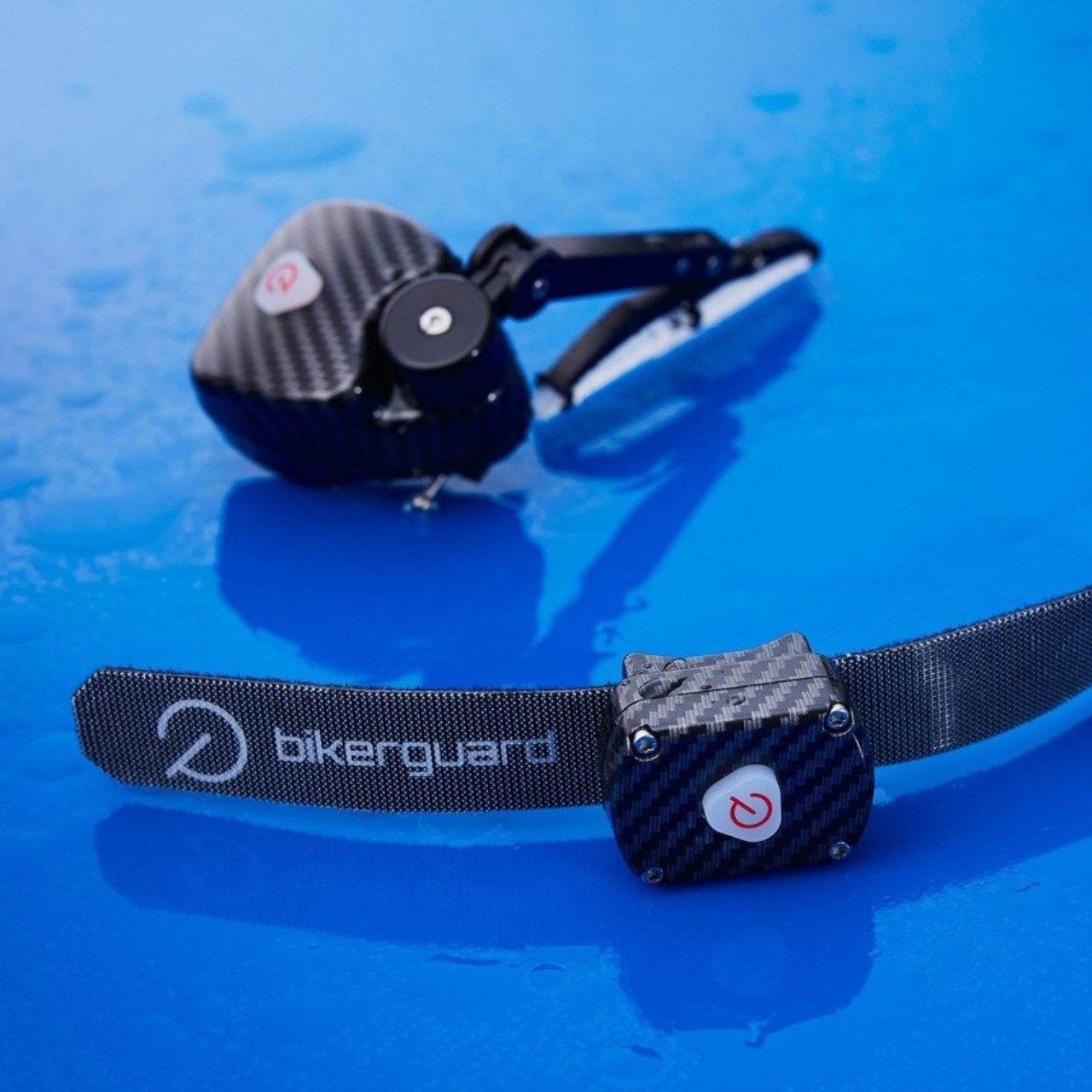
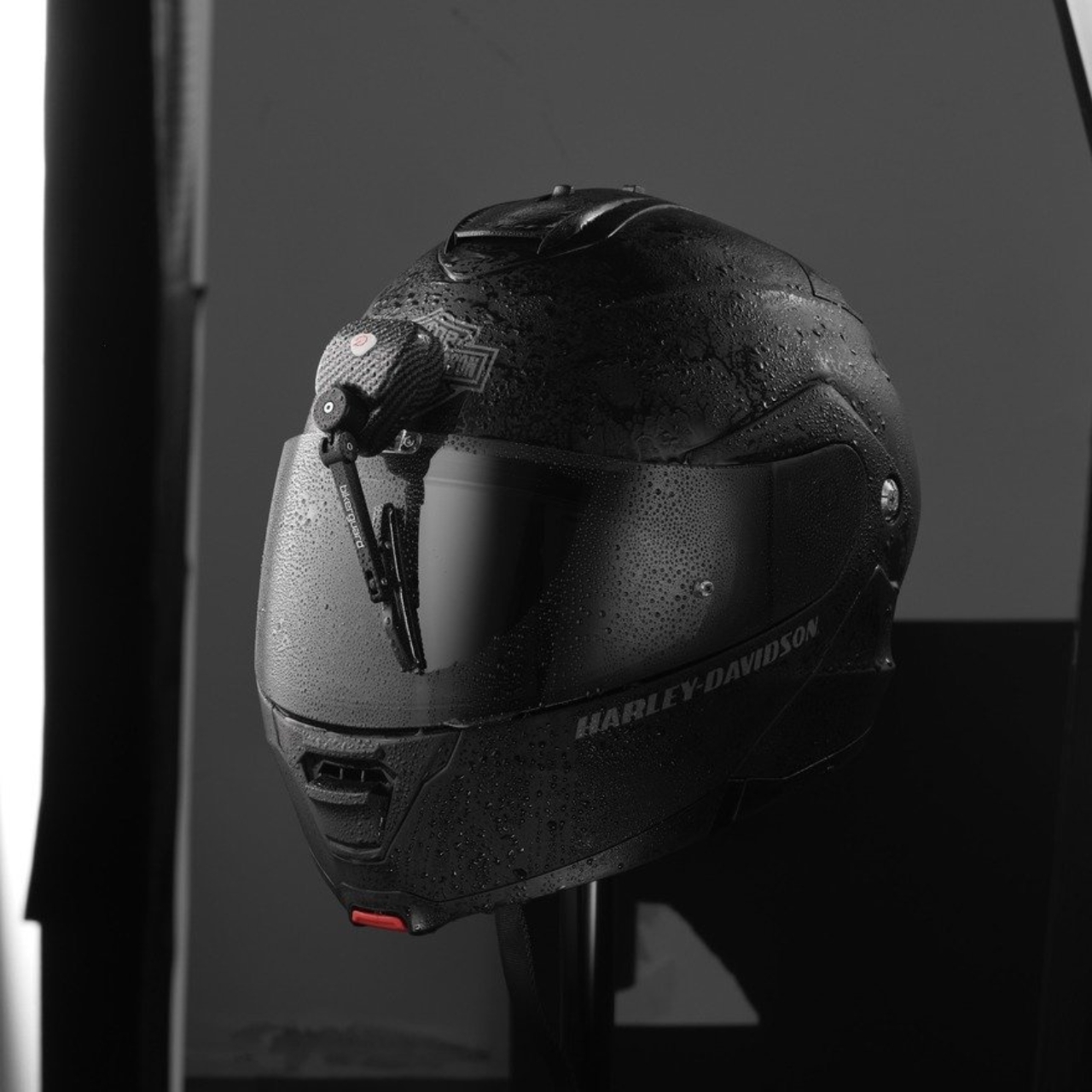
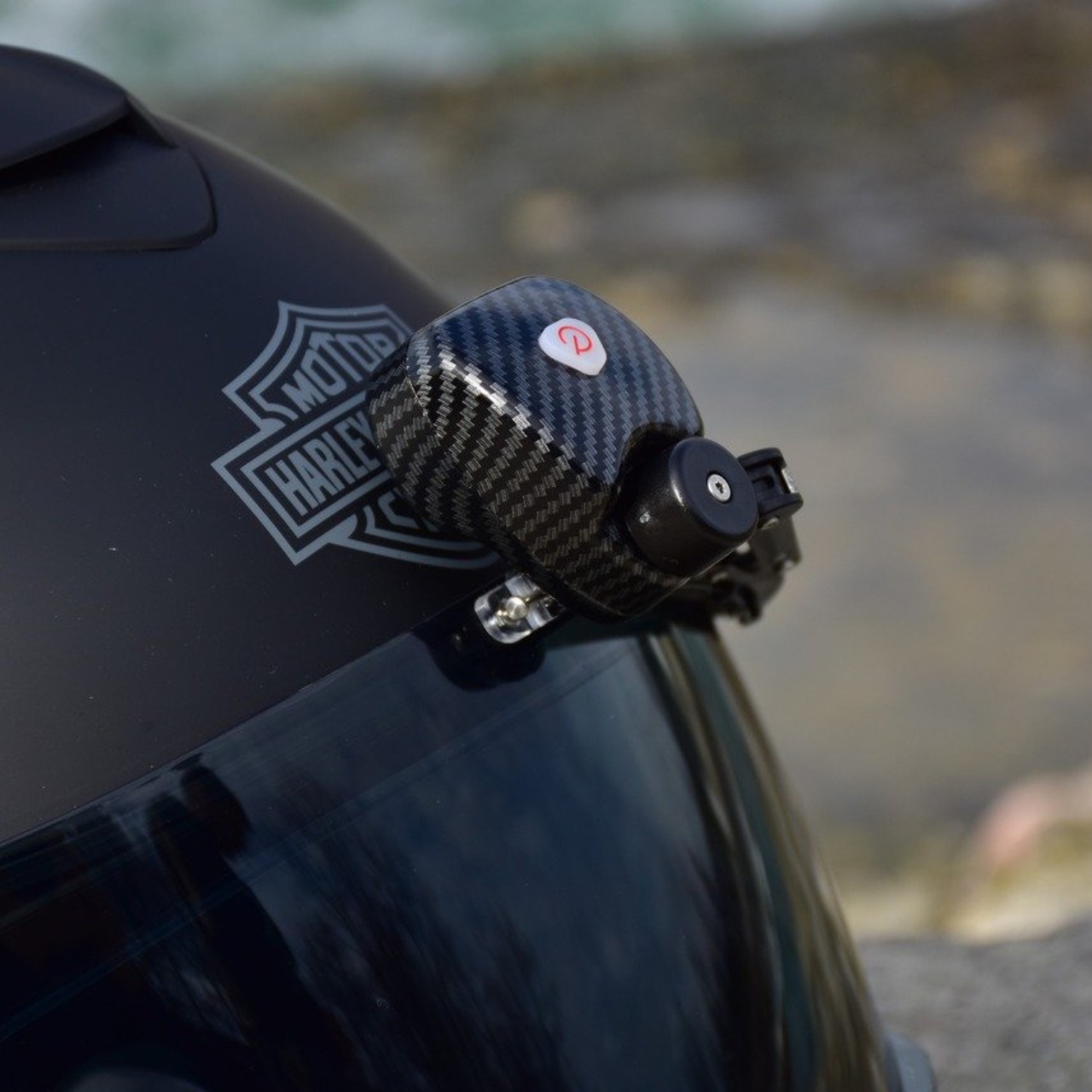
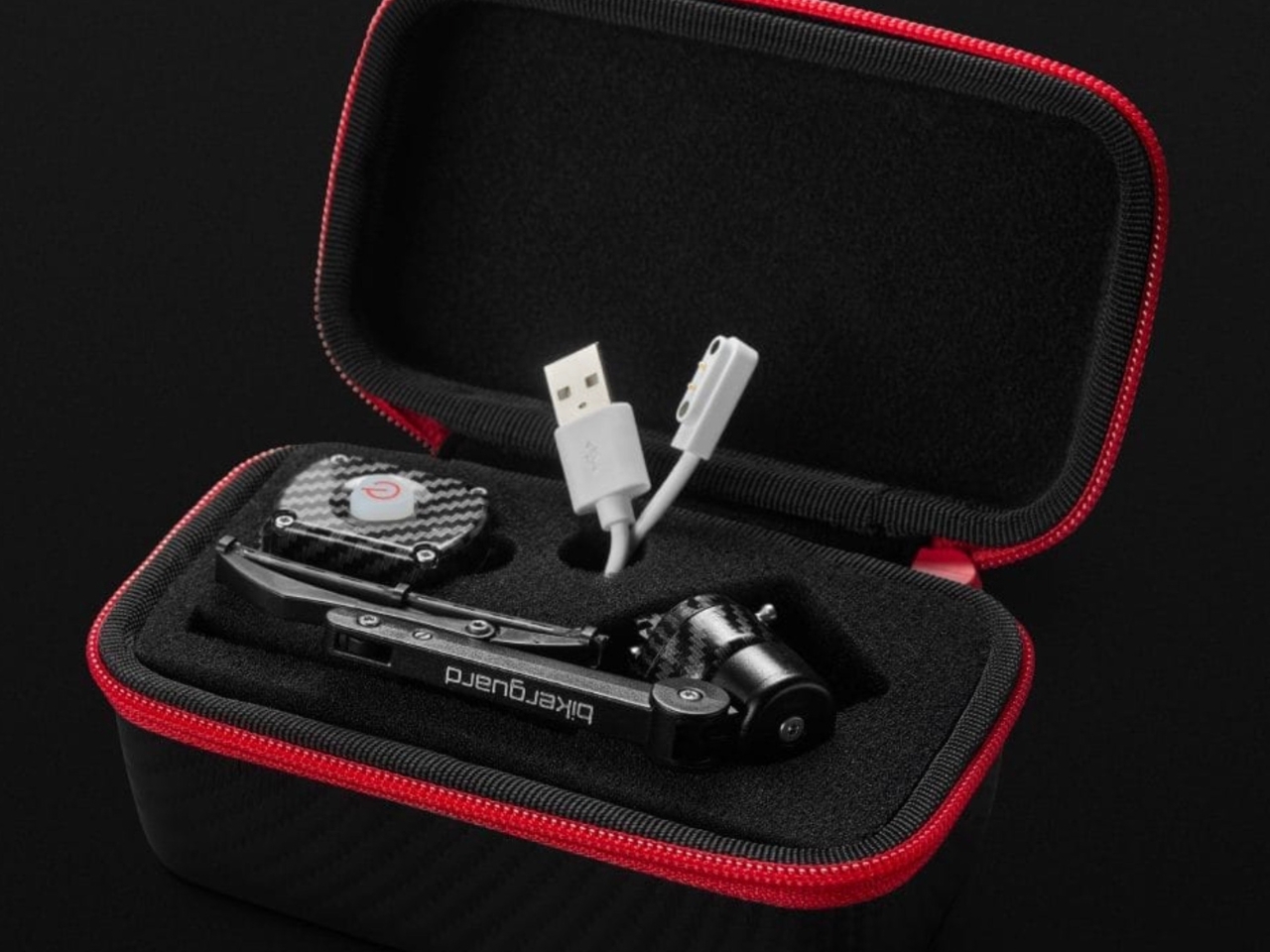
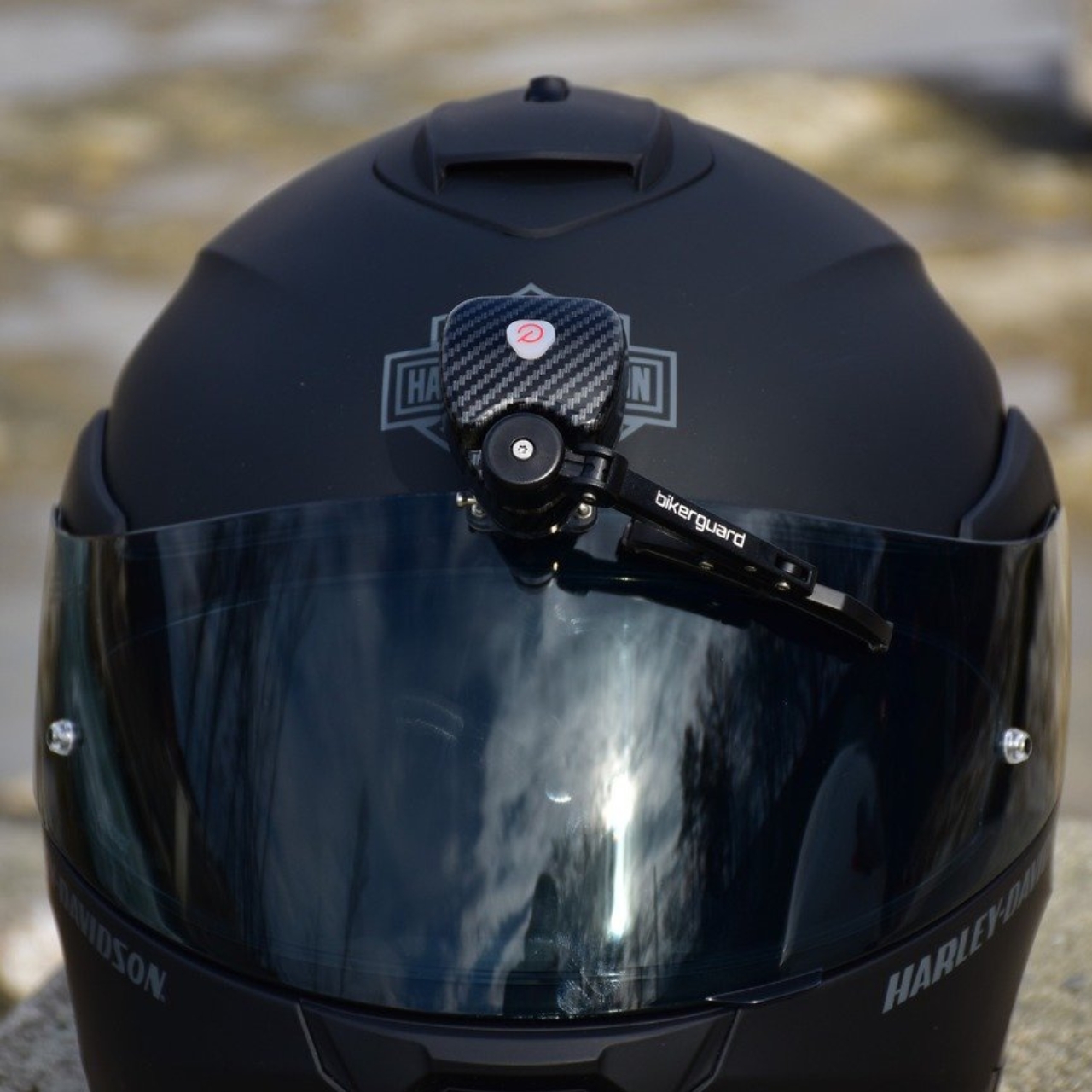
Bikerguard was invented by two Slovenian engineers and is something you can attack to motorcycle helmet visors to make sure you still have visibility even if it’s raining hard. It’s basically a detachable and remote-controlled wiper blade that will wipe off the rain water that can obstruct the view of the riders. It has a brushless motor that will reduce the need for manual wiping of your visor.
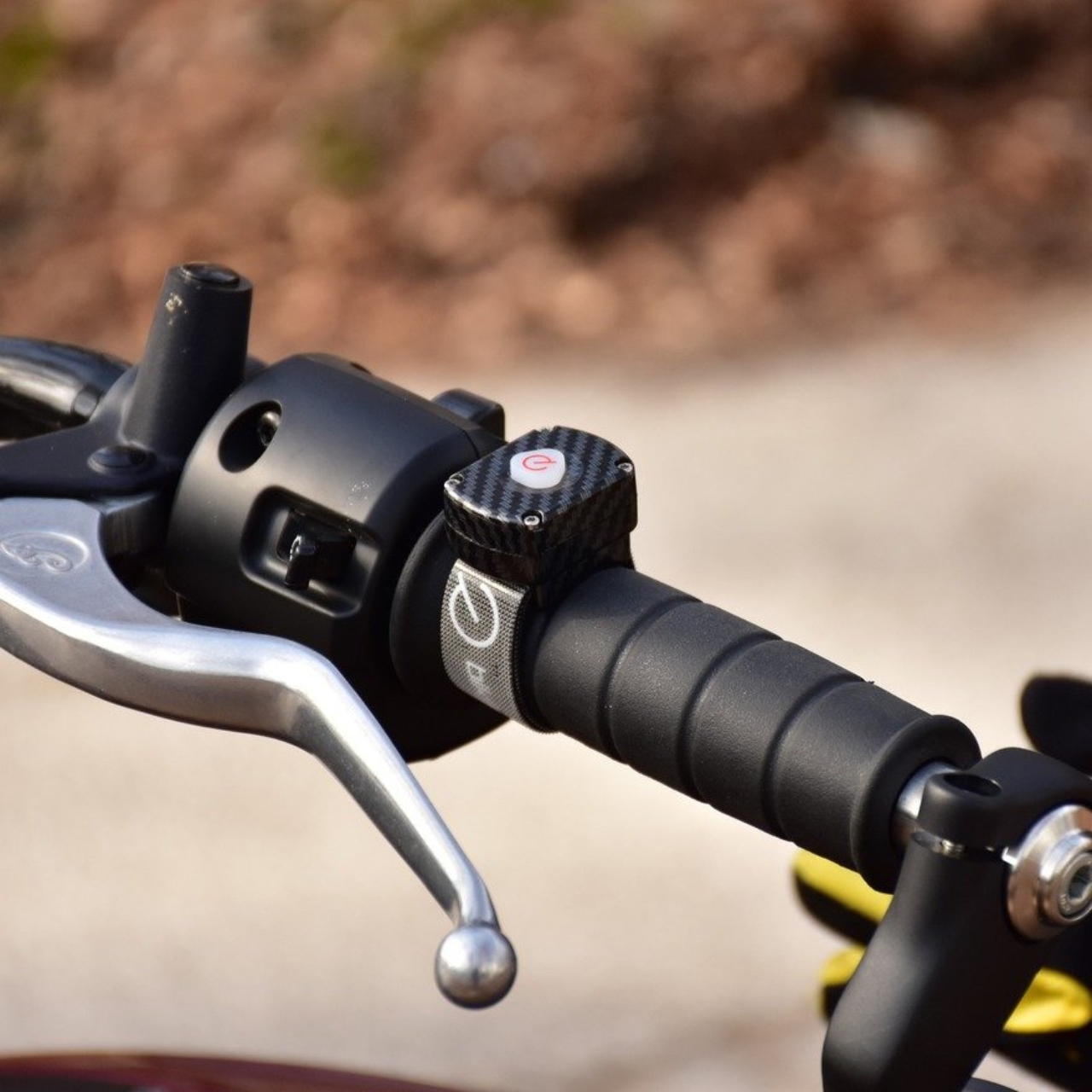
The bikerguard unit has a rugged and IPX-6 waterproof design and when fully charged, you get 5 to 15 hours of continuous use. You screw the mounting base through the top of your visor on first use but after that you can just attach and re-attach the wiper when you need it. The remote wireless controller can be attached to any motorcycle handlebar so you can easily turn the wiper on and off.
While of course you can just use the normal sprays and coatings that is readily available for most motorcycle riders, using “good old physics” or wipers are still the best way to go about riding in the rain. It costs around $330 and is available on the Bikerguard website.
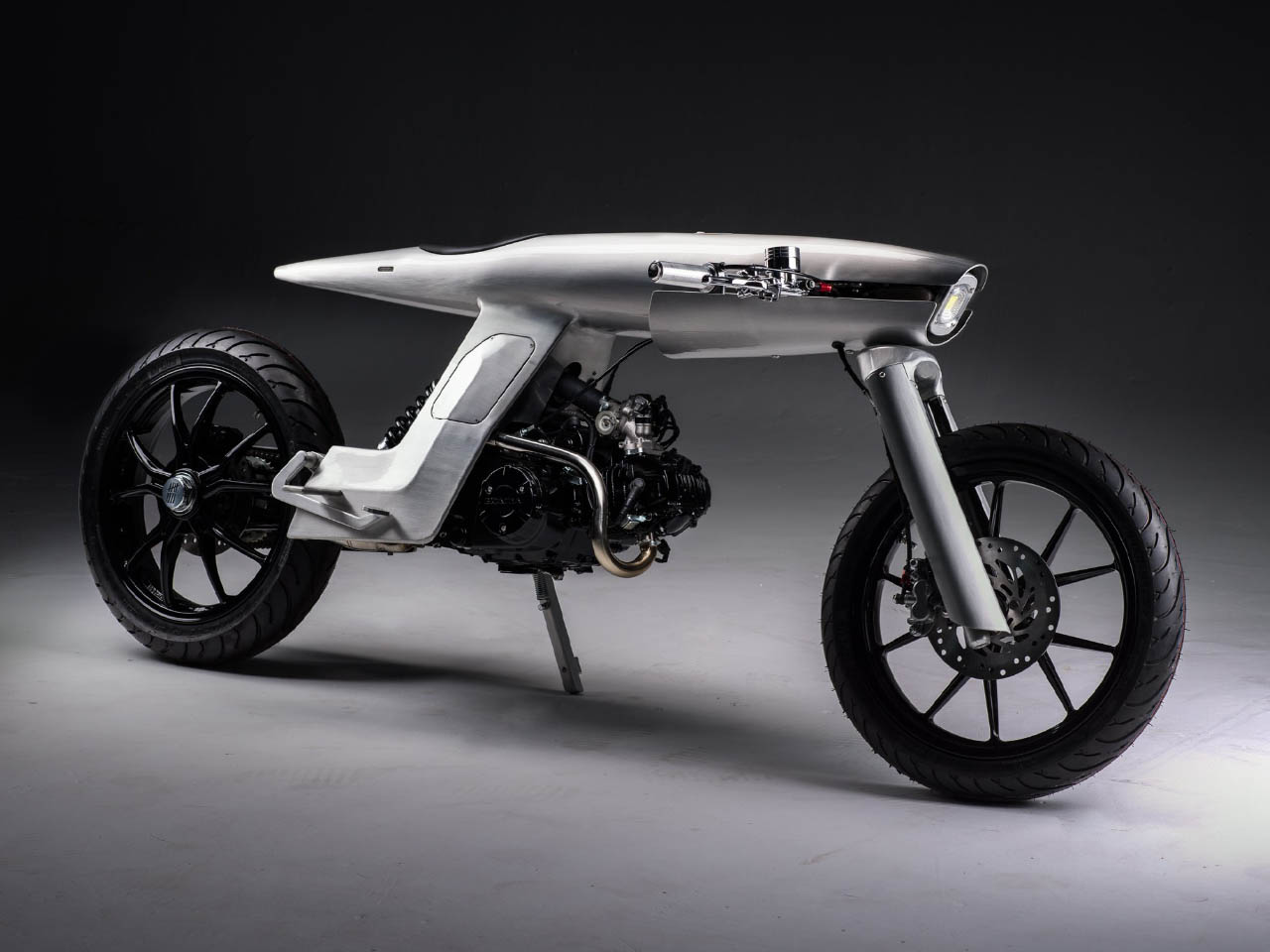
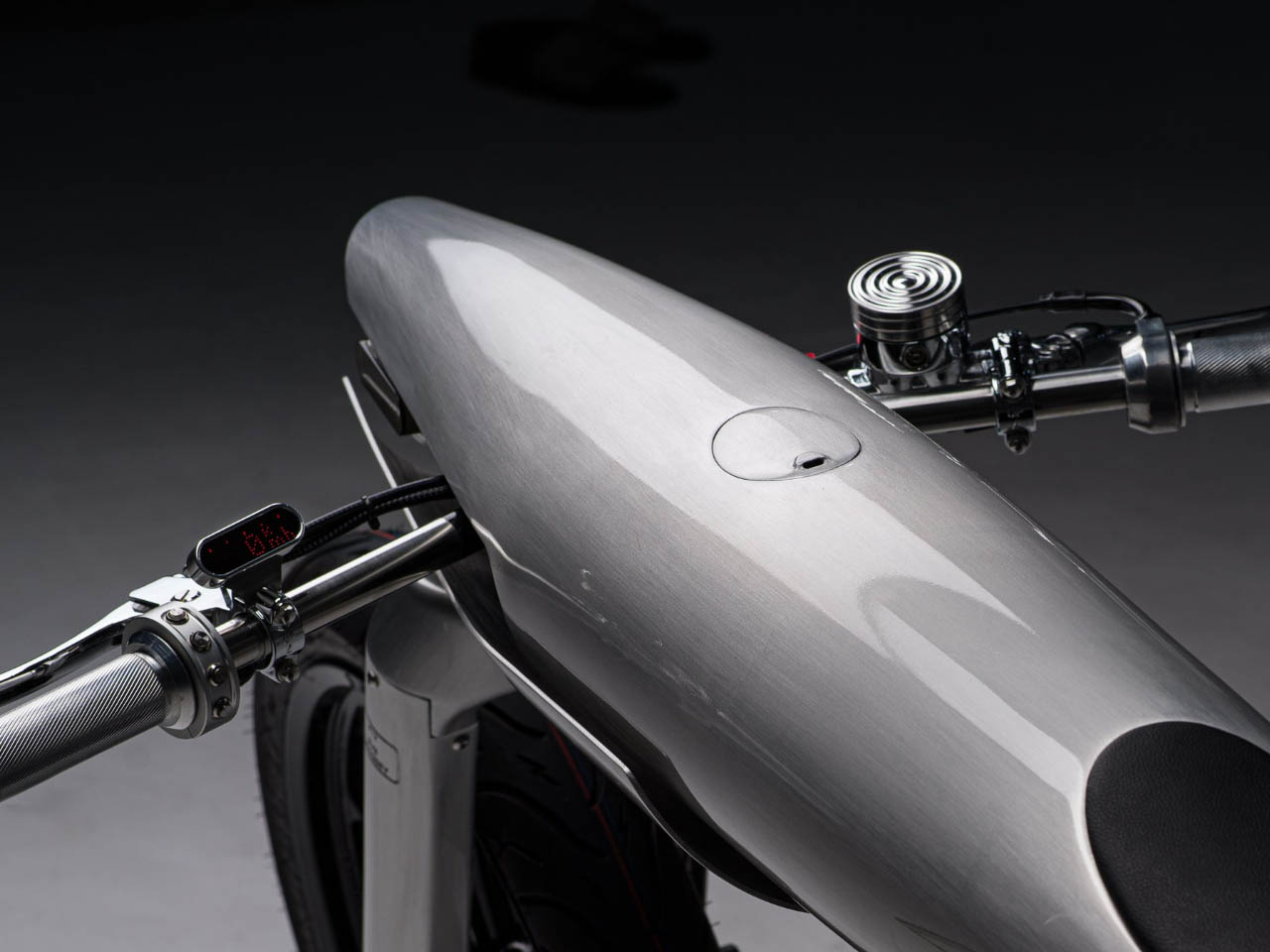
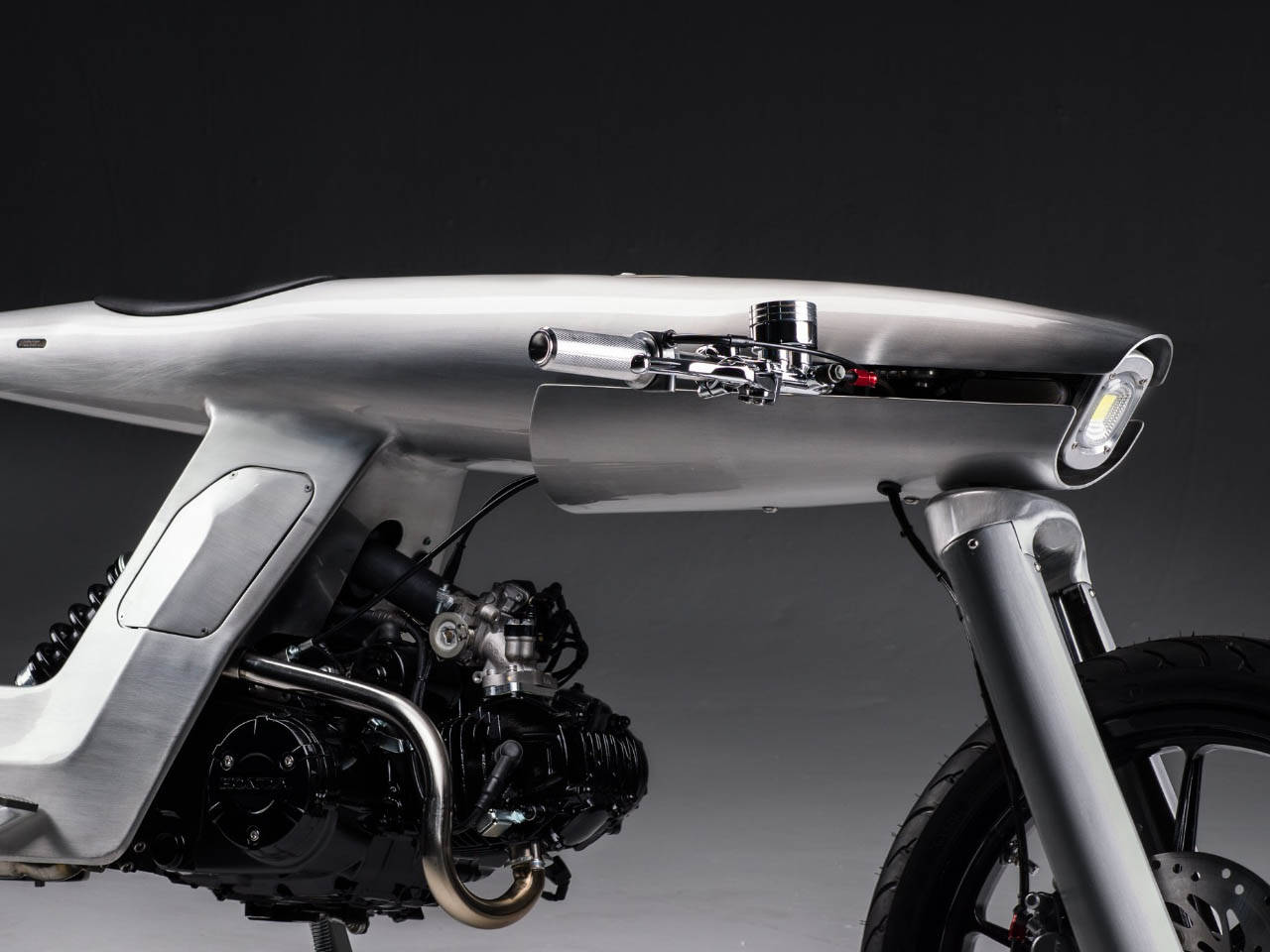
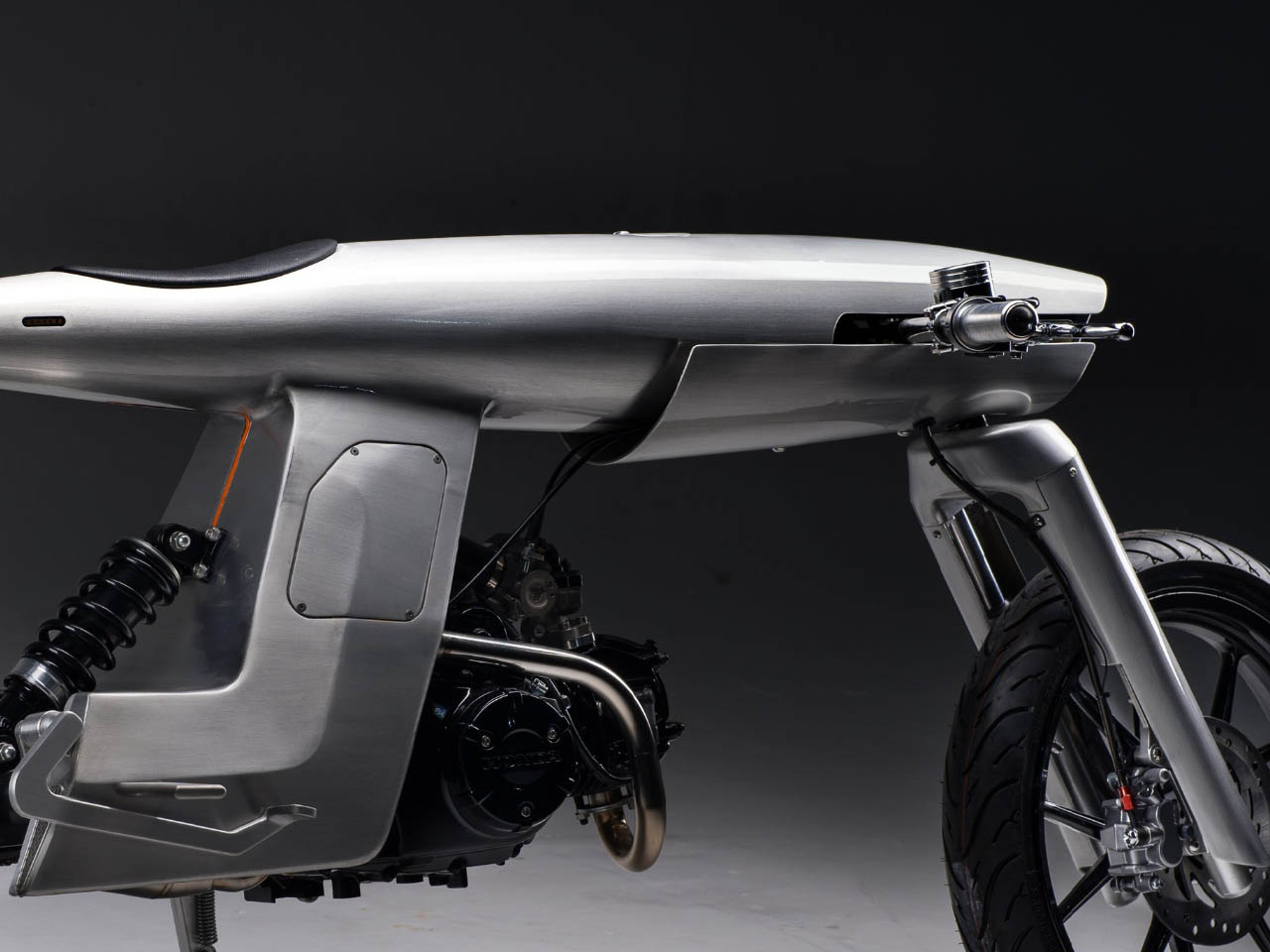
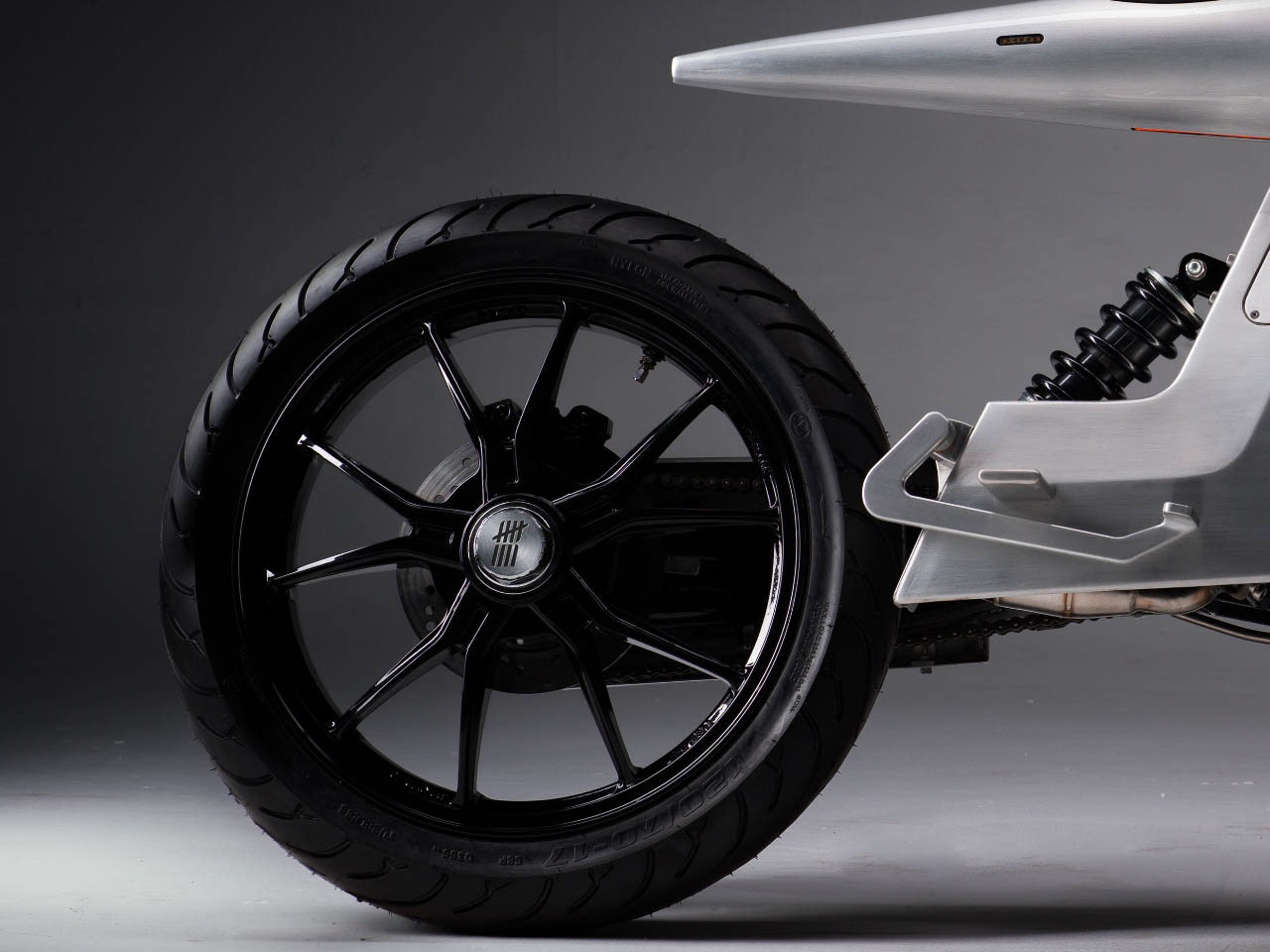
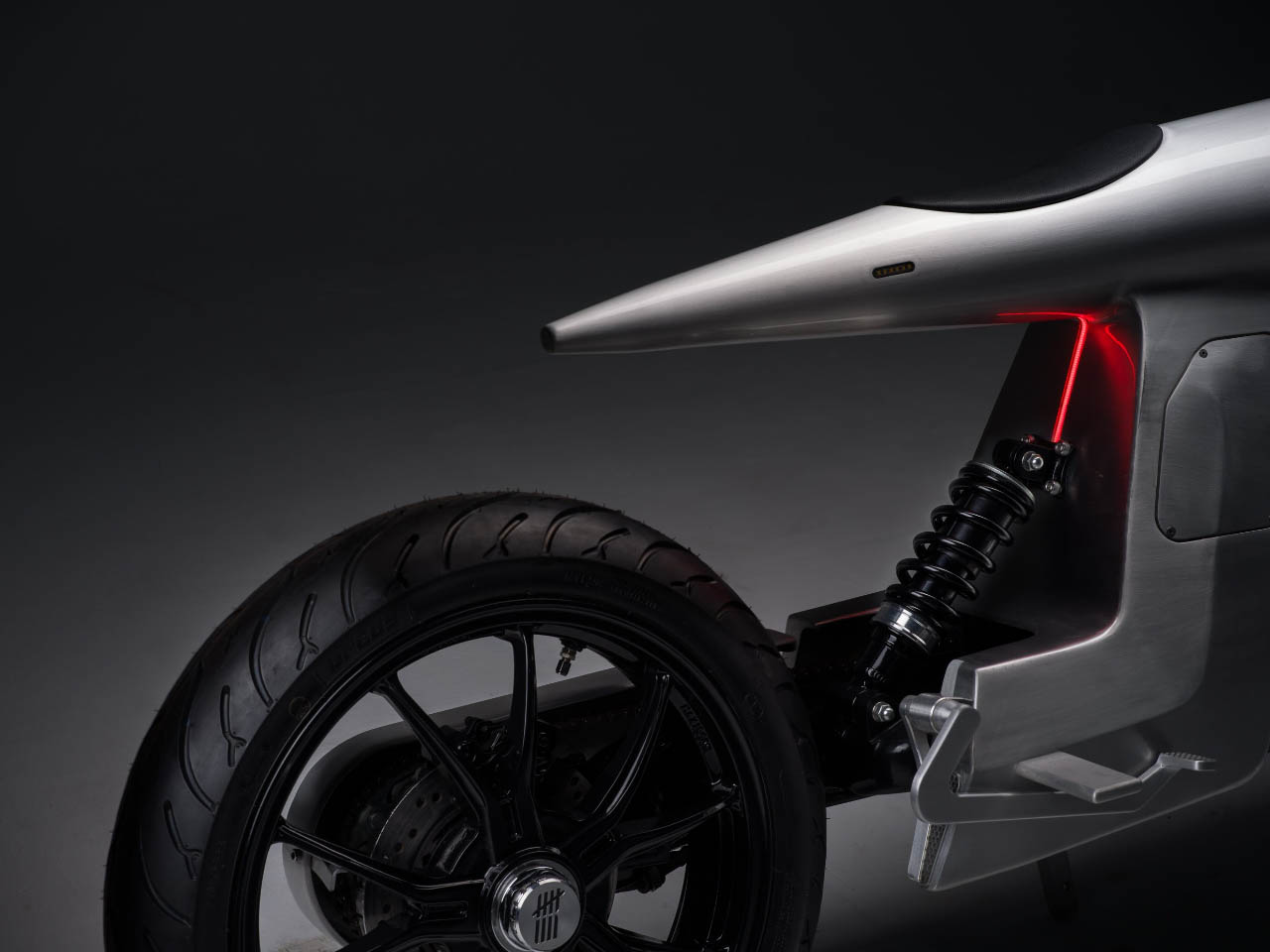
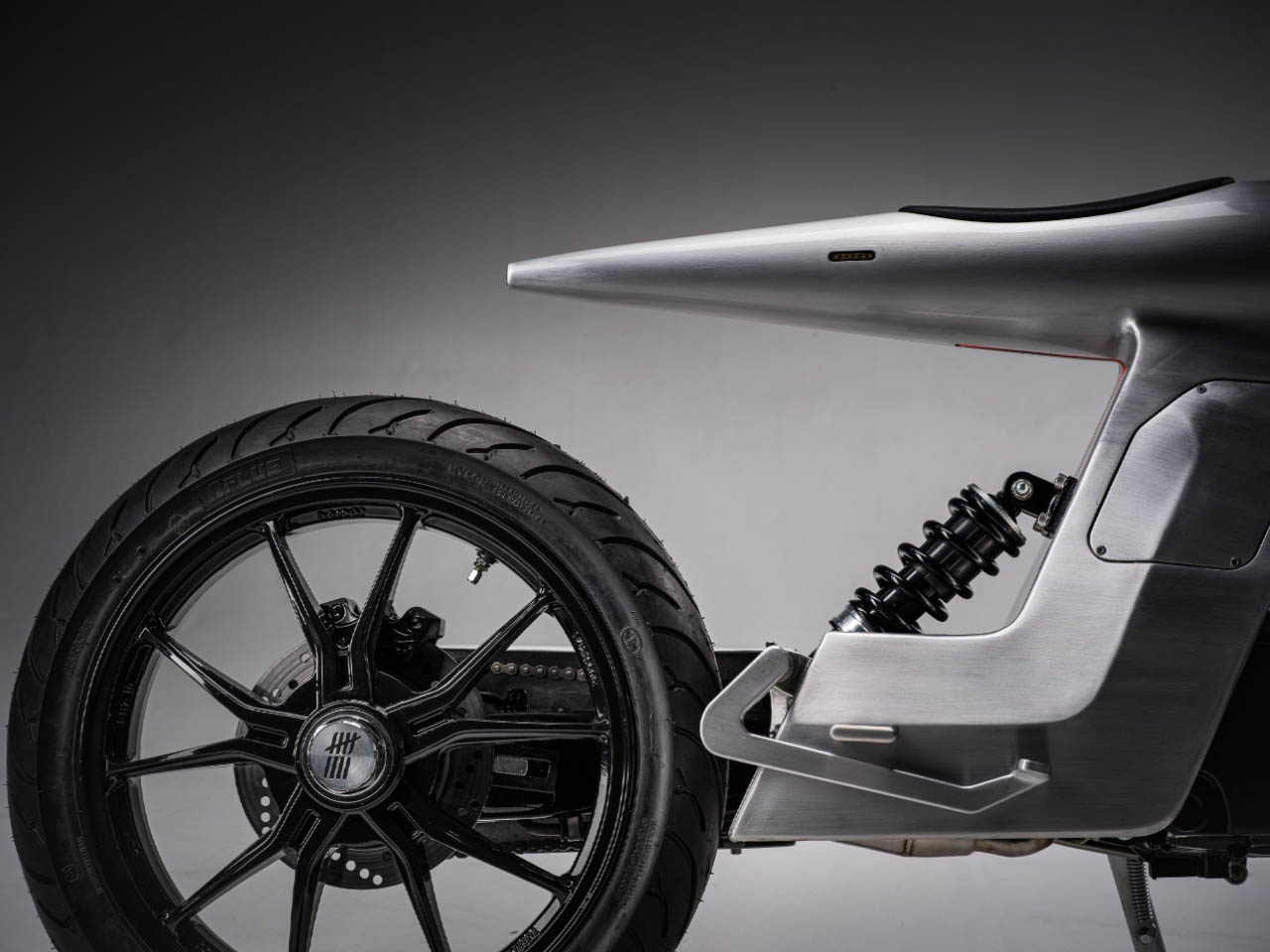
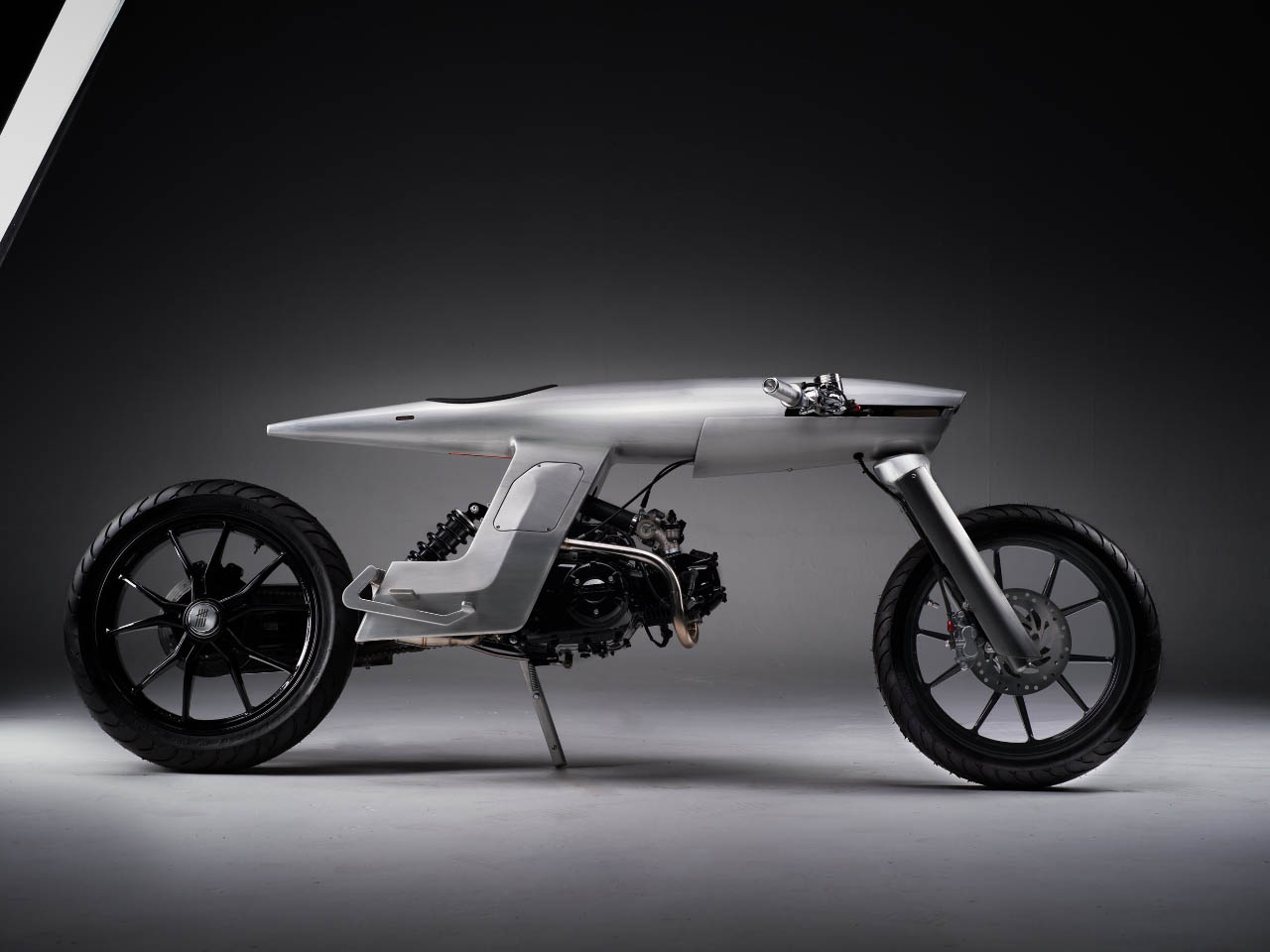
Bandit9 Motors’ EVE Odyssey motorcycle stunned us last year with a bullet-shaped spacecraft-grade aluminum body straight out of the Star Wars universe. The Vietnam-based company incepted by Daryl Villanueva is in a league of its own with futuristic builds that have an element of industrial influence.
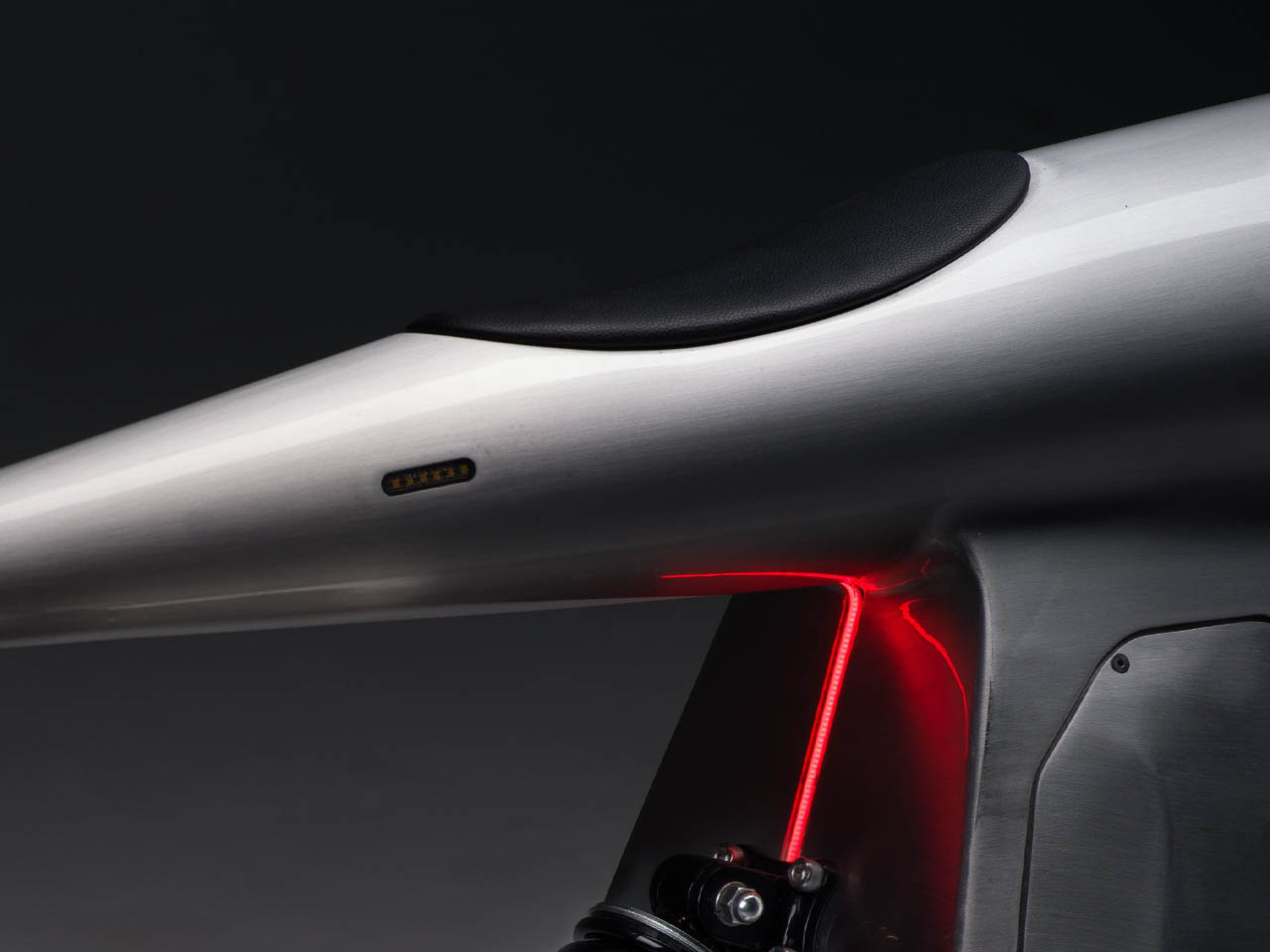
The latest from their workshop is the improved version of the EVE Odyssey. Daryl and his team have facelifted the bullet-shaped bike into one that is more like a 9mm sniper rifle bullet. To top it all, the new version is bigger, lighter, faster and more durable than its predecessor. The EVE Odyssey is a huge team effort, and I could not be more proud of the people who made it possible. My only wish is that they’re equally proud of the work they’ve done. In my opinion, this is the best piece we’ve ever done, and I think it’s just the beginning,’ Daryl says.
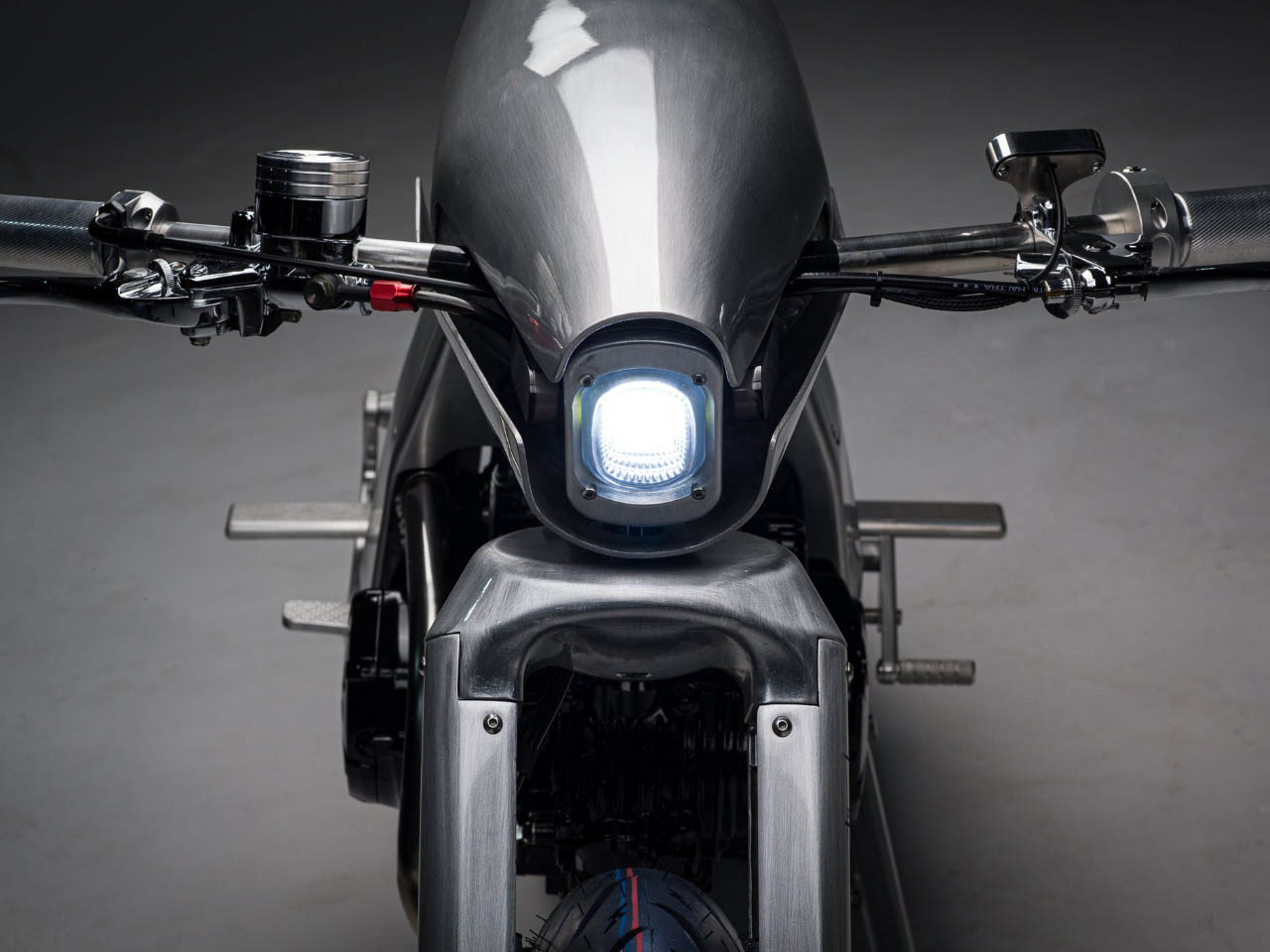
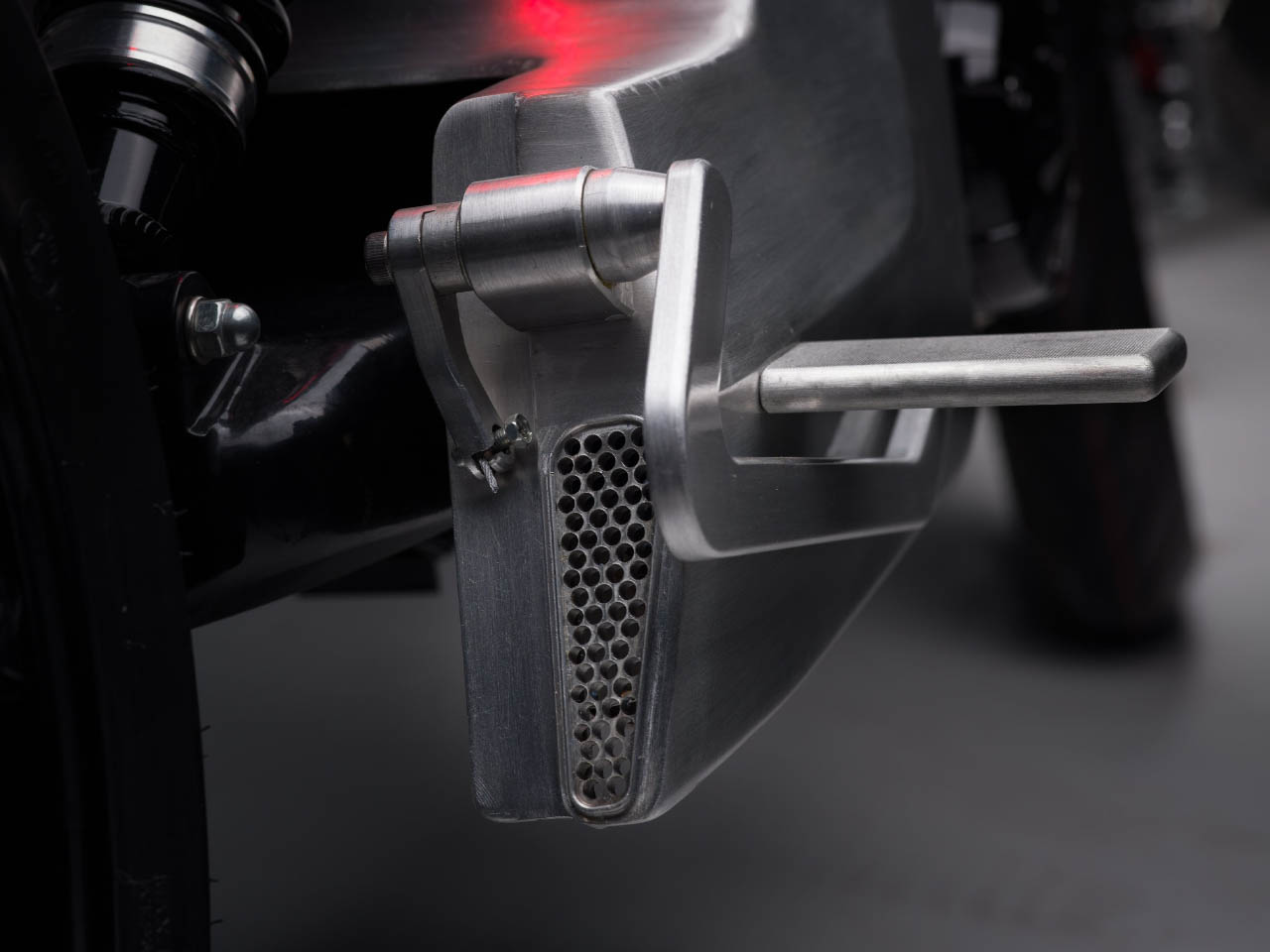
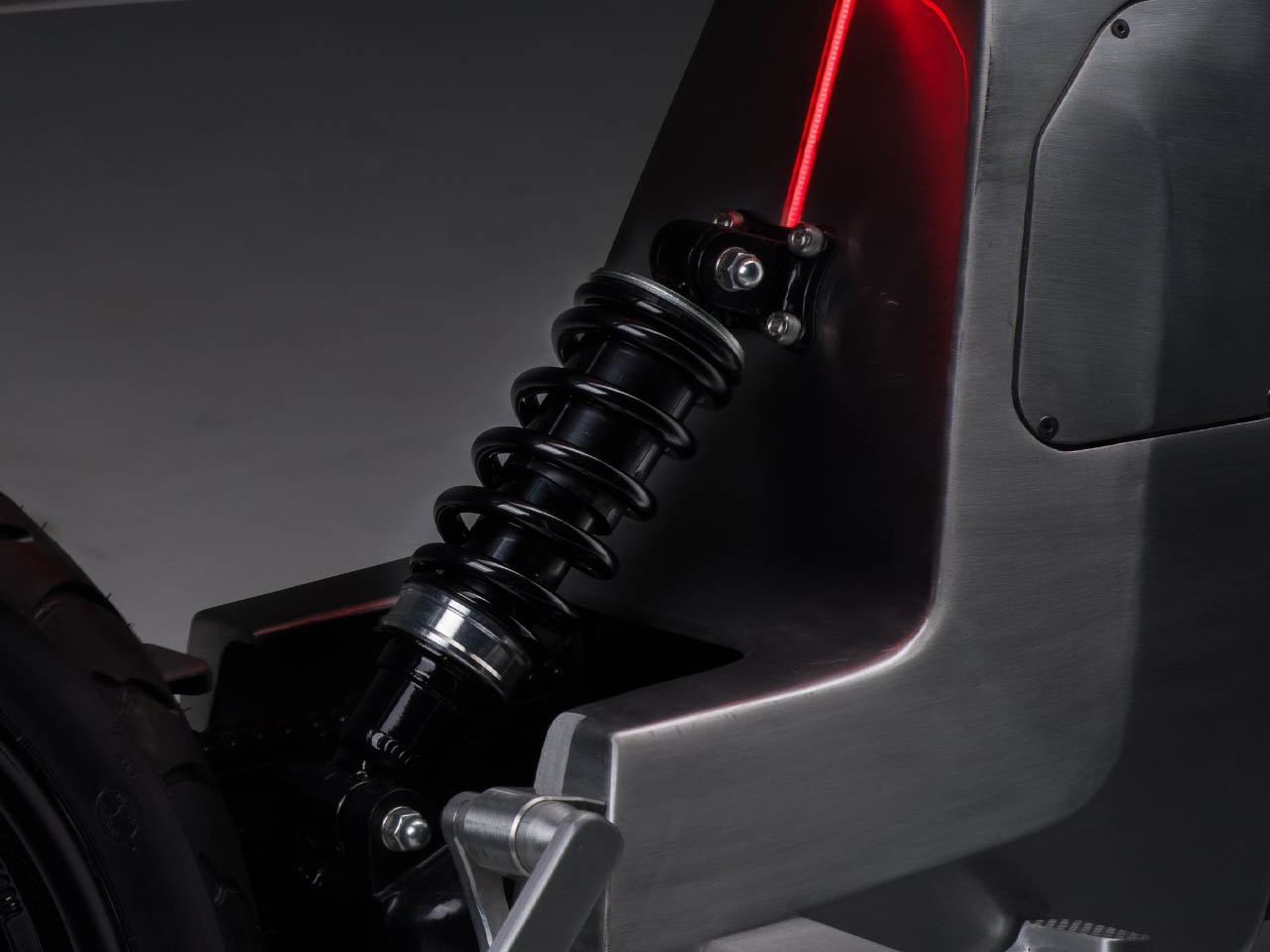
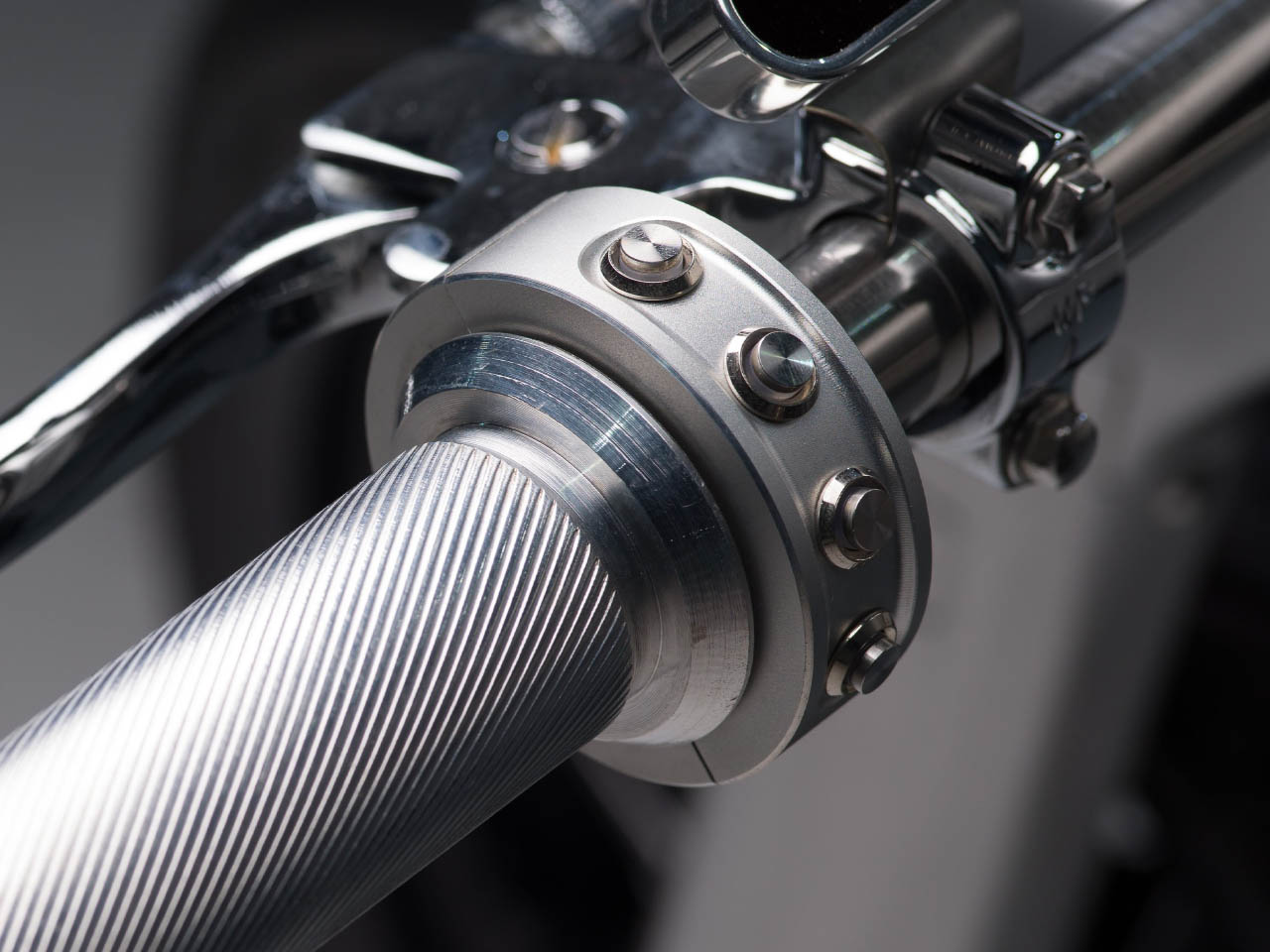
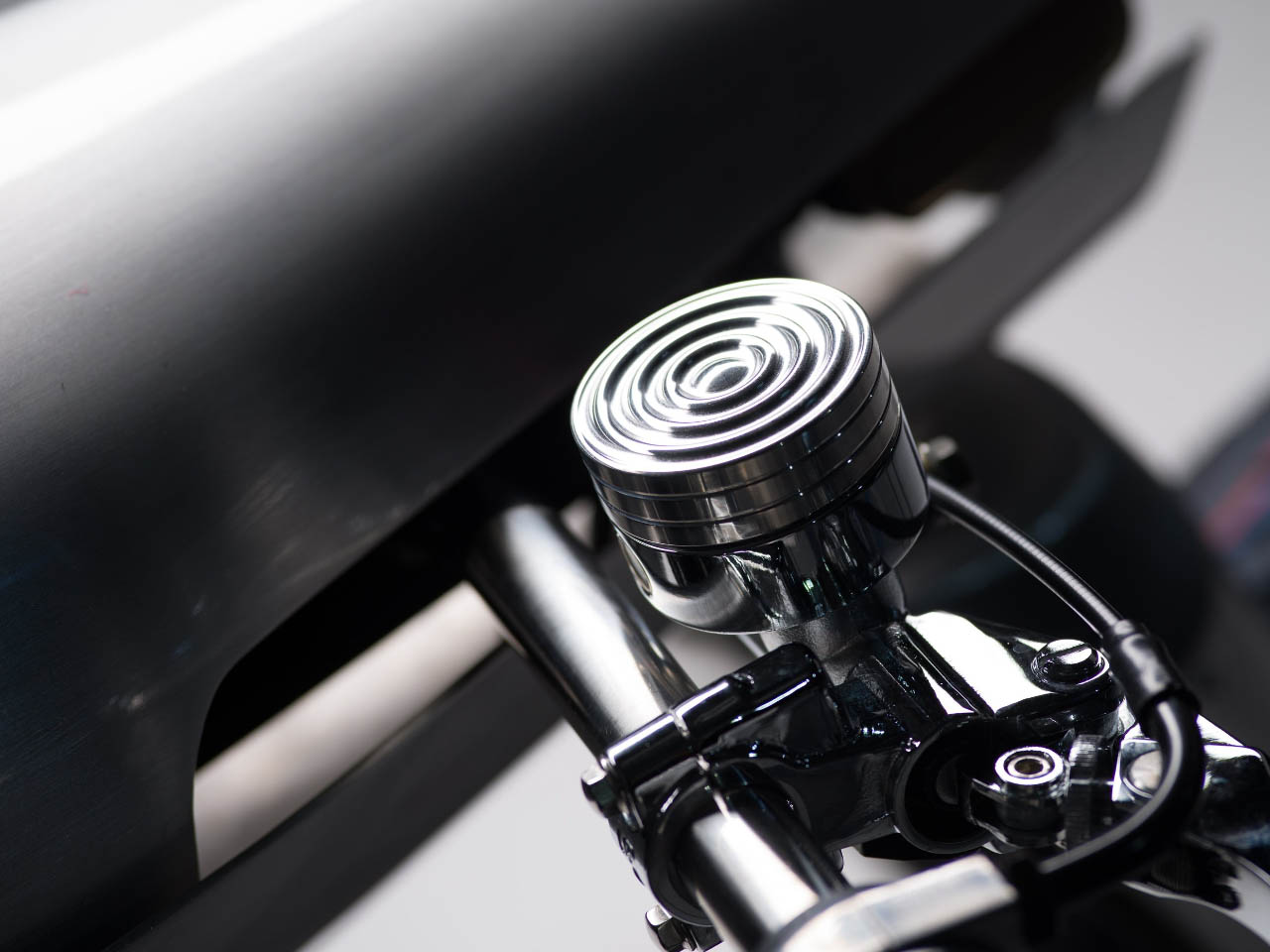
Now the fuel tank of the peculiar motorbike is fused to the high-strength 7075 aluminum frame with a flowing single-sided swingarm originating from the body. For a minimalistic form, the exhaust system is hidden in the body frame. The new EVE Odyssey model gets a hand-brushed steel emblem crafted out of a single billet. Better stability in the new version comes with the monoshock upgrade. That makes this mean machine more agile while taking corners. The front fork which is a part of the suspension system is something out of a modern art sculpture. Not only is it eye candy but also functional since bumps and rough roads are much more comfortable to navigate now.
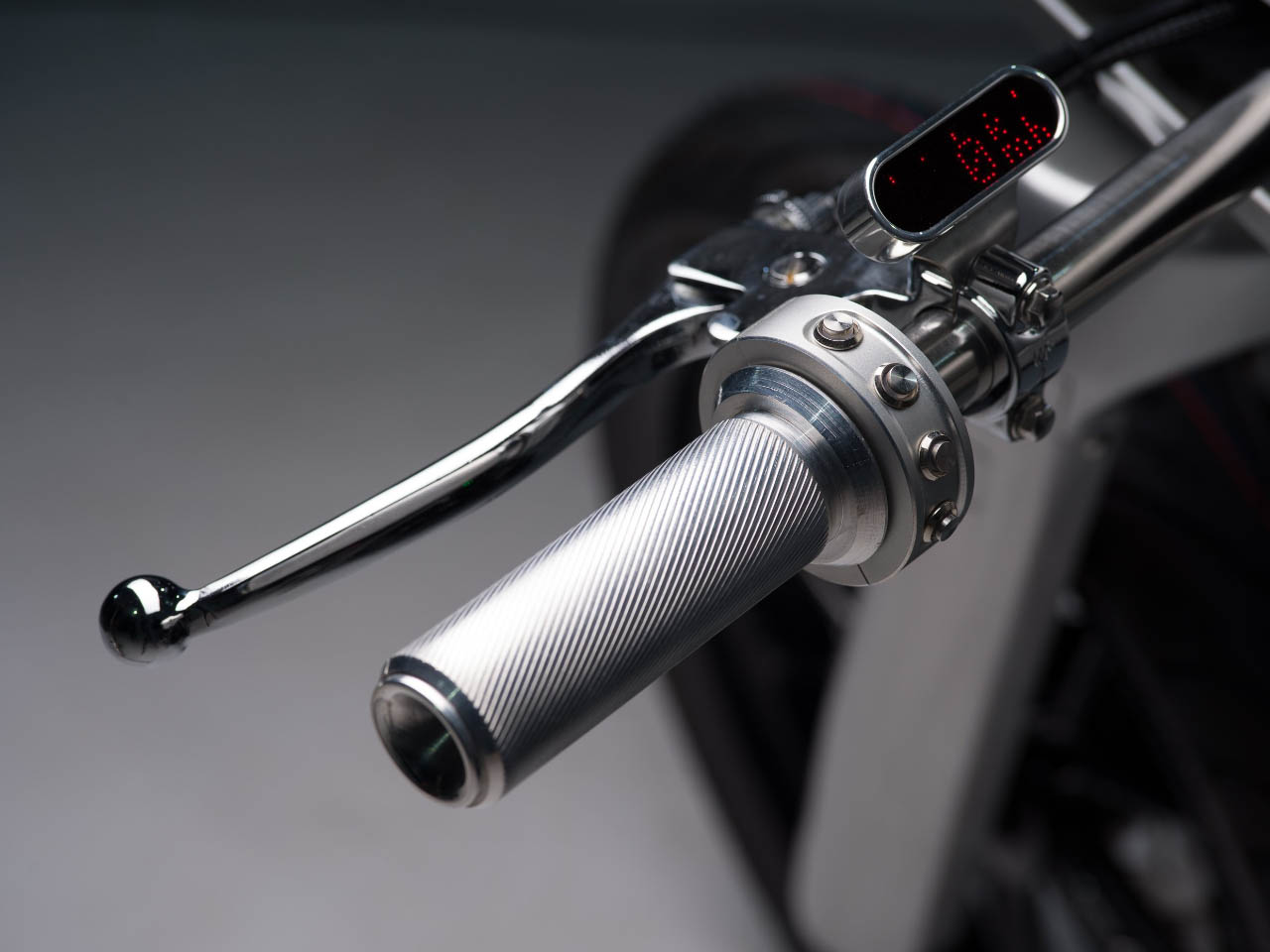
EVE Odyssey 2.0 version is powered by a 125cc engine mated to a four-speed manual transmission, hurling it to a top speed of 68 mph. Bandit promises a range of 156 mpg which is impressive but driving conditions will play a part in tweaking this value. Just like the predecessor, the new model has a lot of custom parts that make up the final build. It’s got aluminum grips, levers and switches, steel clip-on handlebar, wide rear-view mirrors and LED headlights. For ease of use, the conventional gas cap is replaced with a magnetic one.
This time around the design team has ditched the traditional dials with digital speedometer for showing all the vital riding information. The control switches get a swanky upgrade as they seem more like a bracelet. Truly handmade, the motorcycle takes 3 months to craft from scratch to the brilliant final form. EVE Odyssey is now available to order with shipping worldwide.
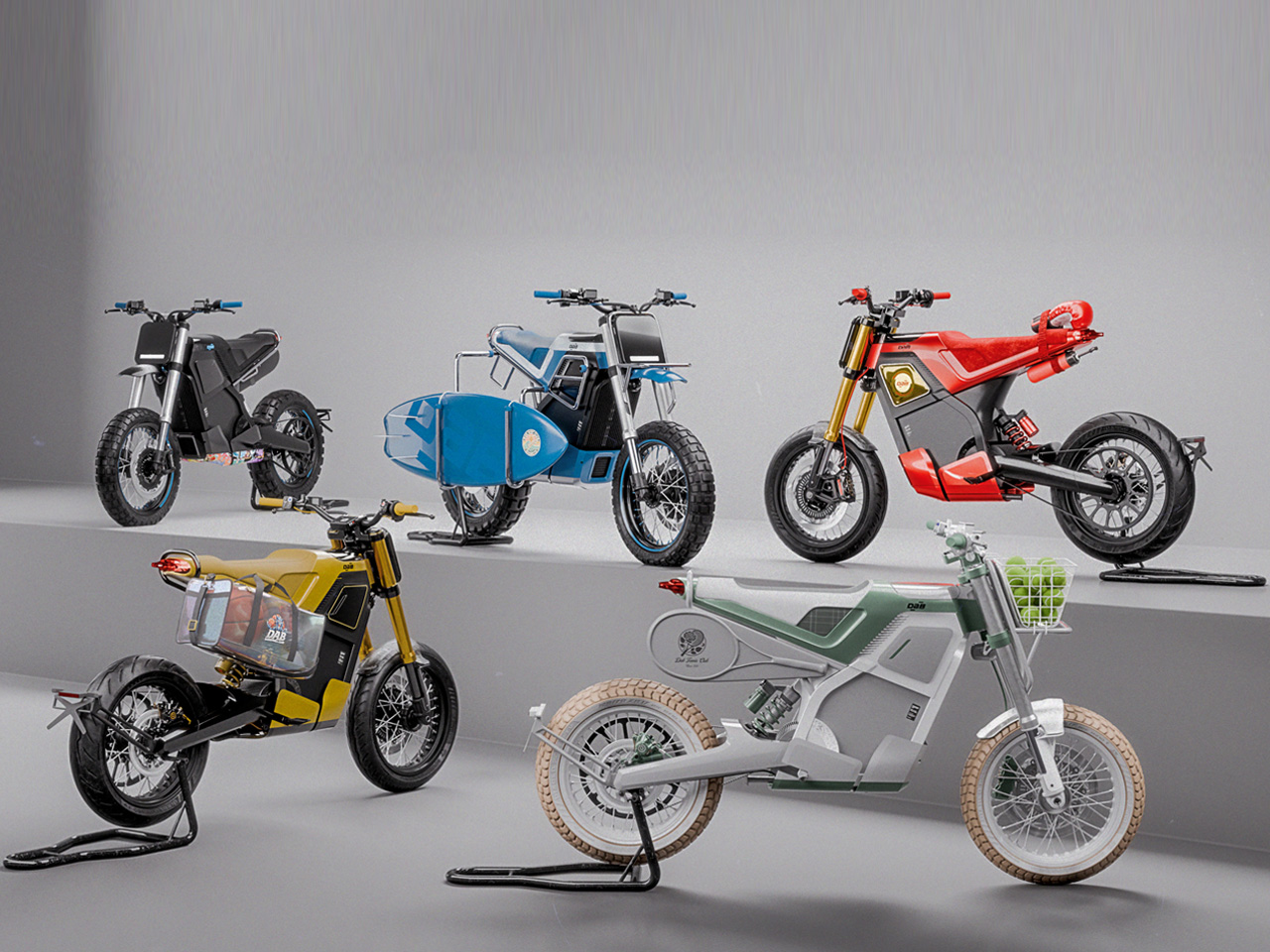
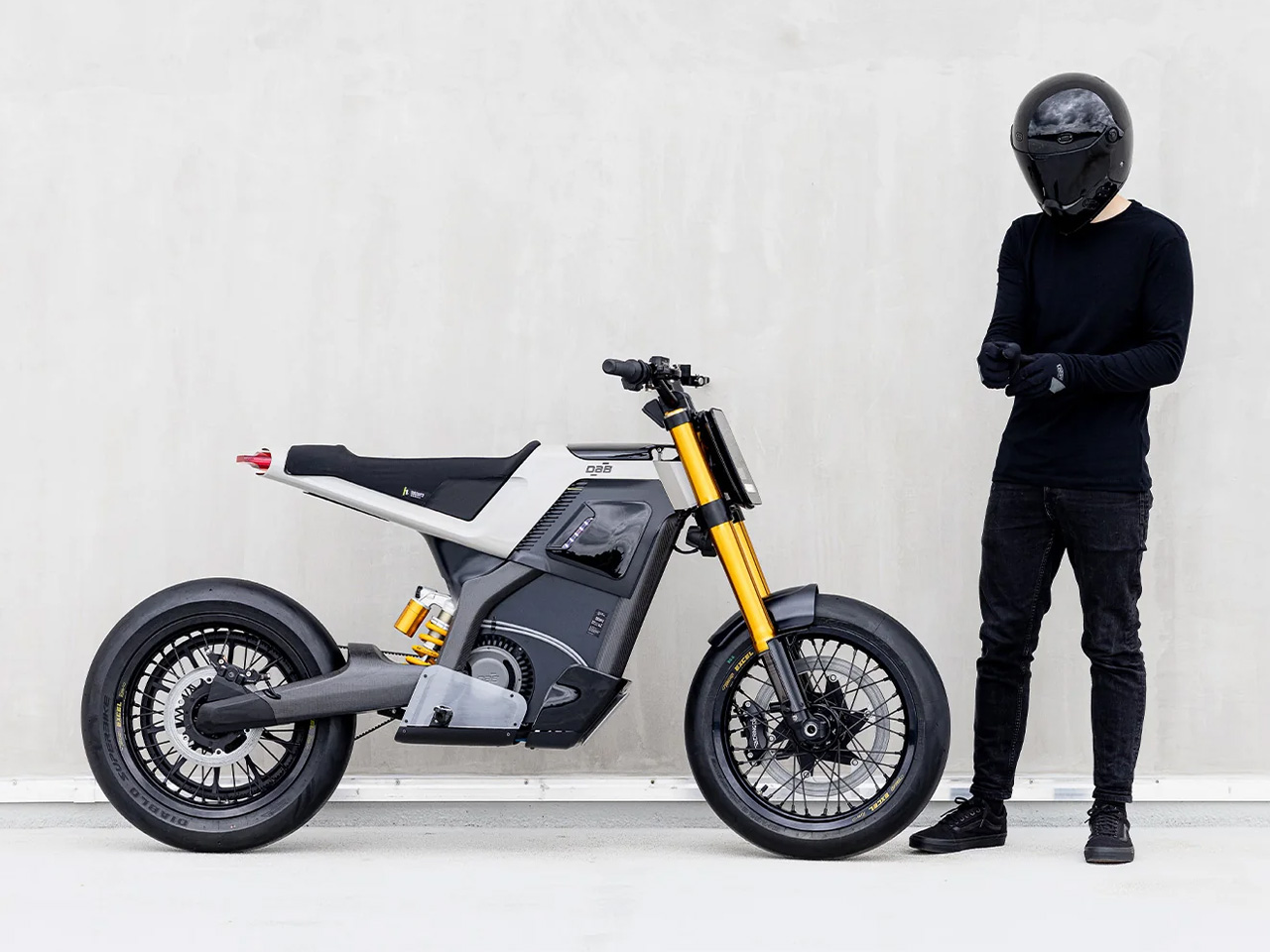
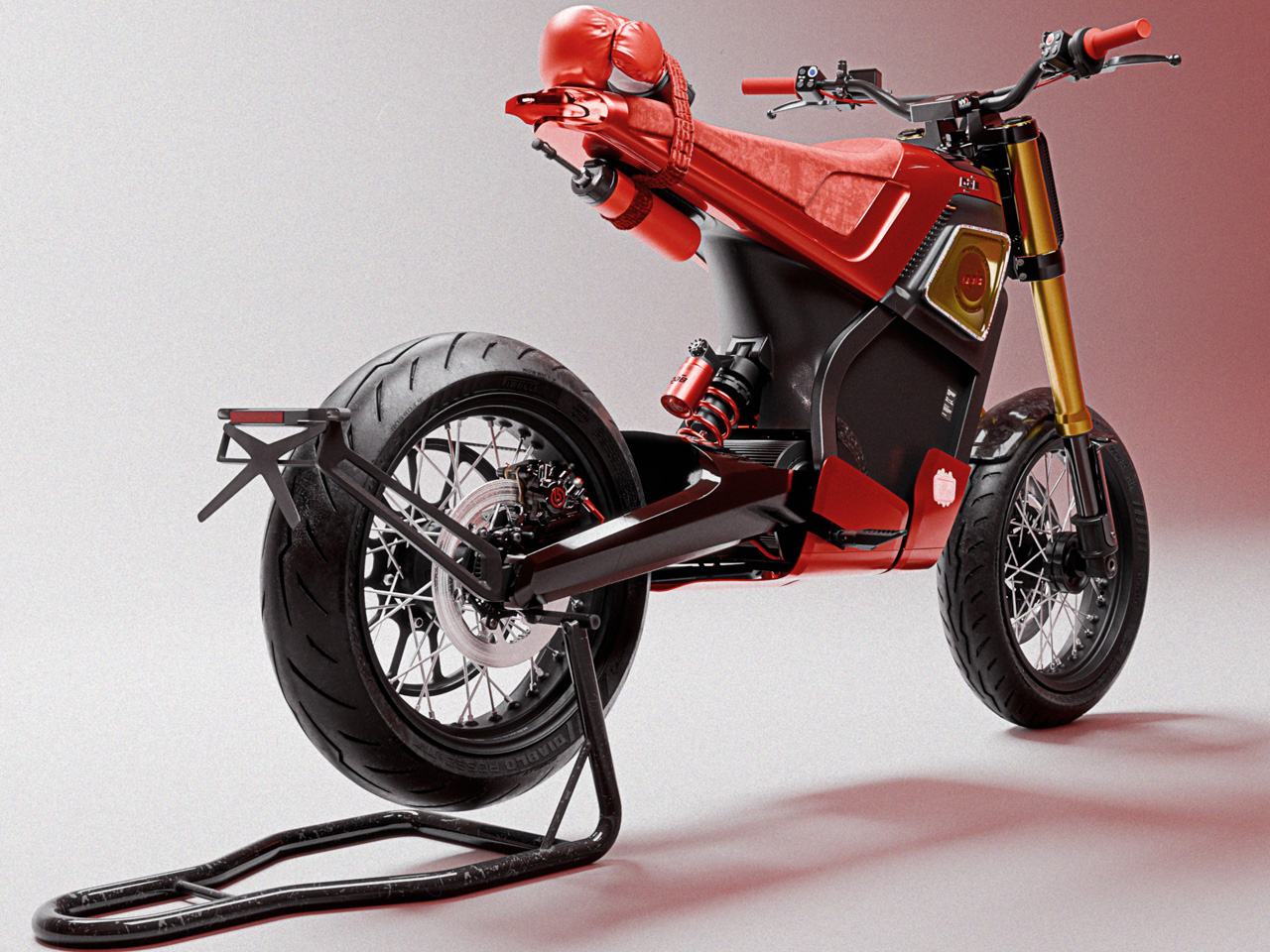
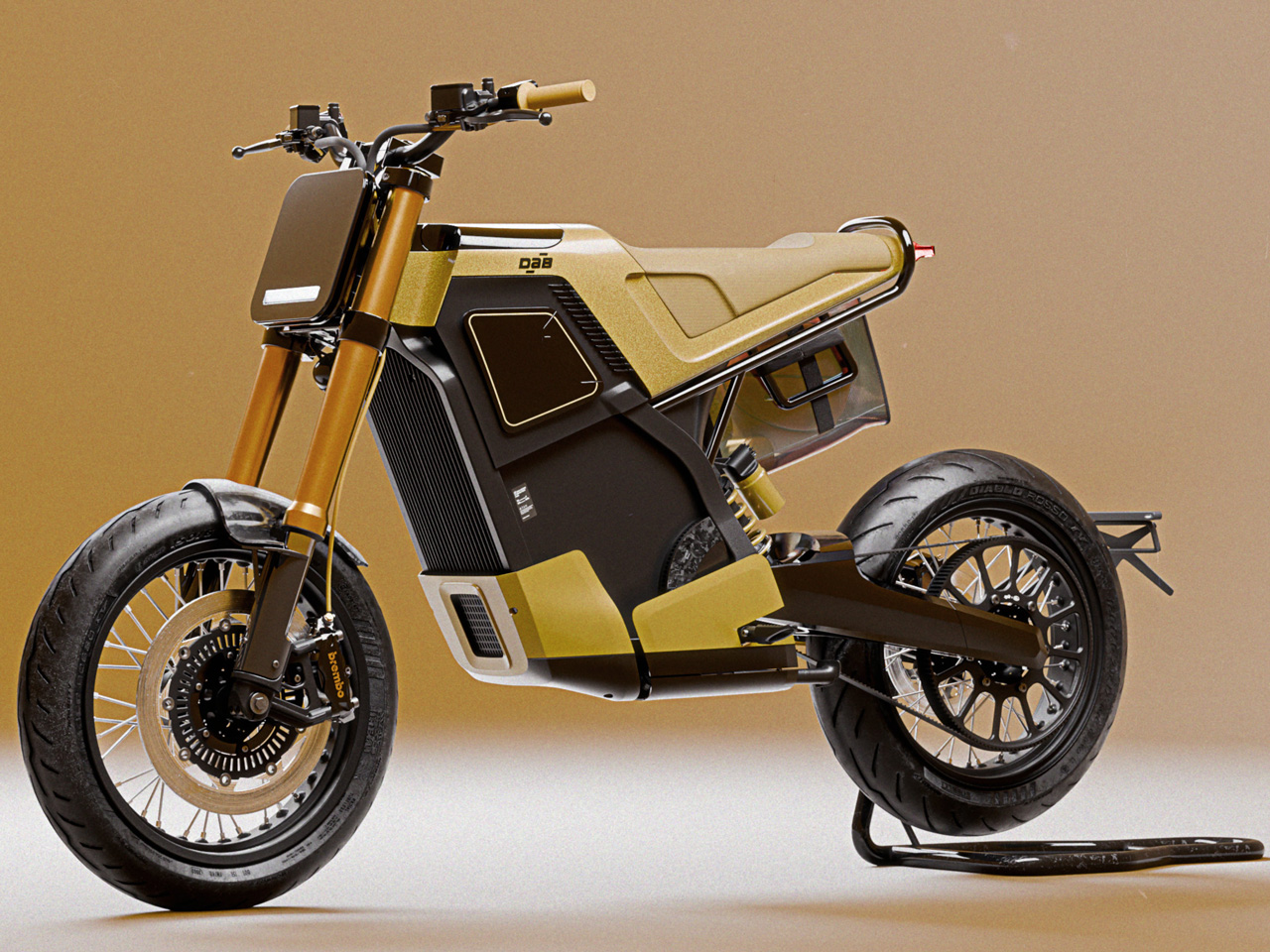
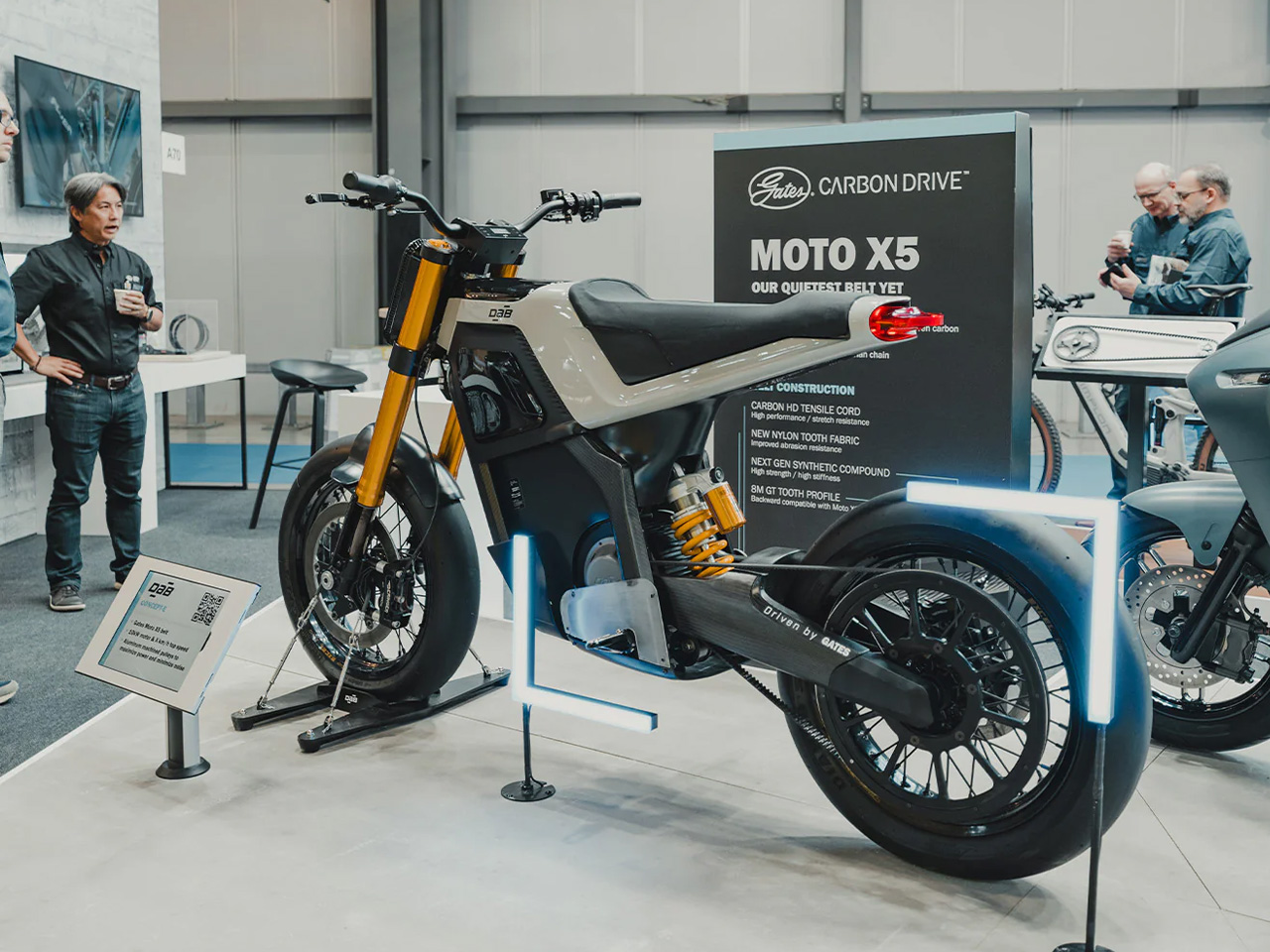
Paris 2024 Olympics is nearing the penultimate stage, as the US and China again dominate the prized spots. Perhaps the perfect time for DAB Motors to release their Olympics-themed DAB 1α electric motorbikes. This Peugeot Motorcycles owned French brand has made deep inroads in the two-wheeler EV market and these five themed e-bikes reflect their prowess.
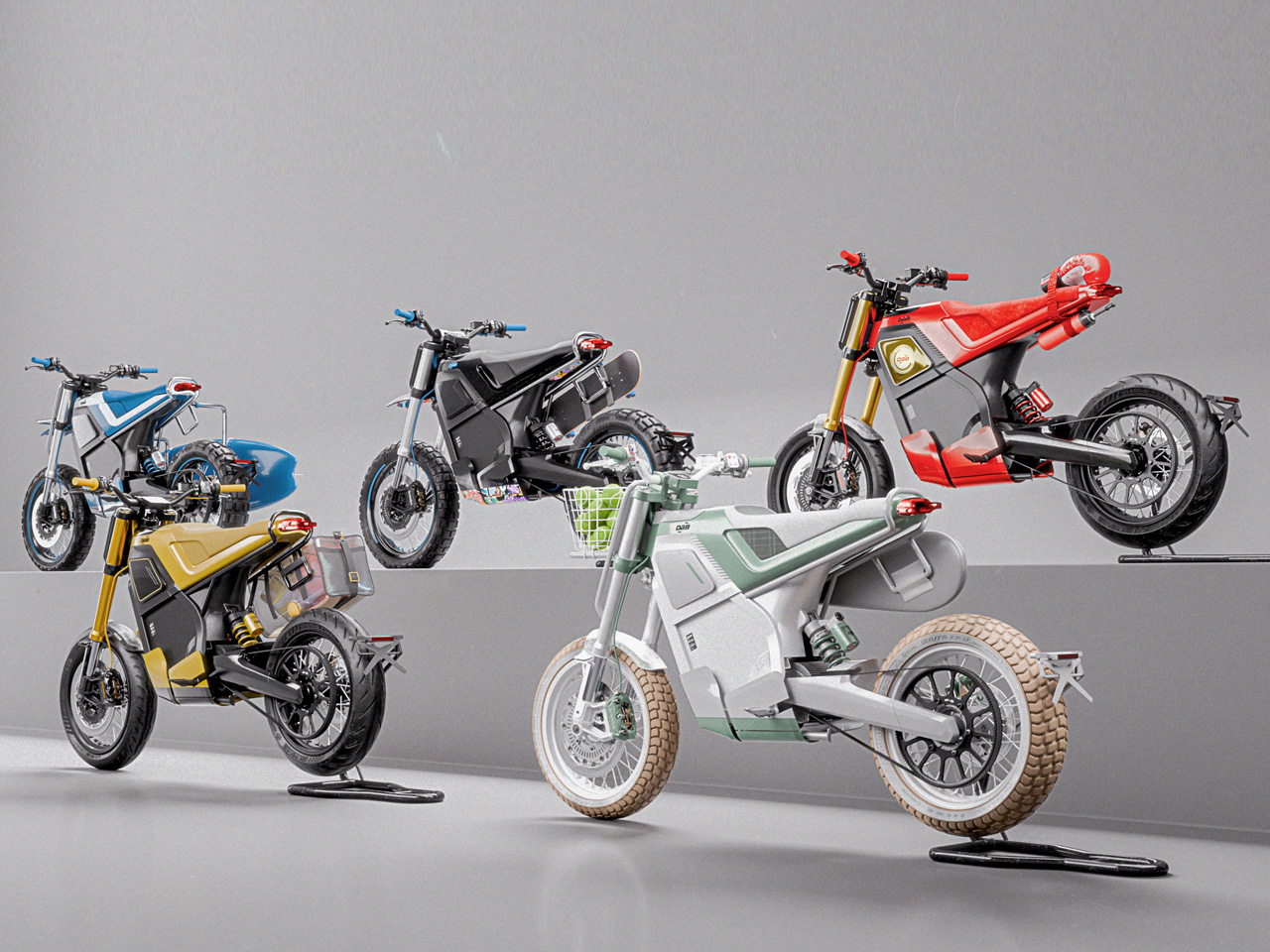
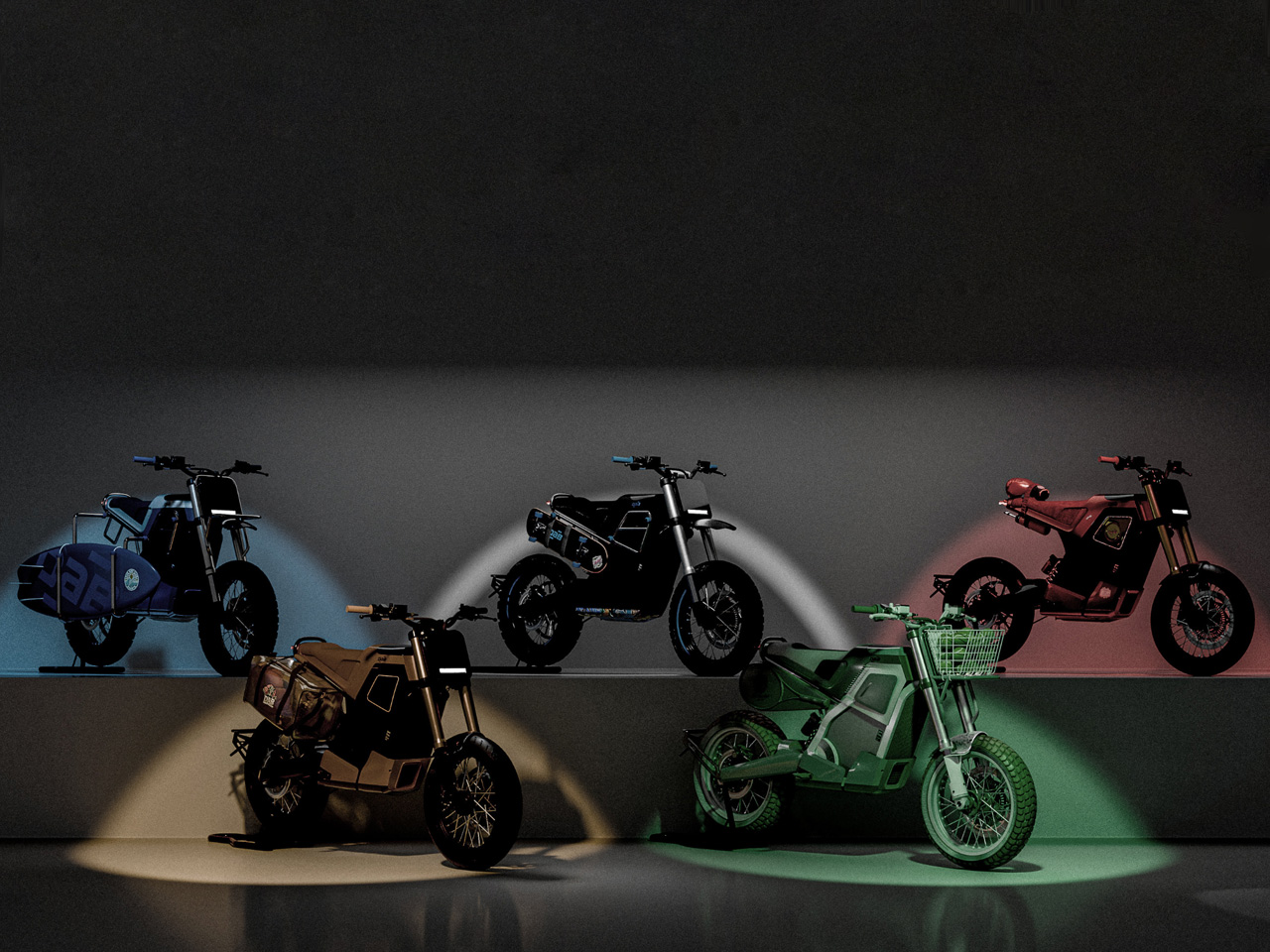
The electric motorbike brand celebrates the spirit of the ongoing Olympics by interpreting the five rings of the event with five different bikes. These are created by their service branch which goes by the name DAB Custom Studio. The color code of the Olympic rings is represented in the sports-oriented version of the DAB 1α.
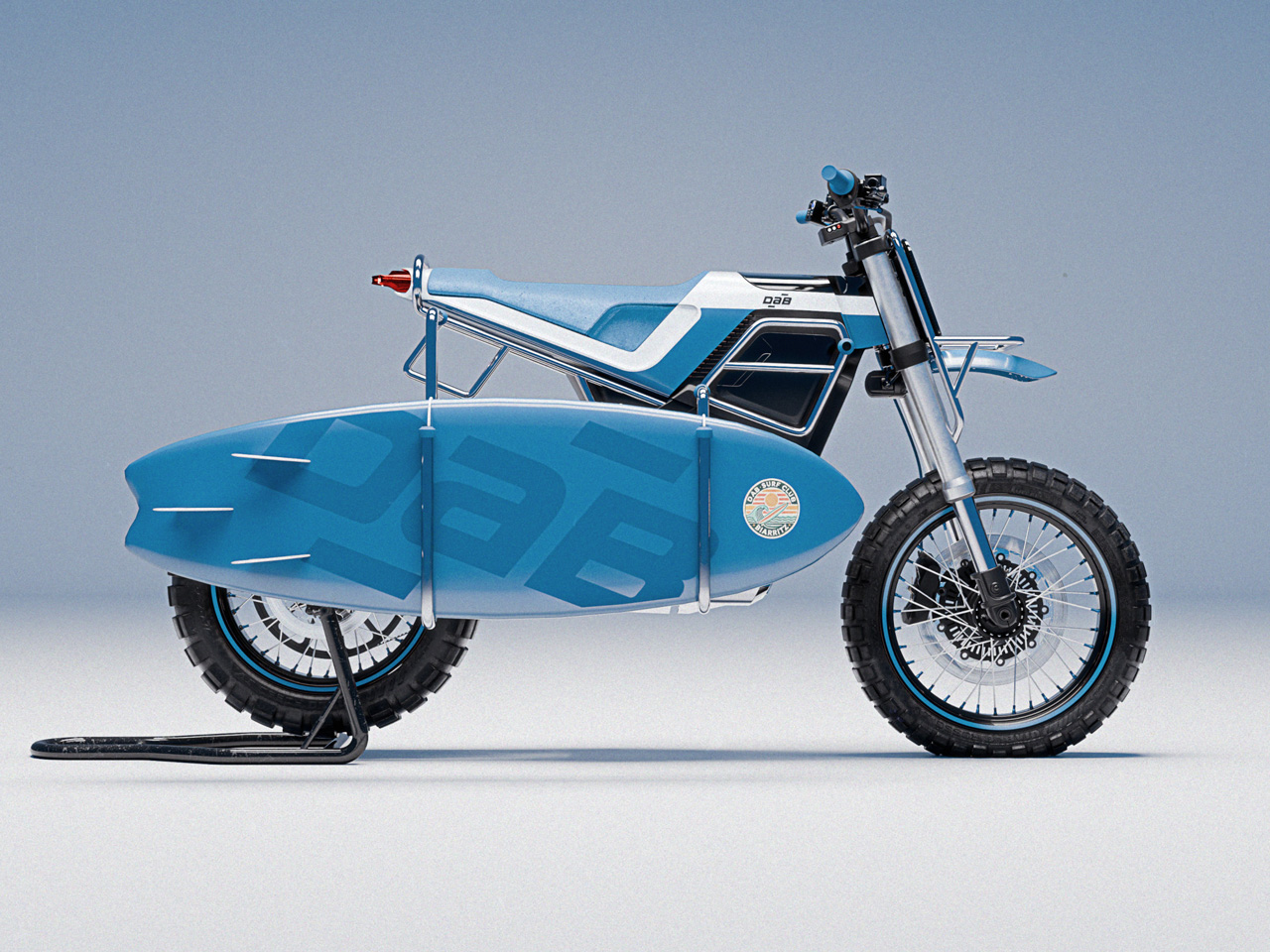
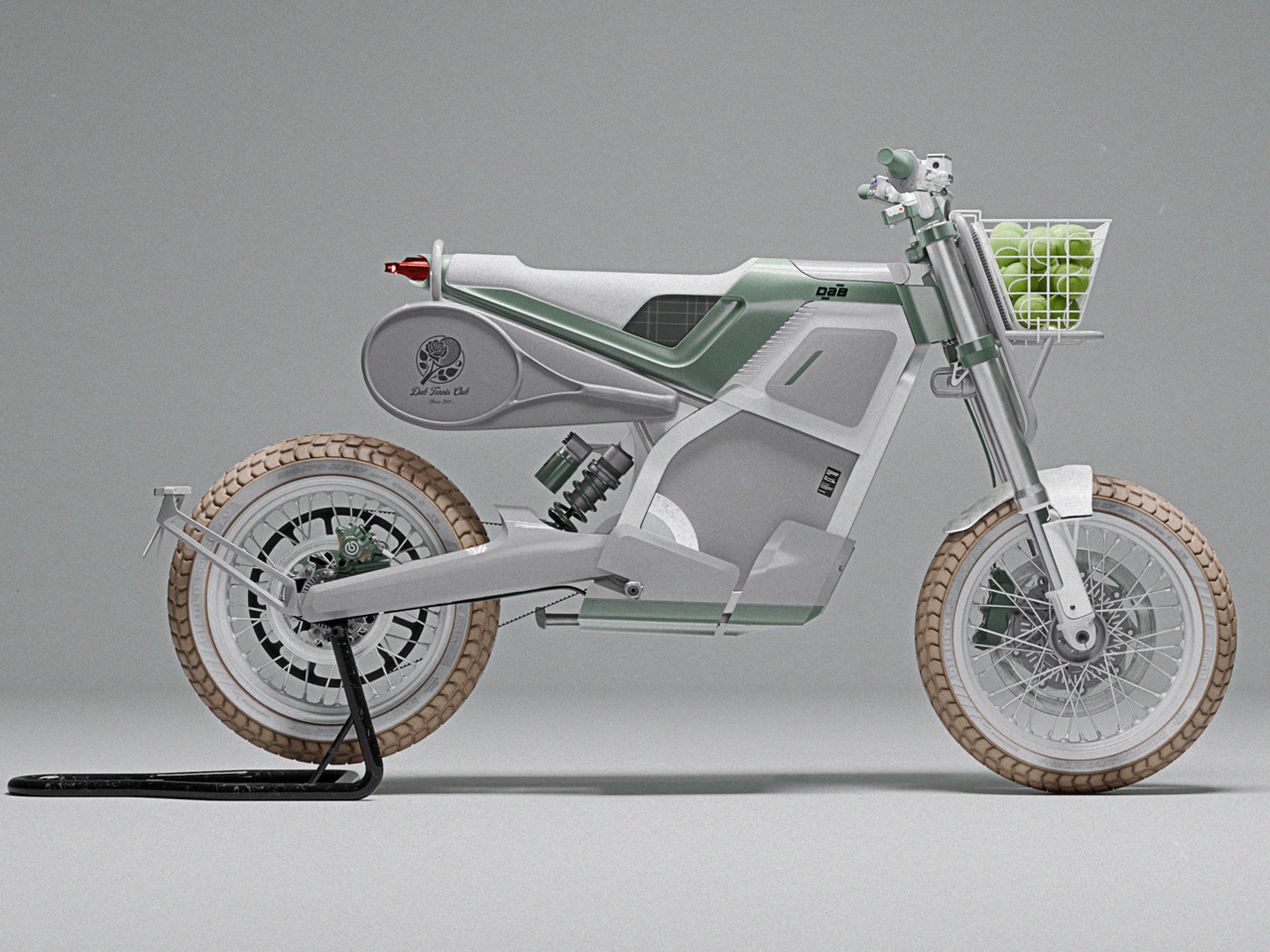
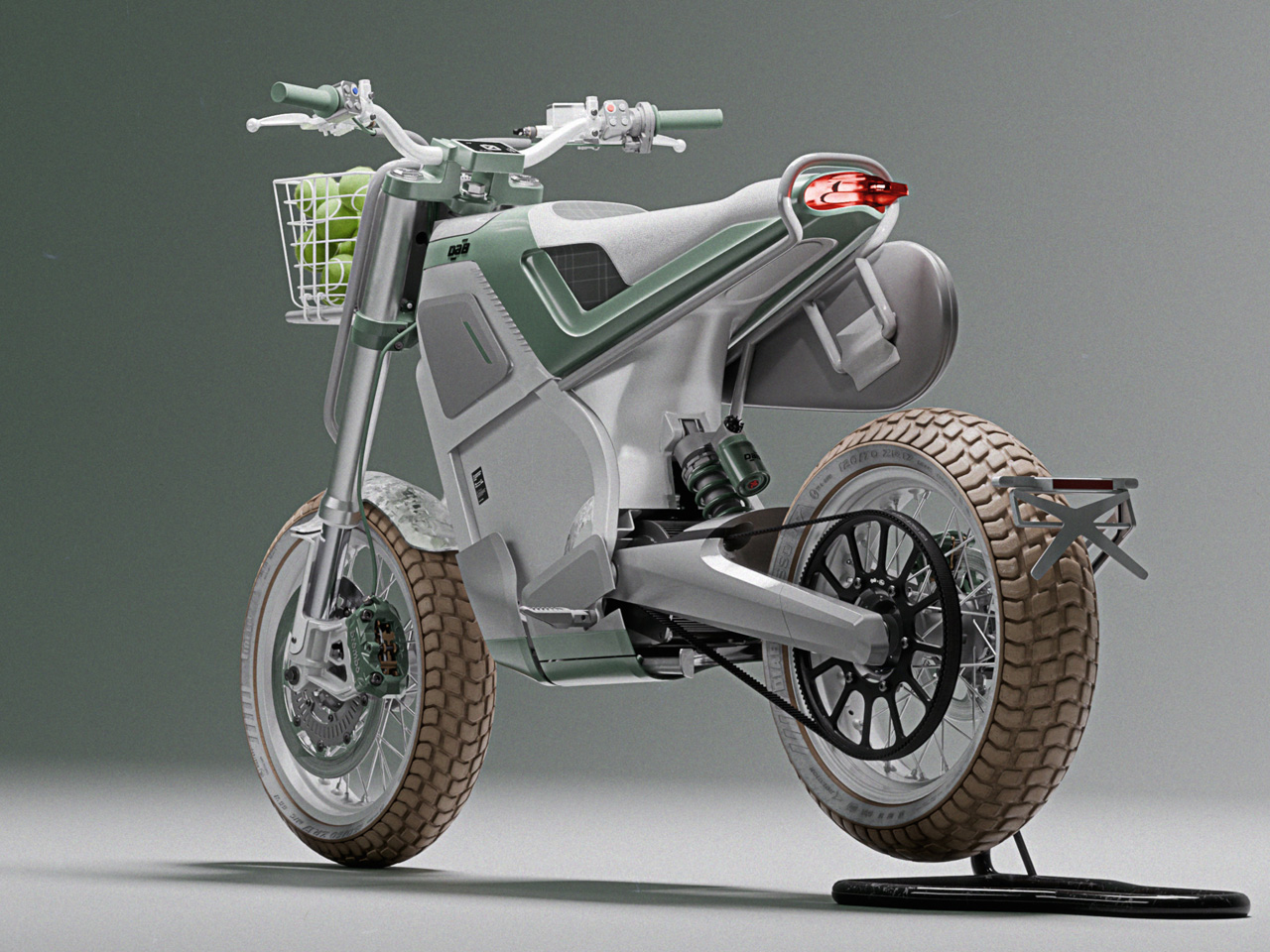
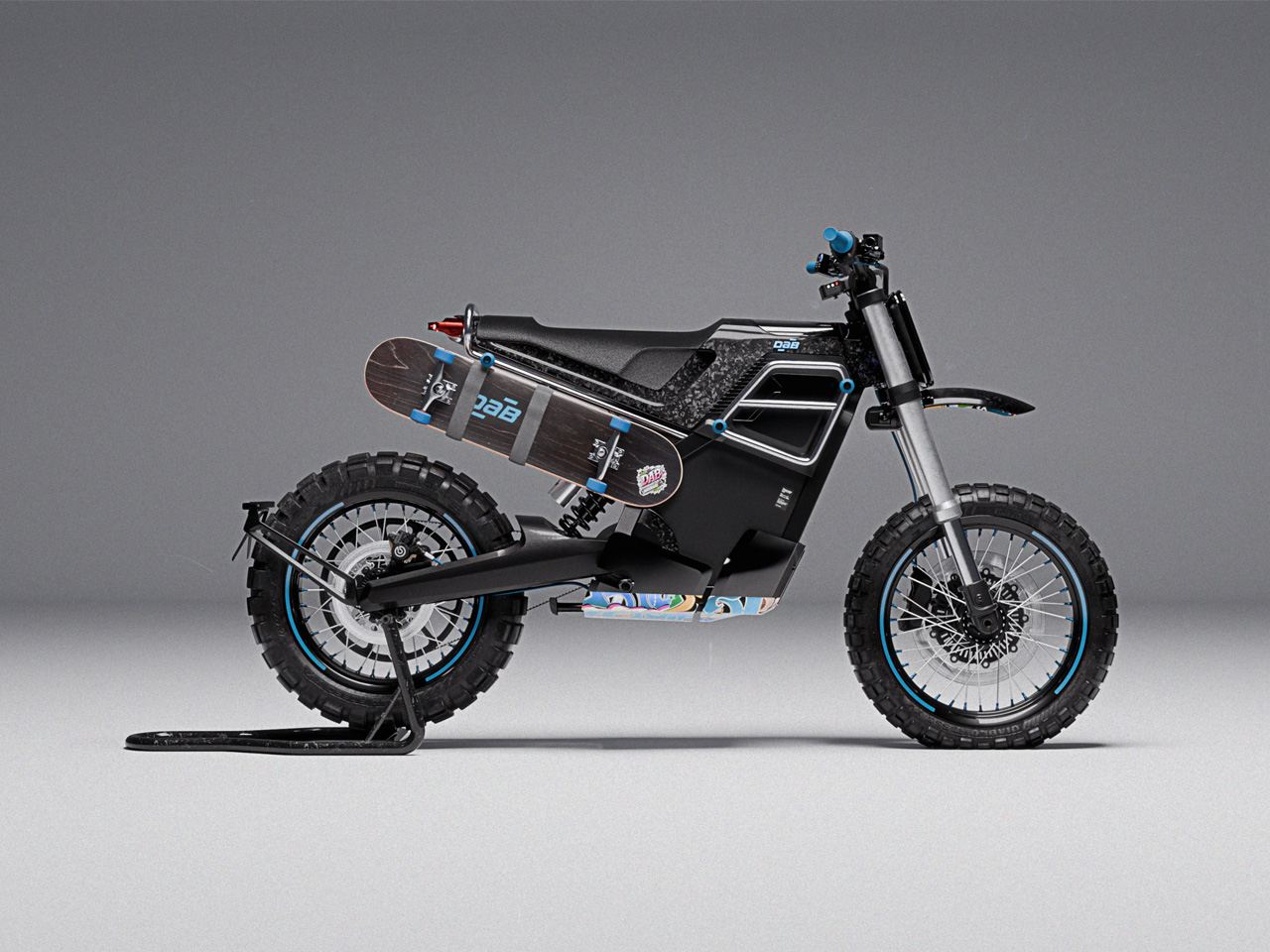
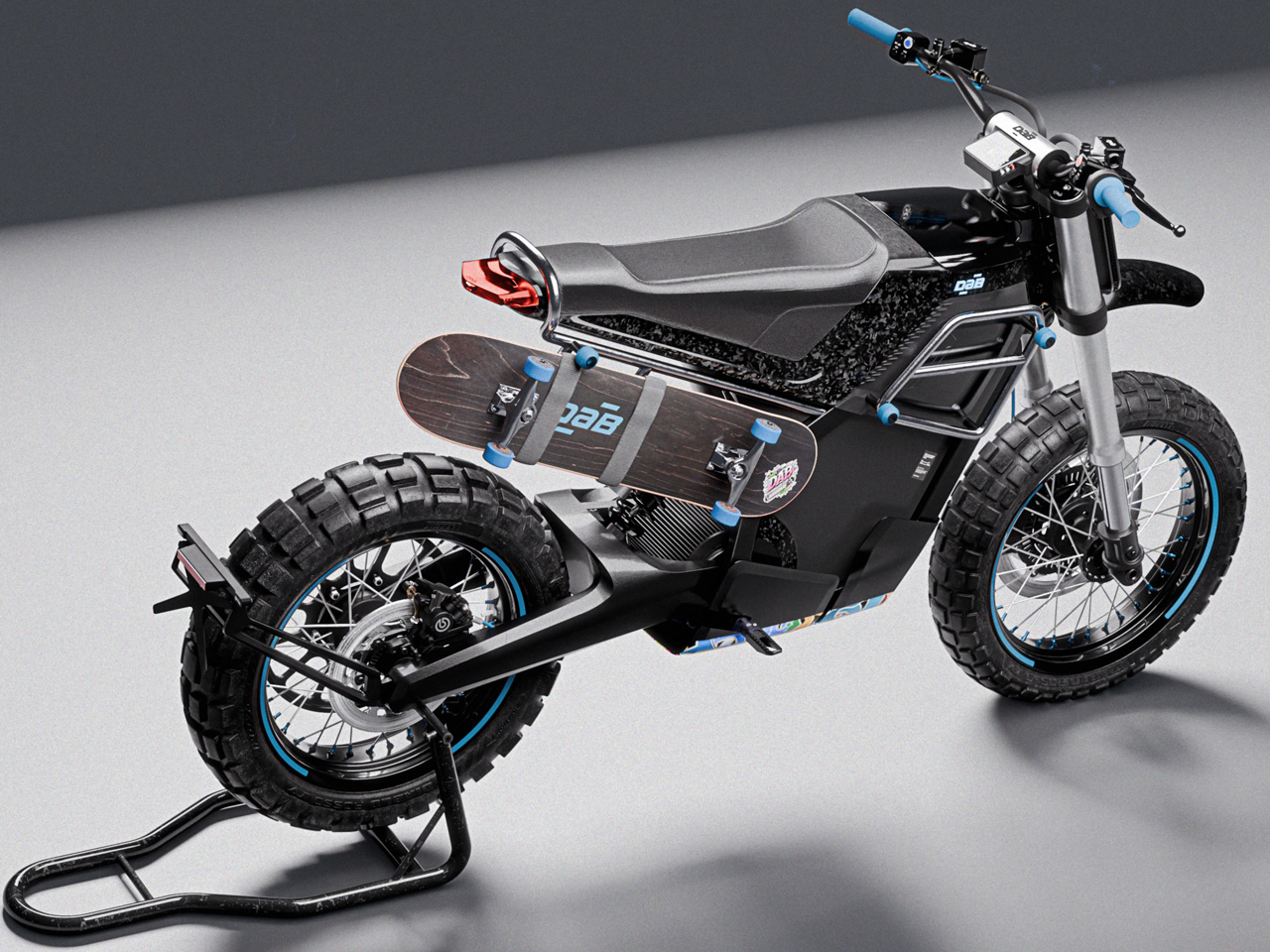
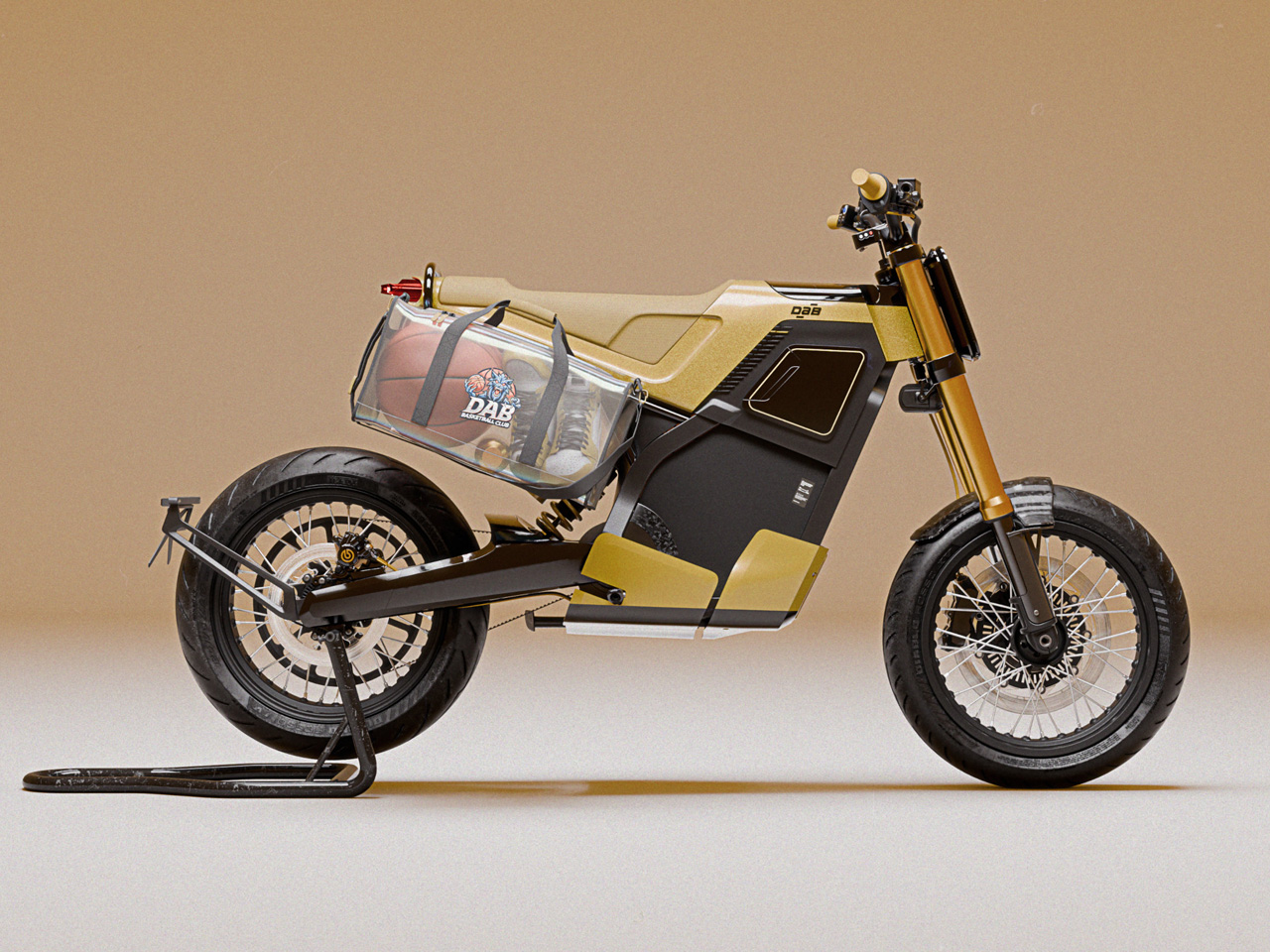
Using the motorbike as the canvas, the limited-edition collection dubbed ‘A la gloire du sport’ represents blue for surfing, green for tennis, yellow for basketball, red for boxing and black for skateboarding. Lucky clients who’ve pre-booked the first production versions of the e-bike can give their rundown of the version they’ll prefer and the unique DAB 1α is delivered as per their liking. DAB Motors’ founder Simon Dabadie chose these five sports to represent the rings in the form of these cool motorbikes. We imagine, these are his favorite sports from the event and the final creations by the design team are impressive.
The freedom of the blue variant is perfect for surfers as it gets a front luggage rack and surfboard rack. The bespoke surfboard mounted on the right side carries the DAB branding. It has a saddle finished in wetsuit-style neoprene and special off-road beach-ready tires that have silver forks. In fact, the brand’s roots are in the coastal city of Biarritz, so this version is a homage to the company’s inception.
For Djokovic fans the green and white version is perfect. It comes with a tartan seat, a racket holder on the left side and a rack on the front to carry balls. The brown tires with white spokes stand out and the DAB 1α adapts a completely different personality in this attire.
The more Gen-Z-oriented black version represents the fun of skateboarding in the city streets. This model has carbon bodywork, BMX handlebars foam and hand-painted graffiti. For a robust character, the bike gets crash pods, a tubular protection structure and a skate rack to stash a skateboard.
The fighting spirit is represented in the red and black with gold accents on the suspension rods of the boxing edition. Saddle on this one has a pair of boxing gloves to kick in a fight and represents the tough culture of the golden era.
Finally, the Yellow edition represents the resilience of the basketball game and the connection to street culture. This one comes with a side pannier to hold the ball or your sporting kit. The vibrant shades also represent the hip-hop culture associated with the popular game.
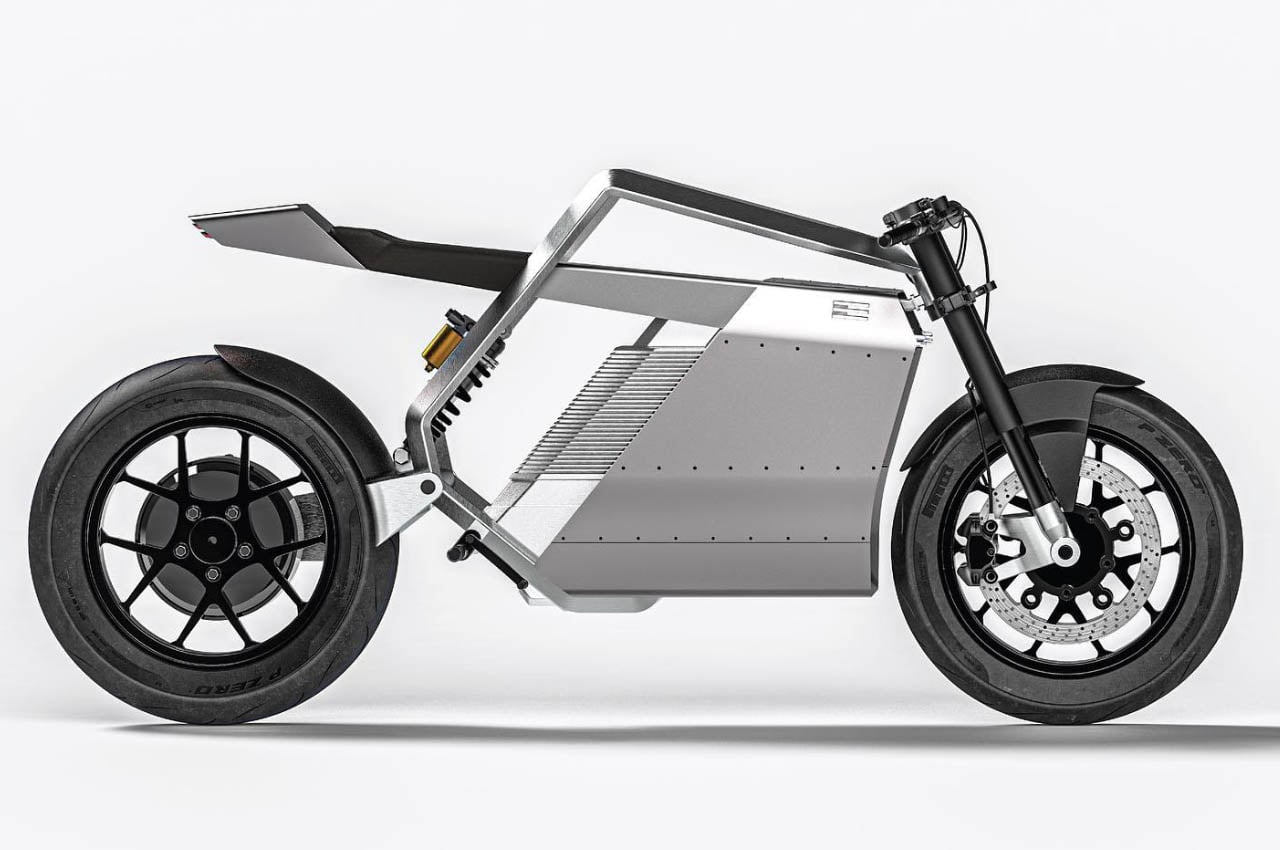
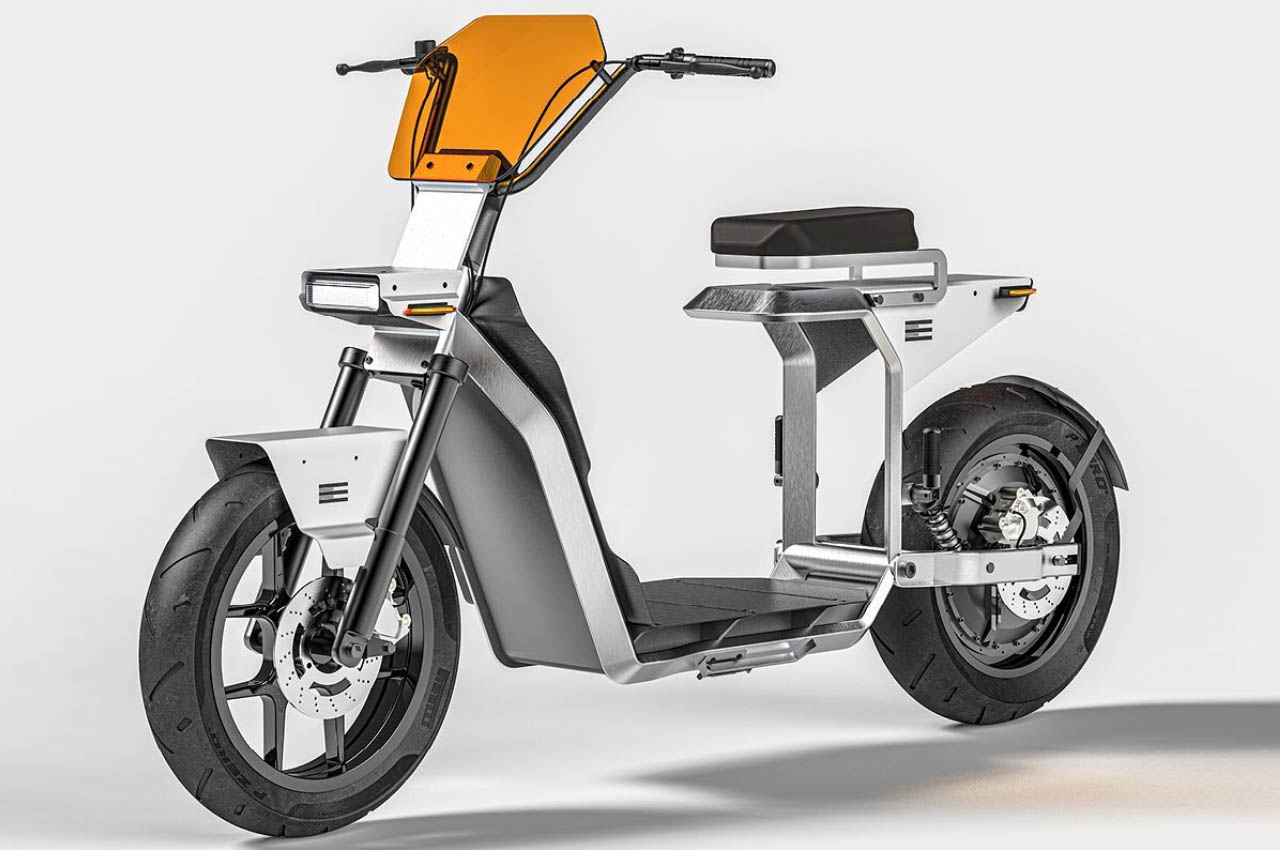
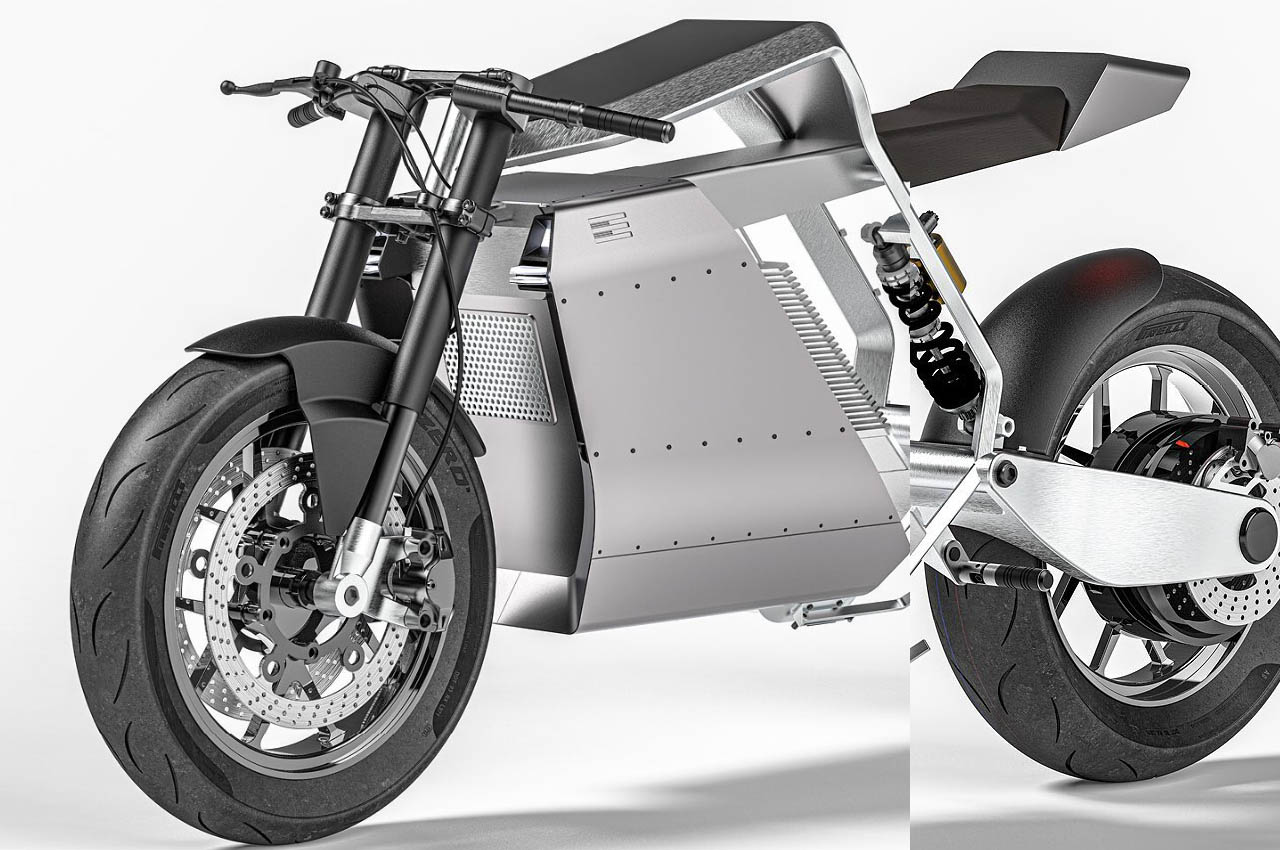
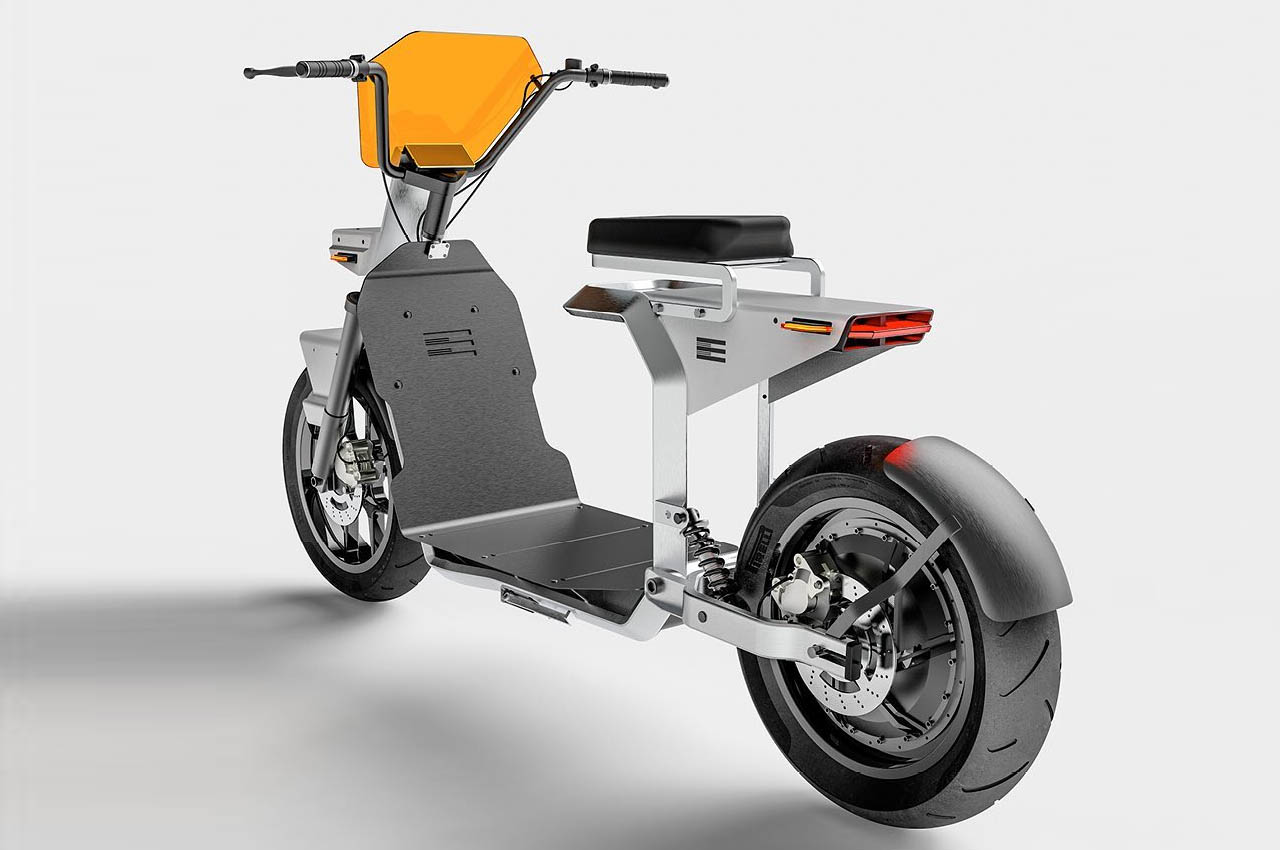
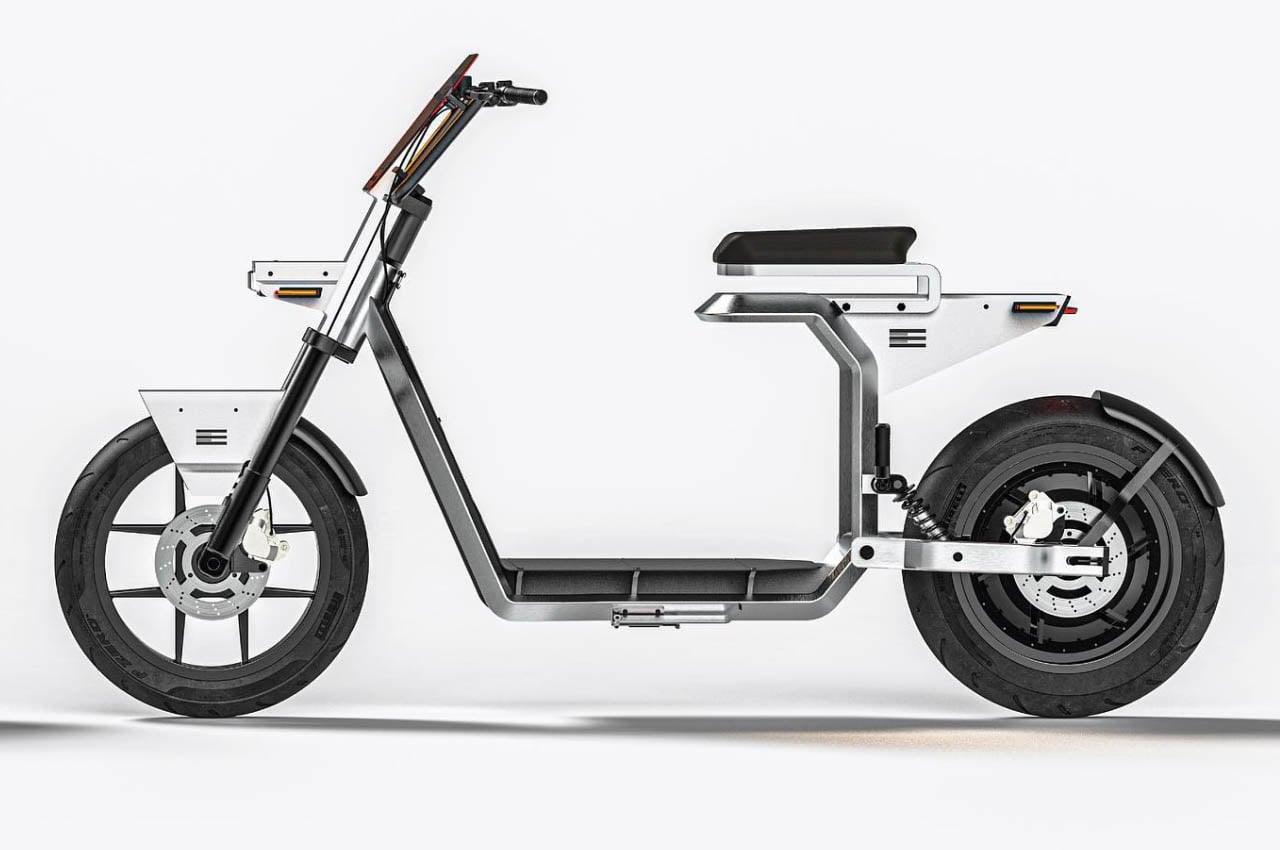
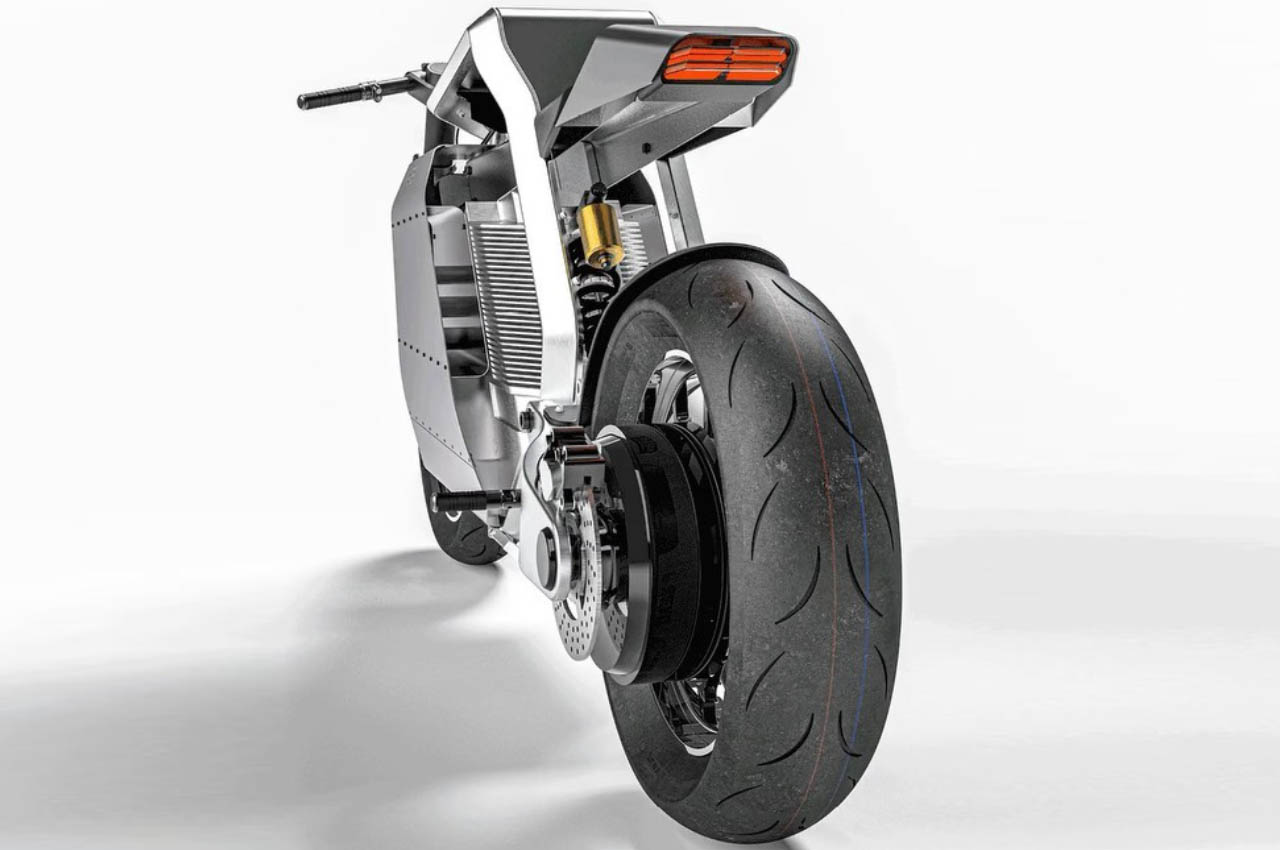
Electric motorcycles and scooters are the way to go in an effort to control emissions. The market is ever expanding with versatile options for end users and the Belin Design Office’s duo of two-wheelers show us what an out-of-the-box design can result in. That’s without any compromise in functionality or aesthetics. Meet the Ekka M-1 Performance and CS-1 City Scooter having a modular design, wrapped in a unibody aluminum frame that is bended to achieve the boxy form of these two-wheelers.
The base frame is kept totally exposed without any plastic body panels to maintain the industrial look. There’s another benefit to this as the company doesn’t have to go through the manufacturing process of hot-forming for panels, hence, reducing the carbon footprint in the production. Shredding the extra weight means the electric two-wheelers have extended range as compared to other e-bikes.
The raw appeal of the two-wheelers is quite new to electric vehicles, still, the futuristic DNA is preserved to appeal to Gen-Z. The two electric rides have in-wheel motors, meaning there’s no need for a transmission, chains, clutch or belt. This means fewer parts to worry about maintenance, reduces the overall weight of the bikes, and makes them appear more refined. CS-1 City Scooter benefits the most from this as there’s increased space to carry belongings, or add modules for specific small cargo needs. The battery is placed under the rider’s feet, so there’s even more available space on the front.
Ekka M-1 Performance motorcycle is a beefier version of the two, prioritizing a café racer aesthetic. This bike is derived from Jean-Marie Floch’s Ludic’ valorization, with the fun element in the appearance and front-leaning rider position reiterating the fact. The aggressive positioning and the big chunky tires complement the raw persona of this racer. Thankfully the saddle on this café racer looks comfortable for long stints of driving, unlike other café racers that compromise on seating space as a more powerful drivetrain and engine take up the space.
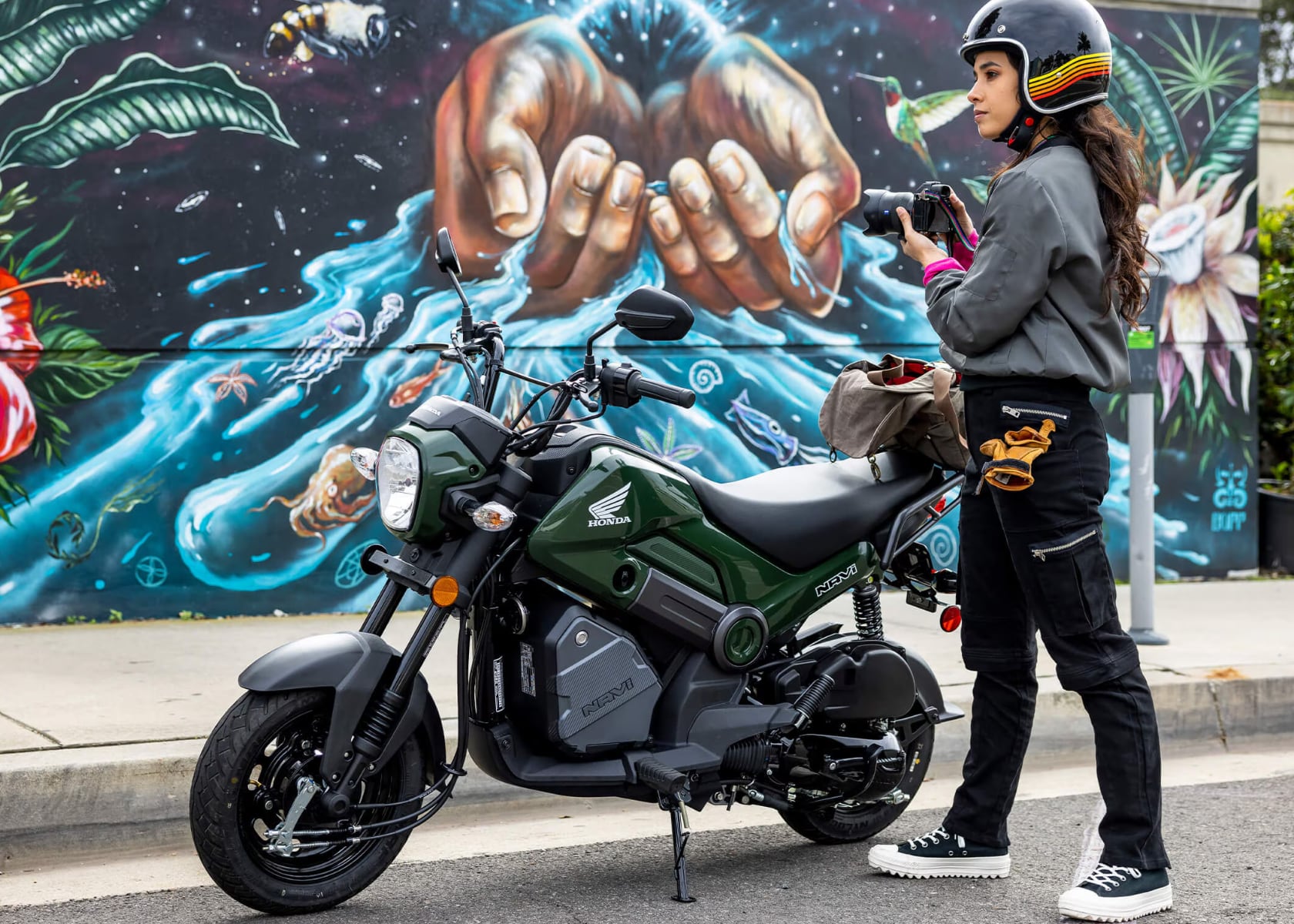
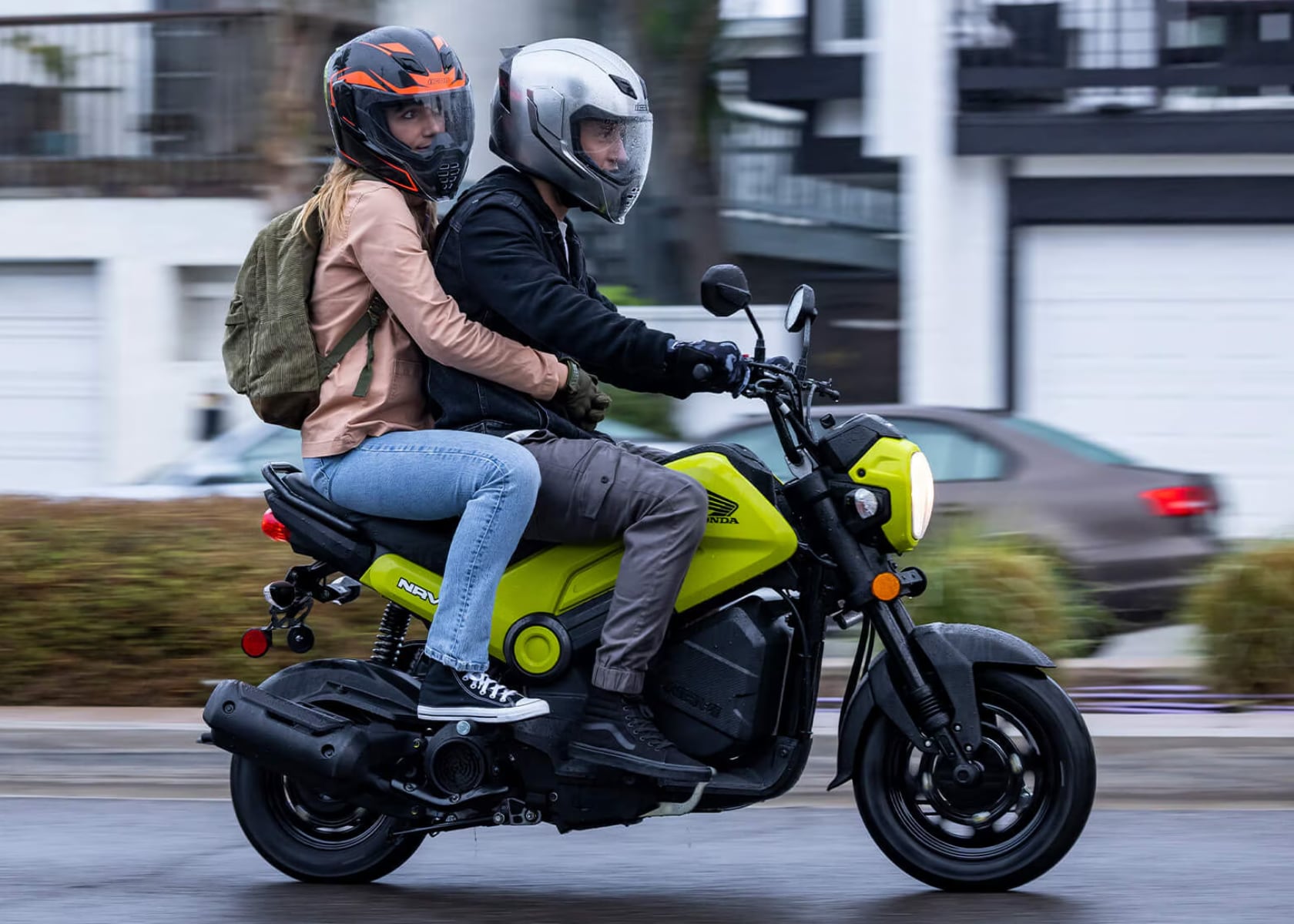
The Honda Navi is designed for riders seeking simplicity, style, and practicality. With urban commuters in mind, this compact motorcycle offers a unique combination of user-friendly features and economical value. Whether you’re a beginner or a seasoned rider, the Navi promises a fun and hassle-free riding experience. Here’s why the Honda Navi’s the perfect choice for navigating city streets and beyond.
Designer: Honda
User-Friendly Design
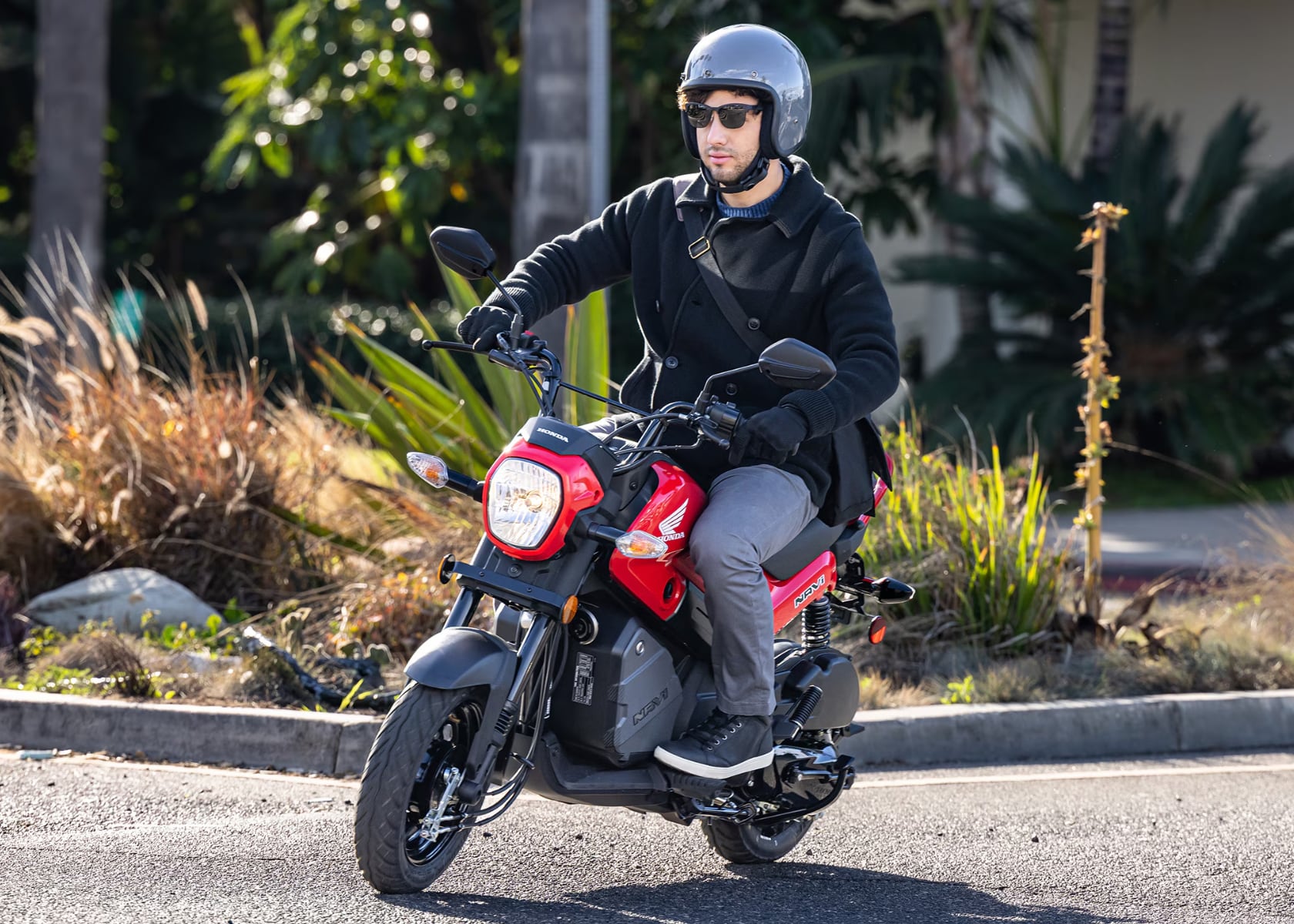
The Honda Navi is engineered to make riding as effortless as possible. At the heart of its user-friendly design is the automatic CVT transmission, which means no more dealing with clutches or gear shifts. This feature alone makes the Navi an excellent choice for those new to motorcycling. Simply start the engine, twist the throttle, and you’re on your way. The absence of a clutch and gear shift not only simplifies the learning curve but also enhances the overall riding experience by focusing on the joy of the ride itself.
Adding to its appeal, the Navi’s electric starter ensures that getting underway is as simple as pushing a button. This feature is particularly beneficial for new riders who may find traditional kick-start mechanisms challenging. The Navi’s design philosophy centers around making every aspect of riding straightforward and enjoyable, removing common barriers that might deter potential riders.
The compact and lightweight nature of the Honda Navi makes it an ideal choice for urban commuting. Weighing in at 234 pounds and featuring a low 30-inch seat height, the Navi is easy to maneuver through traffic and fit into tight parking spaces. This makes it perfect for city dwellers who need a reliable and agile mode of transportation for their daily commute. The low seat height also means that riders of various heights can comfortably manage the bike, enhancing confidence at stops and in congested areas.
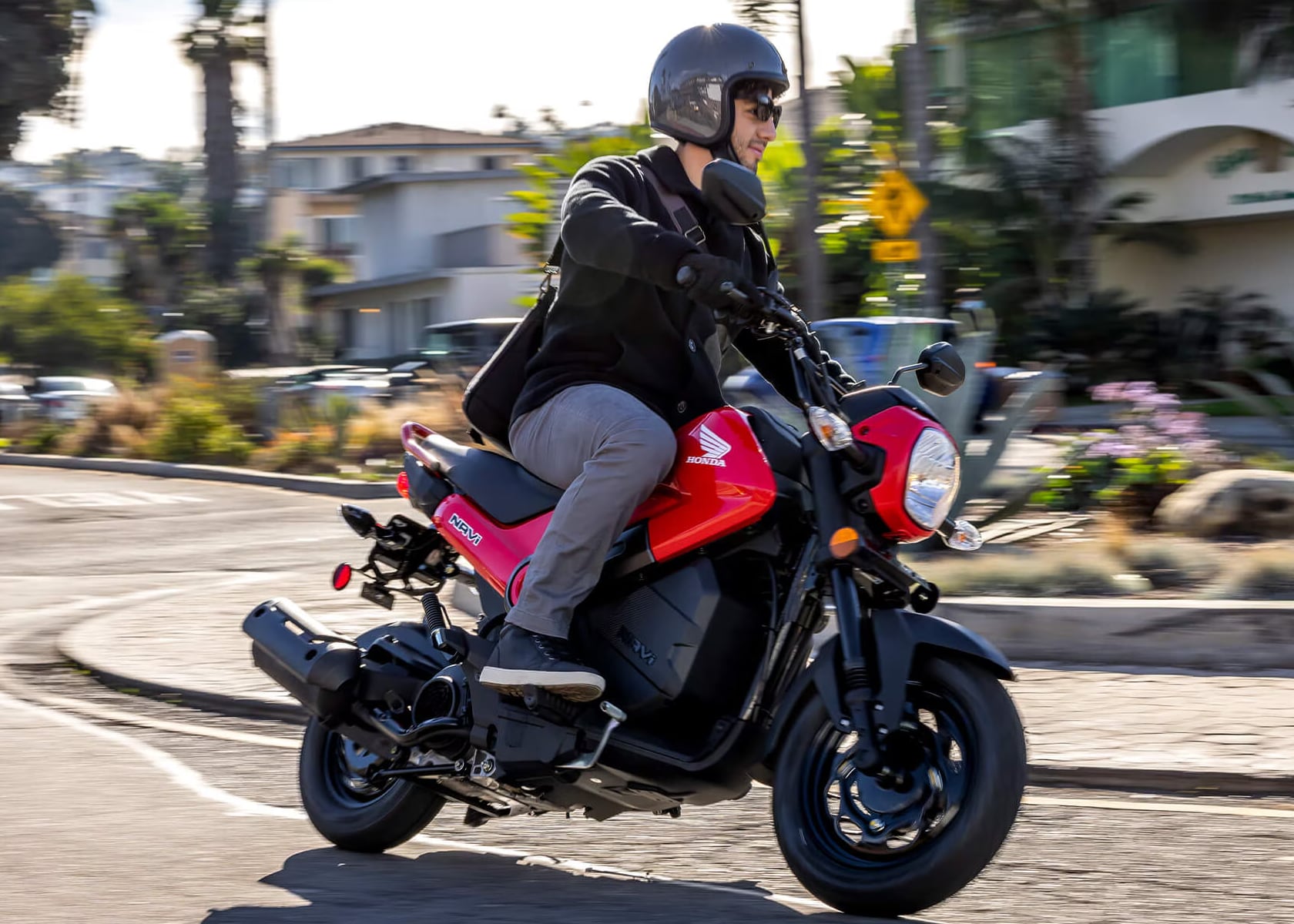
Beyond city streets, the Navi is also well-suited for casual weekend rides. Its small footprint and nimble handling make exploring back roads and scenic routes a delightful experience. The fuel-efficient 109cc four-stroke engine ensures that riders can enjoy extended rides without frequent refueling stops, making the Navi a versatile choice for both daily commutes and leisurely rides.
Exceptional Value
Affordability is a key selling point of the Honda Navi, making it an attractive option for budget-conscious riders. With a base MSRP of just $1,807 and an additional destination charge of $300, the Navi is one of the brand’s most economically priced motorcycles. Despite its economical price tag, the Navi doesn’t skimp on quality or performance. The 109cc air-cooled engine provides excellent fuel efficiency and requires minimal maintenance, reducing overall ownership costs. This makes the Navi a practical choice for students, young professionals, and anyone seeking to minimize transportation expenses without compromising reliability or enjoyment.
Moreover, the Honda Navi’s outstanding fuel efficiency further minimizes its running costs. Riders can travel longer distances on a single tank, which is especially beneficial given the rising cost of fuel. This combination of low purchase price, minimal maintenance, and high fuel efficiency delivers exceptional value, ensuring that the Navi remains an economical choice long after the initial purchase.
Versatile Use Cases
The Honda Navi offers versatility that extends beyond just being a daily commuter. It’s compact size and light weight make riding on narrow streets, and crowded city centers a pleasure. The easy maneuverability also means parking in tight spots is never a hassle. This versatility makes the Navi suitable for various riders, from students navigating campus paths to urban professionals weaving through city traffic.
The Navi also boasts various features designed to enhance the riding experience. The integrated storage area provides a convenient space for carrying essentials, and the optional windscreen and rear cargo rack offer additional comfort and utility. These features make the Navi a commuter bike and a practical option for running errands and short trips.
The Honda Navi is the perfect motorcycle for a wide range of riders. Its user-friendly design makes it accessible to beginners, while its compact and lightweight build is ideal for navigating urban environments. Coupled with its economical and reliable engine, the Navi offers exceptional value, making it a smart investment for anyone looking for a fun, practical, and cost-effective mode of transportation. Whether you’re commuting to work or enjoying a leisurely ride, the Honda Navi promises a hassle-free and enjoyable experience every time you hit the road.