Innovative Bluetooth keyboard turns its surface into a giant touchpad

Wireless keyboards are nothing new. Whether you’re on a desktop trying to escape the tangle of cables or on a laptop wanting to expand your limited set of keys, a wireless keyboard offers a bit more freedom and flexibility than other keyboards. That said, they still have the same limitations, namely, requiring a separate mouse or touchpad to move the computer cursor around. Not only does that take up more desk space, it also means another device you might forget or lose along the way. Some Bluetooth keyboards add a tiny touchpad off to the side, but that comes at the cost of reducing the number of keys available on the keyboard. This ingenious solution gives the best of both worlds by practically turning the entire keyboard into one giant touchpad you can swipe and pinch, just like any other touchpad.

Designer: Igor Solovyov (Industrial Designer, Clevetura)
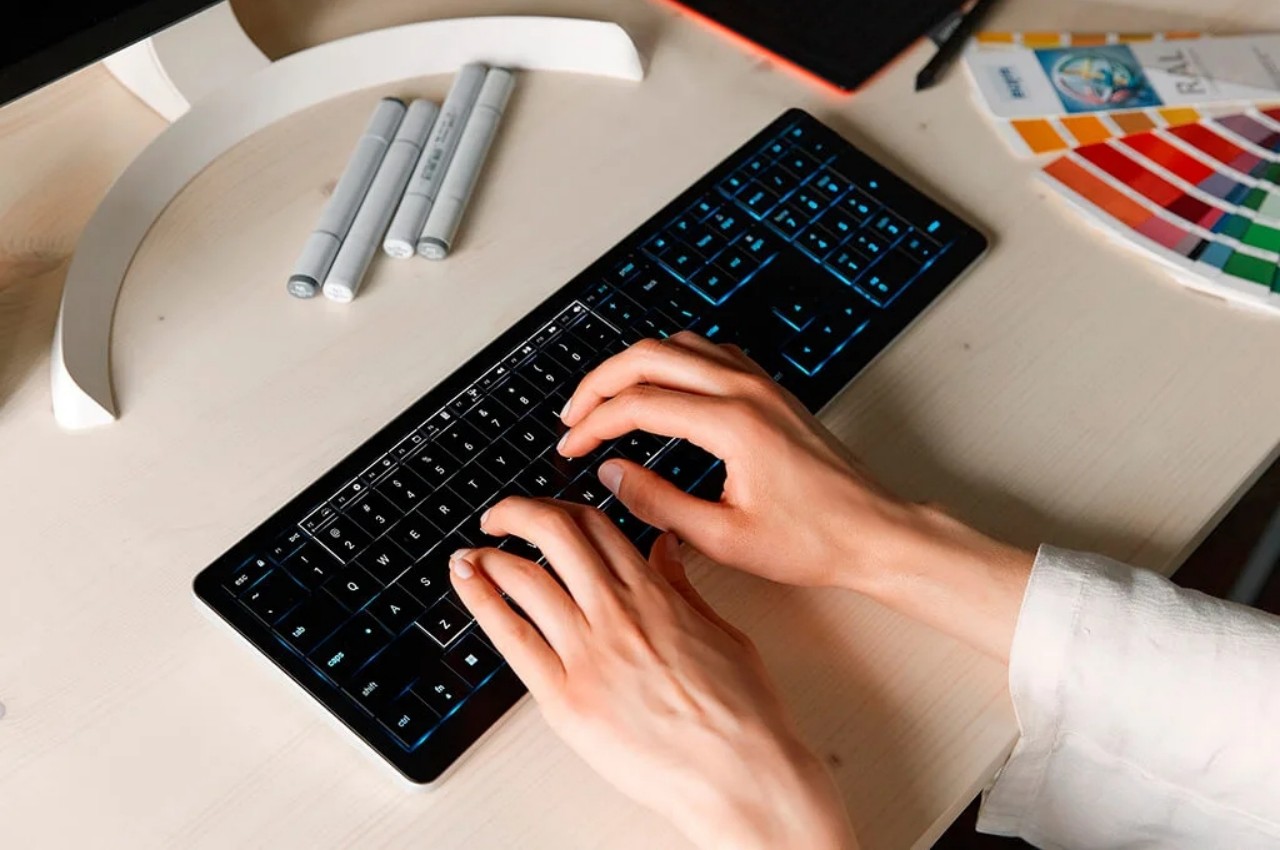
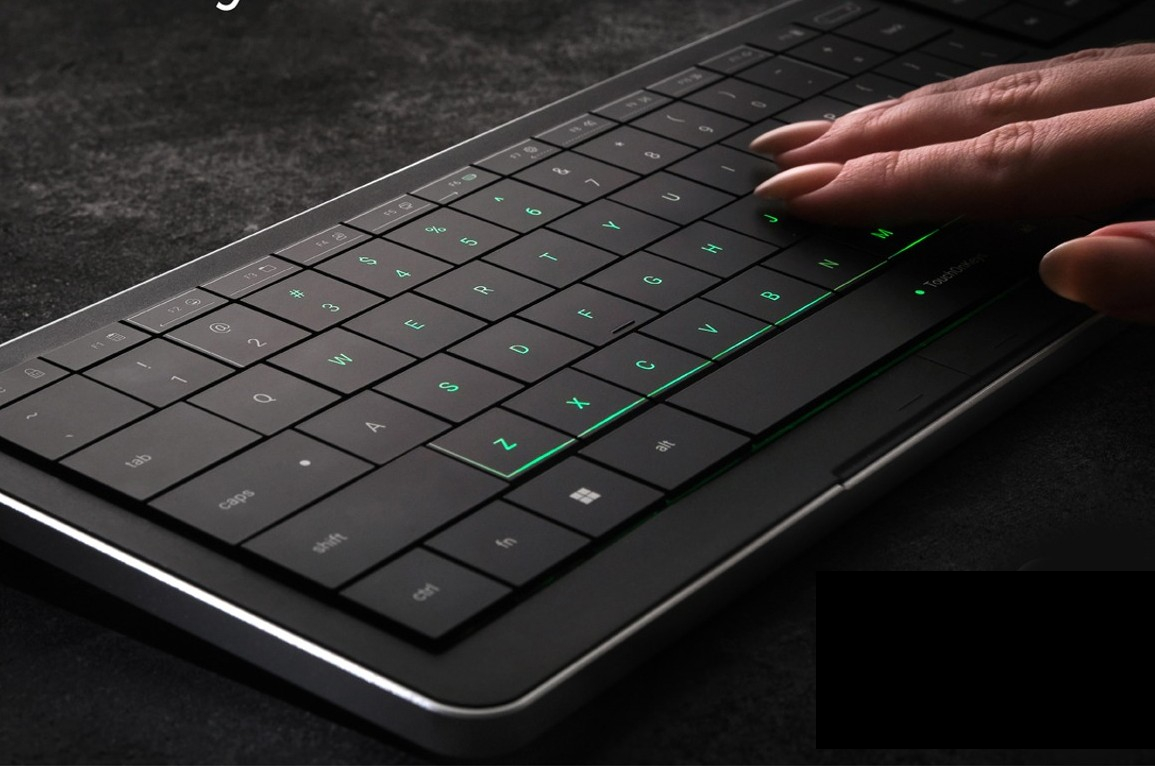
Laptops have the advantage of having both a keyboard and a pointing device in a single body, but their arrangement is hardly the best in terms of ergonomics and flexibility. Wireless keyboards with built-in trackpads, on the other hand, try to cram this component in an already small space but still manage to sacrifice keys like the numeric keypad. It’s almost as if there’s no ideal design that solves this problem, but the CLVX 1 boldly tries to think outside the box while offering a keyboard that, at least on paper, matches the functionality of many Bluetooth keyboards in the market today.

1

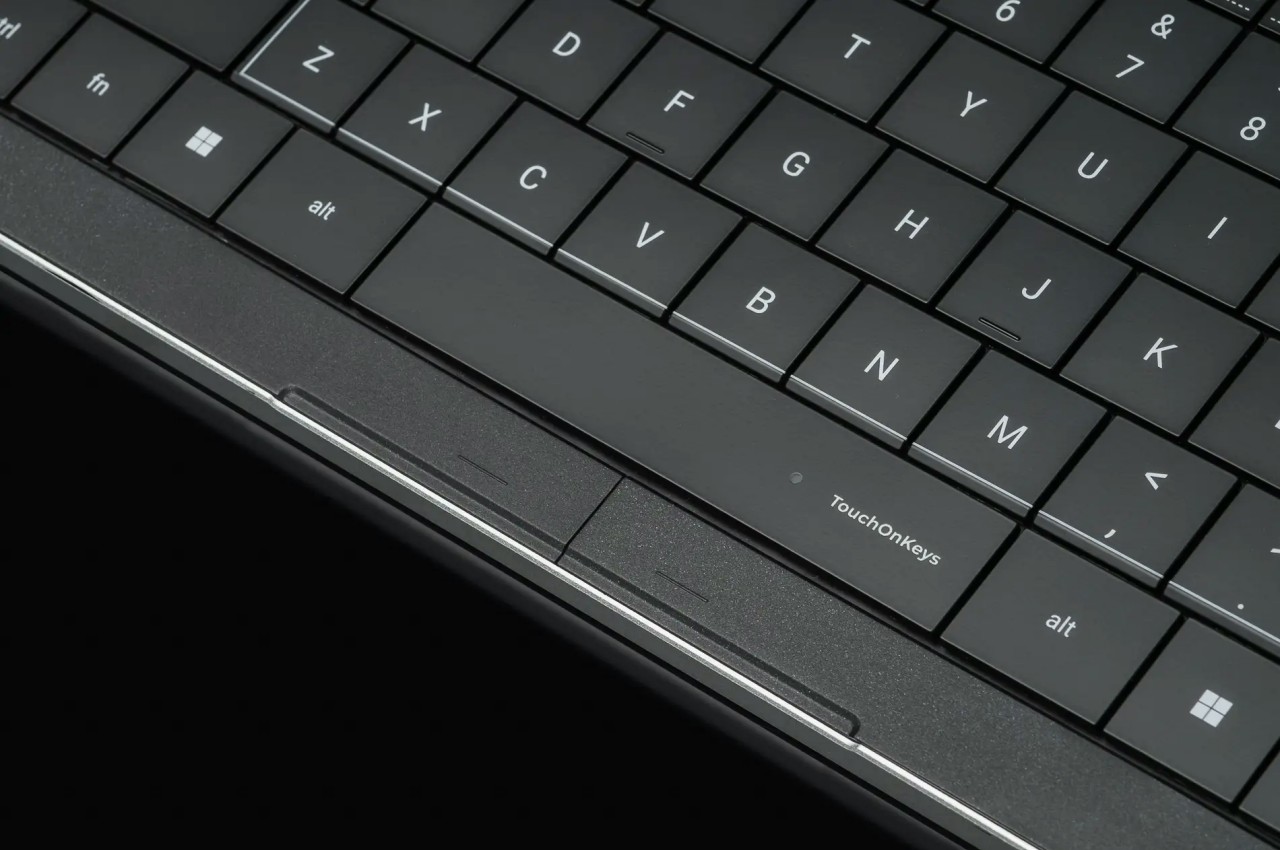
In a nutshell, the middle area of the CLVX 1 keyboard is touch-sensitive and functions like a giant touchpad. Thanks to a special slippery coating, you can effortlessly glide your finger across that area to move the mouse around without snagging on the edges of the keys. You can even pinch to zoom or perform any other touch gestures, just like a normal trackpad. As a bonus, the top row of function keys also functions as a slider that you can smoothly swipe without even having to look, making it just as easy to control the volume or any other function you program into the gesture. The keyboard promises that it won’t mix up typing and gestures, as it automatically disables touch detection once you press a key. And in case you’re wondering about mouse button presses, the keyboard has dedicated physical buttons below the spacebar for those actions.
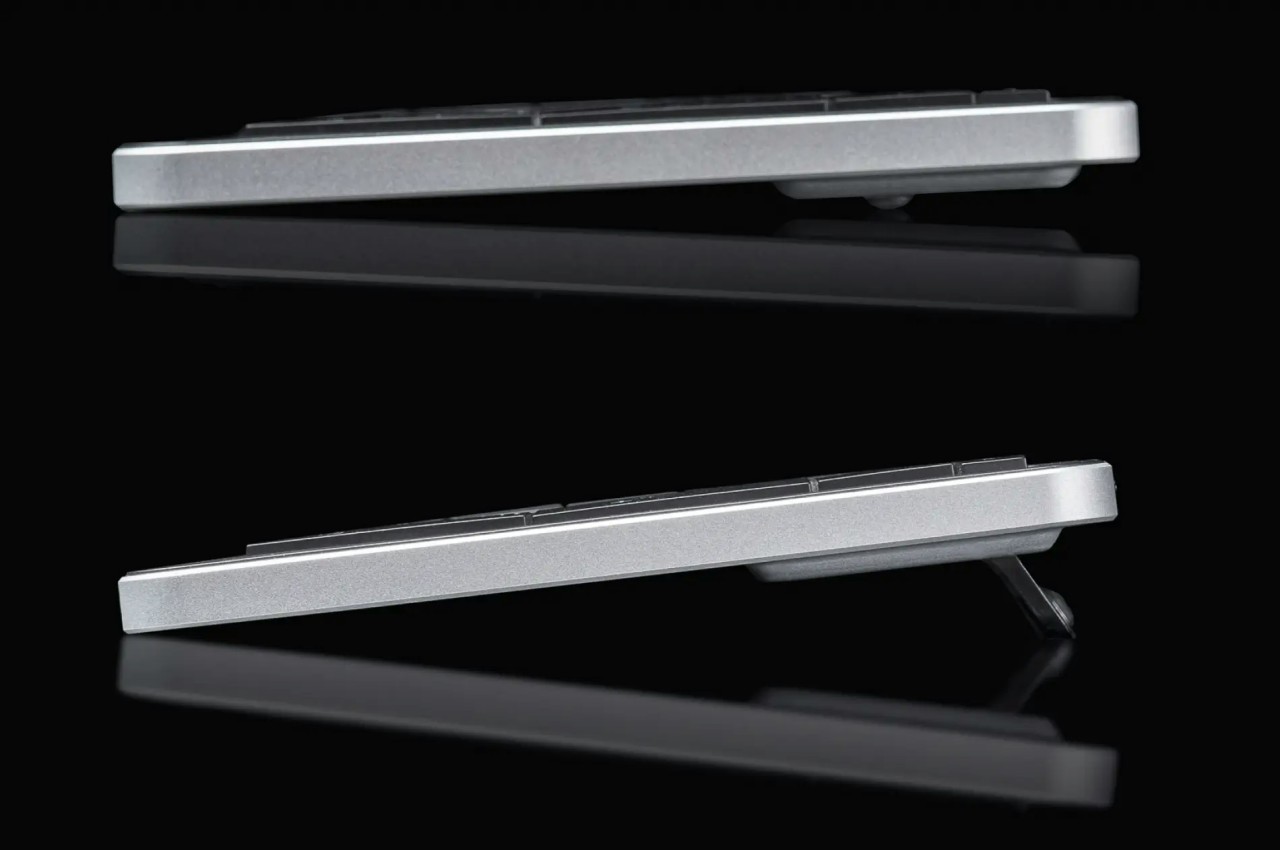
In all other aspects, the CLVX 1 boasts a laundry list of features available on many wireless keyboards and then some. It has a 110-key layout, which is far more than your typical Bluetooth keyboard, and uses scissor switches. The RGB lighting also has a few tricks, like following your finger as you glide over the keys. You can pair up to three devices with it via Bluetooth, but you can also connect to a device using USB-C for a fourth connection.
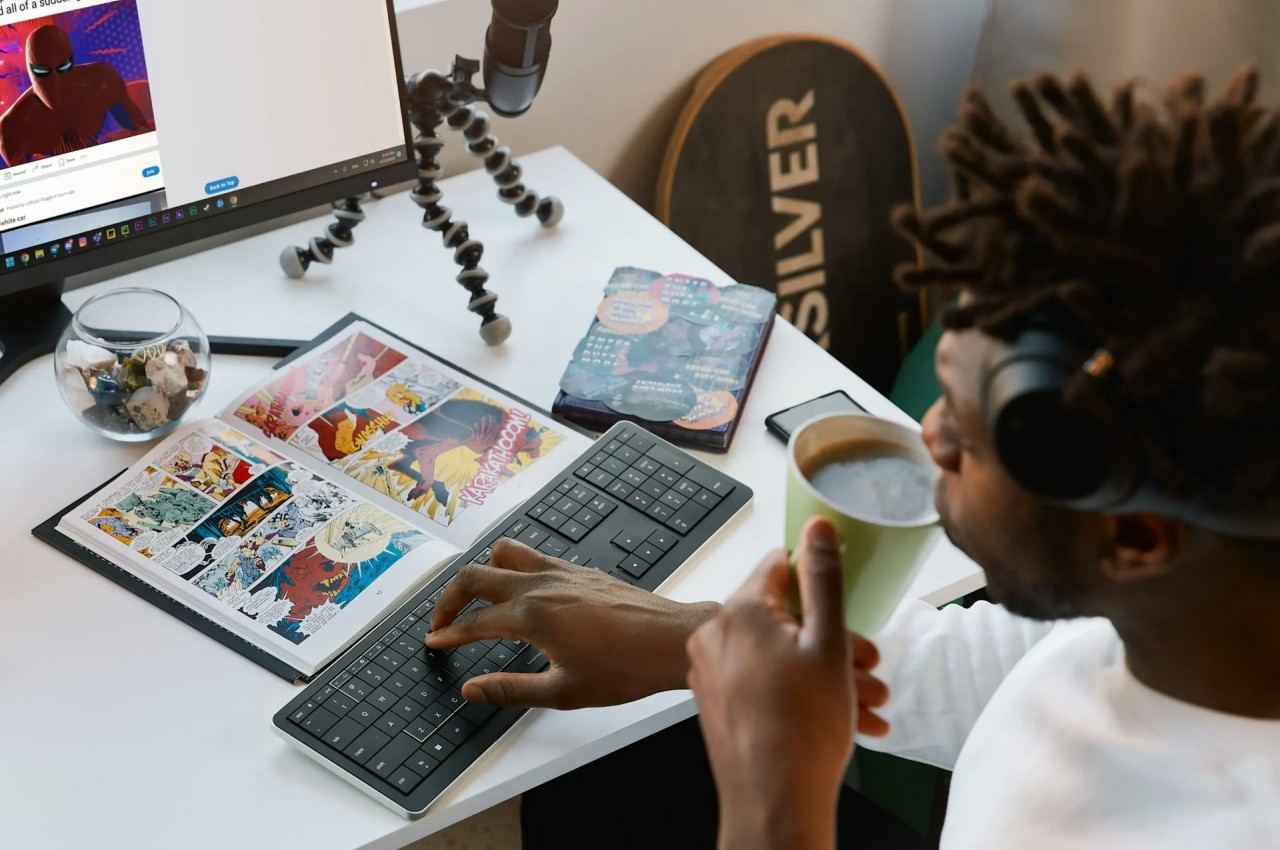
The CLVX 1 is definitely an intriguing design, but its mettle still needs to be tested in real-world use. The smoothness of swiping over keys will definitely be the biggest point of concern, but the typing experience of having those keys so close together is also an important consideration. Nevertheless, it definitely deserves some praise for thinking outside the box to deliver a design that doesn’t compromise just to mix two functions in one.


The post Innovative Bluetooth keyboard turns its surface into a giant touchpad first appeared on Yanko Design.
Logitech G launches its tiniest wireless keyboard – The first with a 60% layout

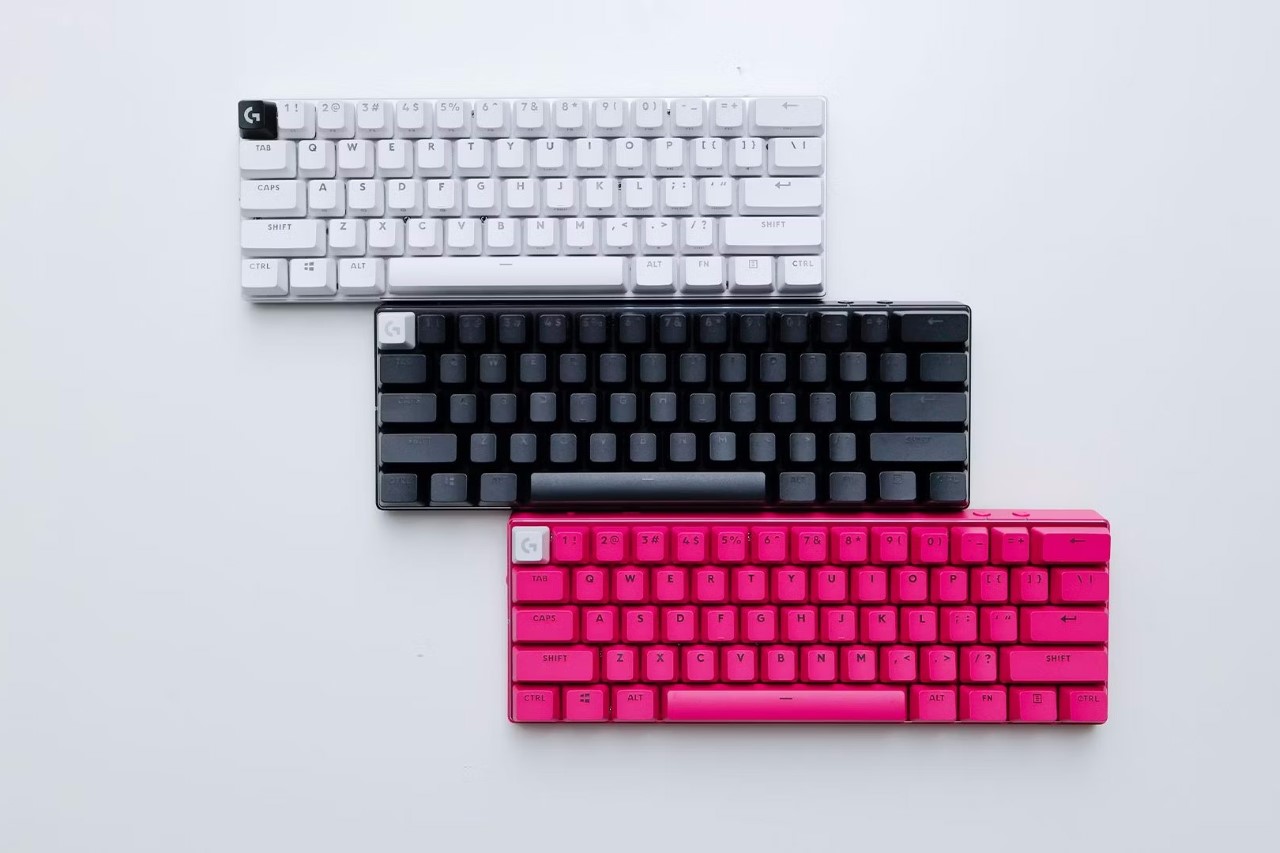
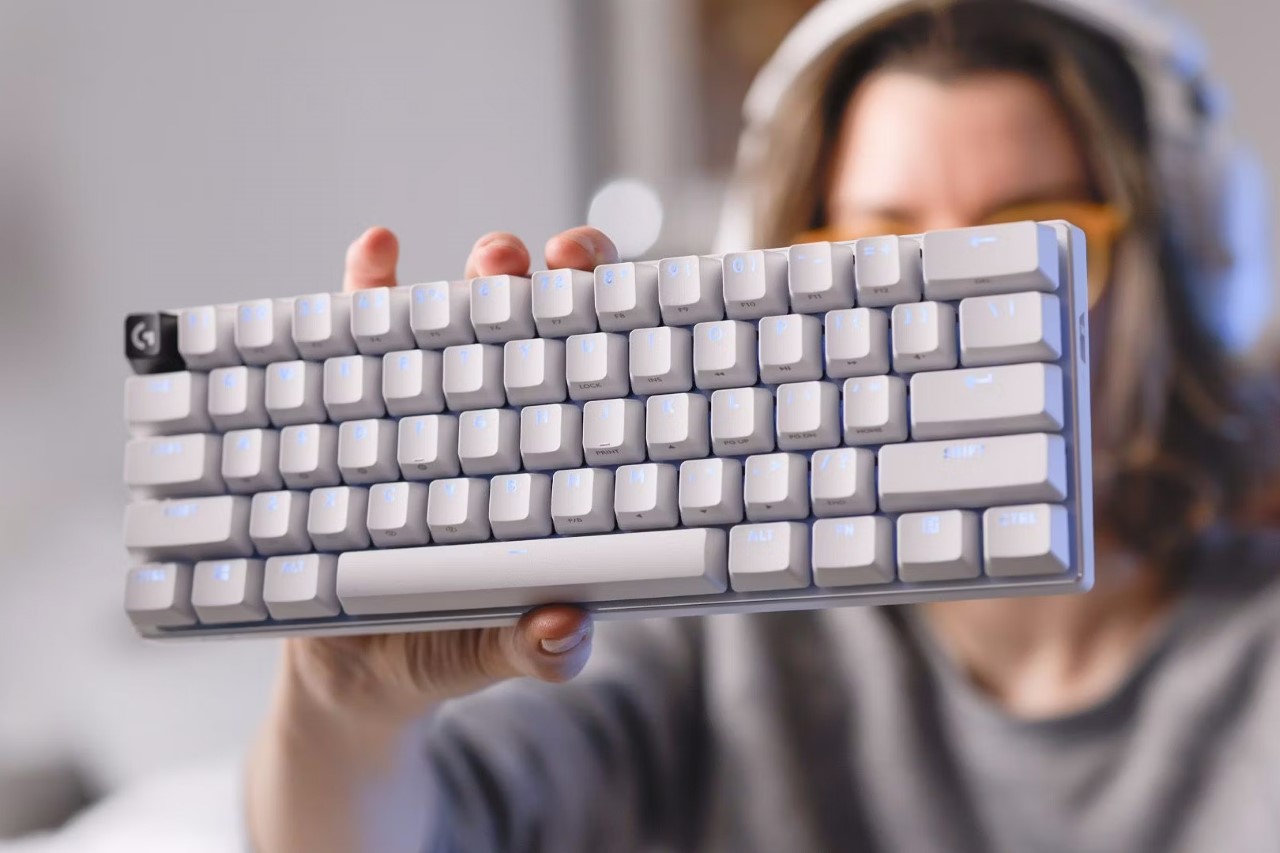
If you’re anywhere near a laptop, spend a second looking at the keyboard it contains. Chances are, the keyboard you’re looking at has a 65% layout, featuring the QWERTY keys, the number row above it, and function keys. Not all laptops have num-pads on the side (unless they’re 15-inch laptops or more), so what you’re left with is perhaps the most condensed keyboard layout ever. However, you CAN go smaller. Remove the function row from the top, and you’re now left with a bare-basics 60% keyboard layout. It gets the job done, it’s compact, and is ideal for portability – all of which are the Pro X 60’s most prized features. Debuted as Logitech’s first 60% wireless keyboard, the Pro X 60 Lightspeed is deviously tiny, but doesn’t trade size for functionality. It’s still got great mechanical travel at its heart, making the keyboard perfect for pretty much everyone, but ideal for gamers, who revere that mechanical feel.

Designer: Logitech

Click Here to Pre-Order Now

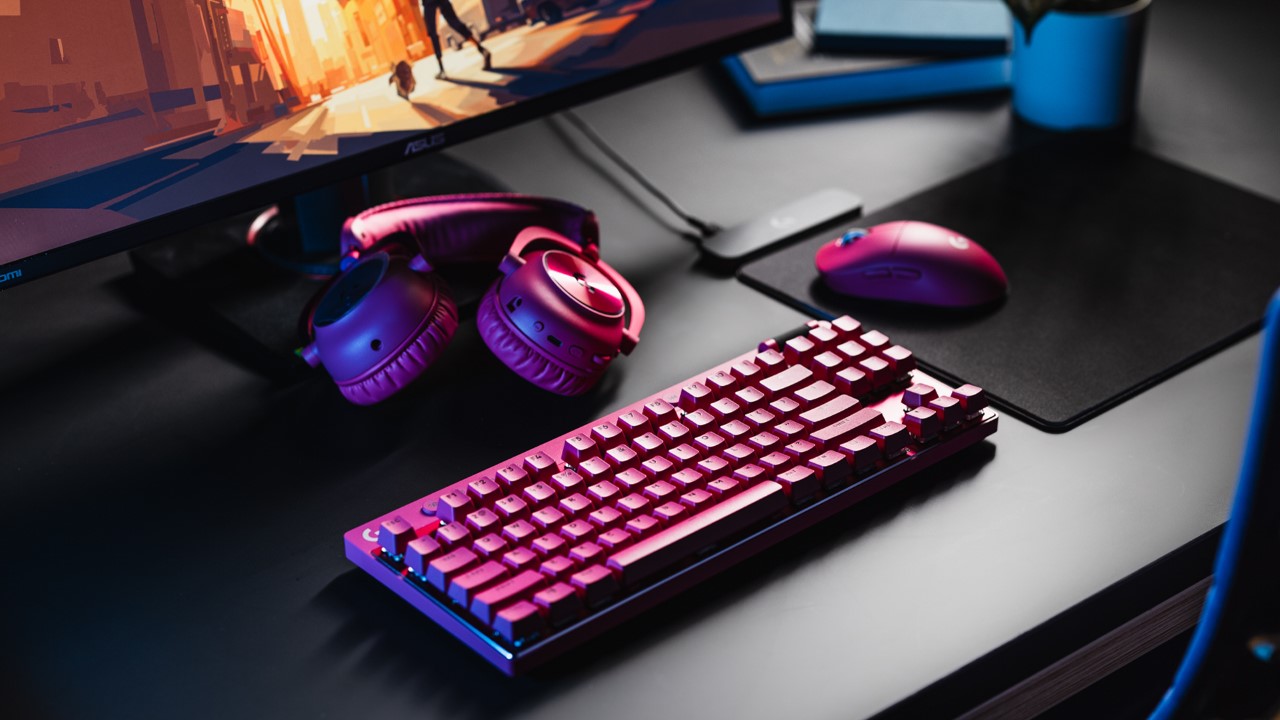
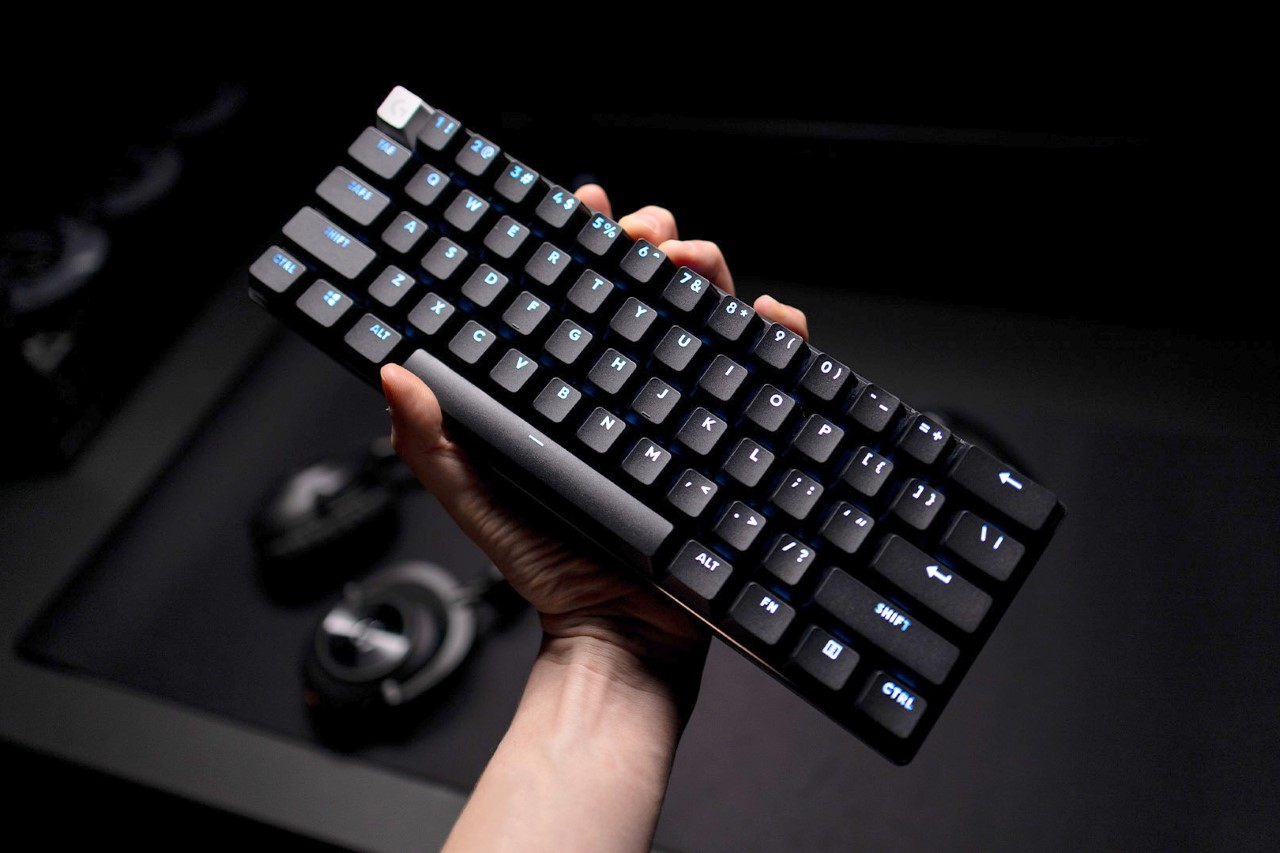
At a glance, the $179 Pro X 60 Lightspeed is a study in meticulous design and technological advancement. Offering a choice between tactile or linear GX optical switches, and available in three colors—black, white, or pink, the keyboard seeks to envelop gamers in a bespoke gaming experience. The keyboard’s compact size is a deliberate choice, offering ease of transportation without compromising on the essential features that gamers have come to expect from Logitech’s G Pro X series.

Unlike its predecessor, the G Pro X TKL Lightspeed, the Pro X 60 Lightspeed opts for optical switches over mechanical ones, offering a distinct feel with a 1.8mm actuation point and a travel distance of 4mm. This choice underscores Logitech’s pursuit of providing gamers with precision and responsiveness in a form factor that defies convention. The keyboard’s versatility extends to its connectivity options—wired via a USB-C cable, or wireless through Bluetooth or Logitech’s proprietary Lightspeed dongle, ensuring a seamless gaming experience with a 1000Hz polling rate.

Gamers can customize the keyboard and assign macro shortcuts, adjust lighting, and tweak audio effects to their liking, with each key capable of performing up to 15 different functions through Logitech’s G Hub software and the new Keycontrol tool. The inclusion of Lightsync RGB lighting, pre-set to a static blue to minimize distractions, further enhances the gaming atmosphere, allowing for a personalized color palette and lighting sequences to radiate through the keyboard’s dual-shot PBT keycaps.

Beyond its technical prowess, the Logitech G Pro X 60 Lightspeed is designed with quality-of-life improvements that cater to the gaming lifestyle. A strategically placed volume roller, a Game Mode switch that disables potentially distracting keys, and a carry case for easy transport all contribute to a gaming keyboard that understands the rhythm of competitive play and travel. For gamers for whom every second and every key press can make the difference between victory and defeat, the Pro X 60 Lightspeed is a mobile command center that bridges the gap between performance and portability. The Pro X 60 Lightspeed is available for preorder, with deliveries starting April 17th.

Click Here to Pre-Order Now

The post Logitech G launches its tiniest wireless keyboard – The first with a 60% layout first appeared on Yanko Design.
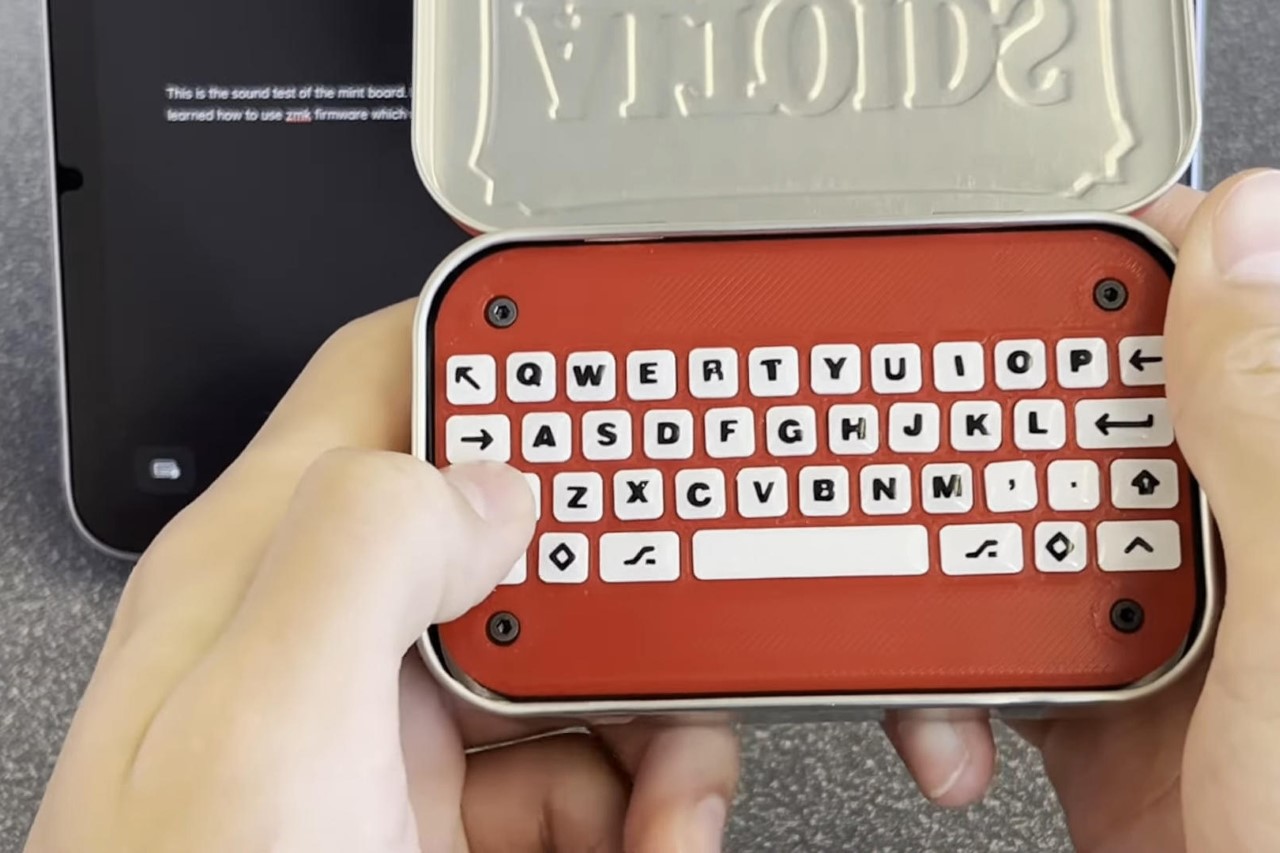
Wireless Keyboard Inside An Altoids Tin Is Perfect For People Missing Their Blackberry Phones

Remember the Clicks Keyboard from earlier this year? What if you could somehow build your own and carry it around in an Altoids tin??

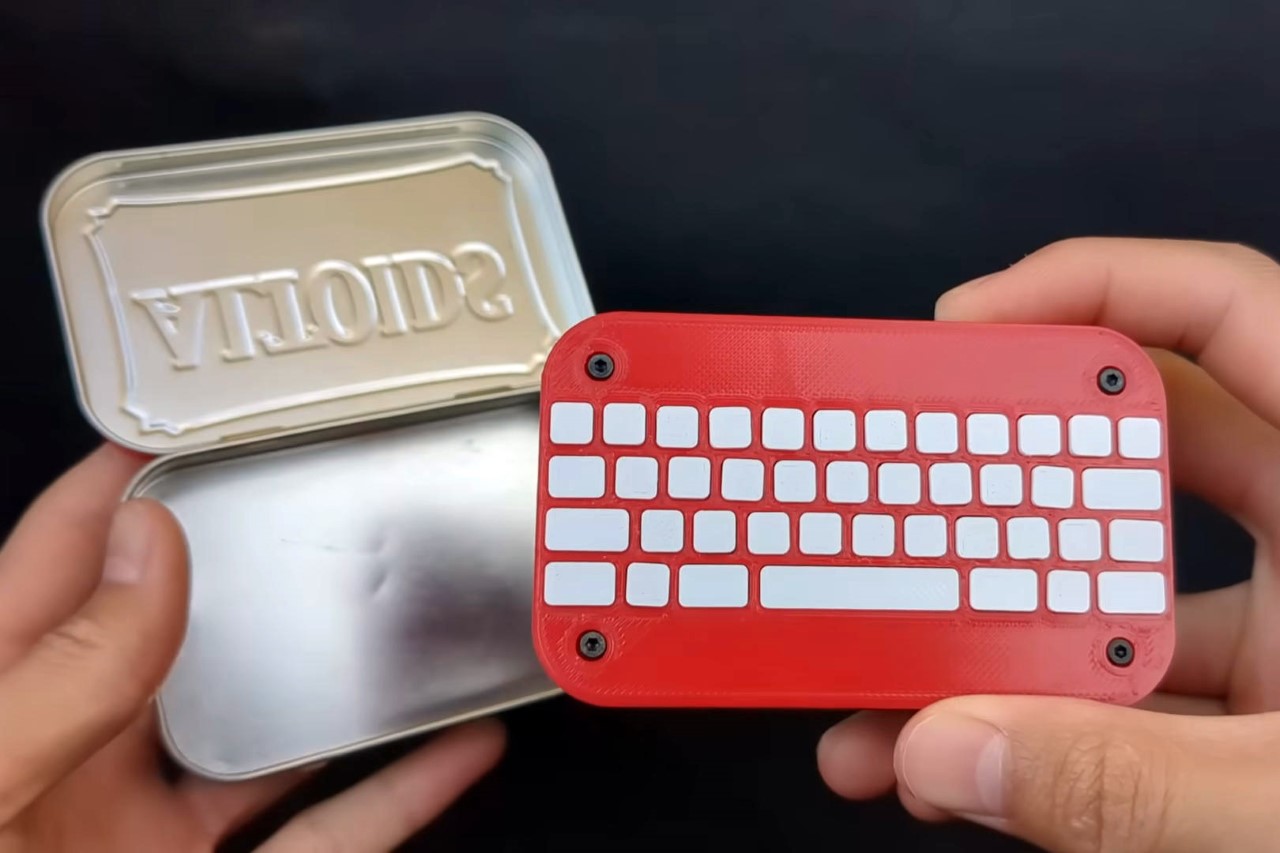
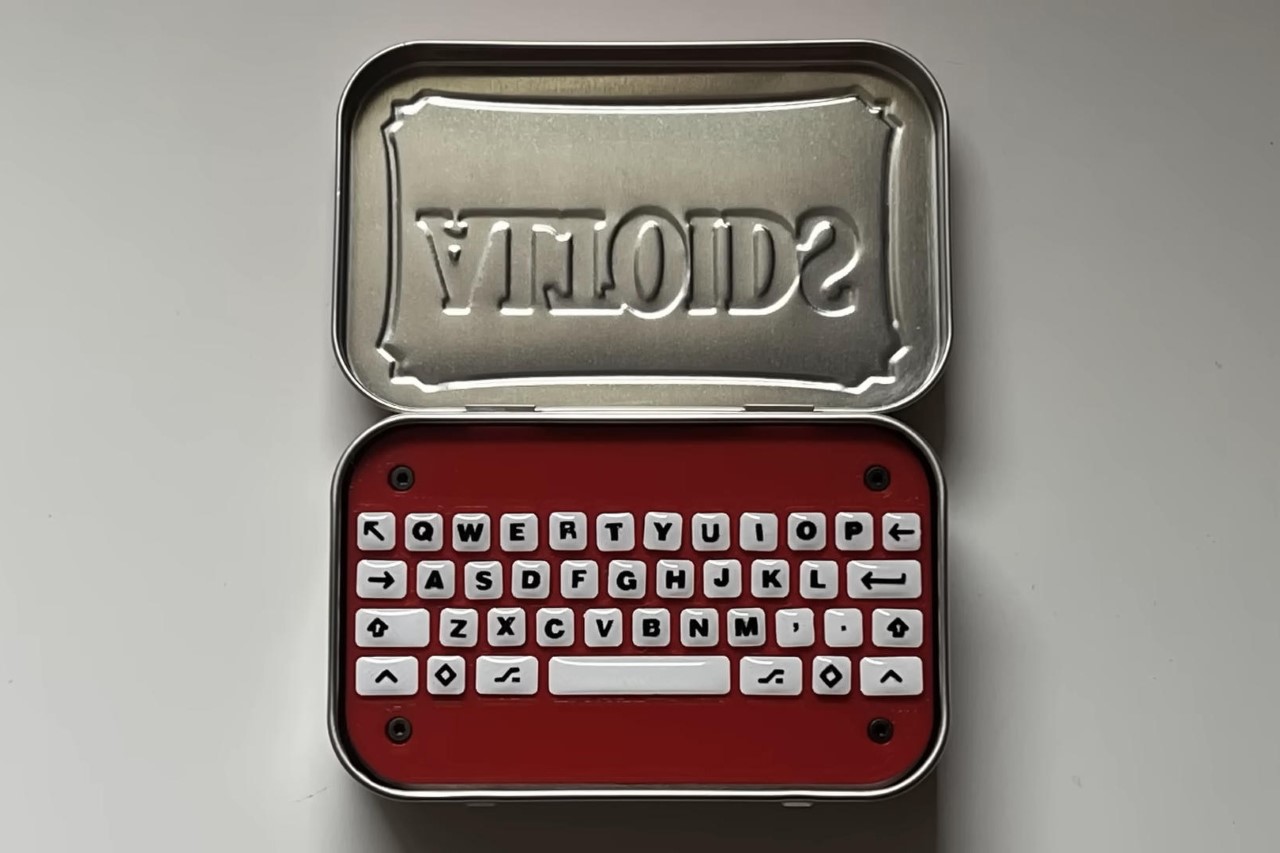
YouTuber ‘Flurples’ decided the Altoids tin was honestly the perfect vehicle for this miniature keyboard. It was roughly the width of your standard Blackberry phone, which means the keys would be perfectly thumb-sized, and it had the added benefit of coming with its own metal case and lid that made carrying it around incredibly easy. The only thing left was to actually build the keyboard.

Designer: Flurples

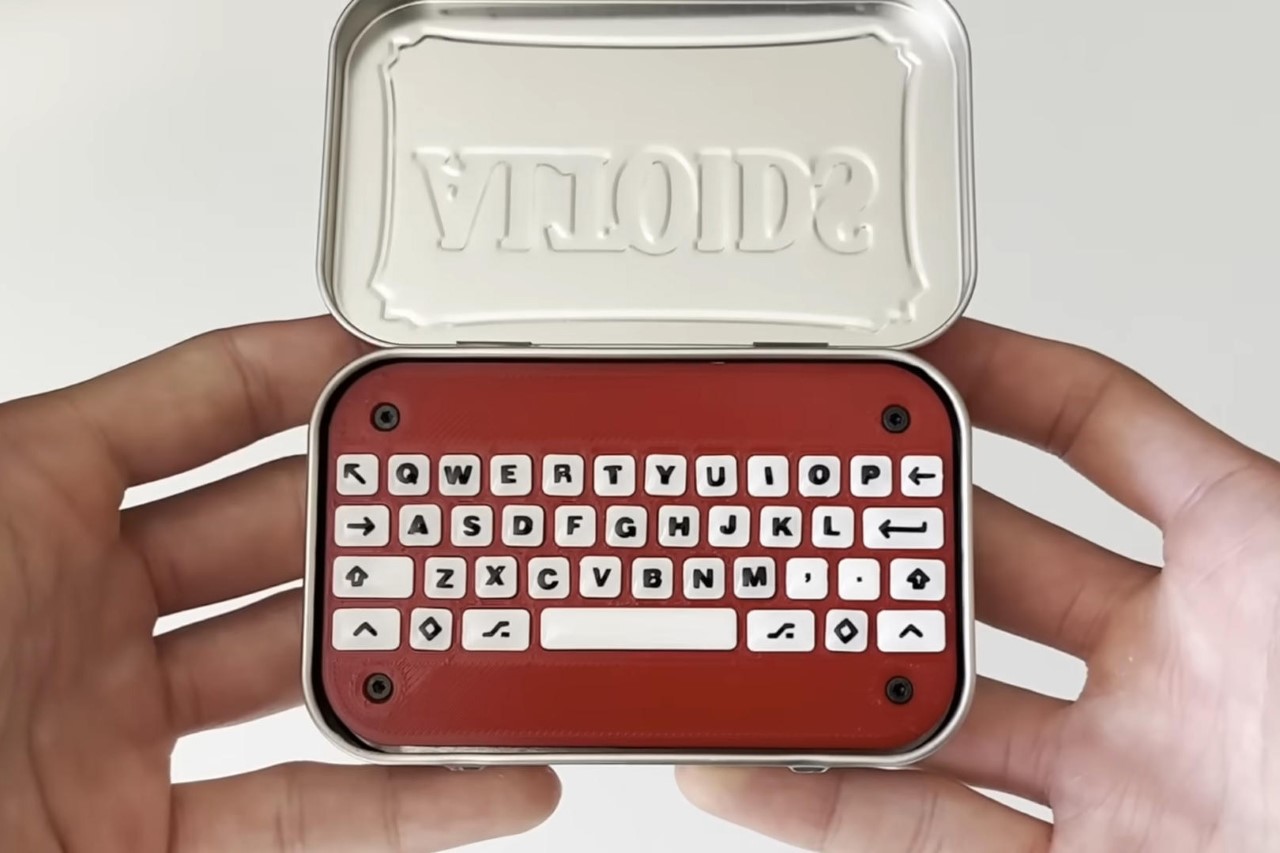
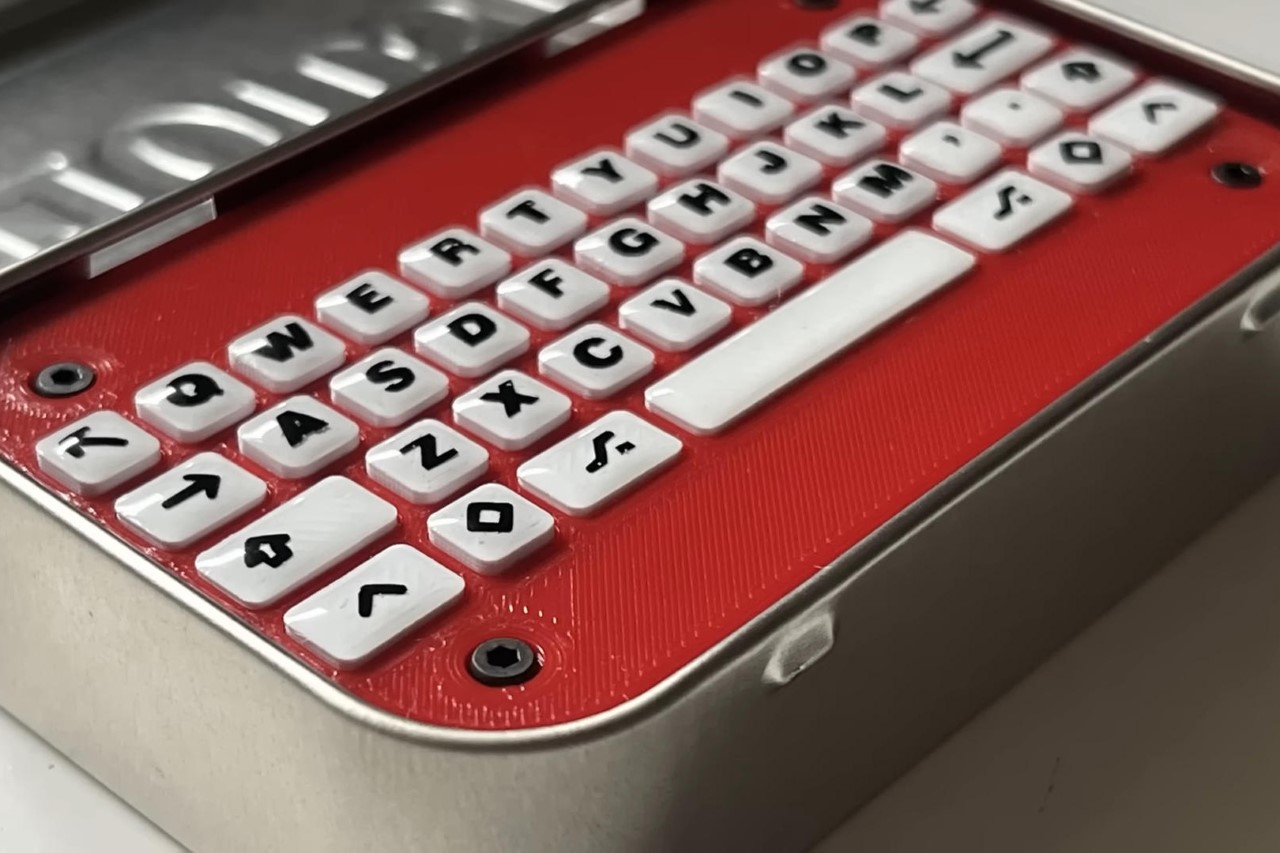
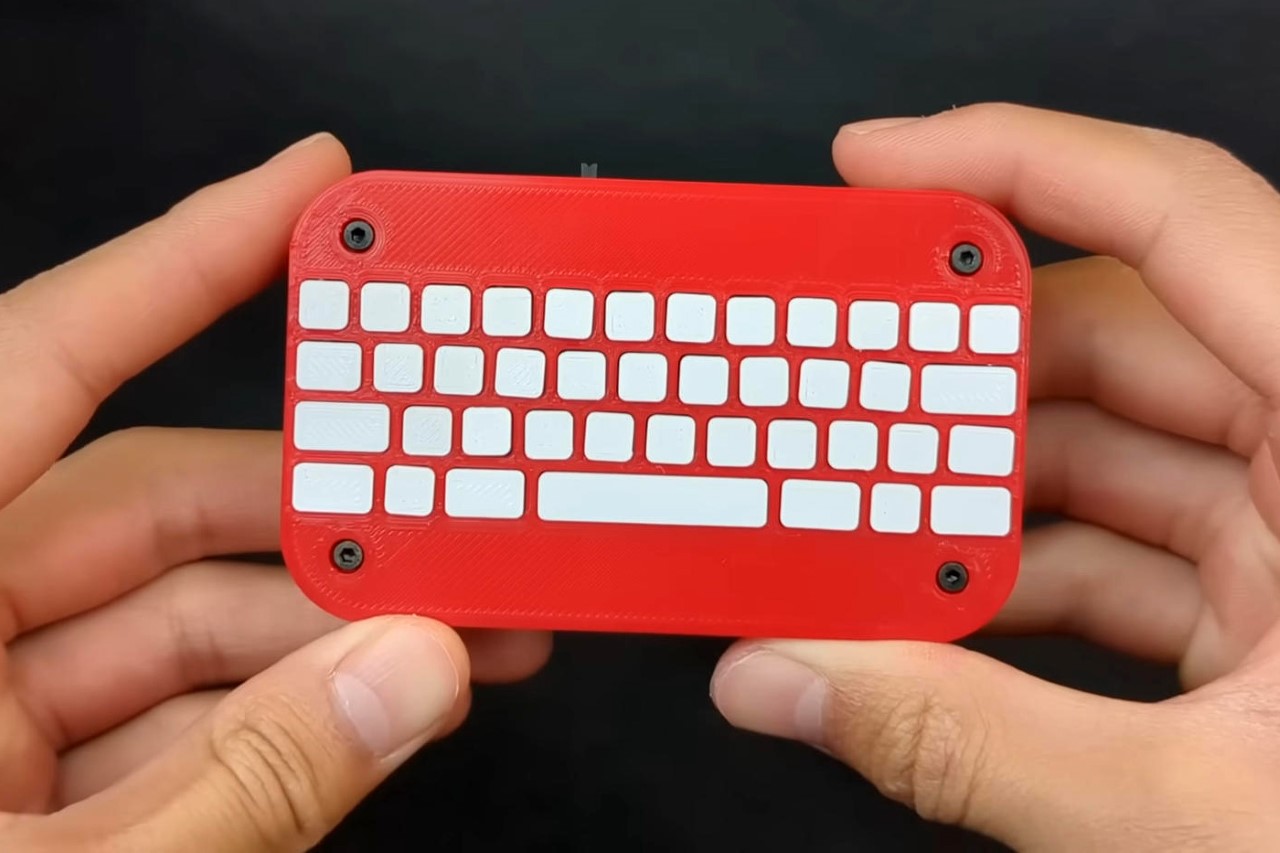
Dubbed the Mint Board, this tiny keyboard is quite the tactile dream come true. It fits in your pocket, has an on/off switch, and wirelessly connects to any Bluetooth-capable device to turn into a keyboard. While it’s incredibly small, it’s perfectly usable (even more so than those godawful touchscreen keyboards) although most people will sorely miss the presence of a number row on top. The Mint Board also charges via USB-C, although Flurples didn’t mention what the battery life of the keyboard is on a full charge.

The Mint Board works with an iPad, allowing you to type on a tactile surface and have the letters appear on screen

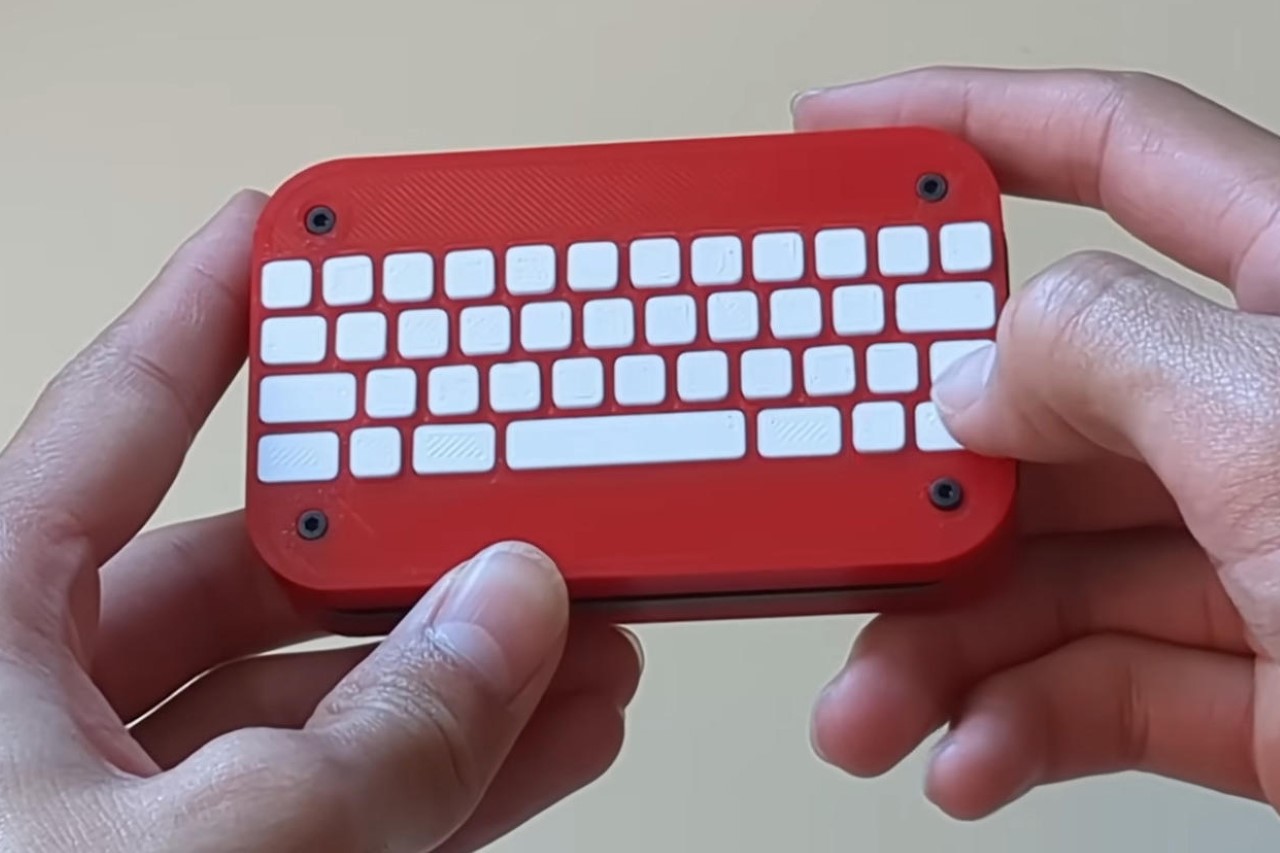
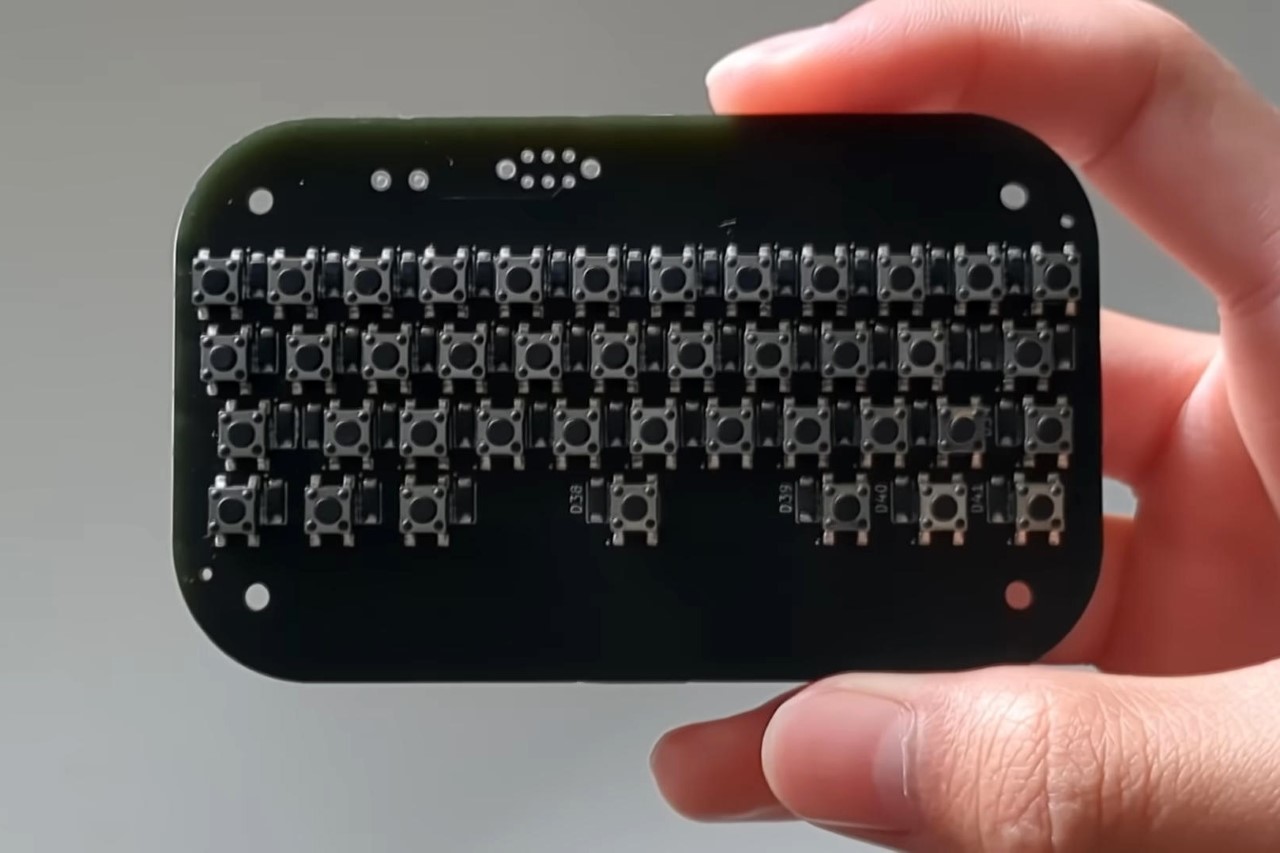
Initially conceptualized as a 60% layout keyboard, the Mint Board’s design journey was marked by meticulous planning and adaptation to spatial constraints, ultimately settling for a 40% layout that would only feature the essential Qwerty and special keys (no numbers either). Key spacing and switch selection were pivotal considerations when it came to choosing this layout, ensuring optimal utilization of the limited space within the tin.

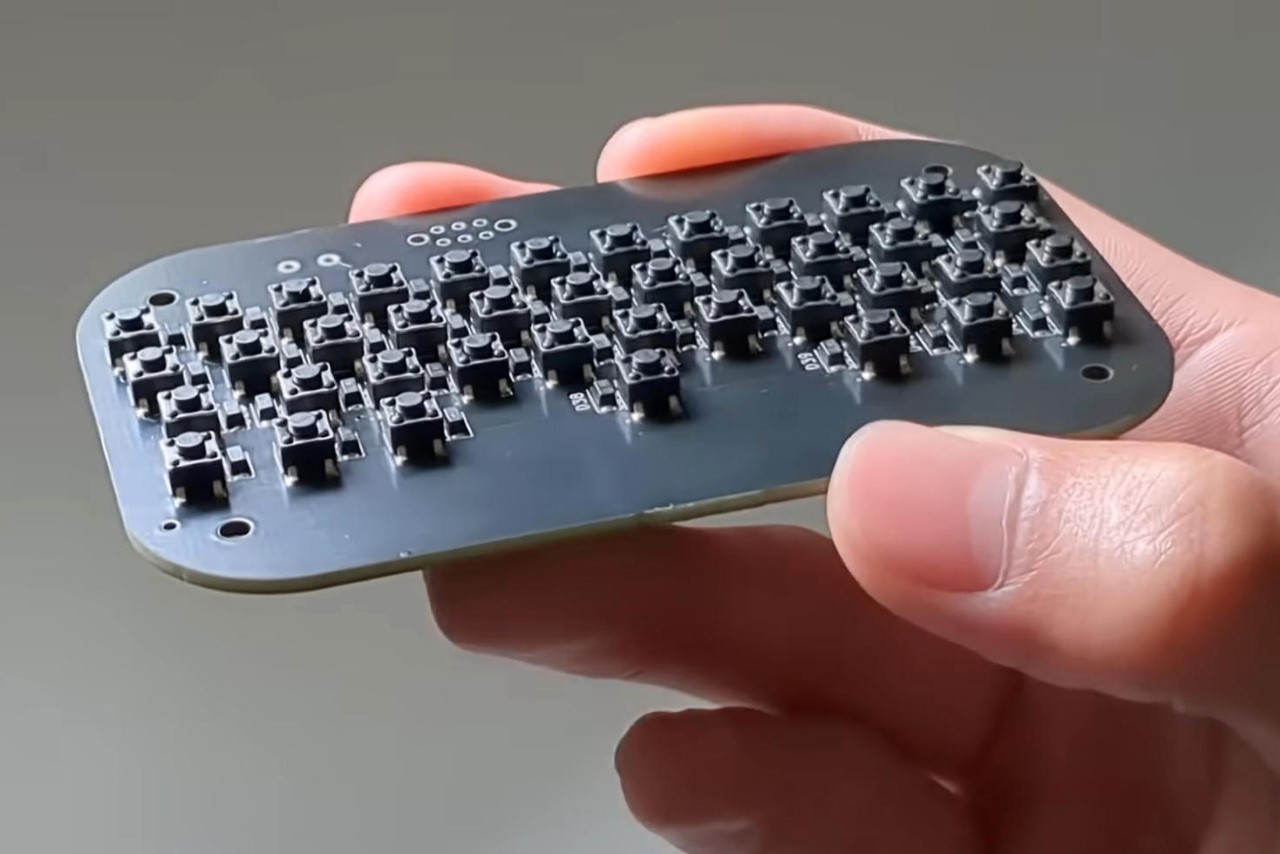
At the core of the Mint Board lies a meticulously crafted PCB, meticulously designed to accommodate switches, diodes, a microcontroller, and an on/off switch. Firmware development was a strategic endeavor, with Flurples opting for a Nice Nano microcontroller and ZMK firmware to enable Bluetooth connectivity. Despite the transition from the familiar QMK firmware, Flurples found solace in the shared conceptual framework, facilitating a seamless integration process. The assembly process proved to be both a challenge and a triumph, as Flurples meticulously soldered each component, including the microcontroller and battery, with precision and finesse. However, unforeseen challenges arose, such as tight keycaps, prompting Flurples to undertake a redesign.

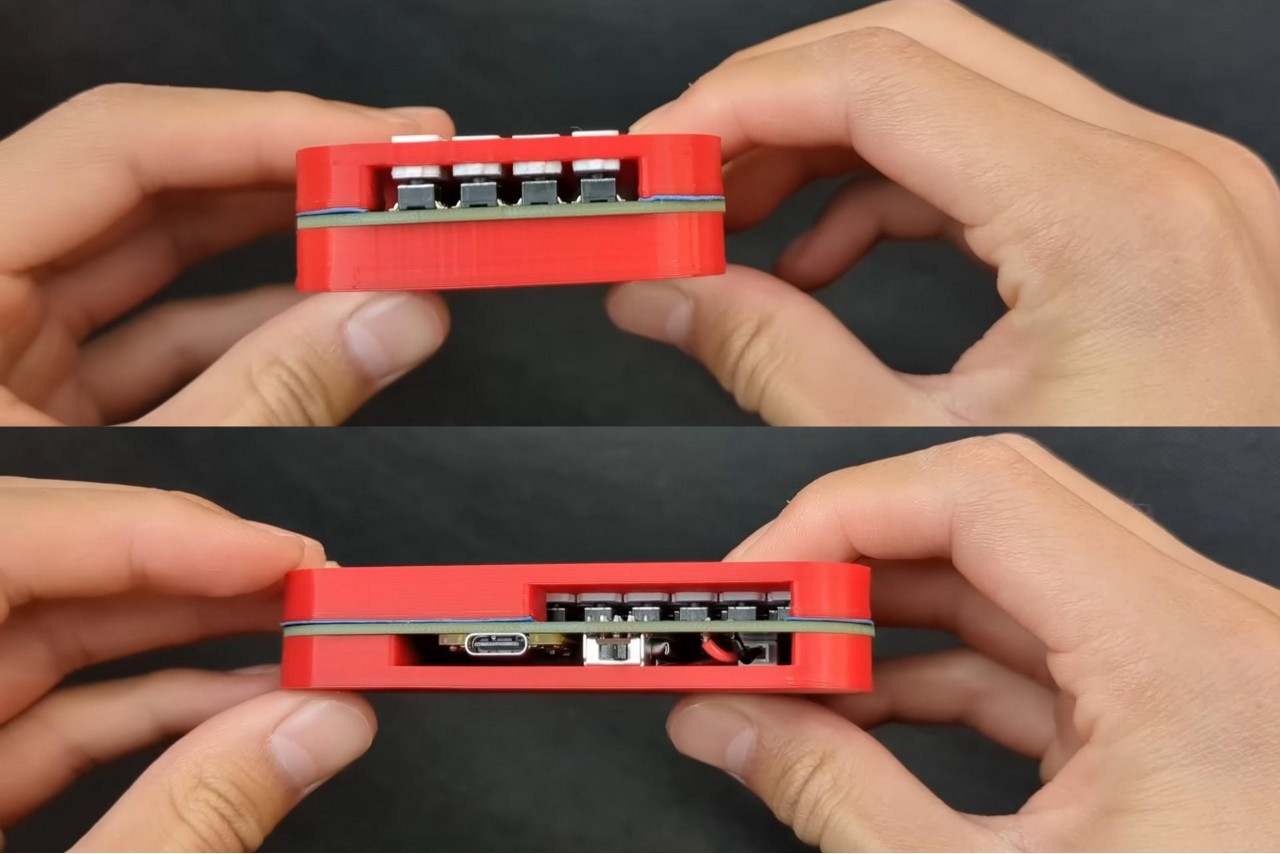
Once the inner workings were ready, Flurples built the outer housing, relying on a 3D printer to make the upper and lower halves of the keyboard body, as well as the 41 individual keys. The keyboard was secured together using four screws that sandwiched the PCB in between the plastic components, and glued into the Altoids tin, whose sides had cutouts made to coincide with the ports and switches on the Mint Board’s PCB.

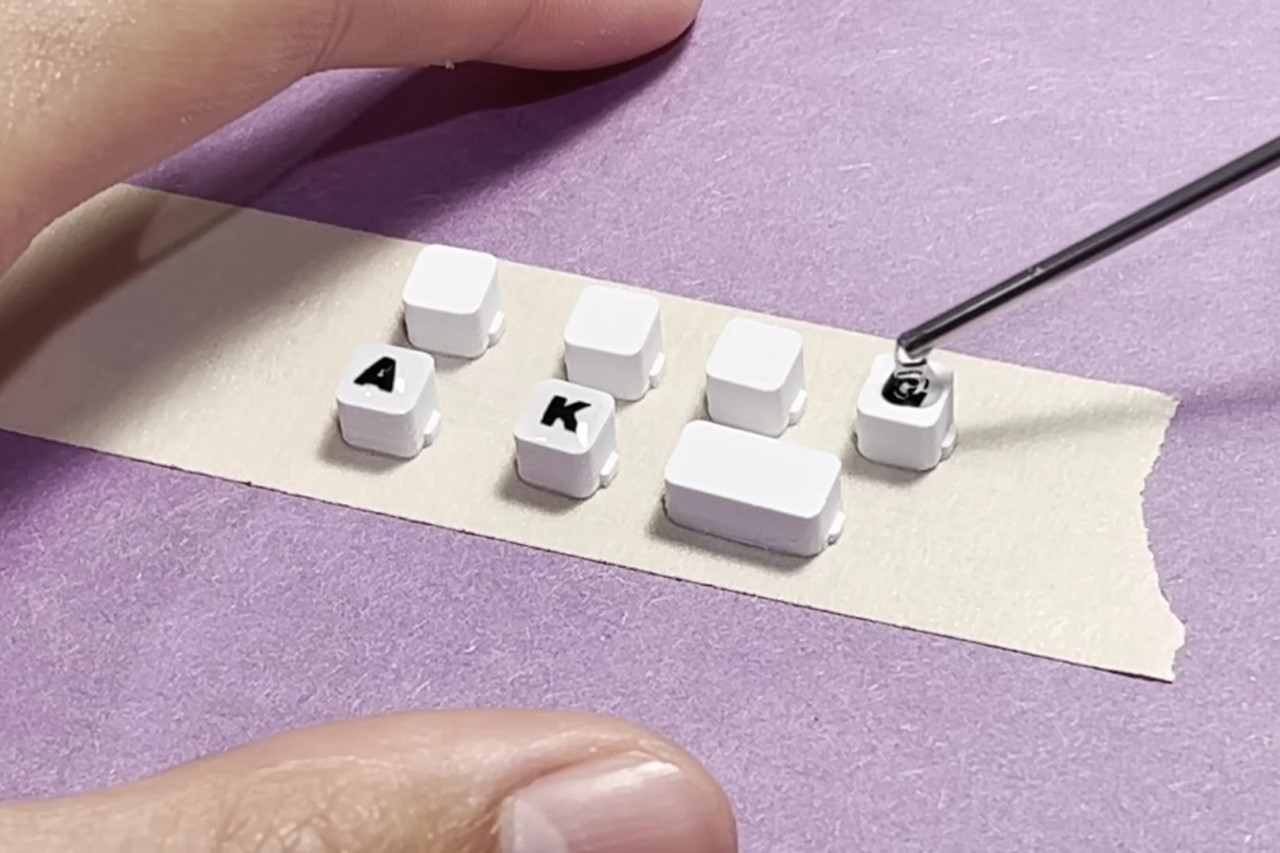
Yet, the true pièce de résistance of the Mint Board lies in its personalized keycaps, each painstakingly crafted with legends created in Illustrator, cut using a Cricut Machine, and finished with a layer of clear-coat resin to give it its signature domed shape. Using the keyboard proved to be gorgeously tactile too, with satisfying click sounds that most Blackberry users will fondly remember. The best part, the entire keyboard could wirelessly connect to pretty much any device, giving you a familiar typing experience on everything from your smartphone to even your iPad.

Flurples should seriously consider building a screen into the lid and turning this into a miniature laptop!

The post Wireless Keyboard Inside An Altoids Tin Is Perfect For People Missing Their Blackberry Phones first appeared on Yanko Design.