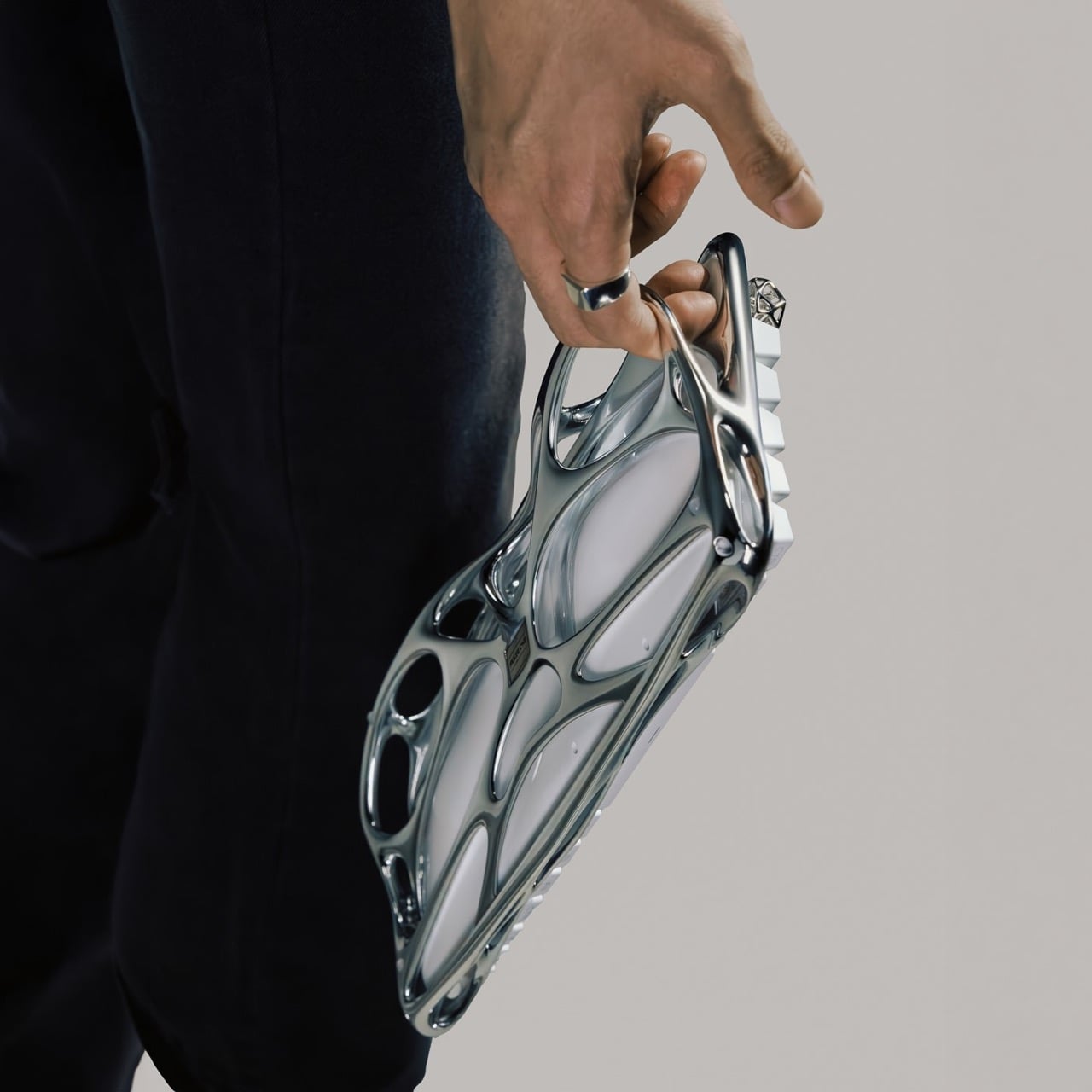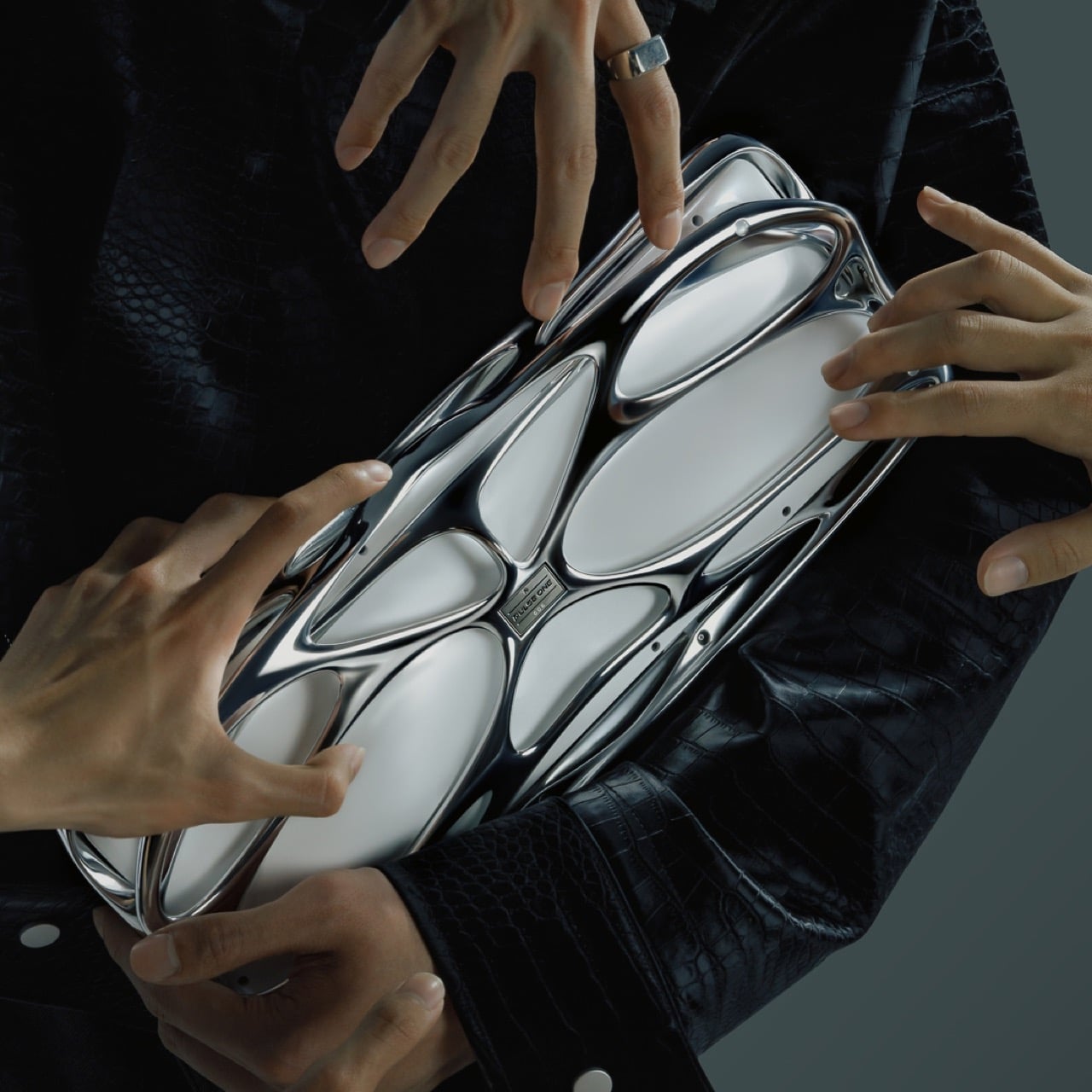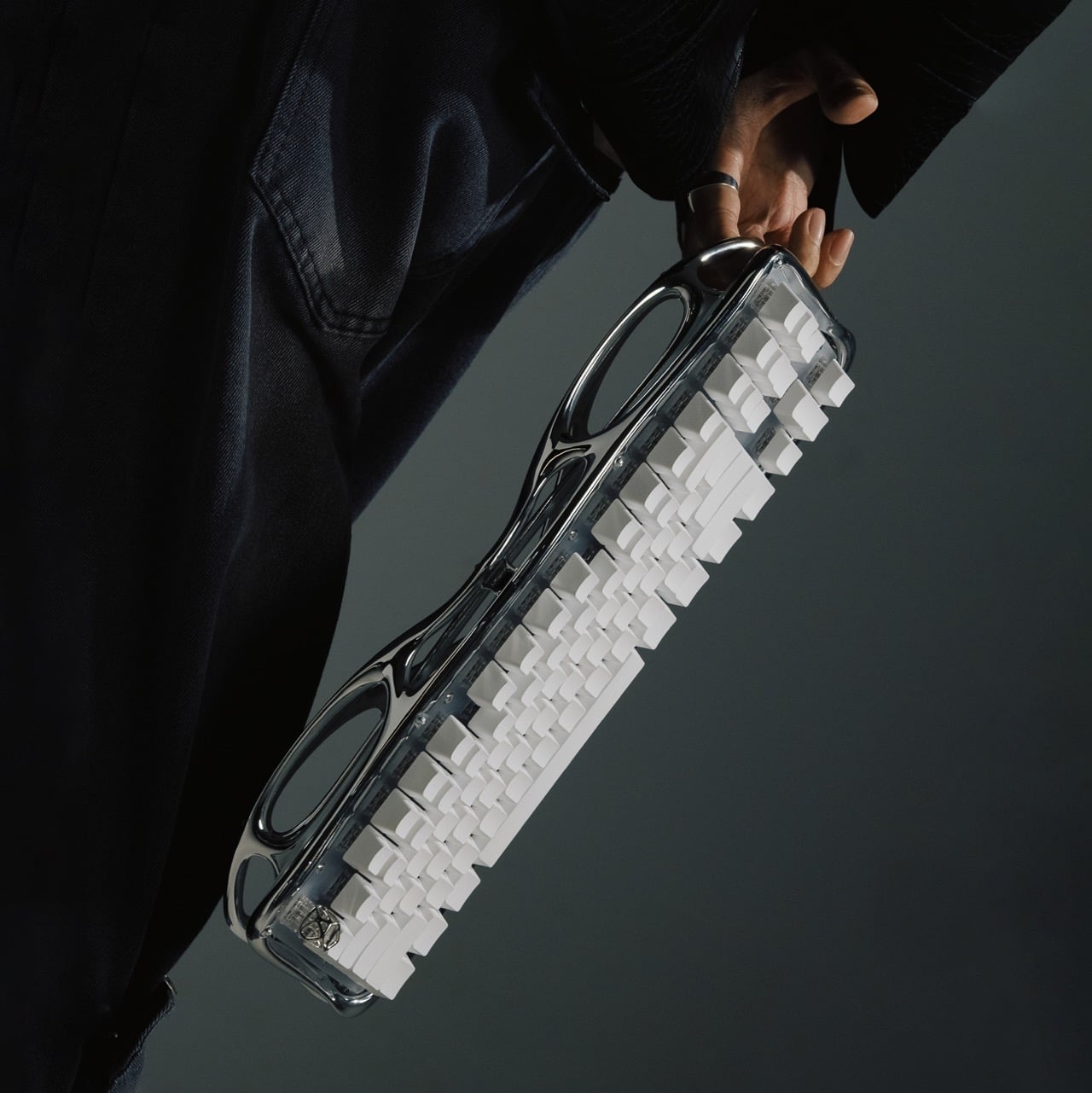
Lofree Hyzen: A High-End Custom Mechanical-Magnetic Keyboard for Every Scenario

The keyboard market often feels split into two very different camps. Mechanical boards have long been the preferred choice for people who care about typing feel, delivering consistent keystrokes and a tactile quality that makes long sessions more enjoyable. Magnetic keyboards, meanwhile, have become the go-to for gamers needing precise, adjustable input and rapid trigger performance. Both are capable, but each comes with its own trade-offs.

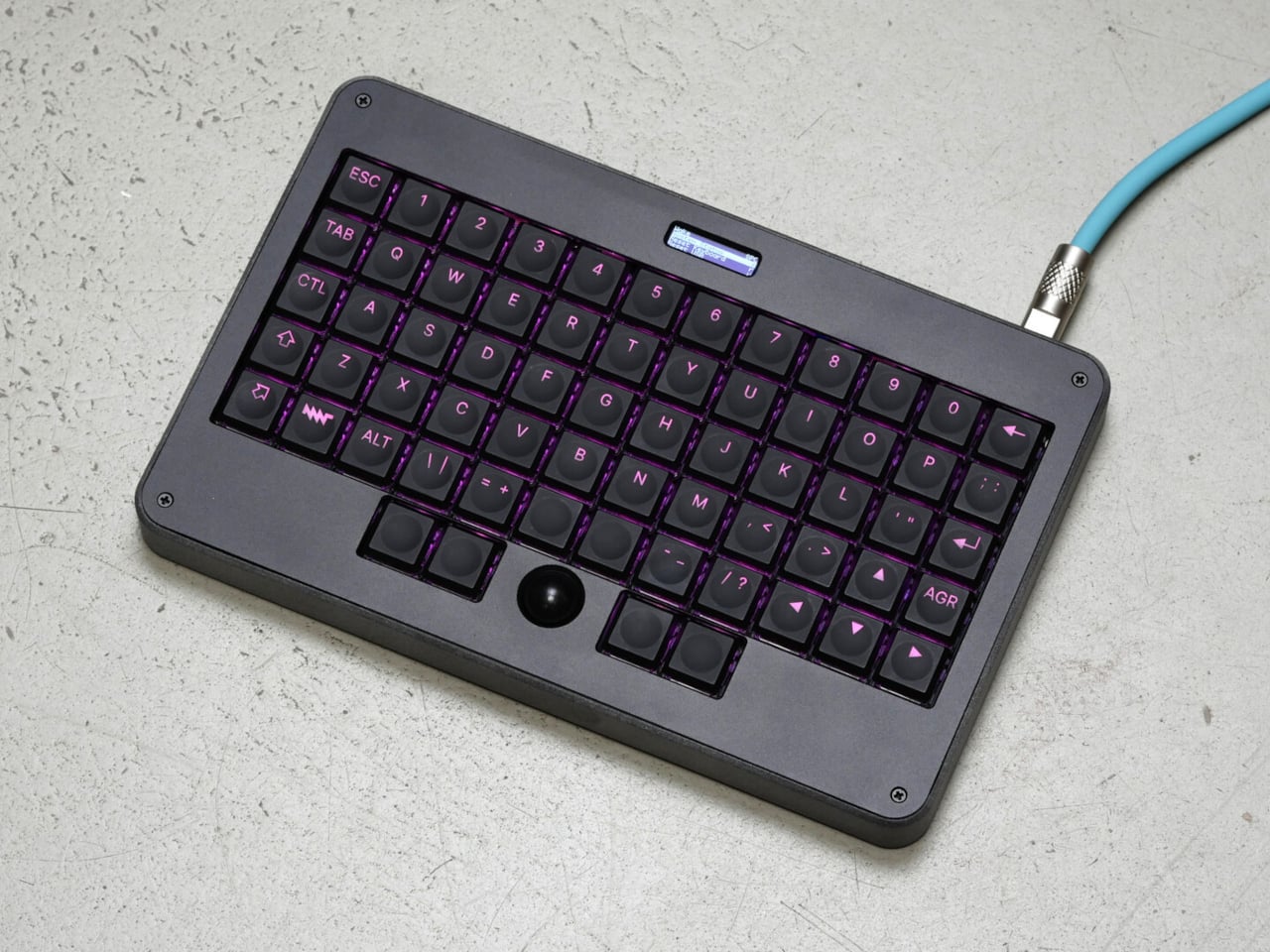
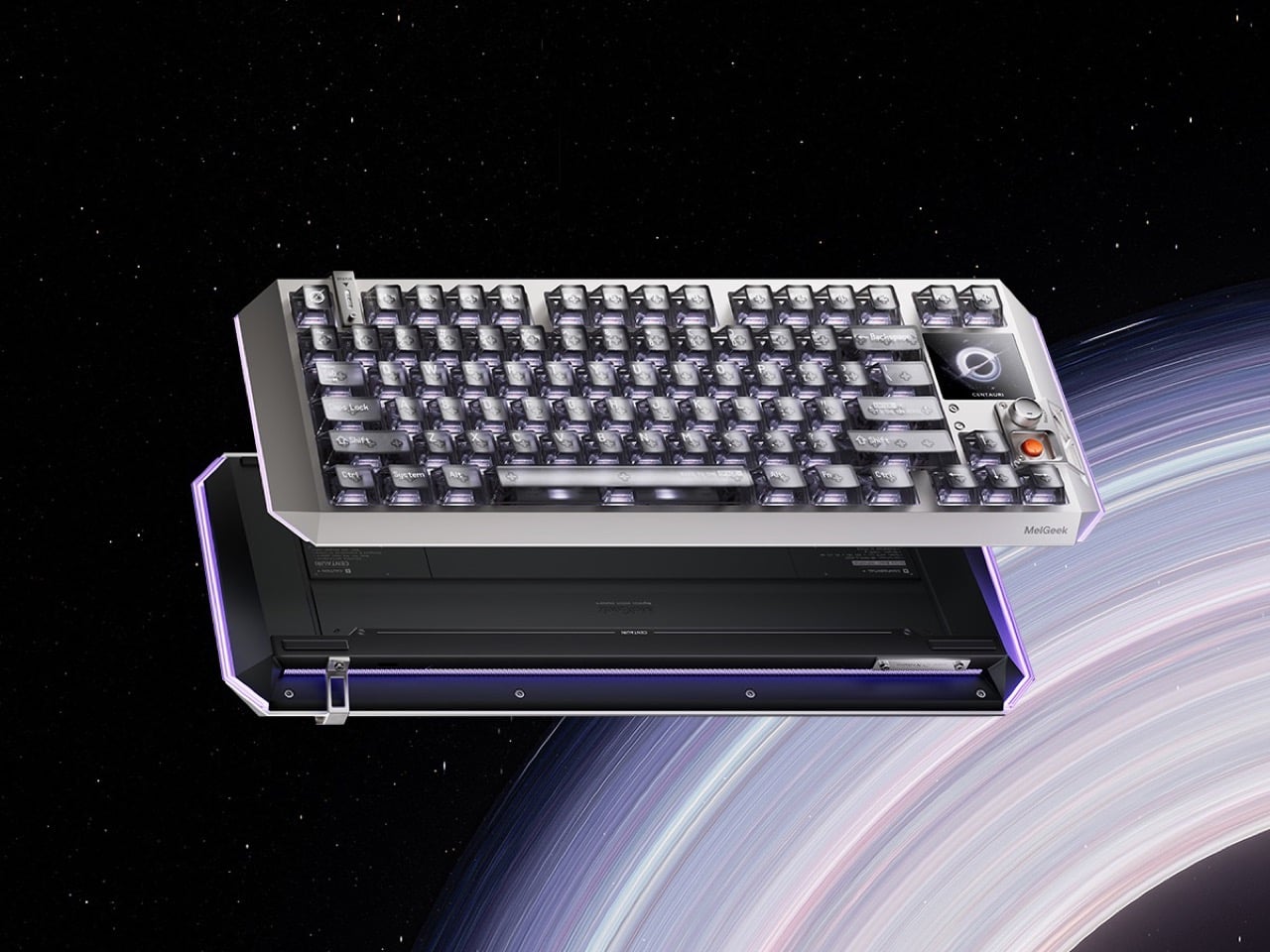
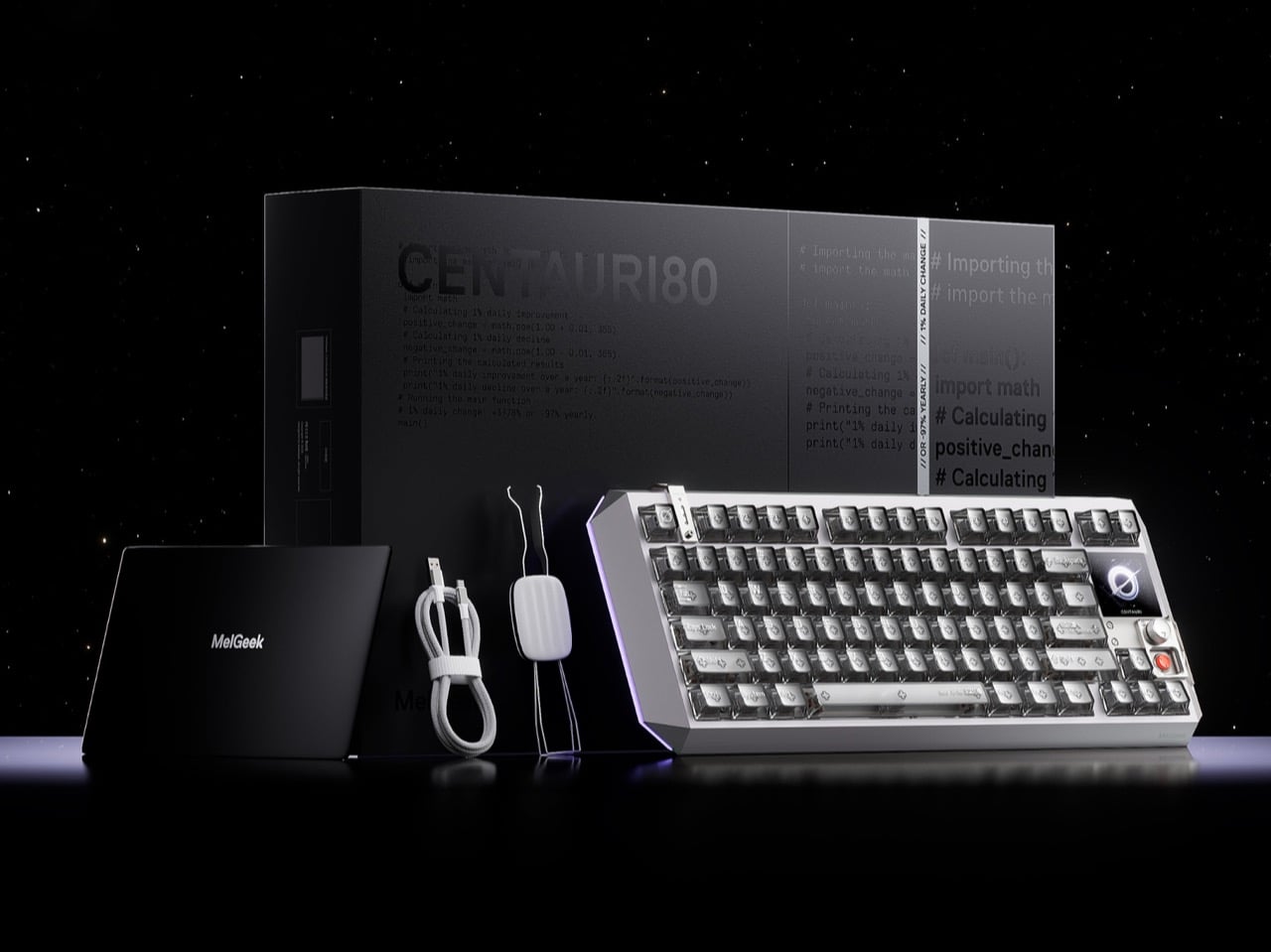
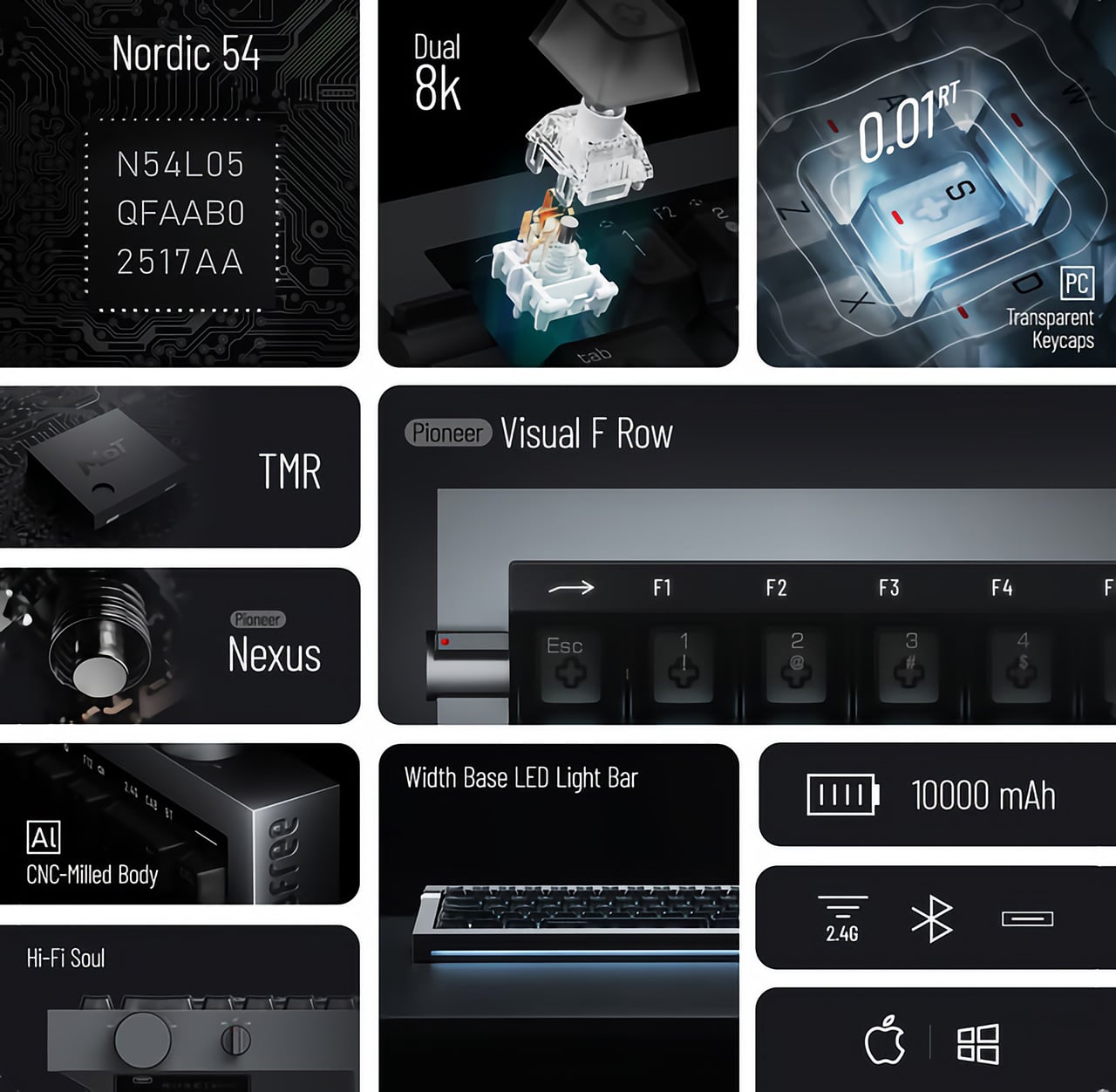
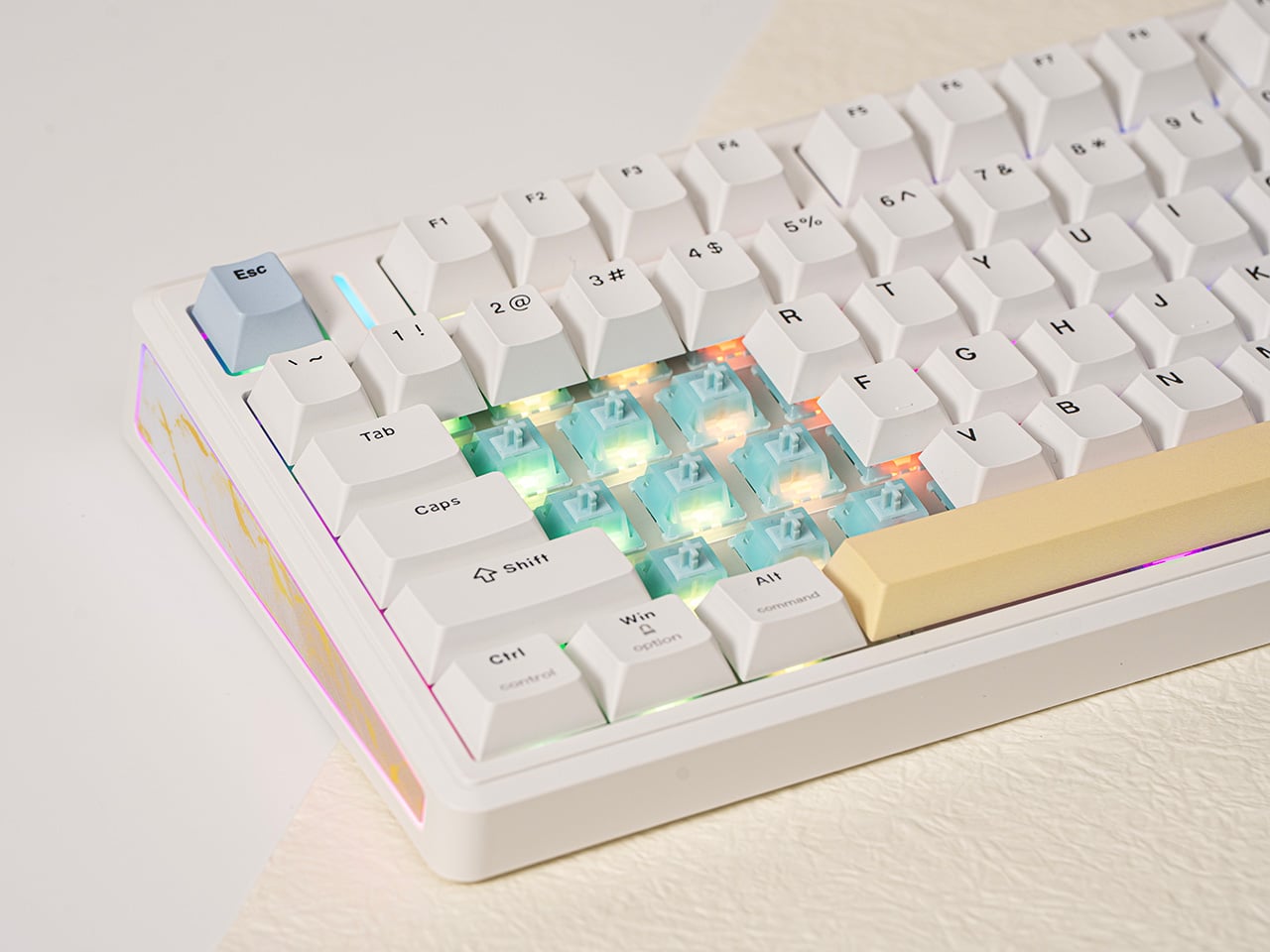
That split is exactly what Lofree is trying to bridge with the Hyzen, a compact 67-key keyboard that approaches the category with a slightly different proposition. Working with Kailh, Lofree developed the Nexus switch, combining a mechanical structure with magnetic sensing in a single unit. The idea, of course, is that you shouldn’t have to choose between how a keyboard feels and how quickly it responds.

Designer: Matt (Lofree)

Click Here to Buy Now: $189 $279 (32% off). Hurry, only 464/500 left! Raised over $884,000.

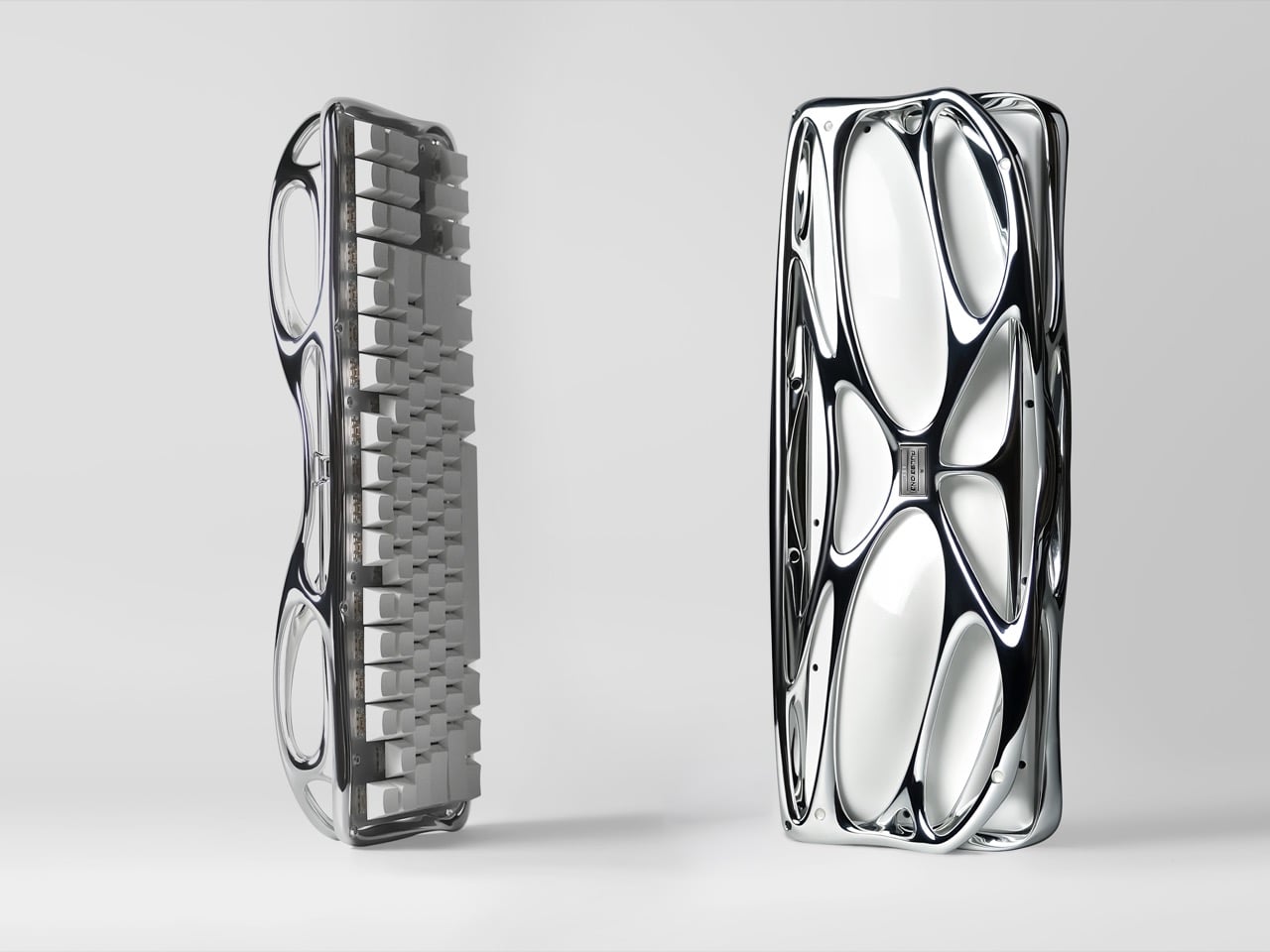
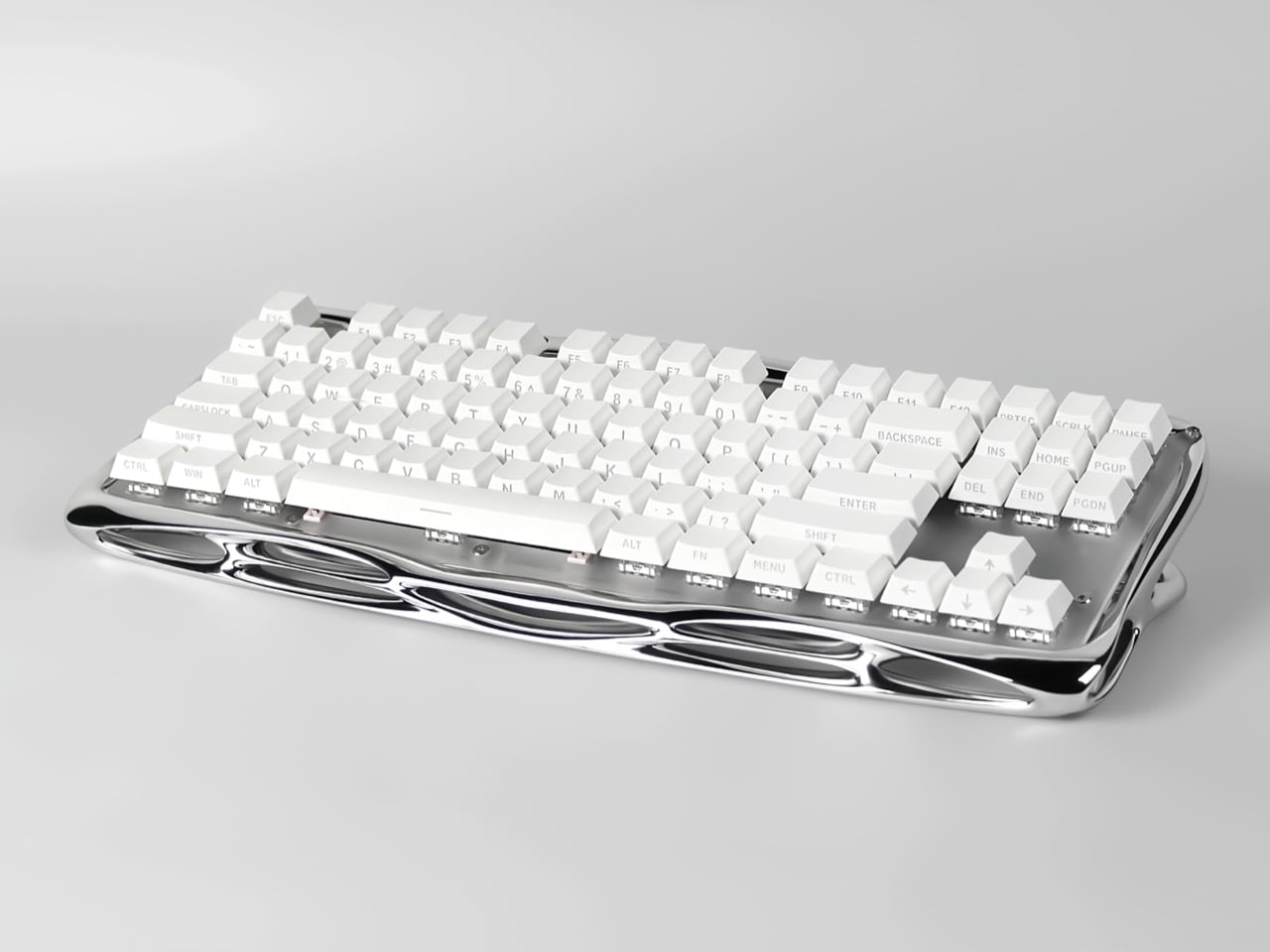
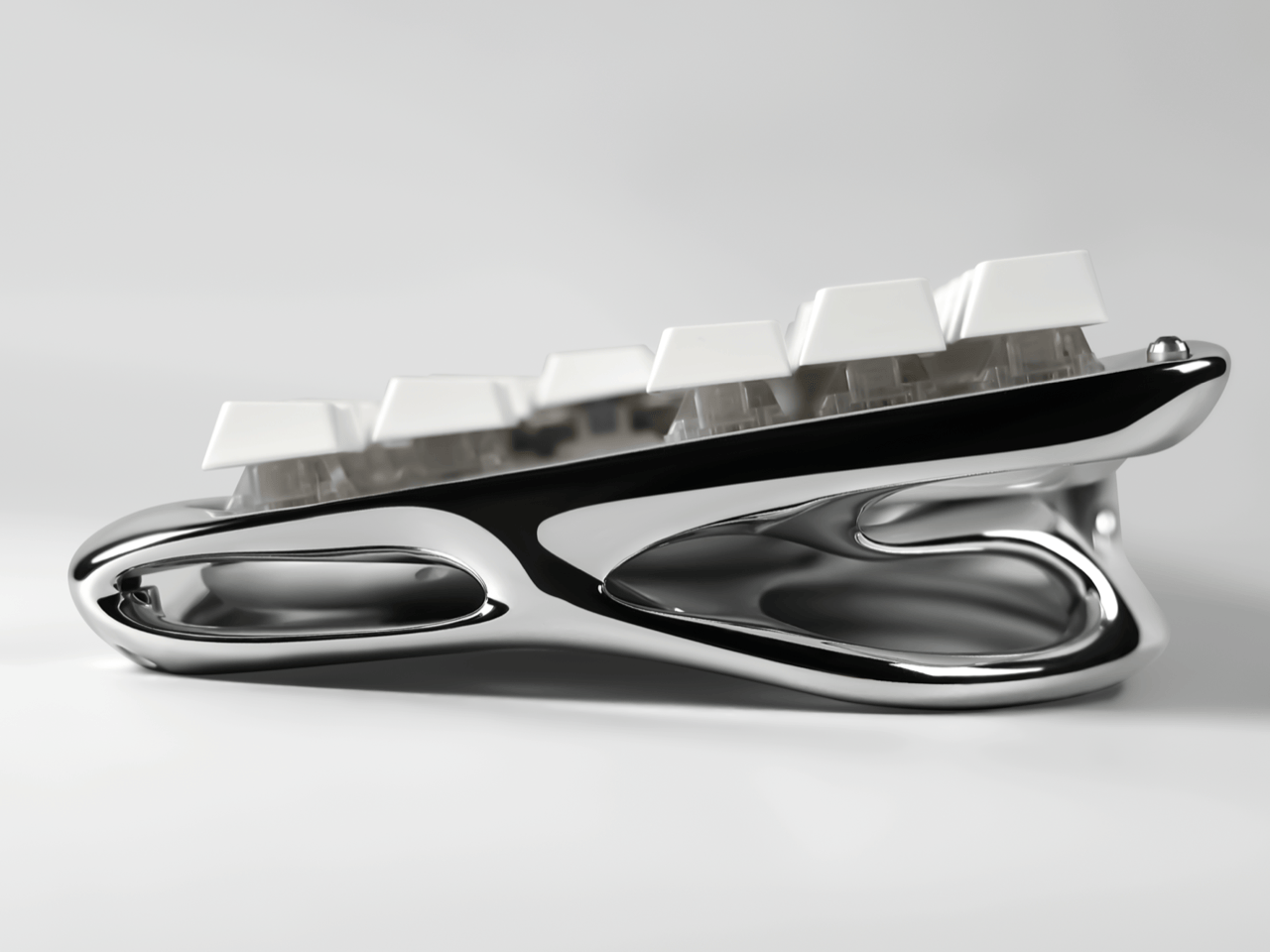
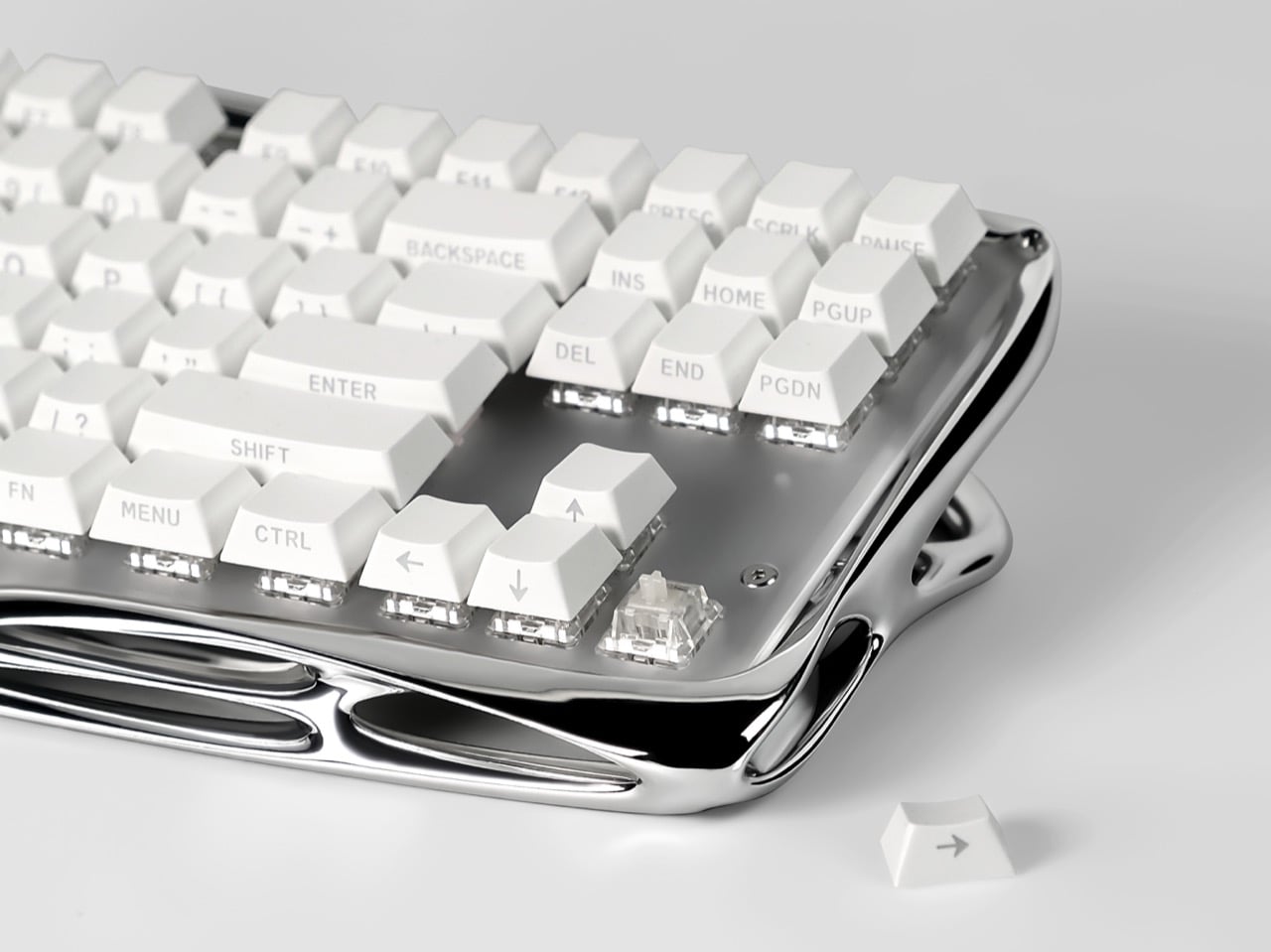
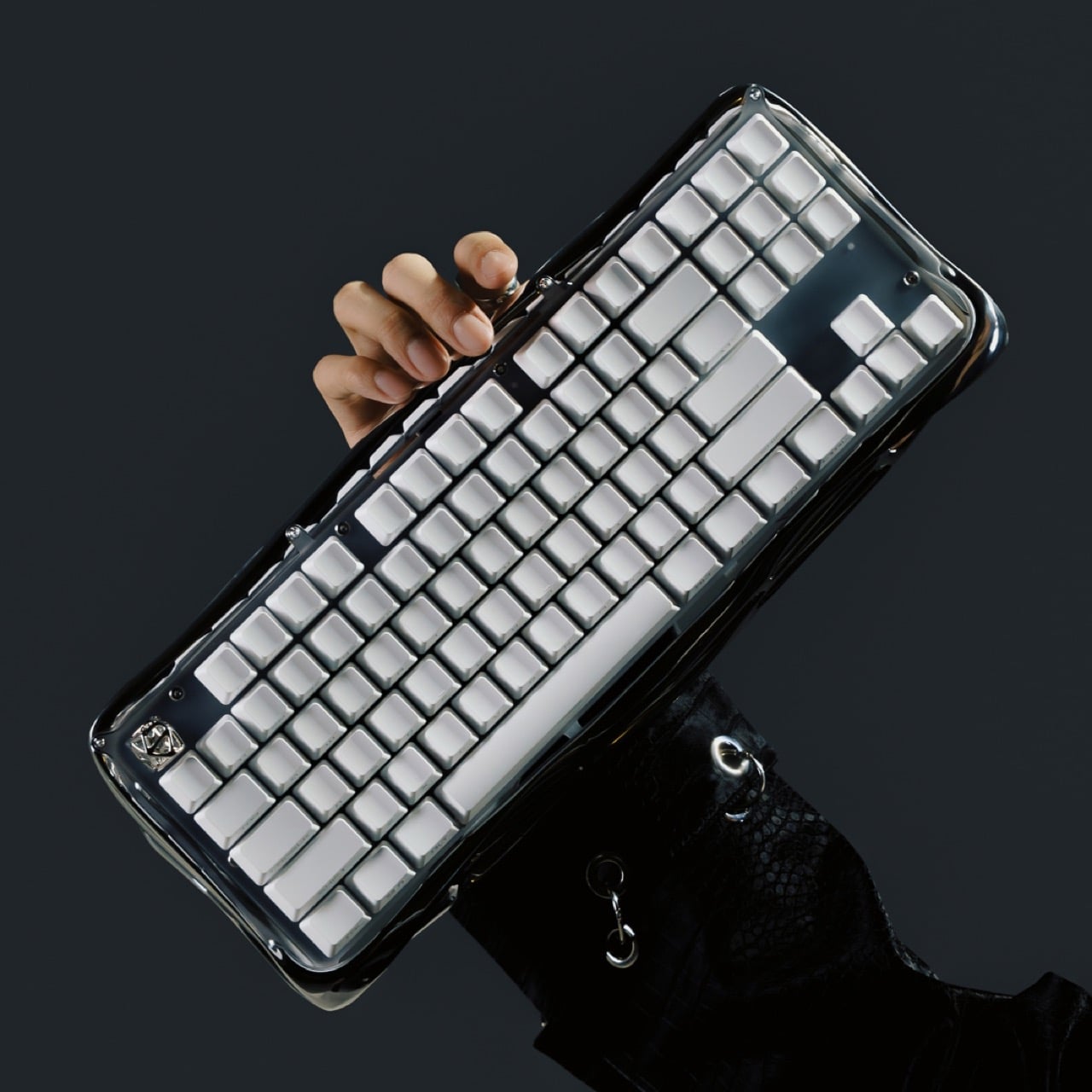
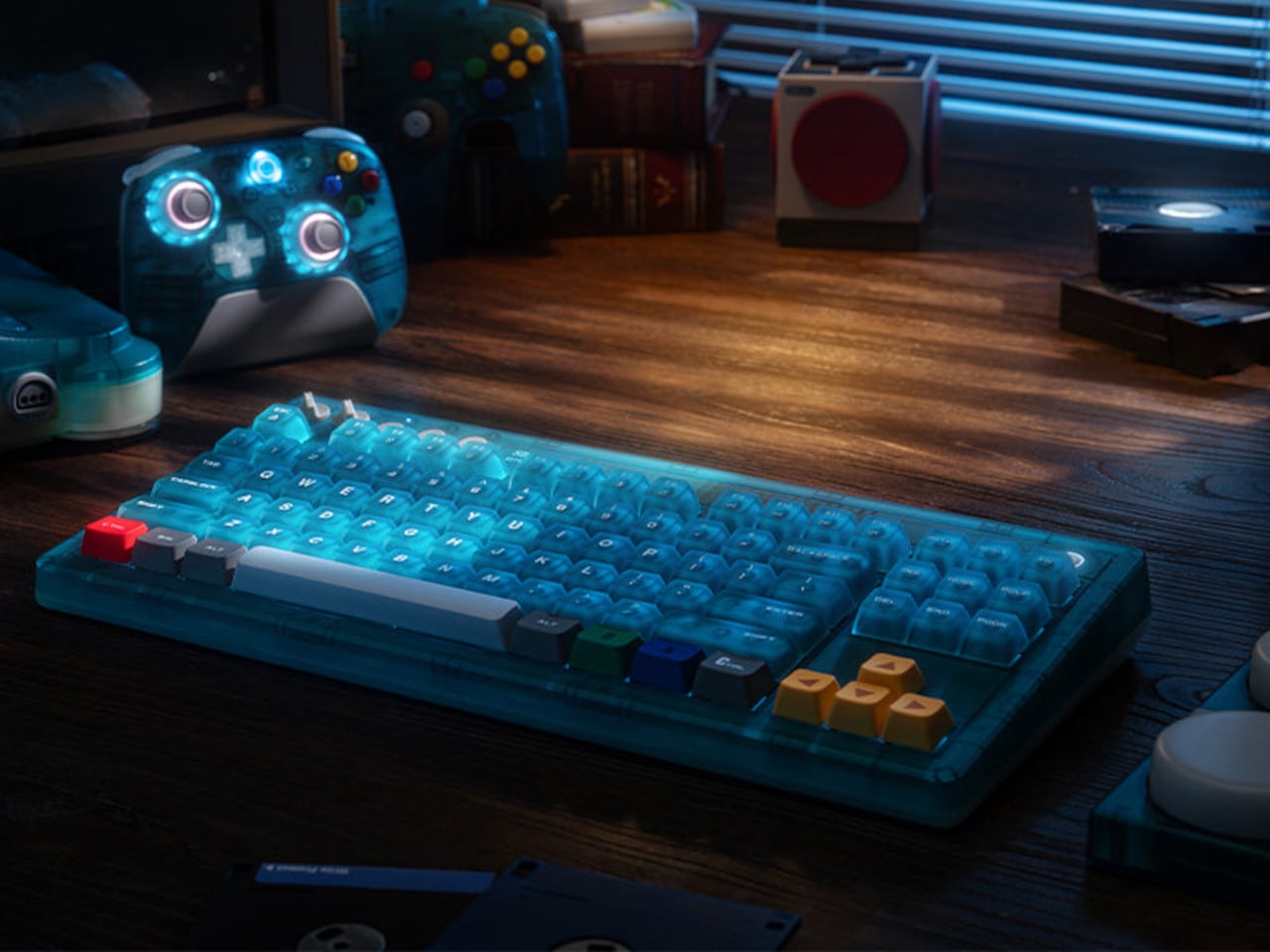
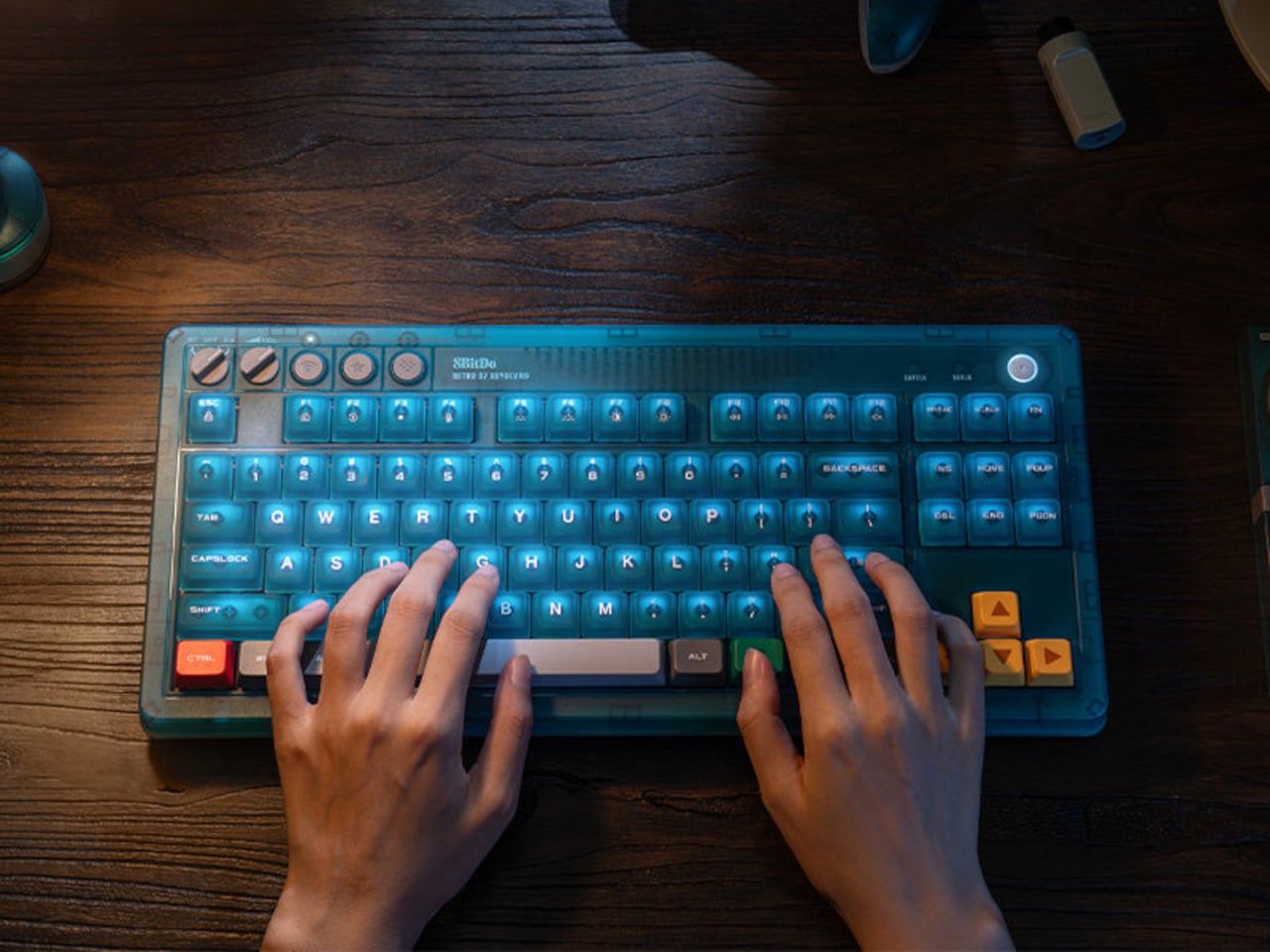
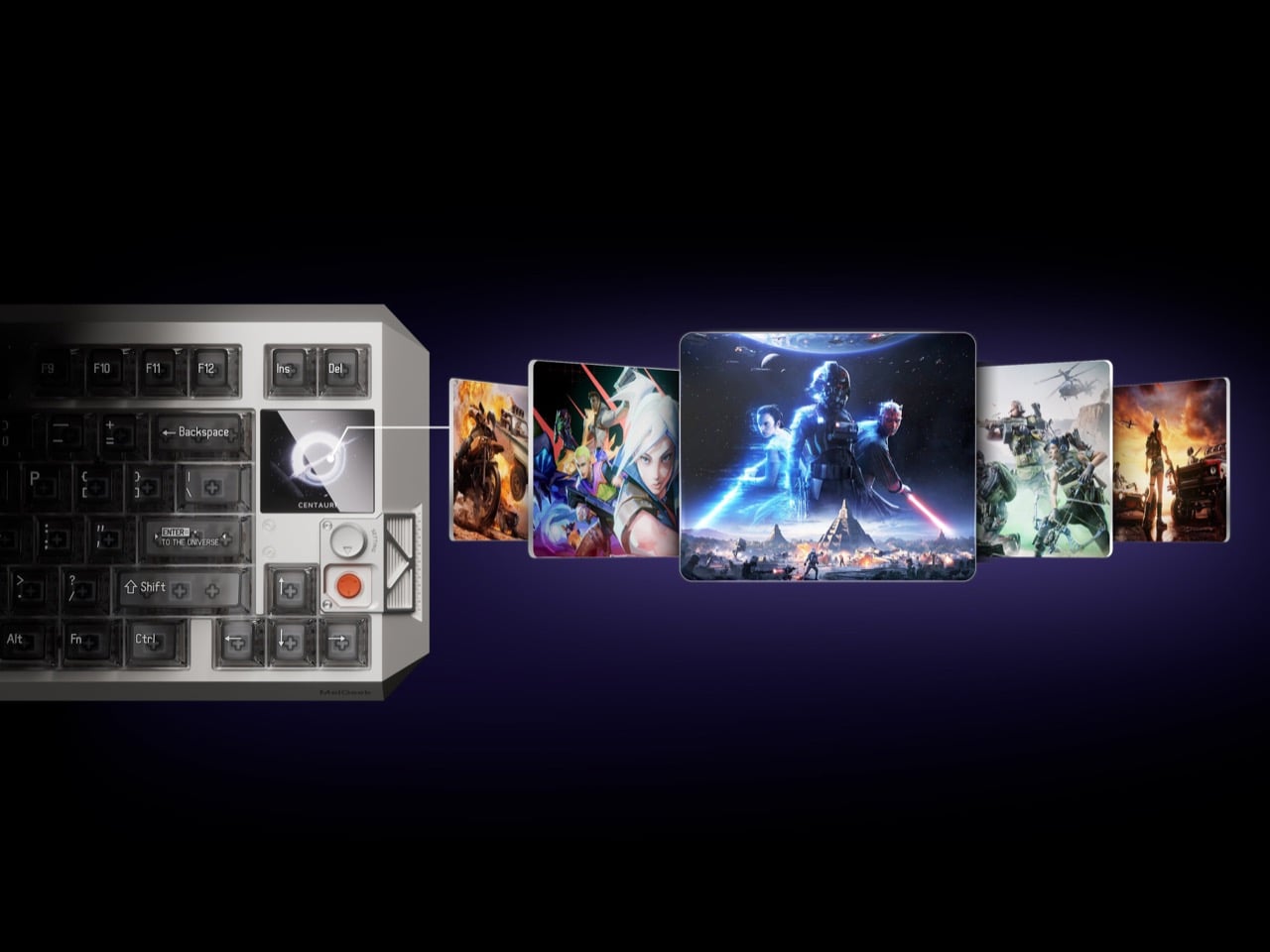
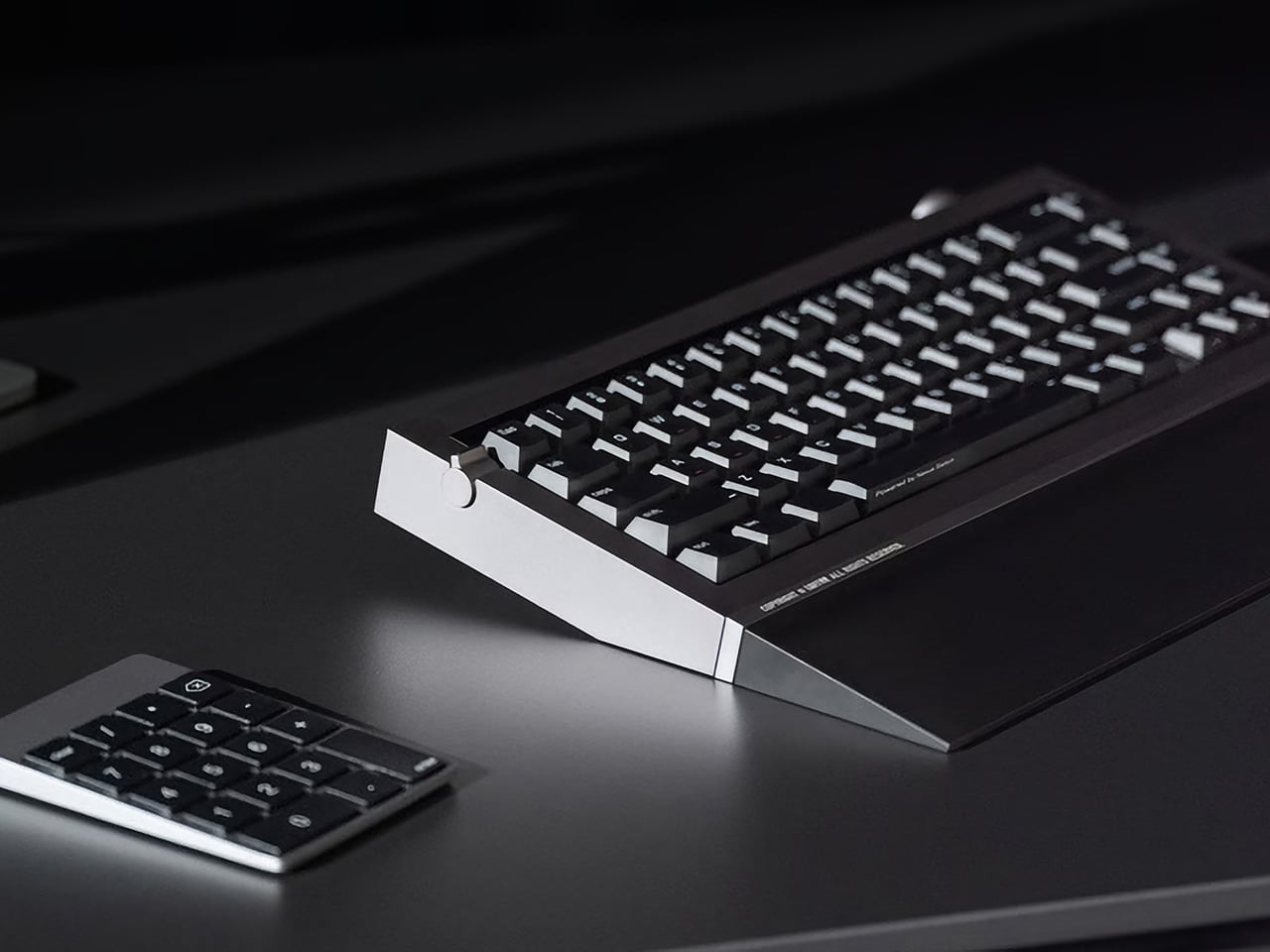
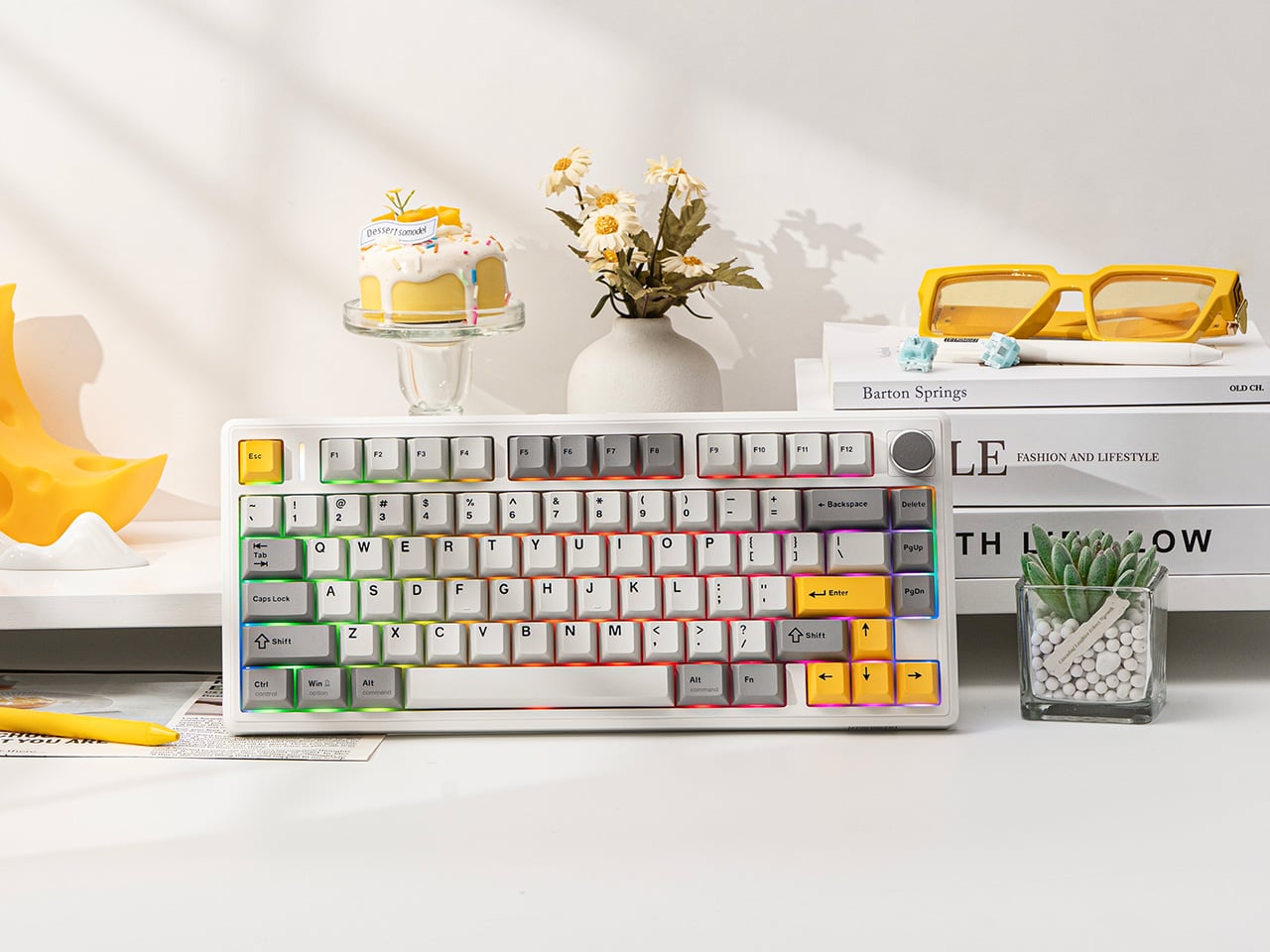
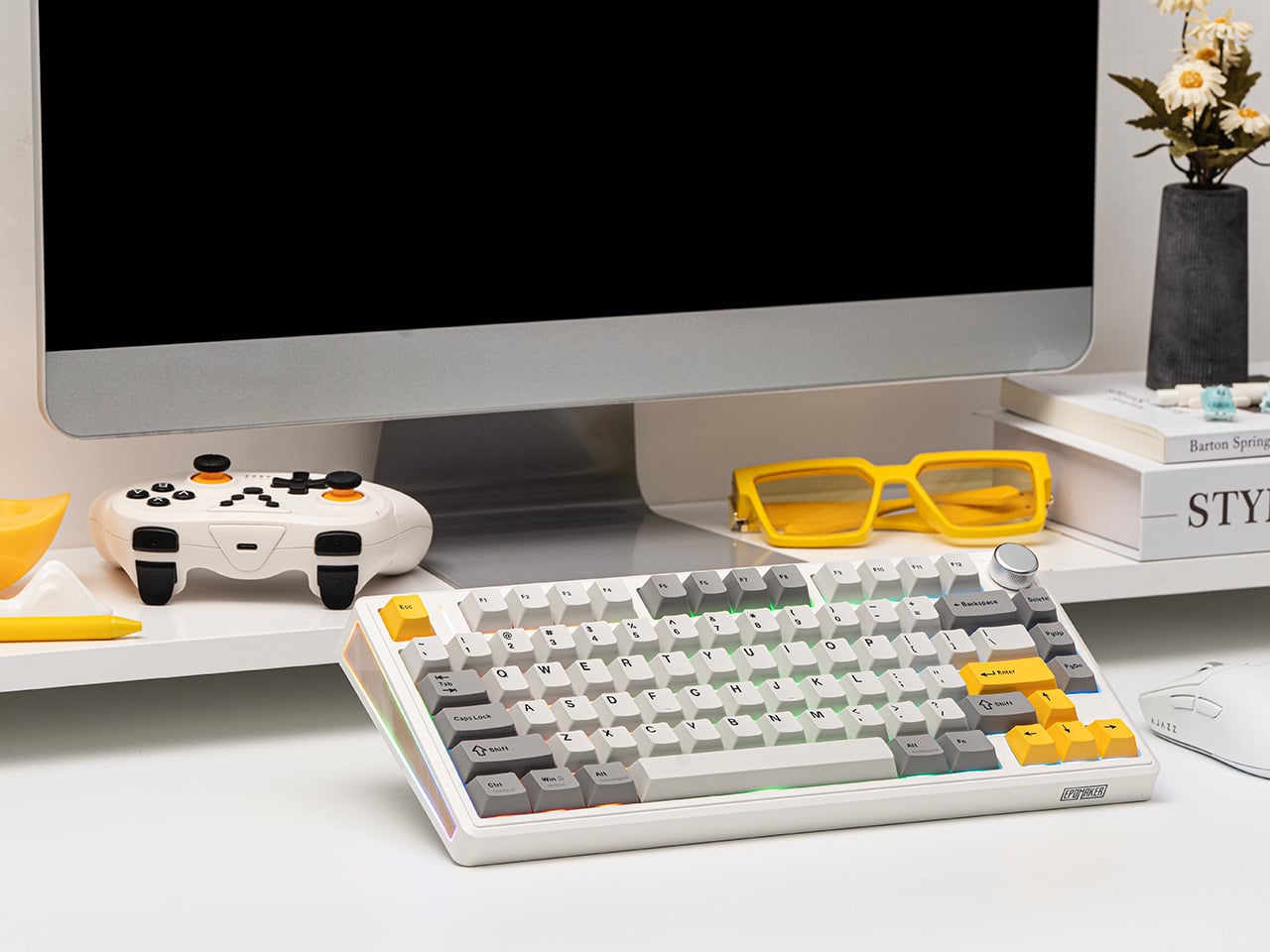
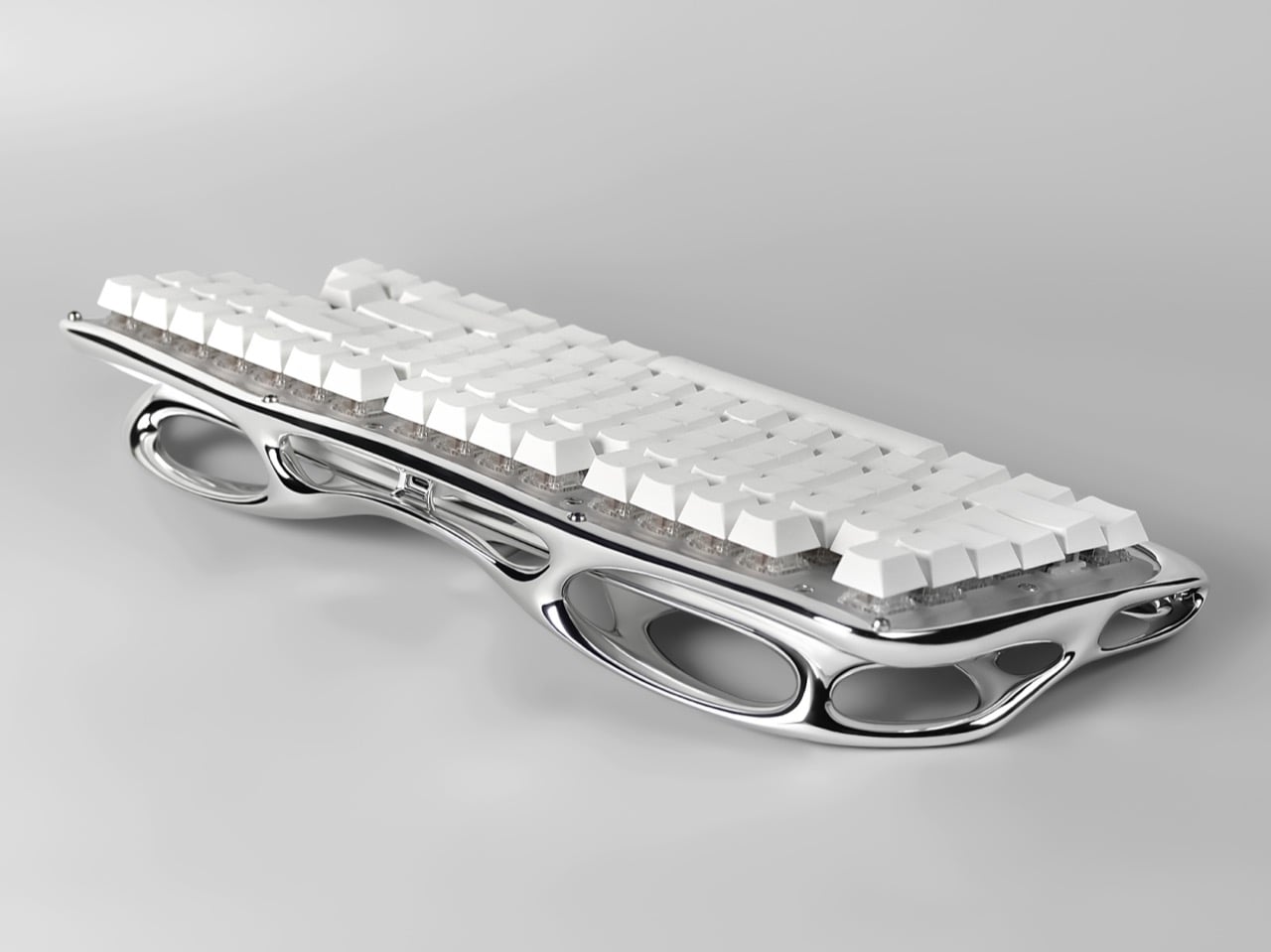
Beyond the technology inside, the Hyzen is clearly built to belong on a thoughtfully put-together desk. The CNC-machined aluminum body, clean geometry, and balanced proportions give it a composed presence that doesn’t lean into the visual language typical of gaming hardware. Available in Space Gray and Silver, it carries far more of the character of a premium desk accessory than a performance peripheral.

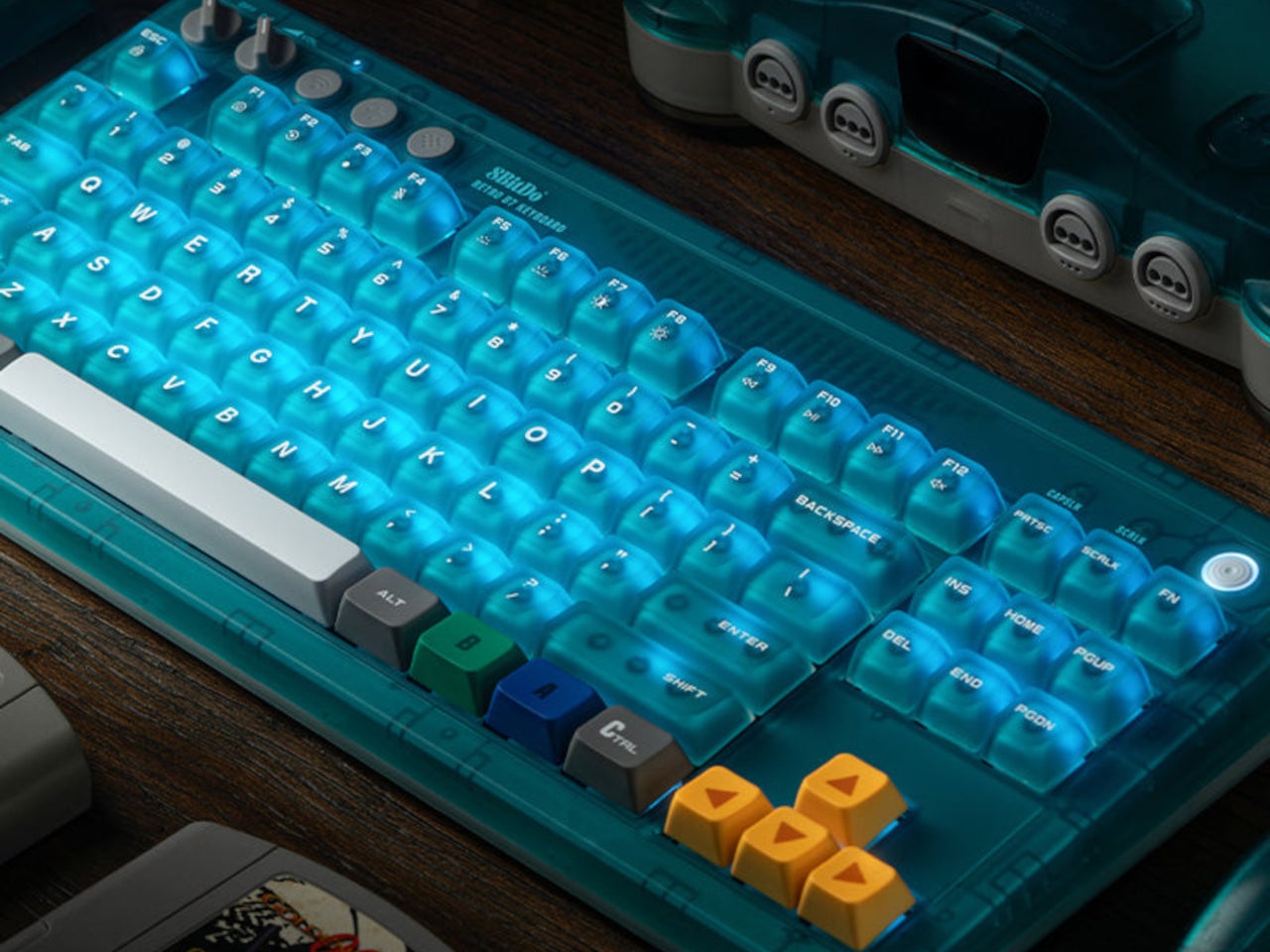
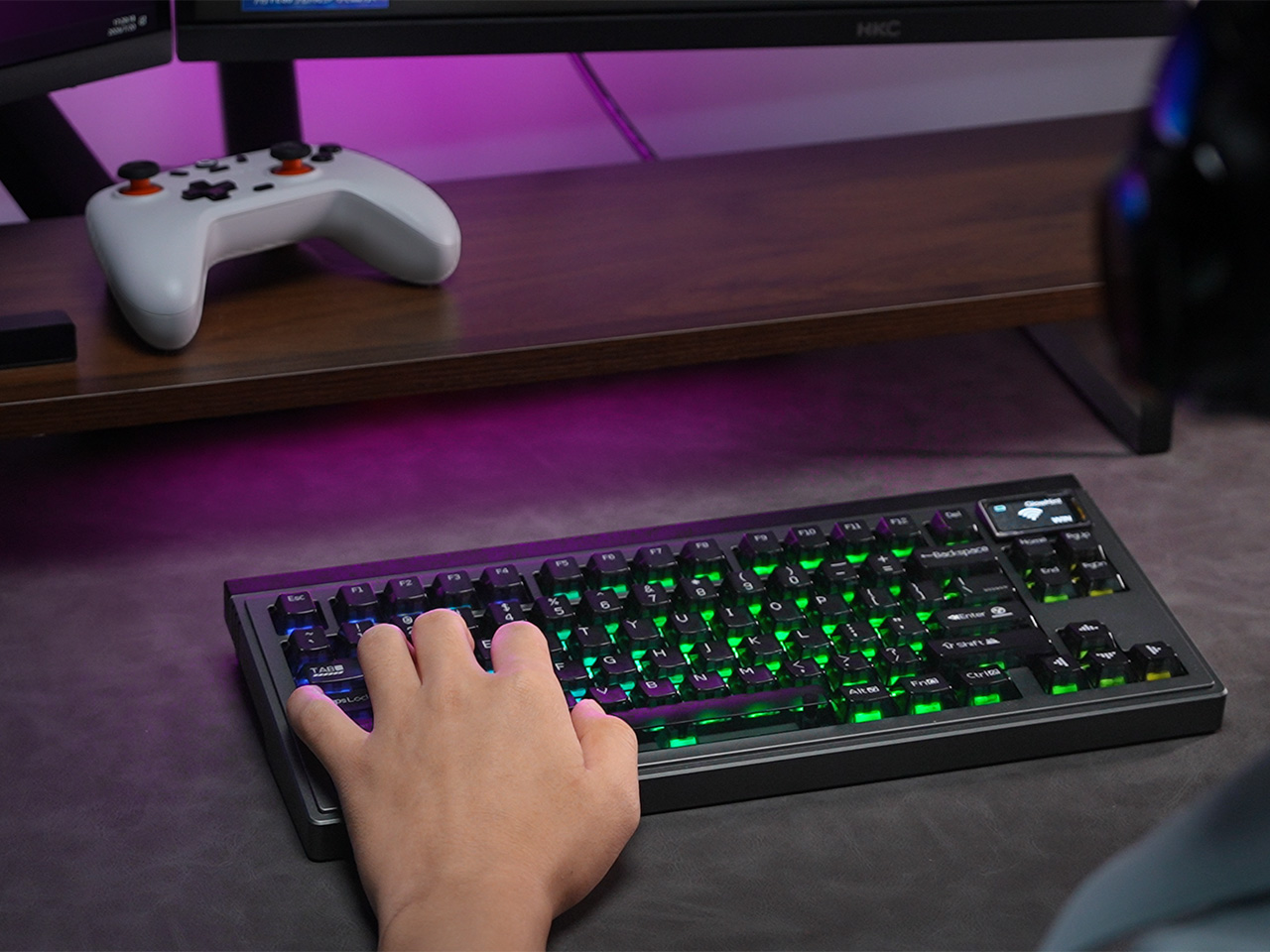
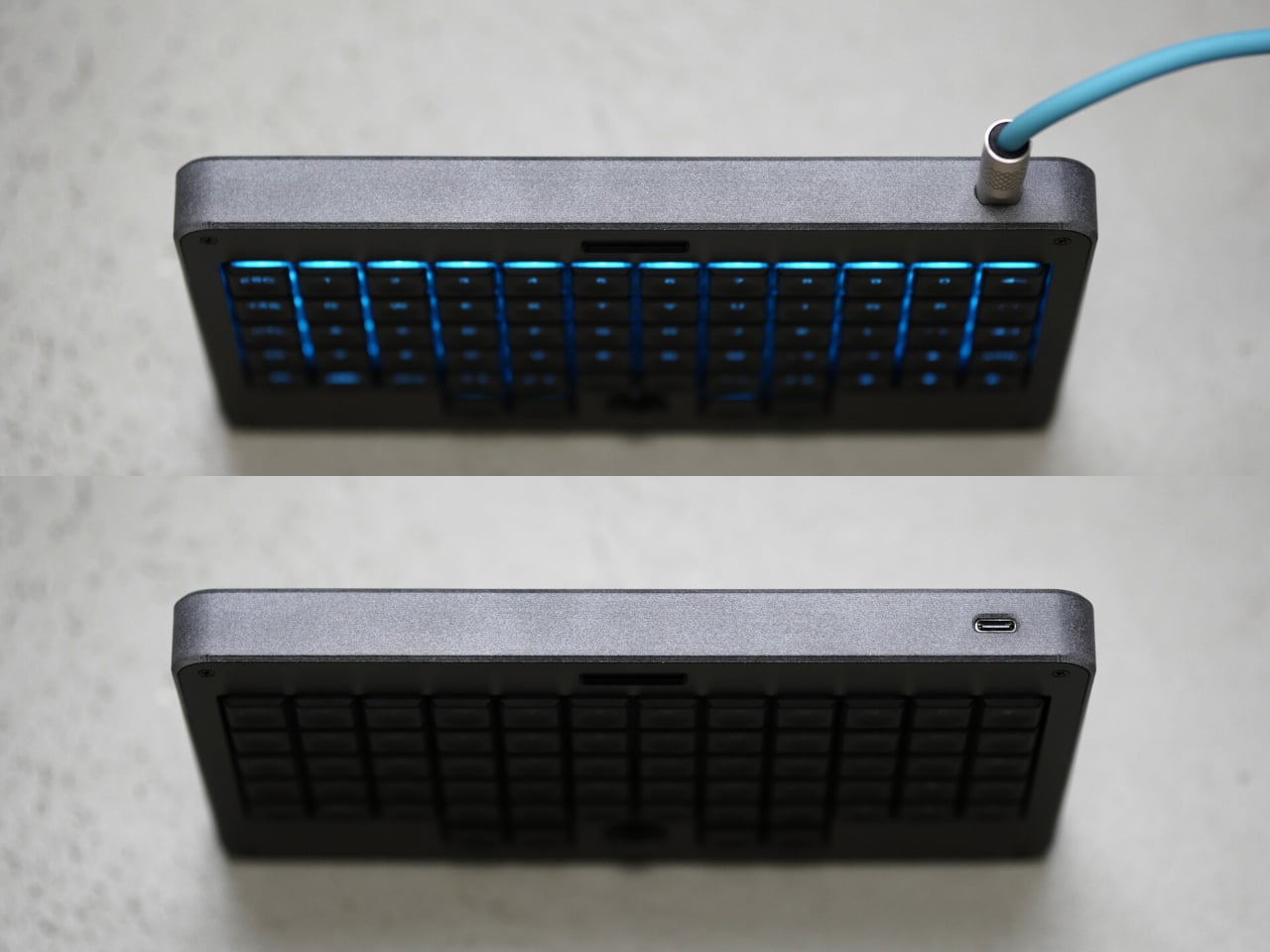
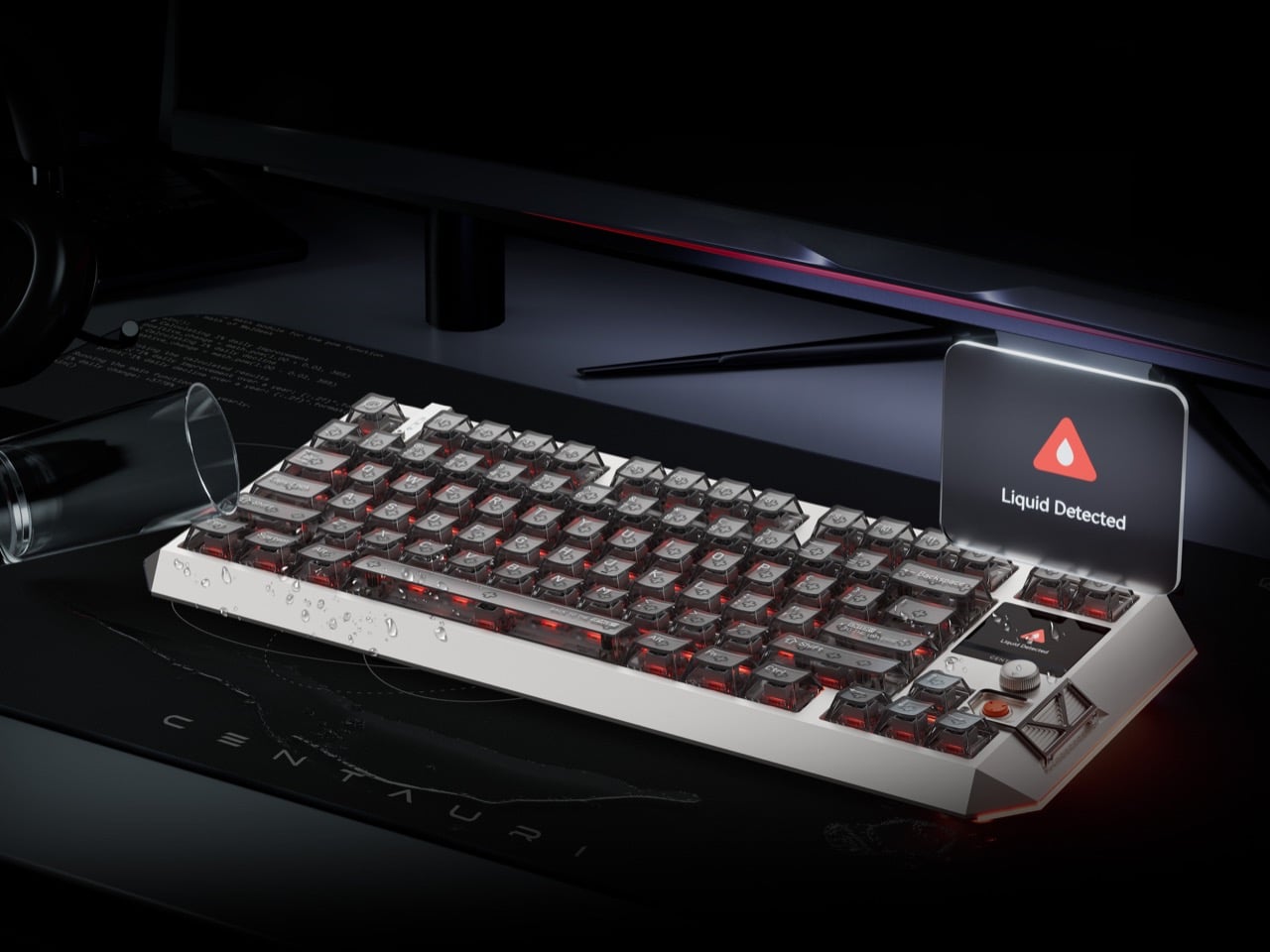
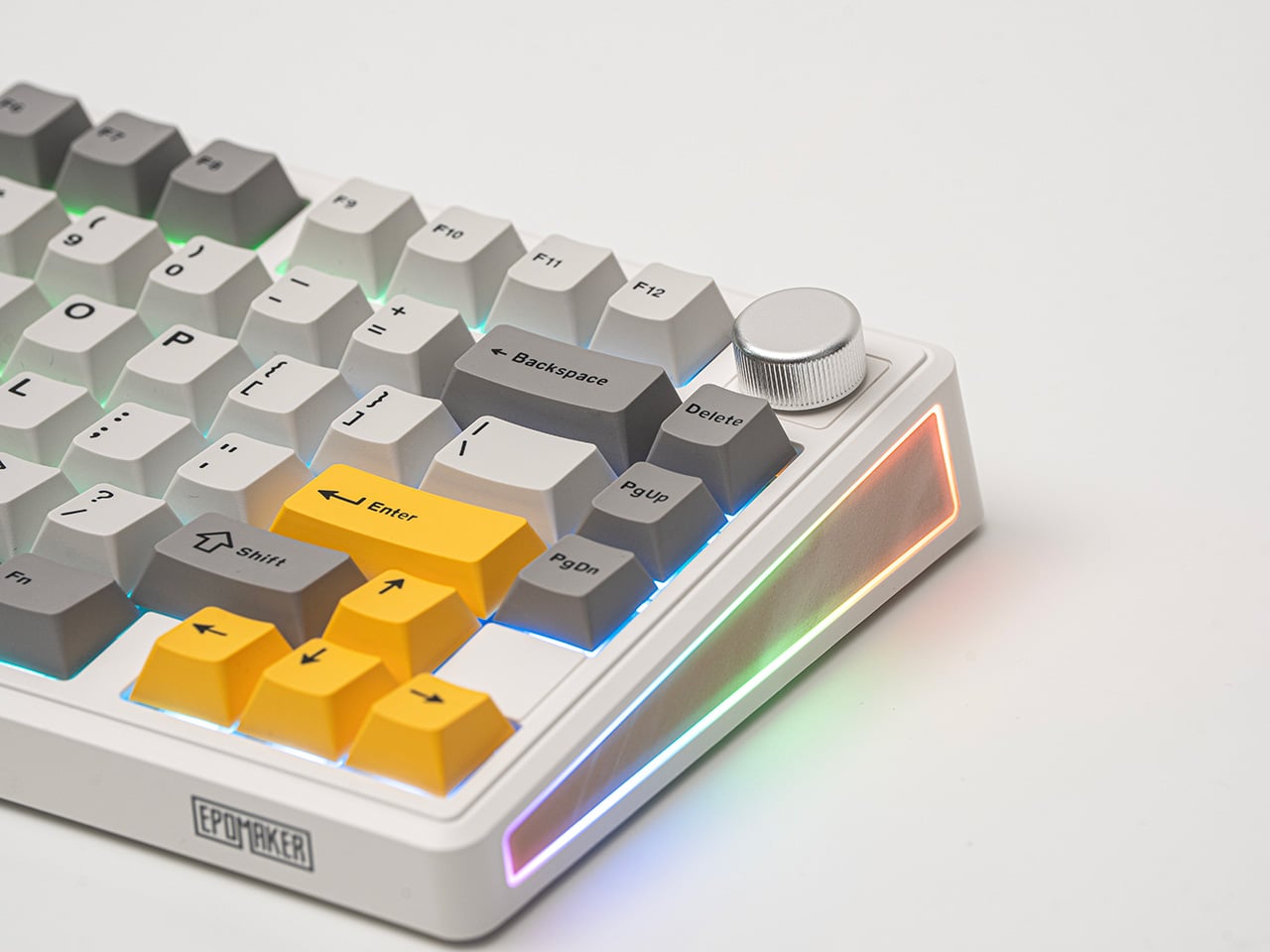
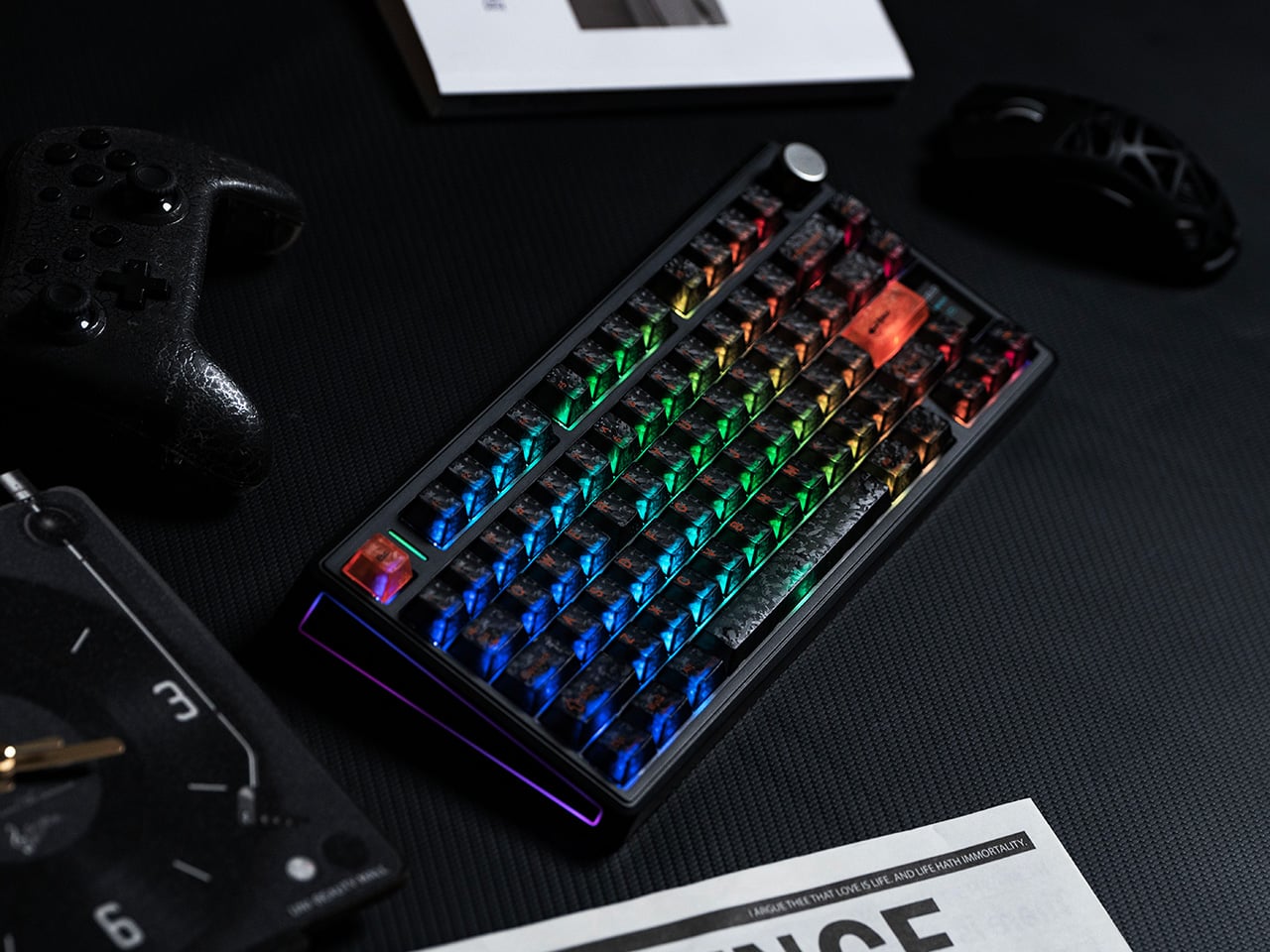
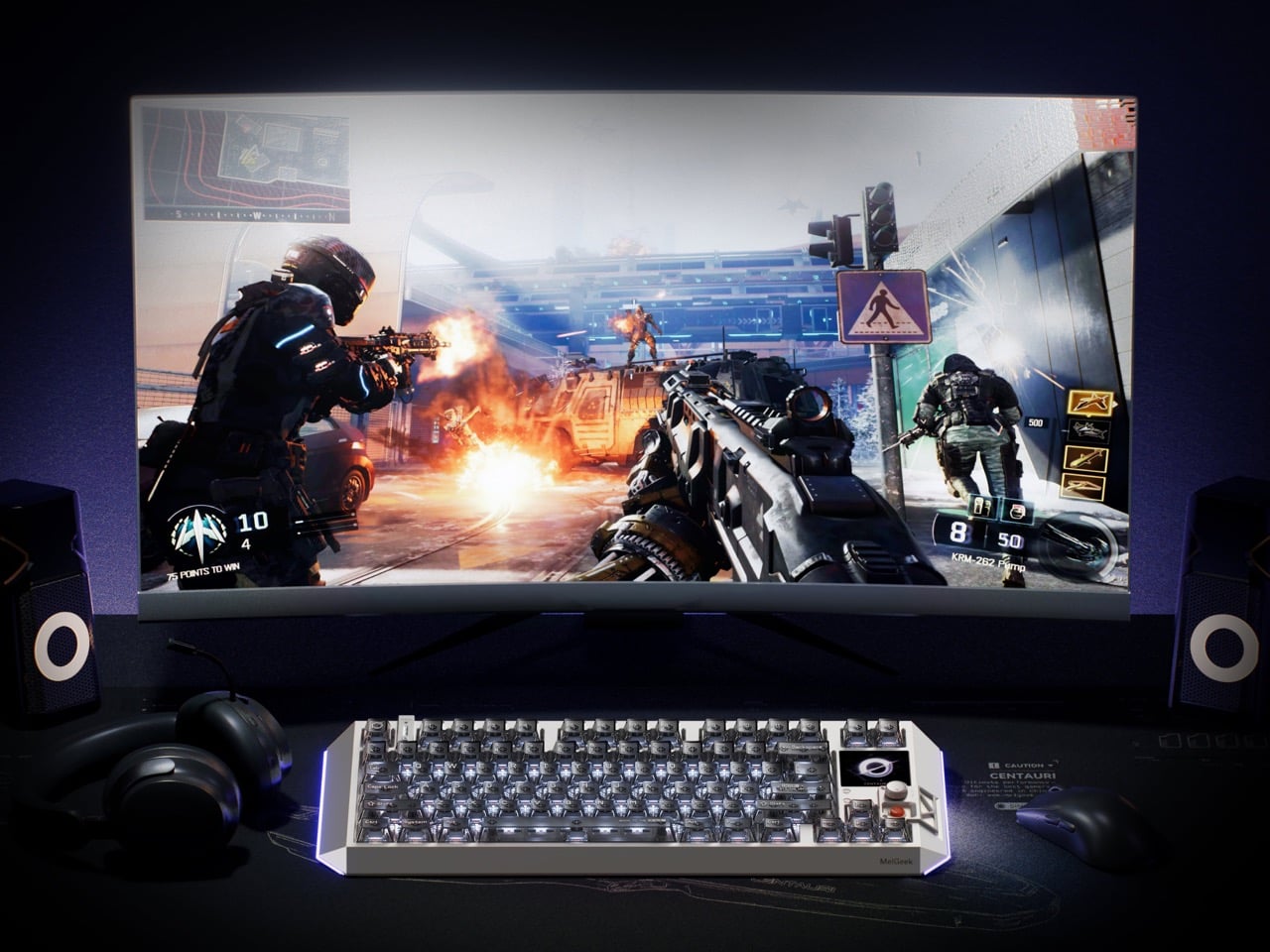
The lighting follows the same restrained approach. Rather than making RGB the main event, Hyzen uses subtle front ambient lighting and a light strip along its front edge that adds atmosphere without taking over. High-transparency PC keycaps with a matte UV coating and front-printed legends keep the visual detail quiet. It’s the kind of setup that works best in calmer, low-light arrangements where you want mood without the theatrics.

The Nexus switch is where the Hyzen’s concept actually becomes tangible. A single shortcut toggles between mechanical mode, which uses traditional contact-based actuation, and magnetic mode, which unlocks the performance features. According to Lofree, the physical typing feel stays consistent across both. What changes is how the input gets detected, which is Lofree’s answer to a problem many users know well.

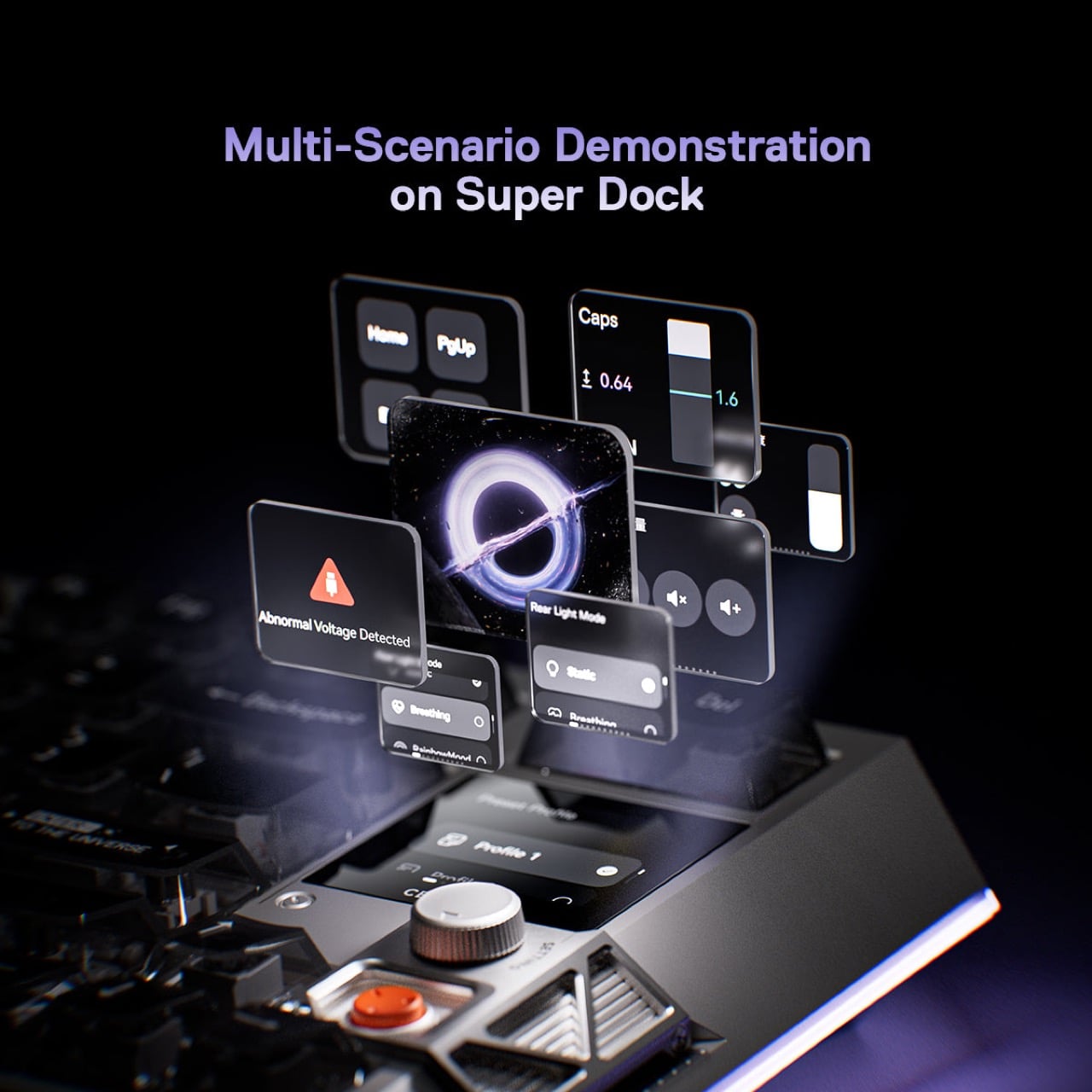
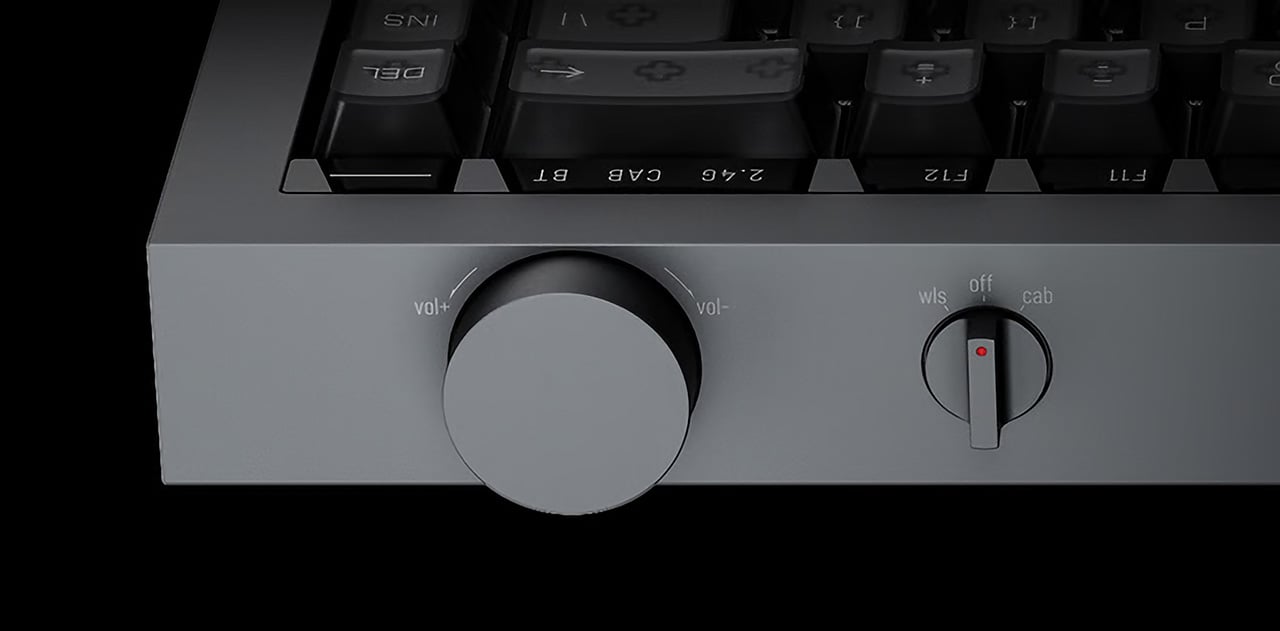
Close-up of a gray audio receiver front panel showing a large round volume knob and a smaller mode switch with a red indicator.

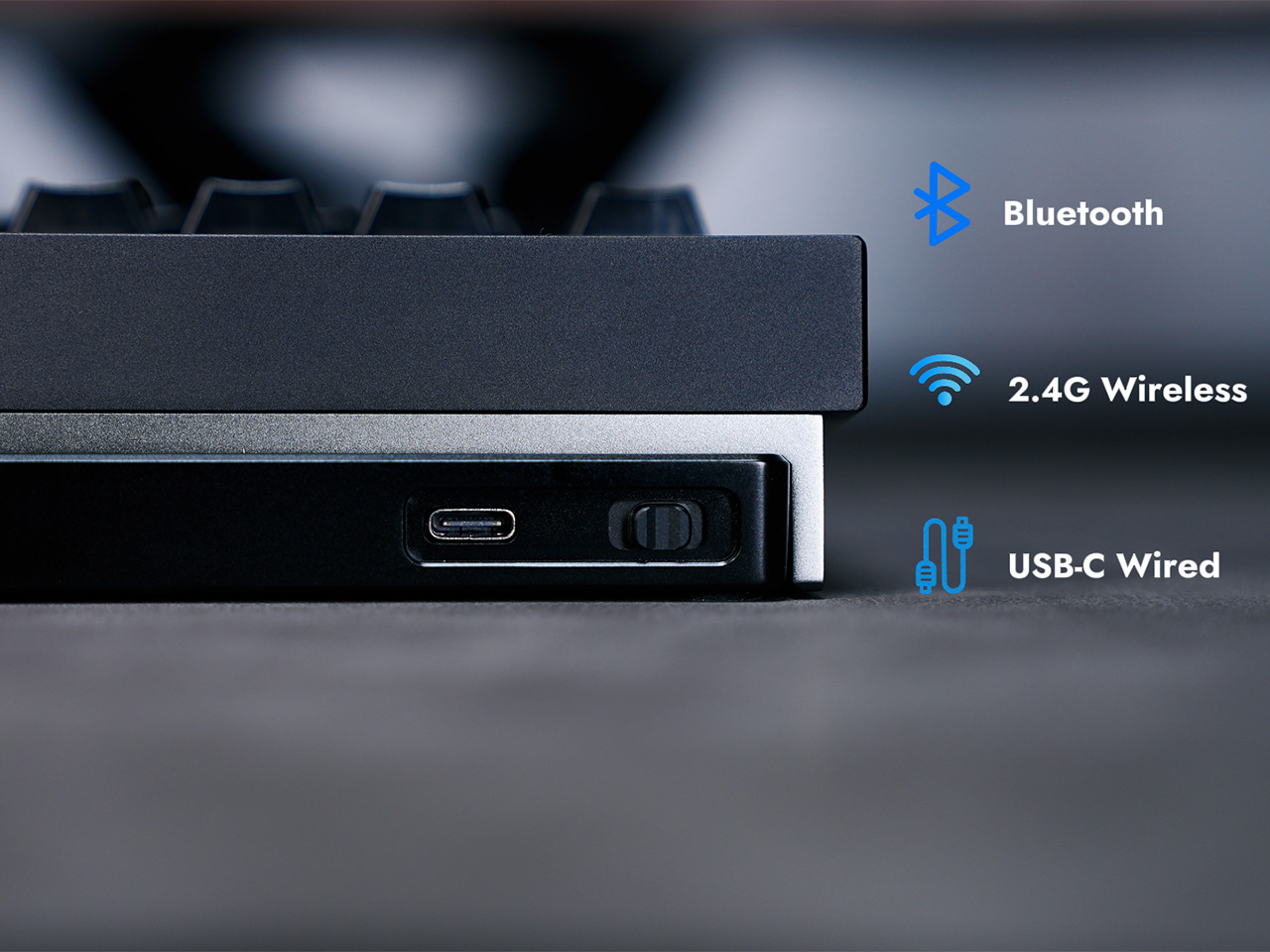
On the productivity side, Hyzen carries a 10,000 mAh battery for solid wireless runtime, whether you’re writing documents or hopping between devices. Connectivity covers wired USB, 2.4 GHz, and Bluetooth, so switching between a work machine and a personal setup doesn’t take much effort. The PCB gasket construction and FR4 fiberglass plate also contribute to a more considered typing feel that holds up well over longer sessions.

Switch to gaming, though, and things get considerably more interesting. Magnetic mode unlocks adjustable actuation with 0.01 mm precision, rapid trigger with 0.01 mm accuracy, and a dual 8K polling rate at 8,000 Hz on both keyboard and receiver. Wired latency sits at 0.36 ms, with 2.4 GHz at 0.65 ms. Those are numbers competitive setups look for, in hardware that, for once, doesn’t look aggressive doing it.

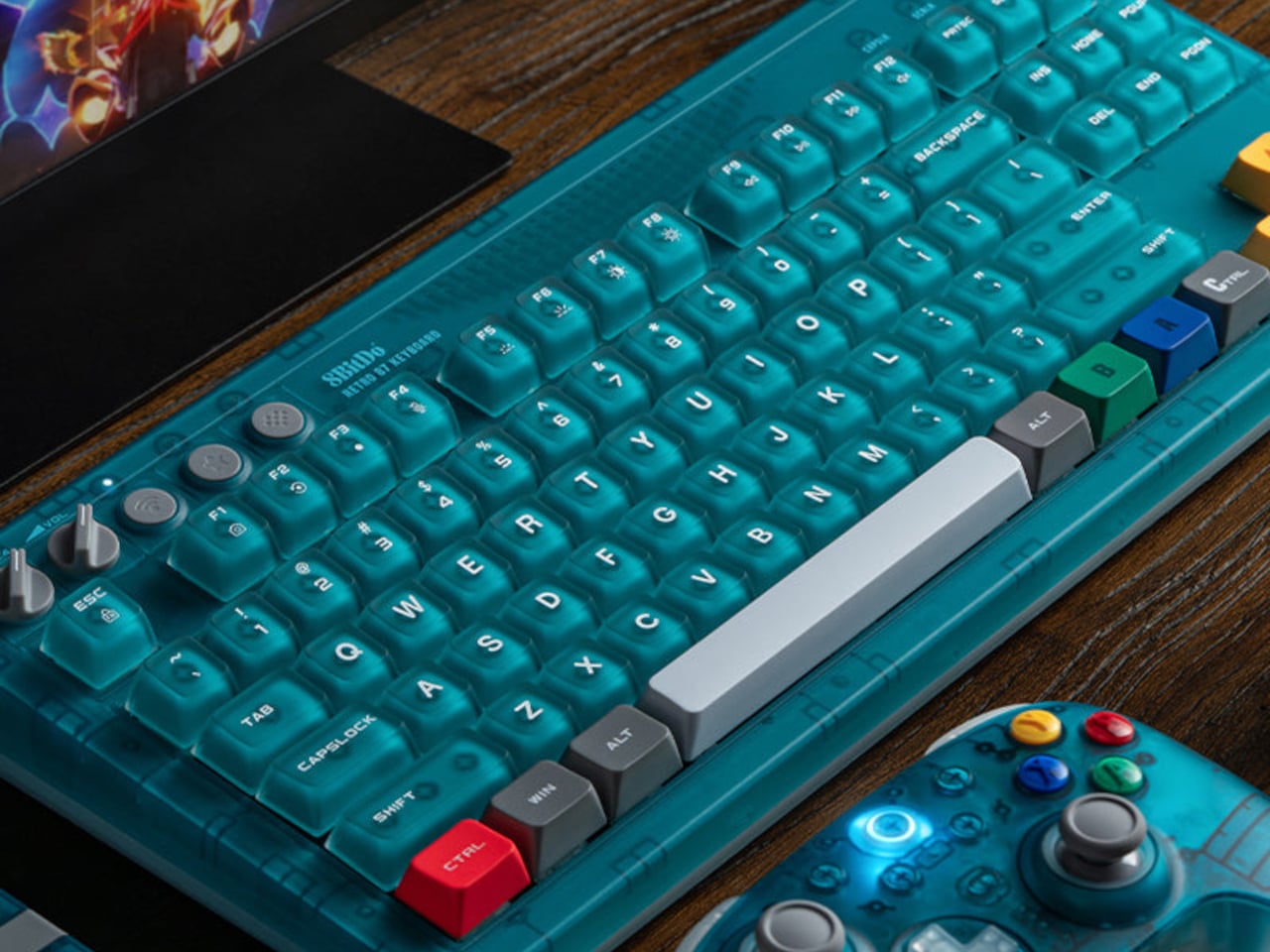
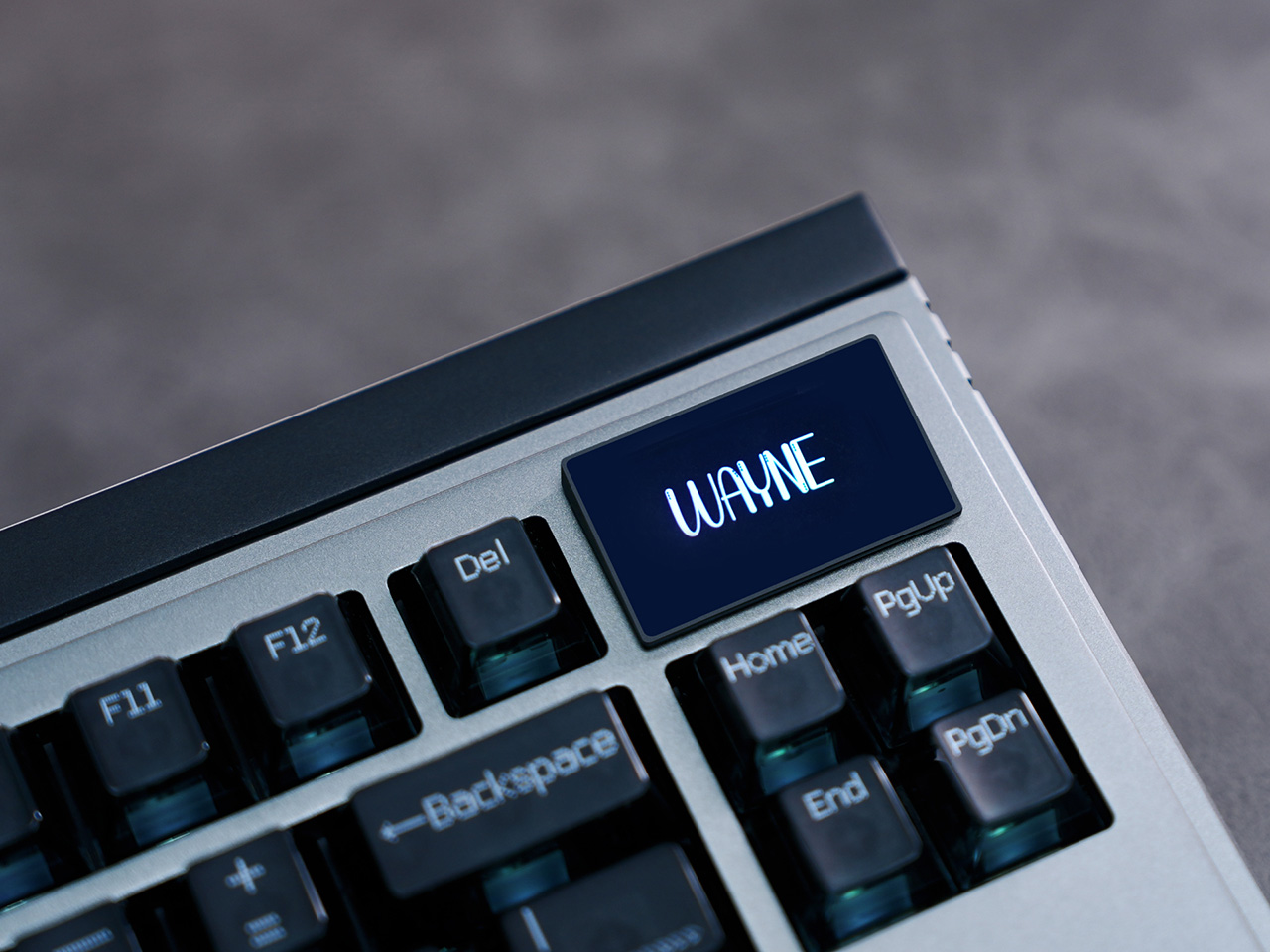
There’s also a multi-function key window that lets you toggle between the F-row and number row, with a visual indicator showing the active mode at a glance. It’s a small detail, but a genuinely useful one on a compact layout where function layers can get confusing fast. Hot-swap support, macro functionality, and web-based key mapping round out a package that covers more ground than you might expect.

Keyboards that try to balance aesthetics and performance this explicitly still feel relatively uncommon. Most still ask you to pick a lane, whether that means living with something that looks aggressive on a clean desk or one that feels clinical when you’d prefer more character. Hyzen is trying to sit in between, which is either the smartest place to be or the most difficult one, depending on who you ask.

Click Here to Buy Now: $189 $279 (32% off). Hurry, only 464/500 left! Raised over $884,000.

The post Lofree Hyzen: A High-End Custom Mechanical-Magnetic Keyboard for Every Scenario first appeared on Yanko Design.
Dwarf Factory’s Hyper-real 4/20 Resin Keycaps Are Handcrafted Miniature Gardens You Can Type On

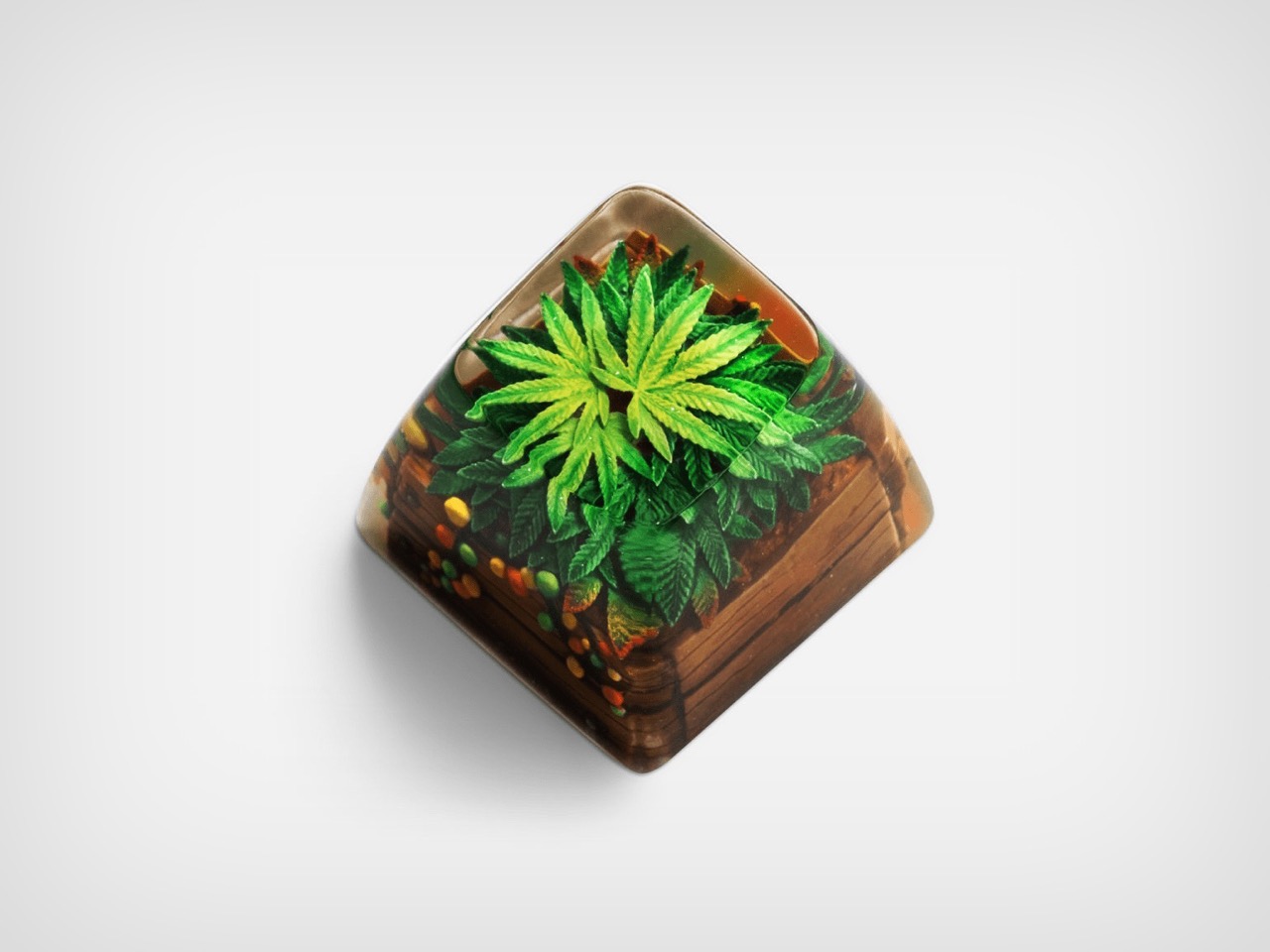
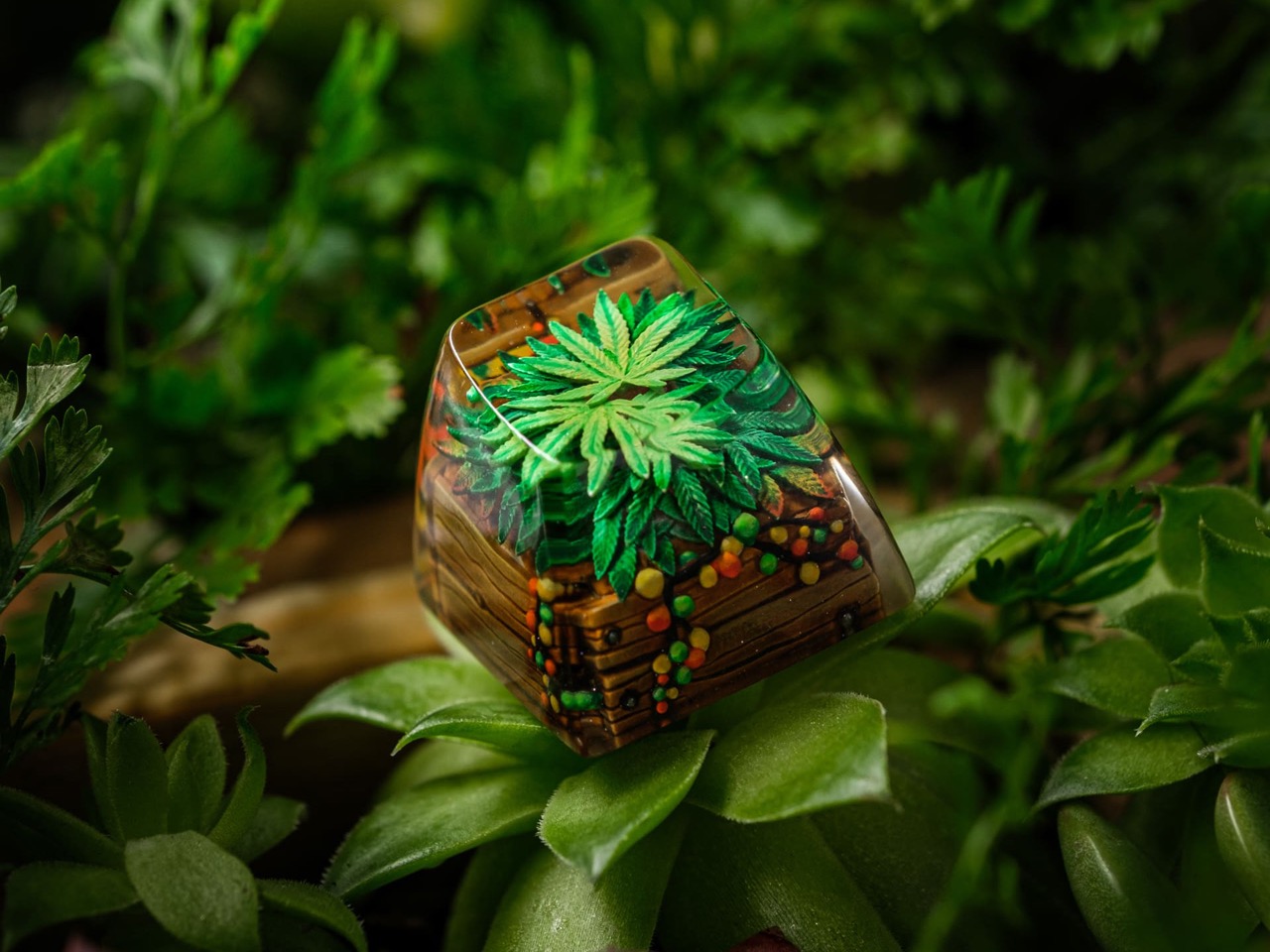
The countdown to 4/20 has begun, and if you’re the type who celebrates by upgrading your workspace aesthetics rather than raiding the nearest dispensary, Dwarf Factory sees you. The Vietnamese artisan keycap maker has built a reputation for encasing impossibly detailed miniature scenes in resin, transforming individual keyboard keys into tiny dioramas. Their Terrarium V2 collection has featured everything from succulents to seasonal florals, each one hand-painted and assembled at a scale that borders on obsessive. Their latest drop leans into the holiday with zero subtlety and maximum craft.

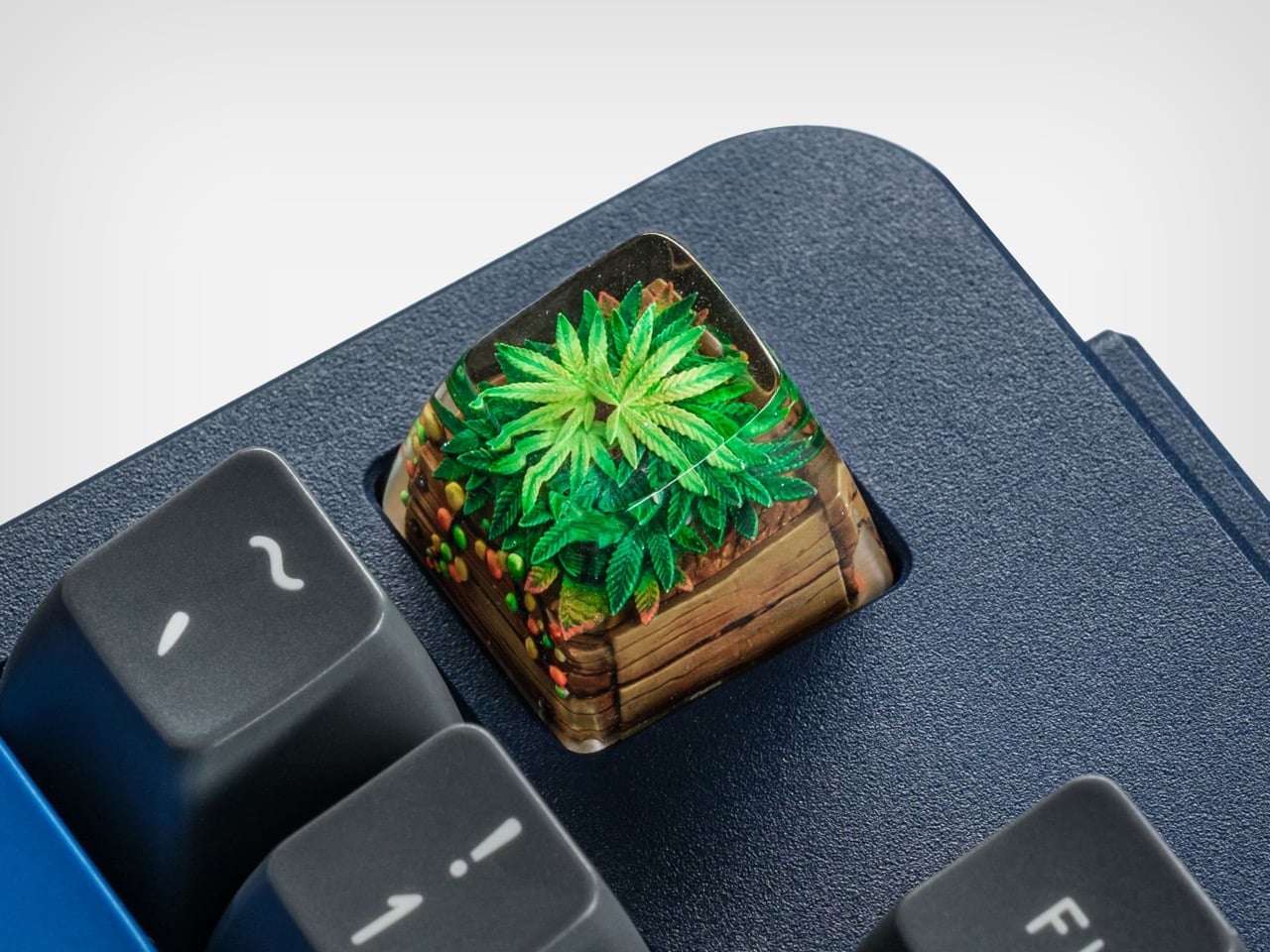
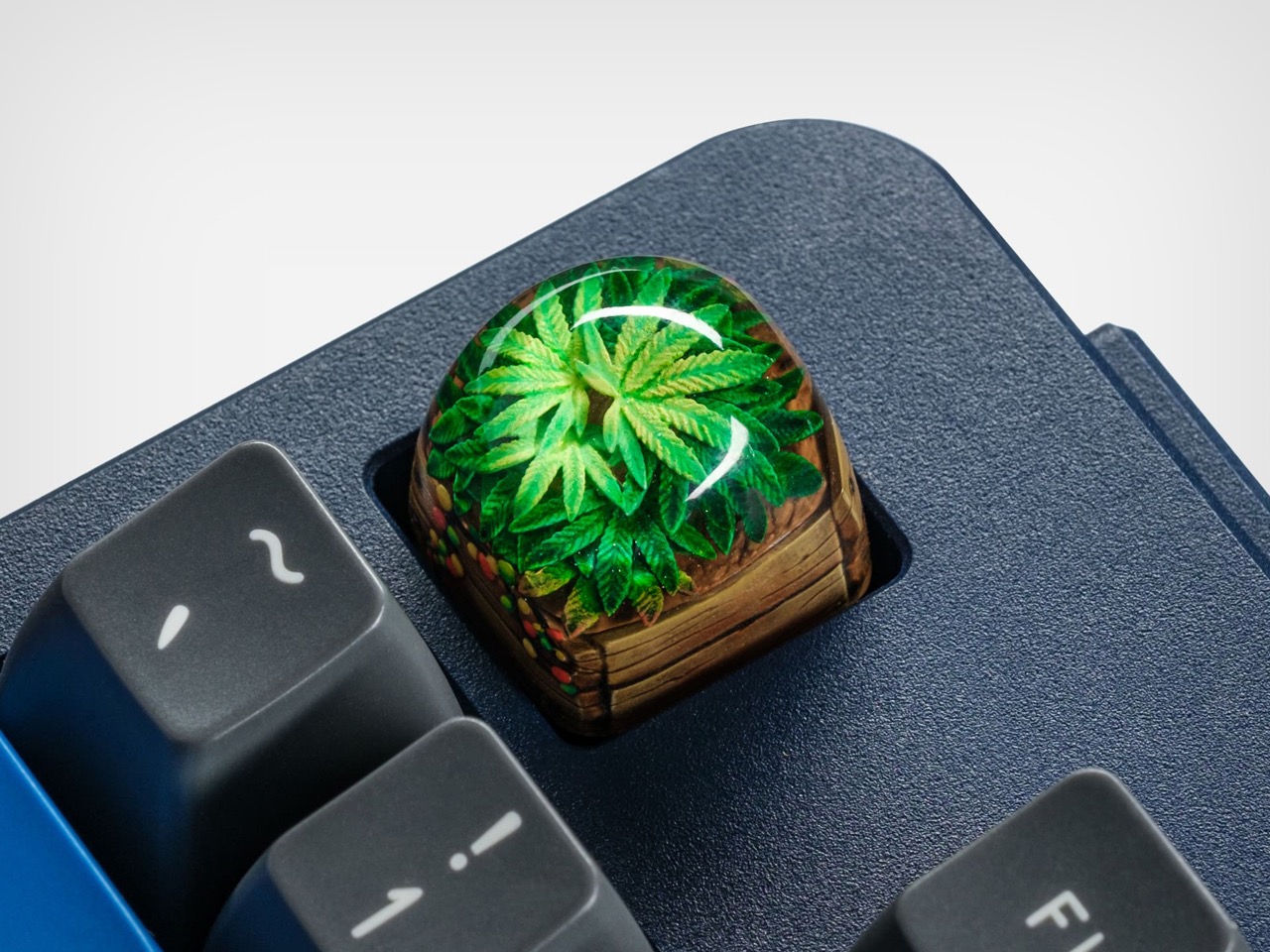
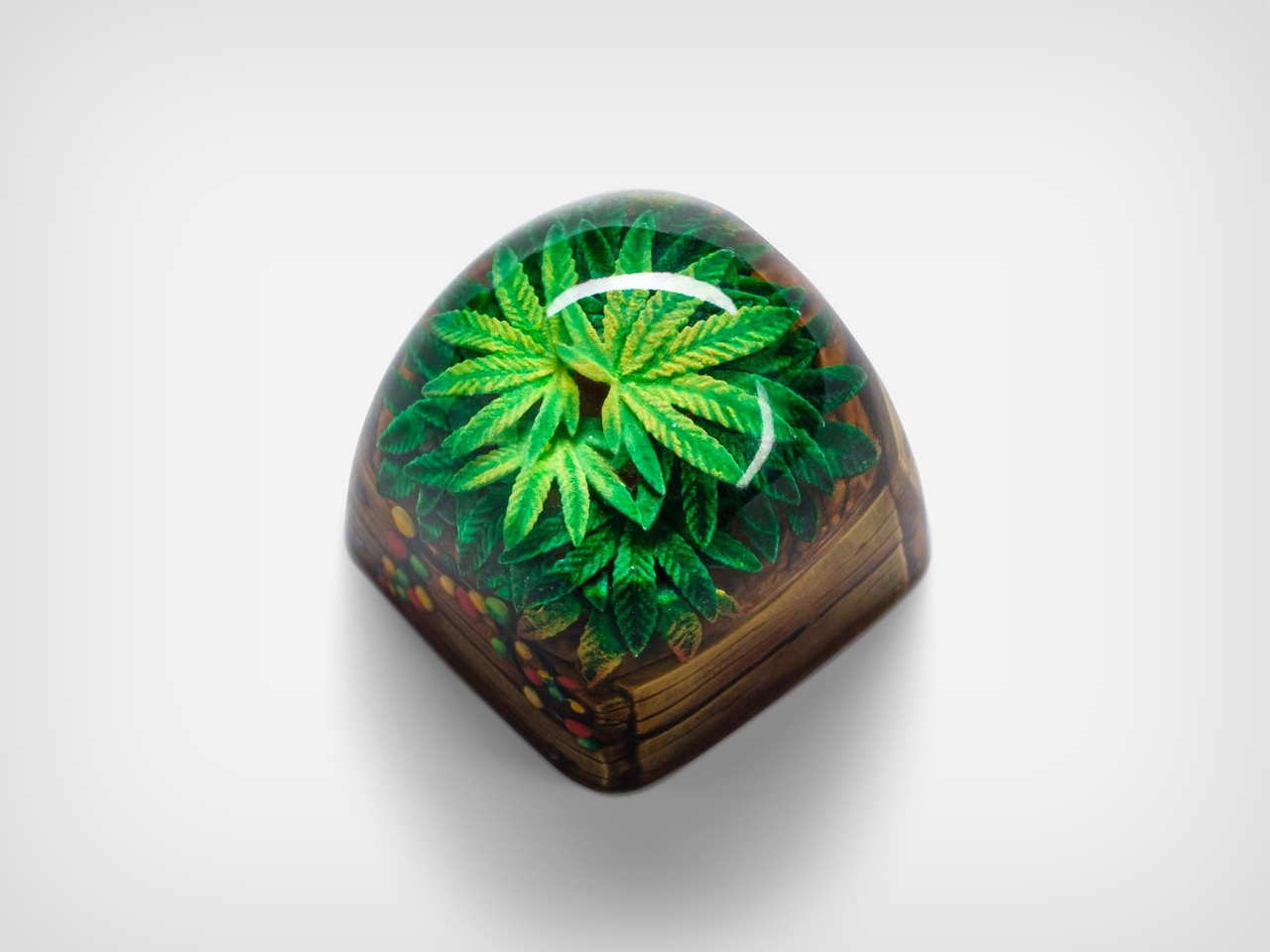
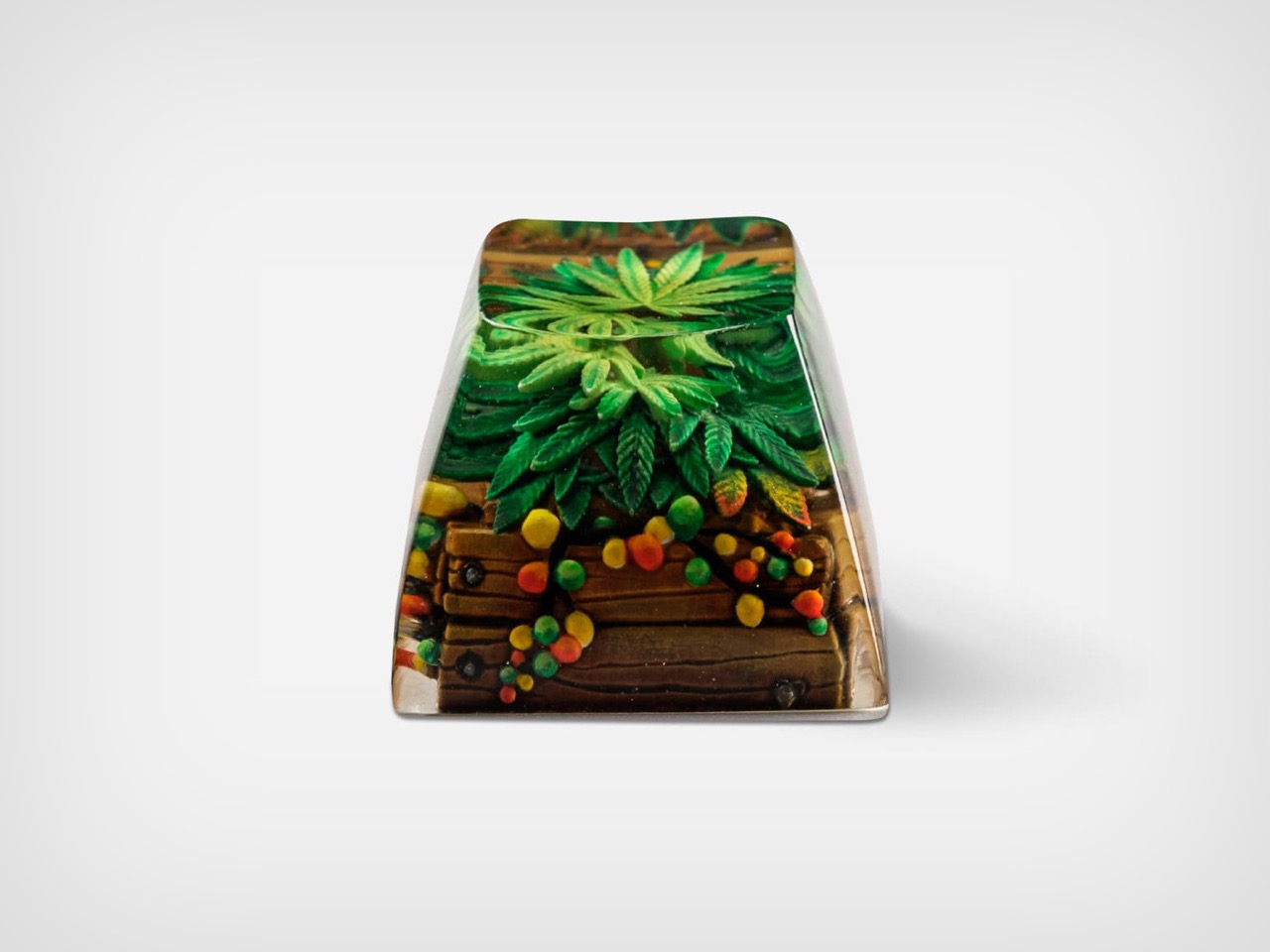
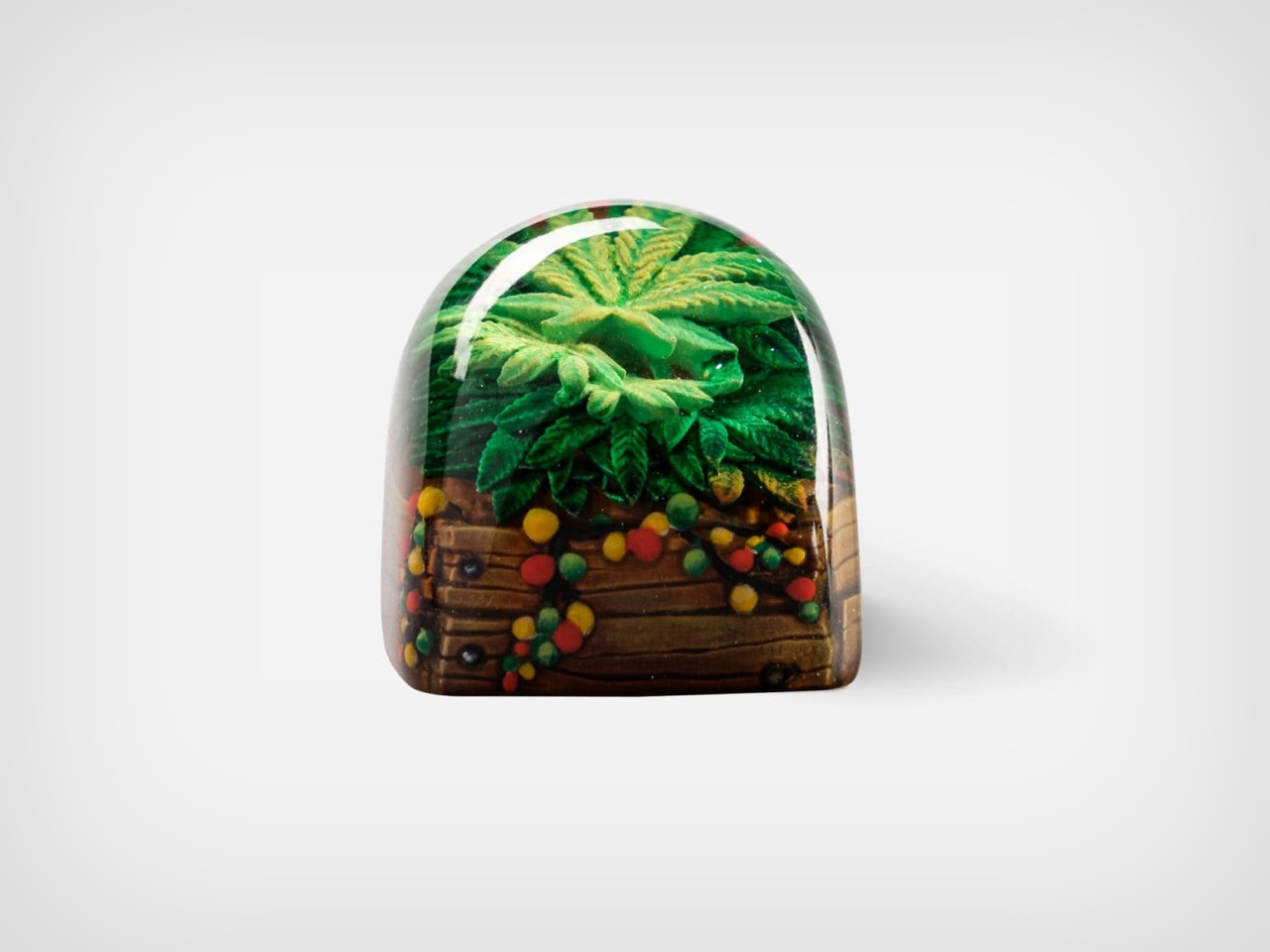
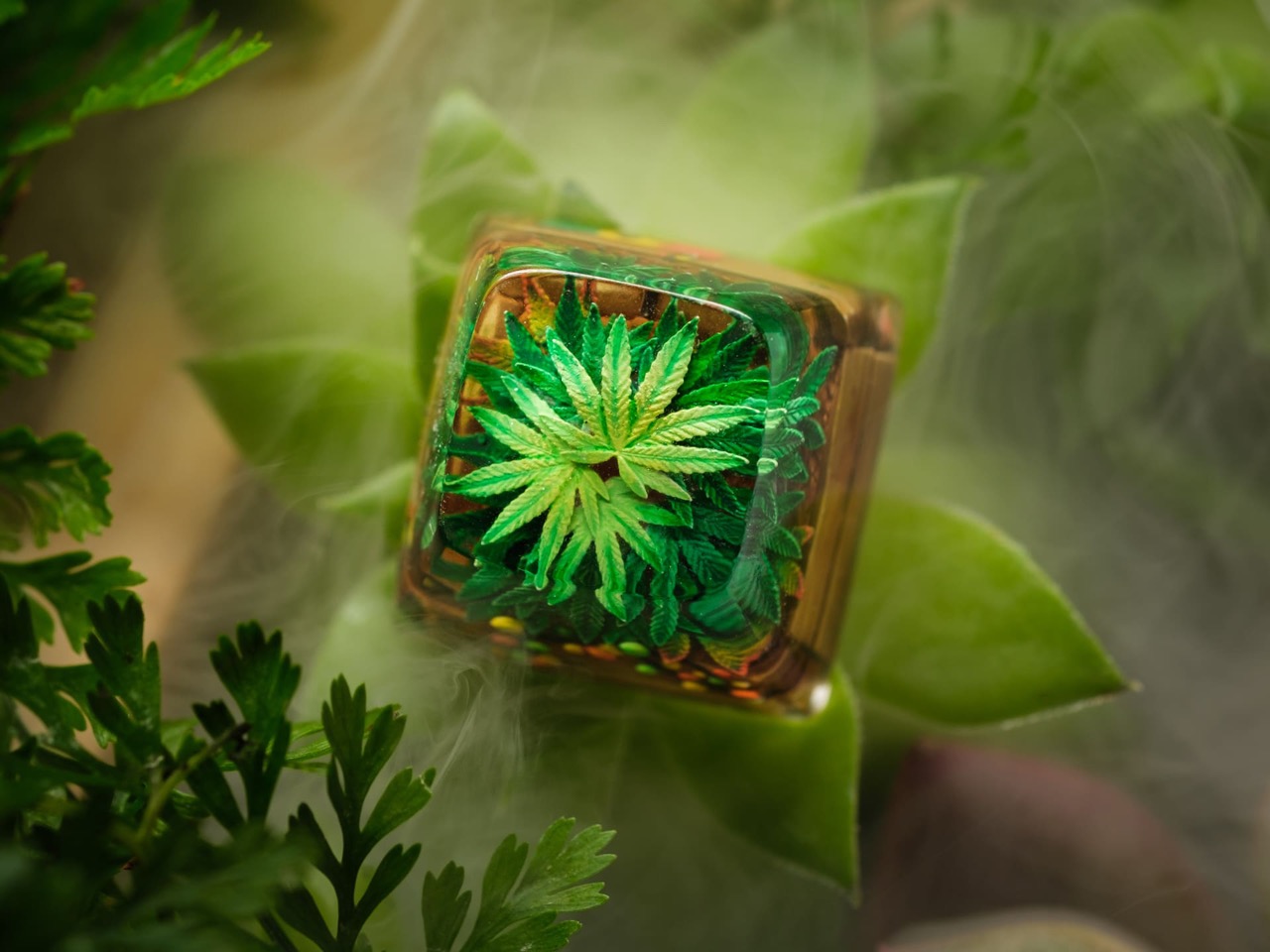
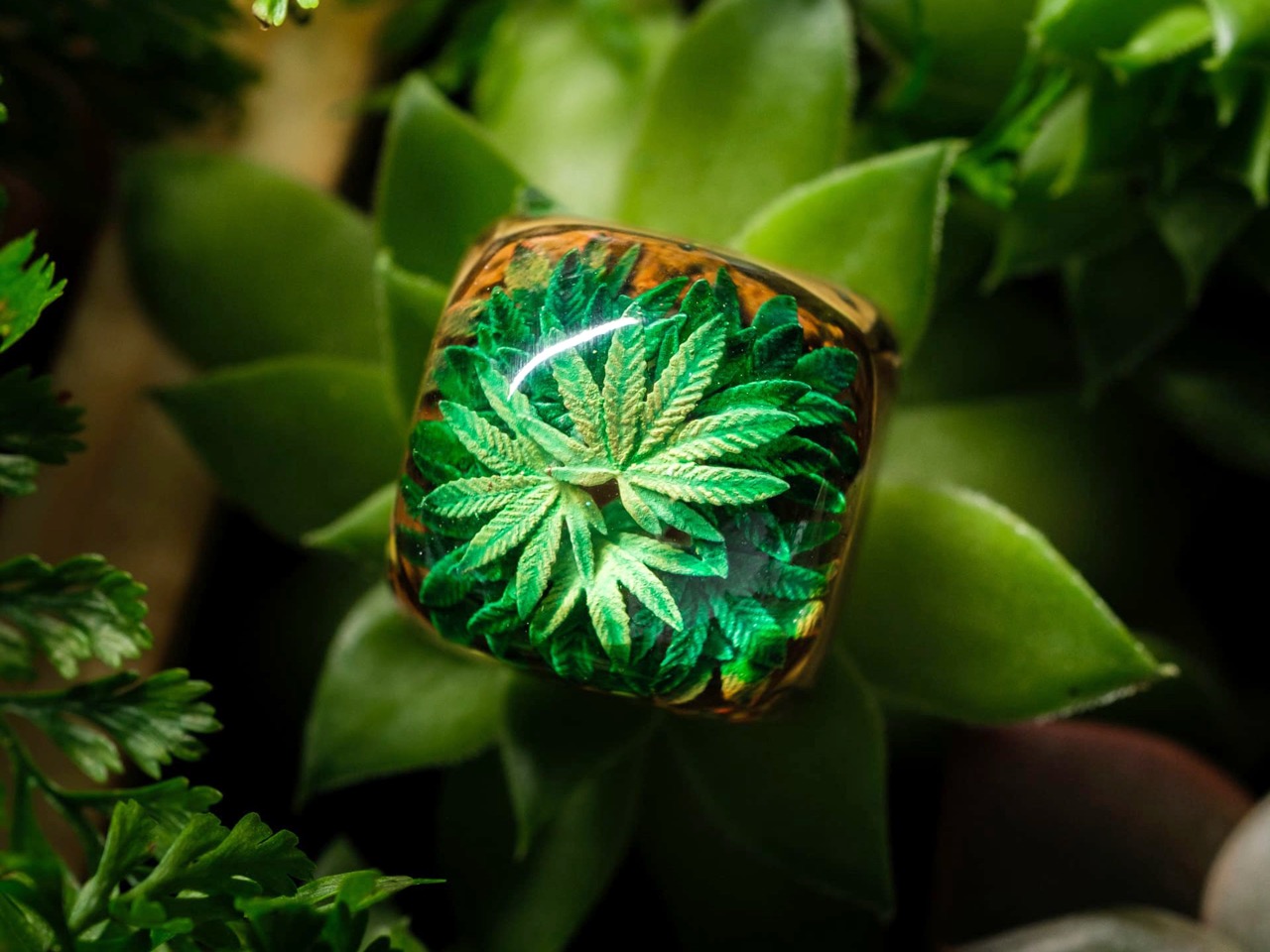
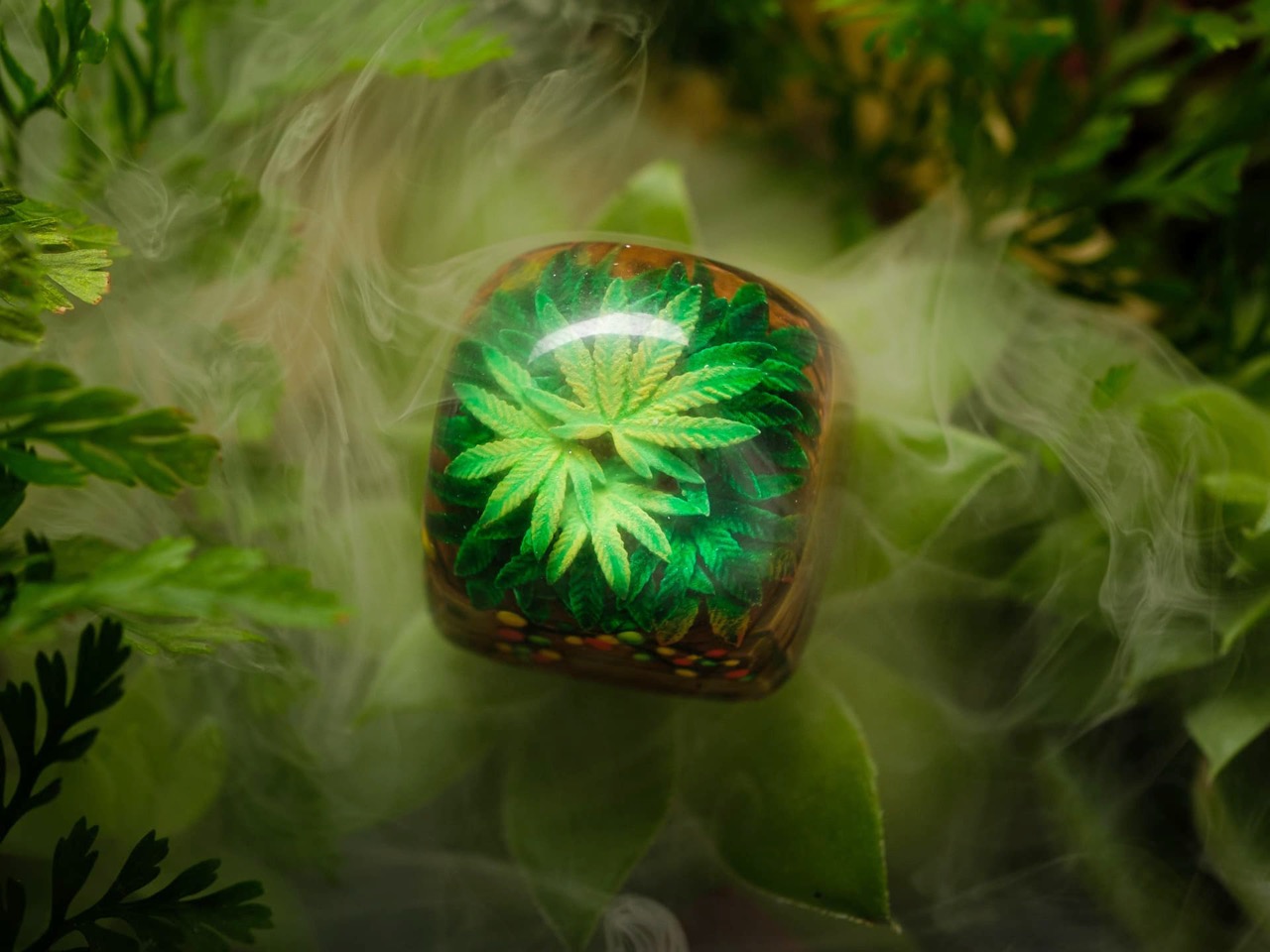
Rasta Jardin swaps the usual botanical lineup for miniature ‘ahem’ plants, complete with serrated leaves, decorative baskets, and what looks like actual soil composition at microscopic scale. Each keycap gets hand-painted, which means every Rasta Jardin has slight variations in how the leaves angle, how the rocks settle, how the light catches the resin dome. Standing 16mm tall in SA profile and compatible with Cherry MX switches, these caps are designed for your top row function keys or Escape, where they can sit pretty without making your fingers work harder to reach them.
Designer: Dwarf Factory

Designer: Dwarf Factory

The Rasta Jardin construction starts with hand-assembled miniature plant elements, built at a scale where individual leaf serrations actually matter. The plants get positioned inside tiny woven baskets, the kind of detail that requires steady hands and magnification. Substrate gets added at the base, rocks get arranged for visual balance, and then the entire assembly gets encased in layers of transparent resin, cast in a way that avoids bubbles and maintains optical clarity.

Dwarf Factory’s command over resin is truly impressive (go check out their other work too). The dome shape creates a lens effect, magnifying the scene inside while also playing with light refraction depending on your viewing angle. Sit directly above your keyboard and you see one composition. Lean back slightly and the light shifts, catching different facets of the leaves and basket weave. The transparency means RGB backlighting (if your board has it) will glow through the keycap, turning the whole thing into a tiny illuminated terrarium when you’re typing in the dark.

The hand-painting step happens after the resin casting, adding color gradients to the leaves that give them depth and realism. The plants have a specific visual language, those jagged leaf edges and the way the foliage clusters around the stem, and Dwarf Factory nails it at a scale where most makers would just paint a green blob and call it done. The baskets get individual weave lines. The soil gets color variation. Even the rocks have shadows and highlights that suggest three-dimensional form rather than flat decoration.

Dwarf Factory ships each Rasta Jardin in a sliding kraft paper box with rubber finger gloves, because resin surfaces and fingerprint oils are enemies. You also get a user guide, which feels almost comically formal for a single keycap but reinforces the idea that you’re buying a miniature art piece that happens to be functional. At roughly $73, pricing sits in line with other premium artisan caps from established makers. You’re paying for the labor-intensive handwork and the design execution that makes these feel like gallery-quality miniatures rather than novelty garbage.

What makes the Rasta Jardin compelling is how it treats the 420 aesthetic with the same design rigor Dwarf Factory applies to cherry blossoms or desert flora. There’s no cartoonish stoner imagery here, no neon green gimmicks or Rastafarian color blocking that screams cheap novelty. Just meticulous botanical miniaturization that happens to feature a plant with significant cultural weight. Your productivity won’t improve, but your keyboard will have a story worth telling when Monday rolls around and someone asks what the hell is on your Escape key.

The post Dwarf Factory’s Hyper-real 4/20 Resin Keycaps Are Handcrafted Miniature Gardens You Can Type On first appeared on Yanko Design.
Epomaker TH80 V2 & V2 Pro: Wireless Keyboards That Last 200 Hours

There is a particular kind of frustration that comes with wireless keyboards, and it always arrives at the worst possible moment. Mid-sentence, mid-meeting, mid-game, the low battery warning blinks, the charging cable is nowhere nearby, and the whole appeal of going wireless suddenly feels like a poorly negotiated deal. The TH80 V2 and TH80 V2 Pro from Epomaker were built with that specific frustration in mind.

Both boards share a compact 75% layout, keeping the function row and dedicated arrow keys while shedding the numpad bulk that full-size keyboards carry everywhere. They are available in two switch flavors: the Creamy Jade linears for a smooth, consistent keystroke, and the Sea Salt Silent V2 switches for anyone sharing a space with people who would rather not hear every word being composed out loud.

Designer: Epomaker

Click Here to Buy TH80 V2: $58.65 $68.99 (15% off) | TH80 V2 Pro: $70.20 $77.99 (10% off). Hurry, deal ends in 48-hours!

TH80 V2

Underneath each keystroke is a gasket-mount structure paired with a five-layer sound-dampening system. The polycarbonate plate adds some flex to the mix, and the result is that soft, cushioned thud the keyboard community has taken to calling “creamy.” It is one of those things that sounds like marketing until the first time a finger lands on a well-tuned gasket board, and then it just sounds like a very good reason to keep typing.

The battery is where both boards make their most persuasive argument. The TH80 V2 carries an 8,000 mAh cell rated at 200 hours with the RGB off, and the TH80 V2 Pro steps that up to 10,000 mAh. Most wireless keyboards in this price range ship with cells a quarter that size, which means charging becomes a weekly ritual rather than a distant afterthought. Both boards support 2.4 GHz, Bluetooth, and wired USB-C connectivity, remember up to five paired devices, and switch between Windows, Mac, and Android without any fuss.

TH80 V2 Pro

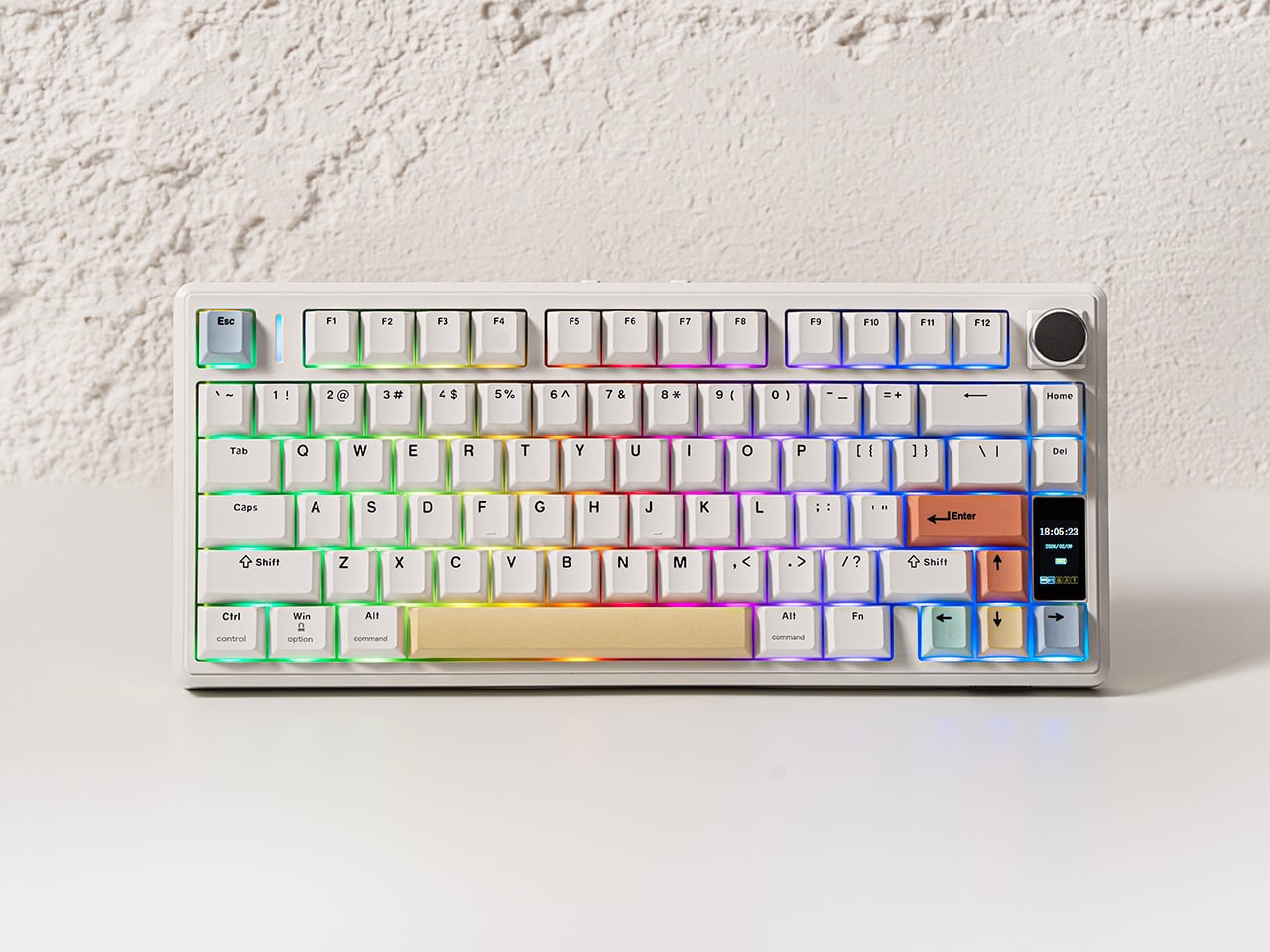
The TH80 V2 Pro goes a step further with a 1.06-inch glass-covered TFT color screen tucked beside the rotary knob. It shows time, battery percentage, and connection status at a glance, which is genuinely handy. It also supports custom GIF uploads through Epomaker’s browser-based driver, so the screen can carry a small personal detail for anyone who treats their desk as a considered space. No software installation needed, either, which removes a step that should have been dropped from this category a long time ago.

Picking between the two is a fairly straightforward exercise in priorities. The TH80 V2 covers the gasket mount, the massive battery, hot-swappable switches, full per-key RGB, and a side-lighting bar, available in a subtle Black Grey or a composed White Grey Yellow. The TH80 V2 Pro adds the LCD screen, the larger battery, the browser-based driver, and more expressive colorways, including a striking translucent black and a fan-favorite Pink edition.

What the TH80 V2 series gets right is the part that rarely makes it onto spec sheets: the sense that someone thought carefully about what actually makes a wireless keyboard annoying to live with, and then addressed those things one by one. Good typing feel, a battery that lasts long enough to stop being a concern, and enough room for personalization that the board can feel like yours rather than just a peripheral you settled for.

Click Here to Buy TH80 V2: $58.65 $68.99 (15% off) | TH80 V2 Pro: $70.20 $77.99 (10% off). Hurry, deal ends in 48-hours!

The post Epomaker TH80 V2 & V2 Pro: Wireless Keyboards That Last 200 Hours first appeared on Yanko Design.
Razer Just Built the Pokémon Desk Setup Every ’90s Kid Wanted

A lot of people who picked their first starter Pokémon on a Game Boy now sit in front of multi-monitor setups, pretending to be adults. Their desks are full of neutral black peripherals that say serious work, even though their playlists are lo-fi Pokémon remixes and their browser tabs tell a different story. The gear stays boring because that is what grown-up keyboards and mice are supposed to look like, apparently.

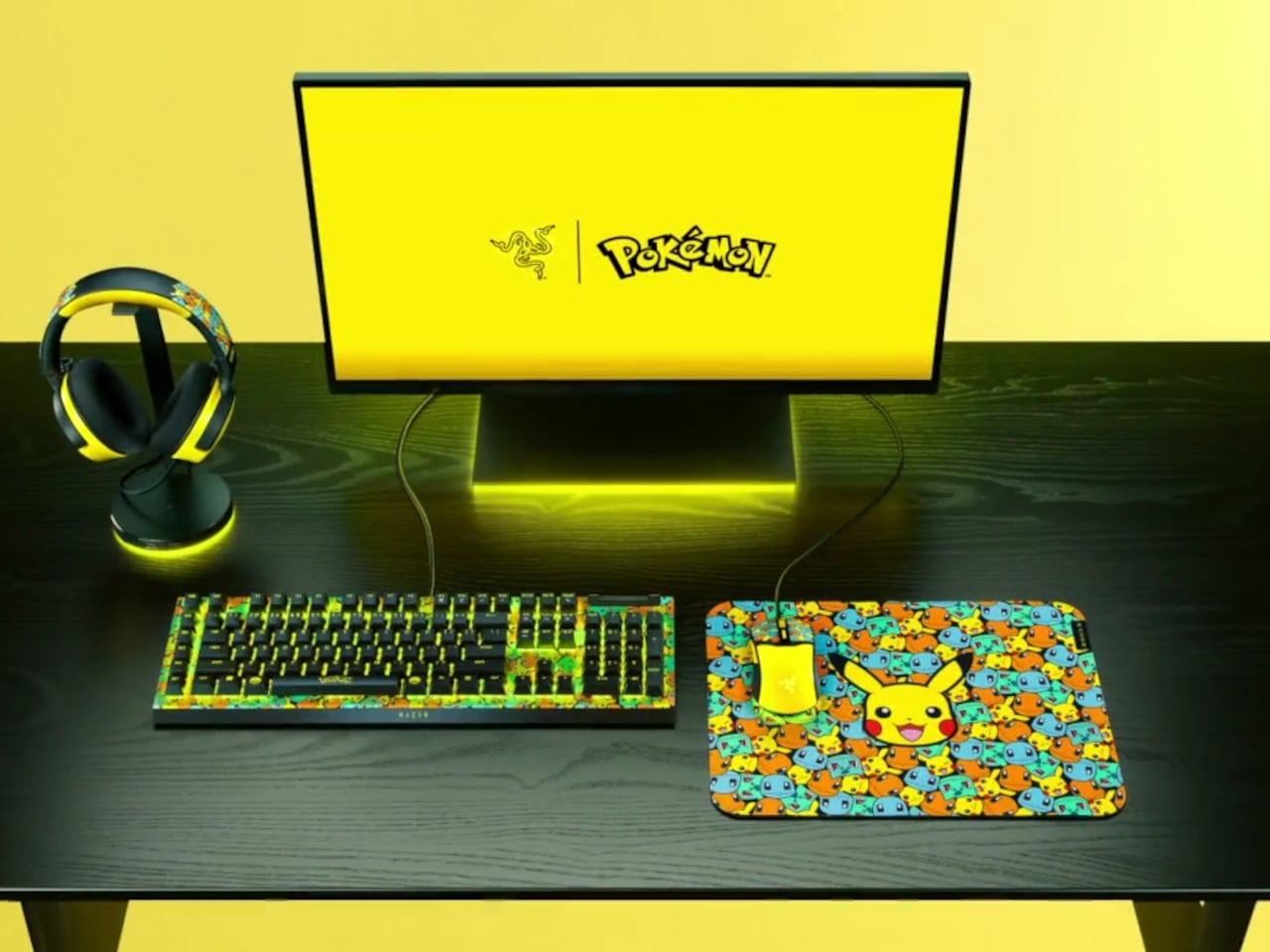
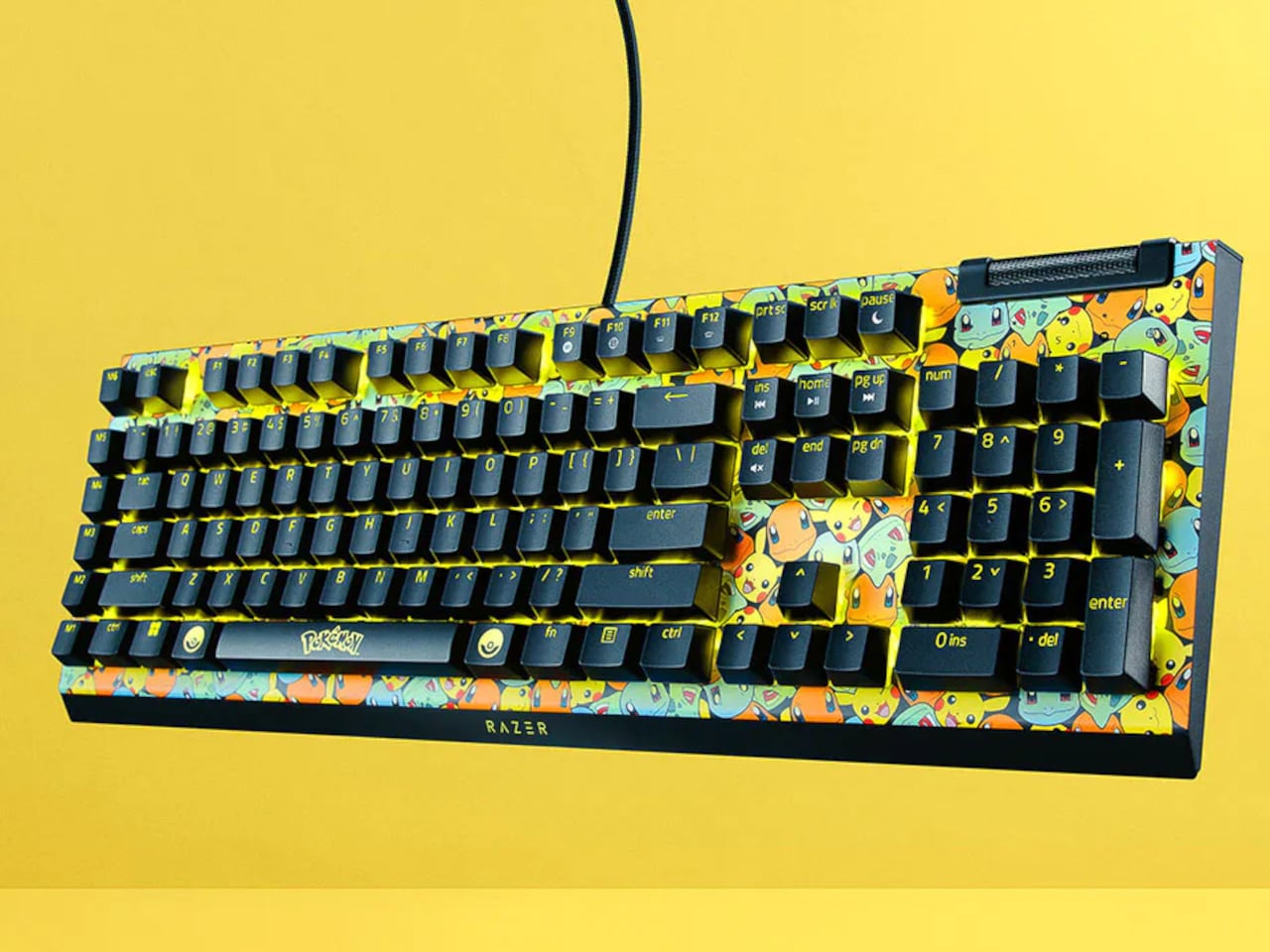
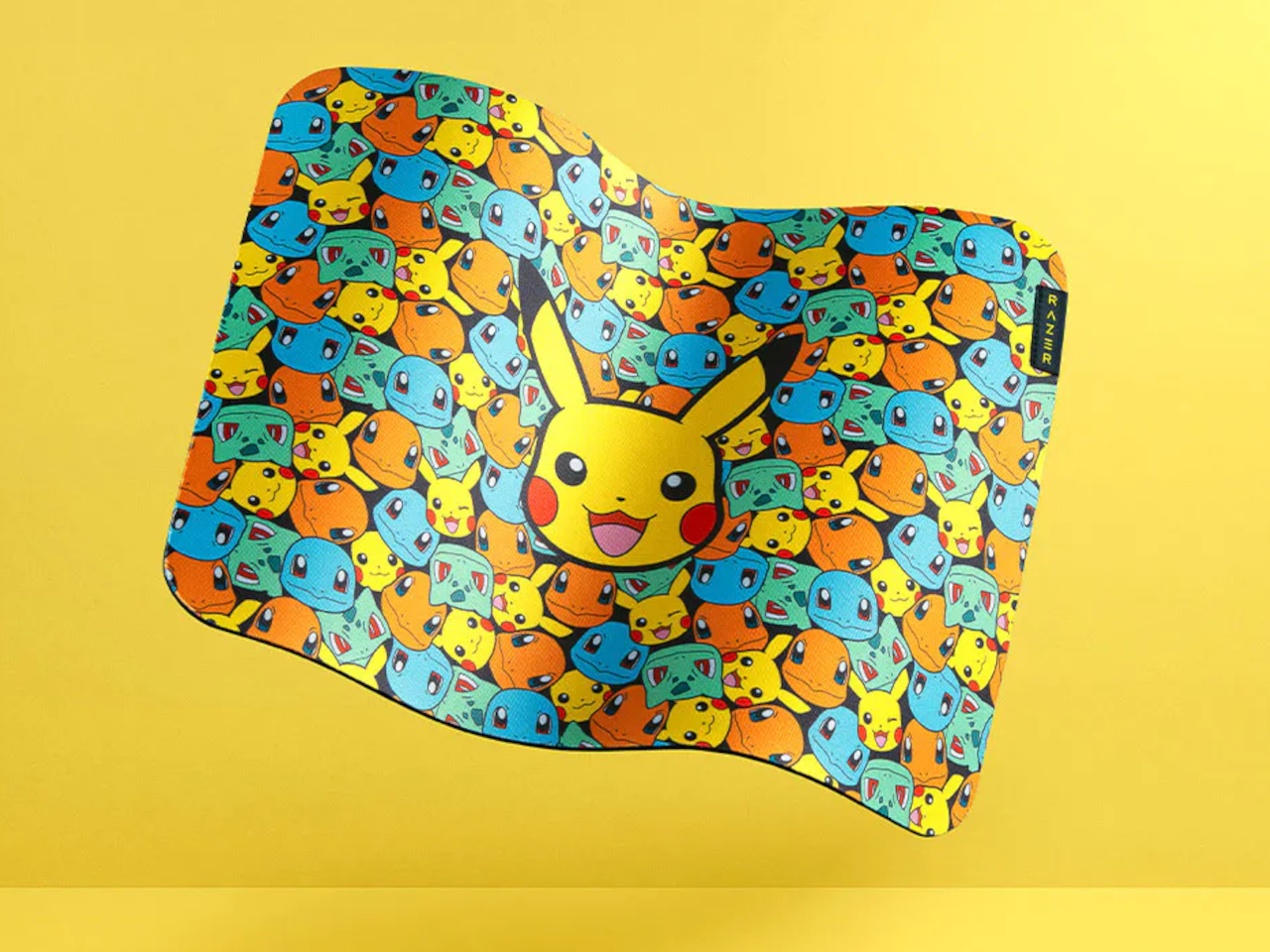
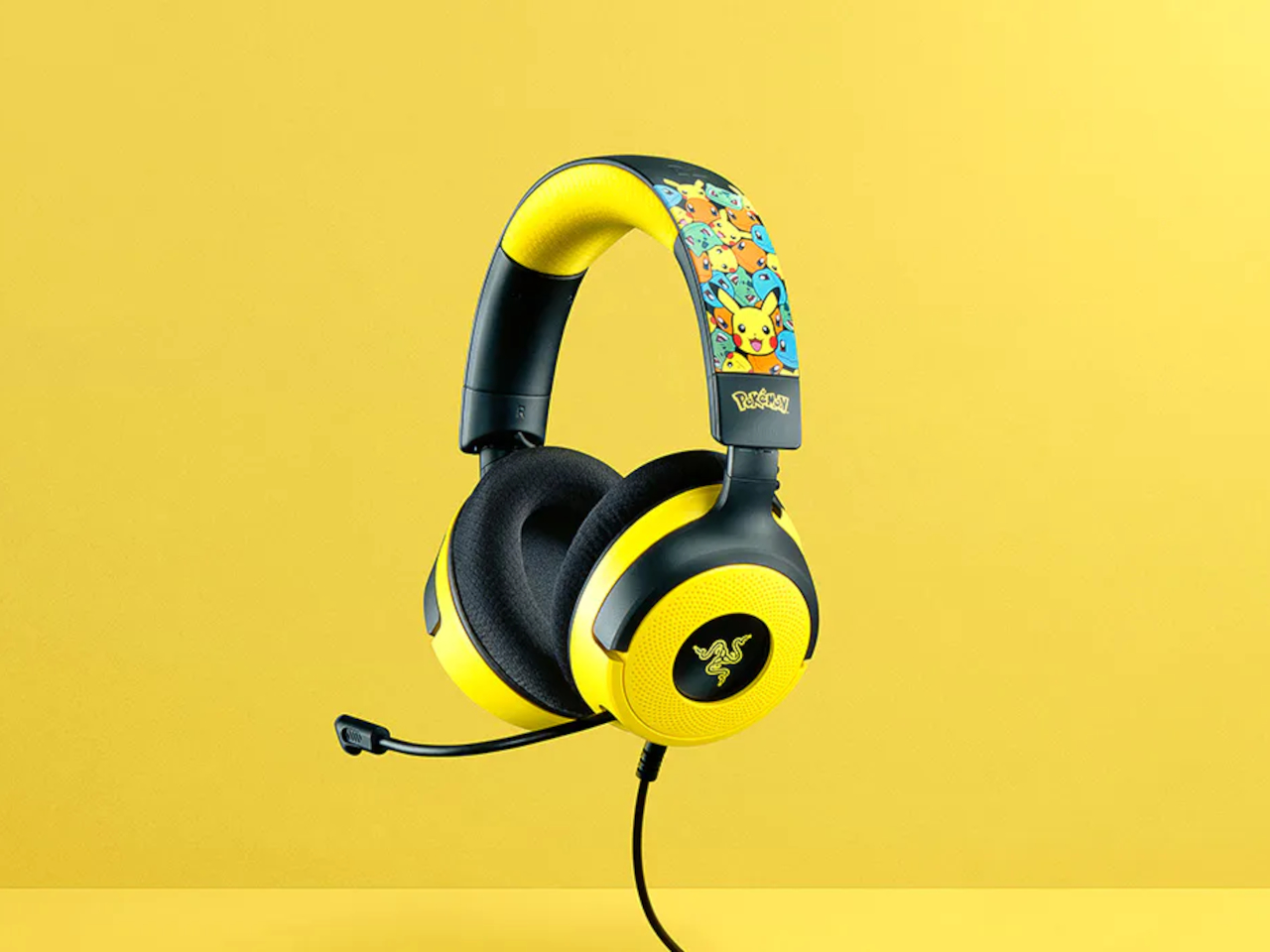
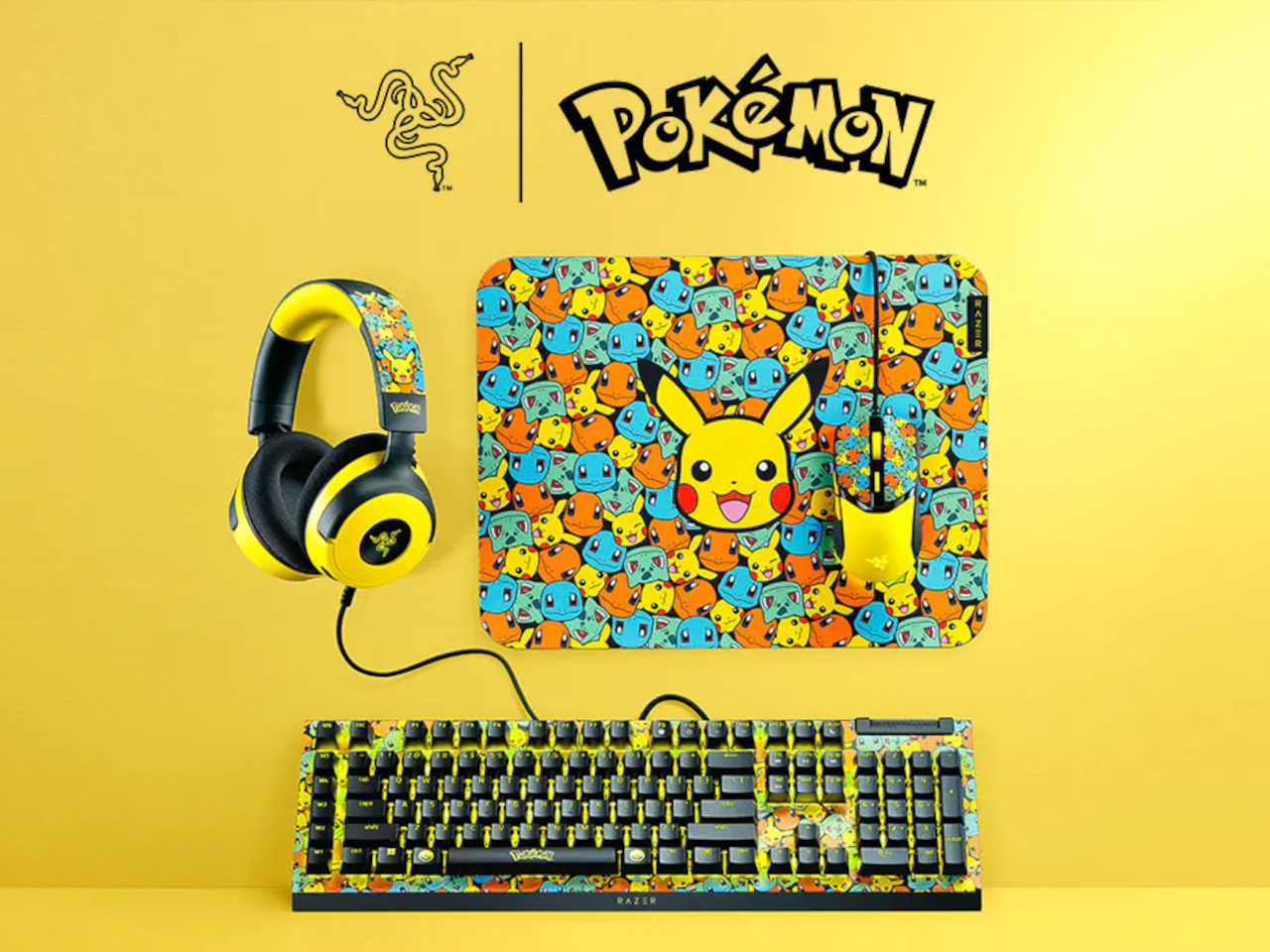
That is where Razer’s Pokémon collection comes in. Instead of one Pikachu mousepad, Razer built a full ecosystem that includes the BlackWidow V4 X keyboard, Cobra mouse, Kraken V4 X headset, and Gigantus V2 M mat. The line is officially licensed and leans into Kanto nostalgia, wrapping every peripheral in Pikachu, Bulbasaur, Charmander, and Squirtle graphics across bright yellow surfaces with synced Razer Chroma RGB lighting.

Designer: Razer x Pokemon

The BlackWidow V4 X Pokémon Edition keyboard anchors everything. Underneath the graphics, it is a mechanical keyboard with Razer’s clicky switches, six macro keys, and programmable RGB. You can map macros for raids or productivity shortcuts, and the mechanical switches help with both gaming and marathon typing. The Pokémon skin does not change performance; it just turns something you already needed into something that feels like a personal trophy from childhood.

The Cobra mouse and Gigantus V2 M mat work as a paired set. The lightweight wired mouse uses optical switches for durability and precision, with RGB lighting that syncs with the rest of your setup. The soft mat underneath is optimized for fast swipes, whether flicking through game menus or dragging layers in design software. Together, they turn everyday cursor movement into something that feels like your oldest digital companions are right there.

The Kraken V4 X headset pulls audio into the same universe. It supports surround sound for positional cues, has a clear mic for calls or streaming, and features RGB lighting around the earcups. You hear footsteps in matches, but you also use it for music while answering emails or video meetings without switching gear, which makes it more versatile than something covered in Pikachu art probably should be.

Of course, Razer points out the collection works for productivity and content creation, not just gaming. Mechanical keys help with typing speed, the mouse and mat work in design software or spreadsheets, and the headset handles conference calls. The Pokémon layer is simply a visual narrative on top of hardware you could justify buying even in plain black, which means you get function and nostalgia without compromise.

The collection treats your desktop as more than a neutral workspace. It acknowledges that the same person editing spreadsheets might still know every line of the Pokémon theme song, and both can coexist. Instead of hiding that part of yourself in a drawer of old cartridges, Razer lets it sit under your fingers, lighting up every time you log in and reminding you that being functional and still loving Pikachu are not mutually exclusive.

The post Razer Just Built the Pokémon Desk Setup Every ’90s Kid Wanted first appeared on Yanko Design.
These Fallout Nuka-Cola artisan keycaps are ridiculous, beautiful, and exactly what your keyboard deserves

Fallout never lets go of Nuka-Cola. You can be ankle deep in irradiated sludge, low on ammo, and still your brain pings when you see that red script on a rusted machine. The games trained everyone to read those machines as little probability engines. Maybe caps, maybe chems, maybe a ghoul behind the door. That association sticks. You see Nuka-Cola now and your fingers almost reach for the VATS key out of habit.

So when Drop and Dwarf Factory freeze that whole relationship inside a 1U keycap, it feels weirdly logical. Four tiny scenes, all Nuka flavored. Vending machine, bottle crate, Power Armor helmet, Thirst Zapper. Each one parked on an SA R1 profile shell, roughly 18 millimeters across, tall enough to tower over your number row. They are desk jewelry that behaves like keyboard hardware, and that crossover is where this stuff gets interesting.

Designer: Dwarf Factory for Drop

The sheer density of the diorama in each cap is something you have to respect. We are talking about a standard 1U footprint, roughly 18 millimeters square, that contains a fully realized scene with foliage, weathering, and legible micro-branding. The clear resin shell acts as a magnifier, giving the internal sculpture a sense of depth that tricks the eye. You can see the undercuts on the vending machine and the individual ropes on the bottle crate. Achieving that kind of fidelity in a multi-stage casting process, for a part that needs to meet the mechanical tolerances of a keyboard stem, is no small feat.

They were smart about the four designs they chose, too. It feels like a curated set that covers the core pillars of the Nuka-Cola experience: the vending machine for environmental storytelling, the bottle crate for loot, the Thirst Zapper for that weird corporate goofiness, and the Power Armor helmet for combat. It tells a more complete story than just slapping a Vault Boy face on a key. Together, they create a tiny narrative across your function row, a silent testament to the wasteland’s most persistent brand.

These things are tall, sitting at a full SA R1 profile height of around 16 millimeters. On a low-profile board they would look like monoliths, but that verticality feels right for Fallout’s chunky, retro-futuristic hardware. Dwarf Factory is using its standard multi-part resin casting and hand-painting process, all sealed in a polished acrylic shell. They fit standard Cherry MX stems, so compatibility is wide, but anyone running Kailh Box switches is out of luck due to the wider housing. It’s a niche product for a niche within a niche, and the specs reflect that.

Of course, that kind of hand-painted, multi-stage resin work is why these things have a seventy-dollar question mark attached to each key. That price point immediately pushes them out of the realm of simple accessories and into the category of functional jewelry for your desk. You are not just buying a keycap, you are commissioning a tiny sculpture that happens to be keyboard-compatible. It is an absurd purchase by any rational metric, but the entire custom keyboard hobby abandoned rationality several years ago. This is for the person who sees their keyboard as a gallery, not just a tool.

The way they interact with backlighting is another clever touch. The glow-in-the-dark pigment and internal geometry create this irradiated halo effect at night, with light bouncing around inside the resin instead of just shining through a legend. It looks like your keyboard has been sitting a little too close to a glowing sea. Drop one of these on a retro-themed beige board and it looks like canonical hardware from the Fallout universe. Put it on a modern RGB rig and it becomes a preserved relic, a piece of the old world trapped in a futuristic frame.

Given their handmade nature, these keycaps don’t come cheap. Each individual cap starts at $69 from Drop’s website (unless they get sold out and sell on the aftermarket for even higher). I assume the handcrafting cost is high, but the licensing fees with Fallout are even higher. Drop’s even debuted Fallout-themed mechanical keyboards/keycaps/mats that are more mass-produced which sell for a lot cheaper (you can see them in the images above and below)… although if you’re a bit of a collector, you’d want to spring for the artisan stuff, whether it’s to mount on a keyboard or showcase on a platform behind a glass cover.

The post These Fallout Nuka-Cola artisan keycaps are ridiculous, beautiful, and exactly what your keyboard deserves first appeared on Yanko Design.
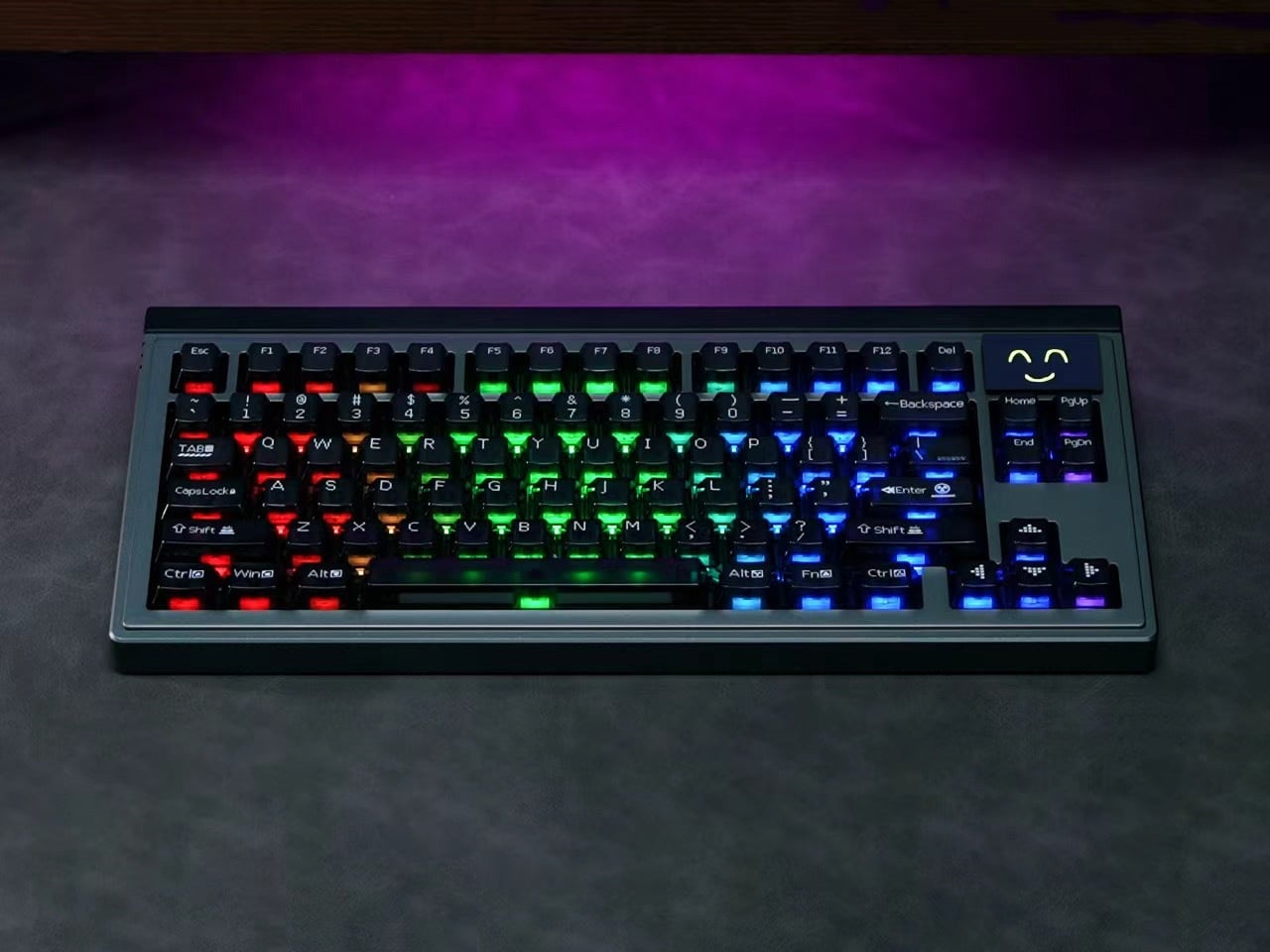
$239 Angry Miao Silent Keyboard Channels Tadao Ando’s Concrete Church

Cheap office keyboards sound like plastic rain, which becomes unbearable in open-plan offices or when working late while someone else is trying to sleep. Custom mechanical keyboards feel better, but they tend to be loud, visually aggressive, and often shrink to compact layouts that sacrifice the numpad. Most people end up compromising on sound, feel, or functionality, rarely getting all three at once.

Angry Miao’s ATM 98 tries to bridge that gap with a silent-first philosophy. It keeps a full 98-key layout with a numpad and function row, wraps it in an aluminum shell that weighs around 2.6 kg, and centers a large Star Ring knob on the top right. The whole thing reads more like a desk sculpture than office equipment, built for people who type all day and want something that feels deliberate without announcing itself.

Designer: Angry Miao

The design references are specific. One version channels Tadao Ando’s Church of the Light with a matte concrete-gray shell and controlled RGB lighting, treating the keyboard like a minimalist architectural object. The translucent Frost Whisper and Night Ink editions take inspiration from Off-White x Rimowa’s see-through luggage, revealing the gold-plated PCB and mounts underneath. The structure and lighting become part of the composition, not just decoration.

What matters more on a Tuesday morning is how it feels to type all day. Angry Miao worked with Bsun to develop custom Light Sakura silent linear switches with an S-shaped damping stem and low-friction LY material that delivers smooth, crisp bottom-out without the mushy rebound typical of silent switches. Paired with an eight-layer gasket stack, the board kills hollowness, letting you type emails without sounding like you are auditioning for a contest.

The 18.8mm front height and 8-degree typing angle let you skip a wrist rest without cramping by lunchtime. The 98% layout keeps the numpad for spreadsheets and shortcuts while fitting on a normal desk, and the Star Ring knob becomes a habit for volume, timelines, or switching layers. It is the kind of control you miss when you go back to a plain keyboard.

Tri-mode wireless with tuned 2.4GHz lets you jump from Bluetooth on a laptop to low-latency gaming on a PC without swapping dongles. The board runs QMK firmware for deep remapping, but Angry Miao also built a web-based configurator for people who just want to drag and drop keys and RGB effects without learning command-line tools, making it approachable even if this is your first custom board.

The Angry Miao ATM 98 treats quiet as a design material alongside aluminum and light. It is built for people who live at their keyboards and want something that feels deliberate under their fingers without turning every keystroke into a sound effect that echoes across the room. When loud gaming slabs and forgettable boards dominate the office space, that kind of architectural silence feels oddly refreshing, like finally getting a desk object that understands the difference between personality and noise.

The post $239 Angry Miao Silent Keyboard Channels Tadao Ando’s Concrete Church first appeared on Yanko Design.

Naya Connect Keyboard Lets You Snap On a Trackball, Numpad, or Dial

Most desks end up with a nice mechanical keyboard, a separate mouse, maybe a trackpad, a macro pad, and, if you work in 3D, a space controller, all fighting for room. Keyboards stay fixed layouts, even as workflows get more complex and tools multiply. Naya Connect treats the keyboard as the center of a modular workstation instead of just another rectangle, letting the rest of your input tools snap onto it and adapt as your work changes.

Naya Connect is a low-profile mechanical ecosystem built around the Naya Type keyboard and a dock. Naya Type is a slim 75% board with an aluminum body, Kailh Choc V2 switches, and a 14.9 mm profile, designed to be wireless when paired with the dock. The interesting part is not the layout, but what can snap onto it, a family of input modules that attach magnetically and talk to the same software layer.

Designer: Naya

The keyboard and dock have magnetic connection points on both sides, letting you attach modules wherever they make sense. You can add a Multipad as a numpad or macro pad, a six-key strip for extra shortcuts, or build a full console by chaining modules along one edge. The system grows sideways with your workflow instead of forcing you into a single configuration that never quite fits once your needs shift or projects change.

The modules cover different input modes. A Multipad acts as a numpad or macro grid, a six-key strip handles quick actions, a Track module replaces a mouse with a trackball, a Touch module works like a compact touchpad, a Tune dial offers dynamic haptics for scrubbing timelines or adjusting values, and a Float puck gives six degrees of freedom for 3D navigation and camera control.

The hardware only works because the software is flexible. Naya Flow is the configuration app that lets you remap keys, tune module behaviour, and build complex logic with drag-and-drop tools. You can set per-app profiles, change how the Tune dial feels depending on what you are doing, and decide what each touch zone or trackball gesture should trigger, without writing scripts or diving into config files.

The aluminum body, low-profile keycaps, and clean black aesthetic keep the keyboard from looking like a science project, even when it is covered in modules. The modules share the same design language, so a trackball, dial, and macro pad feel like parts of one system rather than a pile of mismatched gadgets. The result is a desk that looks intentional even when it is heavily customized and adapted to very specific tasks.

Naya Connect is aimed at people who live in code editors, timelines, spreadsheets, or 3D scenes all day and want input tools that can evolve with their work. It is not trying to be a mass-market keyboard. Instead, it’s trying to be a platform that grows and reconfigures as often as the projects do, without asking you to keep buying entirely new peripherals or cluttering the desk with orphaned tools.

The post Naya Connect Keyboard Lets You Snap On a Trackball, Numpad, or Dial first appeared on Yanko Design.
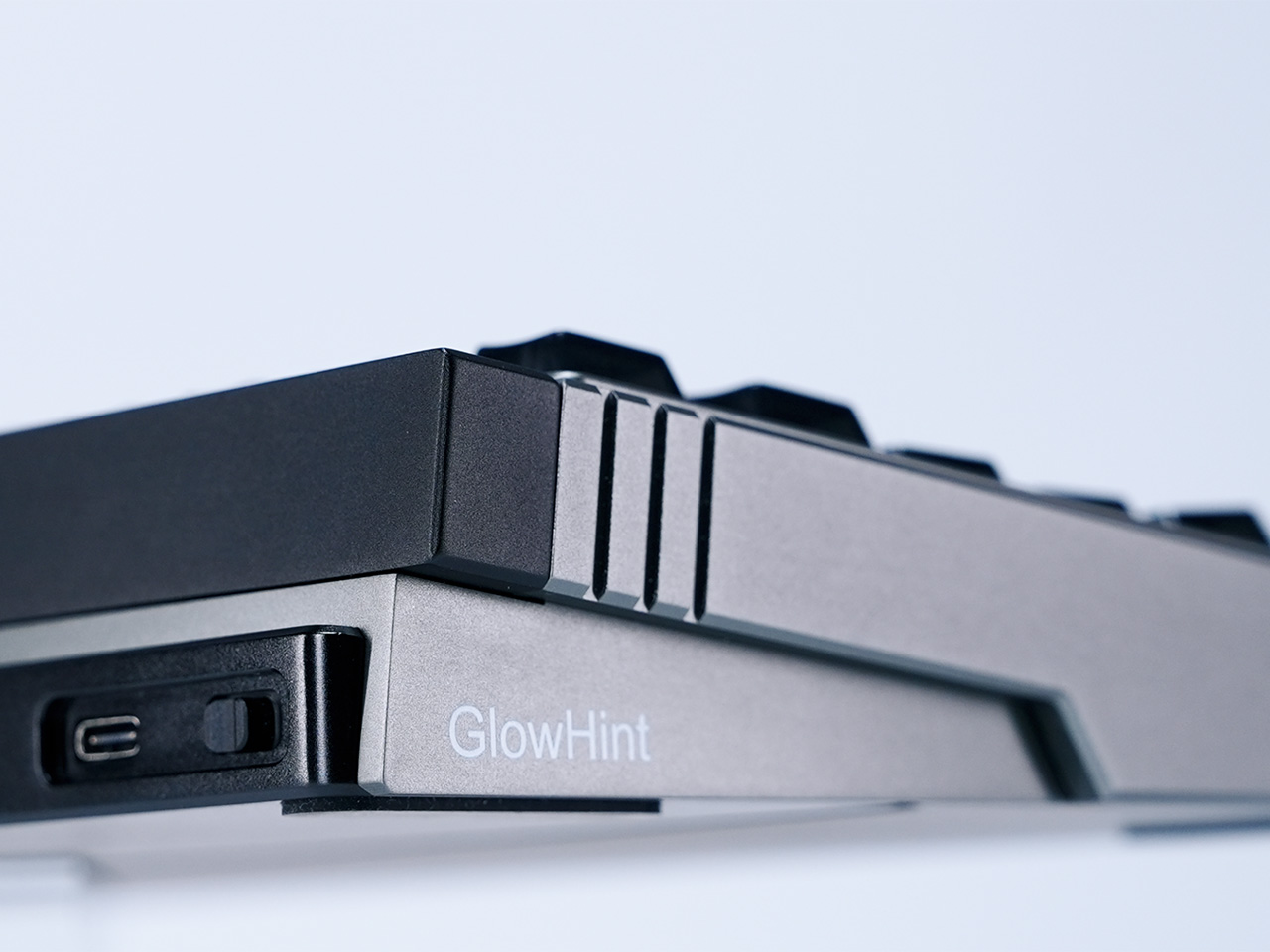
Dwarf Factory’s Tiny Christmas Keycaps Are Absolutely Perfect Gifts For Gamers

Sweetmas keycaps are what happens when a holiday cookie box collides with boutique keyboard culture. Designed by Dwarf Factory, the collection transforms the familiar 1U key into a micro stage, where a gingerbread character, a jolly Santa, or a toy soldier style nutcracker performs among piles of sweets and winter snacks.

The sculpted scenes sit under a polished resin dome, anchored to a base that looks like a miniature metal tin printed with festive graphics. It is a small gesture in physical terms, but it reshapes the way a keyboard feels on the desk, turning a technical tool into something closer to a seasonal keepsake that can live in a design conscious home.

Designer: Dwarf Factory

What makes these tiny worlds so compelling is the human touch behind them. Dwarf Factory does not mass produce these pieces; each keycap is the result of a meticulous artisanal process. The internal figures and their festive surroundings are first sculpted and then cast in resin. From there, artists take over, hand painting every minute detail, from the icing on a gingerbread man’s scarf to the rosy cheeks of Santa Claus. This level of dedication ensures that no two keycaps are perfectly identical, giving each one a unique character that automated manufacturing simply cannot replicate.

The Gingerbread variant, affectionately named Gingy, is a pure confectionery explosion. The cheerful gingerbread figure sits front and center, armed with a candy cane and surrounded by a landscape of sweets. There are chocolate bars, striped peppermints, and frosted Christmas tree cookies all packed into the scene. The entire diorama is housed on a base painted a festive green, with white snowflake details and the “Sweetmas” logo, perfectly capturing the feeling of a holiday candy shop that has been shrunk down to the size of a fingertip.

Next in the collection is Claus, a tribute to the man himself. This version features Santa Claus nestled in a treasure trove of baked goods. He is surrounded by an assortment of cookies, pretzels, and other holiday treats, as if caught mid-snack on his big night. The base of this keycap is a warm, inviting red, again styled like a classic cookie tin. The scene feels cozy and generous, a tiny, edible looking snapshot of Christmas Eve that brings a sense of warmth and nostalgia to the keyboard.

Rounding out the trio is Cracky, the Nutcracker. This design takes a more traditional, almost rustic approach to the holiday theme. The Nutcracker figure stands guard among a collection of almonds, walnuts, pine cones, and subtle green foliage. The base is a deep, royal blue, which gives it a more sophisticated and classic feel compared to the playful energy of the other two. It evokes the feeling of a classic Christmas ballet or a walk through a winter forest, offering a more elegant take on the Sweetmas theme.

As artisan pieces, the Sweetmas keycaps are designed to be both beautiful and functional. They are sized as standard 1U keys and feature a Cherry MX compatible stem, making them a drop in replacement for the vast majority of mechanical keyboards on the market. Their tall, sculpted profile, similar to an SA R1 key, gives them a satisfying presence on the board, perfect for an escape key or a macro pad. Released as a limited seasonal collection, these keycaps are collectible by nature, and the fact that each keycap is hand-crafted means that they command a fairly premium price at $49 bucks a pop. You’d have to absolutely make Santa’s list if you want these in your stockings for Christmas.

The post Dwarf Factory’s Tiny Christmas Keycaps Are Absolutely Perfect Gifts For Gamers first appeared on Yanko Design.

Freewrite Wordrunner Counts Words With Clicking Mechanical Wheels

Writers spend more time with their keyboards than any other tool, yet most options are either gaming boards covered in RGB lights or cheap office slabs optimized for cost rather than comfort. Neither category really thinks about what writers actually need, which is a keyboard that can keep up with long sessions without killing your wrists and maybe even help you stay focused when the blank page starts feeling oppressive.

Freewrite’s Wordrunner is a mechanical keyboard built specifically for writing, complete with a built-in mechanical word counter and sprint timer. It works with any device that accepts a USB or Bluetooth keyboard, from laptops and desktops to tablets and phones, and its core features live in the hardware rather than in yet another app or cloud service that you’ll forget to open halfway through your writing session.

Designer: Freewrite

The standout feature is the Wordometer, an eight-digit electromechanical counter with rotating wheels driven by a coreless motor and controlled by an internal microprocessor. It tracks words in real time using a simple algorithm based on spaces and punctuation, stays visible even when the keyboard is off, and can be reset with a mechanical lever to the left of the display. The counter makes a soft clicking sound as the wheels turn, giving you tactile and audible feedback every time you hit a milestone.

The keyboard also includes a built-in sprint timer that lets you run Pomodoro-style sessions or custom writing sprints without leaving your desk. Subtle red and green lights keep you on track, and you can configure the timer to count up or down depending on how you prefer to work. The standard function row has been replaced with writer-centric keys like Find, Replace, Print, and Undo, plus three programmable macro keys labeled Zap, Pow, and Bam for whatever shortcuts you use most.

The typing experience is what you’d expect from a premium mechanical keyboard. High-quality tactile switches, multiple layers of sound dampening, and a gasket mount design deliver what beta testers kept calling “so satisfying.” Each switch is rated for eighty million presses, which should be enough to see you through multiple novels without the keys wearing out. The die-cast aluminum body gives the board a heft and solidity that plastic keyboards can’t match, keeping it planted on your desk no matter how fast your fingers fly.

Tucked into the top right corner is a multi-directional joystick that controls media playback and volume, so you can adjust your music without touching the mouse or breaking flow. Connectivity is equally flexible. The Wordrunner supports wired USB-C and Bluetooth, pairs with up to four devices at once, and switches between them with a keystroke. It works with Windows, macOS, iPadOS, and Android without requiring special software, which means you can move it between machines without reconfiguring anything.

Wordrunner is designed for writers who want their keyboard to be more than a generic input device. It turns progress into something physical with the mechanical word counter, structures writing sessions with the built-in timer, and wraps it all in a solid, retro-industrial chassis that looks like a specialized tool rather than consumer electronics. It’s less about flashy features and more about making the act of writing feel intentional every time you sit down to work.

The post Freewrite Wordrunner Counts Words With Clicking Mechanical Wheels first appeared on Yanko Design.
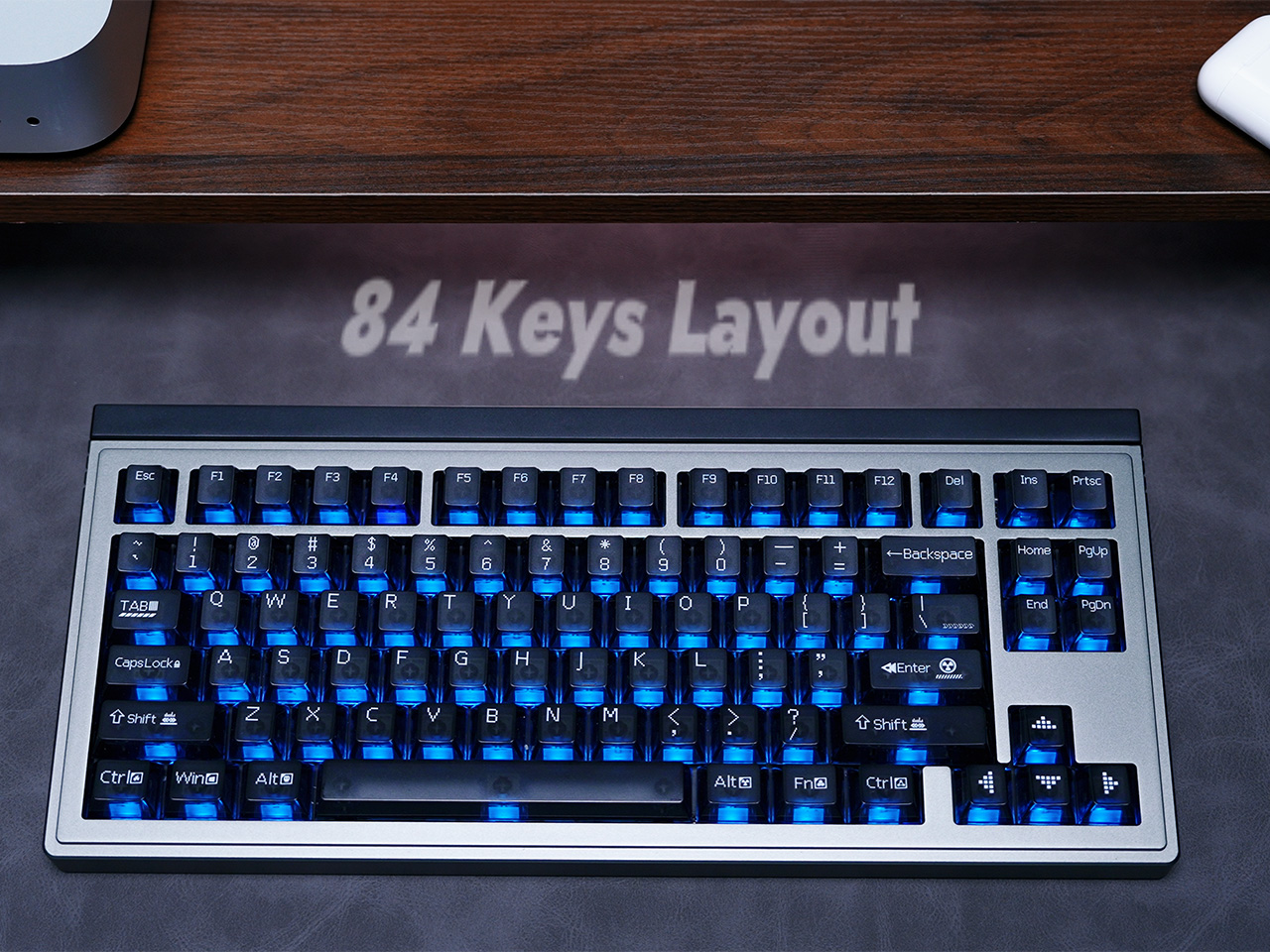
These Pokémon Keycaps turn your Mechanical Keyboard into a real-life PokéDex

With 10 Pokémon that you can theoretically catch, Dwarf Factory’s Pokémon keycaps let you turn your keyboard into a functional monster-collection. Each keycap comes with a 3D Pokémon encased in clear resin, designed to face you when installed onto your mechanical keyboard. And if you’re a bit of a Pokémon sucker like me, these are like literal bait.
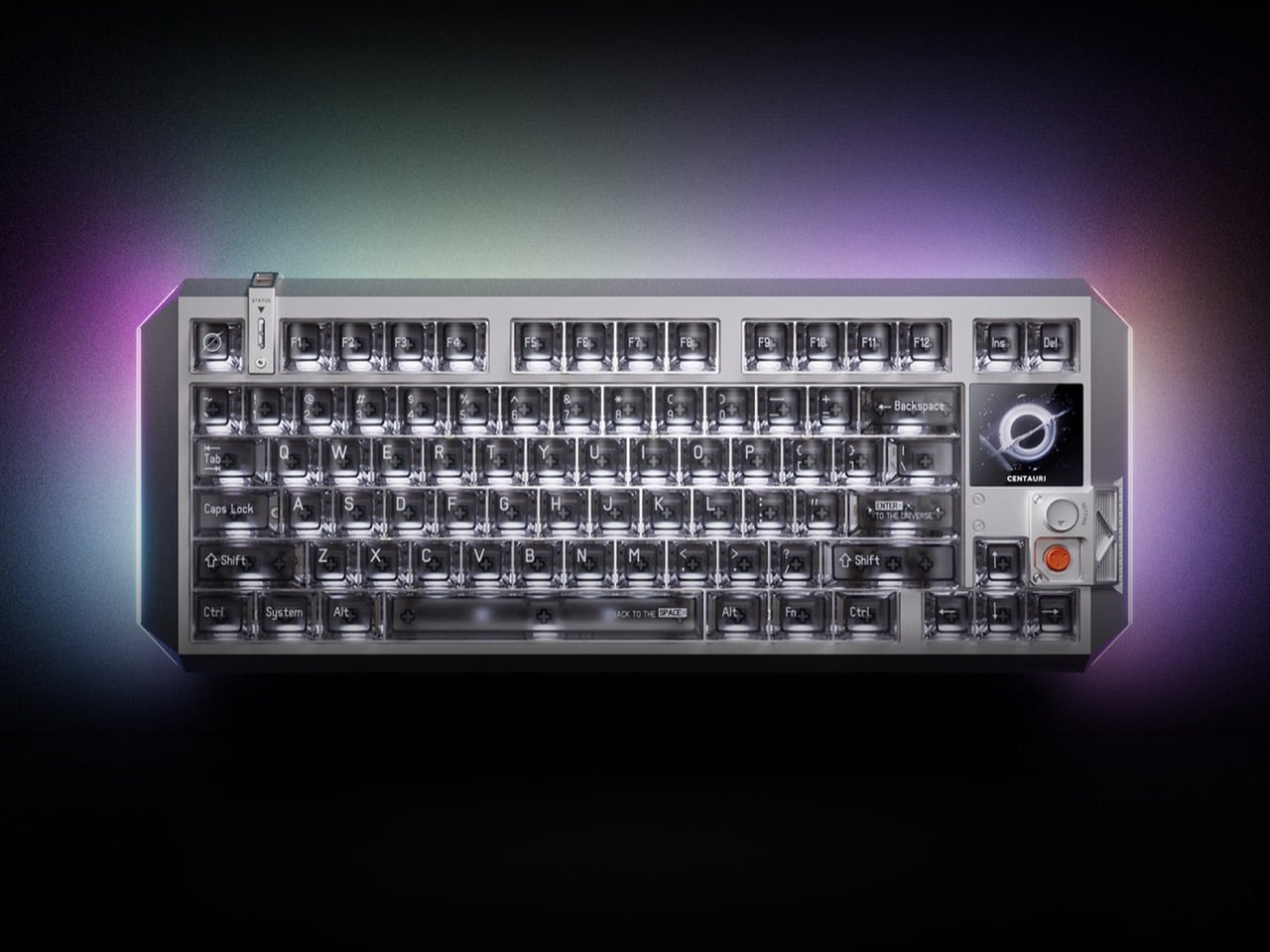
I remember the Pokémon GO days, Niantic had staggered the rollout across the globe, and India got the game months after it debuted. The only way to play was to use a VPN that let you geo-spoof your phone’s location. I used mine for a solid 2-3 months before Niantic actually caught on and banned me from the game. Some would say that would be enough to fix my fixation on Pokémon but it hasn’t. I still love the franchise, and might just end up buying a mechanical keyboard JUST so I could install these custom keycaps!

Designer: Dwarf Factory

There are an entire bunch to choose from, ranging from the original Kanto region starters to a few of the original Pokémon from the series and game. Dwarf Factory designed these keycaps to look like the blister packaging you’d get the toys in. Each Pokémon is in a clear glass enclosure, around a colored block with the Pokémon branding on the bottom and a hang-tag on the top that you’d use to hang/display these toys.

Everyone who’s played the game on their GameBoy knows that there’s no starting without a ‘starter’ Pokémon. The series includes the classic Bulbasaur, Charmander, and Squirtle, as well as Pikachu, the iconic Pokémon that anyone who’s seen the series or movies will recognize.

If you haven’t seen Dwarf Factory‘s work before, I suggest you genuinely check them out. The company is the single authority on artisanal keycaps, so if there’s any company I trust with pulling this off, it’s probably them. Each keycap is meticulously made in resin, hand-painted, and then encased in clear acrylic. This gives the keycaps their sheer depth, and sometimes Dwarf Factory even manages to account for keyboard backlight, so that the light shines through the keycaps.

Other usual suspects from this series include Eevee and Meowth, shown above, along with Cubone below, followed by Koffing, Gengar, and the odd but powerful Psyduck. I wish Dwarf Factory made a few more, although that just sounds like greed on my part at this point.

Each keycap is designed with an SR1-style profile, and is designed to fit all Cherry MX switches and clones. Ideally, I’d own all 10 keycaps, but I’d first have to own a mechanical keyboard (I’m rocking a Logitech Ergo K860 which doesn’t have swappable keys), and I’d probably have to be fairly rich, given that each keycap is priced at a slightly high $44. That means setting aside almost 500 bucks (including shipping) for a set of 10 keys. Would’ve been nice to have hopped onto the crypto train back in 2012 so I could afford this stuff.

The post These Pokémon Keycaps turn your Mechanical Keyboard into a real-life PokéDex first appeared on Yanko Design.