Logitech G512 X gaming keyboard is highly customizable with analog and mechanical switches

Hardcore gamers always love accessories that give them granular control over the device’s hardware and functionality. This micro-level tuning can mean the difference between a closely fought loss and a glorious victory. Logitech wants to give serious gamers every little bit of advantage from the gear they own, and that’s where their new G512 X hybrid gaming keyboard excels.

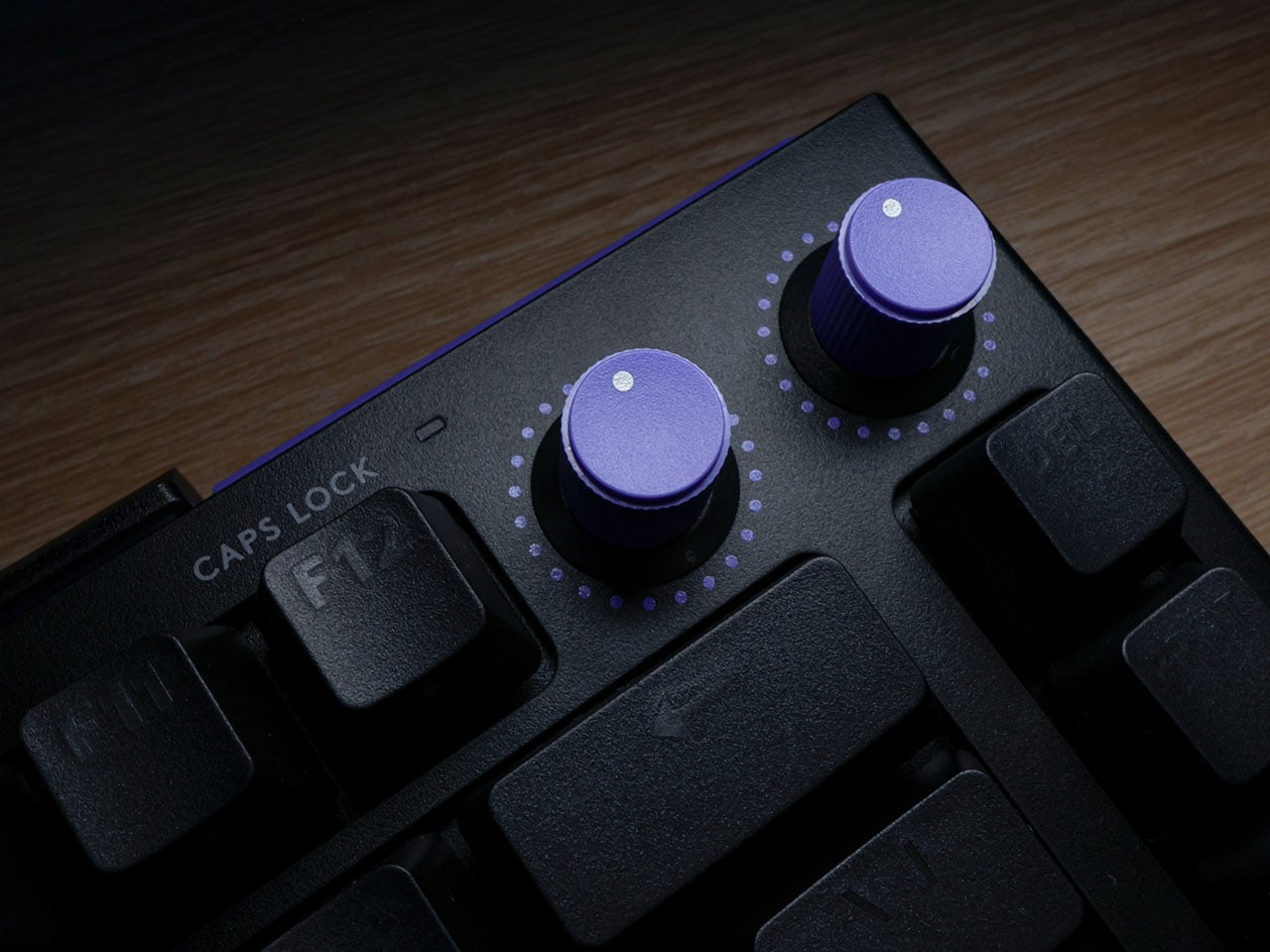
The flagship keyboard features all the latest tech on offer, combined with the highly configurable quality that adapts to the gamer’s preferred style of play rather than the other way around. As per Robin Piispanen, Vice President and General Manager of Logitech G, the brand sees the player’s setup as “something that grows with them as they improve.” To this, M. Lahti, Global Product Marketing Manager at Logitech G, added that the “G512 X is our love letter to the gamers who mod their gear as much as they mod their games.”

Designer: Logitech

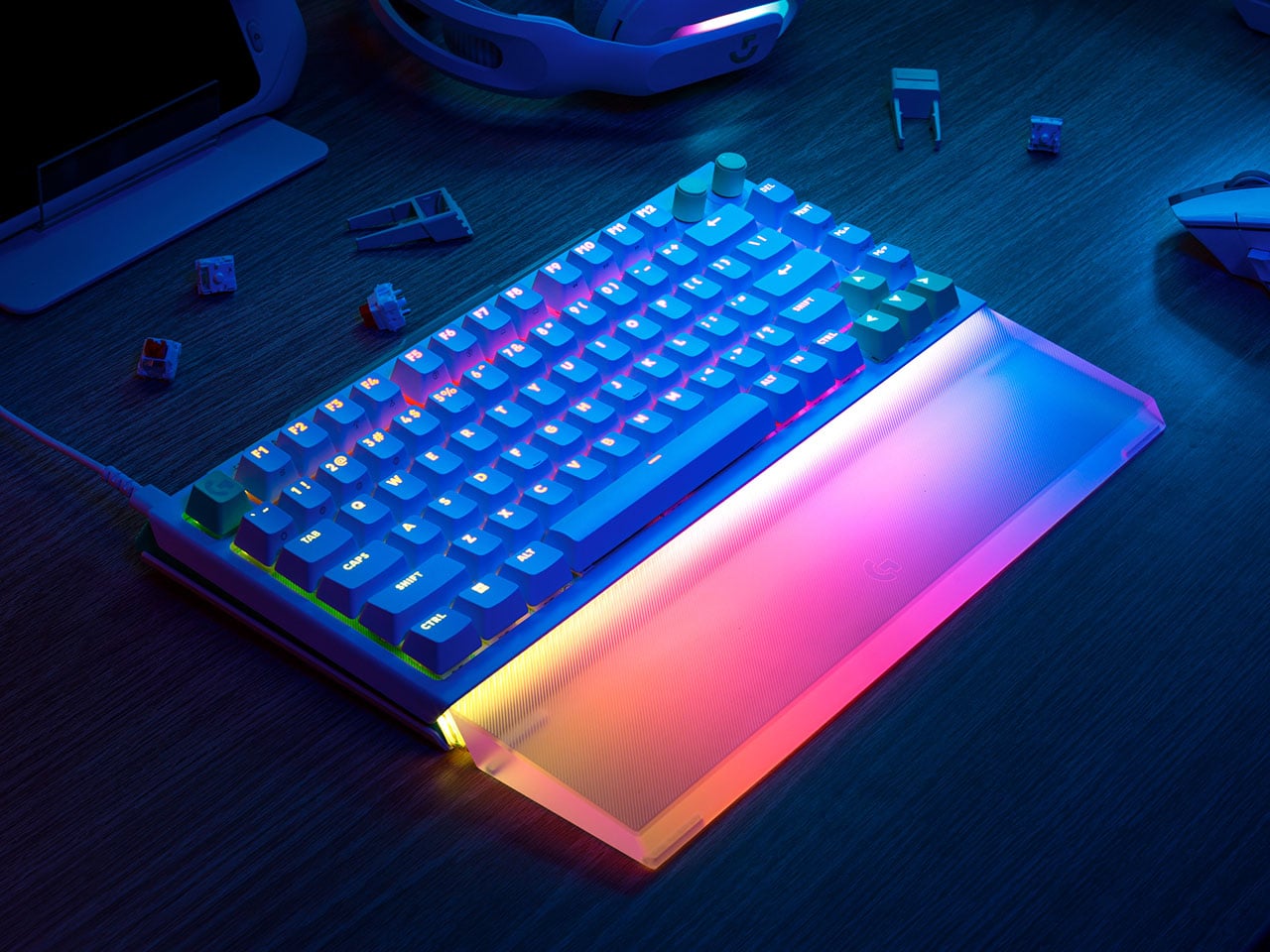
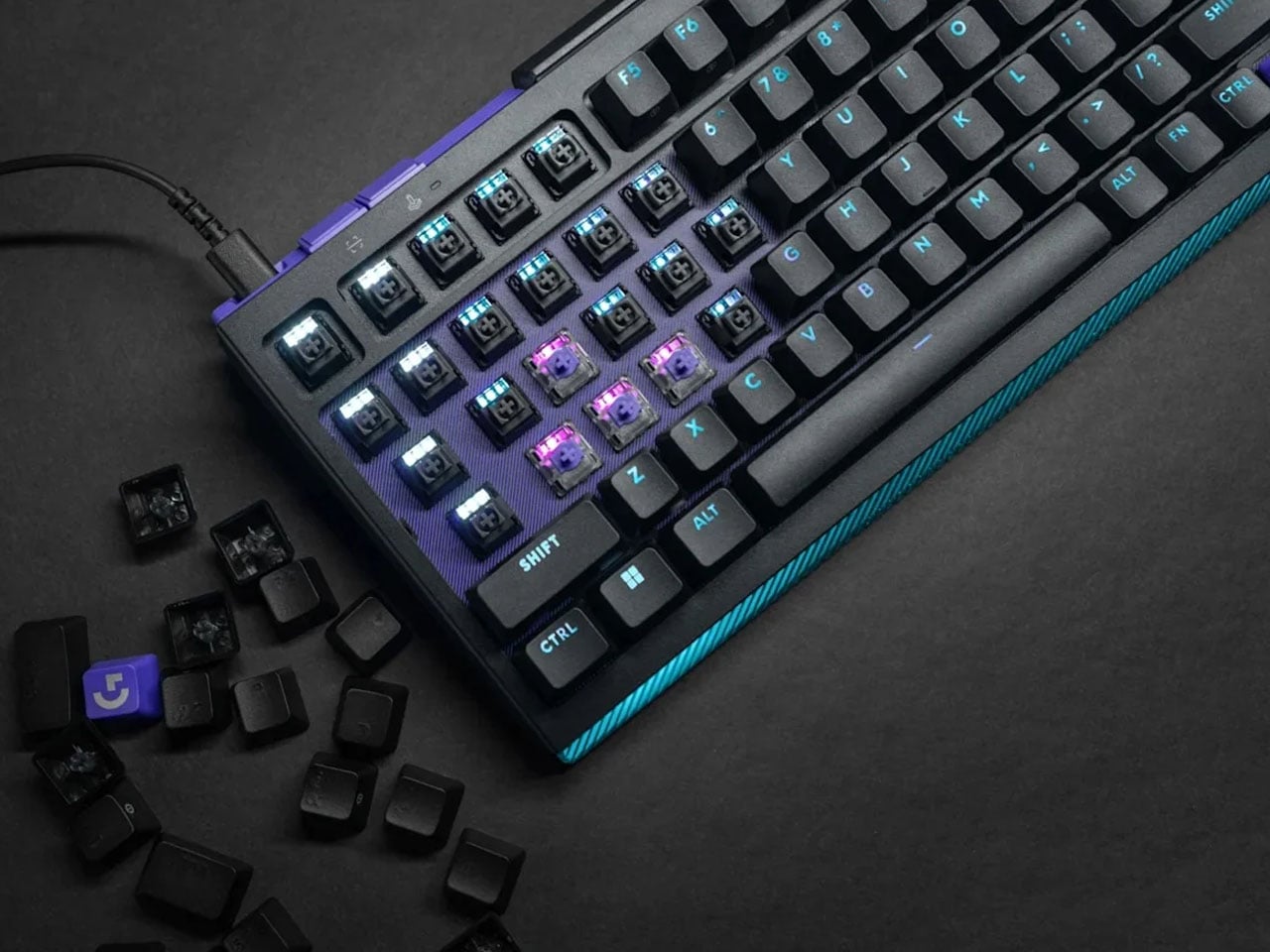
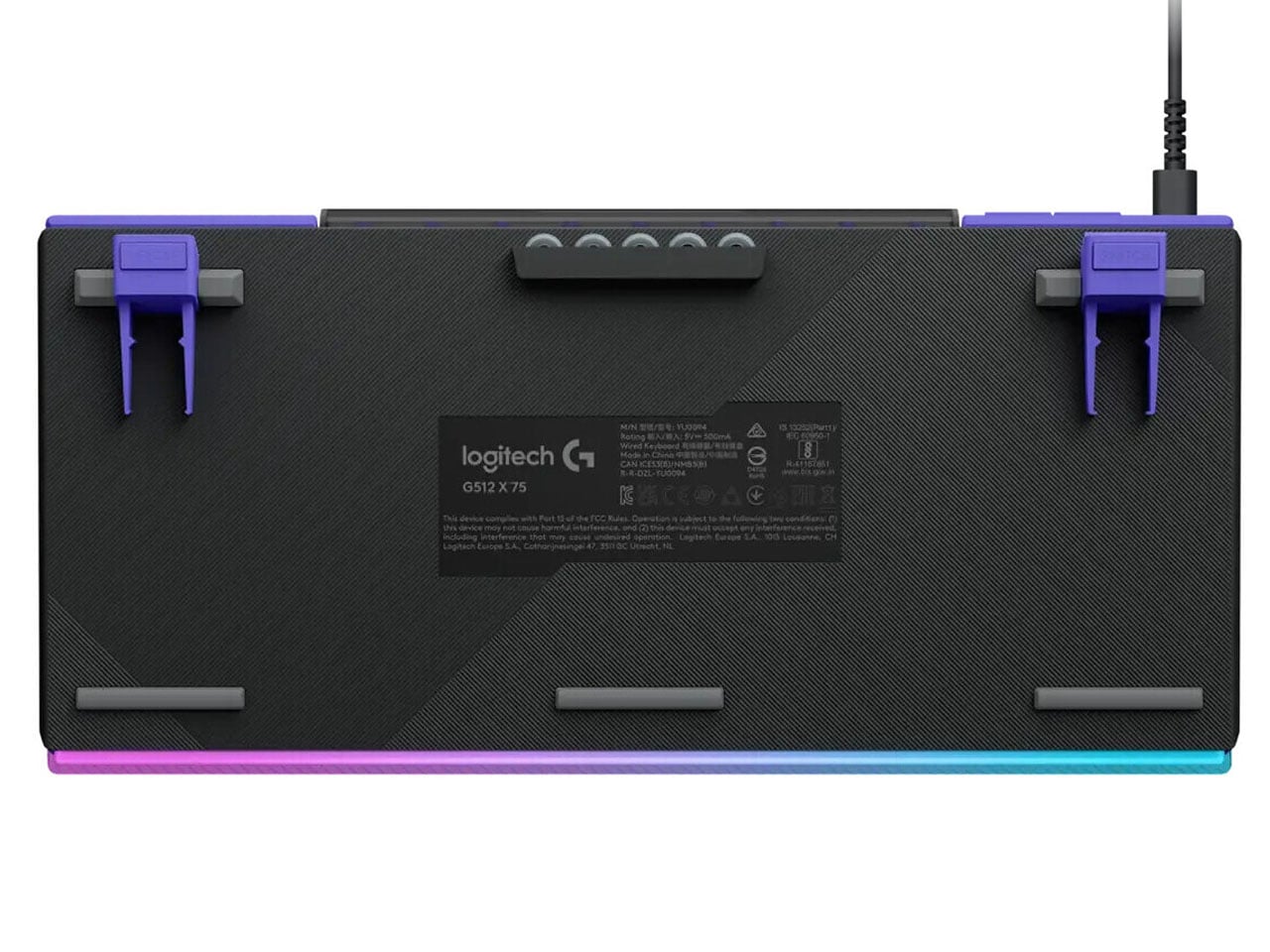
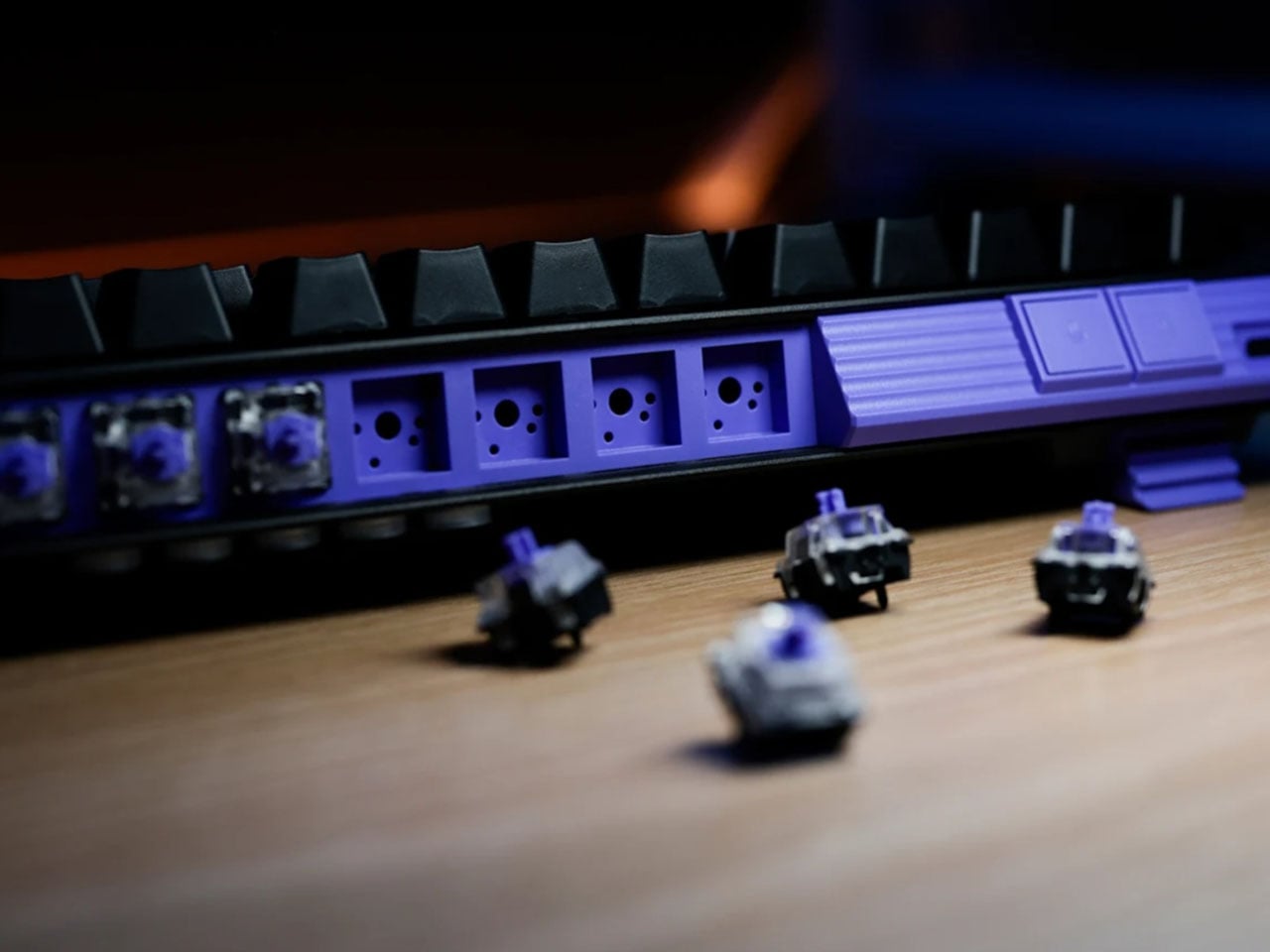
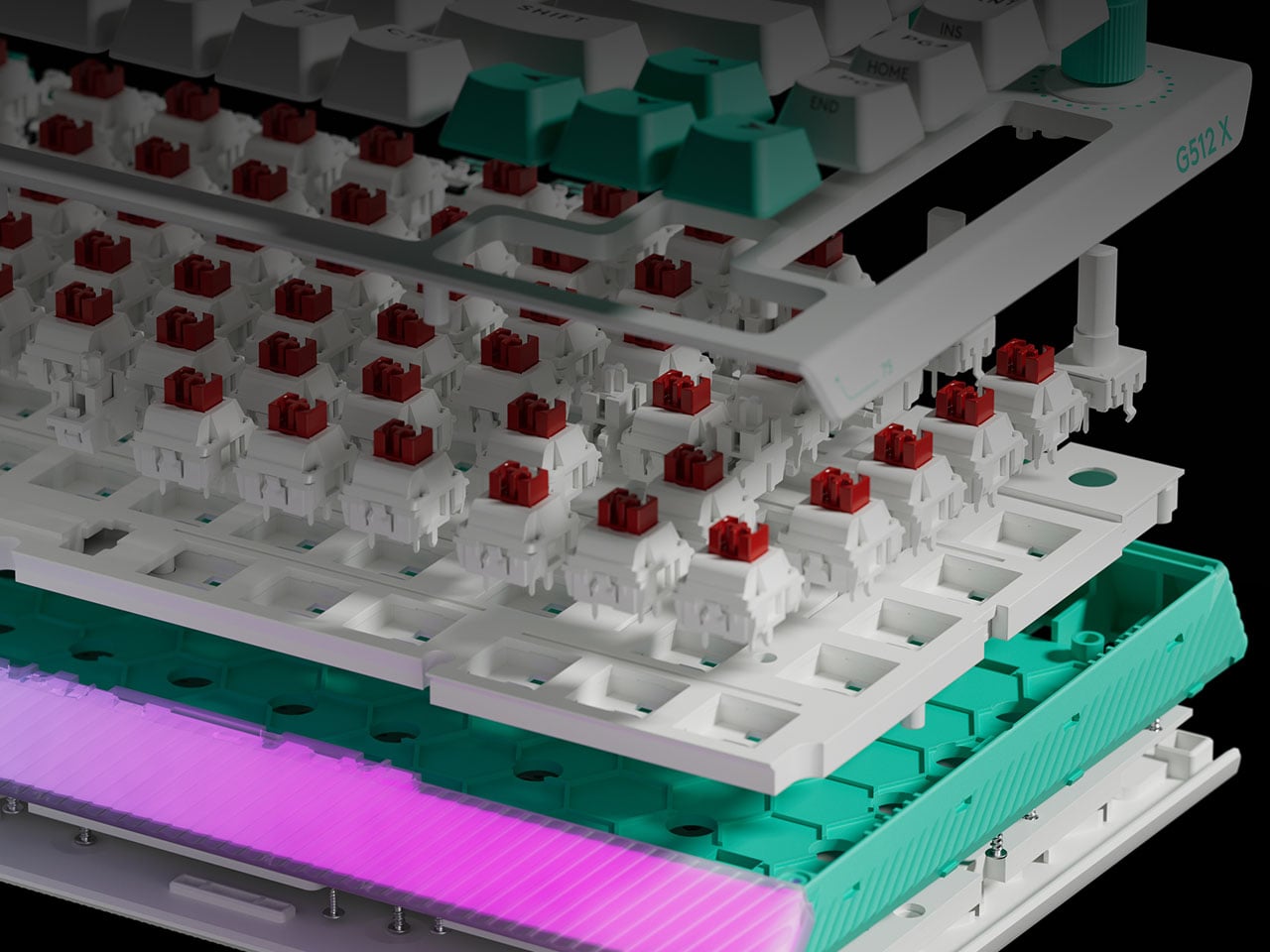
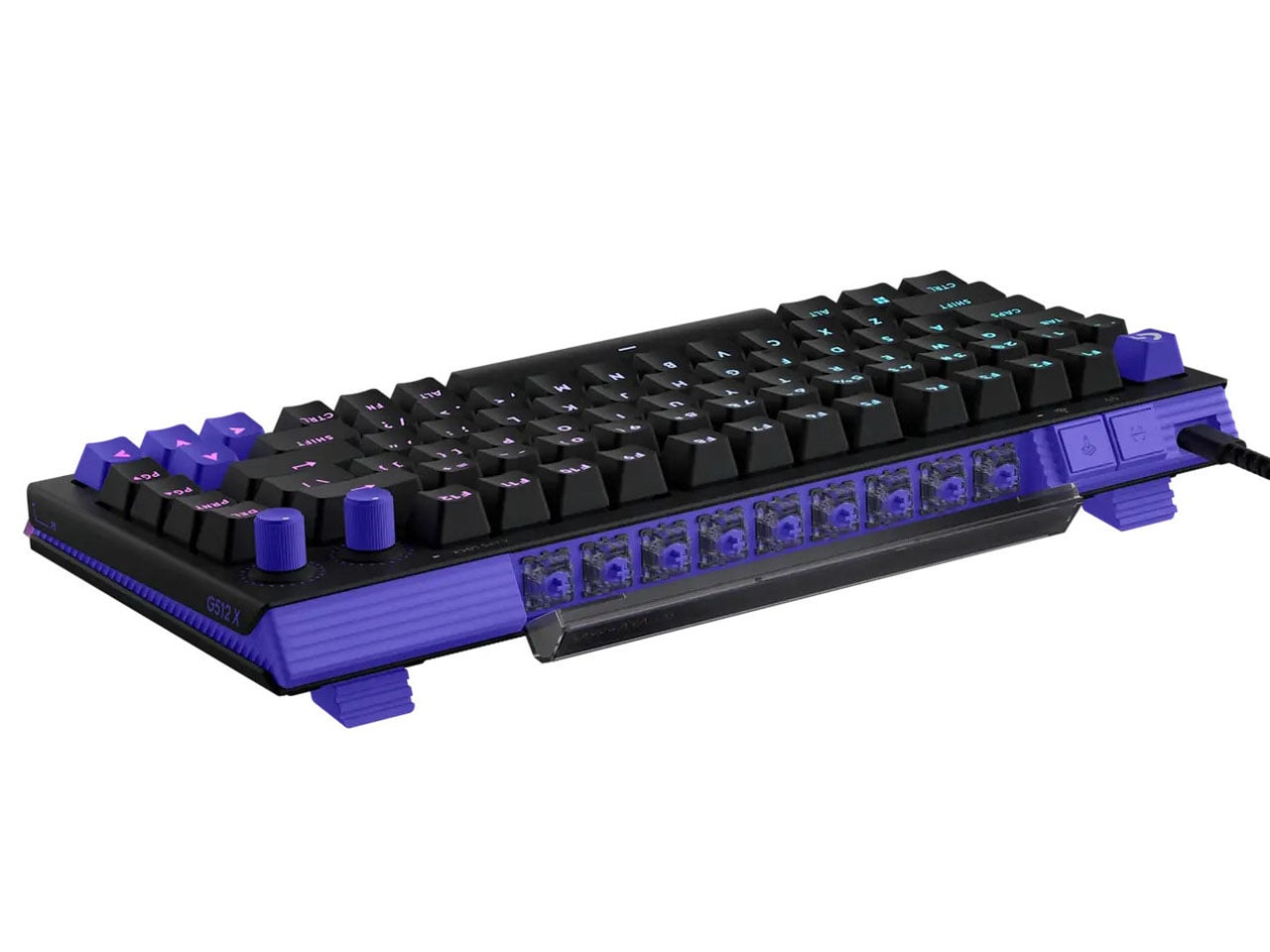
Although Logitech already has magnetic keyboards in its lineup, this hybrid option is the first by the brand to feature TMR switches. The granular hardware control comes courtesy of the 39 “Dual Swap” beds across its chassis, allowing players to create a mix of mechanical and analog switches on a single board. You could, for instance, assign analog input to movement-heavy WASD keys while keeping the rest of the layout equipped with mechanical switches for a more traditional typing feel. Based on usage data, these hybrid zones are intelligently clustered toward the left-hand side, where most in-game actions are concentrated.

This hybrid setup is further enhanced by TMR (Tunnel Magnetoresistance) sensing technology, which improves upon Hall-effect designs with greater precision and consistency. The result is a true 8,000Hz polling rate paired with an ultra-fast 0.125ms response time, effectively eliminating perceptible input lag. In fast-paced FPS scenarios, this level of responsiveness can make a measurable difference, ensuring that every command is executed exactly when intended.

What sets the G512 X apart is its ability to merge analog control with mechanical feedback in a meaningful way. Analog switches allow for variable input depending on how deeply a key is pressed, enabling more nuanced control typically associated with controllers. This becomes particularly valuable in racing and flight simulation games, where gradual acceleration or directional adjustments benefit from pressure-sensitive input. At the same time, mechanical switches retain their crisp, tactile response for standard commands, ensuring familiarity is not sacrificed for innovation.

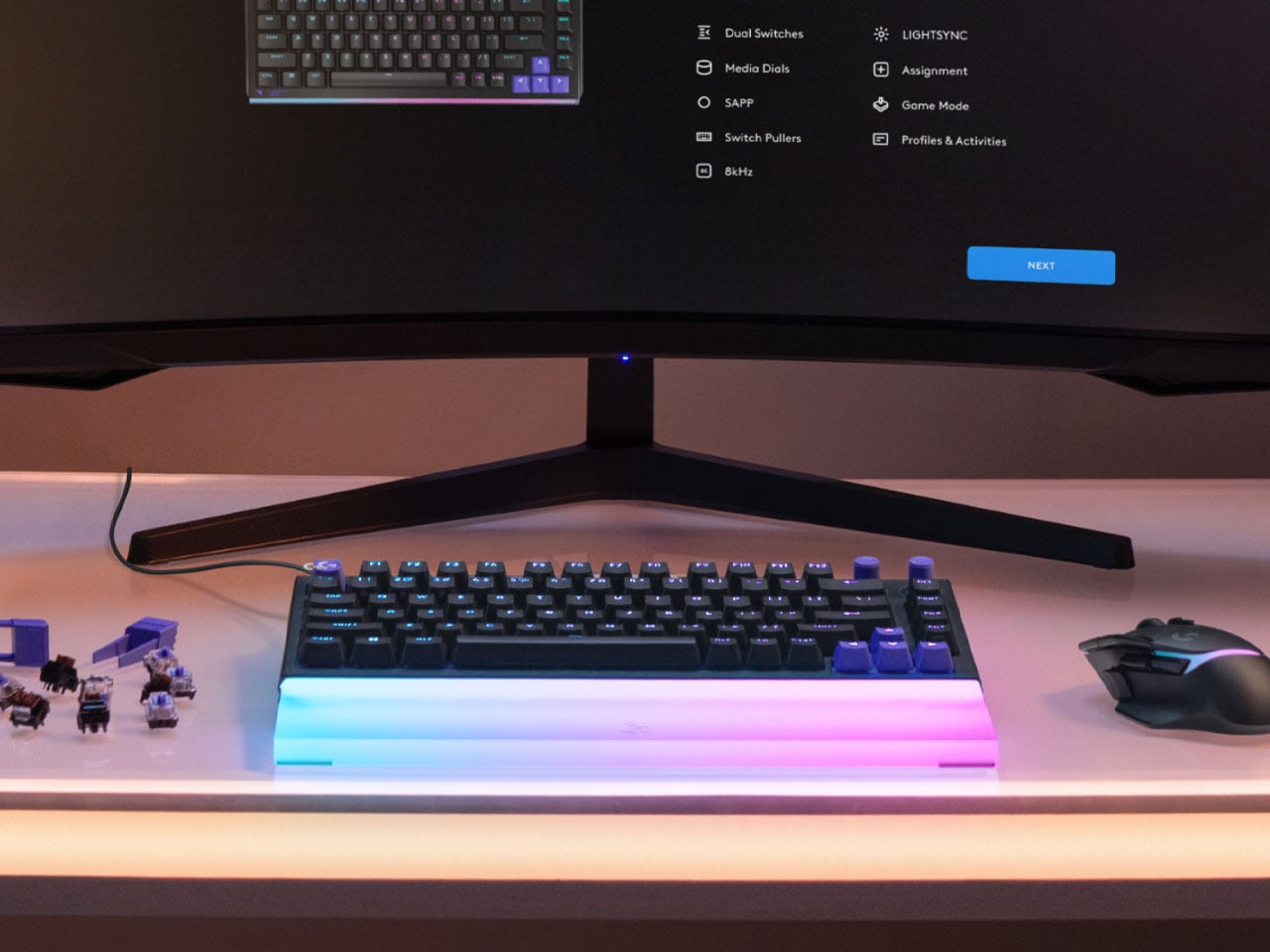
Logitech extends this flexibility into software through G Hub, where users can fine-tune actuation points and assign multiple functions to a single key based on press depth. This effectively adds another layer of input without increasing the physical footprint of the keyboard. For competitive players and enthusiasts alike, it means more control, faster access to commands, and a setup that can be tailored down to the smallest detail.

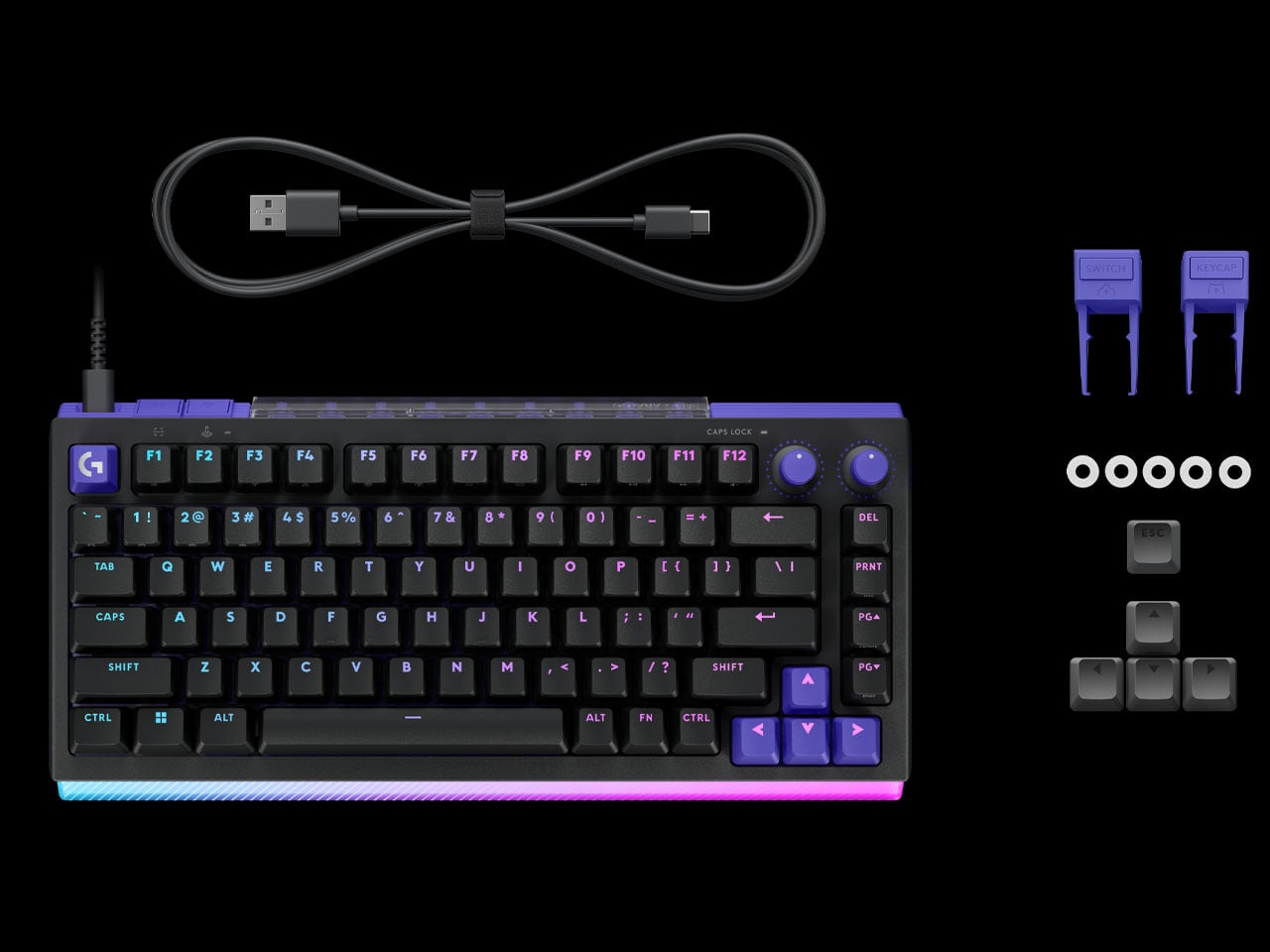
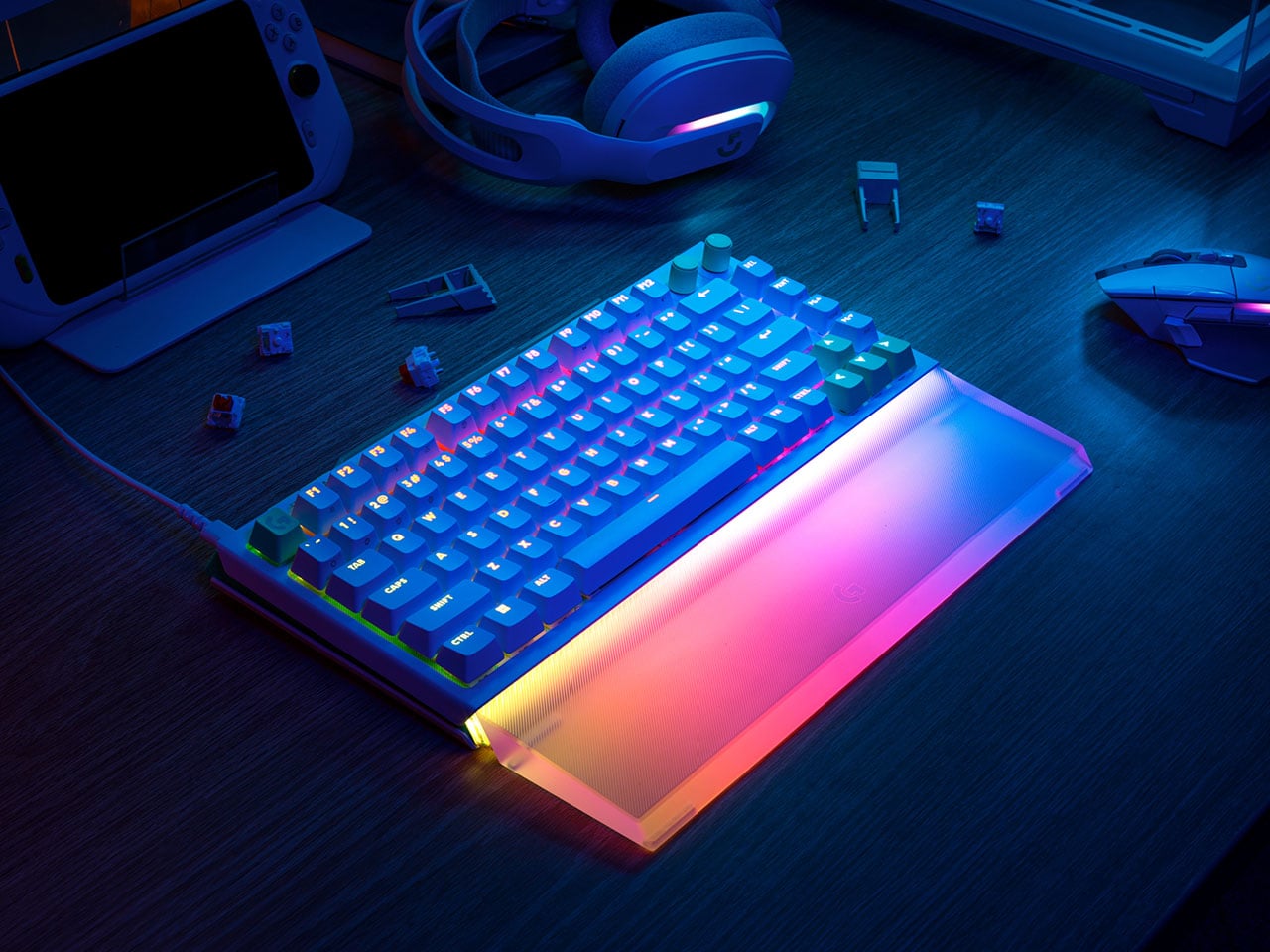
The keyboard’s construction features a durable aluminum top plate that enhances rigidity while maintaining a clean, understated design. Per-key RGB lighting remains fully customizable, allowing users to create personalized lighting profiles or sync effects with gameplay. The keycap pullers, switches, and SAPP rings are housed inside the storage space at the rear, avoiding visual clutter, focusing instead on performance and usability.

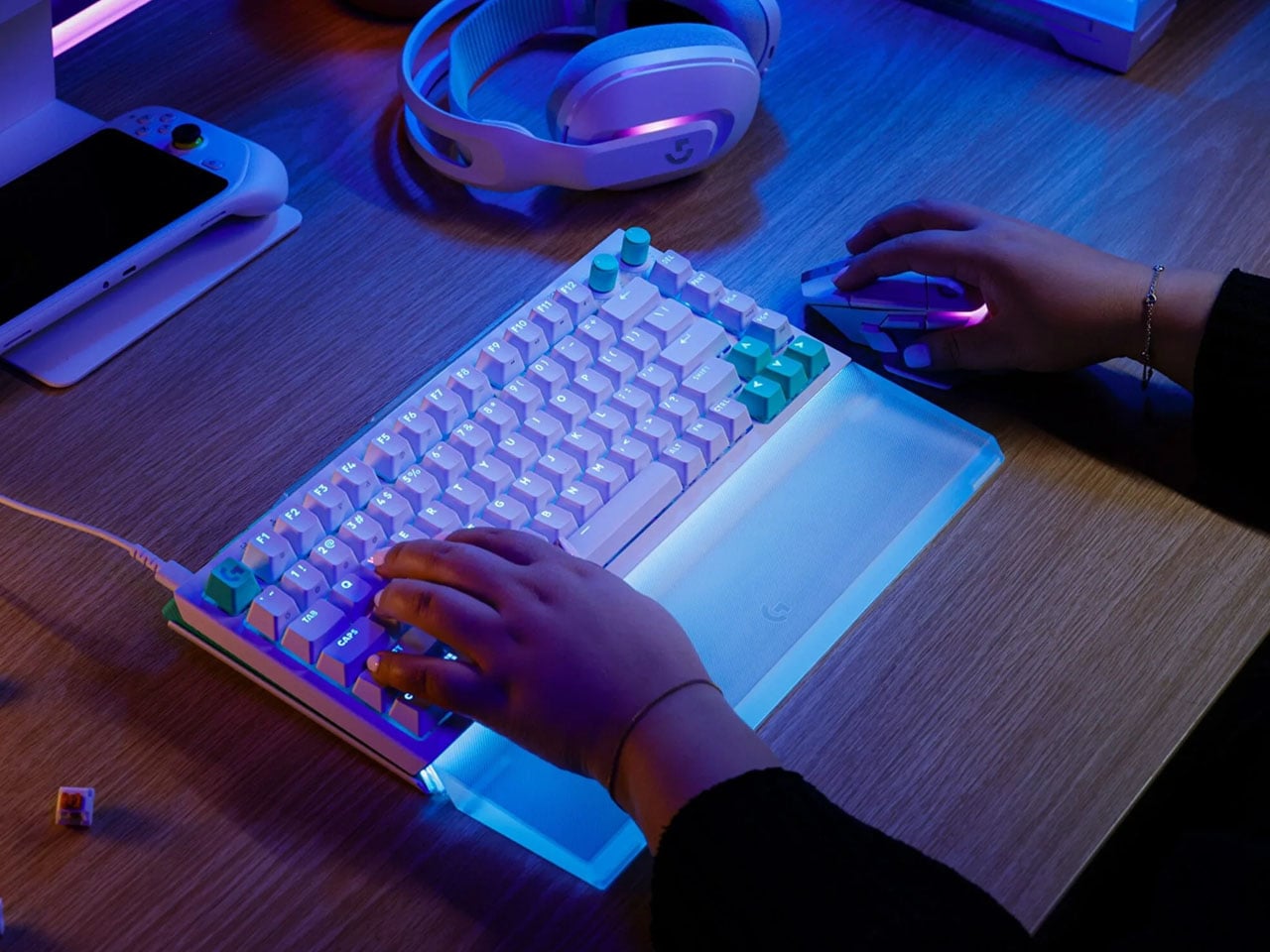
Available in both 75 percent and 98 percent layouts, the keyboard caters to different desk setups and user preferences. Whether opting for a compact footprint or a near full-size configuration, users still benefit from the same core features and strategically placed Dual Swap zones. Logitech G512 X keyboard is currently available in both black and white color options on the official website, while retailers will have it on 2 May. The 75-key layout is priced at $179.99, and the 98-key layout costs $199.99. Gamers can also go for the optional acrylic palm rest (sold separately starting at $40) that reflects the RGB lights of the keyboard lightbar and promises better comfort during long gaming sessions.


The post Logitech G512 X gaming keyboard is highly customizable with analog and mechanical switches first appeared on Yanko Design.

The Couch Keyboard Has Been Bad for Years and Framework Just Fixed It

If you’ve spent any time using a home theater PC from the couch, you’ve probably already met the Logitech K400 Plus. It’s been the go-to couch keyboard for years, not because it’s particularly good, but because nothing better has come along. The touchpad is cramped, the keys feel cheap, and anyone who’s used one knows it’s a device you tolerate rather than enjoy.

Framework ran into this same frustration while developing and testing the Framework Desktop for living room use. Their team kept reaching for the same underwhelming keyboard until they decided to stop tolerating it and build something better. The Framework Wireless Touchpad Keyboard is the result, borrowing the same keyboard and touchpad design from Framework’s laptops and packaging them into a compact wireless unit.

Designer: Framework

The keys use the same chiclet-style, low-profile design as Framework laptops, with 1.5mm of key travel and full 19mm key spacing. That’s a higher standard than this product category usually bothers with, and it shows in how the keyboard feels to type on, even while holding it in one hand. The slim body doesn’t sacrifice the typing experience for the sake of portability.

The touchpad is where this keyboard makes its most meaningful departure from what’s currently available. At 68.8 x 85.6mm, it’s a clickable Windows Precision Touchpad with full multi-touch gesture support for Windows and Linux alike. That’s the same touchpad architecture found in Framework’s laptops, which means the precision and responsiveness are genuinely comparable to what you’d expect from a proper laptop trackpad.

Connectivity covers everything you’d reasonably want. You can pair up to four devices simultaneously over Bluetooth, plug in via USB-C for a wired connection, or use the USB-A dongle, which stores neatly in a slot on the back of the keyboard. Framework is even developing a USB-A Adapter Expansion Card so the dongle can sit flush inside a Framework laptop or desktop.

For living room setups, having a touchpad built directly into the keyboard changes how you interact with everything on screen. Pulling up a browser, adjusting playback settings, or scrolling through a queue from across the room becomes far less awkward when you’re not hunting for a mouse on the coffee table. It’s a small shift in workflow that makes a noticeable difference in day-to-day comfort.

Sim racers who mount keyboards into cockpit frames will appreciate the integrated touchpad even more, since a separate mouse is barely practical there. Of course, Framework being Framework, the hardware is fully open-source, with design files already on GitHub. The firmware runs on ZMK, and the Control Board exposes 28 I/O pins for custom configurations, with Framework even offering the board free to developers who apply early.

The Framework Wireless Touchpad Keyboard is expected to ship later in 2026, with pricing still to be confirmed. It came from genuine frustration rather than a gap in a product roadmap, and that tends to show in the details. The couch keyboard category has been stuck with one mediocre option for far too long, and this one finally gives people something worth reaching for.

The post The Couch Keyboard Has Been Bad for Years and Framework Just Fixed It first appeared on Yanko Design.

This Concept Fixes the Logitech Litra Glow’s Biggest Problems

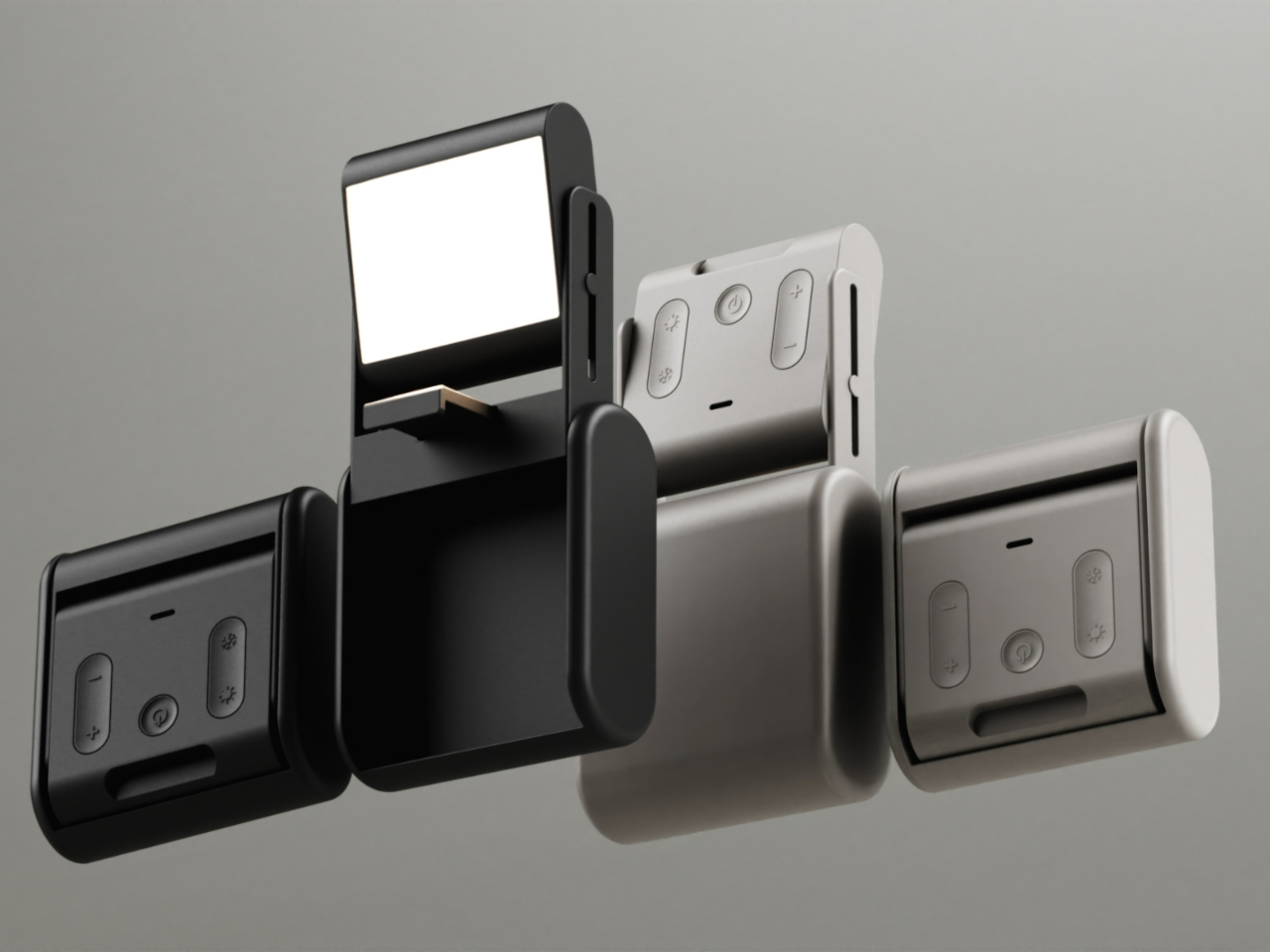
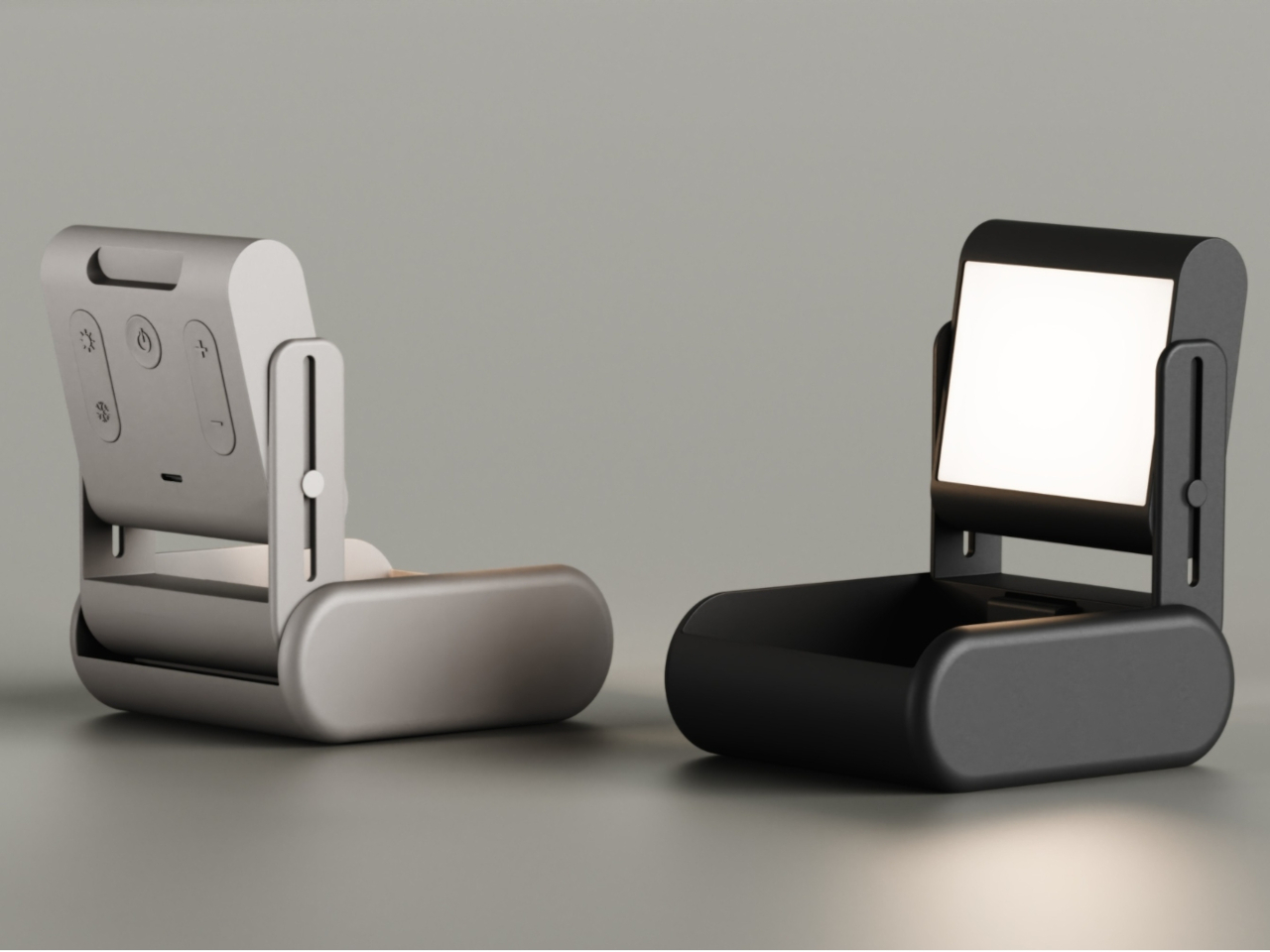
Logitech’s Litra Glow sits on top of monitors as a small plastic square with no case, no real protection, and controls you reach over your screen to adjust. Creators toss them into backpacks wrapped in T‑shirts, or bolt them to third‑party arms that make the whole setup bulkier and less portable than the light intended. It works well enough at a desk, but it travels poorly and feels awkward the moment you move it.

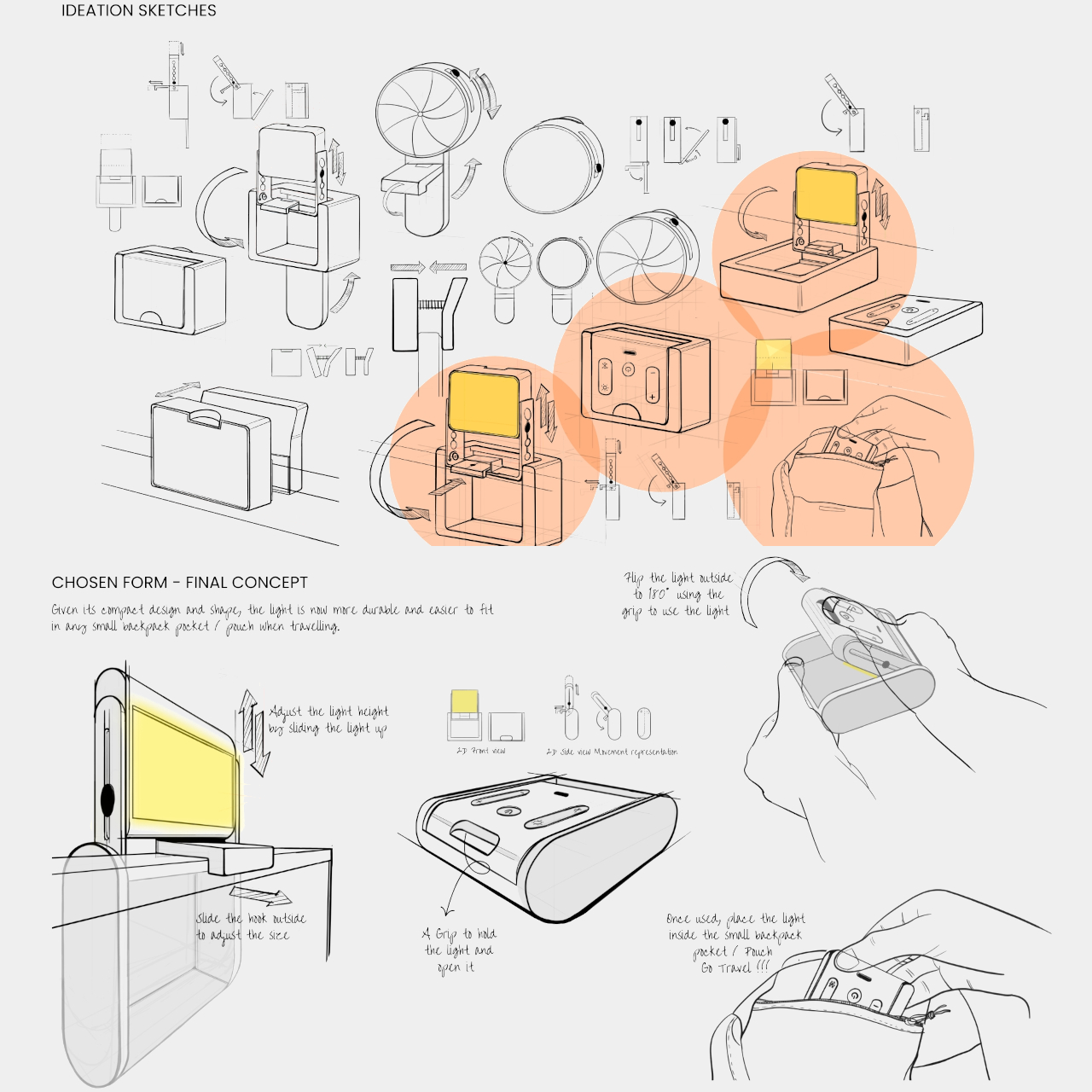
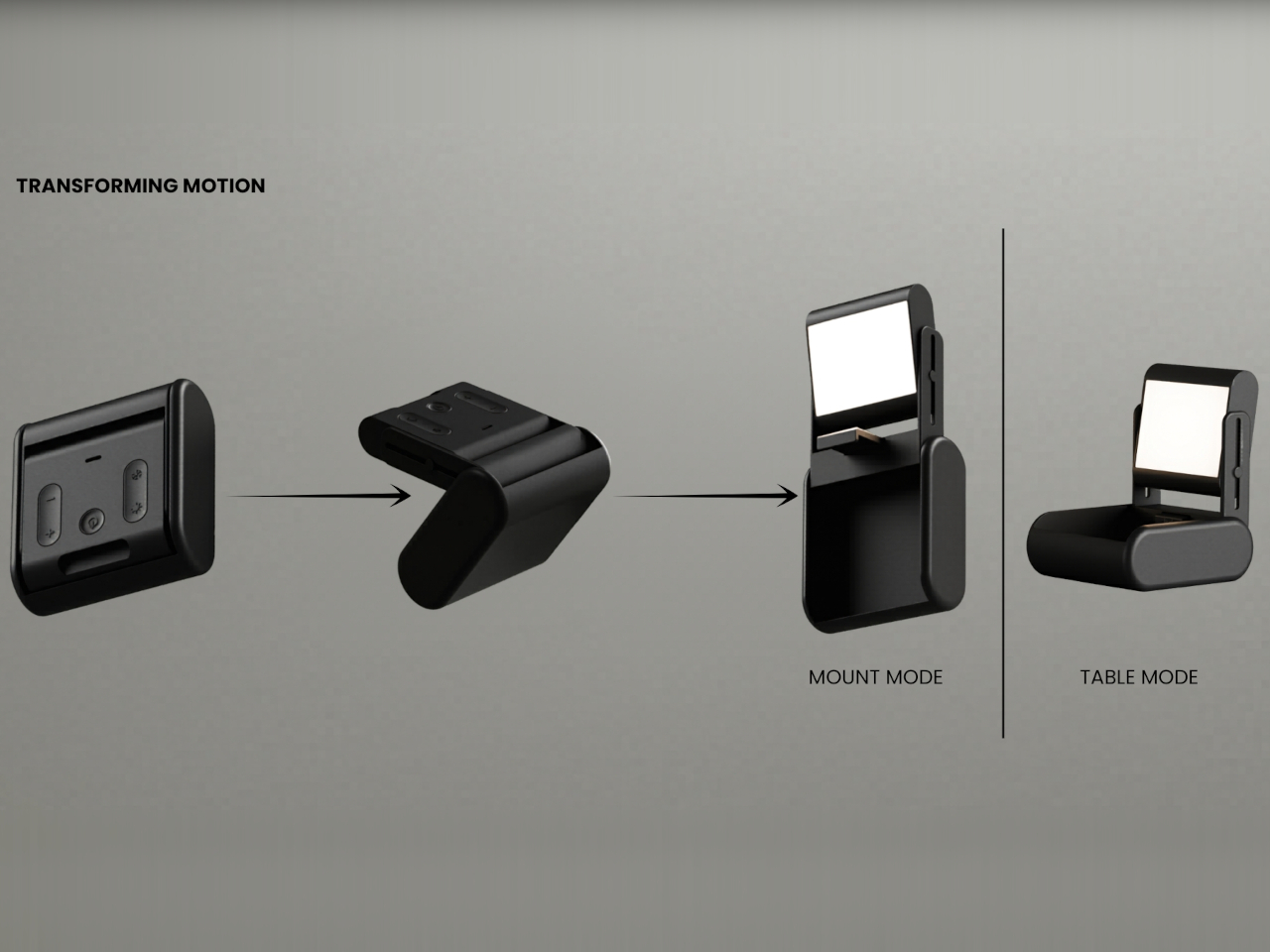
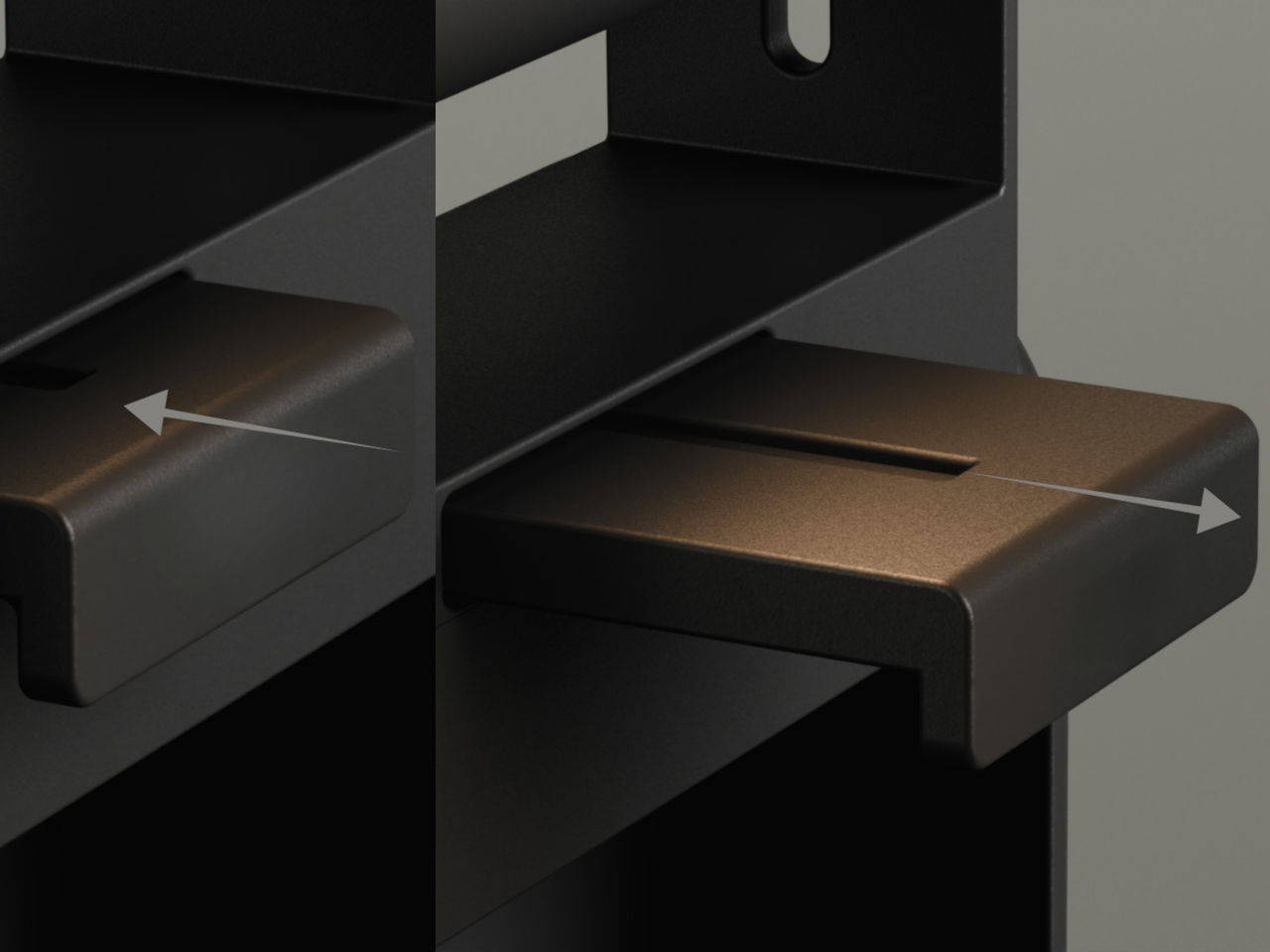
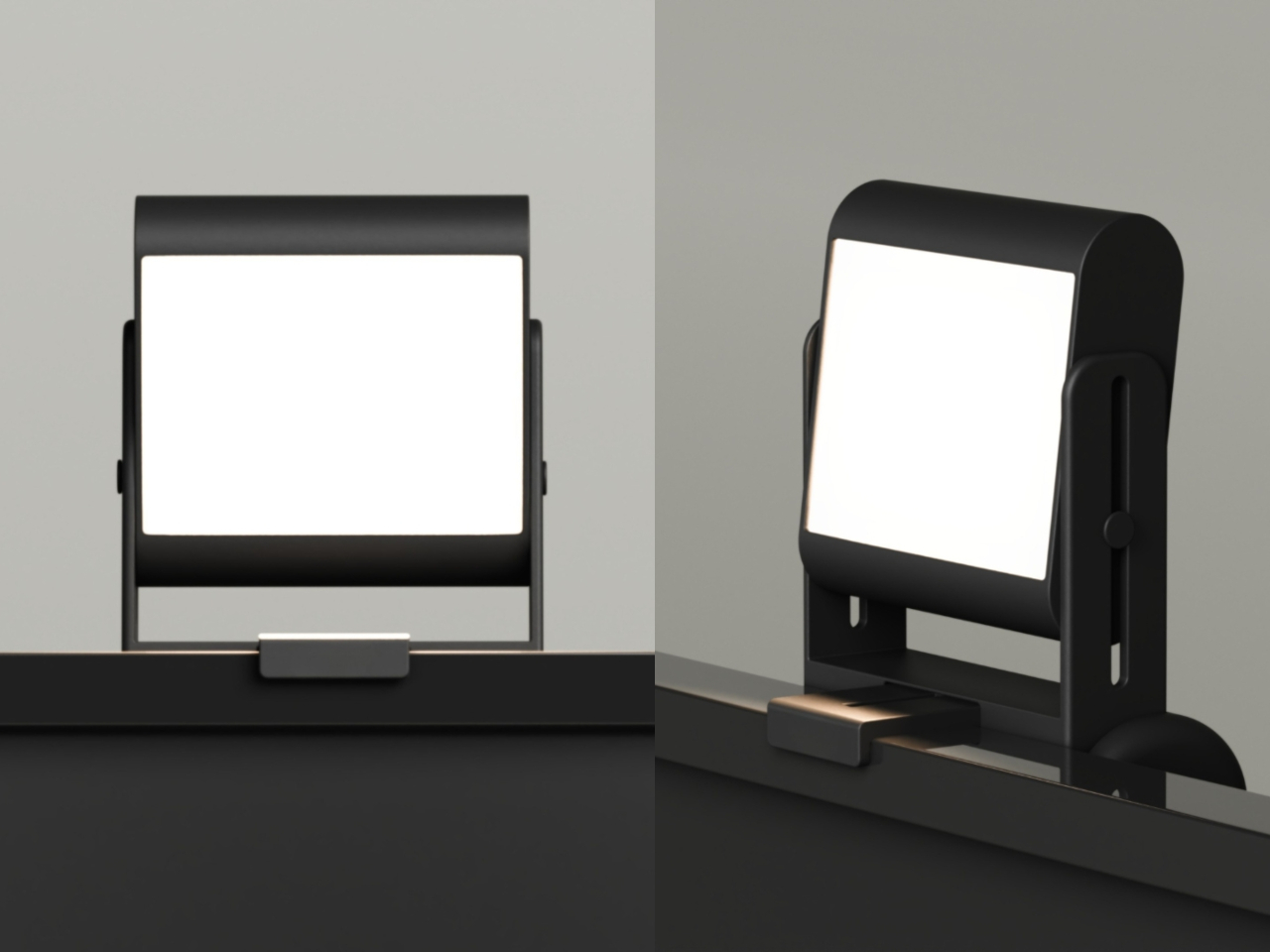
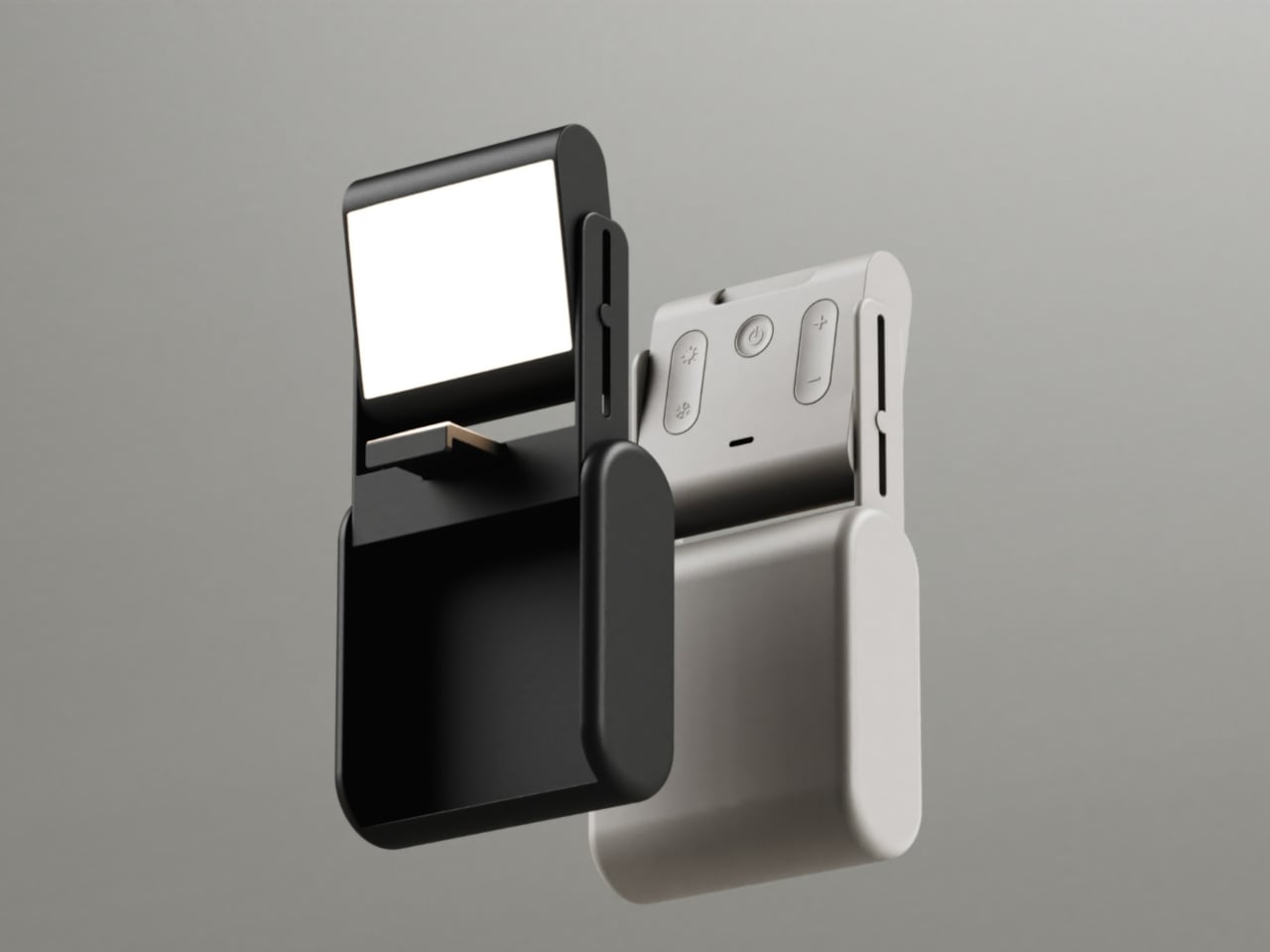
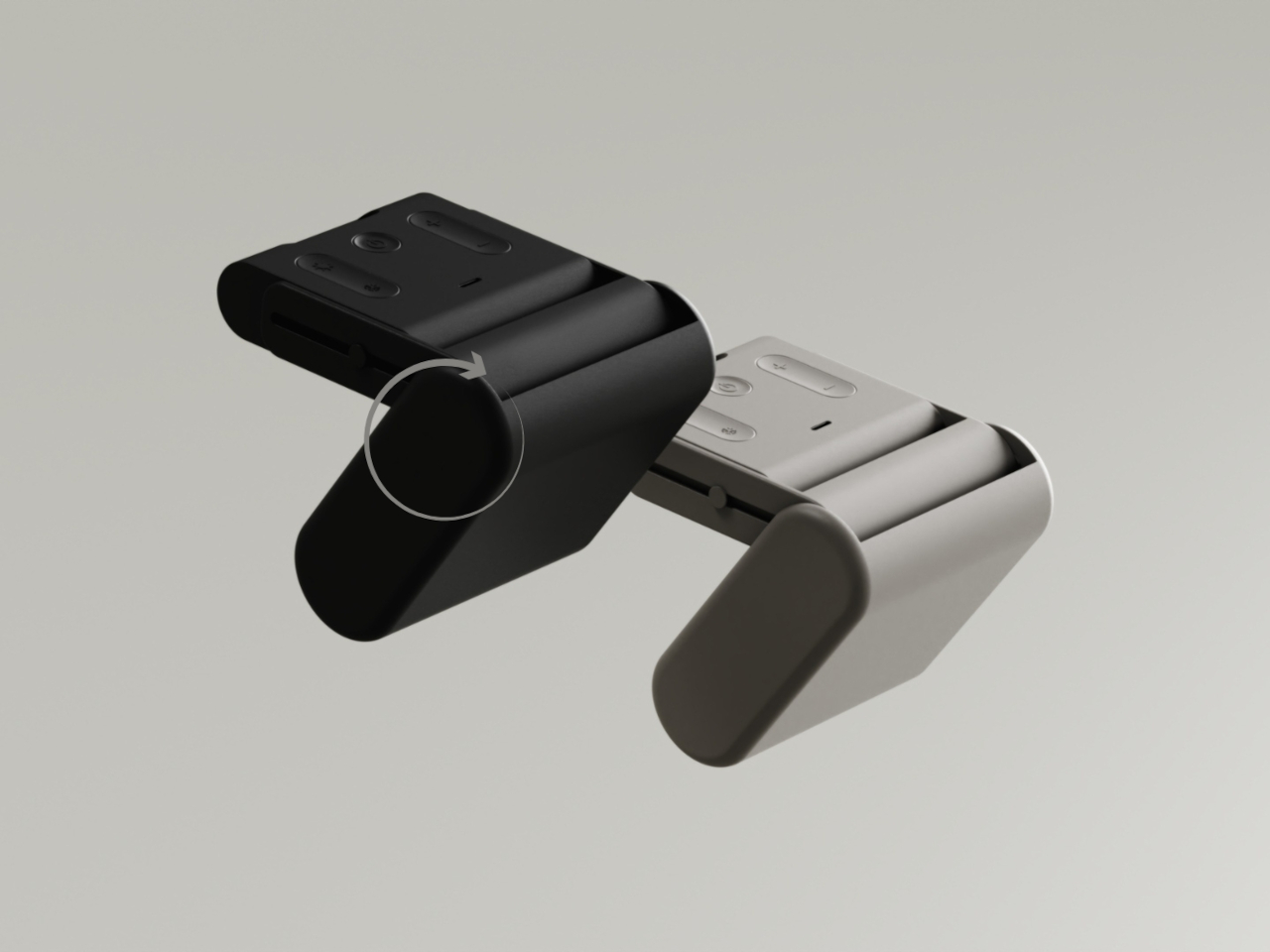
Athul Krishnav’s Logitech Litraglow concept asks what a more travel‑friendly, ergonomically sane version could look like. The student project keeps the idea of a compact, soft light for creators but turns it into a circular head on an integrated clamp and handle, with built‑in rotation, tilt, and protection. It behaves more like a proper tool than a naked accessory needing extra hardware just to stay safe in transit.

Designer: Athul Krishnav

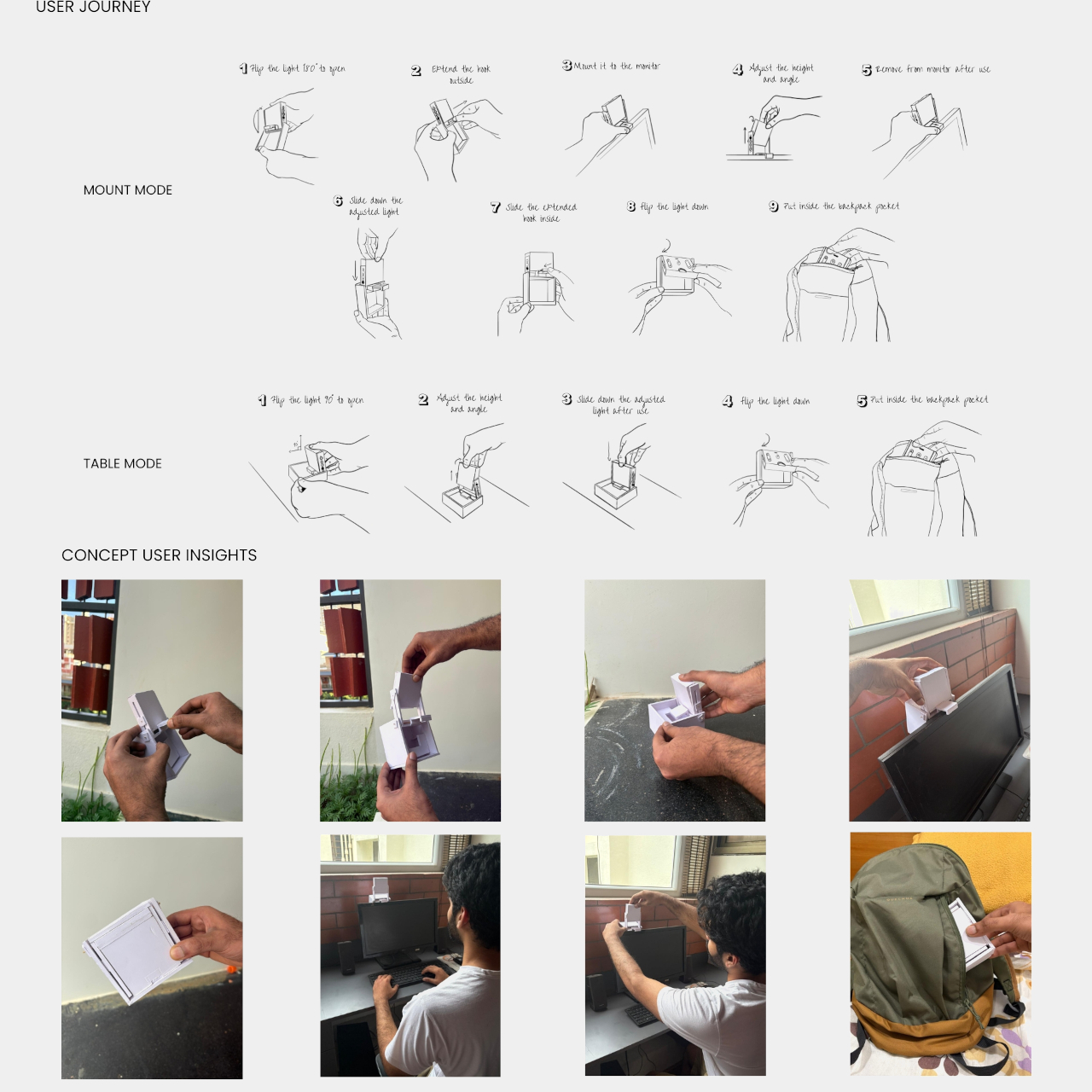
Picture a streamer packing a bag for a trip, sliding the circular Litraglow into a sleeve without worrying about scratching the diffuser or snapping the mount. At the destination, they clamp it to a laptop lid, shelf, or tripod, rotate the head to frame their face, and tilt it precisely without wrestling with a separate arm or stand that adds weight and friction to every adjustment.

The concept builds 360‑degree rotation and smooth tilt into the head and stem, so you can swing the light from one angle to another mid‑call or mid‑shoot without loosening knobs or repositioning the whole clamp. It’s the difference between nudging a spotlight with your fingers and re‑rigging a mini studio every time you change posture or move your camera, which happens more often once you start shooting anywhere other than a fixed desk.

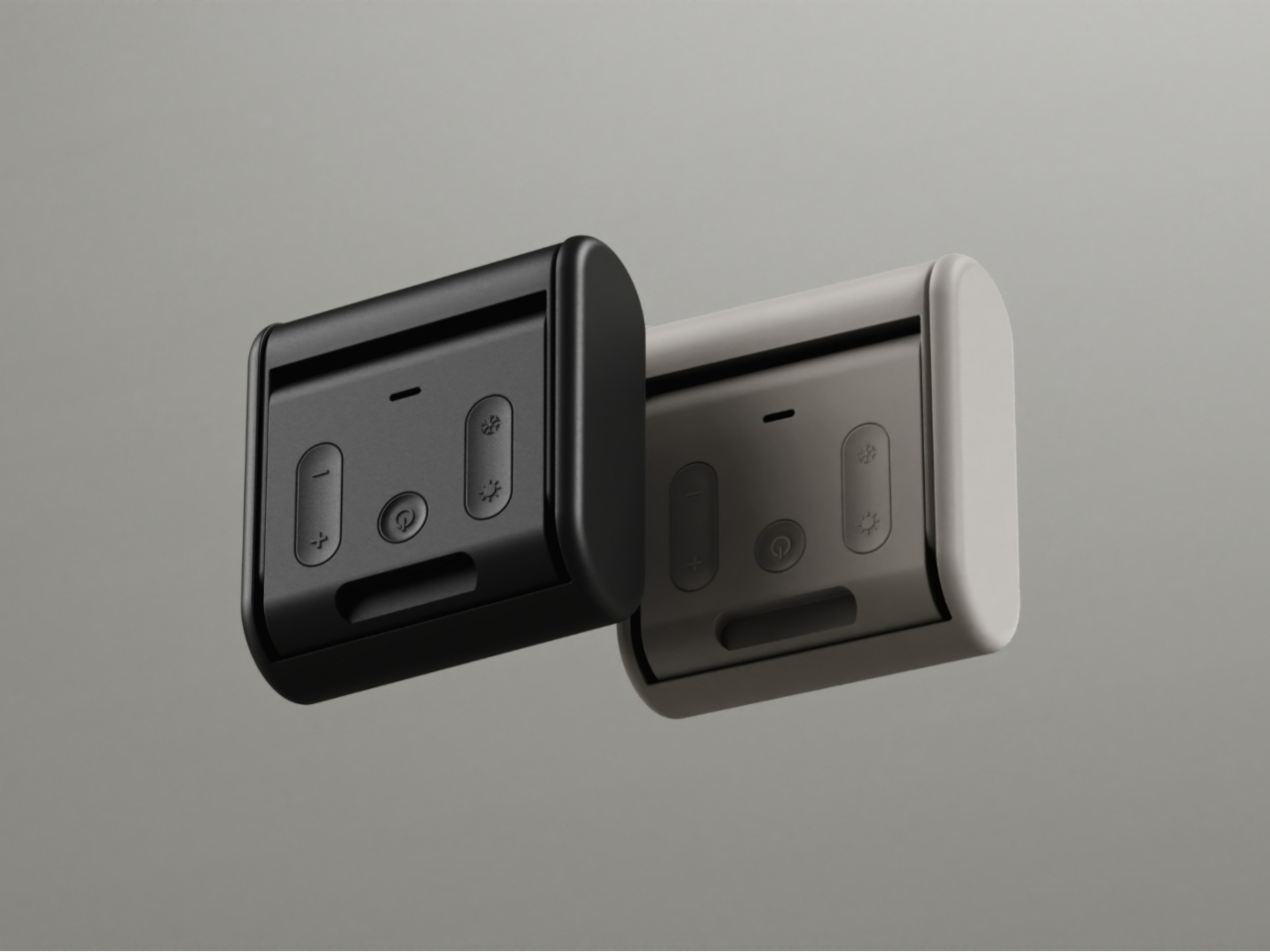
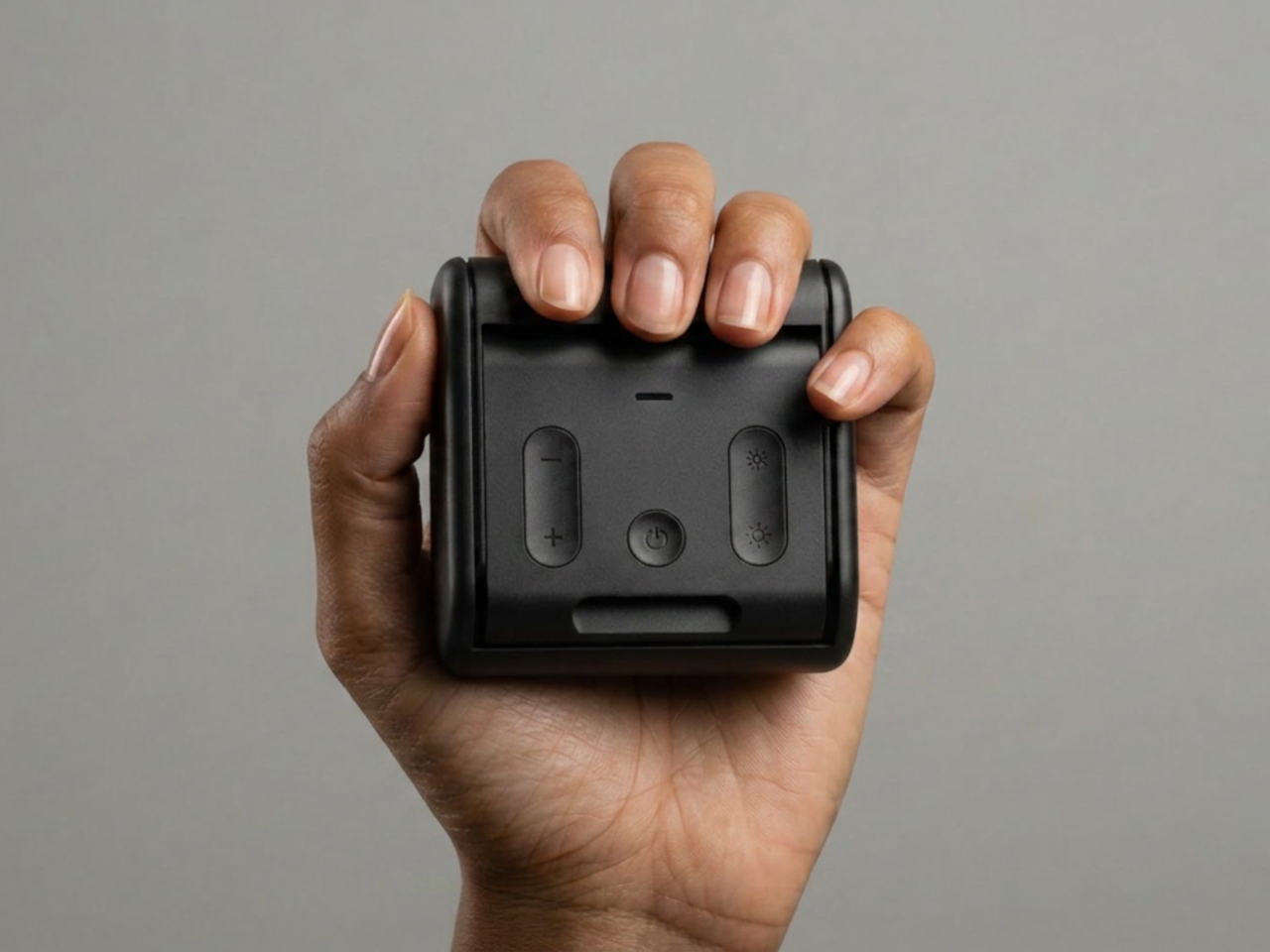
The rotary control dial at the base of the head has simple icons for off, low, and higher brightness, plus tap‑and‑hold gestures for color temperature. You can reach up, feel one control, and know what it’ll do without hunting for tiny buttons on the back. In the middle of a live session, that low cognitive load matters more than a long feature list nobody remembers under pressure.

Of course, the circular head, soft edges, and subtle “logi” branding pull from Logitech’s existing design language, so the light looks at home next to MX mice and keyboards instead of like a random third‑party gadget. Neutral color options keep it from stealing focus on camera, and the integrated clamp and handle mean you aren’t adding another mismatched piece of hardware to an already crowded desk or backpack.

The Litraglow concept doesn’t reinvent lighting but just fixes the small, annoying things around it: the lack of a case, an awkward reach, and clumsy mounts. For creators who live out of backpacks and shoot in whatever corner they can find, a light that travels safely, clamps cleanly, and adjusts with one hand is the kind of quiet upgrade that makes more difference than another spec bump or lumen count increase.

The post This Concept Fixes the Logitech Litra Glow’s Biggest Problems first appeared on Yanko Design.

The best iPad accessories for 2026

The best iPad accessories can make an aging tablet feel like new again, or give you additional ways to use that new slab you just bought. Whether it's a slim folio case, an Apple Pencil, a docking station or a paper-like screen protector, there are so many iPad accessories out there that can transform how you use your tablet on a regular basis — and make your iPad last longer, too. We've tested a plethora of accessories over the years, and these are the best iPad accessories you can get right now.

Before you splurge on a bunch of accessories, you should double check which iPad generation you own. There are a couple of ways to do this: first, you can check the back of your tablet for its model number, which will start with an “A” and end with a series of numbers. You can also go into Settings on your iPad, then General and look up the model number in the top section. If you see a series of letters and numbers with a slash (“/“) in it, just tap that to reveal the iPad’s true model number.

The most important iPad details to consider before buying accessories are the charging port, screen size and Apple Pencil compatibility. Most iPads now have USB-C charging, save for the now discontinued 9th-gen iPad that still requires a Lightning cable. Make sure to double check your iPad’s screen size before buying a folio for iPad or a screen protector — especially if you have the new iPad Air 11-inch. As for the Apple Pencil, check out this guide to how to choose the right Apple Pencil (and even replacement pencil tips) to make sure you're getting the right one for the tablet you have.

If you’re a heavy user of the Apple Pencil or some other stylus, you should consider getting a screen protector for your new iPad. They pull double-duty: Not only do they act as a first line of defense if your iPad goes careening onto concrete, but they can also enhance the digital drawing and writing experience. Using a stylus on an iPad is strange at first because gliding the stylus nib over a glass surface feels nothing like “normal” writing. Matte screen protectors can get closer to replicating the pen-on-paper experience, and they also prevent the stylus nib from wearing down as quickly.

This article originally appeared on Engadget at https://www.engadget.com/computing/accessories/best-ipad-accessories-130018595.html?src=rss

Based on Logitech EDU research, this interactive AAC device can be a learner’s best friend

Technology is today bridging gaps between thought and expression in more ways than previously possible. This is especially true in the case of people facing limitations with verbal speech and expression thereof. Many who resonate with the thought that every person – irrespective of their limitation – deserves a voice or perhaps a way to communicate have been working with neurodiverse learners facing communication challenges to facilitate their lifestyle with AAC (Augmentative and Alternative Communication) devices.

Whether it’s due to developmental, neurological, or physical conditions, the struggle to communicate verbally no longer has to limit someone’s ability to connect with the world around them. Modern ACC communication devices – like this Logitech EDU multifunctional device – have stepped up to make it easier for those struggling with verbal communication to connect with the world around them not through words, but through the use of symbols and pictures.

Designer: Monica Bhyrappa and Fan Fang

More than 2 million children and adults use AAC to communicate on a daily basis. Such tools support those with difficulties communicating using speech to communicate their requirements, attend classes and participate in them, and also socialize with peers and society easily without words. The project by Monica and Fang is based on the preliminary research within the Logitech EDU team catering to the adaptive needs of students, especially those on the autism spectrum.

This computer mouse-like pocket-sized AAC device that measures 4-inches tall is based on a picture symbol system and wears the Logi branding. It is created and tested for the K-12 age group. The autistic learners in this age segment are trained to use symbols instead of words to communicate and this device intends to make that more interactive and convenient, overcoming the limitations of other AAC devices. For just convenience and interactivity, the accessory is made of interchangeable pieces rendering it an adaptable device in a student’s daily life. For instance, it has loops to wear as a lanyard, swap in the clip and fasten it to a book or folder, or strap it around the wrist to be worn as a watch.

The device features different modes comprising a set of words or phrases displayed on its interactive screen. The learner can access and click on their choice of interaction at any point of the day. These symbols are imported from the learner’s primary AAC device so that at no point there is a chance of an unfamiliar message that they do not associate with. The parents and educators can have control over this device and customize the interaction models at any time. To make it easy to be accepted as a device the learners would like with them, Monica has designed these in muted colors and minimal textural inundations.

The post Based on Logitech EDU research, this interactive AAC device can be a learner’s best friend first appeared on Yanko Design.
Logitech MX Creative Console offers designers more controls to help them create more

As consumers become more discerning and sophisticated, the tools needed to create content have also become more powerful and complex. Yes, there is now generative AI to help kickstart the creative process, but the final work is still done by human hands. The common keyboard and mouse are no longer enough for these tasks, and having your fingers dance over keyboard shortcuts is sure to result in strain and injury over time. Following the current trend of using Stream Deck-like devices for more than just streaming, Logitech has just launched its own tool that gives creative professionals an extra set of keys to help them spend less time fiddling with controls and more time actually creating.

Designer: Logitech

The Logitech MX Creative Console is a duo of connected devices. One is a dial pad with an honest-to-goodness physical aluminum dial that gives users more precise control over scrubbing through timelines, changing brush sizes, or any other setting that needs fine movements. There’s also a small roller for scrolling through other things, as well as two pairs of buttons for selecting things or moving forward and backward.

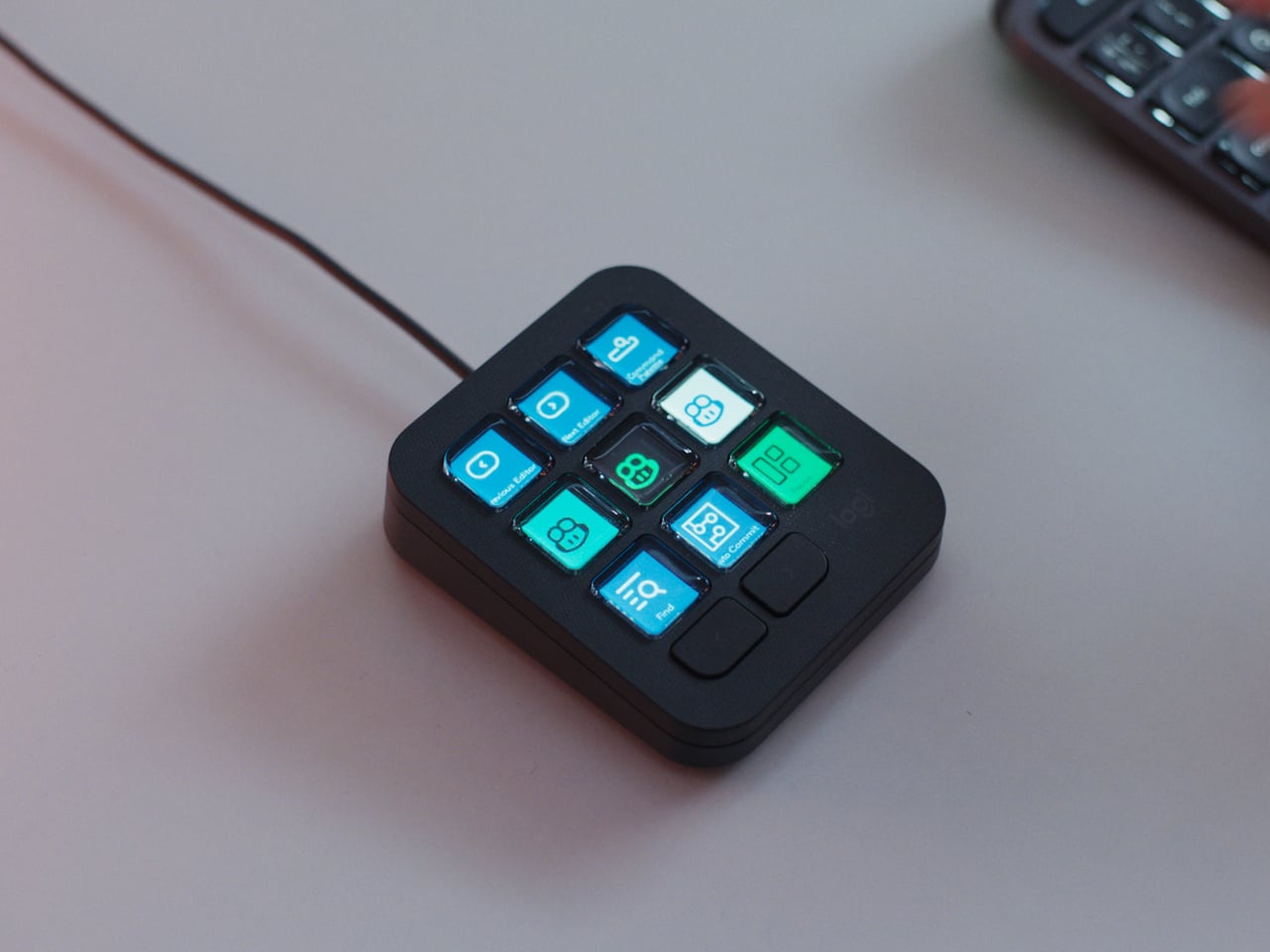
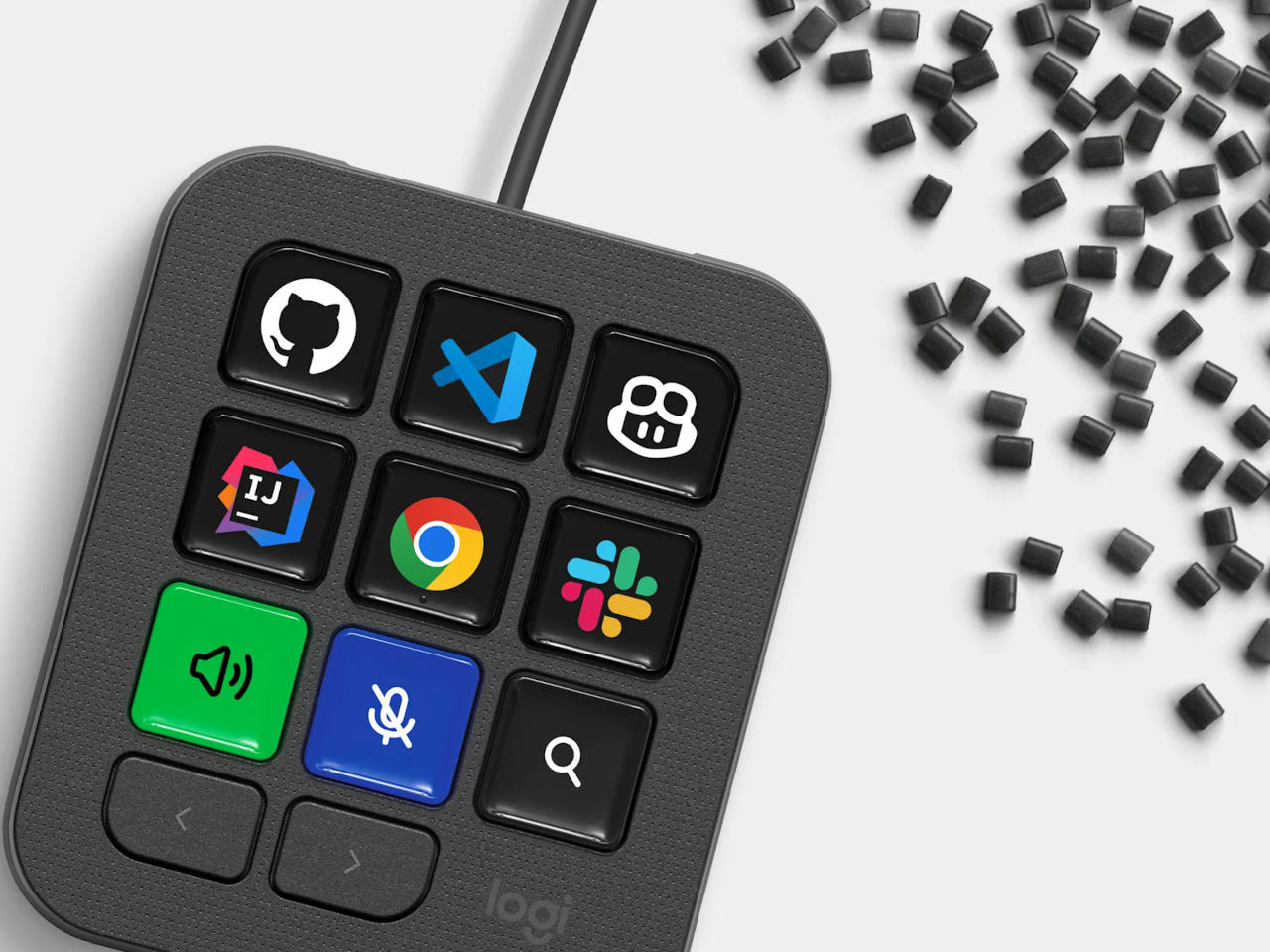
The other half of the duo is a keypad with 9 Display Keys, each of which can be configured for a different action and a matching icon. This lets creators and designers assign their most used shortcuts to these iconified buttons, freeing their minds from having to memorize all those key sequences, creating a more natural flow that, thanks to their physical and direct interactivity. It still relies on a bit of muscle memory, but far less than combinations of keys that don’t make sense as far as mnemonics are concerned.

Logitech isn’t just aiming for designers with such an assistive tool but also appealing to their growing sense of responsibility to the environment. Parts of the MX Creative Console use post-consumer recycled (PCR) plastic, 72% for the Graphite colorway and 55% for the Pale Grey version. The aluminum used for the dial is also made with a lower carbon footprint, using renewable energy rather than fossil fuels. Packaging still has some plastic, but the paper parts are made from sustainable and controlled sources.

Truth be told, Logitech is a bit late in the game, with many creators already using the popular live-streaming tool Stream Deck for the same purpose, though the addition of the physical dial is a big boost for professionals. At the same time, Cooler Master just recently launched the MasterHUB, a creative console with a modular design that really puts users in control. That said, the Logitech MX Creative Console does cost only $199, making it an accessible option for creators who need a boost to get into the zone.

The post Logitech MX Creative Console offers designers more controls to help them create more first appeared on Yanko Design.
Logitech Keys-to-Go 2 portable keyboard hides a few gems in its slim body

Phones and tablets are made for touch, whether that’s swiping through social media or typing messages. The latter, however, has become more complicated thanks to more powerful devices and more sophisticated activities. Typing up an email, posting on social, or even writing a novel on the go would require not only a keyboard but one that you can bring with you anywhere. Logitech has a wide variety of portable keyboards available, but it seems to have really gone out with its latest design. Combining powerful features, a slim body, and sustainable design, the new Keys-to-Go 2 aims to go where no mobile keyboard has gone before.
Designer: Logitech

There are plenty of portable keyboards in the market today promising comfort and portability, but many of them end up sacrificing one for the other. Foldable keyboards, in particular, are notorious for really being compact when not in use, but their ergonomics and accuracy leave a lot to be desired. Truth be told, it’s not easy to strike a balance between these two seemingly opposing ideals, but the new Logitech Keys-to-Go 2 probably comes close with a few special features to boot. It’s still going to be more cramped than regular desktop keyboards, but its wider body provides a more comfortable spread of keys compared to the first Keys-to-Go.

Unlike most wireless keyboards, the Keys-to-Go 2 comes with a built-in cover to protect the important keys while inside your bag or when exposed to the elements. You flip it all the way to the bottom of the keyboard when you’re about to use it so you don’t have to worry about losing the cover. Unfortunately, it’s a missed opportunity to have the cover also function as a makeshift stand for phones and tablets, so you’ll have to pull out your own stand when working outdoors.

Logitech also takes a stronger sustainability stand with the Keys-to-Go 2, using as much as 36% (Pale Gray, Graphite colors) or 33% (Lilac color) post-consumer recycled plastics for this iteration, while also employing renewable energy when producing the keyboard’s aluminum bracket. Surprisingly, Logitech opted to go with replaceable coin cell batteries rather than the common built-in rechargeable type, promising to keep the keyboard running for up to three years and lower the carbon footprint from repeated charging.

Unlike its predecessor, the Keys-to-Go 2 supports pairing with up to three devices simultaneously, and switching between these three is as easy as pushing a button. Aside from the rare lilac color, the keyboard’s design is pretty typical of Logitech’s style, simple yet also pleasing to look at. At only $79.99, the Logitech Keys-to-Go 2 becomes a very tempting option that almost gets that balance between comfort, convenience, portability, and sustainability just right.
The post Logitech Keys-to-Go 2 portable keyboard hides a few gems in its slim body first appeared on Yanko Design.